Entidad
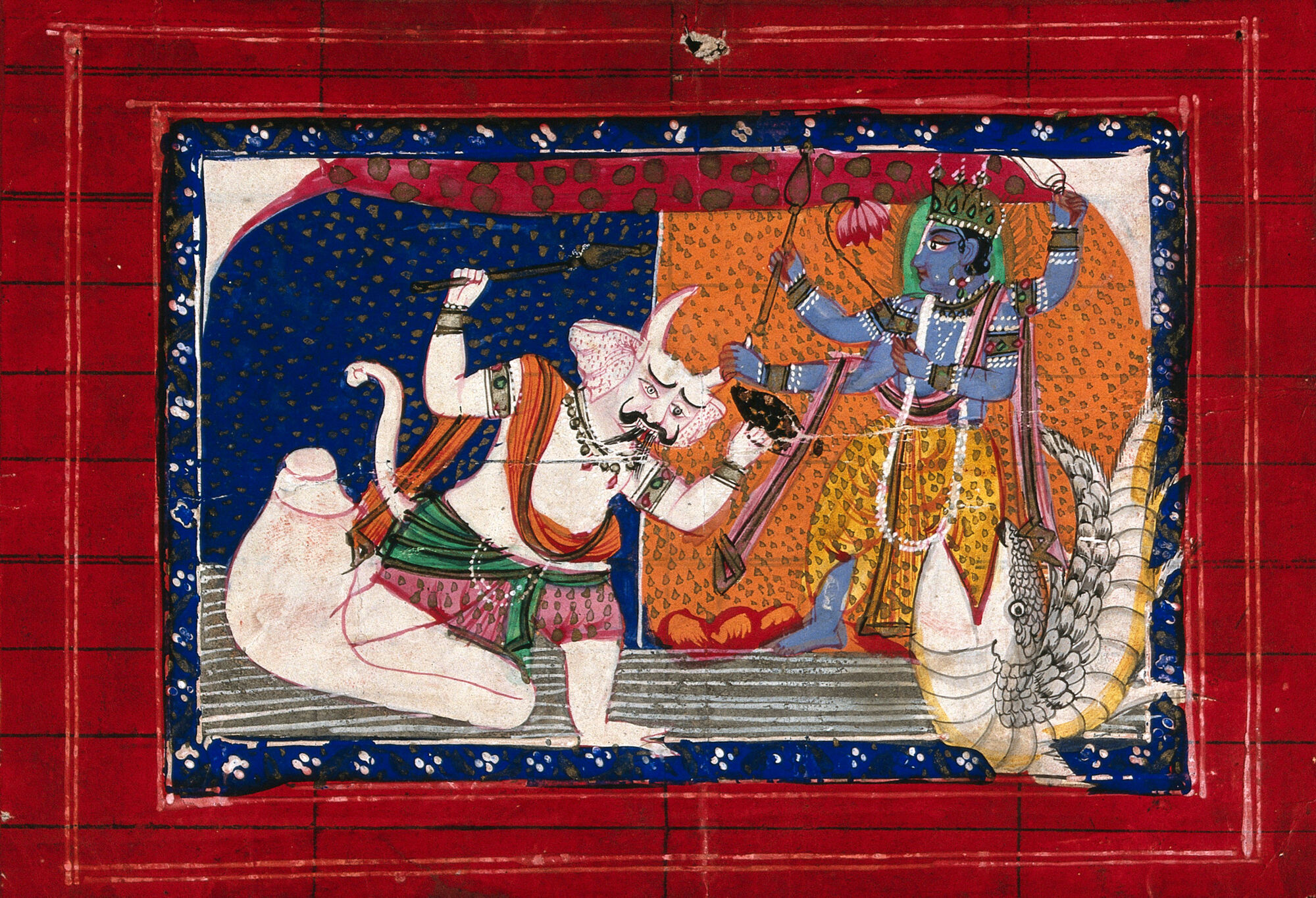
Viṣṇu
Página de referencia que vincula un nombre, grupo o concepto con los materiales que lo tratan.
Traducción automática. Lea el original en inglés.
Deidad hindú con la que se identifica el pez salvador en versiones vaiṣṇavas posteriores.
Última revisión:
Texto
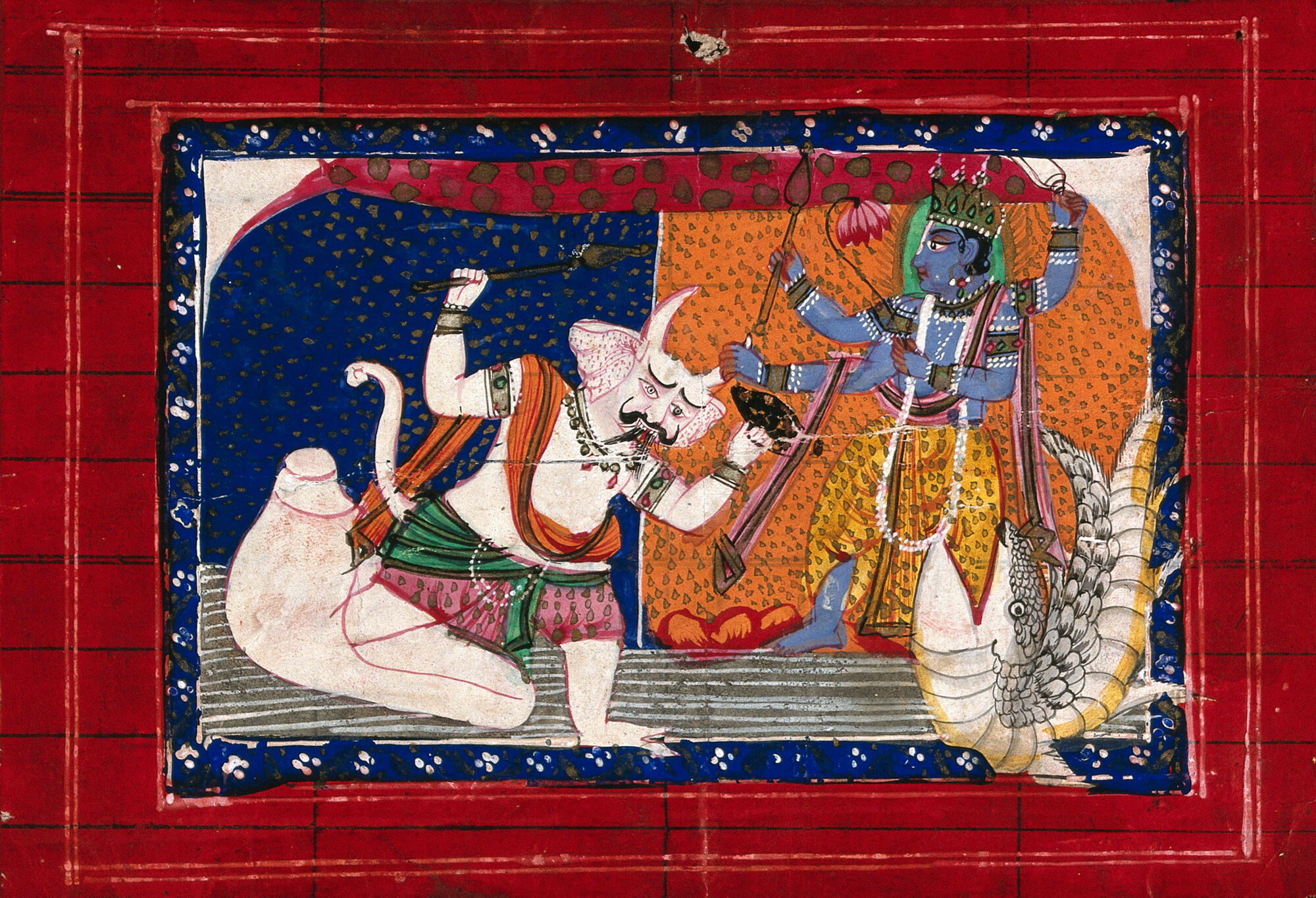
Viṣṇu es una deidad hindú asociada con varias formas y manifestaciones, entre ellas Matsya, el pezMatsya: el pez salvador en las tradiciones indiasThe fish saves Manu from a flood. The Śatapatha Brāhmaṇa does not name its deity; the Mahābhārata calls it Brahmā, while the Purāṇic versions examined identify Viṣṇu and vary in survivors and renewal.Glosario · Pulse para leer la explicación. Al inicio del Matsya Purāṇa, ManuManu, superviviente en las tradiciones indias del diluvioA central human figure in several Sanskrit accounts of the flood and human renewal; his position and role differ across the Śatapatha Brāhmaṇa, Mahābhārata and Purāṇas.Glosario · Pulse para leer la explicación se dirige al pez como Vāsudeva, Keśava y Janārdana, y el pez confirma su reconocimiento. [1]
Distinguir los textos permite rastrear esta identificación: el pasaje del diluvio en el Śatapatha BrāhmaṇaŚatapatha BrāhmaṇaVedic Brāhmaṇa prose associated with the White Yajurveda, explaining sacrifices and their symbolism in differing school recensions. Includes the account of Manu’s flood rescue and Idā as a ritual explanation.Glosario · Pulse para leer la explicación no da al pez ningún nombre divino, mientras que el relato seleccionado del Mahābhārata lo llama Brahmā. La forma vaiṣṇava pertenece a la interpretación y a la recepción del relato. [1][2][3]
Referencias y notas
- Ducœur, 2018, pp. 341–347, PDF pages 384–390: Matsya Purāṇa 1.10–34 and 2.1–20, complete French translation. Ducœur, 2018, pp. 341–347, PDF pages 384–390: Matsya Purāṇa 1.10–34 and 2.1–20, complete French translation. Volver al texto ↑
- Ducœur, Les mythes du déluge de l’Inde ancienne, 2018, pp. 331–334, PDF pages 374–377: Śatapatha Brāhmaṇa 1.8.1.1–11, complete French translation. Ducœur, Les mythes du déluge de l’Inde ancienne, 2018, pp. 331–334, PDF pages 374–377: Śatapatha Brāhmaṇa 1.8.1.1–11, complete French translation. Volver al texto ↑
- Ducœur, 2018, pp. 335–341, PDF pages 378–384: Mahābhārata 3.185.1–54, complete French translation, with selected Sanskrit wording checked in GRETIL. Ducœur, 2018, pp. 335–341, PDF pages 378–384: Mahābhārata 3.185.1–54, complete French translation, with selected Sanskrit wording checked in GRETIL. Volver al texto ↑
Proponer una corrección · Proponga una fuente para este registro
Citar este registro
IL Archive, «Viṣṇu», https://ilarchive.com/es/entities/vishnu-hindu-deity
Seguir leyendo