Entity
Viṣṇu
A reference page linking a name, group, or concept to the materials that discuss it.
Hindu deity with whom the saving fish is identified in later Vaiṣṇava versions.
Last reviewed:
Text
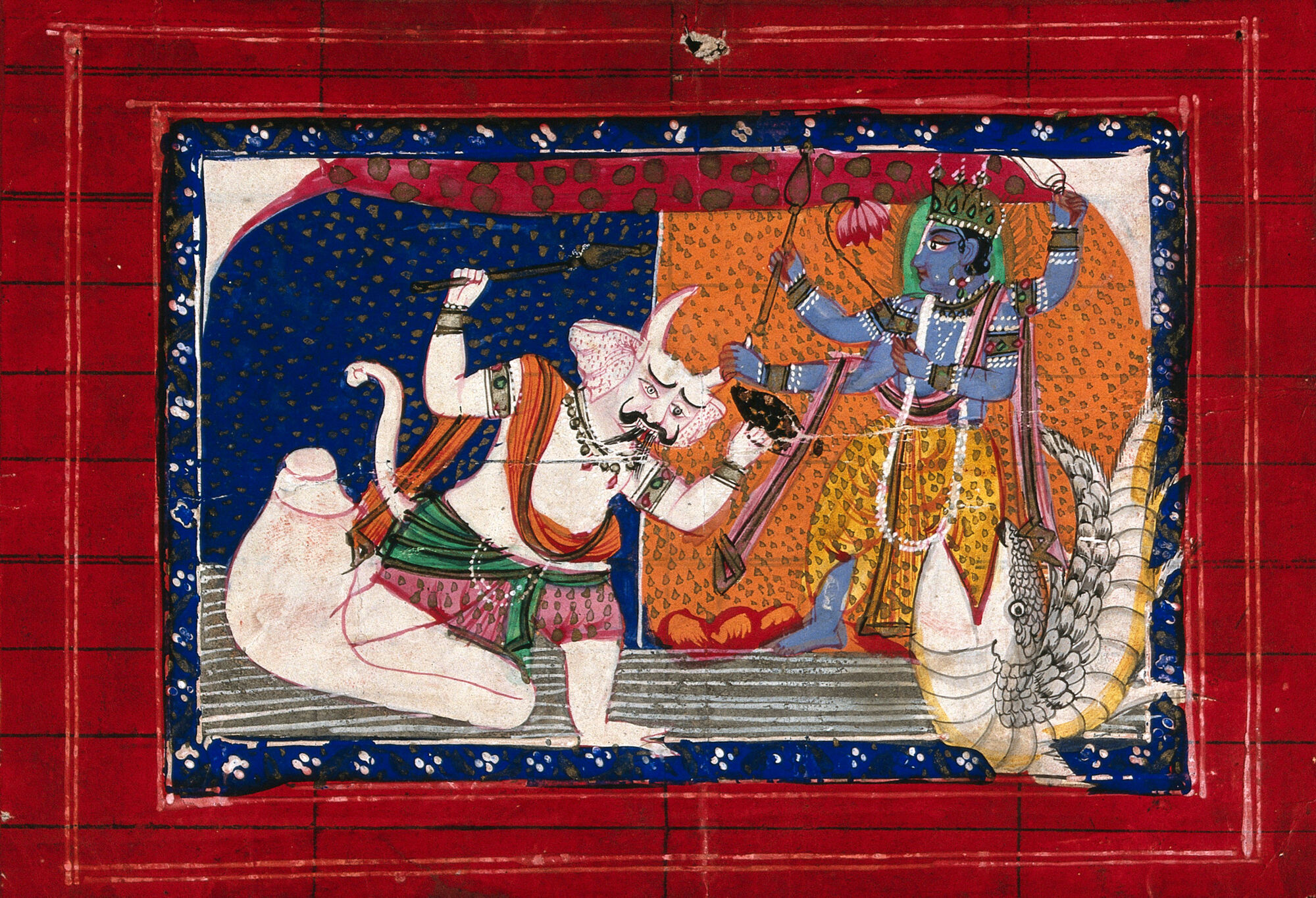
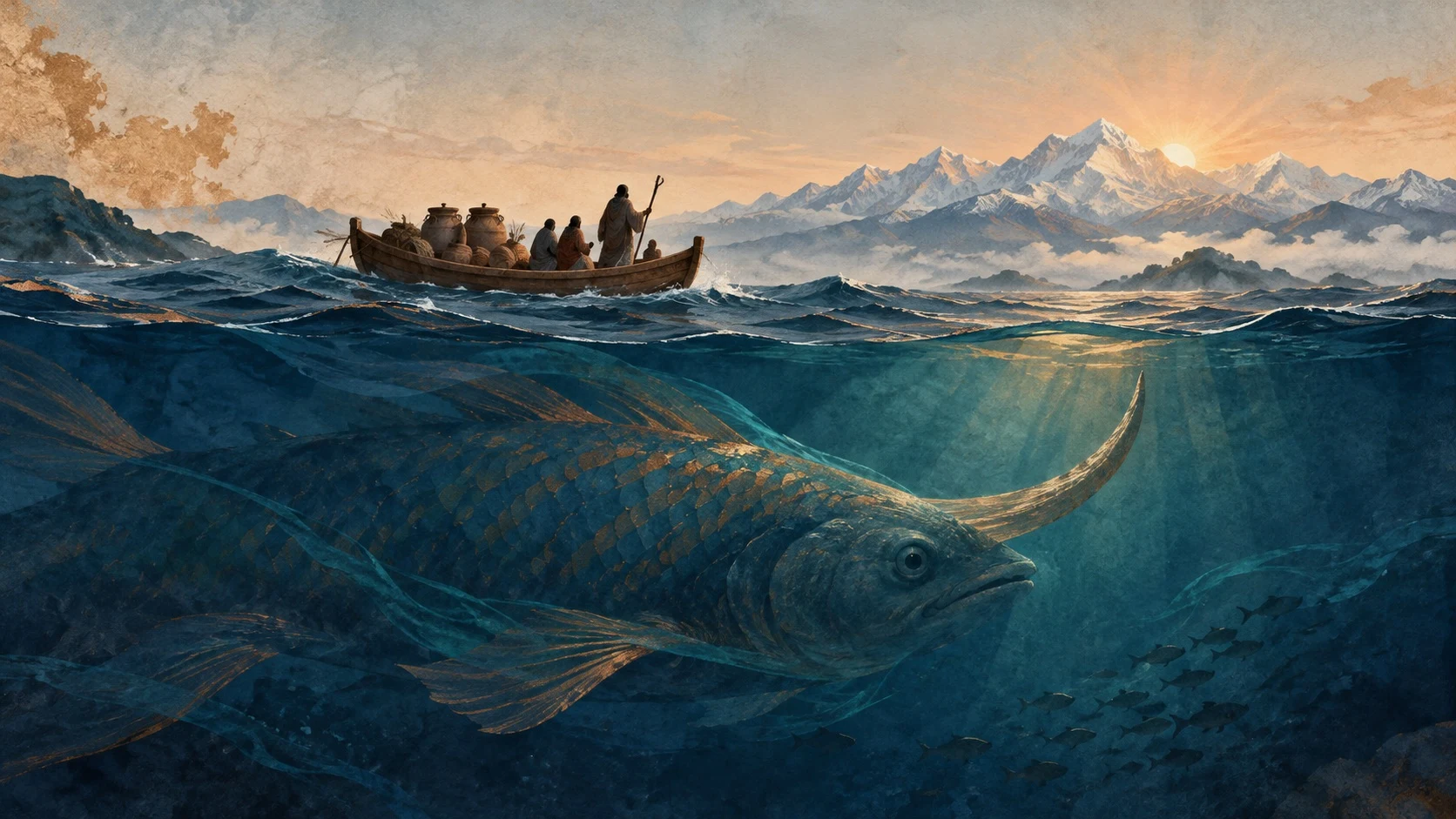
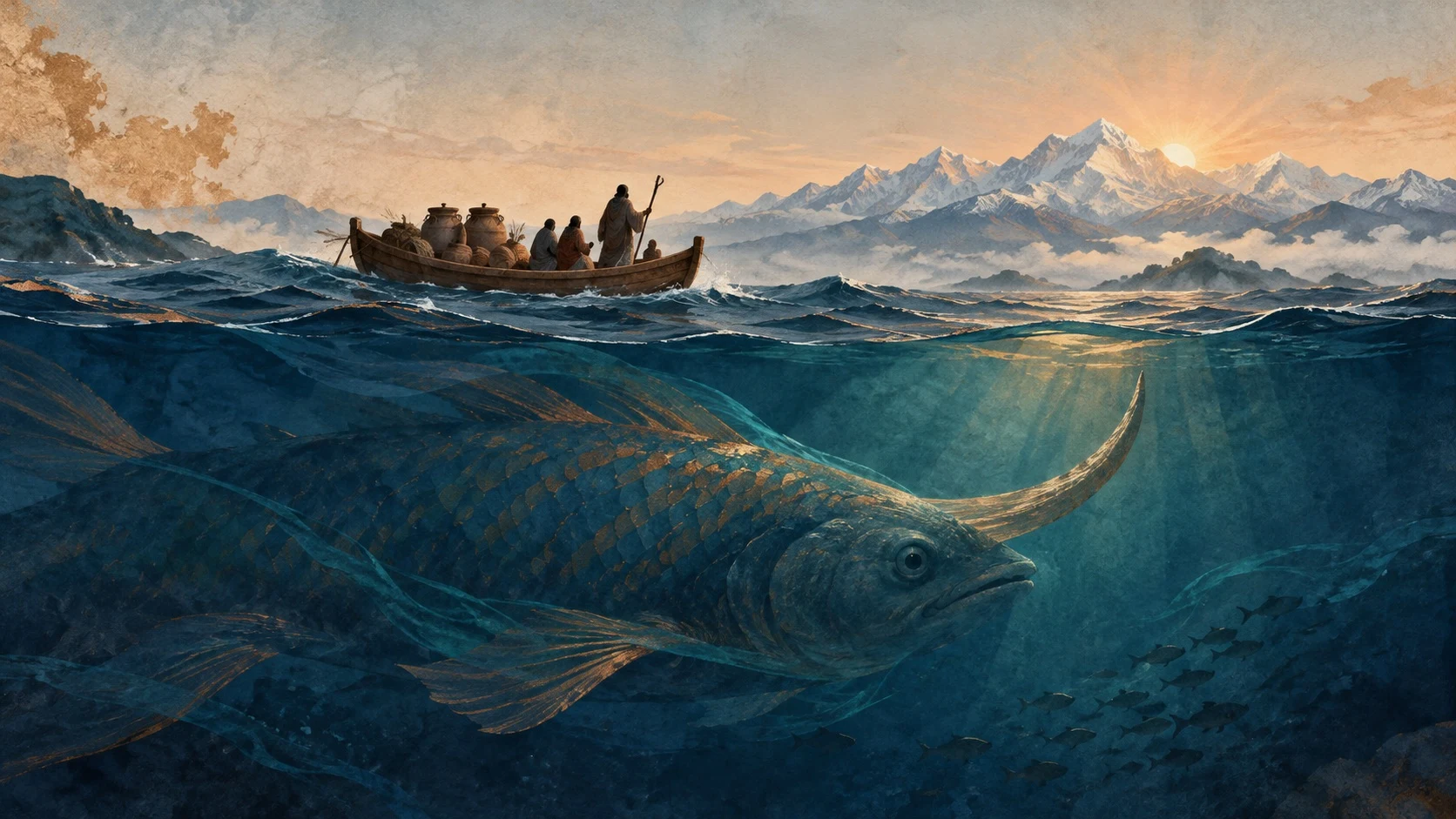
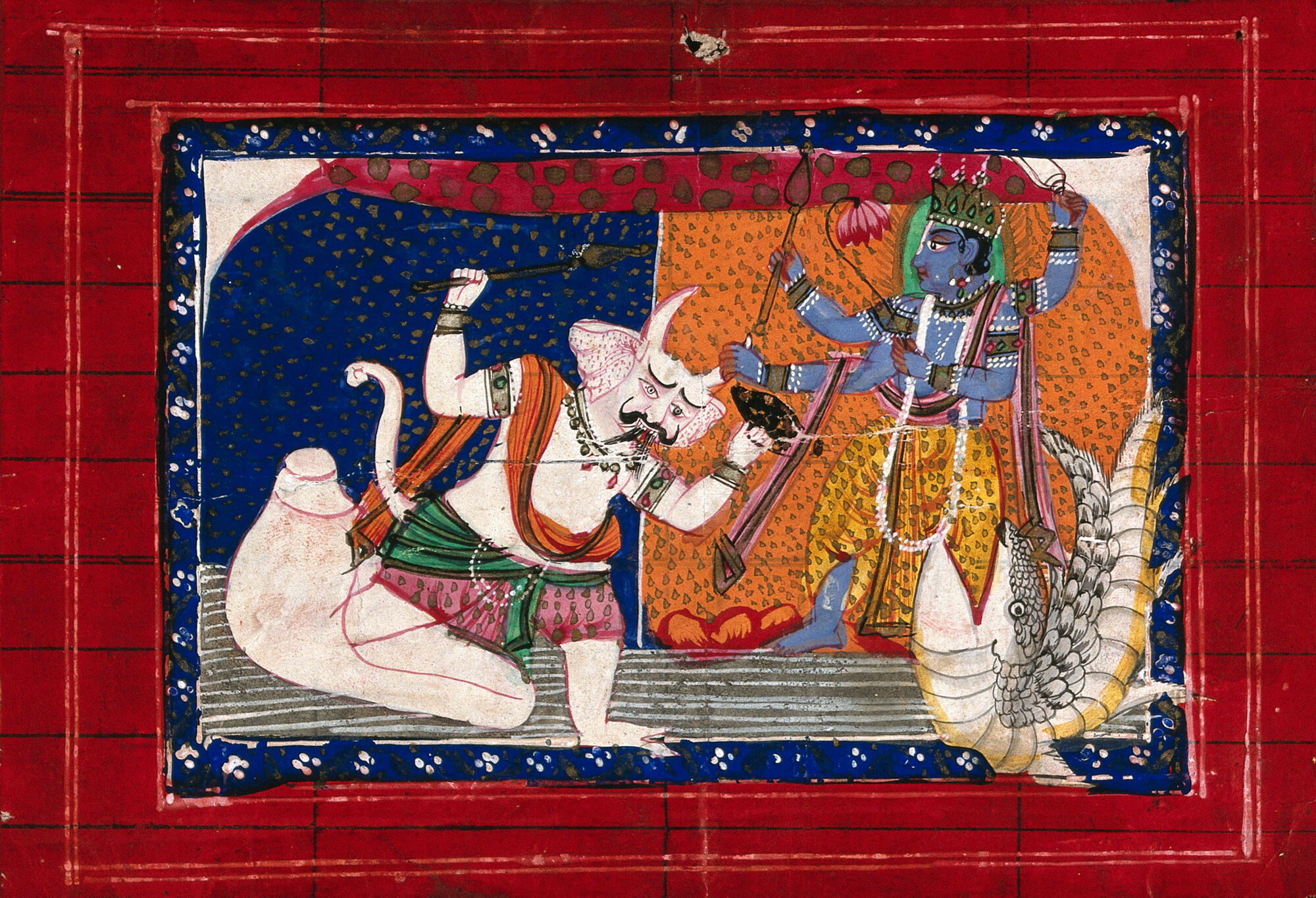
Viṣṇu is a Hindu deity associated with several forms and manifestations, including Matsya, the fishMatsya: The Saving Fish in Indian TraditionsThe fish saves Manu from a flood. The Śatapatha Brāhmaṇa does not name its deity; the Mahābhārata calls it Brahmā, while the Purāṇic versions examined identify Viṣṇu and vary in survivors and renewal.Glossary · Click to read the explanation. At the opening of the Matsya Purāṇa, ManuManu, Survivor in Indian Flood TraditionsA central human figure in several Sanskrit accounts of the flood and human renewal; his position and role differ across the Śatapatha Brāhmaṇa, Mahābhārata and Purāṇas.Glossary · Click to read the explanation addresses the fish as Vāsudeva, Keśava and Janārdana, and it confirms his recognition. [1]
Distinguishing texts traces this identification: the Śatapatha BrāhmaṇaŚatapatha BrāhmaṇaVedic Brāhmaṇa prose associated with the White Yajurveda, explaining sacrifices and their symbolism in differing school recensions. Includes the account of Manu’s flood rescue and Idā as a ritual explanation.Glossary · Click to read the explanation flood passage gives the fish no divine name, while the selected Mahābhārata account names Brahmā. The Vaiṣṇava form belongs to the story’s interpretation and reception. [1][2][3]
References and notes
- Ducœur, 2018, pp. 341–347, PDF pages 384–390: Matsya Purāṇa 1.10–34 and 2.1–20, complete French translation. Ducœur, 2018, pp. 341–347, PDF pages 384–390: Matsya Purāṇa 1.10–34 and 2.1–20, complete French translation. Return to the text ↑
- Ducœur, Les mythes du déluge de l’Inde ancienne, 2018, pp. 331–334, PDF pages 374–377: Śatapatha Brāhmaṇa 1.8.1.1–11, complete French translation. Ducœur, Les mythes du déluge de l’Inde ancienne, 2018, pp. 331–334, PDF pages 374–377: Śatapatha Brāhmaṇa 1.8.1.1–11, complete French translation. Return to the text ↑
- Ducœur, 2018, pp. 335–341, PDF pages 378–384: Mahābhārata 3.185.1–54, complete French translation, with selected Sanskrit wording checked in GRETIL. Ducœur, 2018, pp. 335–341, PDF pages 378–384: Mahābhārata 3.185.1–54, complete French translation, with selected Sanskrit wording checked in GRETIL. Return to the text ↑
Suggest a correction · Suggest a source for this record
Cite this record
IL Archive, «Viṣṇu», https://ilarchive.com/en/entities/vishnu-hindu-deity
Continue reading