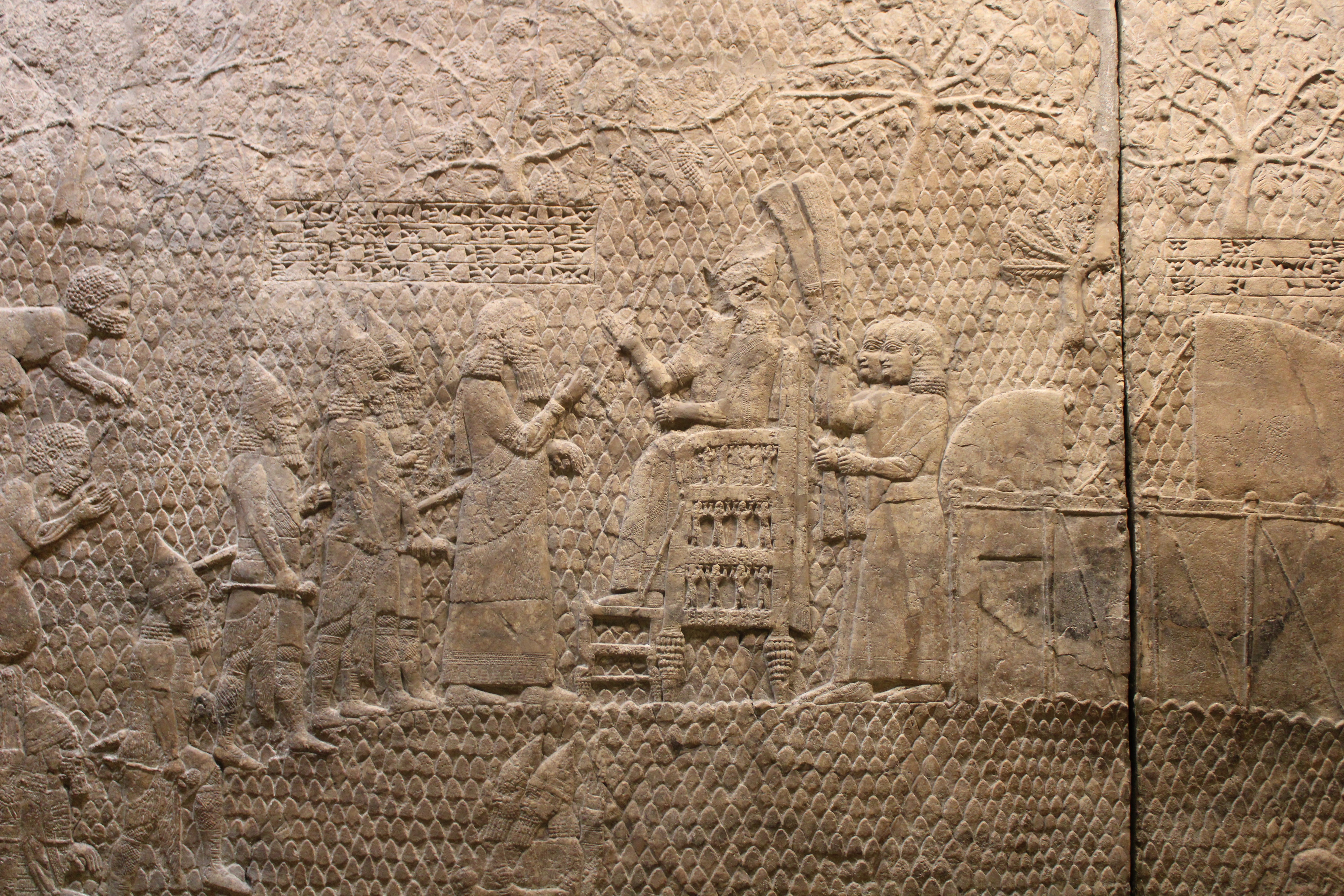
Sennacherib enthroned receiving submission after Lachish’s capture; Nineveh palace relief, about 700–692 BCE. His face is damaged. Royal victory representation, not an Ahiqar scene
Persona
Assyrian king, 704–681 BCE; part of Ahiqar’s story is set at his court.
Variantes del nombre: Sennacherib, king of Assyria, Sennacherib
Contexto y fuentes →

Newly generated symbolic illustration of the threshold between life and death. The landscape and buildings are imaginary, not an archaeological place, a map of Sheol, or a historical reconstruction
Entidad
Hebrew word used for death, grave imagery and the abode of the dead in diverse texts; neither later punitive hell nor one specific physical tomb in every occurrence.
Variantes del nombre: Sheol
Contexto y fuentes →
Modern AI-generated expressive cover: imagined scrolls and a harbor scene evoke the passage of writing between languages. Not a manuscript photograph or a verified reconstruction of Ptolemaic Alexandria
Entidad
A name for the varied ancient Greek translations and writings associated with Jewish scripture; beginning with the Torah, the texts differ across books and manuscripts.
Variantes del nombre: Septuagint
Contexto y fuentes →

Six imagined wings around light above an altar: a newly generated symbolic cover inspired by Isaiah 6, not an ancient artifact or verified reconstruction of seraphim or the temple
Entidad
Six-winged attendants of the throne in Isaiah 6, associated with praise and purification. Related Hebrew wording also refers to serpents; seraphim are not automatically cherubim or all angels.
Variantes del nombre: seraphim, seraph
Contexto y fuentes →
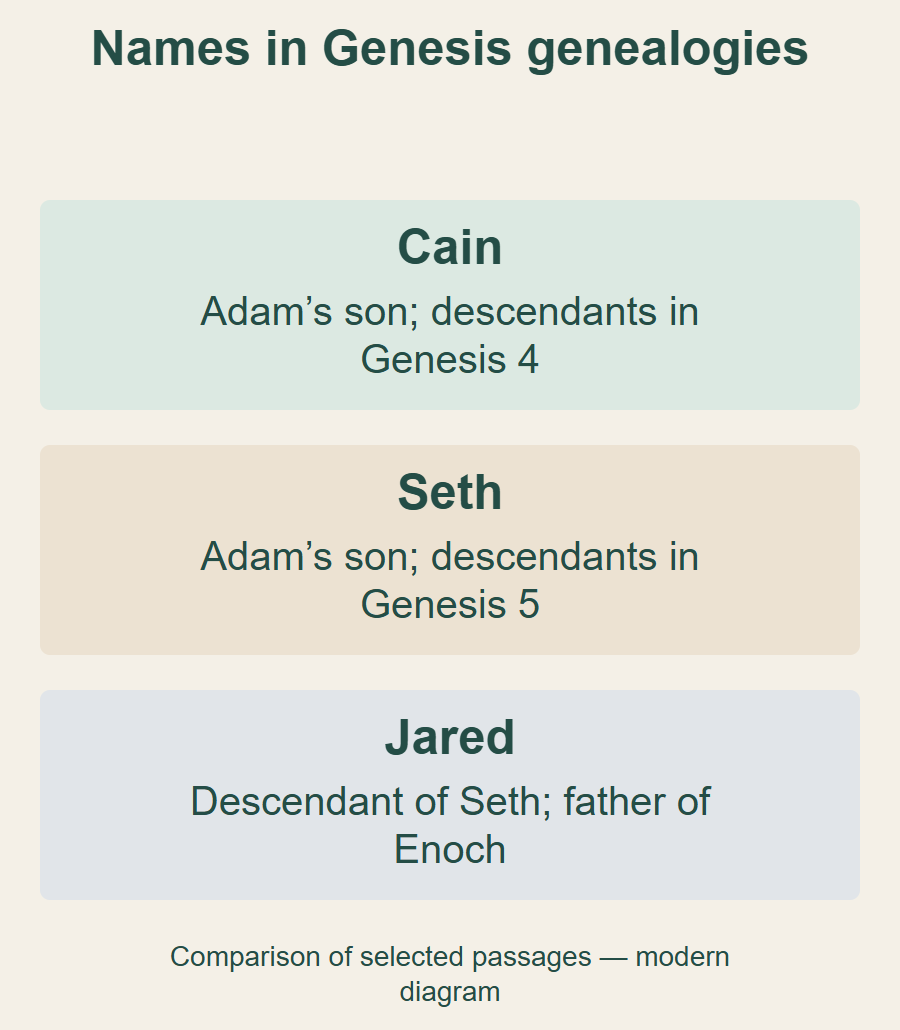
Modern chart distinguishing the Cain and Seth branches in Genesis and Jared’s position; textual relationships, not a reconstructed historical genealogy
Persona
Seth is Adam’s son in Genesis; Augustine interprets the sons of God as his descendants.
Variantes del nombre: Seth
Contexto y fuentes →
Persona
Scholar of ancient Judaism, wisdom and narrative; assistant professor at Radboud University, with research on Ahiqar.
Variantes del nombre: Seth A. Bledsoe, Seth Bledsoe
Contexto y fuentes →
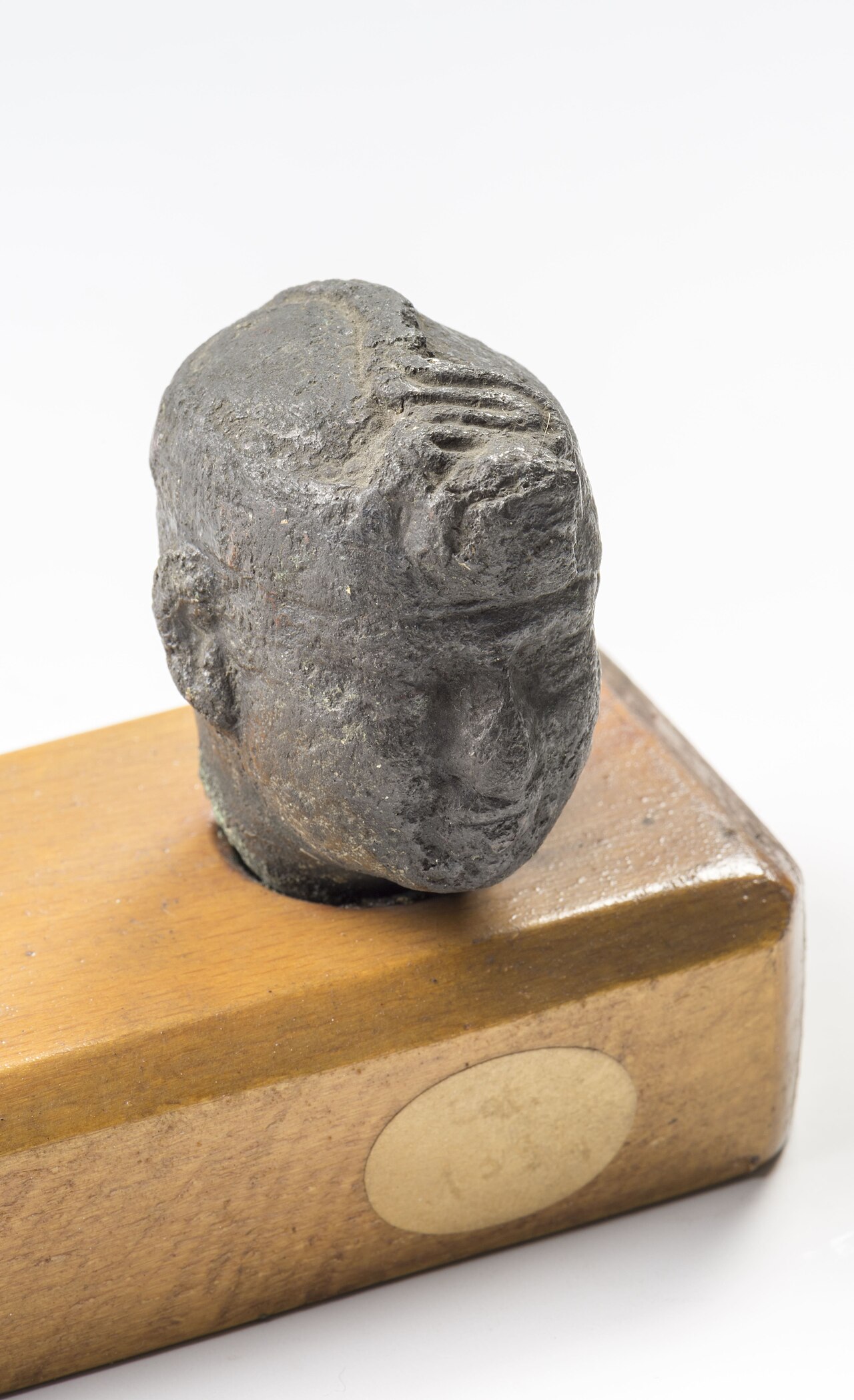
Bronze head from a statuette identified by Turin’s Museo Egizio as King Shabaka, of the Twenty-fifth Dynasty. The museum dates the object to 722–655 BCE; inventory Cat. 1394. The image is released by the museum under CC0
Persona
Shabaka was a Kushite king of Egypt’s Twenty-fifth Dynasty in the late eighth century BCE
Variantes del nombre: Shabaka
Contexto y fuentes →
Persona
Yeshiva University scholar of Mesopotamian literature and law and their biblical and later relationships.
Variantes del nombre: Shalom E. Holtz, Assyriologist and biblical scholar
Contexto y fuentes →
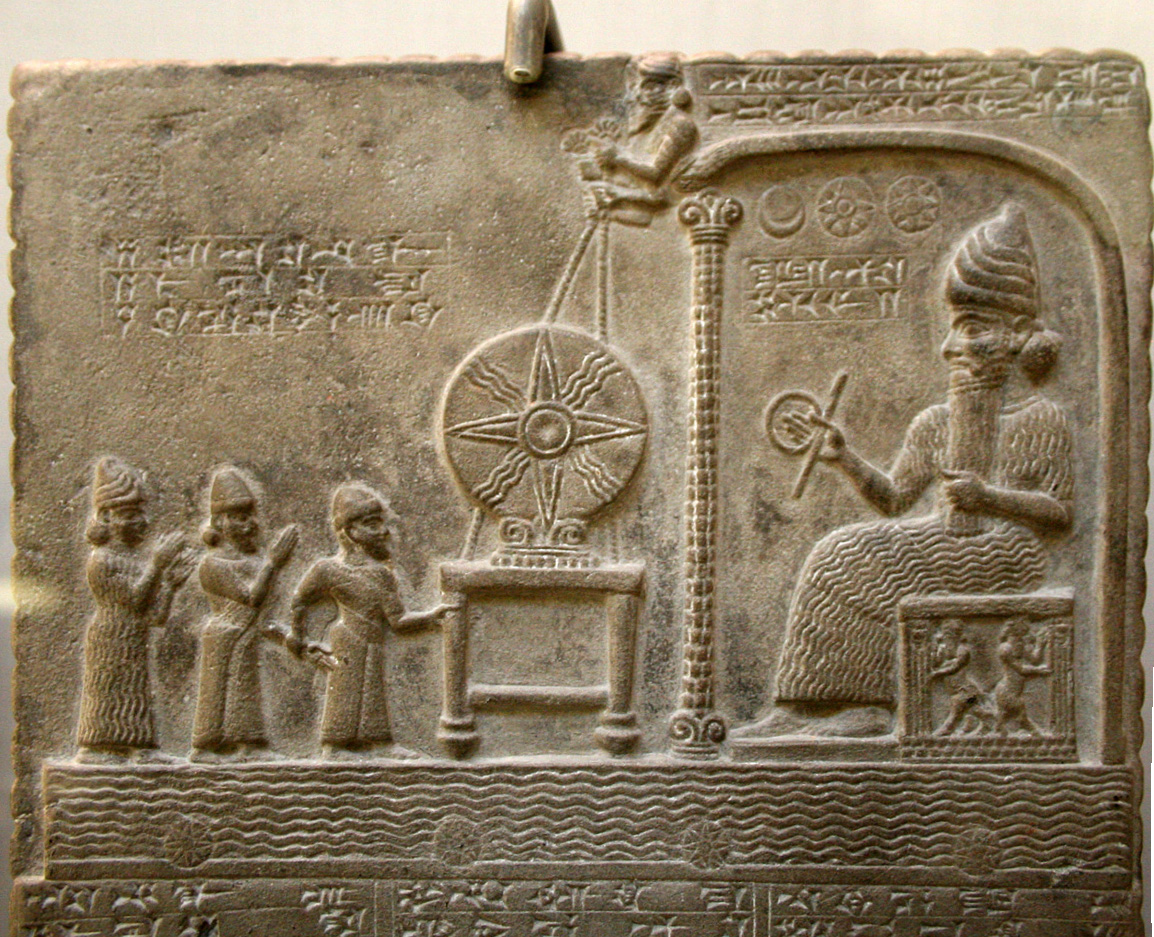
Relief at the top of the Sun-God Tablet from Sippar, ninth century BCE. Shamash sits before a solar disc; a Babylonian king and two intermediary figures stand to the left. British Museum, 91000. Photograph by Prioryman, 22 January 2012
Entidad
Mesopotamian god of the sun and justice, shown before Hammurabi on an eighteenth-century BCE stele preserved in the Louvre.
Variantes del nombre: Shamash, Šamaš
Contexto y fuentes →

Modern AI-generated symbolic image of the sun above a dark passage; neither an Ugaritic artifact nor an attested portrait of Shapshu
Entidad
Shapshu, the Ugaritic sun goddess, helps mourn Baal and warns Mot under El’s authority; her links with the dead and drought remain debated.
Variantes del nombre: Shapshu, Shapash, Šapšu
Contexto y fuentes →
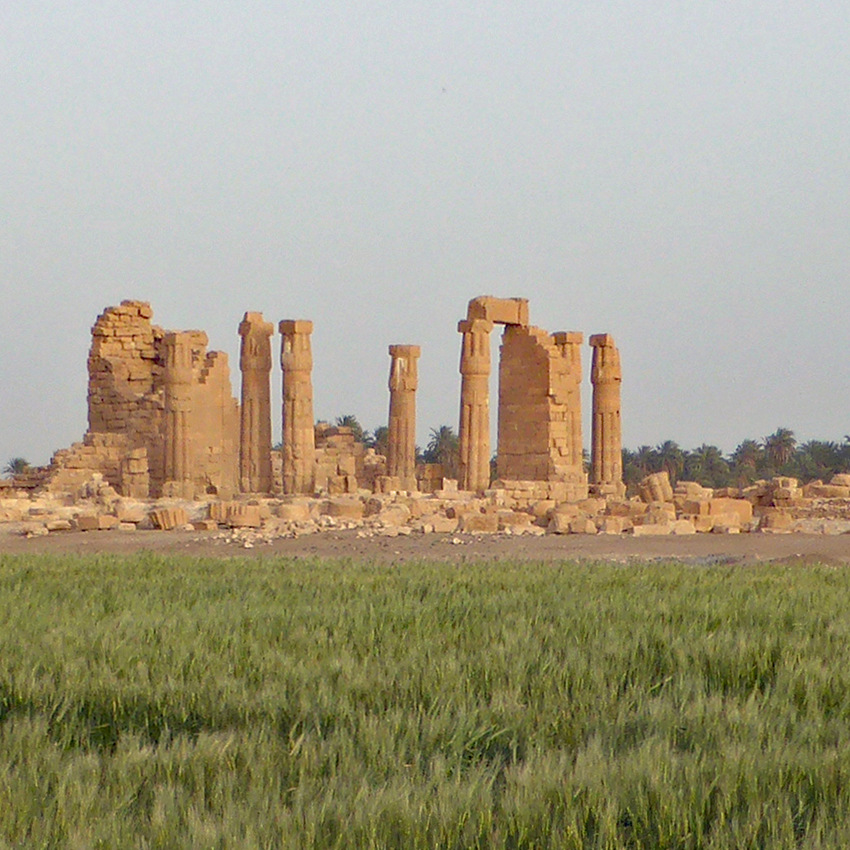
Cover: modern square crop of Hans Birger Nilsen’s 2017 photograph of the Soleb temple in Sudan; architectural context, not an image of Shasu or the Y-h-w inscription
Entidad
Egyptian designation for mobile pastoral populations of the Late Bronze Age; associated lists contain a name rendered Y-h-w. It identifies neither one unified people nor a certain connection with Yahweh.
Variantes del nombre: Shasu
Contexto y fuentes →
Persona
Shaul Shaked was a scholar of Iranian languages, Zoroastrianism and its contacts with Jewish traditions.
Variantes del nombre: Shaul Shaked
Contexto y fuentes →
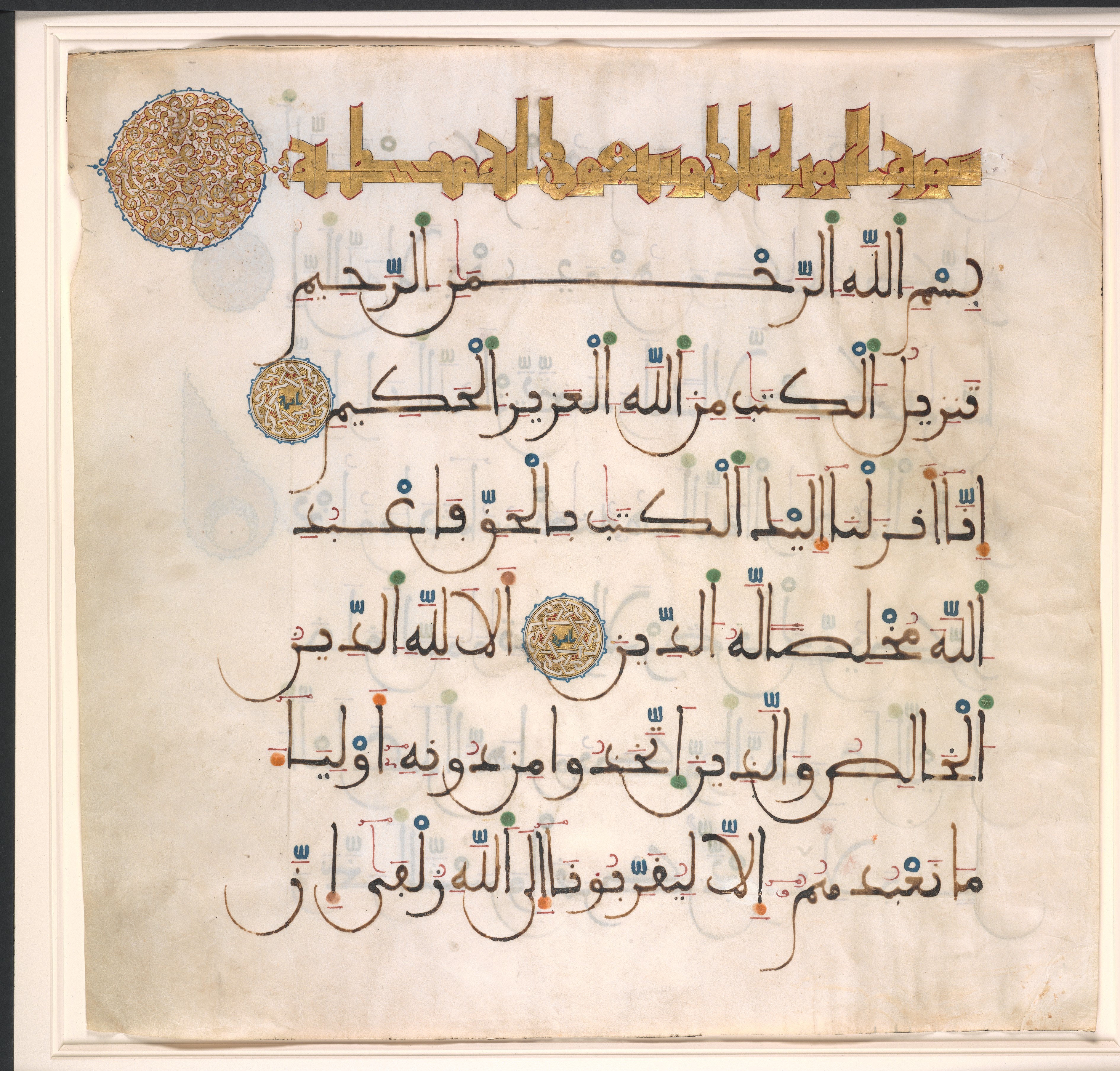
Quran leaf, probably Spain, late thirteenth–early fourteenth century; Met 42.63. It preserves 39:1–part of 39:3, including the claim about proximity to God. A later manuscript witness, not an image from the period of revelation
Entidad
Shirk: assigning God a partner in divinity or worship in Islamic discourse; not equivalent to denying God’s existence or to every form of intercession.
Variantes del nombre: shirk, associating partners with God
Contexto y fuentes →
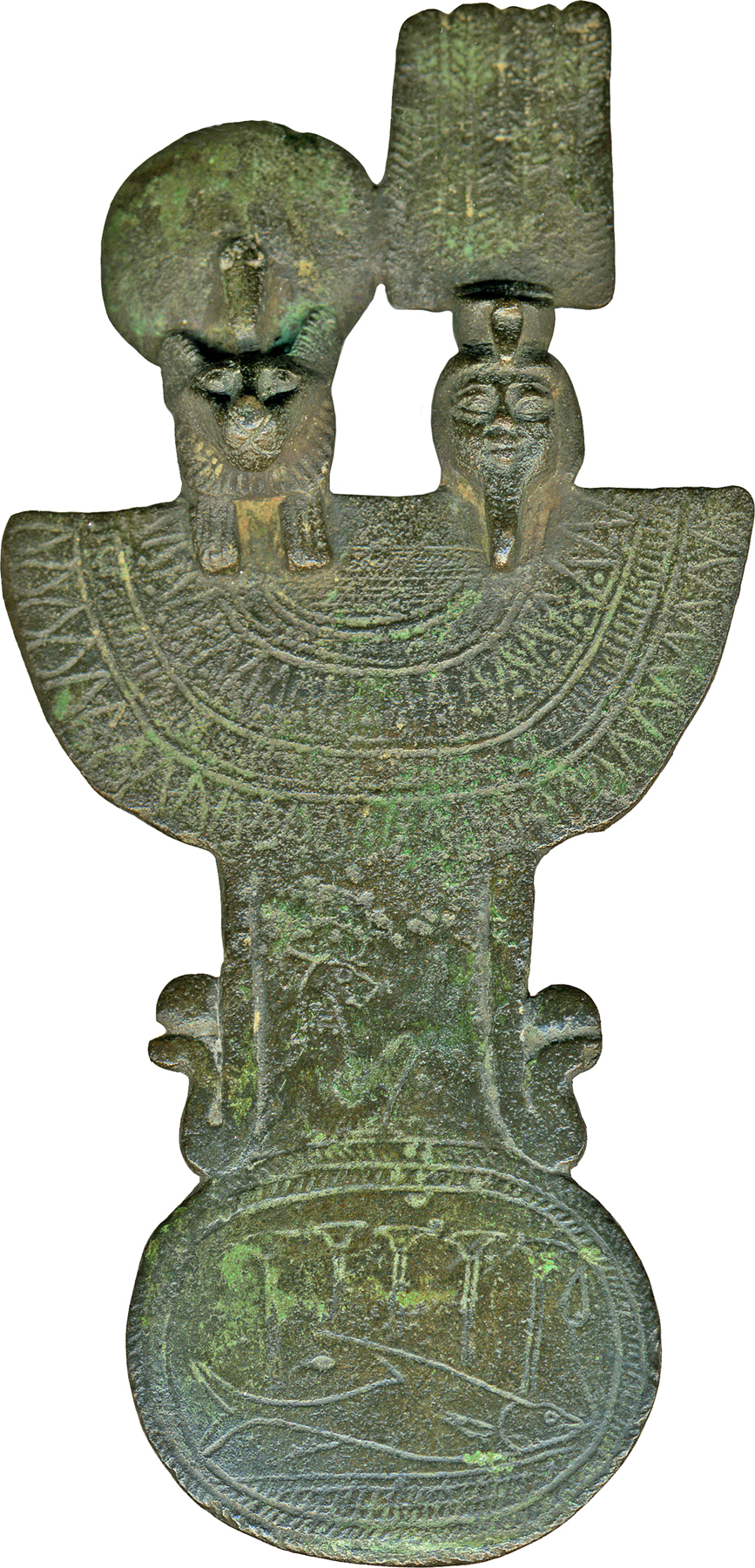
Bronze ritual menat bearing the heads of Shu and Tefnut, from Egypt’s Late Period, 664–380 BCE. Walters Art Museum, 54.1515. Instruments of this type were used with beaded collars in rituals
Entidad
Shu and Tefnut are an Egyptian divine pair associated with air and moisture respectively
Variantes del nombre: Shu and Tefnut, Shu, Tefnut
Contexto y fuentes →
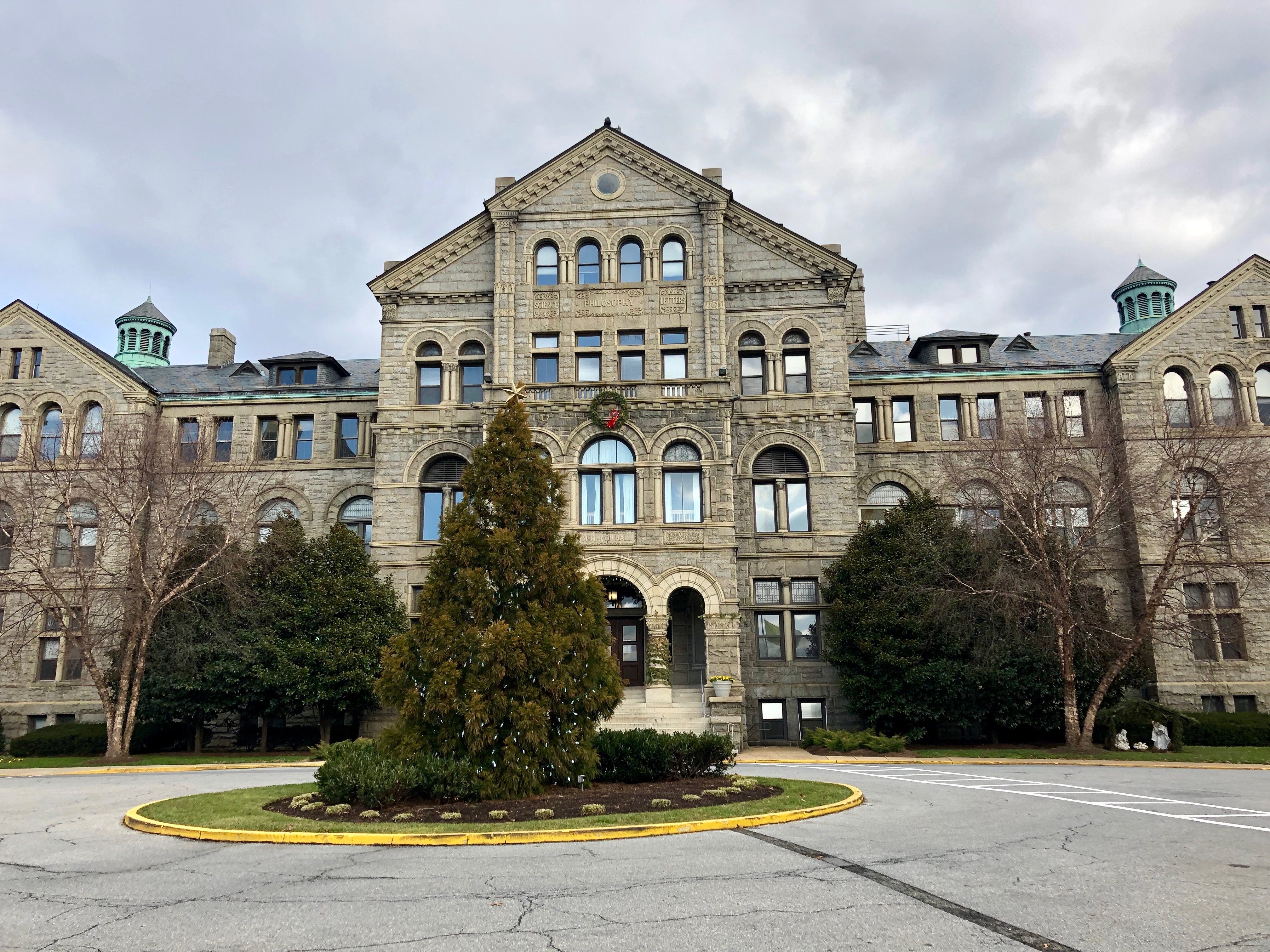
McMahon Hall at the Catholic University of America, Washington, photographed in 2018. Institutional context for Griffith's career, not his portrait or a documented office. w_lemay, CC0
Persona
American scholar (1938–2026) of Syriac and early Arabic Christianity and encounters with Islam.
Variantes del nombre: Sidney Griffith, Sidney H. Griffith
Contexto y fuentes →
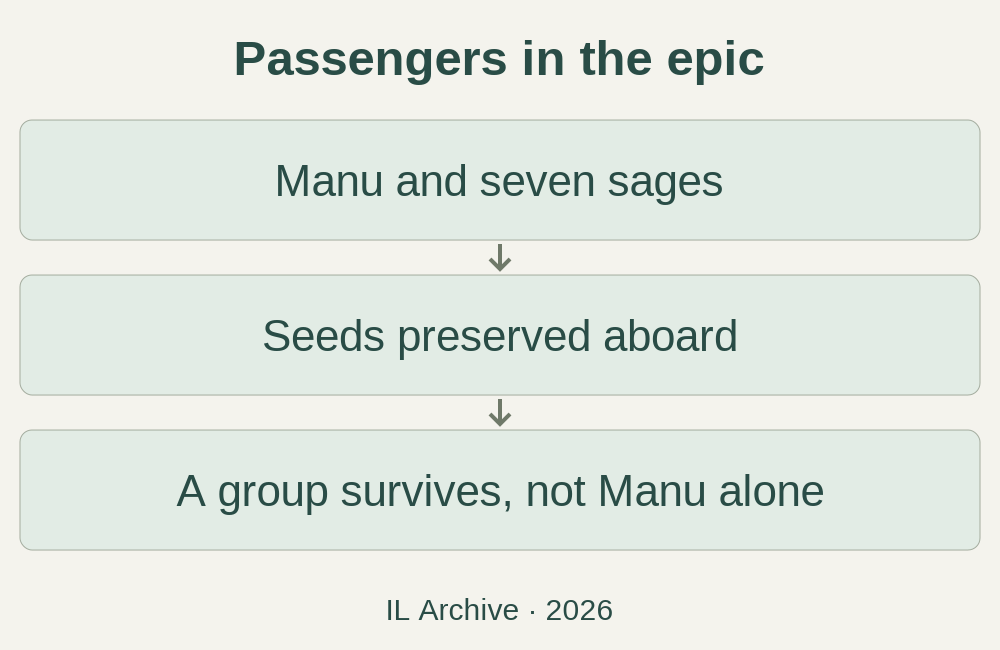
Modern explanatory diagram of narrative sequence and relationships, not a manuscript reproduction or portrait
Entidad
Sages accompanying Manu aboard the boat in the Mahābhārata version, Sanskrit saptarṣi.
Variantes del nombre: Seven sages in Manu’s flood story, Saptarṣi, Saptarshi
Contexto y fuentes →
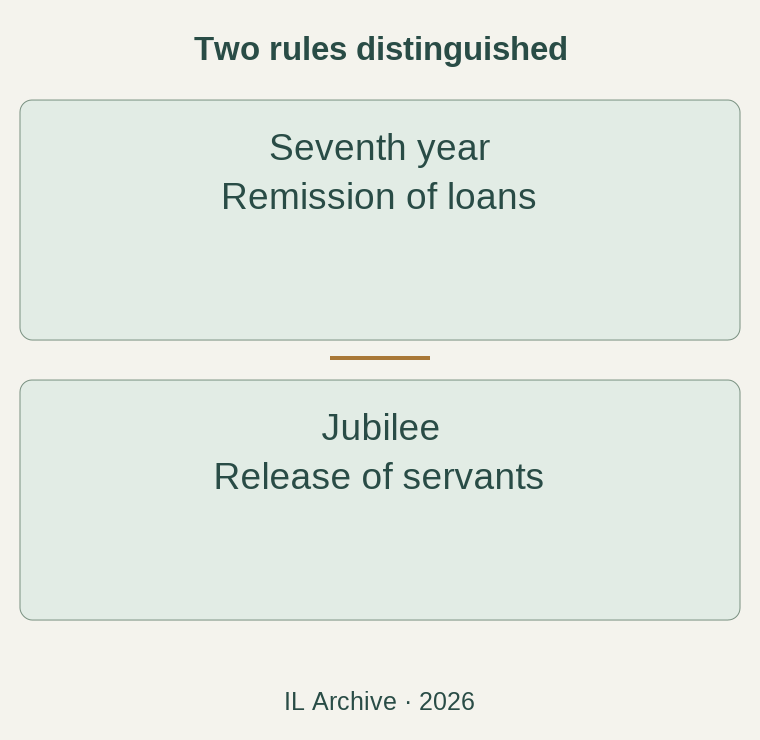
Modern diagram explaining the relationship between the named passages; not a manuscript photograph or historical portrait
Texto antiguo
Rabbinic interpretation of Leviticus preserving early-CE traditions and separating remission and jubilee rules.
Variantes del nombre: Sifra Leviticus
Contexto y fuentes →
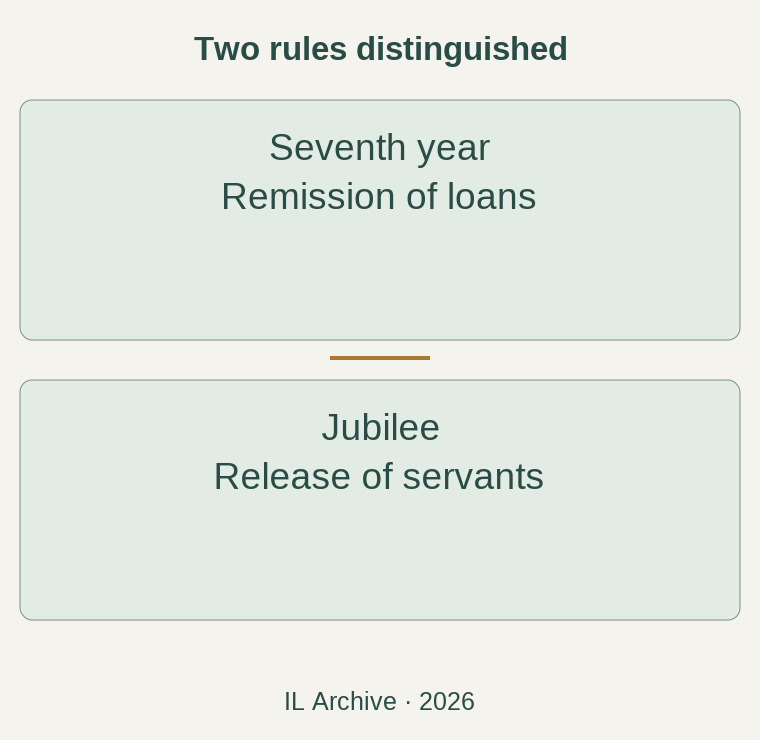
Modern diagram explaining the relationship between the named passages; not a manuscript photograph or historical portrait
Texto antiguo
Rabbinic interpretation of Deuteronomy distinguishing seventh-year remission and jubilee release in the compared passage.
Variantes del nombre: Sifre Deuteronomy
Contexto y fuentes →
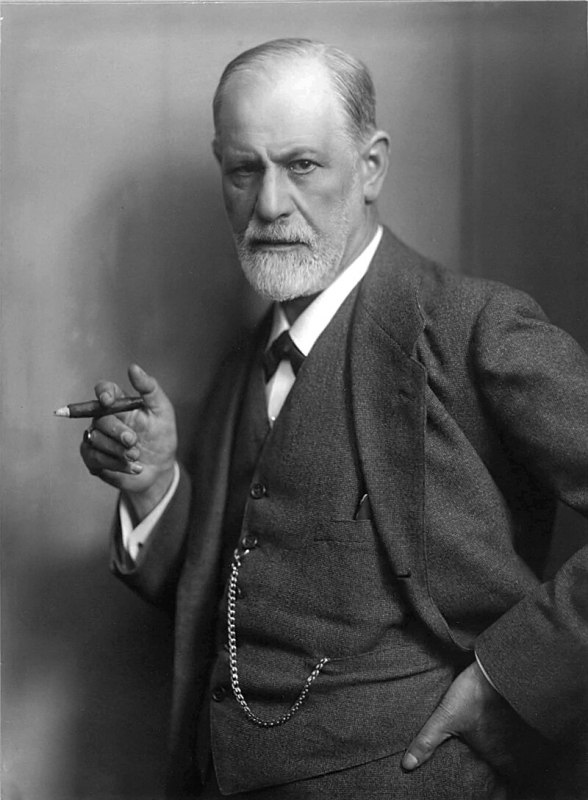
Sigmund Freud in 1921, photographed by Max Halberstadt, as displayed by the University of Vienna history archive. The published crop is retained without further cropping. A portrait of the modern thinker, not evidence from Akhenaten’s time
Persona
Neurologist and founder of psychoanalysis, born 1856, died 1939.
Variantes del nombre: Sigmund Freud
Contexto y fuentes →
Persona
Scholar of the Hebrew Bible and religious history who has written on pre-Islamic Raḥmānān.
Variantes del nombre: Sigrid K. Kjær
Contexto y fuentes →
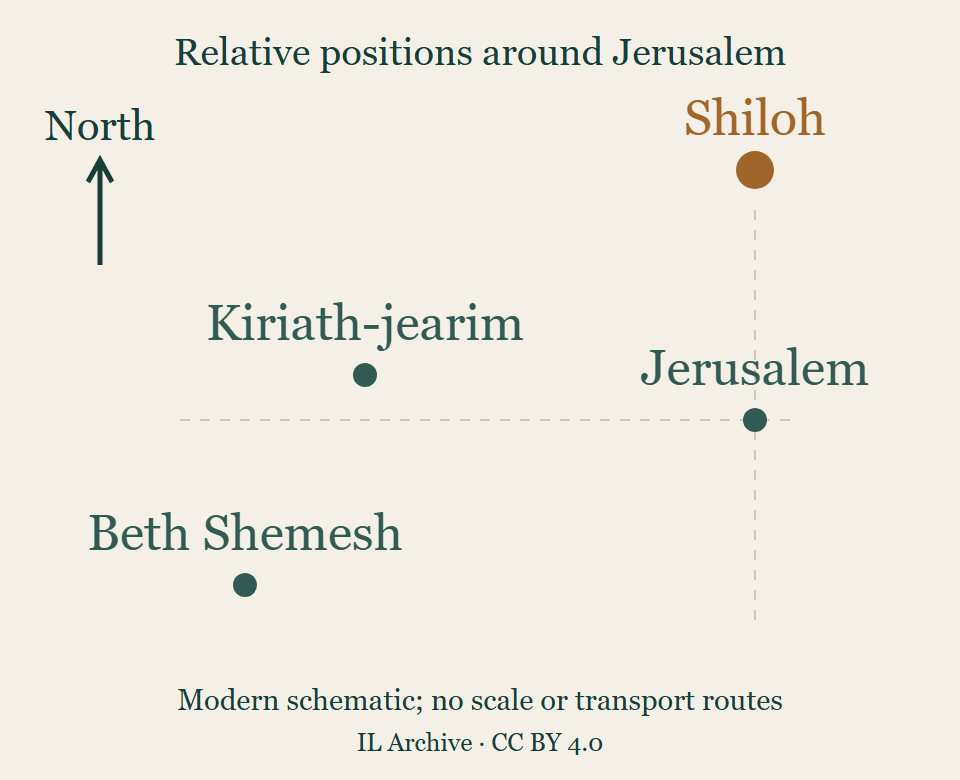
Modern schematic highlighting Shiloh / Seilun relative to Jerusalem and the other two sites. General directions, not a scale map or the Ark’s route
Yacimiento
Archaeological site in the West Bank highlands, associated with the Ark in Samuel.
Variantes del nombre: Shiloh / Seilun
Contexto y fuentes →
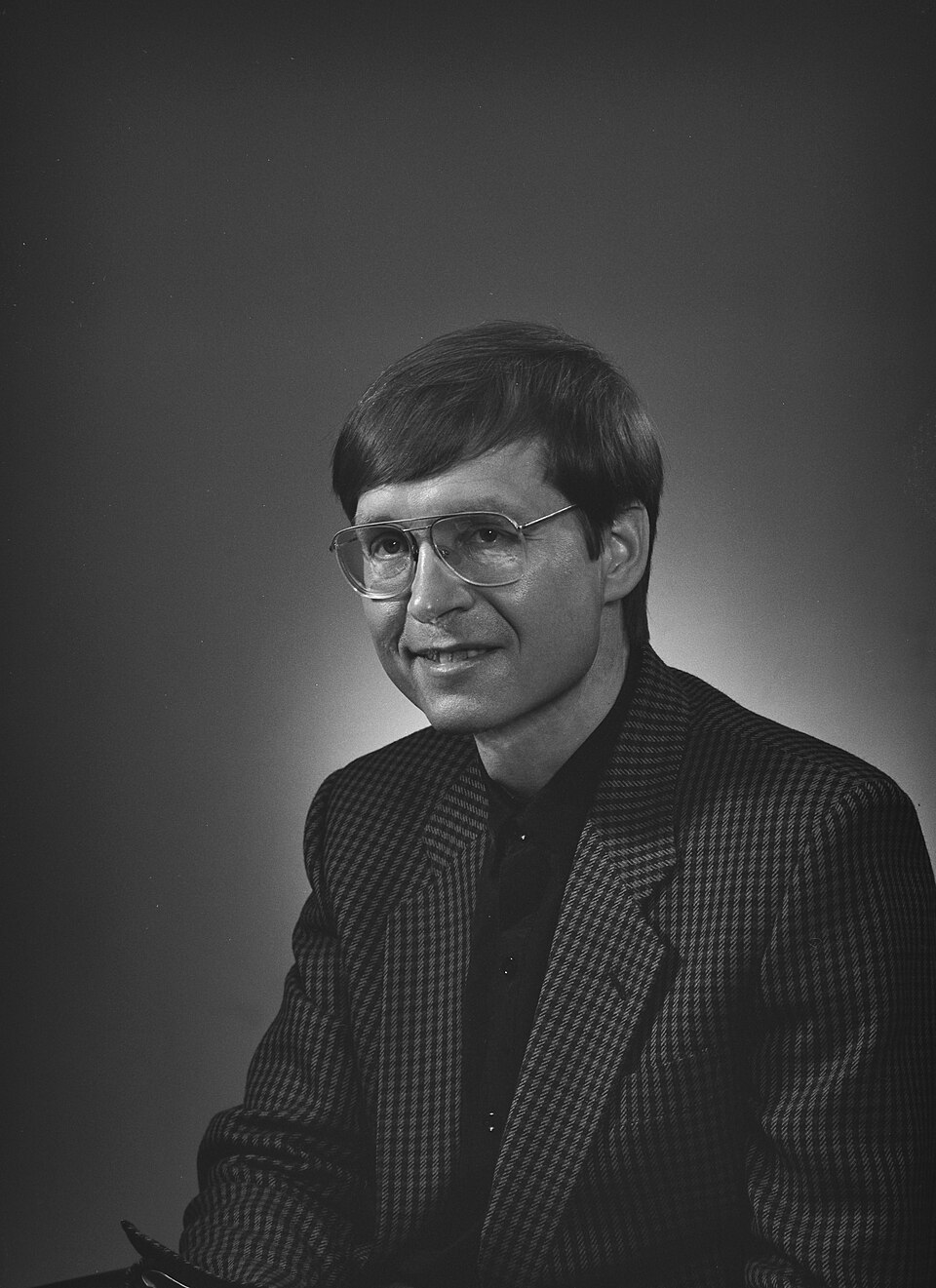
Simo Parpola in 1993, photographed by Kuvasiskot studio; Finnish collection record via Finna and Wikimedia Commons
Persona
A Finnish Assyriologist specializing in ancient Assyria, editor of scholarly letters and interpreter of sage and Oannes traditions.
Variantes del nombre: Simo Parpola
Contexto y fuentes →

Modern AI-generated symbolic illustration of the question of simplicity and composition; not a depiction of God, an artefact or a historical reconstruction
Entidad
The claim that God has no ontological constituents; strong versions deny real distinctions between essence and existence or between God and intrinsic attributes. It is not just numerical oneness or incorporeality.
Variantes del nombre: Divine simplicity, Divine metaphysical simplicity
Contexto y fuentes →
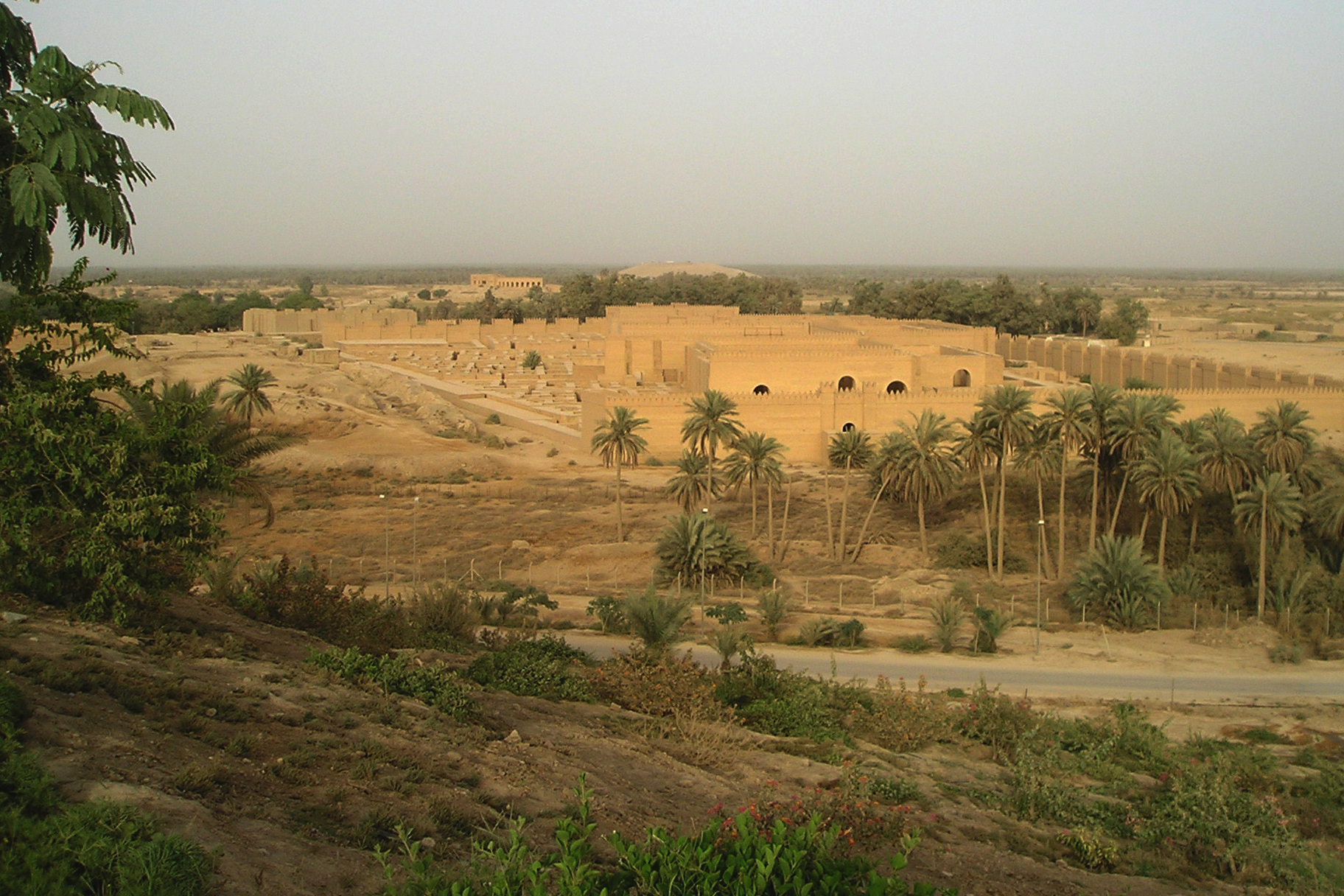
Babylon’s site in Iraq, source dated 2009, showing modern reconstruction and surrounding land. A city Genesis places in Shinar, not a map of Shinar’s boundaries or a photograph of the narrative’s tower
Yacimiento
Shinar is a region named in Genesis with Babylon, Uruk and Akkad, and the plain where the city and tower are built.
Variantes del nombre: Shinar
Contexto y fuentes →
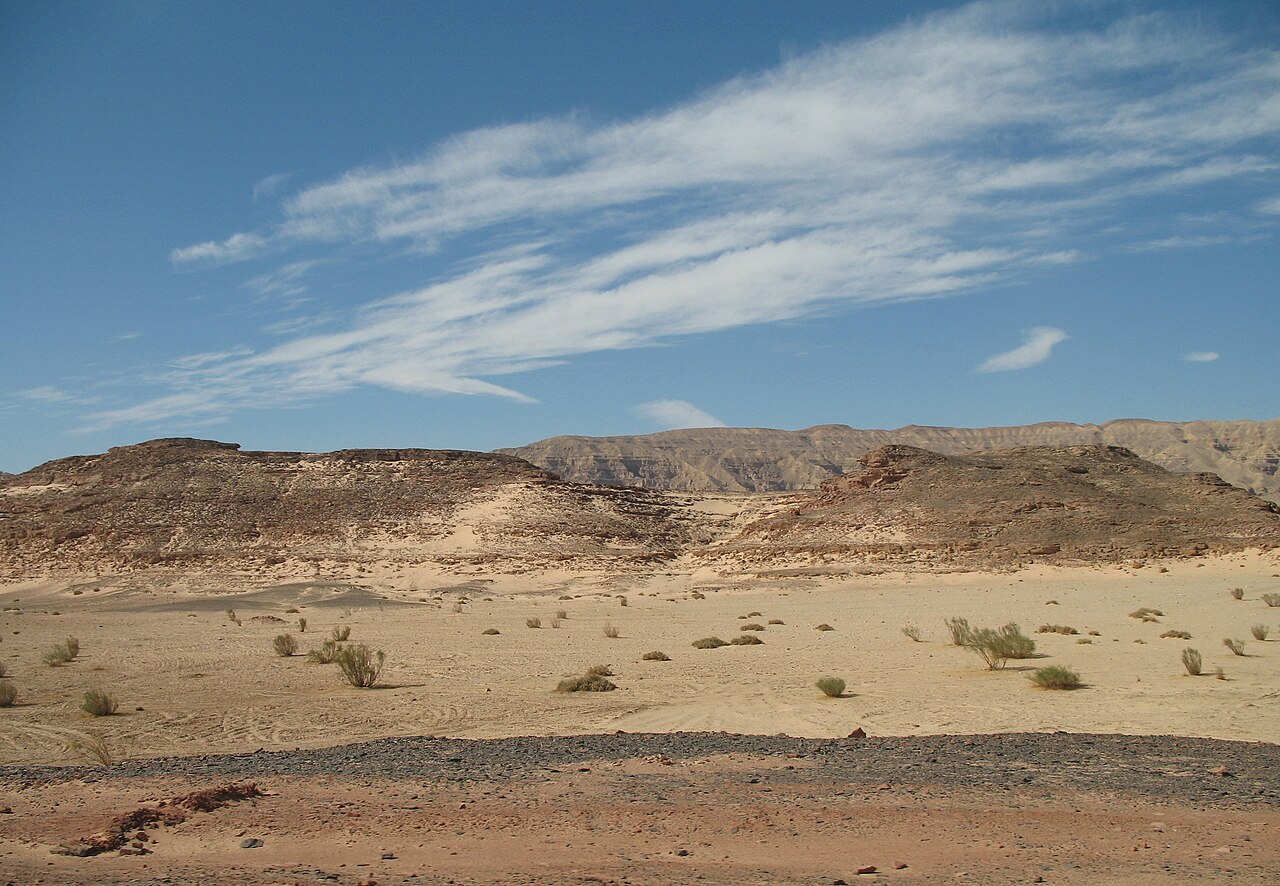
A view of the Sinai desert in Egypt, 22 November 2008. It shows the peninsula’s landscape without identifying the mountain meant by the biblical narratives
Yacimiento
Sinai is a peninsula in eastern Egypt; in the Torah the name also denotes the mountain of revelation to Moses
Variantes del nombre: Sinai, Mount Sinai
Contexto y fuentes →
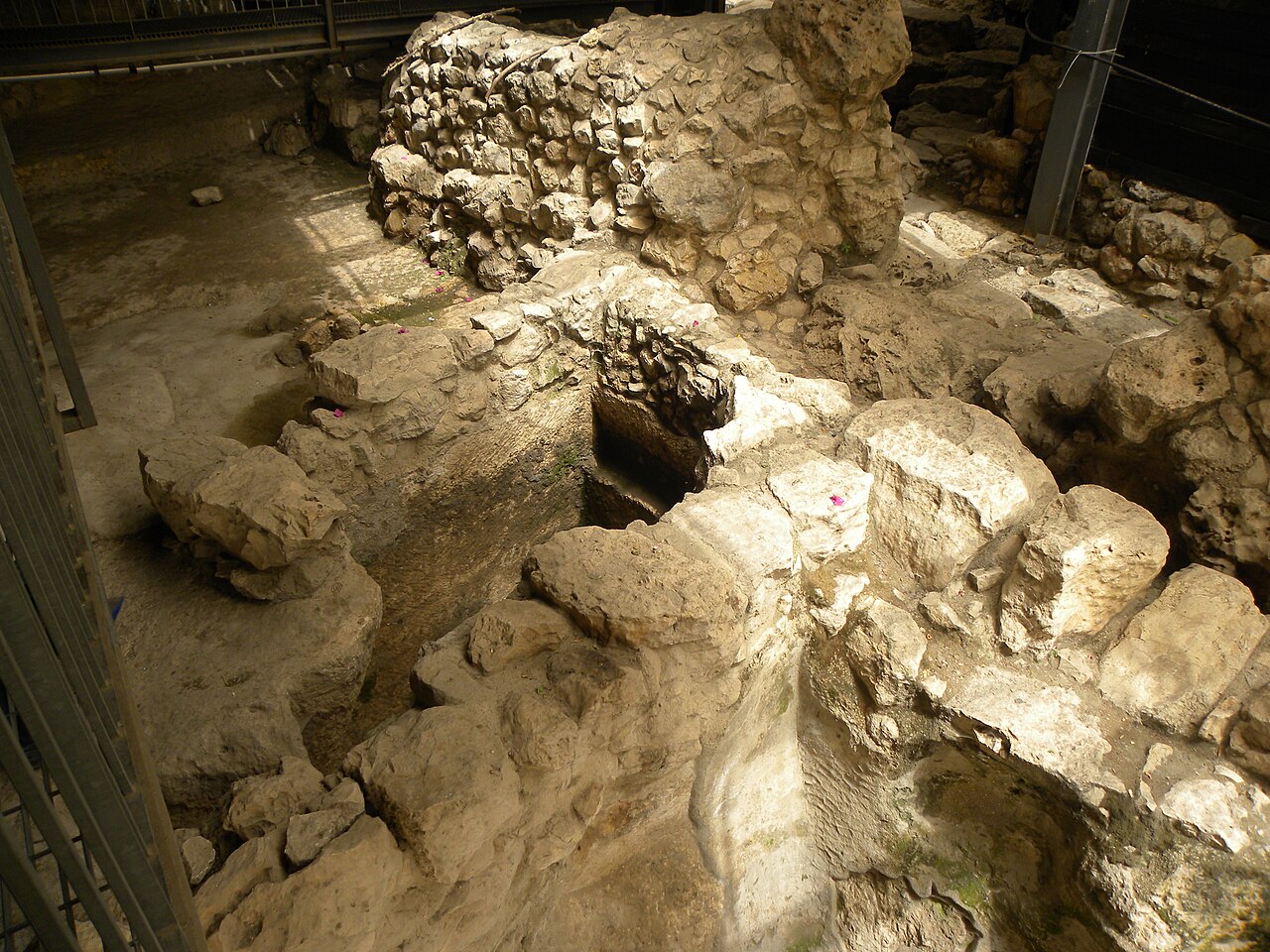
Modern excavations at the northern end of Jerusalem's eastern hill, photographed in 2011. Context for the city's history, not the site of Abraham's narrated sacrifice
Yacimiento
Name of a stronghold linked to David's city in 2 Samuel, later extended to Jerusalem and its religious centre; its referent changes across texts.
Variantes del nombre: Mount Zion, Sion
Contexto y fuentes →
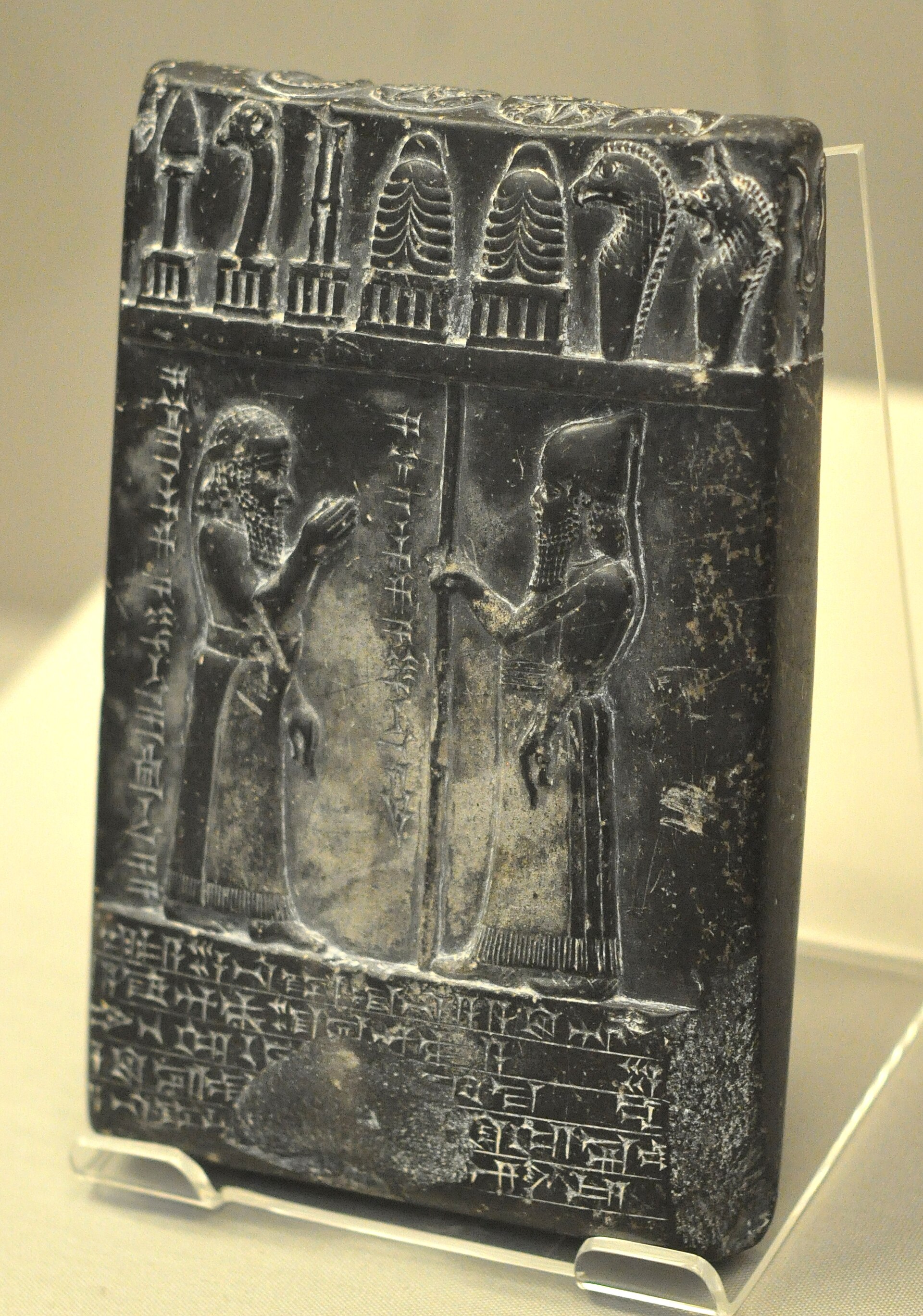
Tablilla de piedra que registra la restitución de tierras a un sacerdote por el rey babilonio Nabu-apla-iddina, hacia 870 a. n. e., procedente de Sippar (Tell Abu Habbah). British Museum
Yacimiento
Sippar is an ancient Babylonian city in present-day Iraq, identified with Tell Abu Habbah.
Variantes del nombre: Sippar: Abu Habbah
Contexto y fuentes →
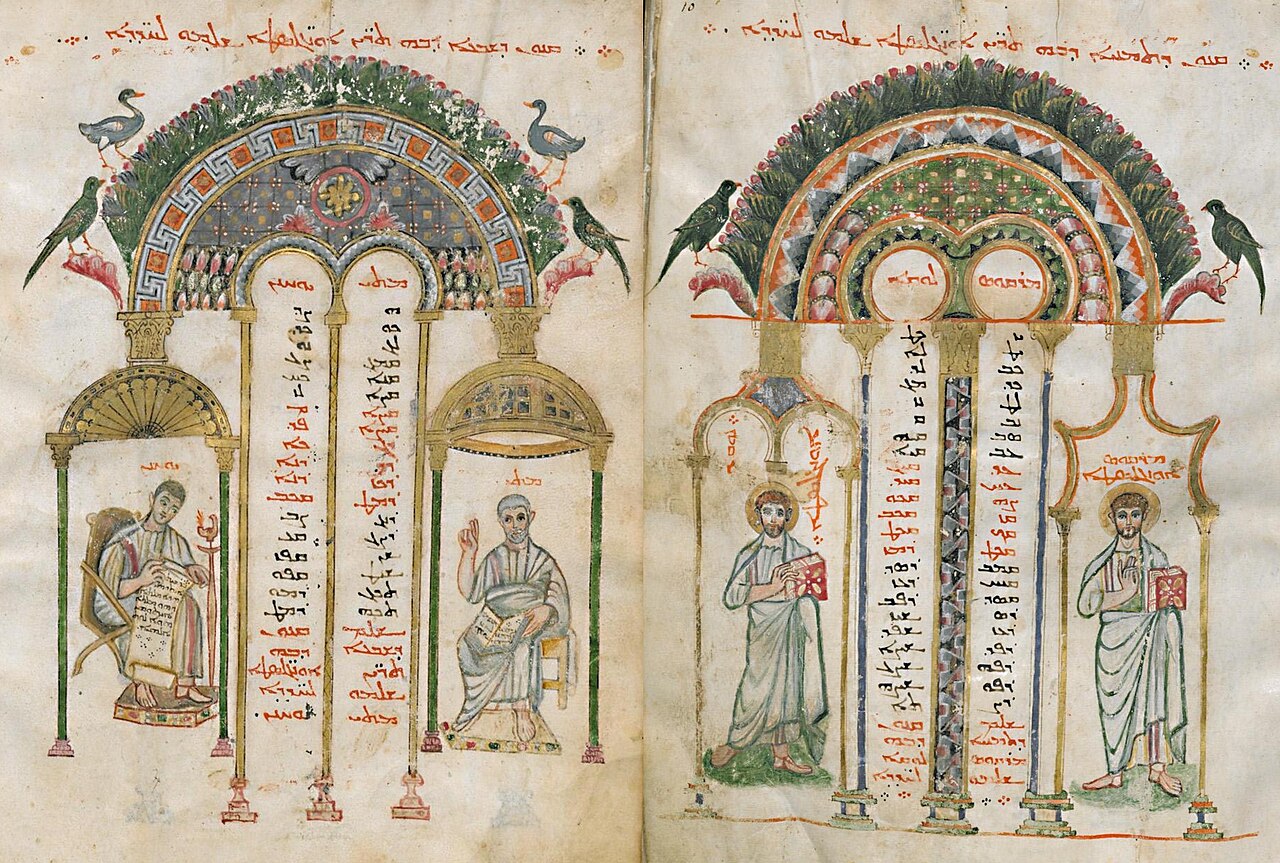
Folios 9v and 10r of the Rabbula Gospels, a sixth-century Syriac manuscript: canon tables and portraits of the Evangelists. An example of Syriac Christian book culture, rather than the language’s entire history
Entidad
An Aramaic literary language rooted in Edessa, first attested in non-Christian inscriptions and later prominent in Christian writing, scholarship, translation and liturgy.
Variantes del nombre: Syriac
Contexto y fuentes →
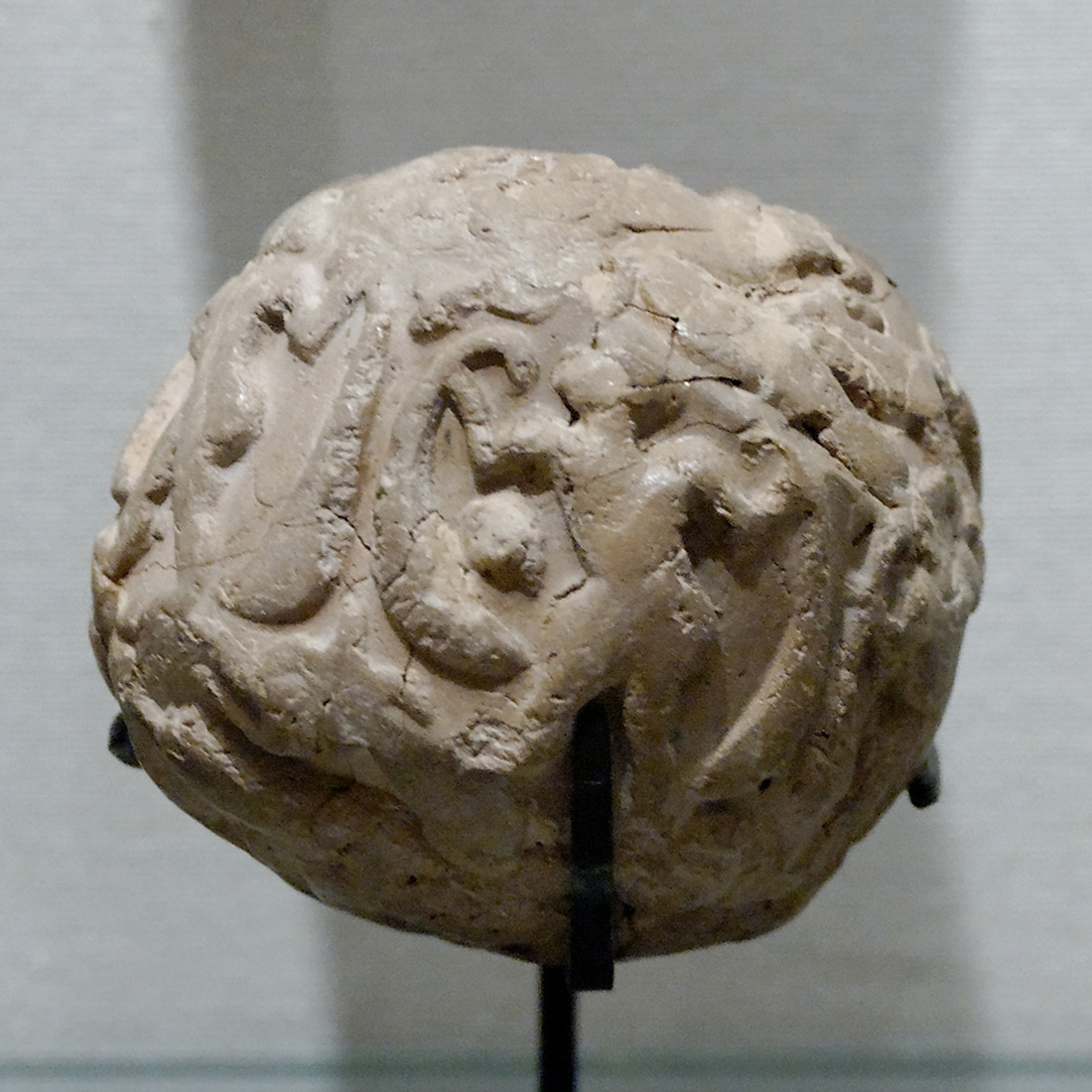
Cover crop: sealed clay envelope from Susa, Louvre Sb 1932 (museum date c. 3500–2900 BCE). Square crop of the original photograph; associated displayed tokens appear in the full photograph in the article
Entidad
A hollow clay container used in early administration, sometimes enclosing counting tokens and carrying external seal impressions or marks. Distinct from solid sealings; it is not an established ancestor of all writing.
Variantes del nombre: clay envelopes, clay envelope, hollow clay envelopes
Contexto y fuentes →

Sophus Helle at the Bogforum book conference, Bella Center, Copenhagen, 7 November 2025. Photograph by Christian Ursilva
Persona
Sophus Helle is a scholar and translator of ancient Mesopotamian literature.
Variantes del nombre: Sophus Helle
Contexto y fuentes →
Persona
Hebrew Bible and ancient Near Eastern law scholar at John Jay College, New York.
Variantes del nombre: Stephen C. Russell
Contexto y fuentes →
Persona
Scholar of early Christian Mary traditions and late-antique Near Eastern religion.
Variantes del nombre: Stephen J. Shoemaker
Contexto y fuentes →
Persona
Islamic-history scholar who proposed a comparative route for Mary and palm narratives.
Variantes del nombre: Suleiman A. Mourad
Contexto y fuentes →
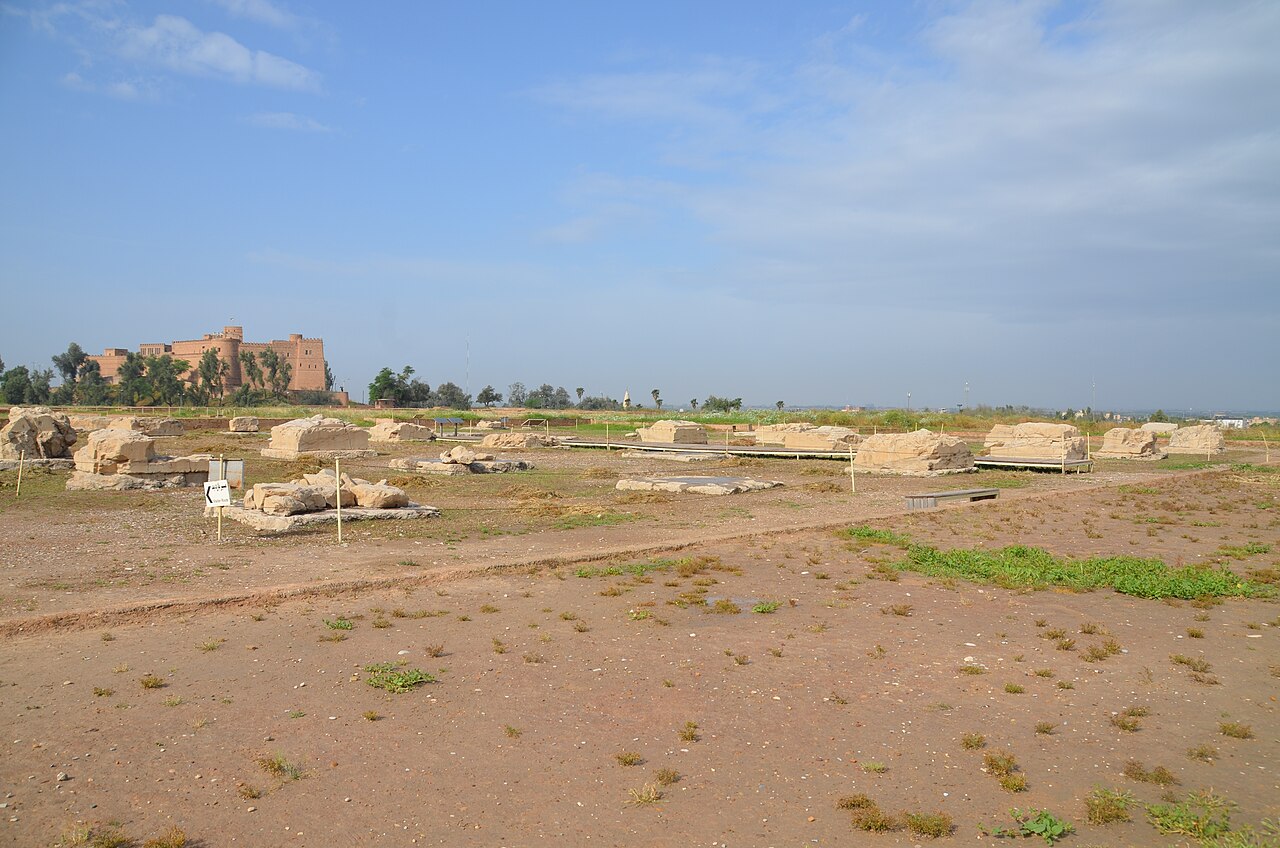
Remains of the Apadana hall of Darius’s palace at Susa, at Shush in southwestern Iran, 18 April 2019. The column bases and archaeological remains appear in the foreground
Yacimiento
Susa is an archaeological city at Shush in southwestern present-day Iran
Variantes del nombre: Susa, Shush
Contexto y fuentes →
Persona
Egyptologist working on religion and tales, including a major Two Brothers study and Egyptian/biblical narrative comparisons.
Variantes del nombre: Susan Tower Hollis, Susan Hollis
Contexto y fuentes →

Contemporary imaginative composition placing a ram and deer beside a symbolic altar to introduce three distinct narratives; it depicts neither a single historical event nor an archaeological artifact
Entidad
An animal or offering replacing a person threatened with slaughter in a narrative. Genesis specifies a ram, Qur’an 37 a “great sacrifice” without naming the animal, and Euripides a deer. The parallel alone does not prove borrowing.
Variantes del nombre: Sacrificial substitution
Contexto y fuentes →
Persona
Norwegian New Testament and Revelation scholar who compared Gog and Magog in Ezekiel and Revelation.
Variantes del nombre: Sverre Bøe
Contexto y fuentes →
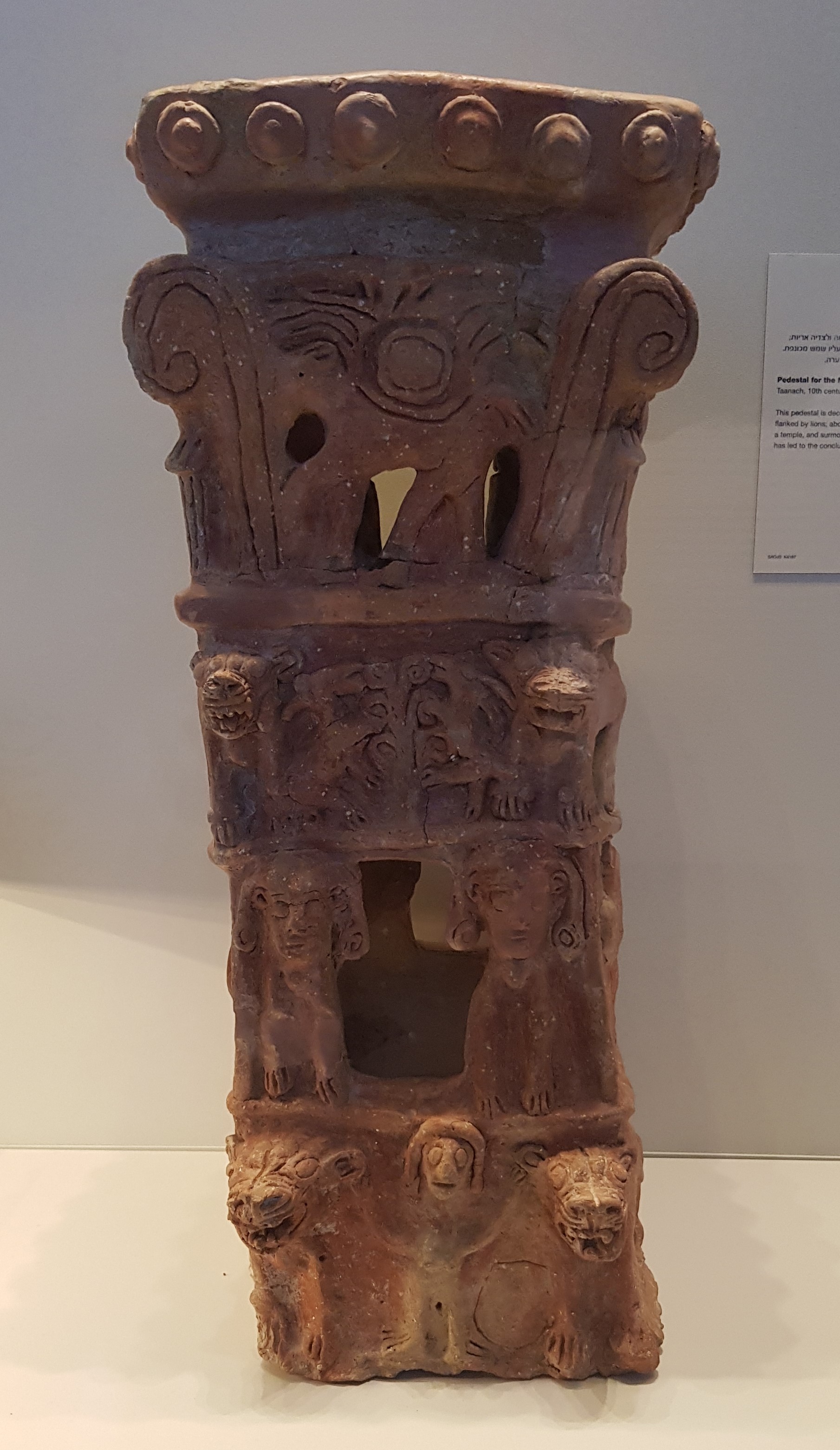
Ceramic cult stand from Taanach, tenth–ninth centuries BCE, Israel Museum. A tree between two animals appears in the second tier from the top. Contextual evidence of cultic imagery, not an excavated wooden asherah or a certain identification of the goddess
Entidad
Asherah as a cult object or symbol, often wooden in biblical contexts; relation to the goddess and inscriptional ʾšrth remains debated.
Variantes del nombre: asherah cult symbol, asherah cult object, asherah pole
Contexto y fuentes →
Persona
Co-author with Raleigh Heth of a 2021 article on Isaac and Iphigenia; the published record gives only the initials T. E.
Variantes del nombre: Kelley, T. E.
Contexto y fuentes →
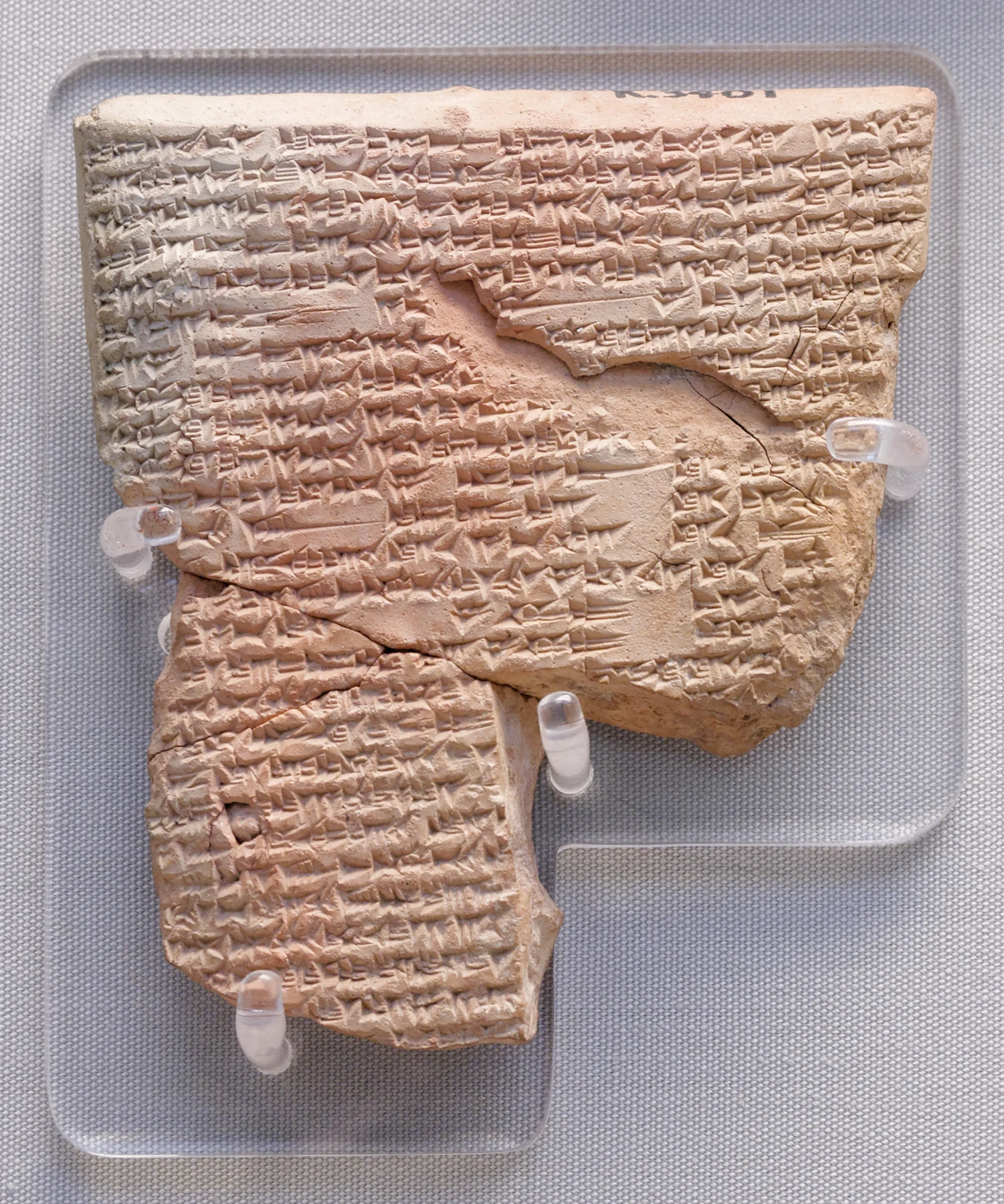
K.3401 from Nineveh, a Neo-Assyrian witness to Sargon’s birth legend, British Museum. A copy later than the king, not Moses’ basket or an image of the infant. © Marie-Lan Nguyen / Wikimedia Commons / CC BY 2.5
Pieza
Akkadian clay tablet from Nineveh preserving Sargon’s birth story in the Neo-Assyrian period, many centuries after the king’s lifetime.
Variantes del nombre: Sargon birth tablet K.3401
Contexto y fuentes →