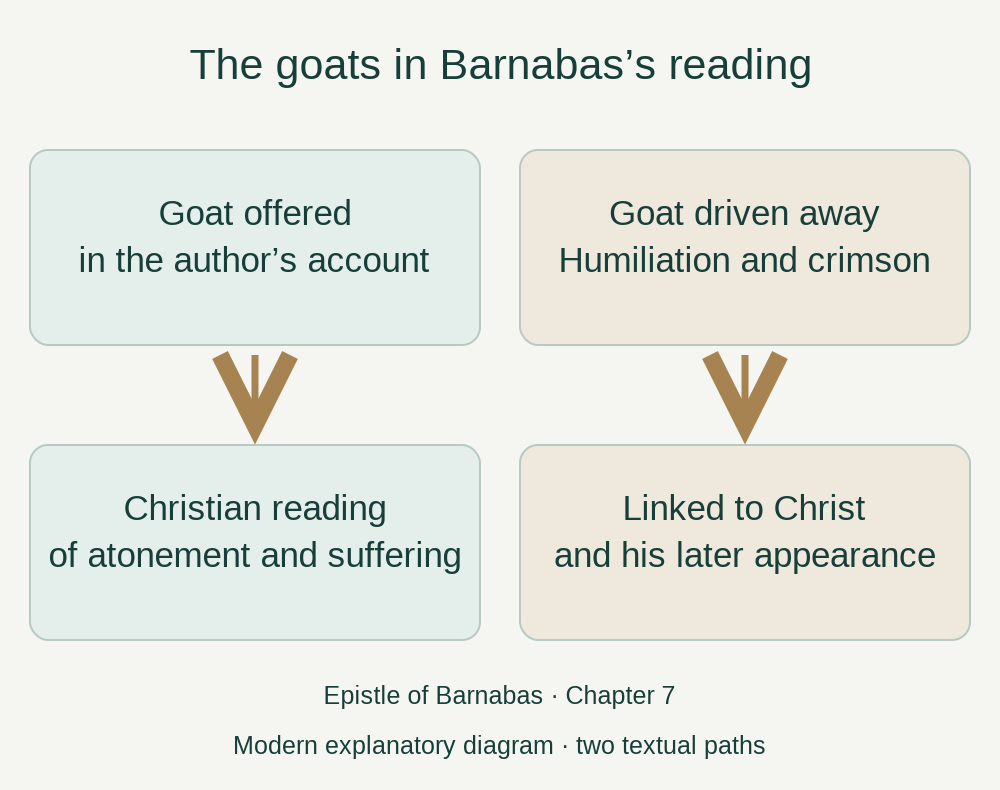
The two goats as figures of Christ, his suffering and later appearance in Barnabas 7. A modern diagram of the Christian text’s interpretation, not a reconstruction of every earlier rite
Texto antiguo
An early Christian text usually placed in the late first or early second century CE; chapter 7 interprets the two goats as figures of Christ.
Variantes del nombre: Epistle of Barnabas
Contexto y fuentes →
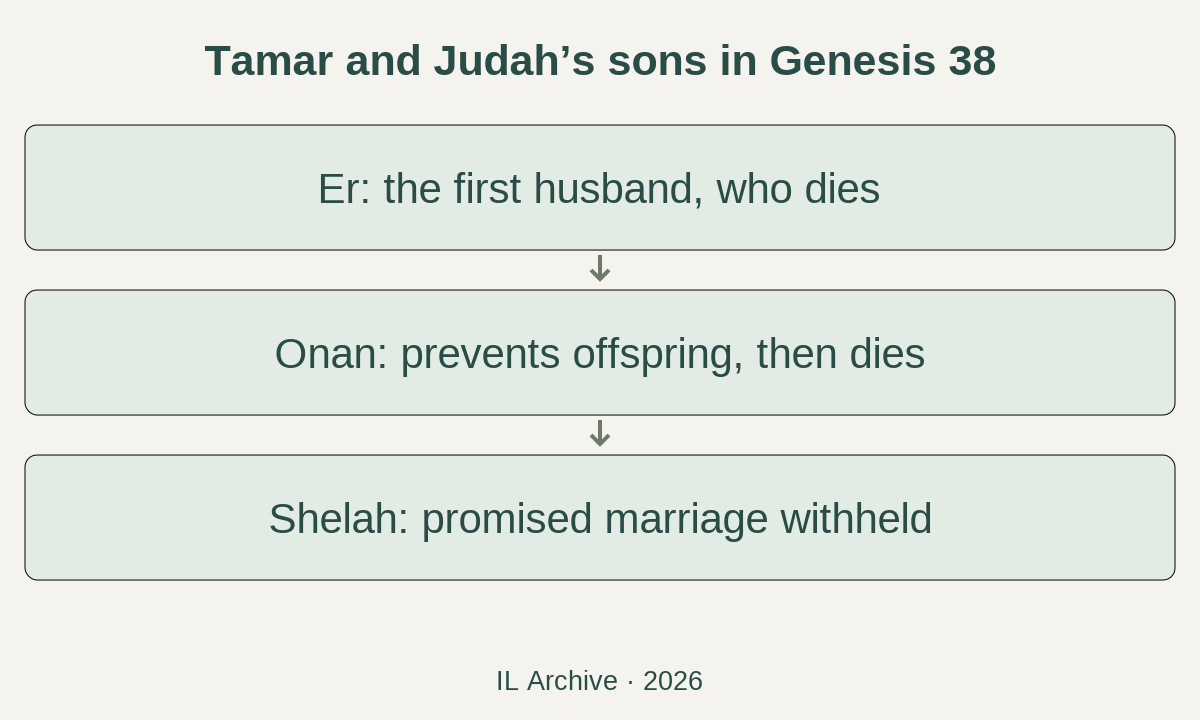
Modern explanatory diagram of relationships or cases in the specified witnesses; not portraits, a legal tablet or an ancient manuscript
Persona
Judah’s firstborn and Tamar’s husband, whose death is narrated in Genesis 38.
Variantes del nombre: Er, son of Judah
Contexto y fuentes →
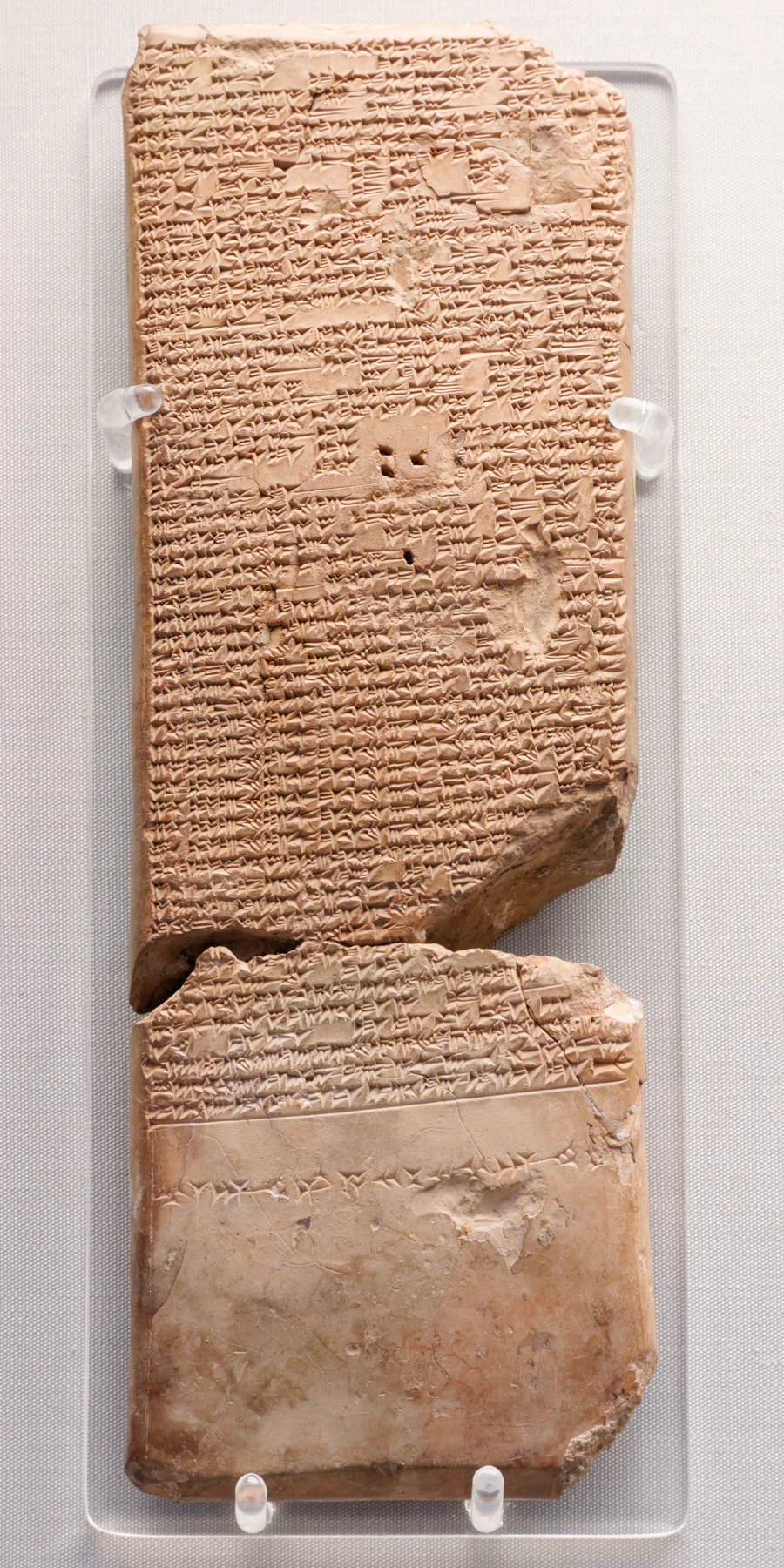
K.162, Akkadian copy of Ishtar’s Descent from Ashurbanipal’s library at Nineveh, seventh century BCE, British Museum. Not a tablet of the Sumerian Inanna composition
Entidad
Mesopotamian goddess ruling the netherworld; Inanna’s sister in descent texts, with varying accounts of her relationship with Nergal.
Variantes del nombre: Ereshkigal
Contexto y fuentes →
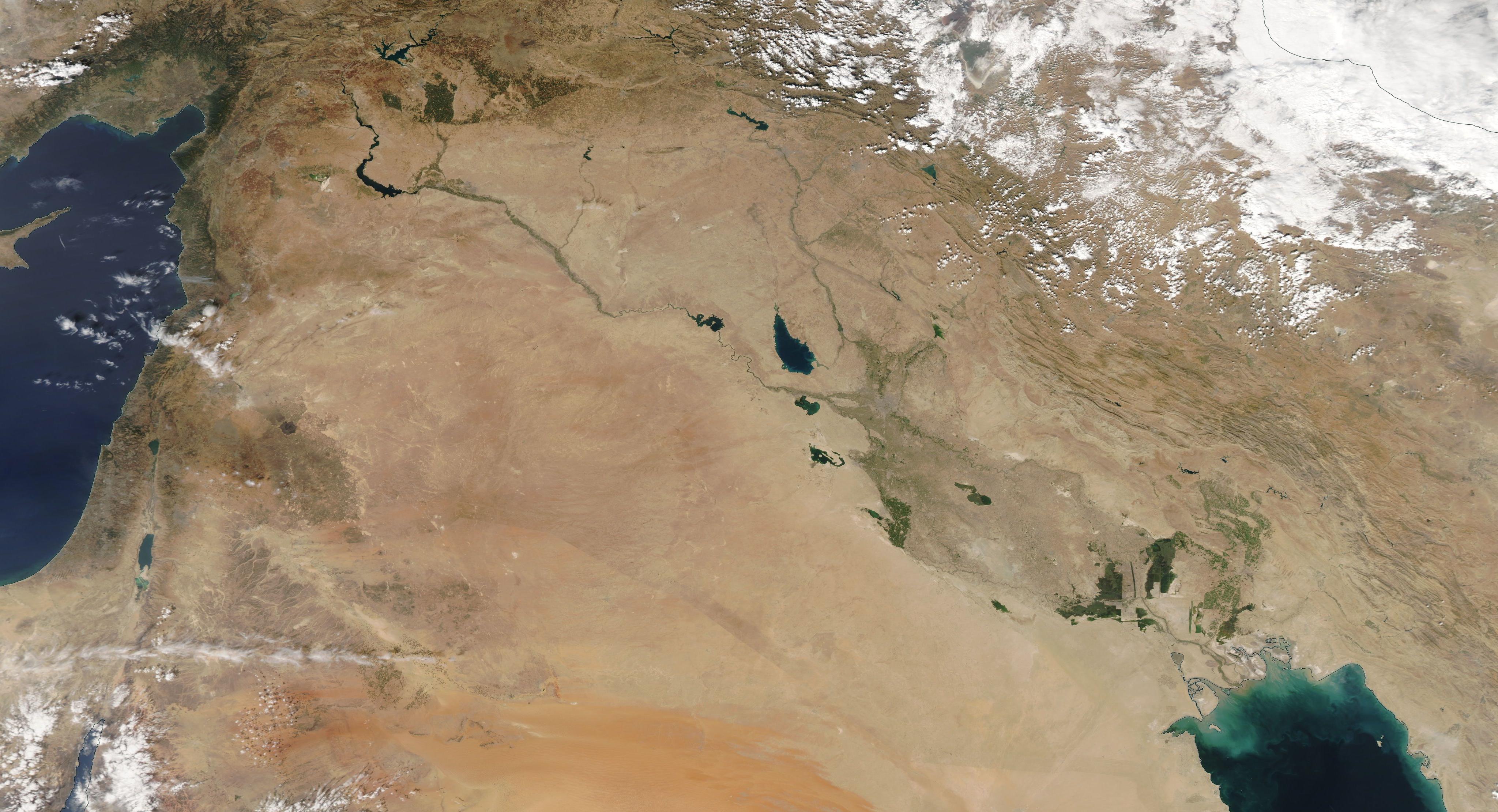
Satellite view of Mesopotamia and its surroundings, NASA, 9 October 2020. Modern geographical context; it neither locates unidentified Ereš nor reconstructs ancient river courses
Yacimiento
Sumerian city associated with Nisaba; its archaeological location remains uncertain. Not the goddess Ereshkigal.
Variantes del nombre: Ereš, Eresh
Contexto y fuentes →
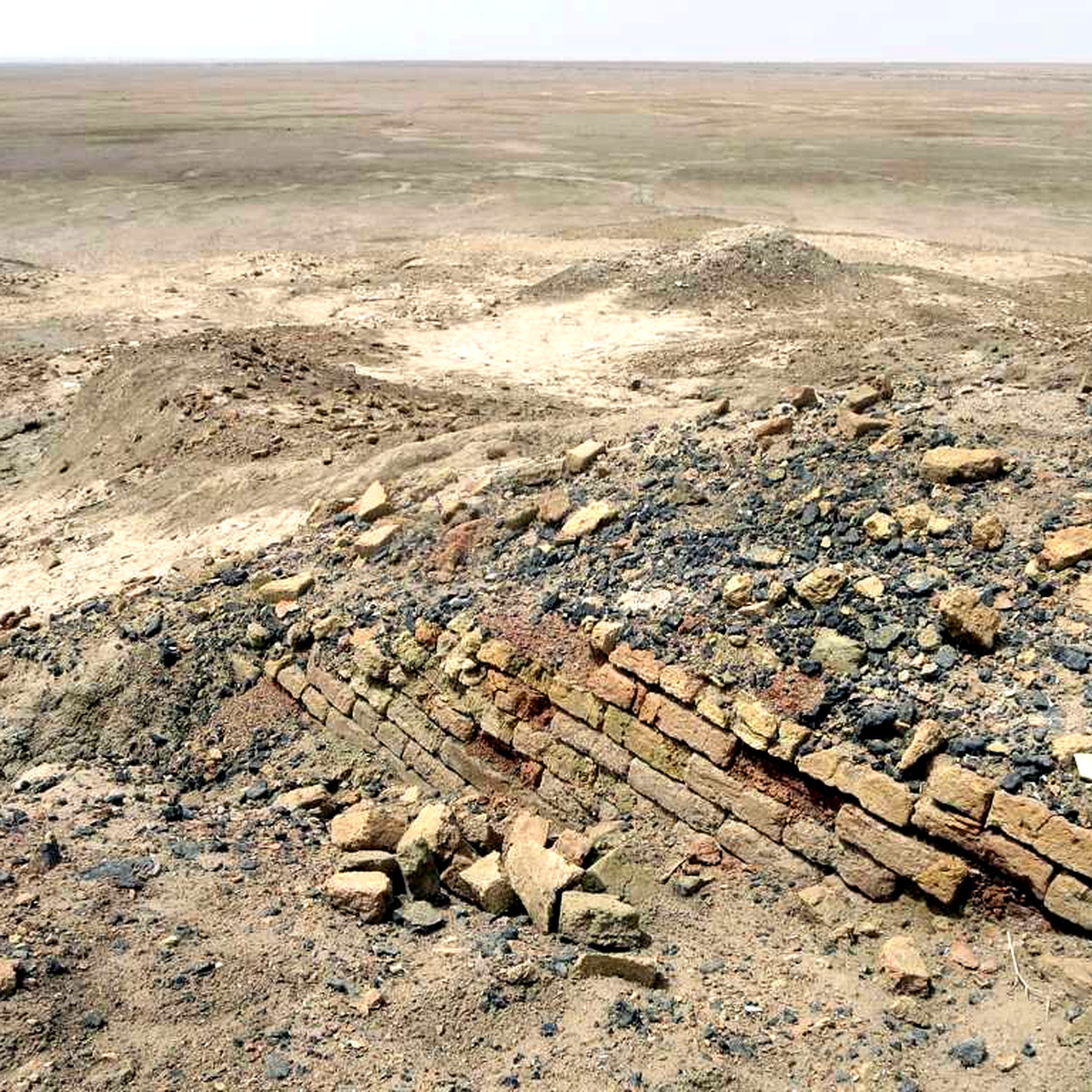
Cover: square, tonally adjusted crop of David Stanley’s 2016 photograph of the Eridu ziggurat remains. The visible structure postdates the Ubaid and does not show the earliest buildings
Yacimiento
Eridu (Abu Shahrain), a multi-mound site in southern Iraq occupied since the Ubaid, later home to a religious precinct associated with Enki. Its eighteen sounding levels are not proof that every early building was a temple.
Variantes del nombre: Eridu, Abu Shahrain, Abu Shahrayn
Contexto y fuentes →

University College London portico, 25 March 2015. Institutional context for Erik van Dongen’s 2010 thesis; a later photograph, not a portrait or identification of his office
Persona
Researcher who examined Kumarbi–Hesiod connections in a 2010 doctoral thesis at University College London.
Variantes del nombre: Erik van Dongen
Contexto y fuentes →
Persona
Scholar of ancient religion, archaeology and imagery, with research on Judean pillar figurines and their use-contexts.
Variantes del nombre: Erin Darby
Contexto y fuentes →
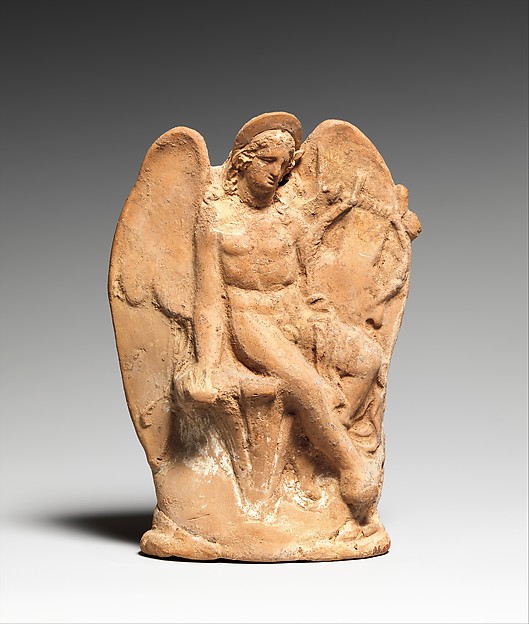
Winged Eros, Greek terracotta, probably Attic, first half of the fourth century BCE; Met06.1054. A separate object from the study’s Adonia vessel
Entidad
Eros is the Greek god of love, represented with wings in ancient art.
Variantes del nombre: Eros
Contexto y fuentes →
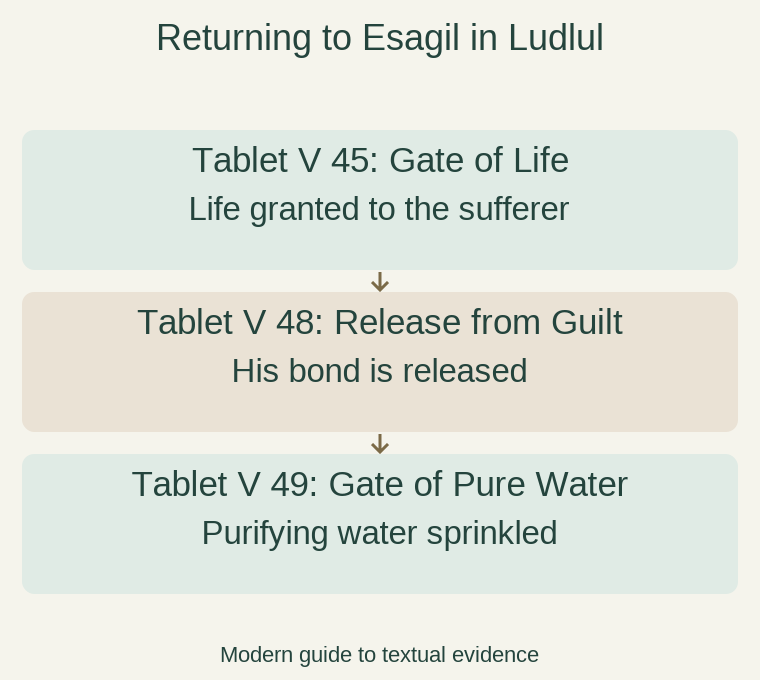
Modern diagram of three gates in Ludlul V 45, 48 and 49: Life, Release from Guilt, and Pure Water. Selected literary sequence, not a reconstruction of temple architecture or all its gates
Yacimiento
Esagil, also written Esagila, is Marduk’s temple in ancient Babylon, in present-day Iraq, and a central sanctuary of the city’s god.
Variantes del nombre: Esagil, Marduk’s temple
Contexto y fuentes →
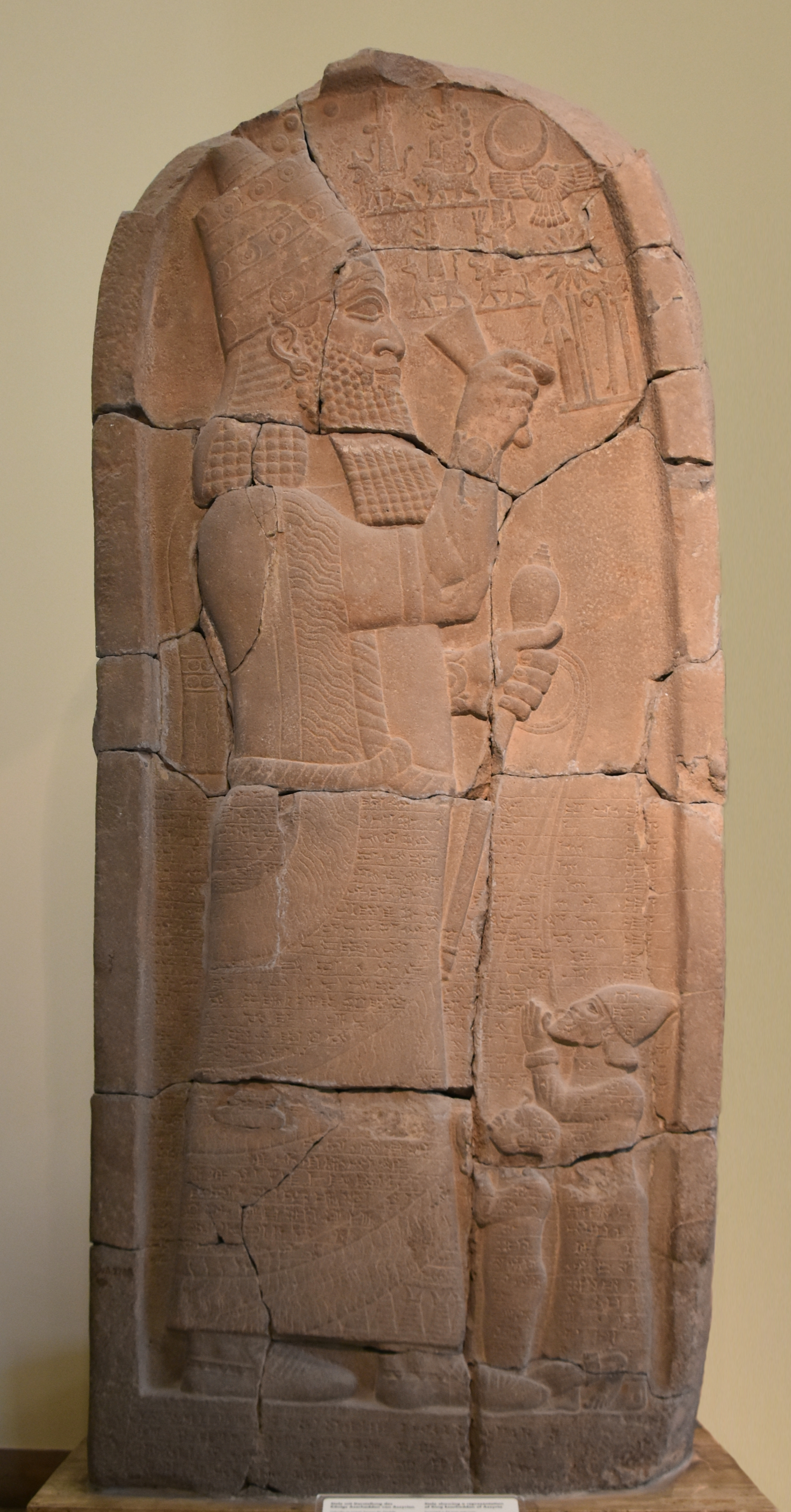
Victory stele of Esarhaddon, seventh century BCE, Berlin collection, showing king and captives. Royal representation, not Ahiqar. Published crop of Richard Mortel’s photograph
Persona
Sennacherib’s son and successor, Assyrian king in 680–669 BCE, named in Ahiqar and Tobit.
Variantes del nombre: Esarhaddon, king of Assyria, Esarhaddon
Contexto y fuentes →
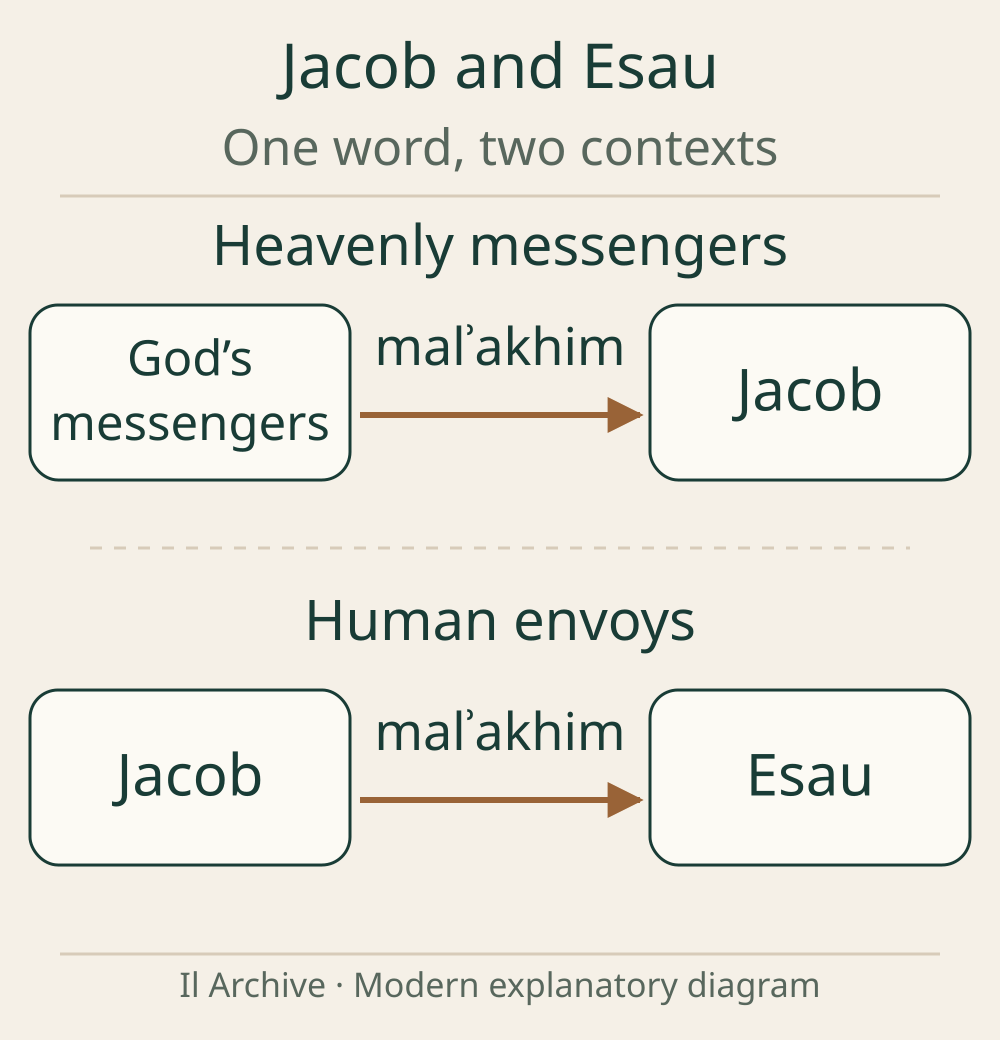
Modern linguistic diagram of Genesis 32:2 and 4 in Hebrew numbering (1 and 3 in common translations): the same word, malʾakhim, for God’s messengers and Jacob’s envoys to Esau. Arrows show the direction of communication, not a geographic route or portraits
Persona
Jacob’s twin brother in Genesis and the recipient of his envoys in chapter 32.
Variantes del nombre: Esau son of Isaac
Contexto y fuentes →

Modern AI-generated expressive cover for eschatology: an artistic metaphor for mortality and renewal, not an ancient artifact or an authenticated scene from any religious tradition
Entidad
Study of after-death destiny, resurrection and judgment, and the fate or renewal of history and creation; their forms and histories vary across traditions.
Variantes del nombre: eschatology, eschatological thought, study of the last things
Contexto y fuentes →
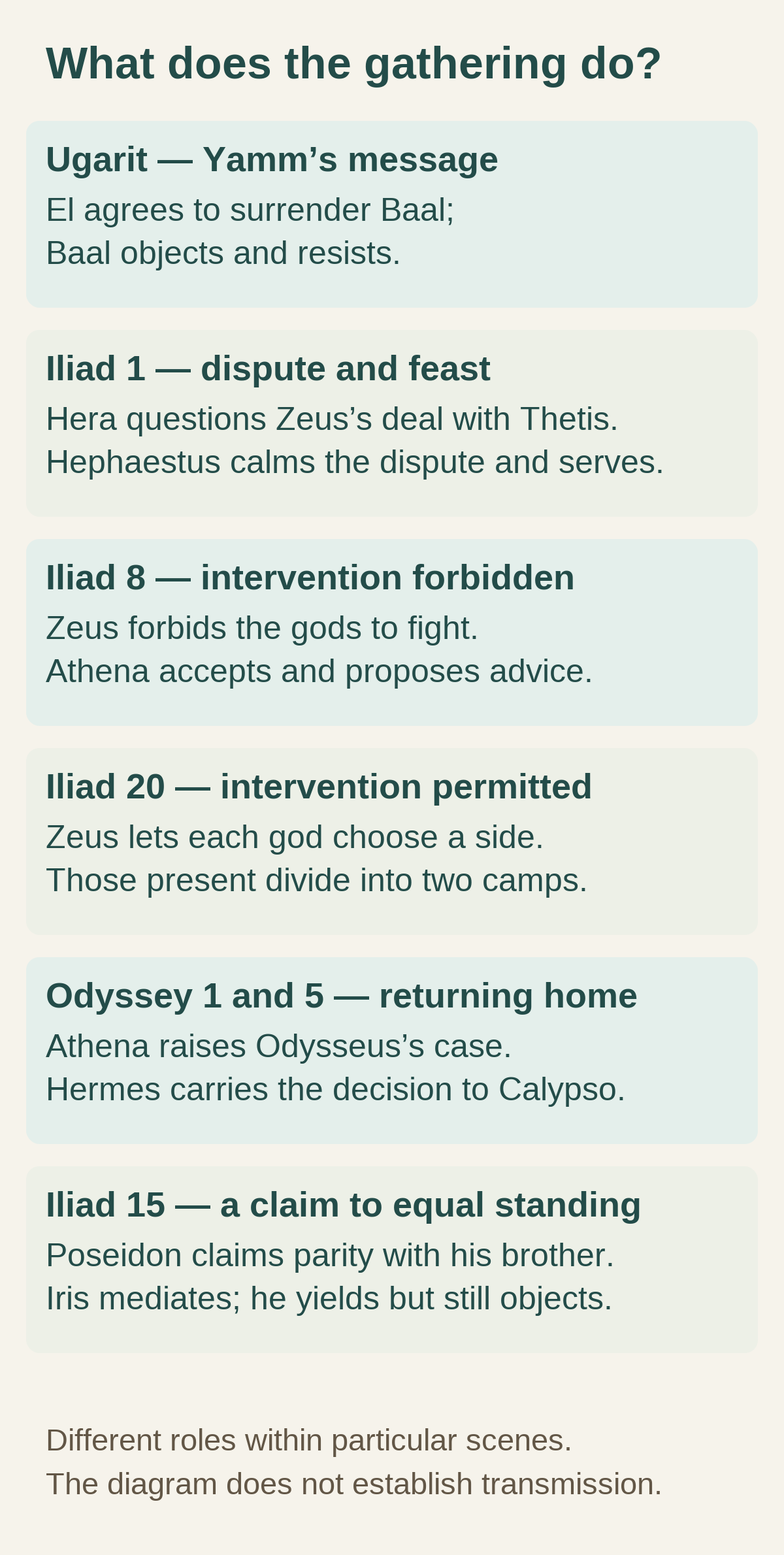
Modern explanatory diagram comparing functions of particular Ugaritic, Iliadic and Odyssean scenes: message, dispute and feast, forbidding or permitting intervention, and a return decision. A tool for reading narratives, rather than independent evidence of transmission
Entidad
A way to analyse a recurring assembly scene in narrative, while its purpose, speakers and decision vary.
Variantes del nombre: divine assembly type-scene
Contexto y fuentes →
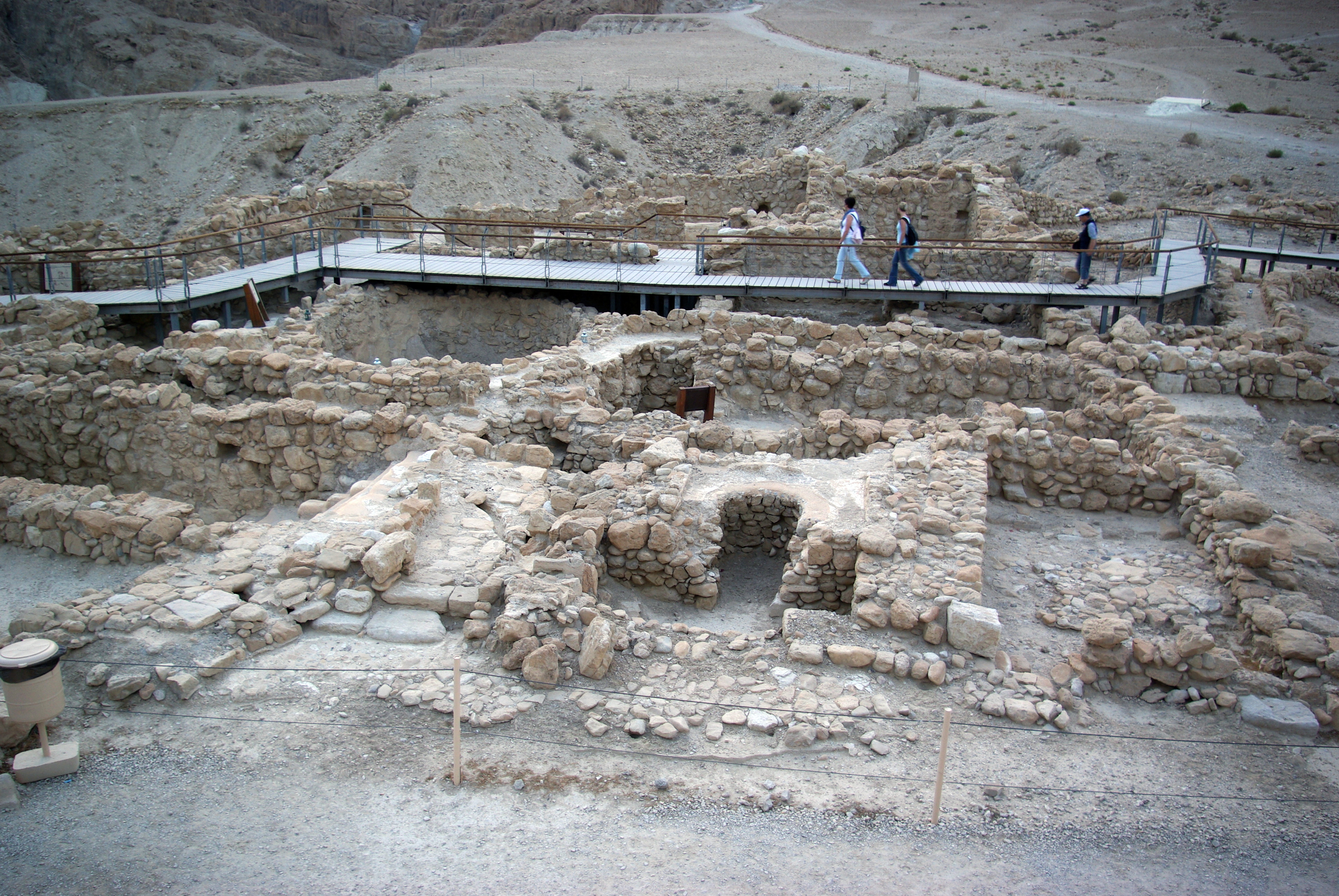
Excavated buildings at Qumran photographed in 2008, with modern visitor walkways visible. Contextual view of the site, not an ancient temple or proof of the identity of all Essenes
Entidad
A Second Temple Jewish movement known especially through Josephus and Philo; evidence supports a Qumran connection without identifying every Essene or manuscript with one uniform community.
Variantes del nombre: Essenes, Essene
Contexto y fuentes →
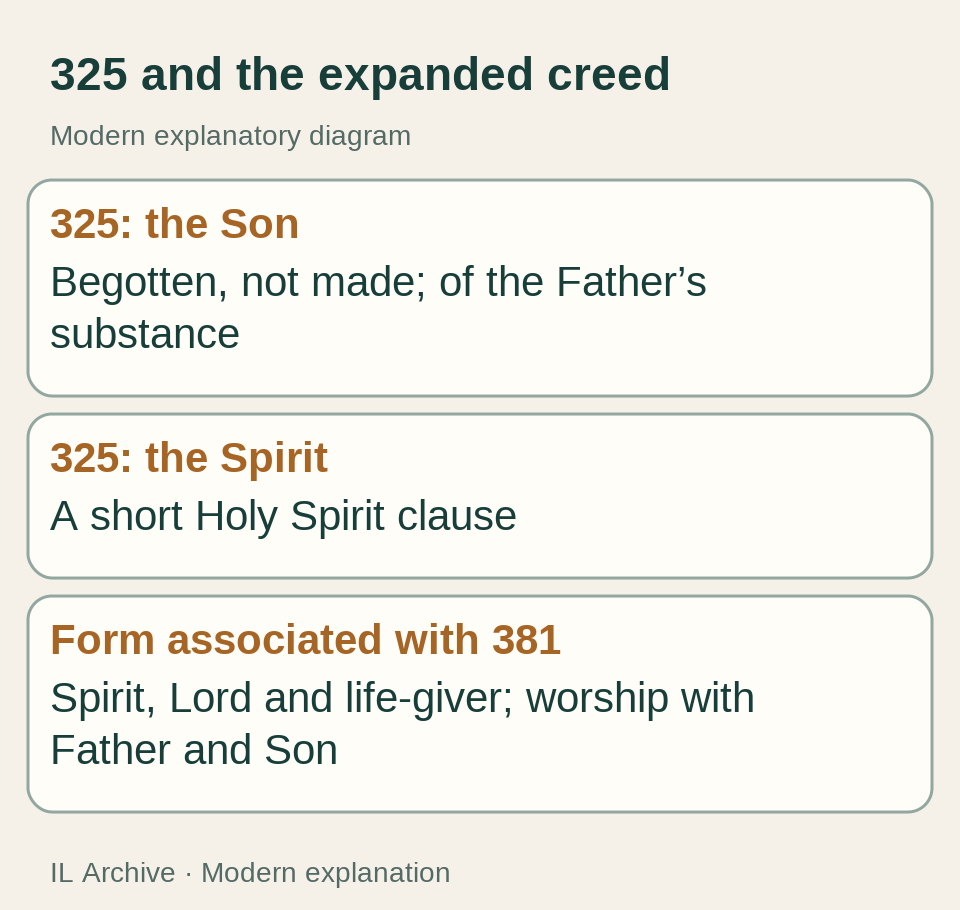
Modern comparison of the Holy Spirit clauses in the 325 creed and the expanded form associated with 381, attested in the acts of 451. The diagram explains differences in textual detail; it does not depict the Spirit or a divine likeness
Entidad
Name present in Christian texts and worship, whose relation to Father and Son was defined in Trinitarian formulations.
Variantes del nombre: Holy Spirit
Contexto y fuentes →
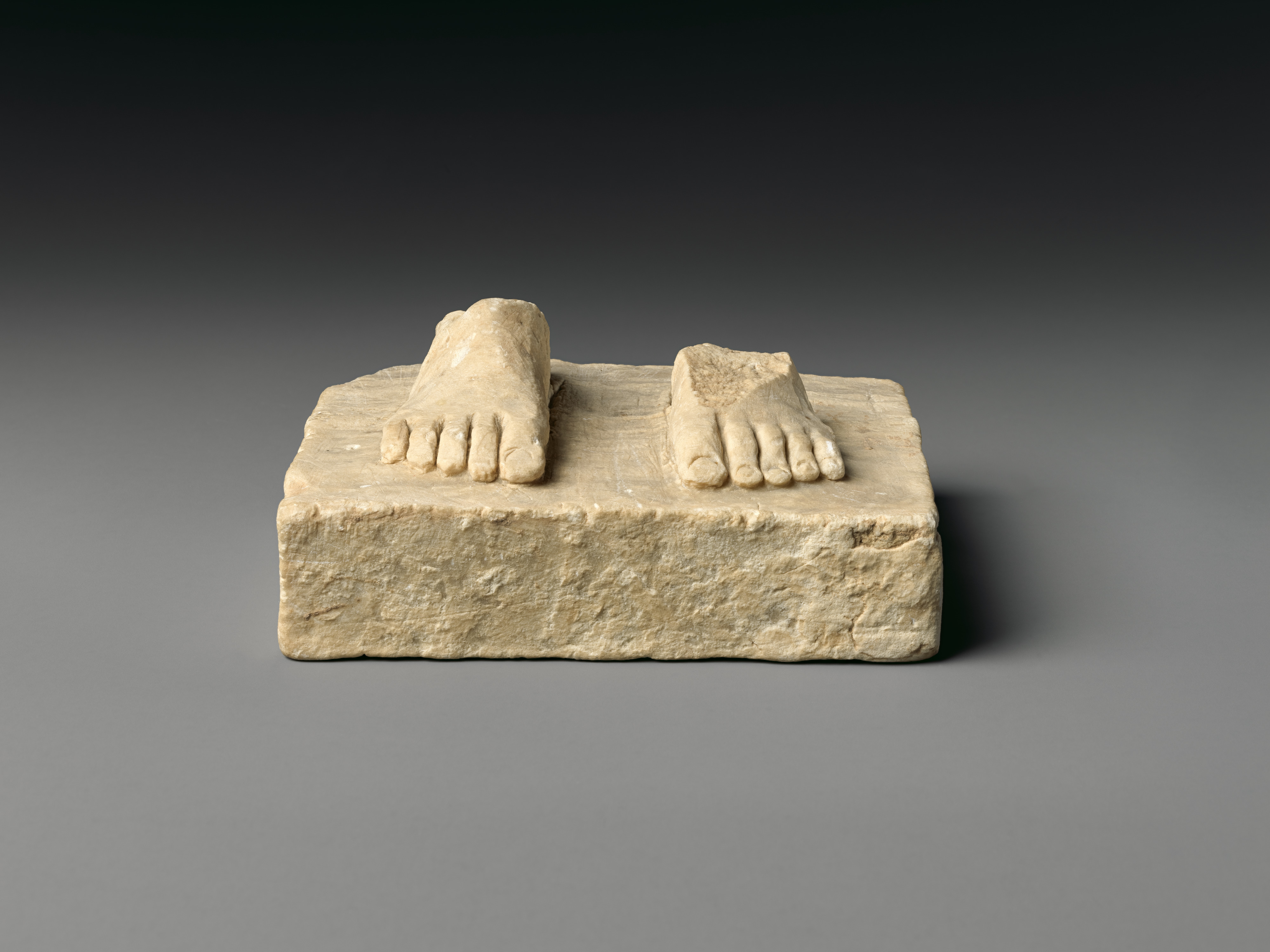
Base and feet of a worshipper from Nippur, ca. 2500–2350 BCE; gypsum alabaster, 59.41.12. The upper figure is missing; the rear mortise is not visible in this view
Entidad
A statue assembled from separate parts in one or several materials. Evidence from Nippur and the Warka Head explains assembly and the limits of reconstructing missing elements.
Variantes del nombre: composite statue, composite sculpture
Contexto y fuentes →
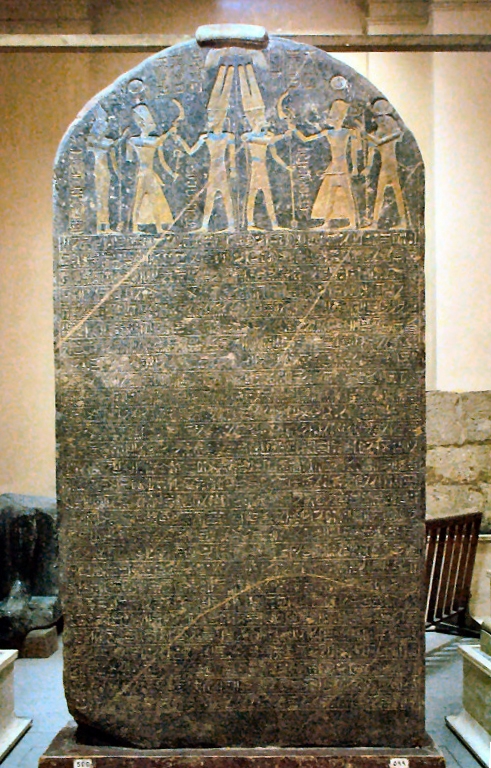
Merneptah Stele, JE 31408; photographed at the Egyptian Museum in Cairo in 2003. Perspective-corrected Wikimedia Commons version, reused unchanged
Pieza
An Egyptian royal victory inscription of c. 1208 BCE on the reverse of a monument of Amenhotep III; it contains the earliest widely accepted external attestation of the name Israel.
Variantes del nombre: Merneptah Stele, Merenptah Stele
Contexto y fuentes →
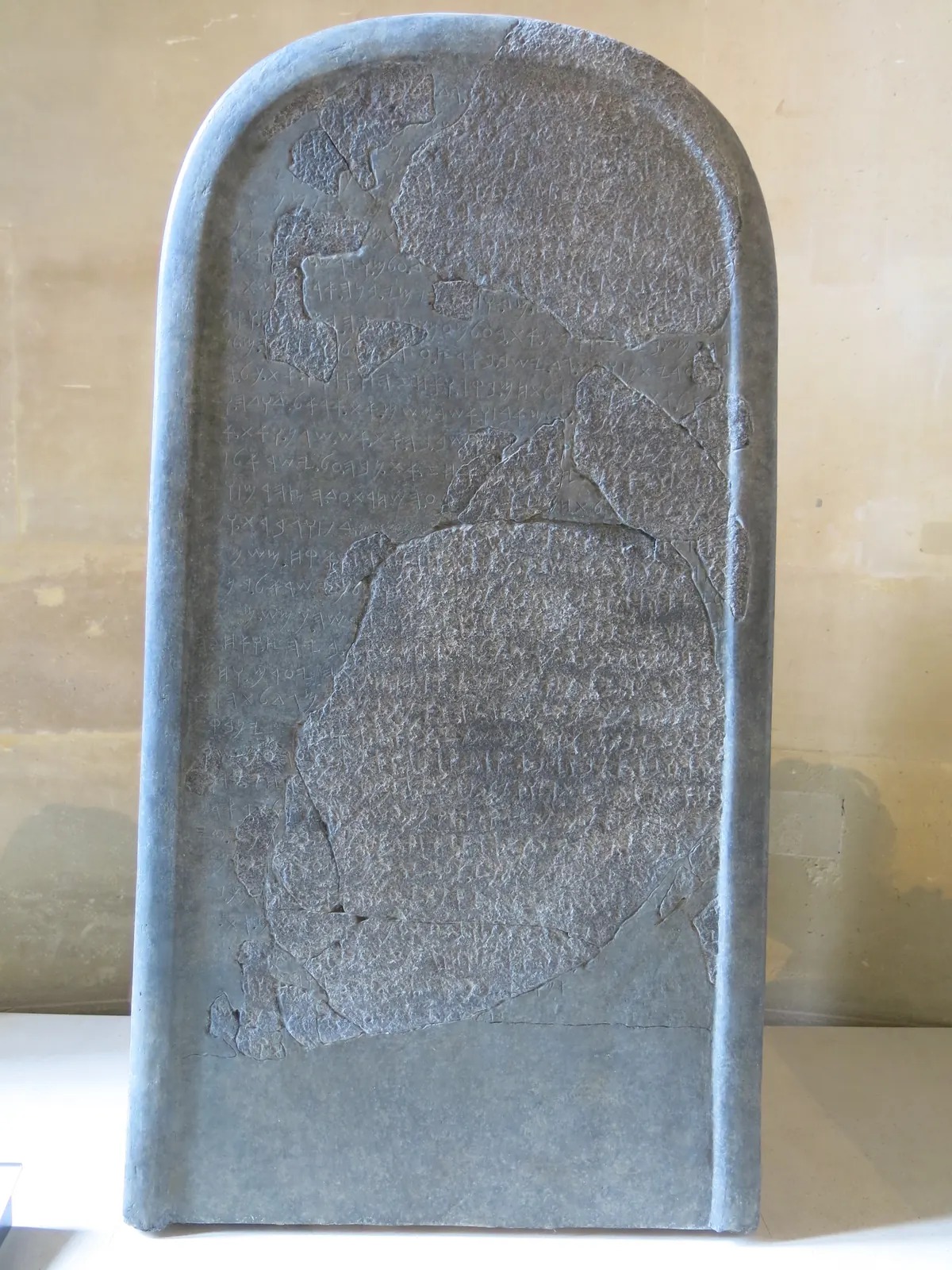
Mesha Stele, basalt, from Dhiban in Jordan, ninth century BCE; Louvre AO 5066 / KAI 181. Broken, reassembled and supplemented. Yahweh occurs in line 18 according to the published reading; no reading from the photograph is claimed
Pieza
A ninth-century BCE Moabite royal basalt stele at the Louvre (AO 5066; KAI 181). Its inscription names Chemosh, Omri, Israel and YHWH (line 18). A proposed “House of David” reading in damaged line 31 is disputed.
Variantes del nombre: Mesha Stele, Moabite Stone, Mesha Inscription
Contexto y fuentes →
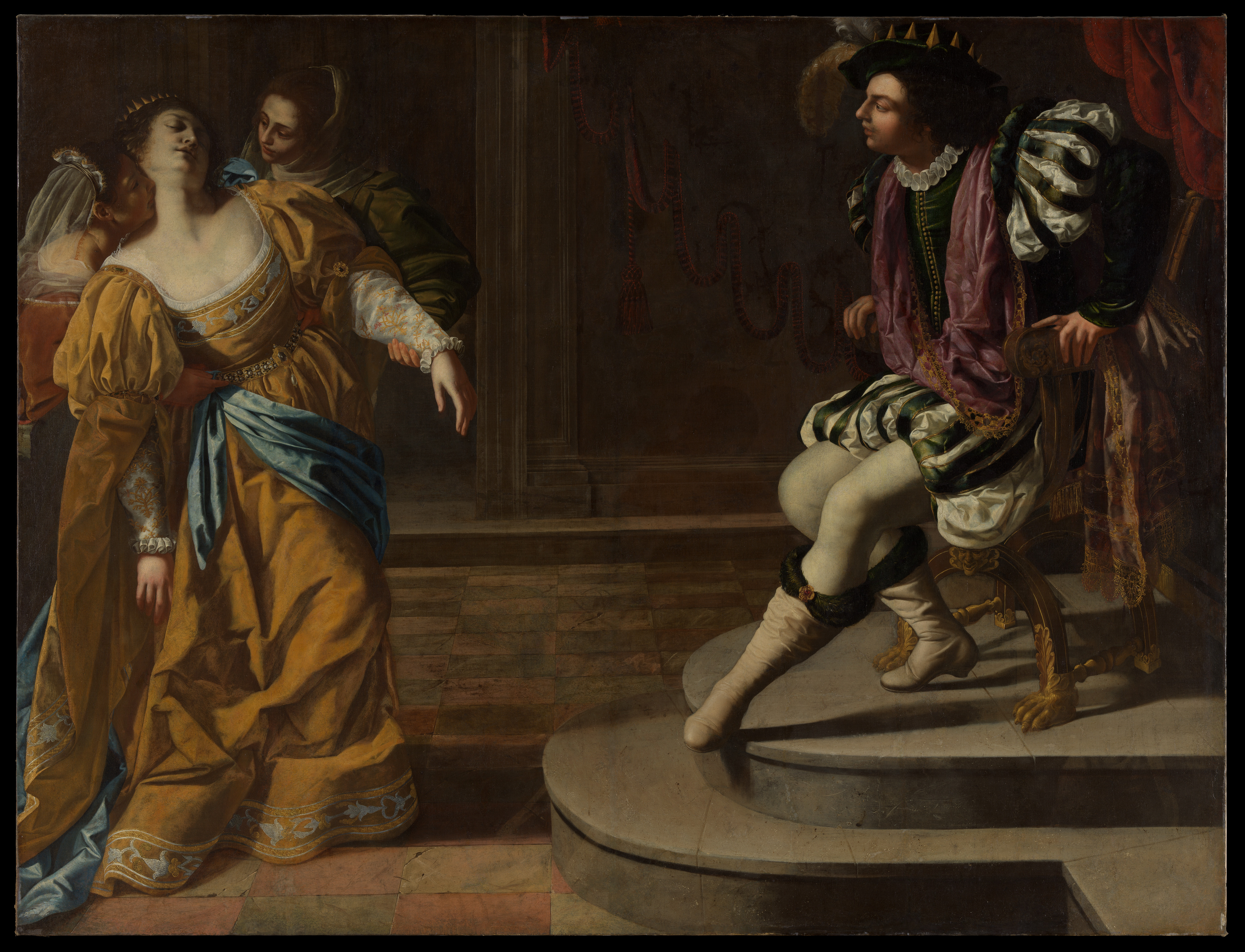
Esther before Ahasuerus, Artemisia Gentileschi,1620 s; Met 69.281. The queen is shown fainting: later artistic reception, not an image from the Achaemenid court
Persona
The Jewish heroine of Esther, portrayed as becoming queen and intervening to save her community at the Persian court.
Variantes del nombre: Esther, the biblical queen, Esther, Hadassah
Contexto y fuentes →
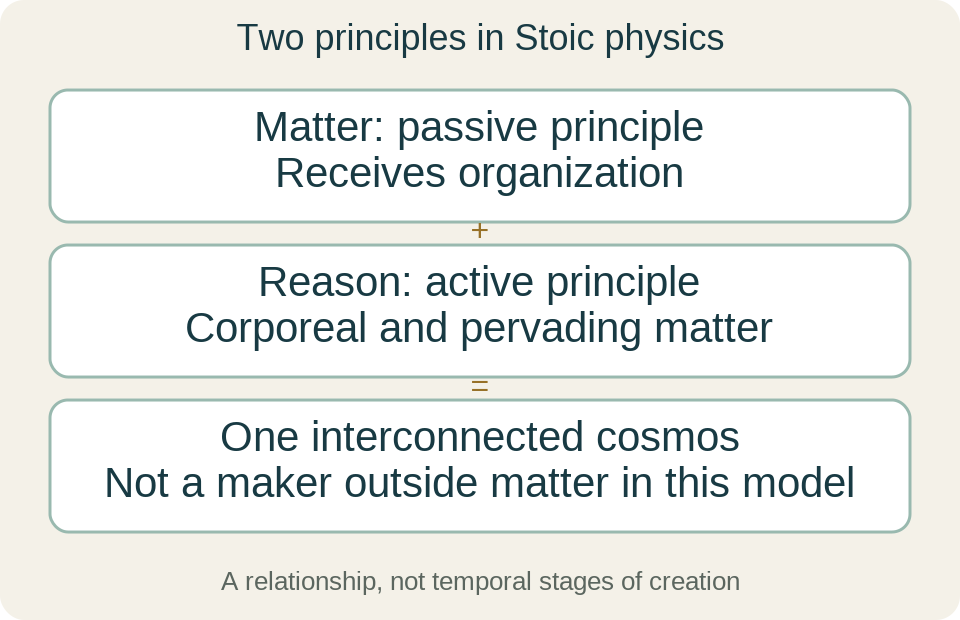
Modern diagram distinguishing active and passive principles within Stoic physics. The arrangement explains their relation, not temporal succession or a humanlike god
Entidad
Philosophical school founded in Athens around 300 BCE, combining logic, physics and ethics.
Variantes del nombre: Stoicism
Contexto y fuentes →
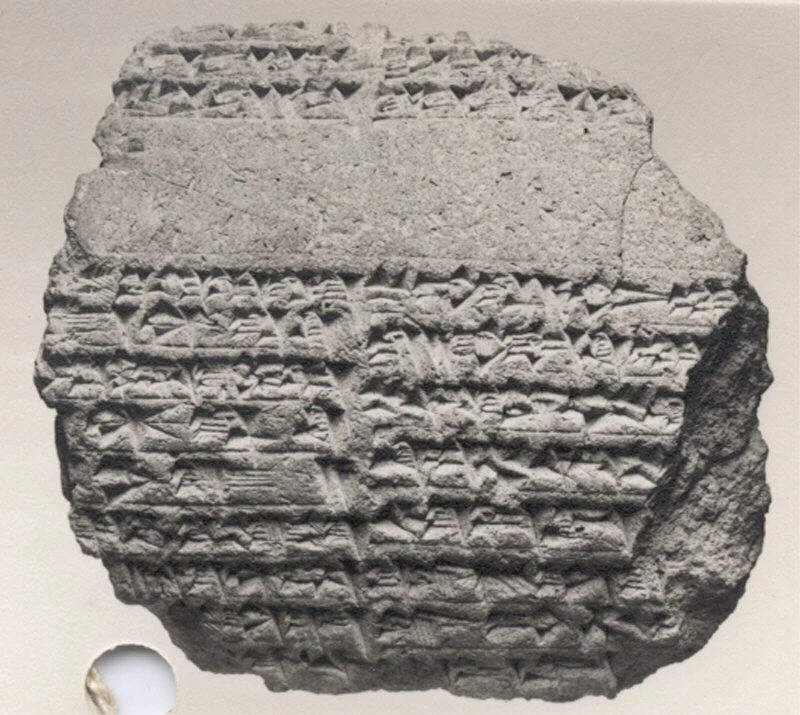
Clay cuneiform cylinder of Nebuchadnezzar II; the Metropolitan Museum identifies its inscription as commemorating the rebuilding of Etemenanki. Object 86.11.284 (c. 604–562 BCE); attribution to Babylon is qualified. This is a photograph of the object, not of the tower or Genesis
Entidad
Stepped ziggurat in Babylon’s Esagil sacred precinct, associated with Marduk. Excavations establish its base, royal texts attest rebuilding, and a later Esagil Tablet supplies idealized dimensions.
Variantes del nombre: Etemenanki, E-temen-an-ki, E-temen-anki
Contexto y fuentes →
Persona
Doshisha University scholar of Jewish studies, rabbinic literature and Aramaic, who compared accounts of Abraham breaking idols.
Variantes del nombre: Etsuko Katsumata
Contexto y fuentes →
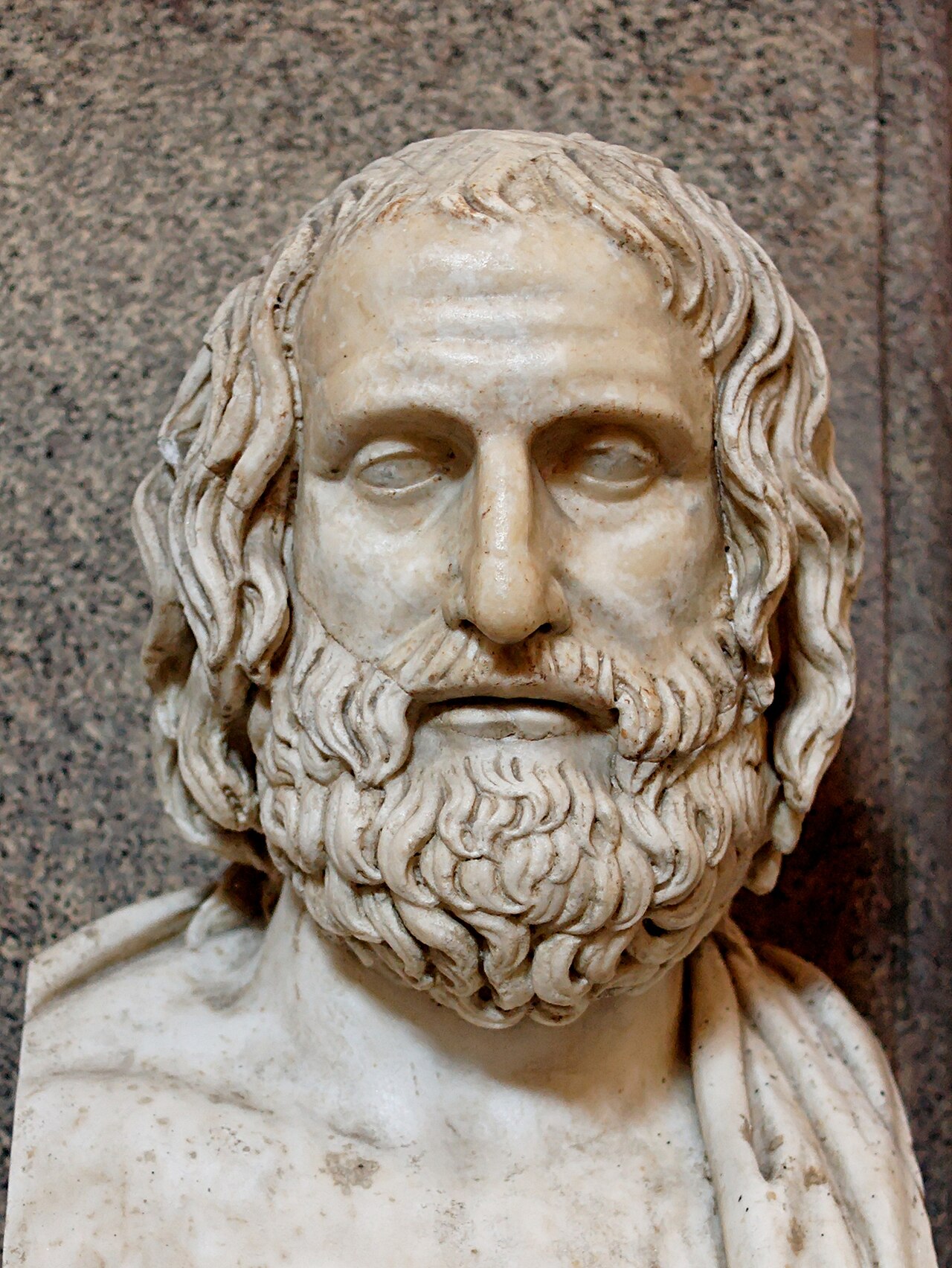
Roman bust identified as Euripides, after a Greek model of c. 330 BCE; Vatican Museums inv. 302. Made after his death, it cannot establish his actual features
Persona
Fifth-century BCE Greek tragedian, died 406 BCE. In his Iphigenia among the Taurians, the heroine recounts a deer substituted for her.
Variantes del nombre: Euripides
Contexto y fuentes →
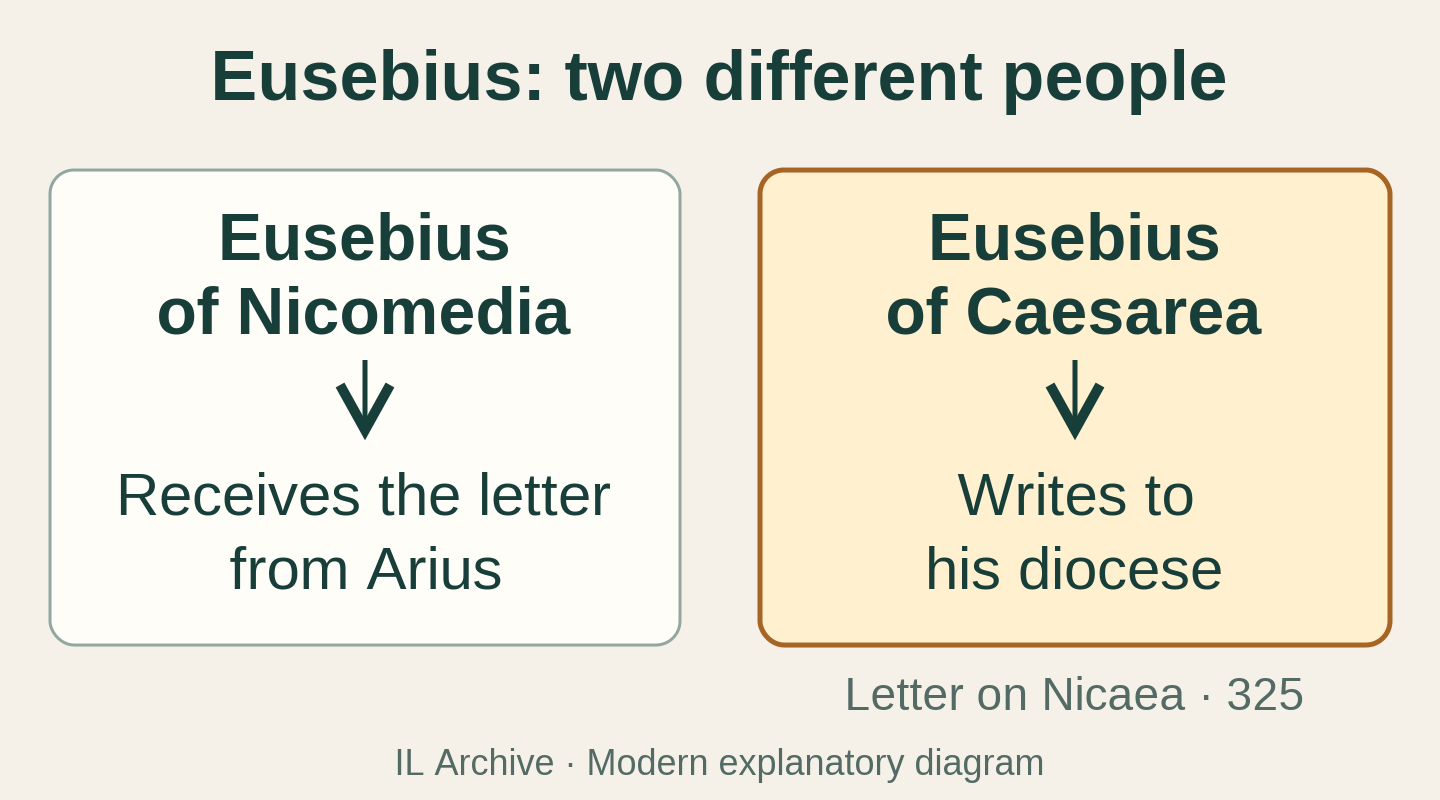
Modern comparison highlighting Eusebius of Caesarea, author of the letter explaining acceptance of the Nicene creed, distinct from Arius’s correspondent Eusebius of Nicomedia. Arrows clarify their different letter roles
Persona
Third- and fourth-century Christian bishop and author of Church History.
Variantes del nombre: Eusebius of Caesarea
Contexto y fuentes →
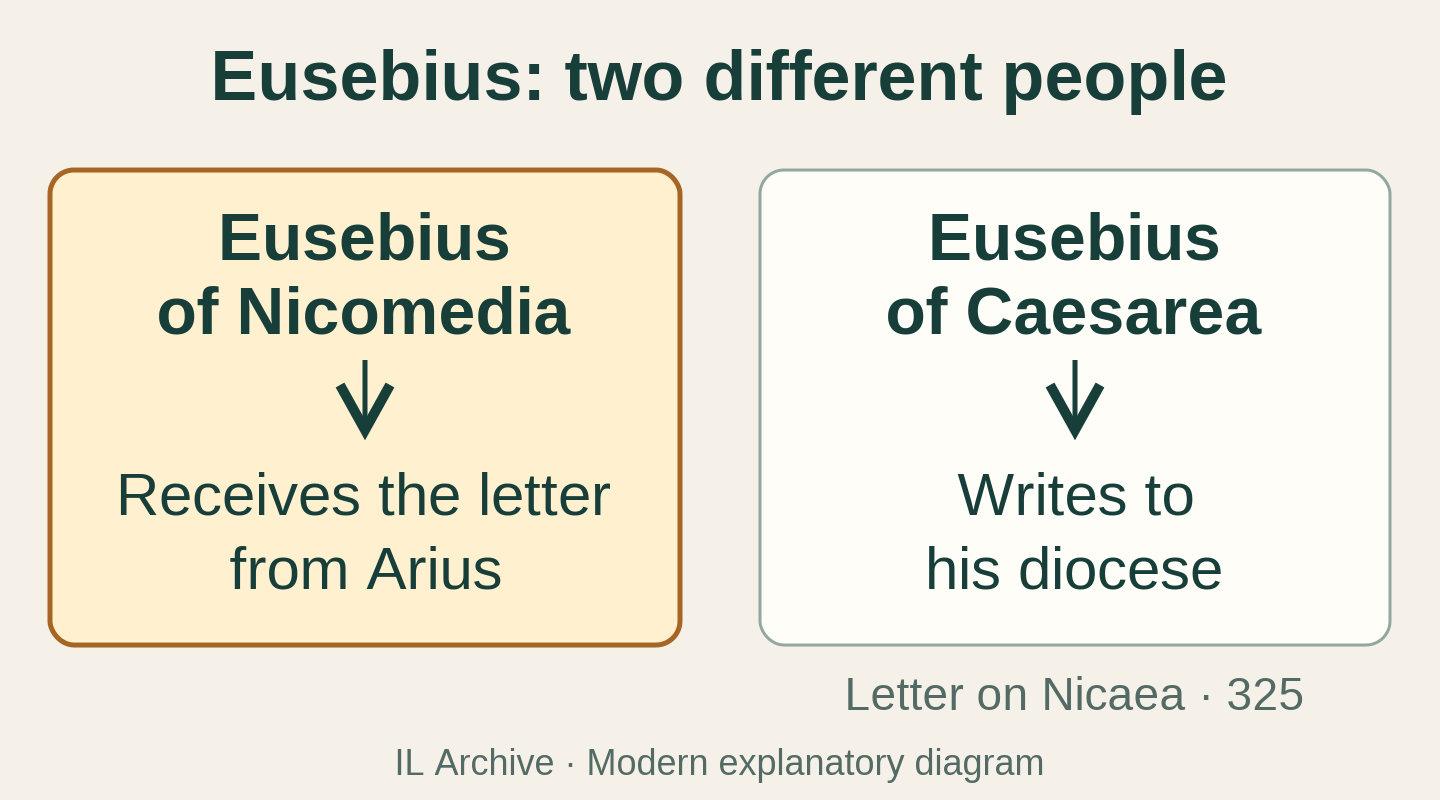
Modern comparison of Eusebius of Nicomedia, recipient of Arius’s letter, and Eusebius of Caesarea, writer to his diocese about Nicaea in 325. Highlighting identifies this entry’s subject
Persona
Fourth-century bishop of Nicomedia, correspondent and supporter of Arius.
Variantes del nombre: Eusebius of Nicomedia
Contexto y fuentes →
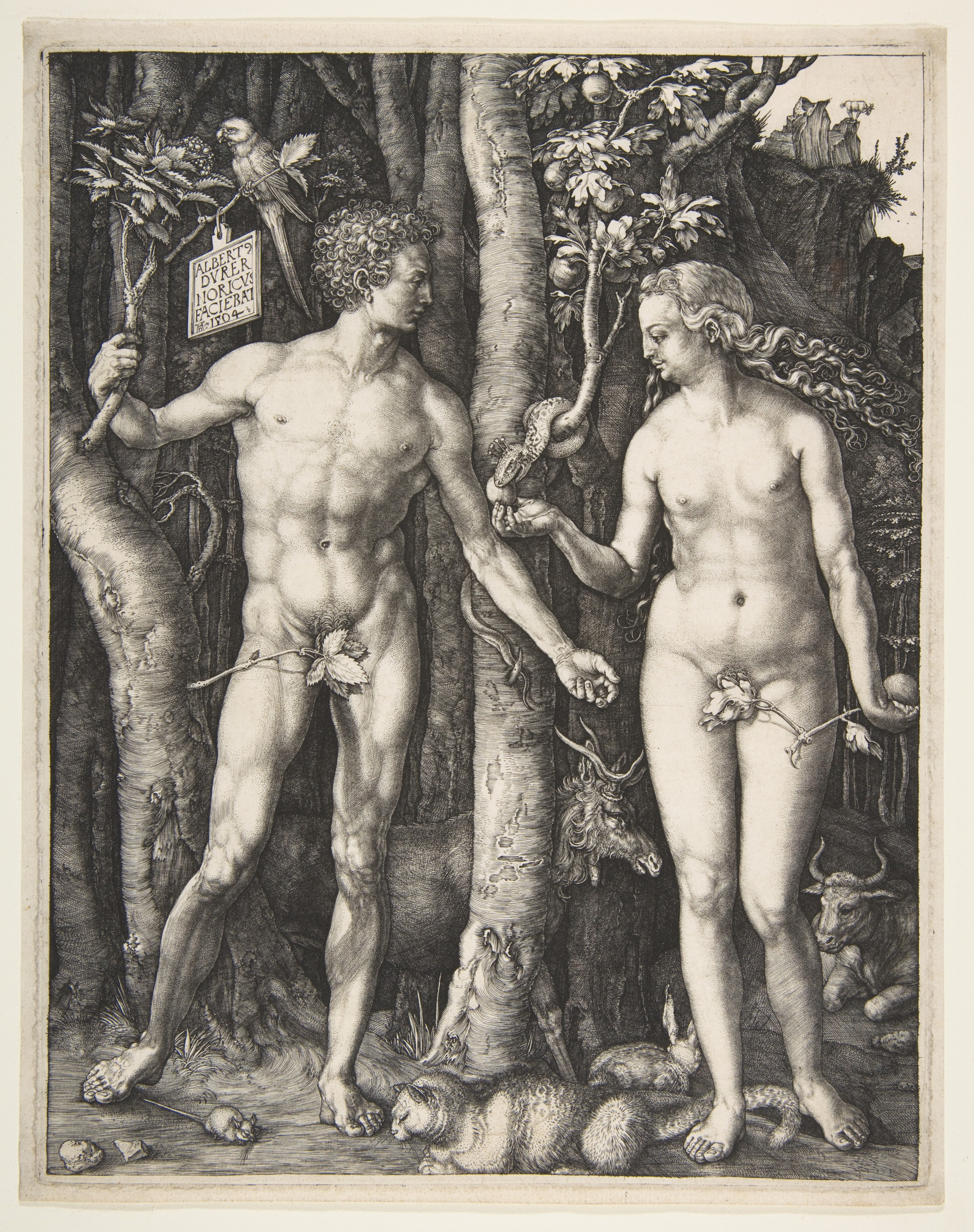
Adam and Eve, engraving by Albrecht Dürer, 1504, Met 19.73.1. Later artistic reception of Genesis, not a portrait of historical people or a Sumerian witness
Persona
First woman in Genesis, whose making is linked to the human’s rib or side and whose name to mother of all the living.
Variantes del nombre: Eve, figure in Genesis
Contexto y fuentes →
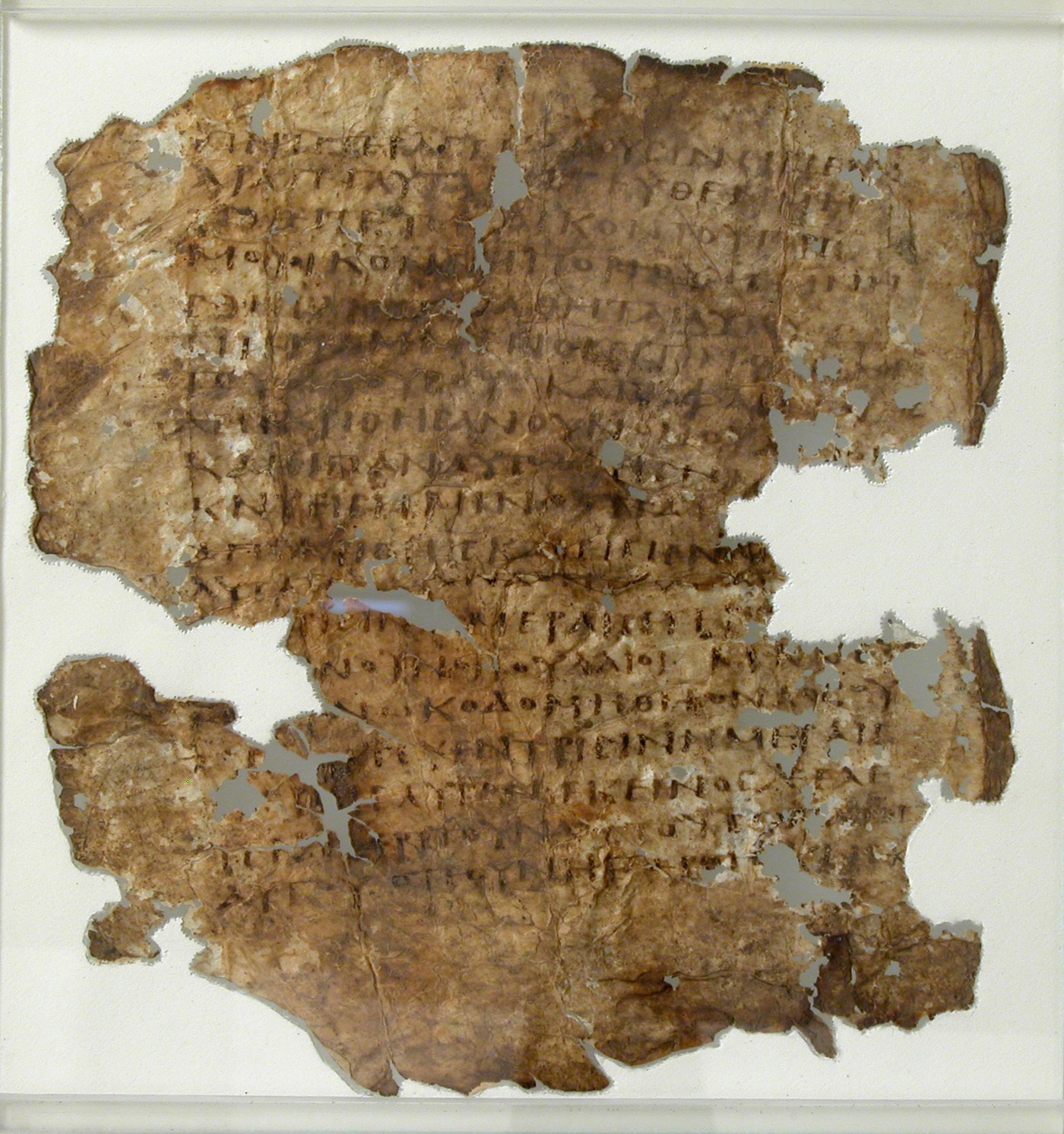
Fragment of John 2:11–22, ink on parchment, The Met 09.182.43. The museum dates the leaf to the fourth century; it does not preserve the chapter 1 prologue, and its copying date does not date composition
Texto antiguo
One of the New Testament Gospels, opening with the Word, creation and the Word becoming flesh.
Variantes del nombre: Gospel of John
Contexto y fuentes →
Contemporary explainer; it is not an ancient artifact or historical likeness
Texto antiguo
New Testament gospel where Satan asks to test the disciples in 22:31–32.
Variantes del nombre: Luke (gospel)
Contexto y fuentes →
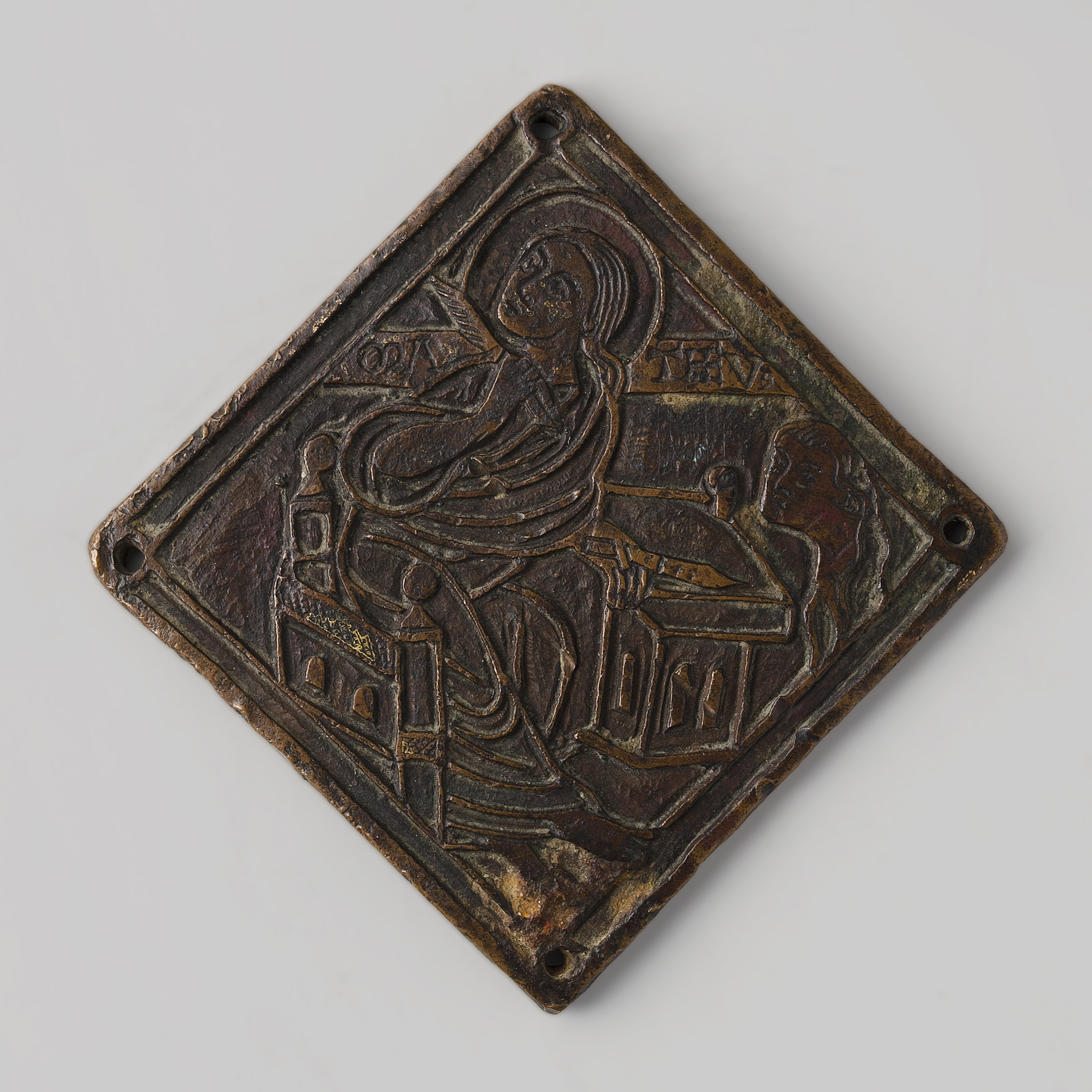
Saint Matthew Writing the Gospel, Mosan,1155–1165, copper alloy and traces of gilding; Met25.120.449. Later artistic reception, not a first-century manuscript or authenticated author portrait
Texto antiguo
One of the New Testament’s four Gospels, from the late first century CE, relating inherited law and Jesus’ sayings.
Variantes del nombre: Gospel of Matthew
Contexto y fuentes →

Modern AI-generated interpretive illustration of clay birds beside a stream, inspired by the infancy narrative; neither a photograph of an ancient object nor a verified historical reconstruction
Texto antiguo
Accounts of Jesus’ boyhood, distinct from the sayings Gospel of Thomas.
Variantes del nombre: Infancy Gospel of Thomas
Contexto y fuentes →
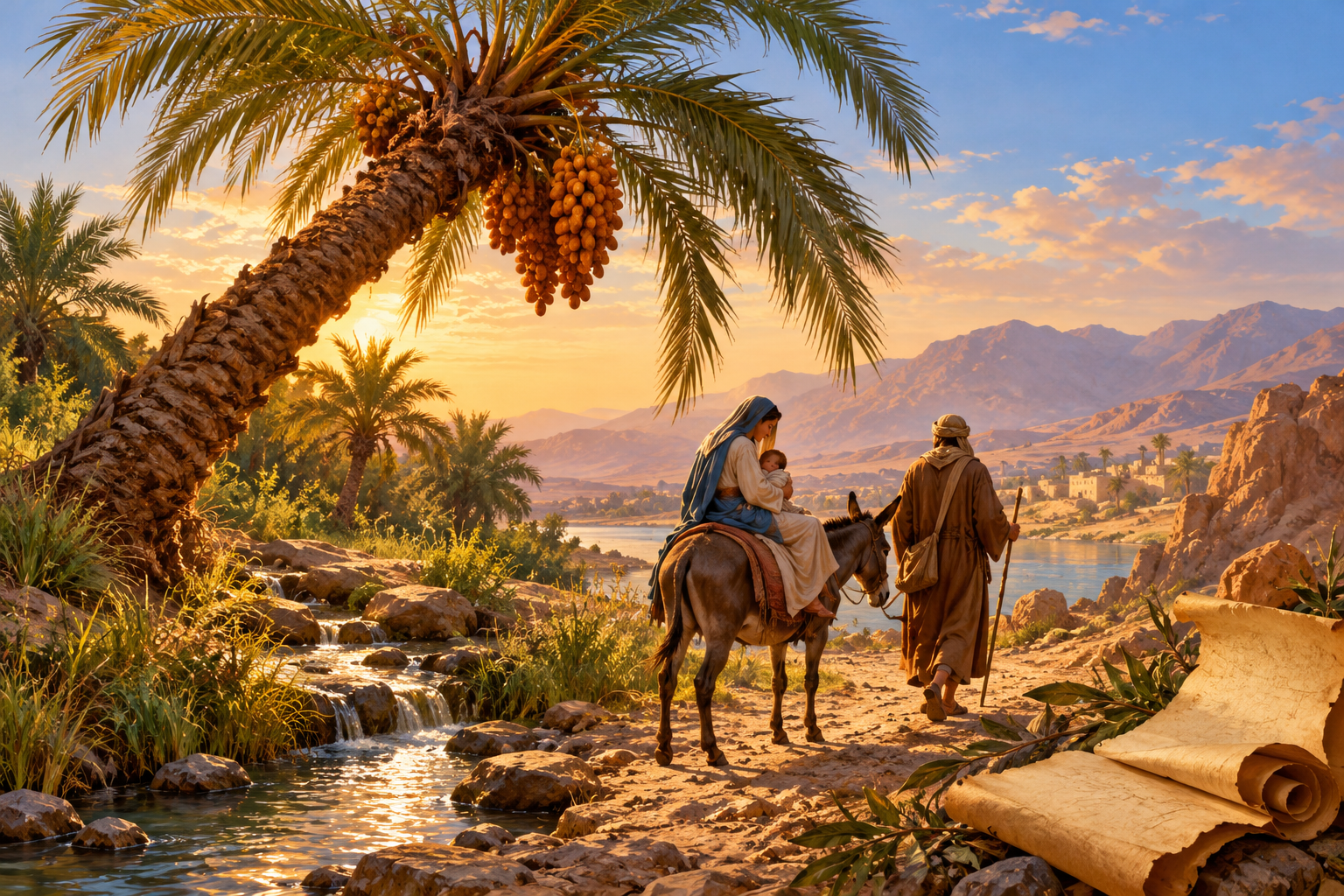
Newly generated interpretive illustration of the family’s journey in Pseudo-Matthew, with palm and water; not an artifact, manuscript image, or authenticated historical reconstruction
Texto antiguo
Latin work on Mary and Jesus’ childhood, distinct from canonical Matthew.
Variantes del nombre: Gospel of Pseudo-Matthew, Pseudo-Matthew
Contexto y fuentes →
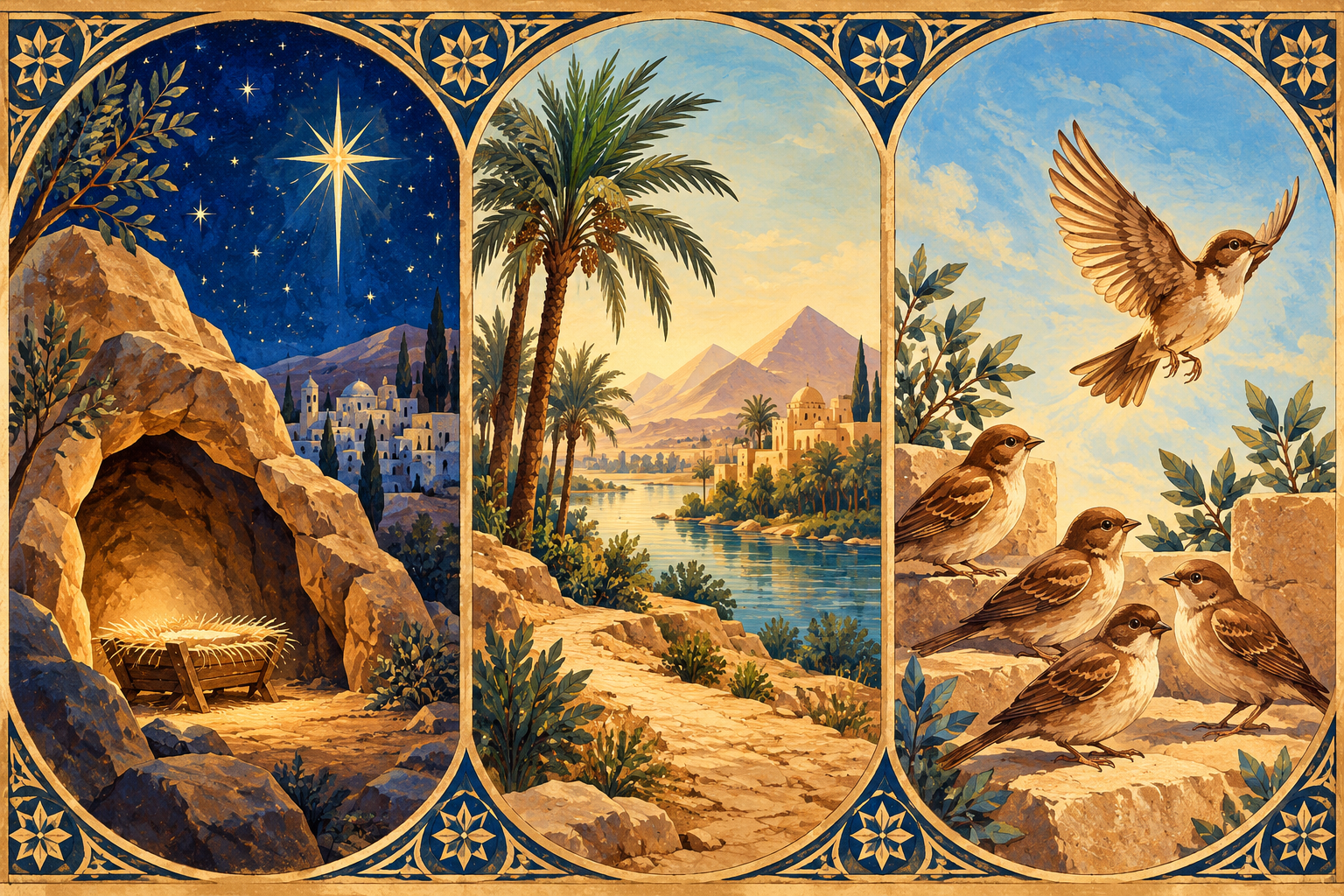
Newly generated interpretive illustration symbolizing the Nativity, journey to Egypt and birds in infancy stories; not a manuscript, historical photograph or verified reconstruction
Texto antiguo
A noncanonical Arabic Christian collection about Jesus’ birth, the journey to Egypt and childhood miracles, with structurally different Oxford and Florence recensions; distinct from the Infancy Gospel of Thomas.
Variantes del nombre: Arabic Infancy Gospel
Contexto y fuentes →
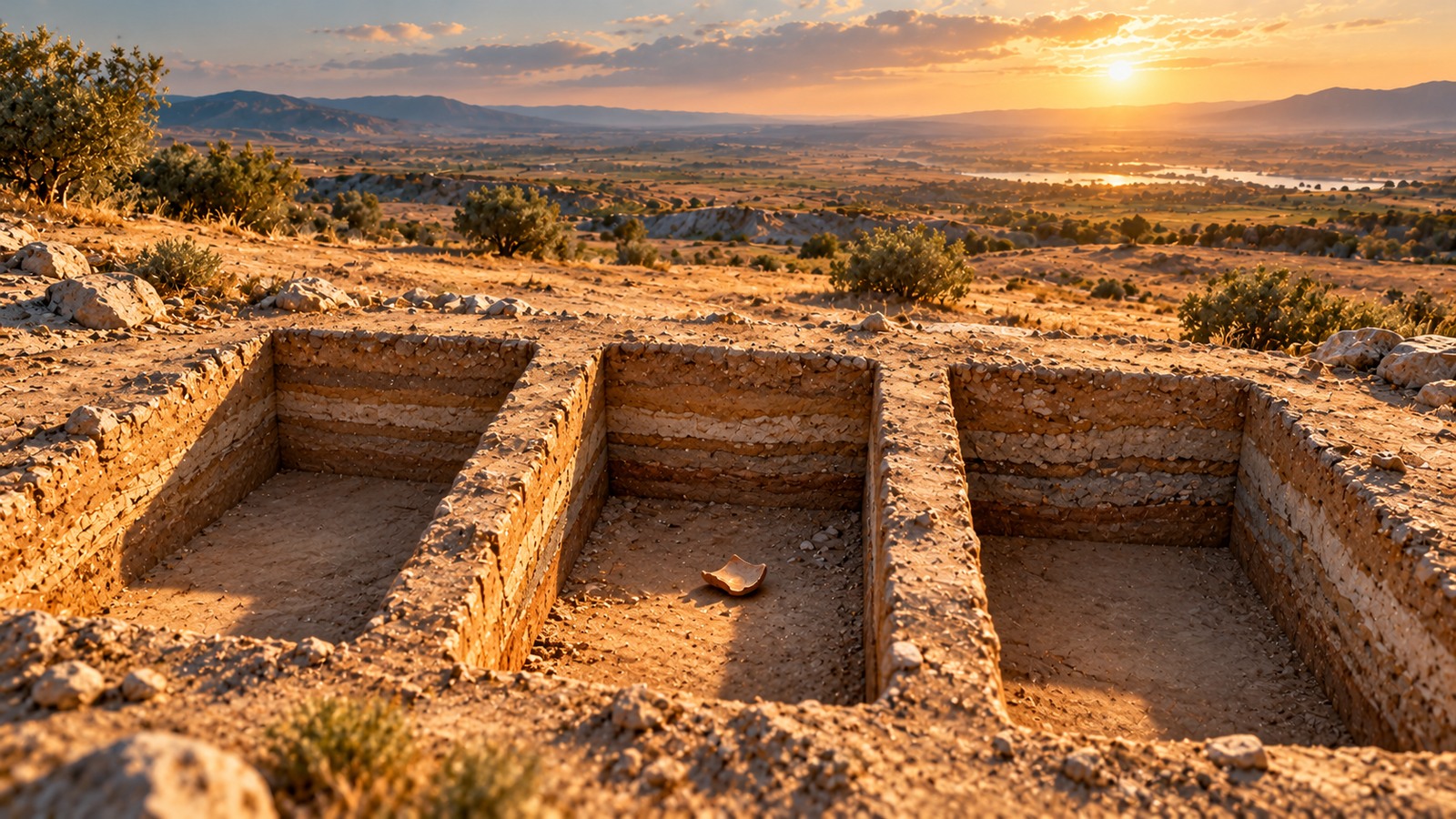
Contemporary conceptual image of three imagined excavation units, one containing a pottery sherd. It illustrates differing observations; it does not depict a real site or excavation results
Entidad
Failure to find an expected trace can test a hypothesis when preservation and investigation make discovery expectable; not every absence is evidence.
Variantes del nombre: negative evidence
Contexto y fuentes →

Modern AI-generated conceptual scene: an imagined path toward a riverside Mesopotamian city, evoking displacement and exile. Not a historical image of the deportation route or a verified reconstruction of Jerusalem or Babylon
Entidad
Judean deportations to Babylonia and the kingdom’s collapse in the early sixth century BCE; several phases, not everyone removed or returned at once.
Variantes del nombre: Babylonian exile, Judean exile, Babylonian captivity
Contexto y fuentes →
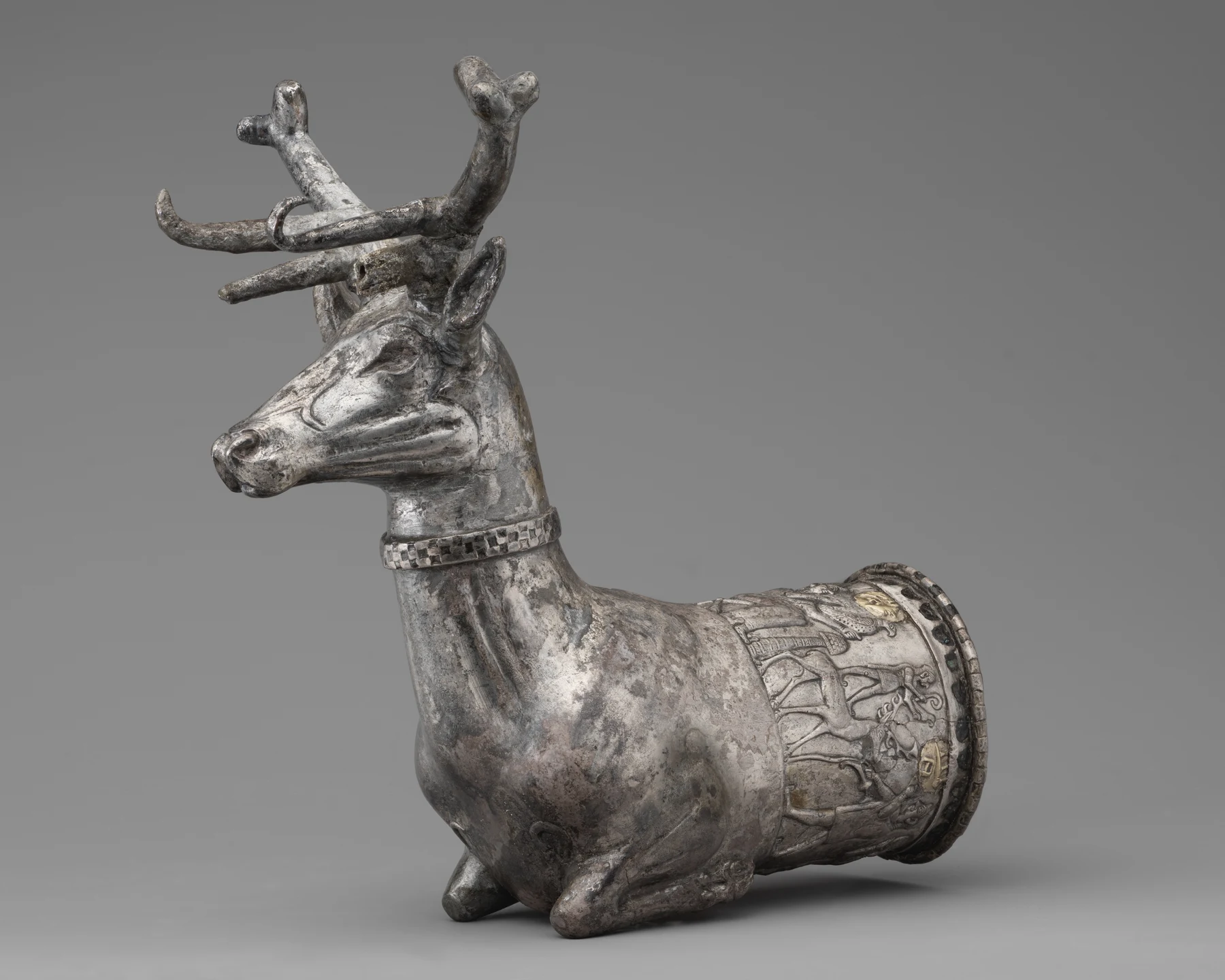
Hittite silver drinking vessel with gold inlay, ending in a stag’s forepart, central Anatolia, ca. 14th–13th century BCE. Its frieze depicts a Hittite cult scene. This is comparative context, not evidence for a kippēr rite or a blood vessel. Metropolitan Museum, 1989.281.10
Entidad
Hebrew verb for rites performed on behalf of people or directed at sacred space; the stated outcome may be forgiveness or purification. It does not mean declaring another person an unbeliever.
Variantes del nombre: ritual atonement, kippēr
Contexto y fuentes →
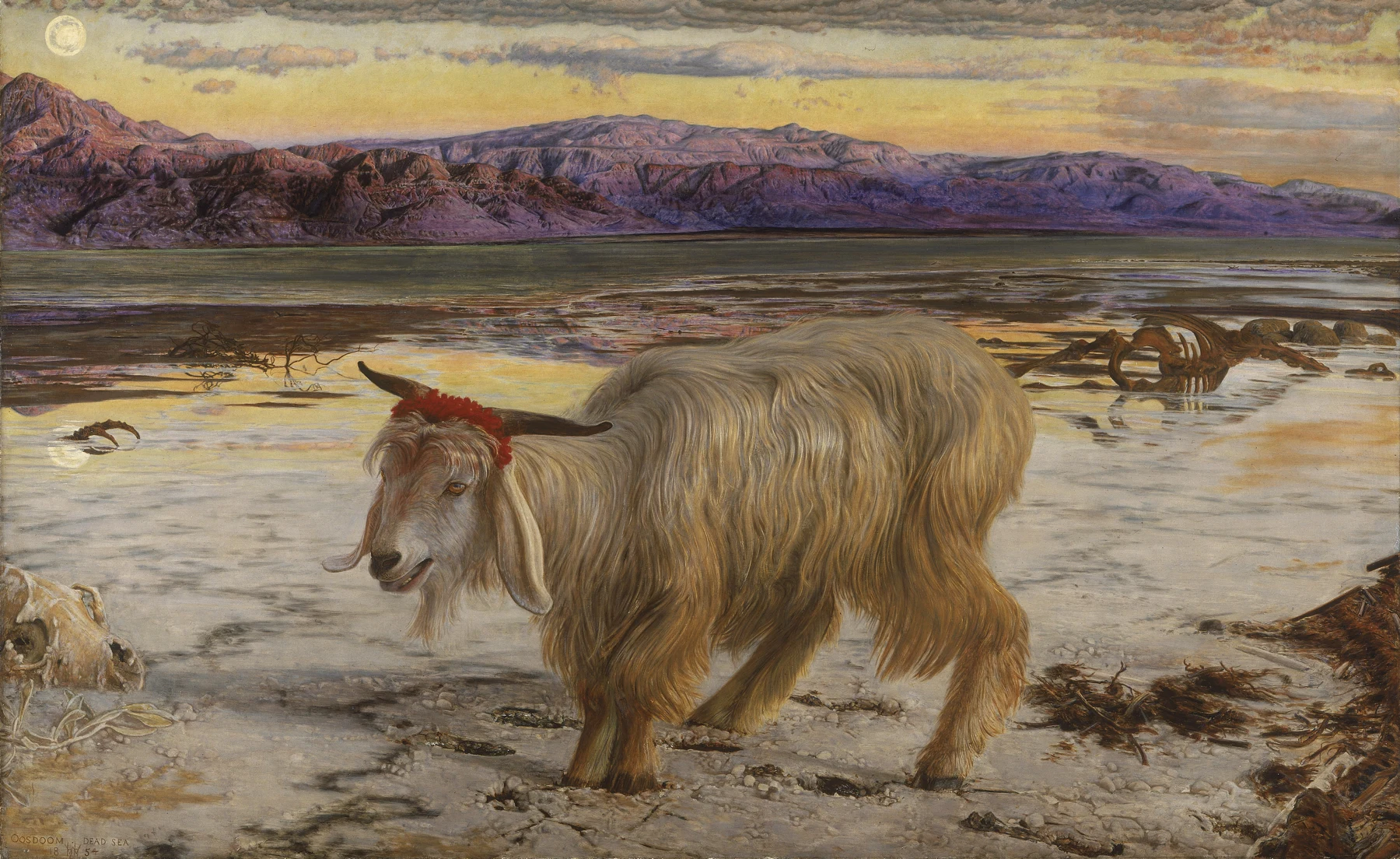
A horned goat stands by saline water before distant hills in William Holman Hunt’s The Scapegoat (1854), Lady Lever Art Gallery, LL 3623. Public-domain image via Wikimedia Commons of a nineteenth-century painting: not archaeological evidence, a depiction of Azazel, or a model for all removal rites
Entidad
Analytical term for expelling impurity, harm, or ominous danger from a protected domain; it does not equate transfer, expulsion, slaughter, and destruction.
Variantes del nombre: ritual removal
Contexto y fuentes →
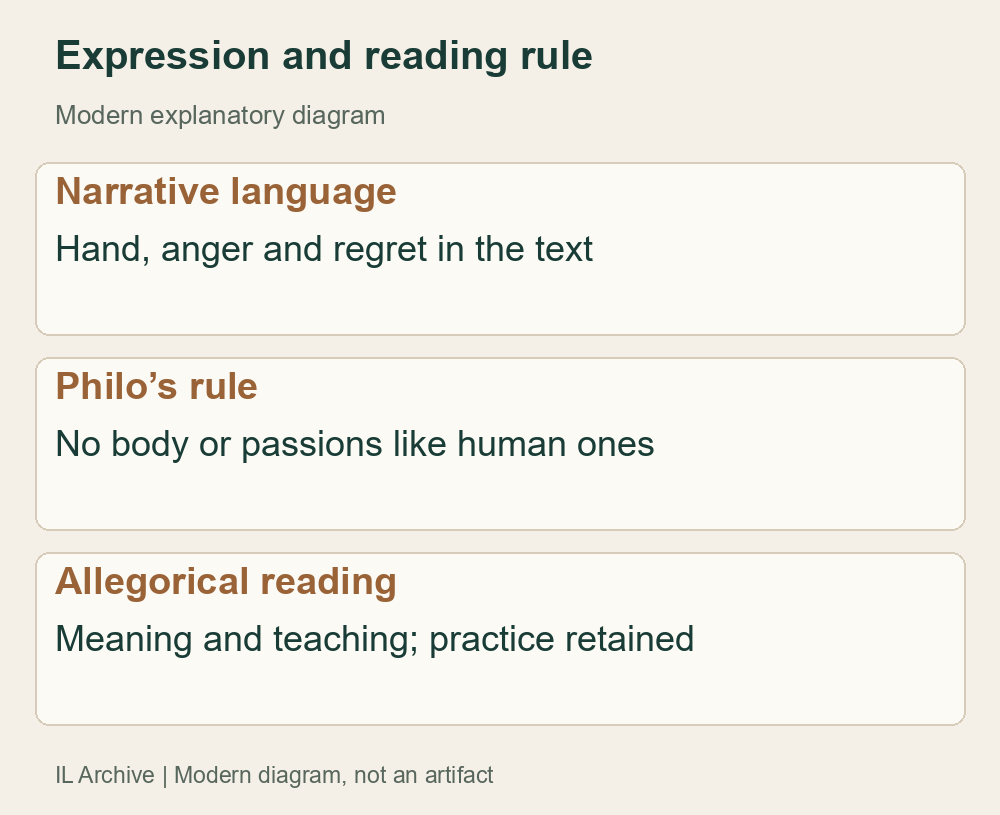
Modern explanatory diagram of a specific argument in Philo of Alexandria: anthropomorphic language is read pedagogically; On the Migration of Abraham combines symbolic meaning with observing commandments. Not an ancient artifact or a rule for every interpreter
Entidad
Interpretation of a pre-existing text that relates narrative or linguistic elements to further ethical, philosophical, or religious meanings; it does not necessarily cancel plain meaning or observance.
Variantes del nombre: allegorical exegesis, allegorical interpretation
Contexto y fuentes →
Persona
Ezekiel is a priest and prophet in the Hebrew Bible, whose book is associated with the Judean exile in Babylonia in the sixth century BCE.
Variantes del nombre: Ezekiel
Contexto y fuentes →
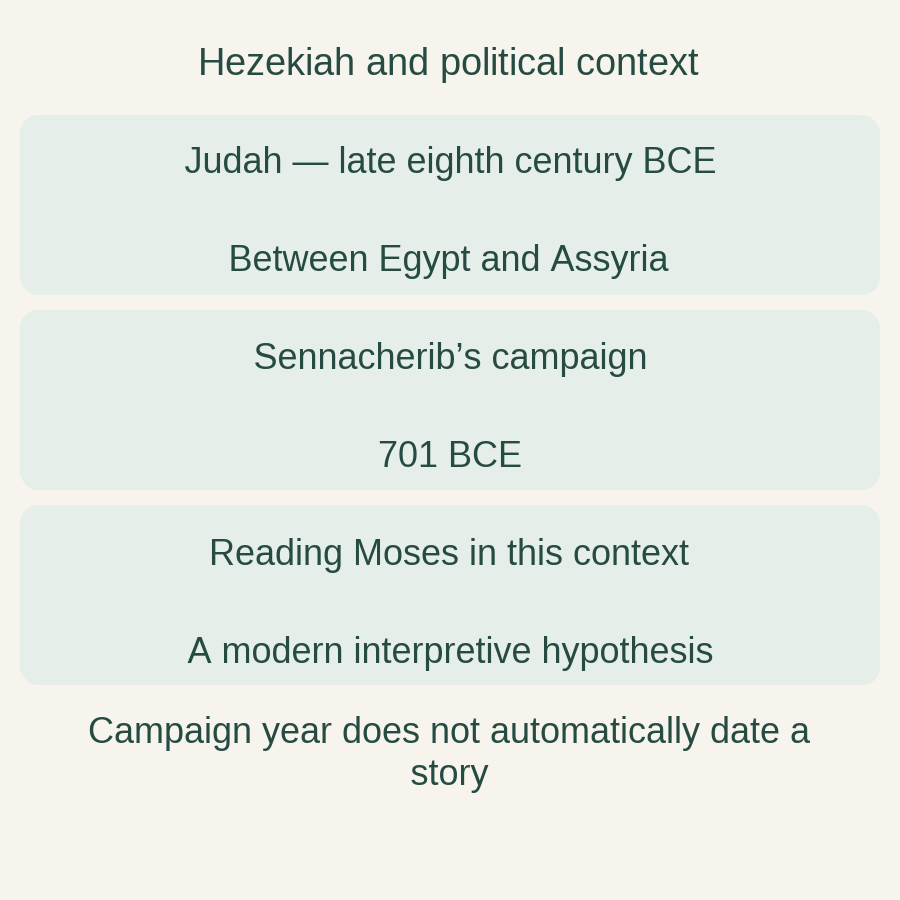
Modern diagram of Hezekiah’s political setting, distinguished from proposed literary dating; not a portrait
Persona
King of Judah in the late eighth century BCE, named in Sennacherib’s Assyrian accounts of the 701 BCE campaign.
Variantes del nombre: Hezekiah, king of Judah
Contexto y fuentes →
Persona
British scholar and translator (1856–1924) who published the Testament of Solomon in 1898.
Variantes del nombre: F. C. Conybeare
Contexto y fuentes →