Persona
Píndaro, poeta lírico griego
Traducción automática. Lea el original en inglés.
Poeta griego, hacia 518–438 a. n. e., que relaciona las victorias atléticas con los dioses, las genealogías y las ciudades.
Última revisión:
Texto
Píndaro fue un poeta lírico griego, hacia 518–438 a. n. e., conocido por sus odas que celebran a los vencedores atléticos. Su poesía une el logro deportivo con el favor divino, la genealogía y los orígenes de las comunidades. [1]
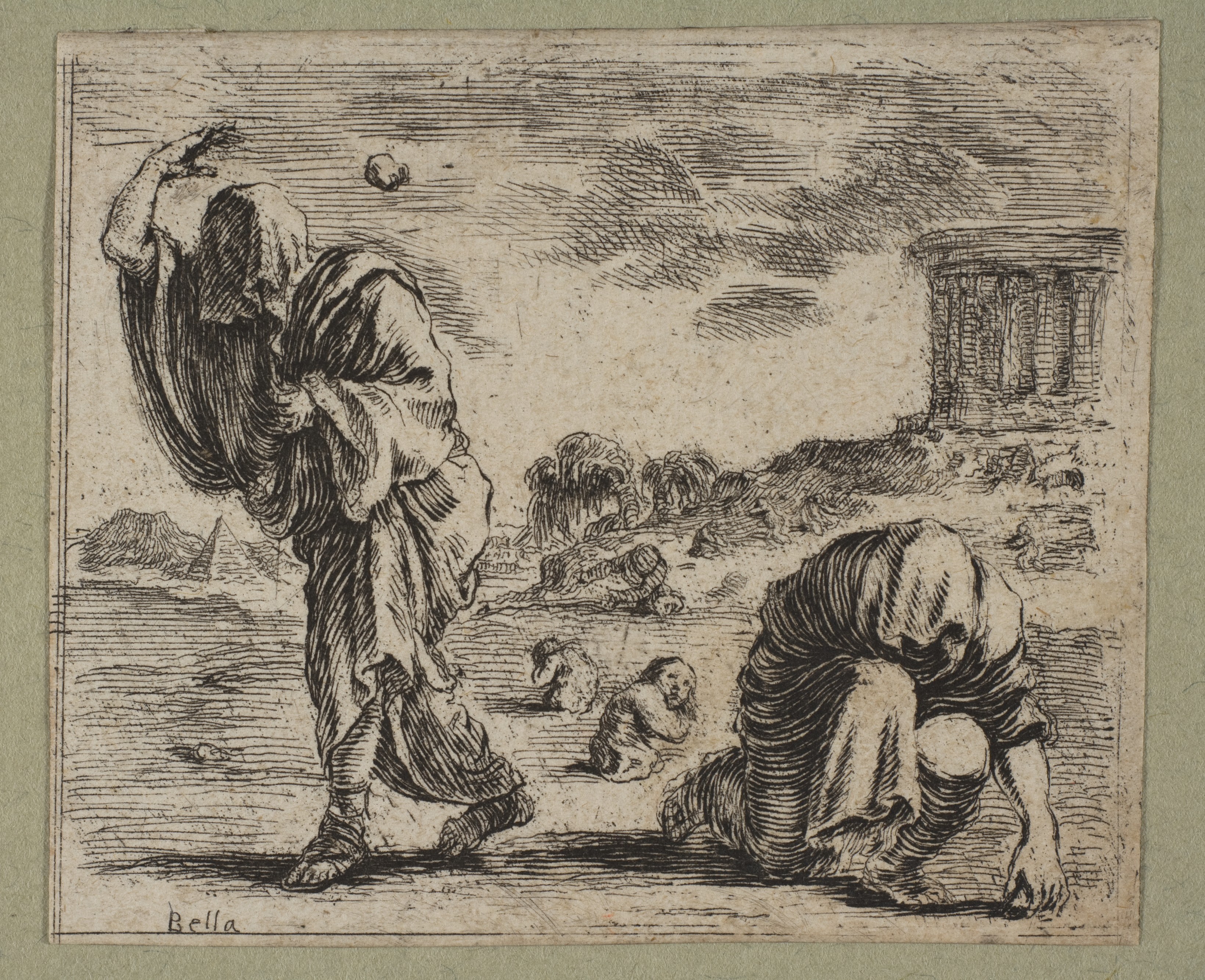
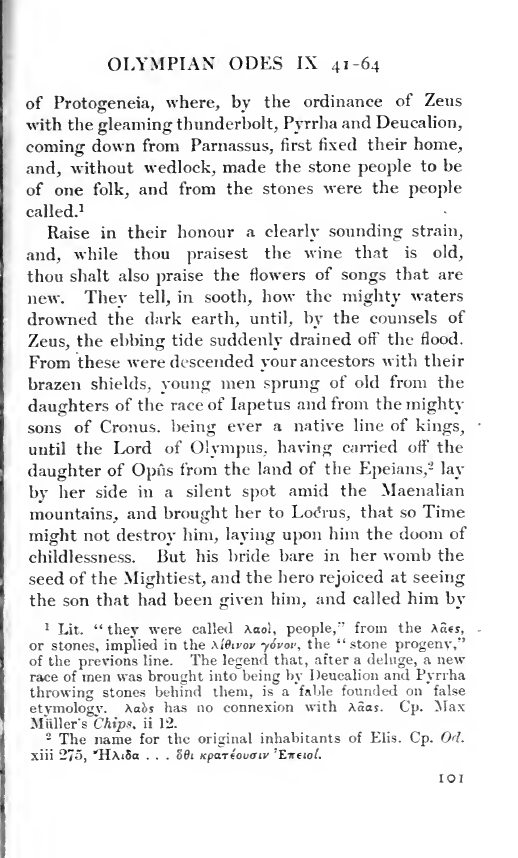
La Olímpica 9 relaciona a los habitantes de OpunteOpus, antigua ciudad lócridaAncient Greek city linked with Deucalion’s genealogies and Pindar’s ninth ode, near present-day Atalanti.Glosario · Pulse para leer la explicación con DeucaliónDeucalión en las tradiciones griegas del diluvioDeucalion and Pyrrha in Greek and Latin flood accounts: genealogy, survival, stone-born people, local traditions and Near Eastern parallels, with attention to variant sources and dates.Glosario · Pulse para leer la explicación, PirraPirra en el relato del diluvio de DeucaliónGreek figure surviving with Deucalion and associated with humanity’s renewal from stones.Glosario · Pulse para leer la explicación y la humanidad nacida de piedra; después menciona un diluvio y su retroceso gracias a la habilidad de ZeusZeusZeus is the sky god and leading deity in many Greek traditions. In the Iliad he presides over divine gatherings while others can still speak and object.Glosario · Pulse para leer la explicación. Es un testimonio claro del siglo V a. n. e., considerado junto con fragmentos dramáticos posiblemente anteriores. [2][3]
Referencias y notas
- Harvard University Press, William H. Race’s 1997 Pindar edition: poet and dating description, not the complete edition. Harvard University Press, William H. Race’s 1997 Pindar edition: poet and dating description, not the complete edition. Volver al texto ↑
- Pindar, Olympian 9, Paley translation: complete ode, particularly 40–56. The old heading’s 456 BCE date is not adopted. Pindar, Olympian 9, Paley translation: complete ode, particularly 40–56. The old heading’s 456 BCE date is not adopted. Volver al texto ↑
- Dustin W. Dixon, Myth-making in Greek and Roman Comedy, Boston University PhD, 2015, pp. 128–135, PDF pages 139–146, and early-career discussion p. 54: selected reading, not the entire thesis. Dustin W. Dixon, Myth-making in Greek and Roman Comedy, Boston University PhD, 2015, pp. 128–135, PDF pages 139–146, and early-career discussion p. 54: selected reading, not the entire thesis. Volver al texto ↑
Proponer una corrección · Proponga una fuente para este registro
Citar este registro
IL Archive, «Píndaro, poeta lírico griego», https://ilarchive.com/es/people/pindar-greek-lyric-poet
Seguir leyendo