Yacimiento
Museo del Louvre
Traducción automática. Lea el original en inglés.
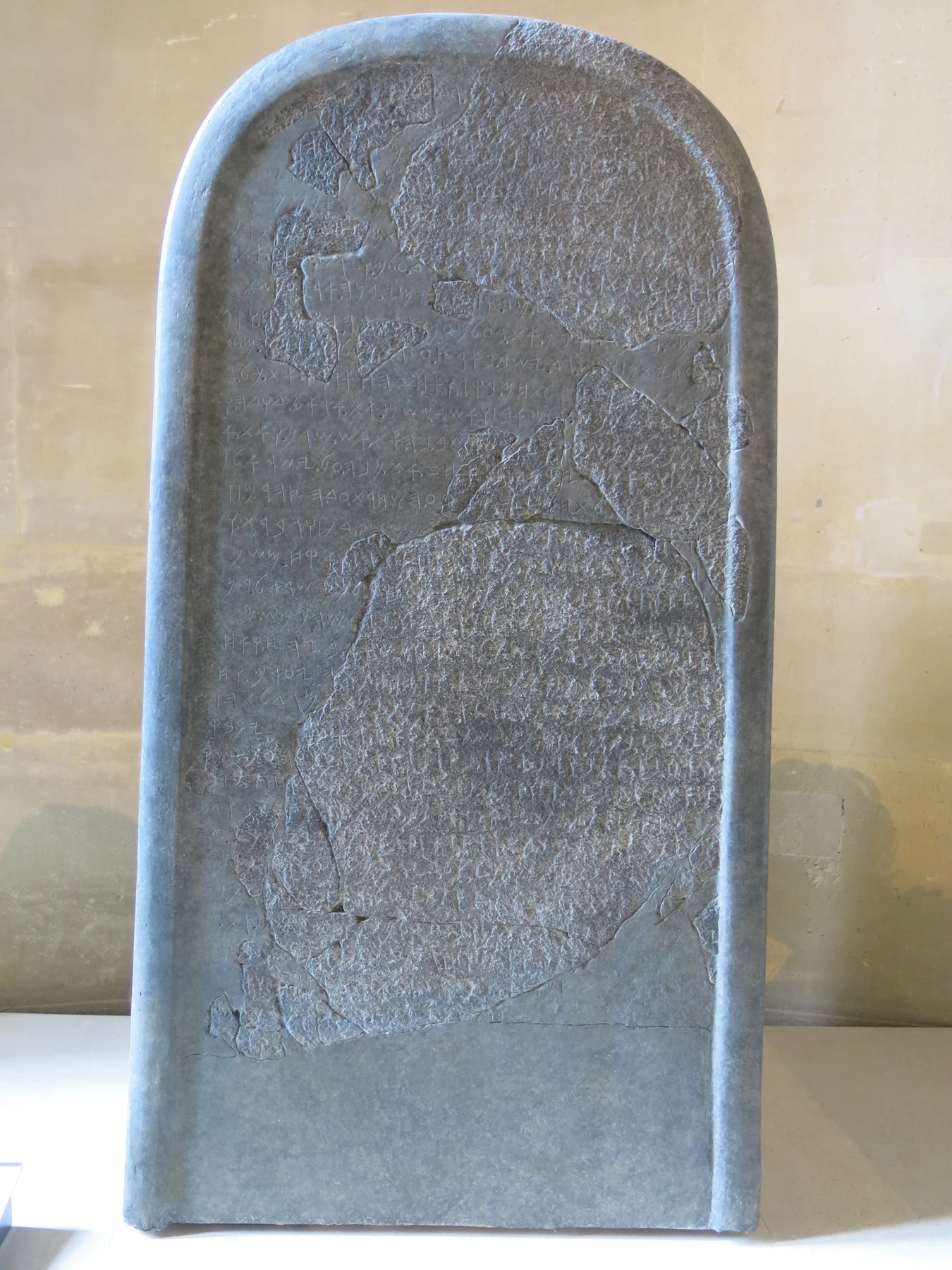
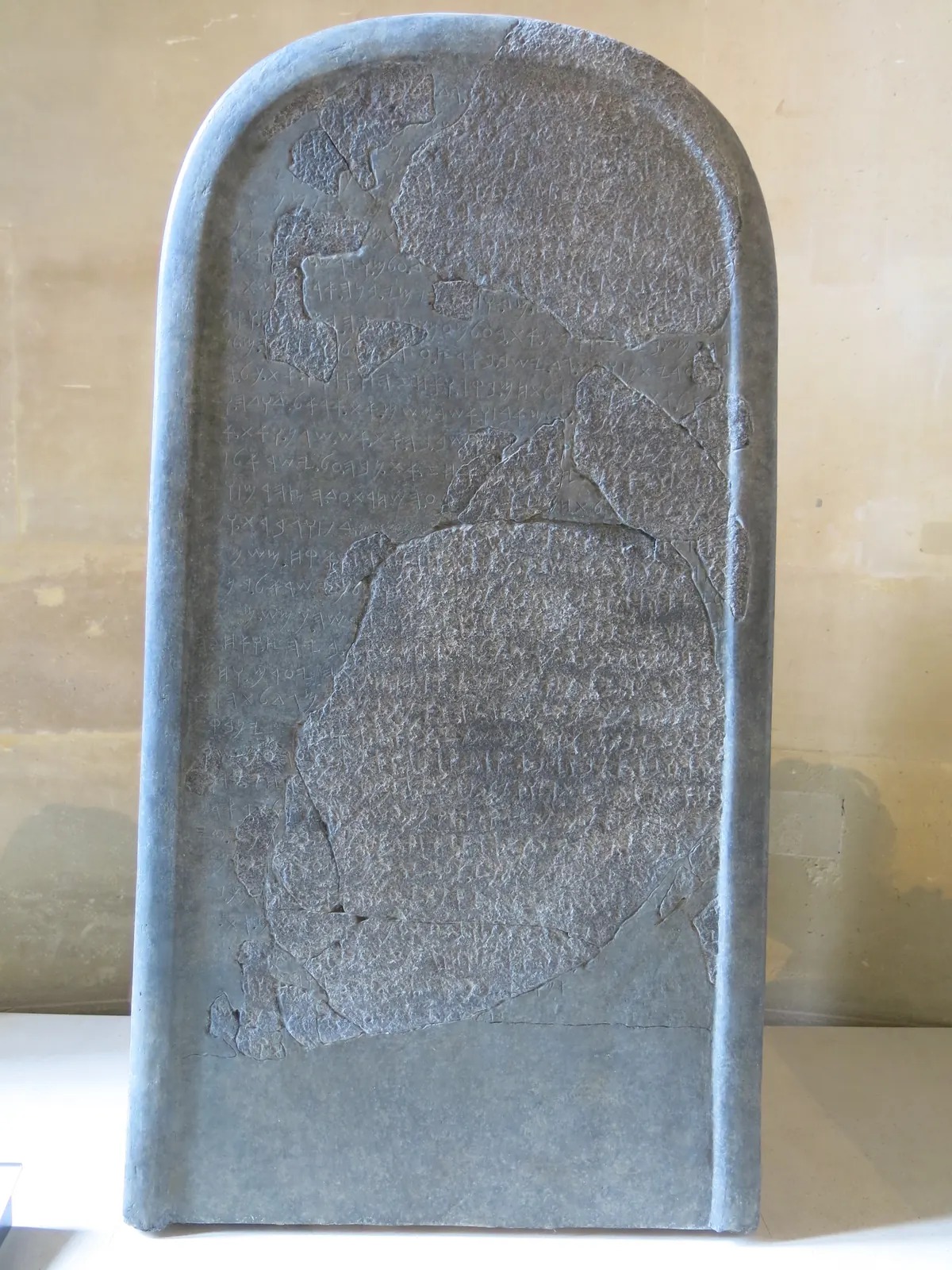
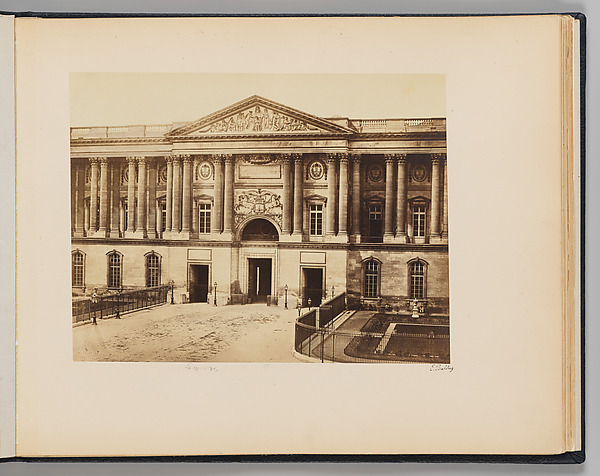
Museo de París que conserva la Estela de Mesha, con el número AO 5066, entre sus colecciones arqueológicas y artísticas.
Última revisión:
Texto
El Louvre es un museo de París. Sus colecciones arqueológicas incluyen la Estela de MeshaEstela de MeshaA ninth-century BCE Moabite royal basalt stele at the Louvre (AO 5066; KAI 181). Its inscription names Chemosh, Omri, Israel and YHWH (line 18). A proposed “House of David” reading in damaged line 31 is disputed.Glosario · Pulse para leer la explicación, AO 5066. La ficha del objeto identifica el basalto, su lugar de hallazgo en Dhiban y su datación en el siglo IX a. n. e.[1][2]
El nombre del museo y el número de inventario ayudan a identificar la colección actual. Se distinguen del lugar de producción o de uso antiguo del objeto, así como de la fecha del edificio del museo o de una fotografía moderna.[1]
Referencias y notas
- Musée du Louvre, Mesha Stele, AO 5066 / KAI 181. Object identity, ninth-century BCE date, findspot and collection. Volver al texto ↑
- K. C. Hanson, The Mesha Stele, published translation adapted from Albright 1969. Royal identity, conflict, named places and objects. Volver al texto ↑
Proponer una corrección · Proponga una fuente para este registro
Citar este registro
IL Archive, «Museo del Louvre», https://ilarchive.com/es/sites/louvre-museum
Seguir leyendo