Site
Louvre Museum
Museum in Paris holding the Mesha Stele as AO 5066 among its archaeological and art collections.
Last reviewed:
Text
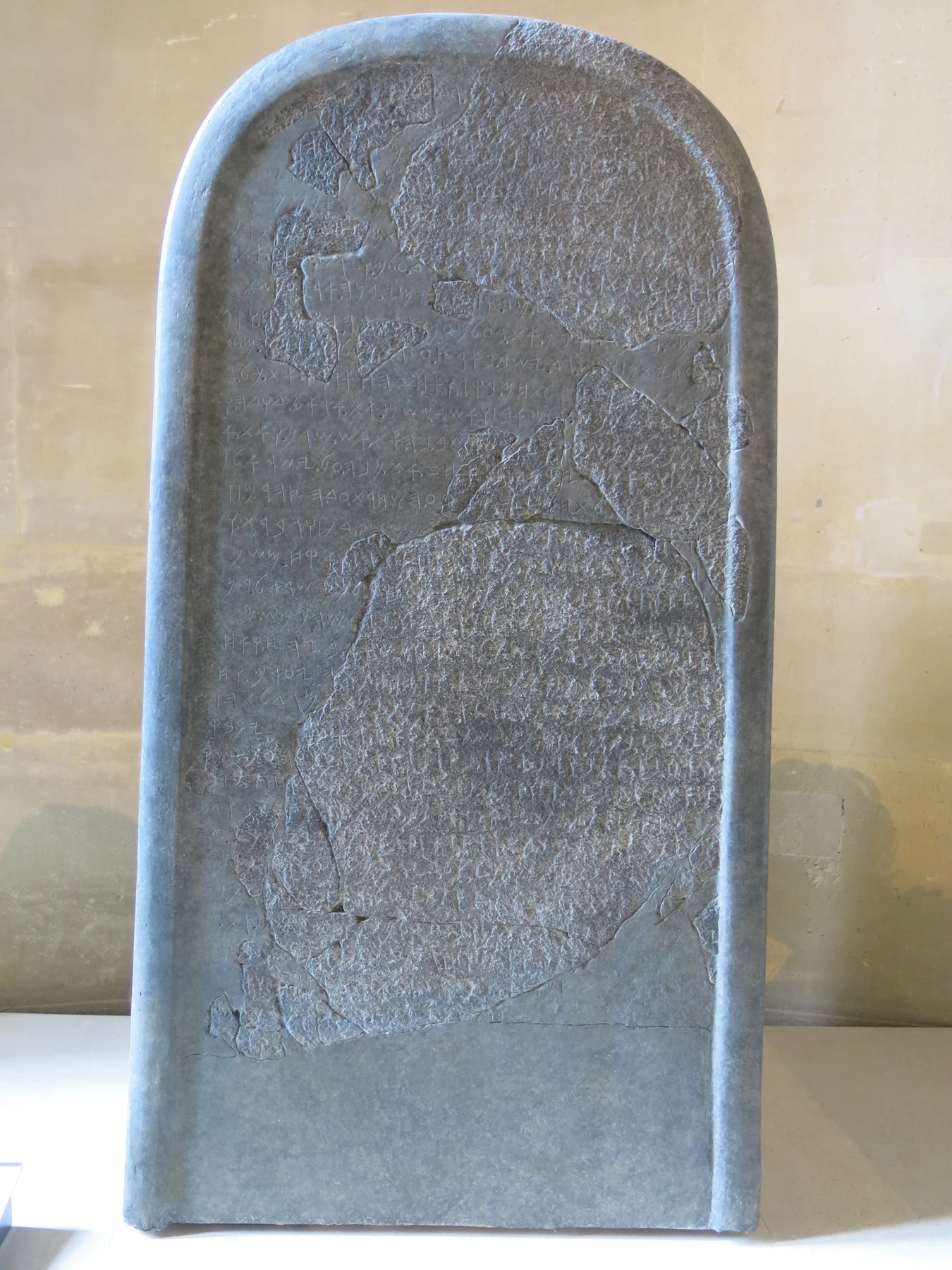
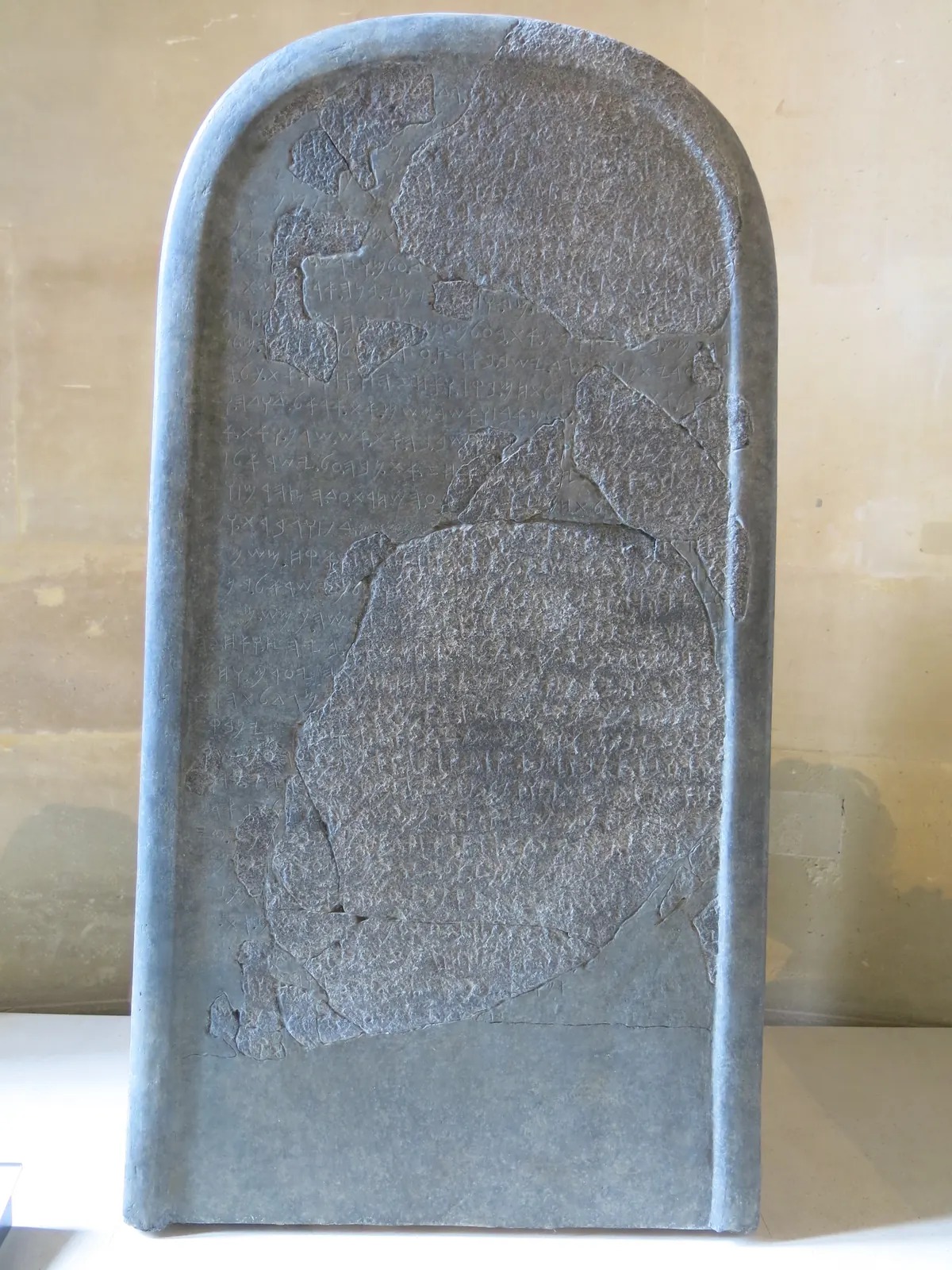
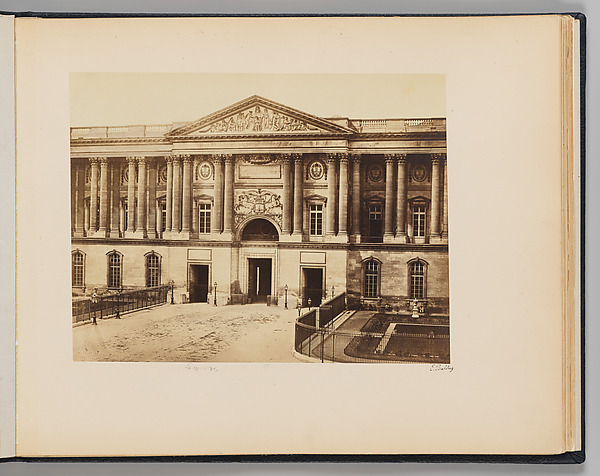
The Louvre is a museum in Paris. Its archaeological collections include the Mesha SteleMesha SteleA ninth-century BCE Moabite royal basalt stele at the Louvre (AO 5066; KAI 181). Its inscription names Chemosh, Omri, Israel and YHWH (line 18). A proposed “House of David” reading in damaged line 31 is disputed.Glossary · Click to read the explanation, AO 5066. The object record identifies basalt, its findspot at Dhiban and its ninth-century BCE dating.[1][2]
The museum name and inventory number help identify the present collection. They remain distinct from the object's ancient place of production or use and from the date of the museum building or a modern photograph.[1]
References and notes
- Musée du Louvre, Mesha Stele, AO 5066 / KAI 181. Object identity, ninth-century BCE date, findspot and collection. Return to the text ↑
- K. C. Hanson, The Mesha Stele, published translation adapted from Albright 1969. Royal identity, conflict, named places and objects. Return to the text ↑
Suggest a correction · Suggest a source for this record
Cite this record
IL Archive, «Louvre Museum», https://ilarchive.com/en/sites/louvre-museum
Continue reading