Las palabras de Ahiqar Capítulo 1
Ahiqar y la carta falsa
Ahiqar prepara a su sobrino Nadin para que lo suceda en la corte asiria. Una carta falsa pone en peligro al escriba anciano. Un hombre al que acogió tiempo atrás le da refugio. El papiro conserva también dichos y fábulas que pueden leerse junto al relato incompleto.
FuentesPase las páginas con las flechas, el teclado o deslizando el dedo.

AHIQAR Y LA CARTA FALSA
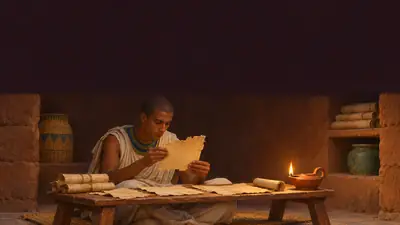
Mucho después de la época de los reyes asirios, en Elefantina quedó una copia del relato de Ahiqar. Lo presenta como un escriba sabio y hábil.
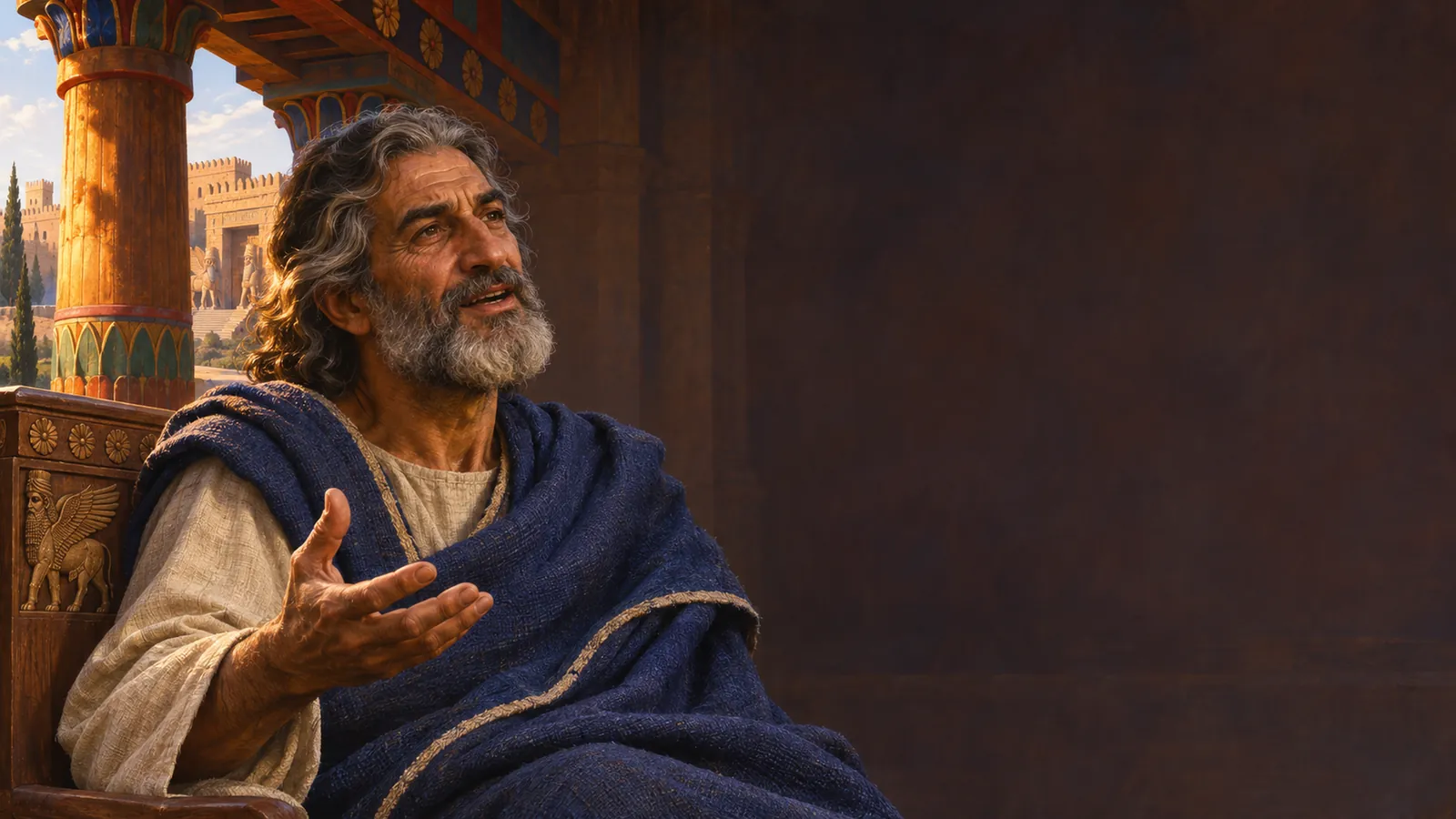
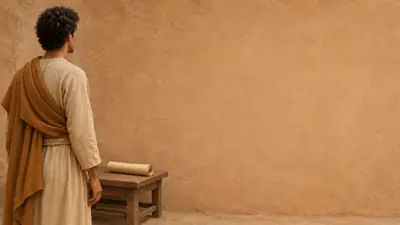
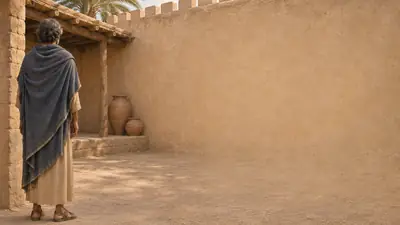
El comienzo habla de Ahiqar. Luego toma la palabra el propio escriba y recuerda la época en que prestaba servicio en la puerta del palacio.
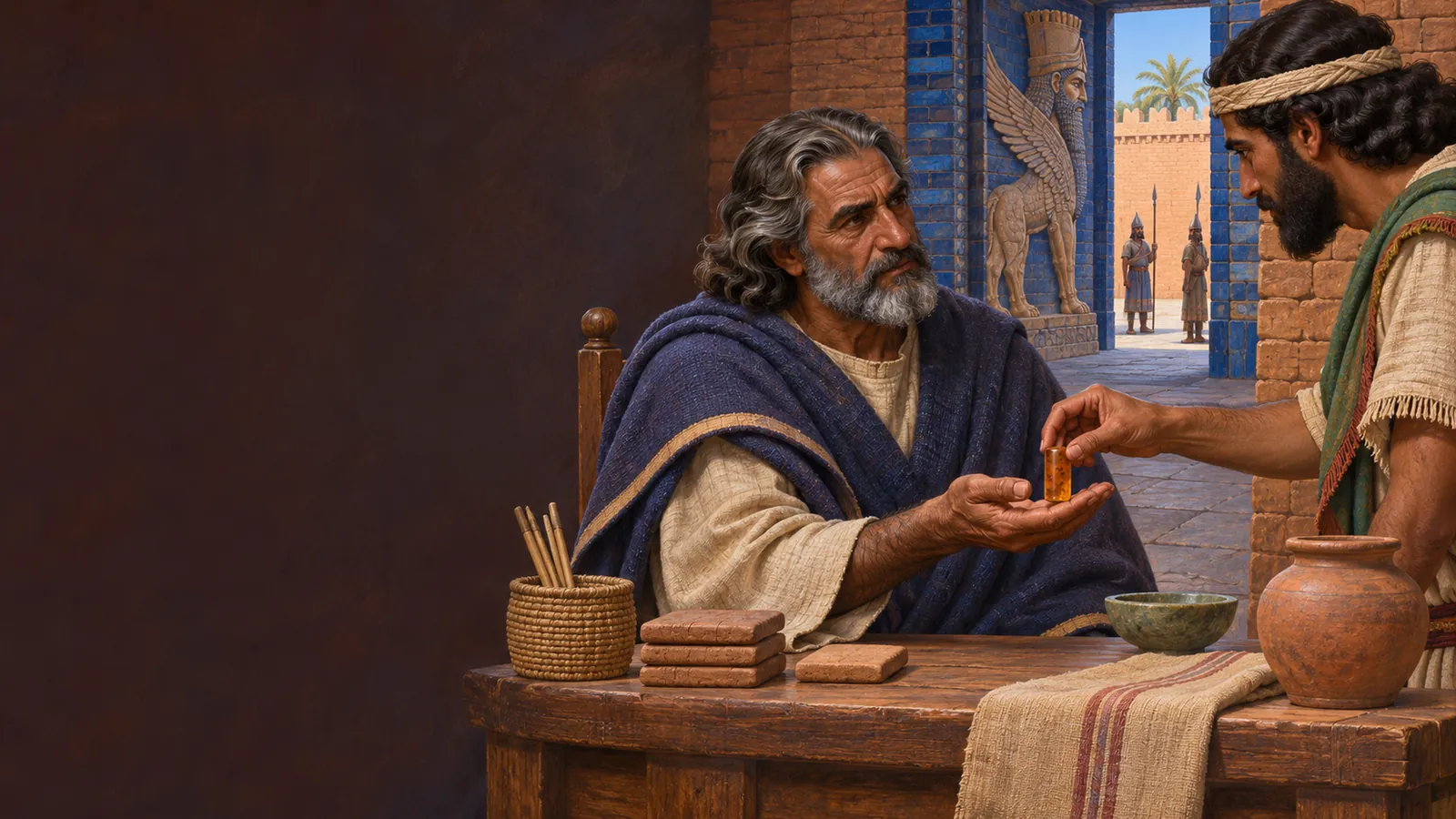
Ahiqar recuerda su puesto en la puerta del palacio, en la casa del portador del sello de Senaquerib, rey de Asiria.
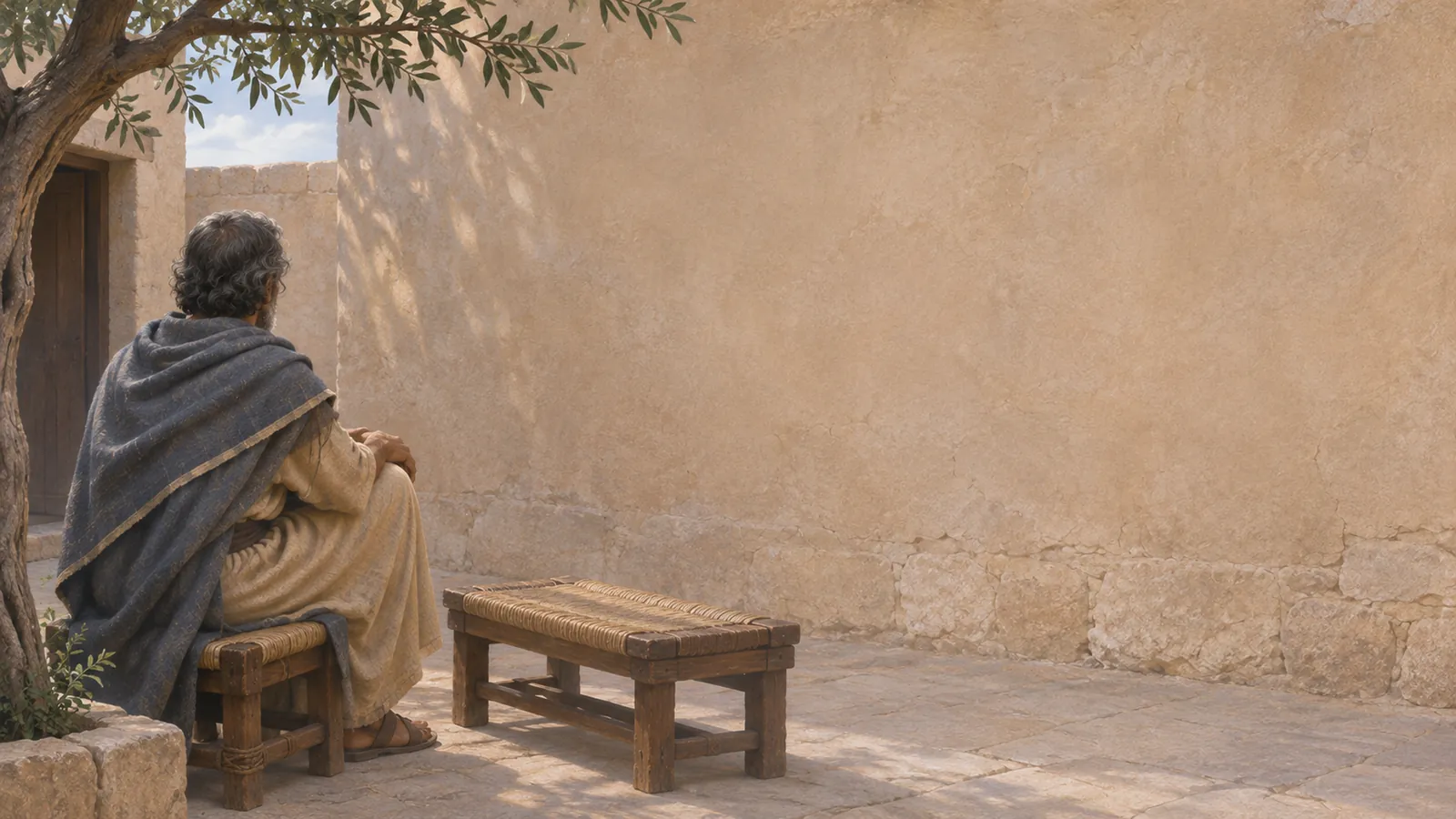
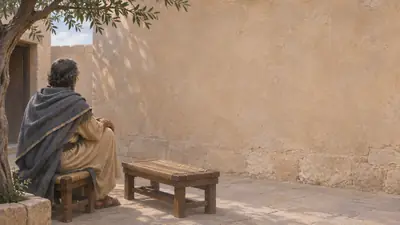
Ahiqar dice que no tiene un hijo a quien dejar su casa o transmitir lo que ha aprendido.
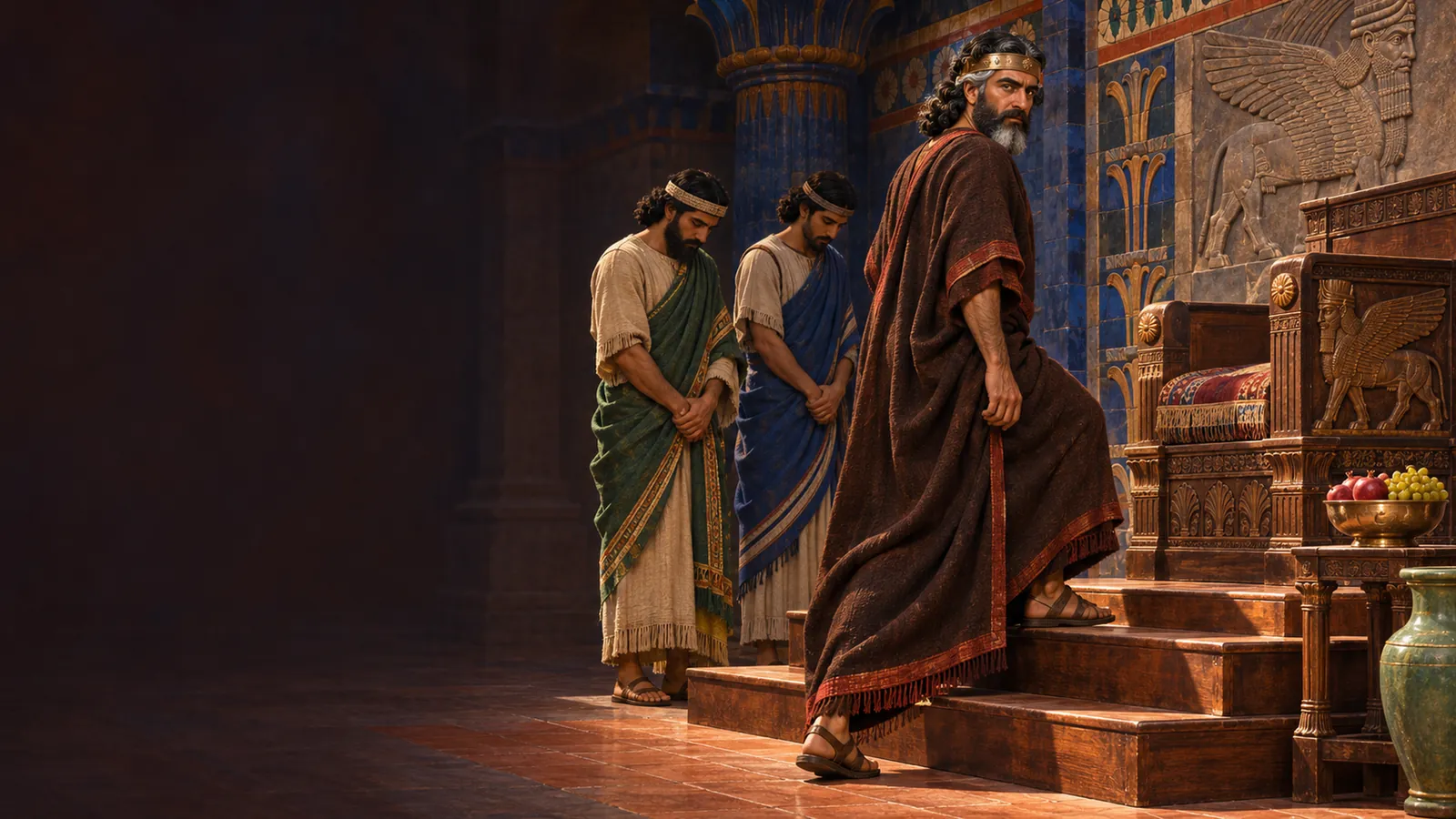
Muere Senaquerib. Su hijo Asarhaddón se convierte en rey de Asiria, y Ahiqar sigue al servicio del nuevo soberano.
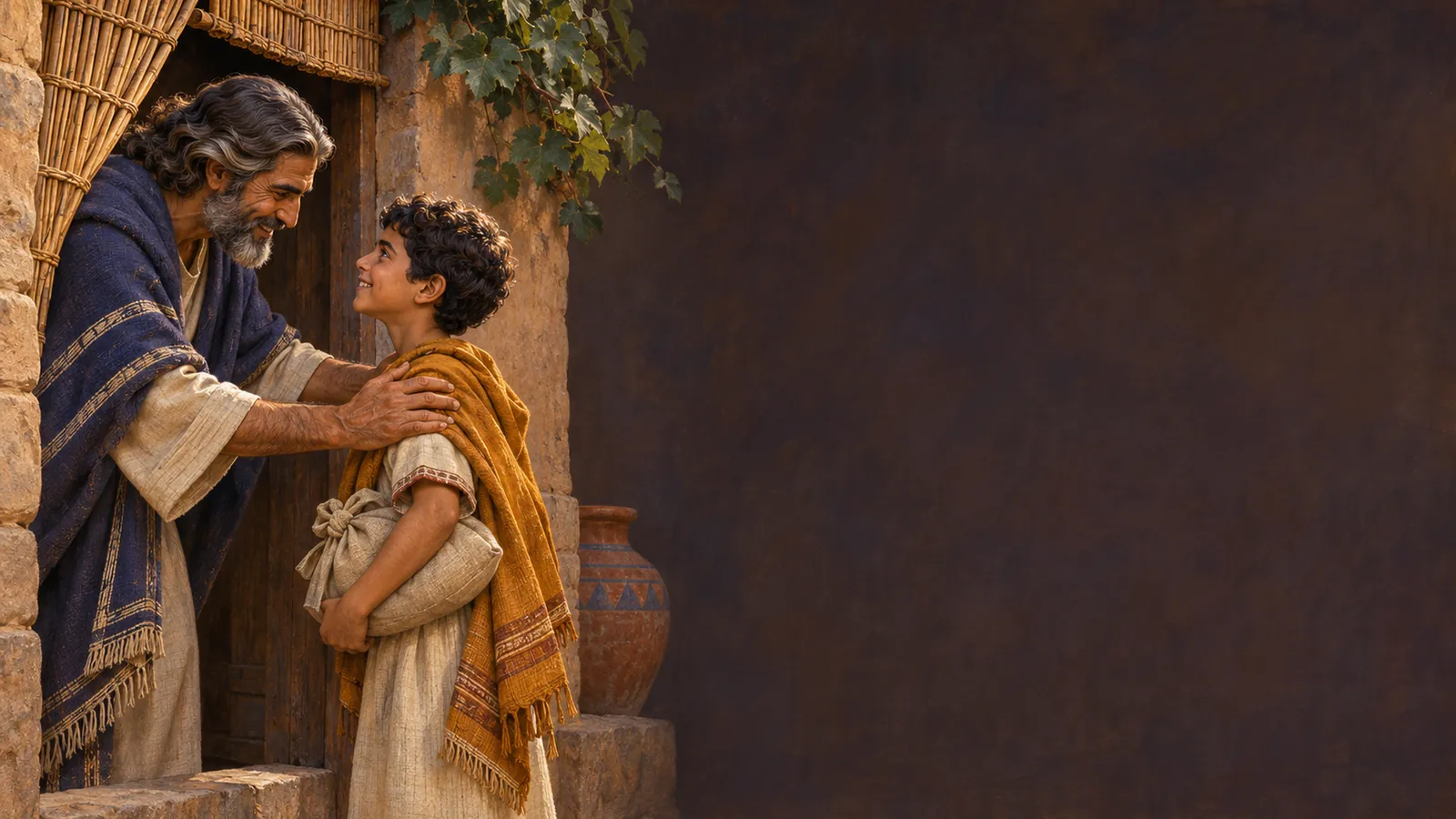
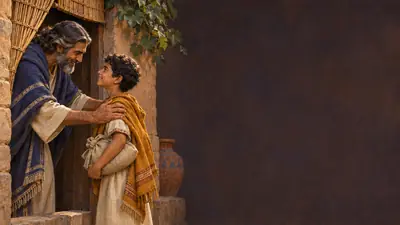
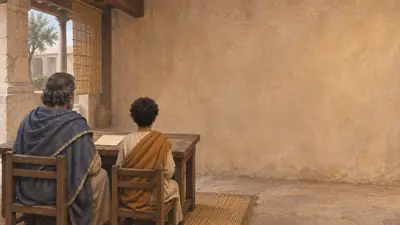
En un pasaje que solo se conserva en parte, Ahiqar cuenta que acogió en su casa al hijo de su hermana y lo trató como a un hijo propio.
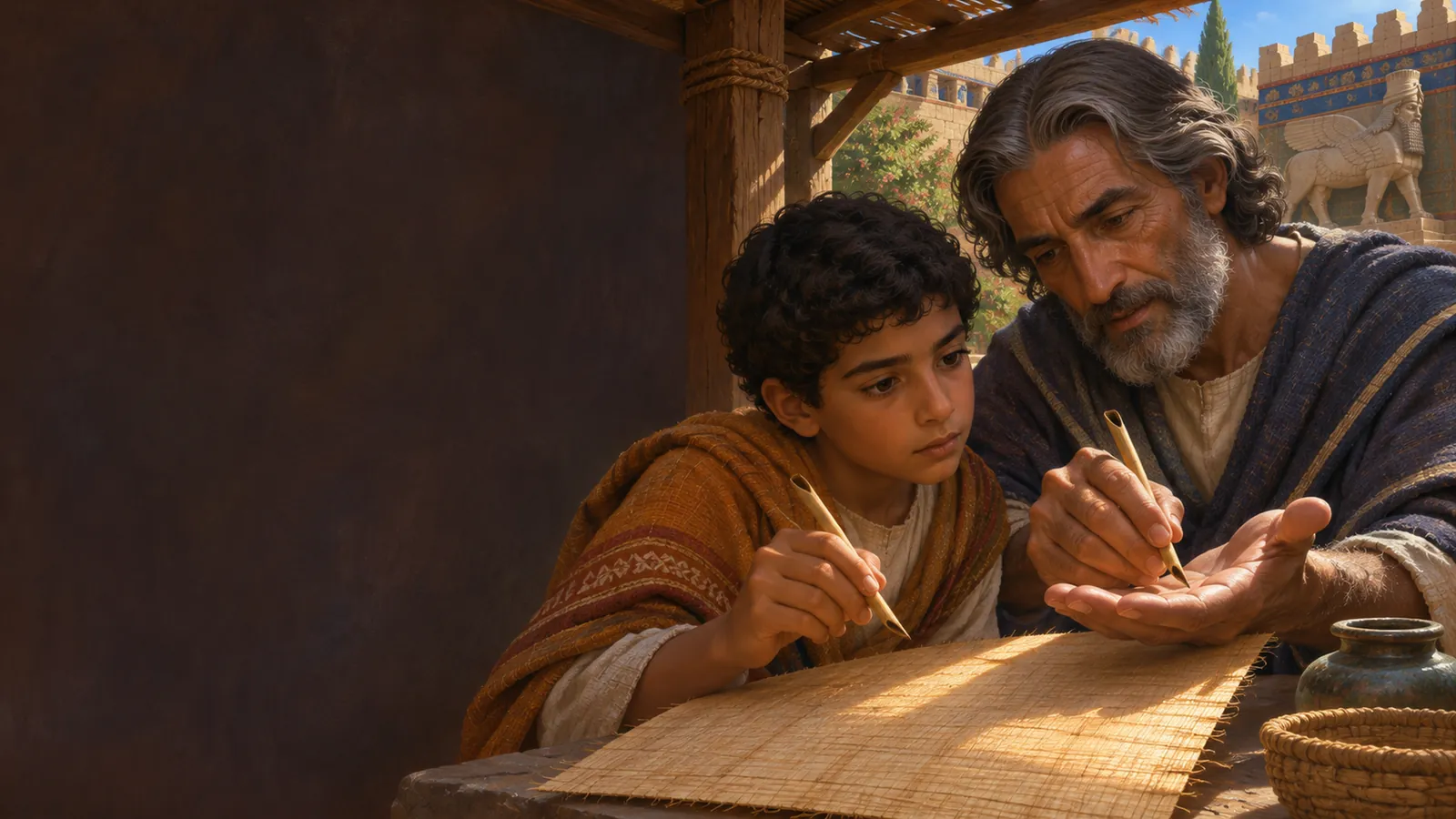
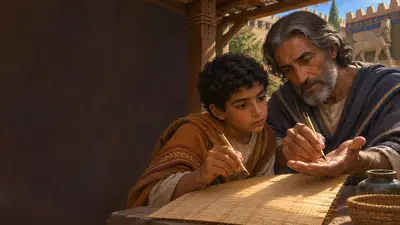
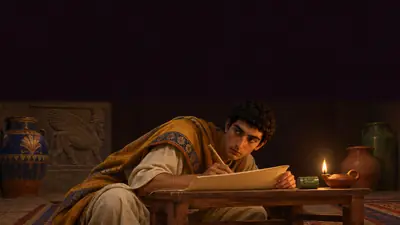
Ahiqar se ocupa de la educación del muchacho. El papiro está dañado en este punto, pero el relato recupera el hilo cuando menciona a Nadin por su nombre.
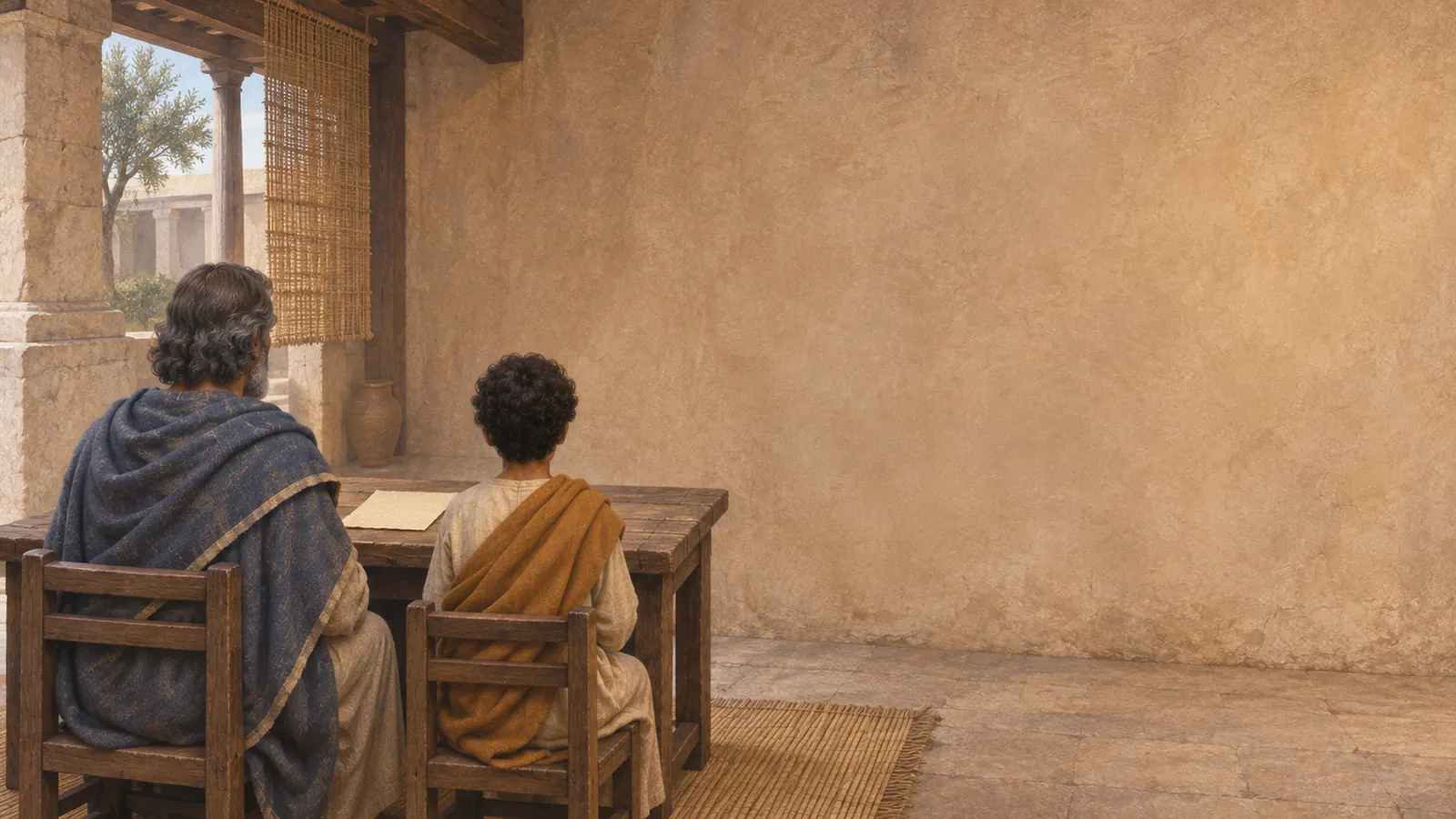
Cuando el relato vuelve a hacerse más claro, Ahiqar llama hijo a Nadin. Nadin es el sobrino que el escriba ha tomado a su cuidado.
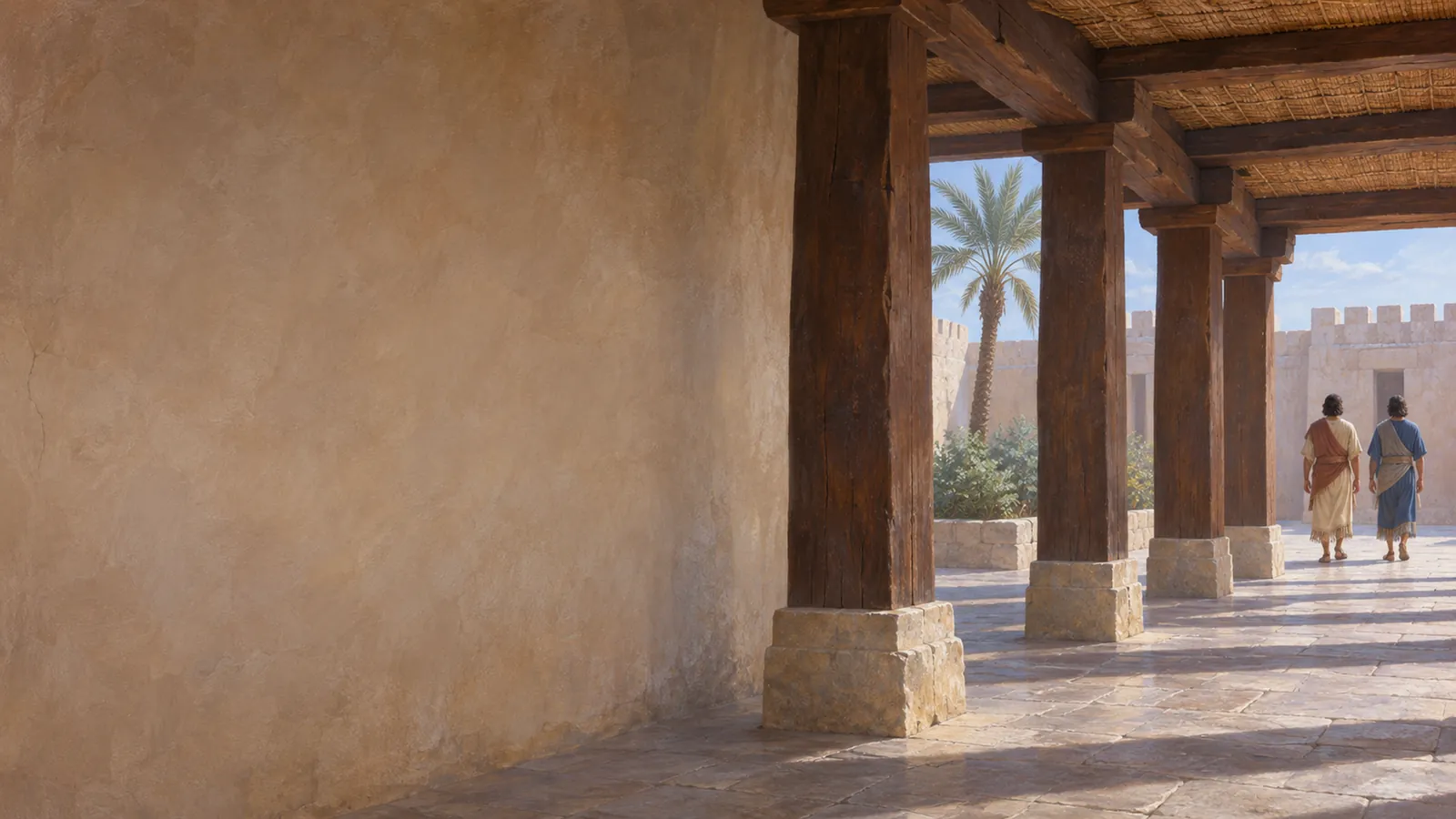
Ahiqar dice que dio a Nadin una buena educación. Las líneas dañadas relacionan esa formación con un puesto entre los cortesanos.
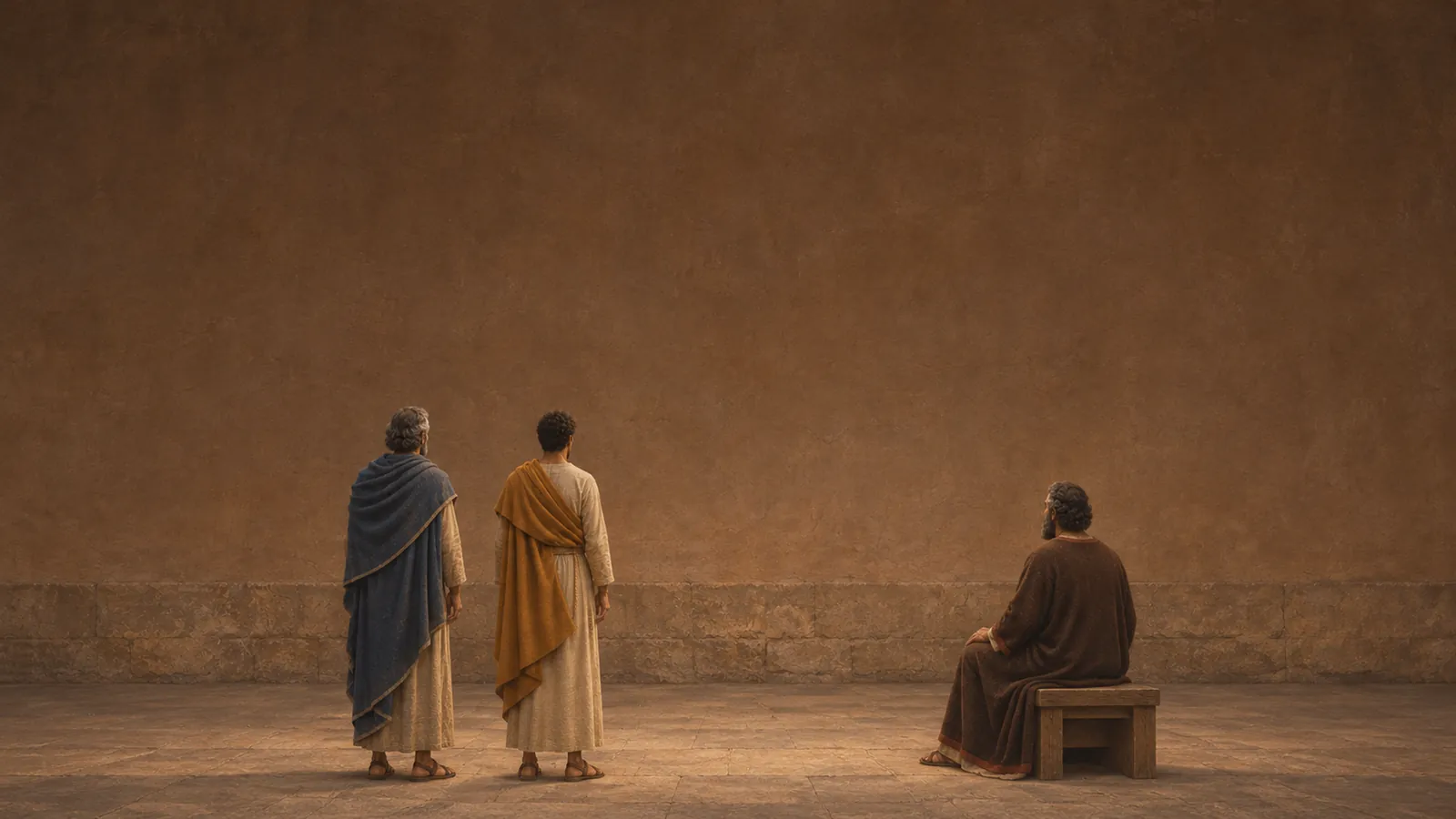
ANTE EL REY
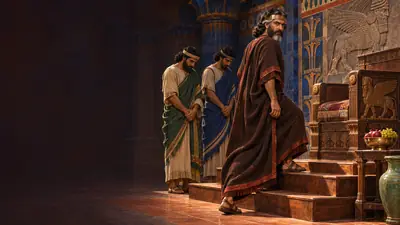
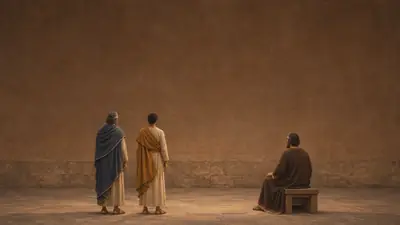
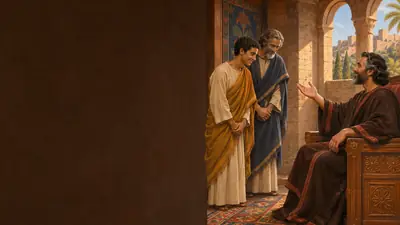
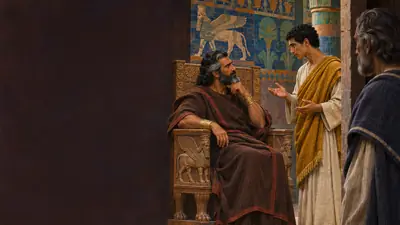
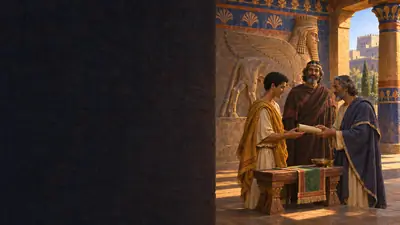
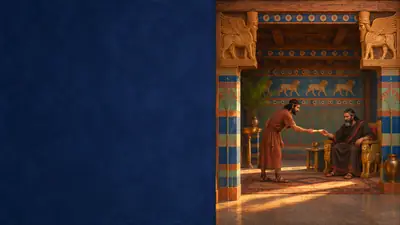
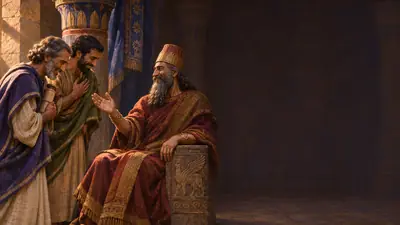
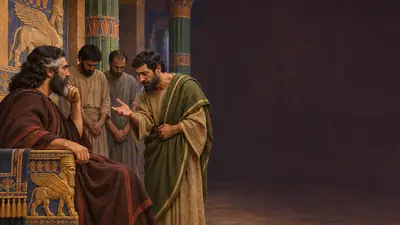
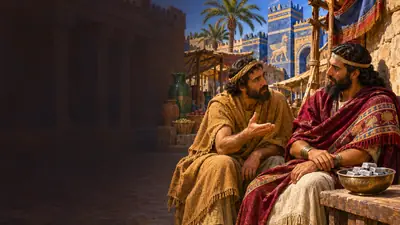
Ahiqar presenta a Nadin ante Asarhaddón. Las palabras conservadas mencionan una enseñanza sabia y una pregunta, aunque se han perdido los detalles del diálogo.
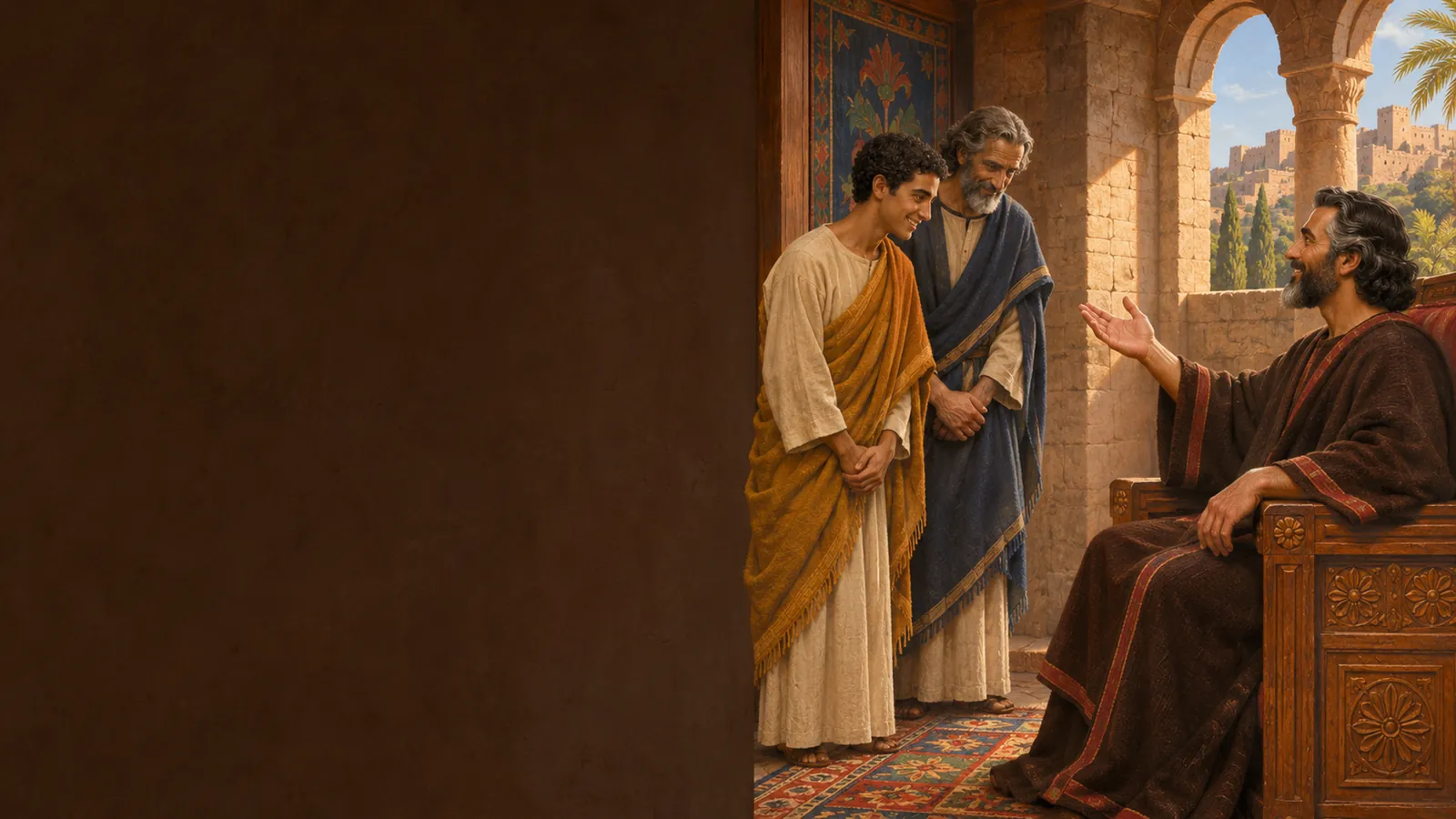
El rey los recibe con agrado. En la parte conservada del diálogo, el texto elogia a un escriba sabio cuyos consejos llegaban a toda Asiria.
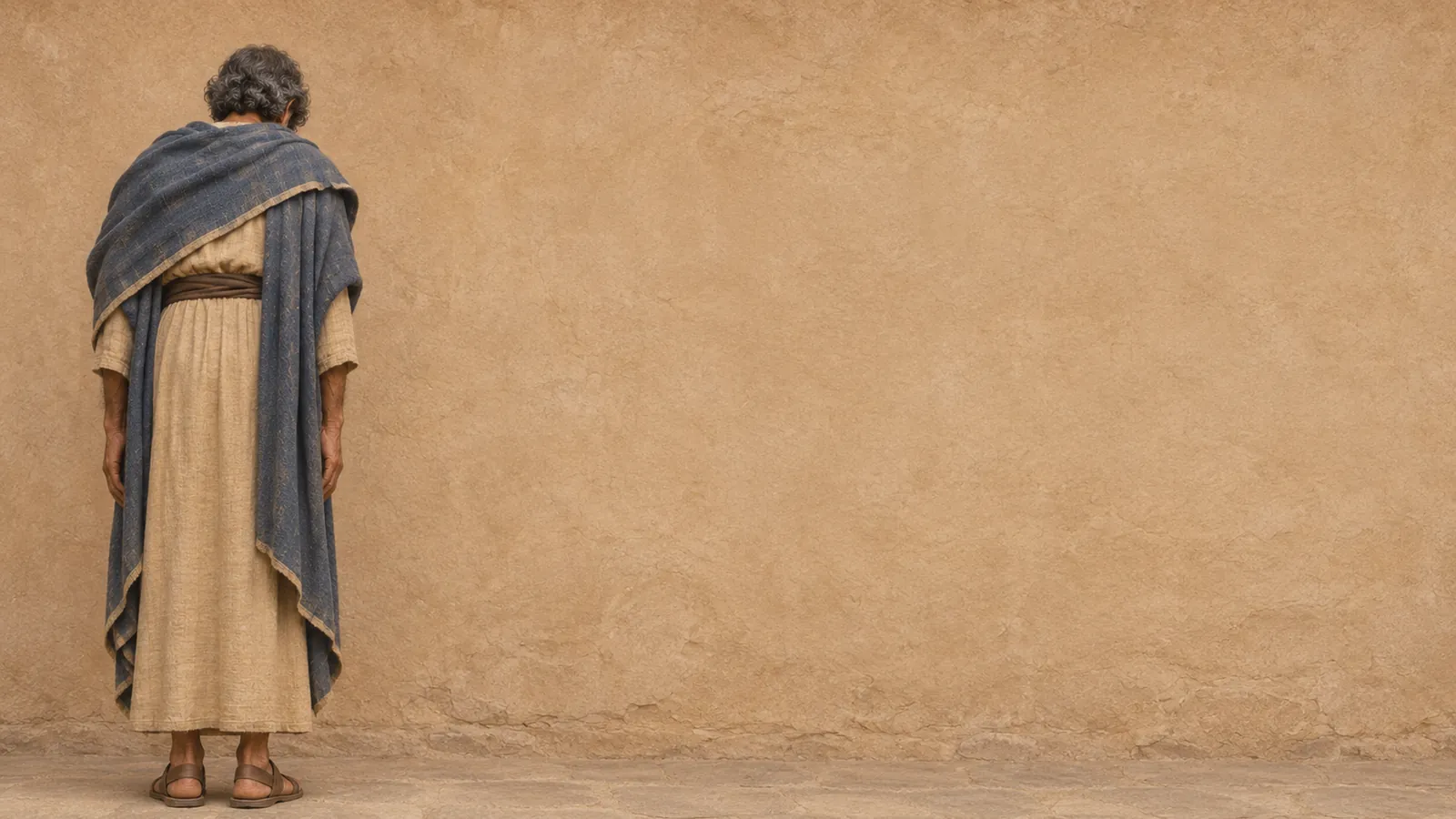
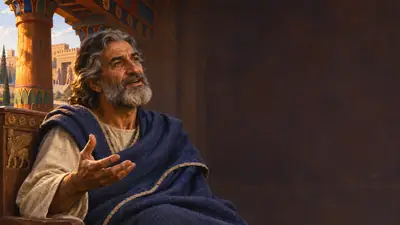
Ahiqar dice que se inclinó ante Asarhaddón. Después habló del puesto que esperaba que su hijo ocupara algún día junto al rey.
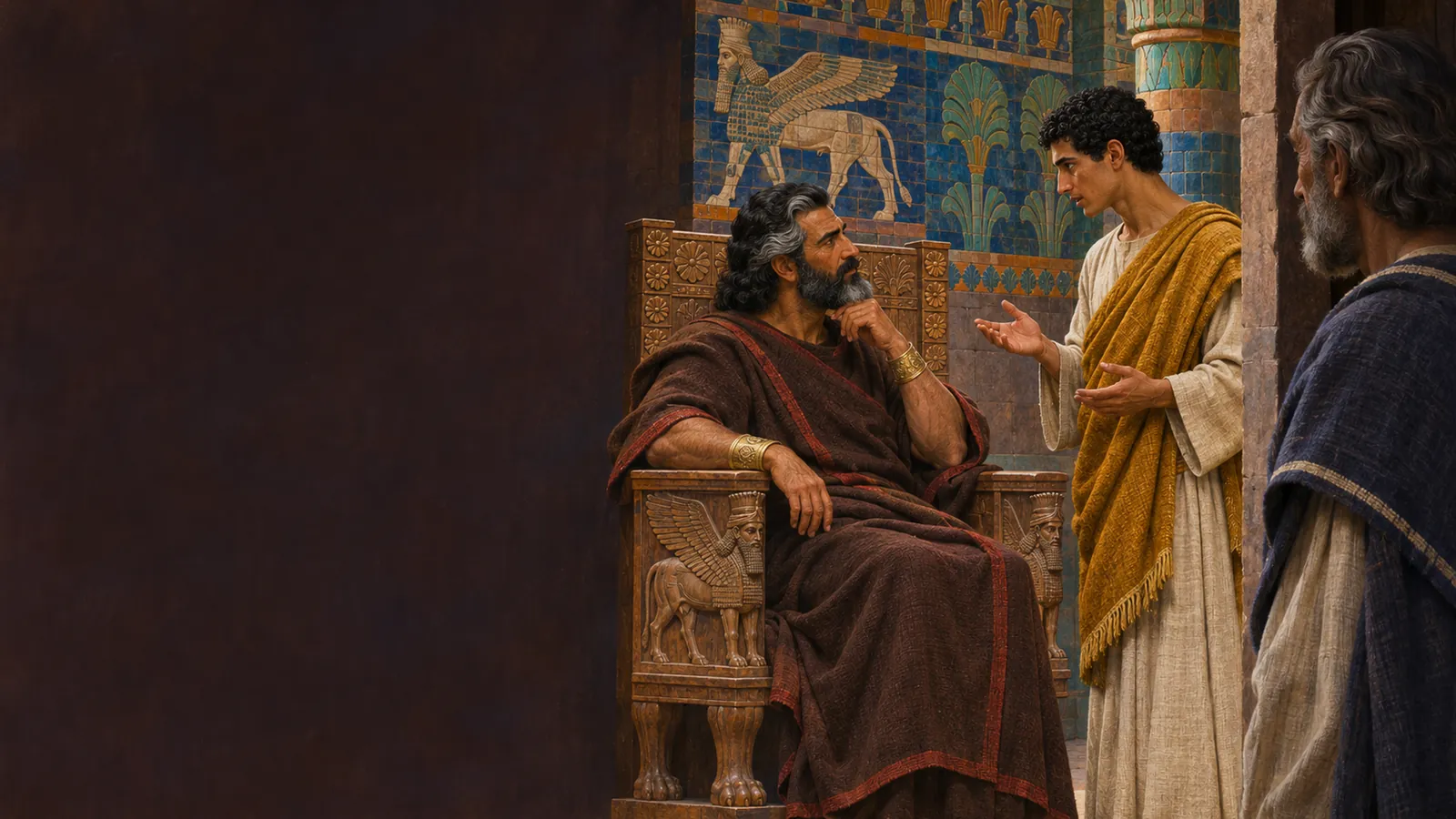
Faltan palabras cuando Ahiqar mira hacia el futuro. Según la lectura de la edición, espera que su hijo comparezca ante el rey como él mismo lo ha hecho.
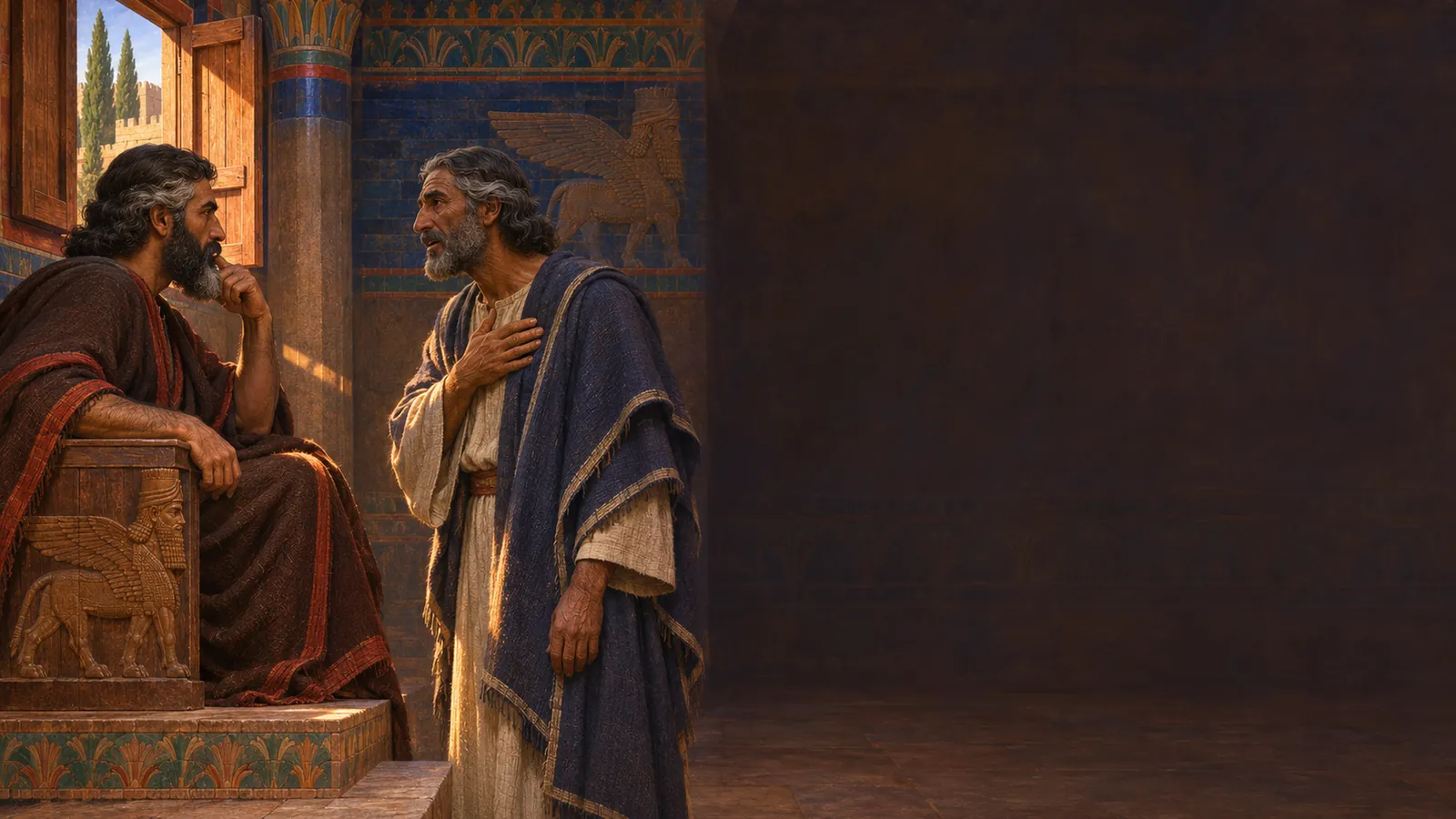
Al ver que Asarhaddón está satisfecho, Ahiqar habla de su servicio. Ha servido a este rey como sirvió a su padre, Senaquerib.
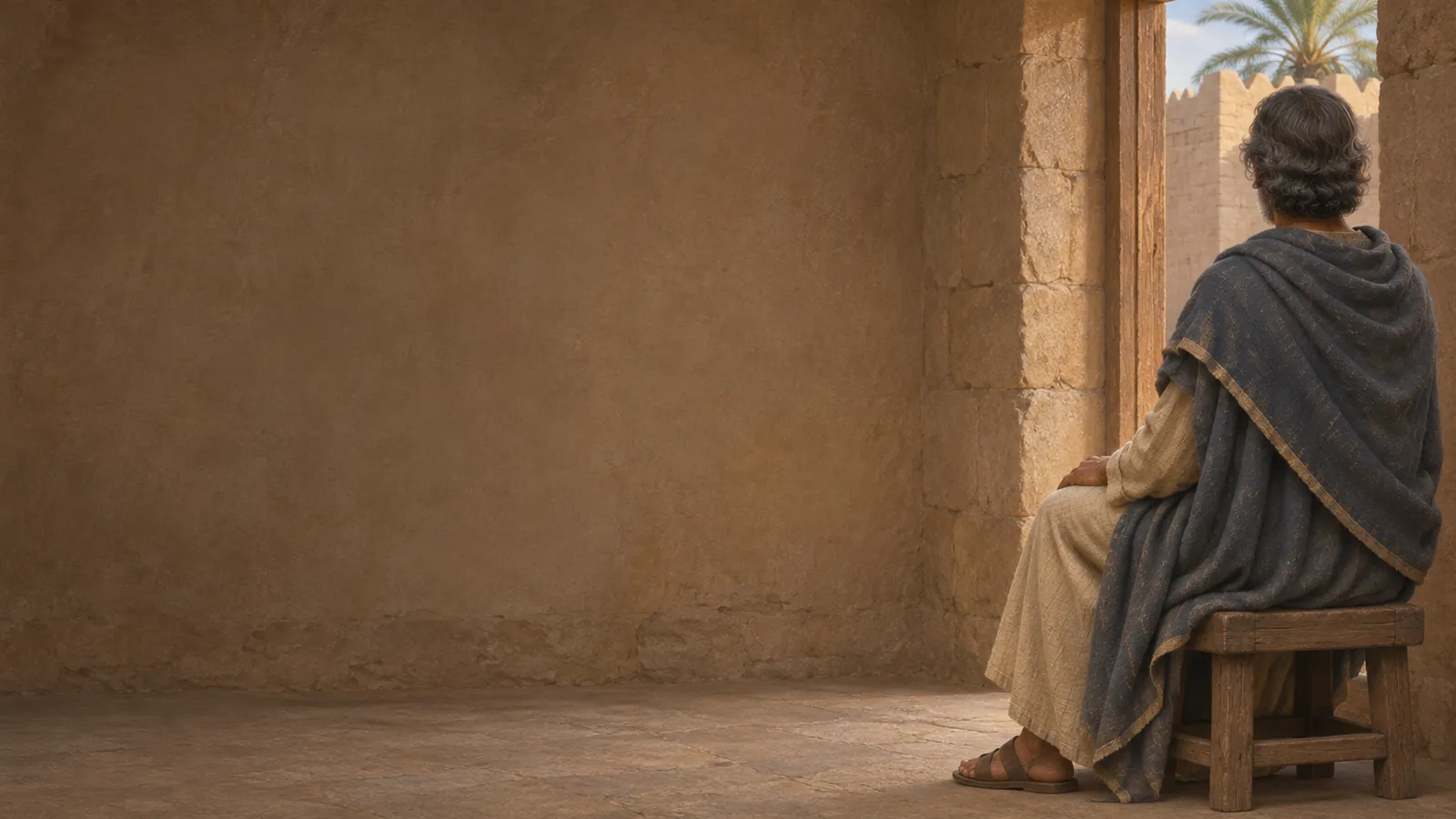
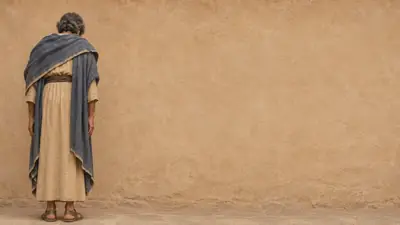
Ahiqar le dice a Asarhaddón que ha envejecido. Ya no puede, según explica, seguir trabajando en la puerta del palacio.
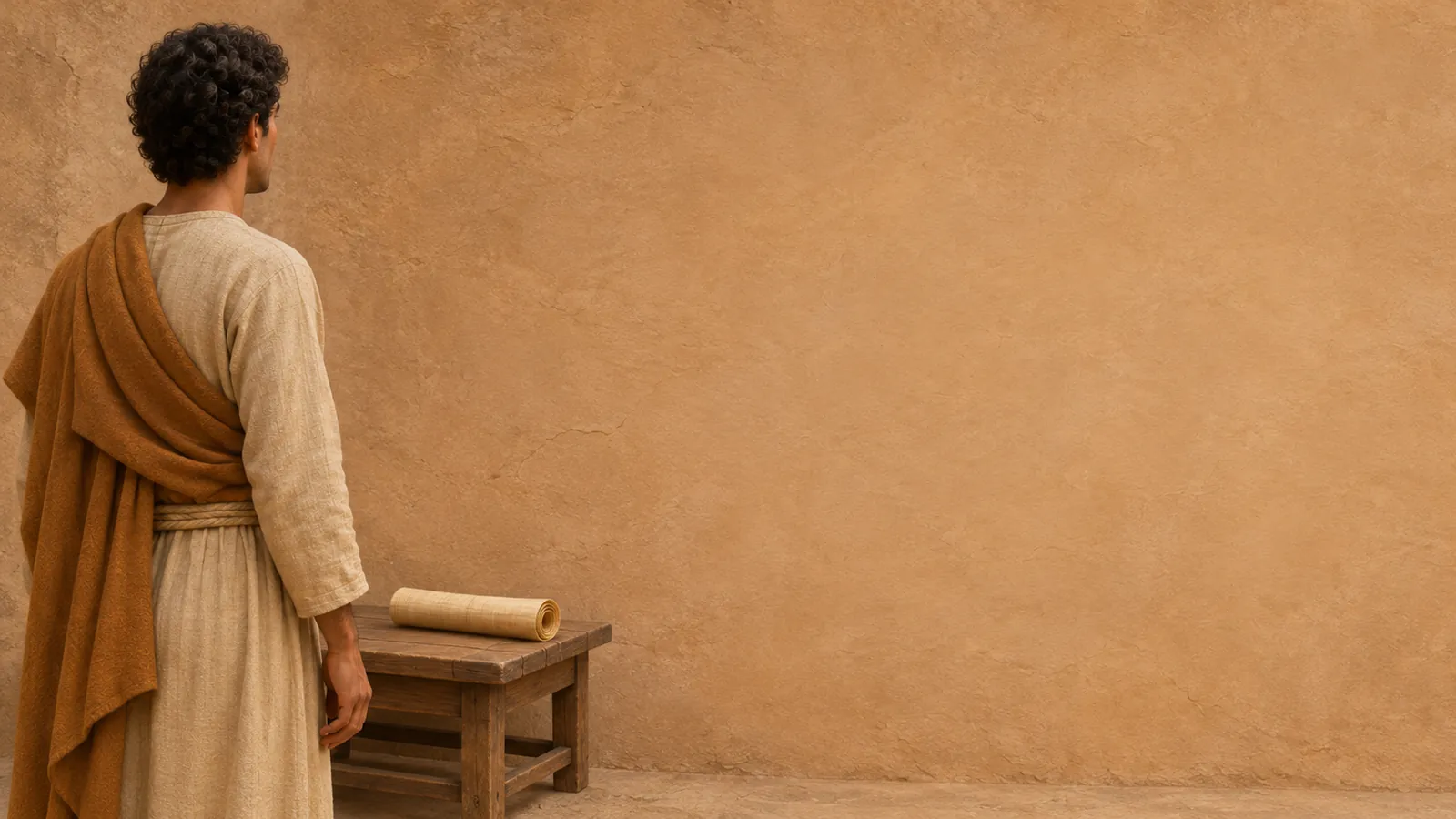
Ahiqar dice al rey que Nadin ya es adulto y puede sustituirlo como escriba. Afirma que le ha enseñado lo que requiere el trabajo.
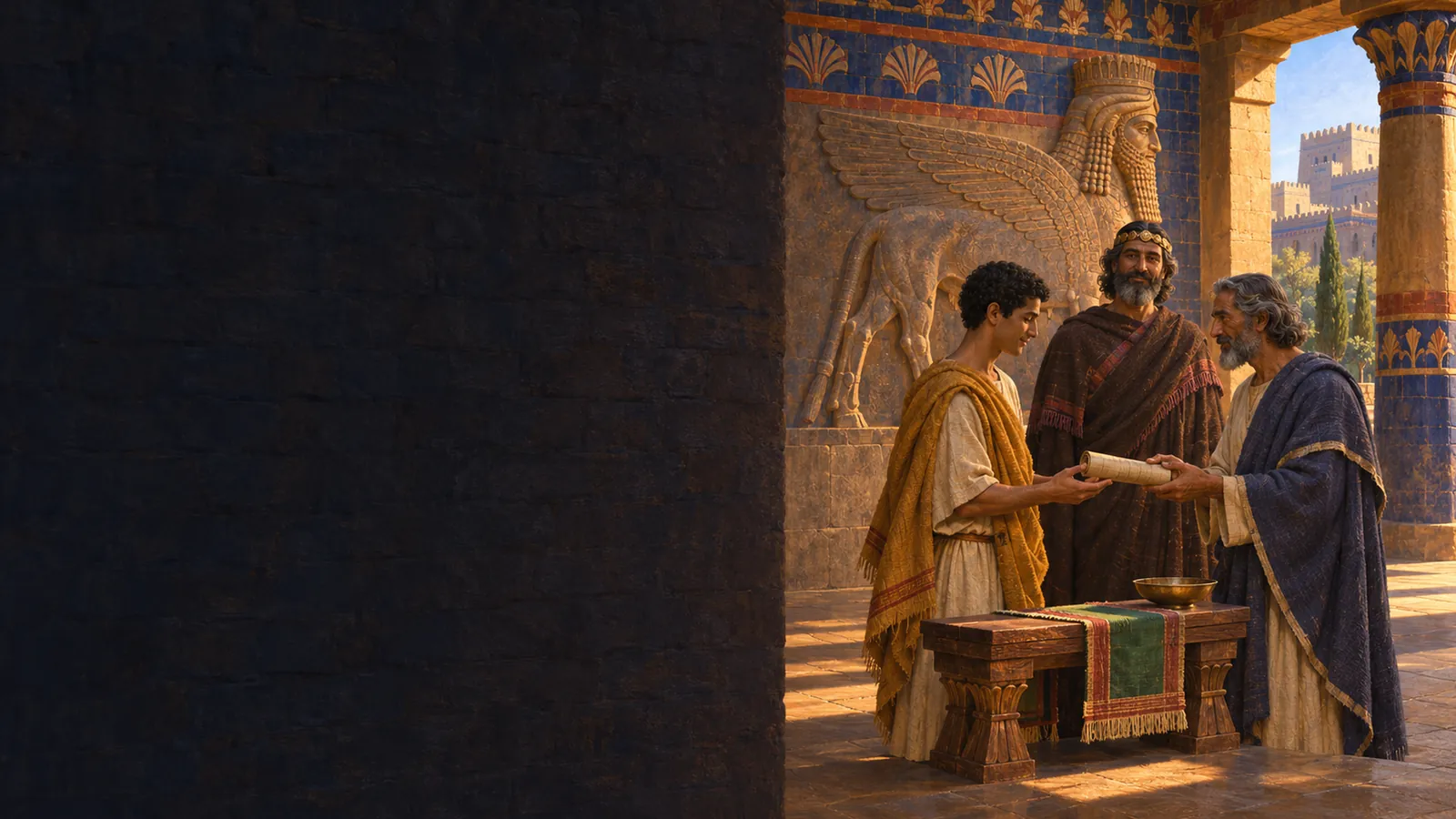
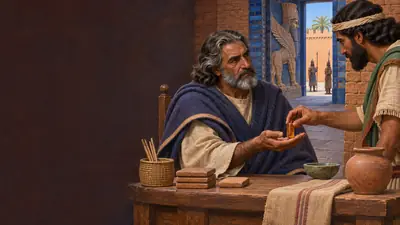
Ahiqar propone a Nadin para el servicio en la casa del portador del sello. Dice al rey que ha confiado al joven su sabiduría y sus consejos.
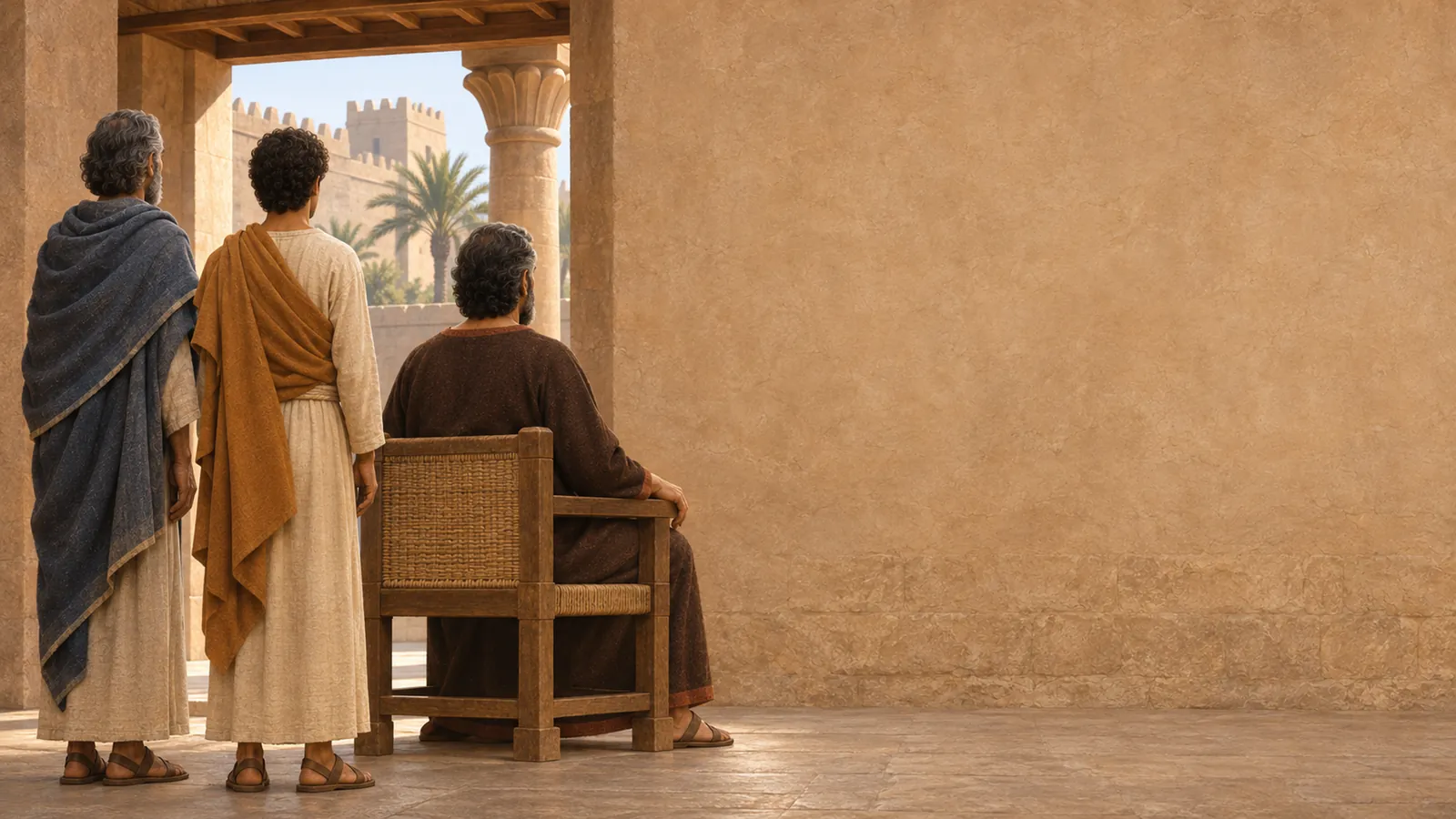
Asarhaddón acepta que Nadin sustituya a Ahiqar. El rey dice que el escriba más joven puede asumir el trabajo que venía haciendo Ahiqar.
Ahiqar vuelve a casa una vez concedido el puesto. Nadin, el sobrino al que ha criado, ocupa ahora su lugar en la puerta del palacio.
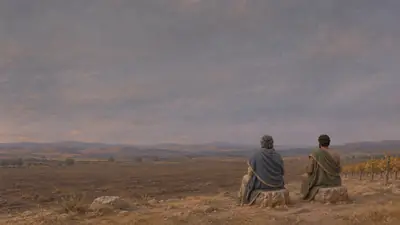
Ahiqar cuenta que confiaba en que el joven le deseara el bien. Entonces el relato da un giro. Nadin deja de atender a lo que le enseñaron.
LA CARTA FALSA
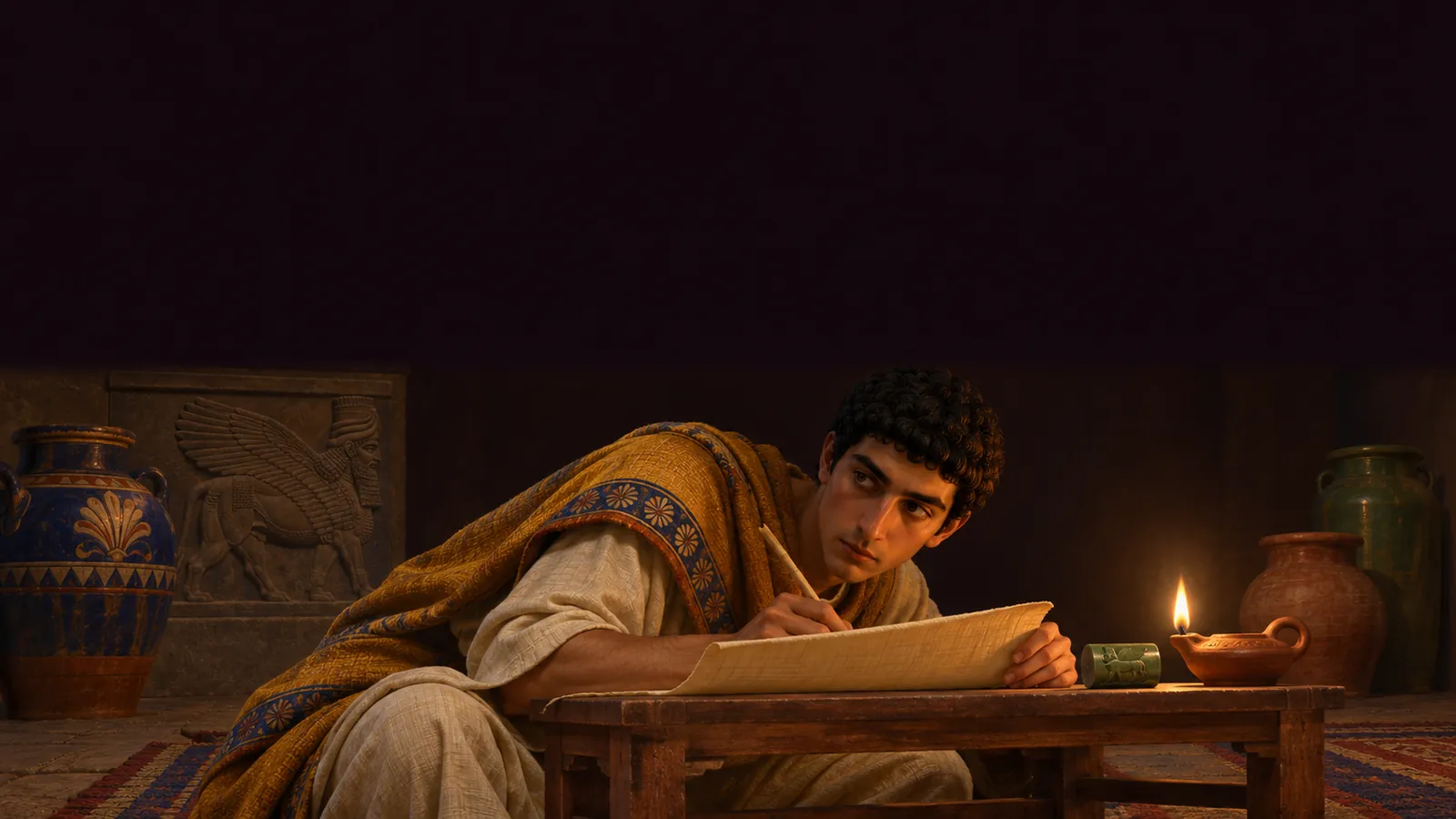
Nadin escribe una carta y hace que parezca escrita por Ahiqar. En la acusación ante la corte se dice que va dirigida a un enemigo del rey.
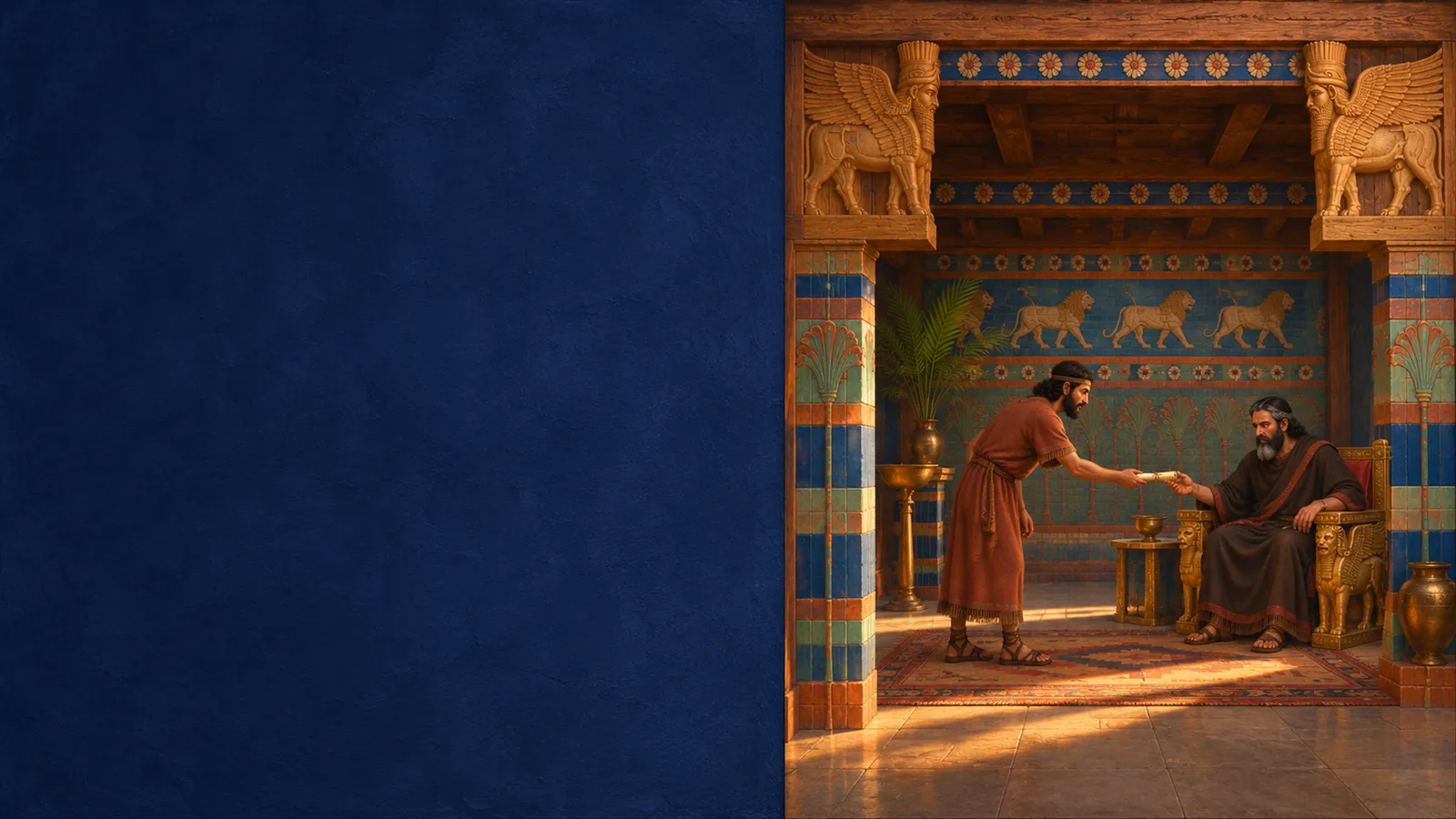
La acusación afirma que Ahiqar ha actuado contra el rey. El relato está dañado en este punto, pero Ahiqar nombra la traición con sus propias palabras.
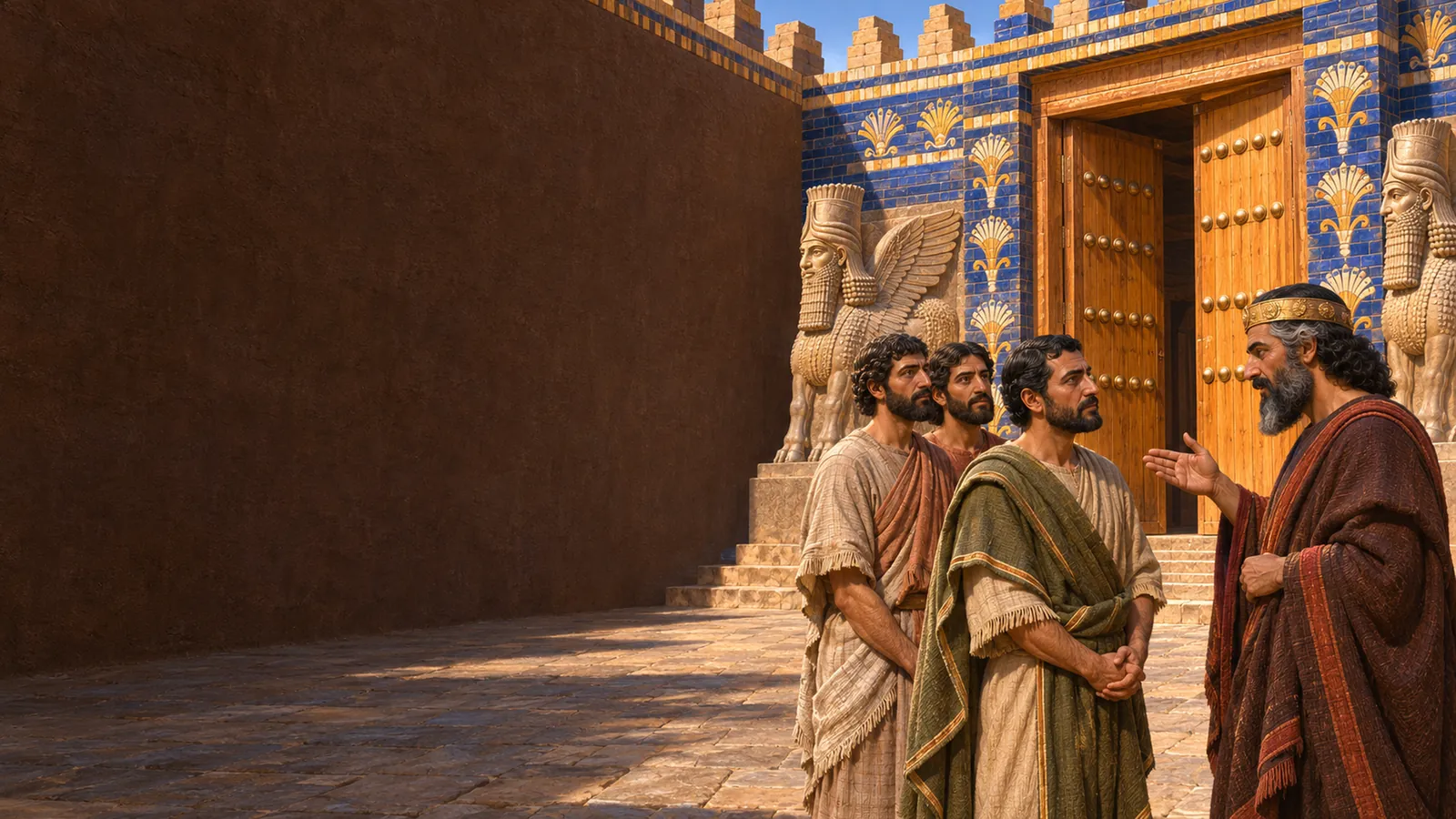
Asarhaddón ordena a Nabu-šuma-iškun que encuentre a Ahiqar y lo mate. Otros dos hombres deben acompañarlo. Parte de la orden se ha perdido.
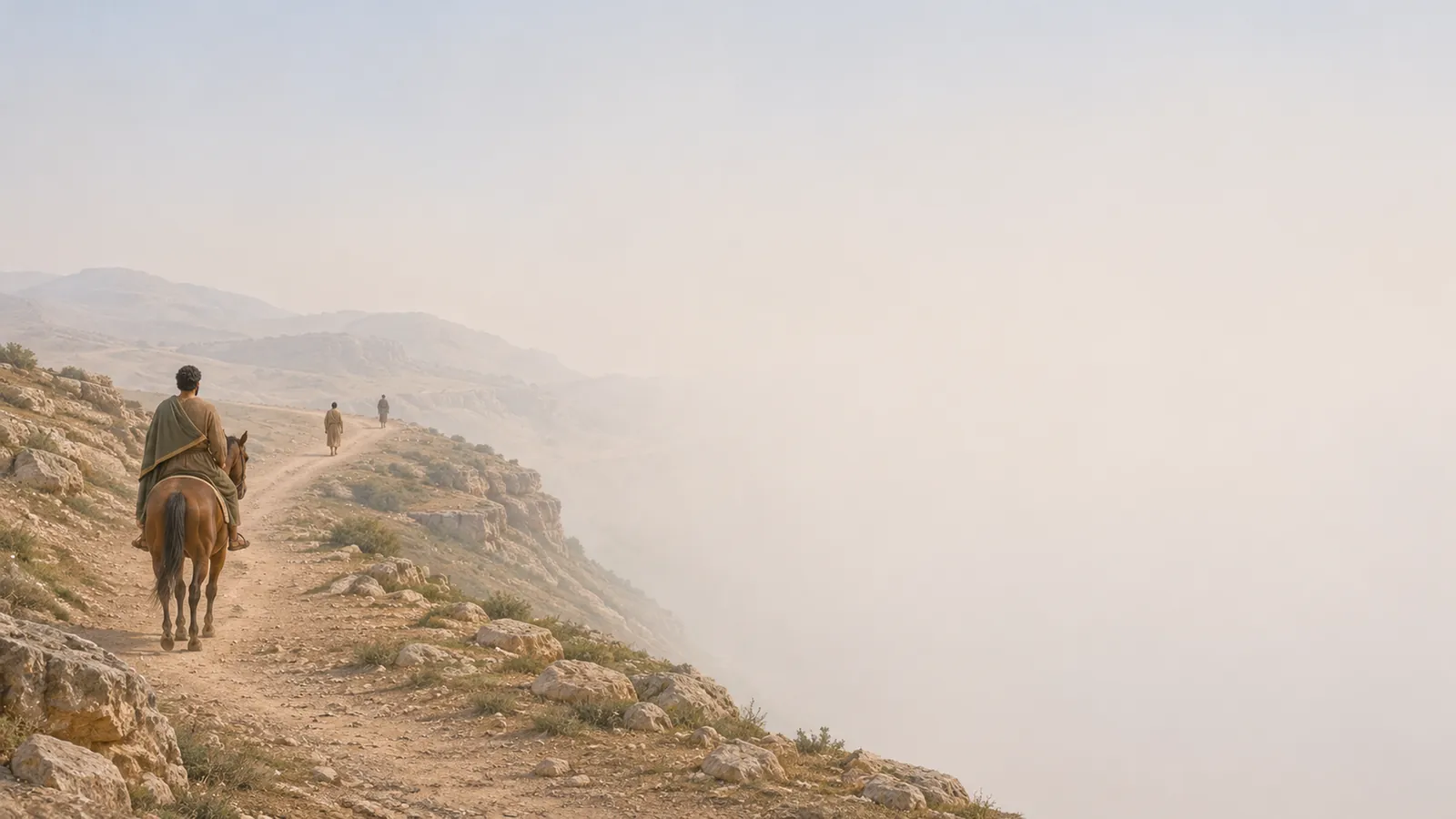
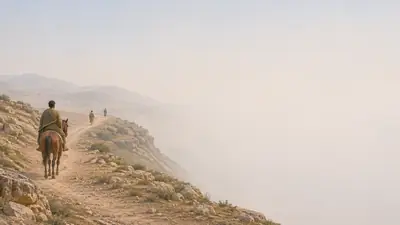
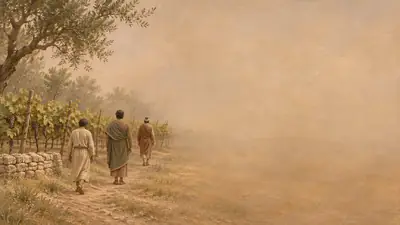
El relato dice que Nabu-šuma-iškun cabalga deprisa. Los otros dos hombres lo acompañan, y el pasaje dañado menciona tres días.
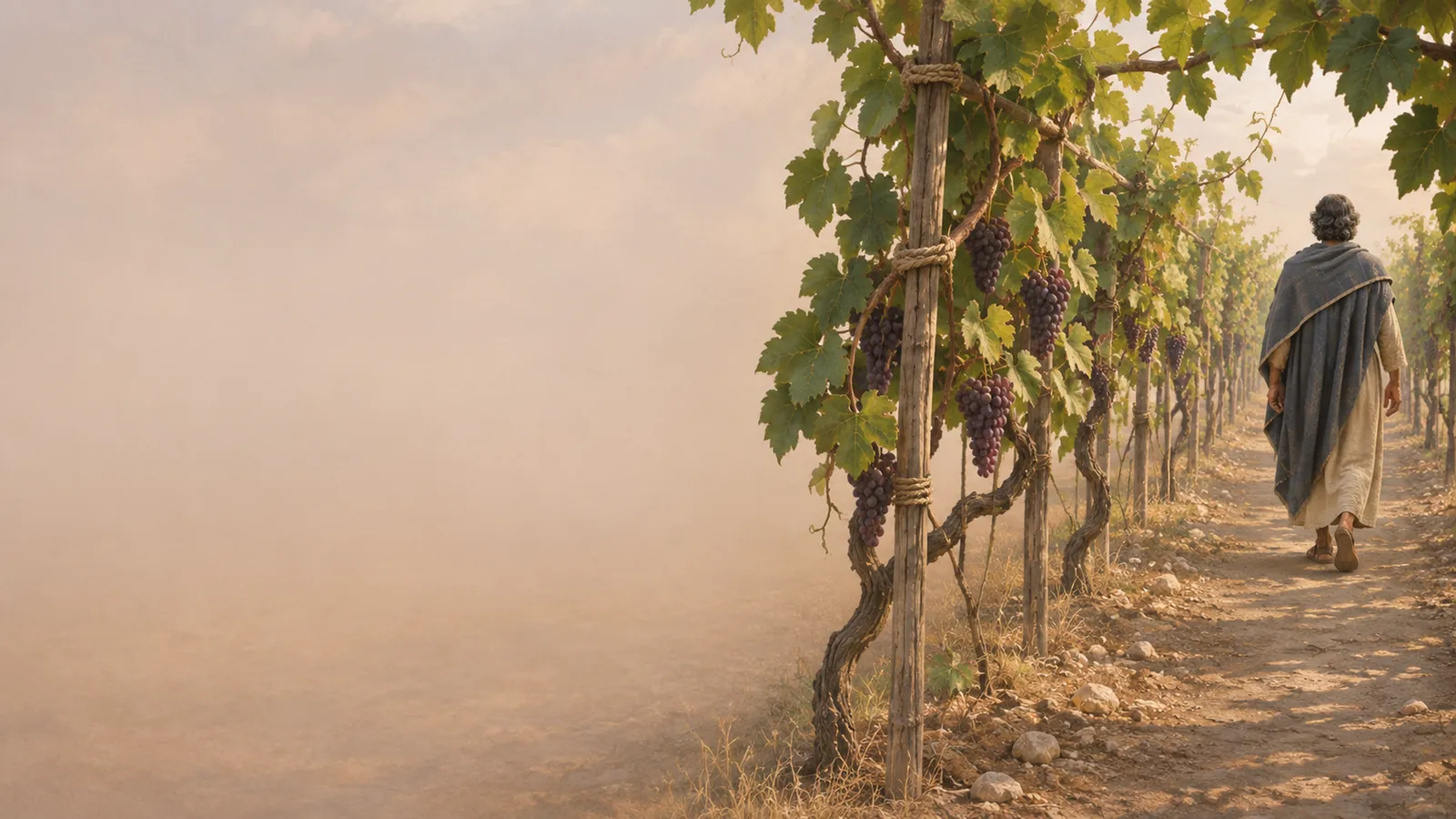
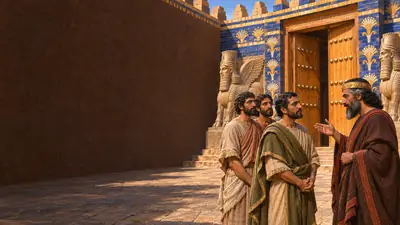
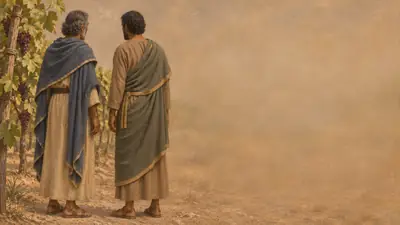
El relato vuelve a la versión de los hechos del propio Ahiqar. Recuerda que caminaba entre las vides cuando llegaron el enviado y sus compañeros.
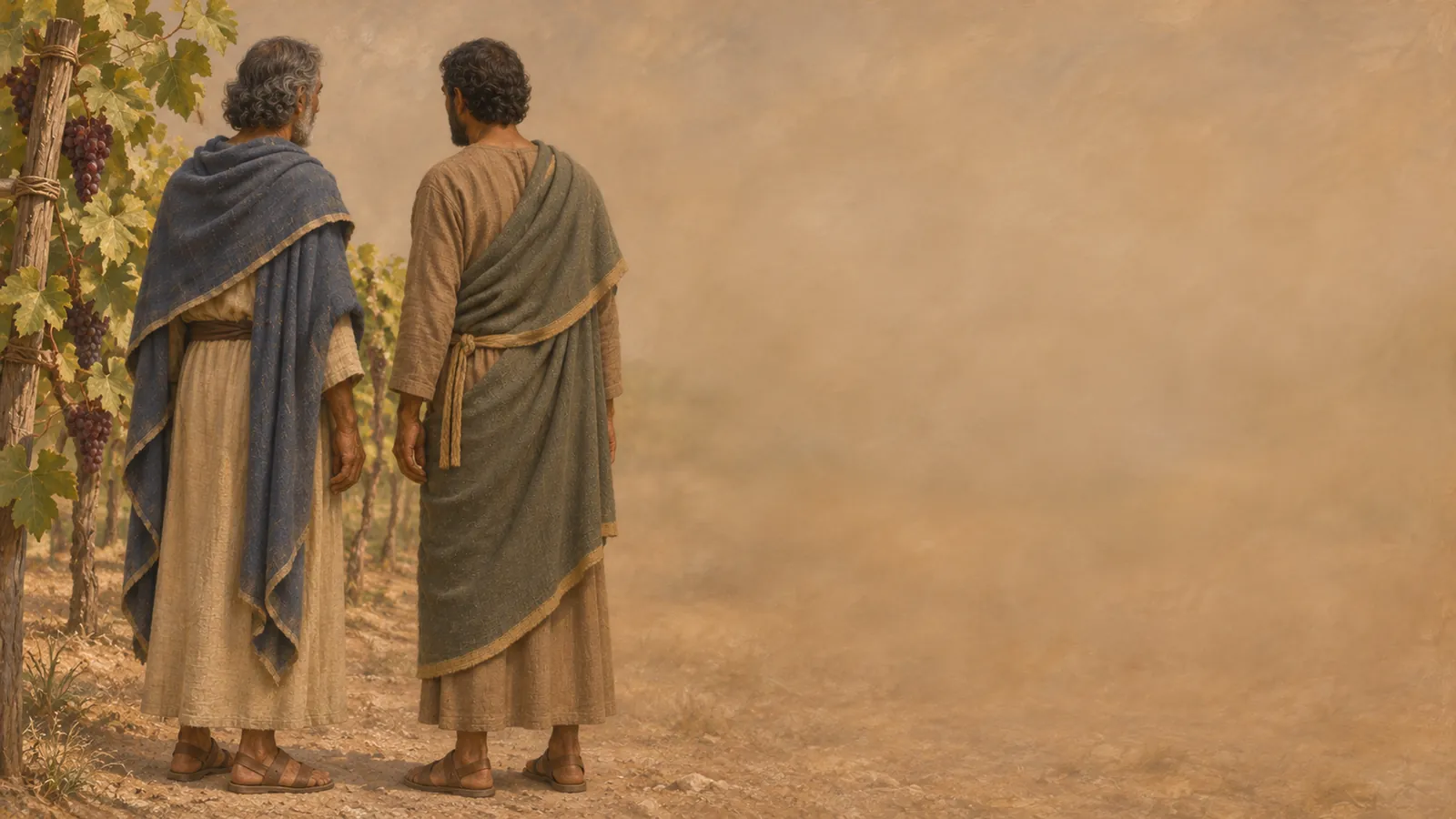
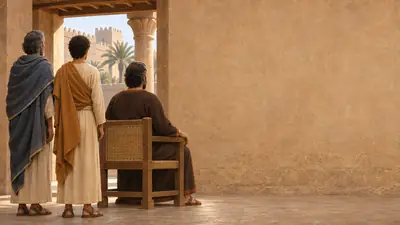
El enviado ve a Ahiqar y se lamenta por lo ocurrido. Se dirige a él como a un escriba sabio y recuerda lo mucho que se confiaba en su consejo.
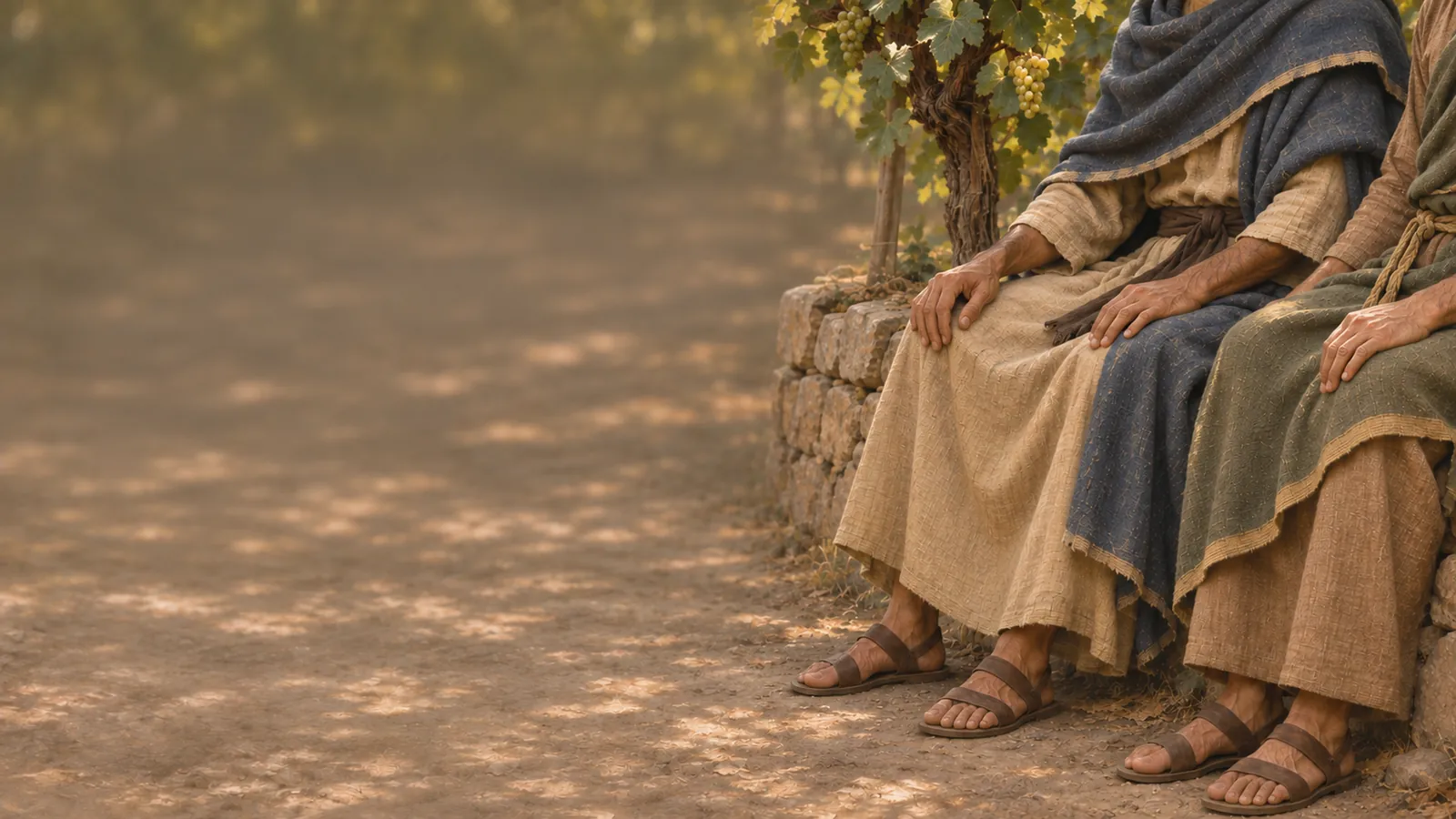
El enviado le dice a Ahiqar que el joven al que crio y puso en la puerta del palacio le ha causado este problema.
Ahiqar dice que sintió miedo al oír la noticia. Responde al enviado recordando un encuentro de los tiempos del rey anterior.
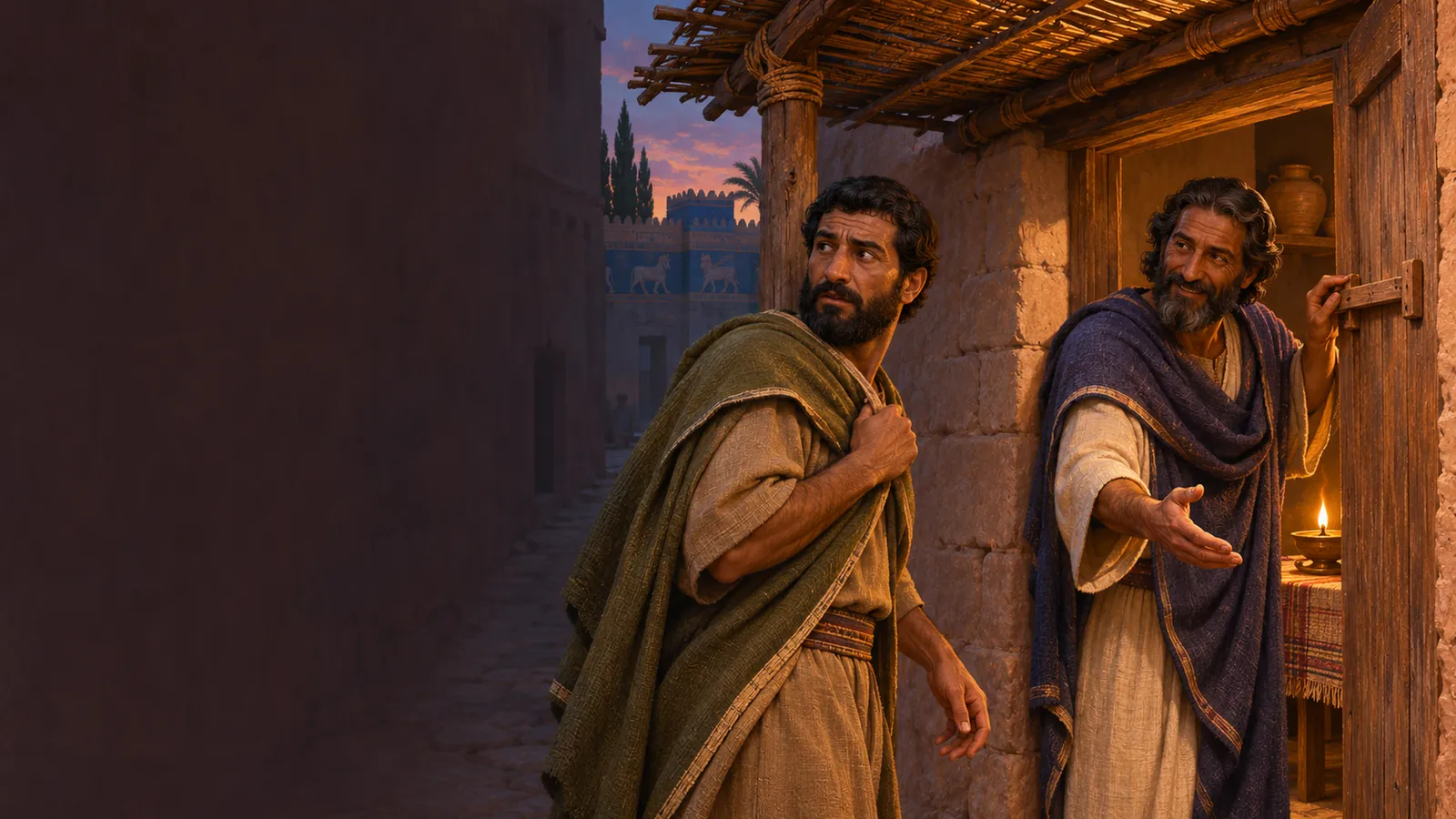
Ahiqar le recuerda a Nabu-šuma-iškun que Senaquerib se enfadó con él en cierta ocasión. Ahiqar lo ayudó entonces y lo acogió en su propia casa.
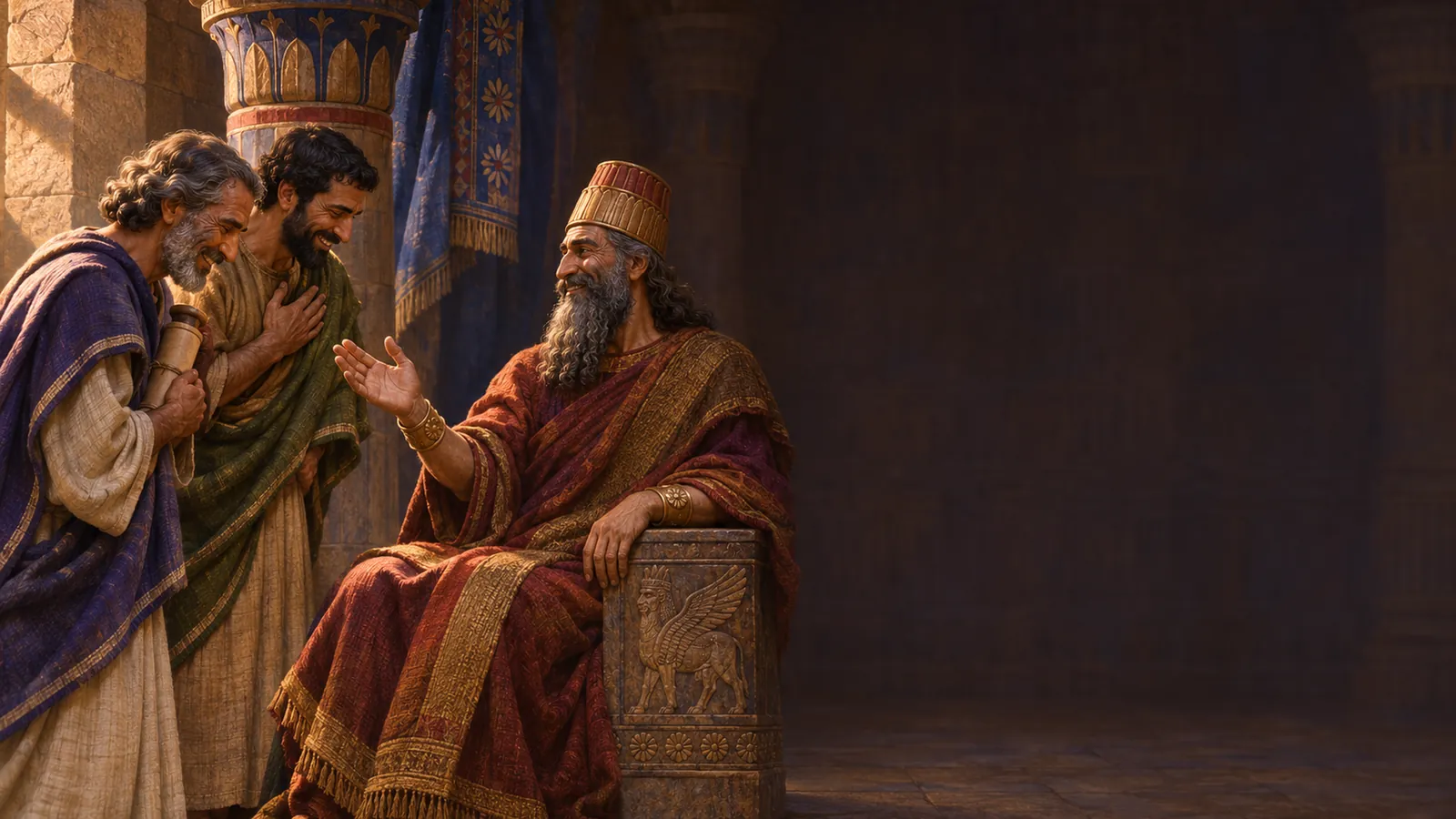
Ahiqar dice que escondió al hombre hasta que llegó el momento oportuno. Entonces lo llevó de nuevo ante Senaquerib, y el rey lo dejó marchar ileso.
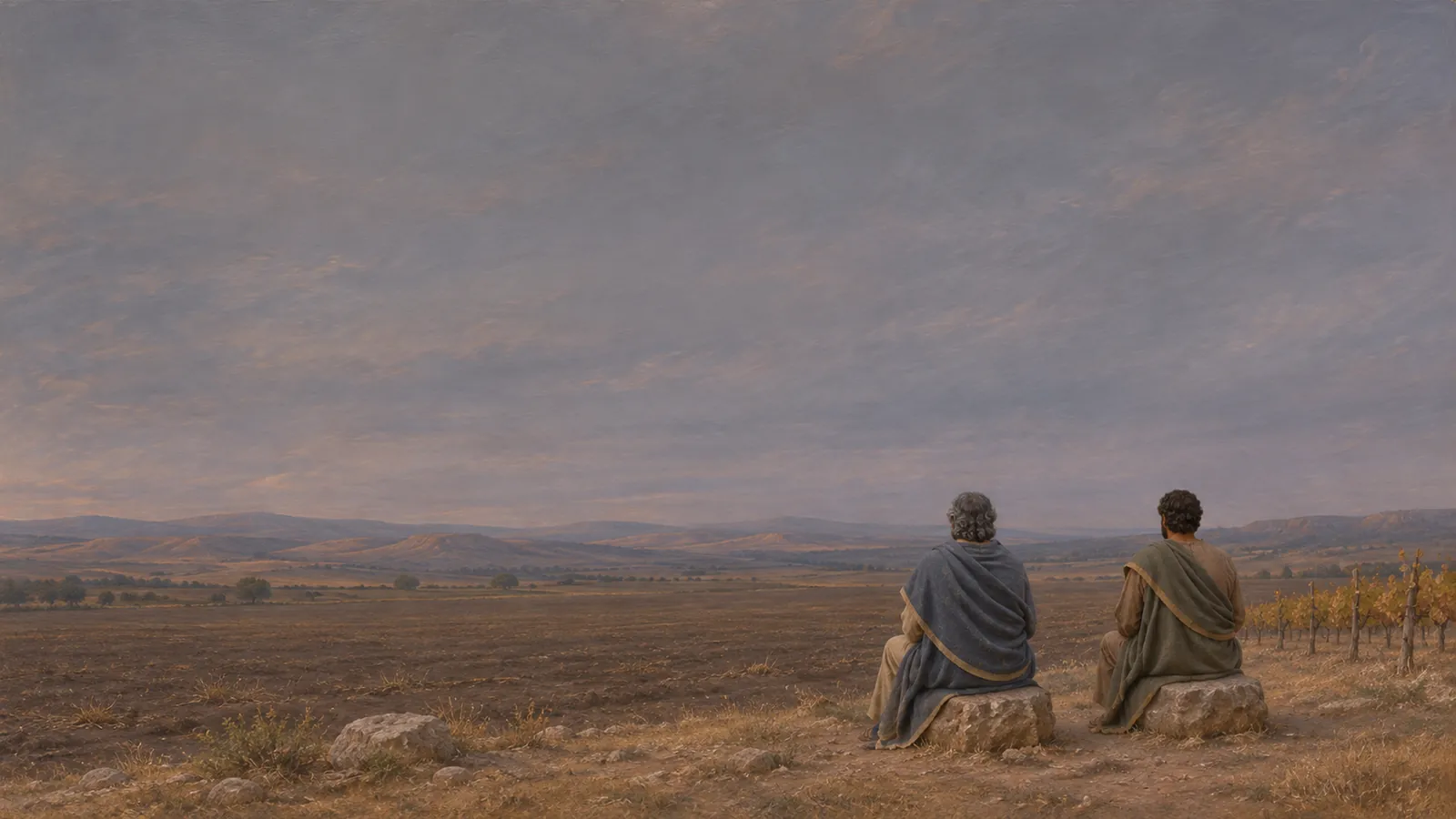
EL MISMO FAVOR
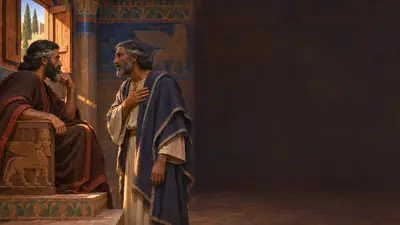
Ahiqar pide al enviado que ahora le dé refugio a él. Espera que algún día Asarhaddón se acuerde de él y vuelva a pedirle consejo.
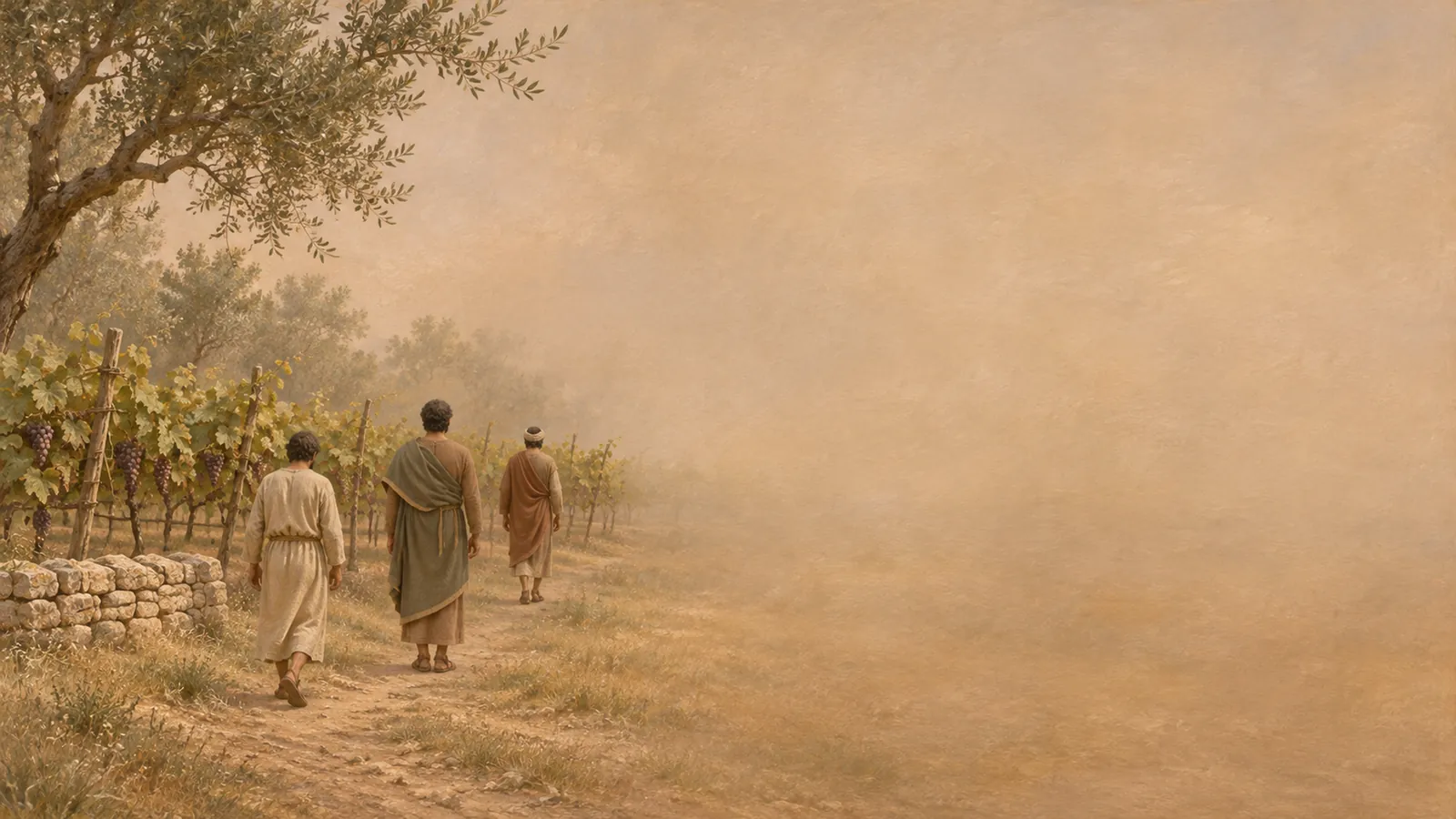
Nabu-šuma-iškun le asegura a Ahiqar que seguirá con vida. Luego habla en privado con los dos hombres que lo han acompañado.
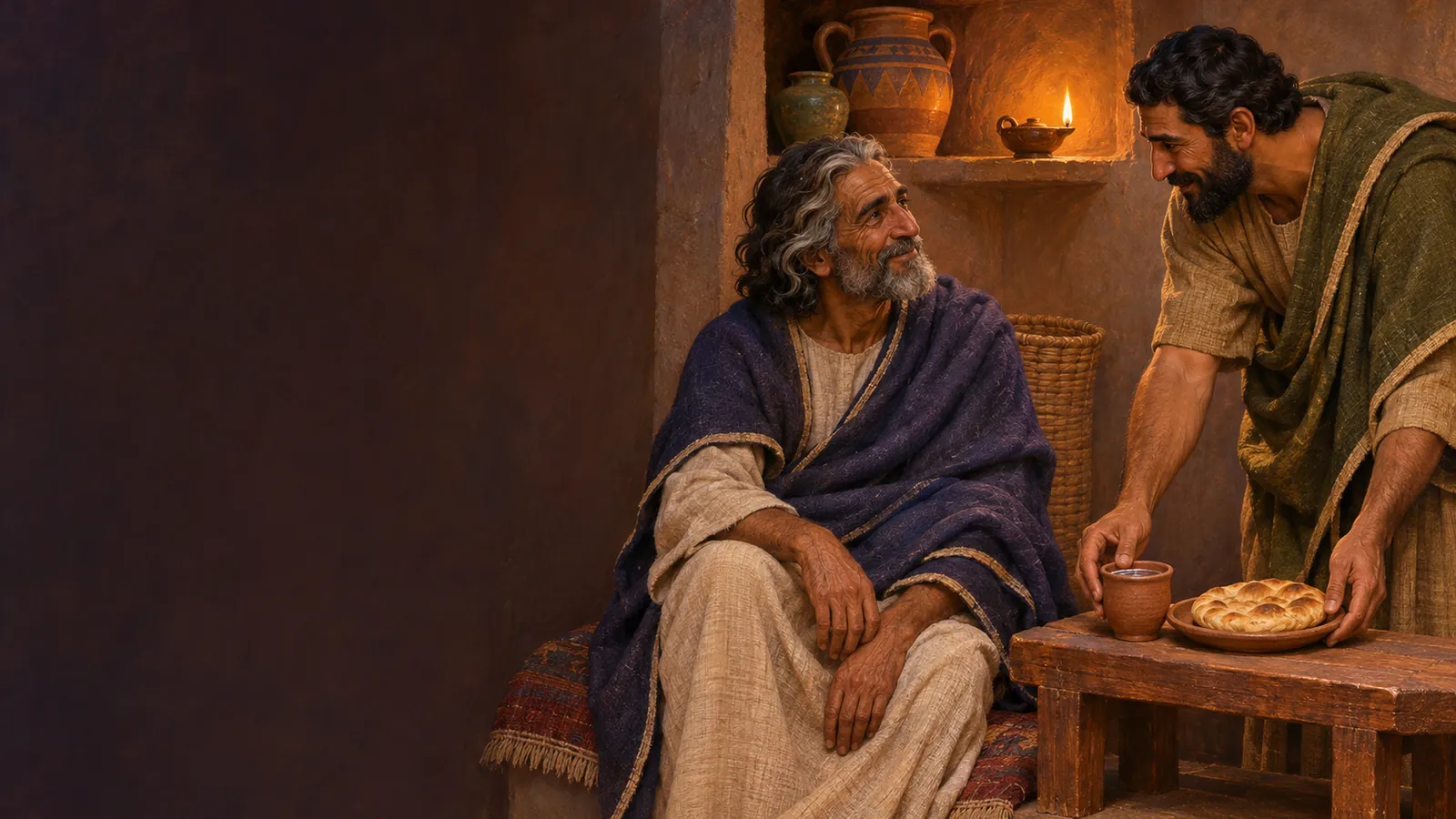
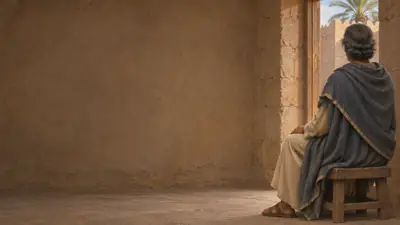
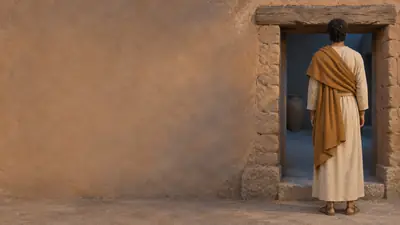
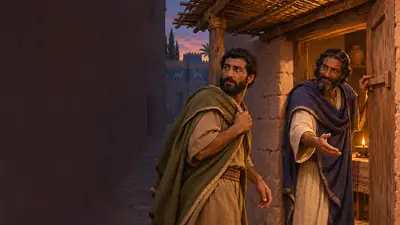
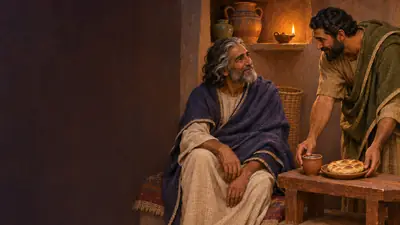
Nabu-šuma-iškun esconde a Ahiqar en su casa. El relato menciona pan y agua para el escriba durante el tiempo que pasa escondido.
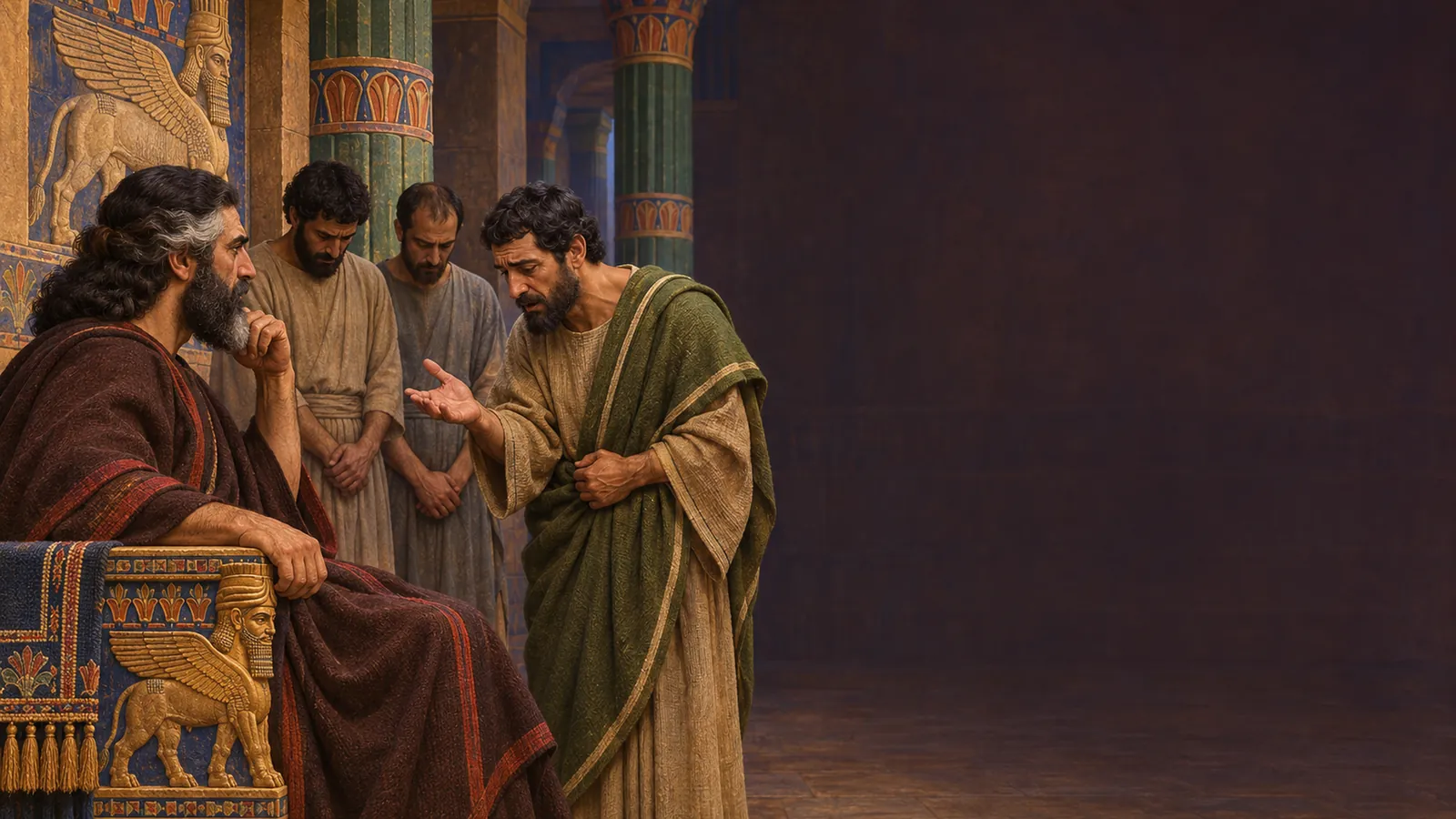
El oficial manda matar a un eunuco esclavizado en lugar de Ahiqar, y los acompañantes confirman la noticia falsa. El relato se interrumpe después de sus palabras.
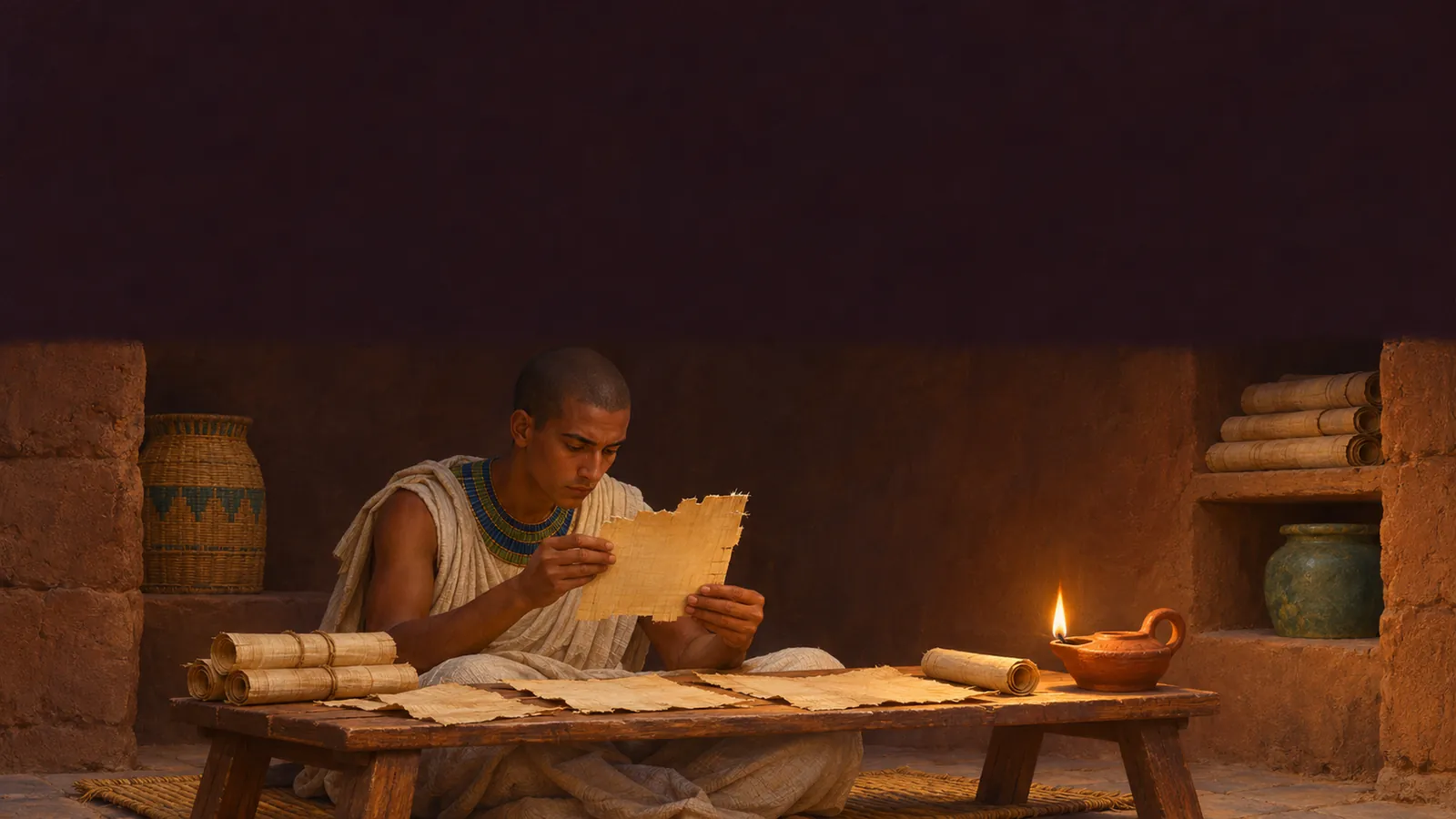
LOS DICHOS
En esta copia se ha perdido el resto de la historia de Ahiqar en la corte. El papiro conserva también una colección de dichos. Estos son algunos de ellos.
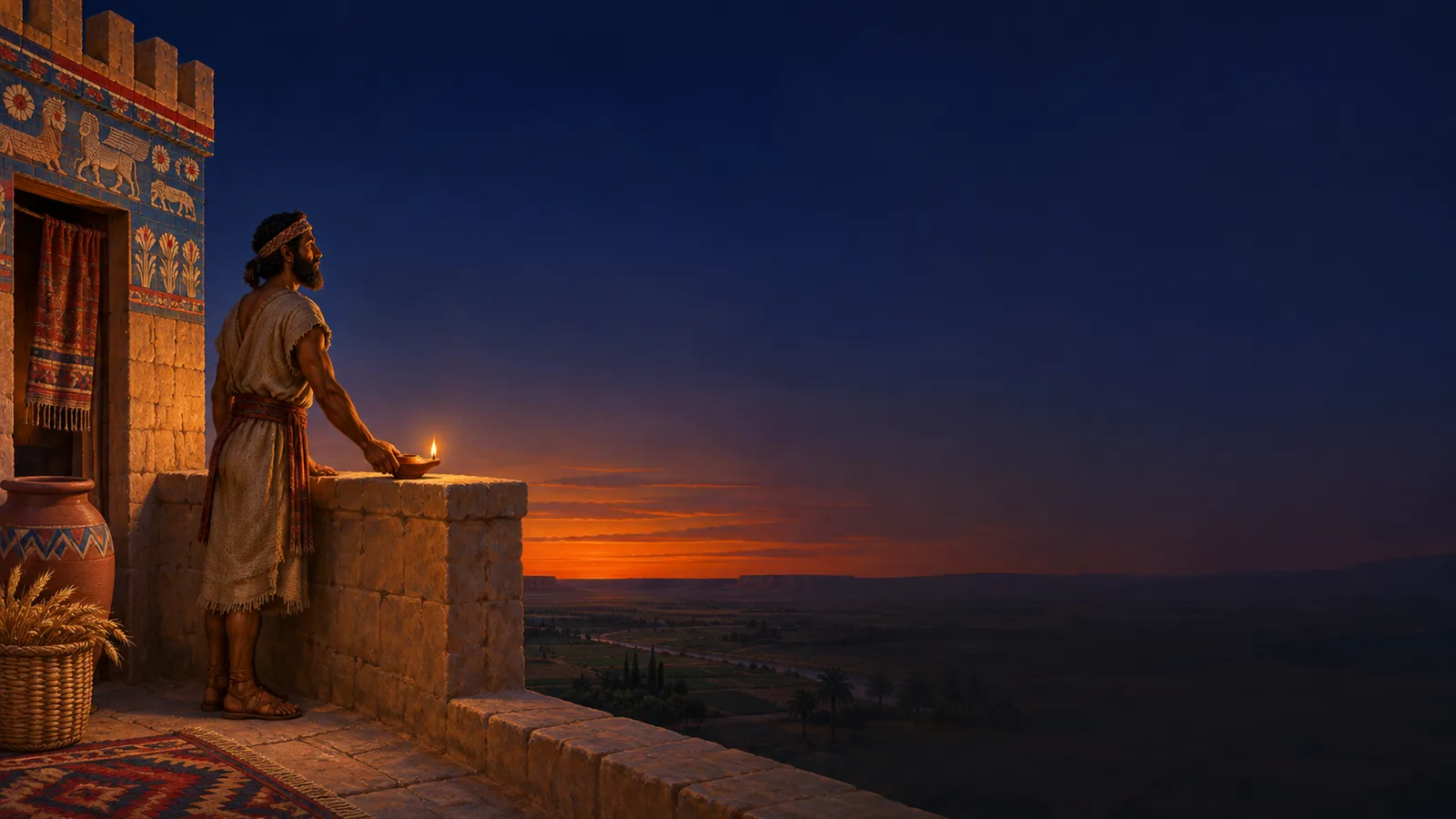
Un dicho pide esperar a que llegue la noche antes de hablar mal del día. Deja pasar todo el día antes de decidir qué decir.
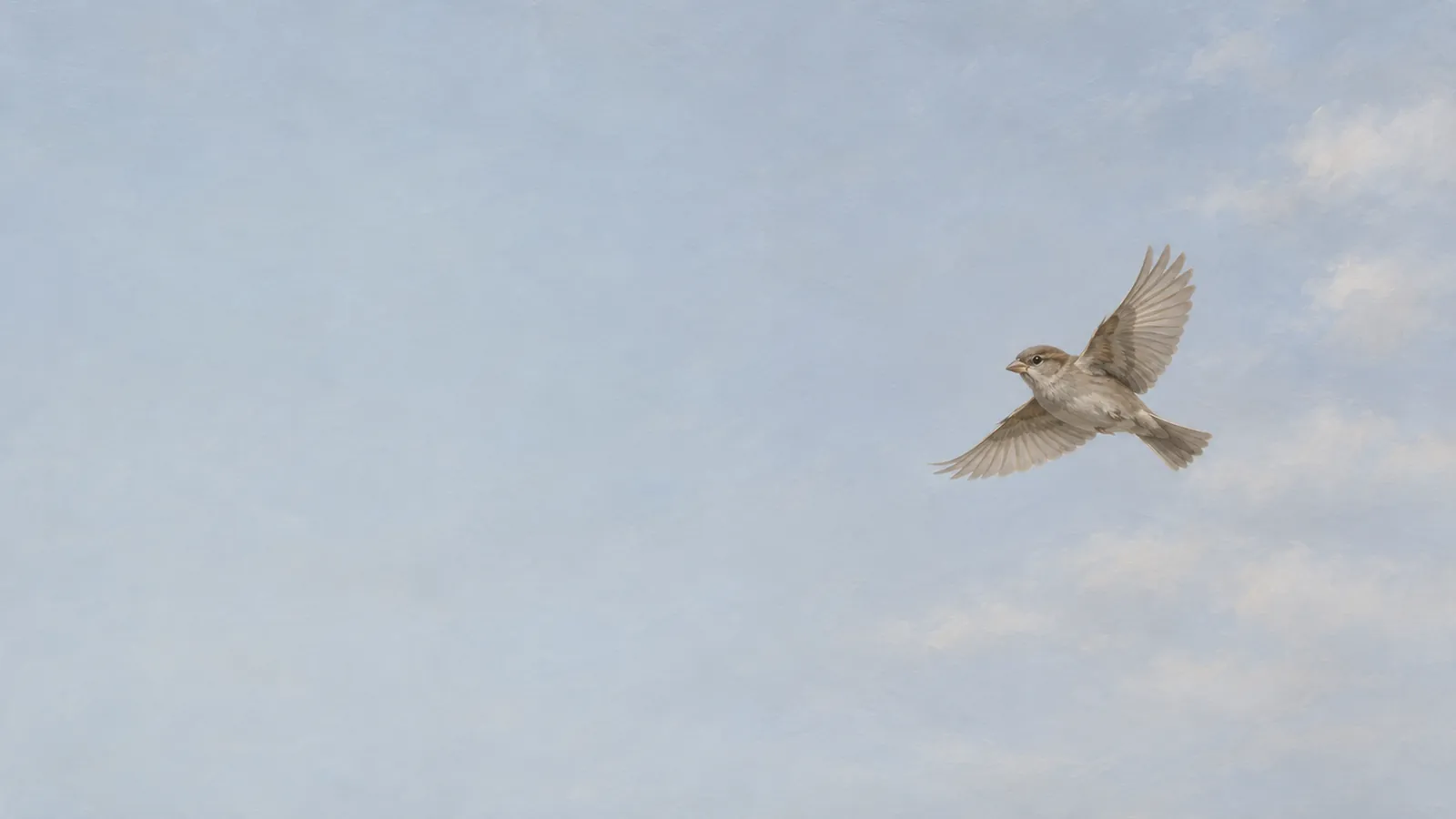
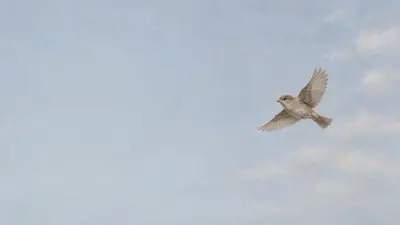
La colección aconseja cuidar lo que decimos. Una palabra es como un pájaro que, al soltarlo al aire, deja atrás a quien lo ha soltado.
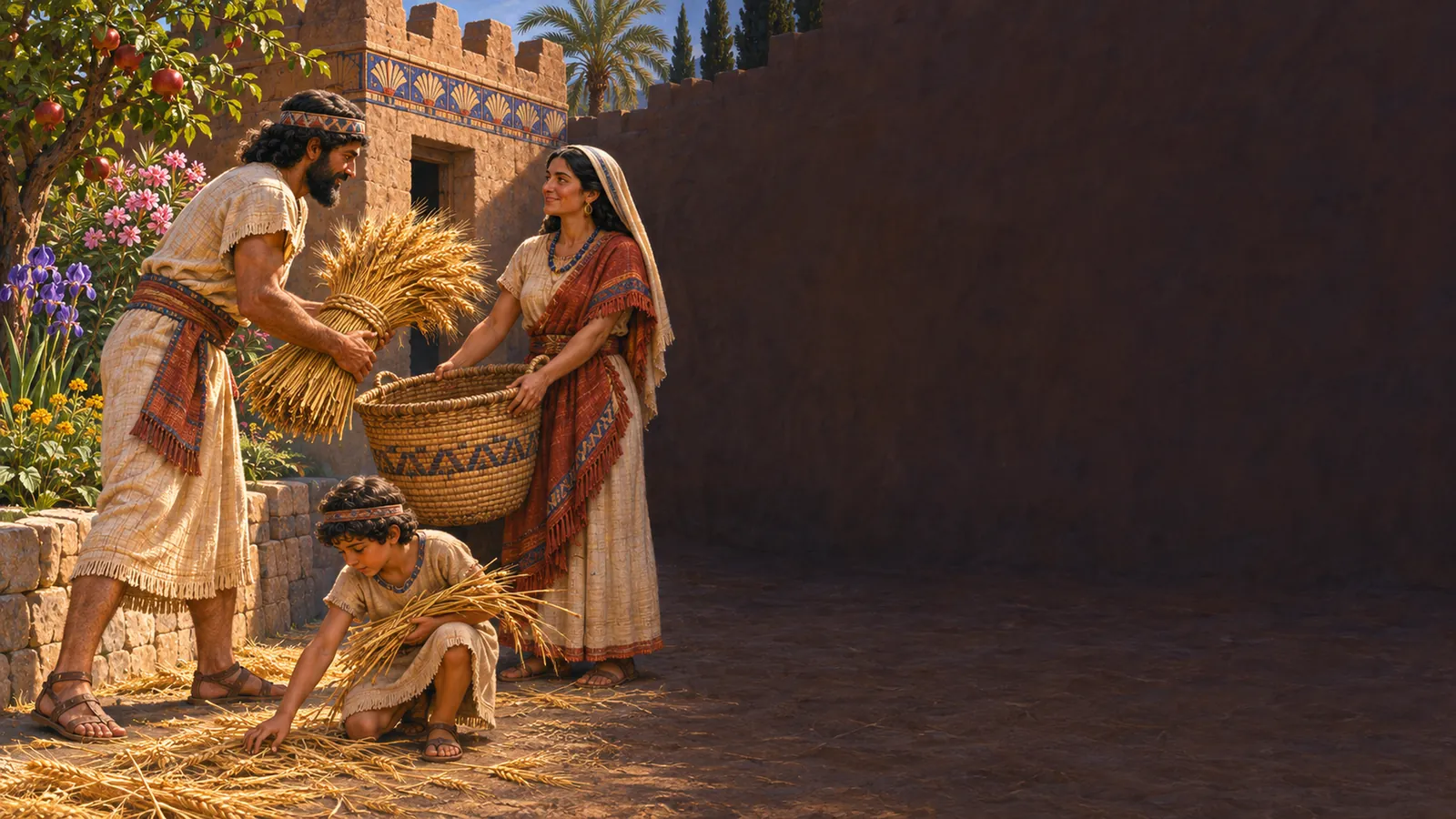
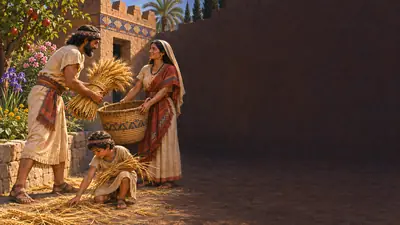
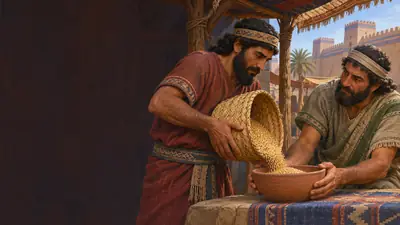
Otro pasaje habla de recoger la cosecha y hacer el trabajo que haya para poder alimentar a la familia y a los hijos.
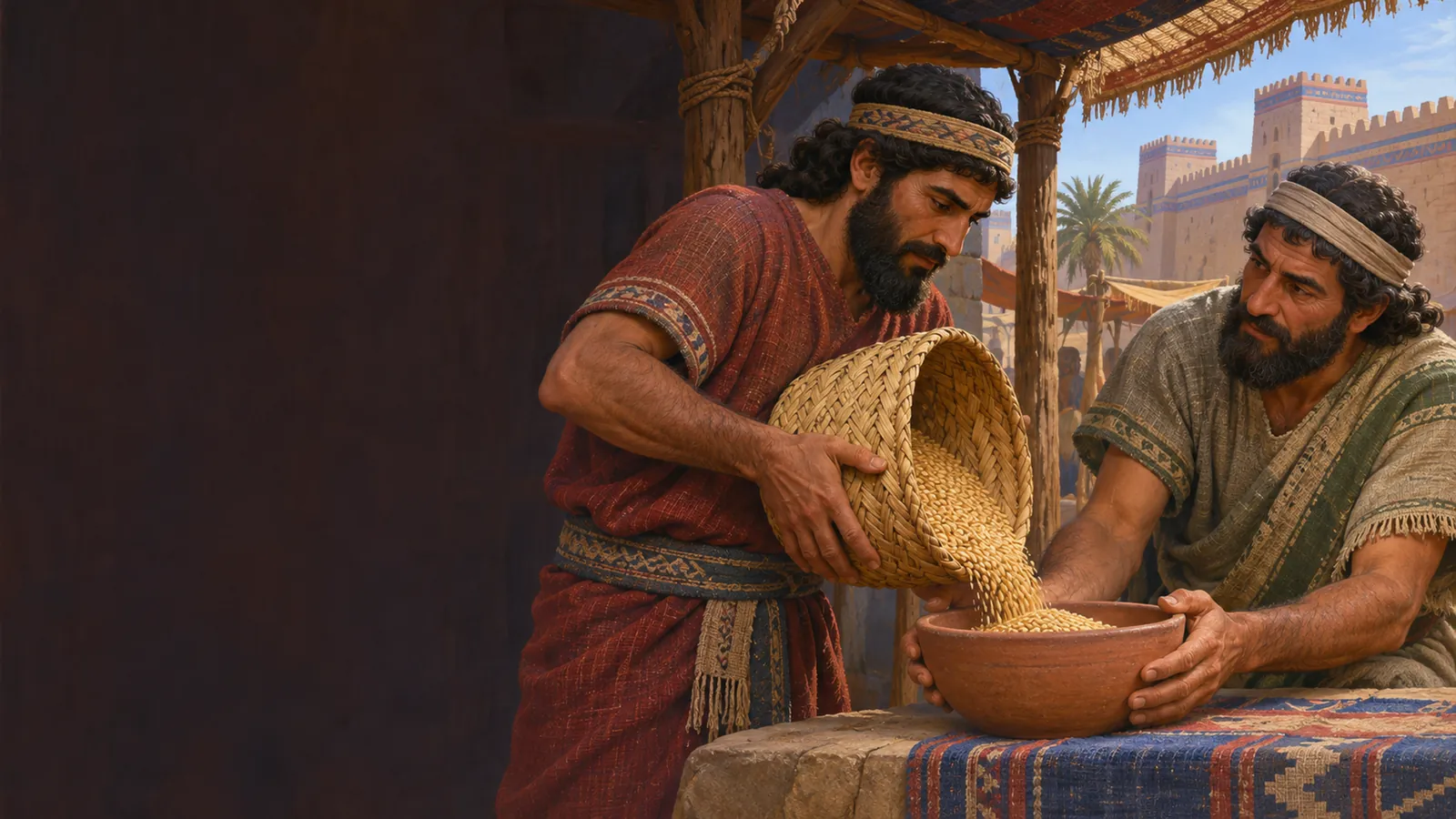
Las palabras sobre el grano dan paso a un consejo sobre los préstamos. Una vez que alguien pide prestado, el dicho lo insta a tener presente la devolución.
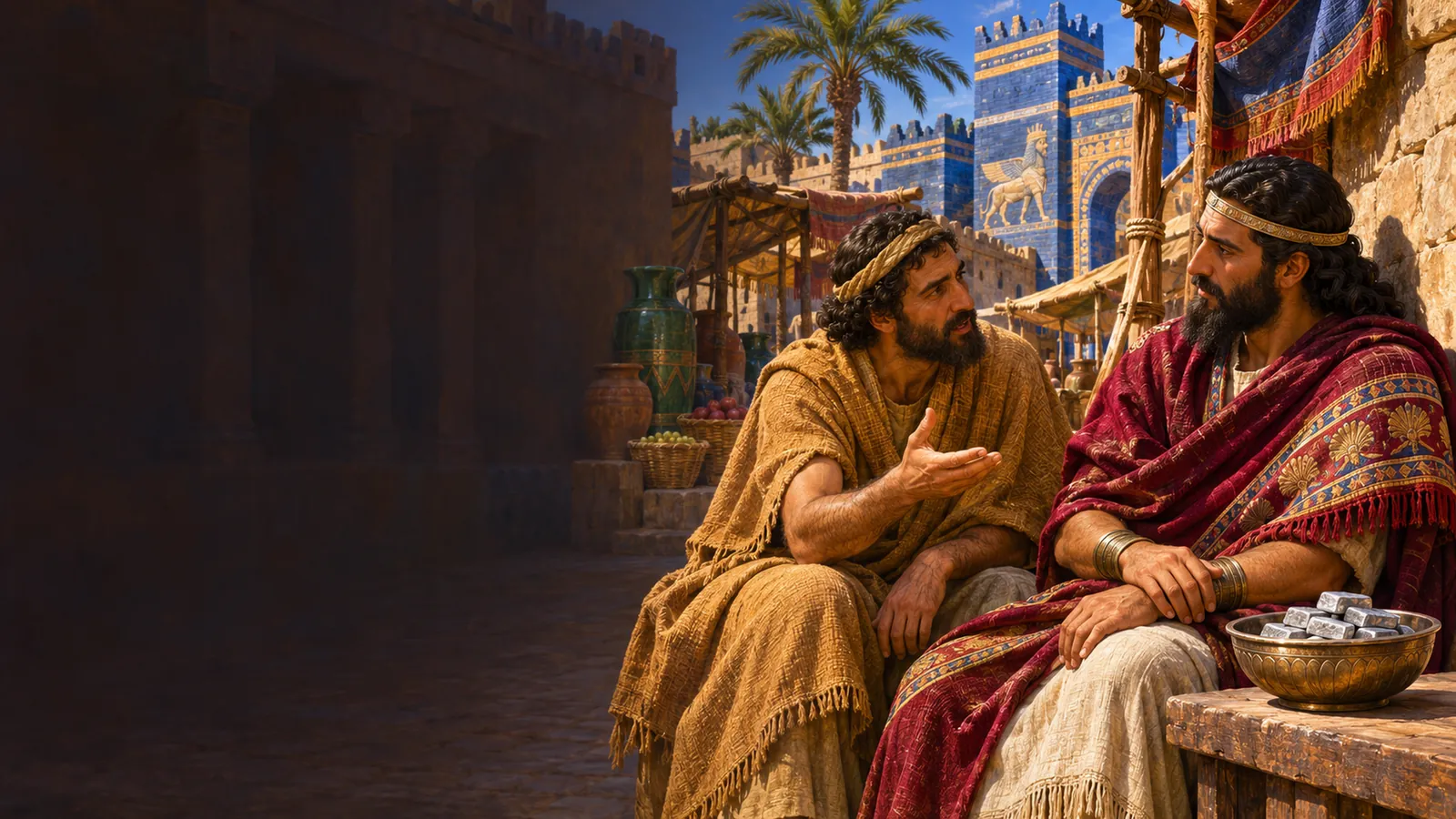
Una línea conservada advierte a la persona rica que no presuma de que su fortuna le da prestigio.
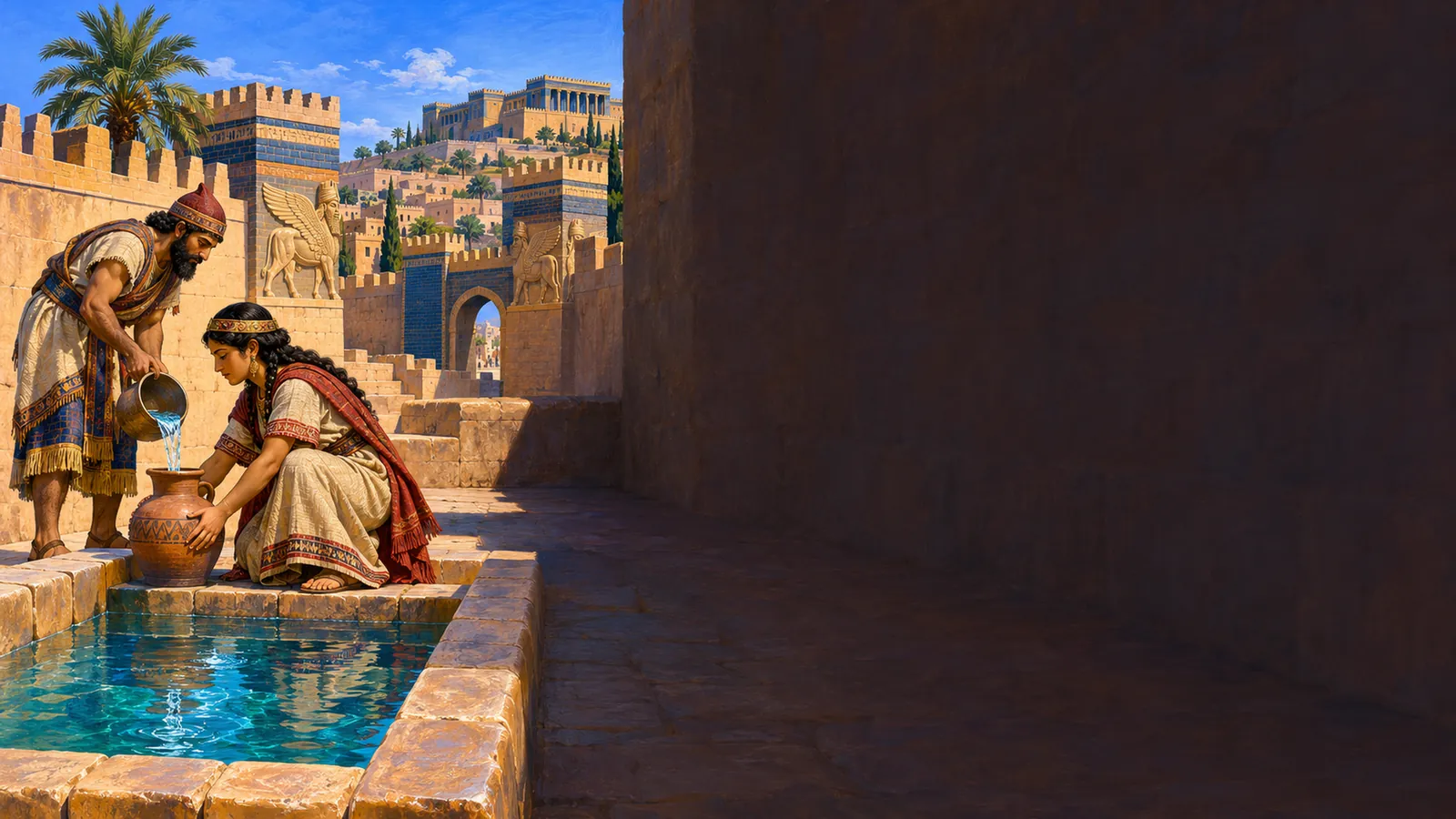
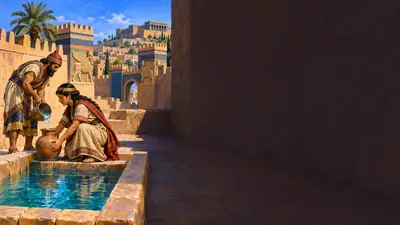
Otro dicho compara a una persona de buen parecer y de buen corazón con una ciudad fortificada que tiene agua dentro de sus murallas.
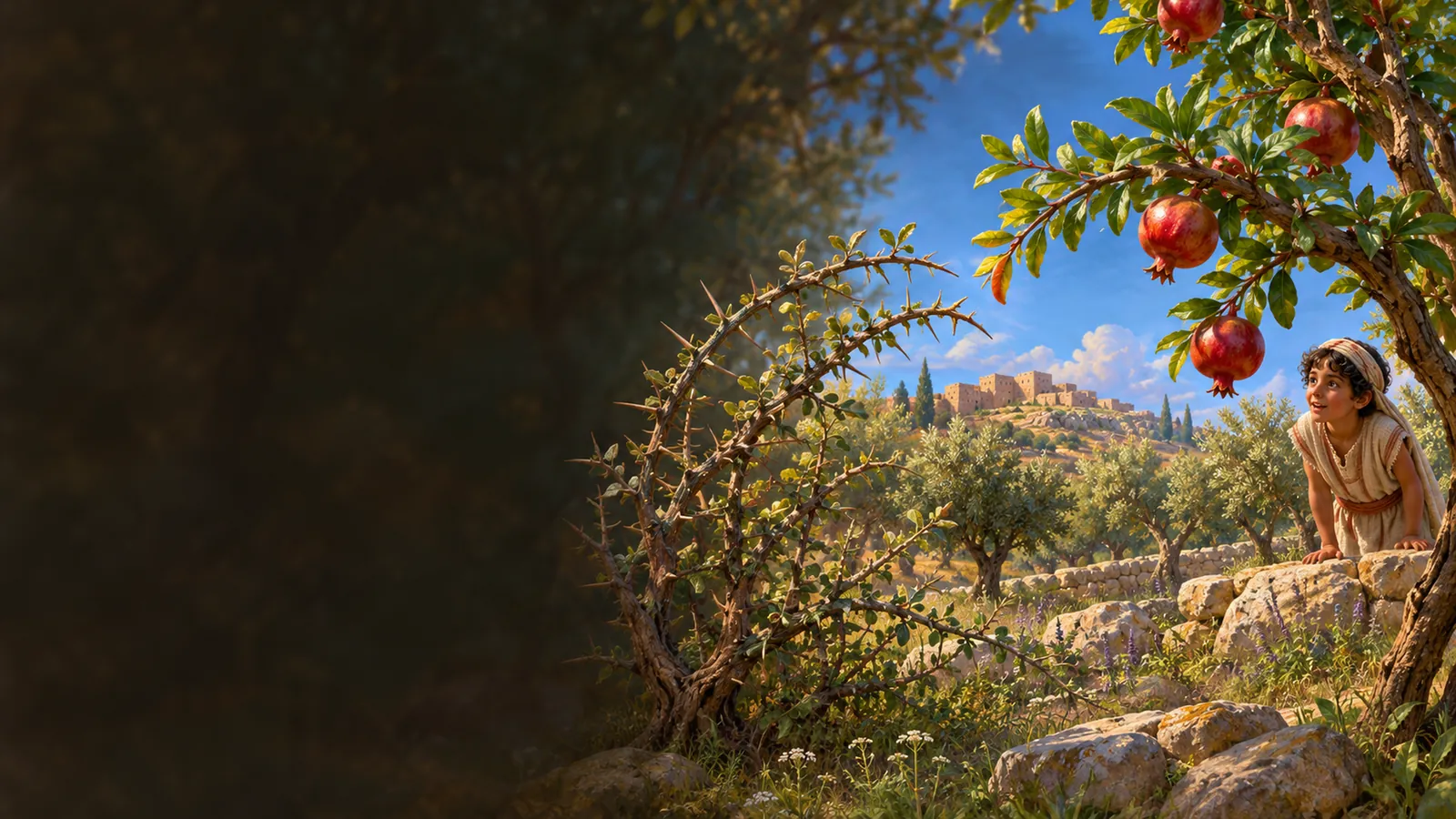
Un arbusto espinoso envía un mensaje sobre las espinas del granado. El granado devuelve las palabras a quien se las envió. Algunas partes del diálogo se han perdido.
Fin del capítulo 1
Todas las páginas





Fuentes
Ediciones consultadas
- Texts & Scripts from Elephantine, The Account of the Words of Ahiqar, Pap. Berlin P. 13446 A–H, K–L, TAD C.1.1
- Texts & Scripts from Elephantine, plate A with the opening and the scribe’s first-person account
- Texts & Scripts from Elephantine, plate B with the succession and the charge against Ahiqar
- A. E. Cowley, Aramaic Papyri of the Fifth Century B.C., 1923, pp. 220–223, especially cols. iv–vi at the break
- F. C. Conybeare, J. Rendel Harris and Agnes Smith Lewis, The Story of Ahiqar, 1913, Aramaic translation and selected sayings, pp. 168–173
- Verena M. Lepper, The Ancient Story of Ahiqar from Mesopotamia and Egypt, pp. 38–39, with translations from plate G
- University of Göttingen, catalog of the separately transmitted Syriac and Arabic witnesses
Los versos antiguos de cada página
- Page 1: TAD C.1.1, Berlin Ai01; Berlin composite manuscript record
- Page 2: TAD C.1.1, Berlin Ai01–03
- Page 3: TAD C.1.1, Berlin Ai02–04
- Page 4: TAD C.1.1, Berlin Ai03–04
- Page 5: TAD C.1.1, Berlin Ai04–05
- Page 6: TAD C.1.1, Berlin Ai05–06; Plate A i 6
- Page 7: TAD C.1.1, Berlin Ai06–09
- Page 8: TAD C.1.1, Berlin Ai06, Ai08–09
- Page 9: TAD C.1.1, Berlin Ai08–10
- Page 10: TAD C.1.1, Berlin Ai10–11
- Page 11: TAD C.1.1, Berlin Ai11–12
- Page 12: TAD C.1.1, Berlin Ai13–14
- Page 13: TAD C.1.1, Berlin Ai13–14
- Page 14: TAD C.1.1, Berlin Ai14–15
- Page 15: TAD C.1.1, Berlin Bi01
- Page 16: TAD C.1.1, Berlin Bi02–03
- Page 17: TAD C.1.1, Berlin Bi02–03
- Page 18: TAD C.1.1, Berlin Bi03–05
- Page 19: TAD C.1.1, Berlin Bi06–07
- Page 20: TAD C.1.1, Berlin Bi08
- Page 21: TAD C.1.1, Berlin Bi09–11
- Page 22: TAD C.1.1, Berlin Bi10–14
- Page 23: TAD C.1.1, Berlin Ci01–06
- Page 24: TAD C.1.1, Berlin Ci06–09
- Page 25: TAD C.1.1, Berlin Ci08–10; Cowley 1923, col. iii 39–41
- Page 26: TAD C.1.1, Berlin Ci10–12
- Page 27: TAD C.1.1, Berlin Ci12–13
- Page 28: TAD C.1.1, Berlin Ci13–16
- Page 29: TAD C.1.1, Berlin Ci15–17; Cowley 1923, col. iii 46–48
- Page 30: TAD C.1.1, Berlin Di01–02; Cowley 1923, col. iv 49–51
- Page 31: Cowley 1923, col. iv 52–54; CHL 1913, p. 169
- Page 32: Cowley 1923, col. iv 55–59; Berlin Di09–12
- Page 33: Cowley 1923, col. v 71–74, p. 222
- Page 34: Cowley 1923, col. v 70–78 and start of vi; CHL 1913, p. 170
- Page 35: Berlin manuscript record; Cowley 1923, col. v–vi transition
- Page 36: TAD C.1.1, Berlin Ei02
- Page 37: TAD C.1.1, Berlin Ei03–04; Cowley 1923, col. vii 96–98
- Page 38: TAD C.1.1, Berlin Gi01–06, selected family-provision phrase; Lepper, pp. 38–39
- Page 39: TAD C.1.1, Berlin Gi05–06; Lepper, pp. 38–39
- Page 40: TAD C.1.1, Berlin Hi17
- Page 41: TAD C.1.1, Berlin Ki01
- Page 42: TAD C.1.1, Berlin Ki07–08; CHL 1913, p. 173
Ilustraciones hechas por IL Archive con herramientas de IA; el texto se basa en las fuentes antiguas (véanse las fuentes al final de cada capítulo).