Las palabras de Ahiqar Capítulo 2
Ahiqar en la corte del faraón
En un relato siríaco posterior, el faraón plantea un desafío a Senaquerib y un funcionario revela que Ahiqar sigue vivo. Ahiqar responde a los acertijos del faraón en Egipto y regresa para pedir que la recompensa sea para quien le dio refugio.
FuentesPase las páginas con las flechas, el teclado o deslizando el dedo.
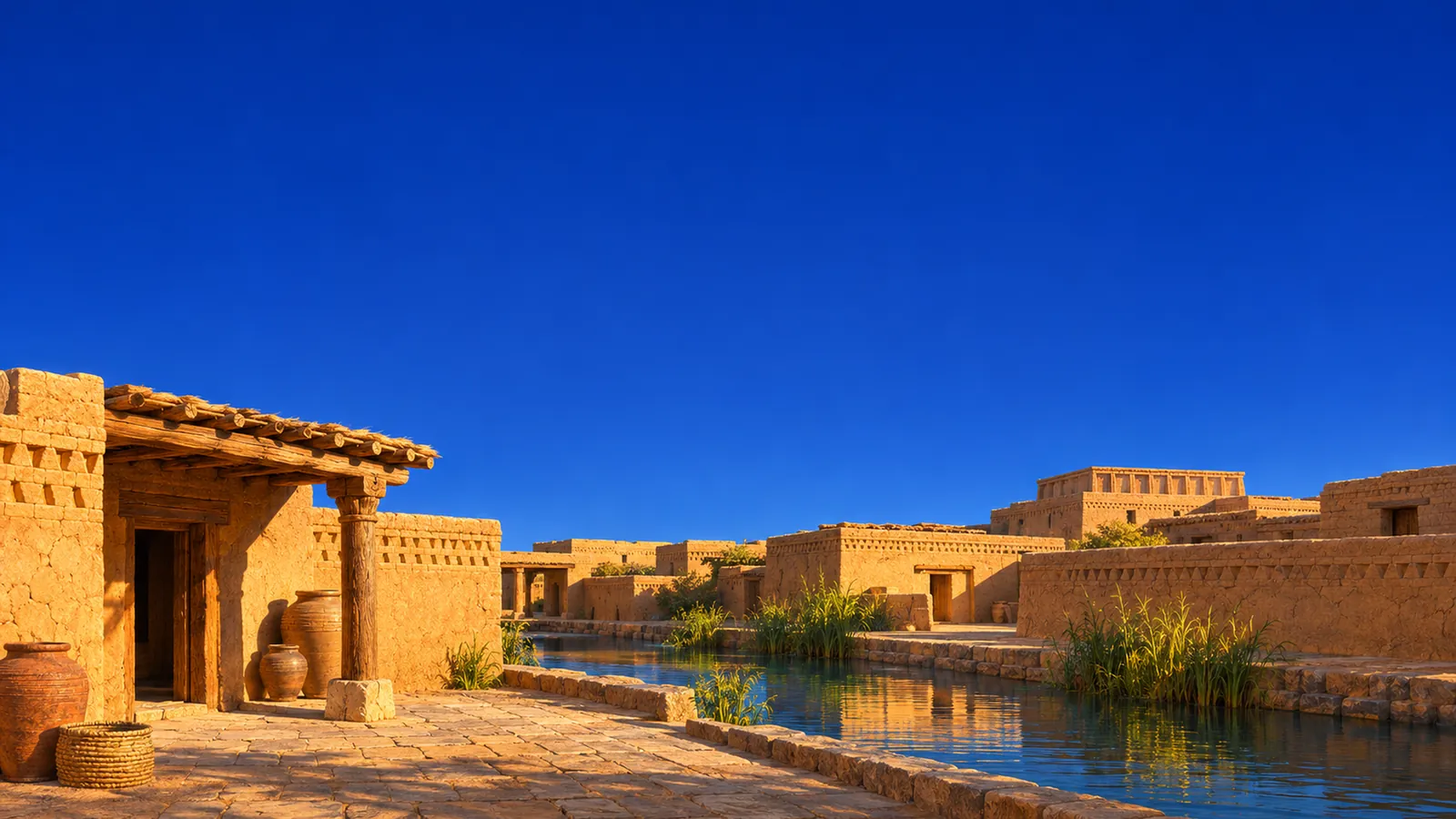
AHIQAR EN LA CORTE DEL FARAÓN
Un manuscrito siríaco posterior cuenta esta parte de la historia de Ahiqar. En esta versión, Senaquerib gobierna Asiria y la corte cree que Ahiqar está muerto.
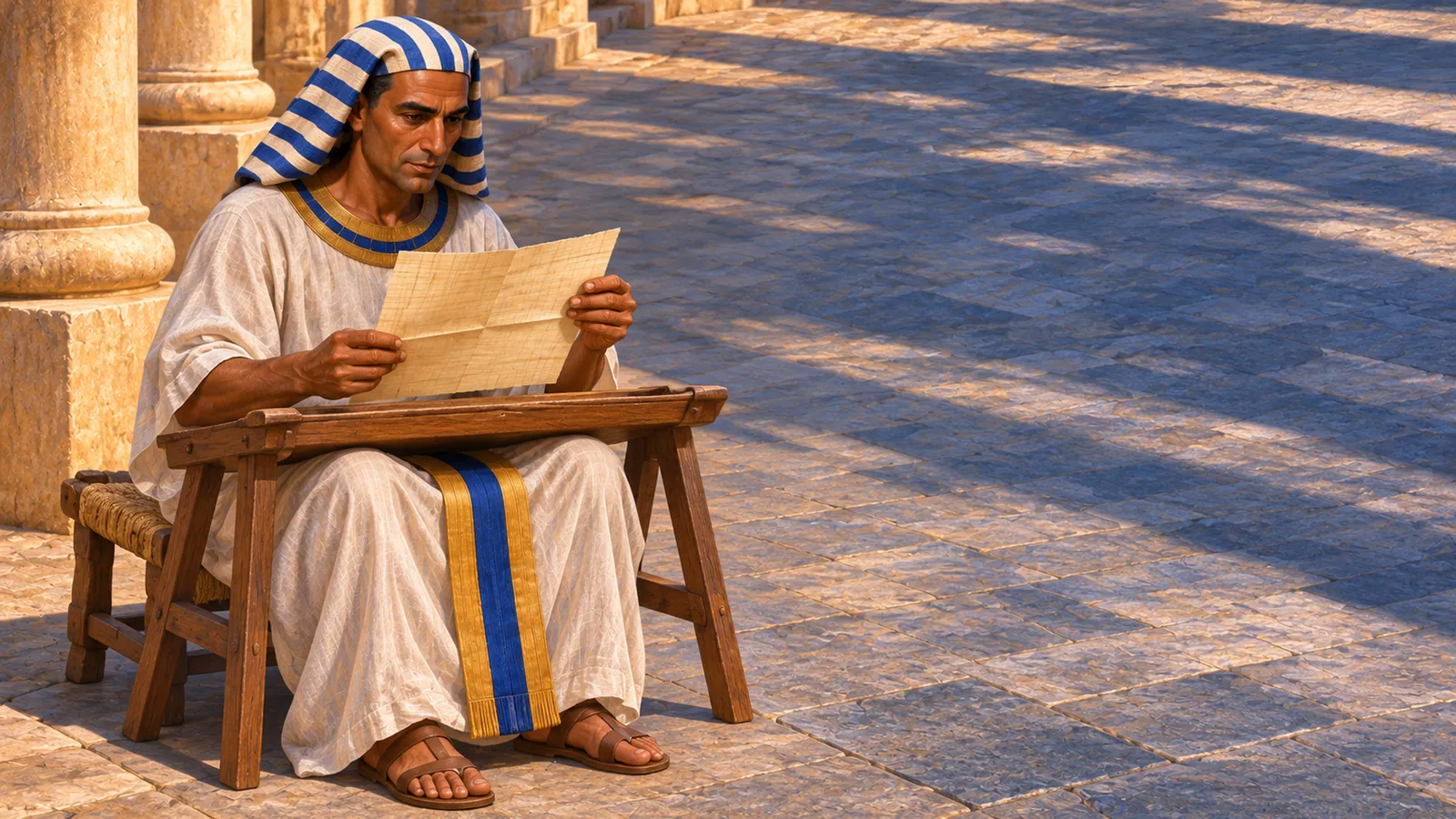
El faraón oye decir que Ahiqar ha muerto. Envía una carta a Senaquerib, rey de Asiria y Nínive en esta versión.
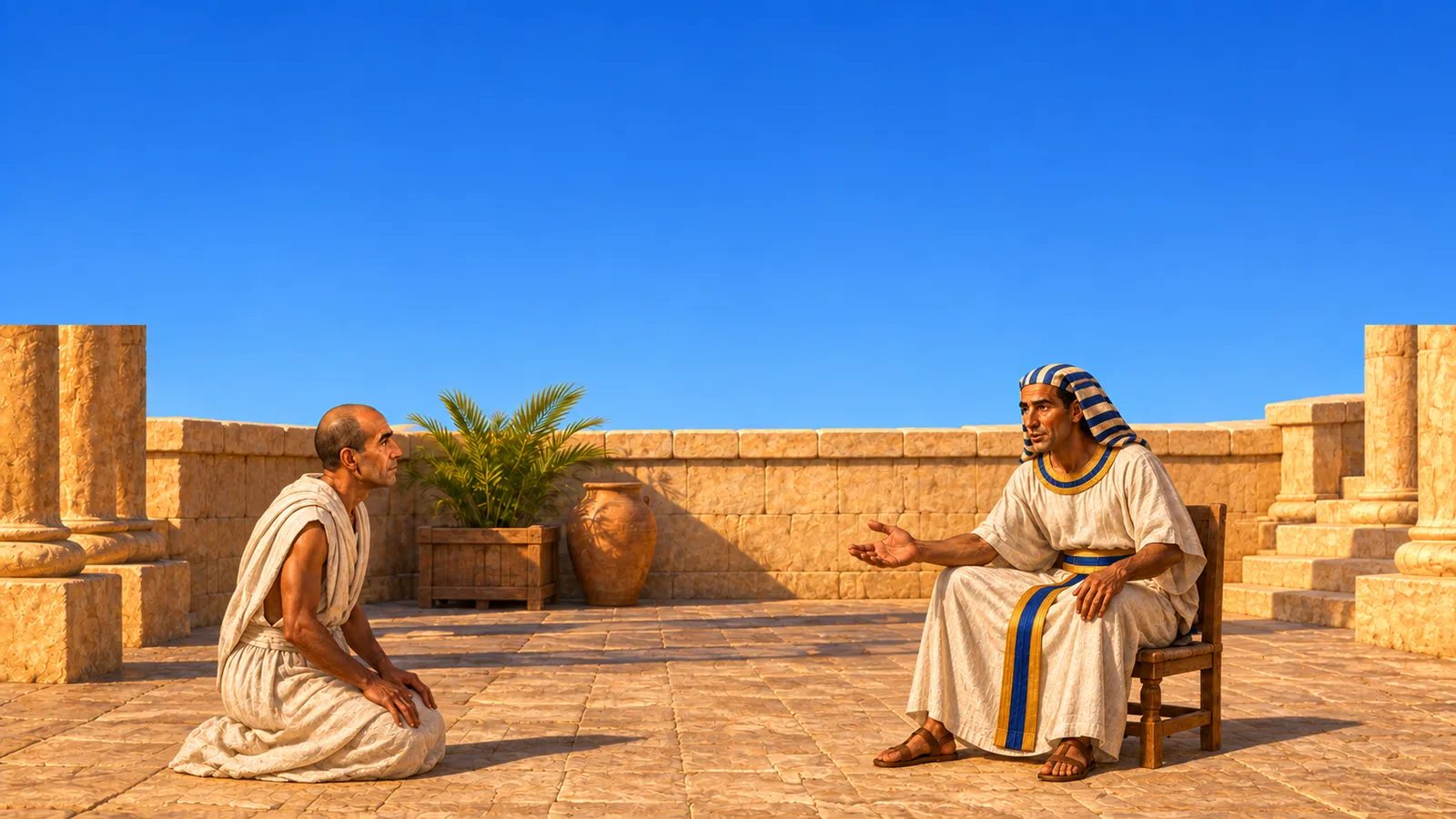
UN PALACIO EN EL AIRE
El faraón dice que piensa construir un palacio entre la tierra y el cielo. Pide a Senaquerib que mande a alguien capaz de construirlo y responder a sus preguntas.
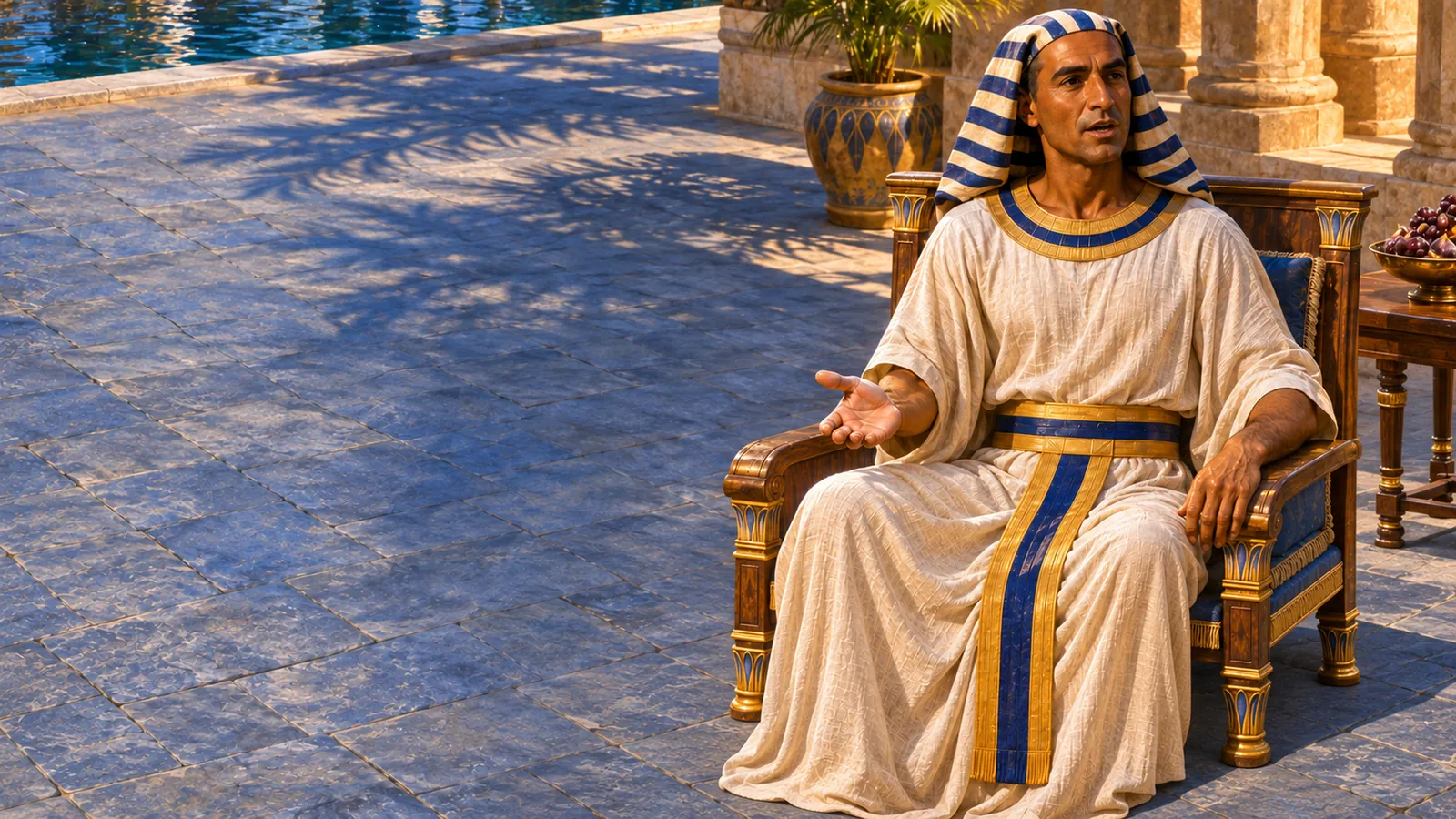
El faraón ofrece a Senaquerib tres años de ingresos de Egipto si manda a alguien capaz de responderle. Si nadie lo consigue, exige en cambio tres años de tributo de Asiria.
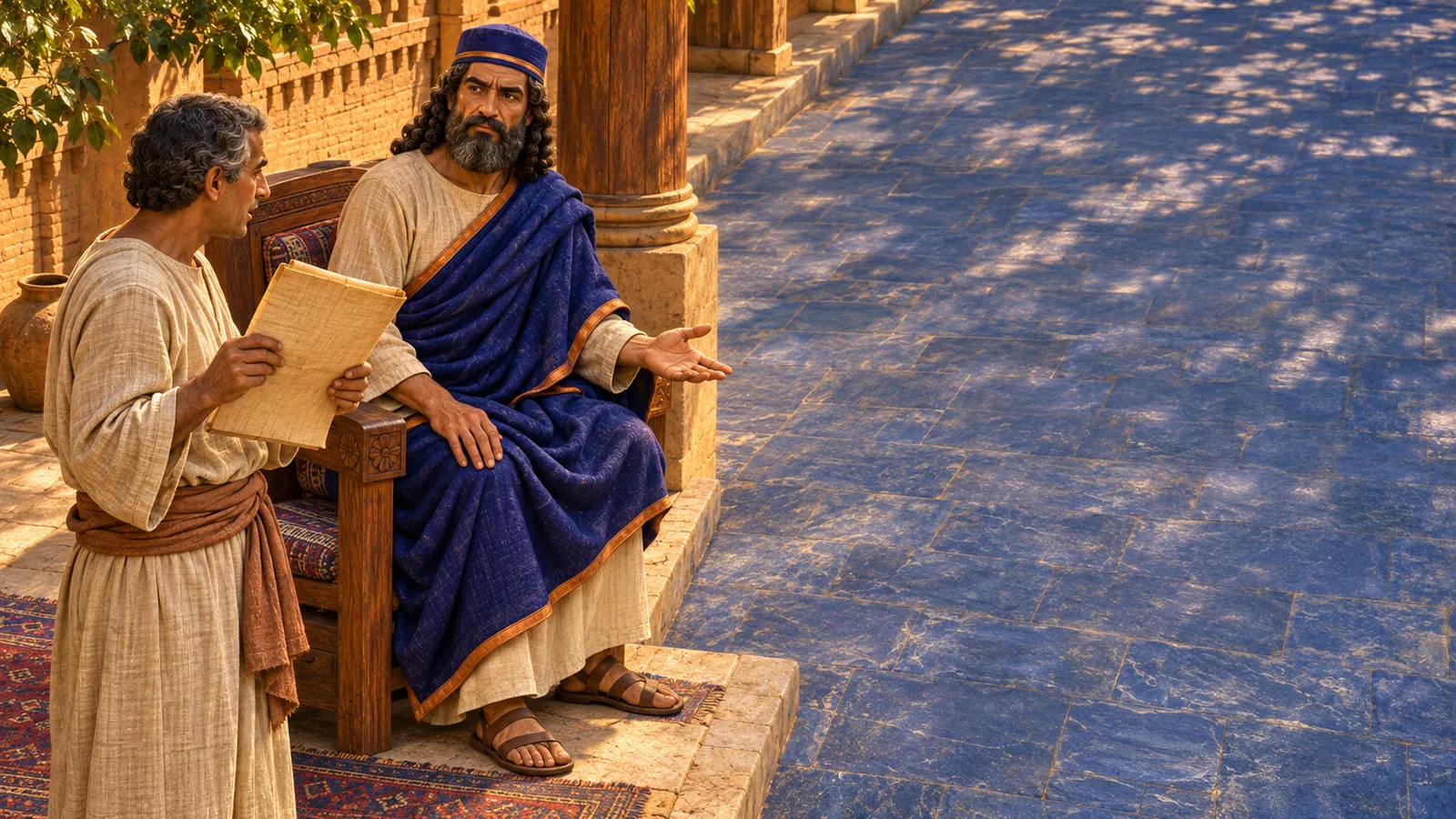
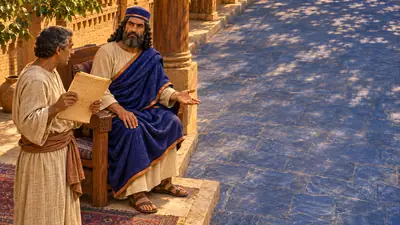
Senaquerib ordena que se lea la carta ante la corte. Pregunta quién irá a Egipto a responder al faraón y volver con el tributo.
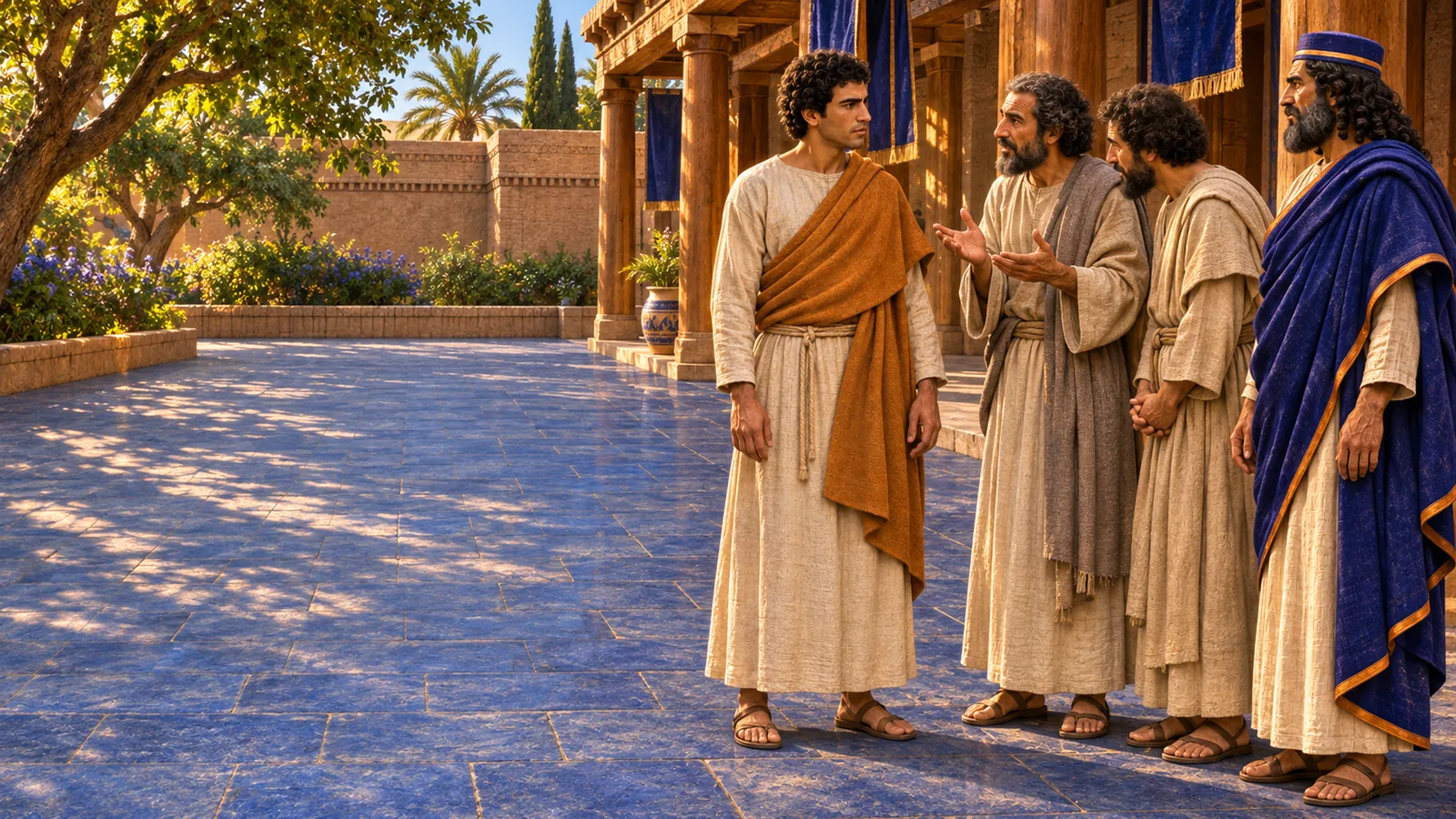
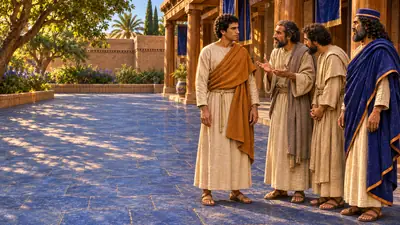
Los consejeros recuerdan que Ahiqar respondía a las preguntas difíciles con Senaquerib y, según este relato, con su padre Sarhadum. Dicen que Nadan aprendió de él.
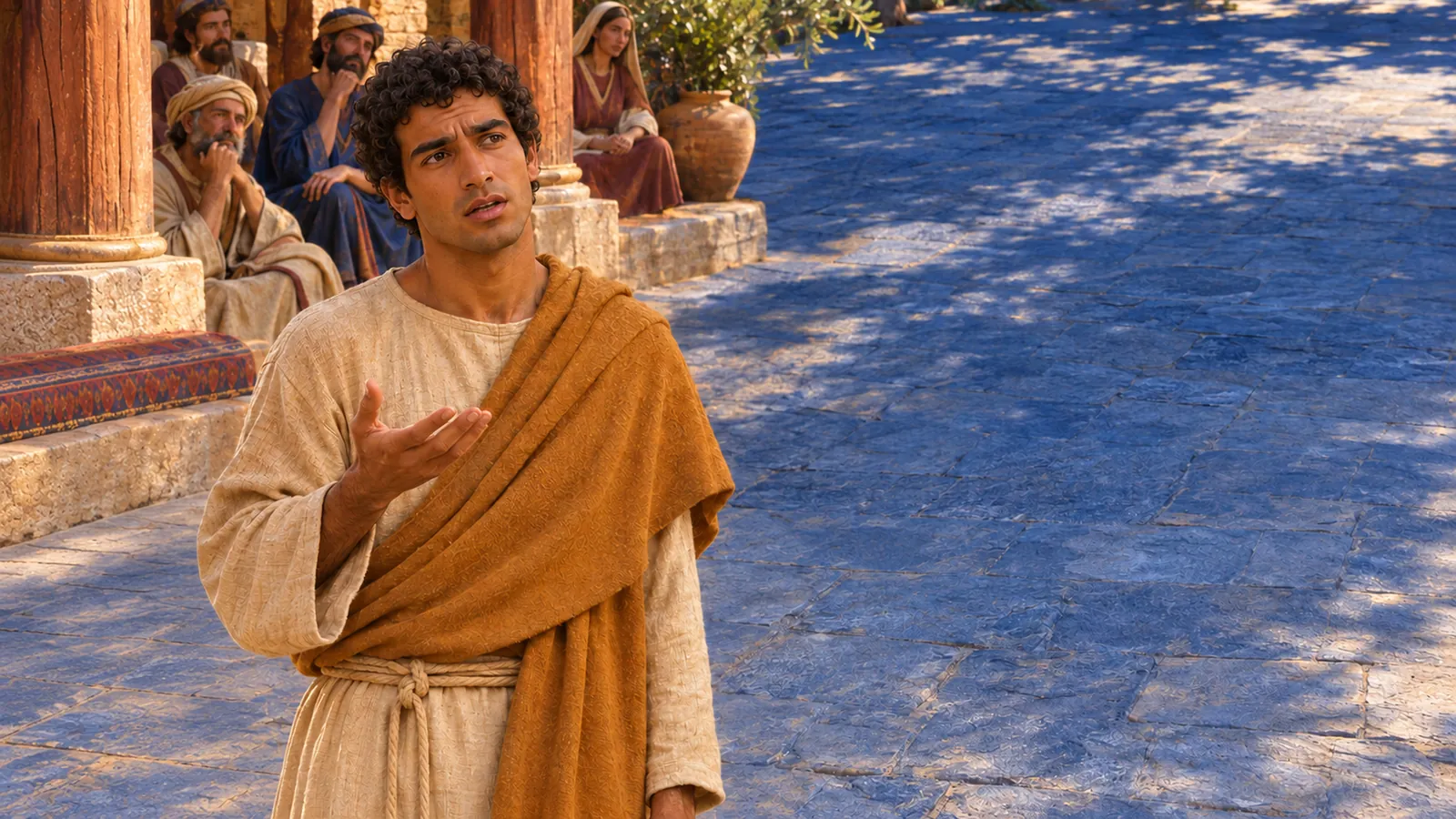
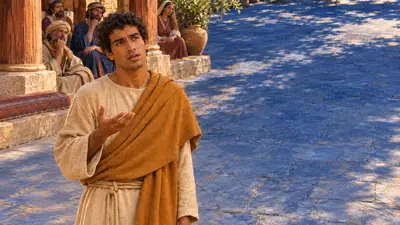
Nadan oye que la corte propone su nombre. Responde que lo que pide el faraón supera el poder de los propios dioses, y con mayor razón el de los seres humanos.
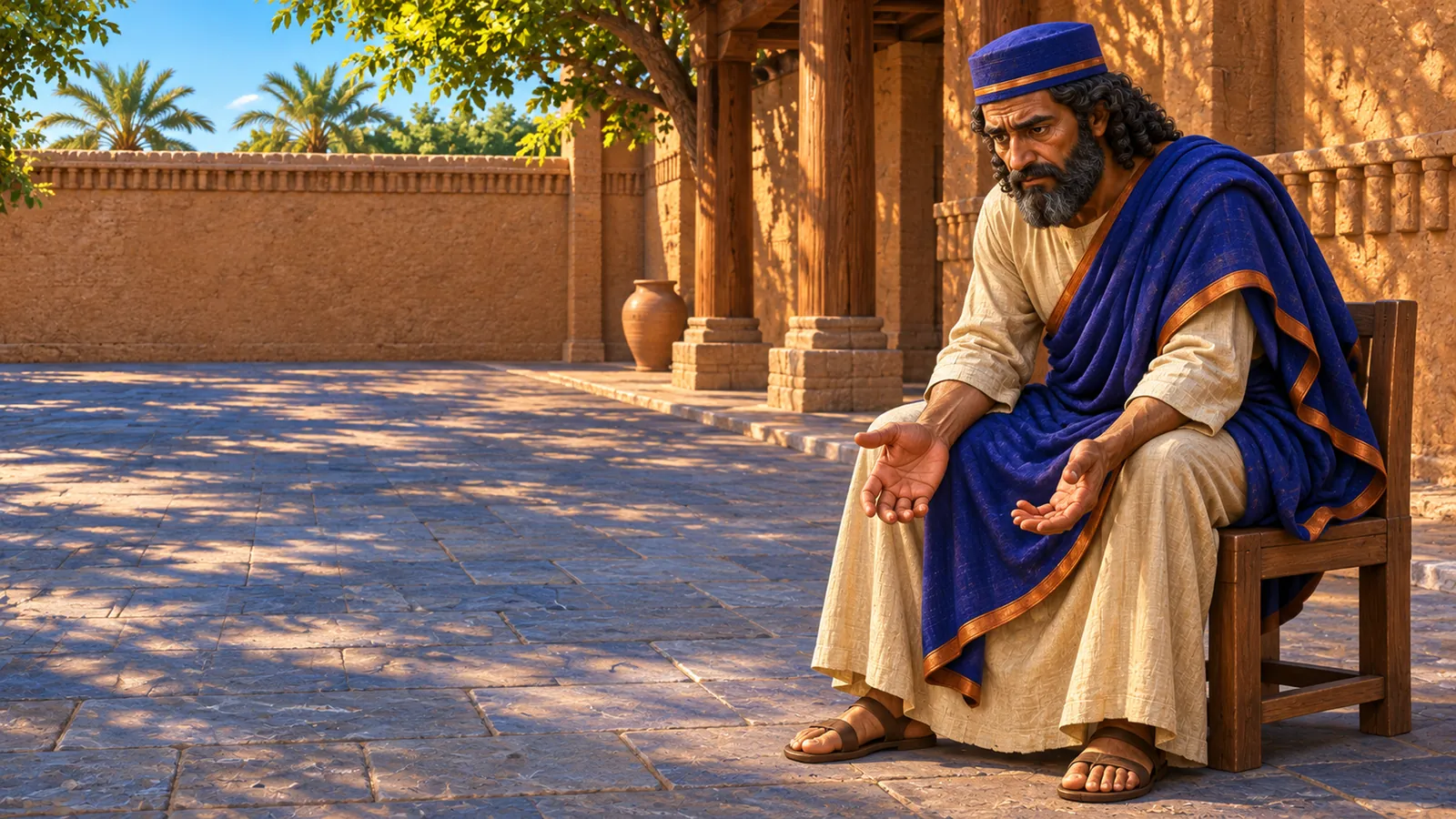
Senaquerib lamenta haber creído lo que le contaron sobre Ahiqar. Desearía tener a su consejero de nuevo y dice que daría el peso de Ahiqar en oro por recuperarlo.
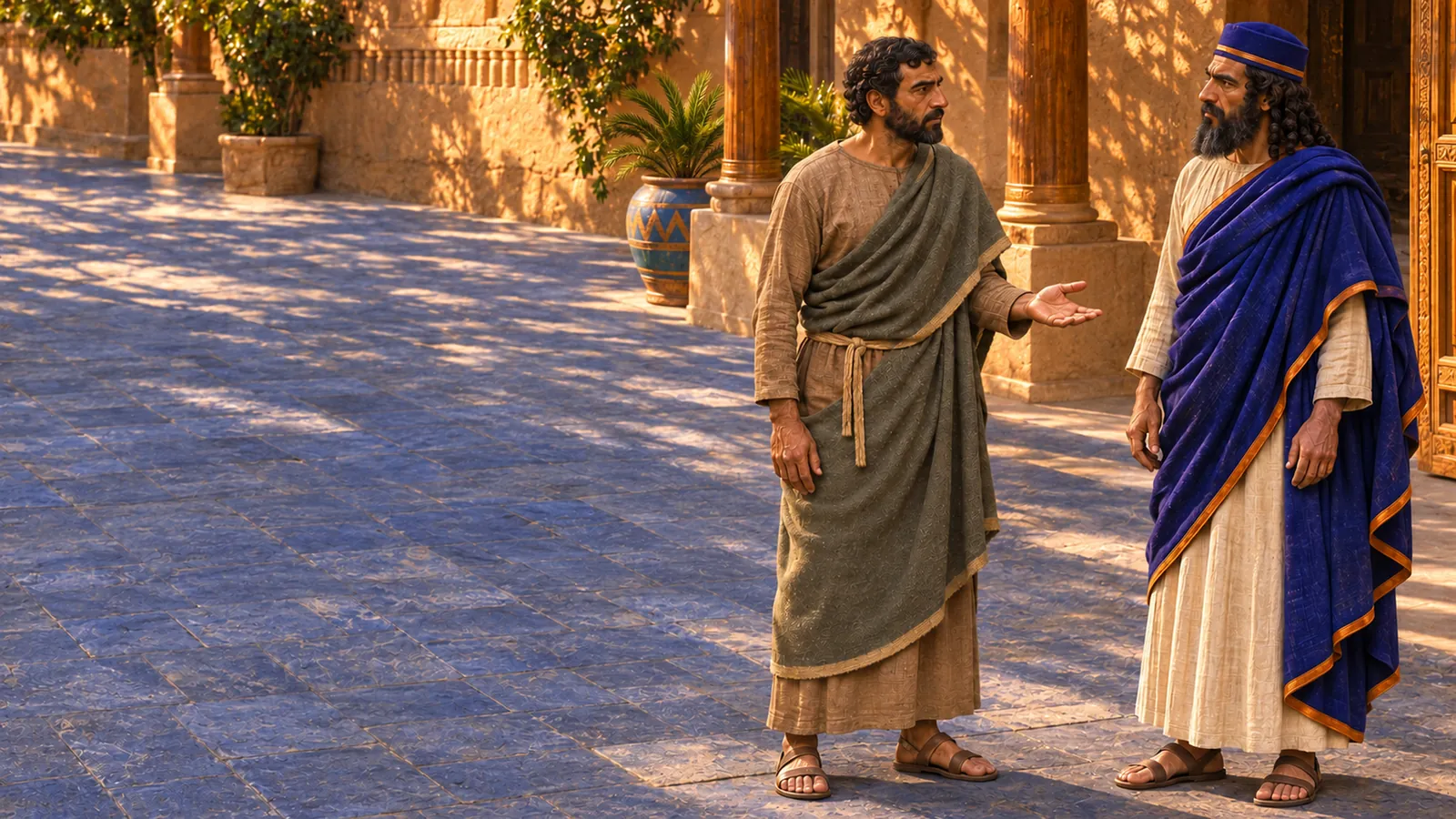
AHIQAR ESTÁ VIVO
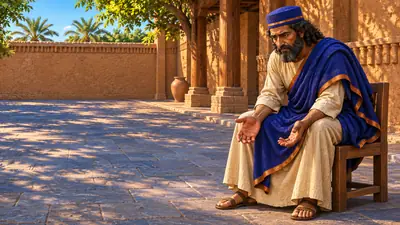
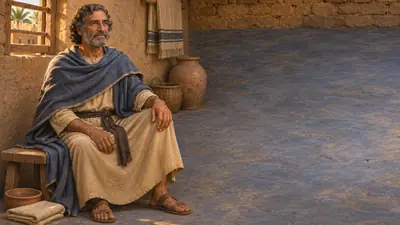
Nabusemakh le dice a Senaquerib que recibió la orden de matar a Ahiqar. Dice que mató en su lugar a un esclavo condenado y escondió a Ahiqar, que sigue vivo.
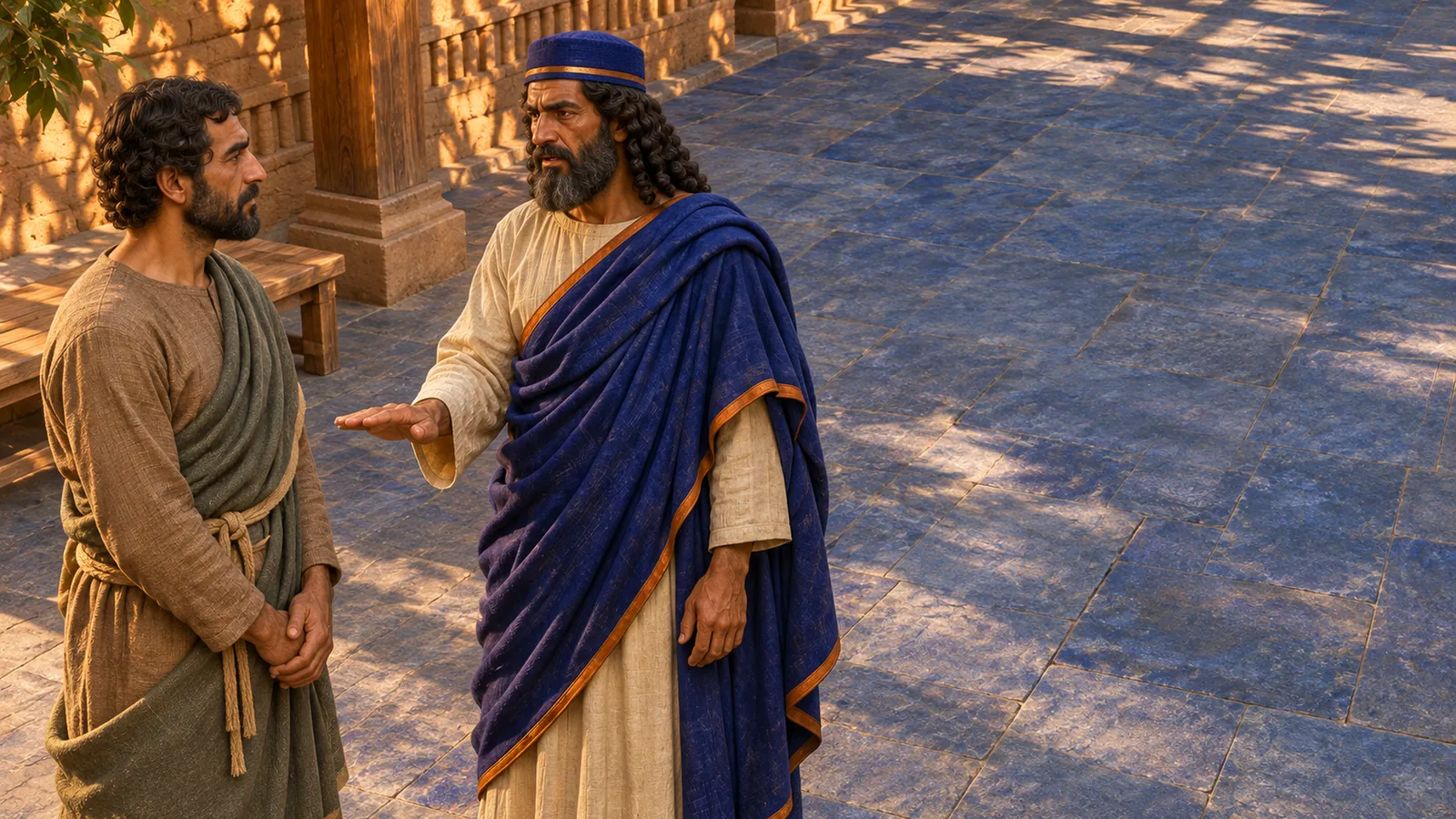
El rey promete regalos a Nabusemakh si puede mostrarle a Ahiqar vivo. Nabusemakh pide al rey que le dé su palabra de que lo perdonará por haberlo acogido, y Senaquerib se la da.
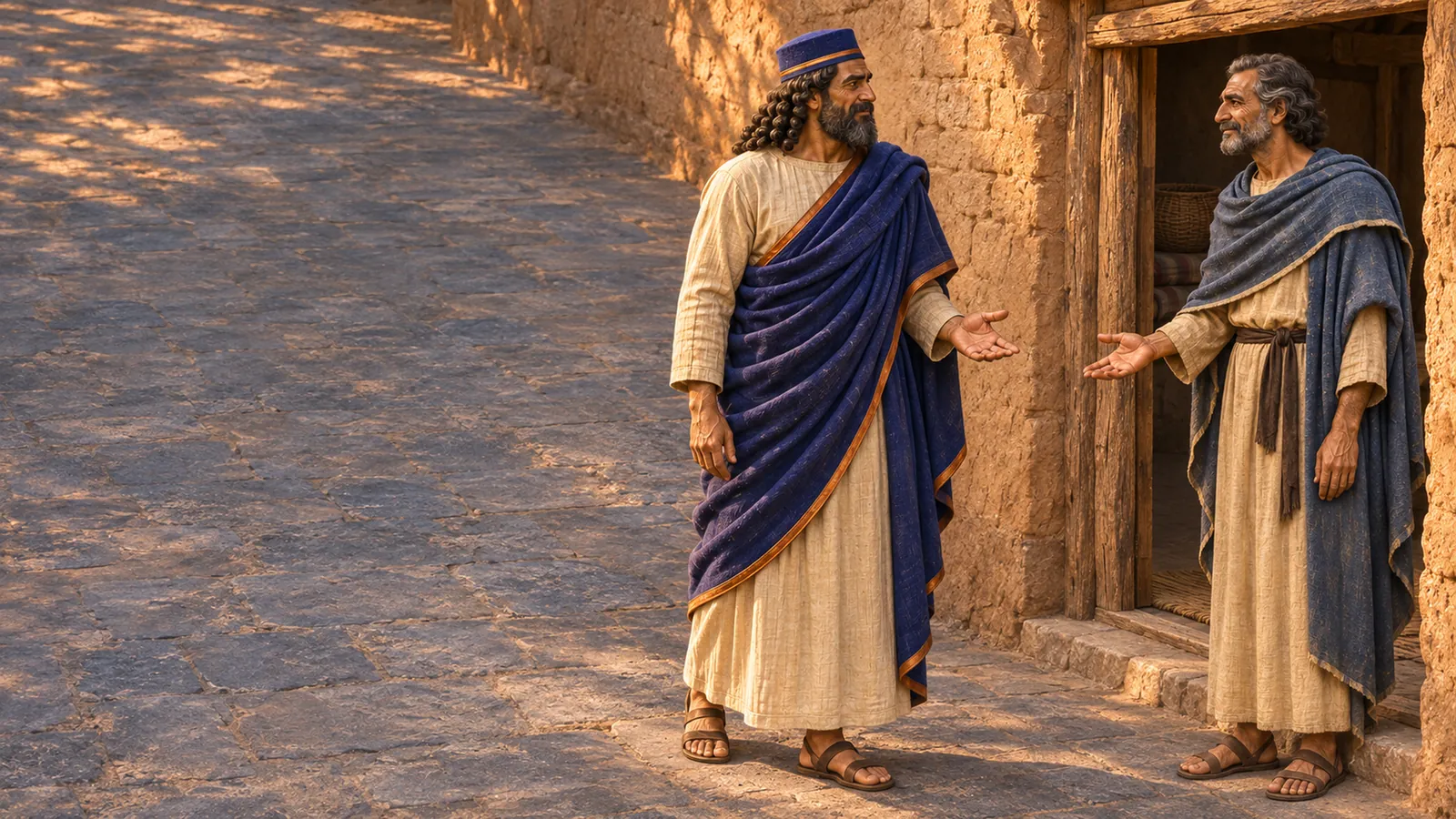
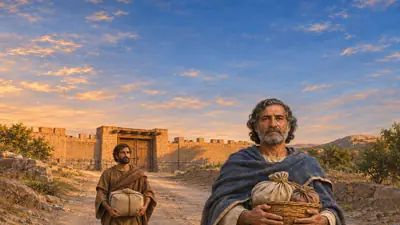
Senaquerib se apresura hacia el lugar donde se aloja Ahiqar. Cuando se encuentran, el rey se conmueve y Ahiqar le dice que no le guarda rencor.
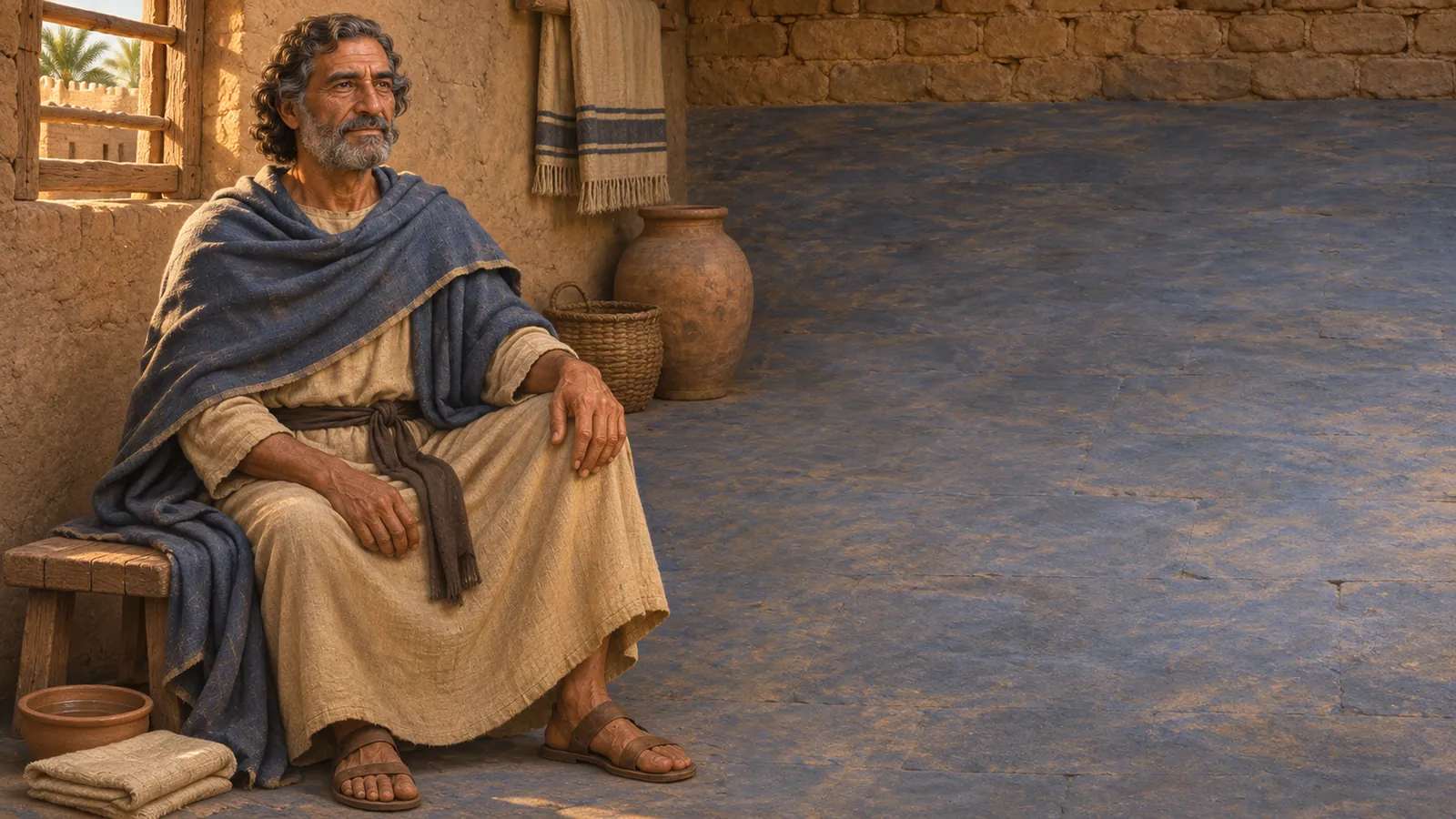
El rey dice a Ahiqar que vuelva a casa y se tome tiempo para recuperar fuerzas. Ahiqar pasa allí varias semanas y regresa cuando se encuentra bien.
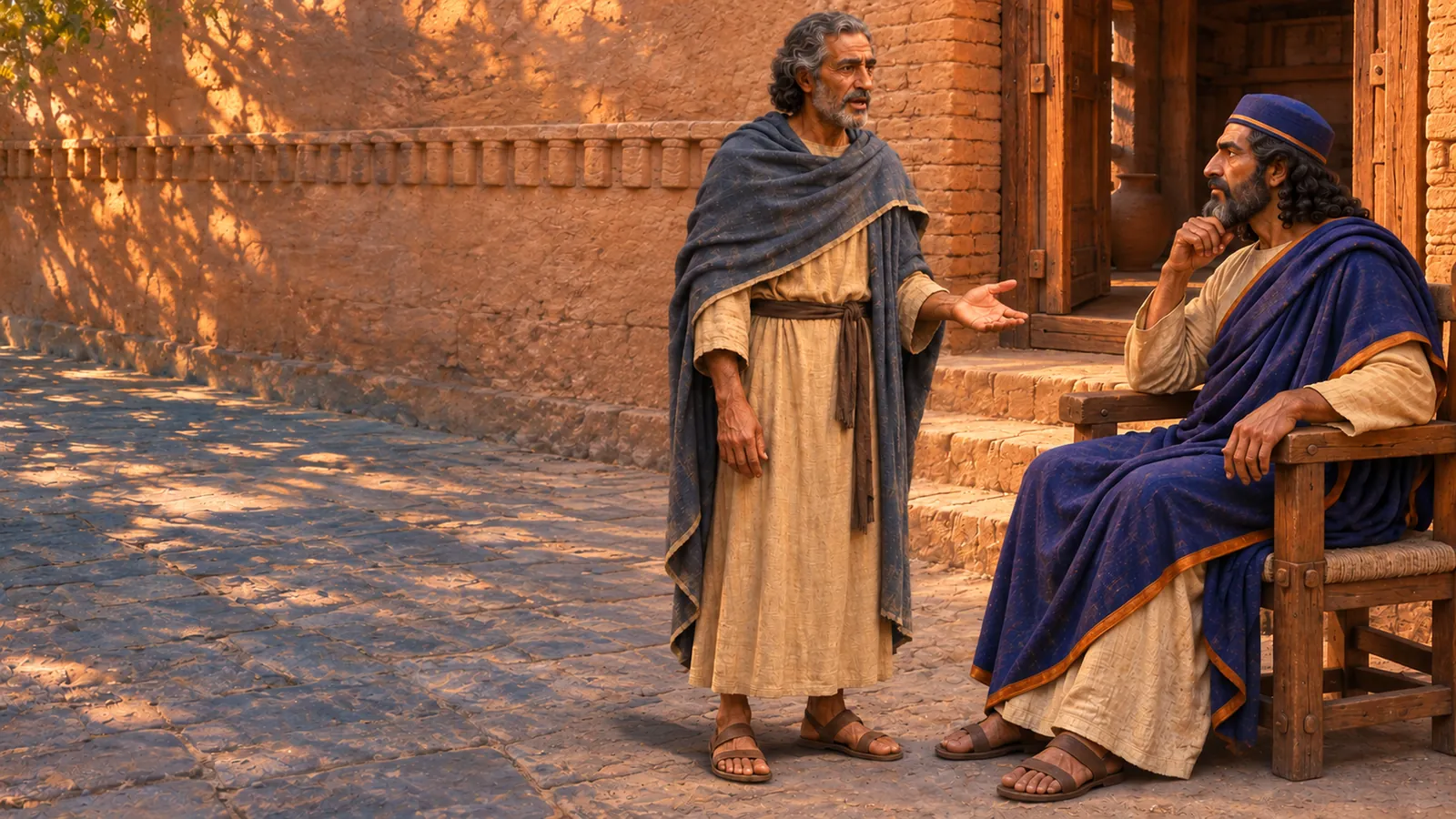
Senaquerib pregunta a Ahiqar si ha visto la carta del faraón. Ahiqar se ofrece a ir a Egipto, responder a las preguntas y traer los ingresos prometidos.
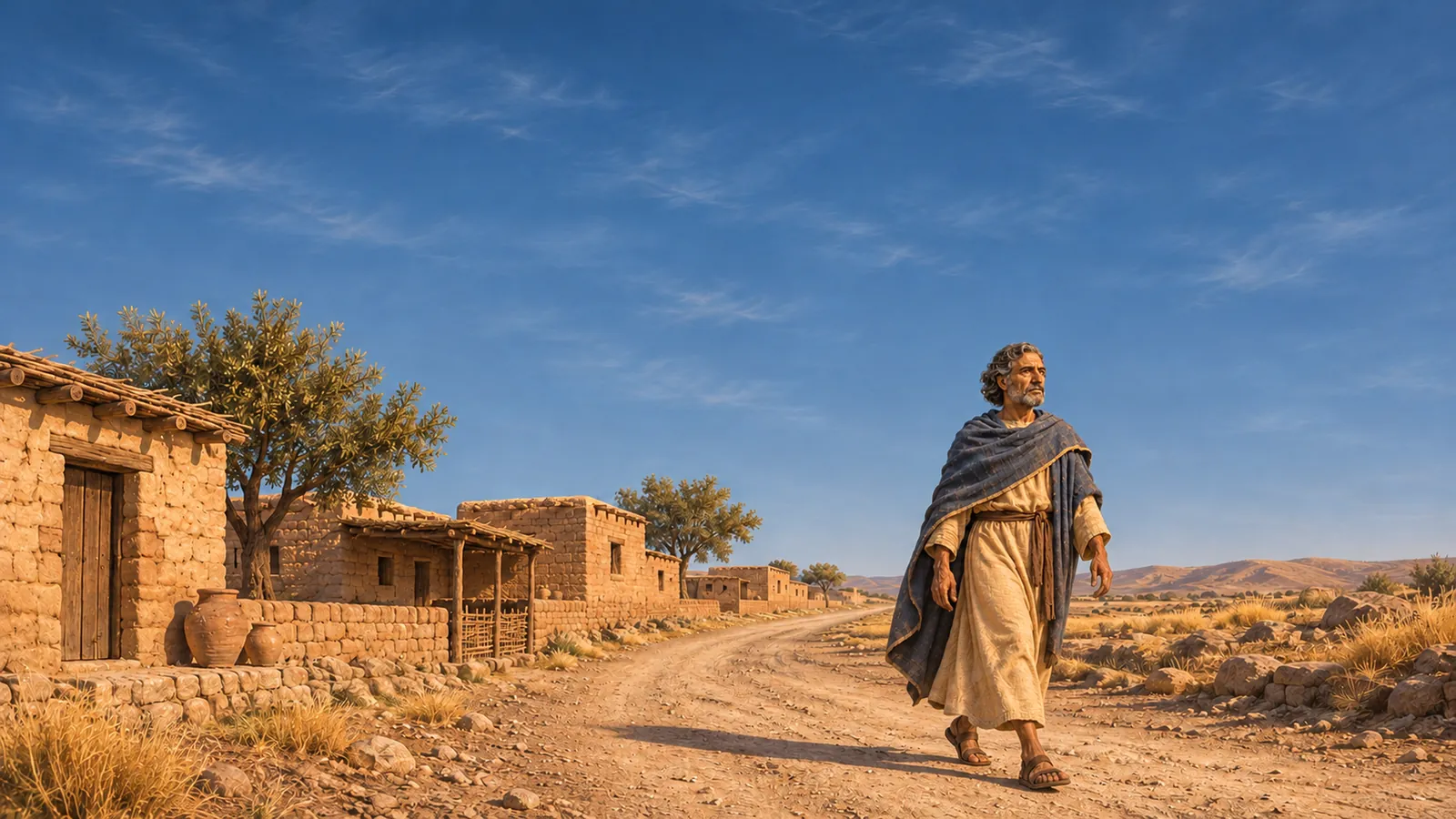
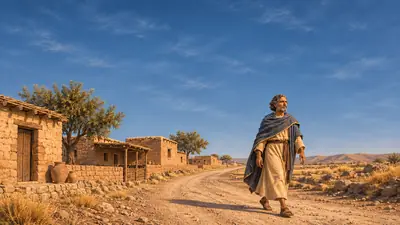
Al rey le alegra la promesa de Ahiqar y le hace regalos. Ahiqar recibe permiso para partir y emprende el viaje a Egipto.
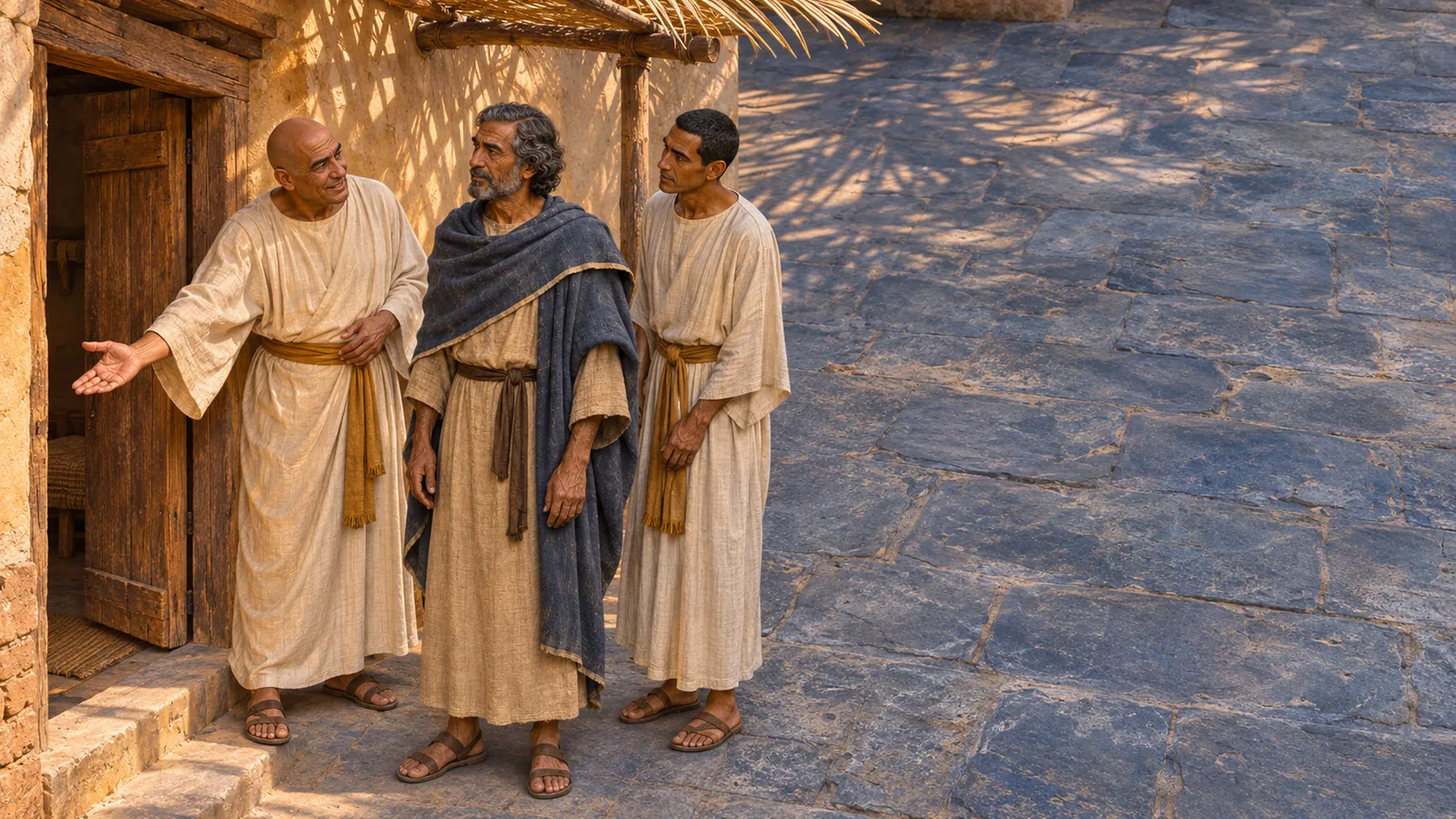
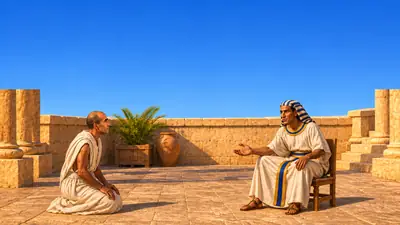
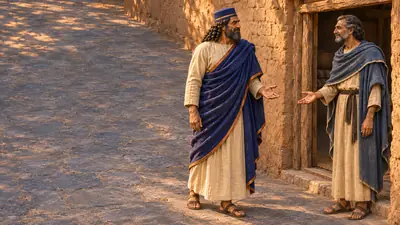
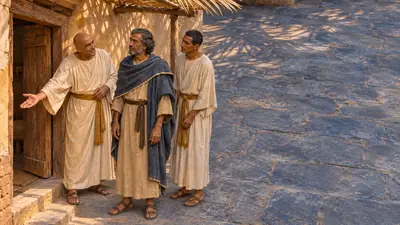
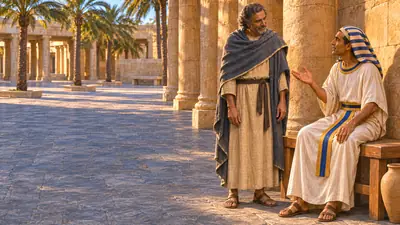
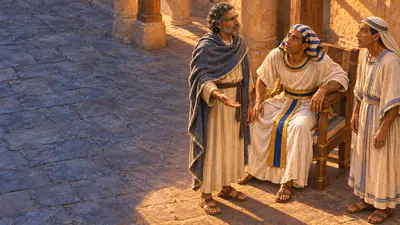
Cuando Ahiqar llega a la puerta del faraón, los nobles anuncian la llegada del enviado del rey de Asiria. El faraón le ofrece alojamiento y lo recibe al día siguiente.
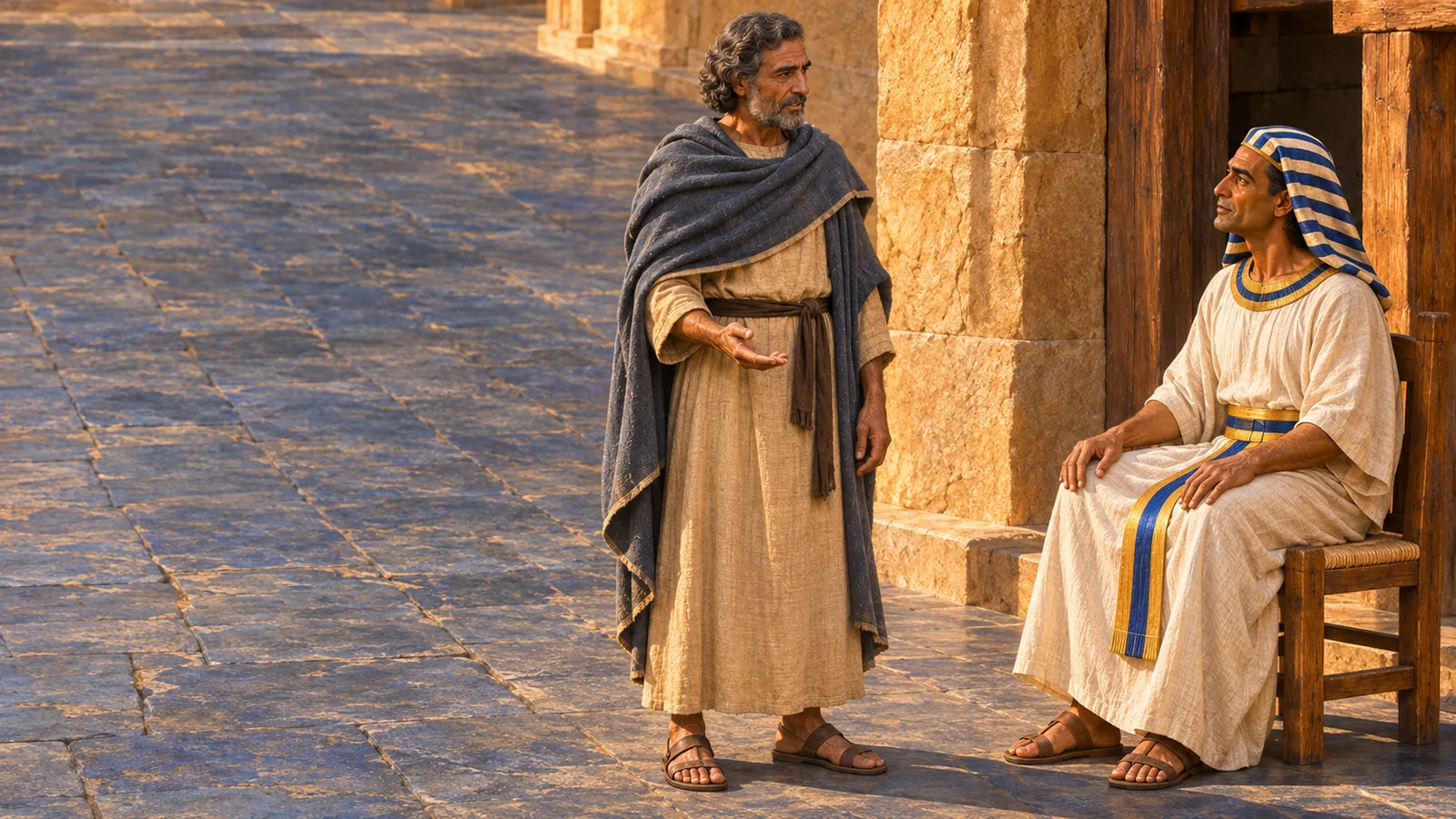
ABIKAM
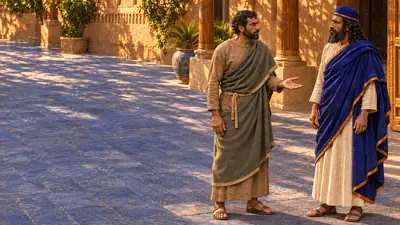
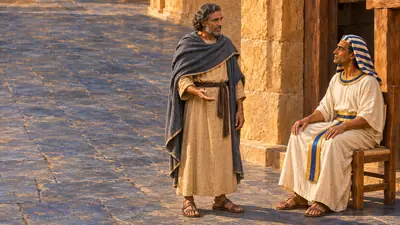
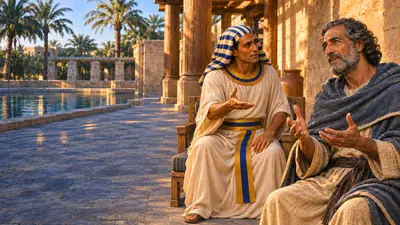
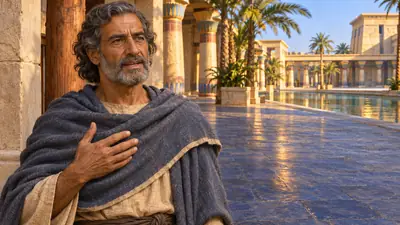
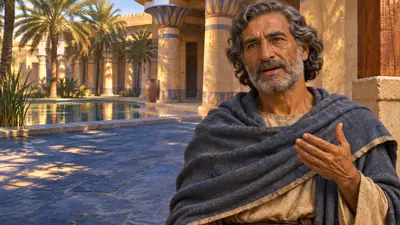
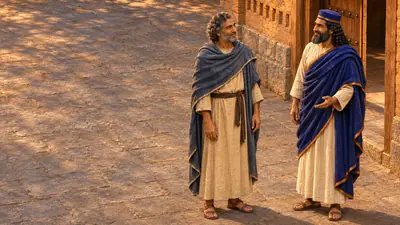
Cuando el faraón le pregunta quién es, Ahiqar se presenta como Abikam. Dice que es uno de los más humildes de su reino y se compara con una hormiga.
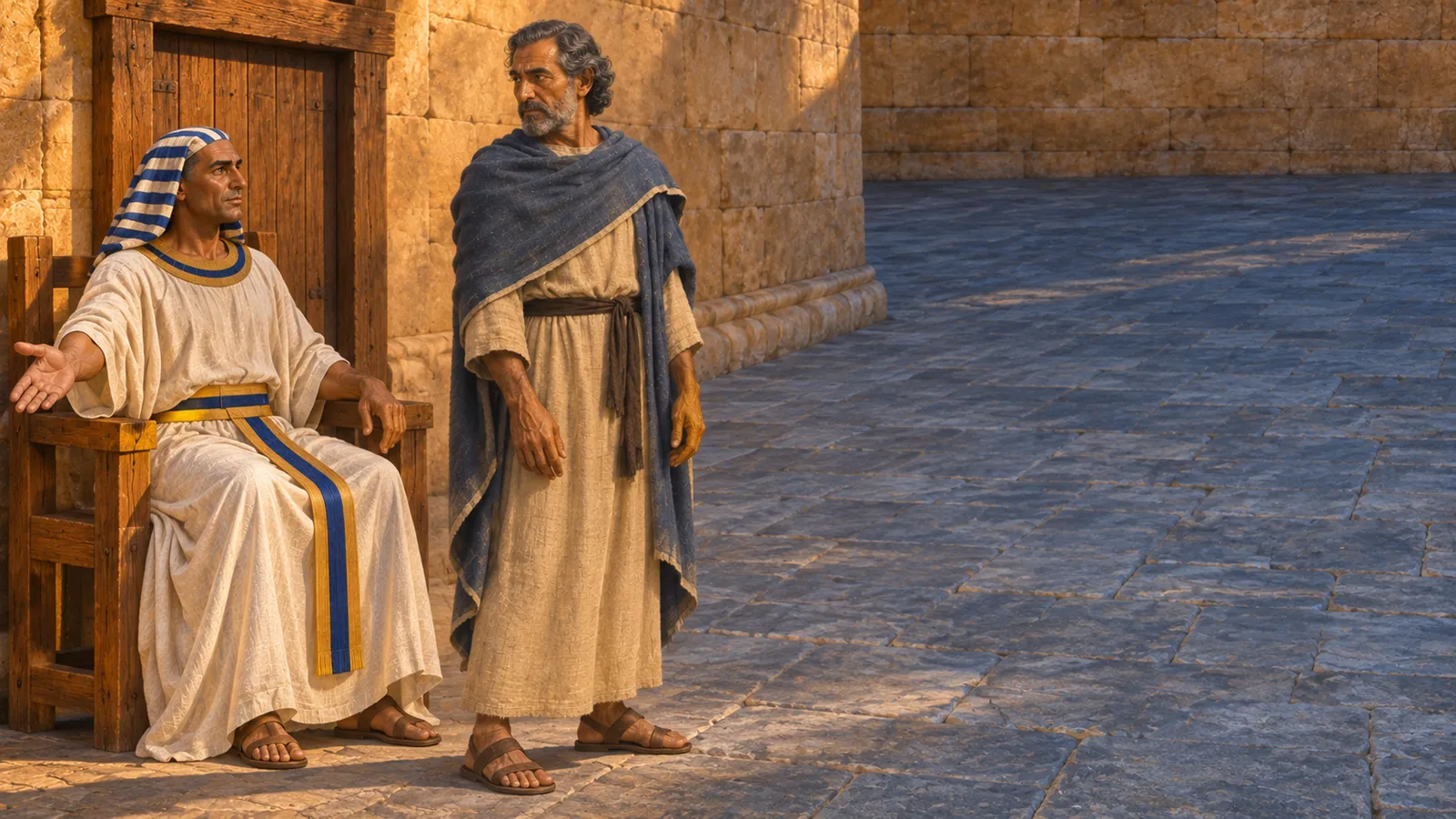
El faraón toma la comparación como un desaire. Envía a Abikam de vuelta a su alojamiento y le dice que regrese temprano a la mañana siguiente.
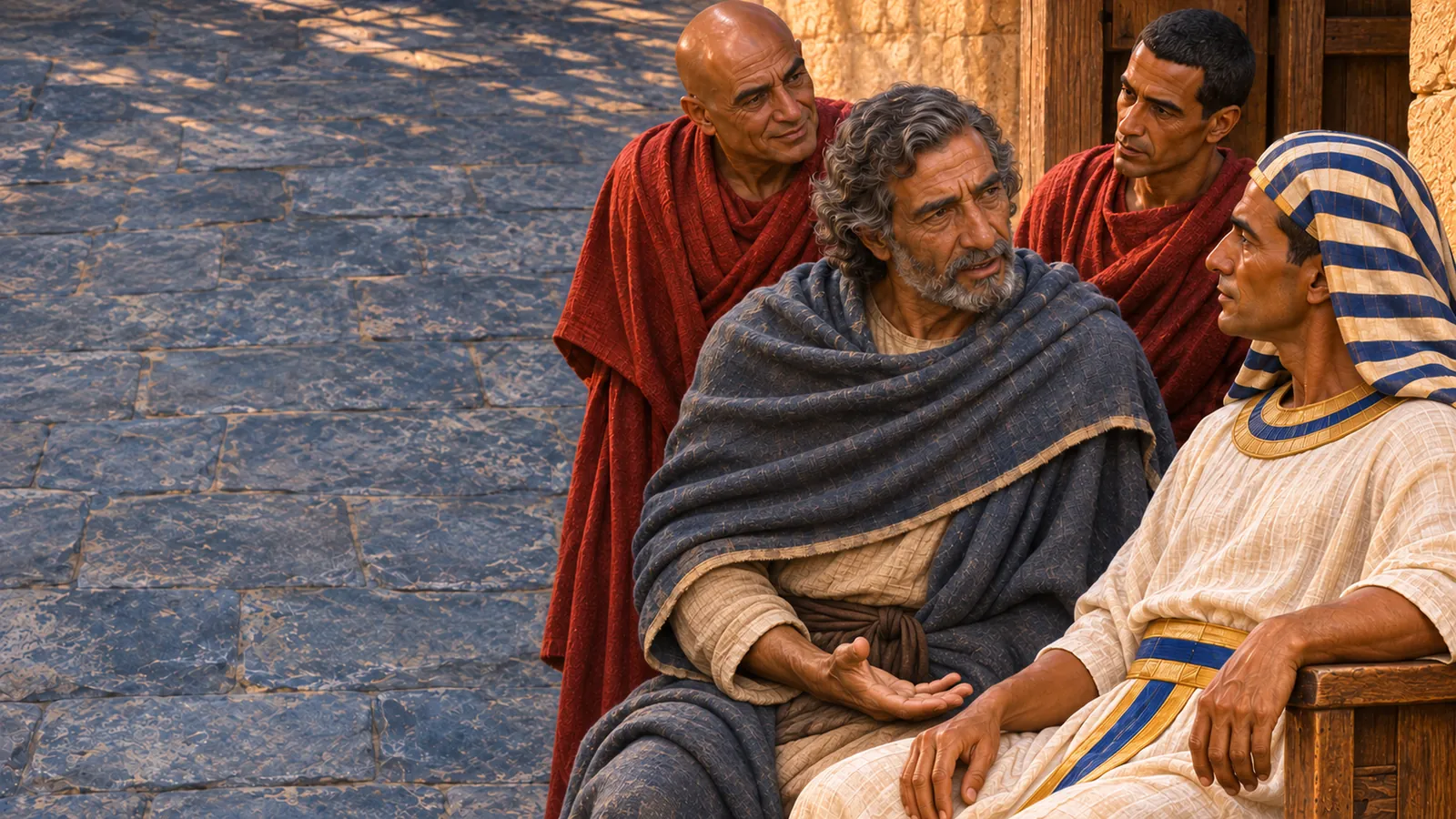
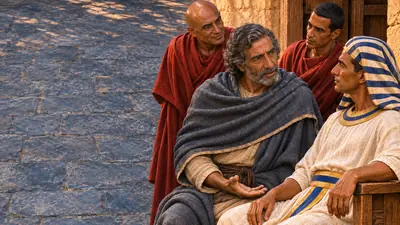
Los nobles visten de rojo y el faraón lleva lino fino. Ante la pregunta de a quién se parecen, Ahiqar compara al faraón con Bel y a los nobles con sus sacerdotes.
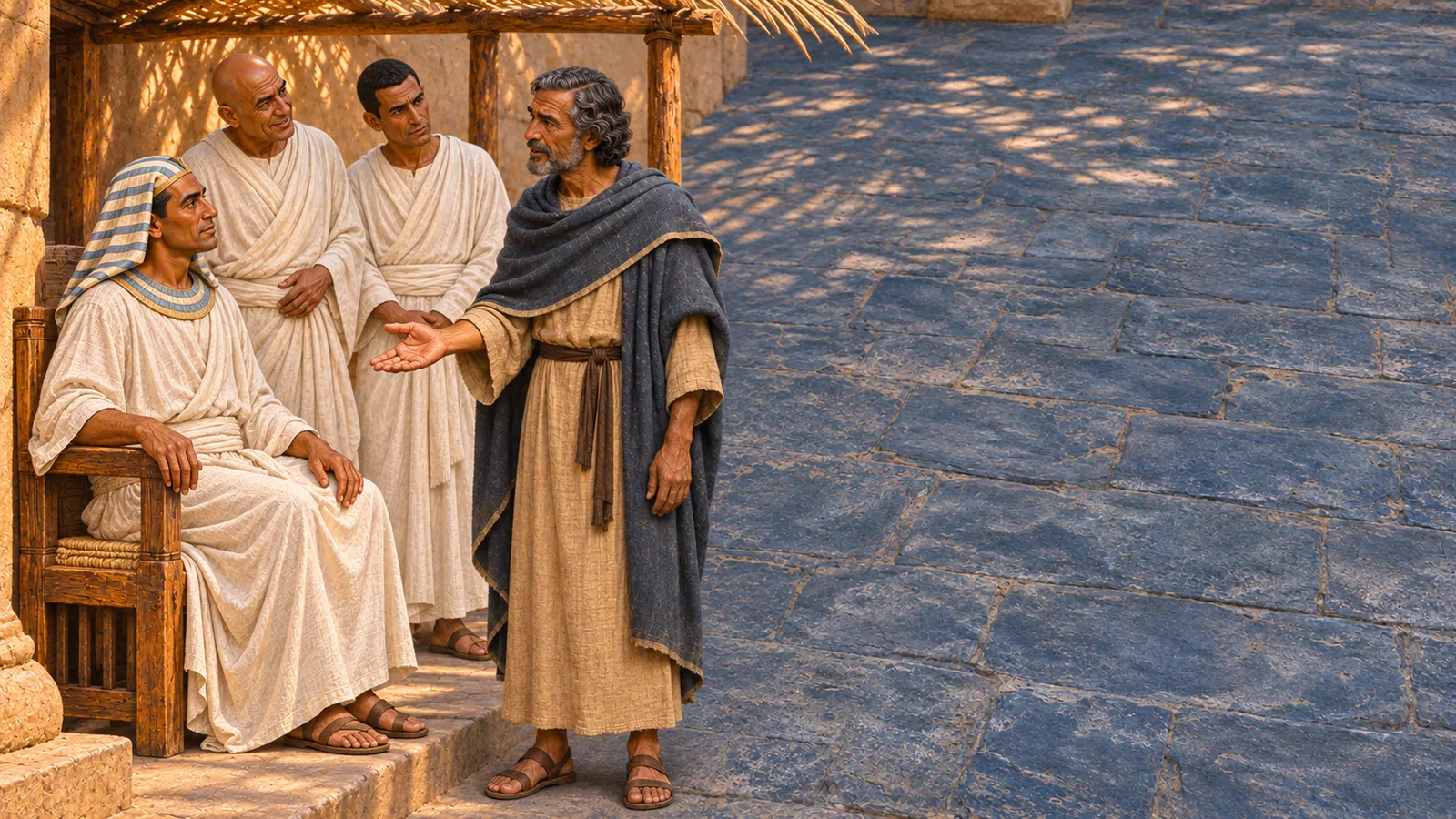
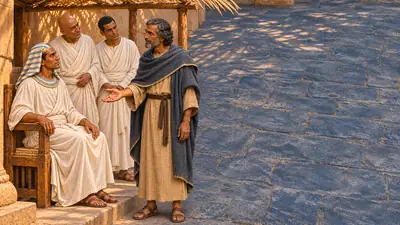
Otro día el faraón y sus nobles visten de blanco. Ahiqar compara al rey con el sol y a los nobles que lo rodean con sus rayos.
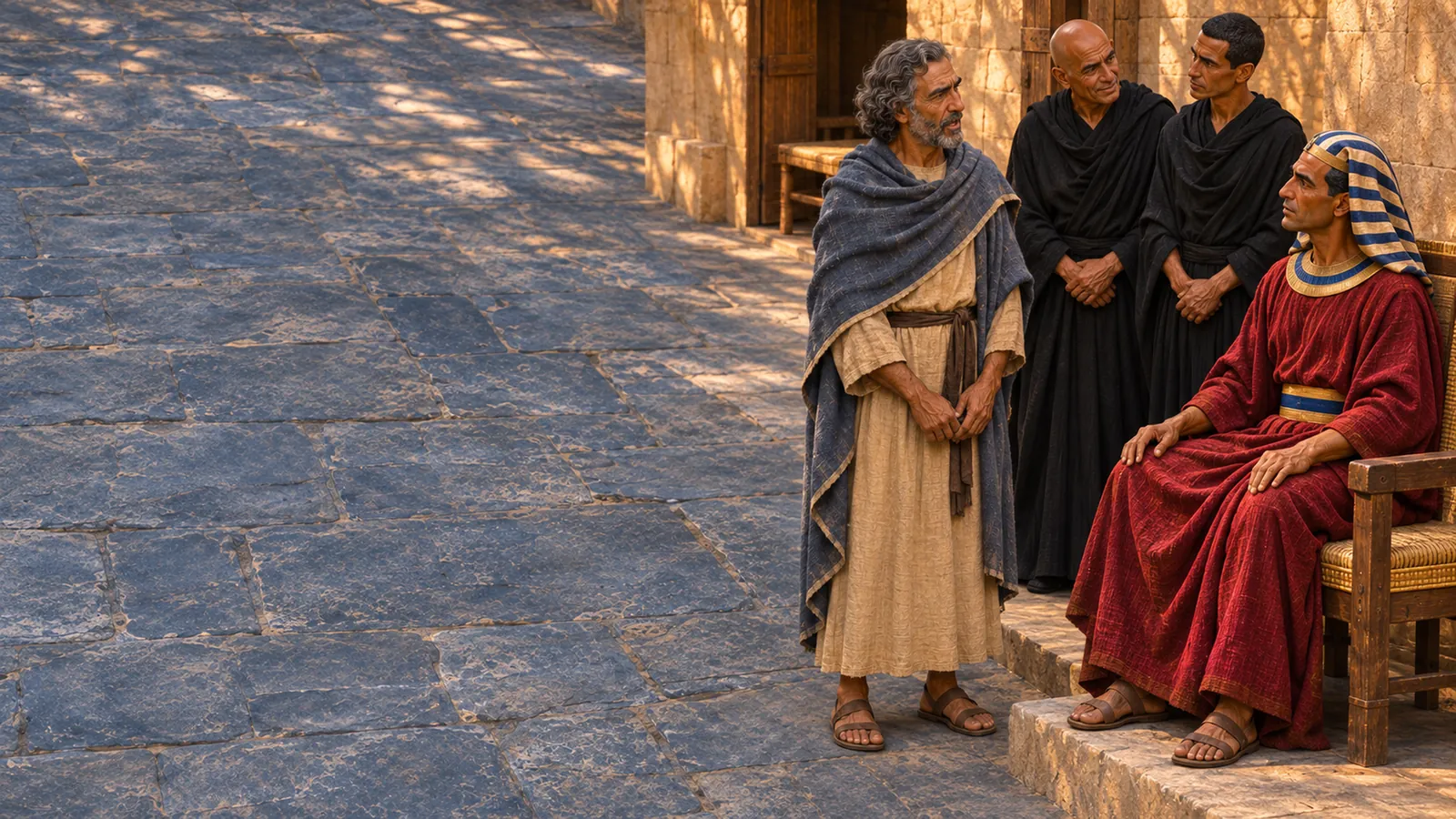
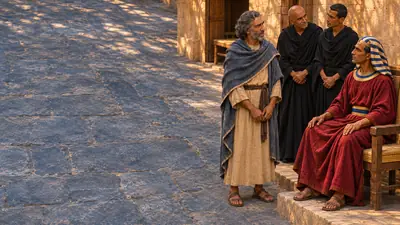
La vez siguiente los nobles van de negro y el faraón viste de carmesí. Ahiqar responde que el faraón es como la luna y sus nobles como las estrellas.
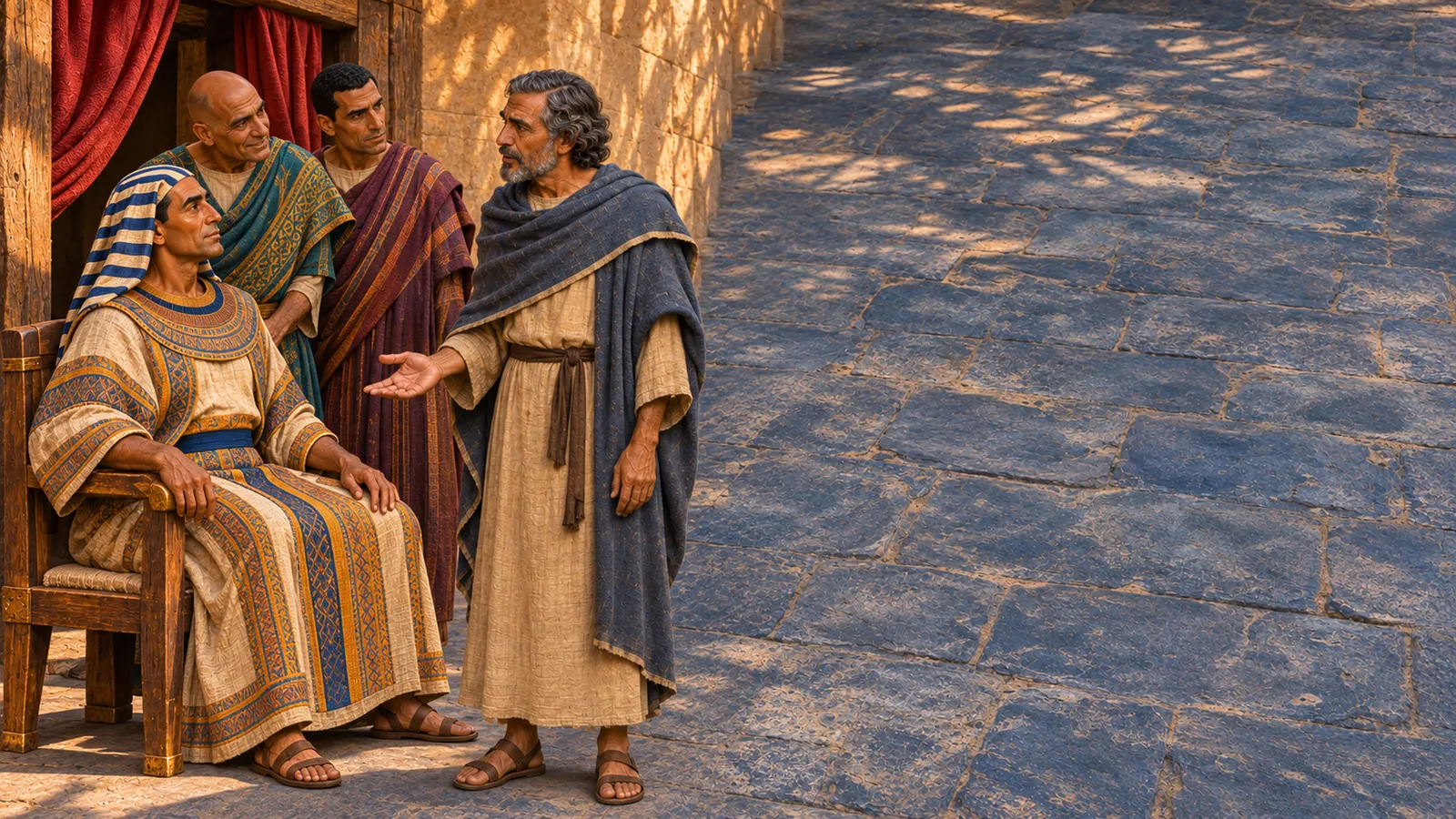
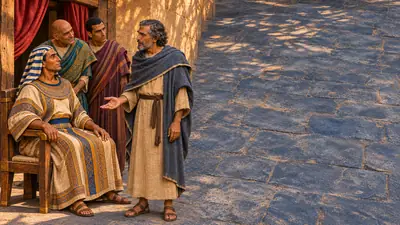
Los nobles llegan vestidos de muchos colores, de las puertas del palacio cuelgan telas rojas y el faraón lleva una tela labrada. Ahiqar lo compara con el mes de Nisán y a los nobles con sus flores.
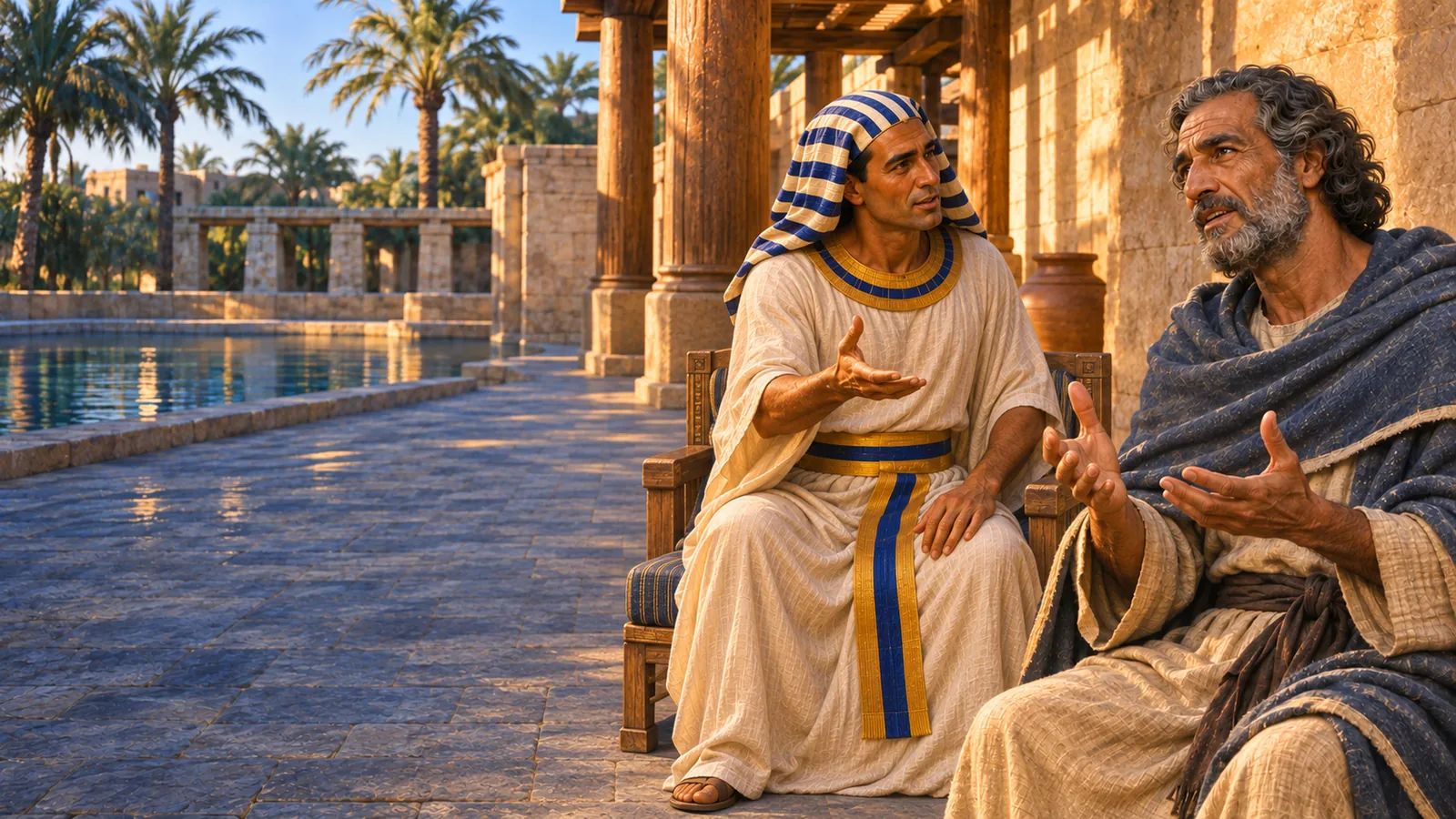
El faraón pregunta a qué se parece Senaquerib. La respuesta conservada habla de relámpagos y de un tiempo capaz de ocultar el sol y la luna. Parte de las palabras fue borrada.
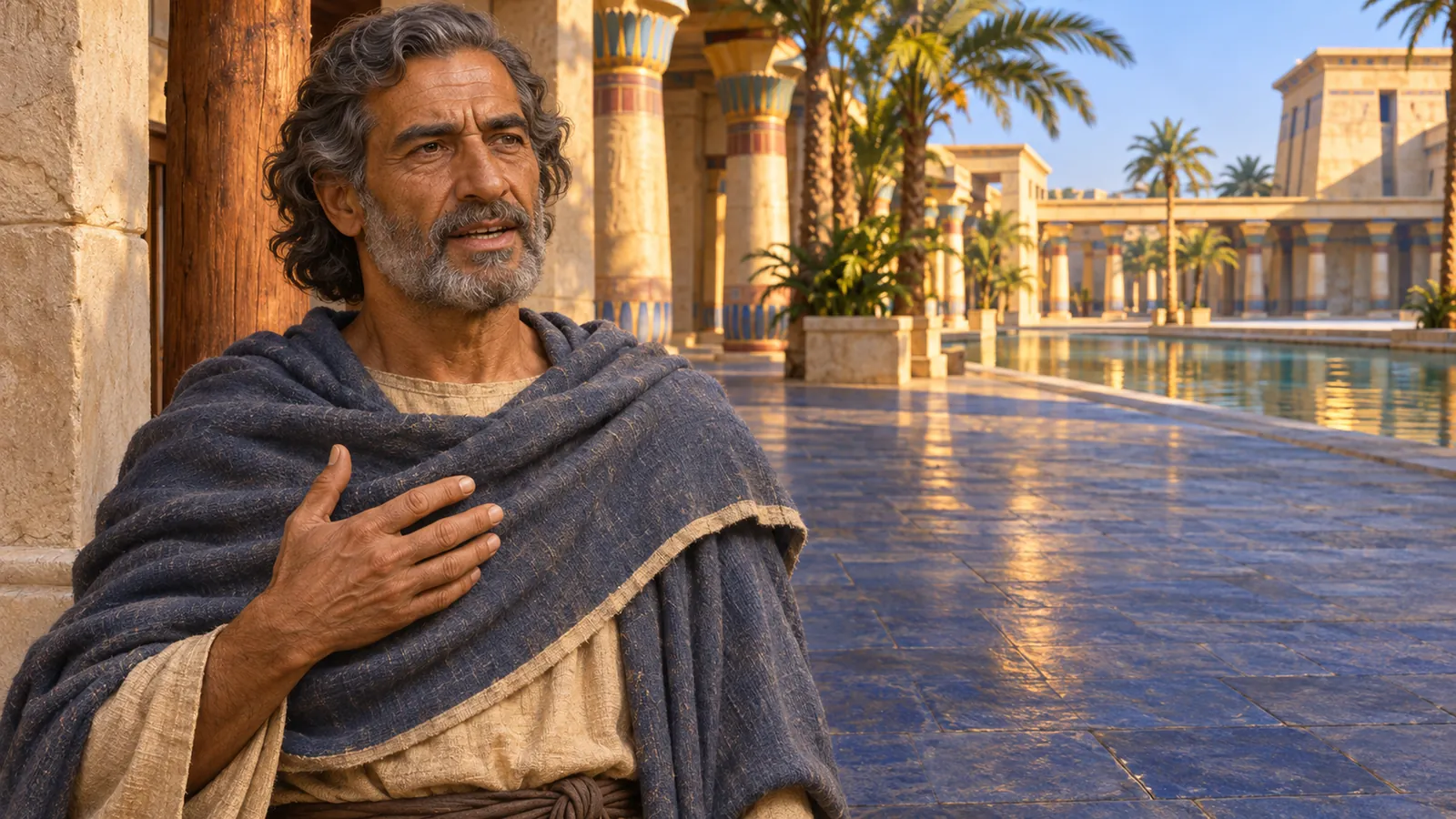
EL NOMBRE DE AHIQAR
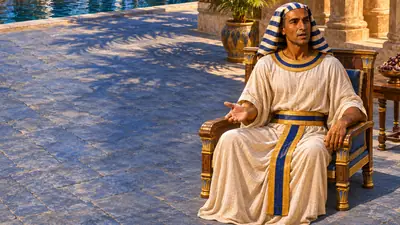
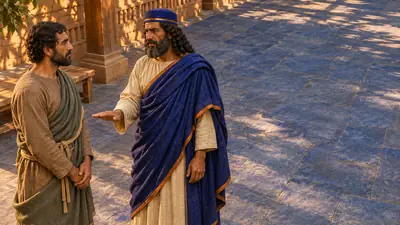
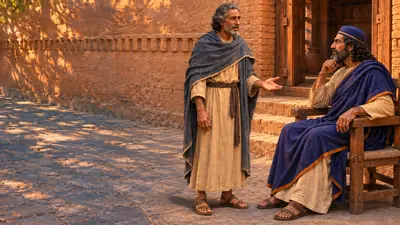
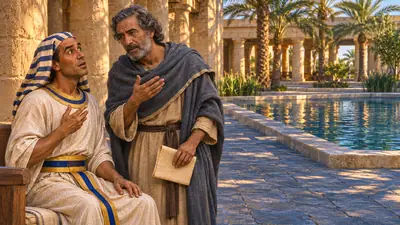
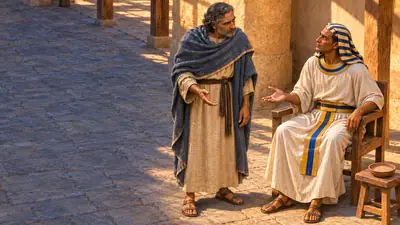
El faraón insiste en conocer el verdadero nombre del visitante. Él responde que es Ahiqar, secretario y guardián del gran sello de Senaquerib.
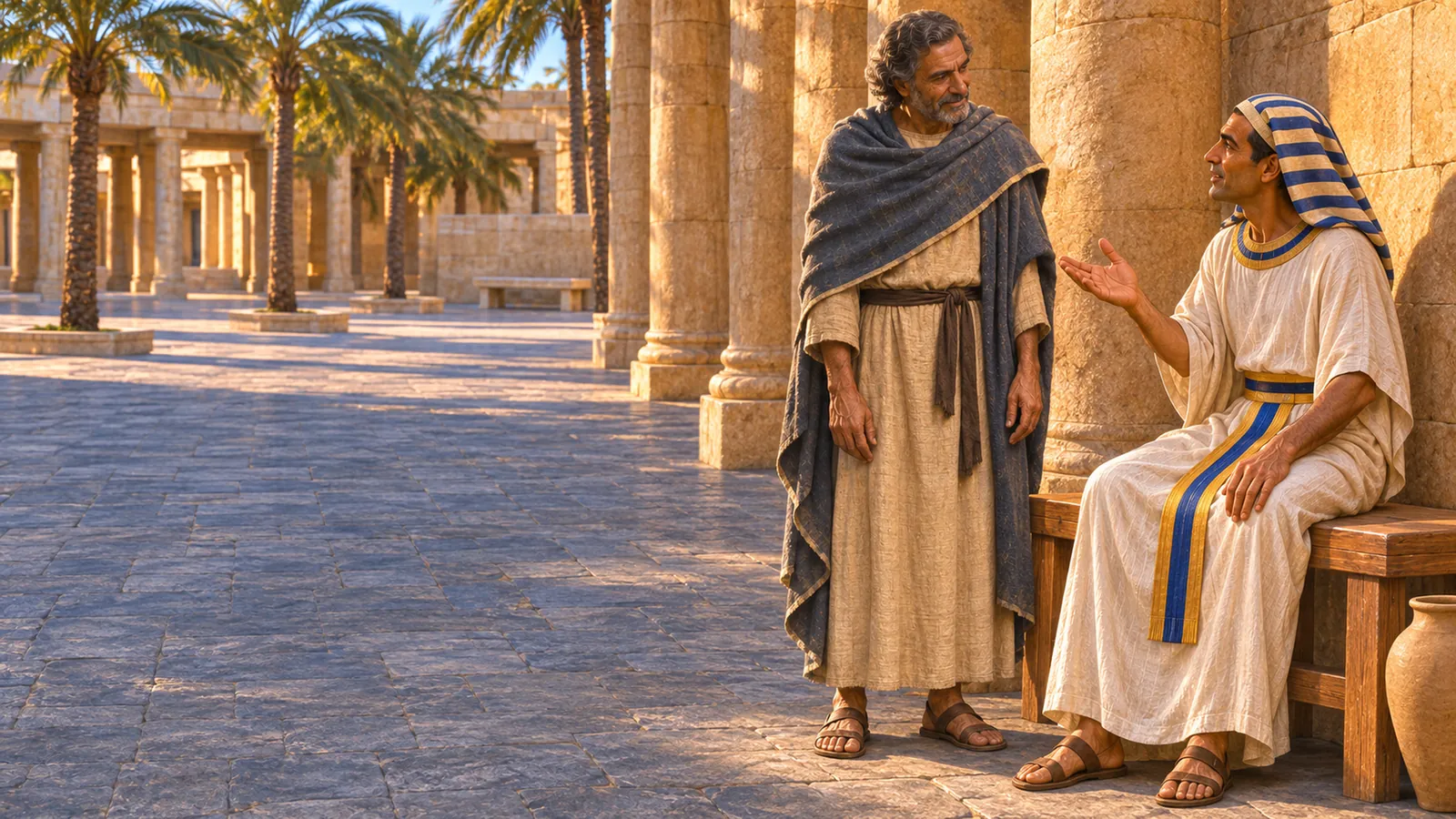
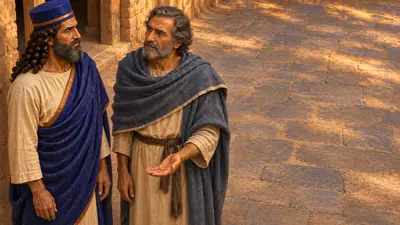
El faraón dice que había oído que Ahiqar estaba muerto. Cuando Ahiqar le dice que sigue vivo, el faraón le pide algo que ni él ni su corte hayan oído antes.
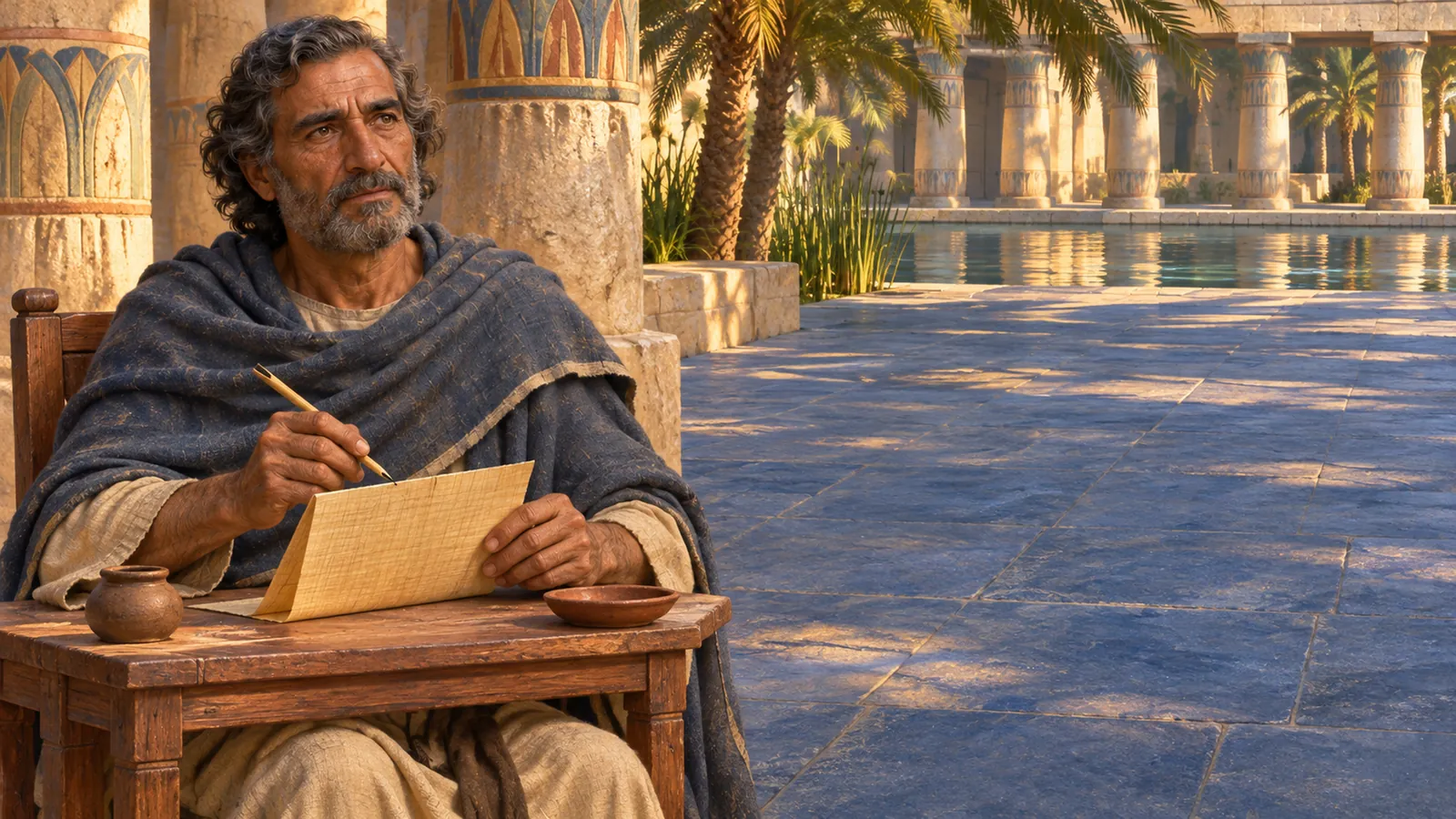
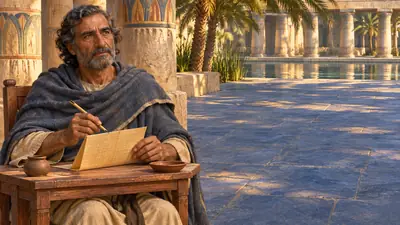
Ahiqar escribe una carta como si viniera del faraón. En ella el rey de Egipto pide a Senaquerib que le preste novecientos talentos de plata.
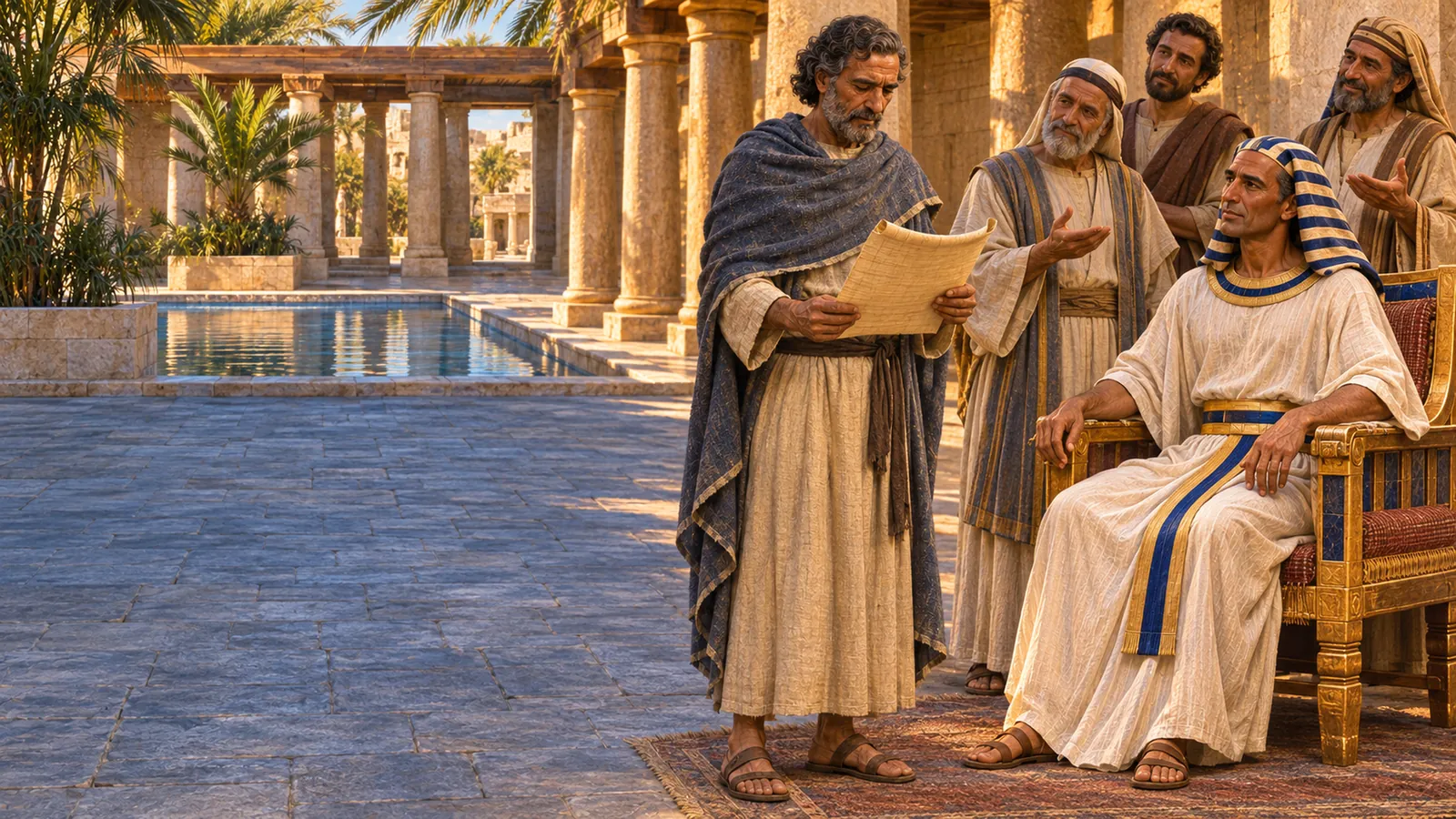
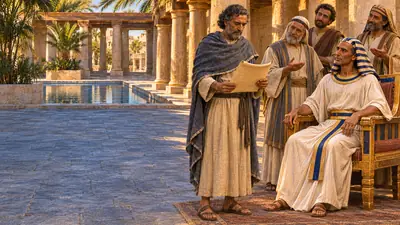
Ahiqar lleva la carta y se la lee al faraón y a los nobles. Tal como les ha indicado el faraón, todos dicen que ya han oído esas palabras.
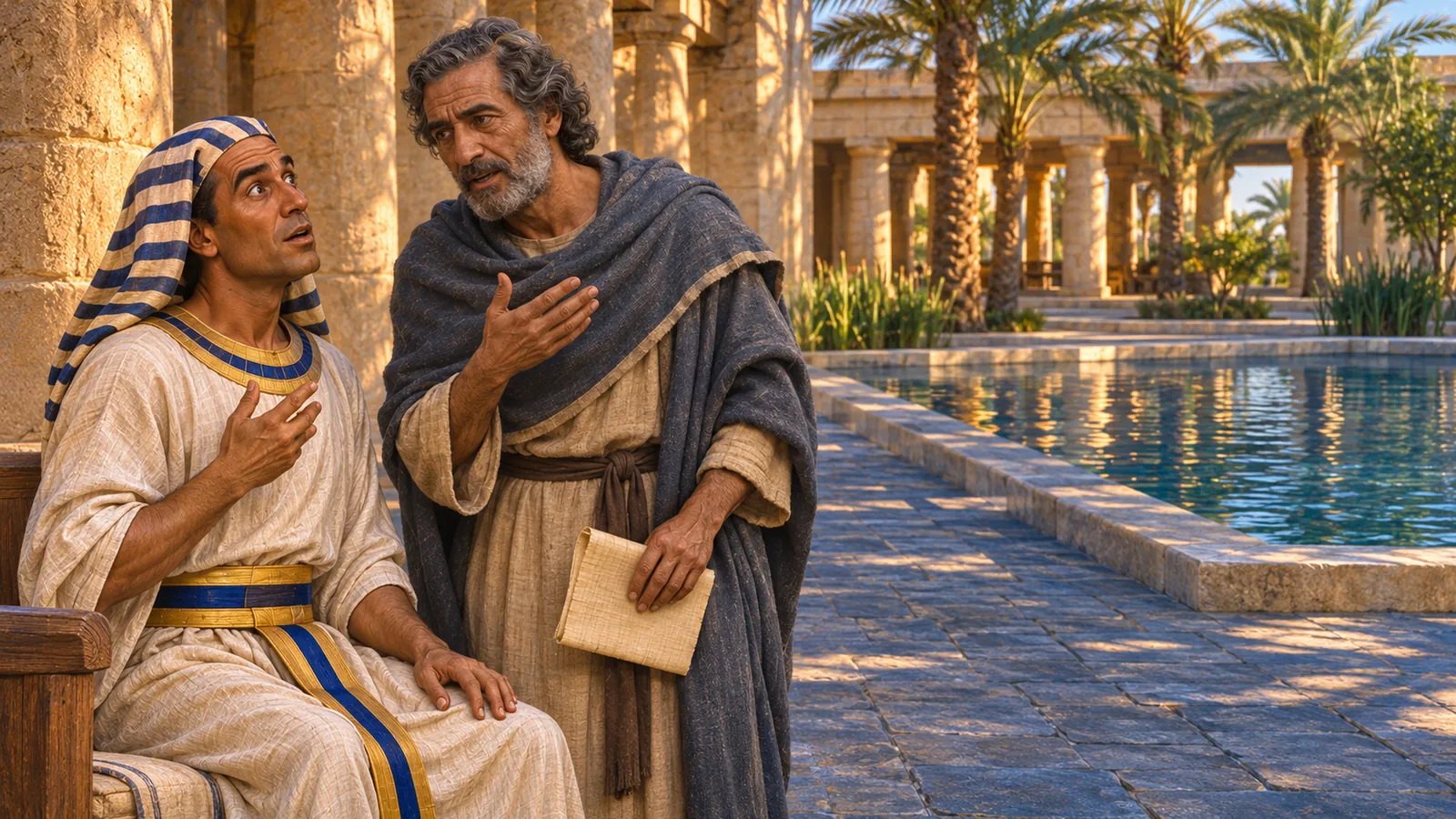
Ahiqar toma a la corte por su palabra. Si reconocen la carta, dice, han reconocido una deuda de Egipto con Asiria, y el faraón se asombra.
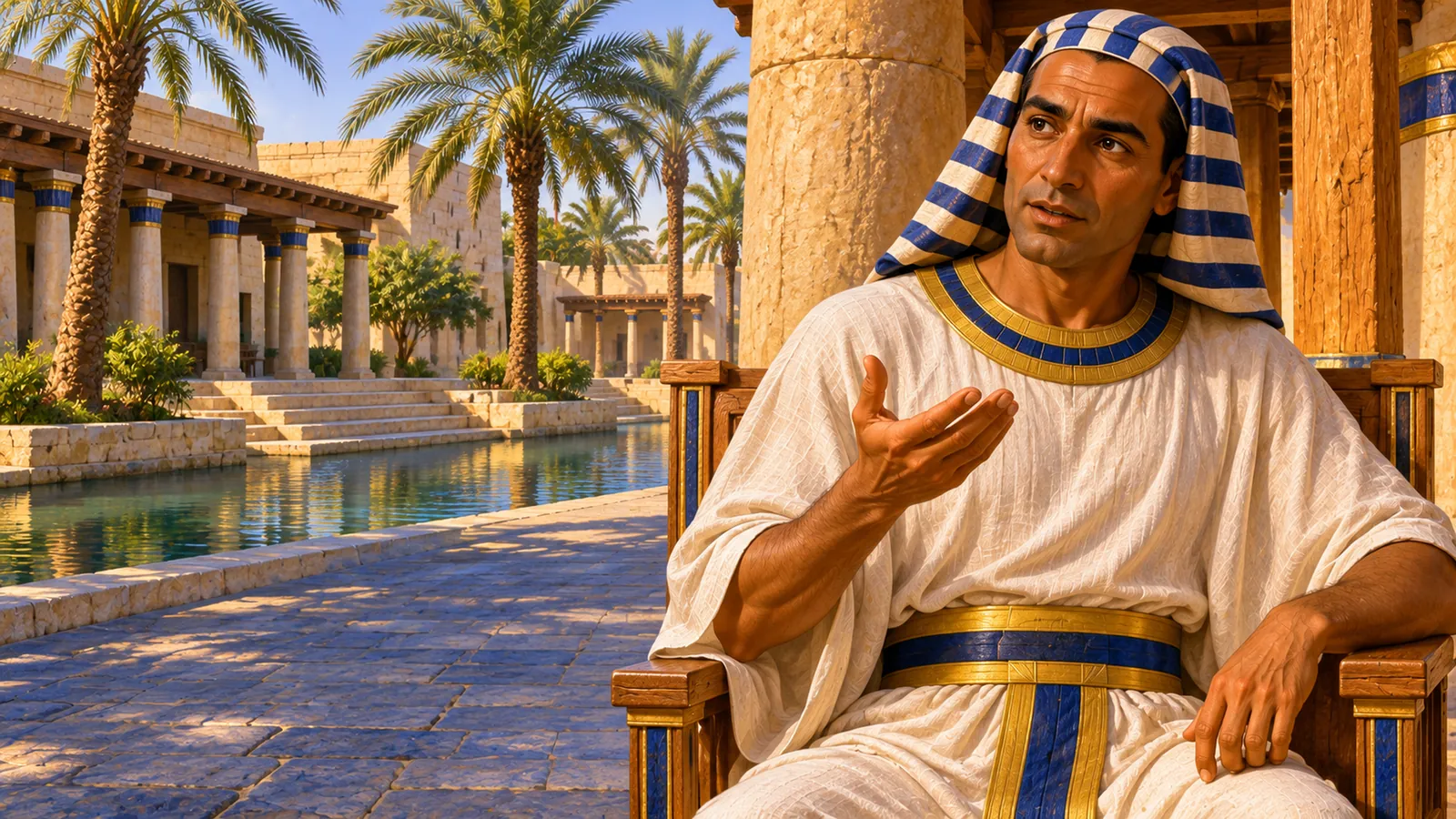
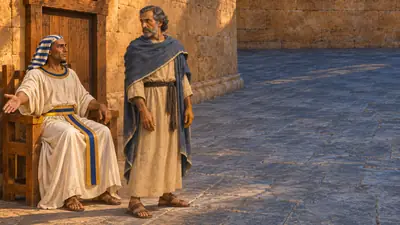
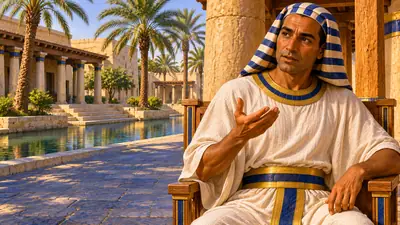
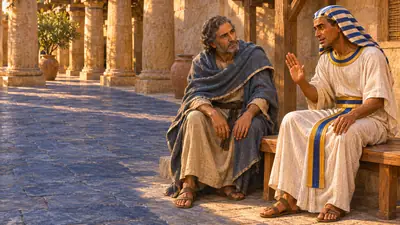
El faraón vuelve a su primera propuesta. Habla de un palacio muy por encima de la tierra y pide a Ahiqar que responda al desafío.
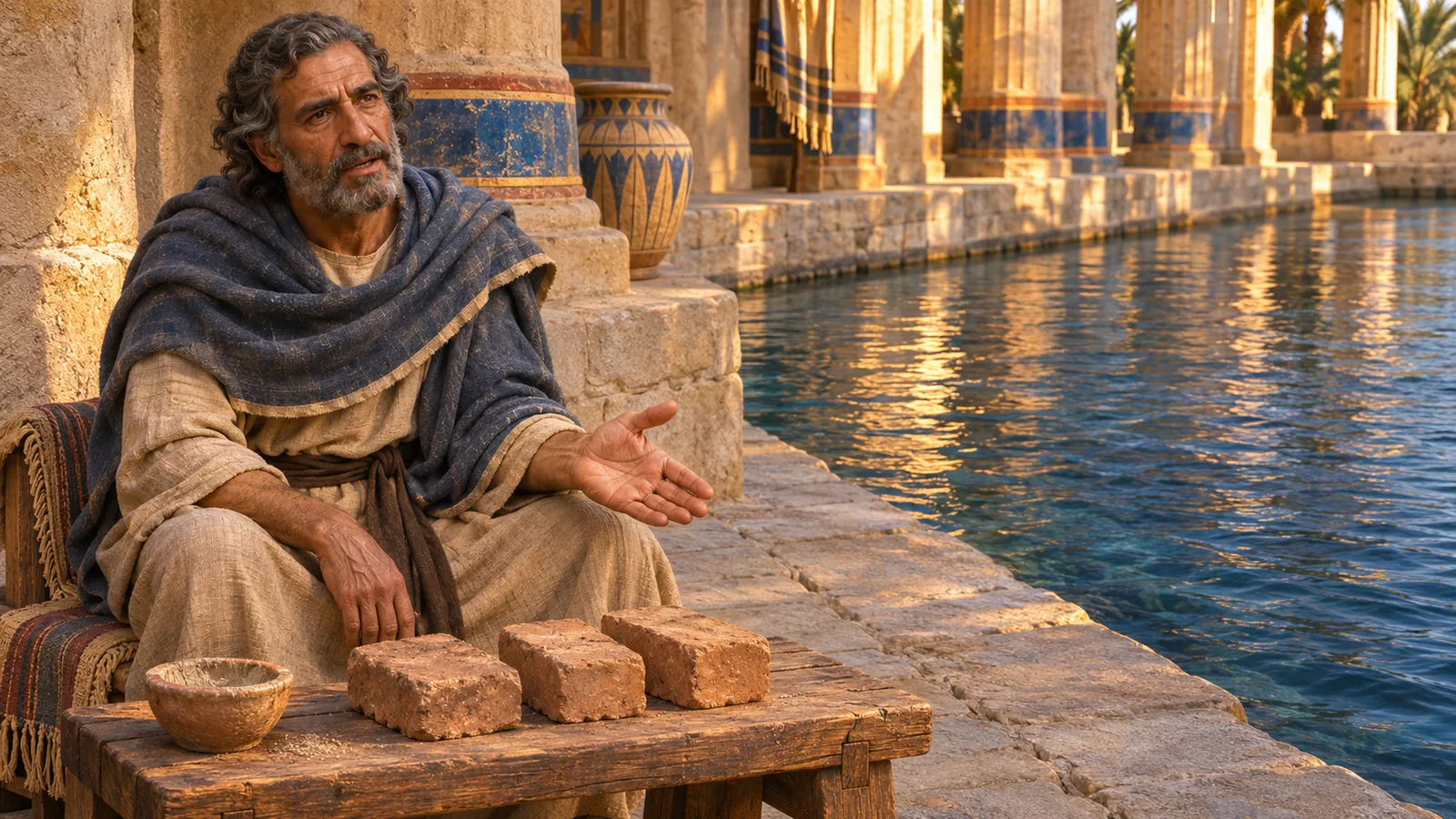
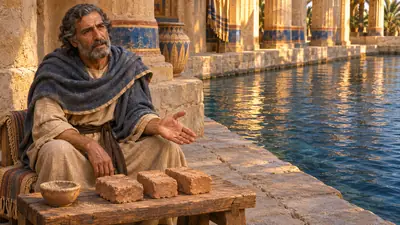
La respuesta de Ahiqar devuelve la atención del rey a los materiales comunes. Los constructores necesitarían mortero y ladrillos, y el faraón pregunta cómo podría alguien subirlos.
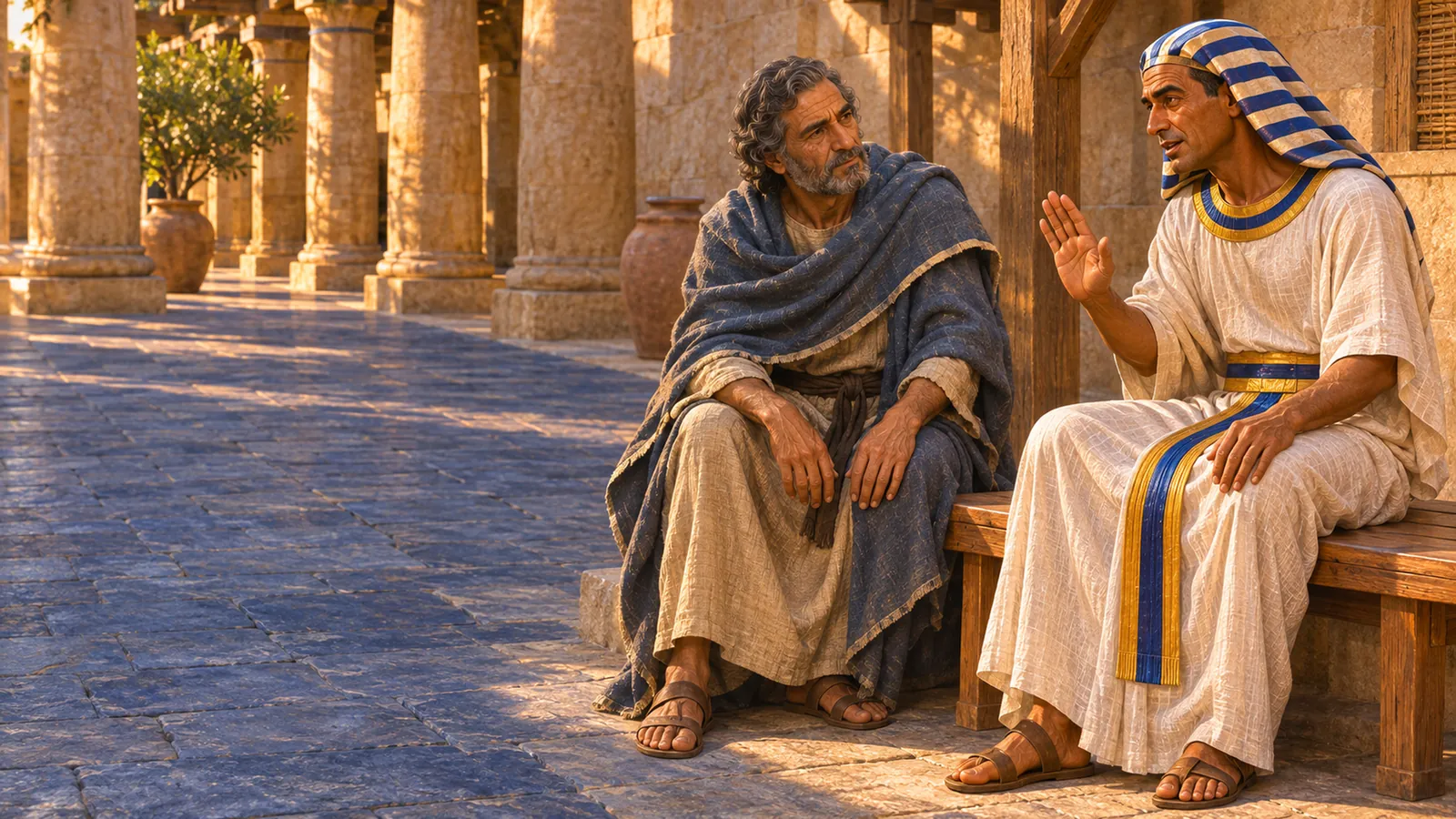
El faraón le dice a Ahiqar que deje de lado el palacio y vuelva a su alojamiento. Le pide que comparezca de nuevo ante la corte a la mañana siguiente.
UN ACERTIJO SOBRE EL TIEMPO
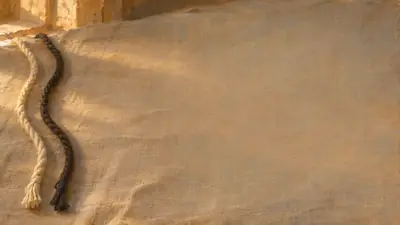
En otra prueba, el faraón describe una columna que sostiene doce cedros. Cada cedro tiene treinta ruedas y cada rueda lleva un cordón blanco y otro negro.
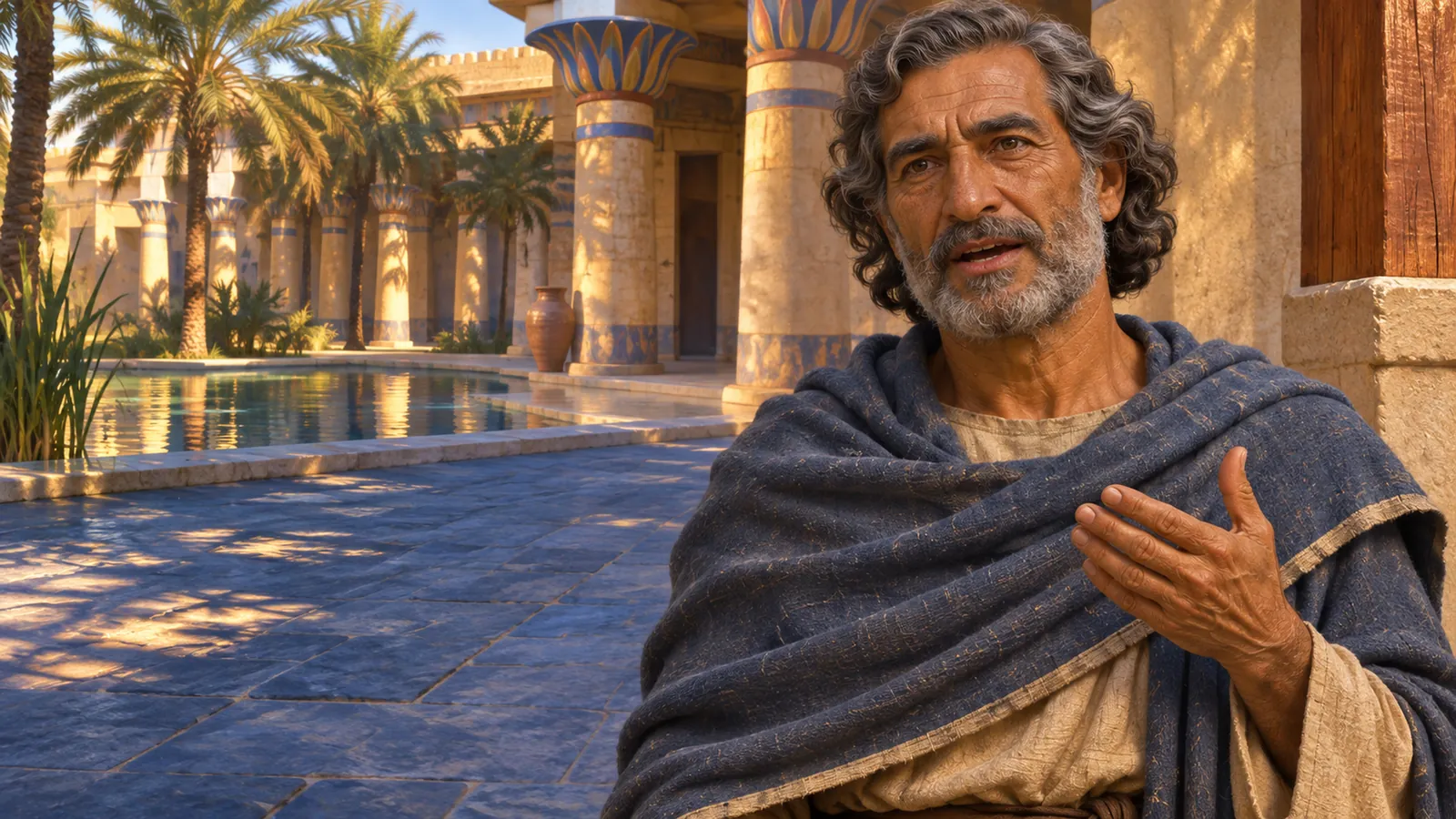
Ahiqar dice que hasta los pastores de ganado de su país conocen este acertijo. La columna representa el año, y los doce cedros representan sus meses.
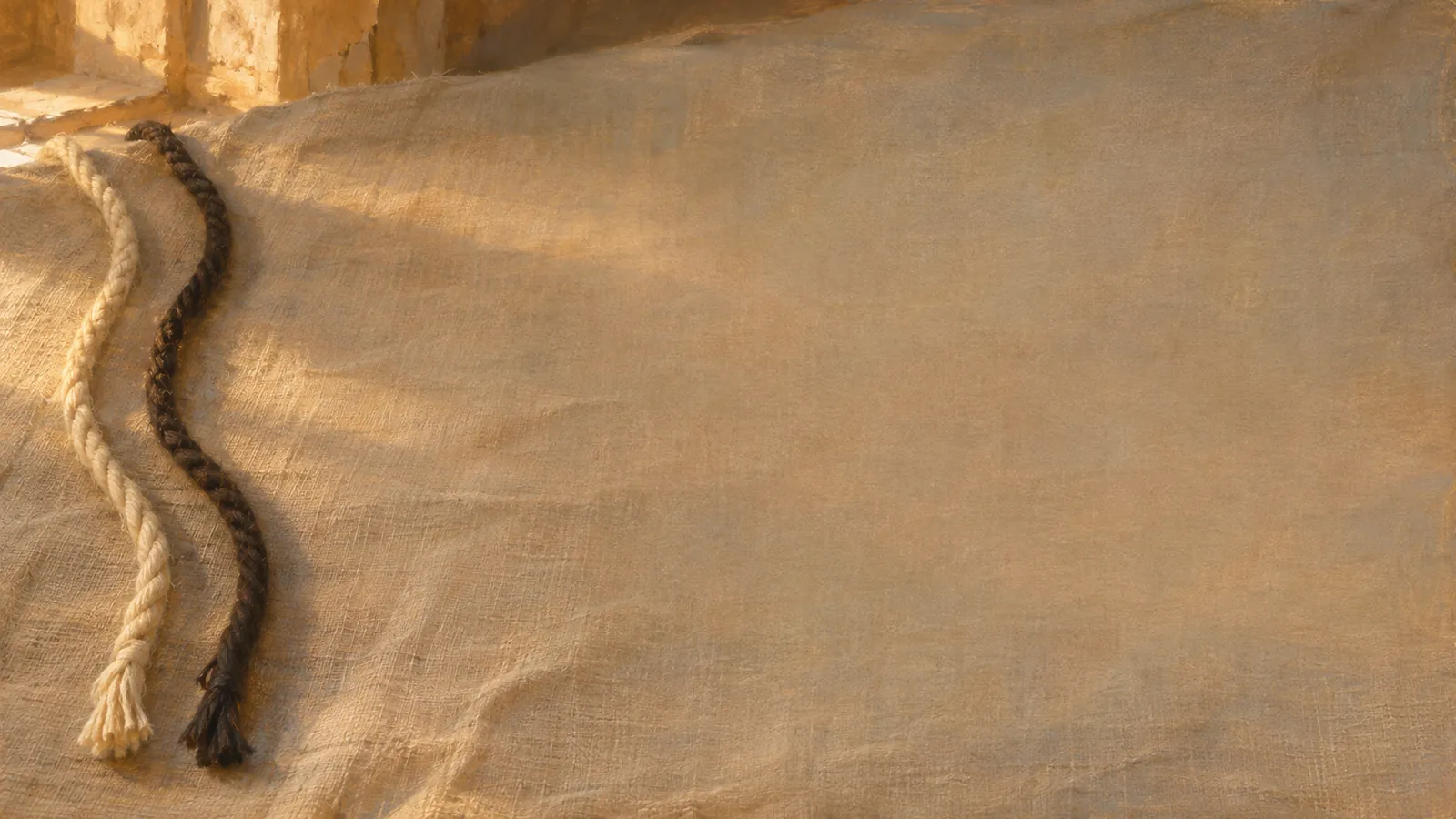
Ahiqar dice que las ruedas representan los días de cada mes en el acertijo. Los cordones de distinto color representan el día y la noche.
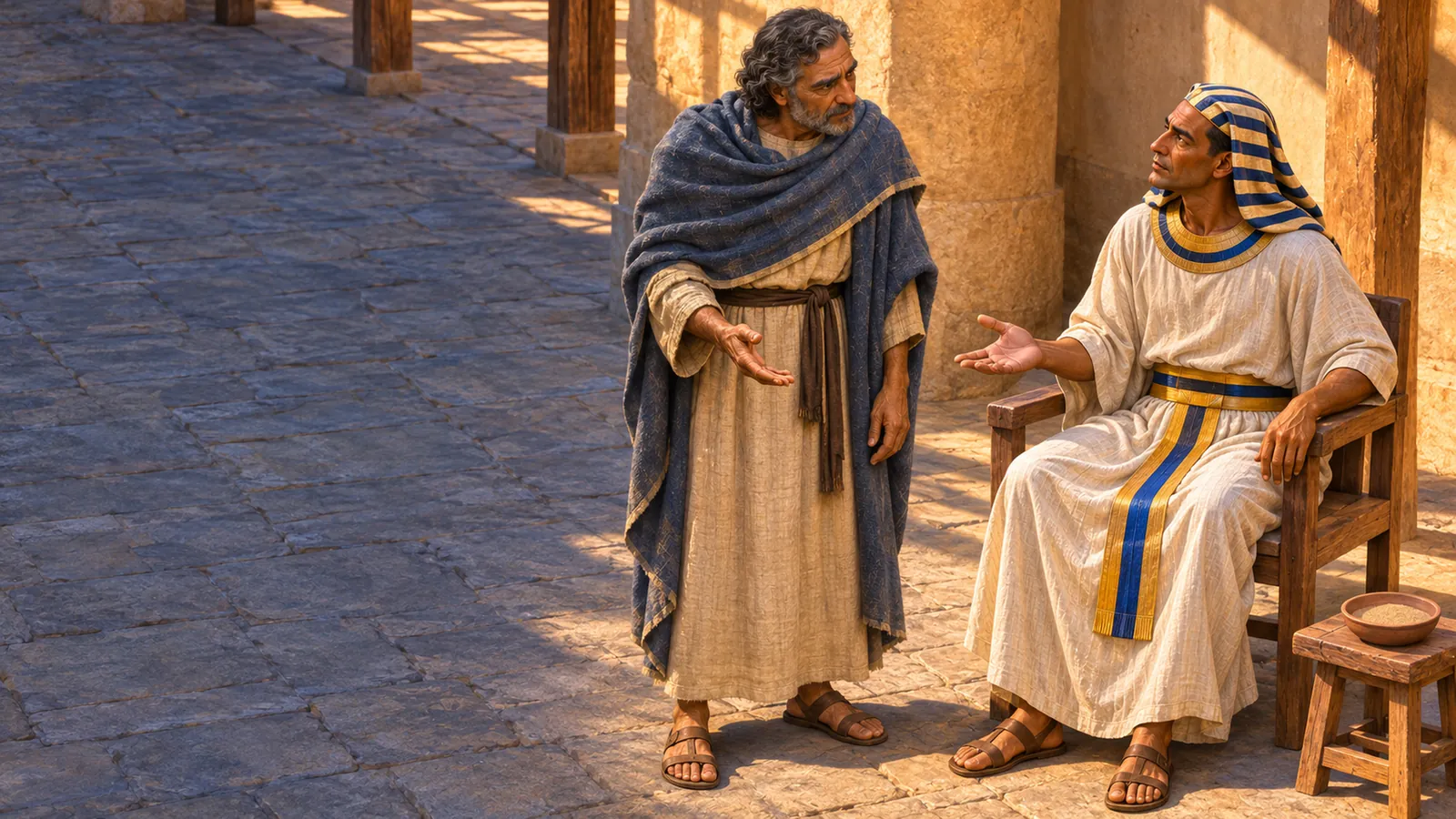
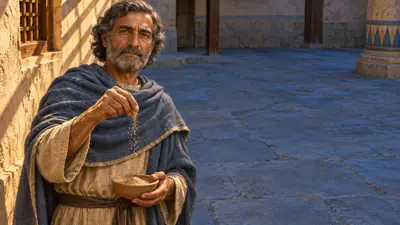
El faraón le pide a Ahiqar que haga cinco cuerdas con arena del río. Ahiqar pide un modelo del tesoro, pero el faraón dice que el tributo depende de esa tarea.
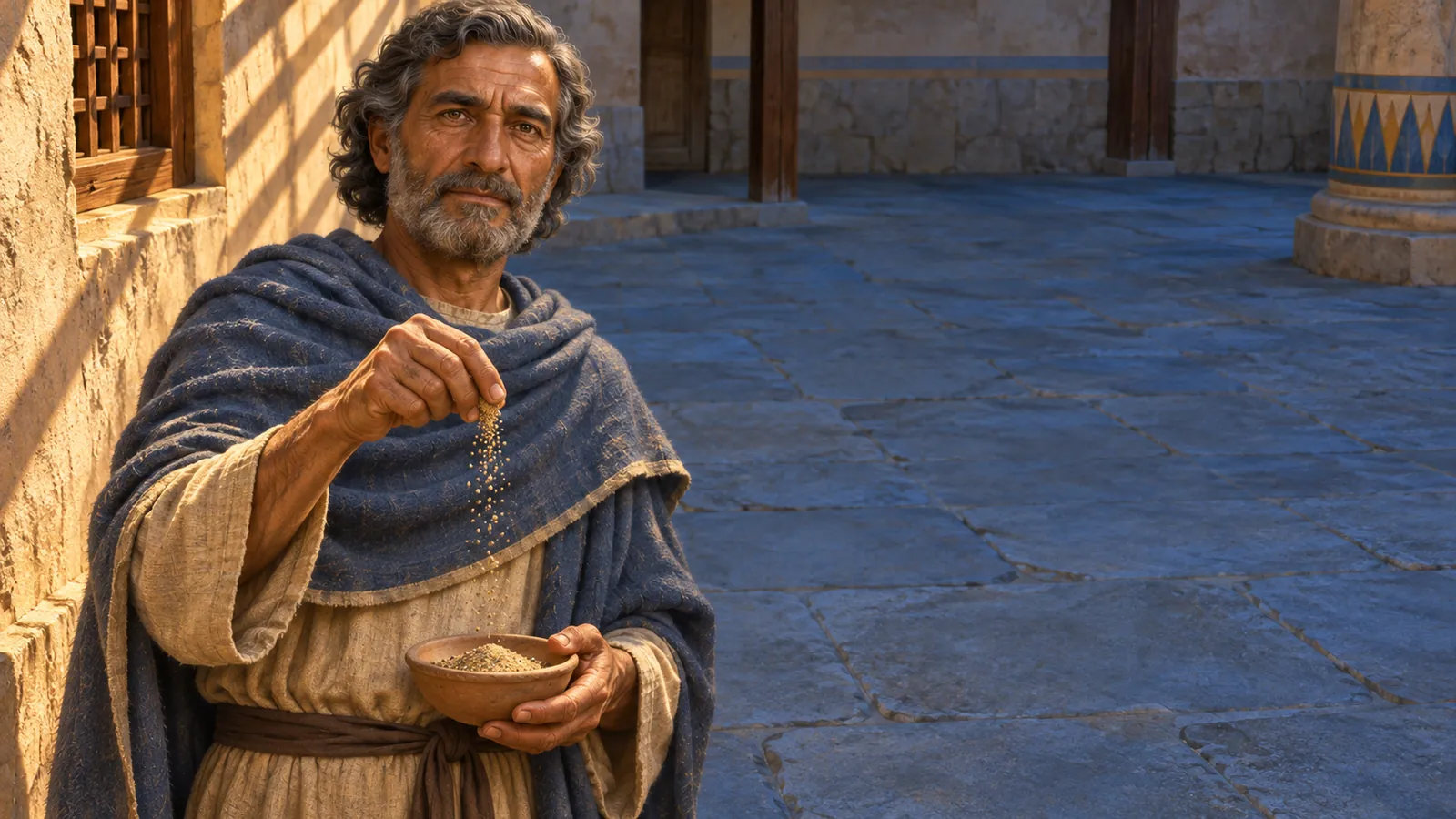
Ahiqar aprovecha la luz del sol junto al muro del palacio. Cuando deja pasar la arena por la luz, por un momento parece una cuerda.
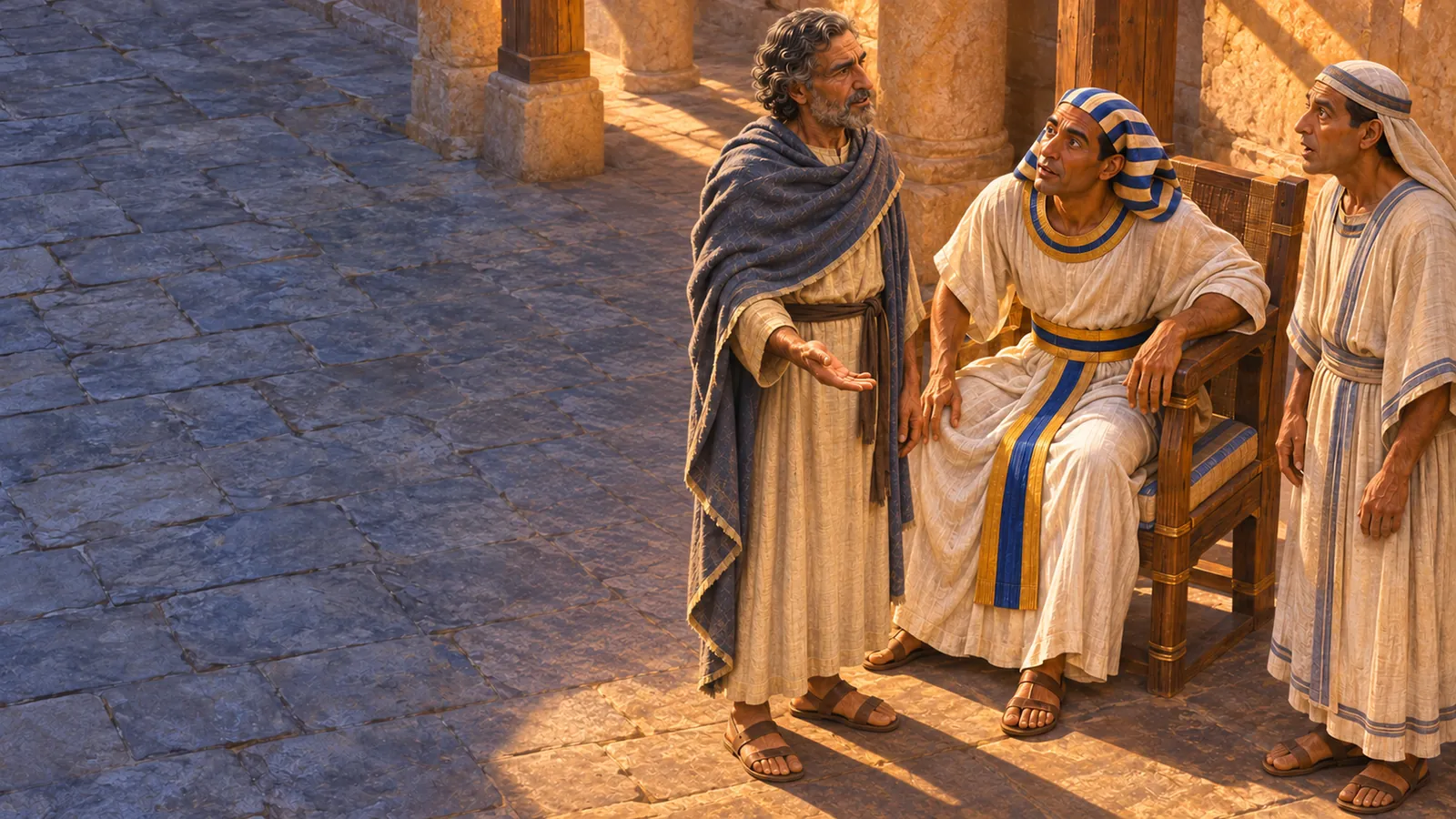
Ahiqar dice a la corte que tome las formas que ve y promete reemplazarlas. El faraón y sus nobles se maravillan ante la respuesta.
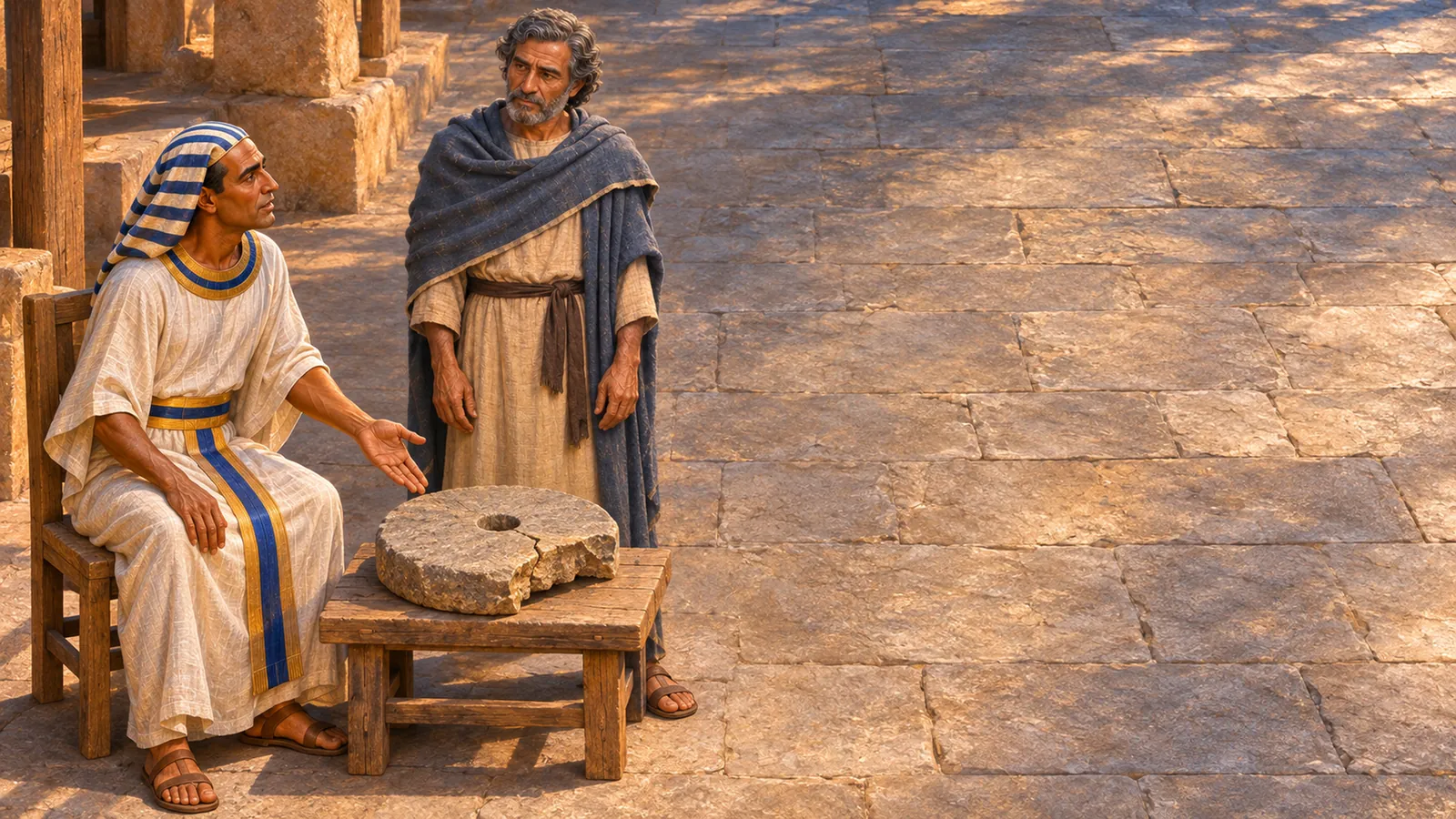
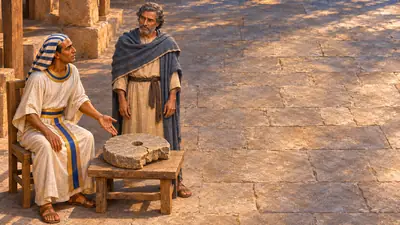
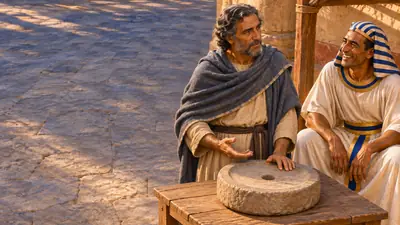
El faraón manda traer a Ahiqar la piedra superior rota de un molino. Le pide que la repare cosiéndola.
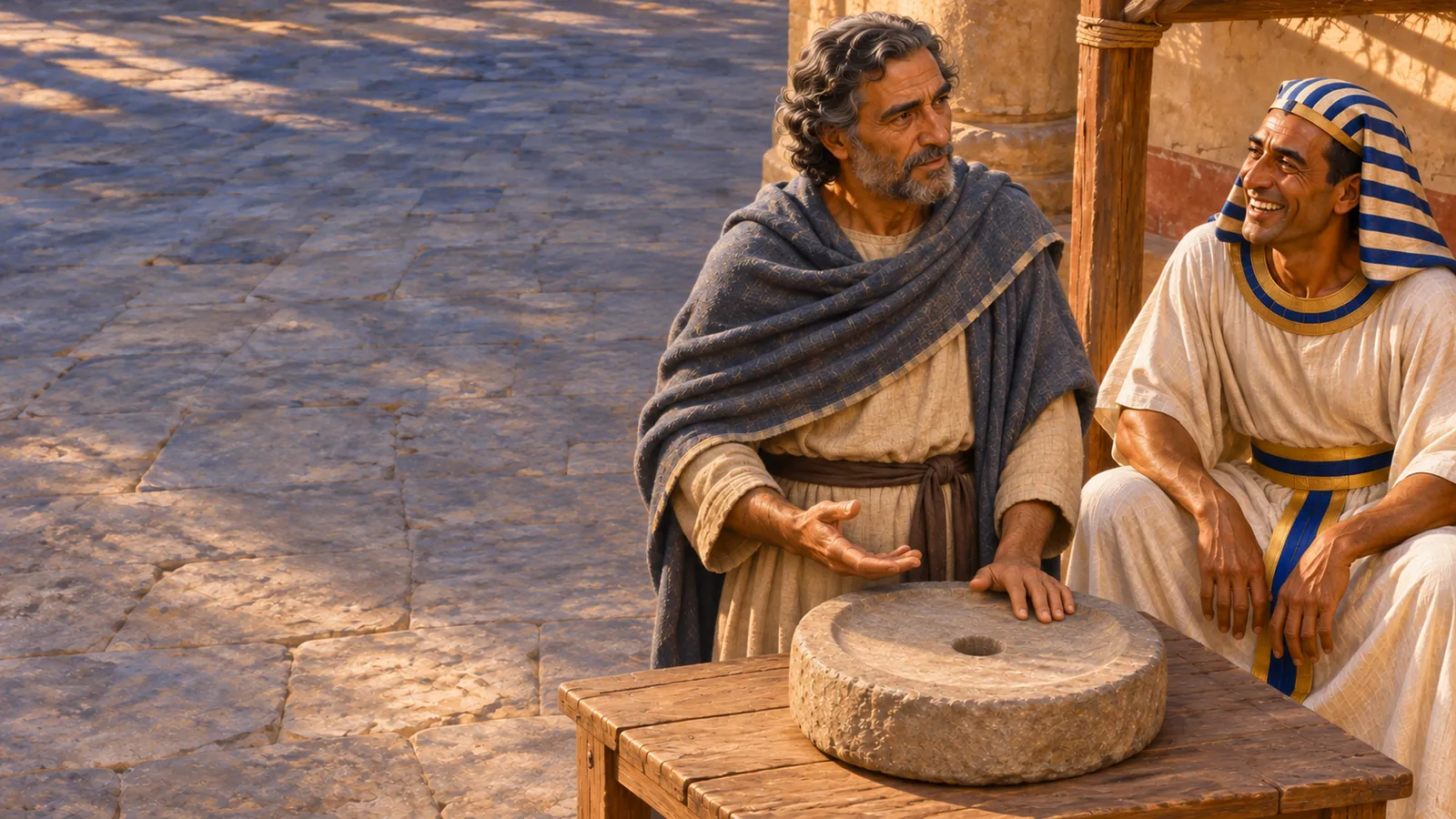
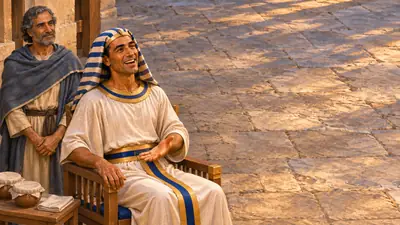
Ahiqar trae la piedra inferior del molino y pide que corten tiras de ella para coser la superior. Al oír la respuesta, el faraón se ríe.
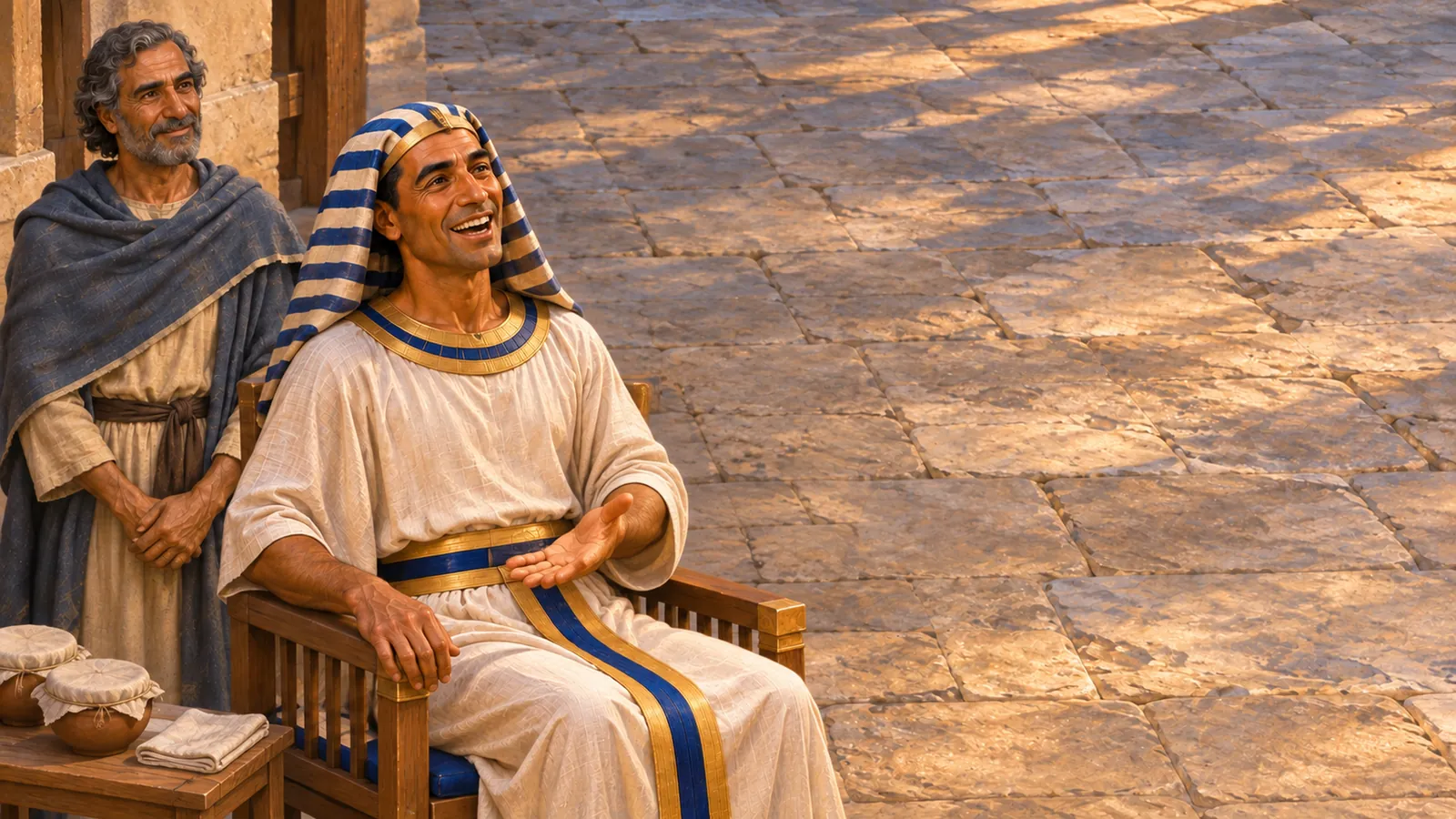
El faraón bendice el día en que nació Ahiqar. Dice que verlo vivo merece un banquete y hace de ese día una celebración.
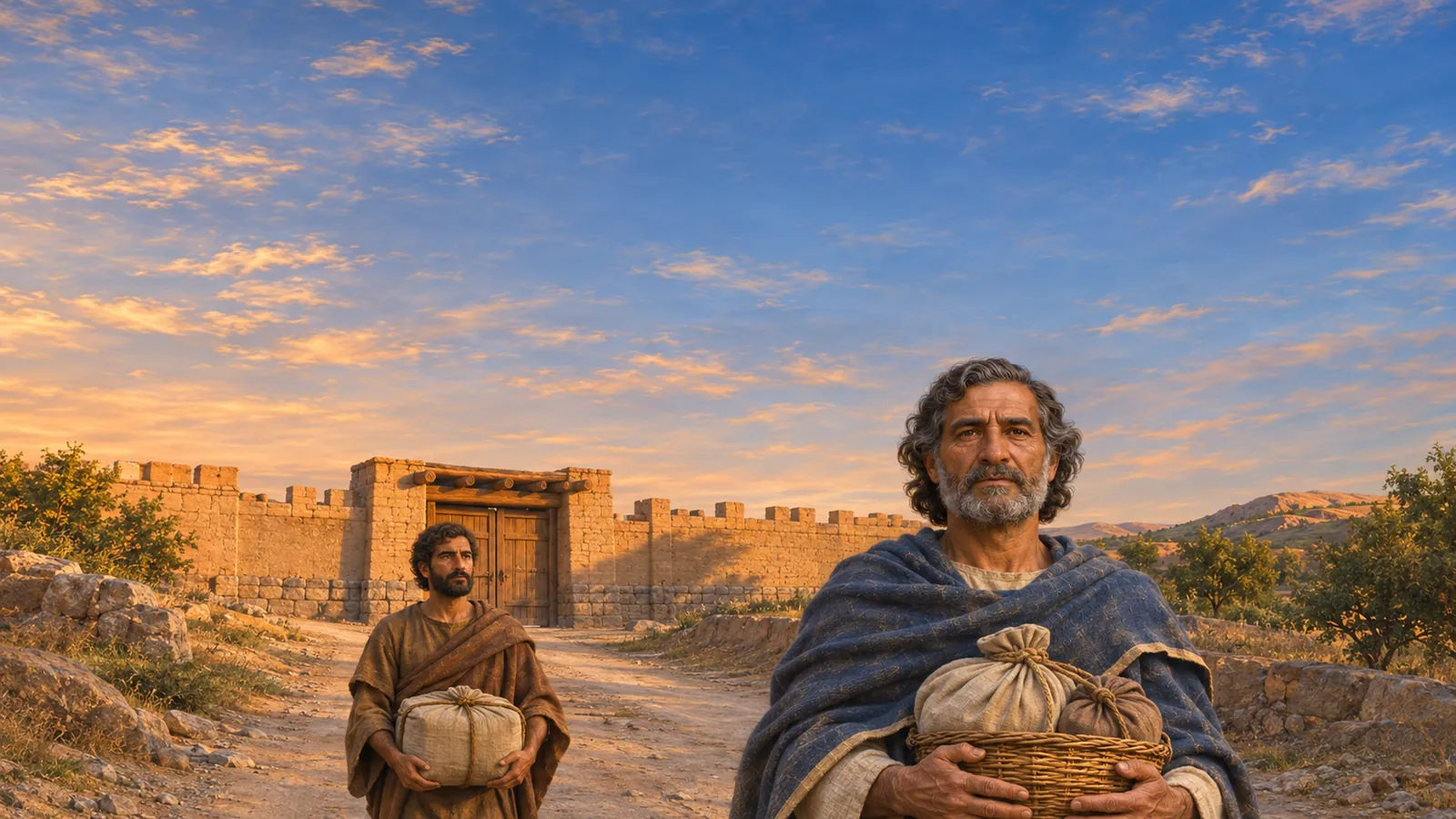
El faraón da a Ahiqar tres años de ingresos de Egipto, según cuenta el relato. Ahiqar emprende el camino de vuelta y regresa junto a Senaquerib.
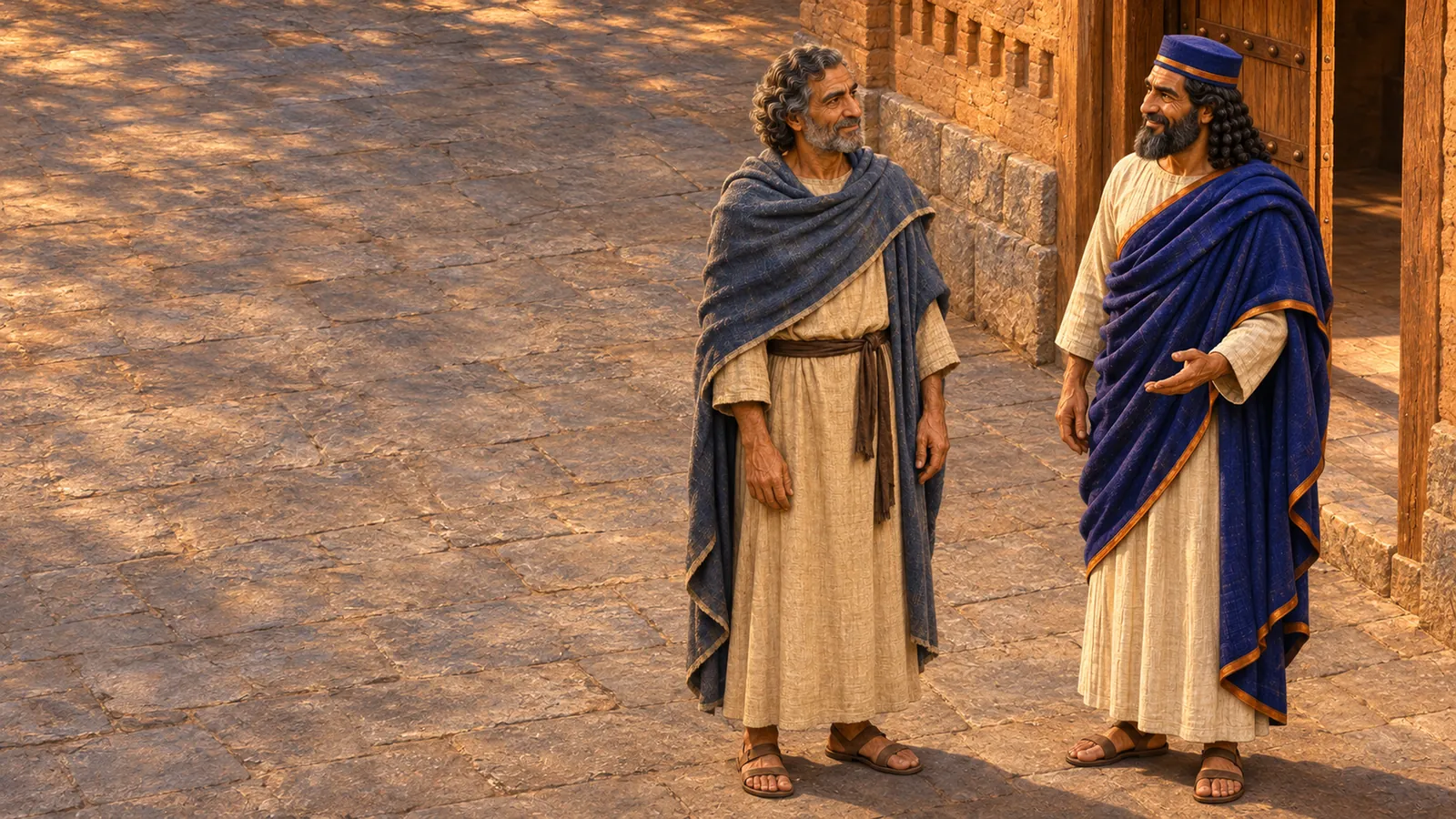
Senaquerib sale a recibir a Ahiqar y lo pone al frente de su casa. Luego le invita a pedir cuanto desee.
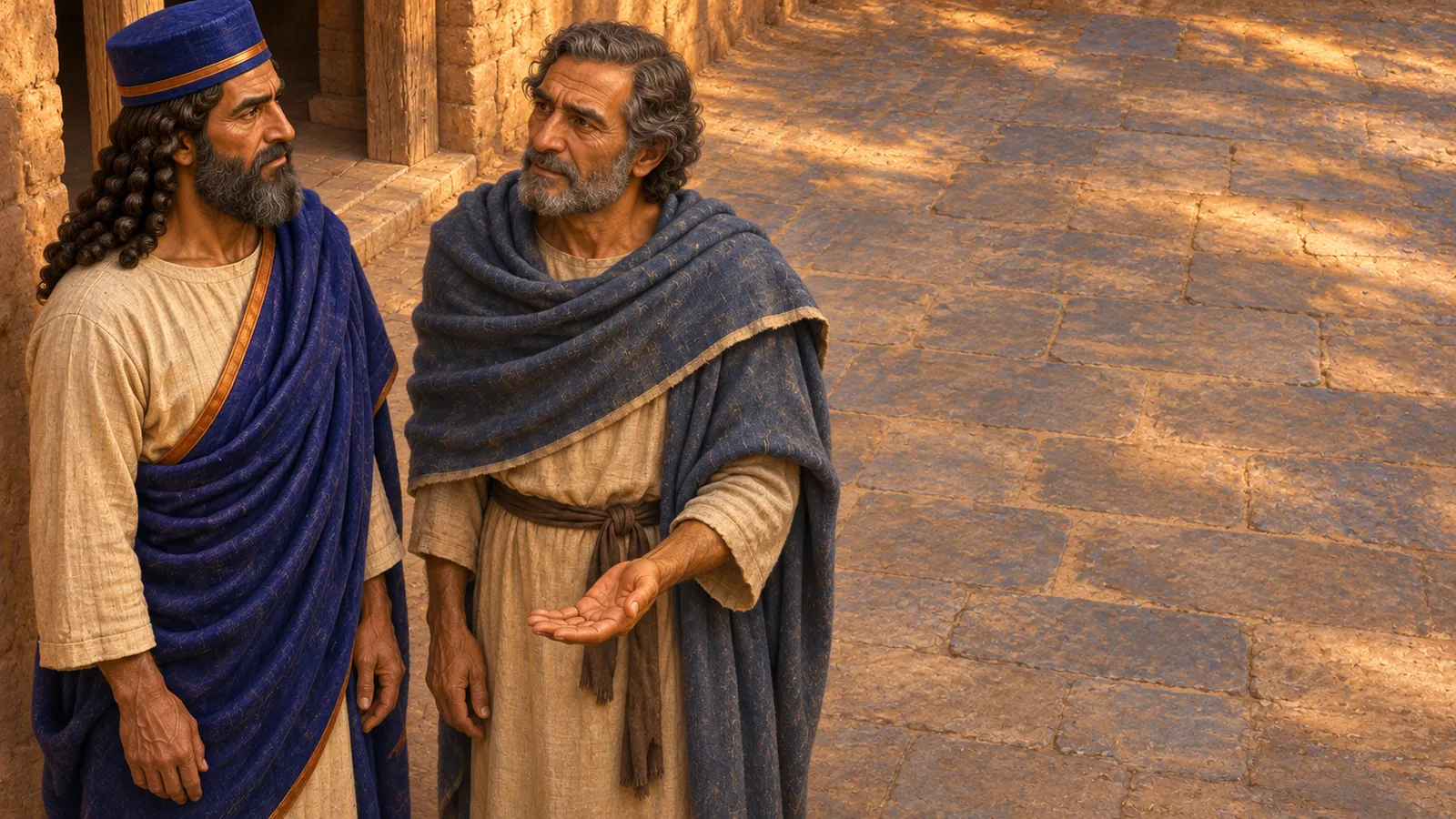
PARA SU PROTECTOR
Ahiqar pide a Senaquerib que entregue a Nabusemakh cualquier recompensa destinada a él. Recuerda que Nabusemakh lo mantuvo a salvo cuando la corte lo daba por muerto.
Fin del capítulo 2
Todas las páginas

Fuentes
The Cambridge witness continues after the return with Ahiqar’s dealings with Nadan and a further set of sayings and parables, printed on pp. 122–127. The selection closes at Ahiqar’s request for Nabusemakh.
Ediciones consultadas
- University of Göttingen, Syriac and Arabic manuscript catalogue, Cambridge Add. 2020
- Conybeare, Harris and Lewis, The Story of Ahiqar, 1913, Cambridge Syriac translation heading, p. 101
- Cambridge Syriac translation, Pharaoh’s letter and the disclosure, pp. 114–116
- Cambridge Syriac translation, the Egyptian audiences and the editorial note on erasure, pp. 117–119
- Cambridge Syriac translation, the selected riddles, return and request, pp. 120–122
- Cambridge Syriac translation, the end of the witness, p. 127
- Berlin Elephantine edition, earlier Imperial Aramaic witness
Notas sobre este relato
After page 42. The Cambridge Syriac witness continues beyond Ahiqar’s request for Nabusemakh. Ahiqar has Nadan bound and beaten and rebukes him in a series of parables. Nadan swells up and dies. Cambridge Add. 2020, translated in Conybeare, Harris and Lewis, 1913, pp. 122–127. [Cambridge Syriac edition, printed page 122 onward](https://archive.org/stream/cu31924026927776/cu31924026927776_djvu.txt#L10665)
Page 12. The Cambridge Syriac account describes Ahiqar’s hair reaching his shoulders and his nails resembling an eagle’s claws after his time in hiding. Cambridge Add. 2020, translated in Conybeare, Harris and Lewis, 1913, p. 116. [Cambridge Syriac edition, printed pages 114–116](https://archive.org/stream/cu31924026927776/cu31924026927776_djvu.txt#L10356)
Los versos antiguos de cada página
- Page 1: Cambridge Add. 2020, Conybeare, Harris and Lewis (1913), catalogue, fols. 66v–78r and p. 114
- Page 2: Cambridge Add. 2020, Conybeare, Harris and Lewis (1913), p. 114
- Page 3: Cambridge Add. 2020, Conybeare, Harris and Lewis (1913), pp. 114–115
- Page 4: Cambridge Add. 2020, Conybeare, Harris and Lewis (1913), p. 115
- Page 5: Cambridge Add. 2020, Conybeare, Harris and Lewis (1913), p. 115
- Page 6: Cambridge Add. 2020, Conybeare, Harris and Lewis (1913), p. 115
- Page 7: Cambridge Add. 2020, Conybeare, Harris and Lewis (1913), p. 115
- Page 8: Cambridge Add. 2020, Conybeare, Harris and Lewis (1913), p. 115
- Page 9: Cambridge Add. 2020, Conybeare, Harris and Lewis (1913), pp. 115–116
- Page 10: Cambridge Add. 2020, Conybeare, Harris and Lewis (1913), p. 116
- Page 11: Cambridge Add. 2020, Conybeare, Harris and Lewis (1913), p. 116
- Page 12: Cambridge Add. 2020, Conybeare, Harris and Lewis (1913), p. 116
- Page 13: Cambridge Add. 2020, Conybeare, Harris and Lewis (1913), pp. 116–117
- Page 14: Cambridge Add. 2020, Conybeare, Harris and Lewis (1913), pp. 116–117
- Page 15: Cambridge Add. 2020, Conybeare, Harris and Lewis (1913), p. 117
- Page 16: Cambridge Add. 2020, Conybeare, Harris and Lewis (1913), p. 117
- Page 17: Cambridge Add. 2020, Conybeare, Harris and Lewis (1913), p. 117
- Page 18: Cambridge Add. 2020, Conybeare, Harris and Lewis (1913), pp. 117–118
- Page 19: Cambridge Add. 2020, Conybeare, Harris and Lewis (1913), p. 118
- Page 20: Cambridge Add. 2020, Conybeare, Harris and Lewis (1913), p. 118
- Page 21: Cambridge Add. 2020, Conybeare, Harris and Lewis (1913), p. 118
- Page 22: Cambridge Add. 2020, Conybeare, Harris and Lewis (1913), pp. 118–119, p. 119 n. 1
- Page 23: Cambridge Add. 2020, Conybeare, Harris and Lewis (1913), p. 119
- Page 24: Cambridge Add. 2020, Conybeare, Harris and Lewis (1913), p. 119
- Page 25: Cambridge Add. 2020, Conybeare, Harris and Lewis (1913), p. 119
- Page 26: Cambridge Add. 2020, Conybeare, Harris and Lewis (1913), pp. 119–120
- Page 27: Cambridge Add. 2020, Conybeare, Harris and Lewis (1913), p. 120
- Page 28: Cambridge Add. 2020, Conybeare, Harris and Lewis (1913), p. 120
- Page 29: Cambridge Add. 2020, Conybeare, Harris and Lewis (1913), p. 120
- Page 30: Cambridge Add. 2020, Conybeare, Harris and Lewis (1913), p. 120
- Page 31: Cambridge Add. 2020, Conybeare, Harris and Lewis (1913), p. 121
- Page 32: Cambridge Add. 2020, Conybeare, Harris and Lewis (1913), p. 121
- Page 33: Cambridge Add. 2020, Conybeare, Harris and Lewis (1913), p. 121
- Page 34: Cambridge Add. 2020, Conybeare, Harris and Lewis (1913), p. 121
- Page 35: Cambridge Add. 2020, Conybeare, Harris and Lewis (1913), p. 121
- Page 36: Cambridge Add. 2020, Conybeare, Harris and Lewis (1913), p. 121
- Page 37: Cambridge Add. 2020, Conybeare, Harris and Lewis (1913), pp. 121–122
- Page 38: Cambridge Add. 2020, Conybeare, Harris and Lewis (1913), p. 122
- Page 39: Cambridge Add. 2020, Conybeare, Harris and Lewis (1913), p. 122
- Page 40: Cambridge Add. 2020, Conybeare, Harris and Lewis (1913), p. 122
- Page 41: Cambridge Add. 2020, Conybeare, Harris and Lewis (1913), p. 122
- Page 42: Cambridge Add. 2020, Conybeare, Harris and Lewis (1913), p. 122
Ilustraciones hechas por IL Archive con herramientas de IA; el texto se basa en las fuentes antiguas (véanse las fuentes al final de cada capítulo).