El relato de Aqhat Capítulo 1
El relato de Aqhat
A Danel le prometen un hijo, y el arco que recibe Aqhat llama la atención de Anat. Tras la muerte de Aqhat, Danel lo llora y Pughat va al campamento de Yatipan, donde se interrumpe el relato conservado.
FuentesPase las páginas con las flechas, el teclado o deslizando el dedo.
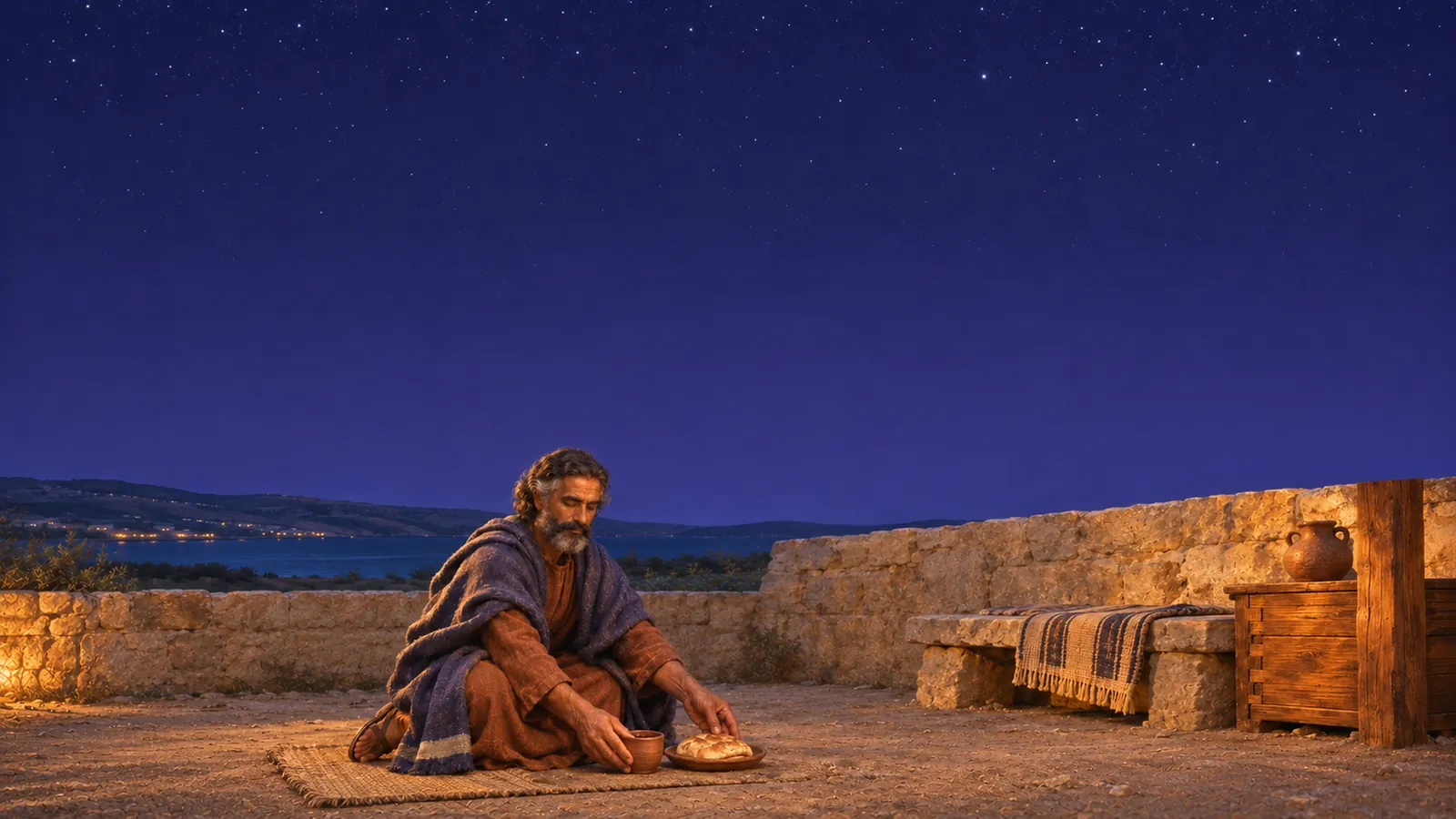
EL RELATO DE AQHAT
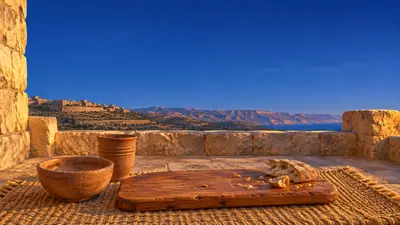
El relato comienza después de una rotura en la tablilla. En los primeros versos legibles, Danel ofrece comida y bebida y se acuesta para pasar la noche.
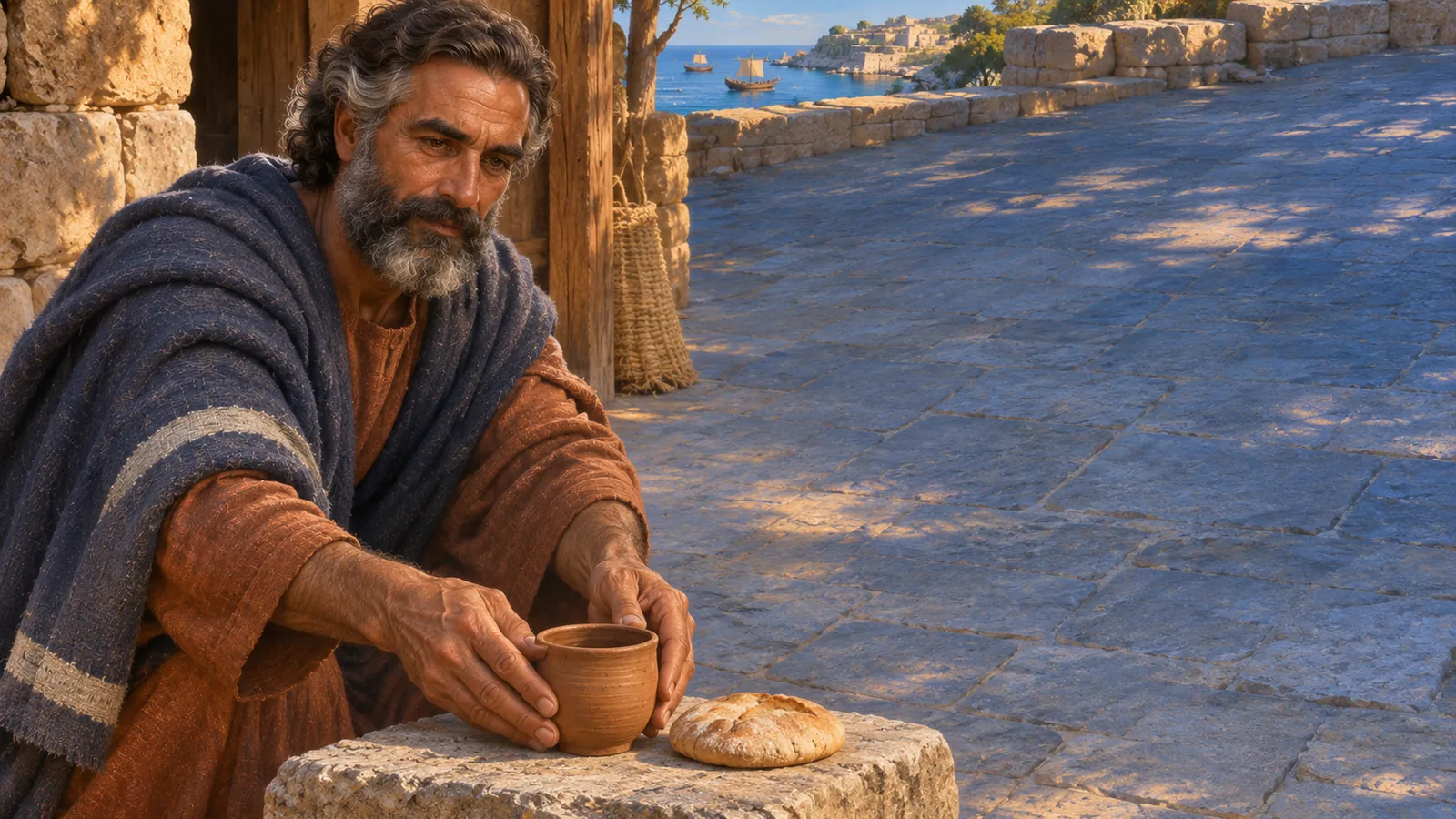
El poema cuenta los días de dos en dos. Cada vez que pasan dos días, Danel vuelve a ofrecer comida y bebida.
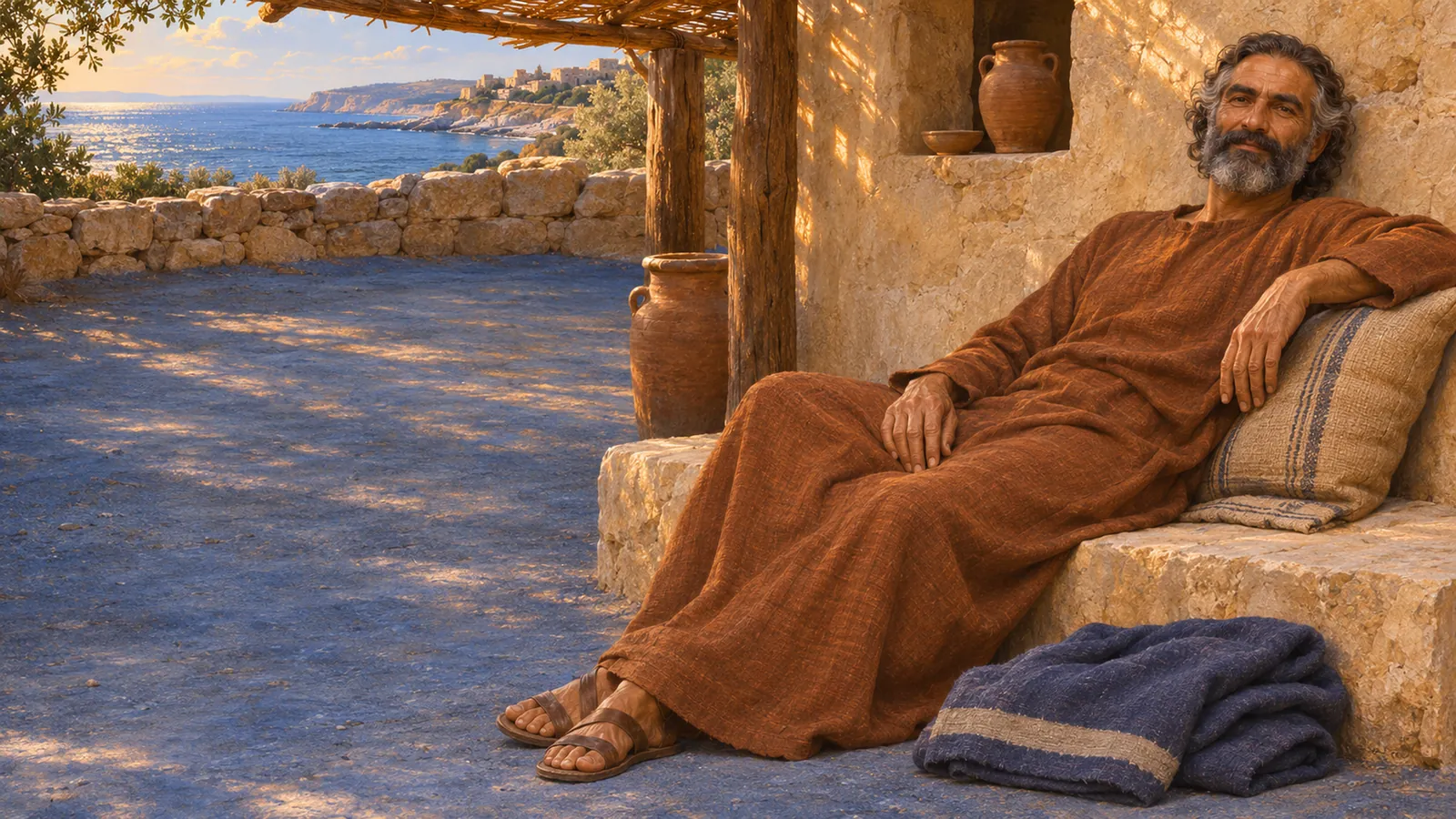
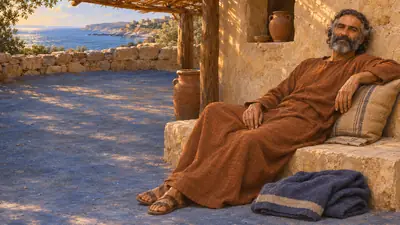
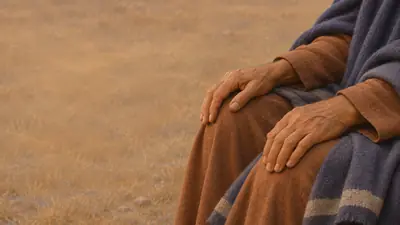
Pasan los dos últimos días de la cuenta del poema. Danel deja su prenda a un lado y se acuesta a descansar.
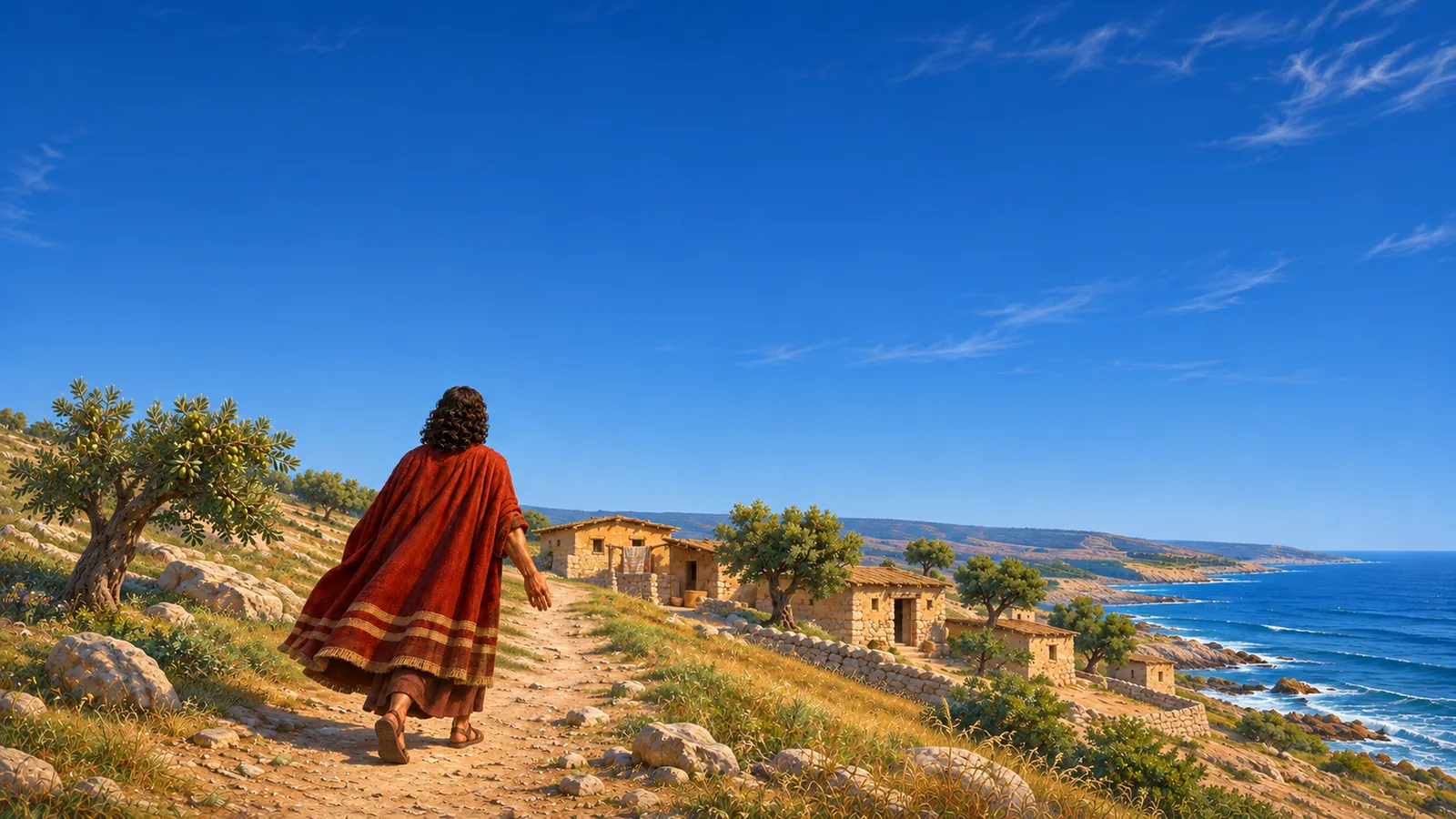
EL SÉPTIMO DÍA
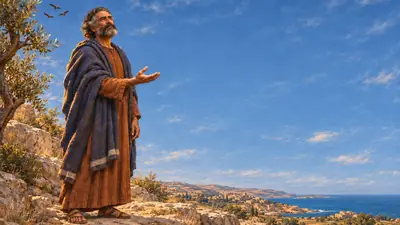
El séptimo día, Baal se acerca con benevolencia. La repetición de los días de Danel da paso a las palabras de Baal a El.
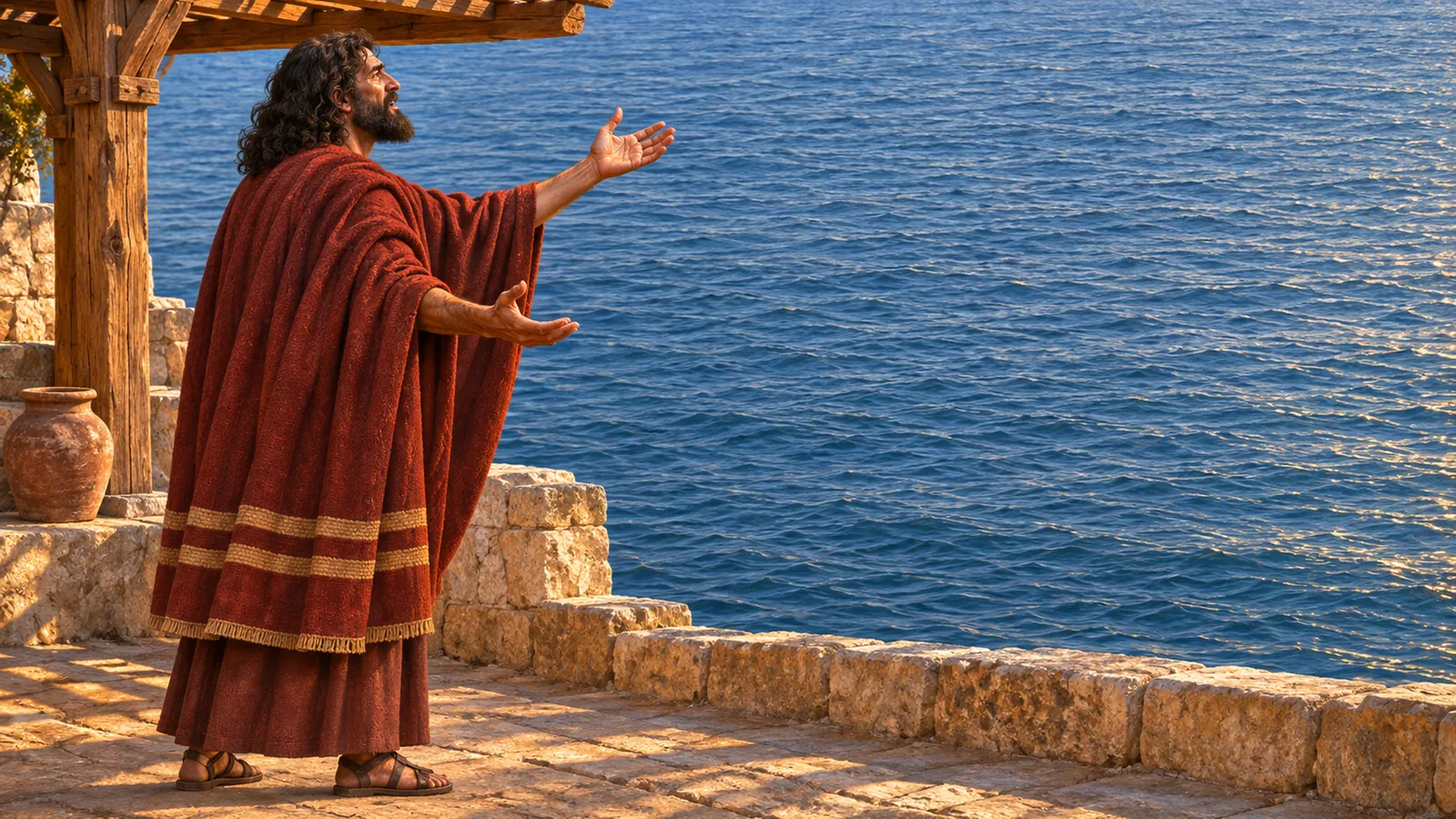
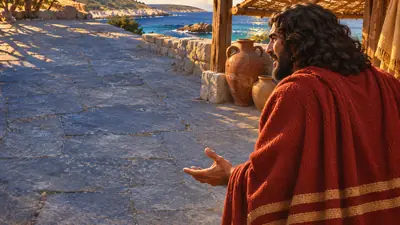
Baal le dice a El que Danel no tiene hijo. Le pide que lo bendiga para que pueda tenerlo.
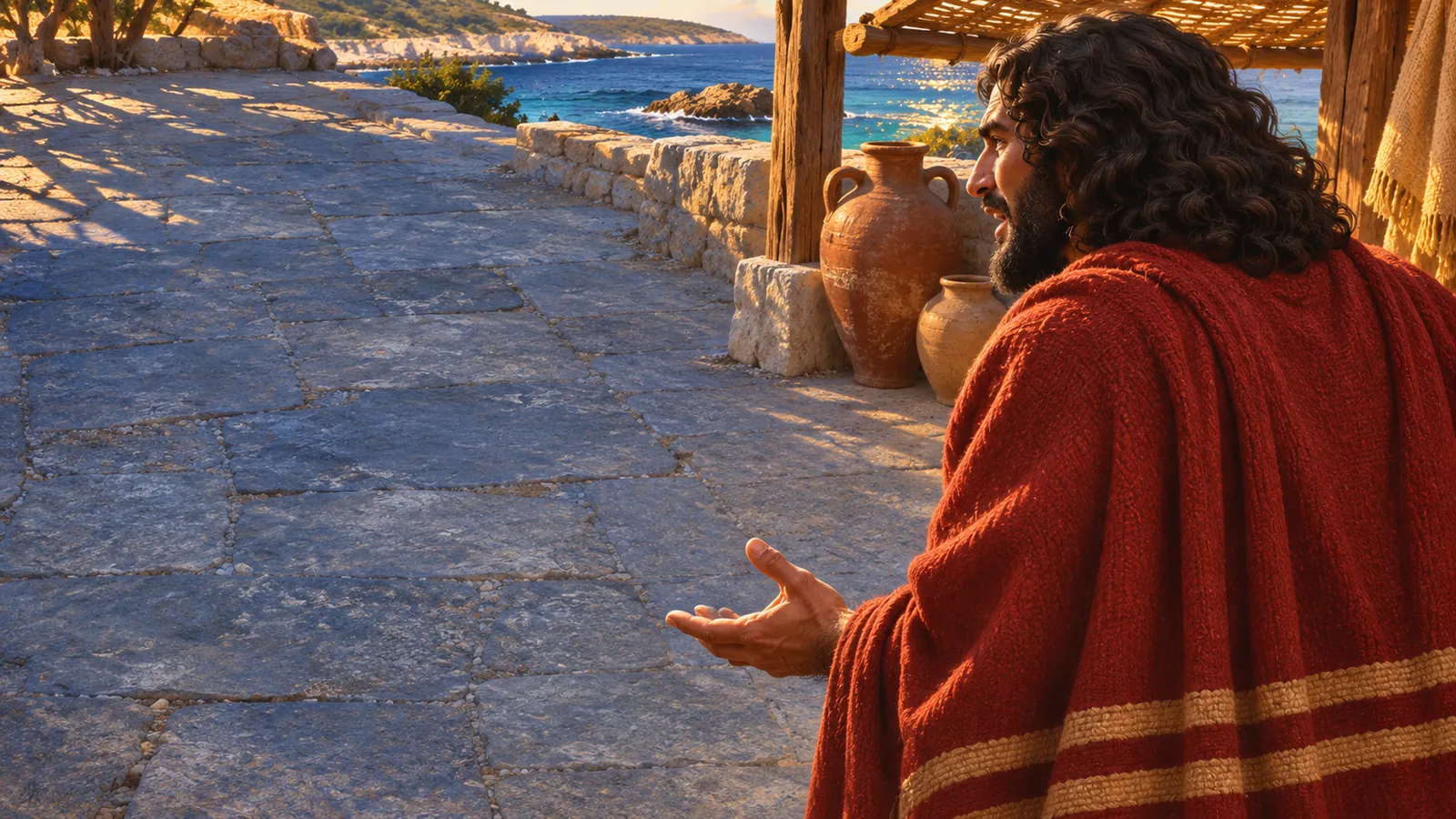
Baal le cuenta a El lo que haría un hijo por su padre y su casa. Habla de guardar su memoria, darle apoyo y atenderlo a diario.
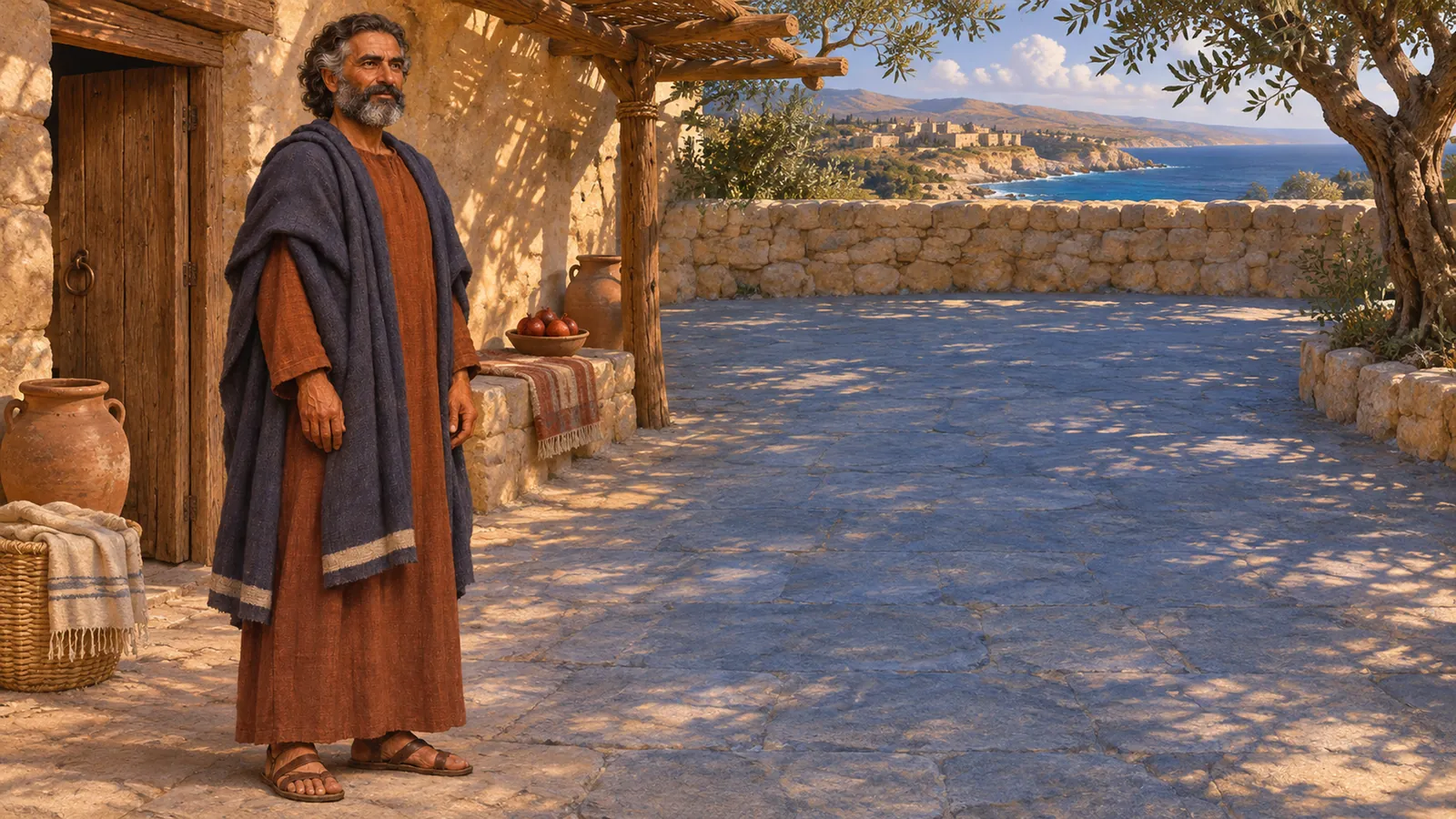
El bendice a Danel. Habla de la concepción y del niño que Danel espera, mientras que el primer gesto del pasaje resulta difícil de leer.
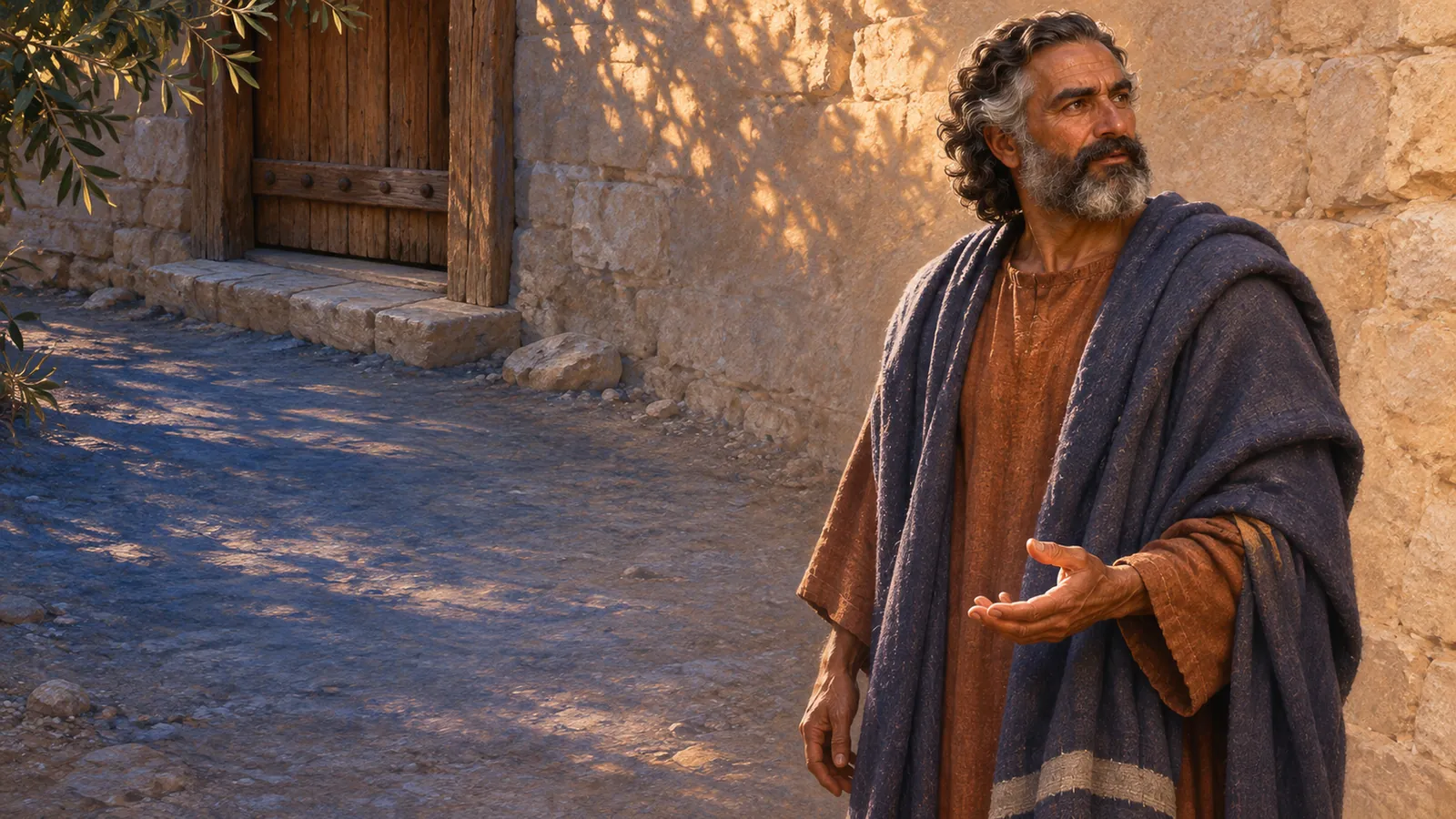
Los deberes de un hijo se repiten en la bendición y en las palabras dirigidas a Danel. En el pasaje dañado, Baal parece ser quien lleva la noticia.
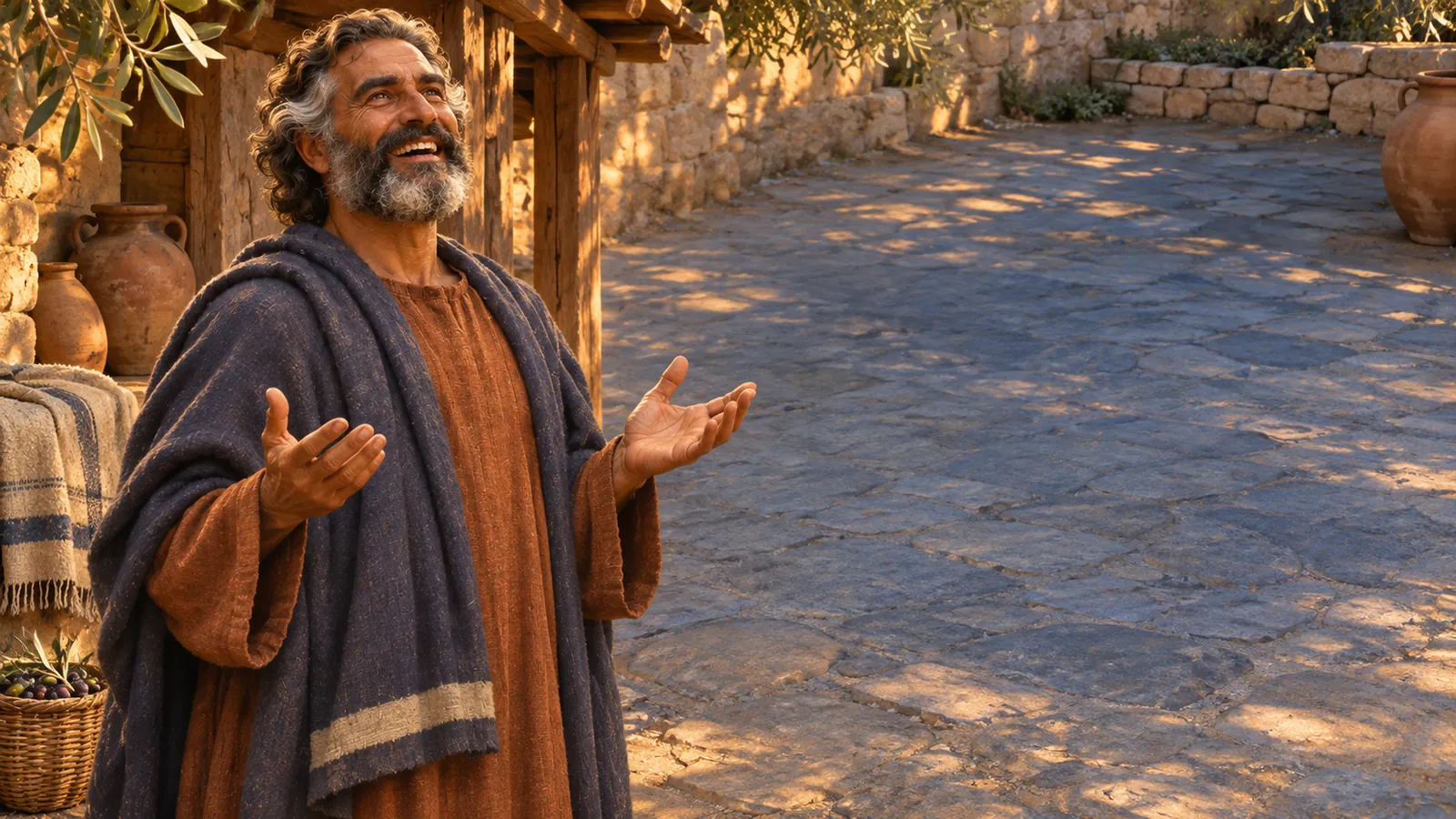
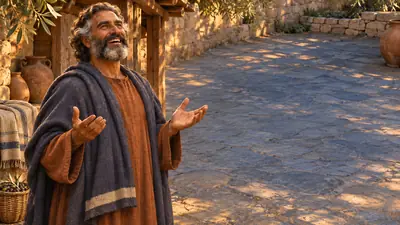
Danel se alegra al oír las palabras. Repite él mismo los deberes, pensando en el hijo que espera tener.
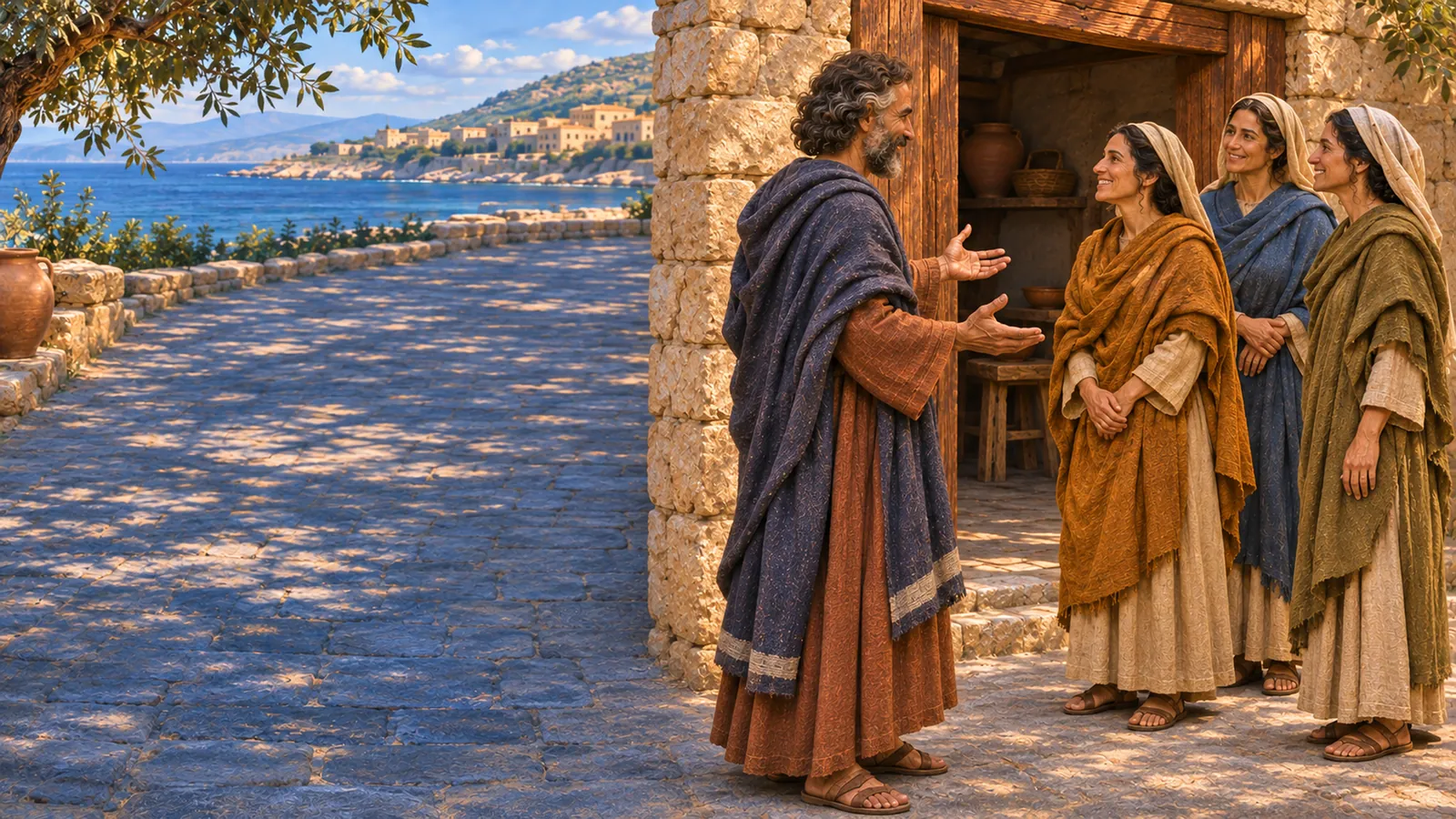
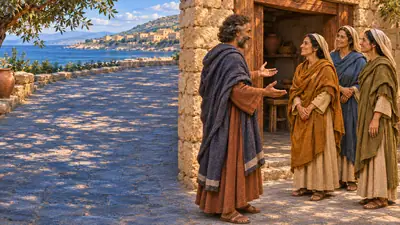
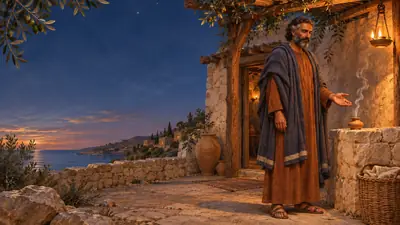
Danel regresa a su casa. El poema cuenta cómo llegan allí las Kotharat como invitadas.
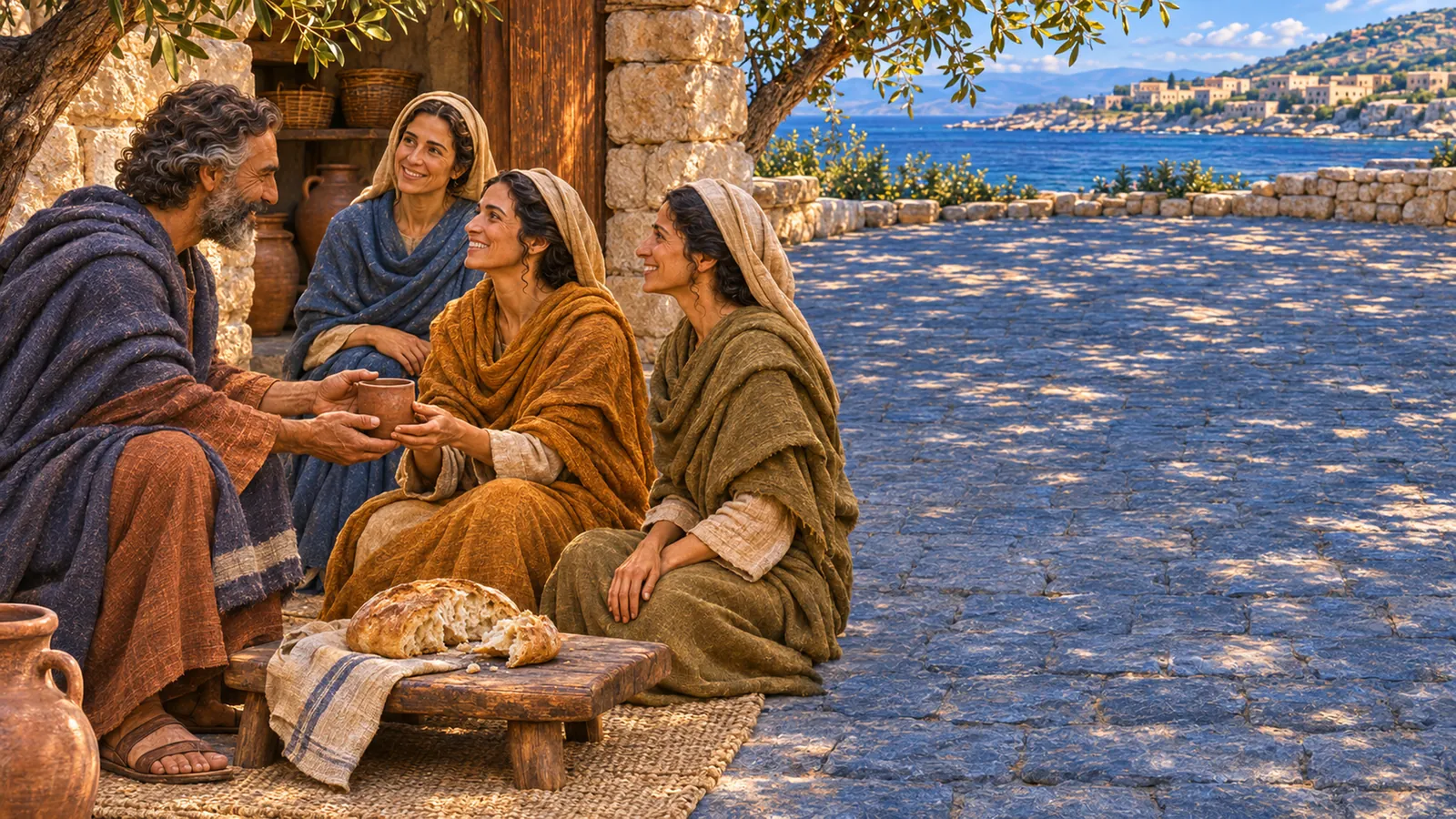
Danel ofrece hospitalidad a las Kotharat durante seis días. El séptimo, las invitadas abandonan su casa.
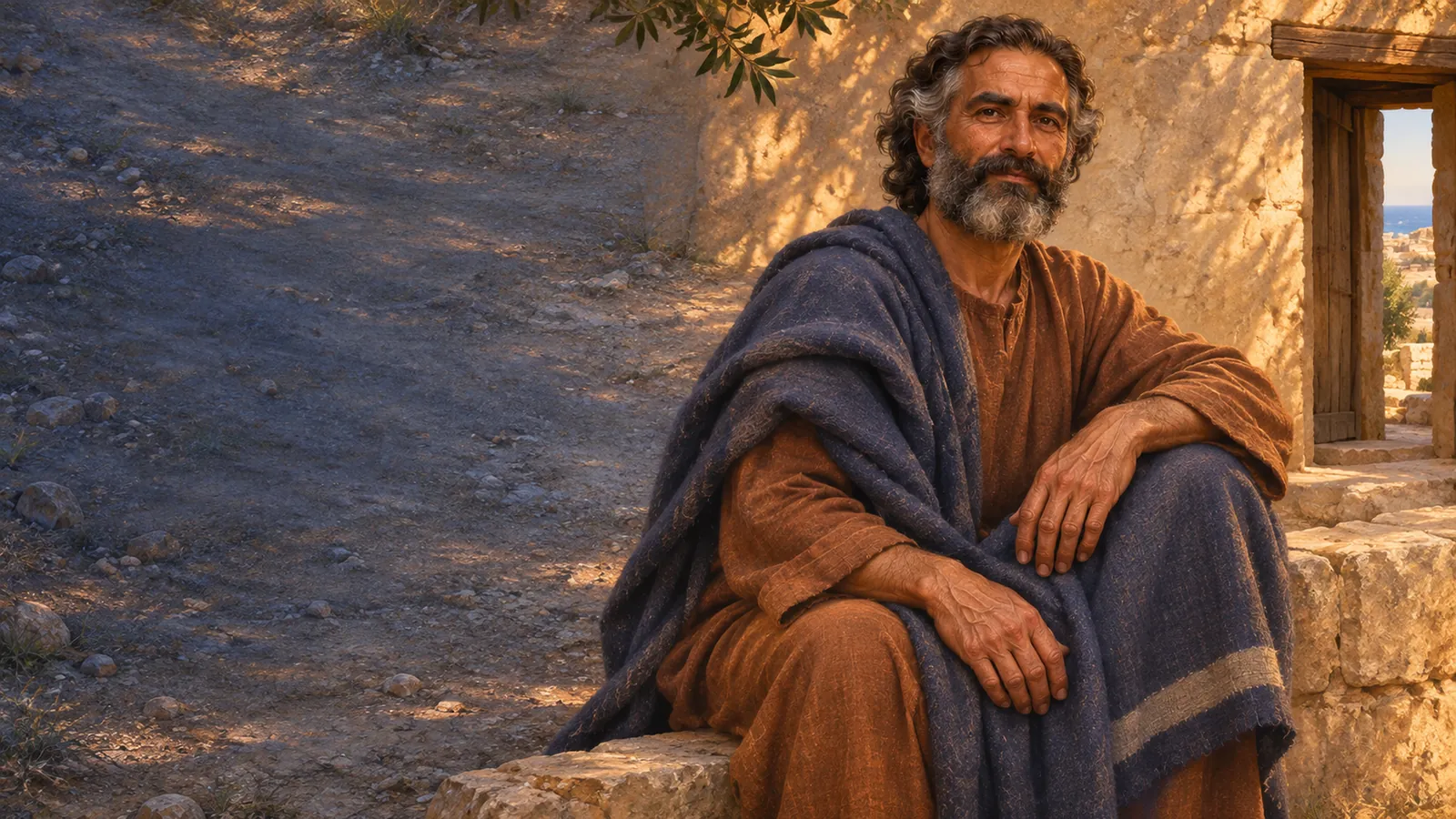
Danel cuenta los meses del embarazo. El relato se interrumpe aquí y se reanuda más adelante, cuando Aqhat ya tiene edad para recibir un regalo.
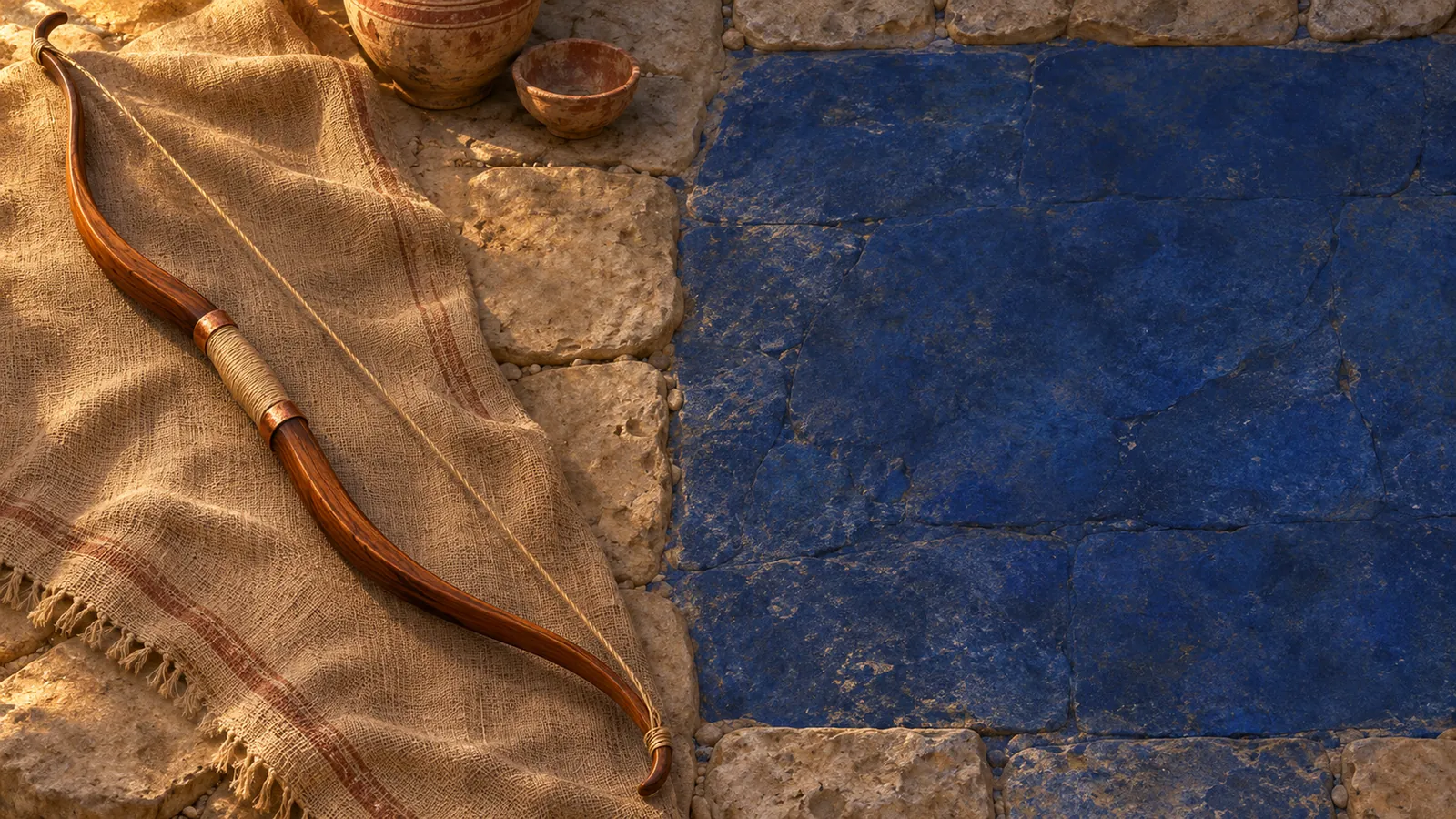
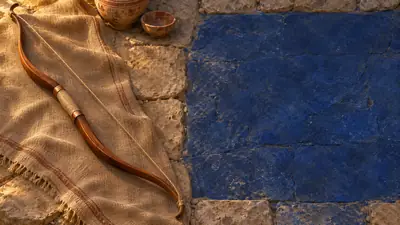
Cuando se reanuda el texto, menciona un arco. Se cuenta otro séptimo día, mientras que se han perdido las circunstancias previas de ese regalo.
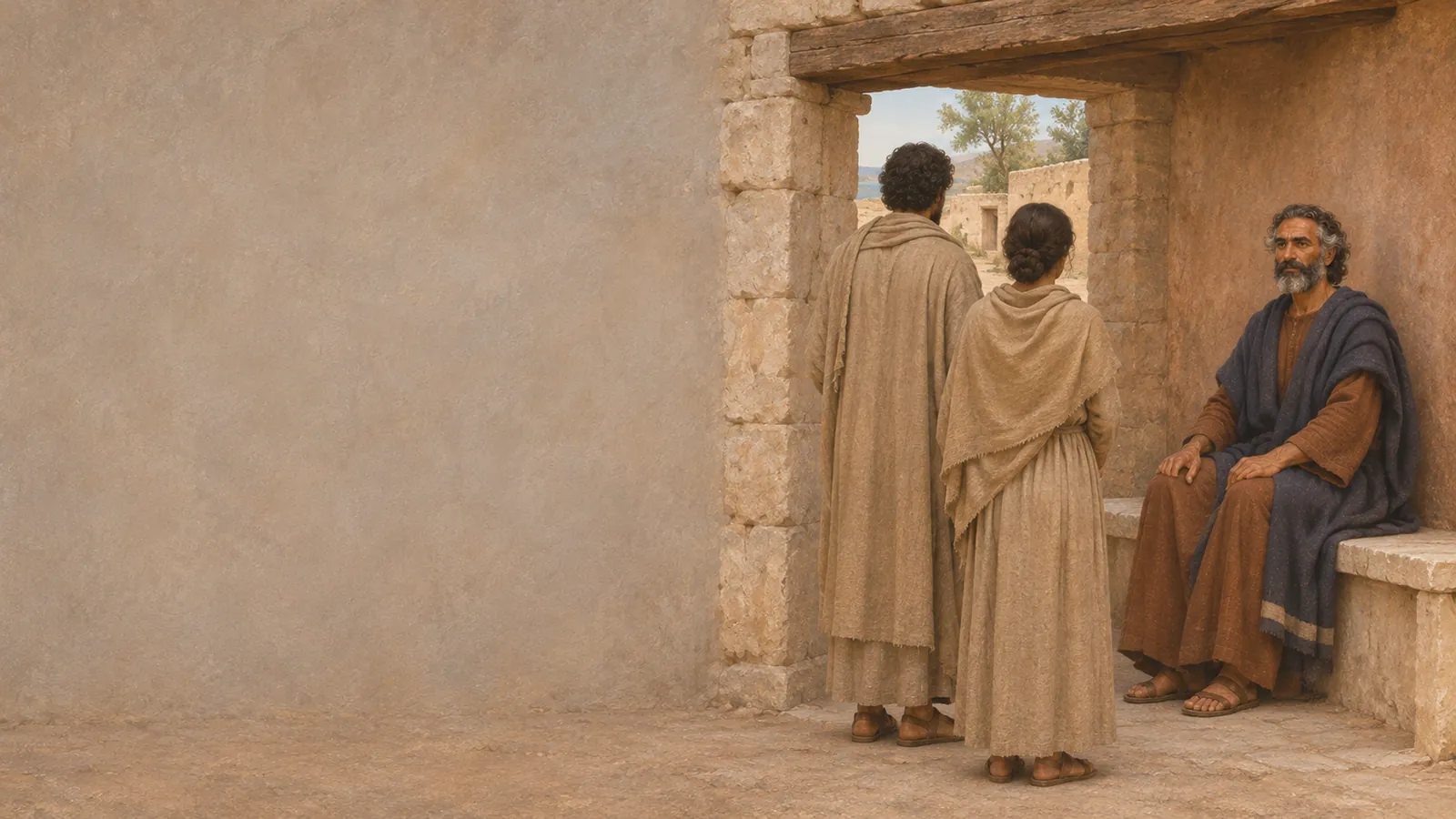
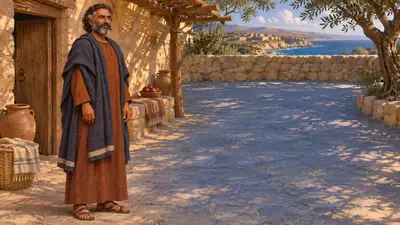
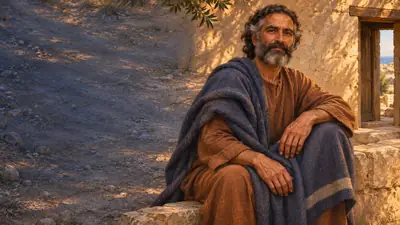
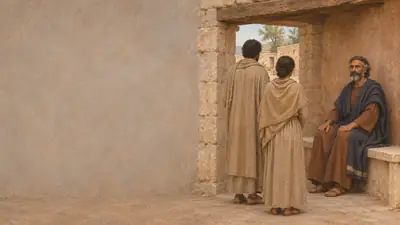
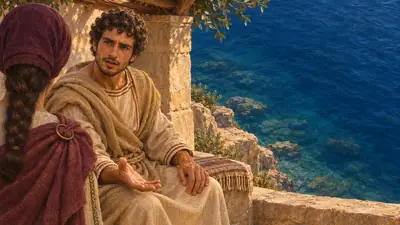
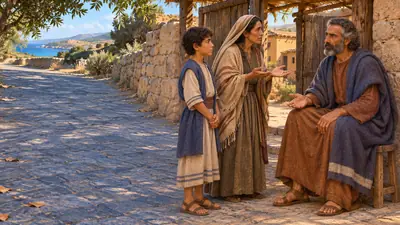
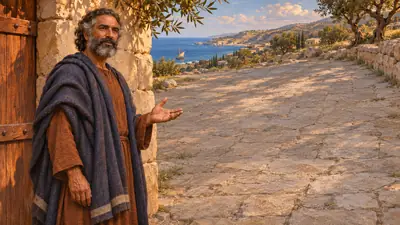
Danel se sienta en la puerta para escuchar las causas. El poema menciona a la viuda y al huérfano entre quienes son escuchados allí.
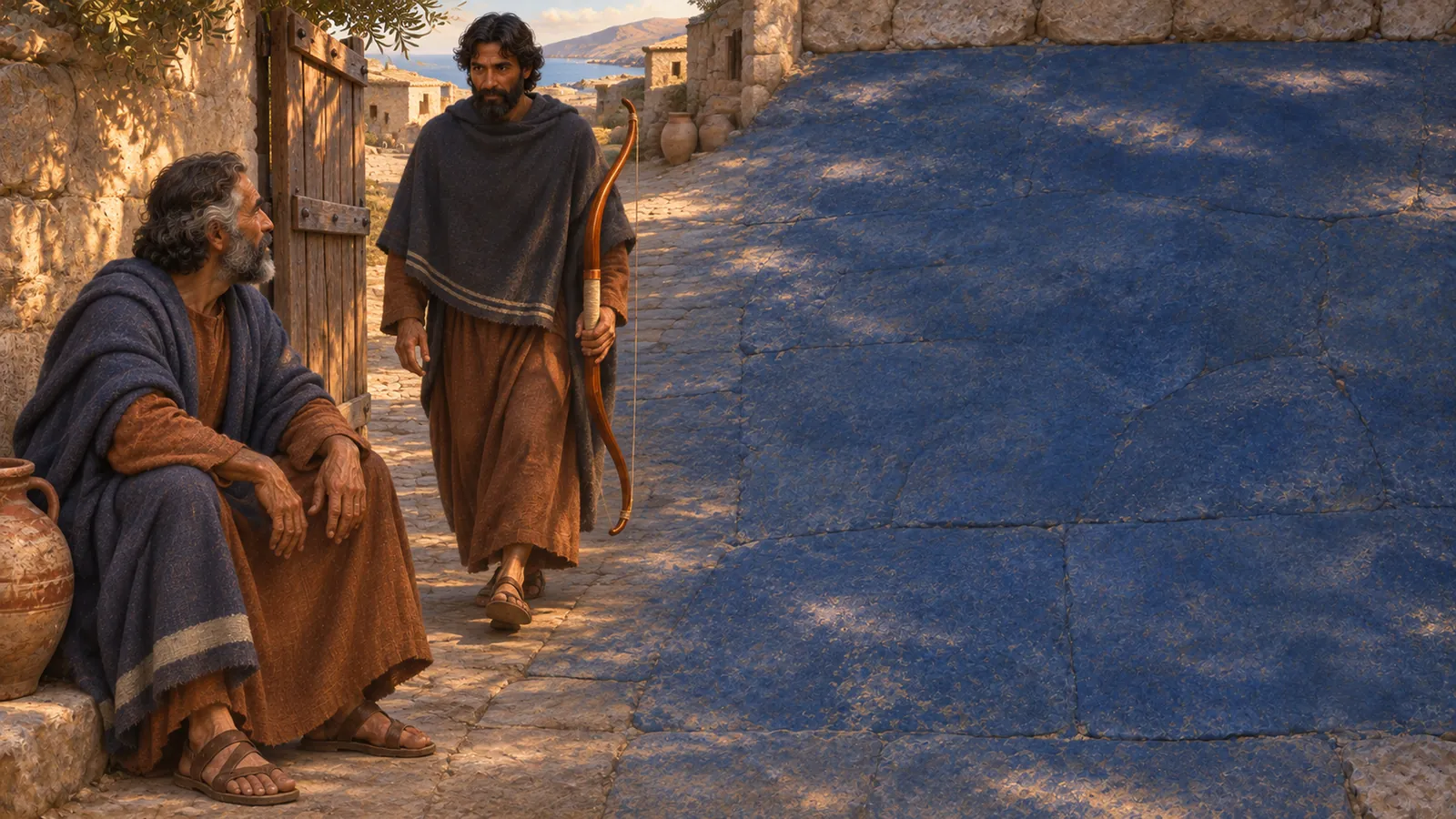
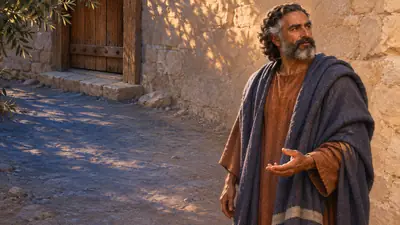
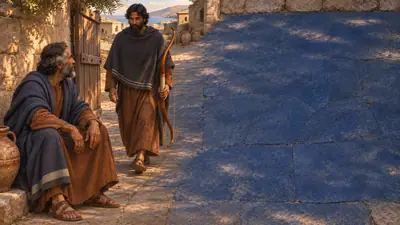
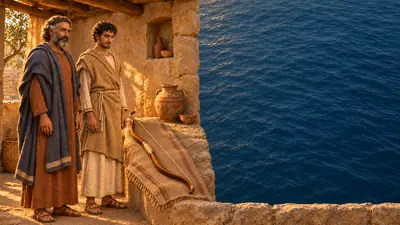
Mientras está sentado en la puerta, Danel ve acercarse a Kothar-wa-Hasis. El texto dice que el artesano trae el arco.
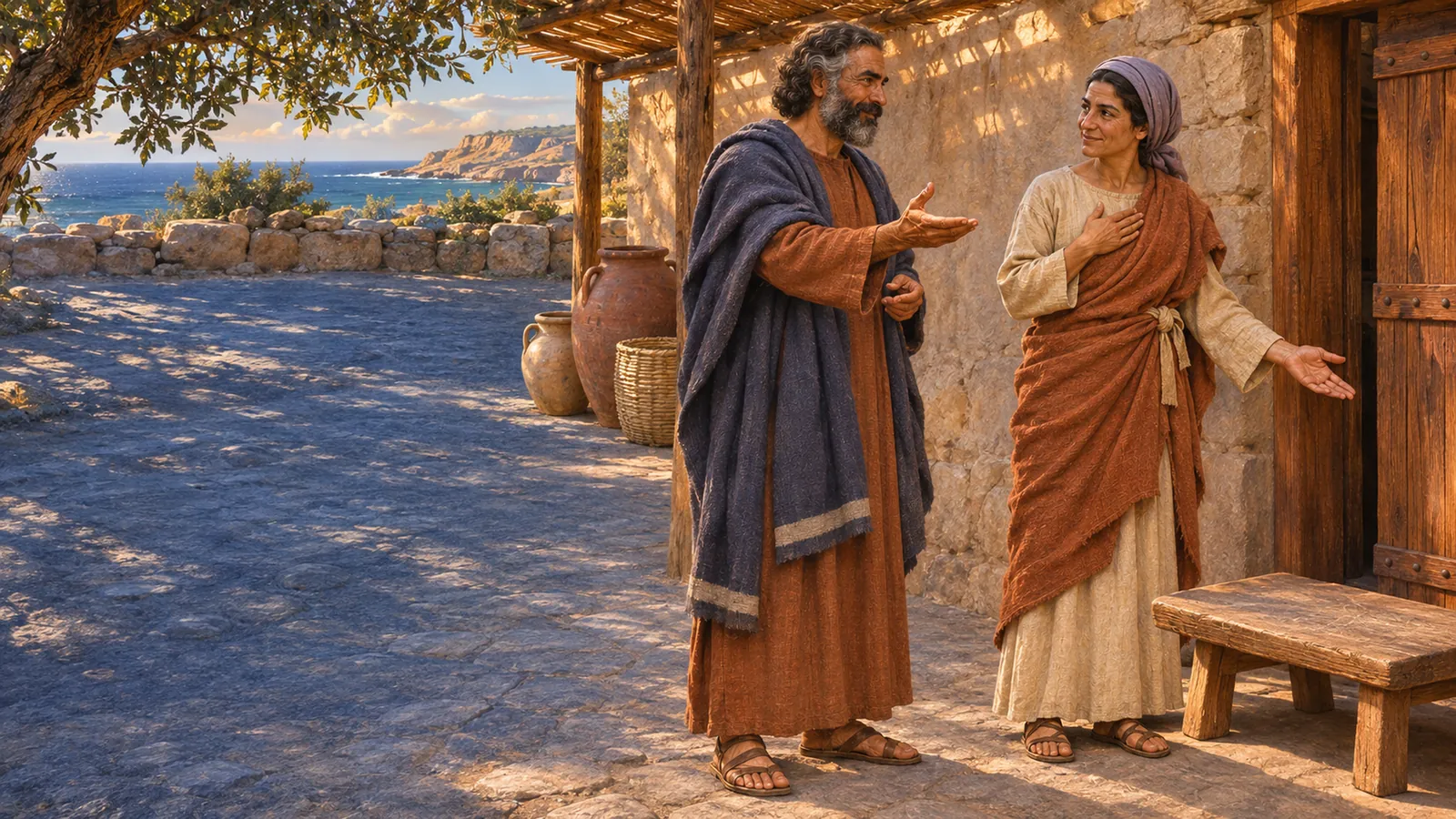
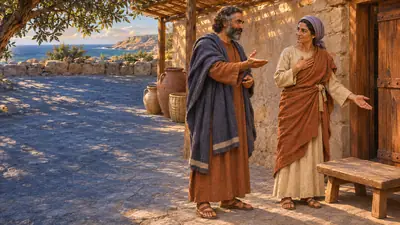
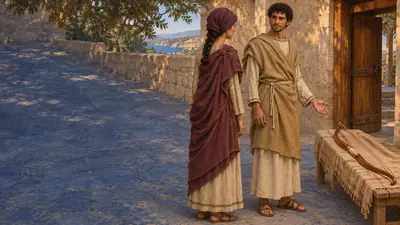
Danel le pide a Danatiya que reciba al artesano con hospitalidad. El pasaje también lo llama Hayyan, otro nombre de Kothar-wa-Hasis en este lugar.
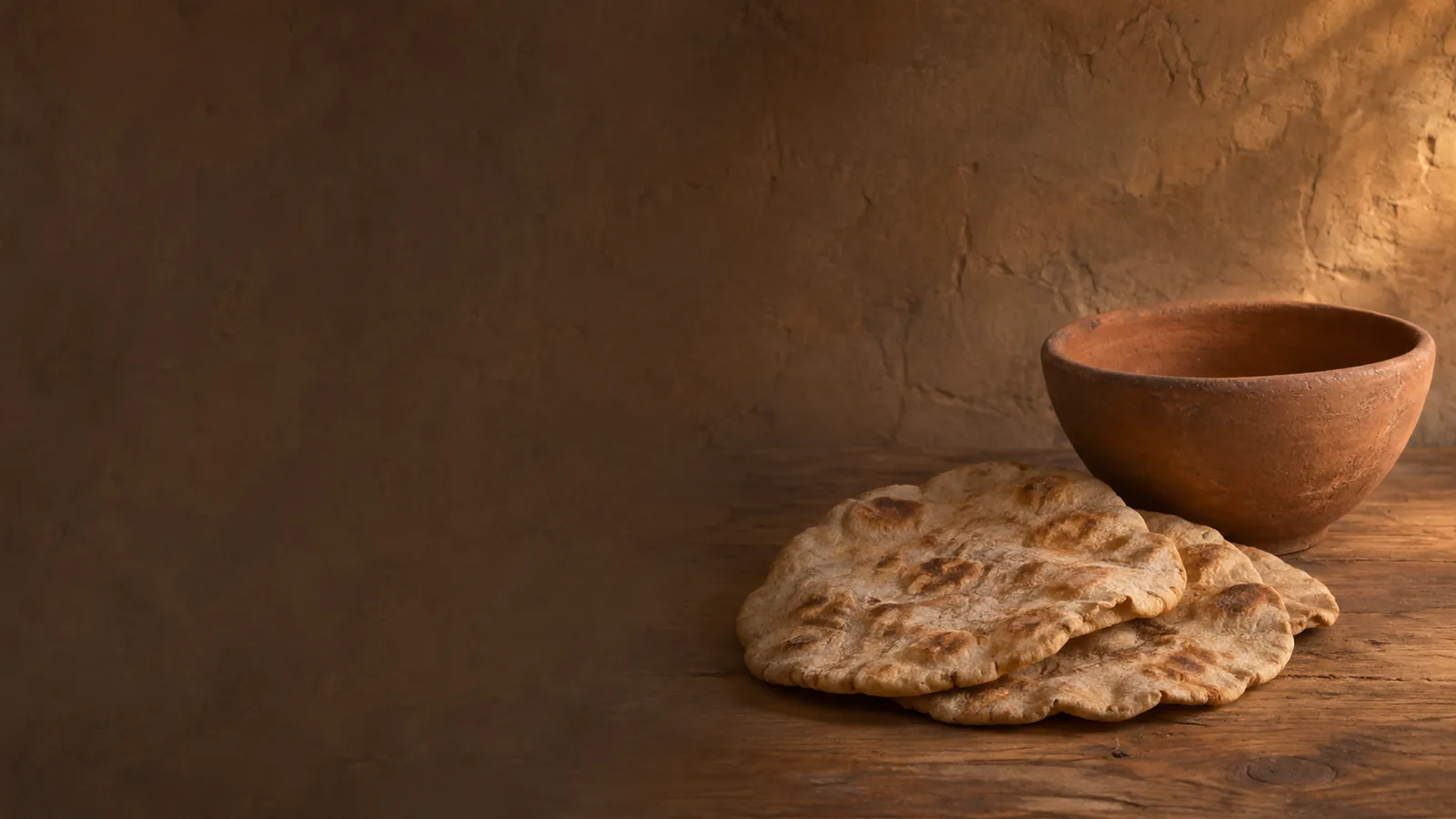
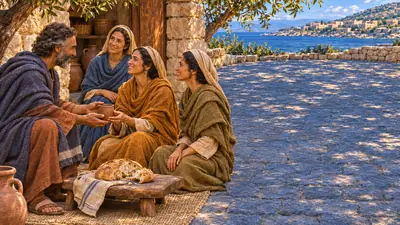
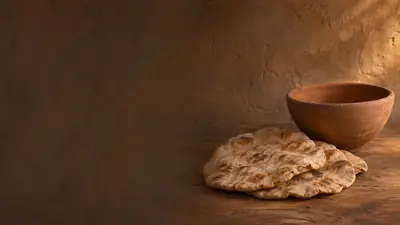
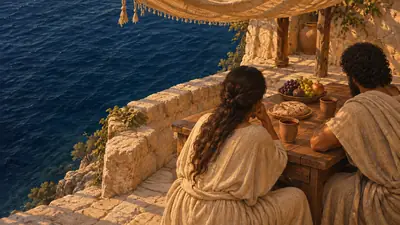
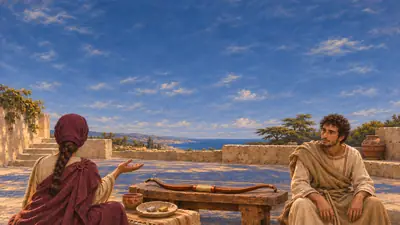
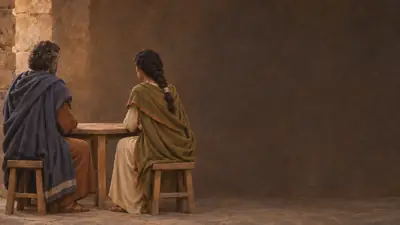
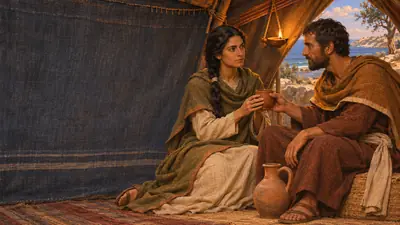
Danatiya prepara la comida para el artesano. El poema se detiene en los alimentos y la mesa antes de que se presente el regalo.
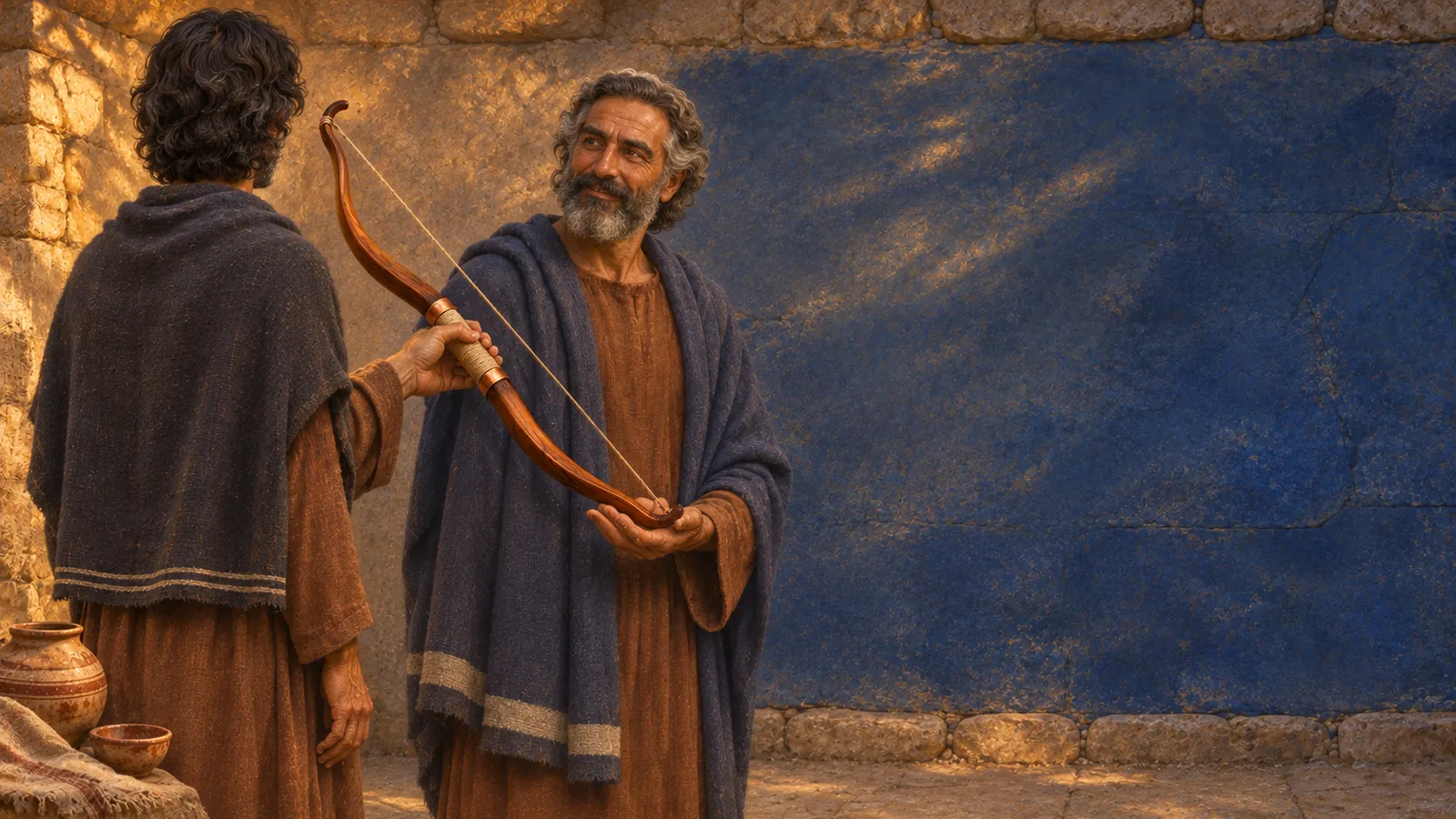
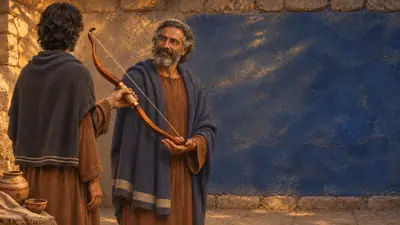
El artesano presenta el arco a Danel. El regalo llega a la casa durante la visita para la que Danatiya ha preparado la comida.
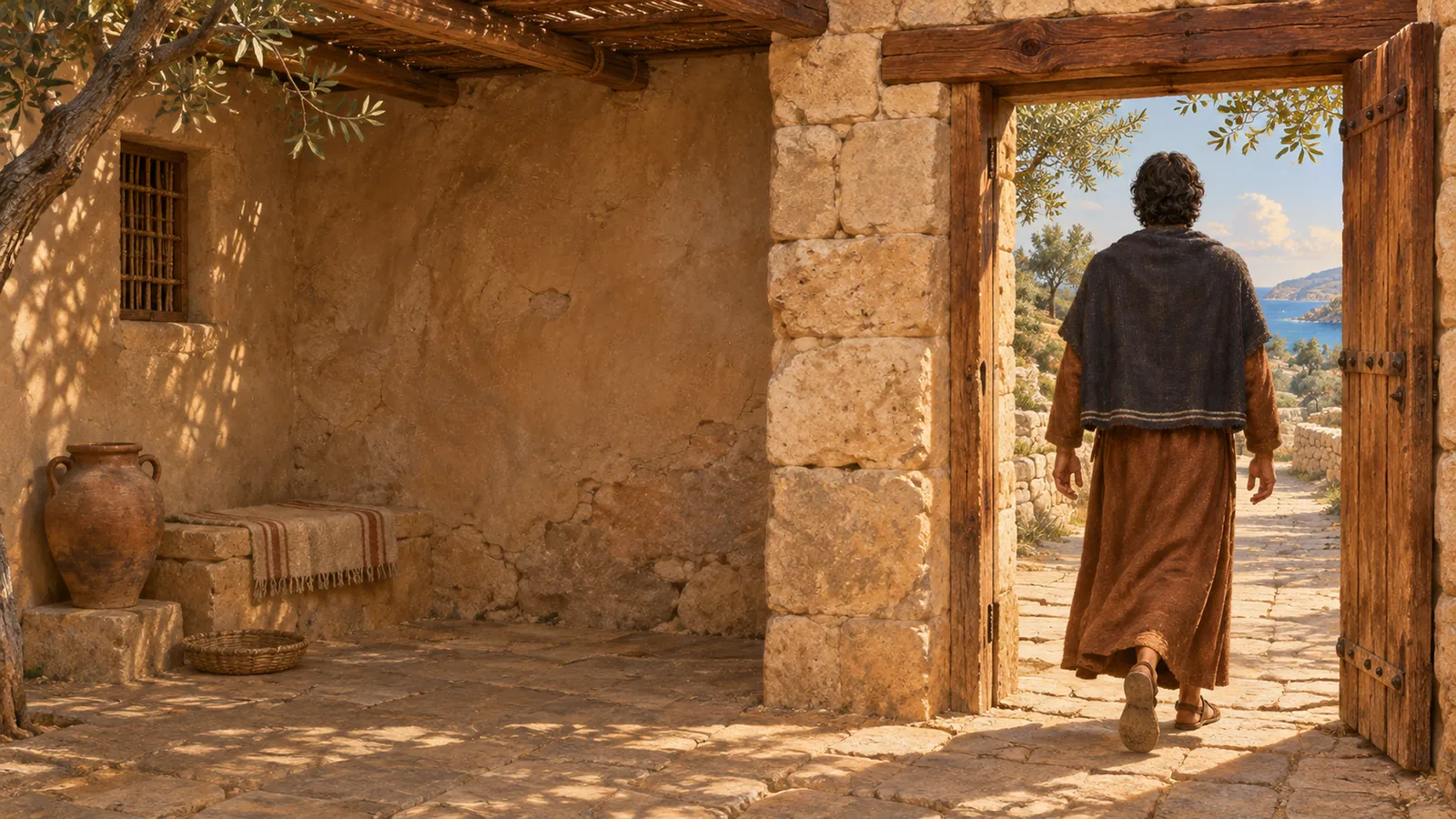
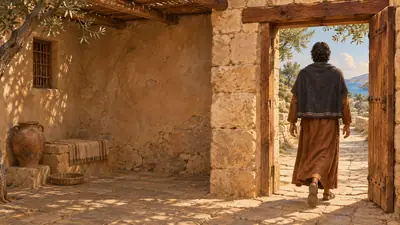
Danatiya brinda hospitalidad al artesano. El relato de la visita termina cuando el artesano sale de la casa de Danel.
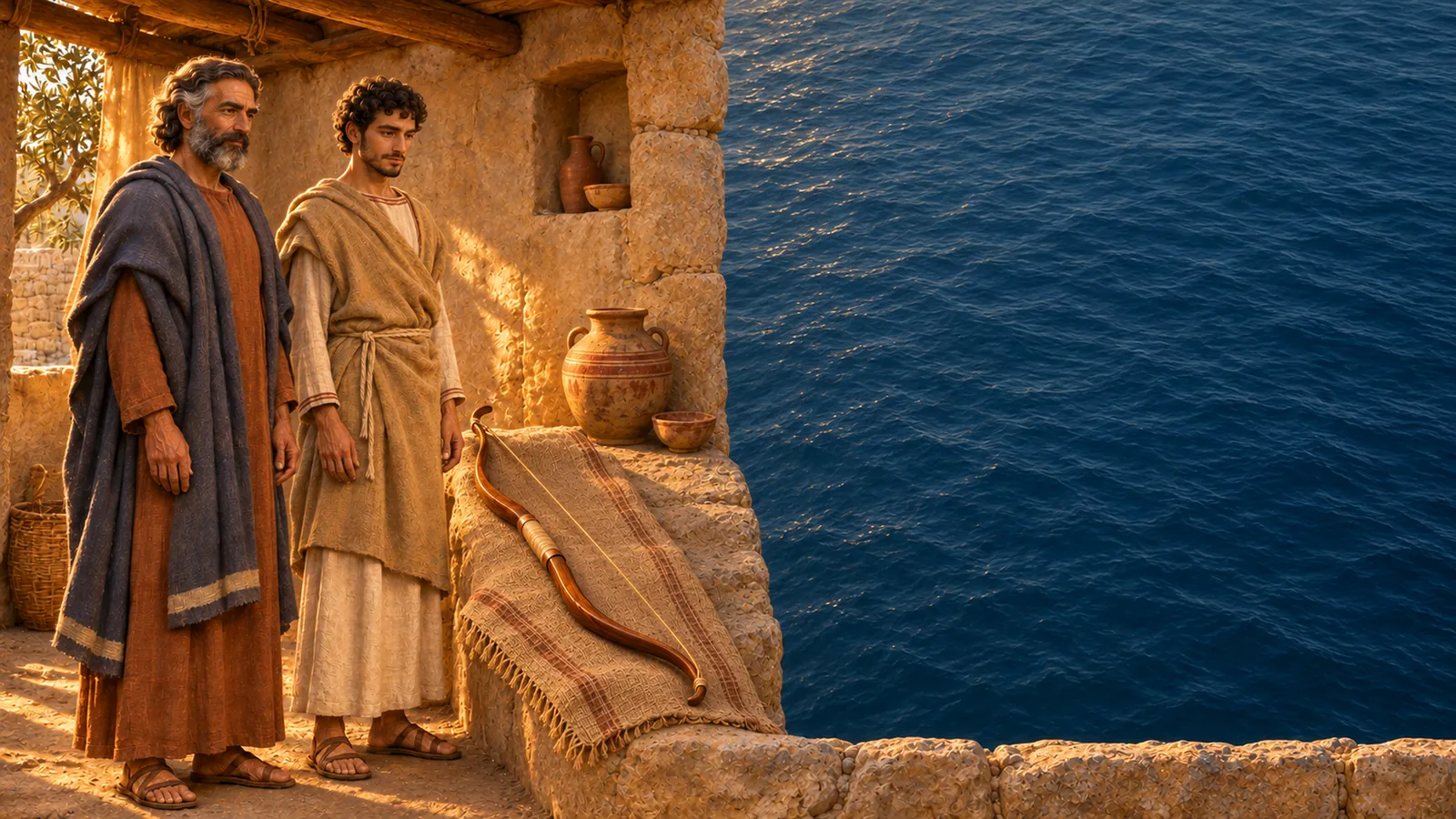
El pasaje dañado parece mostrar que Danel entrega el regalo a Aqhat y lo bendice. El acto exacto y parte de sus palabras se han perdido.
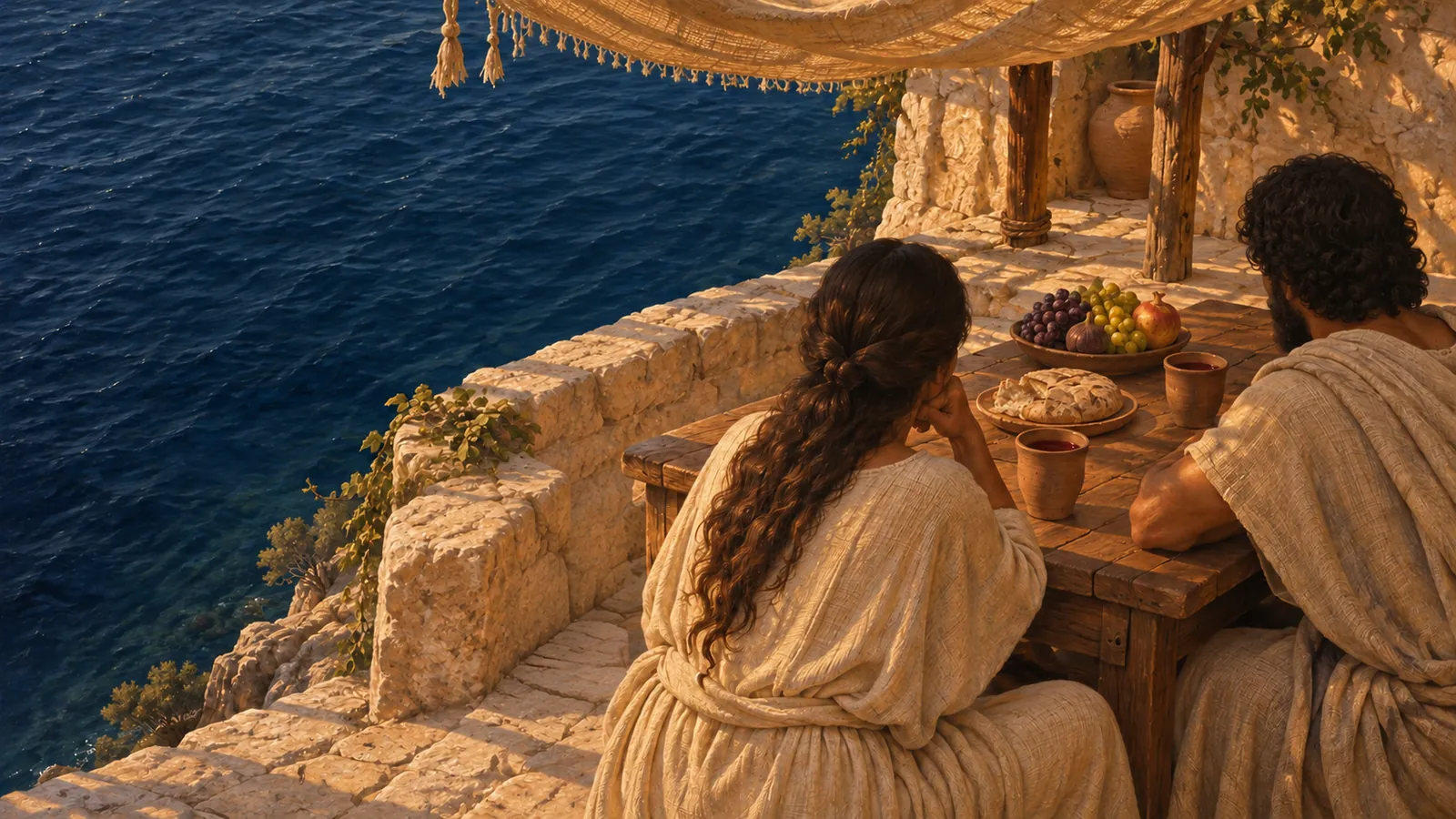
Tras una rotura, el texto se reanuda con comida y vino en un banquete. Se han perdido el lugar y las circunstancias que llevaron allí a los invitados.
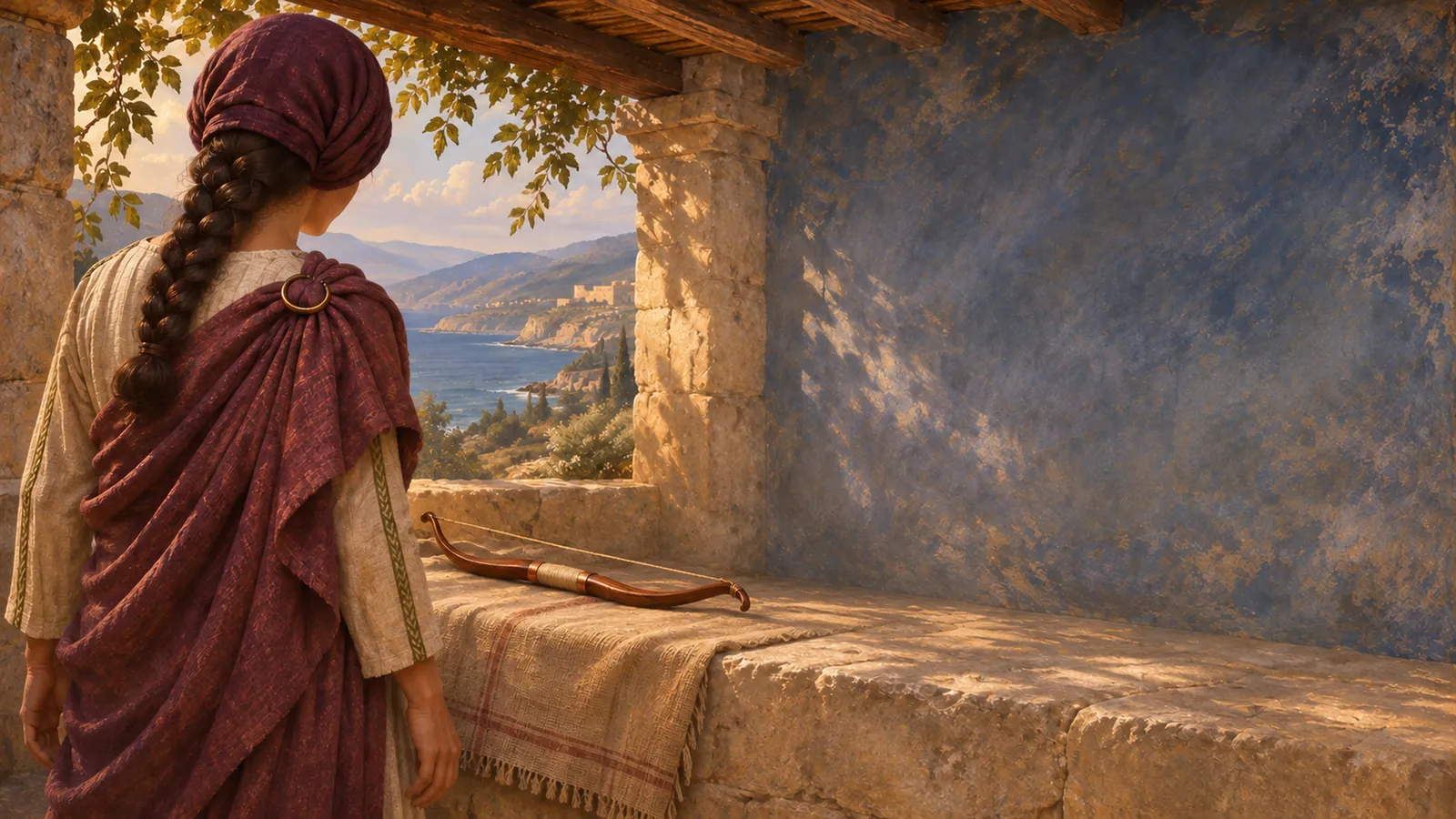
Anat se fija en el arco extraordinario. Los versos de ese momento están dañados y las ediciones discrepan sobre quién lo toma.
ORO Y PLATA
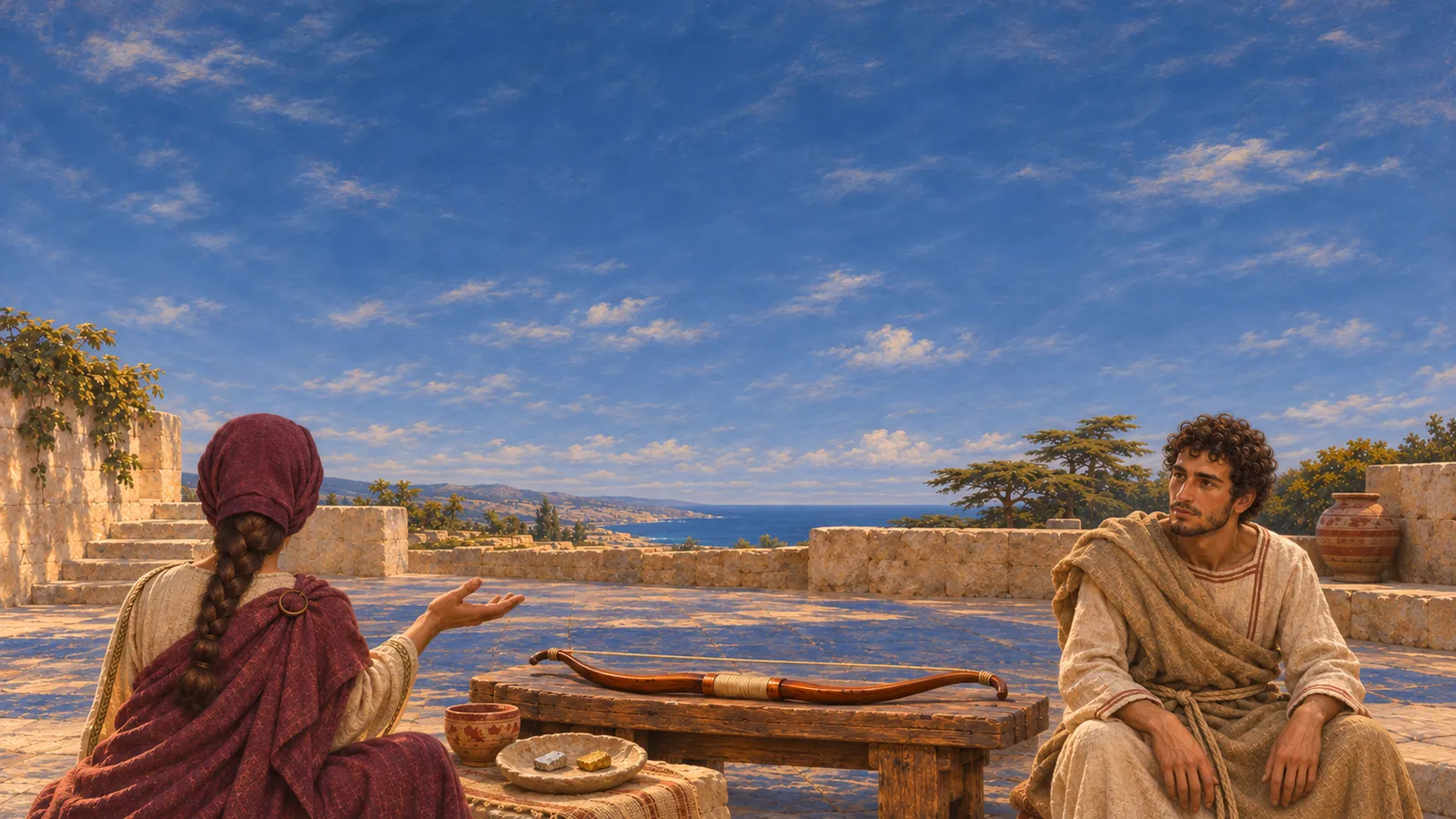
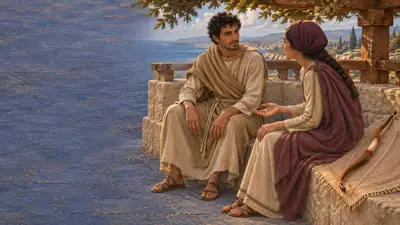
Anat ofrece a Aqhat plata y oro a cambio del arco. Le dice lo que estaría dispuesta a darle por él.
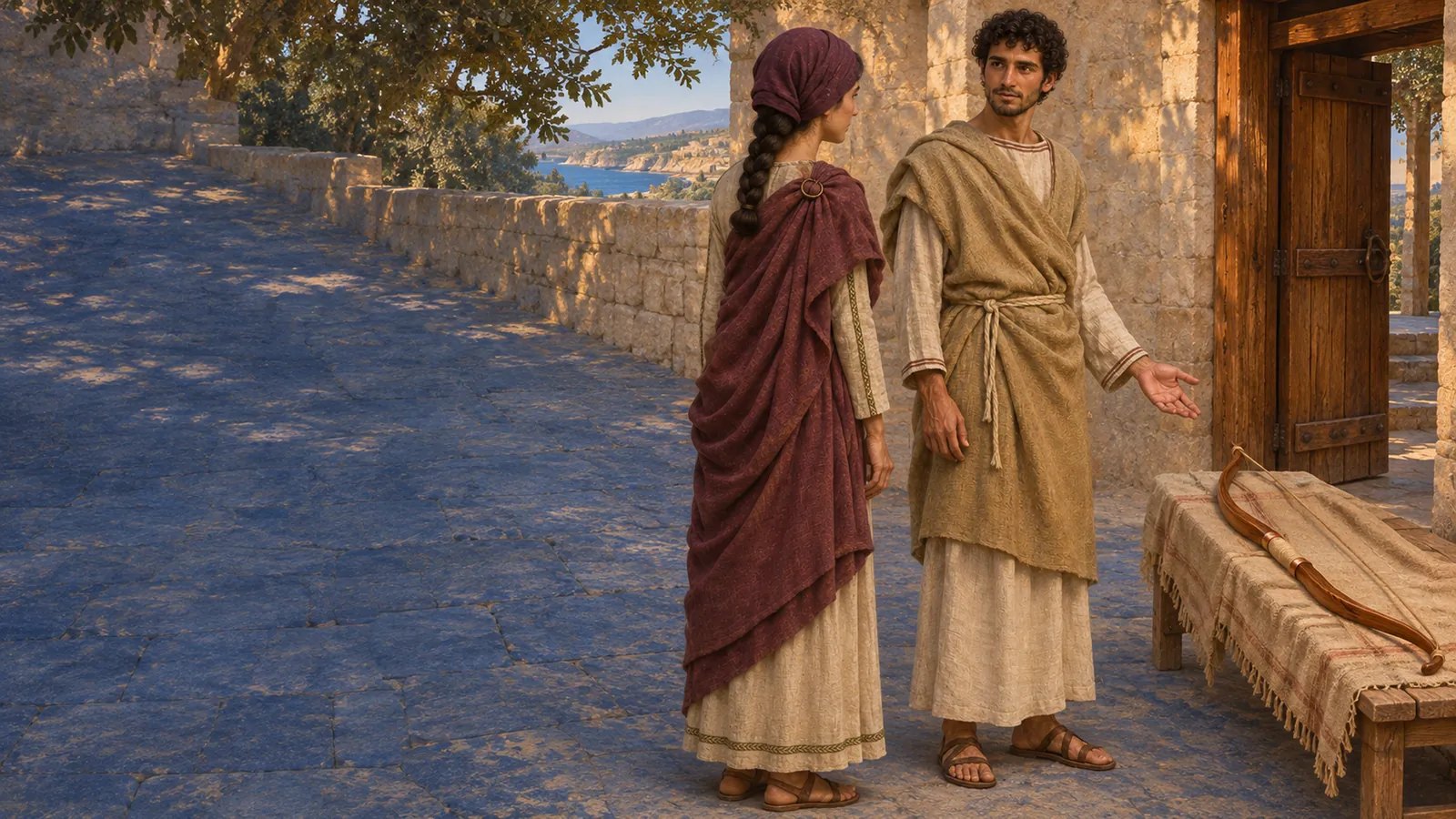
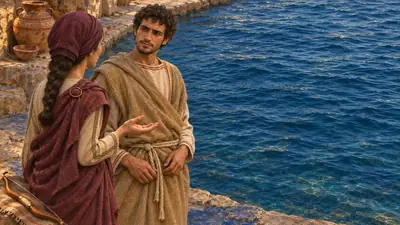
Aqhat remite a Anat al artesano. Dice que puede acudir a él para conseguir un arco propio.
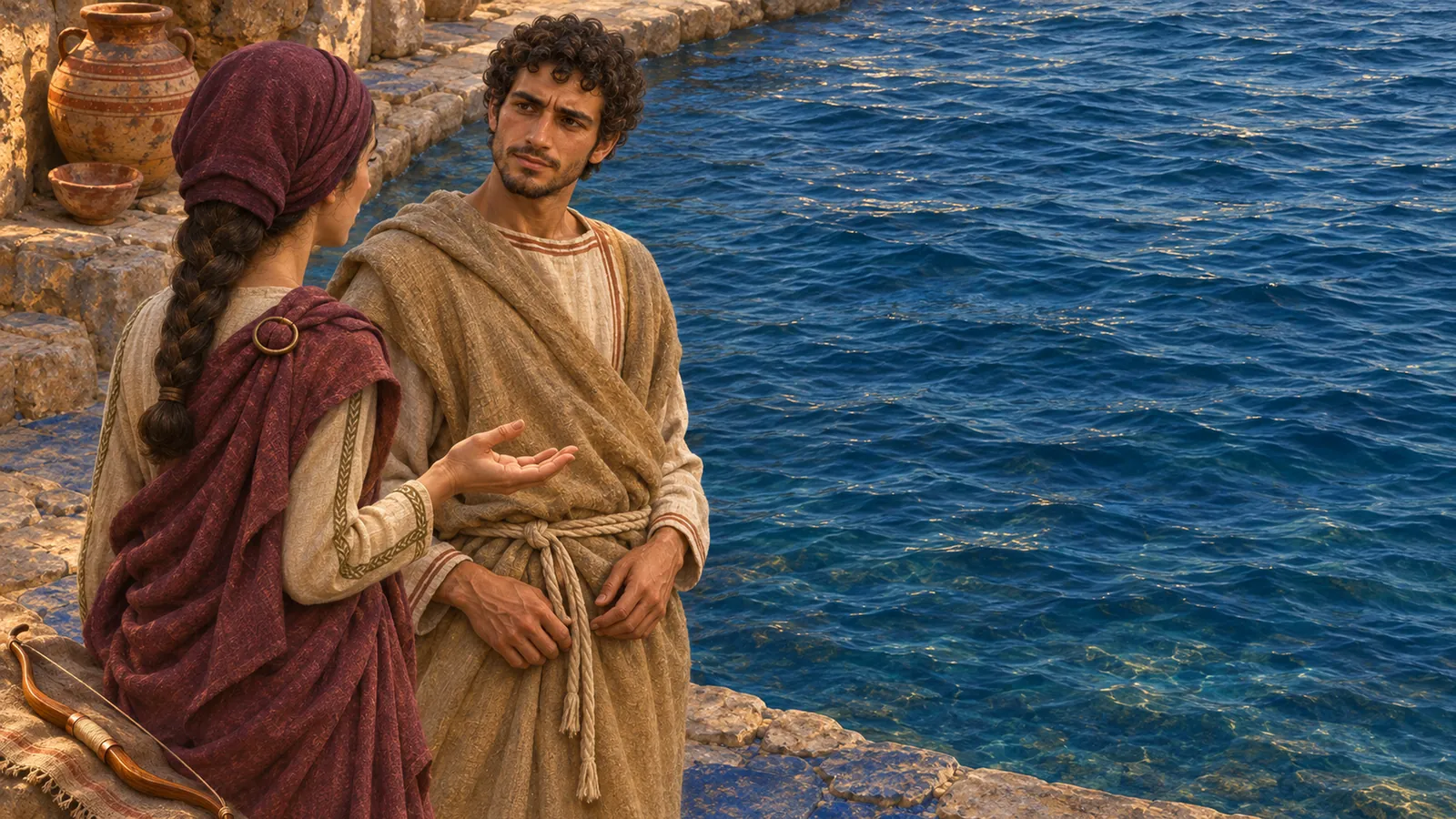
Todavía deseosa del arco, Anat ofrece a Aqhat una vida sin muerte. Habla de los años que contaría junto a Baal.
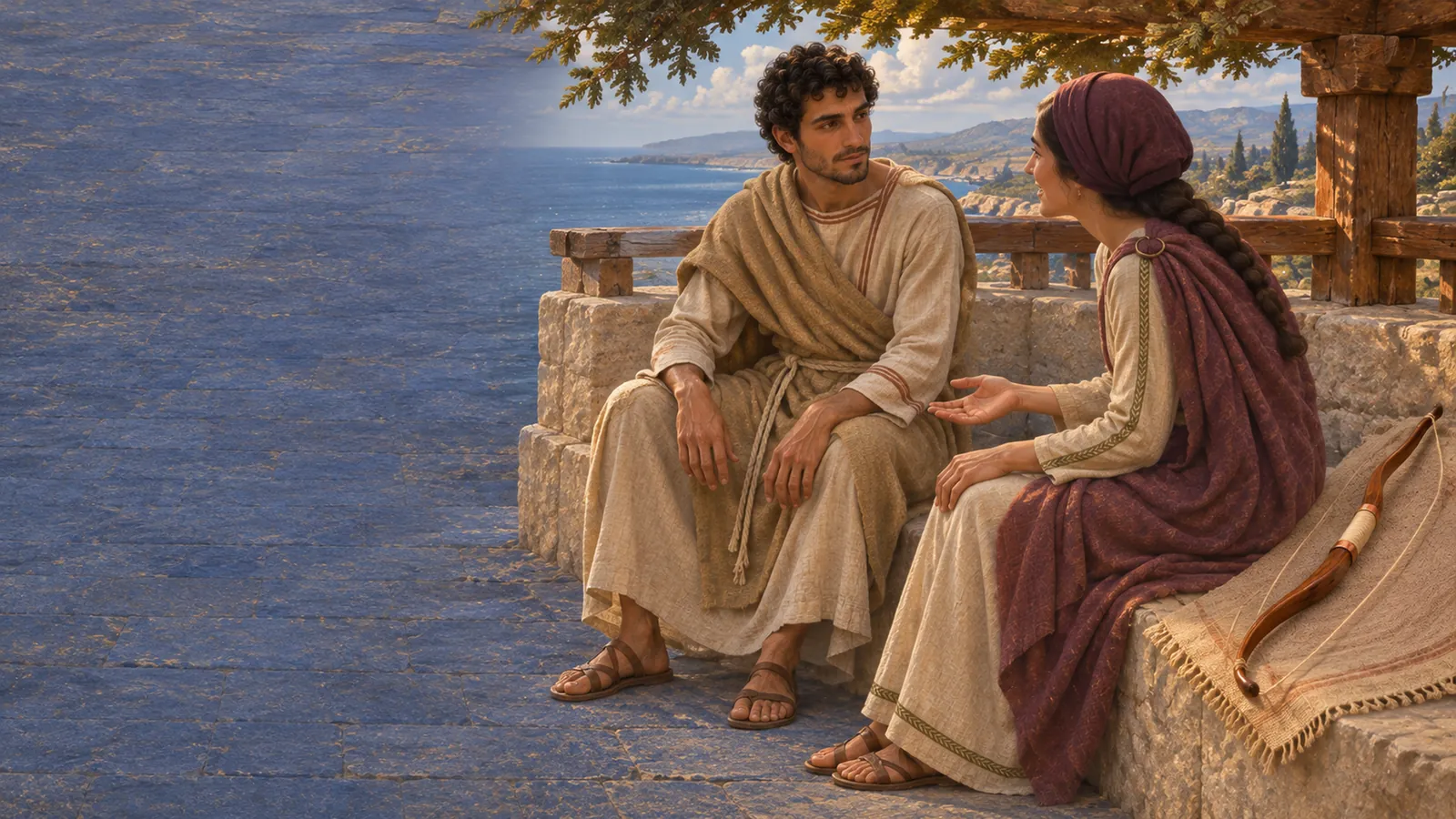
Anat desarrolla su promesa con imágenes de hospitalidad y canto asociadas a Baal. Forman parte de lo que le dice a Aqhat.
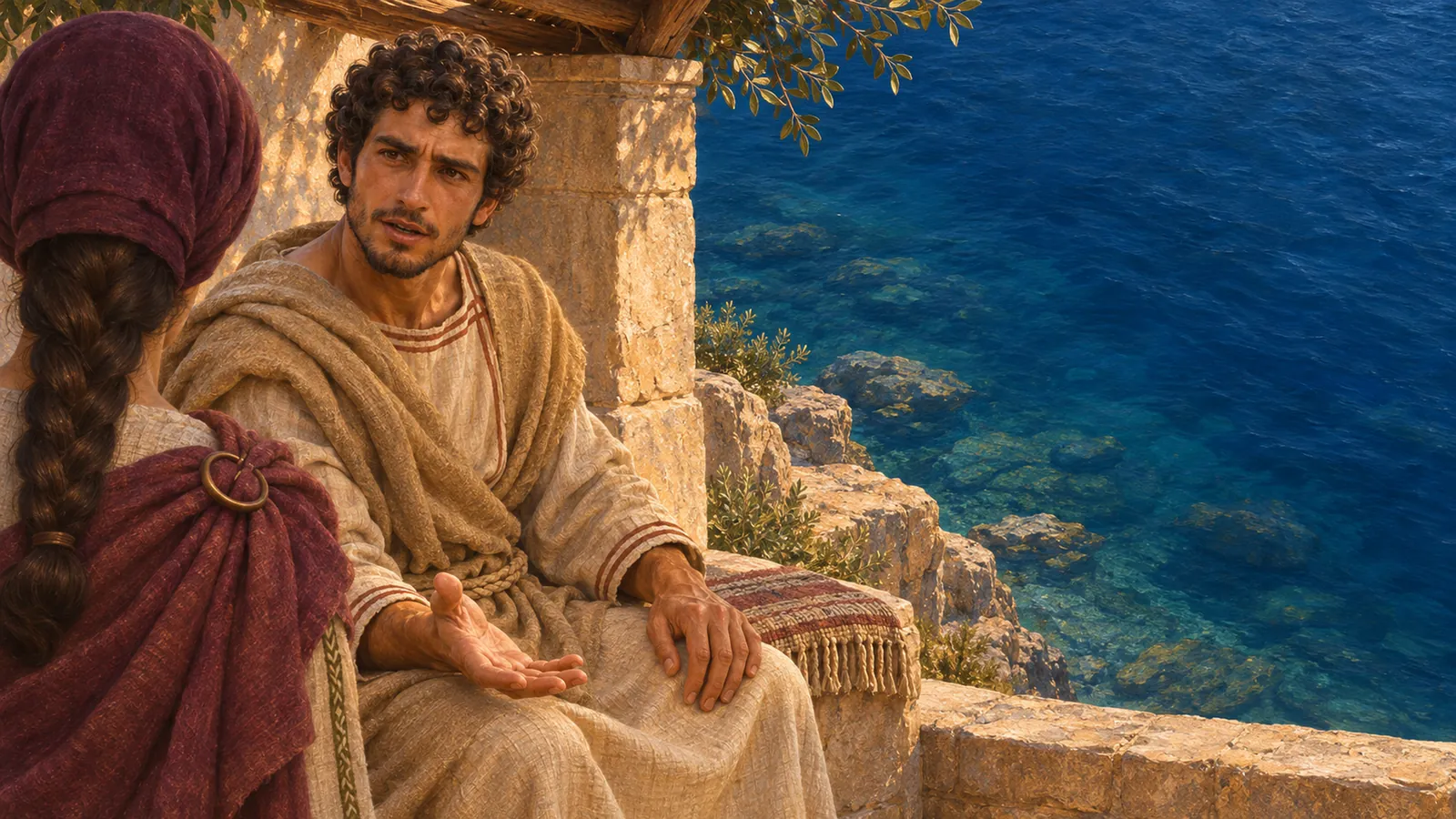
Aqhat dice que la promesa es falsa. Le responde a Anat que morirá como los demás seres humanos.
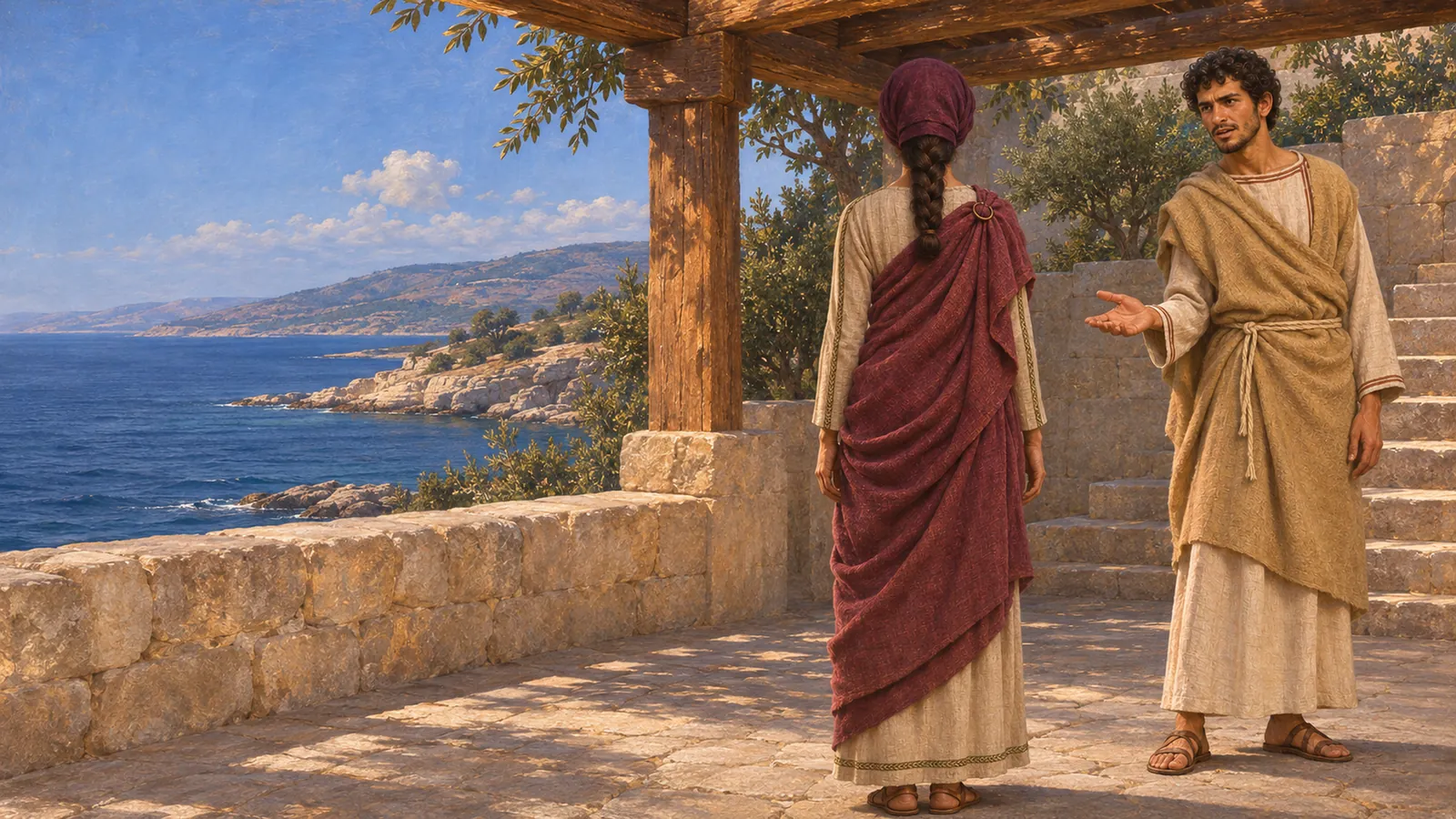
Aqhat cuestiona la pretensión de Anat sobre el arco. En su respuesta pregunta, en sus propios términos, si la caza es cosa de mujeres.
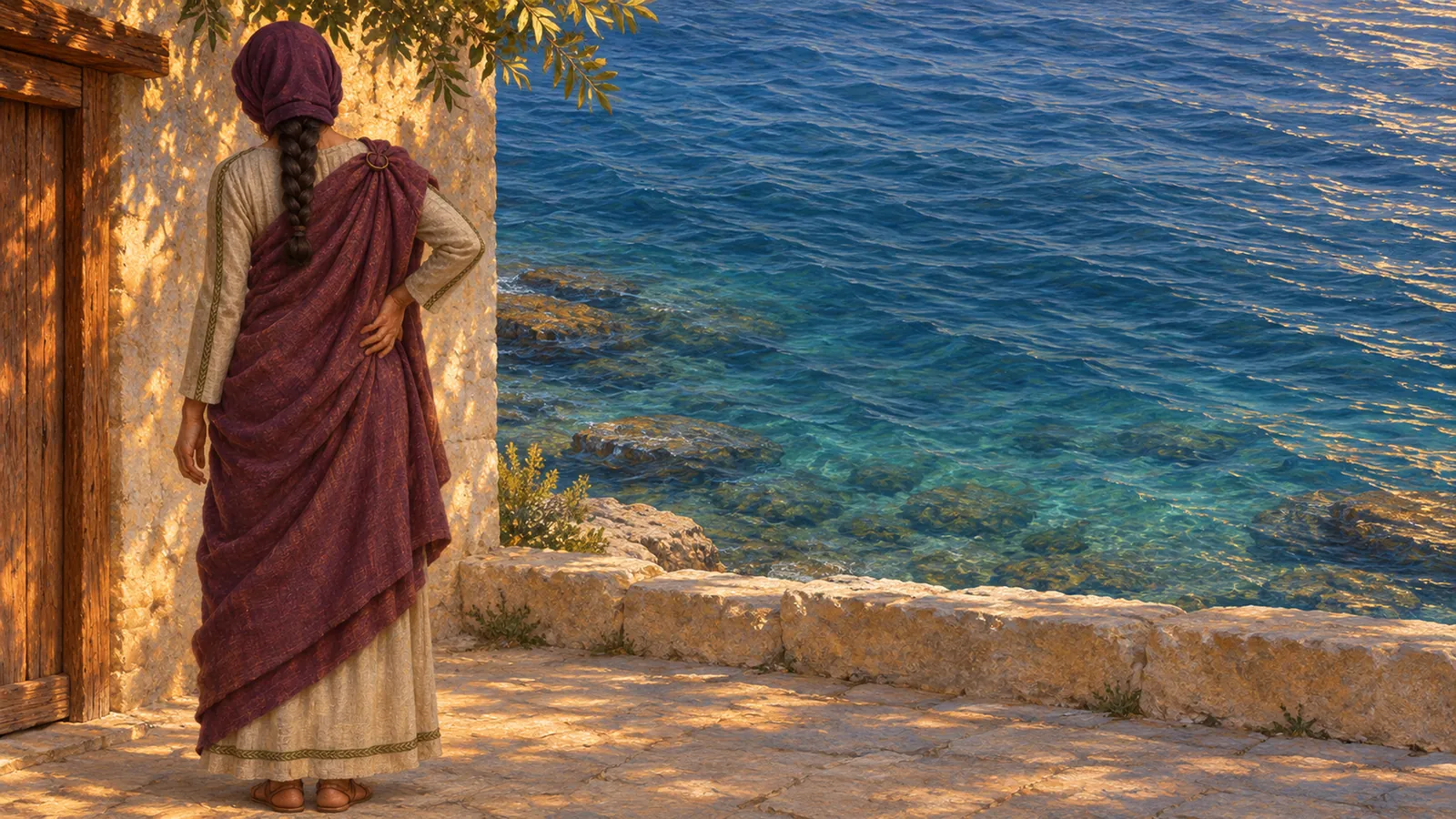
Anat se ríe en voz alta y oculta su ira. Piensa en represalias a medida que el diálogo llega a su fin.

Anat va a ver a El en los manantiales de los dos ríos. Le rinde homenaje y habla contra Aqhat.
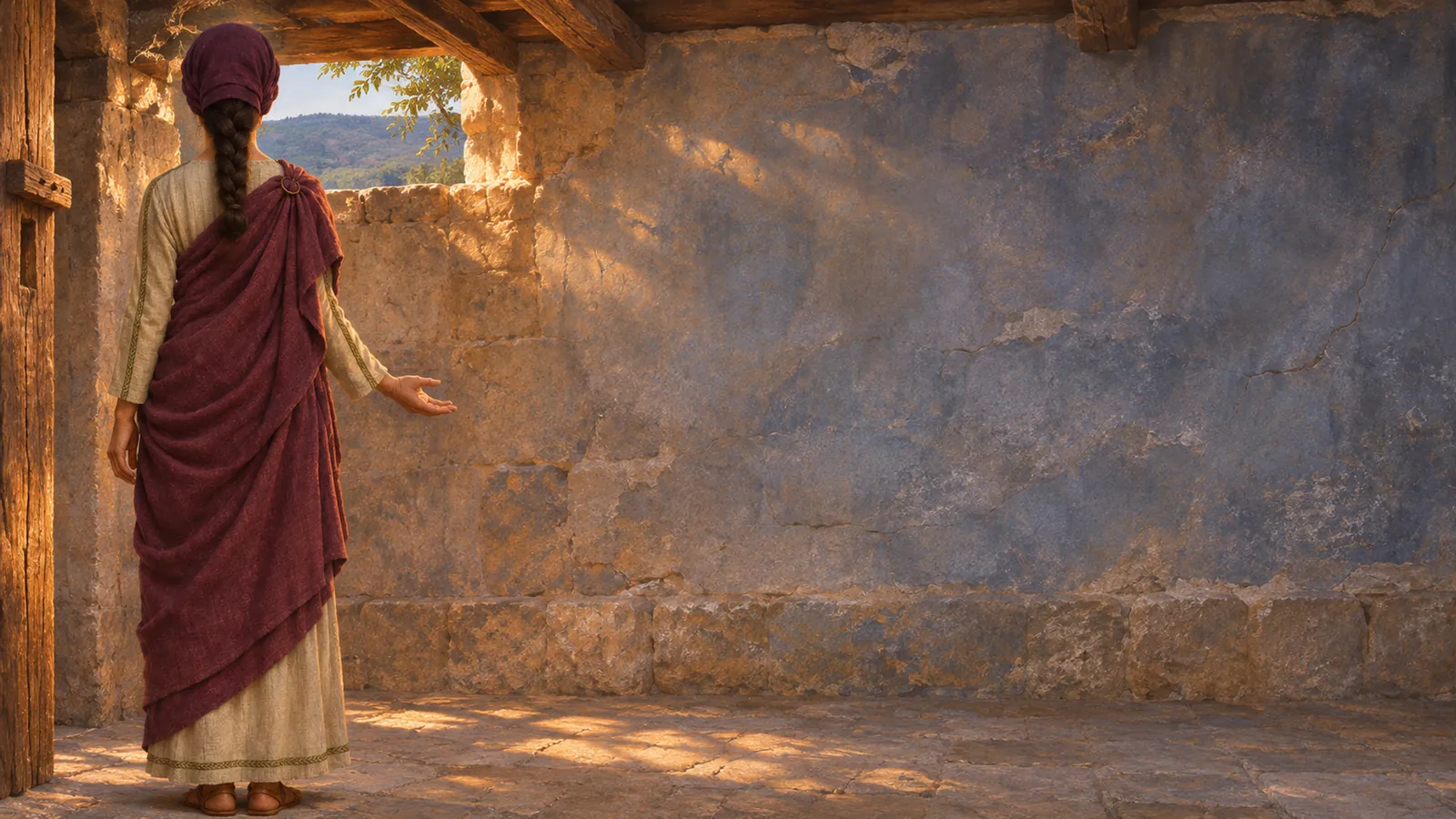
Anat comienza a hablar en la morada de El. El final de una tablilla y el comienzo de la siguiente dificultan recuperar parte de su diálogo.
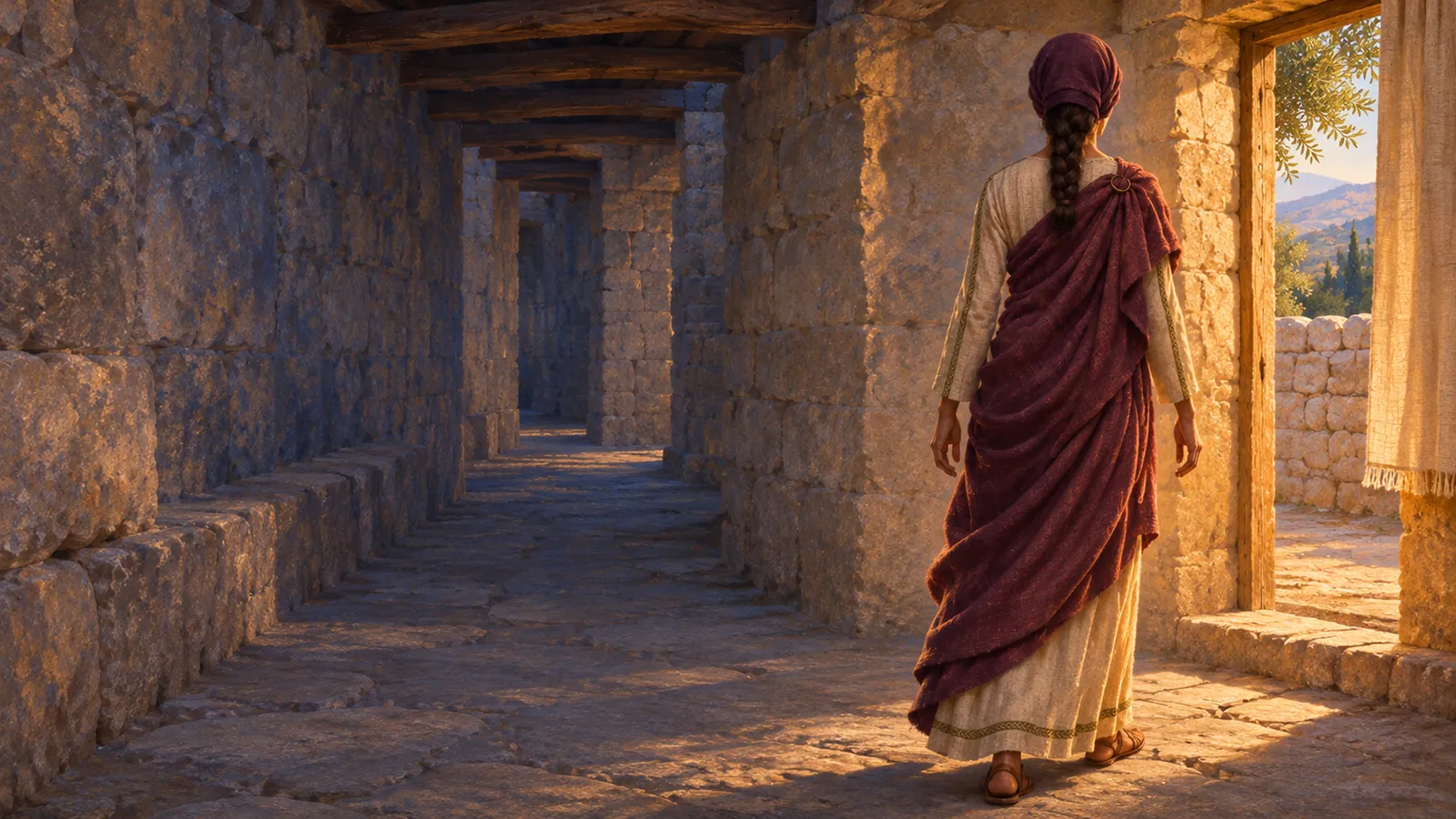
Anat amenaza a El. Él la reprende por sus palabras y la deja seguir su propio camino.
LA INVITACIÓN
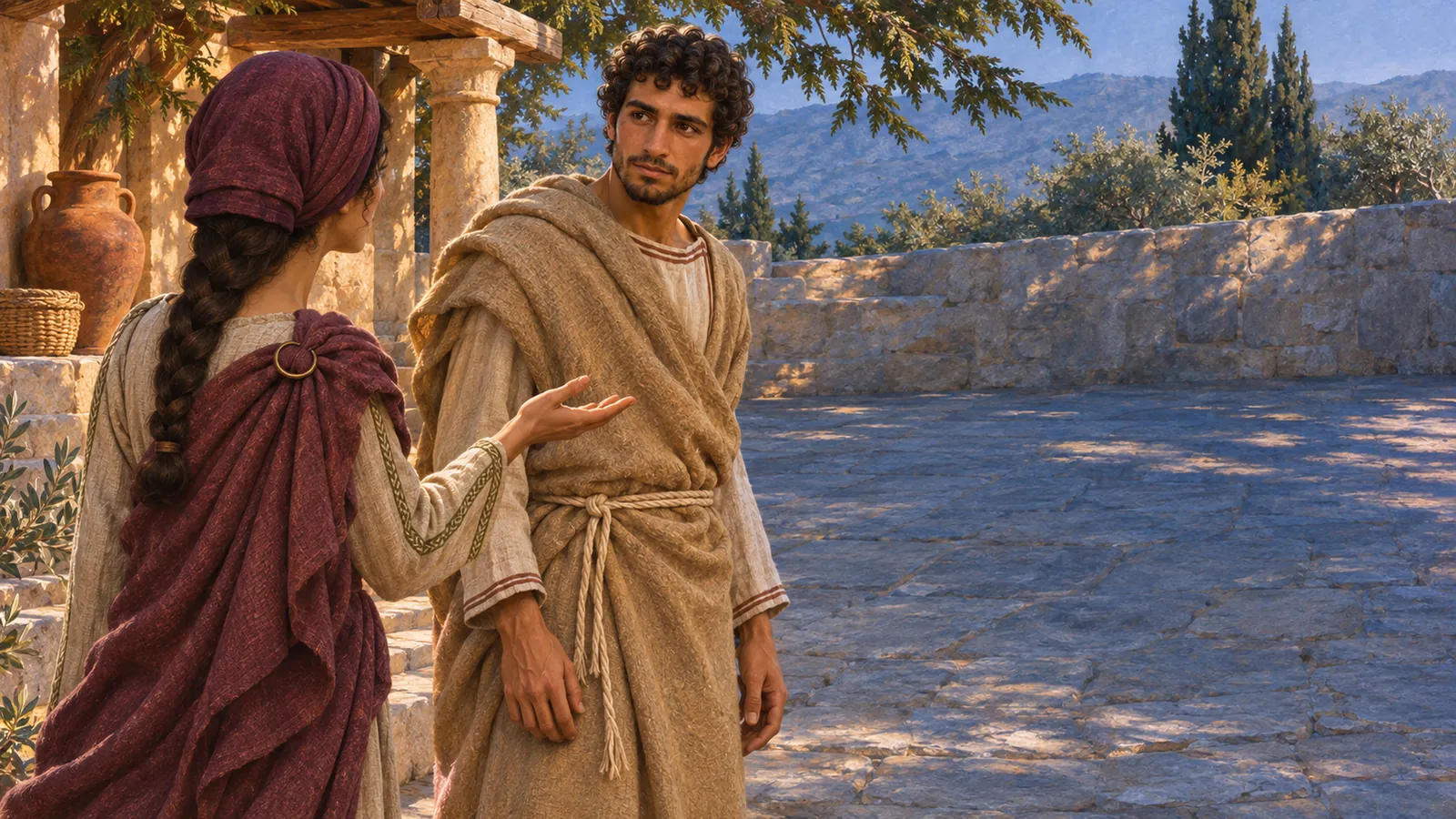
Anat se dirige a Aqhat como si hablara con alguien cercano. Lo invita a cazar y nombra Abilum. Parte de sus palabras se ha perdido.

Se han perdido las dos columnas siguientes de la tablilla. Lo que ocurrió entre la invitación de Anat y la siguiente conversación conservada quedó fuera del relato que podemos leer.
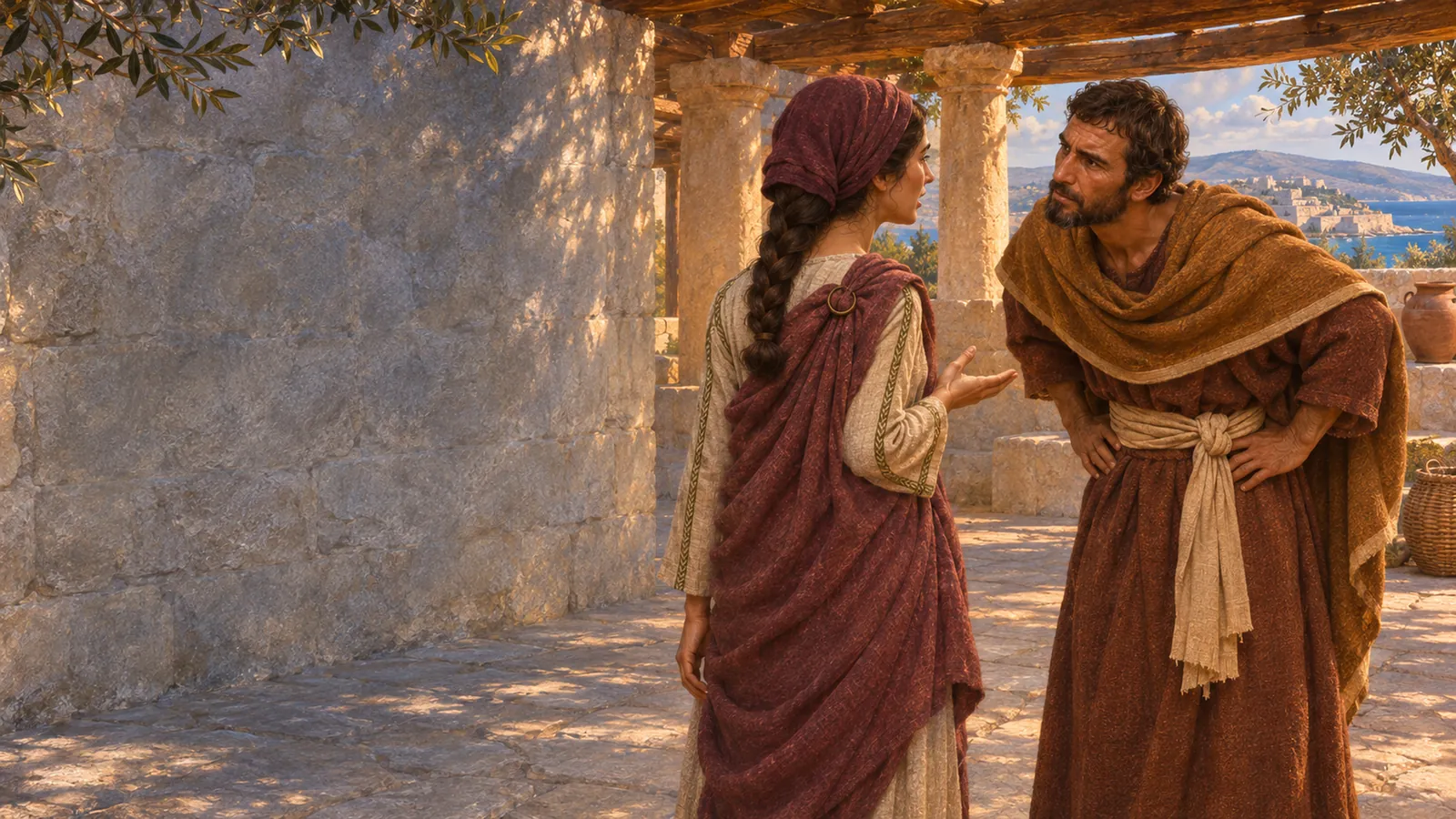
Cuando se reanuda el texto, Anat habla con Yatipan. Se nombra Abilum de nuevo. Según una lectura, Yatipan pregunta si el arco es la causa de su enojo.
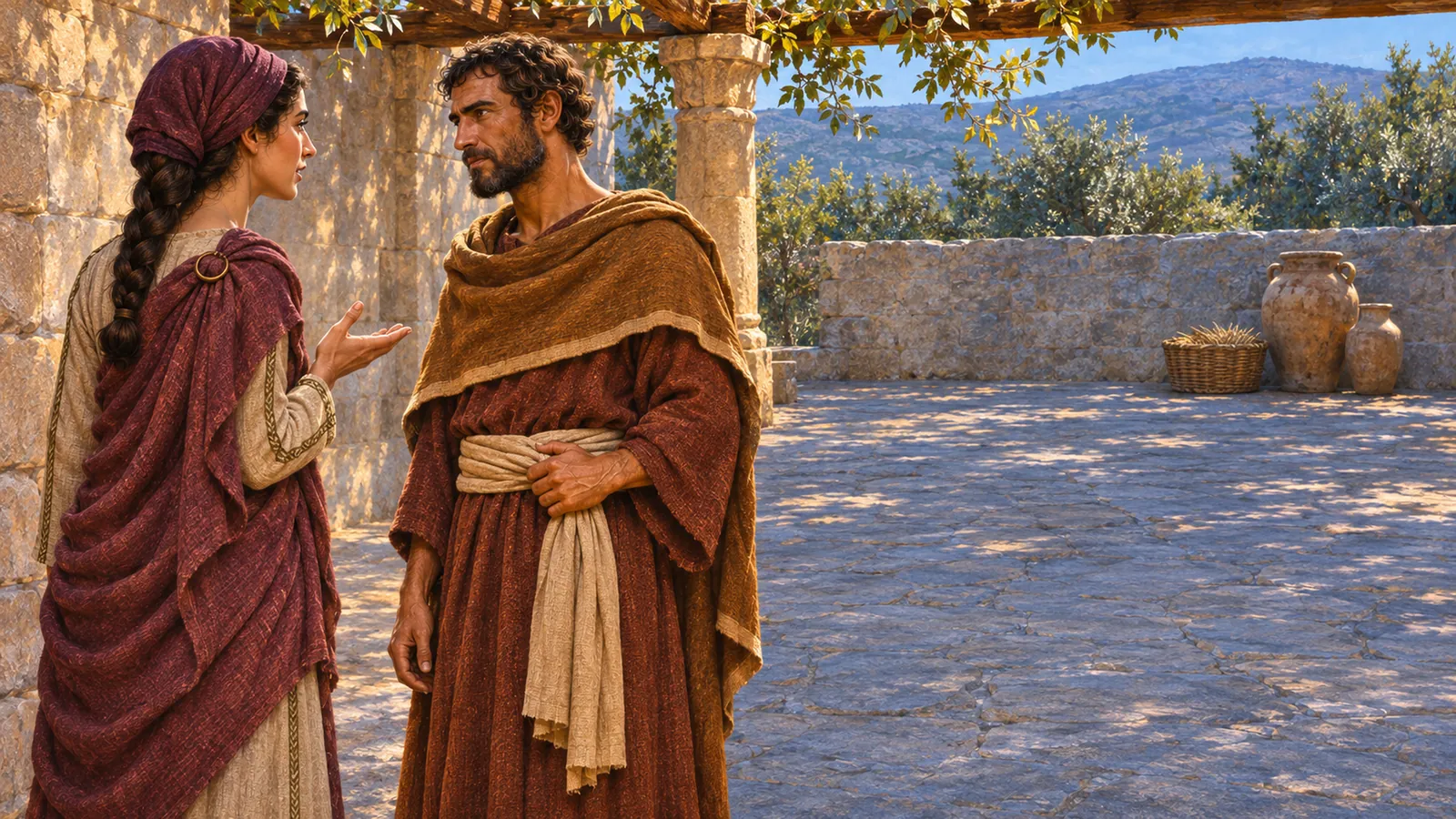
Anat le dice a Yatipan que piensa poner fin a la vida de Aqhat. Luego habla del momento en que él se sentará a comer.
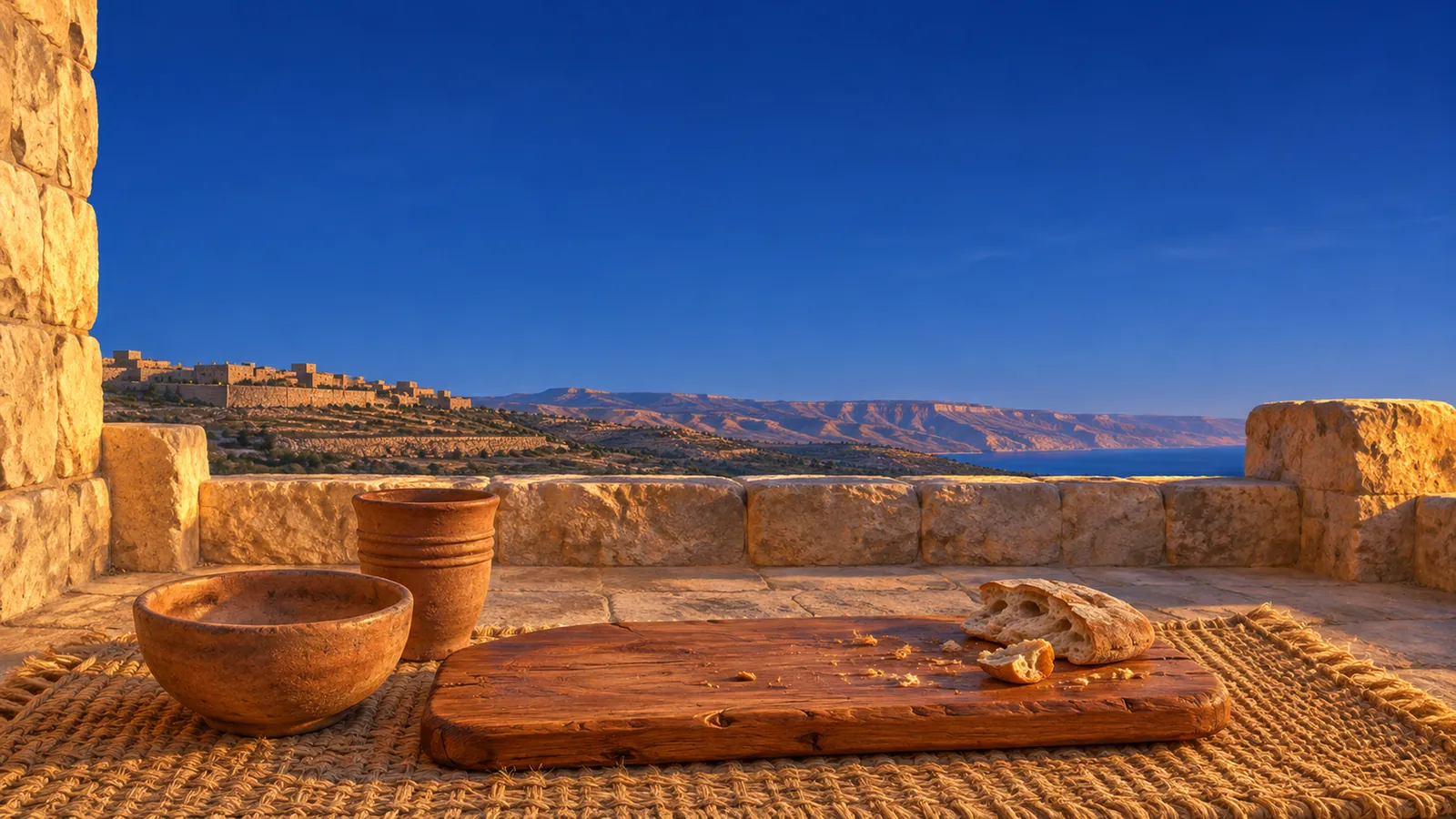
AQHAT
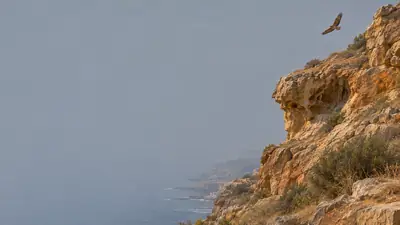
Mientras Aqhat come, Anat gira sobre él entre las aves rapaces. Yatipan golpea a Aqhat en la cabeza y lo mata.
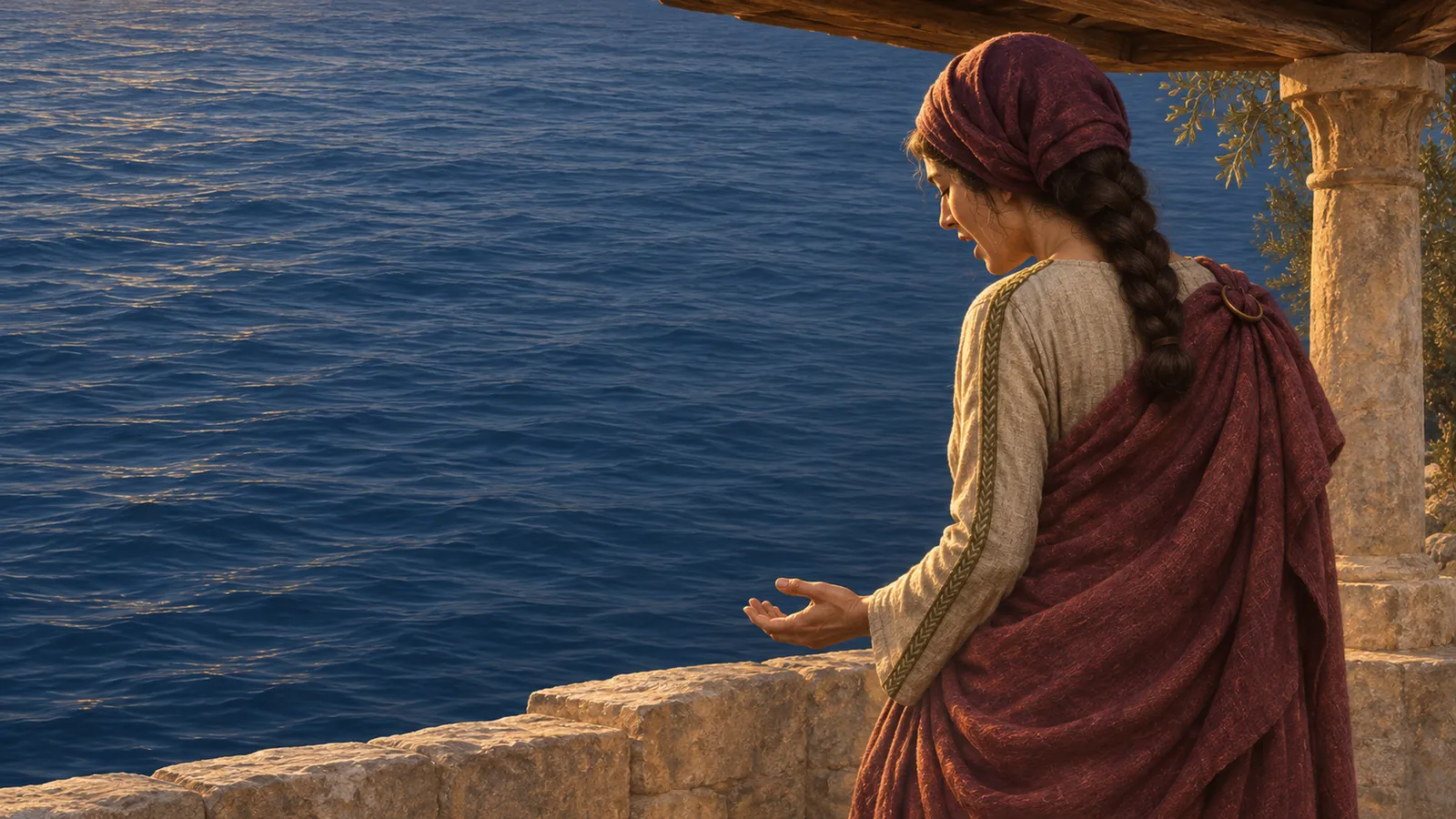
Anat empieza a lamentarse. Al comienzo de la tablilla siguiente, las líneas dañadas hablan del arco que se quiebra y de algo que cae en aguas profundas.
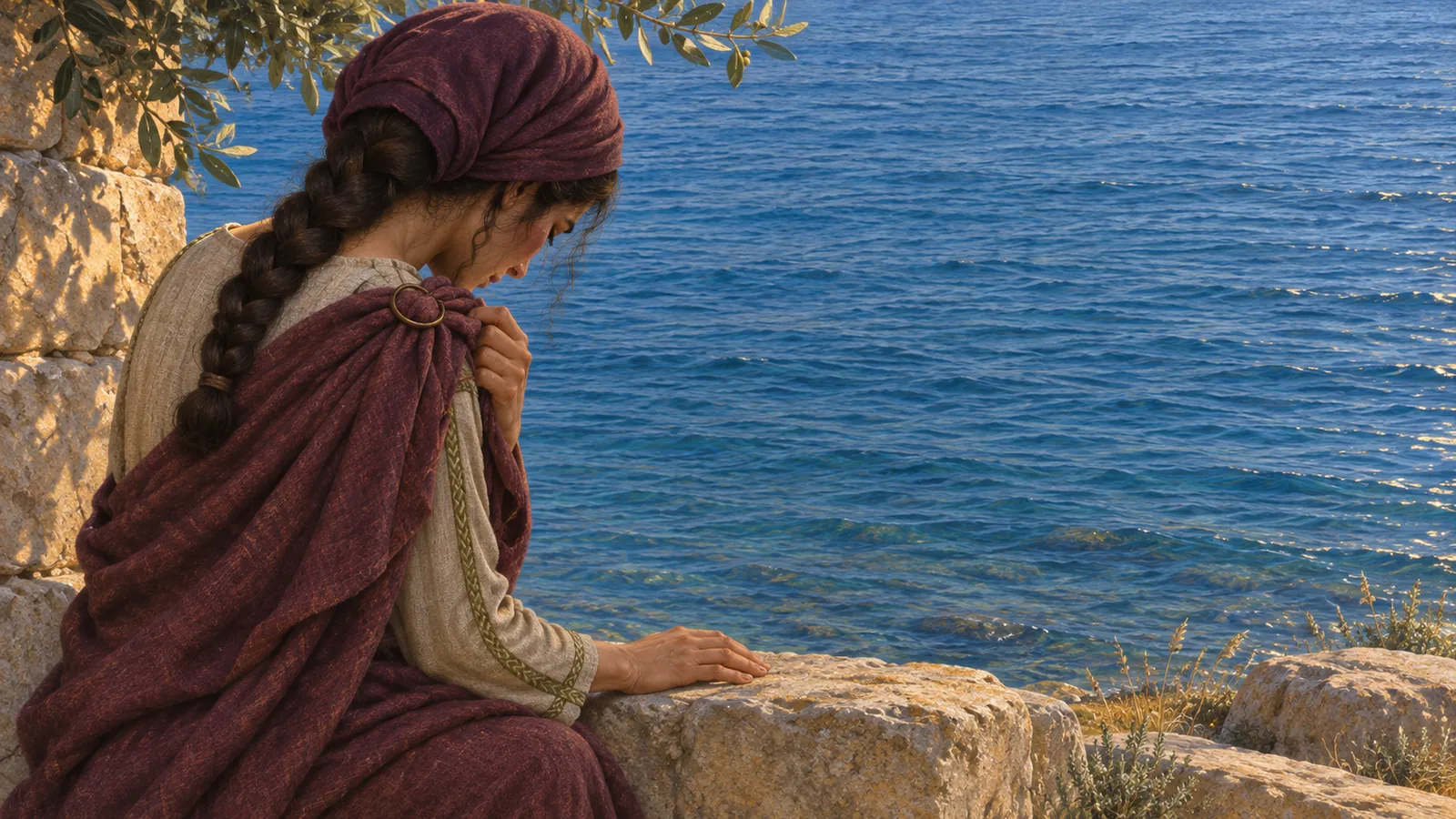
La voz de Anat vuelve en líneas fragmentarias. Habla de Aqhat y luego del arco que buscó y que no pudo conseguir.
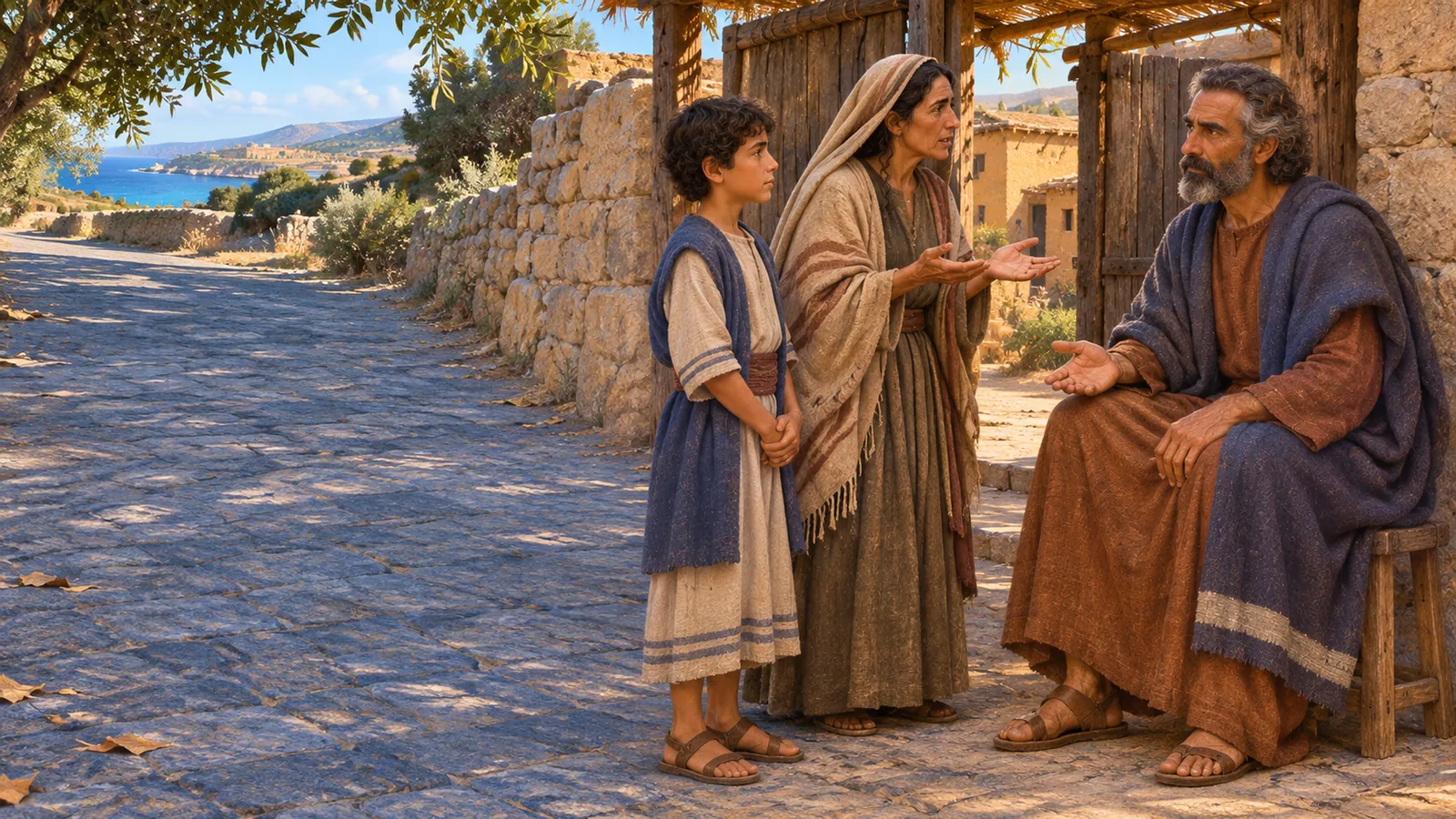
El poema cuenta que los cultivos se marchitan tras la muerte de Aqhat. Luego vuelve a Danel, que escucha en la puerta los casos de la viuda y del huérfano sin saber aún qué ha pasado.
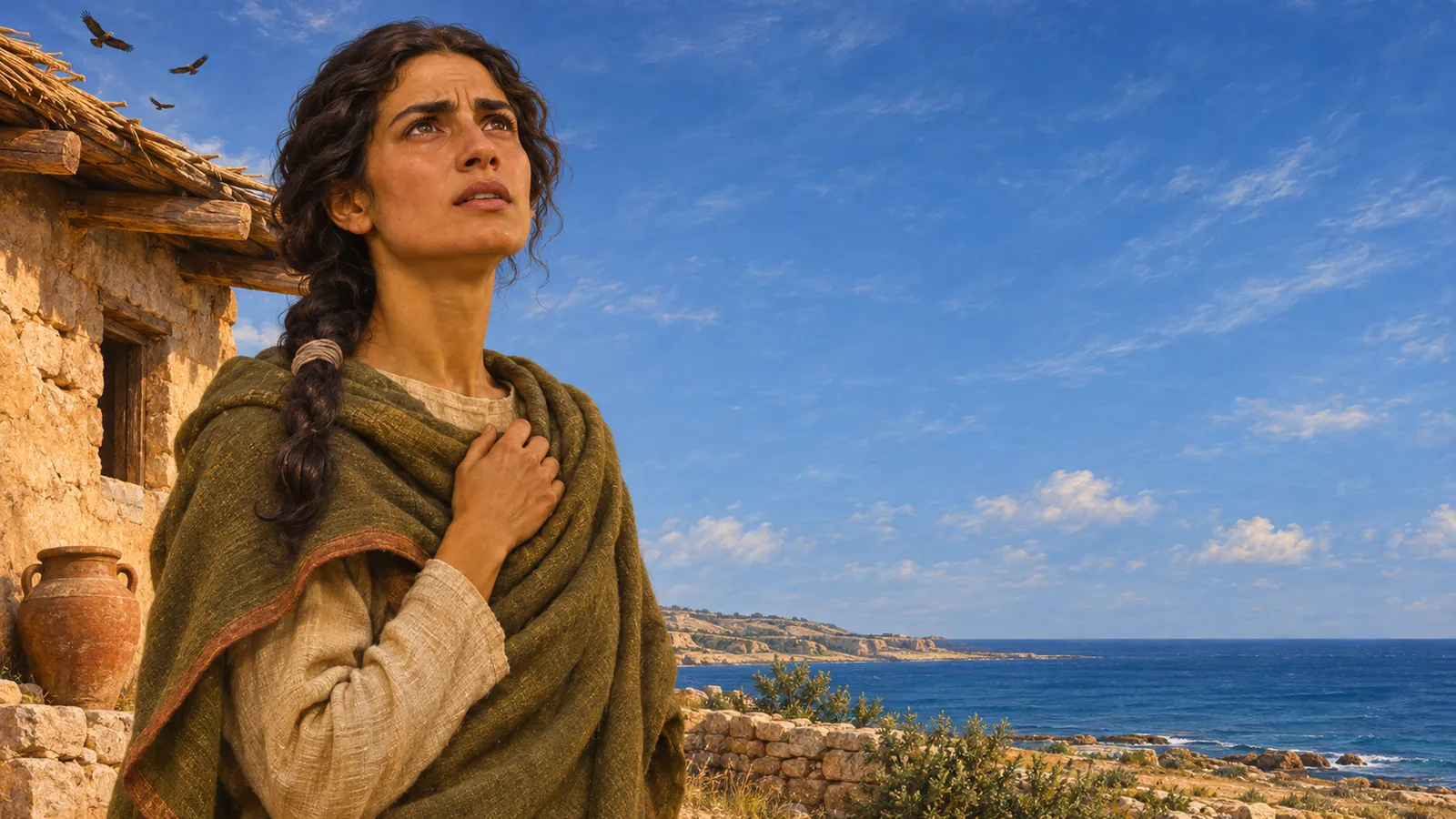
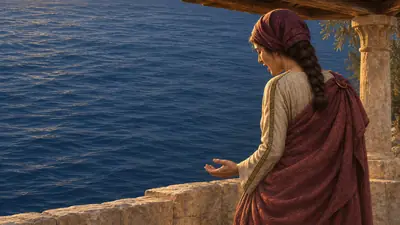
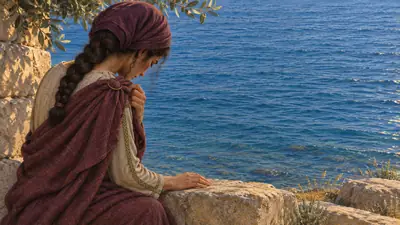
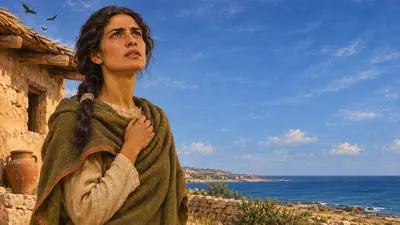
Pughat ve la vegetación marchita y unos pájaros que dan vueltas sobre la casa de su padre. La escena la inquieta y empieza a llorar.
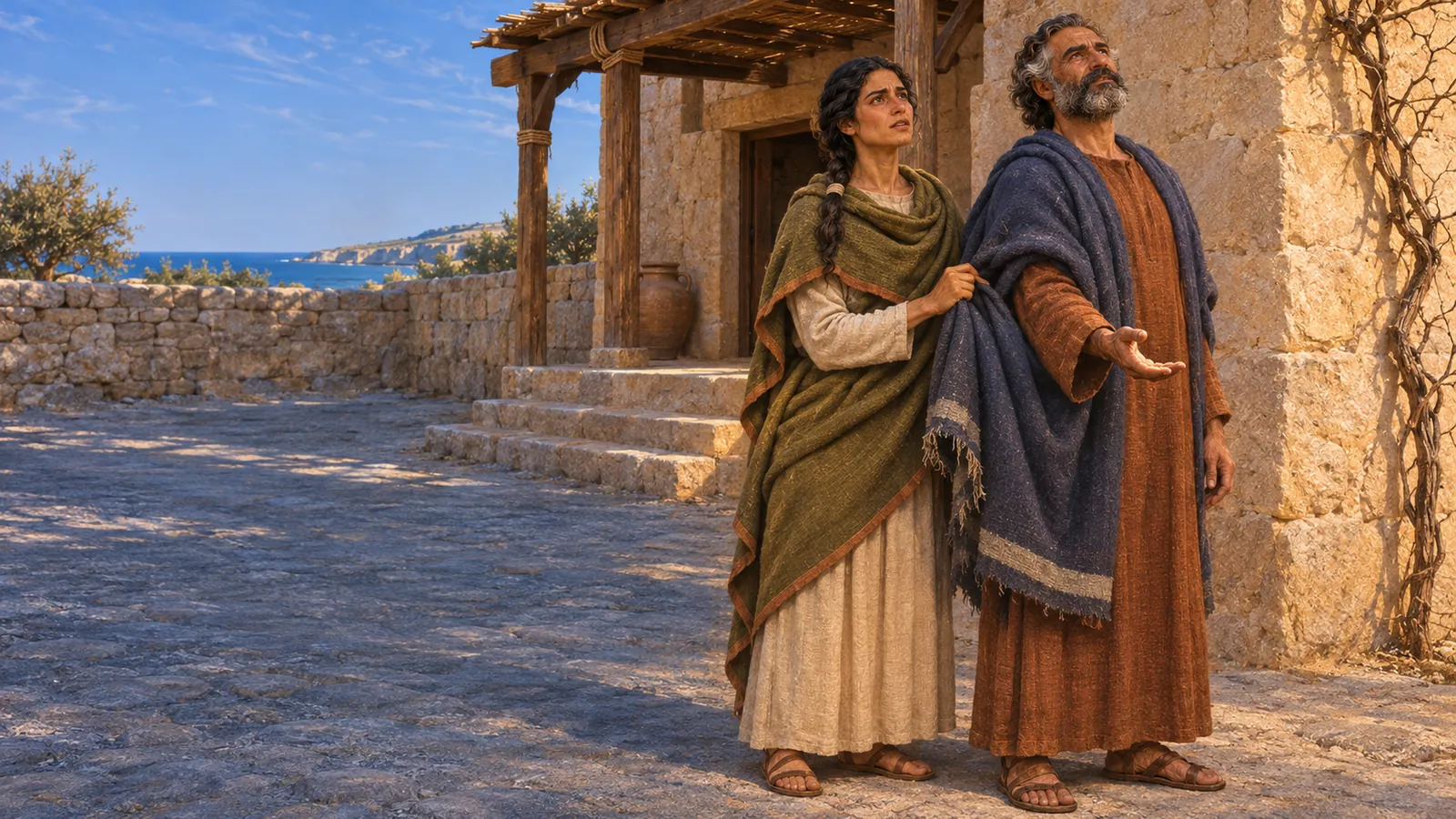
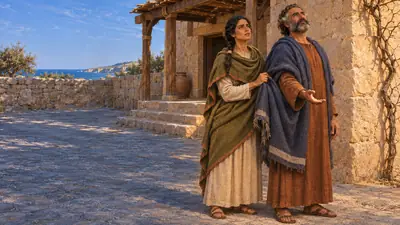
Afligida, Pughat rasga el manto de su padre. Danel dirige sus palabras a las nubes y pide lluvia de verano y rocío para las vides.
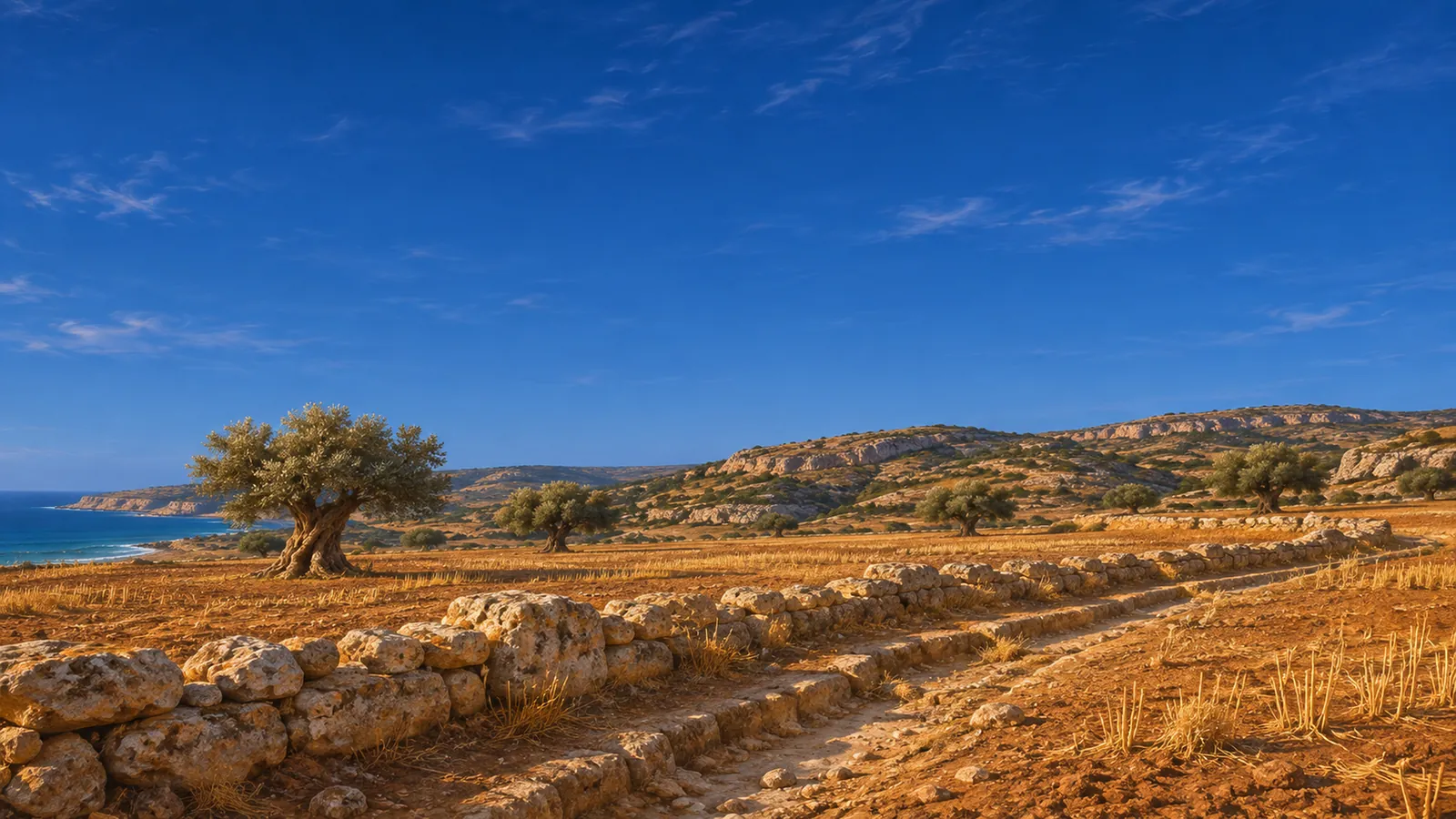
El poema cuenta siete años y luego ocho en el verso que le hace eco. Habla de un cielo sin aguaceros, de una tierra sin rocío y de la voz ausente de Baal.
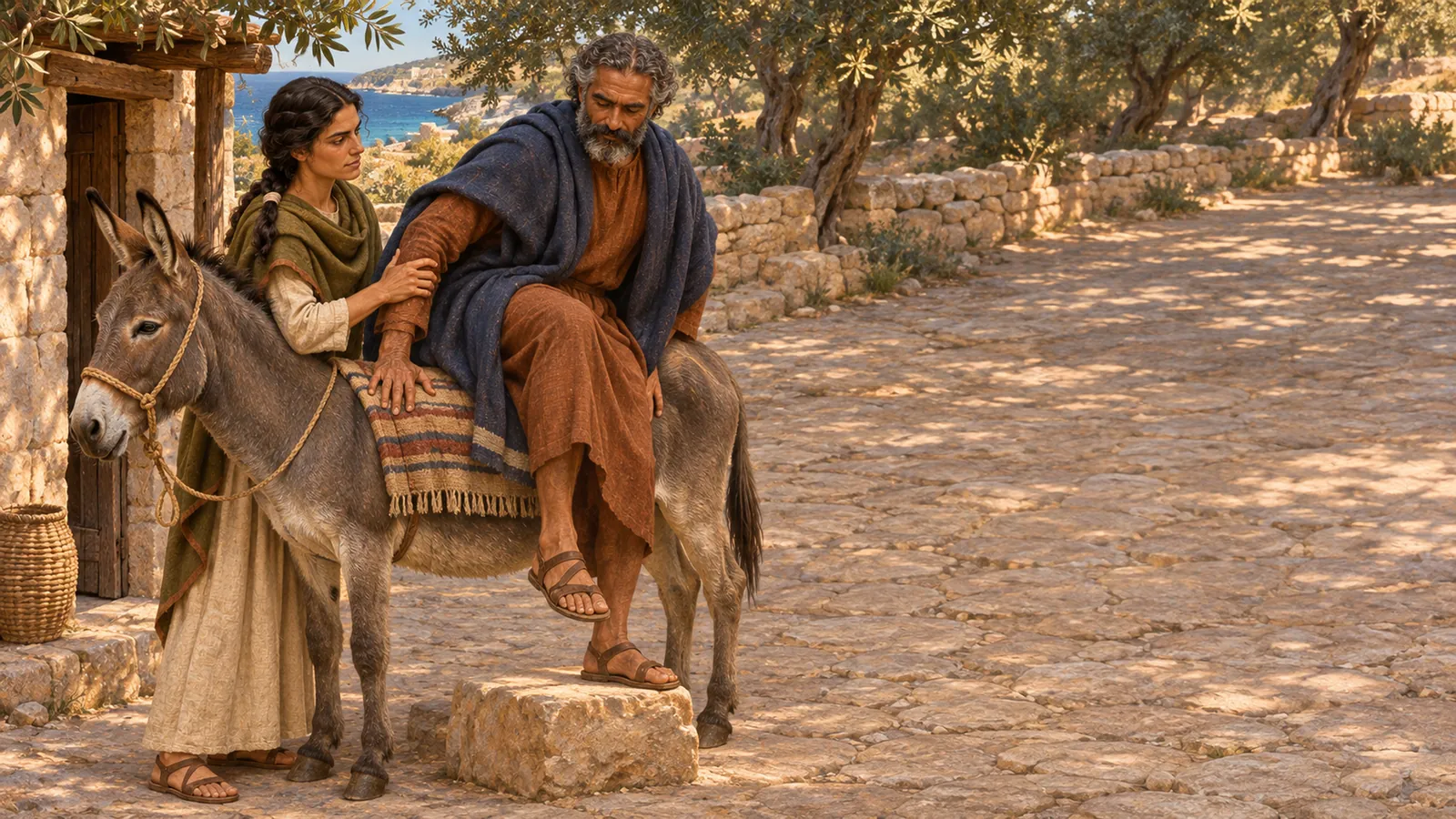
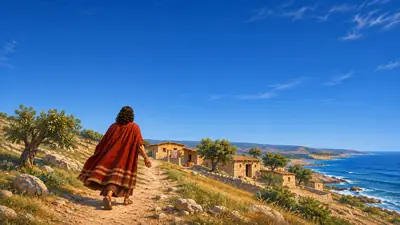
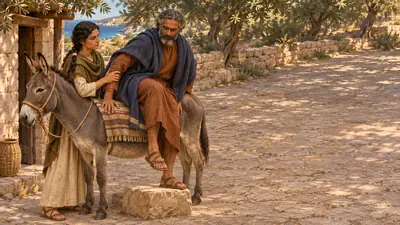
Danel llama a su hija, la portadora de agua que conoce el curso de las estrellas. Pughat trae un asno y ayuda a su padre a montarlo.
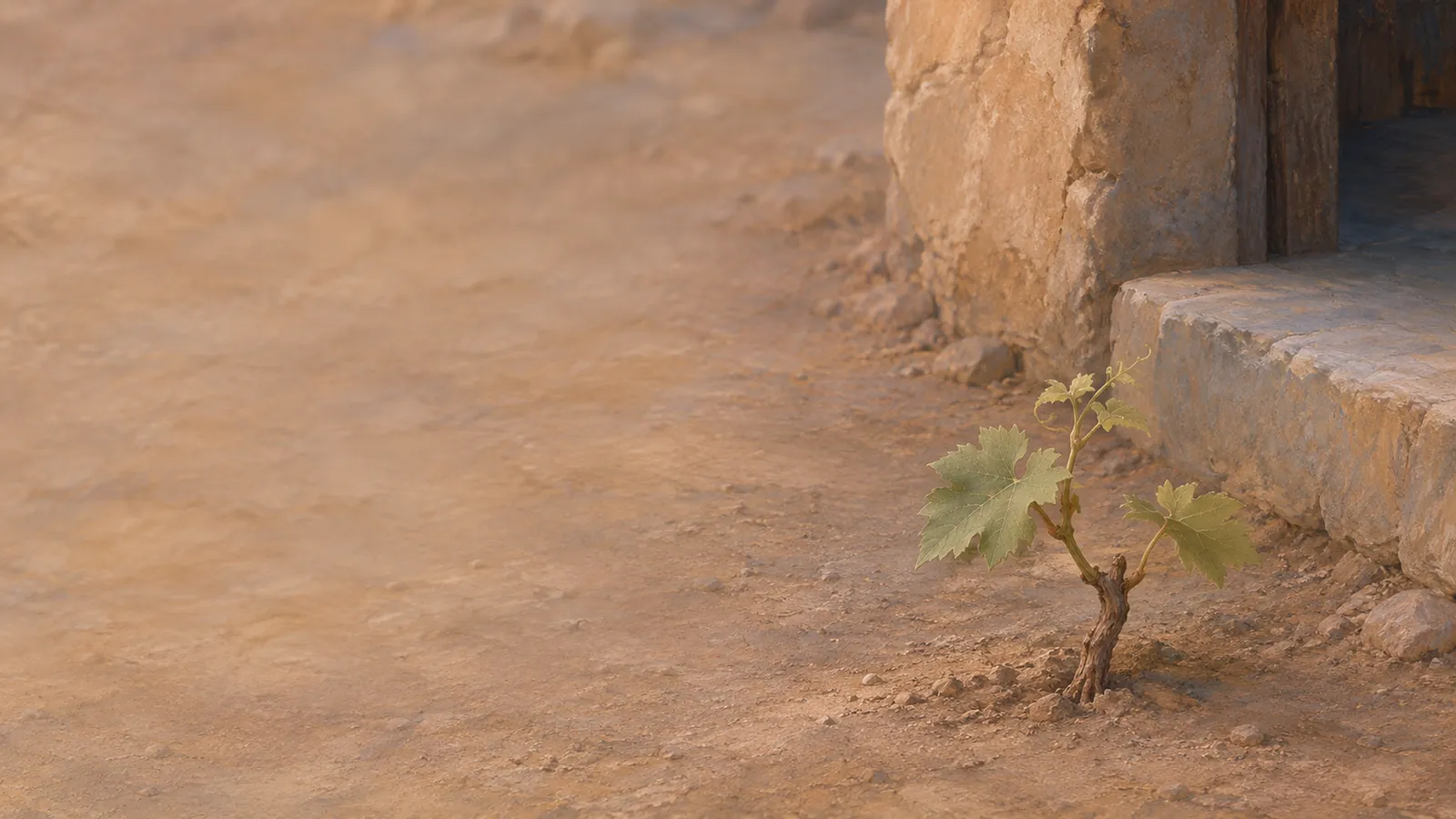
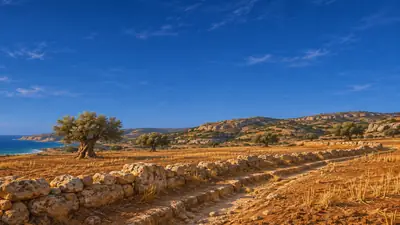
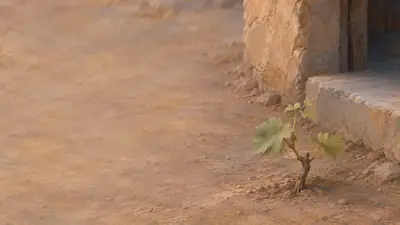
Danel llega a un sarmiento en la tierra seca. Desea que crezca y que Aqhat recoja su fruto y lo lleve al granero.
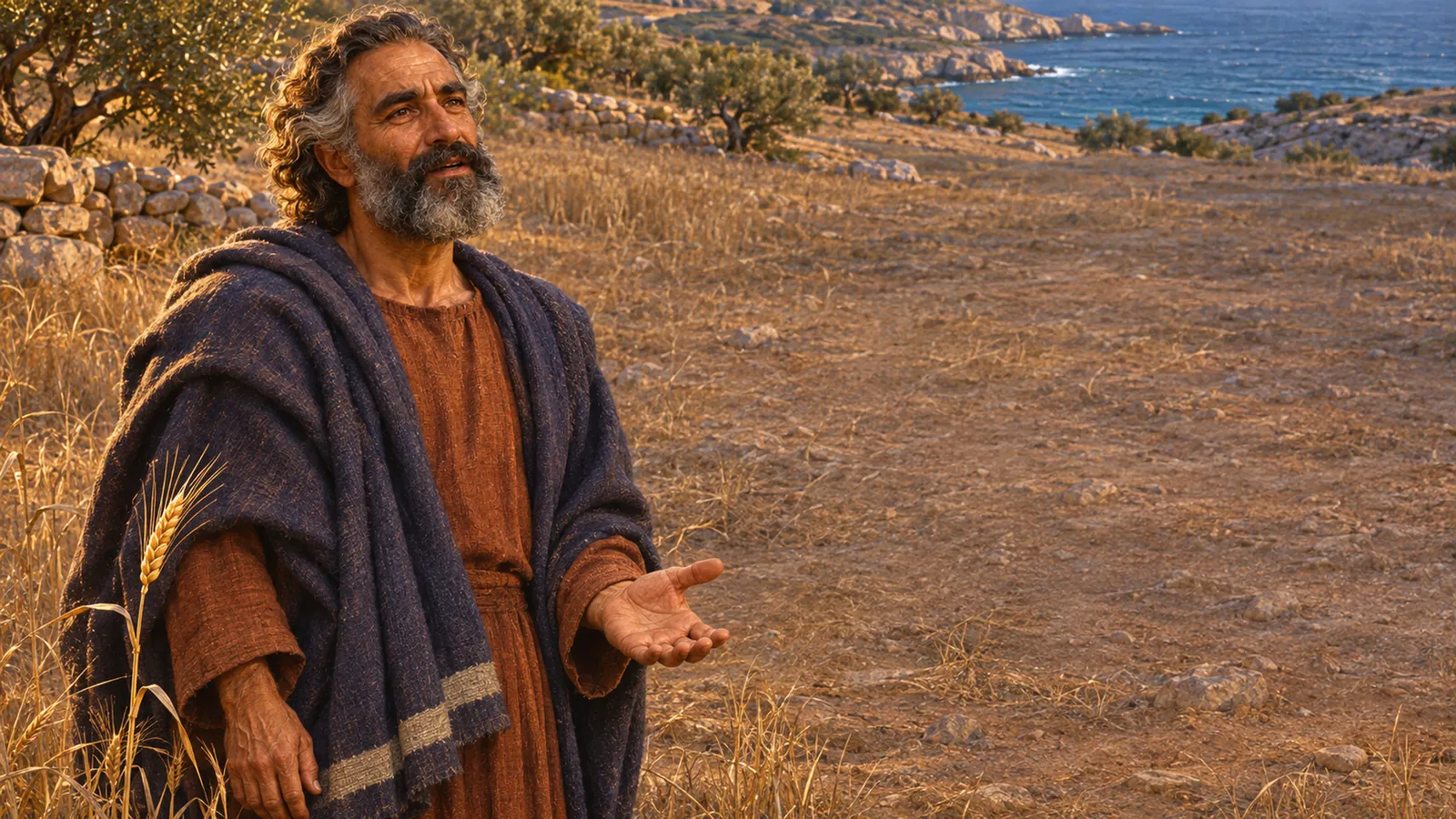
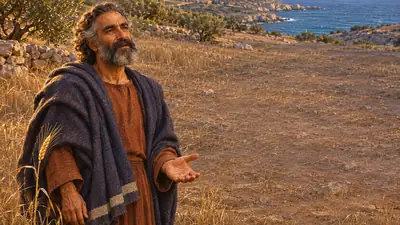
En otro campo seco, Danel encuentra una espiga. Repite su deseo. Ojalá crezca, dice, y Aqhat la lleve al granero.
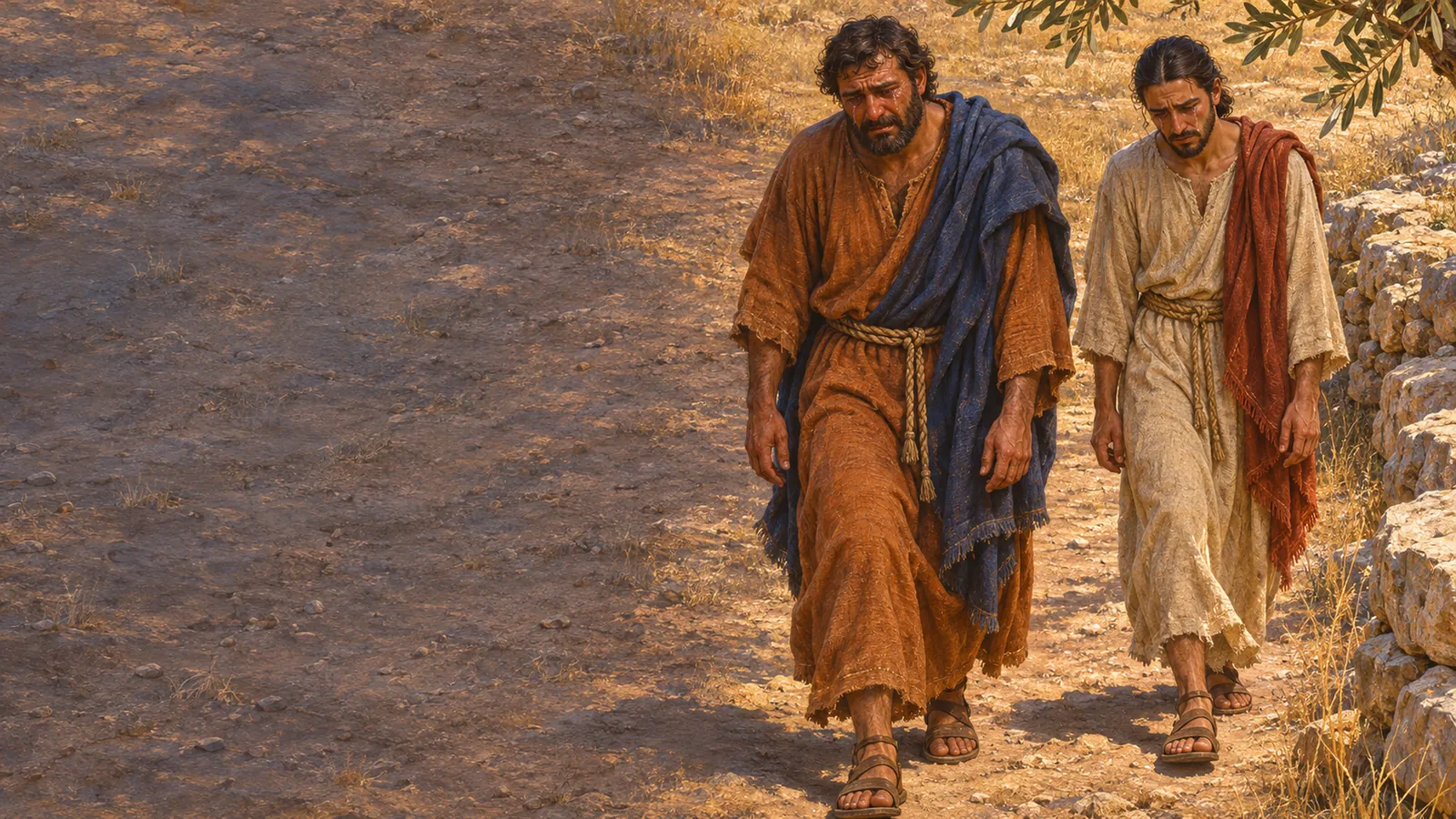
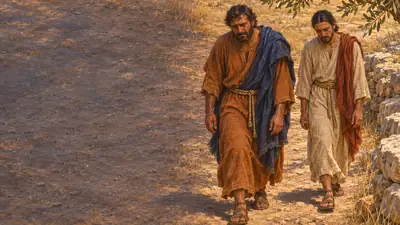
Danel aún está hablando cuando aparecen dos mensajeros. Sus pasos vacilantes y sus lágrimas anuncian una desgracia antes de que ninguno dé la noticia.
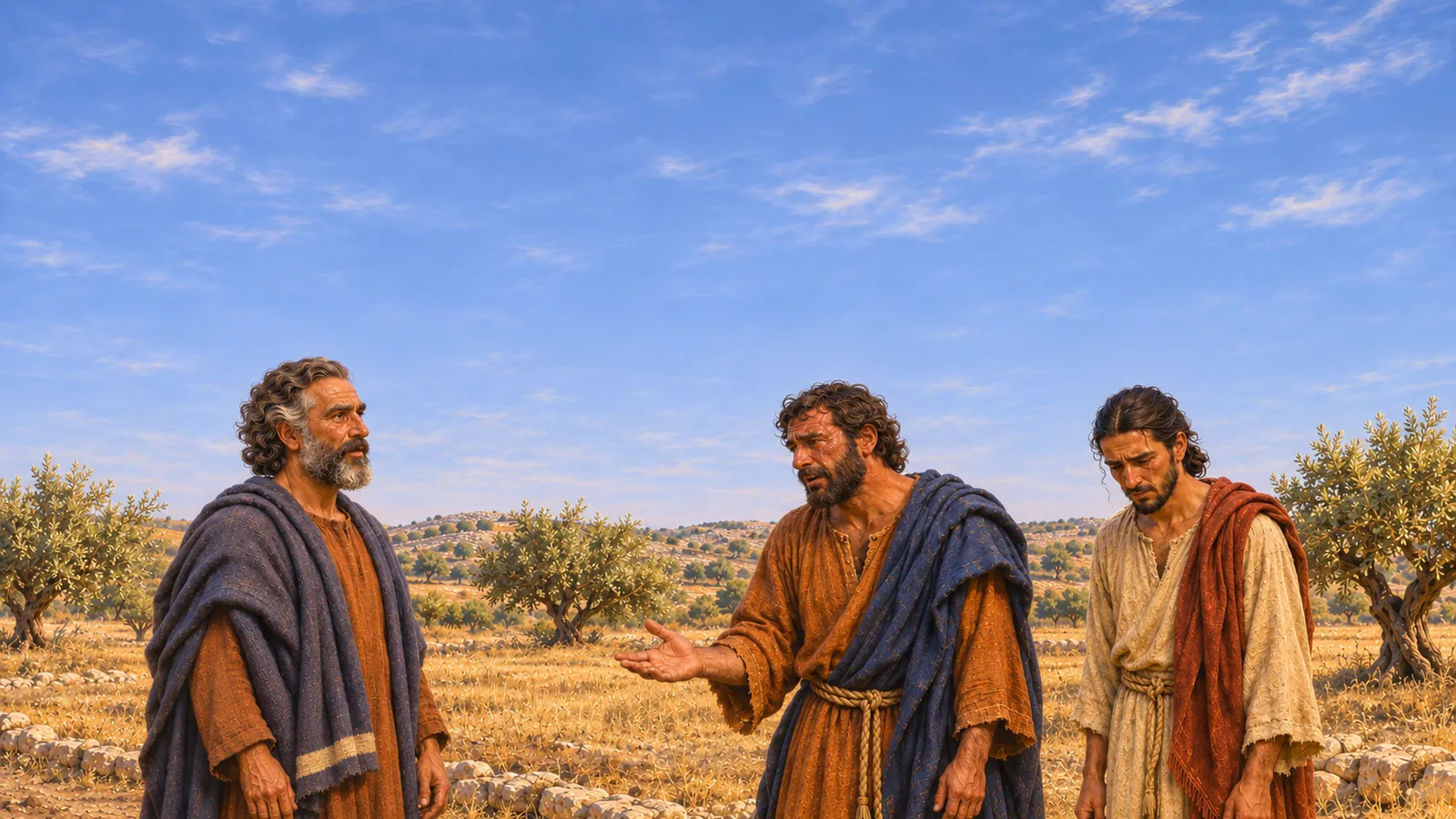
LA NOTICIA
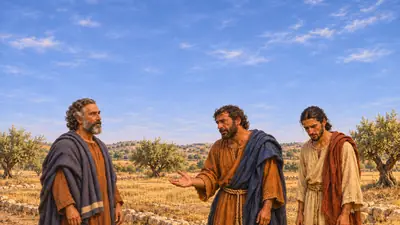
Los mensajeros le dicen a Danel que Aqhat ha muerto. Hacen responsable a Anat. Hasta que oyó su informe, Danel aún hablaba de lo que su hijo podría hacer.
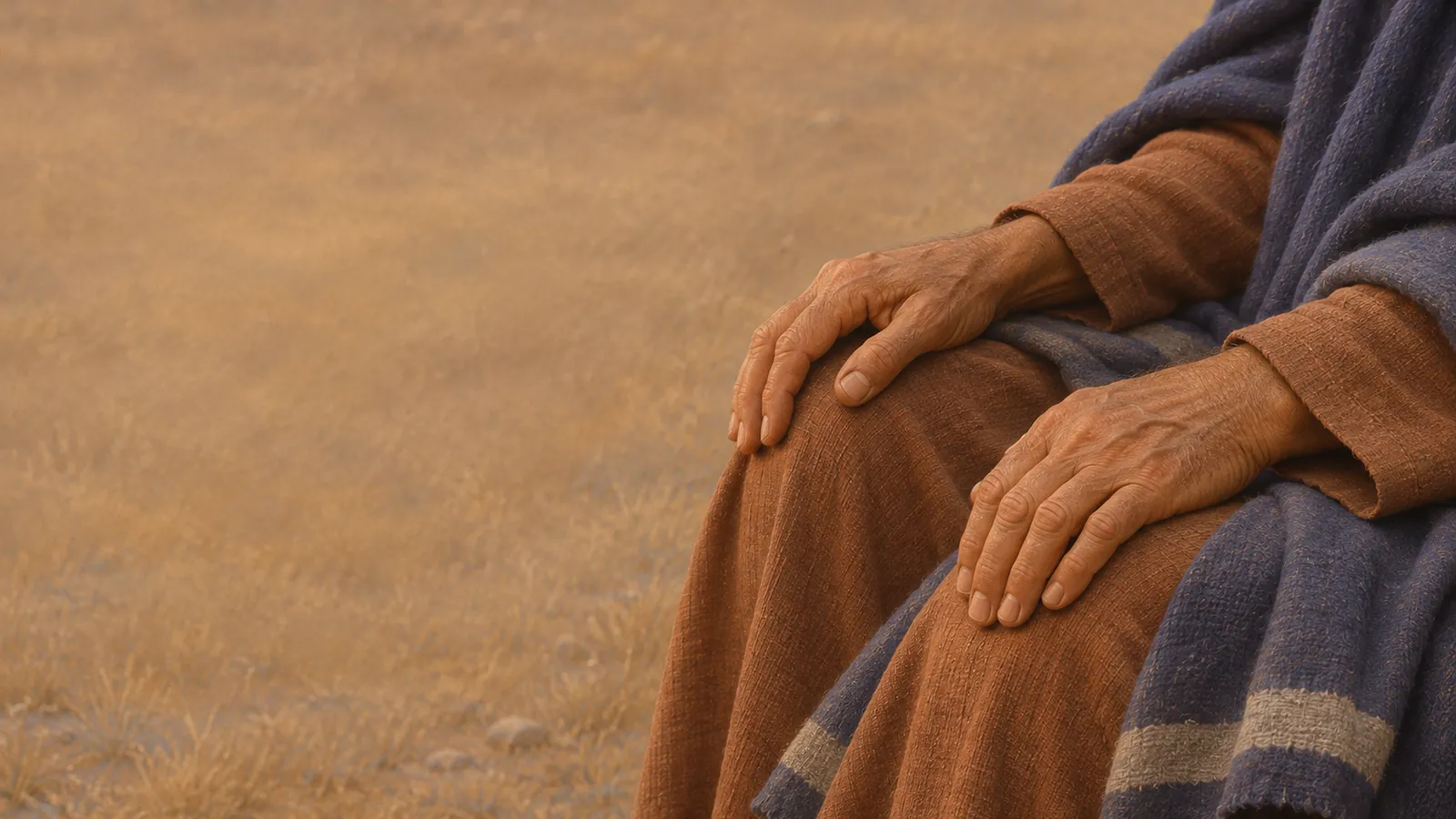
A Danel le tiemblan las piernas y le faltan las fuerzas al oír la noticia. Trata de hablar, pero apenas se puede leer algo de su primera respuesta.
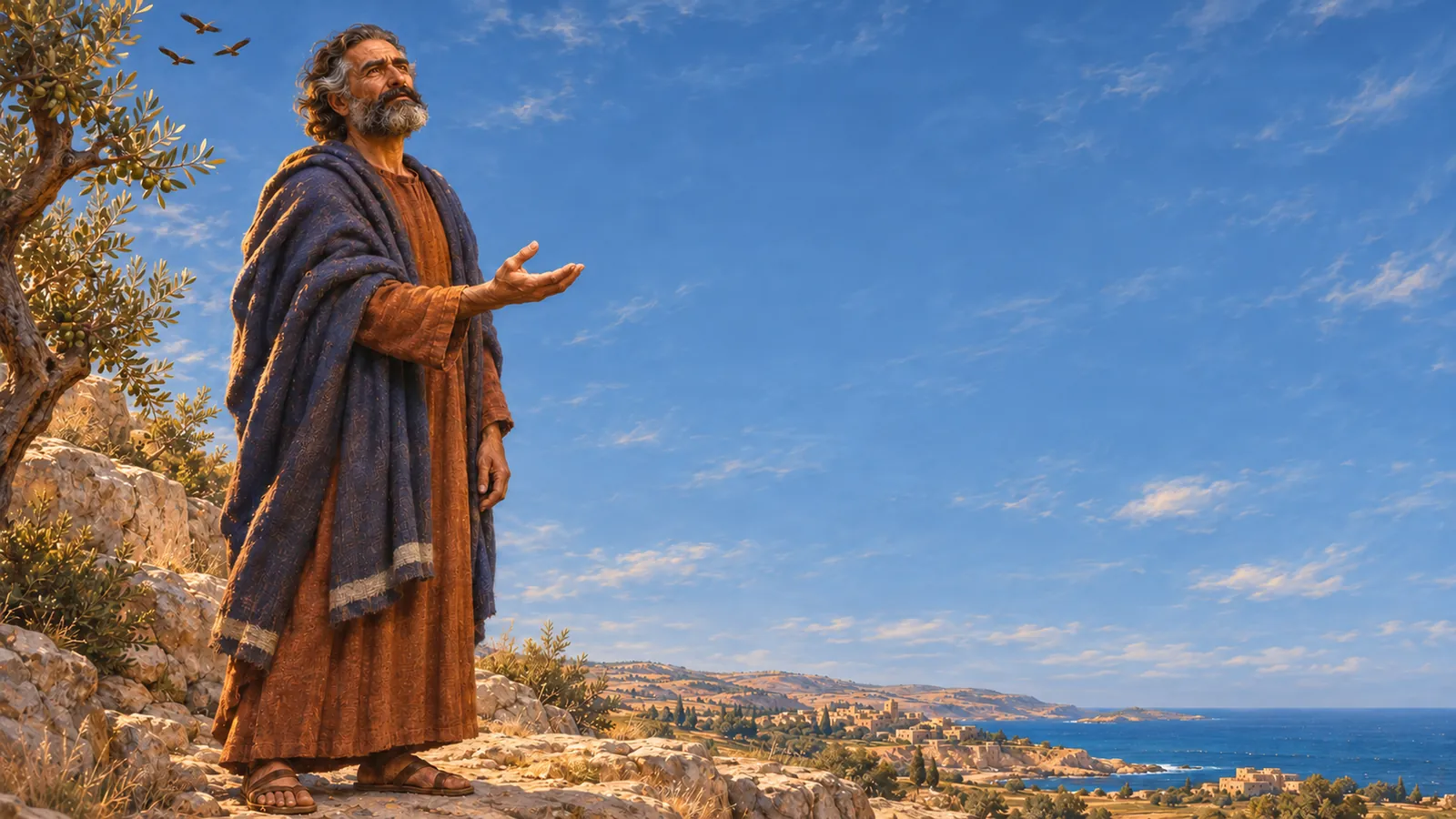
Danel ve aves rapaces sobre él y le pide a Baal que les rompa las alas para buscar en ellas los restos de su hijo. La primera búsqueda no da resultado.
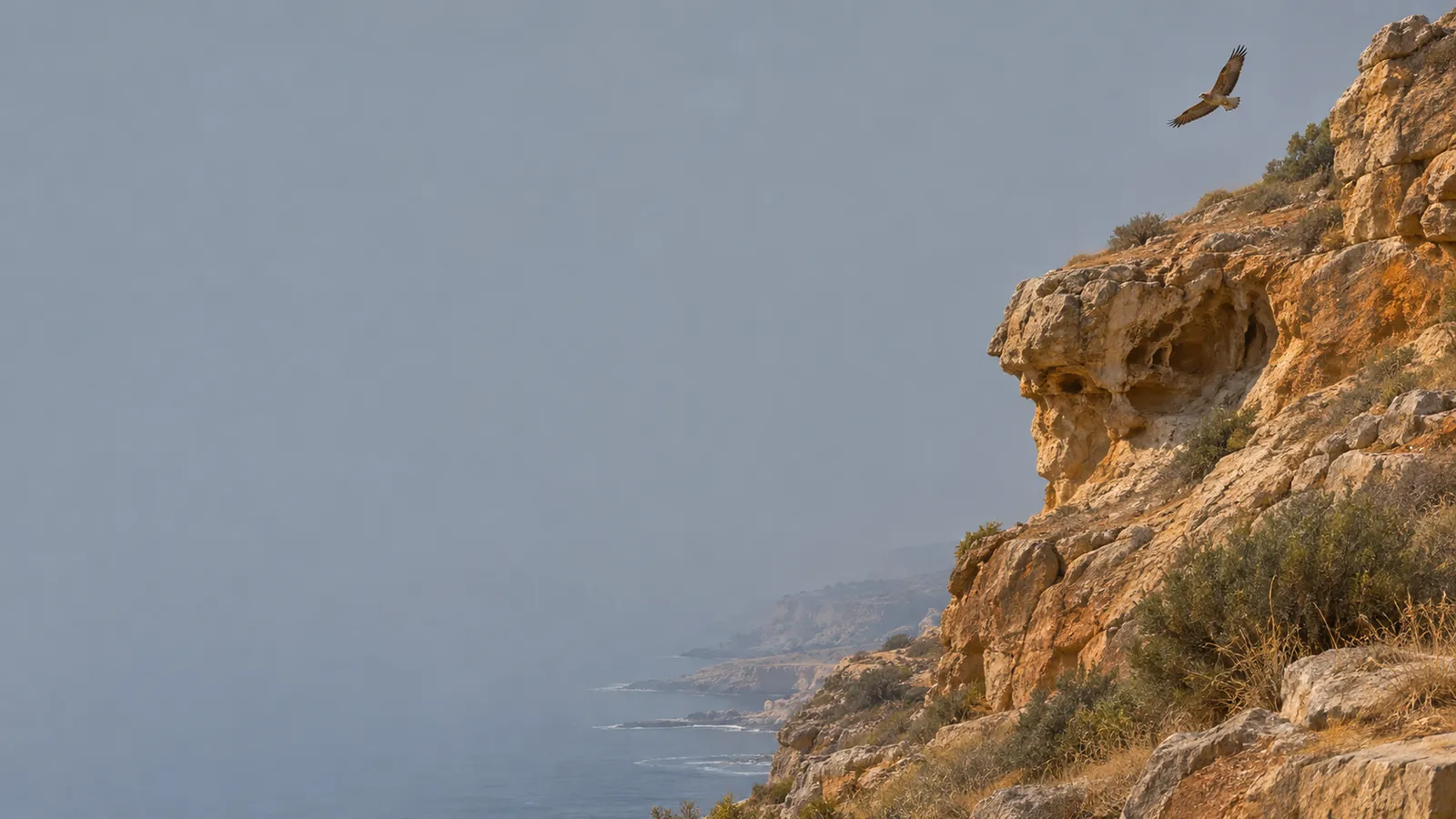
Danel vuelve a suplicar a Baal. Esta vez el poema nombra al ave llamada Hargubu, pero Danel sigue sin encontrar rastro de su hijo.
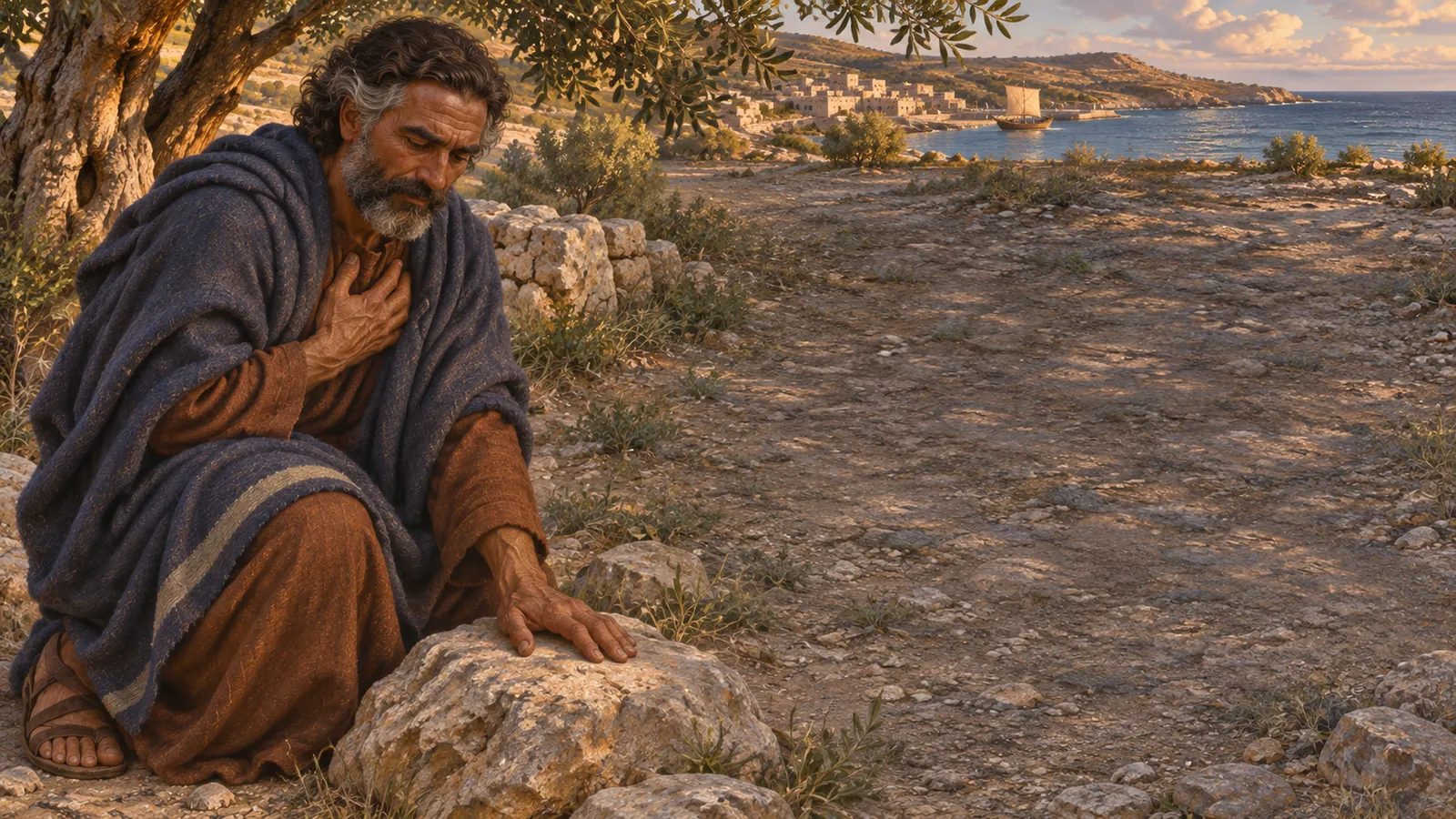
Baal le rompe las alas a Ṣumalu, madre de las aves rapaces. Danel encuentra en ella los restos de su hijo y por fin puede enterrarlo.
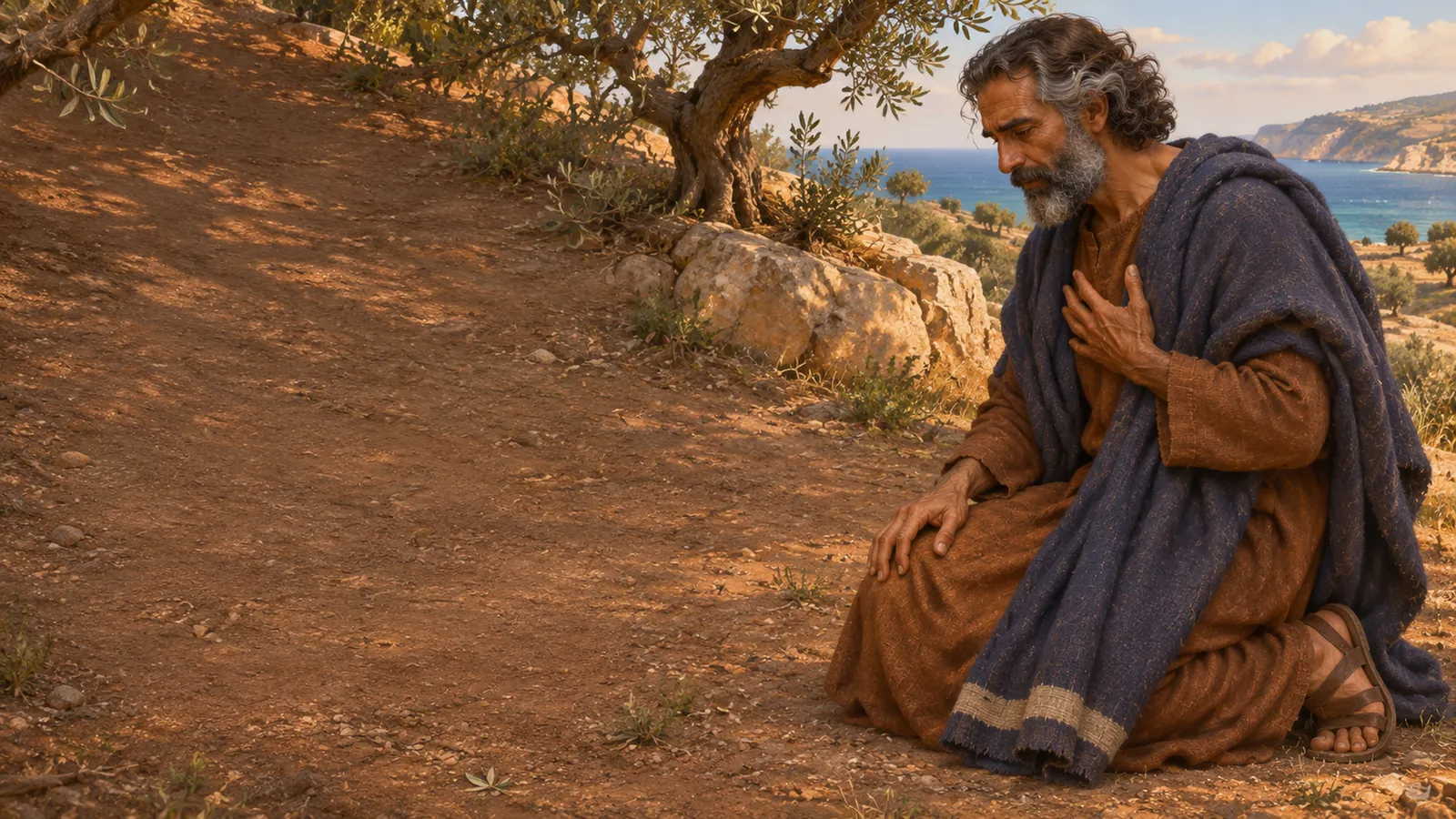
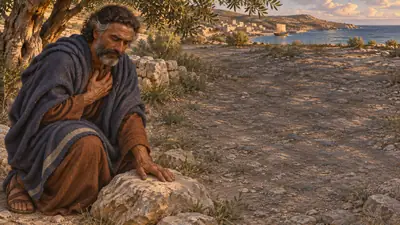
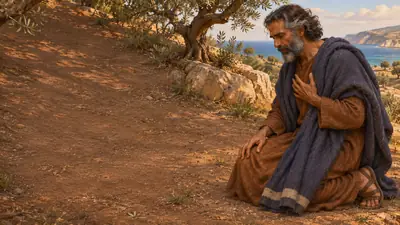
Danel llora al enterrar a Aqhat. Le pide a Baal que proteja el lugar donde descansa su hijo. Las palabras que nombran ese lugar son difíciles de interpretar.
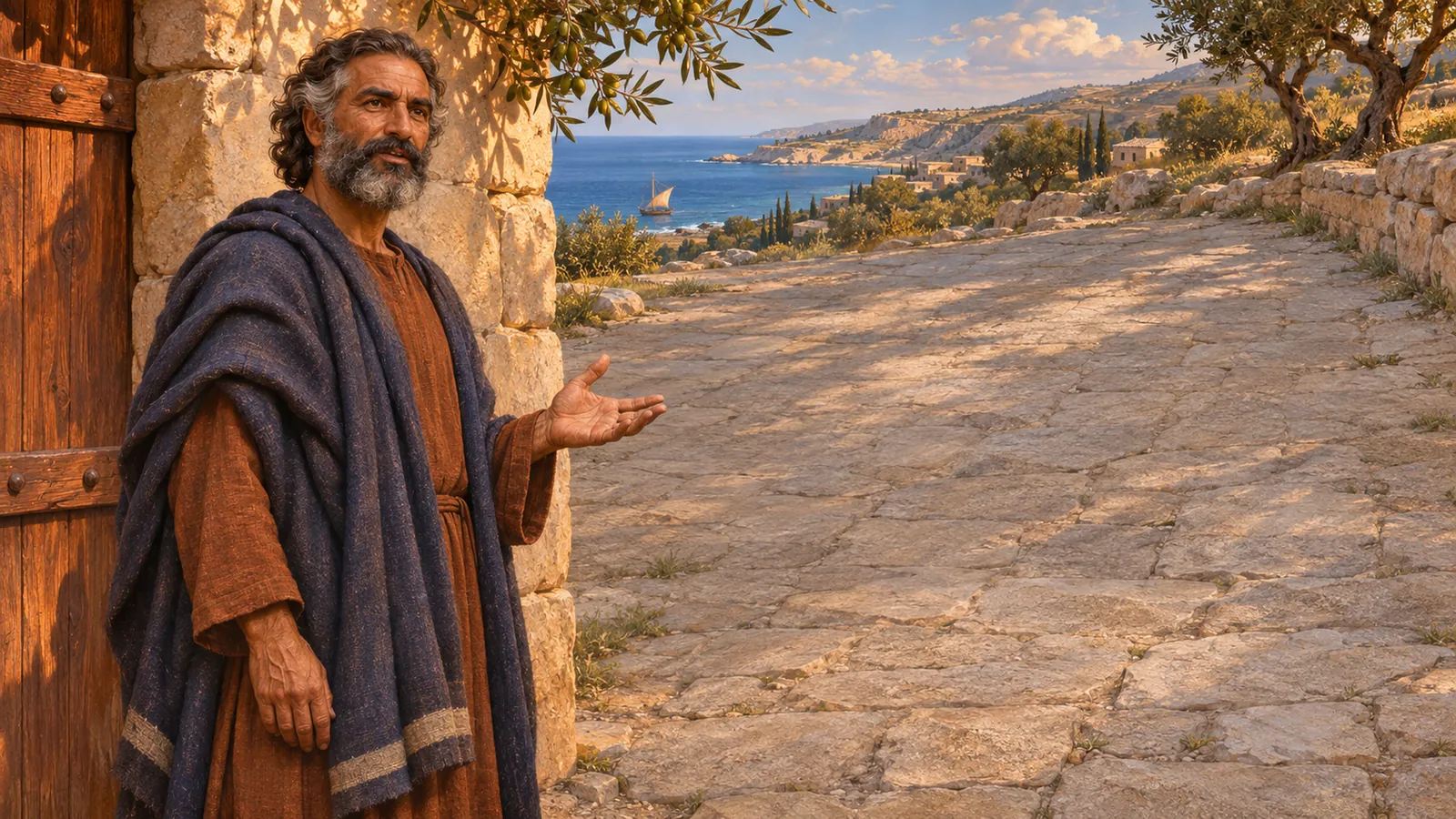
Danel maldice Qir-Mayim y luego el lugar cuyo nombre empieza por Mararat. En cada maldición vincula el lugar con la muerte de Aqhat.
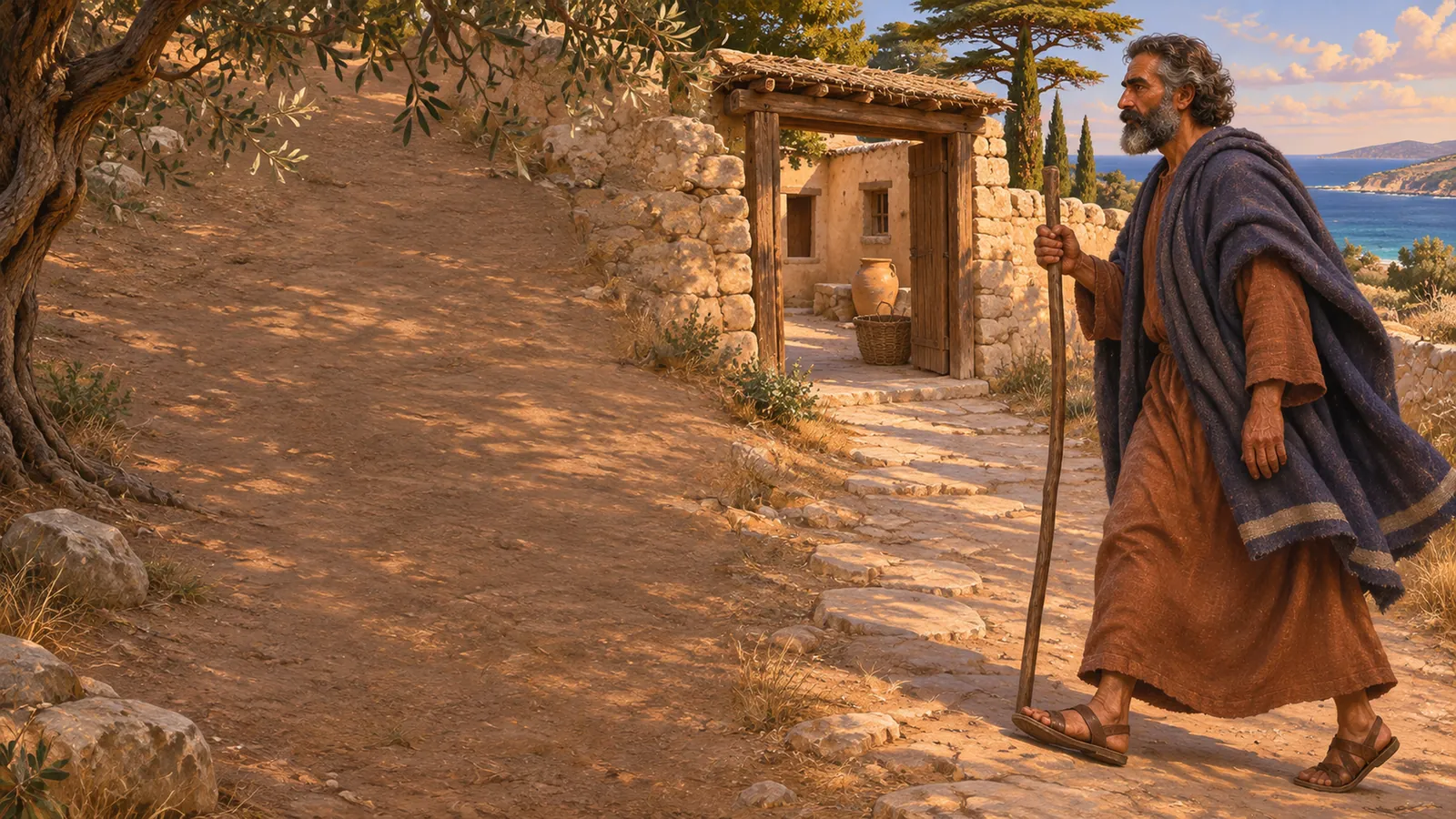
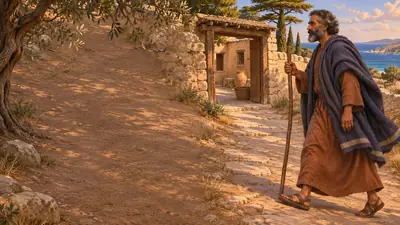
Danel va luego a Abilum y también maldice esa ciudad. Cuando termina, vuelve a tomar su bastón y regresa a casa.
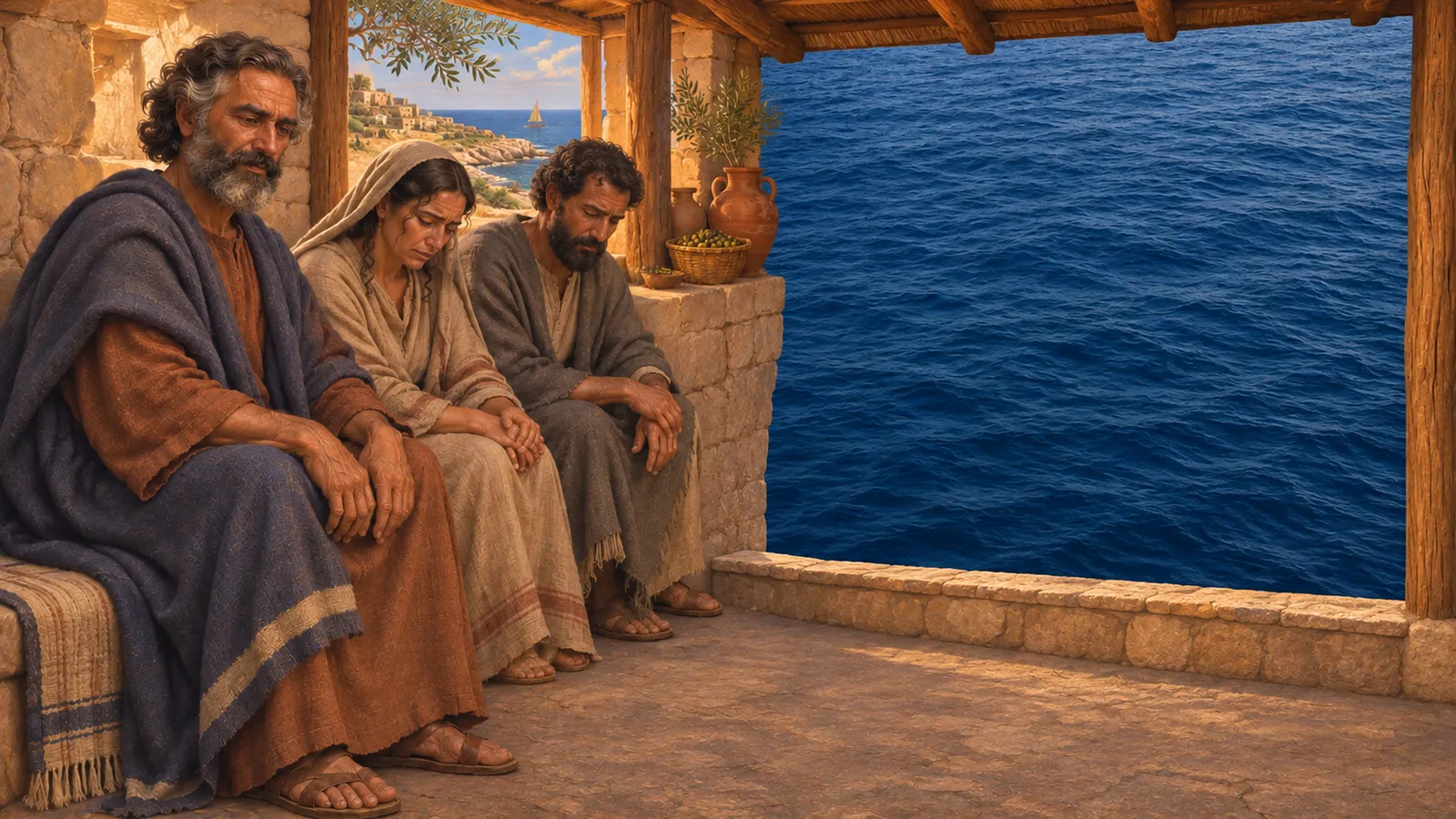
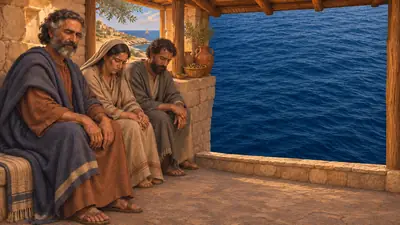
Los dolientes llegan a la casa de Danel a llorar a Aqhat. Los días se vuelven meses, y los meses, años. En el séptimo año, el poema vuelve a Danel.
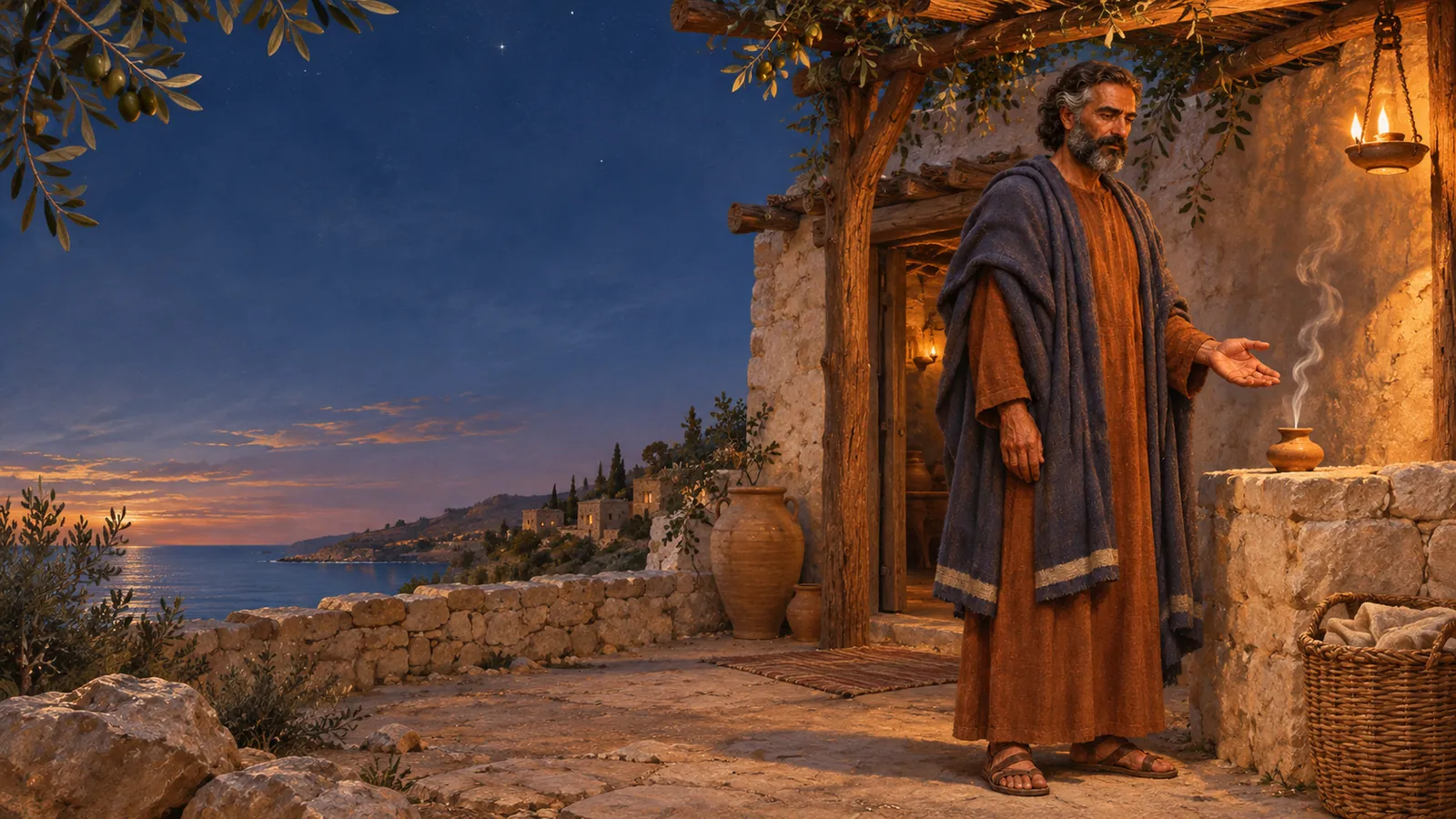
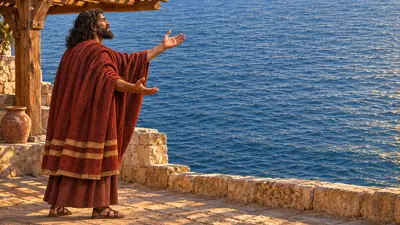
Danel pide a los dolientes que salgan de su casa. Vuelve a presentar ofrendas a los dioses y el poema habla del incienso que sube hacia las estrellas.
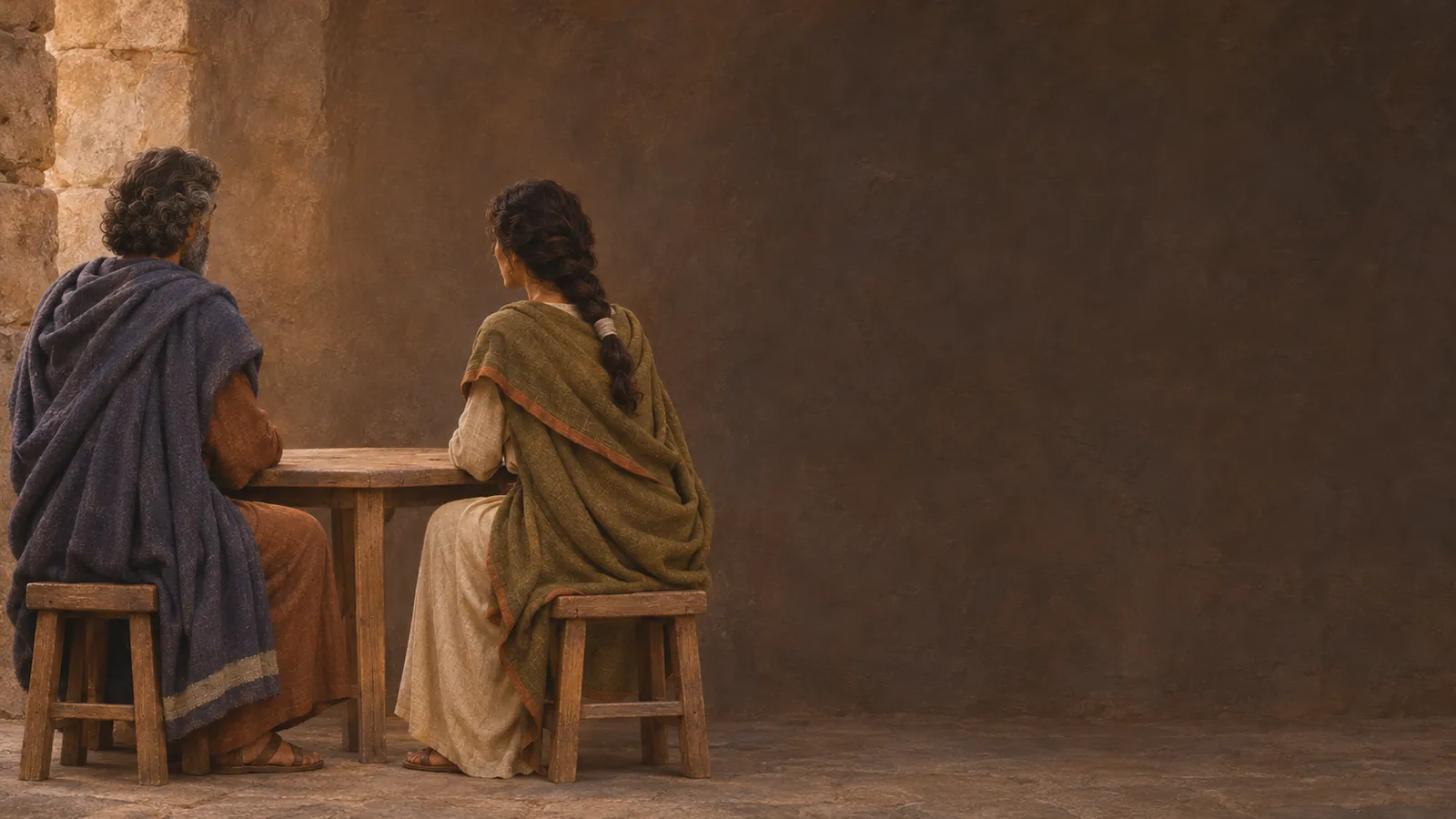
Pughat recuerda la ofrenda de su padre. Le pide su bendición para tener fuerzas para matar a quien mató a su hermano.
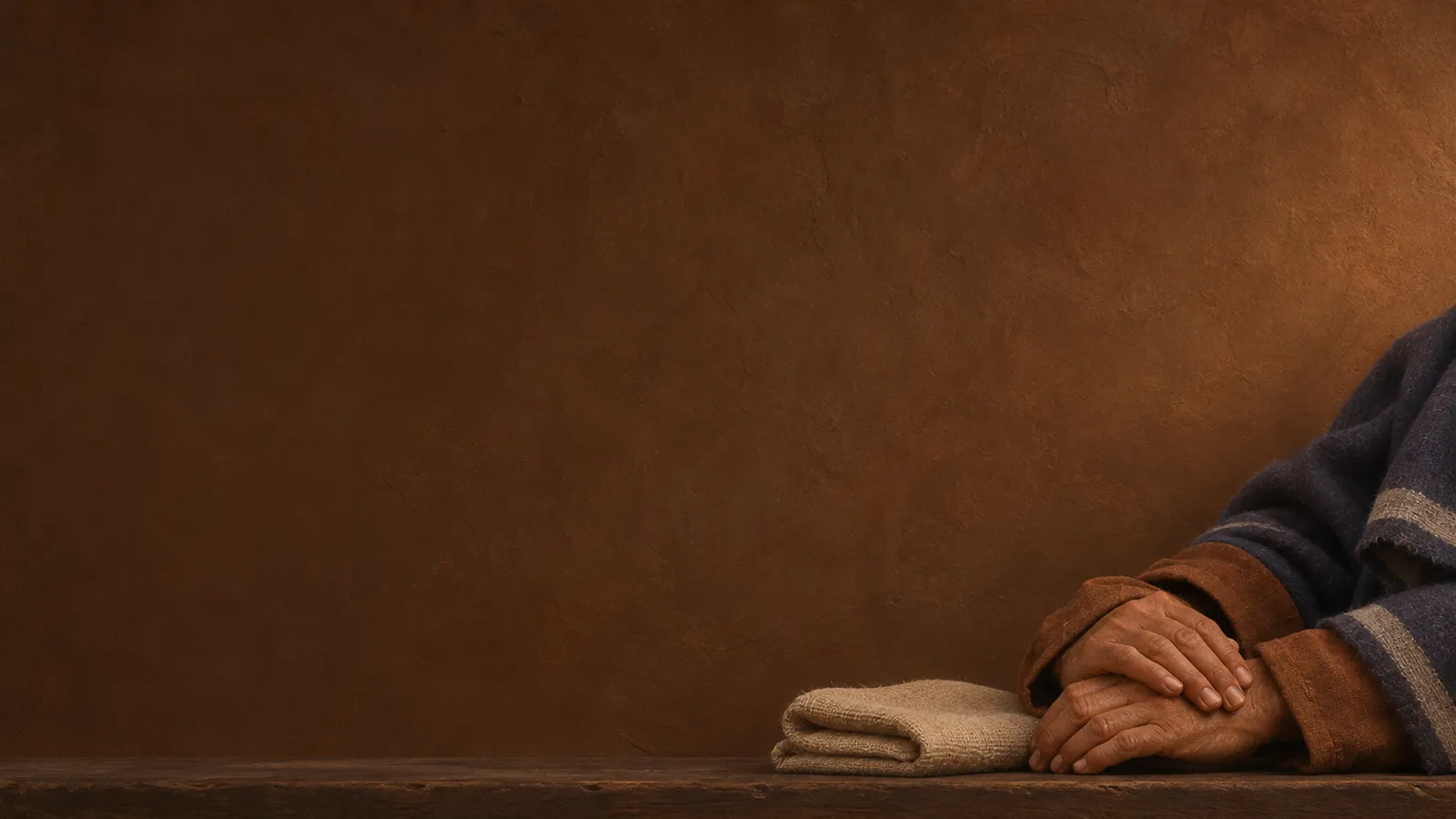
Danel responde a su hija llamándola la portadora de agua que conoce el curso de las estrellas. Su bendición se hace eco de lo que ella se ha propuesto.
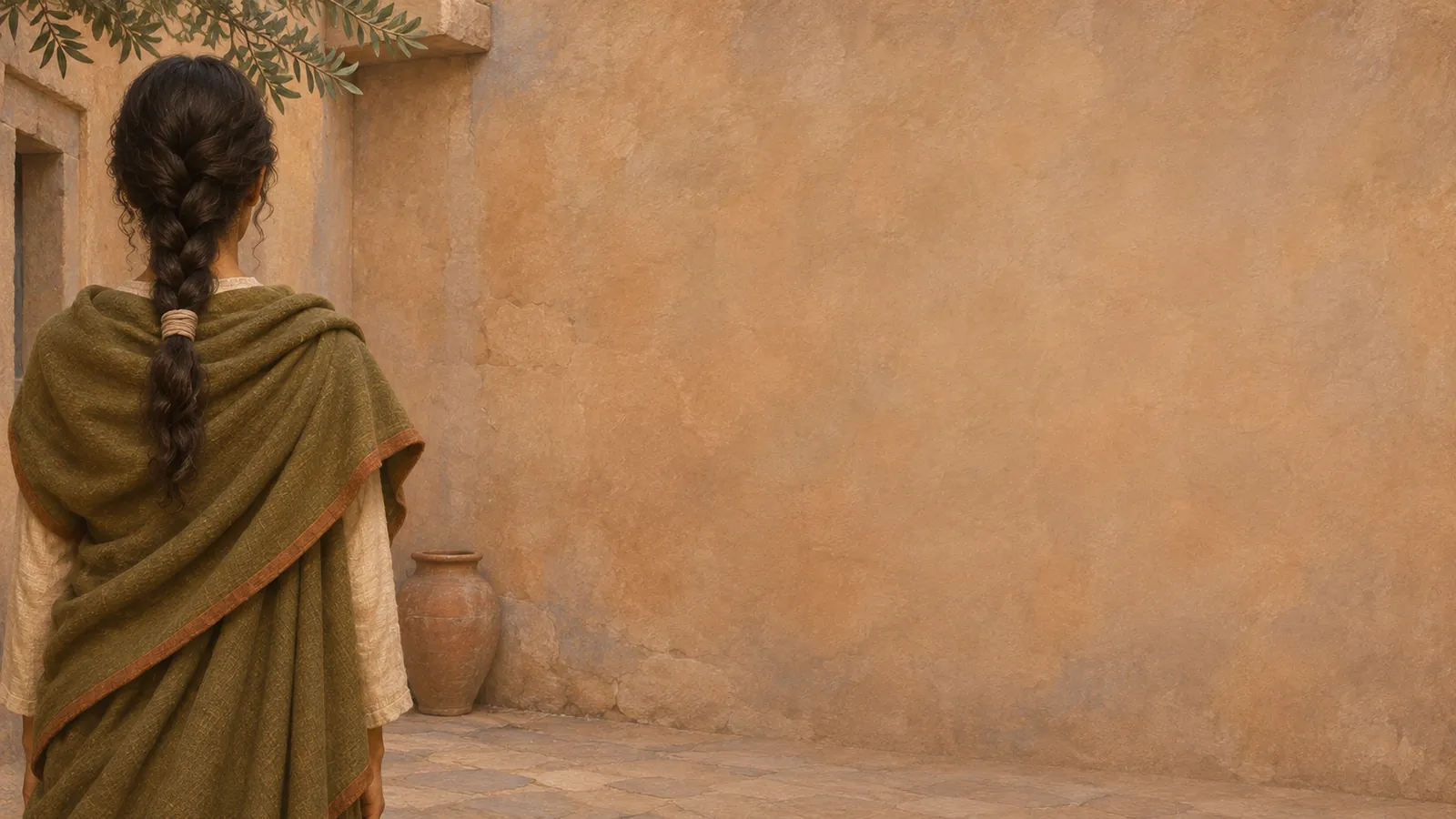
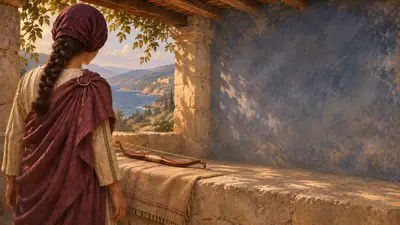
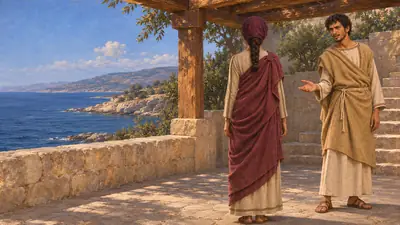
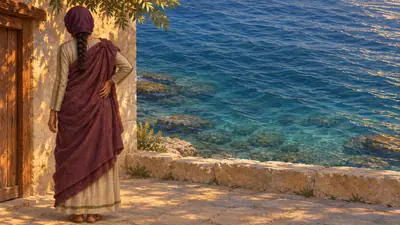
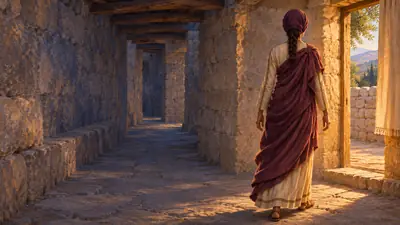
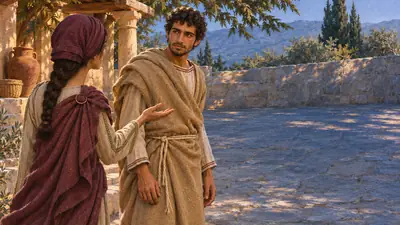
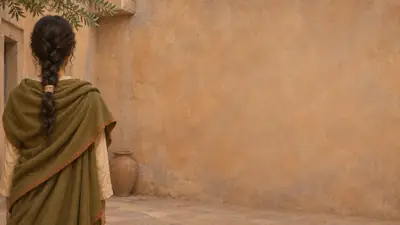
Pughat se viste de guerrero y toma una daga y una espada. Sobre la ropa de guerrero se pone una prenda de mujer.
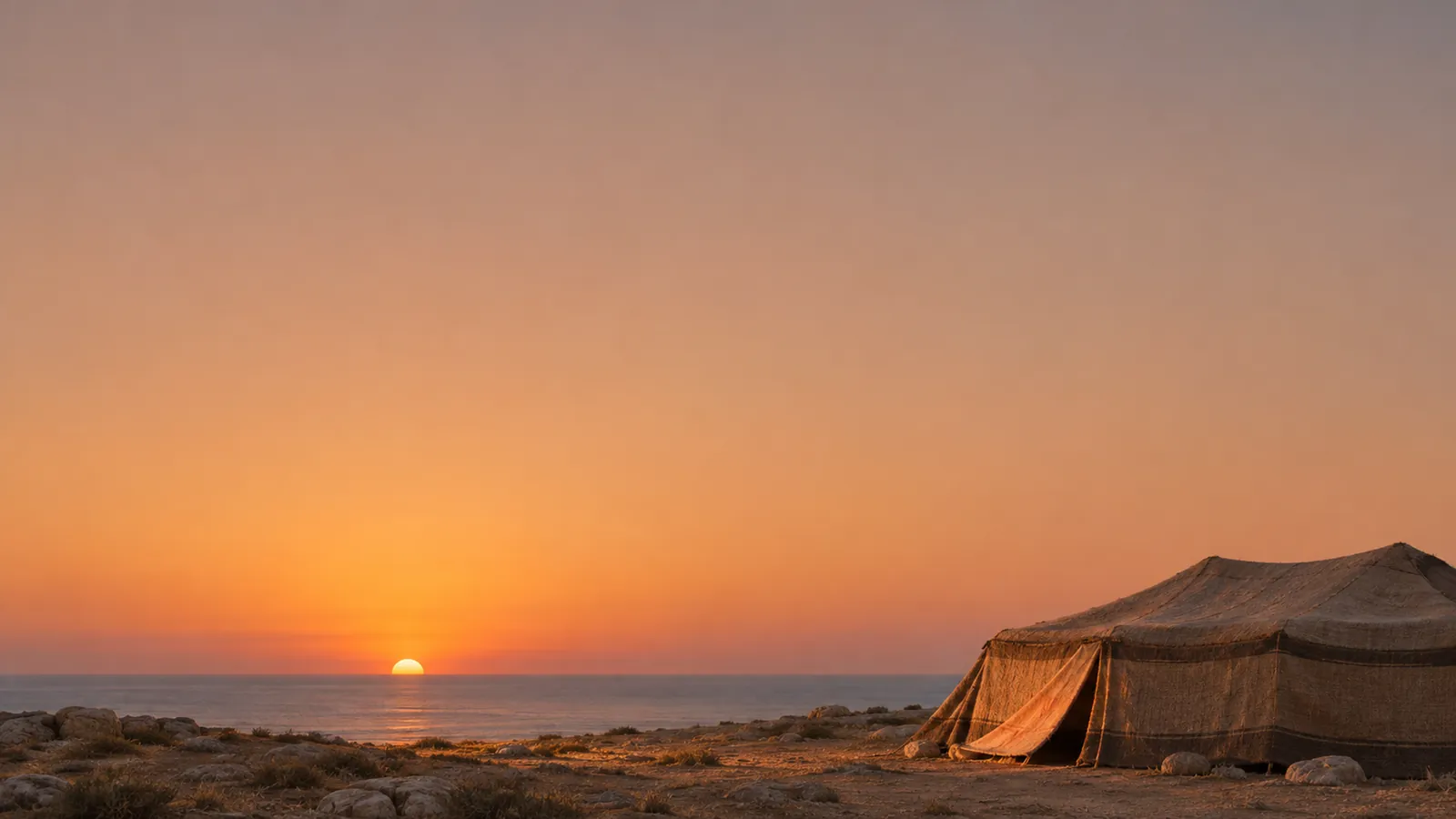
LAS TIENDAS
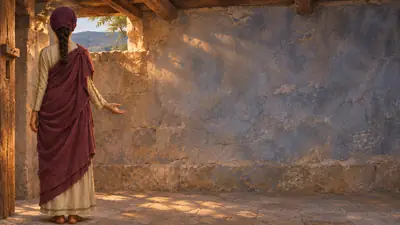
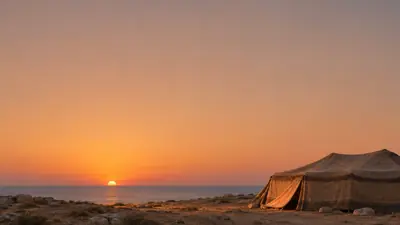
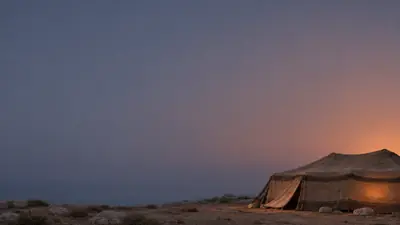
Al ponerse el sol, Pughat entra en el campamento. Le llega a Yatipan el aviso de que ha llegado una mujer. Las palabras del anuncio admiten distintas lecturas.
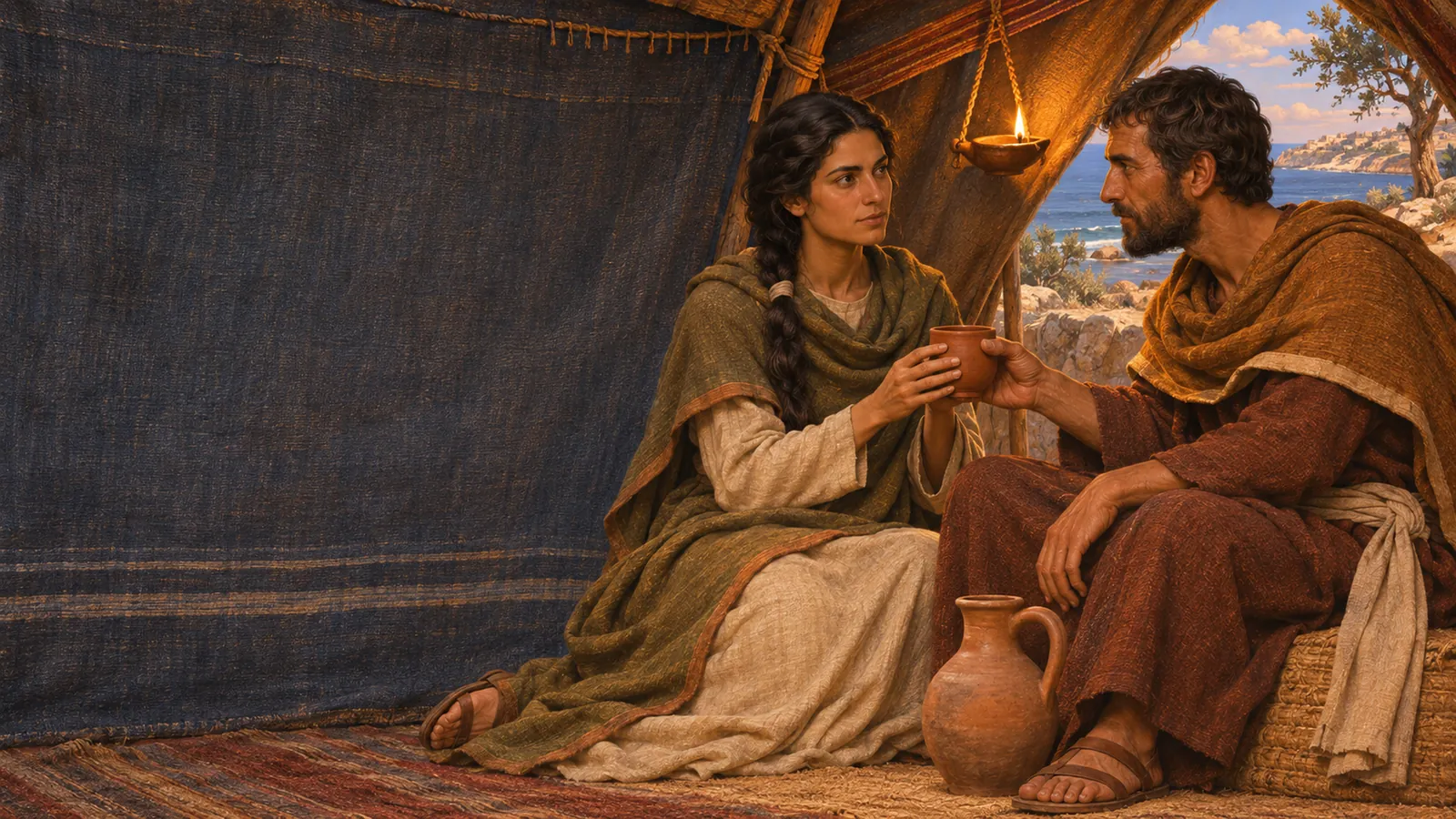
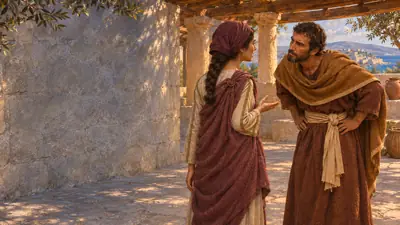
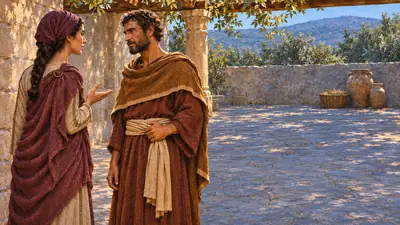
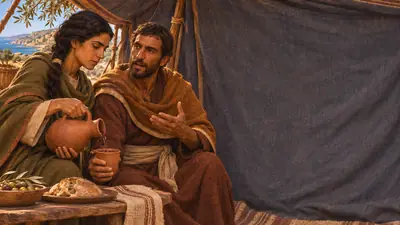
Yatipan pide vino y dice a Pughat que tome la copa de su mano. Ella toma la copa y le sirve como se lo ha pedido.
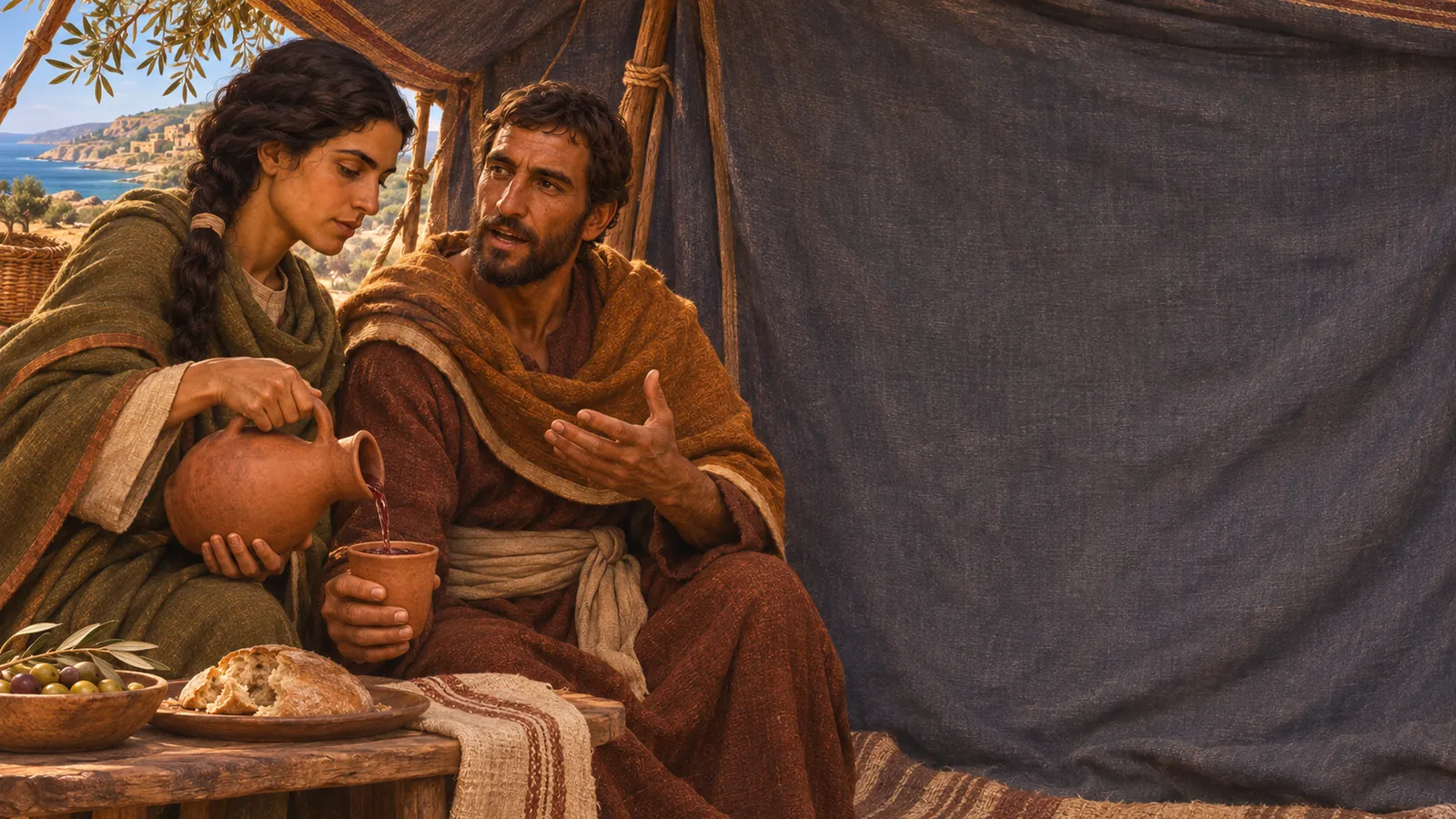
Yatipan se jacta de la mano que mató a Aqhat. Las líneas se vuelven más difíciles de leer, pero un momento queda claro. Pughat le sirve vino otra vez.
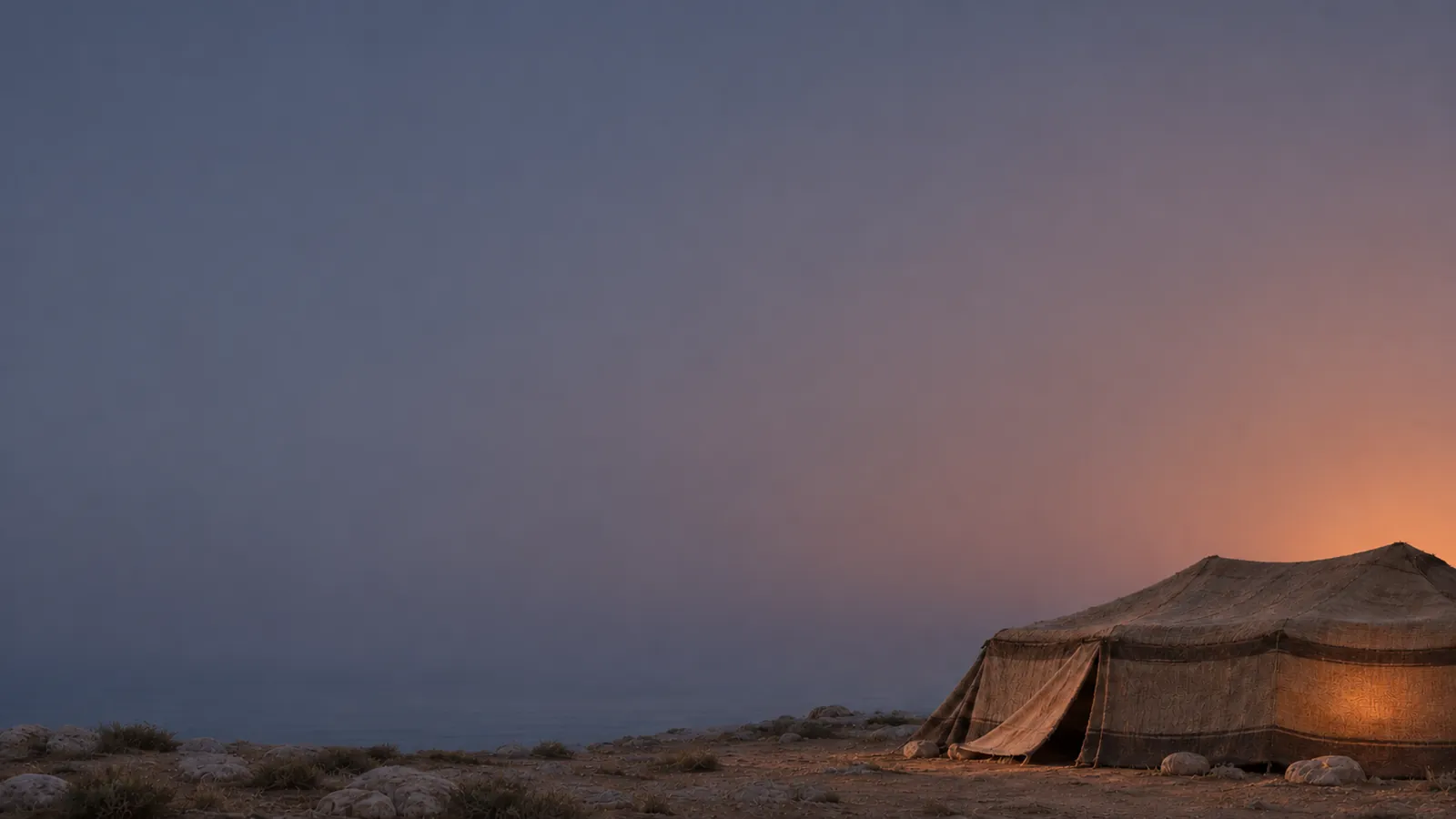
Las palabras se desvanecen mientras Pughat sigue con Yatipan. La muerte de su hermano la llevó al campamento. Las tablillas que se conservan dejan ahí su historia.
Fin del capítulo 1
Todas las páginas



Fuentes
Page 37. The poem describes two blows to Aqhat’s head and three over his ear and likens his departing life to breath and smoke. Some translations identify the circling birds as eagles, others as vultures (KTU 1.18 IV 27b–38; Majewski, p. 21; Husser, paras. 27–29; Natan-Yulzary, Measure for Measure).
Ediciones consultadas
- Marcin Majewski, Legenda o Danilu i Aqhacie, Teksty z Ugarit II, pp. 9–31
- Göttingen EUPT, table of Ugaritic tablets and concordance
- Louvre, Tablet I of the Tale of Aqhat, AO 17324
- Louvre, Tablet III of the Tale of Aqhat, AO 17323
- Reinhard Müller and Clemens Steinberger, edition and reading of KTU 1.17 VI
- Jean-Marie Husser, La mort d’Aqhat
- Shirly Natan-Yulzary, Suspense in the Epic of Aqhat
- Shirly Natan-Yulzary, Measure for Measure in the Aqhat Epic
- Wayne T. Pitard, The Reading of KTU 1.19:III:41, The Burial of Aqhat
- David P. Wright, Ritual in Narrative
- IL Archive, Tale of Aqhat
- IL Archive, Six Days, Then the Seventh
Notas sobre este relato
Pages 50–52. Danel asks Baal to break the birds’ wings and cuts open the fallen birds to look for his son’s fat and bones. In the third search he finds the remains inside Ṣumalu. 26–28; Wright, ch. 14; Natan-Yulzary, Measure for Measure, secs. 5.6 and 5.8).
Page 32. Anat threatens to make El’s grey hair run with blood.
Page 7. In El’s blessing Danel is told to go to bed, kiss and embrace his wife, who will conceive. 3).
Los versos antiguos de cada página
- Page 1: KTU 1.17 I before 1 and 1–5 (Majewski; Natan-Yulzary, Resumptive Repetition; Wright ch. 1)
- Page 2: KTU 1.17 I 5–11 (Majewski; Natan-Yulzary, Resumptive Repetition)
- Page 3: KTU 1.17 I 11–15 (Majewski; Natan-Yulzary, Resumptive Repetition)
- Page 4: KTU 1.17 I 15–16 (Majewski; Natan-Yulzary, Resumptive Repetition)
- Page 5: KTU 1.17 I 17–25 (Majewski; Kim, List of Filial Duties; Wright ch. 2)
- Page 6: KTU 1.17 I 25–33 (Majewski; Kim, List of Filial Duties; Wright ch. 2)
- Page 7: KTU 1.17 I 34–41 (Majewski; Wright ch. 3)
- Page 8: KTU 1.17 I 42–48 and II 1–9 (Majewski; Kim, List of Filial Duties; Wright chs. 2–3)
- Page 9: KTU 1.17 II 8b–24 (Majewski; Kim, List of Filial Duties; Wright ch. 3)
- Page 10: KTU 1.17 II 24–29 (Majewski; Wright ch. 4; Natan-Yulzary, Measure for Measure)
- Page 11: KTU 1.17 II 29–42 (Majewski; Natan-Yulzary, Resumptive Repetition; Wright ch. 4)
- Page 12: KTU 1.17 II 43–47 and gap before V (Majewski; Margalit; Natan-Yulzary, Resumptive Repetition; Wright ch. 4)
- Page 13: KTU 1.17 V 2–5 (Majewski; Natan-Yulzary, Resumptive Repetition)
- Page 14: KTU 1.17 V 6–8 (Majewski; Natan-Yulzary, Resumptive Repetition)
- Page 15: KTU 1.17 V 9–13 (Majewski; Natan-Yulzary, Resumptive Repetition)
- Page 16: KTU 1.17 V 13–21 (Majewski; Natan-Yulzary, Resumptive Repetition; Noegel)
- Page 17: KTU 1.17 V 21–25 (Majewski; Natan-Yulzary, Resumptive Repetition)
- Page 18: KTU 1.17 V 25–28 (Majewski; Natan-Yulzary, Resumptive Repetition)
- Page 19: KTU 1.17 V 28–33 (Majewski; Natan-Yulzary, Resumptive Repetition)
- Page 20: KTU 1.17 V 33b–39 and gap before VI (Majewski; Wright ch. 6; Müller and Steinberger)
- Page 21: KTU 1.17 VI 1–9a (Majewski; Müller and Steinberger)
- Page 22: KTU 1.17 VI 9b–16a (Majewski; Müller and Steinberger; Natan-Yulzary, Measure for Measure)
- Page 23: KTU 1.17 VI 16c–19 (Majewski; Müller and Steinberger)
- Page 24: KTU 1.17 VI 20–25a (Majewski; Müller and Steinberger)
- Page 25: KTU 1.17 VI 25b–29 (Majewski; Müller and Steinberger)
- Page 26: KTU 1.17 VI 30–33a (Majewski; Müller and Steinberger)
- Page 27: KTU 1.17 VI 33b–38 (Majewski; Müller and Steinberger; Budin)
- Page 28: KTU 1.17 VI 39–41a (Majewski; Müller and Steinberger; Budin)
- Page 29: KTU 1.17 VI 41b–45 (Majewski; Müller and Steinberger; Natan-Yulzary, Measure for Measure)
- Page 30: KTU 1.17 VI 46–52a (Majewski; Müller and Steinberger; Natan-Yulzary, Resumptive Repetition)
- Page 31: KTU 1.17 VI 52b–55 and 1.18 I 1–8 (Majewski; Müller and Steinberger; Natan-Yulzary, Measure for Measure)
- Page 32: KTU 1.18 I 9–20a (Majewski; Noegel; Natan-Yulzary, Measure for Measure)
- Page 33: KTU 1.18 I 20b–34 (Majewski, pp. 19–20; Husser, paras. 25–26)
The invitation survives in fragments. The wording and force of the kinship term are uncertain. - Page 34: KTU 1.18 II–III and opening of IV (Majewski, pp. 19–20)
- Page 35: KTU 1.18 IV 5b–15 (Majewski, p. 20; Noegel, CAT 1.18 IV 7 and 16)
This exchange is damaged. - Page 36: KTU 1.18 IV 16–27a (Majewski, pp. 20–21; Natan-Yulzary, sec. 5.6)
These are Anat’s words to Yatipan. - Page 37: KTU 1.18 IV 27b–38 (Majewski, p. 21; Husser, paras. 27–29)
The later report names Anat’s responsibility. - Page 38: KTU 1.18 IV 39–end and 1.19 I 1–7 (Majewski, pp. 21–22; Natan-Yulzary, sec. 5.2)
The damaged text associates the loss of the bow with water. - Page 39: KTU 1.19 I 8–17 (Majewski, p. 22; Wright, ch. 12)
The lament is damaged and several expressions are obscure. - Page 40: KTU 1.19 I 17–25a (Majewski, pp. 22–23; Natan-Yulzary, Suspense)
- Page 41: KTU 1.19 I 25b–35 (Majewski, p. 23; Natan-Yulzary, Suspense)
The poem records Pughat’s observations ahead of the messengers’ report. - Page 42: KTU 1.19 I 36–42 (Majewski, p. 23; Natan-Yulzary, Suspense)
Natan-Yulzary reads these words as an appeal for rain. - Page 43: KTU 1.19 I 42–48 (Majewski, p. 23; Natan-Yulzary, Suspense)
- Page 44: KTU 1.19 I 49–II 11 (Majewski, pp. 23–24; Budin, pp. 66–67)
- Page 45: KTU 1.19 II 12–18 (Majewski, p. 24; Noegel, Enallage, p. 189)
- Page 46: KTU 1.19 II 19–25 (Majewski, p. 24; Noegel, Enallage, p. 189)
Danel asks for growth and names Aqhat in the repeated wish. - Page 47: KTU 1.19 II 26–36 (Majewski, p. 25; Natan-Yulzary, Suspense)
- Page 48: KTU 1.19 II 37–44a (Majewski, pp. 25–26; Natan-Yulzary, Suspense)
- Page 49: KTU 1.19 II 44b–55 (Majewski, p. 26; Natan-Yulzary, Suspense)
Most of Danel’s reply is fragmentary. - Page 50: KTU 1.19 II 56–III 14a (Majewski, pp. 26–27; Wright, ch. 14)
The poem repeats Danel’s plea in the subsequent searches. - Page 51: KTU 1.19 III 14b–28a (Majewski, pp. 27–28; Natan-Yulzary, sec. 5.6)
The exact species varies by translation. - Page 52: KTU 1.19 III 28b–39b (Majewski, p. 28; Natan-Yulzary, secs. 5.6 and 5.8)
- Page 53: KTU 1.19 III 39b–45a (Majewski, p. 28; Pitard, pp. 31–38)
The location named in III 41 is disputed. - Page 54: KTU 1.19 III 45b–56 (Majewski, pp. 28–29; Natan-Yulzary, sec. 5.10)
The towns and imprecations belong to the poem. - Page 55: KTU 1.19 III end–IV 9a (Majewski, p. 29; Natan-Yulzary, sec. 5.10)
- Page 56: KTU 1.19 IV 9b–18 (Majewski, p. 29; Natan-Yulzary, Suspense)
- Page 57: KTU 1.19 IV 18–27 (Majewski, pp. 29–30; Budin and Noegel)
- Page 58: KTU 1.19 IV 28–35 (Majewski, p. 30; Noegel, Enallage, pp. 189–190)
- Page 59: KTU 1.19 IV 36–40 (Majewski, p. 30; Natan-Yulzary, sec. 5.1)
Some wording in Danel’s reply is restored. - Page 60: KTU 1.19 IV 41–46a (Majewski, p. 30; Budin, p. 67)
The text distinguishes two layers of clothing. - Page 61: KTU 1.19 IV 46b–53 (Majewski, p. 31; Natan-Yulzary, sec. 5.3)
Editions diverge on the announcement. - Page 62: KTU 1.19 IV 53–57 (Majewski, p. 31; Natan-Yulzary, sec. 5.3)
The text describes the first serving of wine. - Page 63: KTU 1.19 IV 57–62 (Majewski, p. 31; Natan-Yulzary, sec. 5.3; Margalit)
The closing comparison is damaged and disputed. - Page 64: KTU 1.19 IV after 62 in Majewski (pp. 31 and 263–270; Wright, ch. 18)
The surviving narrative breaks off here.
Ilustraciones hechas por IL Archive con herramientas de IA; el texto se basa en las fuentes antiguas (véanse las fuentes al final de cada capítulo).