El sueño de Dumuzi Capítulo 1
El sueño y la traición
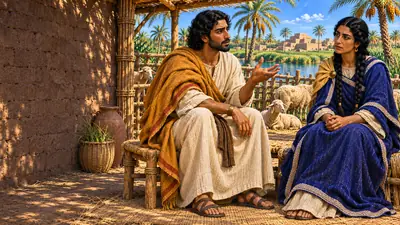
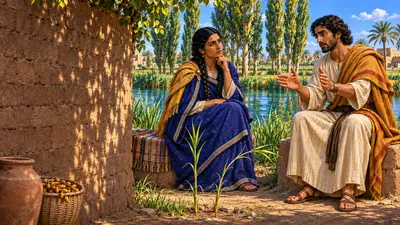
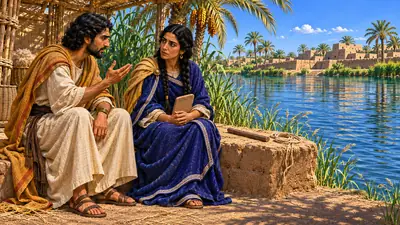
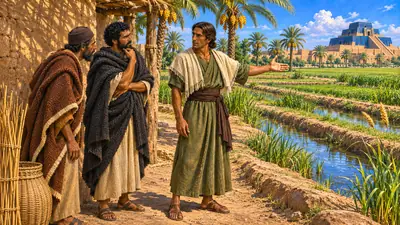
Asustado, Dumuzi le pide a Geštinanna que interprete su sueño. Ella ve advertencias en los juncos, los árboles y los objetos del redil. Quienes lo buscan hacen las mismas ofertas a su hermana y a su amigo. El amigo revela sus escondites y atrapan a Dumuzi en las zanjas de Arali.
FuentesPase las páginas con las flechas, el teclado o deslizando el dedo.
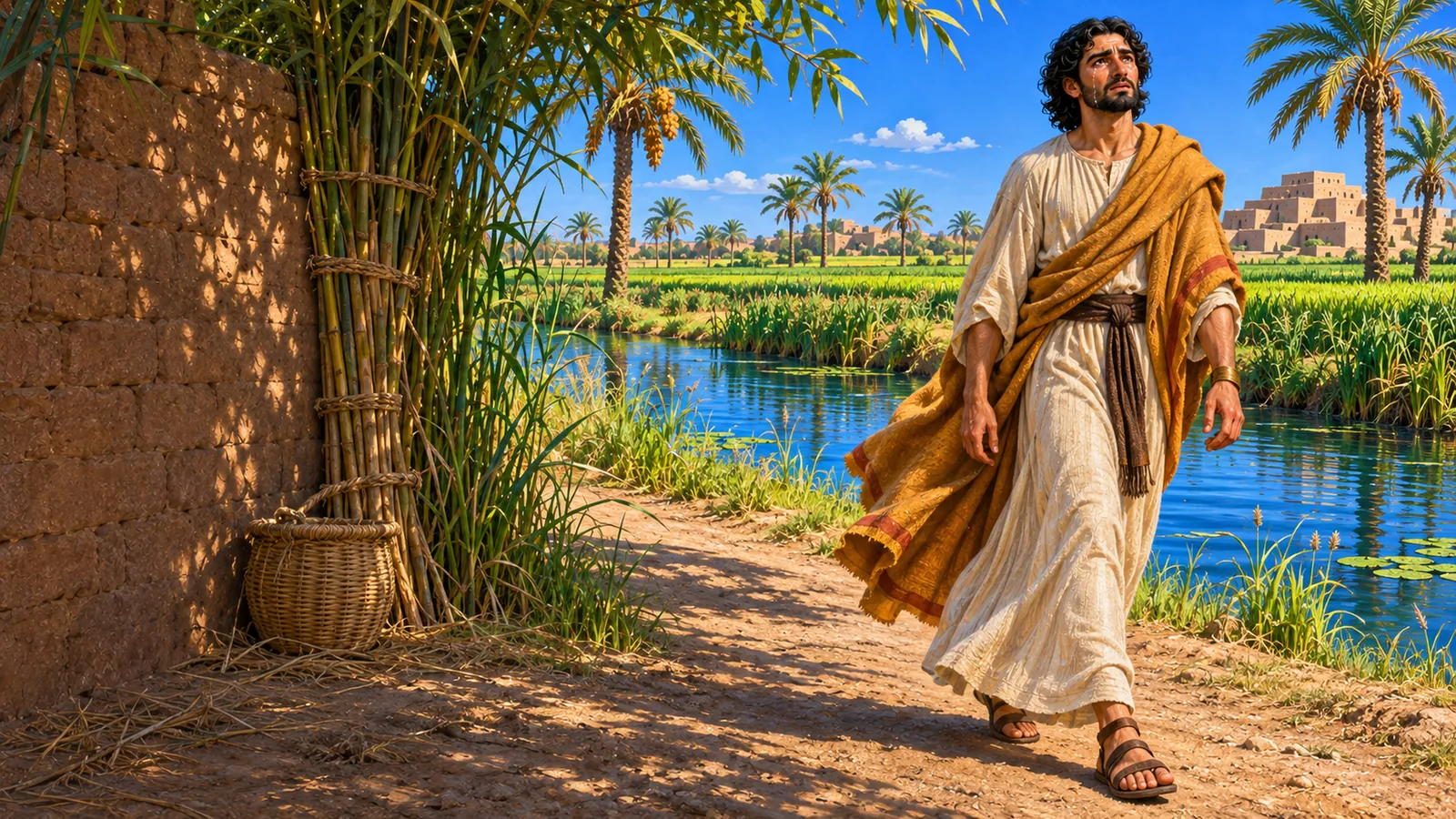
EL SUEÑO DE DUMUZI
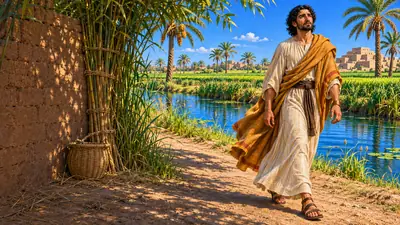
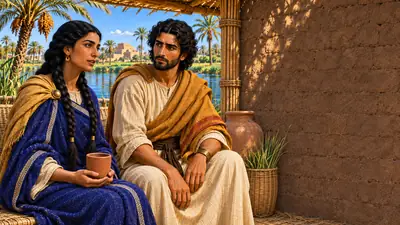
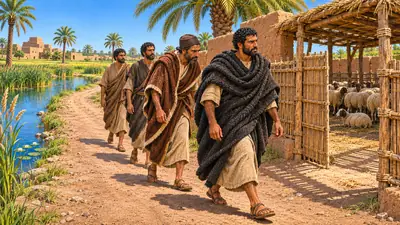
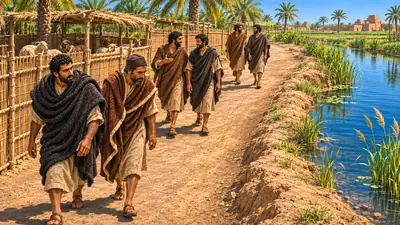
Dumuzi salió al campo con el corazón lleno de lágrimas. El poema lo presenta como un joven.
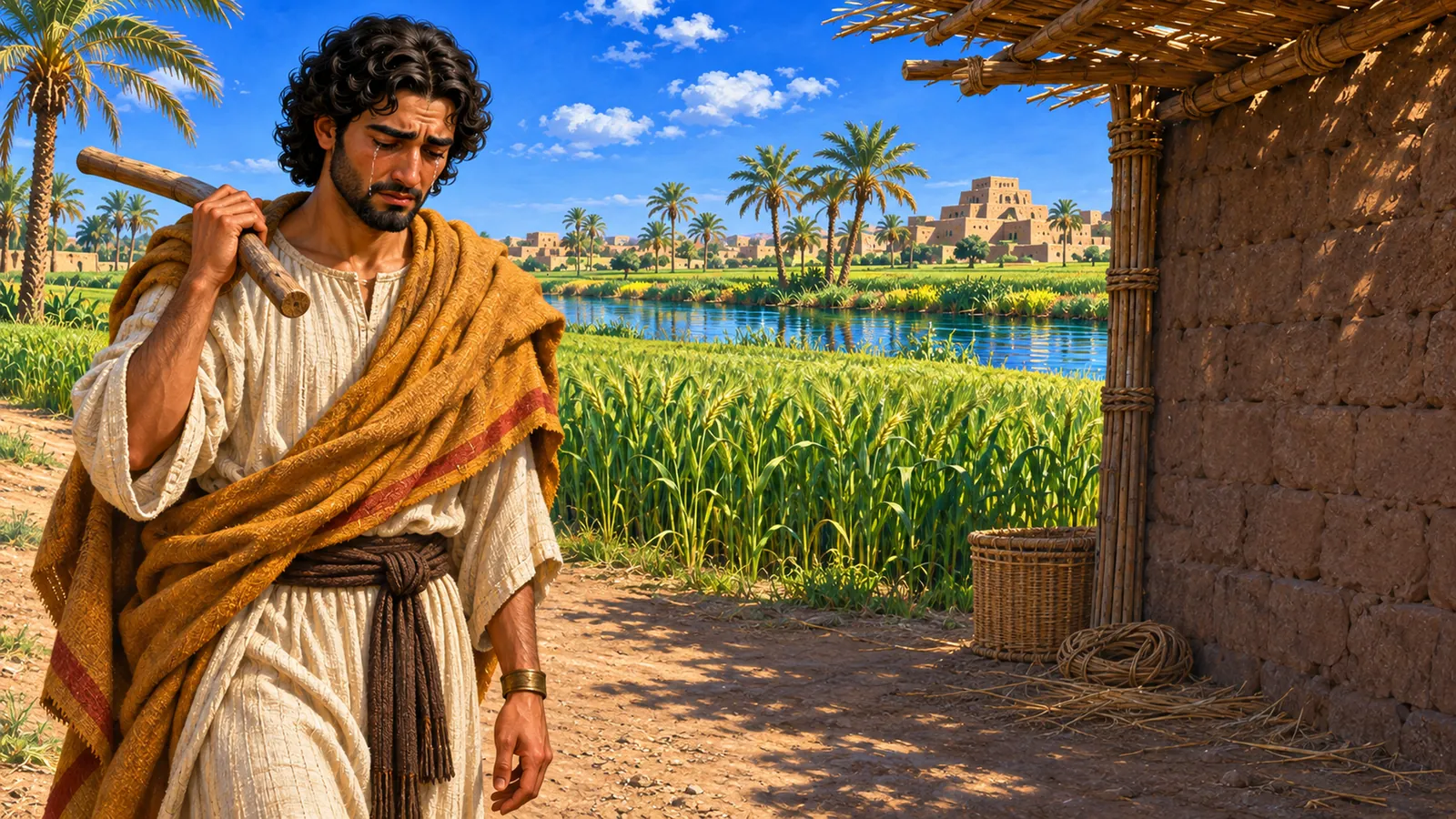
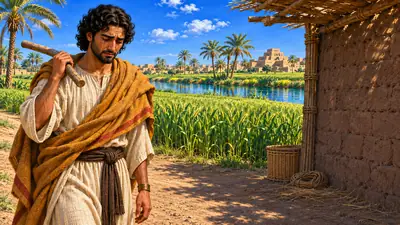
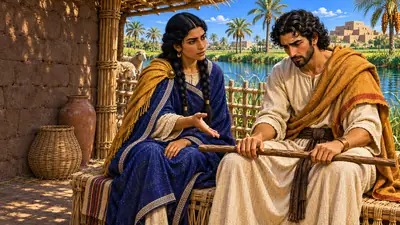
El pastor llevaba el cayado al hombro y no dejó de sollozar en todo el camino hacia el campo abierto.

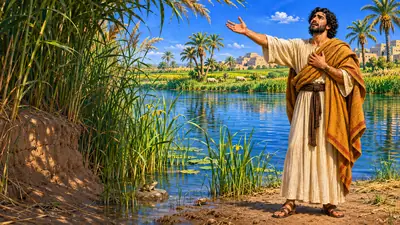
«¡Llora, campo, llora!», gritó Dumuzi. Pidió a las marismas que clamaran, a los cangrejos del río que se lamentaran y a las ranas que alzaran la voz.

«Mi madre me llamará, mi madre Durtur. Me llamará por cinco cosas, me llamará por diez».

«Campo, si mi madre no sabe el día en que muera, díselo. Llora por mí como lloraría mi hermana pequeña».
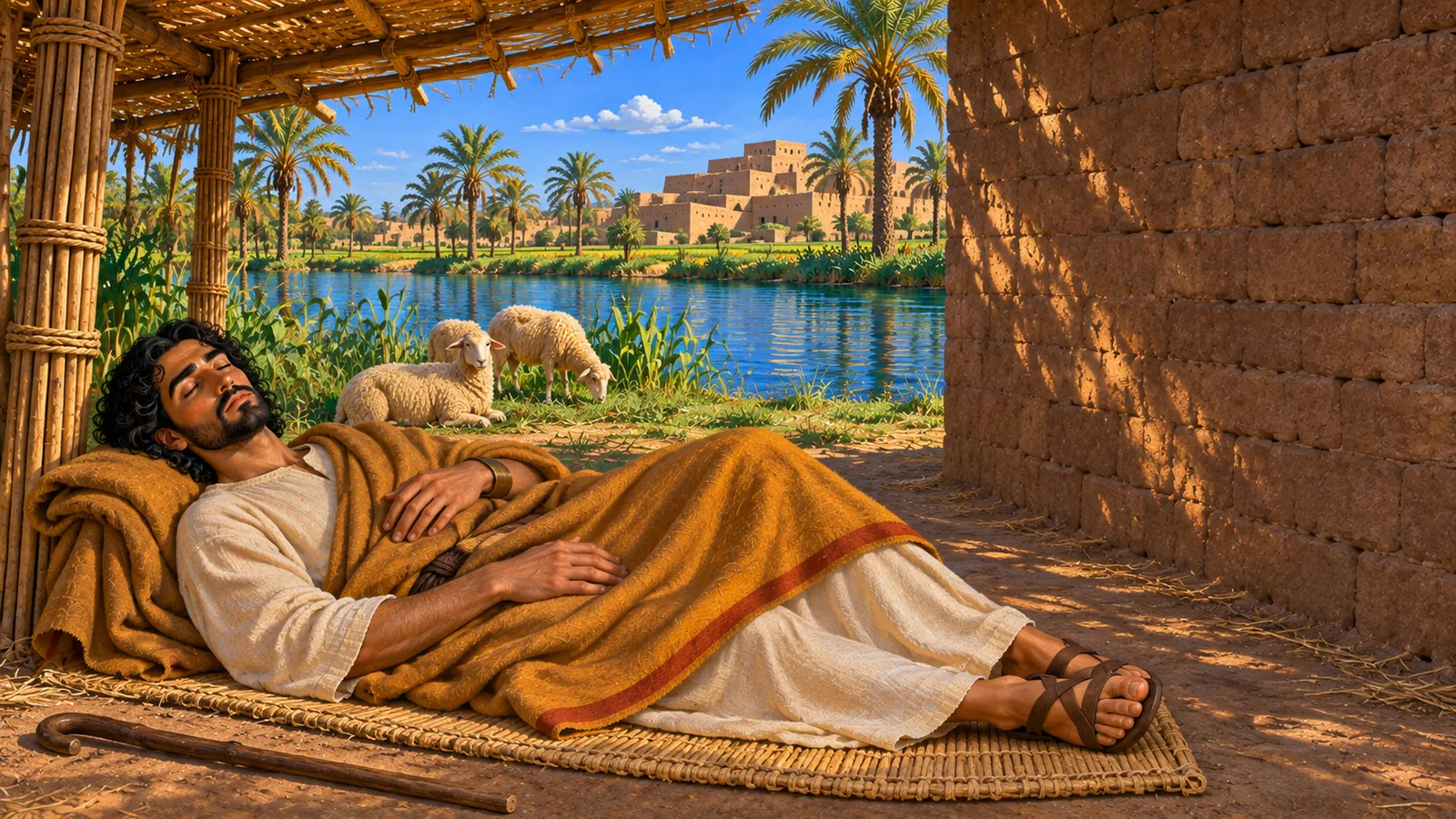
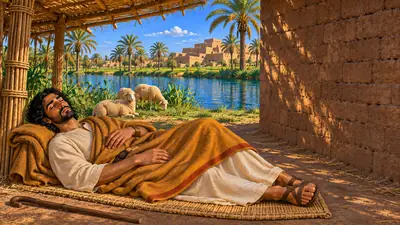
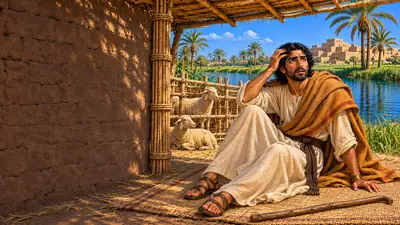
Hace mucho tiempo, el pastor se acostó a dormir. Allí, tendido, empezó a soñar.
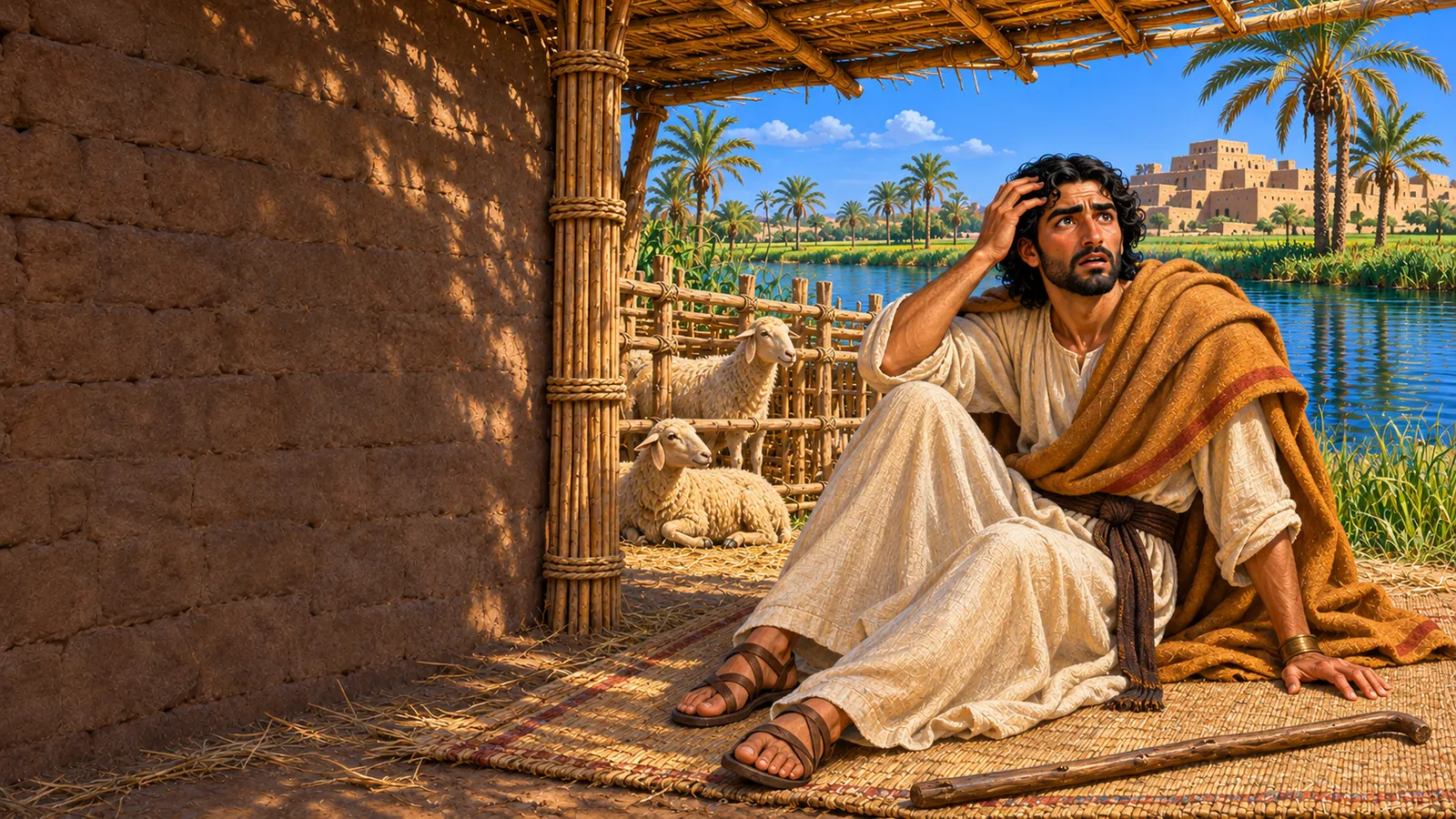
Se despertó sobresaltado. Había sido un sueño. Tembló y se frotó los ojos, aterrorizado.
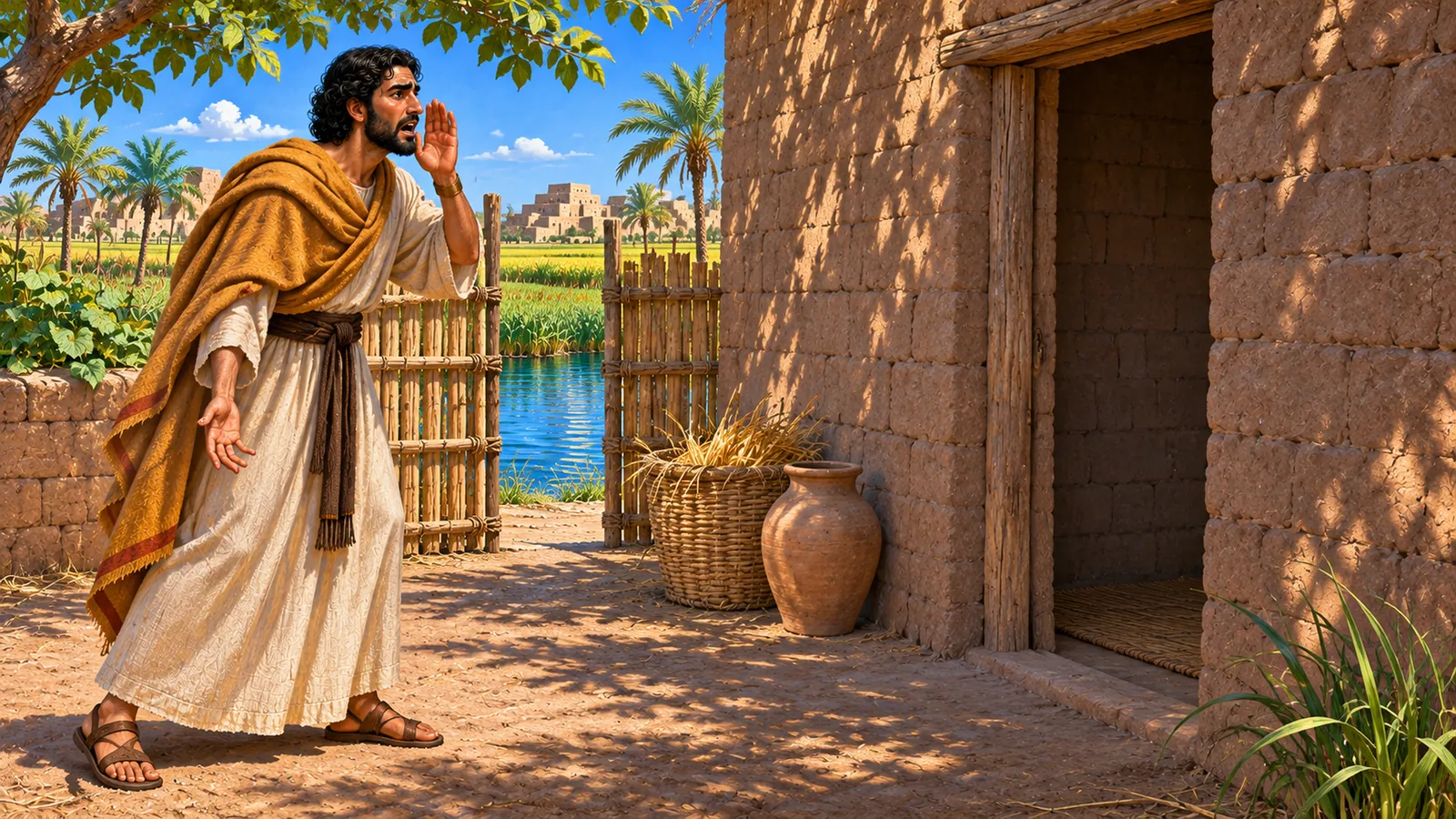
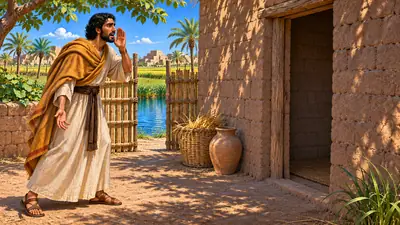
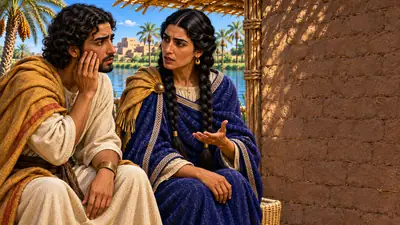
«¡Traed a mi hermana! ¡Traed a Geštinanna!», llamó. Era una escriba diestra con las tablillas y una cantora que dominaba sus cantos.
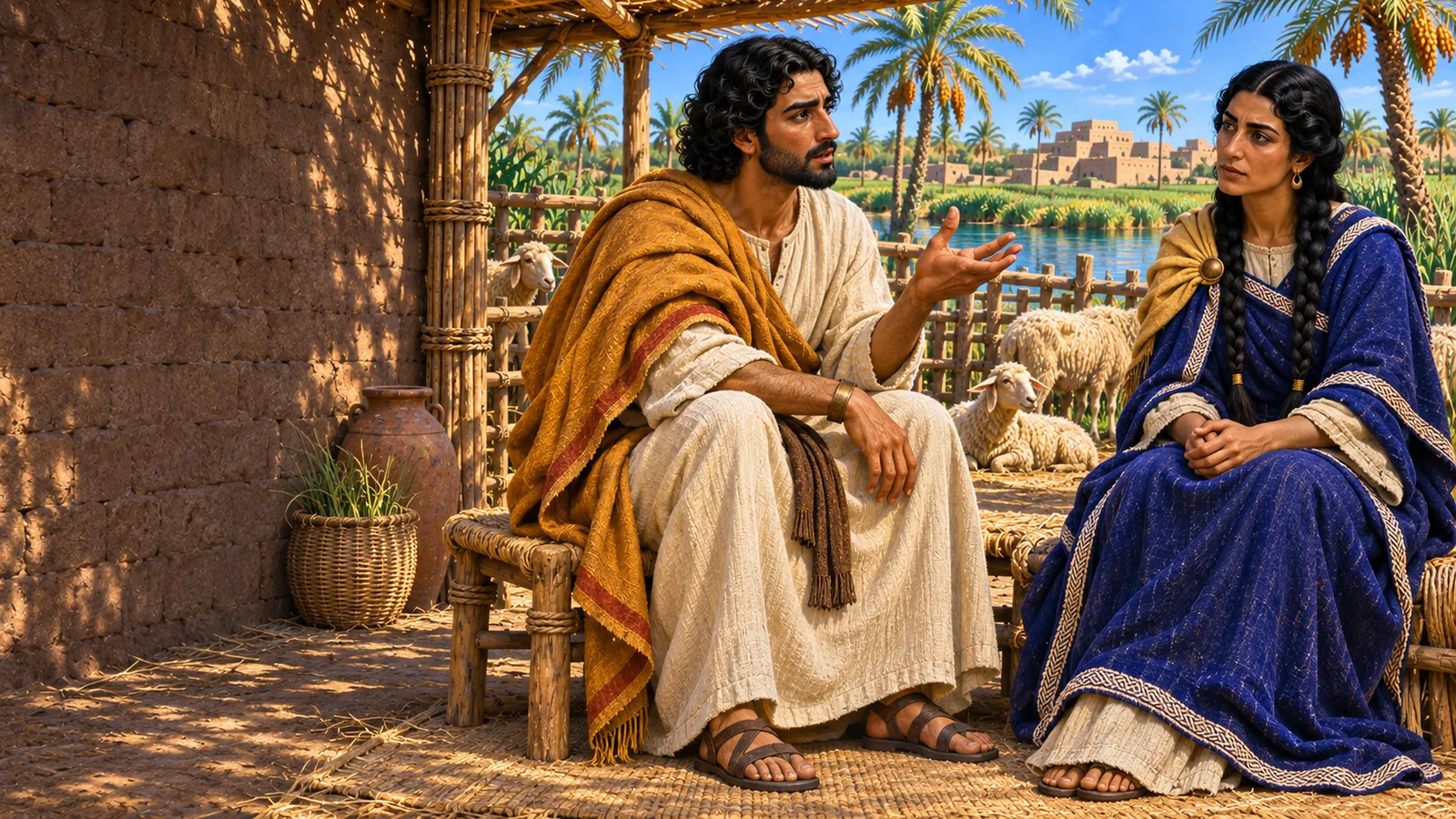
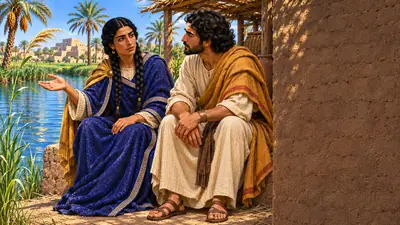
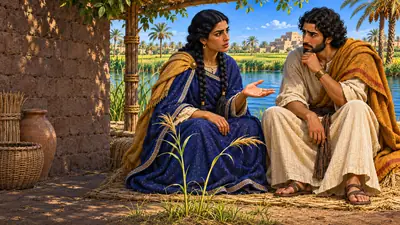
«Traed a mi sabia hermana, que sabe lo que significan los sueños. Le contaré lo que he soñado».
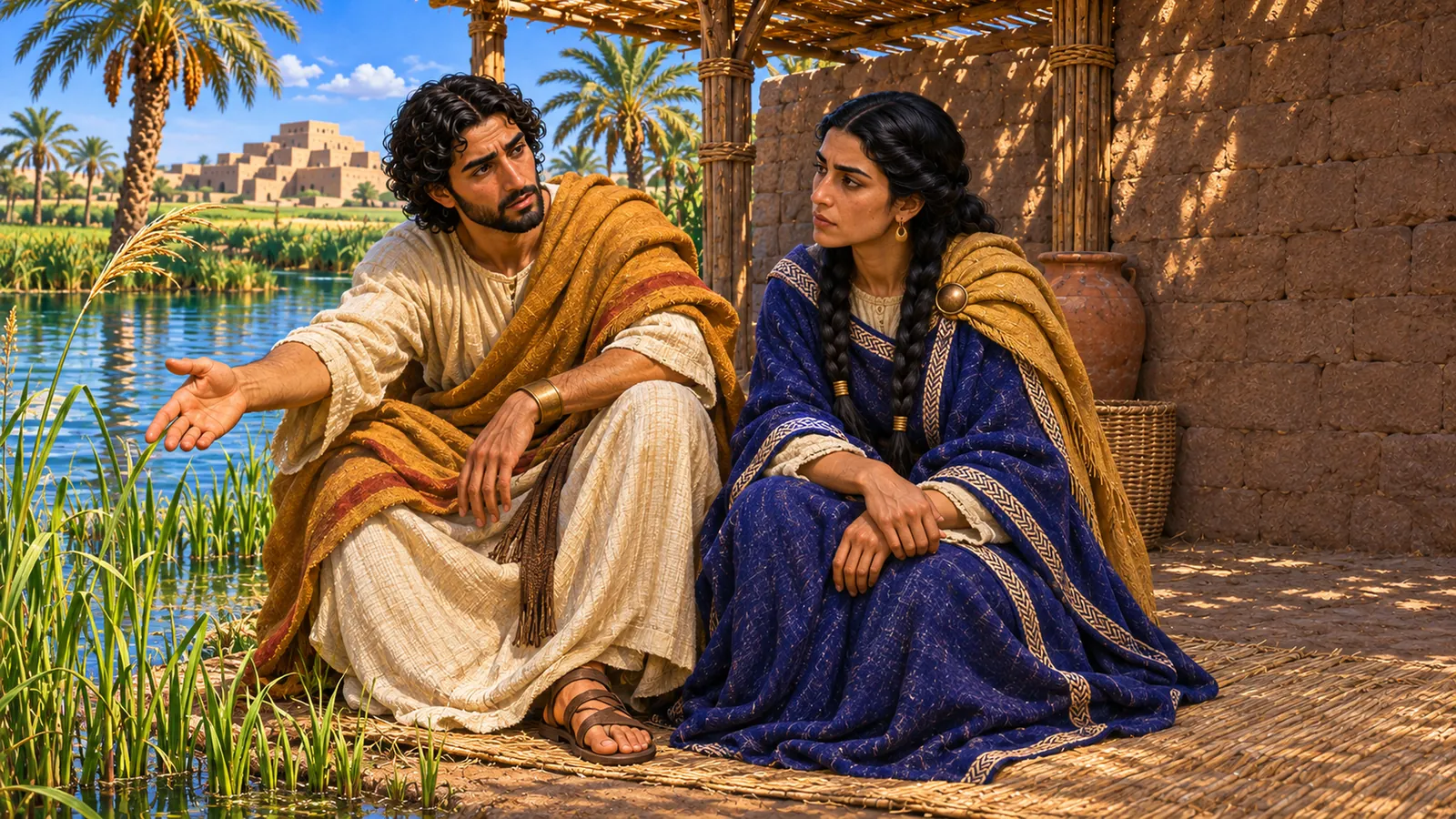
EL SUEÑO
«¡Un sueño, hermana mía!», dijo Dumuzi. «Los juncos brotaron ante mí y seguían creciendo. Una sola caña sacudía su punta hacia mí».
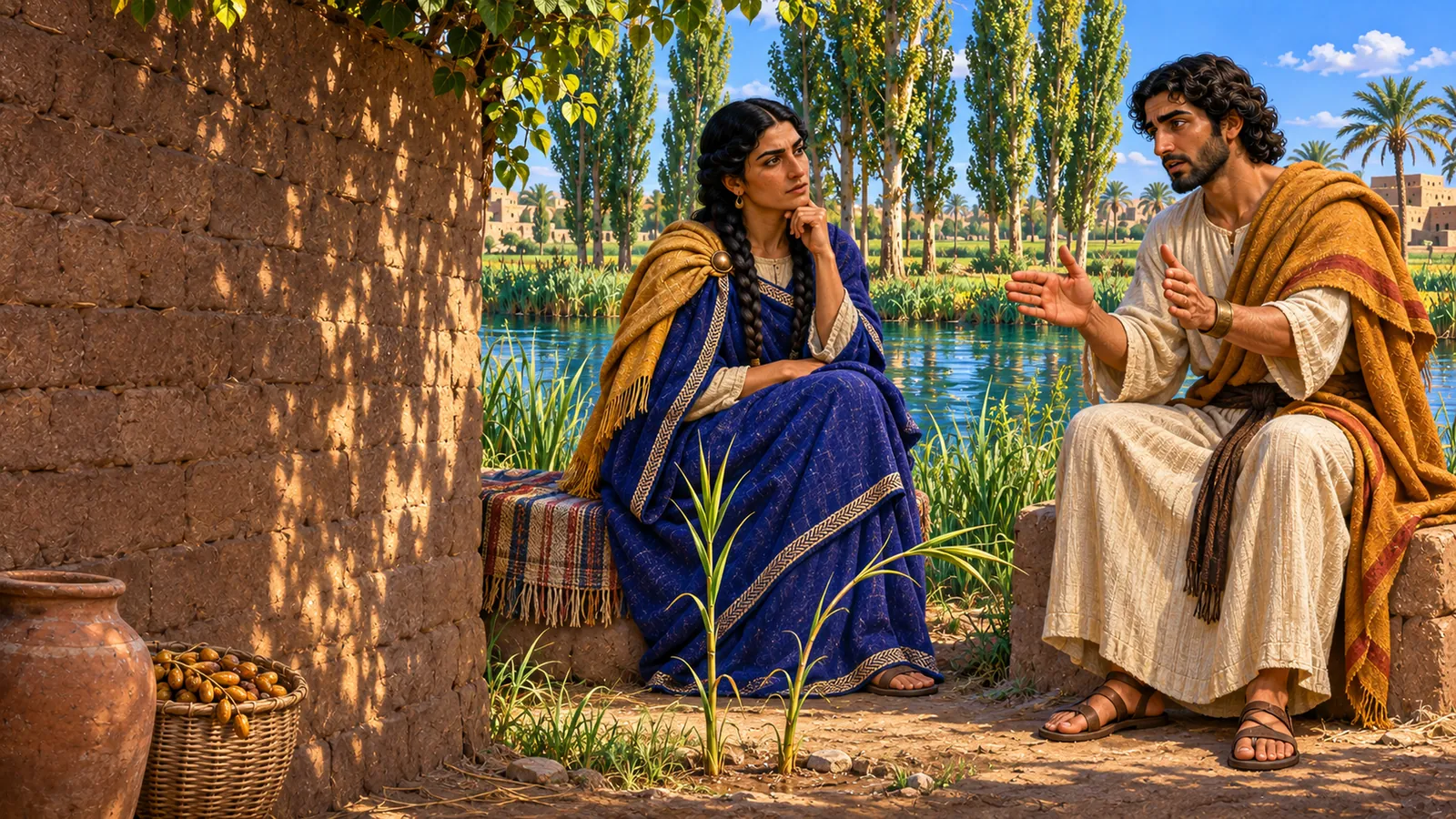
«De dos cañas que crecían juntas, una se separó de mí. Altos árboles del bosque se alzaron juntos sobre mí».
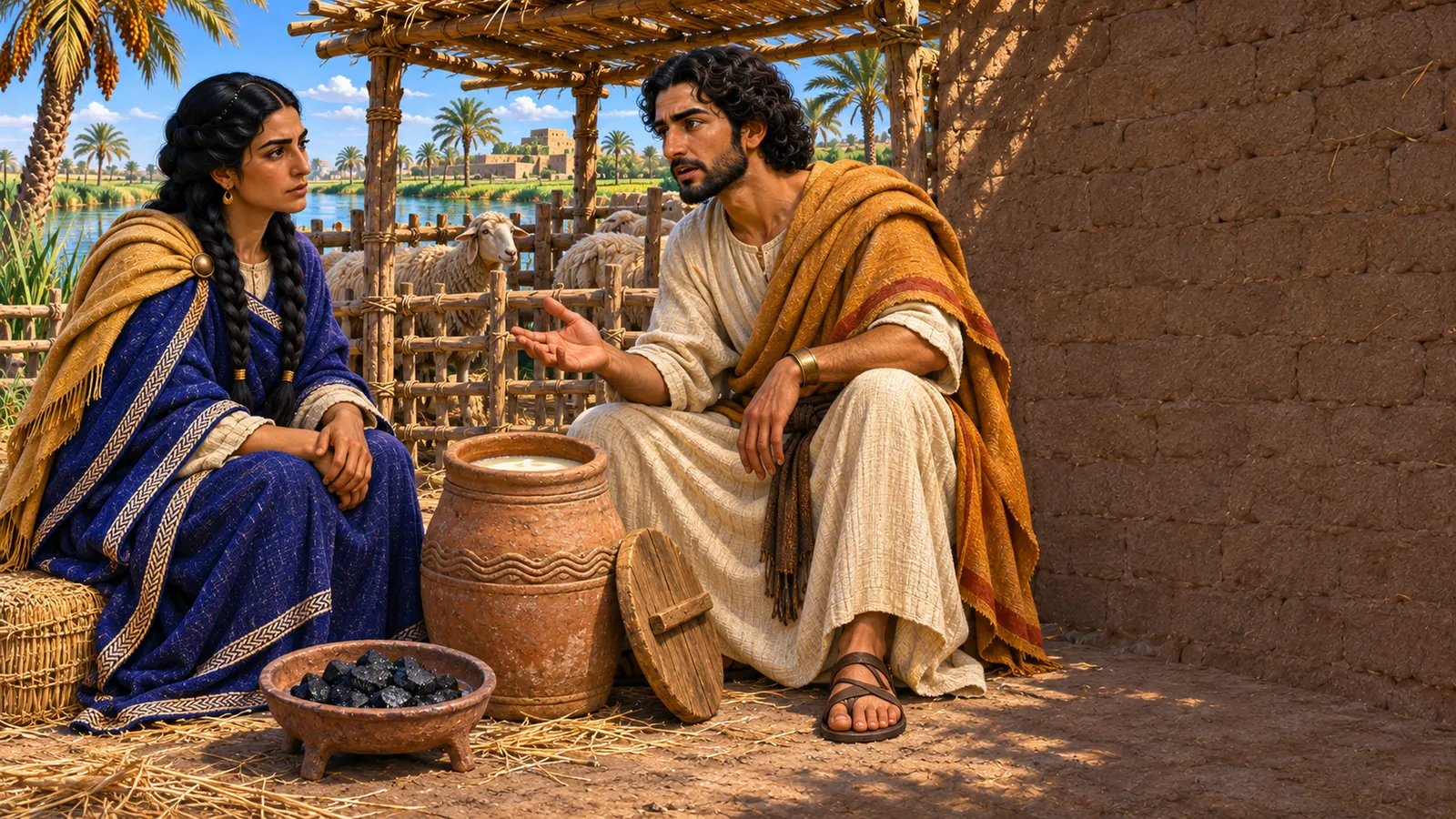
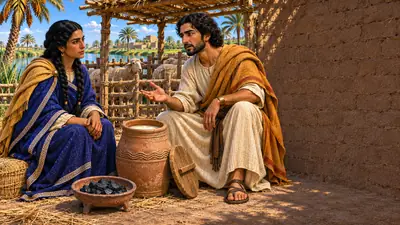
En mi sueño, vertieron agua sobre mis brasas sagradas y quitaron la tapa de mi mantequera sagrada.
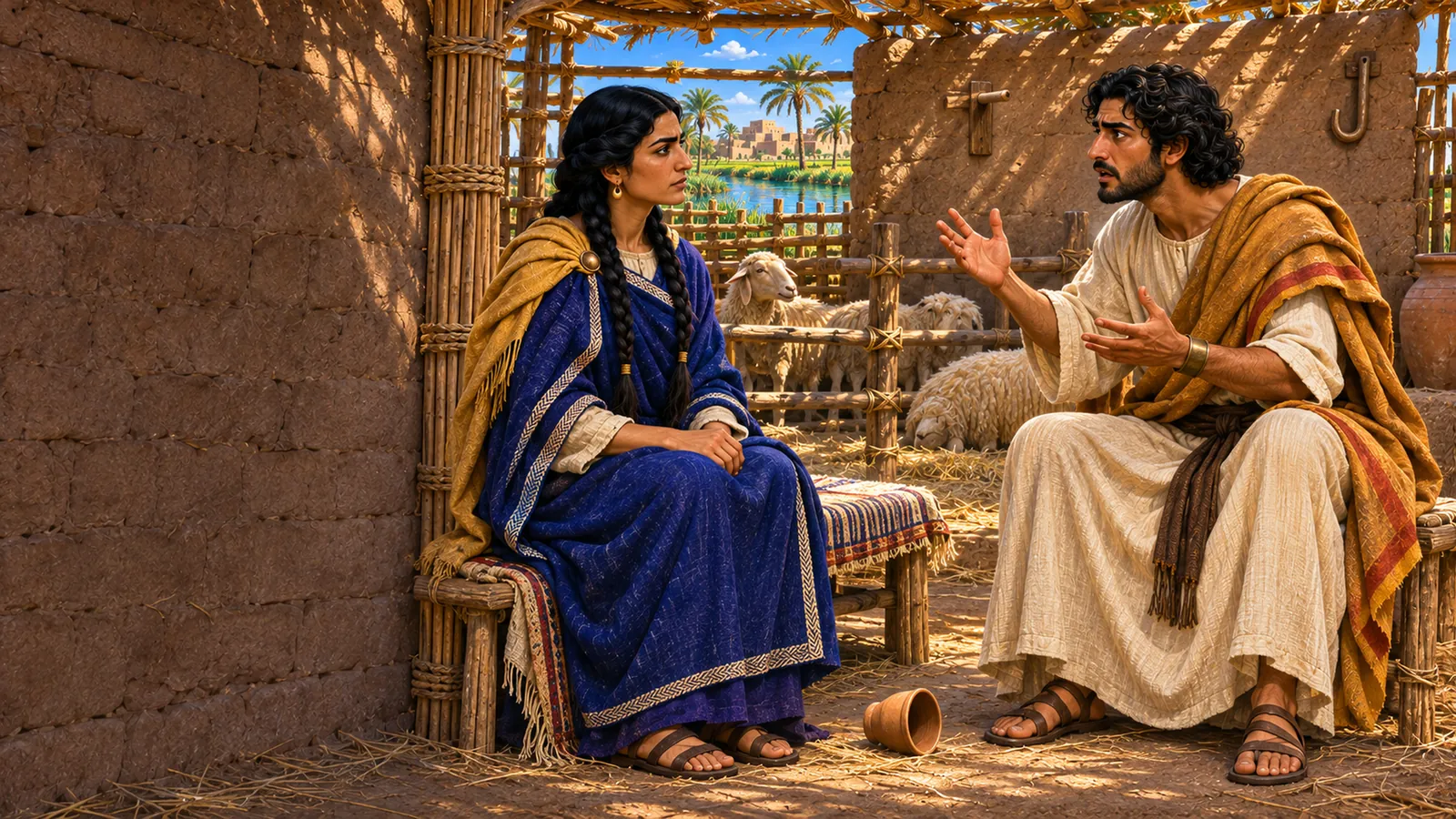
«Arrancaron mi copa sagrada de la clavija de la que colgaba. Después desapareció mi cayado».
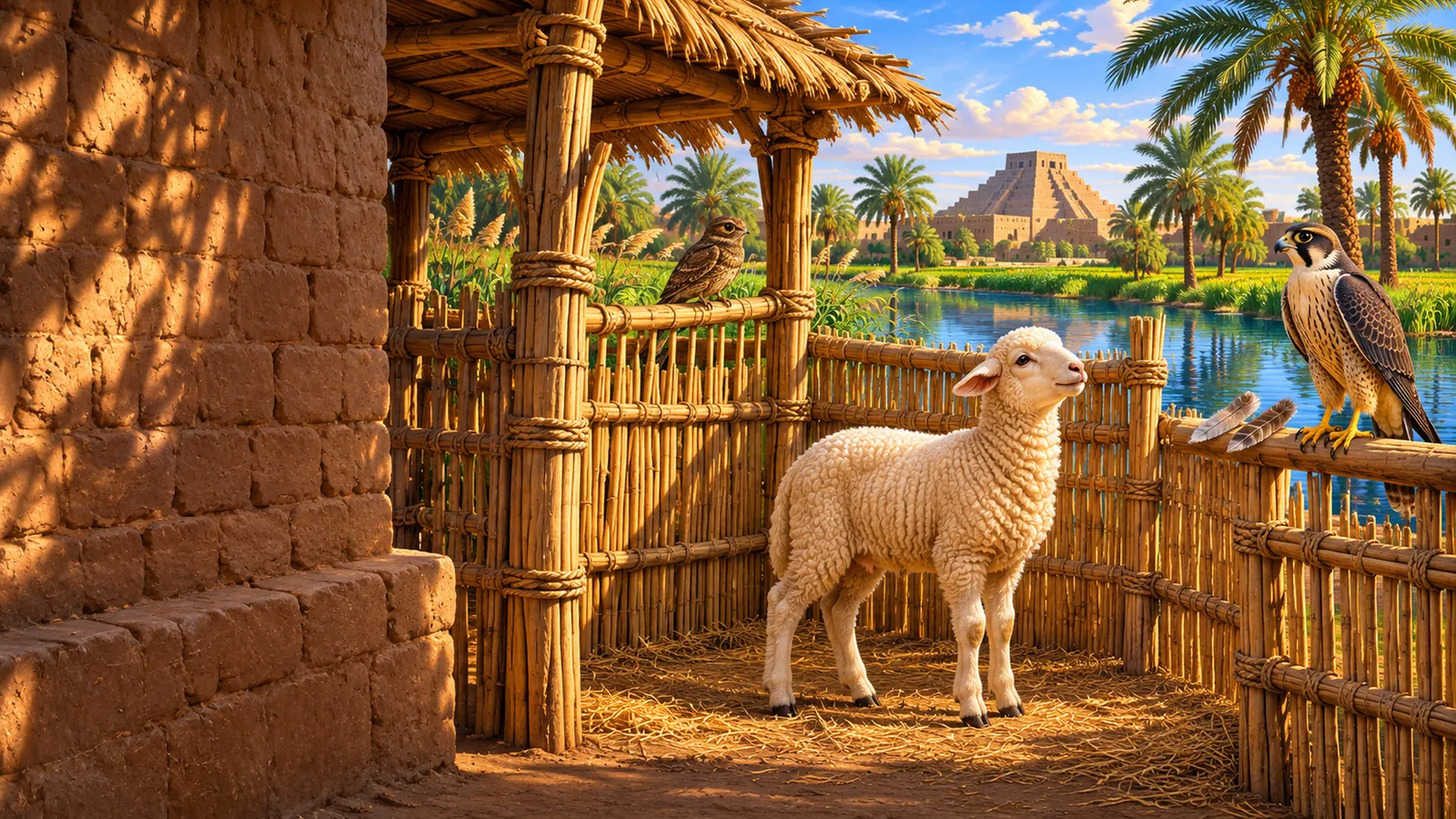
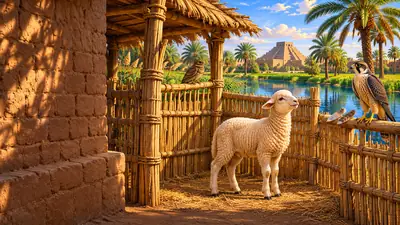
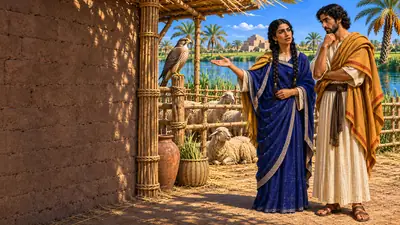
«Un ave, quizá un búho, se llevó un cordero del aprisco. Un halcón atrapó un gorrión en la cerca de juncos».
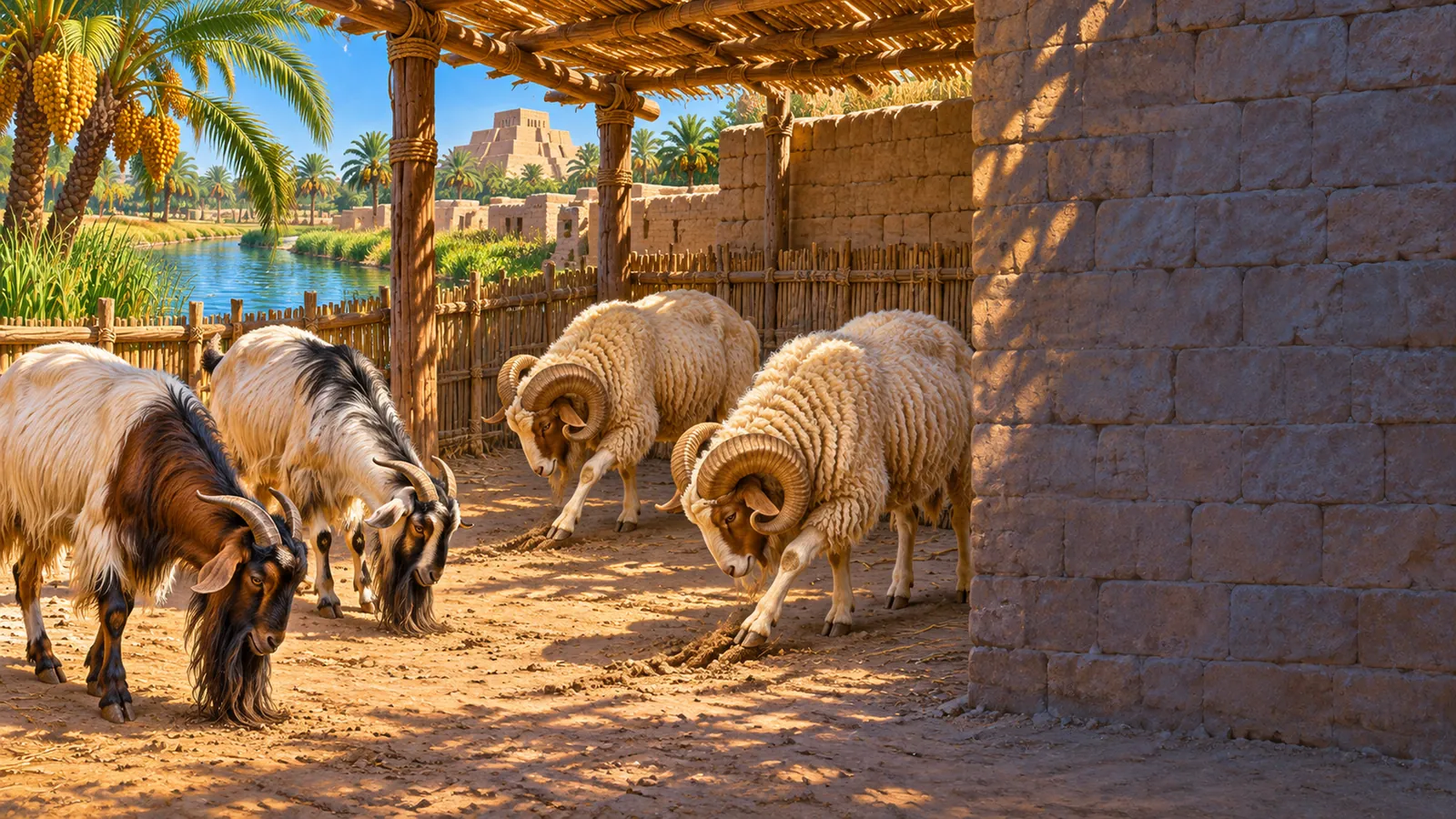
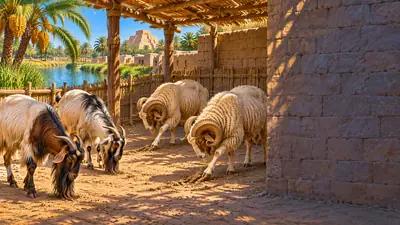
«Mis machos cabríos arrastraban sus barbas oscuras por el polvo. Mis carneros escarbaban la tierra con sus patas fuertes».
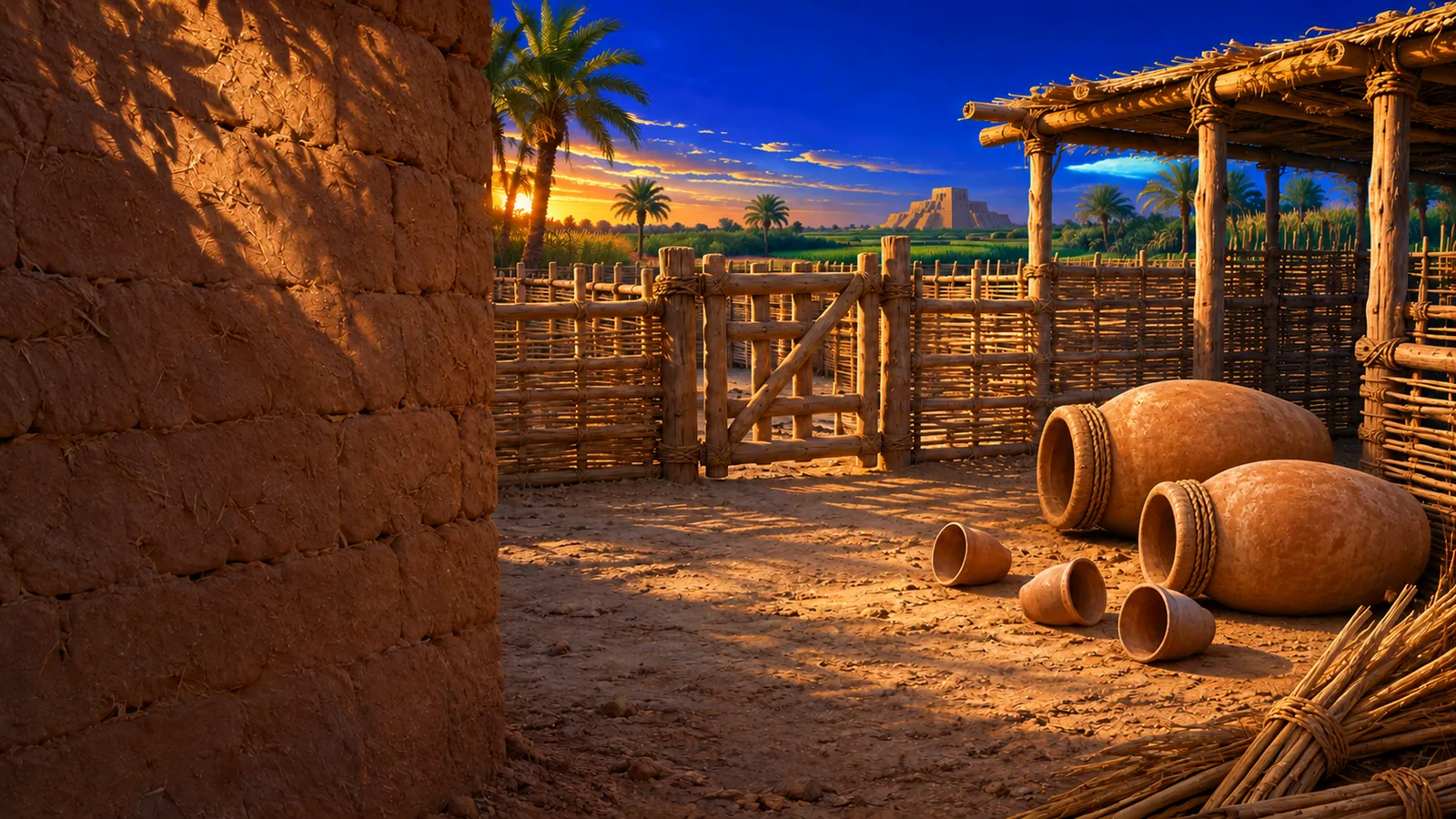
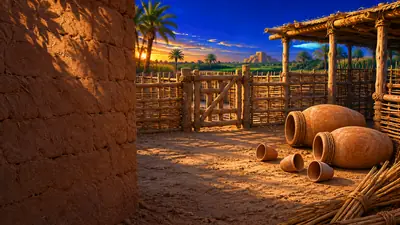
«Las mantequeras yacían de lado. No se vertía leche. Las copas yacían de lado». En el sueño, Dumuzi estaba muerto y el aprisco estaba encantado.
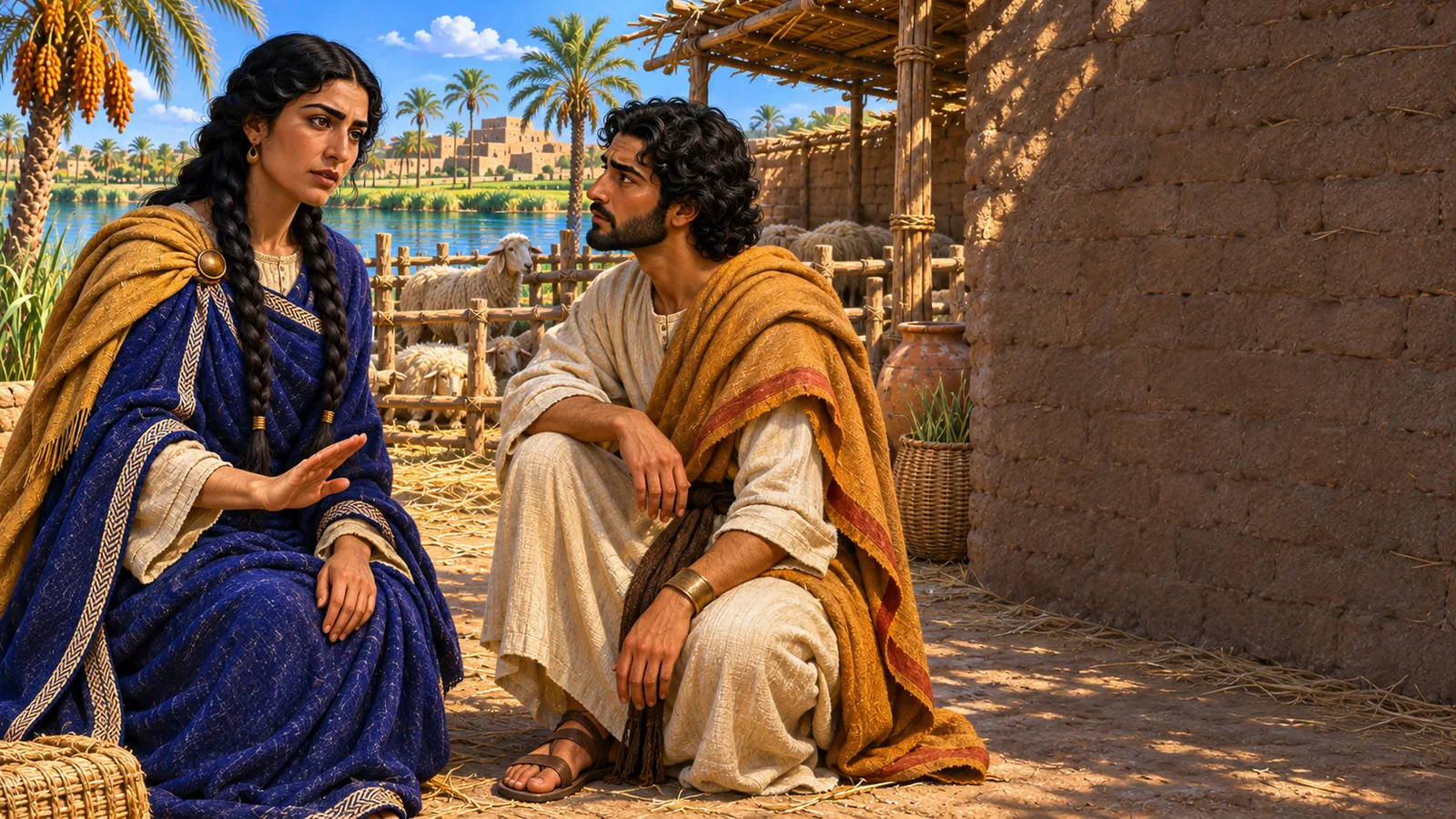
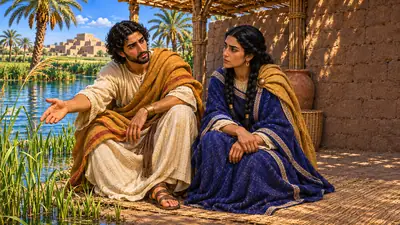
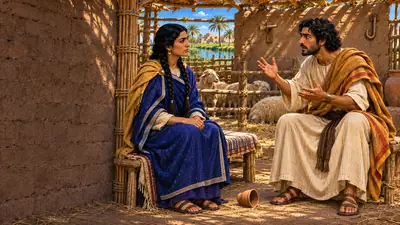
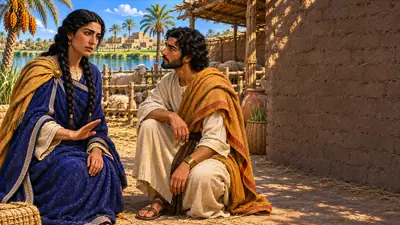
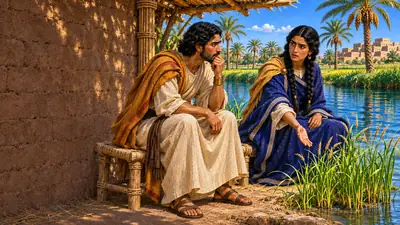
Geštinanna respondió a Dumuzi: «Hermano mío, tu sueño no augura nada bueno». Dos veces le pidió que no le contara más.
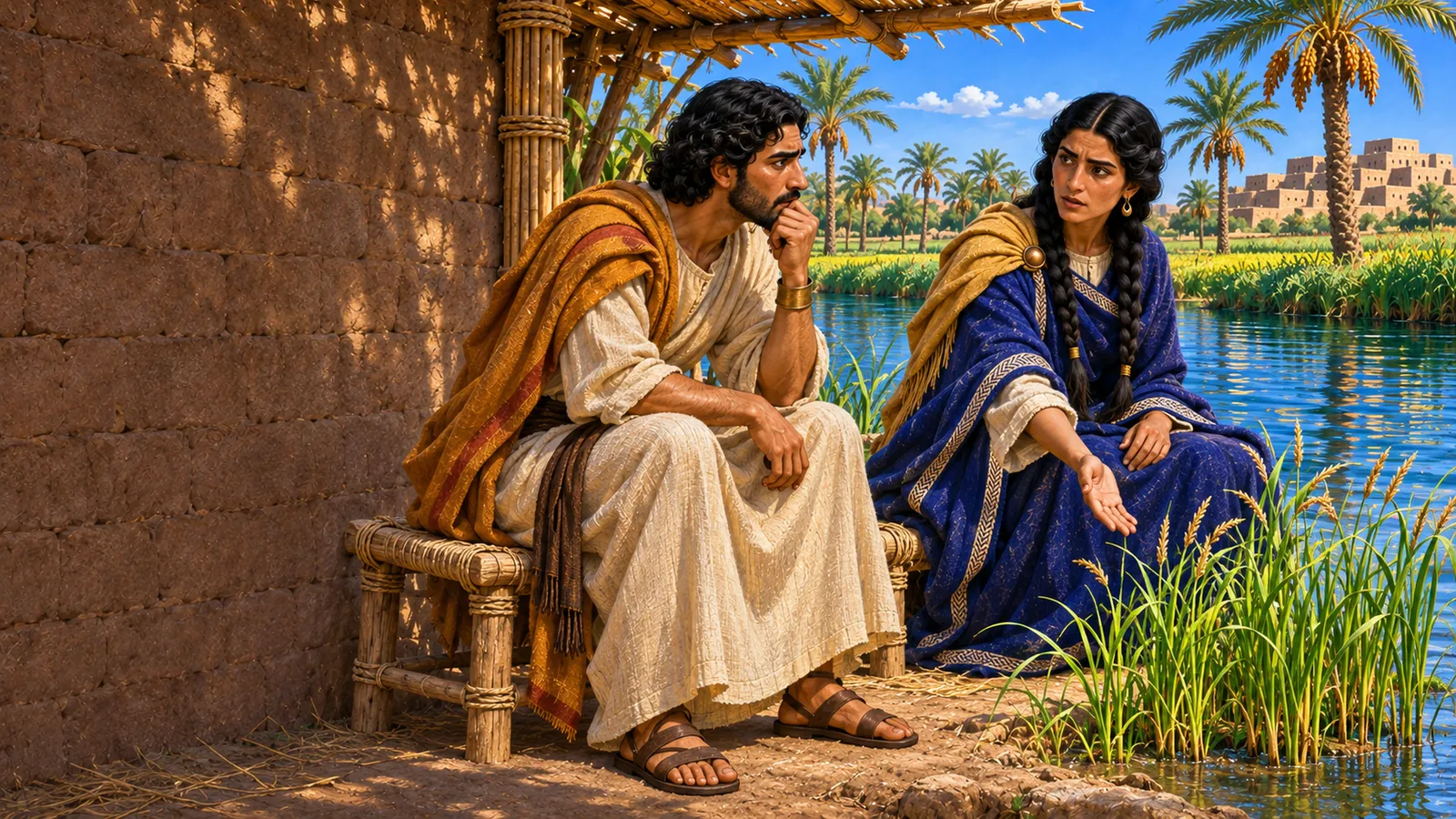
Dijo que los juncos que seguían creciendo en su sueño representaban a unos bandidos. Se alzarían contra él desde su escondite.
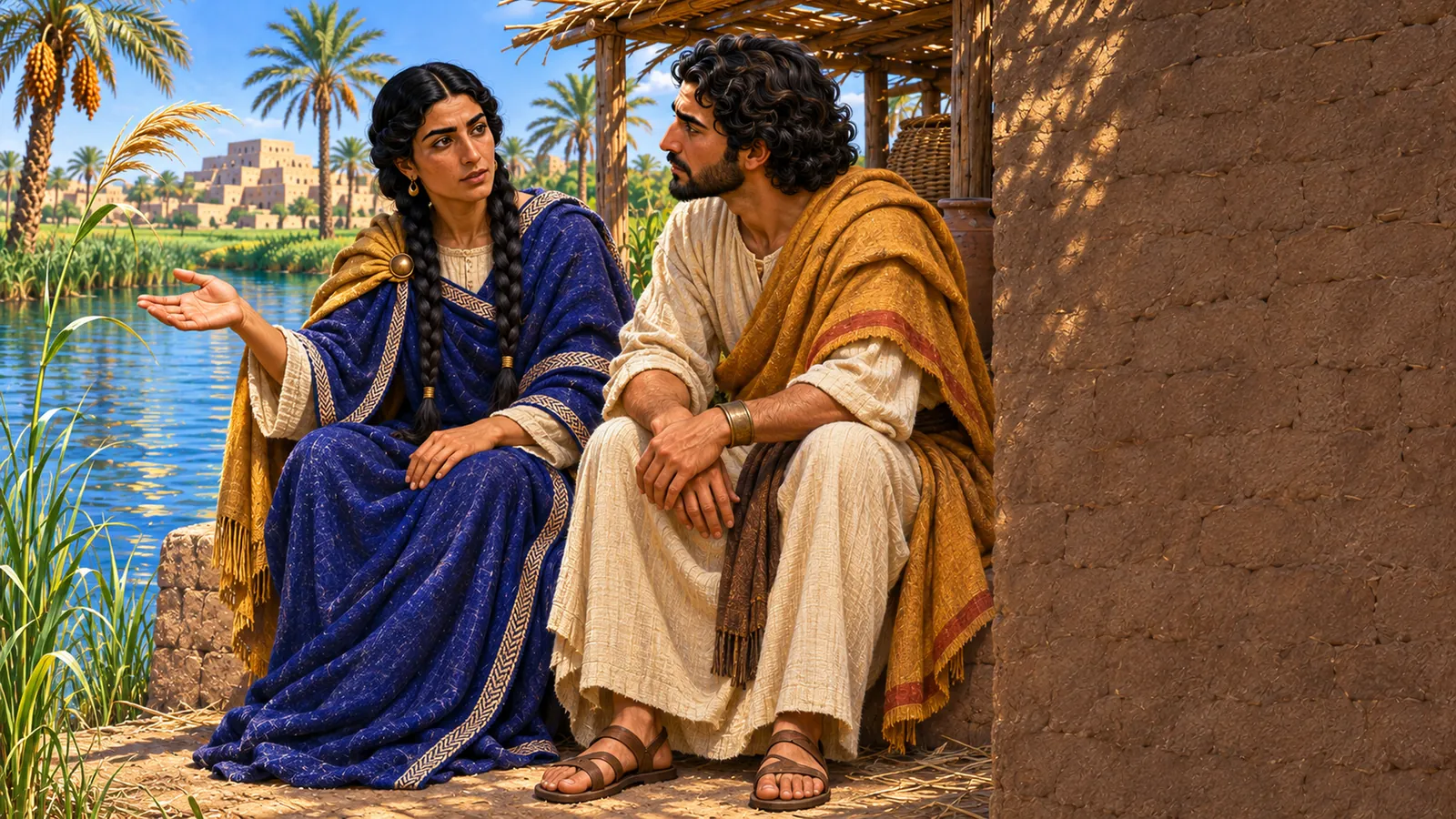
Le explicó qué significaba la caña que sacudía la cabeza en el sueño. Era su madre, la que lo había dado a luz, que movía la cabeza por él.
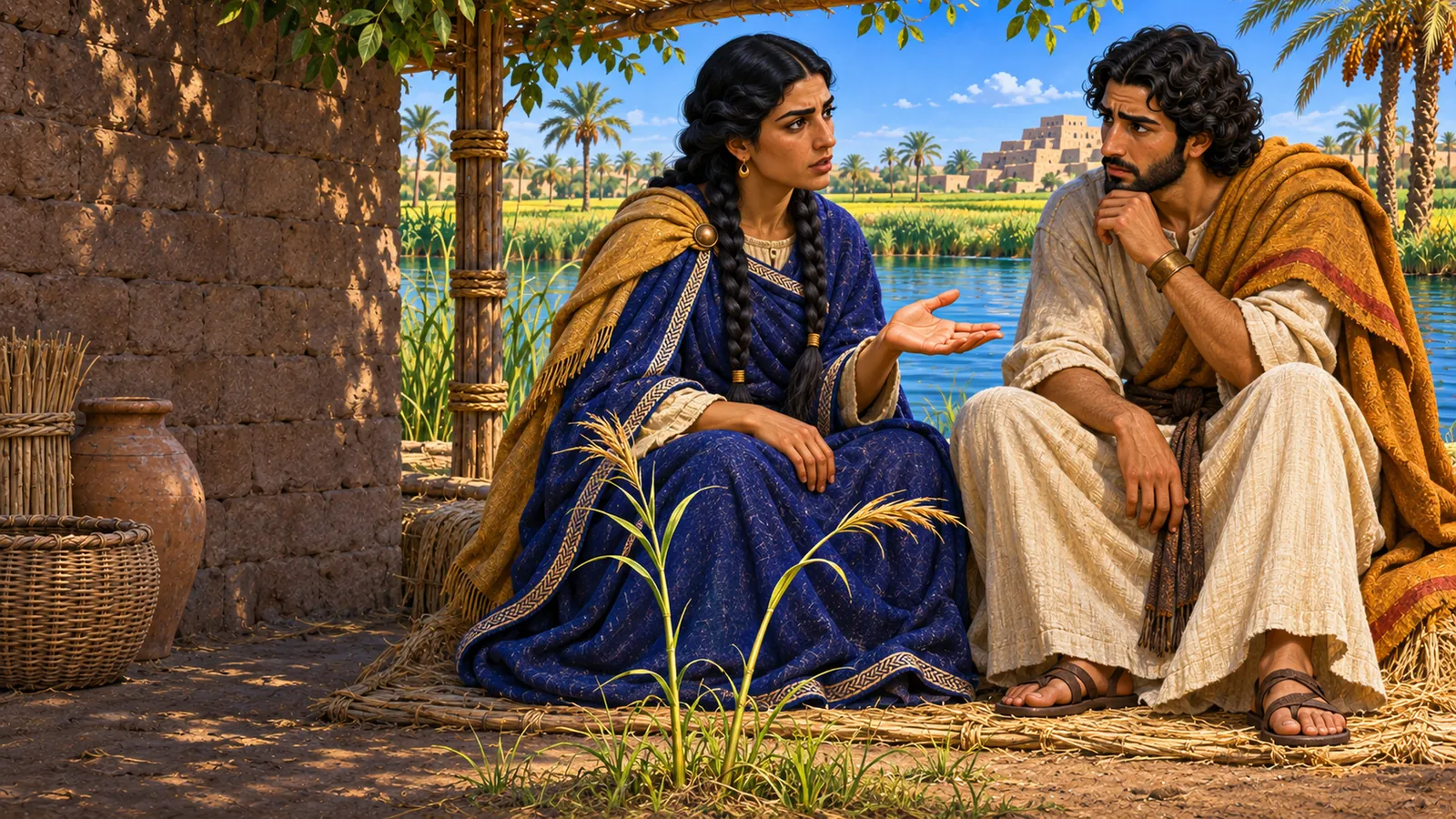
En el sueño había dos cañas, y una se apartaba de él. Geštinanna dijo que las cañas representaban a los dos hermanos. Los separarían.
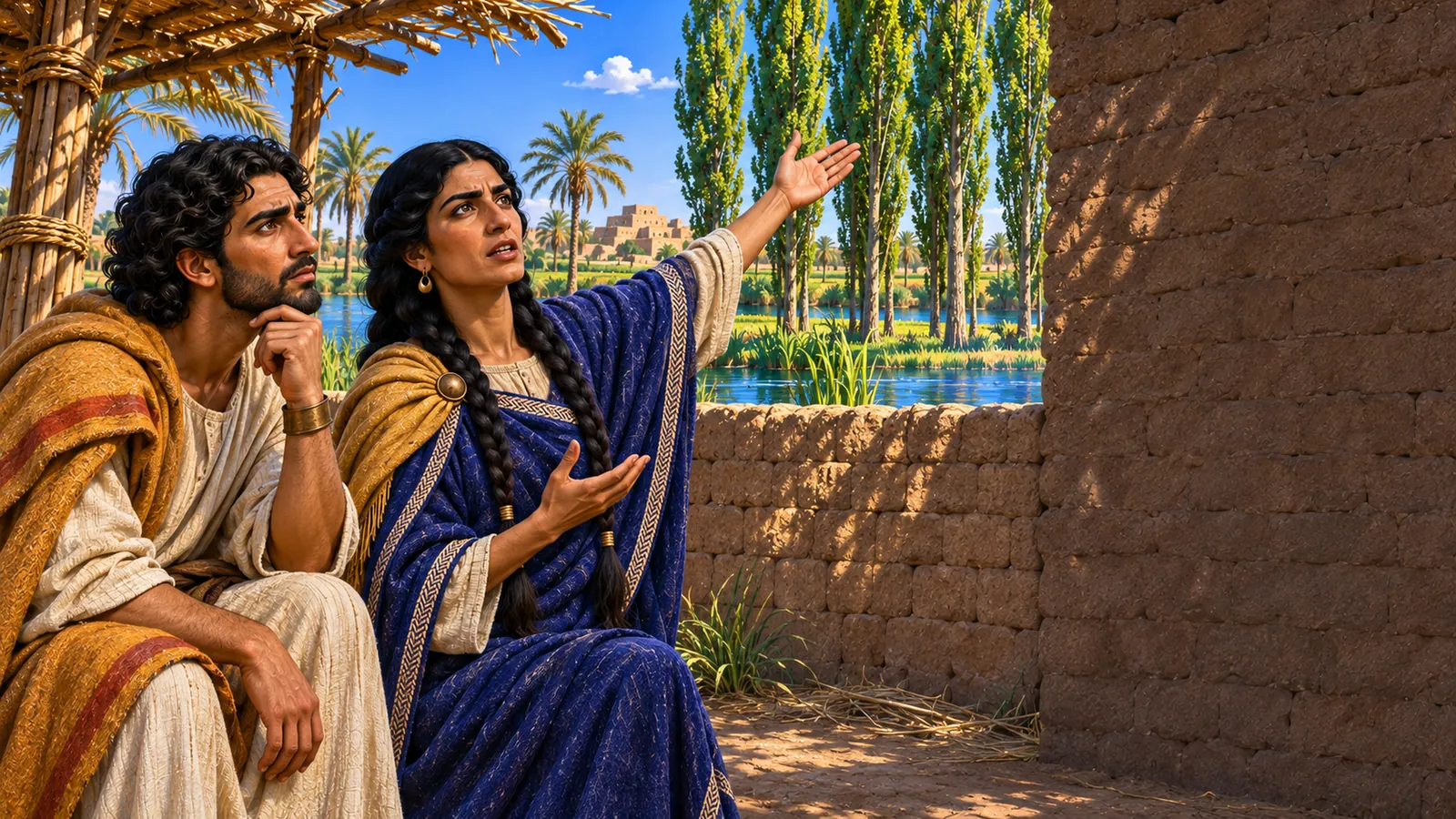
Geštinanna pasó a los árboles altos que se habían alzado a su alrededor en el sueño. Dijo que significaban que unos hombres hostiles lo atraparían dentro de los muros.
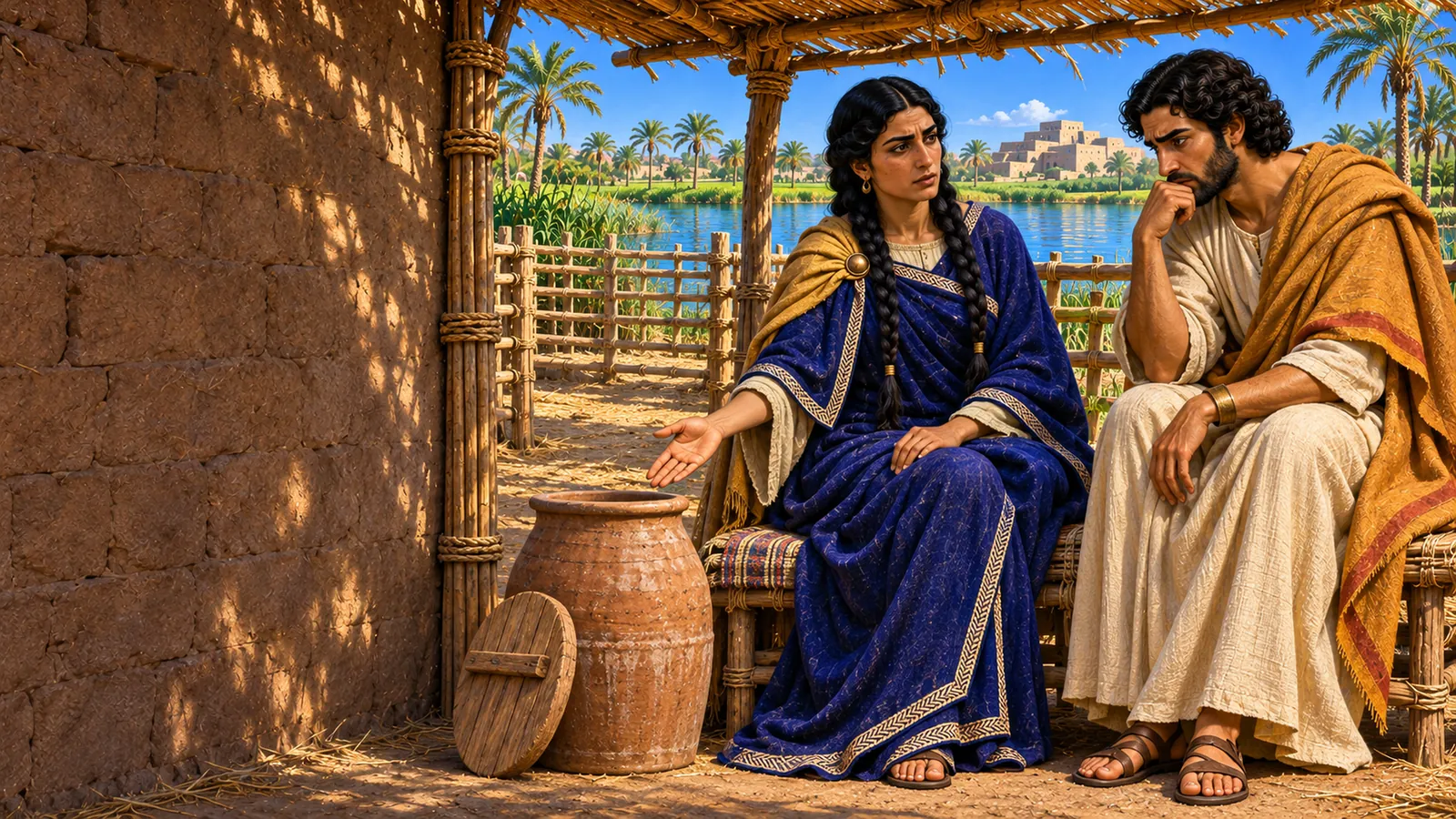
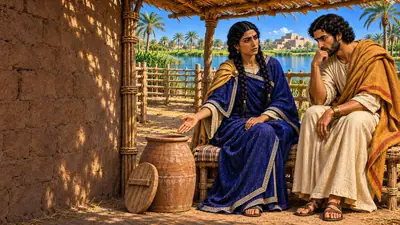
El agua vertida sobre sus brasas significaba que el redil quedaría en silencio. La tapa retirada de su mantequera significaba que uno de los hombres hostiles la llevaría dentro en las manos.
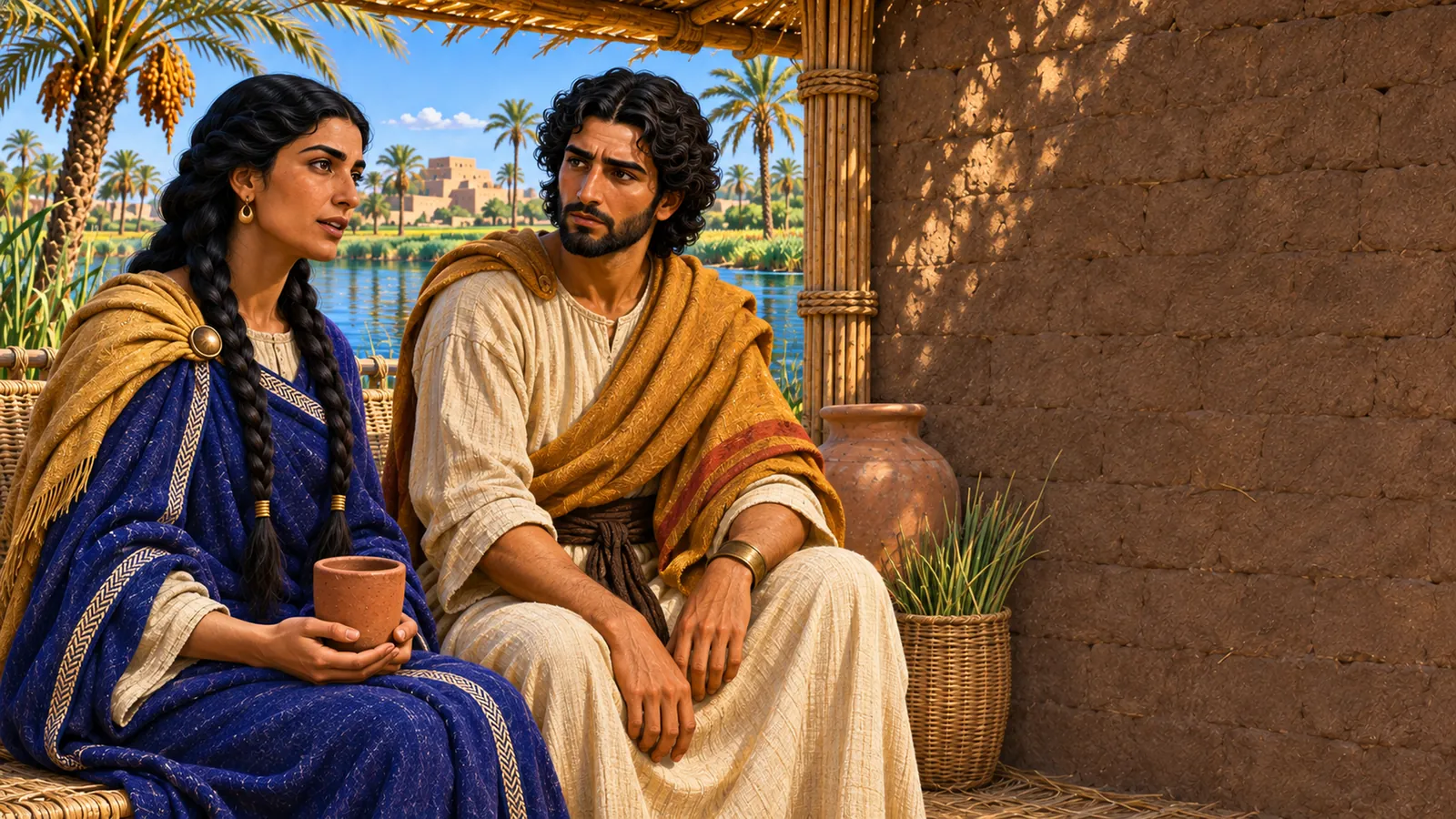
Habló de la copa arrancada de la clavija de la que colgaba en el sueño. Geštinanna dijo que representaba a Dumuzi cayendo del regazo de la madre que le había dado a luz.
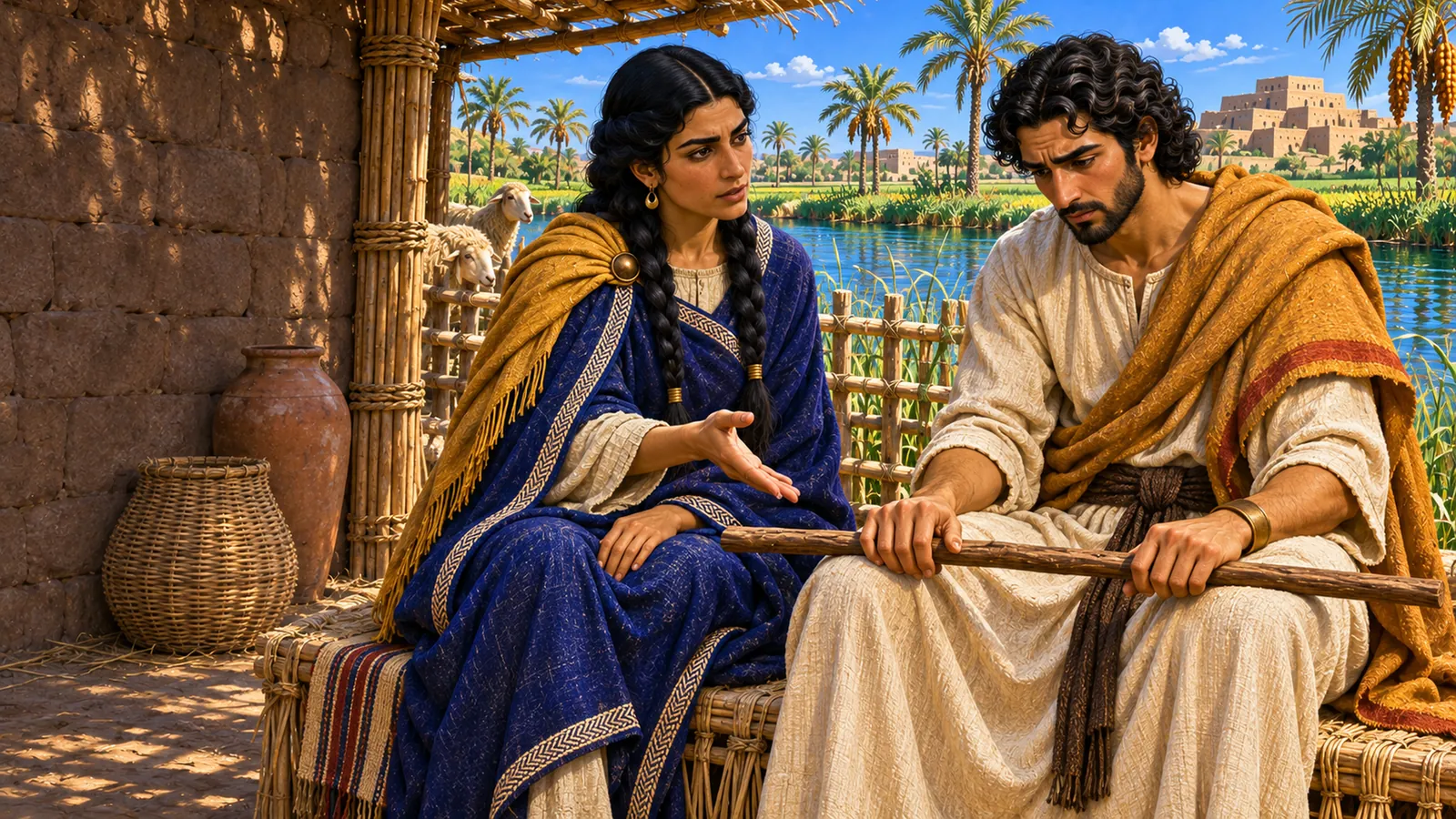
En el sueño había desaparecido el cayado de Dumuzi. Geštinanna dijo que aquello significaba que los demonios le prenderían fuego.
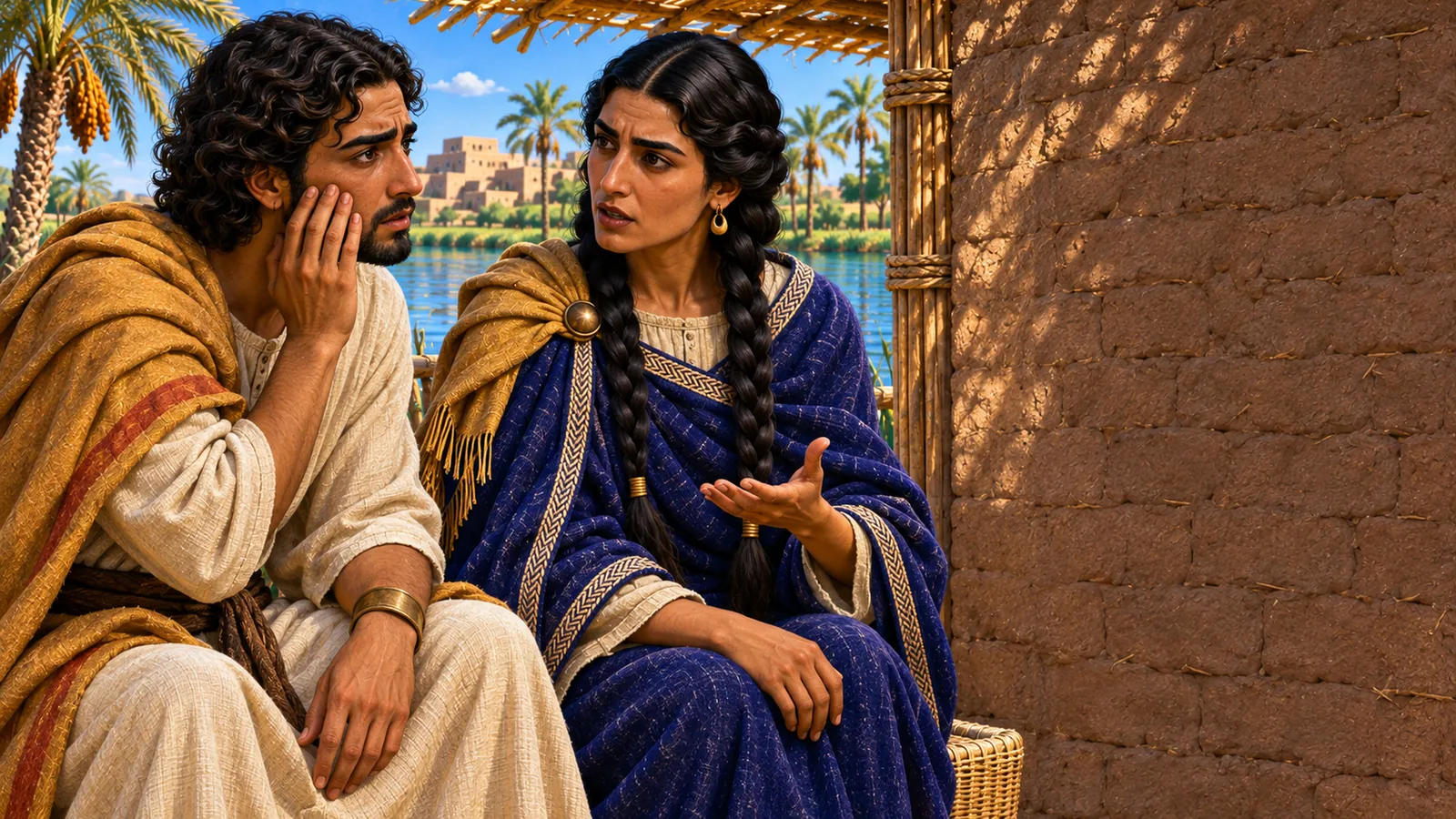
En el sueño, un ave, acaso una lechuza, se había llevado un cordero. Geštinanna dijo que eso significaba que un hombre hostil golpearía a Dumuzi en la mejilla.
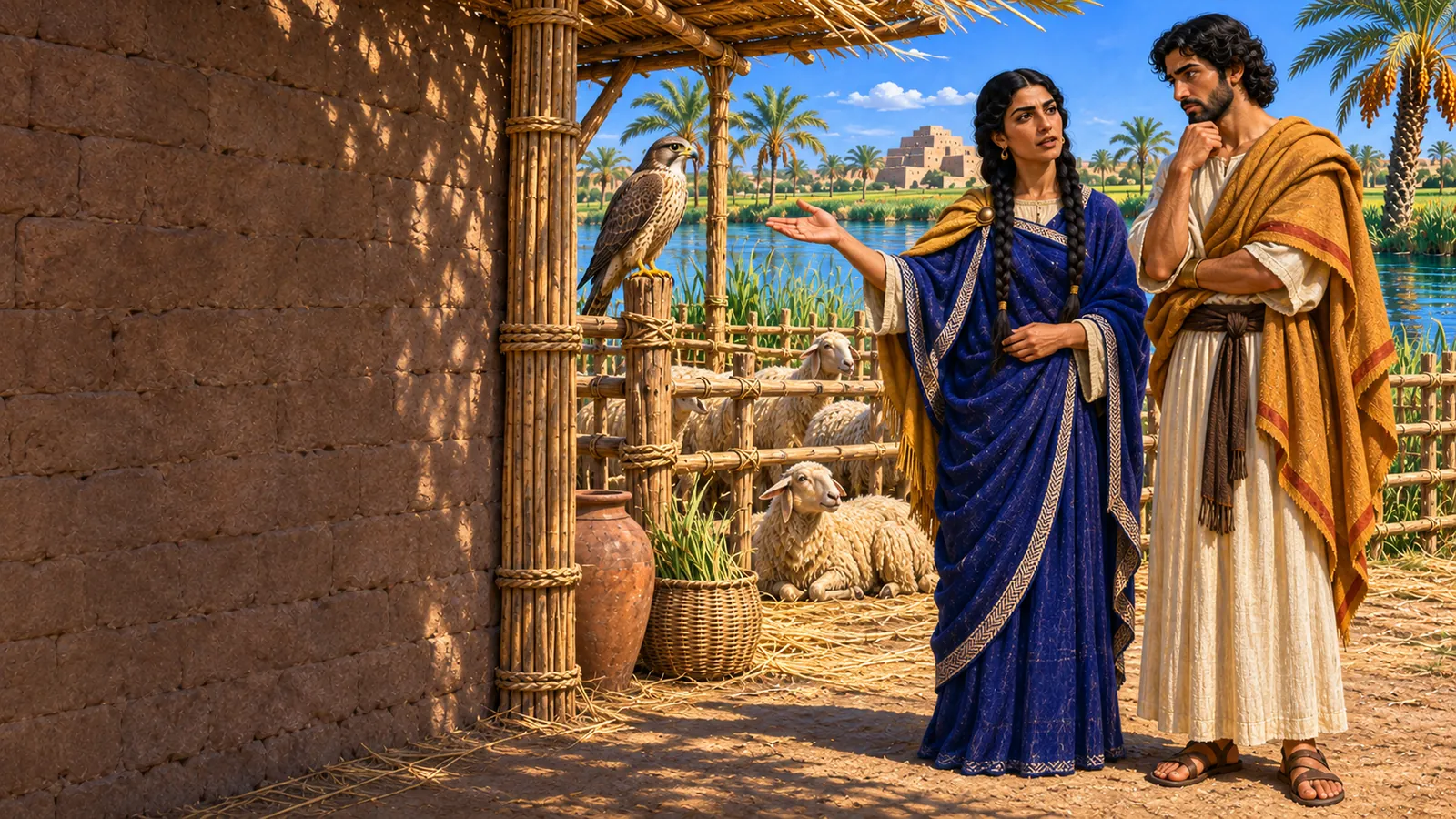
El halcón había atrapado a un gorrión en la cerca de cañas en el sueño de Dumuzi. Para Geštinanna, esa imagen significaba que un gran demonio bajaría del redil.
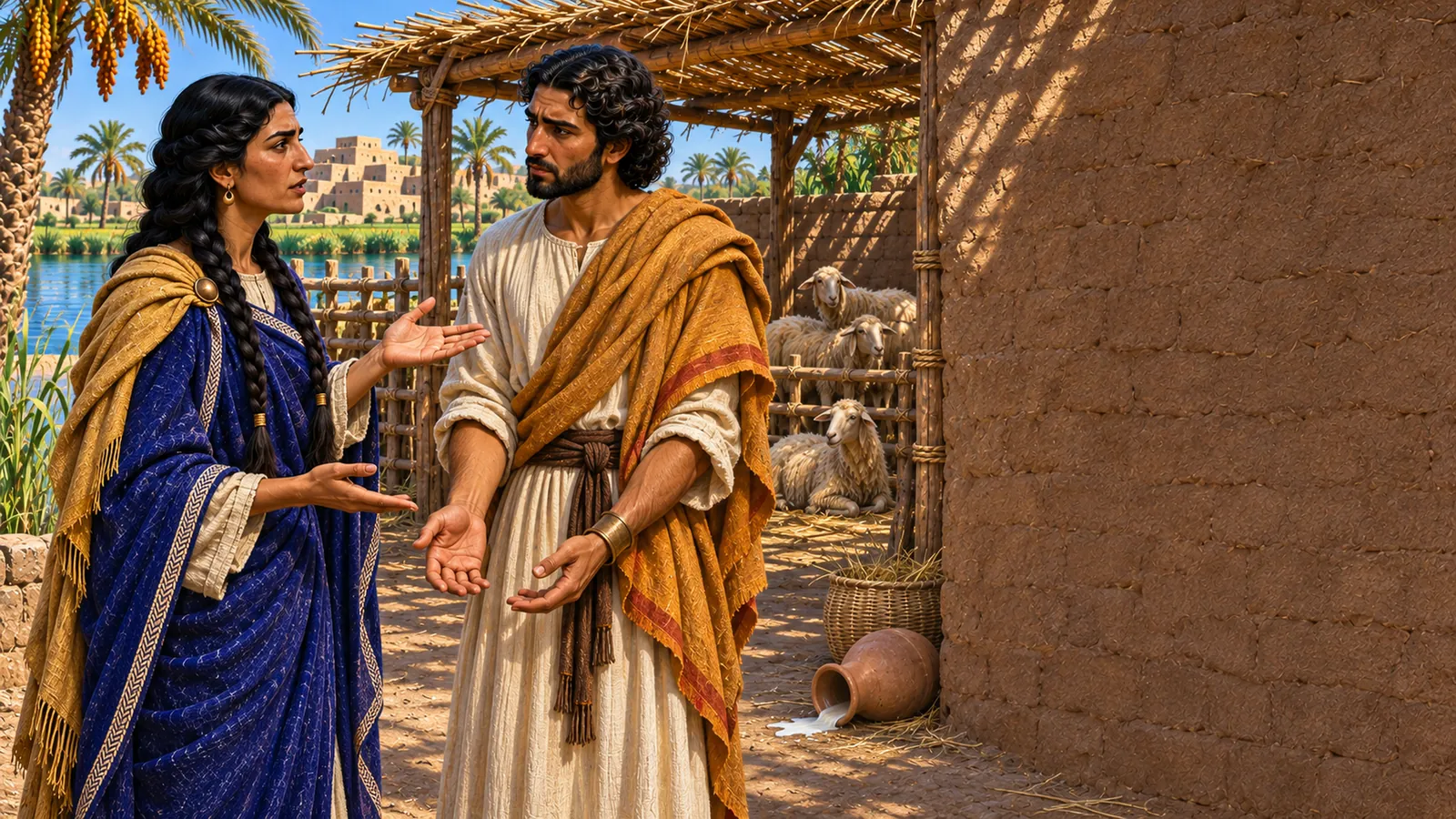
En el sueño, las mantequeras y las copas yacían de lado, no se vertía leche, Dumuzi estaba muerto y el redil estaba embrujado. Geštinanna dijo que esas imágenes significaban que le atarían las manos y los brazos.
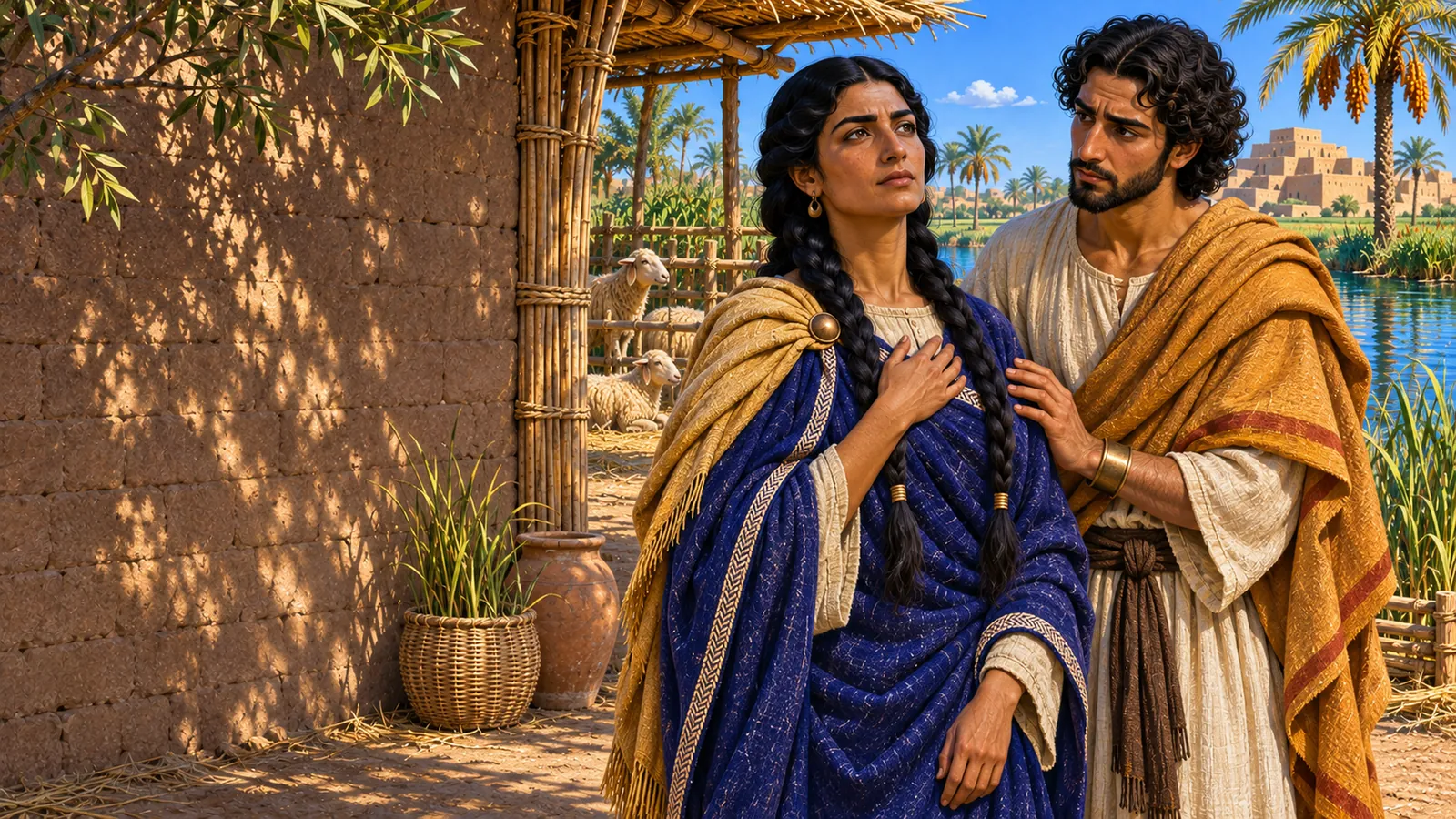
Los machos cabríos que arrastraban la barba por el polvo significaban que su cabello se arremolinaría en el duelo como en una tormenta. Los carneros que raspaban la tierra significaban que se heriría las mejillas con las uñas al llorar por él.
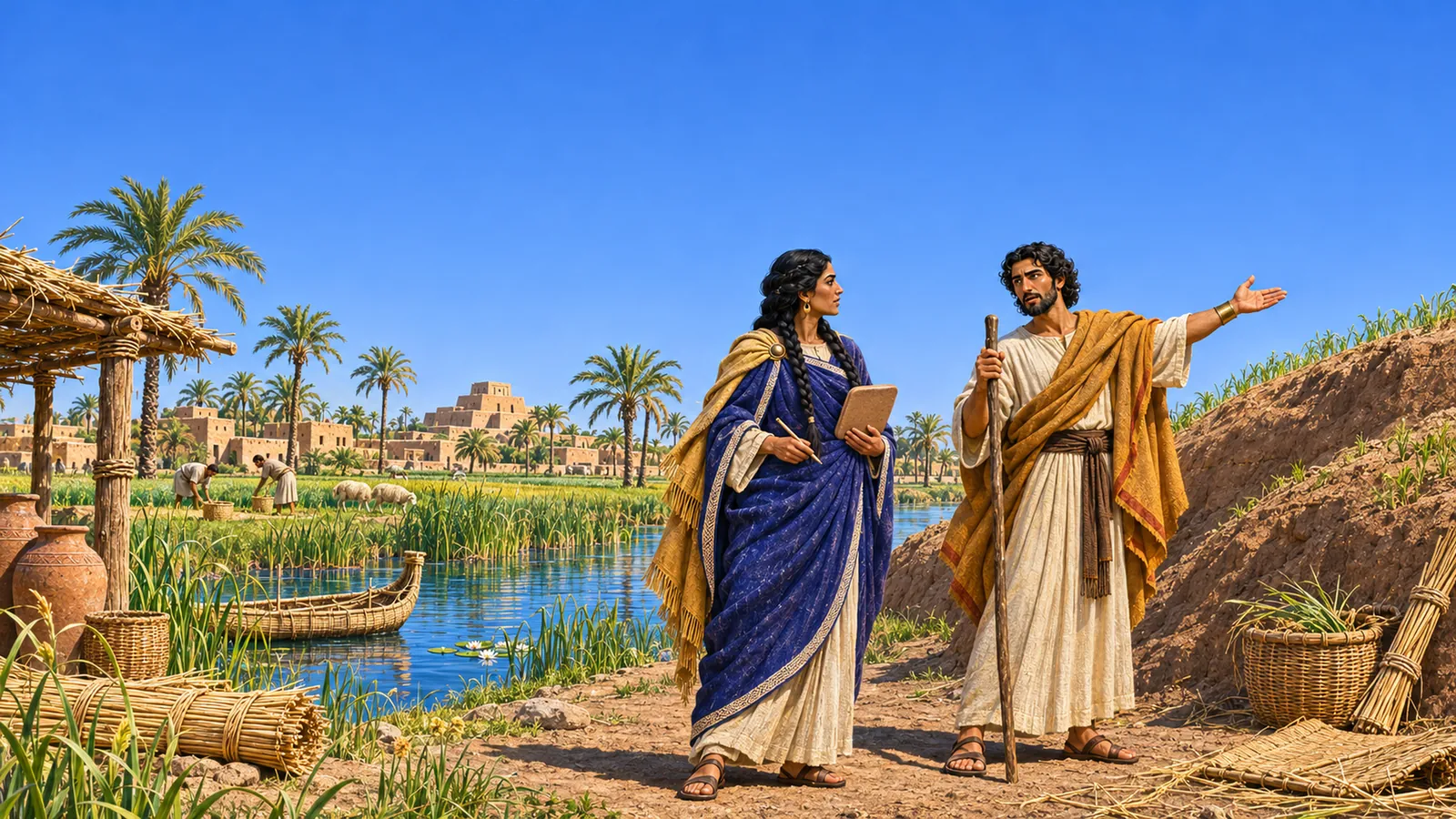
EL MONTÍCULO
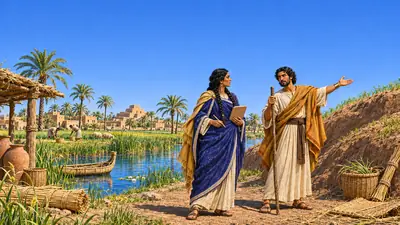
En cuanto ella acabó de hablar, Dumuzi le pidió que subiera al montículo y mirara desde arriba. Le repitió que subiera y le dijo que lo hiciera de un modo distinto al de la gente corriente.
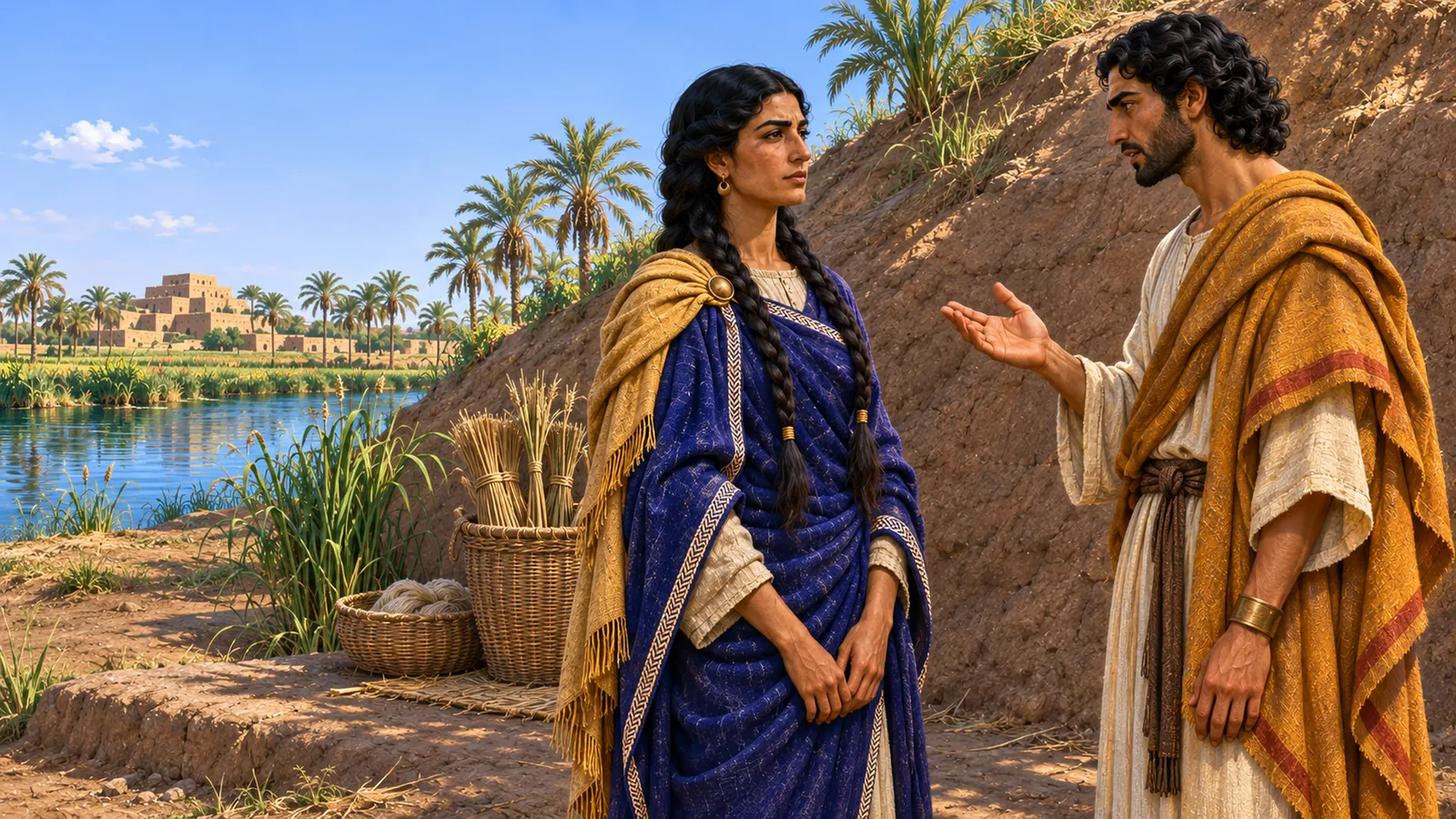
La instó a subir en señal de duelo. Sus palabras pedían heridas en el corazón, el hígado y la ingle, y que se rasgara la ropa.
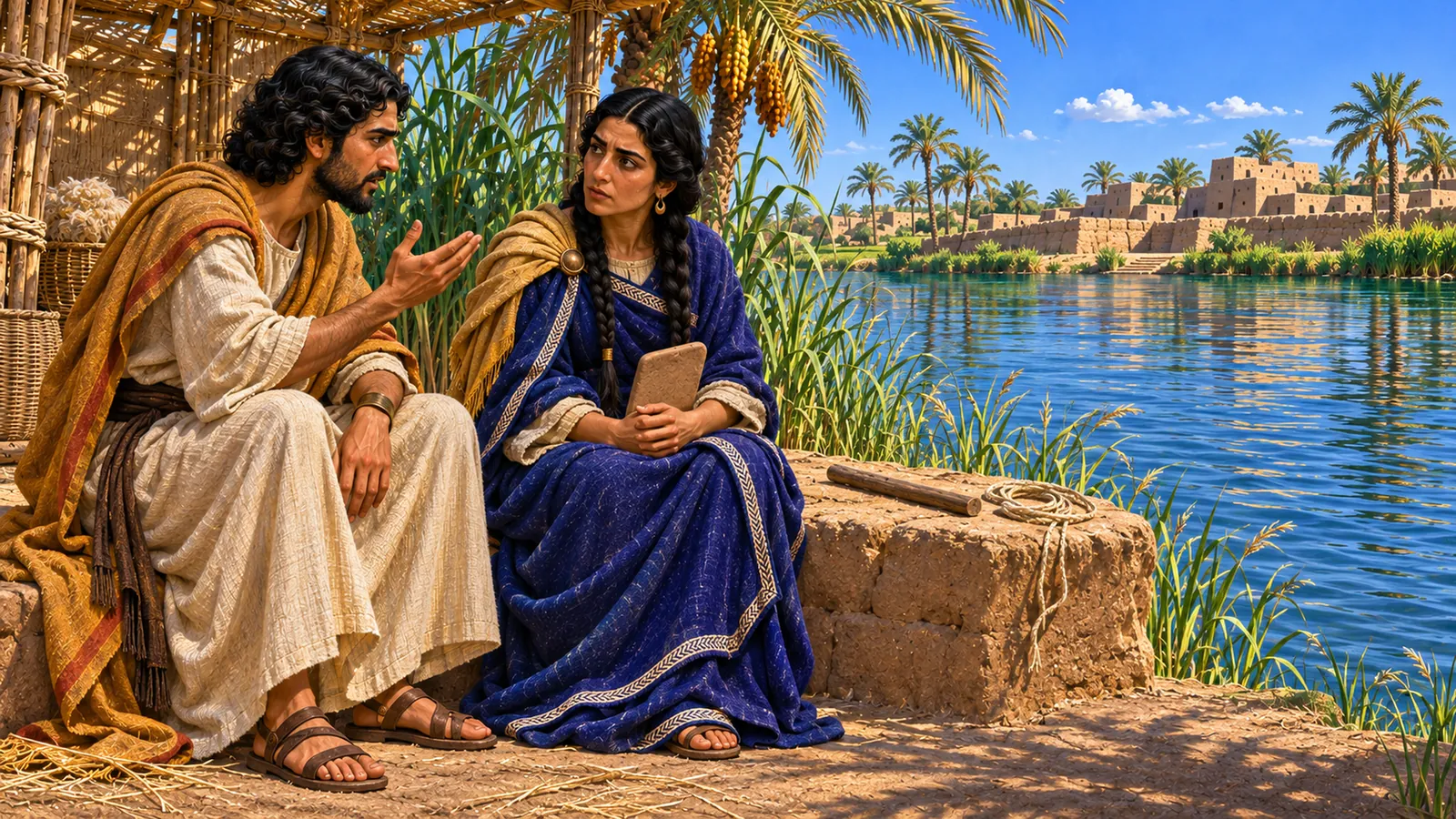
En su advertencia se menciona una barca fluvial en un verso dañado. Habló de hombres que llevaban madera para atar manos y cuellos, y dijo que nadie sabía deshacer la atadura del cuello.
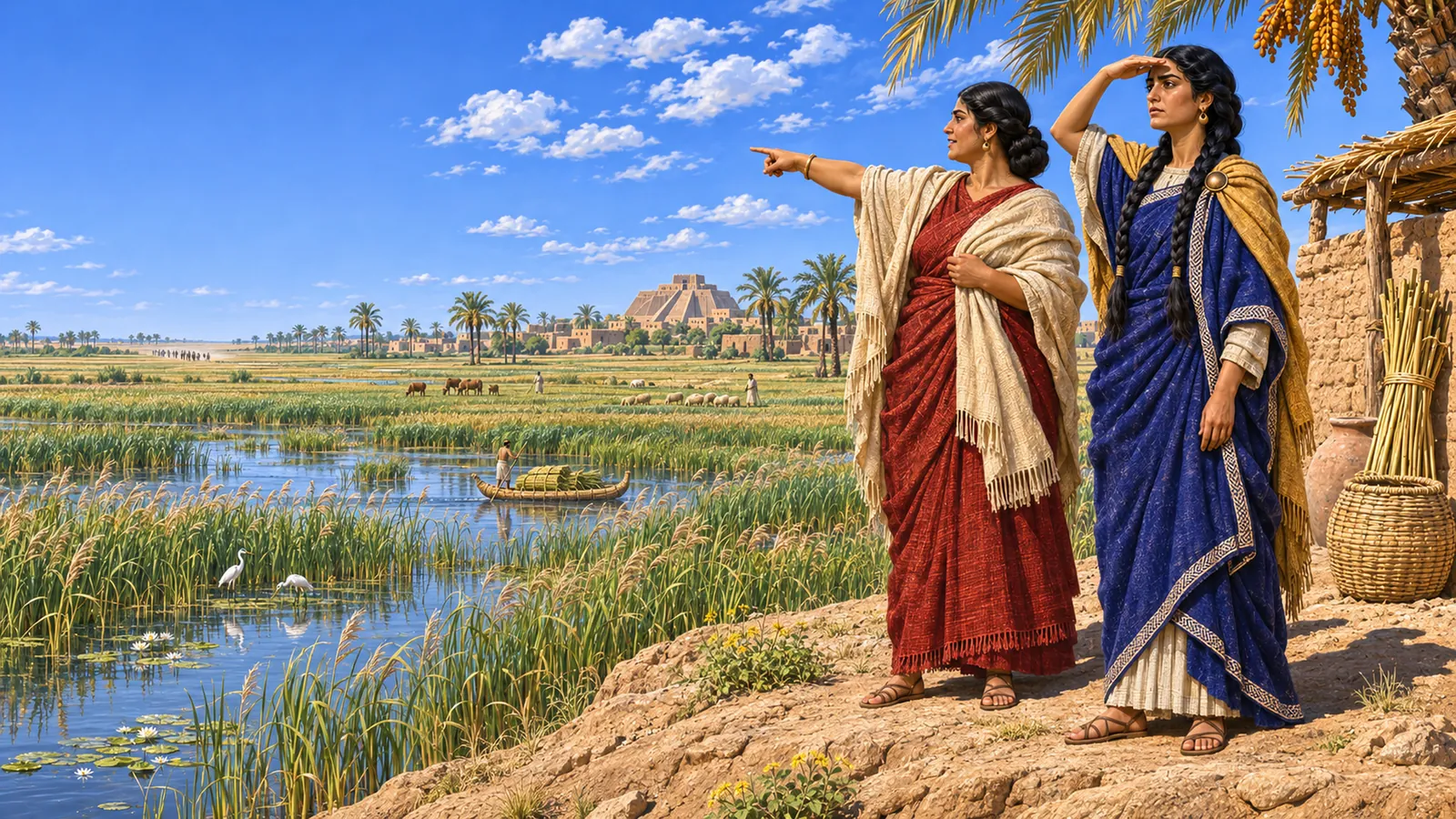
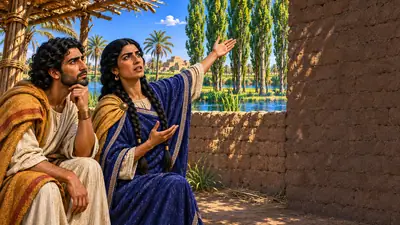
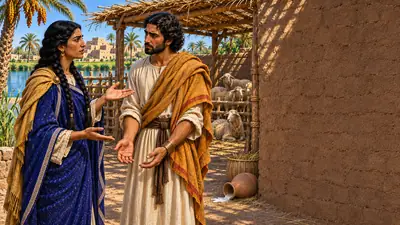
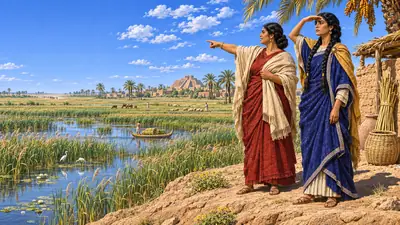
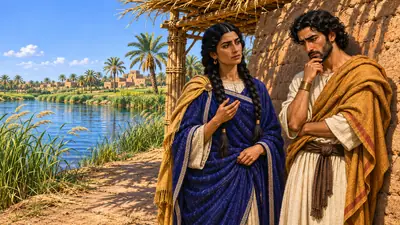
Geštinanna subió al montículo, estiró el cuello y miró alrededor. Su amiga Geštindudu le dijo que los hombres que ataban cuellos ya venían a por Dumuzi.
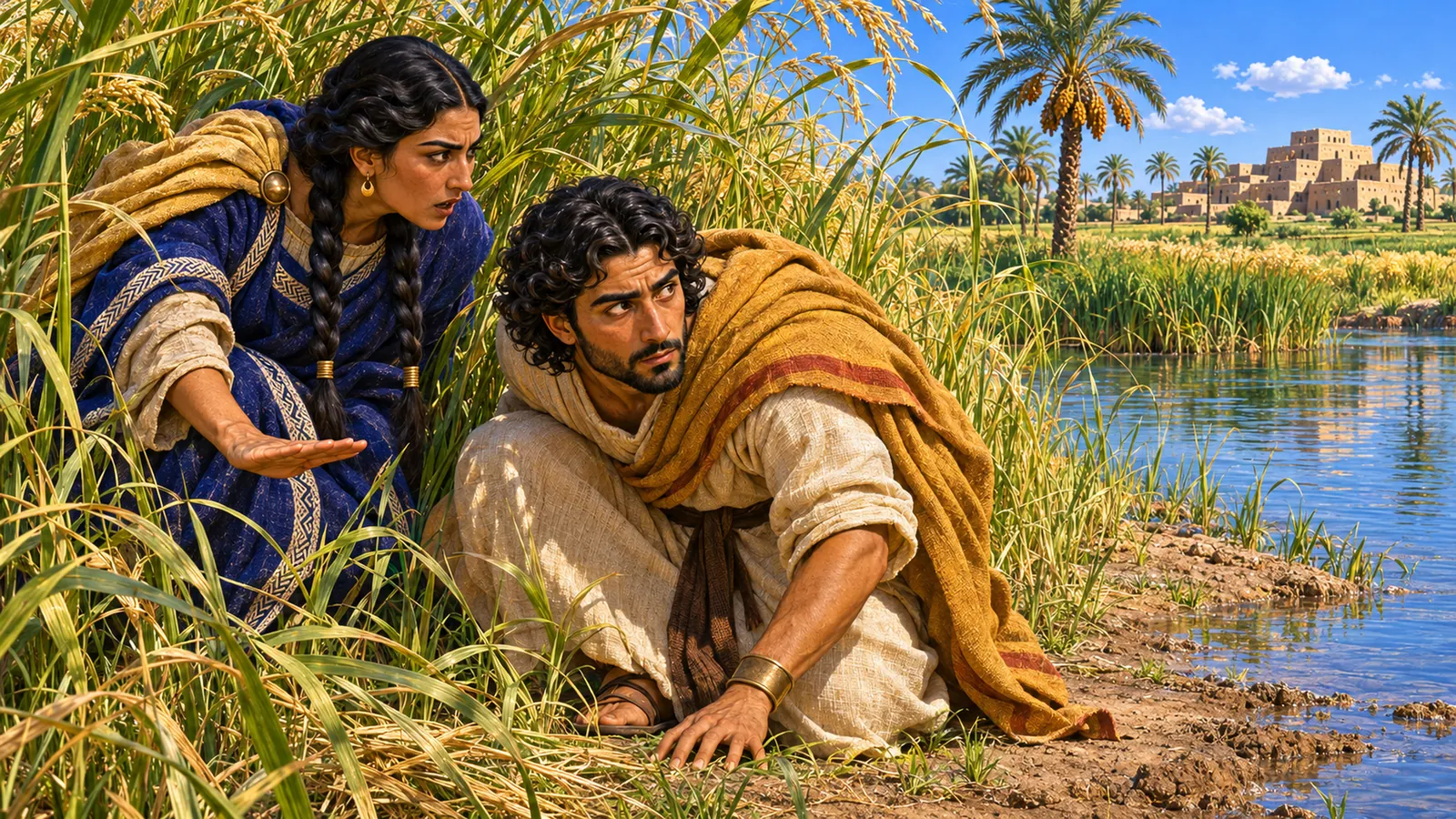
Geštinanna preguntó si venían los hombres y su amiga dijo que se los señalaría. Geštinanna avisó a Dumuzi de que llegaban los demonios y dos veces le pidió que agachara la cabeza entre la hierba.
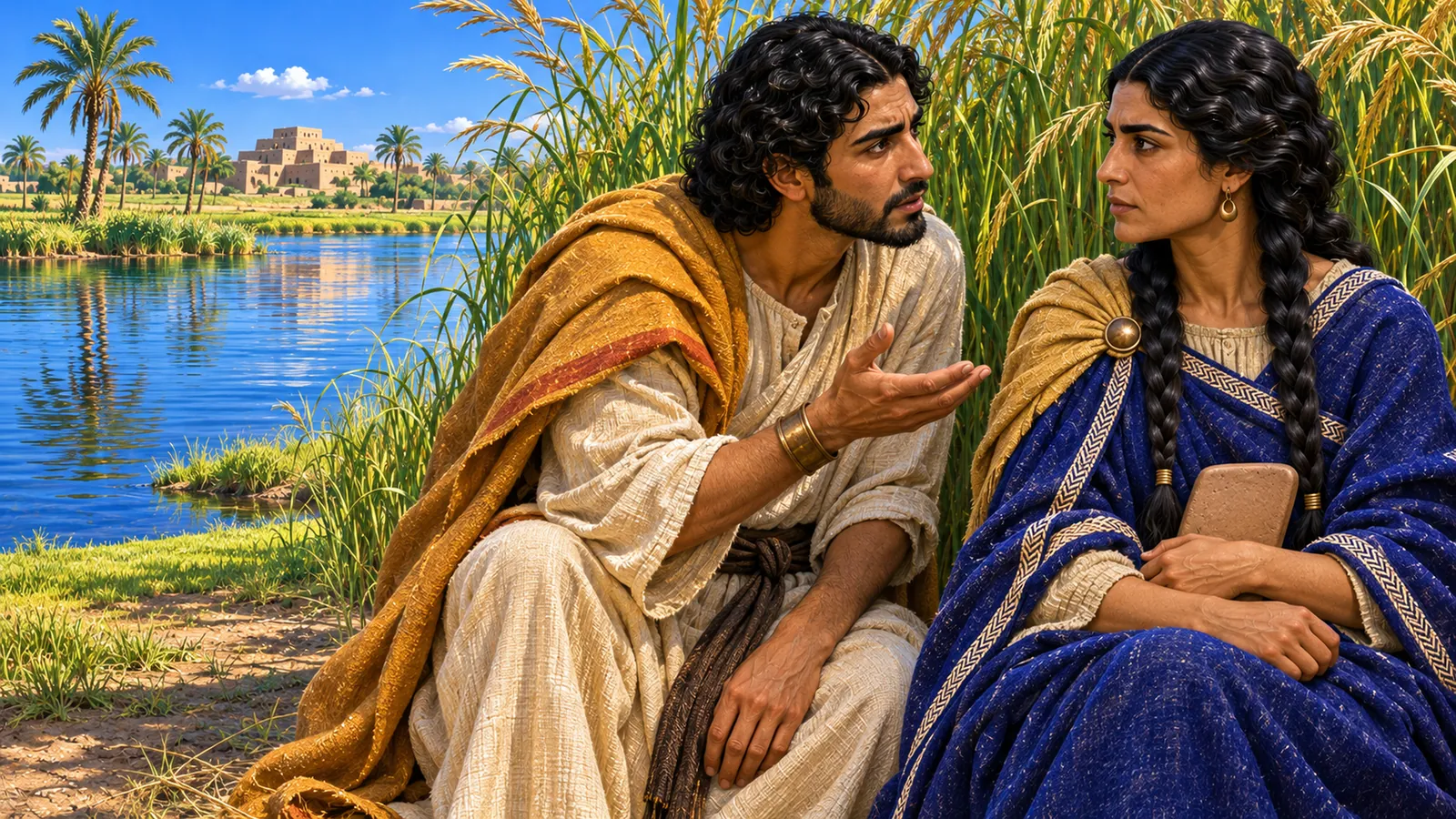
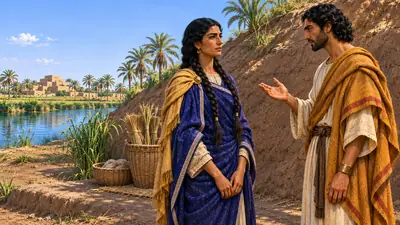
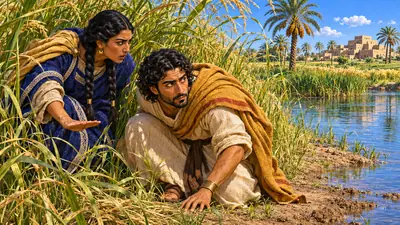
Dumuzi dijo que se escondería entre la hierba baja, entre la hierba alta y en las zanjas de Arali. Le pidió varias veces a su hermana que no revelara dónde estaba.
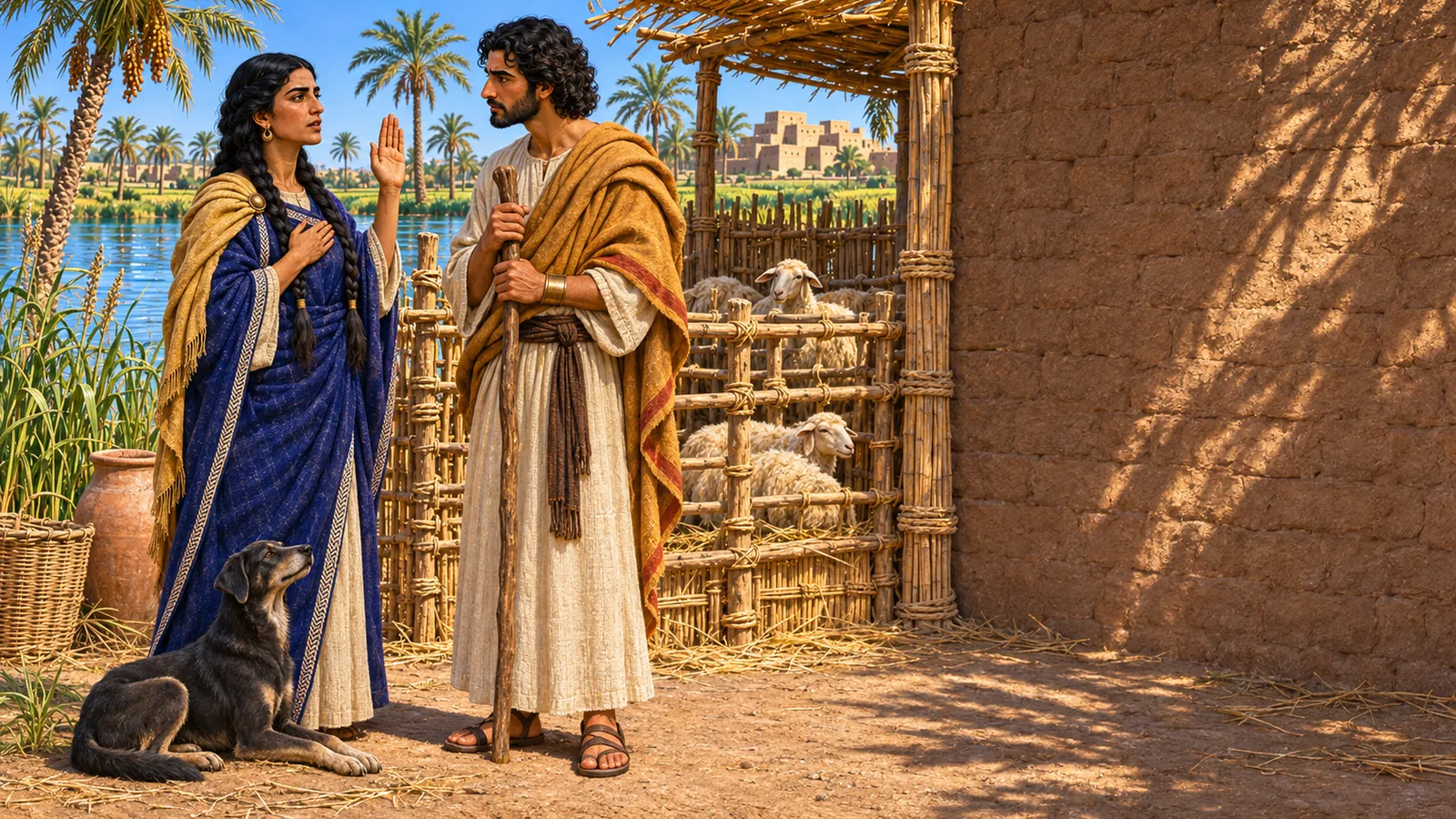
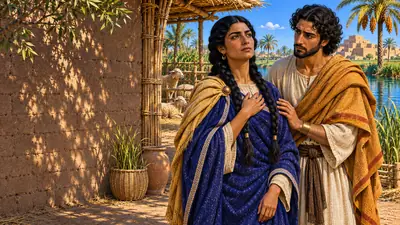
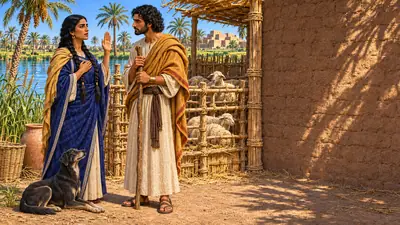
Geštinanna juró guardar en secreto el paradero de su hermano. Si lo revelaba, dijo, que la devorara su perro negro de pastor. Llamó noble al perro al repetir el juramento.
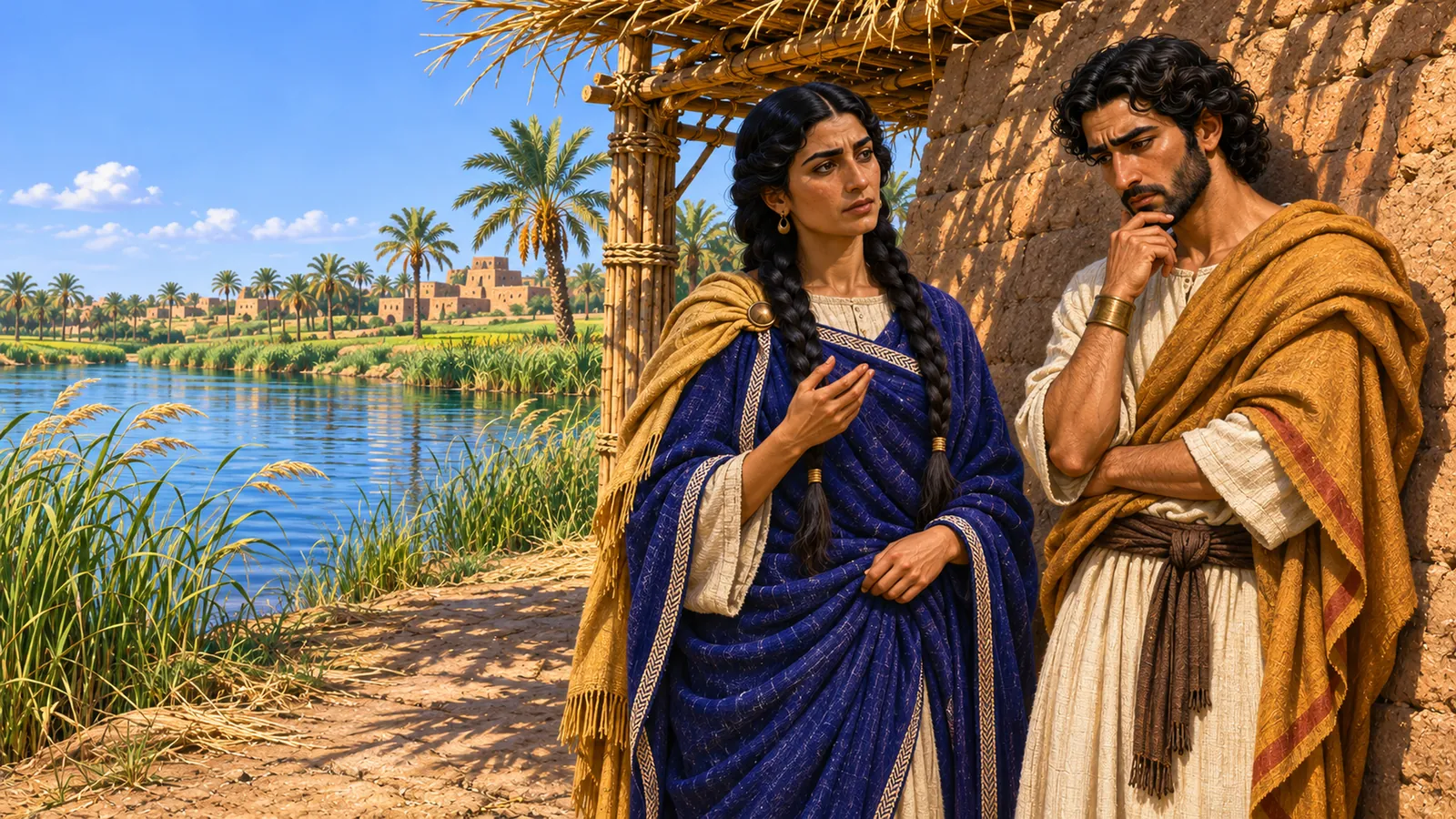
El pasaje está dañado. Geštinanna parece pedirle a Dumuzi que dé instrucciones a su amigo. Habla de un compañero y de una búsqueda de Dumuzi, pero se ha perdido gran parte de lo que dice.
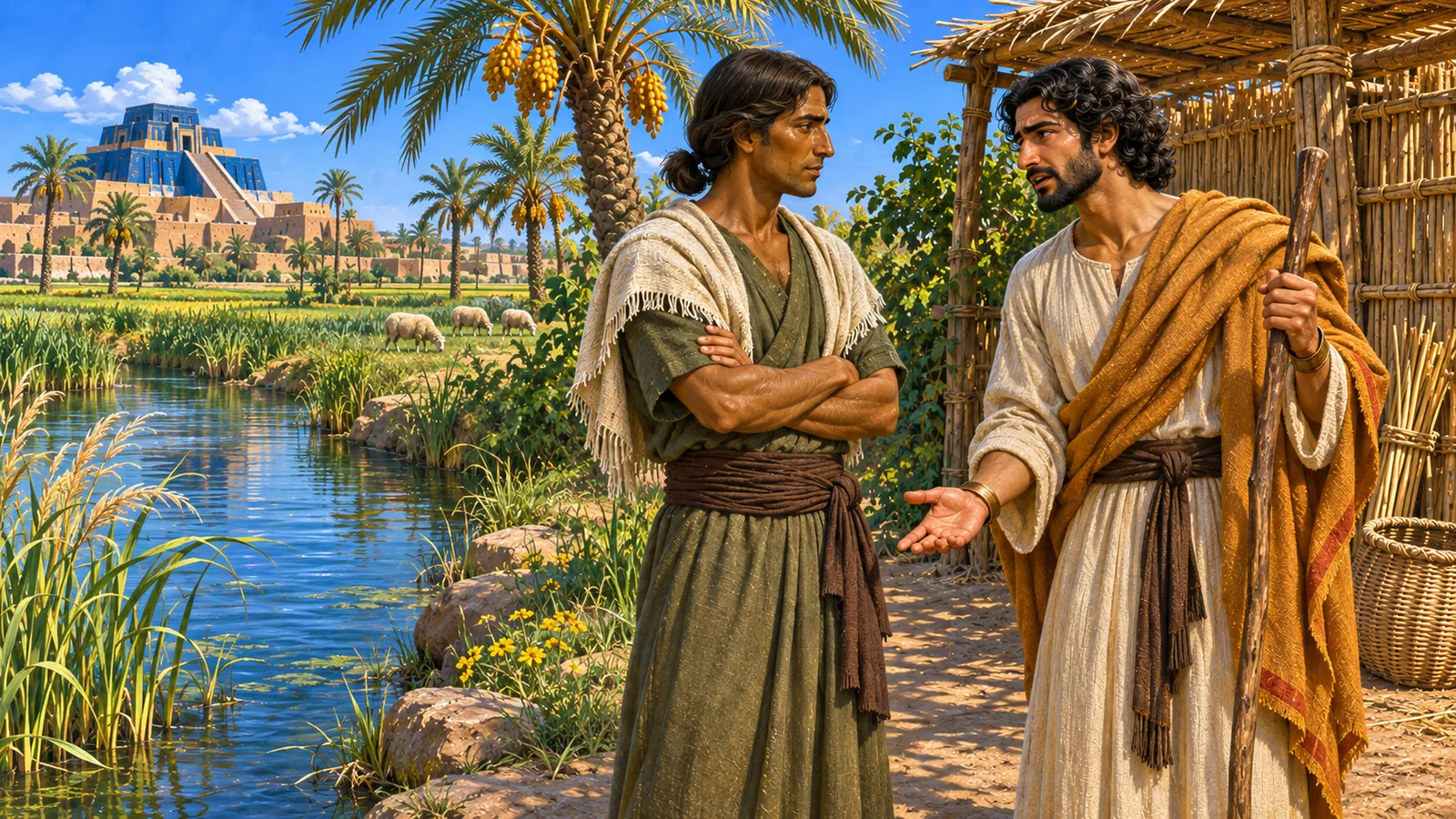
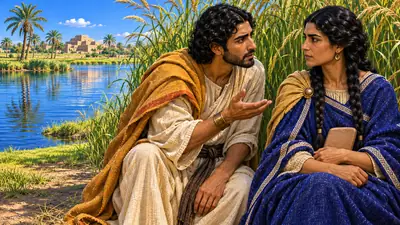
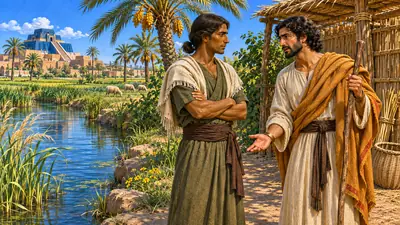
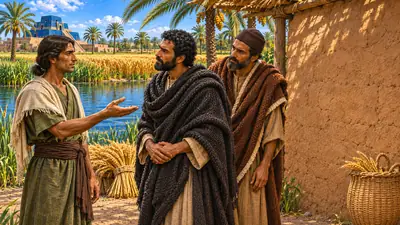
Dumuzi le dijo a su amigo que se escondería en la hierba, en la hierba baja, en la hierba alta y en las zanjas de Arali. Cada vez le pidió que guardara el secreto.
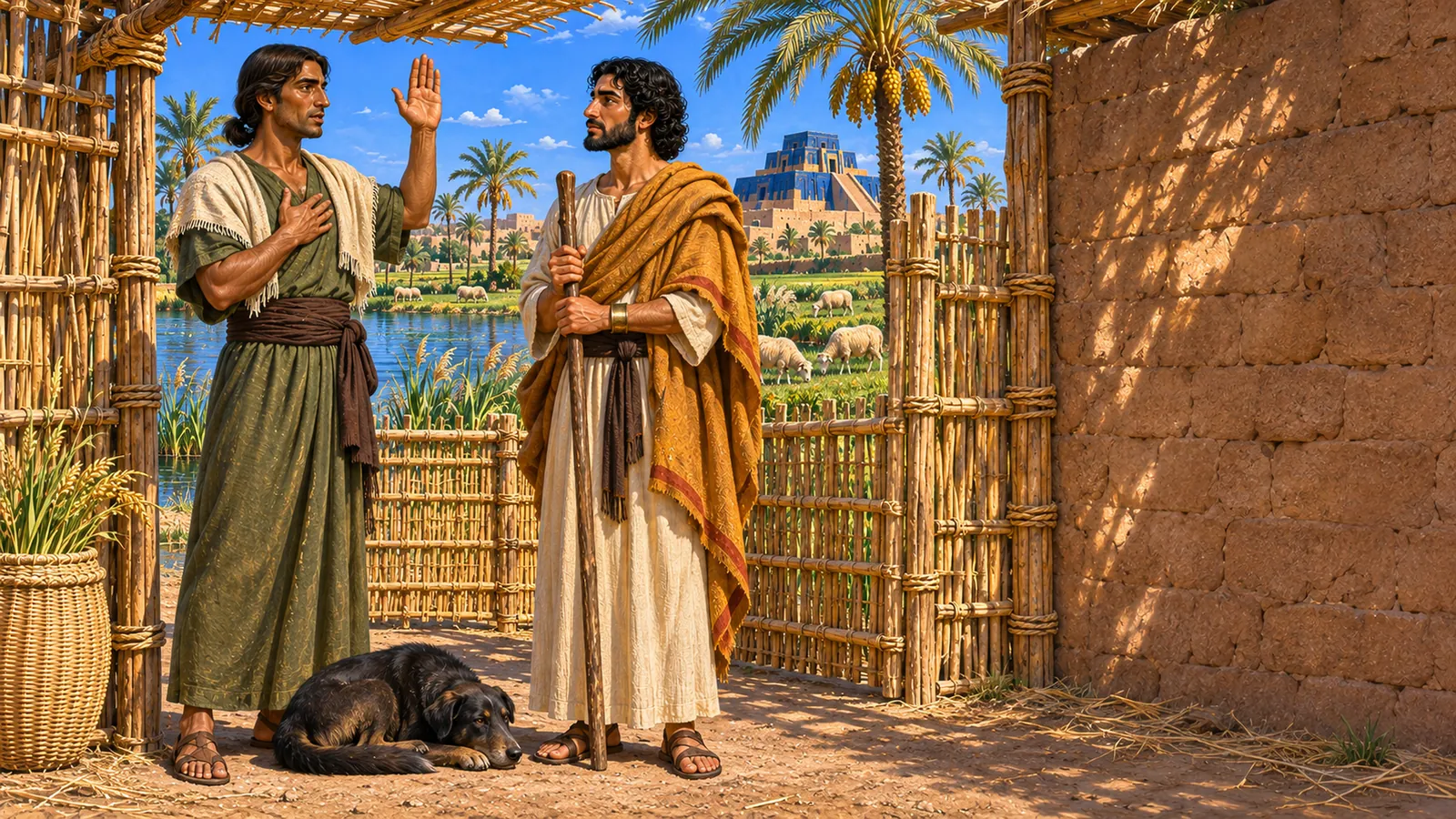
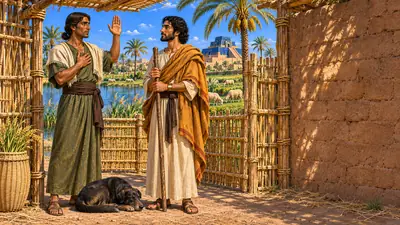
Su amigo juró que, si revelaba el escondite, el propio perro pastor negro de Dumuzi habría de devorarlo.
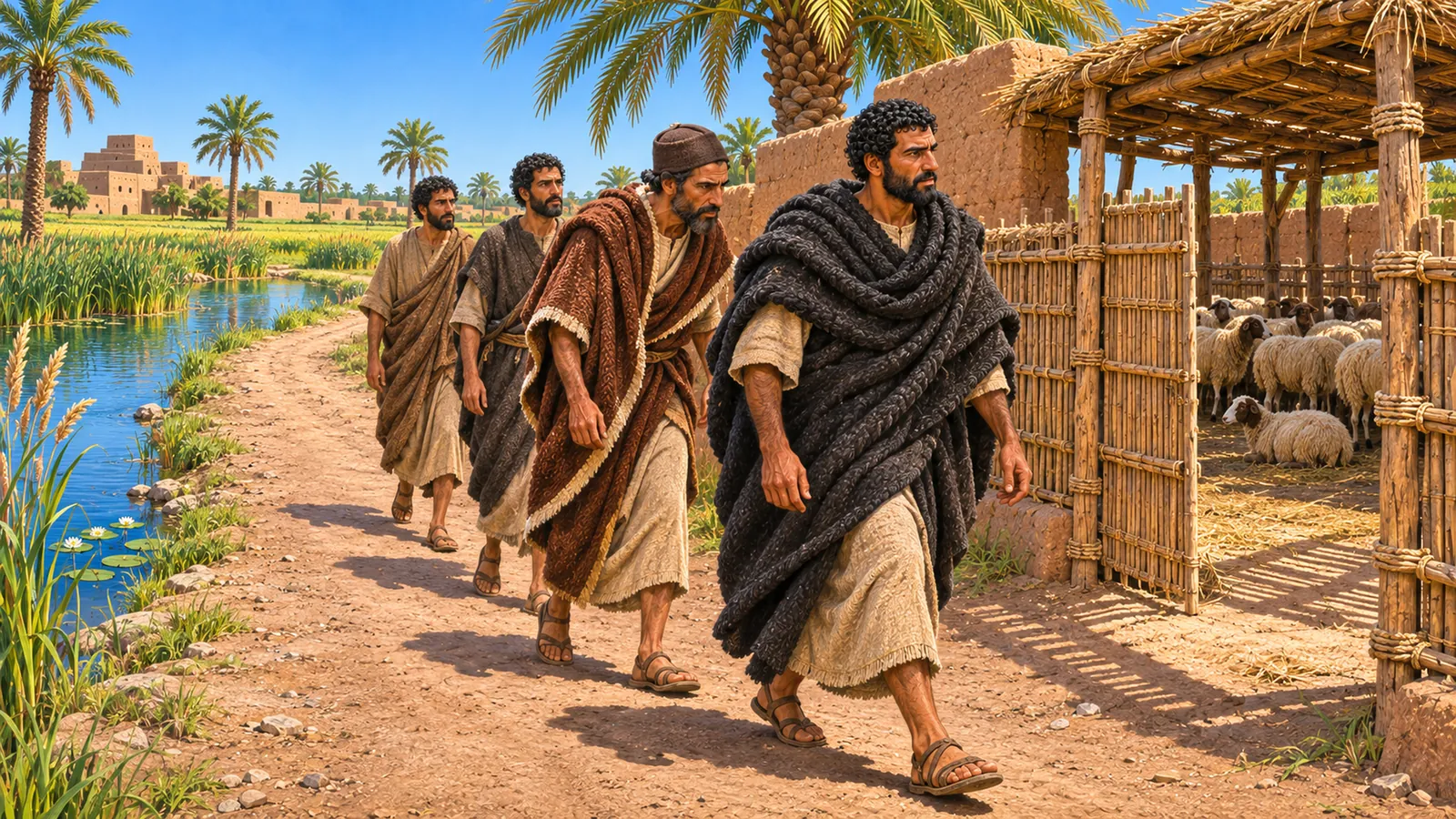
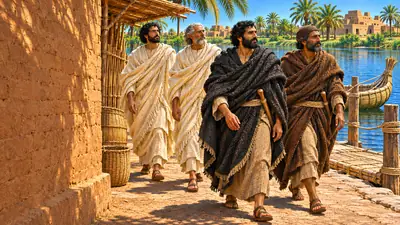
Un grupo extraño vino en busca del rey. El poema dice que no conocían la comida ni la bebida. No aceptaban regalos y no conocían los abrazos de las esposas ni los besos a los niños.
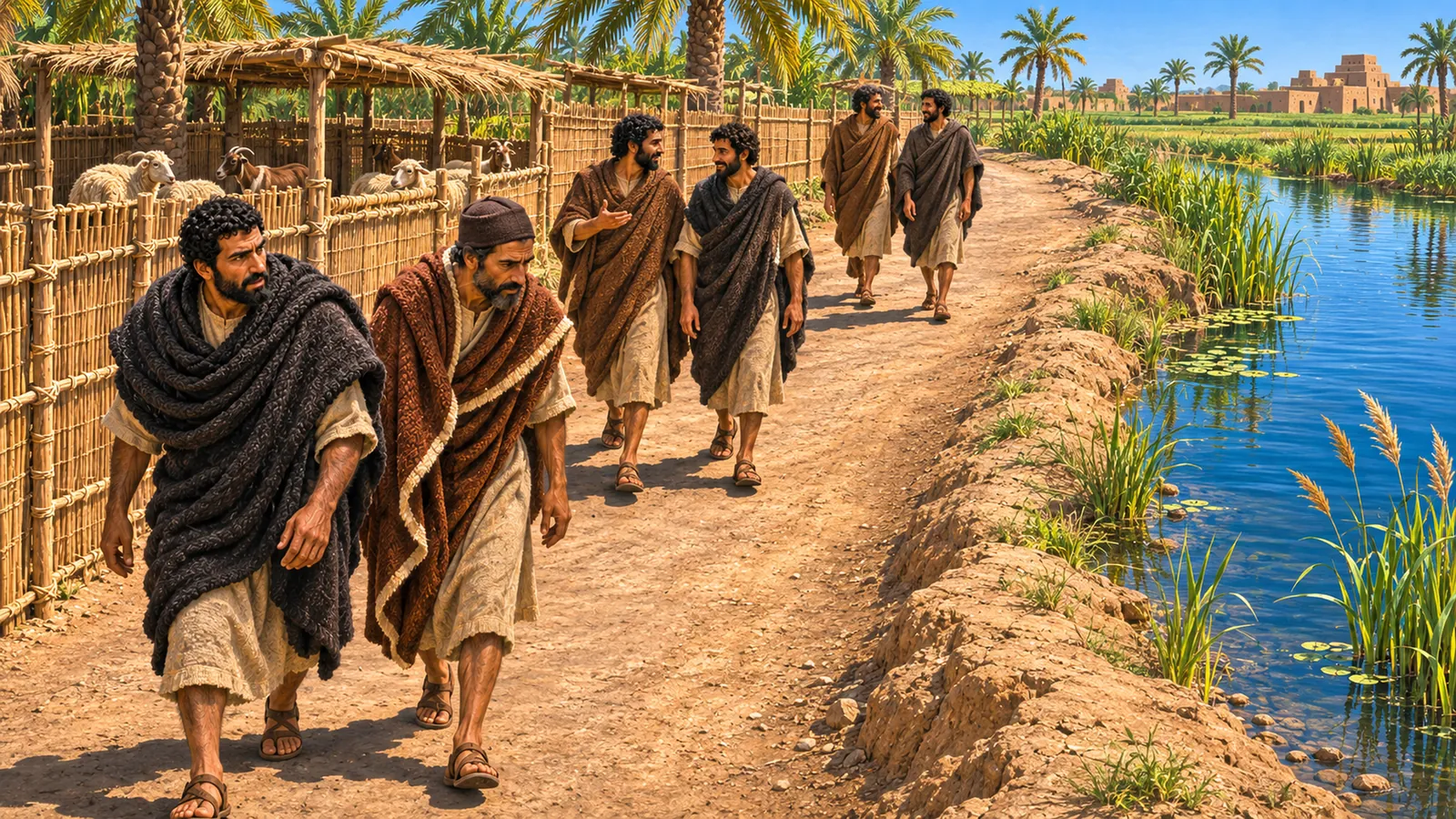
Dos hombres de Adab fueron en busca del rey. El poema los compara con cardos y espinos. Dos hombres de Akšak llevaban algo que el texto ya no identifica y otros dos vinieron de Uruk.
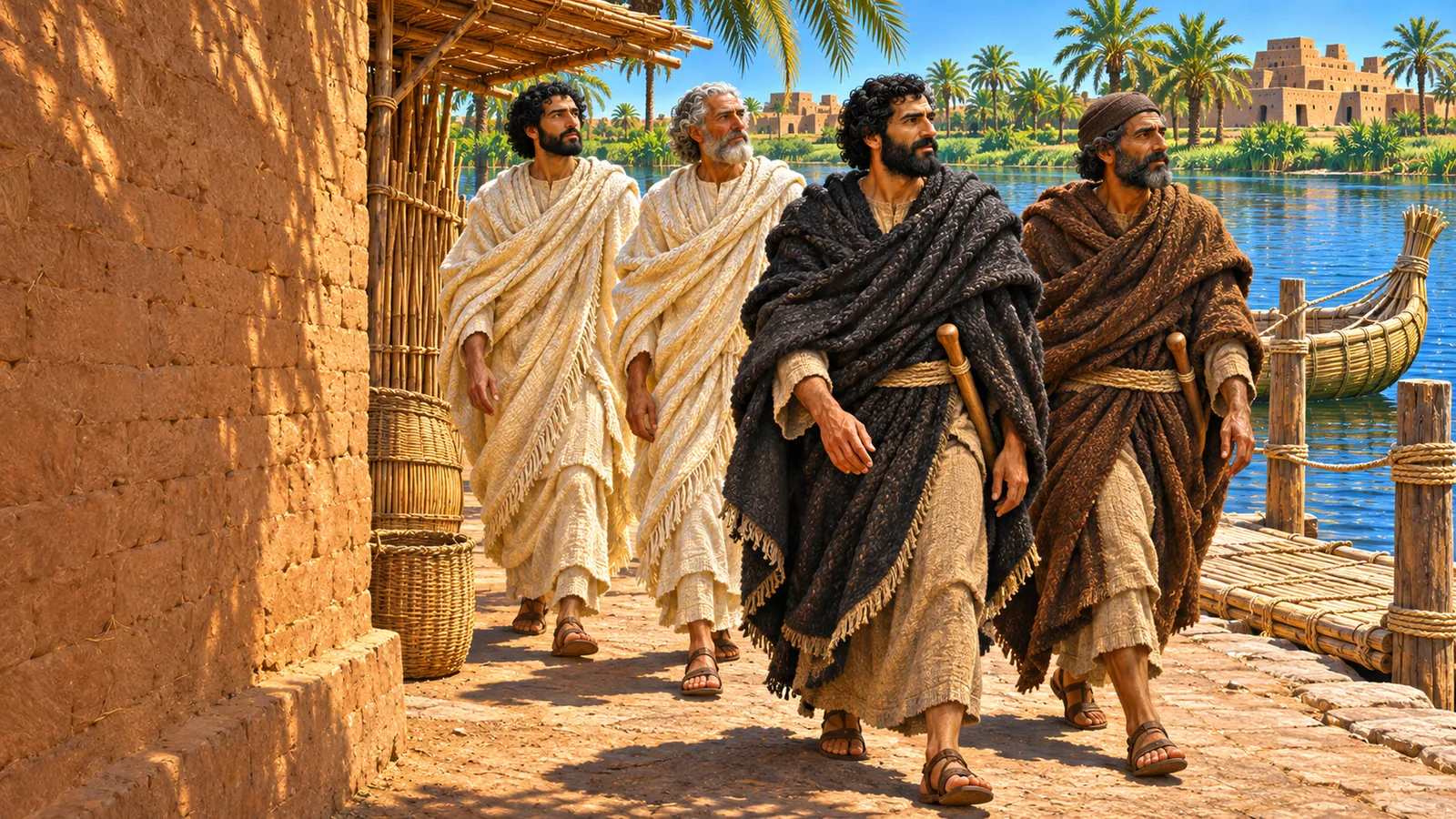
Dos hombres de Ur vinieron con porras a la cintura. Dos hombres de Nippur llegaron con ropas que brillaban en el muelle.
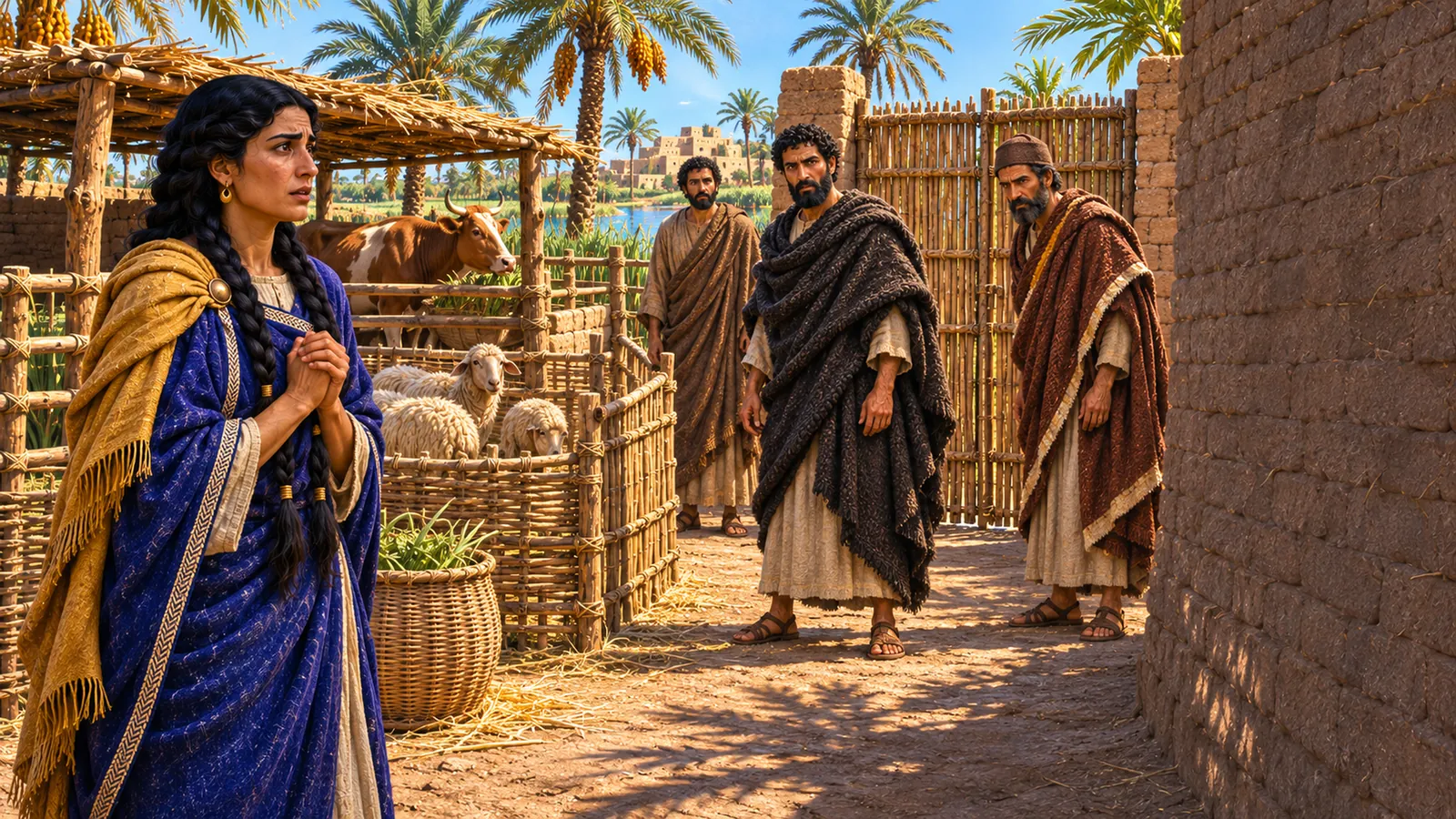
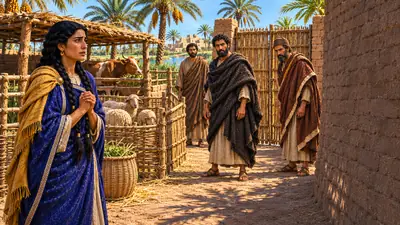
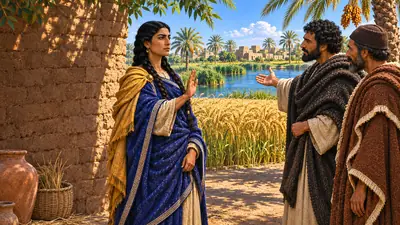
El grupo gritó que un hombre persiguiera a otro. Fueron al redil y al corral del ganado, donde apresaron a Geštinanna.
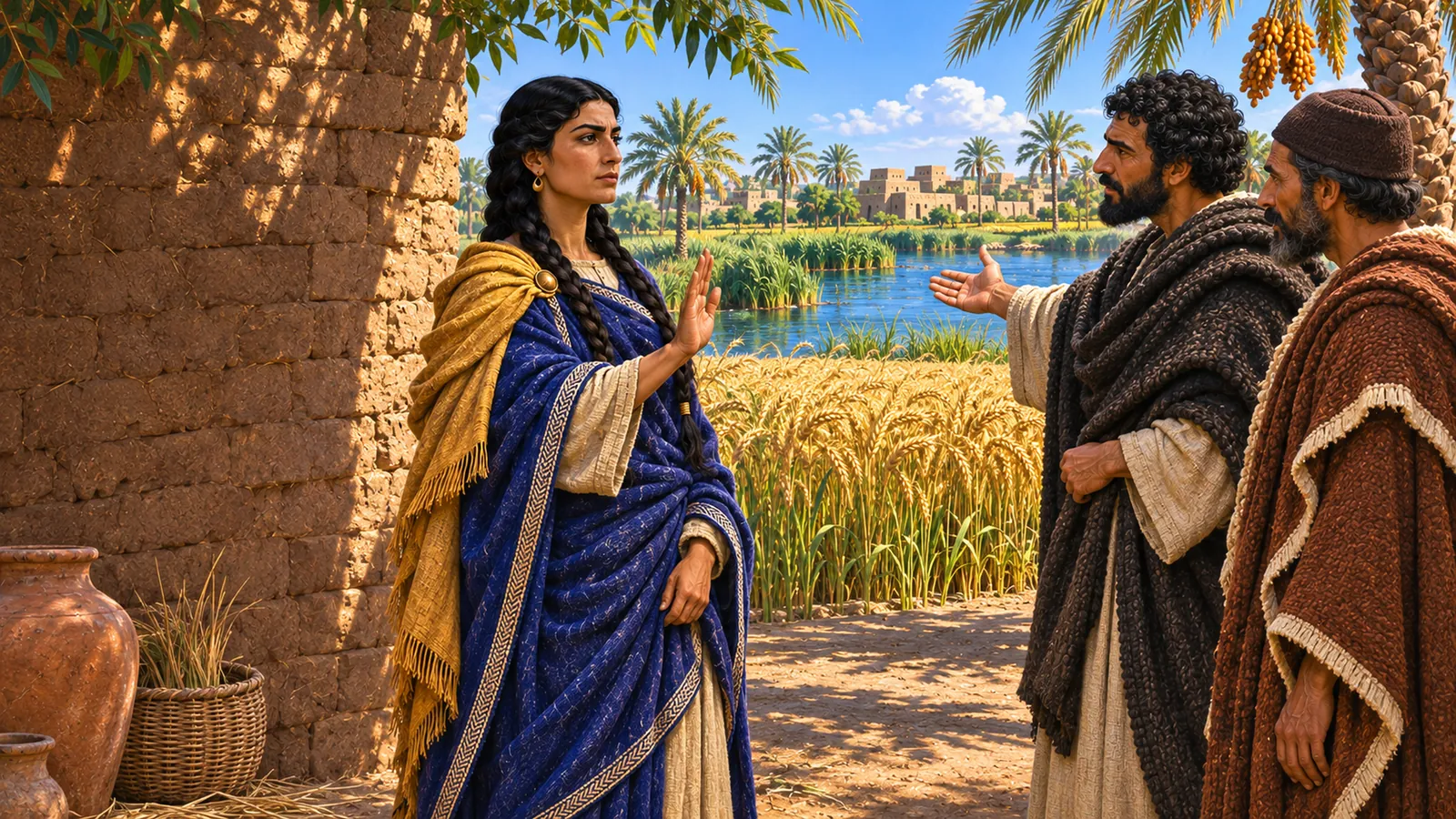
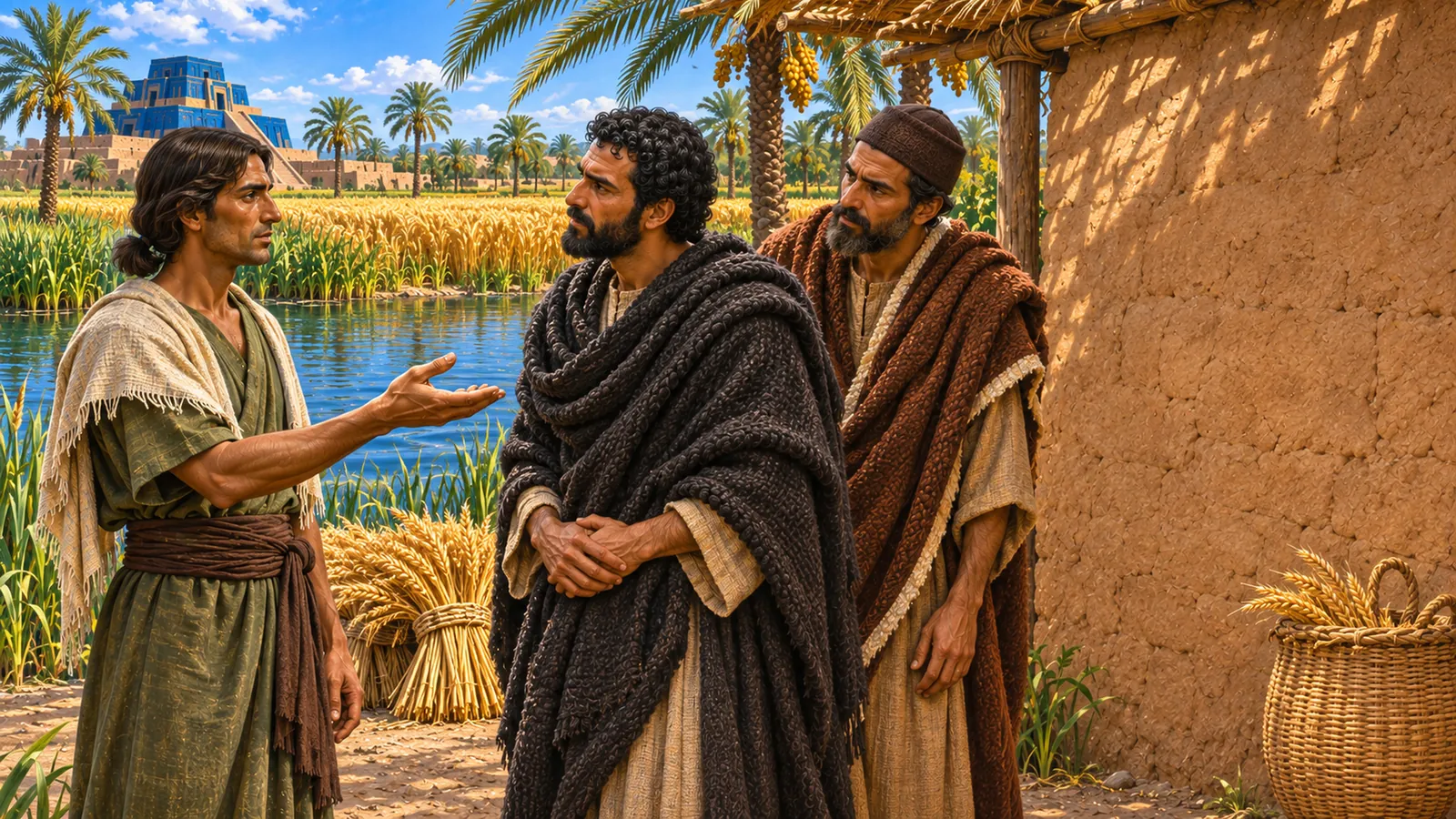
Le ofrecieron a Geštinanna un río de agua y un campo de cereal. Ella rechazó las dos ofertas. El poema describe un intercambio entre los demonios antes de sus siguientes palabras, pero parte del pasaje está dañado.
TRAICIÓN
Preguntaron si alguien había conocido a una hermana que revelara el escondite de su hermano. Luego acudieron al amigo de Dumuzi. Cuando le ofrecieron el río y el campo de cereal, aceptó ambos.
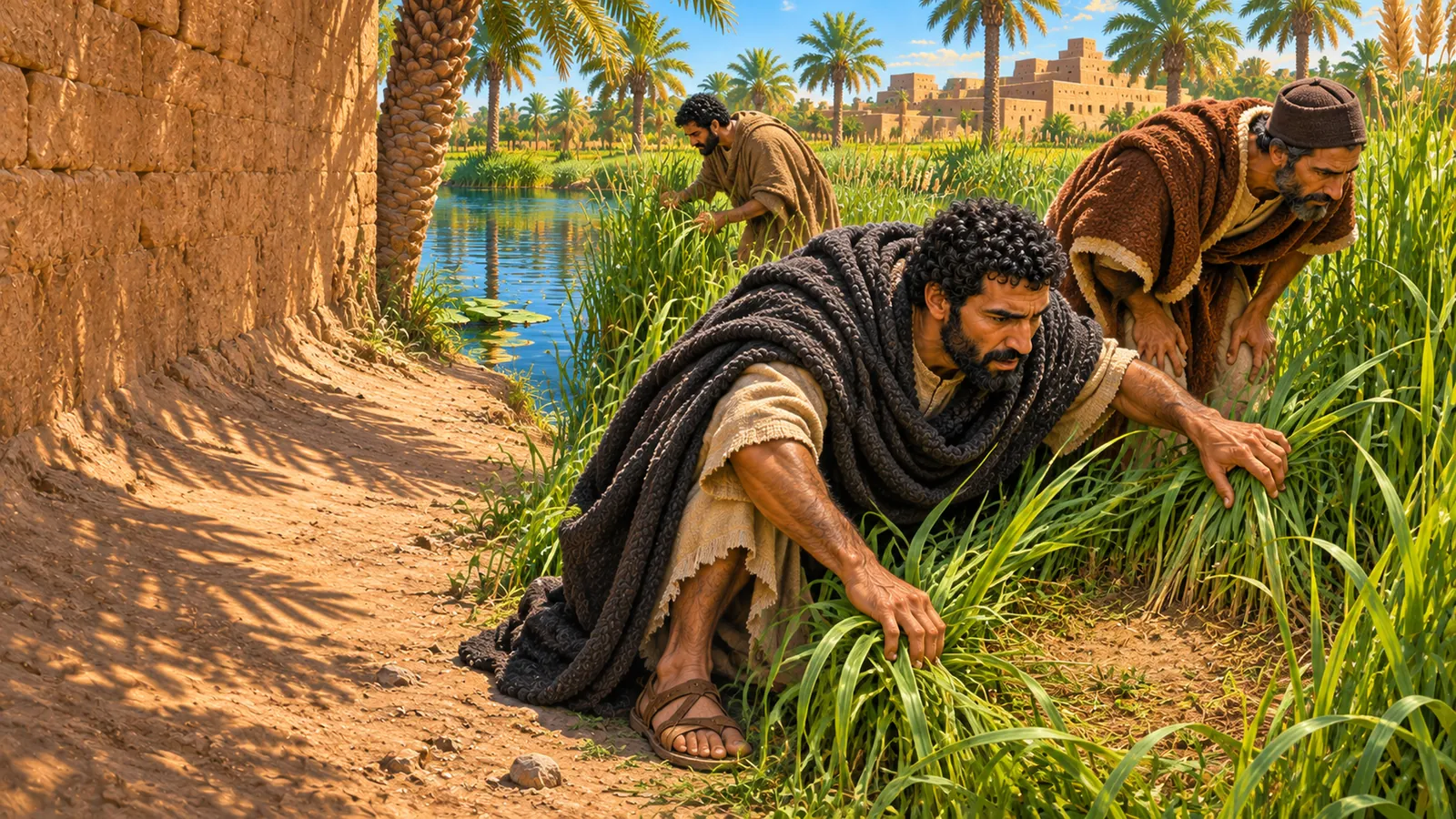
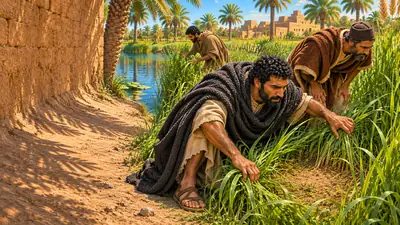
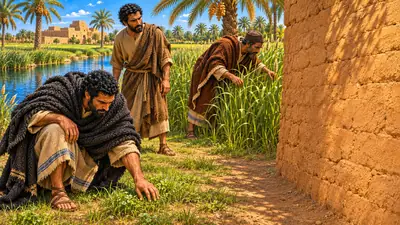
Su amigo dijo que Dumuzi se había escondido en la hierba, pero aseguró que no sabía dónde exactamente. Registraron la hierba y no pudieron encontrarlo.
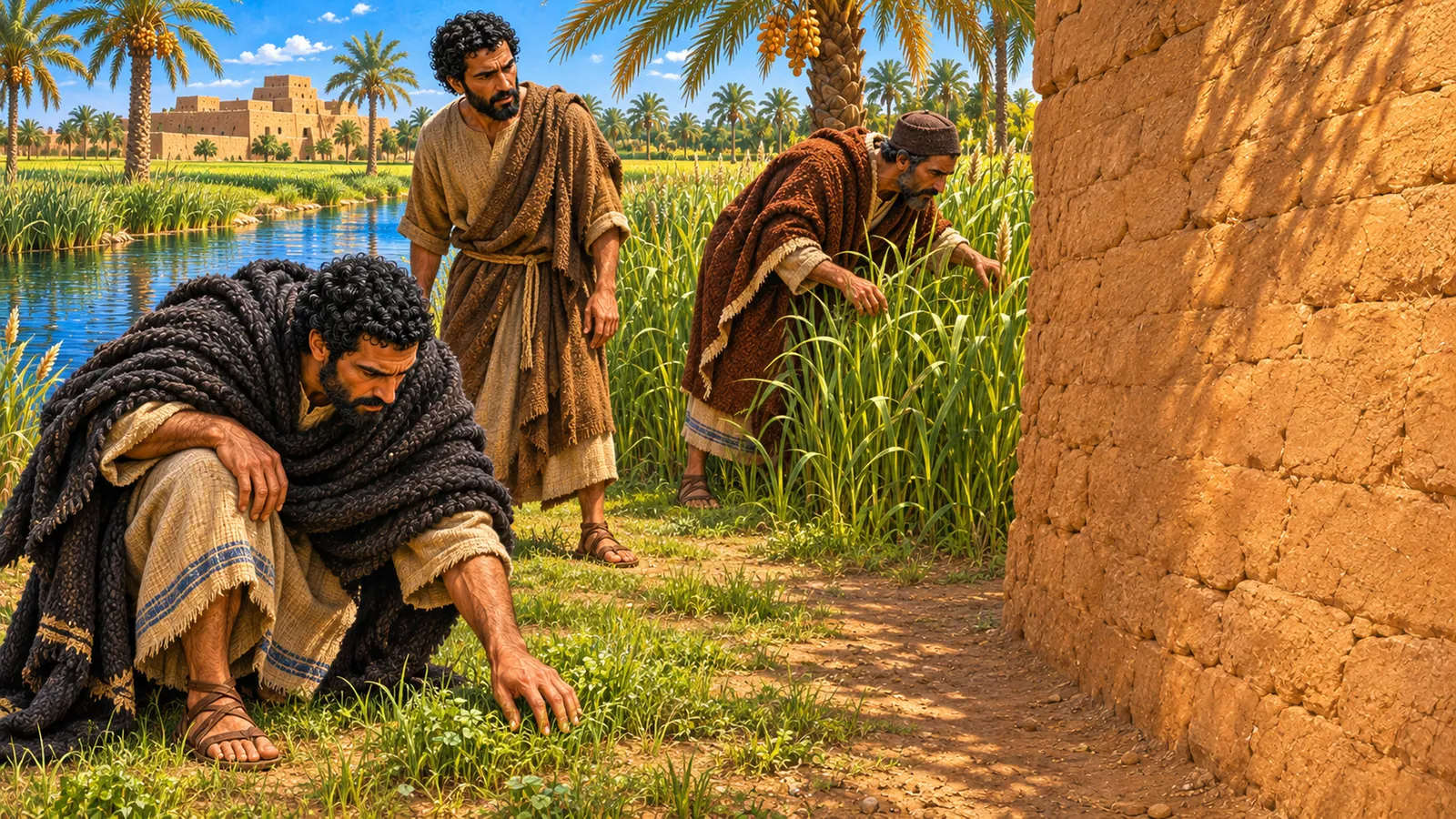
Luego mencionó la hierba baja y después la alta. Cada vez dijo que no sabía dónde estaba Dumuzi exactamente. Buscaron en ambos lugares y no encontraron a nadie.
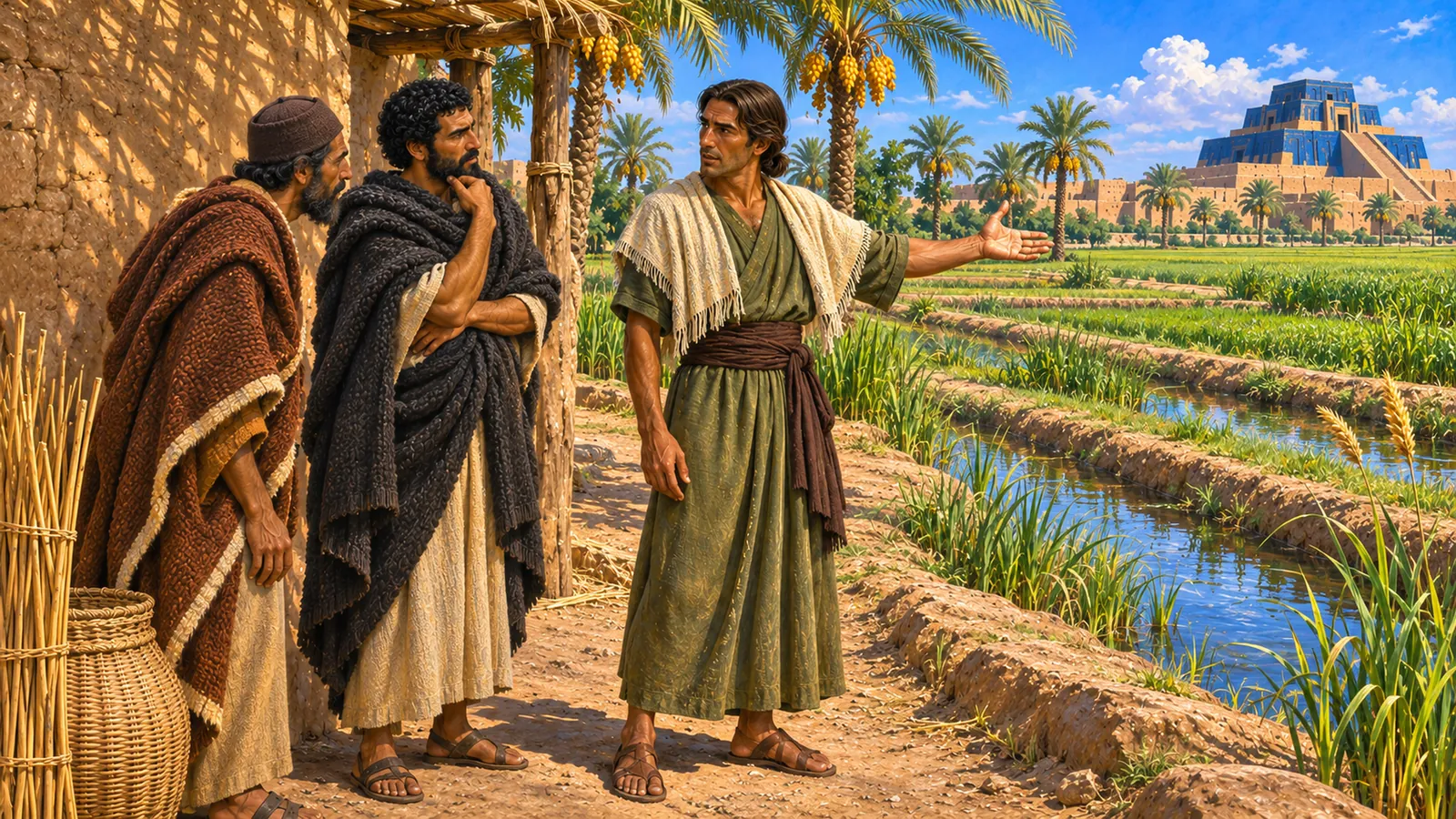
Por último, el amigo dijo que Dumuzi había bajado a las zanjas de Arali. Una vez más aseguró que no sabía dónde estaba exactamente.
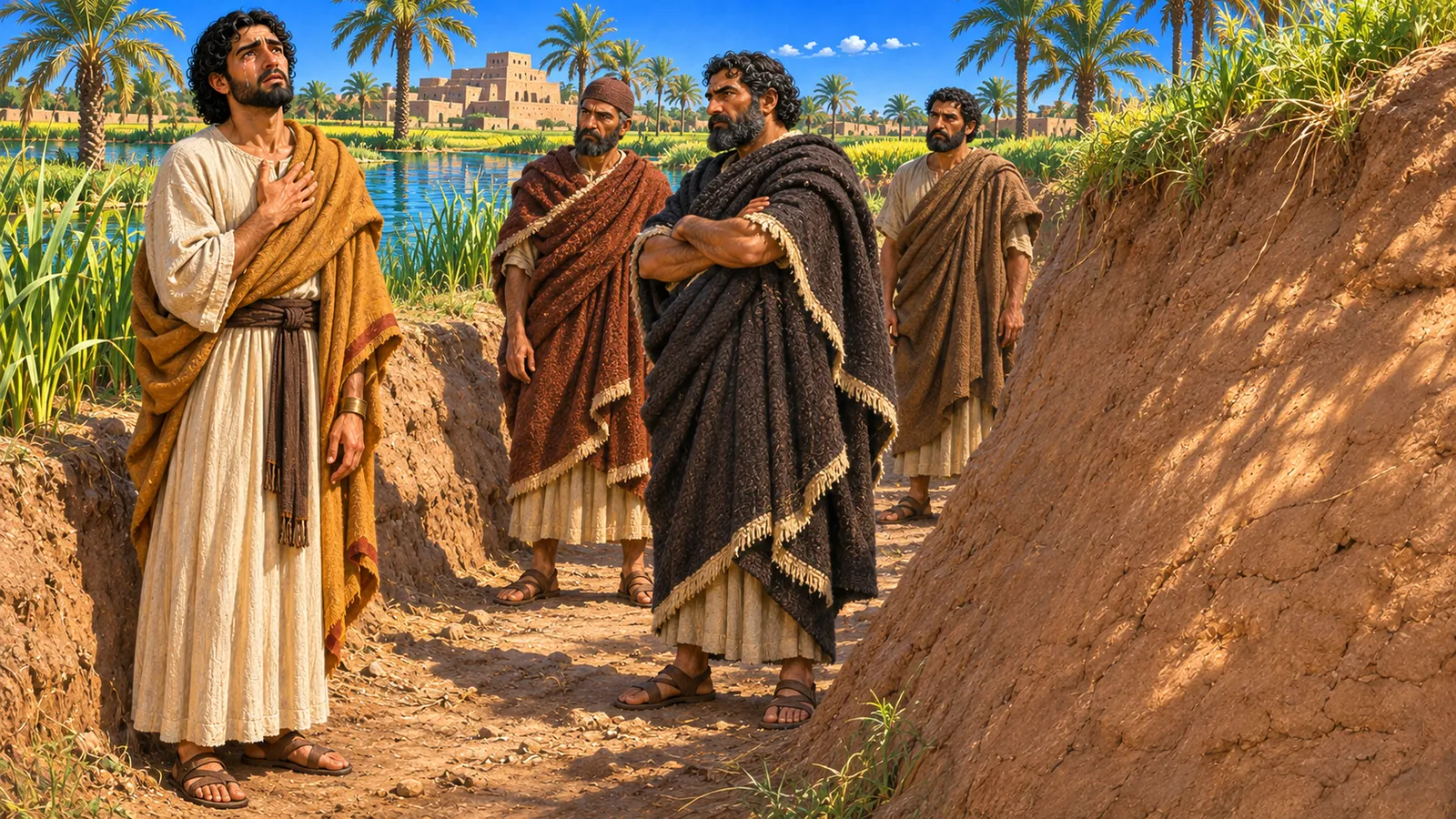
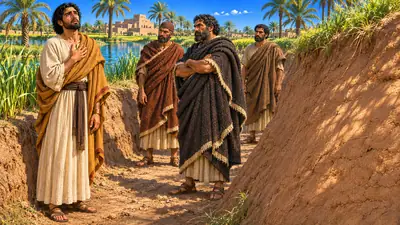
Atraparon a Dumuzi en las zanjas de Arali. Lloró y palideció. Dijo que su hermana le había salvado la vida en la ciudad y que su amigo había causado su muerte.
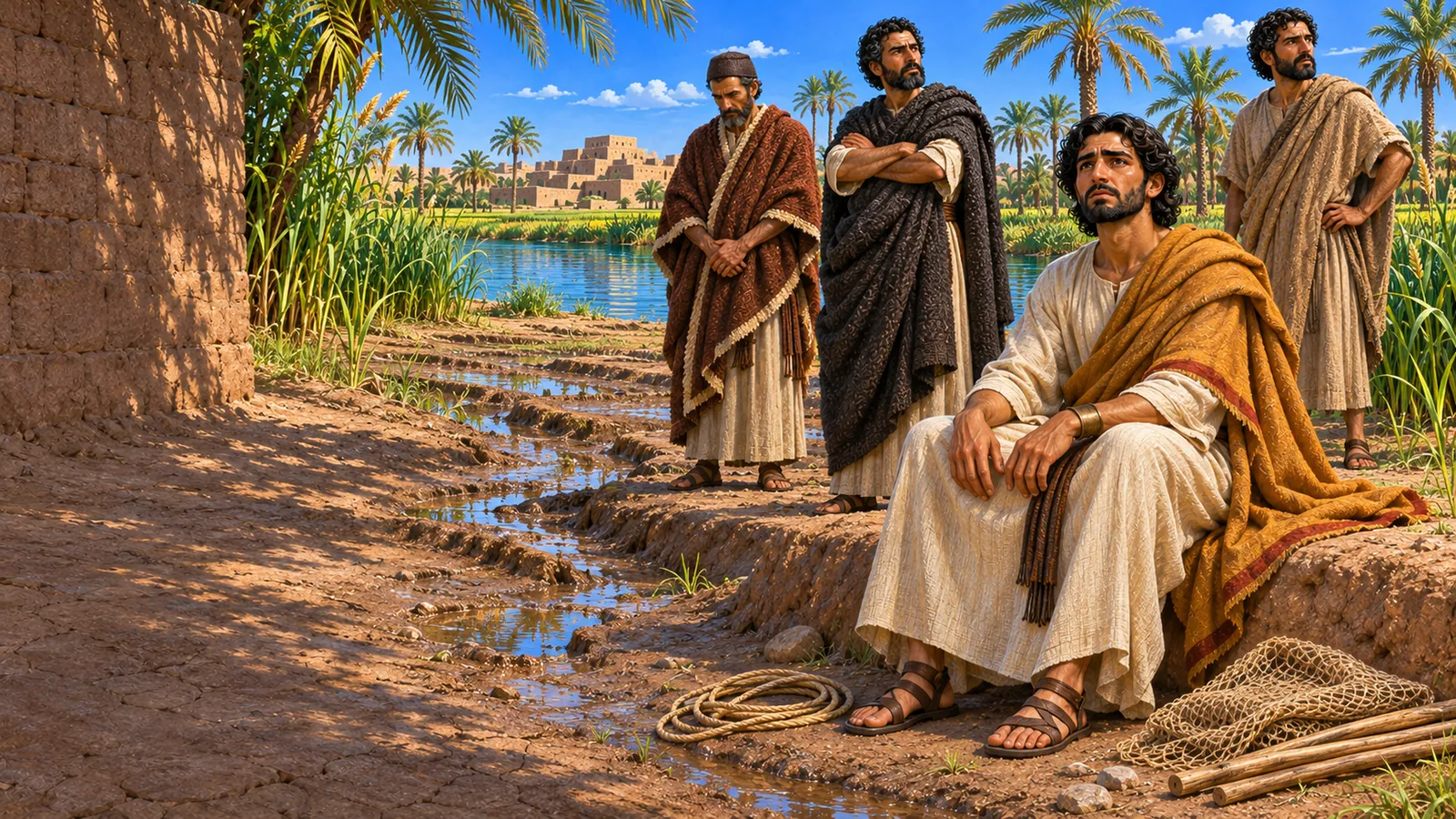
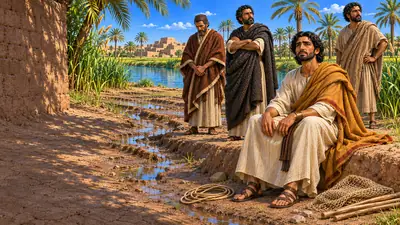
Los hombres rodearon a Dumuzi y drenaron el agua estancada. Prepararon cuerdas, una red y palos, y el hombre que tenía delante le lanzó objetos. Las palabras sobre el hombre que estaba detrás quedan incompletas.
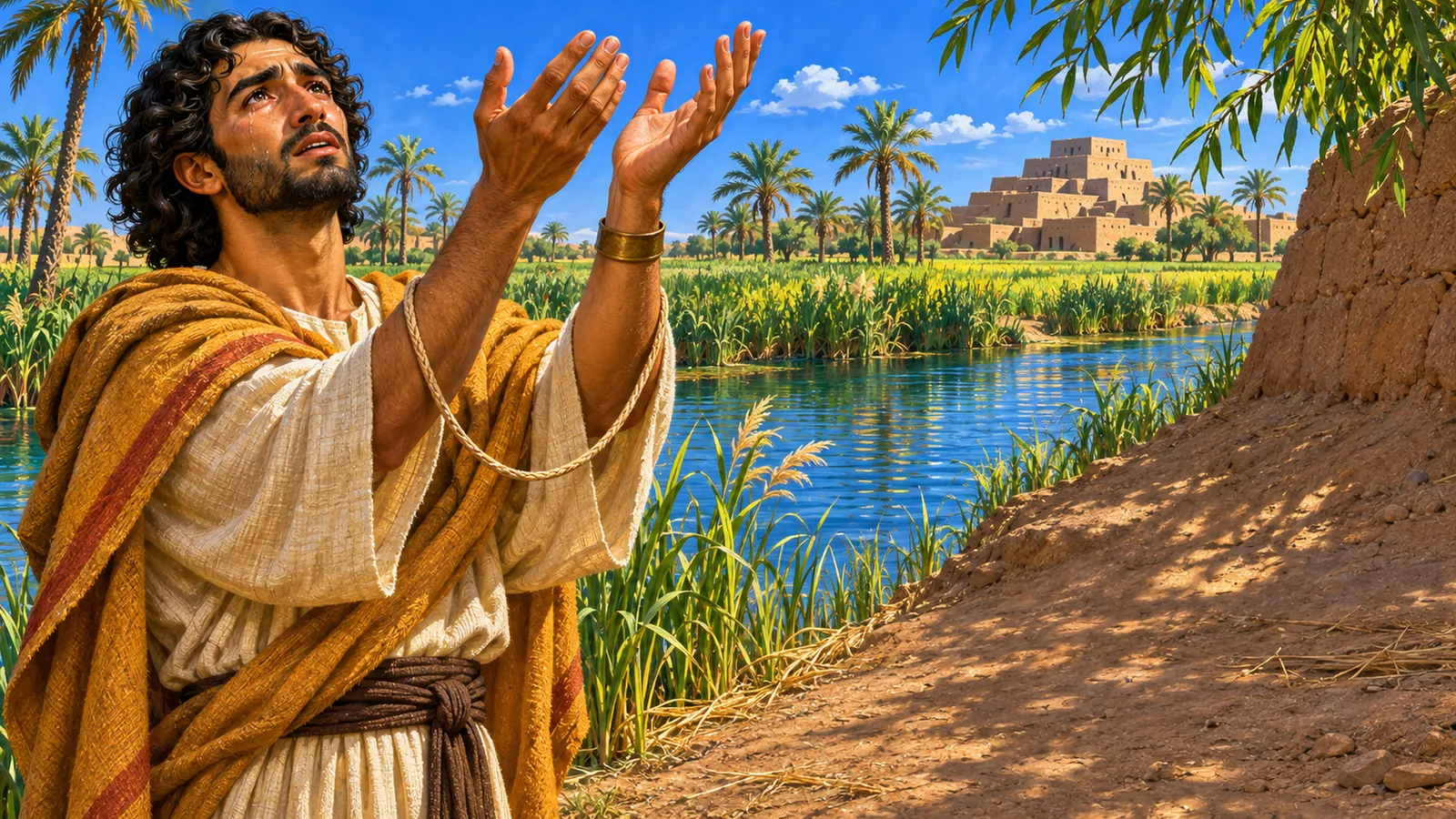
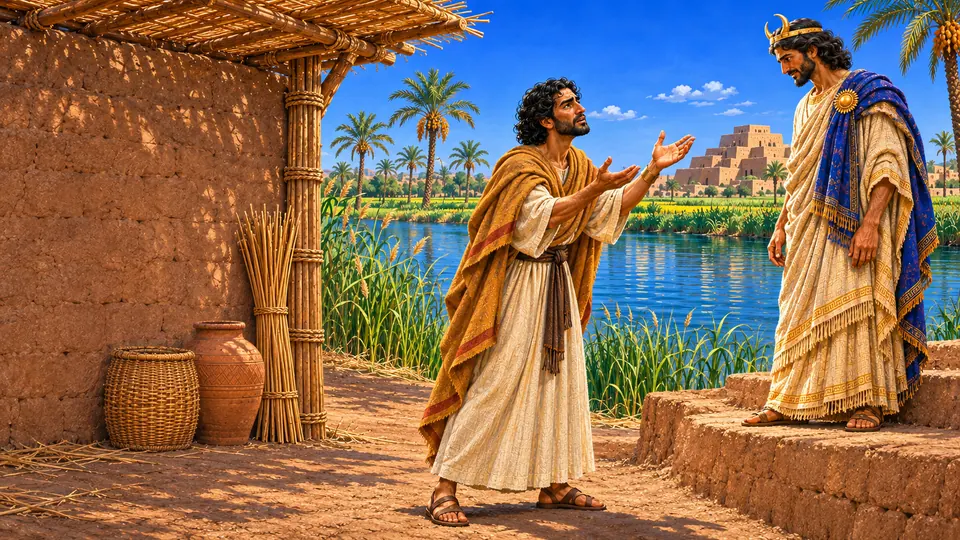
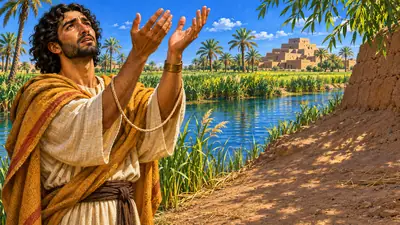
Ataron a Dumuzi las manos y los brazos. Alzó las manos al cielo para suplicar a Utu.
Fin del capítulo 1
Todas las páginas


Fuentes
Each page follows a part of the source group printed next to it. The Oxford translation prints Dumuzid and Jectin-ana for the names rendered here as Dumuzi and Geštinanna. In lines 83–86 it also calls her Ama-jectin-ana. Geštindudu is her companion.
Ediciones consultadas
Notas sobre este relato
Pages 1–2 (lines 1–4). The poem repeats the young shepherd’s grief three times. One manuscript specifies a shepherd’s stick. Page 2 uses that reading.
Pages 3–5 (lines 5–14). The translation has a break before its mention of river crabs. The retelling keeps the animals named in the surviving words and condenses the calls to the countryside. Five and ten belong to Dumuzi’s repeated call about his mother Durtur. The poem supplies no list of what she will call about. Dumuzi imagines his death within his speech.
Pages 6–7 (lines 15–18). The repeated opening formula frames the shepherd lying down to dream. Waking, trembling and rubbing his eyes all precede his call for his sister.
Pages 8–9 (lines 19–25). Dumuzi repeatedly calls for Geštinanna and names her skills as a scribe, a singer and a knowledgeable interpreter of dreams. The retelling condenses his repeated calls and titles.
Pages 10–13 (lines 26–39). The dream gives the growth of rushes, the shake of a single reed, the separation of one of a pair, rising trees, water poured over the sacred coals, a removed churn lid, a cup torn from its peg and the disappearance of the shepherd’s staff in that order. One manuscript reads “brazier” where the composite reads “coals.” Page 12 follows the composite.
Page 14 (lines 26–39). The translation queries the bird identified as an owl. The retelling preserves that uncertainty and states both predation events as part of Dumuzi’s dream.
Pages 15–16 (lines 26–39). The goats drag their dark beards in the dust and the rams scrape the earth. The concluding lines of the dream give the overturned churns, the milk left unpoured, the cups on their sides, Dumuzi’s death and the haunted sheepfold. The dream report ends on page 16. The printed Oxford translation proceeds from 26–39 to 41–55, with no line 40 printed.
Pages 17–22 (lines 41–55). Page 17 has the unfavorable verdict and the repeated request to hear no more. Page 18 pairs growing rushes with an ambush, page 19 the single reed with the mother, page 20 two reeds with the siblings’ separation, and page 21 rising trees with the hostile men catching Dumuzi within the walls. Page 22 pairs water over the coals with the sheepfold’s silence and the lifted churn cover with a hostile man carrying it inside. The corresponding earlier dream report (26–39) gives “brazier” in one manuscript in place of “holy coals.” Oxford prints no line 40 between the report and the interpretation.
Pages 23–28 (lines 56–69). Page 24 gives the missing staff and the prediction the demons will burn it. One manuscript reads that they will smash it. Page 25 keeps Oxford’s uncertain owl identification and the prediction of a blow to the cheek. One manuscript gives destruction of the sheep house in place of that blow. Page 26 gives the falcon and sparrow, and the great demon that will come down from the sheep house. One manuscript reads “out” for the direction. Page 27 keeps the overturned vessels, unpoured milk, death and haunting inside the report of the dream, with bound hands and arms as her interpretation. Page 28 gives the goats and rams as signs of her predicted mourning. The source compares her nails to a boxwood needle.
Pages 29–31 (lines 70–82). Pages 29–30 split the repeated invitation to go up the mound from Dumuzi’s instructions in the language of lament. The composite speaks of lacerating heart, liver, clothing and crotch. One manuscript reads “hair” instead of “heart.” Page 31 gives his warning about the binders. Oxford prints gaps around the reference to a river barge and marks identification from the wooden neck restraint uncertain. The ensuing ascent and looking around occur on page 32.
Page 32 (lines 83–86). Geštinanna climbs the mound and looks, and her friend Geštindudu says the men who bind necks are already coming. Their approach is reported in the friend’s speech. The fragment before the repeated “coming for him” remains unfilled.
Page 33 (lines 87–90). Geštinanna asks about the approaching pursuers. Geštindudu says she will point out the binders, and Geštinanna twice warns Dumuzi of the approaching demons and tells him to duck down in the grass.
Page 34 (lines 91–94). Dumuzi names grass, short grass, tall grass and the ditches of Arali, asking repeatedly that his sister keep his whereabouts private. These are his stated intentions at this point.
Page 35 (lines 95–97). Geštinanna’s imprecation names Dumuzi’s black shepherd dog and wishes it would devour her if she revealed his whereabouts. The source calls the dog noble and lordly. The imprecation is the condition of a spoken oath.
Page 36 (lines 98–102). Oxford marks “remembered” and “demons” uncertain and prints gaps around the phrasing about giving the friend instructions, the comparison for the kind of companion she wishes he would never have, and the end of the search passage.
On pages 37–38, Dumuzi names grass, short grass, tall grass and the ditches of Arali, asking his friend to conceal his whereabouts each time. The friend calls down the black shepherd dog upon himself if he reveals the hiding place. This is an oath in the friend’s speech (ETCSL 1.4.3, 103–109).
On pages 39–41, the poem says that the people seeking the king neither drink poured water nor eat sprinkled flour, garlic, fish or leeks. It describes the men of Adab as thistles and thorns and alludes to a proverb about a hand on the table and a tongue in the palace. The object carried on the shoulders of the men of Akšak is lost. Uruk, Ur and Nippur are the usual English forms of Oxford’s Unug, Urim and Nibru, and Akšak is Akcak in the Oxford text. One manuscript calls the clothing of the men from Nippur “clean” where the edition otherwise reads “shining” (110–138).
Page 41 (ETCSL 1.4.3, lines 110–138).
On pages 42–43, the company takes Geštinanna at the sheepfold and cattle pen and offers her a river of water and a field of grain. She refuses both. Parts of the comparisons in the exchange among the demons are lost (110–138).
On pages 44–47, the company turns to the friend, who accepts both offers. He gives the four places in order and each time denies knowing Dumuzi’s whereabouts. The searches in the grass, the short grass and the tall grass all fail. One manuscript adds a repetition in the first disclosure that explicitly names Dumuzi. The capture in the ditches belongs to the following passage (139–150 and 151–155).
On page 48, the captured Dumuzi weeps and pales. His claim that his friend caused his death is his speech at the capture. He contrasts affection owed to a child left in the street by a sister with the treatment of one left there by a friend. Oxford marks “leaves” as uncertain in both clauses (151–155).
On page 49, the men surround Dumuzi, drain the standing water and prepare cord, a net, a reed hawser and sticks. The man in front throws projectiles. The words describing the man behind him are damaged and a measure of one cubit survives without a clear action (156–164).
On page 50, the translation names handcuffs and fetters on Dumuzi’s hands and arms. He raises his hands heavenward to Utu.
Los versos antiguos de cada página
- Page 1: ETCSL 1.4.3, lines 1–4
- Page 2: ETCSL 1.4.3, lines 1–4
- Page 3: ETCSL 1.4.3, lines 5–14
The broad left is even silvery gray-green water with no horizontal bank line within the box. - Page 4: ETCSL 1.4.3, lines 5–14
- Page 5: ETCSL 1.4.3, lines 5–14
- Page 6: ETCSL 1.4.3, lines 15–18
- Page 7: ETCSL 1.4.3, lines 15–18
- Page 8: ETCSL 1.4.3, lines 19–25
A palm-sized blank, smooth clay tablet and a short reed stylus lie flat on a low storage shelf at the far lower left, with no signs or marks on the clay. - Page 9: ETCSL 1.4.3, lines 19–25
- Page 10: ETCSL 1.4.3, lines 26–39
- Page 11: ETCSL 1.4.3, lines 26–39
- Page 12: ETCSL 1.4.3, lines 26–39
- Page 13: ETCSL 1.4.3, lines 26–39
- Page 14: ETCSL 1.4.3, lines 26–39
- Page 15: ETCSL 1.4.3, lines 26–39
The whole left is a continuous matte tan field without fence lines or tracks. - Page 16: ETCSL 1.4.3, lines 26–39
- Page 17: ETCSL 1.4.3, lines 41–55
- Page 18: ETCSL 1.4.3, lines 41–55
- Page 19: ETCSL 1.4.3, lines 41–55
- Page 20: ETCSL 1.4.3, lines 41–55
- Page 21: ETCSL 1.4.3, lines 41–55
- Page 22: ETCSL 1.4.3, lines 41–55
- Page 23: ETCSL 1.4.3, lines 56–69
- Page 24: ETCSL 1.4.3, lines 56–69
- Page 25: ETCSL 1.4.3, lines 56–69
- Page 26: ETCSL 1.4.3, lines 56–69
Quiet open sediment-colored air on the left with no fence lines. - Page 27: ETCSL 1.4.3, lines 56–69
- Page 28: ETCSL 1.4.3, lines 56–69
- Page 29: ETCSL 1.4.3, lines 70–82
- Page 30: ETCSL 1.4.3, lines 70–82
- Page 31: ETCSL 1.4.3, lines 70–82
- Page 32: ETCSL 1.4.3, lines 83–86
- Page 33: ETCSL 1.4.3, lines 87–90
- Page 34: ETCSL 1.4.3, lines 91–94
- Page 35: ETCSL 1.4.3, lines 95–97
- Page 36: ETCSL 1.4.3, lines 98–102
The break is natural terrain, with no manuscript, lettering, hidden person, actors or applied marks. - Page 37: ETCSL 1.4.3, lines 103–106
- Page 38: ETCSL 1.4.3, lines 107–109
- Page 39: ETCSL 1.4.3, lines 110–138
- Page 40: ETCSL 1.4.3, lines 110–138
Across the whole right box, the dried water bed recedes as even warm gray earth with no horizon line or vegetation. - Page 41: ETCSL 1.4.3, lines 110–138
- Page 42: ETCSL 1.4.3, lines 110–138
- Page 43: ETCSL 1.4.3, lines 110–138
- Page 44: ETCSL 1.4.3, lines 139–150
- Page 45: ETCSL 1.4.3, lines 139–150
- Page 46: ETCSL 1.4.3, lines 139–150
- Page 47: ETCSL 1.4.3, lines 139–150
- Page 48: ETCSL 1.4.3, lines 151–155
- Page 49: ETCSL 1.4.3, lines 156–164
- Page 50: ETCSL 1.4.3, lines 156–164
Ilustraciones hechas por IL Archive con herramientas de IA; el texto se basa en las fuentes antiguas (véanse las fuentes al final de cada capítulo).