El sueño de Dumuzi Capítulo 2
El último aprisco
Dumuzi suplica a Utu, cambia de forma y escapa, pero sus perseguidores lo encuentran una y otra vez, incluso en casa de la anciana Belili. Por fin llega al redil de Geštinanna. Los perseguidores entran y el poema termina con un canto por Dumuzi muerto.
FuentesPase las páginas con las flechas, el teclado o deslizando el dedo.
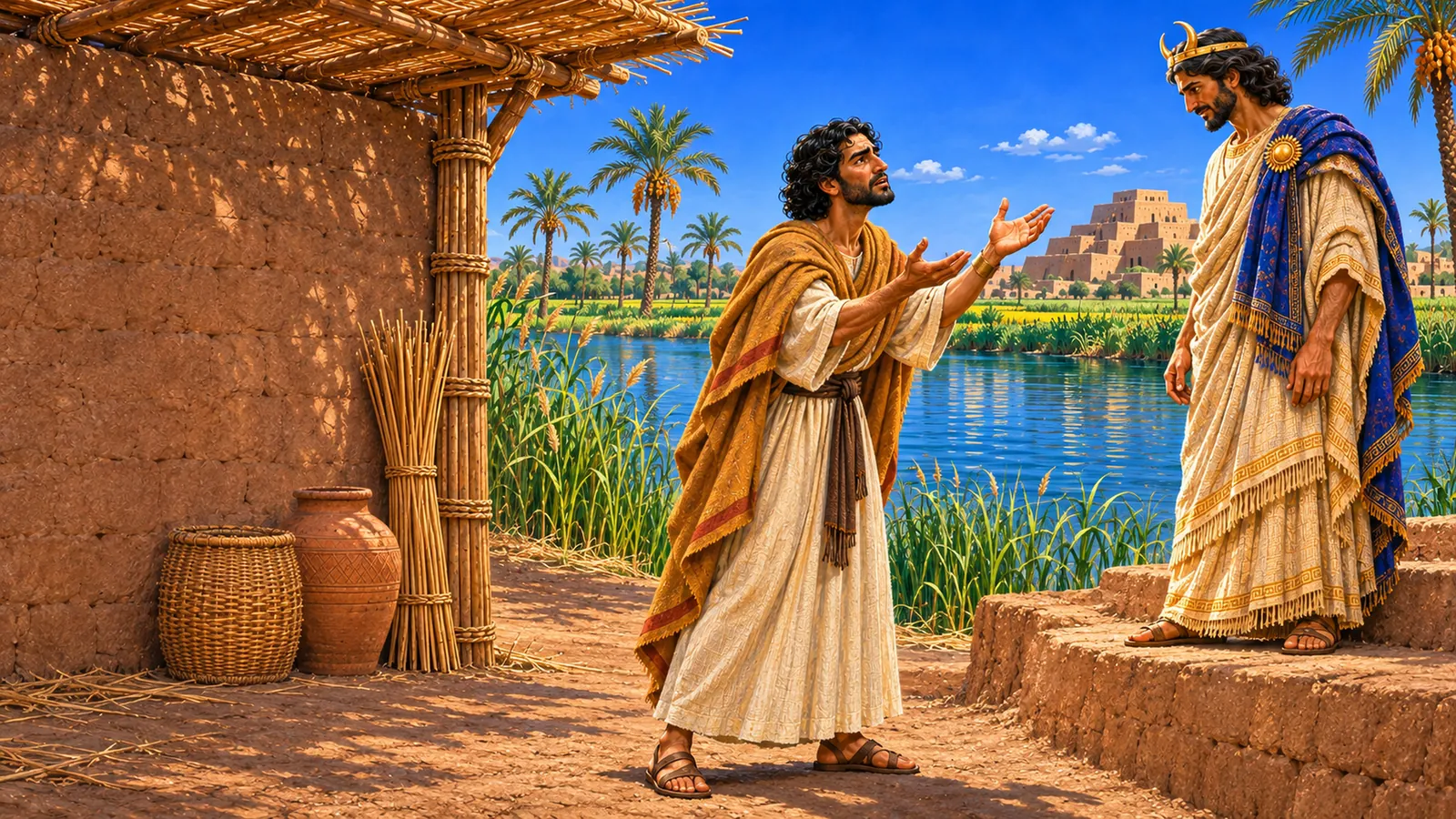
EL ÚLTIMO APRISCO
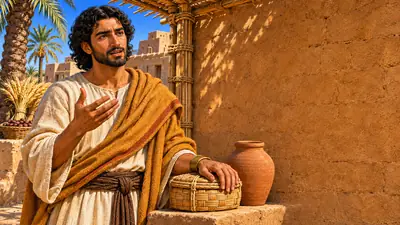
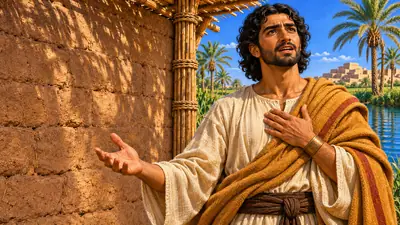
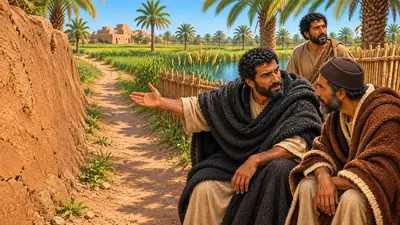
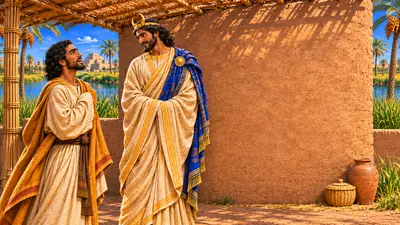
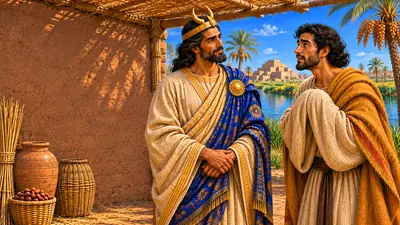
«Utu, eres mi cuñado. Soy el esposo de tu hermana», clamó Dumuzi en su apuro.
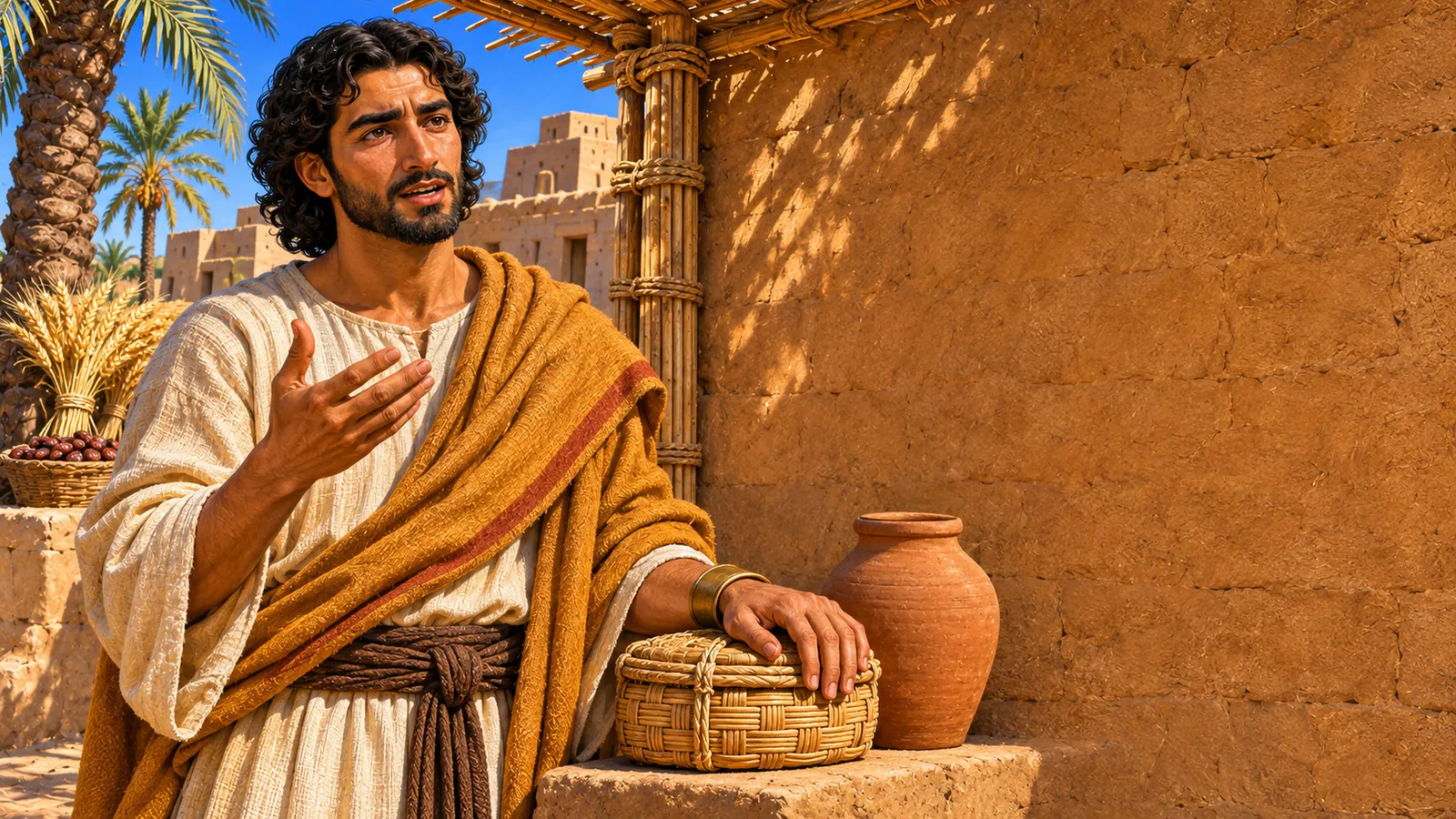
Dumuzi habló de la comida que llevaba a Eanna y de los regalos de boda que había llevado a Uruk.
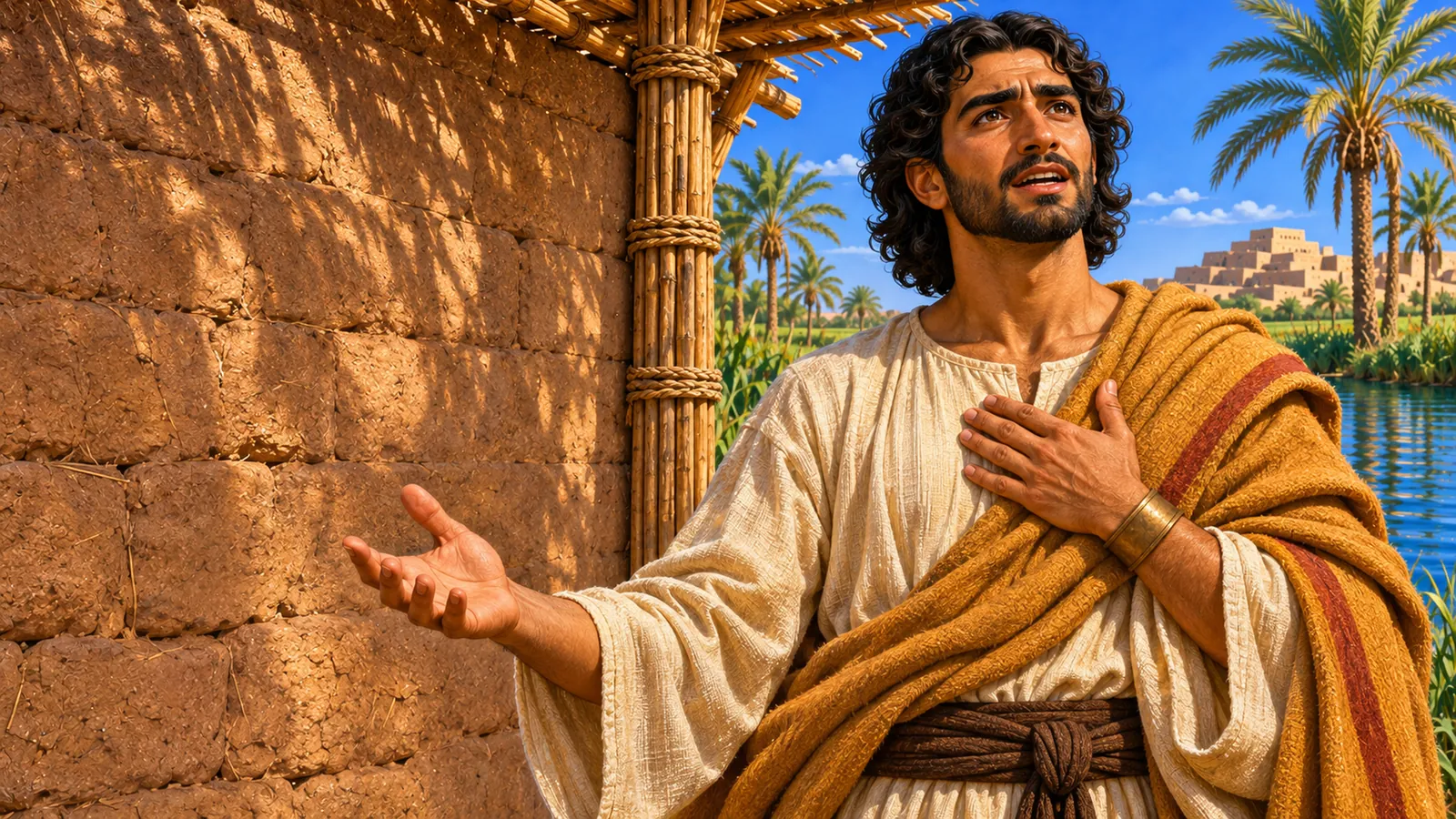
Dumuzi dijo que él era quien besaba los labios sagrados de Inanna y bailaba sobre sus rodillas sagradas.
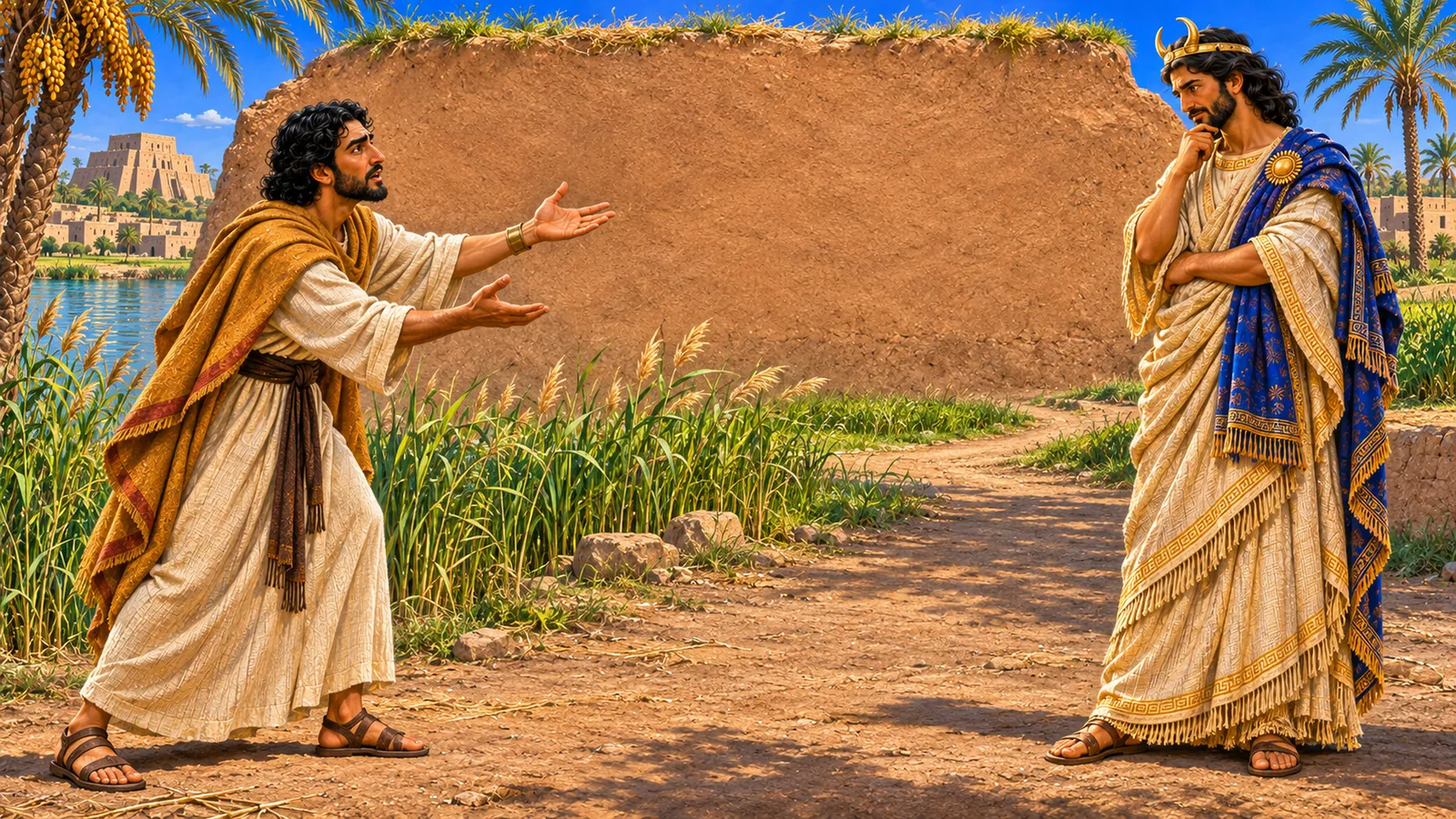
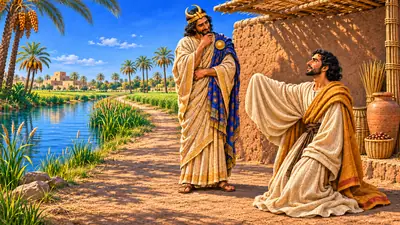
Le pidió a Utu que le convirtiera las manos y los pies en patas de gacela para escapar de los demonios y llegar vivo a Ku-bireš-dildareš.
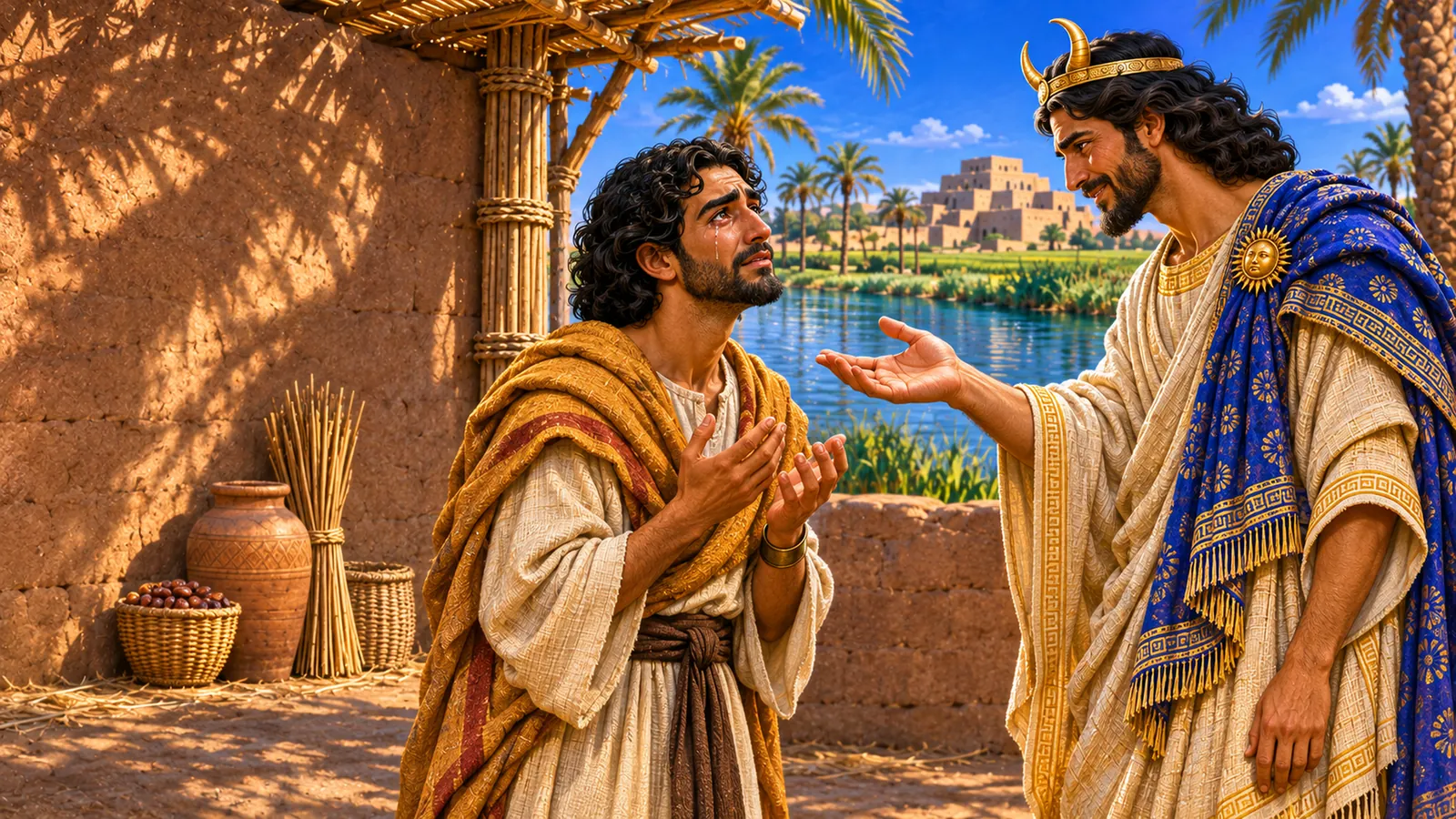
Utu aceptó las lágrimas de Dumuzi y se compadeció de él, como quien siente compasión por otro.
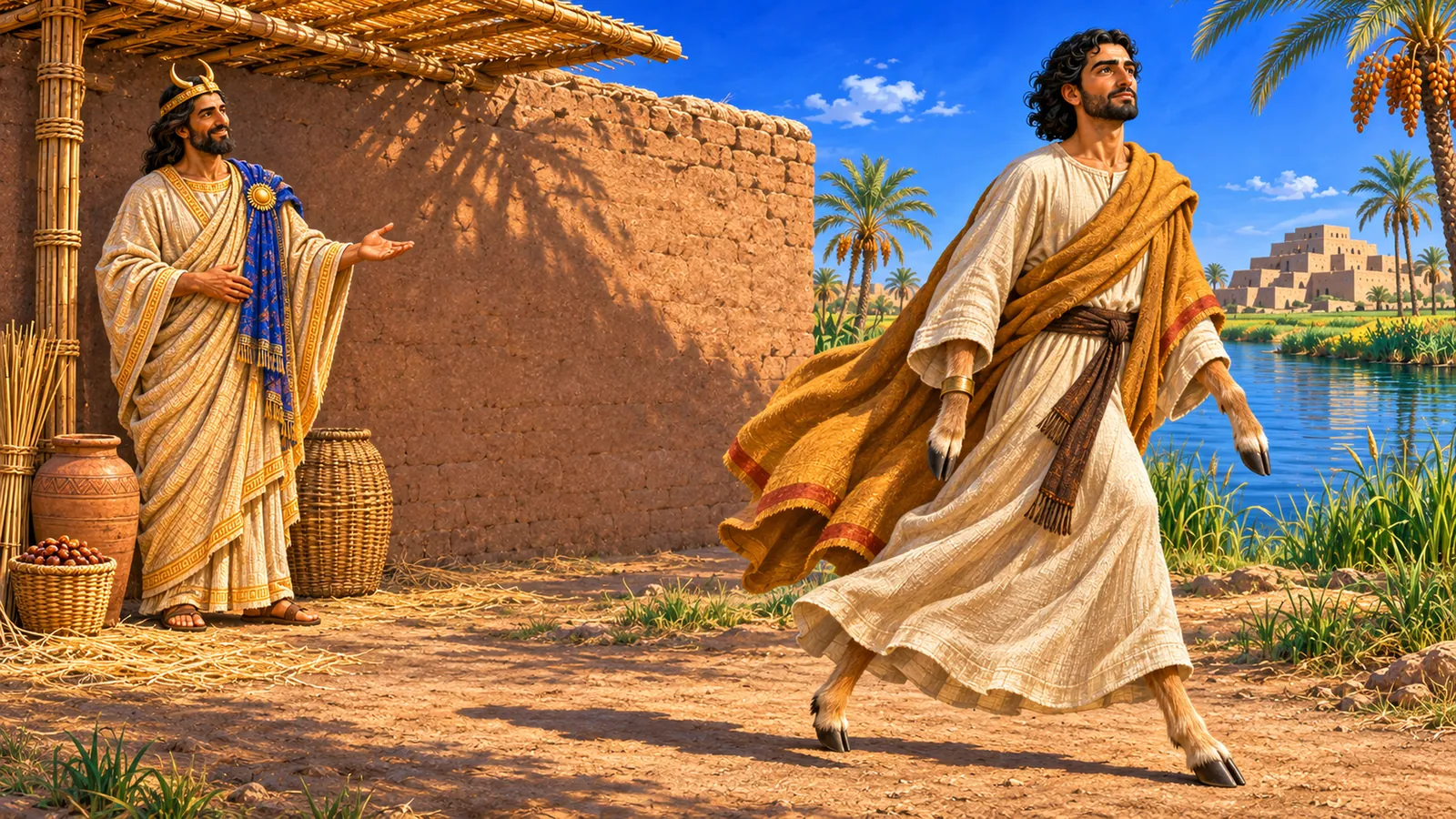
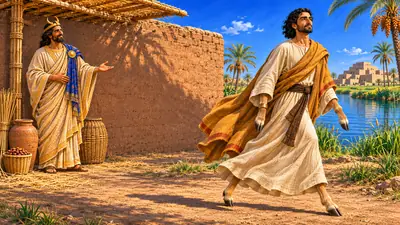
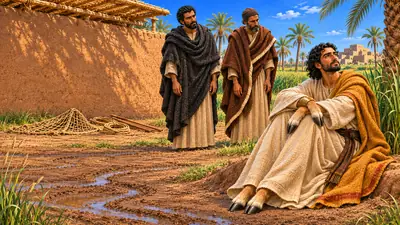
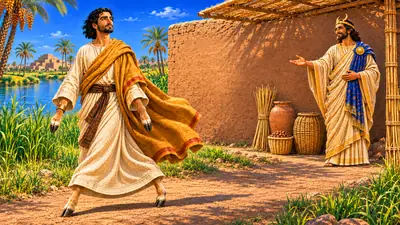
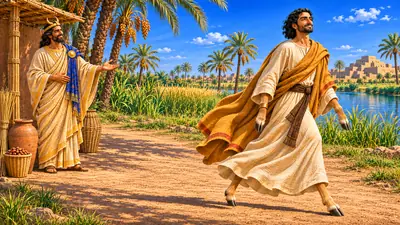
Utu convirtió las manos y los pies de Dumuzi en patas de gacela, y Dumuzi esquivó a los demonios.

Dumuzi escapó con vida y llegó a Ku-bireš-dildareš, el lugar que había mencionado en su súplica a Utu.
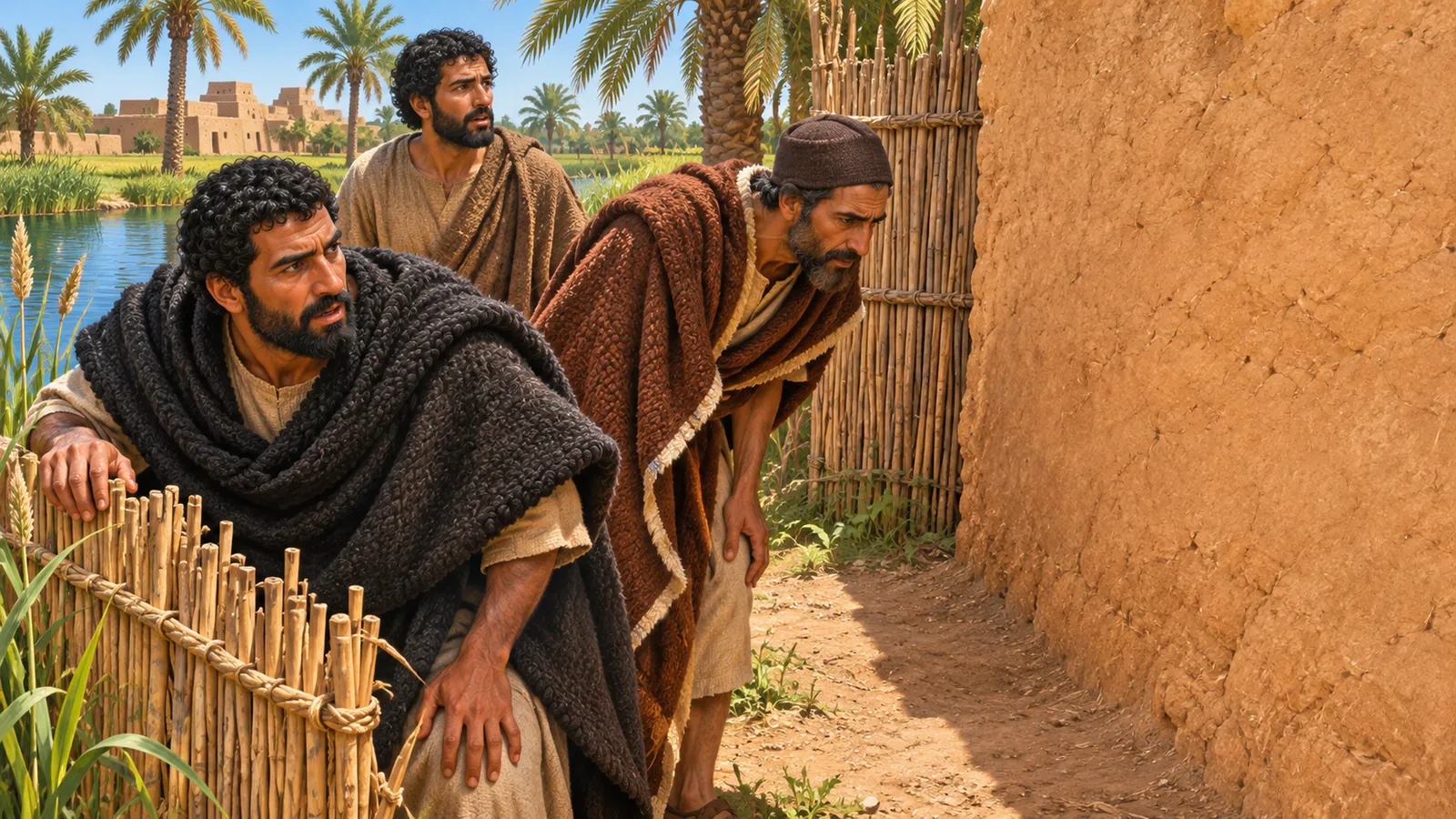
Los demonios buscaron a Dumuzi tras su huida, pero al principio no lograron encontrarlo.
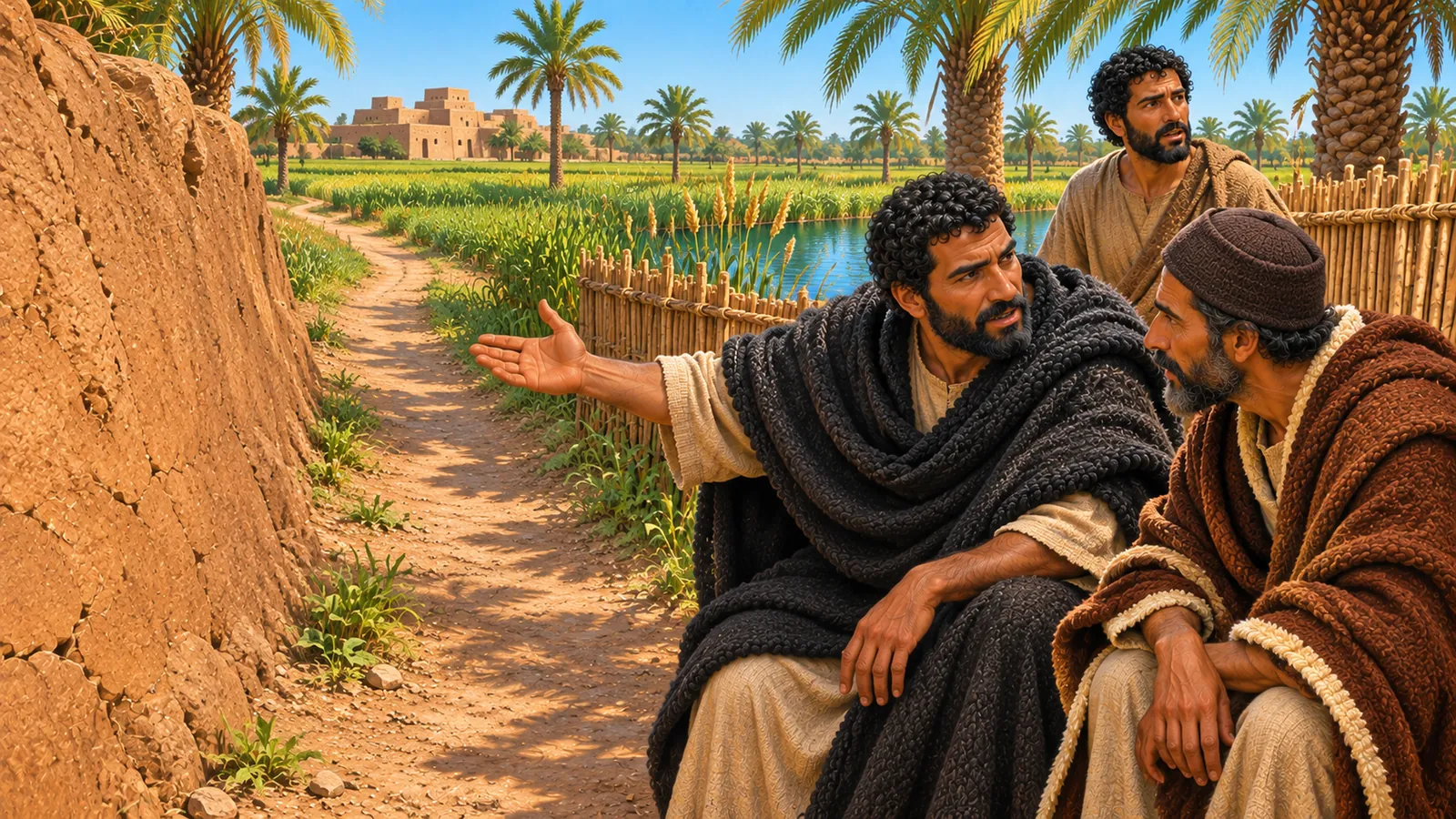
«Vamos a Ku-bireš», dijeron los perseguidores cuando su búsqueda no dio resultado.
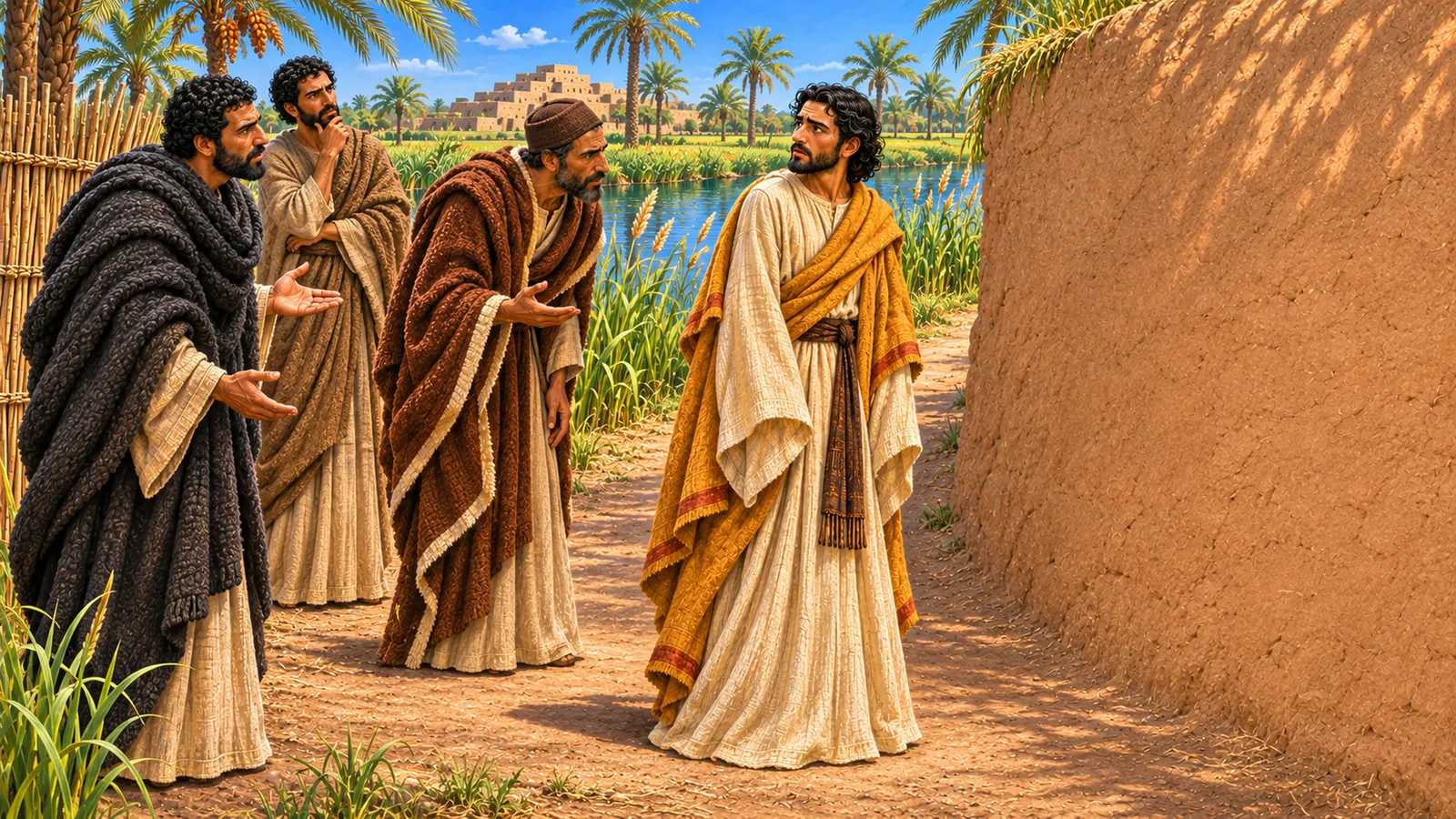
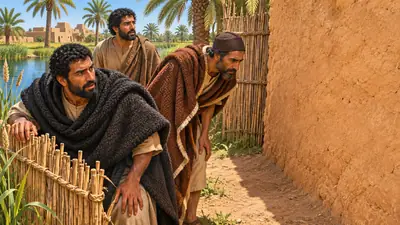
Los demonios fueron a Ku-bireš y allí capturaron a Dumuzi. Su primera huida había terminado.
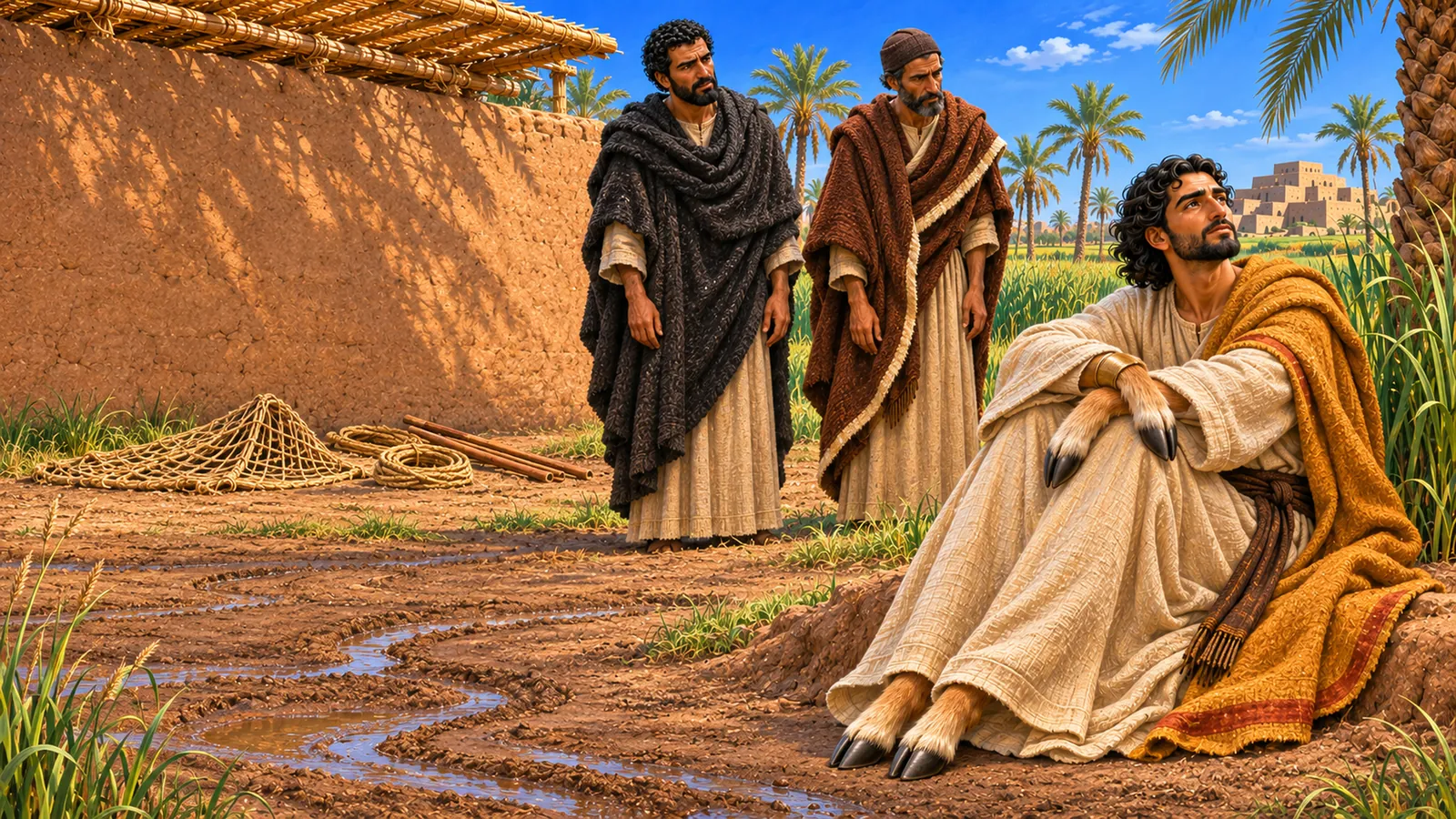
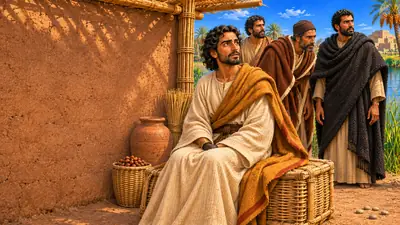
Los hombres rodearon a Dumuzi y desaguaron las aguas estancadas. Prepararon un cordel, una red, una soga gruesa de cañas y unos palos. El hombre que iba delante le arrojó objetos, y se han perdido las palabras sobre el hombre que estaba detrás.

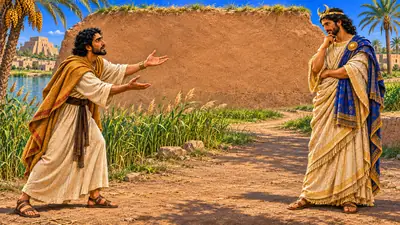
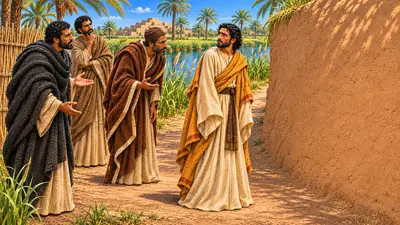
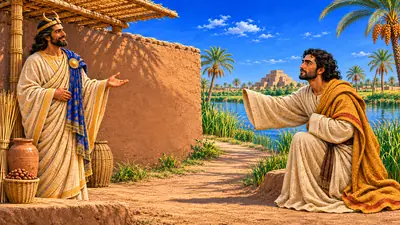
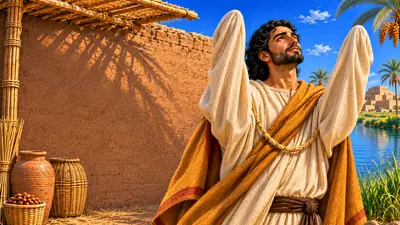
Le ataron a Dumuzi las manos y los brazos. El joven alzó las manos hacia el cielo y llamó a Utu.
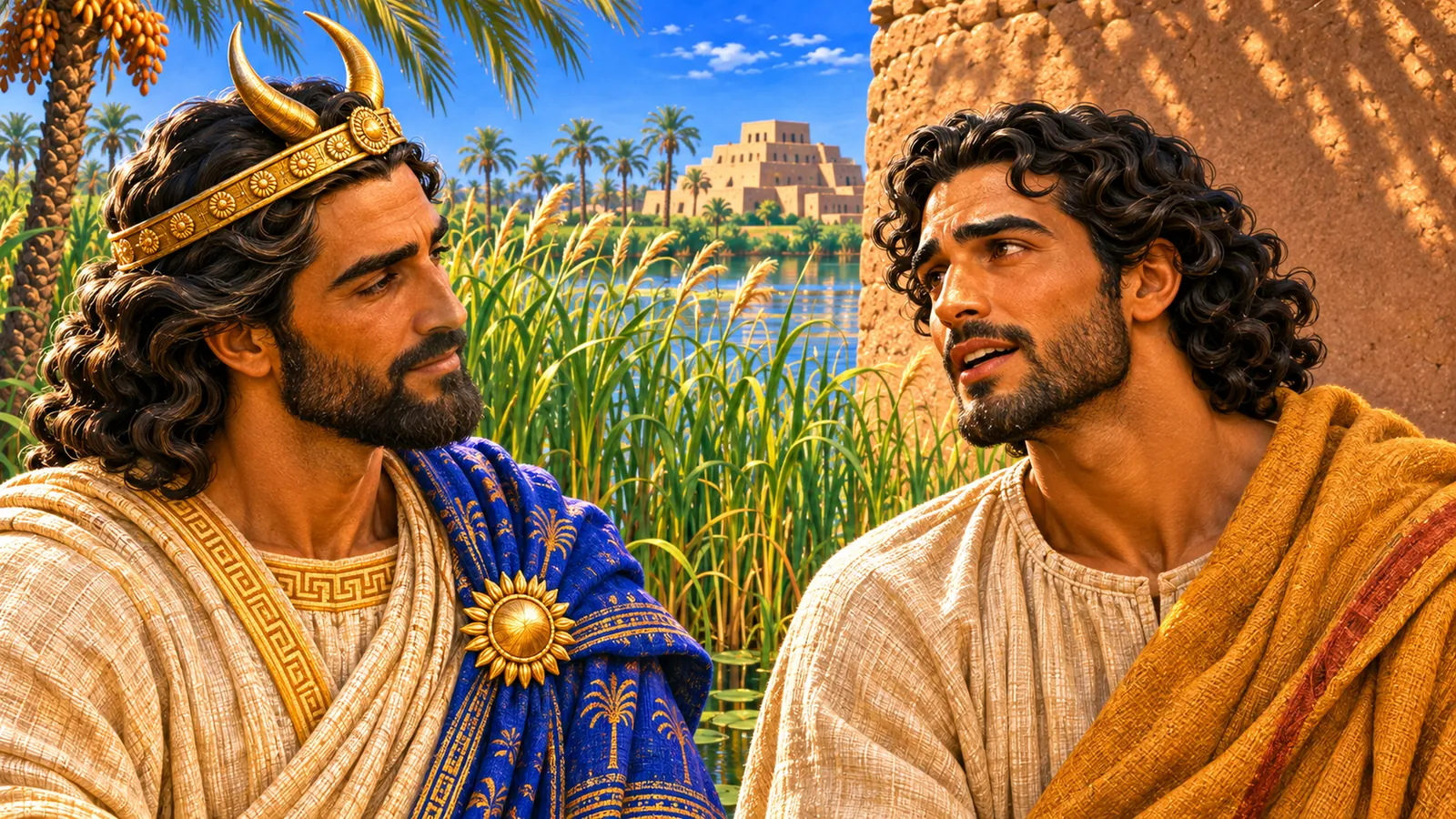
Dumuzi acudió a Utu como cuñado suyo. Le recordó que estaba casado con su hermana, Inanna.
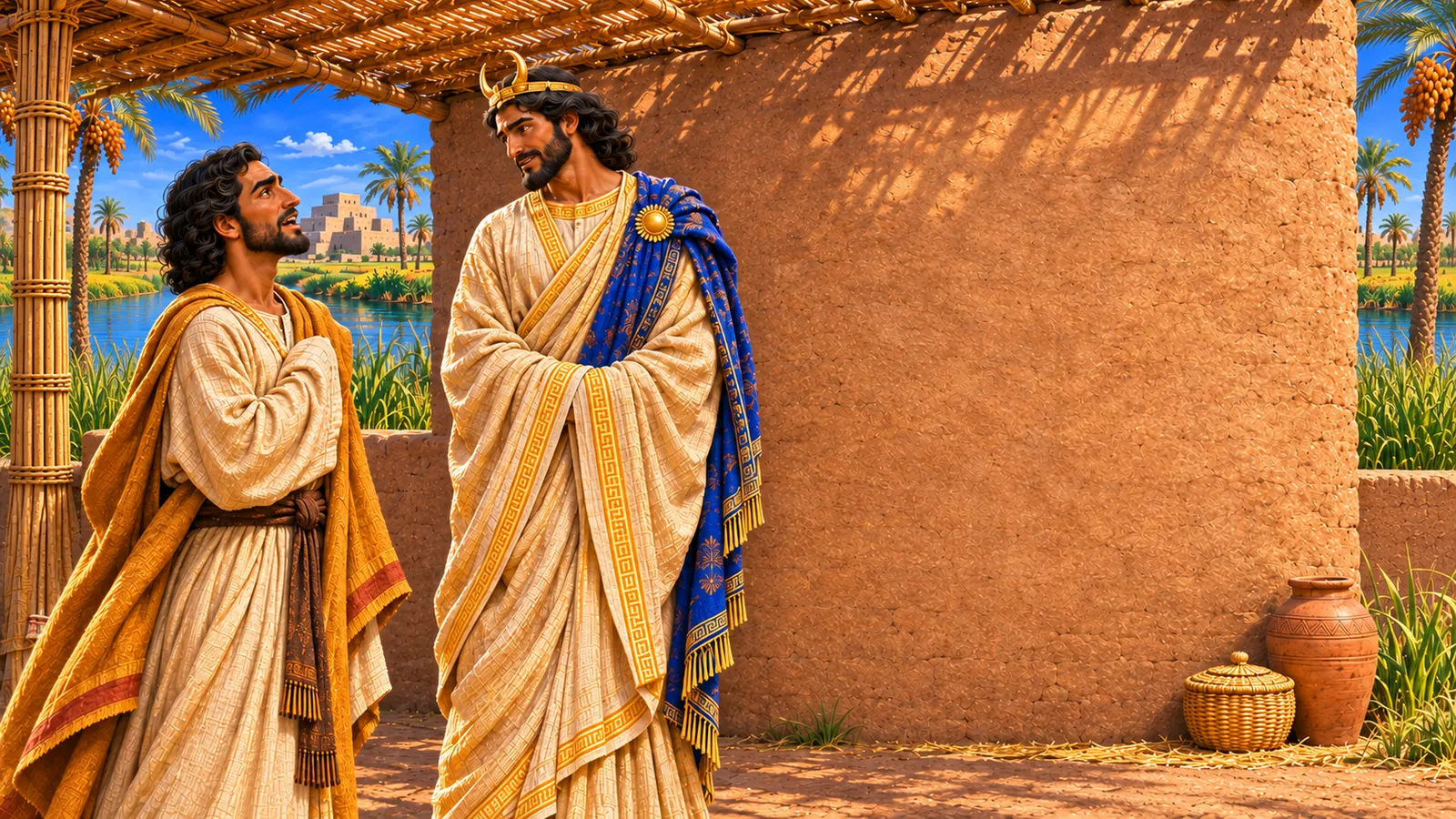
Dumuzi dijo que llevaba comida a Eanna y que había llevado regalos de boda a Uruk. Habló de besar los labios sagrados de Inanna y de bailar sobre sus rodillas sagradas.
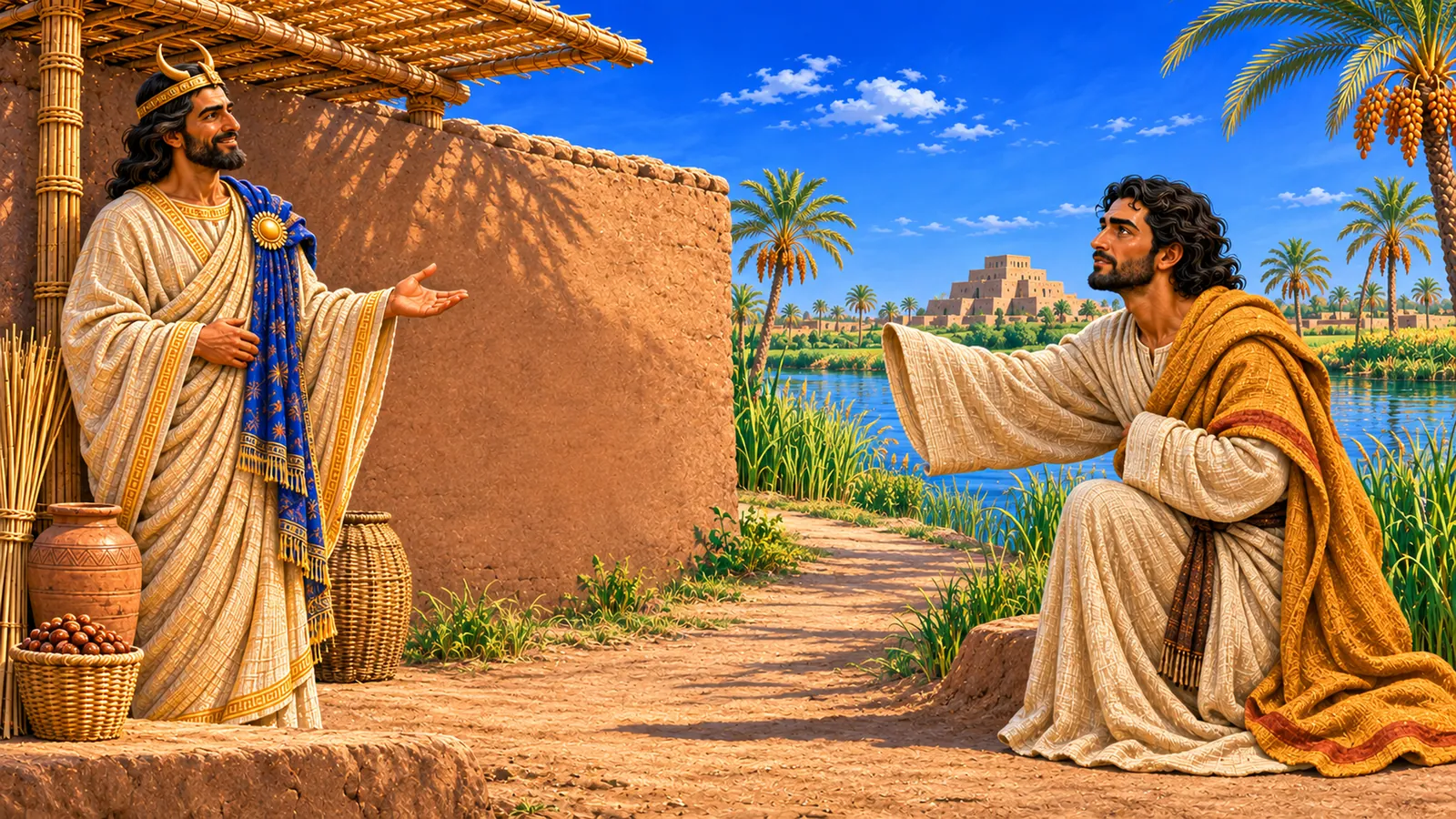
Le pidió a Utu que transformara sus manos y sus pies en patas de gacela. Esperaba que así pudiera escapar a la casa de la anciana Belili.
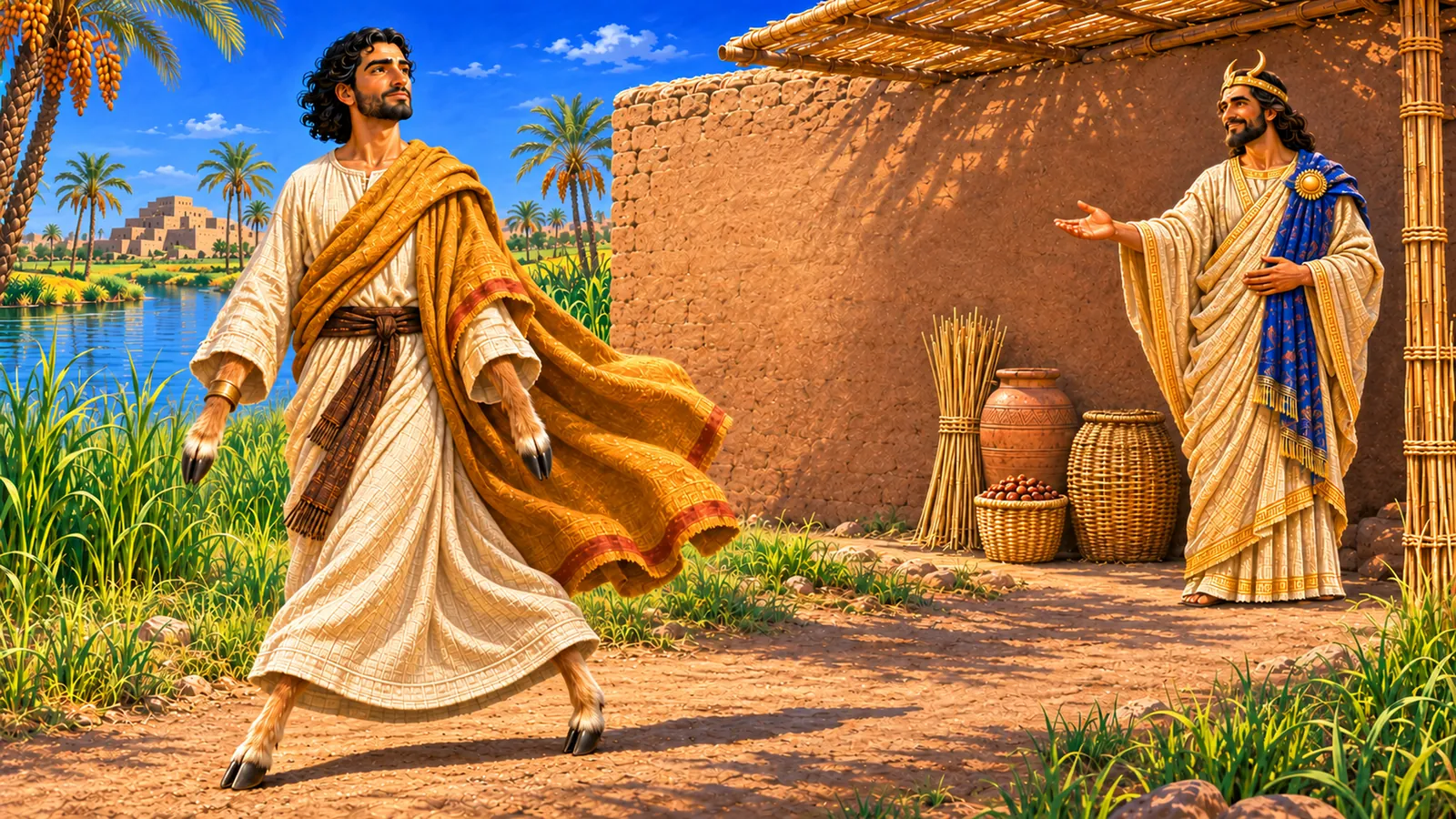
Utu acogió las lágrimas de Dumuzi. El poema dice que le transformó las manos y los pies en patas de gacela.
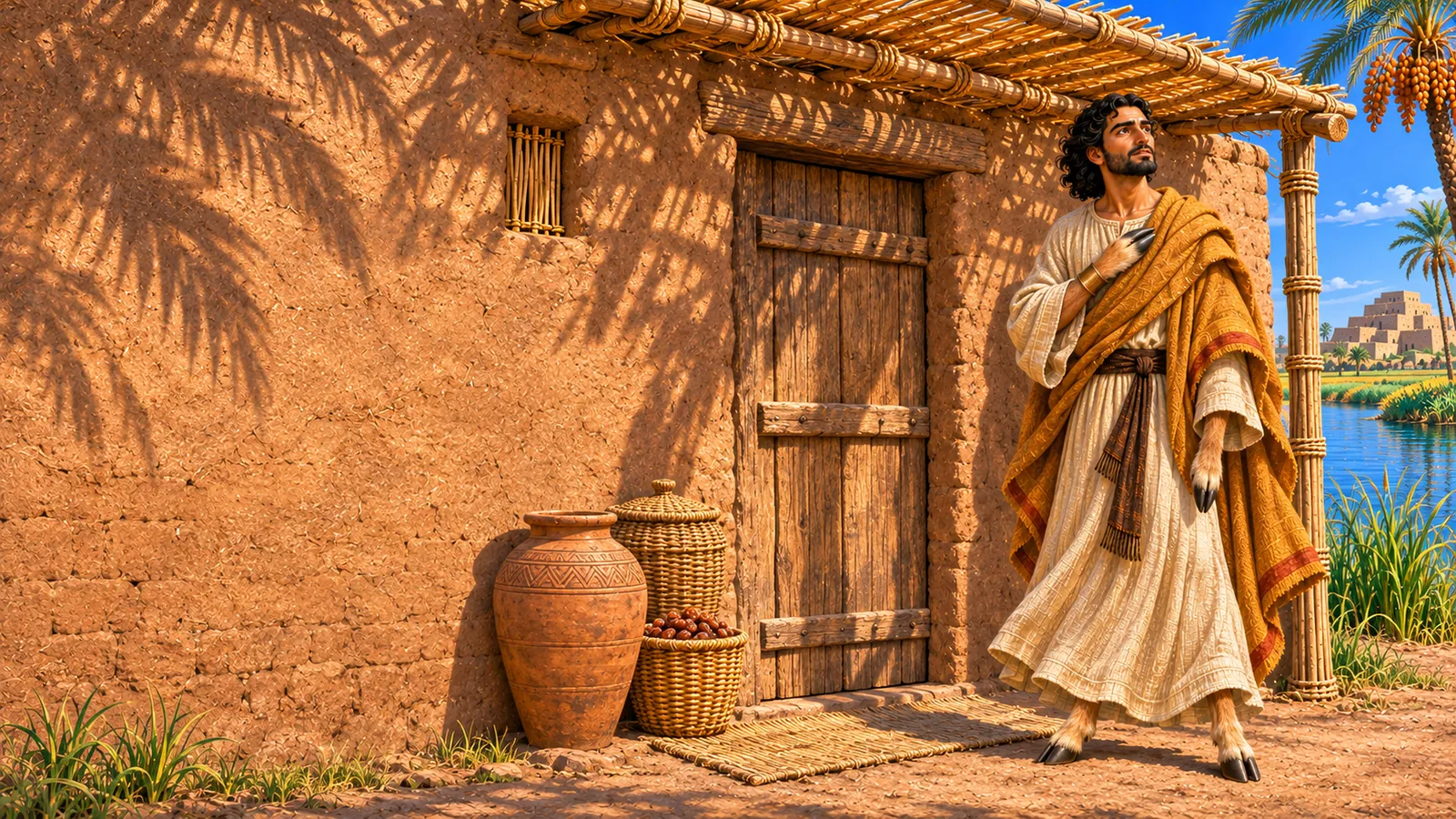
Dumuzi esquivó a los demonios y escapó con vida. Llegó a la casa de la anciana Belili.
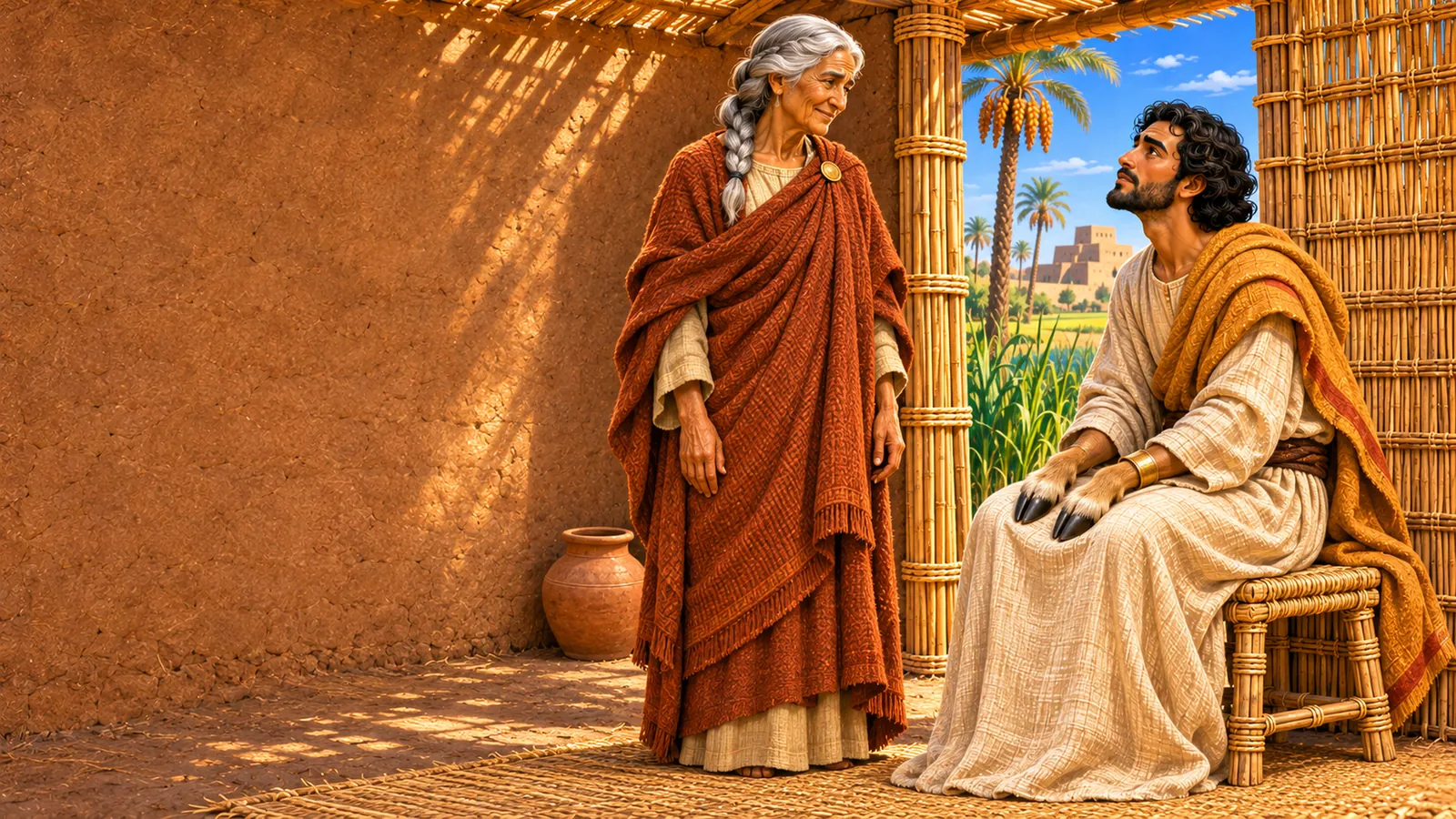
EL REFUGIO
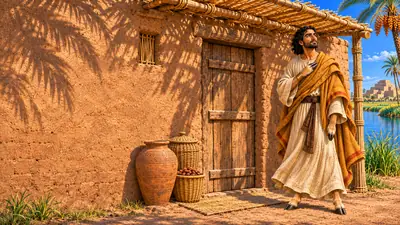
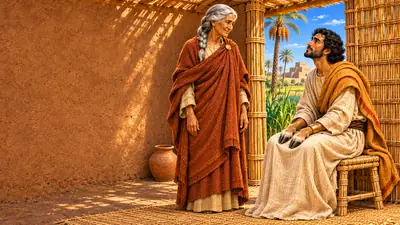
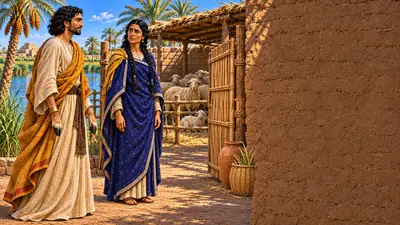
Dumuzi llamó a Belili y le dijo que era esposo de una diosa. Le pidió que le sirviera un poco de agua para beber.
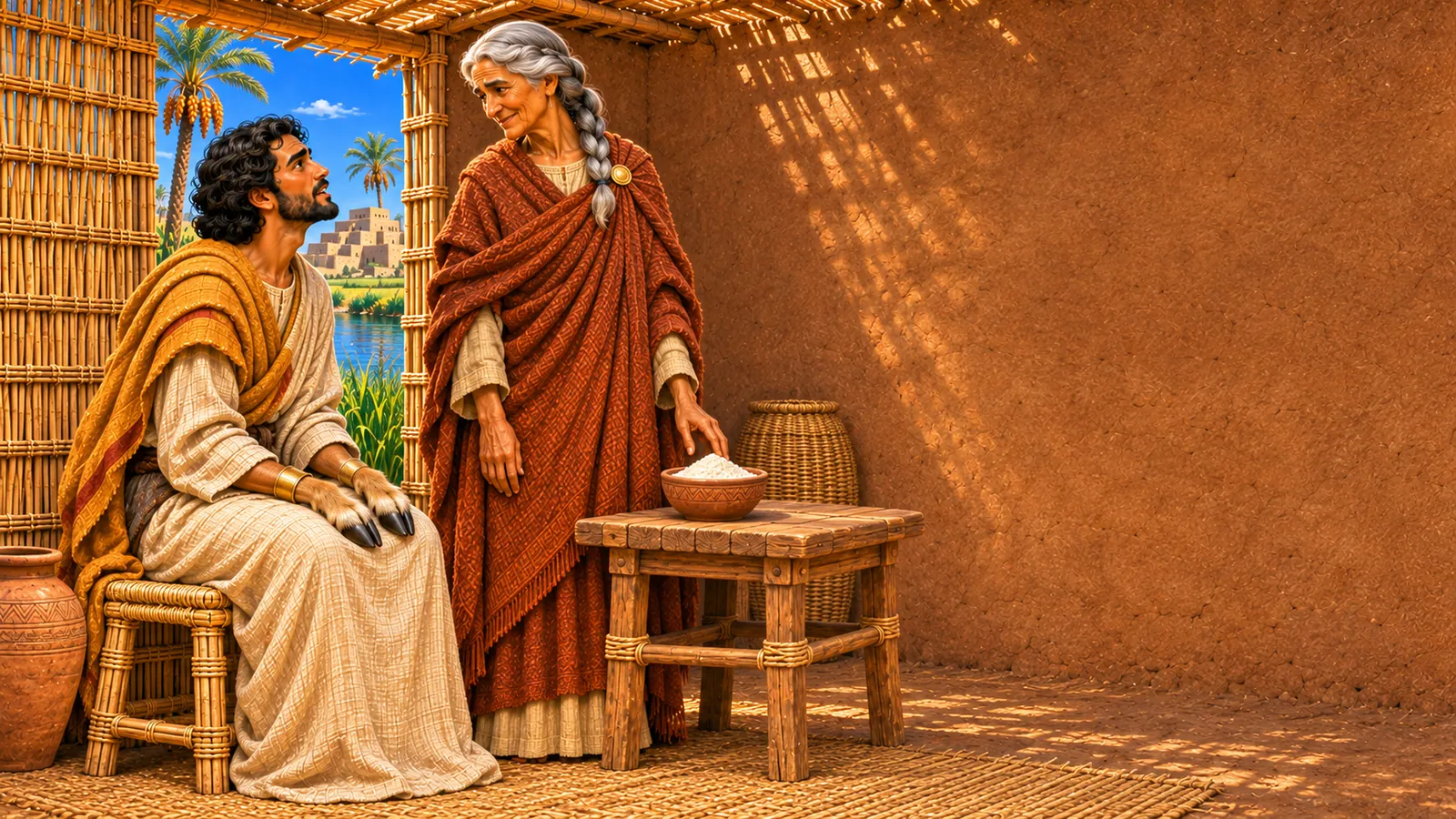
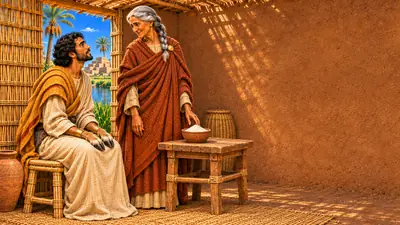
También pidió harina. «Esparce un poco de harina para mí, por favor», dijo, «para que pueda comerla».
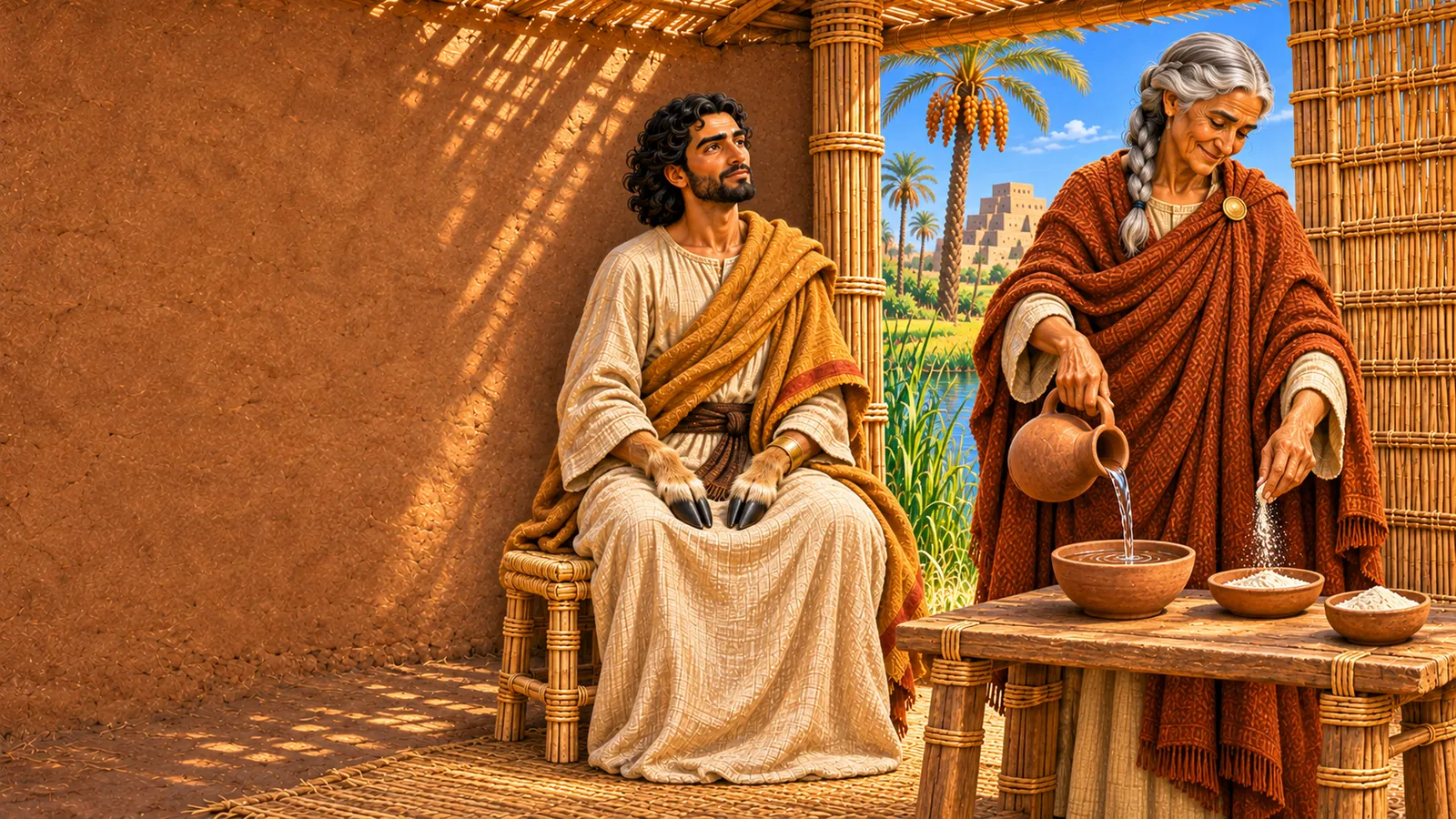
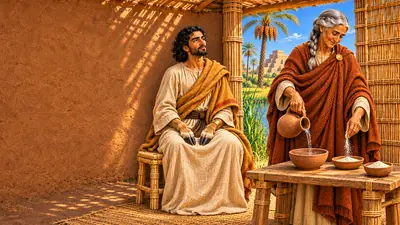
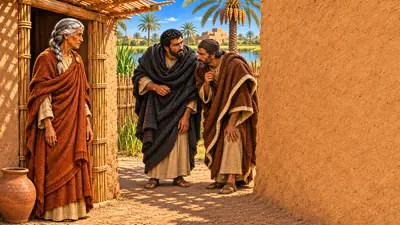
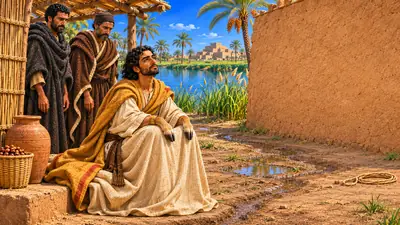
La anciana Belili sirvió el agua y esparció la harina. Después, Dumuzi se sentó dentro de su casa.
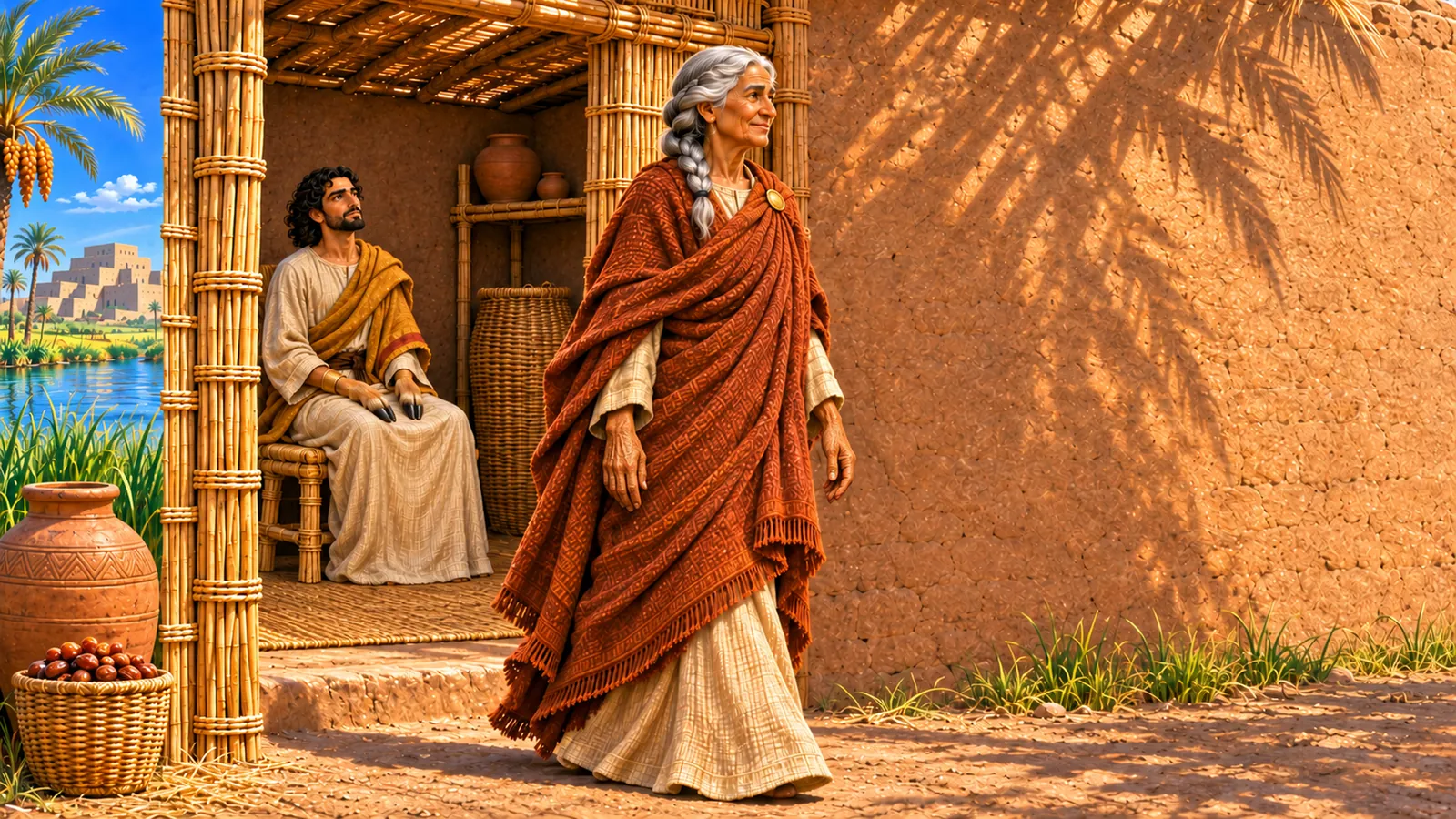
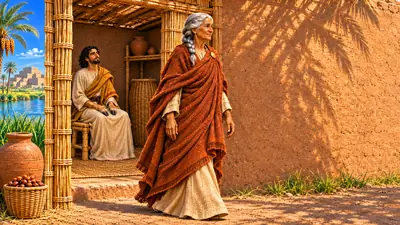
La anciana salió de su casa. Dumuzi se había sentado dentro, donde ella le había dado agua y harina.
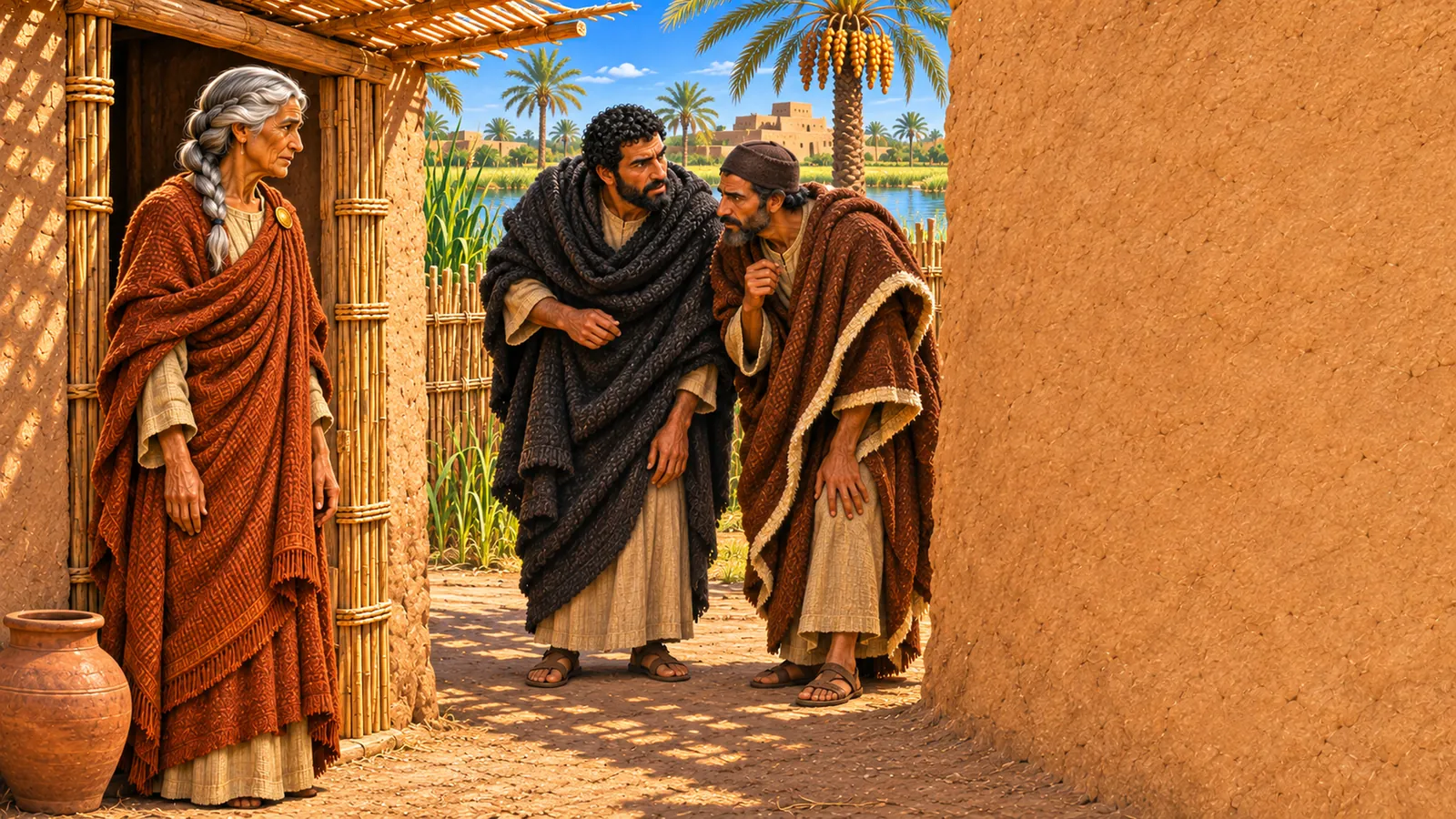
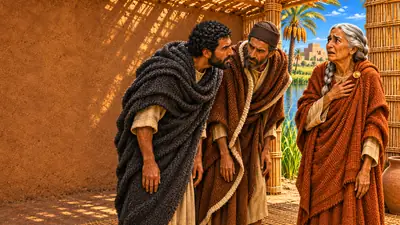
Cuando la anciana salió de la casa, la vieron los demonios que buscaban a Dumuzi.
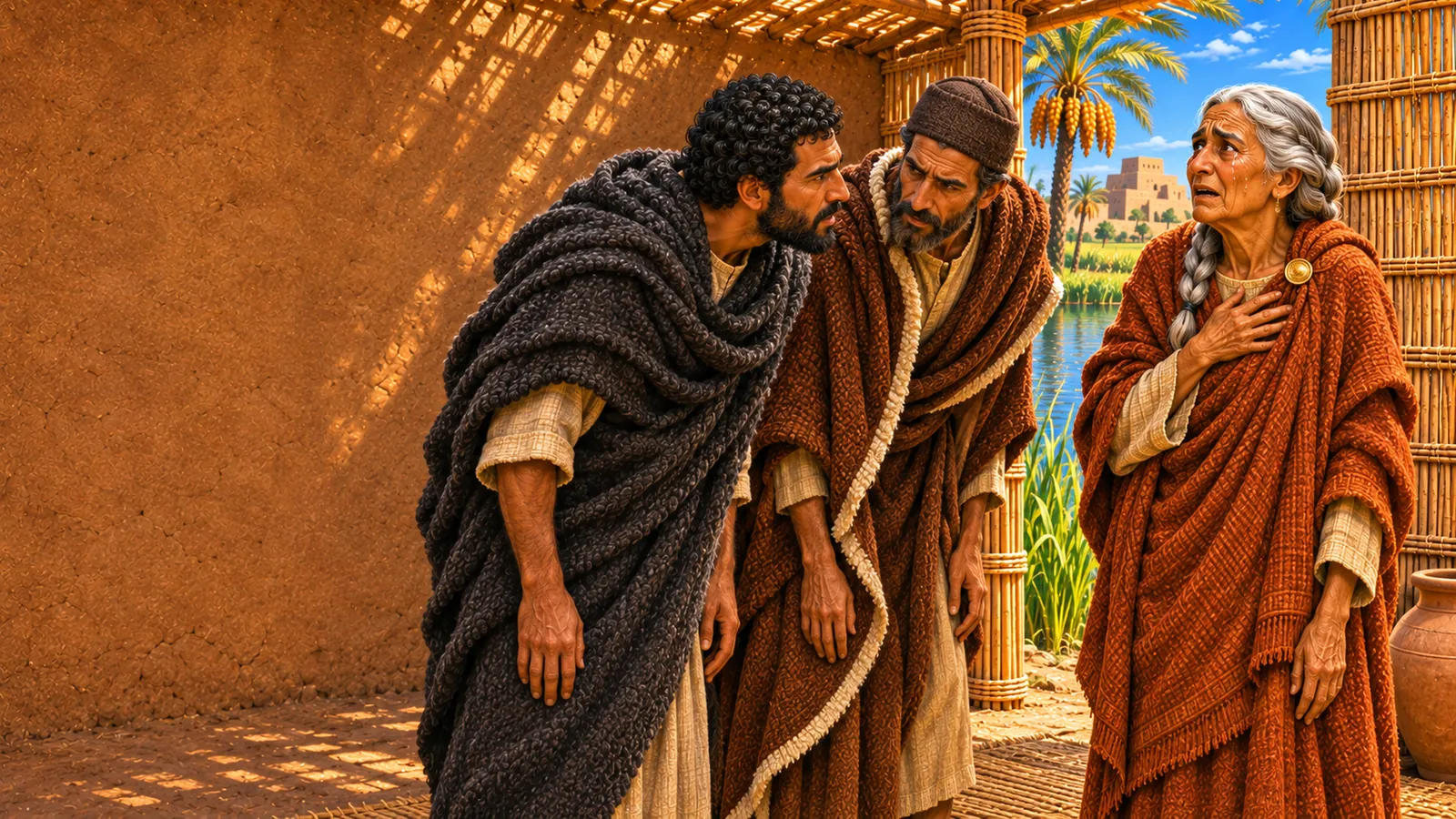
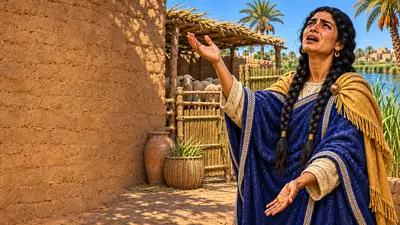
Los perseguidores dijeron que la anciana parecía asustada y gritaba de miedo. Dedujeron que sabía dónde estaba Dumuzi.
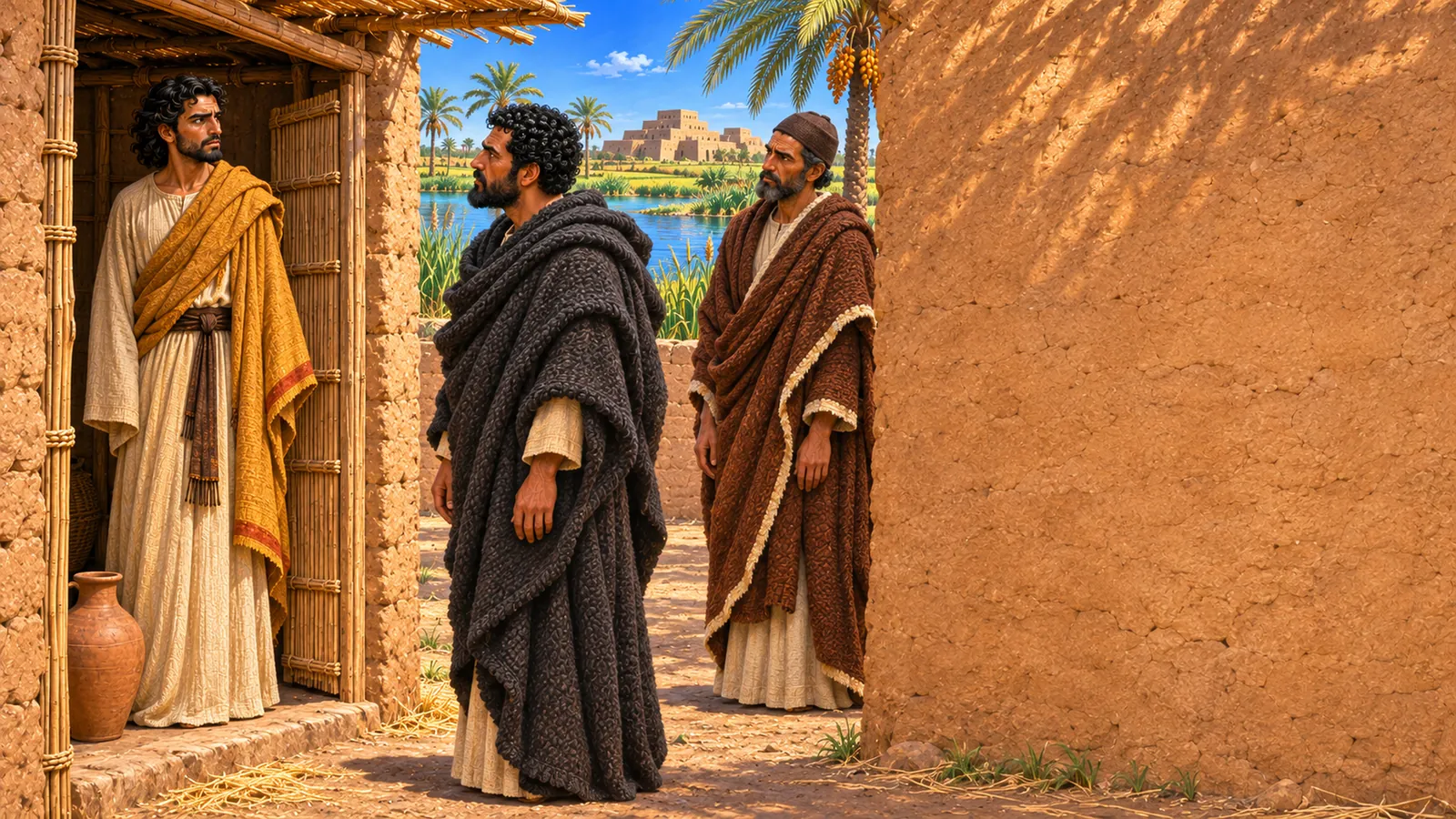
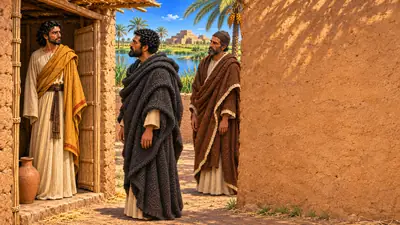
Decidieron ir a la casa de la anciana Belili. Allí atraparon a Dumuzi.
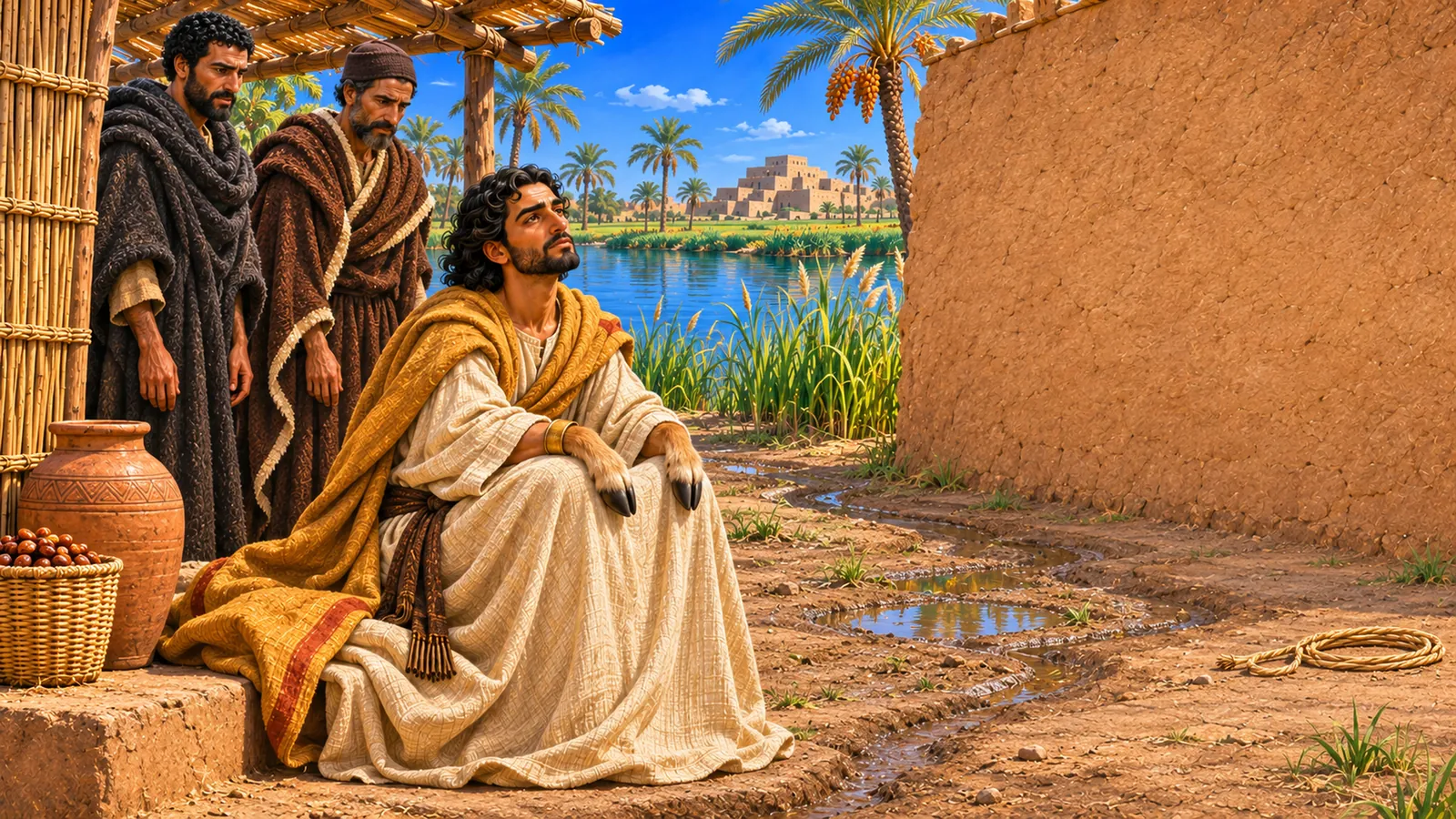
Los hombres rodearon a Dumuzi y drenaron el agua estancada, como la última vez que lo habían atrapado.
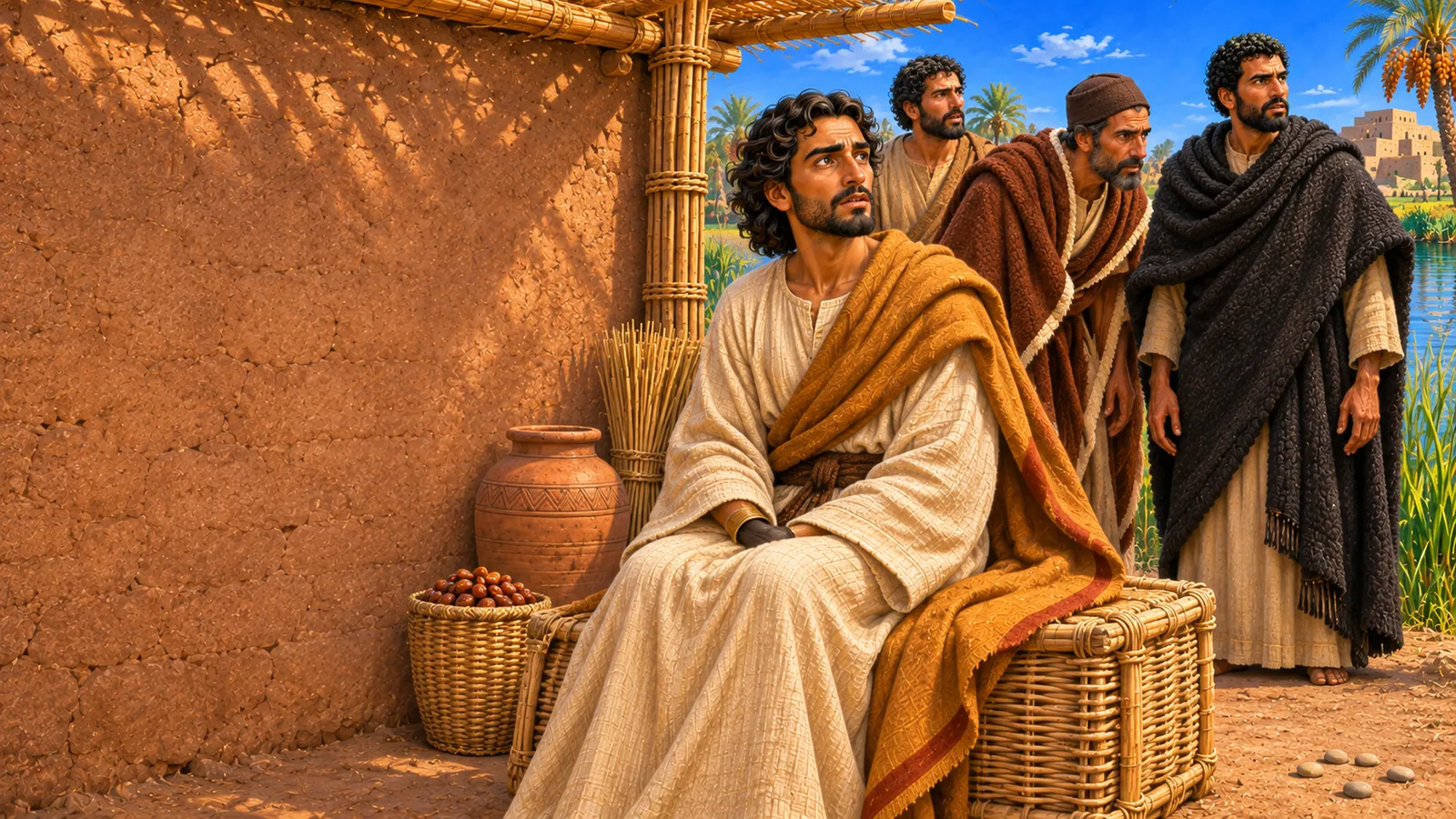
Prepararon cuerdas, una red y palos, y el hombre que estaba delante de Dumuzi le lanzó objetos. Las palabras sobre el hombre que estaba detrás quedan incompletas.

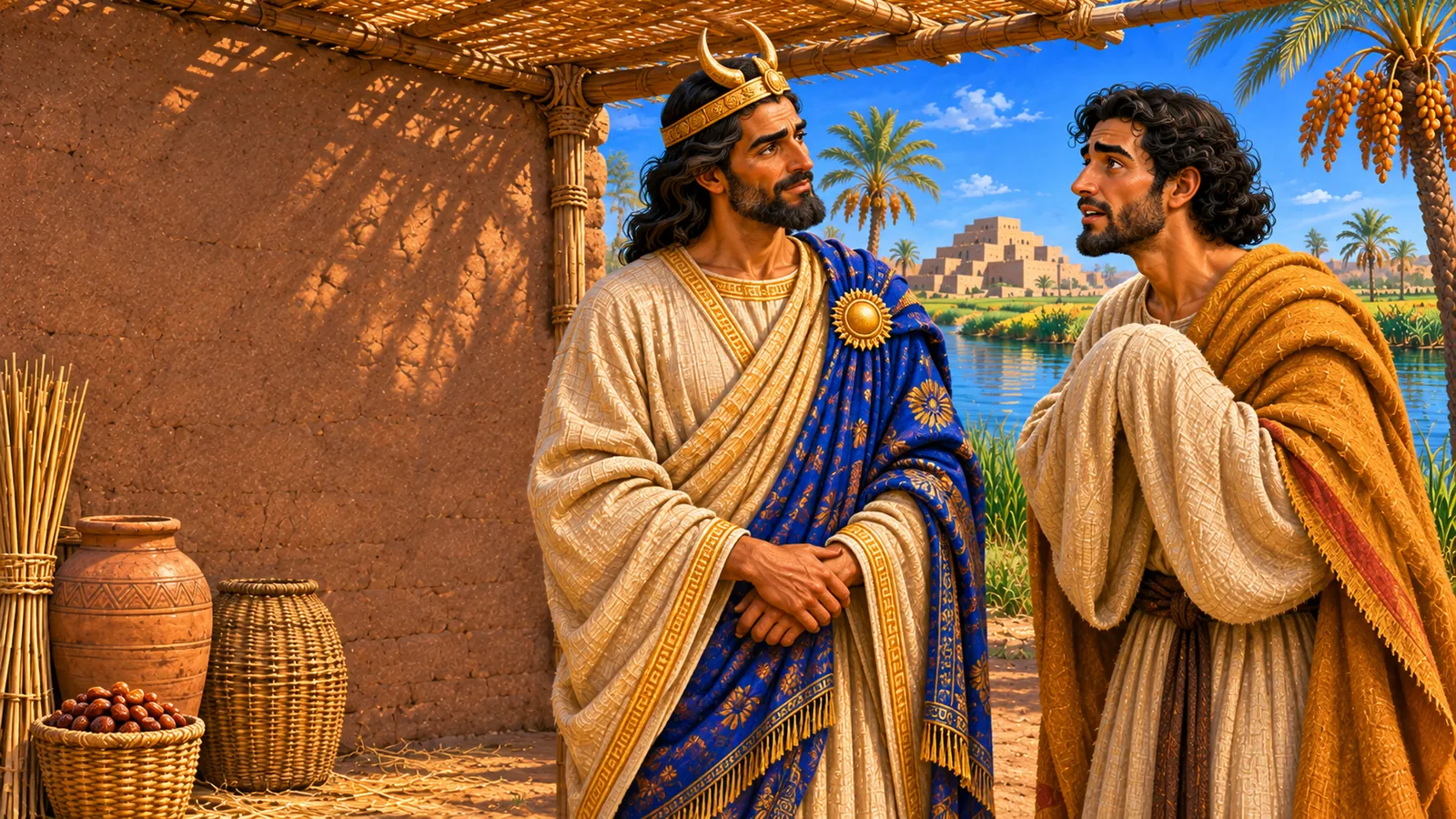
Ataron a Dumuzi las manos y los brazos. Él alzó las manos al cielo para suplicar de nuevo a Utu.
LA TERCERA SÚPLICA
Dumuzi volvió a dirigirse a Utu. Le recordó que eran cuñados y que él estaba casado con su hermana.

Dumuzi recordó que llevaba comida a Eanna y que había traído regalos de boda a Uruk. Habló de besar los labios sagrados y bailar sobre las rodillas sagradas de Inanna.
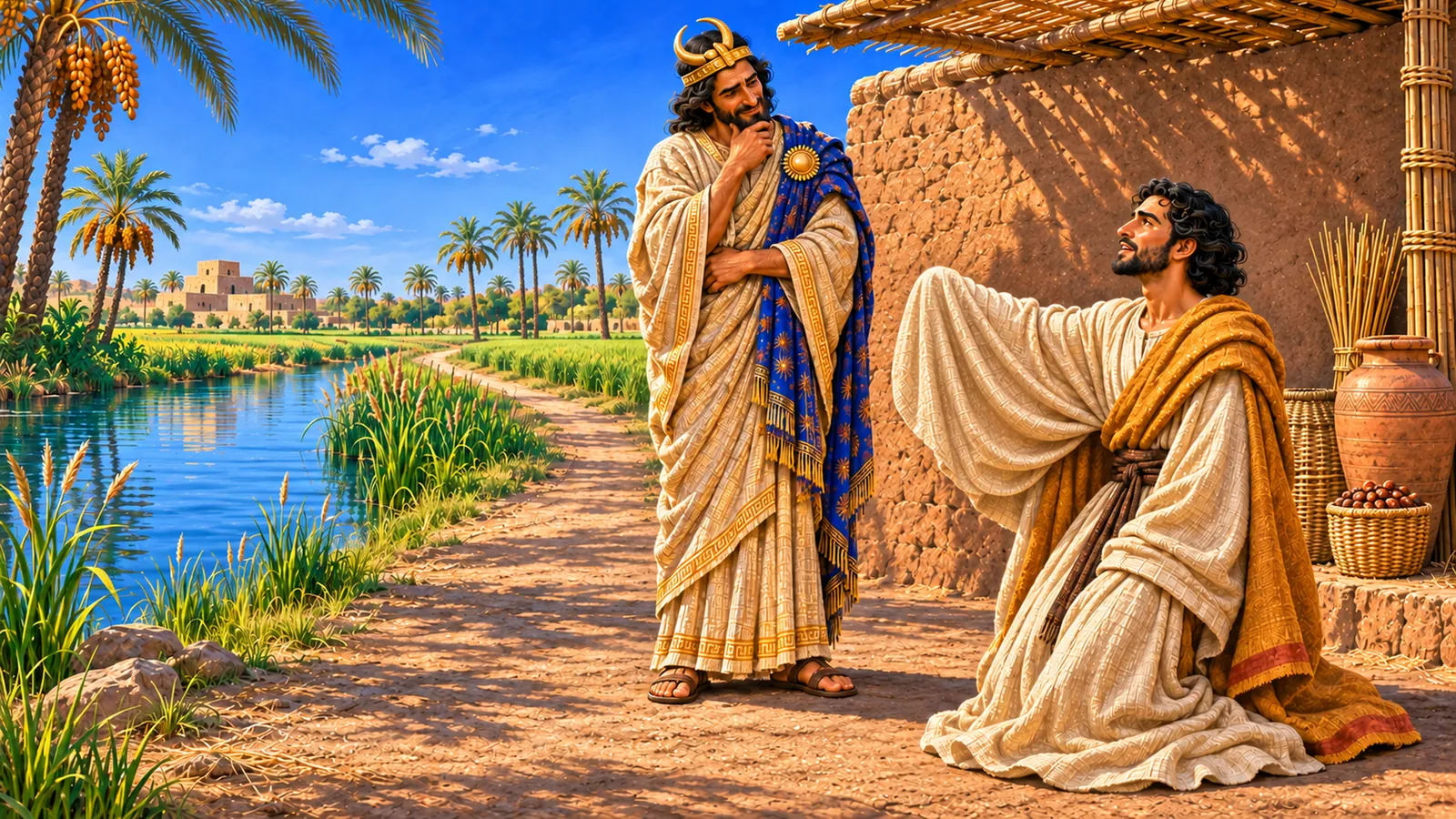
Le pidió a Utu manos y pies de gacela para poder escapar al redil sagrado de su hermana.
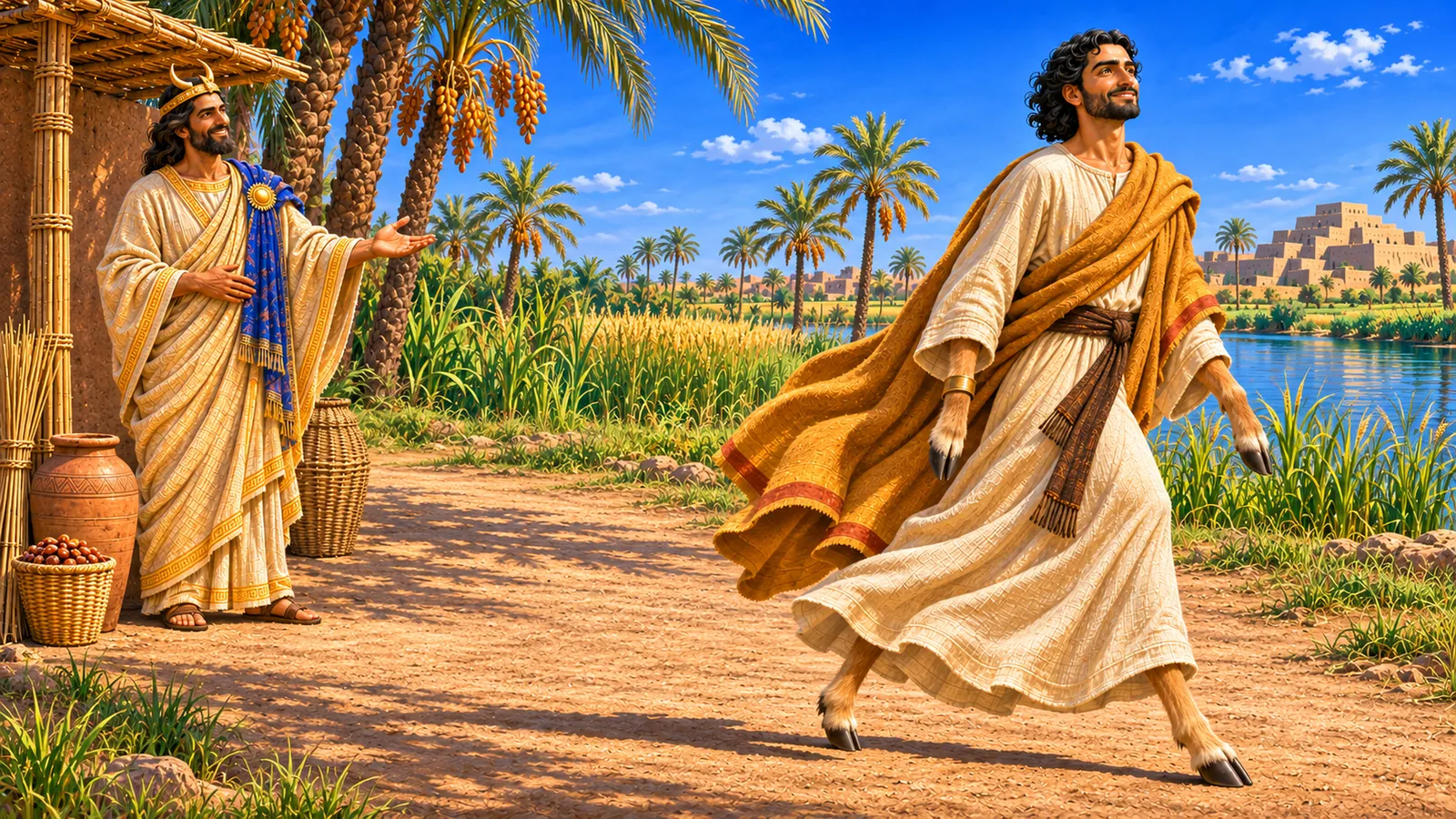
HUIDA
Utu aceptó de nuevo sus lágrimas. Dio a Dumuzi manos y pies de gacela, y Dumuzi escapó de los demonios.
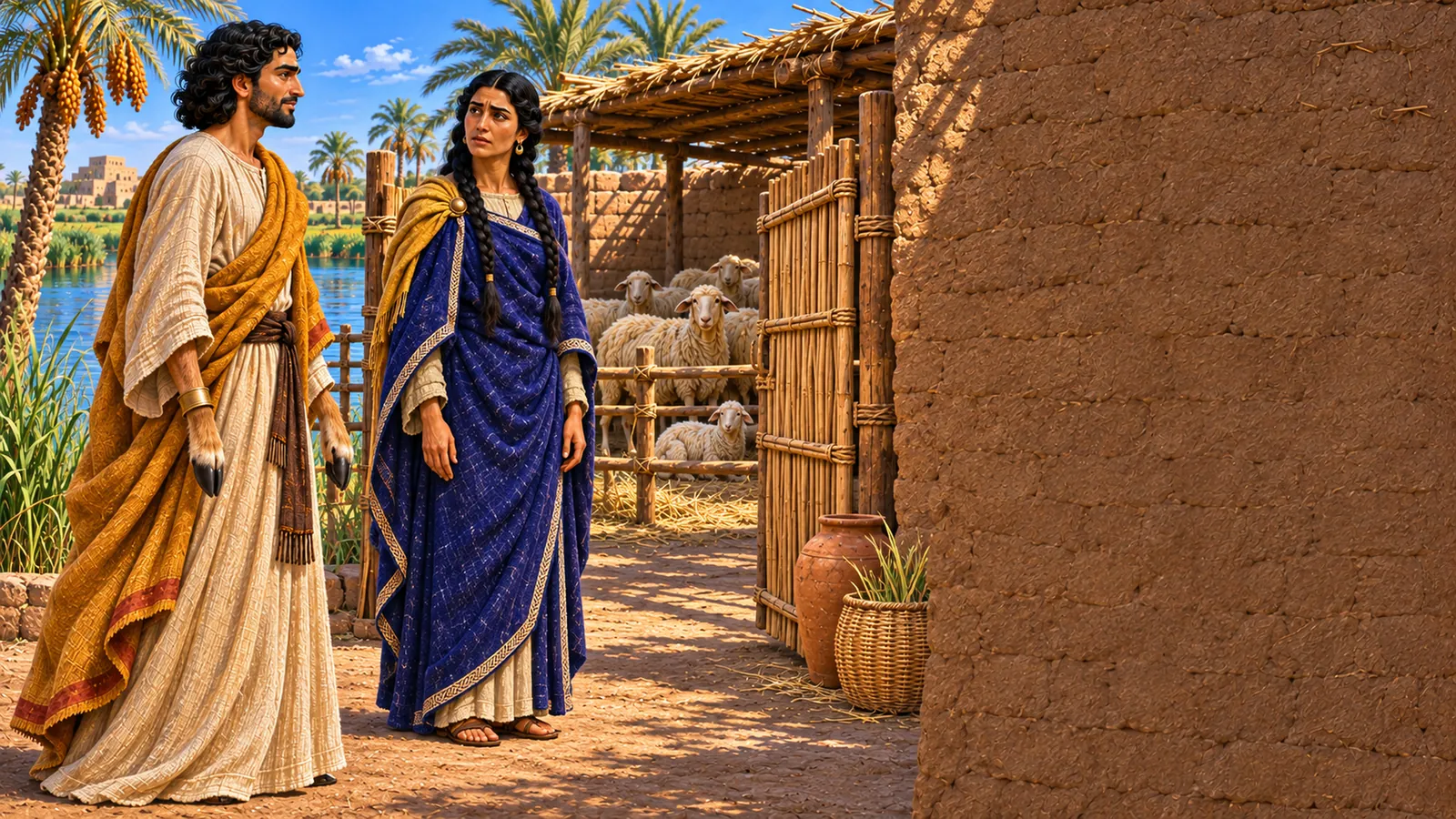
Dumuzi escapó con vida al redil sagrado. Era el redil de su hermana, y se acercó a su entrada.
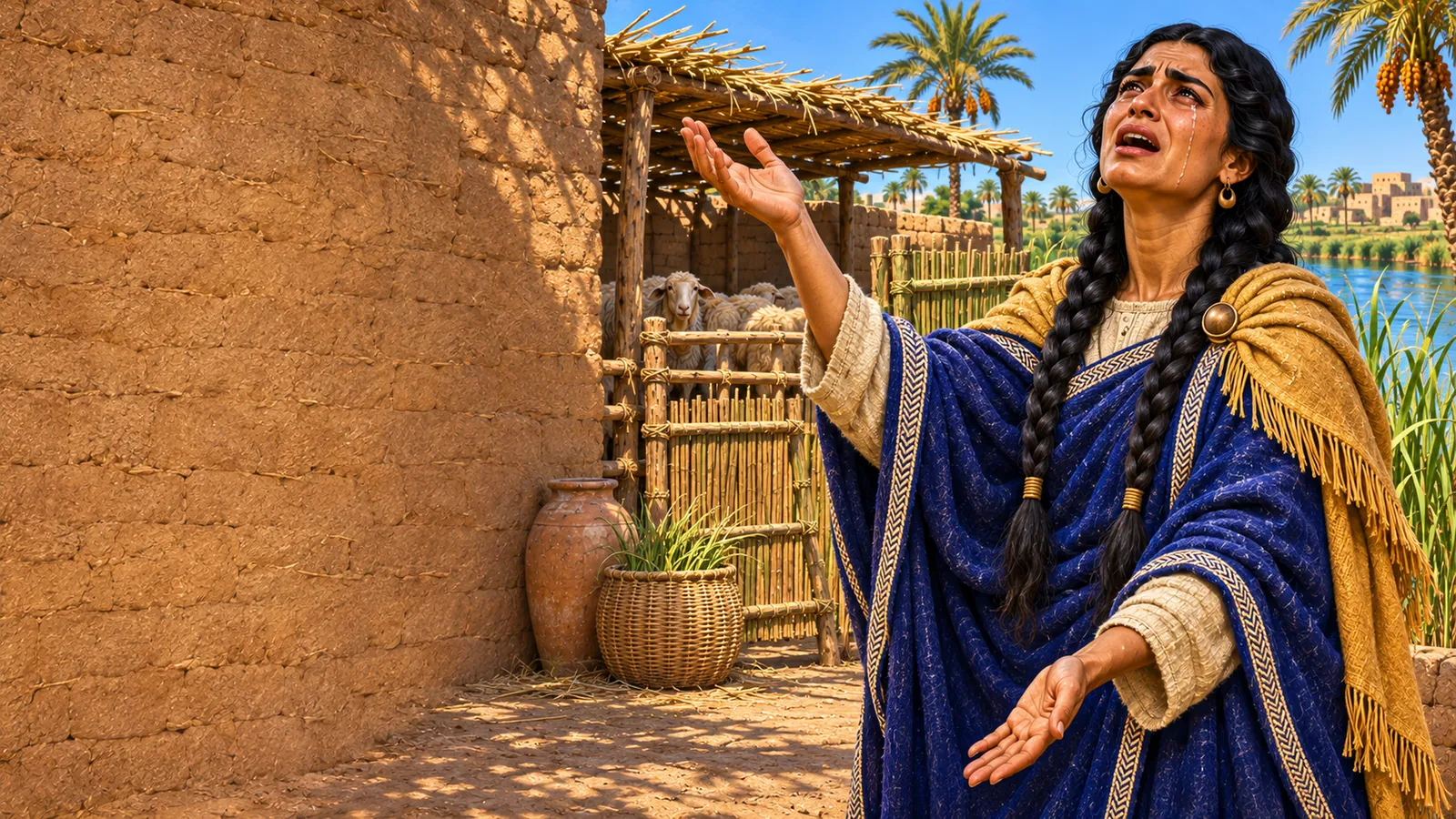
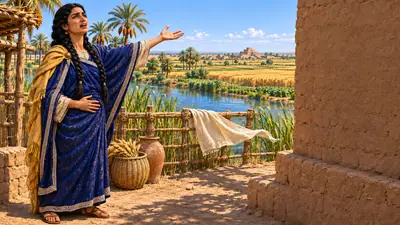
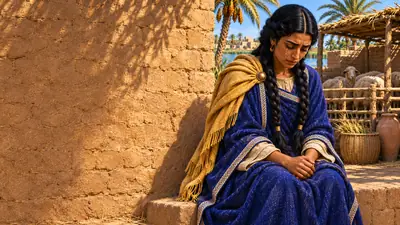
Geštinanna gritó hacia el cielo y hacia la tierra. Su voz se extendió por todo el horizonte, como si pudiera cubrir la campiña.
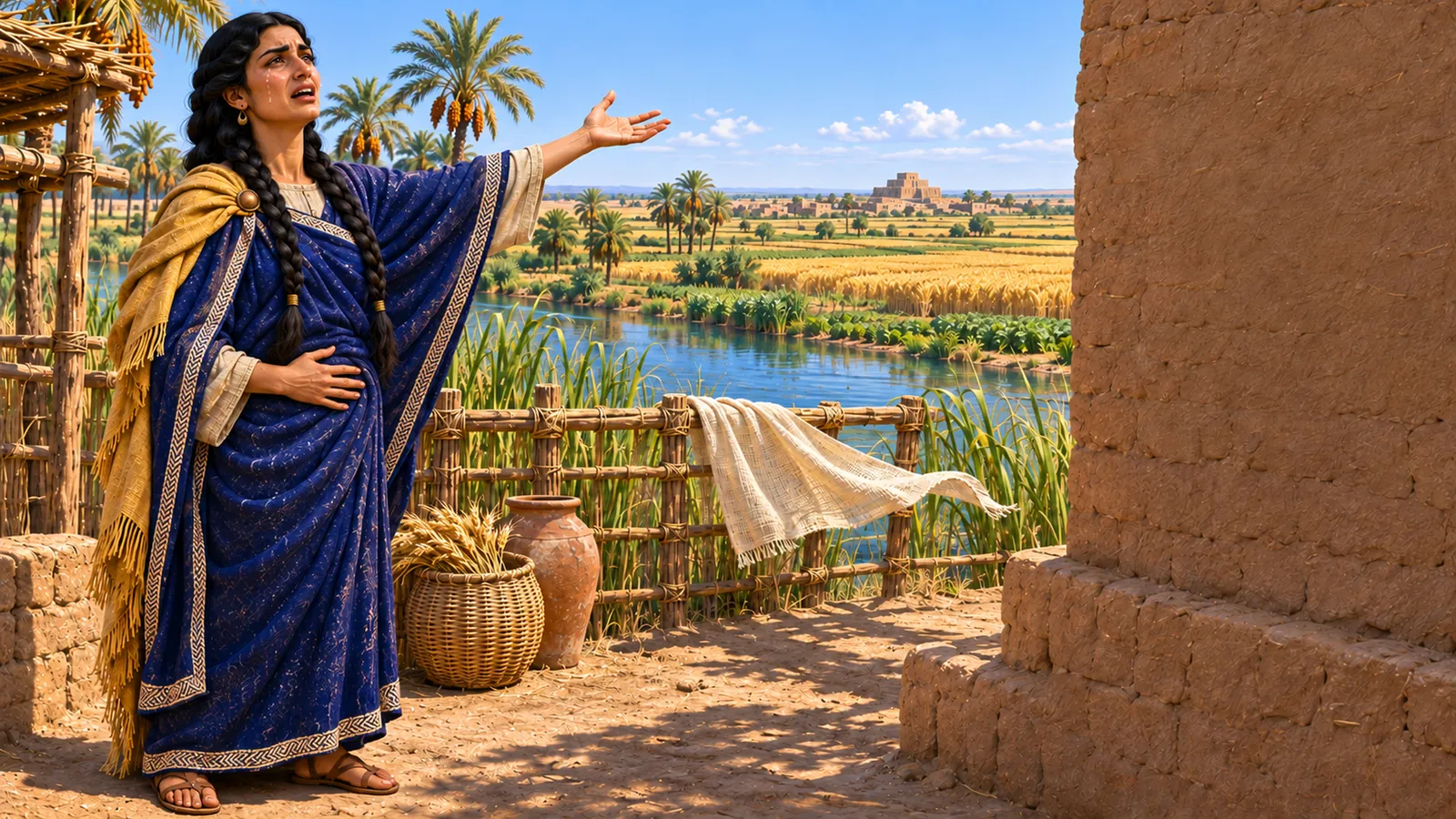
El poema compara sus gritos con una tela tendida sobre el horizonte. Cubrían la tierra lejana como un lienzo de lino.
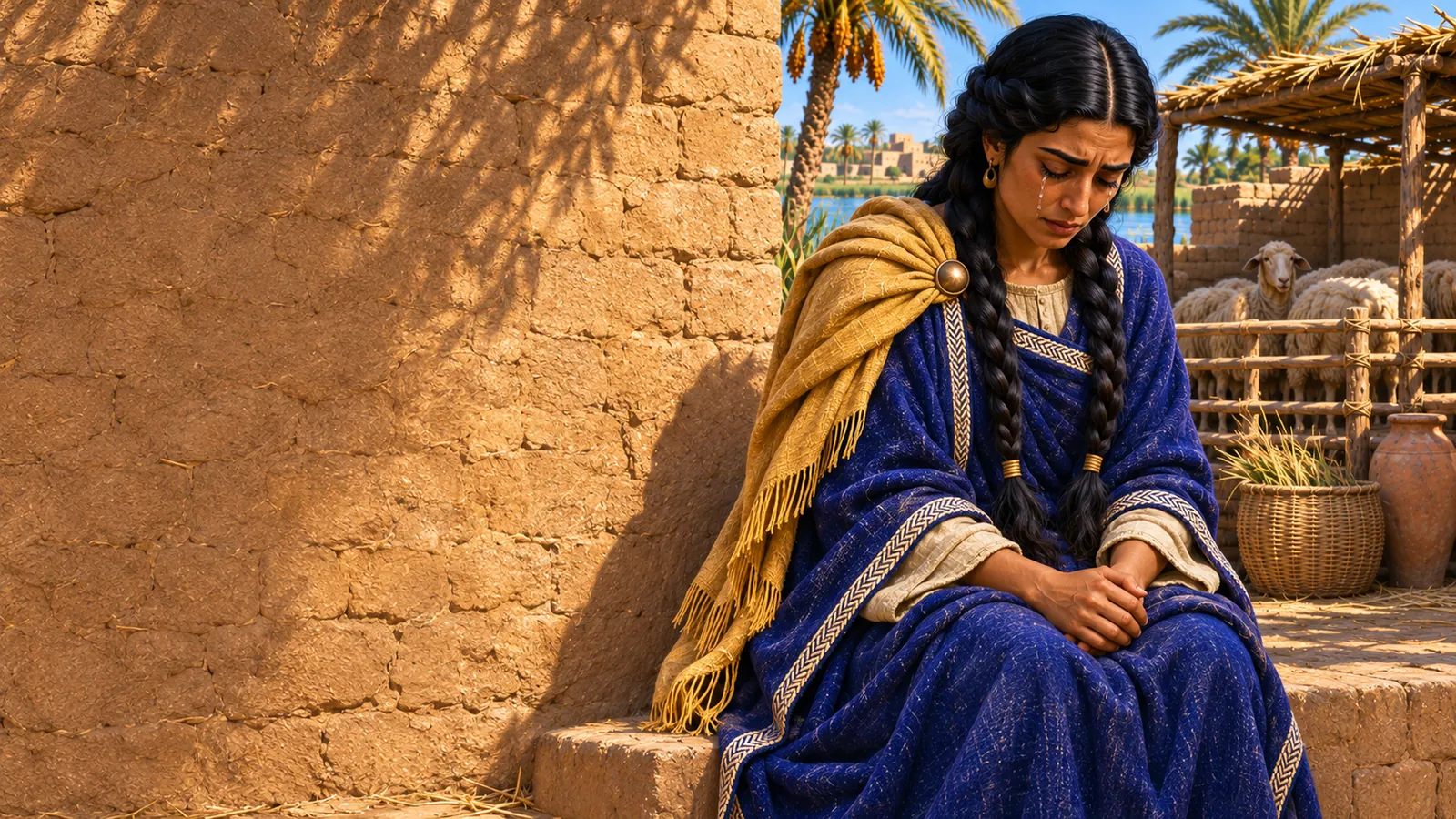
En su duelo, Geštinanna se hizo daño. El poema dice que lo hizo a la vista de otros y que volvió a herirse cuando estaba sola.
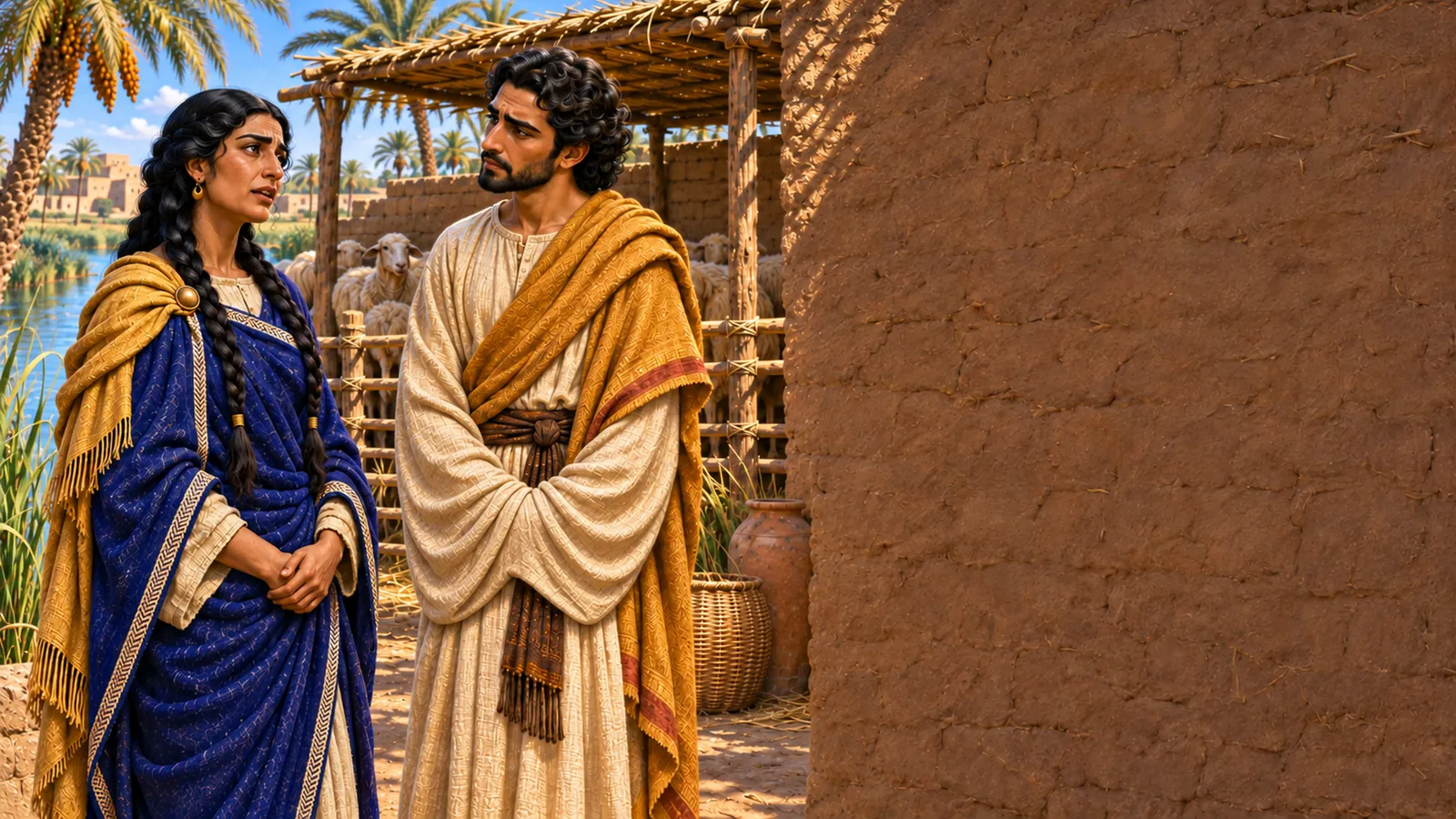
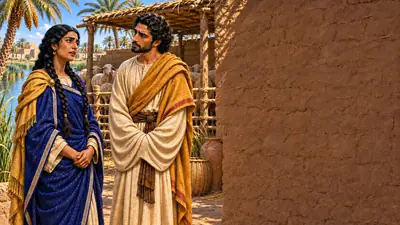
Habló a su hermano de recorrer las calles. Su frase se interrumpe ahí. Ya no está claro qué se proponía hacer.
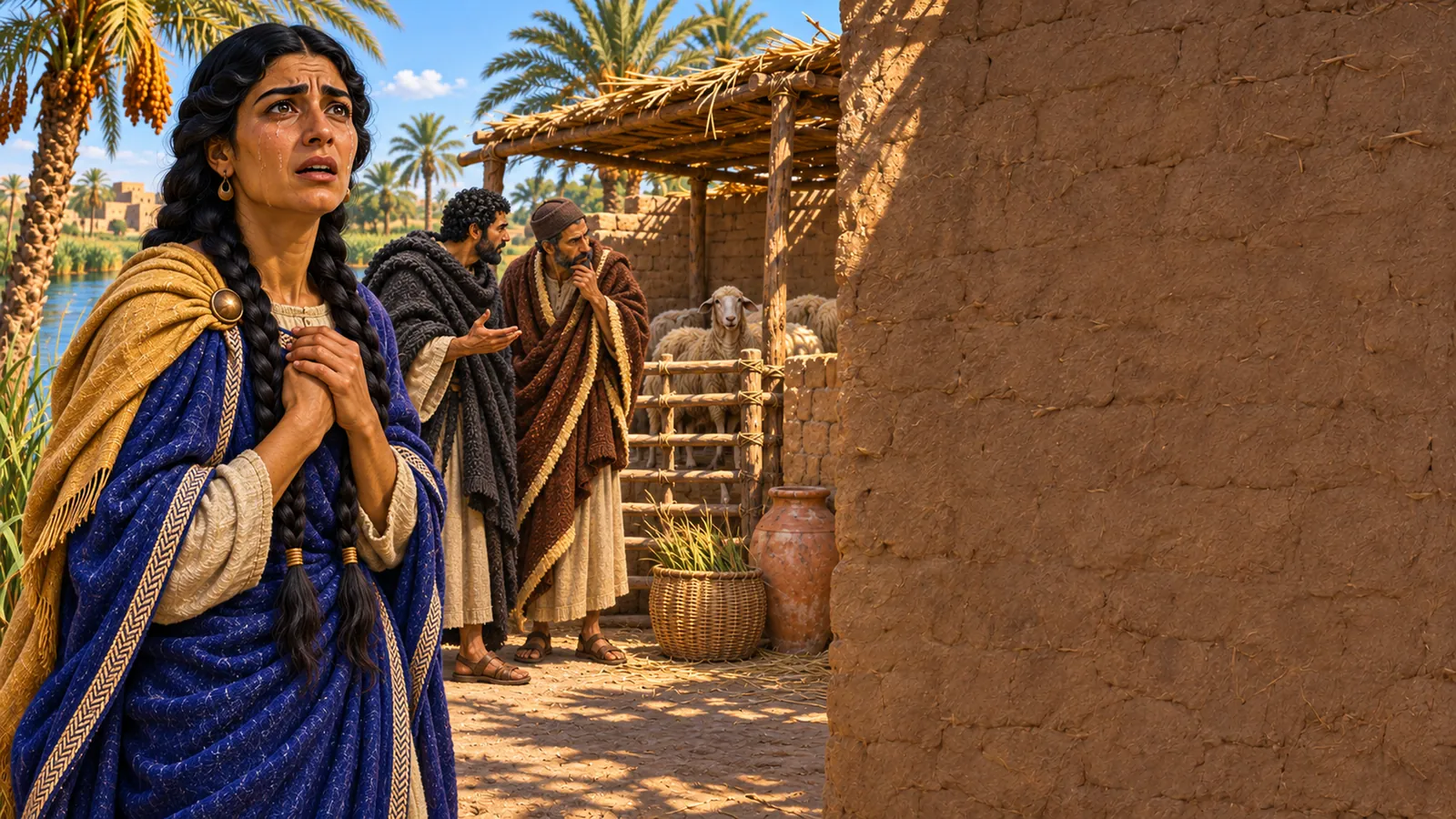
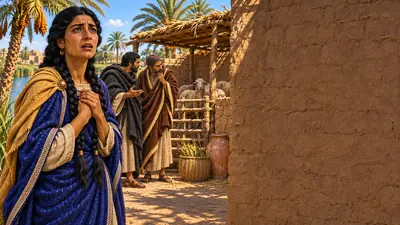
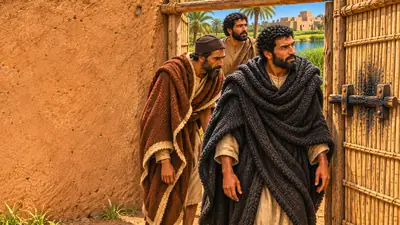
Los demonios oyeron el miedo en su voz y lo tomaron como señal de que sabía dónde estaba Dumuzi. Se dirigieron al redil y al corral de las vacas.
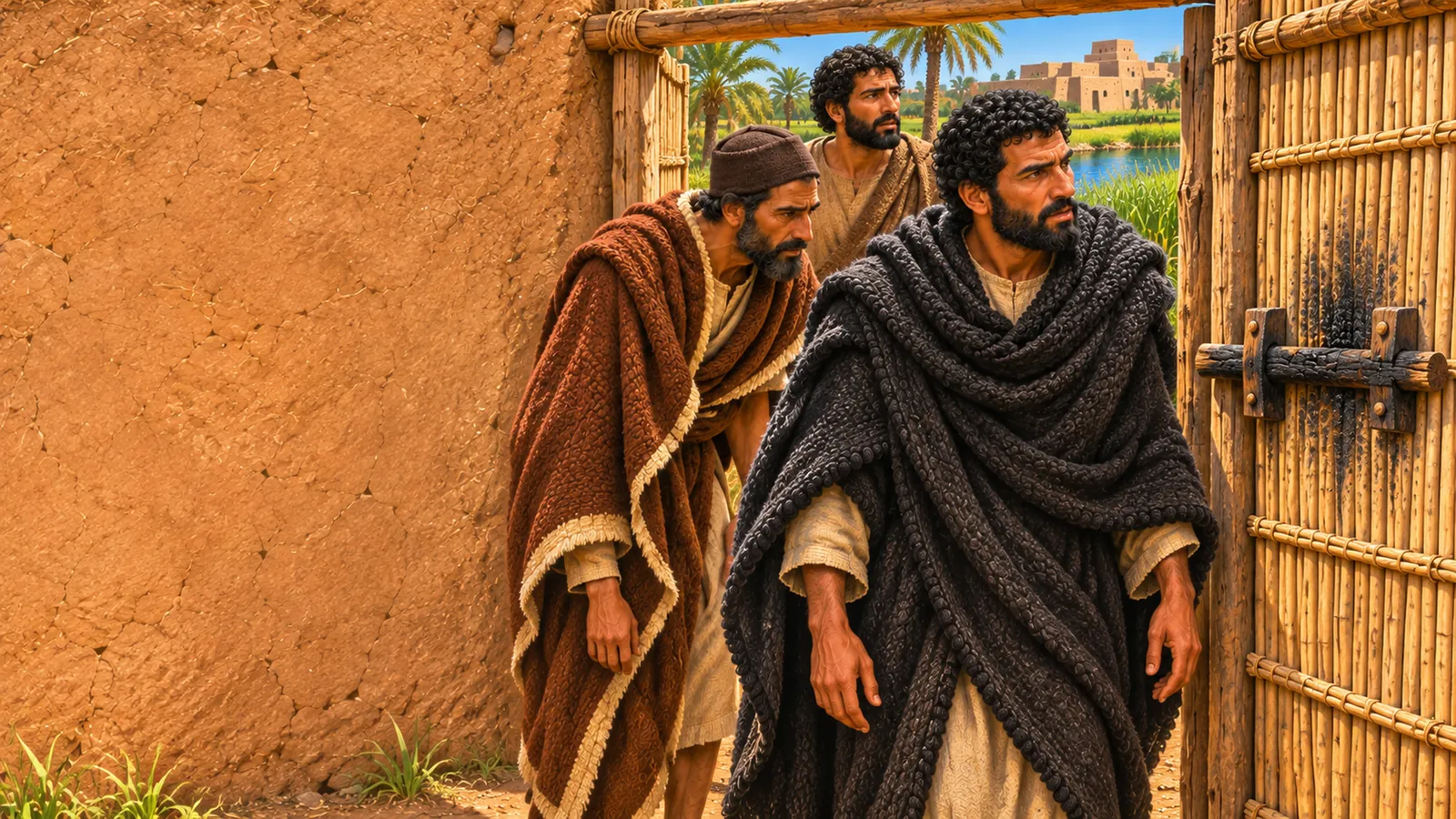
El primer demonio entró en el redil y en el corral de las vacas. En la versión principal prendió fuego al cerrojo de la puerta.
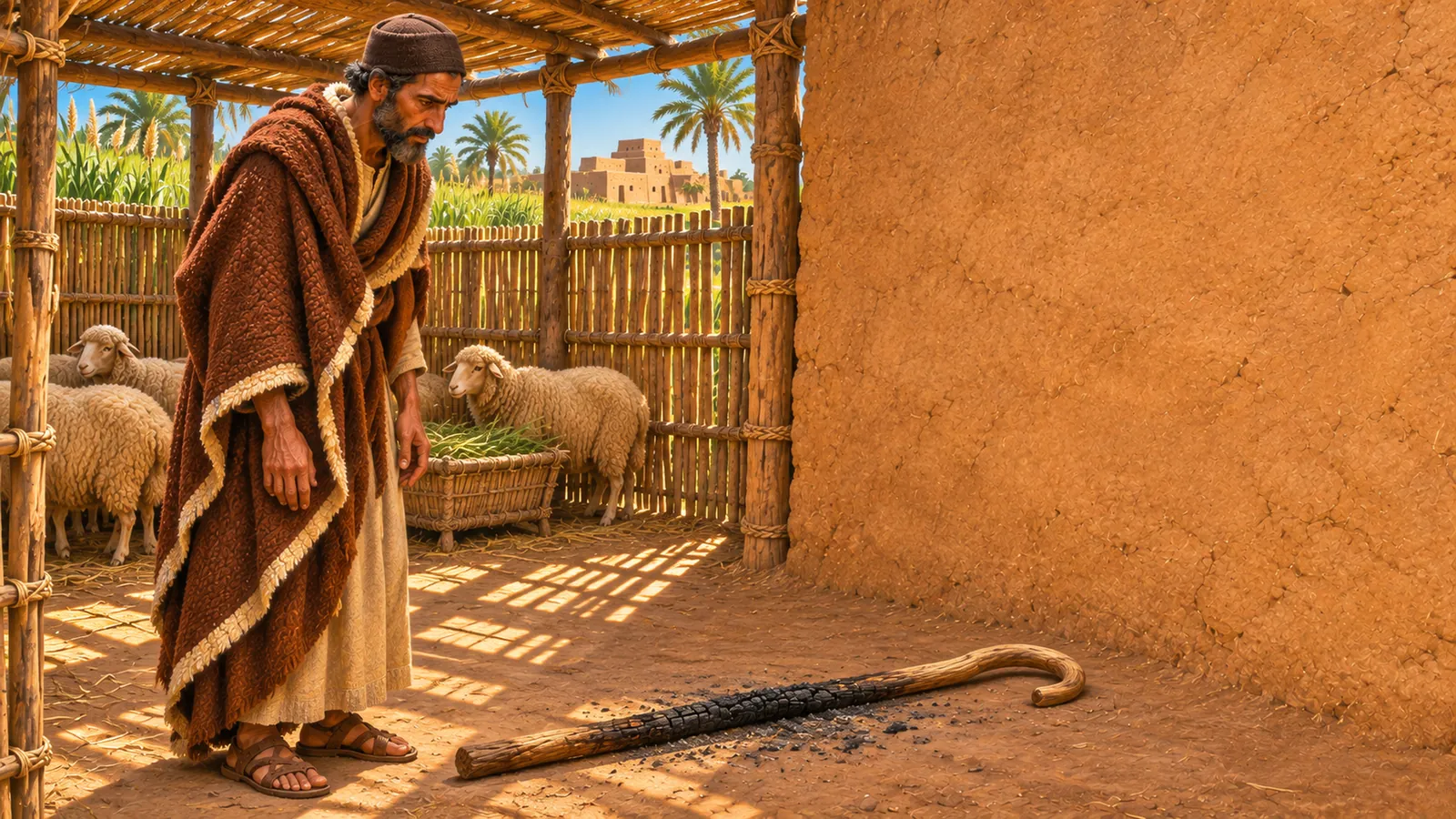
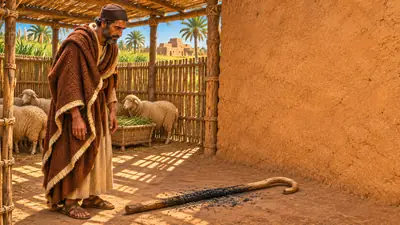
El segundo demonio entró en el redil y en el corral de las vacas y quemó el cayado del pastor. En el sueño de Dumuzi ya había desaparecido un cayado.
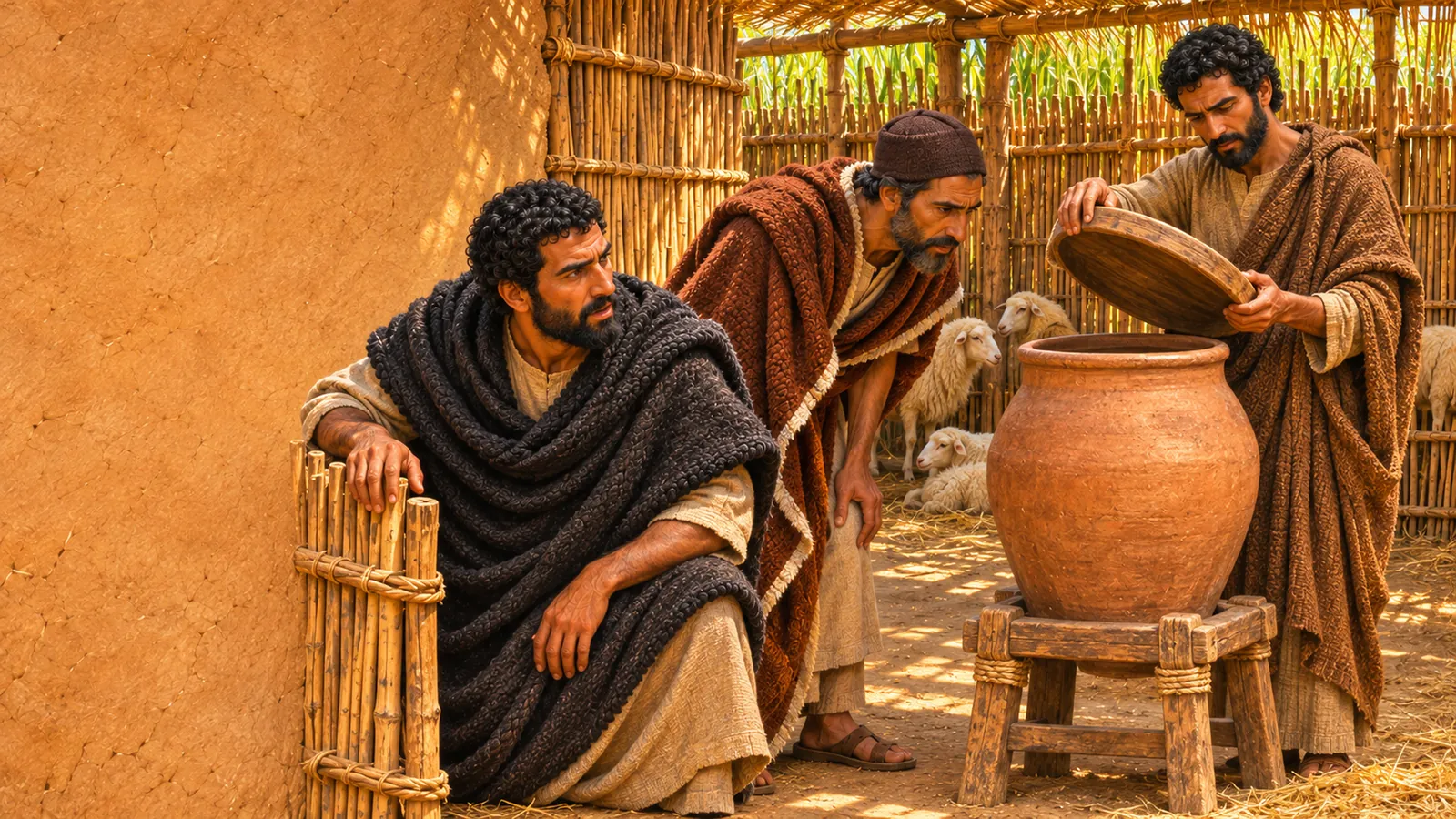
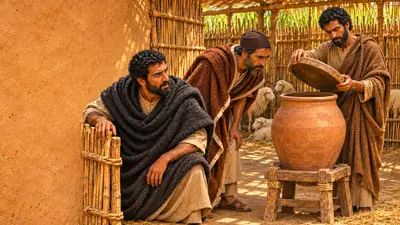
El tercer demonio entró en el redil y en el corral de las vacas. Quitó la tapa de la mantequera sagrada, tal como Dumuzi había visto en su sueño.
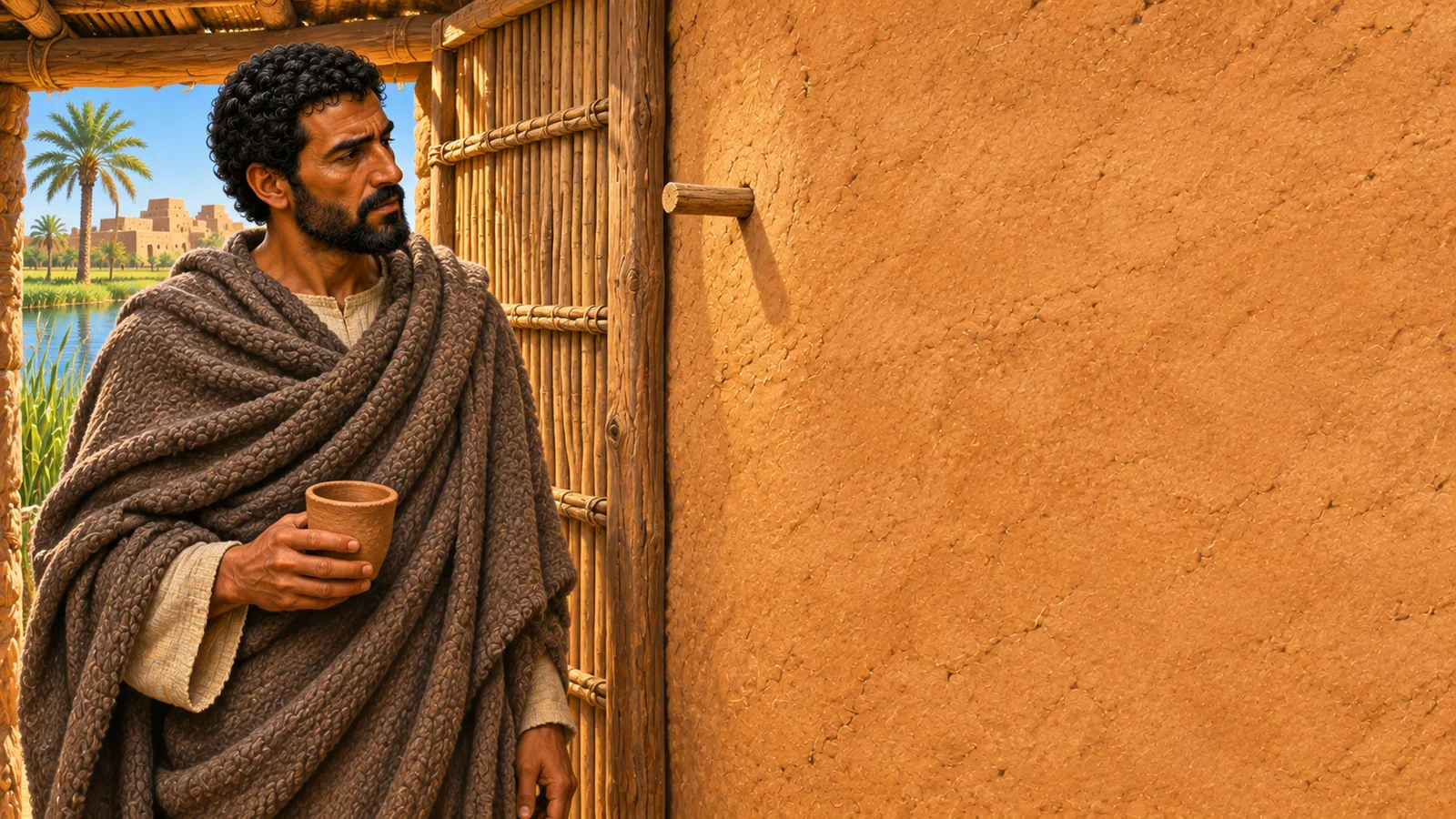
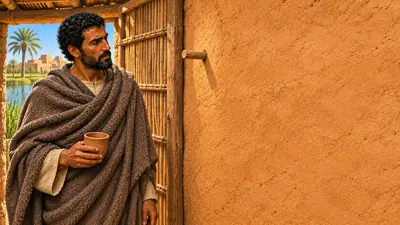
El cuarto demonio entró y arrancó la copa de la clavija de la que colgaba. También la copa había caído en el sueño de Dumuzi.
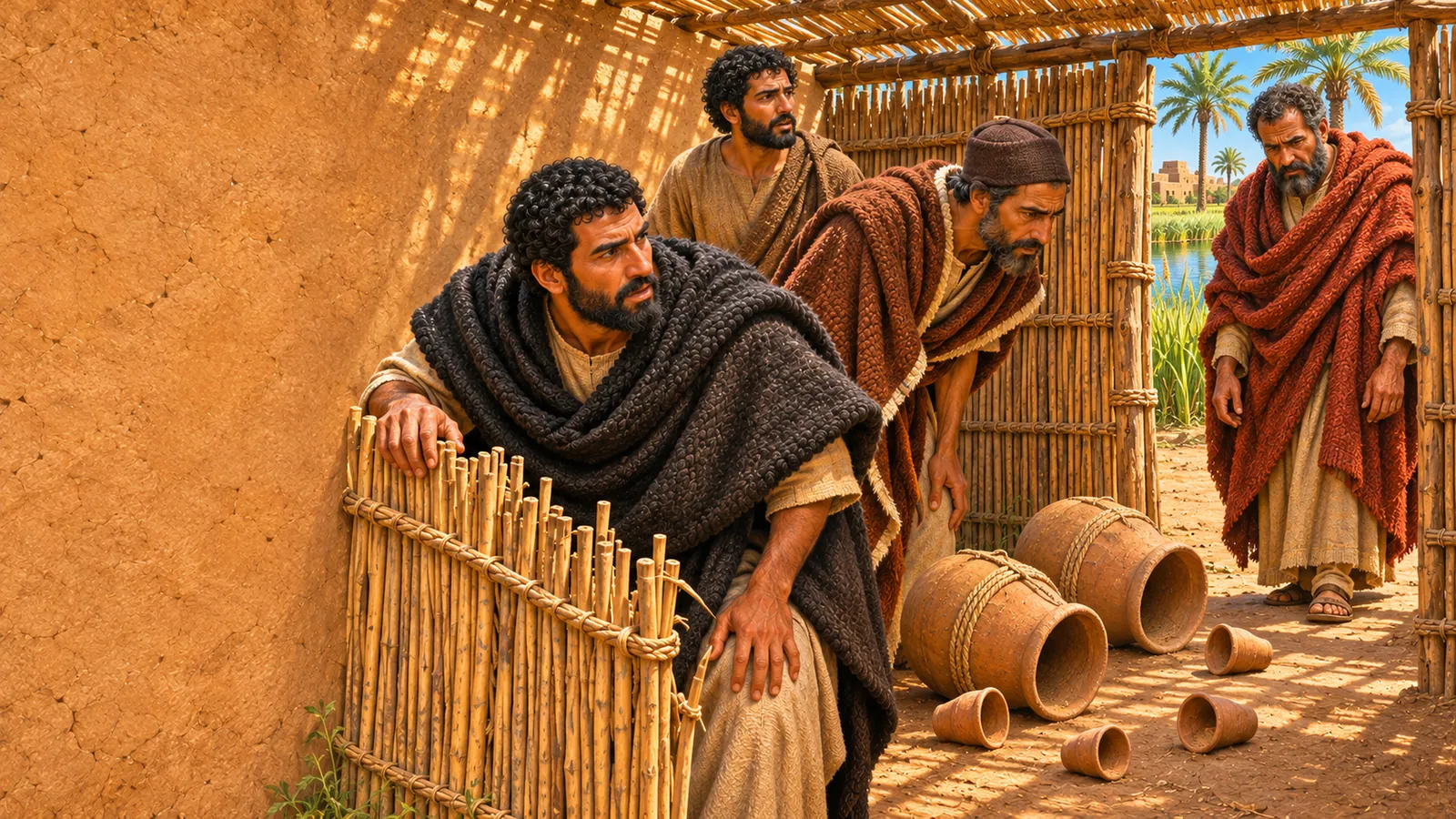
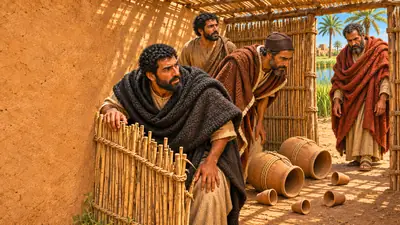
Cuando entró el quinto demonio en la versión principal, las mantequeras y las copas yacían de lado. Nadie vertía leche en el redil.
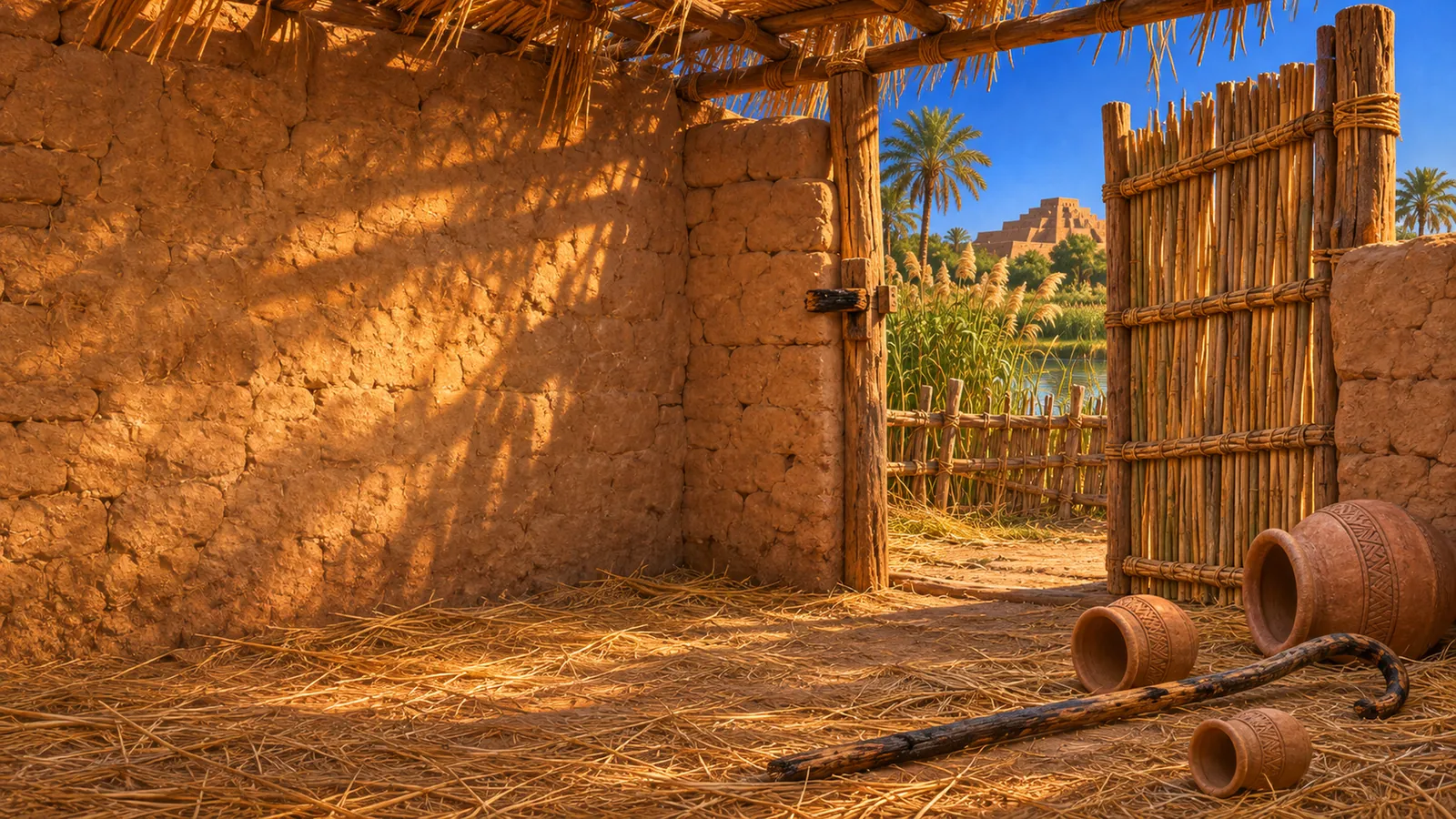
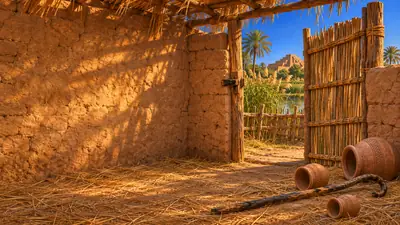
Dumuzi había muerto y el redil quedó embrujado. La última escena del sueño se había cumplido. El poema deja el lugar sin su pastor.

LAMENTO
El último verso llama a este un canto kalkal por Dumuzi muerto. Da un nombre al lamento que queda tras el silencio del redil.
Fin del capítulo 2
Todas las páginas






Fuentes
Oxford groups the translation into line ranges. Each page follows the beat within its cited group. Eanna, Uruk and Inanna are the names used here for Oxford’s E-ana, Unug and Inana. Ku-bireš and Ku-bireš-dildareš render Oxford’s Ku-birec and Ku-birec-dildarec.
Ediciones consultadas
Notas sobre este relato
Pages 1–4, lines 165–173. Dumuzi addresses Utu as his brother-in-law and calls himself the husband of Utu’s sister. He mentions carrying food to Eanna and bringing wedding gifts to Uruk. Page 3 gives his claim that he kisses Inanna’s sacred lips and dances on her sacred knees, the words of his appeal. On page 4 he asks for gazelle hands and feet so he can escape to Ku-bireš-dildareš. These spellings follow the story’s naming conventions. Oxford prints E-ana, Unug, Inana and Ku-birec-dildarec.
Page 5, lines 174–180. Utu accepts Dumuzi’s tears and shows mercy. One manuscript adds that he accepts the tears as a gift.
Pages 6–8, lines 174–180. The translation specifies Dumuzi’s hands and feet in describing the change. He evades the demons and reaches Ku-bireš-dildareš with his life. They look for him without finding him at first.
Pages 9–10, lines 181–191. The pursuers propose going to Ku-bireš. One witness adds a broken comparison involving a net after this suggestion. Oxford prints Ku-birec.
Pages 11–12 (181–191). Adjacent pages preserve the order to go to Ku-bireš and the capture there. The captured Dumuzi is surrounded, the standing water drained and a cord, net, reed hawser and sticks prepared. Oxford describes the man in front throwing projectiles and preserves no action for the man behind. The poem says they bound Dumuzi’s hands and arms and then describes him raising his hands toward Utu. Page 12 retains that sequence. The manuscript addition with the comparison to a net belongs with the earlier order.
Pages 13–15 (192–199). The appeal begins with Dumuzi identifying Utu as his brother-in-law. Dumuzi says he carries food to Eanna and brought wedding gifts to Uruk, and invokes Inanna’s lips and knees. Then he requests the hands and feet of a gazelle so that he can escape to the house of Old Woman Belili. One manuscript reads snake in place of gazelle in both phrases. The narrative request is distinct from its fulfillment.
Pages 16–17 (200–205). Utu accepts Dumuzi’s tears and changes his hands and feet into those of a gazelle in the composite text. One manuscript reads snake as the alternative for both. The composite gives his evasion and escape with his life to Belili’s house.
Pages 18–19 (206–208). Dumuzi identifies himself as a goddess’s husband and makes two requests, first for water to drink and then for flour to eat.
Page 20 (209–212). The first surviving sequence is Belili pouring water, sprinkling flour, and Dumuzi sitting inside. The next pages take up Belili leaving and the demons seeing her. The edition gives no eating or drinking action between the request and Dumuzi’s sitting down.
Pages 21–22 (209–212). After the old woman gives Dumuzi water and flour, he sits inside. She goes outside, and the demons see her.
Pages 23–24 (213–226). The searchers remark on the old woman’s frightened appearance and cries. They infer that she knows Dumuzi’s whereabouts and decide to go to the house of Old Woman Belili, where they catch him. The explanation of her fear comes from them. The translation gives no disclosure by Belili.
Pages 25–27 (213–226). The men drain the standing water around Dumuzi and prepare a cord, a net, a reed hawser and sticks. The man in front throws projectiles at him, and the words about the man behind him break off. The translation names handcuffs and fetters on his hands and arms. He raises his hands heavenward to Utu, and the next numbered passage begins his third appeal.
Pages 28–30 (227–234). Dumuzi calls Utu his brother-in-law and himself the husband of Utu’s sister. He speaks of kissing holy lips and dancing on Inanna’s holy knees. Here the request is for the hands and feet of a gazelle so he can escape to his sister’s holy sheepfold. The snake reading is a variant of the ensuing transformation at 235–244.
Pages 31–32, ETCSL 1.4.3, lines 235–244. Utu hears the appeal, changes Dumuzi’s hands and feet, and he escapes toward his sister’s holy sheepfold. Oxford gives gazelle limbs in the main text and snake limbs in a manuscript variant.
Pages 33–35, lines 235–244. Geštinanna cries toward heaven and earth. Her cries are likened to spread cloth and linen.
Page 35 (ETCSL 1.4.3, lines 235–244).
Pages 36–37, lines 245–255. The opening speech to her brother breaks off after a phrase about going through the streets. The pursuers infer from her fear and cries that she knows where Dumuzi is, then decide to go to the sheepfold and cow-pen. Their inference belongs to their speech.
Pages 38–40, lines 245–255. The first demon sets fire to the bolt in Oxford’s main reading. One manuscript has a shout followed by damaged wording. The second burns the shepherd’s staff and the third removes the churn lid. These are the separate actions in the main sequence.
Pages 41–43, lines 256–260. The fourth tears the cup from its peg in the main reading. At the fifth entry, churns and cups lie on their sides, no milk is poured, Dumuzi is dead and the sheepfold is haunted. One manuscript adds water poured over the brazier at the fourth entry, shifts the cup to the fifth and divides the concluding signs between the sixth and seventh.
Page 44, line 261. Oxford marks the last line as the description of a kalkal song for the dead Dumuzi. This poem ends at that description.
Los versos antiguos de cada página
- Page 1: ETCSL 1.4.3, lines 165–173
The ditches suggest the place of the plea rather than a named monument. - Page 2: ETCSL 1.4.3, lines 165–173
- Page 3: ETCSL 1.4.3, lines 165–173
- Page 4: ETCSL 1.4.3, lines 165–173
- Page 5: ETCSL 1.4.3, lines 174–180
- Page 6: ETCSL 1.4.3, lines 174–180
- Page 7: ETCSL 1.4.3, lines 174–180
- Page 8: ETCSL 1.4.3, lines 174–180
- Page 9: ETCSL 1.4.3, lines 181–191
- Page 10: ETCSL 1.4.3, lines 181–191
At extreme lower left an overhanging fragment of bare cracked clay receives a narrow muted warm highlight. - Page 11: ETCSL 1.4.3, lines 181–191
- Page 12: ETCSL 1.4.3, lines 181–191
- Page 13: ETCSL 1.4.3, lines 192–199
- Page 14: ETCSL 1.4.3, lines 192–199
The right falls into broad naturally even gray-olive plaster shade, with no roof edge or right line. - Page 15: ETCSL 1.4.3, lines 192–199
- Page 16: ETCSL 1.4.3, lines 200–205
- Page 17: ETCSL 1.4.3, lines 200–205
Left is continuous natural copper-gray distance with no horizon line or street. - Page 18: ETCSL 1.4.3, lines 206–208
- Page 19: ETCSL 1.4.3, lines 206–208
- Page 20: ETCSL 1.4.3, lines 209–212
- Page 21: ETCSL 1.4.3, lines 209–212
- Page 22: ETCSL 1.4.3, lines 209–212
- Page 23: ETCSL 1.4.3, lines 213–226
- Page 24: ETCSL 1.4.3, lines 213–226
- Page 25: ETCSL 1.4.3, lines 213–226
- Page 26: ETCSL 1.4.3, lines 213–226
- Page 27: ETCSL 1.4.3, lines 213–226
- Page 28: ETCSL 1.4.3, lines 227–234
A narrow ochre earth bank and a low line of reed roots occupy only the lowest third. - Page 29: ETCSL 1.4.3, lines 227–234
- Page 30: ETCSL 1.4.3, lines 227–234
A pastoral track runs across the lower right toward a distant low reed sheepfold, both remaining wholly to the right of the middle line. - Page 31: ETCSL 1.4.3, lines 235–244
- Page 32: ETCSL 1.4.3, lines 235–244
- Page 33: ETCSL 1.4.3, lines 235–244
A broad nearly empty Sumerian plain with a low distant line of river reeds. Overhead natural pale dust and diffuse dusk form a calm continuous lead-blue and faint rose field, with no sharp lower sky edge in the text reserve. - Page 34: ETCSL 1.4.3, lines 235–244
- Page 35: ETCSL 1.4.3, lines 235–244
- Page 36: ETCSL 1.4.3, lines 245–255
- Page 37: ETCSL 1.4.3, lines 245–255
- Page 38: ETCSL 1.4.3, lines 245–255
- Page 39: ETCSL 1.4.3, lines 245–255
- Page 40: ETCSL 1.4.3, lines 245–255
- Page 41: ETCSL 1.4.3, lines 256–260
- Page 42: ETCSL 1.4.3, lines 256–260
- Page 43: ETCSL 1.4.3, lines 256–260
- Page 44: ETCSL 1.4.3, line 261
Ilustraciones hechas por IL Archive con herramientas de IA; el texto se basa en las fuentes antiguas (véanse las fuentes al final de cada capítulo).