Enki y Ninhursag Capítulo 1
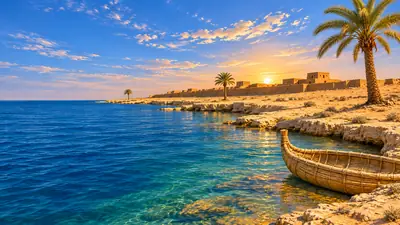
Las Aguas de Dilmun
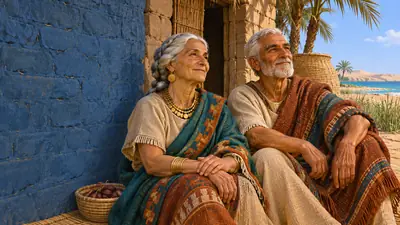
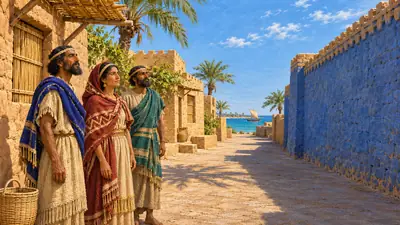
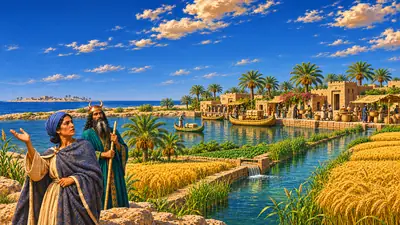
Ninsikila pide agua para Dilmun, y el agua dulce sube hasta las albercas de la ciudad. Tras una serie de nacimientos, crecen ocho plantas. Enki se las come, y Ninhursag regresa para curarlo.
FuentesPase las páginas con las flechas, el teclado o deslizando el dedo.
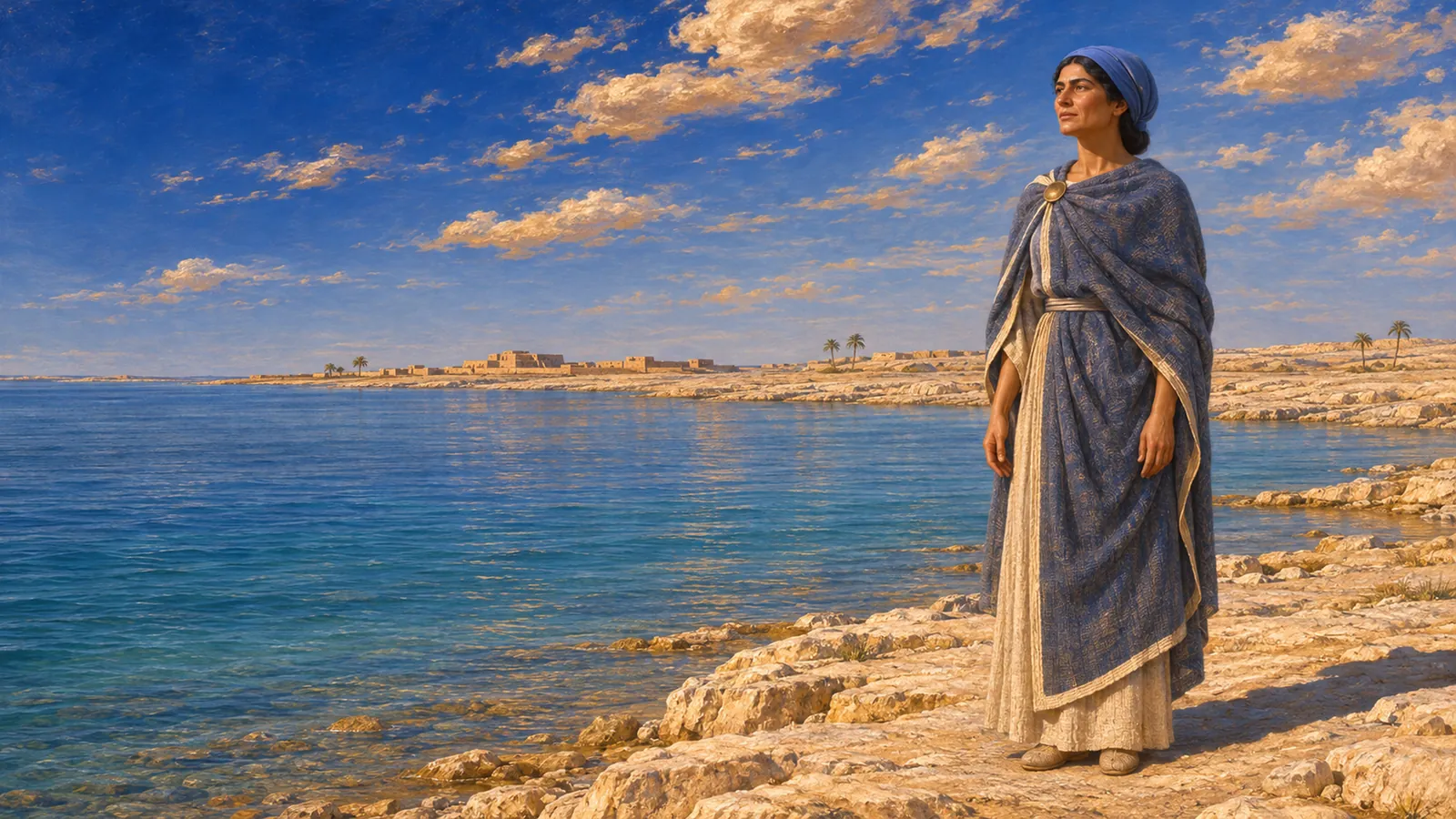
LAS AGUAS DE DILMUN
El canto antiguo nombra a Sumer y alaba a Dilmun. Dice que Dilmun es pura, luminosa y limpia, y vuelve a esas palabras al comenzar su relato.
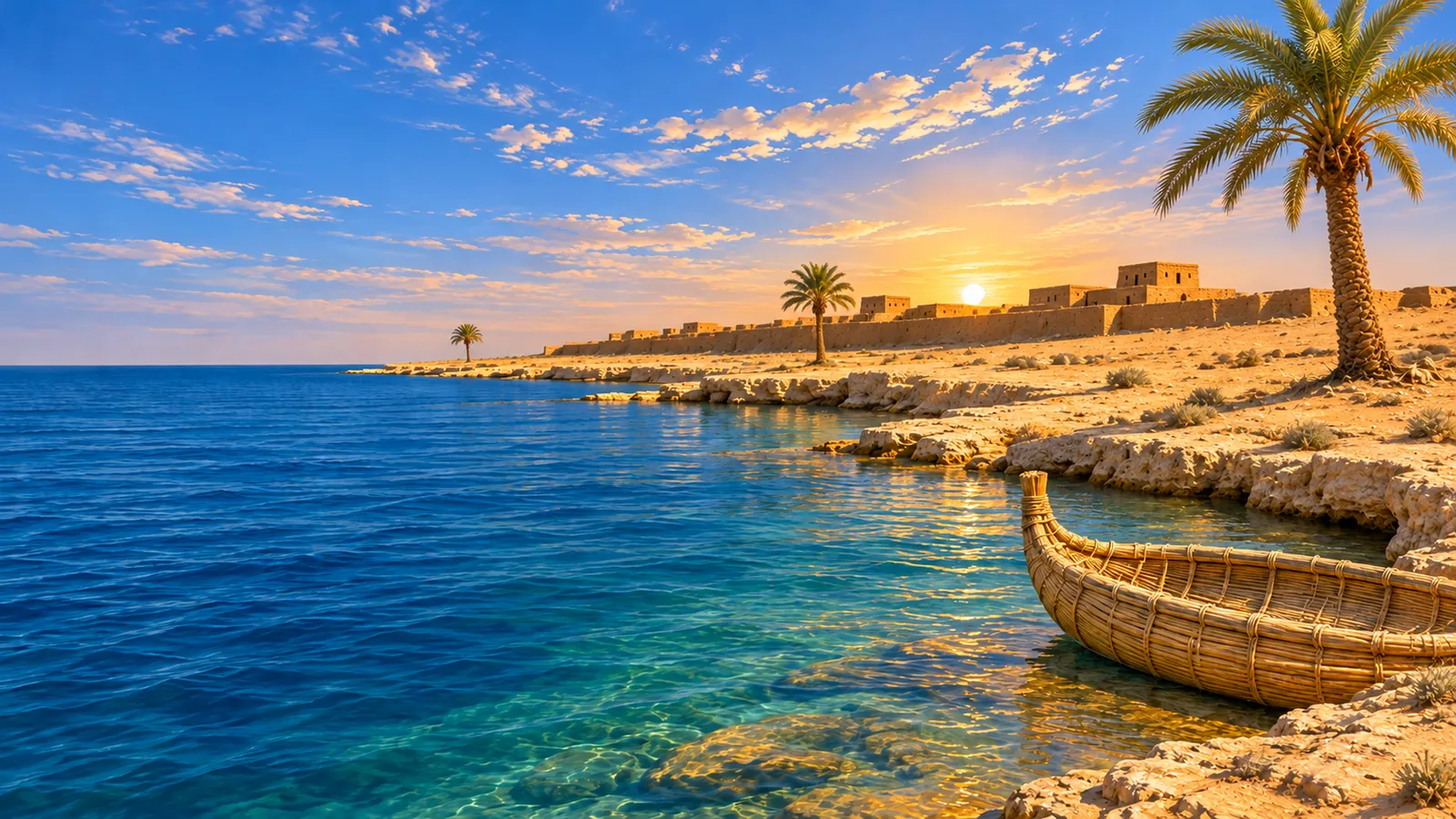
El poema recuerda el lugar donde Enki se acostó con Ninsikila. En estos versos la llama su esposa y vuelve a alabar la pureza y el resplandor de la tierra.
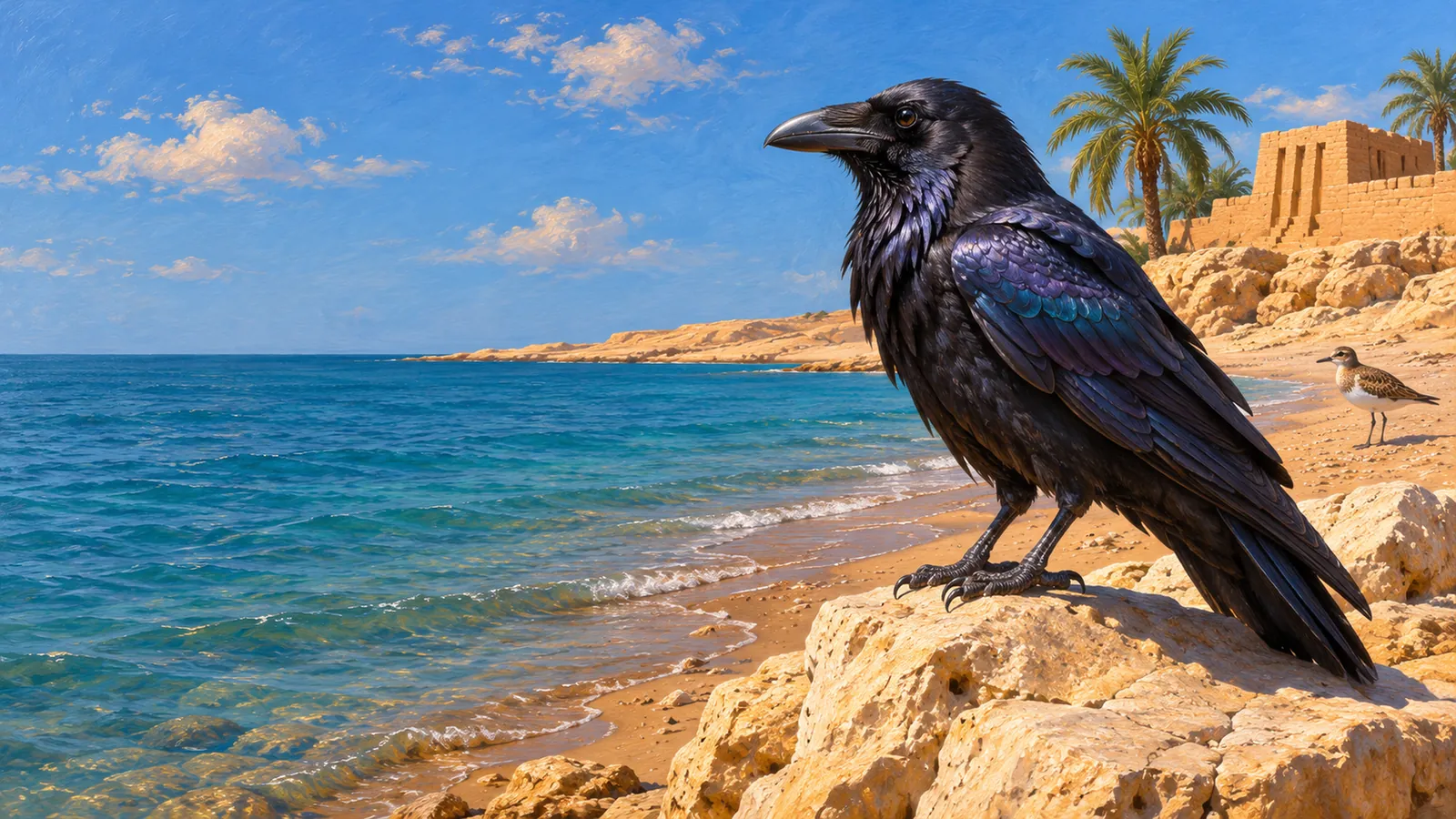
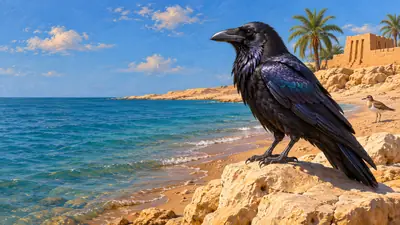
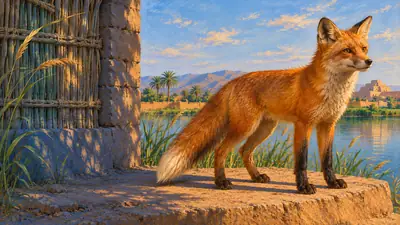
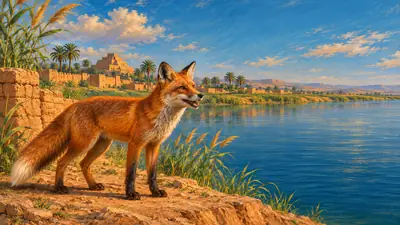
En Dilmun el cuervo no graznaba. Otra ave también guardaba silencio, y el canto describe una tierra que aún no había oído sus llamadas.
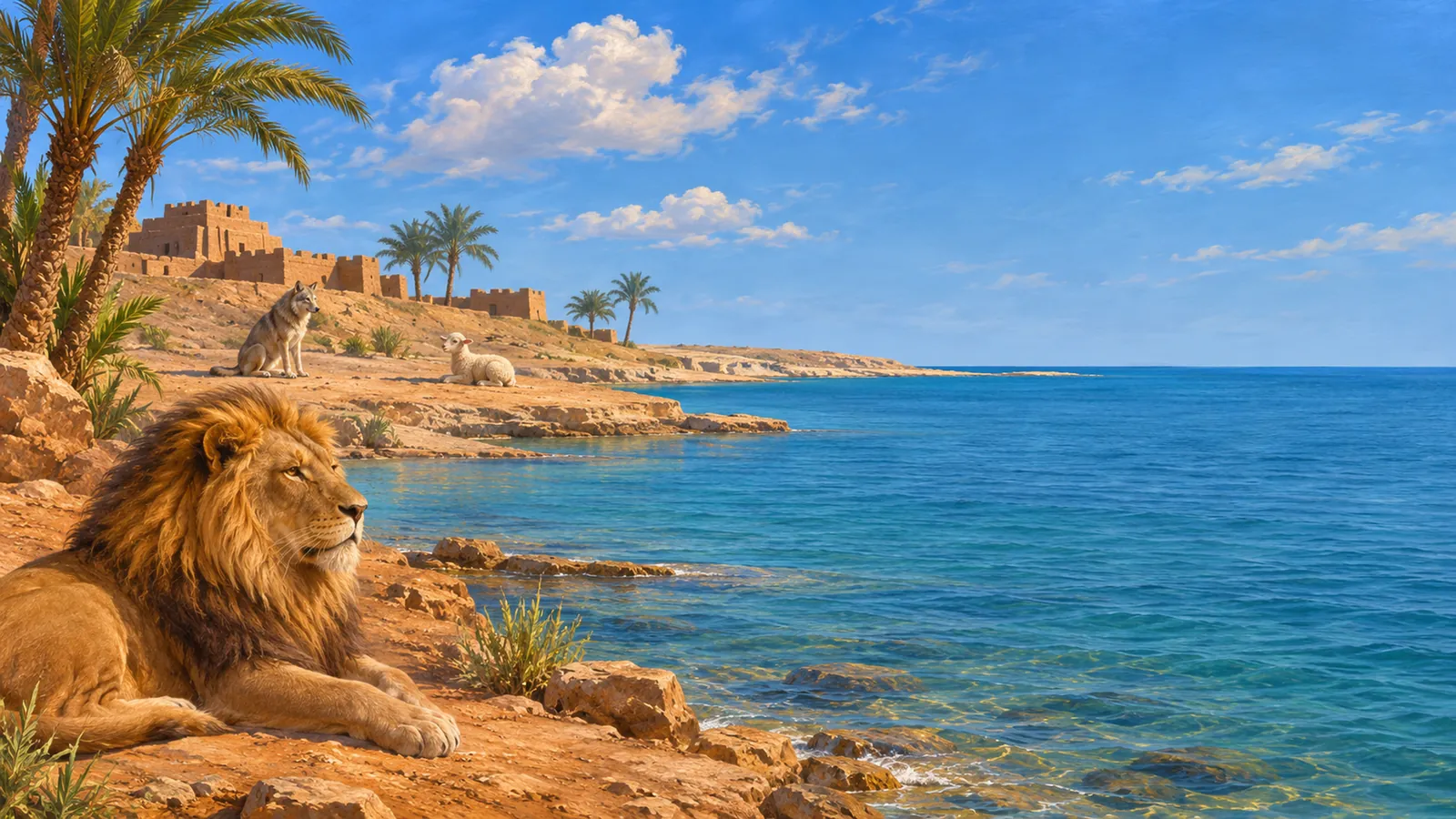
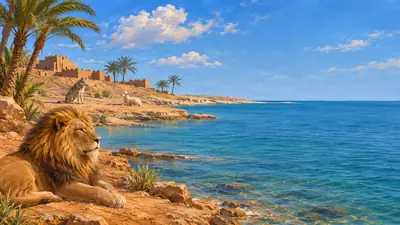
El león no mataba y el lobo no atrapaba corderos. El poema sigue enumerando cosas que aún no sucedían en Dilmun.
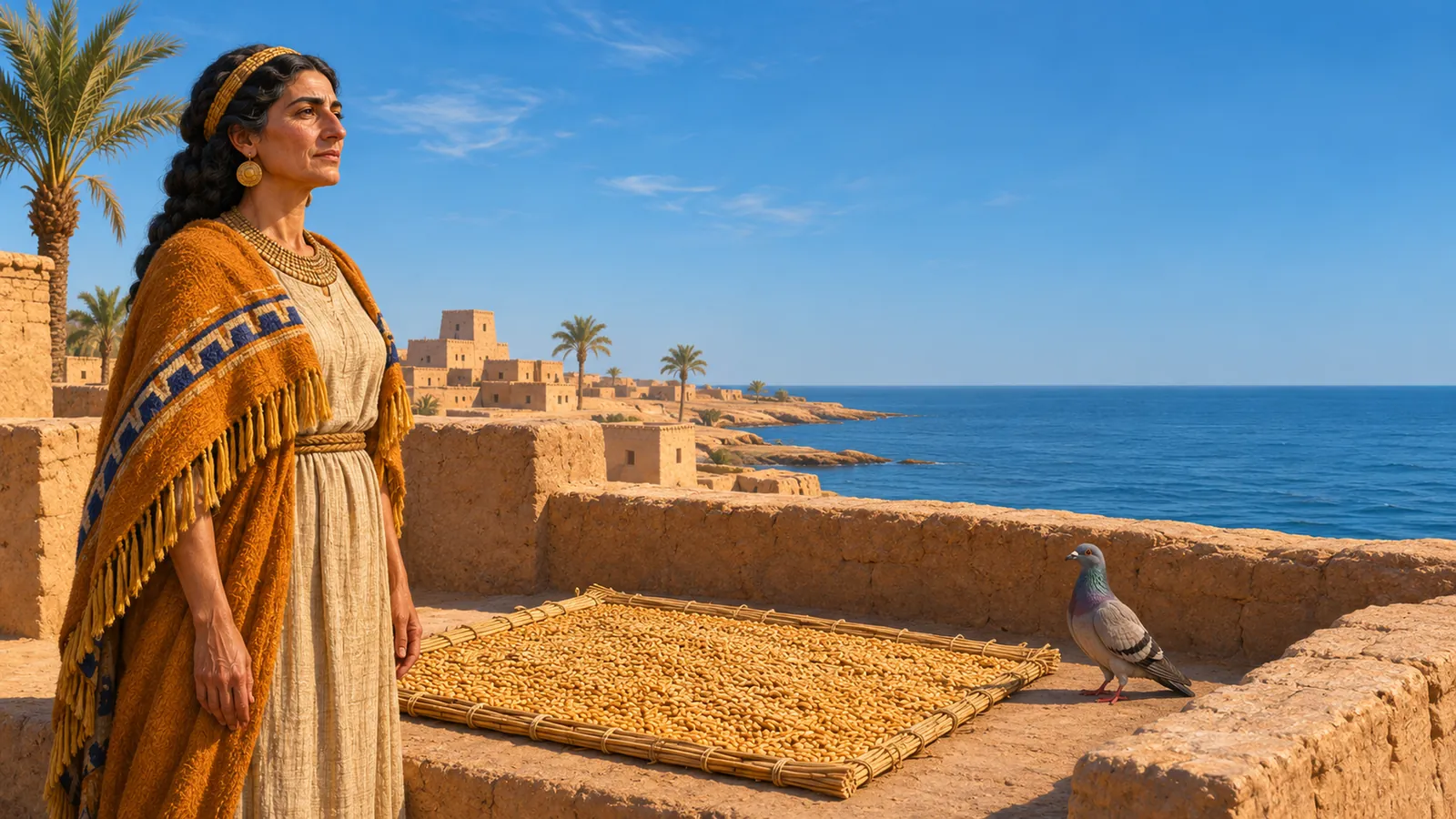
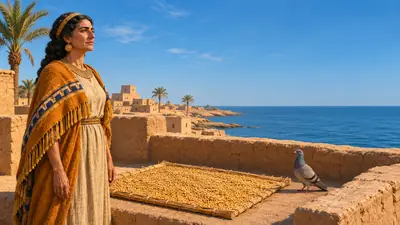
El poema dice que las aves dejaron intacta la malta extendida sobre un tejado. Añade que la paloma no escondió la cabeza bajo el ala.
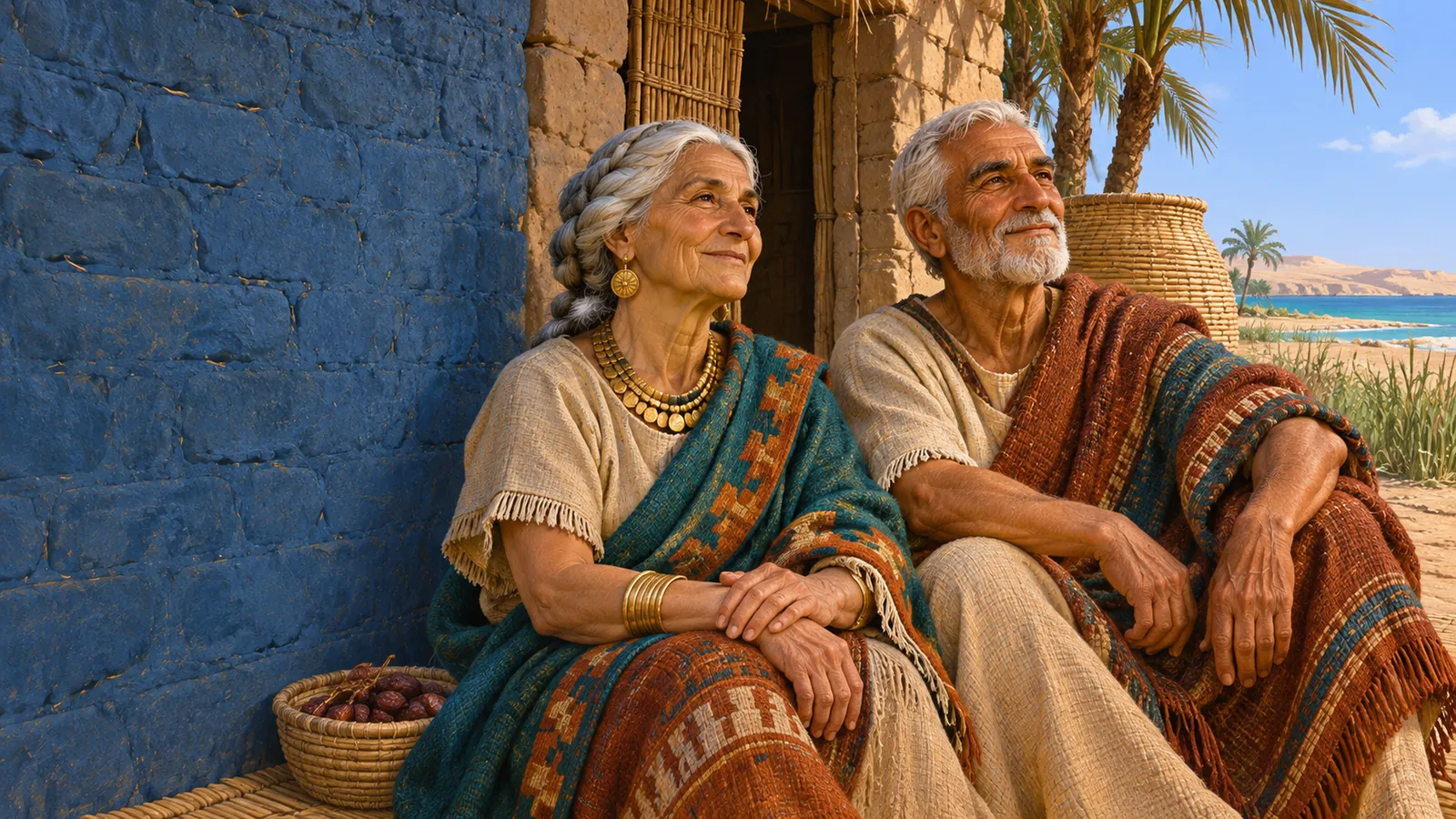
Nadie hablaba de dolor de ojos ni de cabeza. En Dilmun no se oía a ninguna anciana ni a ningún anciano lamentar la vejez.
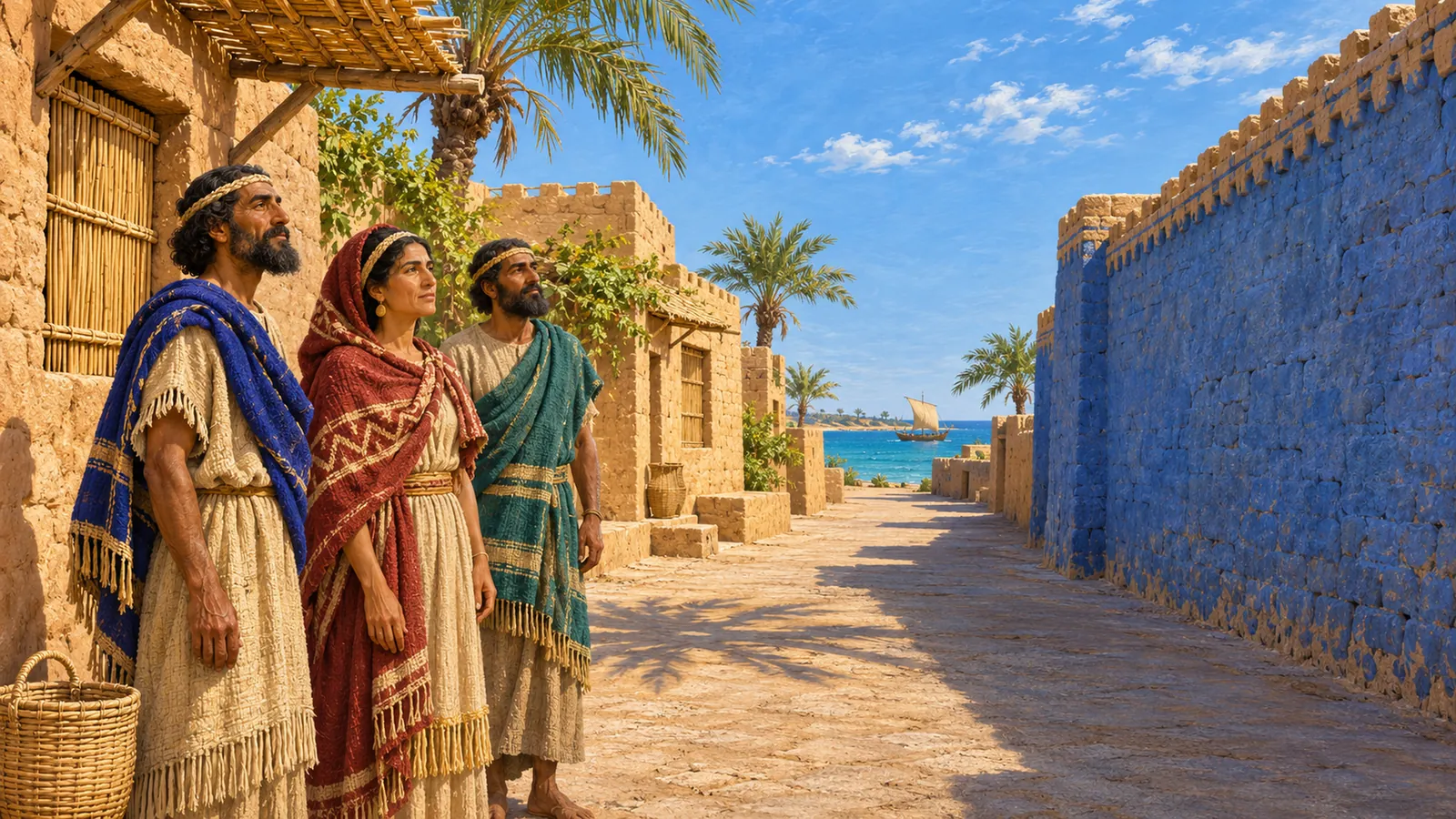
El dragador no decía que había caído la tarde, y ningún pregonero alzaba la voz. El cantor no entonaba canción alguna, y no se oían lamentos en las afueras de la ciudad.
EL REGALO
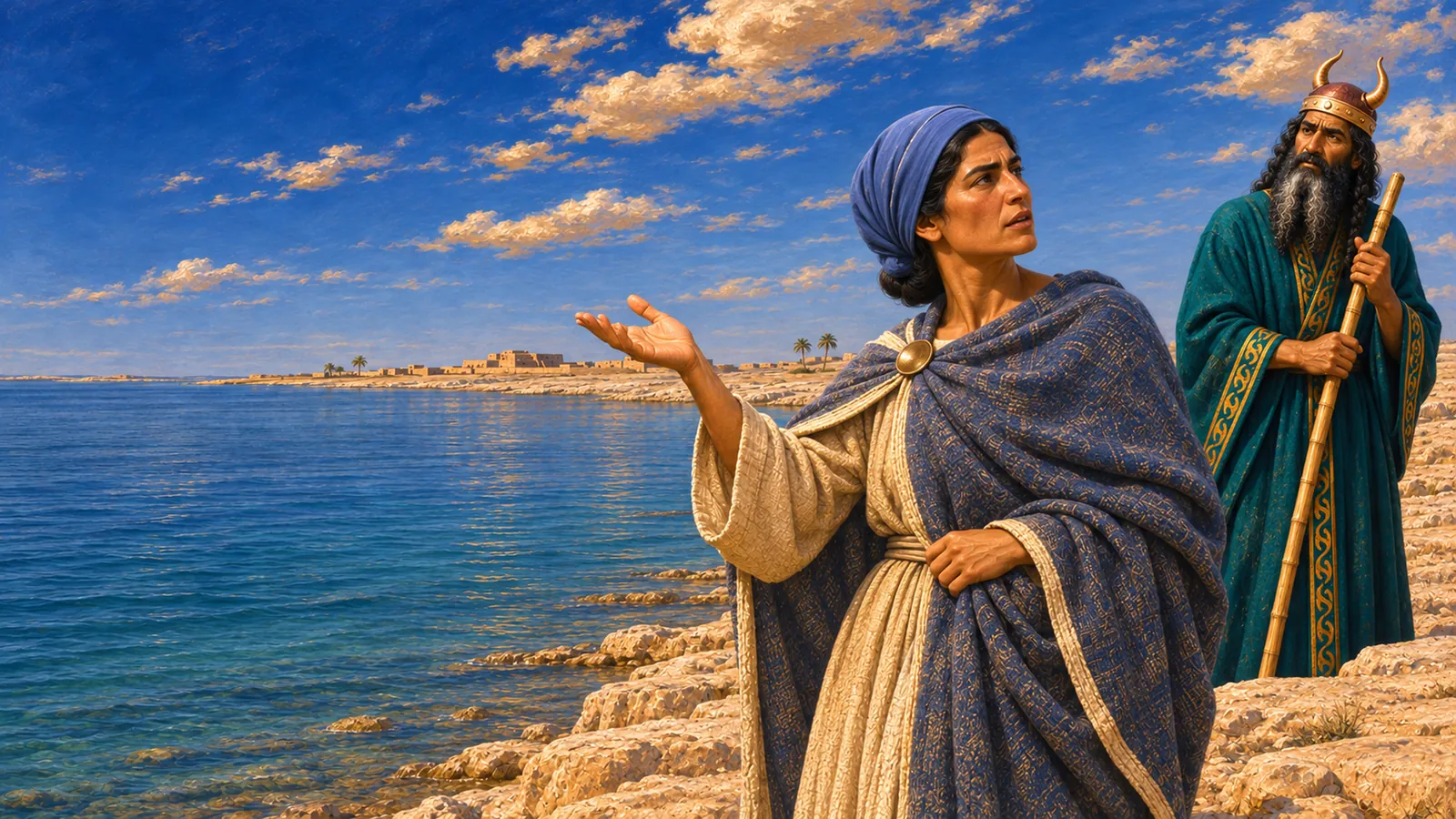
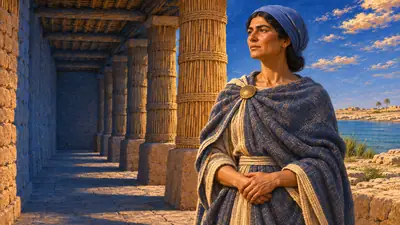
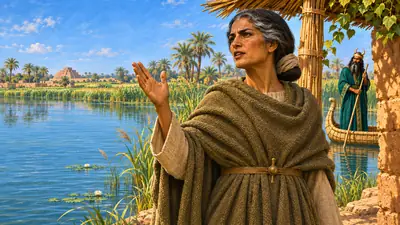
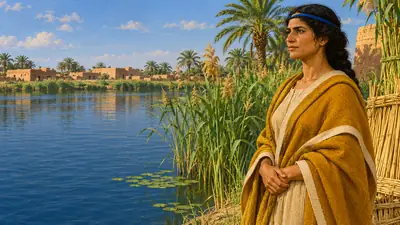
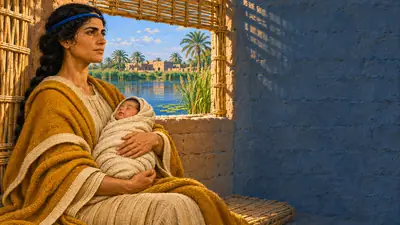
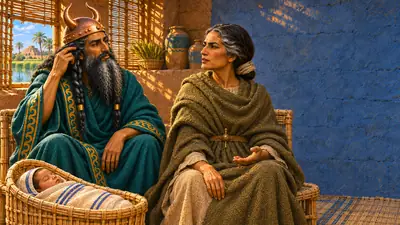
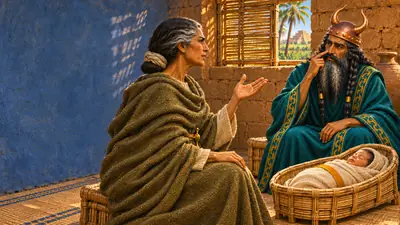
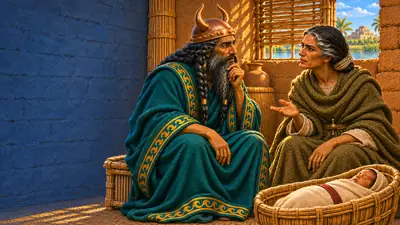
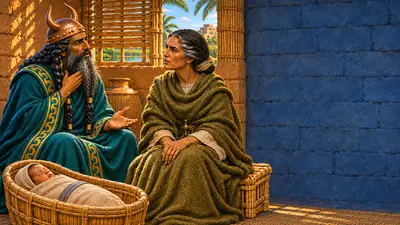
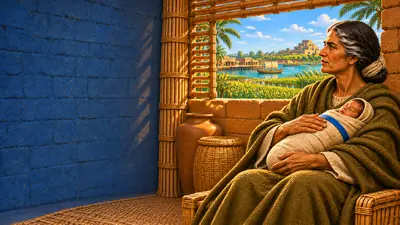
Ninsikila preguntó a Enki de qué le servía aquella ciudad que le había regalado. Lo llamó padre y repitió la pregunta mientras contemplaba la tierra que él le había dado.
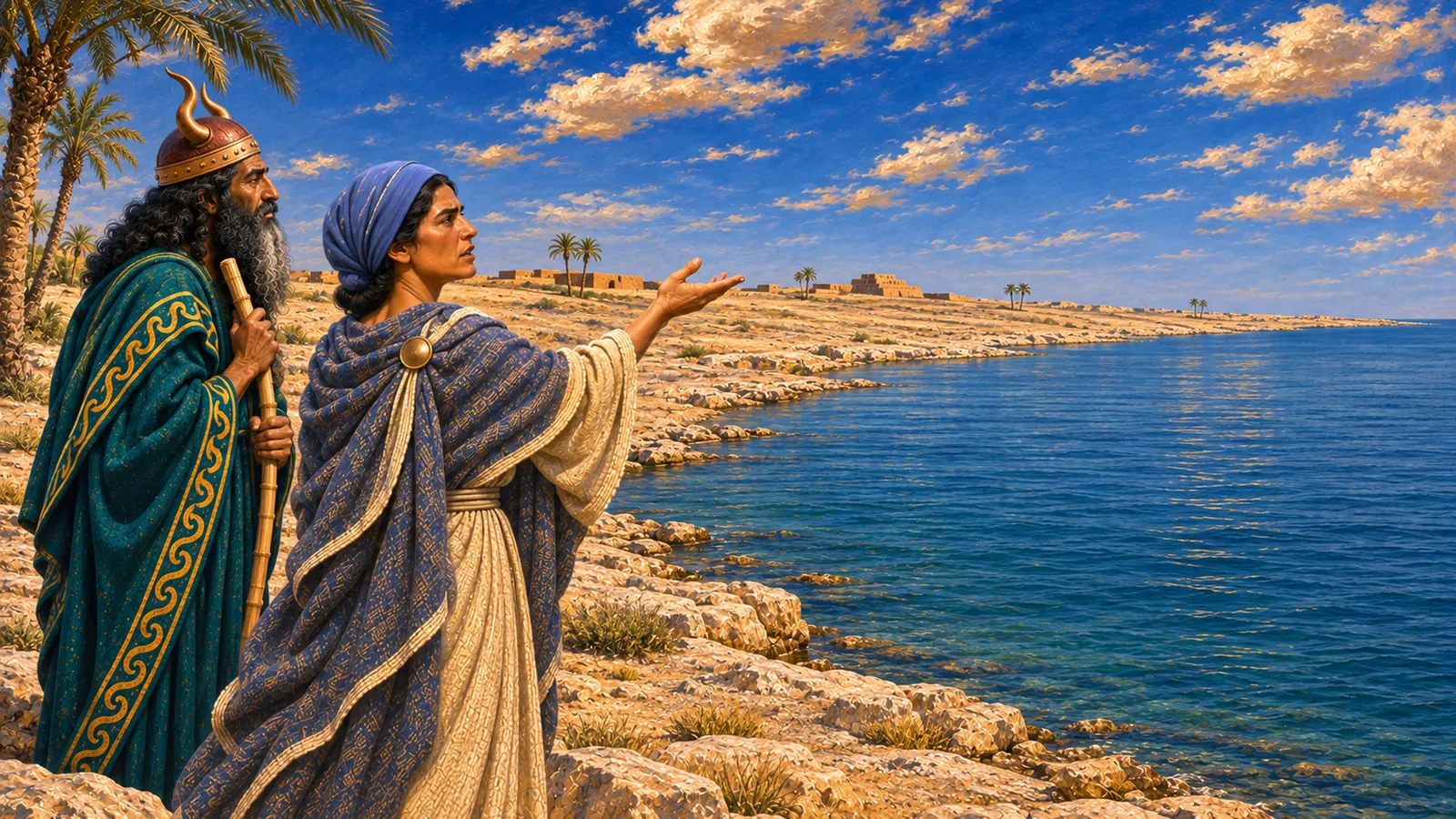
Ninsikila habló de una ciudad sin muelle ni embarcadero en el río. Parte de lo que dice sobre su tierra está dañado, pero se conserva su queja por la falta de surcos.
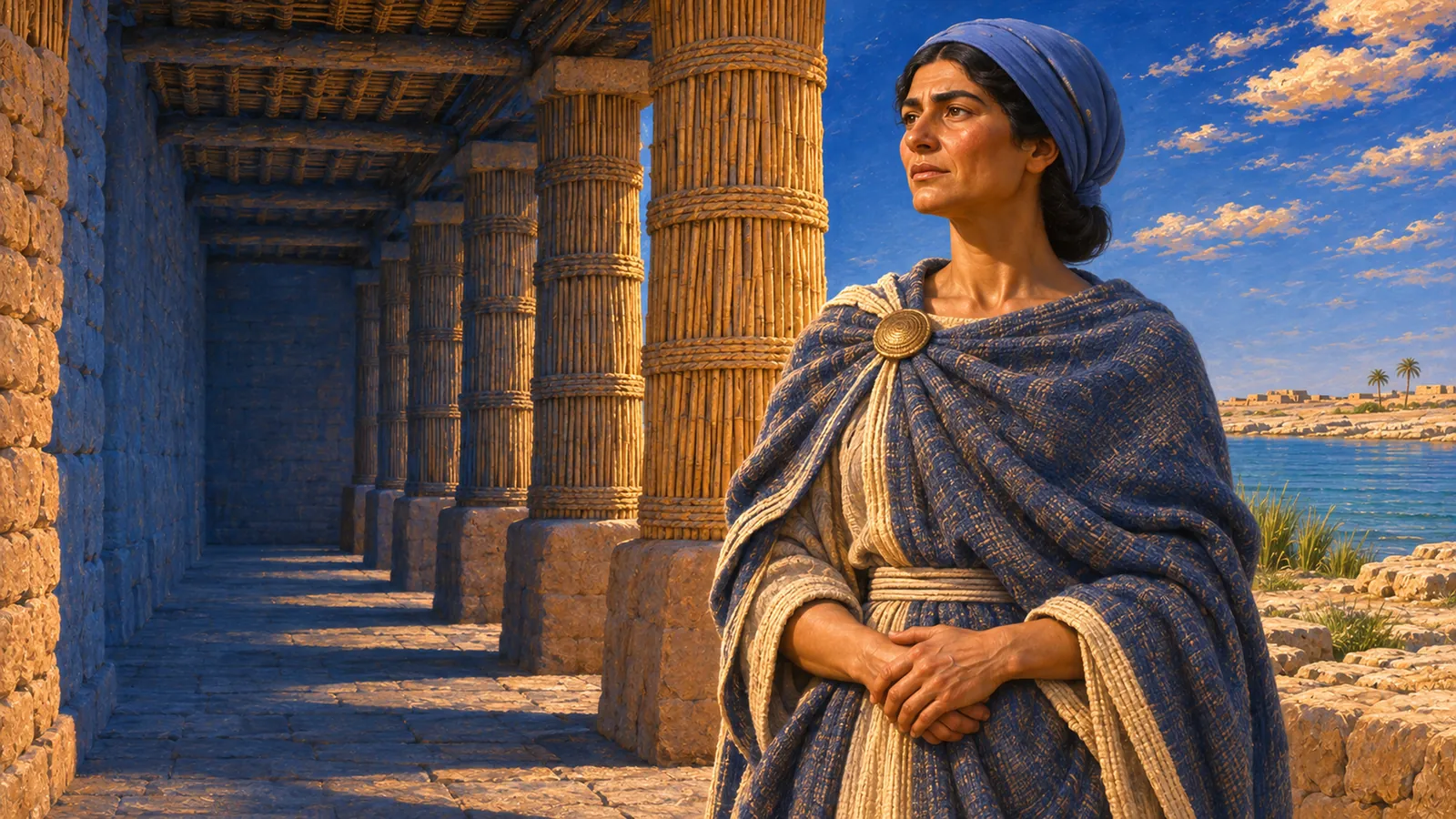
Aquí faltan tres versos del poema. Las palabras conservadas dejan una pausa entre la descripción de la tierra por Ninsikila y la respuesta que sigue.
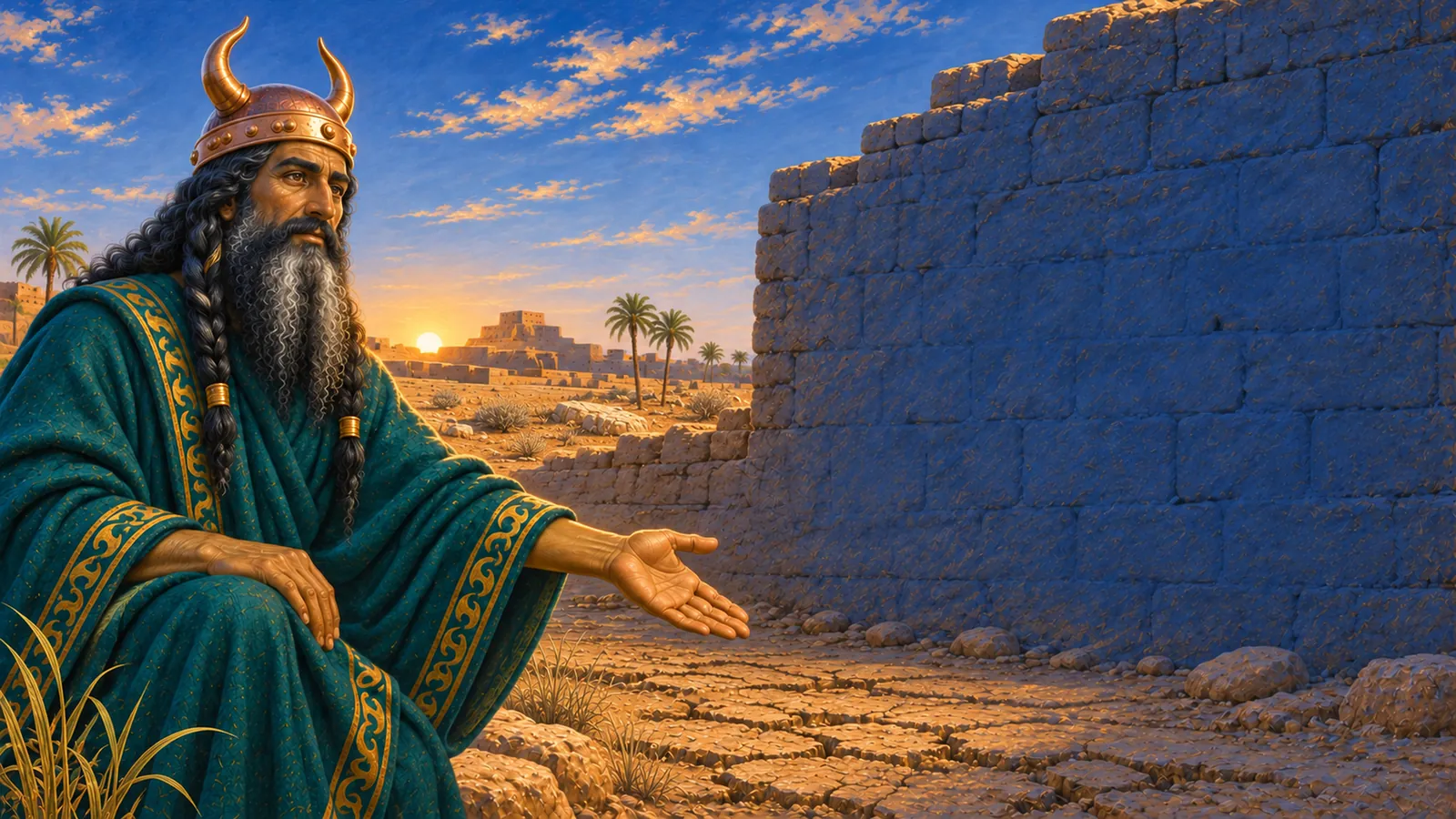
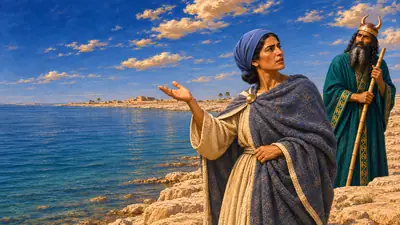
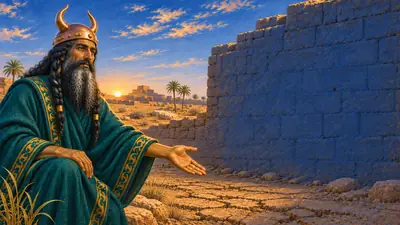
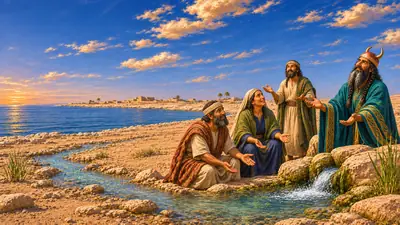
Enki prometió que brotaría agua dulce para Dilmun cuando Utu trajera la luz del día. De algunas palabras sobre la procedencia del agua solo quedan huellas.
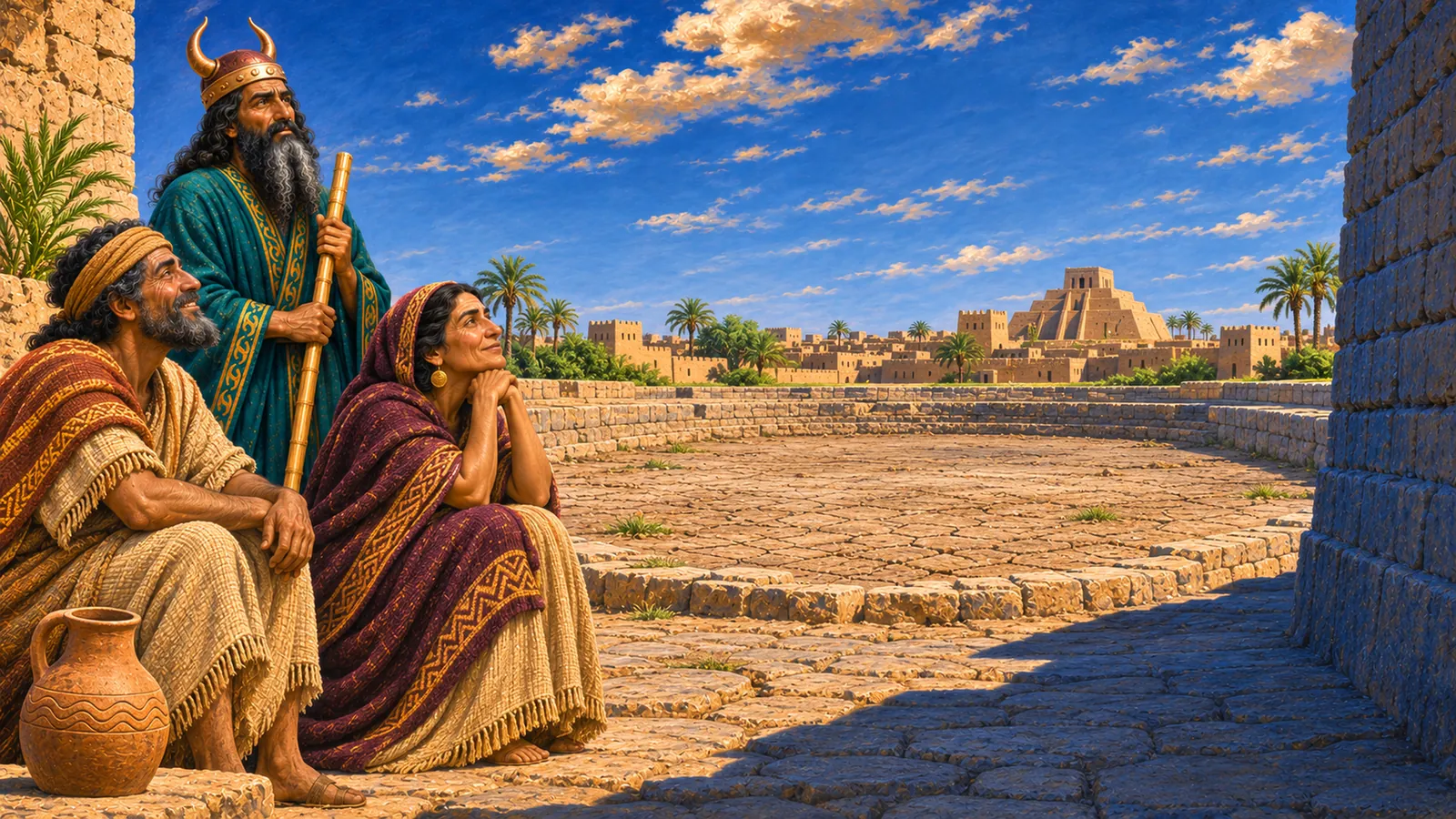
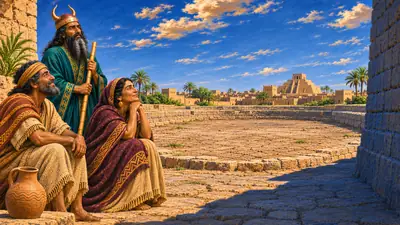
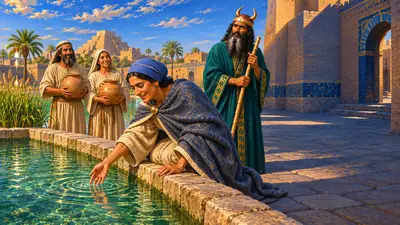
Enki dijo que el agua subiría de abajo y llenaría las amplias pilas de la ciudad. Por el momento, la gente de Dilmun aún tenía que esperar.
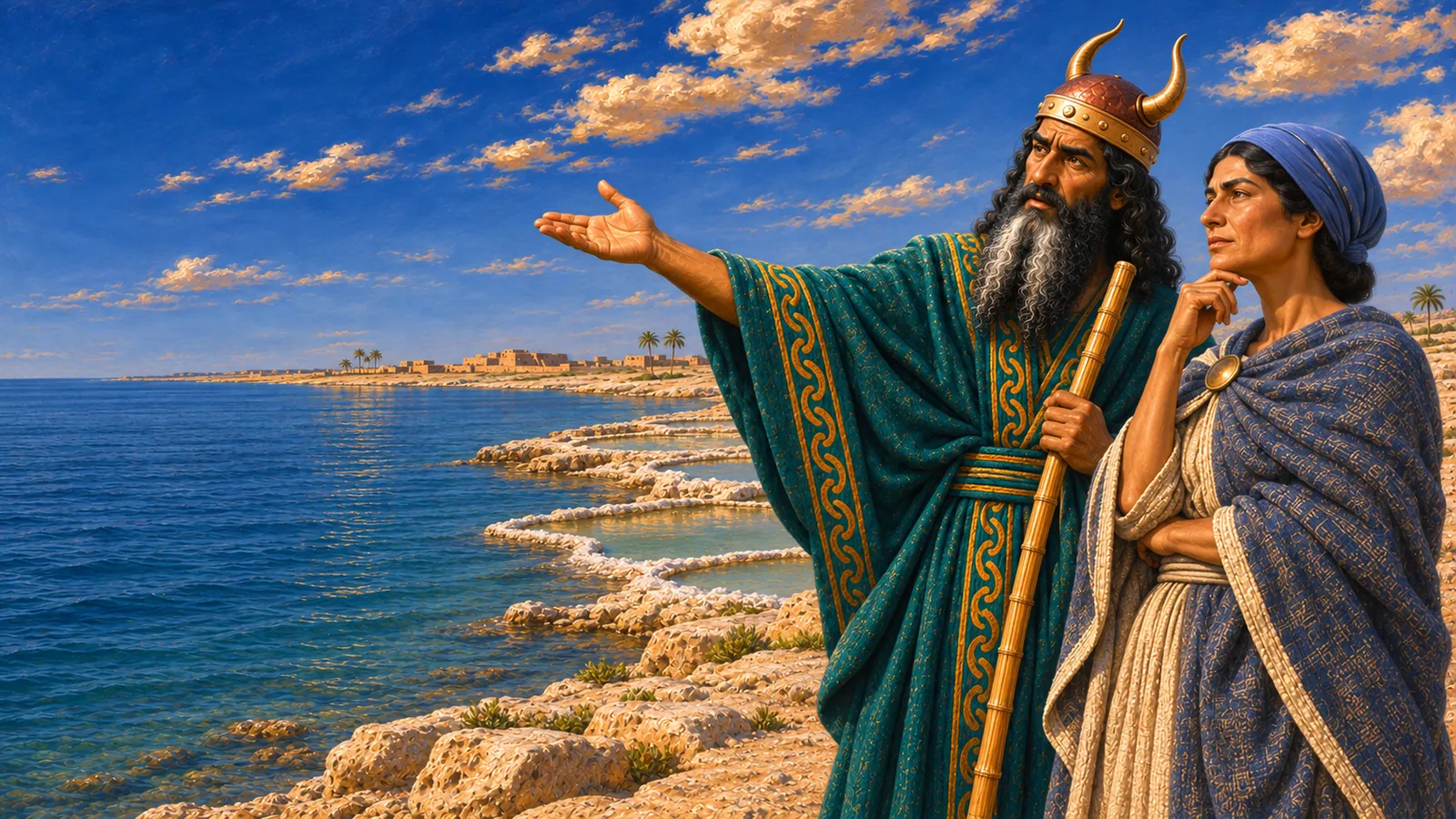
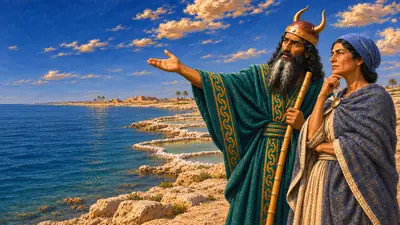
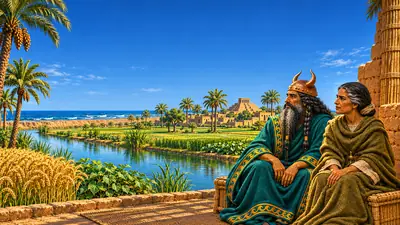
Enki dijo que el agua de las charcas saladas se volvería dulce. Anunció a Ninsikila que su ciudad se convertiría en un puerto donde los mercaderes podrían comerciar.
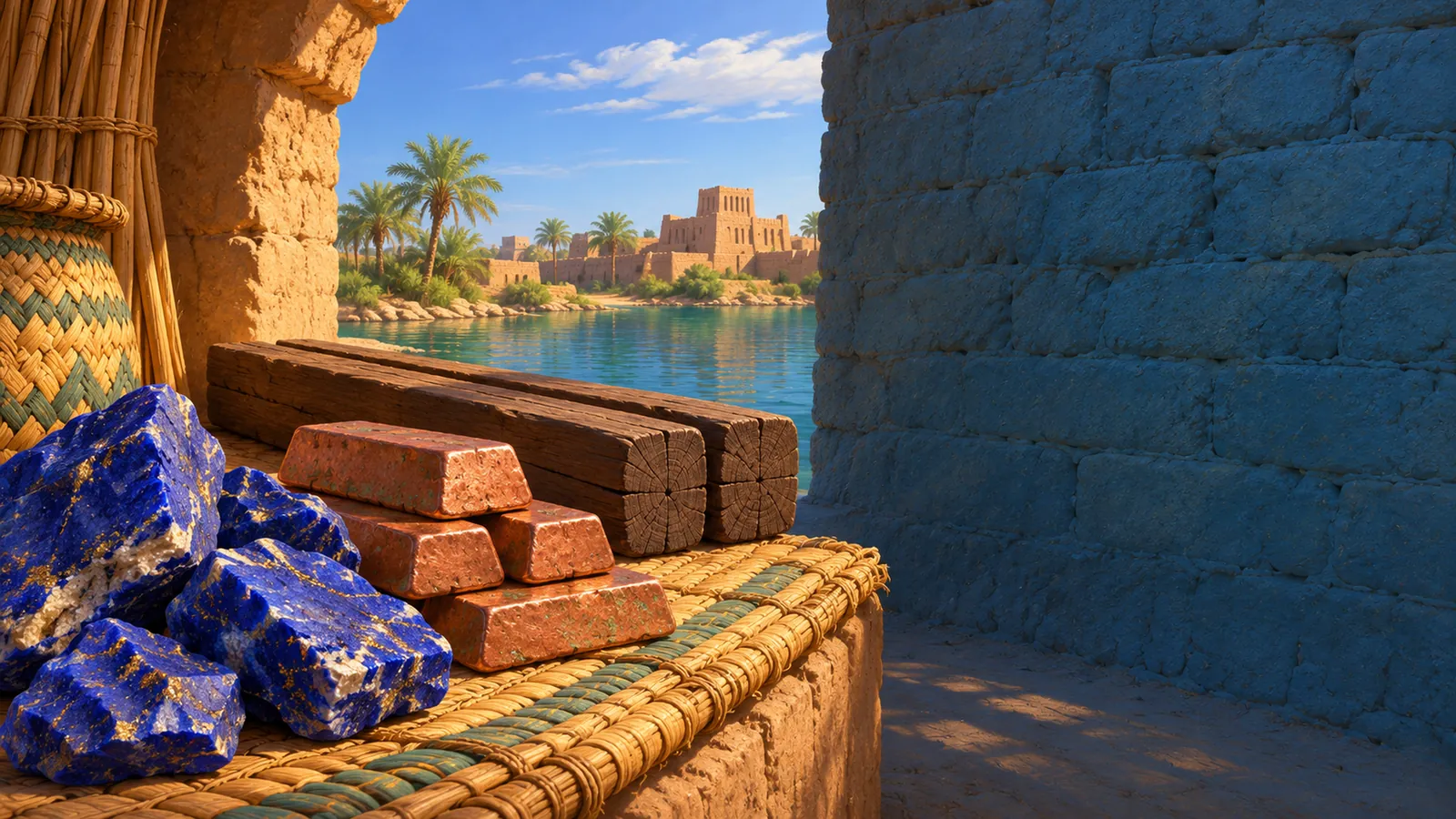
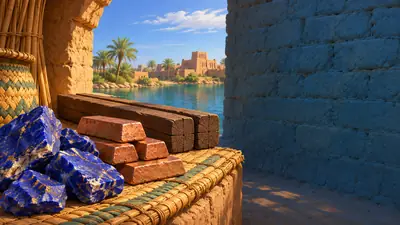
Una copia de Ur conserva el deseo de que lleguen cargamentos a Dilmun. Entre los bienes citados en sus versos conservados figuran el lapislázuli, el cobre y la madera.
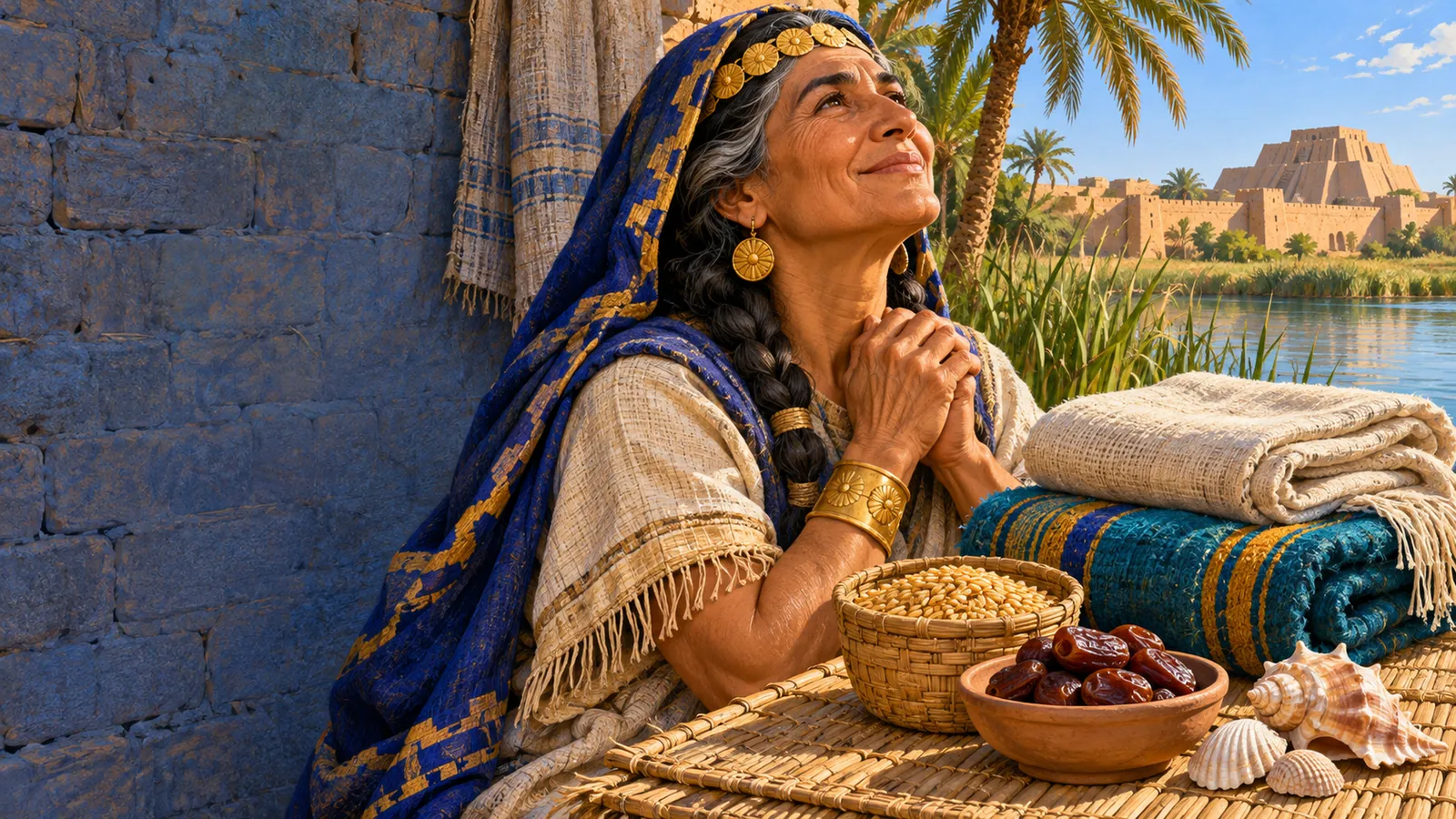
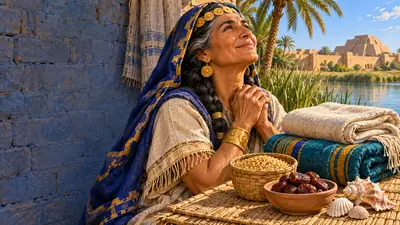
La misma copia de Ur expresa el deseo de recibir telas, las riquezas del mar y una cosecha abundante de grano y dátiles. Algunas palabras del pasaje están dañadas.
EL AGUA DULCE
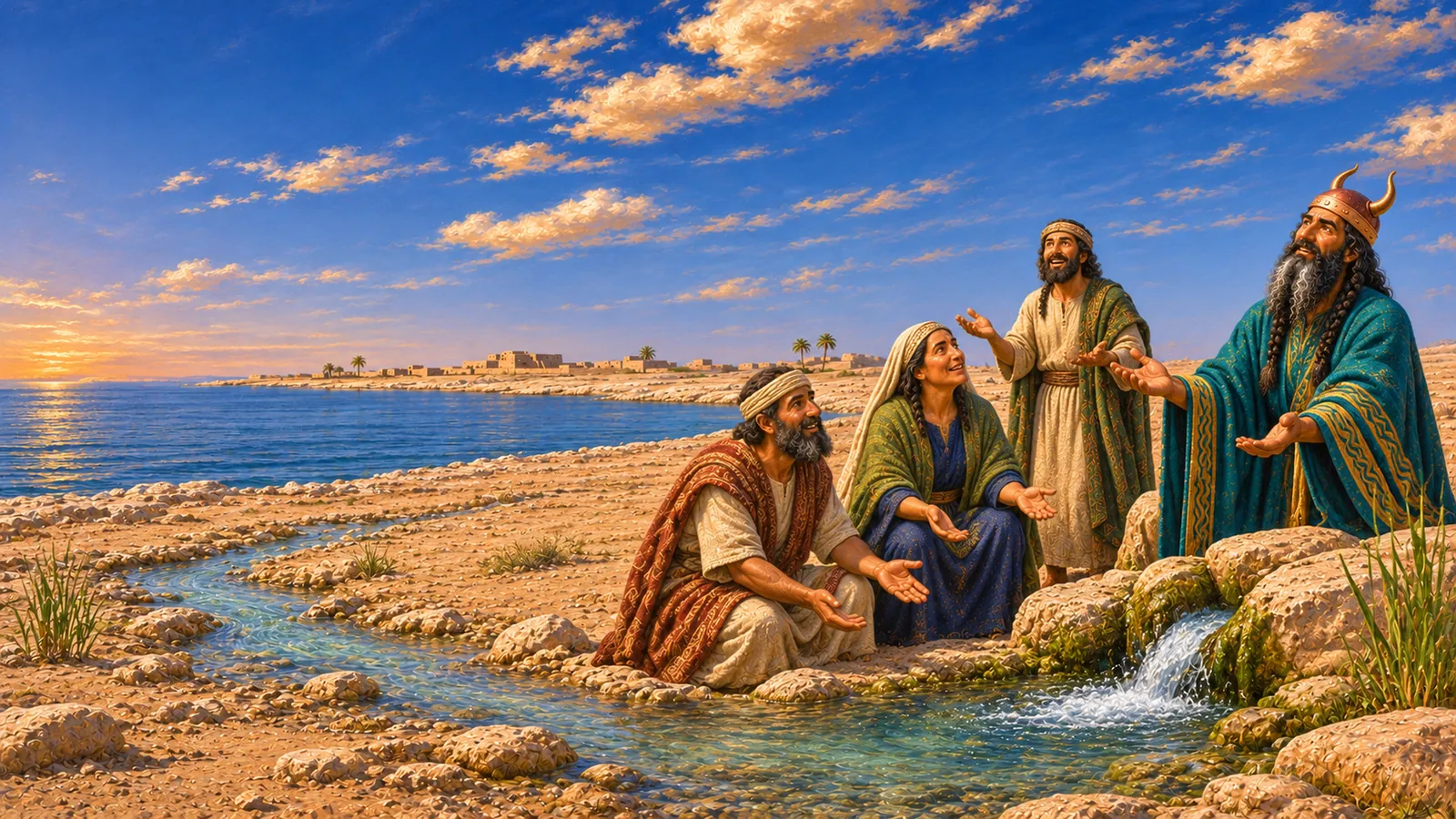
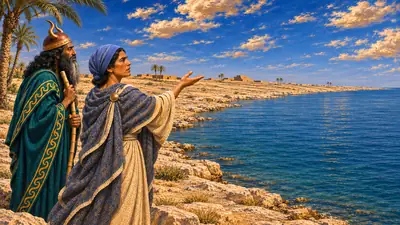
Cuando Utu se alzó, el agua dulce brotó de la tierra para Dilmun. Los versos conservados repiten algunas palabras de lectura incierta de la primera promesa de Enki.
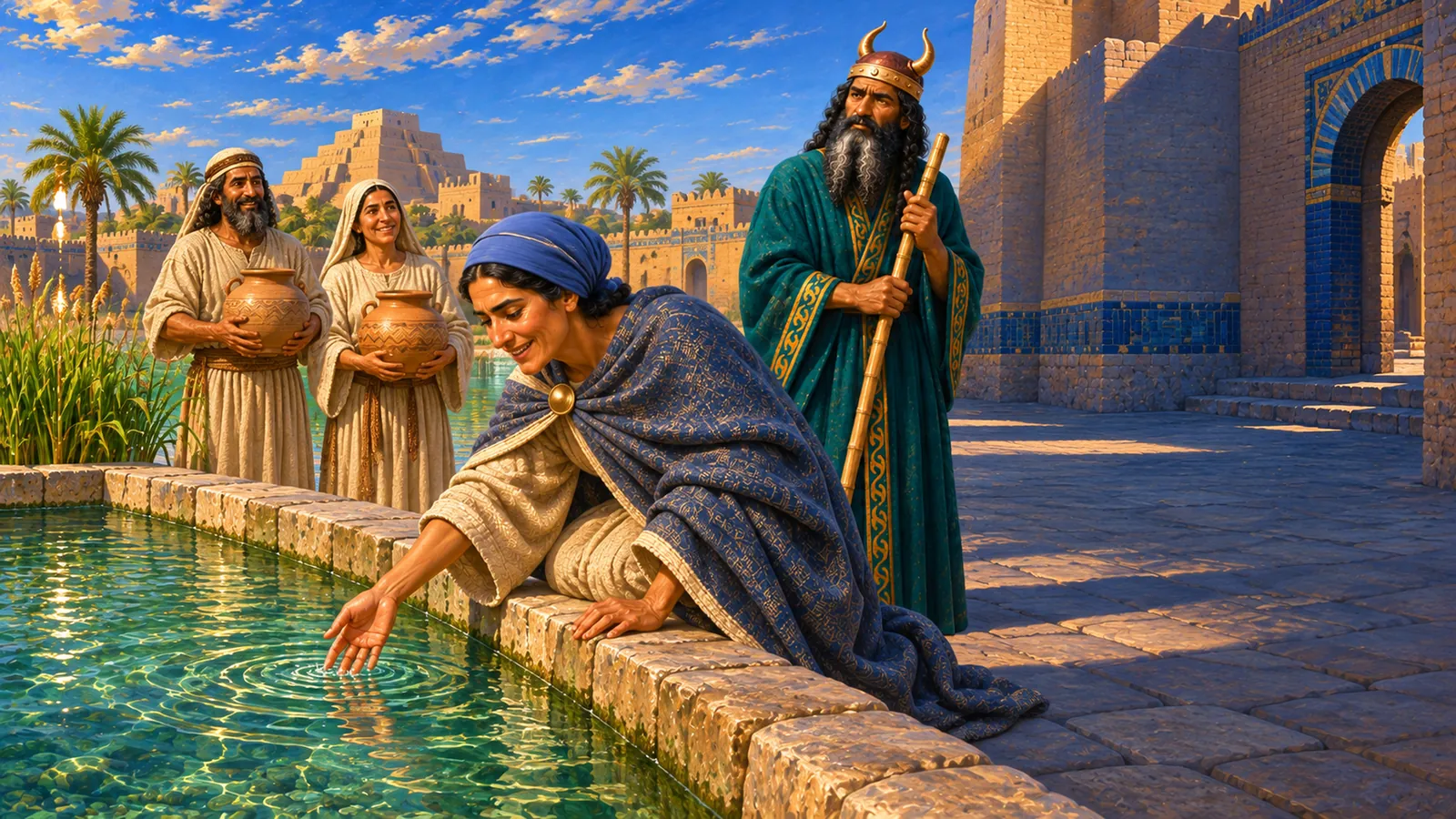
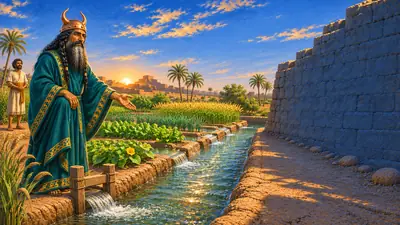
El agua dulce llenó las pilas de la ciudad, tal como había prometido Enki. Las charcas saladas también cambiaron, y la gente de Dilmun dispuso desde entonces de agua dulce.
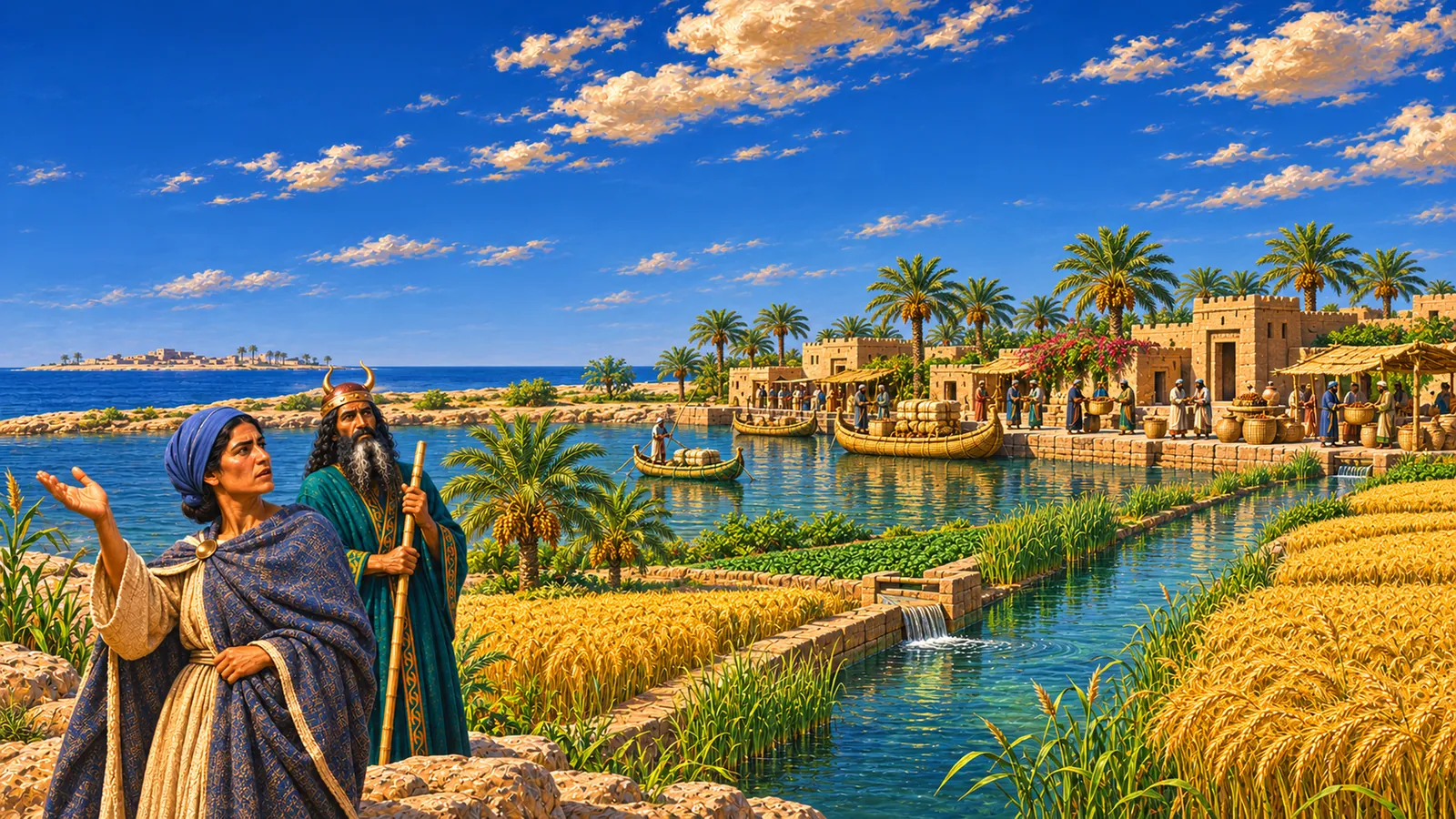
Los campos de Dilmun dieron grano. El muelle de la ciudad prosperó y, según el poema, la ciudad se convirtió en un lugar de comercio para los mercaderes.
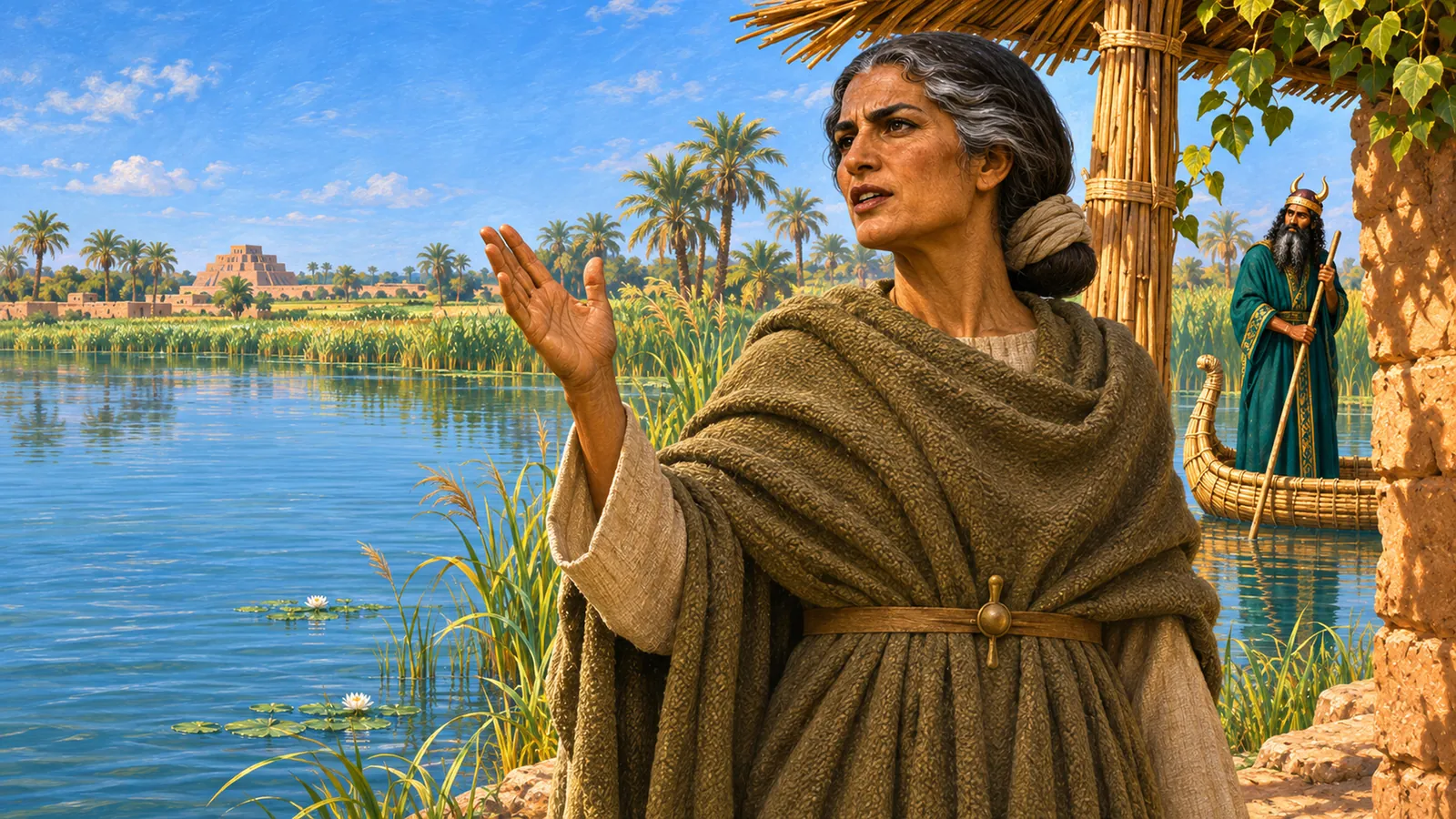
Enki entró en la marisma. Nintud, a quien el pasaje llama madre del país, tomó la palabra y le dijo que no se acostaría allí con él.
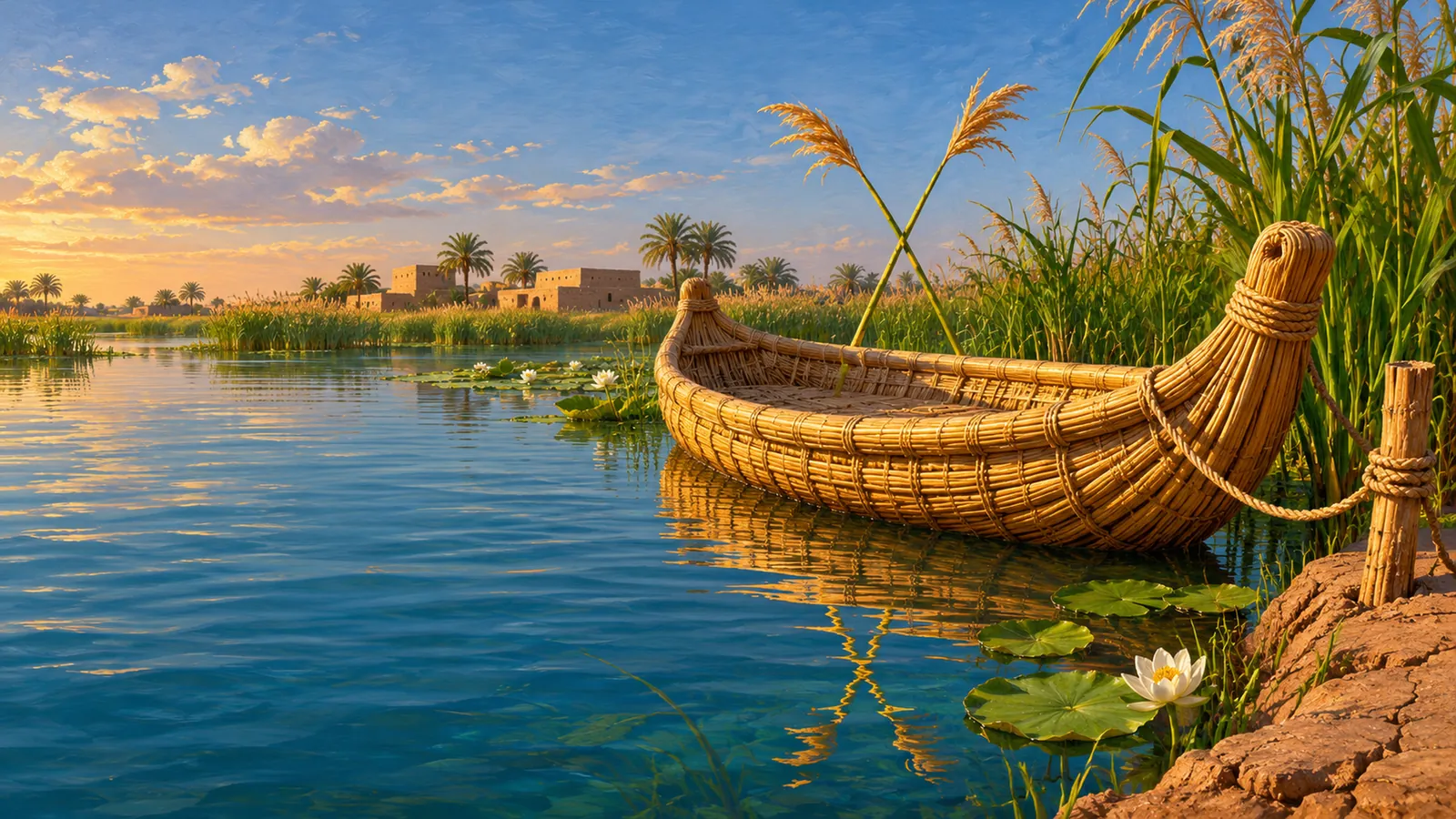
Enki hizo un juramento, insistió y se acostó con ella. El poema menciona a Damgalnuna en lo que sigue y dice después que Ninhursag quedó embarazada.
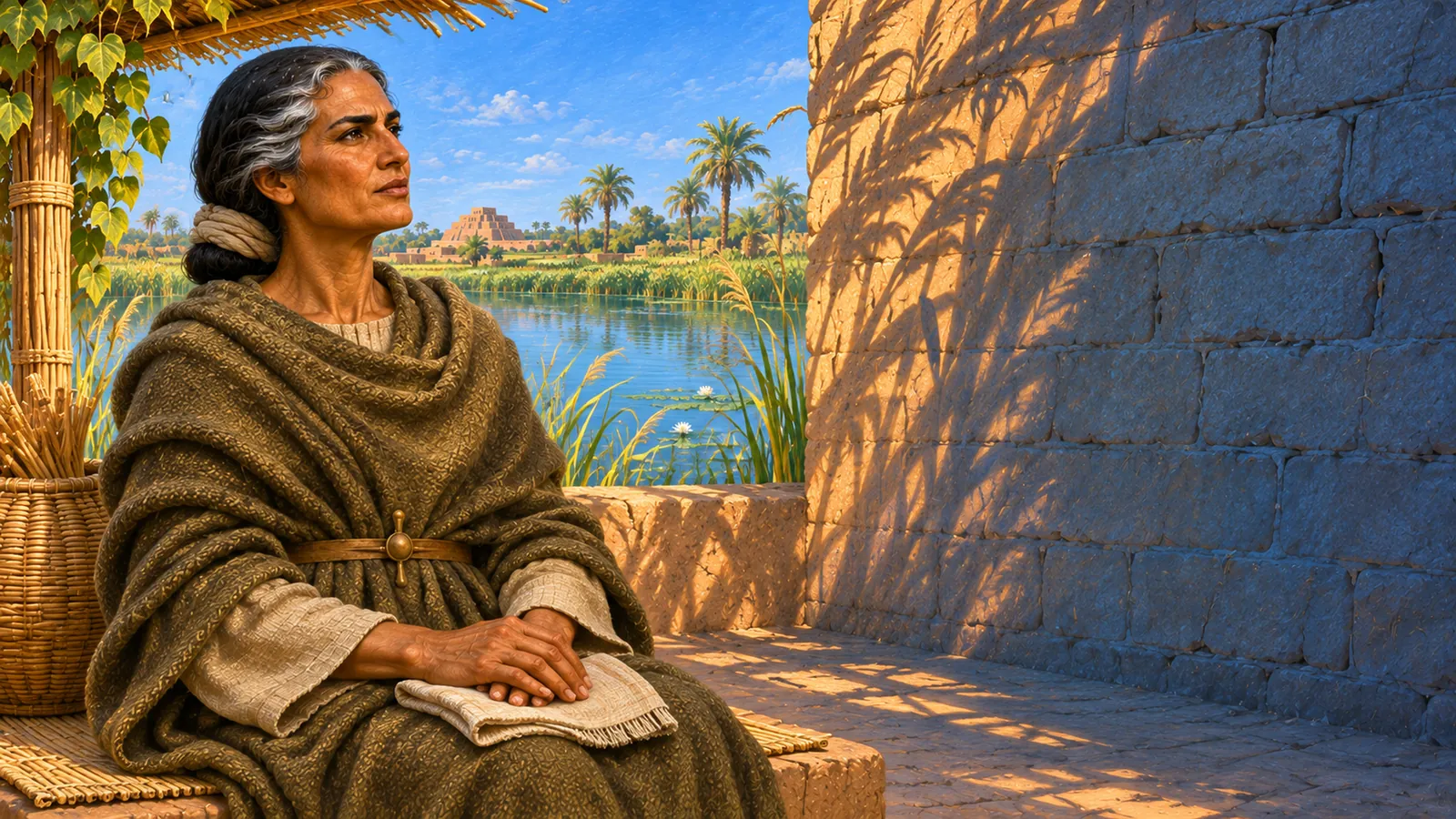
El poema cuenta los meses uno a uno, haciendo corresponder un día a cada mes. En este relato, nueve meses pasan en nueve días.
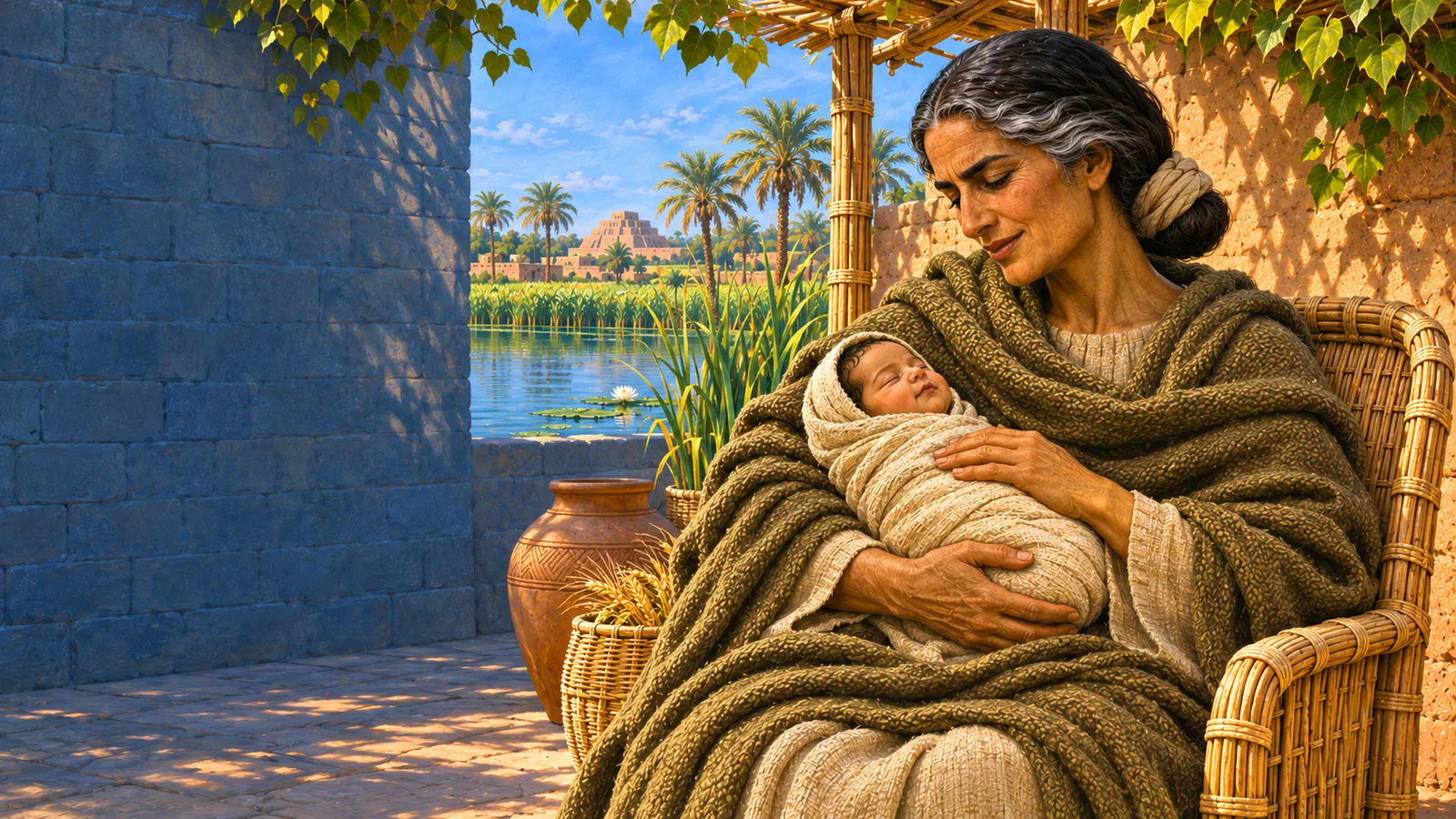
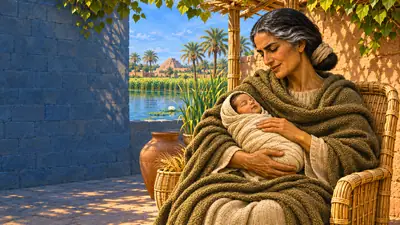
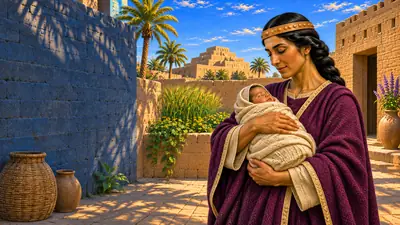
Ninhursag dio a luz a Ninsar. El poema compara la facilidad del parto con el fluir de un aceite fino.
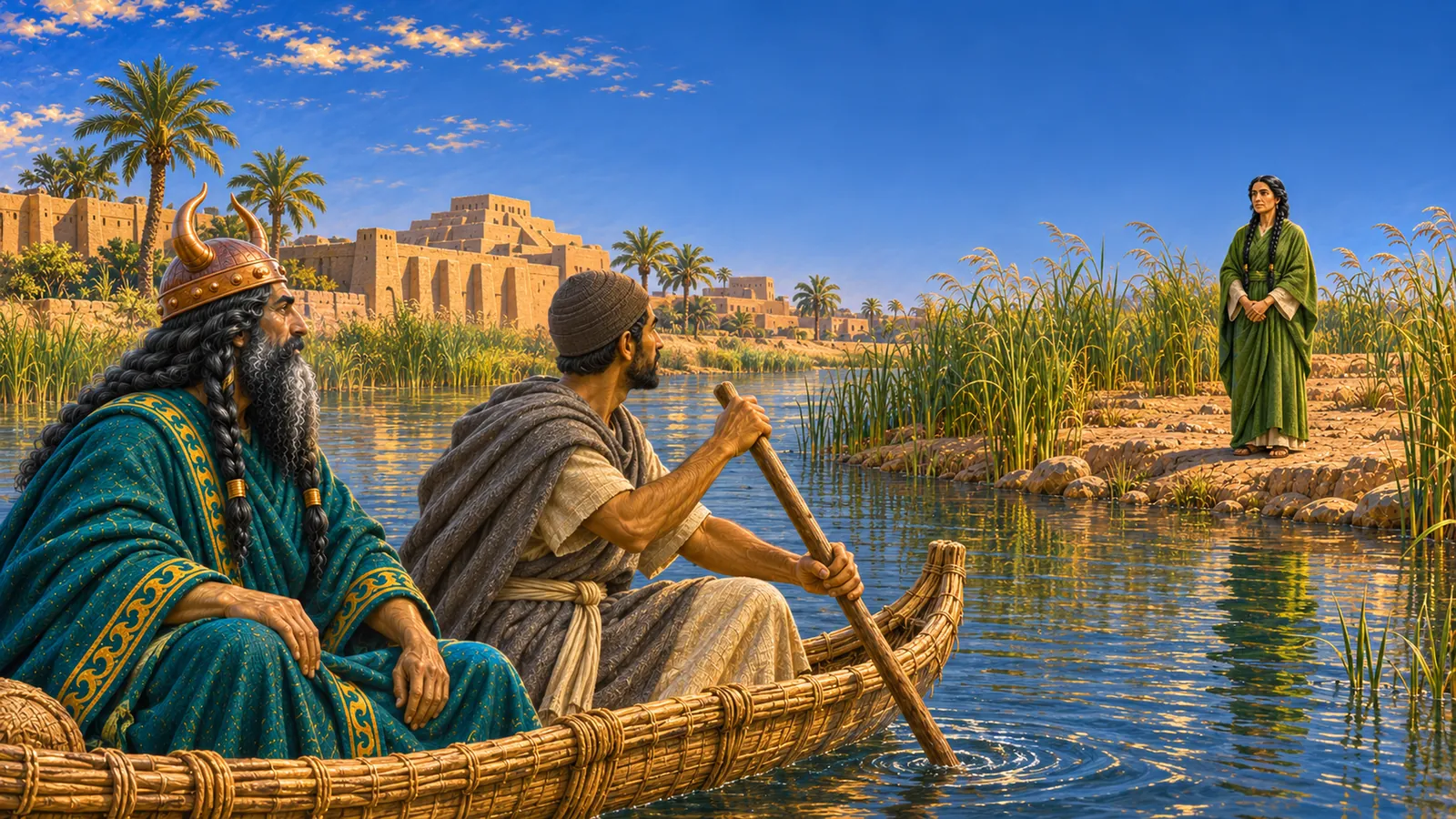
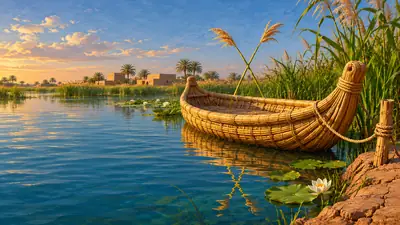
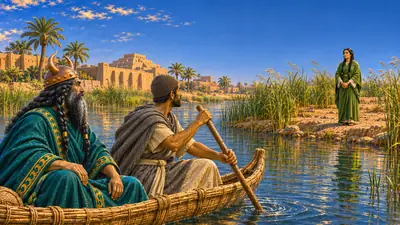
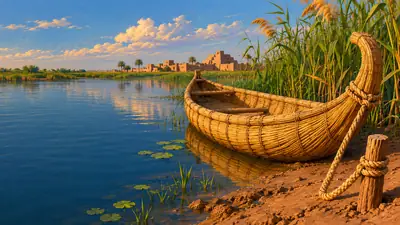
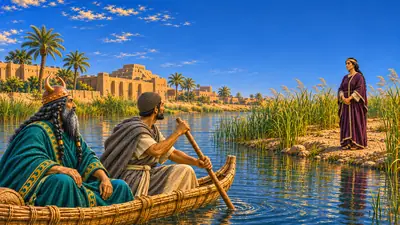
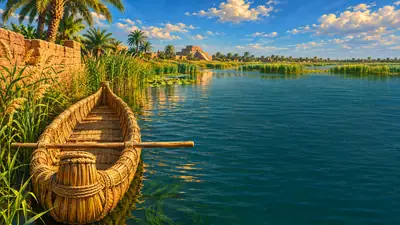
Ninsar salió a la orilla del río, donde Enki la vio desde la marisma. Habló con su asistente Isimud, quien se ofreció a guiar la barca hasta ella.
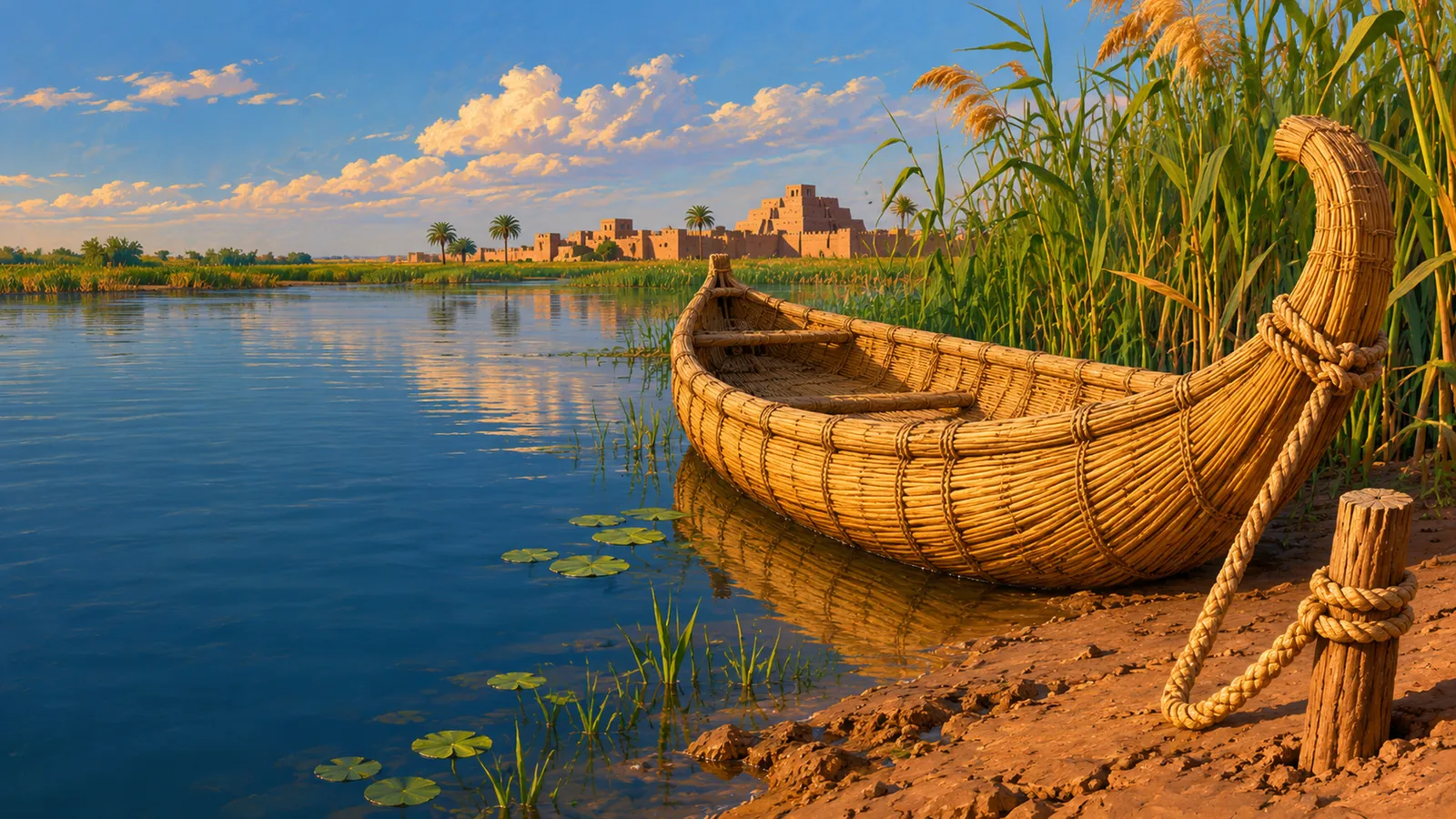
Enki cruzó en barca y desembarcó en la orilla. Se acostó con su hija Ninsar, que quedó embarazada de él.
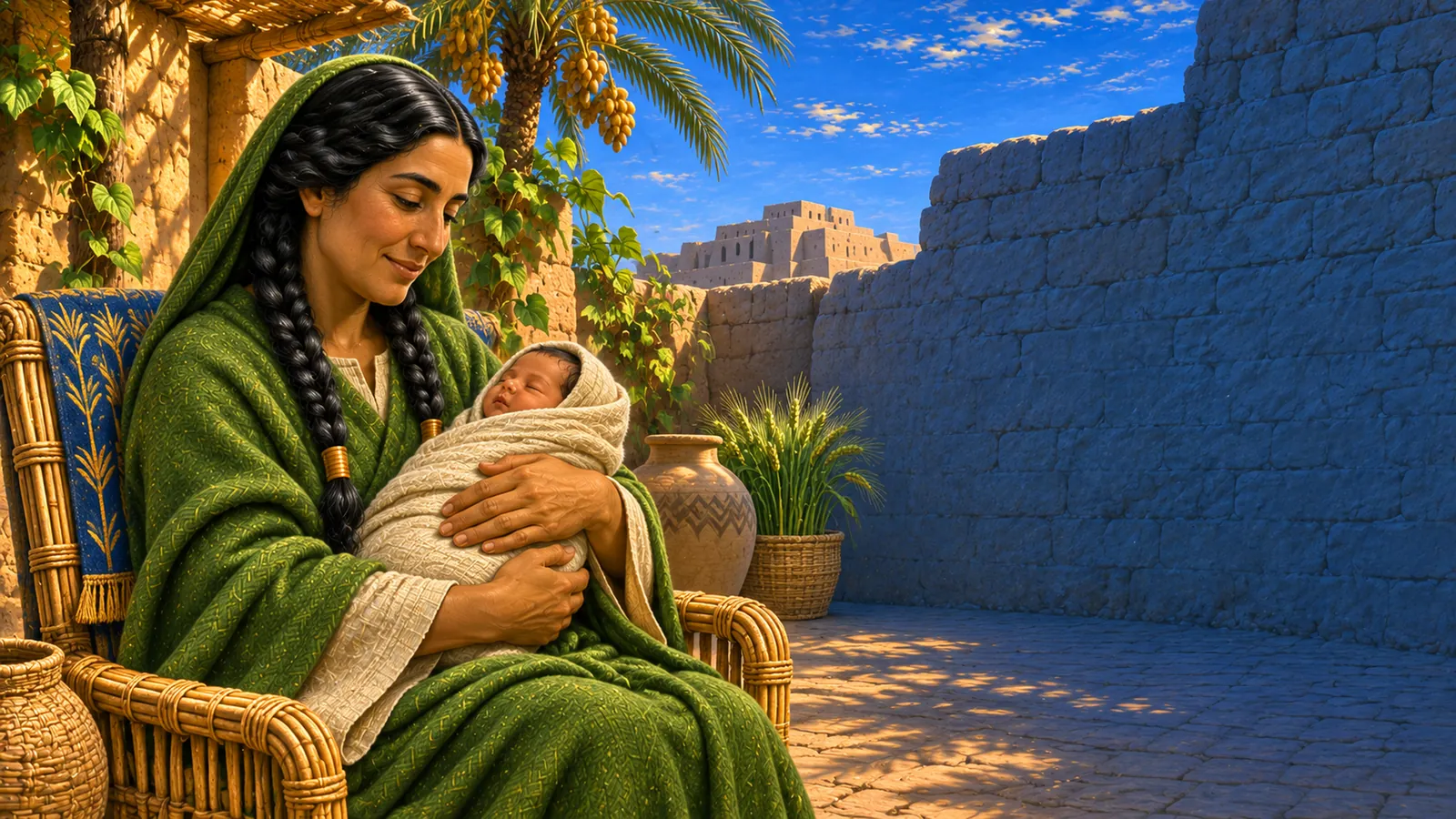
Los meses volvieron a pasar como días, y Ninsar dio a luz a Ninkura. El poema vuelve a la imagen del aceite fino que fluye.
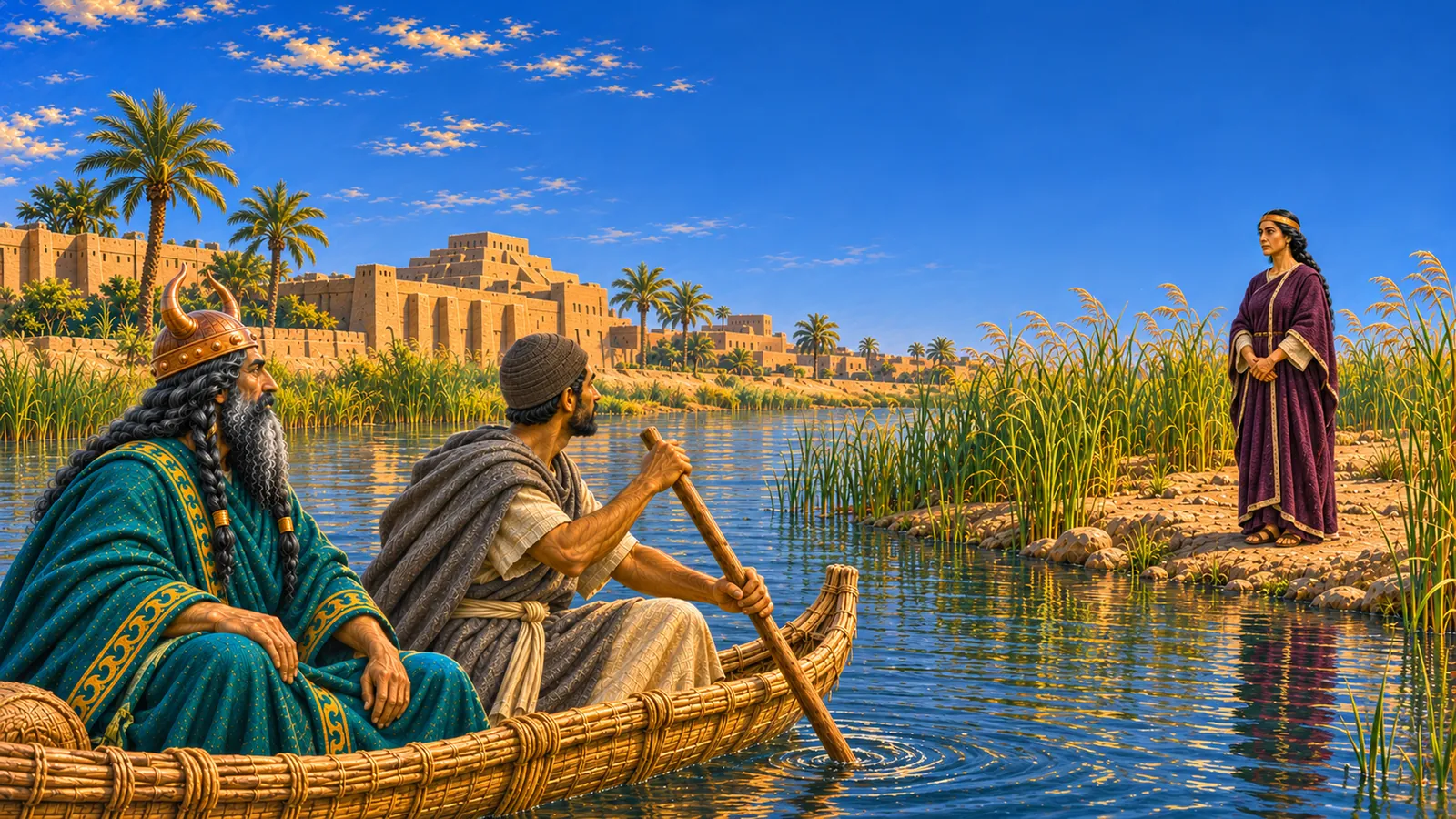
Ninkura llegó a la orilla y Enki la vio desde la marisma. Volvió a hablar con Isimud, quien se ofreció a guiar la barca por él.
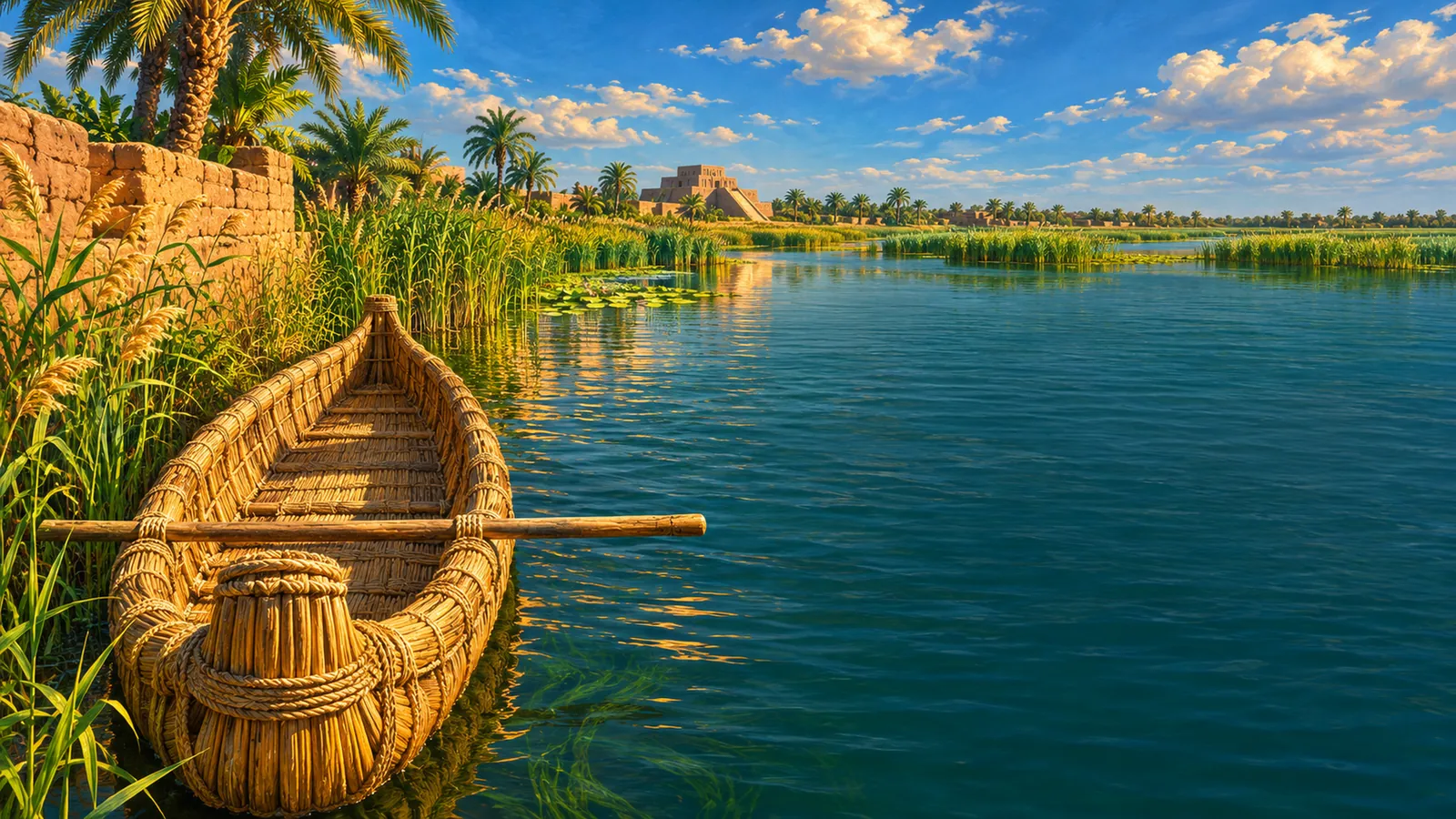
Enki volvió a cruzar en barca hasta la orilla. Se acostó con su nieta Ninkura, que quedó embarazada de él.
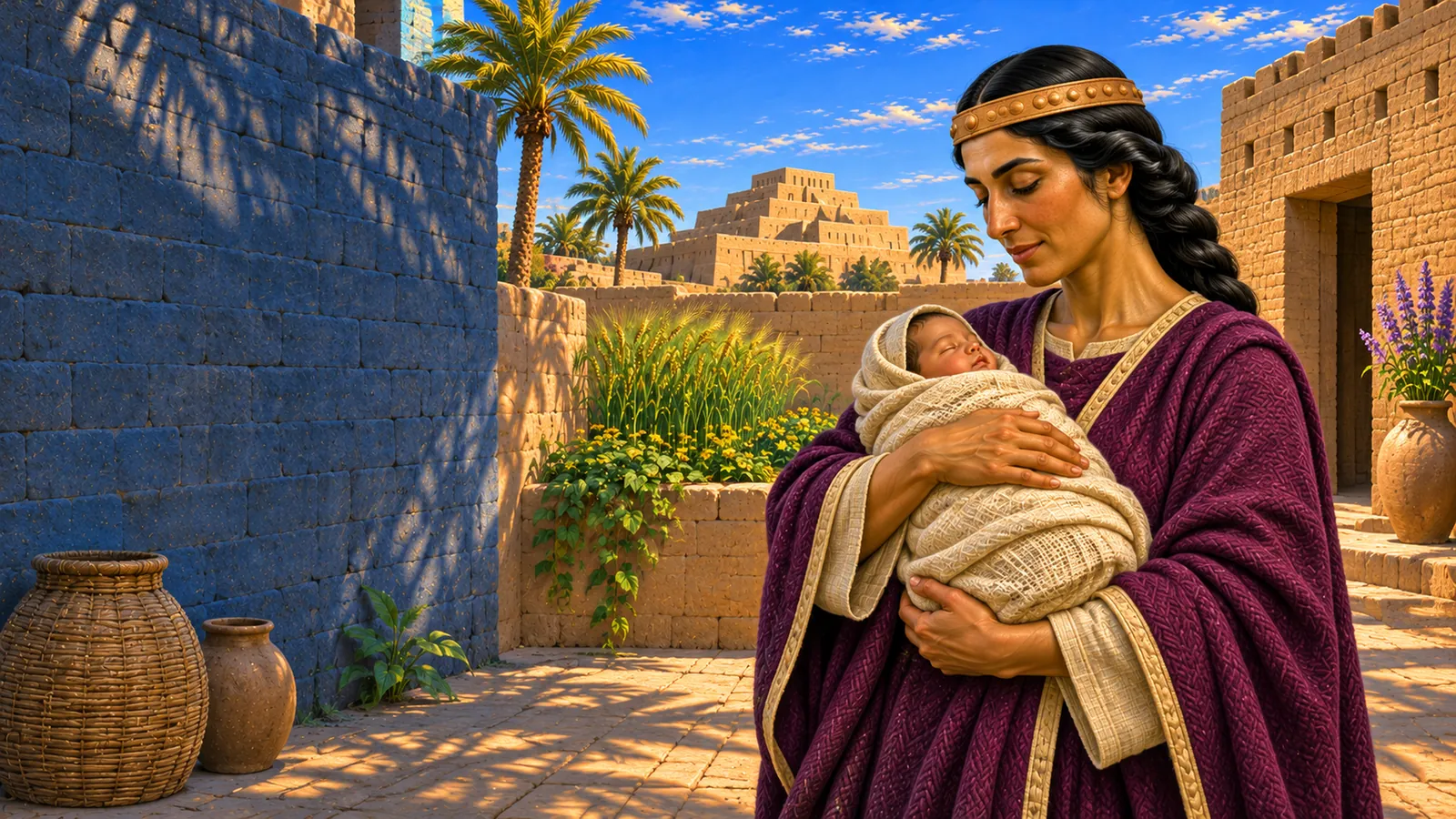
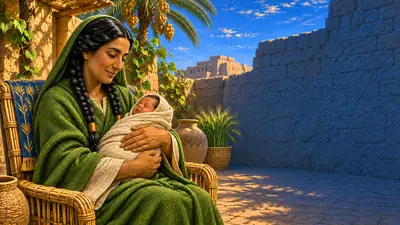
En el relato principal, los meses vuelven a pasar deprisa. Ninkura da a luz a Uttu, cuya descripción en las palabras que siguen es incierta.
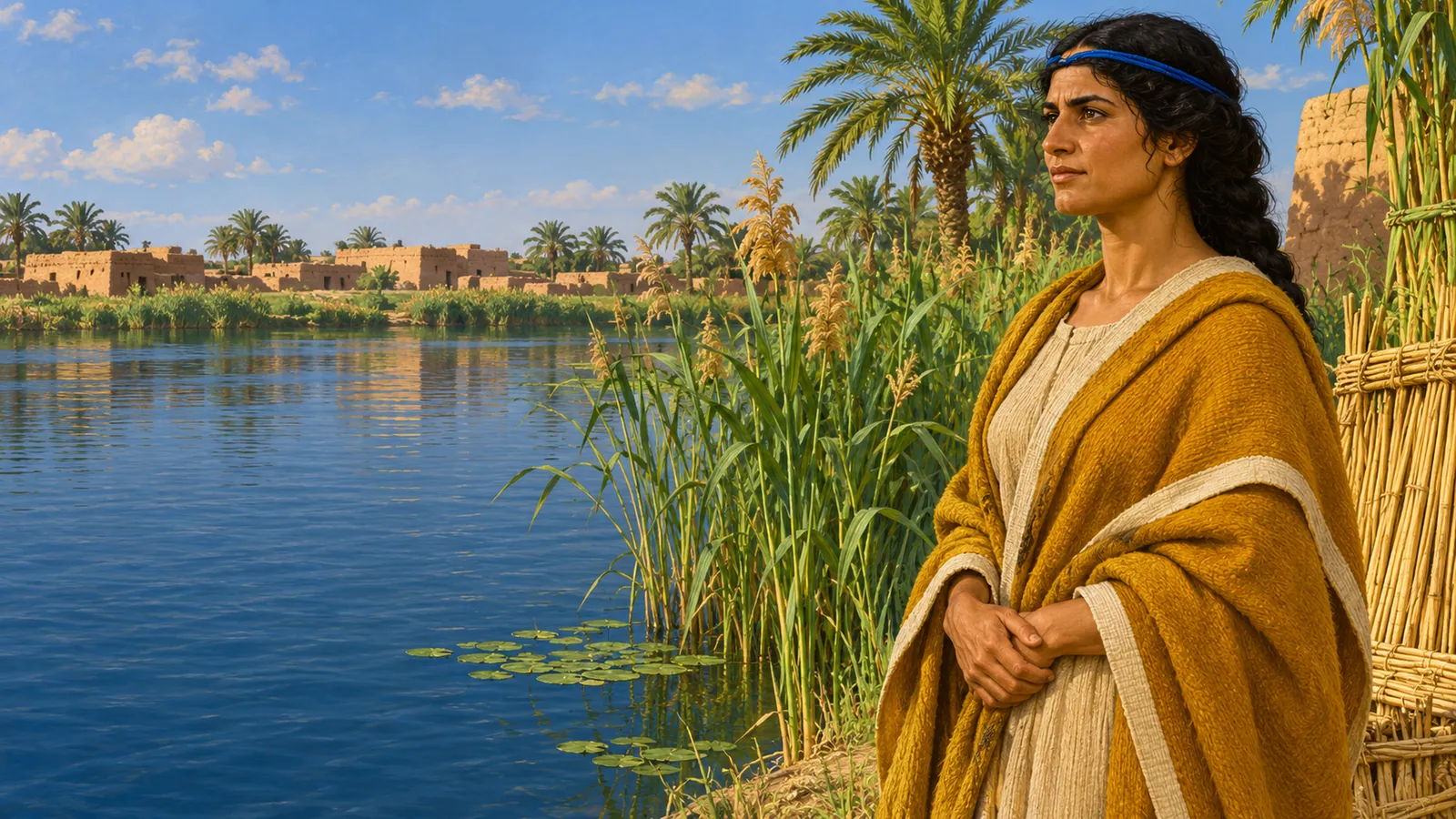
Otra copia, conservada hoy en el Louvre, dice que Ninkura dio a luz a Ninimma. En esta versión Ninimma llegó a la orilla del río y Enki la vio allí.
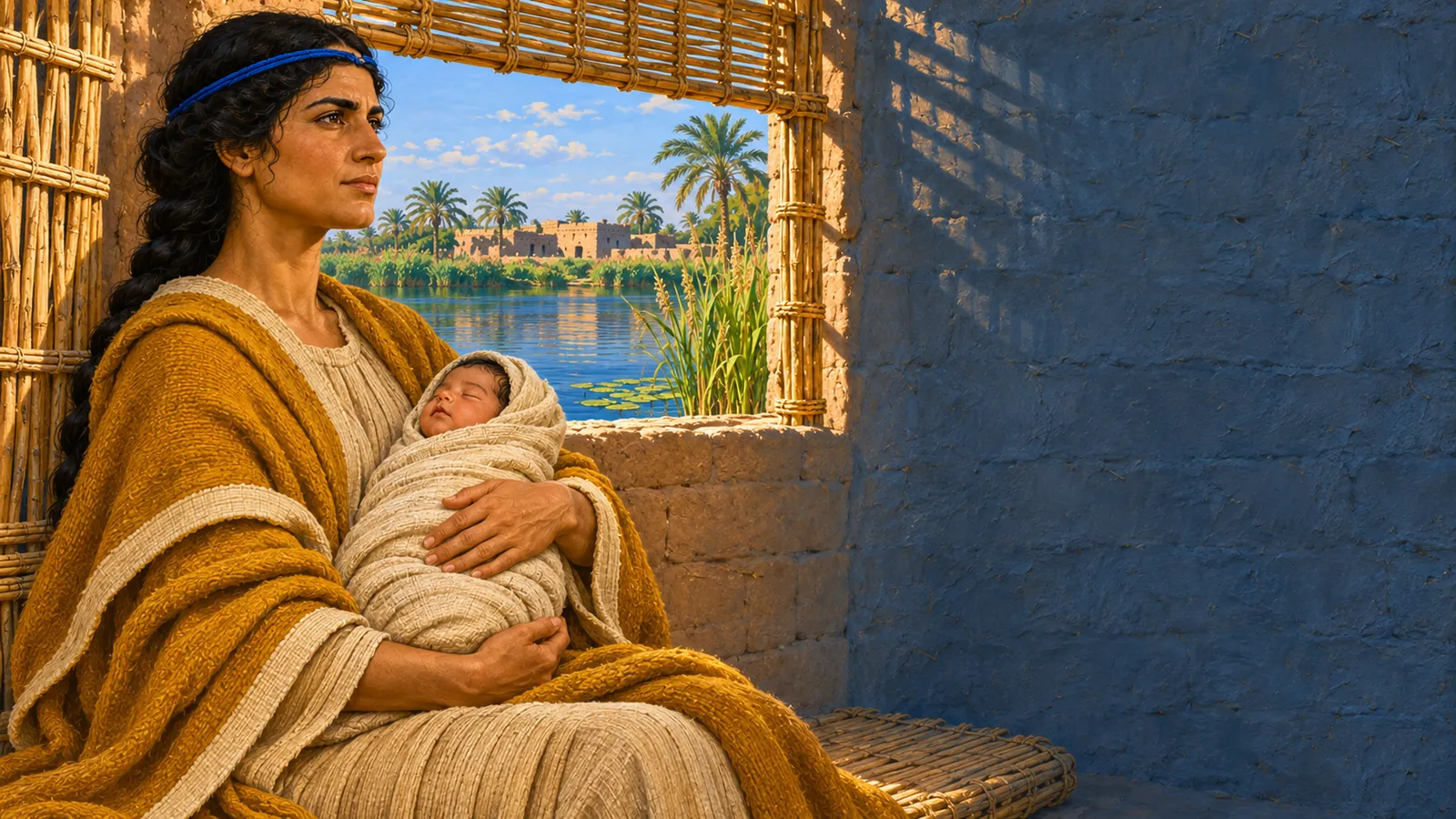
En esa copia Enki también se acuesta con Ninimma. El final se ha restituido en parte, y en él Ninimma da a luz a Uttu.
LA ADVERTENCIA
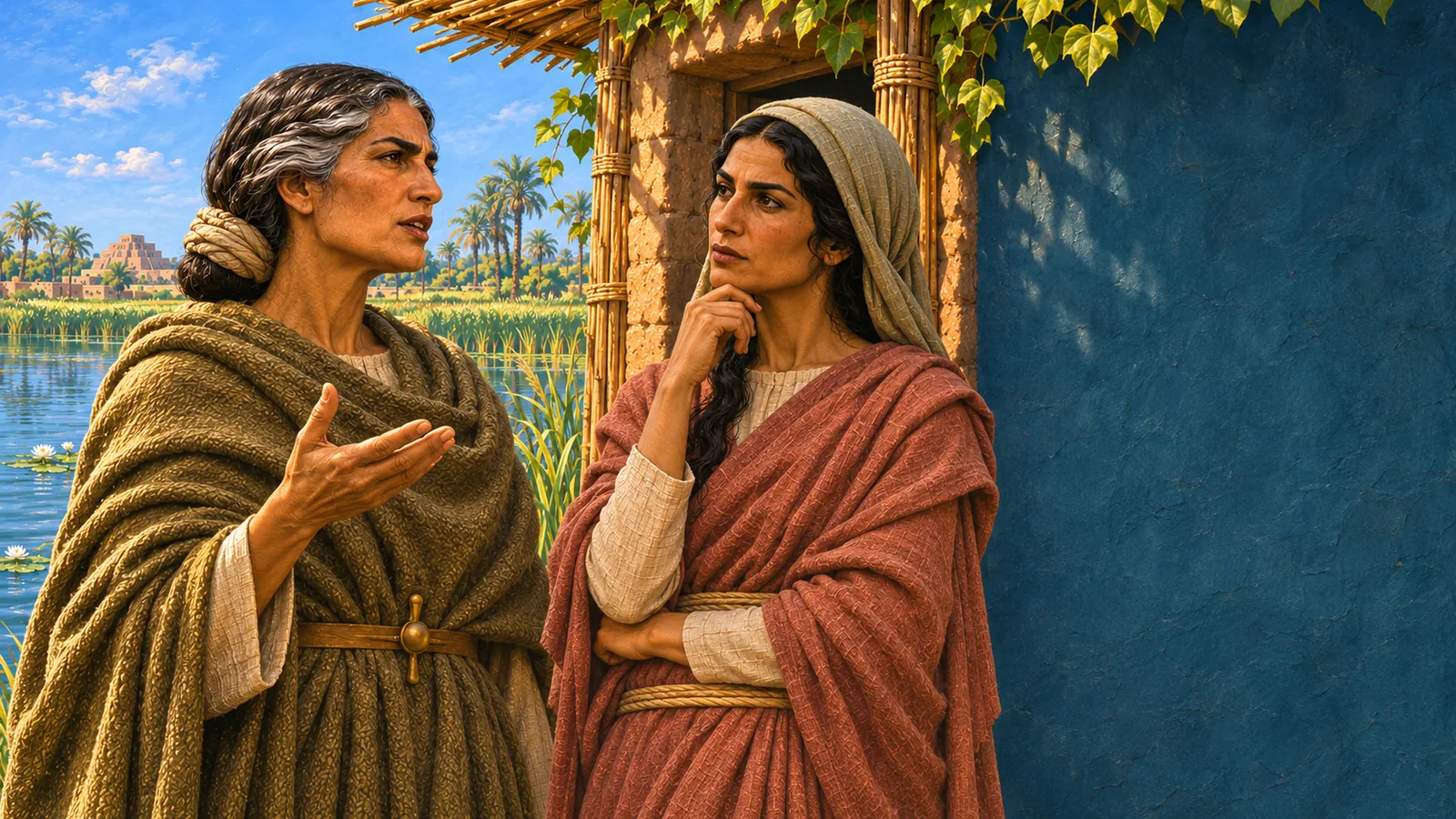
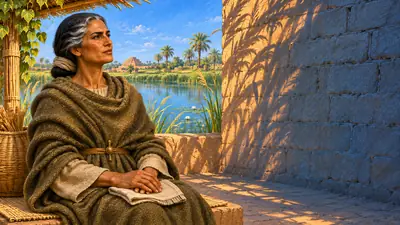
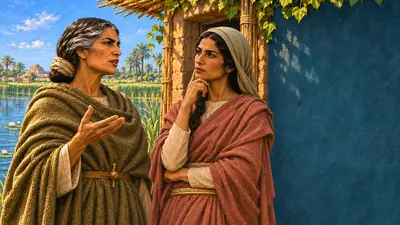
Nintud advirtió a Uttu de que Enki llevaba tiempo observando desde la marisma. Le dijo que él la vería.
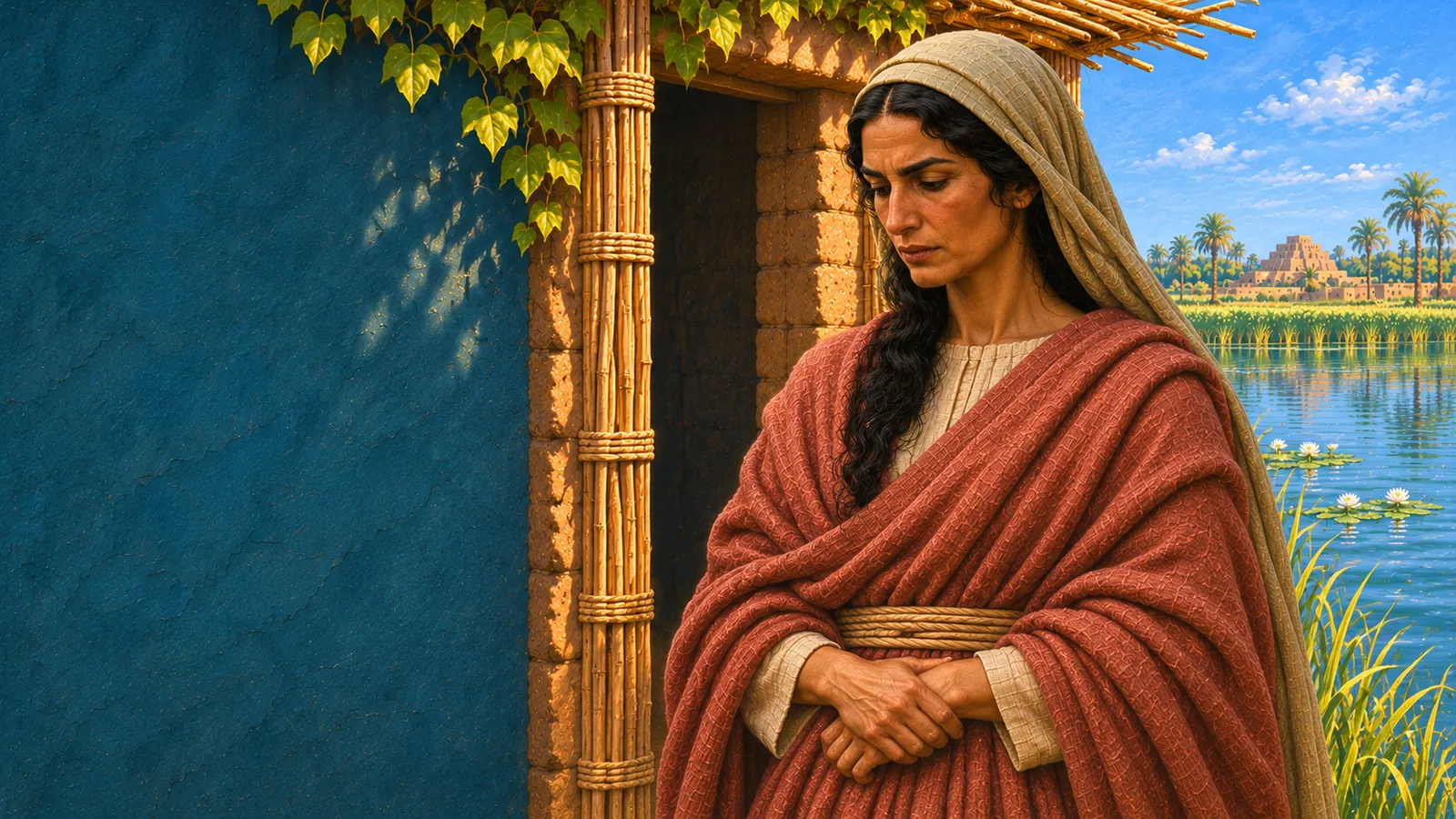
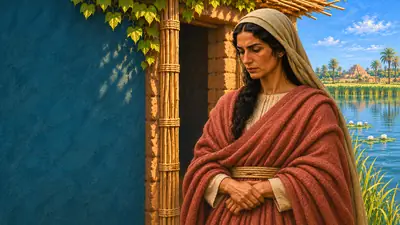
En este punto la advertencia se vuelve fragmentaria. Quedan el nombre de Uttu y algunas palabras, pero los versos dañados no permiten recuperar el consejo completo.
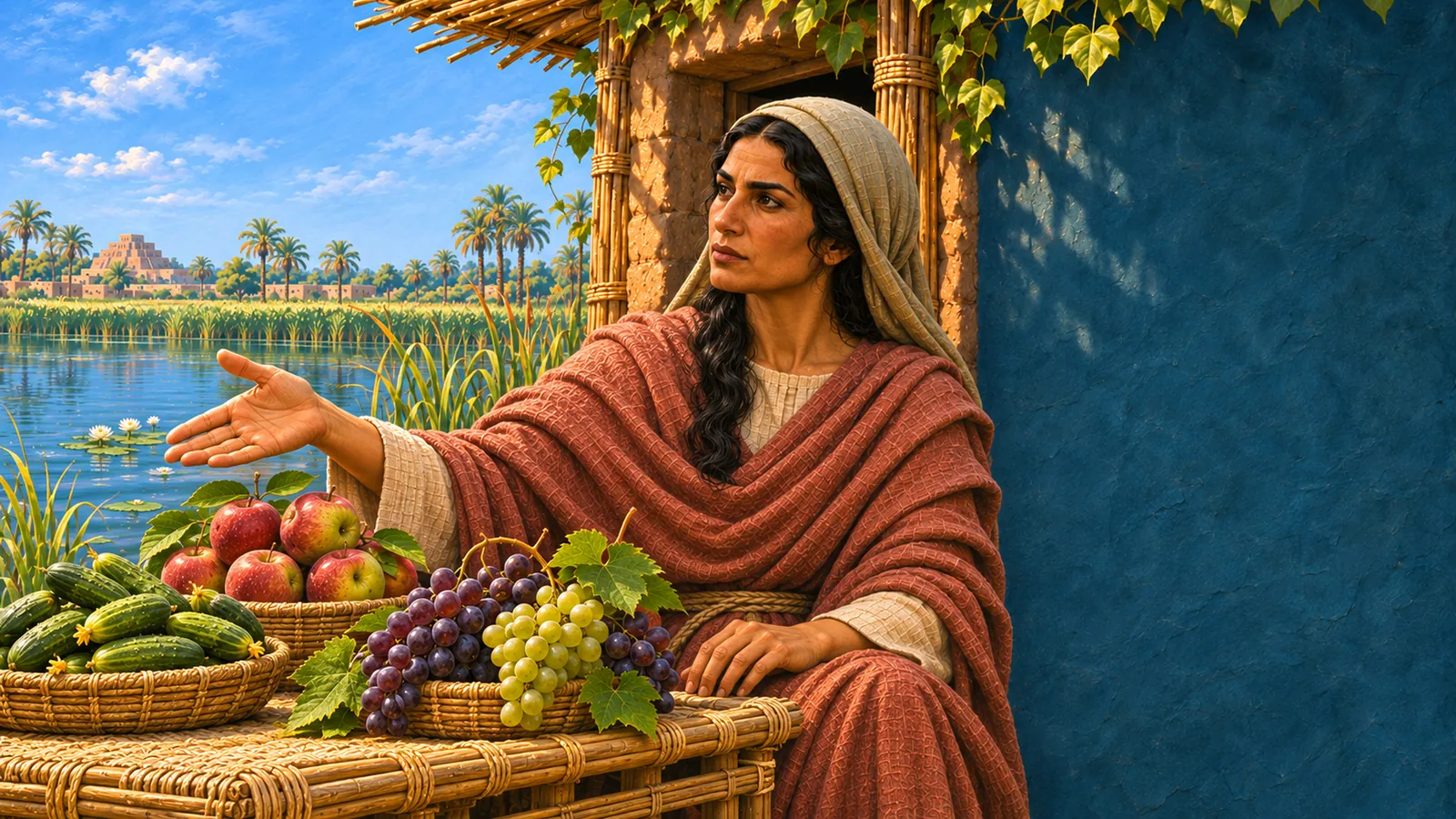
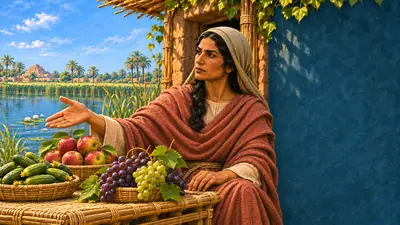
Uttu habla de pepinos, manzanas y uvas. Algunas palabras son inciertas y no está claro a quién se dirige.
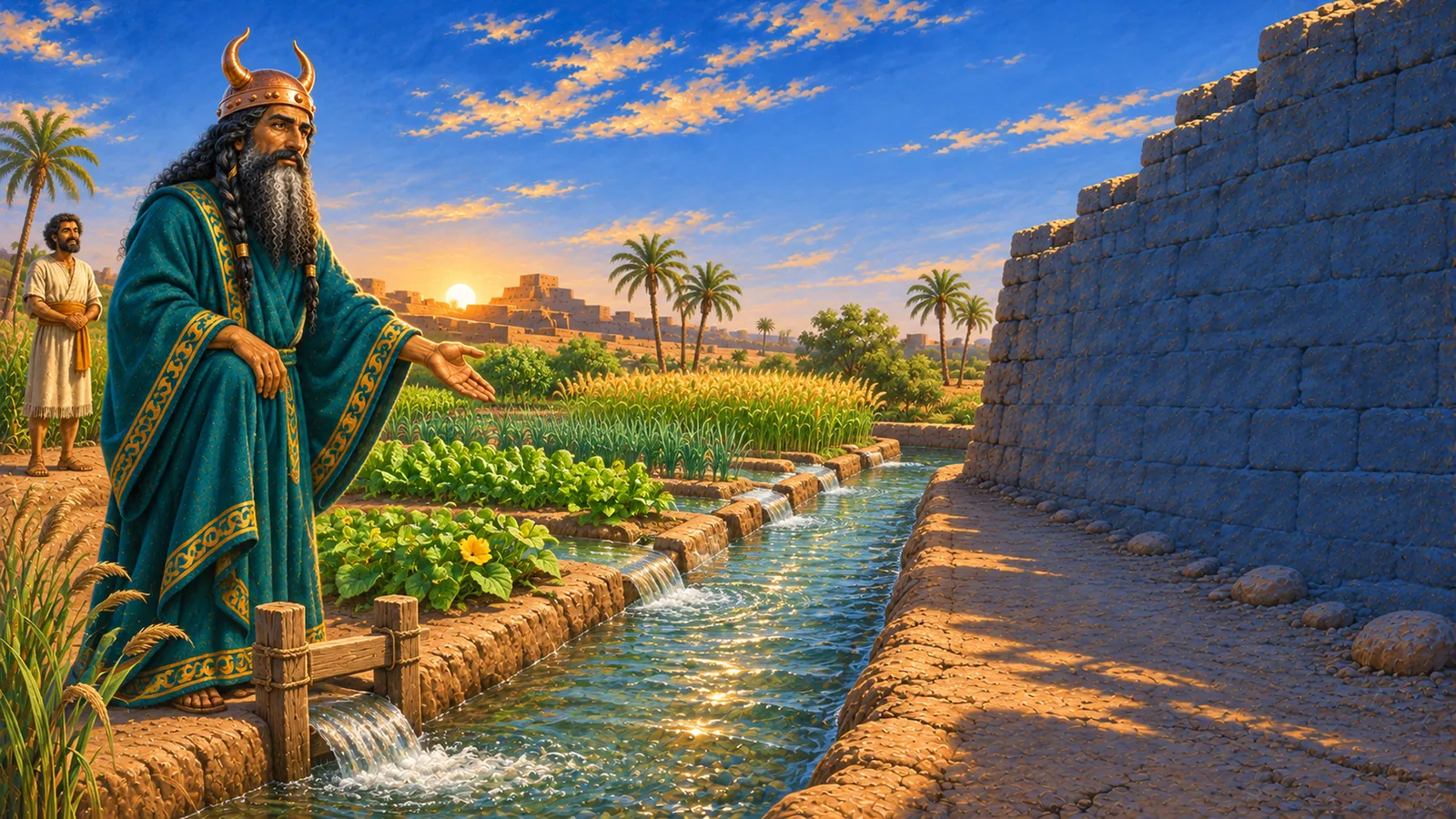
Enki volvió a llevar agua al huerto. El poema dice que llenó de agua los diques y los canales por segunda vez.
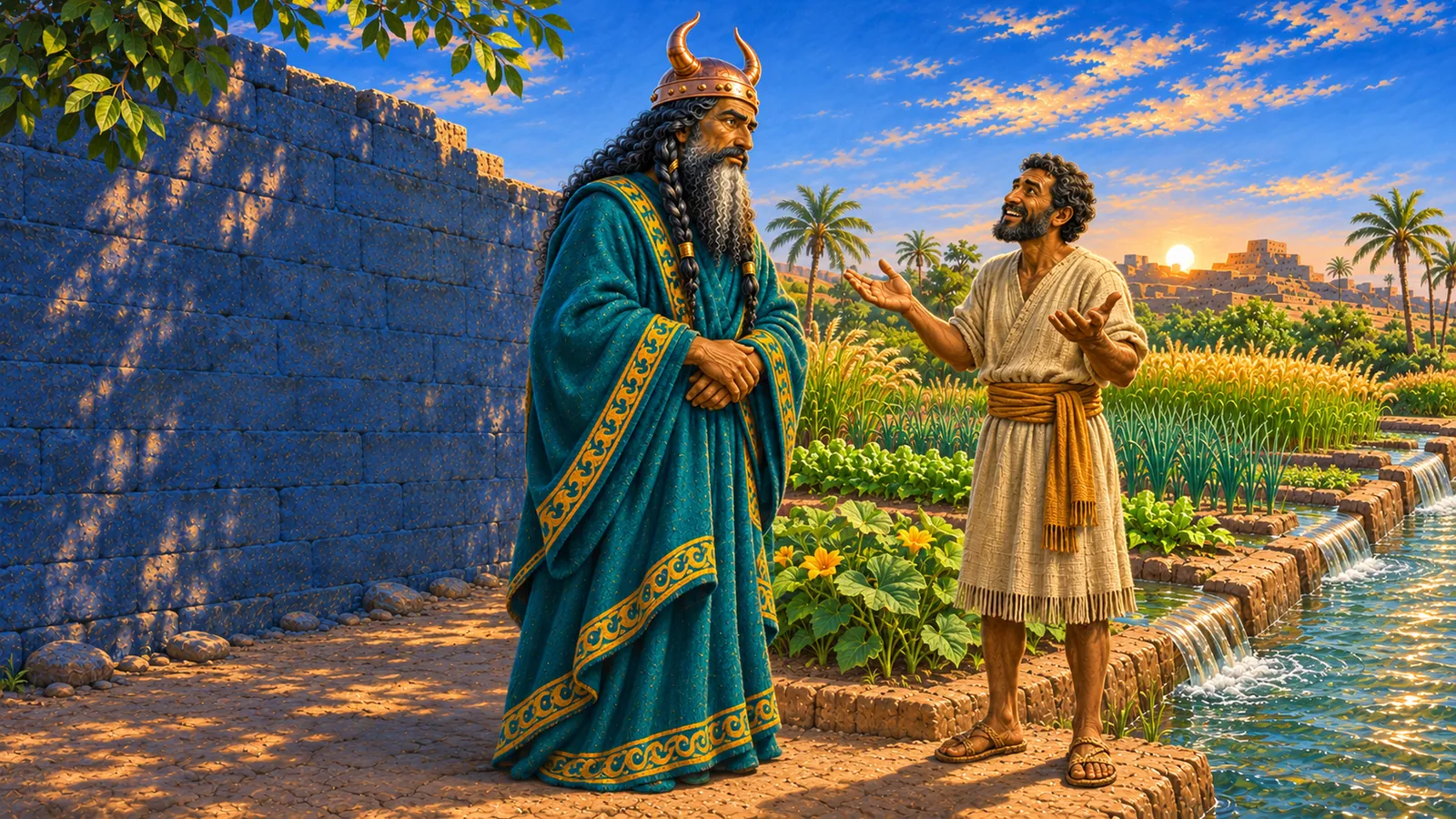
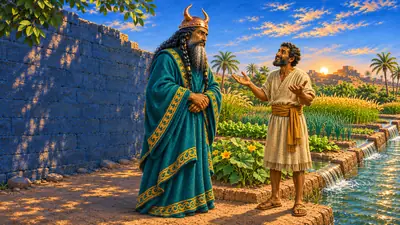
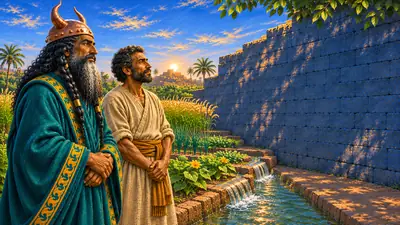
El hortelano se alegró mucho cuando el agua llegó al huerto. Preguntó a Enki quién era, pero el resto de su pregunta está dañado.
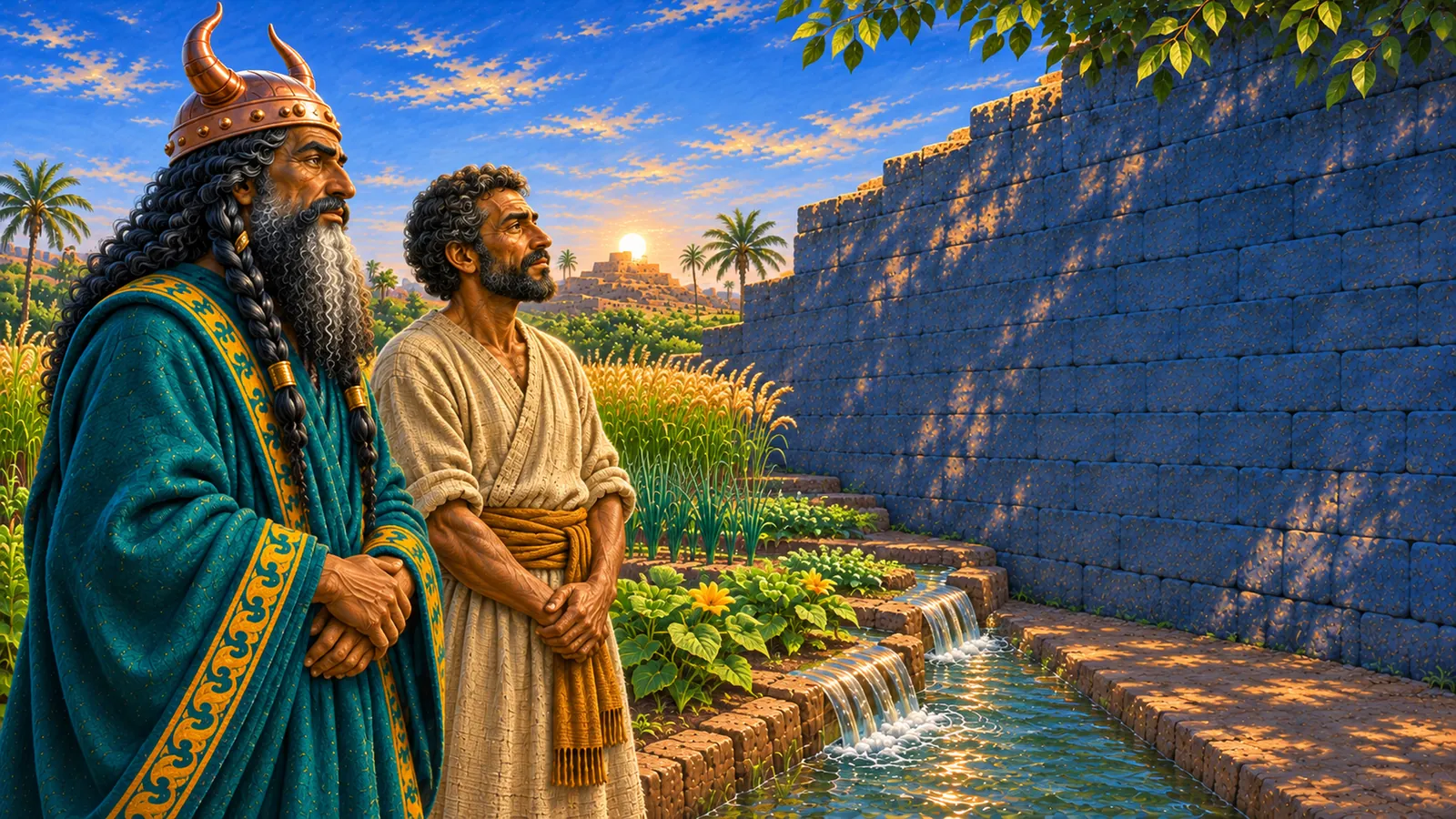
Enki empezó a responder al hortelano. Aquí faltan cuatro líneas, así que se han perdido las palabras que intercambiaron.
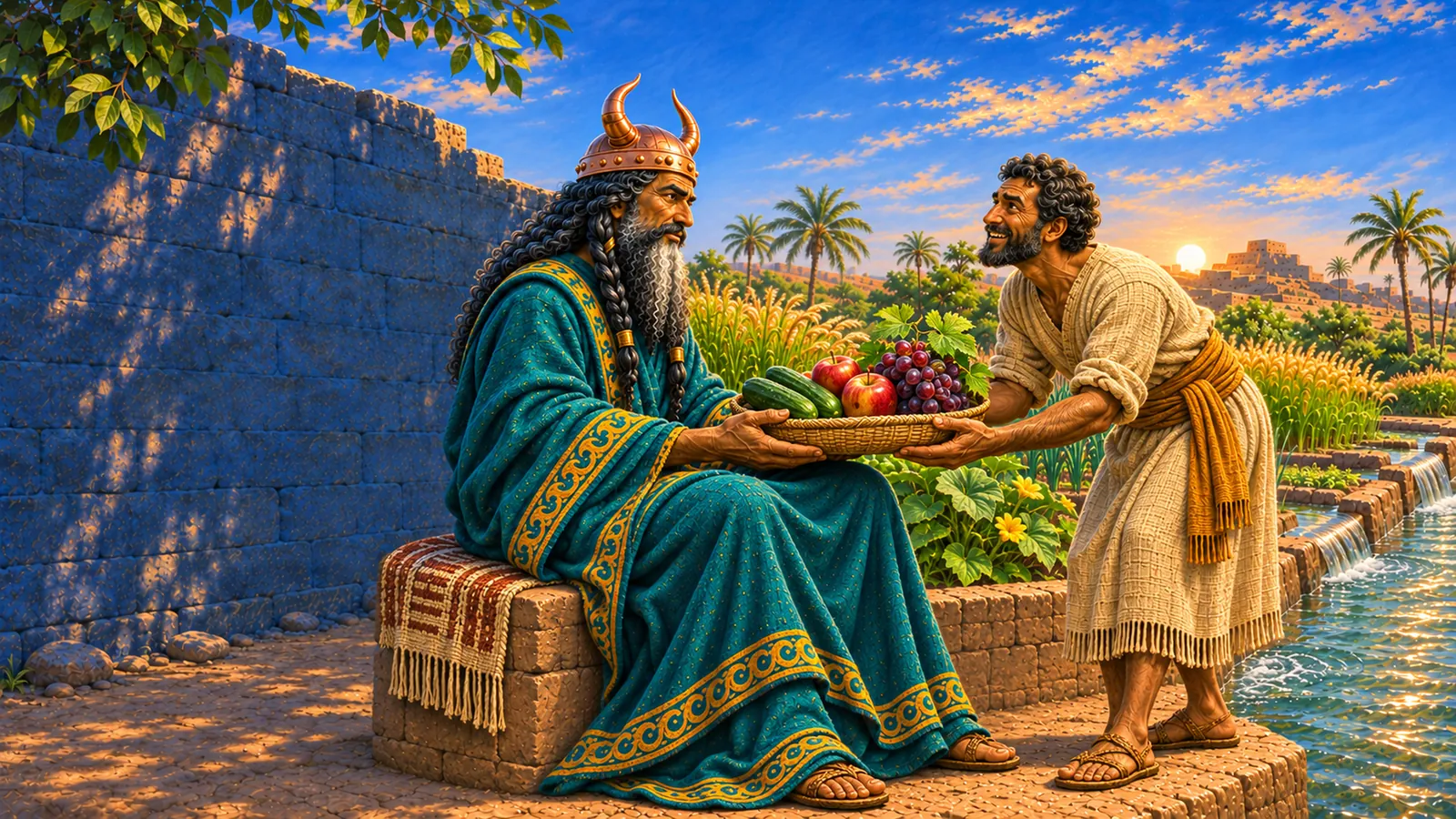
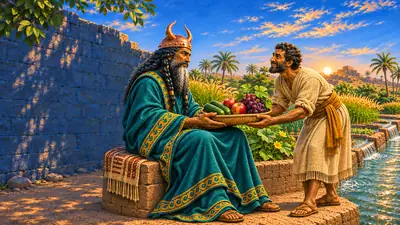
Cuando se reanuda el texto, el hortelano lleva a Enki los pepinos, las manzanas y los racimos de uvas. Con todo ello le llena el regazo.
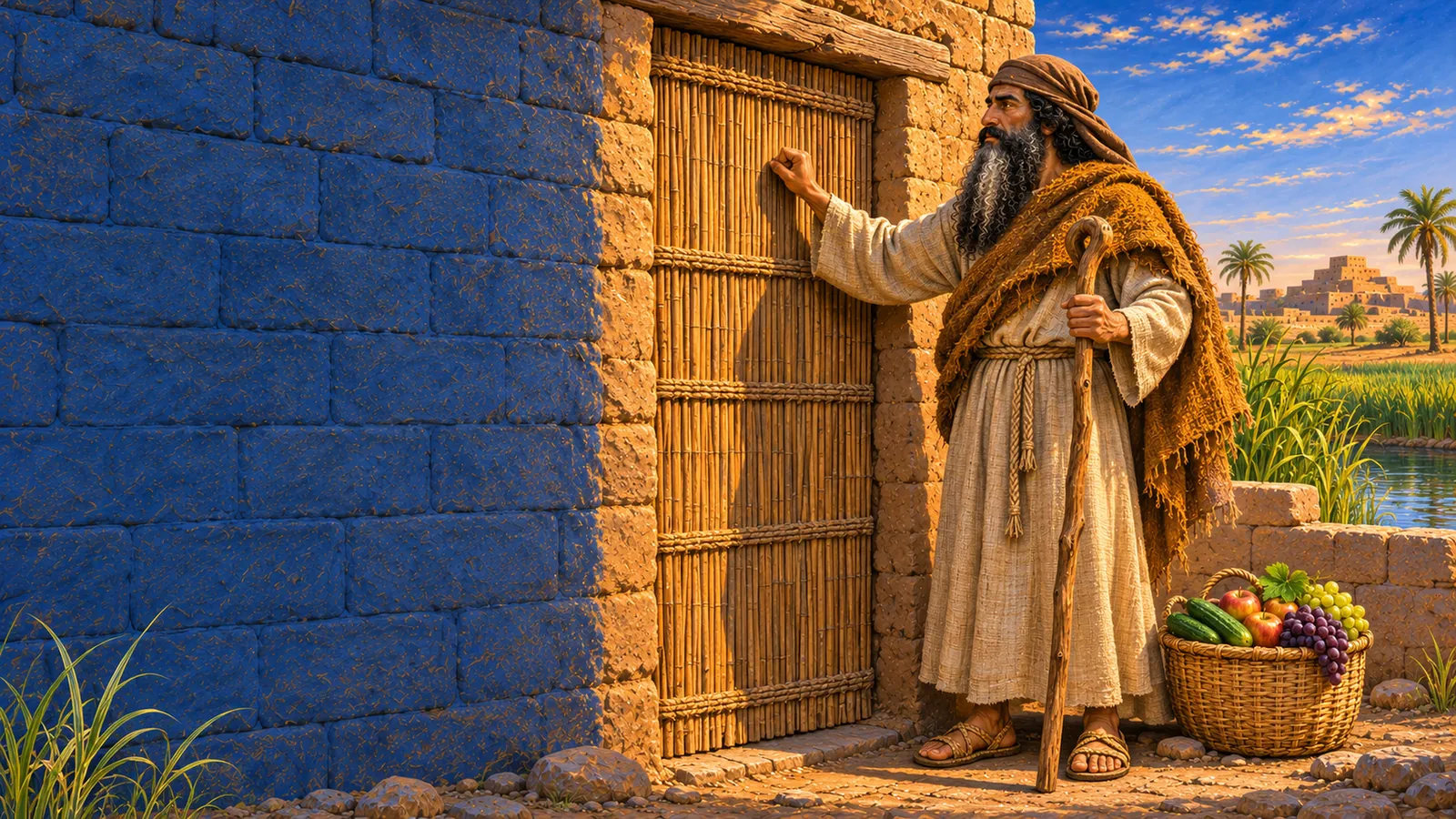
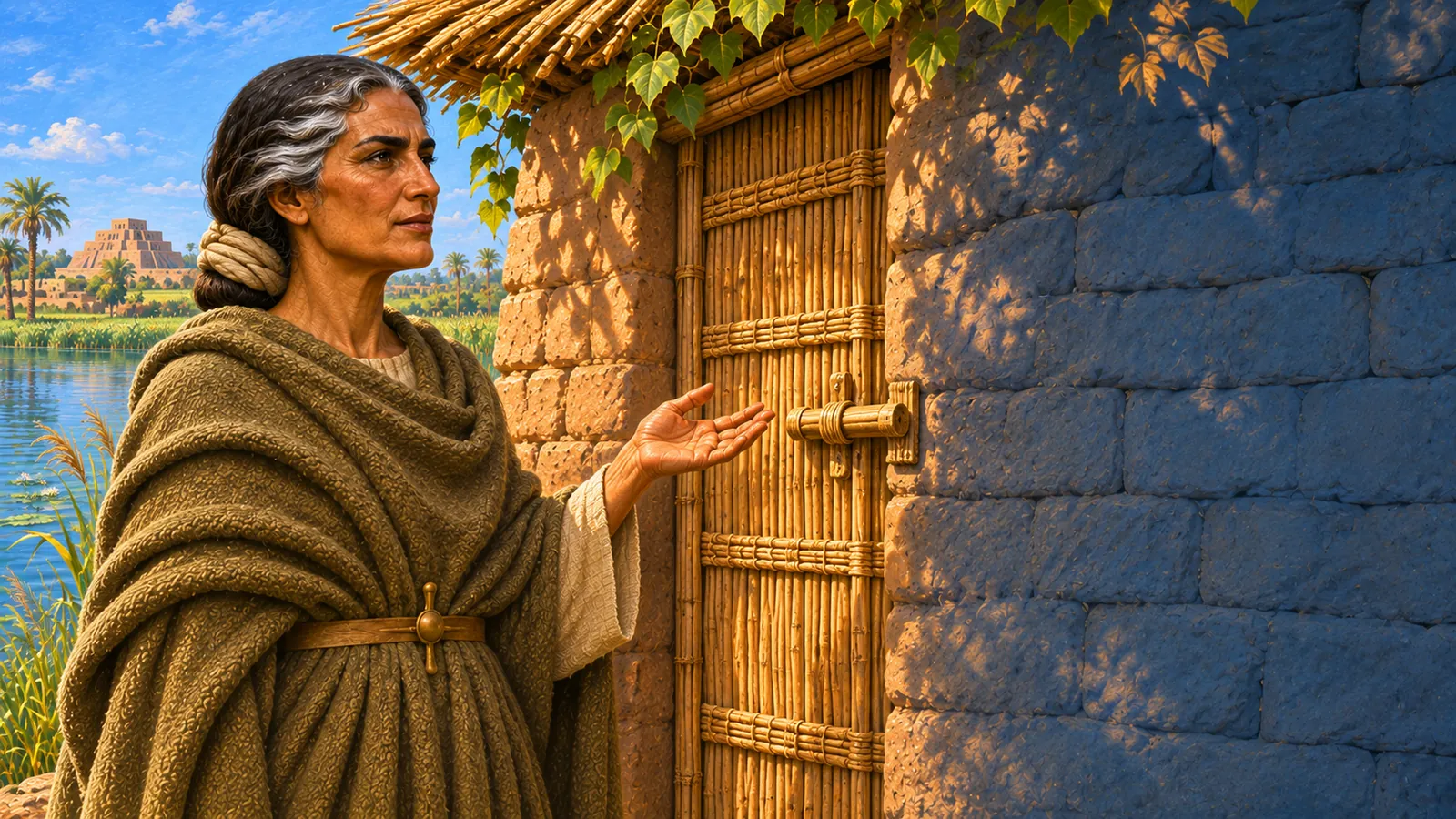
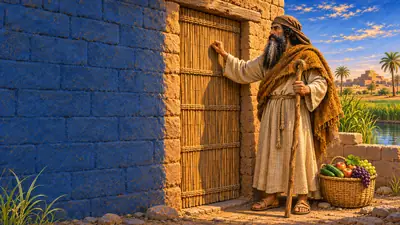
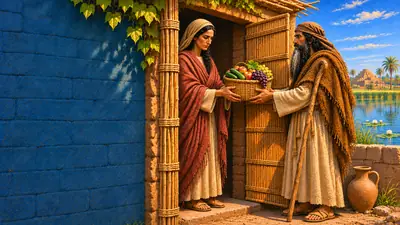
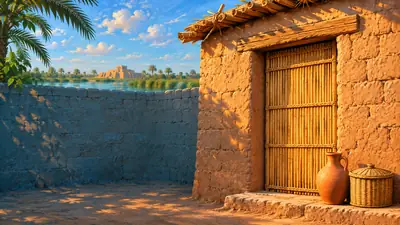
Enki cambió de aspecto, tomó un bastón y llamó a la puerta de Uttu. Cuando ella preguntó quién era, él dijo que era hortelano y le ofreció los frutos.
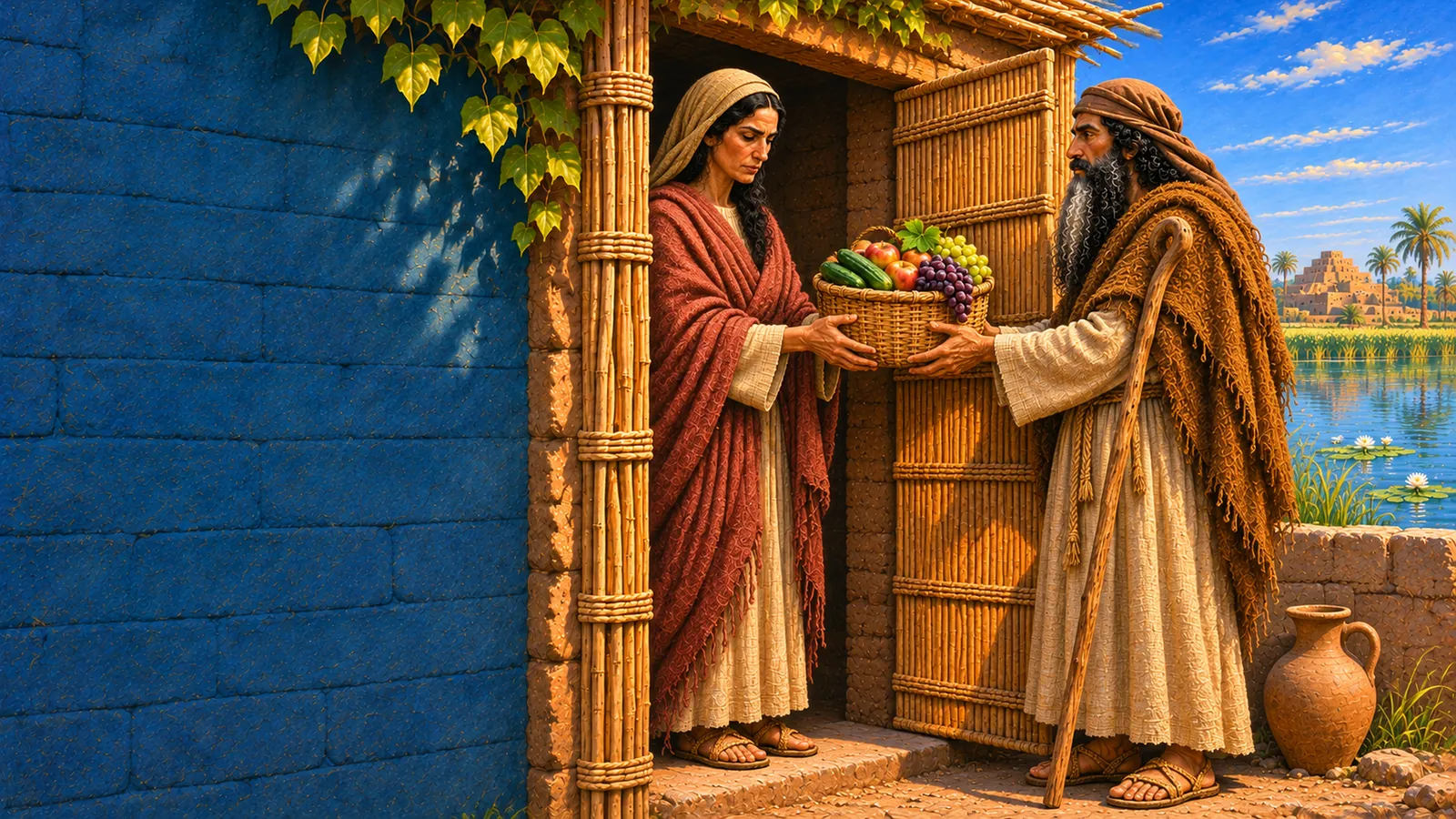
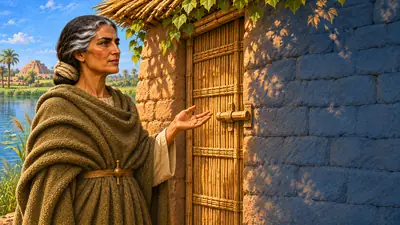
Uttu abrió la puerta y recibió los pepinos, las manzanas y las uvas. Una copia del poema cuenta que Enki también le sirvió cerveza.
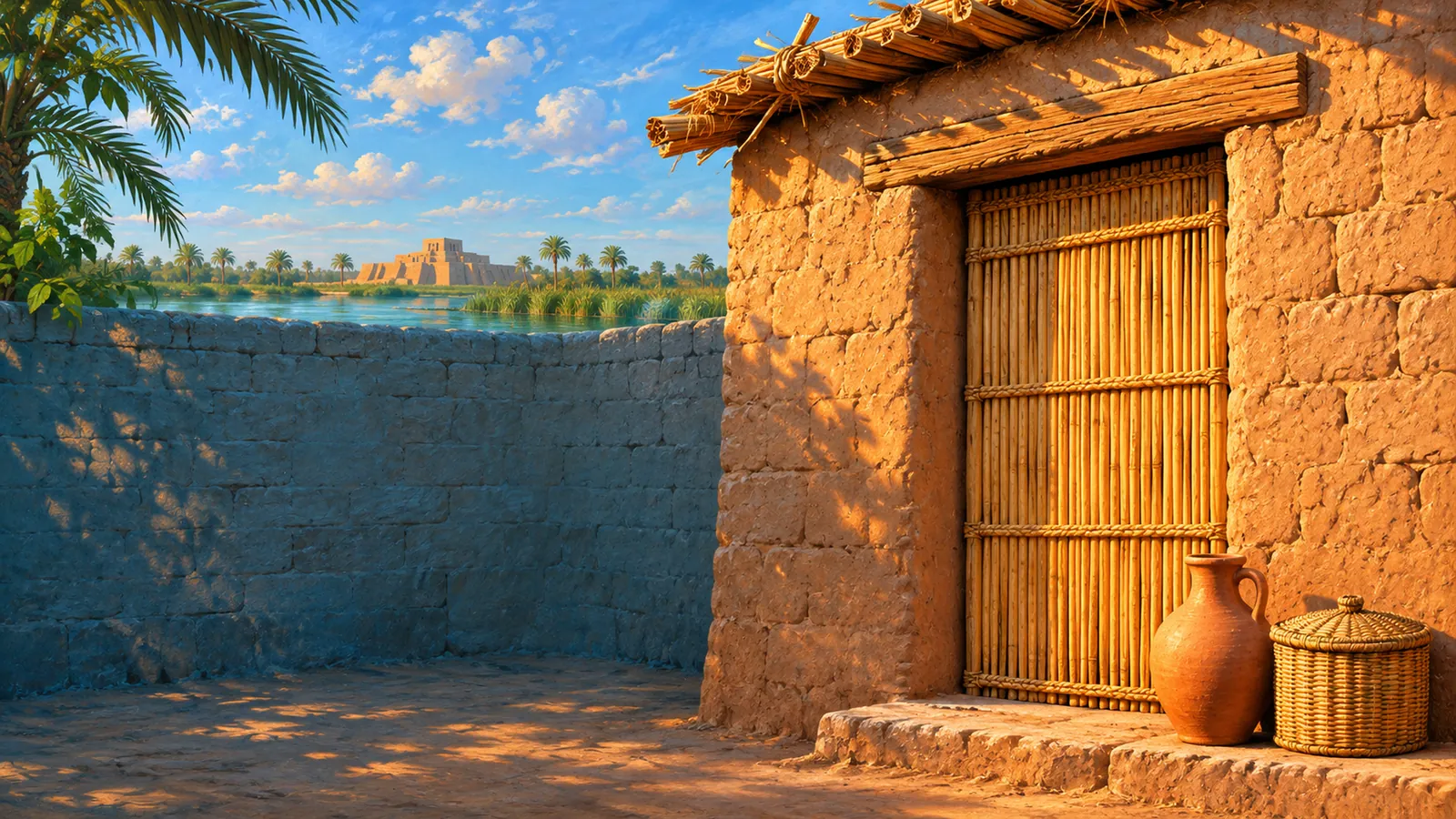
Enki había llegado haciéndose pasar por hortelano. Dentro de la casa, se acostó con Uttu, que quedó embarazada de él.
EL GRITO DE UTTU
Uttu gritó de dolor. Ninhursag retiró de su cuerpo la semilla de Enki. De las dos líneas siguientes solo quedan fragmentos.
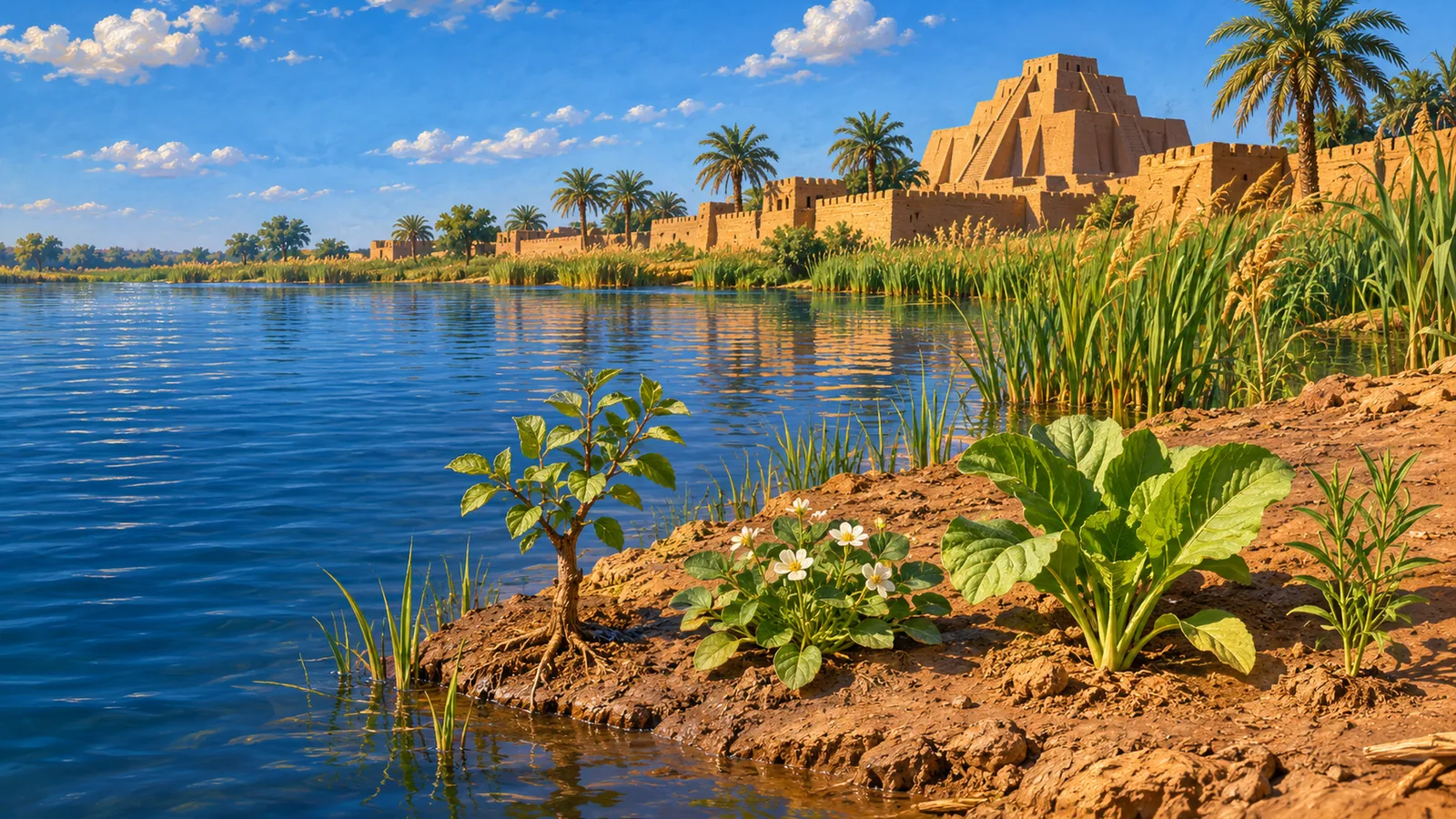
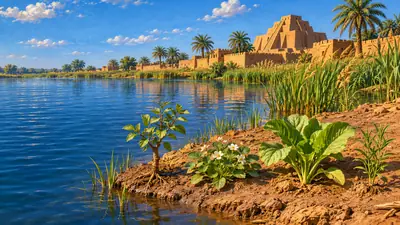
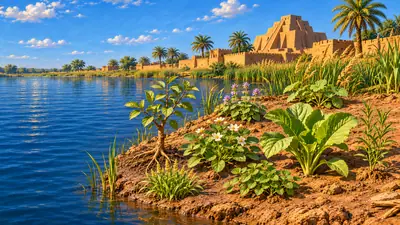
Crecieron cuatro tipos de plantas. El poema menciona la planta árbol, la planta miel y la planta hortaliza. La cuarta es difícil de identificar.
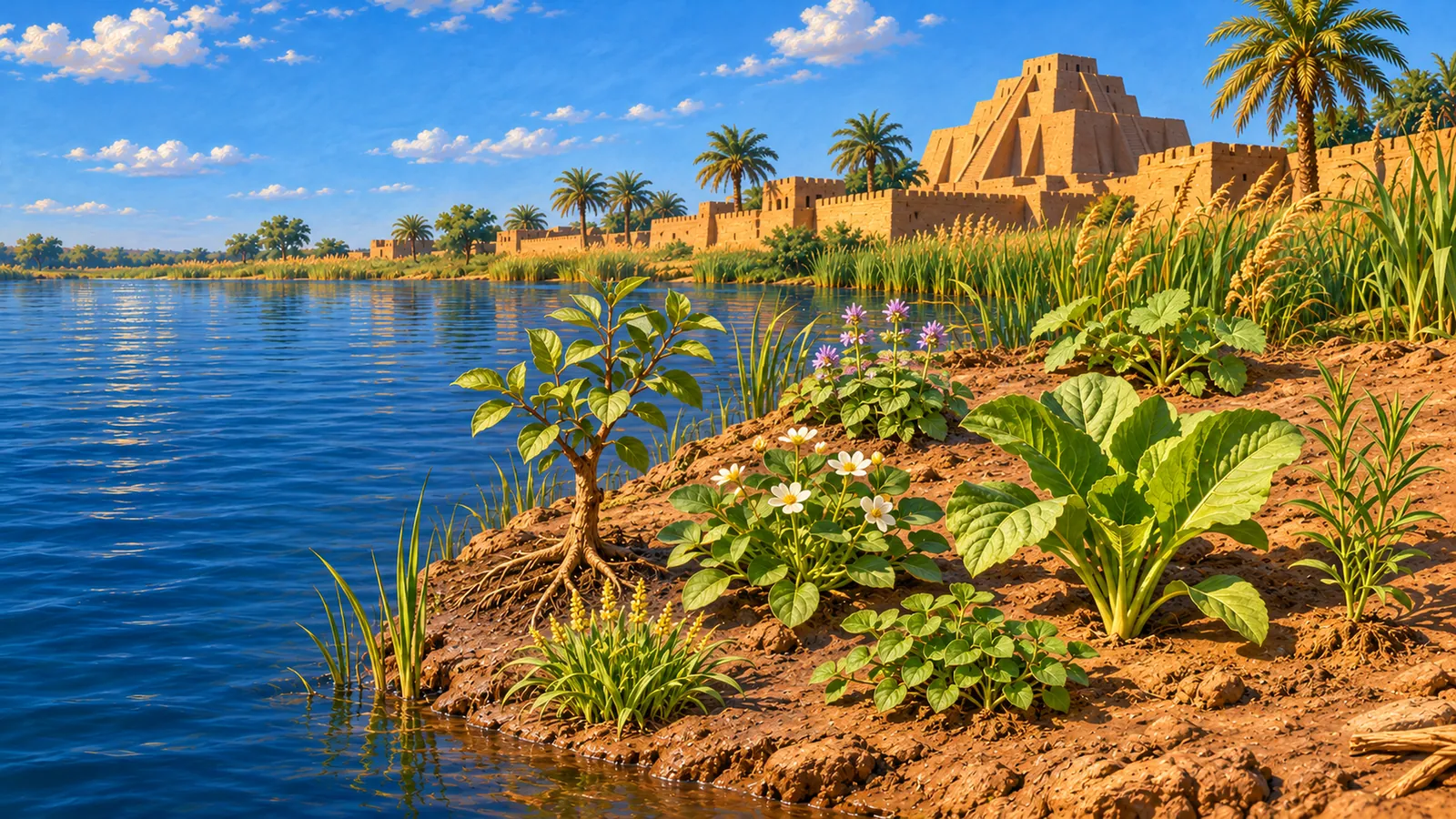
Crecieron otros cuatro tipos de plantas. Sus nombres son Atutu, Ashtaltal, un nombre que se ha perdido en la tablilla y Amharu.
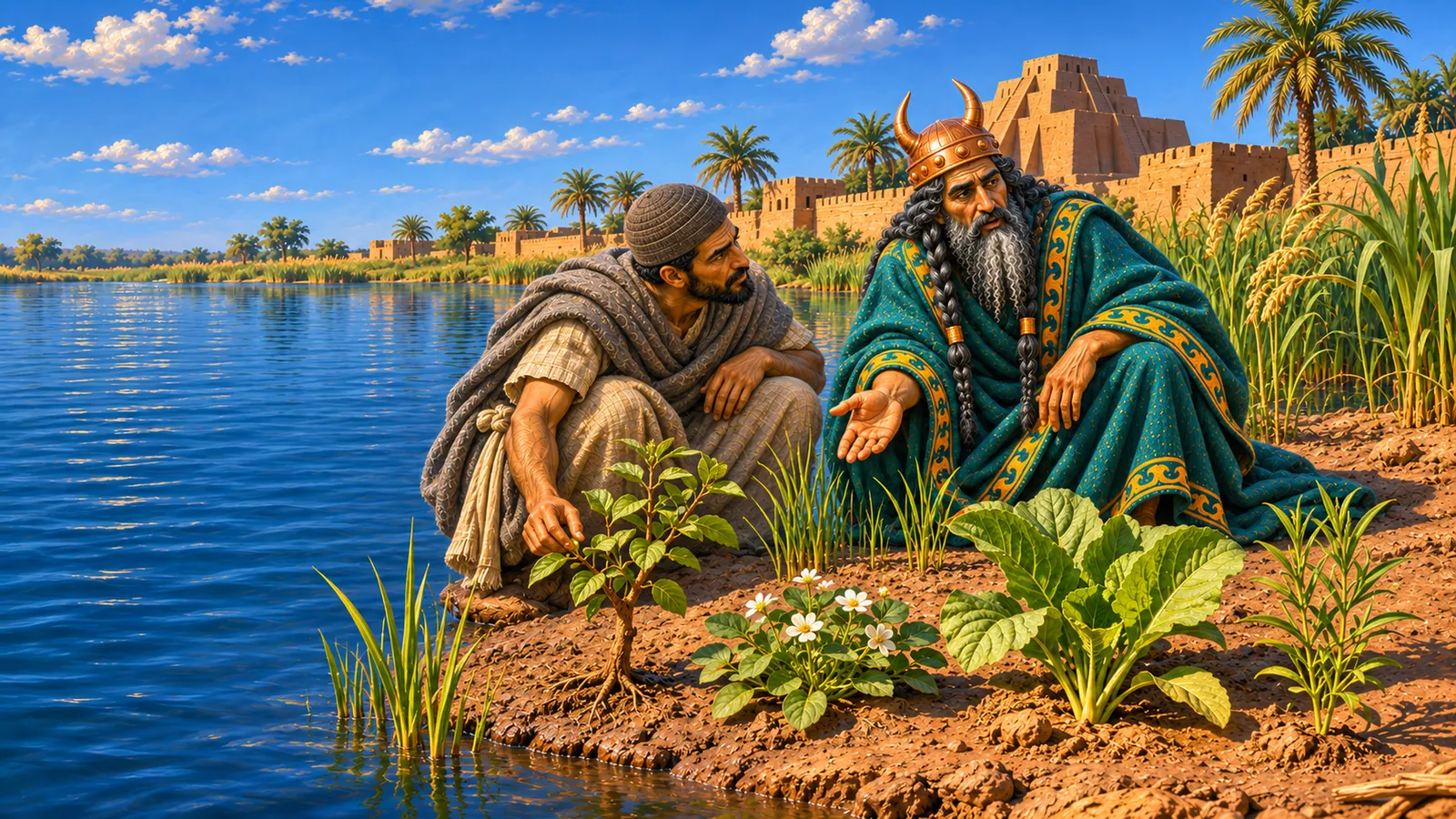
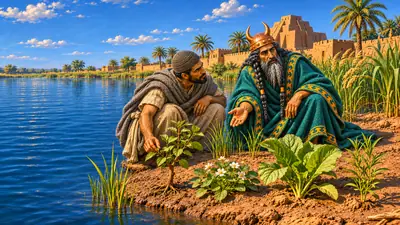
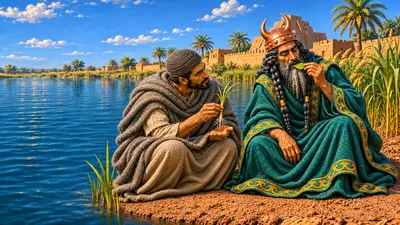
Enki vio las plantas desde la marisma. Aún tenía que fijar su destino, así que empezó a preguntar a Isimud cuáles eran, una por una.
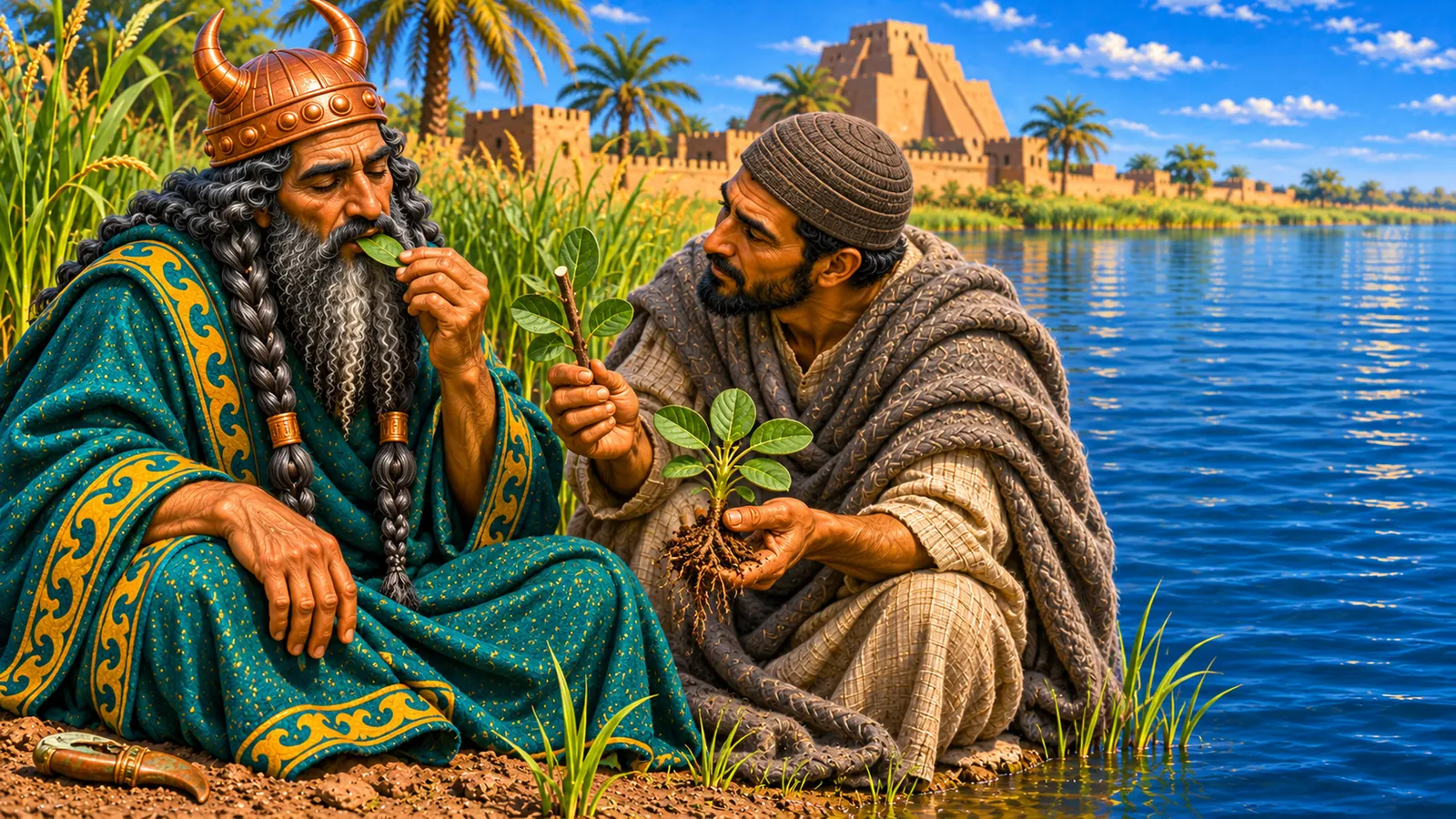
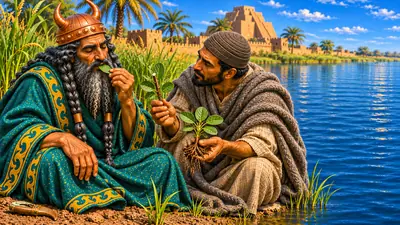
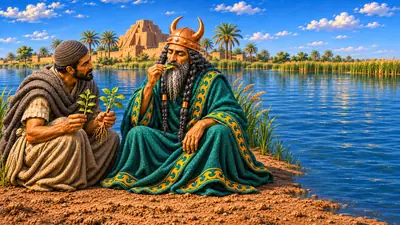
Isimud nombró la planta árbol, la cortó y se la dio a Enki para que la comiera. Luego nombró la planta miel, la arrancó y se la dio también.
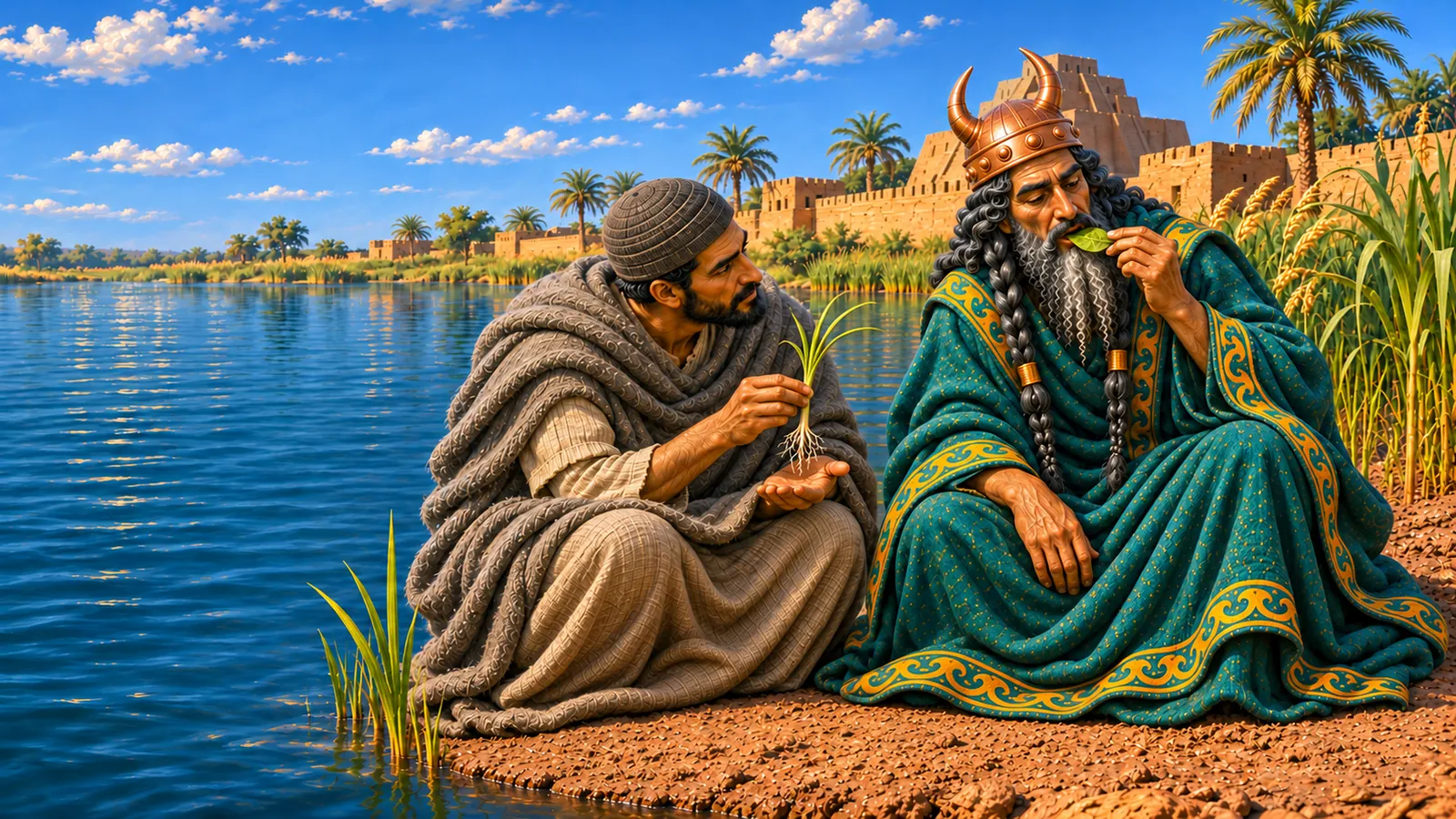
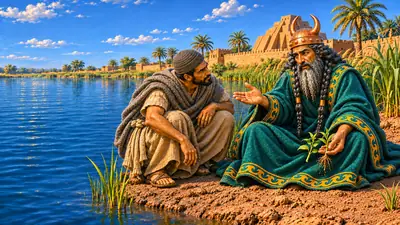
Isimud cortó la planta hortaliza y arrancó una planta que quizá era una clase de hierba. Enki comió ambas conforme Isimud se las iba dando.
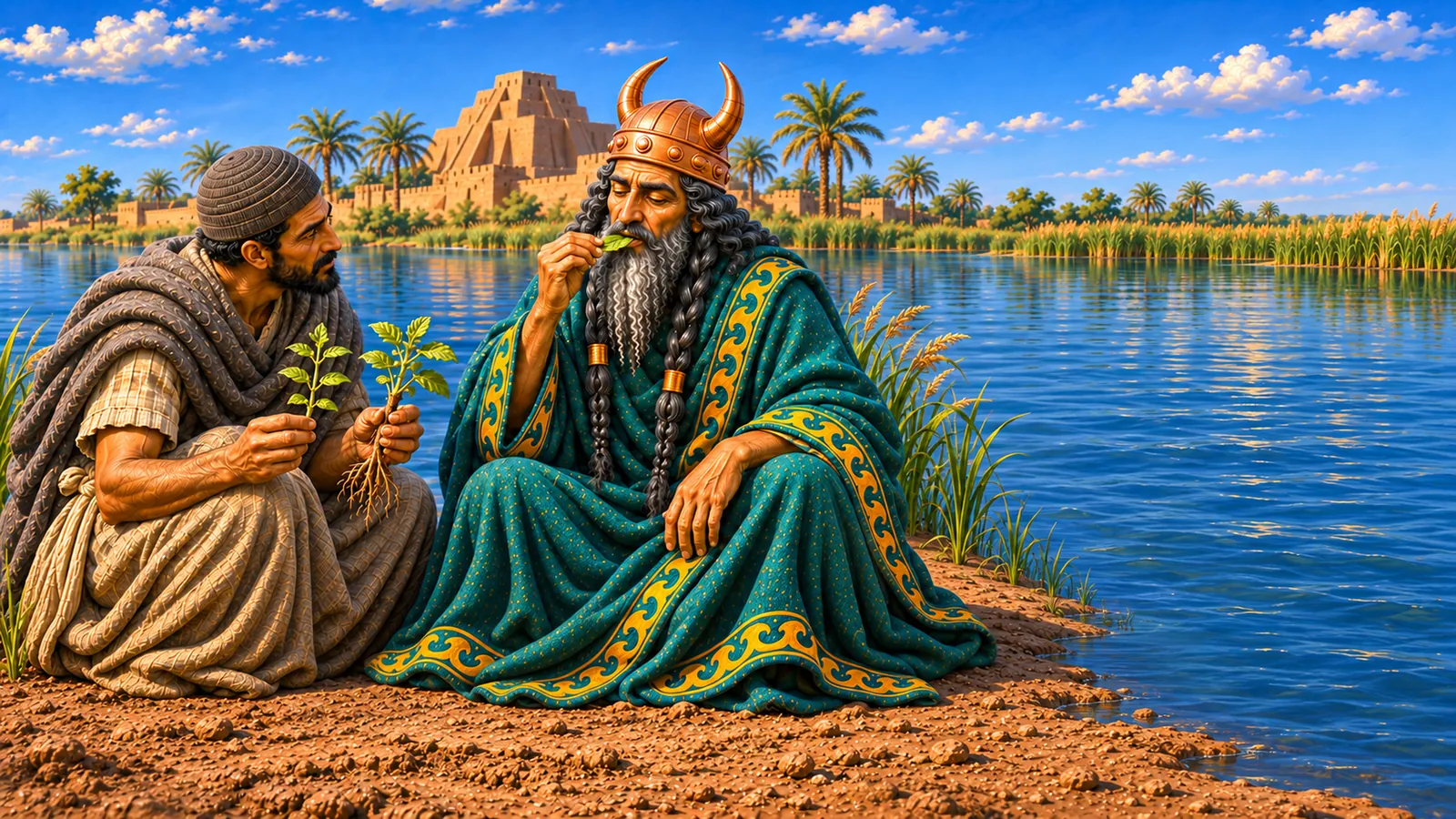
Isimud nombró la planta Atutu y la cortó. Luego nombró la planta Ashtaltal y la arrancó. Enki comió las dos plantas una tras otra.
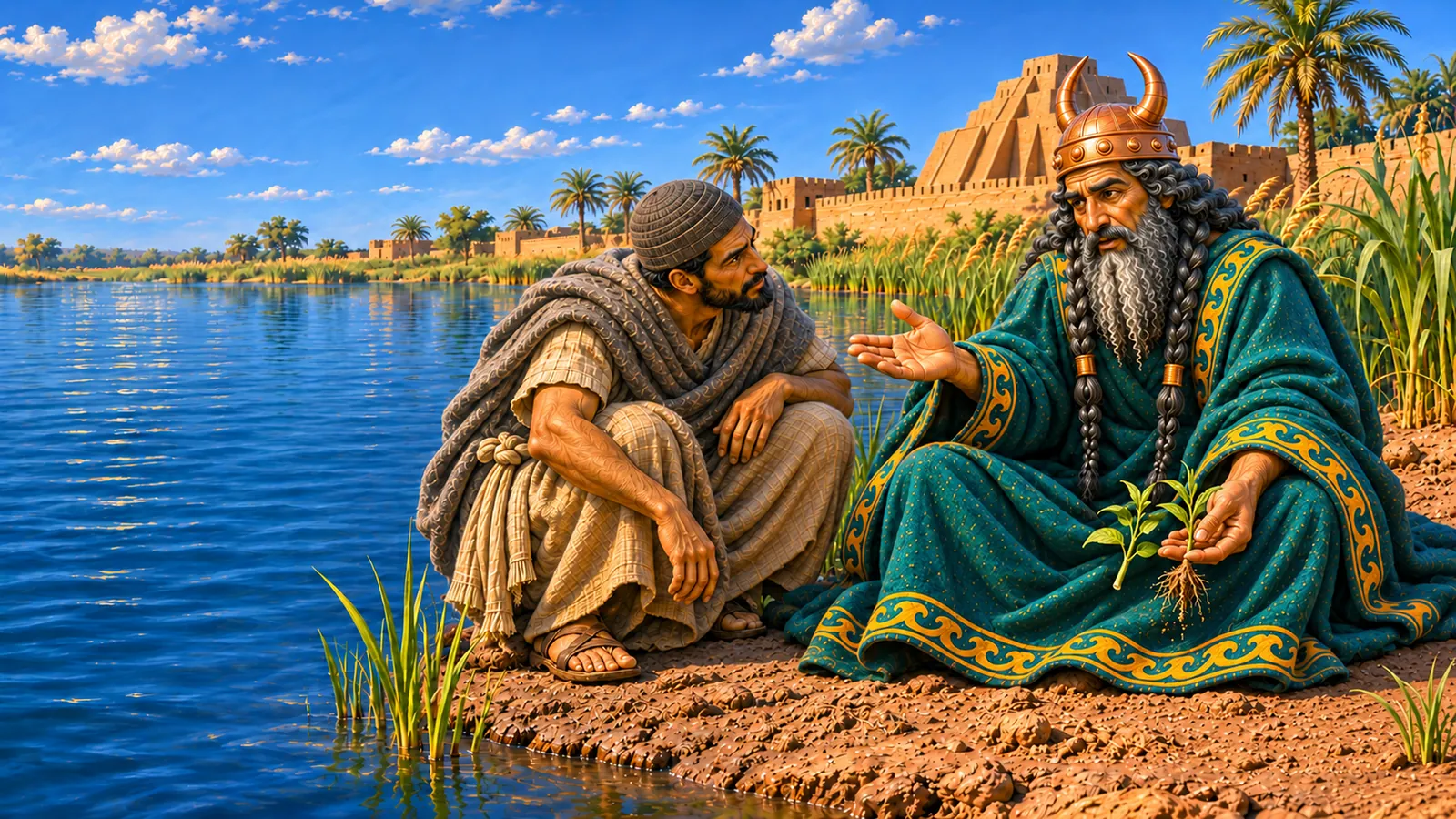
El nombre de la séptima planta se ha perdido. Isimud la cortó, luego arrancó el Amharu, y Enki comió ambas. Después Enki fijó el destino de todas las plantas.
LA MALDICIÓN
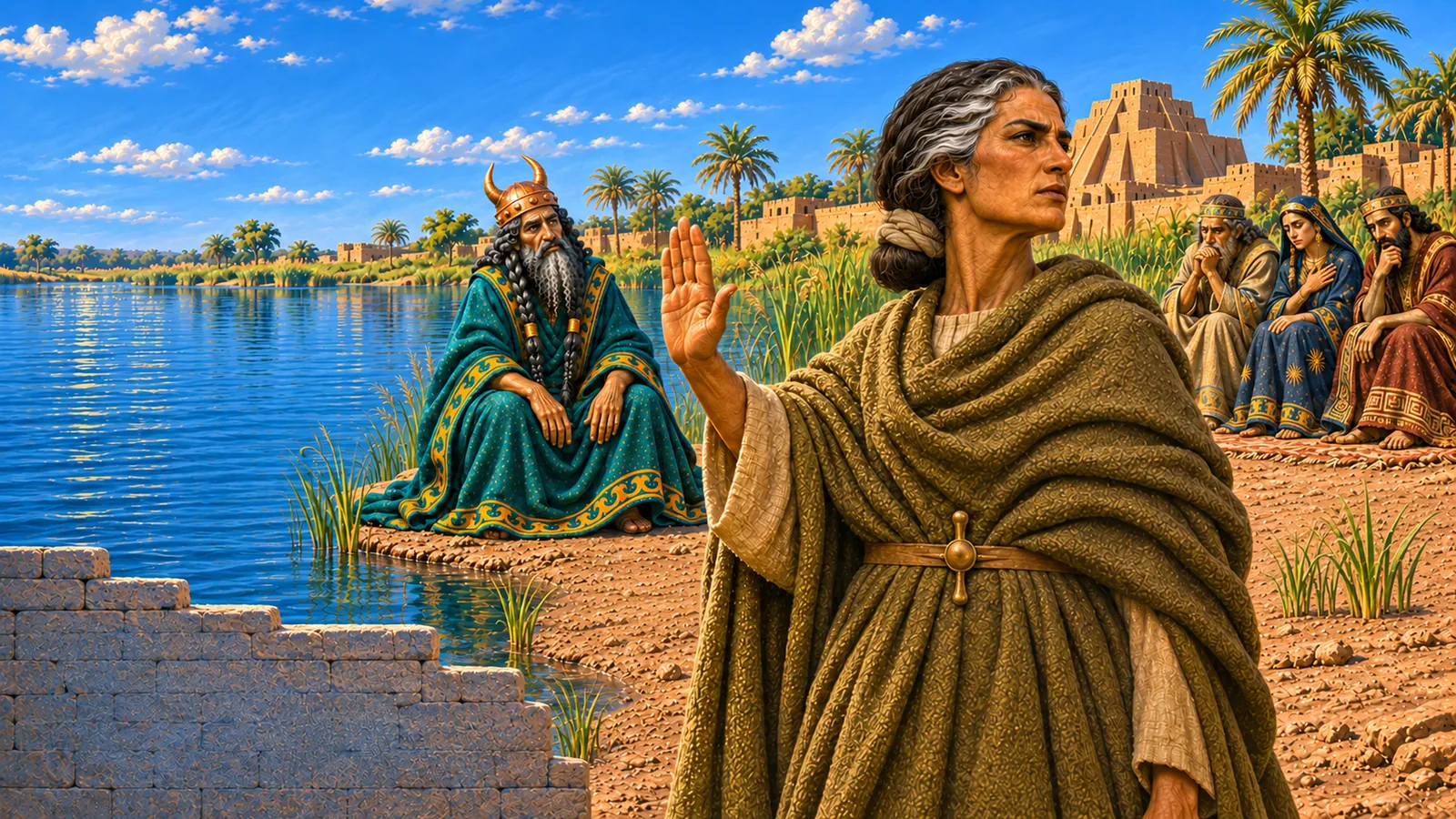
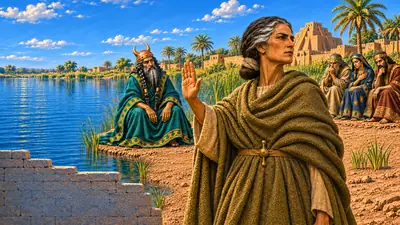
Ninhursag maldijo a Enki. Juró privarlo de su mirada que da vida hasta el día de su muerte. Los Anuna se sentaron en el polvo.
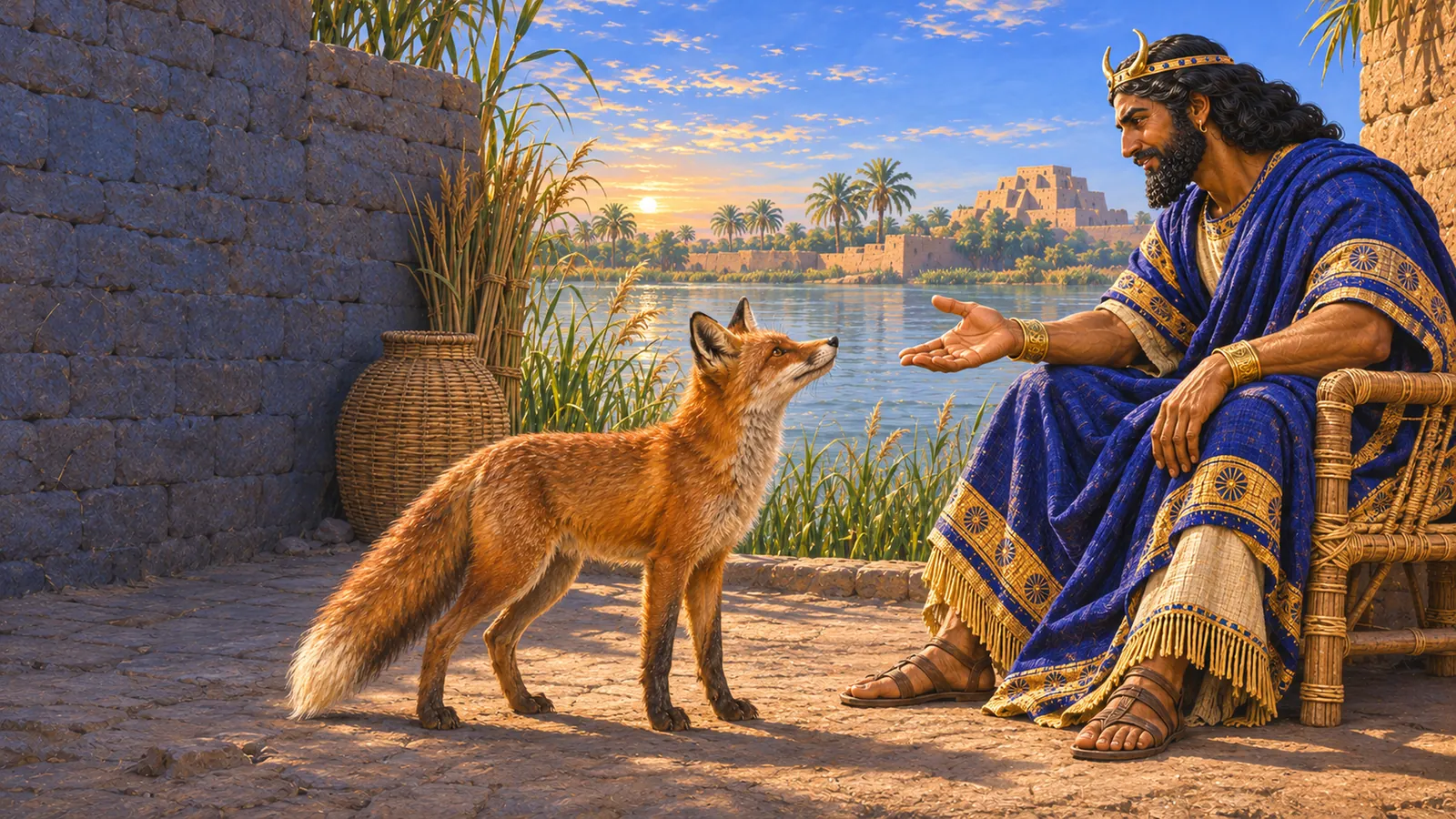
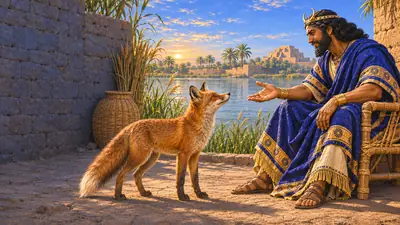
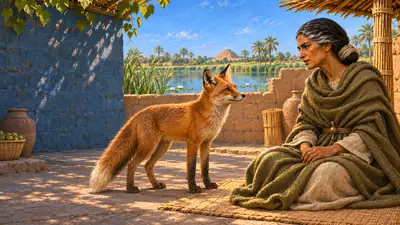
Un zorro preguntó a Enlil qué recompensa recibiría si traía de vuelta a Ninhursag. Enlil prometió que, si lo conseguía, se alzarían dos estandartes en su ciudad y el zorro sería famoso.
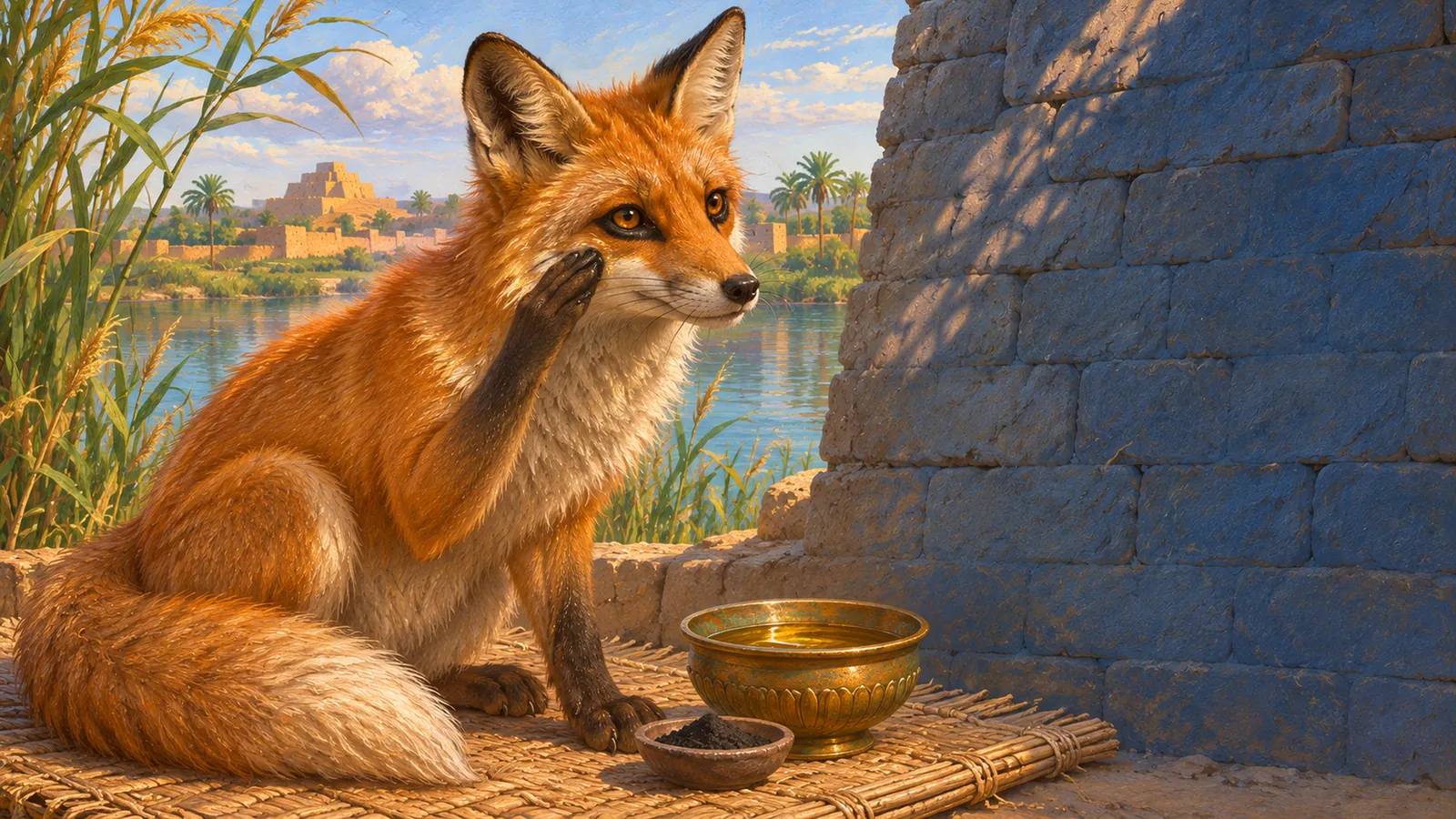
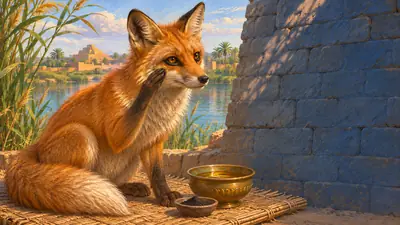
El zorro se ungió y se puso kohl alrededor de los ojos. Las palabras entre ambos gestos parecen contar algo que hizo con el pelaje.
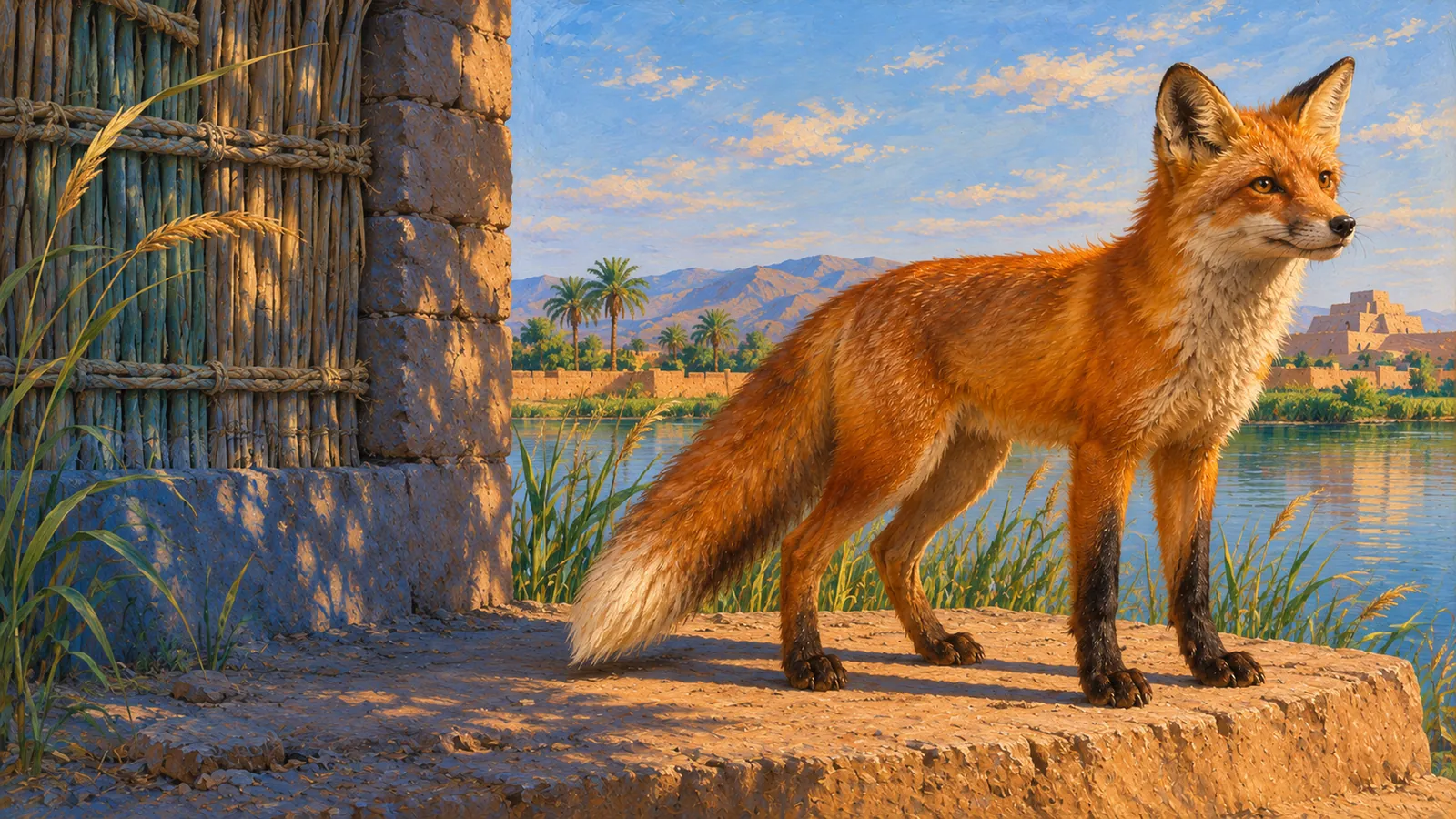
En este punto, cuatro líneas solo se conservan en fragmentos. La tablilla no aclara qué hizo después el zorro.
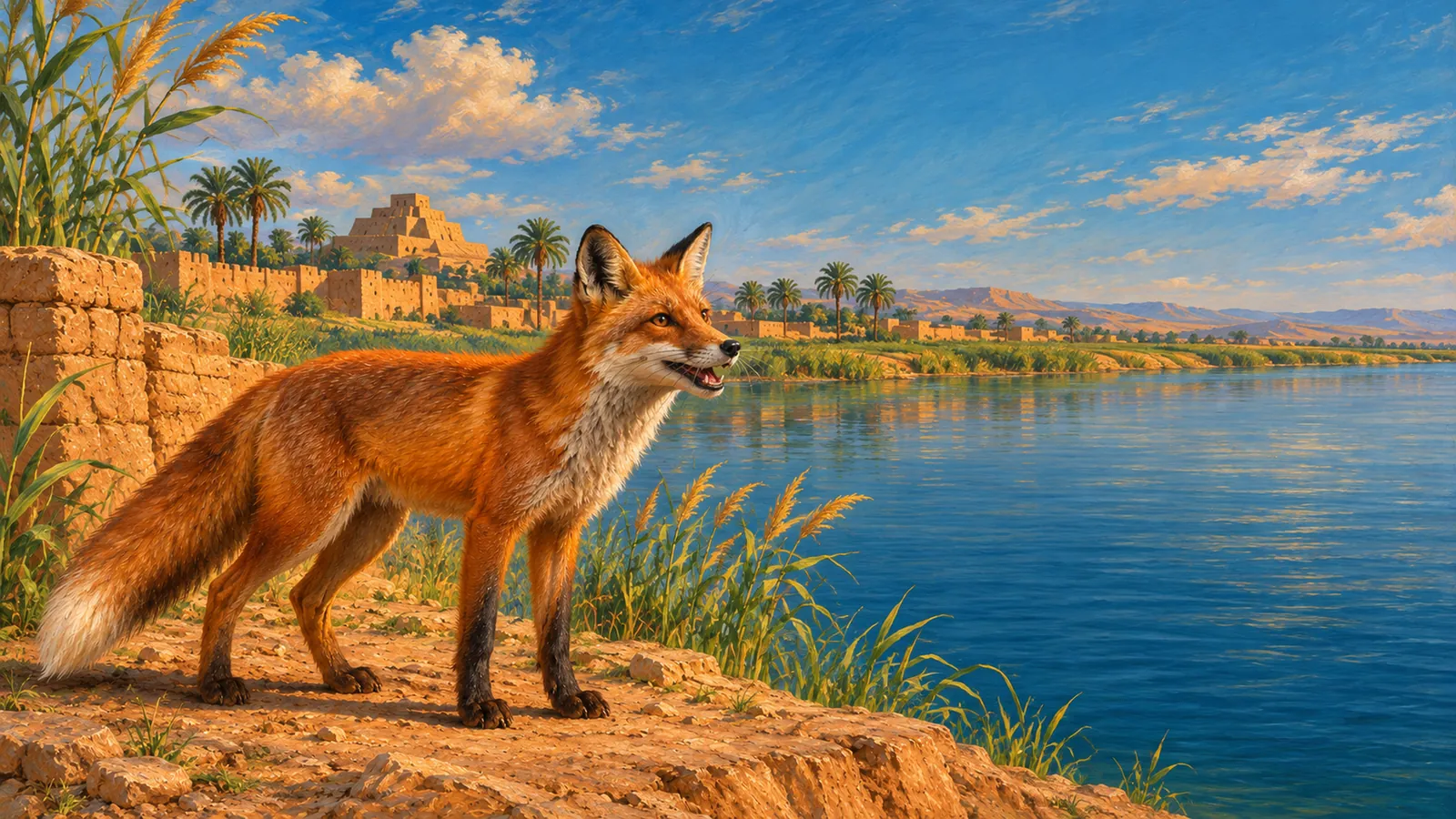
El zorro habla de Nippur y Enlil, de Ur y Nanna, de Larsa y Utu, y de Uruk e Inanna. Cuesta más saber qué pasó en cada lugar.
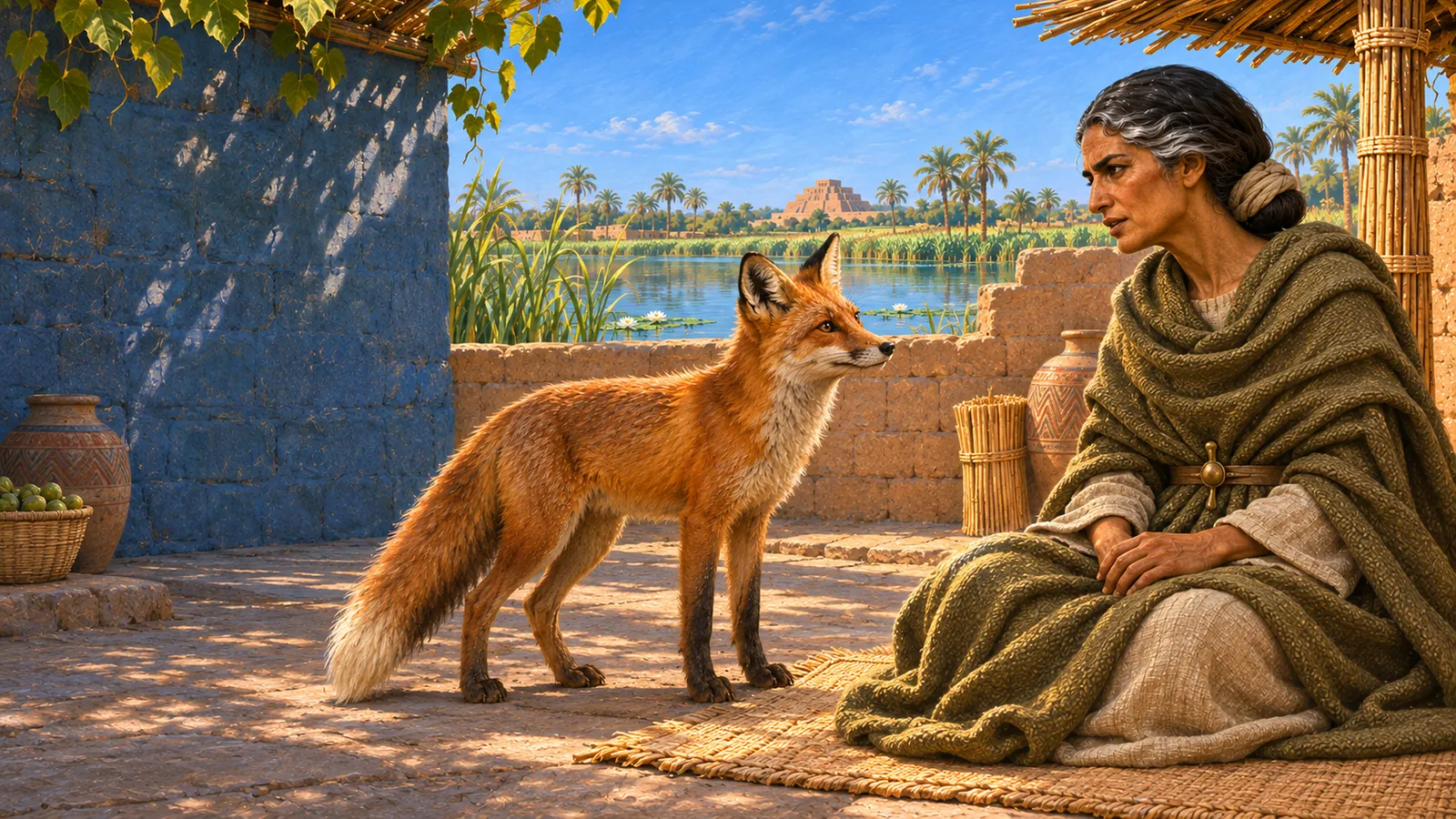
Solo quedan fragmentos de lo que se dijo, y aún puede leerse el nombre de Ninhursag. Ya no está claro qué le dijo el zorro ni cómo le respondió ella.
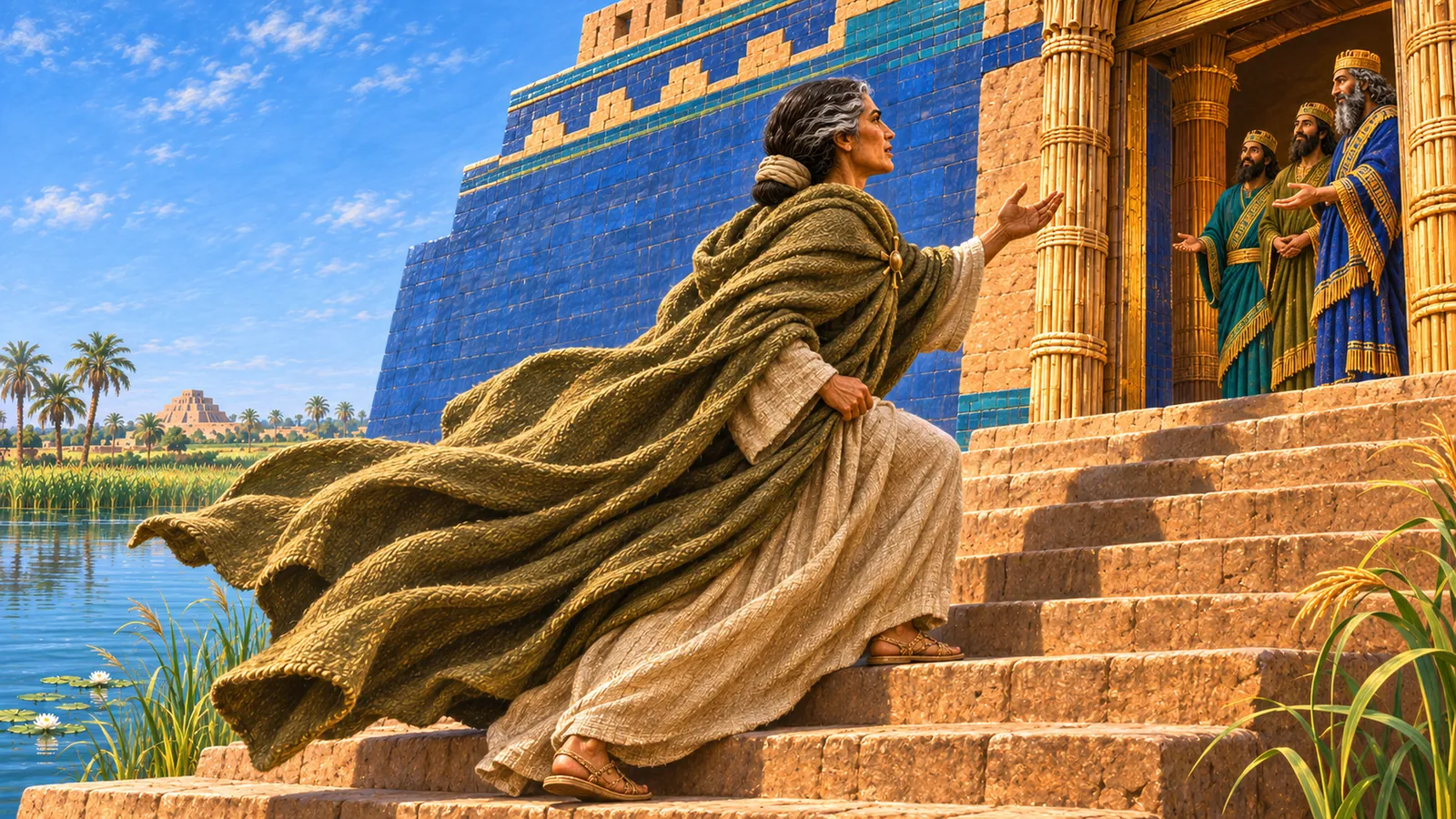
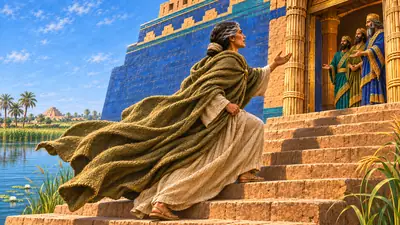
Cuando el relato vuelve a leerse con claridad, Ninhursag se apresura hacia el templo. La asamblea divina de los Anuna toma su manto, pero se ha perdido parte de lo que hacen con él.
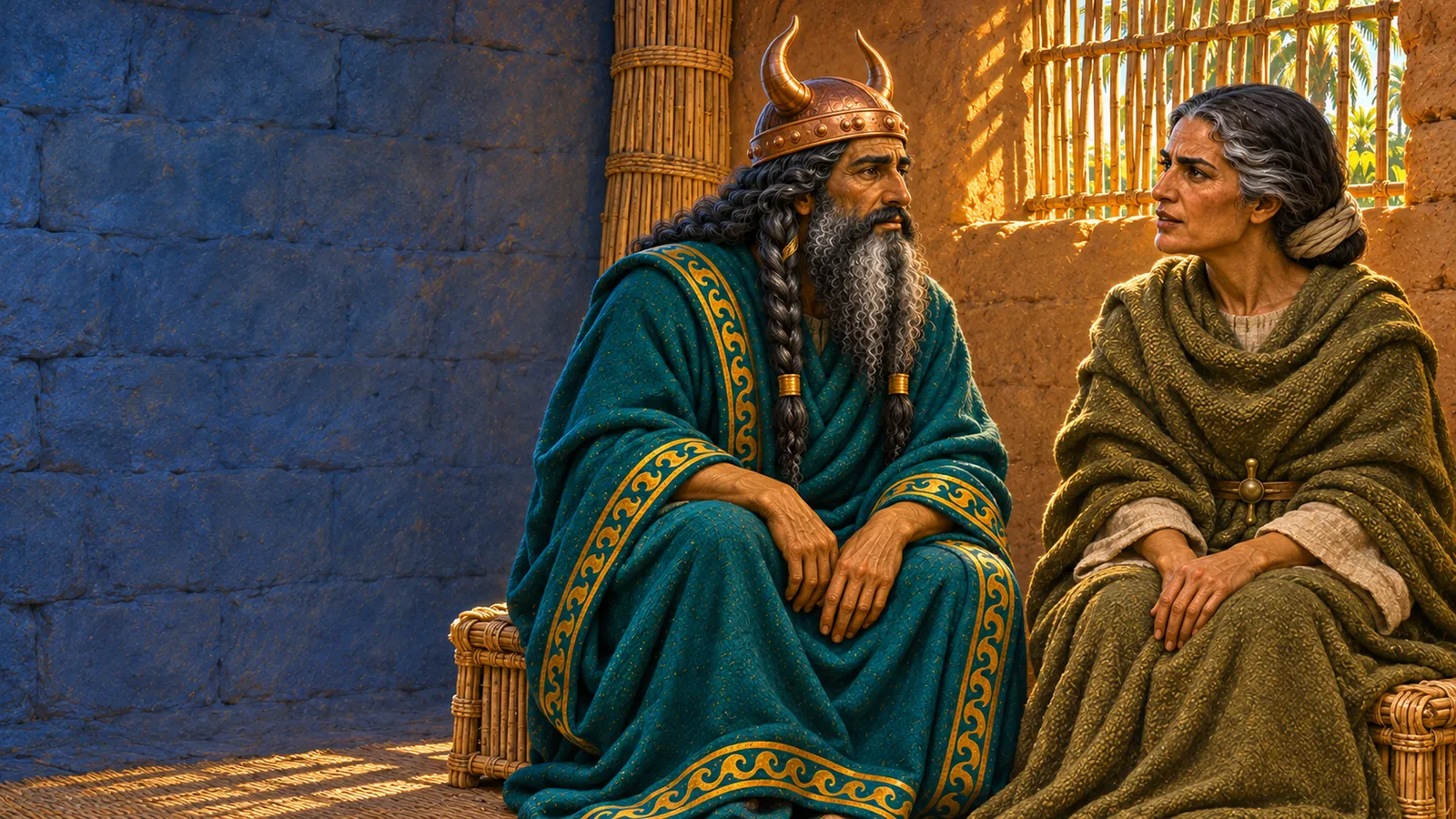
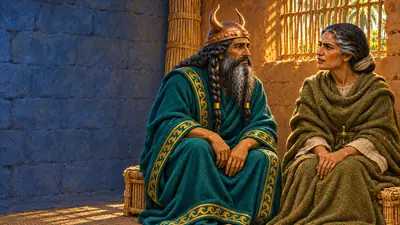
Ninhursag sentó a Enki cerca de ella. Una línea de otra copia menciona un gesto de sus manos, pero las palabras que lo describen están dañadas.
LA CURACIÓN
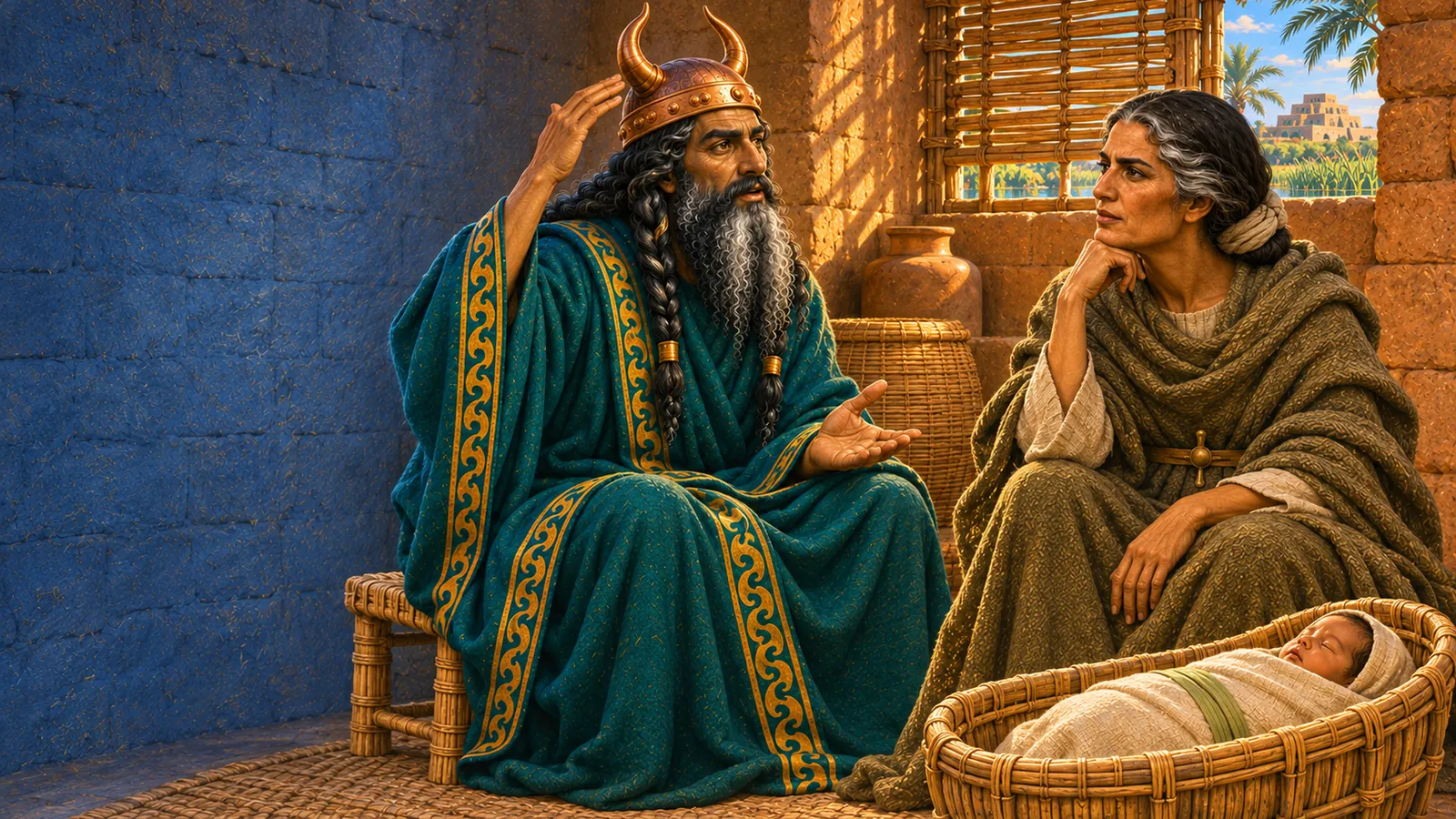
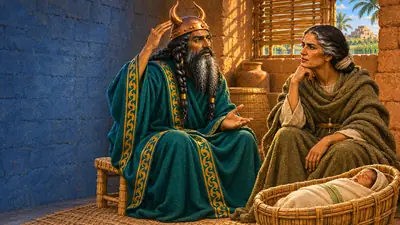
Ninhursag preguntó a su hermano dónde le dolía. Enki dijo que le dolía la parte alta de la cabeza. Ninhursag trajo a Ab-u al mundo.
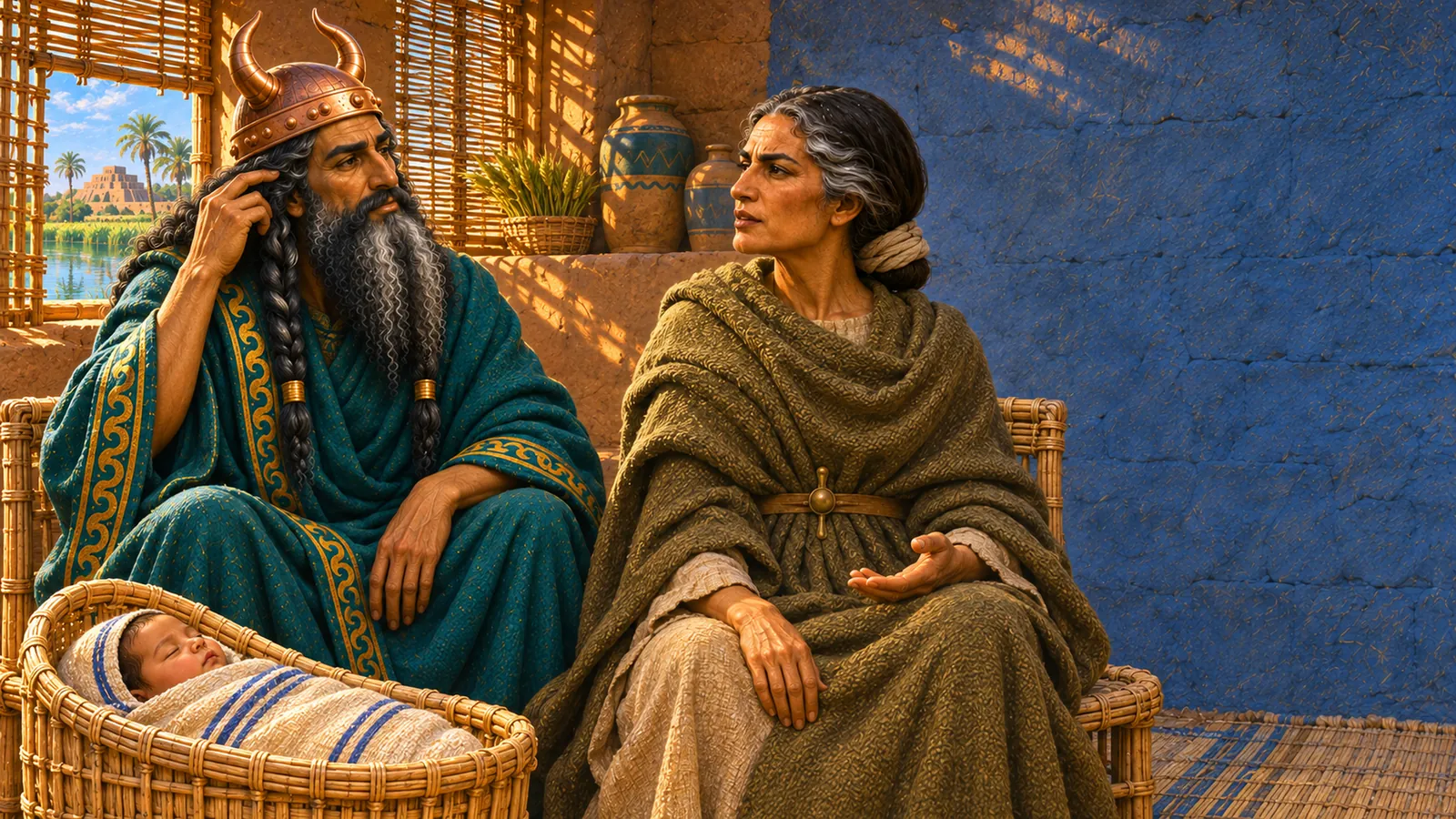
Ninhursag volvió a preguntarle dónde le dolía. Enki dijo que esta vez le dolía el pelo, y Ninhursag trajo a Ninsikila al mundo.
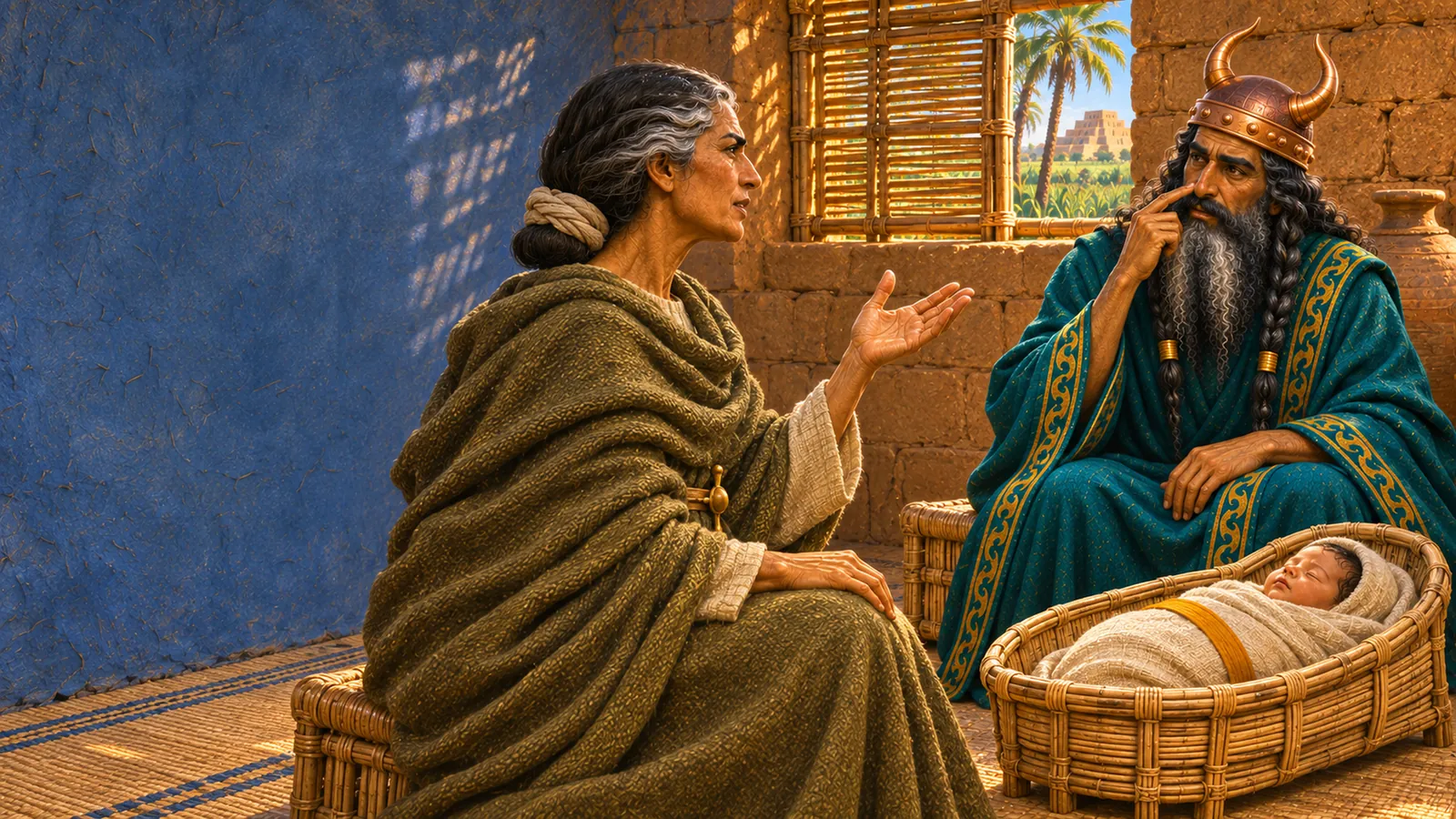
Ninhursag preguntó a su hermano dónde le dolía. Esta vez, Enki nombró la nariz. Ninhursag trajo a Ningiriudu al mundo.
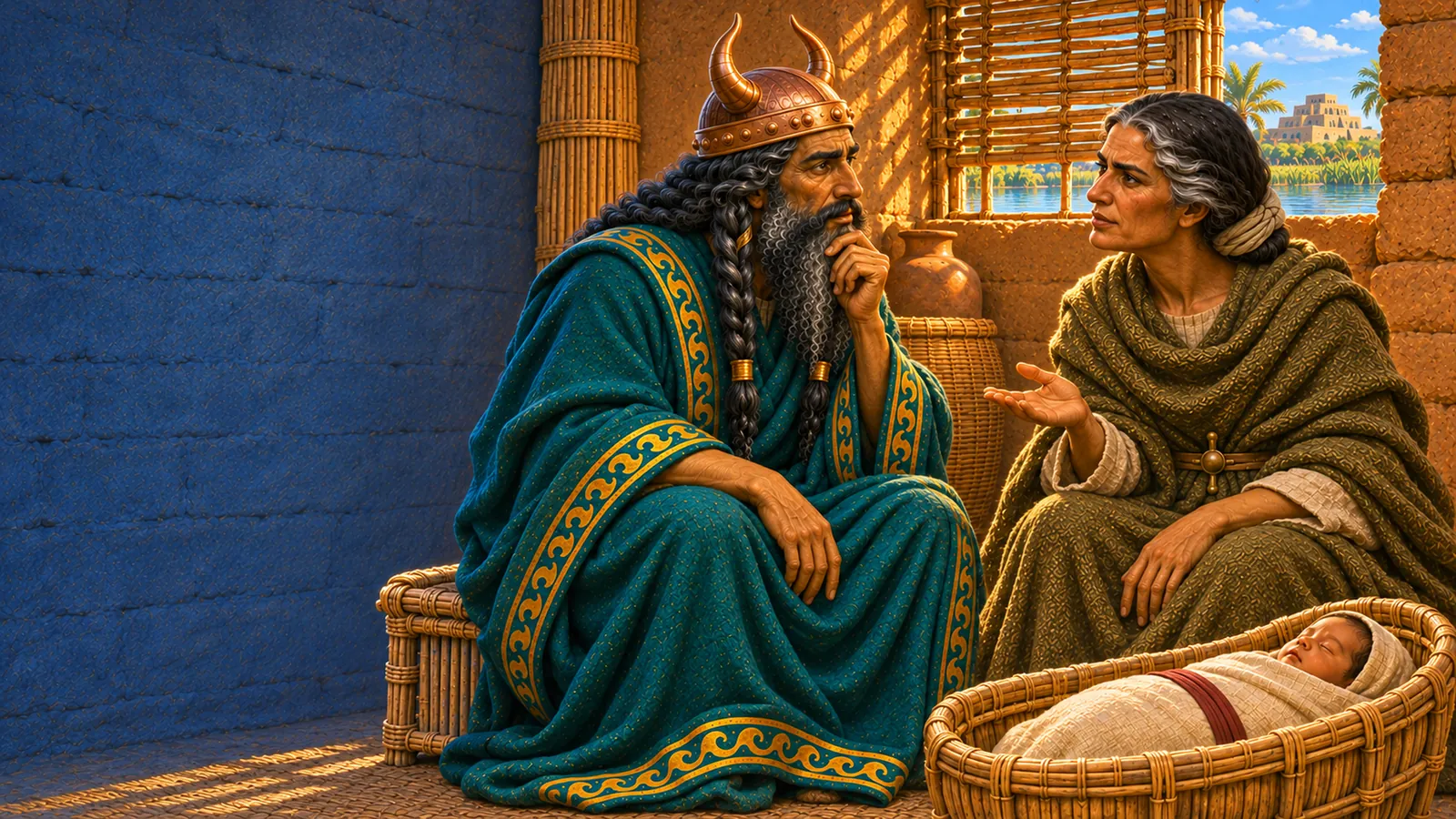
Ninhursag le preguntó otra vez dónde le dolía. Enki le dijo que el dolor estaba en la boca, y ella dio a luz a Ninkasi.
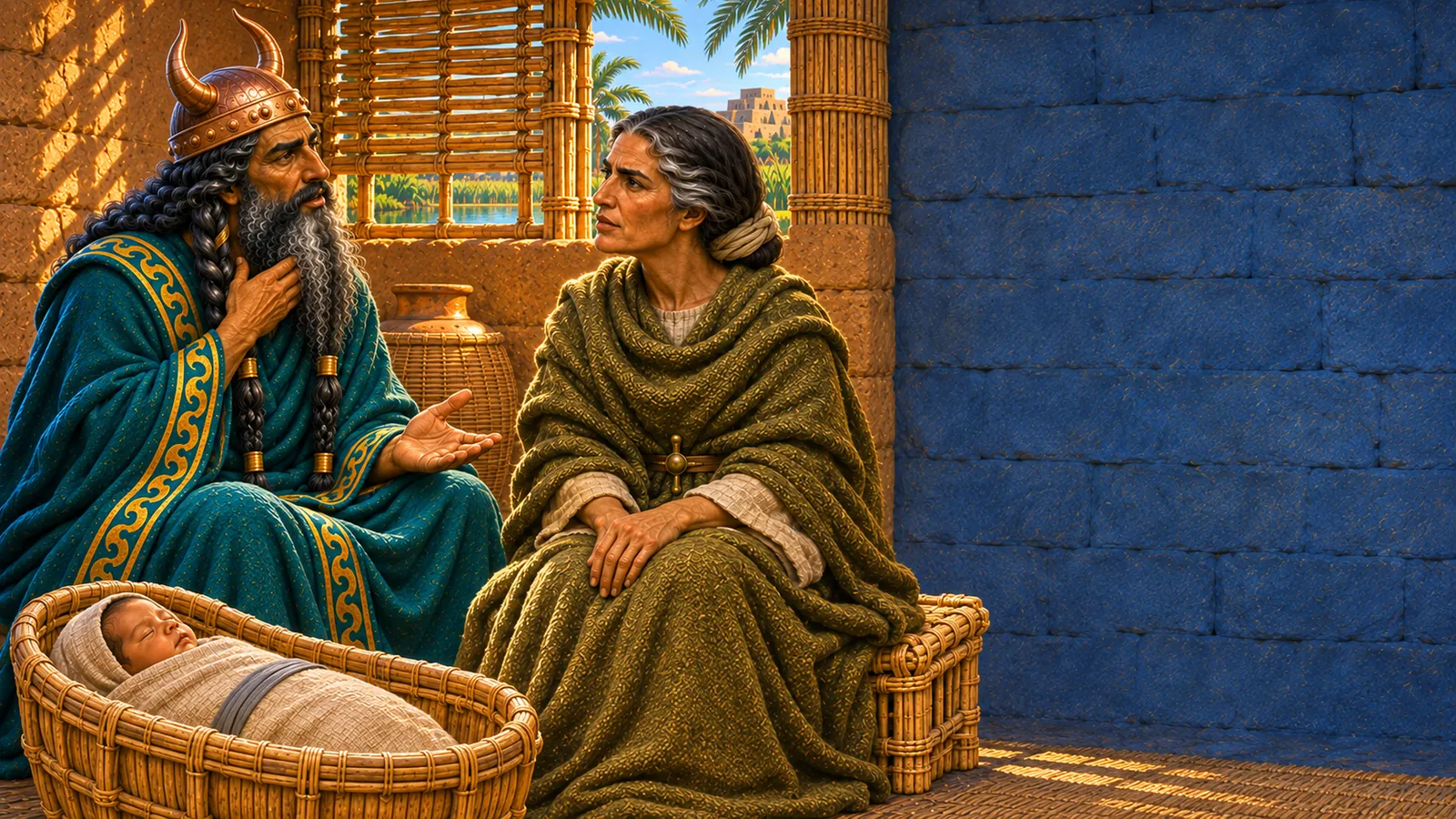
Cuando Ninhursag volvió a preguntarle dónde le dolía, Enki le dijo que era la garganta. Ninhursag trajo a Na-zi al mundo.
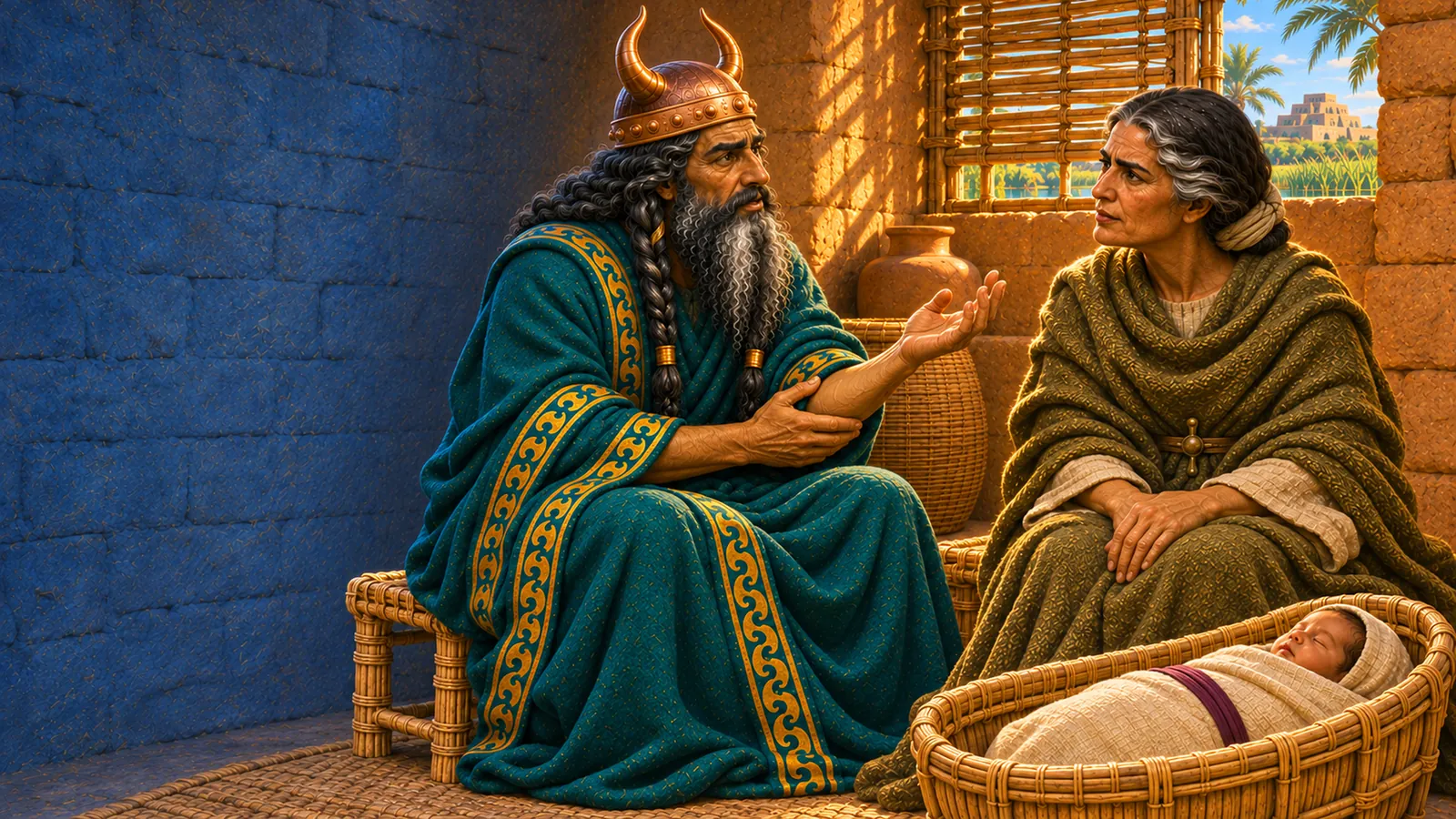
Ninhursag preguntó a su hermano dónde le dolía. Esta vez Enki nombró el brazo, y Ninhursag trajo a Azimua al mundo.
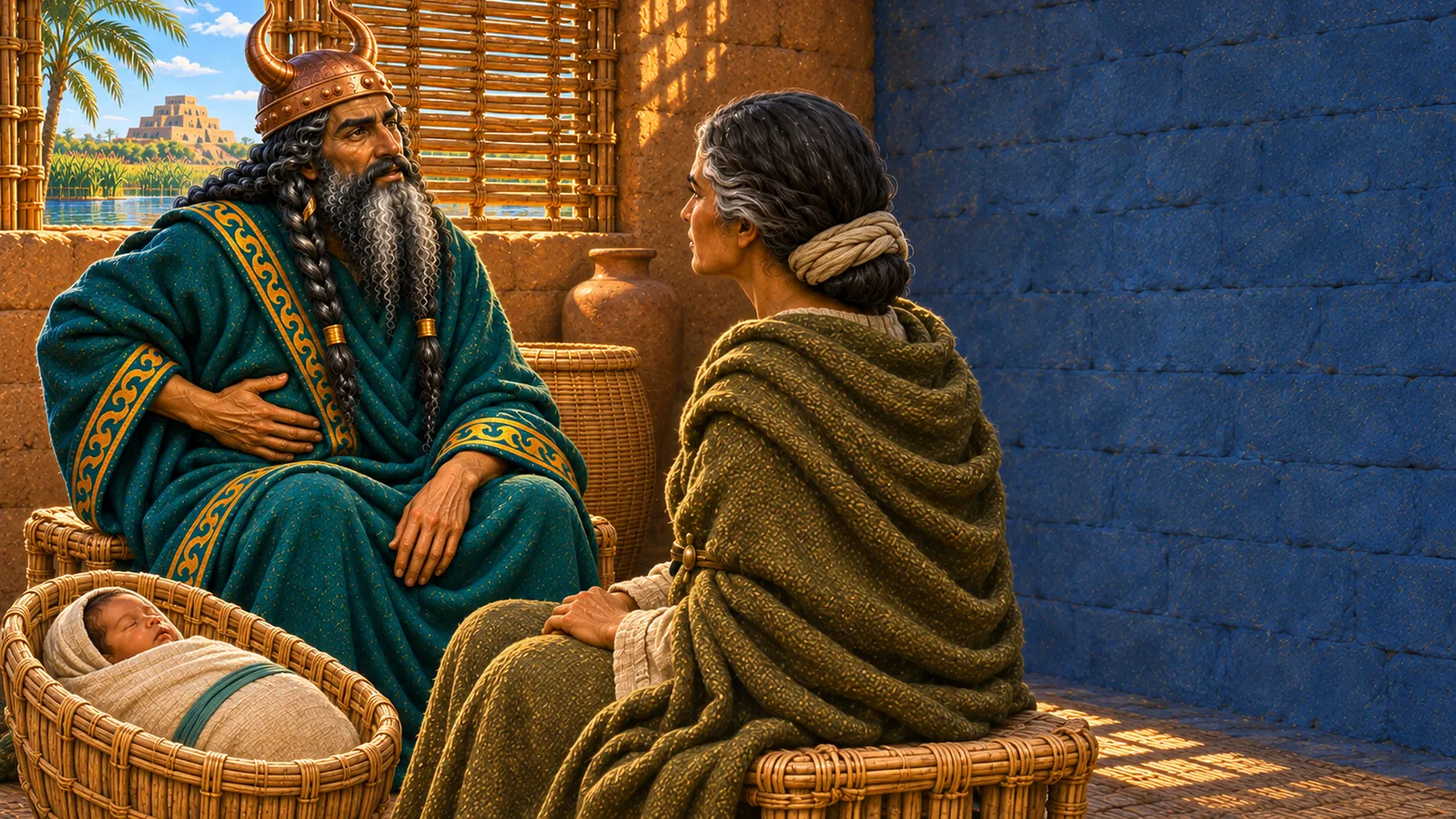
Ninhursag le preguntó dónde le dolía, y Enki le dijo que eran las costillas. Nació Ninti, cuyo nombre evoca la palabra sumeria para costilla.
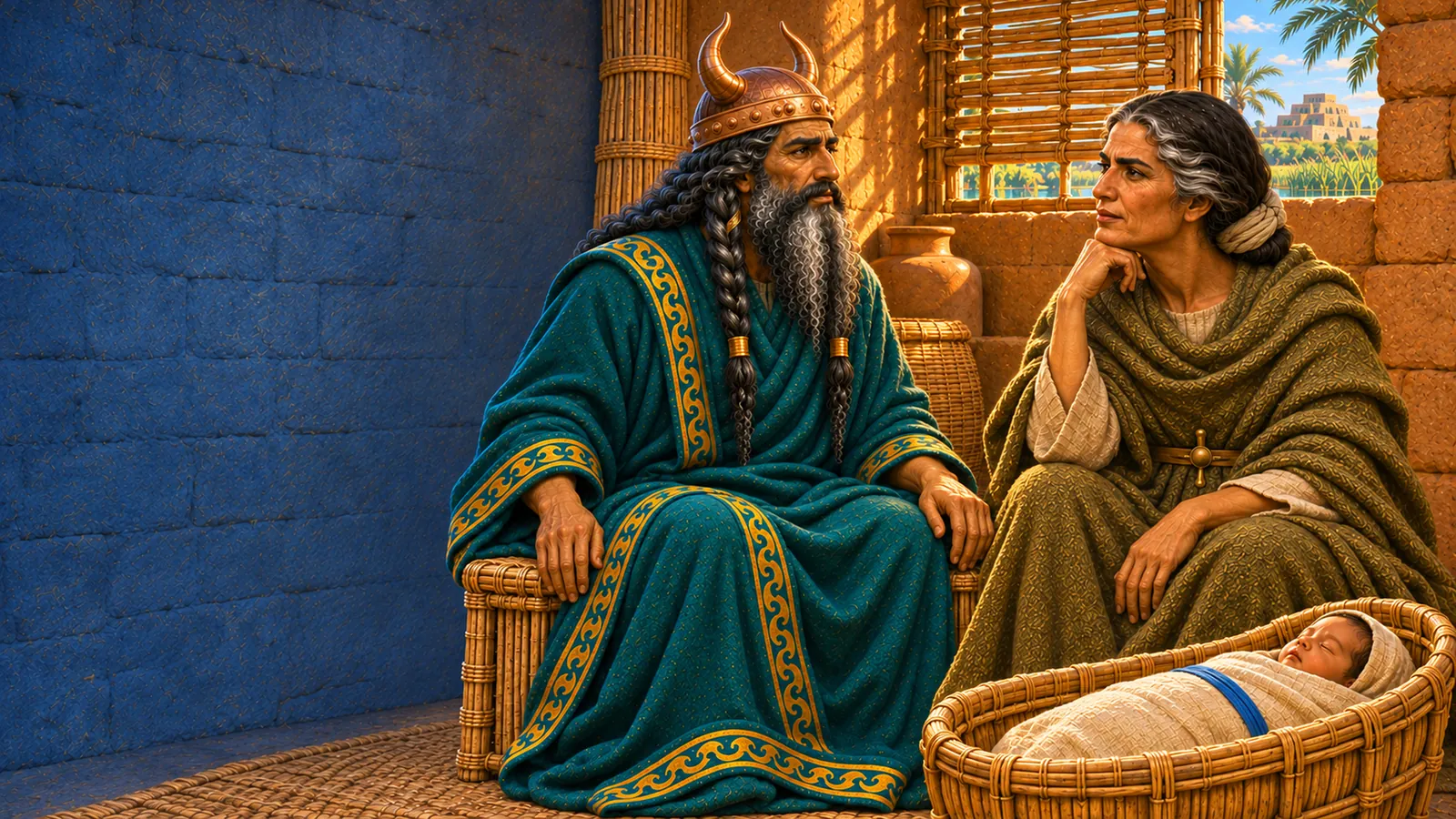
Por última vez, Ninhursag preguntó a su hermano dónde le dolía. Enki dijo que le dolían los costados, y Ninhursag trajo a Ensag al mundo.
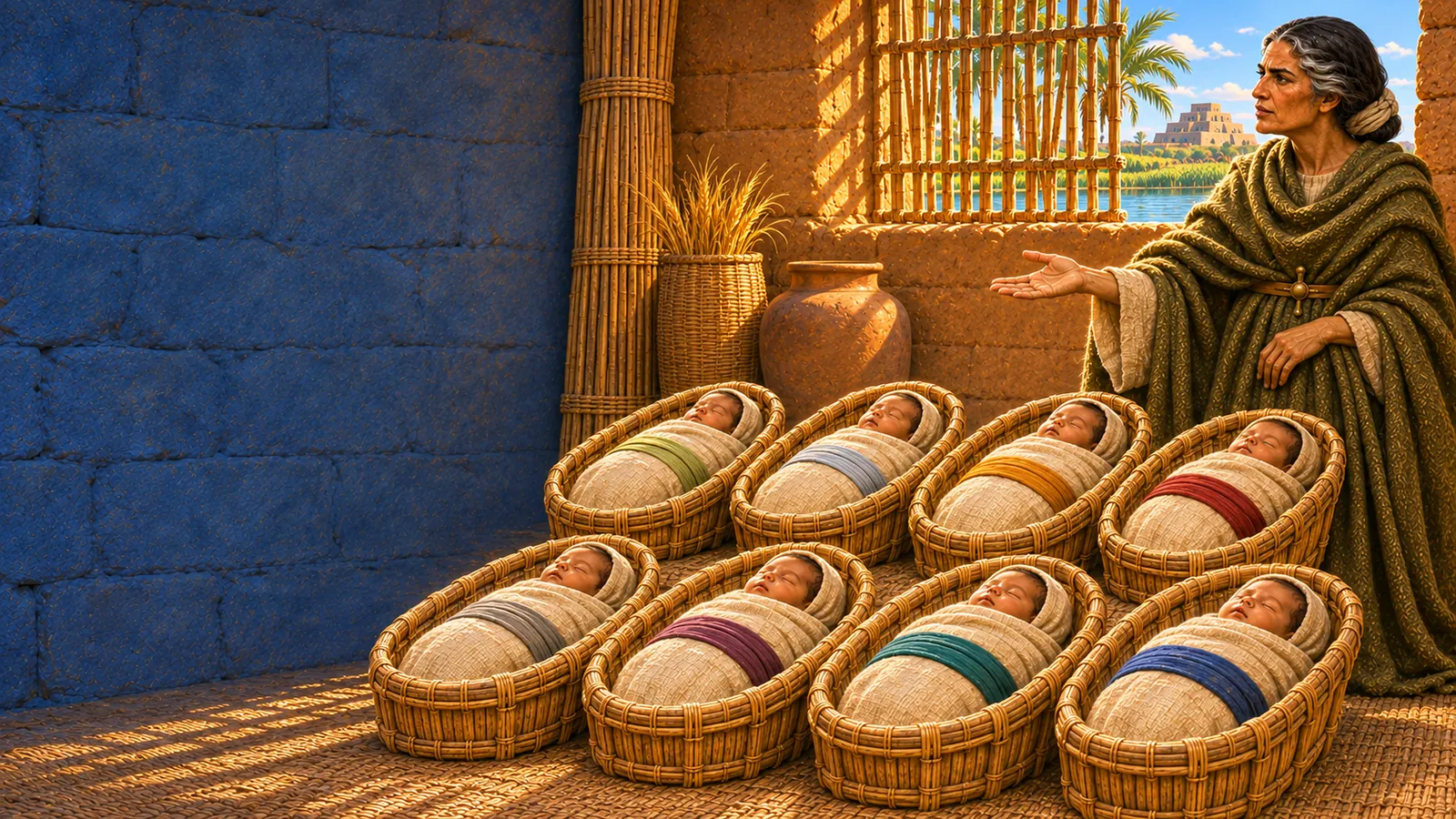
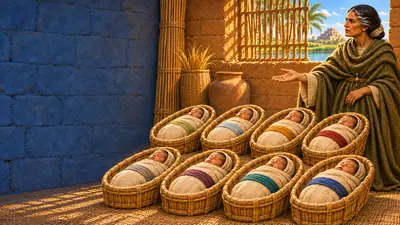
Ninhursag pidió dones para los recién nacidos. Ab-u regiría las hierbas, Ninsikila sería señor de Magan, Ningiriudu se casaría con Ninazu y Ninkasi sería lo que colma el corazón.
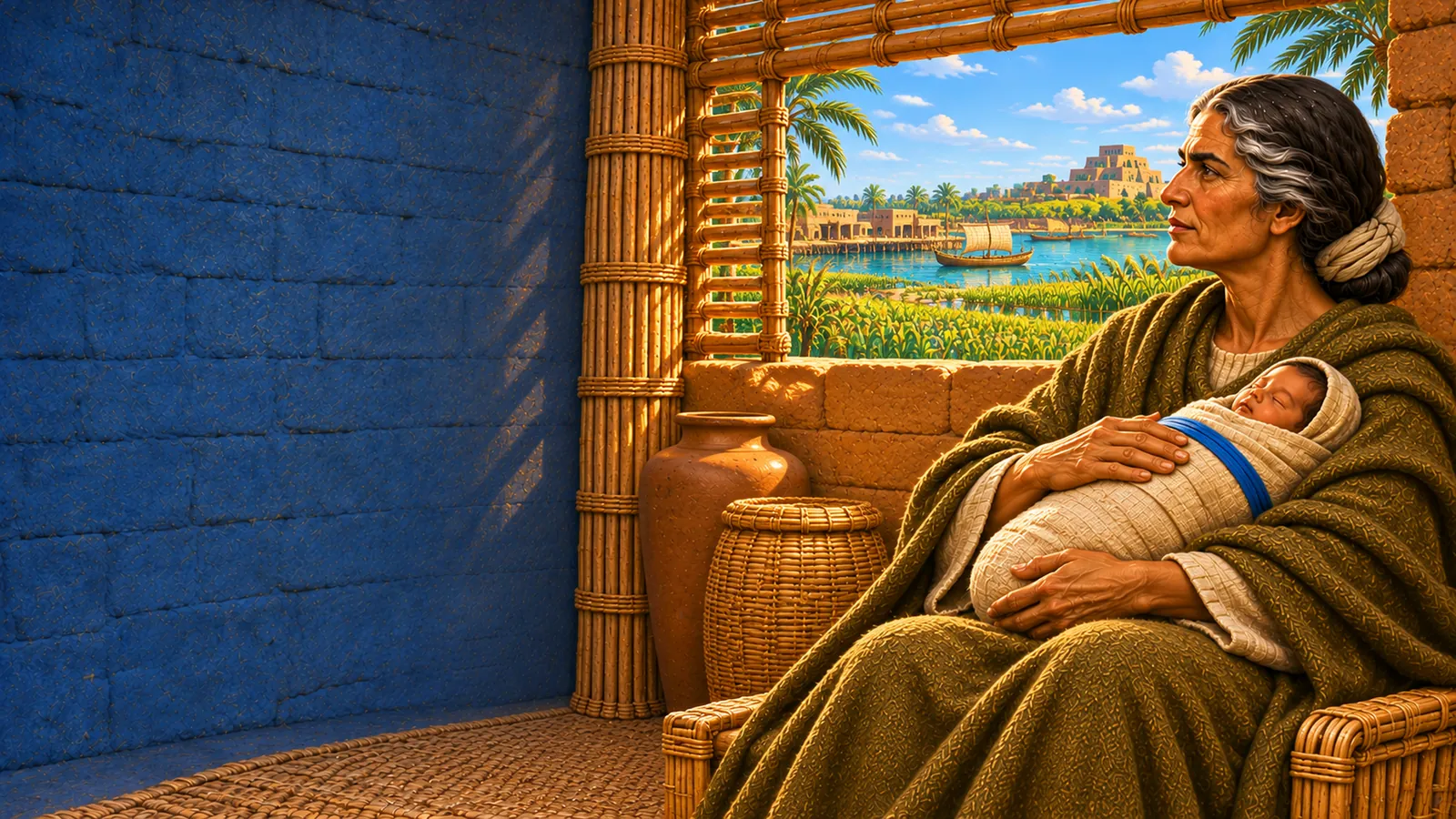
Na-zi se casaría con Nindara y Azimua se casaría con Ningishzida. Ninti sería la señora del mes y Ensag sería señor de Dilmun.
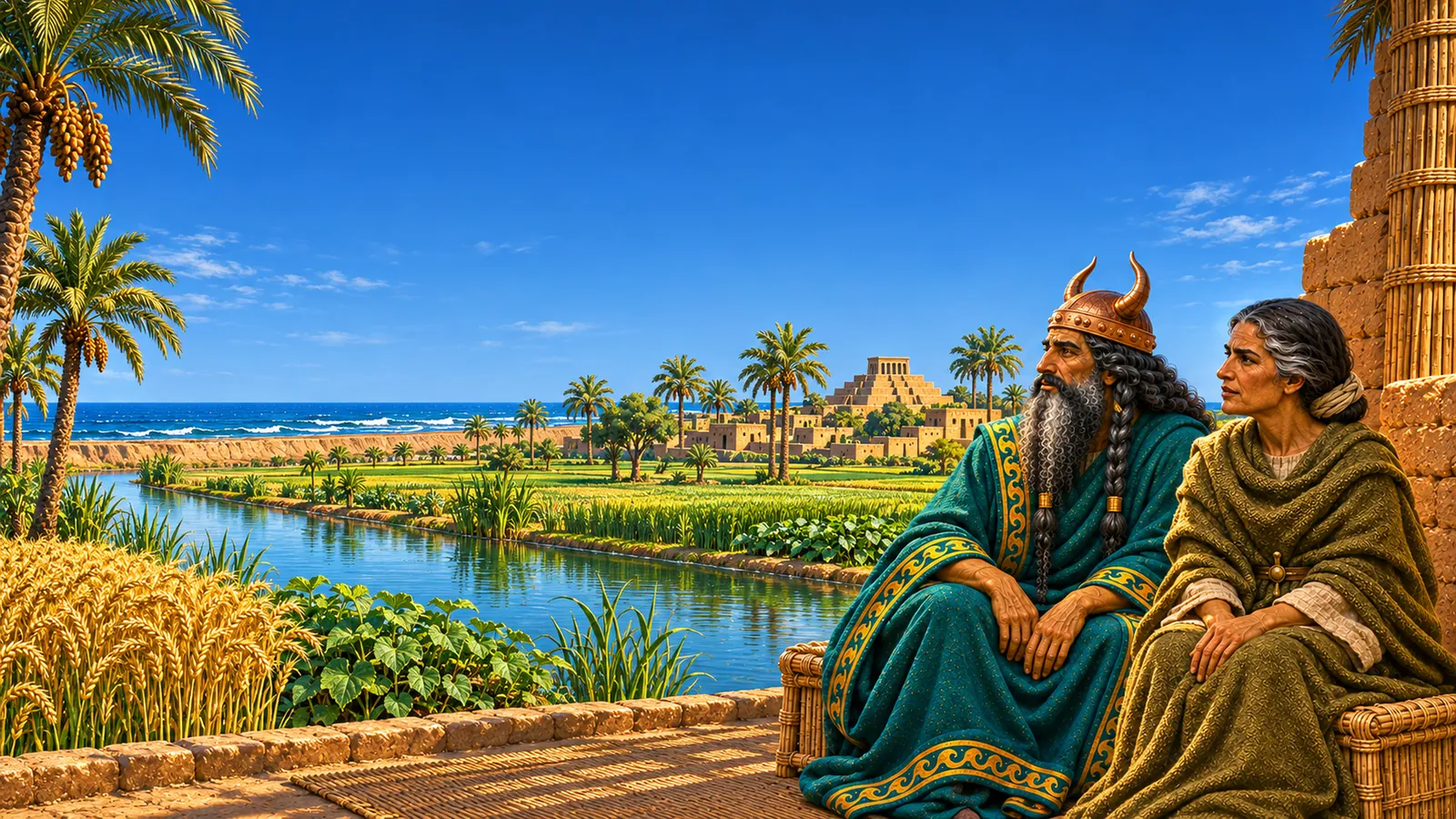
El poema termina alabando al padre Enki, después de que Ninhursag lo cure y nombre los dones que corresponden a los ocho recién nacidos.
Fin del capítulo 1
Todas las páginas
Fuentes
Page 20. In Oxford ETCSL 1.1.1, lines 69–74, Enki insists after the objection and the next lines describe conception in bodily terms. Line 72 names Damgalnuna. The later birth of Ninsar is at lines 84–87. [Oxford translation](https://etcsl.orinst.ox.ac.uk/section1/tr111.htm)
Ediciones consultadas
- Oxford ETCSL 1.1.1, Enki and Ninhursanga, translation
- Oxford ETCSL 1.1.1, Sumerian composite
- Oxford ETCSL 1.1.1, manuscript bibliography
- Penn Museum, Nippur witness CBS 4561
- CDLI, Ur witness UET 6/1
- Louvre, AO 6724
- Pascal Attinger, Enki et Ninḫursaĝa, revised translation and commentary
- IL Archive, Enki and Ninhursaga, Sumerian poem
- IL Archive, Dilmun, ancient Gulf land and literary setting
Notas sobre este relato
Pages 24 and 27. In Oxford ETCSL 1.1.1, lines 97–101 and 117–121, the poem describes Enki’s embrace and the bodily details of intercourse before the two conceptions. Ninsar is Enki’s daughter through the birth at lines 69–87, and Ninkura is his granddaughter through Ninsar at lines 97–107. [Oxford translation](https://etcsl.orinst.ox.ac.uk/section1/tr111.htm)
Page 30. Oxford ETCSL 1.1.1, lines 126L–126Q, describes Enki’s sexual encounter with Ninimma in bodily terms. The end of the alternative account, in which Ninimma gives birth to Uttu, is partly restored. The Louvre catalogue reads the encounter as rape. [Oxford translation](https://etcsl.orinst.ox.ac.uk/section1/tr111.htm) · [Louvre witness AO 6724](https://collections.louvre.fr/ark:/53355/cl010167407)
Pages 40–41. In lines 186–189 Uttu cries out about pain in her thighs, liver and heart. Oxford’s translation leaves the cause of the cries open, and the last two lines are fragmentary. [Oxford translation](https://etcsl.orinst.ox.ac.uk/section1/tr111.htm) · [Attinger’s translation and commentary](https://zenodo.org/records/2667747)
Los versos antiguos de cada página
- Page 1: ETCSL 1.1.1 1–4
- Page 2: ETCSL 1.1.1 5–10
The opening names Ninsikila as Enki's spouse in this passage. - Page 3: ETCSL 1.1.1 11–12
- Page 4: ETCSL 1.1.1 13–16
- Page 5: ETCSL 1.1.1 17–19
- Page 6: ETCSL 1.1.1 20–24
- Page 7: ETCSL 1.1.1 25–28
- Page 8: ETCSL 1.1.1 29–32
A phrase has lost words. - Page 9: ETCSL 1.1.1 33–36
One surviving line is fragmentary around the complaint about arable ground. - Page 10: ETCSL 1.1.1 37–39 (lacuna)
- Page 11: ETCSL 1.1.1 40–43
The exact vessel and shore wording is uncertain. - Page 12: ETCSL 1.1.1 44–46
- Page 13: ETCSL 1.1.1 47–49
- Page 14: ETCSL 1.1.1 49A–49K (Ur variant)
Placement of Ur copy’s lines in the sequence is uncertain. - Page 15: ETCSL 1.1.1 49L–49V (Ur variant)
Some terms for harvest and woods are damaged. - Page 16: ETCSL 1.1.1 50–54
The text again has uncertain vessel and shore terms. - Page 17: ETCSL 1.1.1 55–58
- Page 18: ETCSL 1.1.1 59–62
- Page 19: ETCSL 1.1.1 63–68
- Page 20: ETCSL 1.1.1 69–74
Damgalnuna is mentioned in the source without a separate arrival. - Page 21: ETCSL 1.1.1 75–83
- Page 22: ETCSL 1.1.1 84–87
Oil is a simile in the poem. - Page 23: ETCSL 1.1.1 88–96
- Page 24: ETCSL 1.1.1 97–101
The source relates an encounter and conception. - Page 25: ETCSL 1.1.1 102–107
- Page 26: ETCSL 1.1.1 108–116
- Page 27: ETCSL 1.1.1 117–121
- Page 28: ETCSL 1.1.1 122–126
The epithet after Uttu is uncertain. - Page 29: ETCSL 1.1.1 126A–126K (Louvre variant)
- Page 30: ETCSL 1.1.1 126L–126CC (Louvre variant)
The Louvre witness makes this an alternate genealogy and its final birth is restored. - Page 31: ETCSL 1.1.1 127–132
- Page 32: ETCSL 1.1.1 133–146 (damaged passage)
Some words and Uttu’s name survive. - Page 33: ETCSL 1.1.1 147–151
Oxford assigns the speech to Uttu and readings differ on the addressee. - Page 34: ETCSL 1.1.1 152–155
- Page 35: ETCSL 1.1.1 156–158
The gardener’s movement and the end of his question are uncertain. - Page 36: ETCSL 1.1.1 159–163
Four lines are missing after Enki begins to address the gardener. - Page 37: ETCSL 1.1.1 164–166
Several details in the descriptions of the produce are uncertain. - Page 38: ETCSL 1.1.1 167–171
- Page 39: ETCSL 1.1.1 172–177
The beer line at 177 is absent from the Nippur copy. The descriptions of the produce have uncertain details. - Page 40: ETCSL 1.1.1 178–185
- Page 41: ETCSL 1.1.1 186–189
The two lines after Ninhursag’s action are fragmentary. - Page 42: ETCSL 1.1.1 190–193
The wording is partly restored. The fourth written plant name has uncertain identifications. - Page 43: ETCSL 1.1.1 194–197
Parts of this passage are restored. - Page 44: ETCSL 1.1.1 198–202
- Page 45: ETCSL 1.1.1 203–206
The text of the repeated plant gathering is partly restored. - Page 46: ETCSL 1.1.1 207–210
- Page 47: ETCSL 1.1.1 211–214
The names and gathering survive with several editorial restorations. - Page 48: ETCSL 1.1.1 215–219
The seventh name is lost even though the repeated gathering is restored. - Page 49: ETCSL 1.1.1 220–222
- Page 50: ETCSL 1.1.1 223–227
Attinger prefers a kind of tree while allowing the standards reading. - Page 51: ETCSL 1.1.1 228–230
The reading of the fox’s action with its fur is uncertain. - Page 52: ETCSL 1.1.1 231–234
Four lines survive only in fragments. - Page 53: ETCSL 1.1.1 235–239
The cities and gods are named in damaged speech. Oxford restores several city names and leaves gaps in the responses. - Page 54: ETCSL 1.1.1 240–246
The lines around Ninhursag’s decision are fragmentary. The nature of the exchange is uncertain. - Page 55: ETCSL 1.1.1 247–251
The actions with the garment contain damaged words. - Page 56: ETCSL 1.1.1 252–253
The exact wording at 252 is intimate and has been rendered variously. The fragmentary line at 253 is absent from the Nippur copy. - Page 57: ETCSL 1.1.1 254–256
- Page 58: ETCSL 1.1.1 257–259
- Page 59: ETCSL 1.1.1 260–261
- Page 60: ETCSL 1.1.1 262–263
- Page 61: ETCSL 1.1.1 264–265
- Page 62: ETCSL 1.1.1 266–267
Oxford restores the end of each line. - Page 63: ETCSL 1.1.1 268–269
Oxford supplies parts of the broken lines. The name Ninti echoes the Sumerian word for rib. - Page 64: ETCSL 1.1.1 270–271
The healing refrain supplies the damaged endings of these lines. - Page 65: ETCSL 1.1.1 272–276
- Page 66: ETCSL 1.1.1 277–280
Part of the final allotment passage is editorially restored. - Page 67: ETCSL 1.1.1 281
Oxford restores Enki’s name in the surviving closing formula.
Ilustraciones hechas por IL Archive con herramientas de IA; el texto se basa en las fuentes antiguas (véanse las fuentes al final de cada capítulo).