Enuma Elish Capítulo 4
Babilonia y los nombres
Los dioses levantan Babilonia y su templo después de que los primeros humanos asumen la labor de los dioses. Luego pronuncian los nombres de Marduk, y el canto pide que se transmitan.
Ver la películaFuentesPase las páginas con las flechas, el teclado o deslizando el dedo.
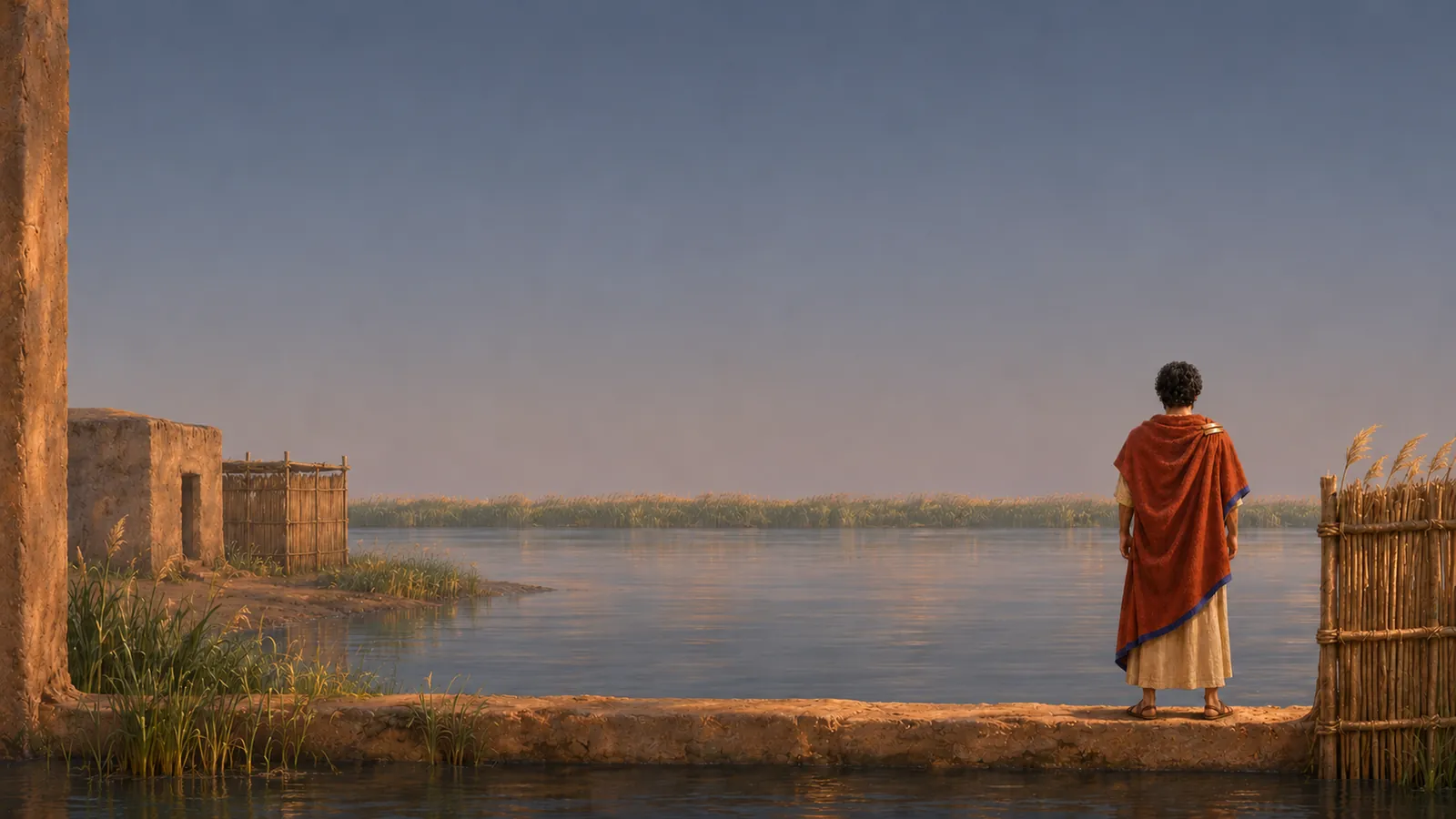
BABILONIA Y LOS NOMBRES
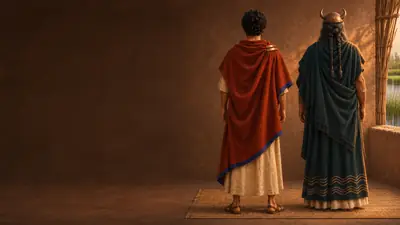
Al oír a los dioses, a Marduk se le ocurrió algo nuevo. Le contó a Ea lo que pensaba crear.
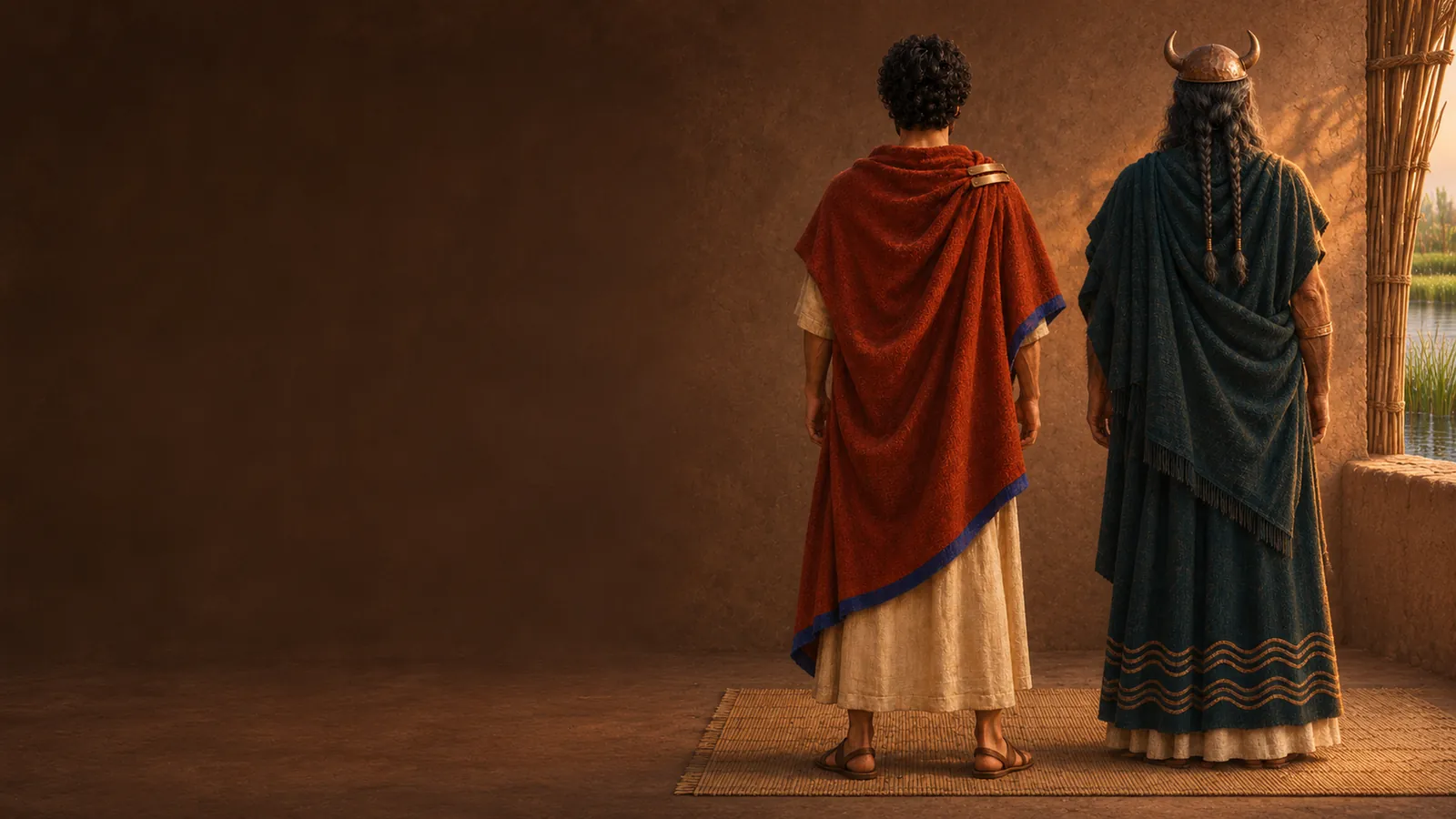
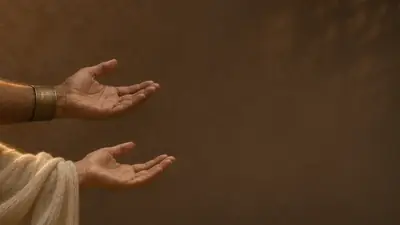
Marduk habló de crear un ser de sangre y hueso y darle el nombre de humano. Los humanos asumirían el trabajo de los dioses y estos podrían descansar.
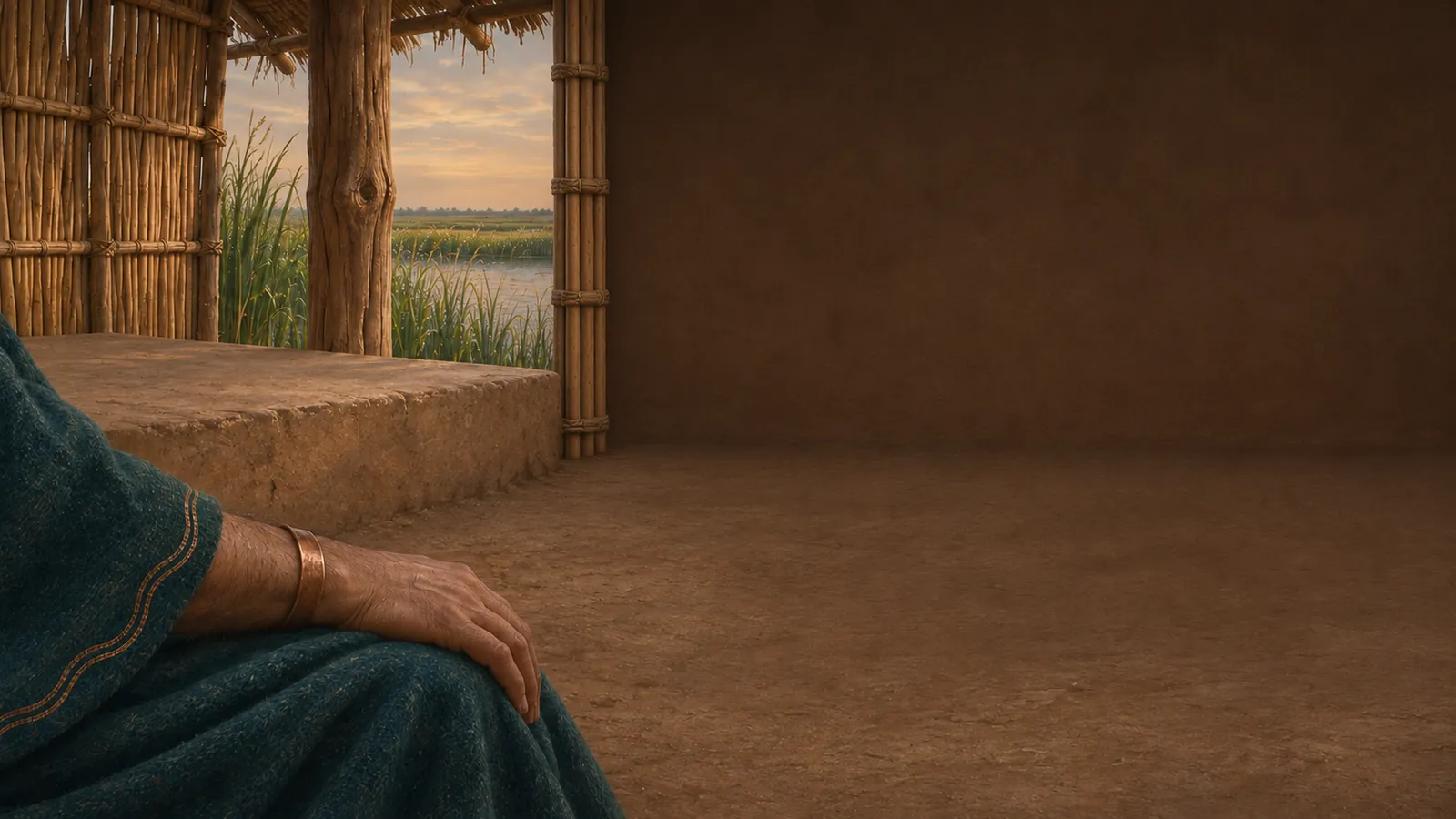
Ea le aconsejó reunir a los grandes dioses. Que entregaran al culpable entre ellos, dijo, para que se pudiera crear a los humanos.
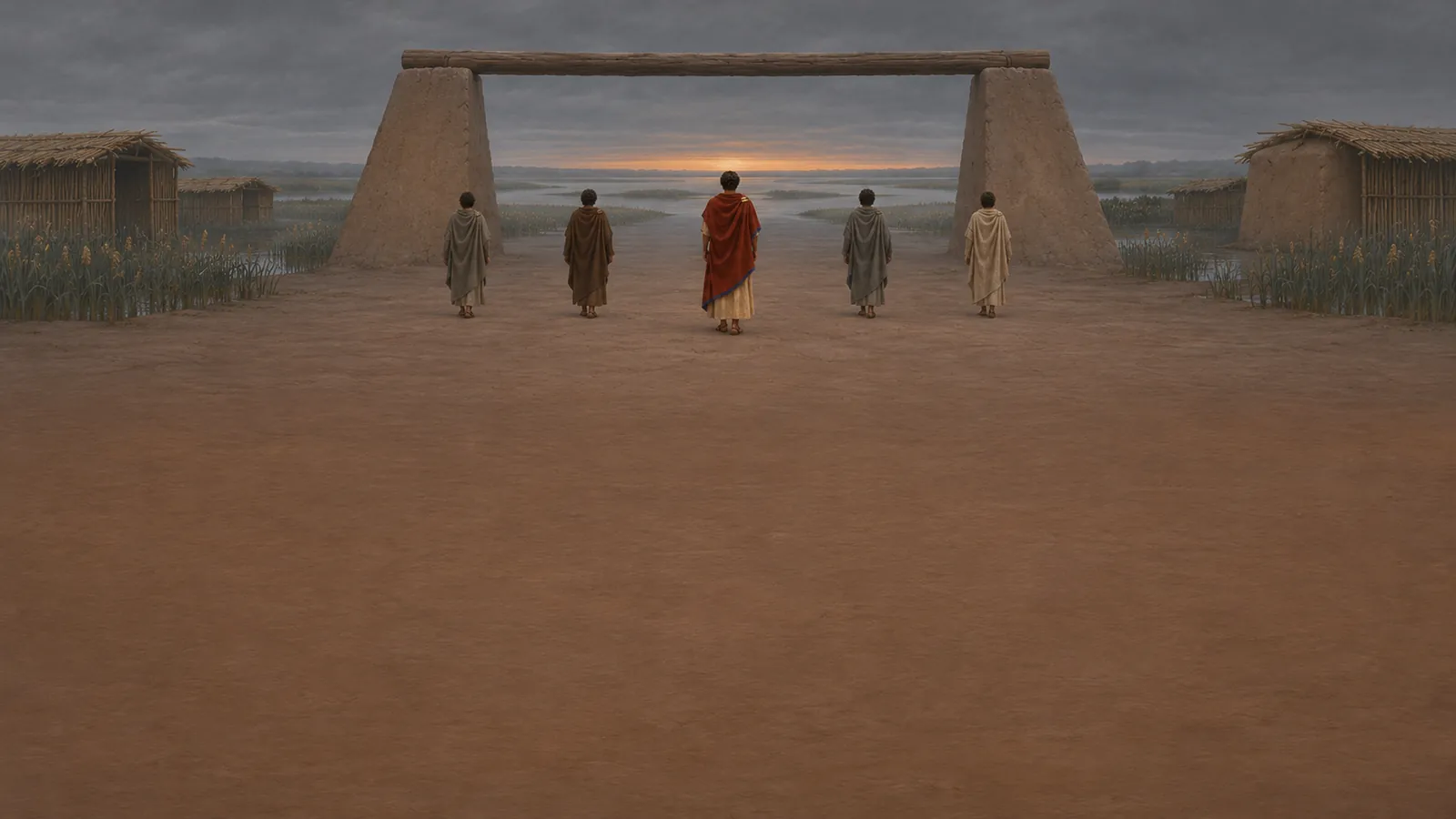
Marduk reunió a los grandes dioses. Dio sus órdenes con voz serena y la asamblea escuchó cuando empezó a interrogarlos.
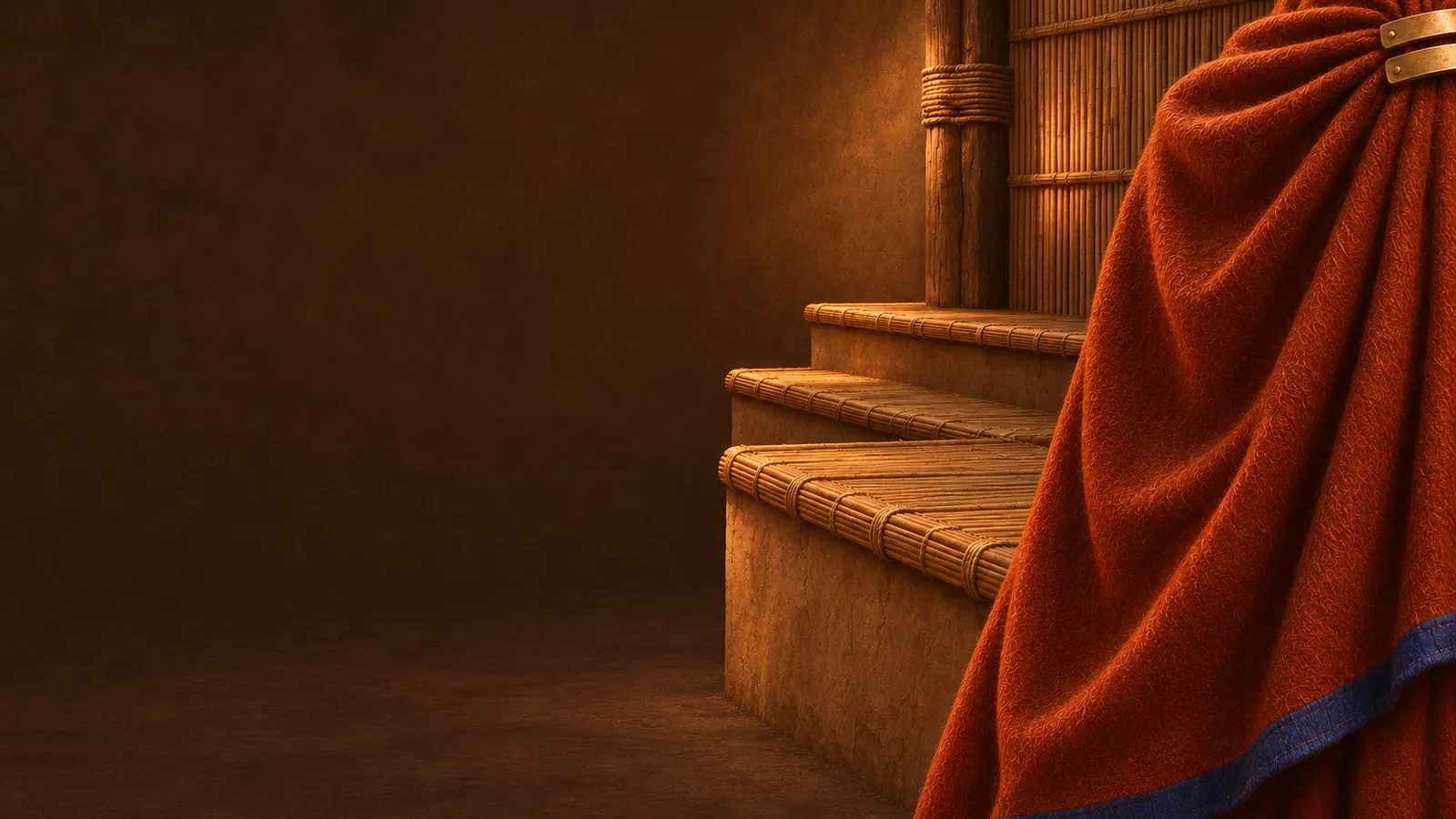
Marduk preguntó quién había provocado la discordia y empujado a Tiamat a la guerra. Entregádmelo, dijo, y los demás podréis vivir en paz.
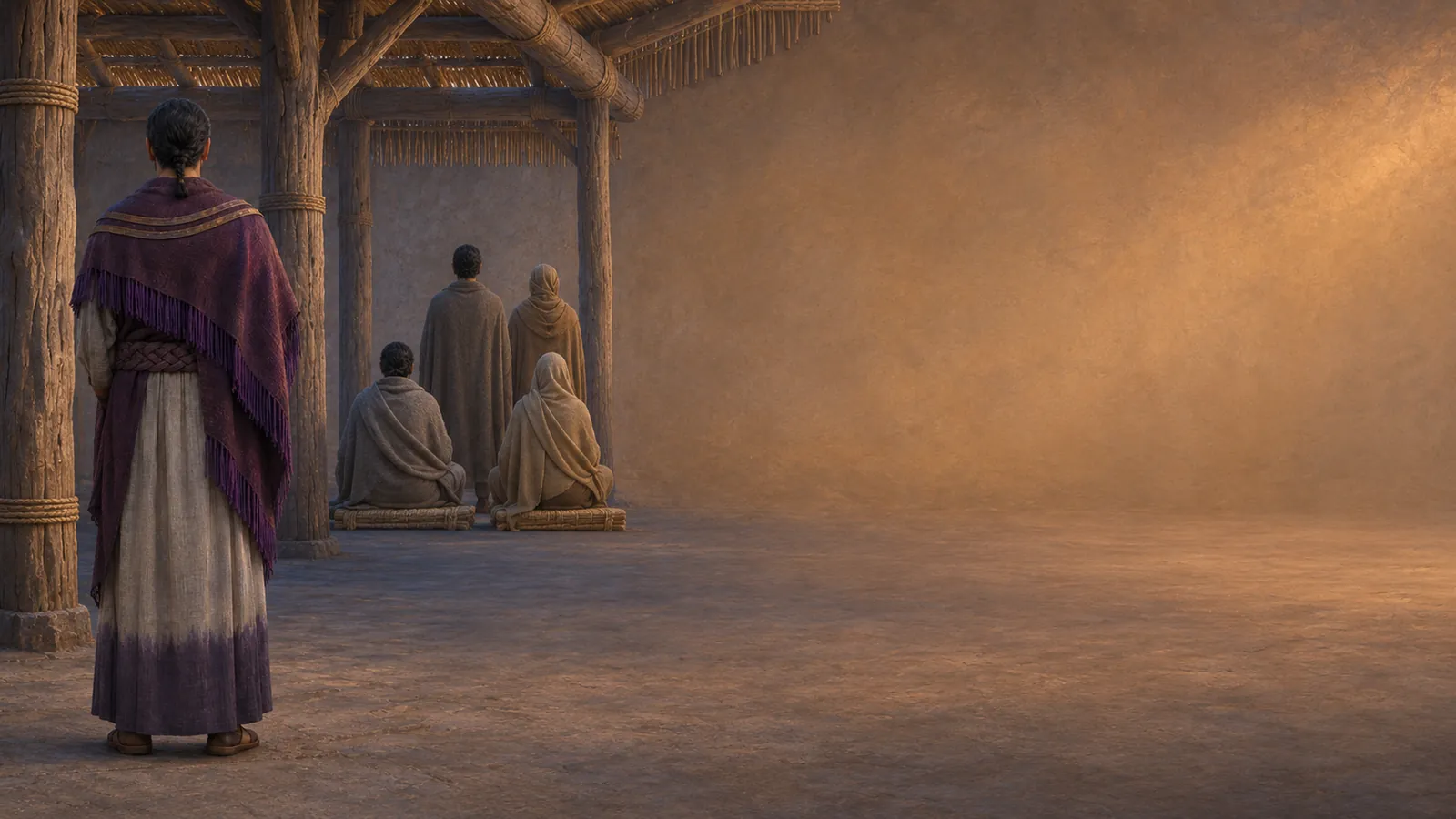
Los grandes dioses respondieron a una sola voz. Nombraron a Qingu como quien había provocado la discordia e instado a Tiamat a hacer la guerra.
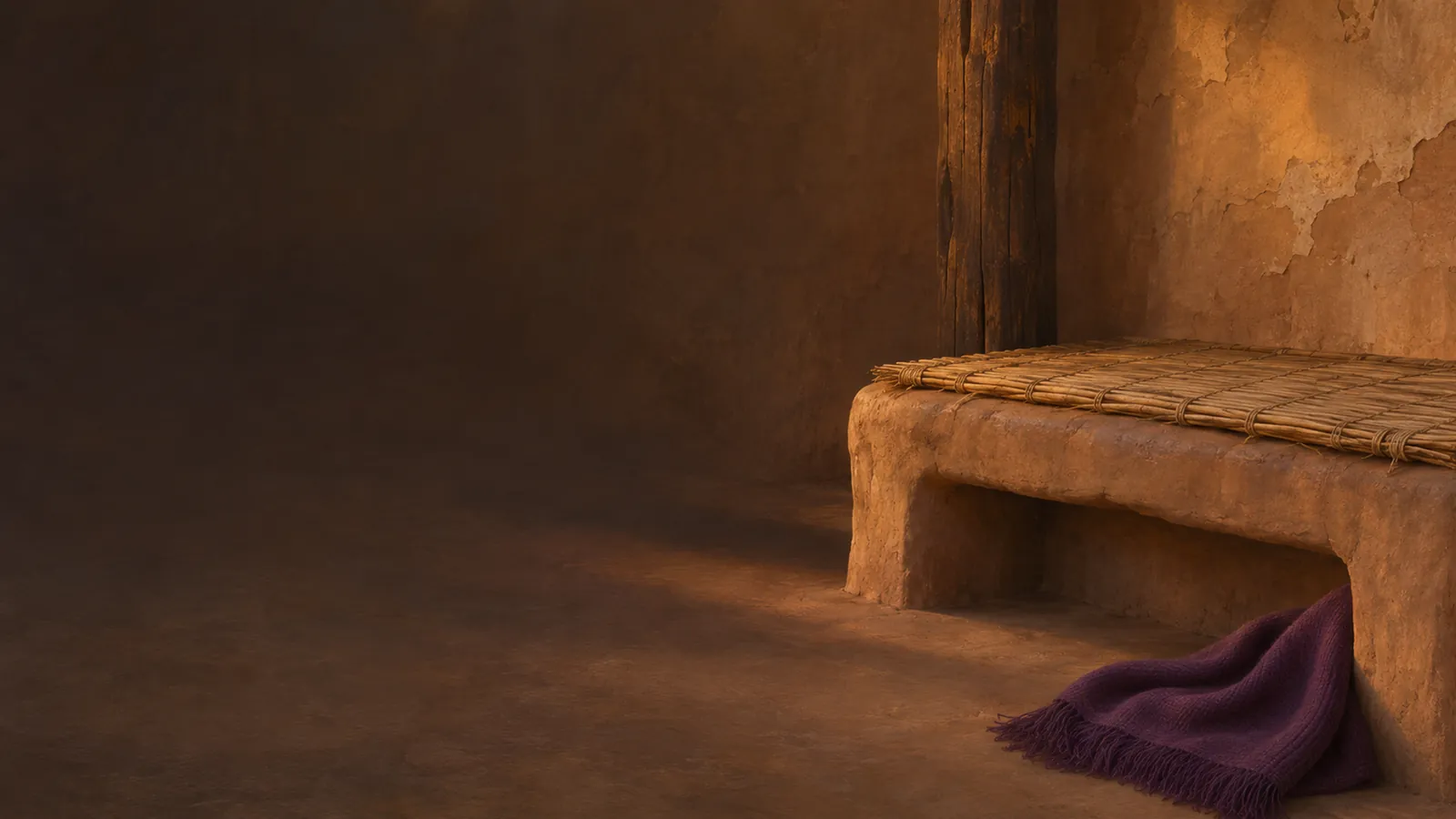
Los dioses llevaron a Qingu ante Ea para que respondiera por la guerra. El antiguo poema cuenta cómo Qingu fue juzgado y ejecutado.

Con la sangre de Qingu, Ea creó a la humanidad, cumpliendo el plan de Marduk. Los humanos asumieron el trabajo de los dioses, y los dioses pudieron descansar.

Luego el rey Marduk dio a los dioses su lugar. Repartió a los Anunnaki, a unos en el mundo de arriba y a otros en el de abajo.
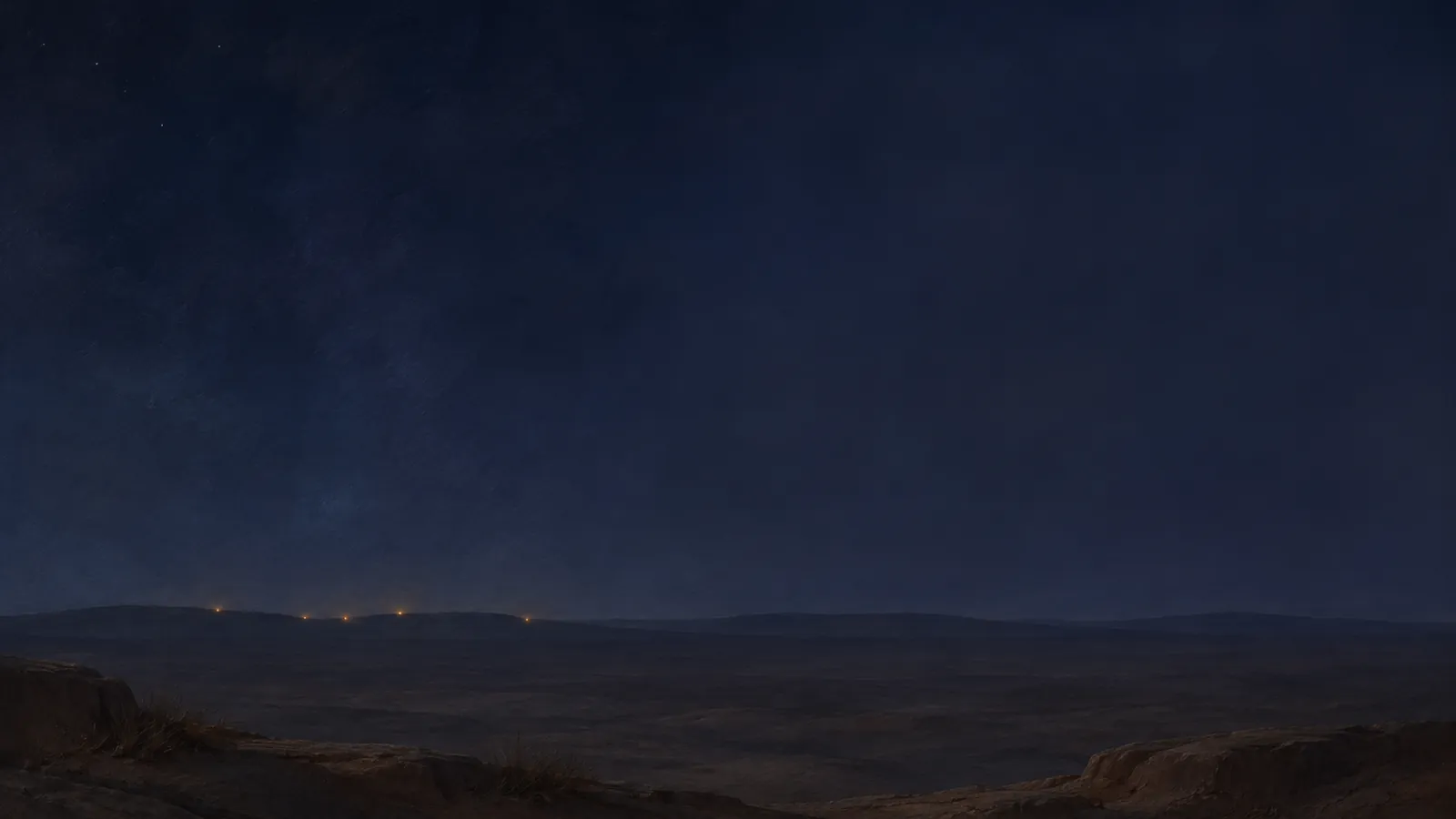
Marduk puso una guardia en el cielo para velar por los decretos de Anu. Dispuso también los caminos del mundo inferior y asignó a los dioses su puesto en ambos dominios.
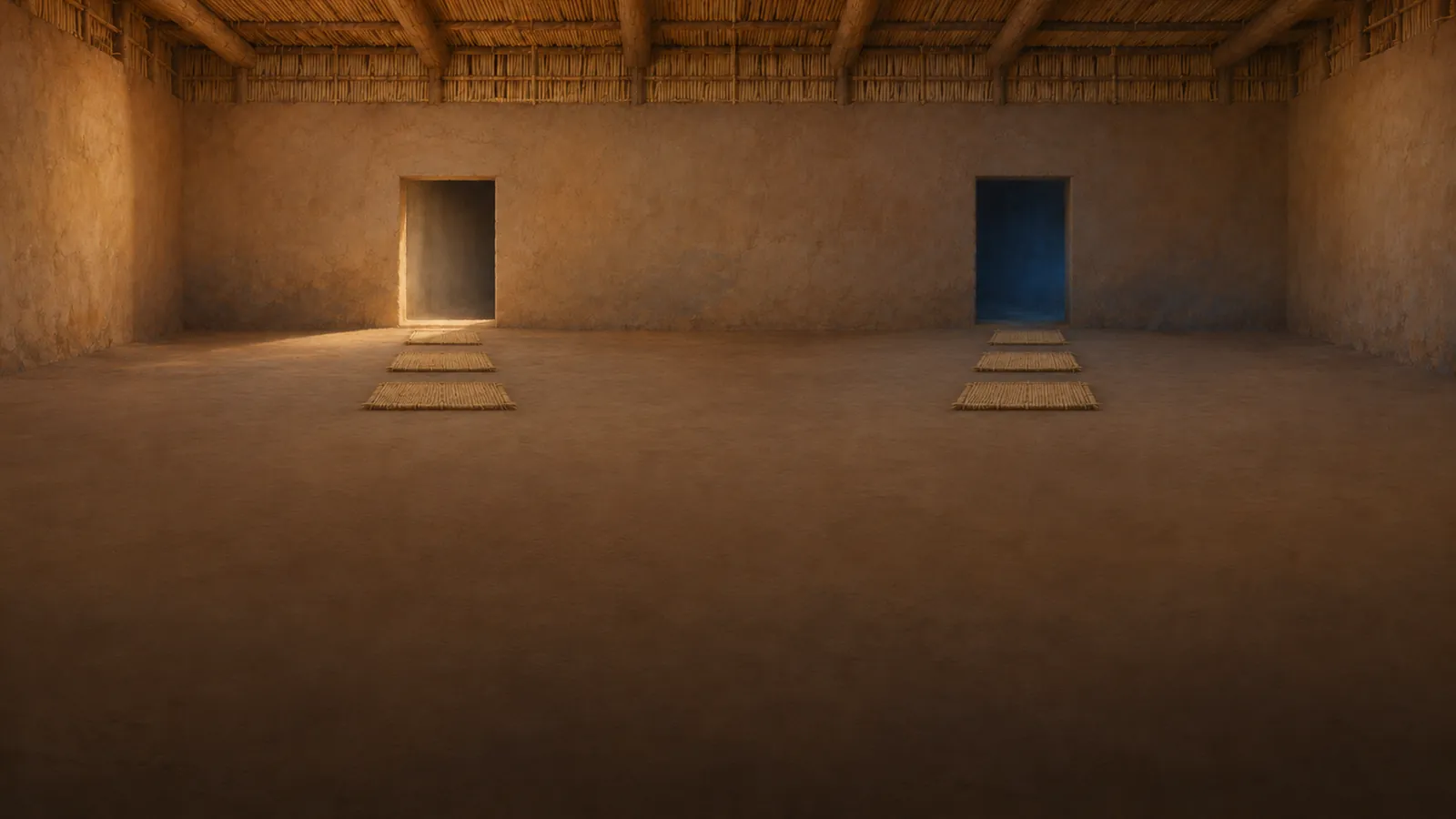
Una vez que Marduk anunció sus decretos, los Anunnaki recibieron su parte. Sus cometidos y sus lugares quedaron fijados en las alturas y en las profundidades.
Los Anunnaki preguntaron qué podían hacer por el señor que los había librado del trabajo. Se ofrecieron a construirle un estrado cuyo nombre se oiría por doquier.
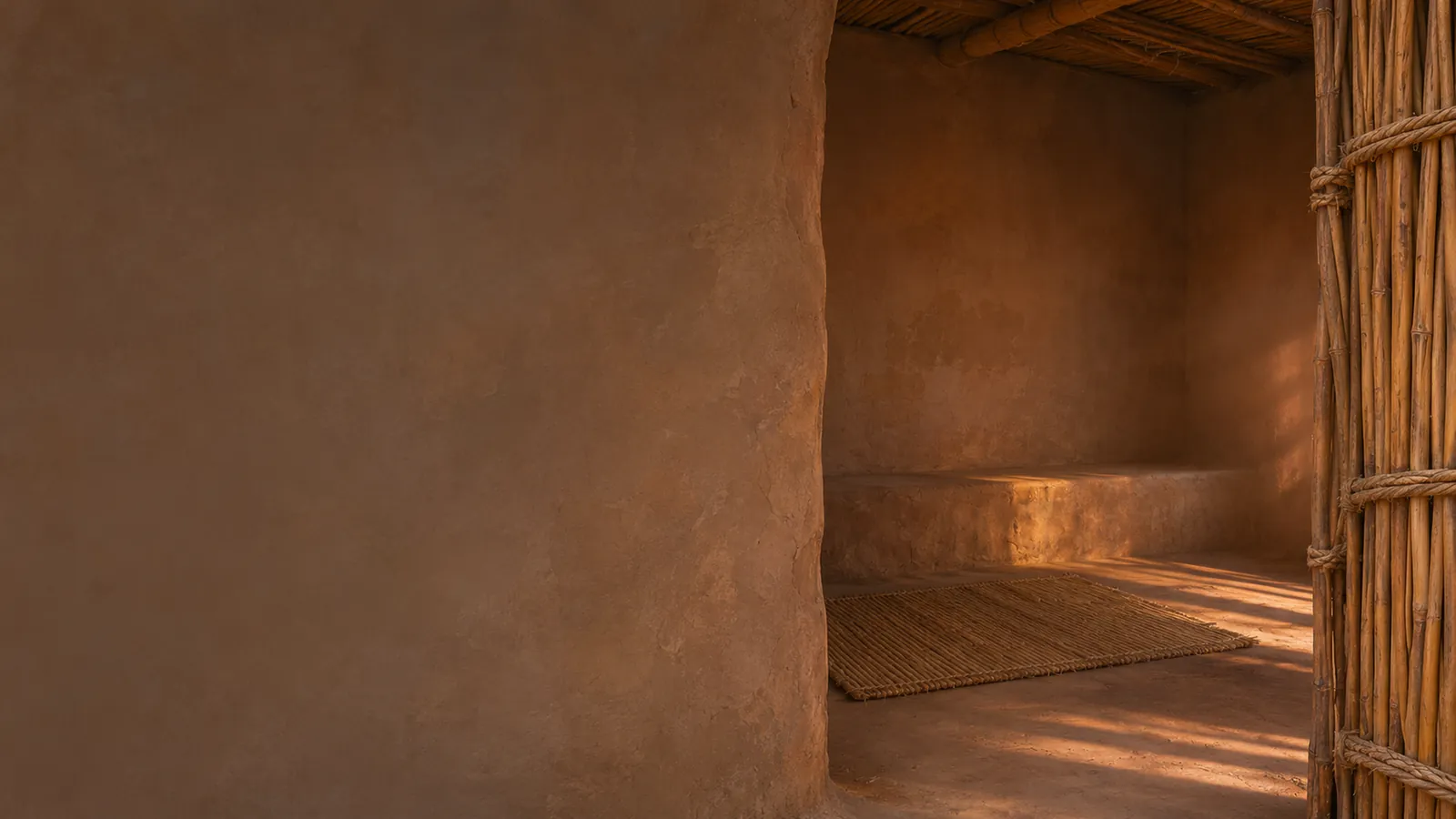
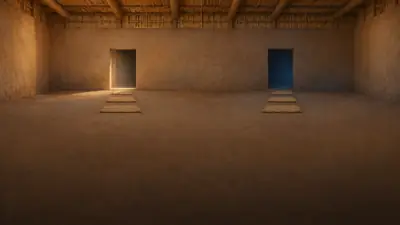
Imaginaron una sala donde alojarse cuando se reunieran. Allí alzarían el estrado y se sentarían a descansar.
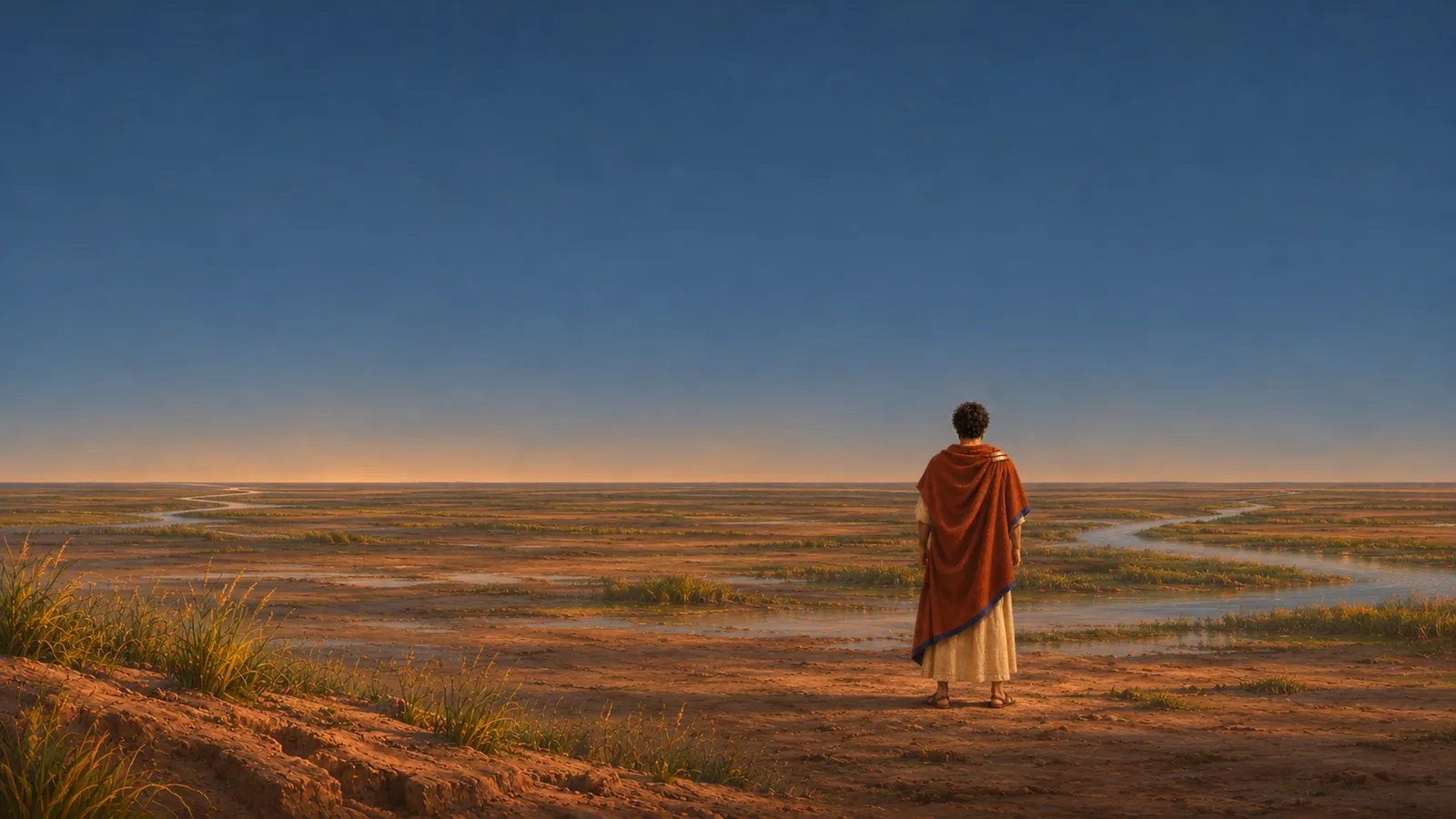
BABILONIA
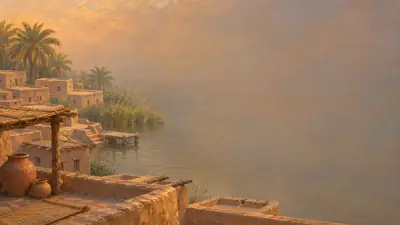
Marduk se alegró al oírlos. Dijo a los dioses que construyeran Babilonia, el lugar del que ya les había hablado, y que alzaran allí el estrado.
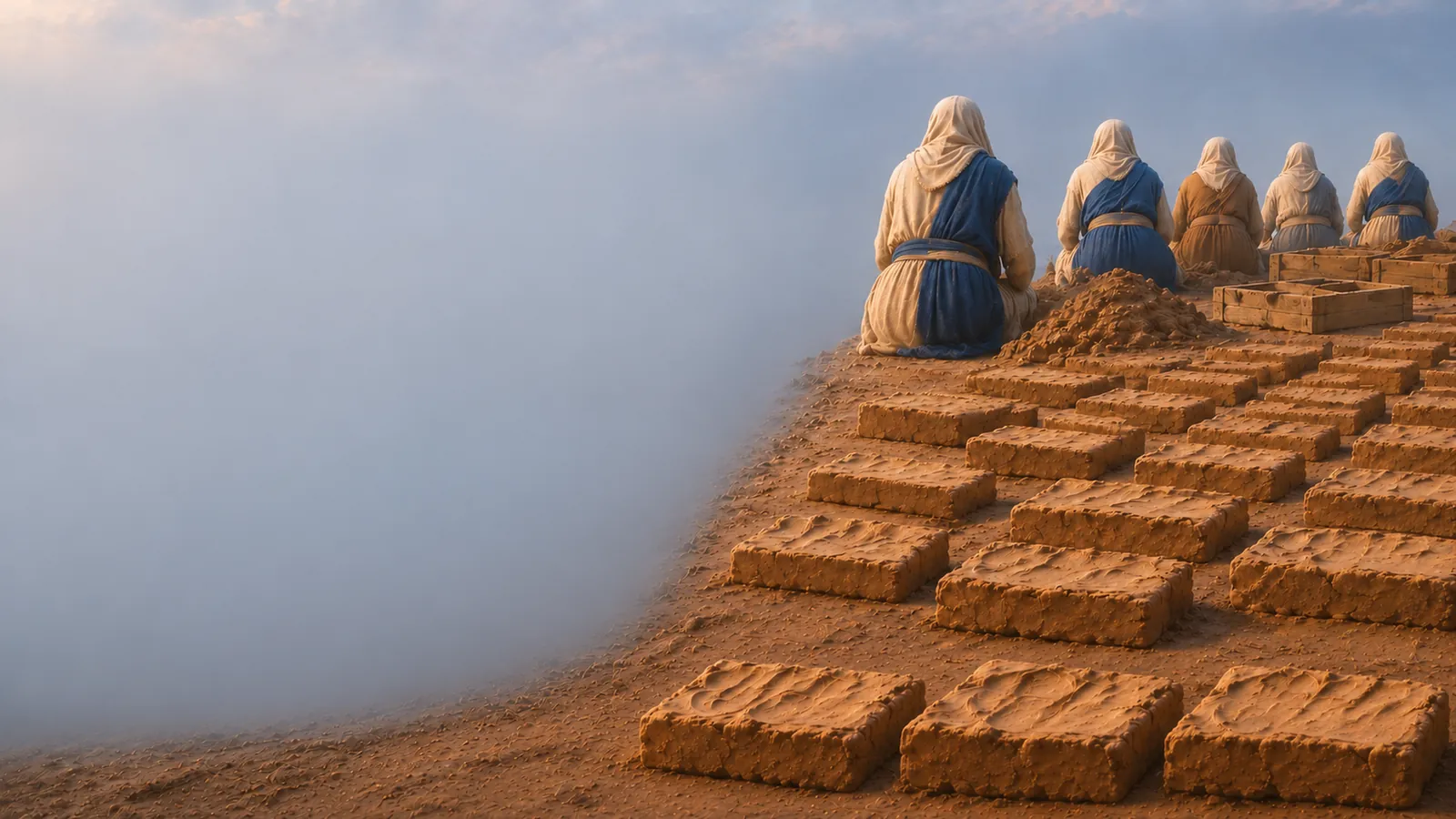
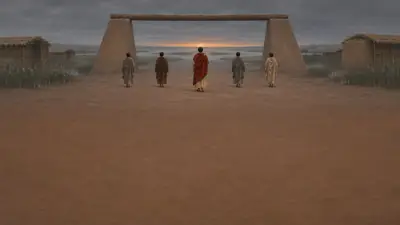
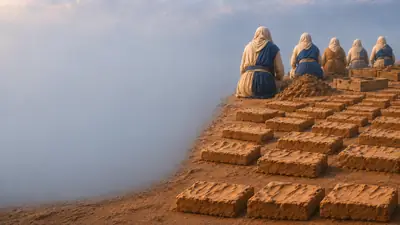
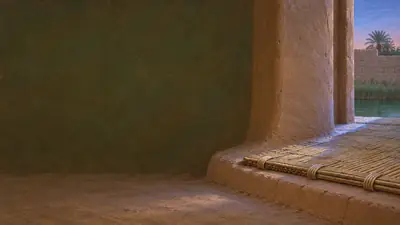
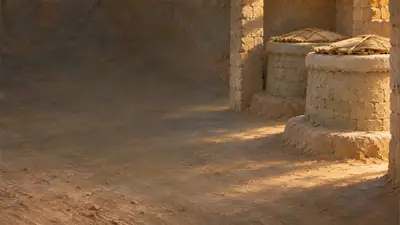
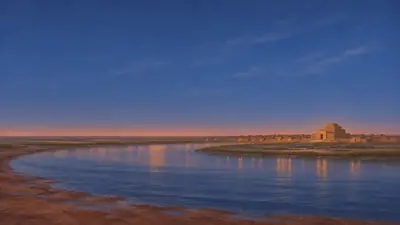
Los Anunnaki removieron la tierra con sus azadas. Durante un año entero prepararon los ladrillos que formarían los muros de Babilonia.
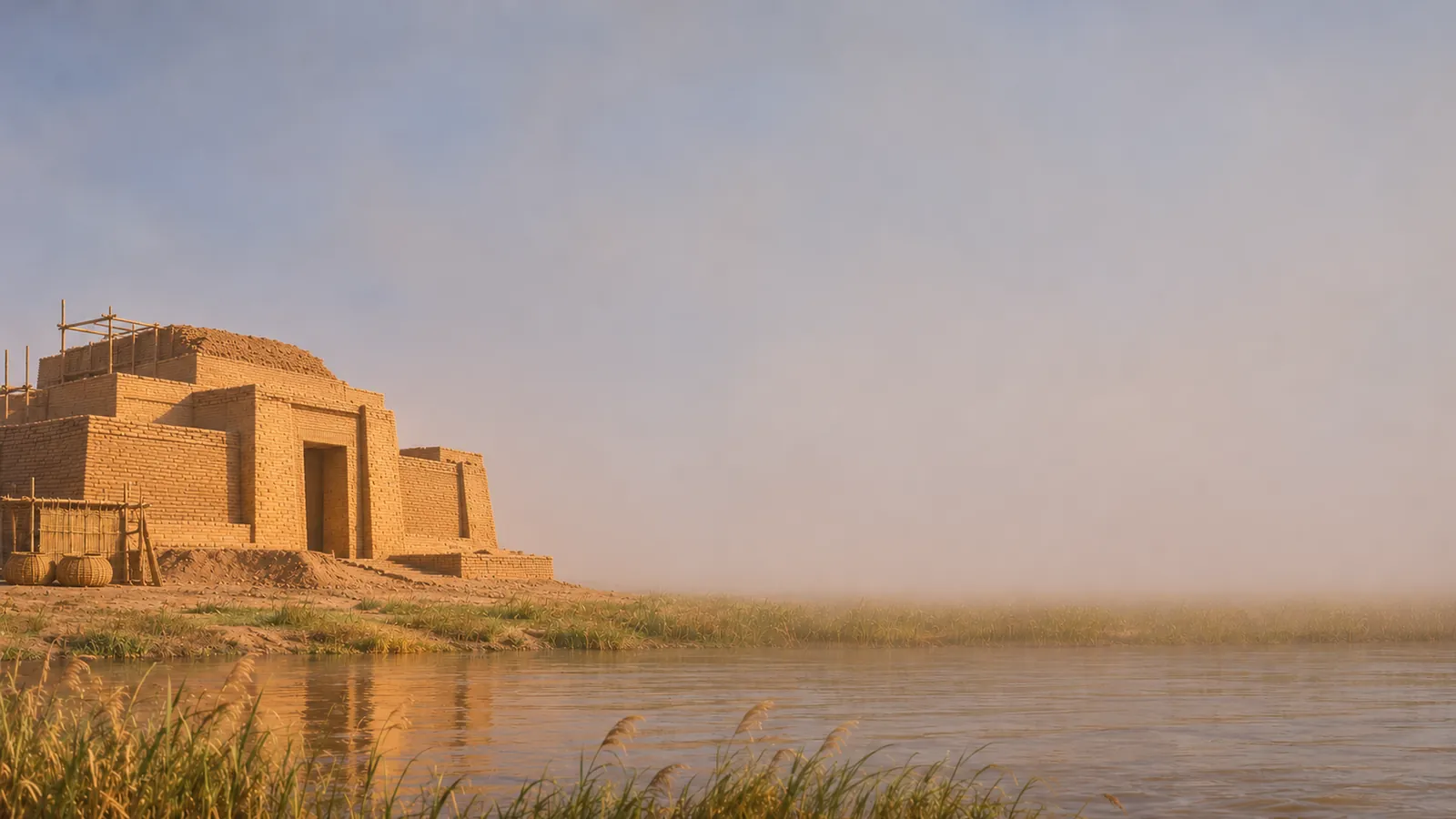
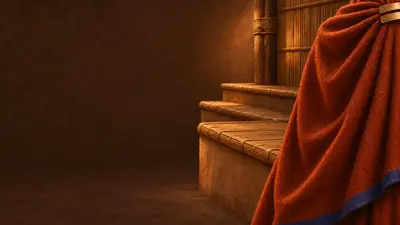
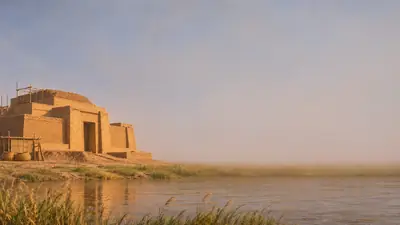
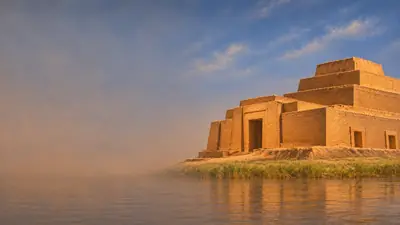
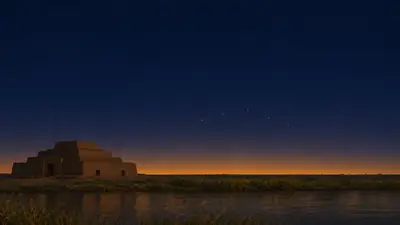
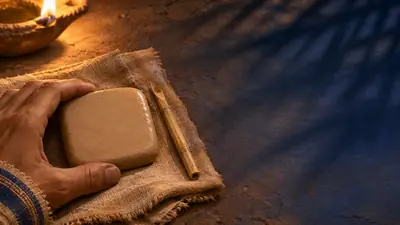
En el segundo año se alzó el templo de Esagil. El poema lo llama el equivalente del Apsû, la morada de las profundidades.
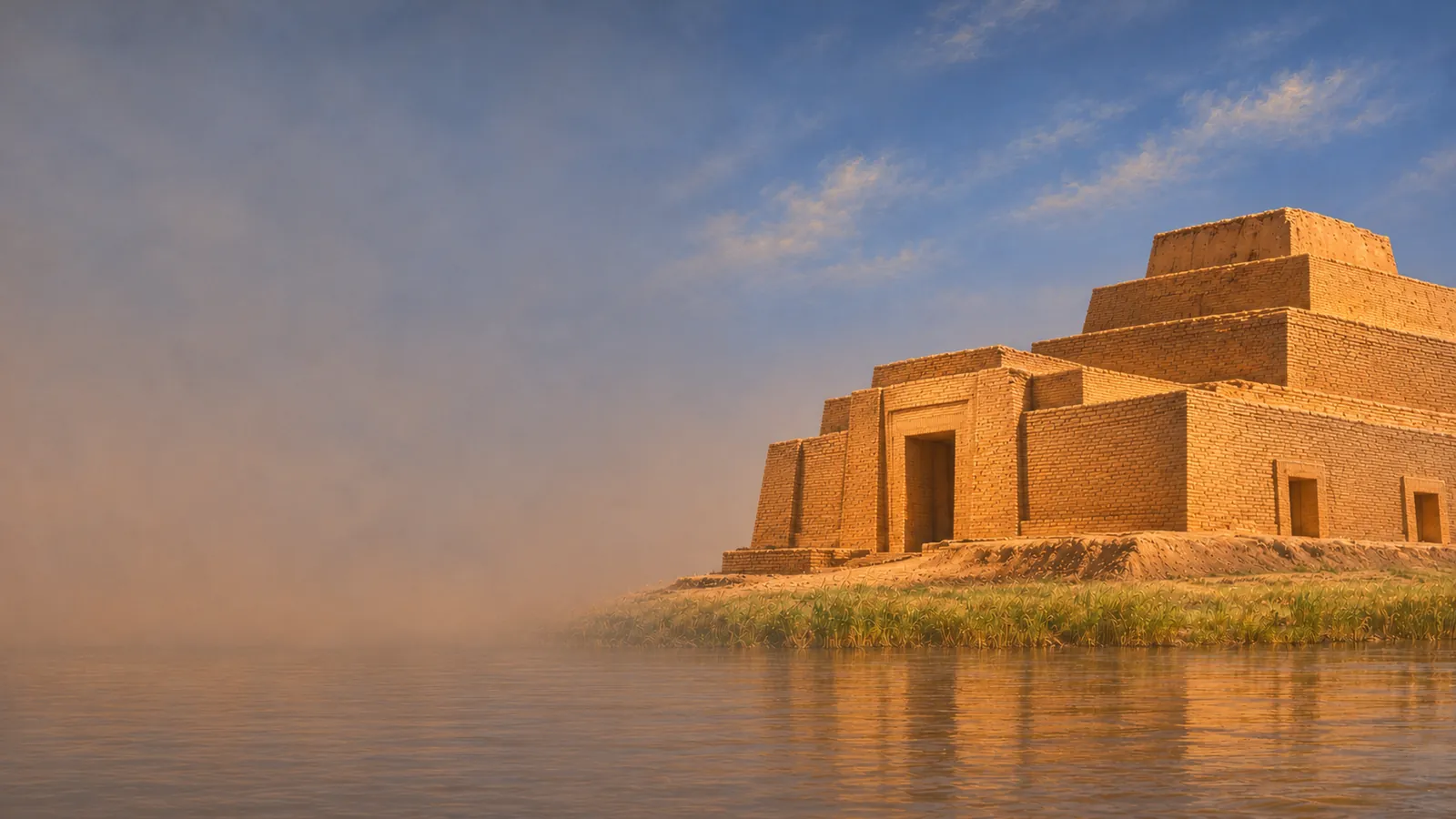
Los constructores levantaron el alto zigurat. Prepararon moradas para Anu, Enlil y Ea, y también hicieron una para Marduk.
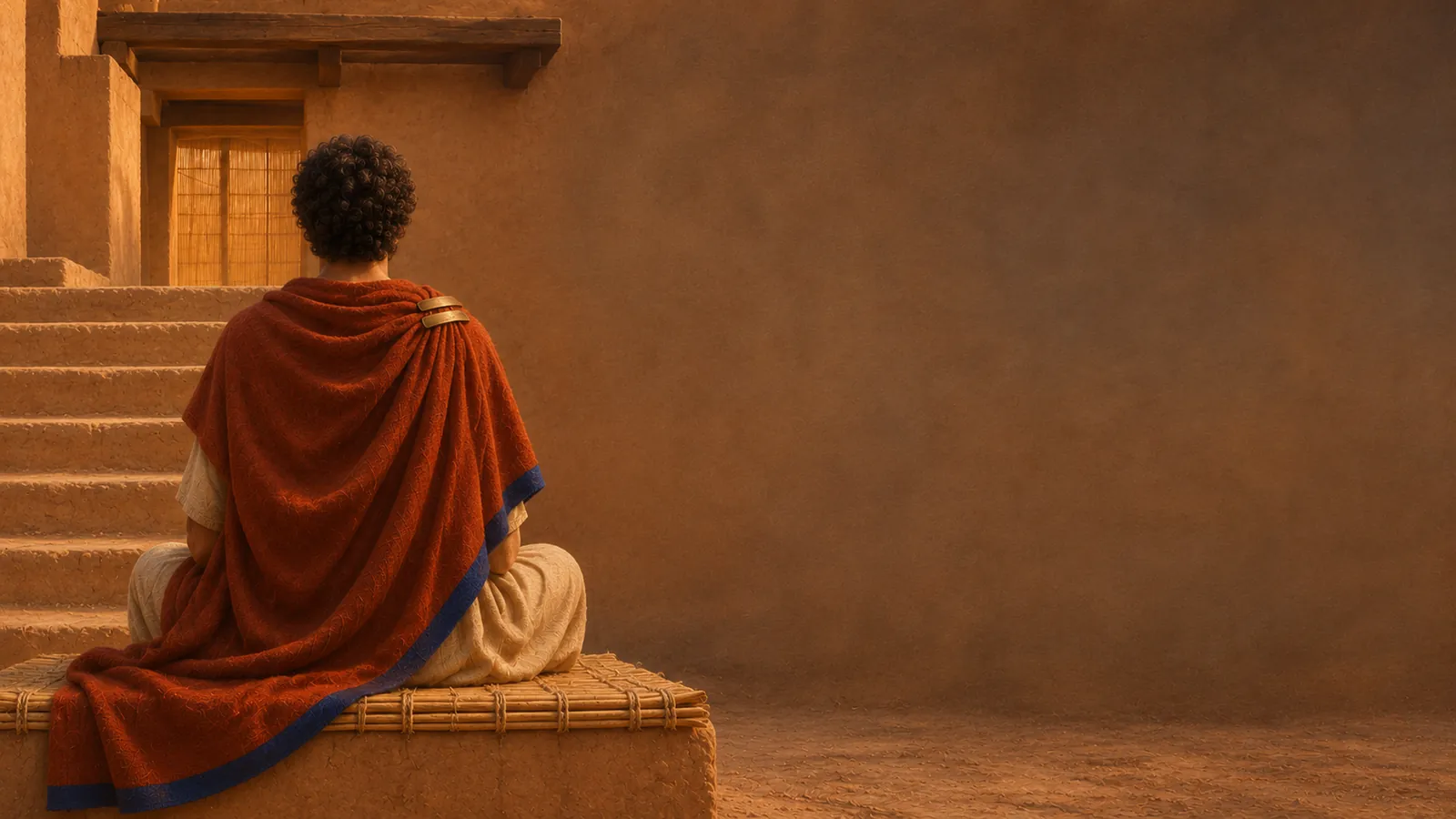
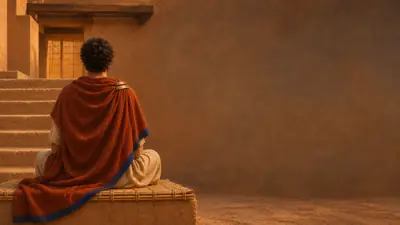
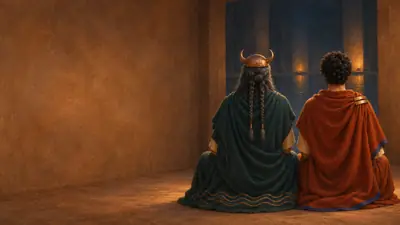
Marduk ocupó su asiento con todo esplendor. Un verso vincula esta escena con Eshara, aunque su sentido preciso es incierto. Los Anunnaki terminaron sus propios estrados.
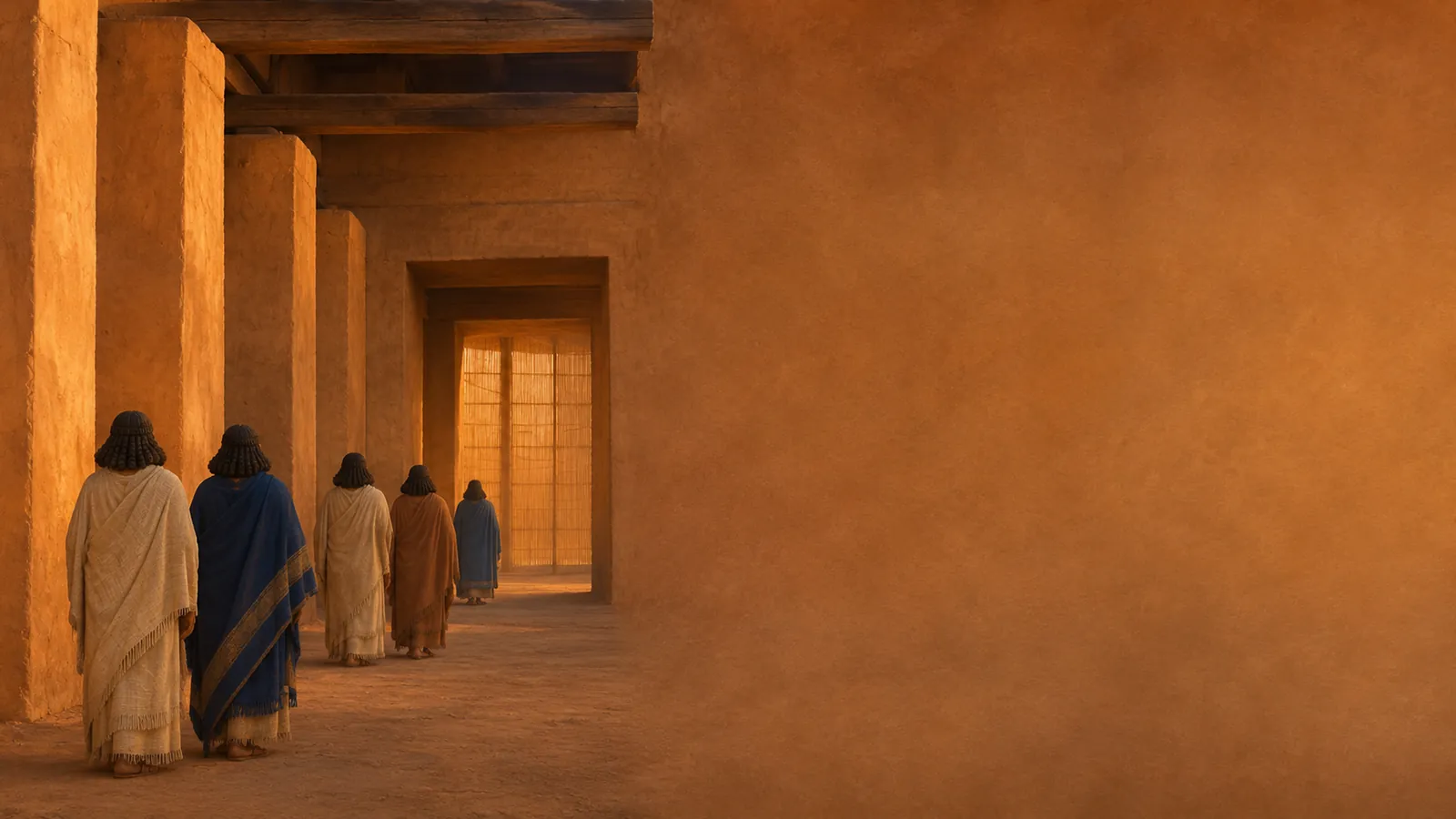
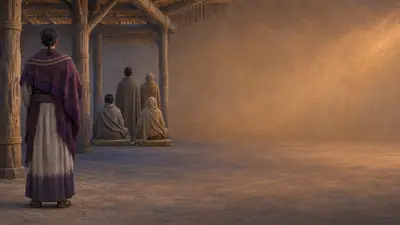
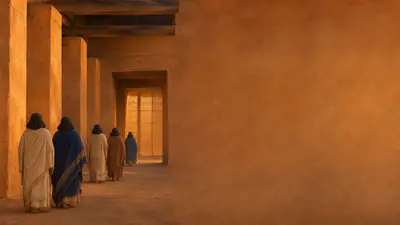
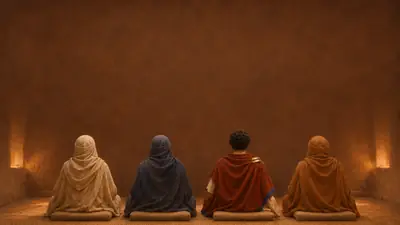
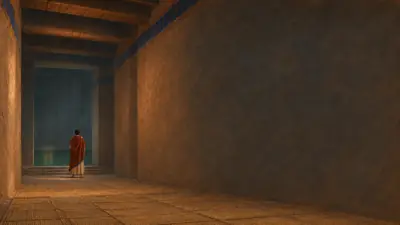
Los dioses del cielo y del Apsû se reunieron. Marduk recibió a sus mayores en la sala que habían construido y les dio asiento en el banquete.
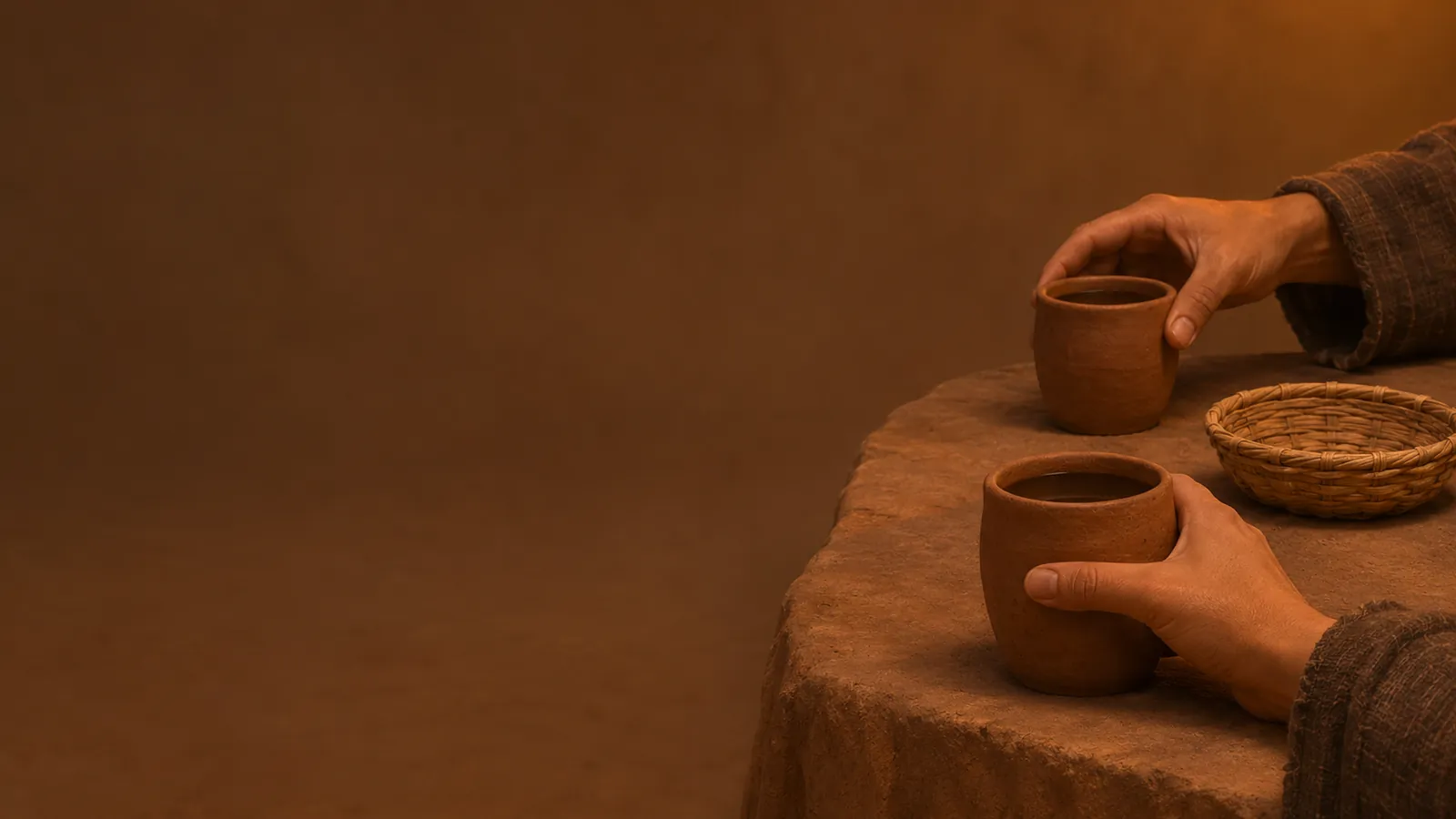
Marduk los invitó a hacer de Babilonia su hogar. Se sentaron, dispusieron sus vasos de cerveza y se alegraron en el lugar que habían construido.
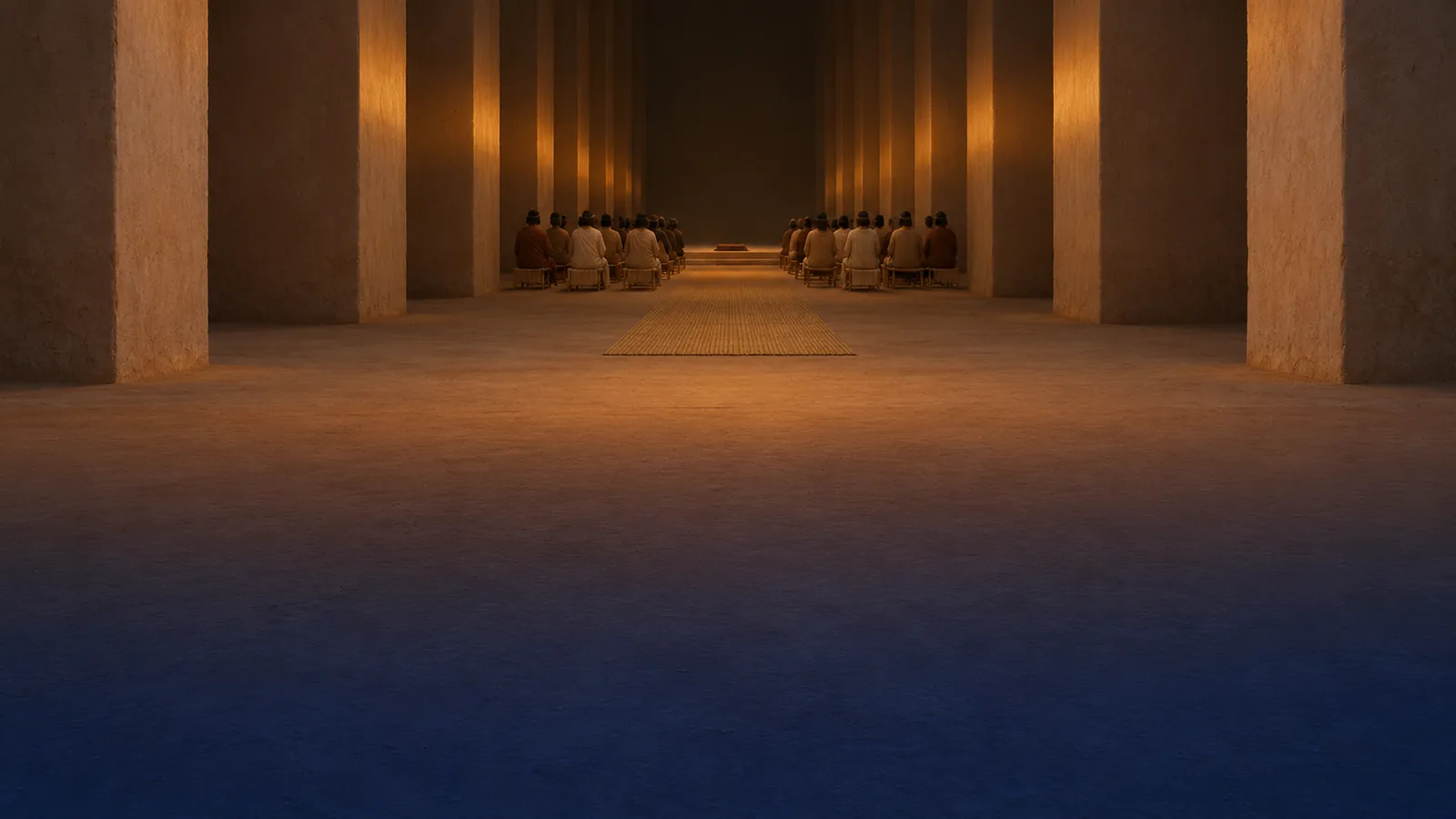
En Esagil, los dioses celebraron su rito y confirmaron sus puestos en el cielo y en la tierra. Dieron a los siete dioses del destino autoridad para decidir.
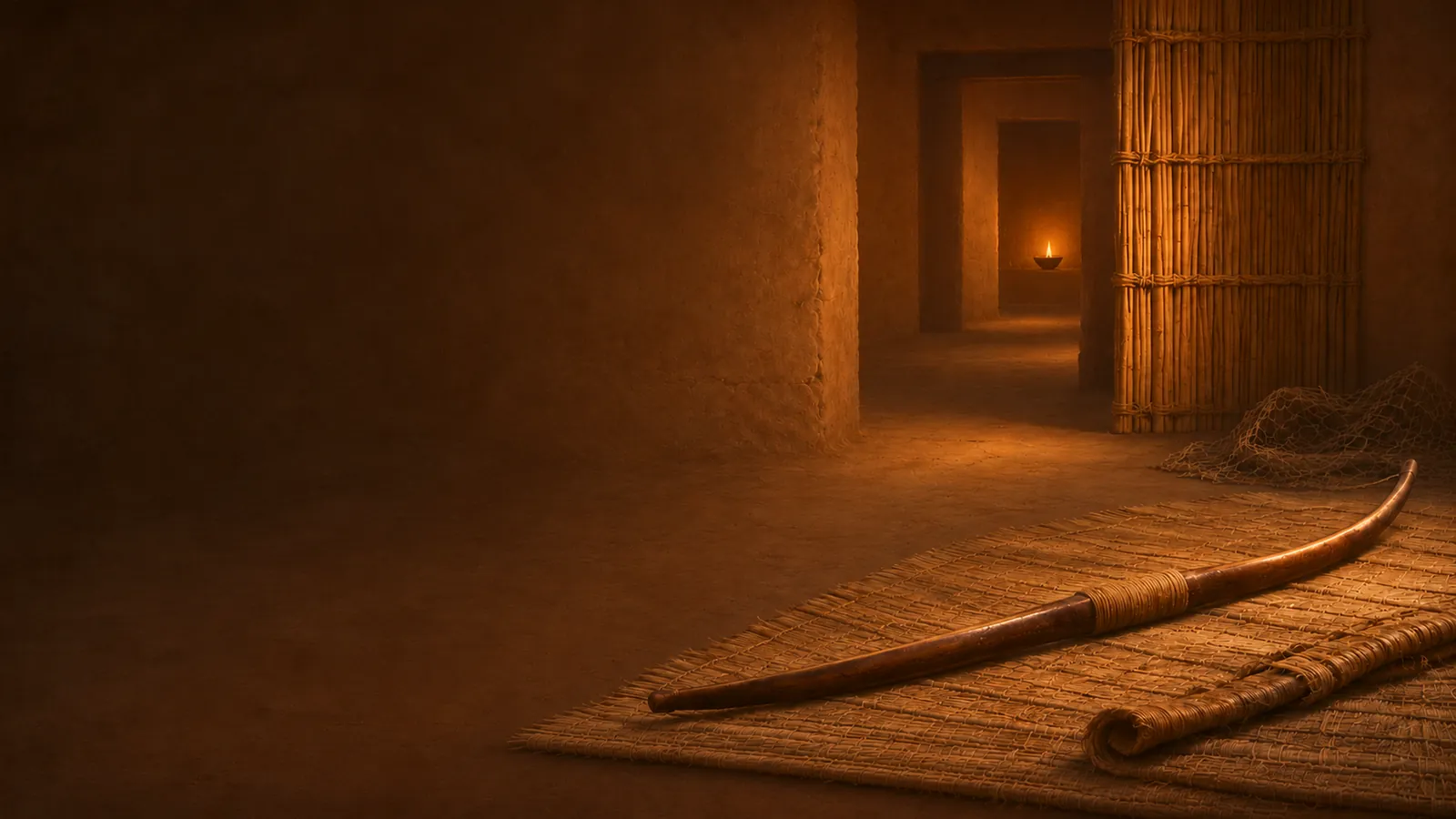
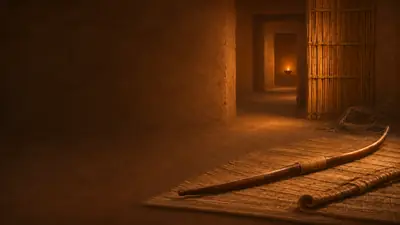
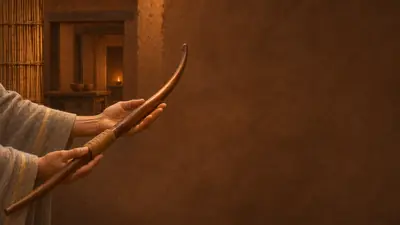
Marduk puso su arco ante los dioses. Vieron también la red que había hecho y elogiaron la destreza con que había fabricado el arco.
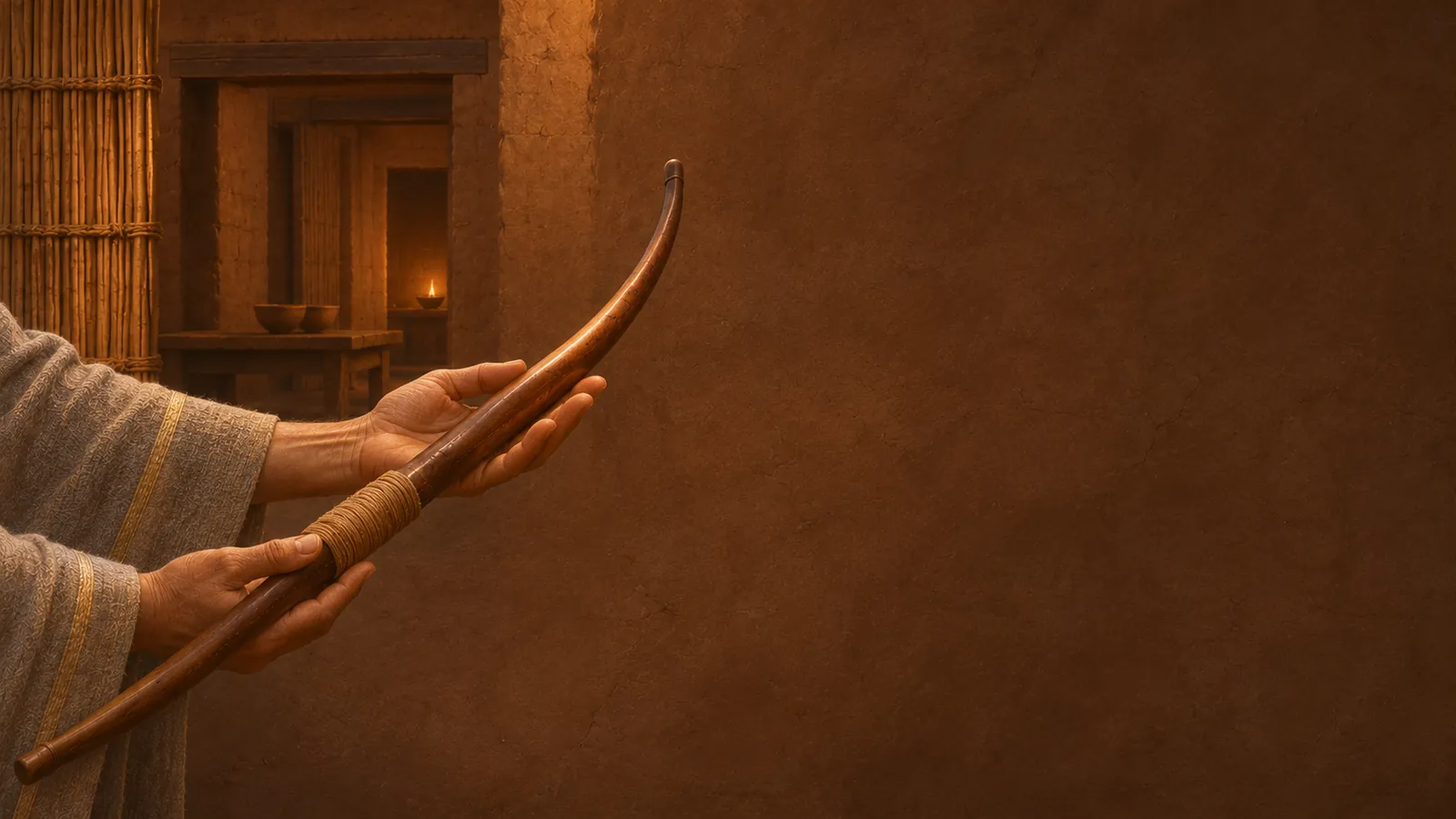
Anu alzó el arco ante la asamblea. Lo besó y lo llamó hija suya, y empezó entonces a pronunciar sus nombres.
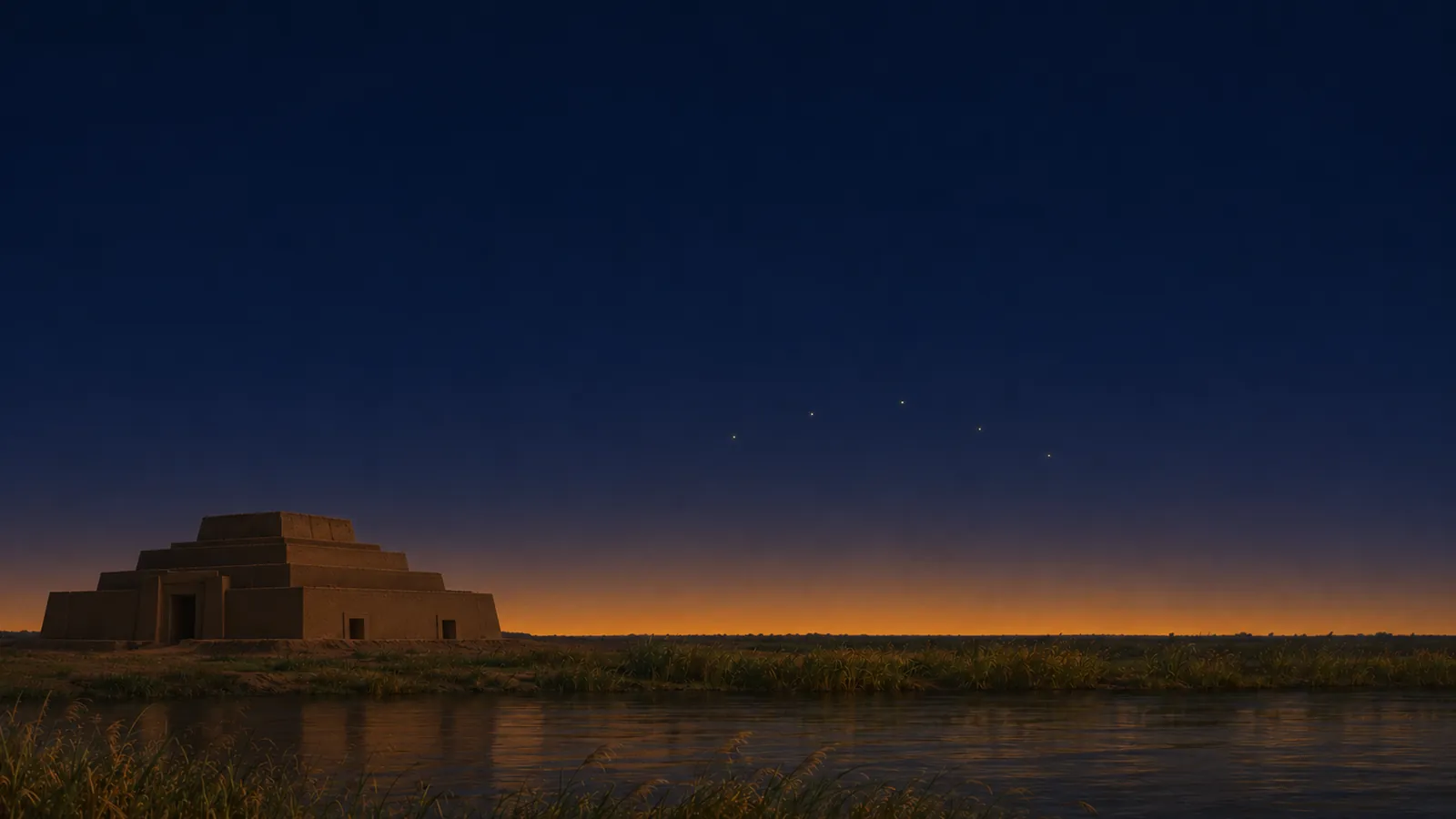
LA ESTRELLA DEL ARCO
Anu llamó al arco Madera Larga, el que Golpea y Estrella del Arco. Le dio un lugar entre las estrellas del cielo.
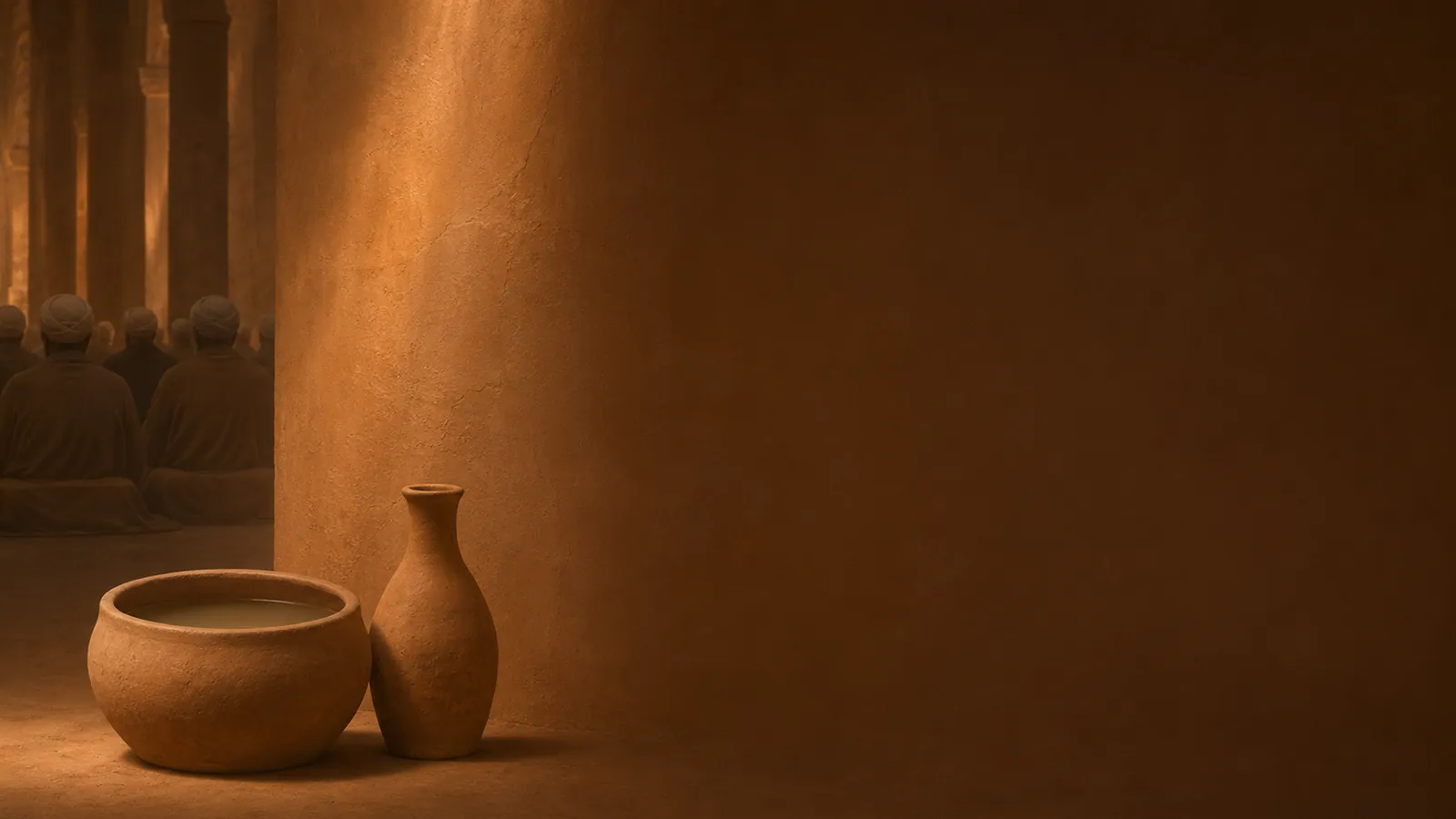
Los grandes dioses se inclinaron y prestaron un juramento solemne con agua y aceite. Confirmaron a Marduk como rey de los dioses del cielo y de la tierra.
Los dioses pidieron que la palabra de su vengador tuviera autoridad arriba y abajo. Hablaron de su deber de guiar a la gente como un pastor guía a su rebaño.
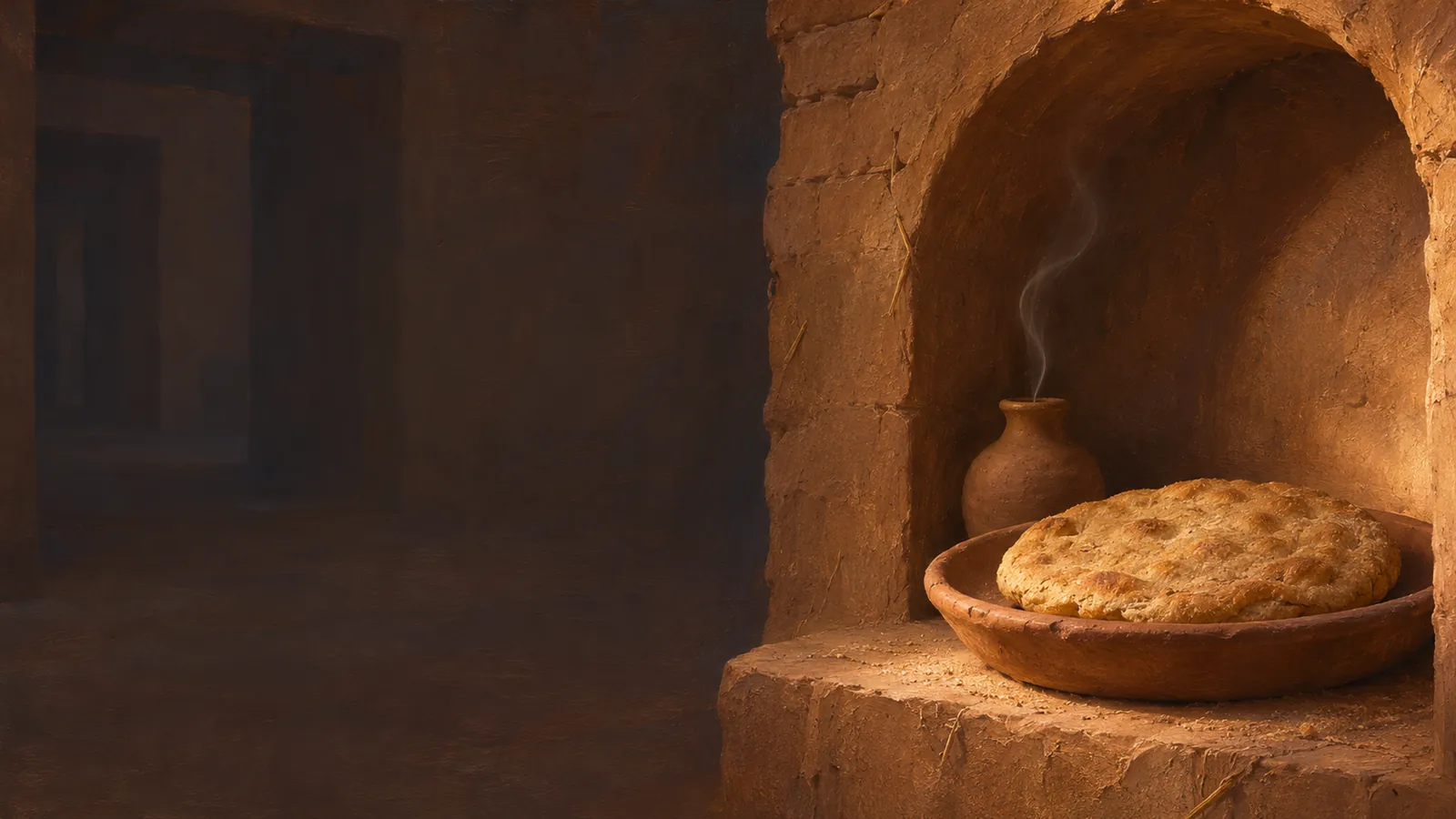
Los dioses pidieron a Marduk que cuidara de la gente y proveyera a los santuarios. Hablaron de ofrendas de comida y de incienso que se eleva, y pidieron que la gente recordara a sus dioses.
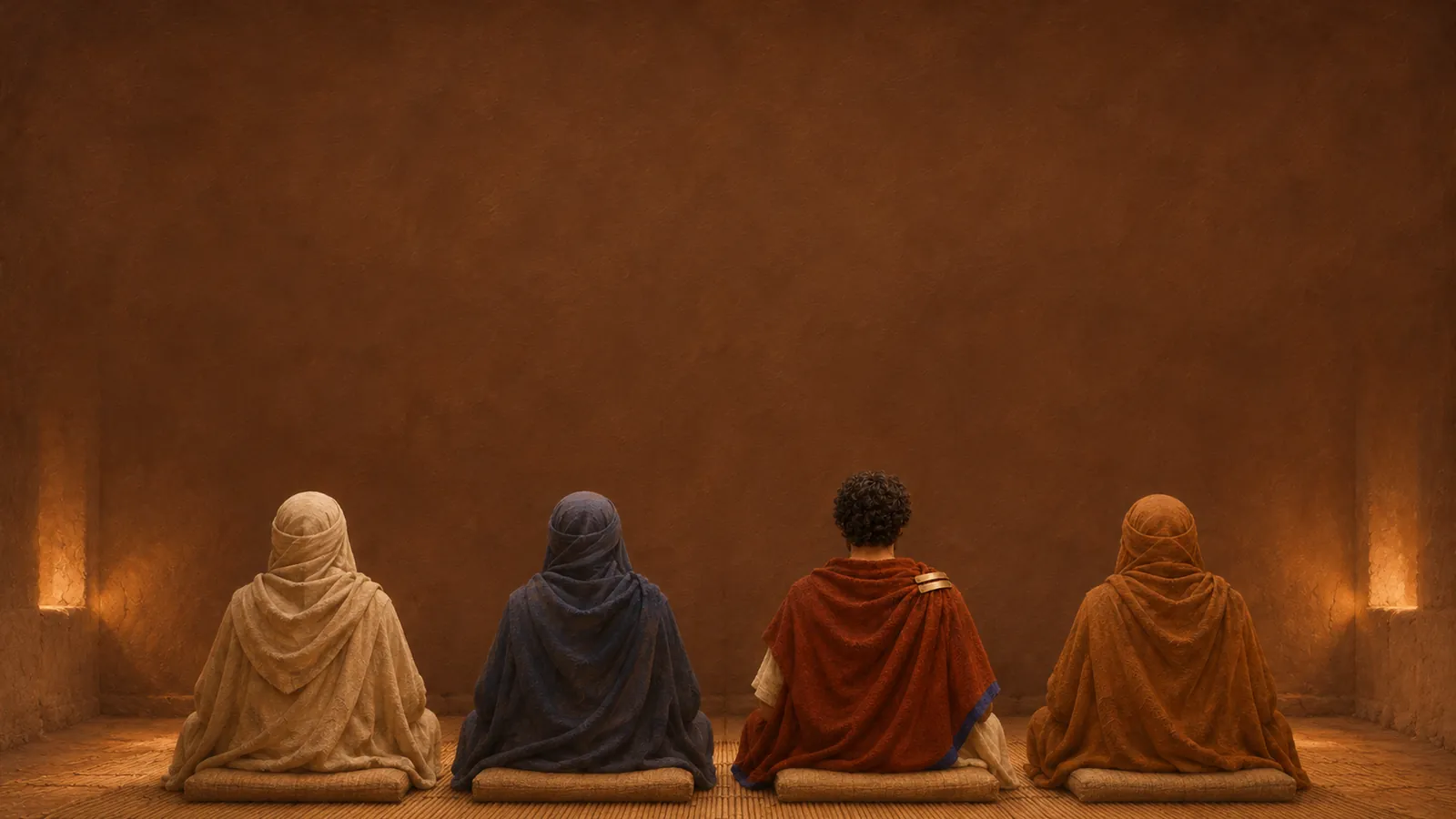
CINCUENTA NOMBRES
Entonces la asamblea quiso dar cincuenta nombres a Marduk. Cada nombre hablaría de algo que había hecho o de un cometido que se le había confiado.

Marduk era el nombre que Anu le había dado al nacer. Con ese nombre, los dioses ensalzaron a quien los había salvado y había hecho abundar la hierba y el agua.
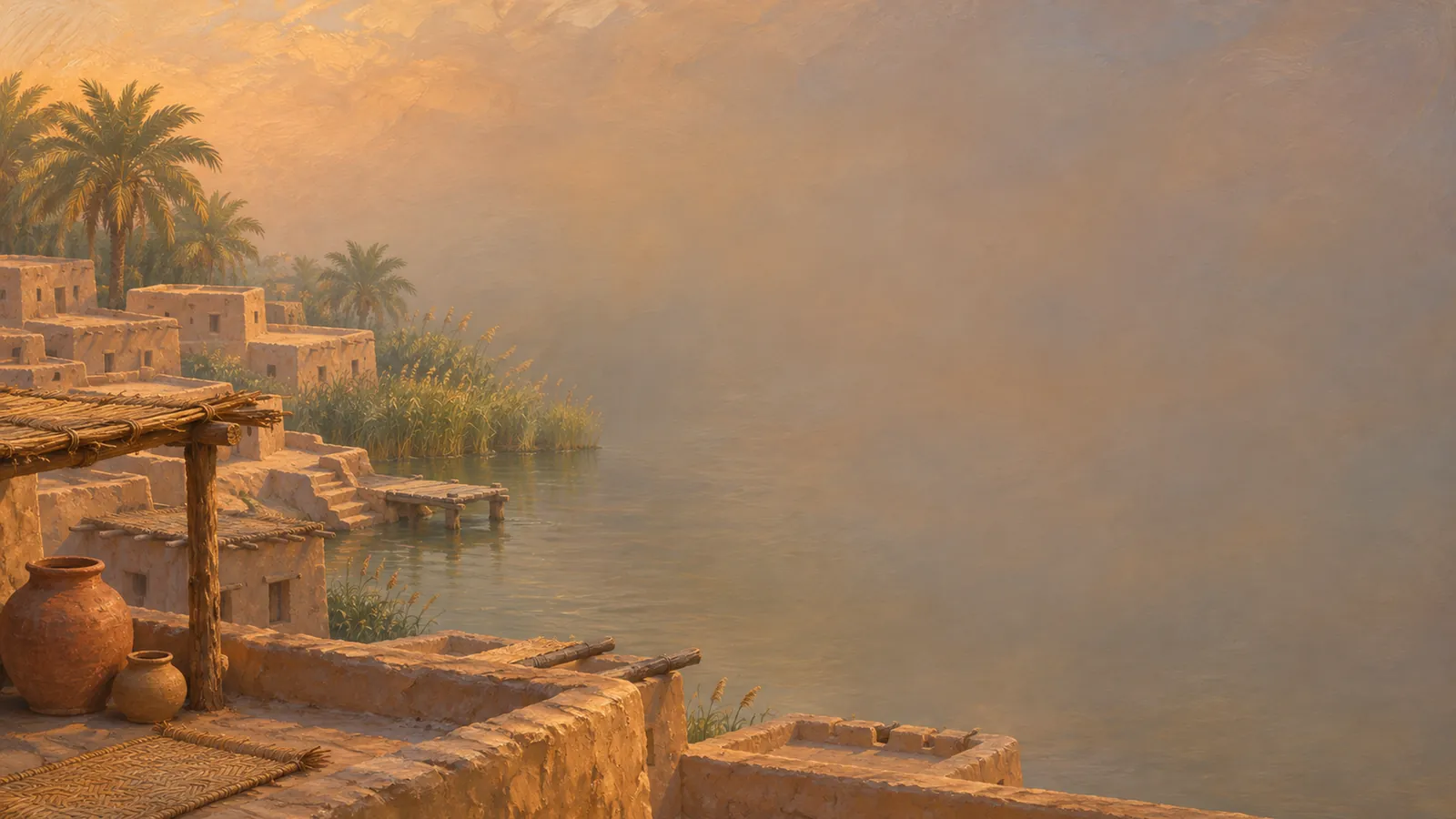
Lo llamaron Marukka por haber dado descanso a los dioses. Como Marutukku era aquel en quien podían confiar el país, la ciudad y sus habitantes.
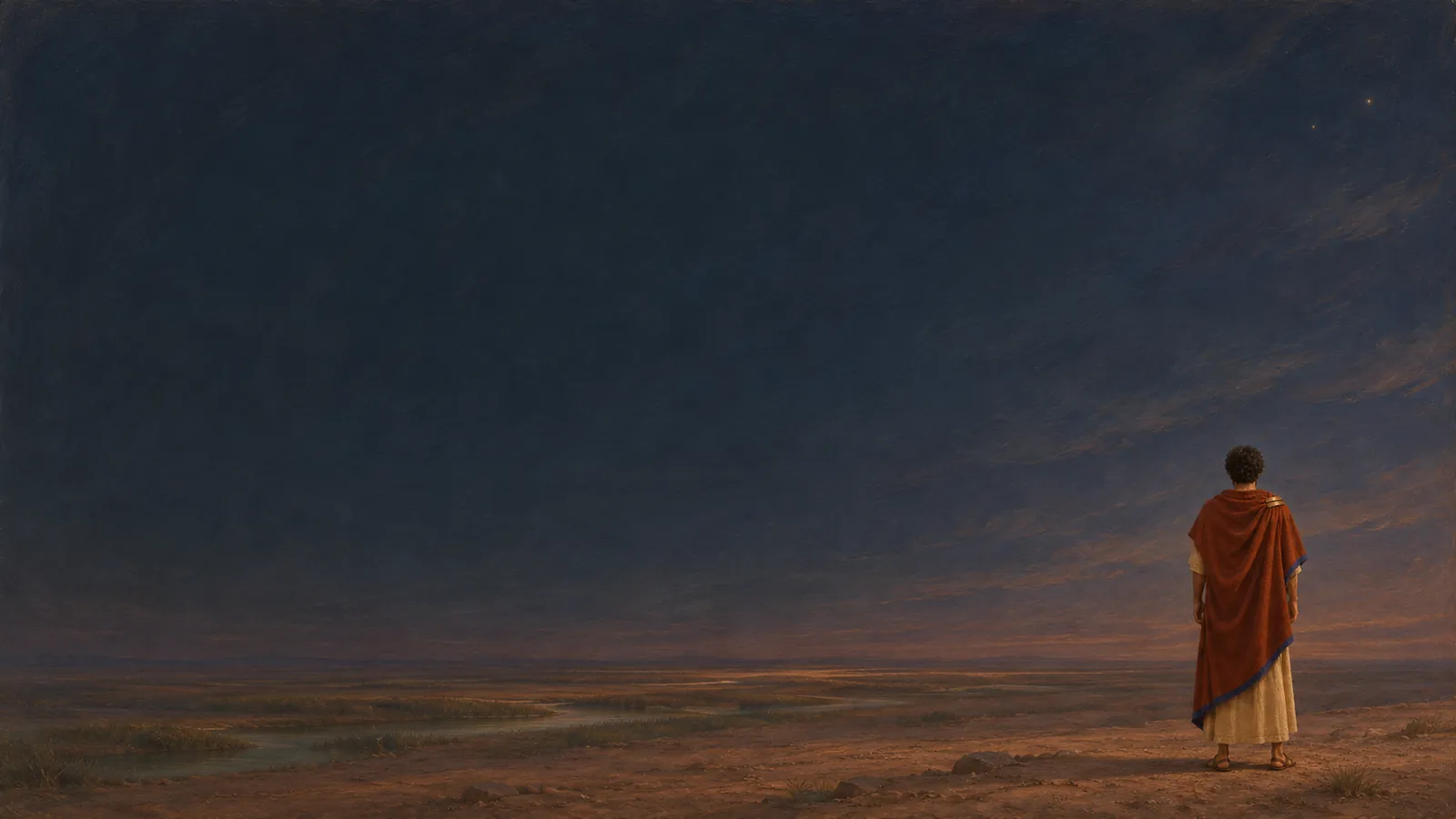
Con un nombre, ensalzaron a Marduk como rey de todos los dioses del cielo y de la tierra. Con otro, recordaron las moradas y los puestos que les había asignado.
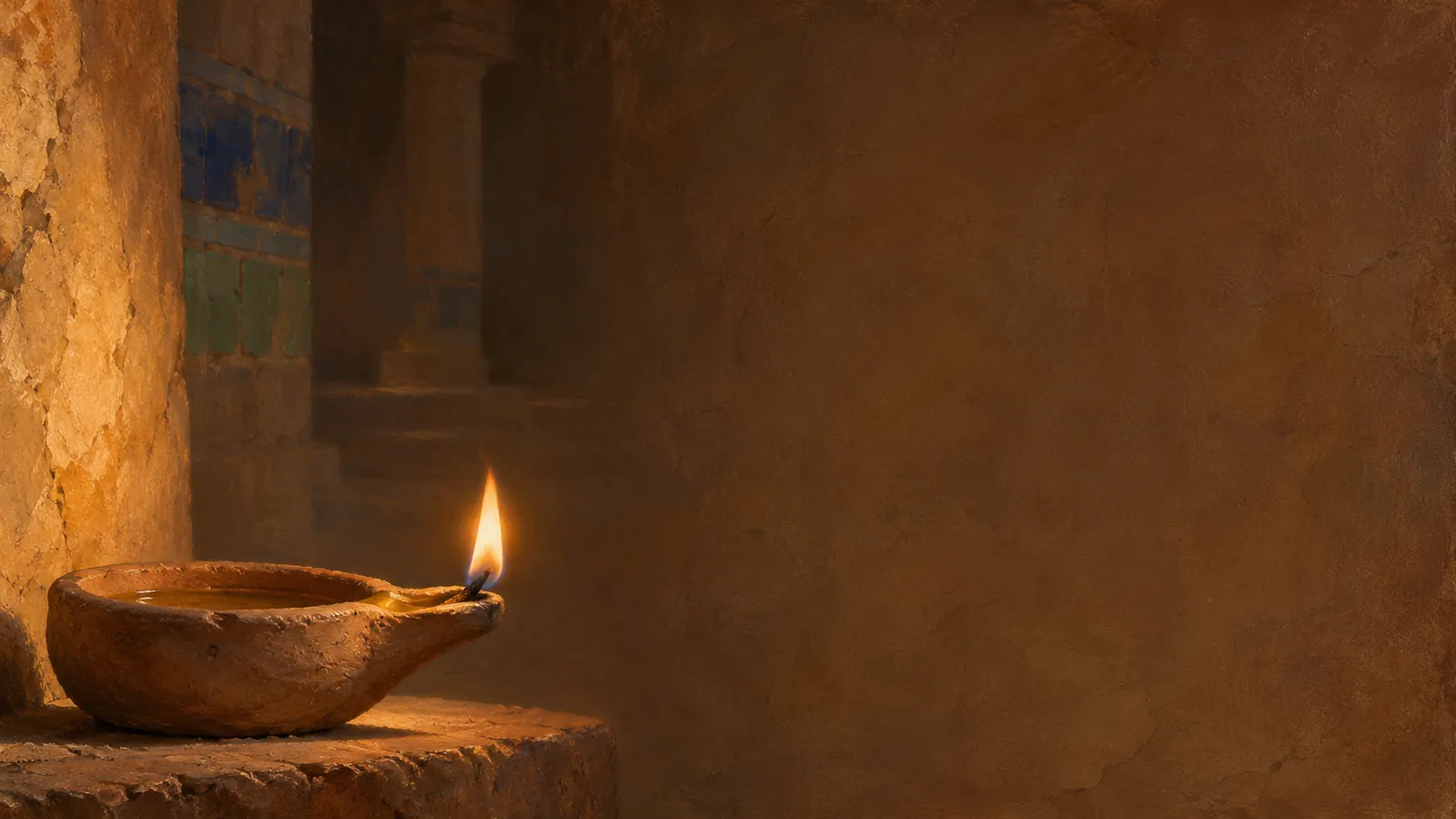
Asarluhi era otro nombre que venía de Anu. Con ese nombre, Marduk era una luz para los dioses y un guardián del país.

Lo llamaron Asarluhi-Namtila, dador de vida que reanimó a los dioses abatidos, y Asarluhi-Namru, el que purificó sus caminos.
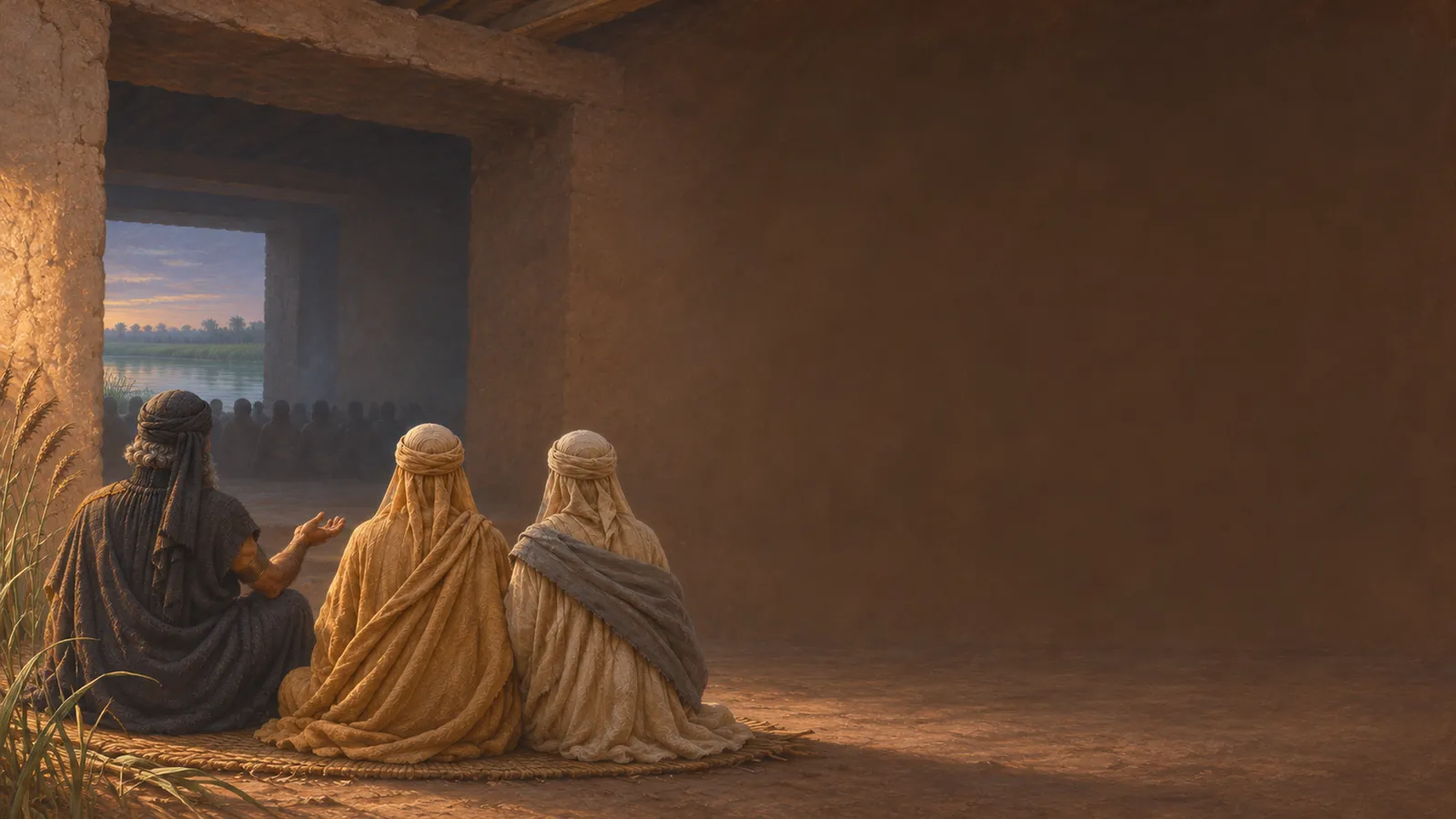
Anshar, Lahmu y Lahamu habían pronunciado tres nombres cada uno. Luego invitaron a los dioses más jóvenes a tomar su turno, y la asamblea se sentó para continuar.
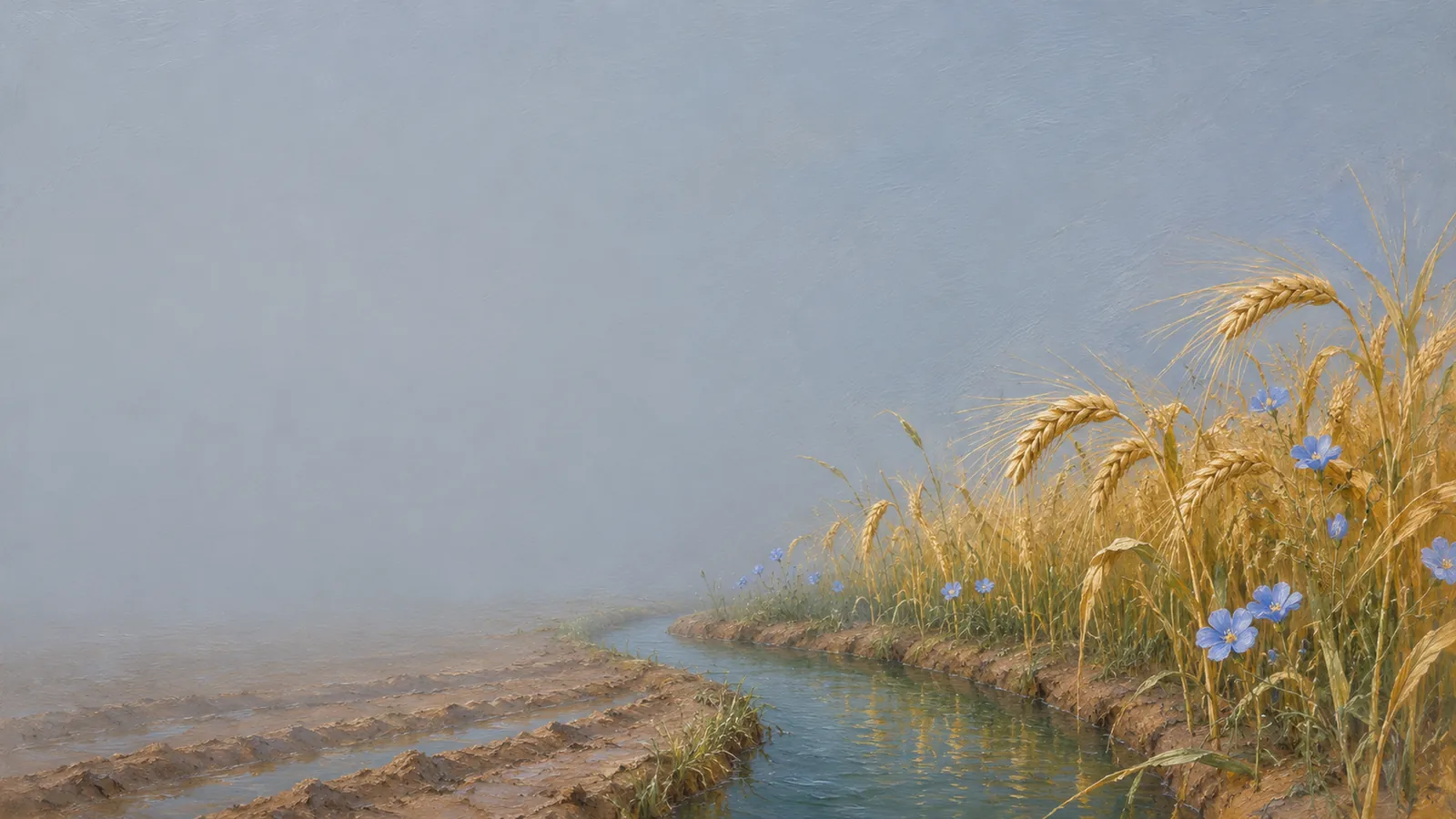
Pronunciaron el nombre de Asari, el que da agua a los campos y hace crecer el grano y el lino. Los nombres empezaron a sonar como la tierra misma.
Con el nombre de Tutu hablaron de restablecer a los dioses y renovar sus santuarios. Con el de Zi-Ukkina recordaron los puestos que fijó en el cielo.
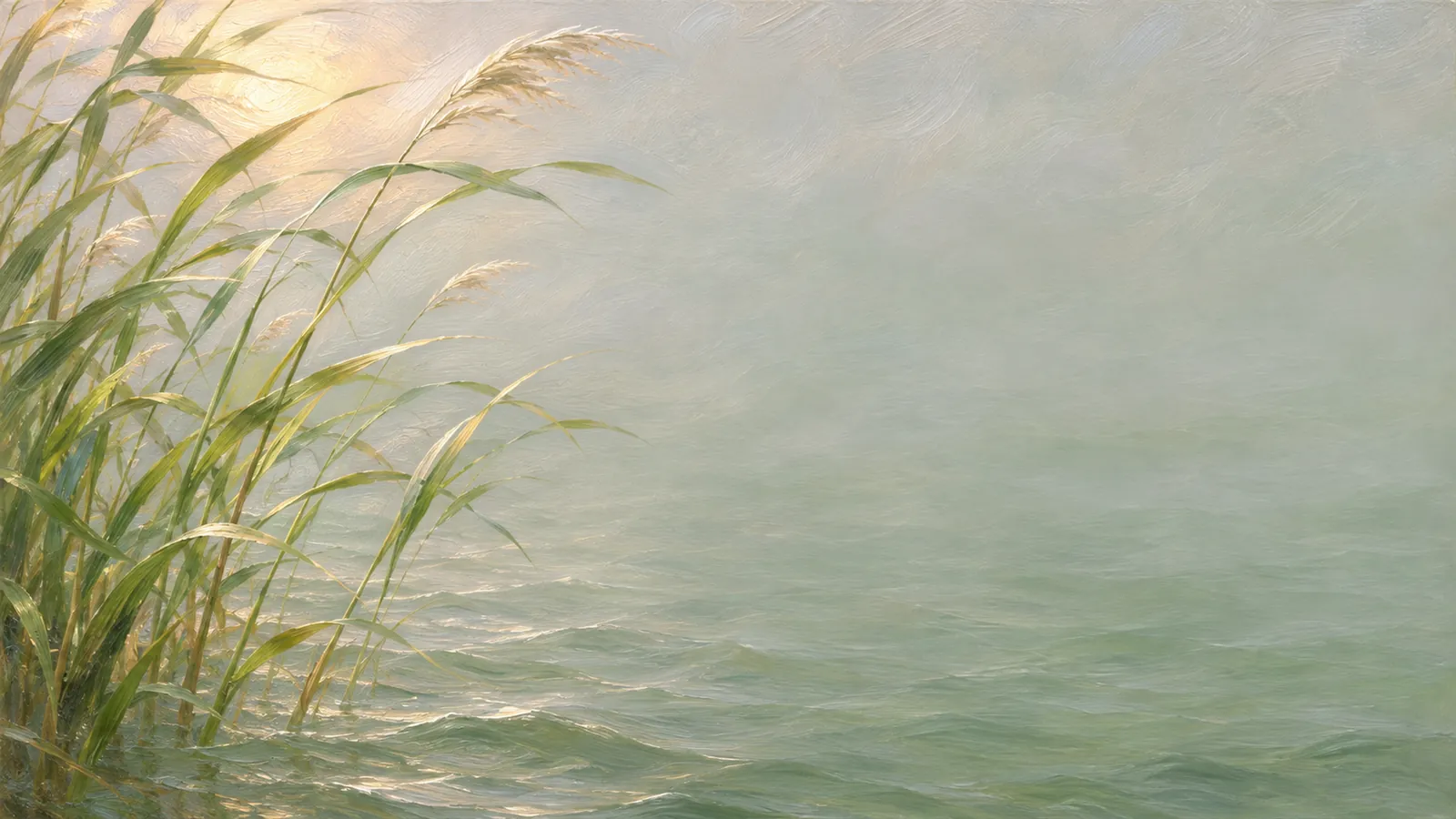
Ziku era el nombre de quien traía un viento benéfico. Los dioses recordaron cómo habían respirado aquel viento en la necesidad y lo alabaron al verse en la abundancia.
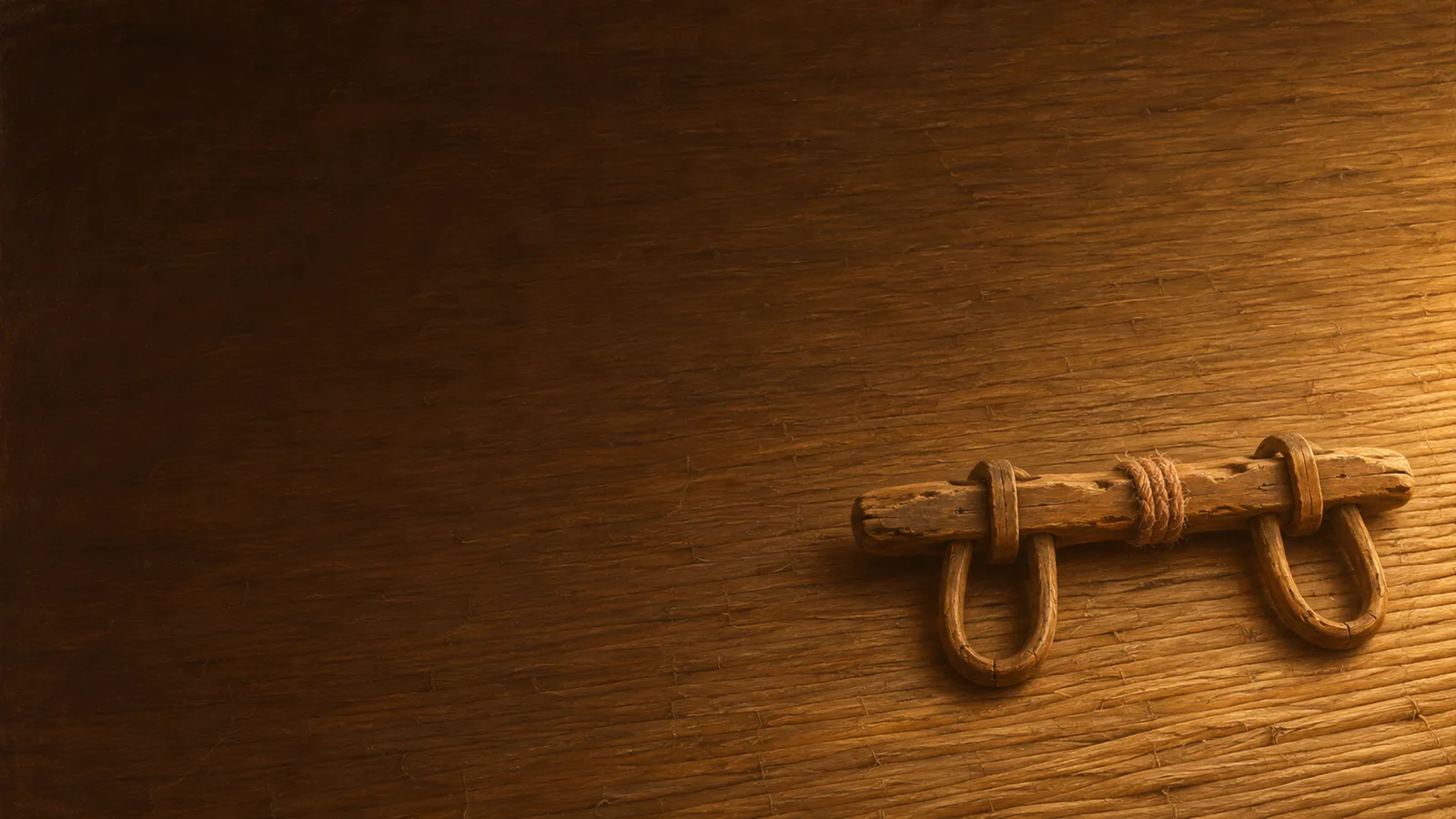
Lo llamaron Agaku por compadecerse de los dioses atados y quitarles el yugo. Así volvía ese nombre a contar la creación de los seres humanos.
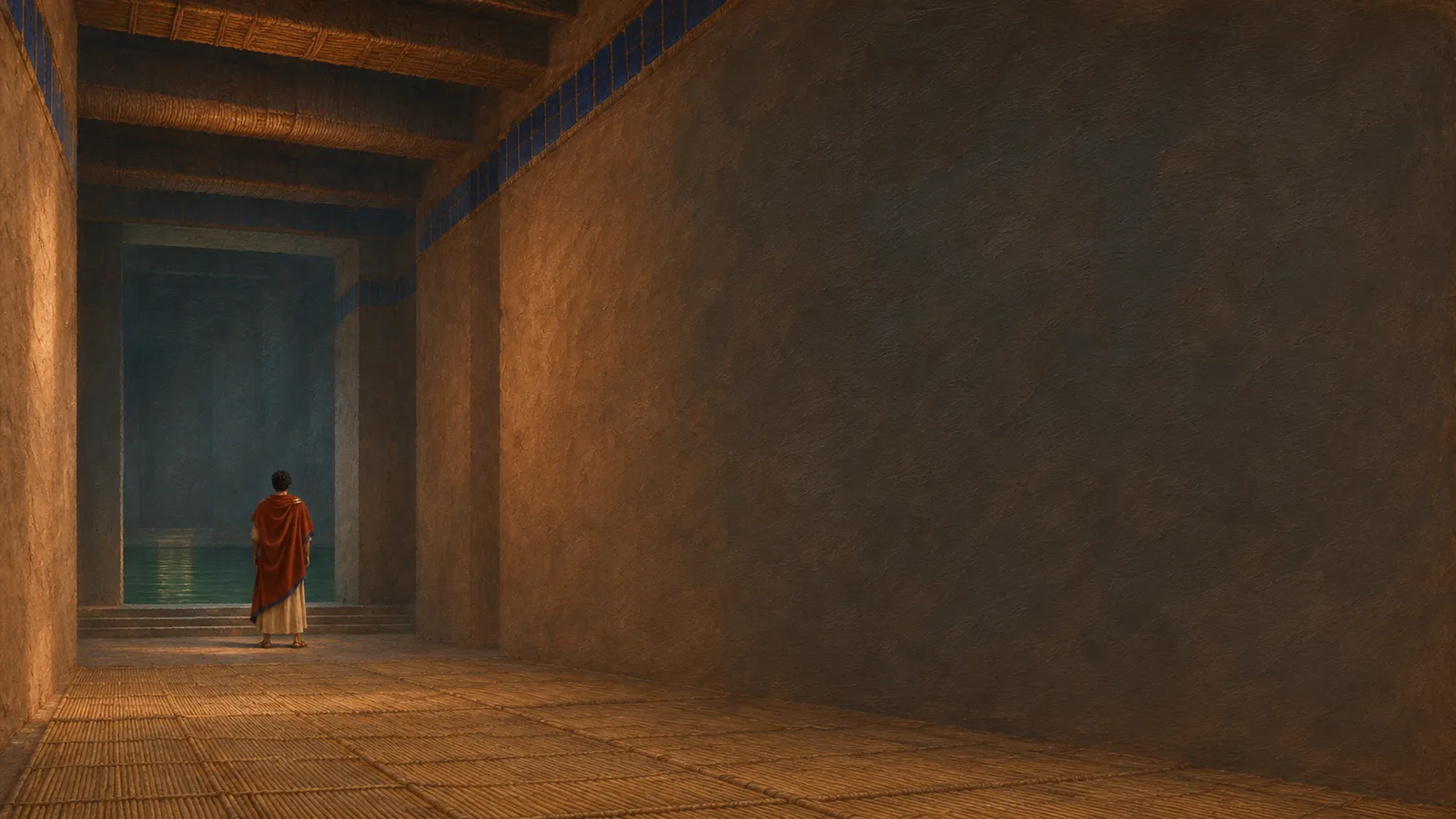
Shazu sabía lo que guardaban los dioses en el corazón. Con ese nombre, alabaron a Marduk por sostener la asamblea, descubrir las palabras falsas y juzgar con justicia.
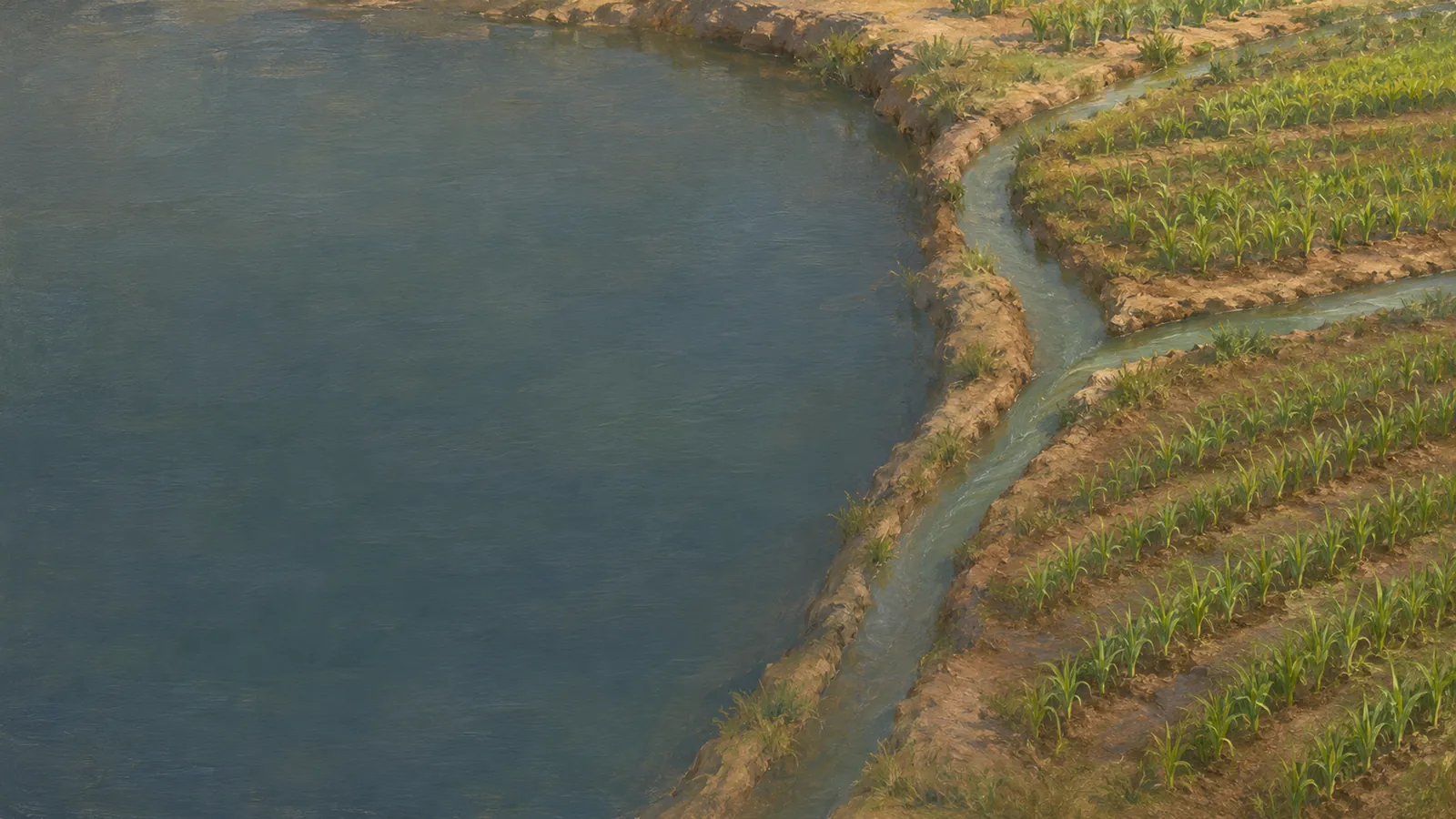
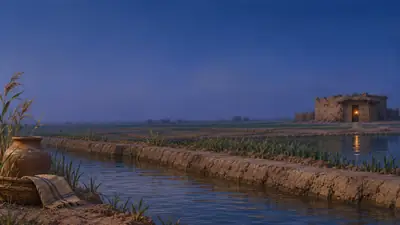
Como Enbilulu, abrió canales y dejó correr el agua. Como Epadun, cuidó de los canales y los diques, y los surcos se extendieron por la estepa abierta.
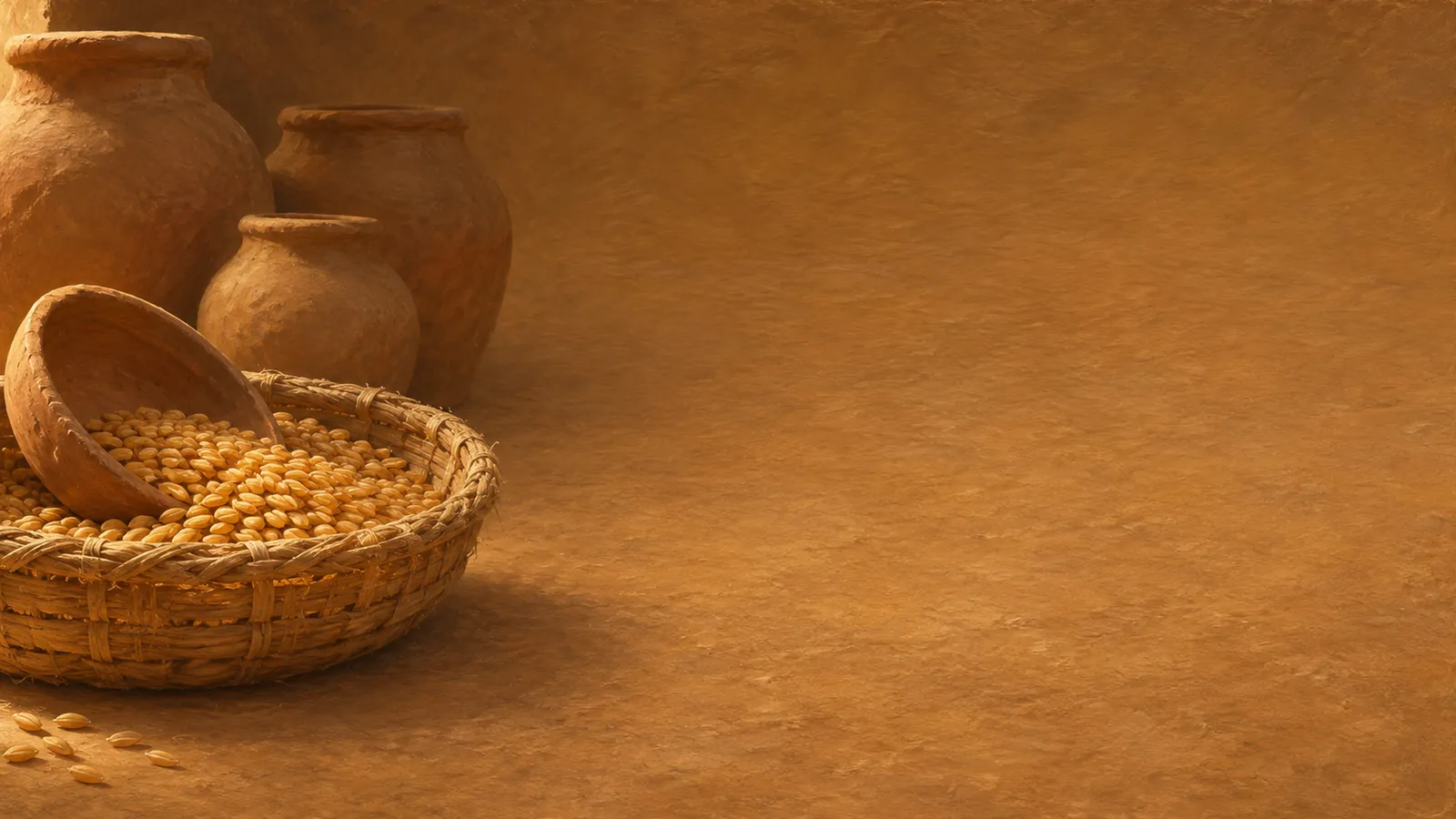
Los nombres siguieron con Gugal y Hegal. Con ellos, los dioses hablaron de llevar trigo y montones de grano a los pueblos y de llenar de verdor la vasta tierra.
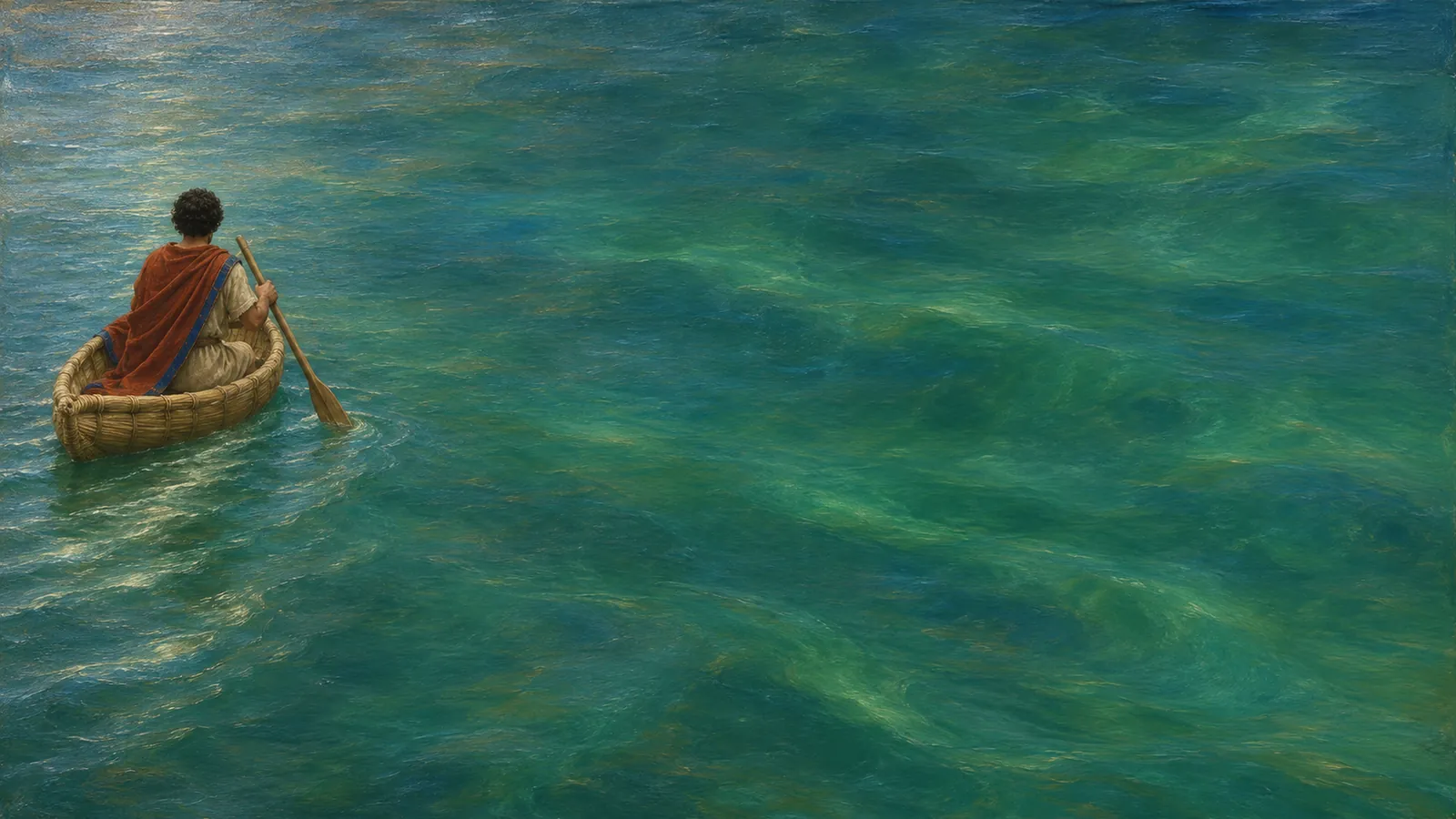
Como Sirsir, Marduk era un pastor fiel para el país. El poema lo llama también barquero e imagina a Tiamat como la barca que guía.
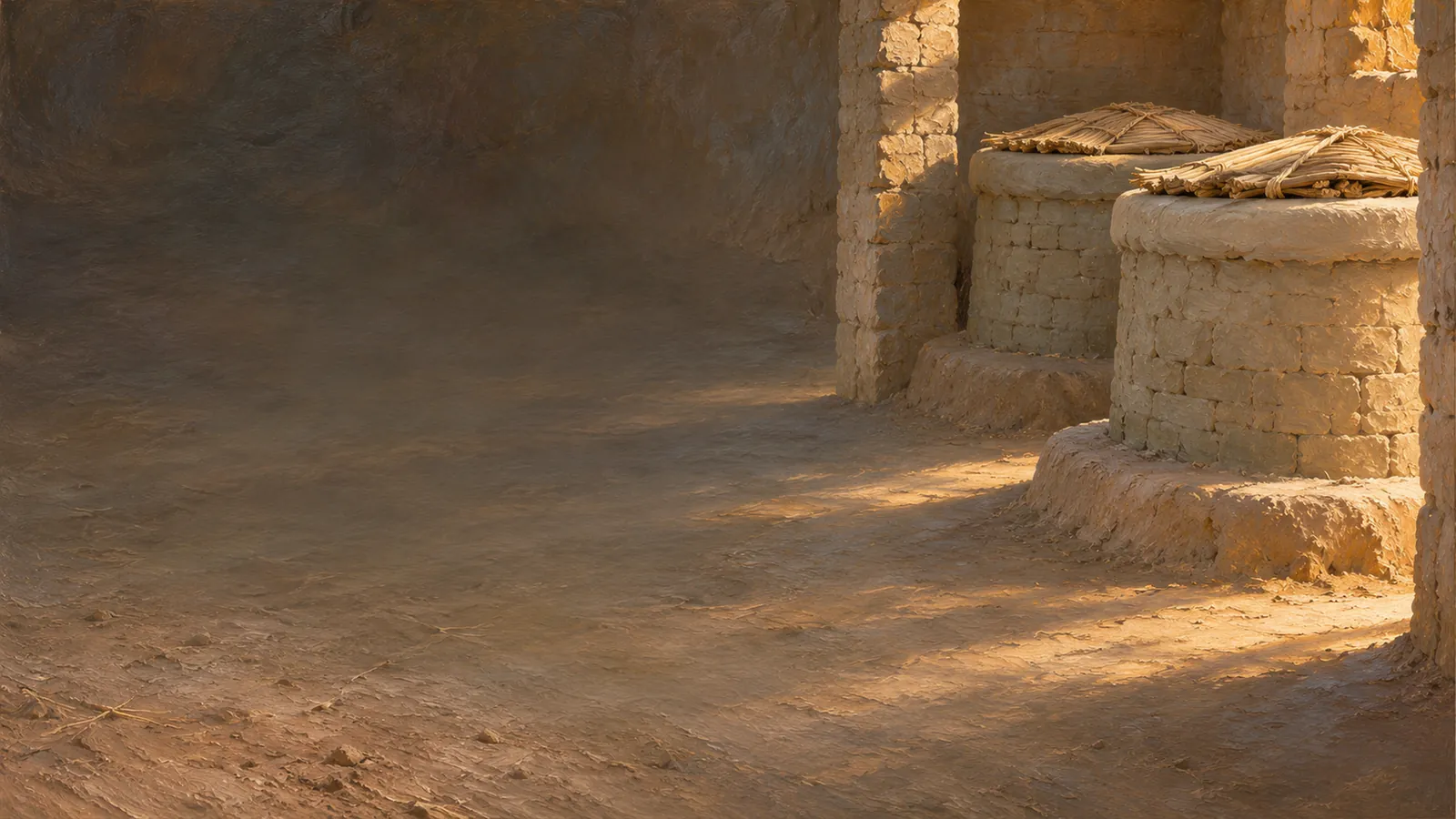
Como Gil, llenaba los graneros y daba semilla a la tierra. Los nombres siguieron, y uno de ellos alababa a un rey de cimientos firmes.
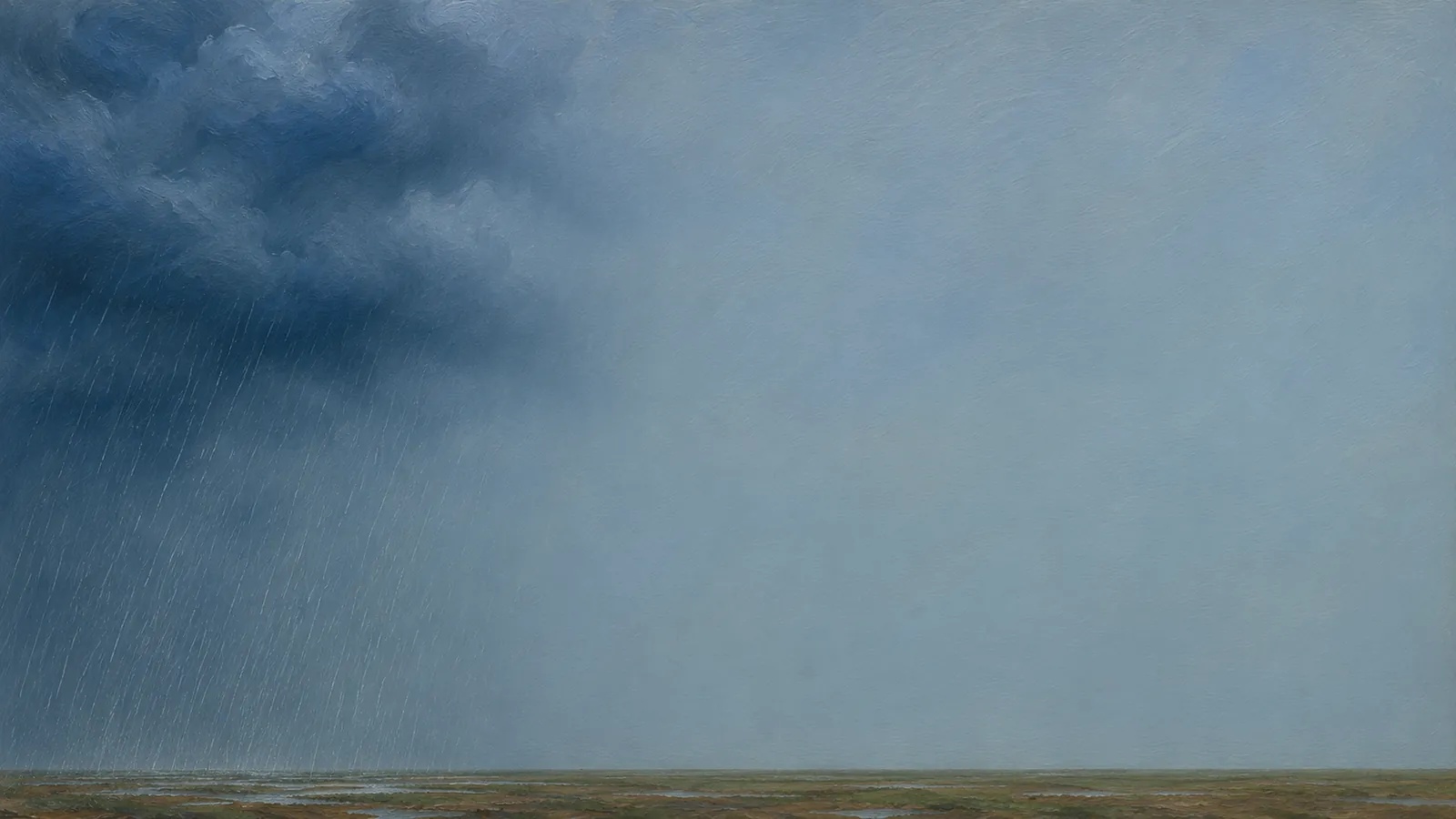
Otro nombre, Adad, llevaba el trueno sobre la tierra. Los dioses desearon que las nubes se llenaran y dieran sustento a la gente de abajo.

NEBERU
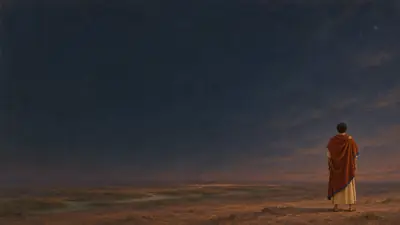
Lo llamaron Neberu en el cruce del cielo y la tierra. Allí lo esperarían las estrellas, y él las mantendría en sus cursos.
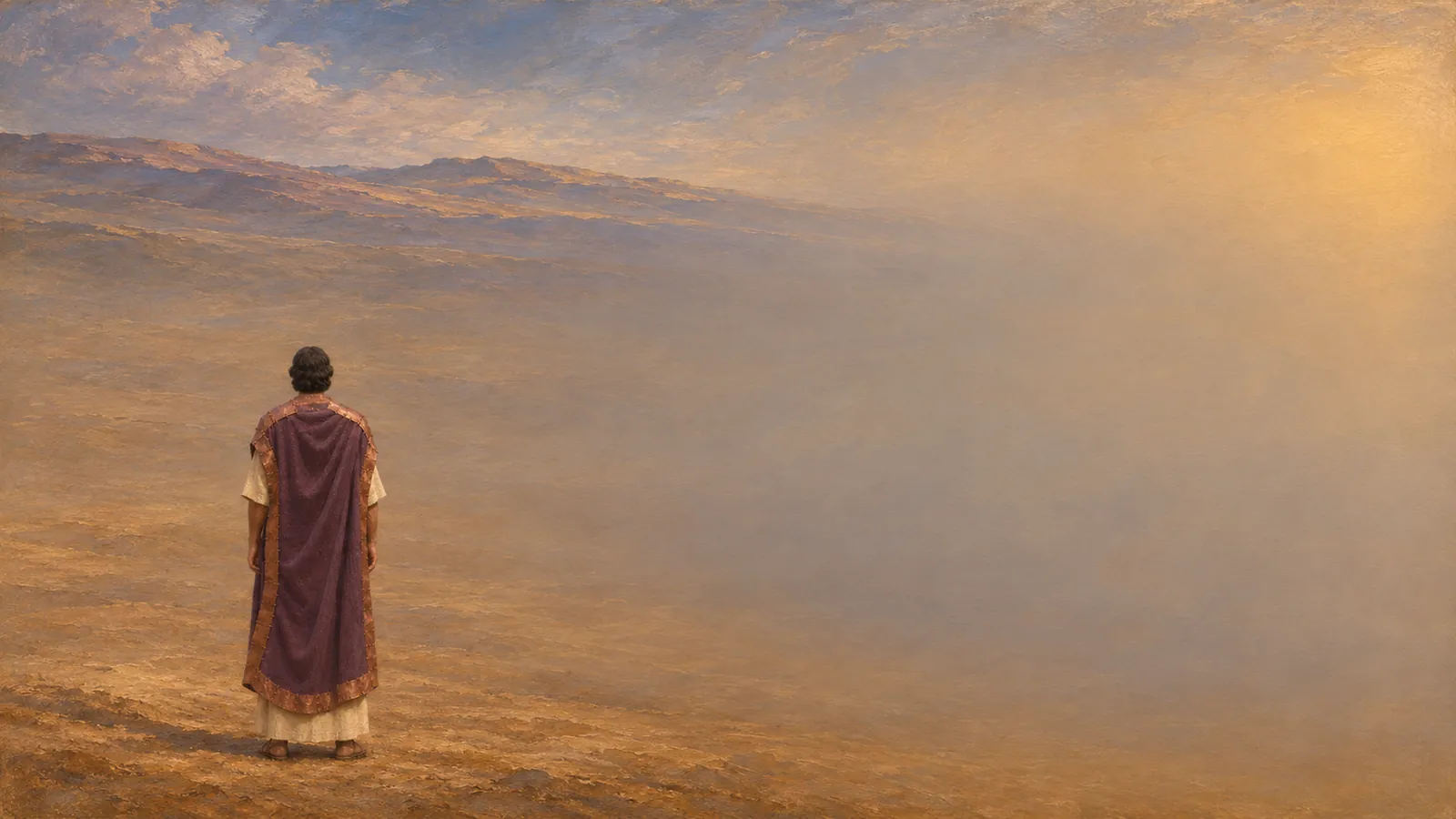
El cielo había quedado firme y la tierra había recibido su forma. Por esas obras, Enlil dio a Marduk el nombre de Señor de las Tierras.
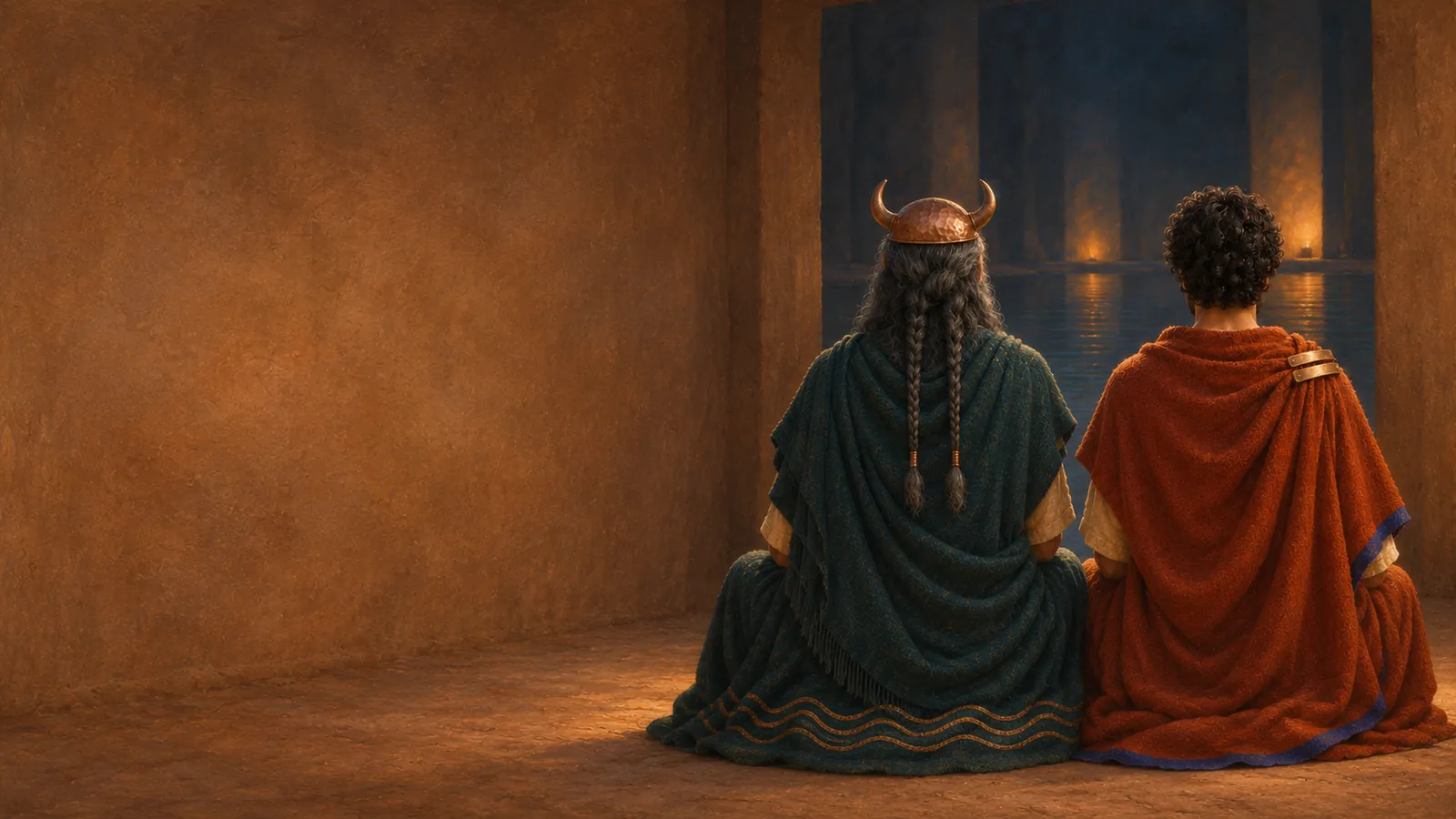
Ea oyó los nombres y se alegró. Le dio a Marduk su propio nombre, Ea, y le confió sus ritos y sus decretos. Los grandes dioses habían pronunciado cincuenta nombres.
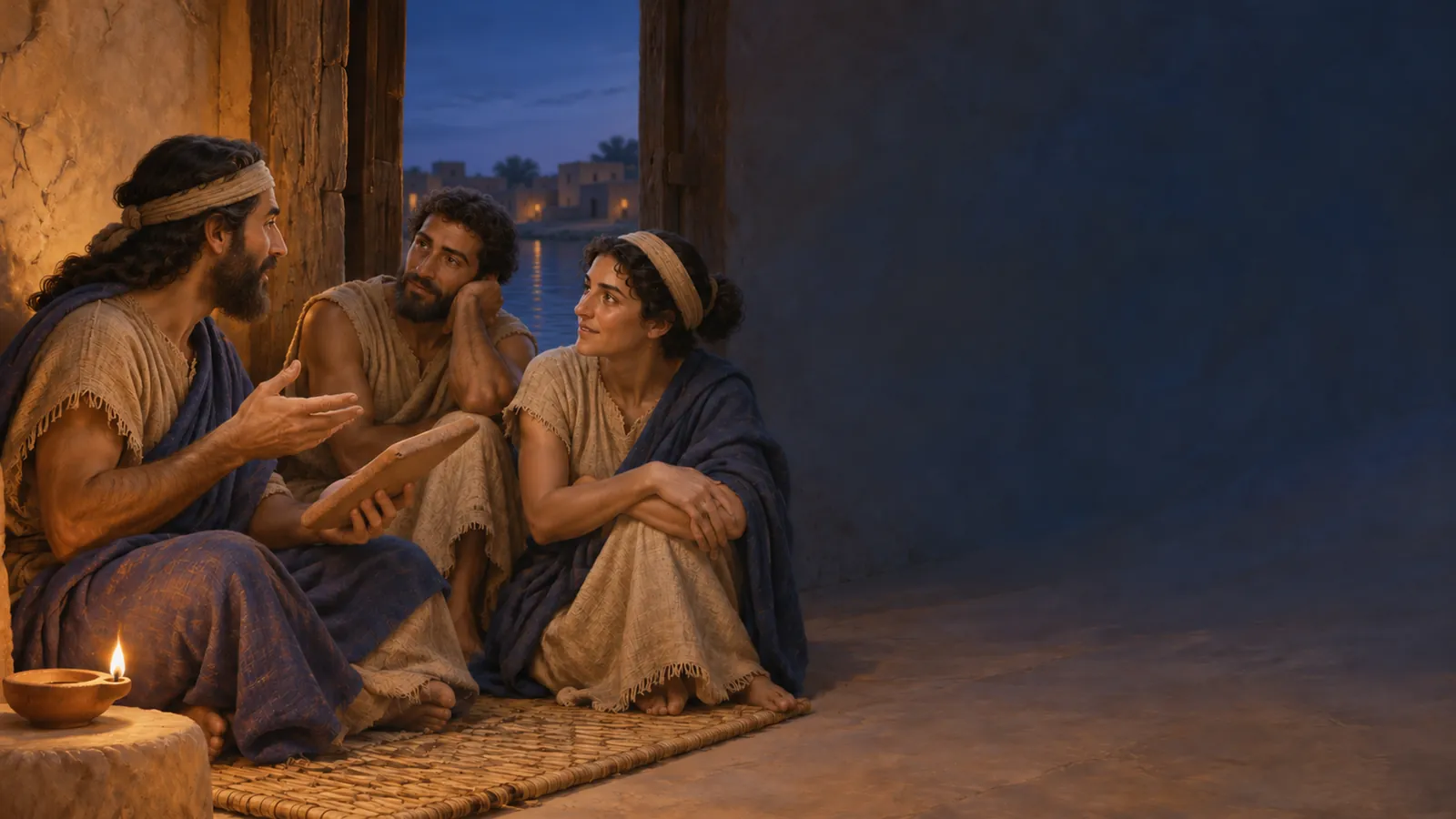
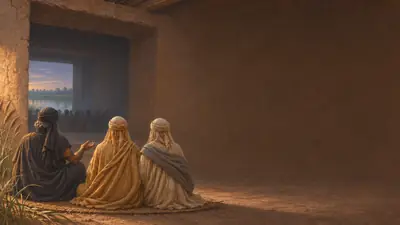
El poema se vuelve hacia quienes oirán estos nombres. Que el primer recitador los saque a la luz, dice, y que los sabios conversen sobre ellos.
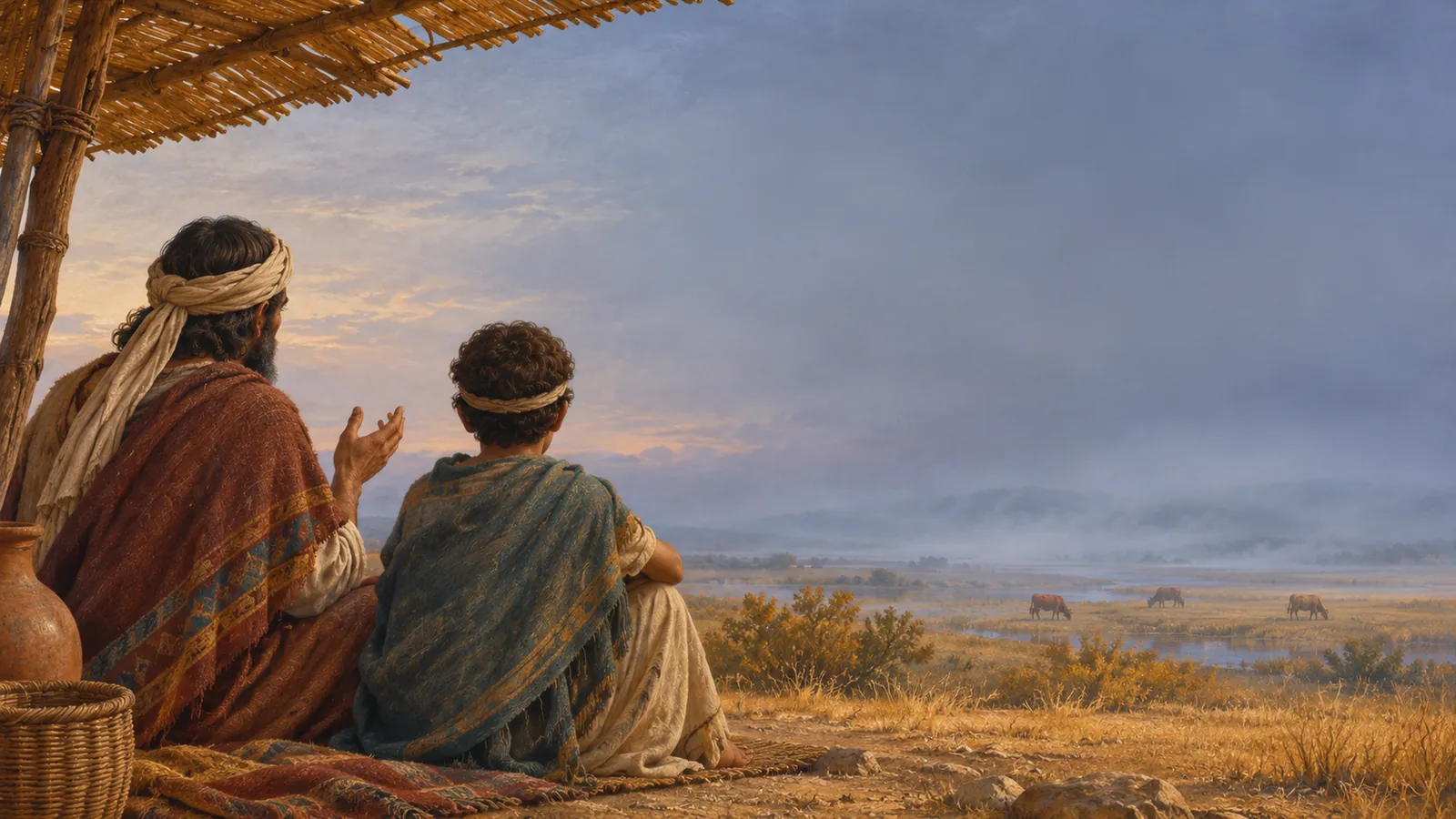
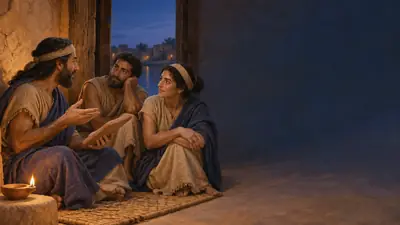
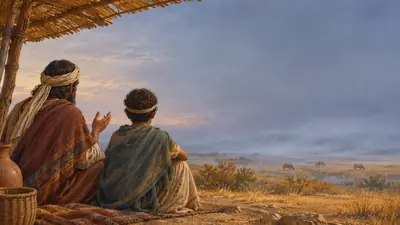
Que un padre repita los nombres y ayude a su hijo a entenderlos. Que lleguen al pastor con sus ovejas y al vaquero con su ganado.
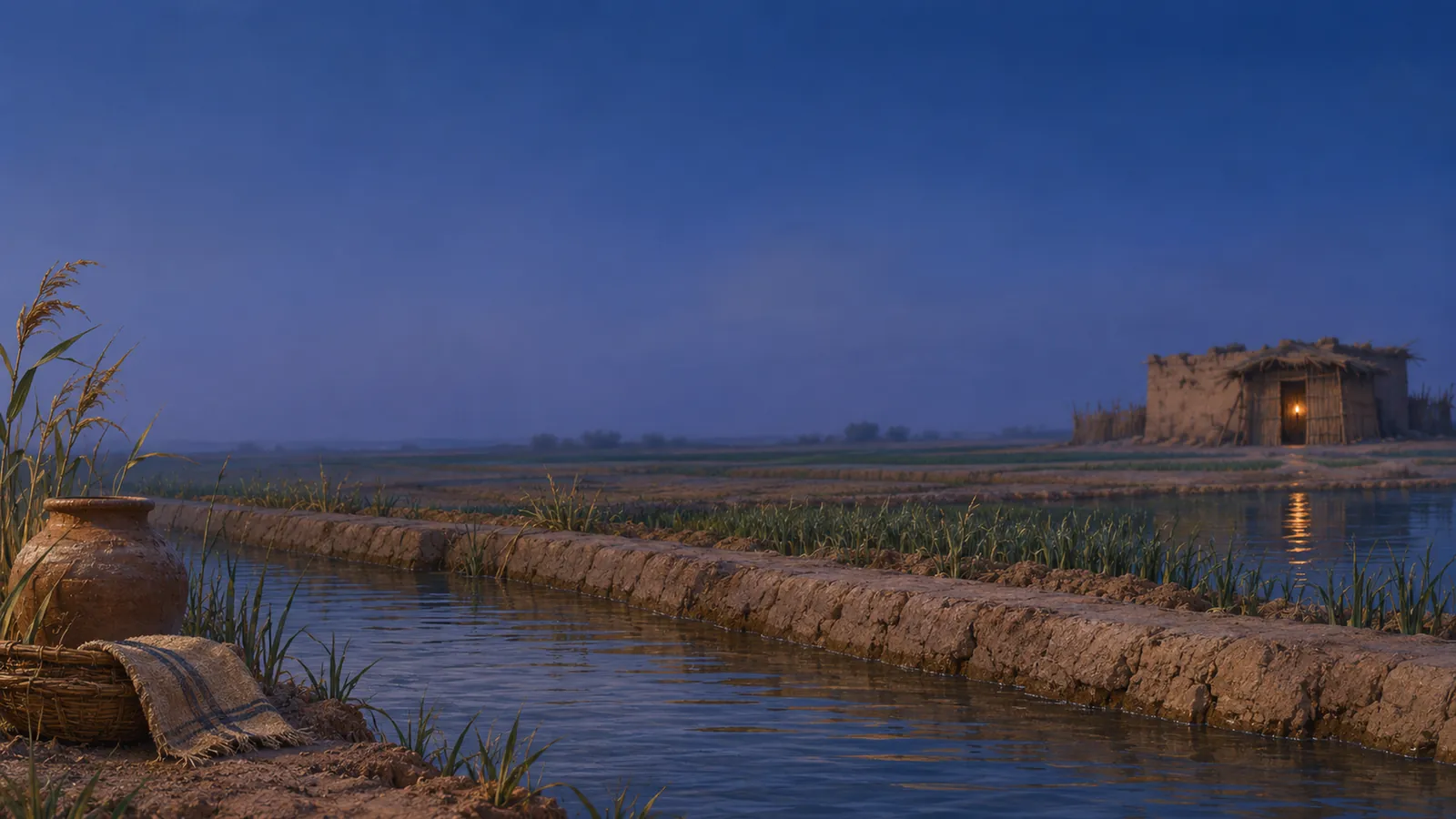
El poema promete seguridad a quienes recuerdan a Marduk y prosperidad para su tierra. Dice que su palabra se mantiene firme y que ningún otro dios puede revocarla.
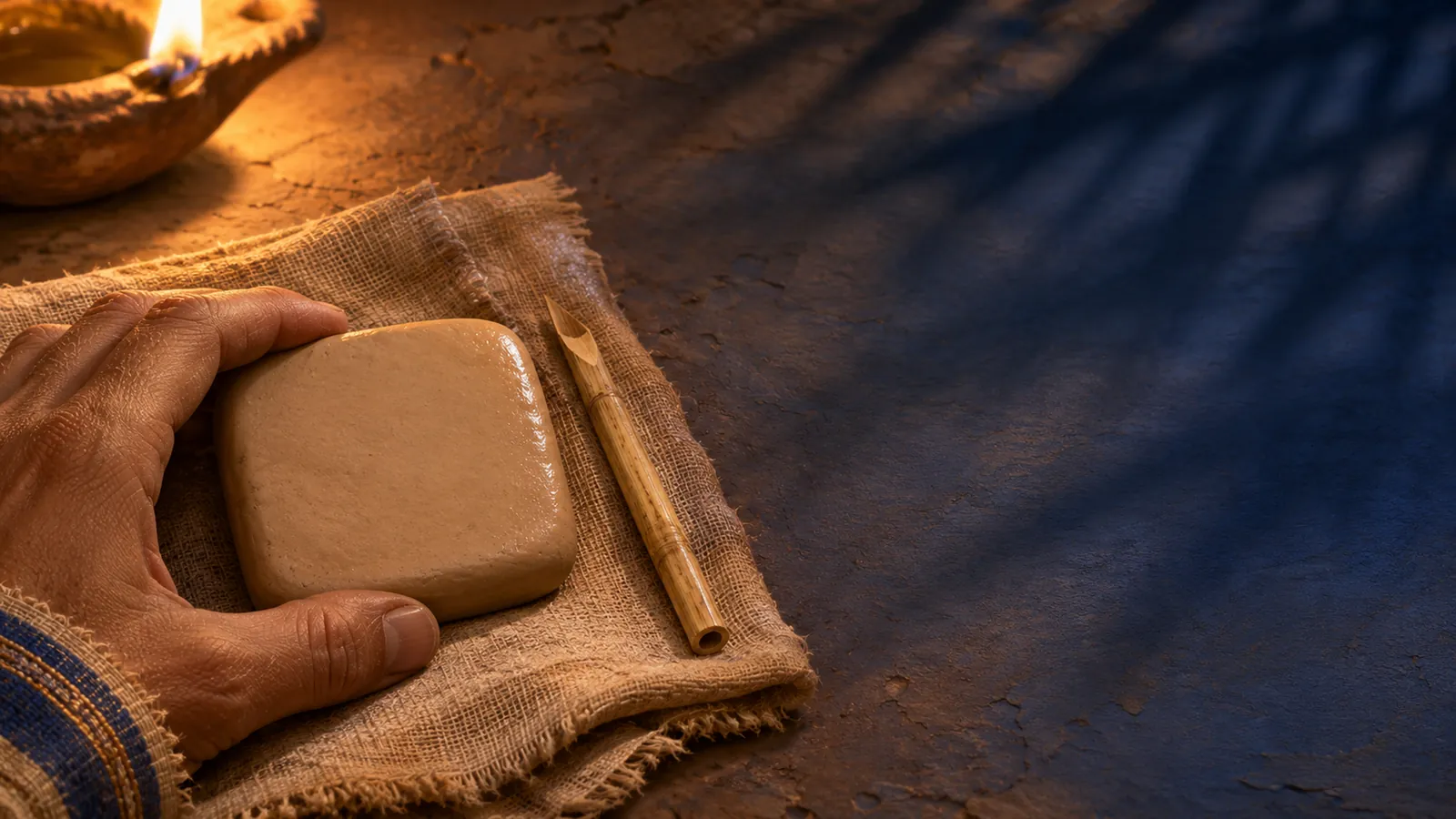
El poema cuenta que un primer recitador lo pronunció y lo puso por escrito para quienes vendrían después. Dondequiera que se beba agua, pide que se recuerde el nombre de Marduk.
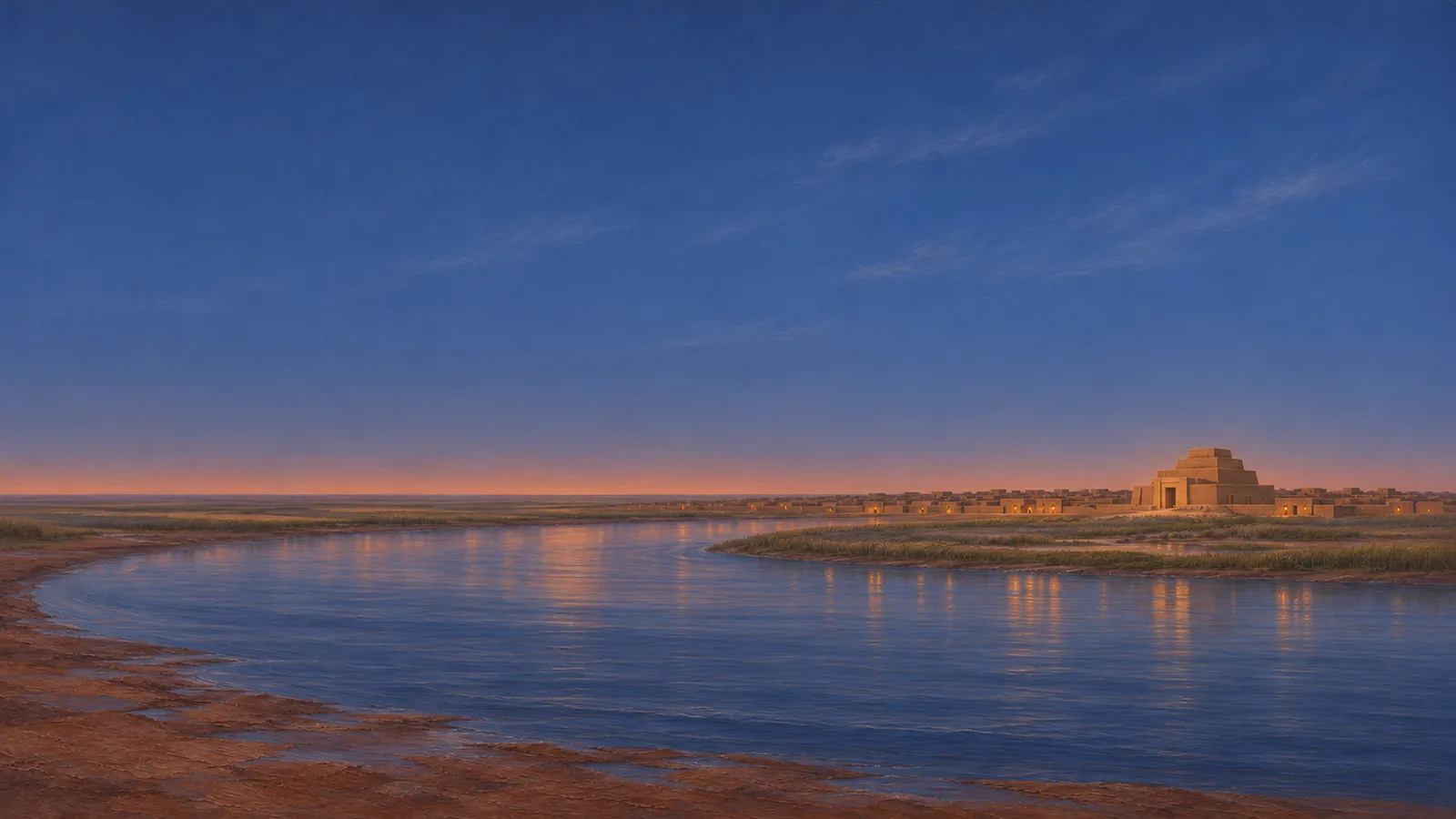
EL CANTO DE MARDUK
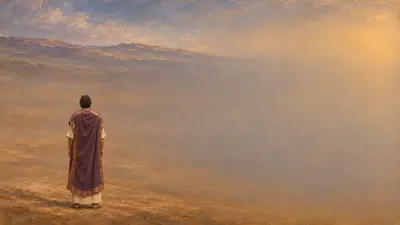
Y aquí termina el canto de Marduk. Recuerda cómo sometió a Tiamat y cómo llegó a ser rey.
Fin del capítulo 4
Todas las páginas





















Fuentes
Ediciones consultadas
- Heinrich’s Akkadian text and Helle’s translation, Tablets VI–VII, pp. 74–95
- Electronic Babylonian Library, Standard Babylonian Tablet VI
- Electronic Babylonian Library, Standard Babylonian Tablet VII
- Fadhil and Jiménez, the Sippar manuscript and the Babylonian closing lines
Los versos antiguos de cada página
- Page 1: Enūma Eliš VI 1–4 · eBL L I.2 · Heinrich–Helle
- Page 2: Enūma Eliš VI 5–10 · eBL L I.2 · Heinrich–Helle
- Page 3: Enūma Eliš VI 11–16 · eBL L I.2 · Heinrich–Helle
- Page 4: Enūma Eliš VI 17–20 · eBL L I.2 · Heinrich–Helle
- Page 5: Enūma Eliš VI 21–26 · eBL L I.2 · Heinrich–Helle
- Page 6: Enūma Eliš VI 27–30 · eBL L I.2 · Heinrich–Helle
- Page 7: Enūma Eliš VI 31–32 · eBL L I.2 · Heinrich–Helle
- Page 8: Enūma Eliš VI 33–38 · eBL L I.2 · Heinrich–Helle
- Page 9: Enūma Eliš VI 39–40 · eBL L I.2 · Heinrich–Helle
- Page 10: Enūma Eliš VI 41–44 · eBL L I.2 · Heinrich–Helle
- Page 11: Enūma Eliš VI 45–46 · eBL L I.2 · Heinrich–Helle
- Page 12: Enūma Eliš VI 47–51 · eBL L I.2 · Heinrich–Helle
- Page 13: Enūma Eliš VI 52–54 · eBL L I.2 · Heinrich–Helle
The reading of a possible altar in VI 53 is uncertain. - Page 14: Enūma Eliš VI 55–58 and V 117–130 · eBL L I.2 · Heinrich–Helle
- Page 15: Enūma Eliš VI 59–60 · eBL L I.2 · Heinrich–Helle
- Page 16: Enūma Eliš VI 61–62 · eBL L I.2 · Heinrich–Helle
- Page 17: Enūma Eliš VI 63–64 · eBL L I.2 · Heinrich–Helle
- Page 18: Enūma Eliš VI 65–68 · eBL L I.2 · Heinrich–Helle
The relation between Marduk’s crown or the temple’s height and Eshara is open to several readings in VI 66. - Page 19: Enūma Eliš VI 69–71 · eBL L I.2 · Heinrich–Helle
Tablet VI gives different groups and numbers here and when the gods first receive their stations. - Page 20: Enūma Eliš VI 72–76 · eBL L I.2 · Heinrich–Helle
- Page 21: Enūma Eliš VI 77–81 · eBL L I.2 · Heinrich–Helle
- Page 22: Enūma Eliš VI 82–85 · eBL L I.2 · Heinrich–Helle
- Page 23: Enūma Eliš VI 86–88 · eBL L I.2 · Heinrich–Helle
- Page 24: Enūma Eliš VI 89–94 · eBL L I.2 · Heinrich–Helle
- Page 25: Enūma Eliš VI 95–101 · eBL L I.2 · Heinrich–Helle
- Page 26: Enūma Eliš VI 102–108 · eBL L I.2 · Heinrich–Helle
- Page 27: Enūma Eliš VI 109–120 · eBL L I.2 · Heinrich–Helle
The sense of VI 112–118 is uncertain in places. - Page 28: Enūma Eliš VI 121–122 · eBL L I.2 · Heinrich–Helle
- Page 29: Enūma Eliš VI 123–132 · eBL L I.2 · Heinrich–Helle
- Page 30: Enūma Eliš VI 133–138 · eBL L I.2 · Heinrich–Helle
- Page 31: Enūma Eliš VI 139–146 · eBL L I.2 · Heinrich–Helle
- Page 32: Enūma Eliš VI 147–150 · eBL L I.2 · Heinrich–Helle
- Page 33: Enūma Eliš VI 151–156 · eBL L I.2 · Heinrich–Helle
- Page 34: Enūma Eliš VI 157–166 · eBL L I.2 · Heinrich–Helle
- Page 35: Enūma Eliš VII 1–6 · eBL L I.2 · Heinrich–Helle
- Page 36: Enūma Eliš VII 7–18 · eBL L I.2 · Heinrich–Helle
- Page 37: Enūma Eliš VII 19–24 · eBL L I.2 · Heinrich–Helle
- Page 38: Enūma Eliš VII 25–34 · eBL L I.2 · Heinrich–Helle
- Page 39: Enūma Eliš VII 35–56 · eBL L I.2 · Heinrich–Helle
- Page 40: Enūma Eliš VII 57–63 · eBL L I.2 · Heinrich–Helle
- Page 41: Enūma Eliš VII 64–69 · eBL L I.2 · Heinrich–Helle
- Page 42: Enūma Eliš VII 70–77 · eBL L I.2 · Heinrich–Helle
- Page 43: Enūma Eliš VII 78–96, especially 78–79 and 91–92 · eBL L I.2 · Heinrich–Helle
- Page 44: Enūma Eliš VII 97–123, especially 119–121b · eBL L I.2 · Heinrich–Helle
- Page 45: Enūma Eliš VII 124–134 · eBL L I.2 · Heinrich–Helle
- Page 46: Enūma Eliš VII 135–138 · eBL L I.2 · Heinrich–Helle
- Page 47: Enūma Eliš VII 139–144 · eBL L I.2 · Heinrich–Helle
- Page 48: Enūma Eliš VII 145–146 · eBL L I.2 · Heinrich–Helle
- Page 49: Enūma Eliš VII 147–148 · eBL L I.2 · Heinrich–Helle
- Page 50: Enūma Eliš VII 149–156 · eBL L I.2 · Heinrich–Helle
- Page 51: Enūma Eliš VII 157–160 · eBL L I.2 · Heinrich–Helle
- Page 52: Enūma Eliš VII 161–162 · visual echo of VII 163–164, damaged Babylonian witnesses · eBL L I.2 · Heinrich–Helle
The two damaged Babylonian closing lines mention Babylon and Esagil.
Ilustraciones hechas por IL Archive con herramientas de IA; el texto se basa en las fuentes antiguas (véanse las fuentes al final de cada capítulo).