Enuma Elish Capítulo 3
La forma del cielo
Marduk se enfrenta a Tiamat en la tormenta y le quita a Qingu la Tablilla de los Destinos. Ordena el cielo, hace brotar los ríos de las profundidades y da nombre al lugar donde se alzará Babilonia.
Ver la películaFuentesPase las páginas con las flechas, el teclado o deslizando el dedo.
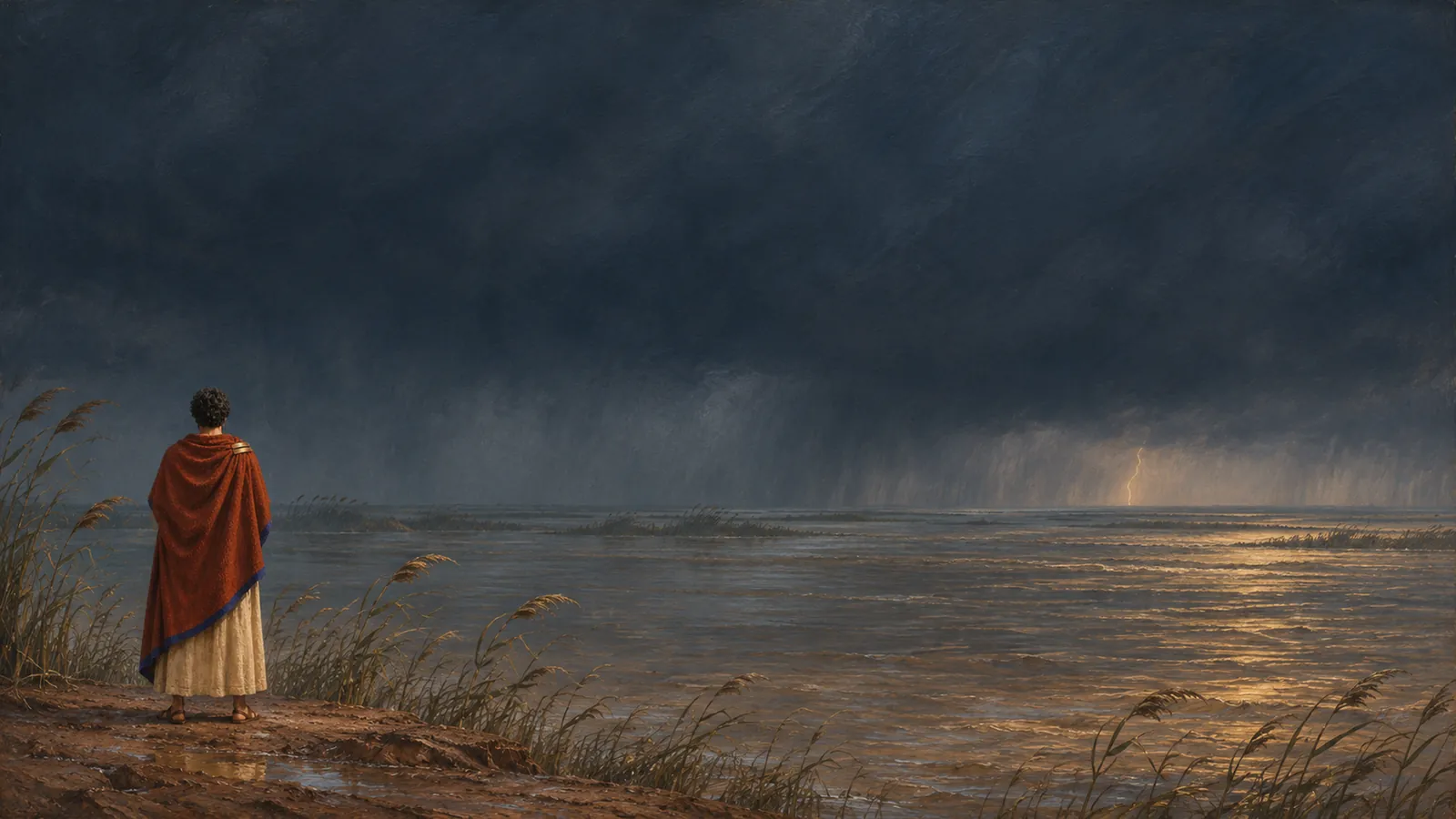
LA FORMA DEL CIELO
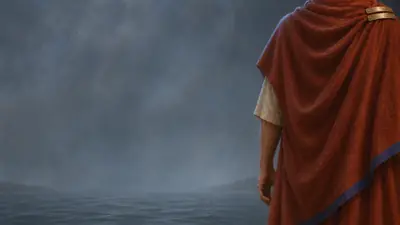
Marduk fabricó un arco y reunió sus armas. El relámpago iba por delante de él, y el poema lo viste con el resplandor de las llamas.
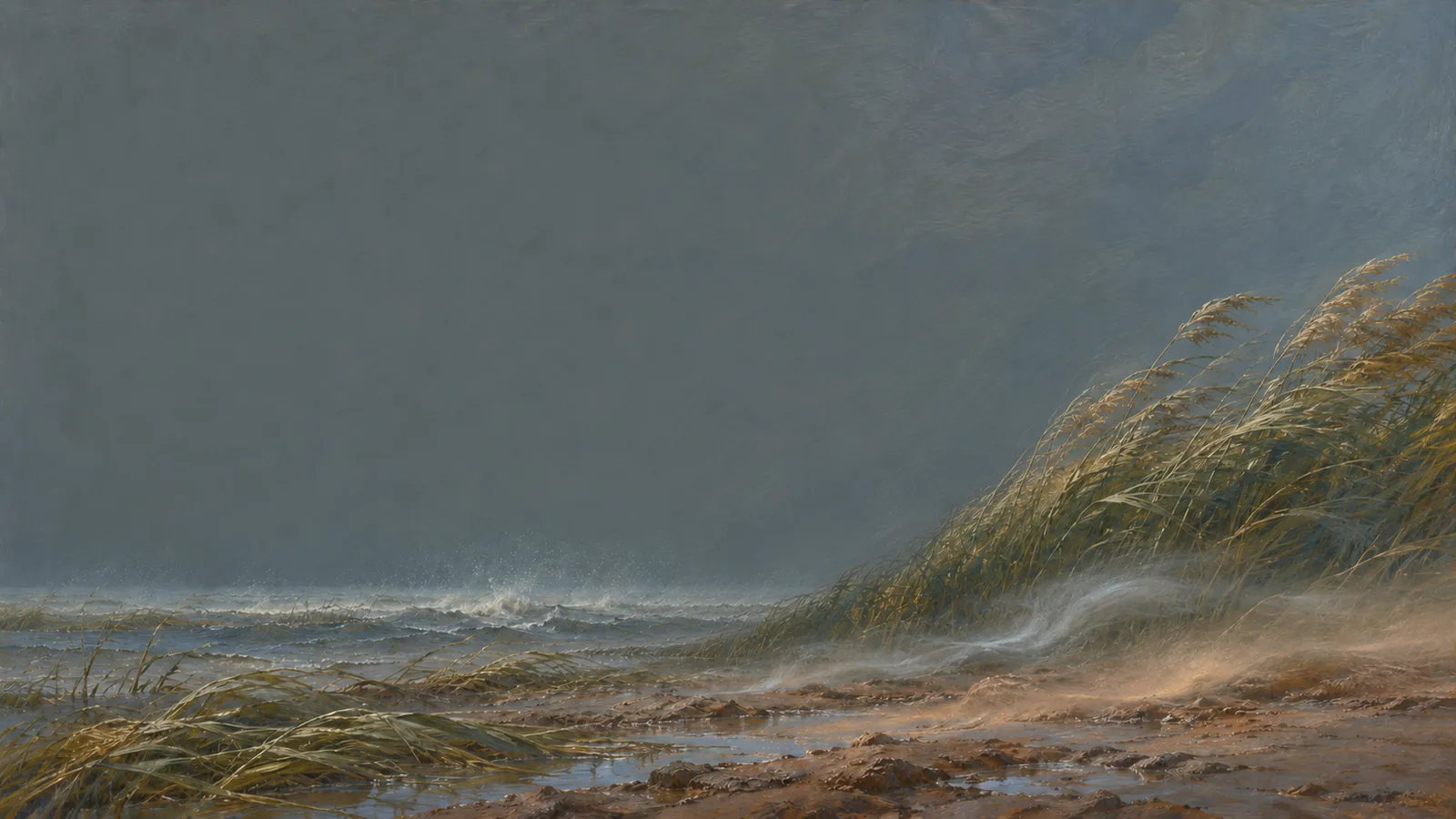
Preparó una red y reunió los vientos de los cuatro rumbos. Luego llamó a otros más feroces, siete en total, y los soltó tras de sí.
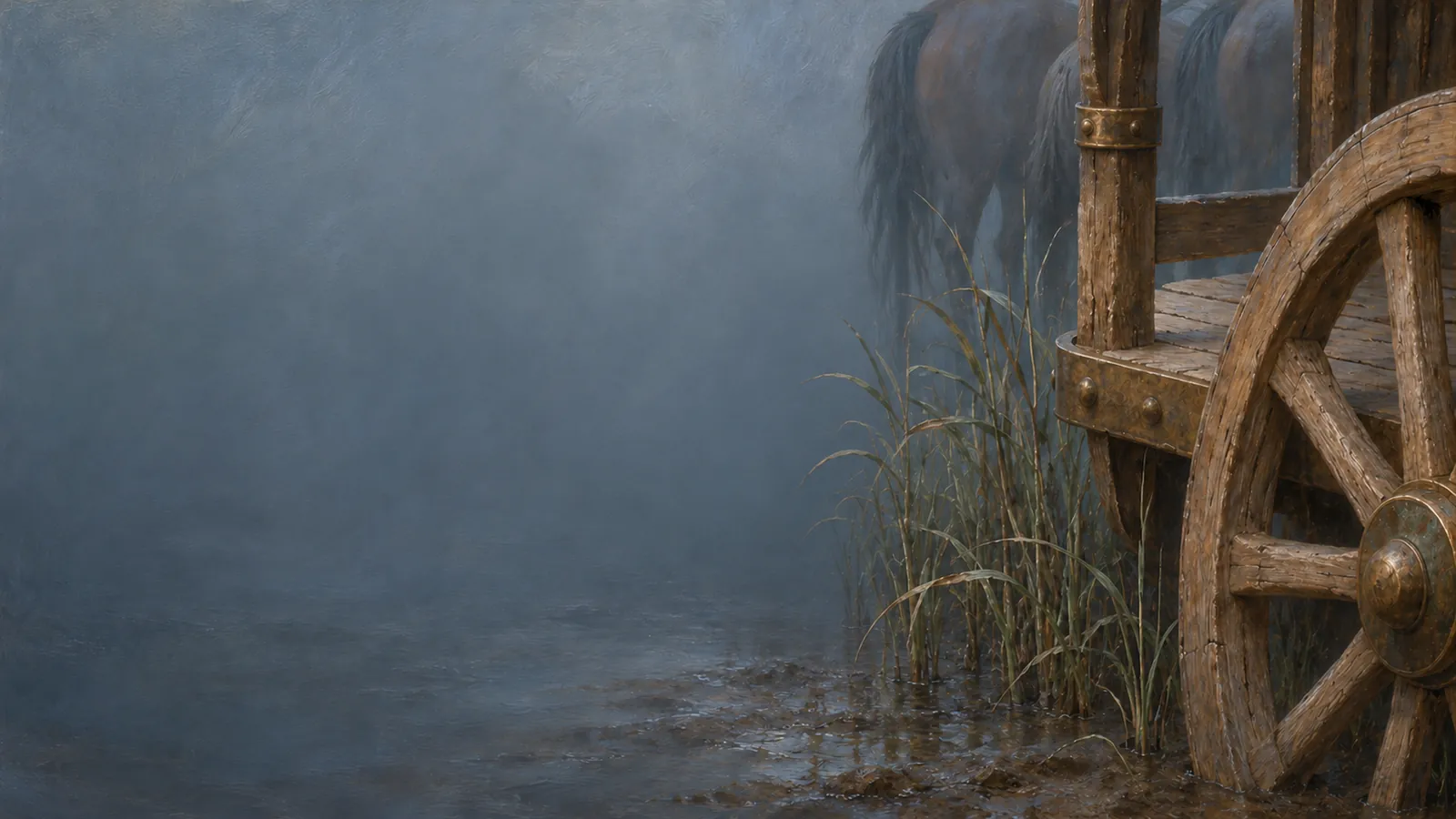
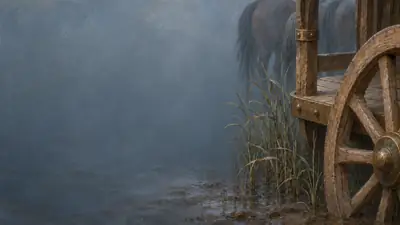
Marduk tomó el Diluvio con toda su fuerza y subió al carro de la tormenta. El poema da a sus cuatro corceles incansables nombres que expresan el terror que inspiran.
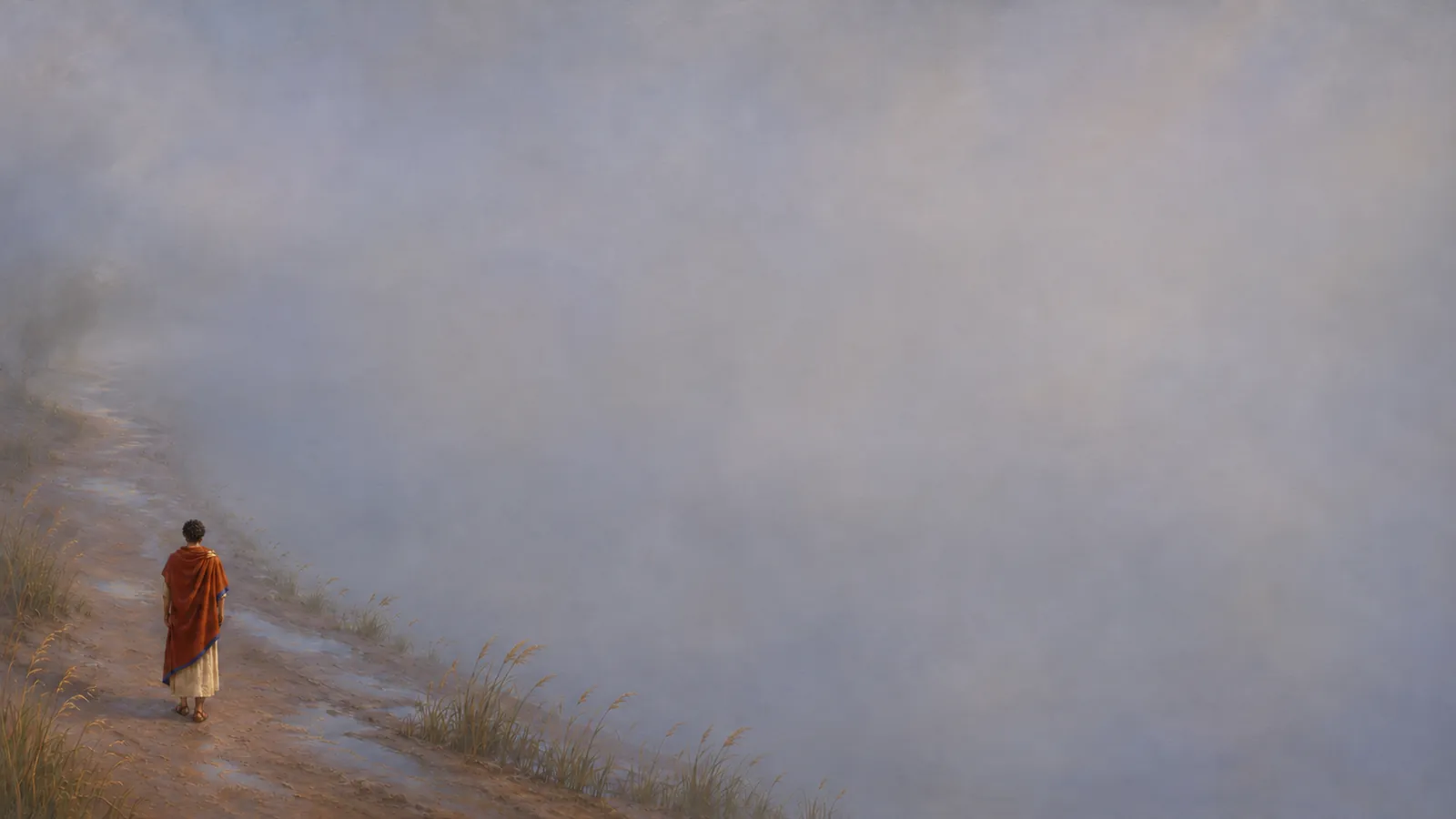
Con el estruendo de la batalla a ambos lados, Marduk partió al encuentro de Tiamat. Tenía listo un conjuro y llevaba en la mano una planta contra el veneno.
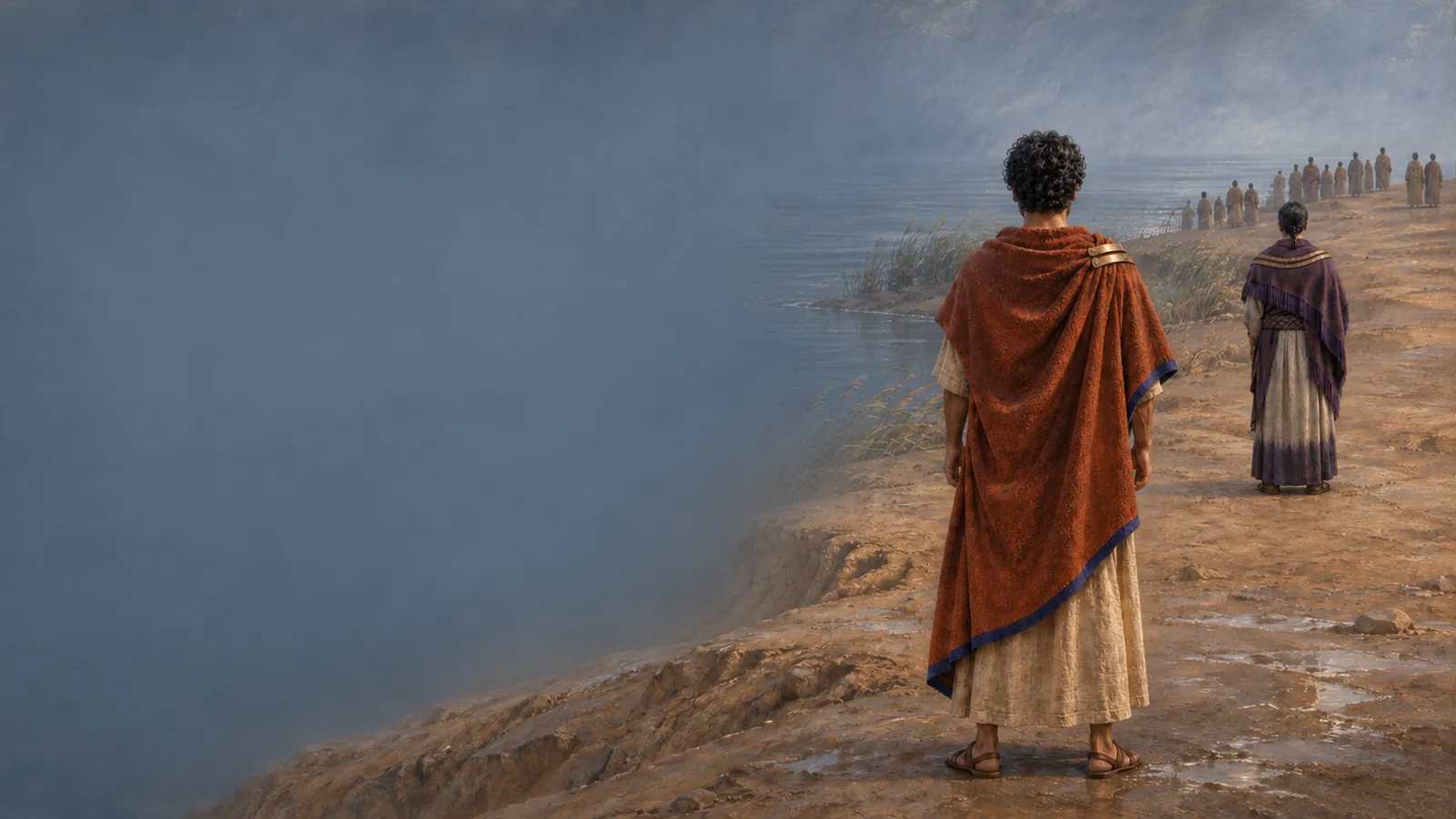
Los dioses más antiguos se apiñaron en torno a Marduk. Al acercarse a las fuerzas de Tiamat, vio cómo las había dispuesto Qingu.
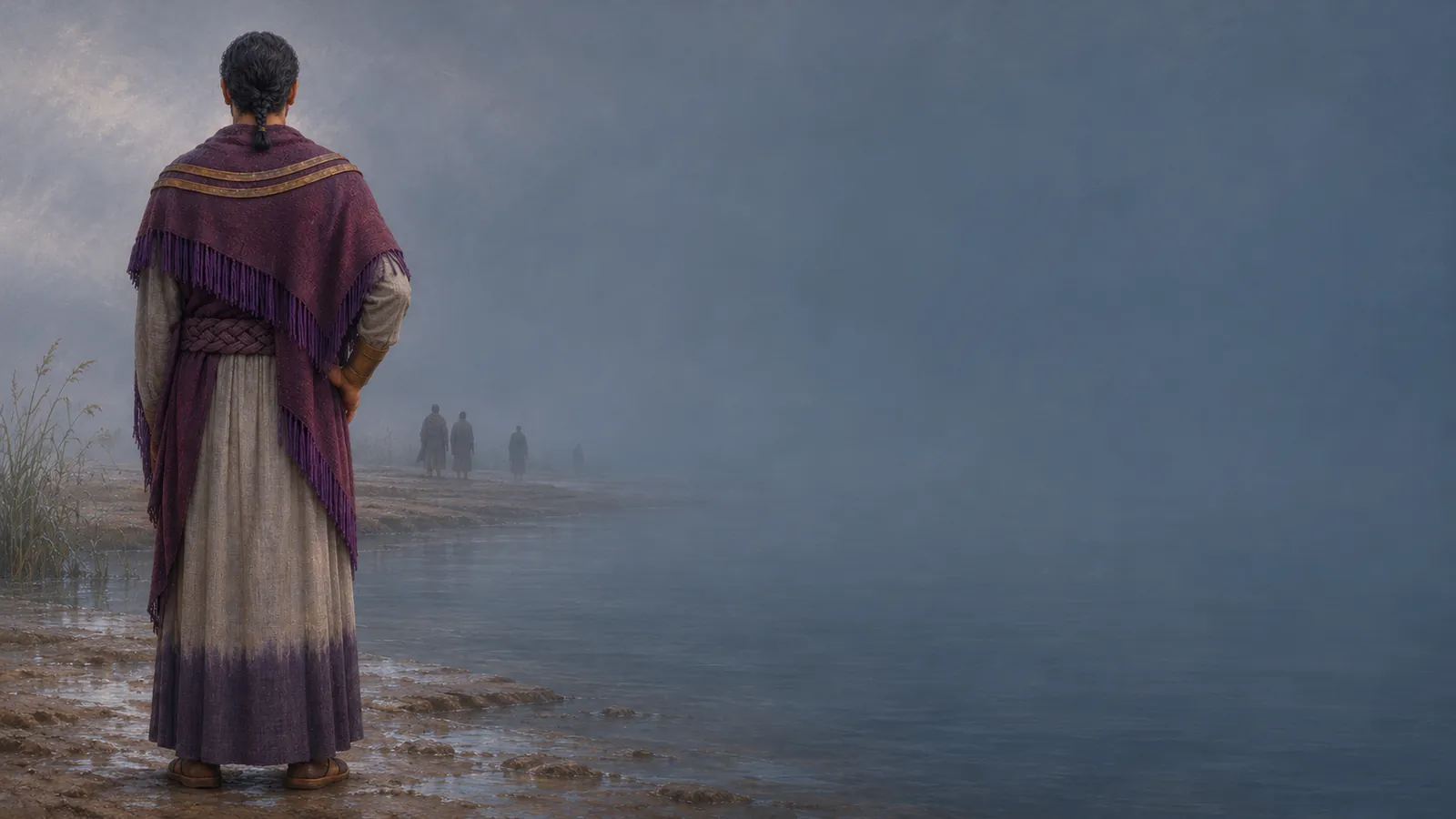
Por un momento, el poema deja en suspenso quién ha perdido el valor. Son Qingu y sus aliados quienes pierden el rumbo al ver a Marduk.
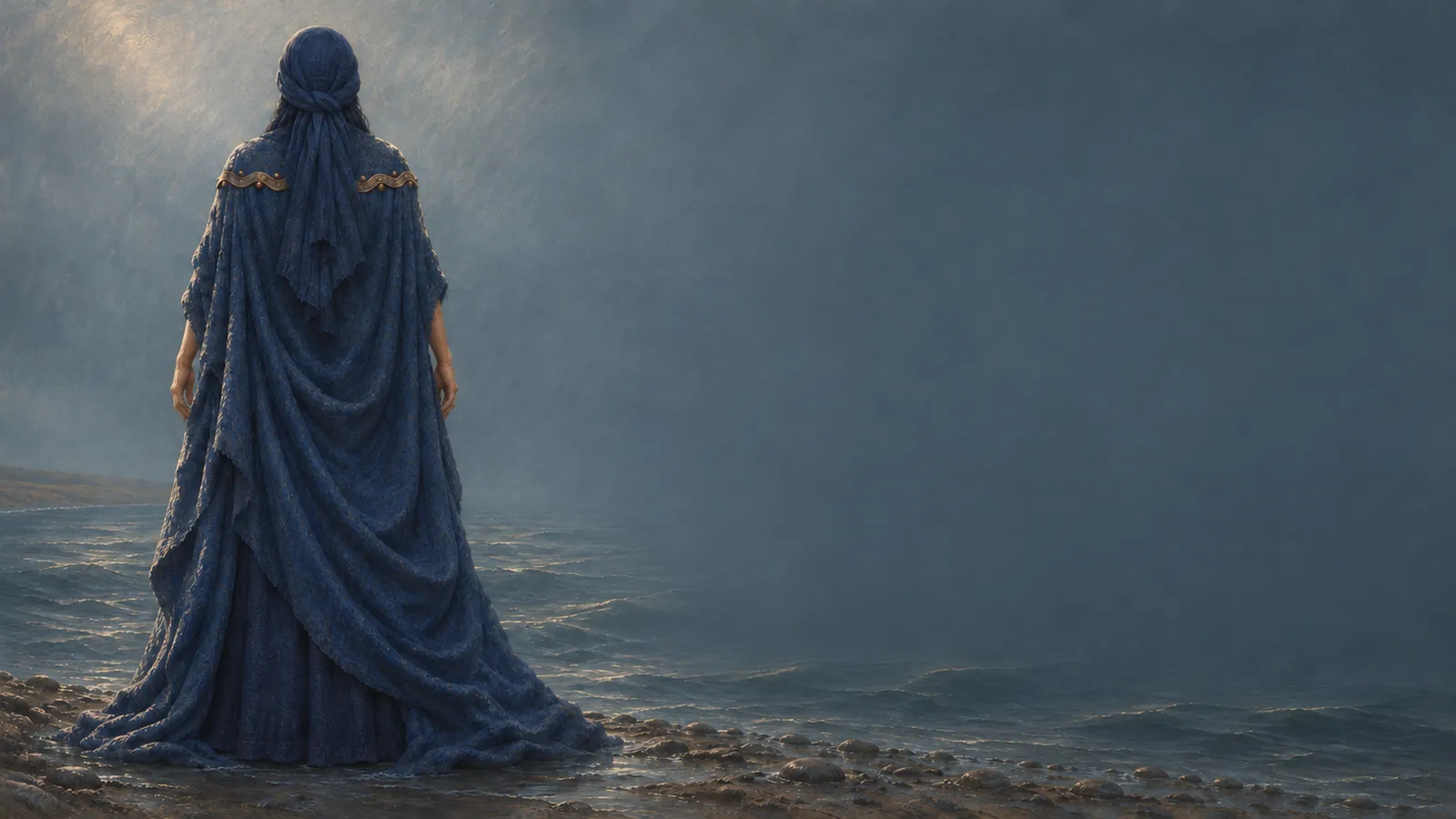
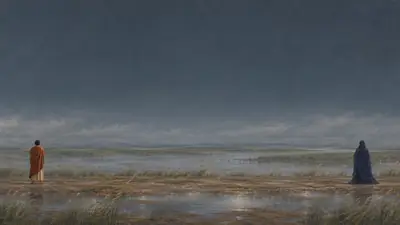
Tiamat pronunció un conjuro y se enfrentó a Marduk. Las palabras que siguen están dañadas, y su tono puede leerse como conciliación o como provocación.
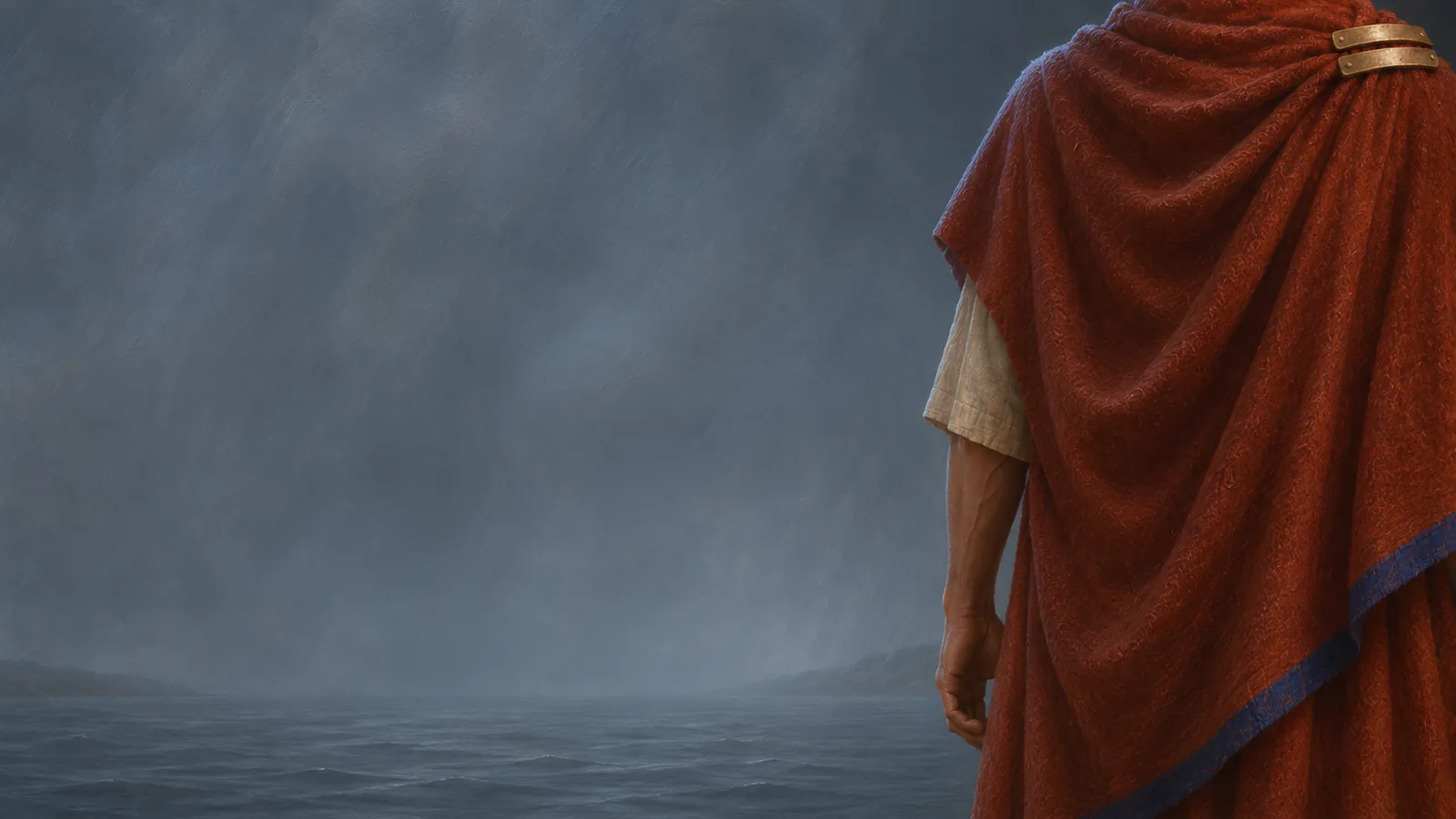
Marduk acusó a Tiamat de negar su clemencia a los dioses más jóvenes. Cuestionó que hubiera dado a Qingu una autoridad que, según él, no le correspondía.
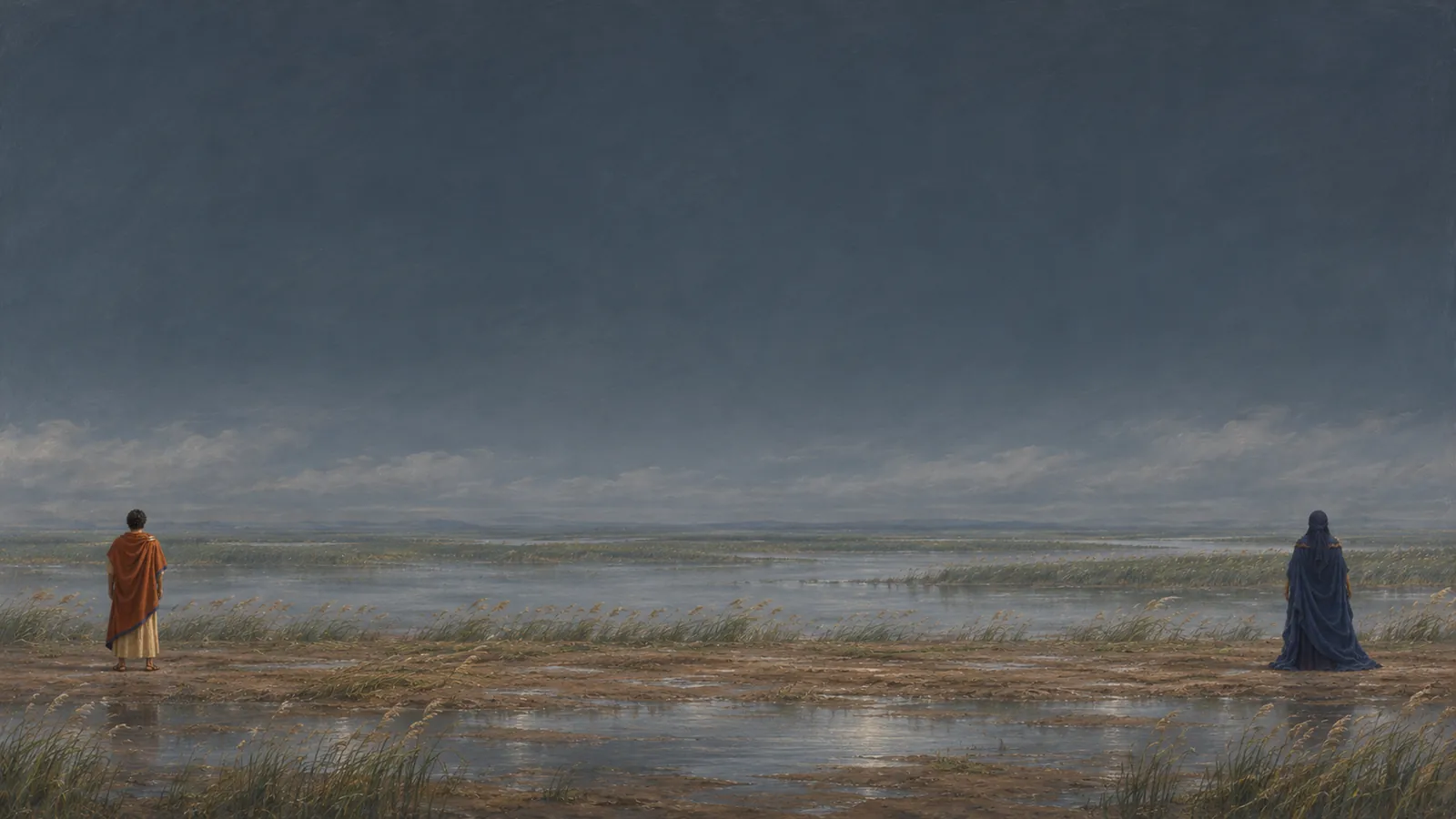
Marduk desafió a Tiamat a enfrentarse a él a solas, pese a las fuerzas que ella había traído. Sus palabras encendieron la ira de Tiamat.
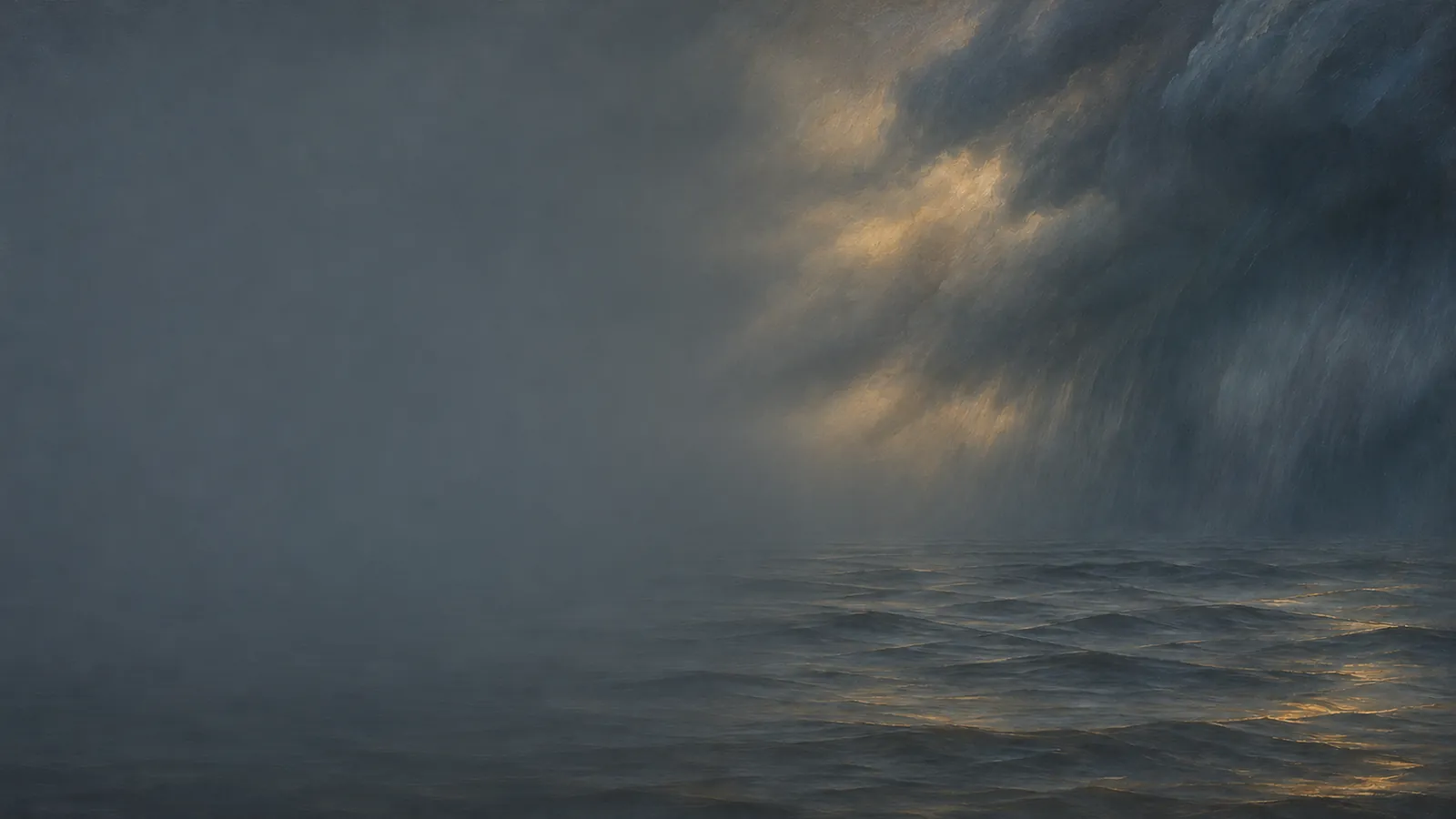
El grito de Tiamat la sacudió hasta lo más hondo y ella siguió con el conjuro. Luego Tiamat y Marduk se enfrentaron en combate.

Marduk lanzó su red. En el poema, un viento feroz se abate sobre Tiamat y otros vientos lo empujan desde atrás.
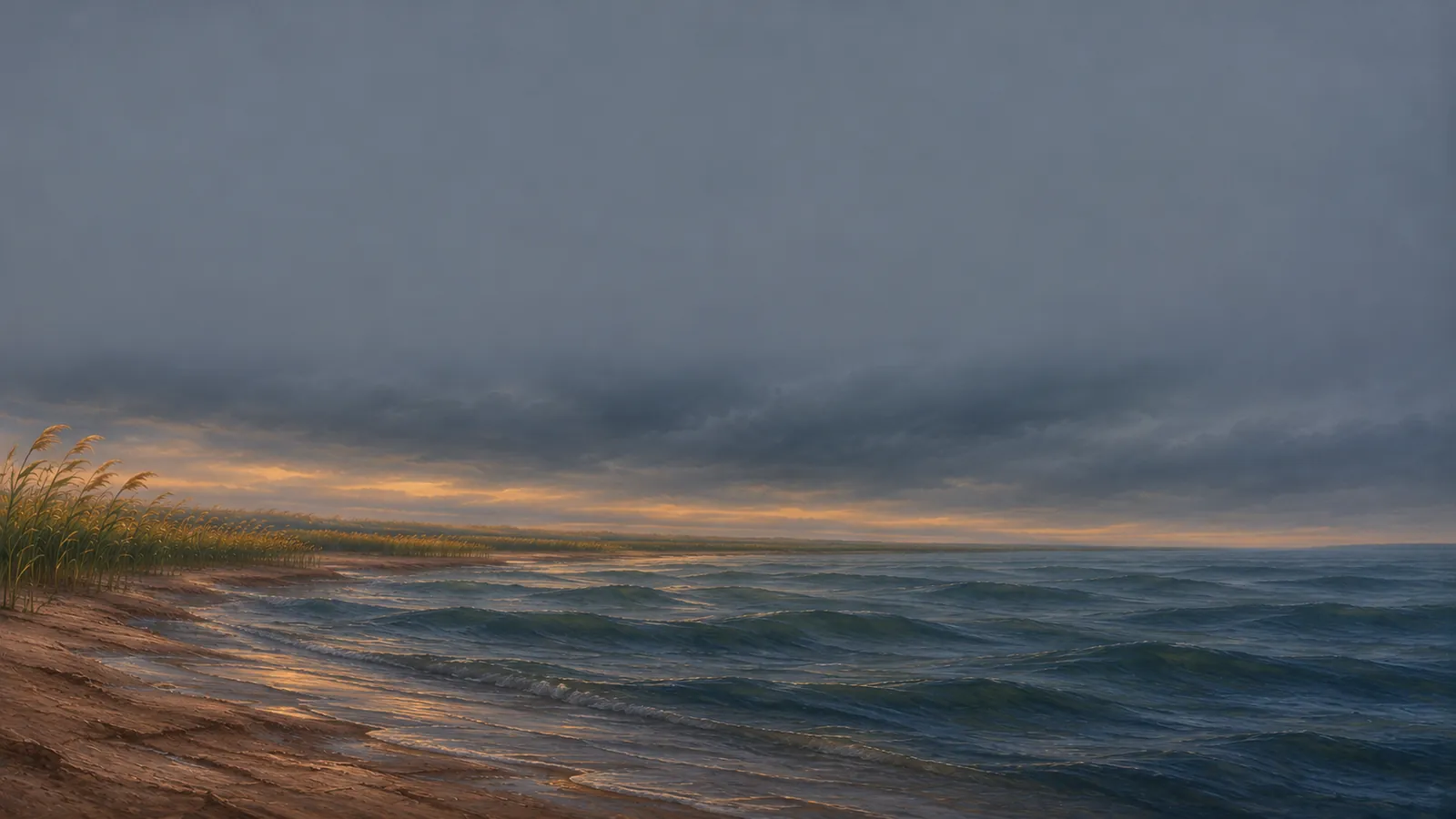
LA CAÍDA DE TIAMAT
El poema cuenta que Marduk golpeó a Tiamat y la mató. La batalla entre ambos había terminado.
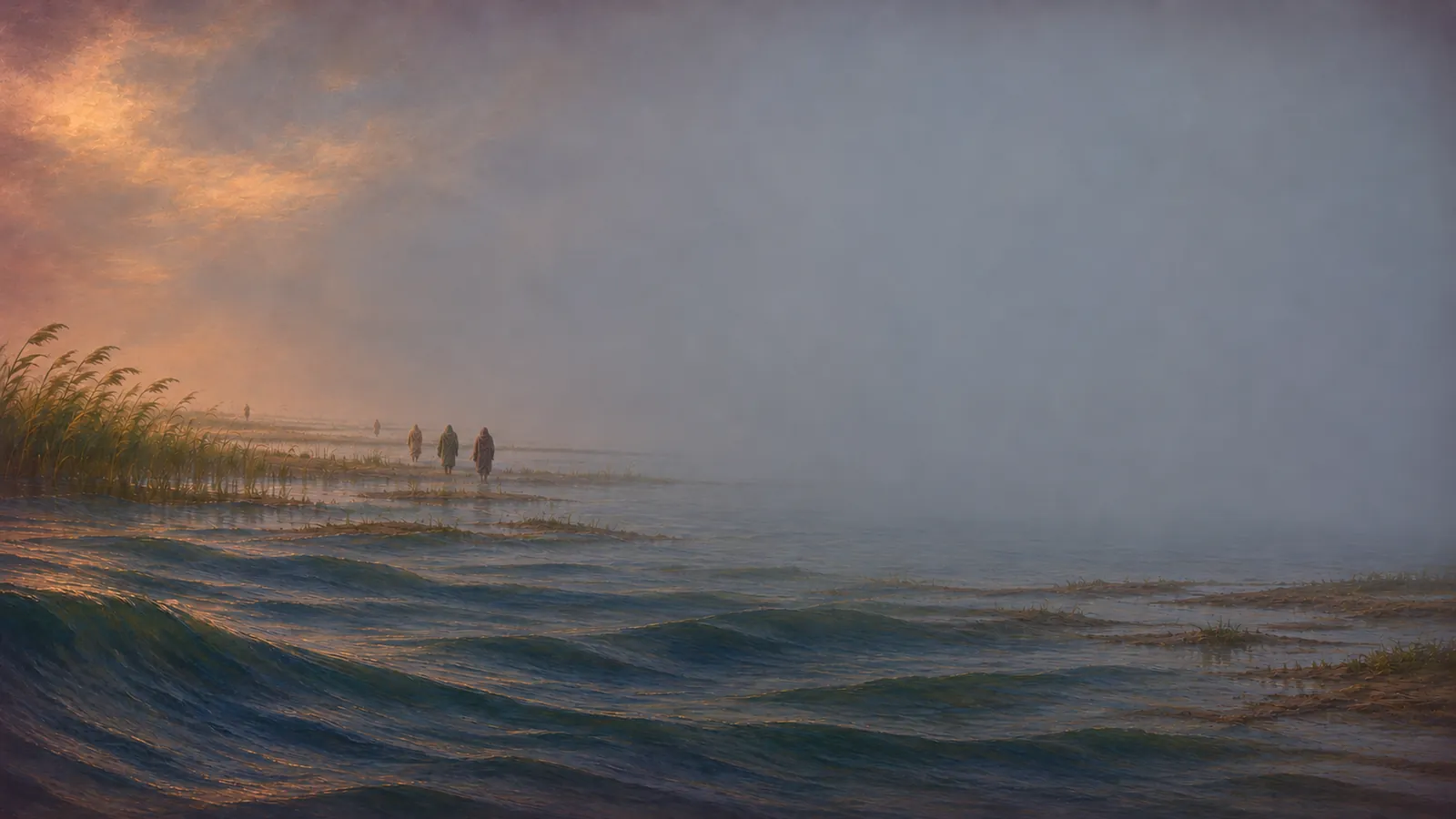
Caída Tiamat, su asamblea se dispersó. Sus aliados huyeron y se vieron rodeados.
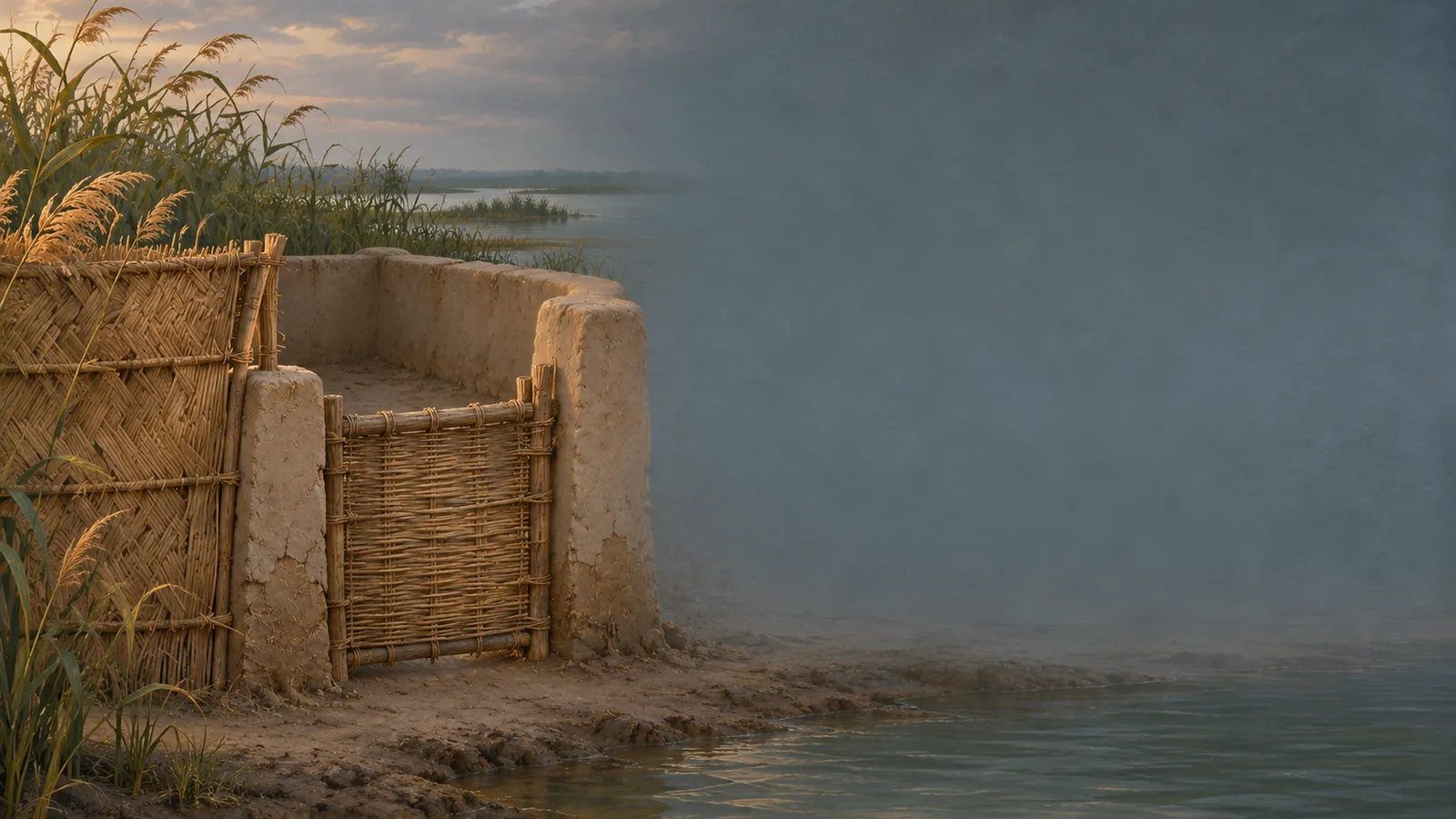
Marduk tomó cautivos a los dioses contrarios y rompió sus armas. Entre los cautivos estaban los once seres que Tiamat había creado.
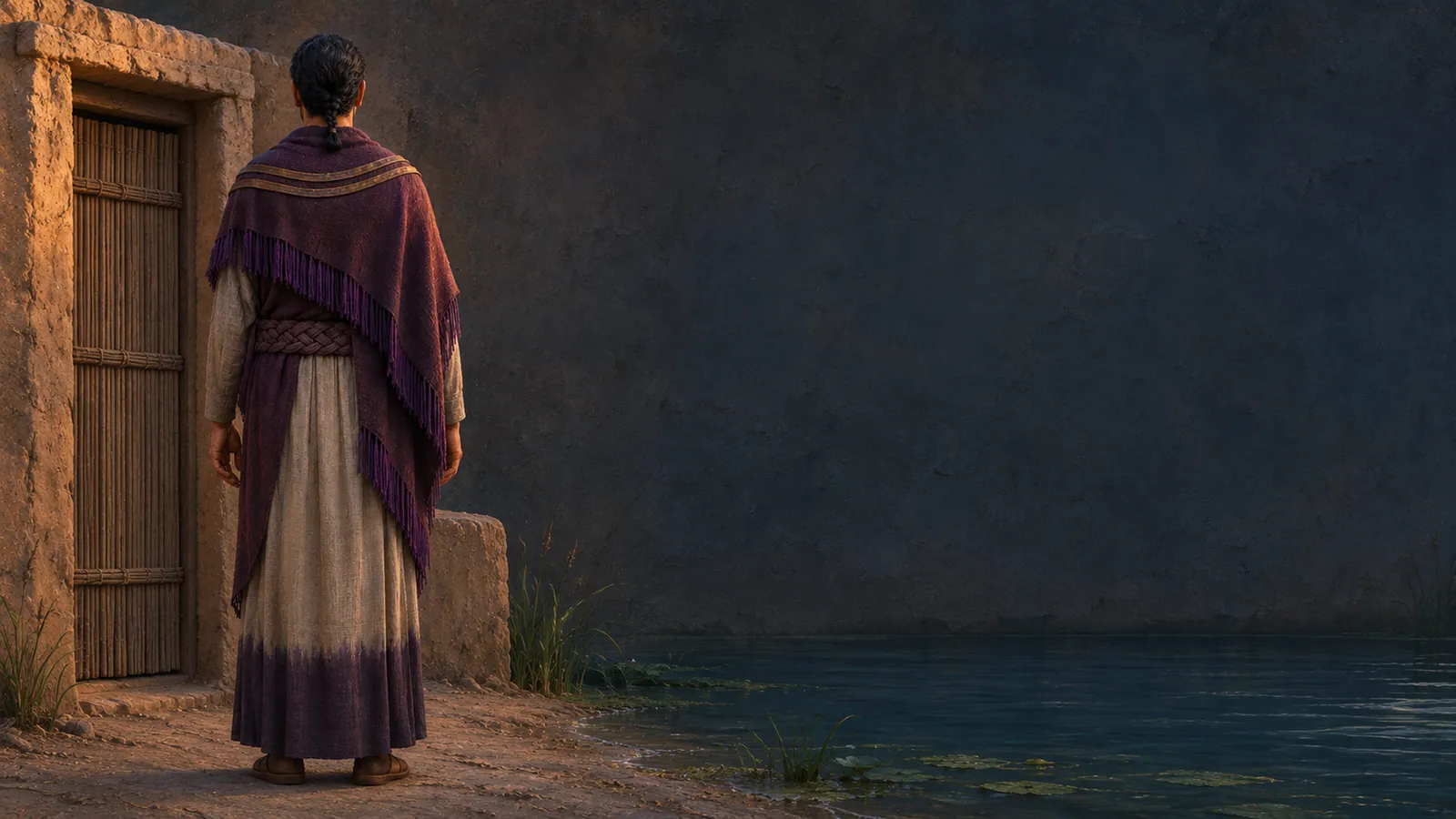
Qingu, que había estado por encima de los demás aliados de Tiamat, cayó prisionero. El poema lo cuenta entre los dioses destinados a morir.
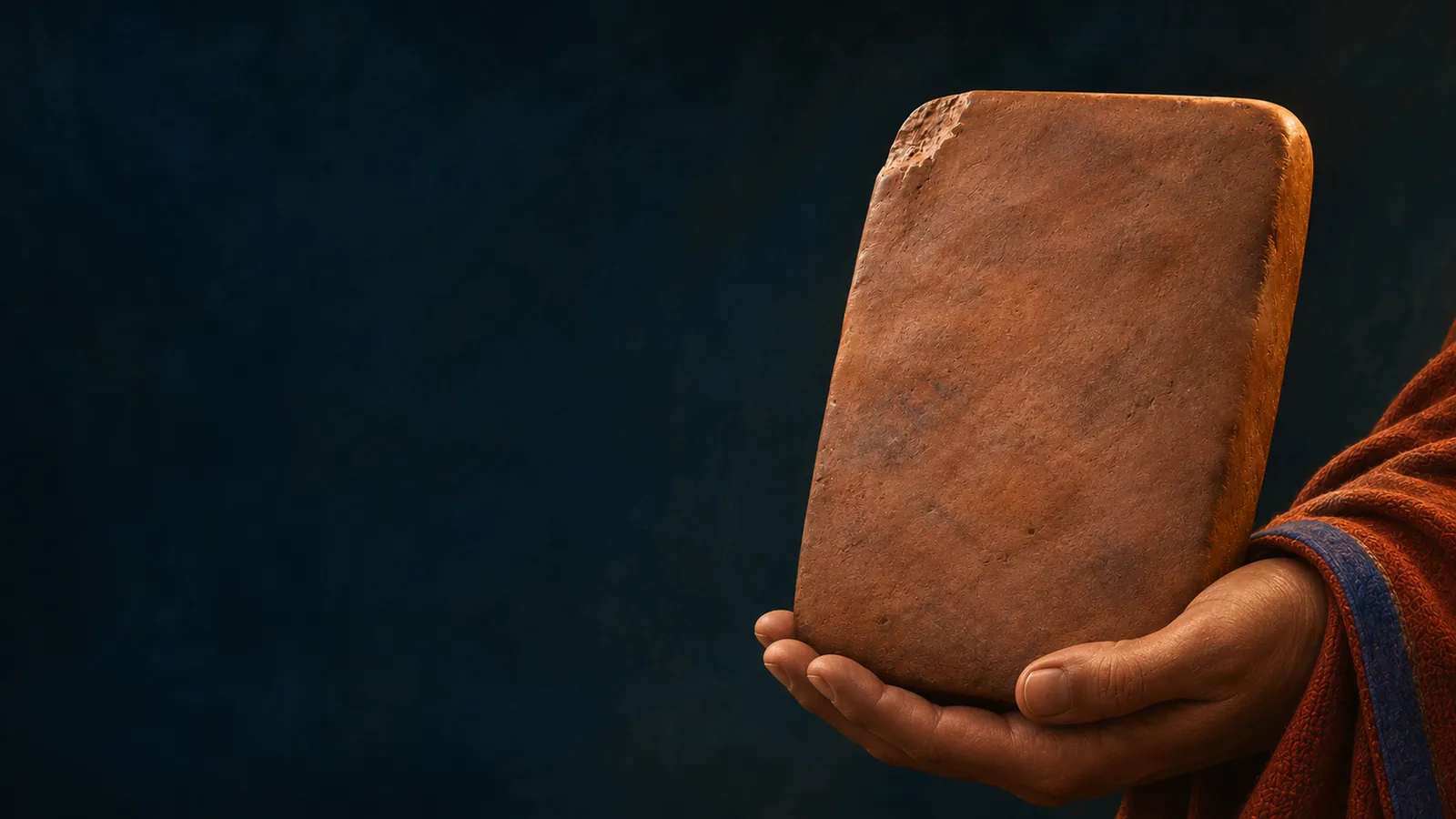
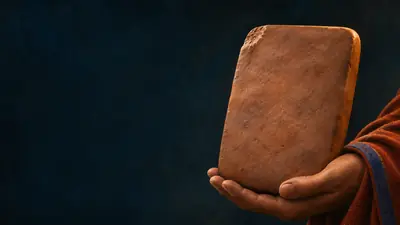
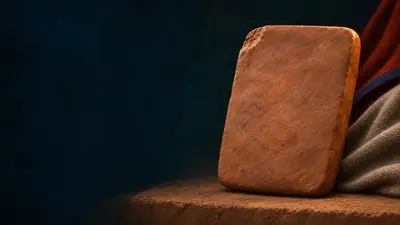
Marduk le quitó a Qingu la Tablilla de los Destinos. Estampó en ella su propio sello y la fijó a su pecho.
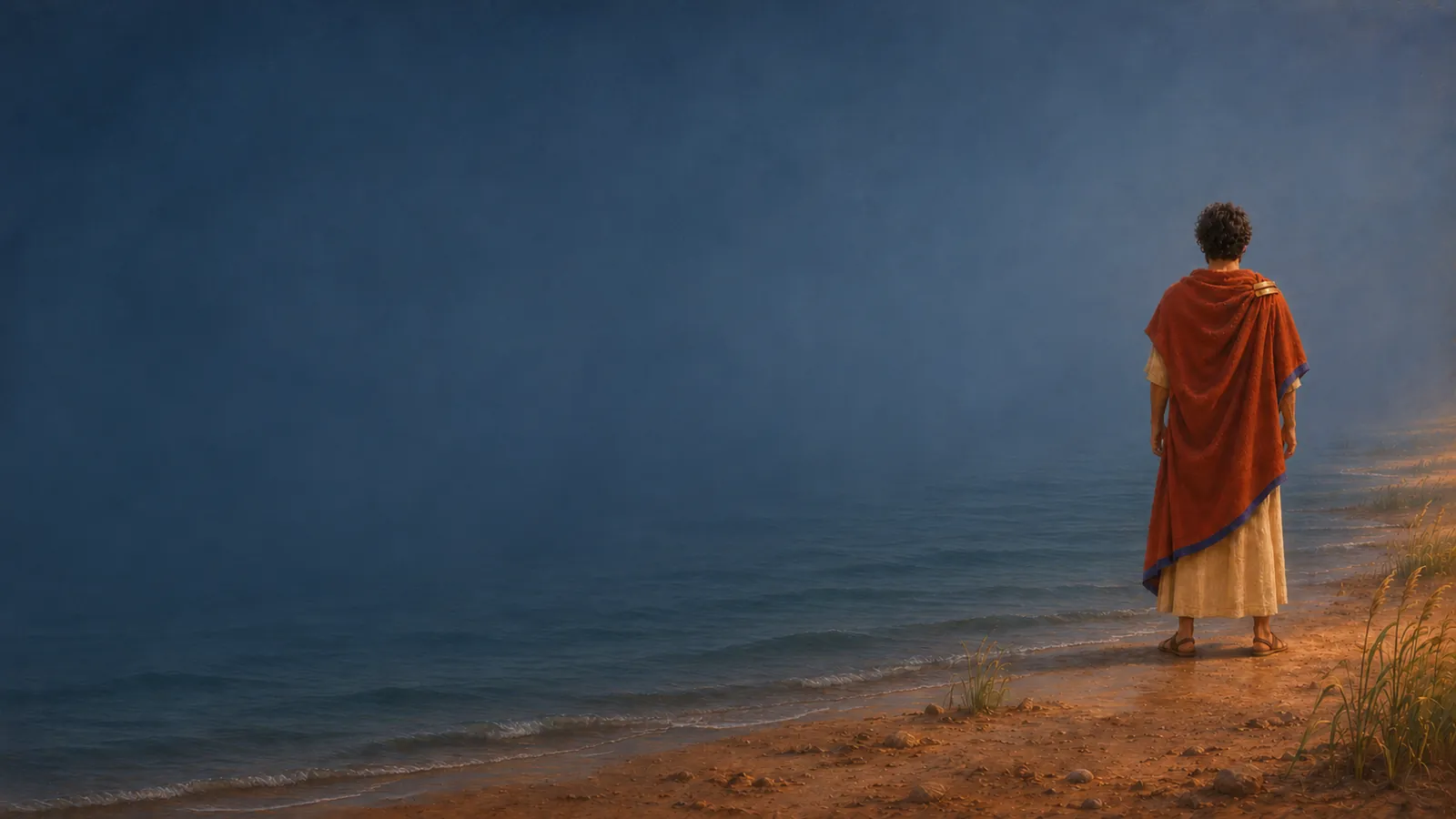
La victoria de Marduk dio la razón a Anshar y cumplió el propósito de Ea. Una vez puestos los cautivos bajo guardia, Marduk volvió junto a Tiamat.
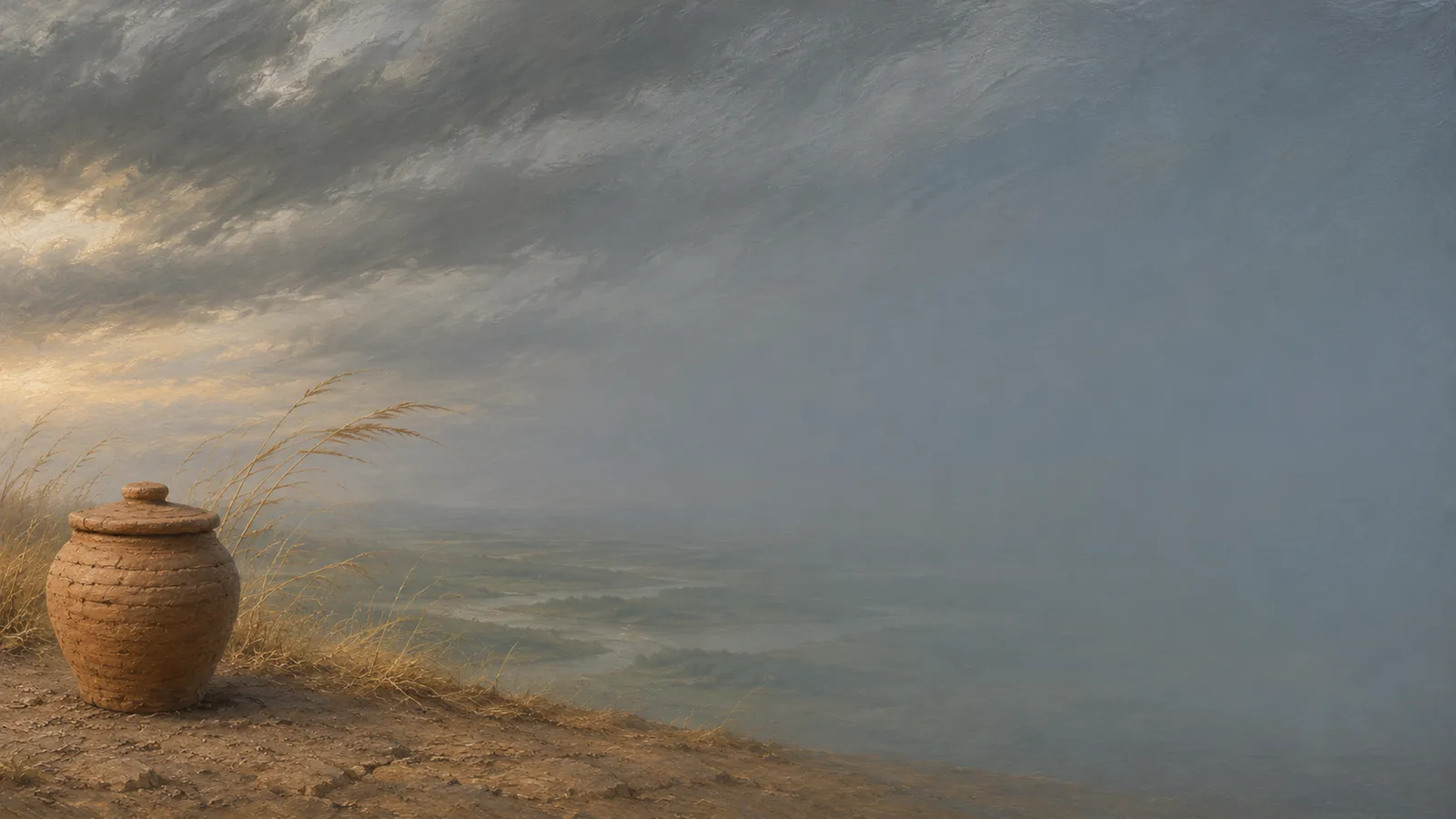
En el poema, el viento del norte lleva la sangre de Tiamat como señal de victoria. Cuando los dioses más antiguos supieron lo ocurrido, se alegraron y enviaron presentes.

EL TECHO DEL CIELO
Marduk volvió su atención hacia las vastas aguas de Tiamat. Con una mitad de ella hizo la cubierta que se extiende sobre el cielo.
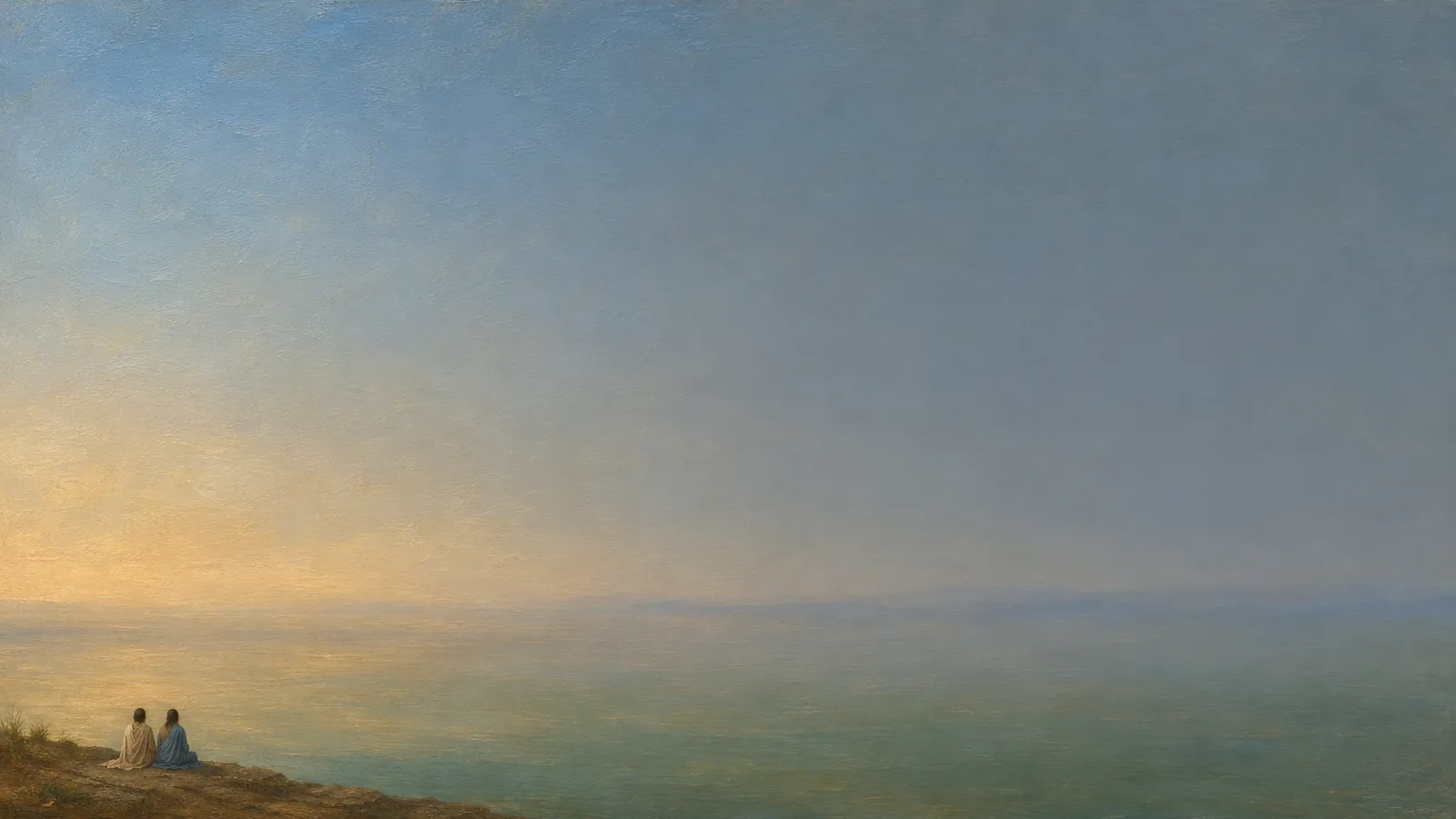
Marduk puso guardianes al cuidado de las aguas elevadas. Les ordenó que no las dejaran escapar.

Marduk cruzó el cielo y examinó su extensión. Tomó como medida el Apsû, morada de Ea en las profundidades, y fundó Eshara a imagen de Eshgala.
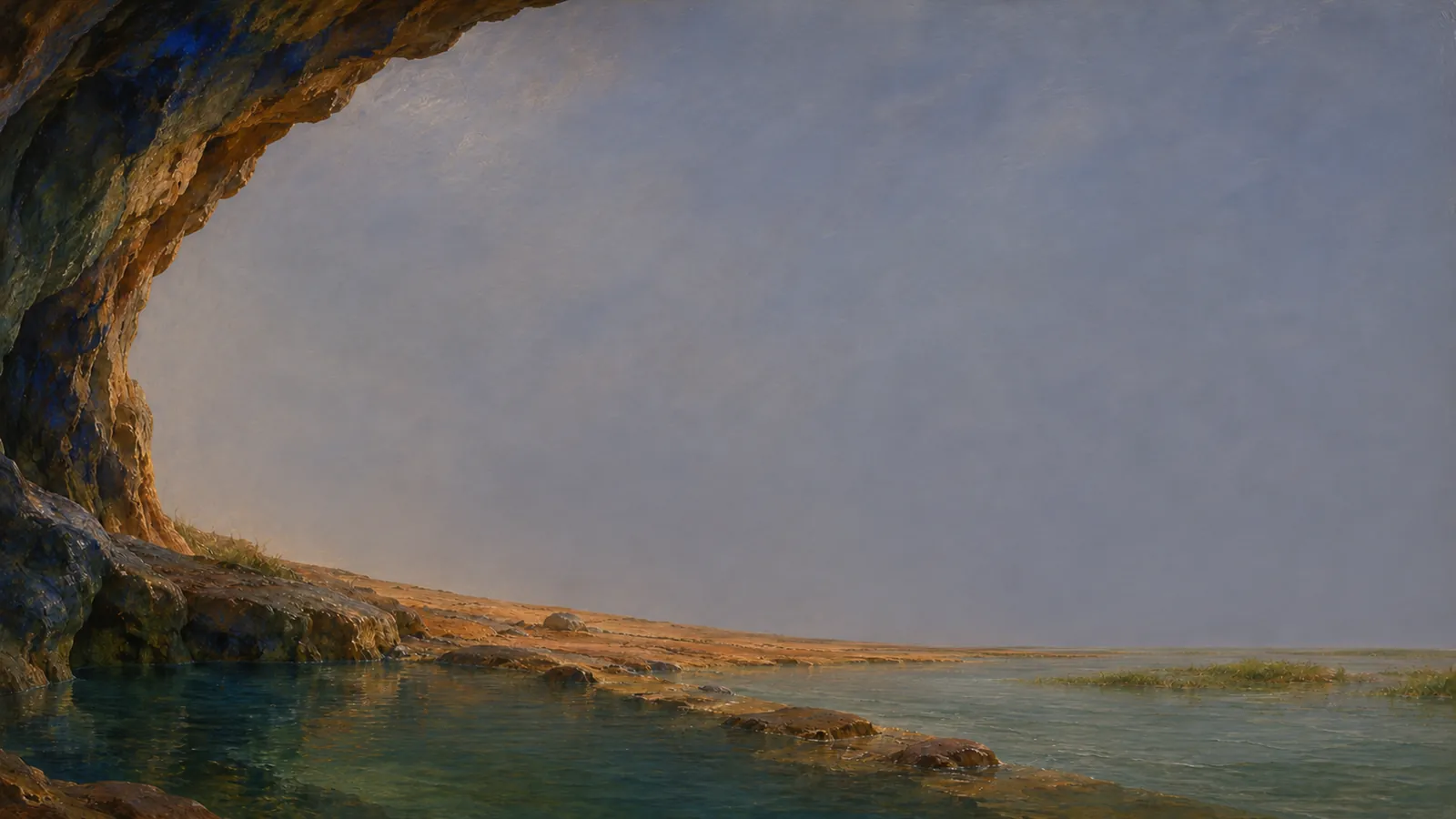
El poema sitúa a Anu en el cielo, a Enlil en Eshara, en la tierra, y a Ea en Eshgala, el santuario del Apsû.
LAS CONSTELACIONES
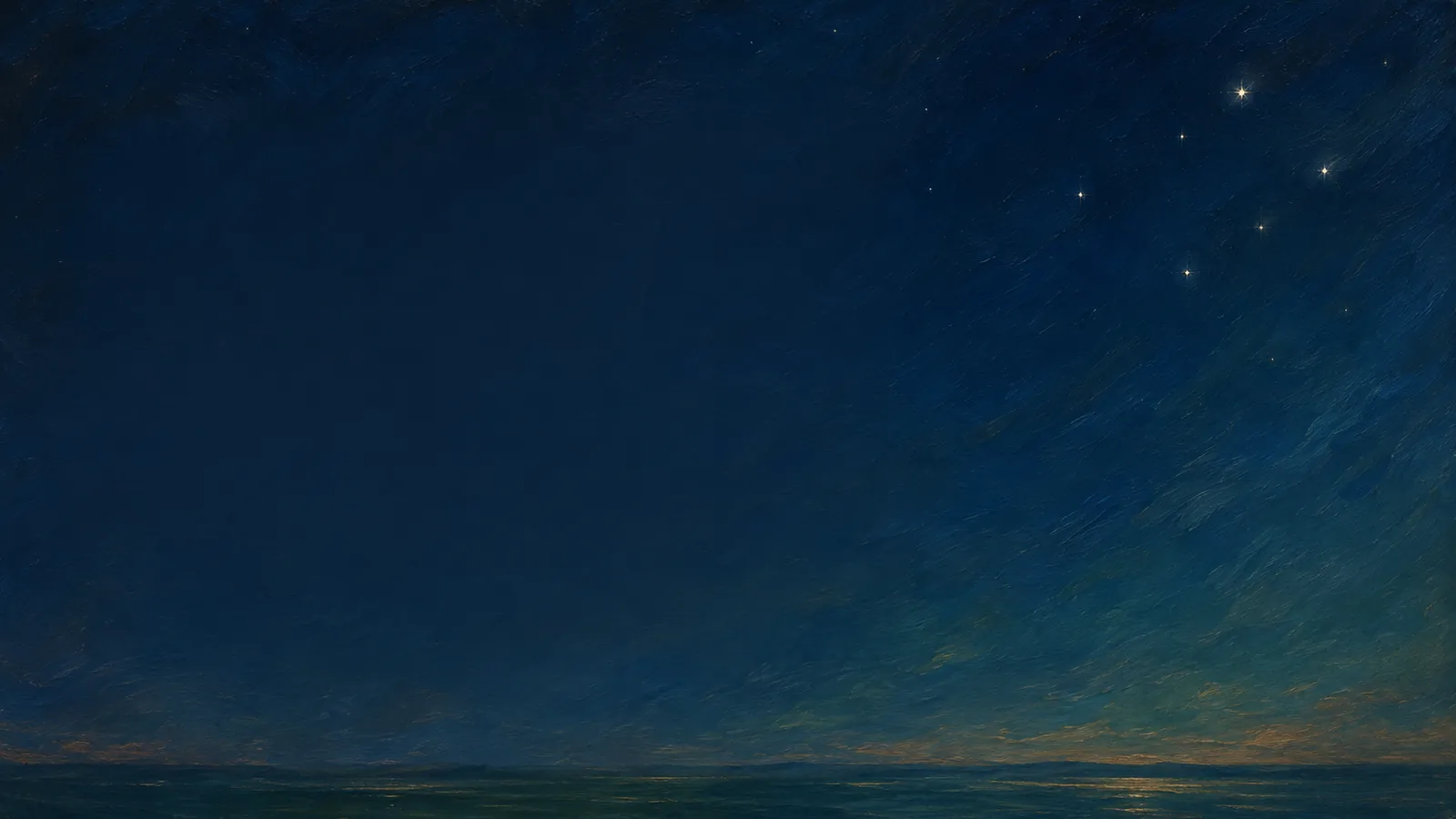
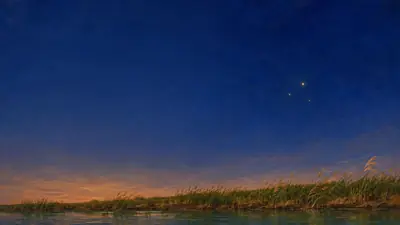
Marduk dio a los grandes dioses sus lugares en lo alto. Dispuso las constelaciones como sus imágenes en el cielo nocturno.
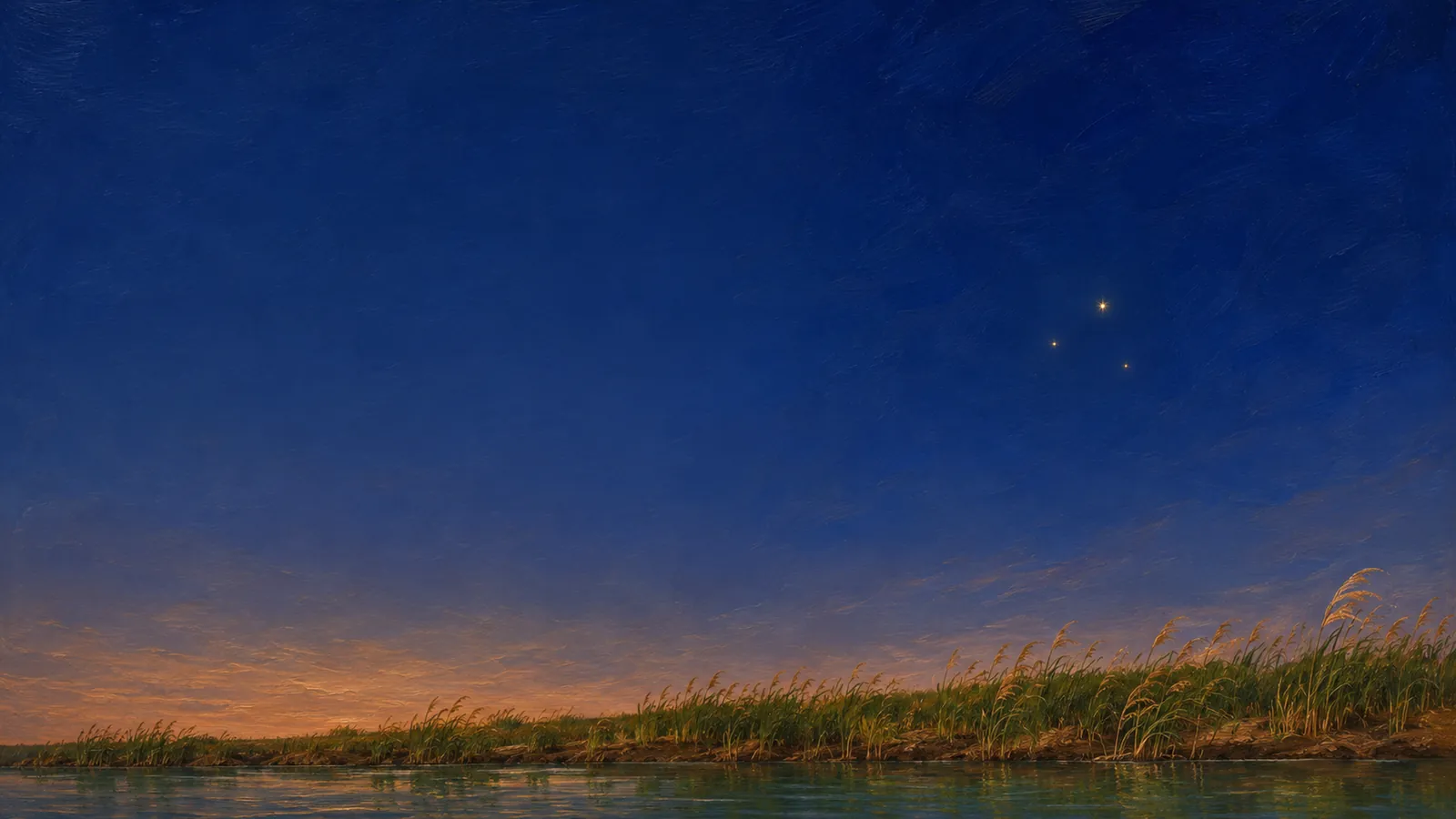
Trazó el curso del año y ordenó sus doce meses. El poema asigna tres estrellas a cada mes.
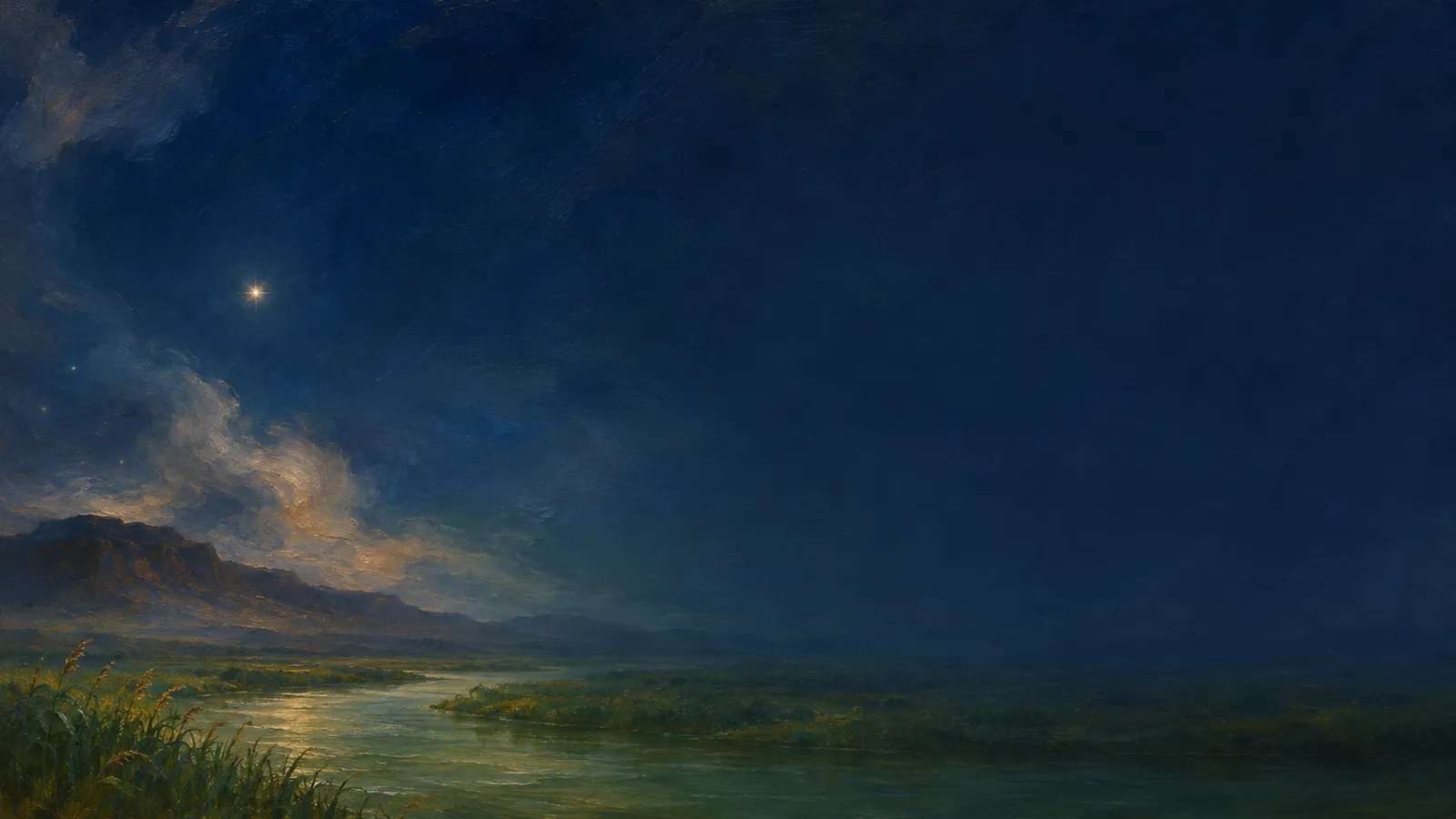
Marduk fijó el lugar de Neberu para que las estrellas siguieran sus cursos señalados. Junto a él estableció los lugares de Enlil y Ea.
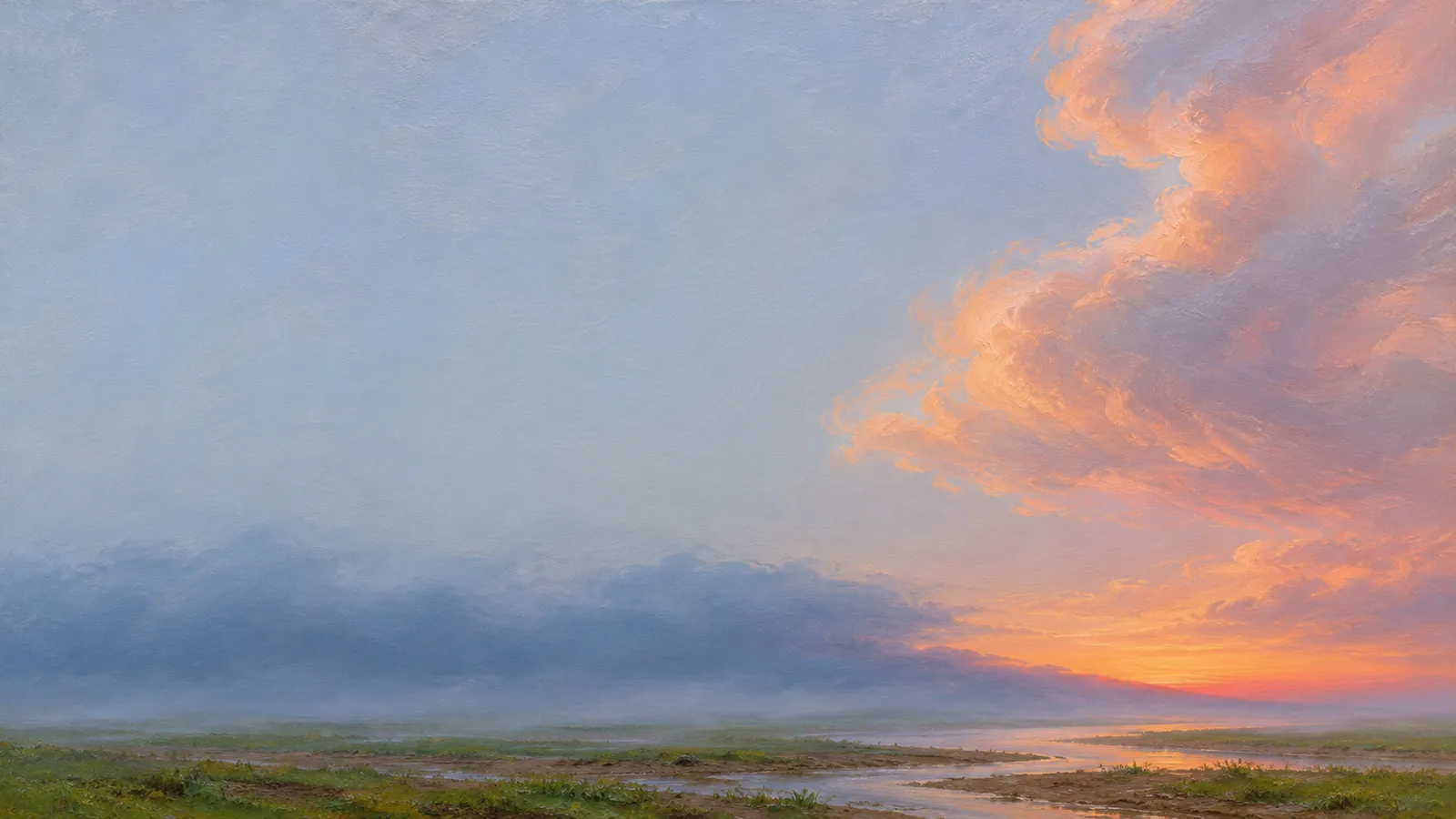
Marduk abrió puertas a ambos lados y afianzó sus cerrojos. El poema sitúa otra parte de Tiamat en lo alto del cielo.
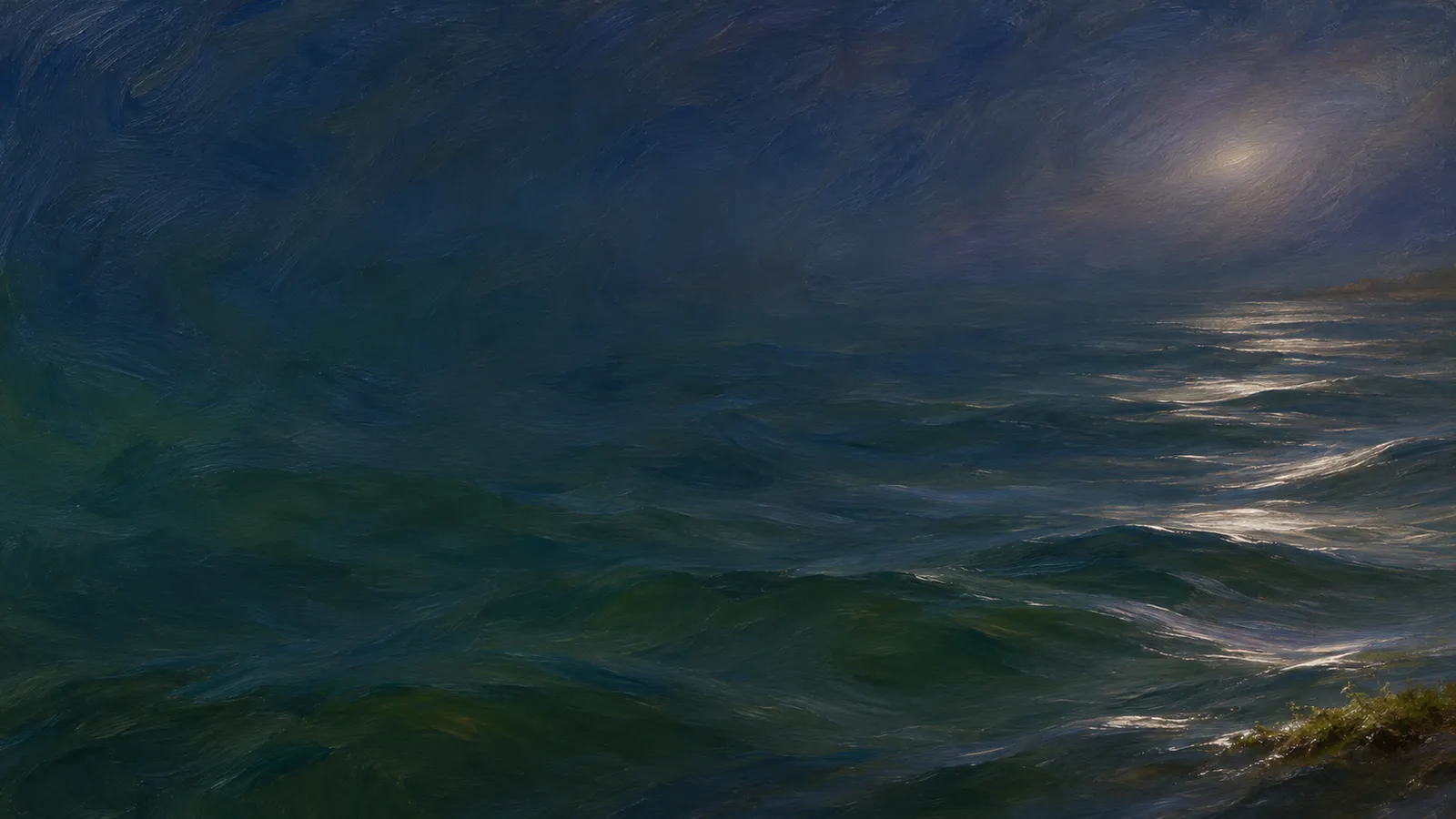
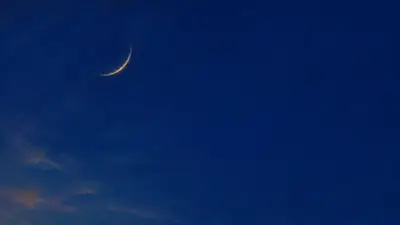
Marduk hizo aparecer la Luna para velar por la noche. Su luz cambiante permitiría distinguir los días.
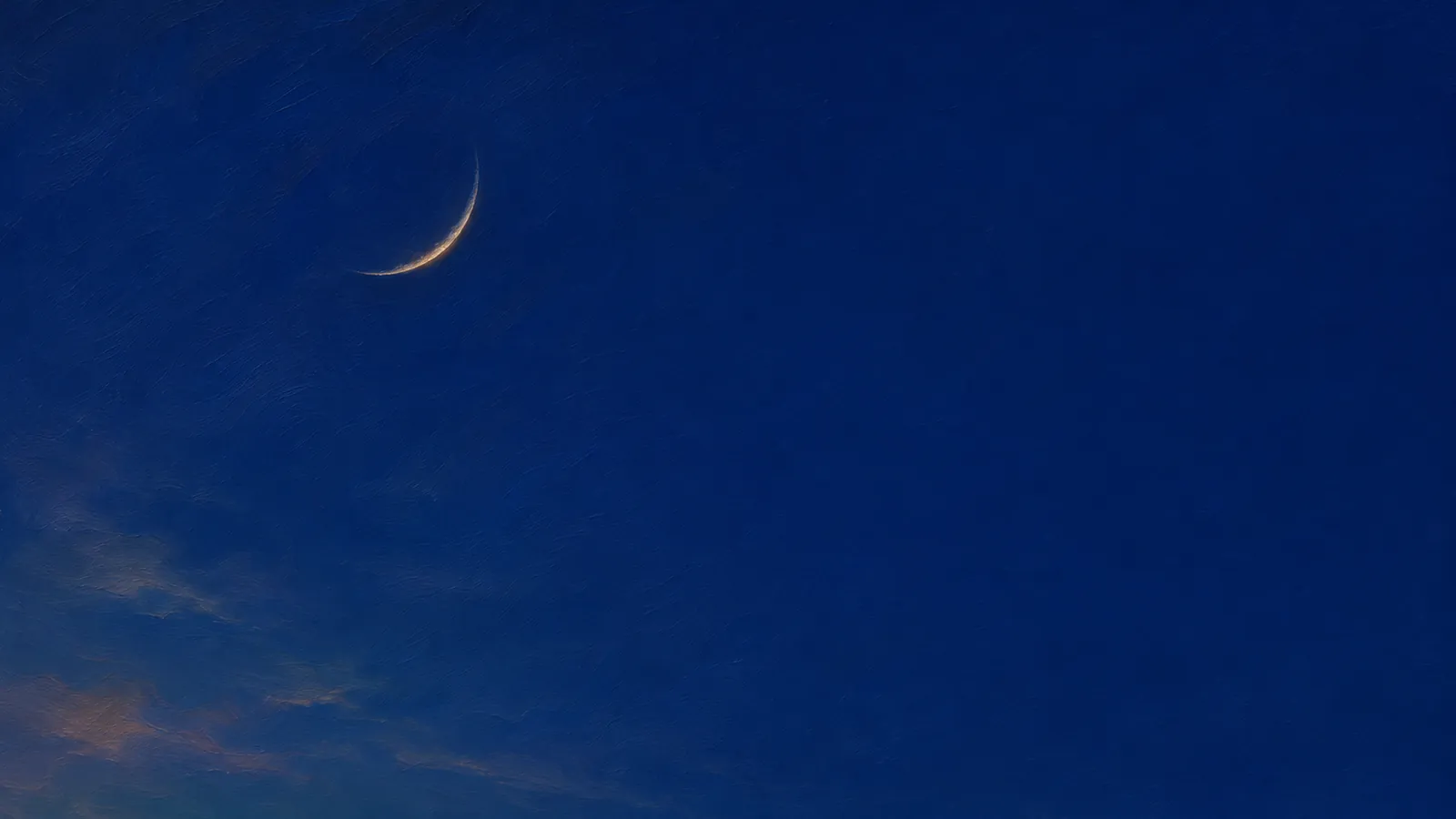
Al comienzo de cada mes, la Luna brillaría con dos cuernos delgados. Con ellos marcaría los primeros días según fueran llegando.
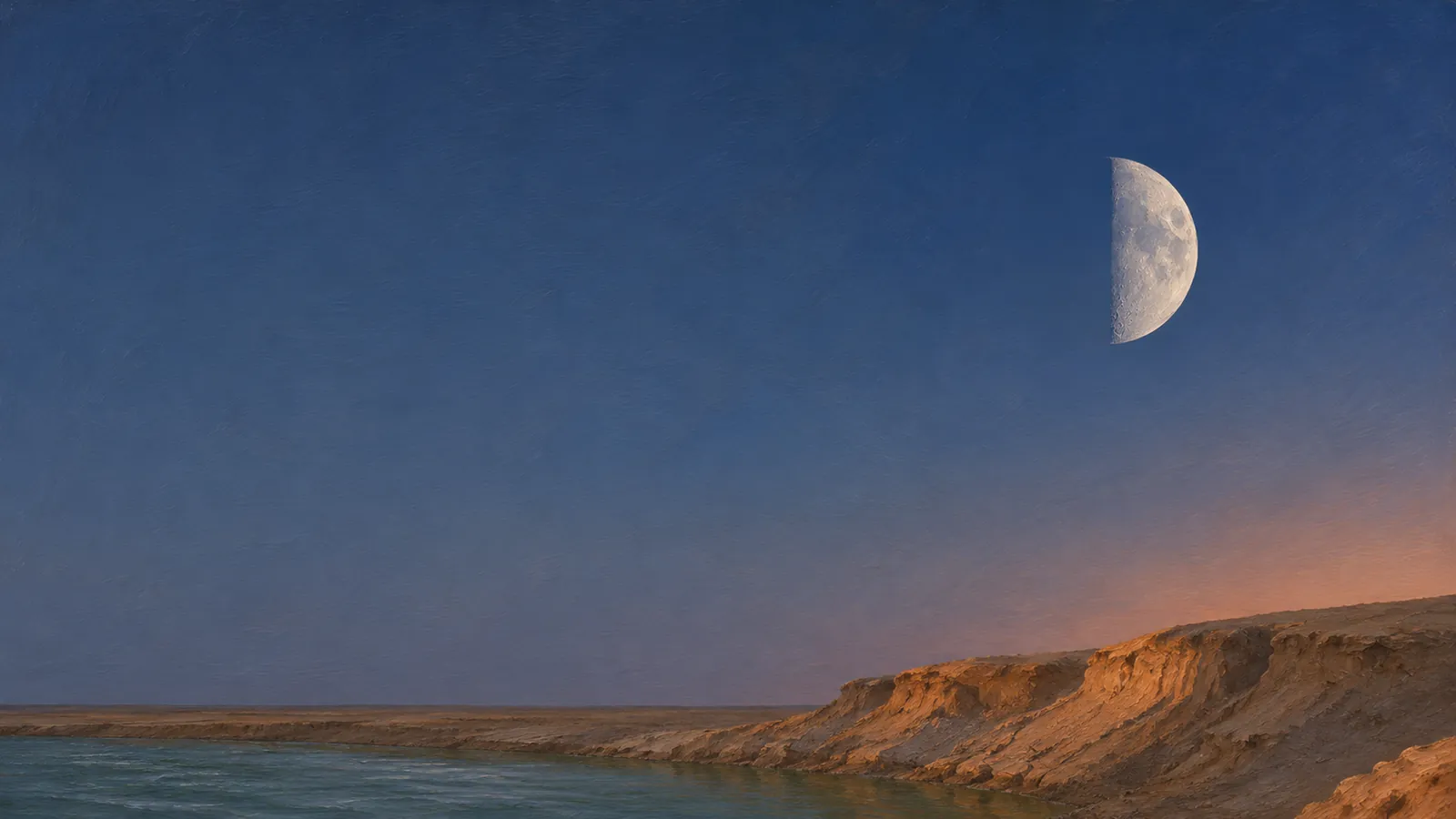
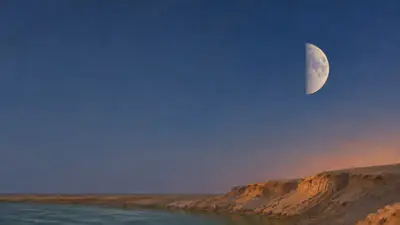
El séptimo día del mes, la Luna no mostraría más que la mitad de su corona.
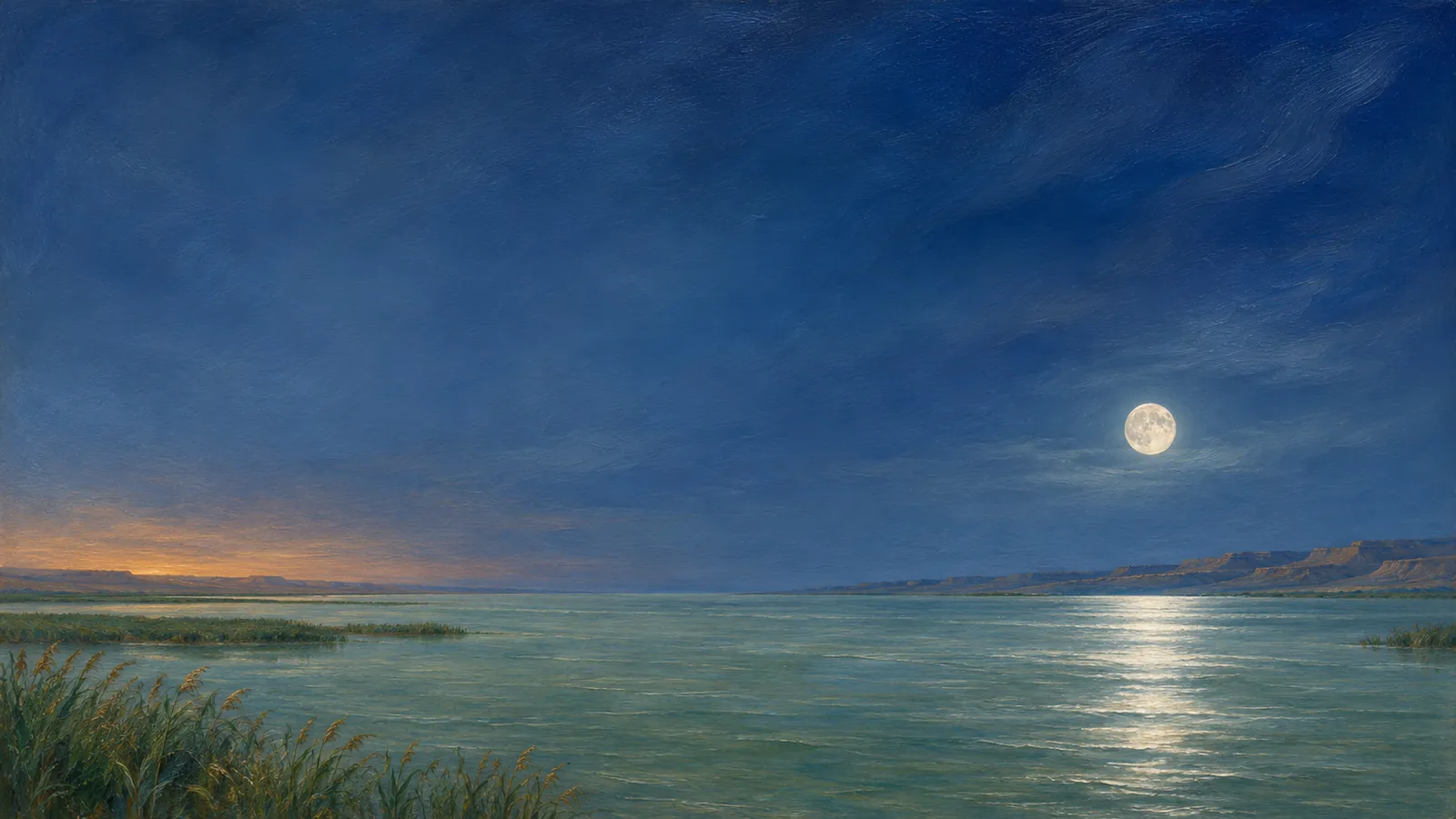
A mediados de mes, la Luna estaría llena frente a Shamash, el Sol. Después su figura cambiante emprendería la vuelta hacia la oscuridad.
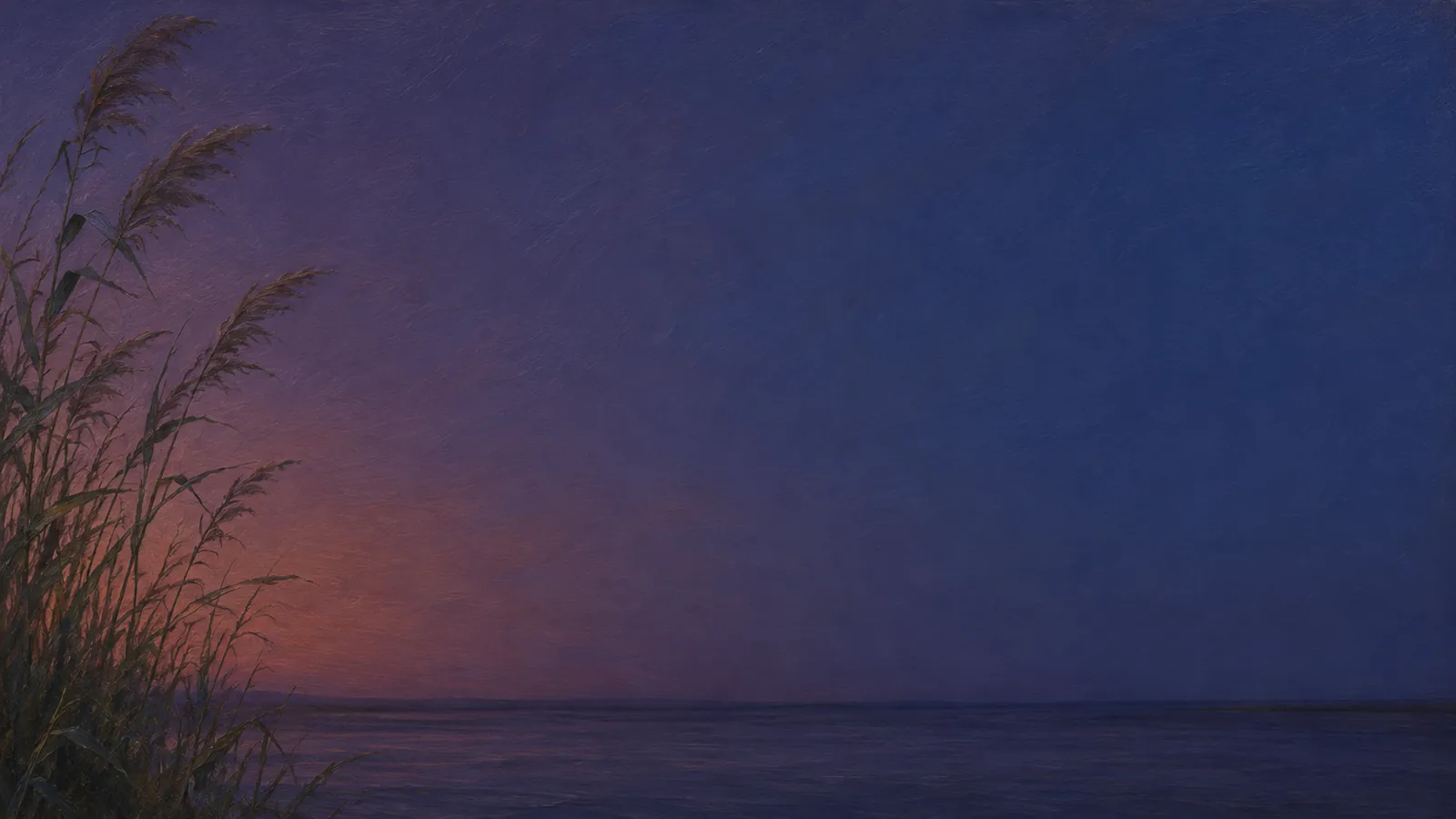
Al término del mes, la Luna se acercaría al camino de Shamash. En ese encuentro, la Luna se perdería de vista.

En este punto la tablilla está muy dañada. Aún se leen entre las palabras dispersas el nombre de Shamash y referencias a señales y veredictos, pero se ha perdido la relación entre ellas.
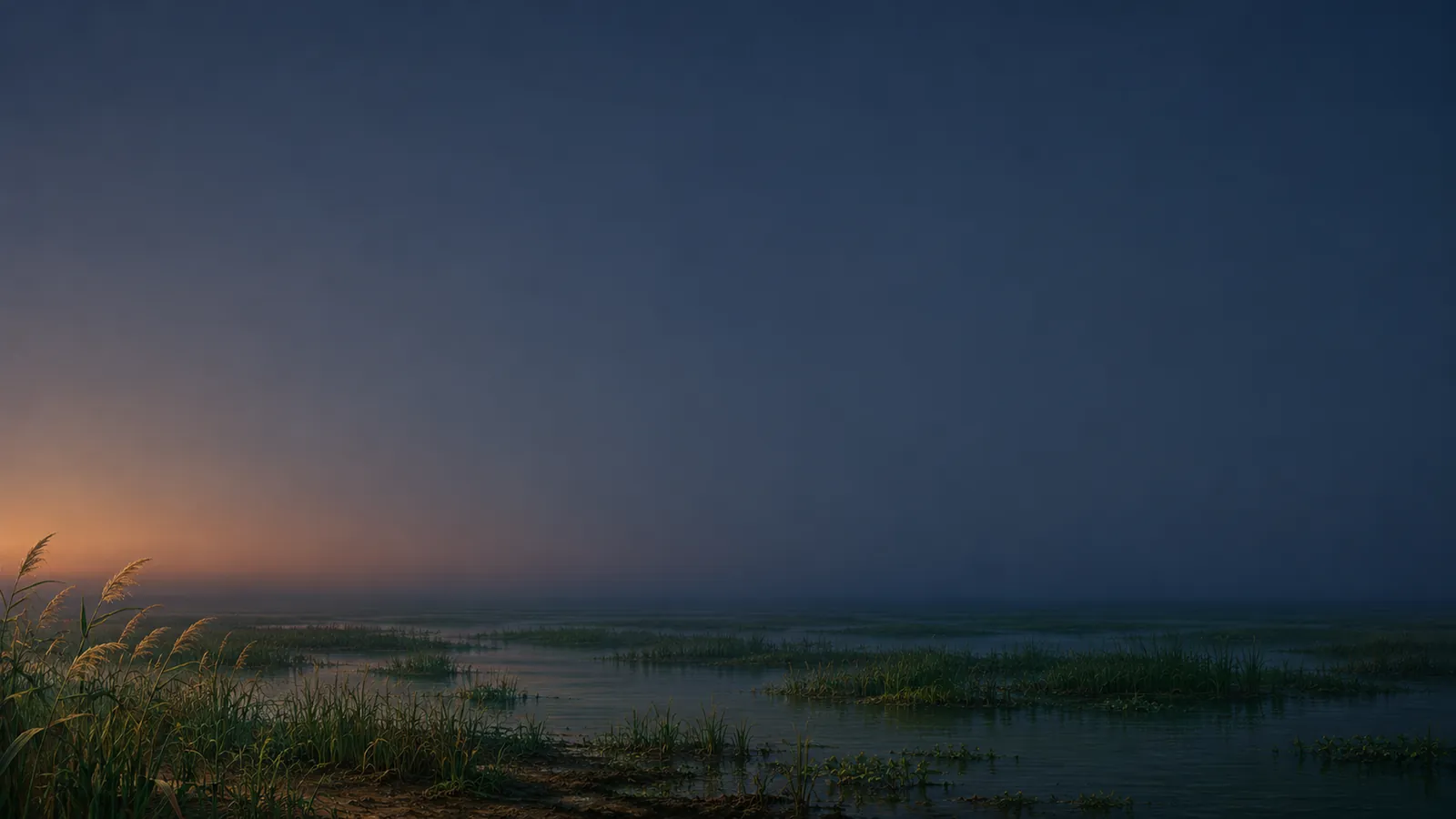
Los versos dañados conservan unas pocas palabras sobre el año, el Año Nuevo y las vigilias de la noche y del día. Queda demasiado poco para seguir su orden con certeza.

Cuando regresan las palabras legibles, la humedad de Tiamat toma forma de nubes que giran. El verso que nombra al creador solo se conserva en una copia asiria, donde aparece Asur en lugar de Marduk.

Marduk se encargó de levantar los vientos, hacer caer la lluvia y levantar la niebla. El verso también menciona el veneno de Tiamat, cuyo significado es incierto.
LOS DOS RÍOS
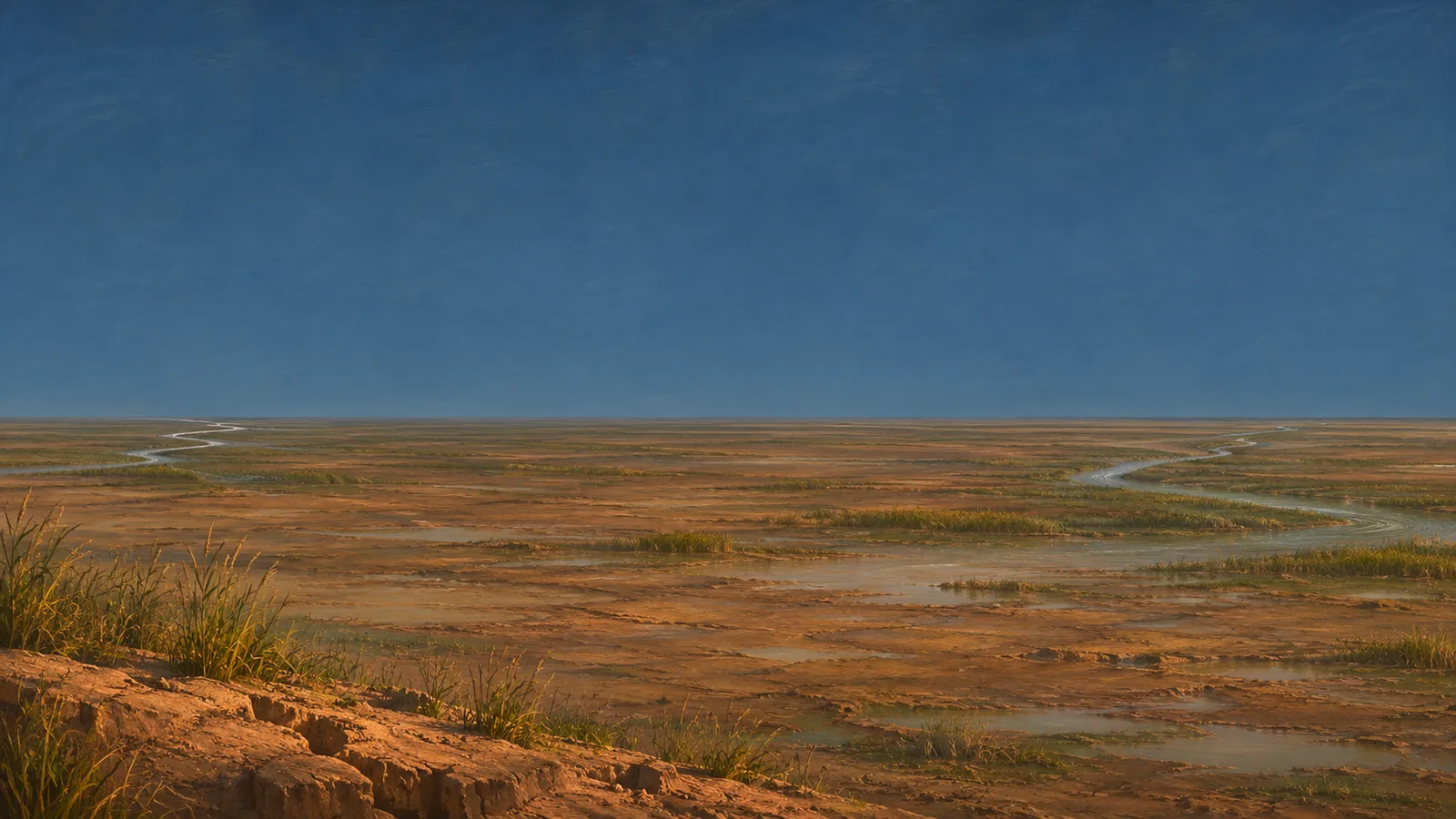
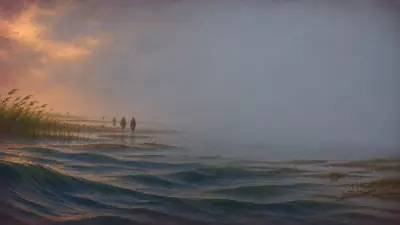
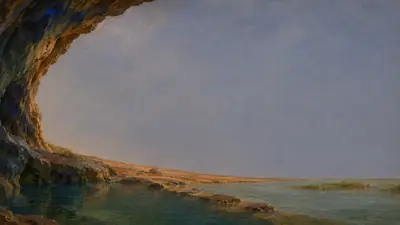
El agua llenó una hendidura. En el poema, el Éufrates y el Tigris manan de los ojos de Tiamat y llevan sus aguas al mundo.

Las montañas se alzaron de la materia de Tiamat. Marduk abrió allí manantiales para que el agua brotara desde las profundidades.

El poema nombra el Gran Vínculo que unía el cielo y la tierra. En un pasaje parcialmente dañado, Marduk afianza la tierra sobre las profundidades.
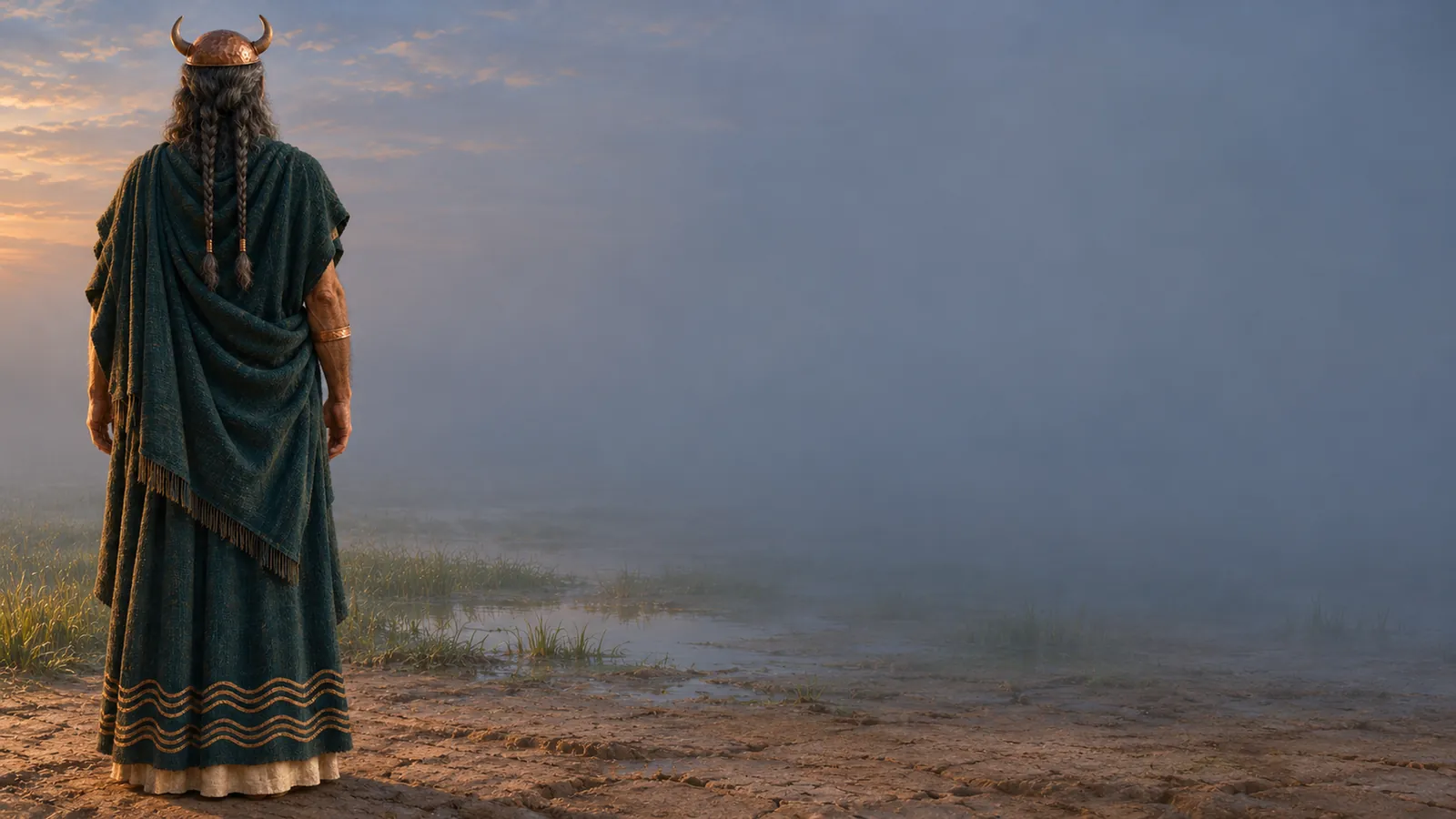
Marduk abrió su red y dejó salir todo. Después de dar al mundo sus ordenanzas y sus ritos, puso las riendas en manos de Ea.
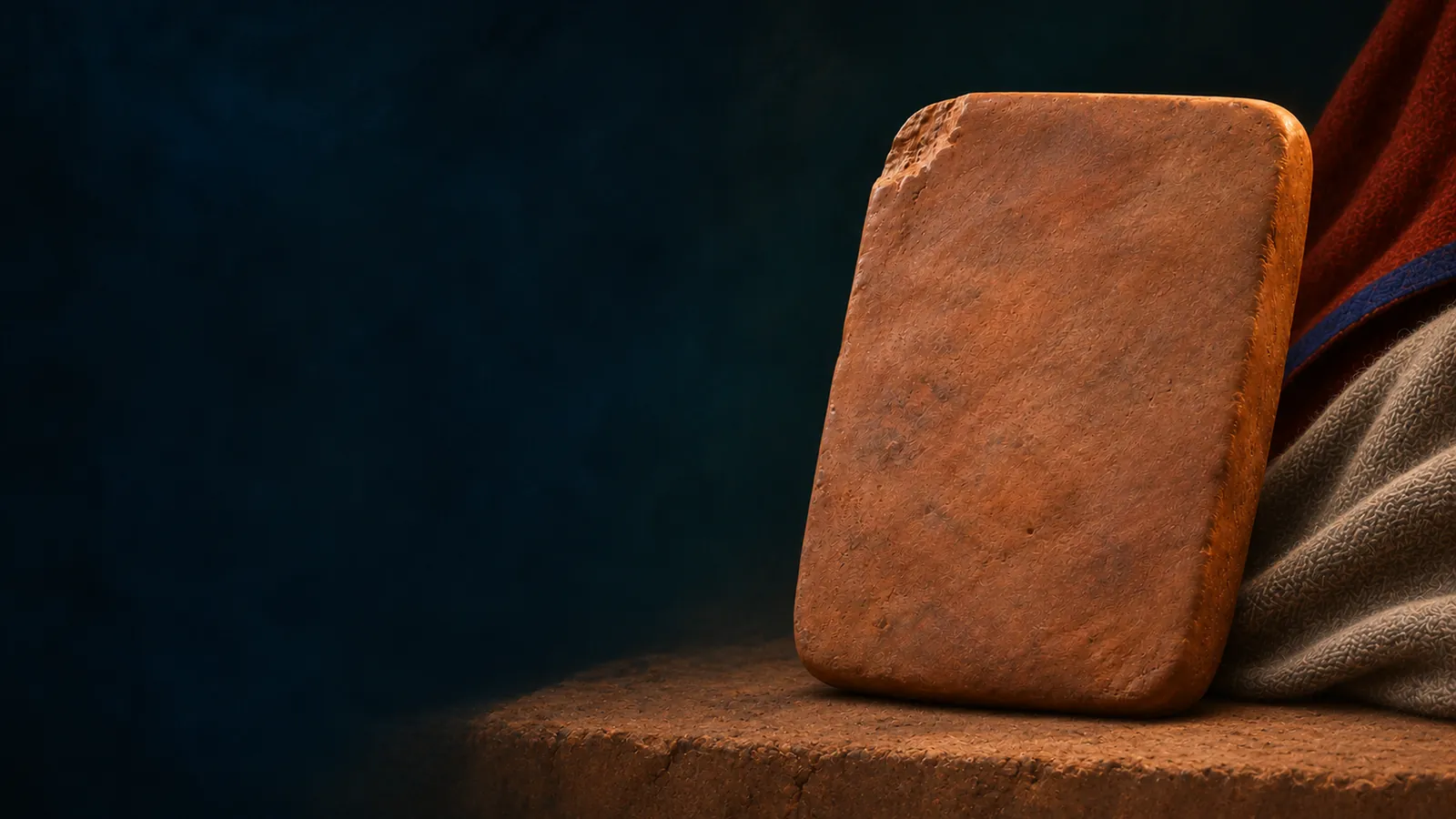
Marduk trajo la Tablilla de los Destinos que le había quitado a Qingu. Se la entregó a Anu como el principal testimonio de su victoria.
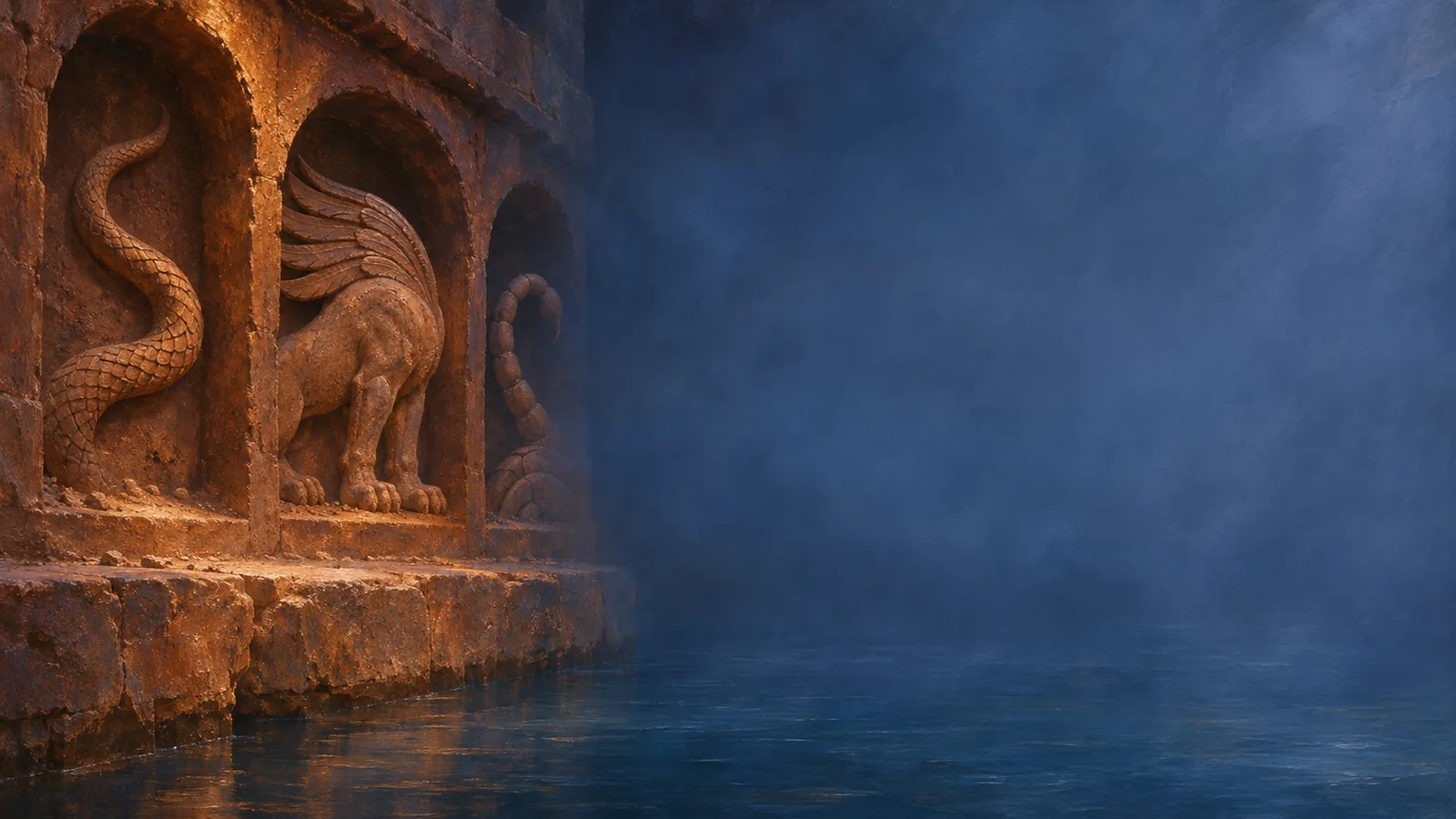
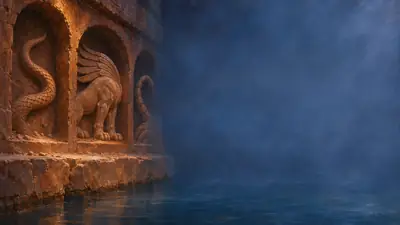
Marduk colocó en la puerta del Apsû las efigies de los once seres que había creado Tiamat. Sus figuras guardarían la memoria de lo ocurrido.
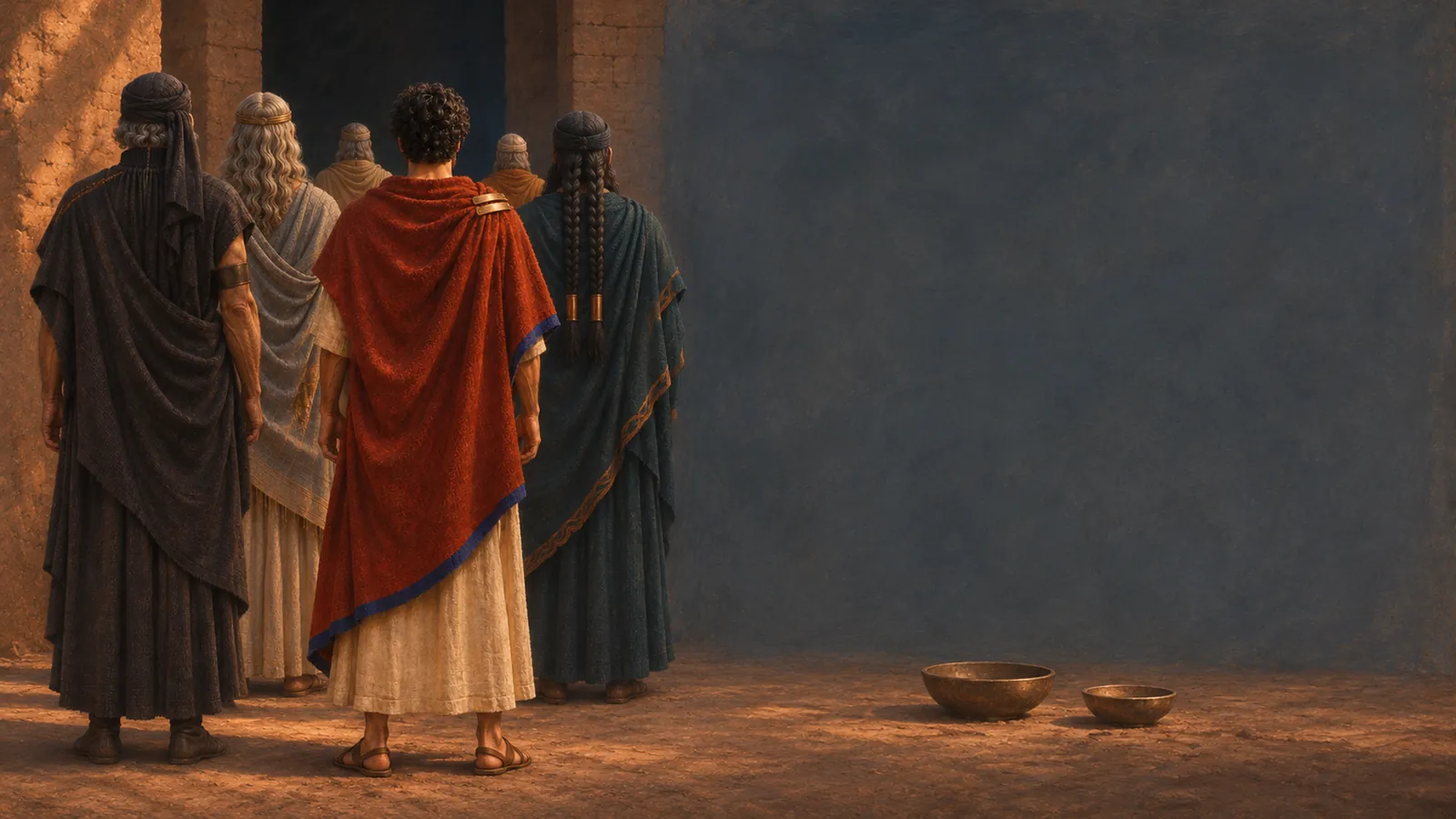
Lahmu, Lahamu y los dioses más antiguos se alegraron. Anshar recibió a Marduk como rey, y Anu, Enlil y Ea le ofrecieron presentes.
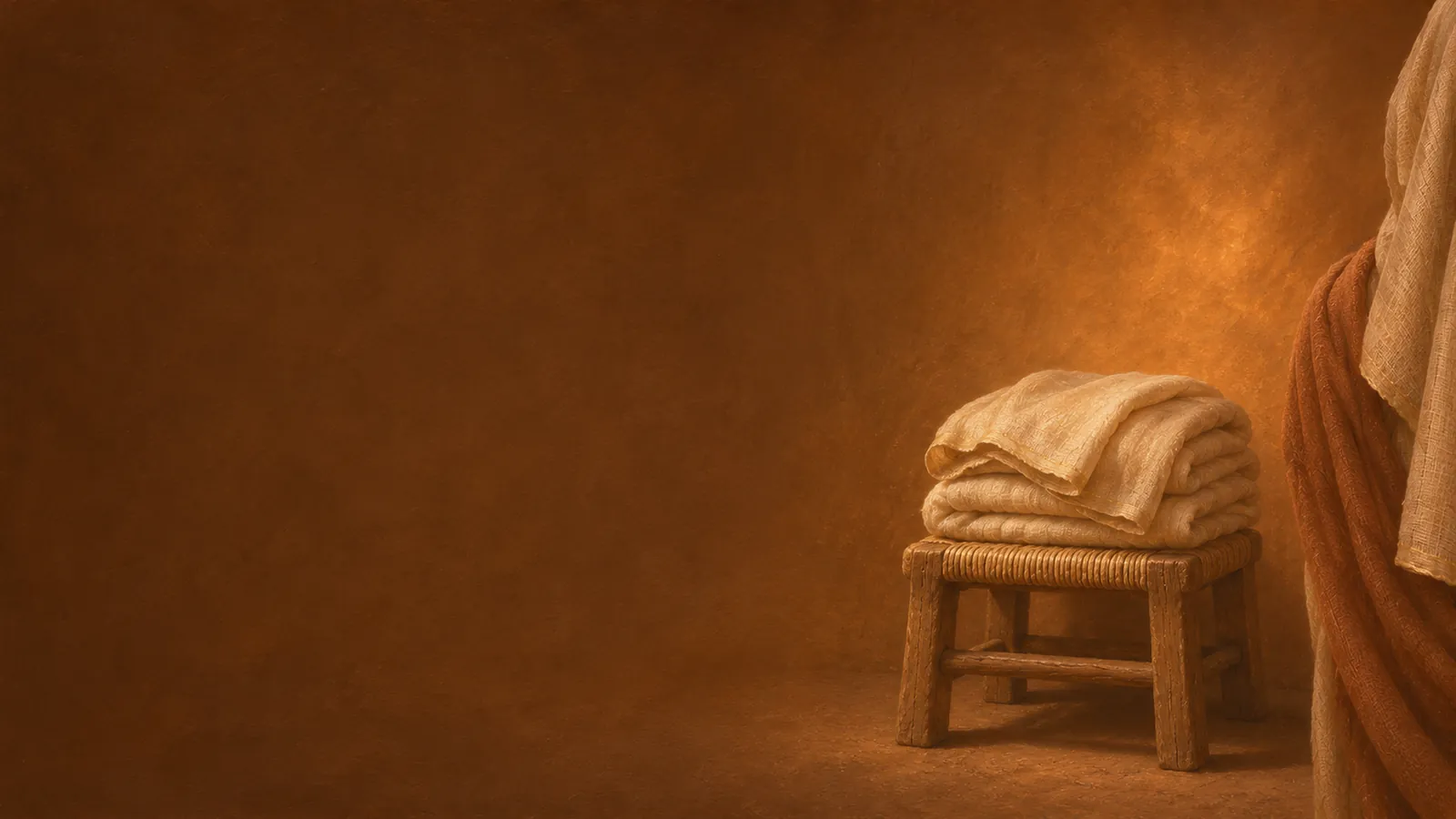
Damkina se alegró por su hijo y le dio una vestidura ceremonial resplandeciente. Marduk encomendó a Usmu, que le había llevado la noticia del regalo, el cuidado del Apsû y sus santuarios.
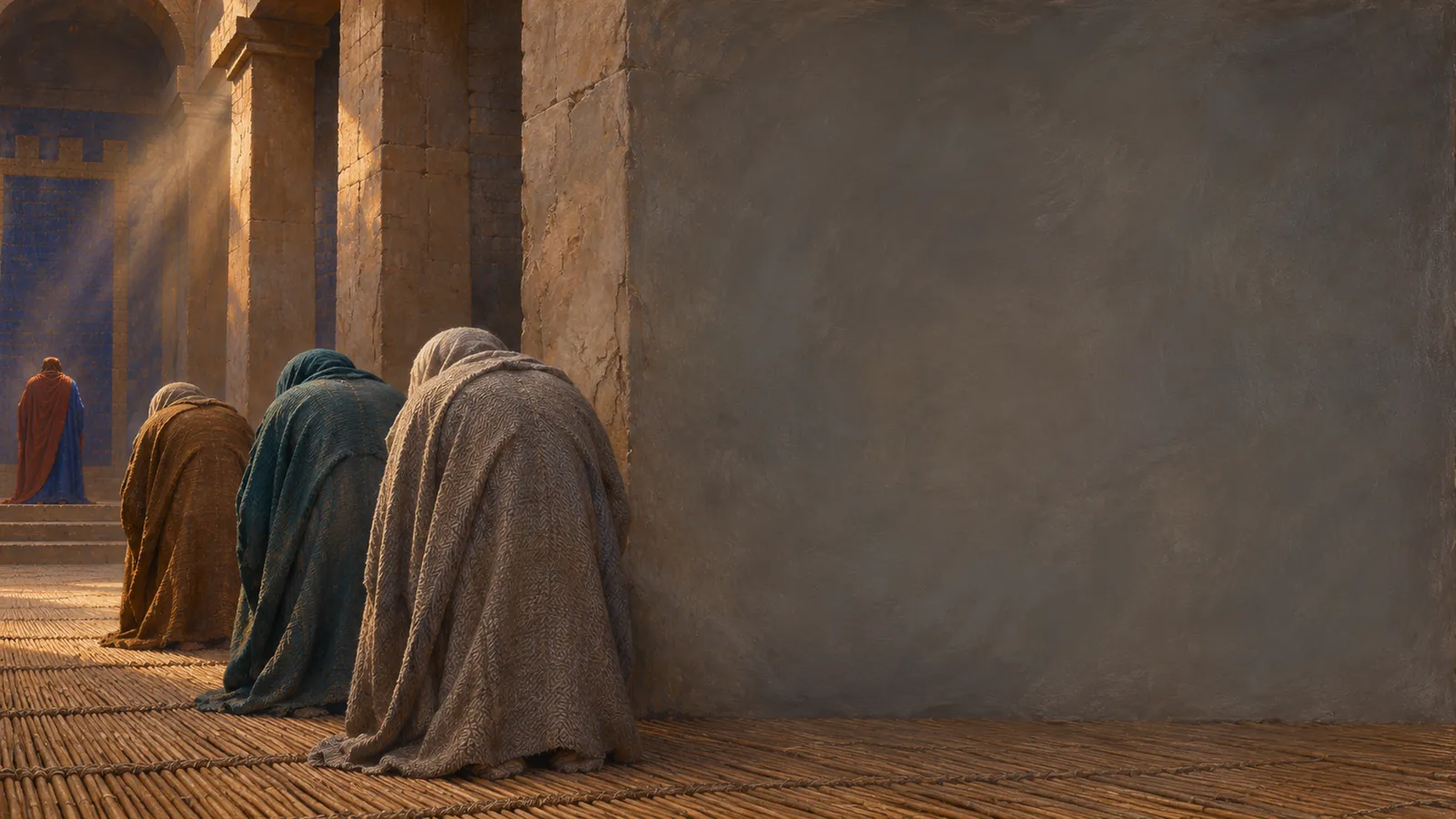
Los Igigi y los Anunnaki se inclinaron ante Marduk como rey. Los versos que siguen, ya dañados en varios puntos, hablan de aceite de cedro, una vestidura real y el esplendor de su corona.
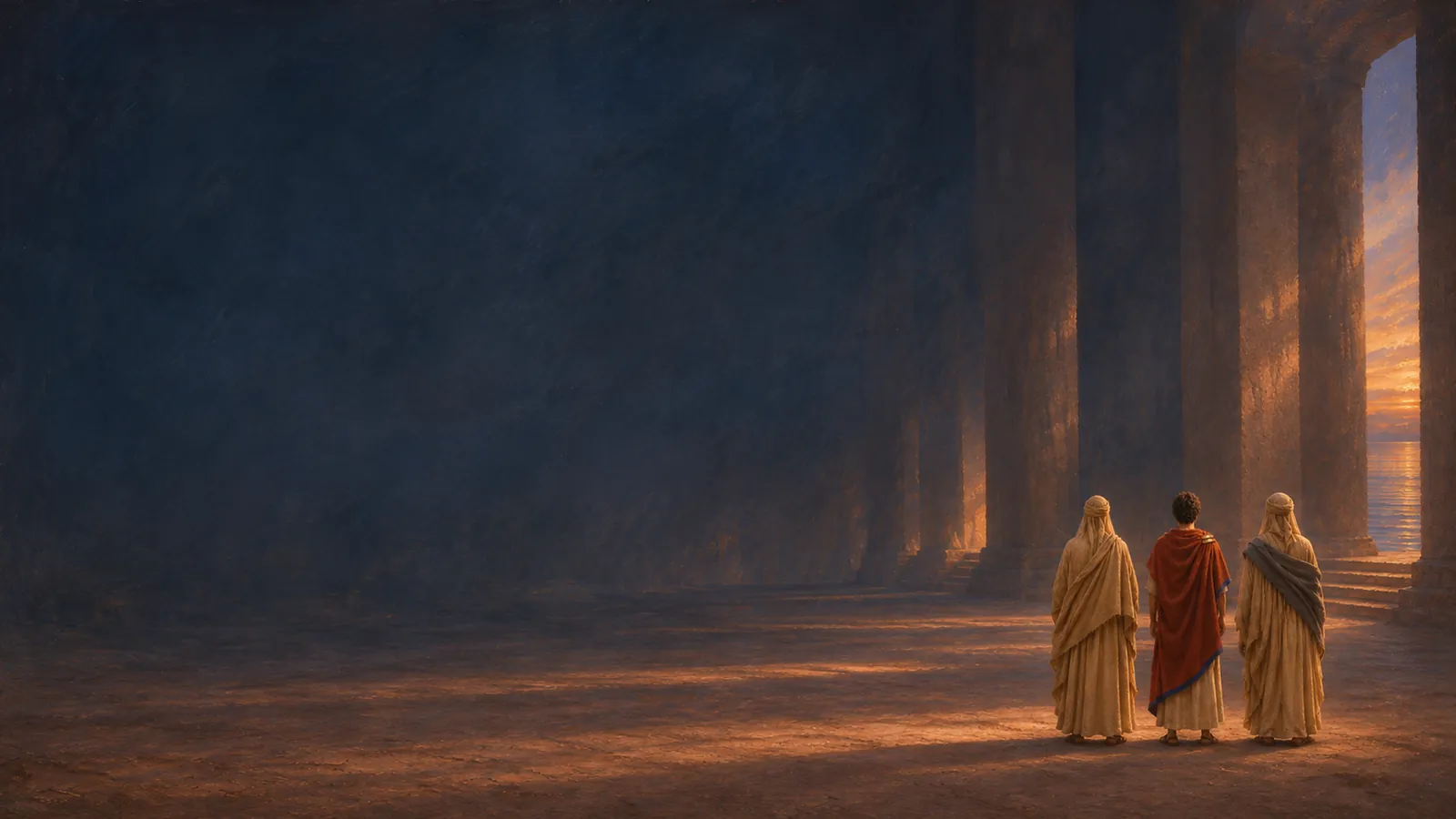
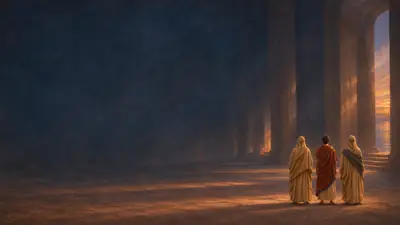
Tras un tramo fragmentario, los dioses nombran a Marduk rey de los dioses del cielo y de la tierra. Le piden que cuide sus santuarios y prometen cumplir sus órdenes.
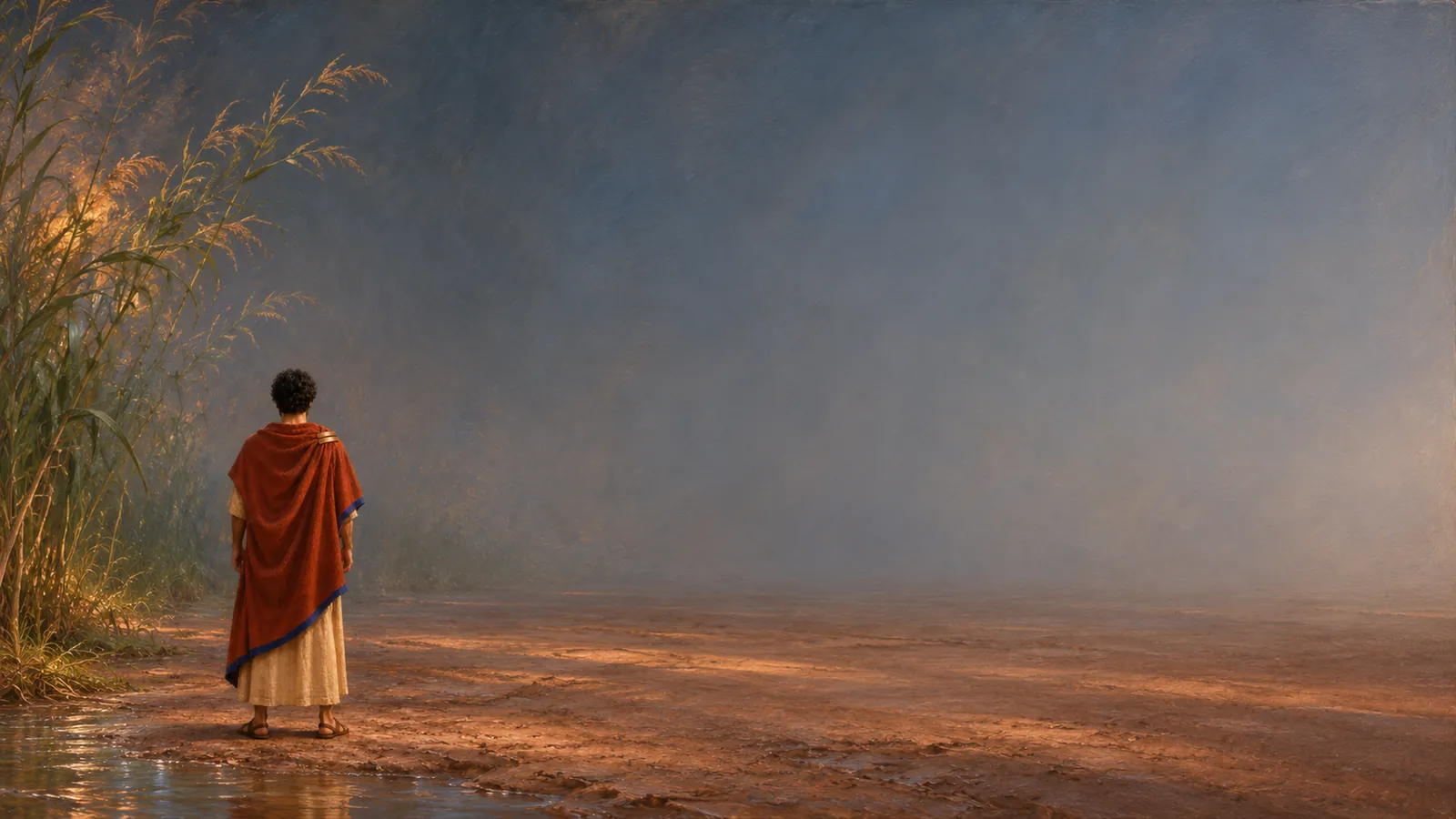
Marduk propuso una casa encima del Apsû y debajo del firmamento, frente a Eshara. Allí estaría su santuario y se afianzaría su reinado.
Quienes subieran del Apsû y quienes bajaran del cielo descansarían en el mismo lugar antes de que comenzara la asamblea.

BABILONIA
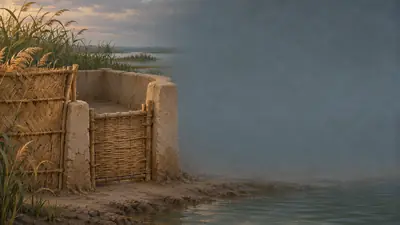
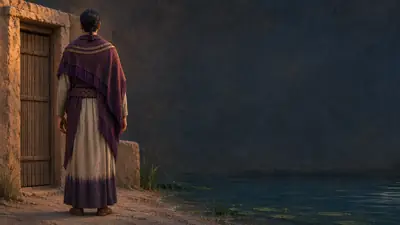
Marduk llamó al lugar Babilonia y asoció su nombre con las casas de los grandes dioses. Habló de una fiesta allí, un tiempo en que podrían descansar.
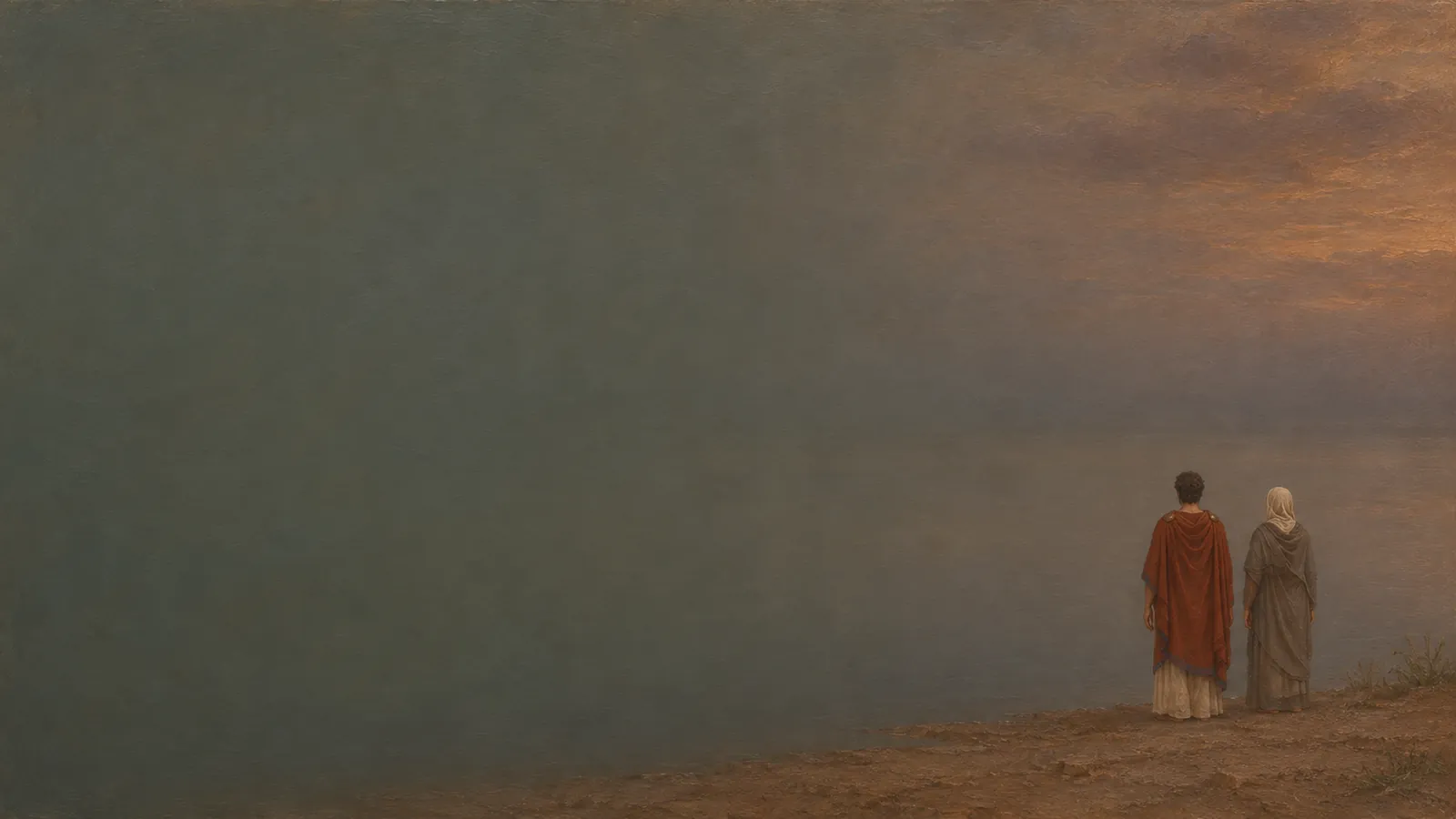
Los dioses pidieron un lugar de descanso duradero en Babilonia y hablaron de ofrendas regulares. Más allá de esas palabras, los versos rotos solo guardan fragmentos sobre trabajos y decretos.
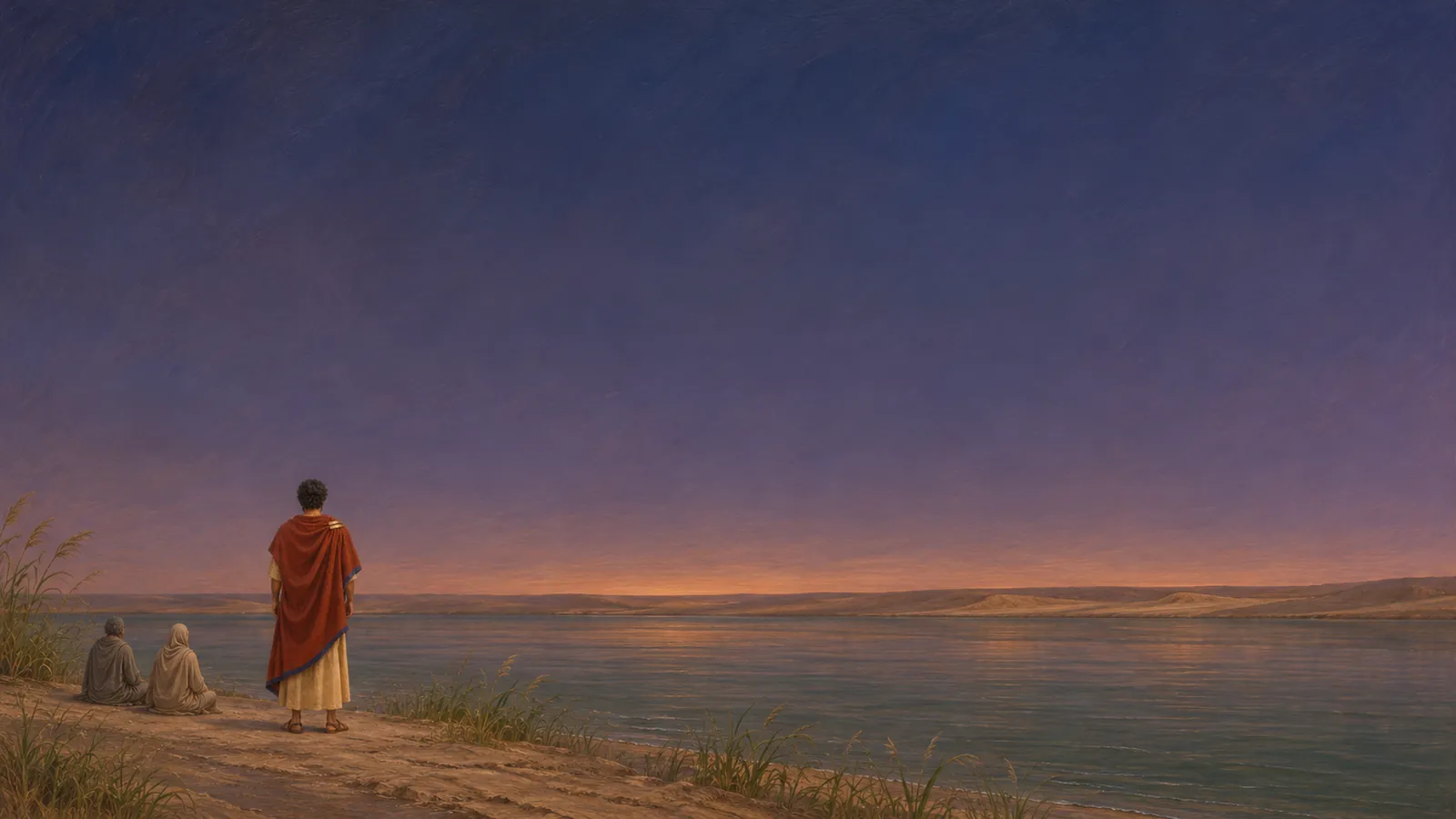
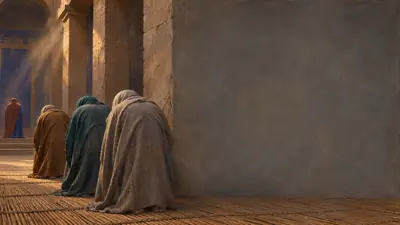
Los dioses se inclinaron y llamaron a Marduk el hijo querido que se había convertido en su rey. La tablilla se interrumpe entre sus alabanzas y sus peticiones de lo que aún podría hacer.
Fin del capítulo 3
Todas las páginas





















Fuentes
Page 12: in the English translation by Heinrich and Helle (eBL L I.2, Enūma Eliš IV 99–104), Marduk’s arrow tears Tiamat’s belly and pierces her heart, and he stands over her body.
Ediciones consultadas
- Heinrich’s Akkadian text and Helle’s translation, Tablet IV, pp. 54–63 and Tablet V, pp. 64–73
- Electronic Babylonian Library, Standard Babylonian Tablet IV
- Electronic Babylonian Library, Standard Babylonian Tablet V
Notas sobre este relato
Pages 18–19: after crushing Tiamat’s skull and cutting her blood vessels, Marduk divides her like a fish prepared for drying (Heinrich and Helle, eBL L I.2, Enūma Eliš IV 129–138).
Los versos antiguos de cada página
- Page 1: Enūma Eliš IV 35–40, eBL L I.2; Heinrich–Helle
- Page 2: Enūma Eliš IV 41–46, eBL L I.2; Heinrich–Helle
- Page 3: Enūma Eliš IV 47–52, eBL L I.2; Heinrich–Helle
- Page 4: Enūma Eliš IV 53–58, eBL L I.2; Heinrich–Helle
- Page 5: Enūma Eliš IV 59–64, eBL L I.2; Heinrich–Helle
- Page 6: Enūma Eliš IV 65–70, eBL L I.2; Heinrich–Helle
- Page 7: Enūma Eliš IV 71–78, eBL L I.2; Heinrich–Helle
- Page 8: Enūma Eliš IV 79–84, eBL L I.2; Heinrich–Helle
- Page 9: Enūma Eliš IV 85–88, eBL L I.2; Heinrich–Helle
- Page 10: Enūma Eliš IV 89–94, eBL L I.2; Heinrich–Helle
- Page 11: Enūma Eliš IV 95–100, eBL L I.2; Heinrich–Helle
- Page 12: Enūma Eliš IV 101–104, eBL L I.2; Heinrich–Helle
- Page 13: Enūma Eliš IV 105–110, eBL L I.2; Heinrich–Helle
- Page 14: Enūma Eliš IV 111–118, eBL L I.2; Heinrich–Helle
- Page 15: Enūma Eliš IV 119–120, eBL L I.2; Heinrich–Helle
- Page 16: Enūma Eliš IV 121–122, eBL L I.2; Heinrich–Helle
- Page 17: Enūma Eliš IV 123–128, eBL L I.2; Heinrich–Helle
- Page 18: Enūma Eliš IV 129–134, eBL L I.2; Heinrich–Helle
- Page 19: Enūma Eliš IV 135–137, eBL L I.2; Heinrich–Helle
- Page 20: Enūma Eliš IV 138–139, eBL L I.2; Heinrich–Helle
- Page 21: Enūma Eliš IV 140–144, eBL L I.2; Heinrich–Helle
- Page 22: Enūma Eliš IV 145–146, eBL L I.2; Heinrich–Helle
- Page 23: Enūma Eliš V 1–2, eBL L I.2; Heinrich–Helle
- Page 24: Enūma Eliš V 3–5, eBL L I.2; Heinrich–Helle
- Page 25: Enūma Eliš V 6–8, eBL L I.2; Heinrich–Helle
- Page 26: Enūma Eliš V 9–11, eBL L I.2; Heinrich–Helle
- Page 27: Enūma Eliš V 12–14, eBL L I.2; Heinrich–Helle
- Page 28: Enūma Eliš V 15–16, eBL L I.2; Heinrich–Helle
- Page 29: Enūma Eliš V 17, eBL L I.2; Heinrich–Helle
- Page 30: Enūma Eliš V 18–20, eBL L I.2; Heinrich–Helle
- Page 31: Enūma Eliš V 21–22, eBL L I.2; Heinrich–Helle
- Page 32: Enūma Eliš V 23–35, eBL L I.2; Heinrich–Helle
- Page 33: Enūma Eliš V 36–46, eBL L I.2; Heinrich–Helle
- Page 34: Enūma Eliš V 47–49, eBL L I.2; Heinrich–Helle
The edition reads the divine name in V 48 from an Assyrian recension. - Page 35: Enūma Eliš V 50–52, eBL L I.2; Heinrich–Helle
The sense of the word for poison in V 51 is uncertain. - Page 36: Enūma Eliš V 53–56, eBL L I.2; Heinrich–Helle
- Page 37: Enūma Eliš V 57–58, eBL L I.2; Heinrich–Helle
- Page 38: Enūma Eliš V 59–62, eBL L I.2; Heinrich–Helle
- Page 39: Enūma Eliš V 63–68, eBL L I.2; Heinrich–Helle
Reins are a metaphor for authority. - Page 40: Enūma Eliš V 69–70, eBL L I.2; Heinrich–Helle
- Page 41: Enūma Eliš V 71–76, eBL L I.2; Heinrich–Helle
- Page 42: Enūma Eliš V 77–80, eBL L I.2; Heinrich–Helle
- Page 43: Enūma Eliš V 81–84, eBL L I.2; Heinrich–Helle
- Page 44: Enūma Eliš V 85–99, eBL L I.2; Heinrich–Helle
- Page 45: Enūma Eliš V 100–116, eBL L I.2; Heinrich–Helle
- Page 46: Enūma Eliš V 117–124, eBL L I.2; Heinrich–Helle
- Page 47: Enūma Eliš V 125–128, eBL L I.2; Heinrich–Helle
- Page 48: Enūma Eliš V 129–130, eBL L I.2; Heinrich–Helle
- Page 49: Enūma Eliš V 131–150, eBL L I.2; Heinrich–Helle
- Page 50: Enūma Eliš V 151–158, eBL L I.2; Heinrich–Helle
The closing lines of Tablet V are partly broken.
Ilustraciones hechas por IL Archive con herramientas de IA; el texto se basa en las fuentes antiguas (véanse las fuentes al final de cada capítulo).