Enuma Elish Capítulo 1
Antes de los cielos
Antes de que el cielo tuviera nombre, las aguas de Apsû y Tiamat se mezclaron y surgieron los primeros dioses. Ea frustra el plan de Apsû, Marduk nace en las profundidades y Tiamat entrega a Qingu la Tablilla de los Destinos.
Ver la películaFuentesPase las páginas con las flechas, el teclado o deslizando el dedo.
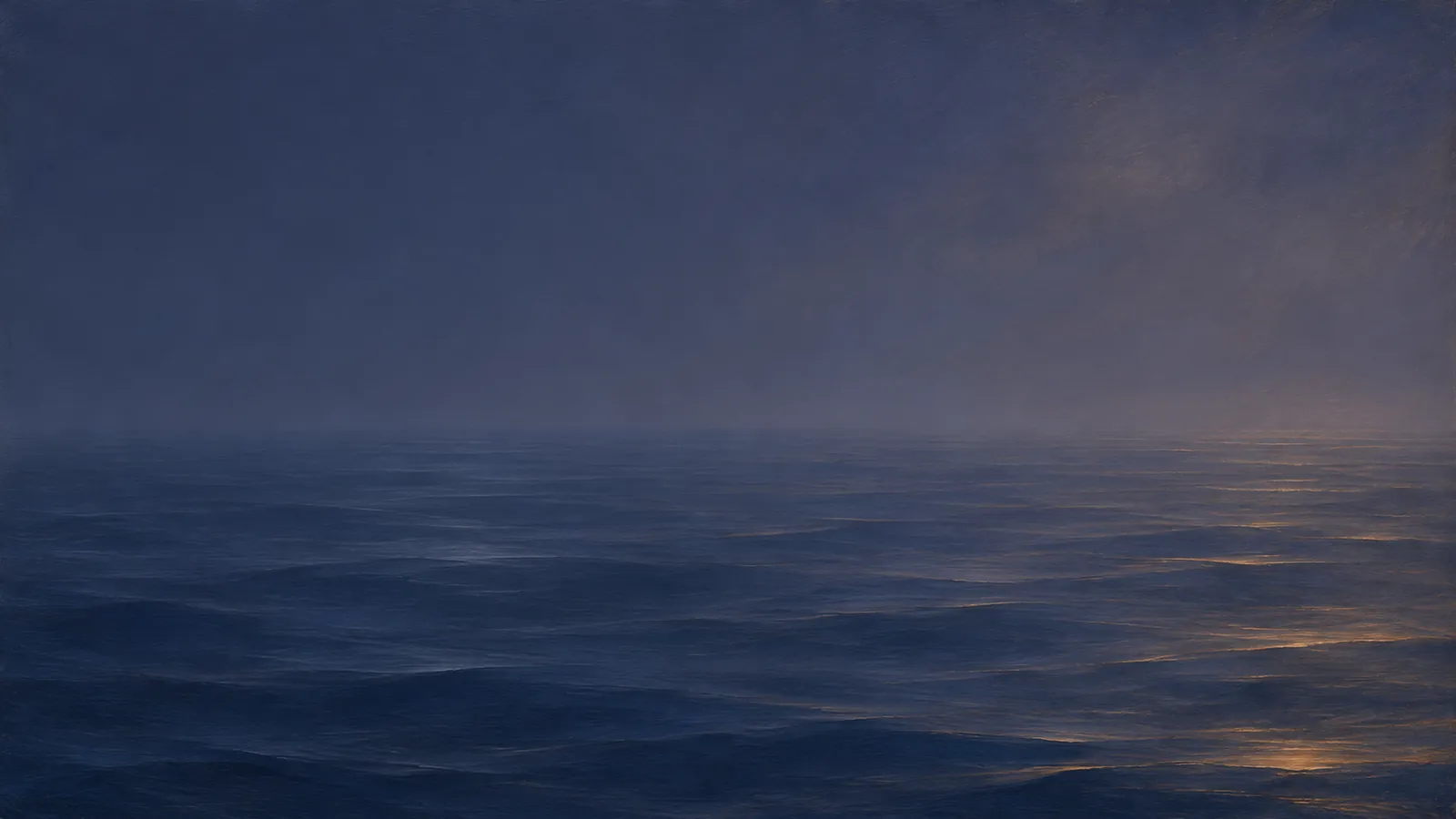
ANTES DE LOS CIELOS
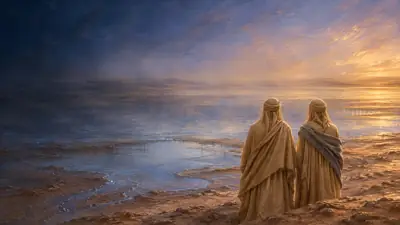
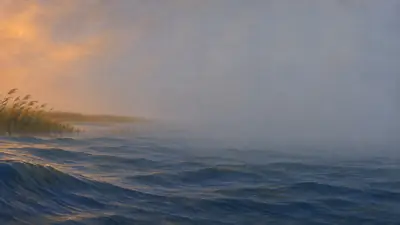
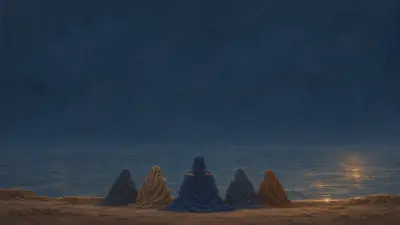
El poema empieza antes de que el cielo o la tierra de abajo tuvieran nombre. El mundo que conocemos aún no había tomado forma.

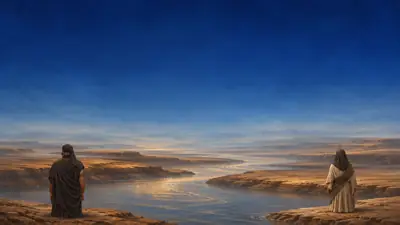
Apsû y Tiamat estaban allí al principio. Sus aguas se mezclaron, y en esa confluencia tuvieron su origen los dioses.

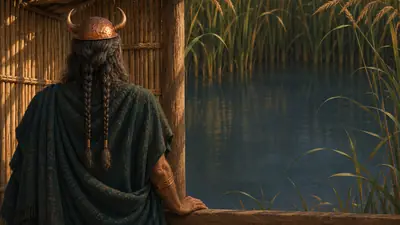
No se habían formado los cañaverales ni habían tomado forma los bajíos. Ningún dios había aparecido para recibir un nombre o un destino.
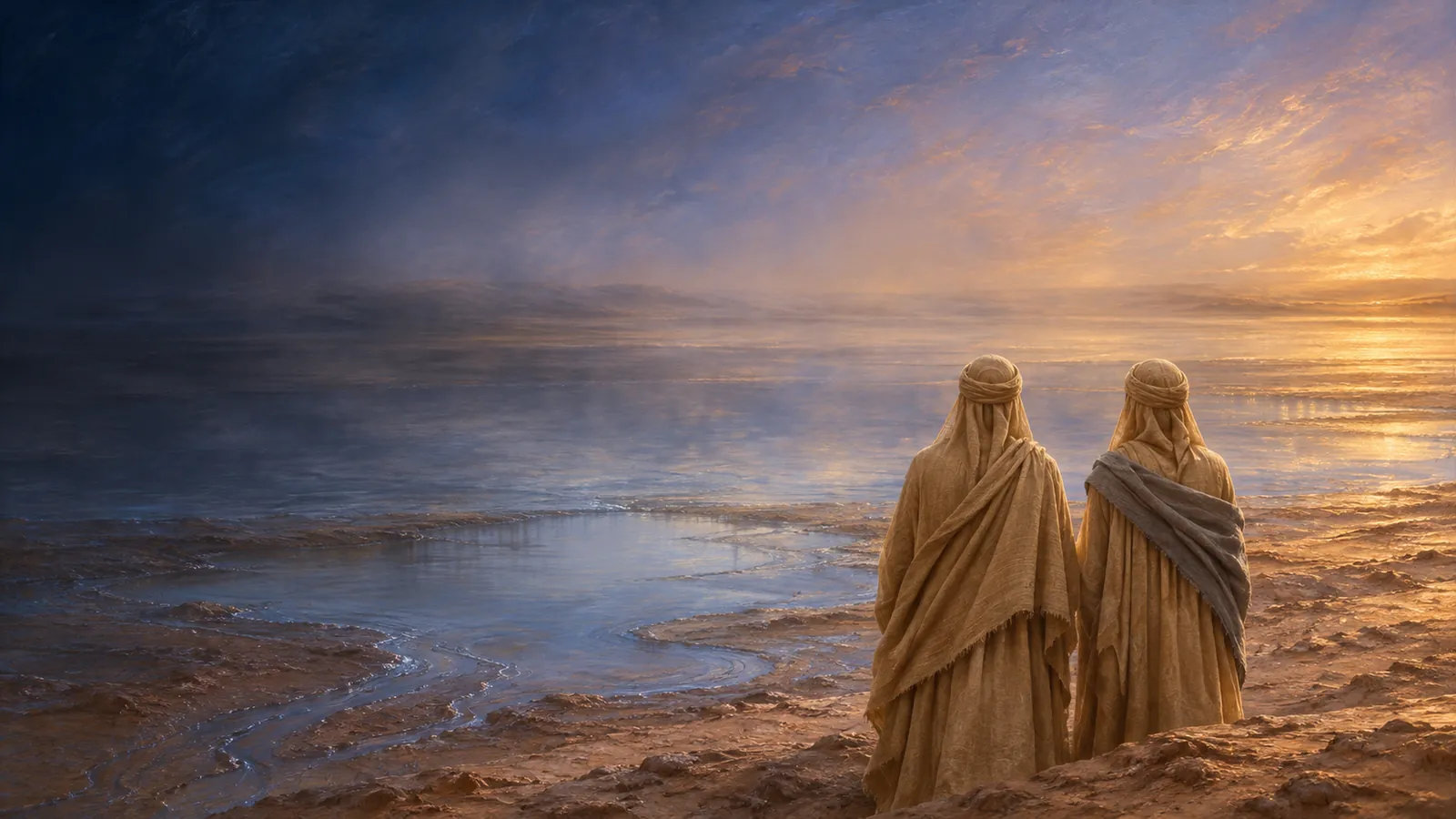
Del interior de las aguas salieron los primeros dioses que nombra el poema, Lahmu y Lahamu. Crecieron antes de que surgiera otra pareja.
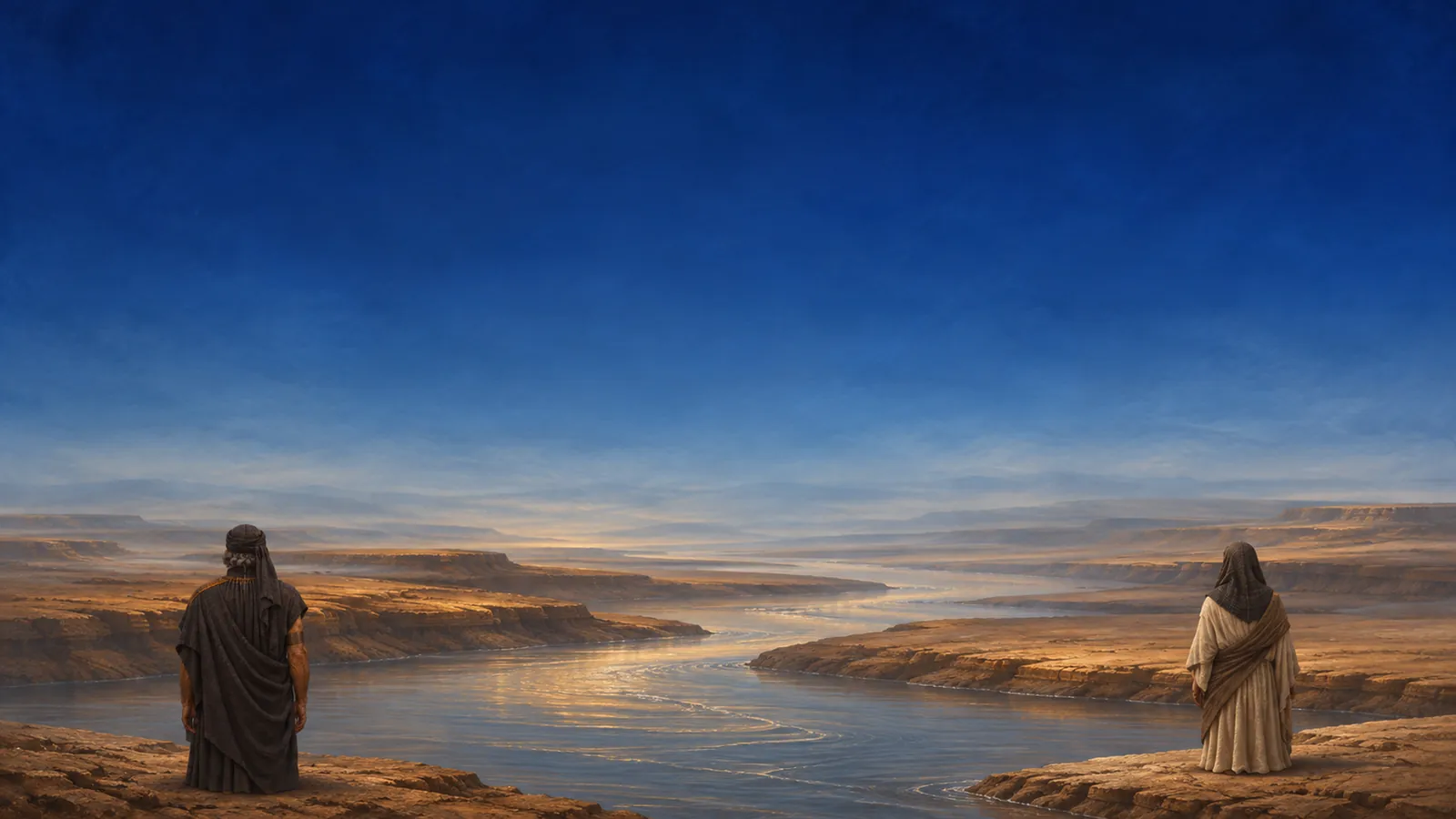
Luego llegaron Anshar y Kishar, mayores que la pareja anterior. Los días se alargaron hasta volverse años, y Anu continuó su linaje.
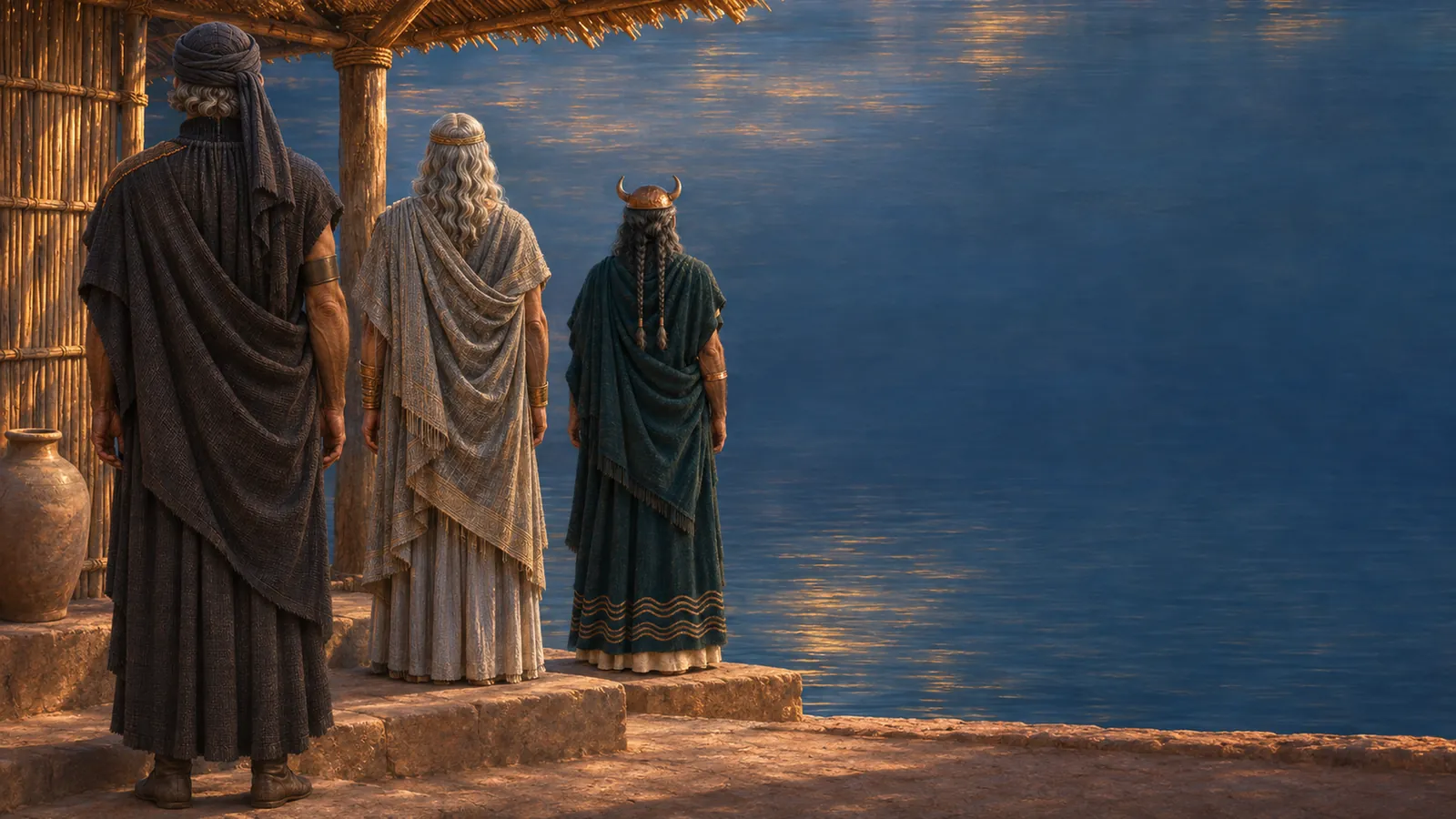
Anu se parecía a Anshar y, con el tiempo, engendró a un hijo a su semejanza. Aquel hijo era Nudimmud, el dios al que el poema también llama Ea.
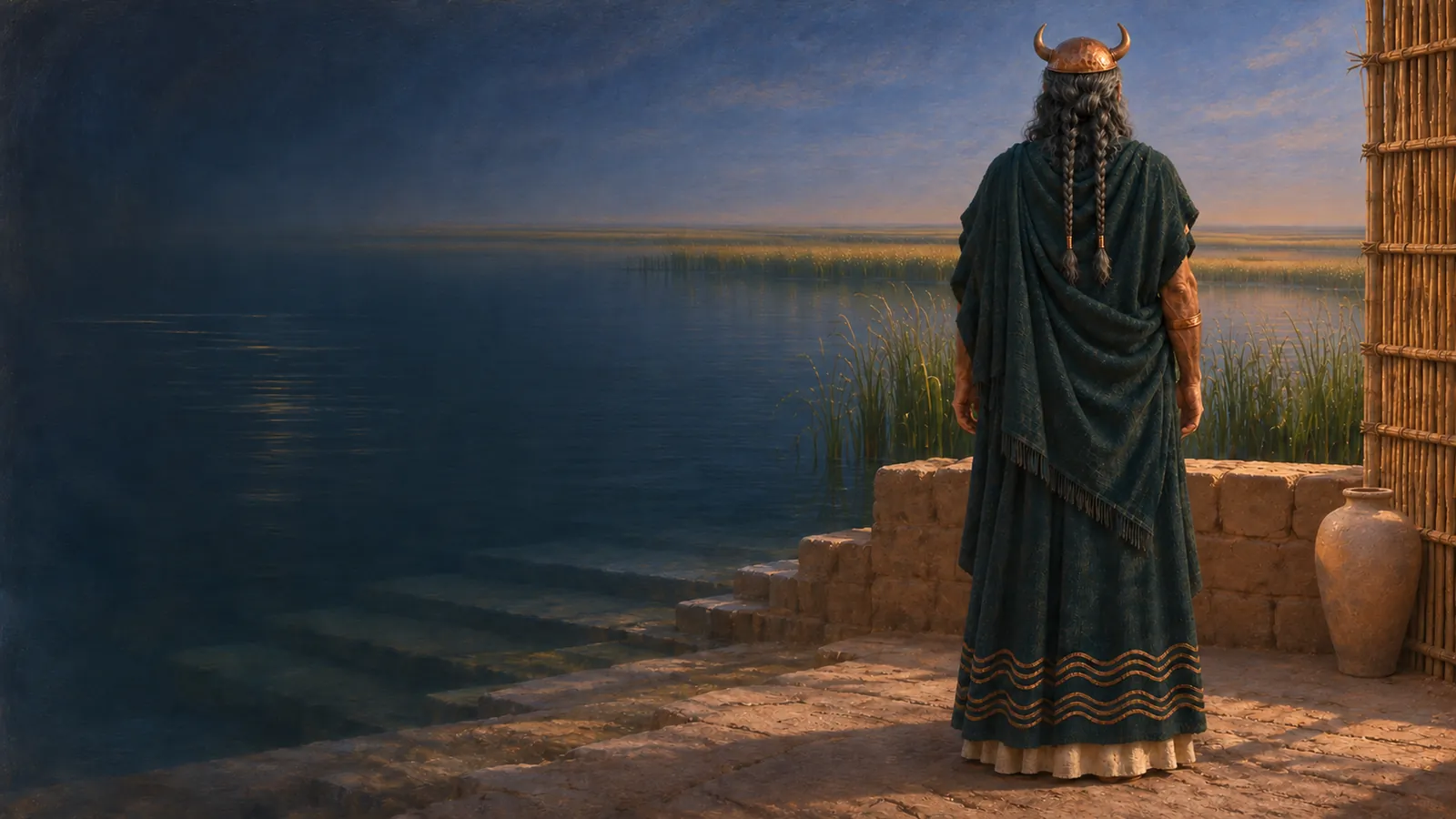
Ea sobresalía entre los de su generación. El poema elogia el alcance de su entendimiento y dice que ni siquiera Anshar igualaba su fuerza.
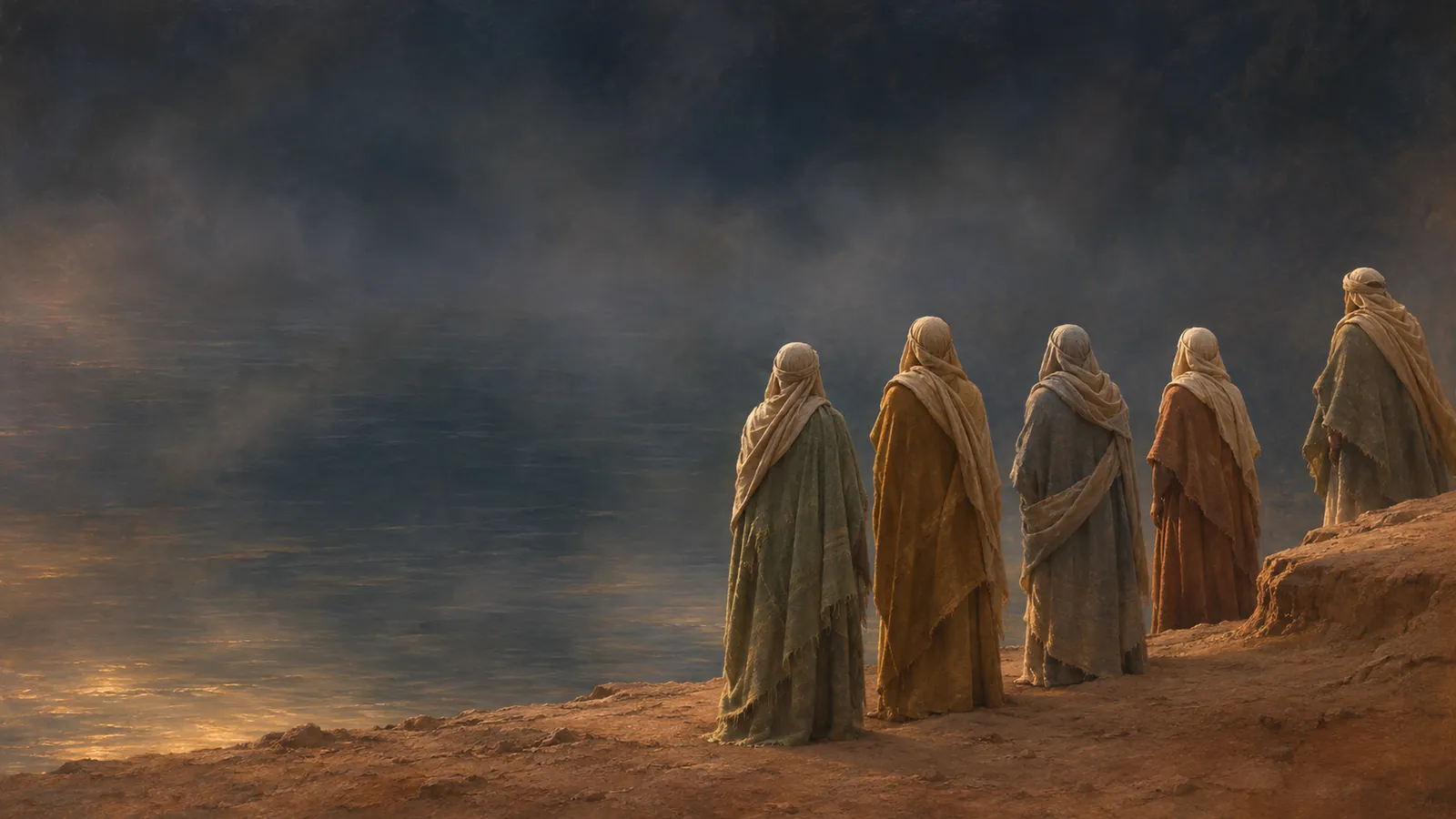
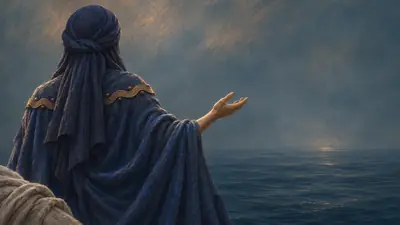
Los dioses jóvenes comenzaron a reunirse en las aguas. Cada vez que se juntaban, sus voces se alzaban y llegaban más lejos por el lugar que compartían.
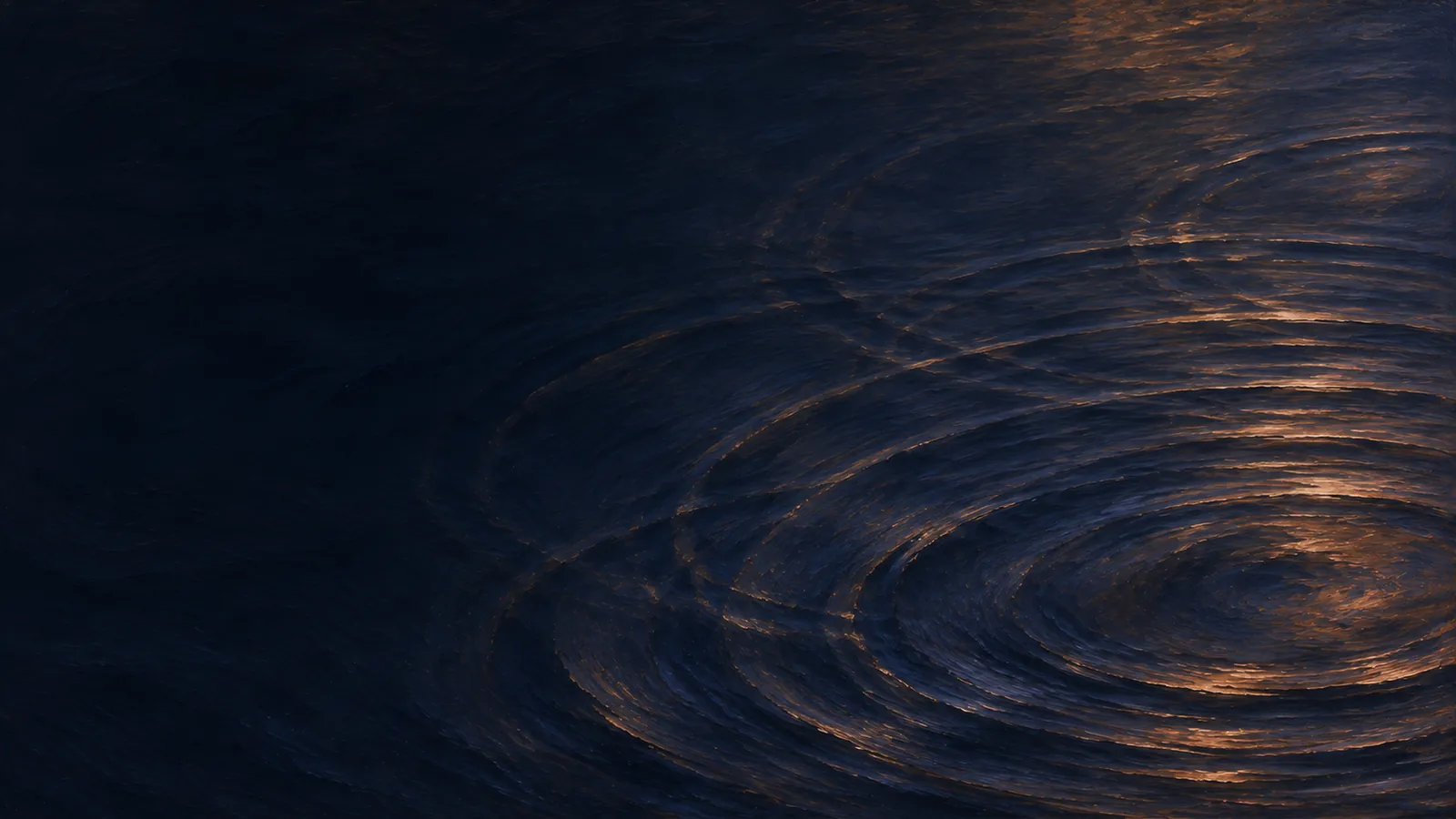
Su alboroto llegó hasta Tiamat. En el poema agita sus aguas y la inquieta por dentro, como si la misma agitación atravesara ambas cosas.
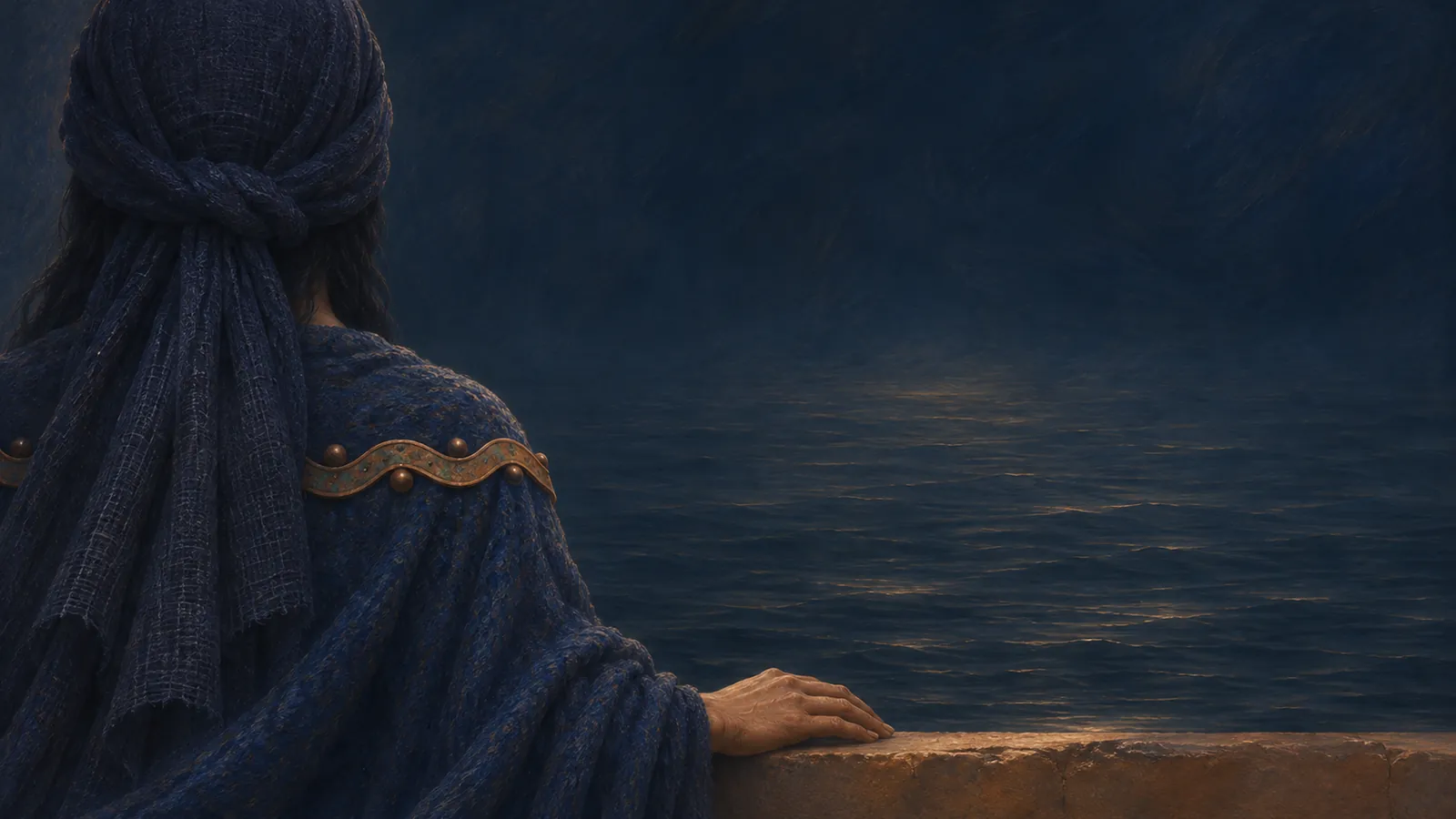
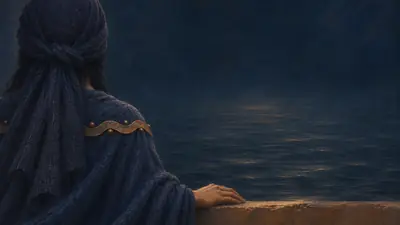
Apsû apenas soportaba la conducta de los dioses jóvenes. Tiamat también estaba inquieta, pero durante un tiempo guardó silencio ante ellos.
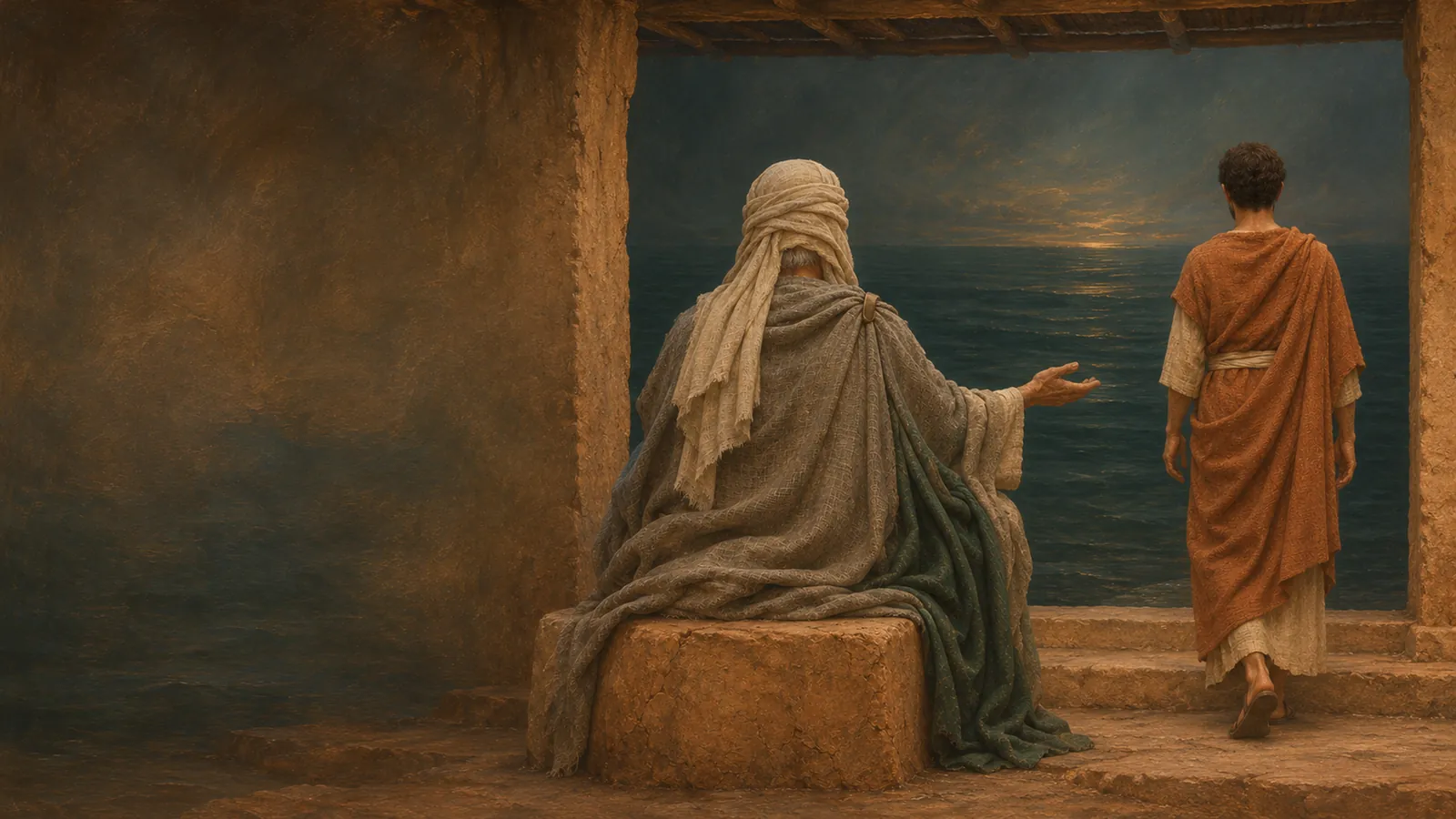
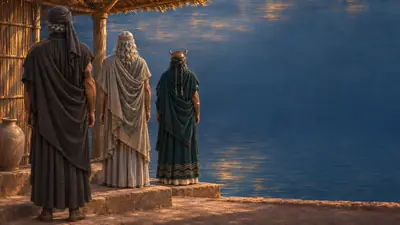
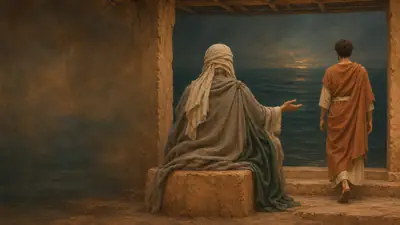
Apsû llamó a Mummu, el consejero que conocía sus pensamientos. Le pidió que lo acompañara para consultar con Tiamat.
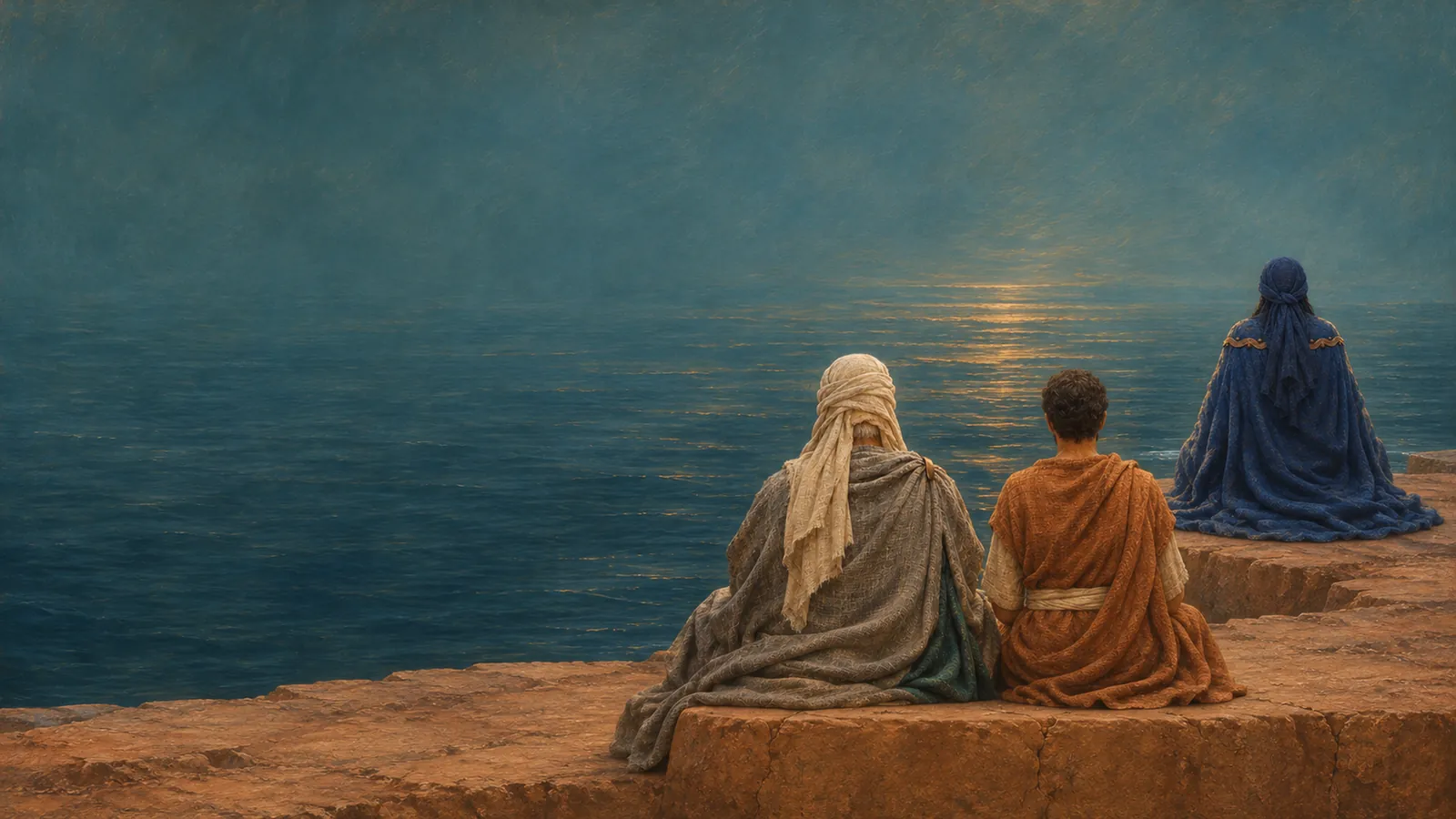
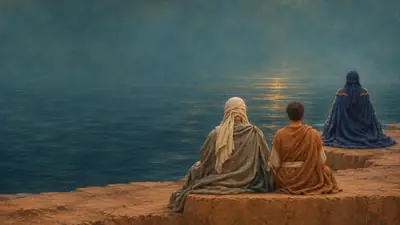
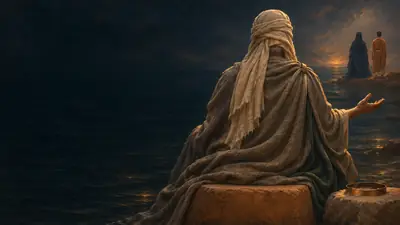
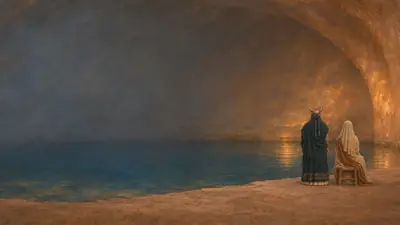
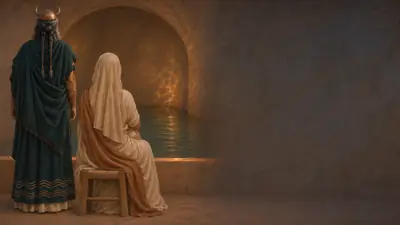
Los dos fueron, pues, a sentarse ante Tiamat. Apsû quería hablar de los dioses que Tiamat y él habían traído al mundo.
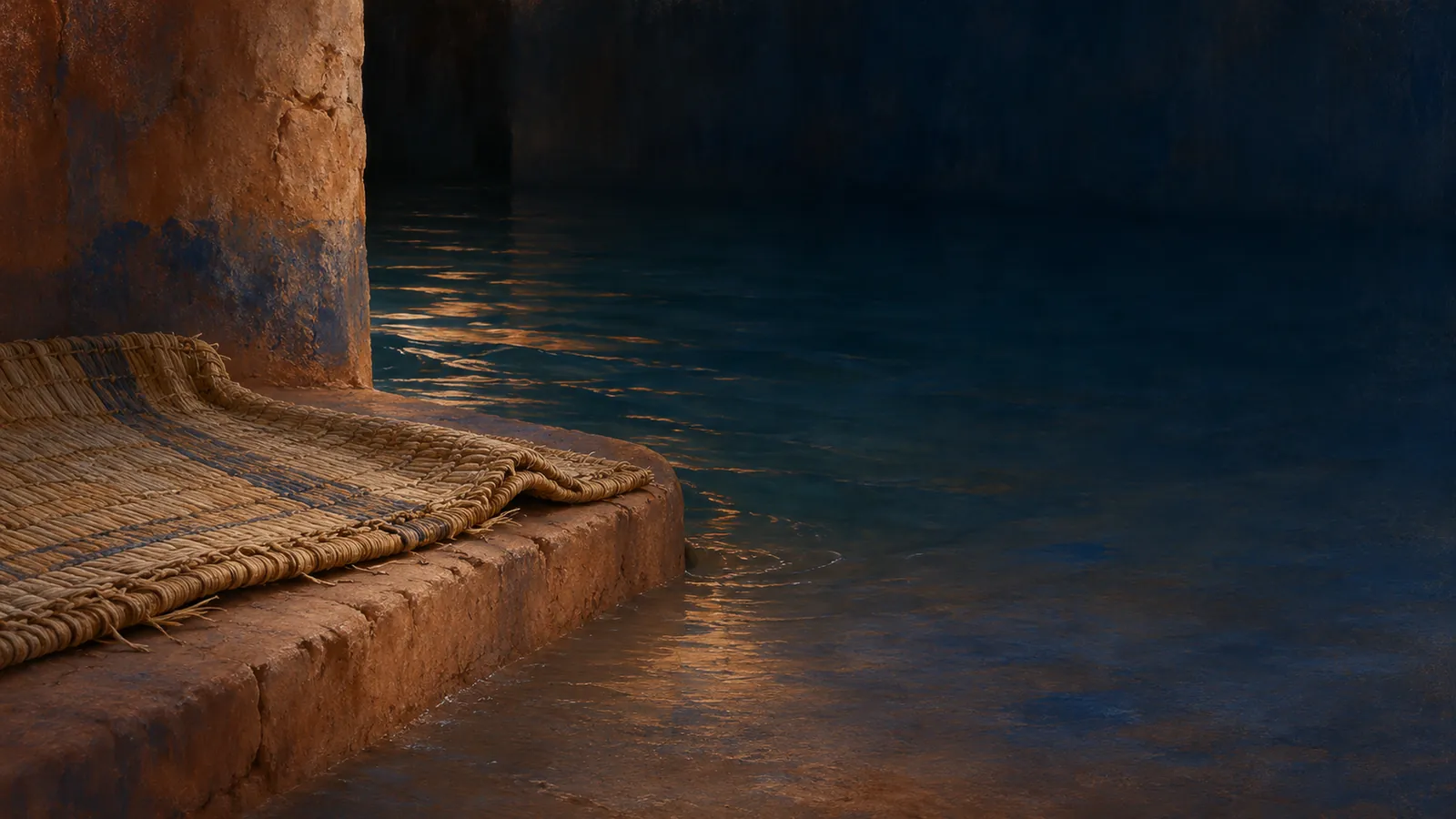
Apsû le dijo a Tiamat que de día no encontraba descanso. Ni siquiera al llegar la noche le dejaban dormir los dioses jóvenes.
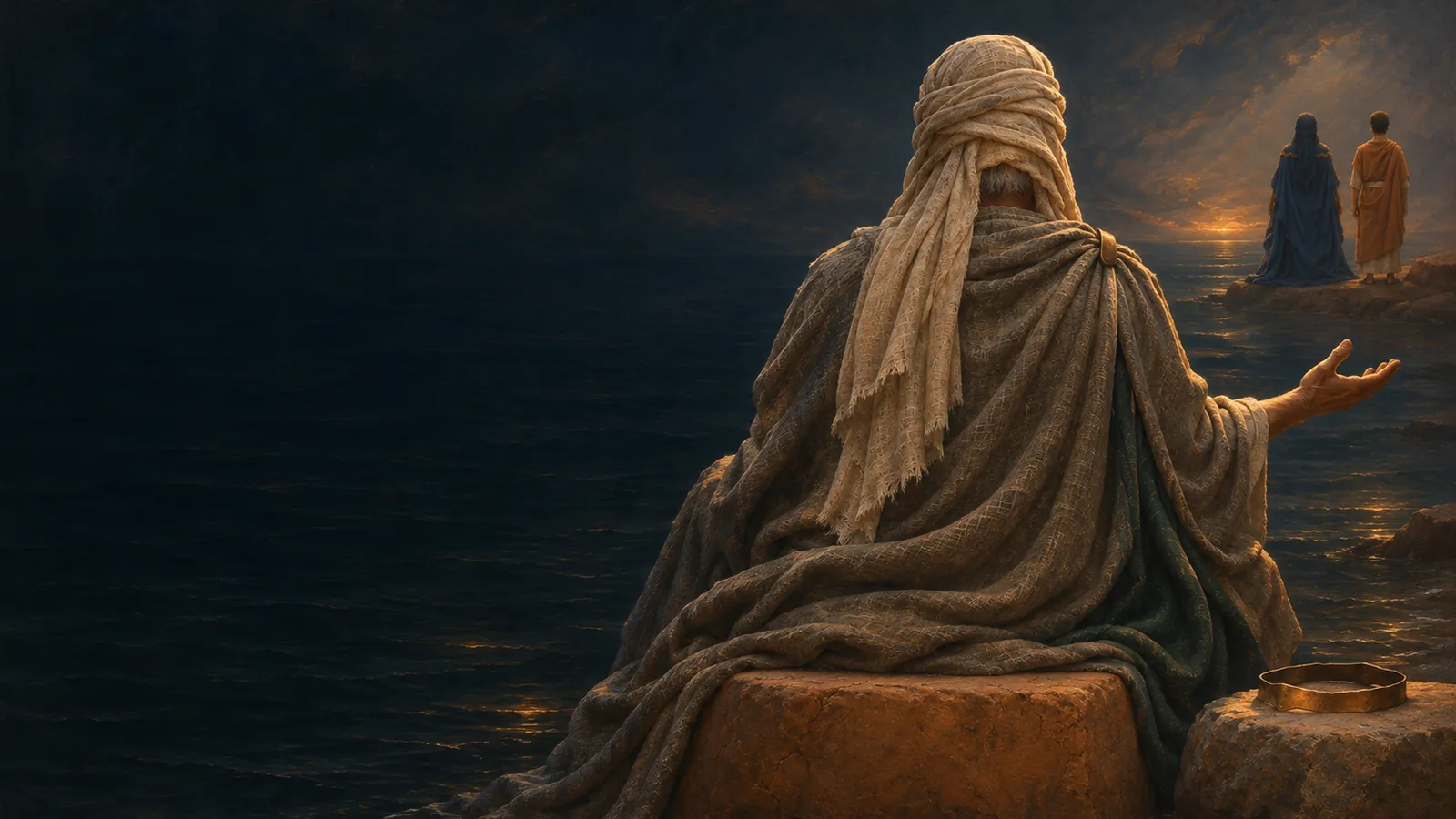
Para acabar con el ruido, Apsû propuso deshacerse de los dioses jóvenes. Así, le dijo a Tiamat, quizá tendrían silencio suficiente para dormir.
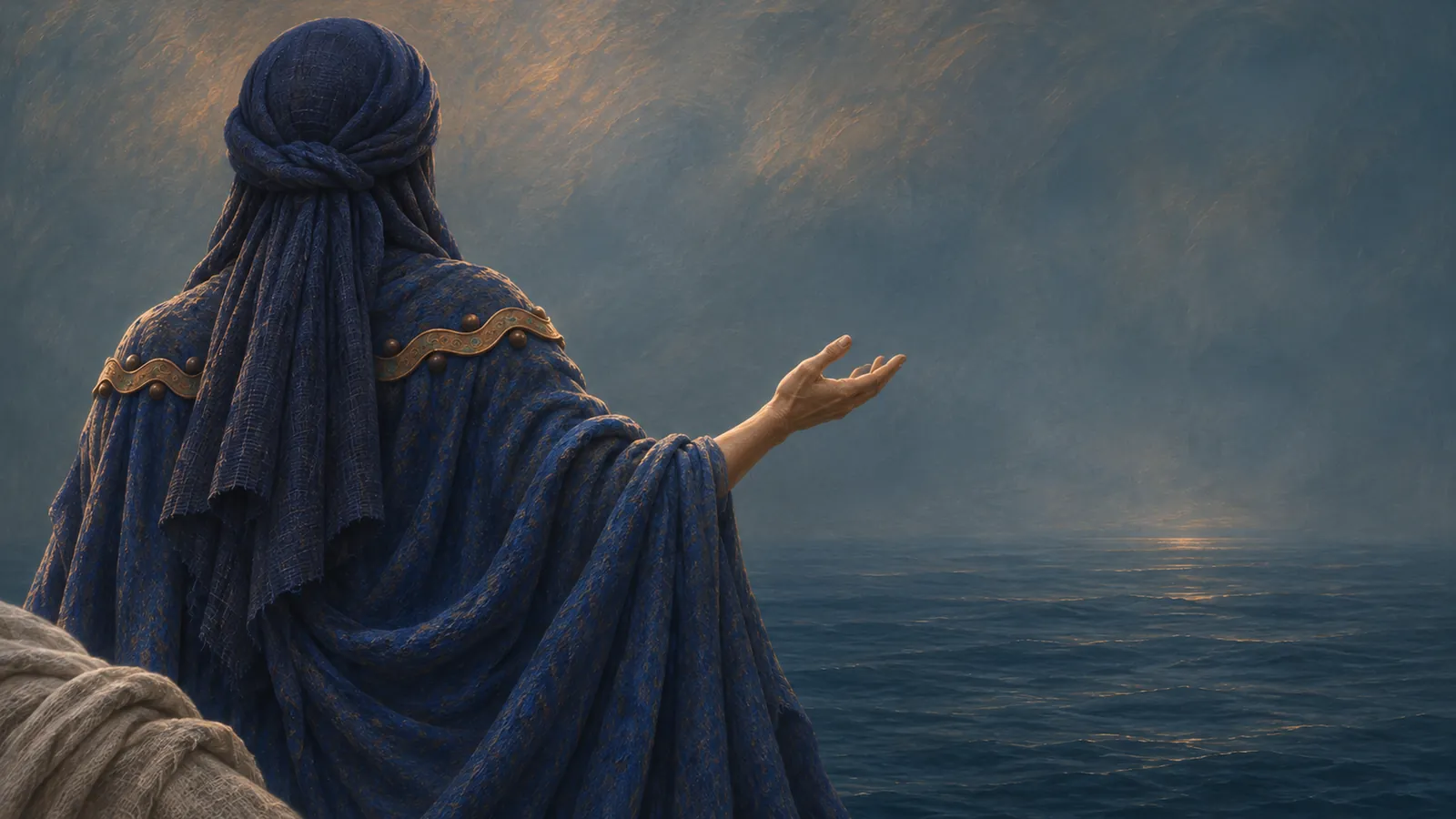
Tiamat se enfadó al oírlo. Ellos mismos habían traído al mundo a esos dioses y, por molestos que fueran, le pidió que los soportara.
Mummu instó a Apsû a llevar a cabo su plan y le prometió quietud a cambio. El consejo agradó a Apsû, que lo atrajo hacia sí mientras decidían qué hacer.
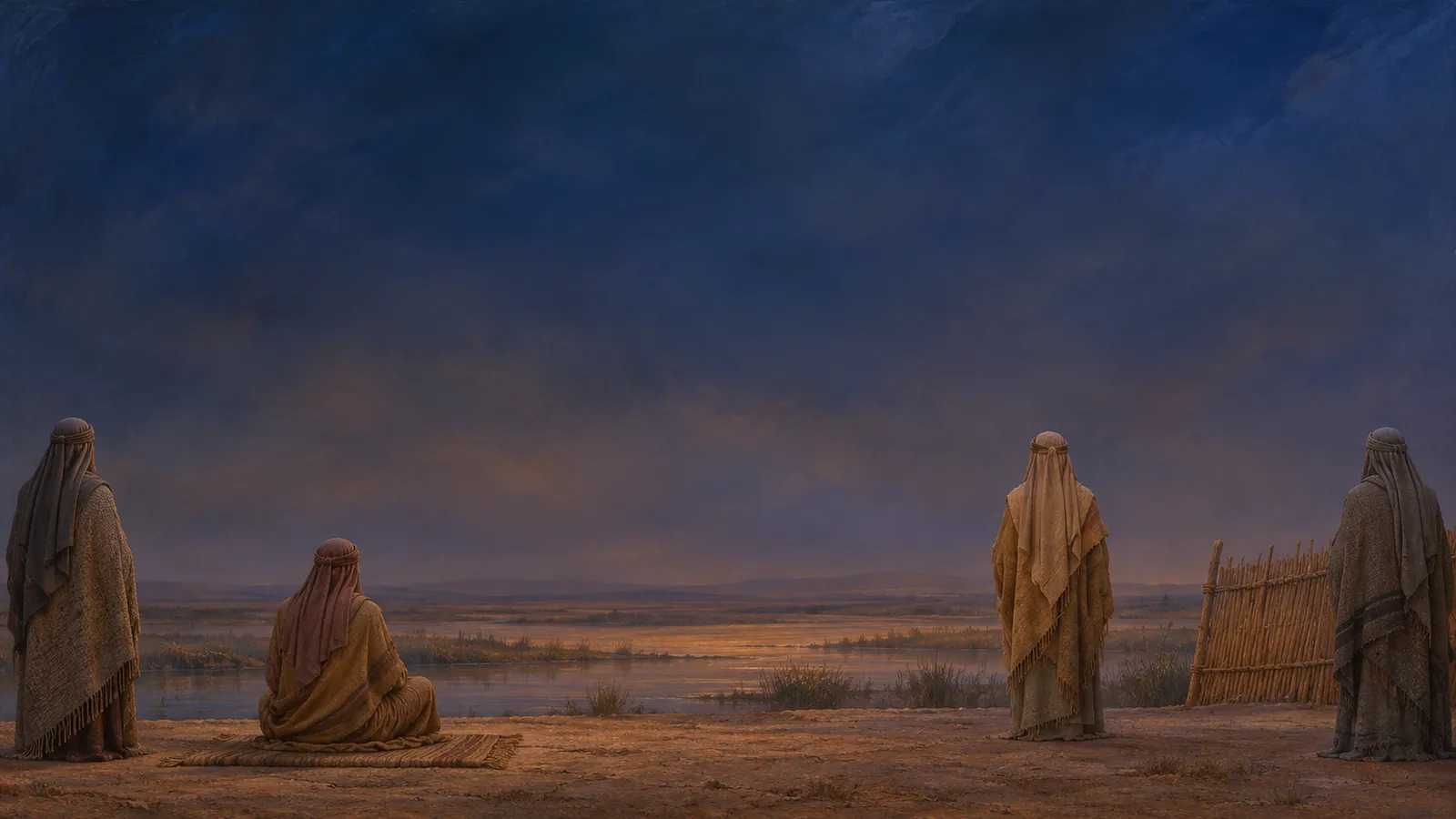
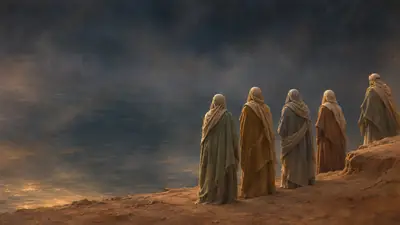
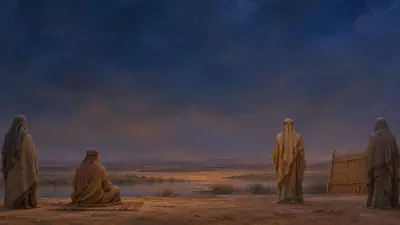
Los dioses jóvenes se enteraron de lo que pretendían Apsû y Mummu. Antes se reunían entre alboroto, pero ahora se sentaron sin hablar.
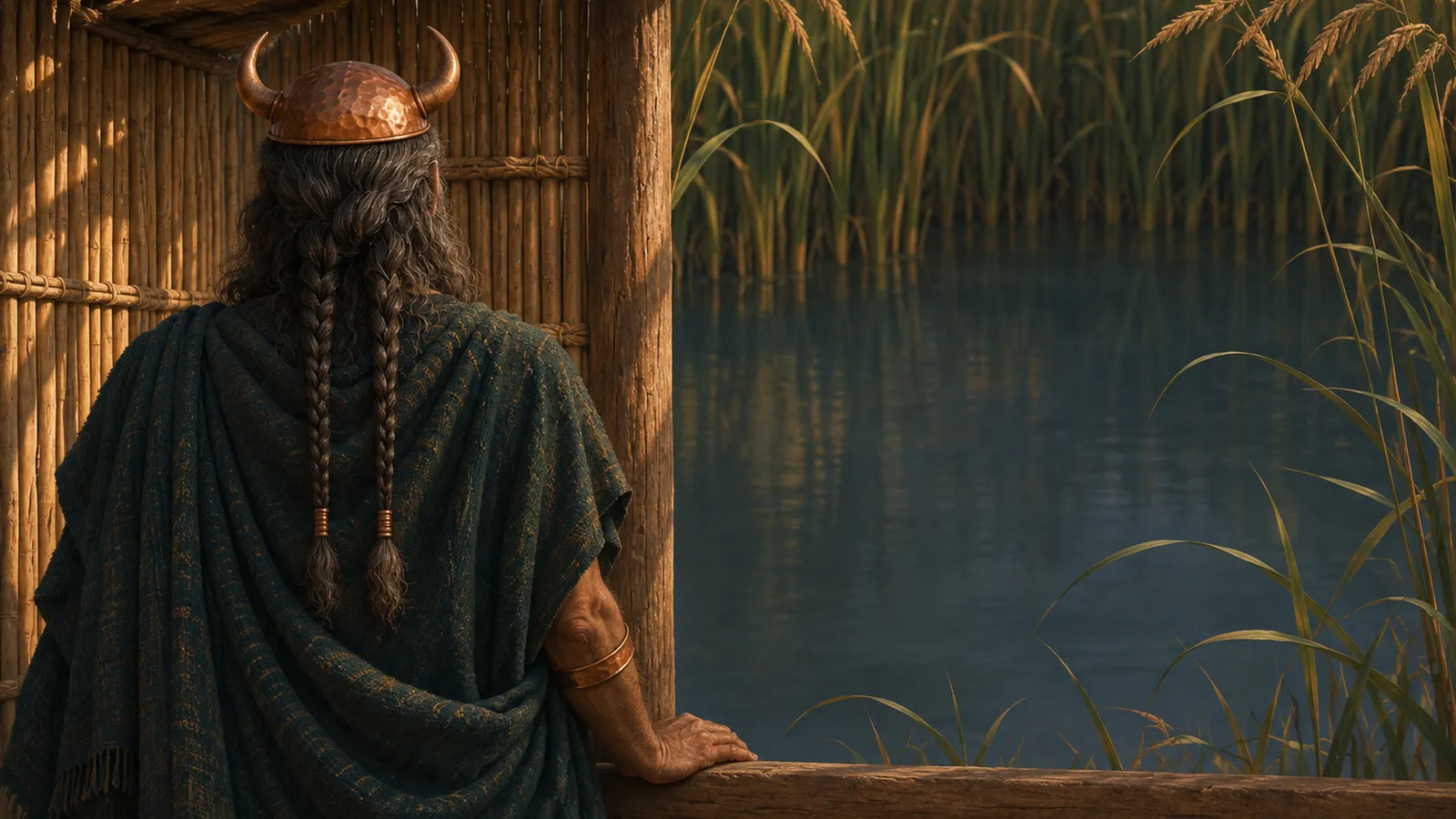
Ea oyó lo que los demás habían sabido. Comprendió lo que se preparaba contra ellos y empezó a pensar cómo impedirlo.
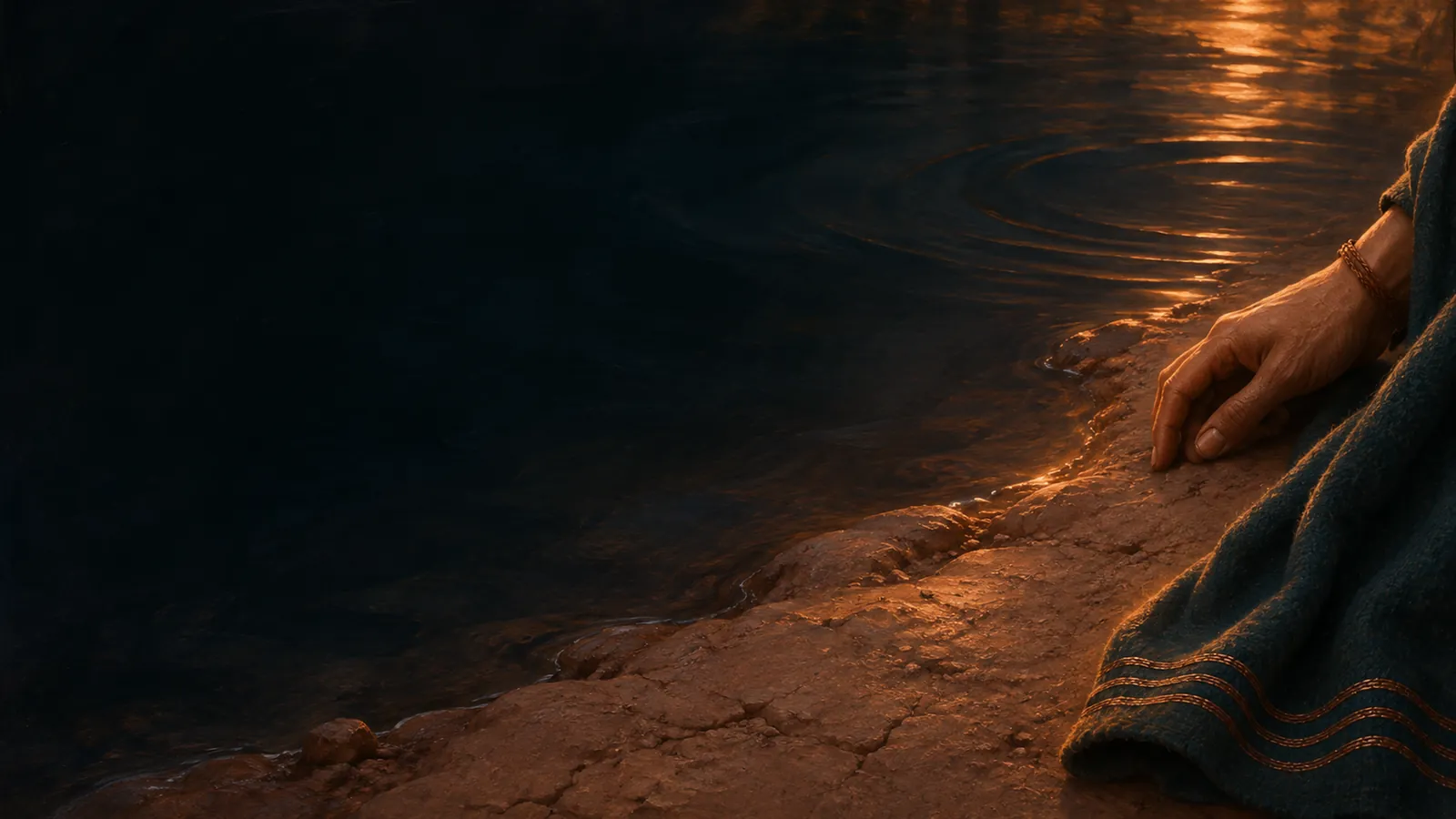
Ea ideó un conjuro y lo pronunció sobre las aguas. Aquellas palabras eran su respuesta al plan tramado contra los dioses jóvenes.
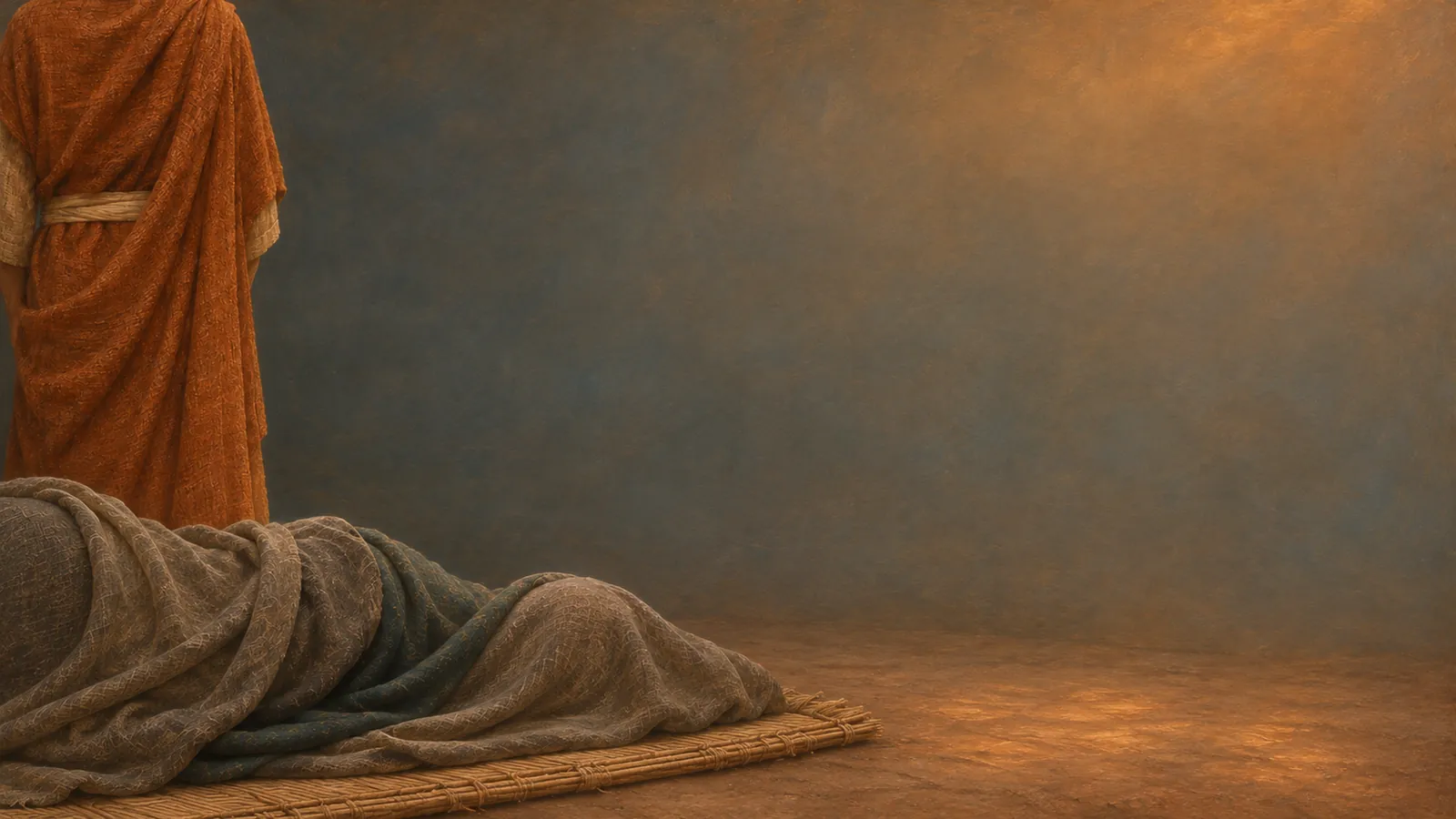
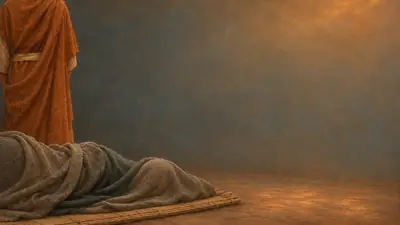
Apsû cayó en el sueño que Ea le había impuesto. Mummu seguía despierto, pero el conjuro le impidió socorrer a su señor.
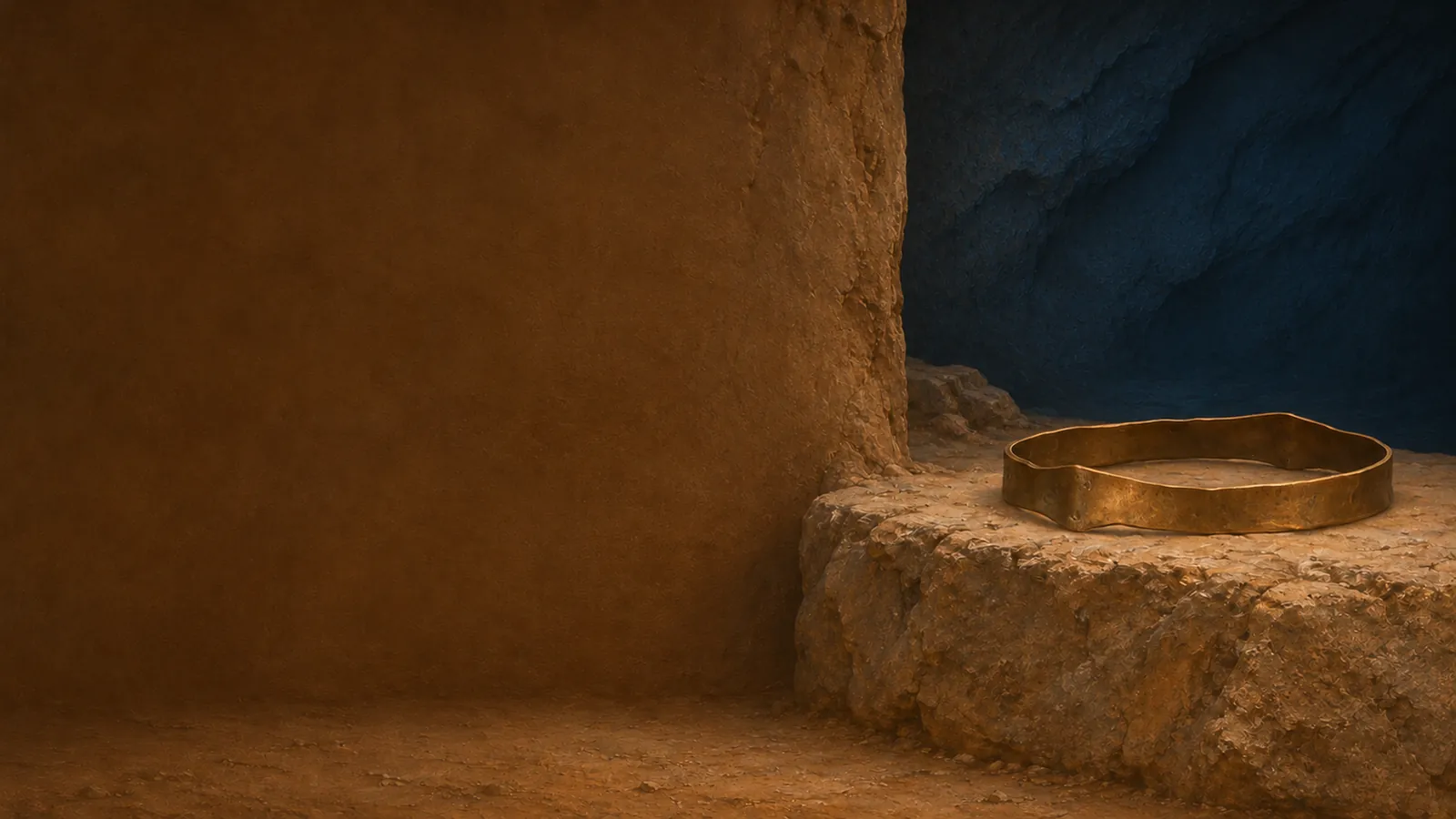
LA CORONA
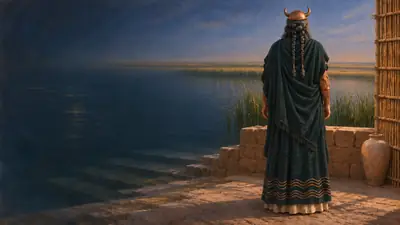
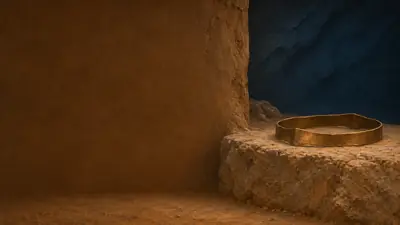
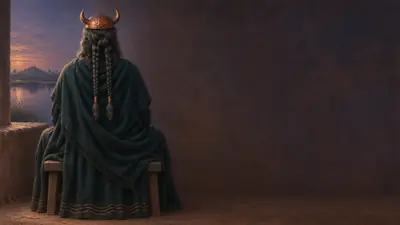
Ea le quitó la corona a Apsû y se apropió de su resplandor. El poema cuenta que mató a Apsû, y la antigua autoridad llegó a su fin.
Mummu también cayó en poder de Ea. Cuesta precisar el sentido de los versos, pero dejan al consejero cautivo después de que Ea venza a sus adversarios.
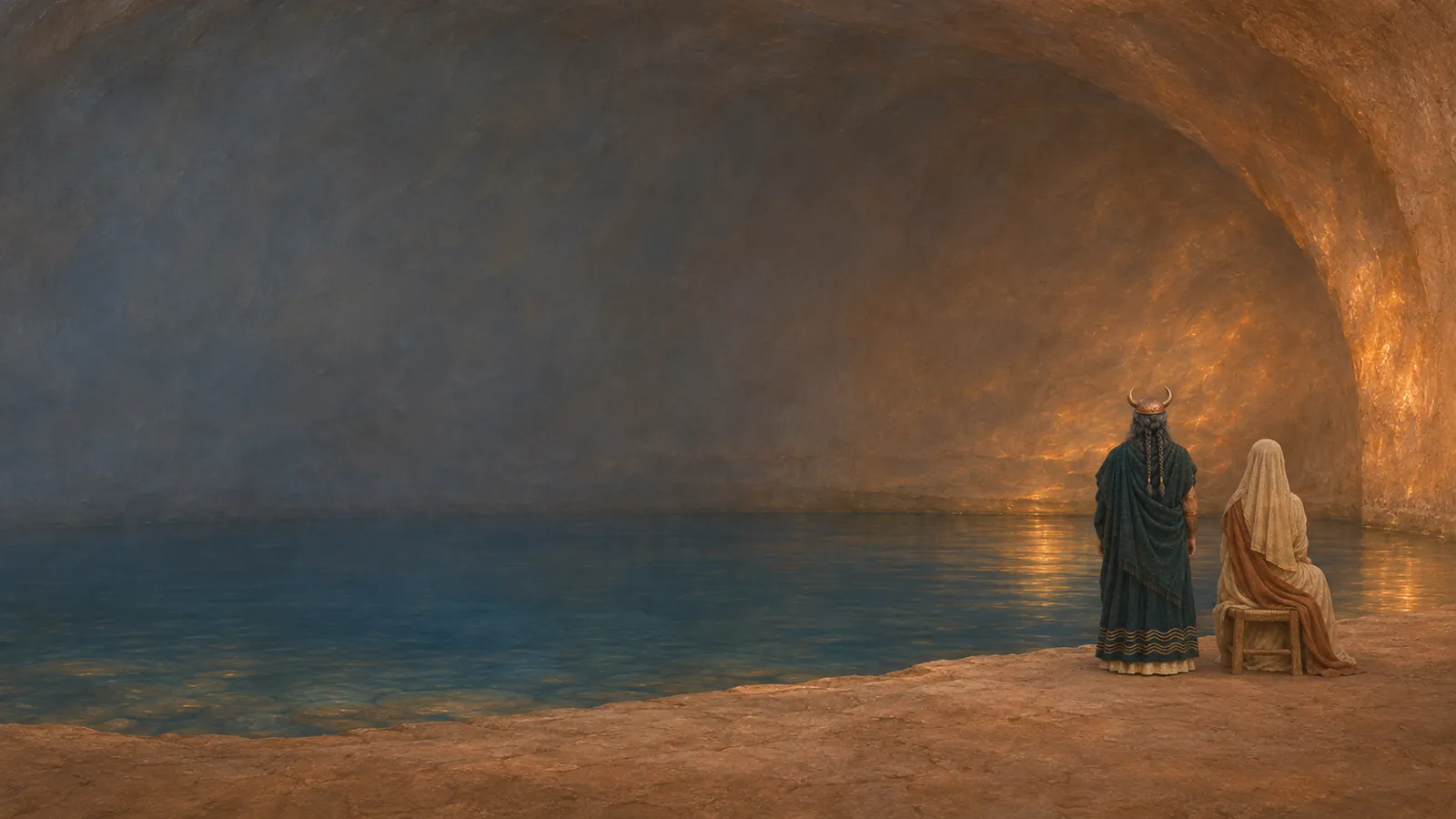
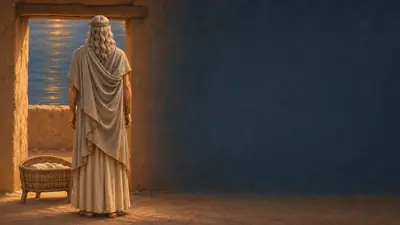
Ea encontró descanso en el lugar donde había vencido. Llamó Apsû a su morada y allí vivió con Damkina.
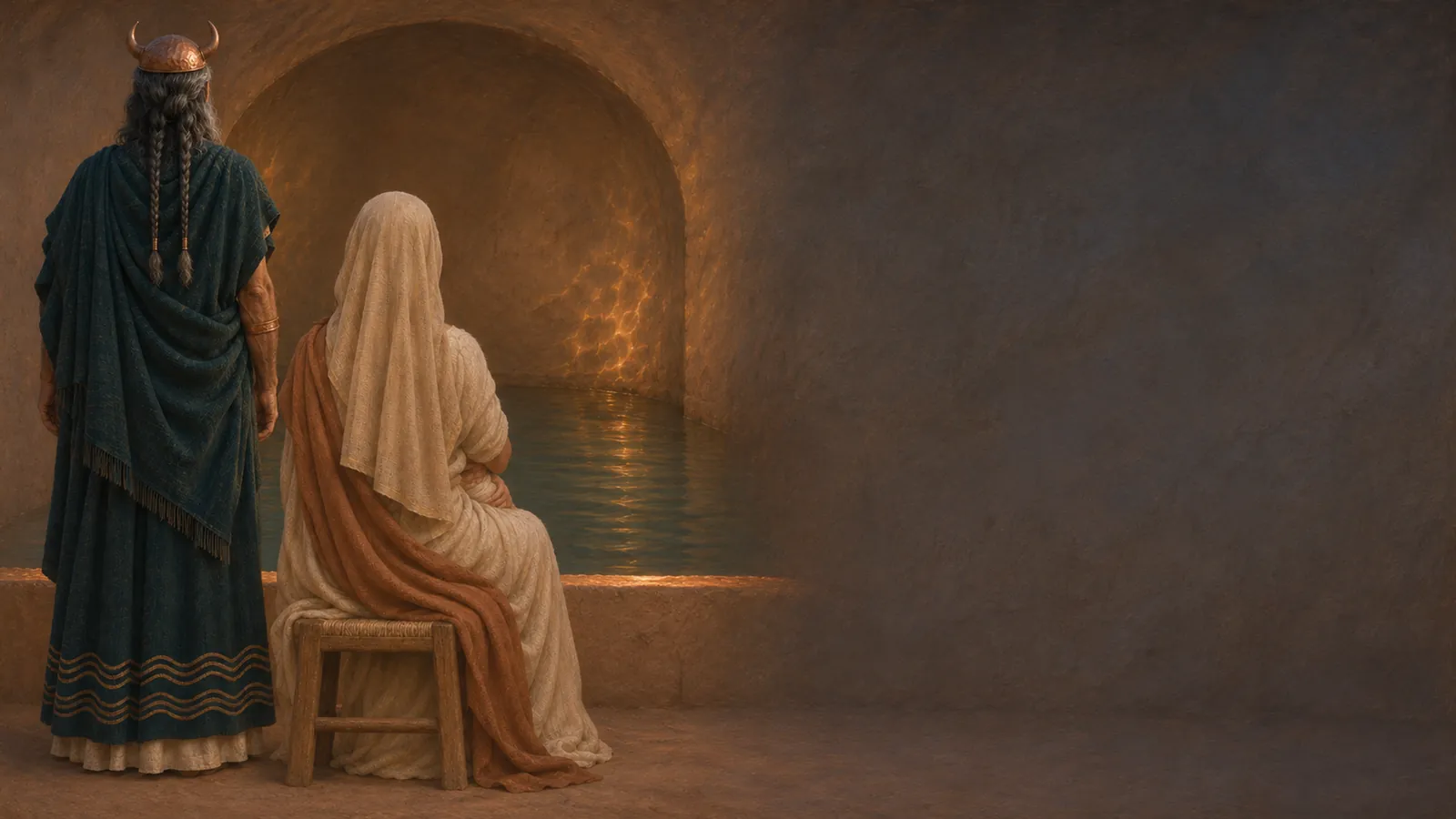
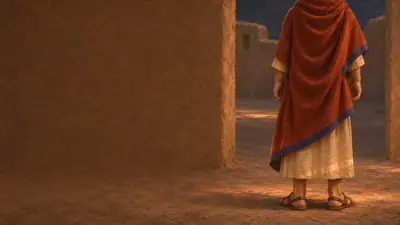
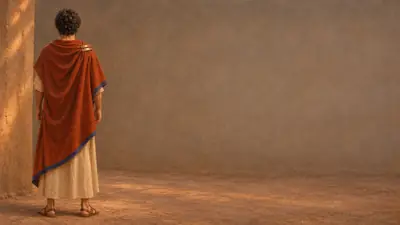
En la morada de las profundidades nació un niño. Ea era su padre y Damkina su madre, y el niño se llamaba Marduk.
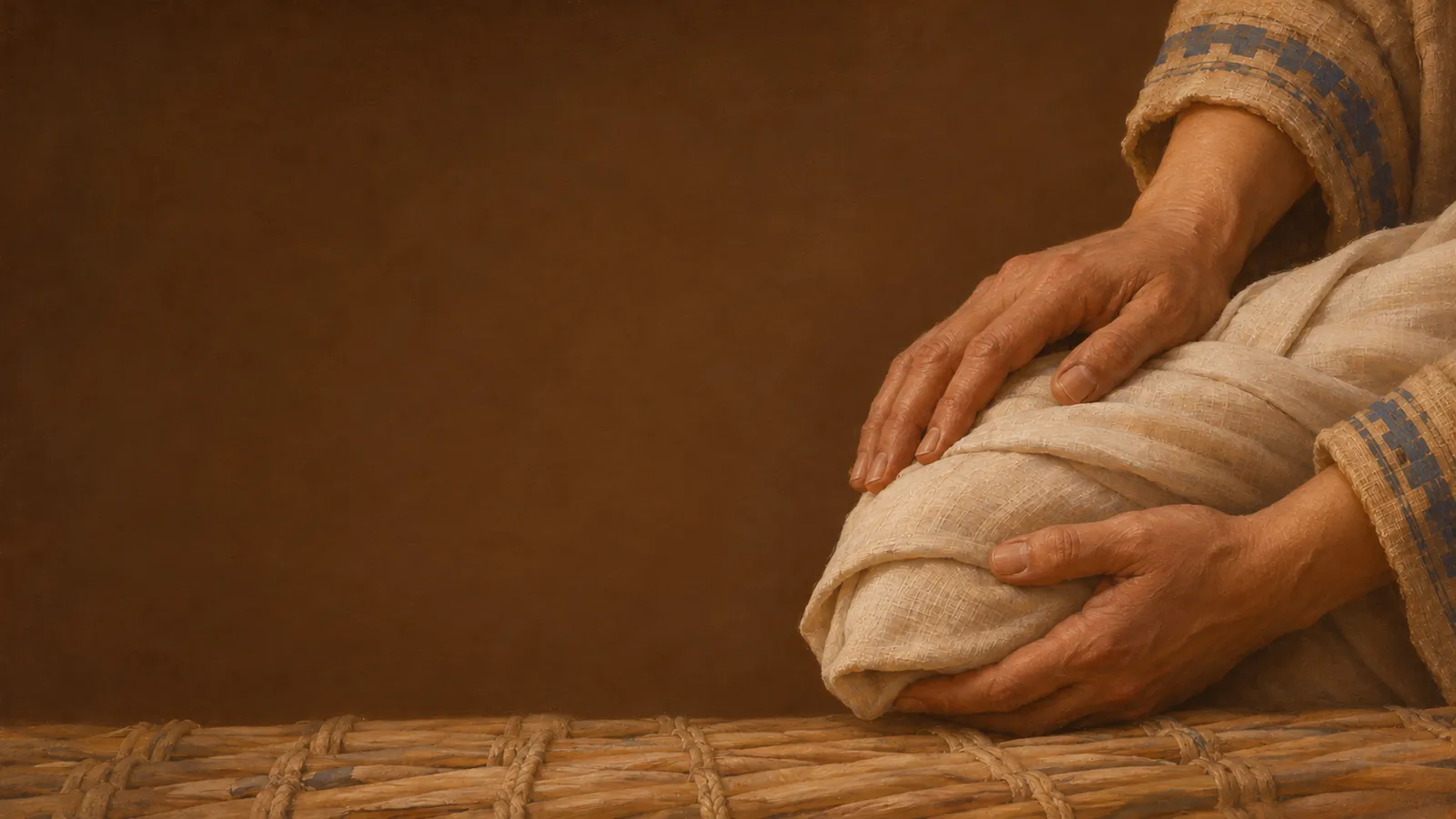
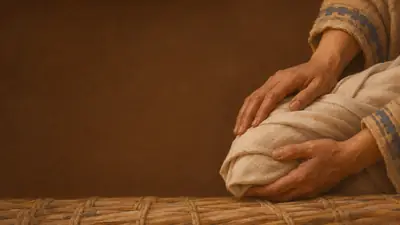
Unas diosas amamantaron a Marduk, y la nodriza que lo crio contribuyó a que fuera un niño que inspiraba respeto. Su fuerza se hizo patente desde sus primeros días.
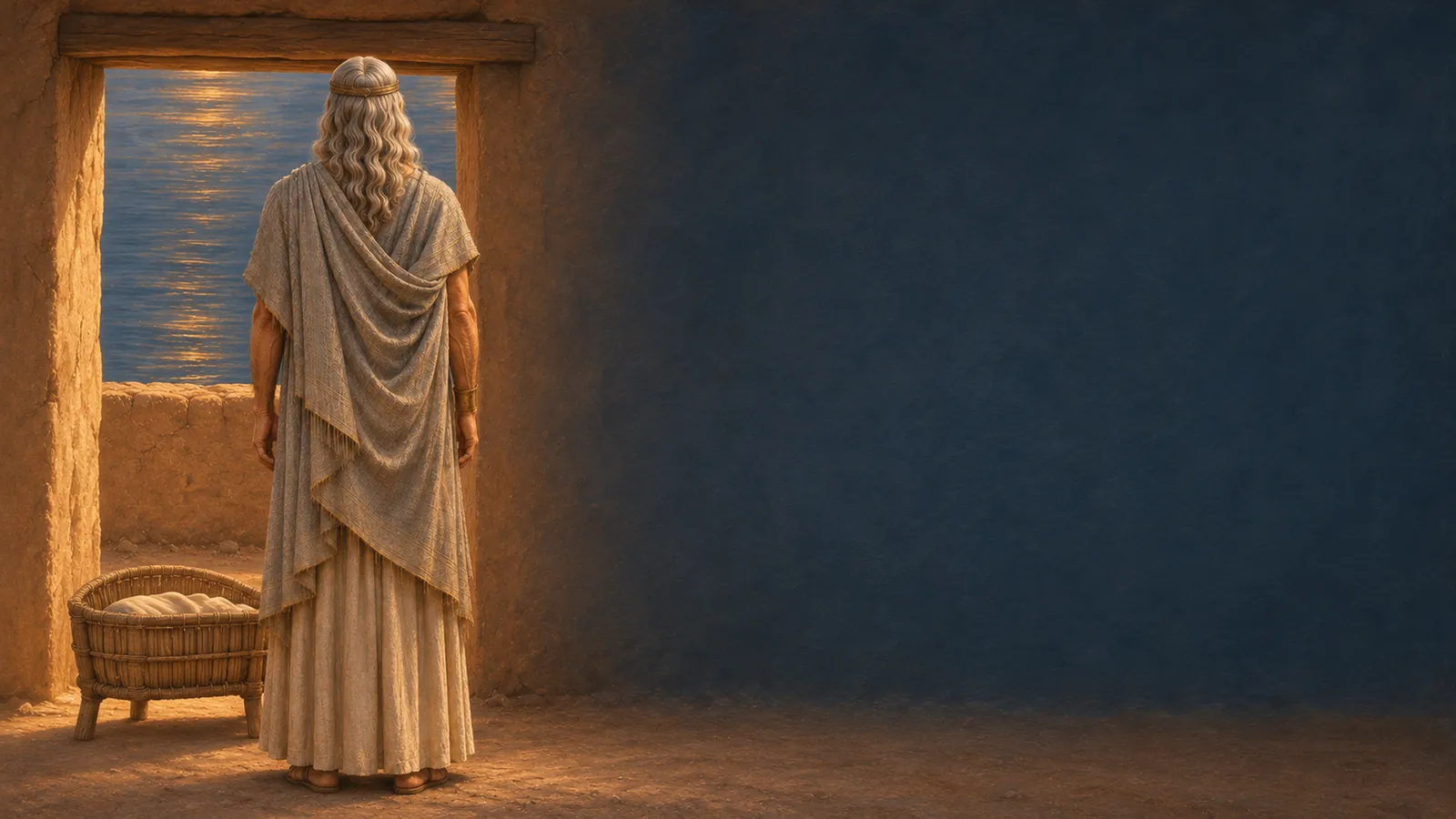
Anu vio al hijo de su hijo y se llenó de alegría. En el poema, hace luego aún mayores los dones del joven dios.
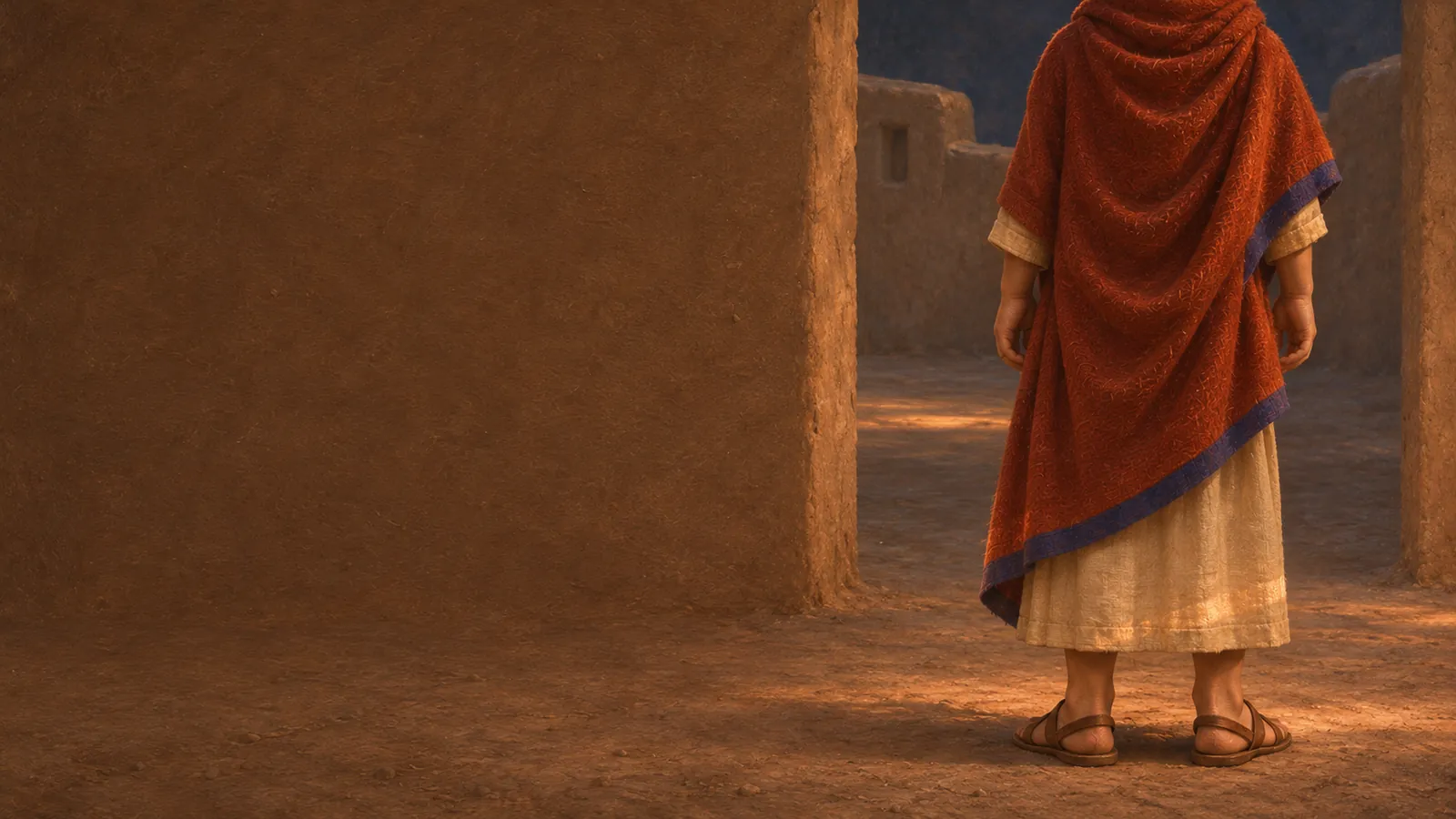
Para contar hasta dónde llegaban los sentidos de Marduk, el poema le da cuatro ojos y cuatro orejas. Dice que el fuego relampagueaba cuando hablaba.
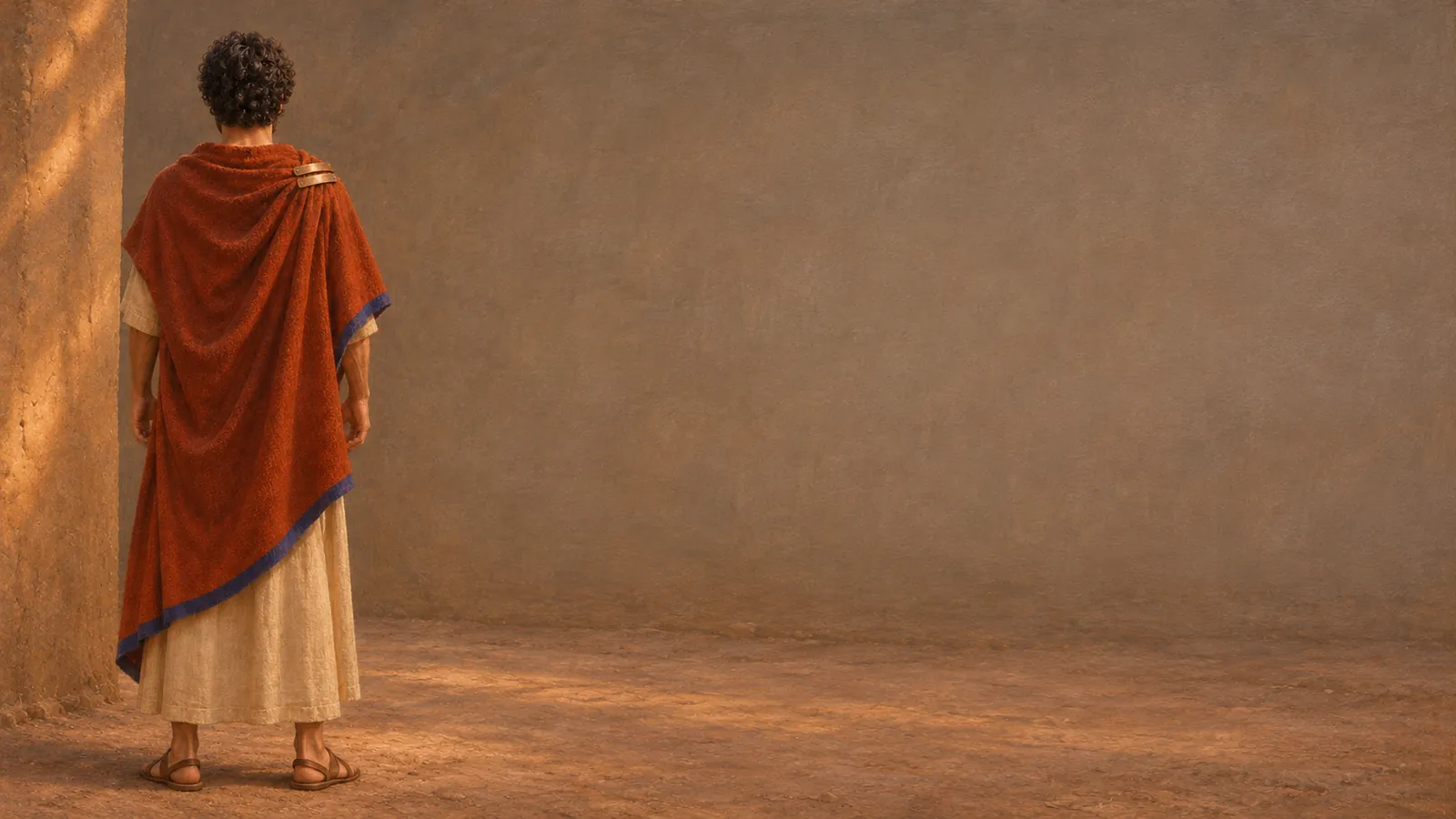
El poema recurre al brillo del sol al alabar a Marduk. Su luz y el sobrecogimiento que lo rodea lo distinguen de los demás dioses.
LOS CUATRO VIENTOS
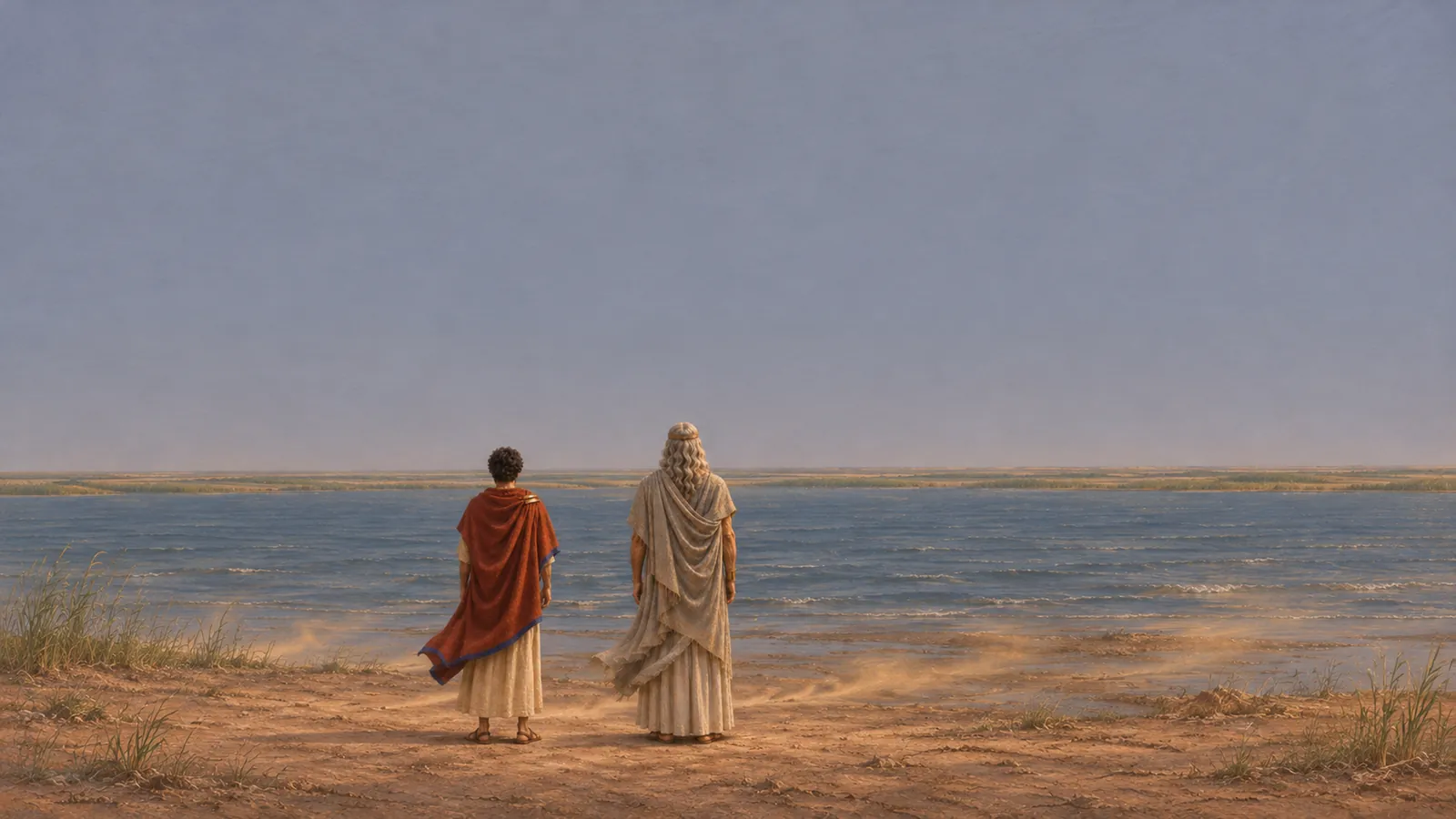
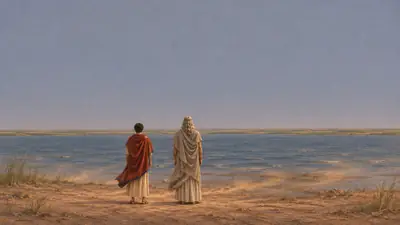
Anu hizo surgir cuatro vientos y se los dio a Marduk. Mientras el joven dios jugaba con ellos, se alzaron olas en el agua y Tiamat se inquietó.
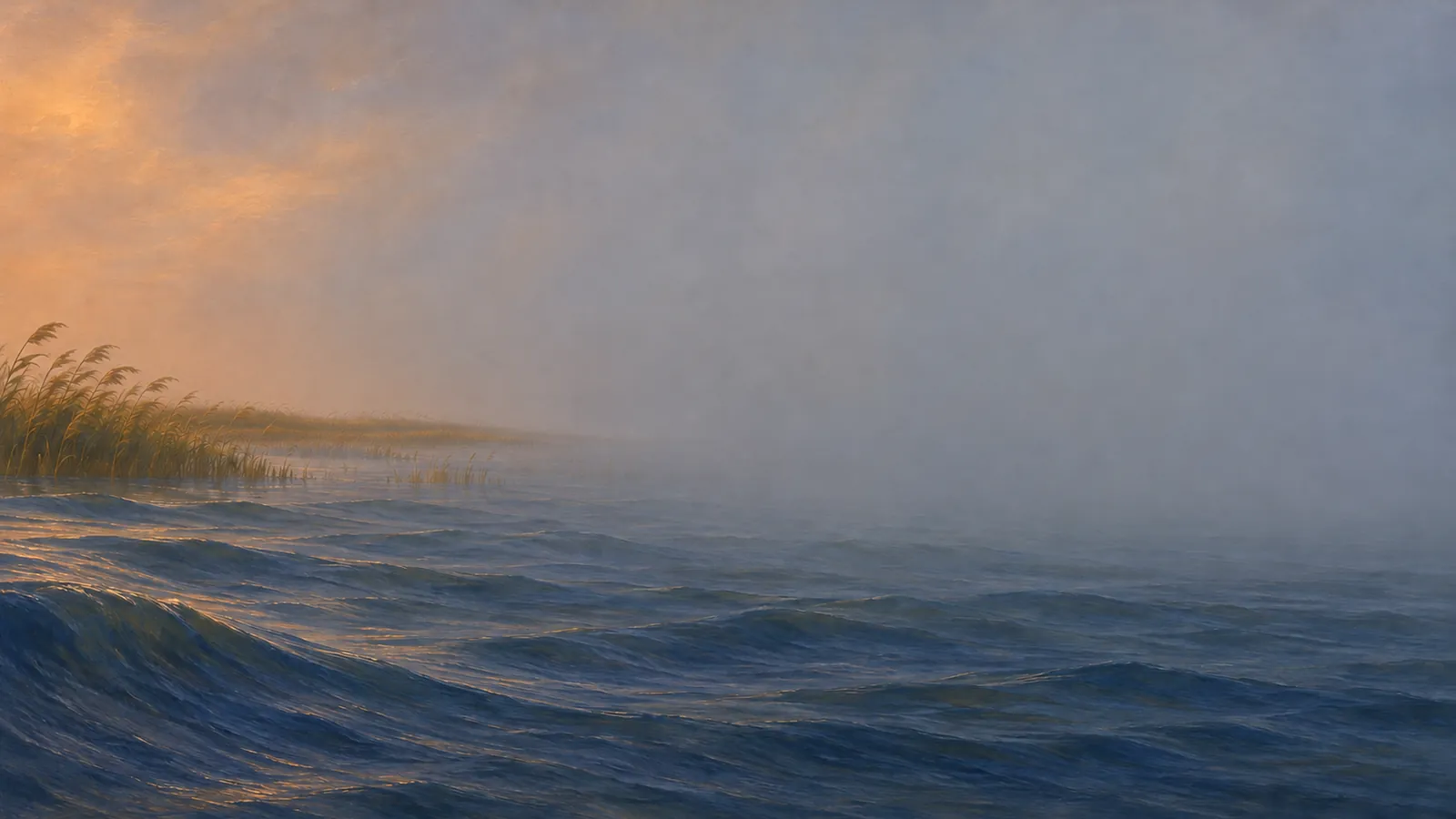
Los vientos seguían perturbando a Tiamat, de día y de noche. En las aguas que los rodeaban, los dioses ya no podían estarse quietos ni hallar descanso.
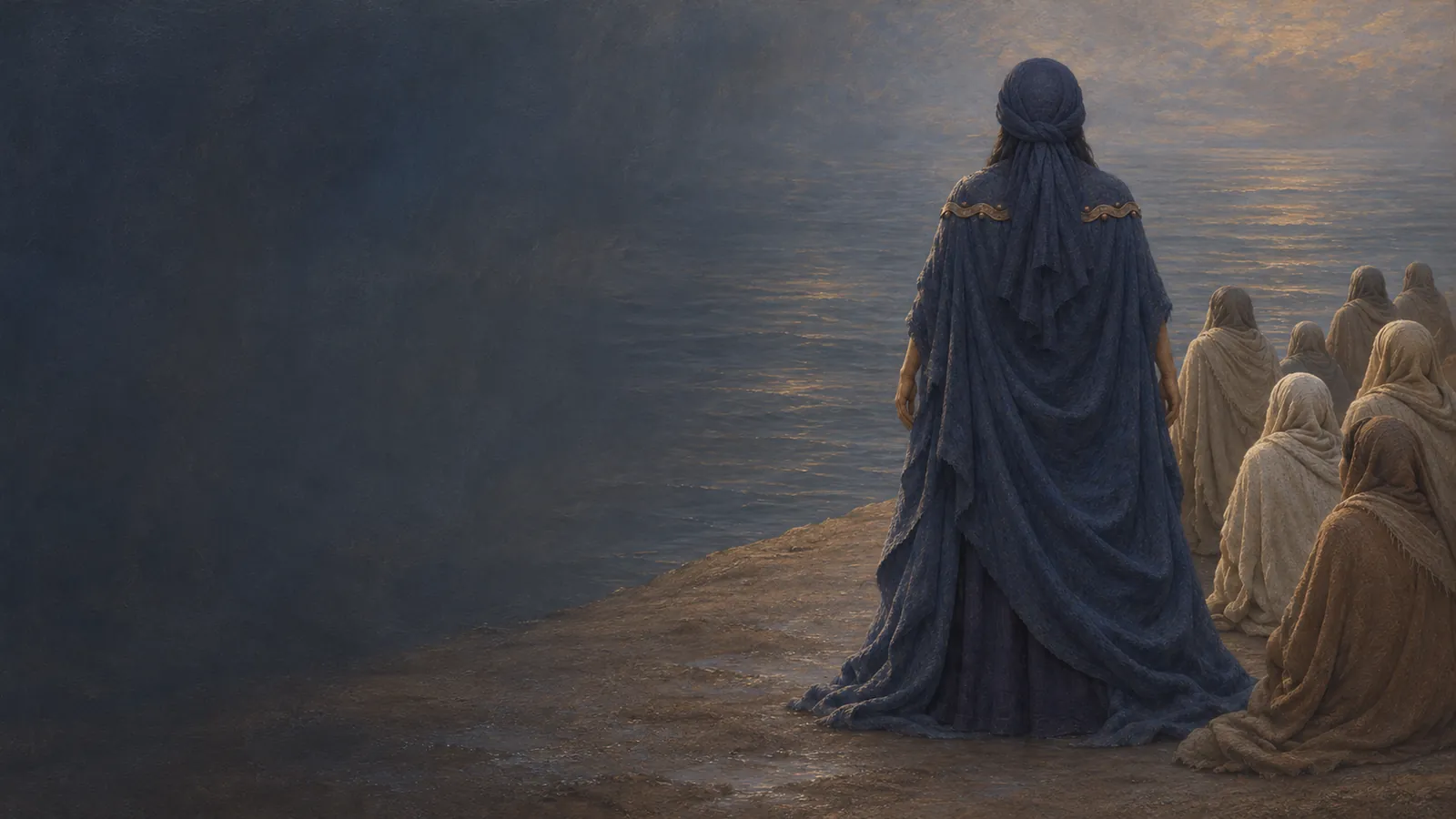
Algunos dioses recordaron la muerte de Apsû. Le dijeron a Tiamat que entonces había guardado silencio y que también se habían llevado a Mummu.
Le pidieron a Tiamat que pusiera fin a su desvelo y vengara lo sucedido. Las últimas palabras de su ruego están dañadas, pero su petición de actuar es clara.
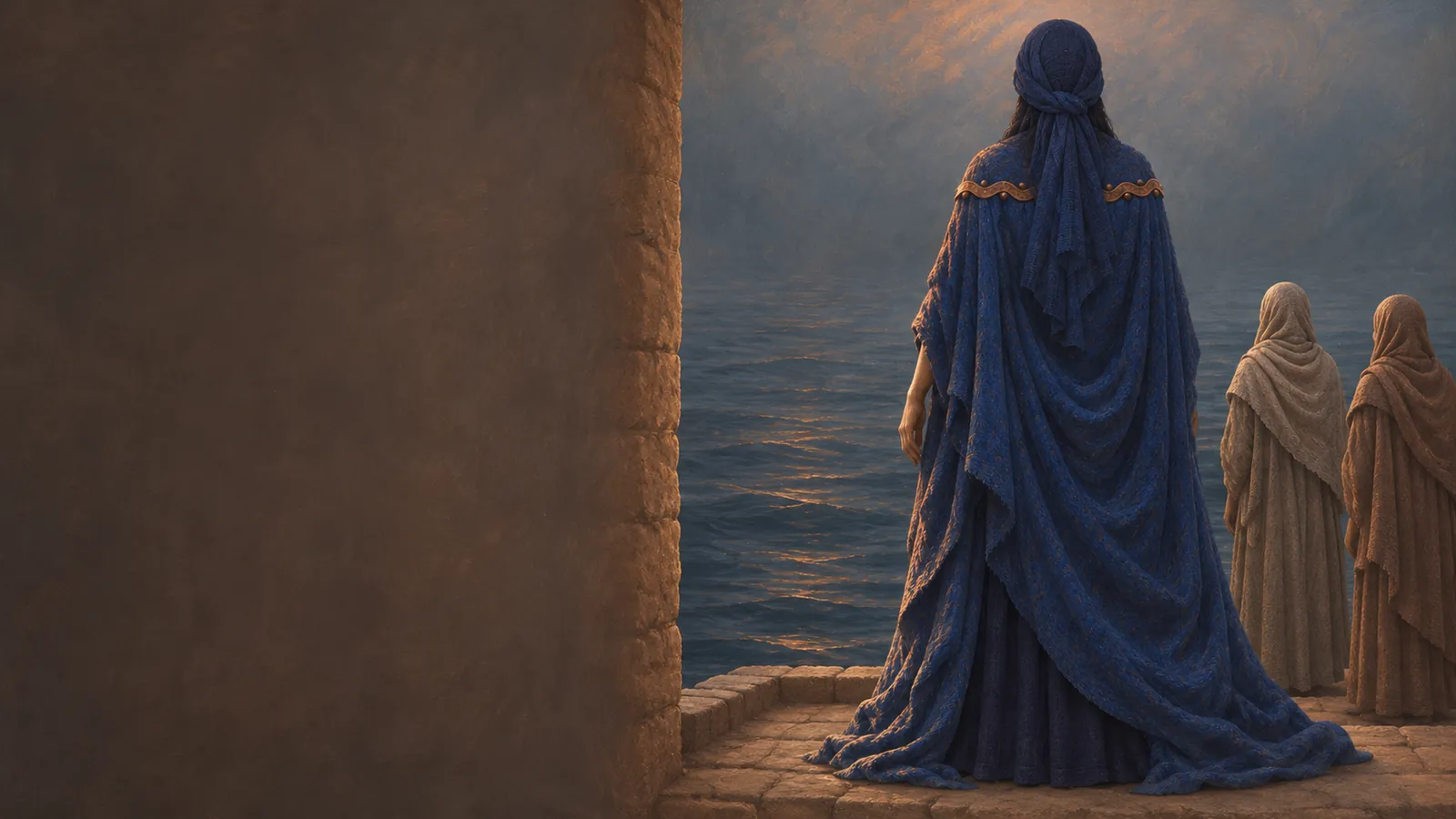
Esta vez Tiamat aceptó su consejo. Dijo que harían lo que habían propuesto, y los dioses se reunieron en el interior de sus aguas para llevarlo a cabo.
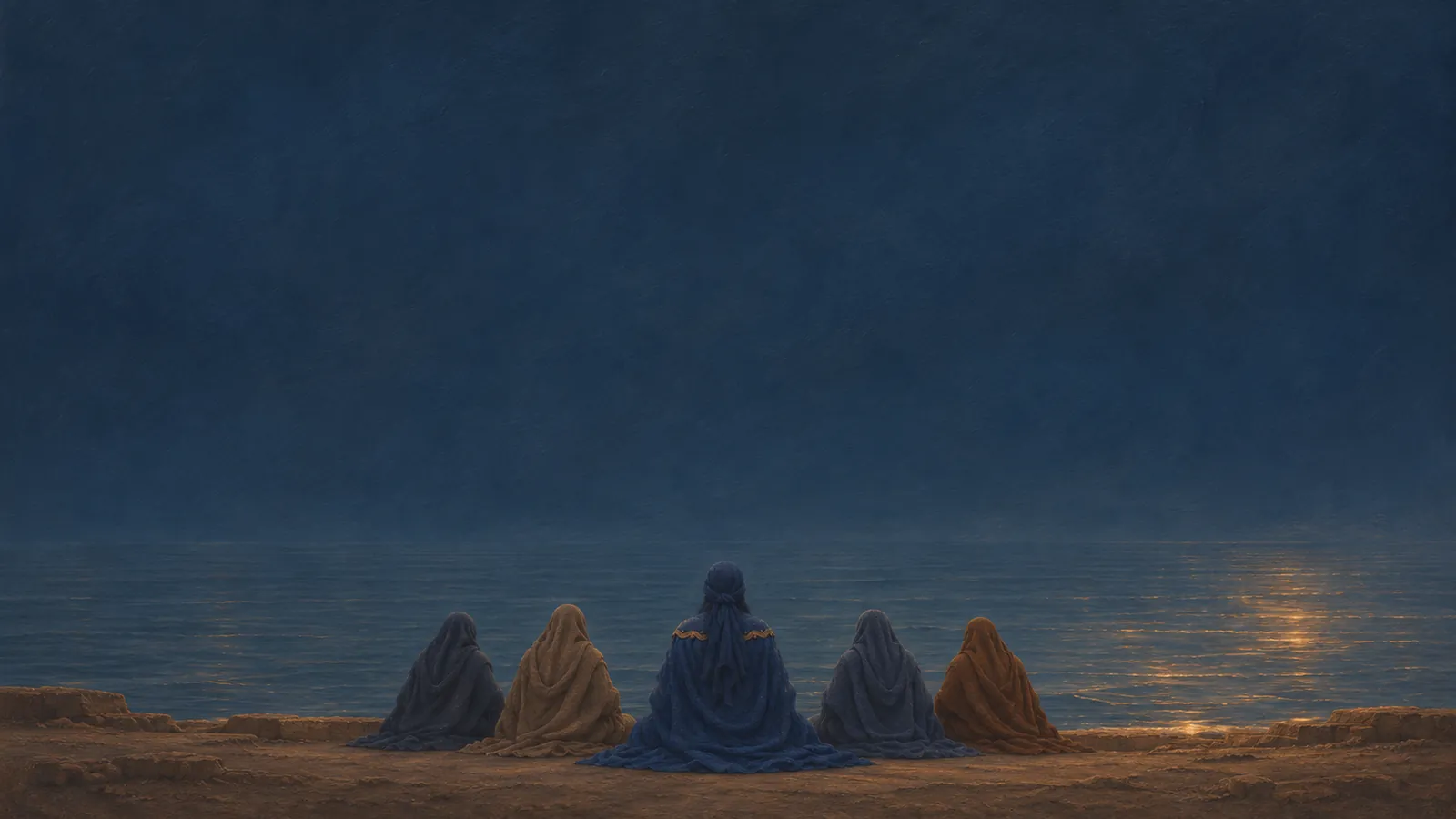
Los dioses ocuparon sus puestos junto a Tiamat. La agitación de antes les había impedido dormir, y ahora dedicaban aquellos días y noches a preparar el conflicto.
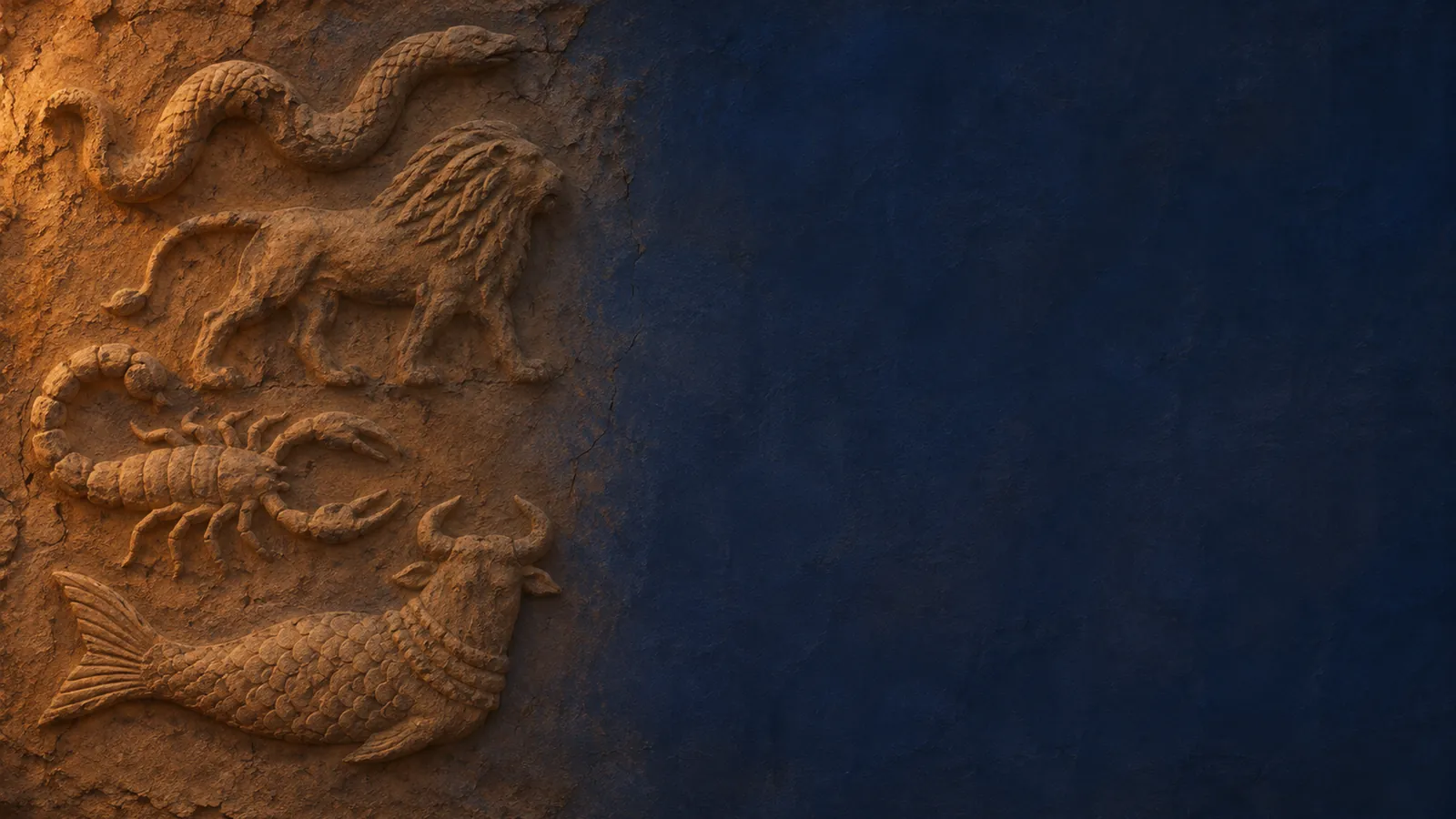
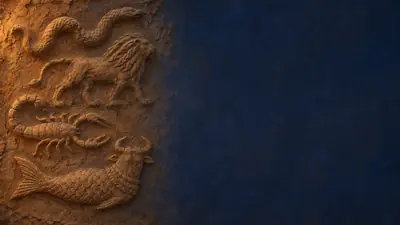
Tiamat dio origen a once seres. Entre los que reunió, el poema nombra serpientes y criaturas con formas de león, escorpión, pez y toro.
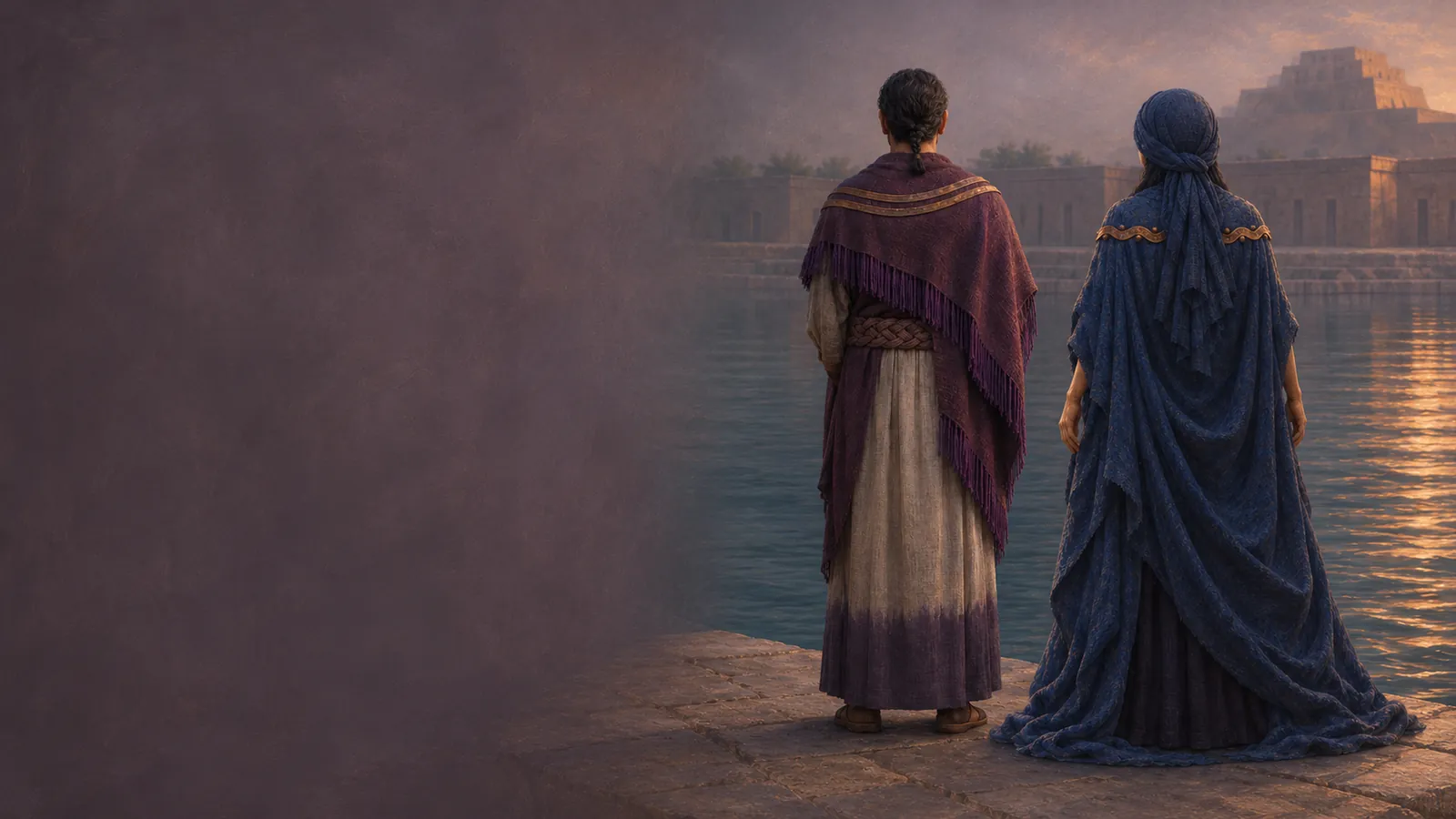
Entre los dioses que se habían unido a ella, Tiamat escogió a Qingu. Lo elevó por encima de los demás y le dio un lugar al frente de su consejo.
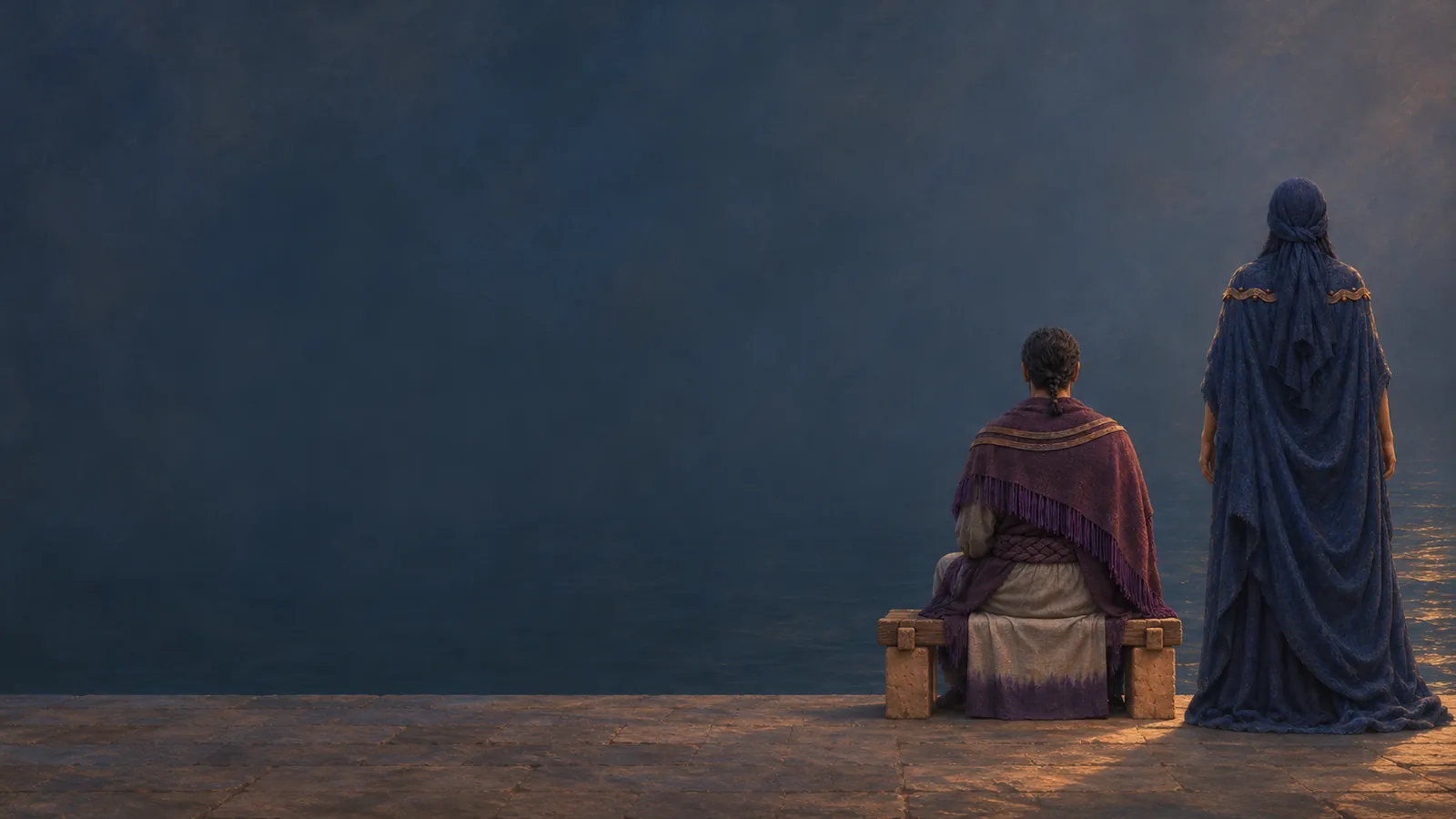
Tiamat encargó a Qingu dirigir a quienes estaban de su lado. Le confió la asamblea y lo sentó en el puesto de mando.
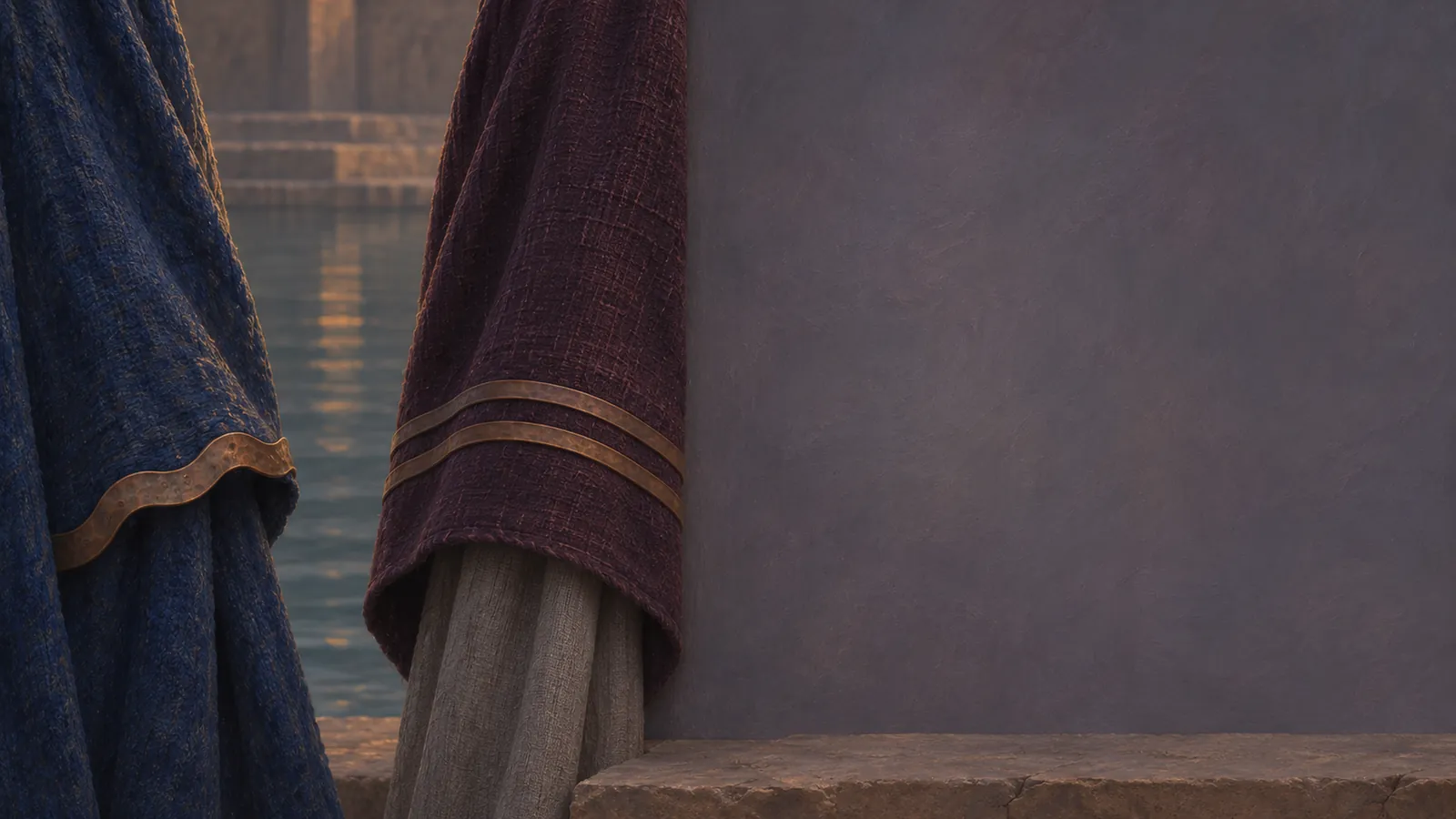
Ante los dioses reunidos, Tiamat declaró que había elegido a Qingu como compañero. Desde entonces, dijo, su palabra tendría el mayor peso en la asamblea.
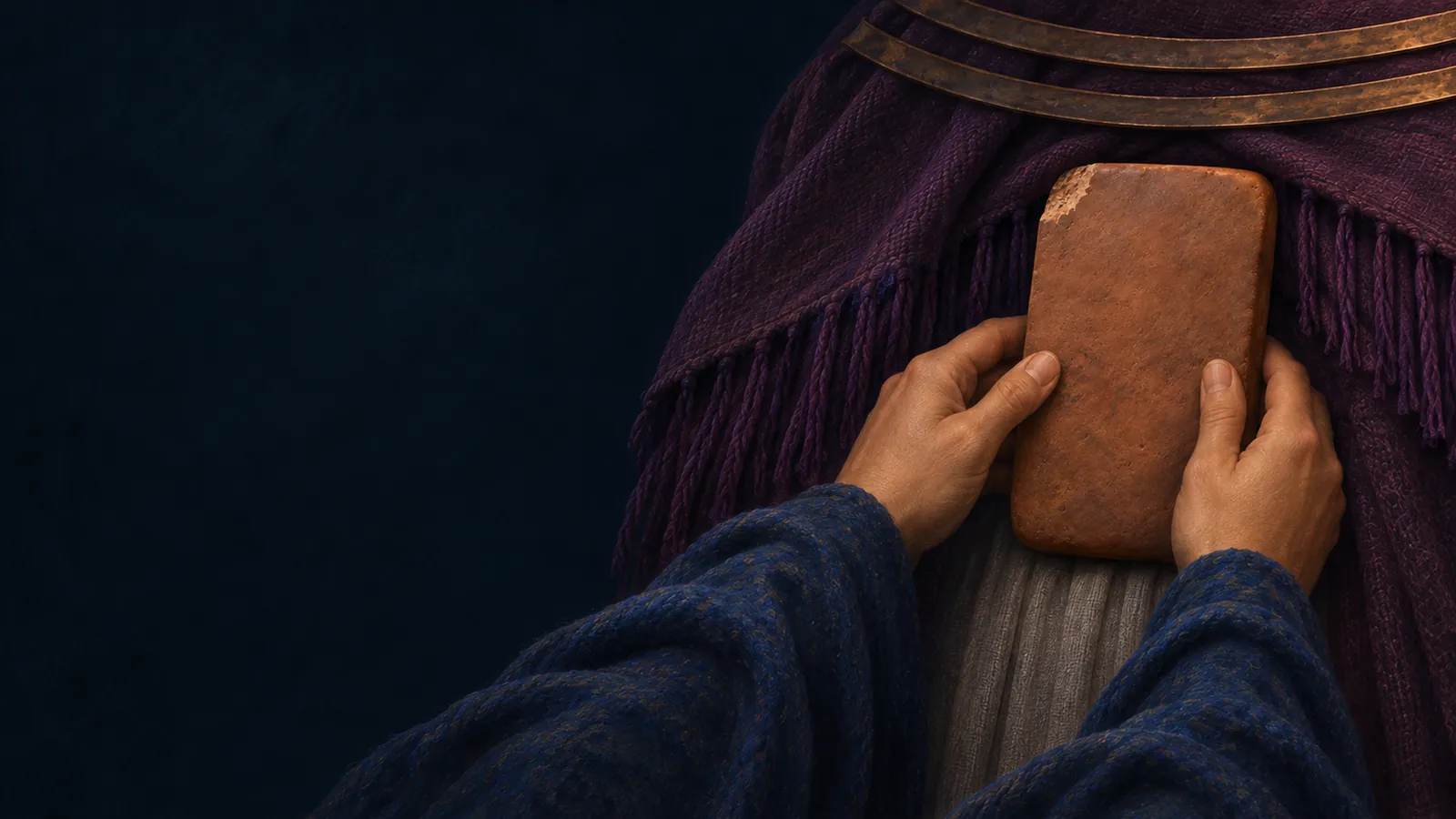
LA TABLILLA DE LOS DESTINOS
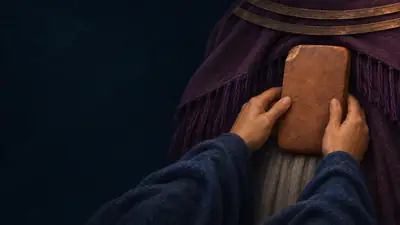
Tiamat puso la Tablilla de los Destinos contra el pecho de Qingu. Declaró que las decisiones que pronunciara desde ese momento quedarían en pie sin cambios.
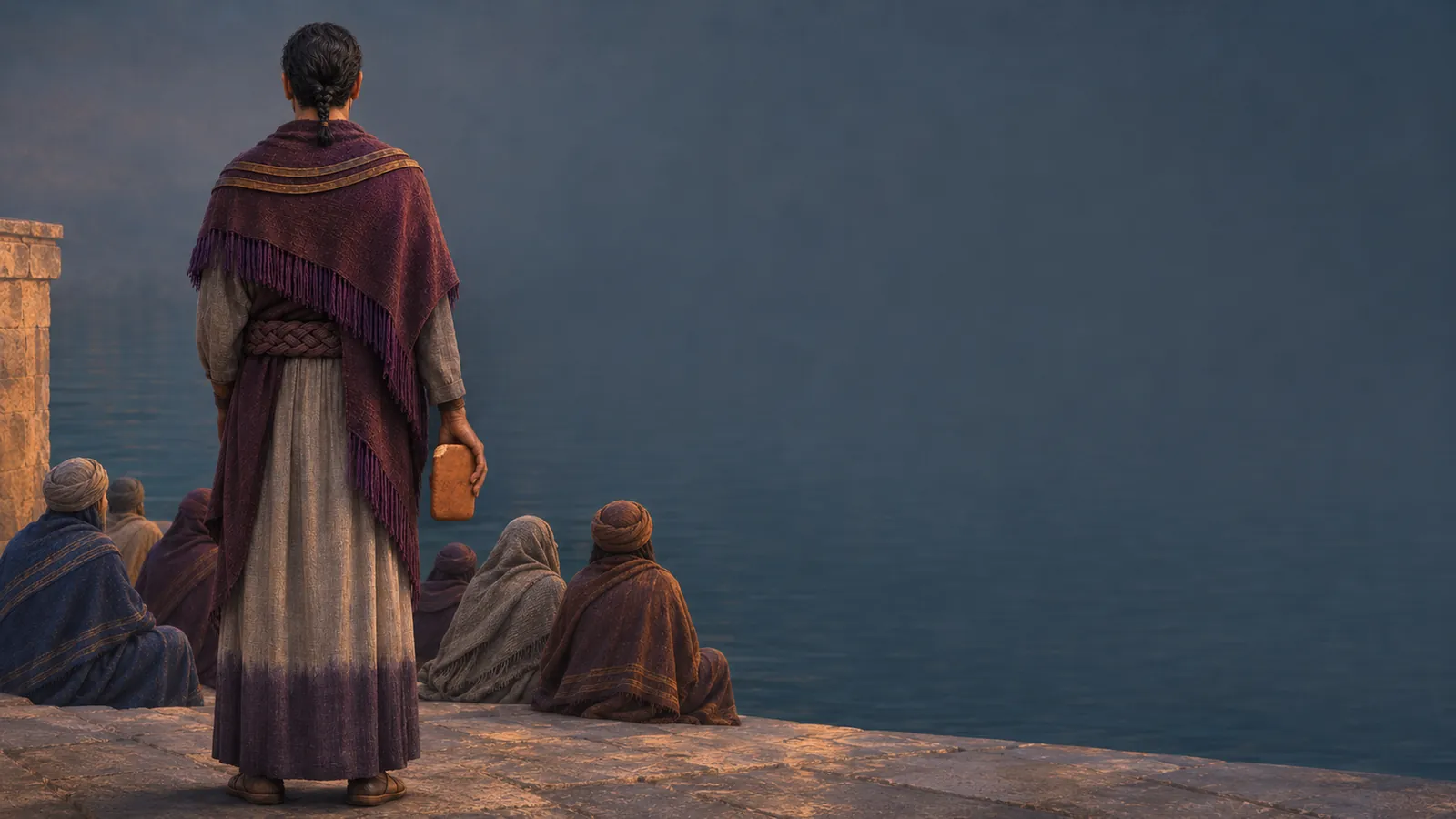
Qingu recibió su nueva autoridad y empezó a fijar los destinos de quienes acompañaban a Tiamat. El poema da a sus palabras un poder capaz de apagar el fuego.
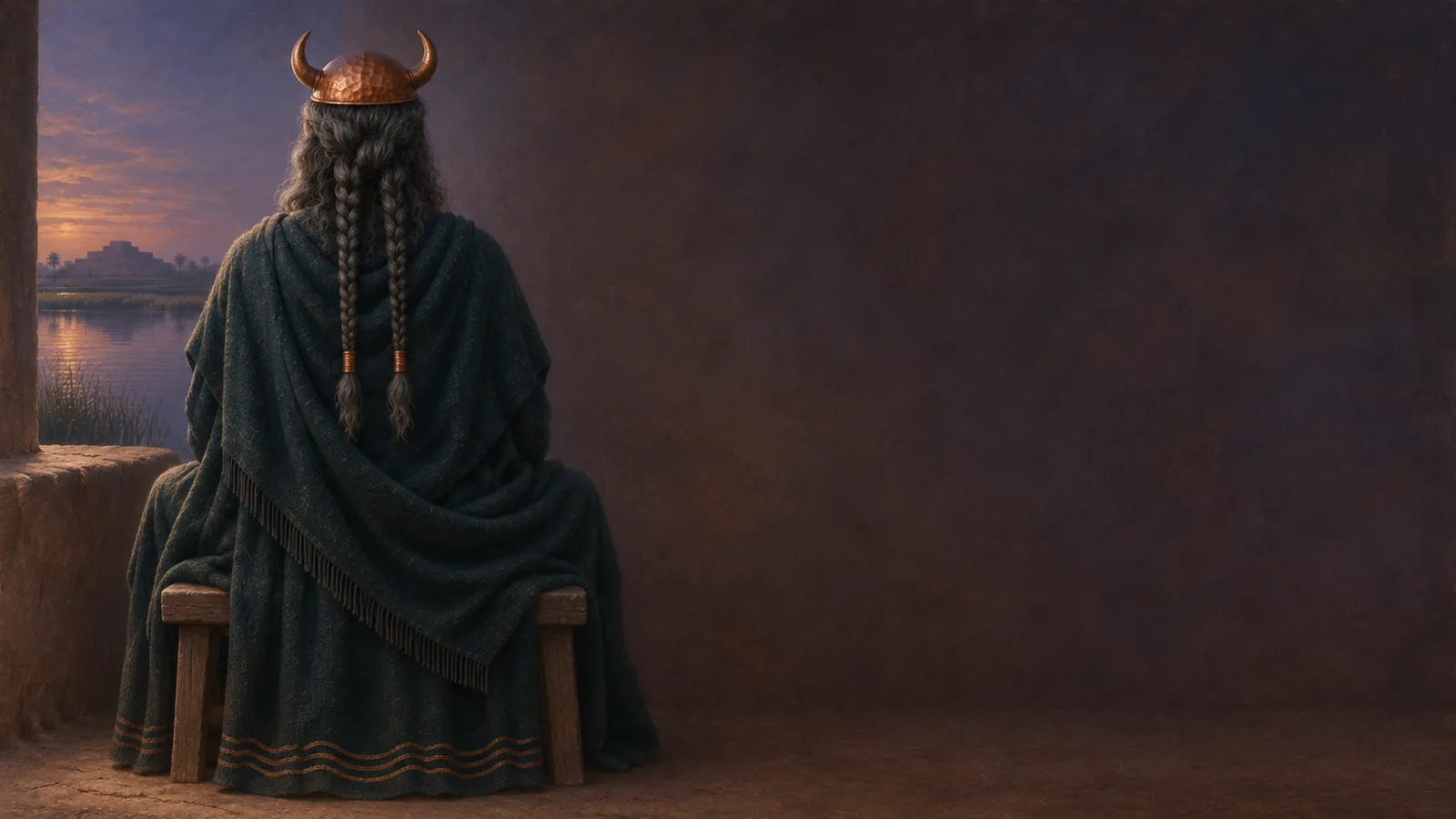
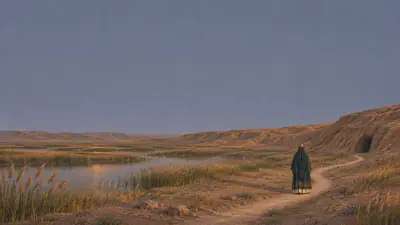
Ea supo que Tiamat había reunido a los suyos. Cuando le llegó la noticia, se quedó sin habla y permaneció un tiempo solo en su cámara.
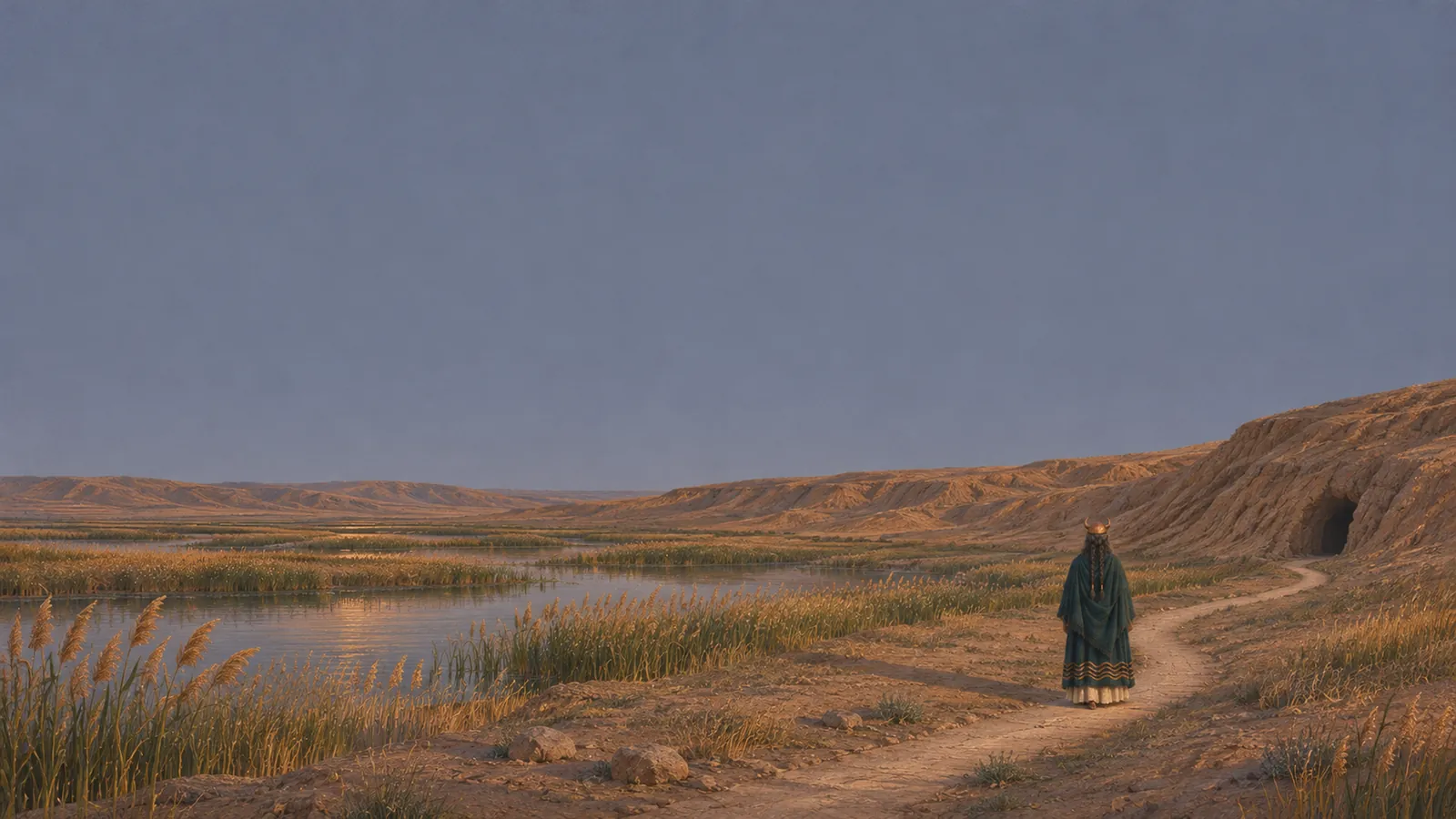
Después de deliberar y dejar que se calmara su ira, Ea acudió a Anshar. Se presentó ante el padre de su padre para contarle lo que había oído.
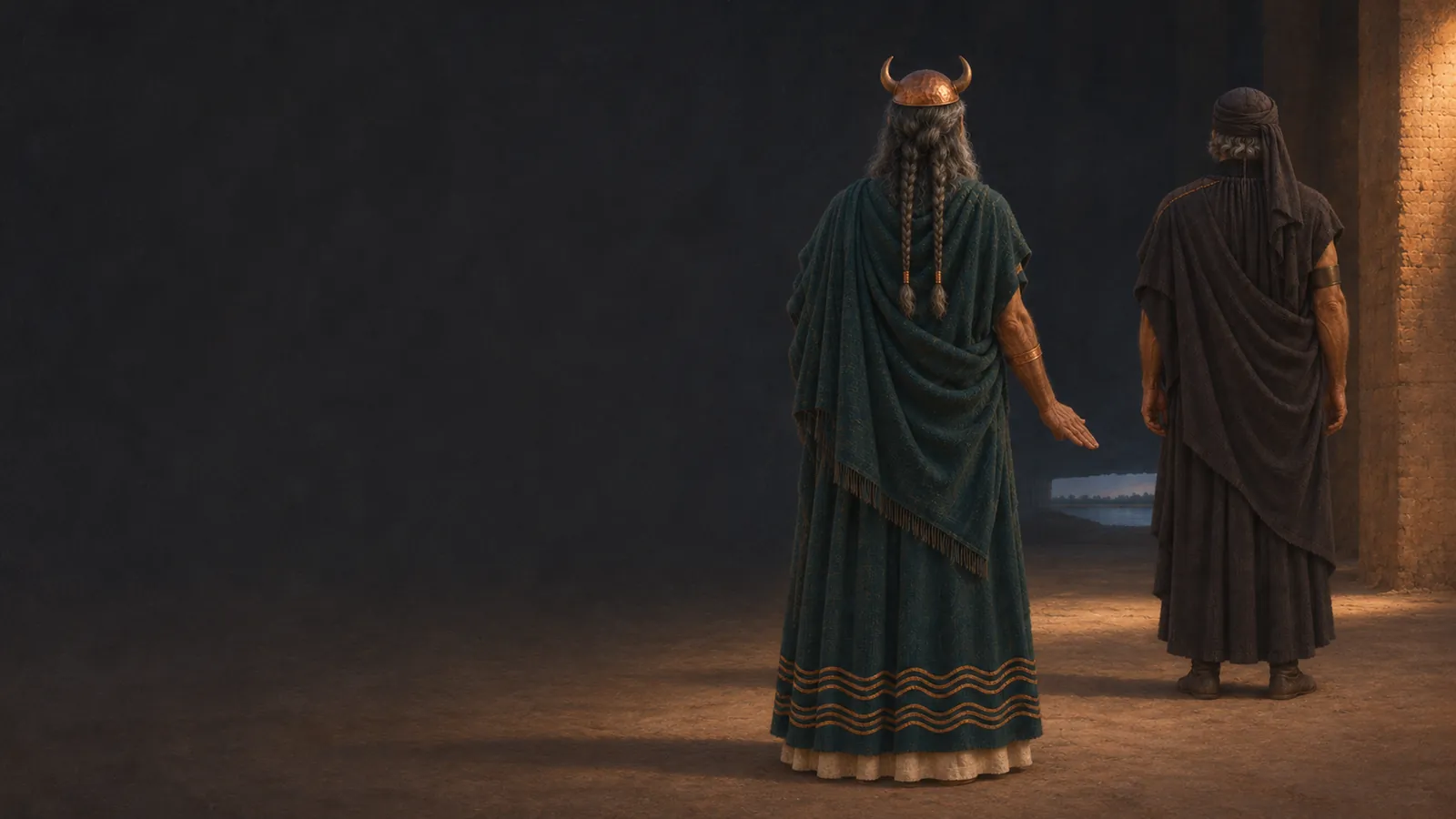
Ea habló a Anshar de la reunión de Tiamat y de los once seres que ella había creado. Le contó cómo había elevado a Qingu y le había entregado la Tablilla de los Destinos.
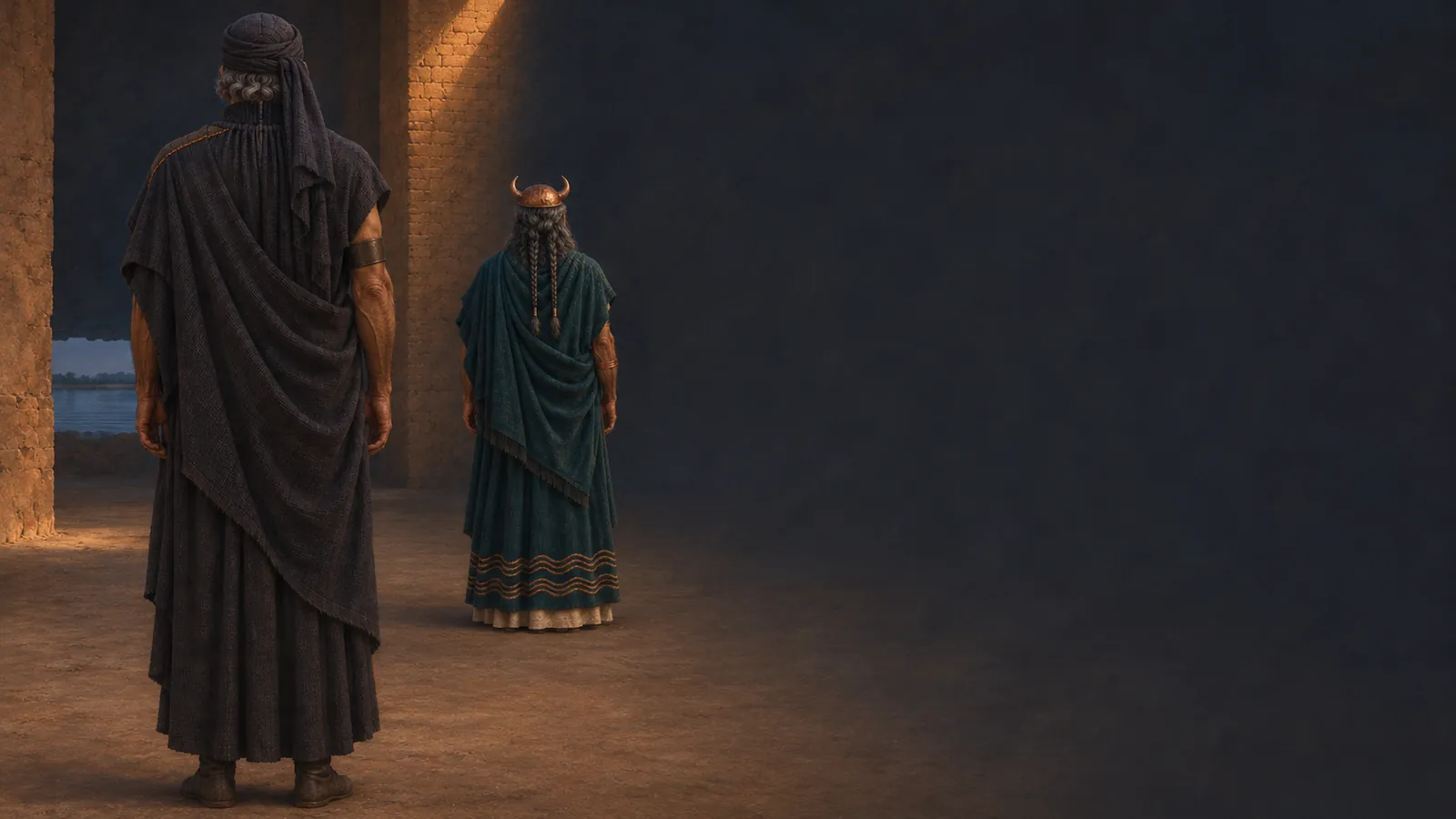
El relato inquietó tanto a Anshar que se volvió contra Ea. Le reprochó haber matado a Apsû y preguntó quién podría ahora hacer frente a Tiamat.

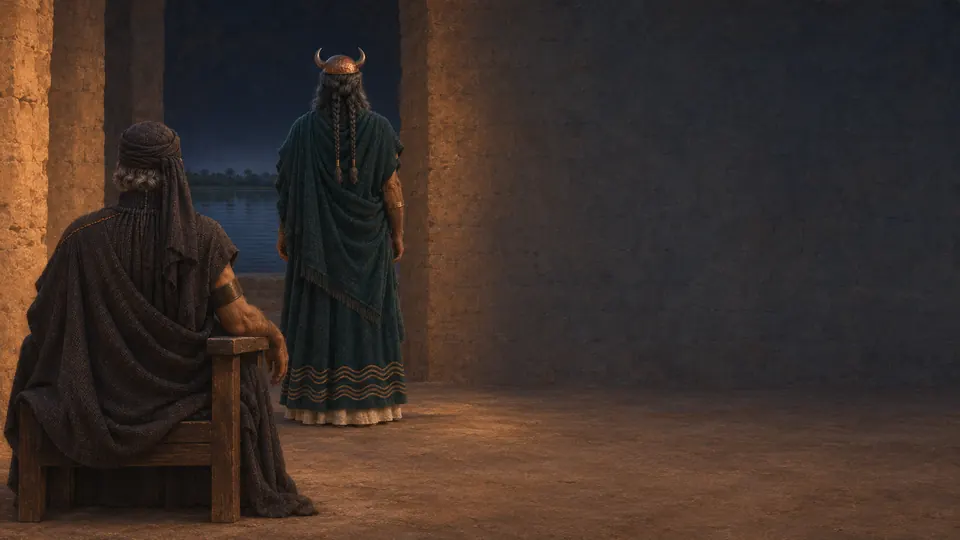
Ea respondió con calma y le pidió a Anshar que lo escuchara hasta el final. Defendió su decisión y preguntó quién podría haber previsto el conflicto que vendría después.
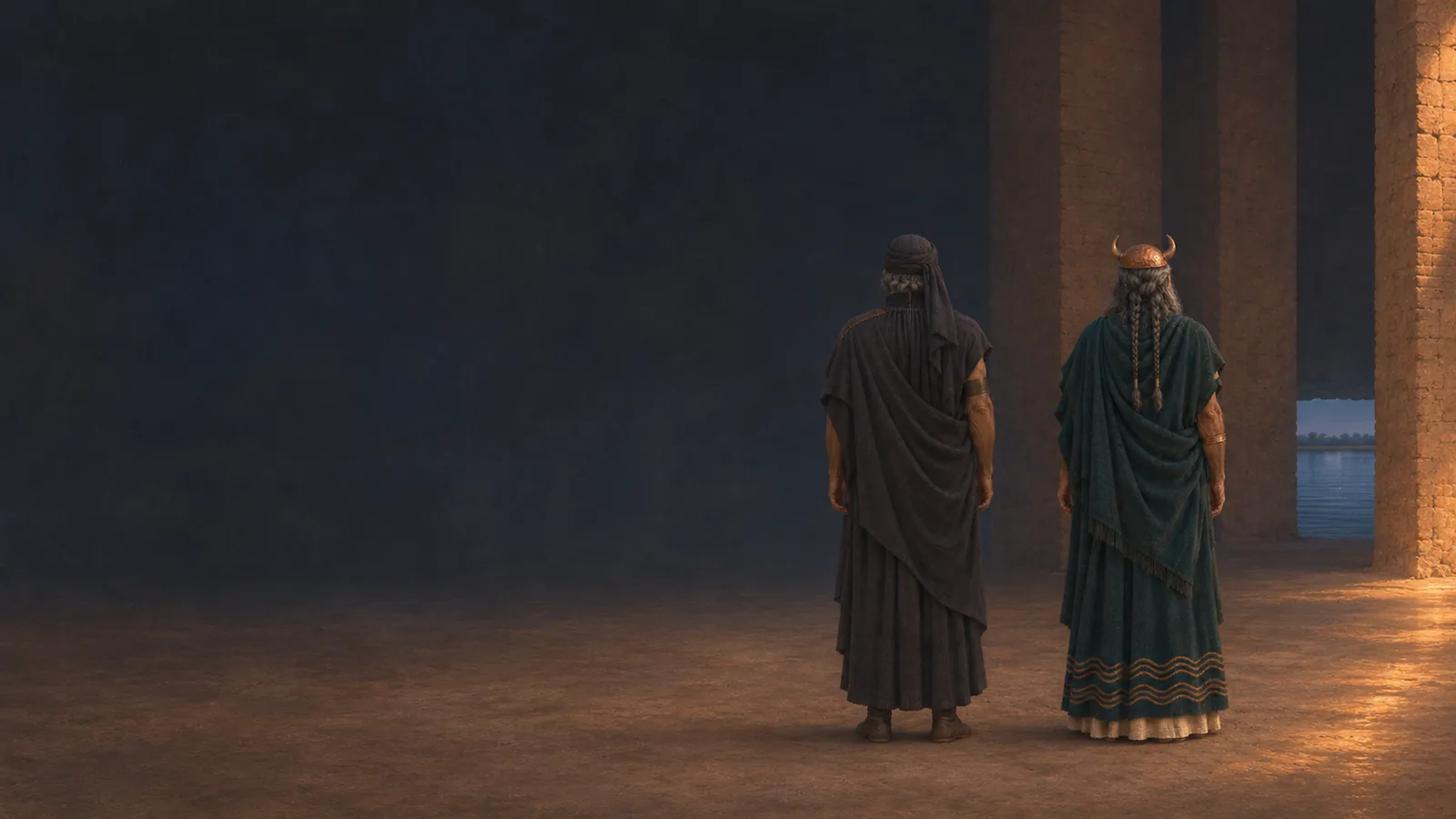
ANSHAR ESCUCHA
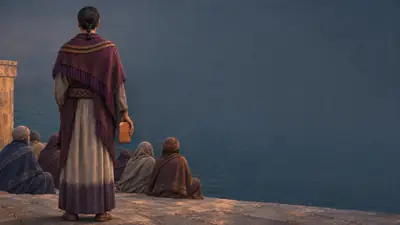
Anshar escuchó la respuesta de Ea y se le aplacó la ira. Cuando volvió a hablar, estaba dispuesto a escuchar qué se podía hacer con respecto a Tiamat.
Fin del capítulo 1
Todas las páginas







Fuentes
Ediciones consultadas
- Electronic Babylonian Library, Tablet I: , lines 1–162.
- Electronic Babylonian Library, Tablet II: , lines 1–70.
- Heinrich and Helle, open 2024 edition: , pp. 24–41.
- IL Archive, Enuma Elish: , for story context and terminology.
Los versos antiguos de cada página
- Page 1: Enūma Eliš I 1–2, eBL L I.2; Heinrich–Helle
- Page 2: Enūma Eliš I 3–5, eBL L I.2; Heinrich–Helle
- Page 3: Enūma Eliš I 6–8, eBL L I.2; Heinrich–Helle
The two plant-place words vary in translation. - Page 4: Enūma Eliš I 9–11, eBL L I.2; Heinrich–Helle
- Page 5: Enūma Eliš I 12–14, eBL L I.2; Heinrich–Helle
- Page 6: Enūma Eliš I 14–17, eBL L I.2; Heinrich–Helle
- Page 7: Enūma Eliš I 17–20, eBL L I.2; Heinrich–Helle
- Page 8: Enūma Eliš I 21–22, eBL L I.2; Heinrich–Helle
- Page 9: Enūma Eliš I 22–24, eBL L I.2; Heinrich–Helle
The text joins physical and inward disturbance. - Page 10: Enūma Eliš I 25–29, eBL L I.2; Heinrich–Helle
I 25–29 is difficult, and the possible reading of lenience is left open. - Page 11: Enūma Eliš I 30–33, eBL L I.2; Heinrich–Helle
Mummu here is a named adviser. - Page 12: Enūma Eliš I 33–36, eBL L I.2; Heinrich–Helle
- Page 13: Enūma Eliš I 37–38, eBL L I.2; Heinrich–Helle
- Page 14: Enūma Eliš I 39–40, eBL L I.2; Heinrich–Helle
- Page 15: Enūma Eliš I 41–46, eBL L I.2; Heinrich–Helle
- Page 16: Enūma Eliš I 47–54, eBL L I.2; Heinrich–Helle
- Page 17: Enūma Eliš I 55–58, eBL L I.2; Heinrich–Helle
- Page 18: Enūma Eliš I 59–61, eBL L I.2; Heinrich–Helle
- Page 19: Enūma Eliš I 60–64, eBL L I.2; Heinrich–Helle
- Page 20: Enūma Eliš I 64–66, eBL L I.2; Heinrich–Helle
- Page 21: Enūma Eliš I 67–69, eBL L I.2; Heinrich–Helle
- Page 22: Enūma Eliš I 70–74, eBL L I.2; Heinrich–Helle
The reading of Tablet I, line 70 is disputed. - Page 23: Enūma Eliš I 75–78, eBL L I.2; Heinrich–Helle
- Page 24: Enūma Eliš I 79–84, eBL L I.2; Heinrich–Helle
- Page 25: Enūma Eliš I 85–88, eBL L I.2; Heinrich–Helle
- Page 26: Enūma Eliš I 89–92, eBL L I.2; Heinrich–Helle
- Page 27: Enūma Eliš I 93–100, eBL L I.2; Heinrich–Helle
The poem gives Marduk four eyes and four ears. - Page 28: Enūma Eliš I 101–104, eBL L I.2; Heinrich–Helle
- Page 29: Enūma Eliš I 105–108, eBL L I.2; Heinrich–Helle
- Page 30: Enūma Eliš I 109–112, eBL L I.2; Heinrich–Helle
- Page 31: Enūma Eliš I 113–118, eBL L I.2; Heinrich–Helle
- Page 32: Enūma Eliš I 119–124, eBL L I.2; Heinrich–Helle
Vengeance wording in 123–124 is partly restored. - Page 33: Enūma Eliš I 125–128, eBL L I.2; Heinrich–Helle
- Page 34: Enūma Eliš I 129–133, eBL L I.2; Heinrich–Helle
- Page 35: Enūma Eliš I 134–146, eBL L I.2; Heinrich–Helle
- Page 36: Enūma Eliš I 147–148, eBL L I.2; Heinrich–Helle
- Page 37: Enūma Eliš I 149–152, eBL L I.2; Heinrich–Helle
- Page 38: Enūma Eliš I 153–156, eBL L I.2; Heinrich–Helle
- Page 39: Enūma Eliš I 157–158, eBL L I.2; Heinrich–Helle
- Page 40: Enūma Eliš I 159–162, eBL L I.2; Heinrich–Helle
- Page 41: Enūma Eliš II 1–6, eBL L I.2; Heinrich–Helle
- Page 42: Enūma Eliš II 7–10, eBL L I.2; Heinrich–Helle
- Page 43: Enūma Eliš II 11–48, eBL L I.2; Heinrich–Helle
- Page 44: Enūma Eliš II 49–56, eBL L I.2; Heinrich–Helle
- Page 45: Enūma Eliš II 57–68, eBL L I.2; Heinrich–Helle
- Page 46: Enūma Eliš II 69–70, eBL L I.2; Heinrich–Helle
Ilustraciones hechas por IL Archive con herramientas de IA; el texto se basa en las fuentes antiguas (véanse las fuentes al final de cada capítulo).