Erra e Ishum Capítulo 1
La Promesa de Erra
Los Siete instan a Erra a actuar, e Ishum le pide que perdone a la tierra y a su gente. Erra va a Babilonia, donde Marduk recuerda un diluvio y lo oye prometer que mantendrá el orden en su ausencia.
FuentesPase las páginas con las flechas, el teclado o deslizando el dedo.
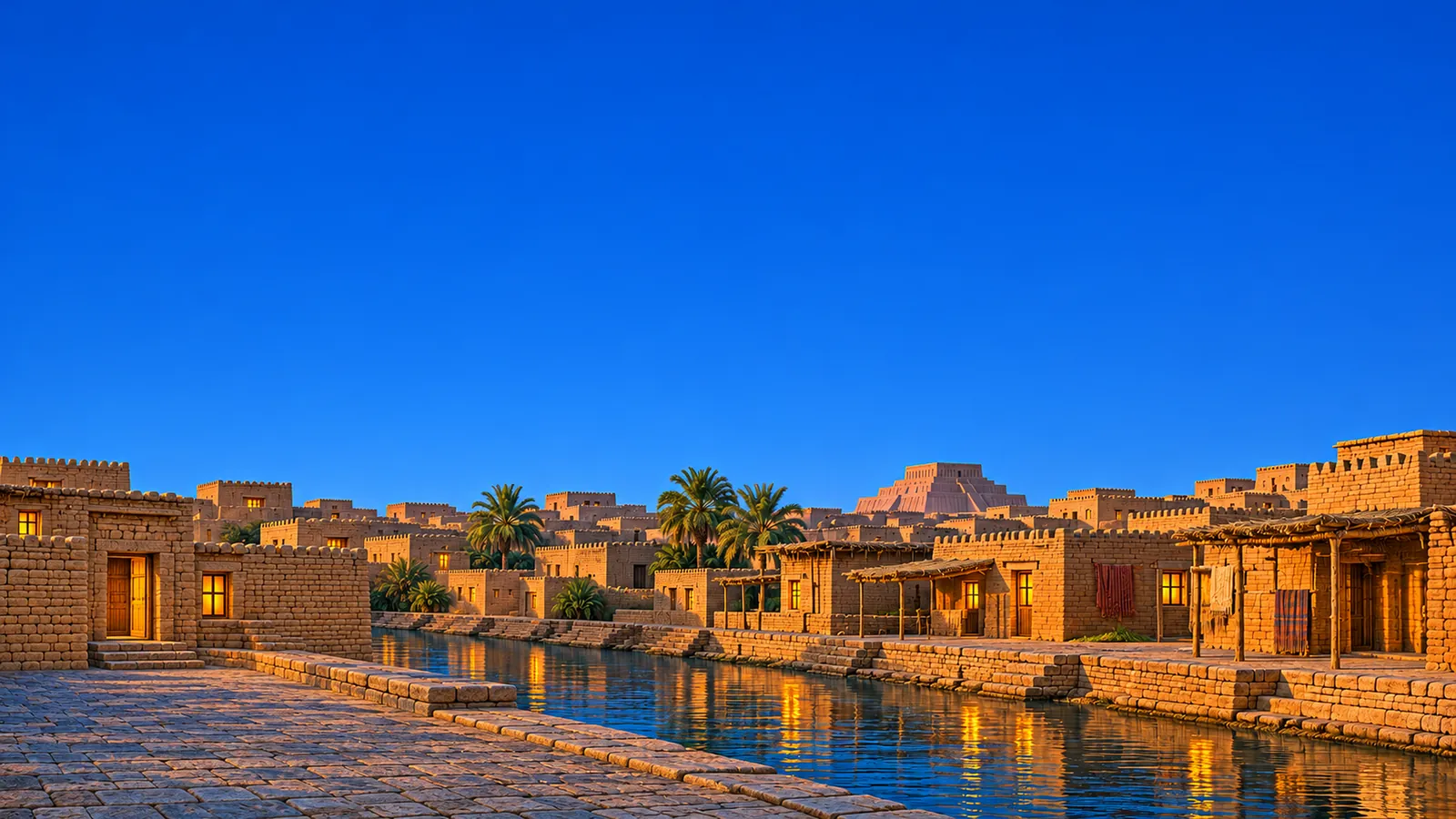
INVOCACIÓN
El canto comienza alabando a un rey de todas las poblaciones y creador del mundo. El primer verso no dice su nombre.
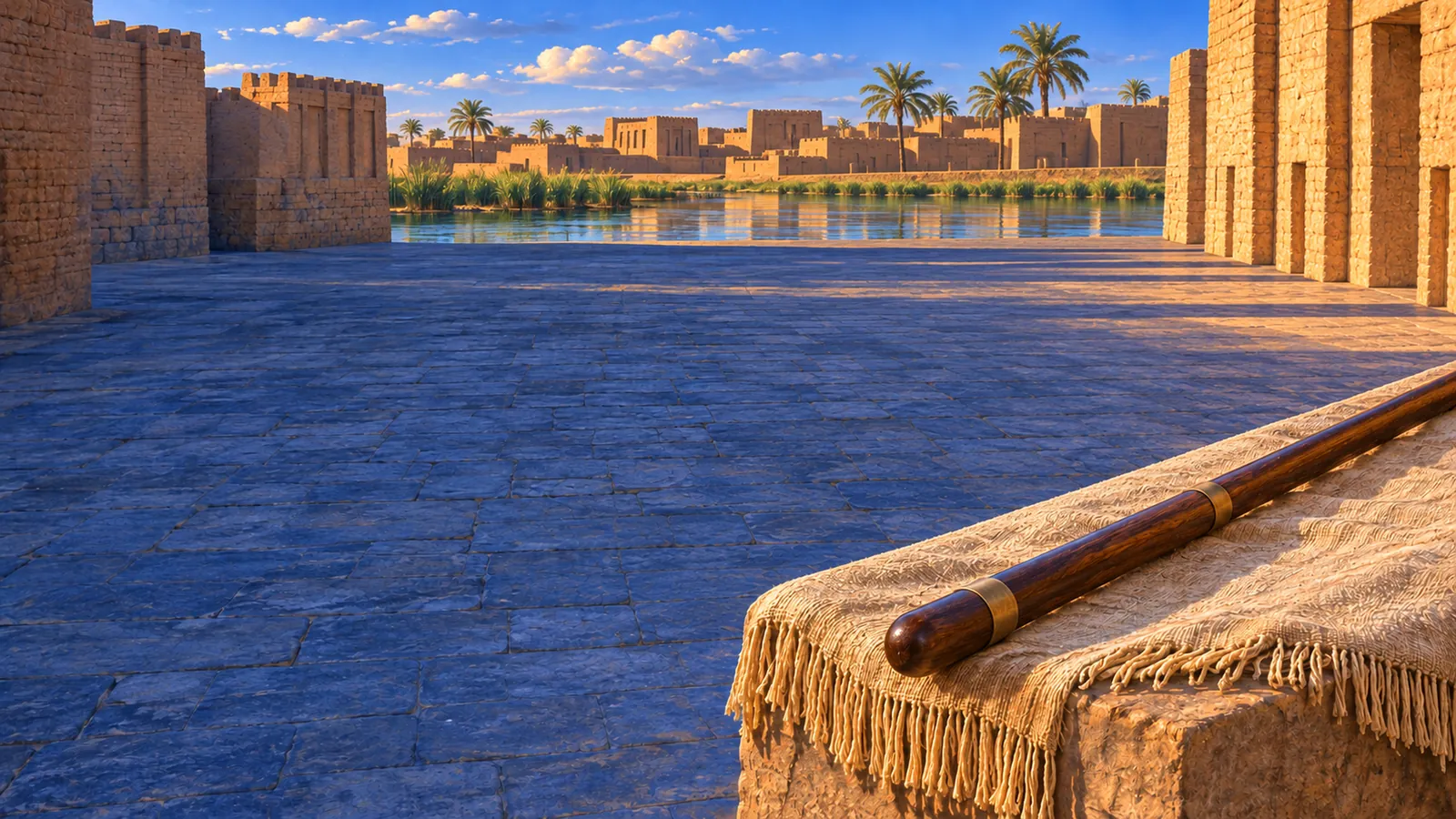
El canto invoca a Hendursanga, primogénito de Enlil. Lo alaba como portador del cetro y pastor de la gente.
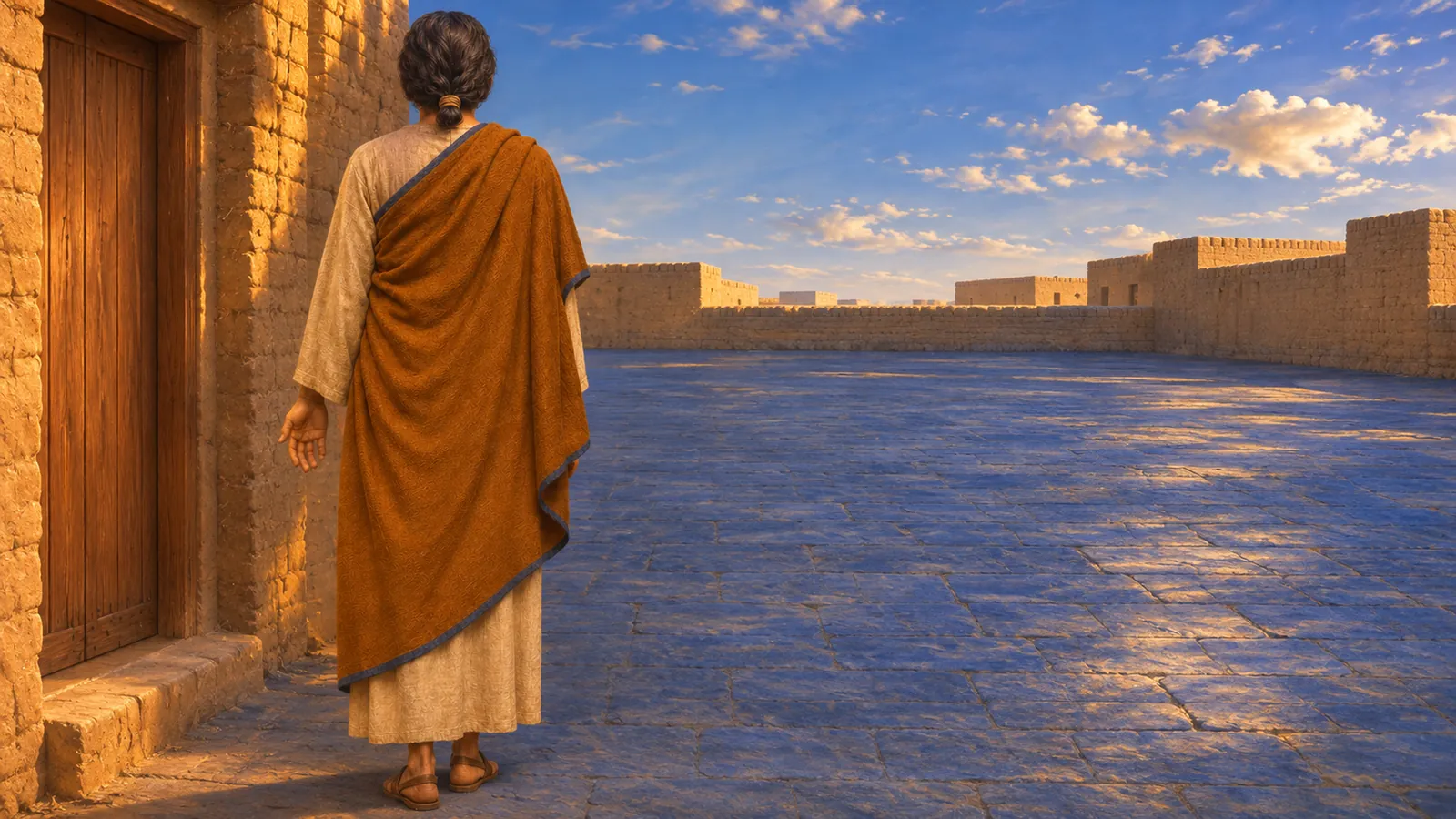
El canto se vuelve luego hacia Ishum y alaba su fuerza. Dice que hasta Erra tiembla cuando se manifiesta.
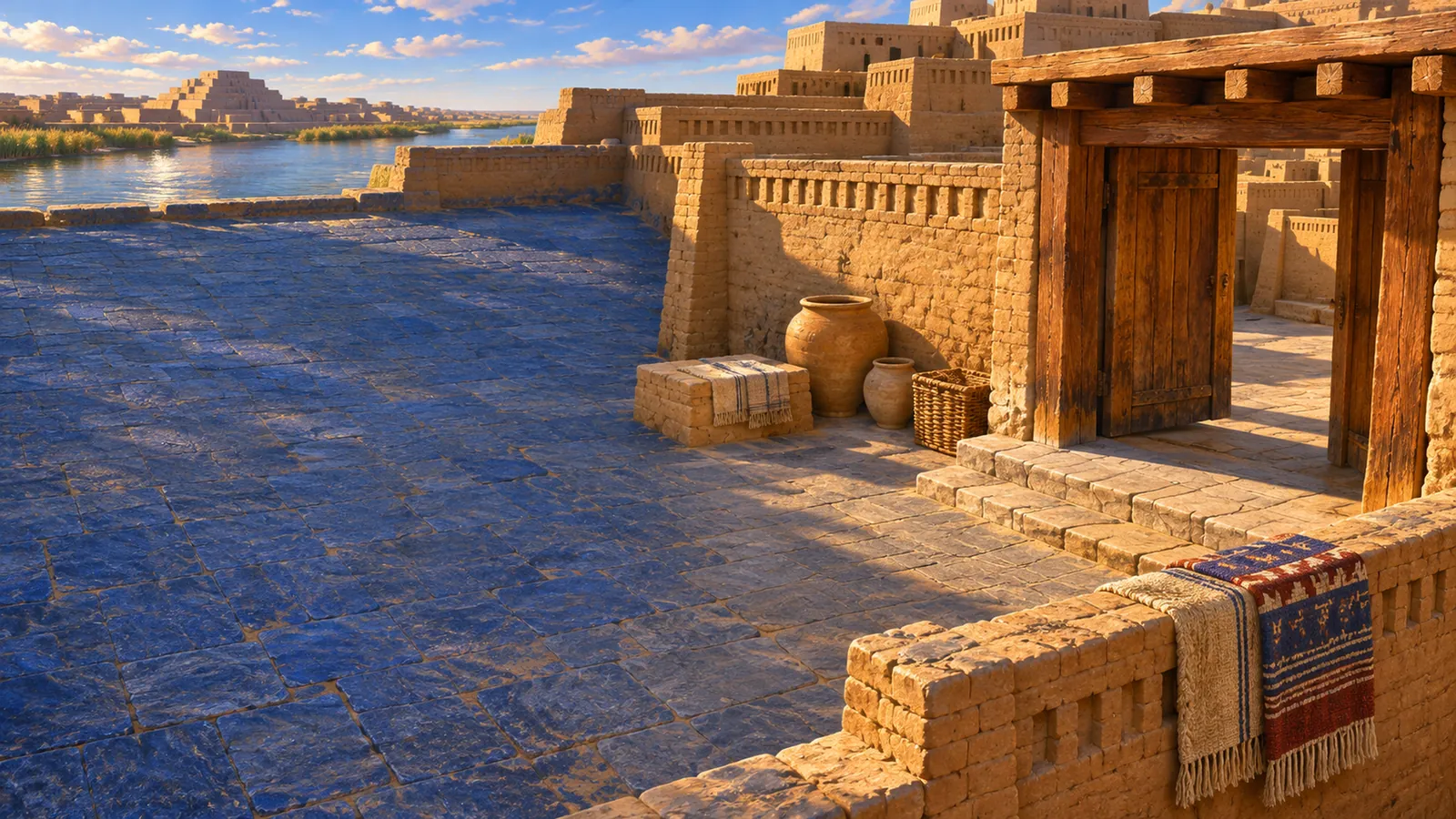
En los primeros versos, una voz ansía combatir y llama a los Siete. Las palabras antiguas admiten distintas lecturas y la identidad de quien habla sigue siendo incierta.
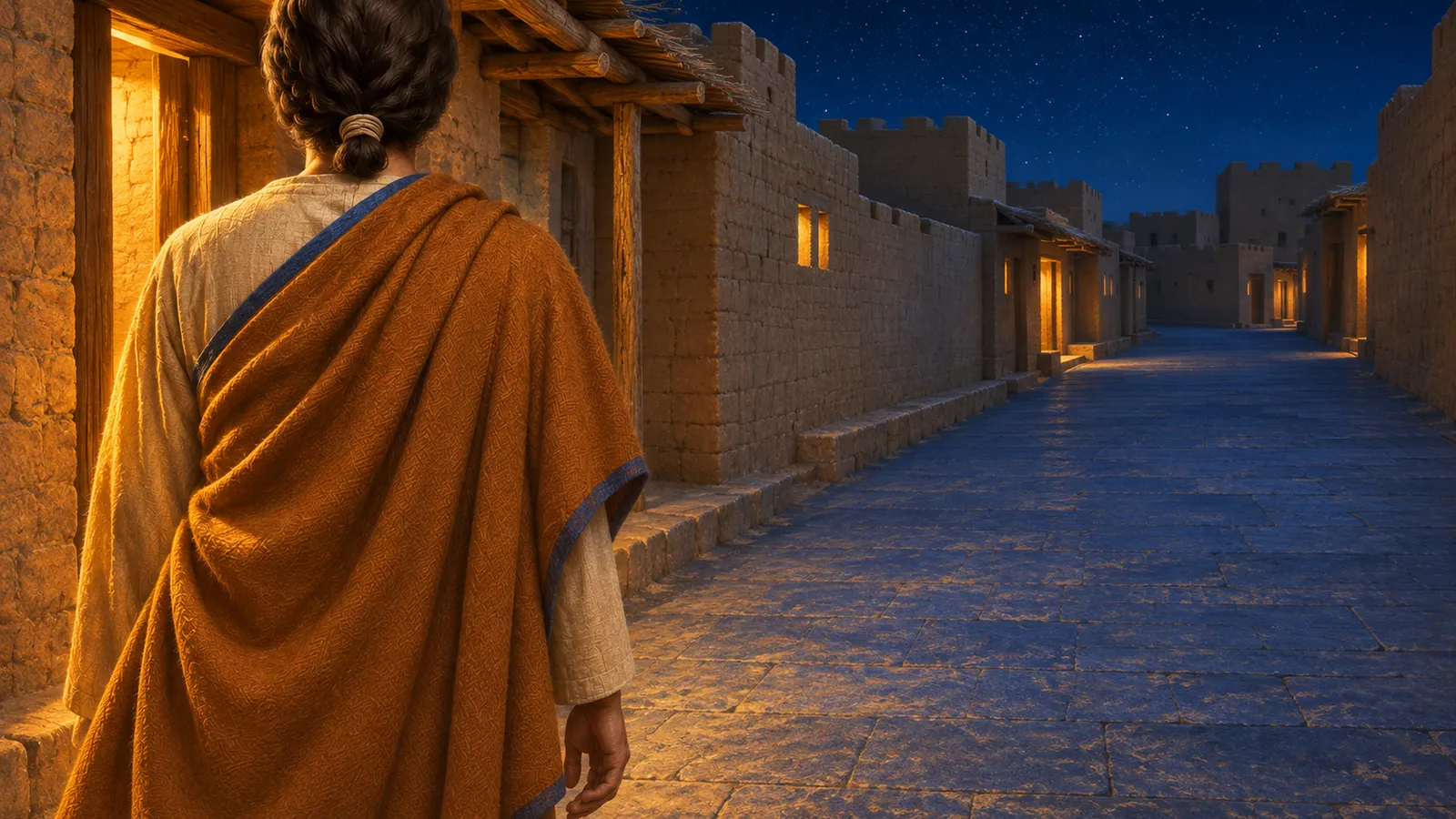
El comienzo compara a un guía con una antorcha que otros siguen. También pregunta si puede haber alegría si Erra se alza para asolar la tierra.
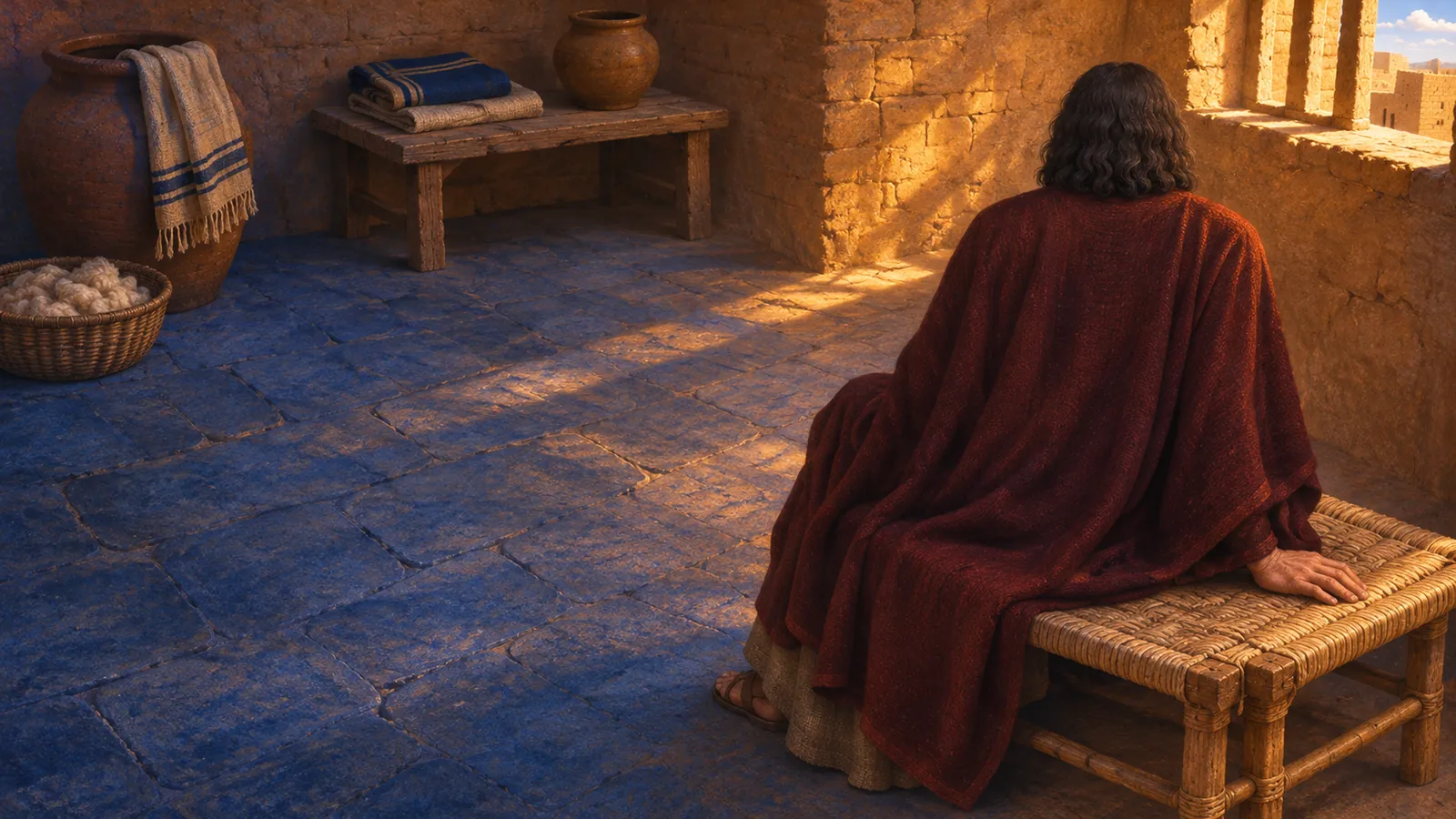
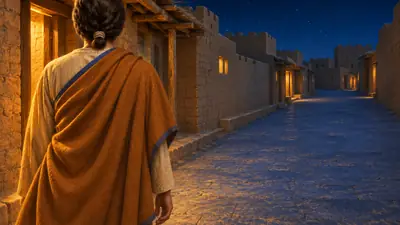
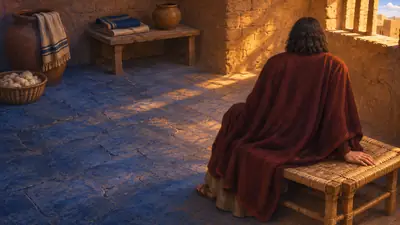
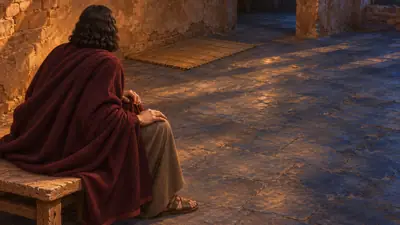
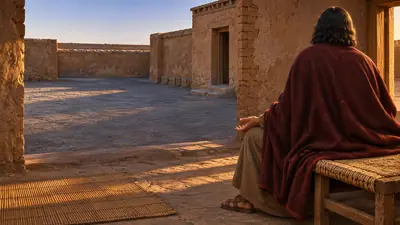
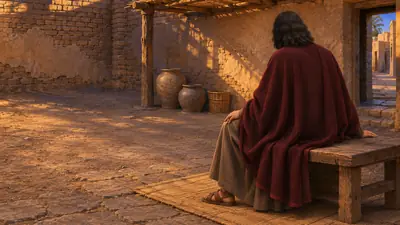
Cansado como quien no ha dormido, Erra se pregunta si debe levantarse. Envía de vuelta a los Siete y sigue descansando con Mami. El canto invoca a Engidudu, el guía que camina de noche.
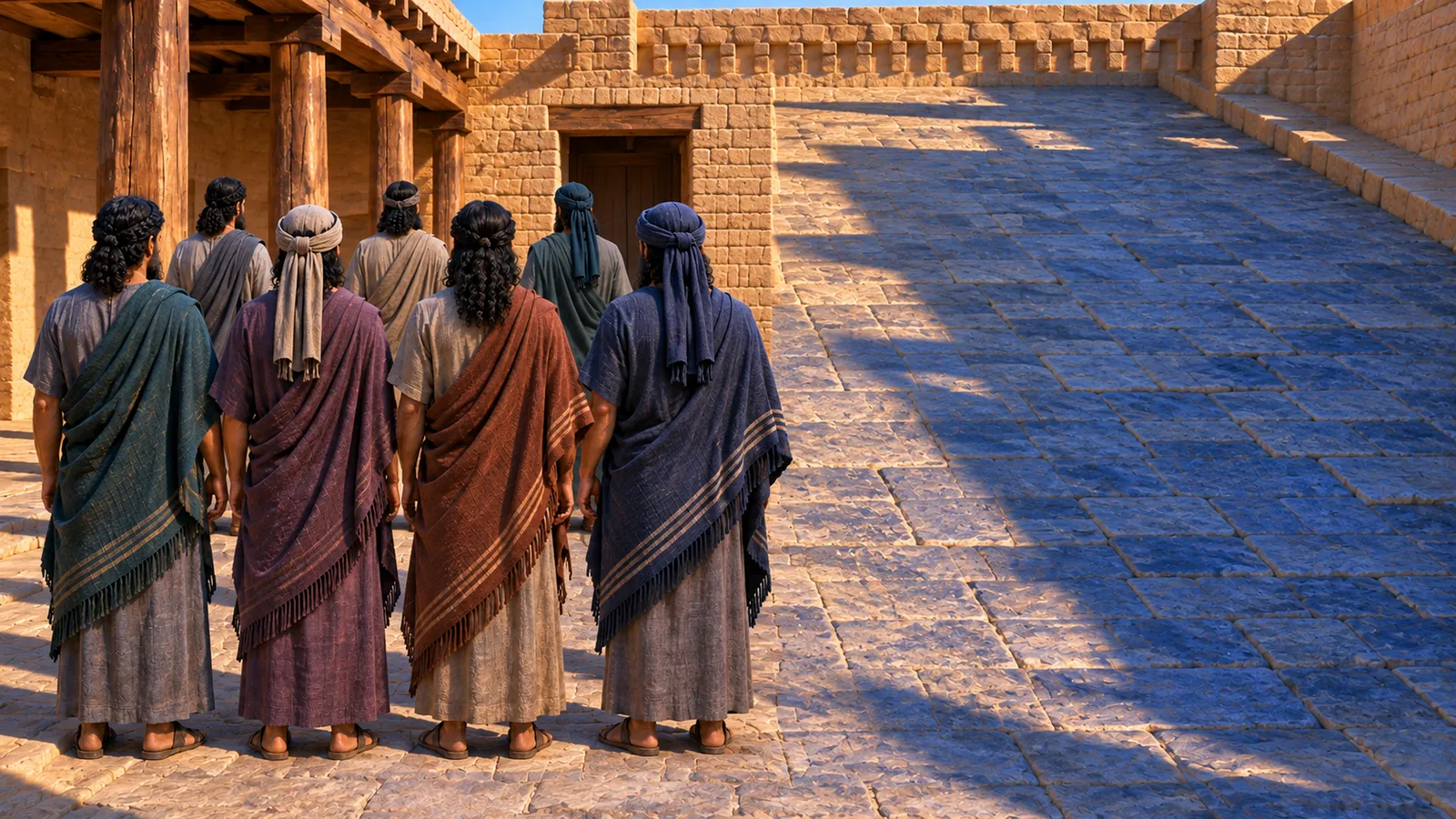
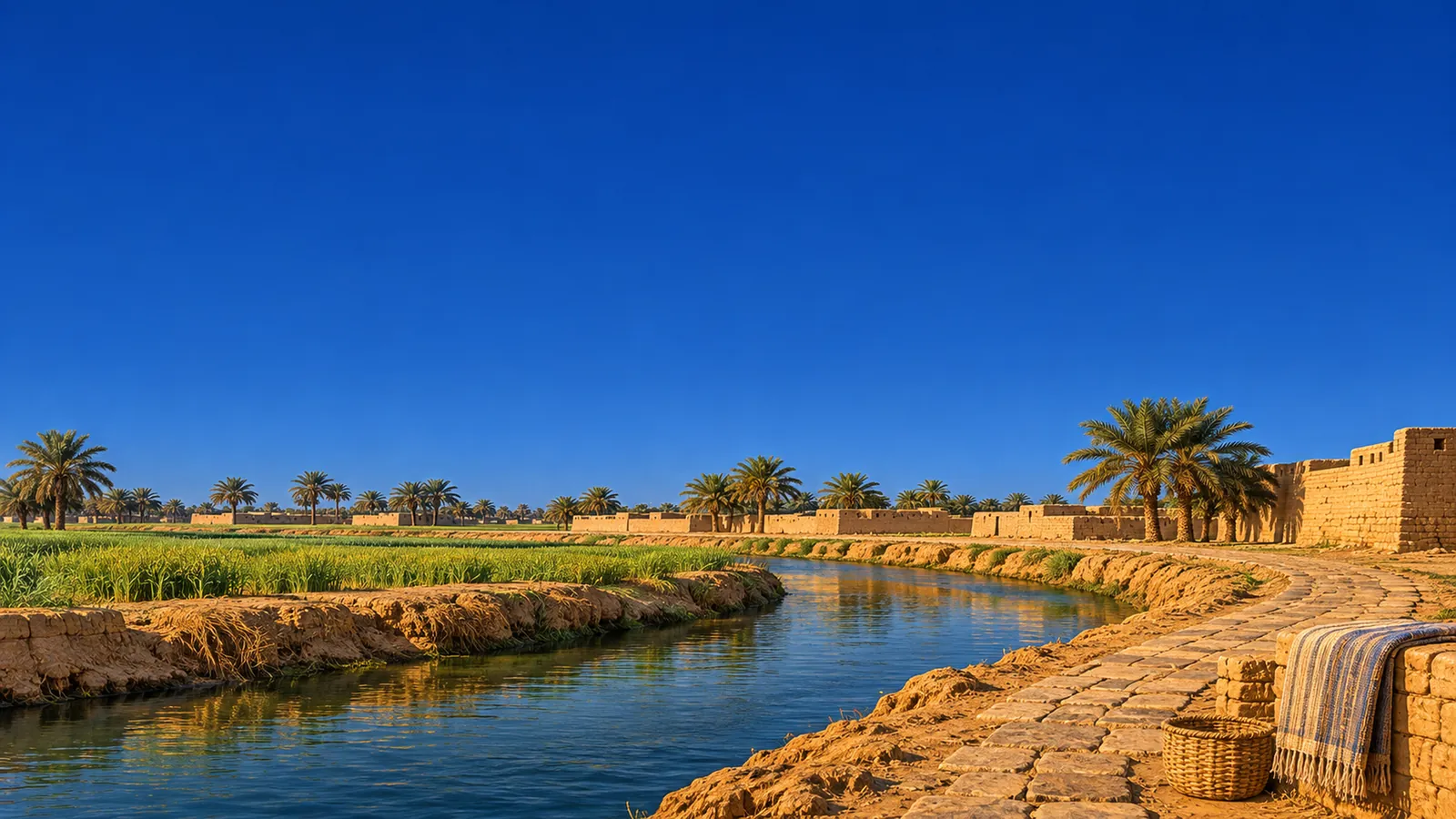
El canto presenta a los Siete como seres de otra naturaleza. Su origen es extraño y el miedo se apodera de quien los ve.
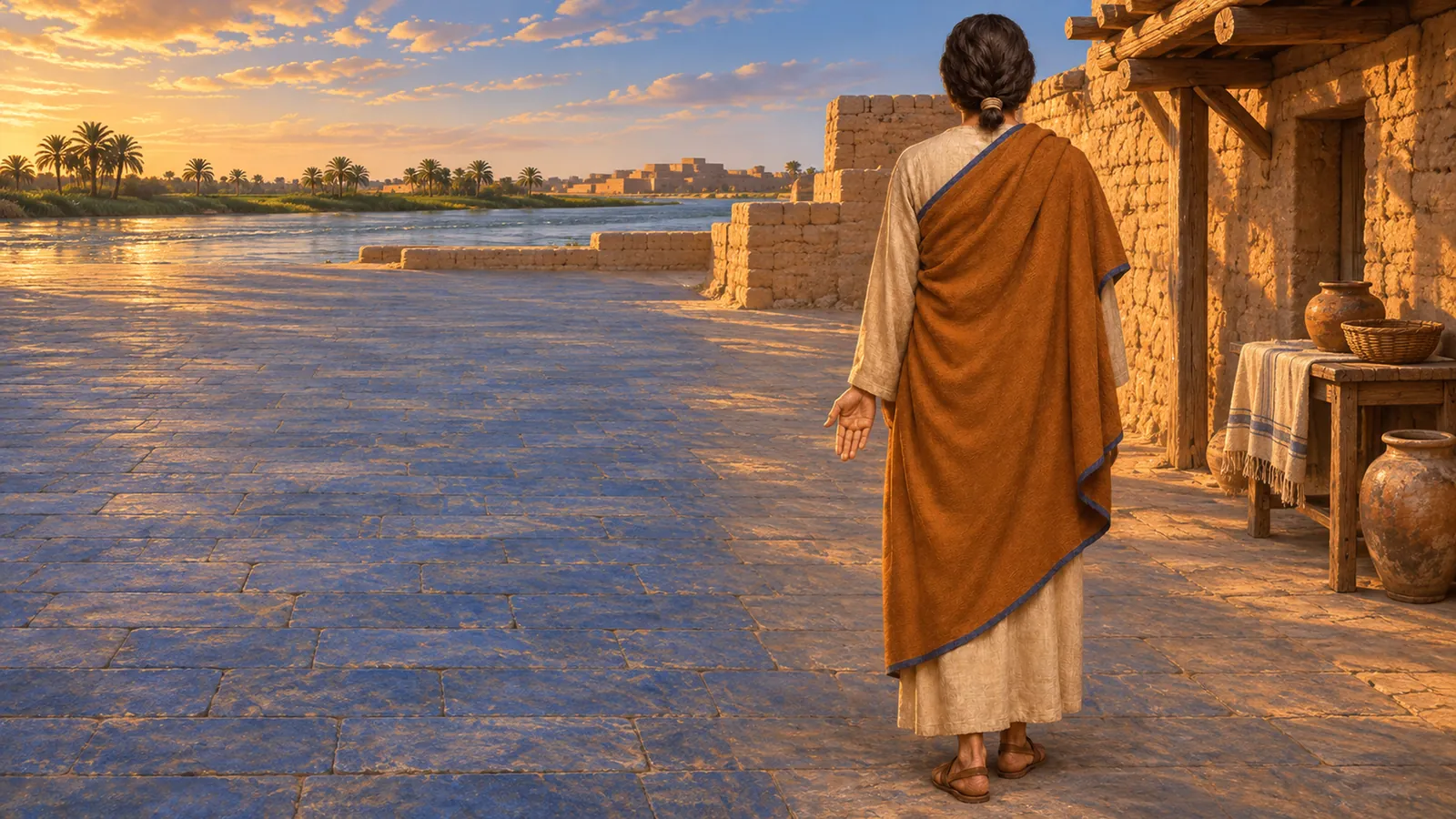
El poema compara a Ishum con una puerta atrancada ante los Siete. Por ahora hay algo que les impide pasar.
LOS SIETE
El canto cuenta cómo Anu, rey de los dioses, engendró siete dioses con la Tierra. La Tierra los dio a luz y Anu los llamó los Siete.
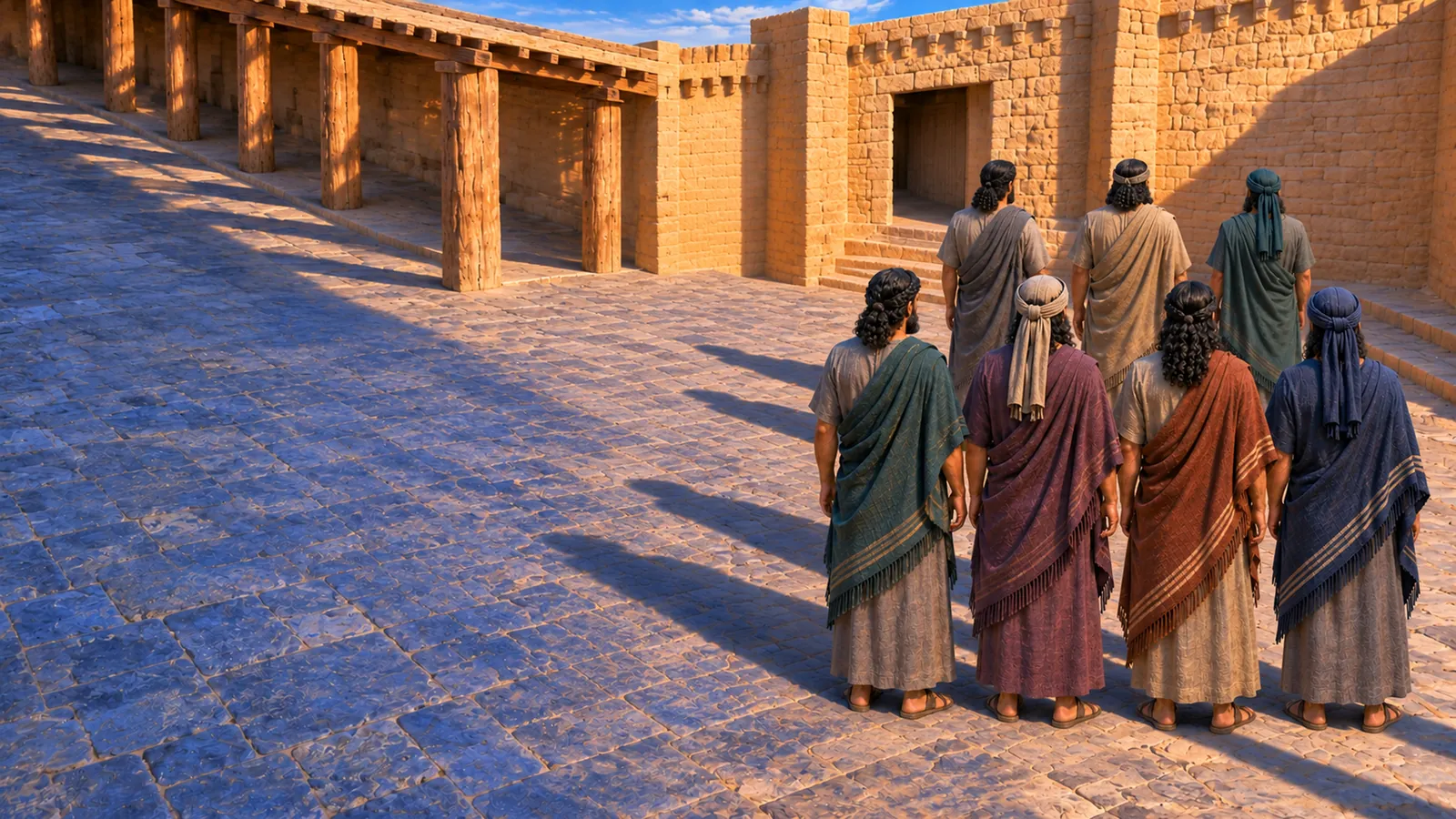
Los Siete se presentan ante Anu, que les asigna sus tareas. Sus palabras invocan fuerzas como el fuego, el león y el viento.
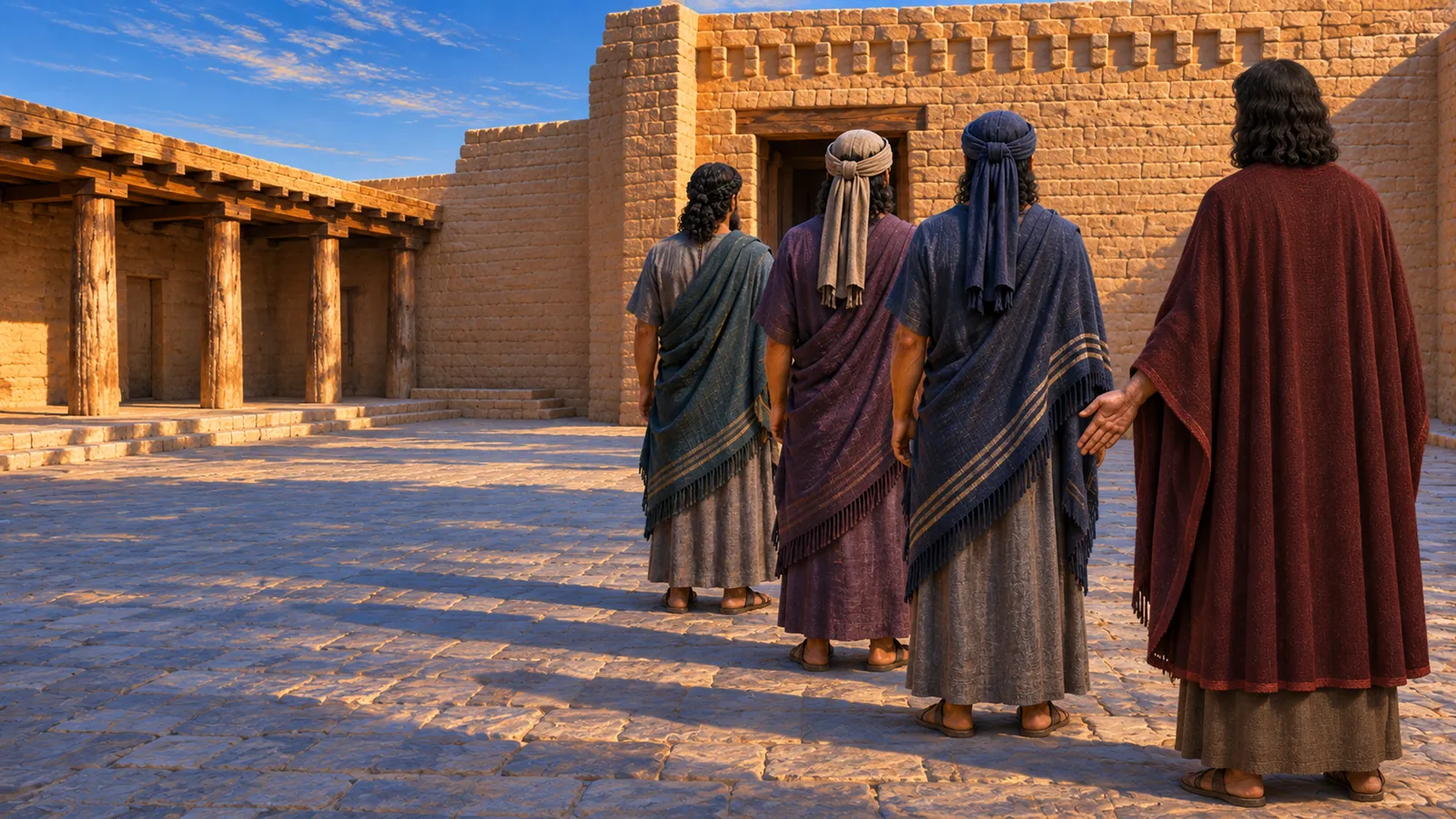
Una vez fijadas sus tareas, Anu pone a los Siete junto a Erra. Deben acompañarlo cuando su ira se vuelva contra la gente y sus rebaños.
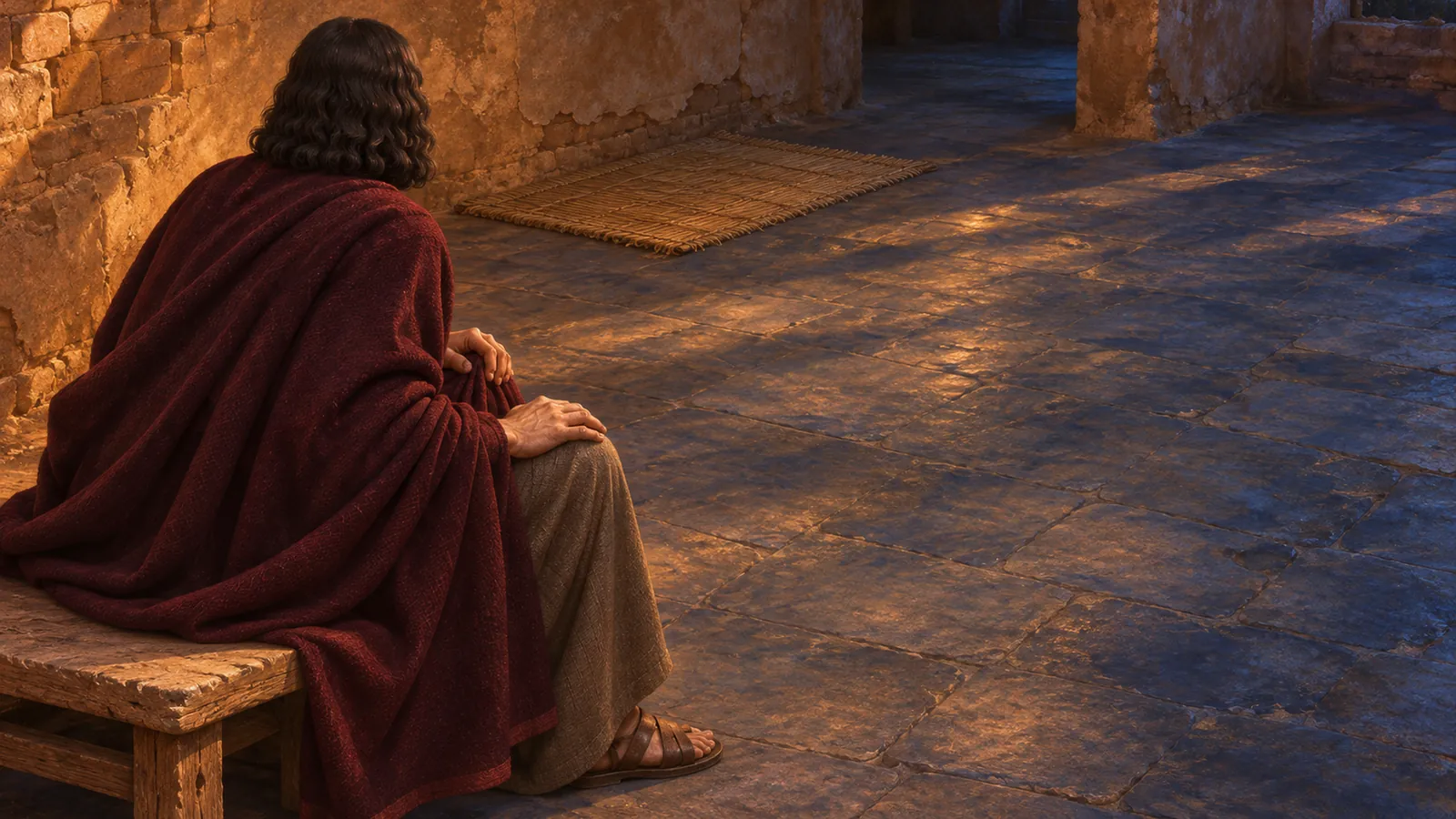
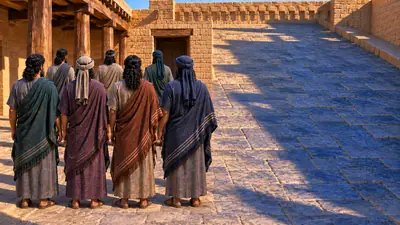
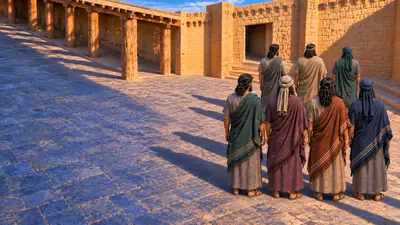
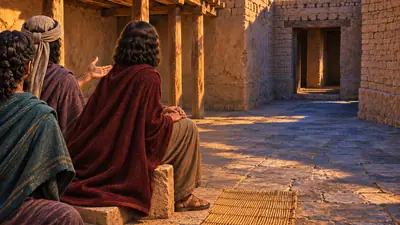
Los Siete se enfurecen e instan a Erra a levantarse. Se burlan de él por quedarse en la ciudad y permanecer en casa.
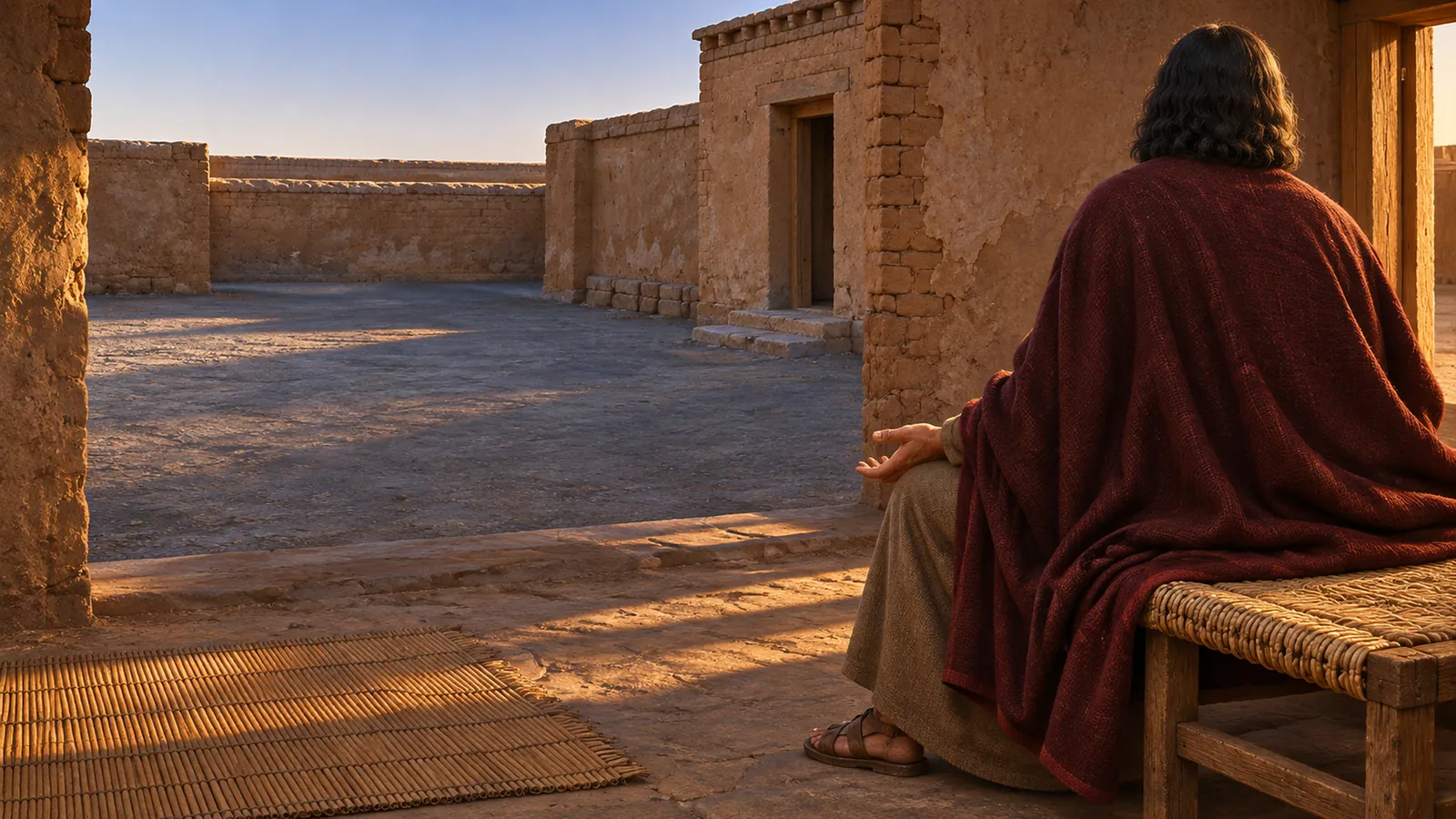
Los Siete se burlan de quienes se quedan en casa y hacen de su alarde una cuestión de hombría. Hablan de salir a la guerra como si fuera una fiesta.
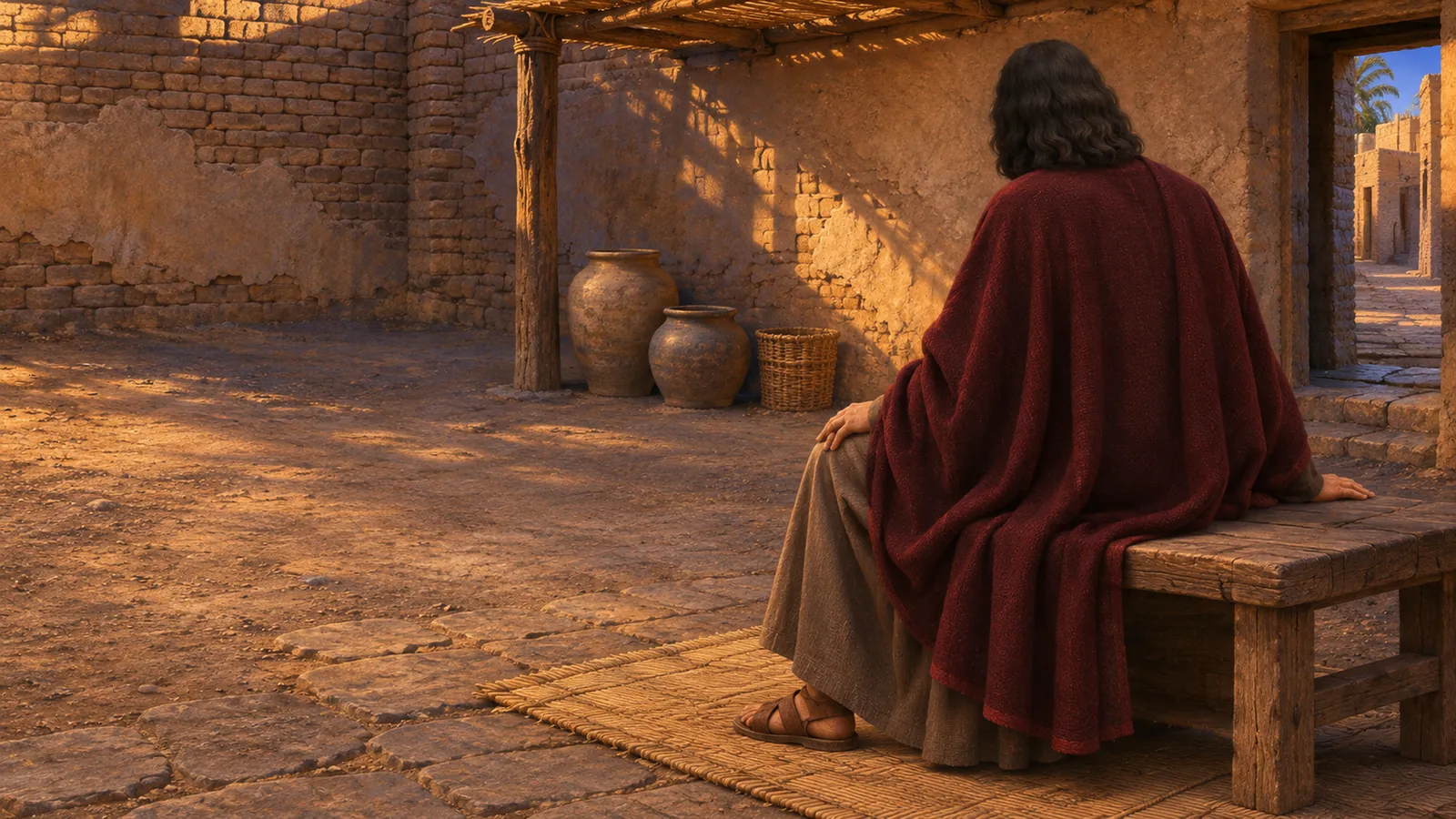
Según los Siete, ni siquiera un príncipe se sacia en la ciudad. Aseguran que la gente se burla de quien se queda atrás, por fuerte que sea.
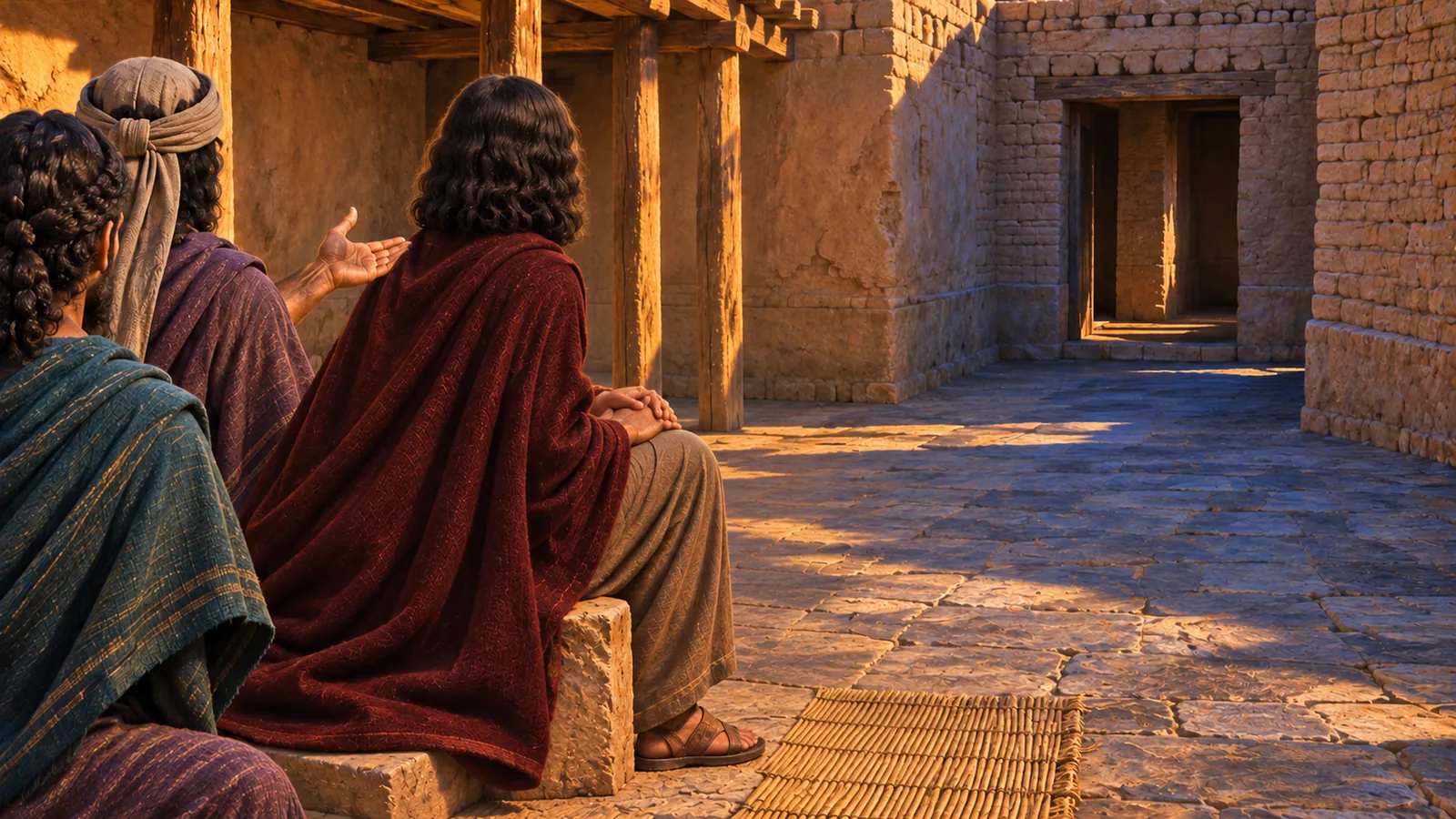
Los Siete prefieren el pan cocido en ceniza al pan fino de la ciudad y el agua de un odre a la cerveza dulce. Prefieren incluso acampar al raso antes que alojarse en un palacio. Vuelven a llamar a Erra para que parta.
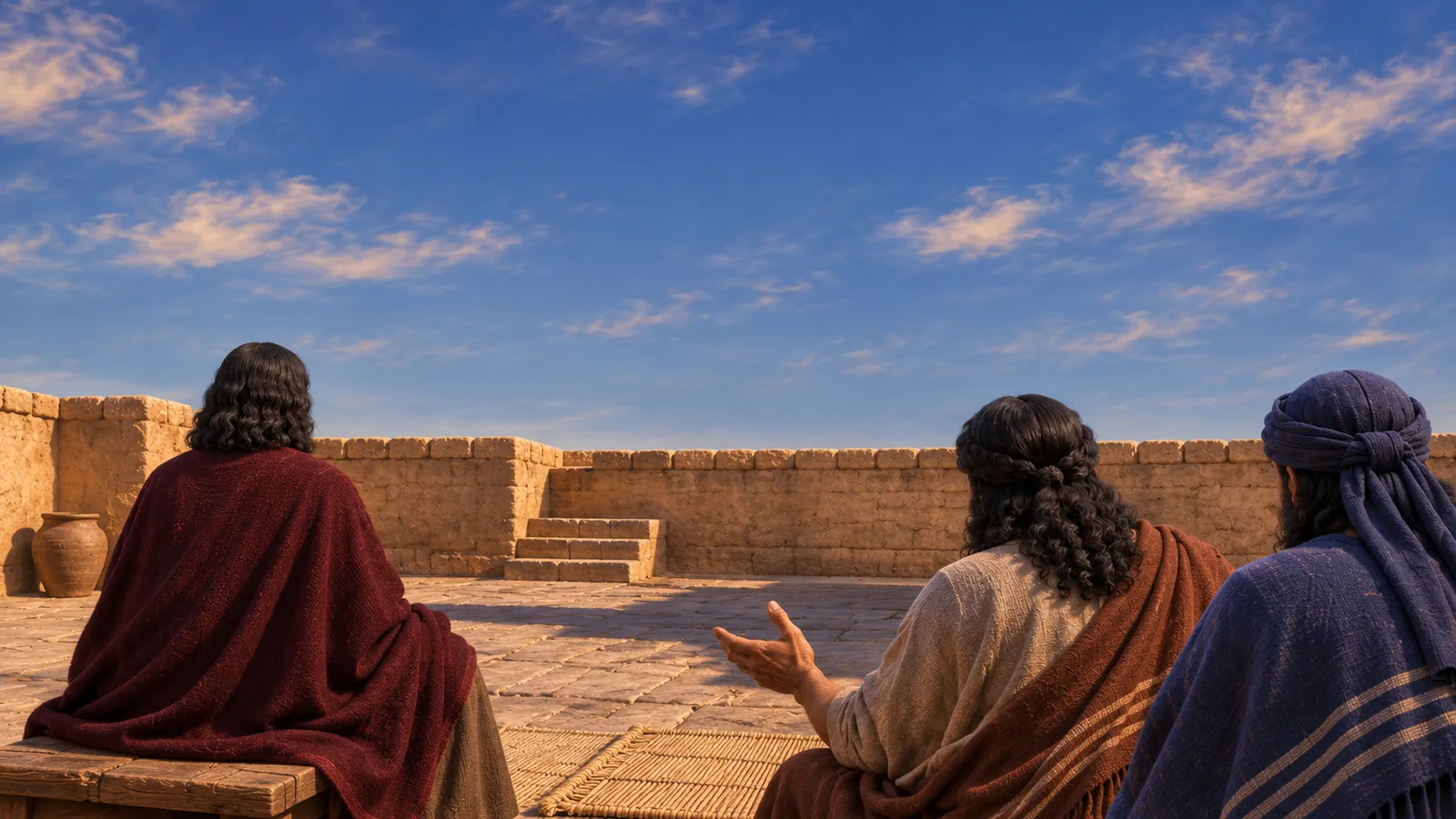
QUE OIGAN
Los Siete instan a Erra a hacerse oír arriba y abajo. Quieren que los Igigi alaben su nombre y los Anunnaku teman oírlo.
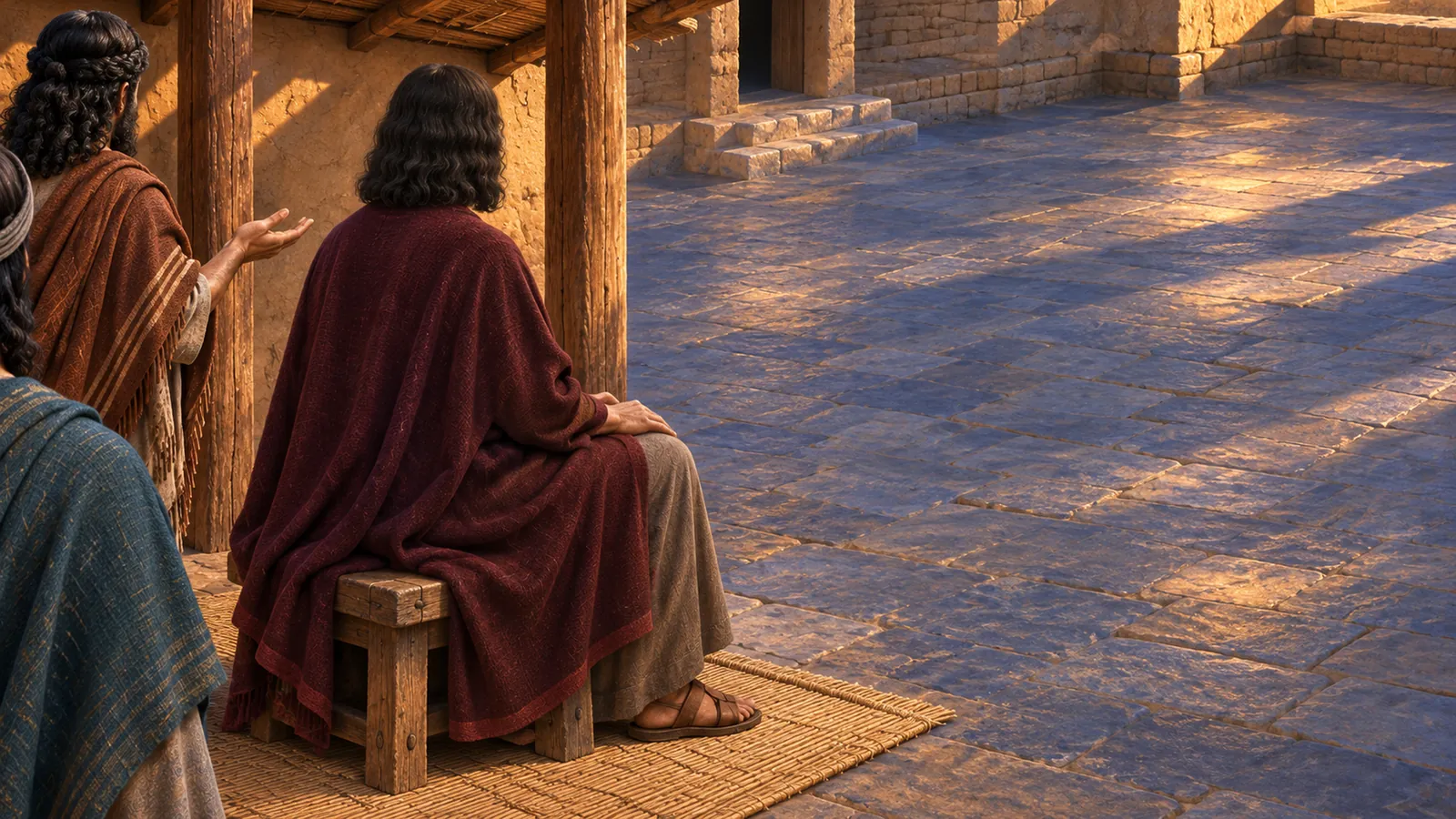
Los Siete imaginan que los dioses ceden, los reyes se inclinan y los países traen tributo. Se jactan de que hasta las montañas cederían.
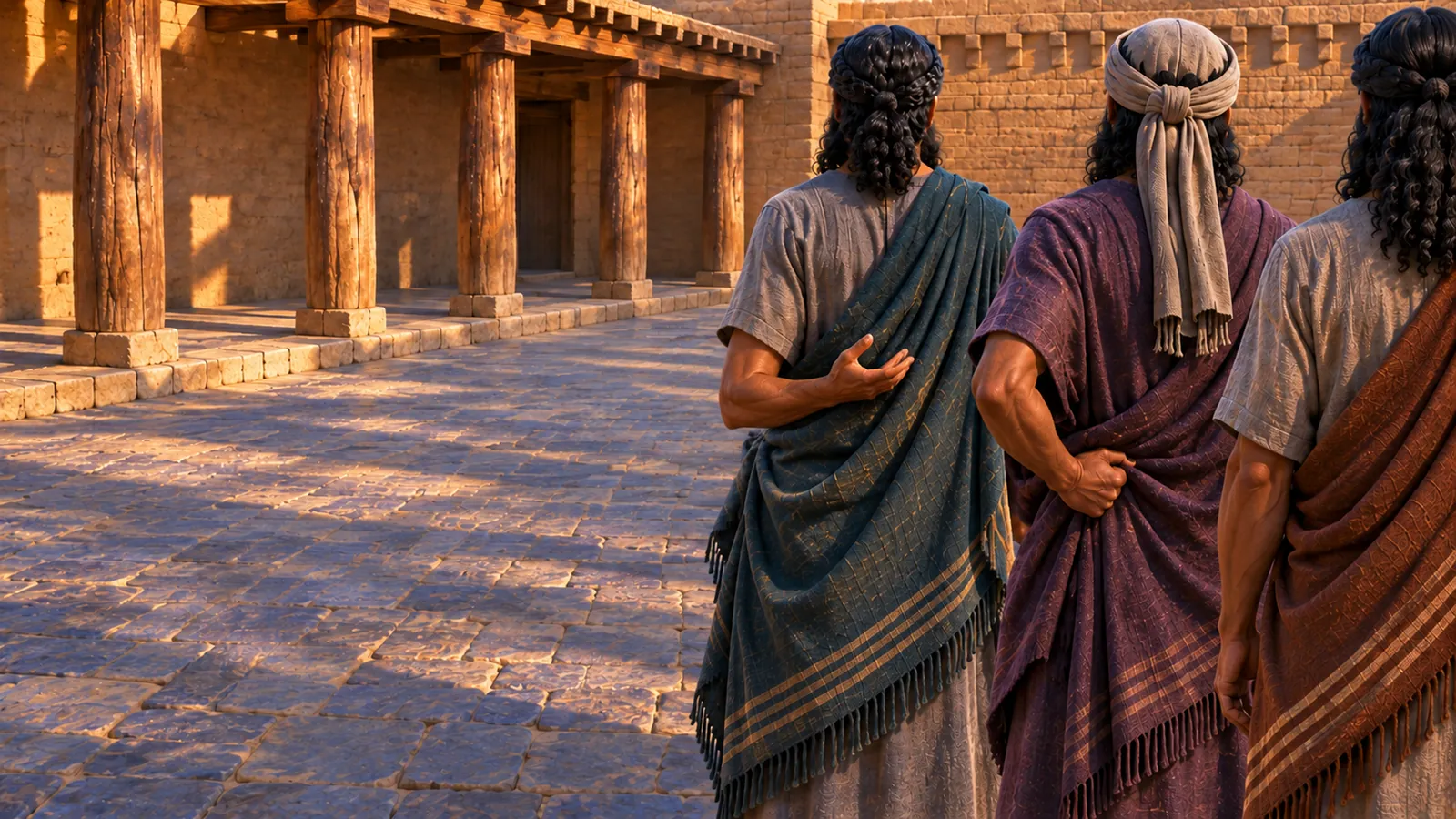
Los Siete dicen que un pastor debe velar por su rebaño. Se lamentan de haber olvidado los pasos de montaña y de que las telarañas cubran su equipo.
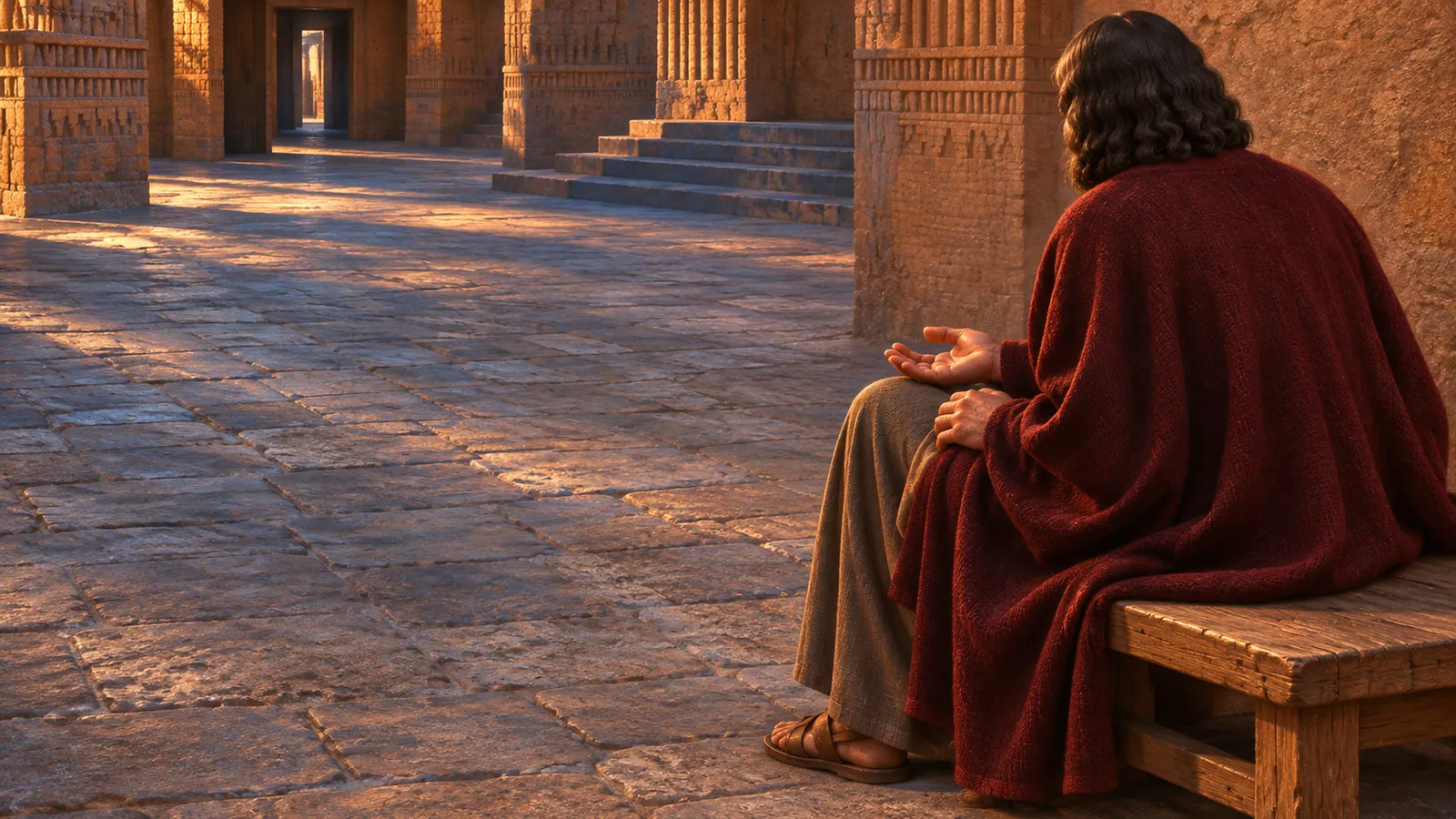
Erra escucha a los Siete. Sus palabras le agradan tanto como el aceite más fino.
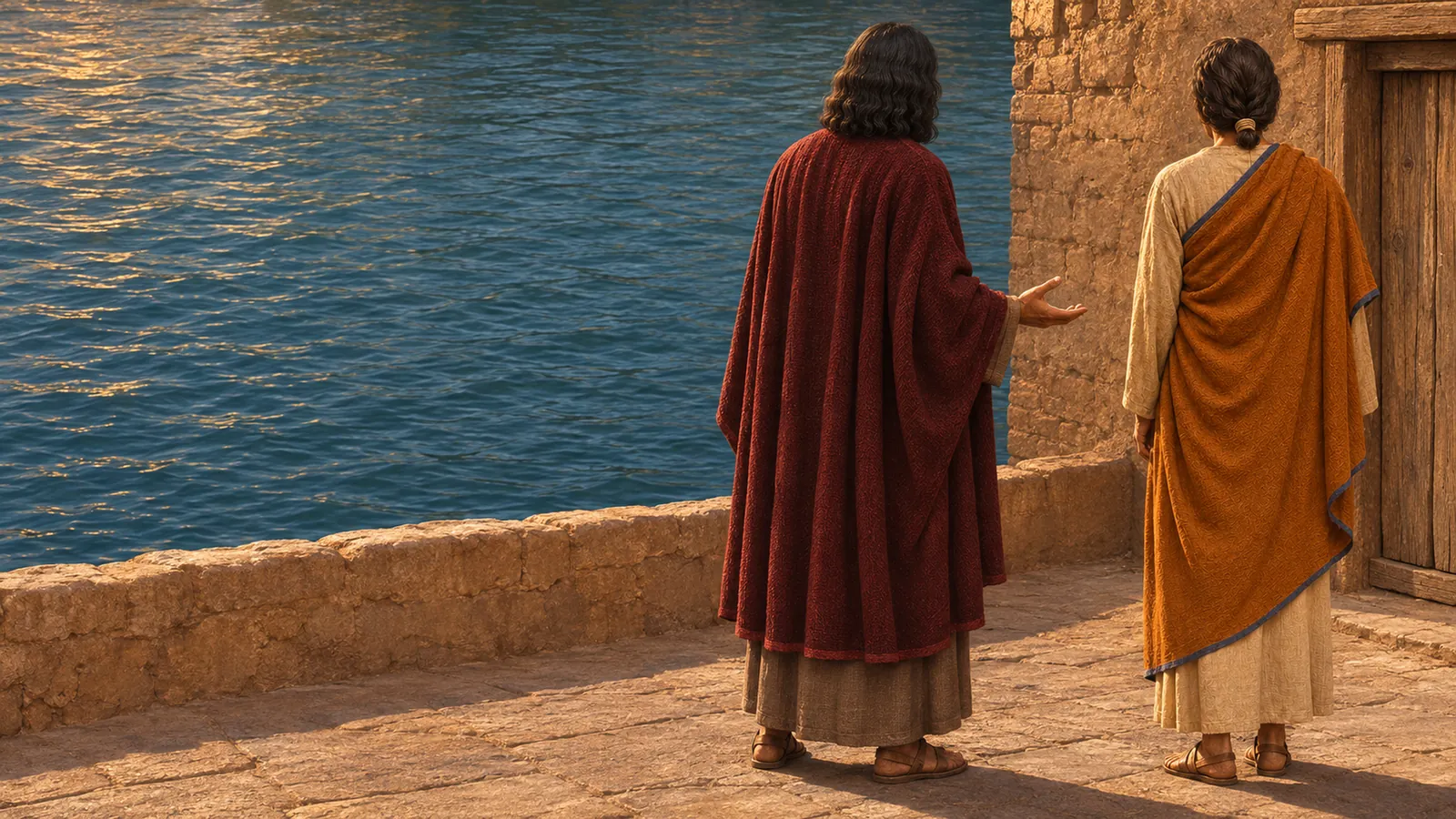
Erra pregunta a Ishum por qué guarda silencio tras oír a los Siete. Le dice que abra paso para que pueda partir.
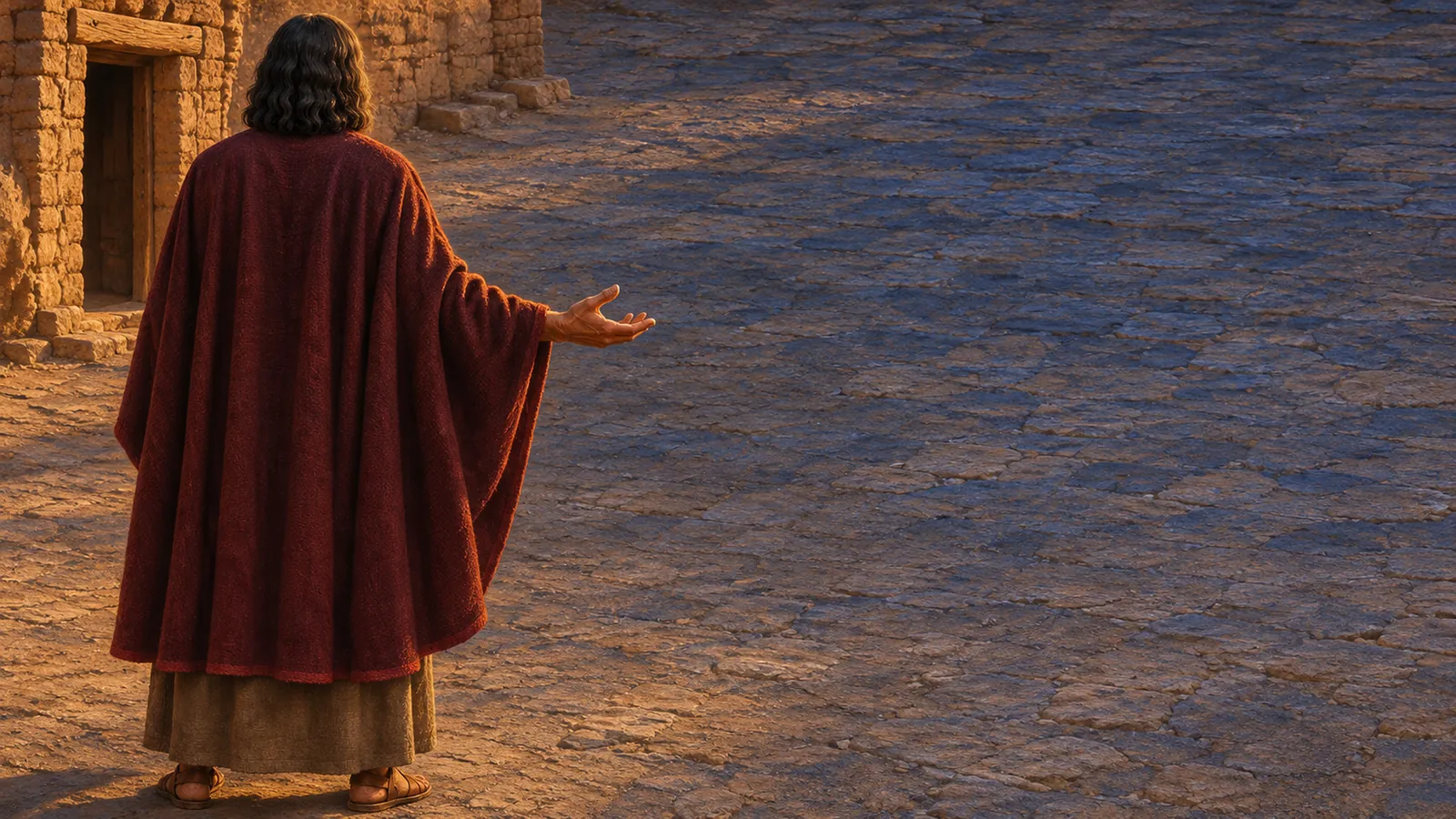
Erra llama a los Siete a la guerra. Ordena que sus armas vayan a su lado.
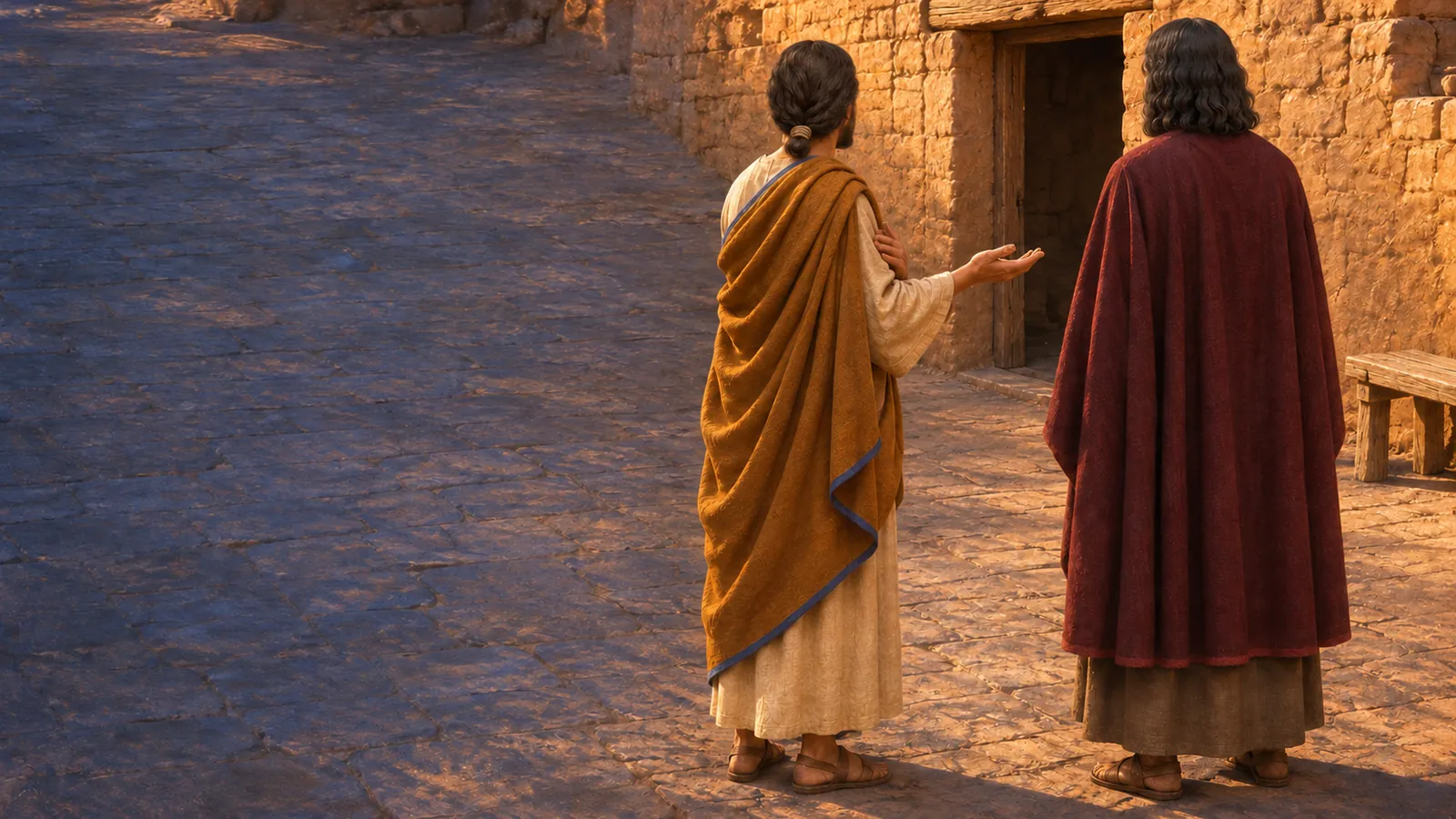
Ishum escucha a Erra y se llena de compasión. Le pregunta por qué quiere hacer daño a los dioses, a la tierra y a su gente. Le pide que desista.
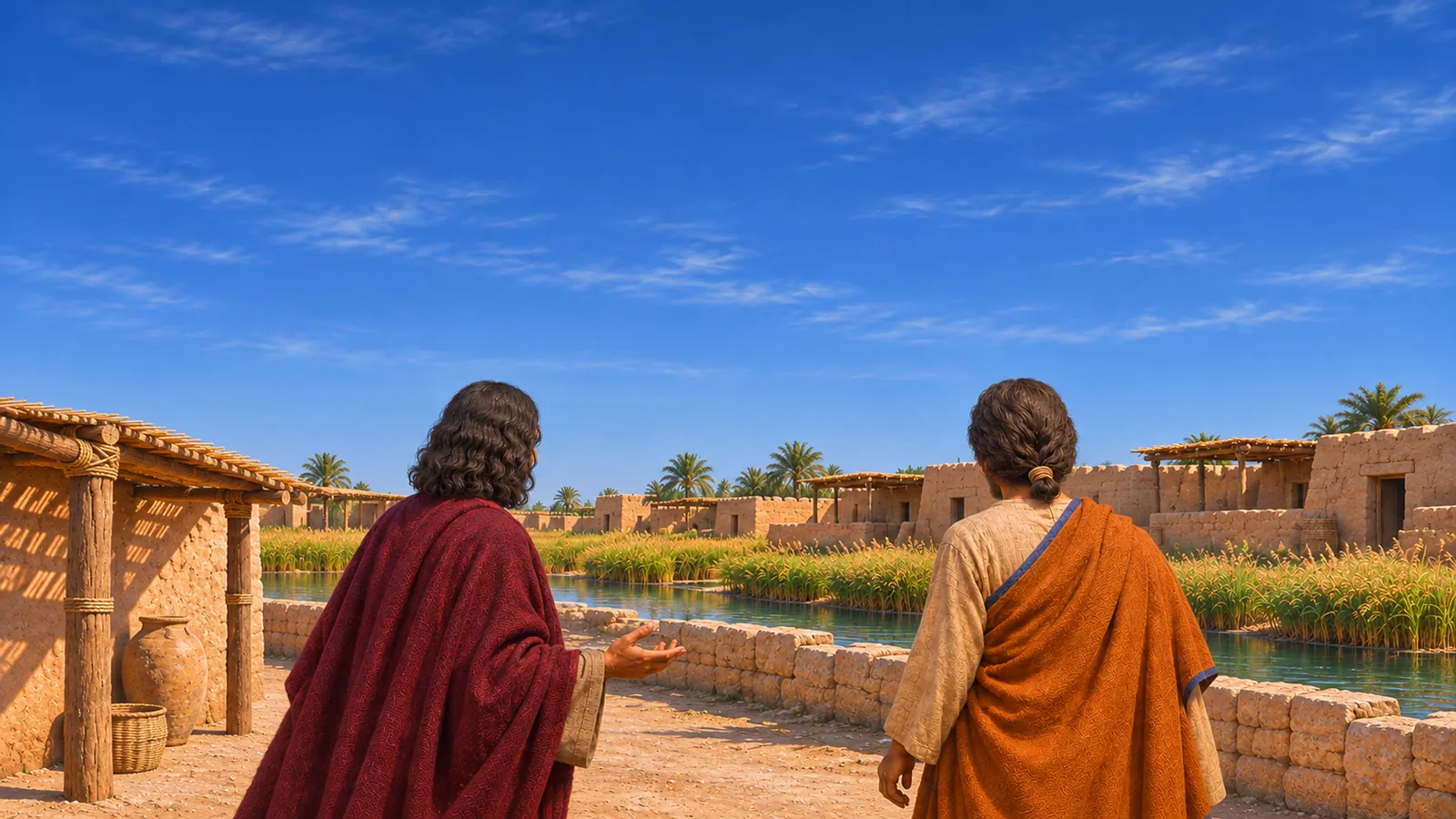
LA RESPUESTA DE ERRA
Erra pide a Ishum que escuche. Reconoce su sabiduría y su súplica por la gente, y luego se pone a hablar de su propio poder.
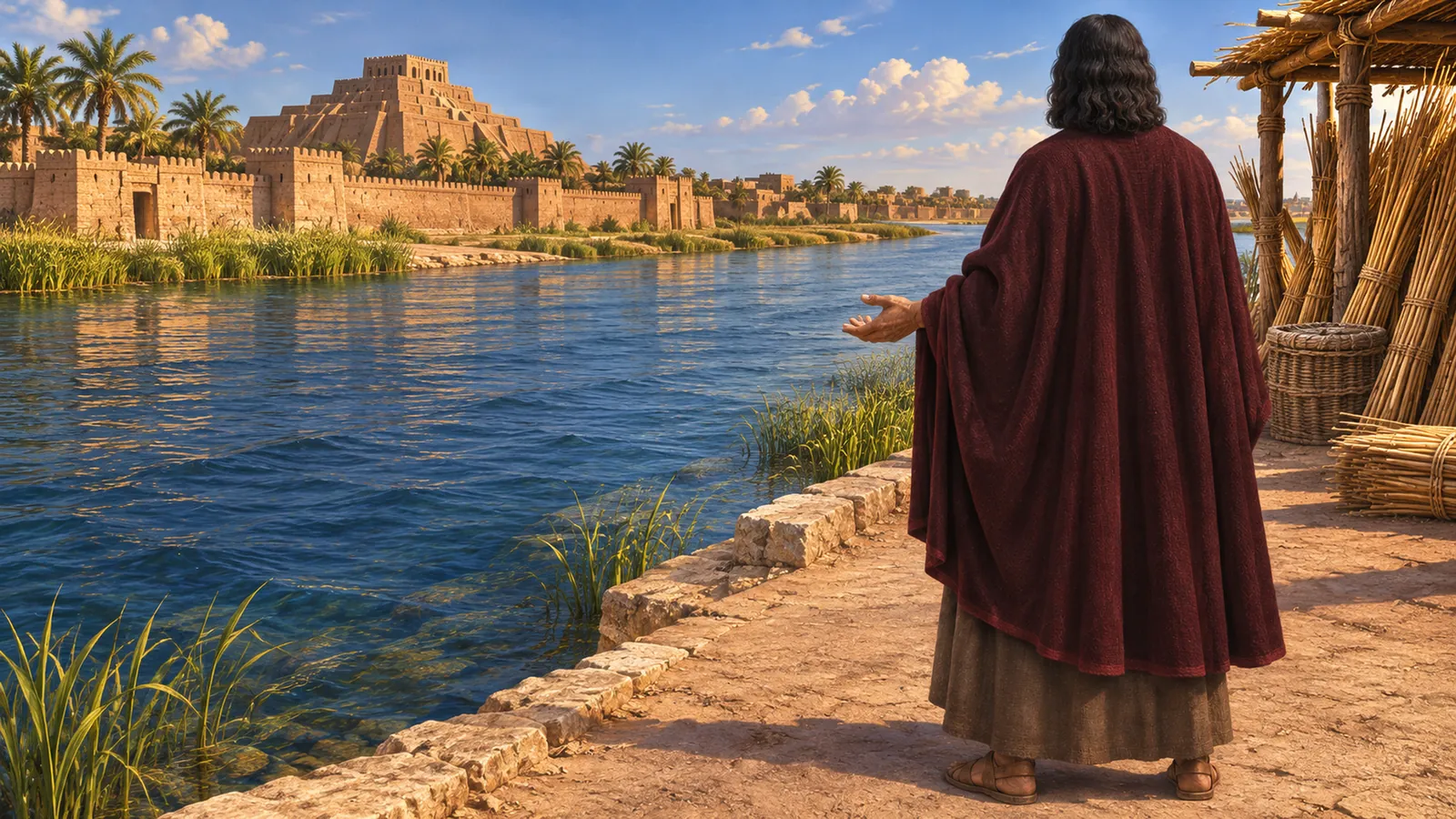
Erra se llama toro salvaje en el cielo y león en la tierra. Entre los Igigi y los Anunnaku reclama la posición de un héroe.
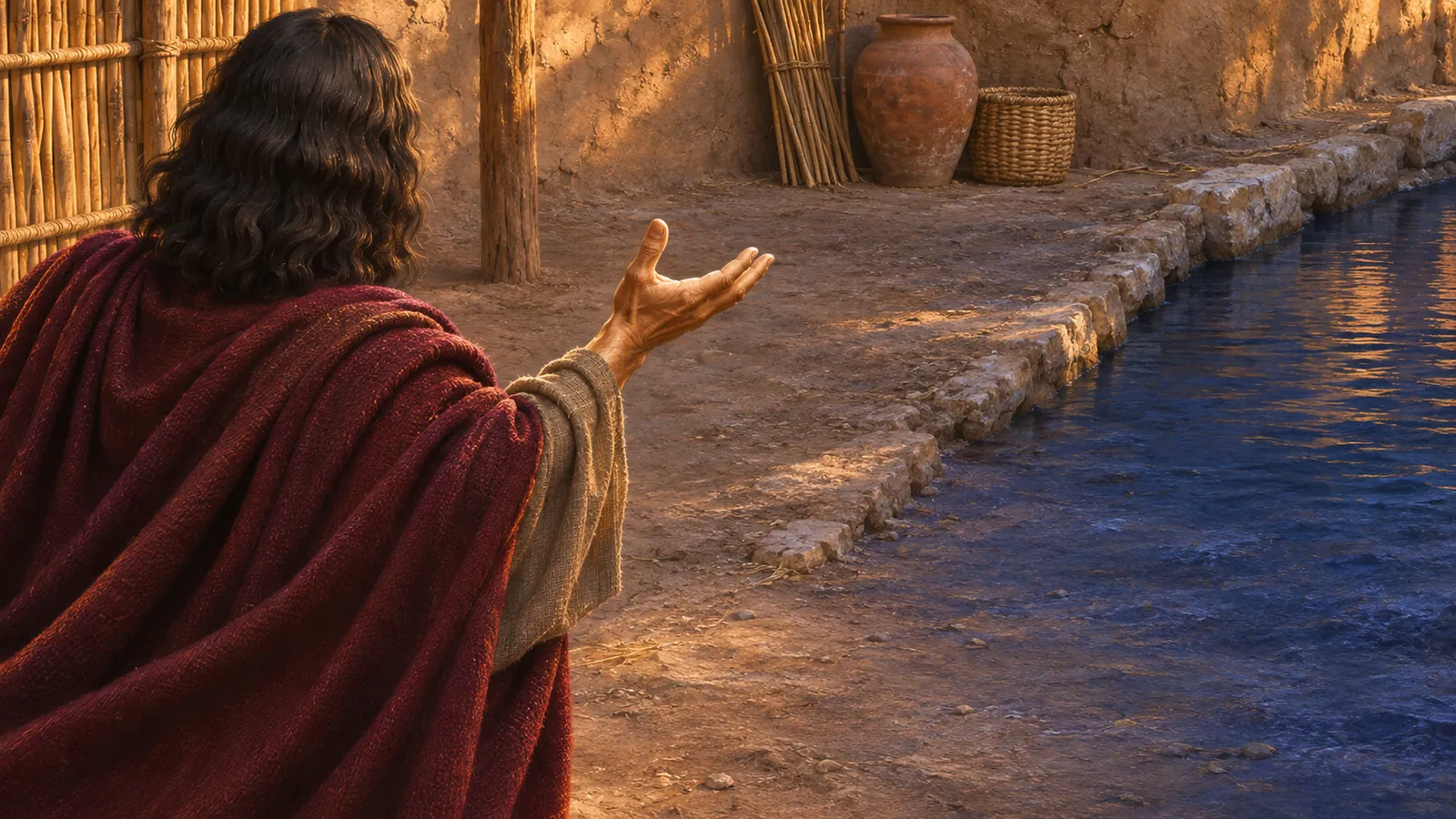
Erra se compara con el viento y con el trueno de Adad. Invoca a Nergal al hablar de la estepa y asegura que todos los dioses temen su nombre.
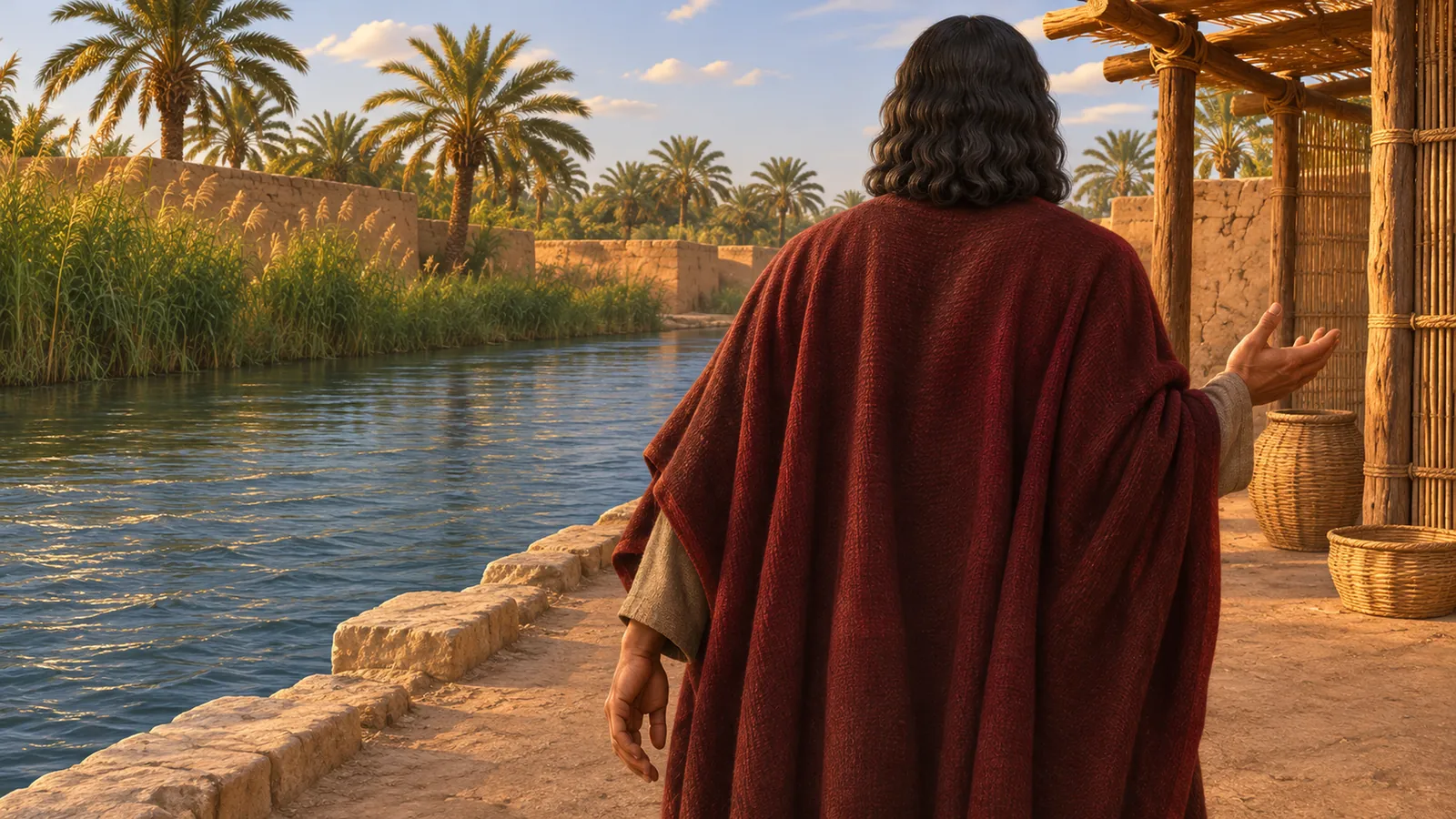
Erra dice que enojará a Marduk y lo echará de su morada. También amenaza a la gente.
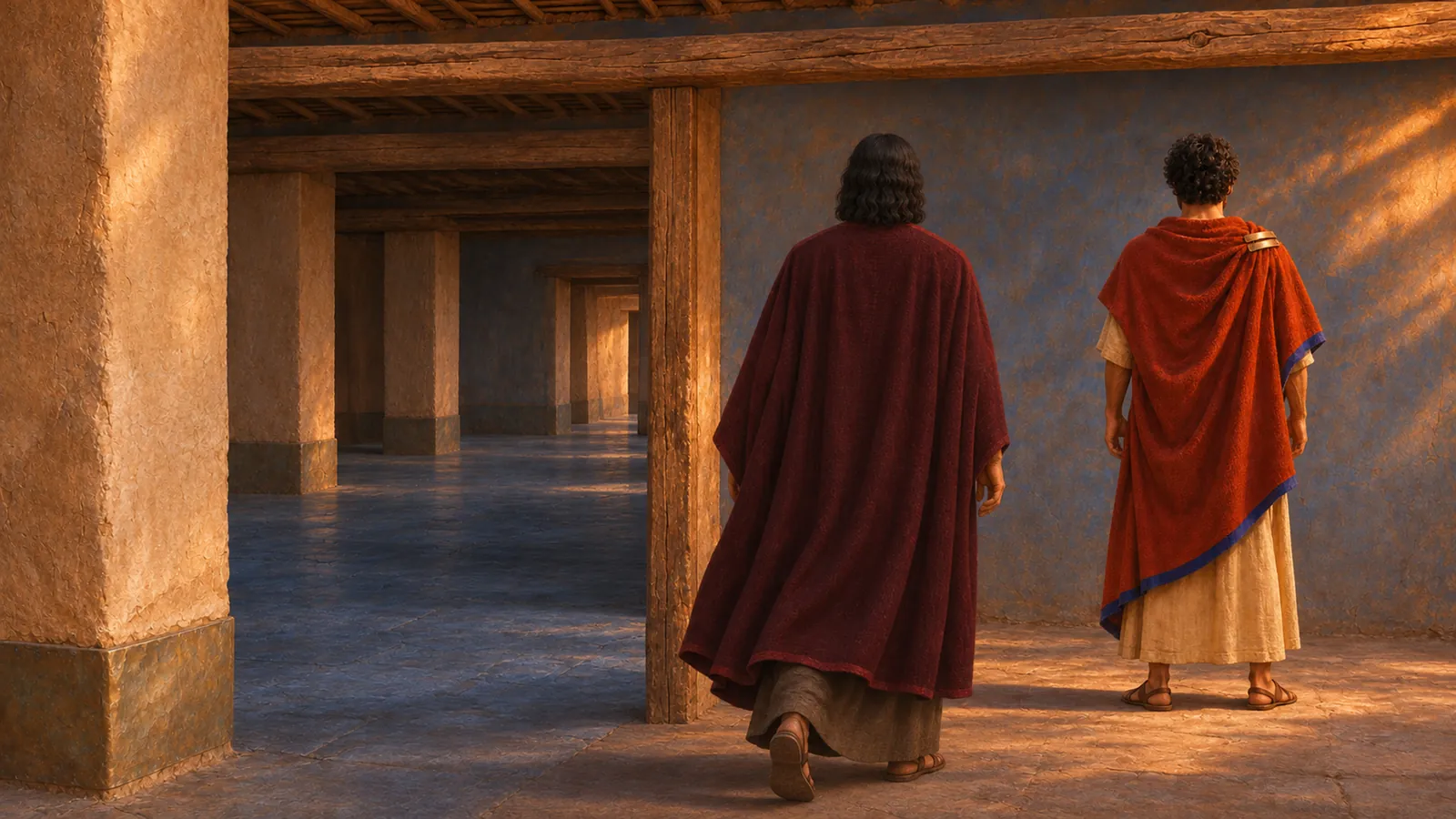
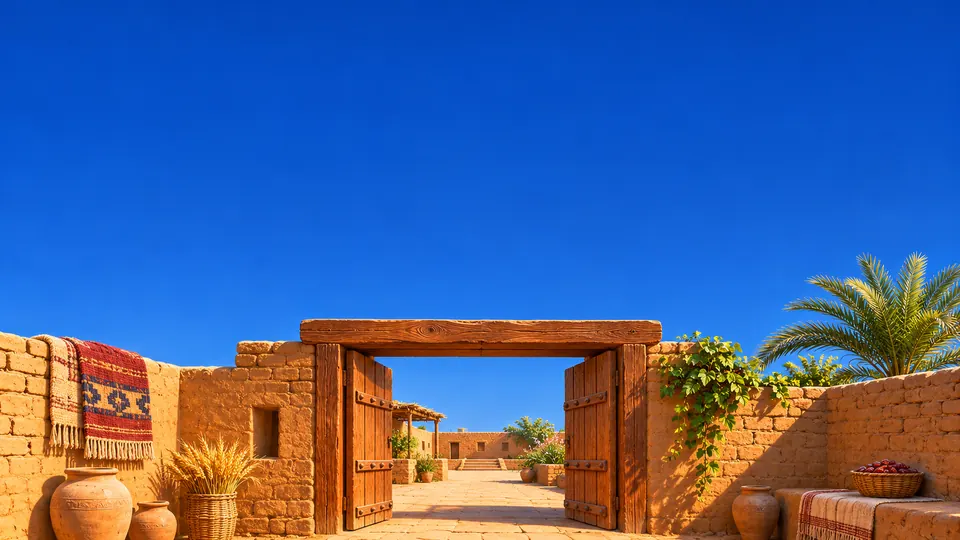
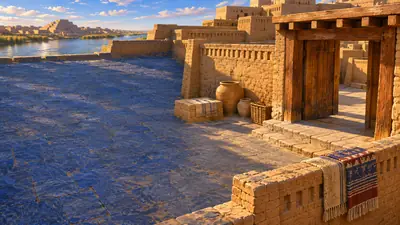
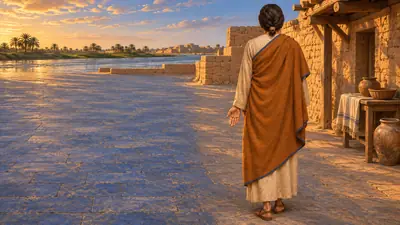
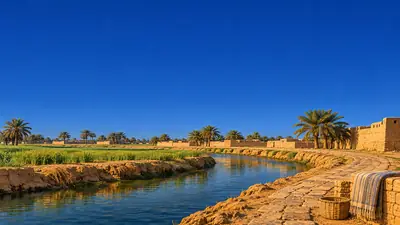
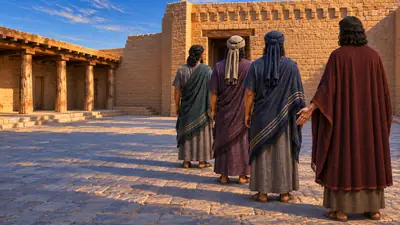
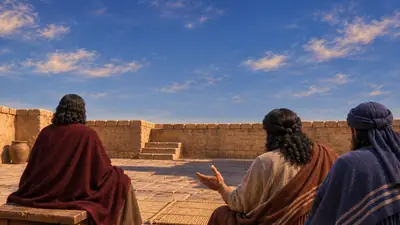
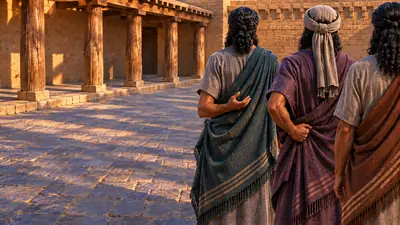
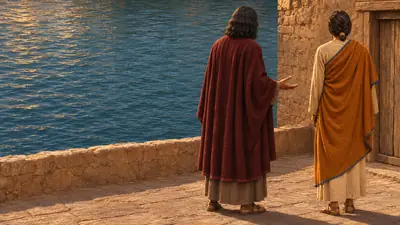
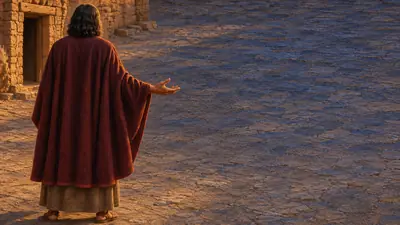
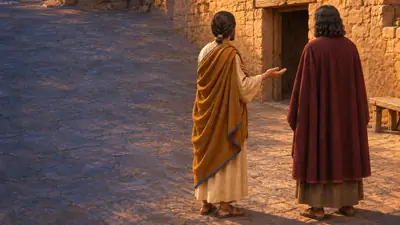
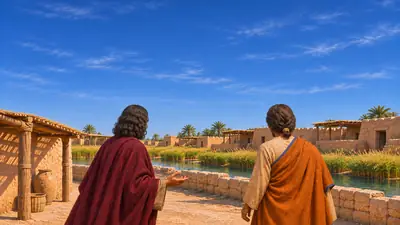
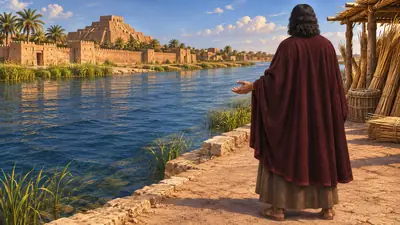
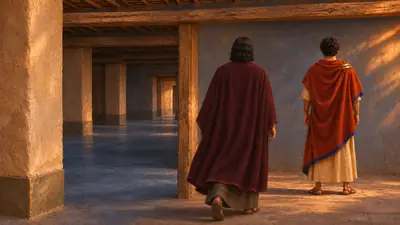
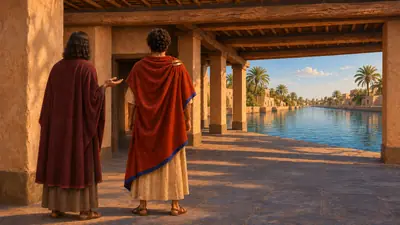
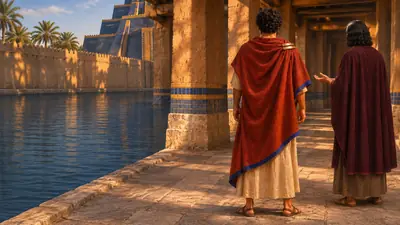
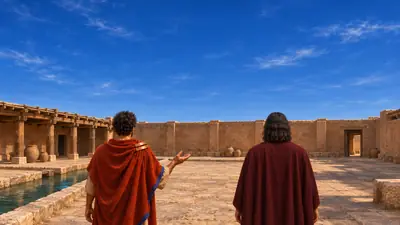
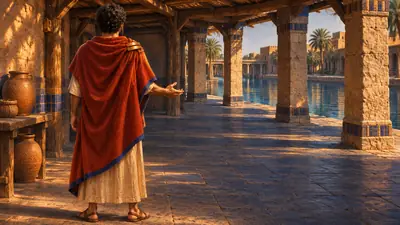
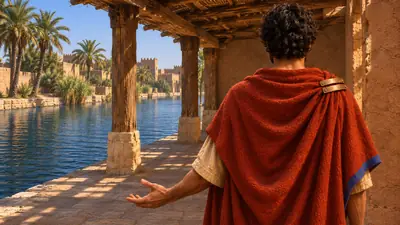
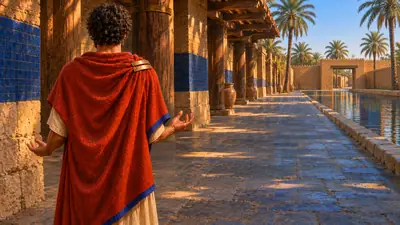
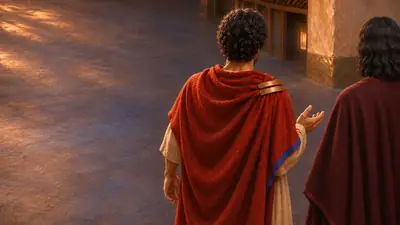
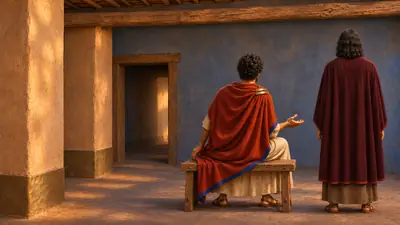
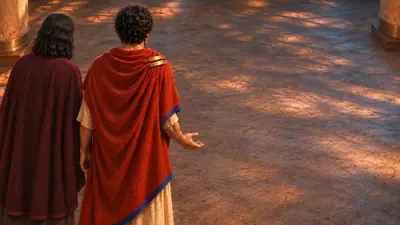
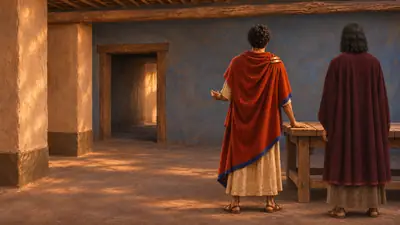
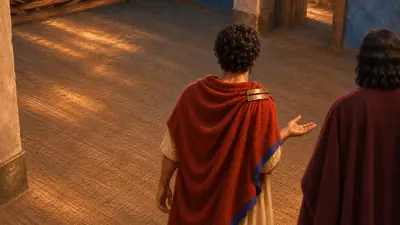
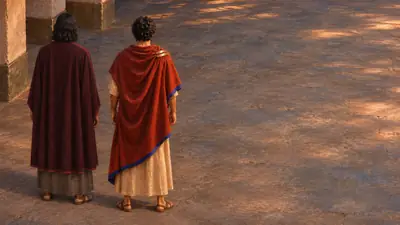
Erra va a Babilonia, la ciudad del rey de los dioses. Entra en el Esagil, llamado palacio del cielo y la tierra, y se presenta ante Marduk.
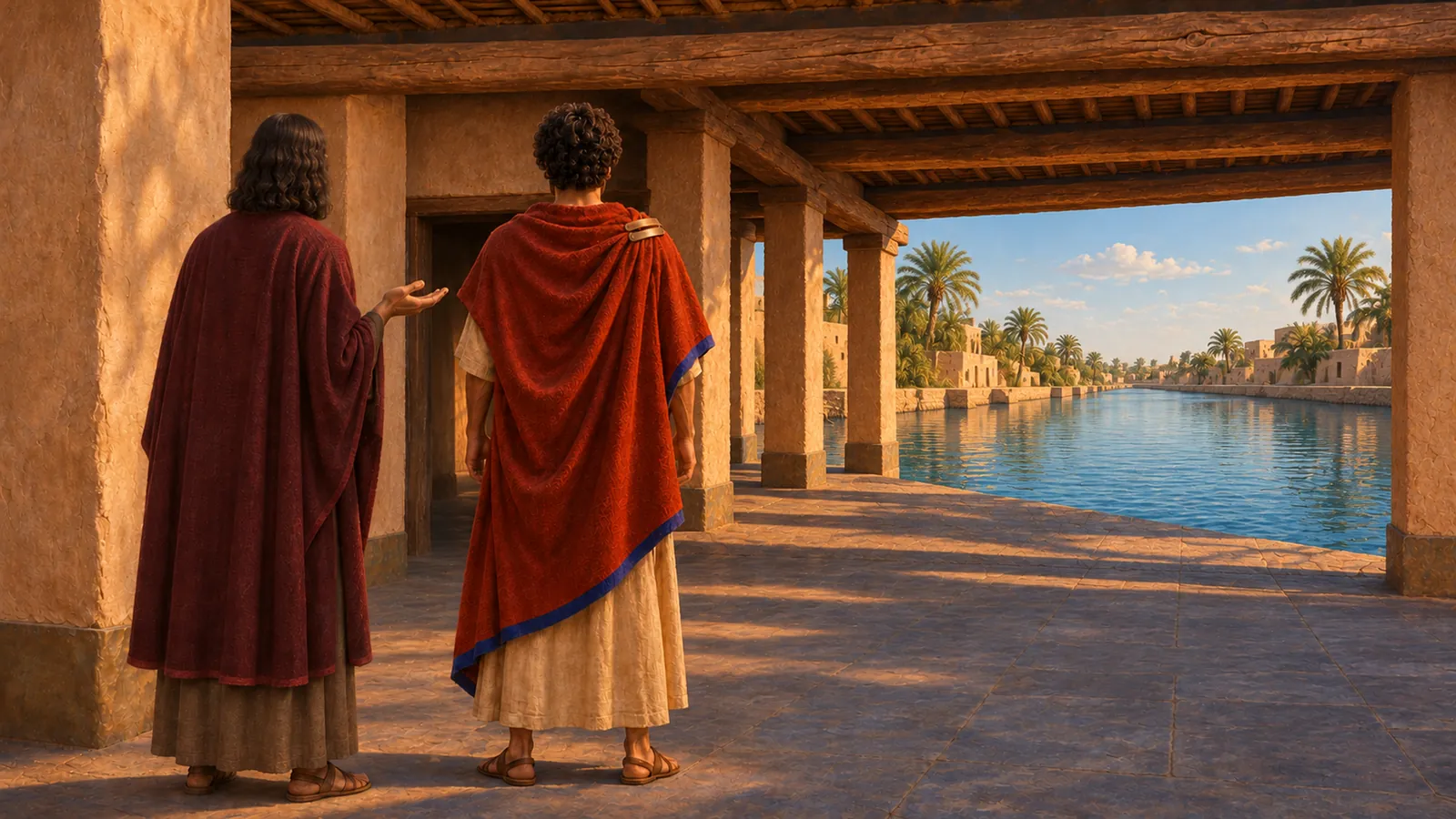
Erra pregunta por qué está sucio el adorno de Marduk. Dice que antes brillaba como las estrellas.
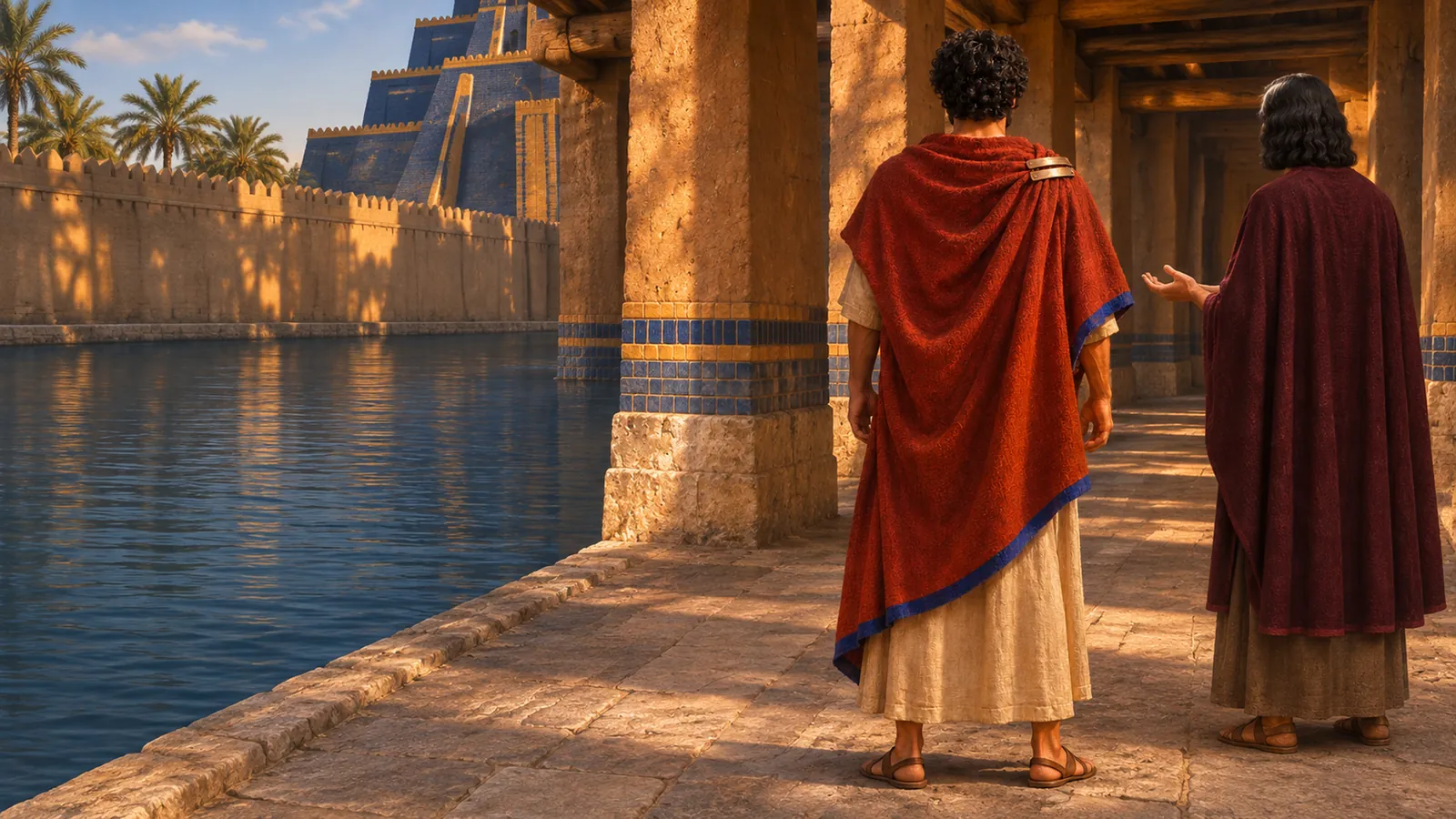
Erra pregunta también por qué se ha apagado el brillo de la corona de Marduk. Recuerda cómo iluminaba antes una morada sagrada.
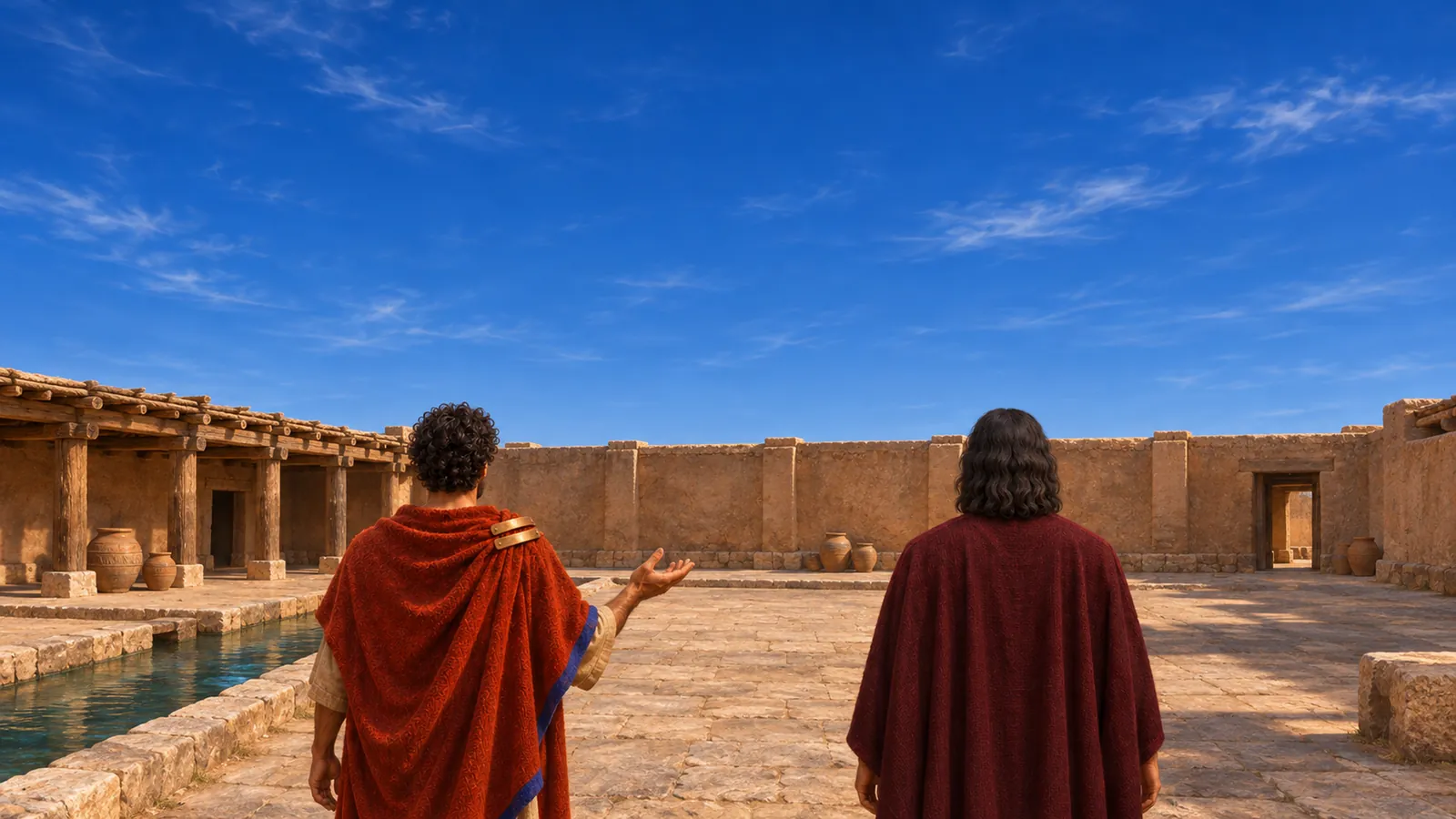
EL DILUVIO
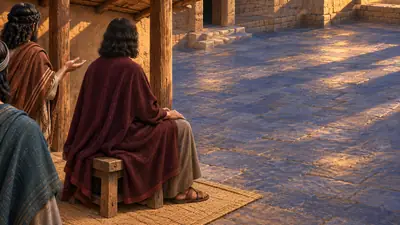
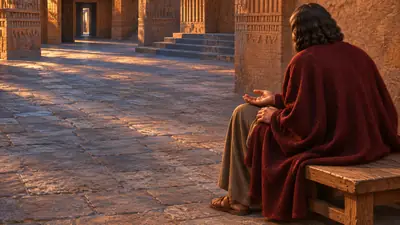
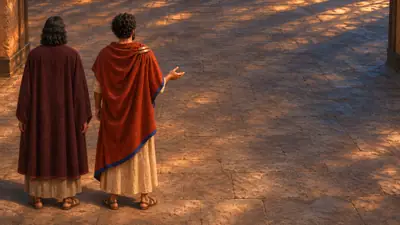
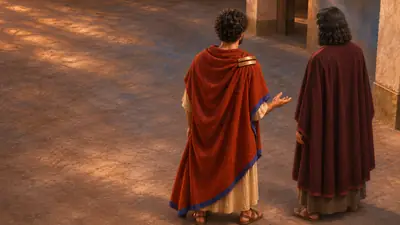
Marduk cuenta a Erra lo que sucedió hace mucho. Dice que se alzó de su asiento lleno de ira y provocó un diluvio. Las junturas del cielo y la tierra se desgarraron.
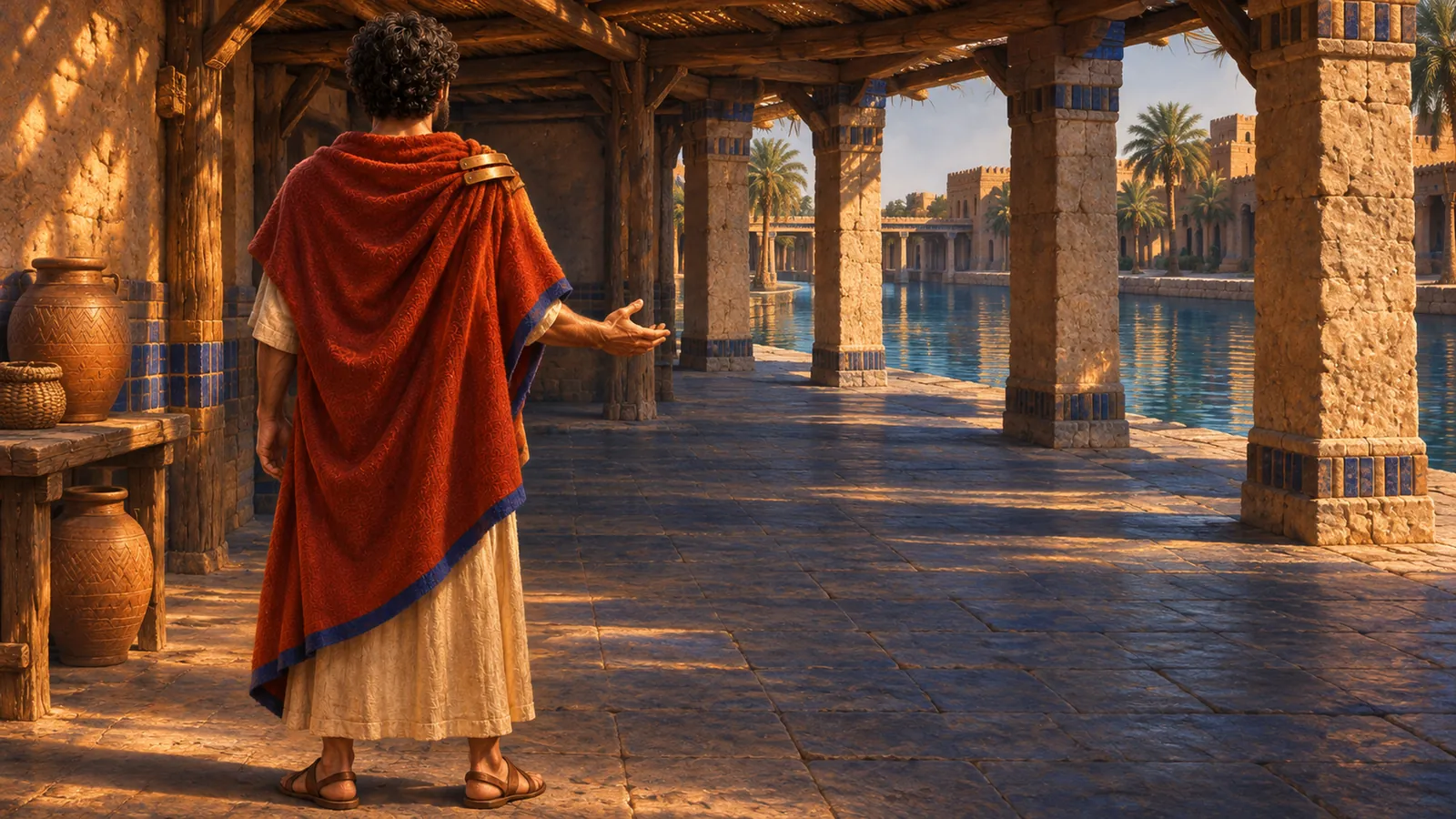
Marduk recuerda que las estrellas cambiaron de lugar cuando tembló el cielo. Dice que los surcos rendían tan poco que era difícil cobrar lo que se debía.
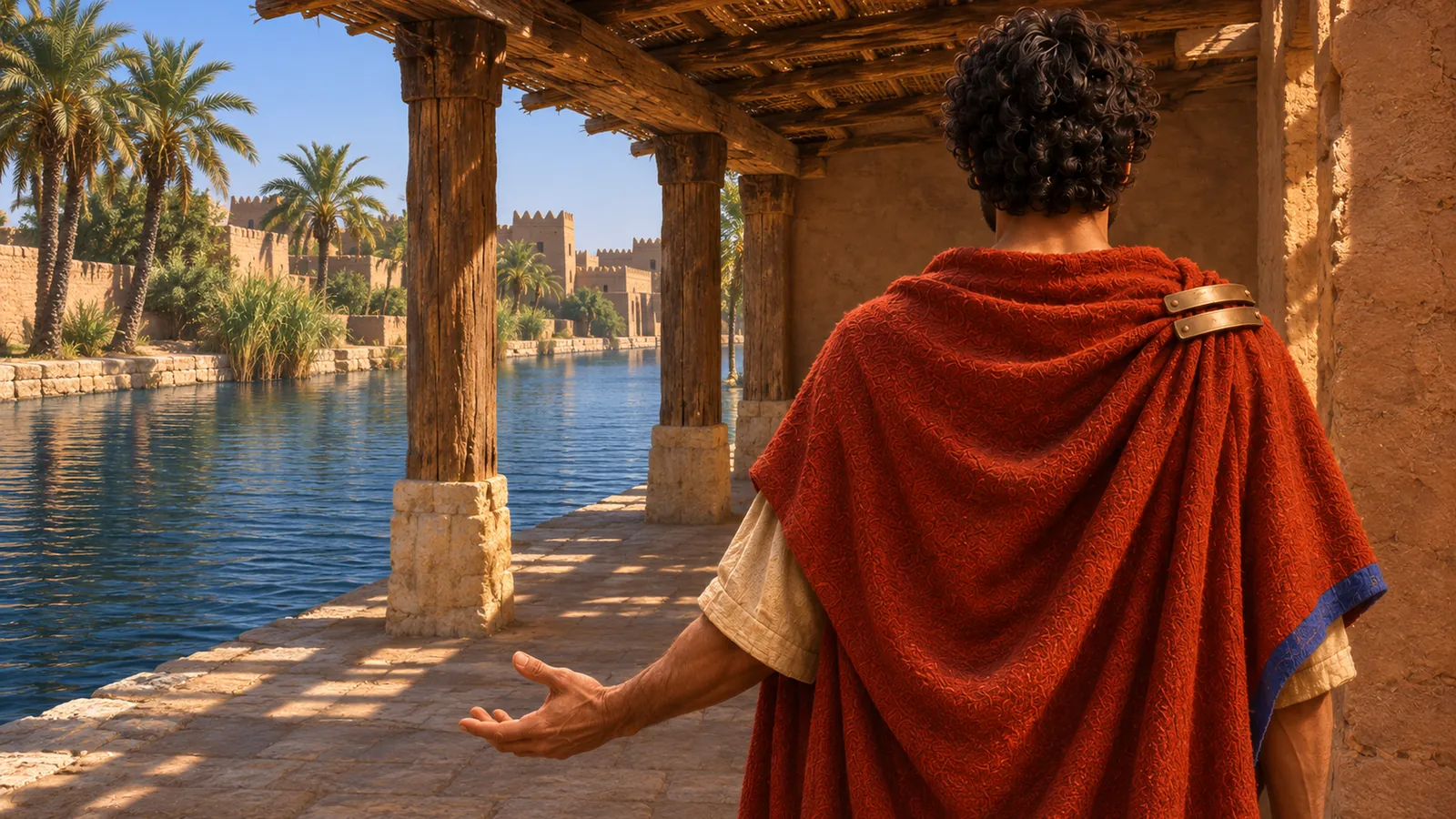
Marduk dice que los manantiales menguaron y las aguas altas se retiraron. Cuando volvió a mirar, quedaba apenas lo suficiente.
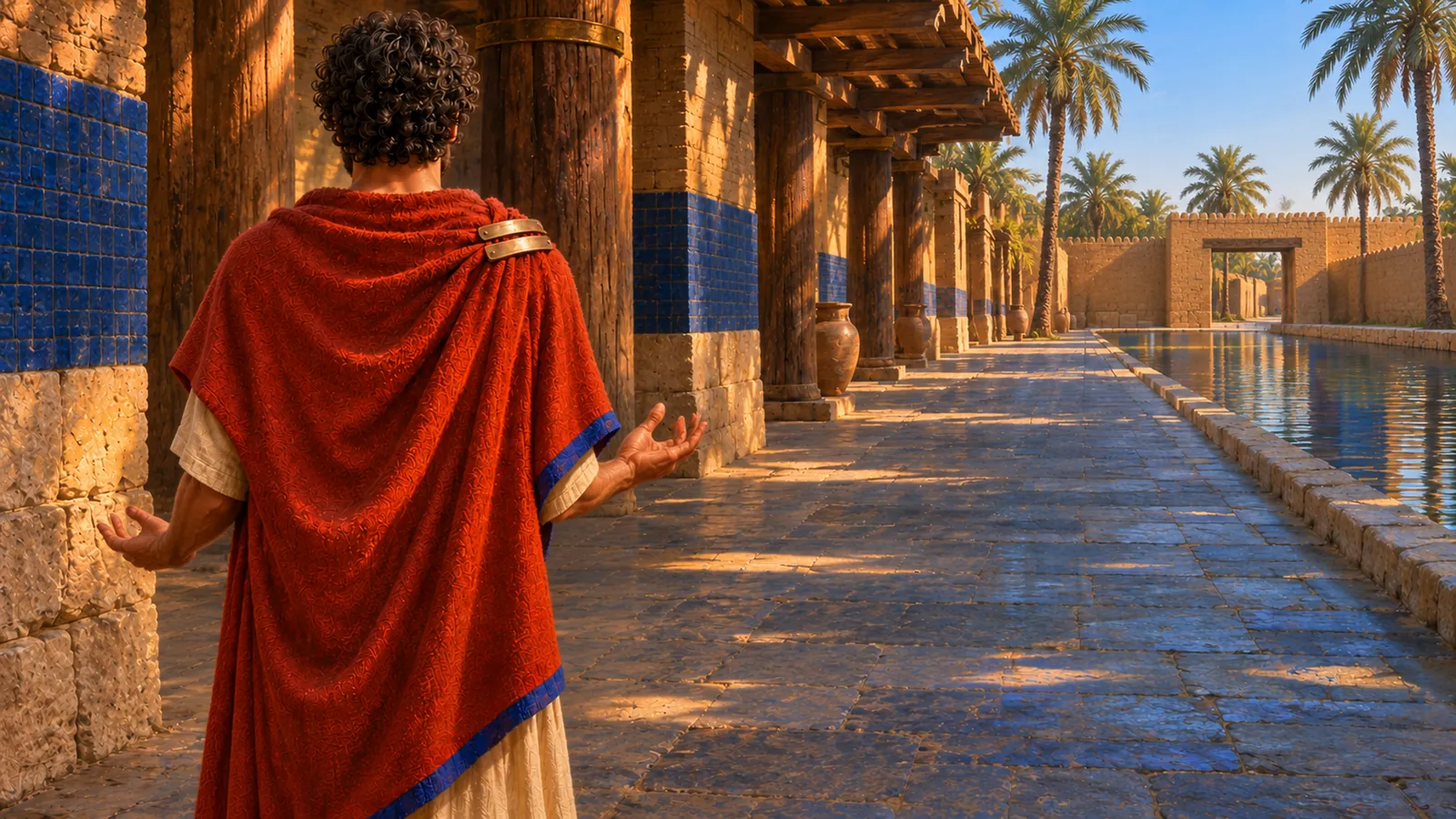
Marduk recuerda lo pocas que eran las crías de los seres vivos. Dice que al fin las tomó en la mano, como un labrador recoge sus plantones.
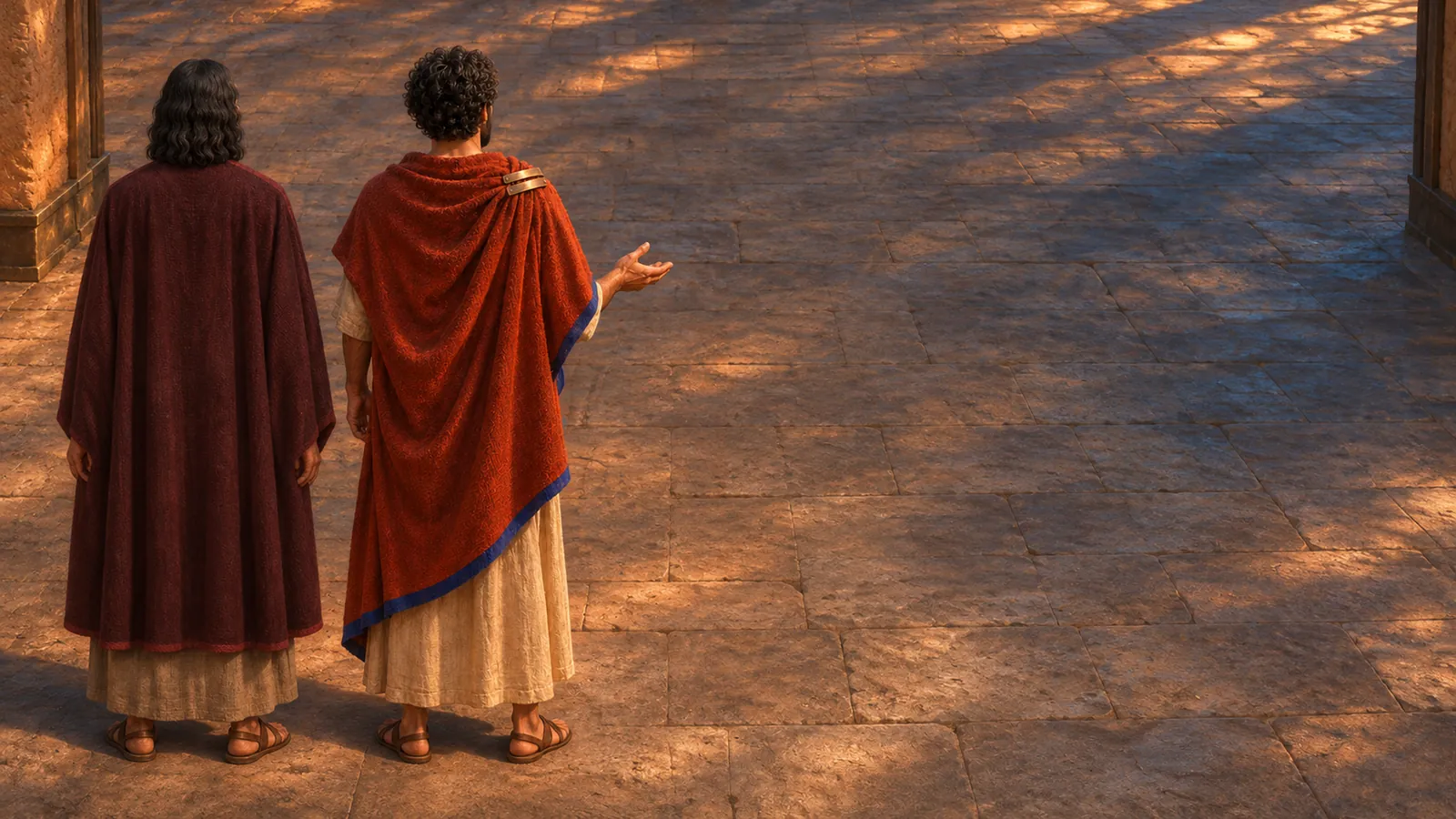
Marduk recuerda que construyó otra morada y se instaló en ella. Su imagen había perdido brillo, y pidió al dios del fuego que se lo devolviera y limpiara sus vestiduras.
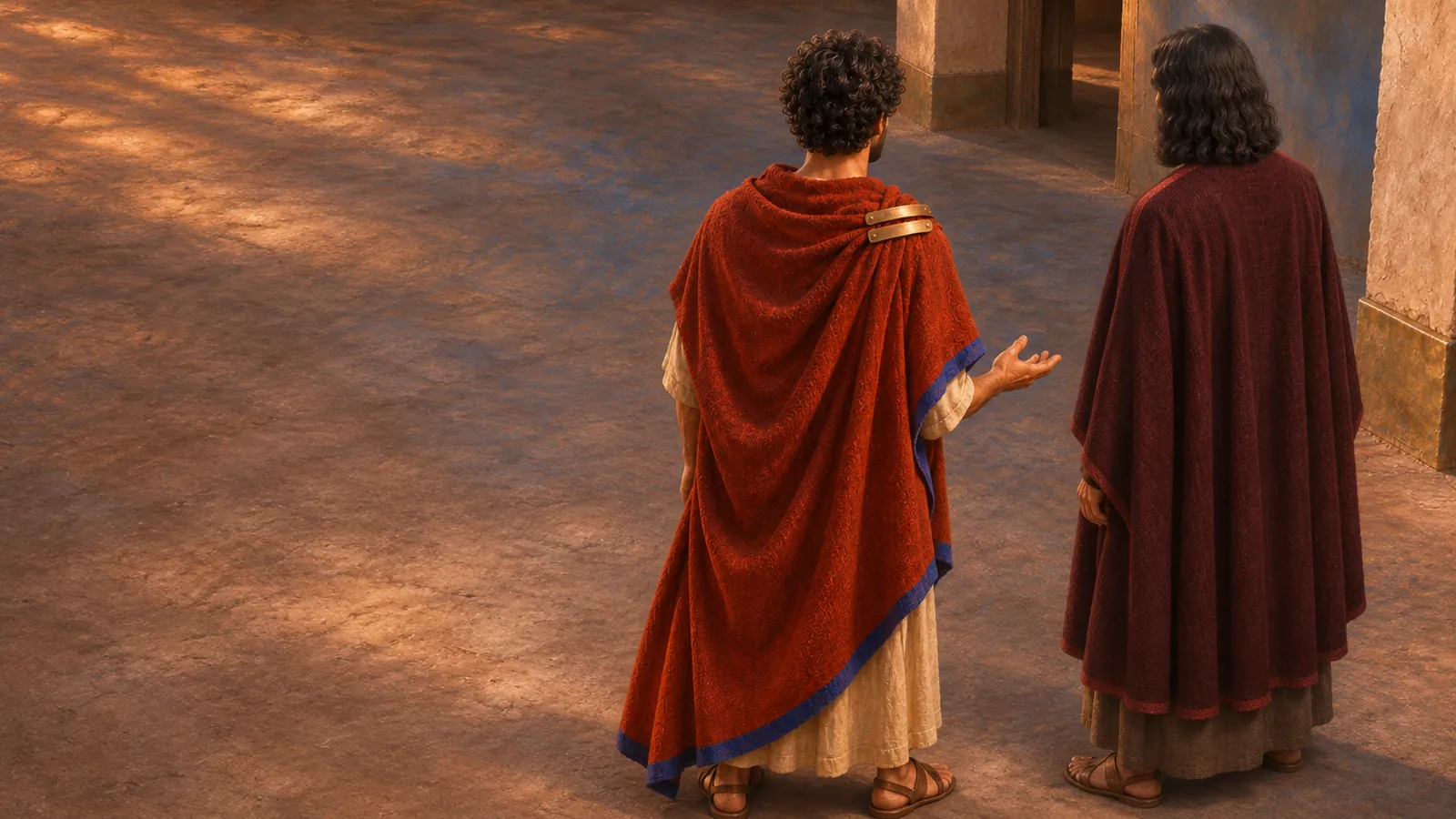
Marduk dice que acabaron el trabajo y que volvió con su corona. Los supervivientes del diluvio vieron lo que se había hecho. Se pregunta si ahora su ira podría destruir a quienes quedan.
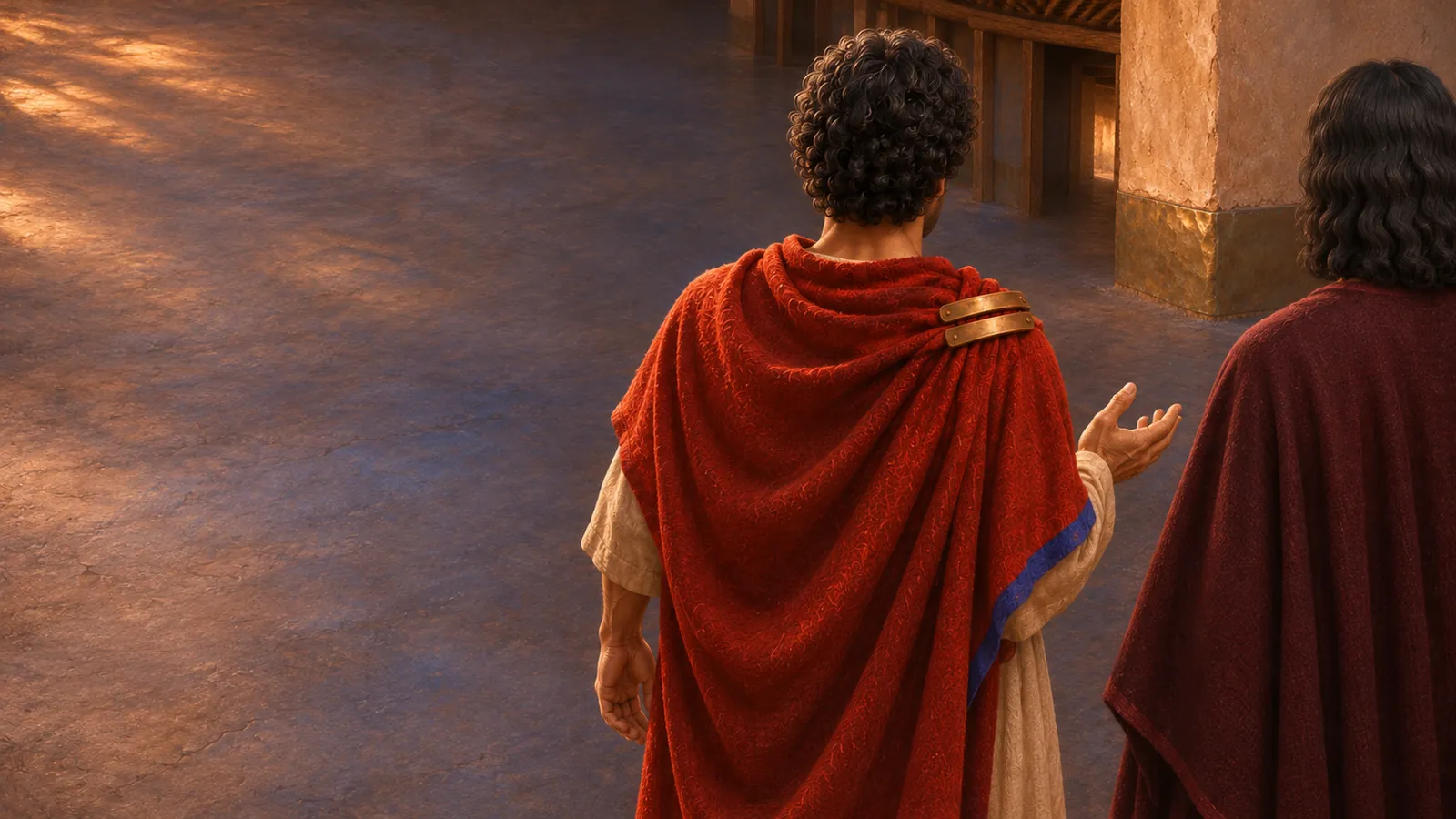
Marduk dice que envió a los artesanos a las profundidades del Apsu y no ordenó su regreso. Trasladó el árbol mesu y el ámbar, y guardó en secreto su paradero.
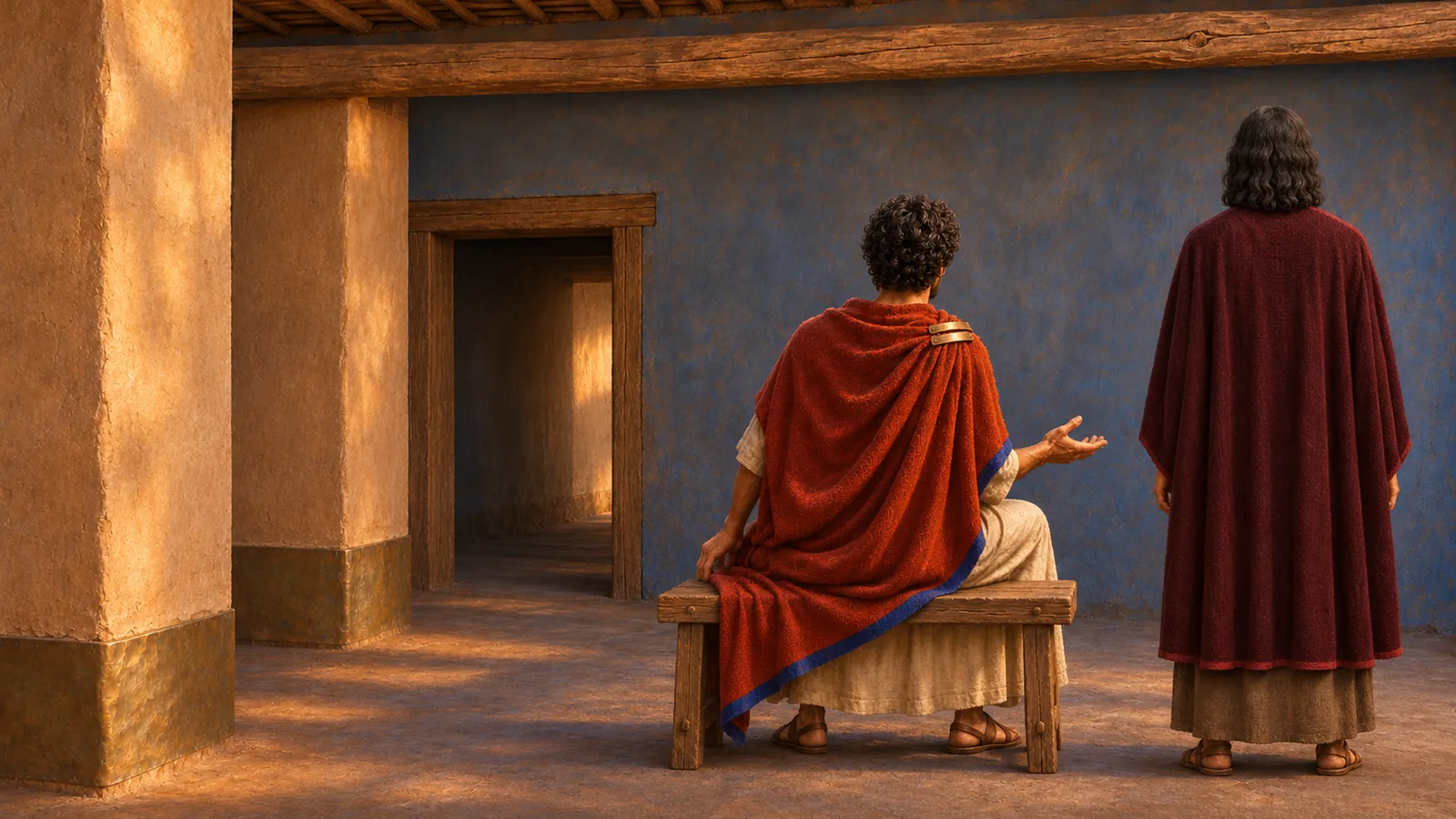
Marduk vuelve a la propuesta de Erra y pregunta dónde puede hallarse el árbol mesu. Lo llama carne de los dioses y dice que es digno de un rey.
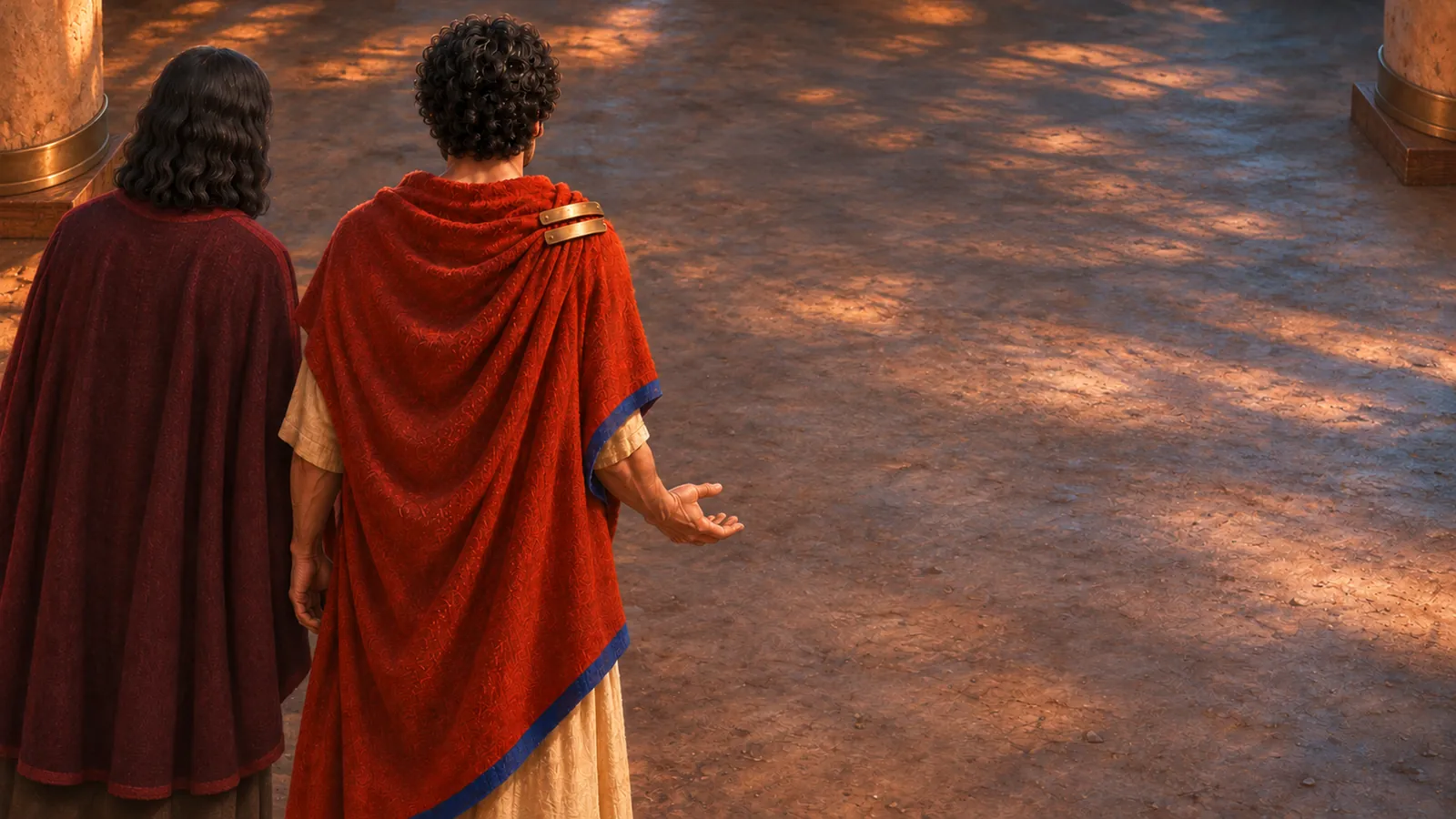
Marduk dice que sus raíces llegaban a lo hondo y que su copa tocaba el cielo de Anu. También pregunta adónde ha ido la espléndida materia azul.
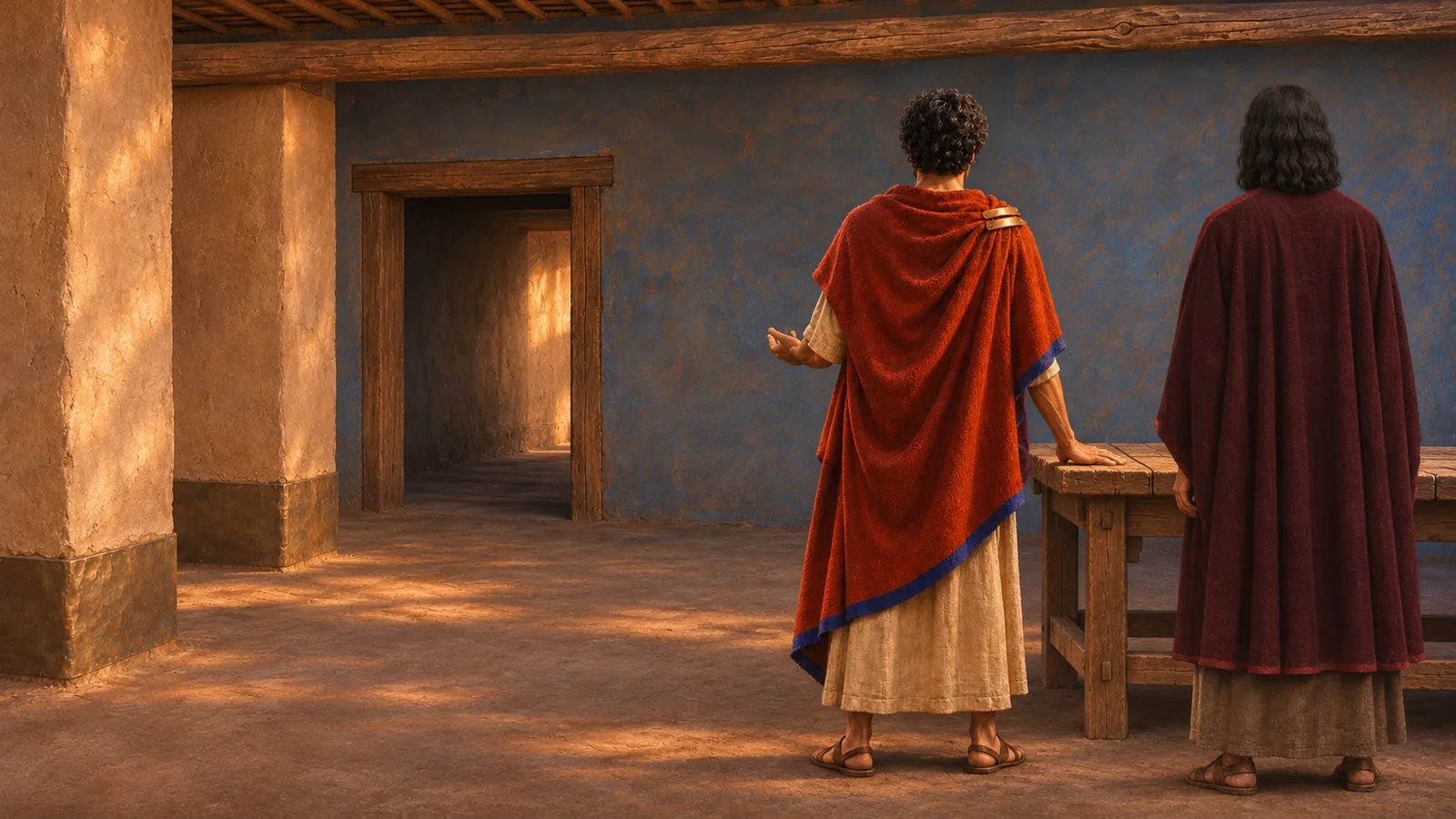
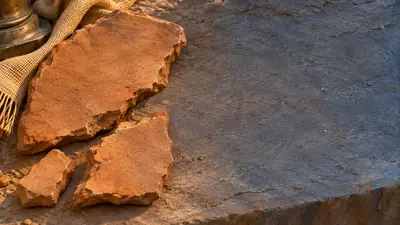
Marduk pregunta adónde ha ido Ninildu, su maestro carpintero. La copia de Sultantepe conserva también los nombres de Kusibanda y Ninagal, aunque se han perdido partes de sus descripciones.
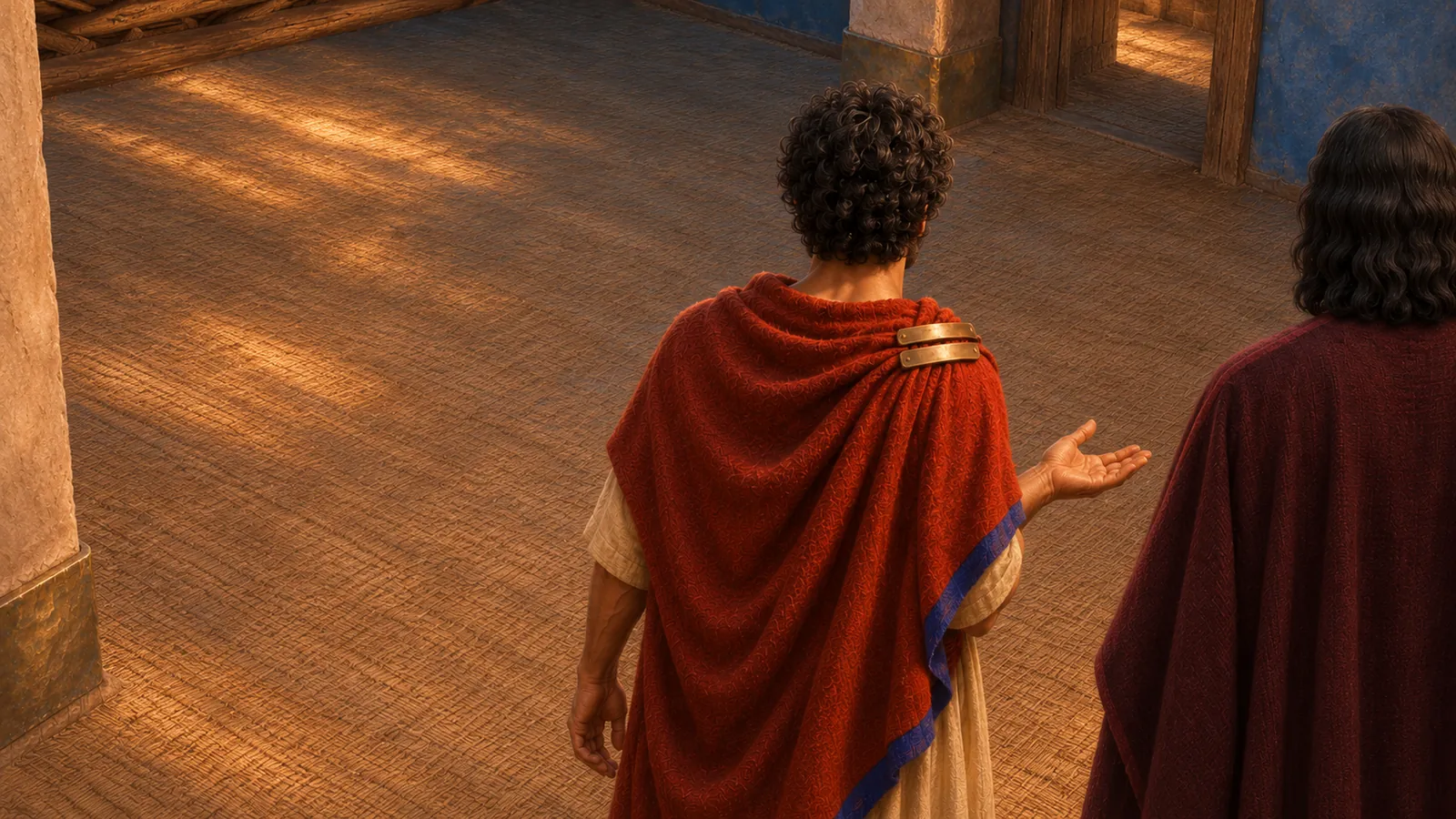
Marduk pregunta después dónde están los siete sabios del Apsu. La copia de Sultantepe los compara con Ea, pero el resto de la frase está incompleto.
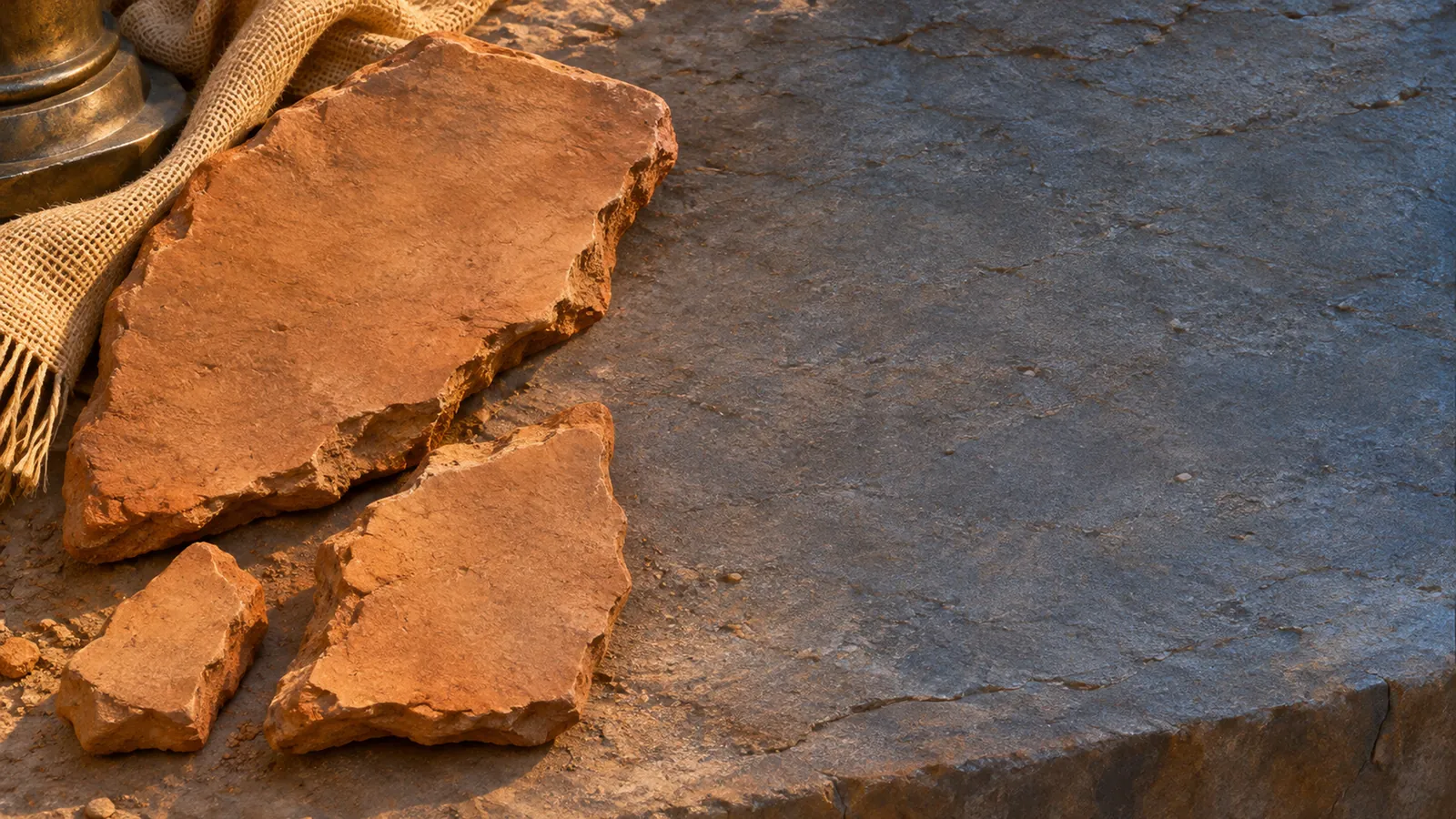
Parte del diálogo está dañada. La respuesta de Erra solo se conserva en fragmentos, y Marduk vuelve a hablar del orden del cielo y la tierra. La palabra que designa la oscuridad aún se lee.
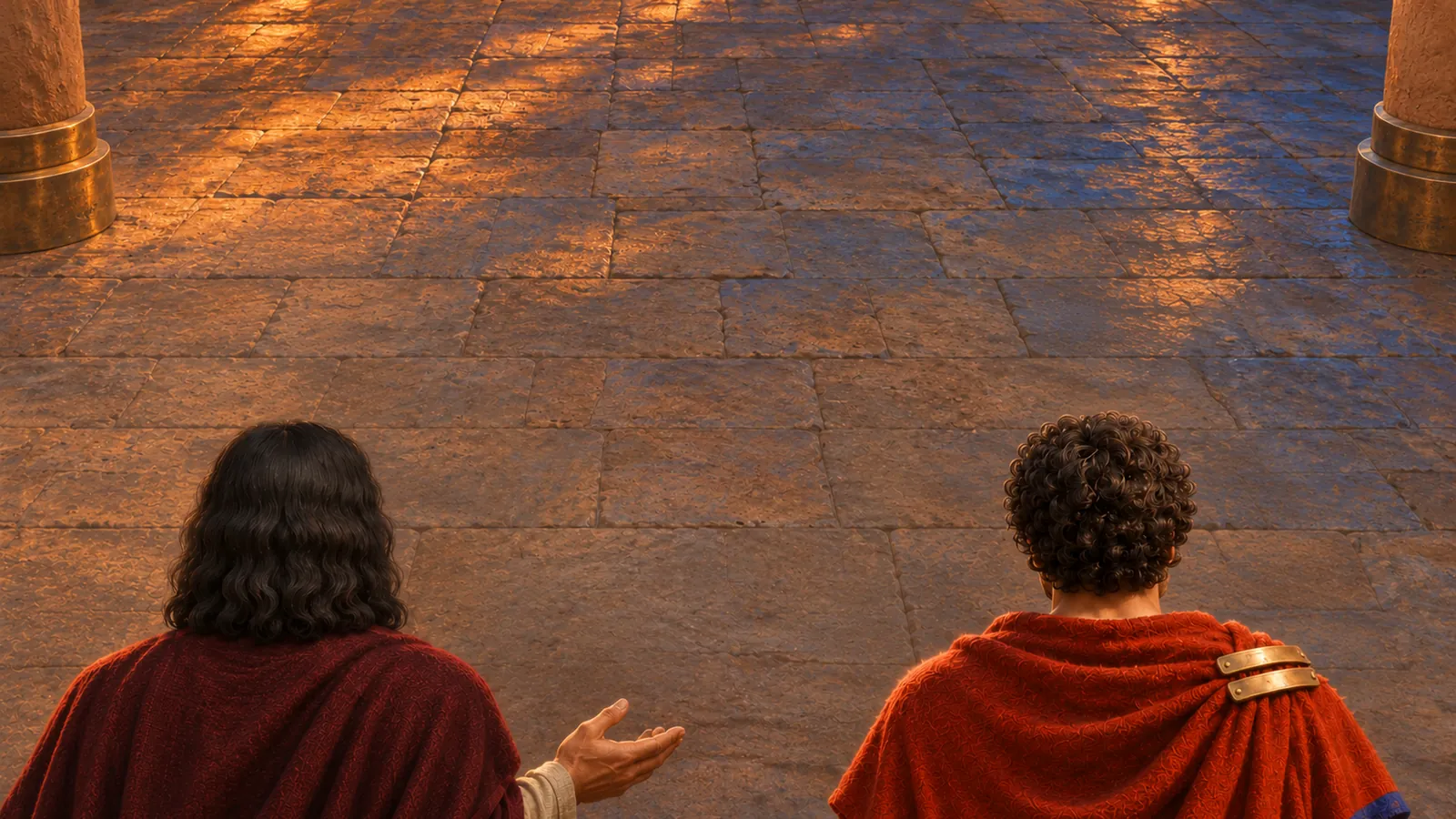
LA PROMESA
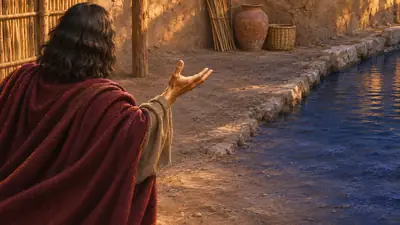
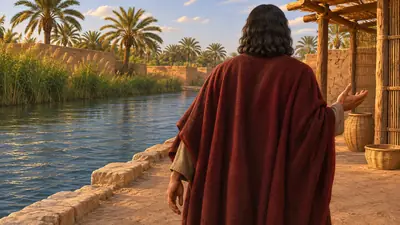
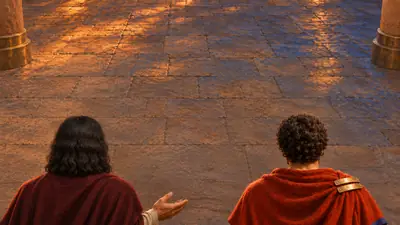
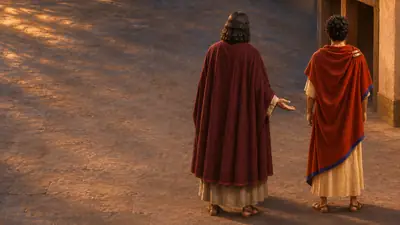
Erra promete mantener el orden del cielo y la tierra hasta que Marduk vuelva. Habla de subir hasta los Igigi y bajar al Apsu para cuidar de los Anunnaku.
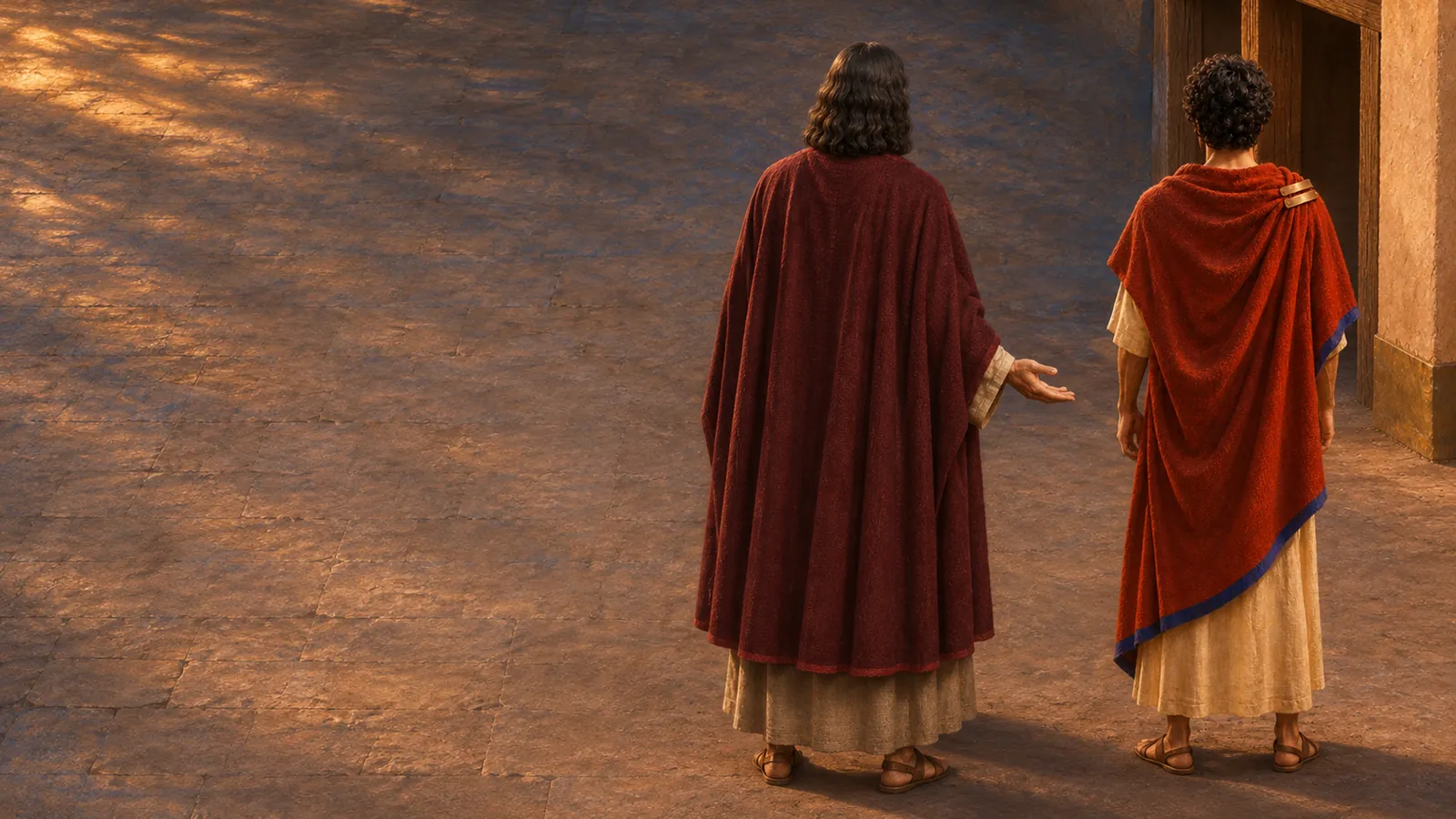
Erra dice que alejará a seres feroces y atará al viento maligno como a un pájaro. Apostará a Anu y Enlil como bueyes a ambos lados de la puerta de la morada de Marduk.
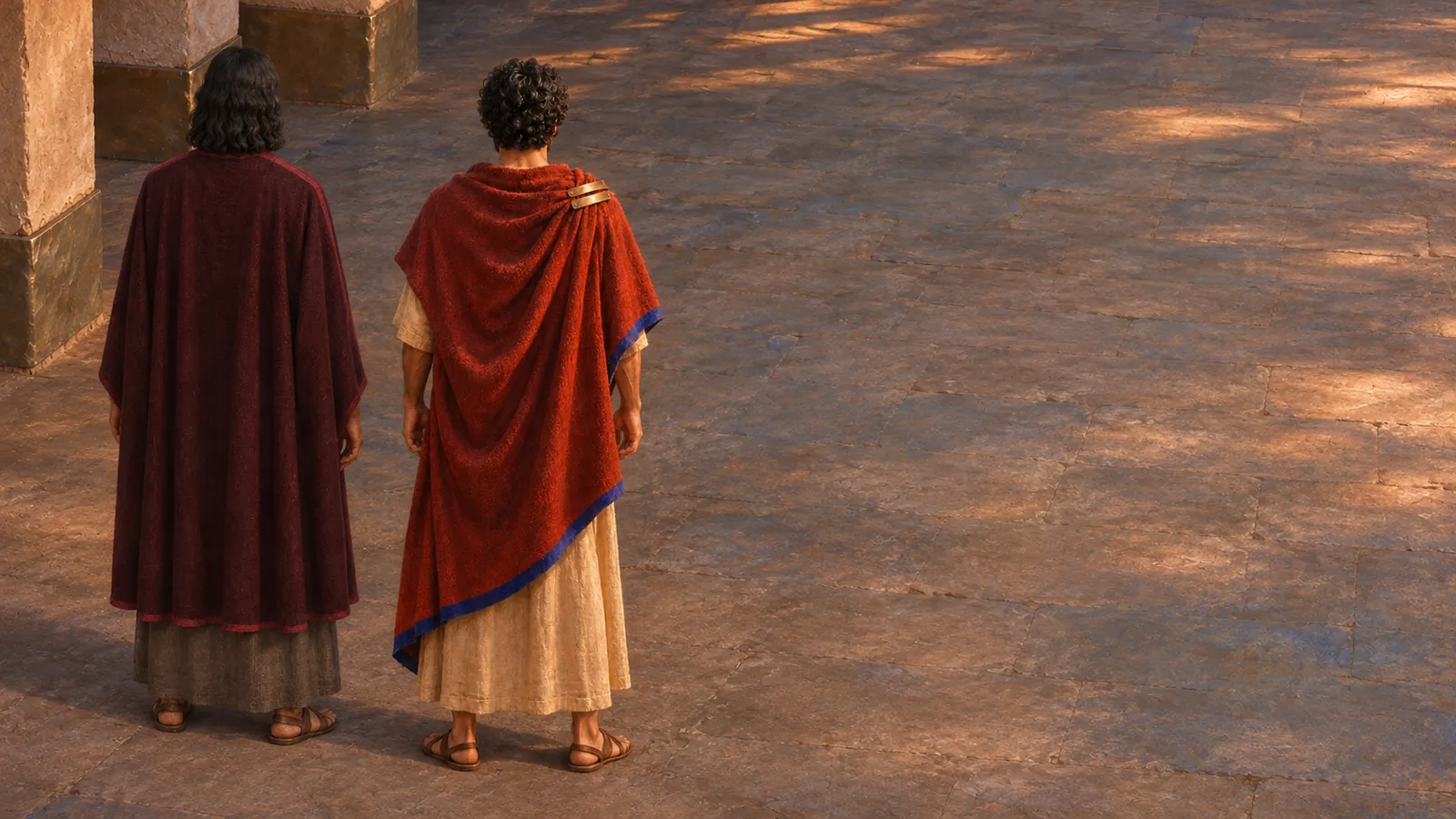
Marduk oye lo que dice Erra. Su promesa le agrada, y aquí llega a su fin la primera tablilla.
Fin del capítulo 1
Todas las páginas
Fuentes
Ediciones consultadas
- Enrique Jiménez, Erra and Išum, Tablet I, electronic Babylonian Library
- ORACC CAMS/GKAB, Sultantepe Tablet I, STT 16 (P338333)
- A. R. George, The poem of Erra and Ishum, pp. 49–56
- IL Archive, The Poem of Erra and Ishum
Los versos antiguos de cada página
- Page 1: eBL I 1
The opening line does not name the person addressed. - Page 2: eBL I 2–3
- Page 3: eBL I 4–5
- Page 4: eBL I 6–9; STT 16 obv. i 6–9
The eBL edition and the translation of STT 16 read the opening speaker differently. - Page 5: eBL I 10–14
- Page 6: eBL I 15–21
- Page 7: eBL I 23–26
- Page 8: eBL I 27
The barred door is a metaphor for Ishum. - Page 9: eBL I 28–30
- Page 10: eBL I 30–36
- Page 11: eBL I 39; STT 16 obv. i 39–44
- Page 12: eBL I 45–48
- Page 13: eBL I 49–51; George I 49–51
- Page 14: George I 52–56
- Page 15: George I 57–60
- Page 16: eBL I 61–63
- Page 17: eBL I 64–69
- Page 18: eBL I 85–90; George I 87–91
- Page 19: eBL I 92–93; STT 16 obv. ii 24–25
- Page 20: eBL I 94–96; STT 16 obv. ii 26–28
- Page 21: eBL I 97–98
- Page 22: eBL I 100–103
Part of Ishum’s question is restored in the eBL edition. - Page 23: eBL I 104–109
- Page 24: eBL I 109–111
- Page 25: eBL I 115–119
Erra associates himself with Nergal in this line of his boast. - Page 26: STT 16 obv. ii 54–55; George I 120–123 discussed
- Page 27: eBL I 124–125
- Page 28: eBL I 126–127; STT 16 obv. ii 58–59
- Page 29: eBL I 128; STT 16 rev. i 1
- Page 30: eBL I 129–133; STT 16 rev. i 2–5
- Page 31: eBL I 134–135
- Page 32: eBL I 136; STT 16 rev. i 9
- Page 33: eBL I 137–138
- Page 34: eBL I 139–141
- Page 35: eBL I 142–146; STT 16 rev. i 16–19
- Page 36: eBL I 147–148; STT 16 rev. i 20–21
Apsu remains a place of the poem. - Page 37: eBL I 149–151; STT 16 rev. i 22–24
- Page 38: eBL I 152–154; STT 16 rev. i 25–27
The blue substance is described differently in the eBL edition and the STT 16 translation. - Page 39: eBL I 155; STT 16 rev. i 28–34
The Sultantepe names and their surviving descriptions belong to a damaged passage. - Page 40: STT 16 rev. i 35
- Page 41: STT 16 rev. i 36–53
The condition of the Sultantepe copy leaves parts of the exchange uncertain. - Page 42: STT 16 rev. ii 1–4
- Page 43: STT 16 rev. ii 5–9
- Page 44: STT 16 rev. ii 10–11
The next surviving line anticipates the departure that opens Tablet II.
Ilustraciones hechas por IL Archive con herramientas de IA; el texto se basa en las fuentes antiguas (véanse las fuentes al final de cada capítulo).