Erra e Ishum Capítulo 2
El canto que quedó
El poema sigue el desorden que surge tras la promesa de Erra. Ishum cuenta lo que sufrieron Babilonia y la tierra, y después pide a Erra que escuche y se calme. Erra pide a la tierra que vuelva a dar fruto. Los versos finales nombran al hombre que recibió el canto y expresan el deseo de que se oiga durante generaciones.
FuentesPase las páginas con las flechas, el teclado o deslizando el dedo.
EL CANTO QUE QUEDÓ
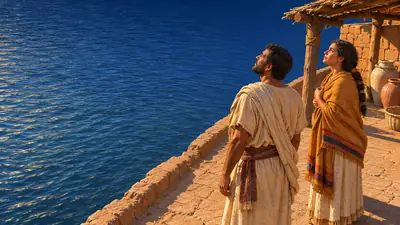
Al final de la primera tablilla, alguien se levanta de una morada inaccesible y se dirige hacia la de los Anunnaki. Ese verso da paso a la segunda tablilla.
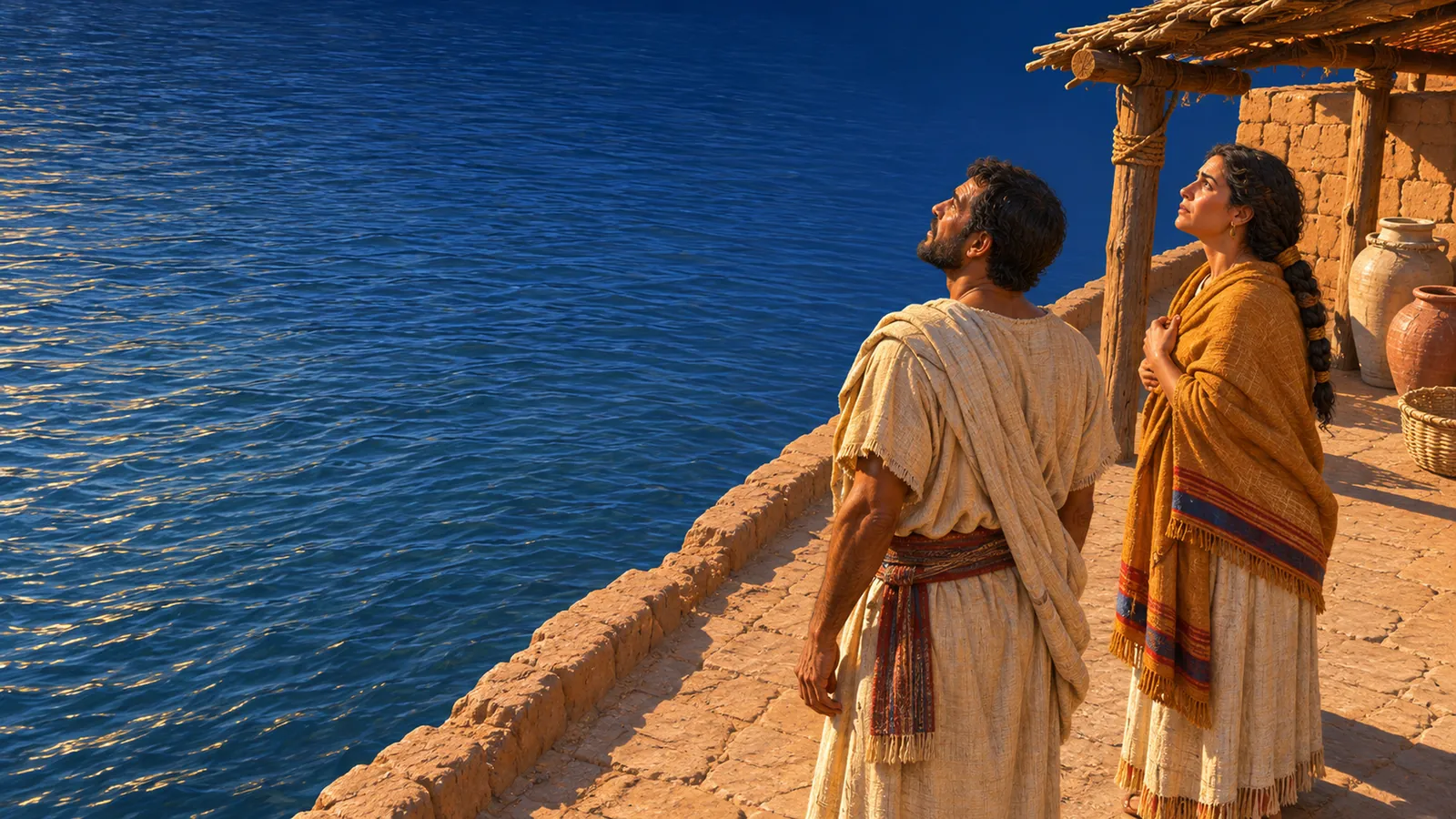
En la segunda tablilla, el día luminoso se oscurece. Las palabras que se conservan en esta copia dejan abierta la cuestión de quién causó la oscuridad.
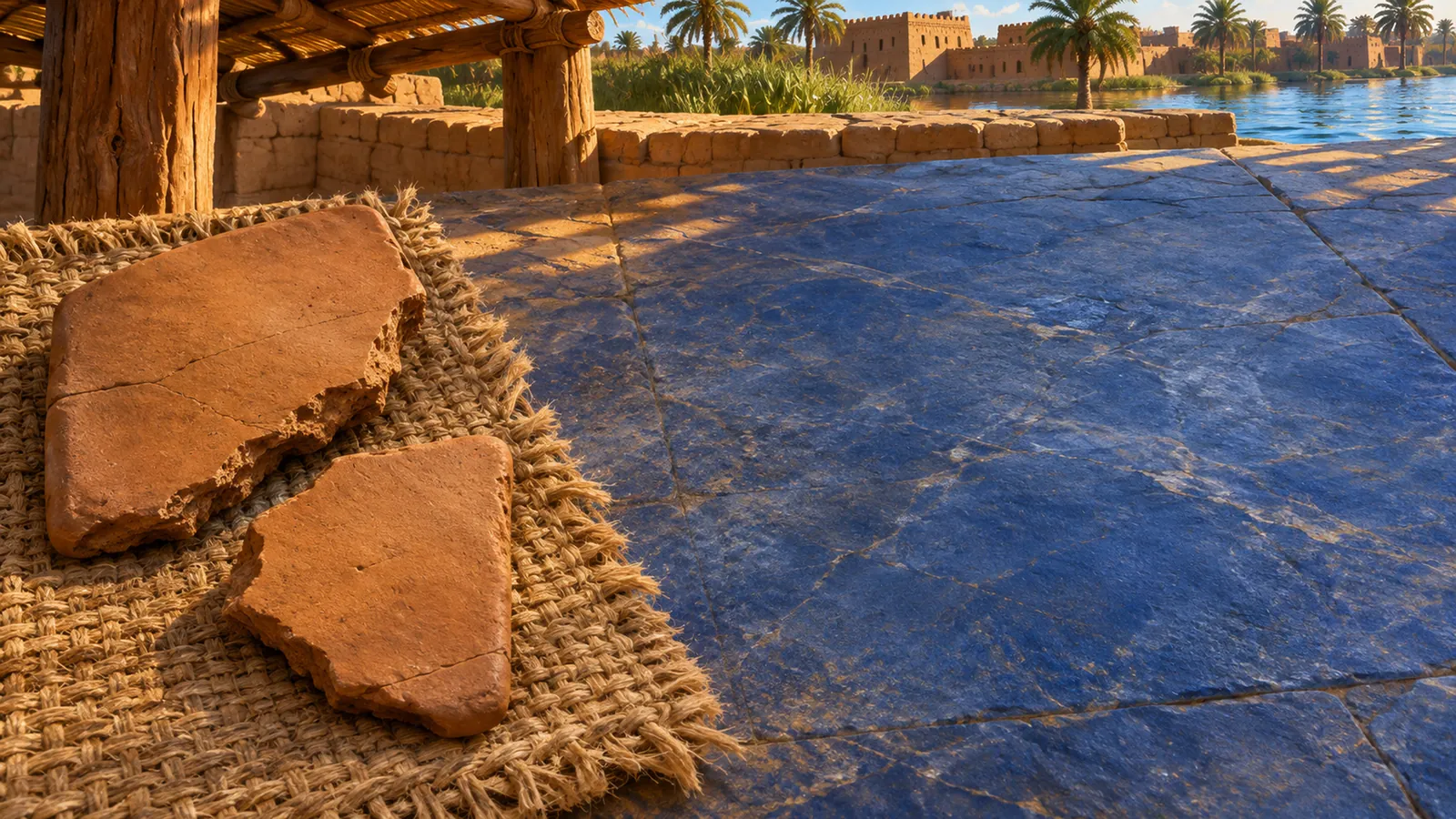
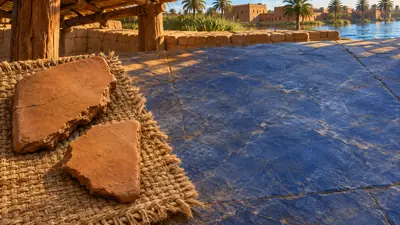
UNA LAGUNA EN LA COPIA
Aquí falta parte de la copia de Sultantepe. Cuando se reanuda el texto conservado, da paso al relato sobre los artesanos.
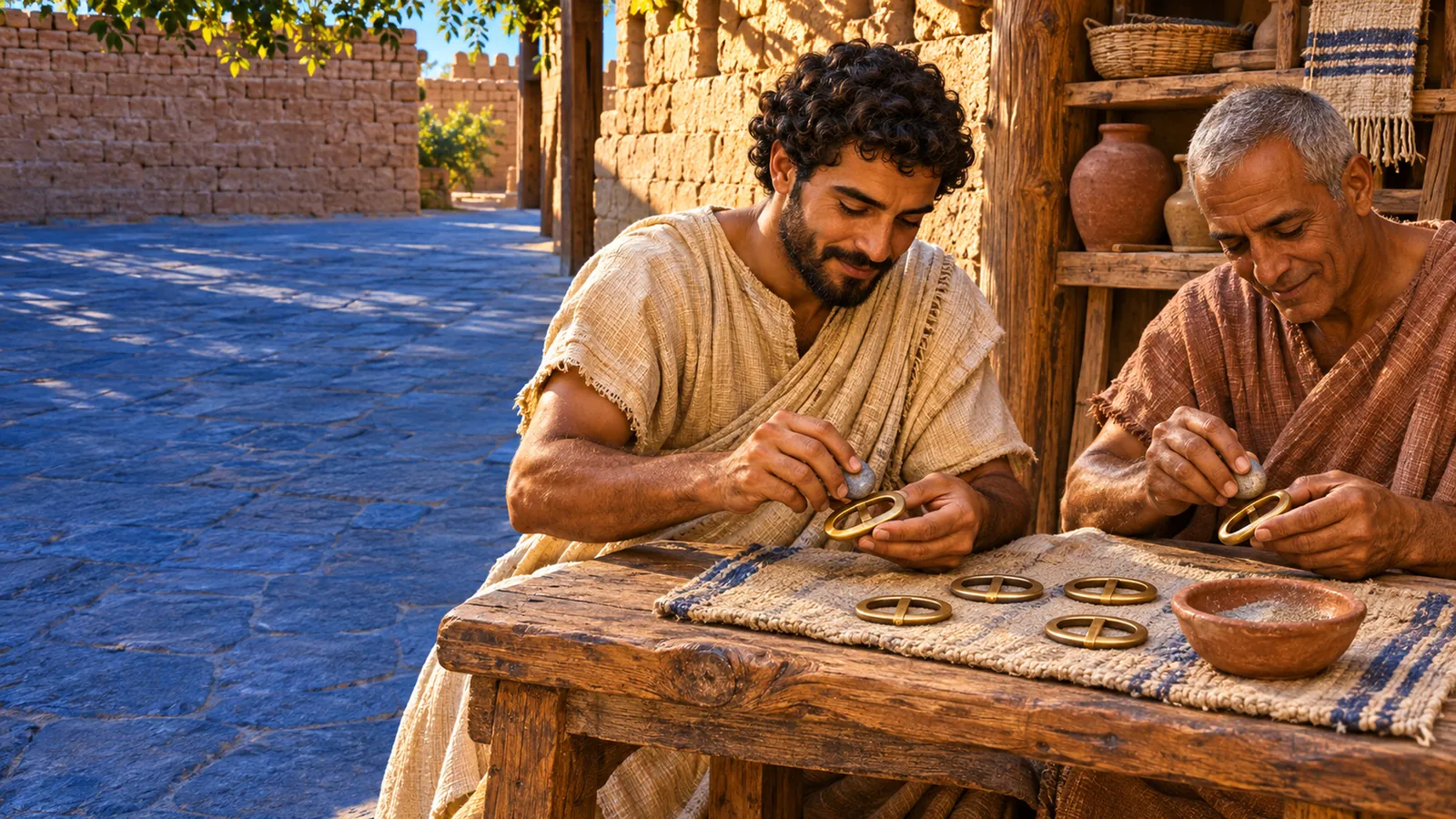
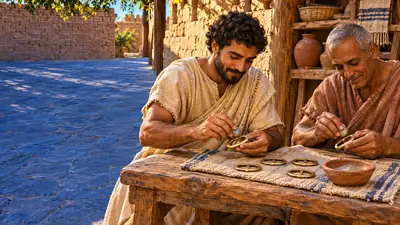
Los artesanos reciben entendimiento y destreza. Las palabras conservadas de esos versos no nombran a quien se los concede.
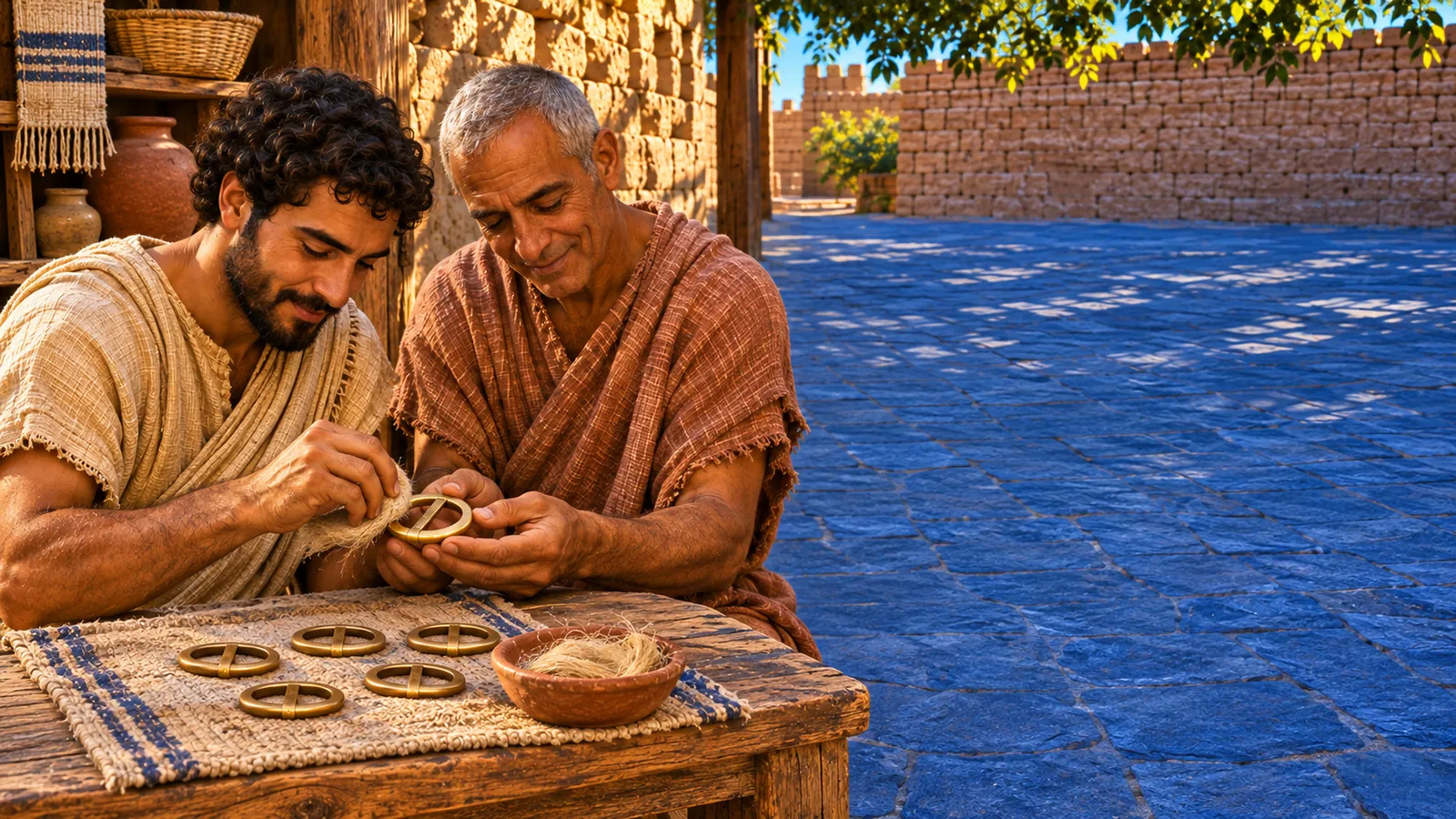
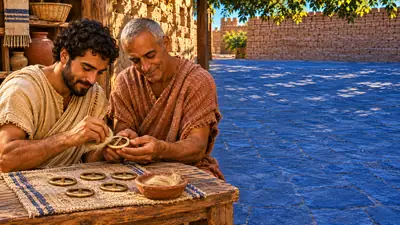
Los artesanos devuelven el brillo al adorno. En el canto, su trabajo lo deja más hermoso que antes.
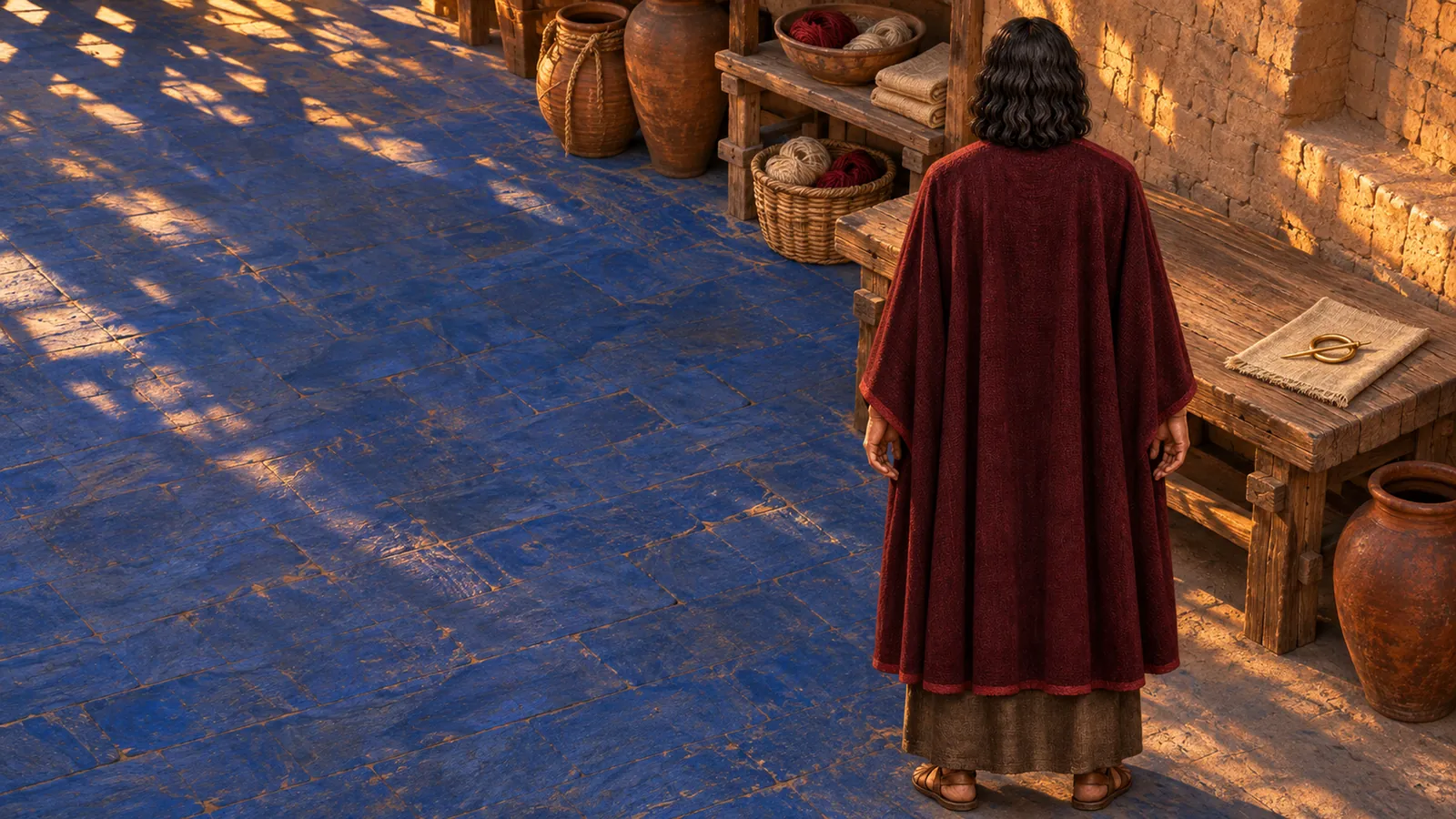
Erra permanece ante el adorno día y noche. Los versos dañados que siguen conservan una advertencia para que nadie se acerque a la obra.
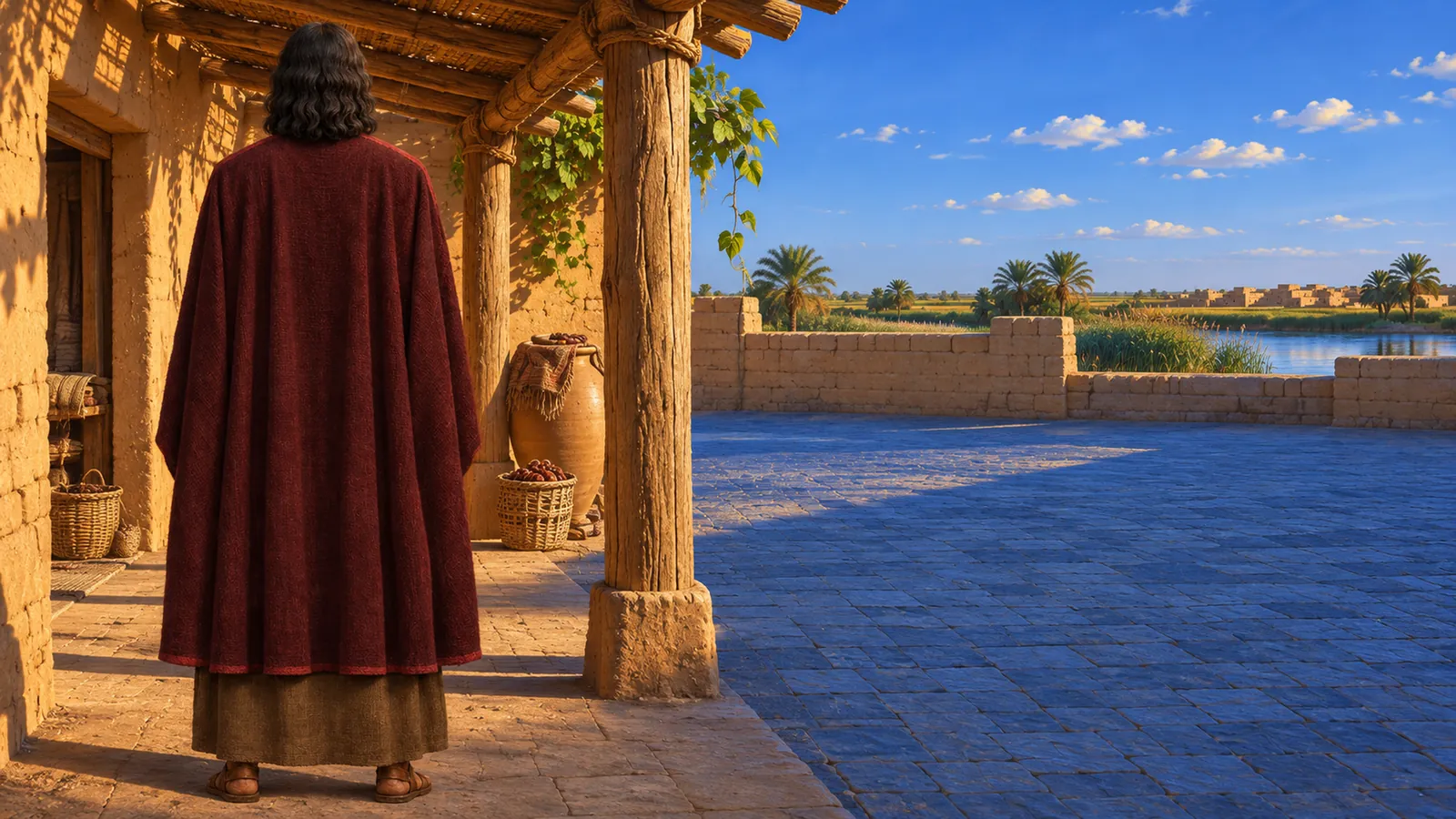
Un pasaje de la copia de Tell Haddad habla de la ira de Erra. No escucha a nadie.
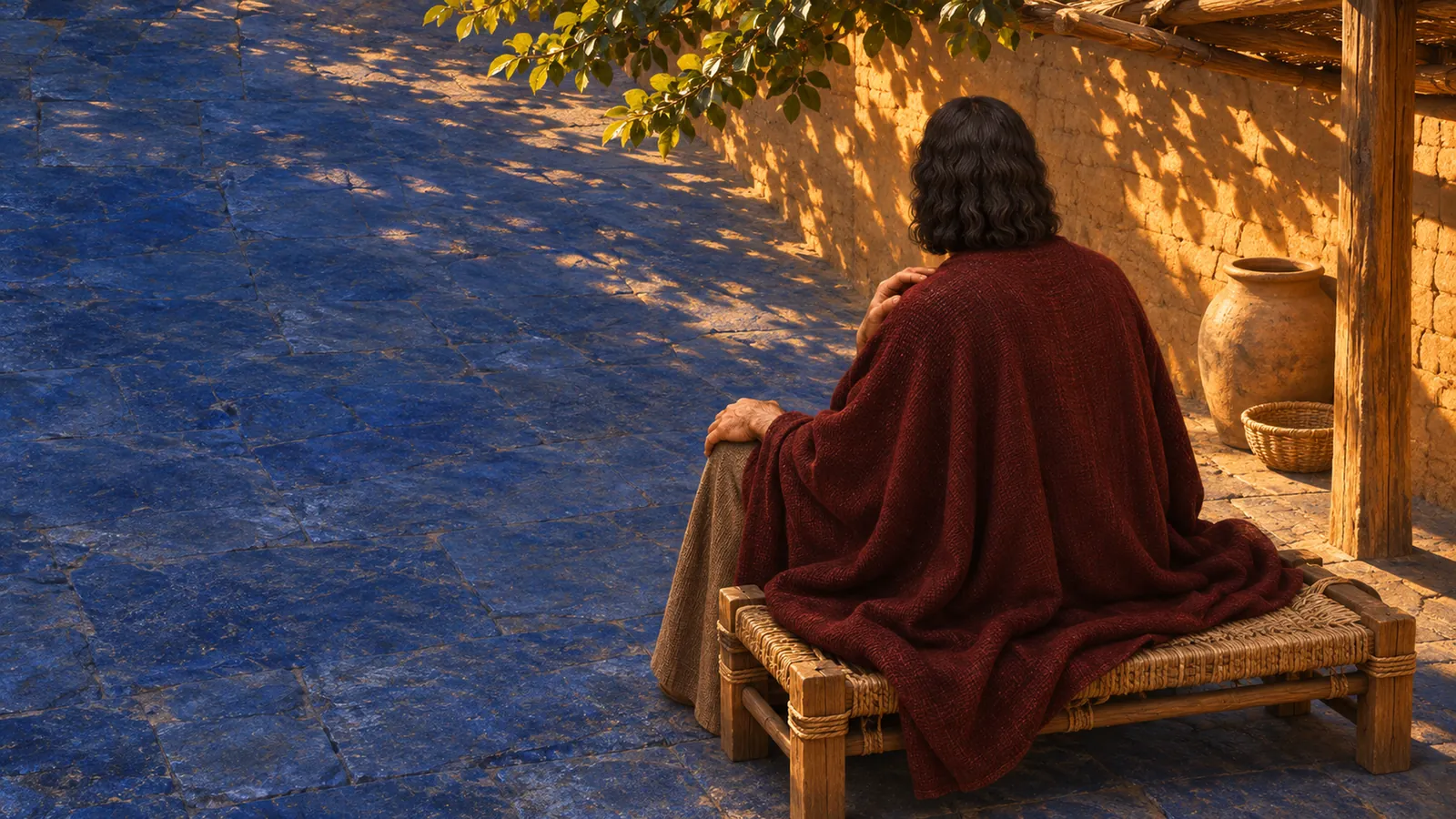
Erra busca consejo en sí mismo. Su corazón turbado no le da respuesta.
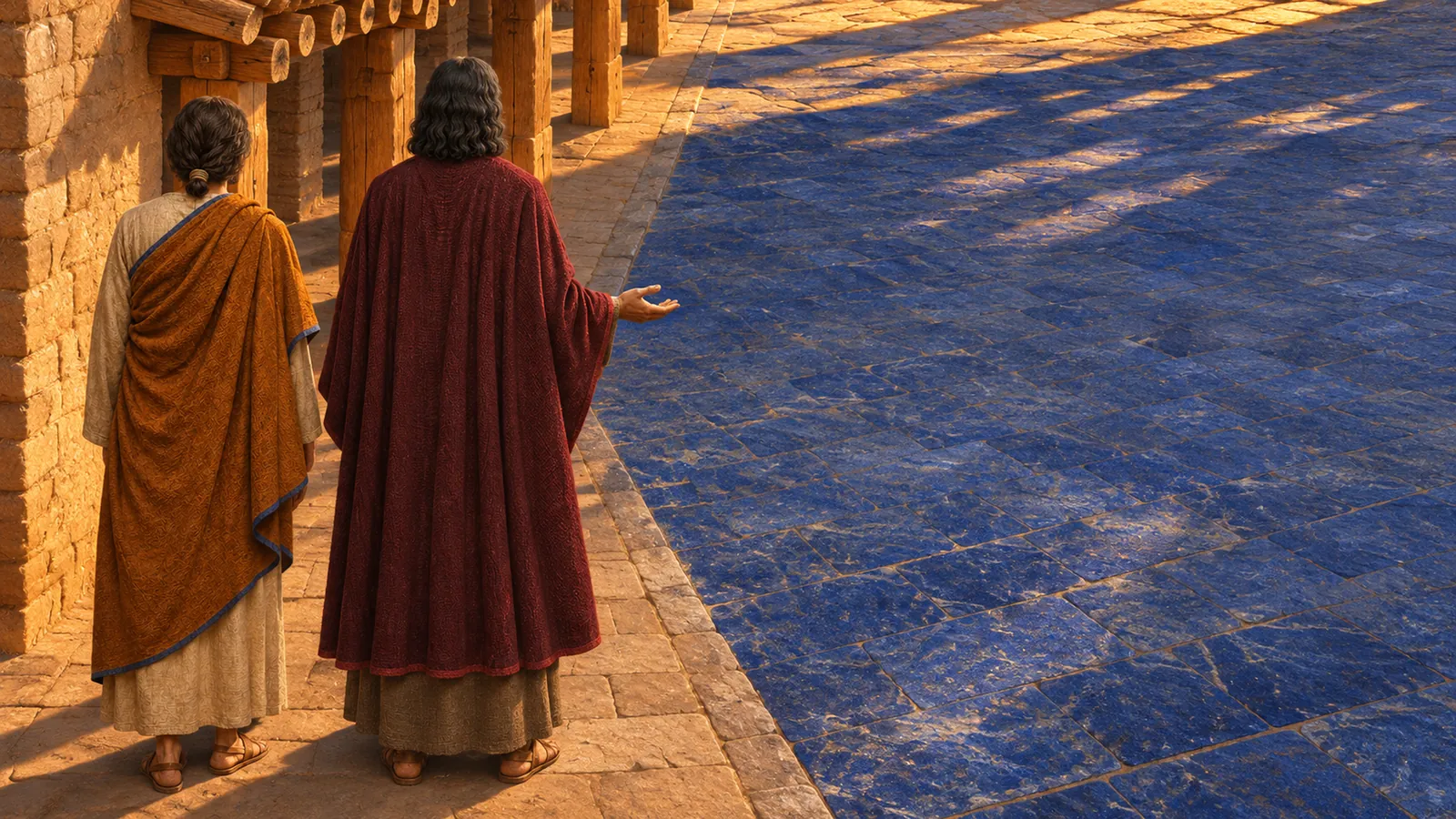
Erra dice que pedirá al rey de los dioses que rechace las plegarias de la gente. Sus palabras expresan lo que se propone hacer.
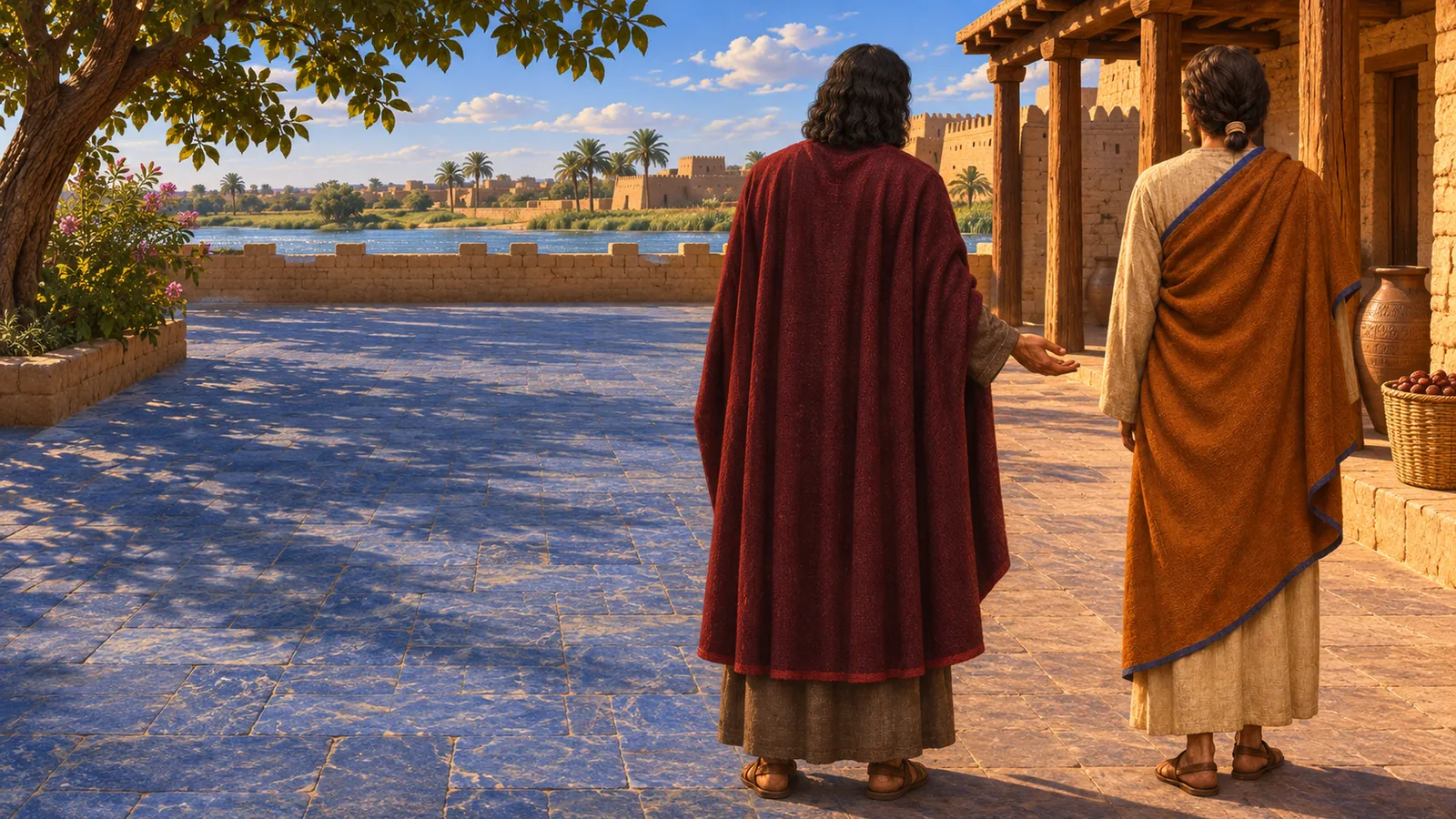
En la tercera tablilla, Erra amenaza a la persona justa que intercede por los demás. Dice que elevaría a quien les hace daño.
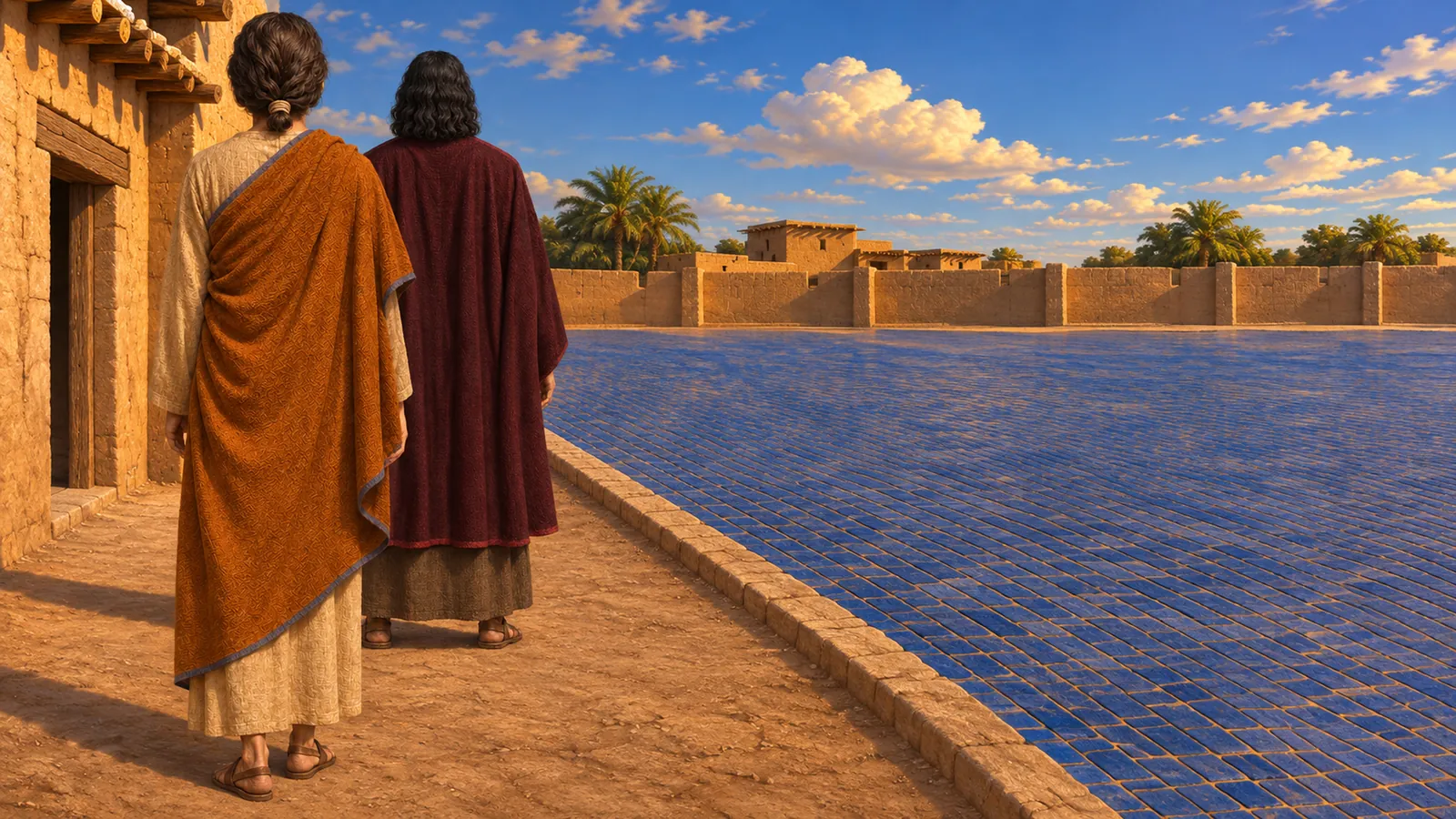
Erra describe a Ishum como quien va delante de él y quien lo sigue por detrás. Da los dos puestos al mismo compañero.
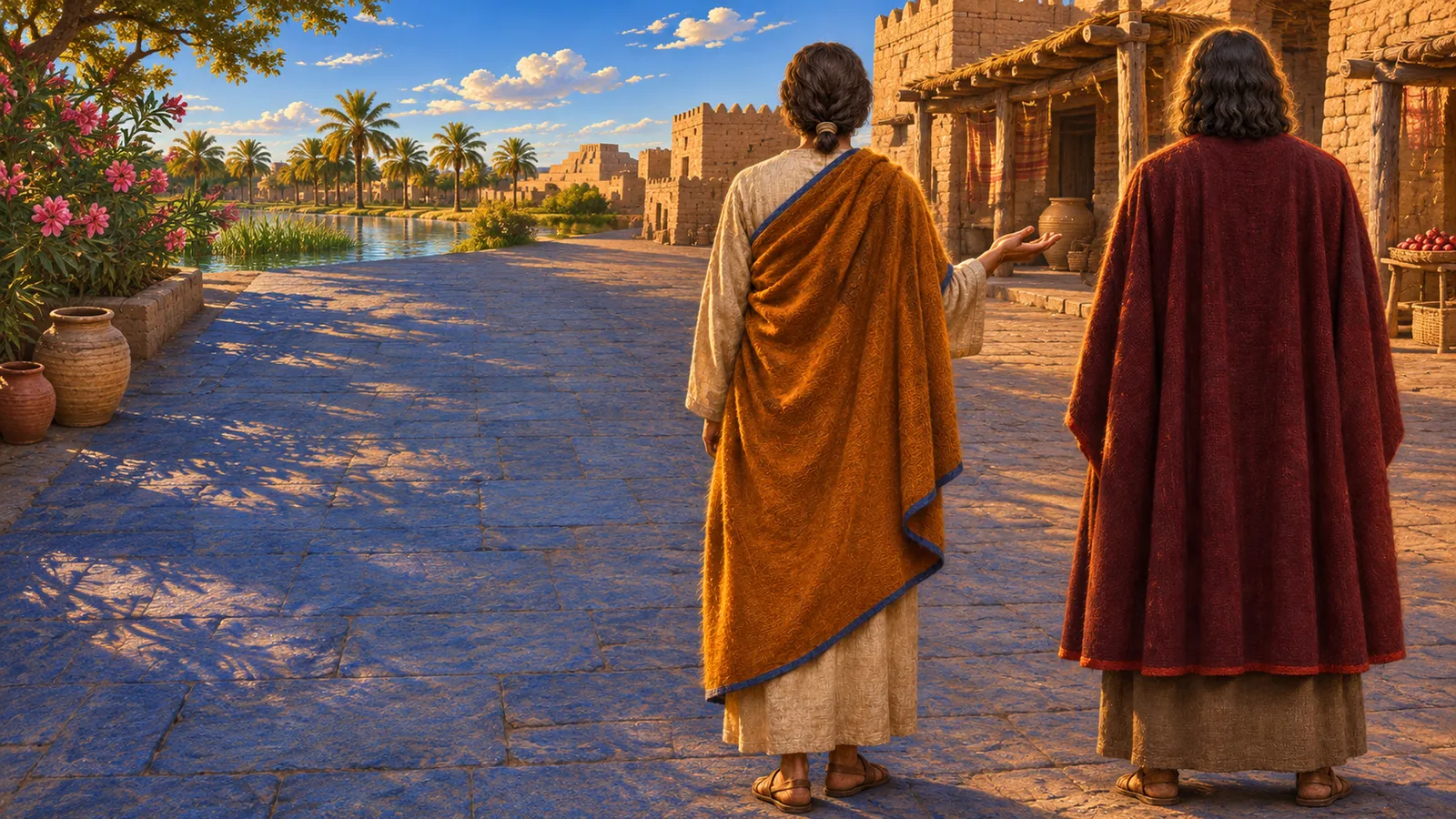
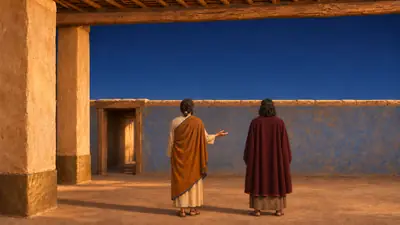
Ishum le pregunta a Erra por qué ha concebido hacer daño a dioses y seres humanos. Le plantea la pregunta directamente.
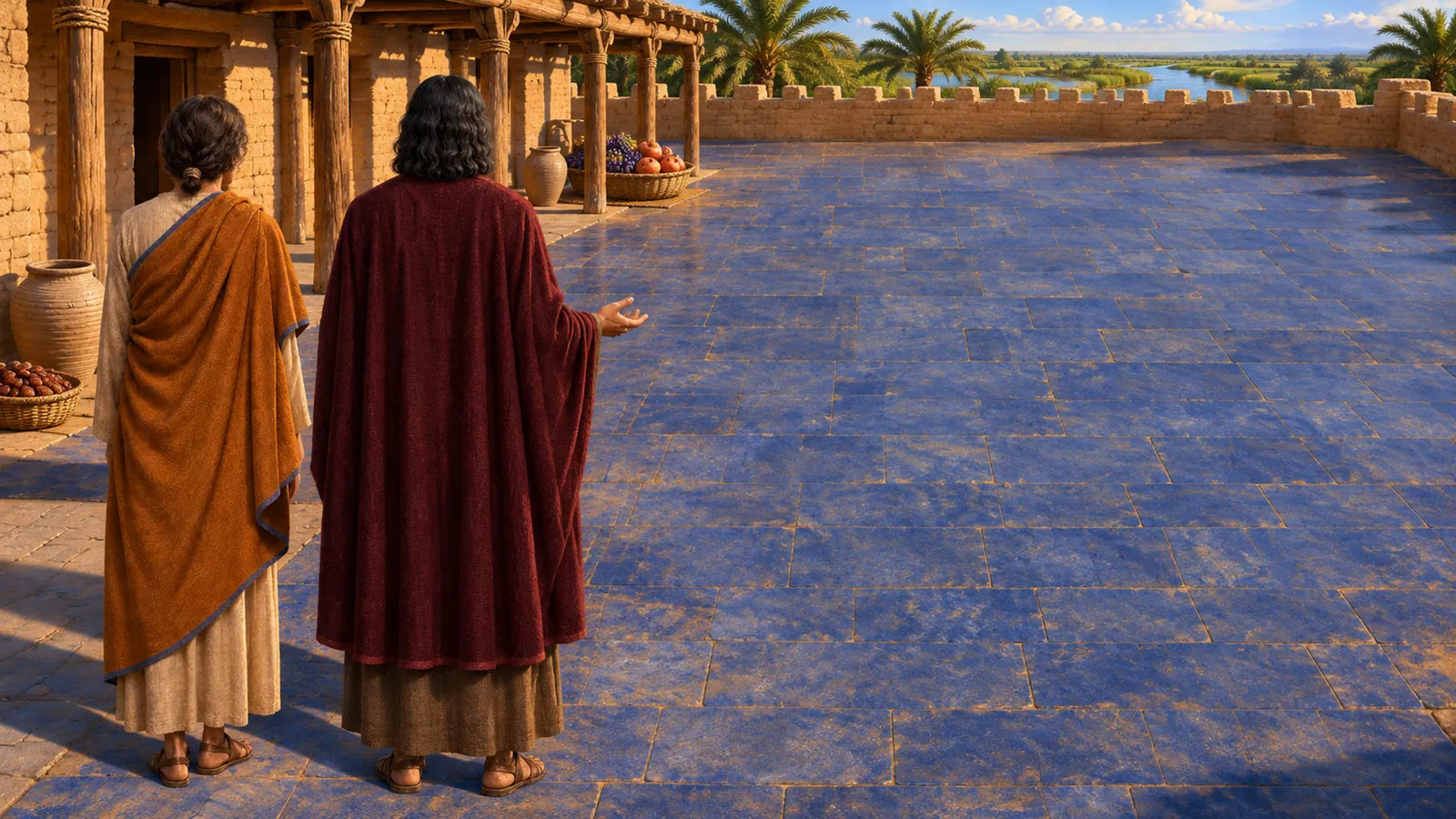
Erra responde que cuando Marduk dejó su sitial se rompió el vínculo entre dioses y seres humanos. Así se lo explica a Ishum.
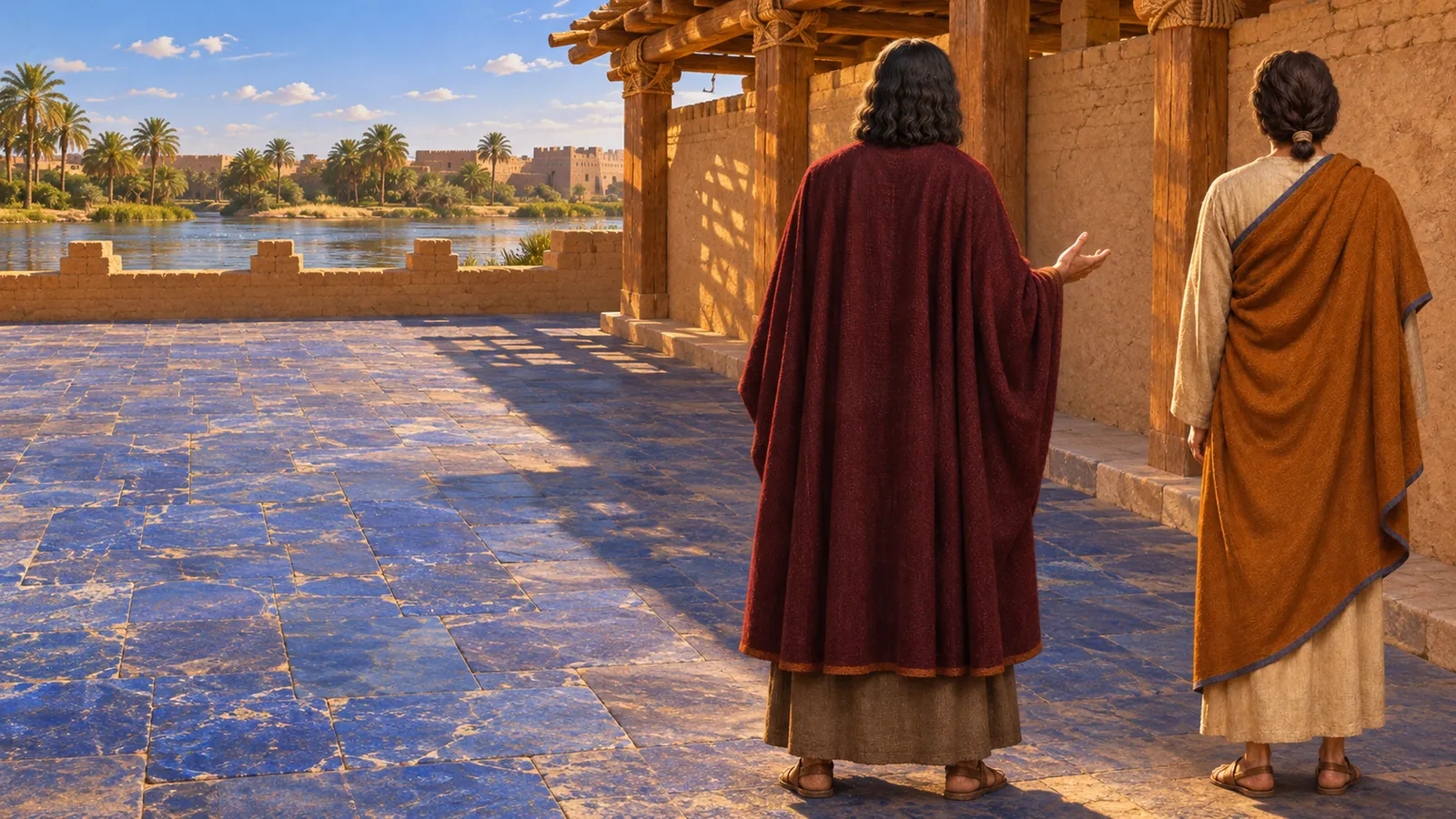
Erra acusa a los gobernantes de desatender el culto. Presenta su descuido como un motivo de la partida de Marduk.
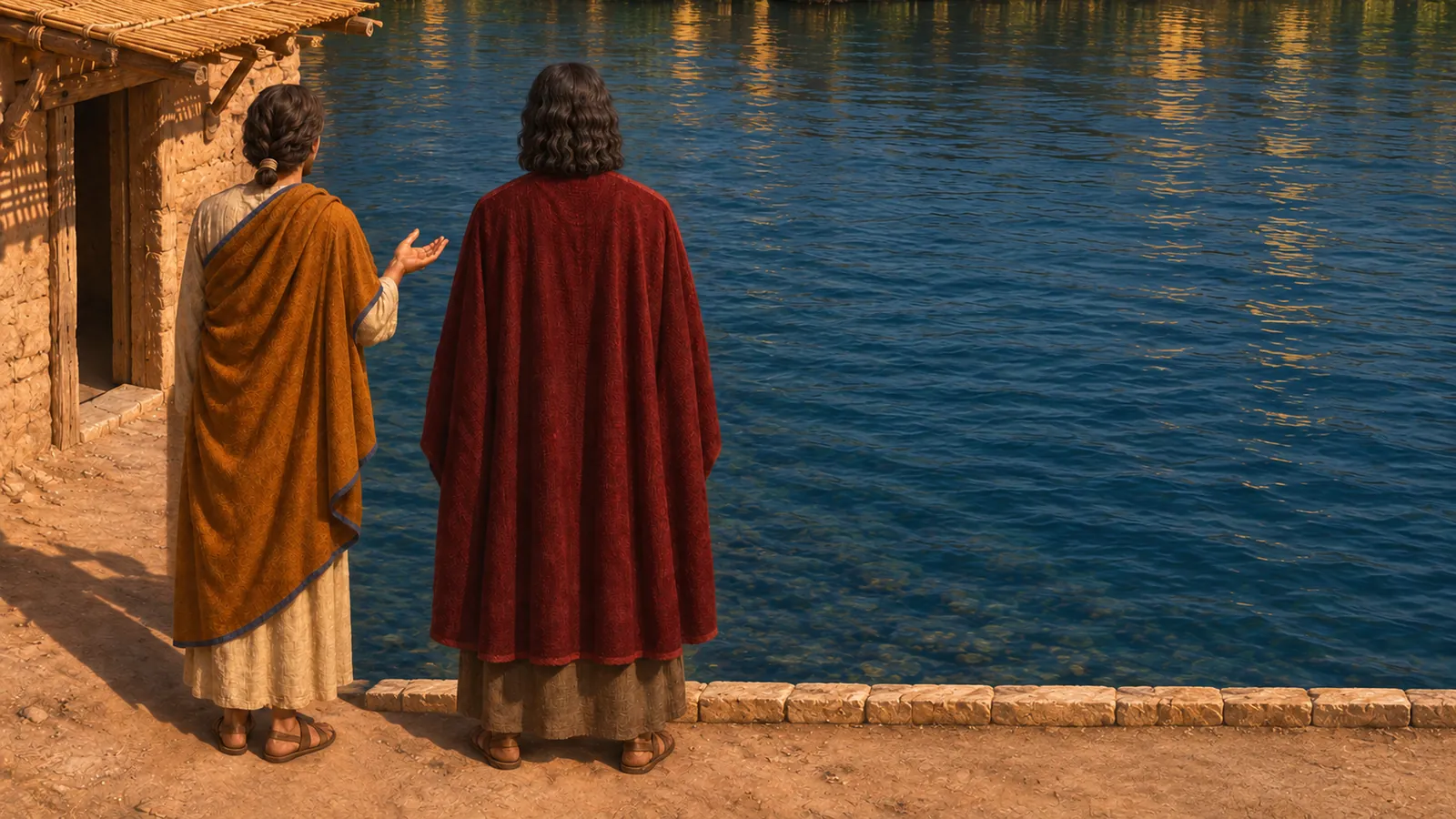
Ishum se dirige a Erra con palabras solemnes. Dice que domina el cielo y la tierra, el mar y las montañas.
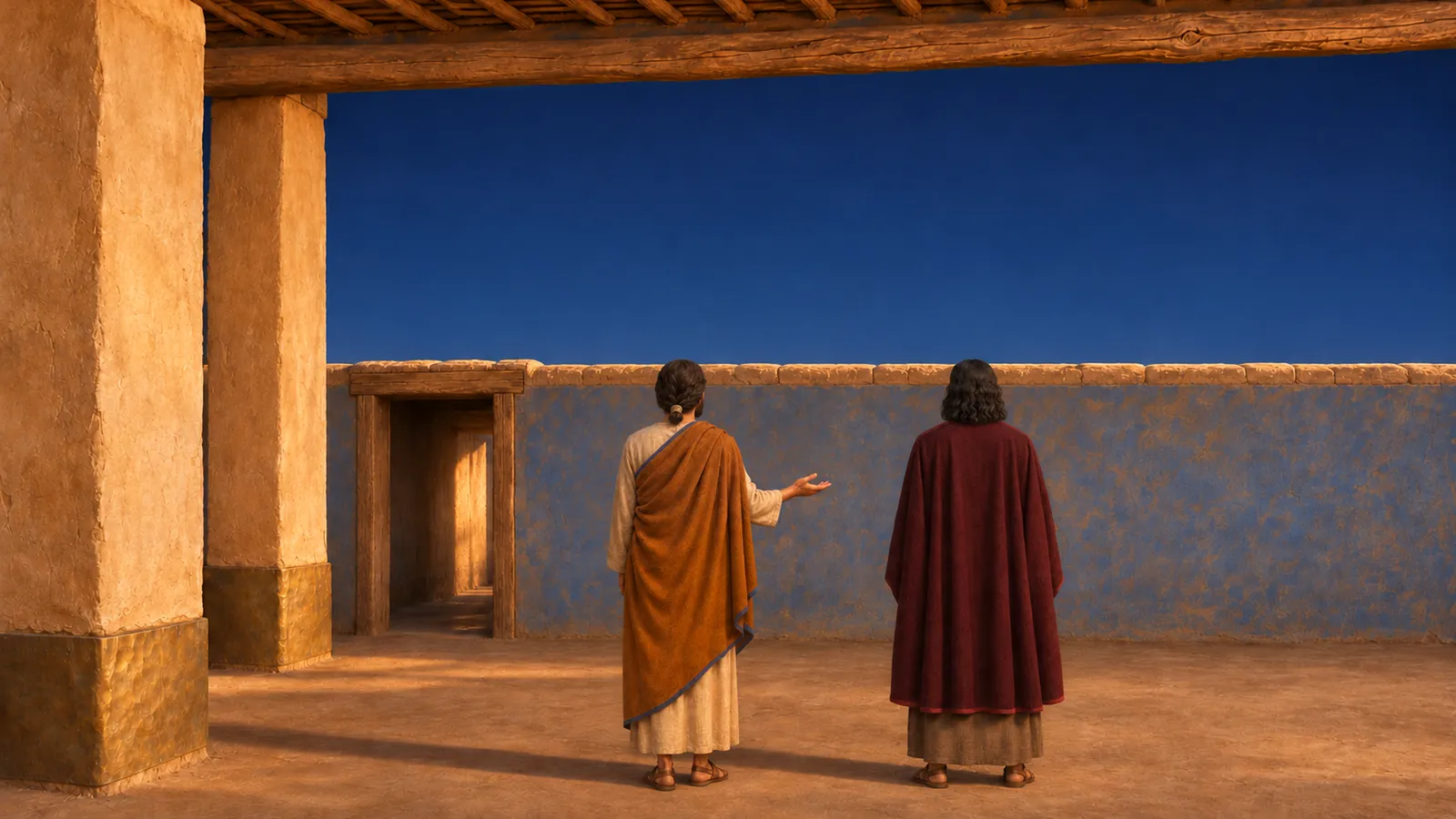
BABILONIA Y EL ESAGIL
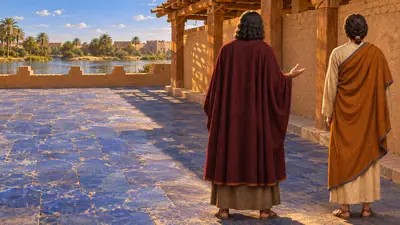
Ishum dice que Erra está al frente de Babilonia y da órdenes al Esagil. Dice que hasta los dioses le temen y pregunta si hay guerra sin él.
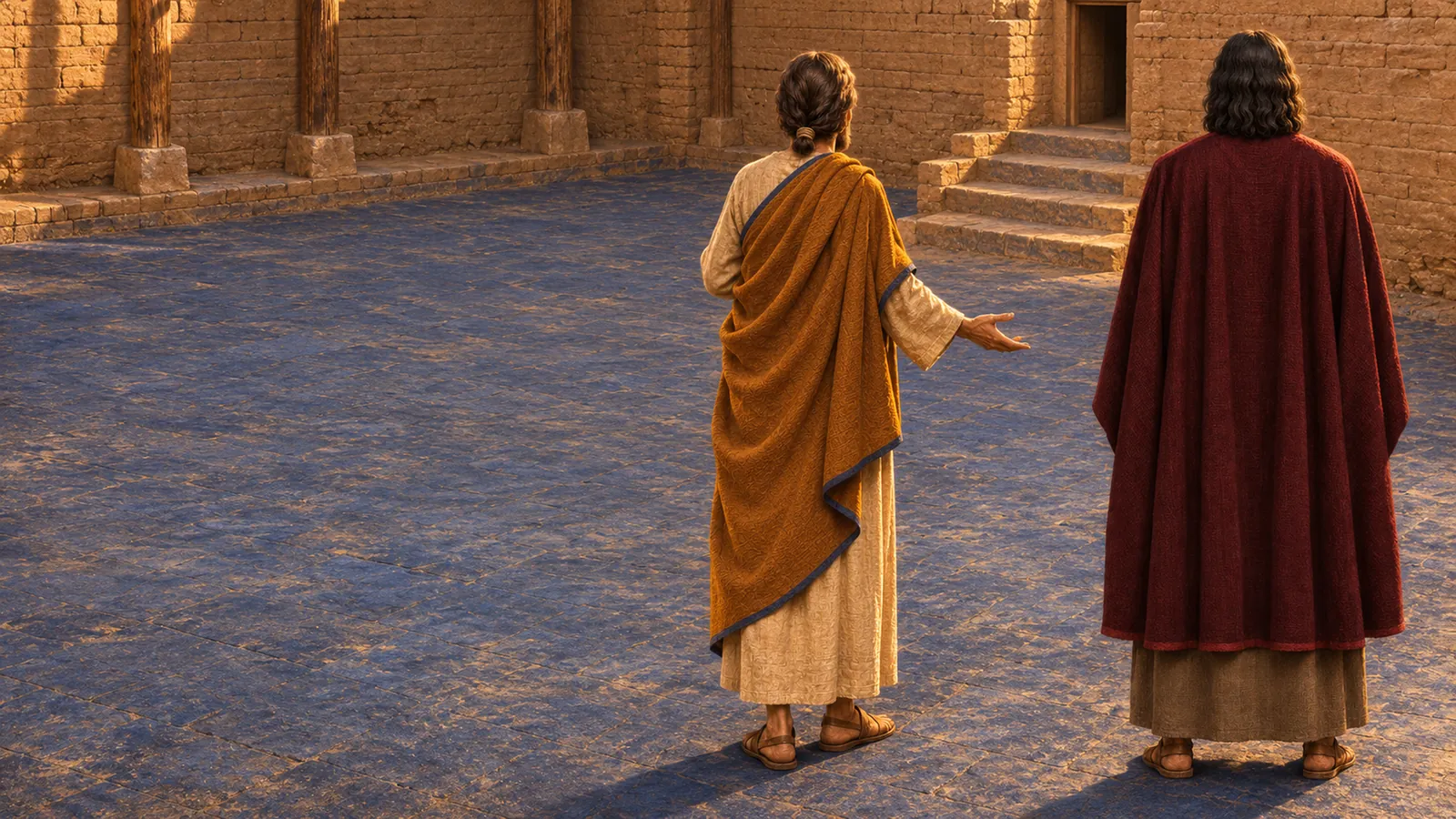
Ishum dice que Erra no temió el nombre de Marduk. Lo acusa de desatar el vínculo que mantenía unida la ciudad del rey de los dioses.
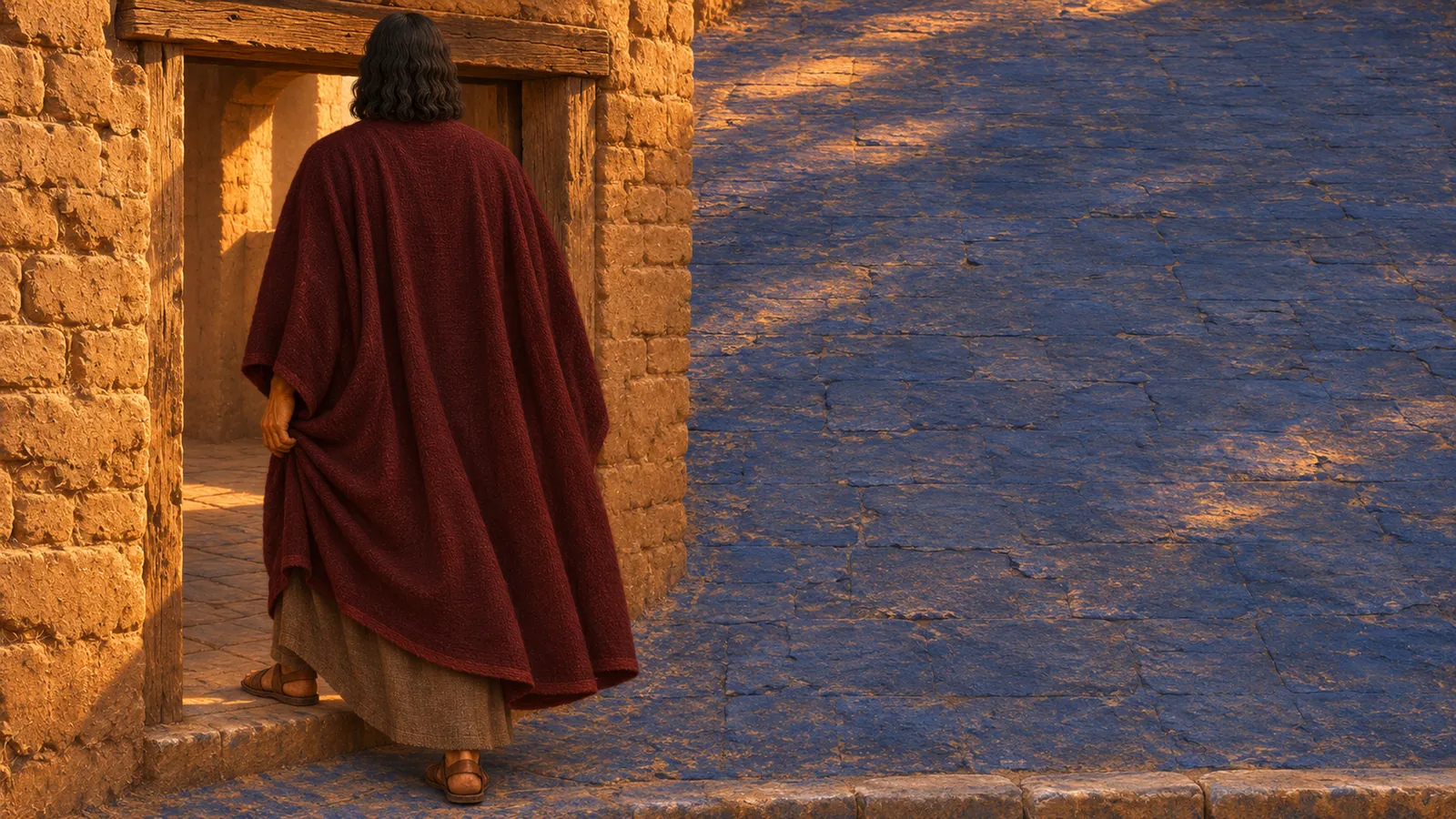
Ishum dice que Erra parecía humano cuando entró en Babilonia. Sus palabras admiten distintas interpretaciones de ese parecido.
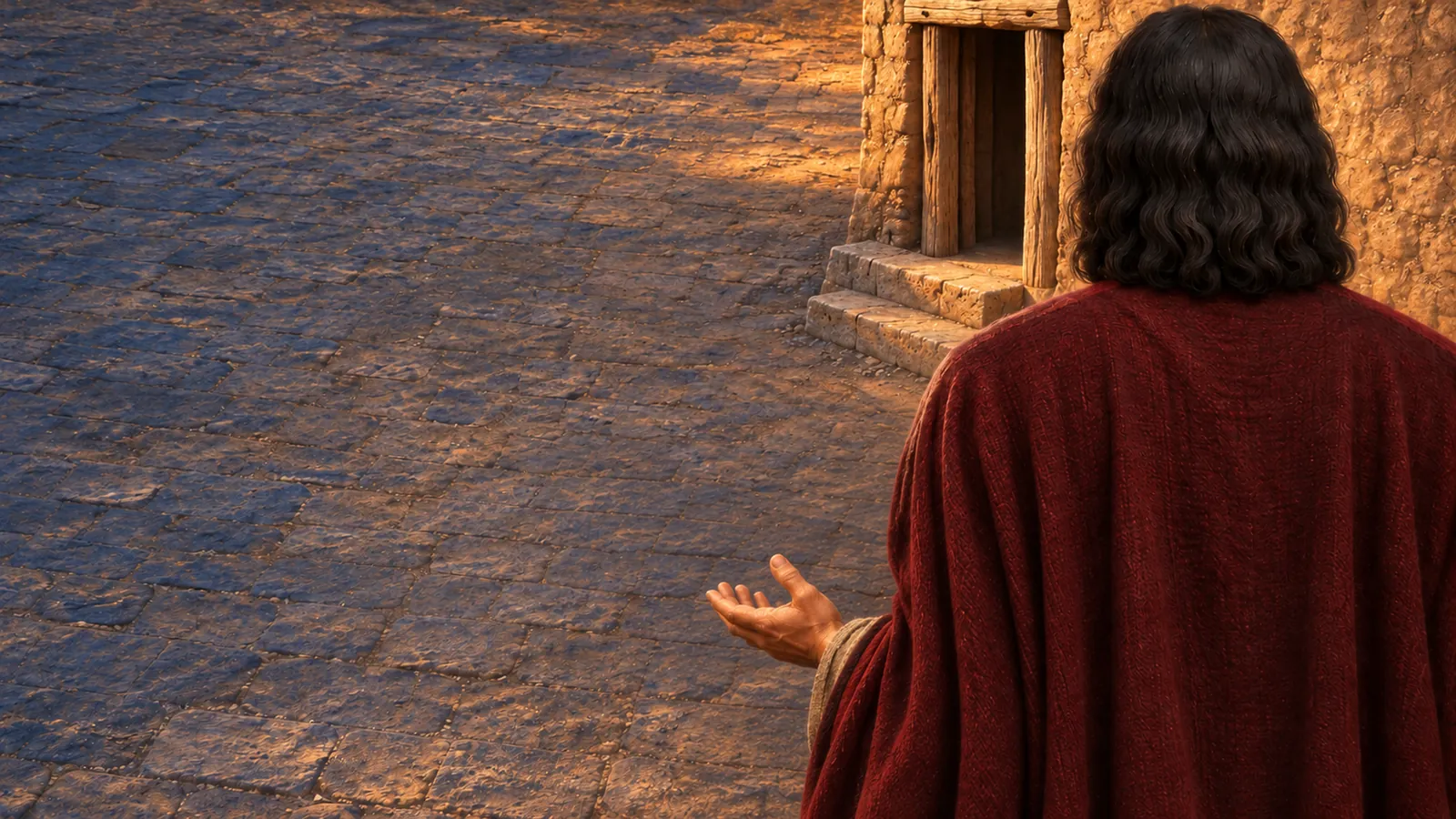
Ishum cuenta cómo habló Erra en Babilonia. Describe sus palabras como las de alguien que busca apoderarse de la ciudad.
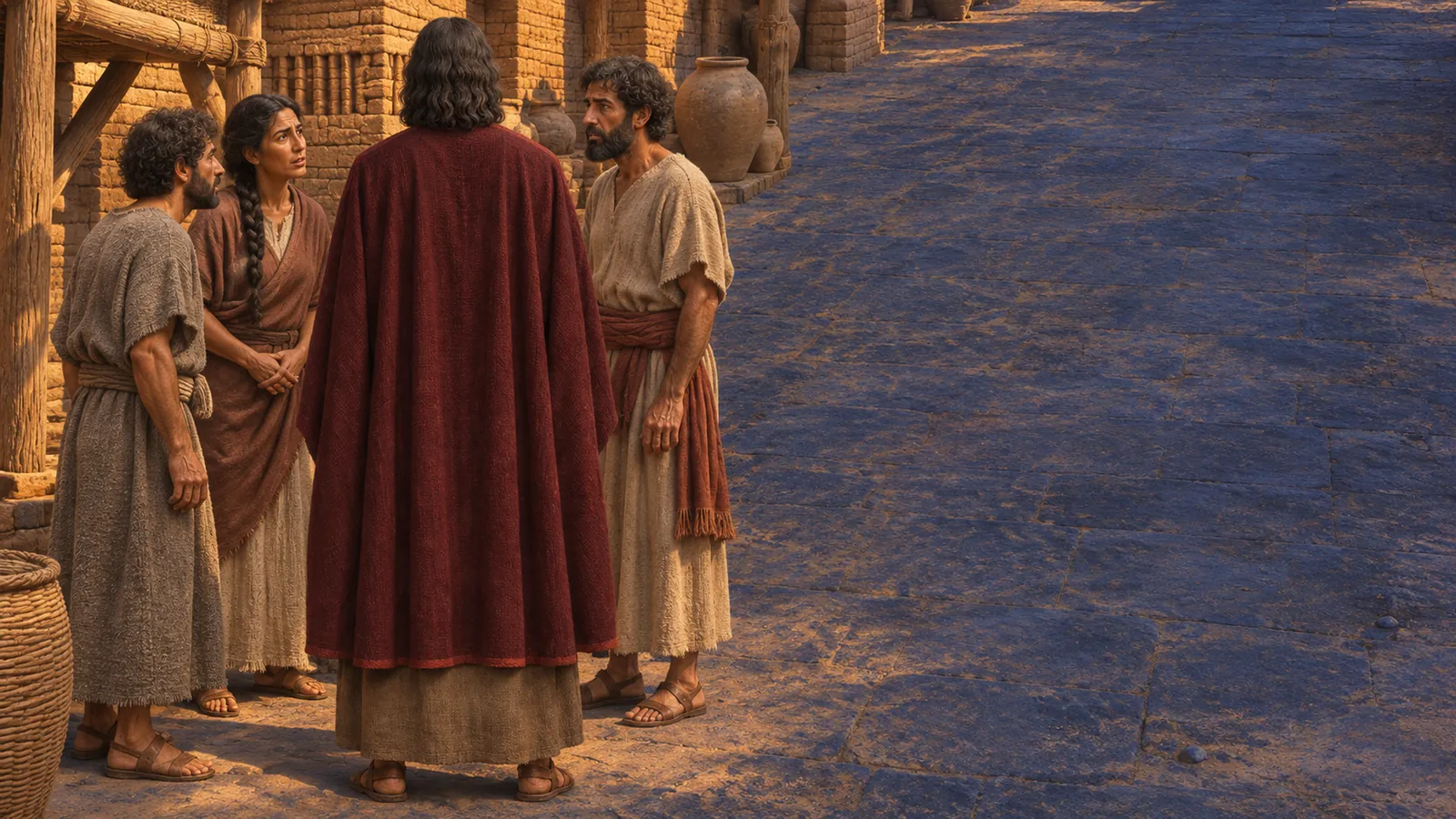
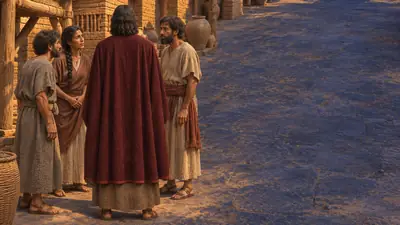
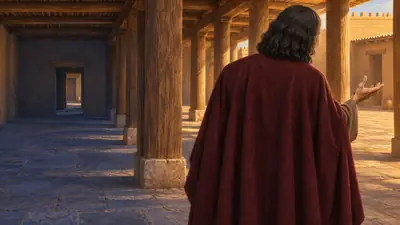
Los habitantes de Babilonia se reunieron en torno a Erra, dice Ishum. Los compara con juncos en una marisma, sin nadie que los guíe.
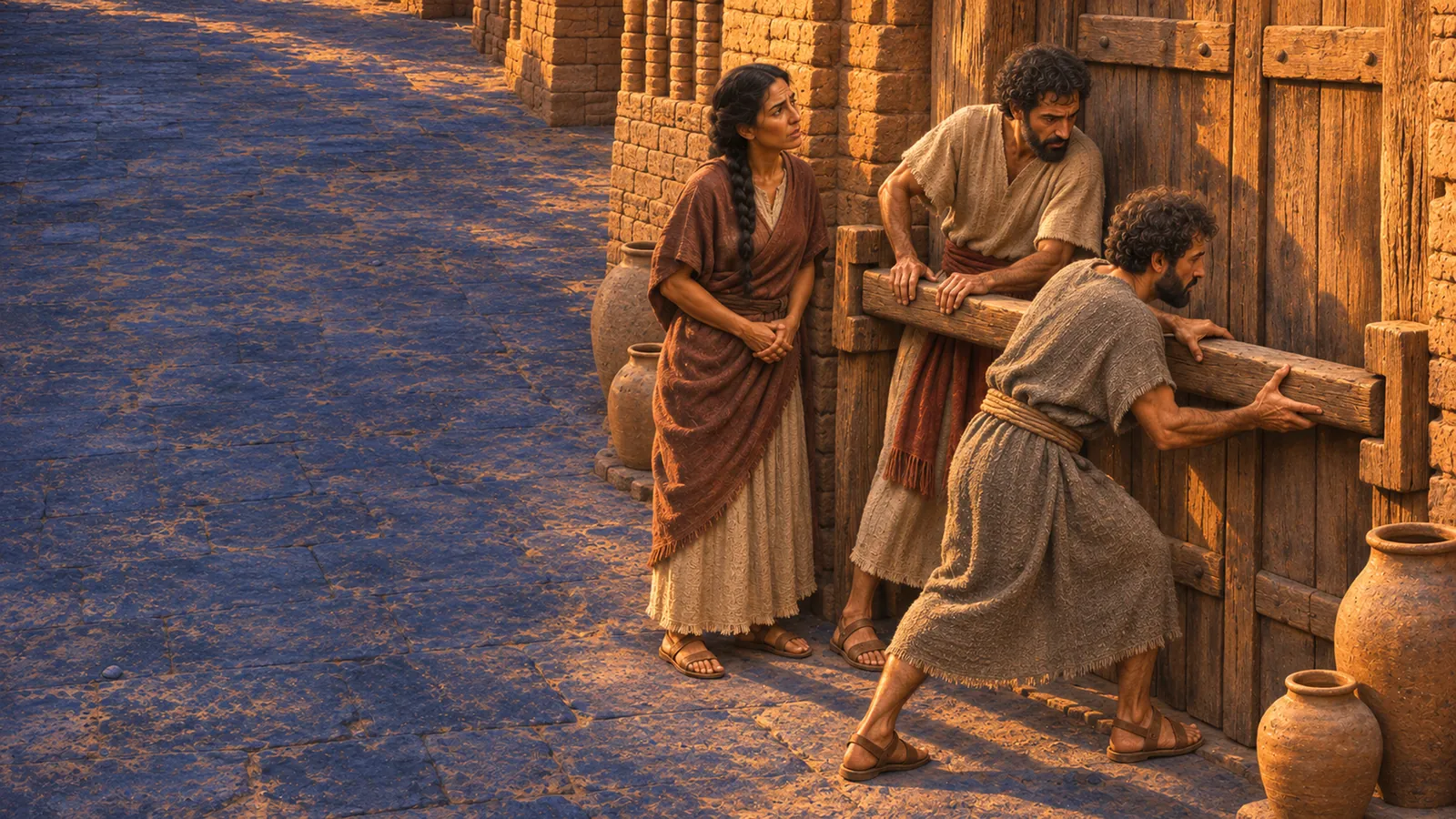
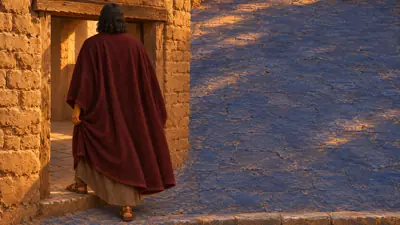
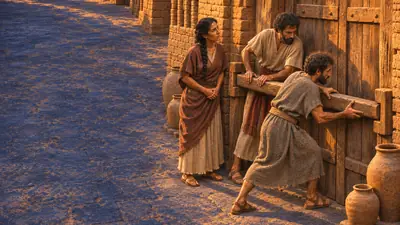
Ishum dice que la gente increpó a su gobernador y cerró con tranca la puerta de la ciudad. Su relato sigue los disturbios que sacudieron Babilonia.
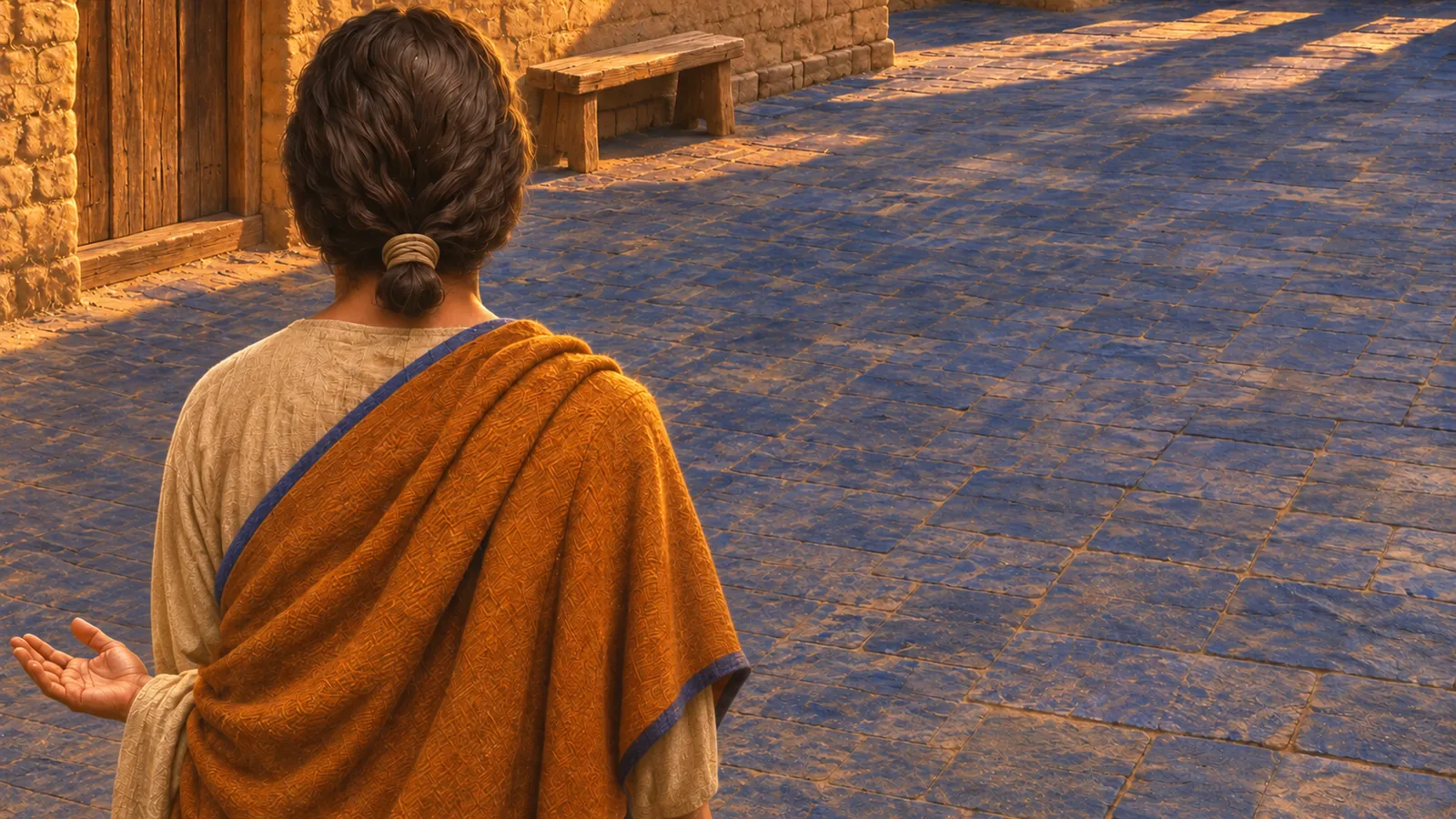
Ishum dice que Erra se puso al frente. Lo compara con un señuelo, y a la gente de Babilonia con aves atraídas hacia una trampa.
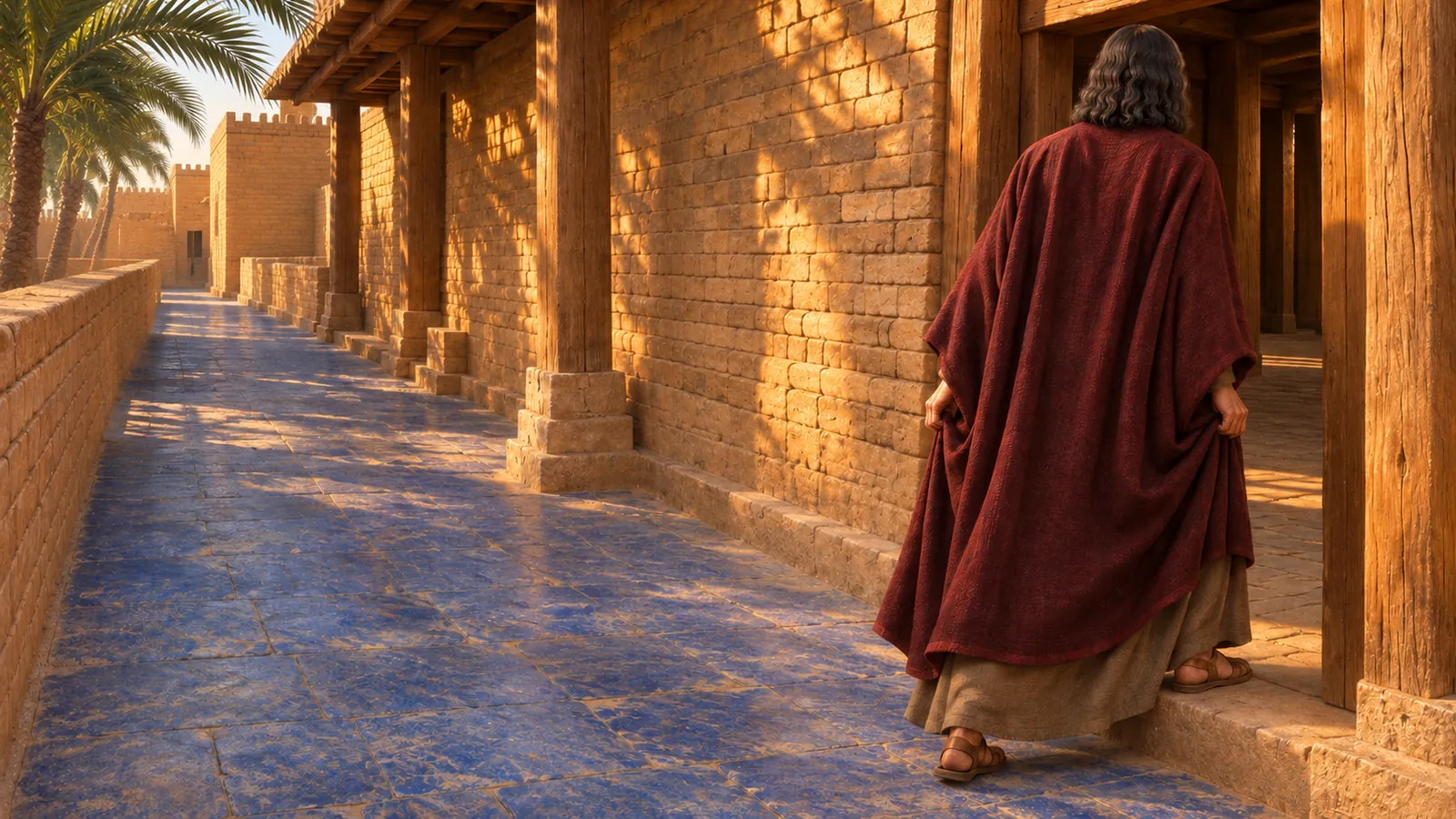
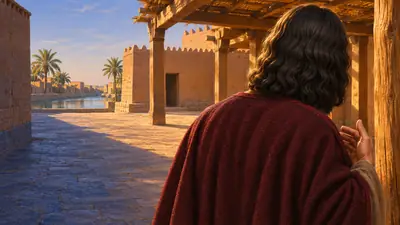
Ishum sigue los pasos de Erra hasta el palacio. Al describir su entrada, dice que Erra se asemeja a un león.
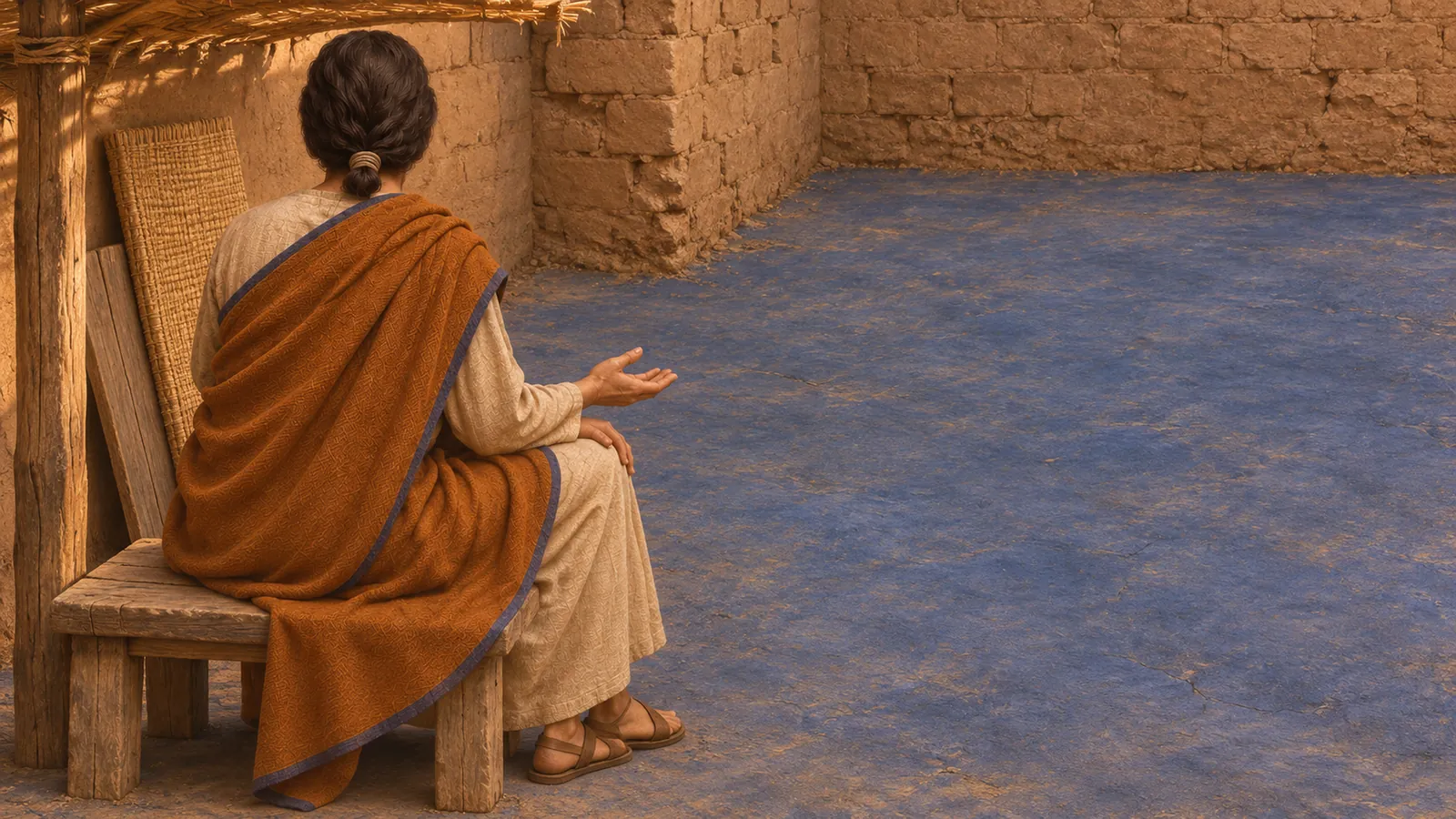
En el relato de Ishum, el gobernador monta en cólera. Da orden de saquear Babilonia como si fuera una ciudad enemiga.
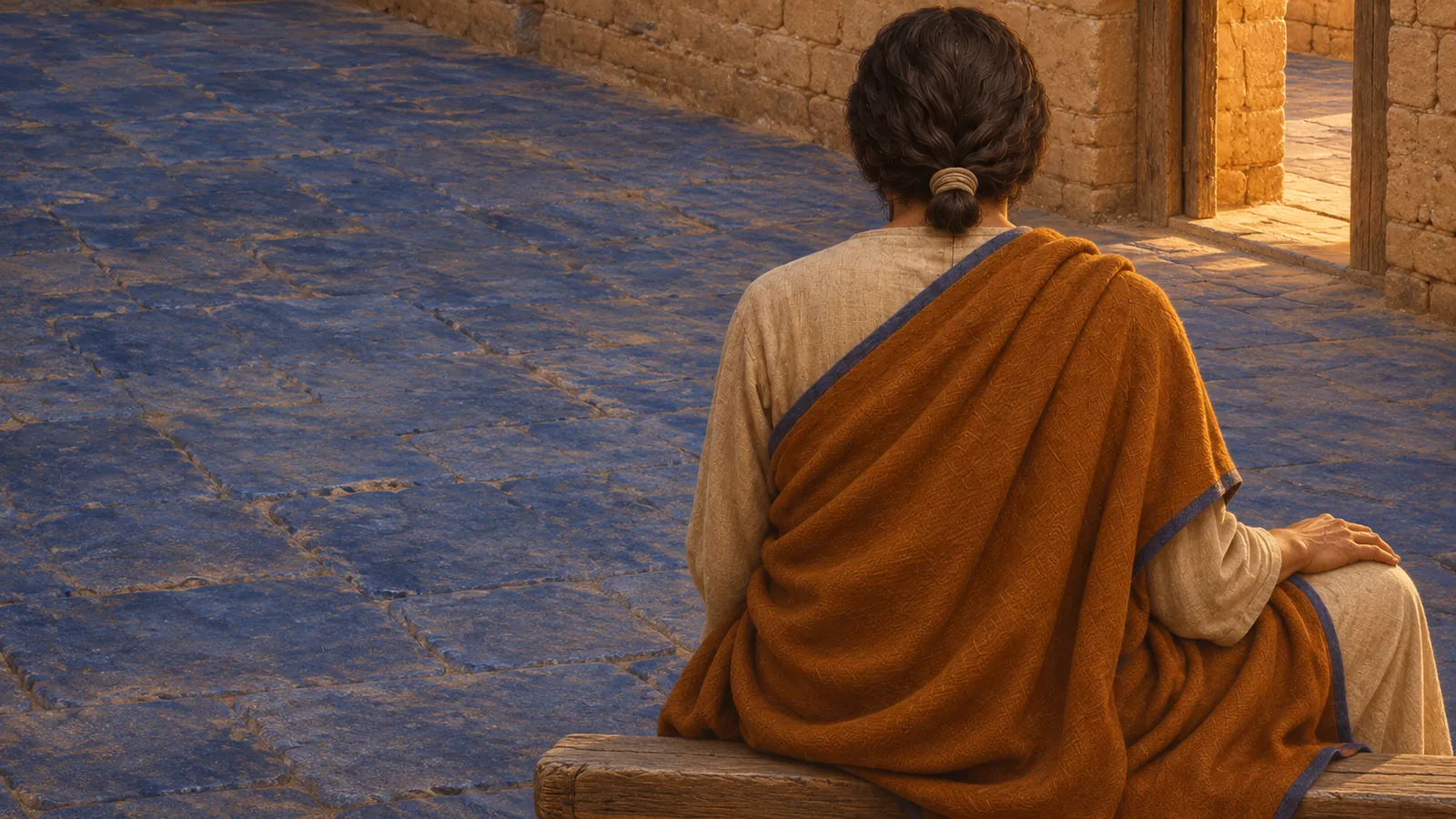
Ishum transmite la orden del gobernador. No concede clemencia por razón de edad, ni a jóvenes ni a mayores.
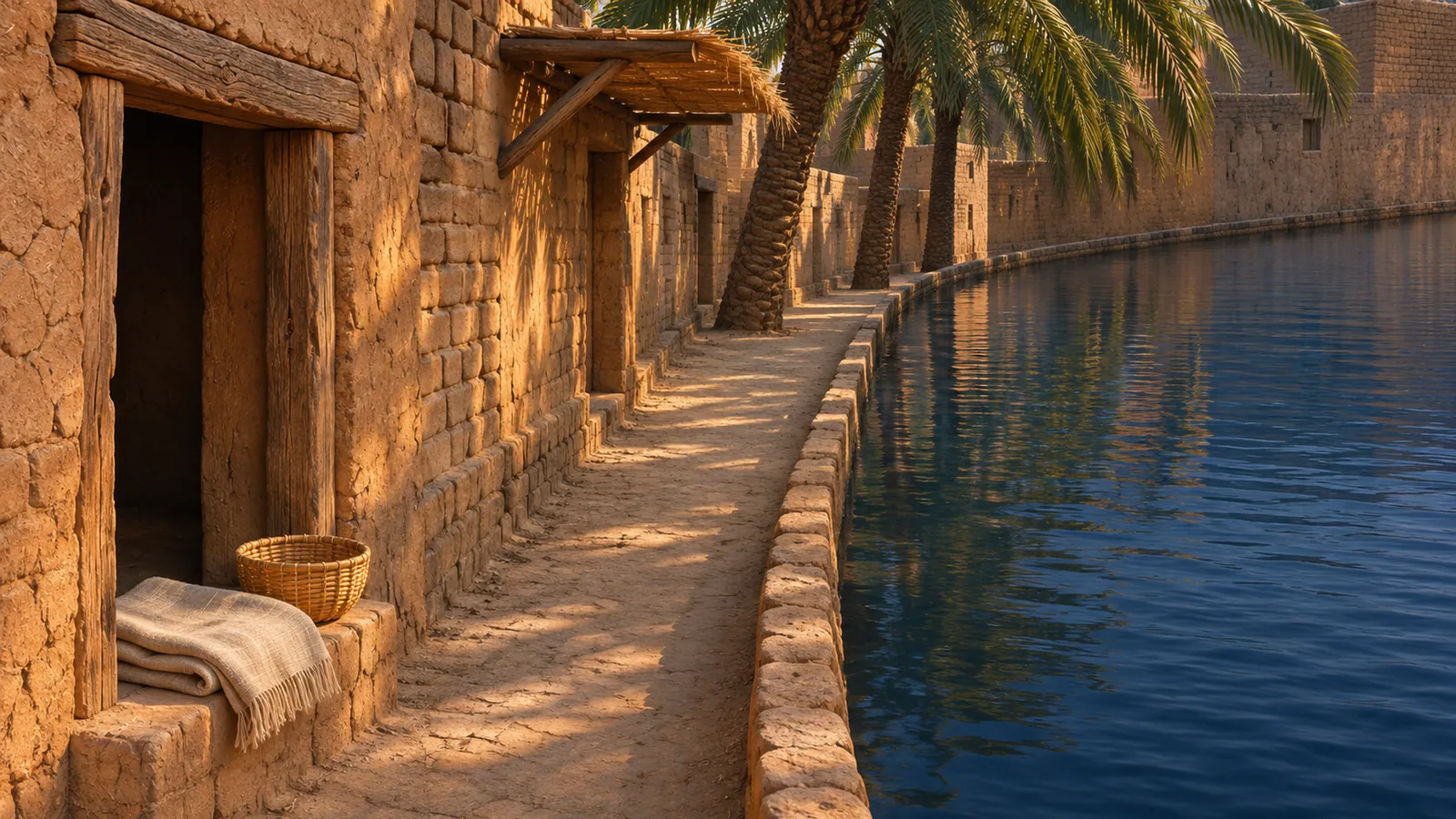
Ishum cuenta cómo las fuerzas reales entraron en Babilonia y mataron a personas que la ciudad había puesto bajo su protección.
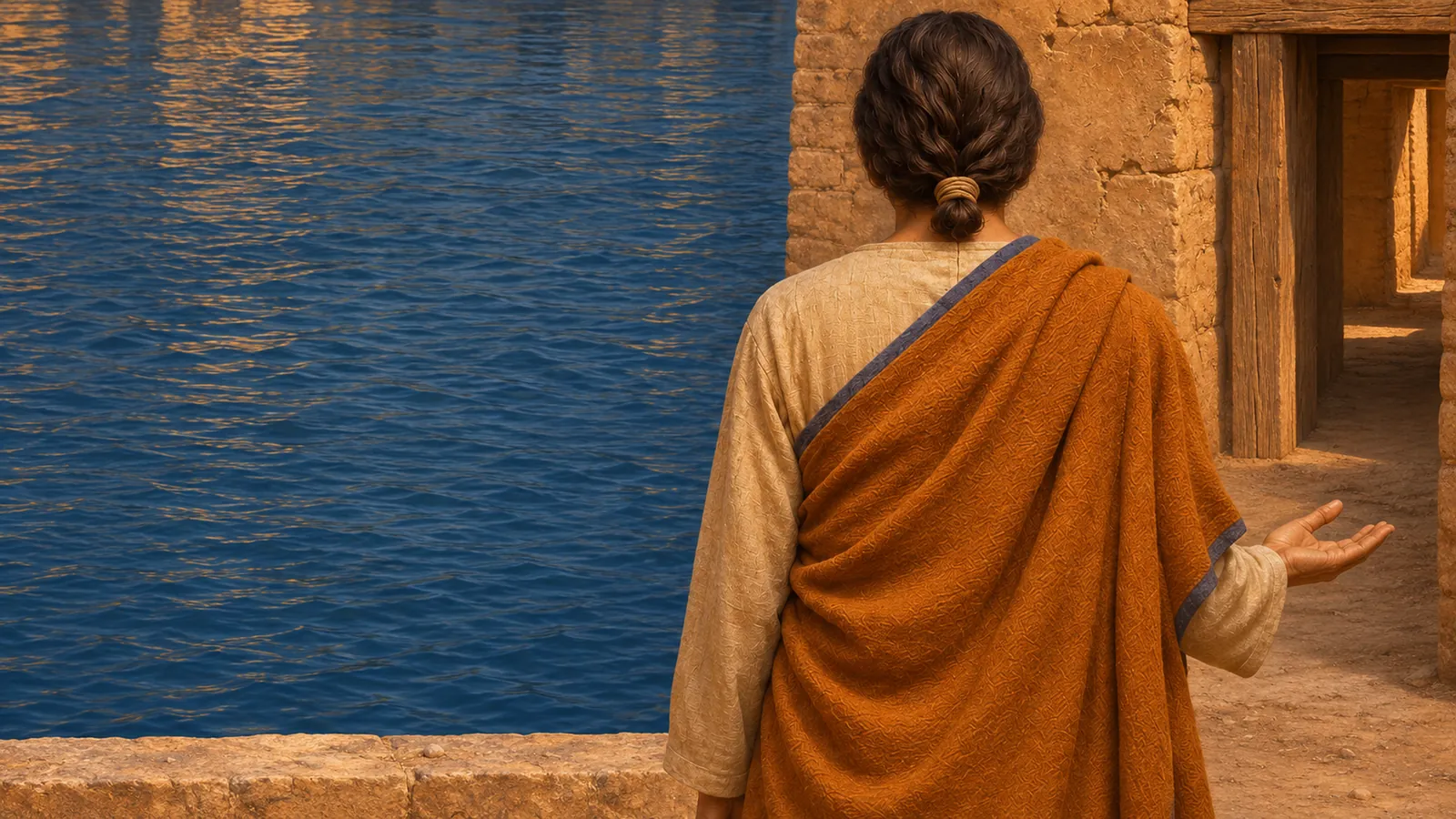
Ishum dice que Erra enfrentó a un grupo con el otro. Compara lo que hizo Erra con el juego destructivo de un muchacho.
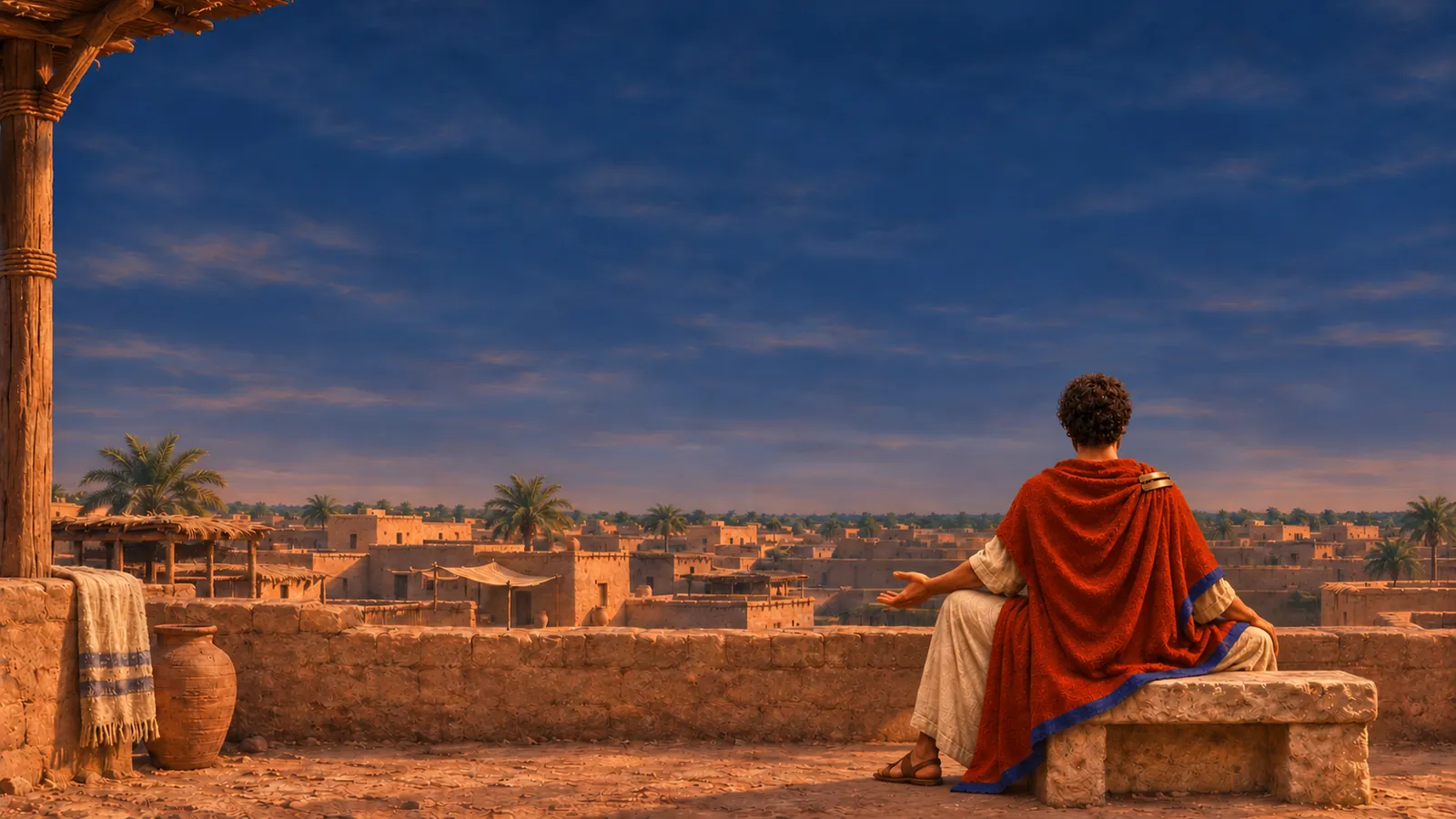
EL LAMENTO DE MARDUK
En el relato de Ishum, Marduk se lamenta por Babilonia. El rey de los dioses da voz al sufrimiento de su ciudad.
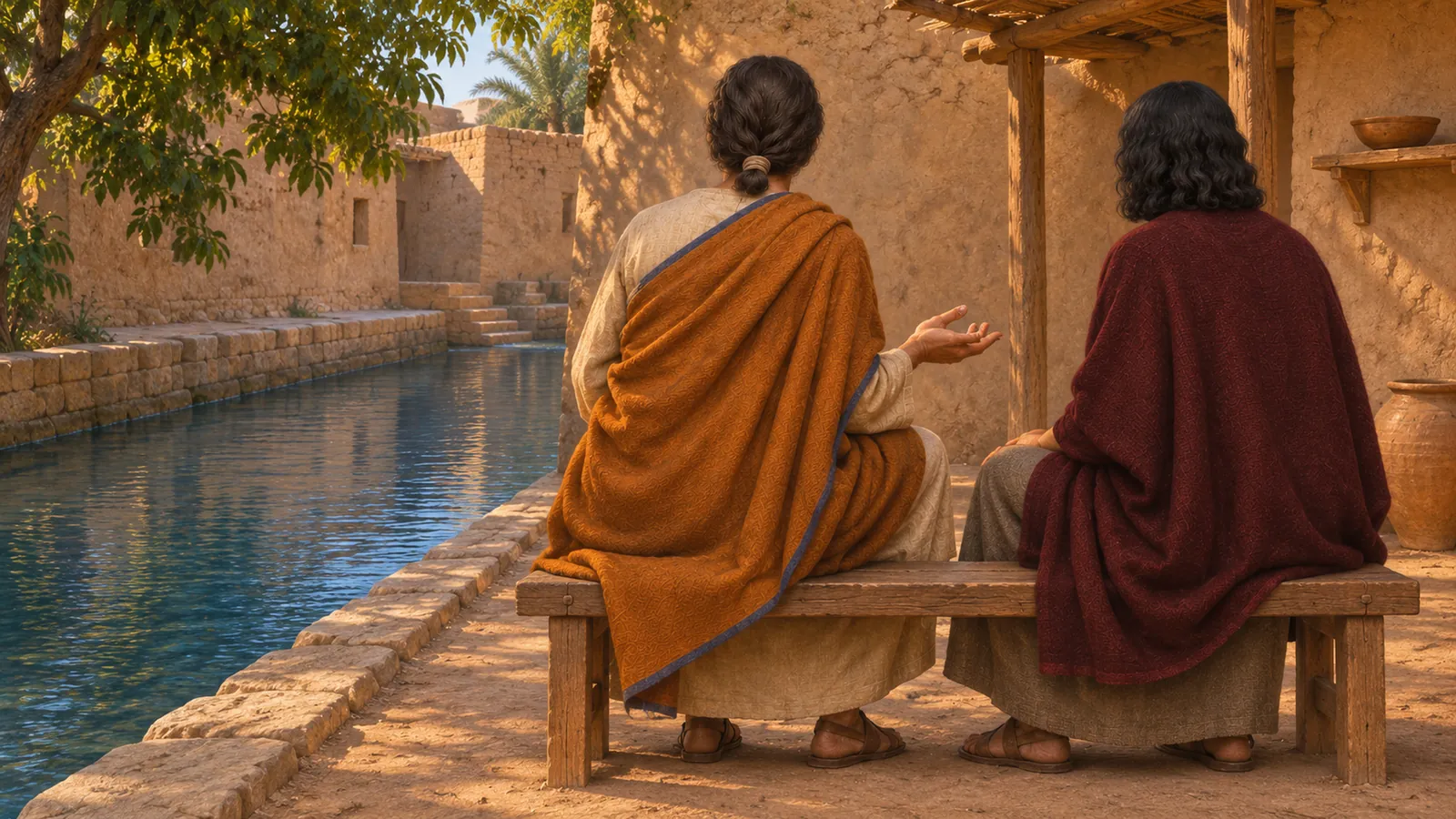
Ishum sigue repitiendo las amenazas de Erra. Un padre cría a su hijo con la esperanza de que este cuide de él a su vez. Erra amenaza con arrebatarle esa esperanza.
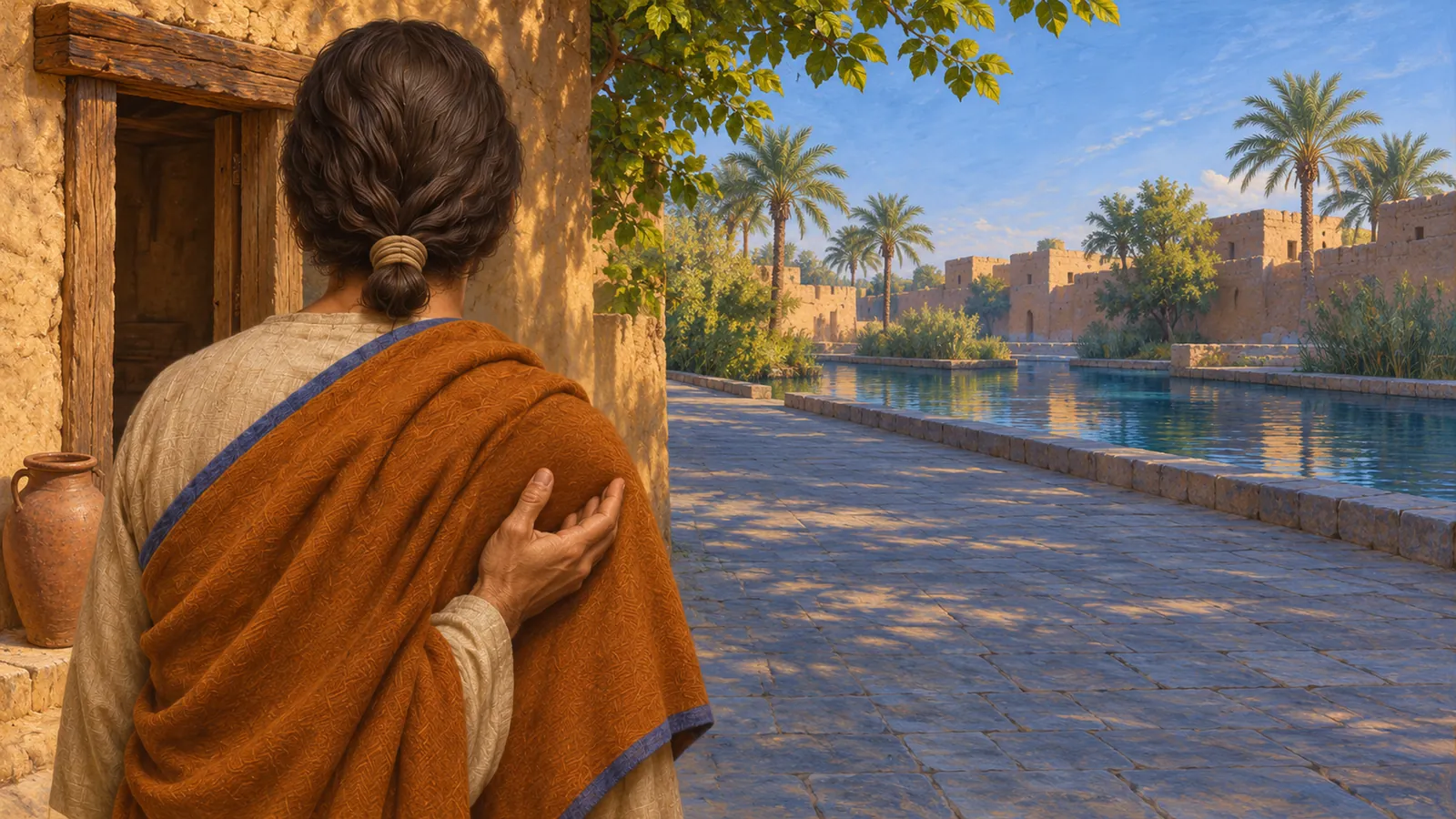
Ishum repite otra parte de la amenaza de Erra. Un hombre se construye una casa con la esperanza de encontrar allí refugio y un lugar donde descansar.
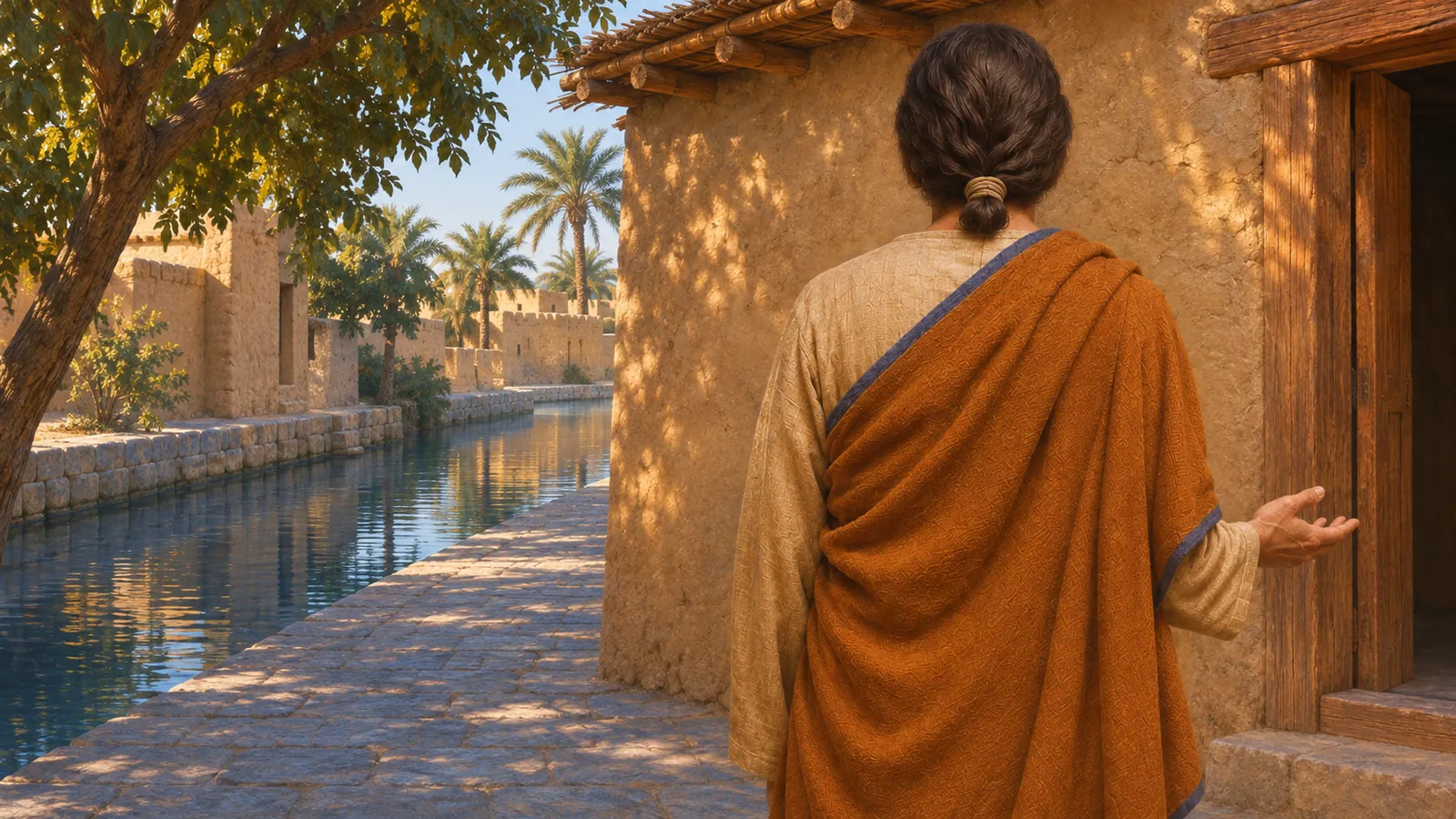
En las palabras que repite Ishum, Erra le quitaría la casa al hombre que la construyó. Se la daría a un extraño.
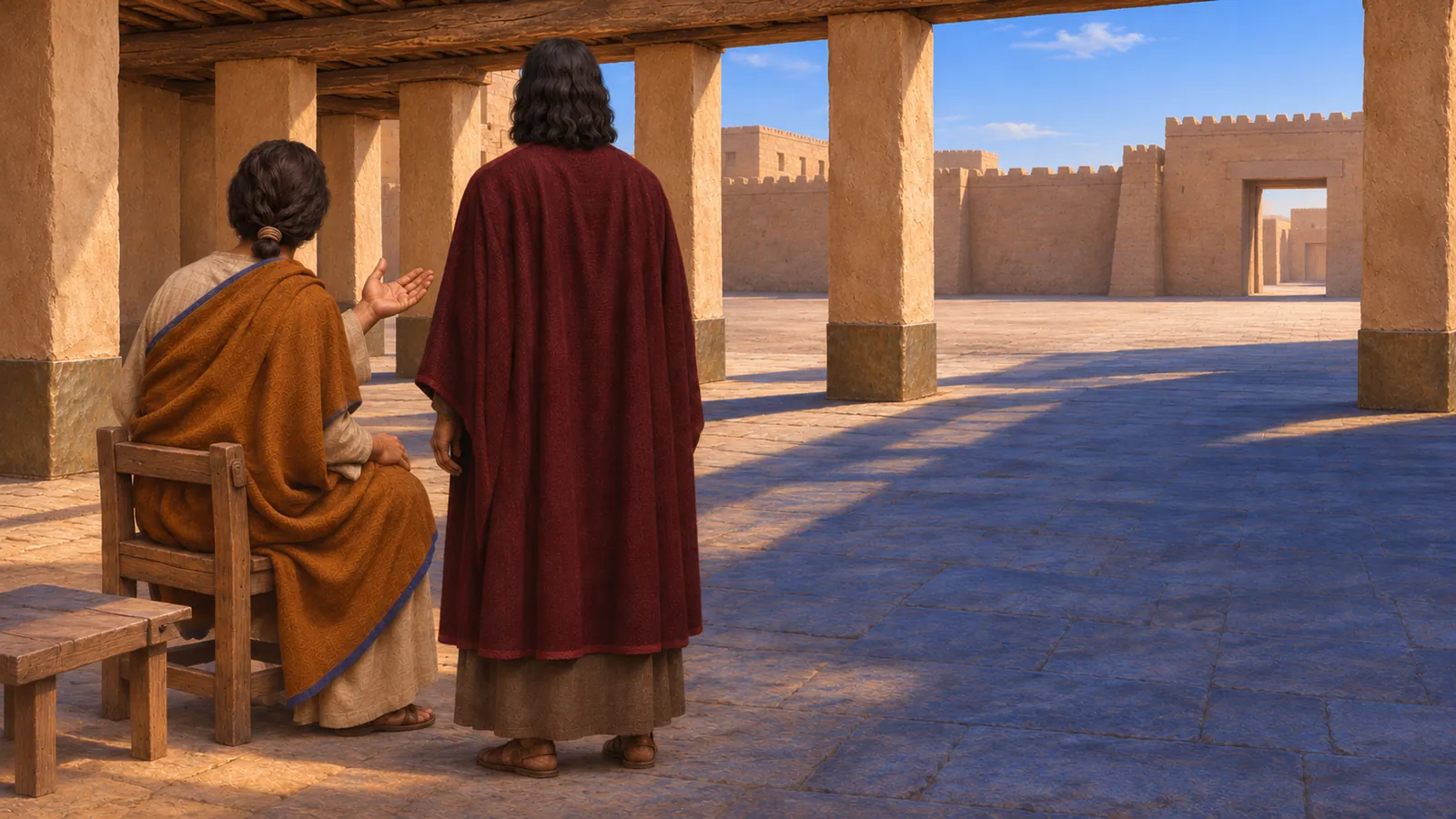
Ishum recuerda una amenaza de Erra contra el sitial del rey de los dioses. Erra acallaría allí la voz del consejo.
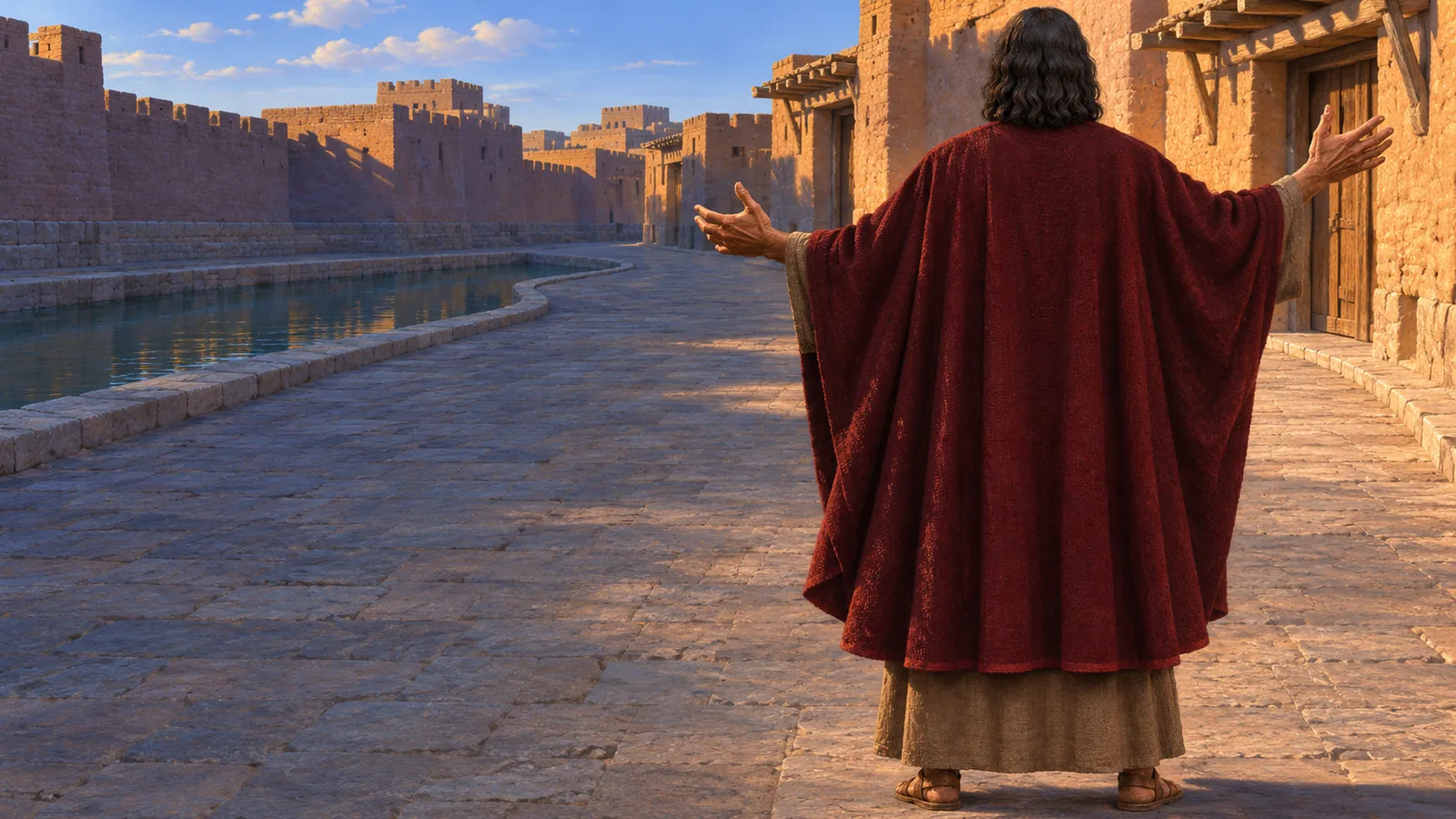
Erra pide que la discordia alcance las tierras y las ciudades. Según sus palabras, en un lugar tras otro la gente se volverá contra los suyos.
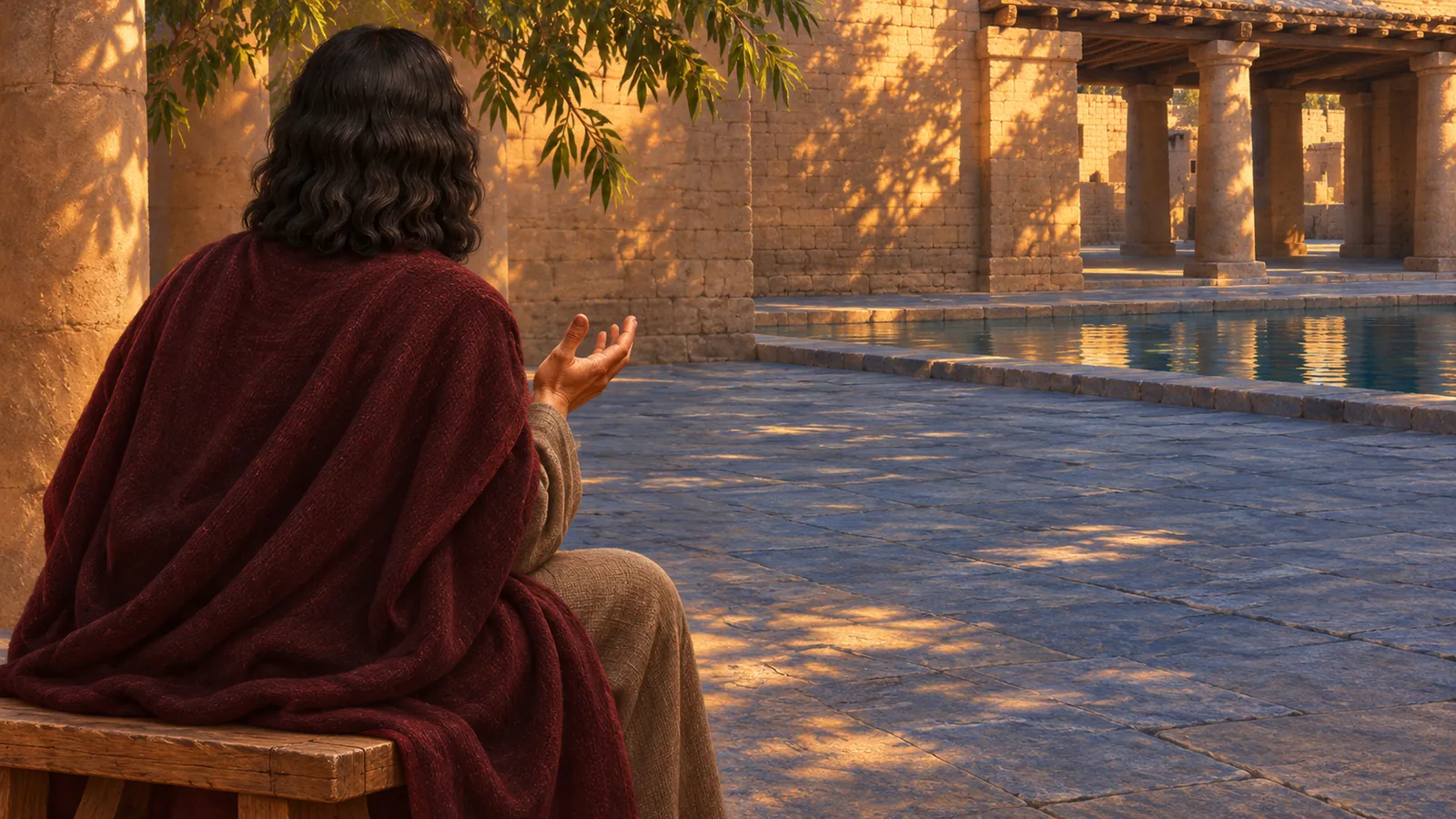
Erra dice que la discordia ha de durar hasta que surja un gobernante en Babilonia. En este pasaje no lo nombra.
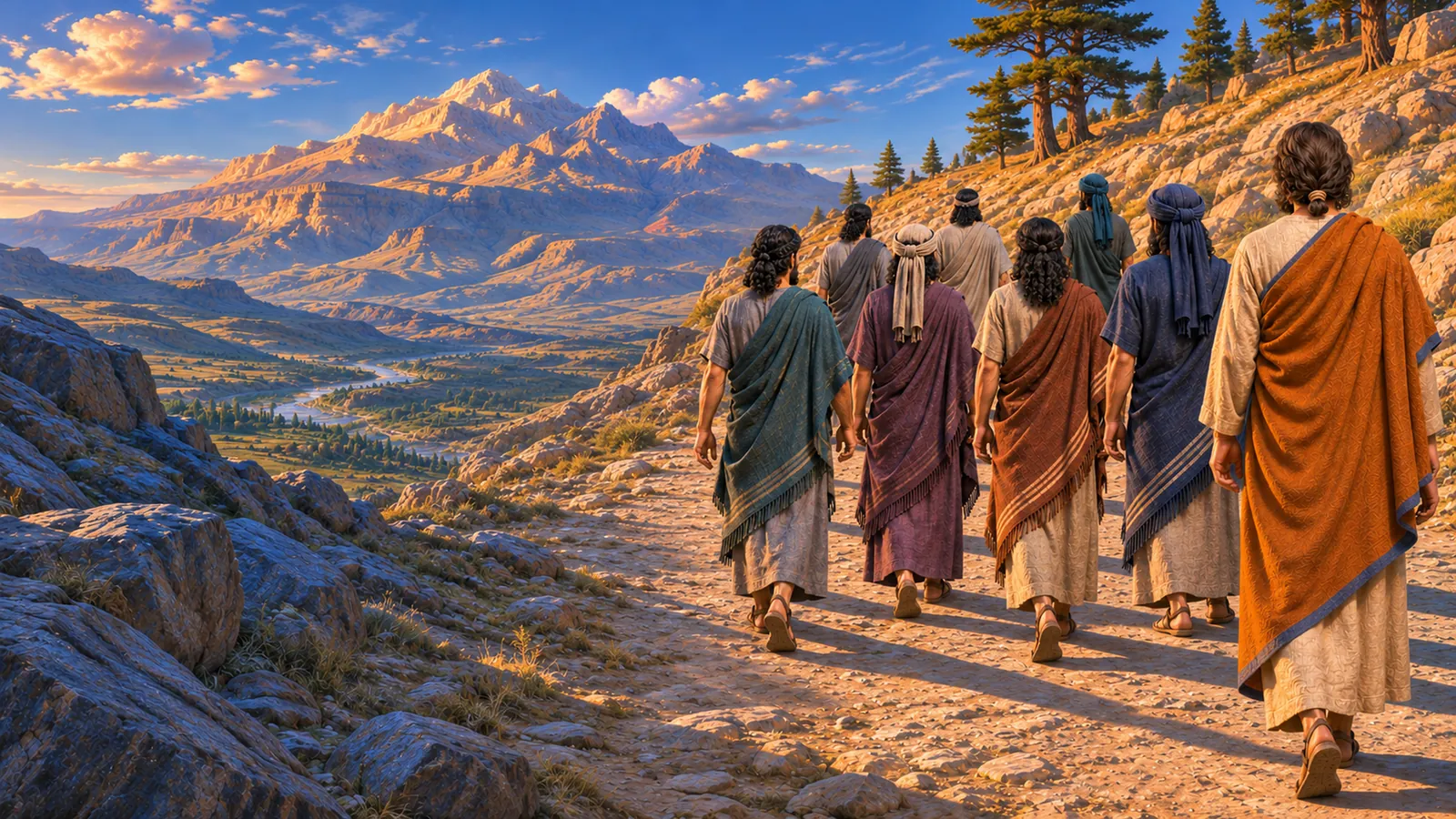
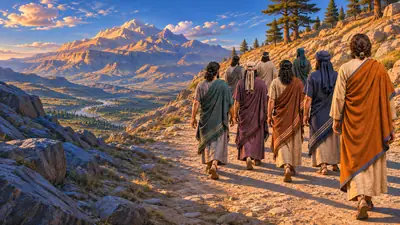
Ishum parte hacia el monte Sharshar con los Siete. El poema antiguo los lleva a la región montañosa después de las palabras de Erra.

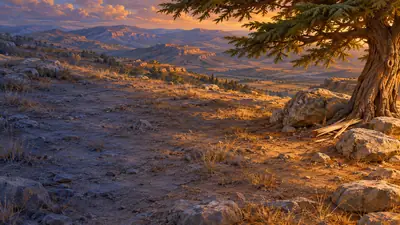
Un guerrero llega a la montaña. El poema cuenta la devastación de la montaña y de su bosque de cedros. El verso deja abierta la identidad del guerrero.
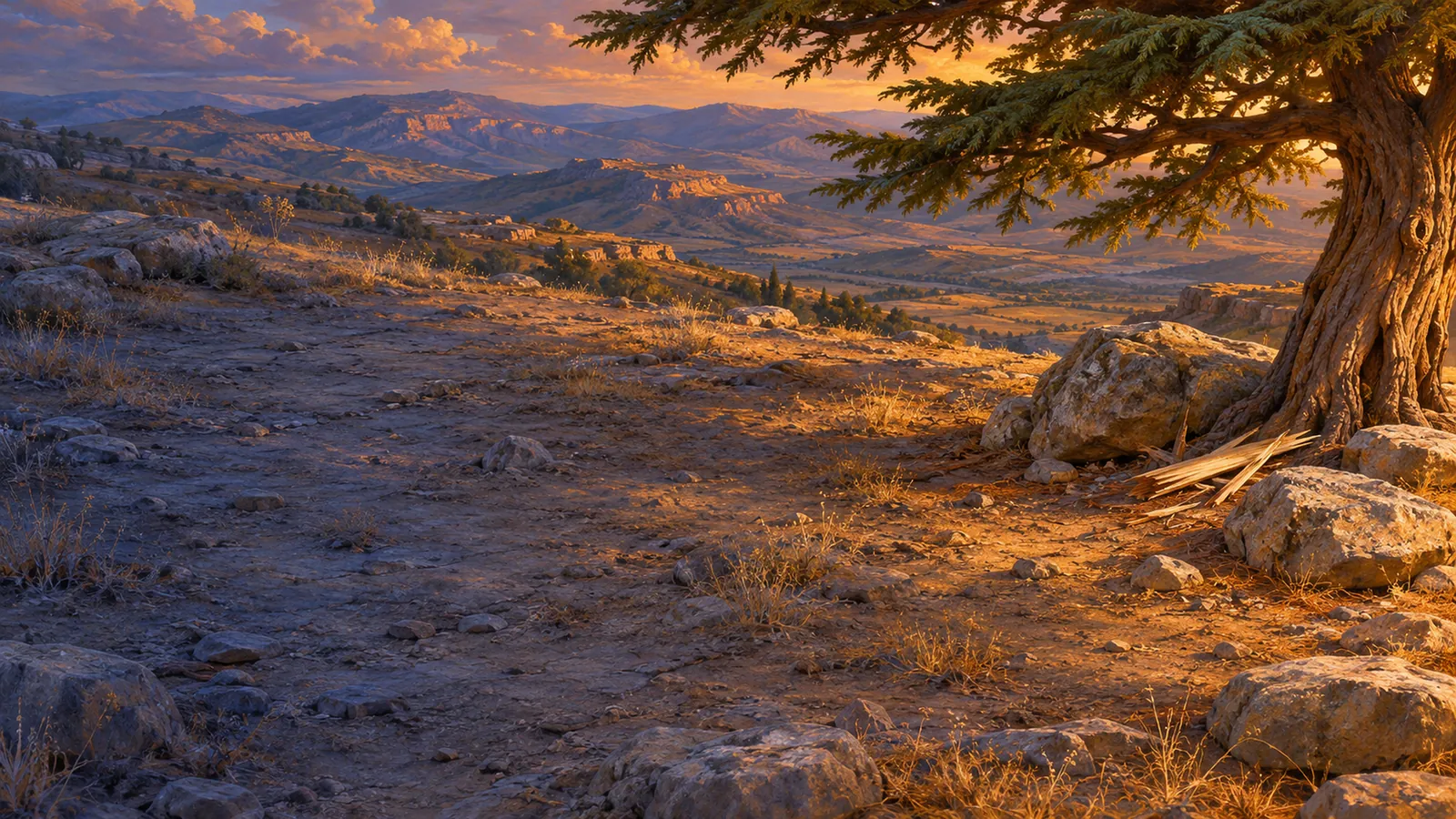
El poema compara el bosque devastado con un lugar por el que ha pasado el diluvio. Su relato de las pérdidas alcanza los pueblos y las tierras altas.
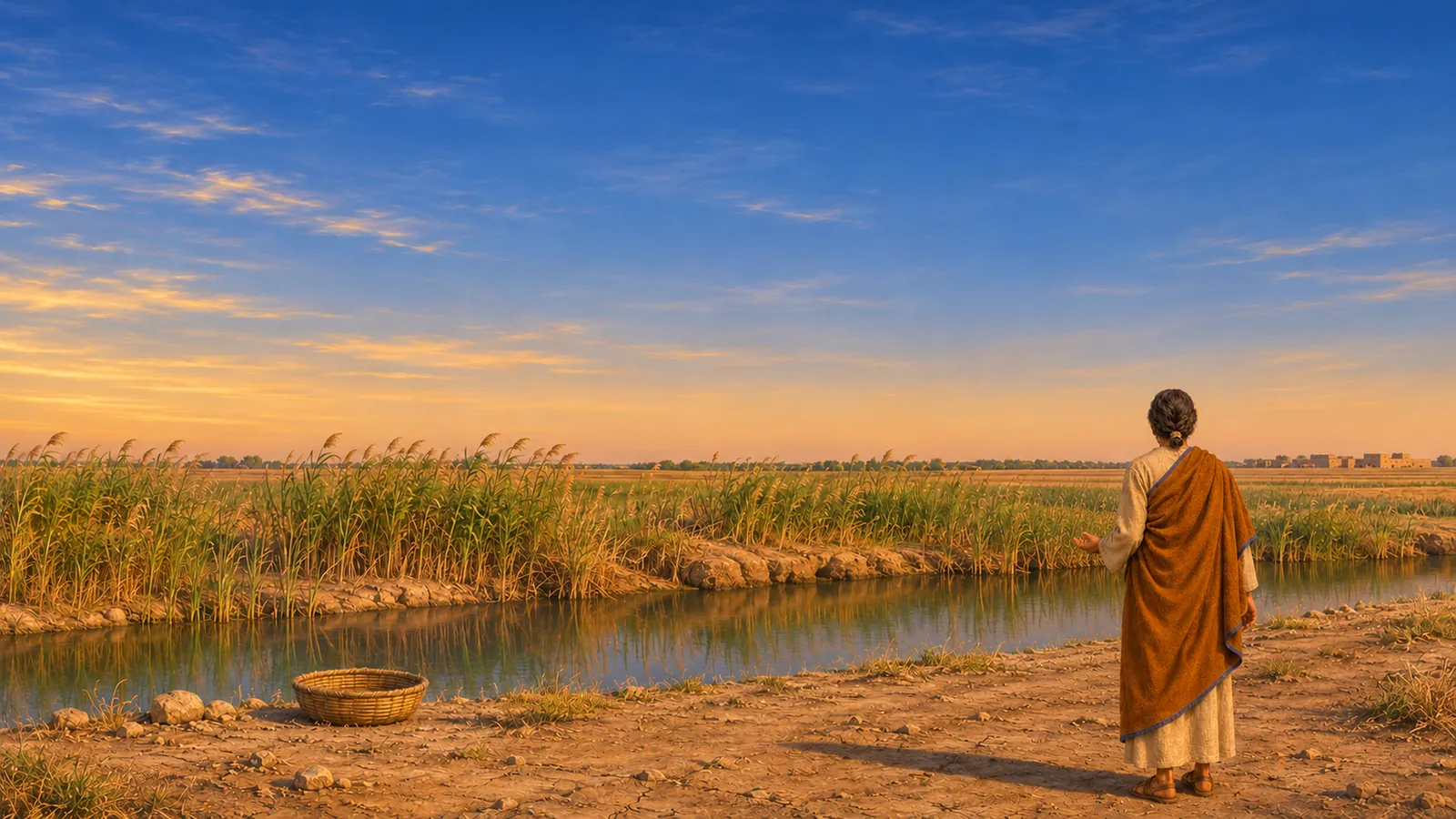
LOS CAÑAVERALES
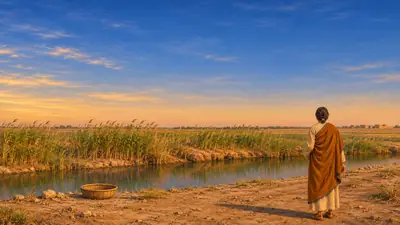
La tablilla cierra su relato de la devastación con la pérdida de las cosechas y los cañaverales. La tierra tiene menos que dar.
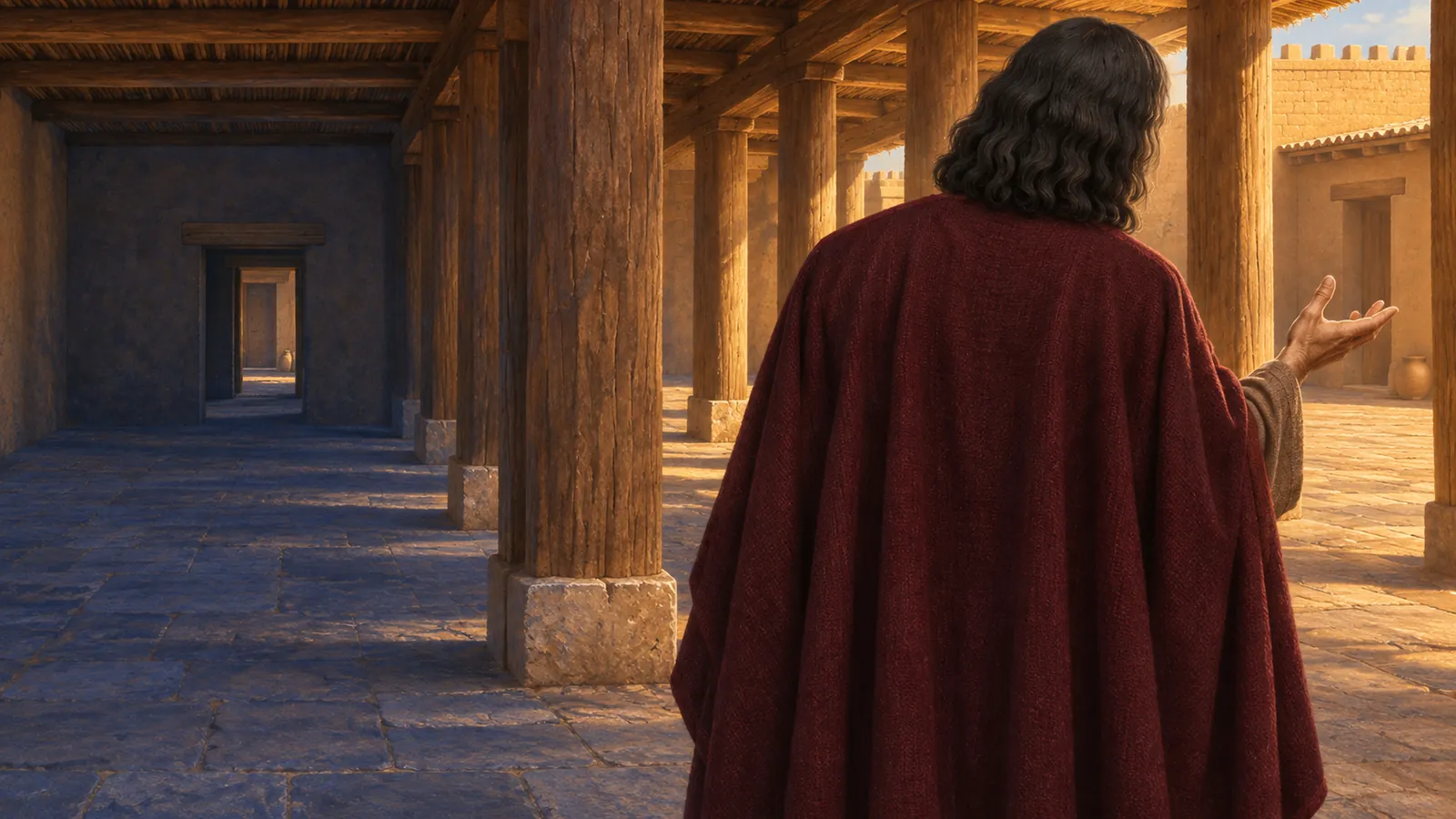
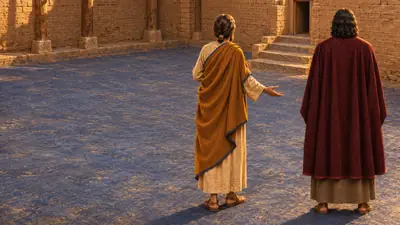
Erra pide a quienes están ante él que escuchen. Reconoce el mal que pretendió hacer y la rabia con la que actuó.
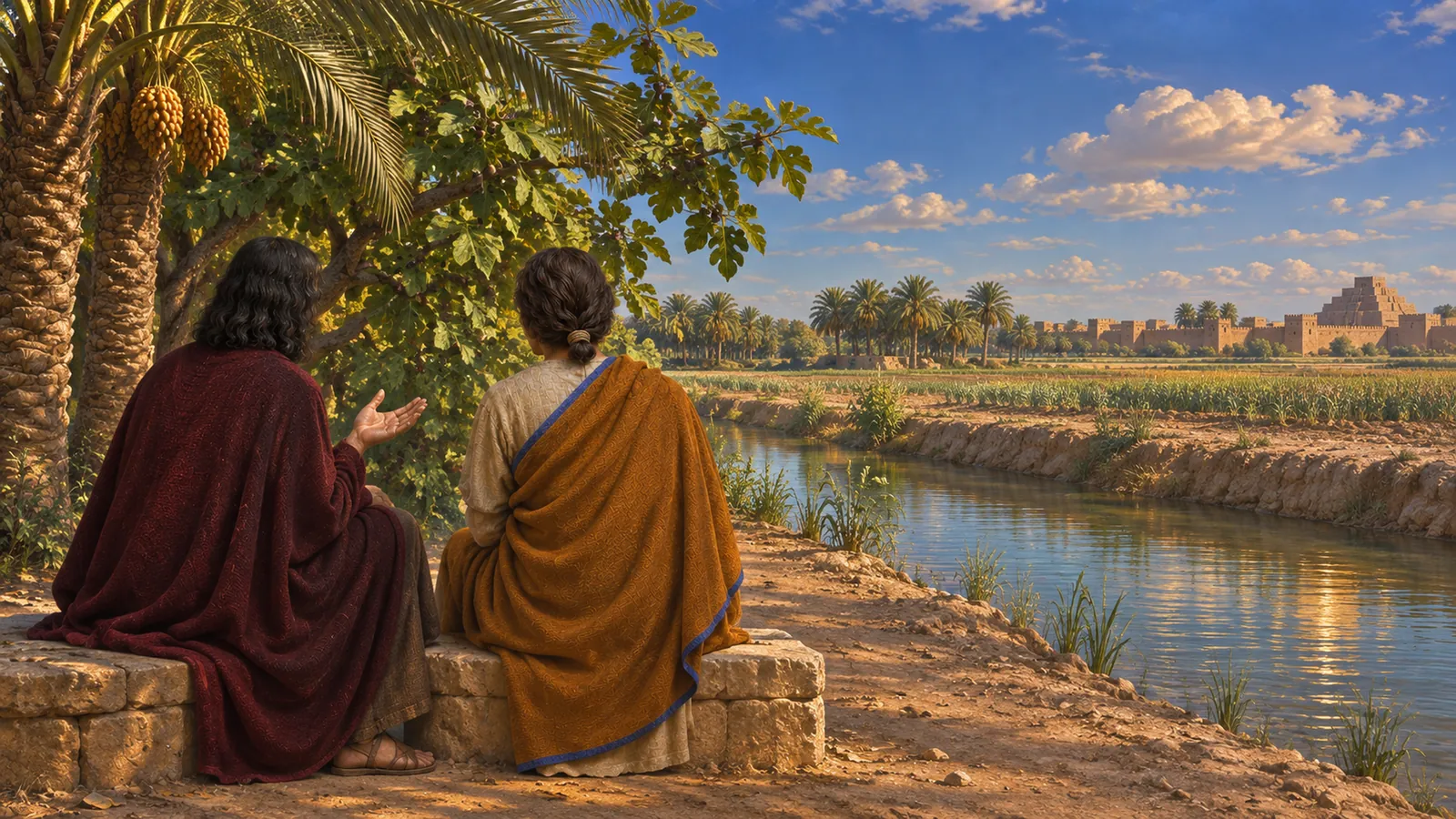
Erra compara su indiferencia con la de quien no ha plantado un huerto. Dice que su furia no hizo distinciones entre las personas.
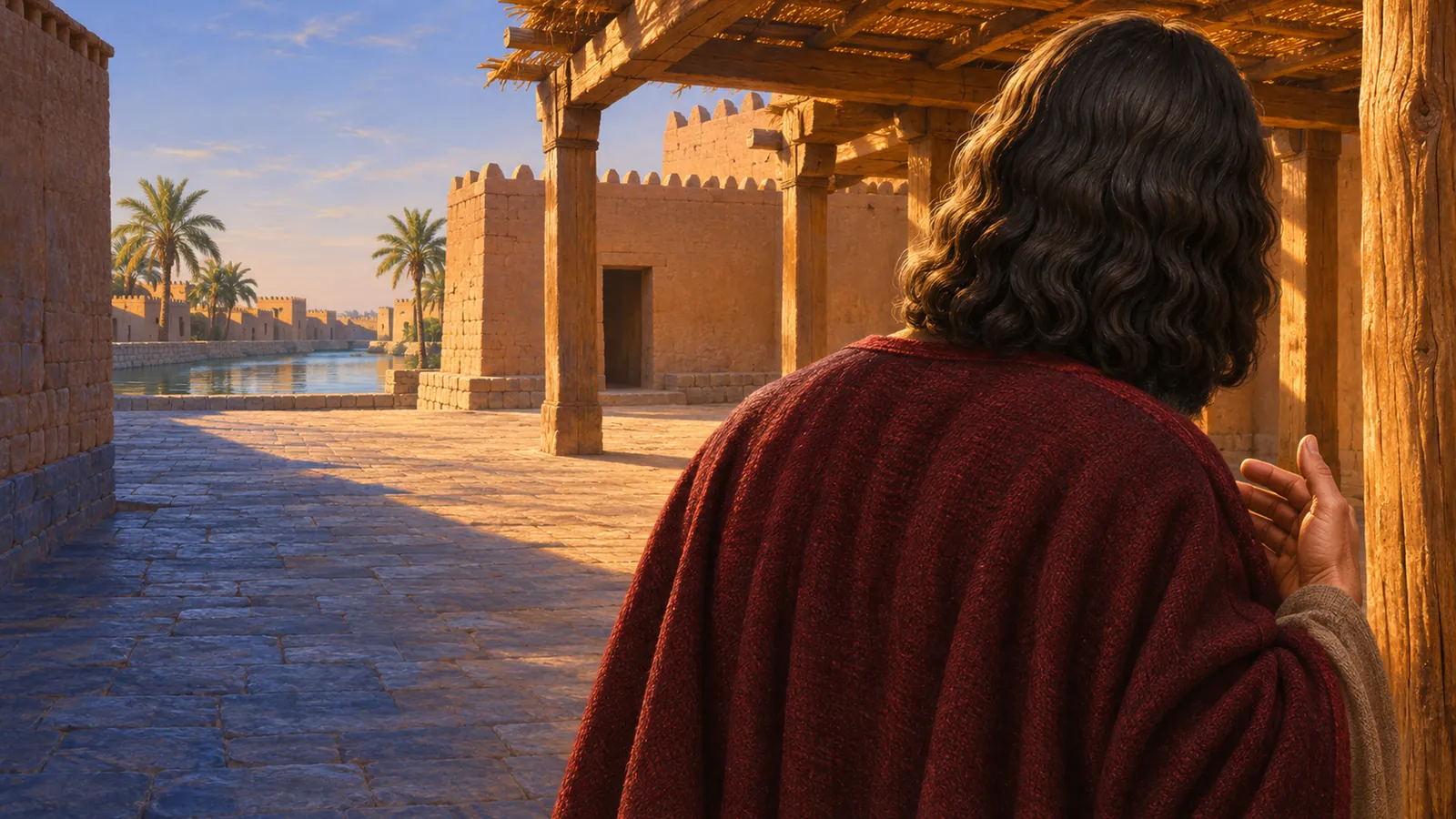
Erra compara su rabia con un león. Dice que quien se encuentra en ese estado no puede atender al consejo ajeno.
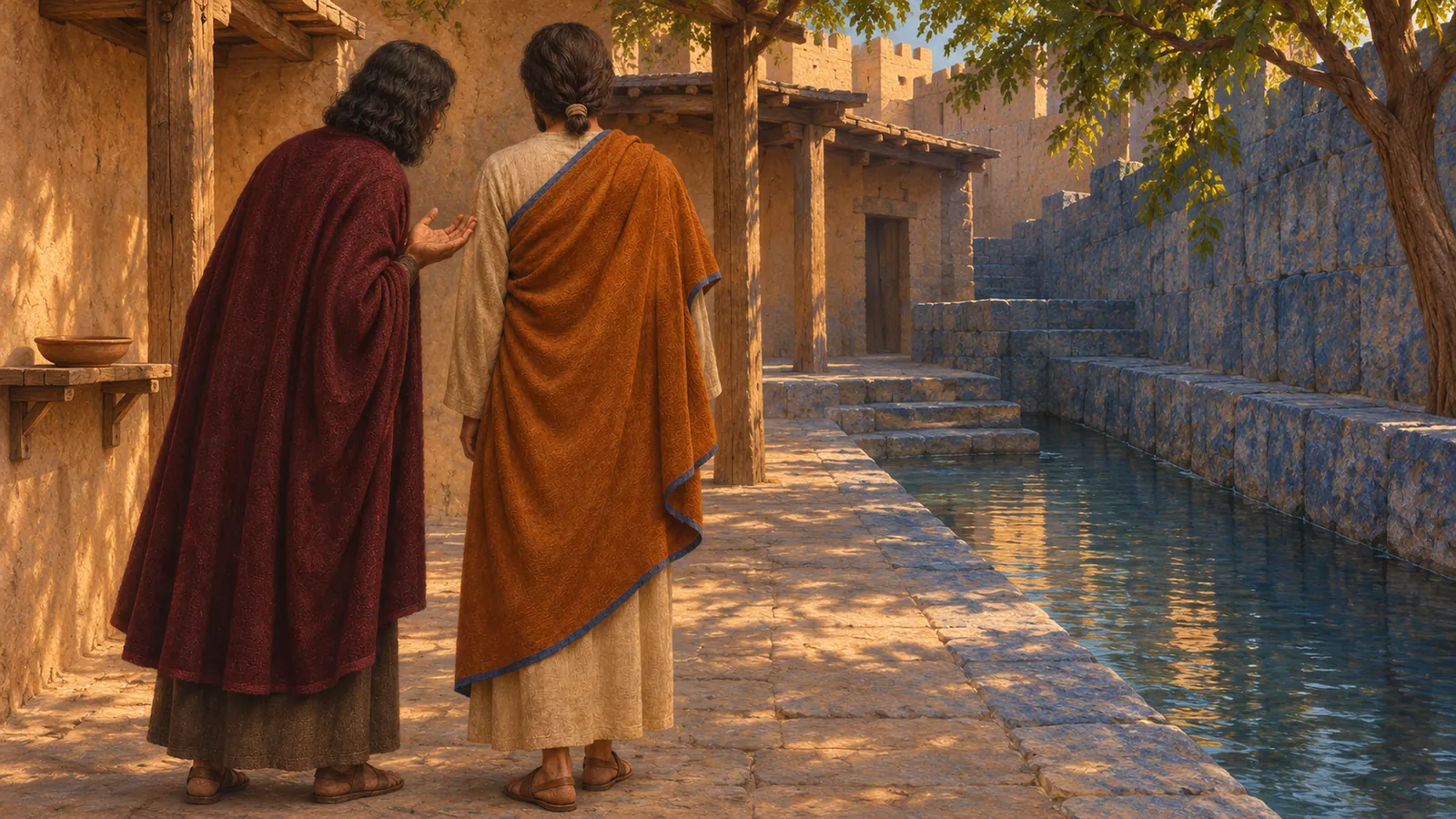
Erra pregunta qué habría sobrevivido sin la intervención de Ishum. Habla de quienes atienden a los dioses y de las ofrendas que se les hacen.
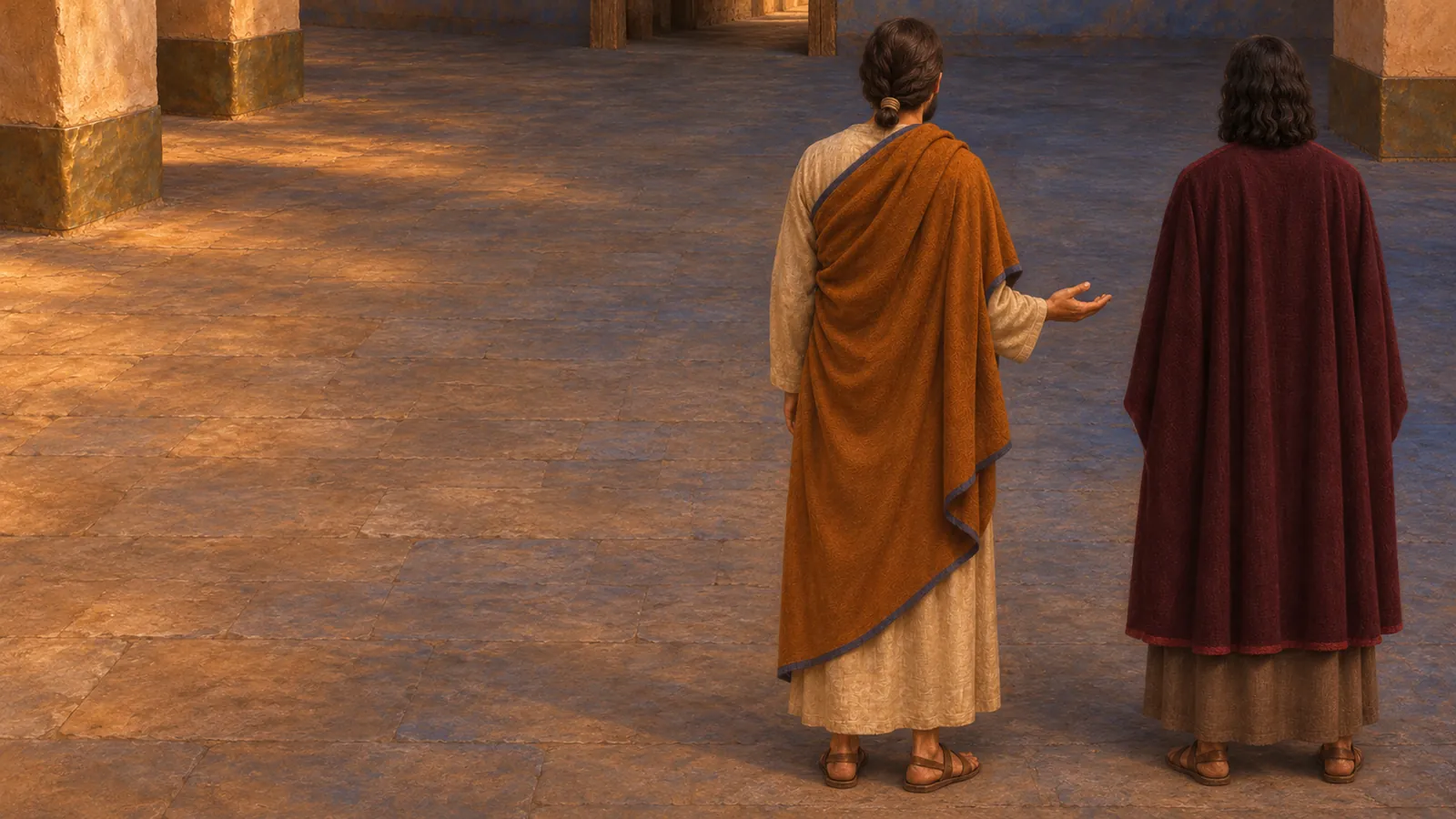
SERÉNATE
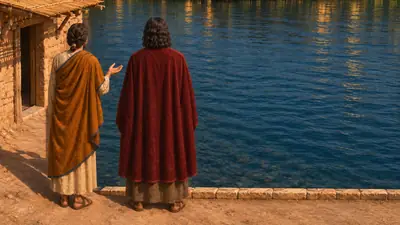
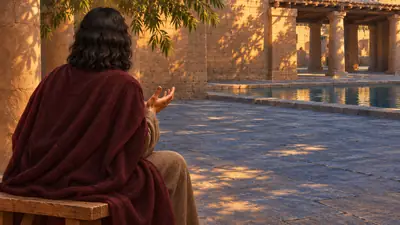
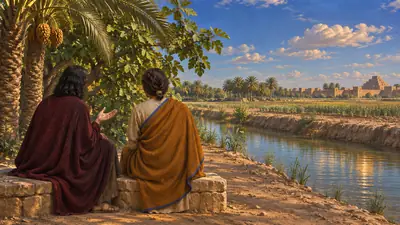
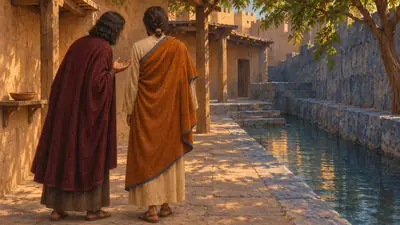
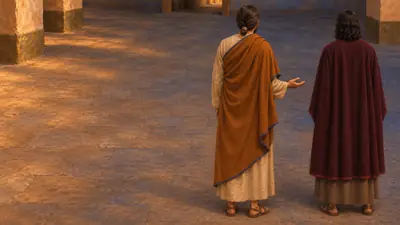
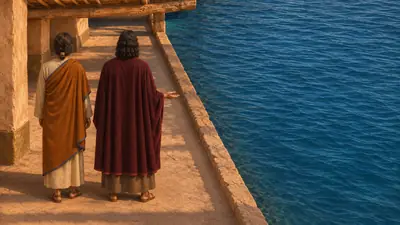
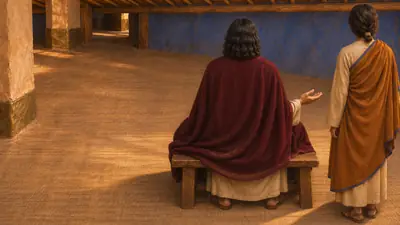
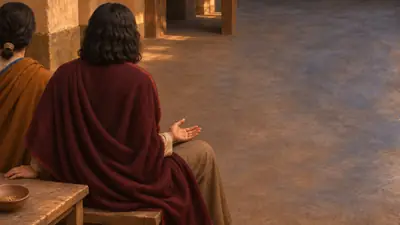
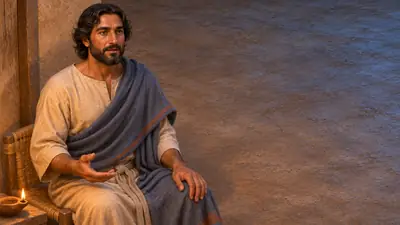
Ishum responde con respeto al señor al que sirve. Le pide a Erra que lo escuche y se calme.
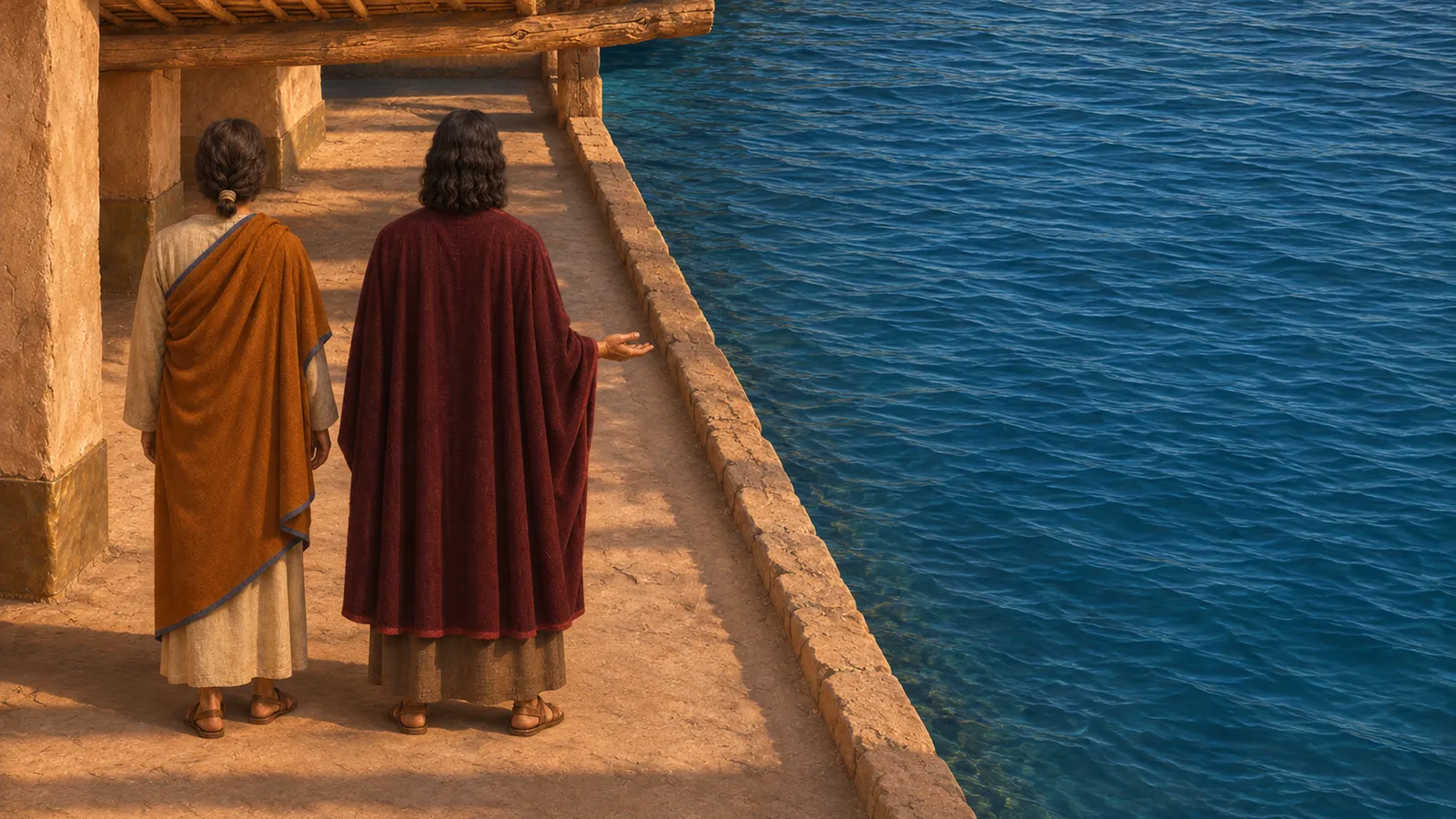
Erra vuelve a hablar y anuncia que los babilonios se alzarán por encima de otras tierras. Ordena que se lleven riquezas a Babilonia.
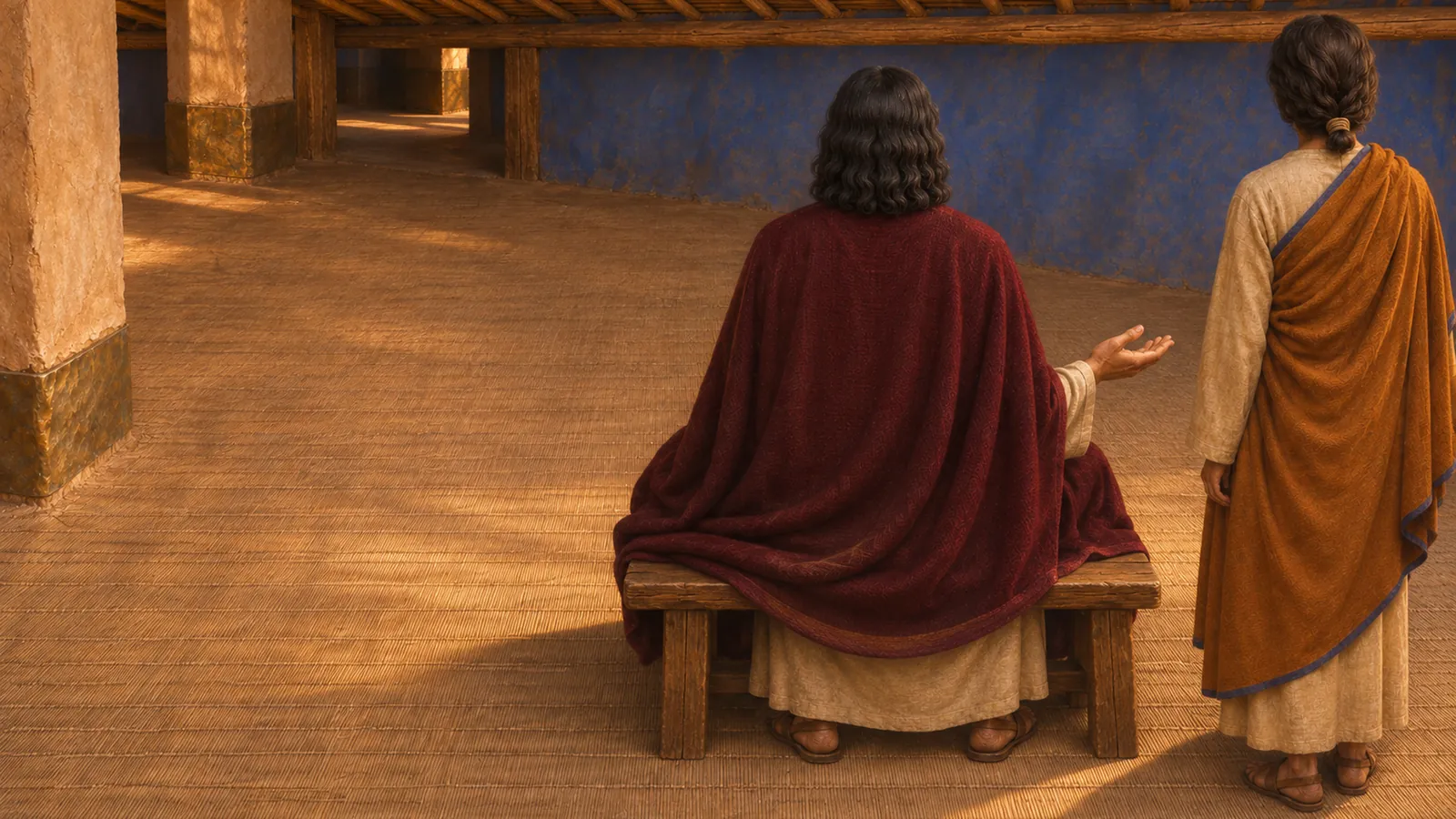
Erra pide a Ishum que reconcilie a los dioses airados de la tierra con sus moradas. Es la primera de estas instrucciones para la renovación.
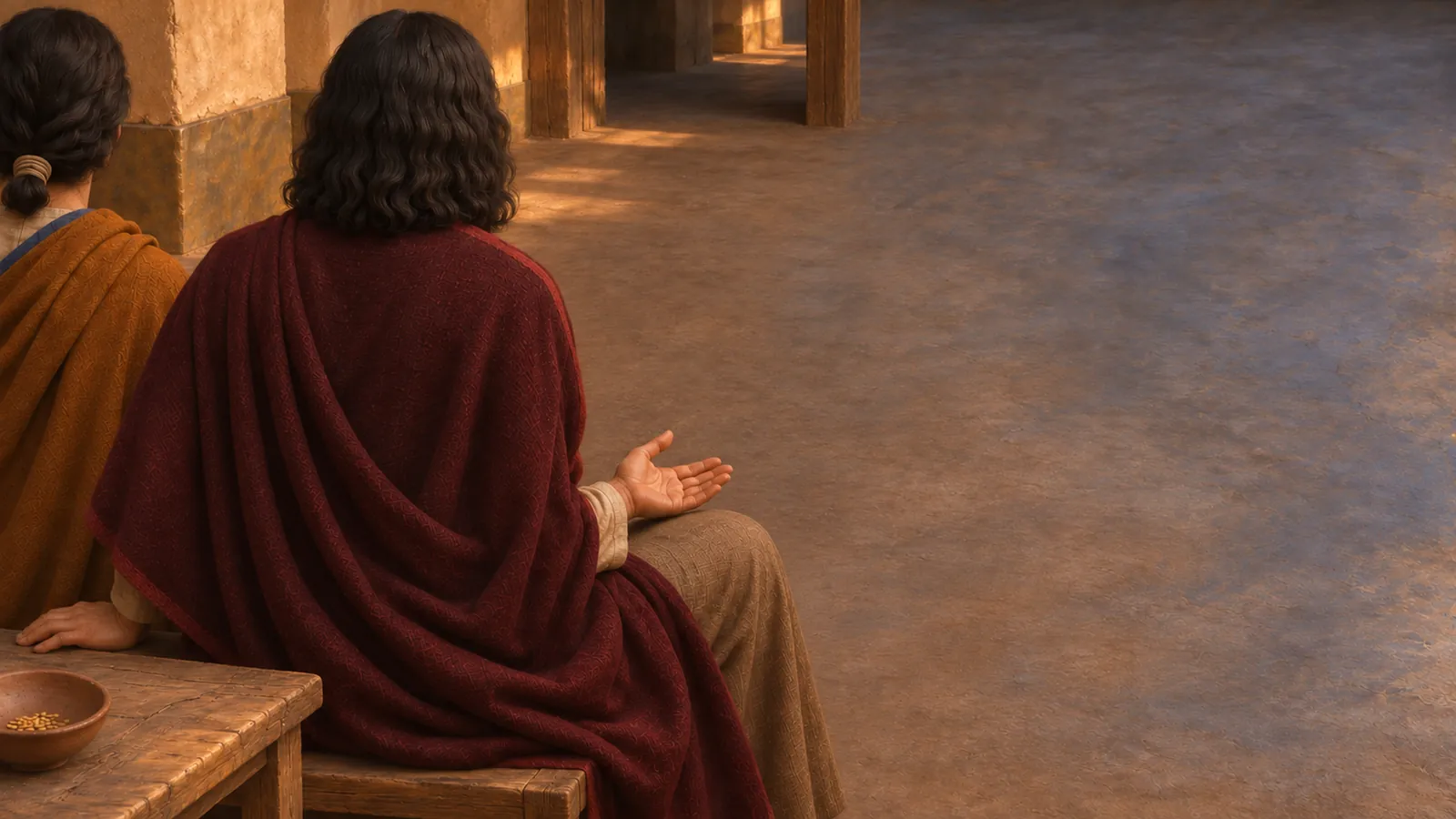
Erra pide que regresen las potencias que velan por el ganado y el grano. Sus palabras se vuelven hacia lo que puede sustentar a la tierra.
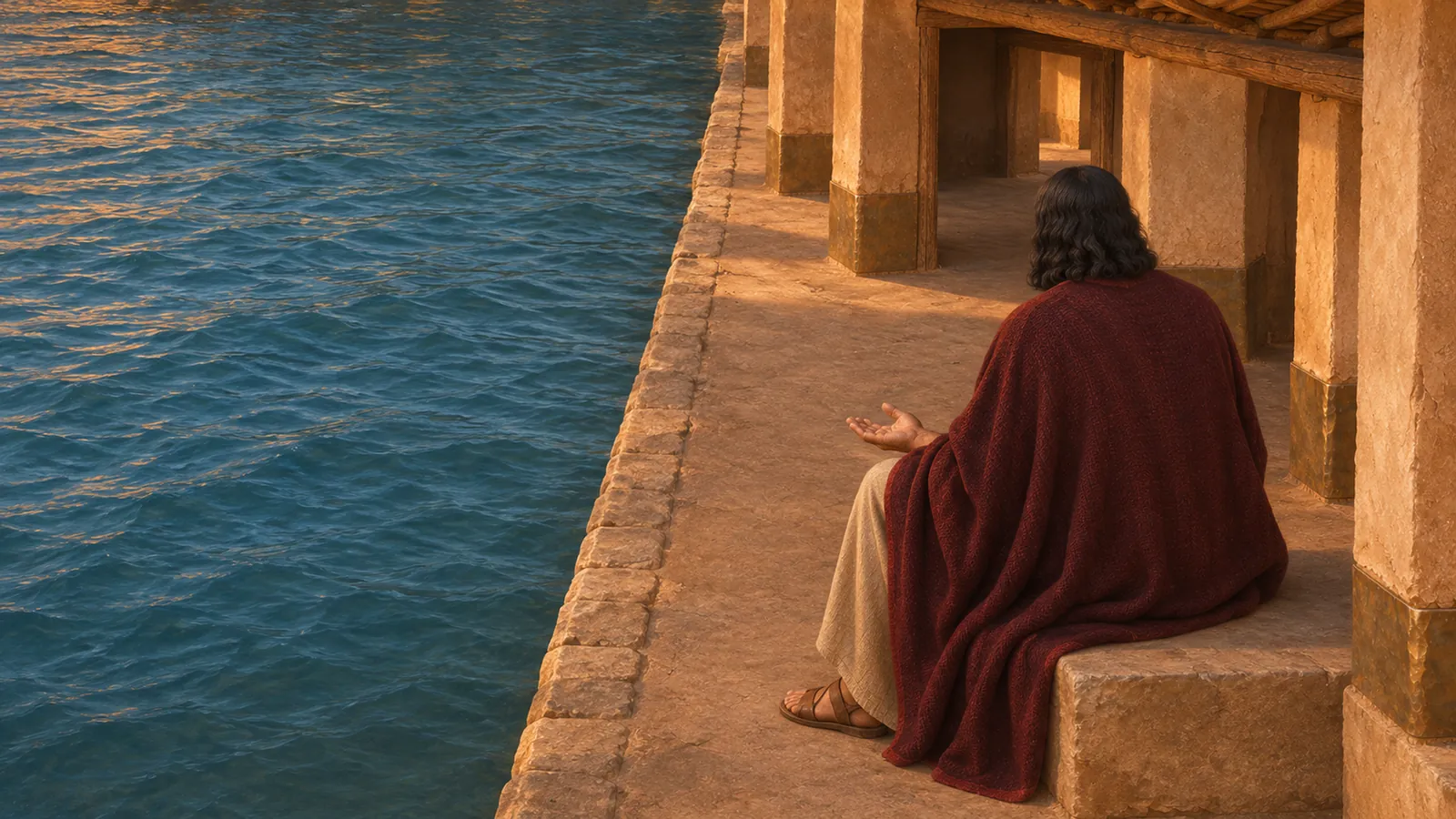
Erra pide a las tierras altas y al mar que vuelvan a dar su fruto. Habla de lo que han de proporcionar.
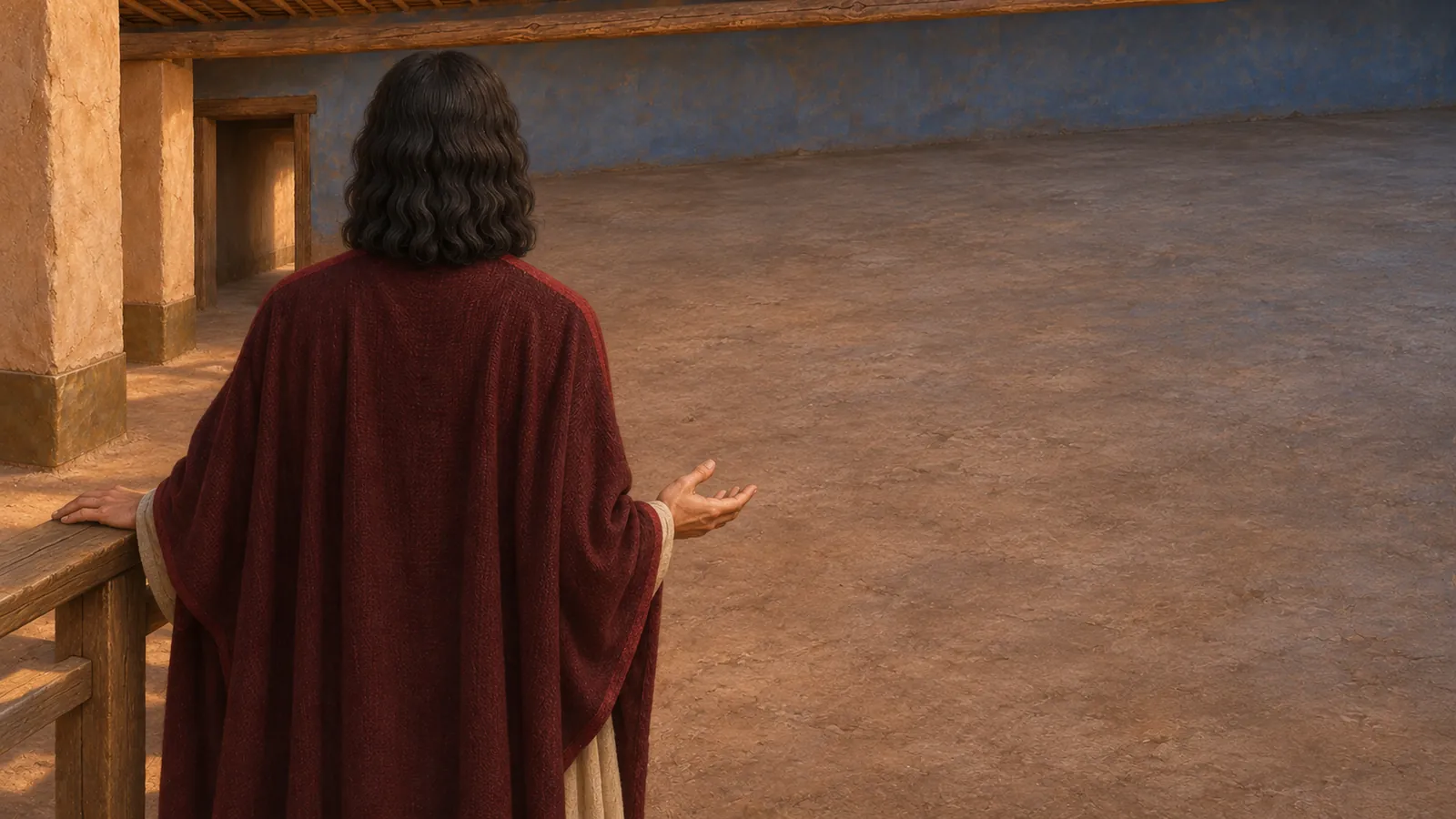
Erra pide que los cultivos vuelvan a las praderas que habían quedado asoladas. Dice que la tierra ha de dar fruto otra vez.
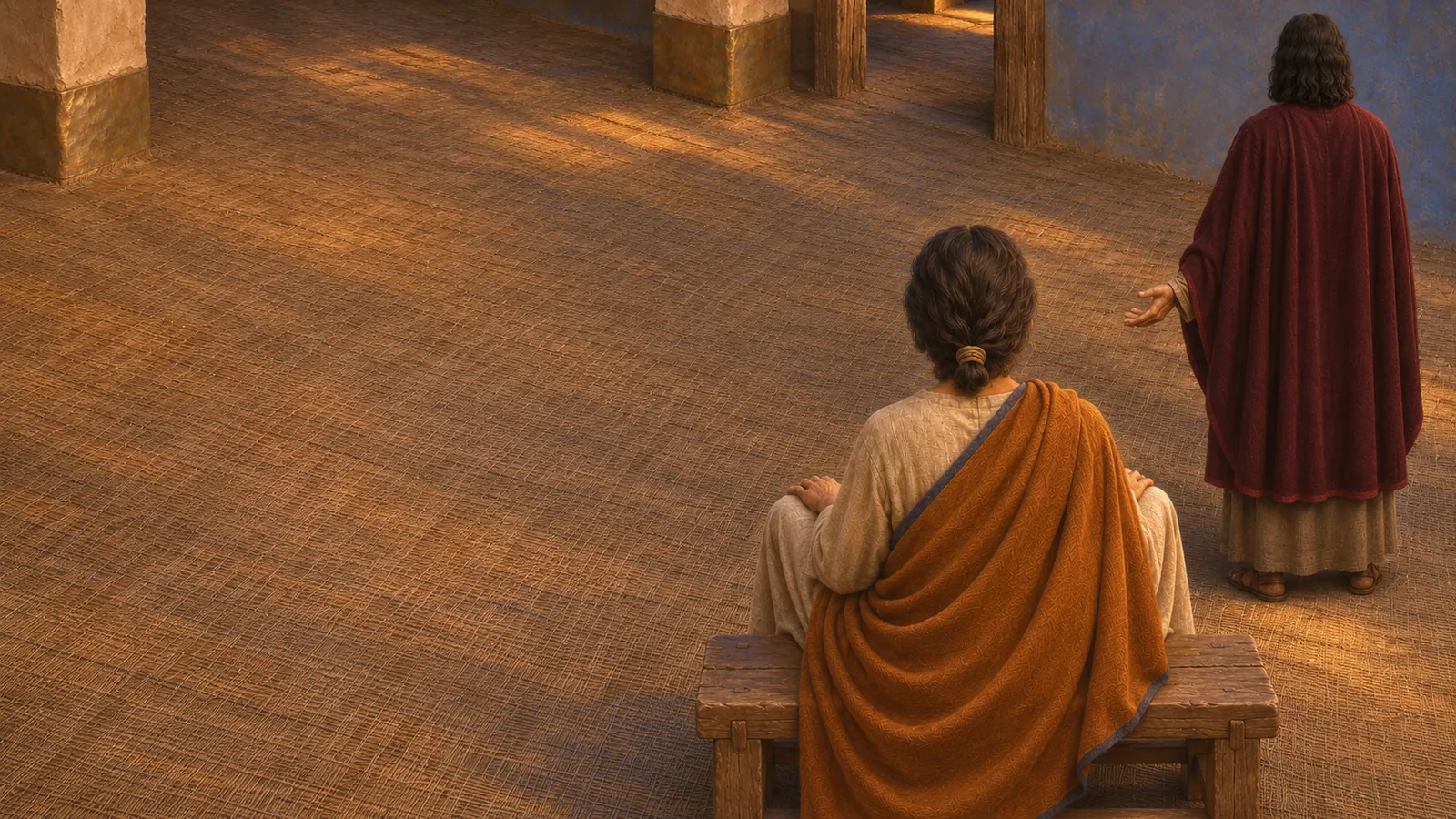
Las instrucciones de Erra prevén una autoridad duradera para quien provea al Esagil y a Babilonia. Con estas palabras su discurso llega a su fin.
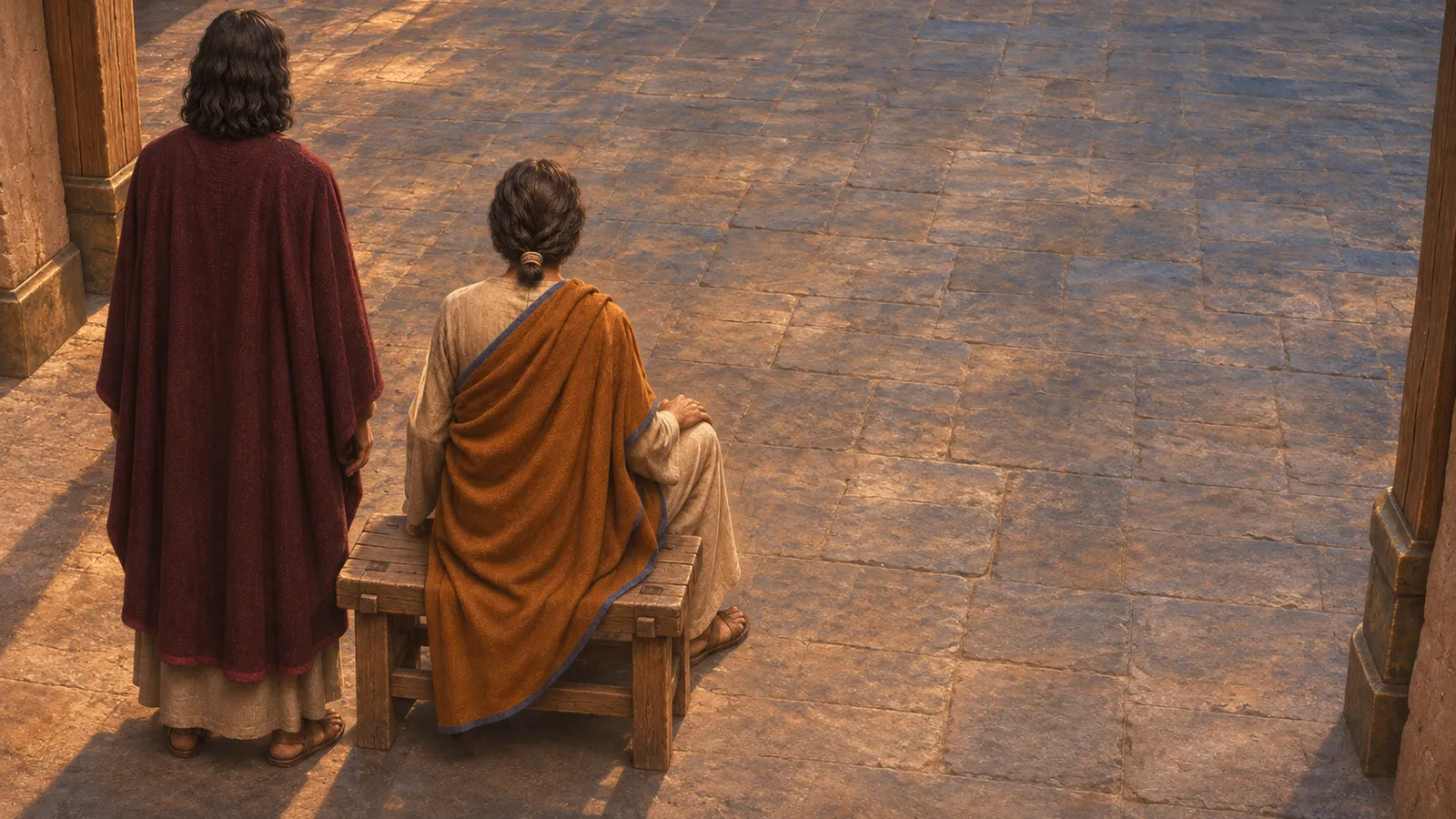
El poema nombra a Erra e Ishum en su cierre. Recuerda el consejo de Ishum y dice que gracias a él se salvaron vidas.
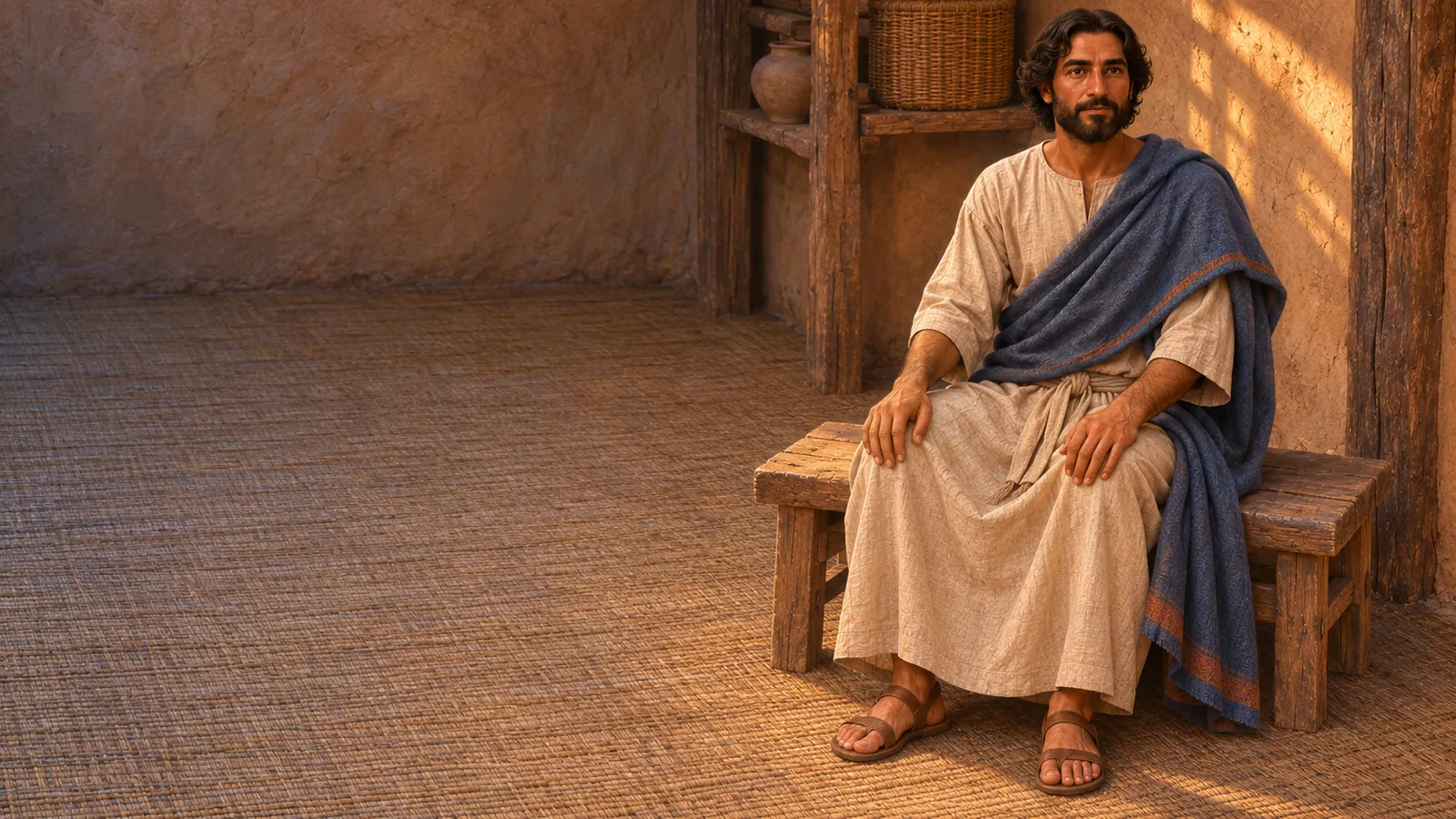
El poema da el nombre del hombre al que se asocia su composición. Es Kabti-ilani-Marduk, hijo de Dabibu.
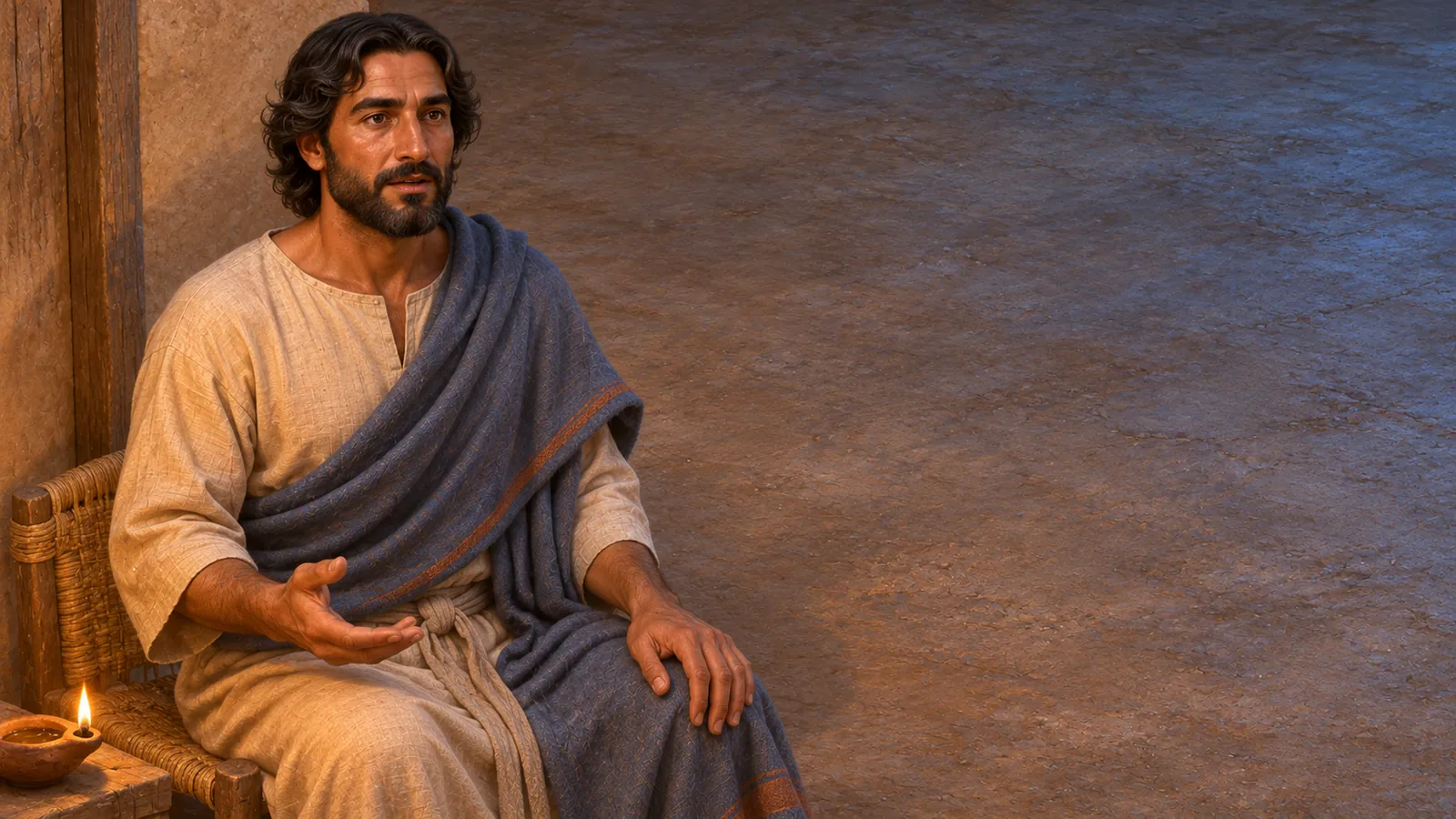
El canto dice que se reveló en una visión nocturna. Al despertar, el hombre lo recitó fielmente, tal como lo había recibido.
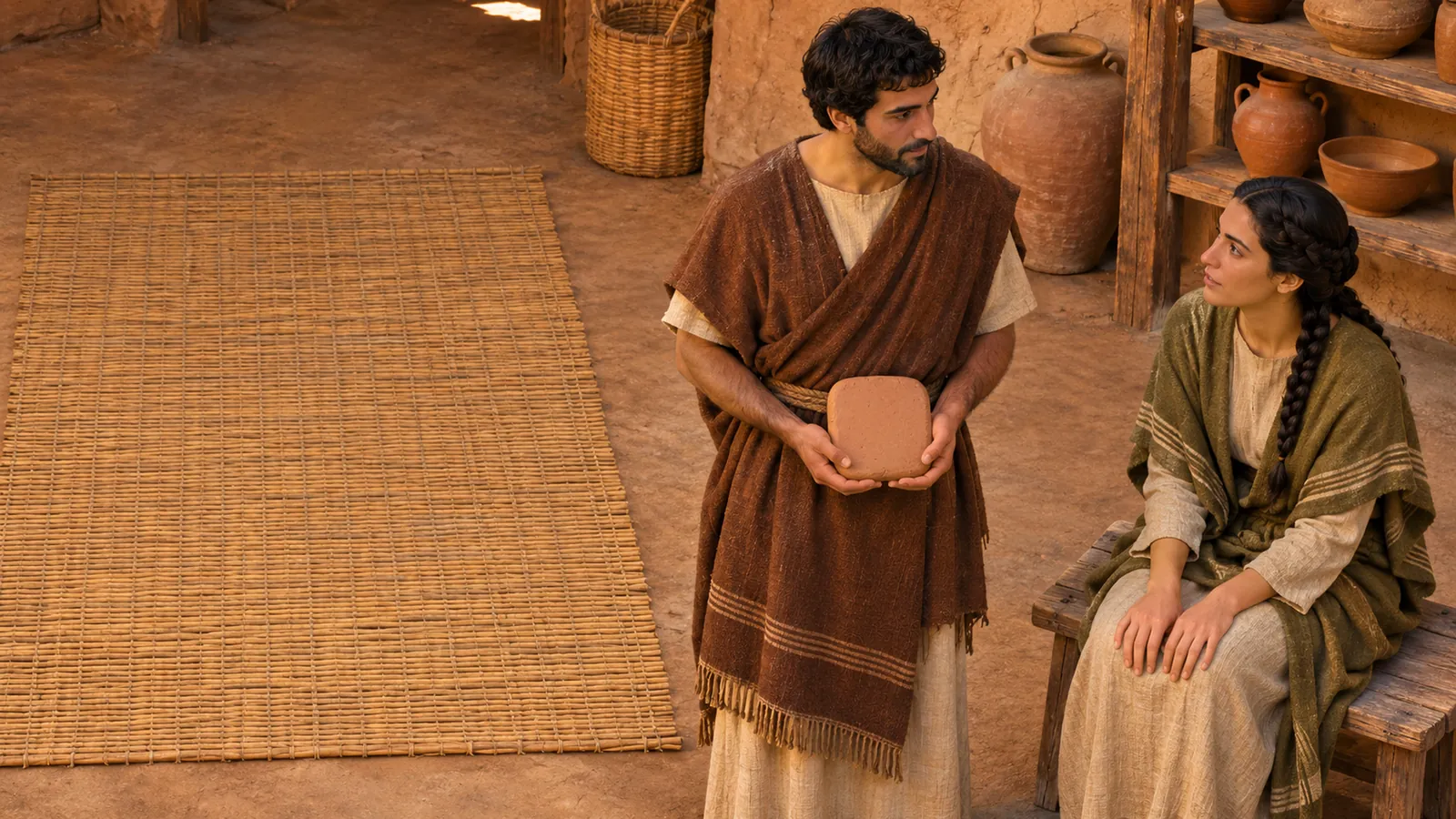
El poema promete beneficios a quienes lo honran y lo transmiten. Habla de gobernantes y cantores, de escribas y de gente en sus hogares.
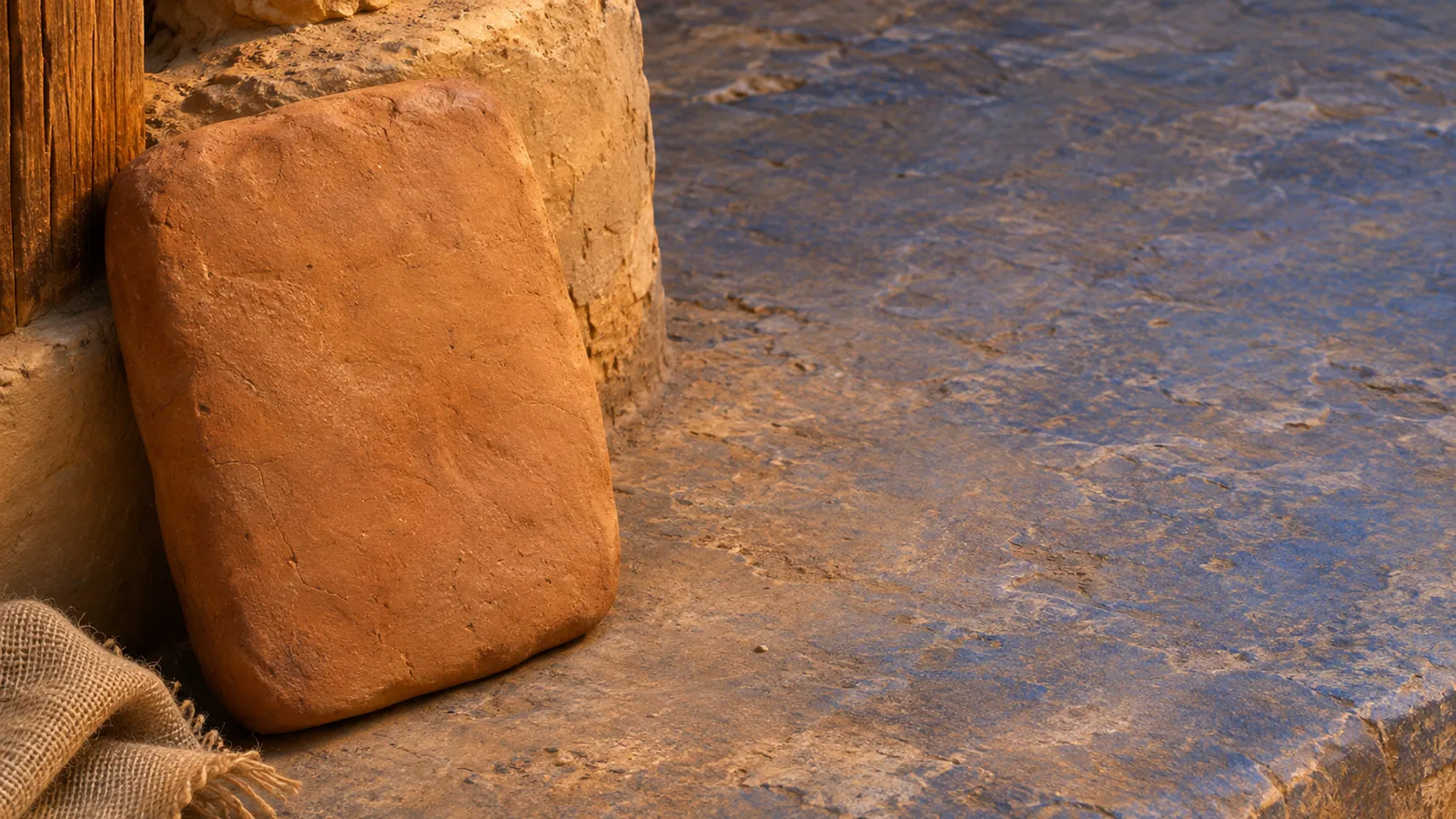
Los versos finales prometen protección a la casa donde se guarde la tablilla. La promesa forma parte de las palabras que deja el poema.
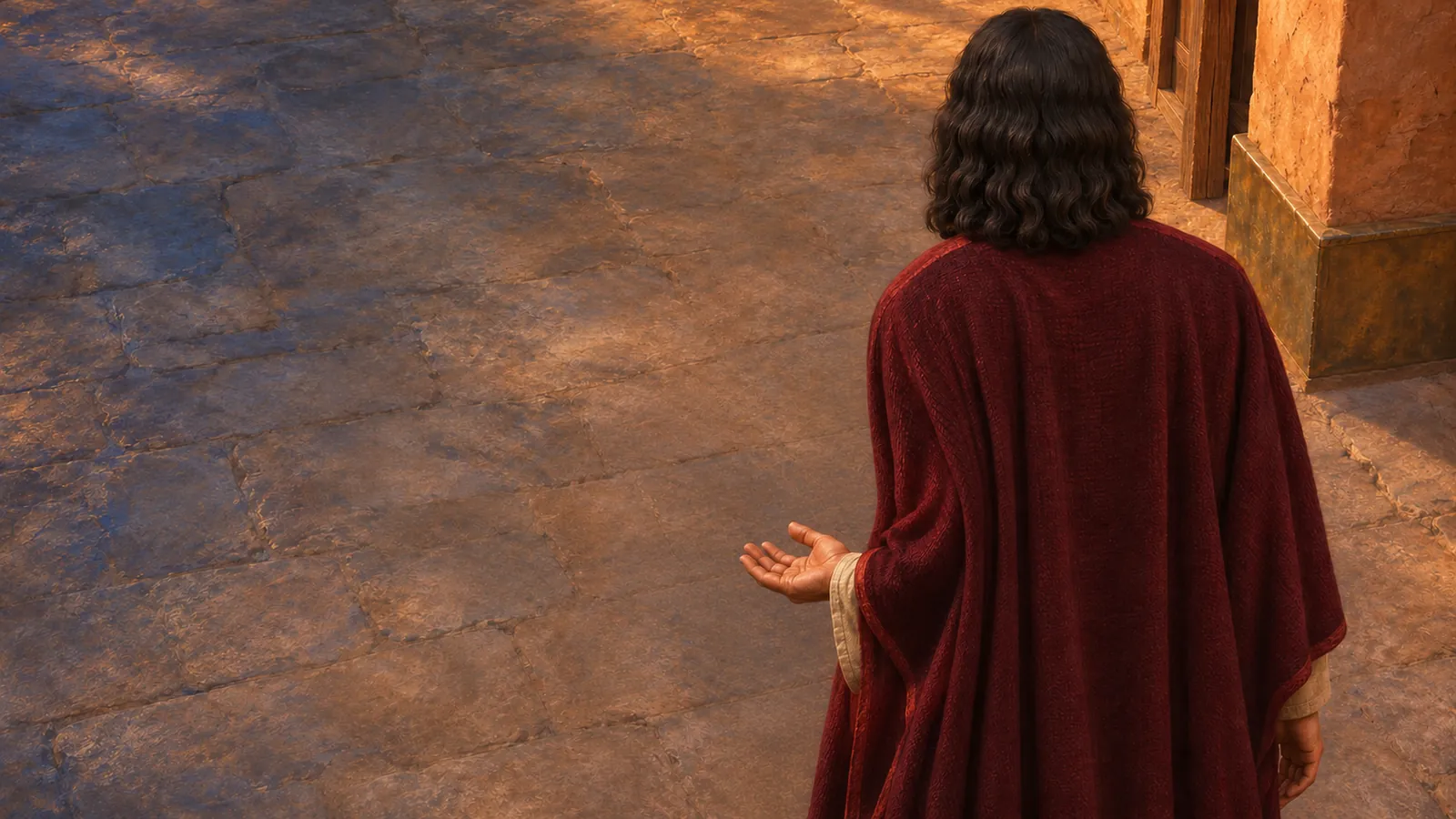
Erra habla al final del poema. Desea que el canto perdure y siga presente en los tiempos venideros.
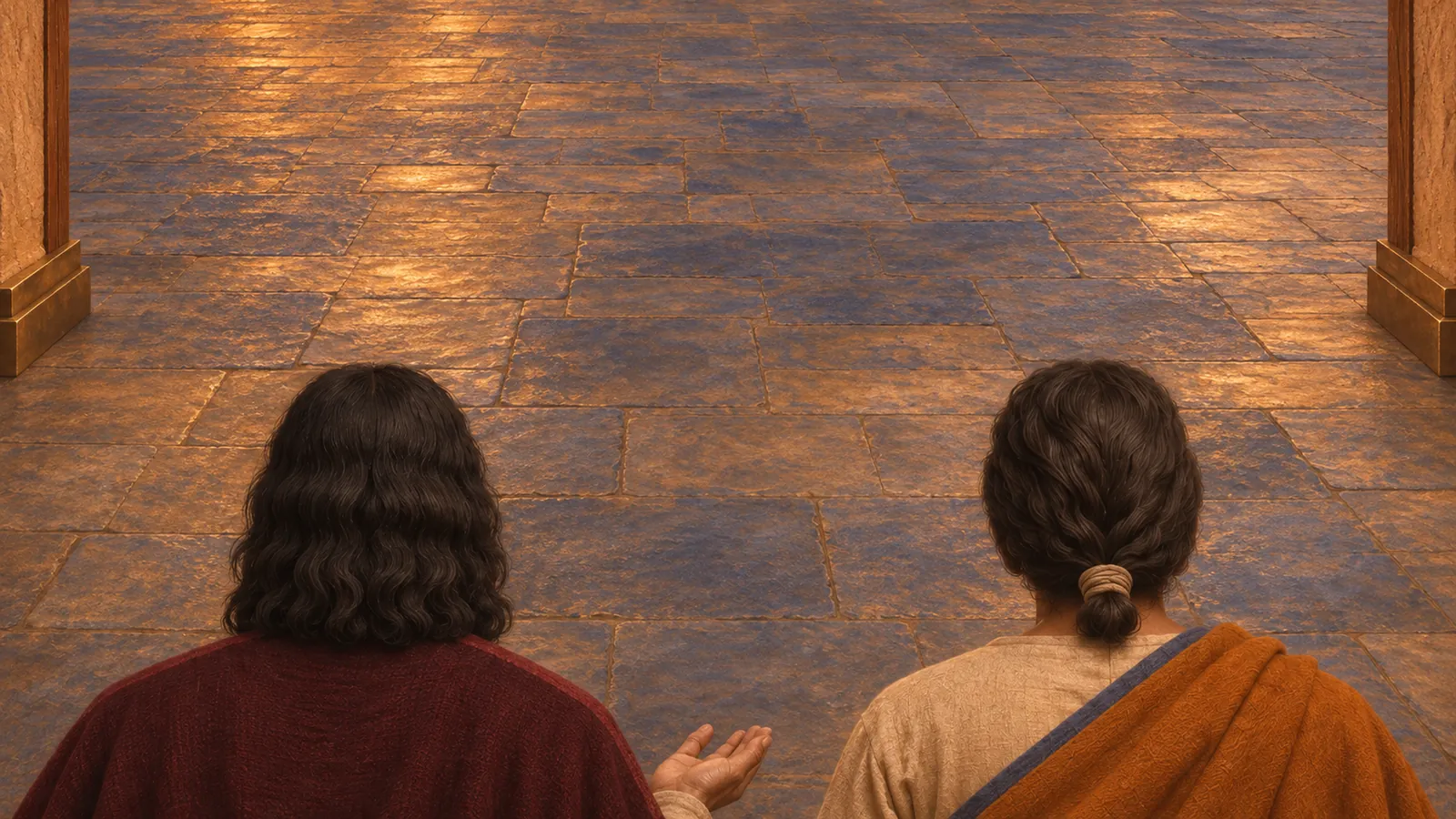
EL CANTO
Erra desea que el canto se oiga por todas partes. Que quienes lo oigan recuerden su nombre.
Fin del capítulo 2
Todas las páginas

Fuentes
Ishum’s longer catalogue in Tablet IV describes Erra killing the righteous and wicked alike and names the ruin of Uruk and Der (Foster and George, Tablet IV, approximately 104–127; line numbering varies by edition).
Ediciones consultadas
- ORACC CAMS/GKAB, STT 16 with the catchline for Tablet II
- ORACC CAMS/GKAB, STT 17, the Sultantepe copy of Tablet II
- F. N. H. Al-Rawi and J. A. Black, The Second Tablet of Išum and Erra
- Simonetta Ponchia, textual readings from Tablets II–V, pp. 194–196
- A. R. George, The Poem of Erra and Ishum, pp. 54–66
- Eli Tadmor, Erra’s Human Form, Tablet IV discussion and translation
- Kynthia Taylor, The Erra Song, chapter 1
- Selena Wisnom, Erra textual notes and discussion
- IL Archive, The Poem of Erra and Ishum
Los versos antiguos de cada página
- Page 1: ORACC STT 16 rev. ii 12, Tablet II catchline
- Page 2: ORACC STT 17 obv. 6
- Page 3: ORACC STT 17 obv. 9 to obv. 1′, witness lacuna
The break is in this physical witness. - Page 4: ORACC STT 17 obv. 8′–9′
- Page 5: ORACC STT 17 obv. 10′
- Page 6: ORACC STT 17 obv. 11′–13′
- Page 7: Ponchia II C 5 = Tell Haddad iii 33′
The exact wording of the passage is fragmentary. - Page 8: Ponchia II C 9 = Tell Haddad iii 37′
- Page 9: Ponchia II C 22–23 = Tell Haddad iv 10–11
- Page 10: Cagni III A 7–8, quoted by Ponchia
- Page 11: George III C 27
- Page 12: Ponchia III C 36
- Page 13: Ponchia III 40–56, within the discussion of III C
- Page 14: Wisnom, p. 23 on III C 47
- Page 15: George III D 3–6
- Page 16: George III D 7–9, 13
- Page 17: Tadmor IV 1–2
- Page 18: Tadmor IV 3–4; George IV 3–6
- Page 19: Tadmor IV 5
- Page 20: George IV 6
- Page 21: Tadmor on IV 6–14
- Page 22: Tadmor IV 15–19
- Page 23: Tadmor IV 20–21
- Page 24: George IV 22–24
- Page 25: George IV 25–29
- Page 26: Tadmor on IV 31–39
- Page 27: Tadmor on IV 31–39
- Page 28: Taylor IV 40–44, witness IB 212; George p. 55
- Page 29: George IV 95–98
- Page 30: George IV 99–101
- Page 31: George IV 102–103
- Page 32: George IV 127
- Page 33: George IV 131–135
- Page 34: George’s reading of IV 136
- Page 35: George IV 139–140
- Page 36: George IV 141–144
The referent of “the warrior” at IV 141 is uncertain. - Page 37: George IV 145–147
- Page 38: George IV 148–150
- Page 39: George V 5–7
- Page 40: George V 8–10
- Page 41: George V 11–12
- Page 42: George V 13–21, Erra’s speech
- Page 43: George V 13–21, Ishum’s reply
- Page 44: George V 27–30
- Page 45: George V 31
- Page 46: George V 32
- Page 47: George V 33
- Page 48: George V 34
- Page 49: George V 38–39, final instruction
The printed reading leaves uncertainty about the reference to the governors. - Page 50: George V 39–41, coda
- Page 51: George V 42
- Page 52: George V 43–44
- Page 53: George’s analysis of V 49–58
- Page 54: Wisnom p. 18 on V 57–58; George on V 49–58
- Page 55: George V 59
- Page 56: George V 60–61
Ilustraciones hechas por IL Archive con herramientas de IA; el texto se basa en las fuentes antiguas (véanse las fuentes al final de cada capítulo).