Por los campos de Hetep Capítulo 2
Los campos y los lagos
El recitante vuelve a pedir que se le permita vivir con Hetep y recibir alimento y poder. Se dirige a lugares por su nombre, hace el recuento de su cosecha y termina amarrando la barca en los lagos celestes y alabando a los dioses de Sekhet-hetep.
FuentesPase las páginas con las flechas, el teclado o deslizando el dedo.
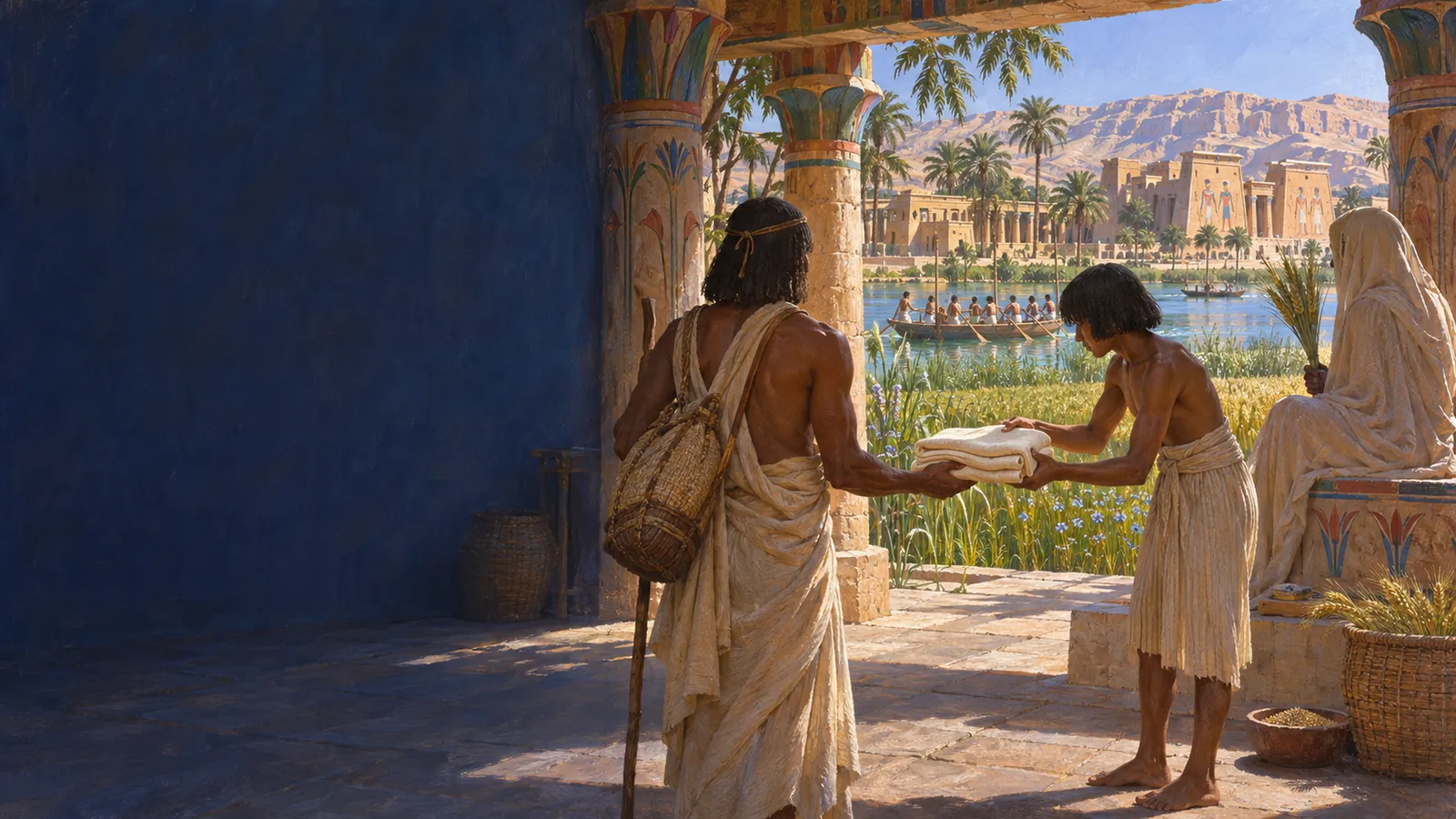
LOS CAMPOS Y LOS LAGOS
El hablante pide vivir con el dios Hetep, estar vestido y quedar a salvo del saqueo de los señores del norte.
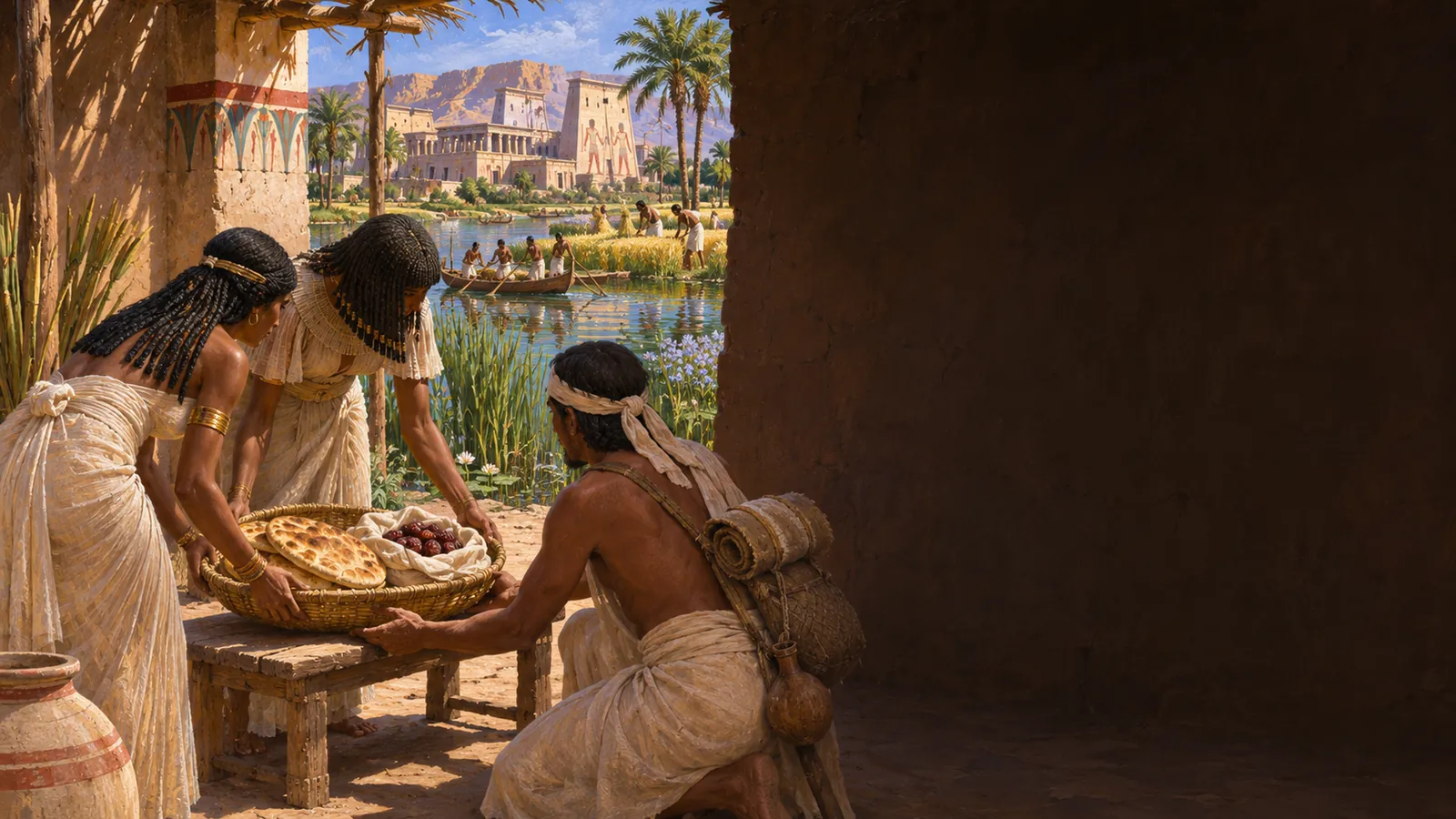
Al continuar la súplica, el hablante pide a quien llama señor de las cosas divinas que le traiga alimento.
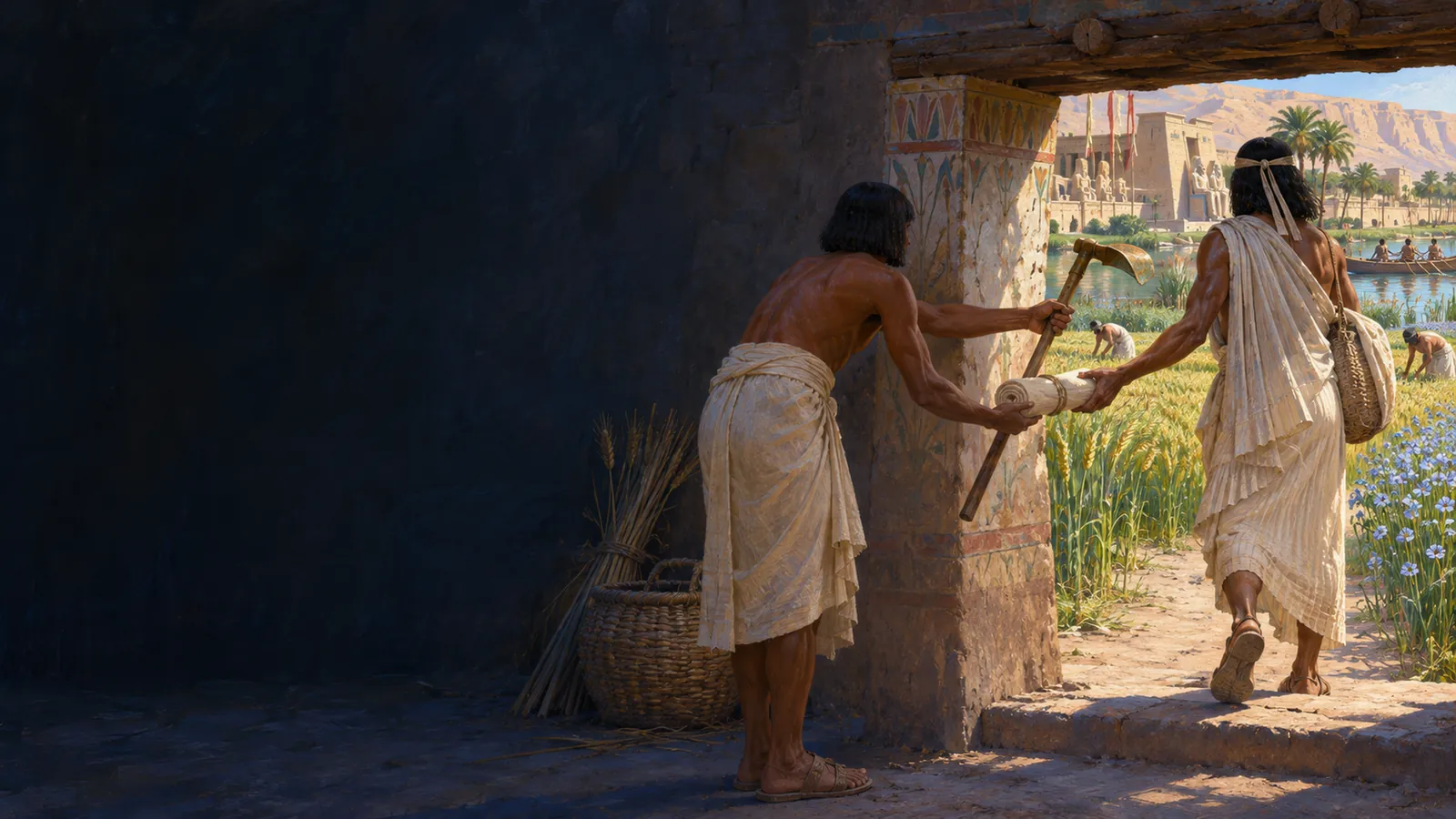
Pide avanzar y salir. Pide que allí le traigan su poder para que pueda recibirlo y que Hetep le proporcione su equipo.
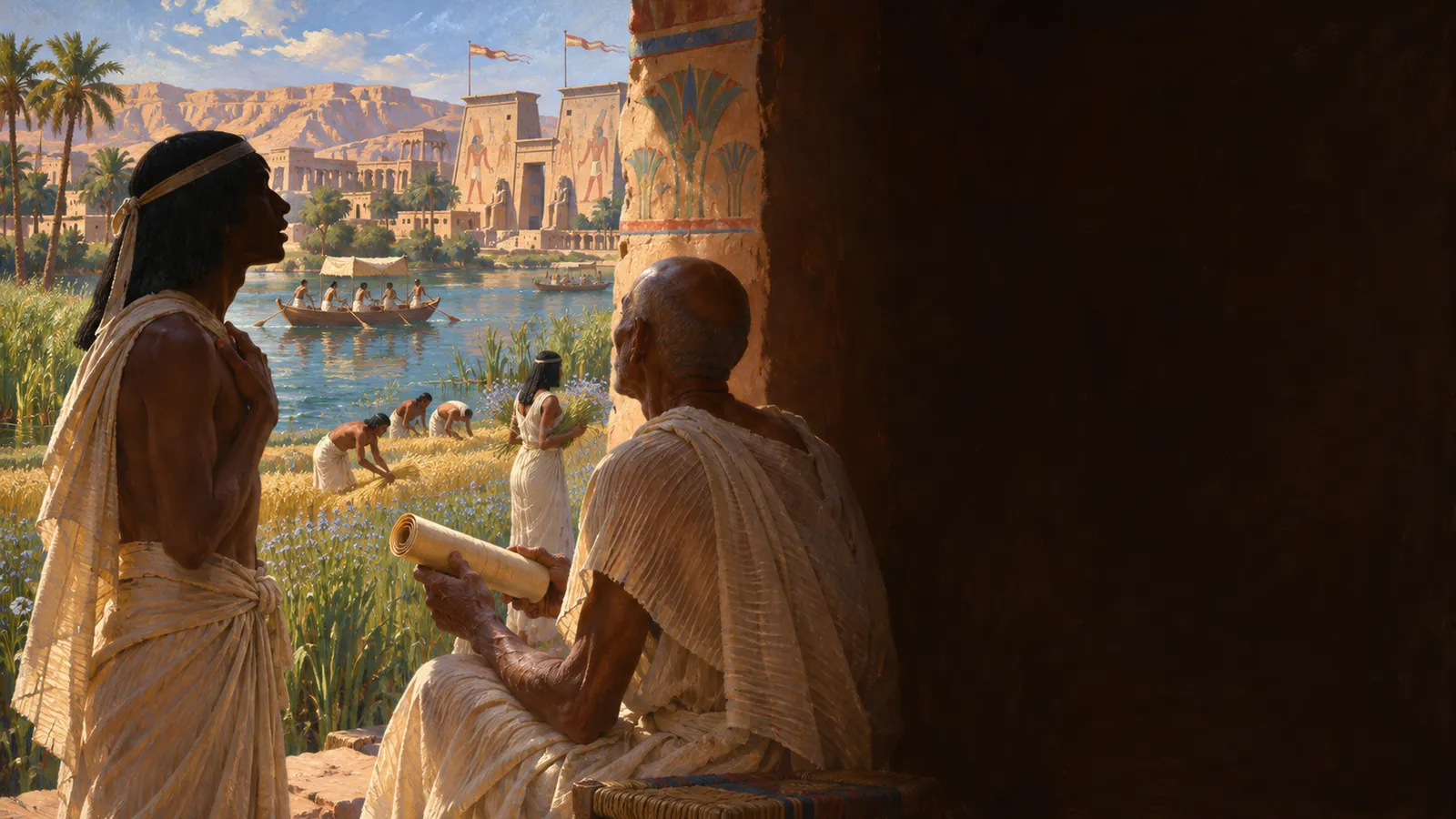
El hablante pide dominar la gran y poderosa palabra que lleva en el cuerpo. Dice que gracias a esa palabra recordará y olvidará.
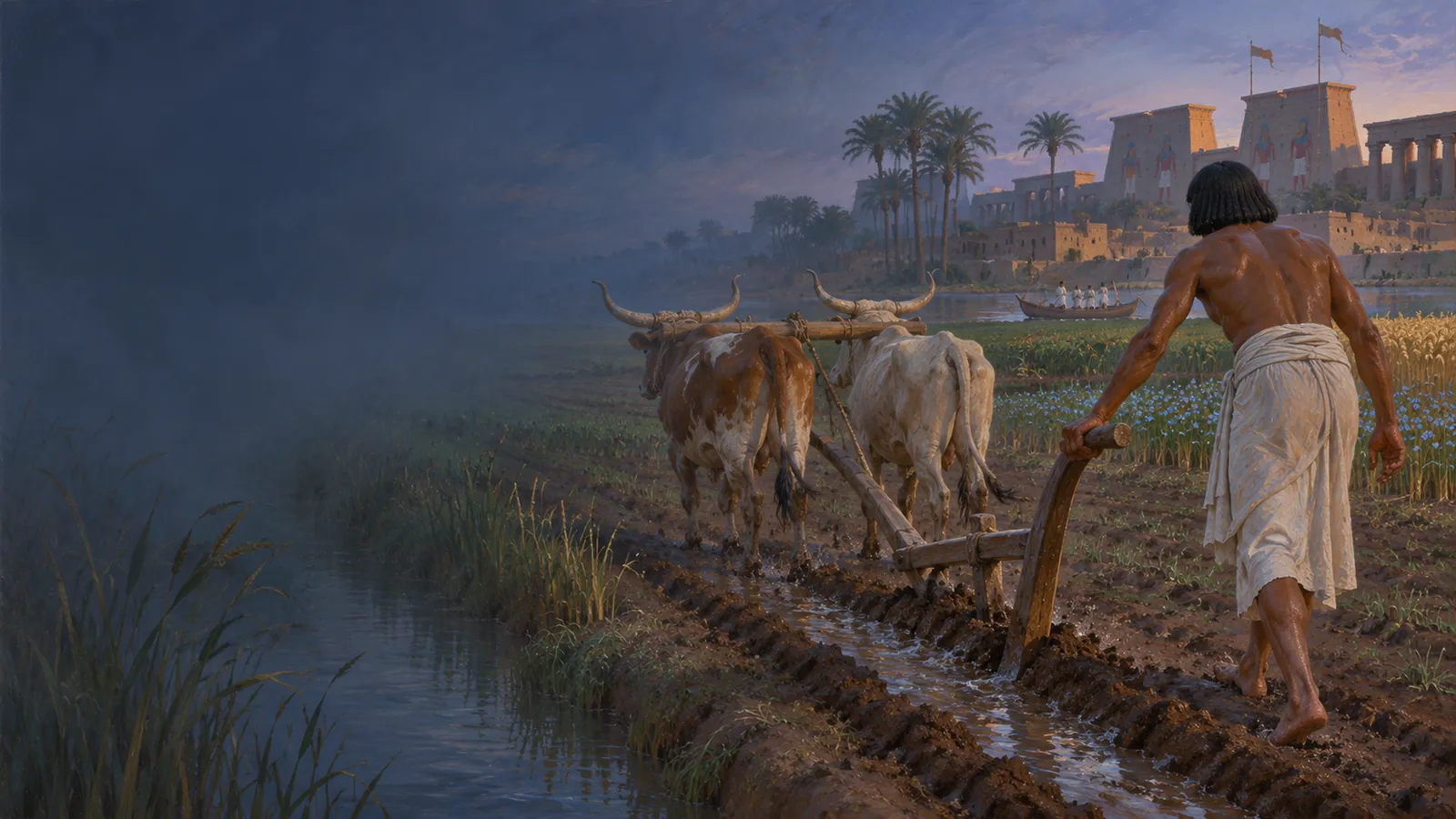
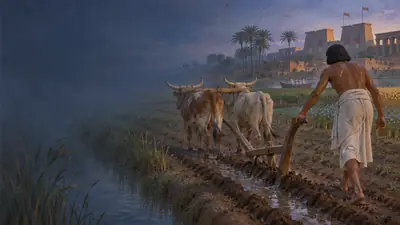
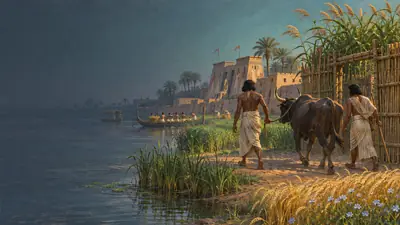
El hablante pide que se le permita seguir su camino y arar.
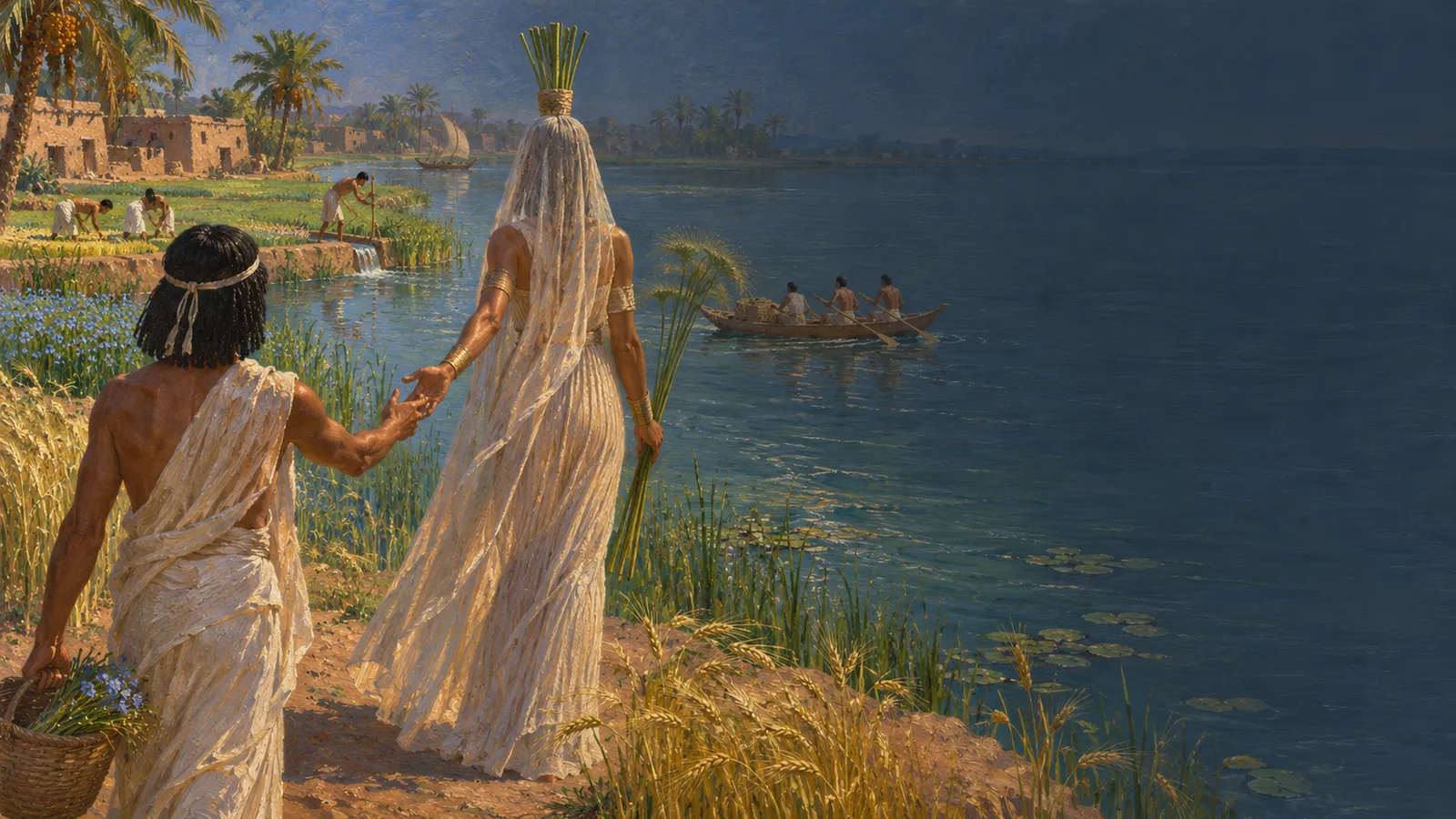
El hablante dice que está en paz con el dios de la ciudad. Dice que conoce las aguas, las ciudades, los nomos y los lagos de Sekhet-Hetep.
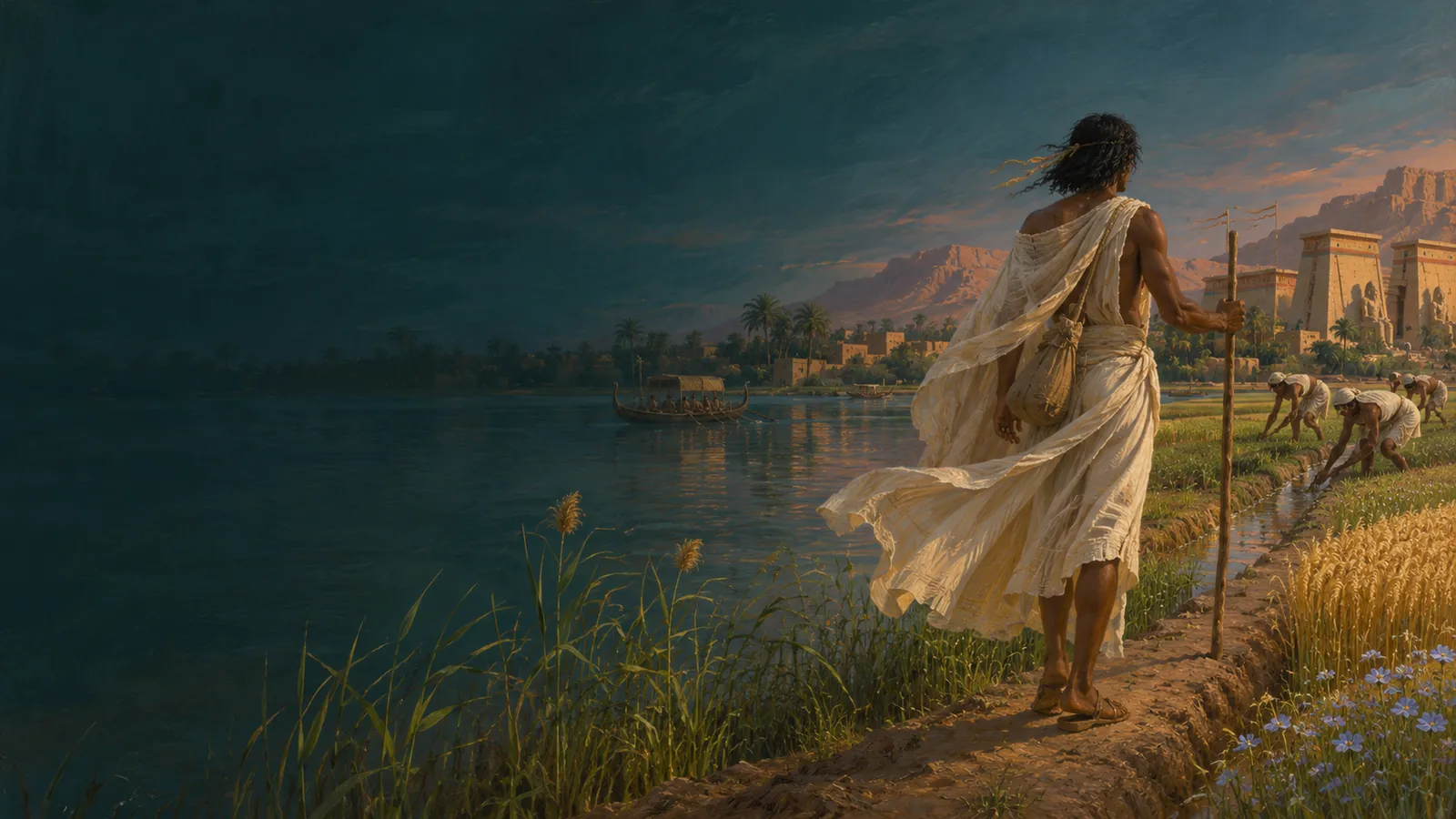
El hablante declara que existe en ese lugar y que allí es fuerte. Dice que allí se ha convertido en un espíritu.
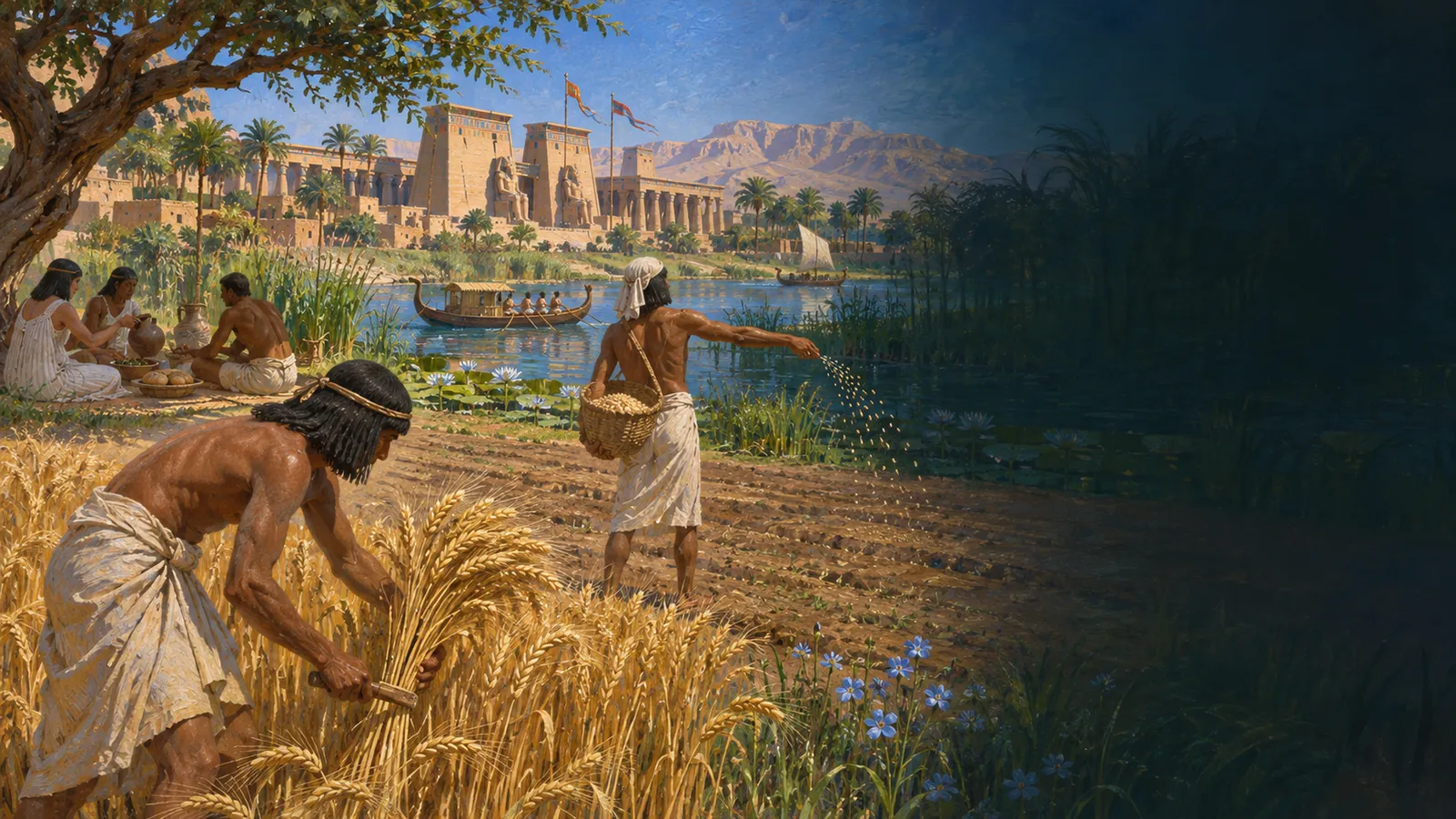
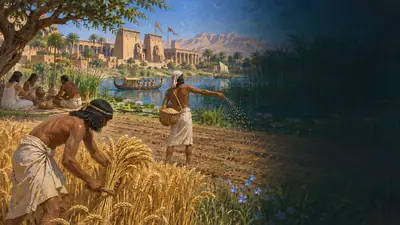
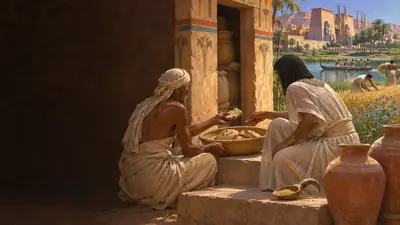
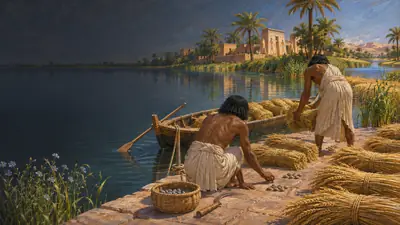
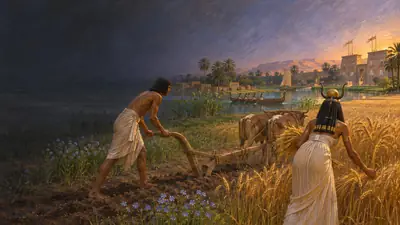
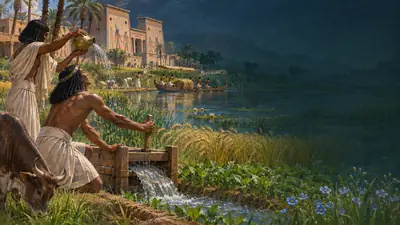
El hablante dice que en Sekhet-Hetep come, siembra, recoge la cosecha y ara la tierra.
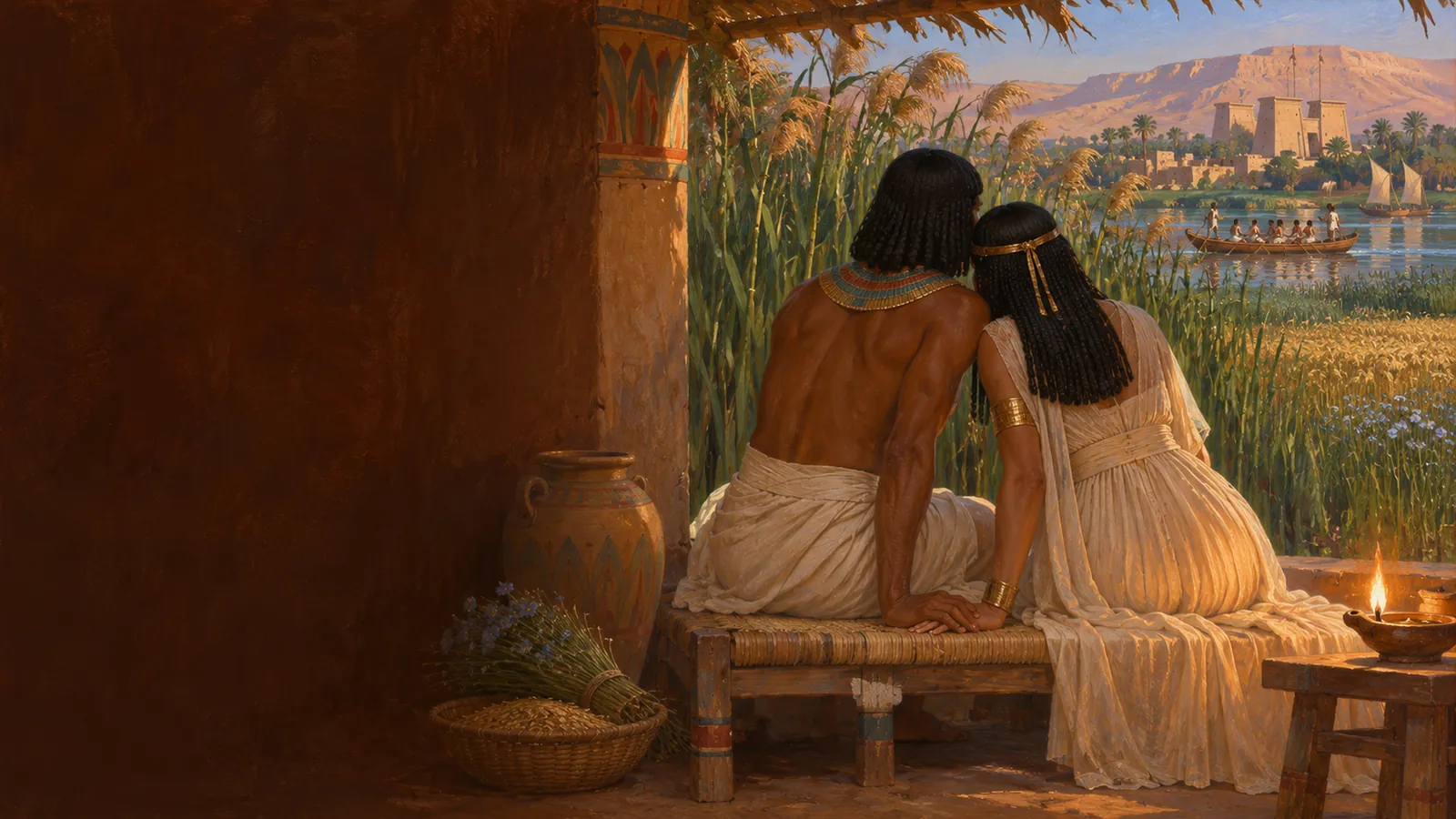
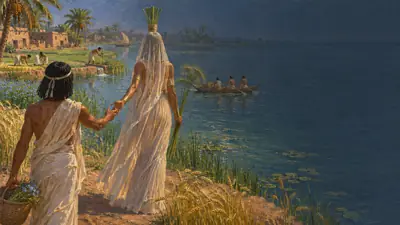
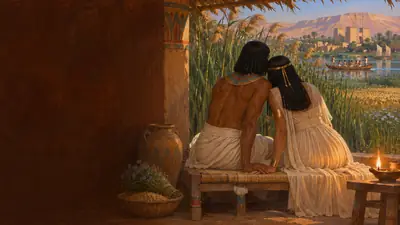
El hablante dice que hace el amor en Sekhet-Hetep y que está en paz con el dios Hetep.
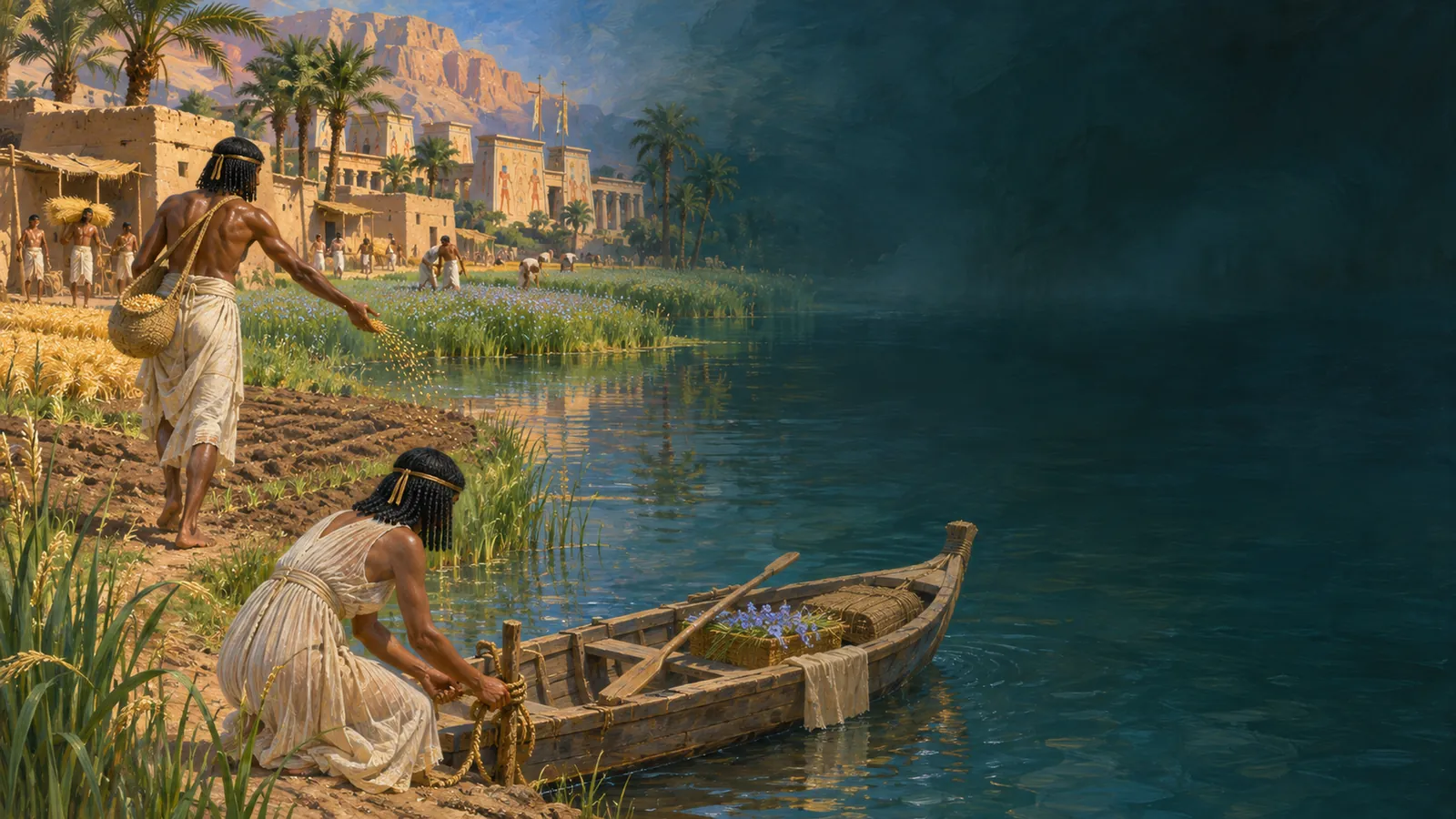
El hablante dice al divino Hetep que esparce la semilla, navega entre los lagos y avanza hacia sus ciudades.
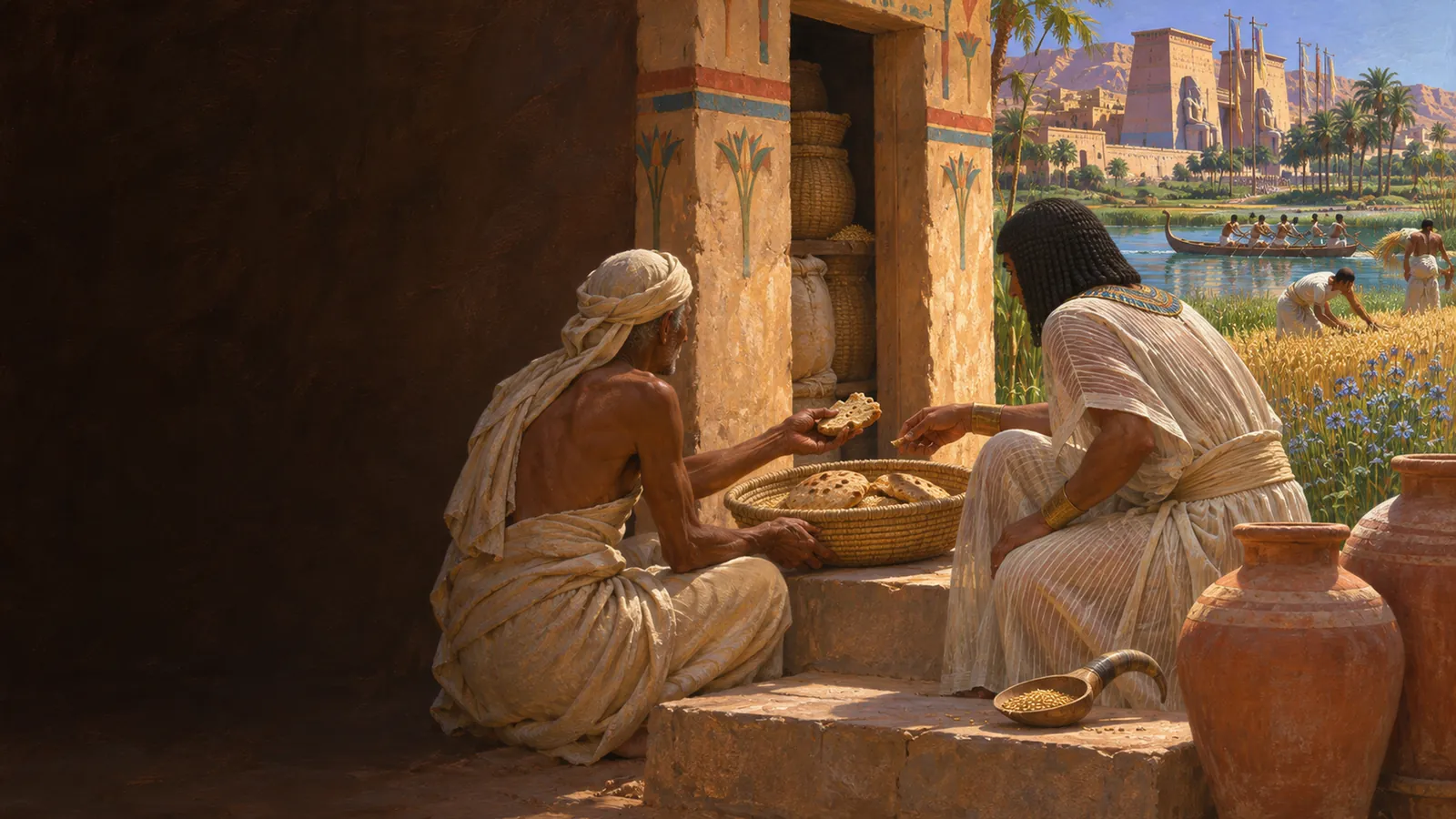
El hablante dice que su boca tiene dientes como cuernos, en una frase en la que Budge añade palabras entre corchetes. Pide abundante alimento del que viven los Dobles y los Espíritus.
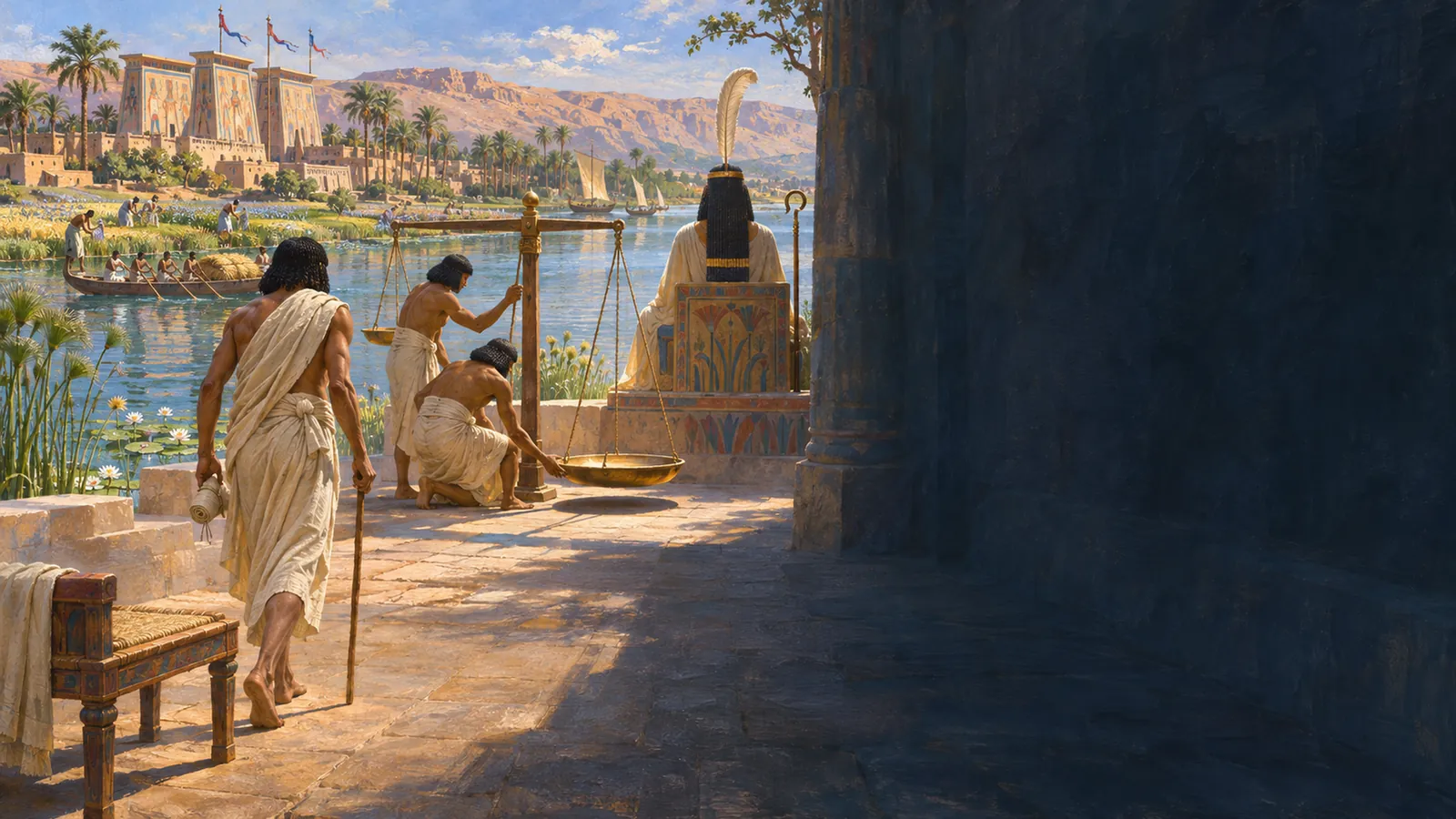
El recitante dice que ha superado el juicio al que Shu somete a quien lo conoce.
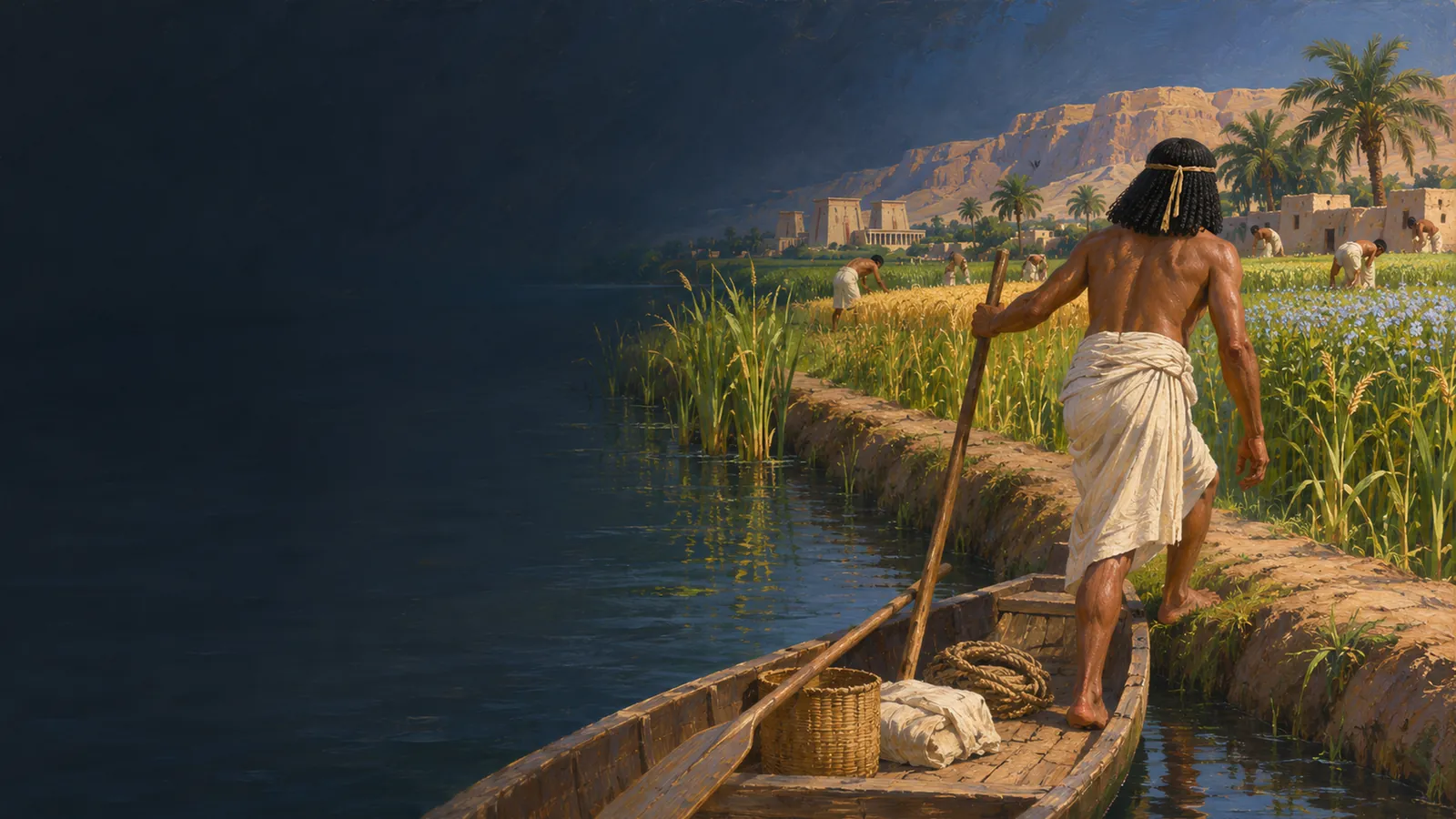
El recitante pide por ello salir hacia las ciudades de Hetep. Pide navegar entre sus lagos y caminar por Sekhet-Hetep.
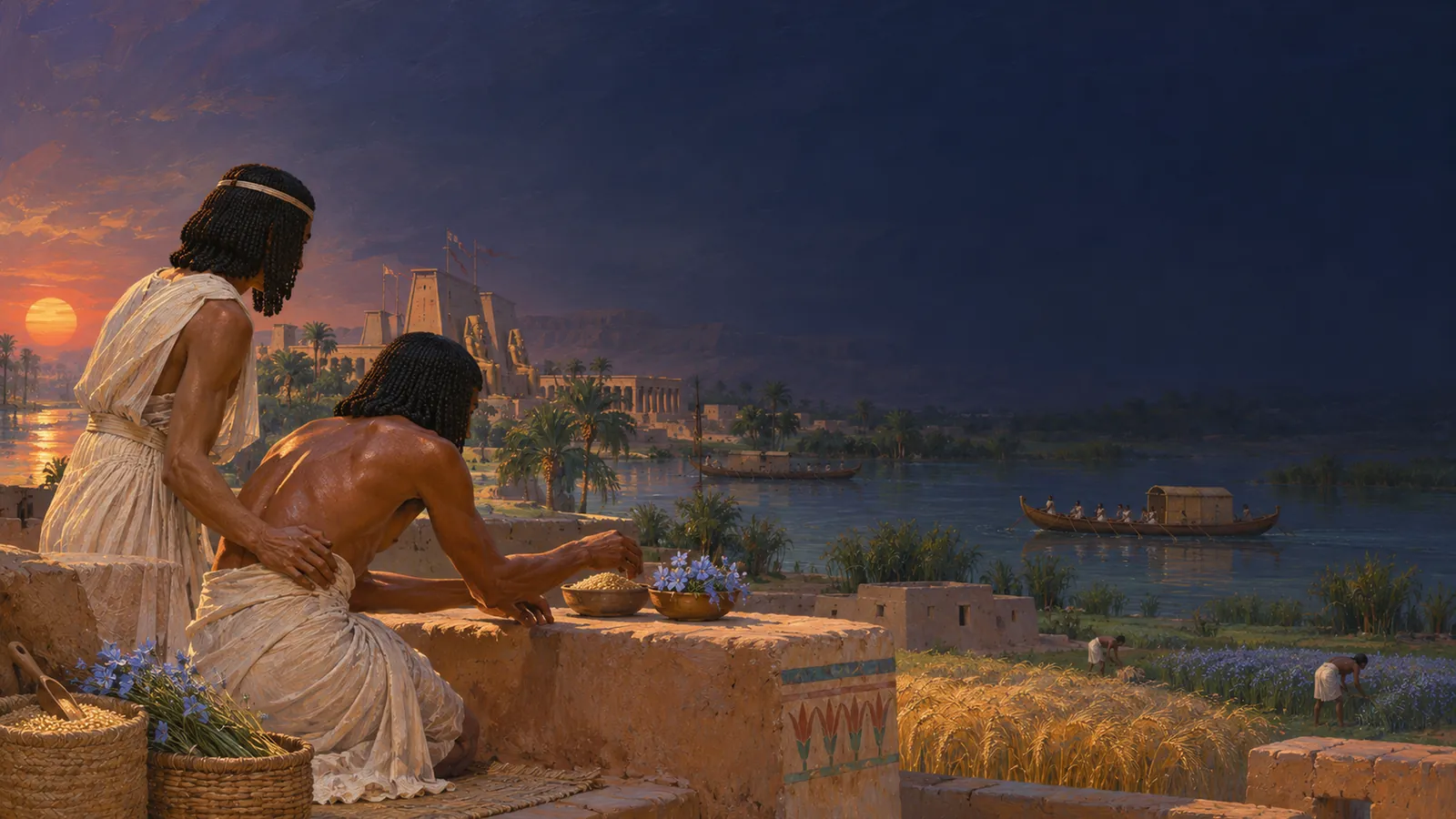
El recitante dice que Ra está en el cielo y llama al dios Hetep «su ofrenda doble».
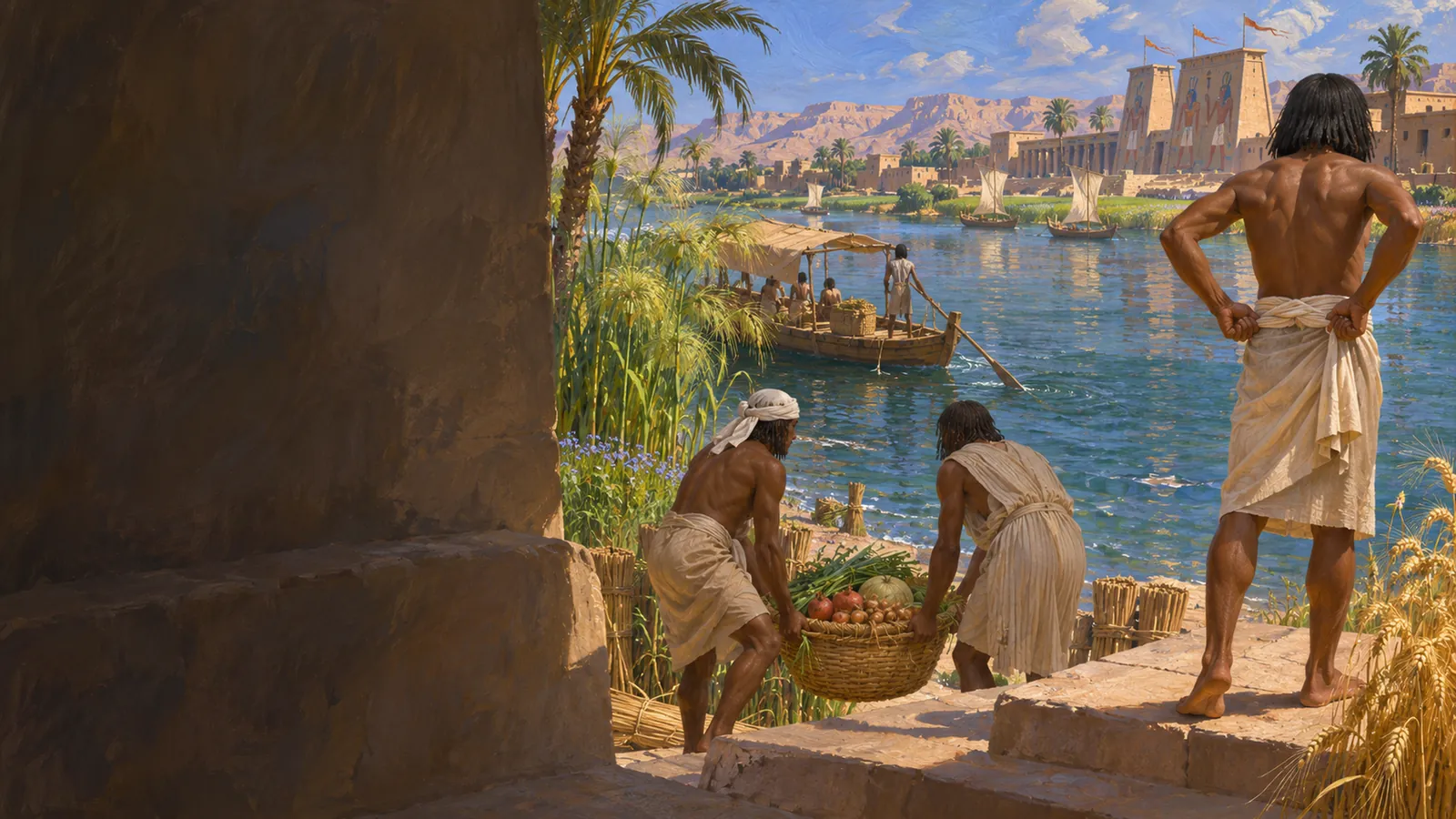
El recitante dice que ha llegado a la tierra de Hetep y se ha ceñido los lomos. Dice que ha salido a recibir los dones que están a punto de concederle.
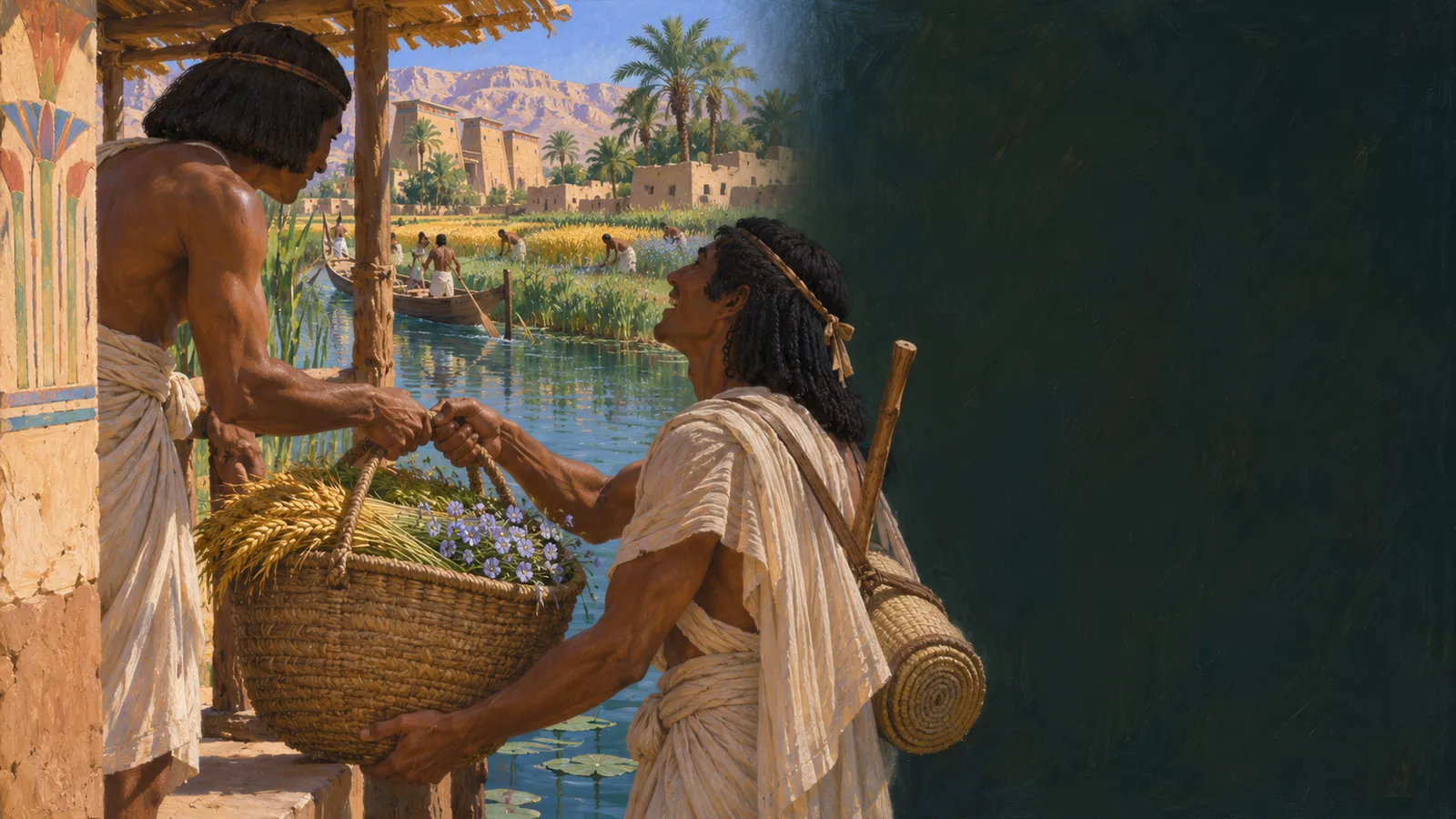
El recitante dice que se alegra y se aferra a su fuerza, que el dios Hetep le ha aumentado mucho.
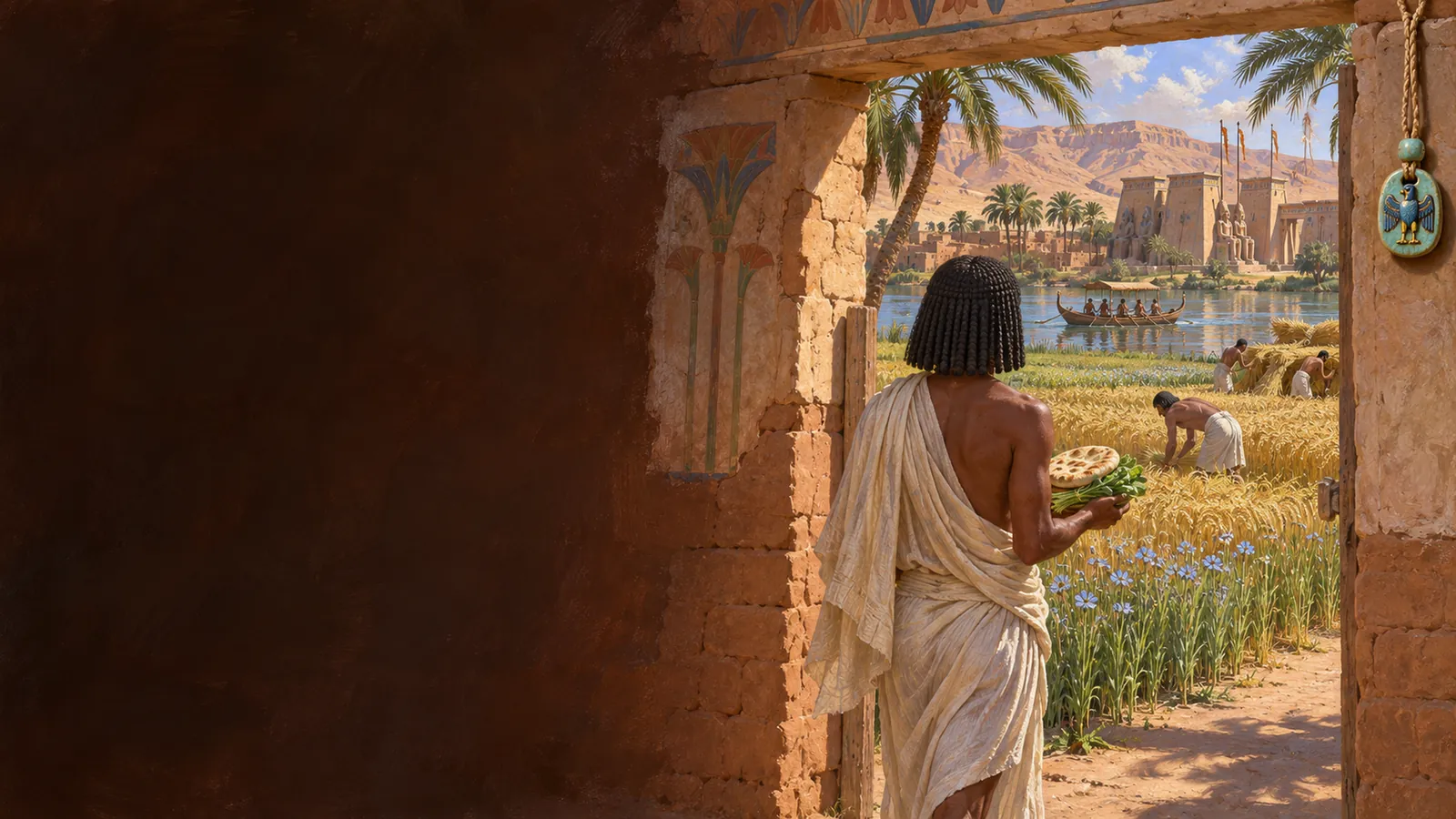
LLEGADA
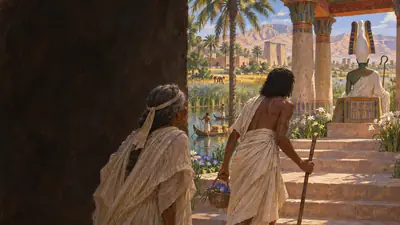
El recitante se dirige a Unen-em-hetep y dice que ha entrado allí con su alma siguiéndolo. Dice que tiene su alimento divino sobre las manos.
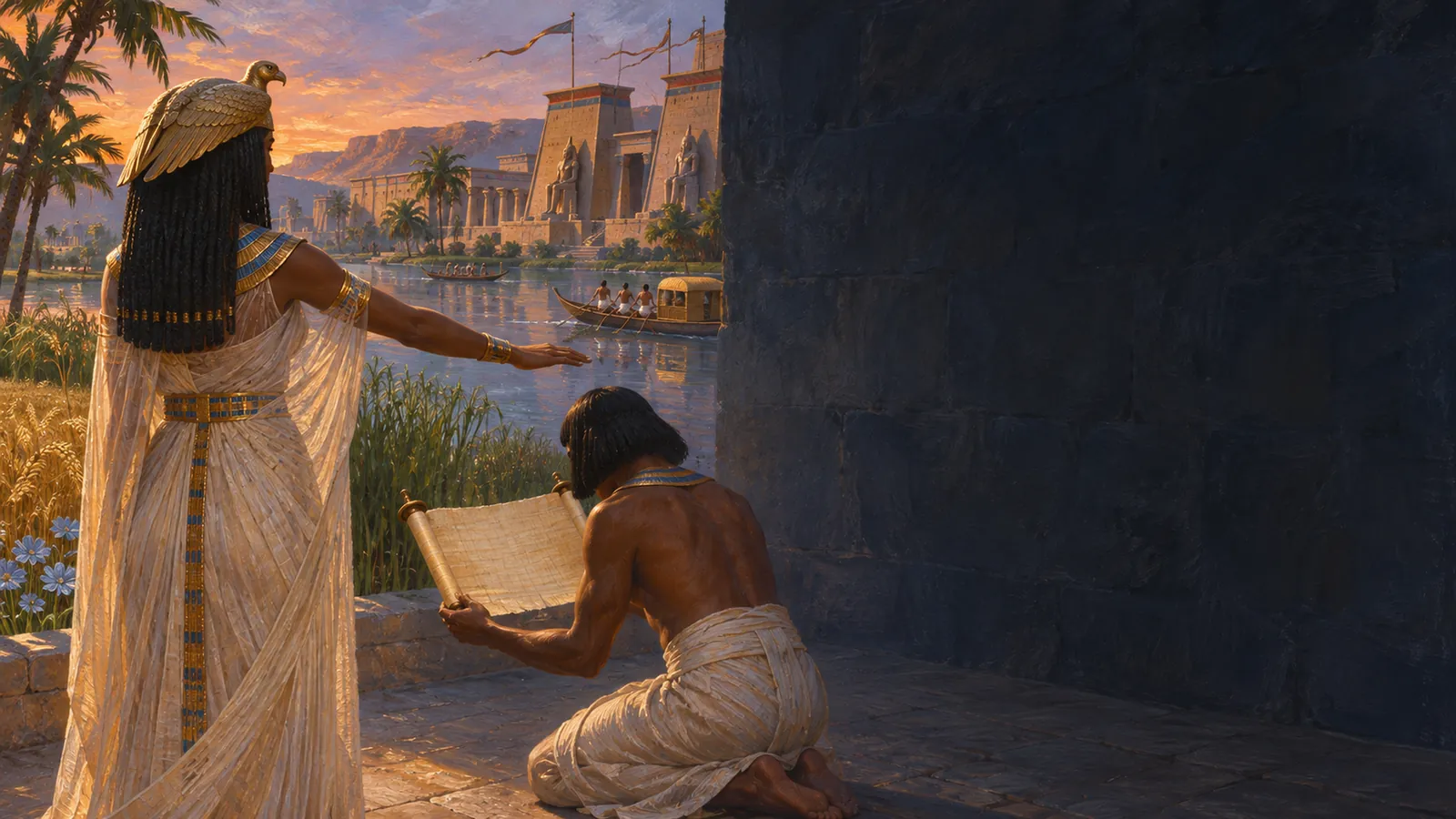
El recitante invoca a la Señora de las Dos Tierras. Dice que ella afianza su palabra, con la que recuerda y olvida.
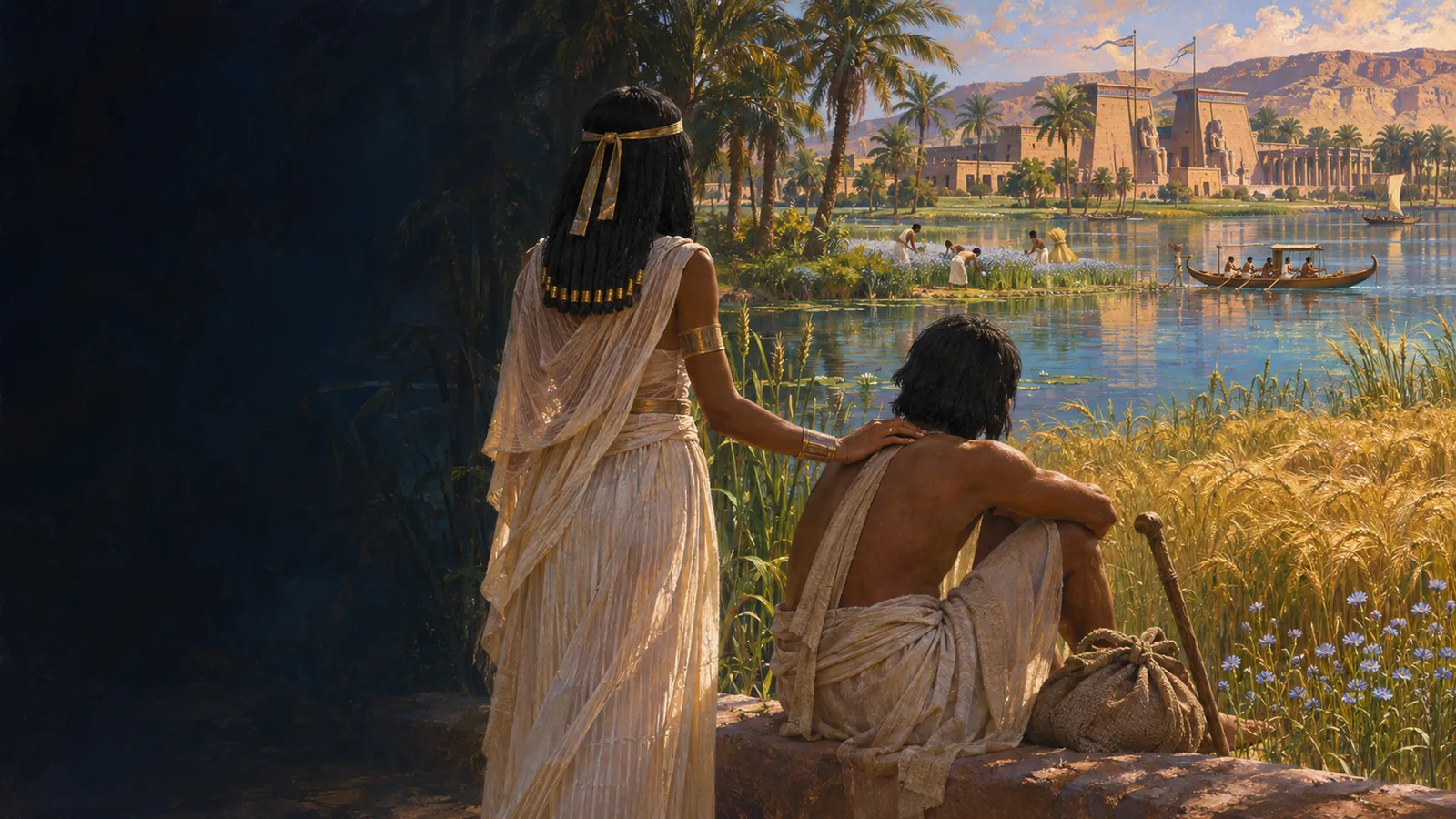
El recitante pide vivir sin sufrir daño. Pide gozo de corazón y ruega a la Señora que le dé paz.
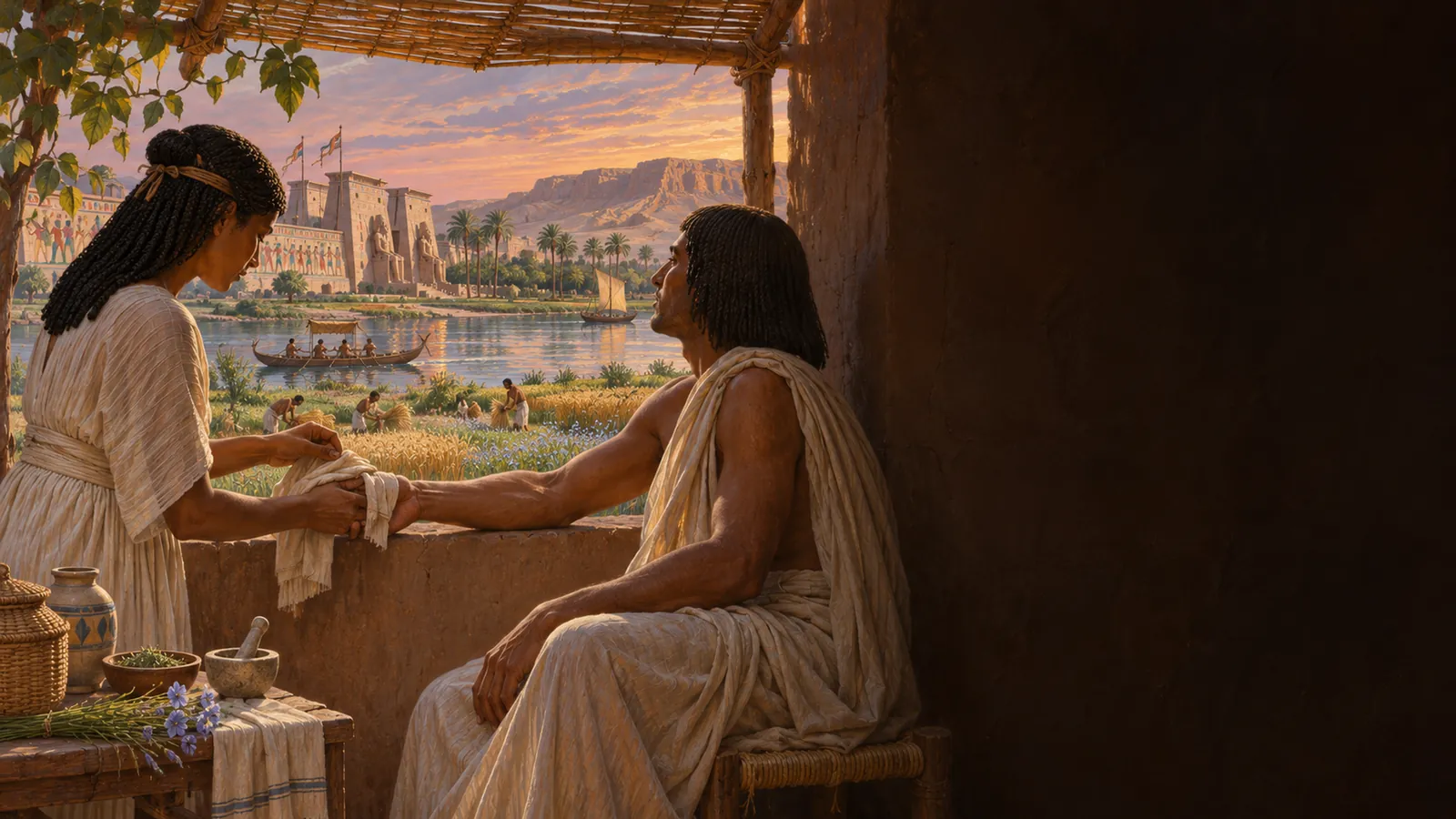
Pide a la Señora de las Dos Tierras que le ate los tendones y los músculos y que le haga recibir el aire.
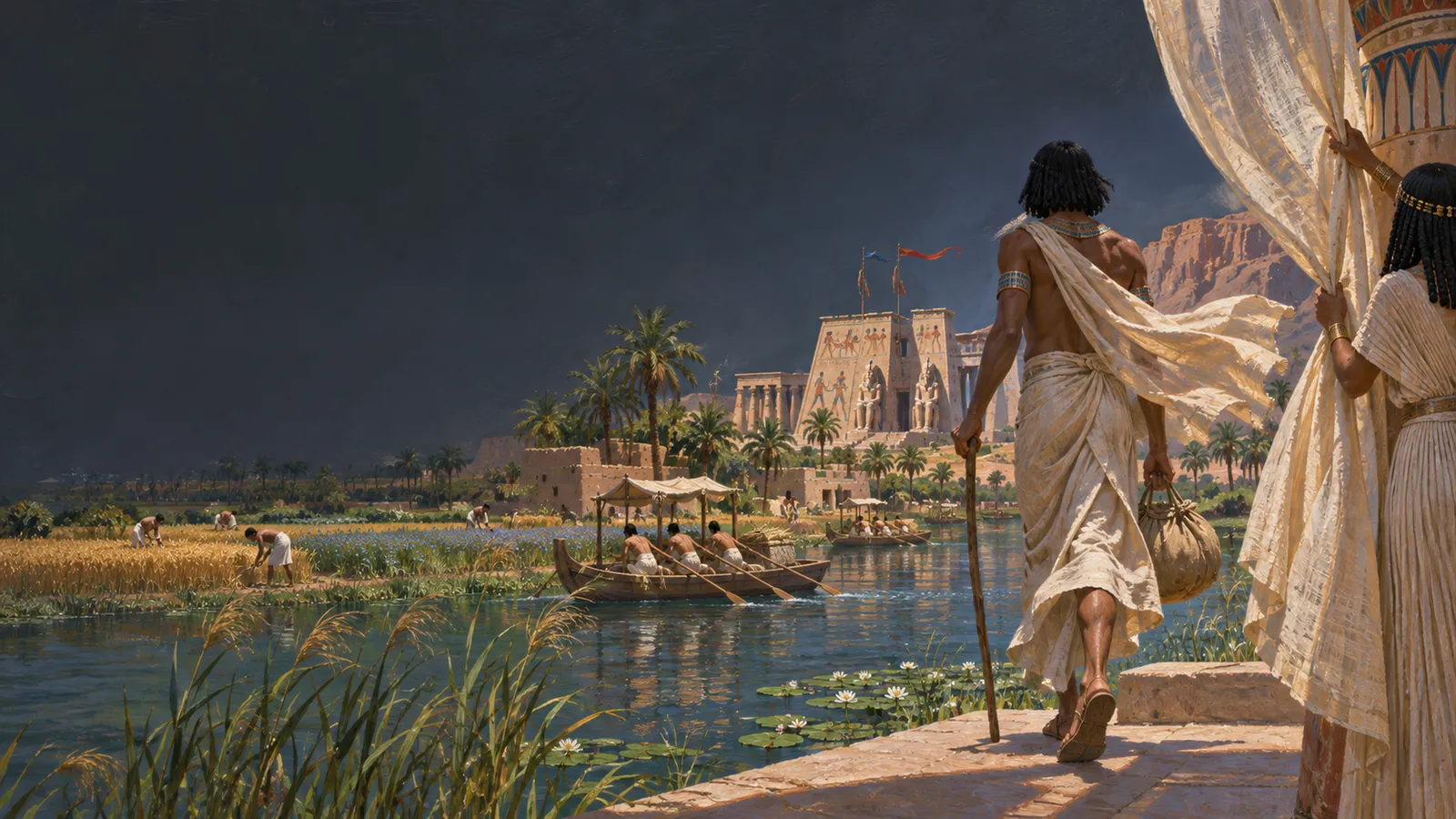
El recitante se dirige a Unen-em-hetep con el título de Señora de los Vientos. Dice que ha entrado allí y que ha mostrado allí la cabeza.
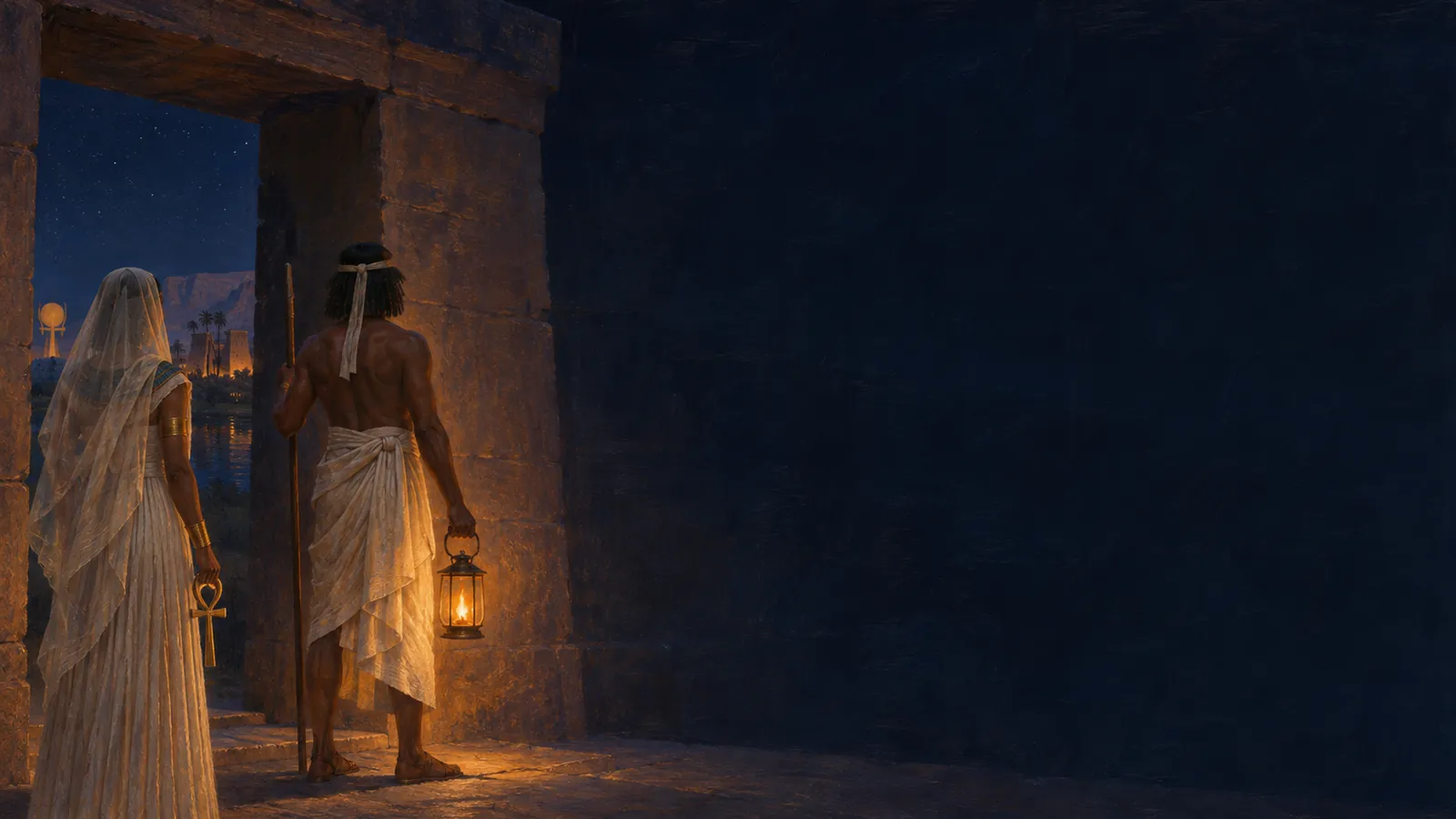
Ra duerme y el recitante dice que está despierto. Dice que la diosa Hast está a la puerta del cielo de noche.
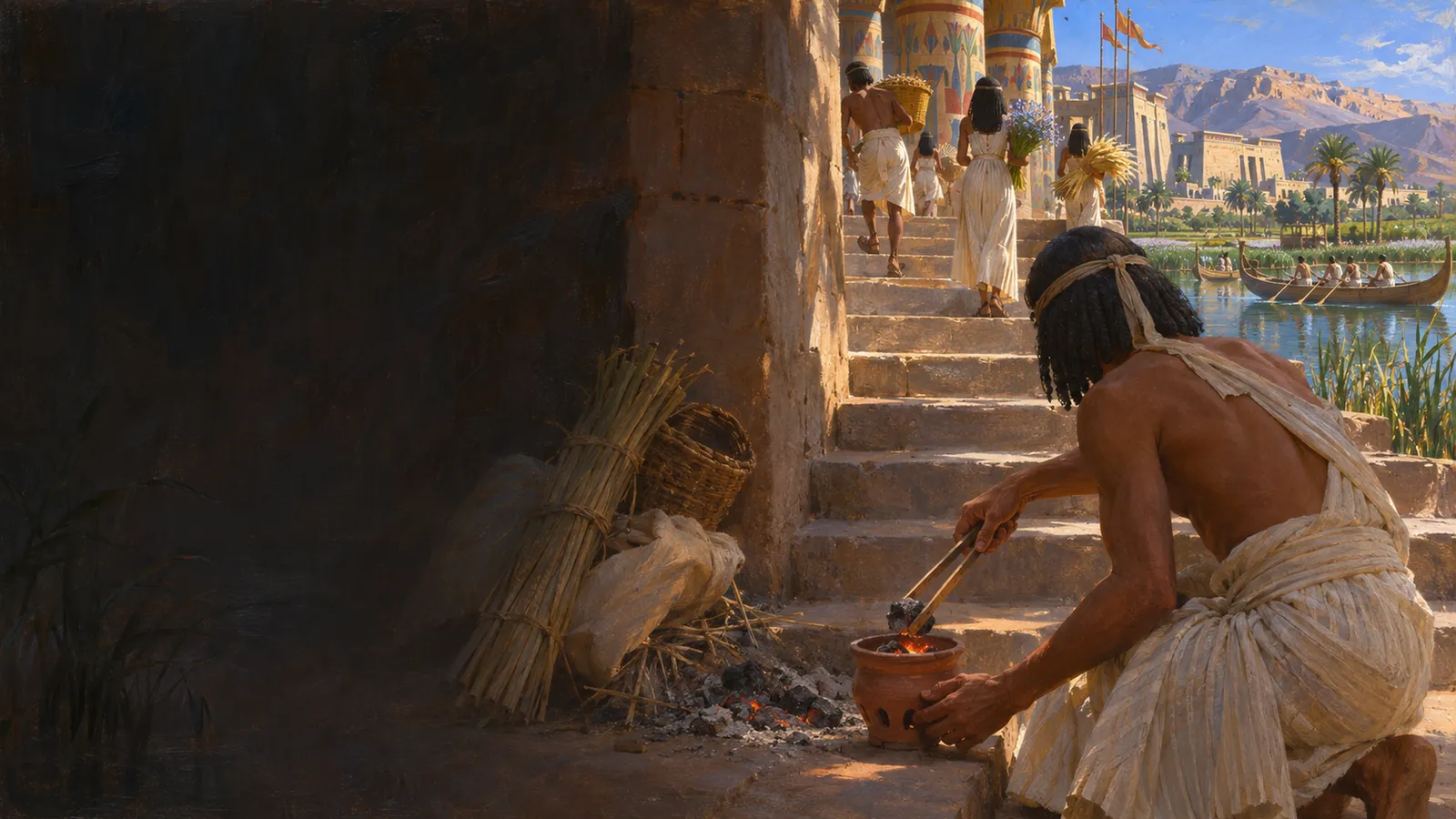
El hablante dice que le pusieron obstáculos delante, pero que reunió lo que Ra había emitido. Dice que está en su ciudad.
NUT-URT Y UAKH
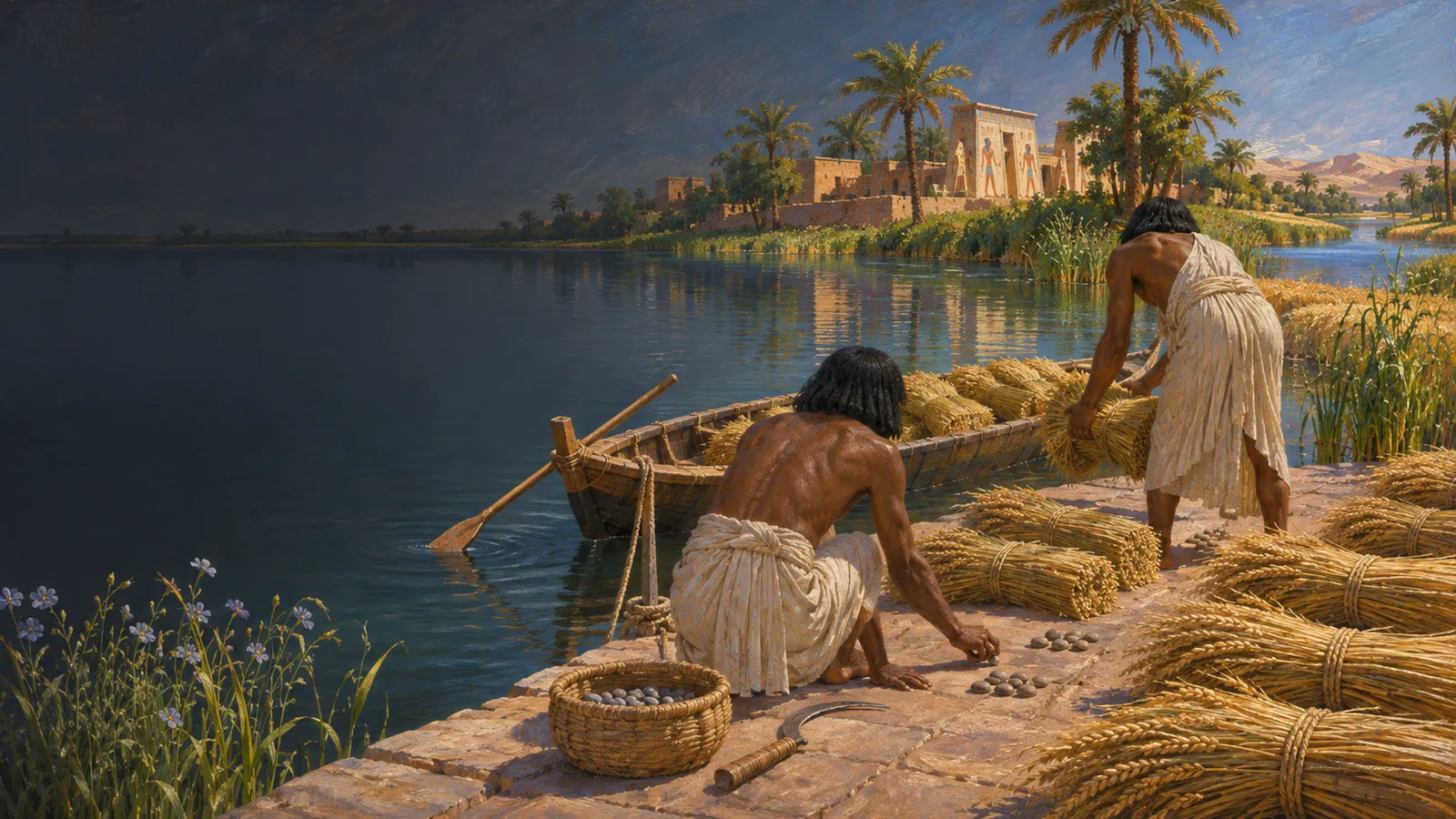
El hablante dice que entró en Nut-urt, contó su cosecha y siguió hacia Uakh. Budge identifica ambos lugares como lagos.
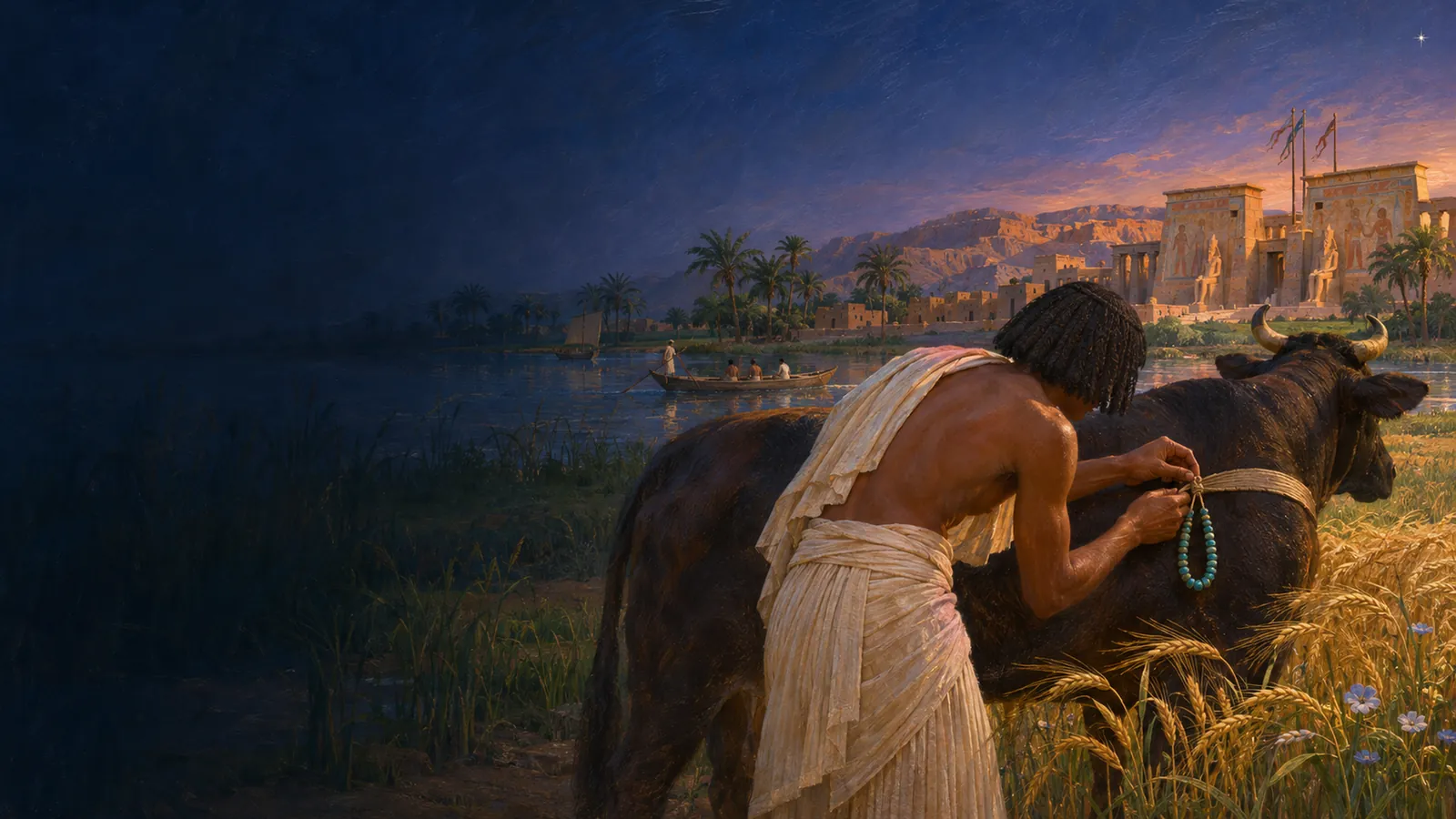
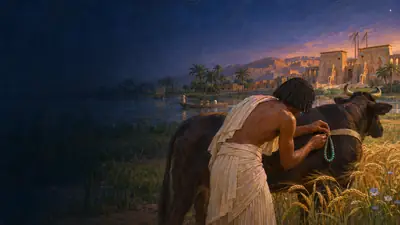
El hablante se llama a sí mismo el Toro envuelto en turquesa y señor del Campo del Toro. Se declara señor de la palabra divina de Septet en sus horas. Budge identifica a Septet con Sotis.
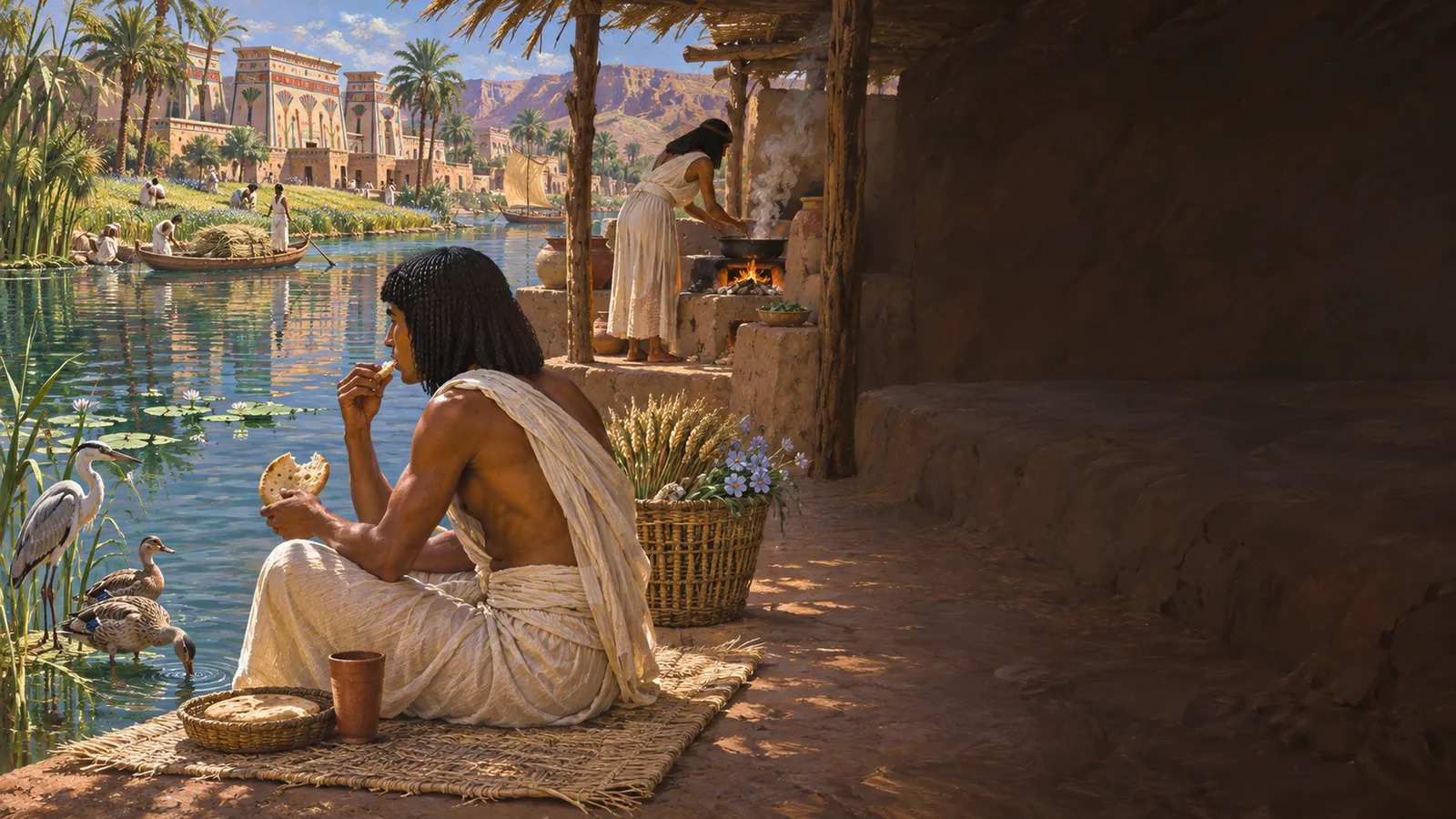
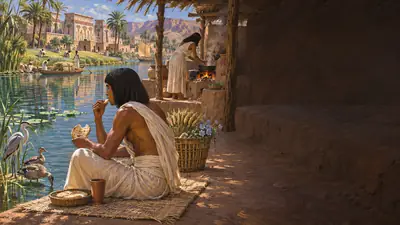
Dice que entró en Uakh, comió su pan y dispuso de las mejores piezas de carne de vacuno y de aves. Dice que le dieron las aves de Shu.
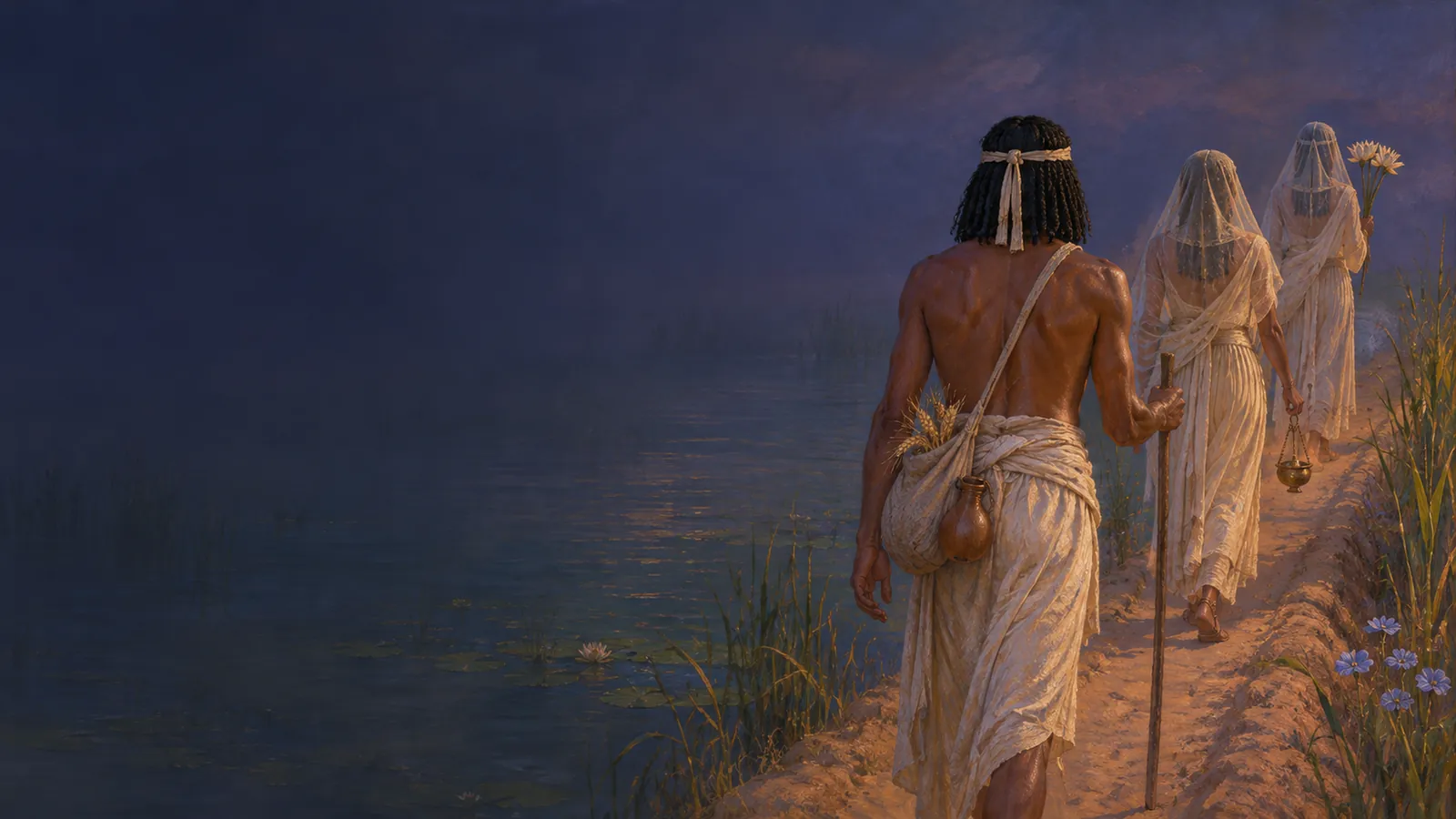
El hablante concluye su invocación a Uakh diciendo que sigue a los dioses y a los Dobles divinos.
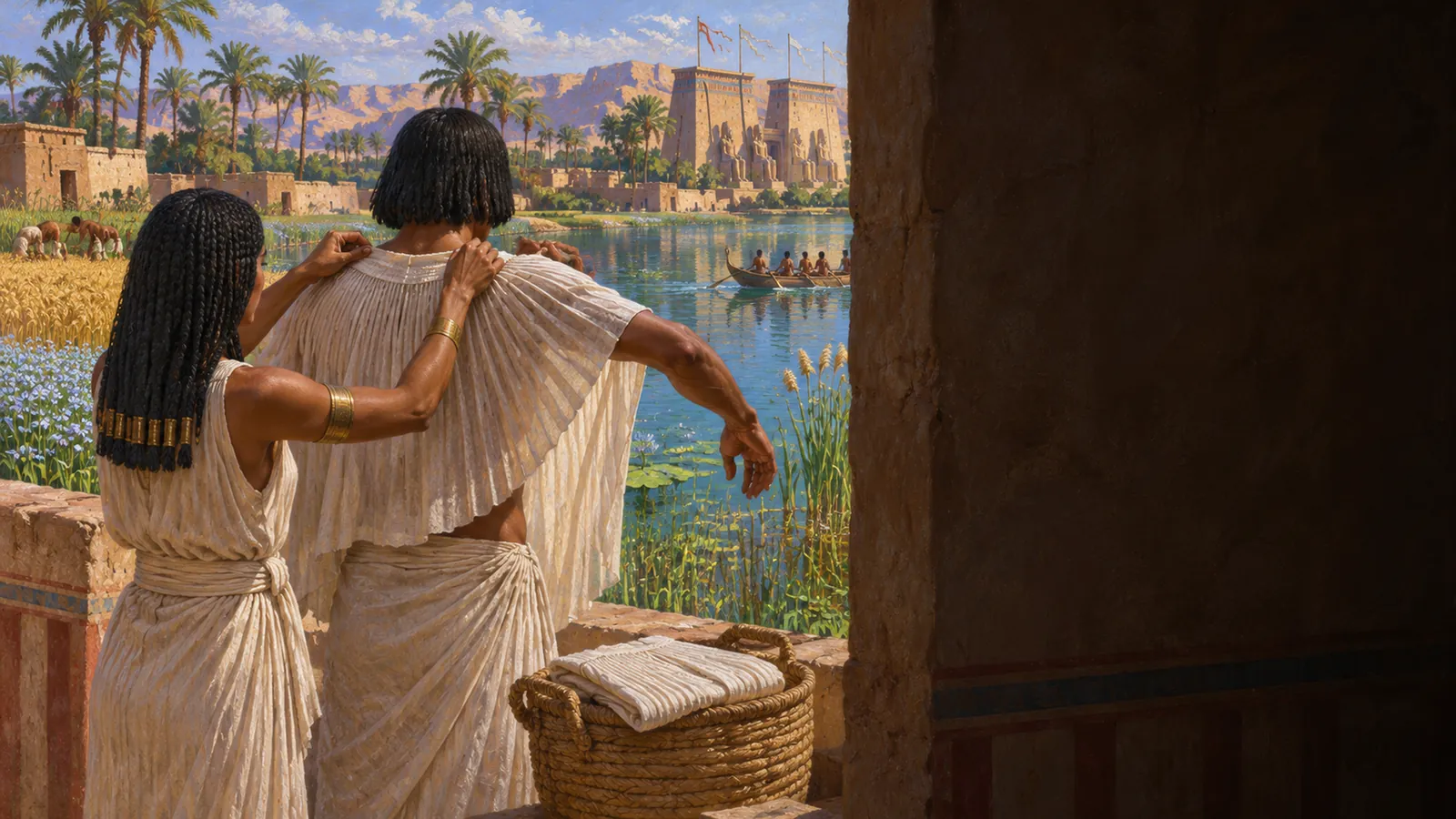
El hablante dice que entró en Tohefet y se vistió. Dice que se protegió con la vestidura Sa de Ra.
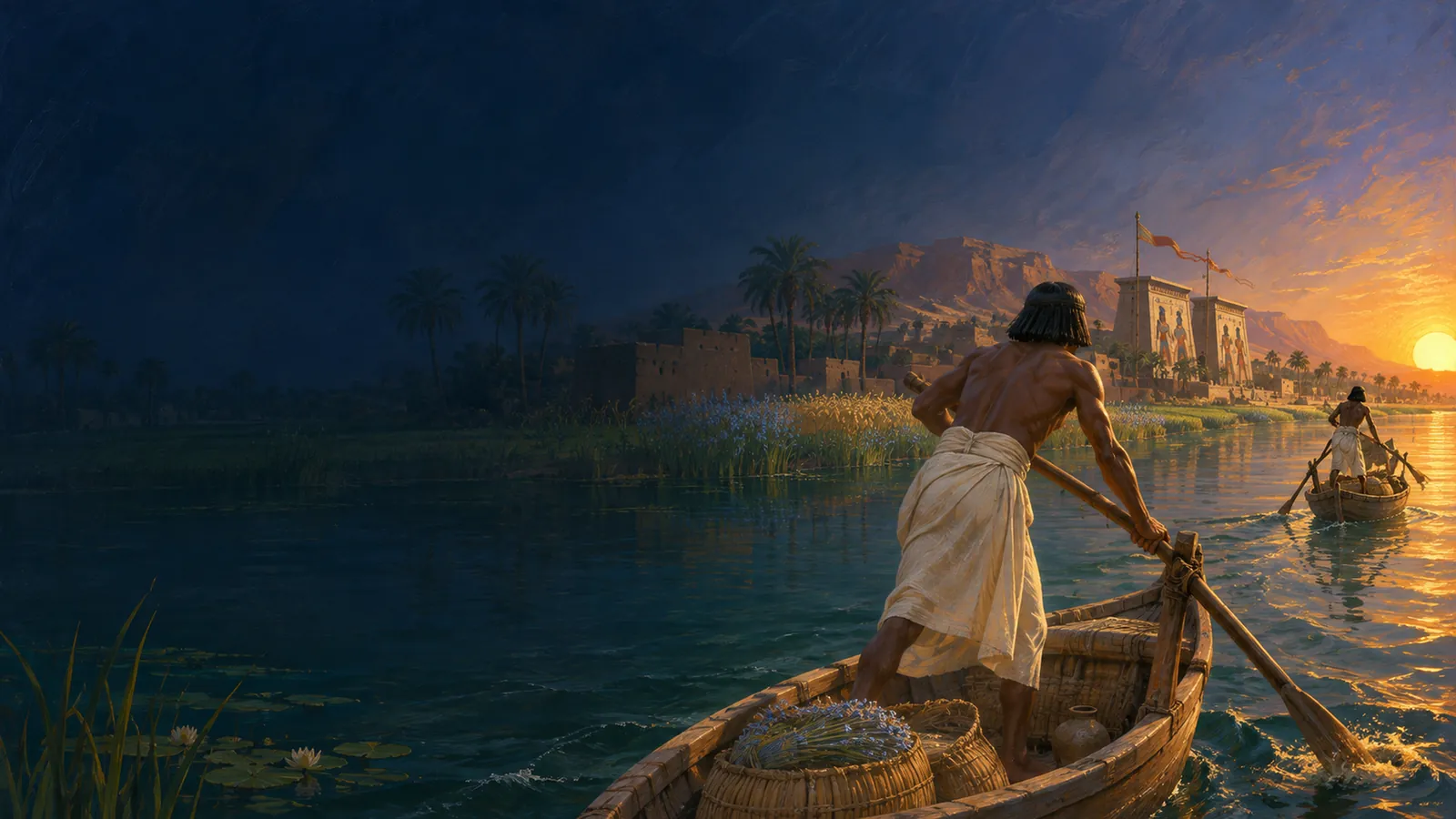
El hablante dice que Ra está en el cielo y que quienes habitan allí lo siguen. Dice que él también sigue allí a Ra.
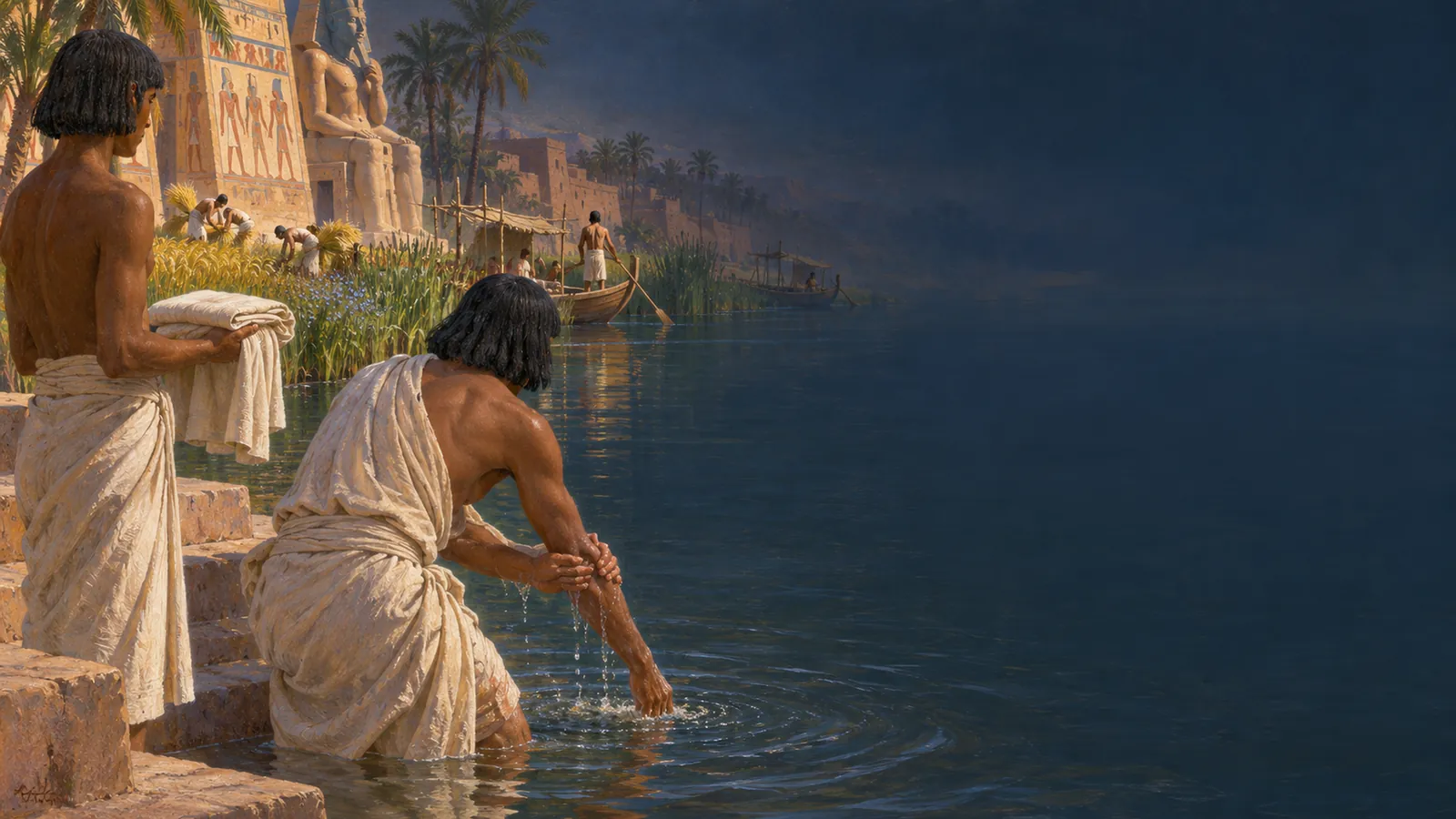
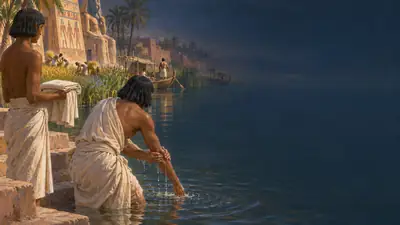
Se dirige a Unen-em-hetep como señor de las Dos Tierras y dice que ha entrado. Dice que se sumergió en los lagos de Tohesert y que toda impureza lo abandonó.
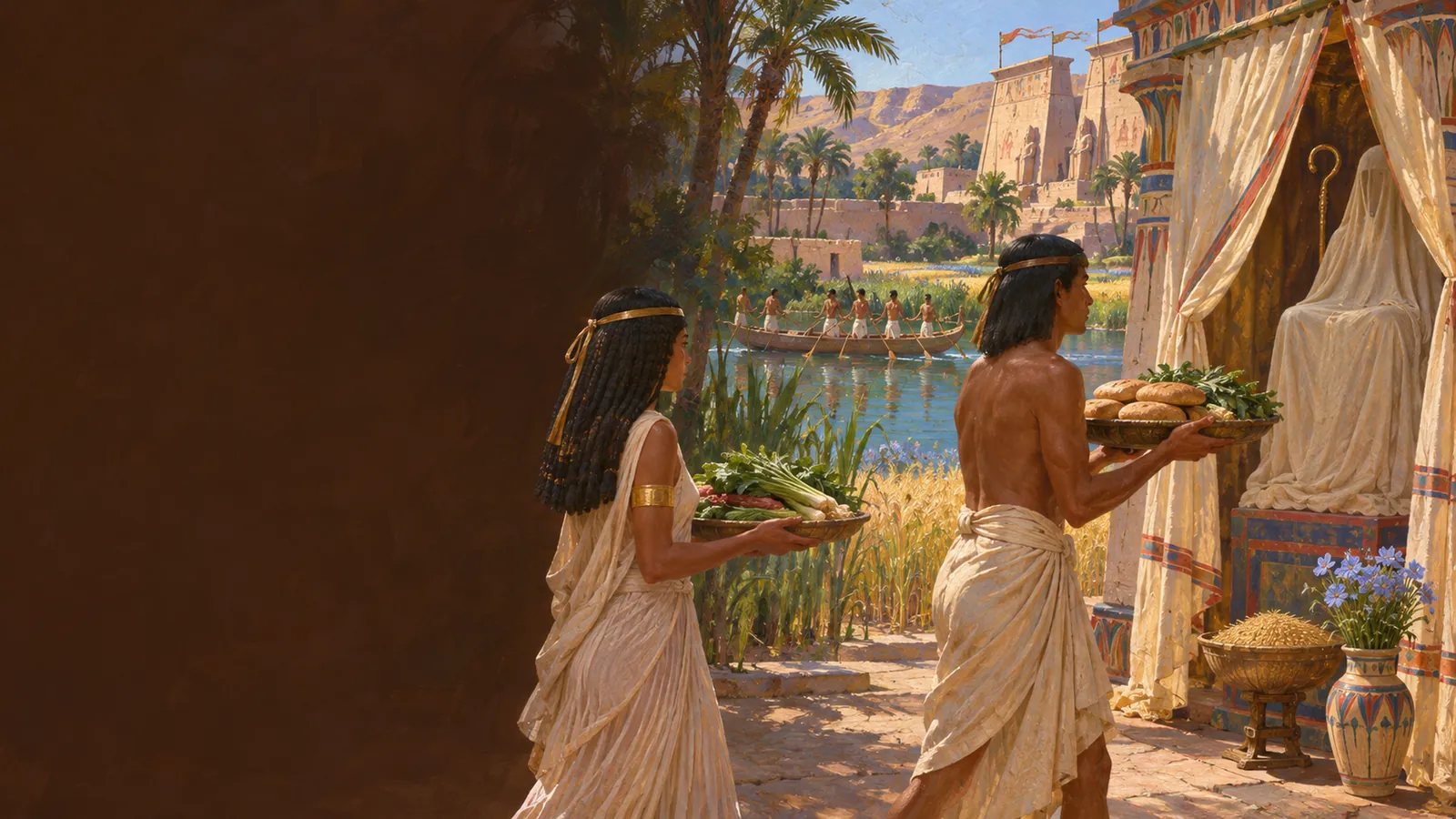
El hablante dice que el Gran Dios crece allí. También dice que ha encontrado algo, y Budge añade entre corchetes que encontró alimento allí.
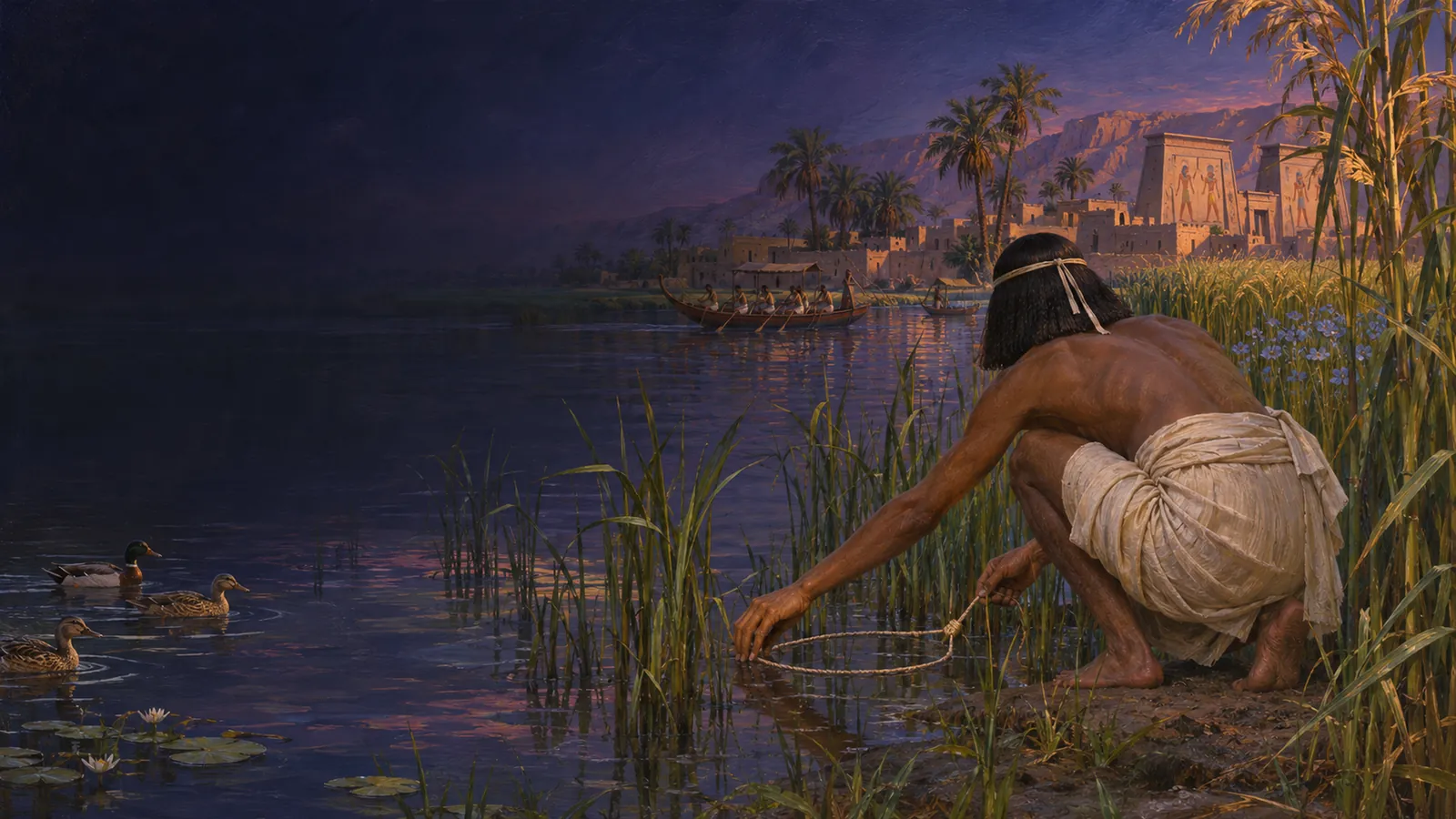
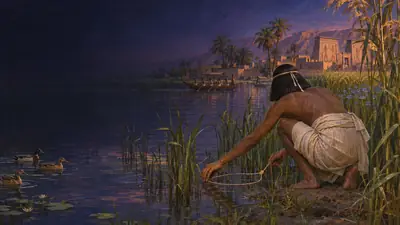
El hablante dice que atrapó aves con un lazo y se alimentó de las mejores.
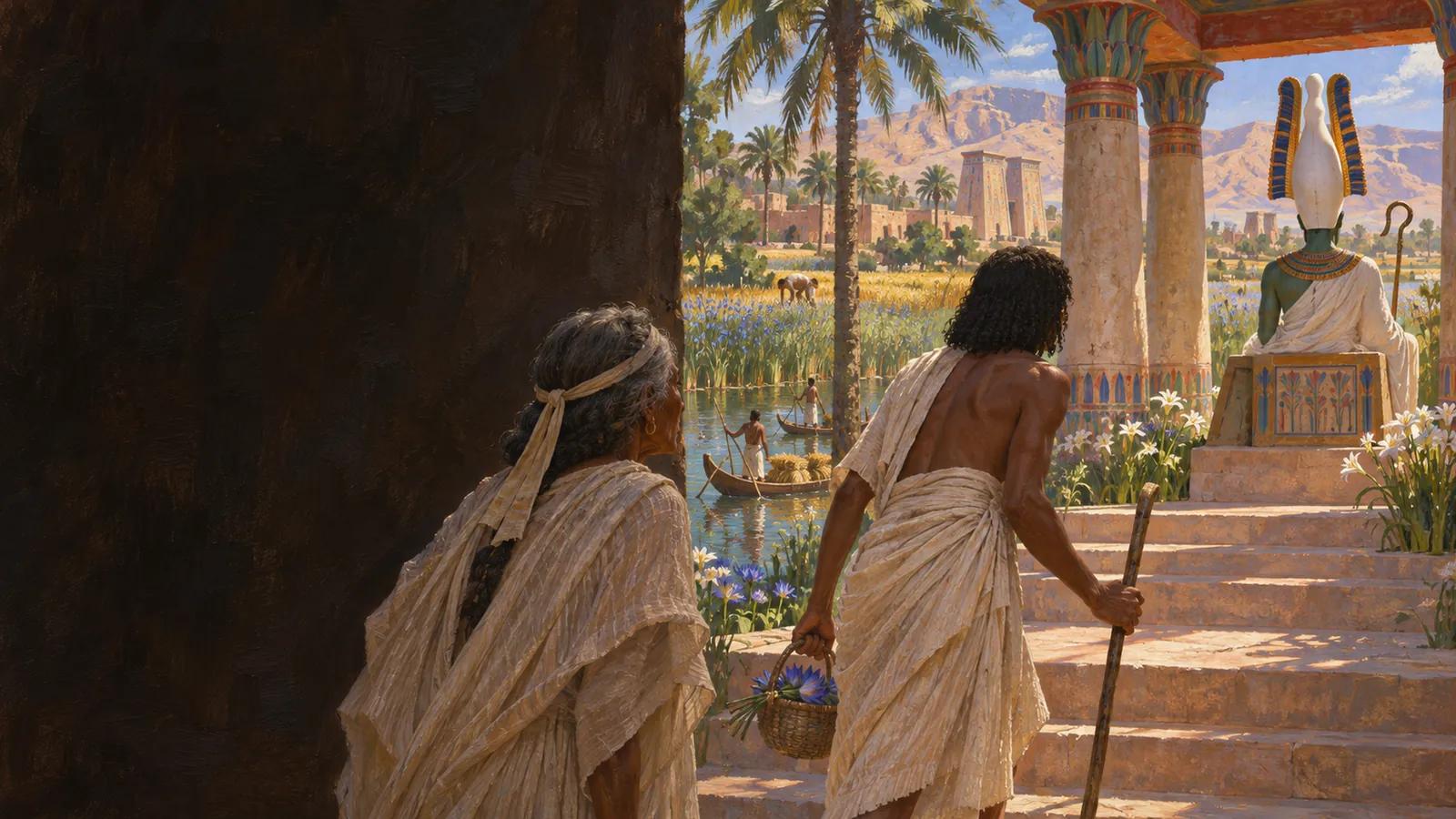
Tras entrar en Qenqentet, el hablante dice que vio a Osiris, a quien Budge llama su padre entre corchetes. Dice que miró a su madre. También dice que hizo el amor.
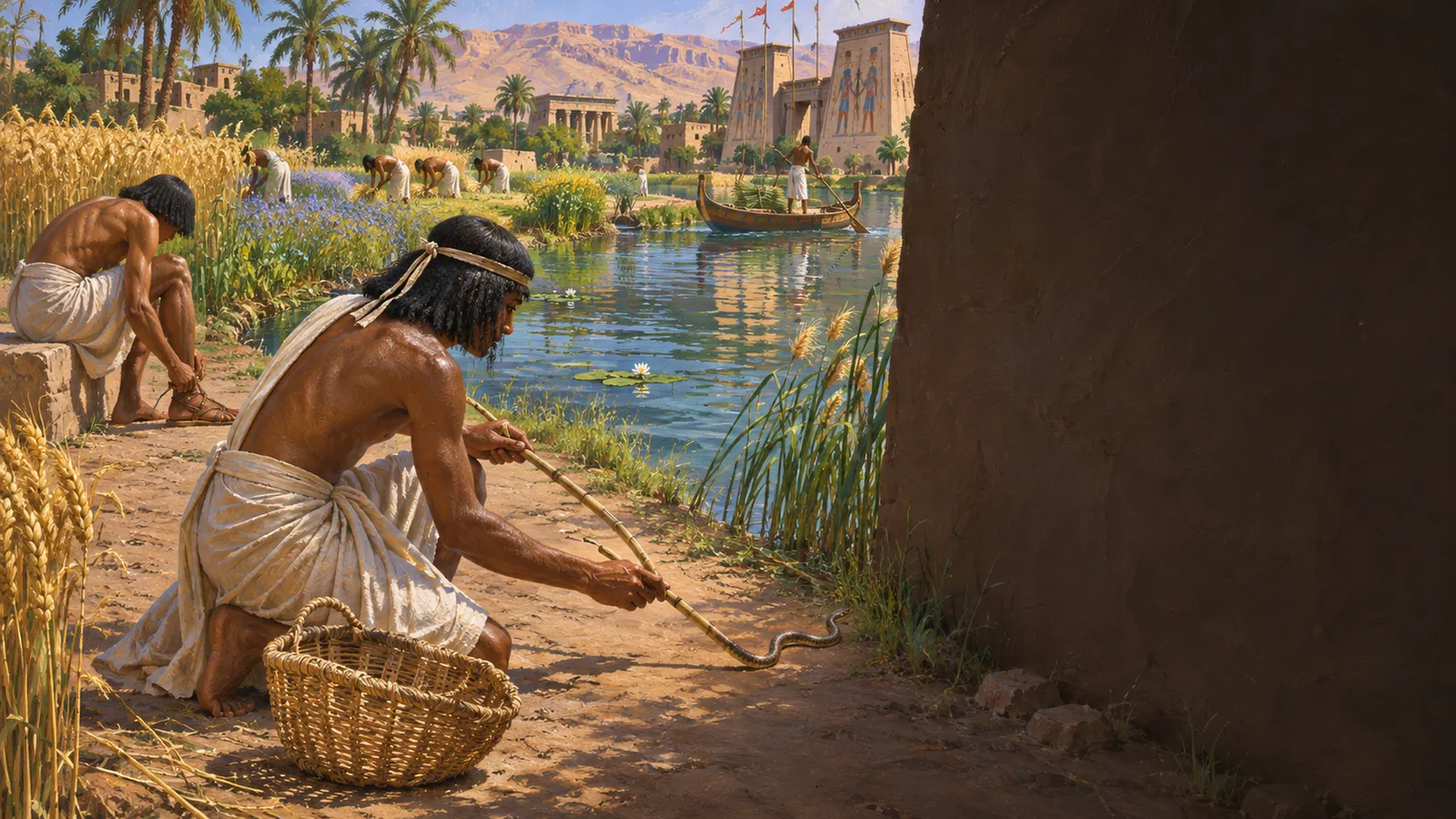
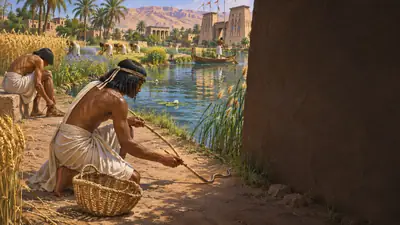
El recitante dice que captura gusanos y serpientes en el lugar al que ha entrado. Dice que se salva a sí mismo.
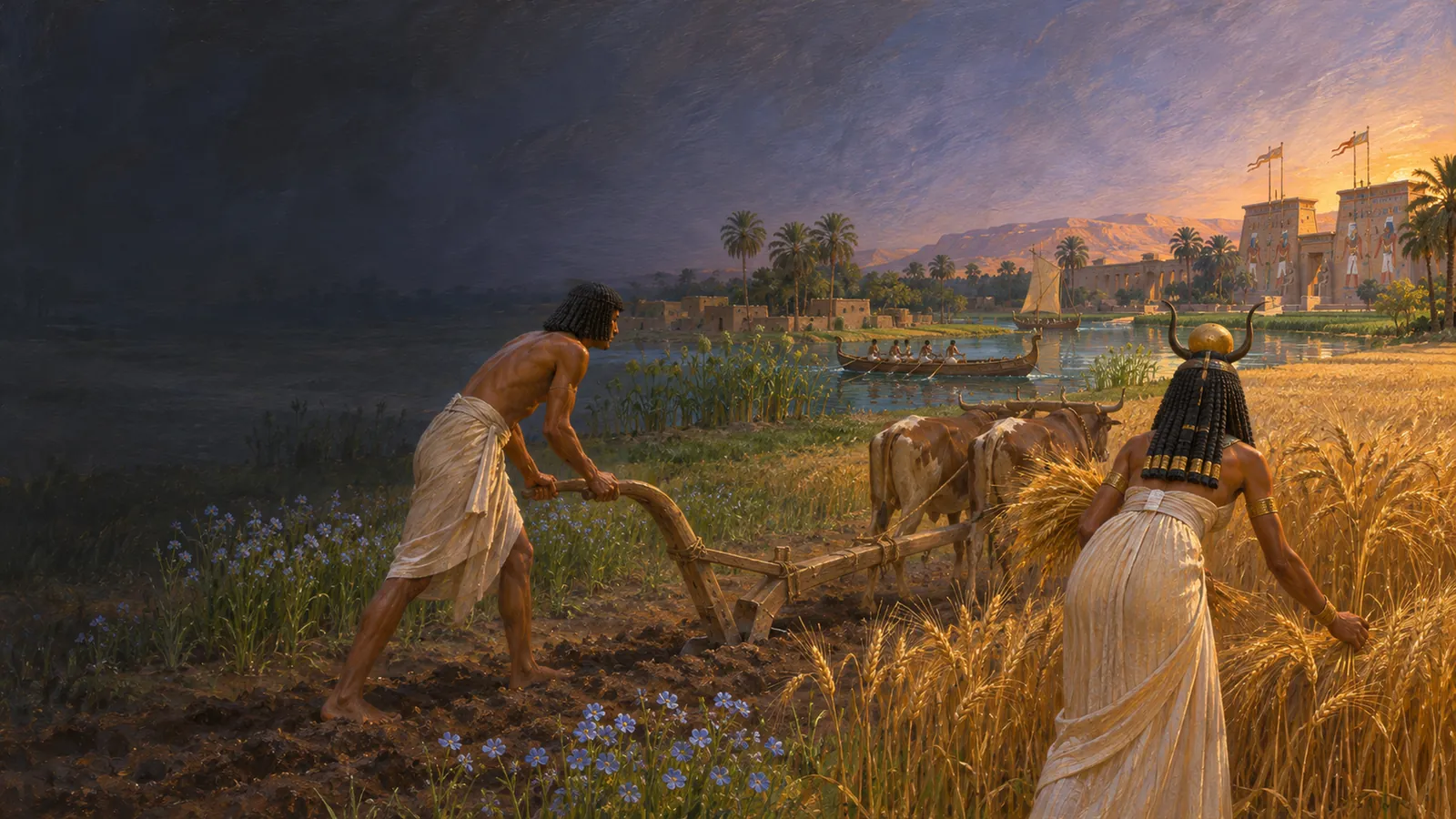
Dice conocer el nombre del dios situado frente a Tohesert, que tiene el pelo liso y cuernos. Ese dios siega, mientras que el recitante ara y siega.
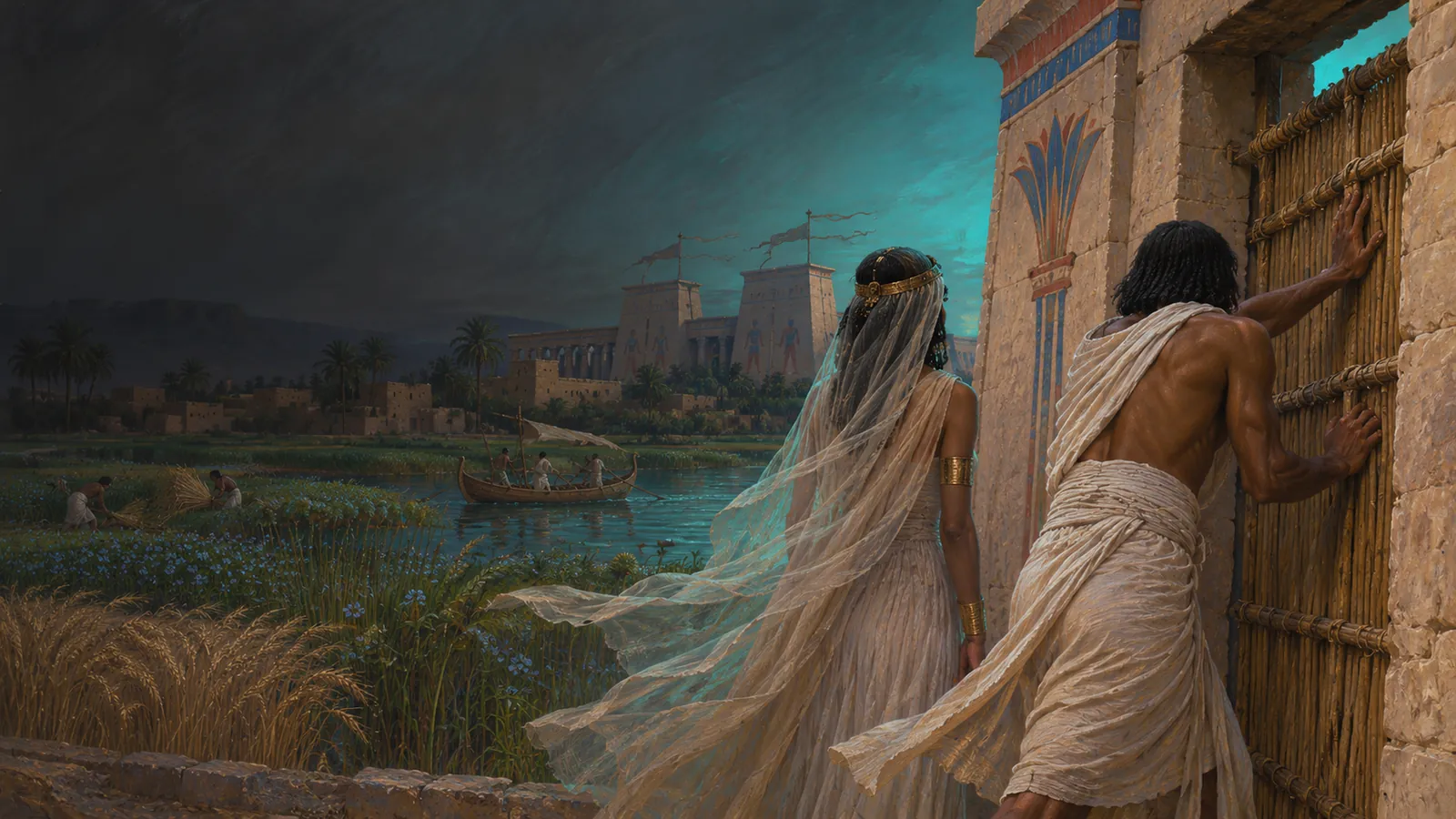
EL CIELO TURQUESA
Le dice a Hast que entra y hace retroceder a quienes quisieran llegar al cielo turquesa. Luego dice que ha seguido los vientos de la asamblea de los dioses.
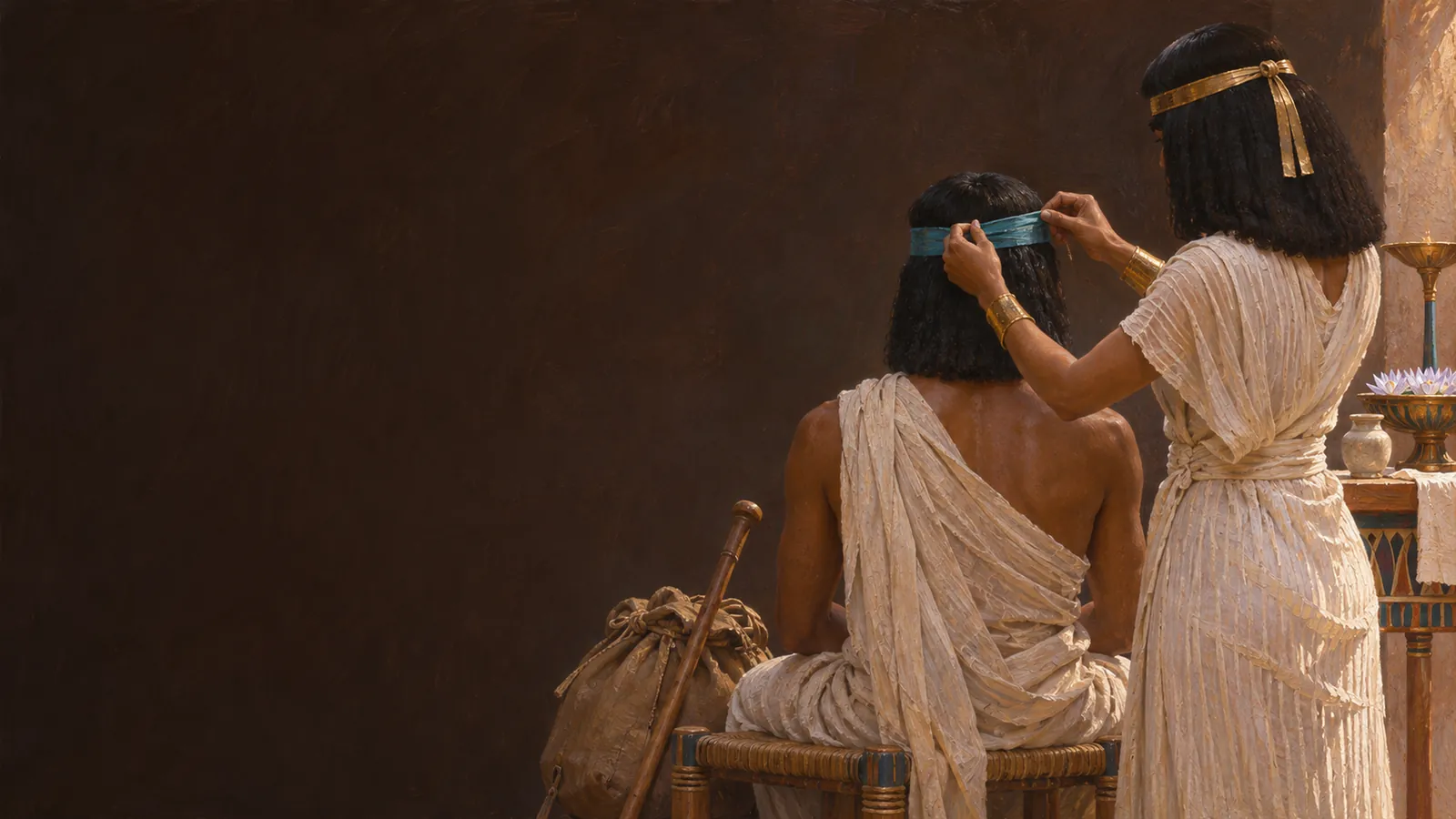
Dice que el Gran Dios le da su cabeza. El Poderoso de ojos turquesa se la sujeta. Es Ari-en-ab-f.
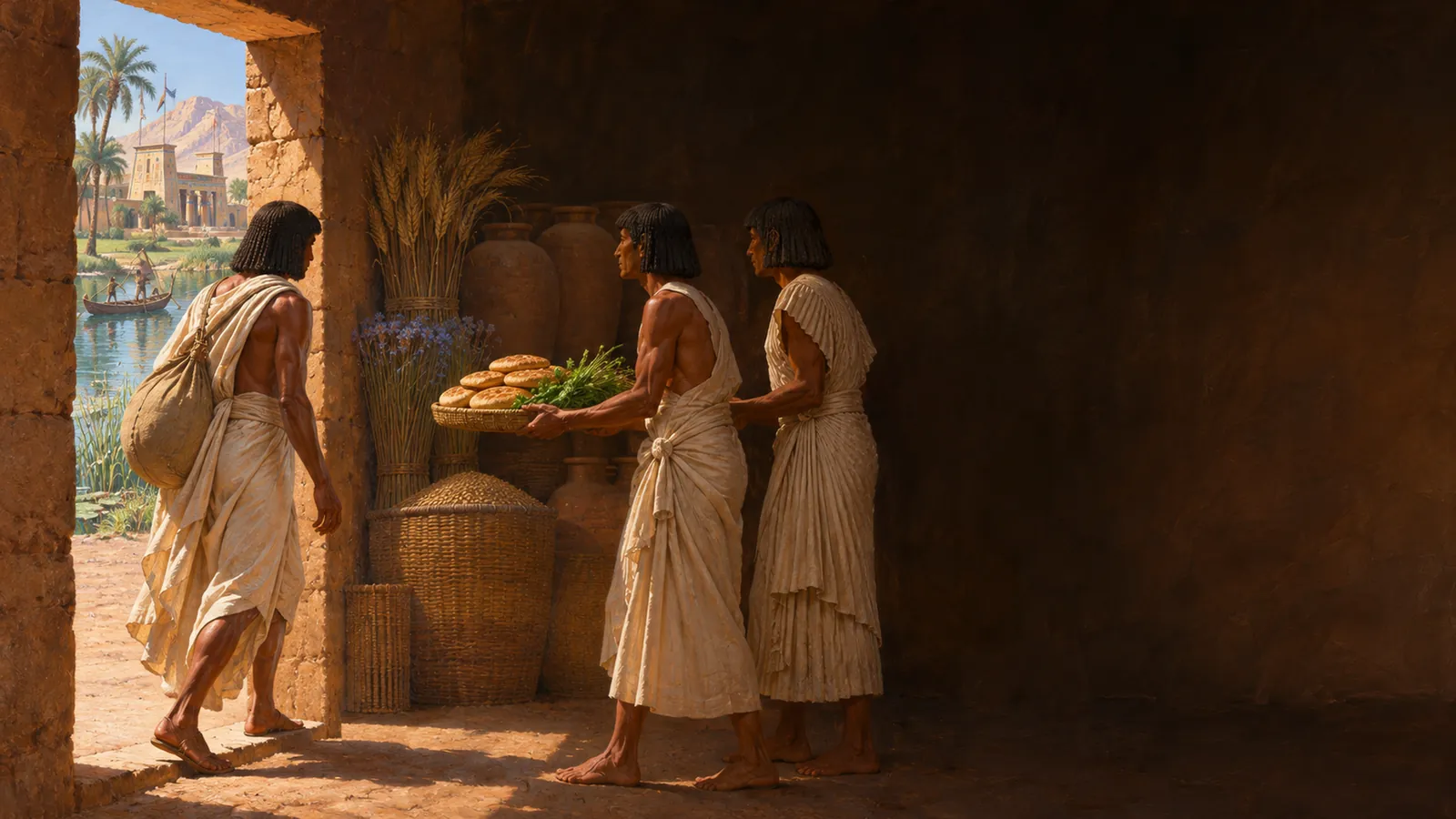
El recitante se dirige a Usert y dice que ha llegado a la casa donde le traen el alimento divino.
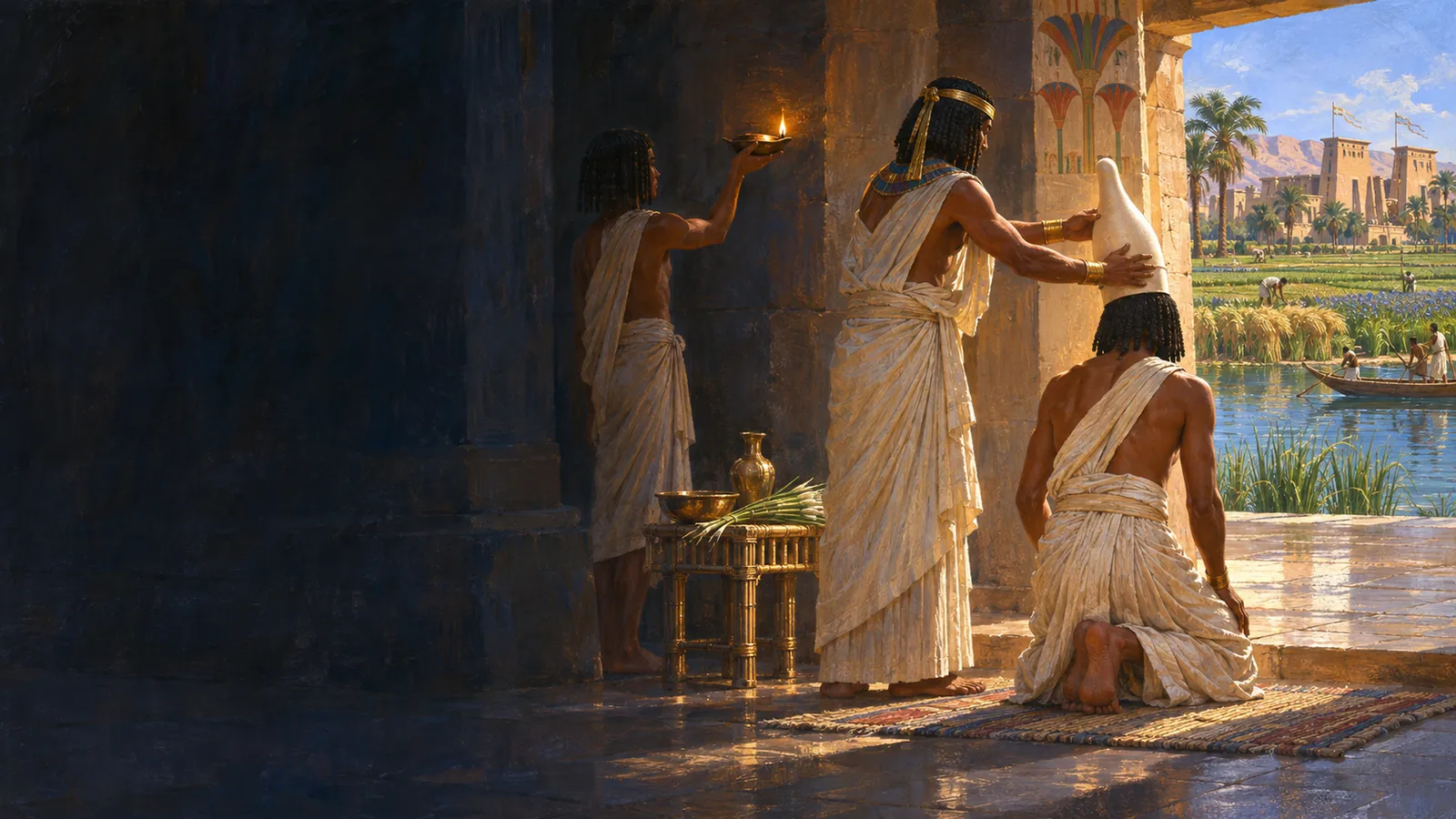
Anuncia que ha llegado a Smam. Dice que su corazón vela y que le entregan la corona blanca.
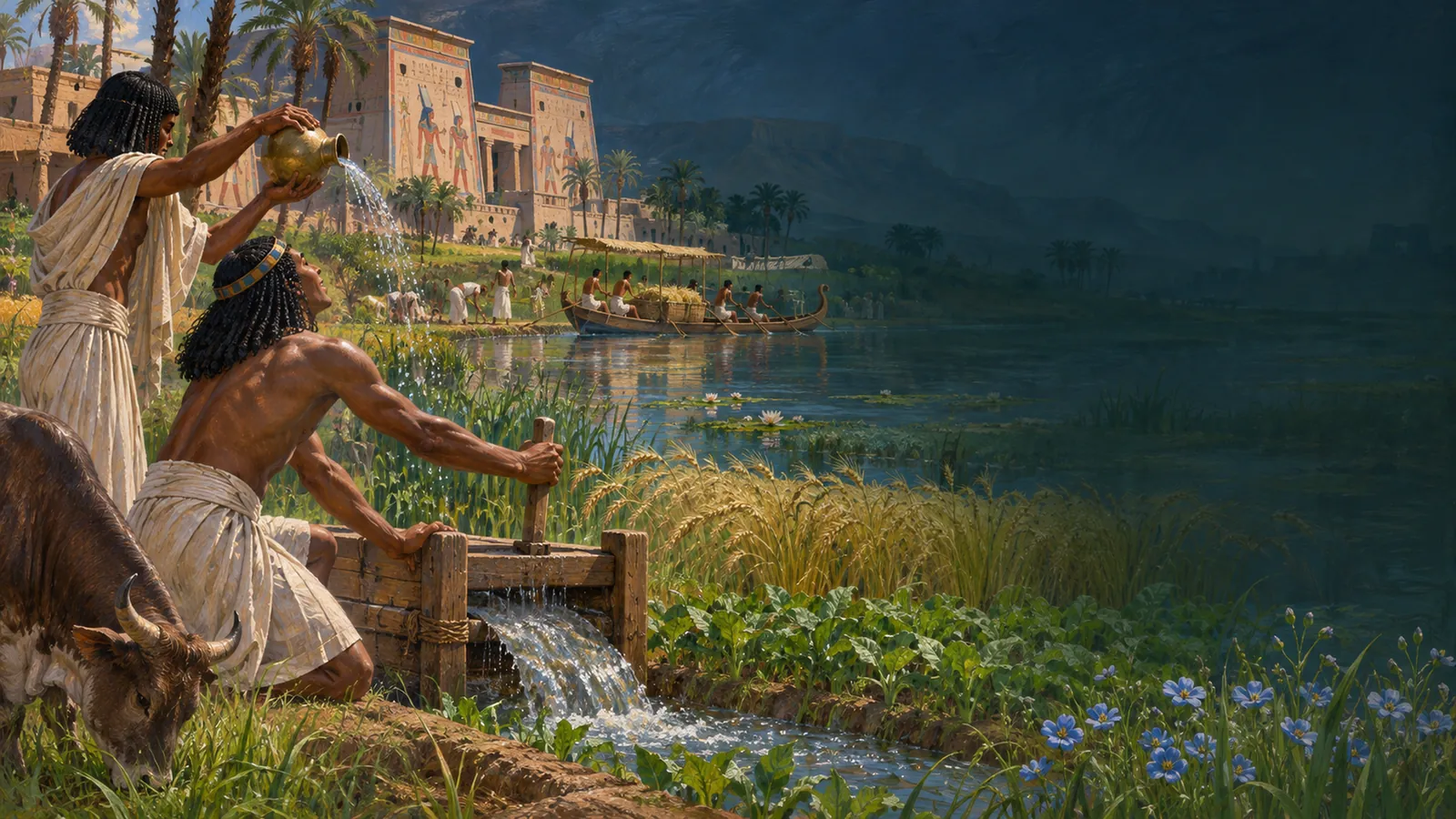
Dice que lo conducen a las regiones celestes y que hace florecer las cosas de la tierra. Habla de la alegría del Toro, los seres celestes y la asamblea de los dioses.
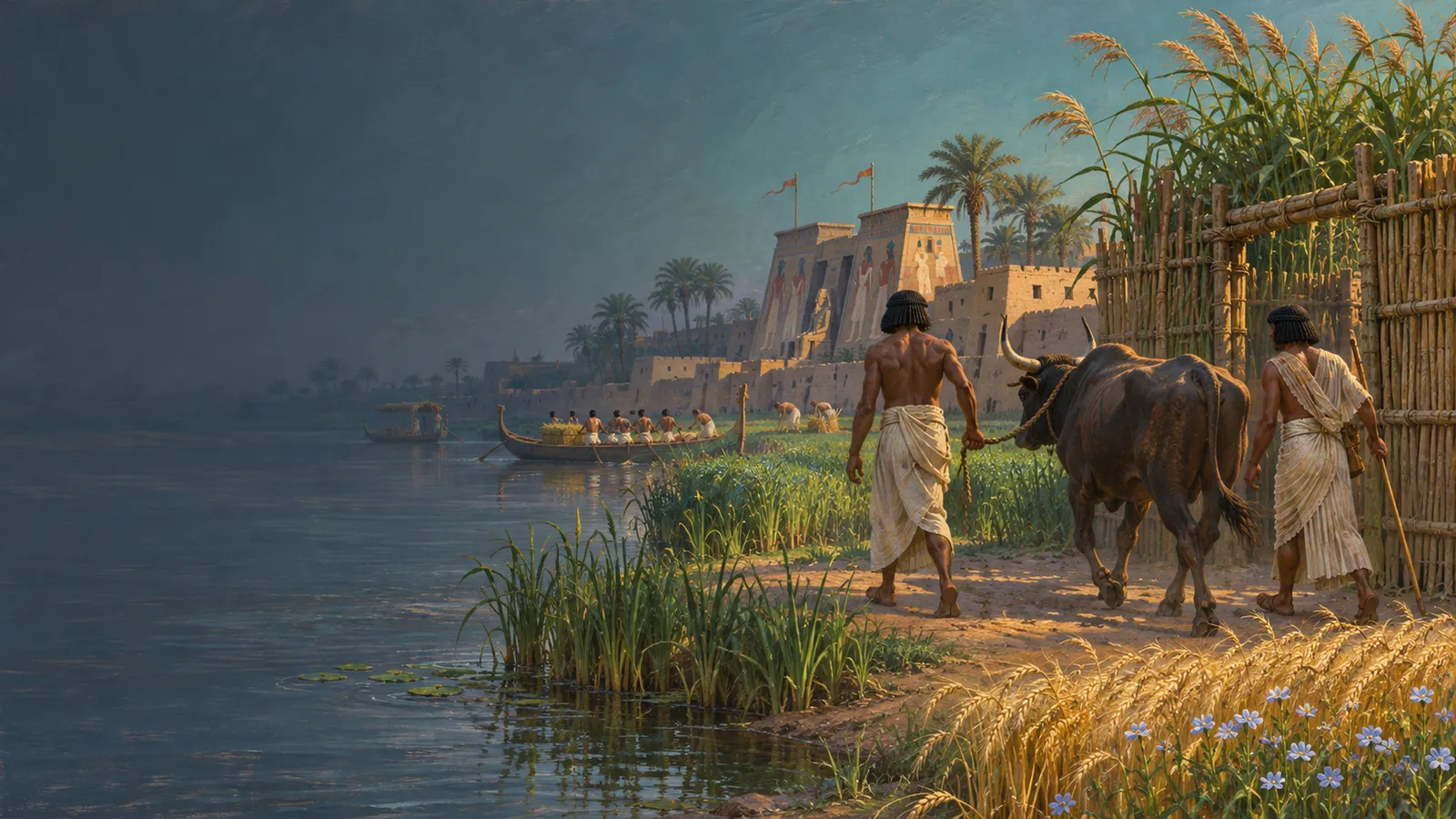
Se nombra como el dios que es el Toro. Se llama señor de los dioses al salir del cielo turquesa.
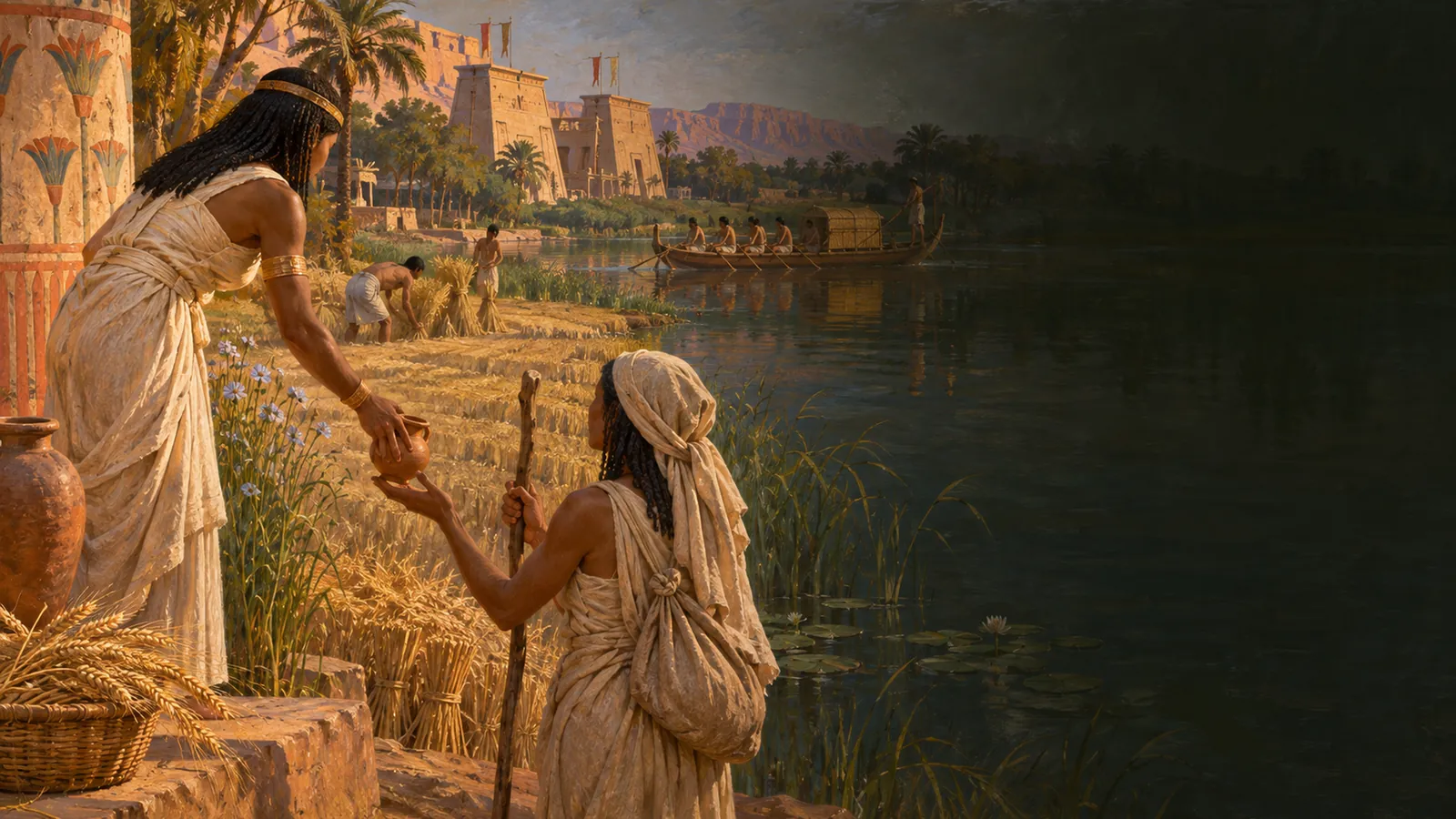
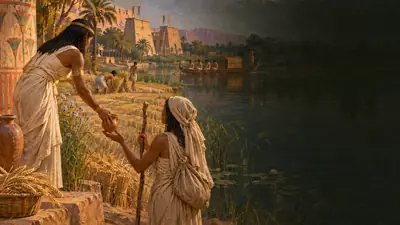
Se dirige al distrito divino del trigo y la cebada y dice que se ha adelantado hasta él. Toma lo que lo sigue, las mejores libaciones de la asamblea de los dioses.
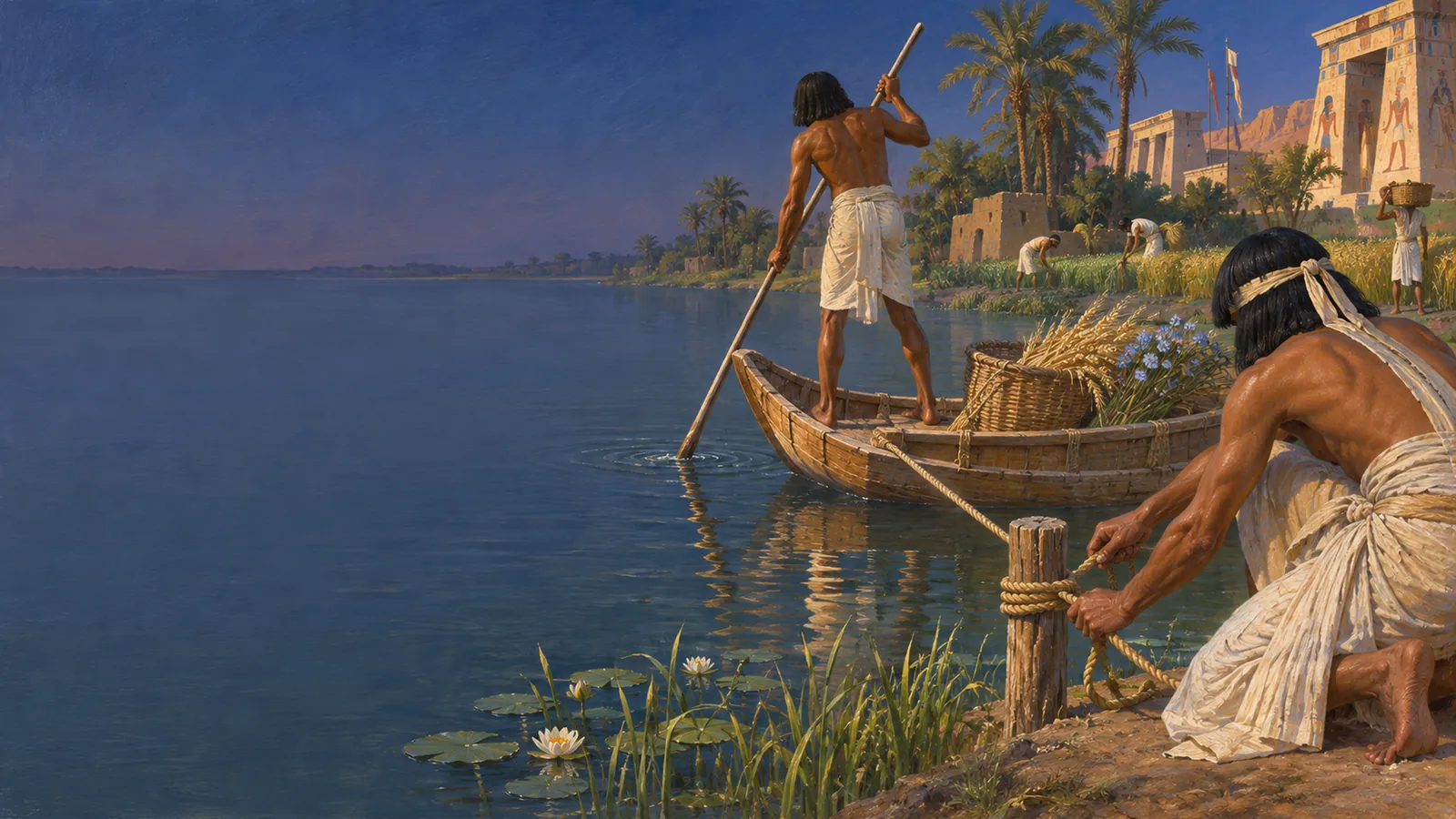
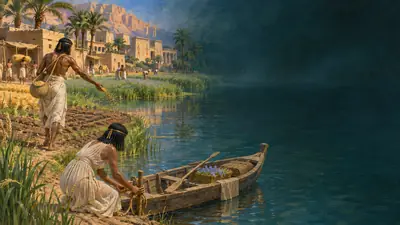
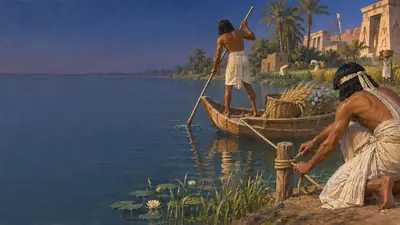
El recitante dice que ha amarrado su barca en los lagos celestes. Luego dice que ha levantado el poste donde fondear.
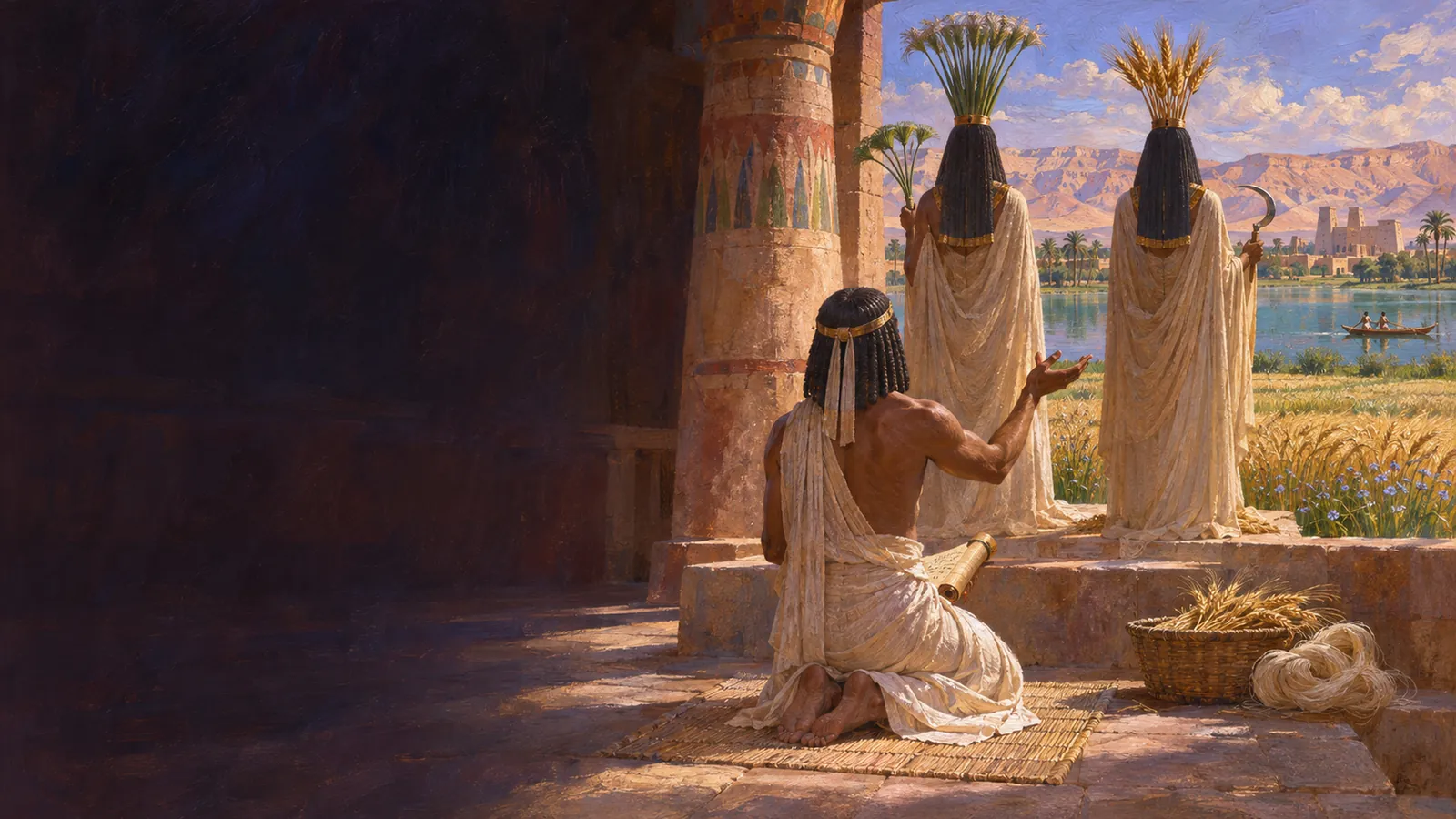
LA ALABANZA EN SEKHET-HETEP
Dice que ha recitado las palabras prescritas con su propia voz. Termina alabando a los dioses que habitan en Sekhet-hetep.
Fin del capítulo 2
Todas las páginas



Fuentes
A. Wallis Budge’s Egyptian Ideas of the Future Life, third edition, 1908. It ends with the praises at the end of the printed Chapter CX translation, before the author’s next paragraph. He gives no manuscript name for this translation.
Ediciones consultadas
- Egyptian Ideas of the Future Life, publication record
- Budge 1908, Chapter V, The Resurrection and Immortality
- Budge’s note 138
- Budge’s note 139
- Budge’s note 140
- Budge’s note 141
- Budge’s note 142
- Budge’s note 143
- Budge’s note 144
- Budge’s note 145
- Budge’s note 146
- Budge’s note 147
Notas sobre este relato
The speaker asks to live with Hetep, be clothed and remain safe from plunder by the lords of the north. He then asks the lord of divine things for food. The two addresses keep their distinct wording.
He asks to go forward and come out, have his power brought to him and receive it, and get his equipment from Hetep. The next request is mastery of the great word within his body. Through it, he says, he will remember and forget.
He asks to go forward on his way and plough. He then declares peace with the city god and knowledge of the waters, cities, nomes and lakes of Sekhet-Hetep. The text’s word “nomes” refers to districts. The transition to these declarations follows the request to plough.
The speaker declares that he exists in the fields, is strong there and has become a spirit. Budge prints KHU beside his translation “spirit.” The next four declarations are eating, sowing, reaping and ploughing, in that order.
The speaker says he makes love in the fields and is at peace with Hetep. The speech gives no partner.
The speaker addresses divine Hetep and declares that he scatters seed, sails among the lakes and advances to their cities.
Budge brackets “teeth which are like.” “Horns” follows outside the brackets. The speaker asks for plentiful food of the kind that sustains the “Doubles” and “Spirits,” Budge’s KAU and KHU respectively.
After the provisions for Doubles and Spirits, the speaker declares that he has passed the judgment Shu passes upon the person who knows him. The claim belongs to the speaker’s recitation.
The speaker links that claim to his wish to go out to the cities, sail among their lakes and walk in Sekhet-Hetep. Budge adds “[Hetep]” to the designation of the cities. The next statement places Rā in heaven and calls the god Hetep the “twofold offering thereof.” The relation remains open as printed.
Budge supplies “[of Hetep]” after “the land.” The speaker says he has reached the land, girded his loins and come forth so that the expected gifts can be given to him. He says that he is glad and has taken hold of the strength that the god Hetep has greatly increased for him.
A new quoted address begins on the same printed line as the end of the preceding speech. The speaker says he has entered Unen-em-hetep, his soul follows him and his divine food is upon his hands. Budge’s note 138 describes Unen-em-hetep as the first large section of Sekhet-Aaru. The address then calls on the Lady of the Two Lands, who establishes the word by which he remembers and forgets. Note 139 identifies this Lady here as a lake in the second section of Sekhet-Aaru.,
Budge supplies “[being done]” in the second phrase. The twice-spoken appeal to grant him joy of heart is grouped with the wish for peace. The next request names the binding of his sinews and muscles and asks the Lady to make him receive air.
A new paragraph calls Unen-em-hetep Lady of the Winds. Budge’s note 140 gives “opened” as the literal reading behind “shewn.” Rā sleeps, the speaker says he is awake, and Hast is named as the goddess at the gate of heaven by night. The next sentence begins on line 4593 with the obstacles that belong to page 23.
The speaker says obstacles were set before him, that he gathered what Rā had emitted and that he is in his city. The text leaves the obstacles and the city unnamed in these lines.
The speaker enters Nut-urt, reckons his harvest and goes forward to Uakh. Budge identifies Nut-urt as a lake in the first section of Sekhet-Aaru, and Uakh as a lake in the second. ·
The speaker calls himself the Bull enfolded in turquoise, lord of the Field of the Bull and lord of Septet’s divine speech at her hours. Budge prints the identification of Septet as Sothis in parentheses. On entering Uakh the speaker eats his bread, gains control of choice meat from cattle and fowl, and is given the birds of Shu. The last statement is that he follows the gods and divine Doubles, Budge’s KAU.
The speaker enters Tohefet and clothes and protects himself with Rā’s Sa garment. Budge identifies Tohefet as a district in the third section of Sekhet-Aaru. The text then places Rā in heaven, followed by its inhabitants and by the speaker.
The address calls Unen-em-hetep lord of the two lands. The speaker says he enters, plunges into the lakes of Tohesert and is free of all uncleanness. Tohefet and Tohesert are the two spellings used in the printed text. The Great God grows there. The words “I have found” precede Budge’s bracketed “food therein” at line 4614.
The speaker says he snares fowl and eats the finest of them.
Budge identifies Qenqentet as a lake in the first section of Sekhet-Aaru. The speaker enters it and says he sees Osiris. Budge supplies “my father” in brackets at line 4620. The speaker next says he has looked upon his mother, then says separately that he has made love. The passage gives no partner.
Page 34, Budge 1908, Book of the Dead CX, transcription lines 4622–4624. The text has the speaker capture both worms and serpents and deliver himself. Budge supplies the words which are there in brackets to place them where the speaker is.
Page 35, Budge 1908, Book of the Dead CX, transcription lines 4624–4626. The speaker says he knows the name of the god opposite the goddess Tohesert. He describes the god’s straight hair and horns. The god reaps. The speaker ploughs and reaps.
Page 36, Budge 1908, Book of the Dead CX, transcription lines 4628–4632 and n. 145. Note 145 identifies Hast as a lake in the third section. Budge supplies sky in brackets after turquoise.
Page 37, Budge 1908, Book of the Dead CX, transcription lines 4632–4635. The text gives the head from the Great God and its binding from the Mighty One with turquoise eyes. Budge translates the name Ari-en-ab-f parenthetically as he who does as he pleases.
Page 38, Budge 1908, Book of the Dead CX, transcription lines 4637–4639 and n. 146. Note 146 identifies Usert as a lake in the third section. The speaker addresses the lake and says he is at the house where the divine food is brought to him.
Page 39, Budge 1908, Book of the Dead CX, transcription lines 4641–4643 and n. 147. Note 147 identifies Smam as a lake in the third section. The speaker mentions his watchful heart and receiving the white crown.
Page 40, Budge 1908, Book of the Dead CX, transcription lines 4643–4645. The clauses concern the speaker’s being led to the celestial regions and making earthly things flourish. Joy is separately named for the Bull, celestial beings and the company of gods.
Page 41, Budge 1908, Book of the Dead CX, transcription lines 4645–4648. The speaker identifies himself as the god who is the Bull and as lord of the gods. Budge prints sky in brackets again after turquoise.
Page 42, Budge 1908, Book of the Dead CX, transcription lines 4650–4652. The divine nome, or district, is identified with wheat and barley. The speaker says he has come forward and taken up what follows him, the finest libations of the company of the gods.
Page 43, Budge 1908, Book of the Dead CX, transcription lines 4652–4654. The boat is tied in the celestial lakes. The speaker then says that he lifts up the post at which to anchor. The text makes these two separate references without explaining the latter action.
Page 44, Budge 1908, Book of the Dead CX, transcription lines 4654–4655. The speaker says he has recited the prescribed words aloud and praised the gods in Sekhet-hetep. The translation ends here. The following paragraph in Budge’s book is separate.
Los versos antiguos de cada página
- Page 1: Budge 1908, Egyptian Ideas of the Future Life, ch. V, Book of the Dead Chapter CX, deceased’s recitation (local)
- Page 2: Budge 1908, Egyptian Ideas of the Future Life, ch. V, Book of the Dead Chapter CX, deceased’s recitation (local)
- Page 3: Budge 1908, Egyptian Ideas of the Future Life, ch. V, Book of the Dead Chapter CX, deceased’s recitation (local)
- Page 4: Budge 1908, Egyptian Ideas of the Future Life, ch. V, Book of the Dead Chapter CX, deceased’s recitation (local)
- Page 5: Budge 1908, Egyptian Ideas of the Future Life, ch. V, Book of the Dead Chapter CX, deceased’s recitation (local)
- Page 6: Budge 1908, Egyptian Ideas of the Future Life, ch. V, Book of the Dead Chapter CX, deceased’s recitation (local)
- Page 7: Budge 1908, Egyptian Ideas of the Future Life, ch. V, Book of the Dead Chapter CX, deceased’s recitation (local)
- Page 8: Budge 1908, Egyptian Ideas of the Future Life, ch. V, Book of the Dead Chapter CX, deceased’s recitation (local)
- Page 9: Budge 1908, Egyptian Ideas of the Future Life, ch. V, Book of the Dead Chapter CX, deceased’s recitation (local)
- Page 10: Budge 1908, Egyptian Ideas of the Future Life, ch. V, Book of the Dead Chapter CX, deceased’s recitation (local)
- Page 11: Budge 1908, Egyptian Ideas of the Future Life, ch. V, Book of the Dead Chapter CX, deceased’s recitation (local)
- Page 12: Budge 1908, Egyptian Ideas of the Future Life, ch. V, Book of the Dead Chapter CX, deceased’s recitation (local)
- Page 13: Budge 1908, Egyptian Ideas of the Future Life, ch. V, Book of the Dead Chapter CX, deceased’s recitation (local)
- Page 14: Budge 1908, Egyptian Ideas of the Future Life, ch. V, Book of the Dead Chapter CX, deceased’s recitation (local)
- Page 15: Budge 1908, Egyptian Ideas of the Future Life, ch. V, Book of the Dead Chapter CX, deceased’s recitation (local)
- Page 16: Budge 1908, Egyptian Ideas of the Future Life, ch. V, Book of the Dead Chapter CX, deceased’s recitation (local)
- Page 17: Budge 1908, Egyptian Ideas of the Future Life, ch. V, Book of the Dead Chapter CX, deceased’s recitation (local)
- Page 18: Budge 1908, Egyptian Ideas of the Future Life, ch. V, Book of the Dead Chapter CX, deceased’s recitation (local)
- Page 19: Budge 1908, Egyptian Ideas of the Future Life, ch. V, Book of the Dead Chapter CX, deceased’s recitation (local)
- Page 20: Budge 1908, Egyptian Ideas of the Future Life, ch. V, Book of the Dead Chapter CX, deceased’s recitation (local)
- Page 21: Budge 1908, Egyptian Ideas of the Future Life, ch. V, Book of the Dead Chapter CX, deceased’s recitation (local)
- Page 22: Budge 1908, Egyptian Ideas of the Future Life, ch. V, Book of the Dead Chapter CX, deceased’s recitation (local)
- Page 23: Budge 1908, Egyptian Ideas of the Future Life, ch. V, Book of the Dead Chapter CX, deceased’s recitation (local)
- Page 24: Budge 1908, Egyptian Ideas of the Future Life, ch. V, Book of the Dead Chapter CX, deceased’s recitation (local)
- Page 25: Budge 1908, Egyptian Ideas of the Future Life, ch. V, Book of the Dead Chapter CX, deceased’s recitation (local)
- Page 26: Budge 1908, Egyptian Ideas of the Future Life, ch. V, Book of the Dead Chapter CX, deceased’s recitation (local)
- Page 27: Budge 1908, Egyptian Ideas of the Future Life, ch. V, Book of the Dead Chapter CX, deceased’s recitation (local)
- Page 28: Budge 1908, Egyptian Ideas of the Future Life, ch. V, Book of the Dead Chapter CX, deceased’s recitation (local)
- Page 29: Budge 1908, Egyptian Ideas of the Future Life, ch. V, Book of the Dead Chapter CX, deceased’s recitation (local)
- Page 30: Budge 1908, Egyptian Ideas of the Future Life, ch. V, Book of the Dead Chapter CX, deceased’s recitation (local)
- Page 31: Budge 1908, Egyptian Ideas of the Future Life, ch. V, Book of the Dead Chapter CX, deceased’s recitation (local)
- Page 32: Budge 1908, Egyptian Ideas of the Future Life, ch. V, Book of the Dead Chapter CX, deceased’s recitation (local)
- Page 33: Budge 1908, Egyptian Ideas of the Future Life, ch. V, Book of the Dead Chapter CX, deceased’s recitation (local)
- Page 34: Budge 1908, Egyptian Ideas of the Future Life, ch. V, Book of the Dead CX (local)
- Page 35: Budge 1908, Egyptian Ideas of the Future Life, ch. V, Book of the Dead CX (local)
- Page 36: Budge 1908, Egyptian Ideas of the Future Life, ch. V, Book of the Dead CX (local)
- Page 37: Budge 1908, Egyptian Ideas of the Future Life, ch. V, Book of the Dead CX (local)
- Page 38: Budge 1908, Egyptian Ideas of the Future Life, ch. V, Book of the Dead CX (local)
- Page 39: Budge 1908, Egyptian Ideas of the Future Life, ch. V, Book of the Dead CX (local)
- Page 40: Budge 1908, Egyptian Ideas of the Future Life, ch. V, Book of the Dead CX (local)
- Page 41: Budge 1908, Egyptian Ideas of the Future Life, ch. V, Book of the Dead CX (local)
- Page 42: Budge 1908, Egyptian Ideas of the Future Life, ch. V, Book of the Dead CX (local)
- Page 43: Budge 1908, Egyptian Ideas of the Future Life, ch. V, Book of the Dead CX (local)
- Page 44: Budge 1908, Egyptian Ideas of the Future Life, ch. V, Book of the Dead CX (local)
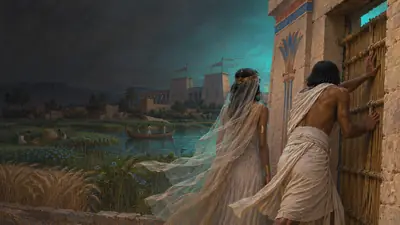
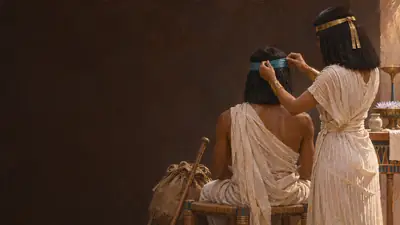
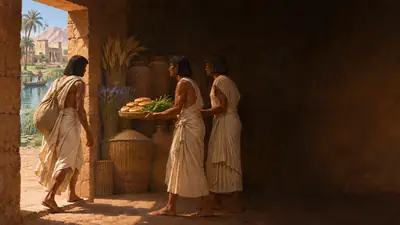
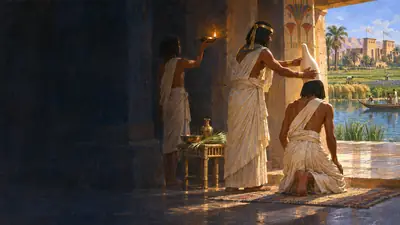
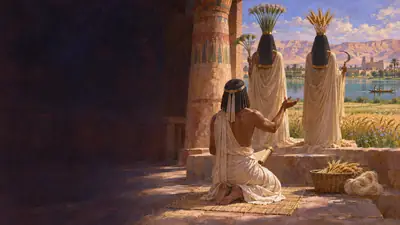
Ilustraciones hechas por IL Archive con herramientas de IA; el texto se basa en las fuentes antiguas (véanse las fuentes al final de cada capítulo).