Por los campos de Hetep Capítulo 1
El lago de Hetep
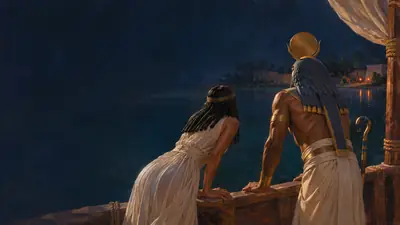
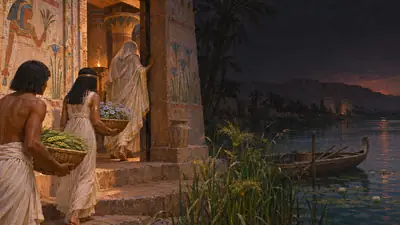
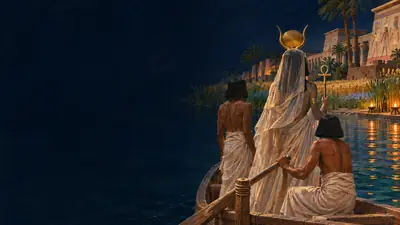
El recitante parte del palacio de Shu, cruza en barca el lago de Hetep y pide trabajar en los campos. La recitación pasa a Horus y Hetep y compara sus actos con lo que se hace en el Lago del Fuego Doble.
FuentesPase las páginas con las flechas, el teclado o deslizando el dedo.
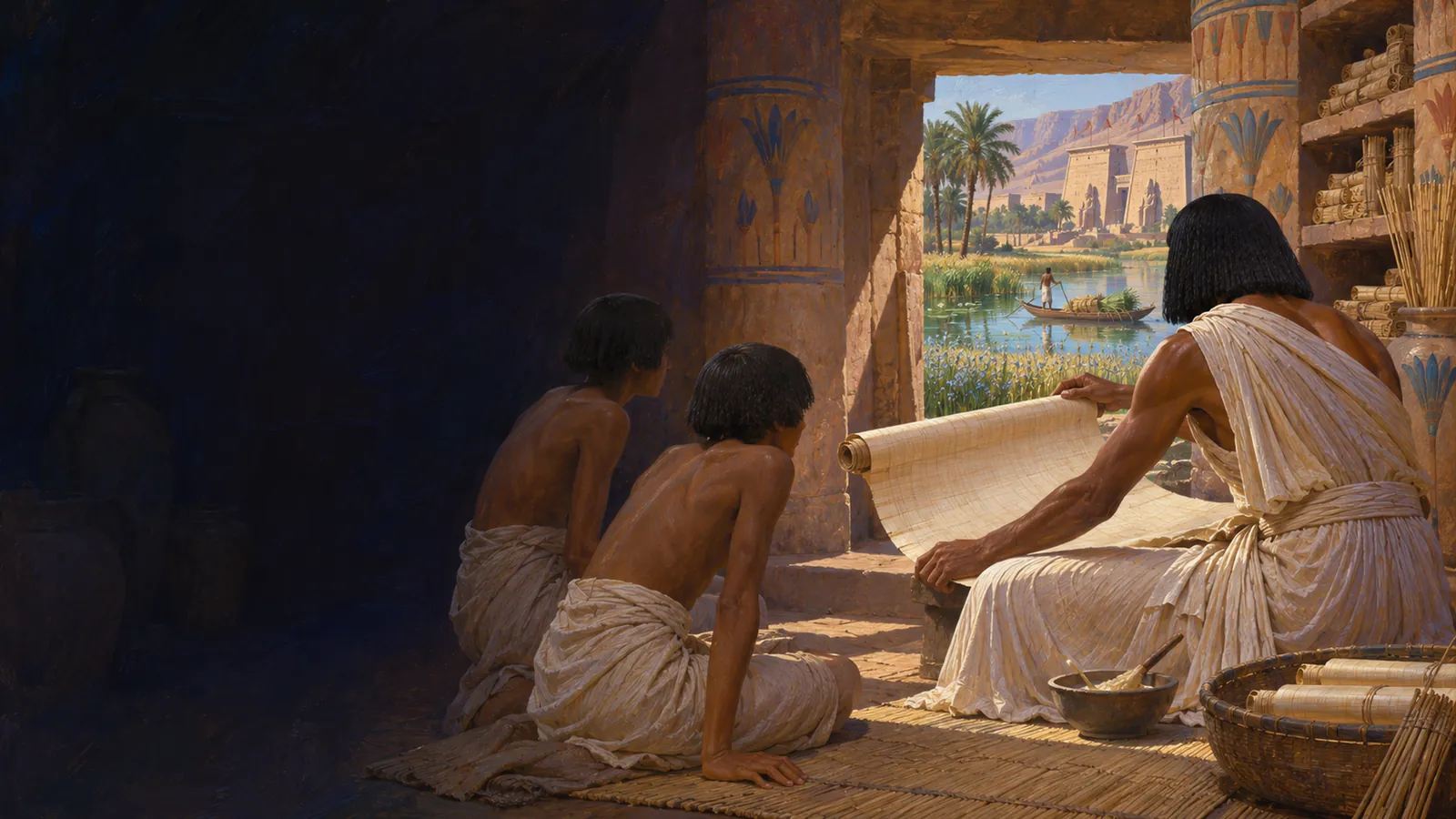
EL LAGO DE HETEP
Esta lectura sigue la selección del capítulo 110 del Libro de los Muertos egipcio que Budge publicó en 1908. Su título reúne los capítulos de Sekhet-Hetepet y los capítulos de la Salida al Día.
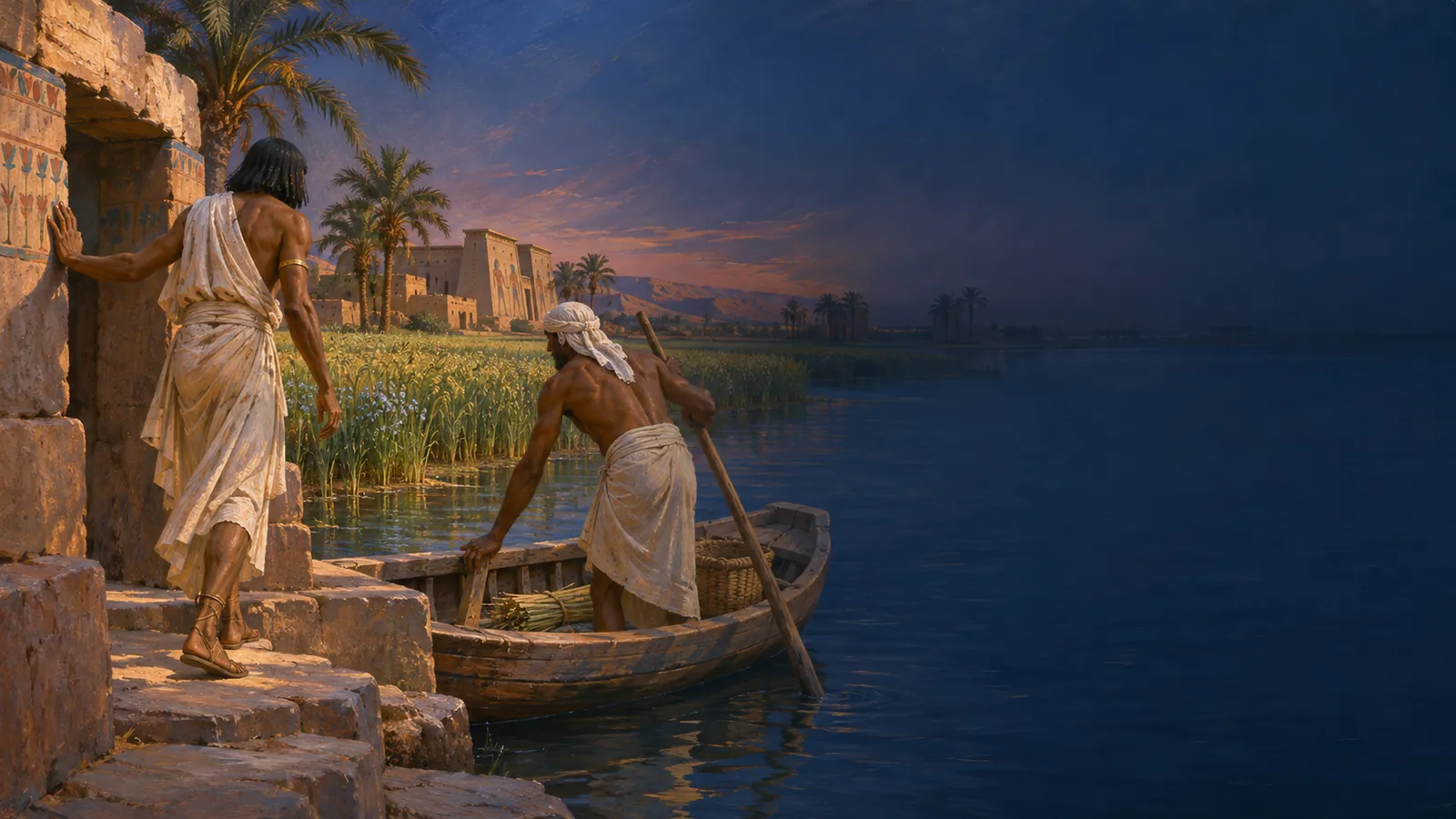
El título menciona la entrada al inframundo y la salida de él. También menciona la llegada a Sekhet-Aaru.
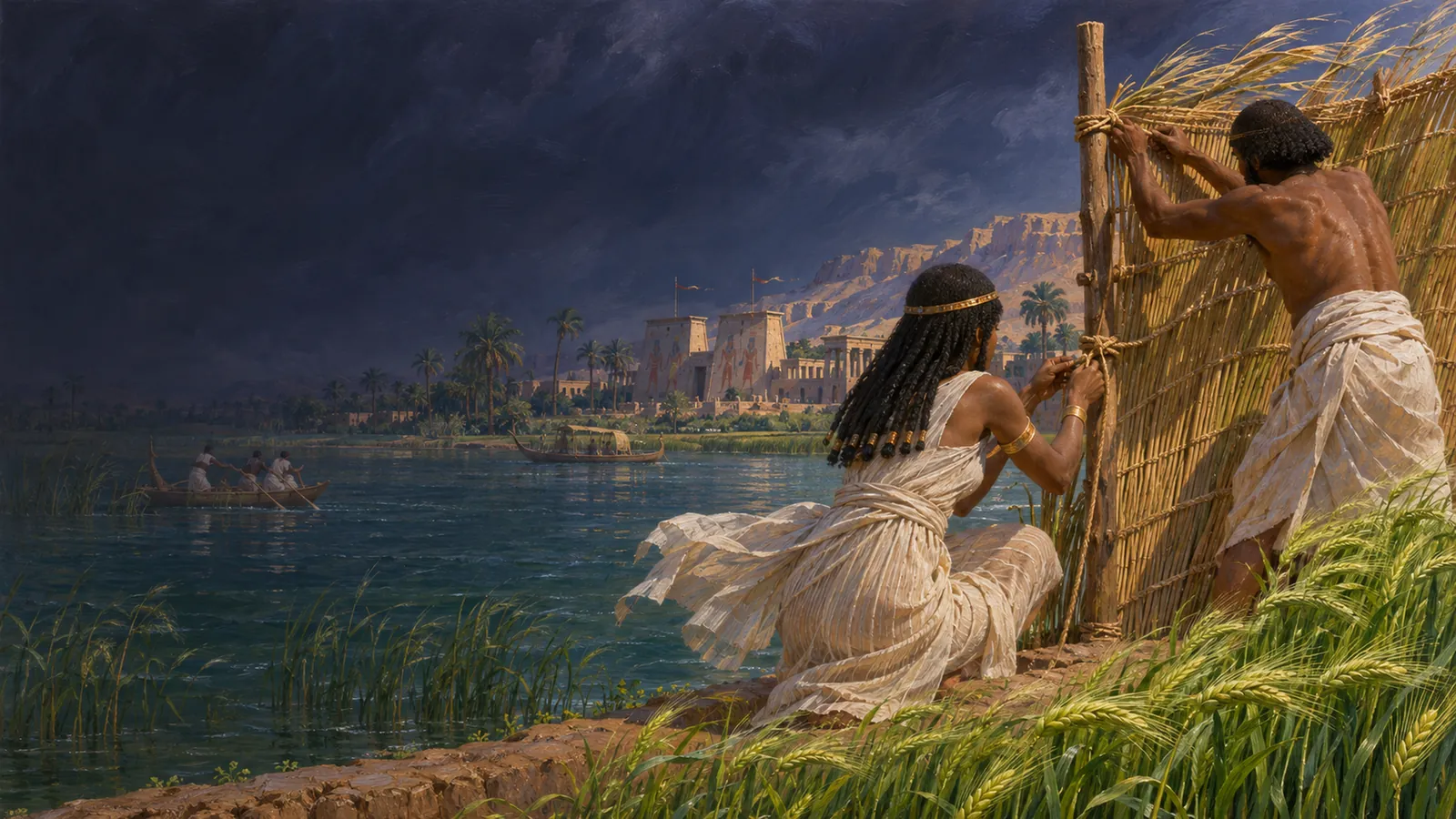
El título llama a Sekhet-Hetepet la tierra poderosa y la señora de los vientos. Habla de tener poder allí y de convertirse allí en espíritu.
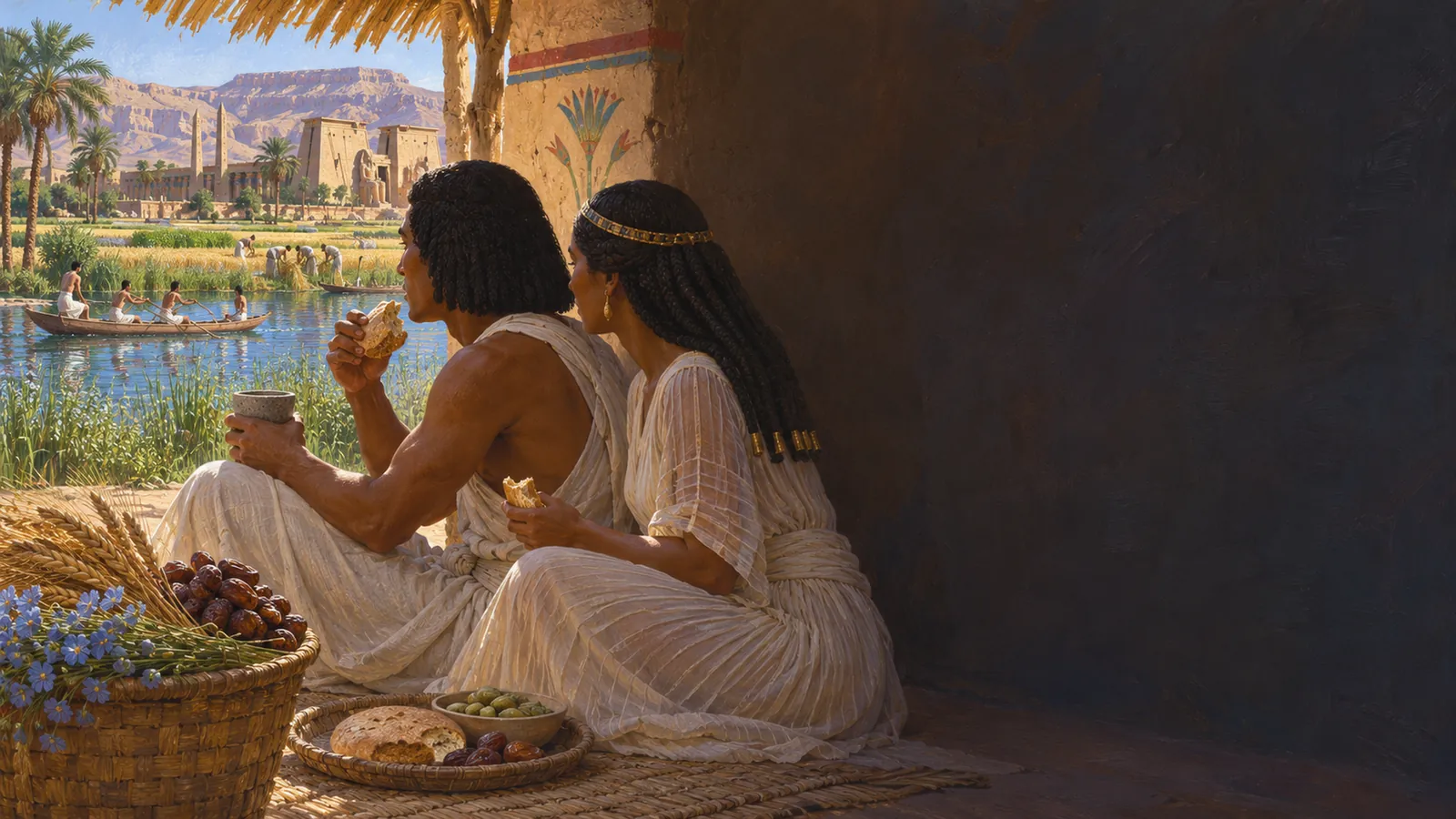
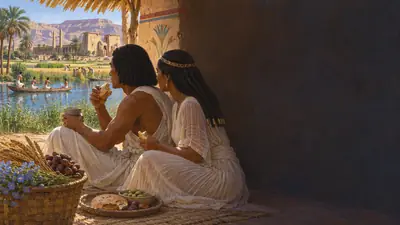
El título habla de cosechar, comer, beber y hacer el amor en los campos. Describe cómo se hace allí lo que una persona hace en la tierra.
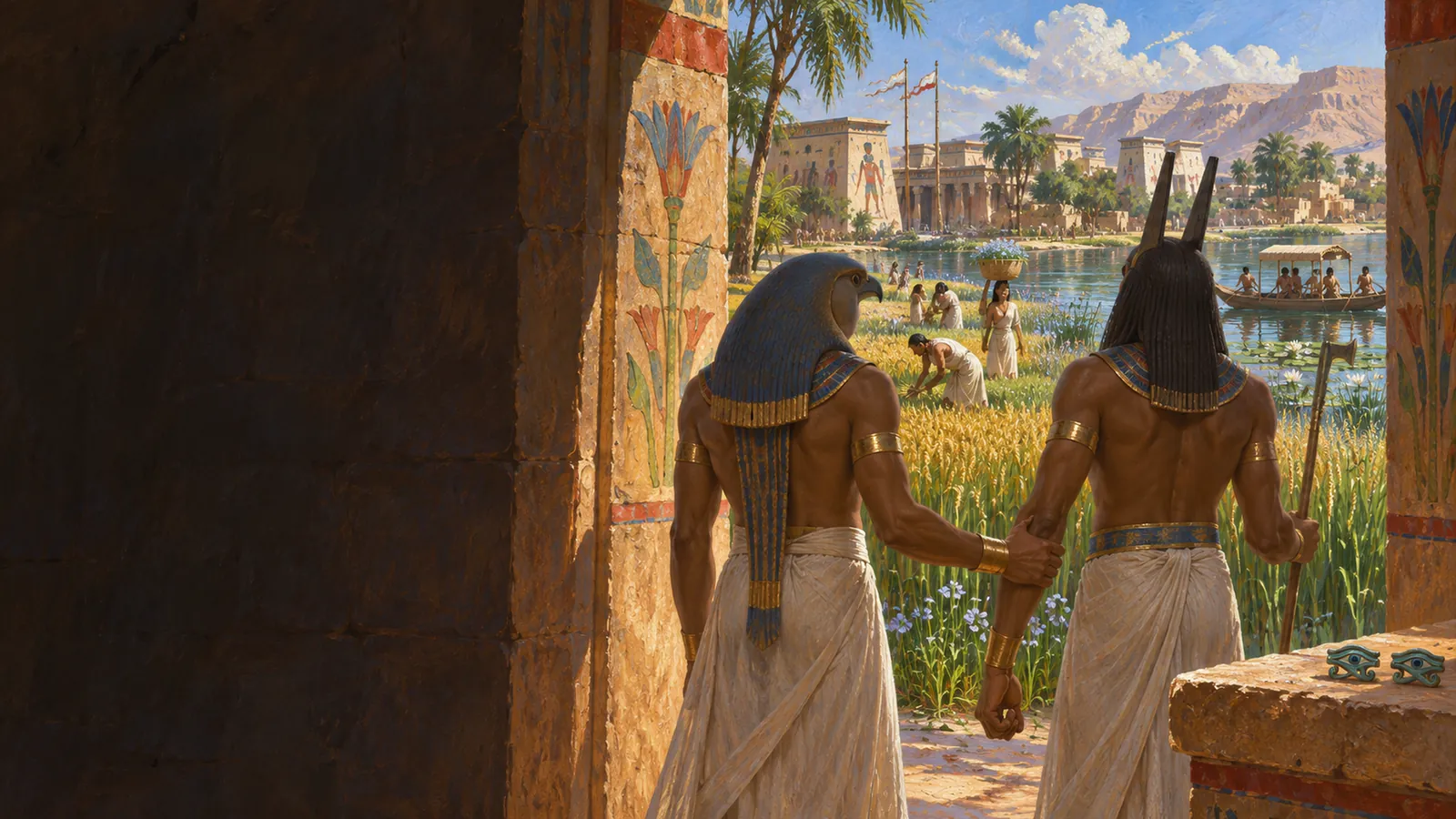
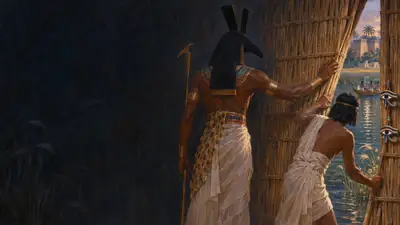
El hablante dice que Set apresó a Horus mientras este miraba con los dos ojos lo que Budge interpreta con cautela como una construcción en torno a Sekhet-hetep. Budge los identifica como el ojo de Ra y el de Horus.
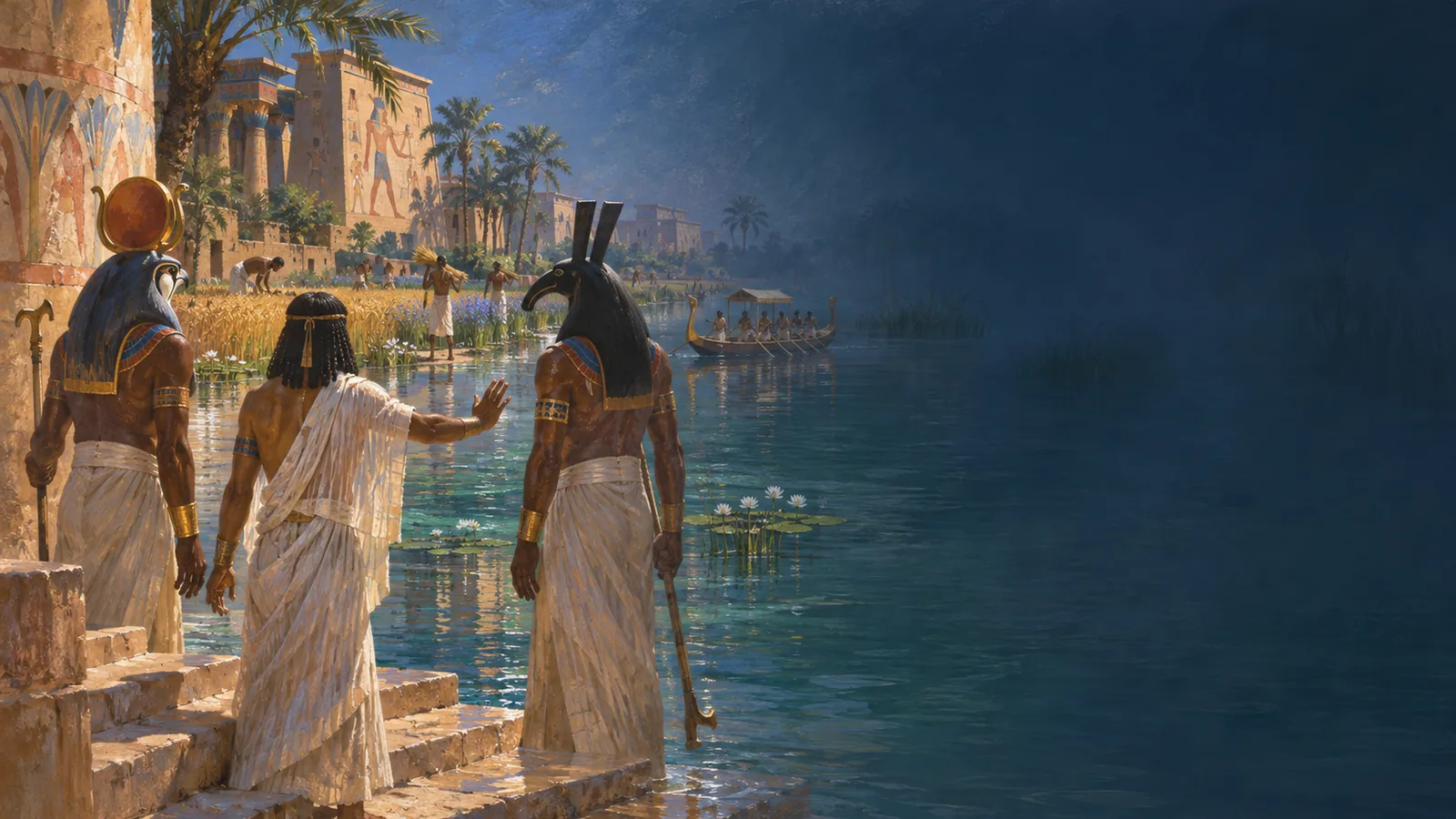
El hablante dice que liberó a Horus. Budge añade las palabras según las cuales se lo quitó a Set.
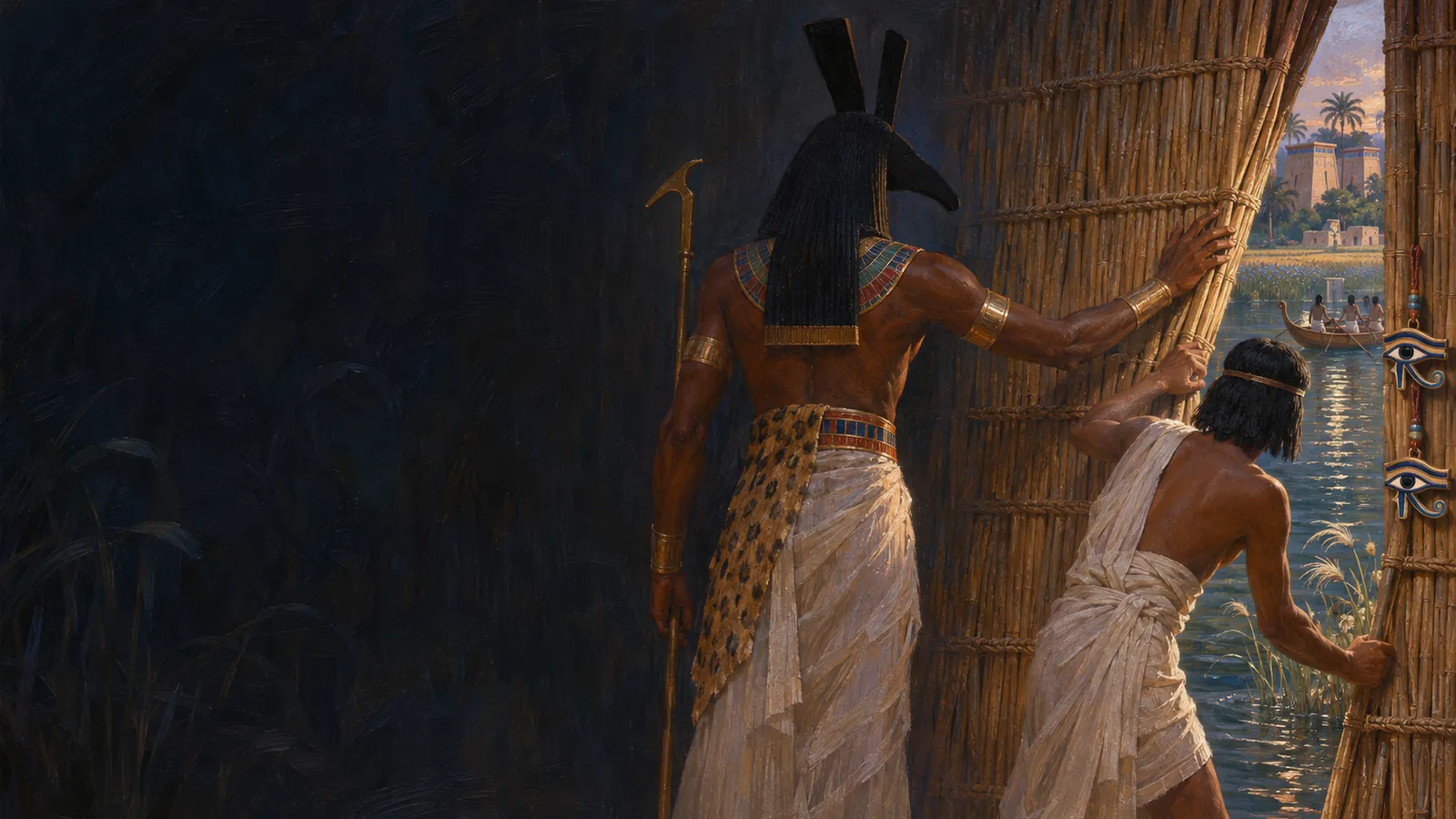
Set abre el camino de los dos ojos, dice el texto. Budge añade las palabras que enlazan los ojos con su lugar en el cielo.
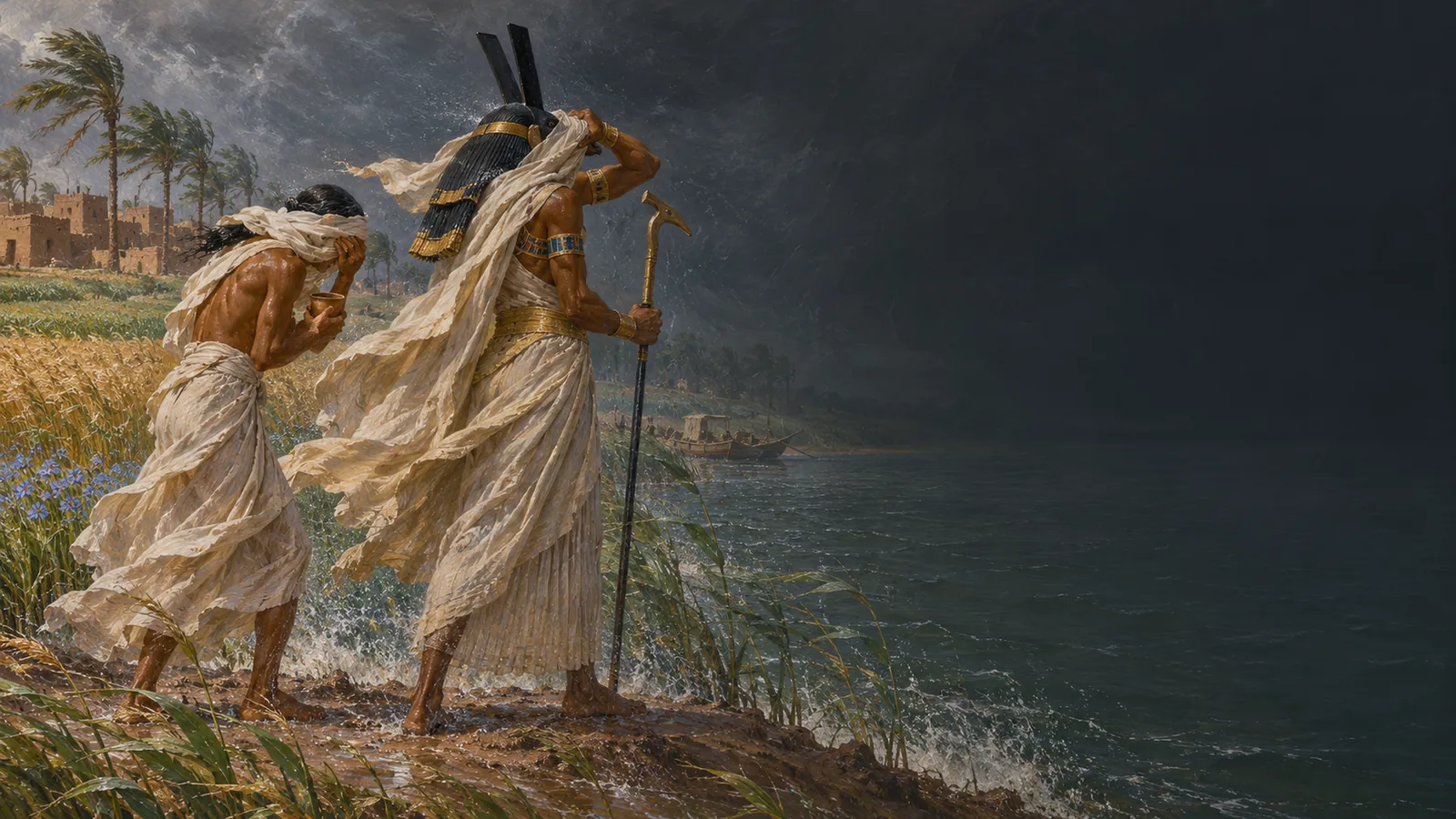
Budge propone con reserva que Set arrojó su humedad a los vientos, sobre el alma que tiene su día y habita en la ciudad de Mert.
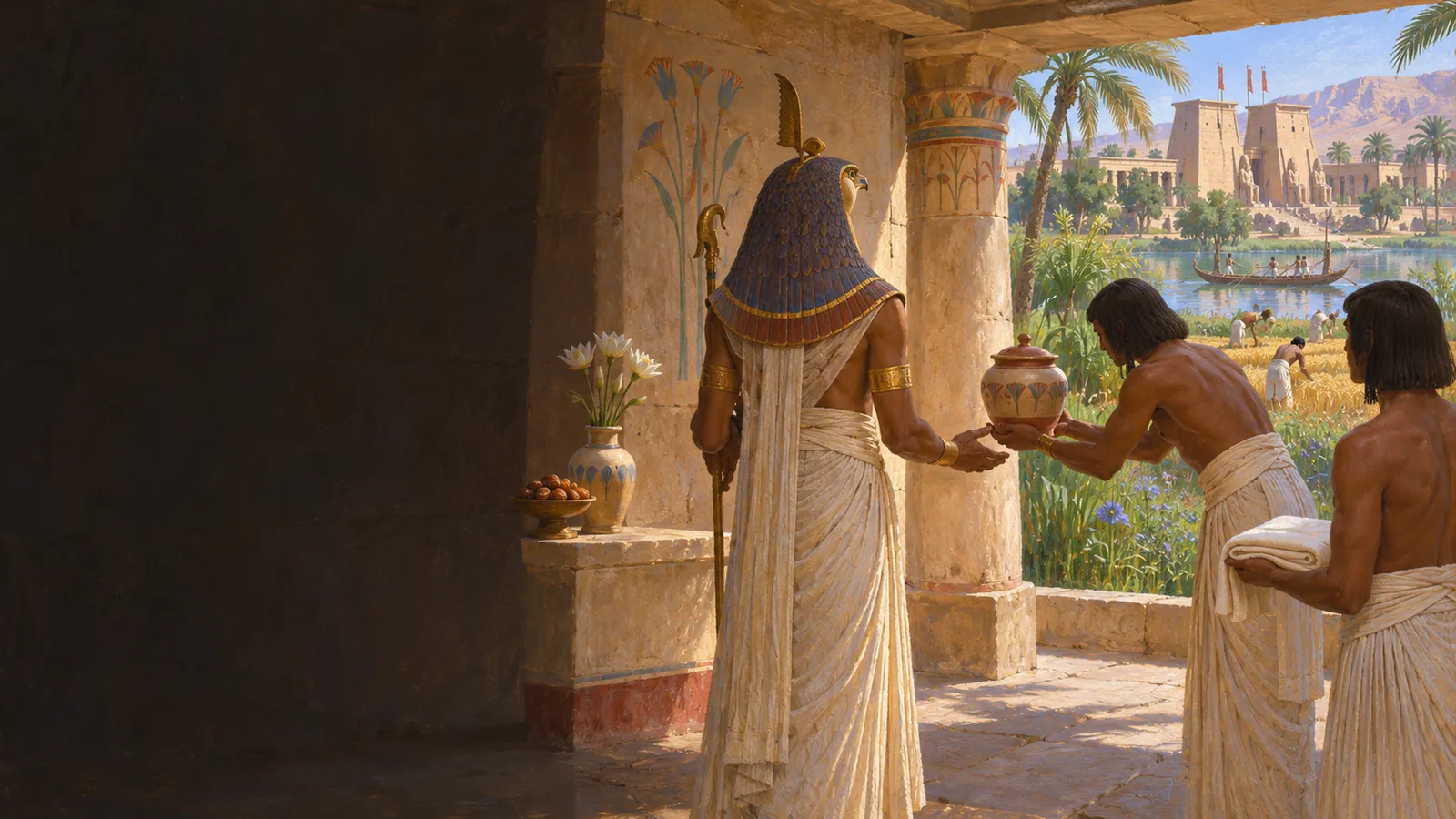
La recitación dice que Set libró el interior del cuerpo de Horus de los dioses de Akert.
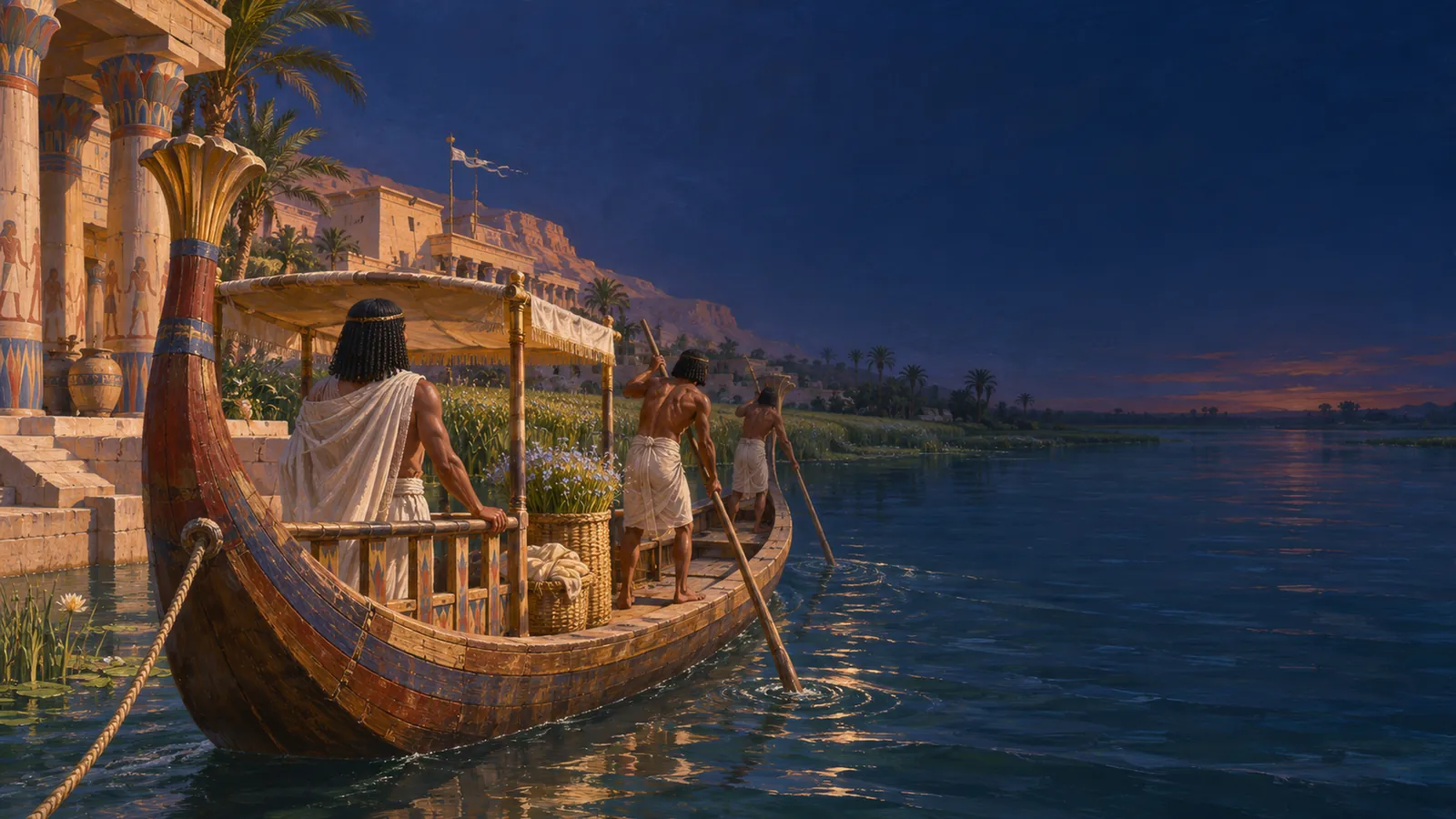
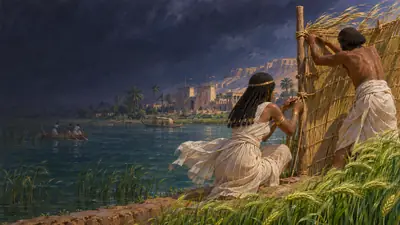
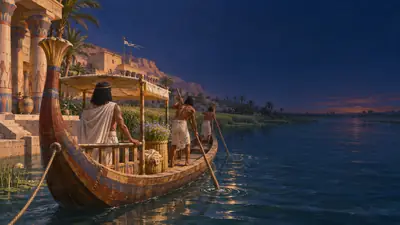
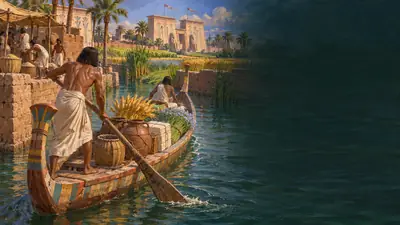
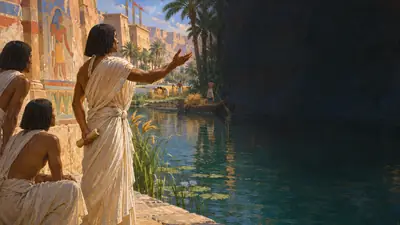
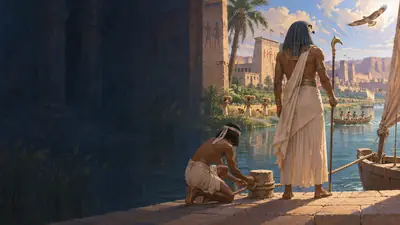
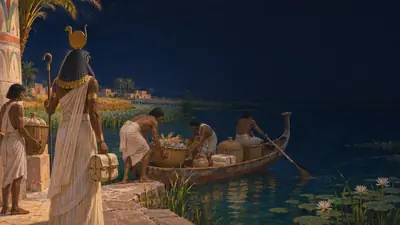
El hablante dice que hace navegar la poderosa barca por el lago de Hetep. Dice que se la llevó con fuerza del palacio de Shu.
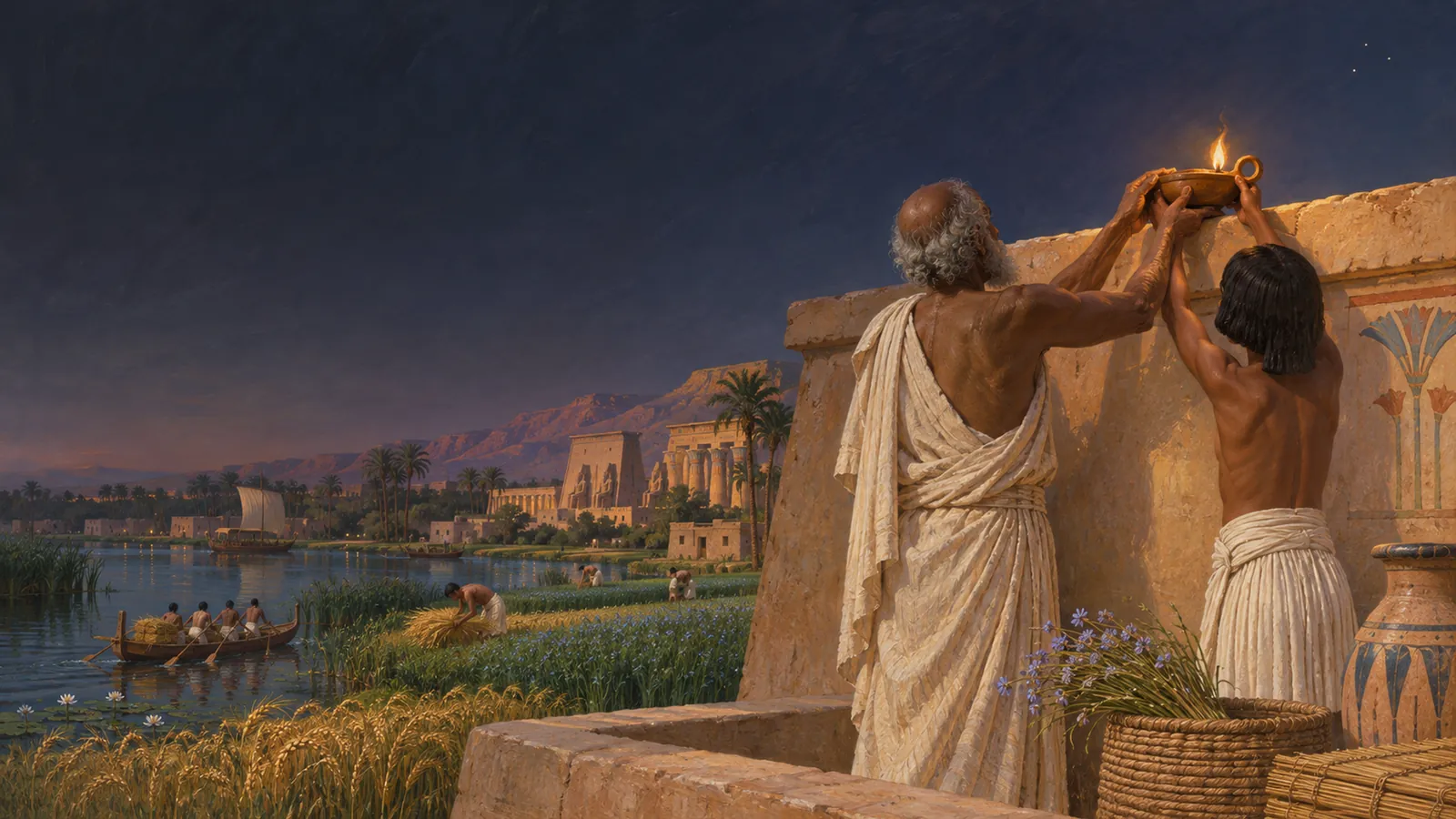
El dominio de las estrellas de Shu rejuvenece, dice el texto. Renueva la fuerza que tenía en tiempos pasados.
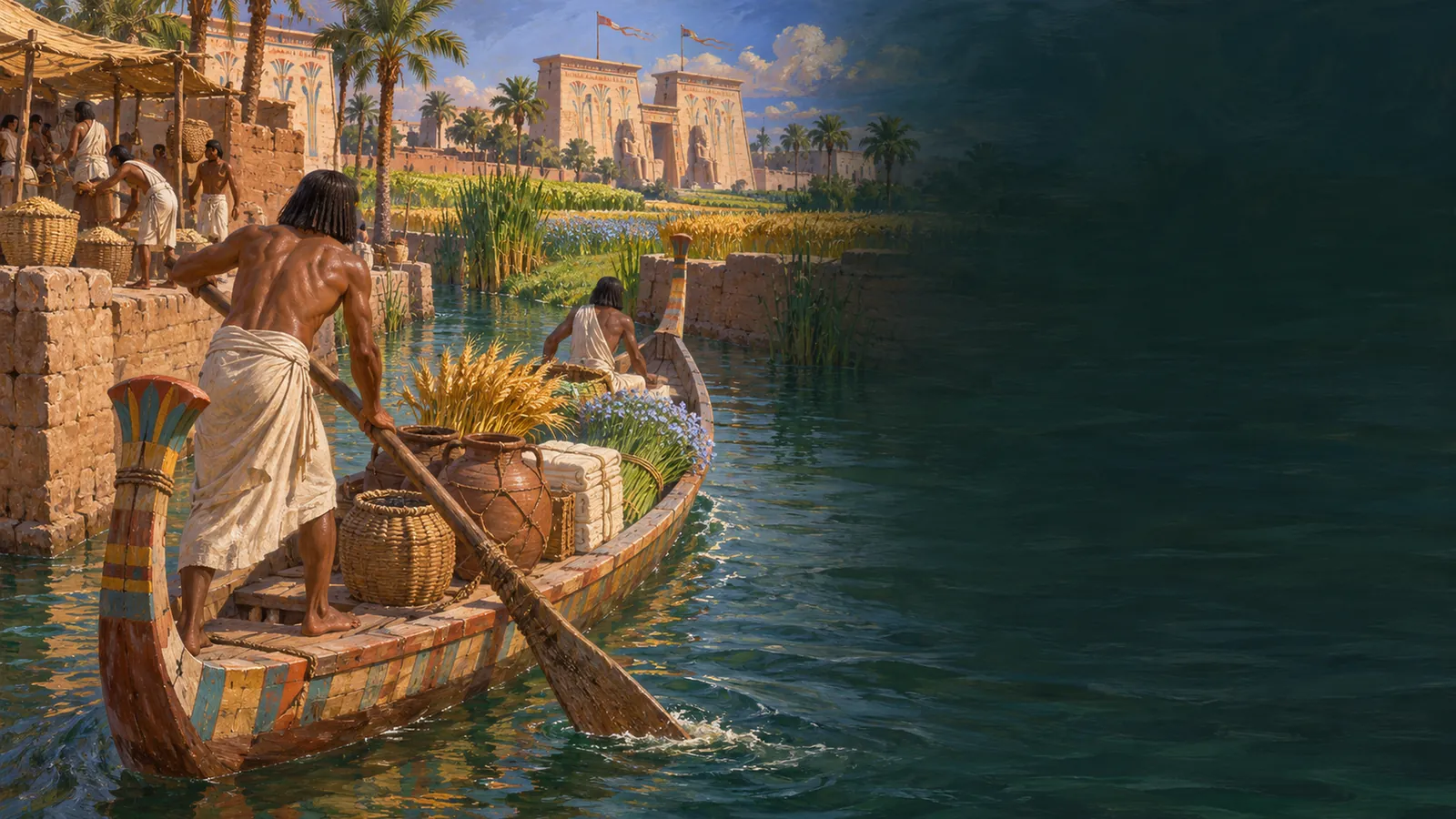
El recitante lleva la barca a los lagos para llegar a sus ciudades. Dice que ha navegado hasta su ciudad divina, Hetep.
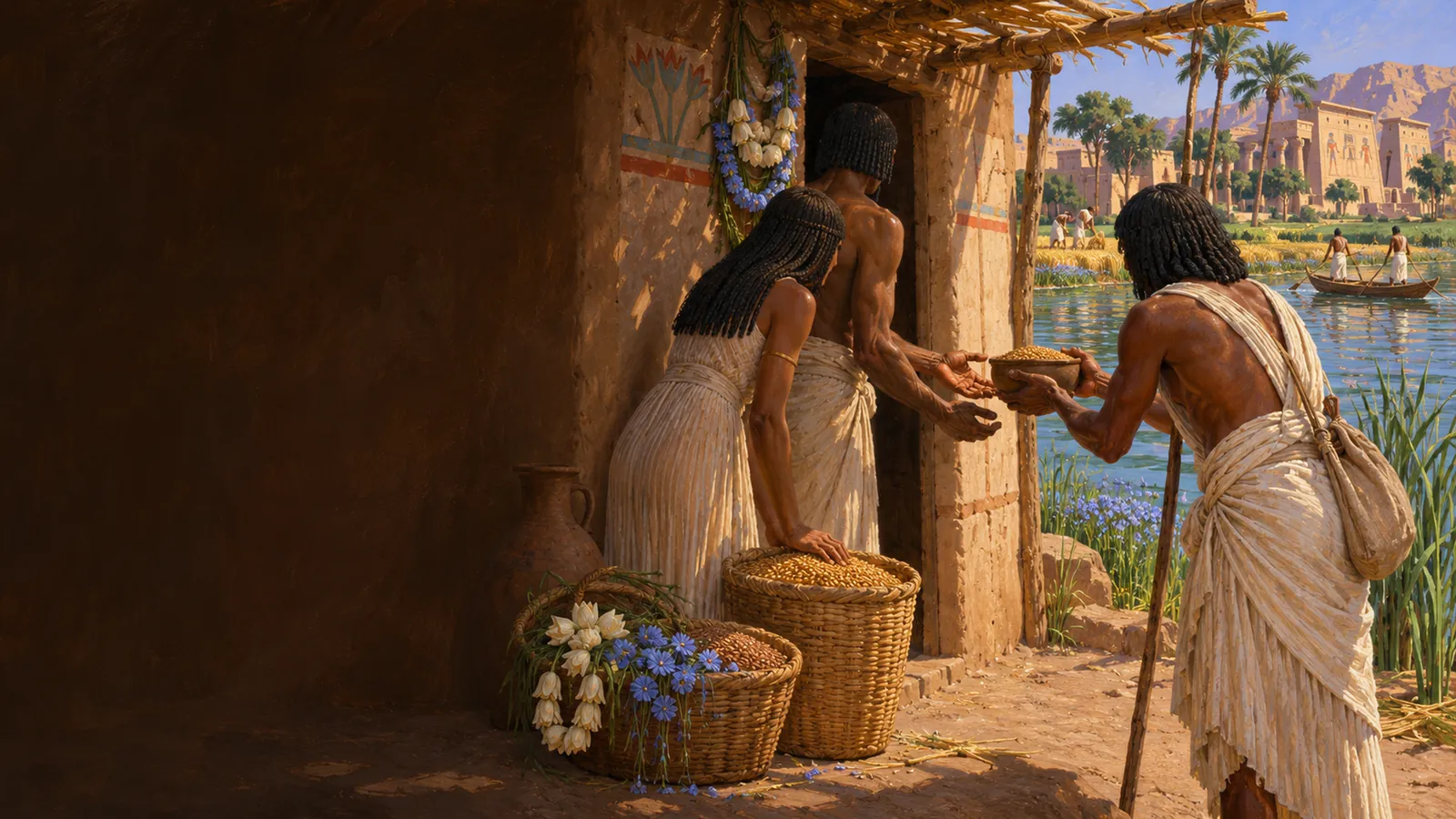
El recitante dice «Estoy en paz con sus estaciones, su dirección, su territorio y la asamblea de los dioses que son sus primogénitos».
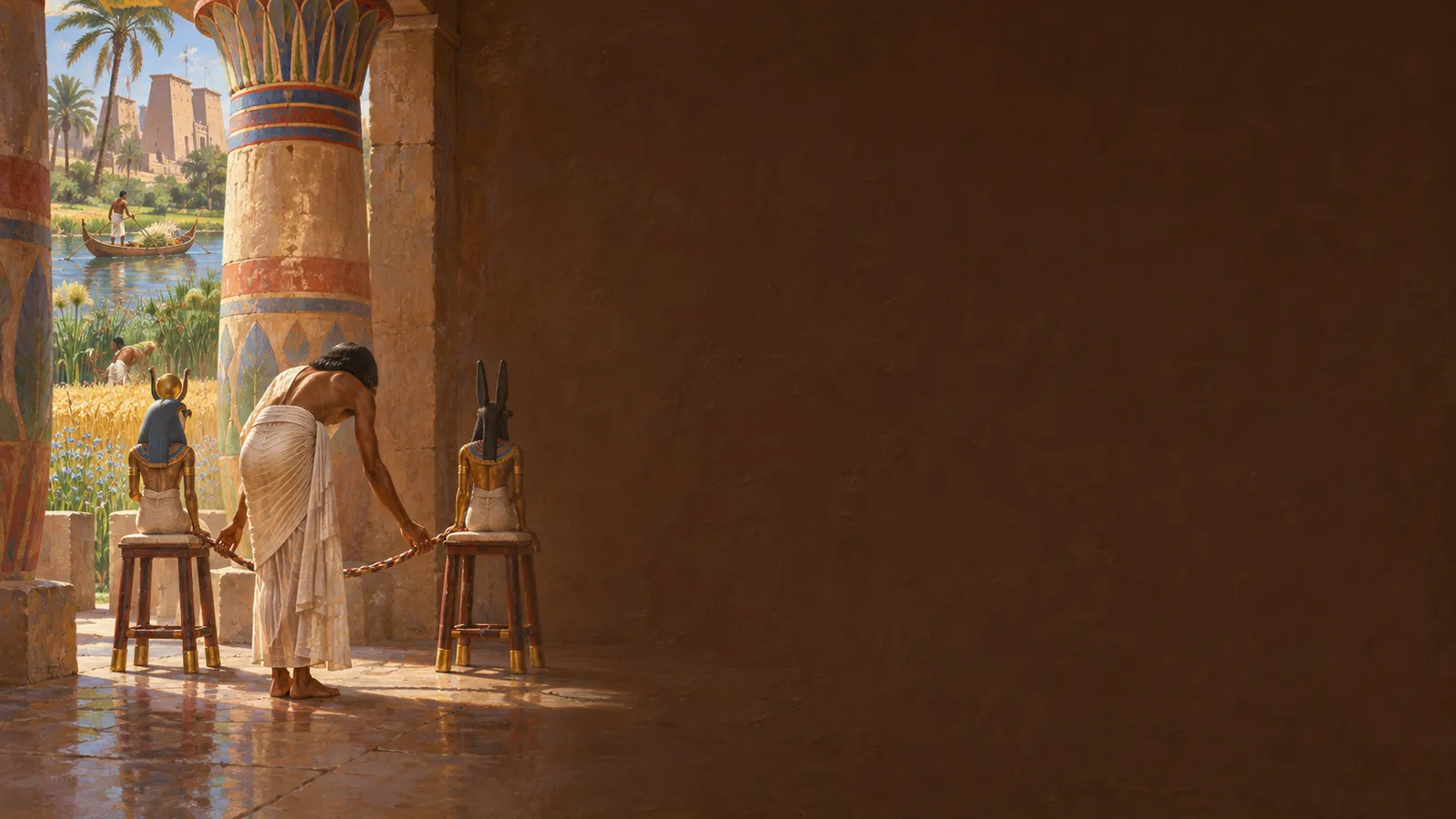
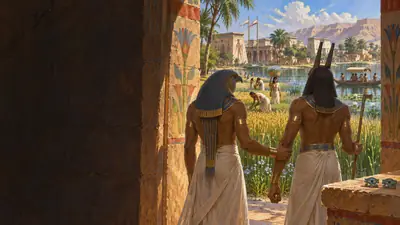
La recitación dice que él establece la paz entre Horus y Set y los guardianes de los seres vivos que ha creado con una forma hermosa. Repite la paz entre Horus y Set y quienes velan por ellos.
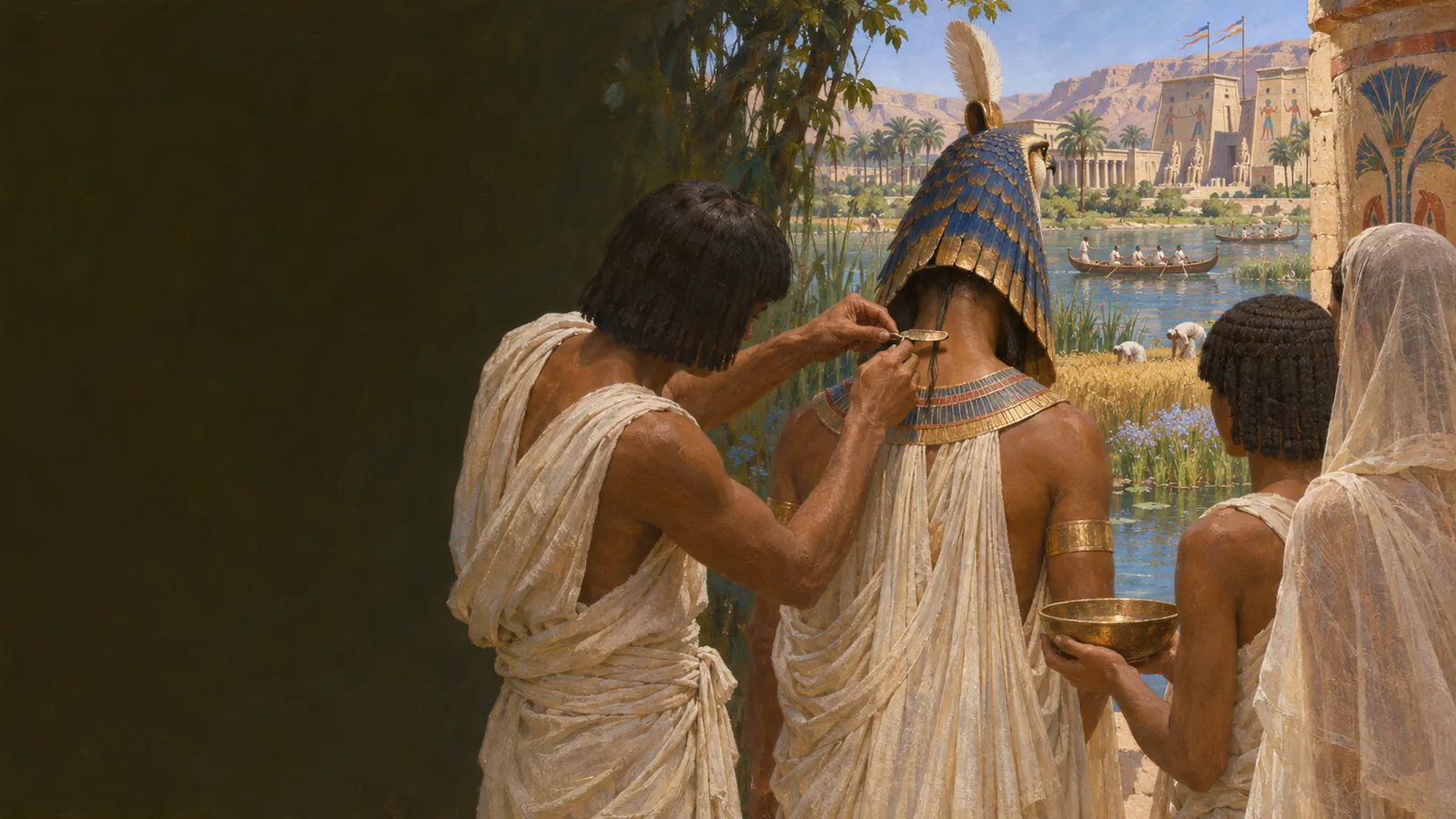
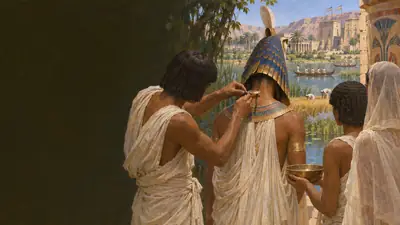
La siguiente frase de la recitación dice que él les corta el pelo tanto a Horus como a Set.
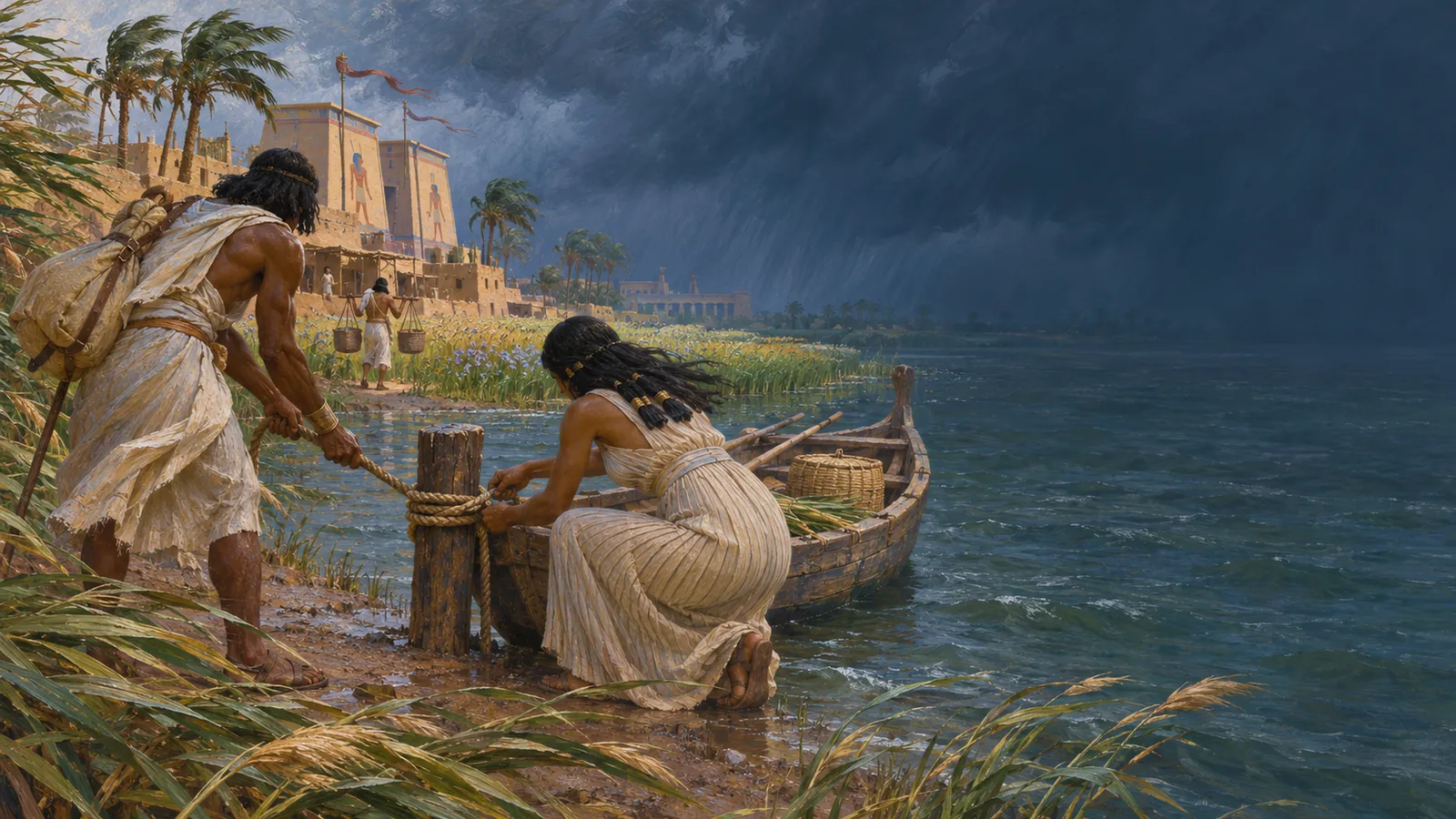
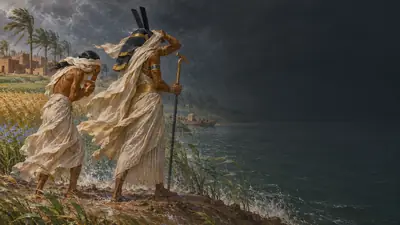
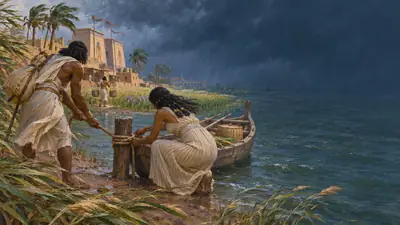
La recitación dice que aparta la tormenta de los indefensos. Añade que mantiene lejos del daño a los espíritus que Budge llama KHU.
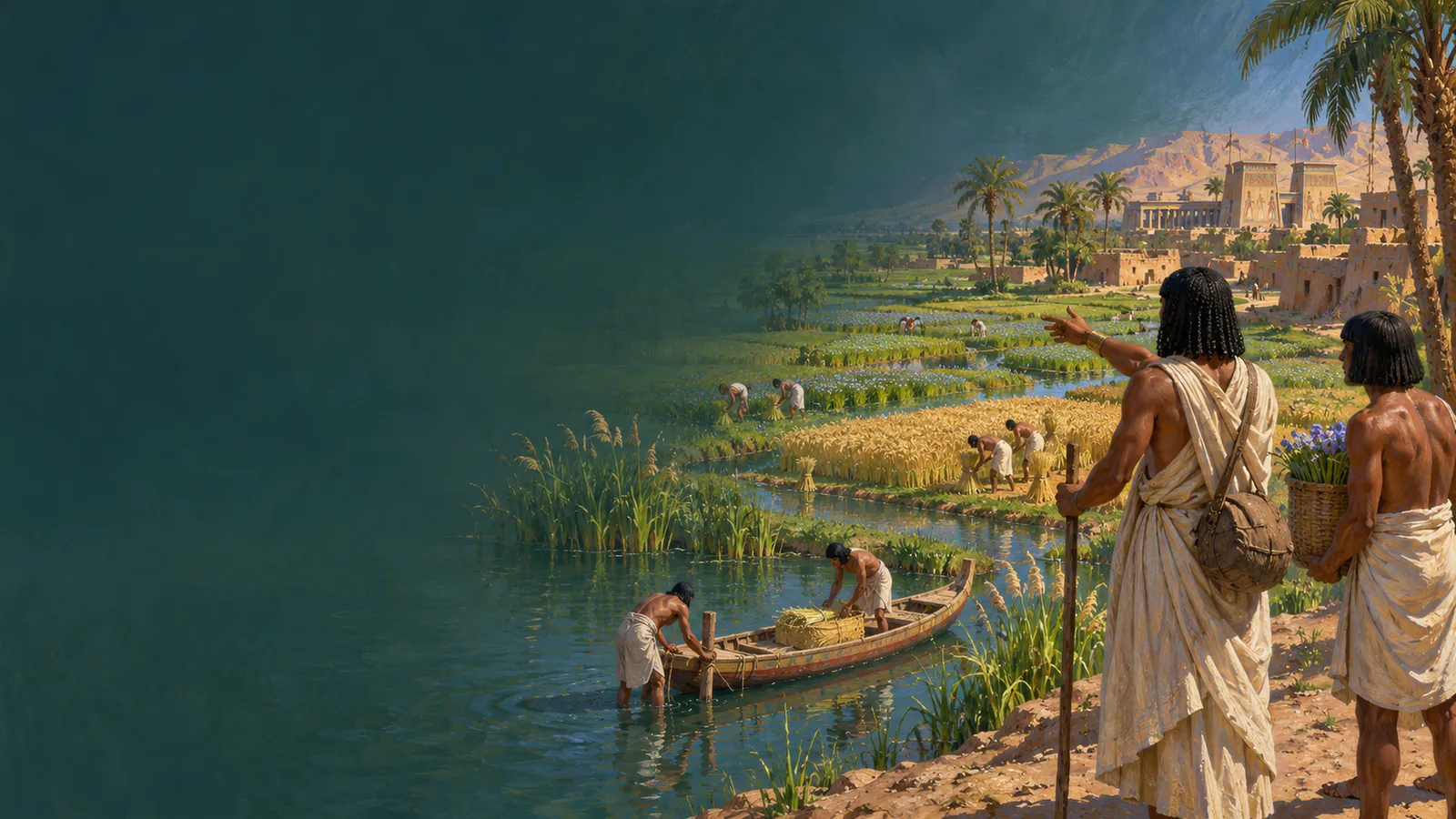
LOS CAMPOS
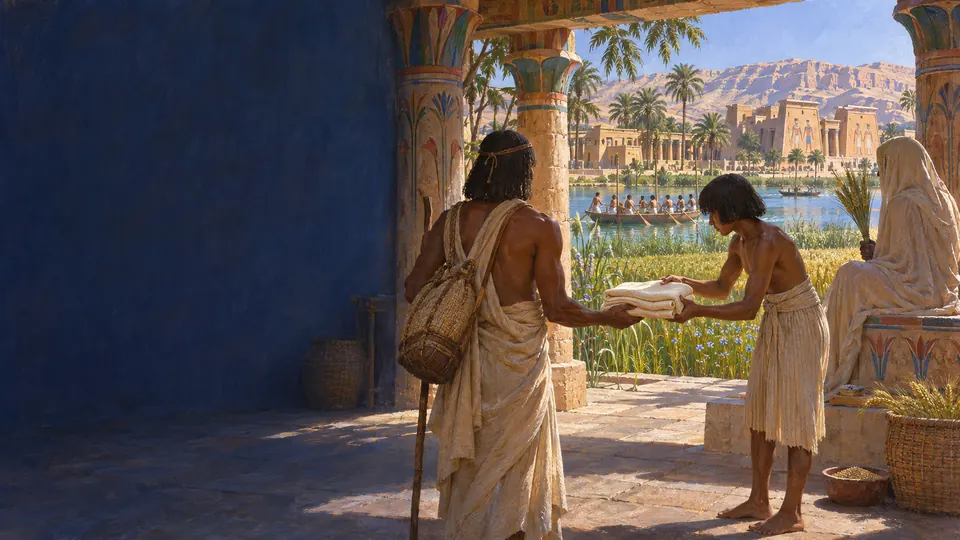
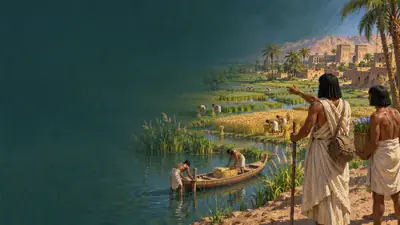
El recitante pide tener dominio en el campo porque lo conoce y ha navegado entre sus lagos para llegar a sus ciudades.
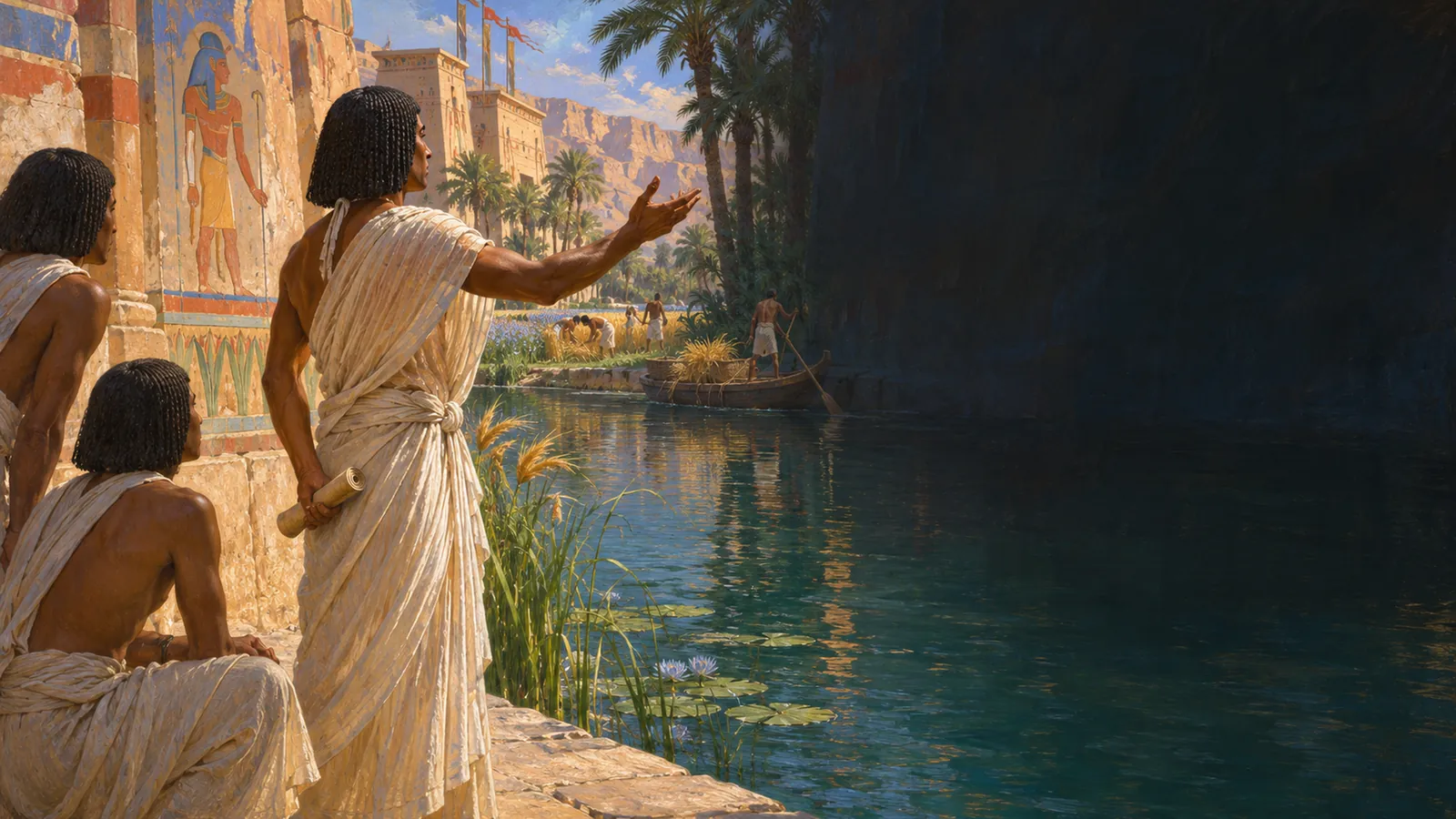
El recitante dice que su boca es firme, expresión que Budge explica como pronunciar con vigor palabras de poder. Está preparado para resistir a los espíritus y dice que no tendrán dominio sobre él.
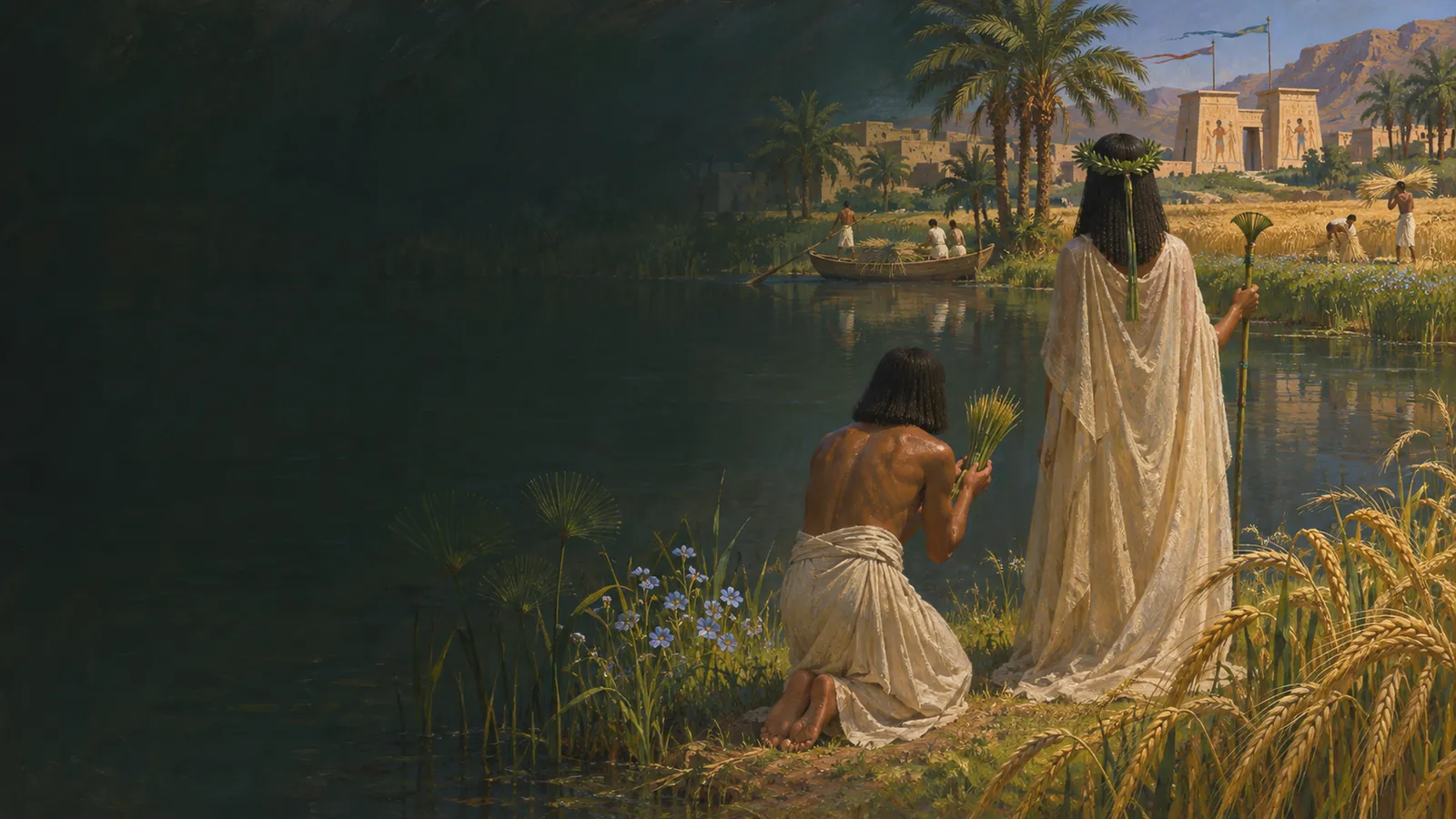
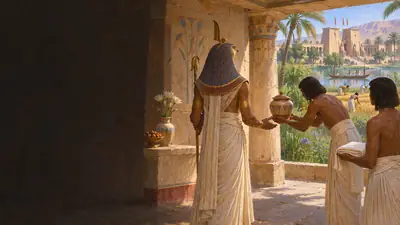
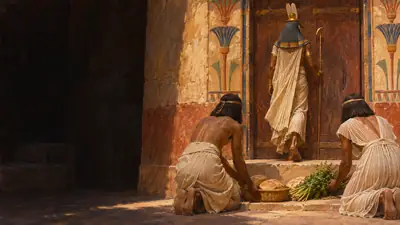
El recitante pide al dios Hetep que le dé los campos como recompensa. Pide al señor de los vientos que haga lo que desee.
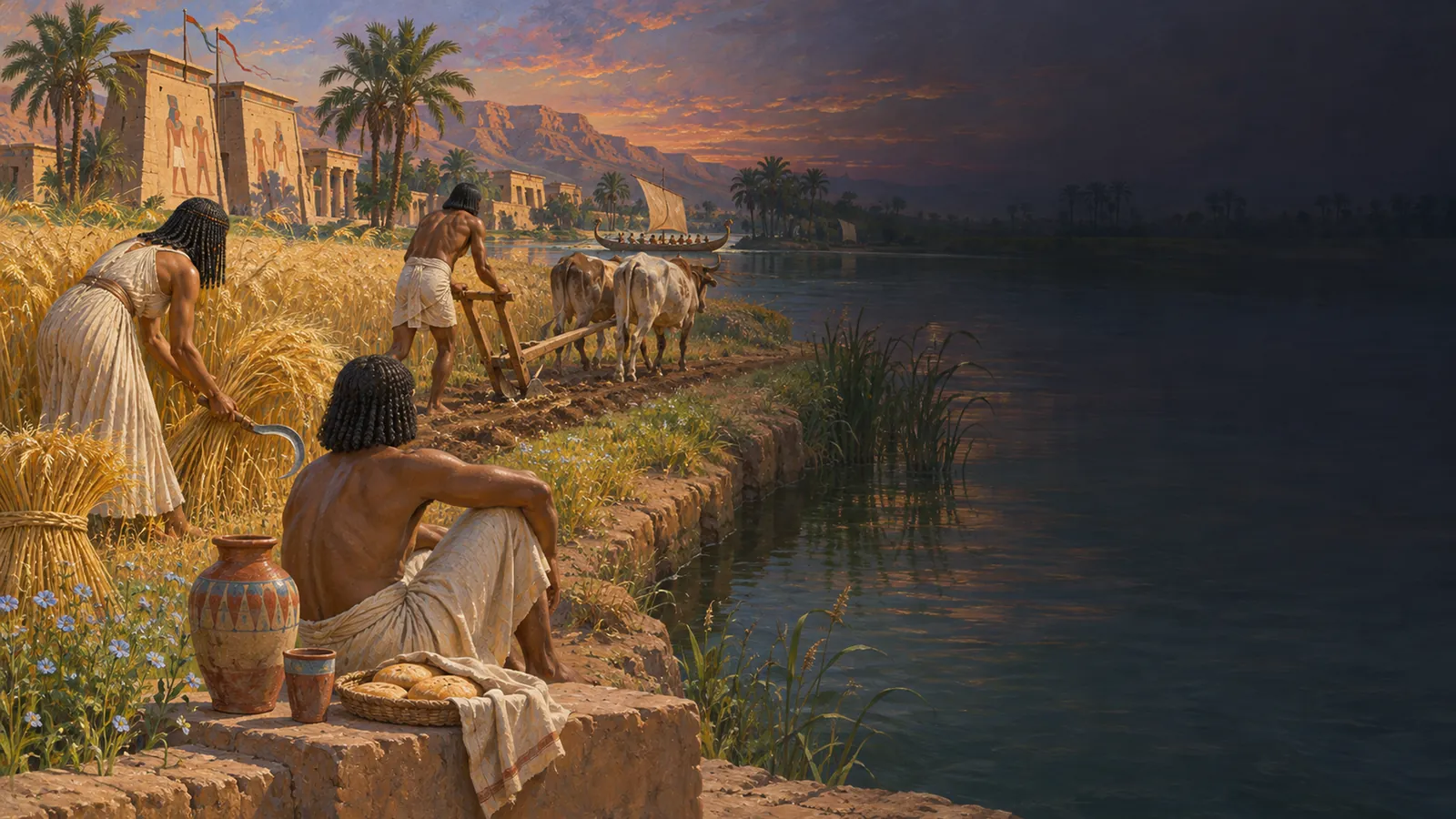
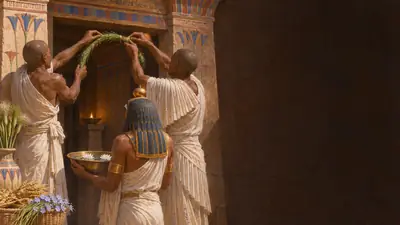
El recitante desea convertirse en un espíritu en los campos de Hetep, y comer, beber, arar y cosechar allí.
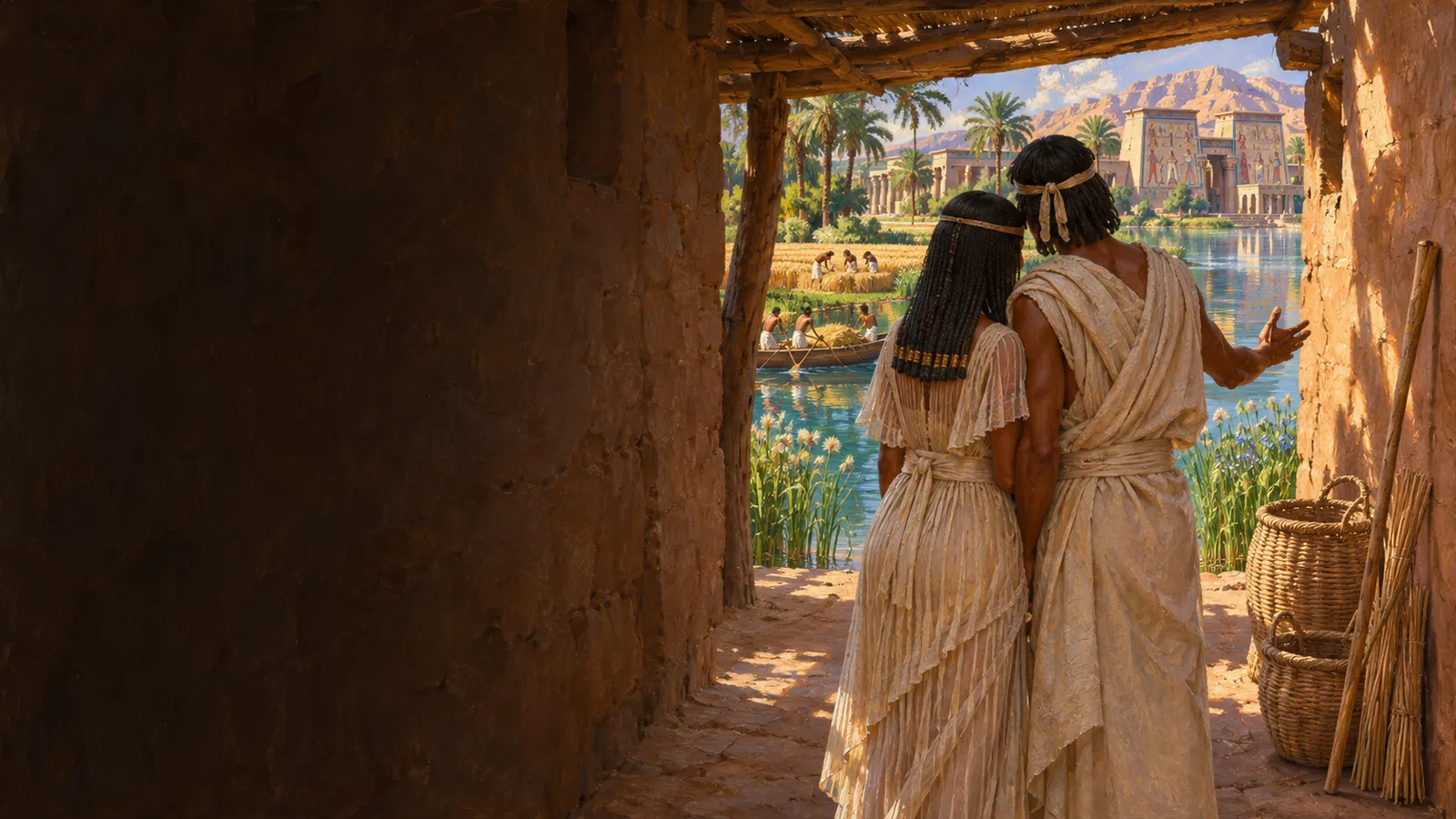
En la misma recitación, el recitante pide luchar y hacer el amor en los campos, y que sus palabras tengan poder allí.
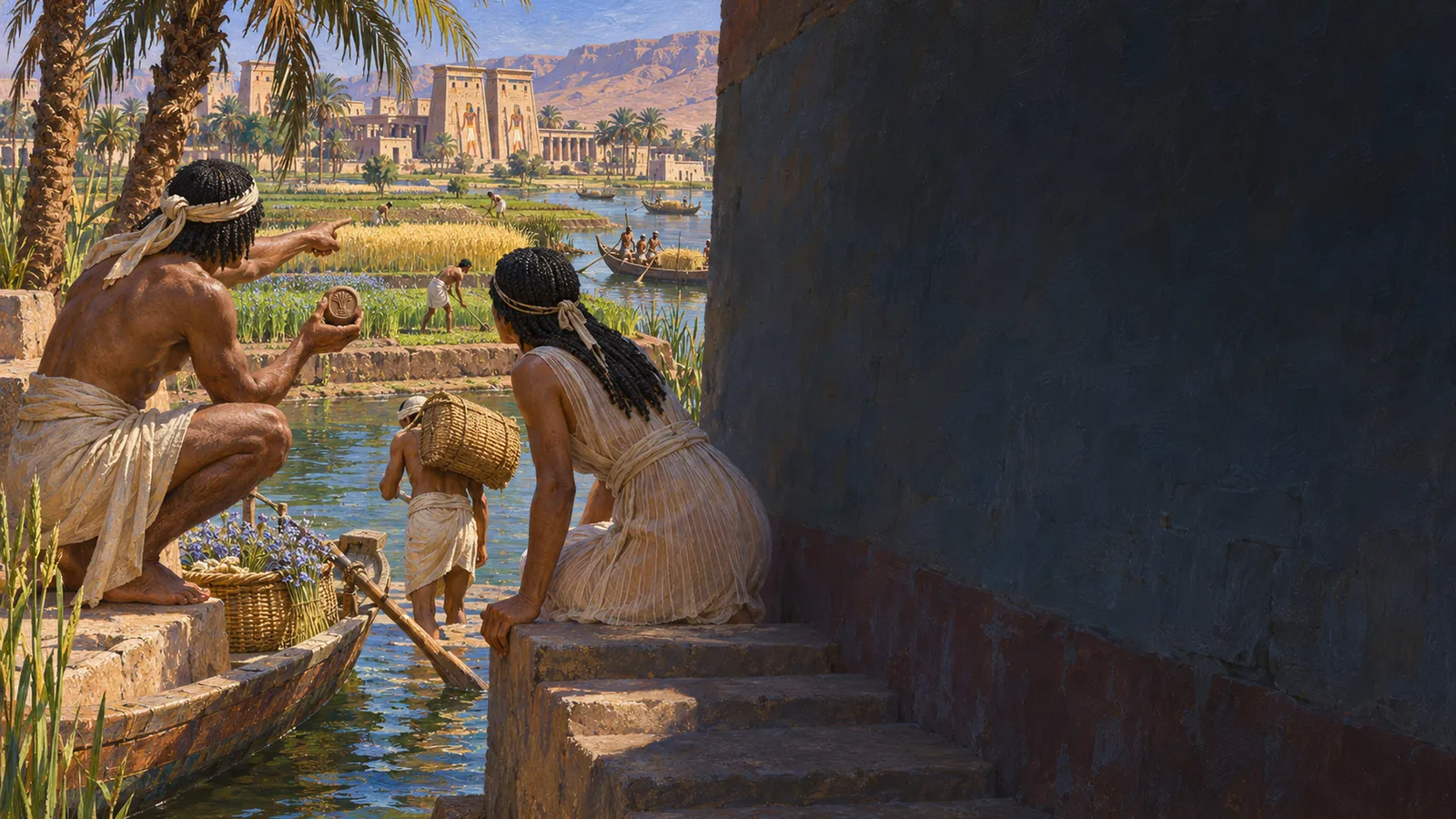
El recitante pide no estar nunca en estado de servidumbre en los campos. Pide tener autoridad allí.
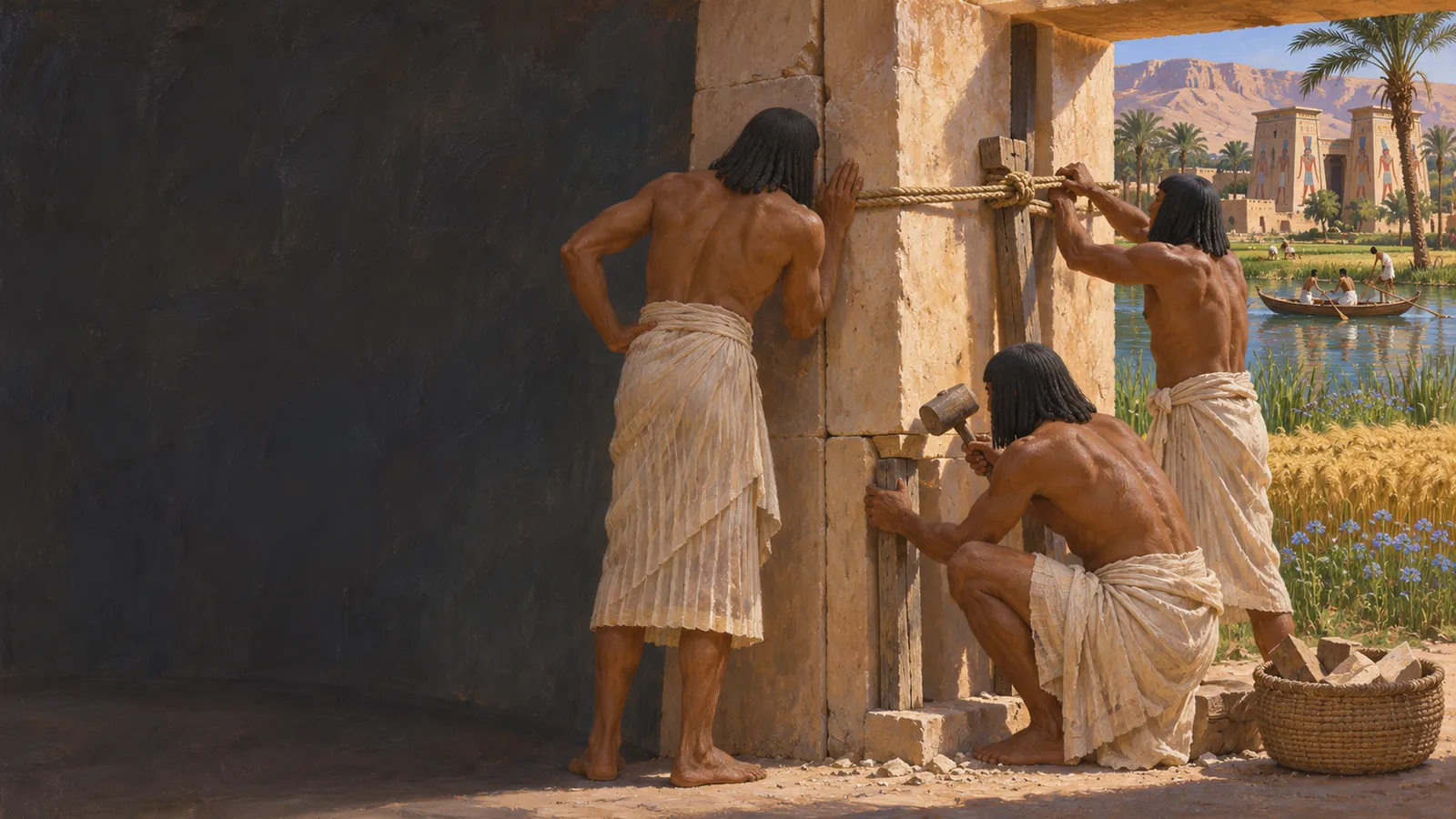
El texto dice que la boca o la puerta de Hetep y lo que Budge lee con dudas como su garganta fueron fortalecidas. El nombre que se da es Qetet-bu.
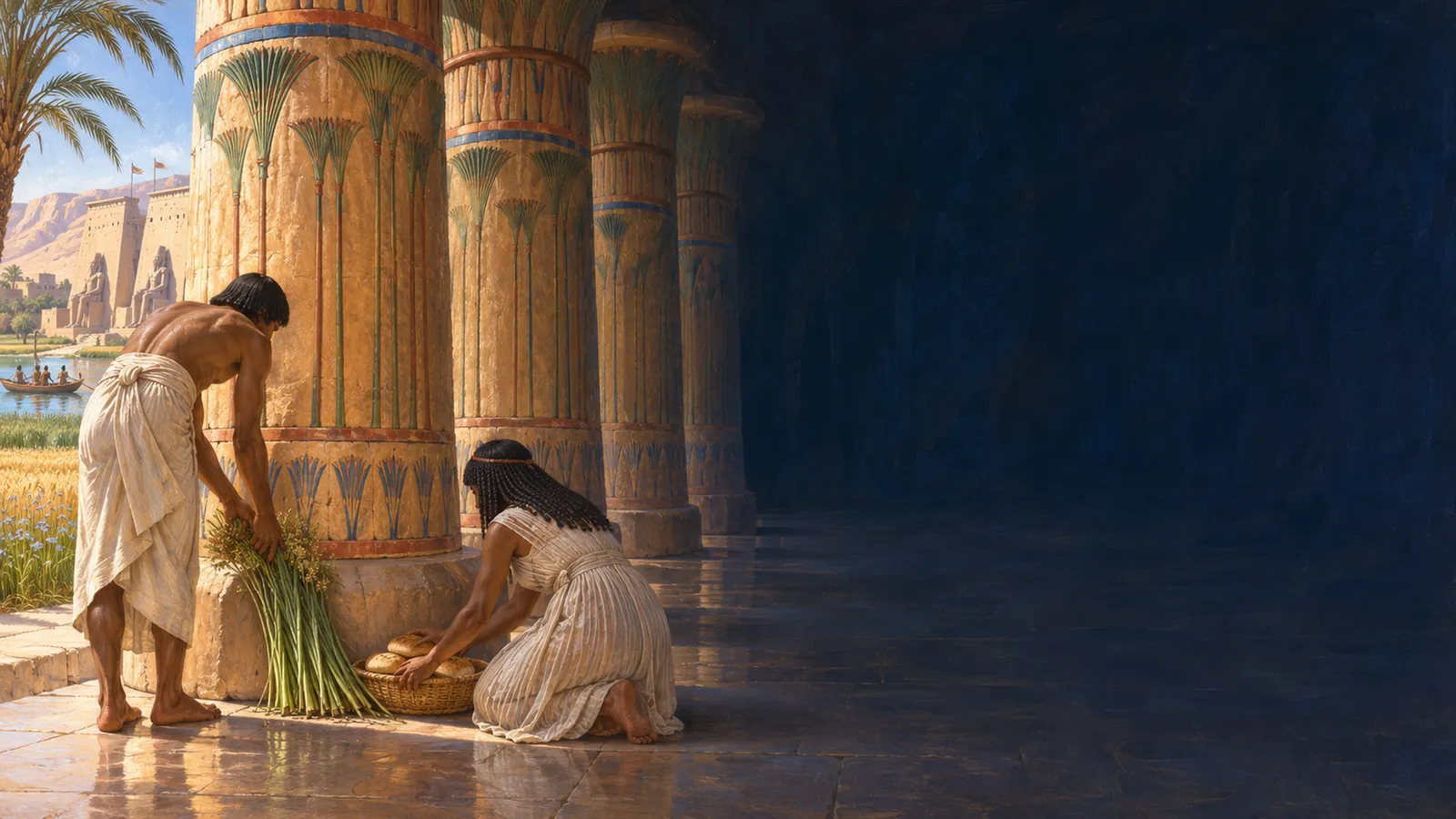
El texto dice que está asentado sobre los pilares de Shu. Lo vincula con las cosas placenteras de Ra.
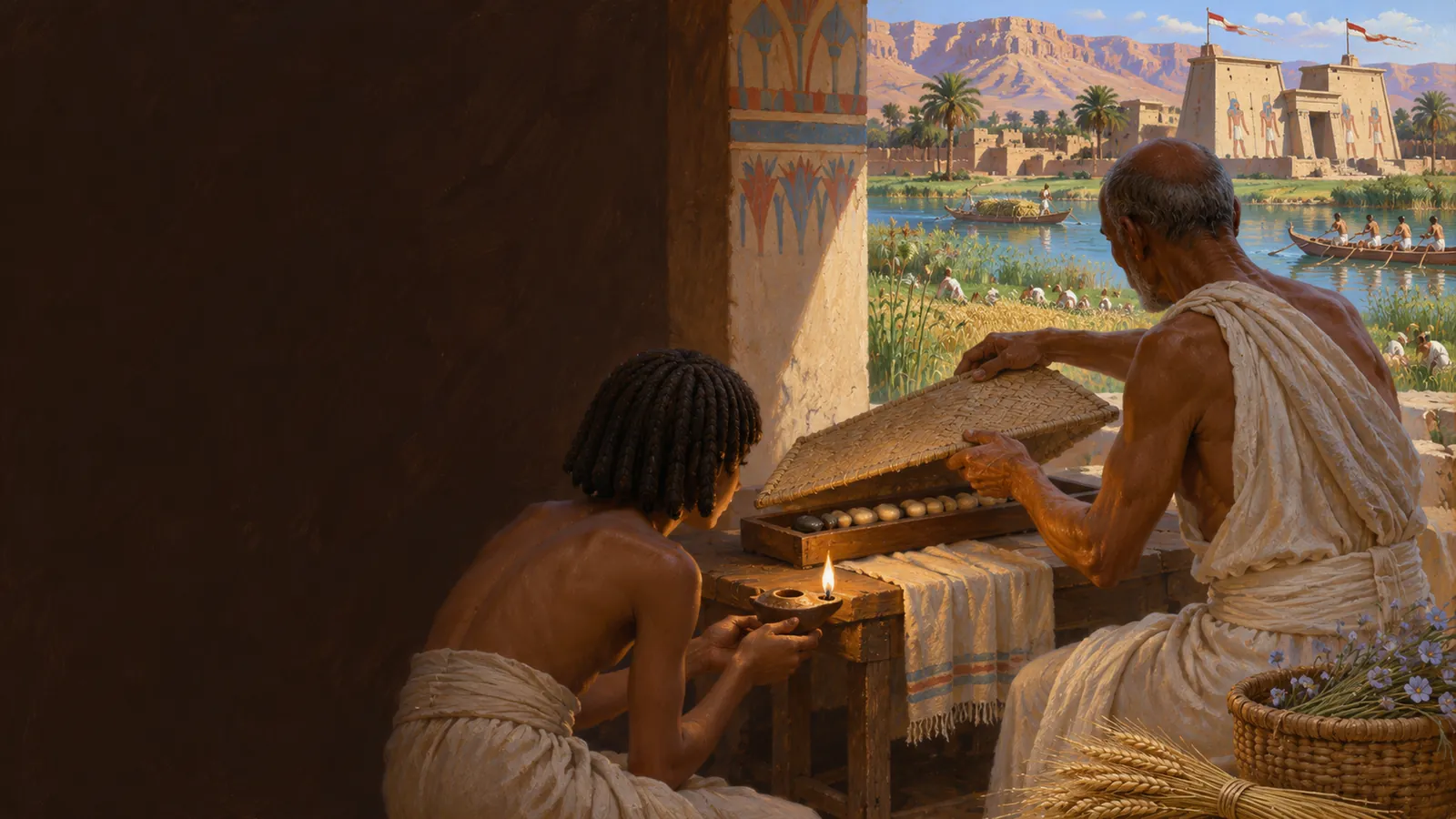
Divide los años. Su boca está oculta y en silencio, y las palabras que pronuncia son secretas.
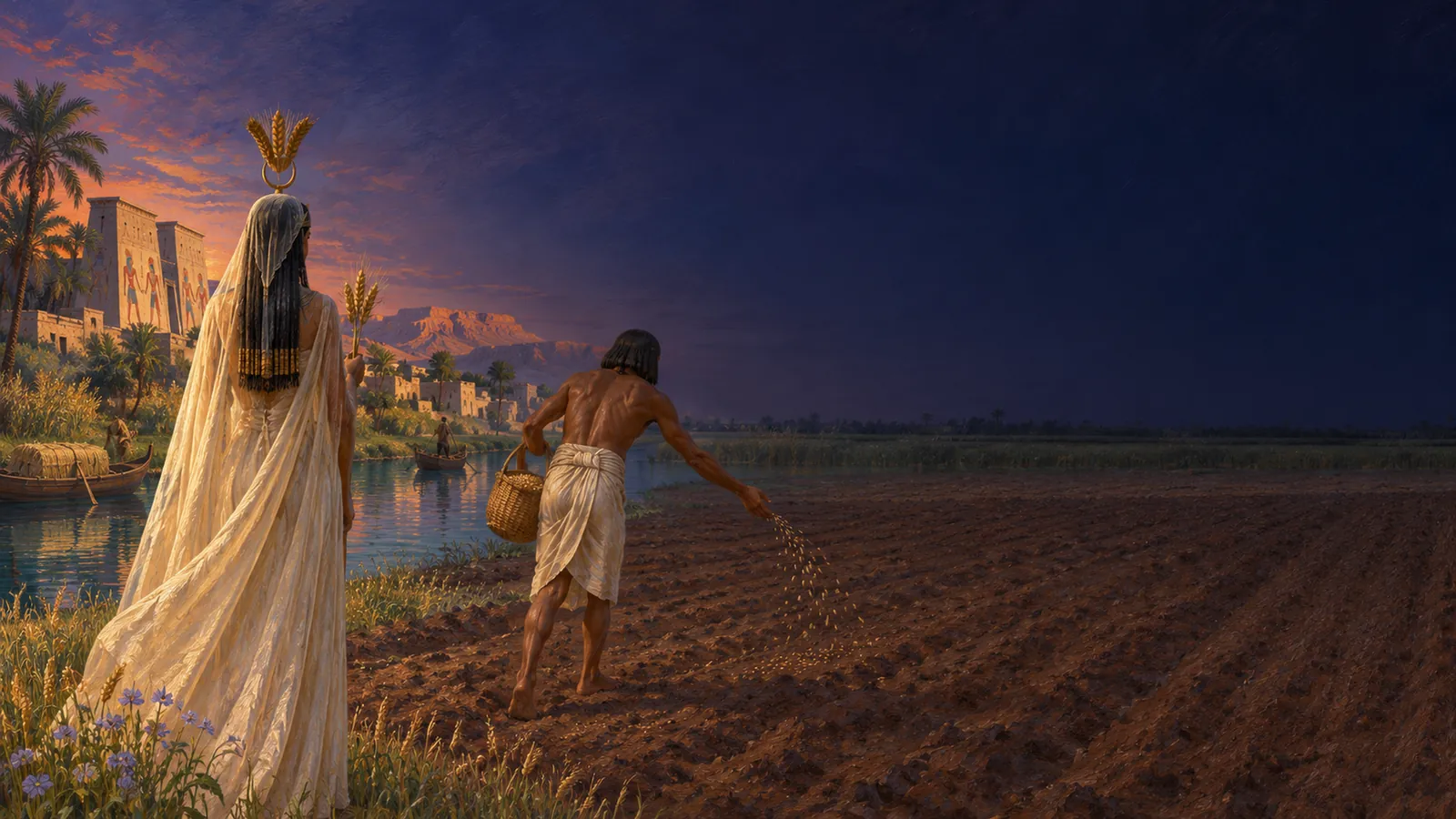
El texto dice que cumple la eternidad y posee una existencia sin fin. Lo llama Hetep, el señor Hetep.
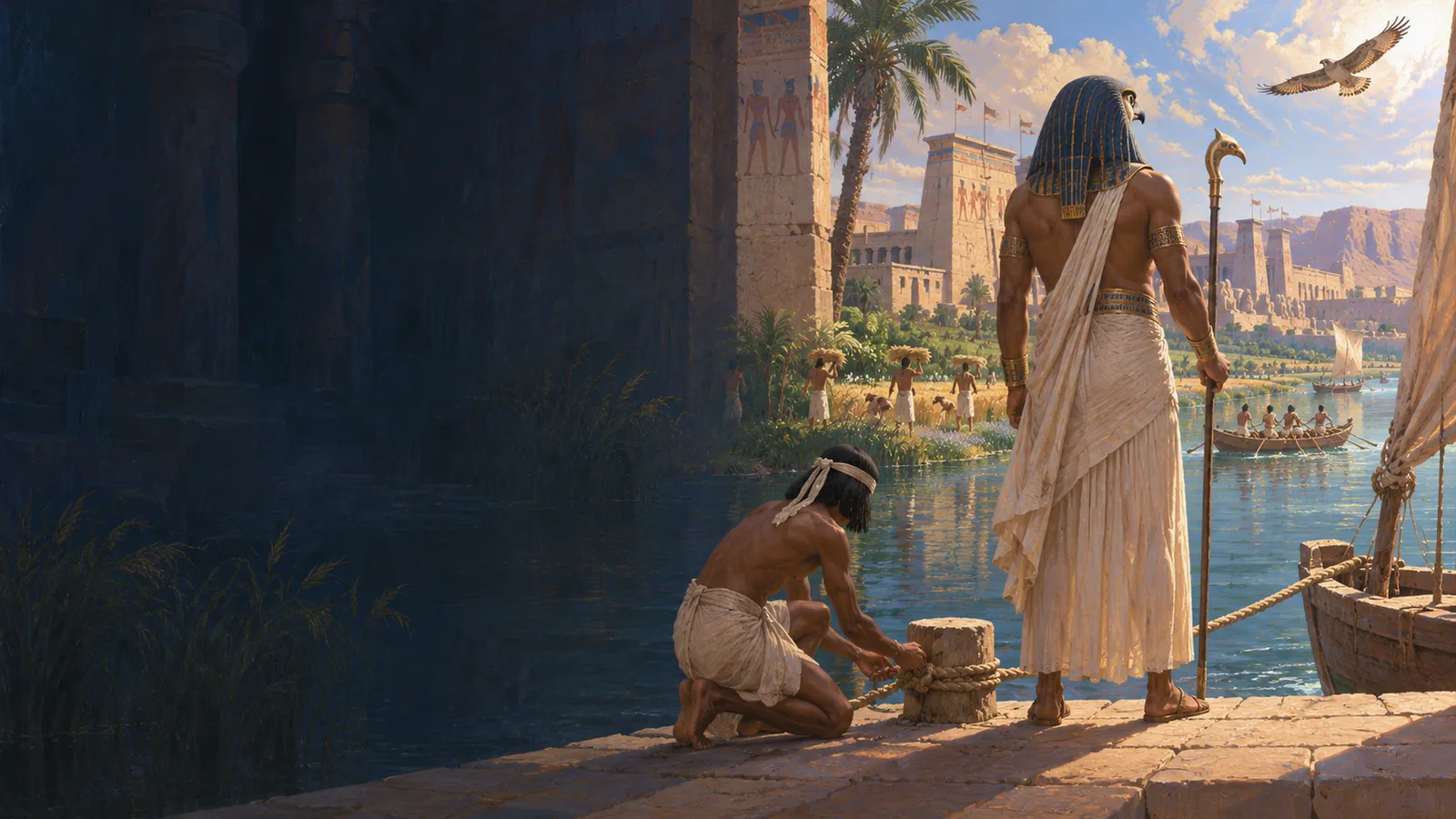
El texto dice que Horus se hace fuerte como un halcón de mil codos de largo. Su anchura es de dos mil codos en la lectura de Budge.
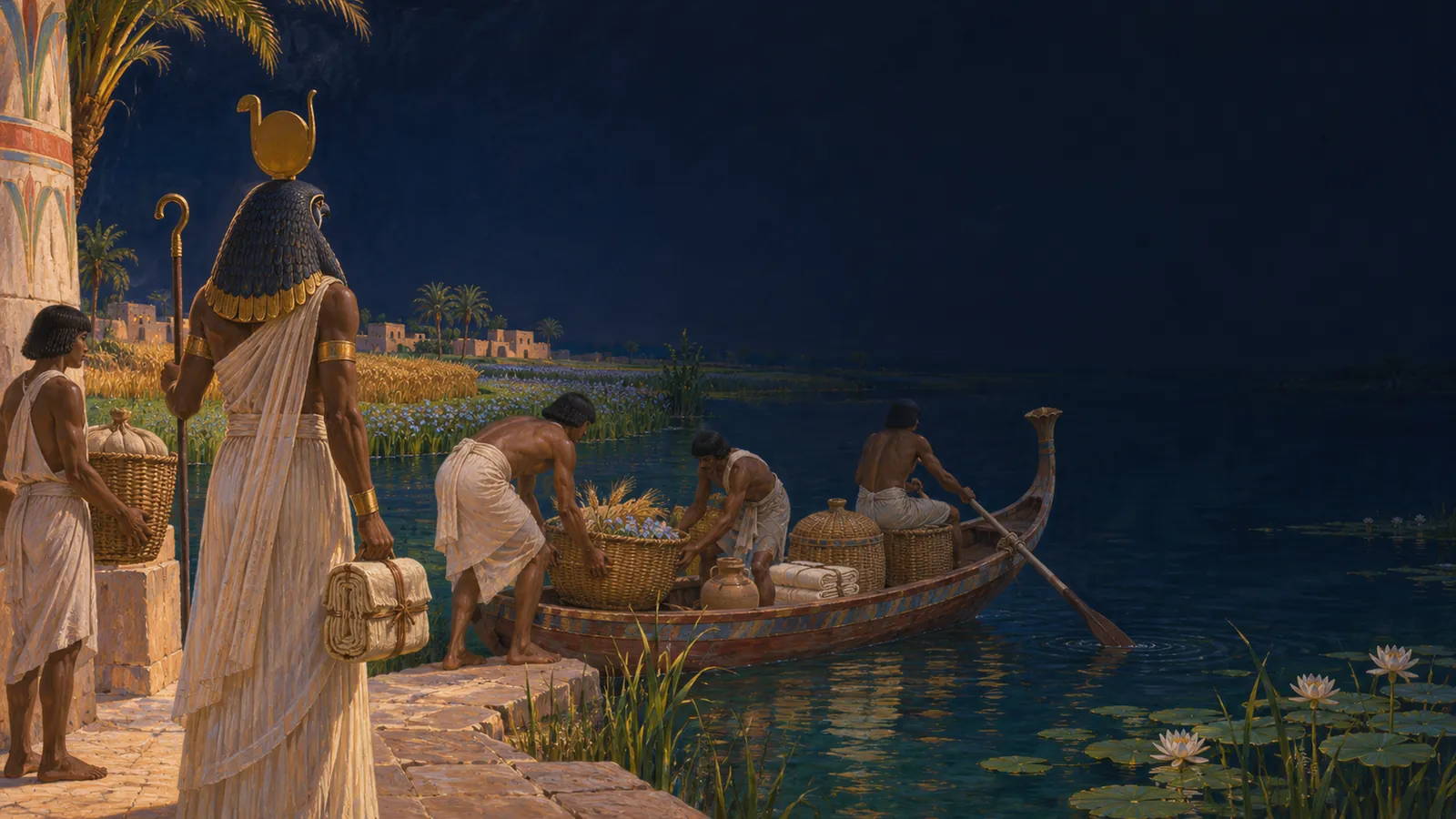
Horus lleva su equipo en el viaje. Llega adonde desea estar el trono de su corazón, a los estanques y sus ciudades.
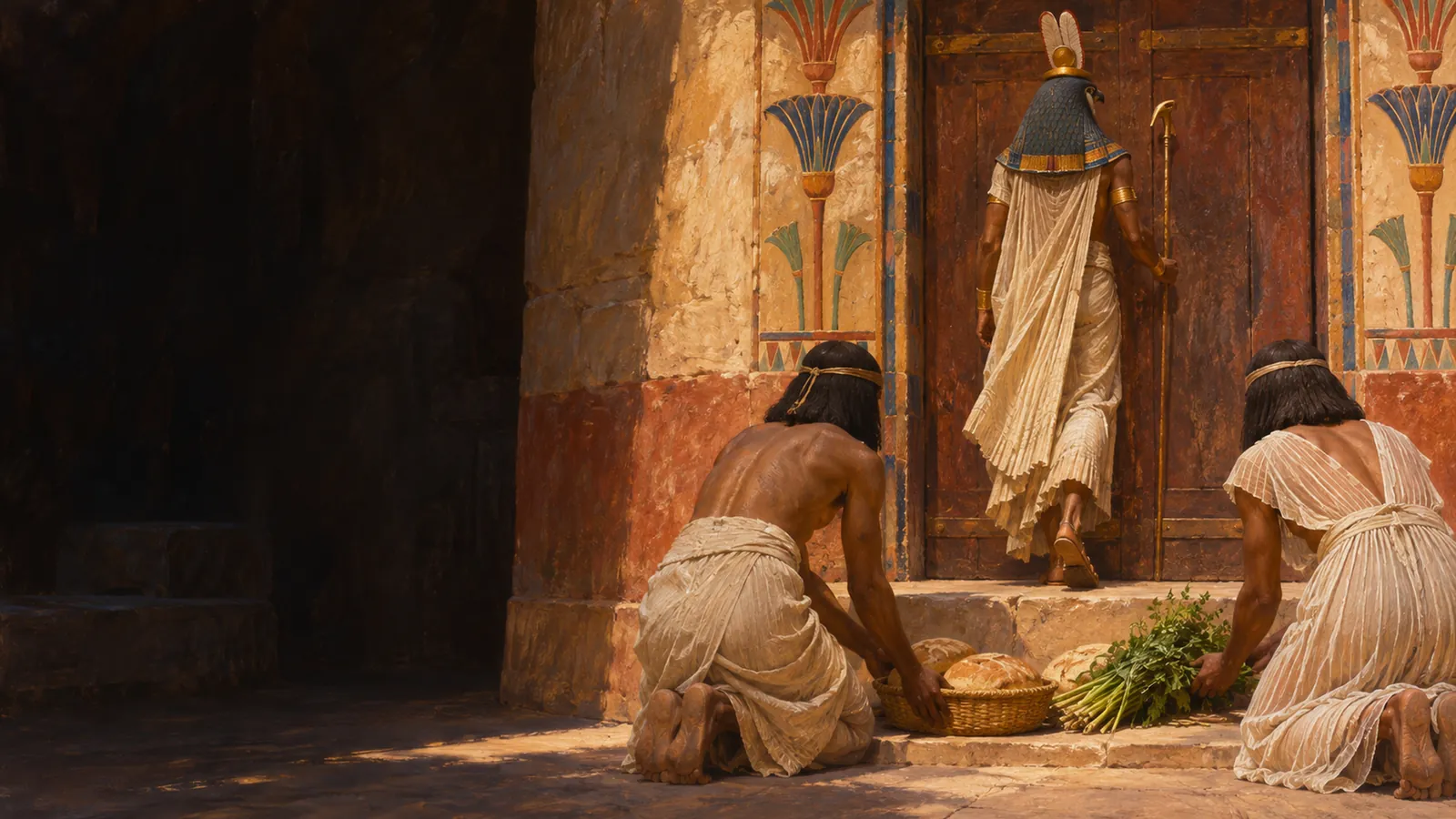
El texto dice que Horus es engendrado en la cámara de nacimiento del dios de la ciudad. Allí recibe las ofrendas de ese dios.
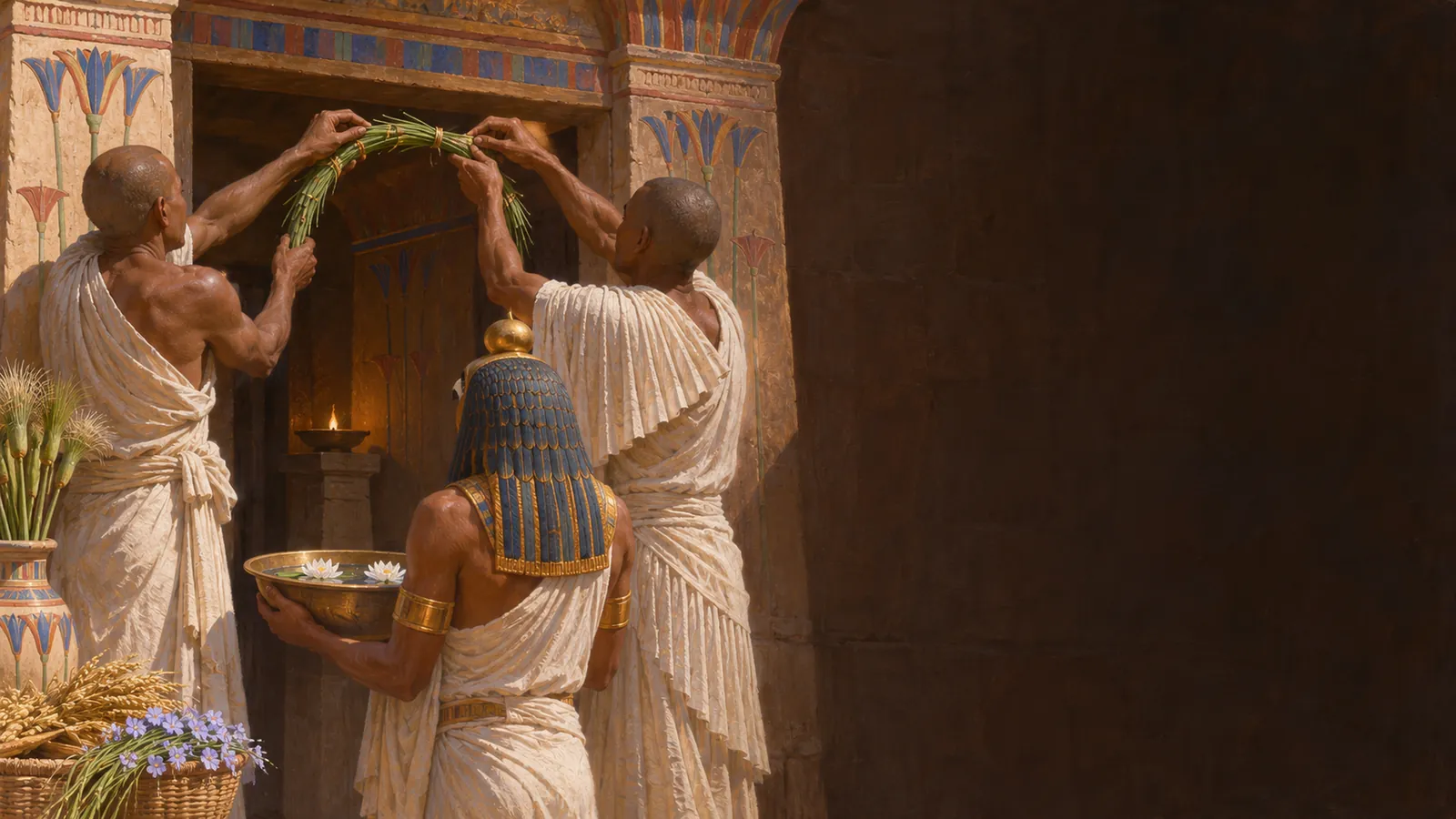
Allí hace lo que corresponde y lleva a cabo la unión. Cumple todo lo que corresponde a la cámara de nacimiento de la ciudad divina.
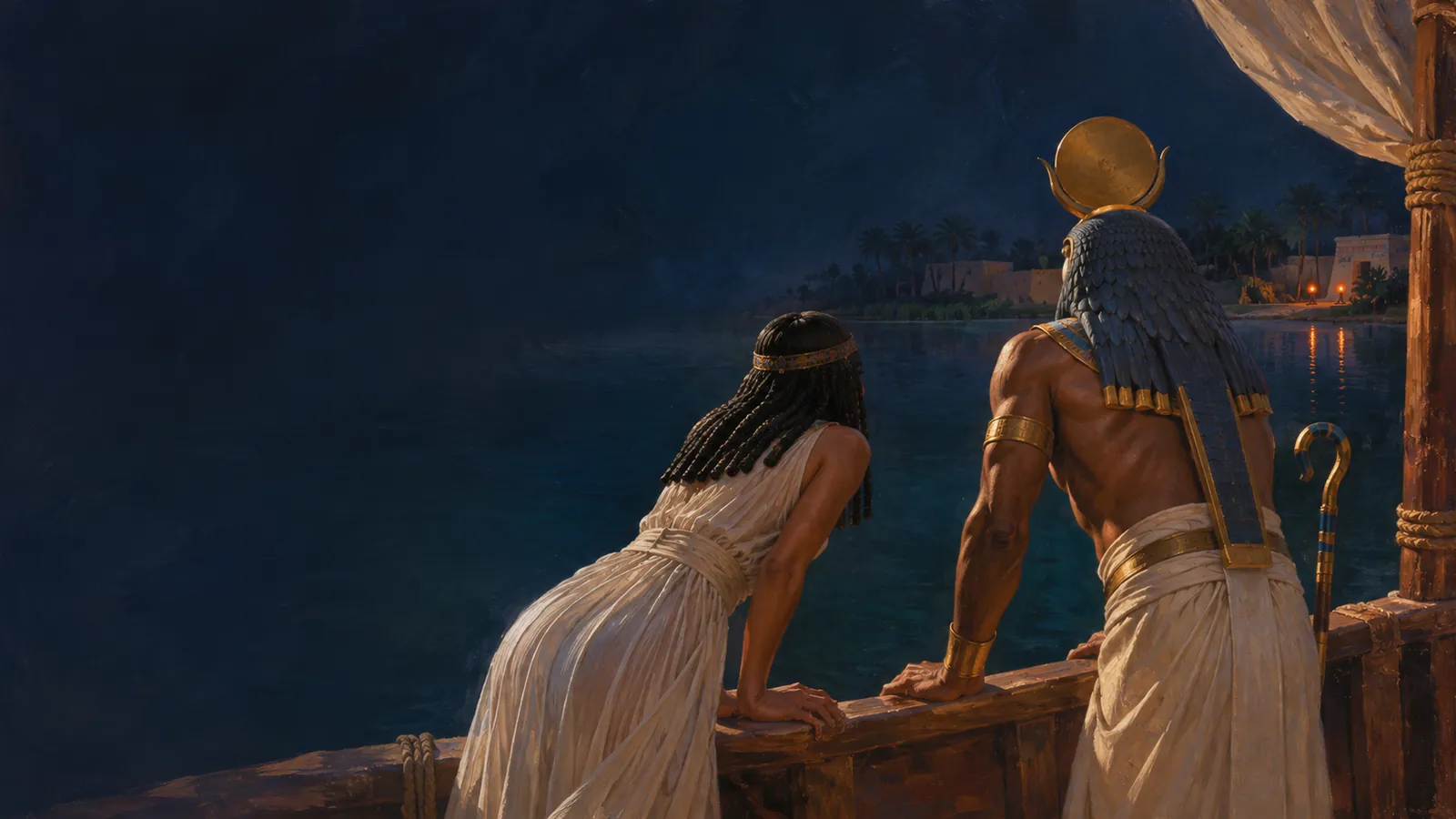
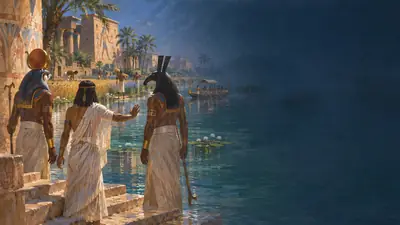
Horus lo hace todo allí cuando se pone en la vida, como el cristal. El texto compara sus actos con los del Lago del Fuego Doble, donde nadie se alegra y hay toda clase de males.
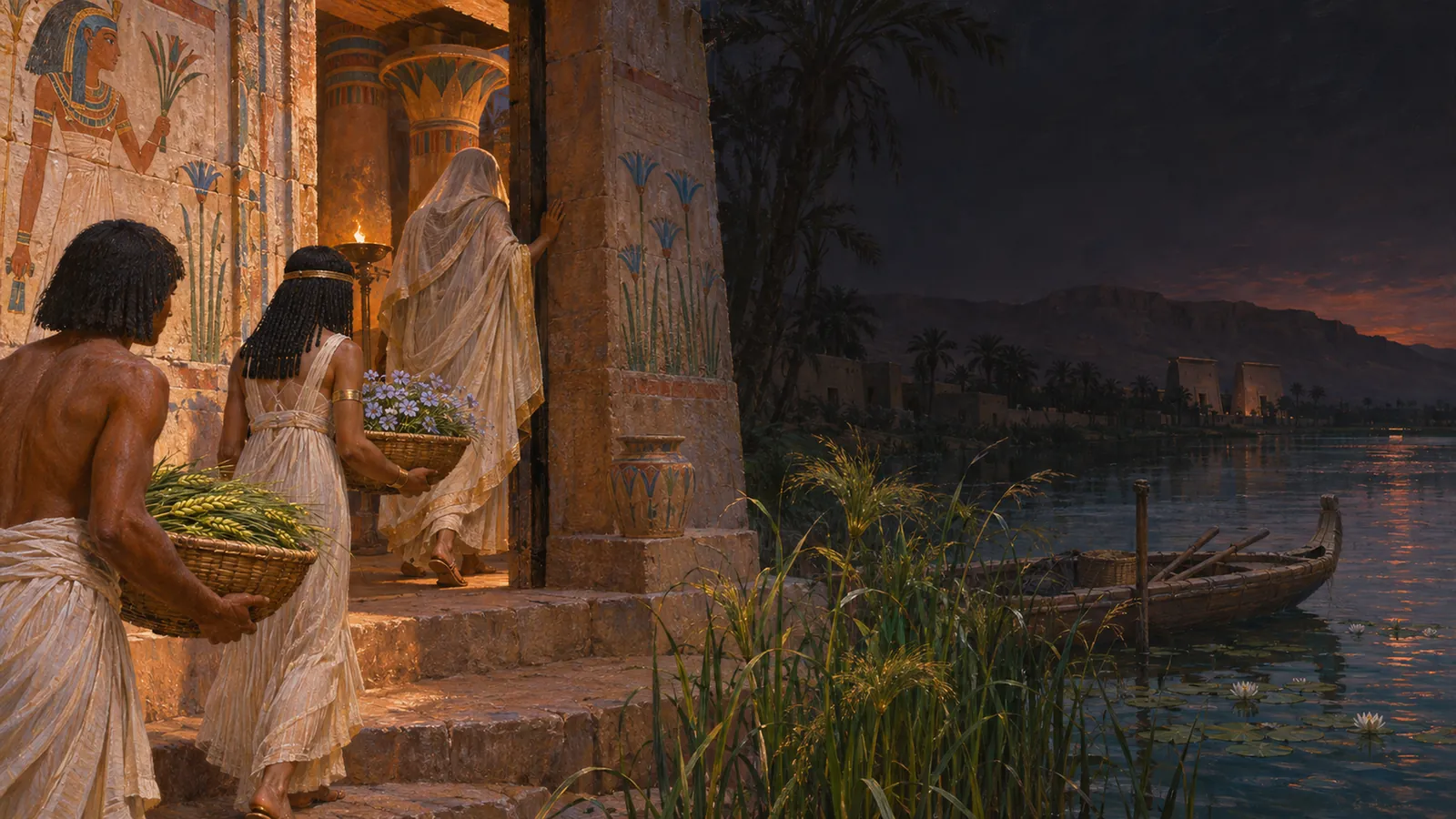
Hetep entra, sale y vuelve hacia atrás. El campo reúne toda clase de cosas para la cámara de nacimiento del dios de la ciudad.
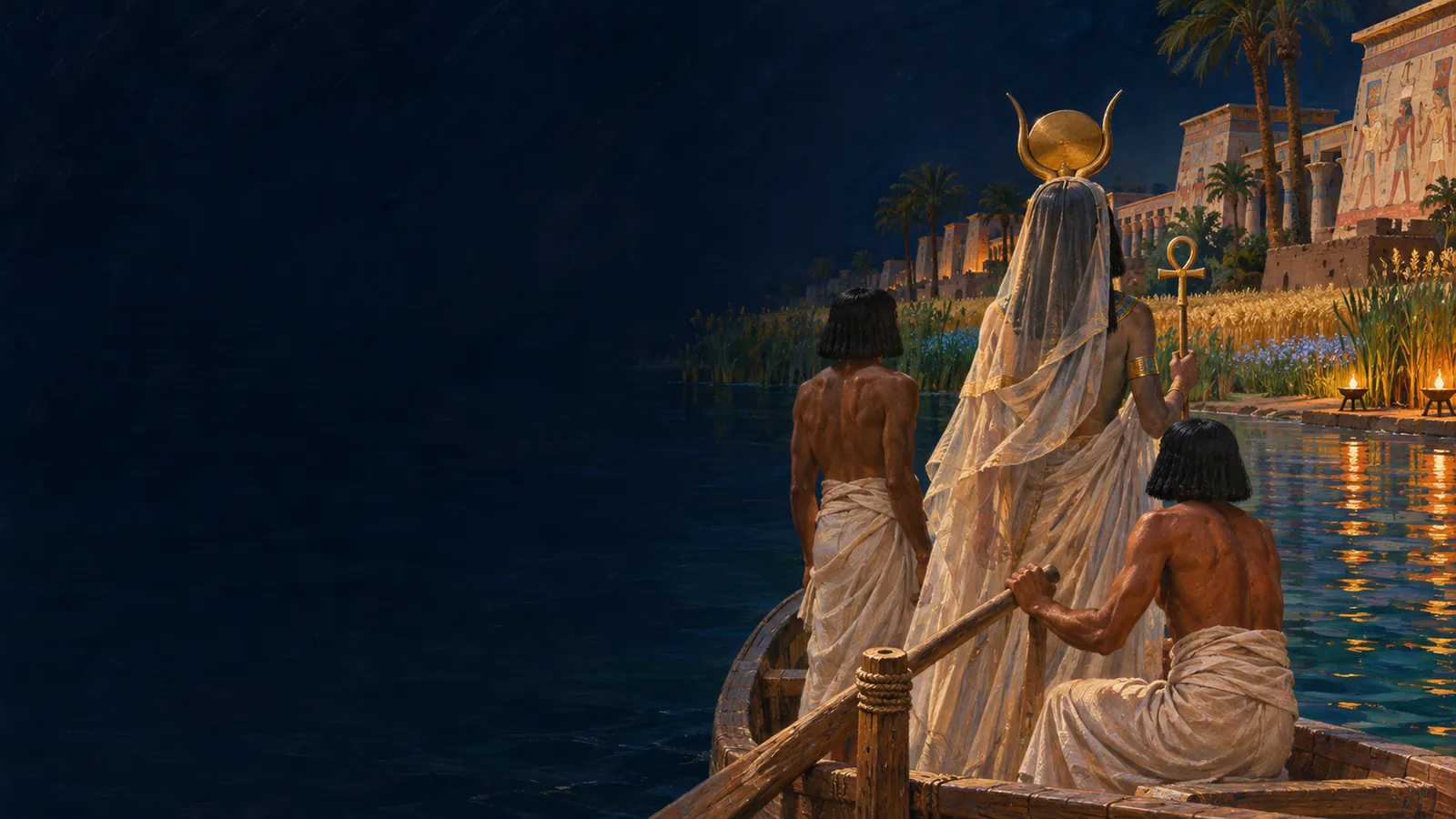
EL LAGO DEL FUEGO DOBLE
El texto repite la comparación para Hetep cuando se pone en la vida, como el cristal. Lo que hace allí se asemeja a lo que se hace en el Lago del Fuego Doble, donde nadie se alegra y hay toda clase de males.
Fin del capítulo 1
Todas las páginas
Fuentes
A. Wallis Budge’s Egyptian Ideas of the Future Life, third edition, 1908. He gives no manuscript name for this translation.
Ediciones consultadas
- Egyptian Ideas of the Future Life, publication record
- Budge 1908, Chapter V, The Resurrection and Immortality
- Budge’s note 135
- Budge’s note 136
- Budge’s note 137
Notas sobre este relato
The title joins the Chapters of Sekhet-Hetepet and the Chapters of Coming Forth by Day. It names entering and leaving the underworld and arriving at Sekhet-Aaru.
Sekhet-Hetepet is called the mighty land and lady of winds. The title names having power there, becoming a spirit (Budge’s KHU), reaping, eating, drinking and making love. It ends by saying that one may do there what a person does on earth.
The deceased says that Set seized Horus as Horus looked with the two eyes. Budge puts a question mark after his reading of the building around Sekhet-hetep. In note 135 he identifies the eyes as the Eye of Rā and the Eye of Horus.
The speaker says that he freed Horus. Budge brackets the words “and taken him from” before the name Set. Budge brackets “which are” to connect the eyes to their position in heaven. Heaven is outside the brackets.
Budge puts a question mark after “cast,” his reading for what Set does with moisture and the winds. The soul is said to have its day and dwell in Mert. The following clause says that Set delivers the interior of Horus’s body from the gods of Akert.
The speaker says he makes the mighty boat travel over the Lake of Hetep and brought it away with might from Shu’s palace. The domain of Shu’s stars grows young and regains the strength it had before.
The speaker brings the boat into the lakes to reach their cities and says he has entered the divine city Hetep by boat. In the peace clause he says “his” before seasons, direction, territory and firstborn.
Peace is first made for Horus and Set with those who watch over the living beings created in fair form. The text then says the unnamed subject brings peace and repeats the peace with those who watch over Horus and Set. The next clauses give the cutting of their hair, the driving away of storm from the helpless and the keeping of harm away from the spirits. Budge labels the spirits KHU. The sequence does not name the subject of these clauses.
The speaker asks for dominion in the field, which he knows and whose lakes he has sailed to reach its cities. The firm mouth marks the claim about his own speech. Budge’s note 136 explains it through the speaker’s knowledge of how to utter words of power with vigour. The next clause says that he is equipped to resist the spirits and that they shall have no dominion over him.
The speaker asks the god Hetep for the fields as a reward and addresses the lord of the winds about doing what he wishes. The wishes that follow begin with becoming a spirit there, eating, drinking, ploughing and reaping.
The speaker also asks to fight and make love there and to have mighty words there. He ends this group of wishes by asking to stay free of servitude and exercise authority. They remain requests in his address.
Page 23, Budge 1908, Book of the Dead CX, transcription lines 4517–4519. Budge prints mouth with the alternative or door, and throat with a question mark. His sentence gives the name Qetet-bu without resolving the referent for the reader.
Page 24, Budge 1908, Book of the Dead CX, transcription lines 4519–4521 and n. 137. The pillars are Shu’s. Note 137 identifies the four supports at the cardinal points. The speech links the unnamed he in this line to the pleasant things of Rā.
Page 25, Budge 1908, Book of the Dead CX, transcription lines 4521–4522. The printed description joins the dividing of years, the hidden and silent mouth and secret utterance. The selection offers no explanatory mechanism.
Page 26, Budge 1908, Book of the Dead CX, transcription lines 4522–4524. The sentence completes the passage on eternity and everlasting existence under the name Hetep, the lord Hetep.
Page 27, Budge 1908, Book of the Dead CX, transcription lines 4526–4529. The sentence compares Horus to the Hawk. The numbers are one thousand and two thousand. Budge places the measurement words cubits in width in brackets. The unclear phrase in life follows the dimensions.
Page 28, Budge 1908, Book of the Dead CX, transcription lines 4529–4532. The text retains the expression his heart’s throne. Budge supplies of Hetep in brackets after the Pools. The text mentions their cities as well as the Pools.
Page 29, Budge 1908, Book of the Dead CX, transcription lines 4532–4534. Budge’s translation says begotten in the birth-chamber of the god of the city. It attributes the offerings to the same city god.
Page 30, Budge 1908, Book of the Dead CX, transcription lines 4534–4536. The text records the bringing about of a union. It supplies no particulars about the union here. It concludes this sentence with the birth-chamber of the divine city.
Page 31, Budge 1908, Book of the Dead CX, transcription lines 4536–4540. The comparison mentions setting in life like crystal, then the Lake of Twofold Fire, without joy and full of evil things. The speaker’s next sentences shift from Horus to Hetep.
Page 32, Budge 1908, Book of the Dead CX, transcription lines 4540–4543. The three directions are entering, coming out and going backwards. Budge supplies in in brackets before that Field. The Field gathers things for the city god’s birth-chamber.
Page 33, Budge 1908, Book of the Dead CX, transcription lines 4543–4547. Budge prints the parallels to crystal and the Lake of Twofold Fire again, with Hetep now the subject. The complete paragraph ends at line 4547. A new paragraph starts at line 4549 with a renewed plea to live with Hetep.
Los versos antiguos de cada página
- Page 1: Budge 1908, Egyptian Ideas of the Future Life, ch. V, Book of the Dead Chapter CX, translated title (local)
- Page 2: Budge 1908, Egyptian Ideas of the Future Life, ch. V, Book of the Dead Chapter CX, translated title (local)
- Page 3: Budge 1908, Egyptian Ideas of the Future Life, ch. V, Book of the Dead Chapter CX, translated title (local)
- Page 4: Budge 1908, Egyptian Ideas of the Future Life, ch. V, Book of the Dead Chapter CX, translated title (local)
- Page 5: Budge 1908, Egyptian Ideas of the Future Life, ch. V, Book of the Dead Chapter CX, deceased’s recitation (local)
- Page 6: Budge 1908, Egyptian Ideas of the Future Life, ch. V, Book of the Dead Chapter CX, deceased’s recitation (local)
- Page 7: Budge 1908, Egyptian Ideas of the Future Life, ch. V, Book of the Dead Chapter CX, deceased’s recitation (local)
- Page 8: Budge 1908, Egyptian Ideas of the Future Life, ch. V, Book of the Dead Chapter CX, deceased’s recitation (local)
- Page 9: Budge 1908, Egyptian Ideas of the Future Life, ch. V, Book of the Dead Chapter CX, deceased’s recitation (local)
- Page 10: Budge 1908, Egyptian Ideas of the Future Life, ch. V, Book of the Dead Chapter CX, deceased’s recitation (local)
- Page 11: Budge 1908, Egyptian Ideas of the Future Life, ch. V, Book of the Dead Chapter CX, deceased’s recitation (local)
- Page 12: Budge 1908, Egyptian Ideas of the Future Life, ch. V, Book of the Dead Chapter CX, deceased’s recitation (local)
- Page 13: Budge 1908, Egyptian Ideas of the Future Life, ch. V, Book of the Dead Chapter CX, deceased’s recitation (local)
- Page 14: Budge 1908, Egyptian Ideas of the Future Life, ch. V, Book of the Dead Chapter CX, deceased’s recitation (local)
- Page 15: Budge 1908, Egyptian Ideas of the Future Life, ch. V, Book of the Dead Chapter CX, deceased’s recitation (local)
- Page 16: Budge 1908, Egyptian Ideas of the Future Life, ch. V, Book of the Dead Chapter CX, deceased’s recitation (local)
- Page 17: Budge 1908, Egyptian Ideas of the Future Life, ch. V, Book of the Dead Chapter CX, deceased’s recitation (local)
- Page 18: Budge 1908, Egyptian Ideas of the Future Life, ch. V, Book of the Dead Chapter CX, deceased’s recitation (local)
- Page 19: Budge 1908, Egyptian Ideas of the Future Life, ch. V, Book of the Dead Chapter CX, deceased’s recitation (local)
- Page 20: Budge 1908, Egyptian Ideas of the Future Life, ch. V, Book of the Dead Chapter CX, deceased’s recitation (local)
- Page 21: Budge 1908, Egyptian Ideas of the Future Life, ch. V, Book of the Dead Chapter CX, deceased’s recitation (local)
- Page 22: Budge 1908, Egyptian Ideas of the Future Life, ch. V, Book of the Dead Chapter CX, deceased’s recitation (local)
- Page 23: Budge 1908, Egyptian Ideas of the Future Life, ch. V, Book of the Dead CX (local)
- Page 24: Budge 1908, Egyptian Ideas of the Future Life, ch. V, Book of the Dead CX (local)
- Page 25: Budge 1908, Egyptian Ideas of the Future Life, ch. V, Book of the Dead CX (local)
- Page 26: Budge 1908, Egyptian Ideas of the Future Life, ch. V, Book of the Dead CX (local)
- Page 27: Budge 1908, Egyptian Ideas of the Future Life, ch. V, Book of the Dead CX (local)
- Page 28: Budge 1908, Egyptian Ideas of the Future Life, ch. V, Book of the Dead CX (local)
- Page 29: Budge 1908, Egyptian Ideas of the Future Life, ch. V, Book of the Dead CX (local)
- Page 30: Budge 1908, Egyptian Ideas of the Future Life, ch. V, Book of the Dead CX (local)
- Page 31: Budge 1908, Egyptian Ideas of the Future Life, ch. V, Book of the Dead CX (local)
- Page 32: Budge 1908, Egyptian Ideas of the Future Life, ch. V, Book of the Dead CX (local)
- Page 33: Budge 1908, Egyptian Ideas of the Future Life, ch. V, Book of the Dead CX (local)
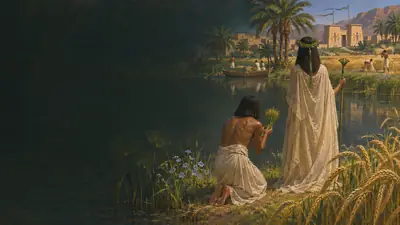
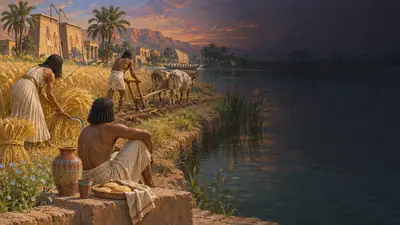
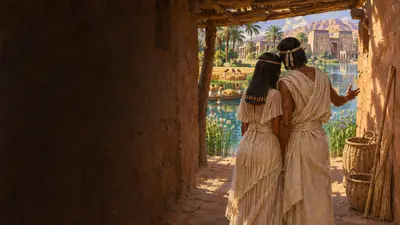
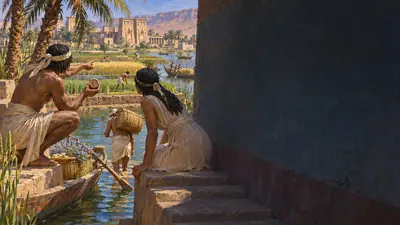
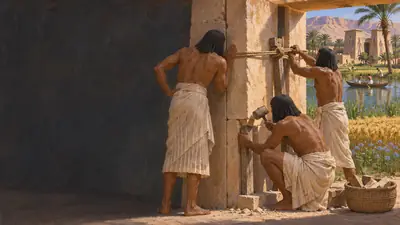
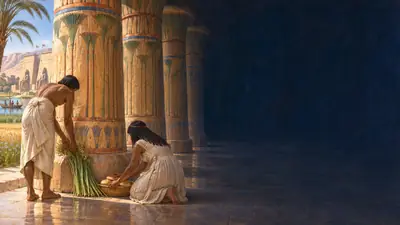
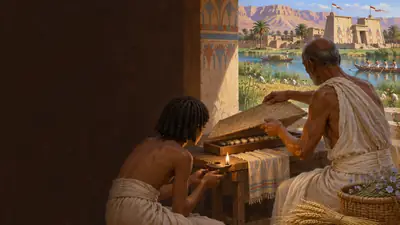
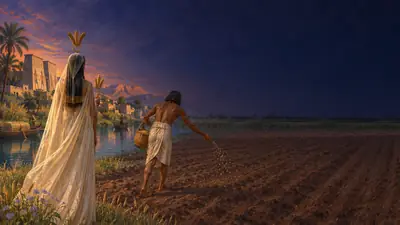
Ilustraciones hechas por IL Archive con herramientas de IA; el texto se basa en las fuentes antiguas (véanse las fuentes al final de cada capítulo).