Gilgamesh, Enkidu y el inframundo Capítulo 1
El árbol de Uruk
Un viento del sur arranca de raíz un árbol junto al Éufrates. Inanna lo lleva a Uruk y pide ayuda cuando tres seres se instalan en él. Gilgamesh le da madera a Inanna para una silla y una cama y hace dos objetos para un juego. Los objetos caen al inframundo.
FuentesPase las páginas con las flechas, el teclado o deslizando el dedo.

EL ÁRBOL DE URUK
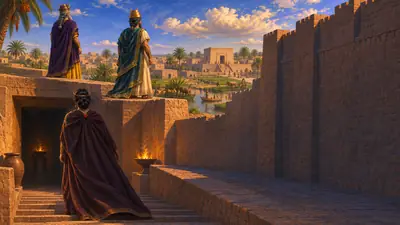
El relato se remonta a aquellos días lejanos, a aquellas noches lejanas, a aquellos años lejanos.
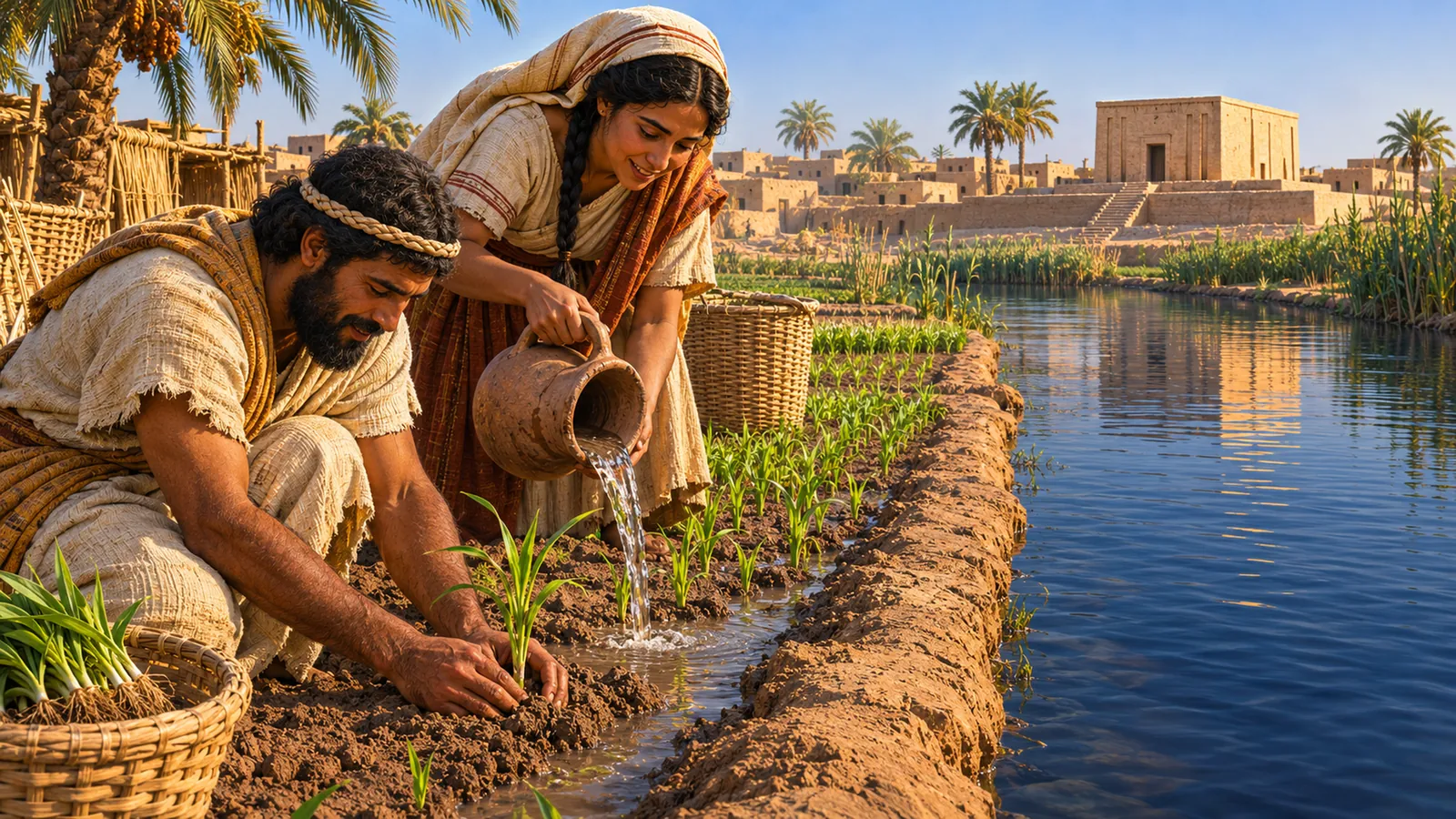
En aquellos días aparecieron por primera vez las cosas necesarias, y se cuidó de ellas como era debido.
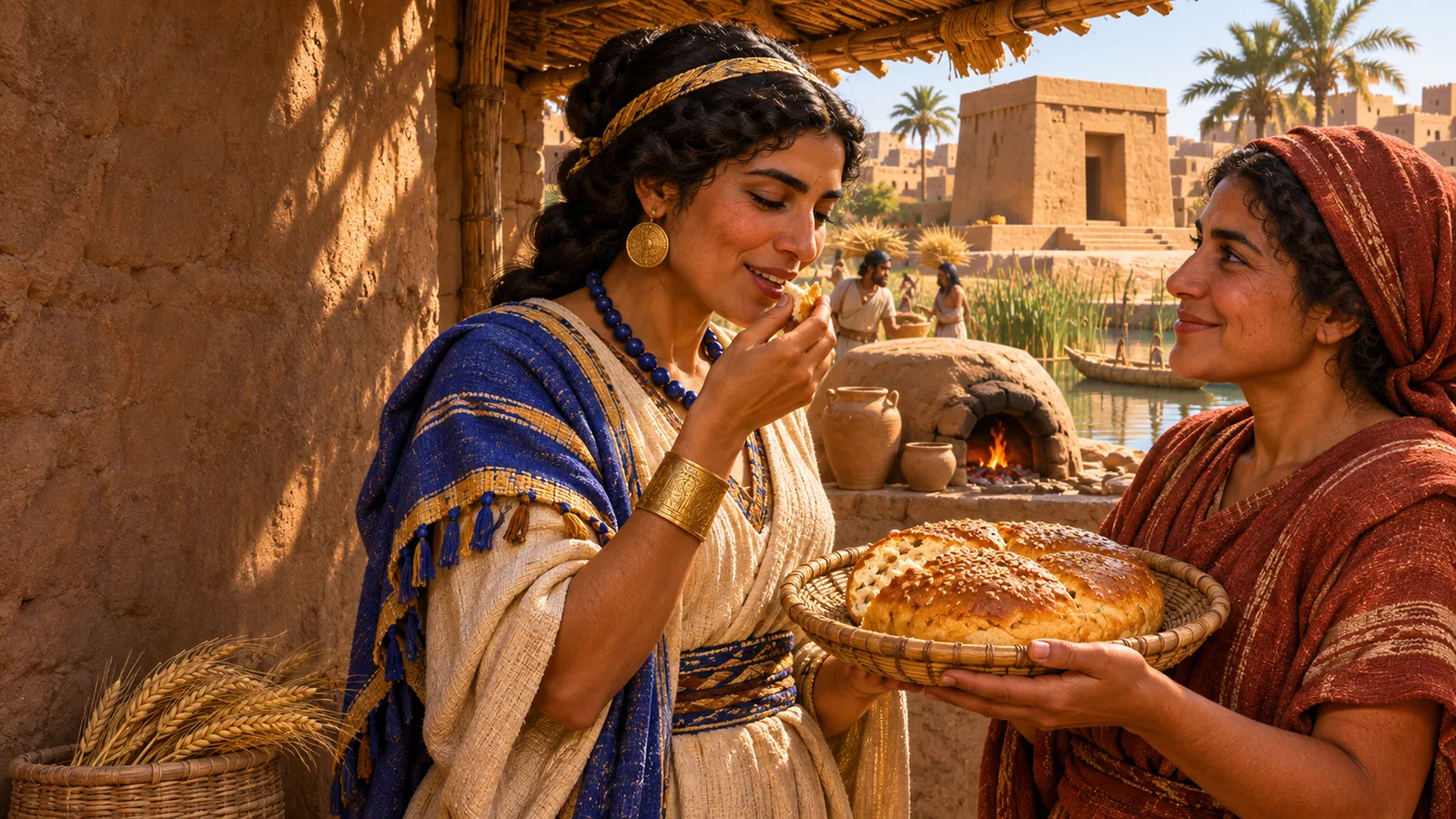
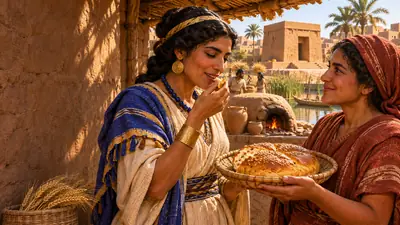
Por primera vez se probó el pan en los santuarios del país, dice el poema.
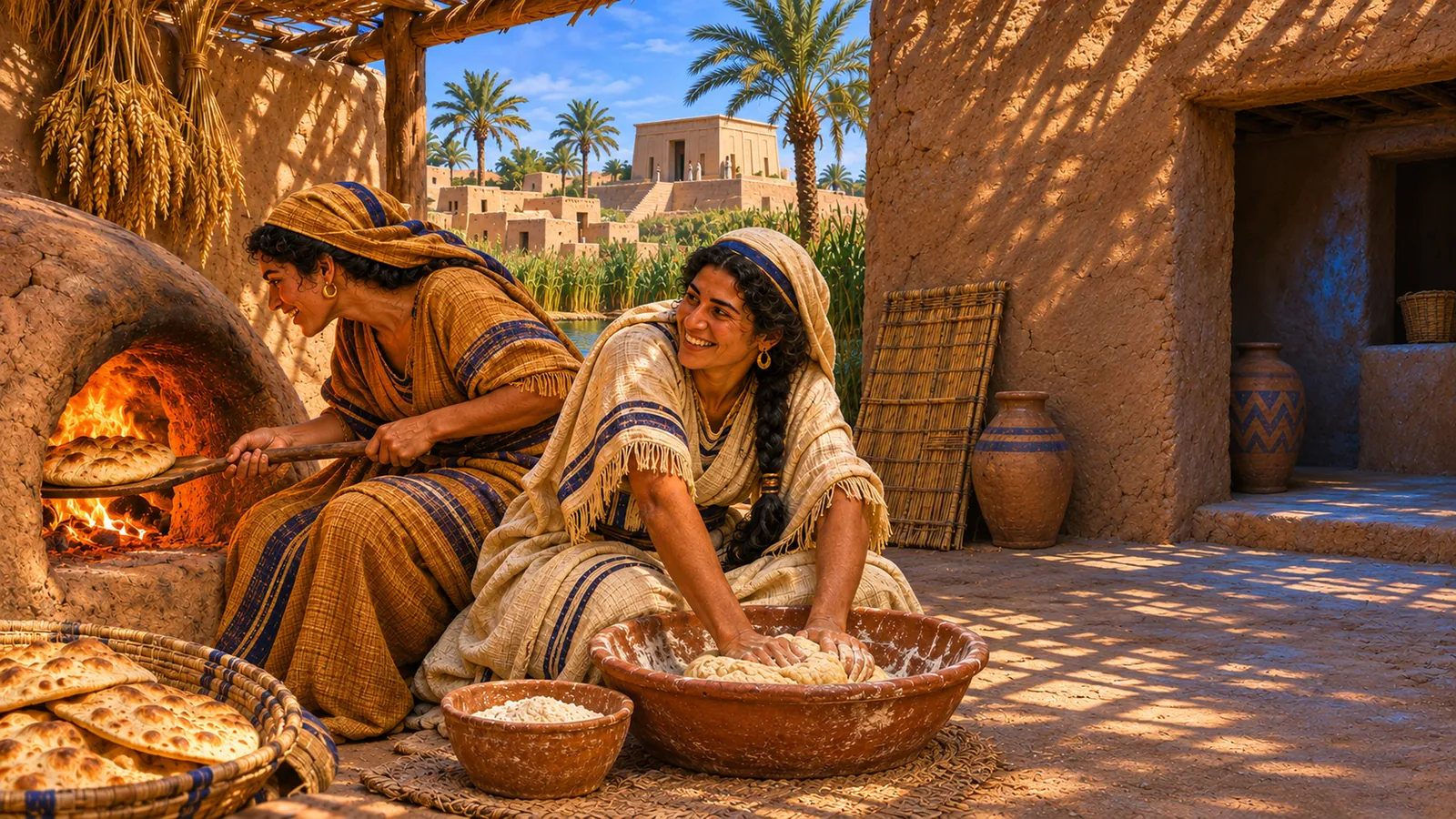
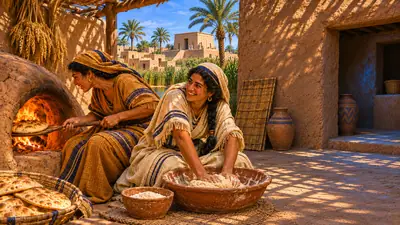
En aquellos años lejanos se pusieron en marcha los hornos del país, según recuerda el poema.

Los cielos se separaron de la tierra, y la tierra quedó apartada de los cielos. Se afianzó la fama de la humanidad.
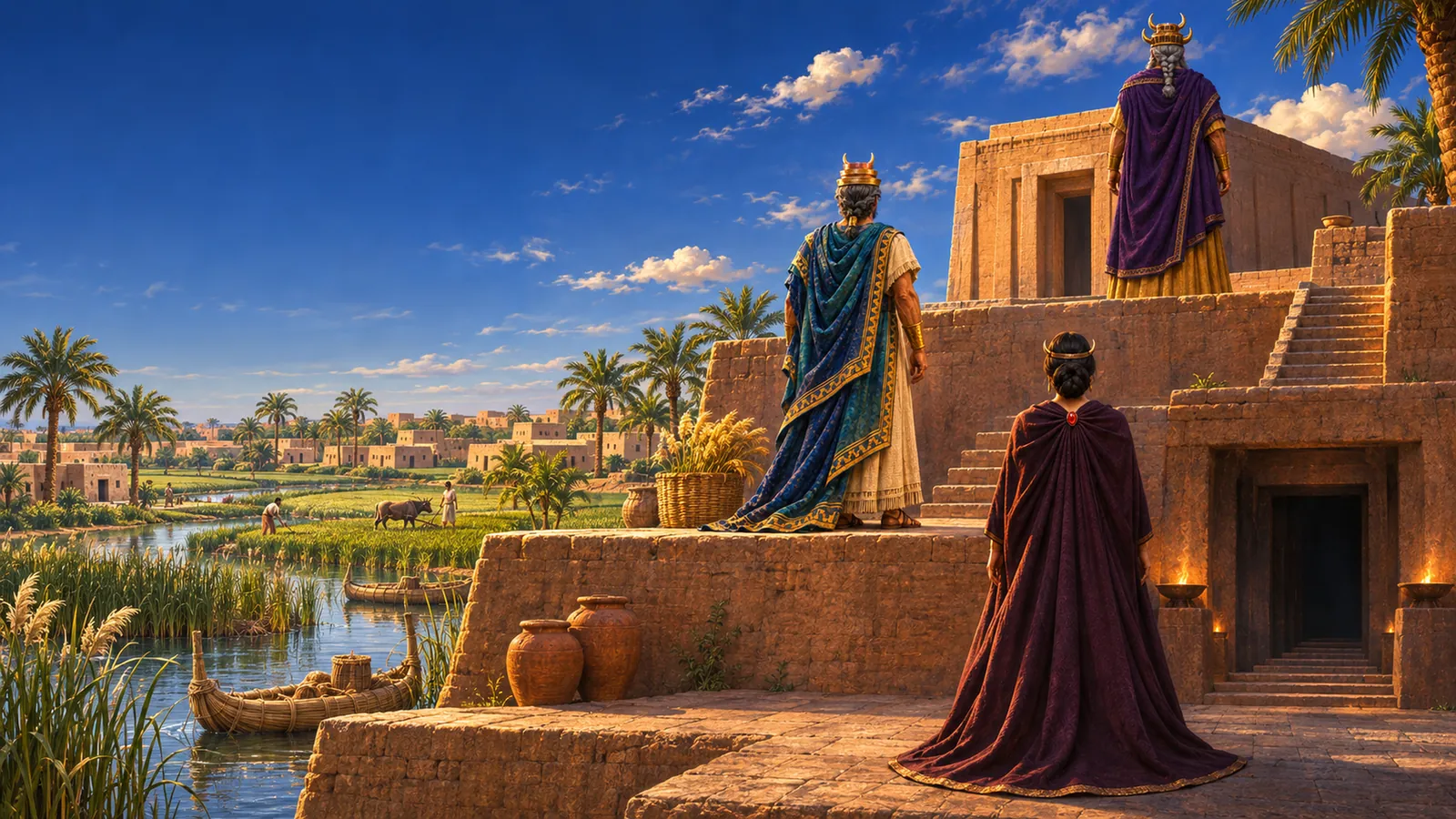
An tomó para sí los cielos, Enlil tomó la tierra y Ereshkigal recibió el mundo subterráneo como regalo.

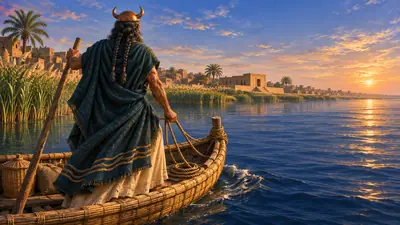
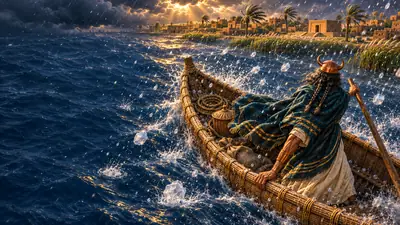
El padre zarpó hacia el mundo subterráneo. El poema lo llama Enki al contar su partida.

Una tormenta de granizos pequeños y grandes se alzó contra Enki. El poema compara los menores con martillos ligeros y los mayores quizá con piedras de catapulta.

La quilla de la pequeña barca de Enki temblaba en la tormenta, como si unas tortugas la empujaran.

Las olas se alzaban en la proa como lobos a punto de devorarlo, y arremetían en la popa como un león.

EL ÁRBOL HALUB
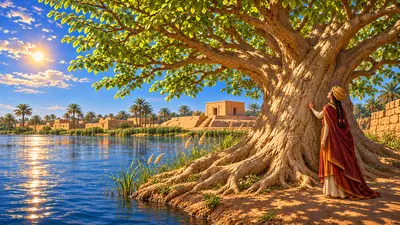
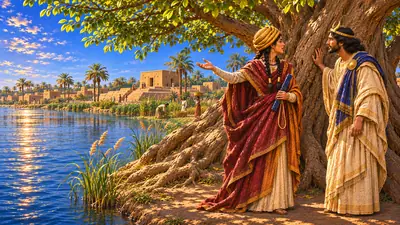
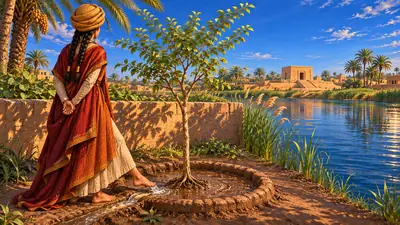
Un solo árbol halub crecía a orillas del Éufrates de aguas puras, donde lo regaba el río.

Del sur sopló un viento tan fuerte que arrancó el árbol halub de la orilla del Éufrates.

El viento del sur arrancó las ramas. El Éufrates arrastró el árbol desarraigado y se lo llevó.
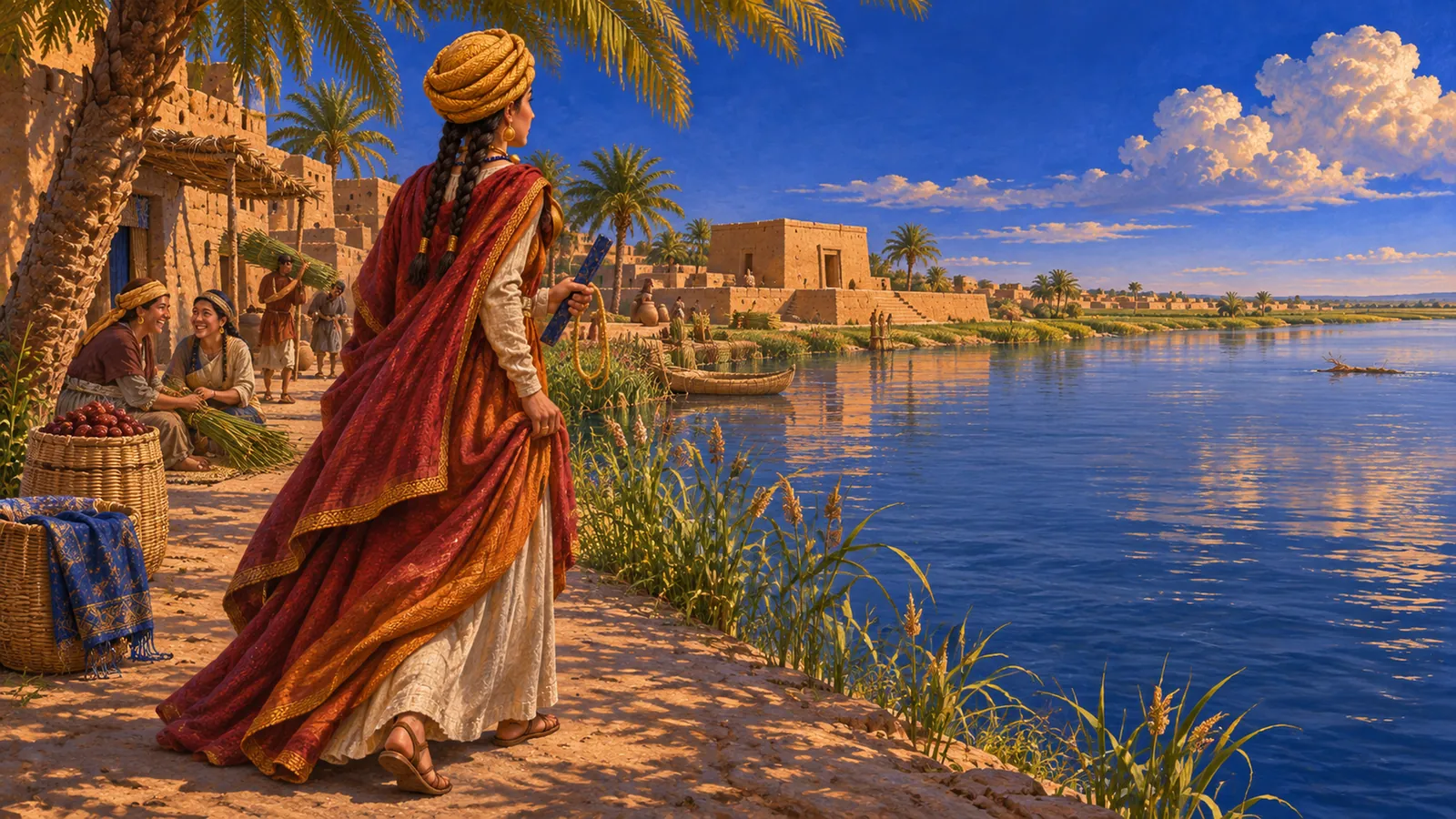
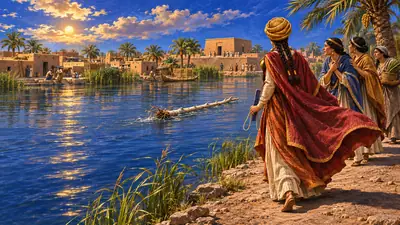
Caminaba una mujer, una mujer que atendía a las palabras de An y a las palabras de Enlil.
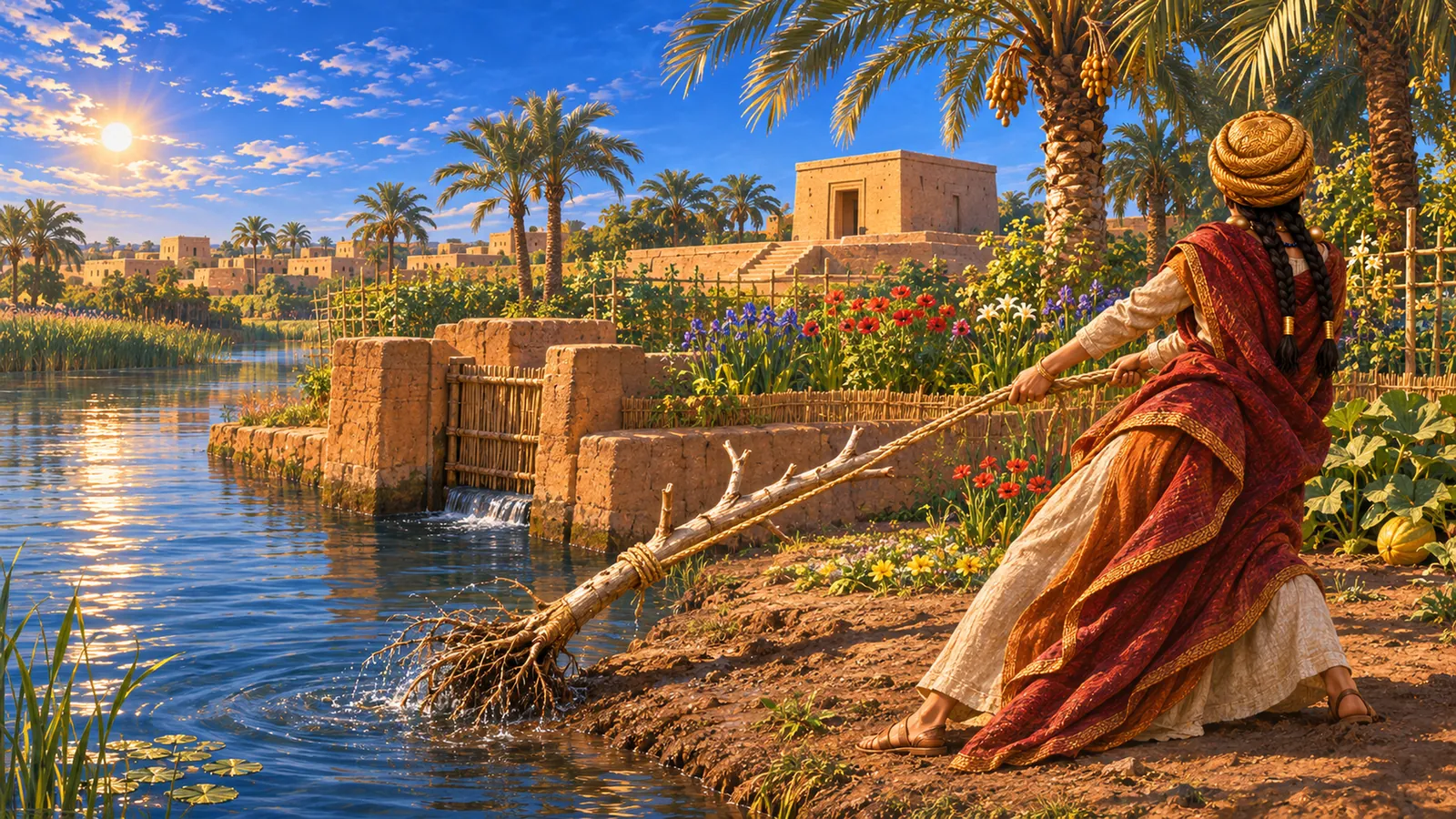
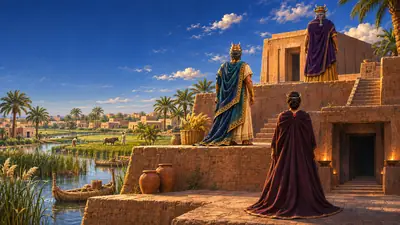
Llevó el árbol a la ciudad de Uruk y lo introdujo en el frondoso jardín de Inanna.

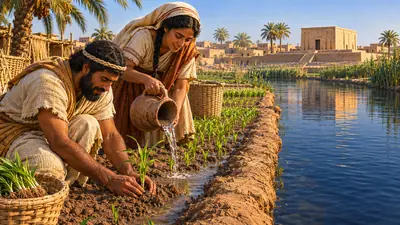
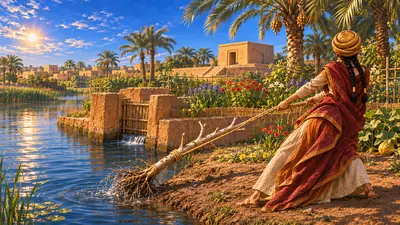
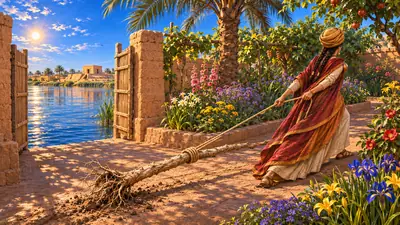
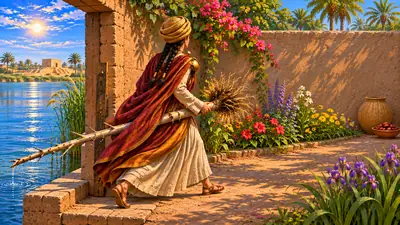
La mujer puso el árbol halub en la tierra del jardín. El poema dice que lo plantó usando solo los pies.

La mujer también regó el árbol halub en el jardín. Lo hizo usando solo los pies.
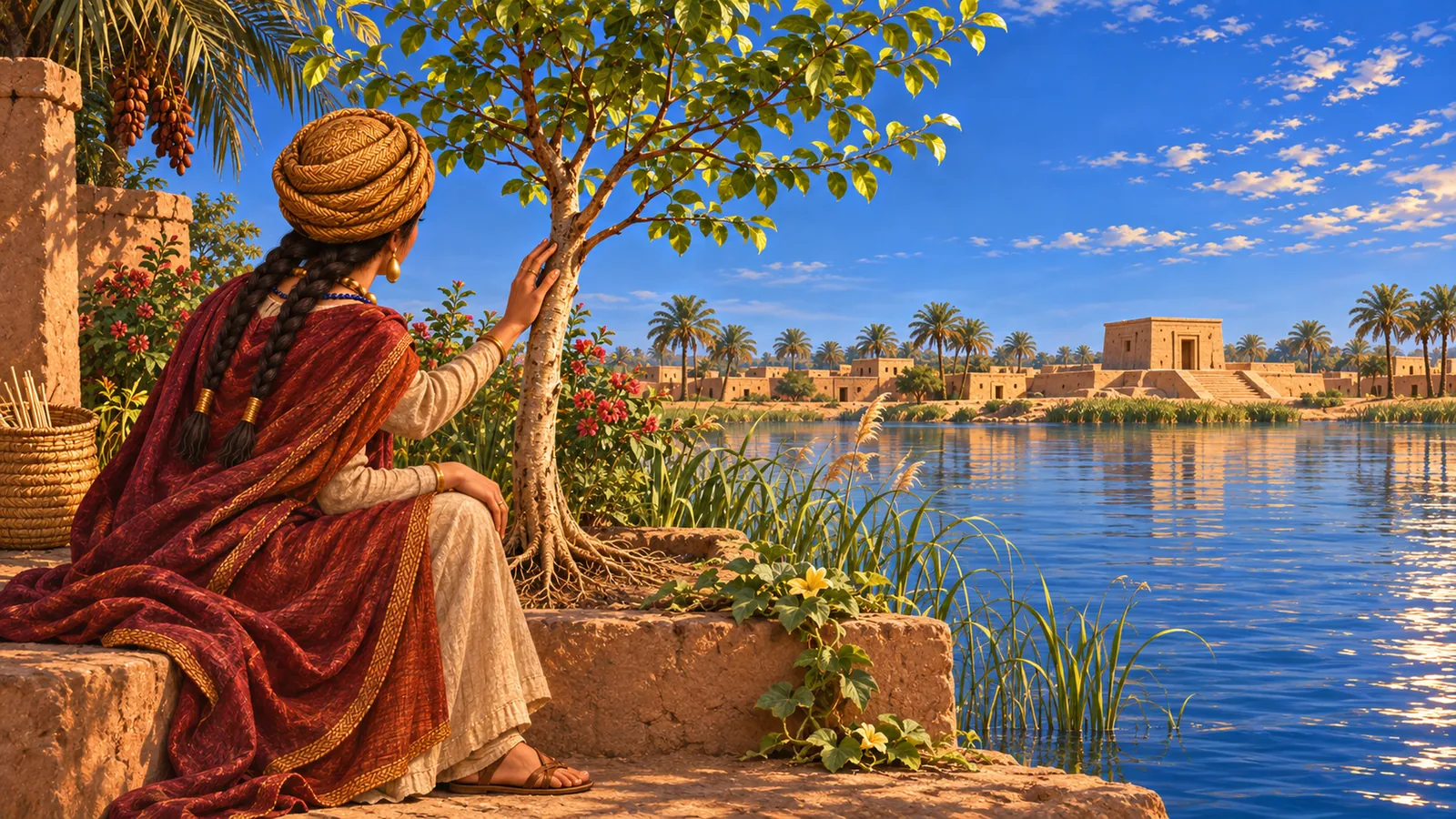
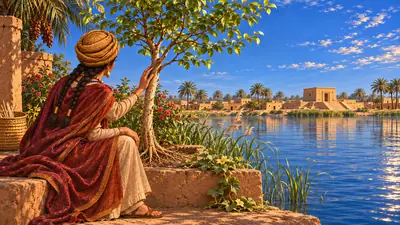
Se preguntó cuándo el árbol se convertiría en un hermoso asiento en el que pudiera sentarse. Se preguntó cuándo se convertiría en un hermoso lecho en el que pudiera recostarse.
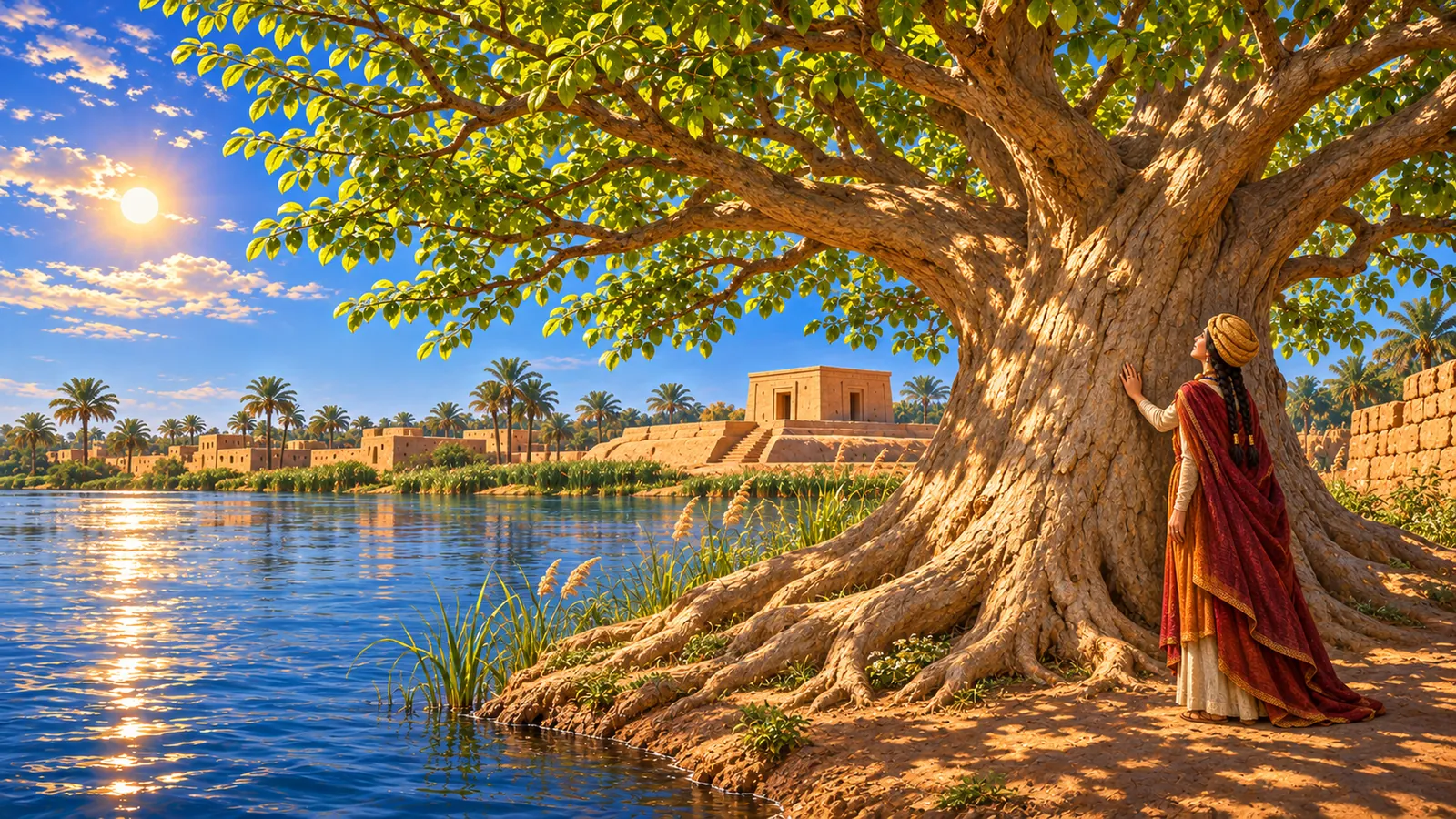
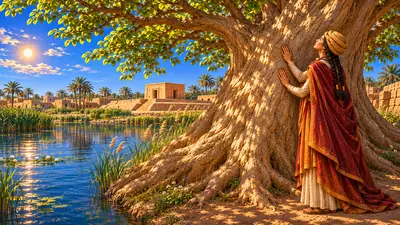
Pasaron cinco años, luego diez. El árbol creció hasta hacerse enorme, y su corteza siguió intacta.
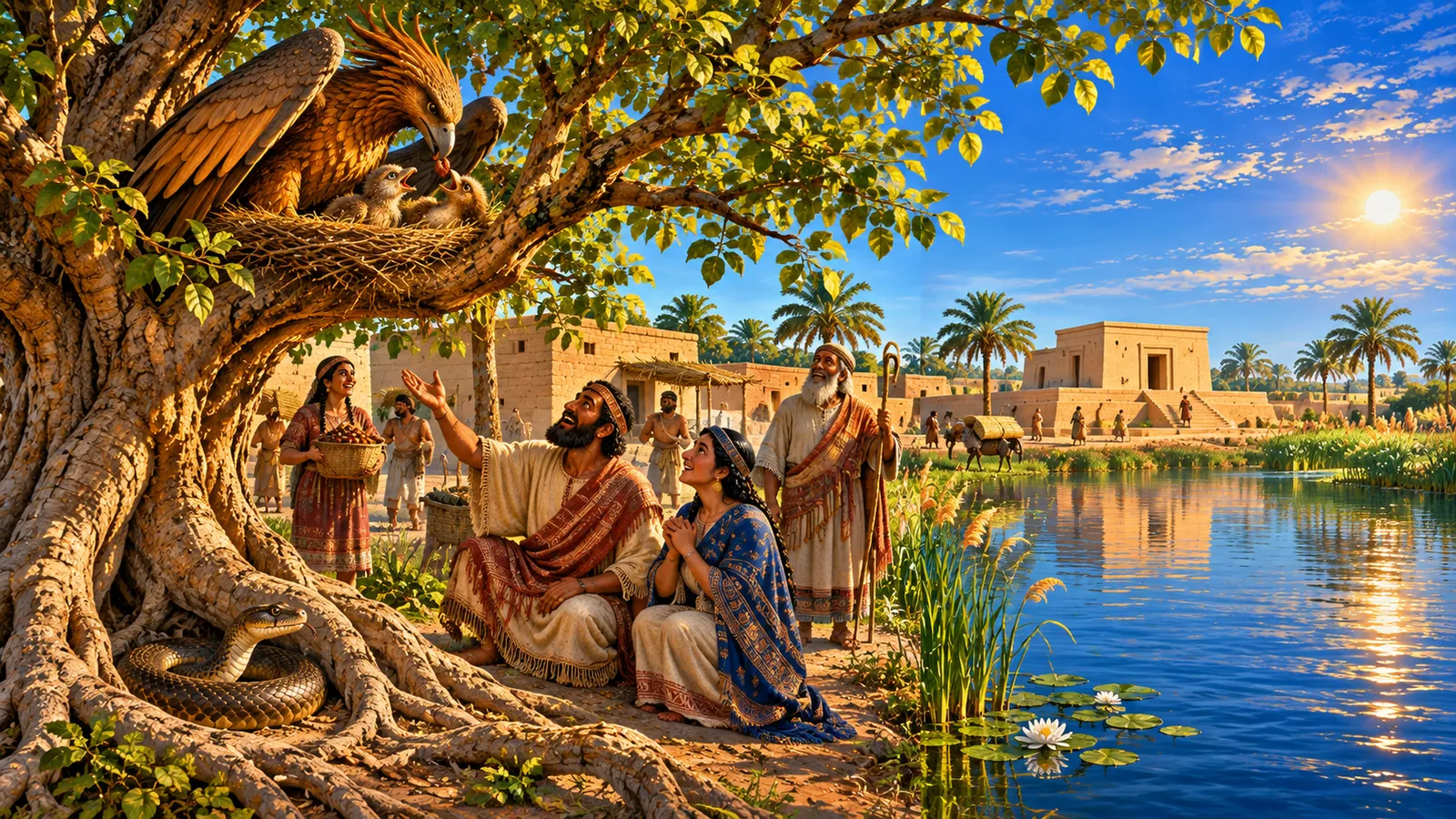
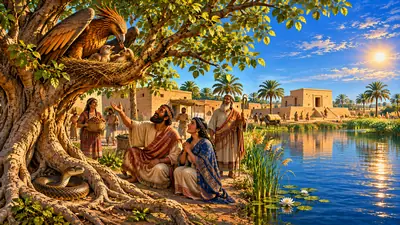
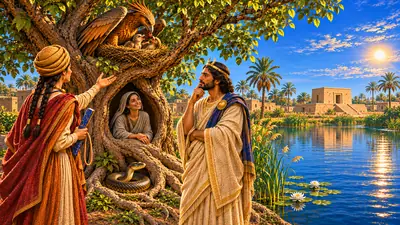
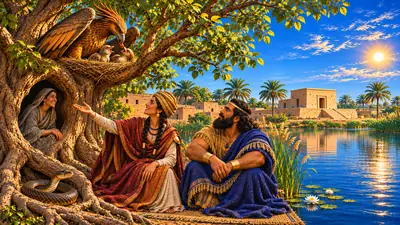
Una serpiente a la que no afectaban los conjuros hizo su nido en las raíces del árbol. En sus ramas, el ave Anzud instaló a sus crías.
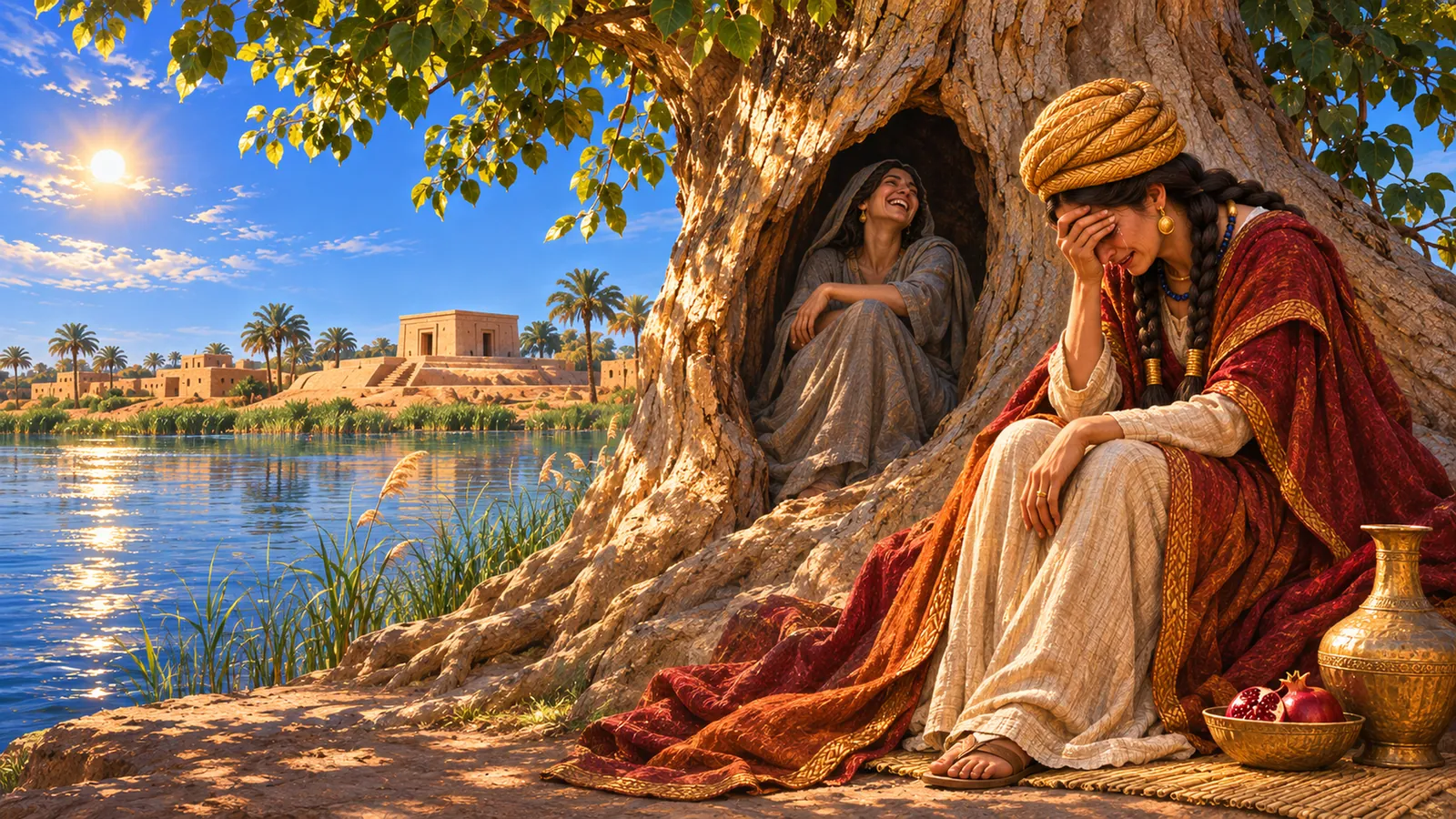
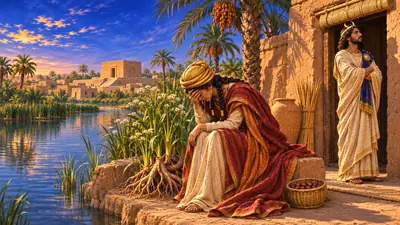
En el tronco, una doncella espectral se hizo una morada y reía con el corazón alegre. Inanna lloró.
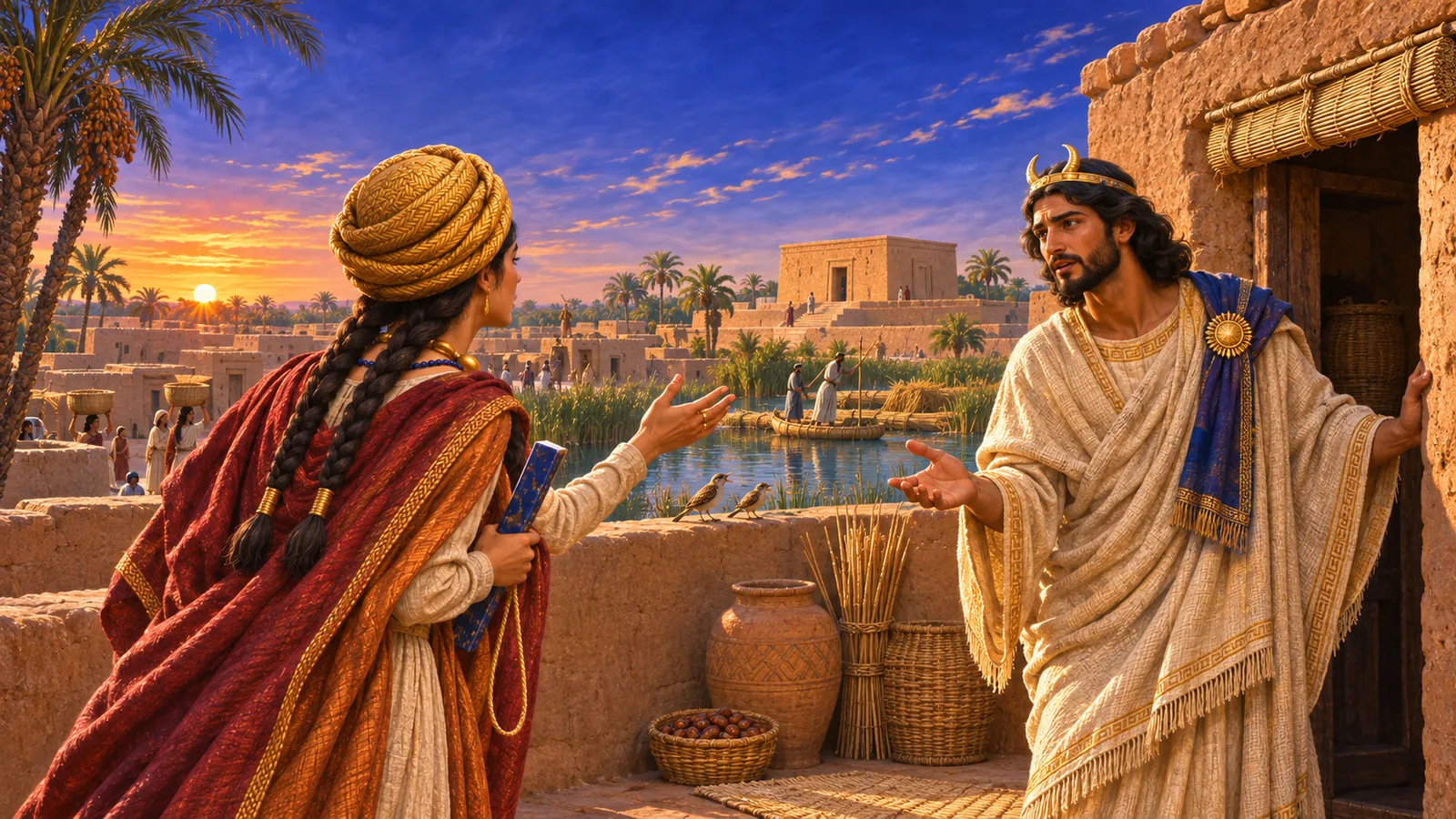
EL ALBA
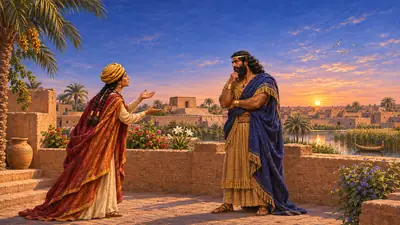
El horizonte se iluminó y los pajarillos empezaron a cantar. Utu ya había salido de su alcoba cuando su hermana Inanna le habló.
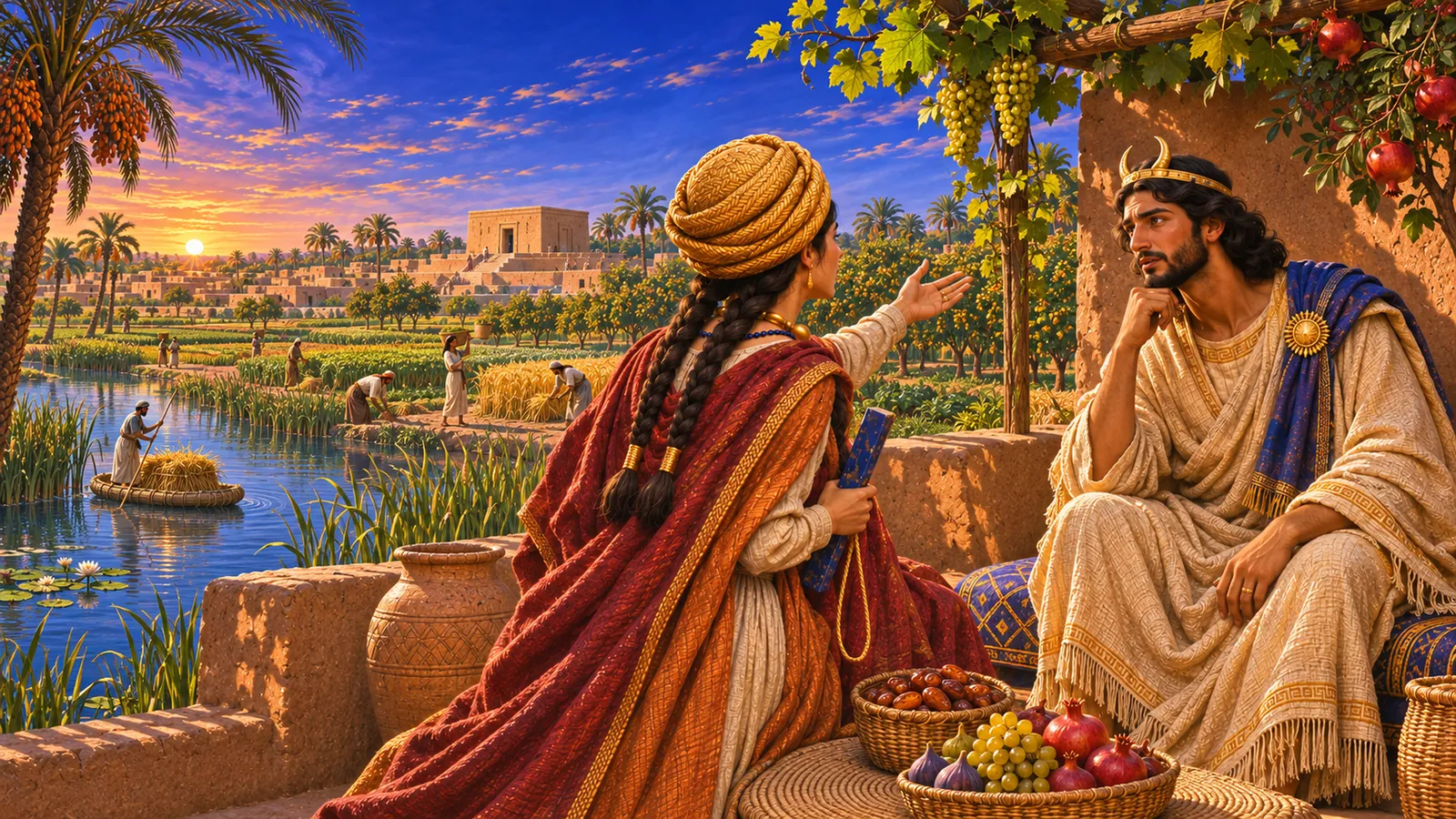
Inanna llevó a su hermano a los días en que quedó fijado el destino. En aquellos días, le dijo, la abundancia desbordaba en el país.
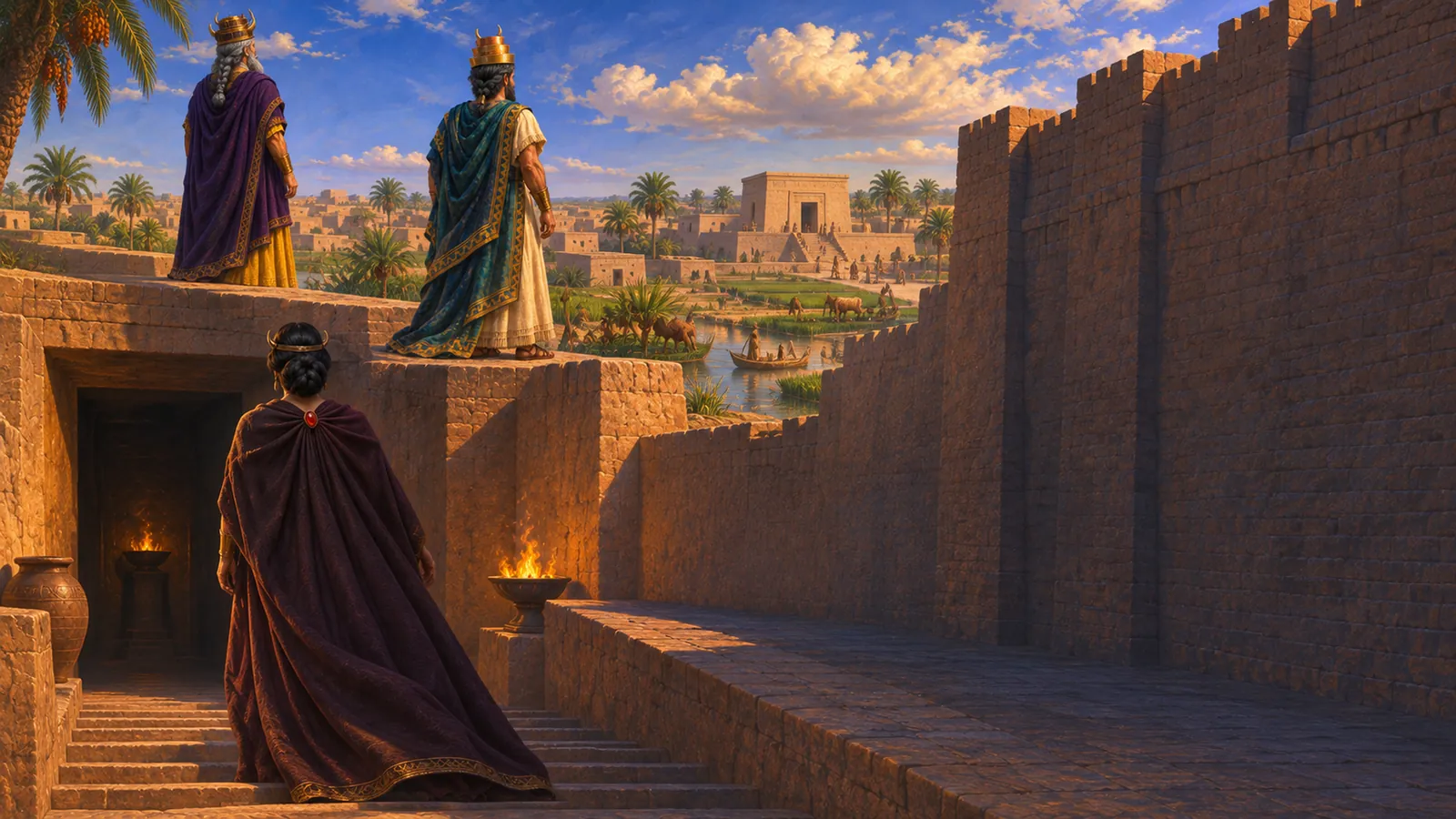
En su relato, An había tomado los cielos y Enlil la tierra. El mundo de los muertos había sido entregado a Ereshkigal como regalo.

Contó cómo Enki zarpó hacia el mundo de los muertos. Una tormenta de granizo menudo se abatió sobre el señor, y otra de granizos grandes sobre Enki. El poema los compara con martillos ligeros y quizá con piedras de catapulta.

Dijo que la quilla de la pequeña barca temblaba, como golpeada por tortugas. En la proa, las olas se alzaron como lobos para devorar al señor. En la popa, acometieron a Enki como un león.
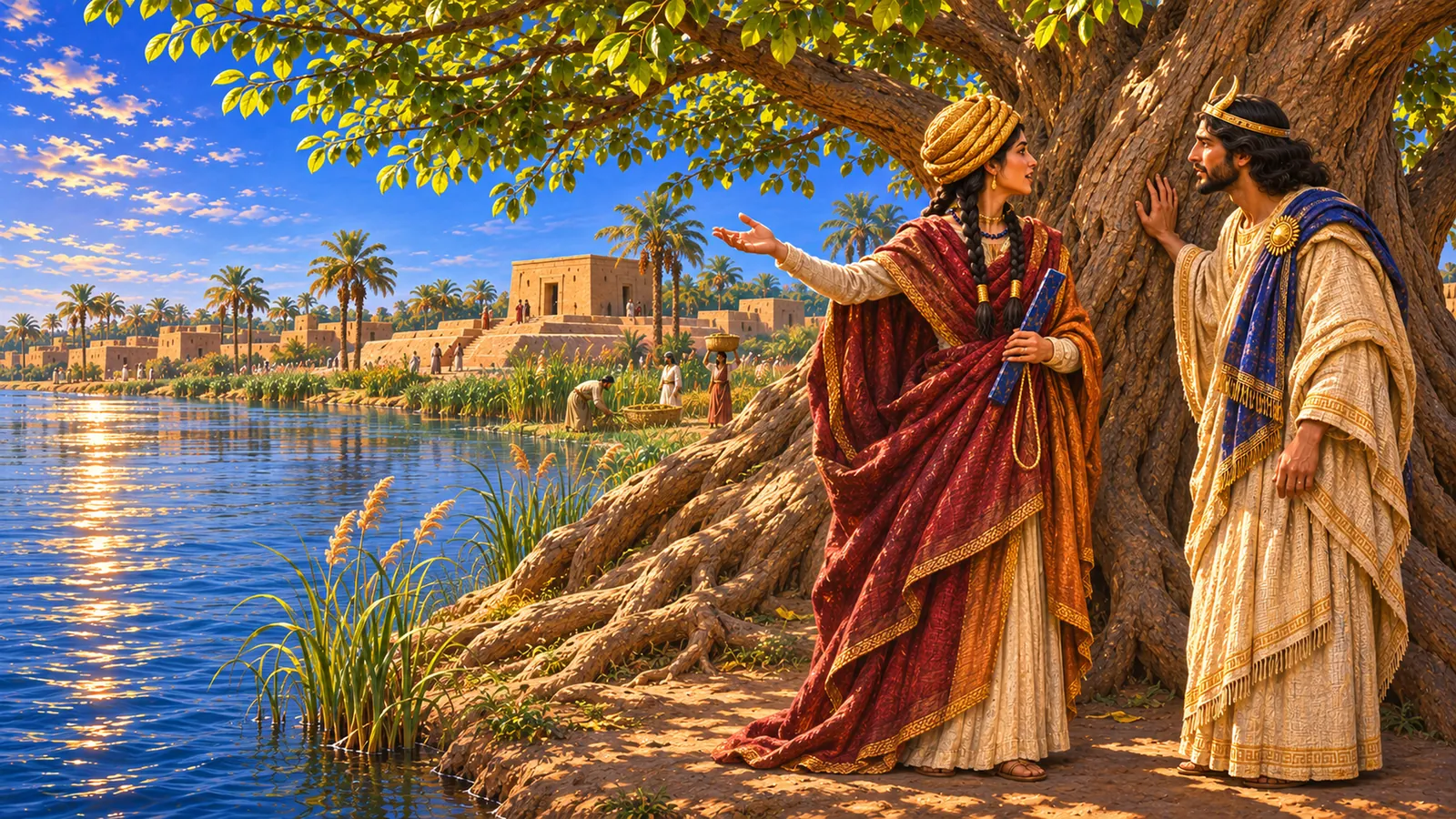
Inanna recordó el único árbol halub que crecía en la orilla del Éufrates. Dijo que el propio Éufrates lo regaba.

Un viento del sur arrancó el árbol de raíz y le desgajó las ramas. Inanna dijo que el Éufrates se lo había llevado.
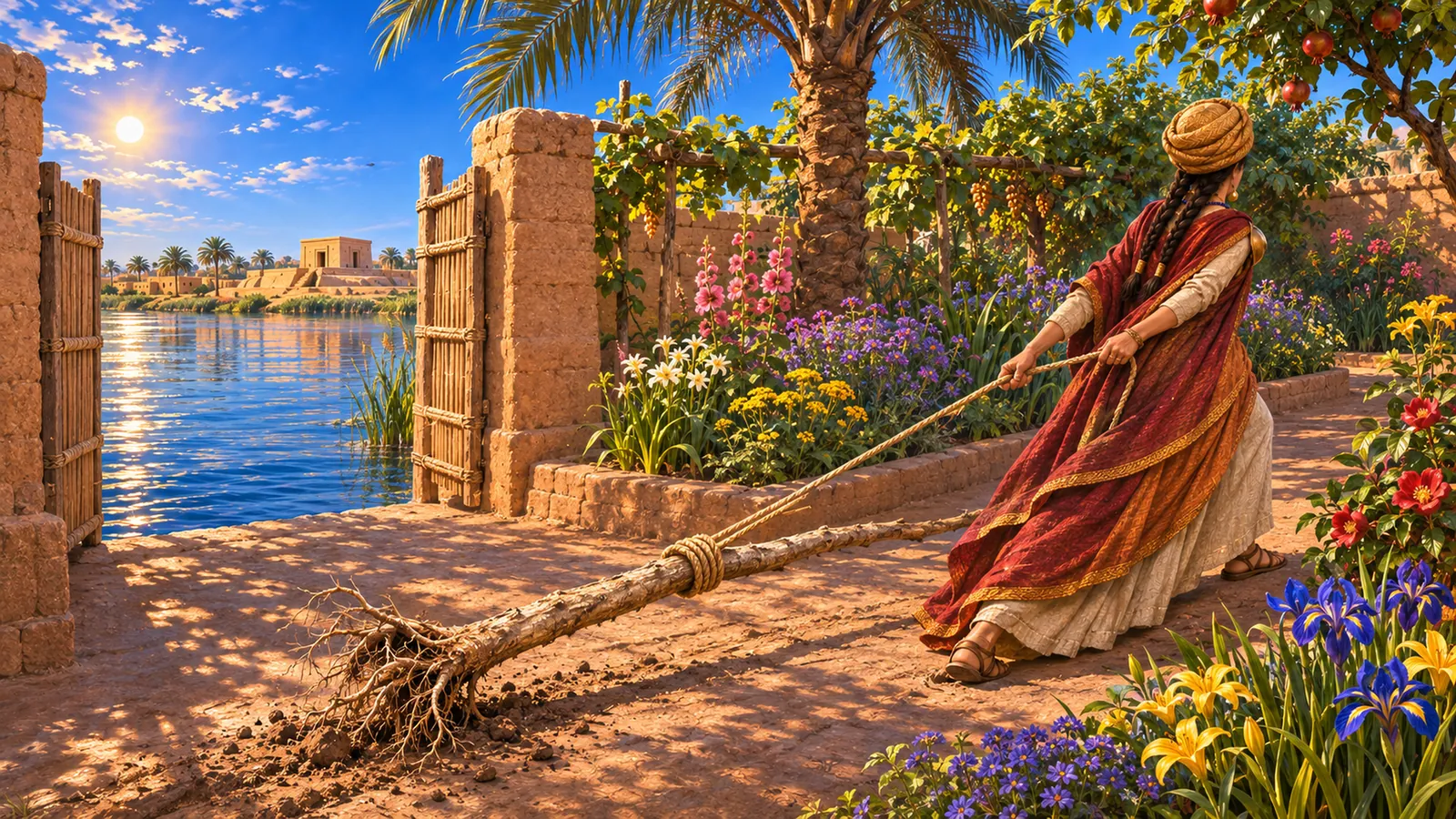
Le dijo a Utu que ella era la mujer que había respetado las palabras de An y Enlil. Había llevado el árbol a Uruk, a su propio jardín frondoso.
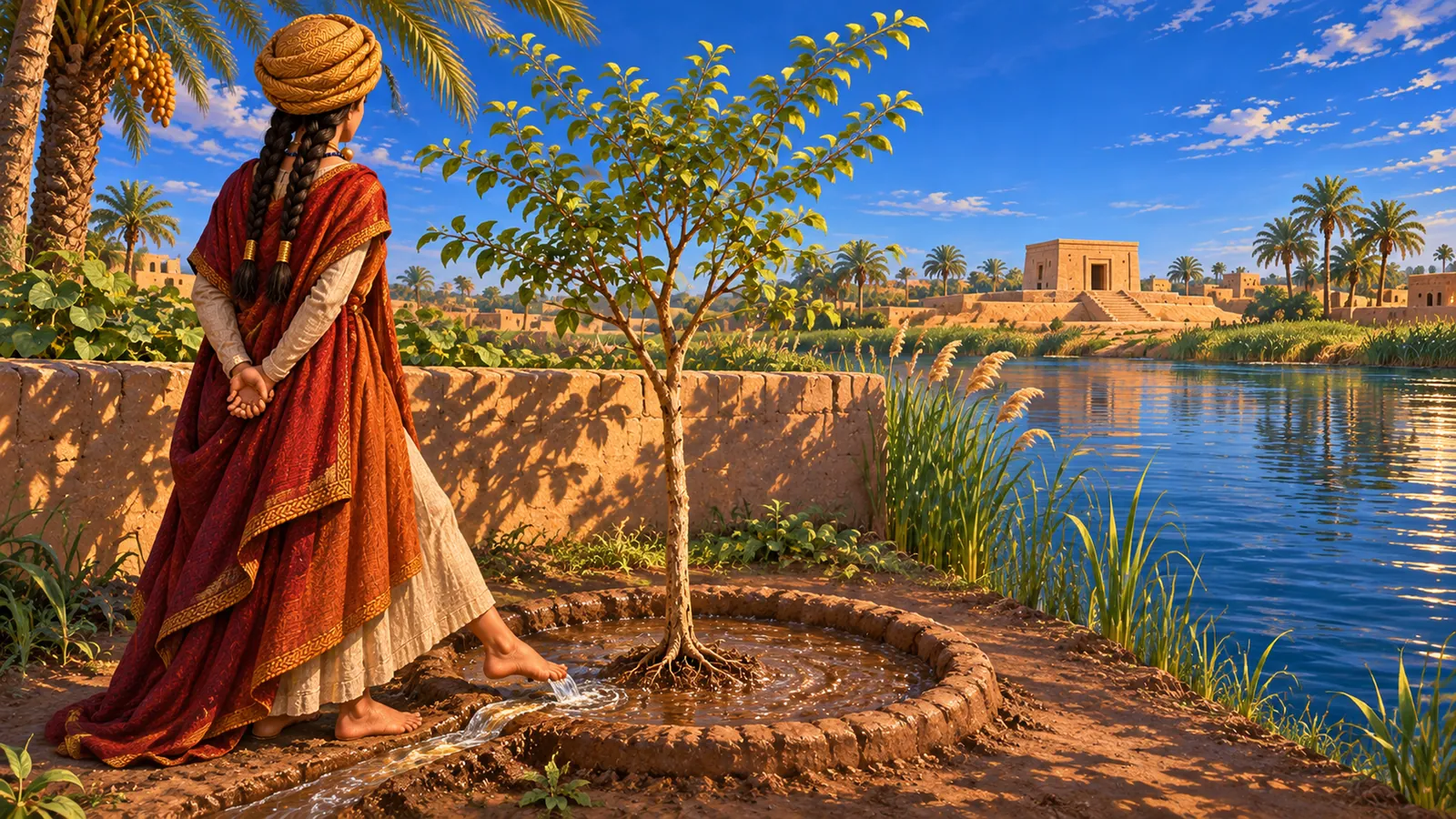
Inanna le dijo a Utu que había plantado y regado el halub en su jardín, ambas veces usando solo los pies.
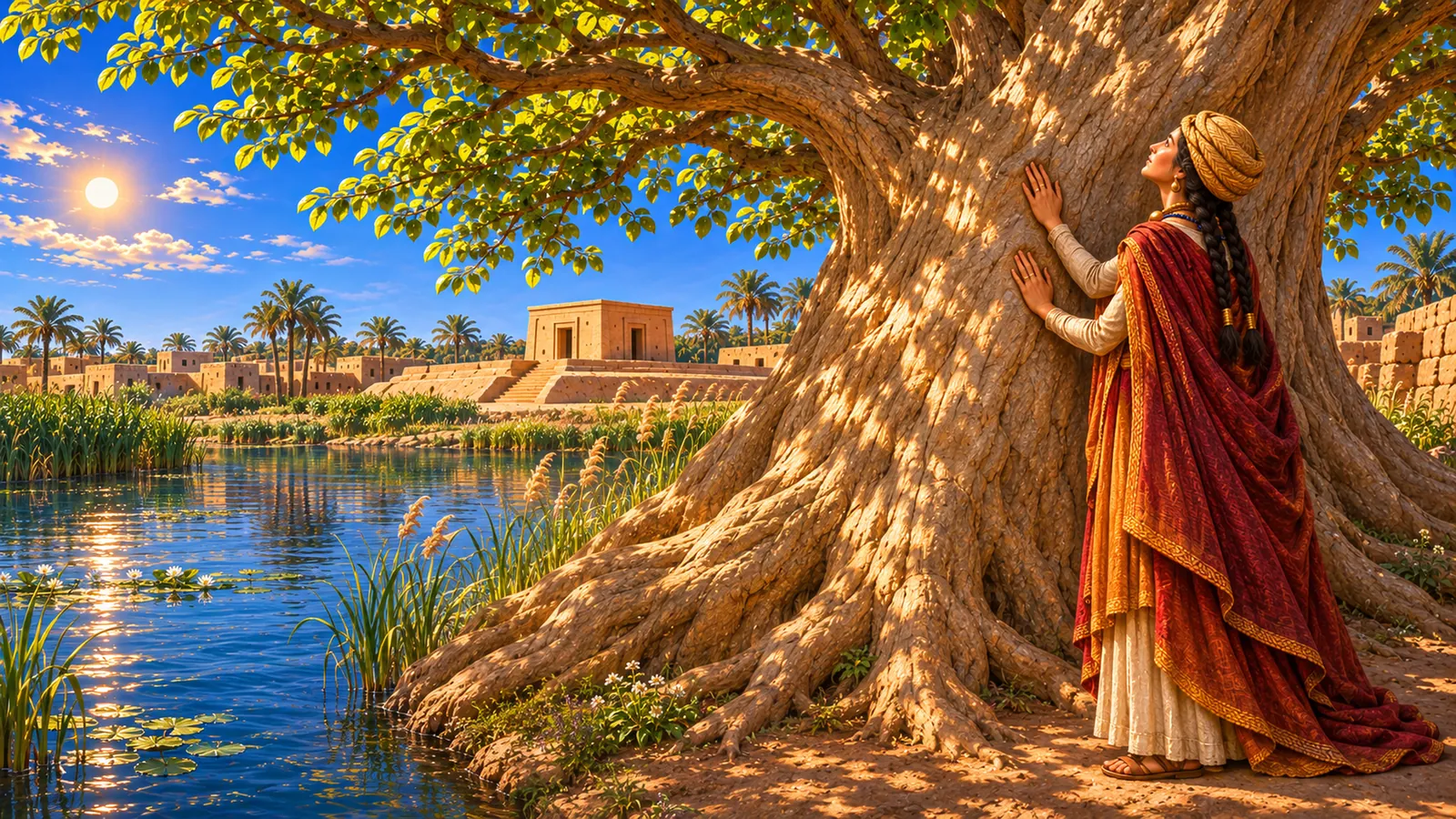
Recordó que deseaba un hermoso asiento en el que sentarse y un hermoso lecho en el que recostarse. Pasaron cinco años, luego diez. El árbol se hizo enorme y su corteza quedó intacta.
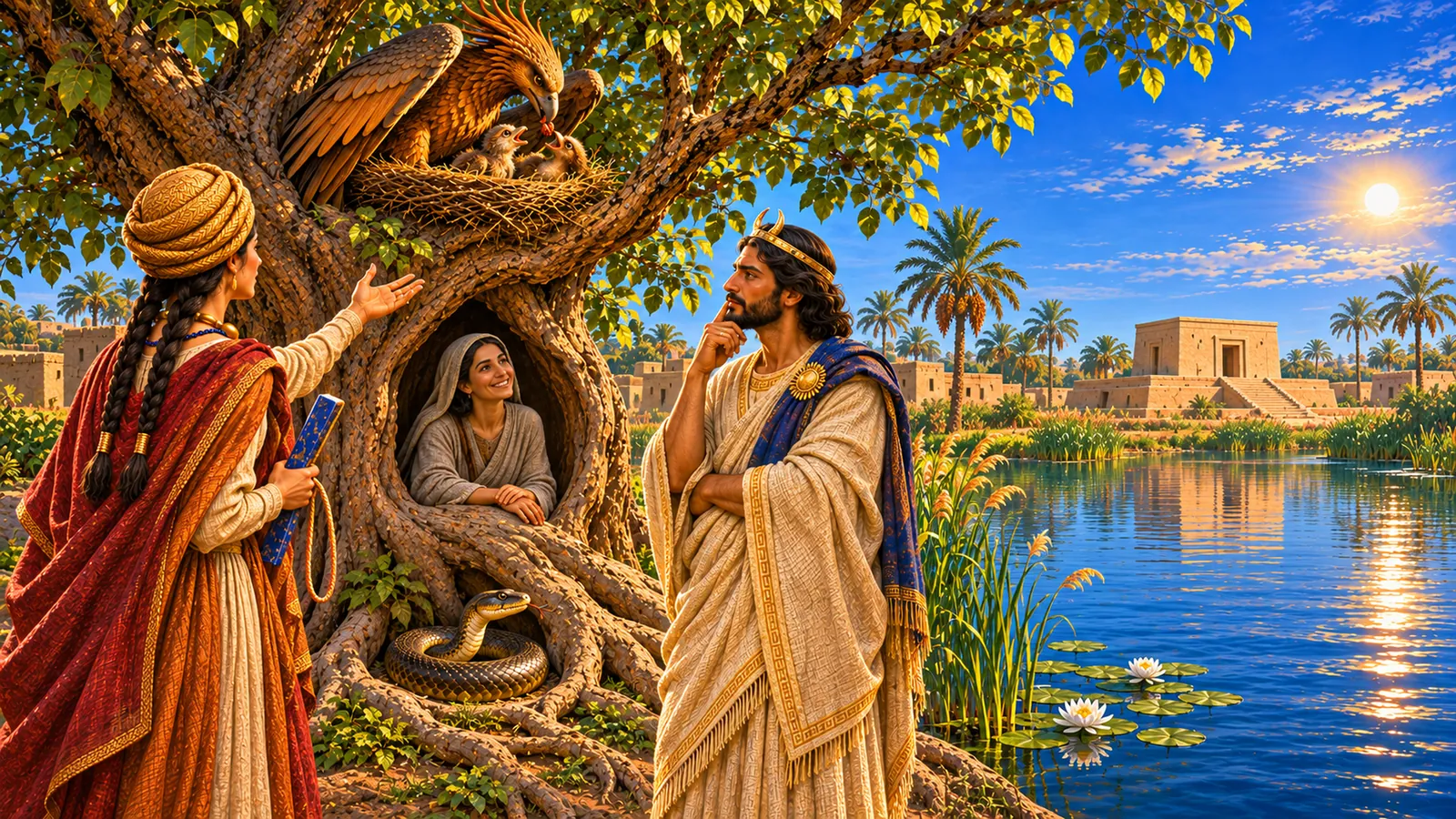
Le habló a Utu de la serpiente a la que no afectaban los conjuros en las raíces, del ave Anzud con sus crías entre las ramas, y de la doncella espectral que hizo su morada dentro del tronco y reía de corazón alegre.
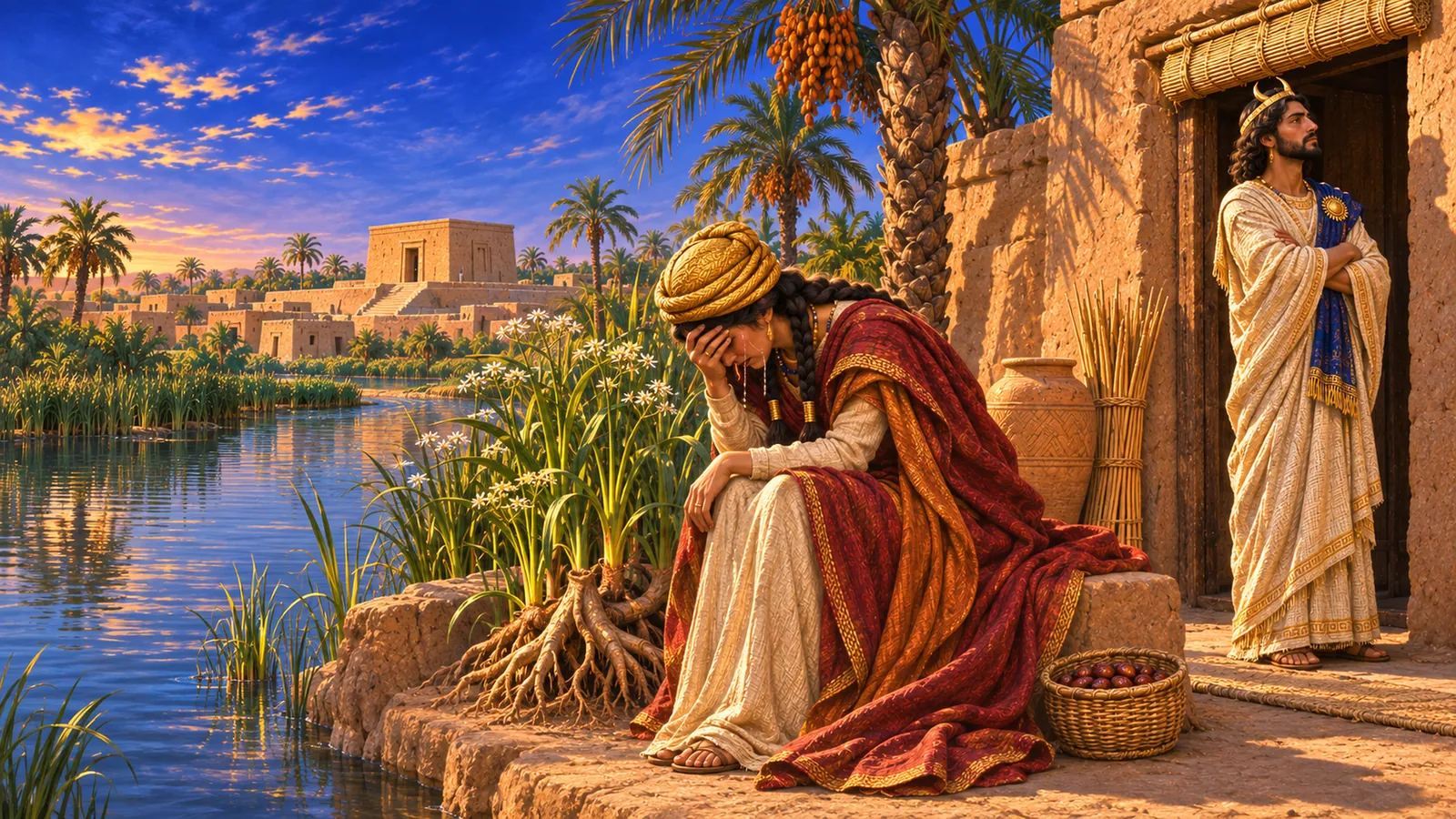
Su relato terminó con sus propias lágrimas. El poema dice que su hermano Utu, el joven guerrero, no la apoyó en este asunto.
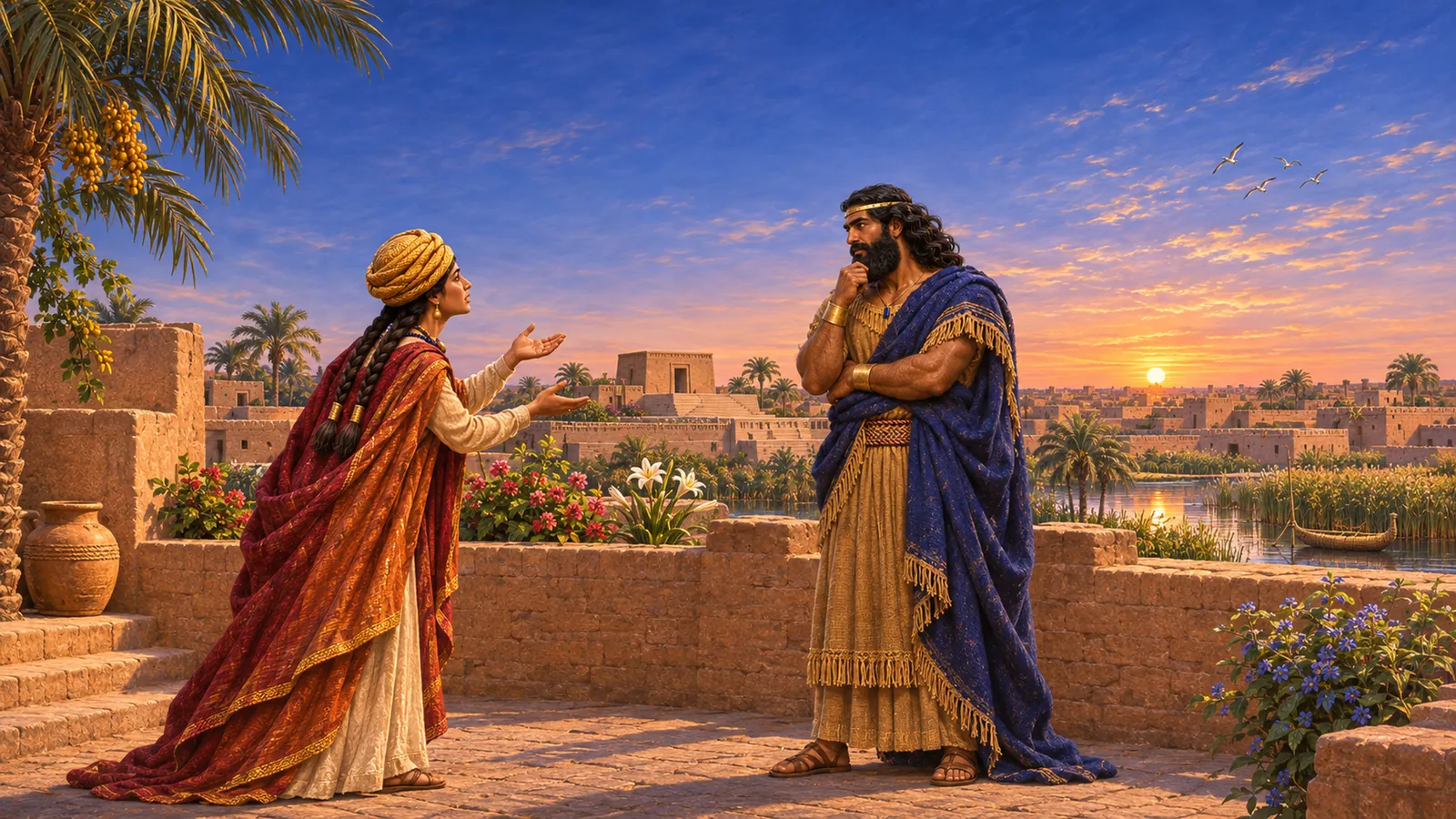
LA SÚPLICA
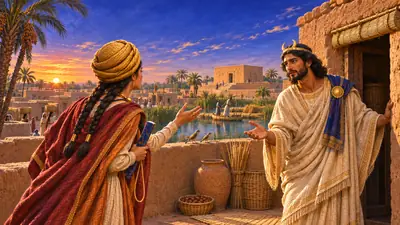
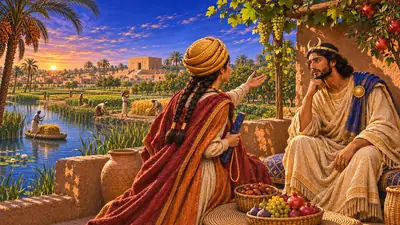
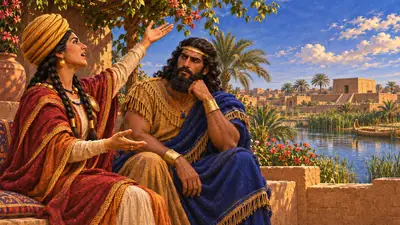
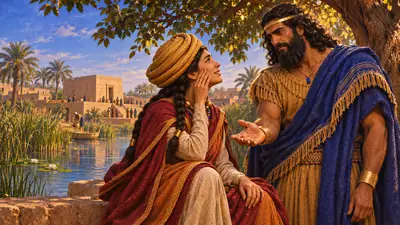
Al romper el alba y empezar a cantar los pájaros, Inanna habló al guerrero Gilgamesh. Se dirigió a él llamándolo hermano.
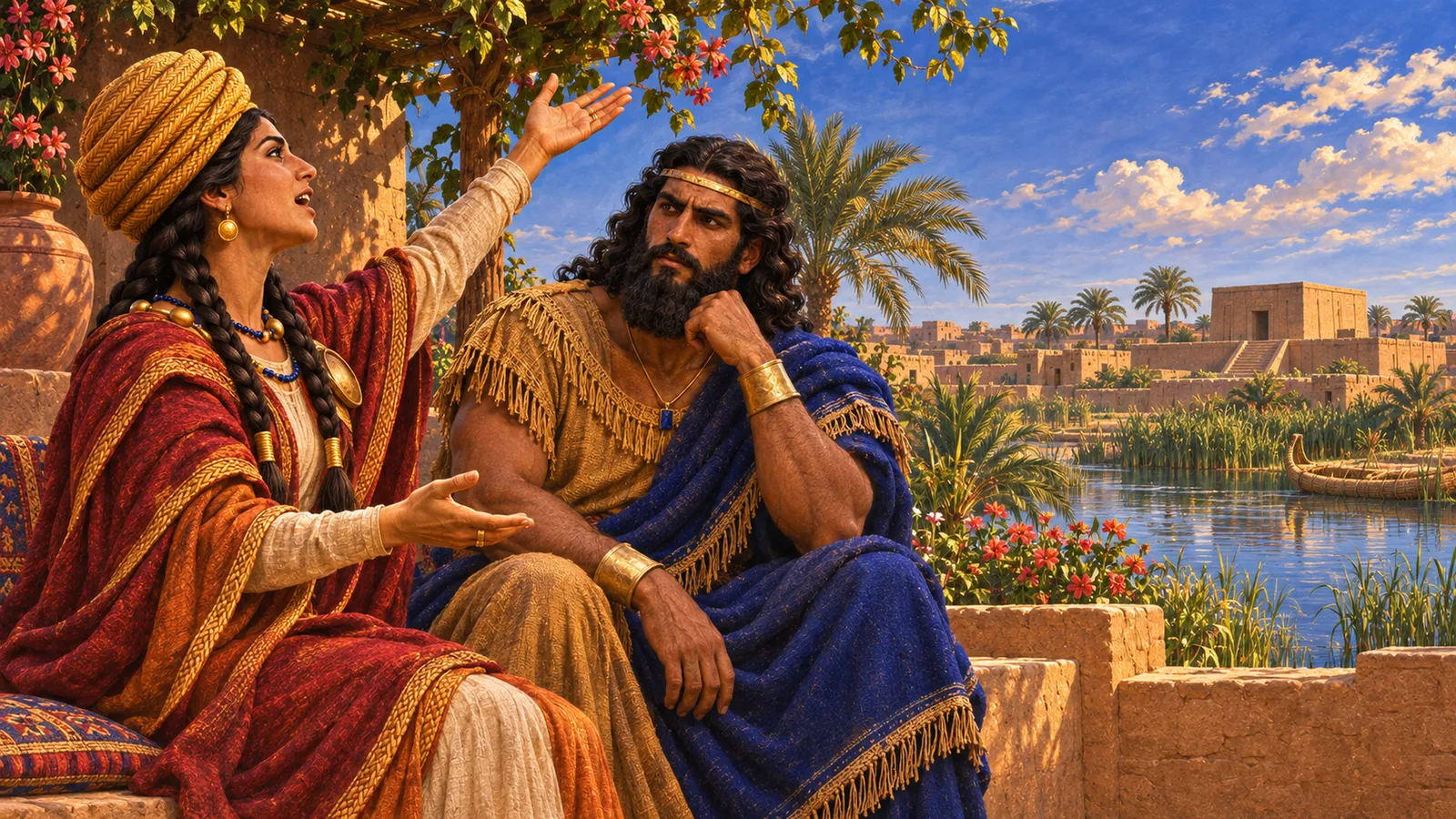
Recordó los días en que se fijaron los destinos y la abundancia colmaba el país. An había tomado el cielo, Enlil había tomado la tierra y Ereshkigal había recibido el inframundo como regalo.

Inanna contó cómo Enki zarpó hacia el inframundo. En su relato, el granizo pequeño cayó sobre el señor y el grande sobre Enki. Comparó los granizos pequeños con martillos ligeros.

Describió la barca temblando como si unas tortugas golpearan su quilla. Las olas de proa eran como lobos y las de popa como un león.

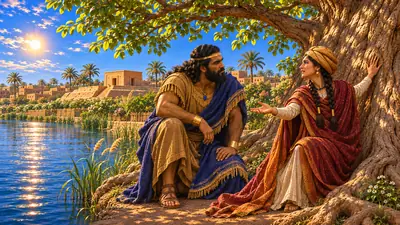
Inanna recordó un árbol halub que crecía junto al Éufrates y se nutría de sus aguas. El viento del sur lo arrancó de raíz y dejó sus ramas desnudas. El río se lo llevó.
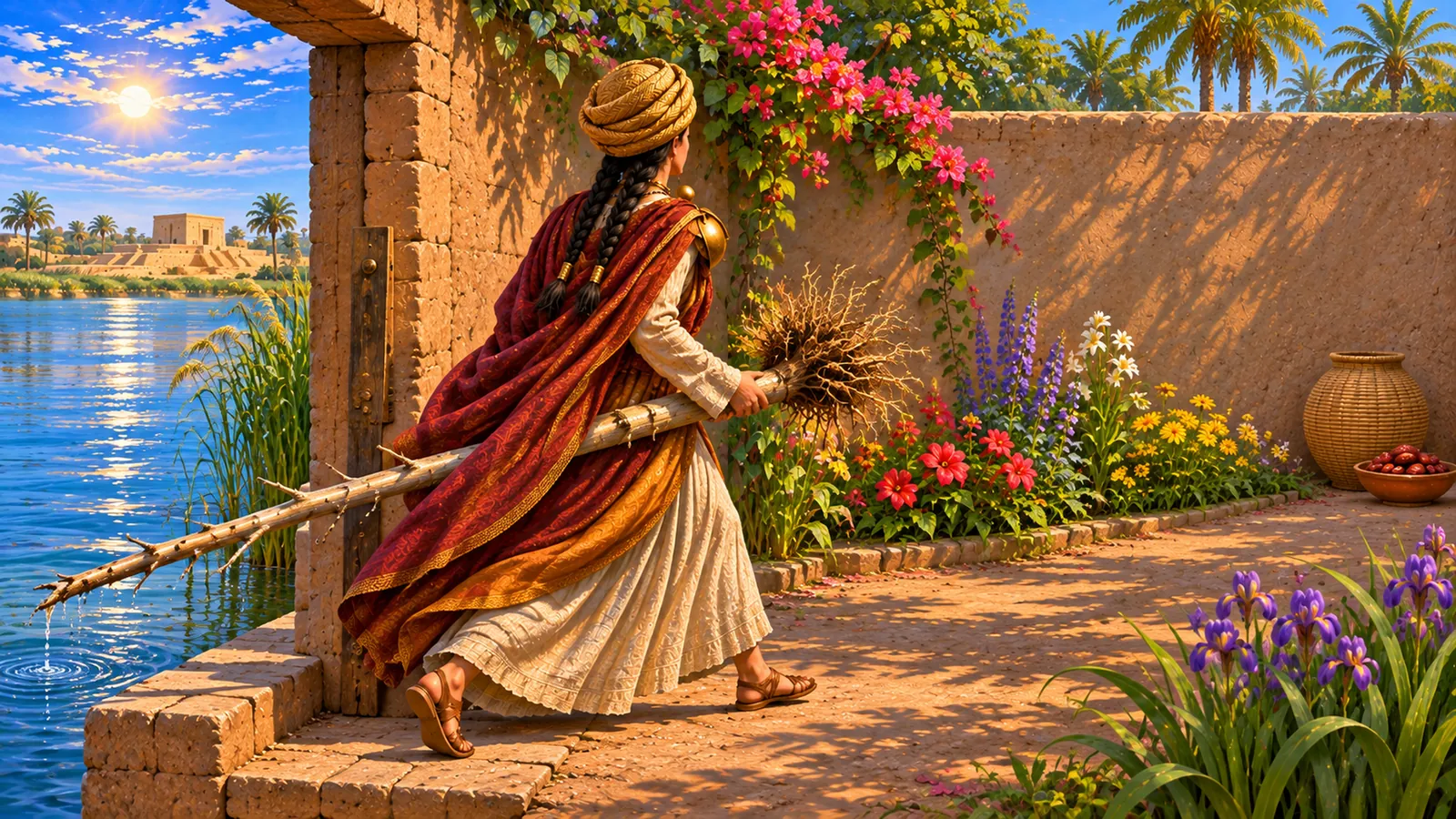
Inanna dijo que caminaba respetando las palabras de An y de Enlil. Recogió el árbol y lo llevó a su jardín en Uruk.
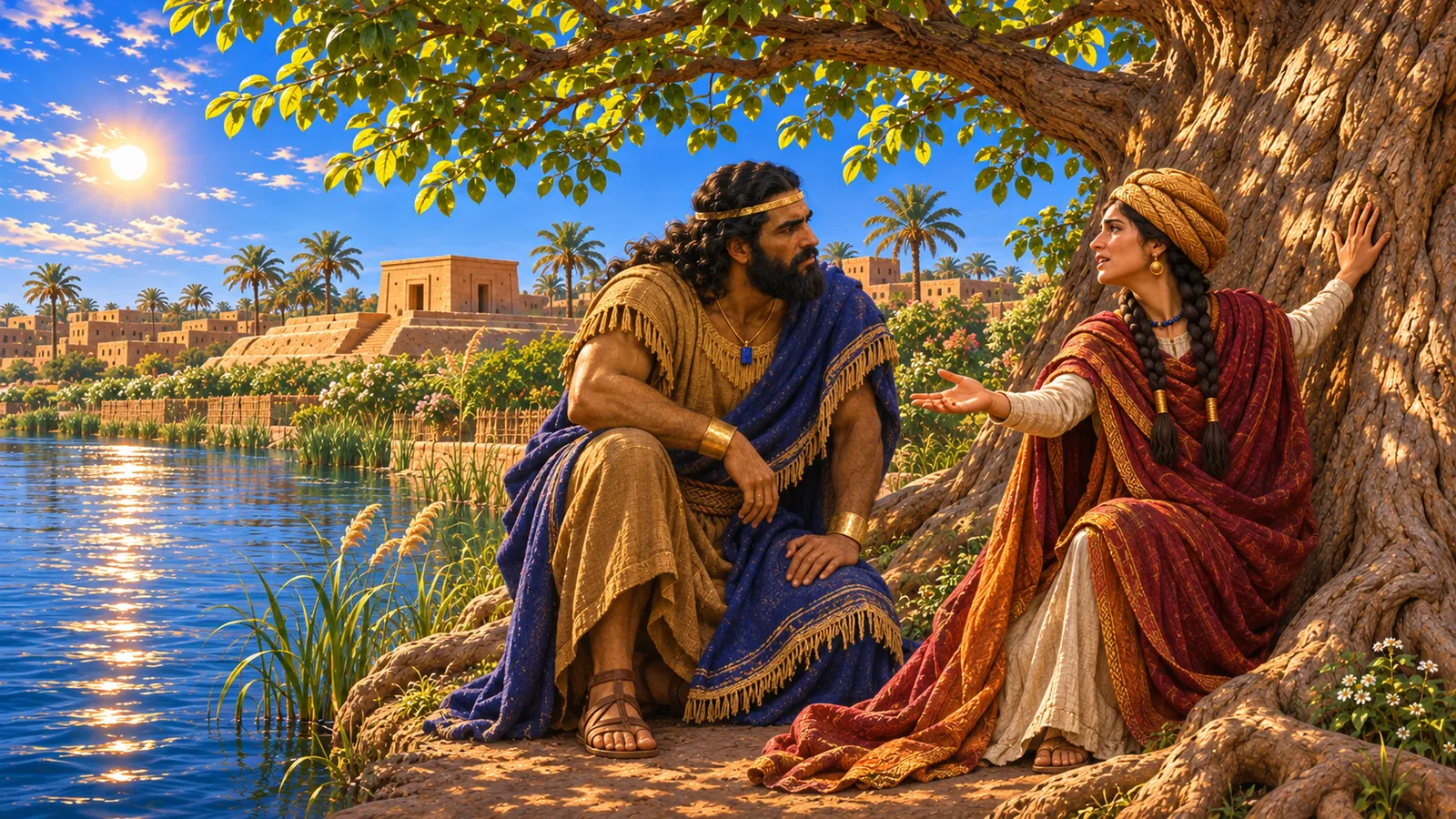
Contó cómo había plantado y regado el árbol con los pies. Había esperado que algún día le diera una silla y una cama.
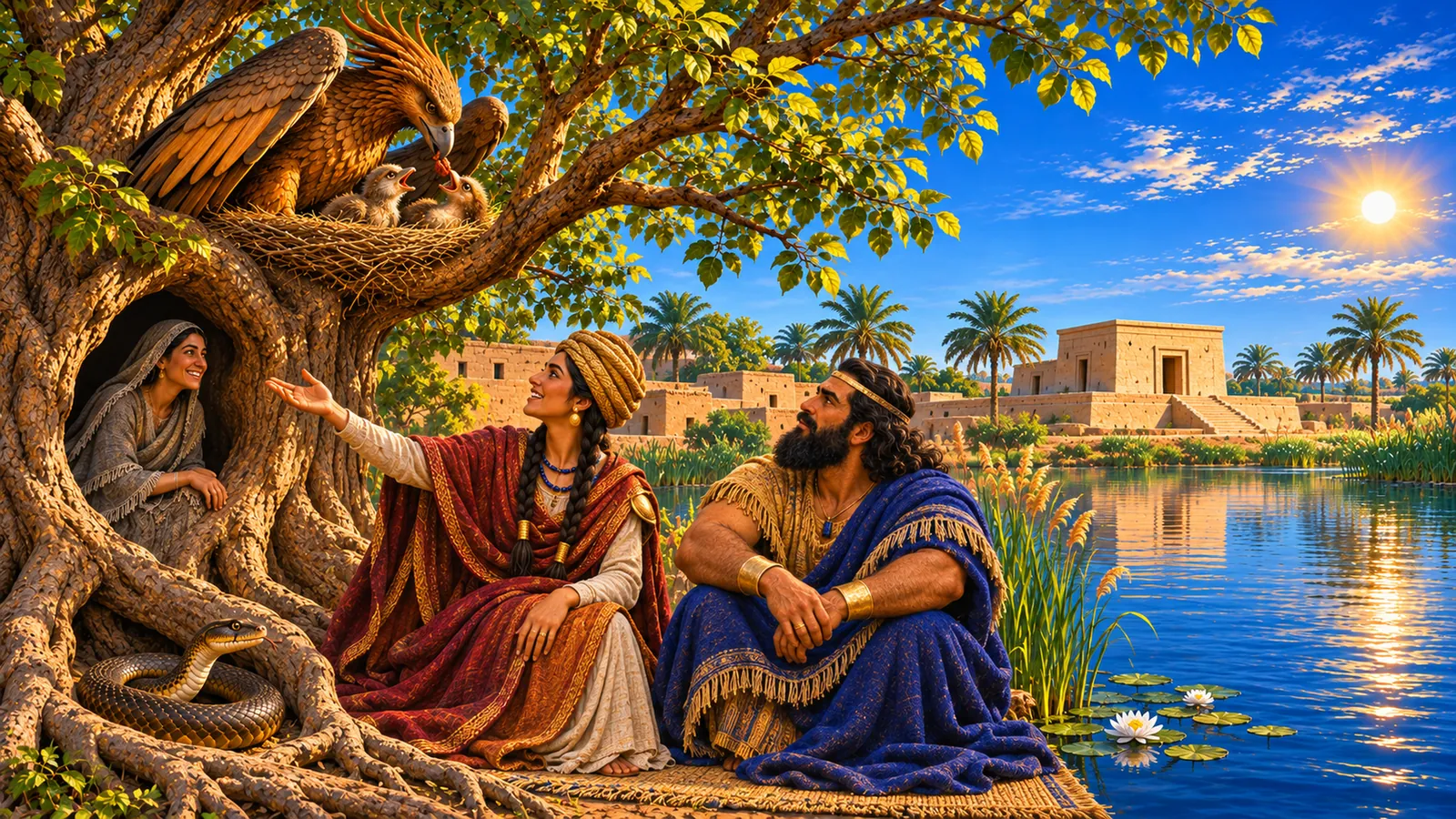
Pasaron cinco años, luego diez, dijo, y el árbol se hizo enorme. Recordó a la serpiente inmune a los conjuros entre las raíces, al ave Anzud con sus crías en las ramas y a la doncella fantasma en el tronco.
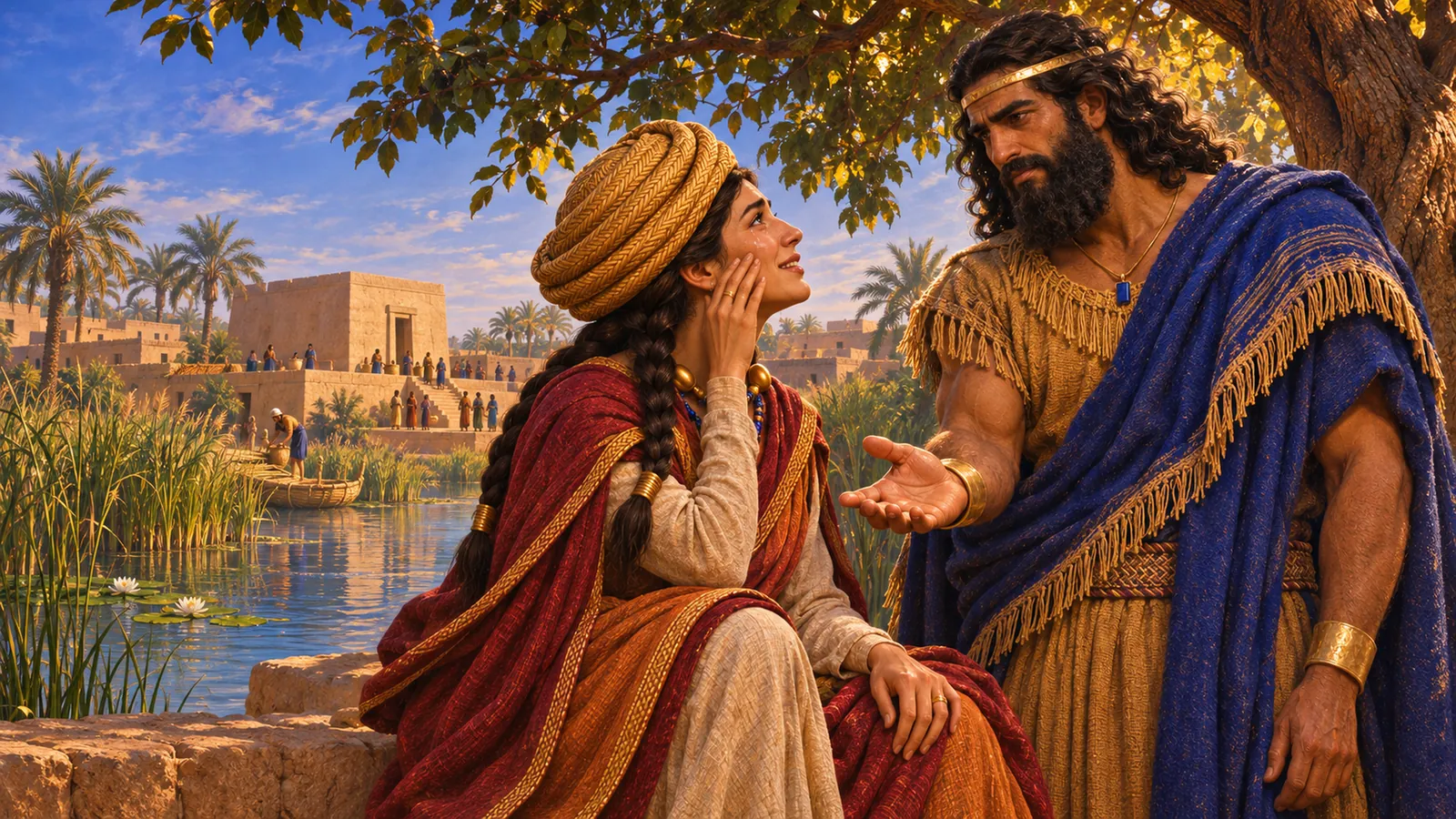
Inanna lloró al terminar su relato. Tras oír lo que su hermana le había contado, el guerrero Gilgamesh se puso de su lado.
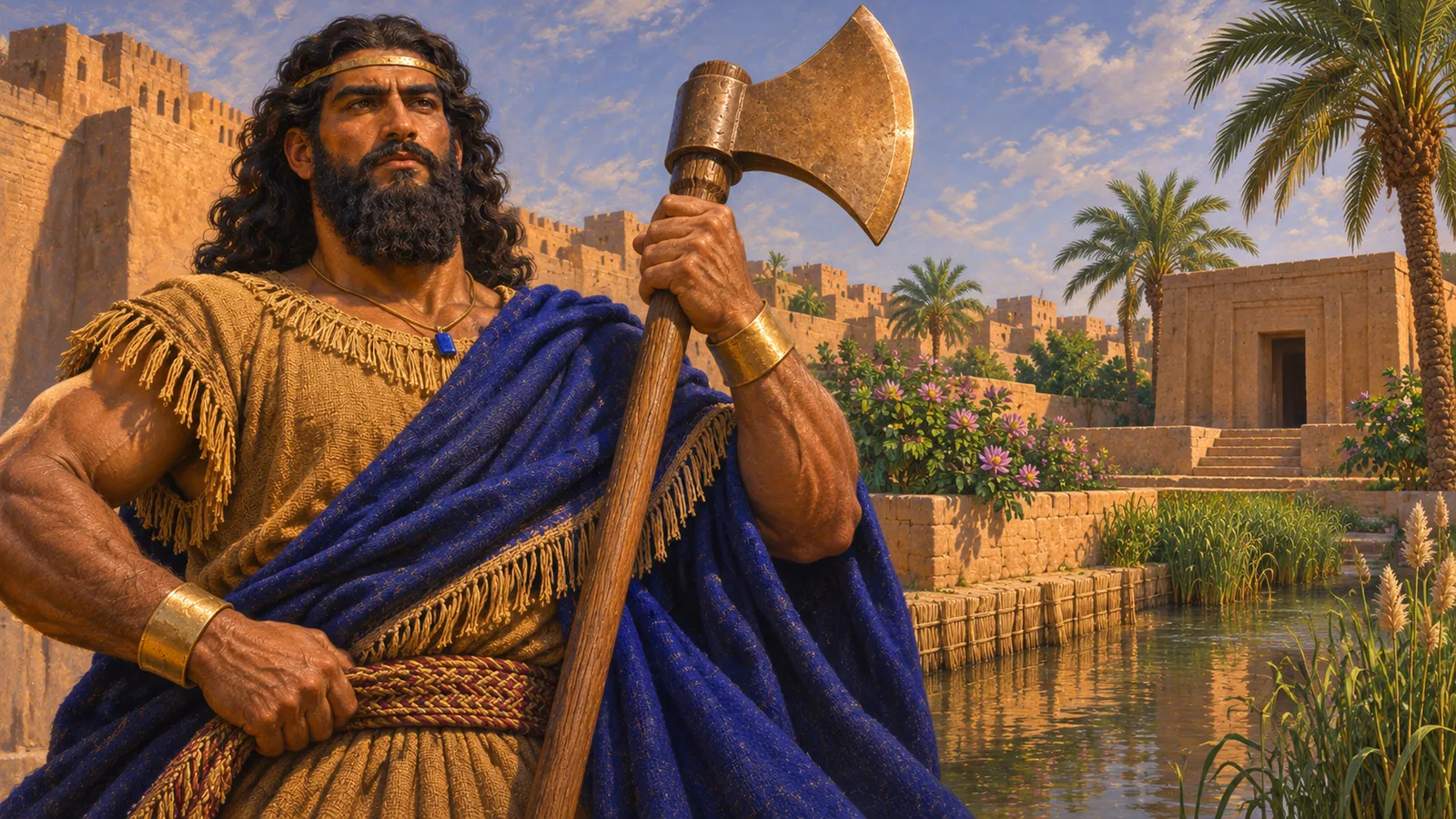
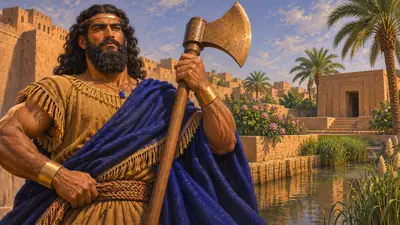
Gilgamesh se ciñó un cinturón pesado y tomó el hacha de bronce que usaba en sus expediciones. El poema da pesos extraordinarios para ambos objetos.
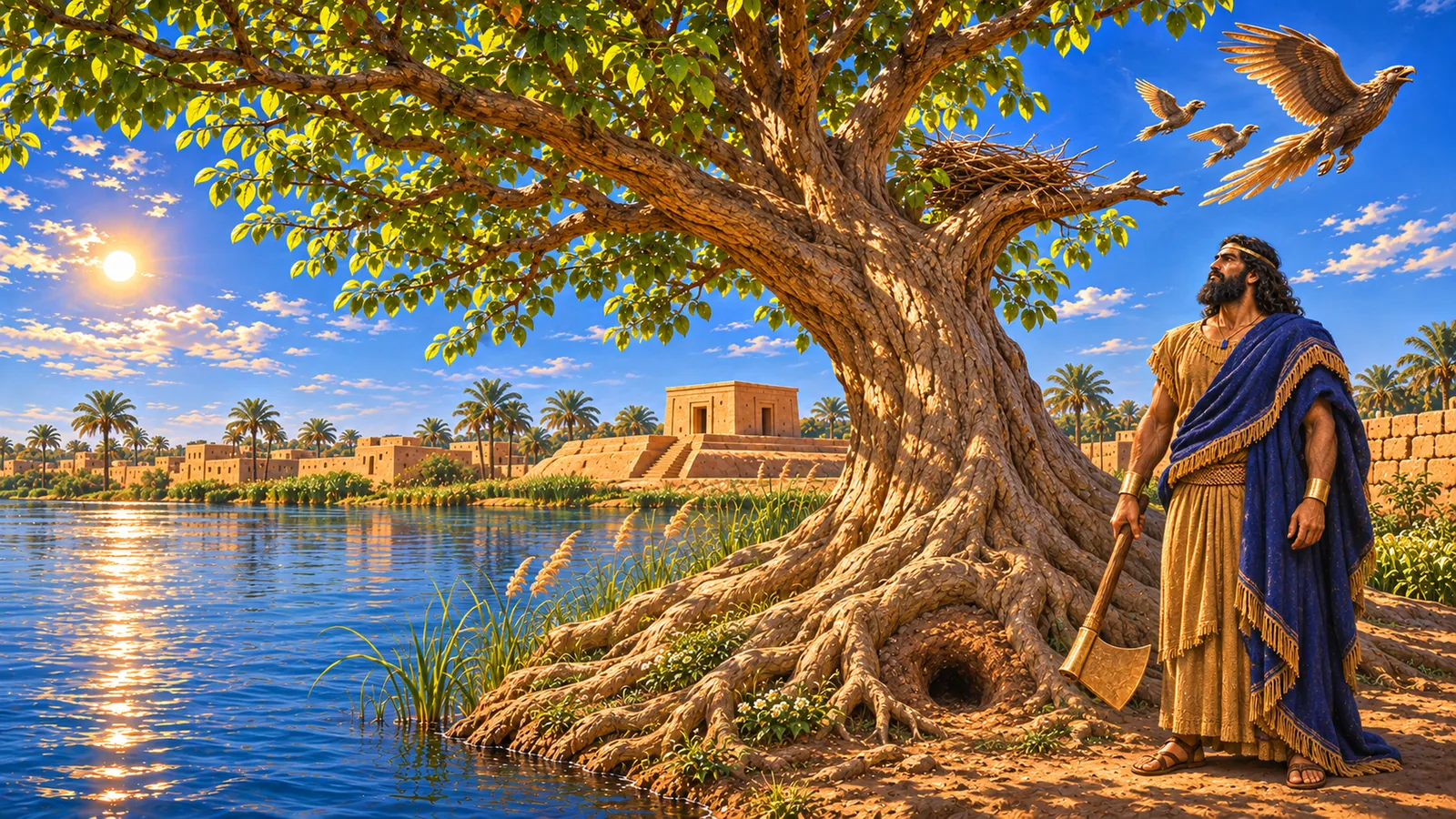
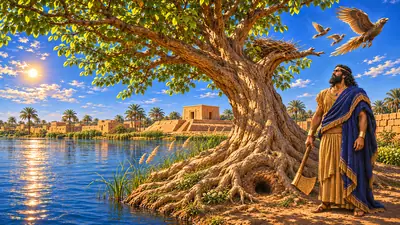
Gilgamesh mató a la serpiente que vivía entre las raíces y era inmune a los conjuros. El ave Anzud se llevó a sus crías de las ramas y se fue a las montañas.
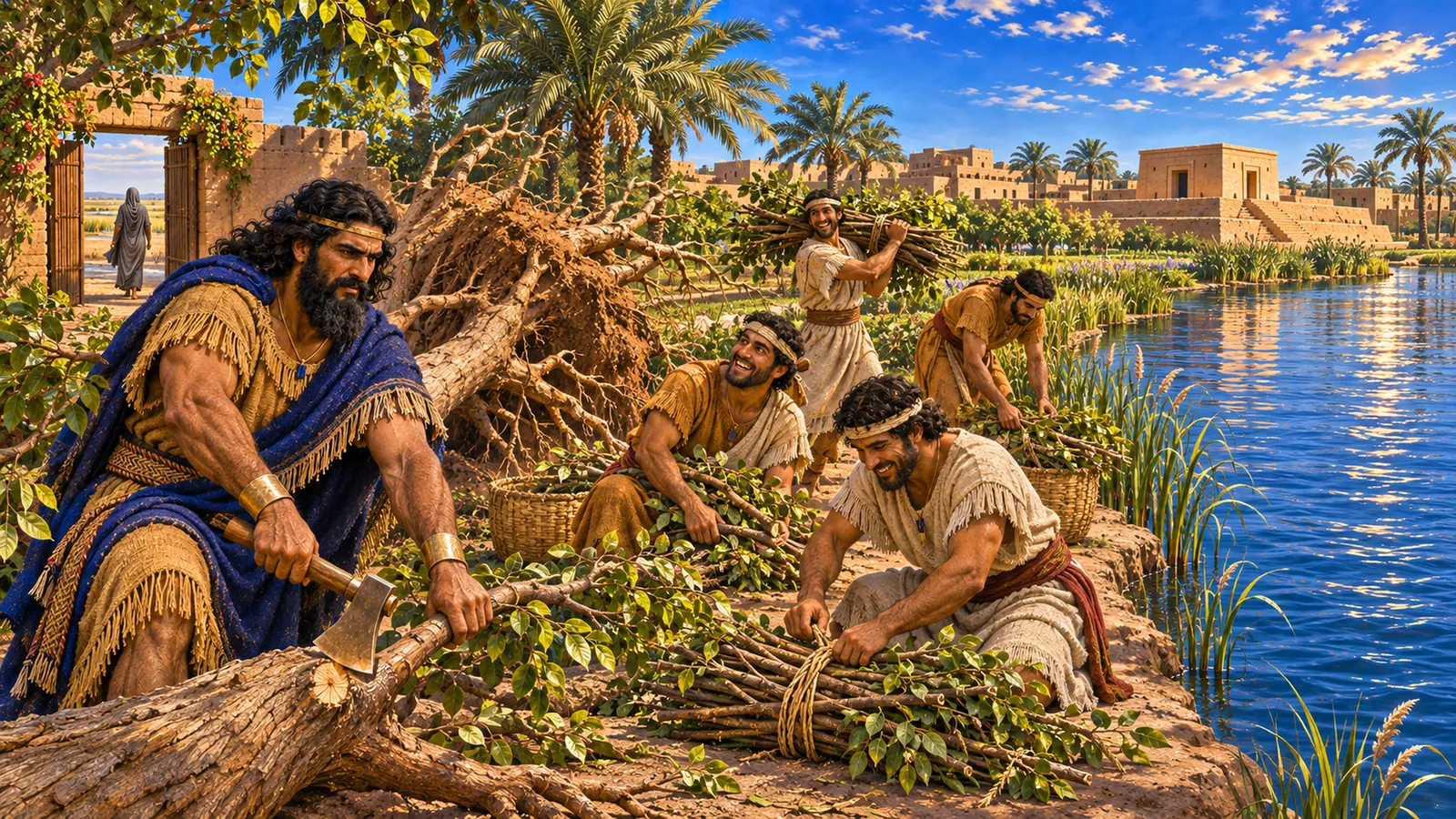
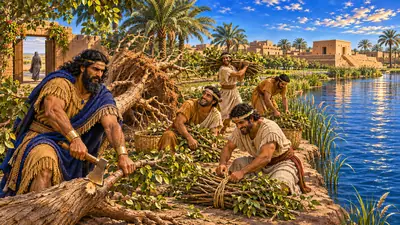
La doncella fantasma se refugió en la naturaleza salvaje. Gilgamesh arrancó el árbol de raíz y le quitó las ramas. Los jóvenes de su ciudad cortaron las ramas y las juntaron en haces.
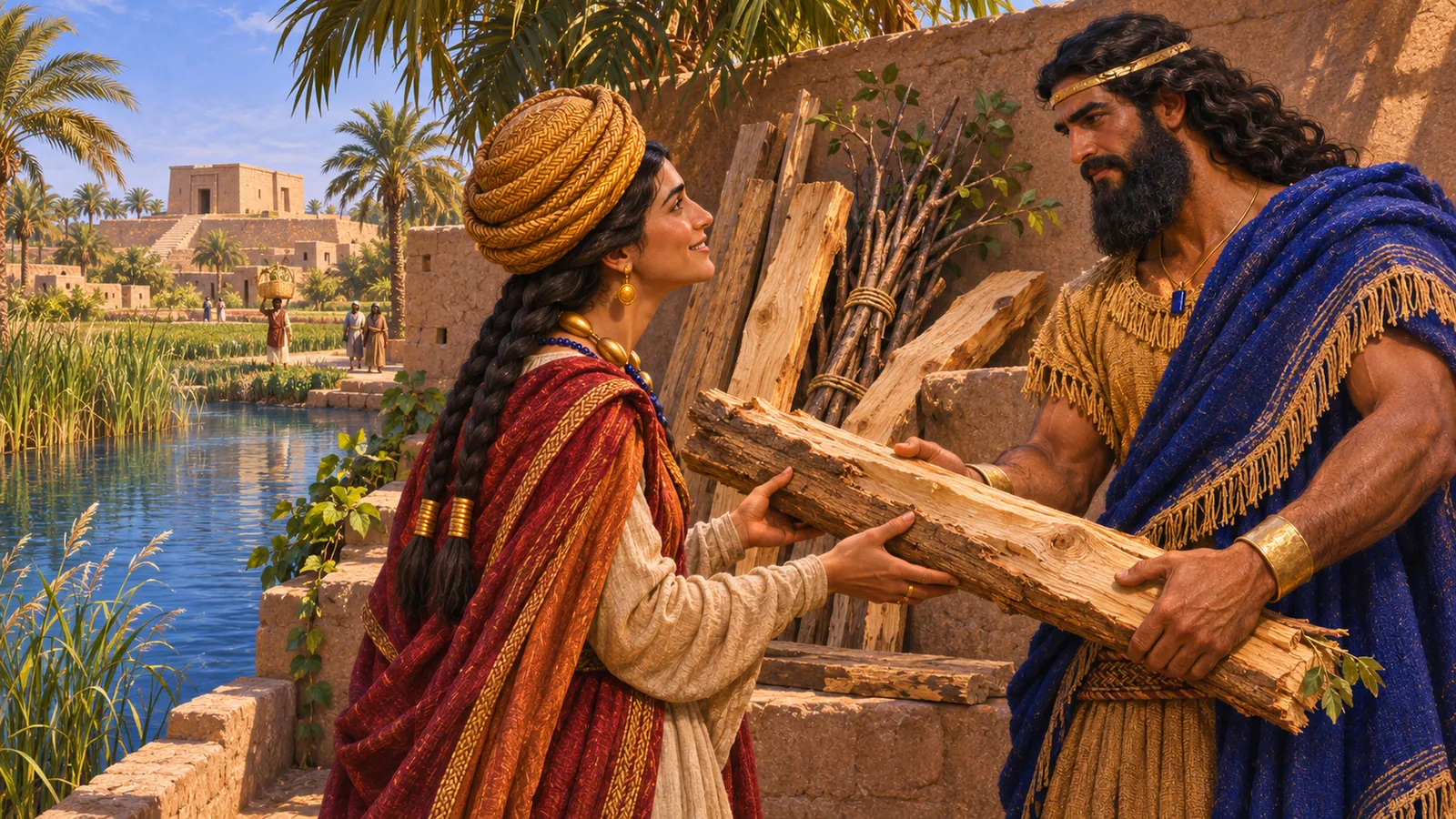
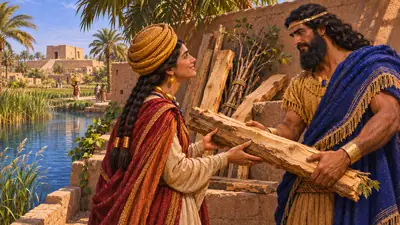
Gilgamesh le dio a Inanna la madera del árbol para la silla en la que había esperado sentarse y la cama en la que había esperado acostarse.
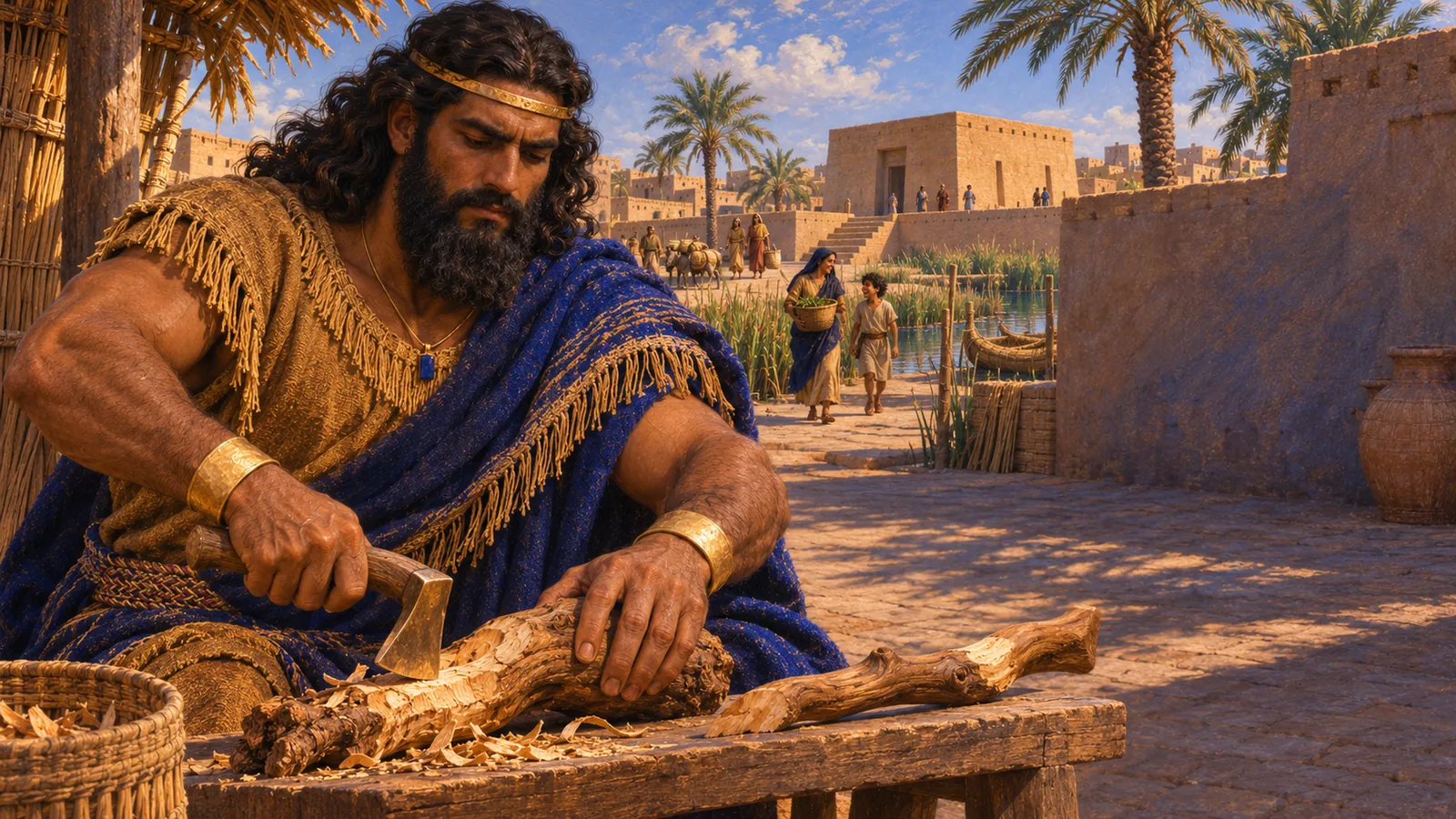
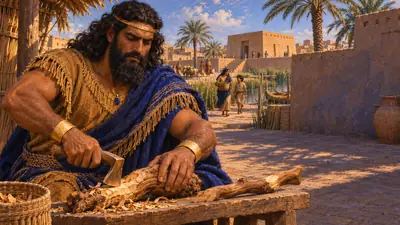
De las raíces, Gilgamesh se hizo un ellag. De las ramas hizo un ekidma. Eran los dos objetos con los que iba a jugar.
JUEGO
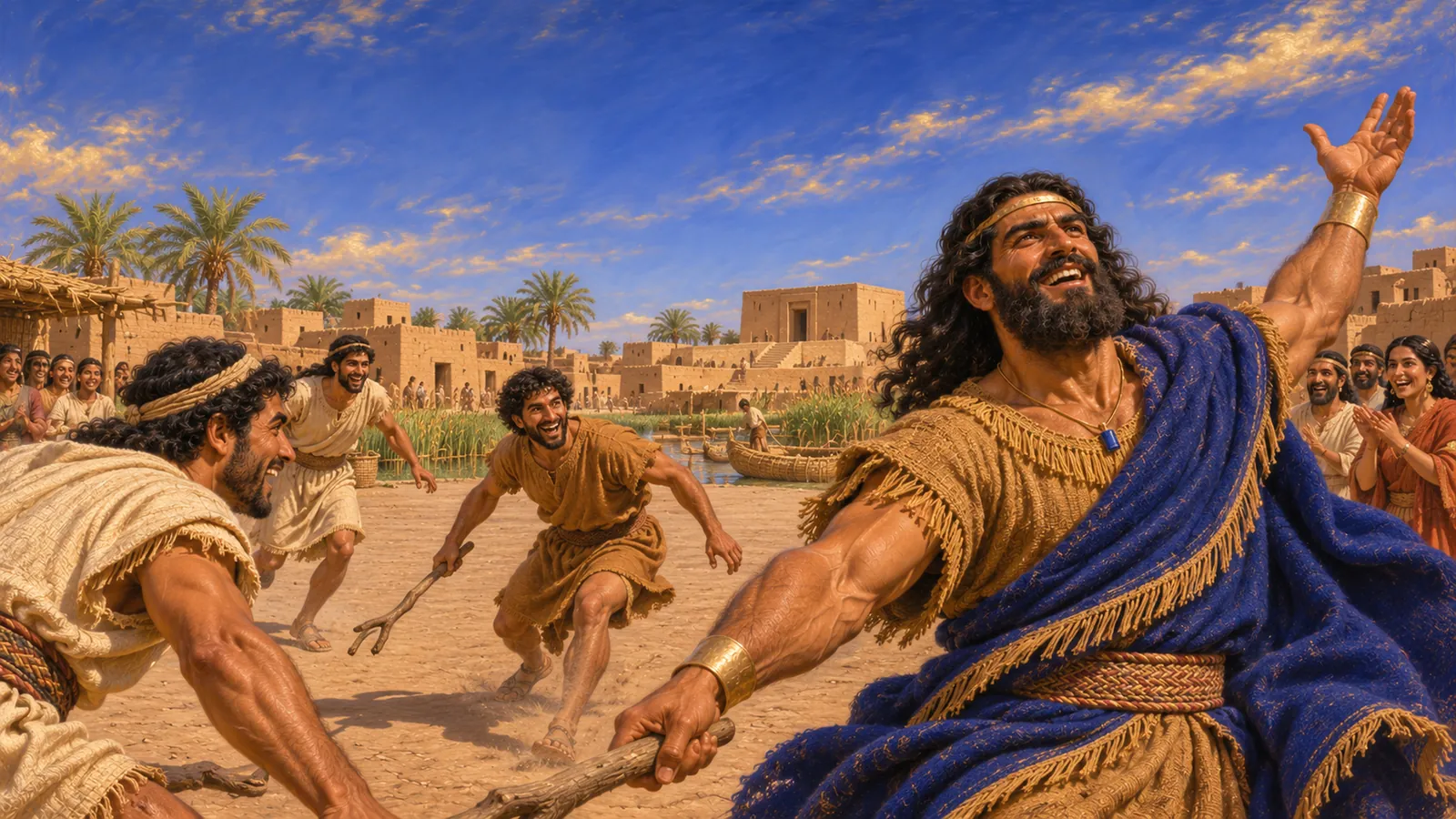
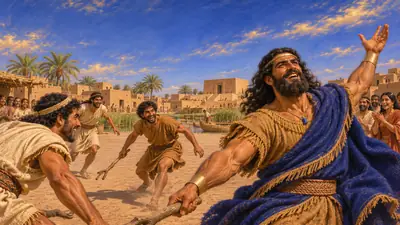
Gilgamesh jugó al ellag en la plaza amplia y se alabó a sí mismo. Nunca quería dejar de jugar. En los manuscritos de Ur juegan también los jóvenes de la ciudad.
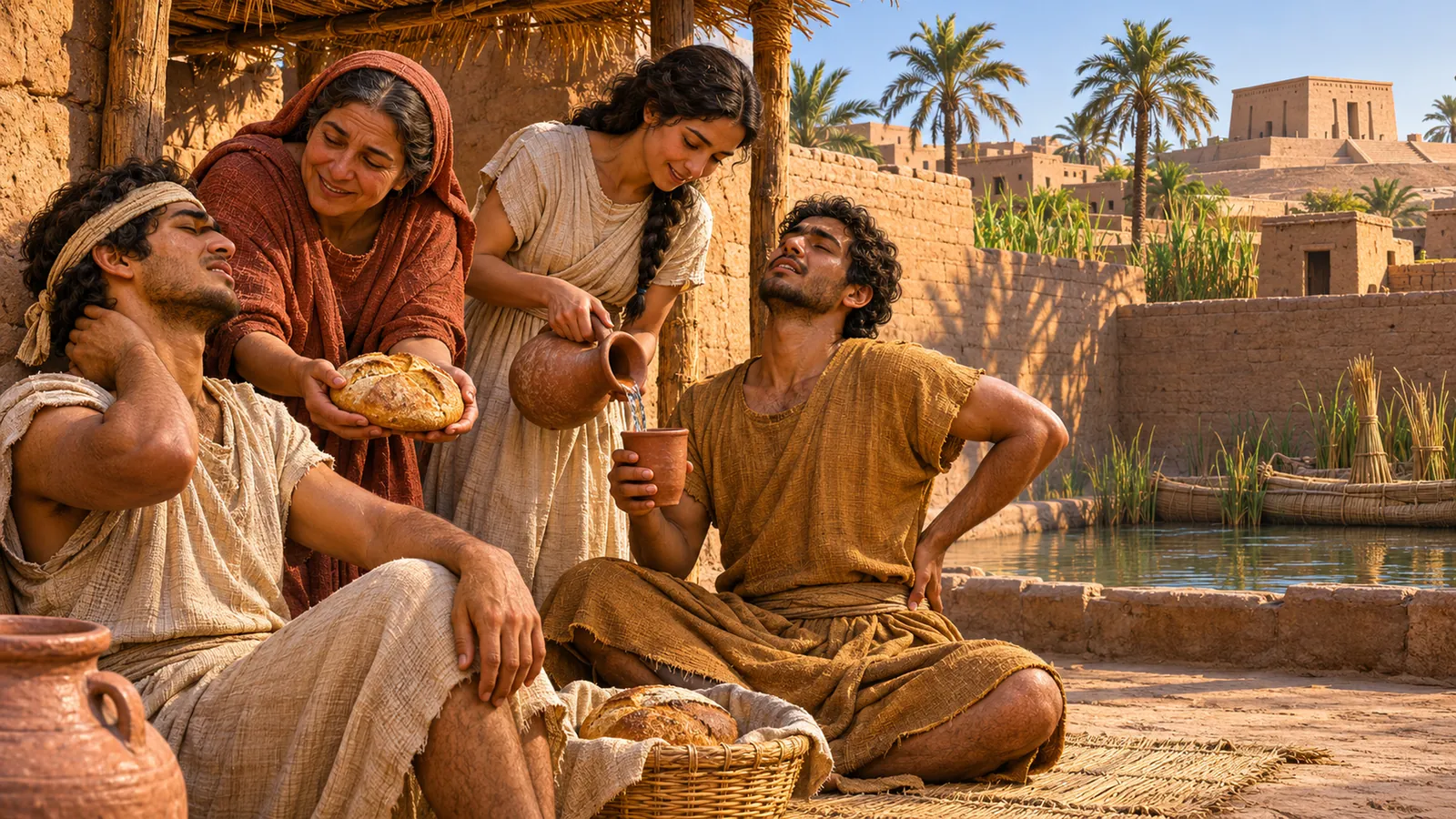
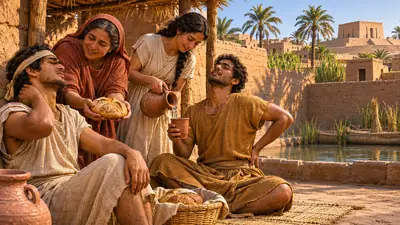
Los jugadores se quejaban de dolor en el cuello y las caderas. Las madres llevaron pan a sus hijos y las hermanas sirvieron agua a sus hermanos.
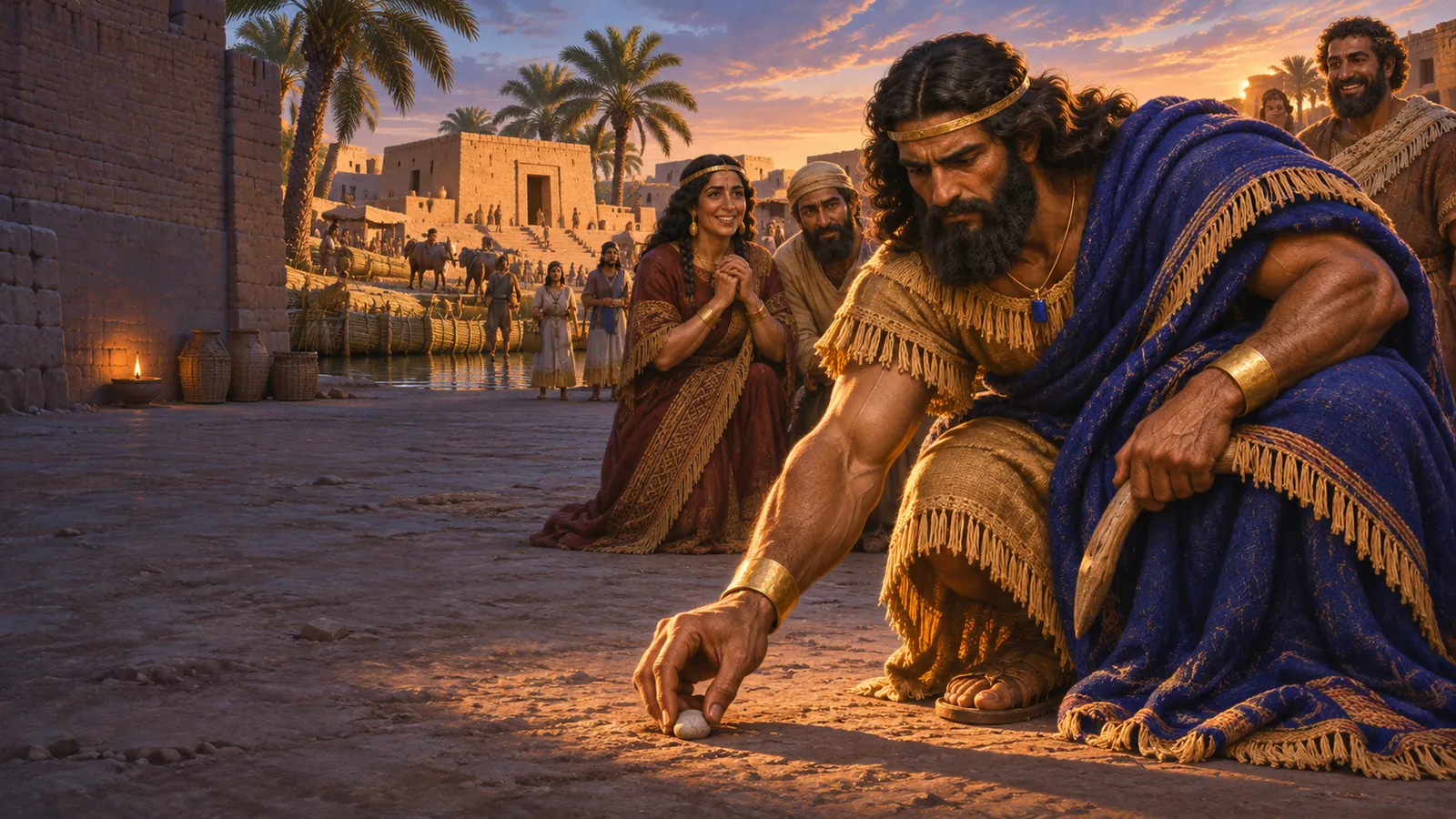
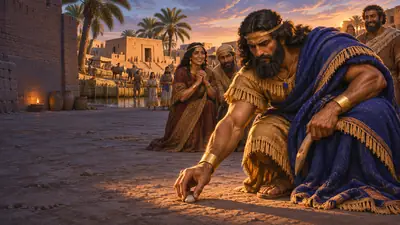
Al llegar la tarde, Gilgamesh marcó el lugar donde había estado el ellag. Lo recogió y se lo llevó a casa.
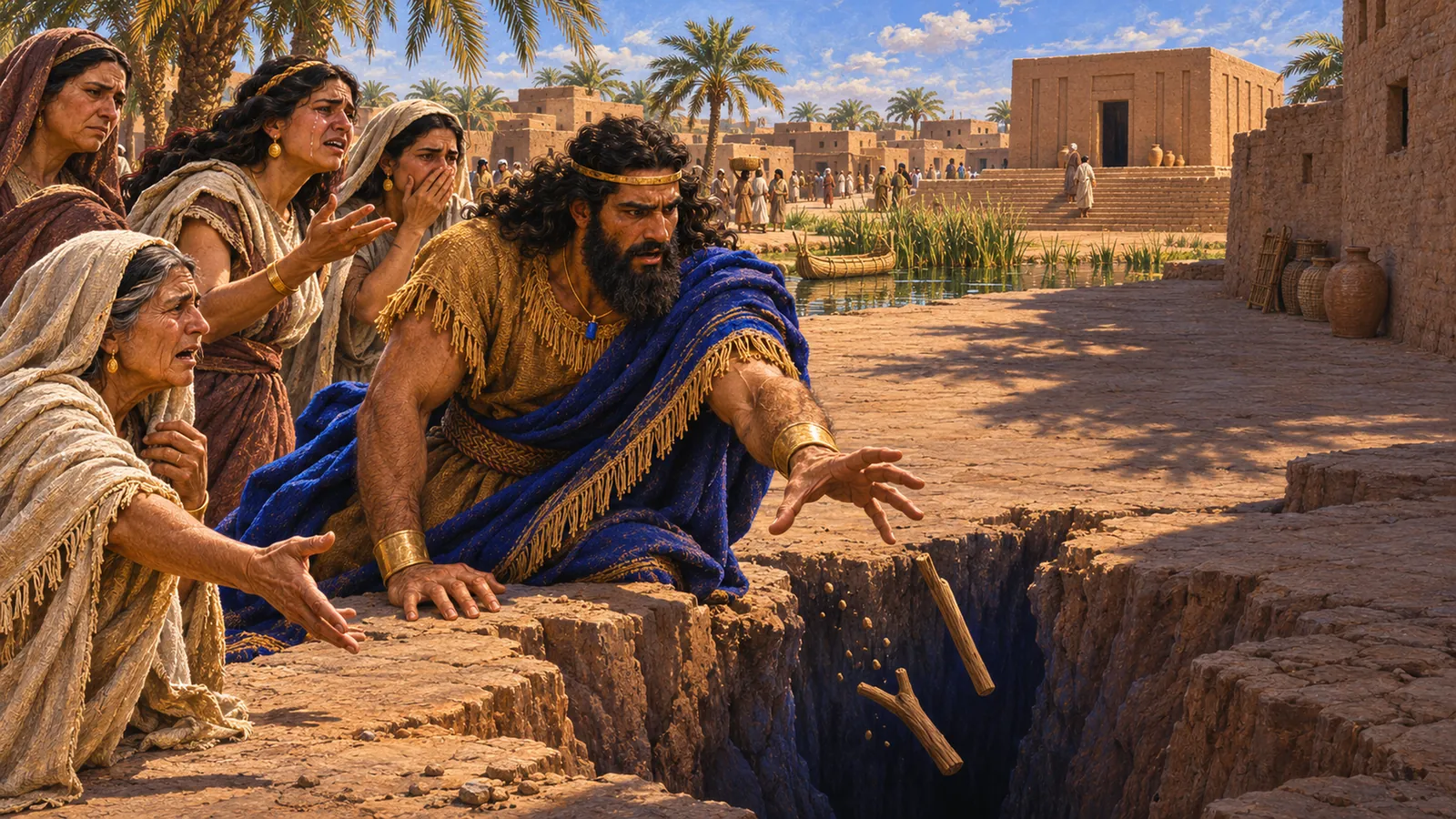
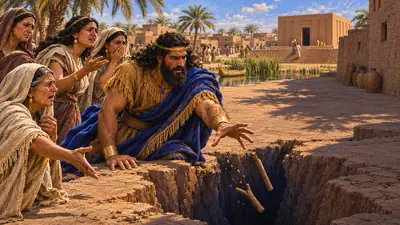
A la mañana siguiente las viudas lo acusaron y las jóvenes se quejaron. Sus palabras hicieron caer su ellag y su ekidma al fondo del mundo de ultratumba.
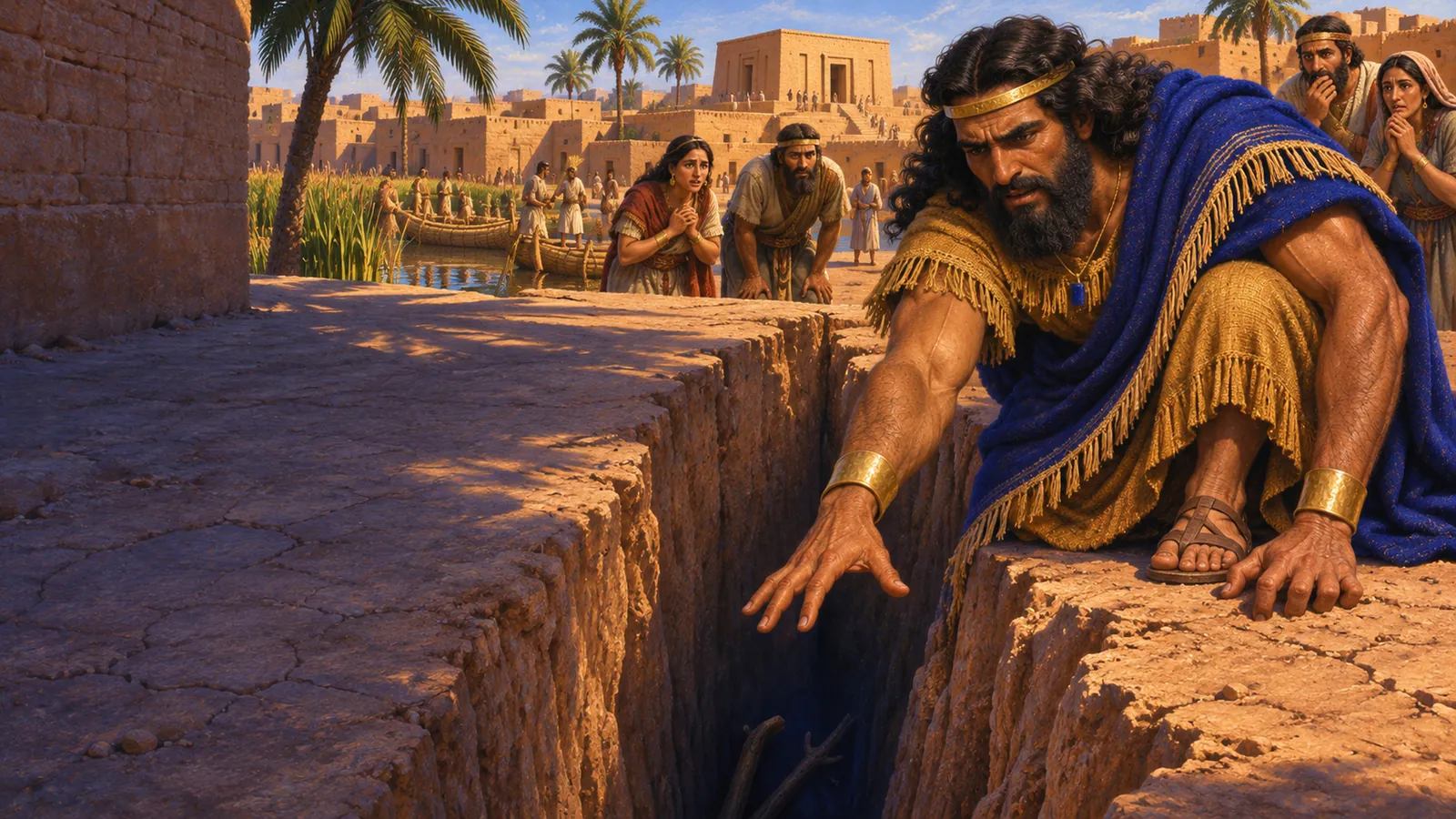
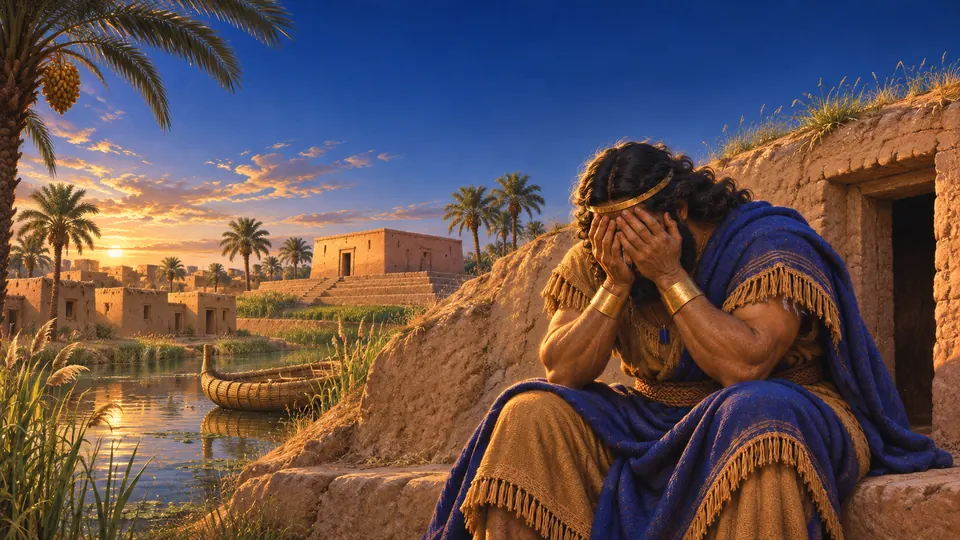
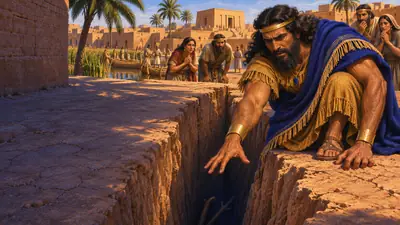
Gilgamesh intentó alcanzar los dos objetos primero con la mano y luego con el pie. Ninguna de las piezas de juego estaba a su alcance.
Fin del capítulo 1
Todas las páginas
















Fuentes
Oxford’s Version A groups lines in its English translation. Page notes identify the events within each printed group and mark readings from individual manuscripts. The names Gilgamesh, Inanna, Ereshkigal and Uruk appear as Gilgamec, Inana, Erec-kigala and Unug in the Oxford translation.
Ediciones consultadas
Notas sobre este relato
Pages 1–6, Version A 1–26. The retelling condenses the repeated formula and treats the assignments as part of the poem’s ancient account. Oxford prints Erec-kigala for Ereshkigal.
Pages 7–10, Version A 1–26. The repeated departure formula names the father and then Enki. The hail is small and large. The keel, bow and stern respectively carry the turtle, wolf and lion comparisons.
Pages 11–15, Version A 27–35. The poem says halub tree. The retelling preserves that name. The south wind uproots it and strips its branches, and the Euphrates carries it away. In this initial account a woman heeds the words of An and Enlil and brings the tree into Inanna’s garden at Uruk. In the later retelling to Utu the speaker says she was that woman. Oxford prints Unug and Inana.
16–21 · Version A 36–46. The woman plants the tree using her feet on page 16 and waters it using her feet on page 17. Her questions about the chair and bed are on page 18. Page 19 preserves the progression five years, ten years, the growth of the tree and its unsplit bark. Page 20 identifies the snake immune to incantations at the roots and the Anzud bird settling its young in the branches. Page 21 keeps Oxford’s designation of the phantom maid in the trunk, her joyful laugh and Inanna’s crying. The text gives the maid no proper name in this paragraph.
22–26 · Version A 47–69. The dawn formula presents little birds calling, Utu leaving his bedchamber and his sister addressing him. Pages 23–24 give Inanna’s account of destiny, abundance and the allotment of the realms. Page 25 follows her account of Enki setting sail and the small hail against “the lord” and large hail against Enki. Page 26 keeps the comparisons of the keel to a boat butted by turtles, the bow waves to wolves and the stern waves to a lion.
27–29 · Version A 70–78. Page 27 gives the rooted tree on the Euphrates, with the river watering it. Oxford queries the last occurrence of the repeated phrase “a single tree.” Page 28 gives the south wind, stripping of the branches and carrying away by the river. Page 29 gives Inanna’s account of herself as the woman who heeded An and Enlil and brought the tree into her garden in Uruk.
30–33 · Version A 79–90. Page 30 keeps the use of feet for both planting and watering. Oxford’s composite names Inanna in the first-person watering clause. One manuscript reads “the woman.” Pages 31–32 repeat her wishes for chair and bed, the elapsed years, growth and unsplit bark, and the three occupants in root, branches and trunk order. In this passage the quoted account shifts from first person to third person for part of the description. Page 33 places Inanna’s tears at the close of what she tells Utu. The narrative then says Utu did not stand by her in the matter.
Pages 34–37 (Version A 91–113). The dawn formula mentions Utu leaving his bedchamber. Here Inanna addresses Gilgamesh as her brother. She repeats the allotment of the realms and Enki’s voyage. The turtles, wolves and lion belong to the comparisons for the disturbed boat and water.
Pages 38–39 (Version A 114–122). Oxford places a question mark after the repeated phrase “a single tree.” She tells how the south wind uprooted it and stripped its branches, the river carried it away, and she brought it to her garden in Unug, the Sumerian name of Uruk. The term halub is left in the edition’s transliteration.
Pages 40–42 (Version A 123–135). The poem says the bark stayed unbroken after the tree grew. The root, branches and trunk are the homes of the snake, the Anzud bird with its young, and the phantom maid with her joyful laugh. One manuscript has Inanna say in the first person that she cried. In the composite her crying is recounted in the third person. The verse then says Gilgamesh stood by her.
Page 43 (Version A 136–150). The belt has damaged wording, and one manuscript has a break where the main reading describes fastening it. The belt weighs 50 minas, felt by Gilgamesh as 30 shekels. The bronze axe he took on expeditions weighs seven talents and seven minas. The two conspicuous weights belong to the poem’s description.
Pages 44–45 (Version A 136–150). Gilgamesh kills the snake at the roots. The Anzud bird takes its young to the mountains, and the phantom maid seeks refuge in the wilderness. Oxford marks the verb for her leaving the dwelling as uncertain. Gilgamesh uproots the tree and strips its branches. The men of his city cut the branches and bundle them, while one manuscript reads that they pile them up.
Pages 46–47 (Version A 136–150). Gilgamesh gives wood to Inanna for her chair and then for her bed. He makes the ellag from the roots and the ekidma from the branches. The following passage shows him playing, and the edition retains the names of the two implements. Oxford says that the pronunciation of ekidma is unknown. A modern reading aid for the name is only an approximation.
Page 48, ETCSL 1.8.1.4, Version A, lines 151–165. Gilgamesh plays ellag in the broad square and praises himself repeatedly. The Ur manuscripts add the young men playing too. The exact form of the game and its implements is uncertain.
Page 49, lines 151–165. The Oxford translation has a broken phrase involving a team and the widows’ children. The complaints name pain in the neck and hips. Mothers bring bread to sons and sisters pour water for brothers. The retelling keeps the pain and relief and leaves the broken assignment of the players open.
Pages 50–51, lines 151–165. He marks the spot at evening and takes the ellag home. His morning action at the spot is damaged. The widows’ accusation and the young girls’ complaint bring the fall of both objects.
Page 52, lines 151–165. He tries with his hand and his foot and cannot reach the pieces. A manuscript uses “touch” in both clauses, and one adds another fragmentary attempt. Continue at the gate of Ganzer in 166–175. Oxford notes at 136–150 that the correct pronunciation of ekidma is unknown.
Los versos antiguos de cada página
- Page 1: ETCSL 1.8.1.4, Version A, lines 1–26
- Page 2: ETCSL 1.8.1.4, Version A, lines 1–26
- Page 3: ETCSL 1.8.1.4, Version A, lines 1–26
- Page 4: ETCSL 1.8.1.4, Version A, lines 1–26
- Page 5: ETCSL 1.8.1.4, Version A, lines 1–26
- Page 6: ETCSL 1.8.1.4, Version A, lines 1–26
- Page 7: ETCSL 1.8.1.4, Version A, lines 1–26
- Page 8: ETCSL 1.8.1.4, Version A, lines 1–26
- Page 9: ETCSL 1.8.1.4, Version A, lines 1–26
- Page 10: ETCSL 1.8.1.4, Version A, lines 1–26
- Page 11: ETCSL 1.8.1.4, Version A, lines 27–35
- Page 12: ETCSL 1.8.1.4, Version A, lines 27–35
- Page 13: ETCSL 1.8.1.4, Version A, lines 27–35
- Page 14: ETCSL 1.8.1.4, Version A, lines 27–35
- Page 15: ETCSL 1.8.1.4, Version A, lines 27–35
- Page 16: ETCSL 1.8.1.4, Version A, lines 36–46
- Page 17: ETCSL 1.8.1.4, Version A, lines 36–46
The left is unbroken taupe clay with soft shade and no definite line, reflected object or branch. - Page 18: ETCSL 1.8.1.4, Version A, lines 36–46
- Page 19: ETCSL 1.8.1.4, Version A, lines 36–46
- Page 20: ETCSL 1.8.1.4, Version A, lines 36–46
- Page 21: ETCSL 1.8.1.4, Version A, lines 36–46
- Page 22: ETCSL 1.8.1.4, Version A, lines 47–69
- Page 23: ETCSL 1.8.1.4, Version A, lines 47–69
- Page 24: ETCSL 1.8.1.4, Version A, lines 47–69
- Page 25: ETCSL 1.8.1.4, Version A, lines 47–69
- Page 26: ETCSL 1.8.1.4, Version A, lines 47–69
- Page 27: ETCSL 1.8.1.4, Version A, lines 70–78
- Page 28: ETCSL 1.8.1.4, Version A, lines 70–78
- Page 29: ETCSL 1.8.1.4, Version A, lines 70–78
- Page 30: ETCSL 1.8.1.4, Version A, lines 79–90
- Page 31: ETCSL 1.8.1.4, Version A, lines 79–90
Left is the continuous low-contrast clay shade of a near wall, with no boundaries, furniture edges or bark lines. - Page 32: ETCSL 1.8.1.4, Version A, lines 79–90
- Page 33: ETCSL 1.8.1.4, Version A, lines 79–90
- Page 34: ETCSL 1.8.1.4, Version A, lines 91–113
- Page 35: ETCSL 1.8.1.4, Version A, lines 91–113
The right is a single low-contrast stretch of warm blue-grey air and distant ground, with no distinct line crossing it. - Page 36: ETCSL 1.8.1.4, Version A, lines 91–113
- Page 37: ETCSL 1.8.1.4, Version A, lines 91–113
Small broken water swells stay near it on the left. - Page 38: ETCSL 1.8.1.4, Version A, lines 114–122
- Page 39: ETCSL 1.8.1.4, Version A, lines 114–122
A low mudbrick garden wall and a plain open side entrance occupy the far lower-left, with a short curved line of wet ochre path. - Page 40: ETCSL 1.8.1.4, Version A, lines 123–135
- Page 41: ETCSL 1.8.1.4, Version A, lines 123–135
- Page 42: ETCSL 1.8.1.4, Version A, lines 123–135
- Page 43: ETCSL 1.8.1.4, Version A, lines 136–150
- Page 44: ETCSL 1.8.1.4, Version A, lines 136–150
- Page 45: ETCSL 1.8.1.4, Version A, lines 136–150
- Page 46: ETCSL 1.8.1.4, Version A, lines 136–150
- Page 47: ETCSL 1.8.1.4, Version A, lines 136–150
- Page 48: ETCSL 1.8.1.4, Version A, lines 151–165
- Page 49: ETCSL 1.8.1.4, Version A, lines 151–165
- Page 50: ETCSL 1.8.1.4, Version A, lines 151–165
- Page 51: ETCSL 1.8.1.4, Version A, lines 151–165
- Page 52: ETCSL 1.8.1.4, Version A, lines 151–165
Ilustraciones hechas por IL Archive con herramientas de IA; el texto se basa en las fuentes antiguas (véanse las fuentes al final de cada capítulo).