Gilgamesh, Enkidu y el inframundo Capítulo 2
La puerta de Ganzer
Enkidu se ofrece a recuperar las piezas de juego que perdió Gilgamesh. Incumple las instrucciones para el descenso y el inframundo lo retiene. Gilgamesh pide ayuda a Enlil y a Enki. Cuando hacen subir a Enkidu, Gilgamesh le pregunta qué vio abajo.
FuentesPase las páginas con las flechas, el teclado o deslizando el dedo.
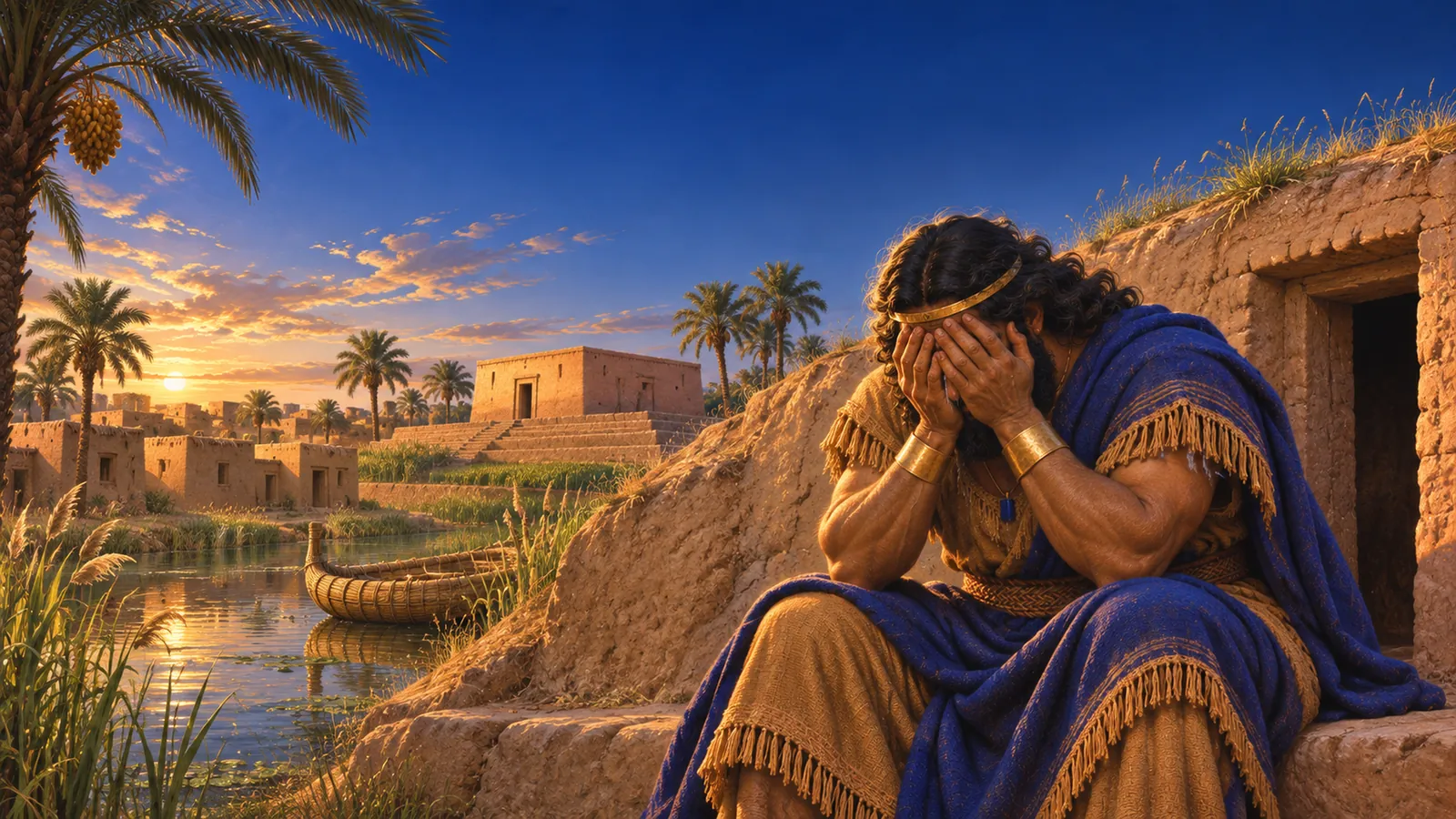
LA PUERTA DE GANZER
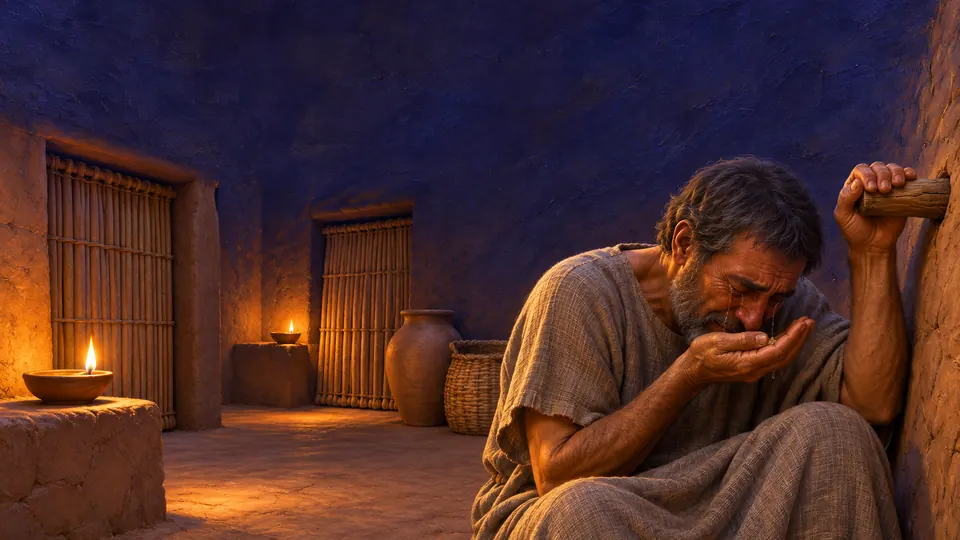
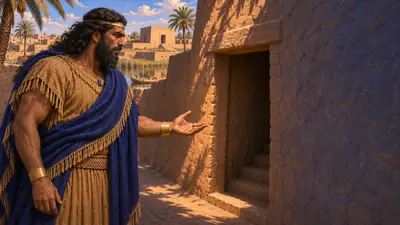
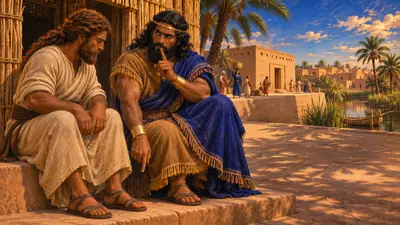
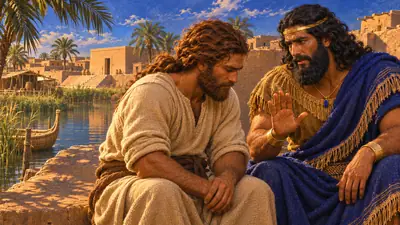
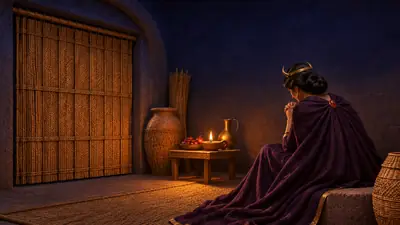
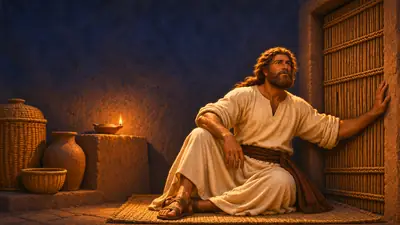
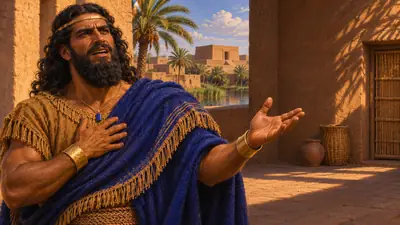
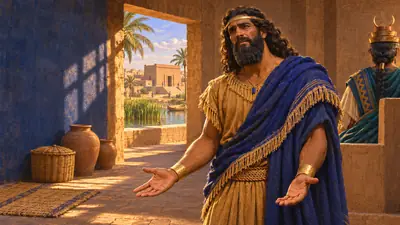
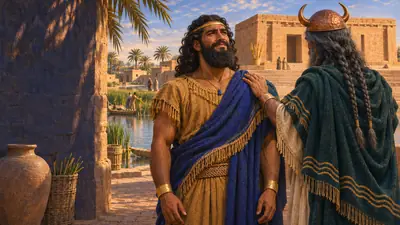
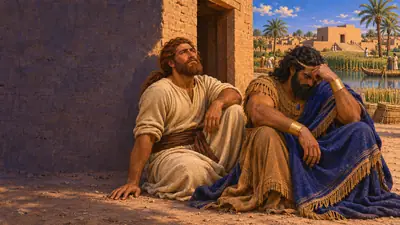
Gilgamesh se sentó ante la puerta de Ganzer, a la entrada del mundo subterráneo, y lloró amargamente.
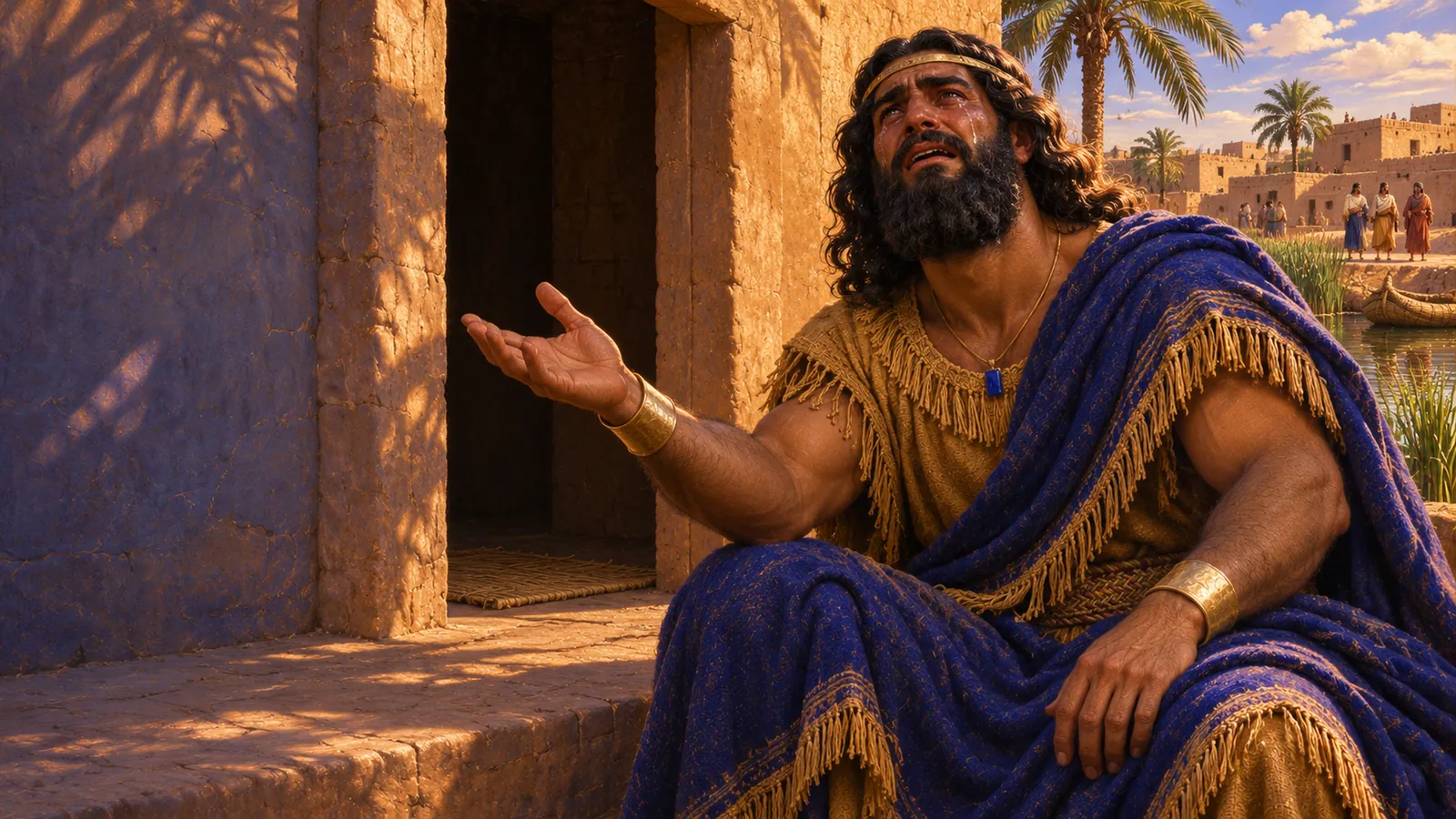
Gilgamesh lamentó la pérdida de su ellag y su ekidma. El juego seguía gustándole y no se había cansado de jugar.
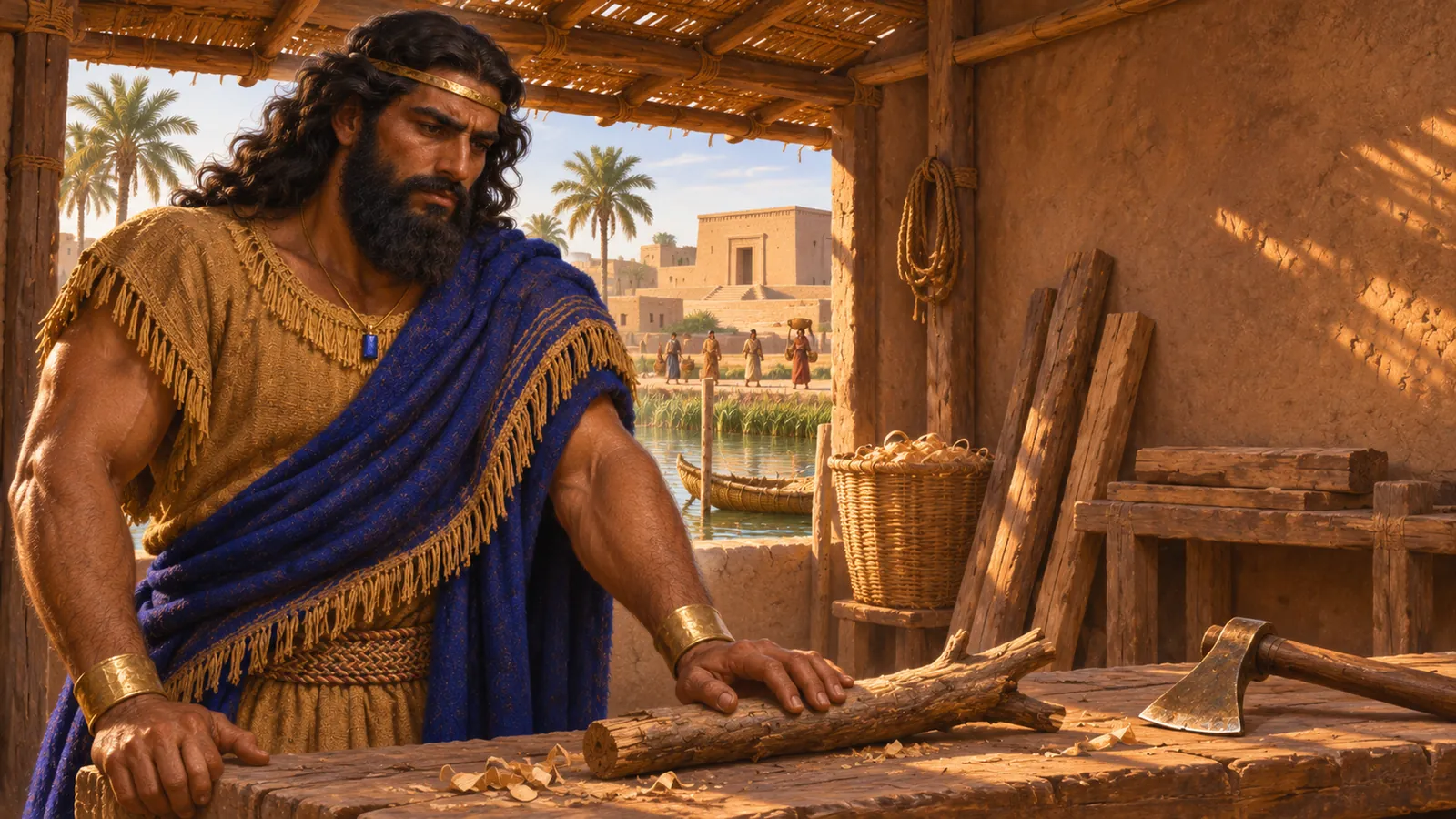
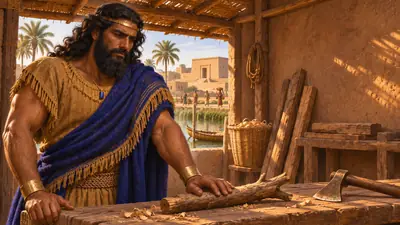
«Si el ellag aún me esperara en casa del carpintero», se lamentó Gilgamesh.
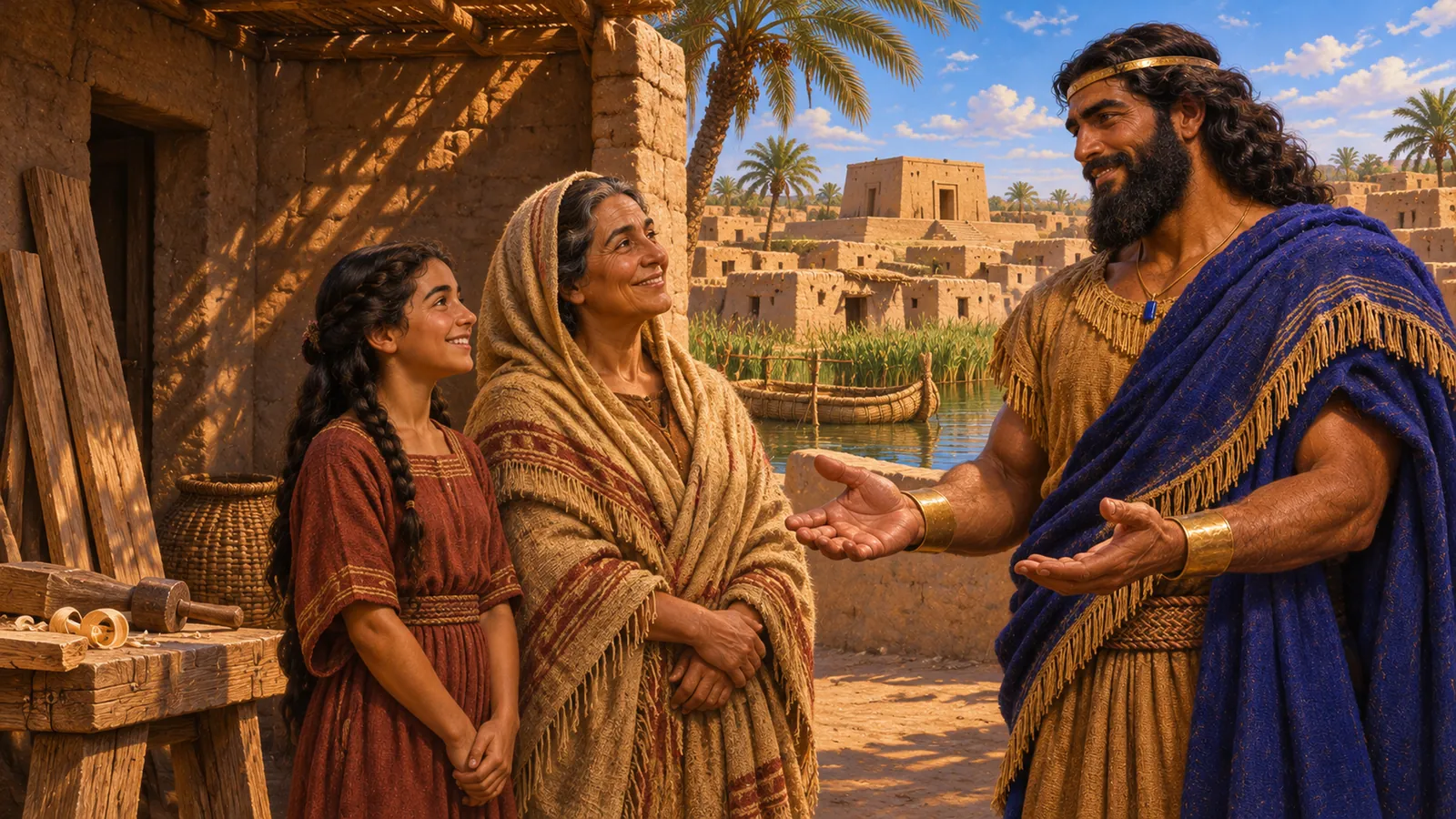
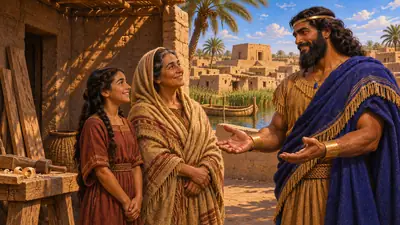
Gilgamesh dijo que trataría a la mujer del carpintero como a su propia madre y a su criatura como a su hermana menor, con tal de que el ellag siguiera allí.
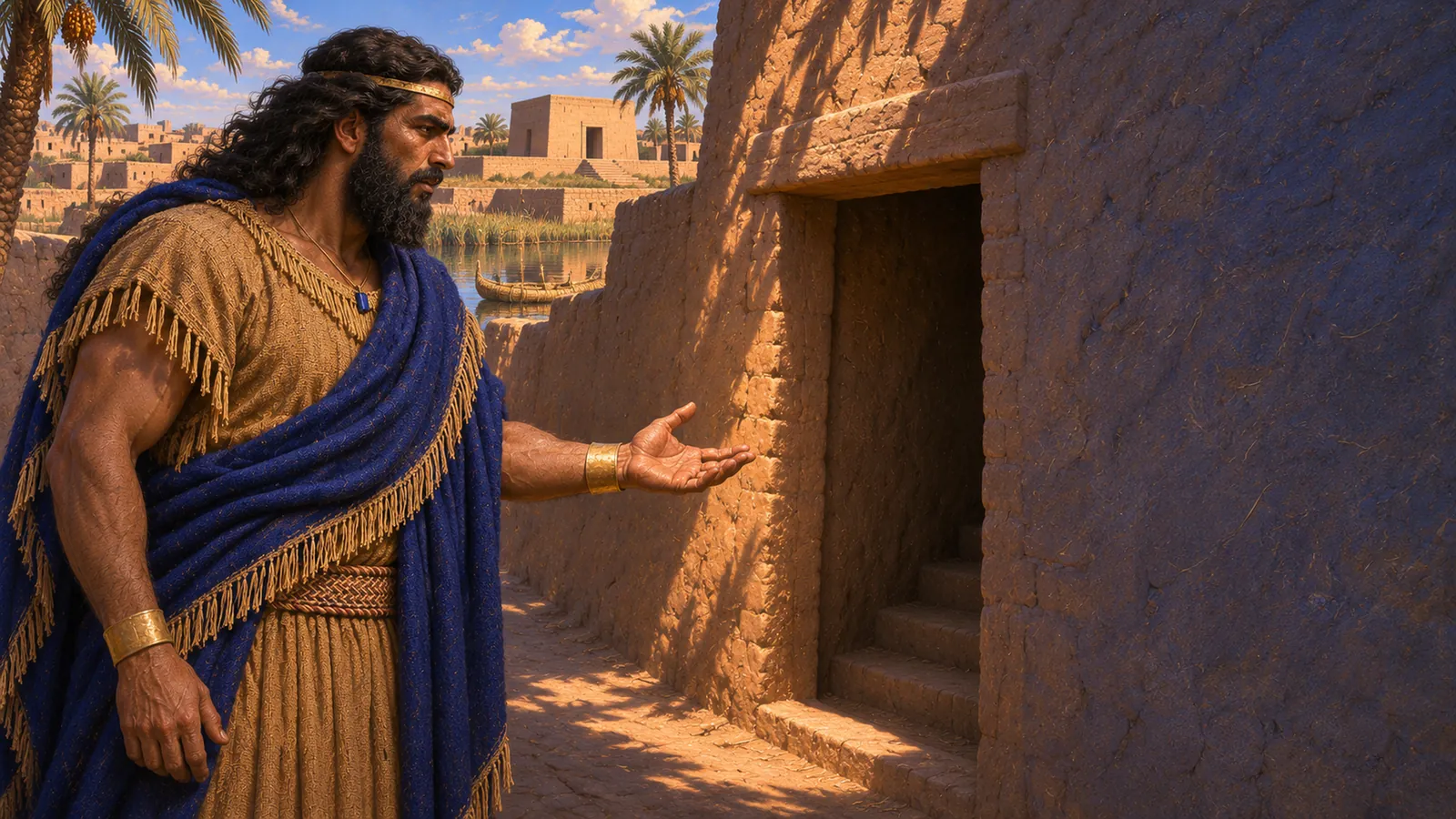
Gilgamesh preguntó quién recuperaría su ellag del mundo subterráneo. Preguntó quién le traería de vuelta su ekidma de Ganzer.
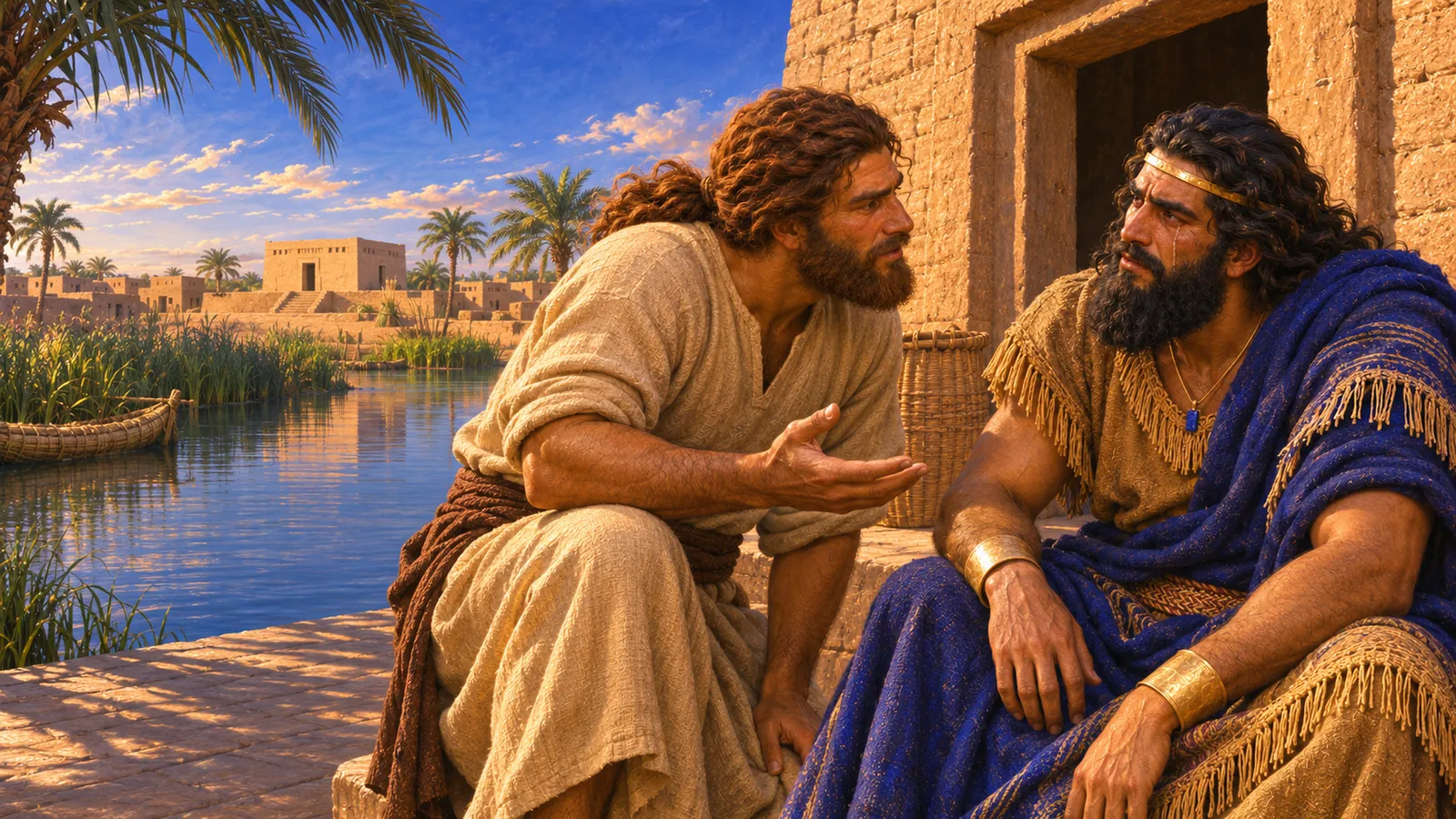
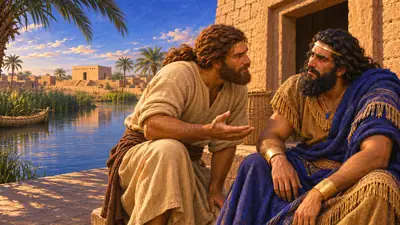
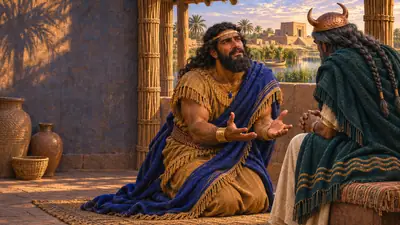
Enkidu, su servidor, le respondió. Al ver llorar a su rey, le preguntó qué le pesaba en el corazón.
LA PROMESA
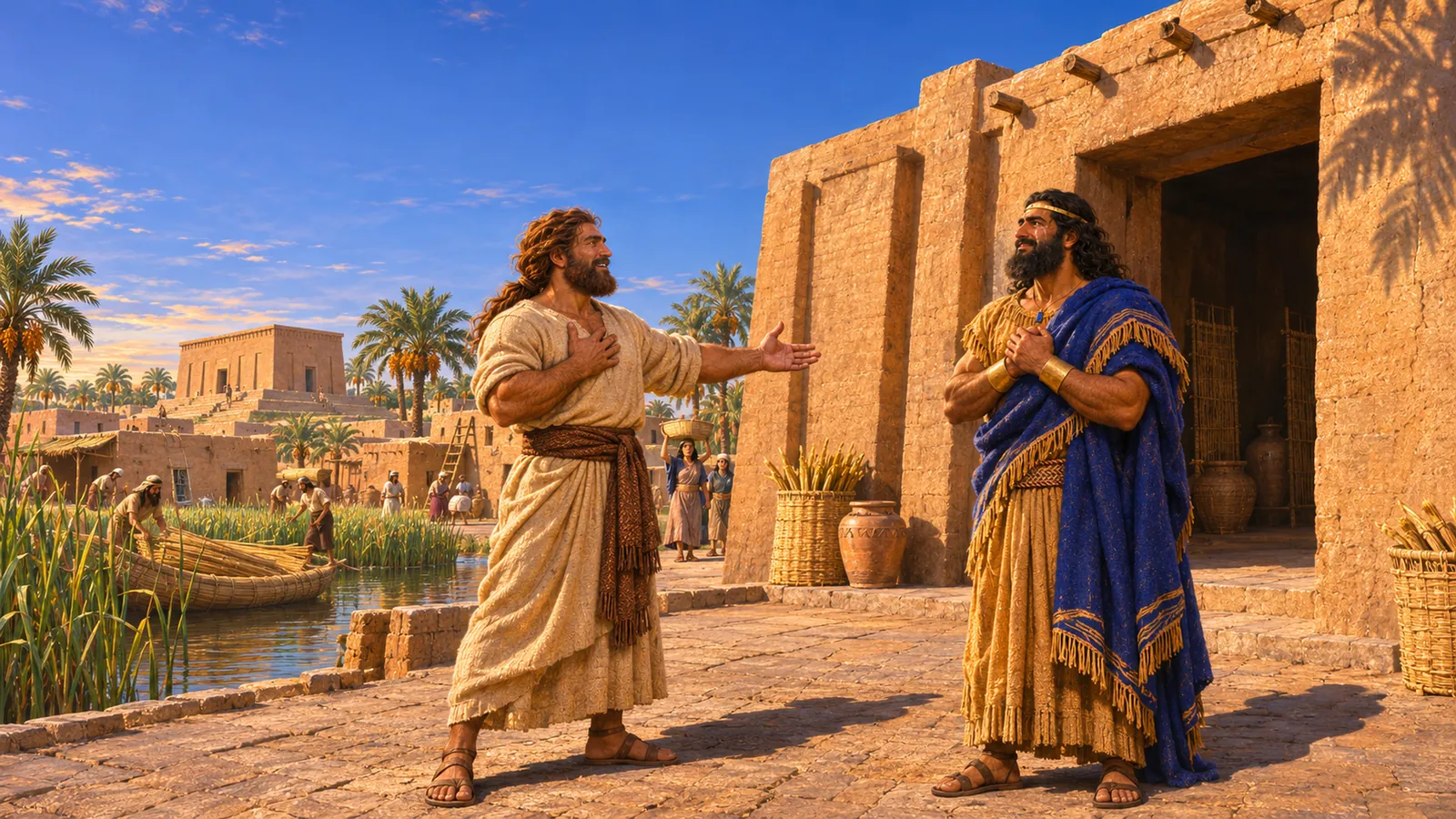
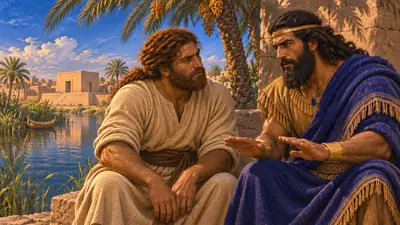
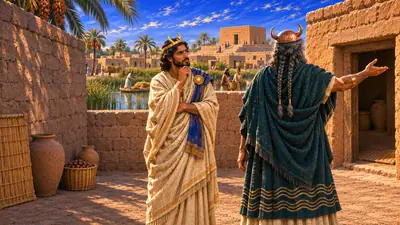
«Hoy te traeré de vuelta el ellag del mundo subterráneo y el ekidma de Ganzer», prometió Enkidu.
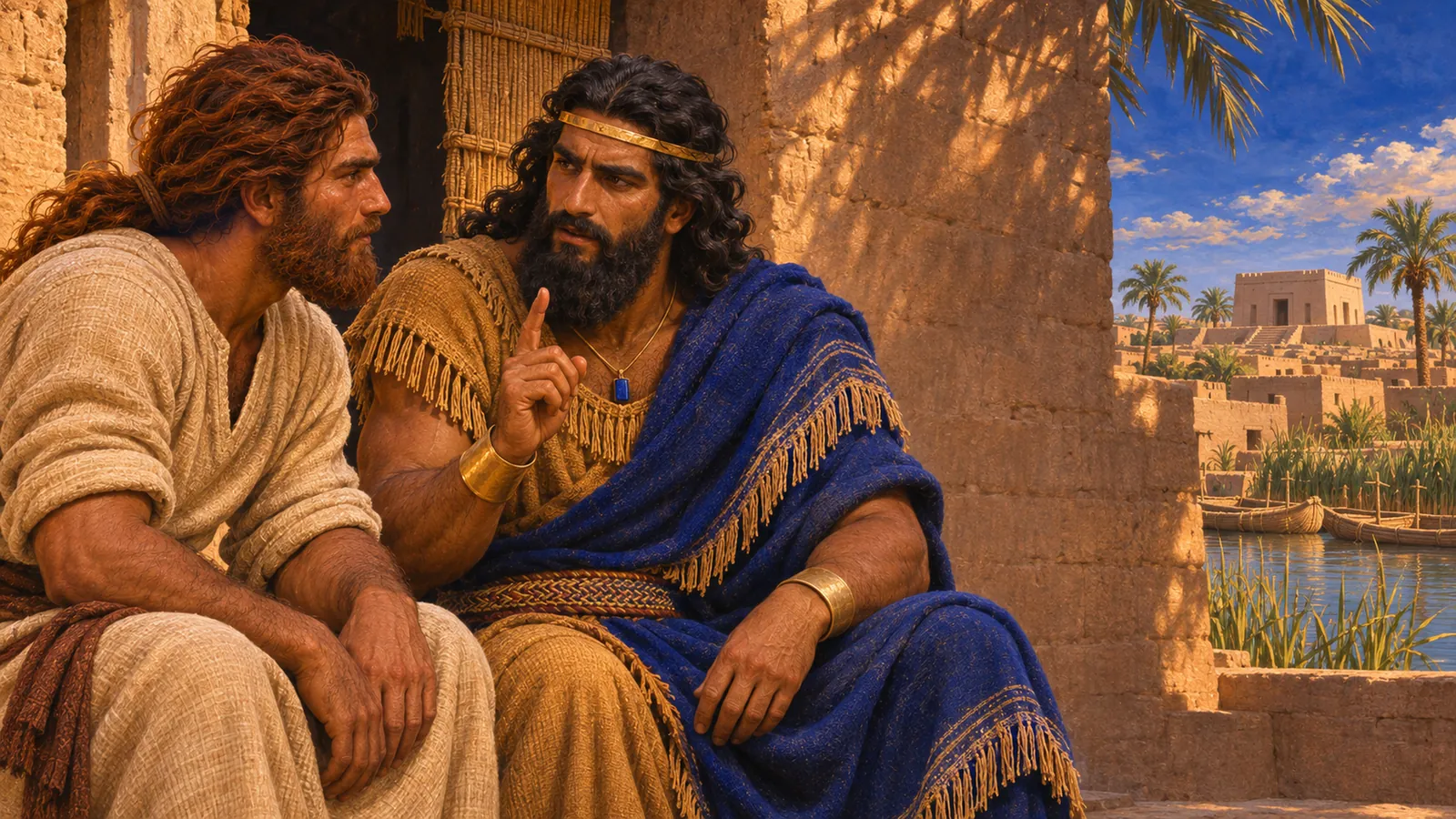
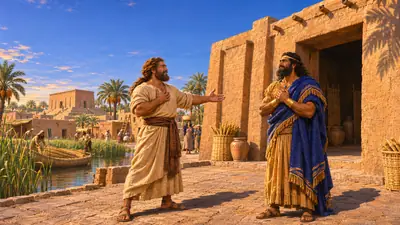
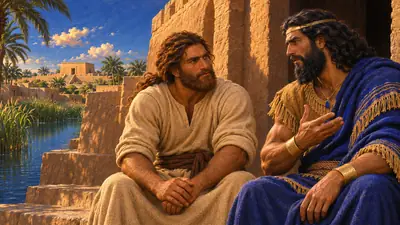
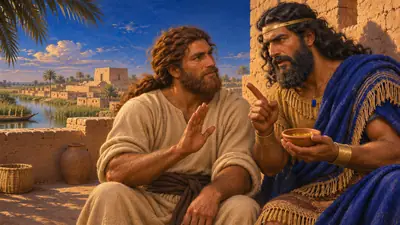
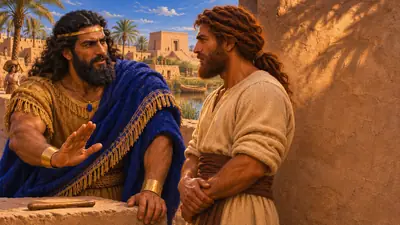
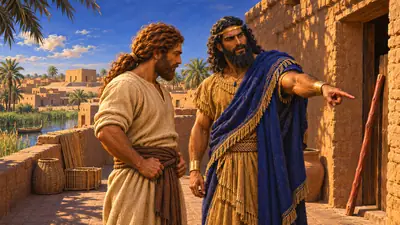
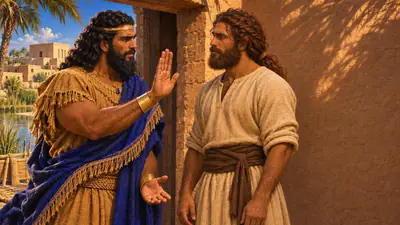
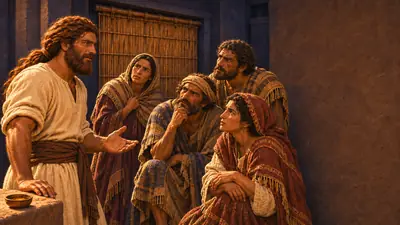
Gilgamesh respondió que, si Enkidu pensaba bajar al mundo subterráneo aquel día, tenía consejos que darle.
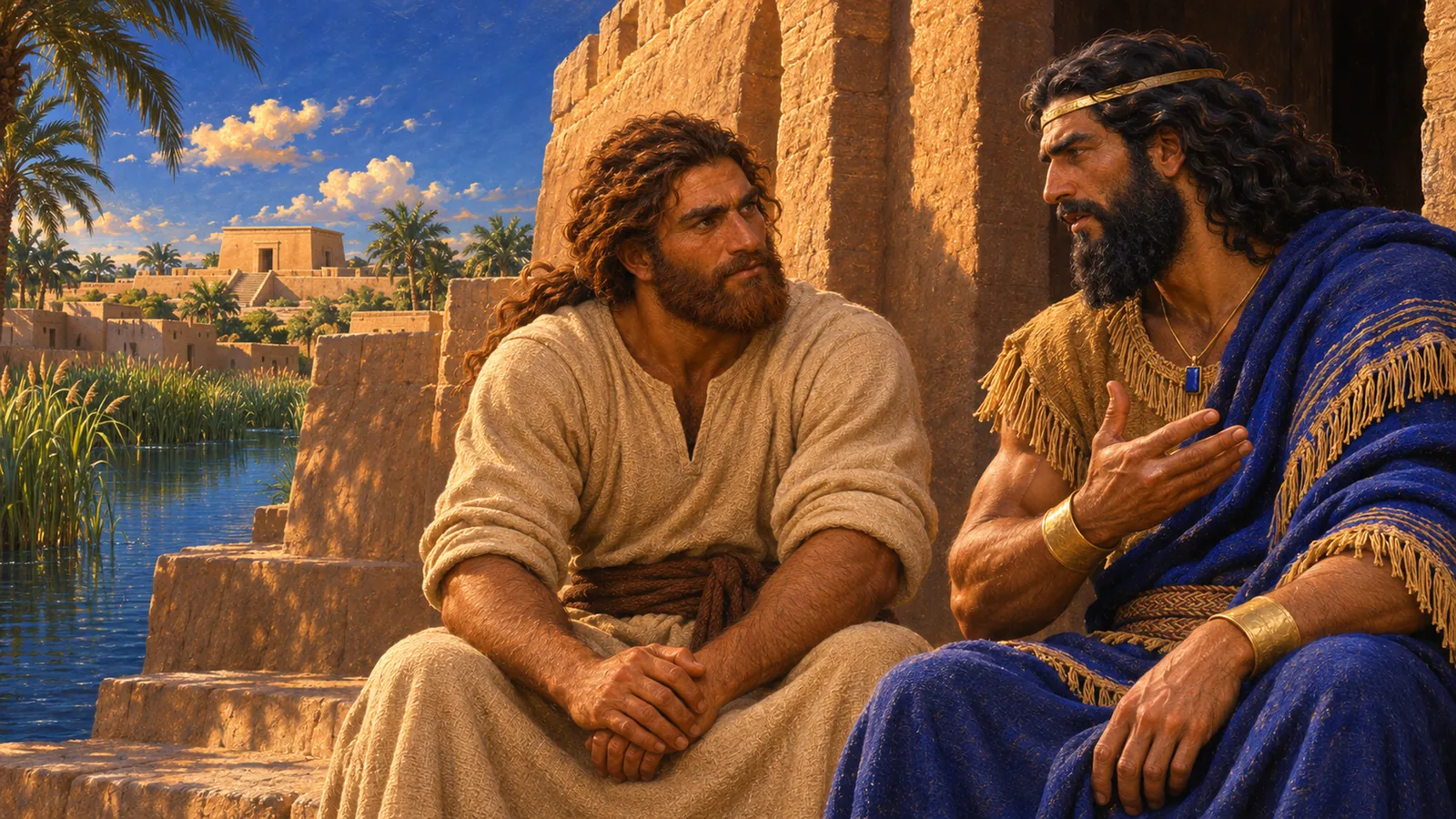
Le dijo a Enkidu que escuchara atentamente sus palabras y siguiera las instrucciones que iba a darle.
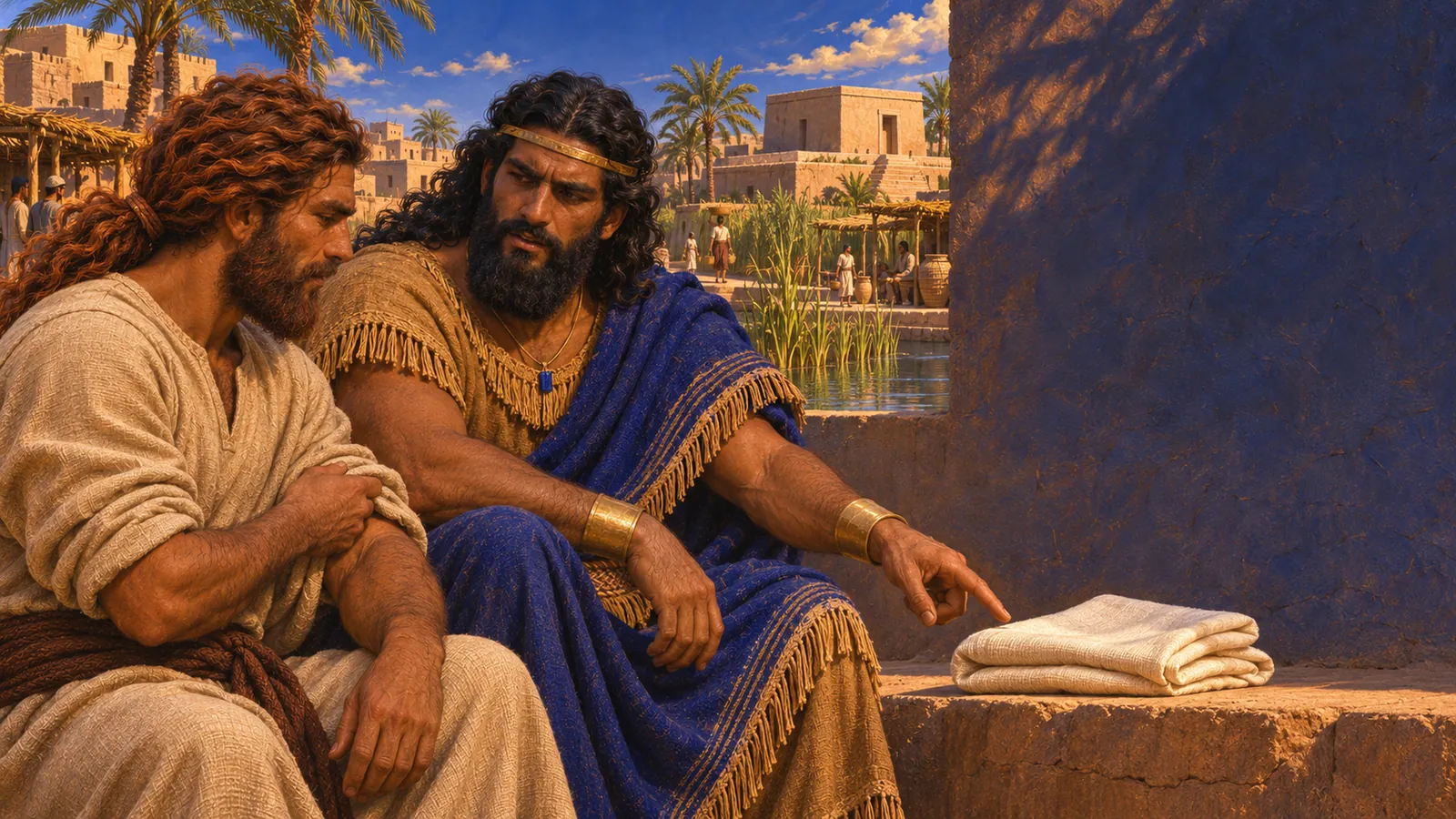
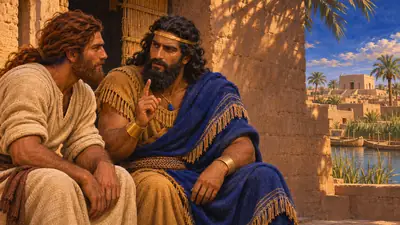
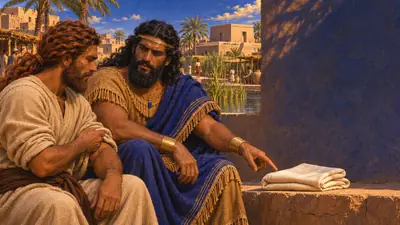
Gilgamesh le advirtió a Enkidu que no llevara ropa limpia allí abajo, pues quienes estaban allí lo reconocerían al instante como un extraño.
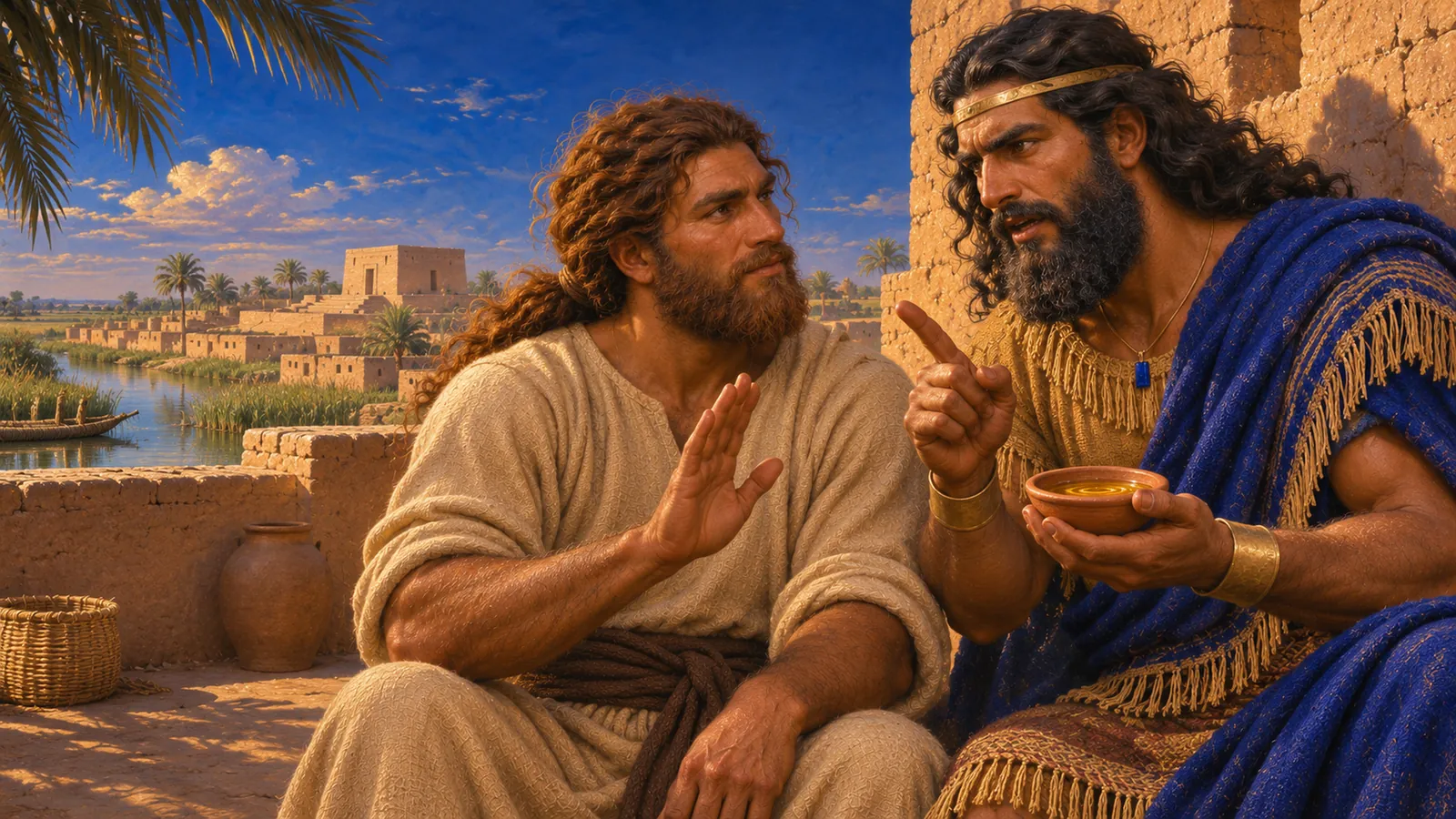
Gilgamesh le dijo que no se ungiera con aceite fino de un cuenco. Su aroma haría que quienes moraban abajo lo rodearan.
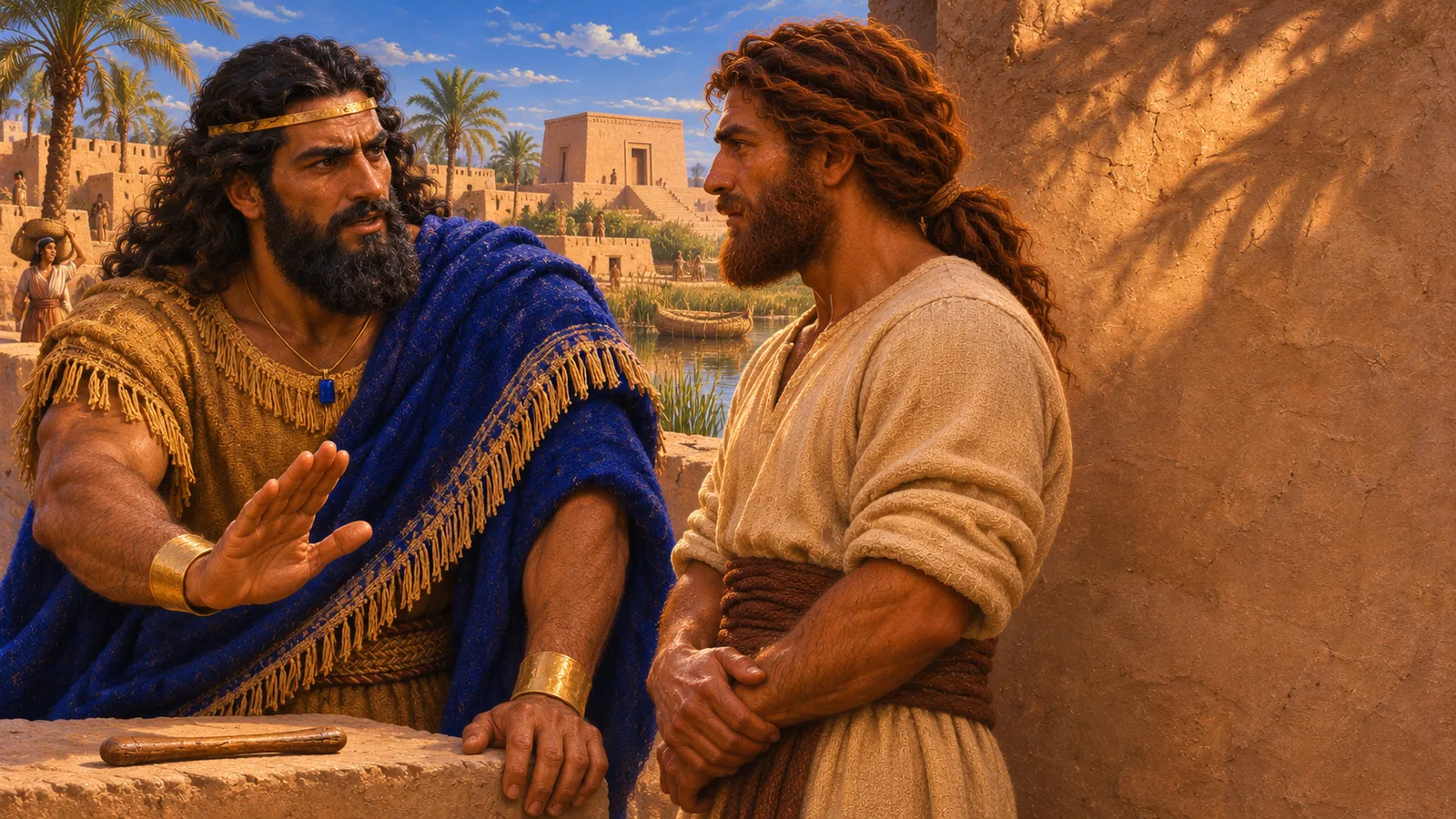
Le dijo a Enkidu que no arrojara palos de lanzamiento en el mundo subterráneo. Aquellos a quienes habían derribado lo rodearían.
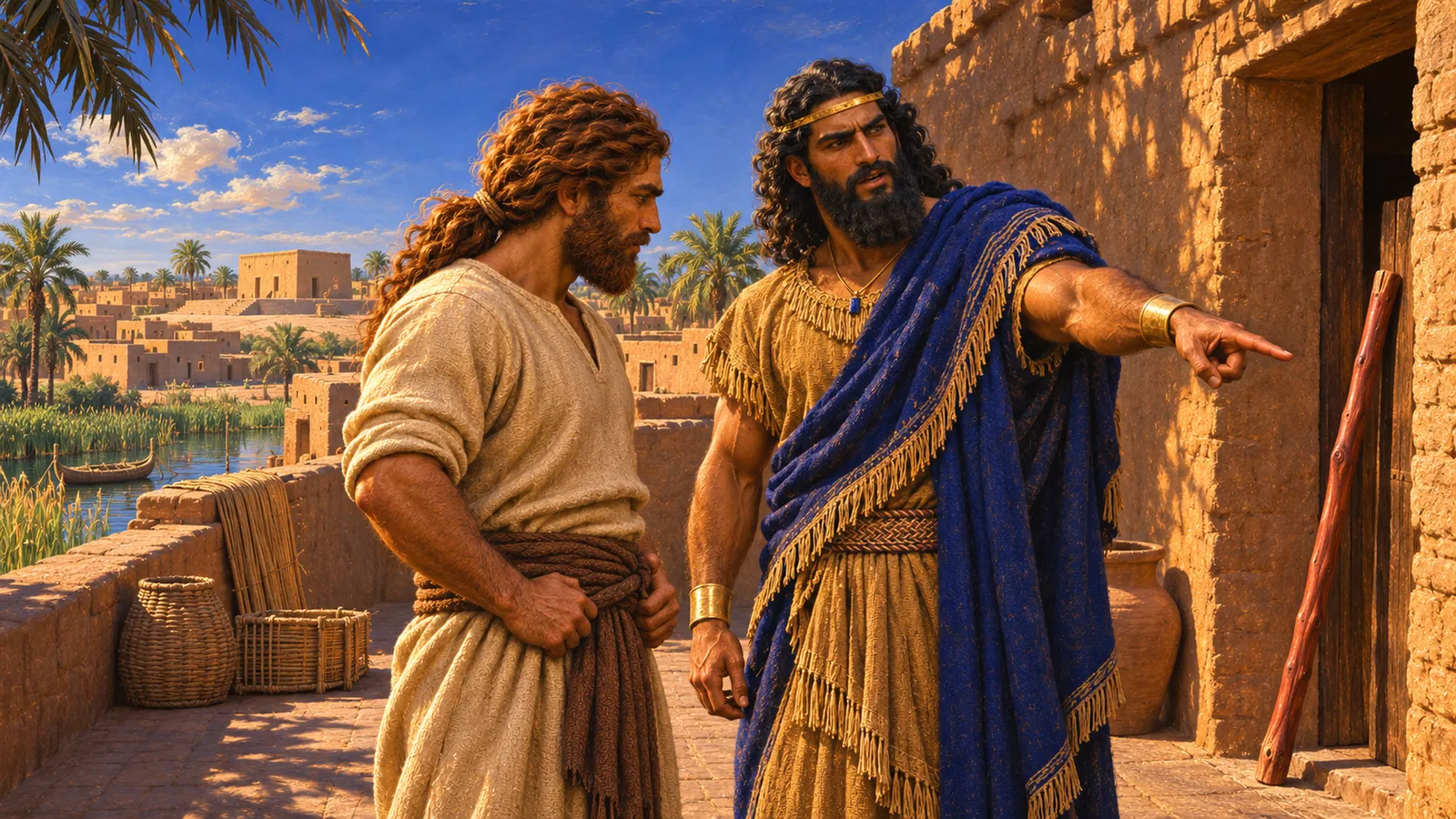
Le dijo que no llevara en la mano un bastón de madera de cornejo allí abajo. Los espíritus lo tomarían como un insulto.
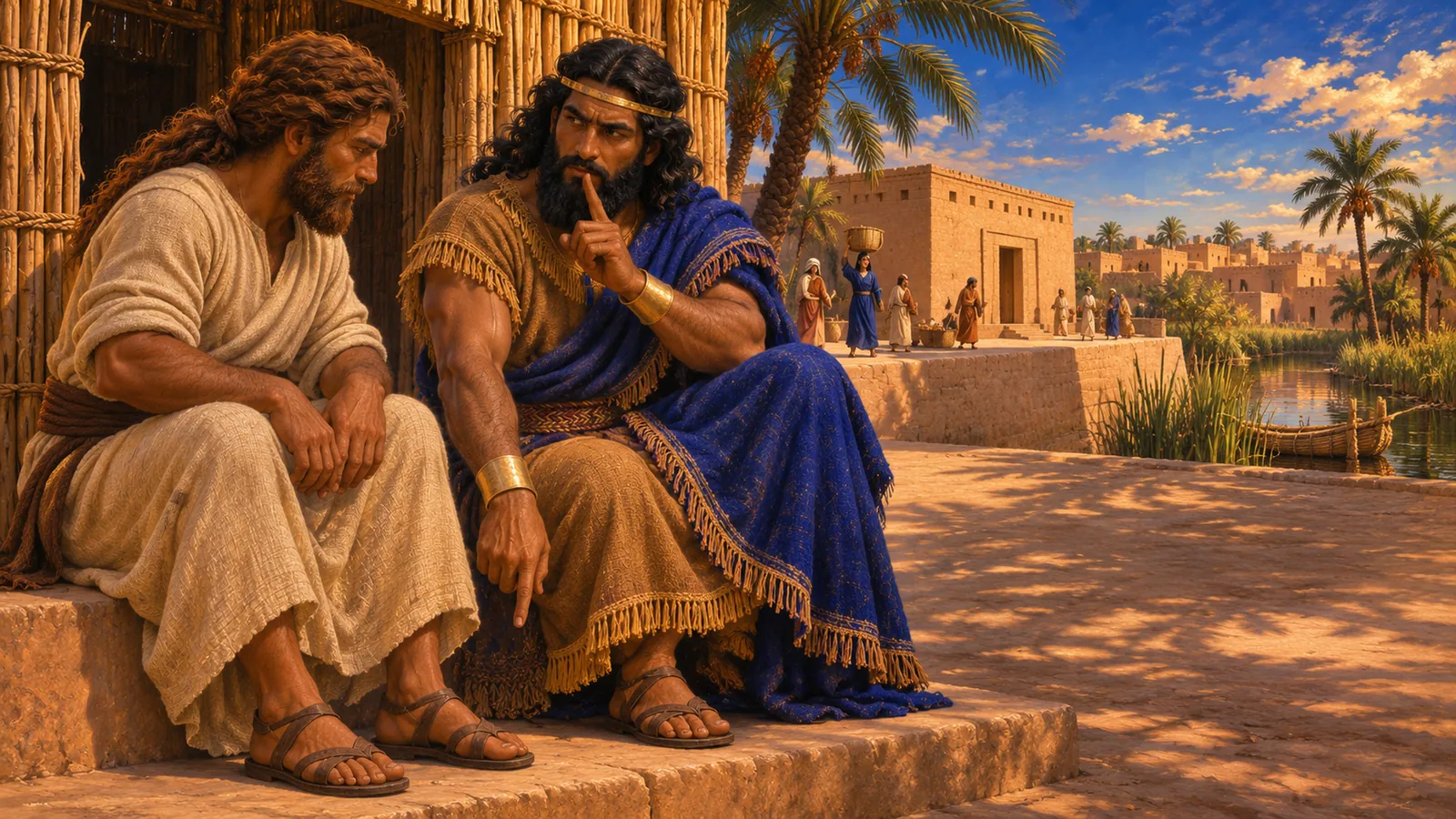
Gilgamesh le dio otras dos instrucciones para el mundo subterráneo. No debía ponerse sandalias ni gritar.
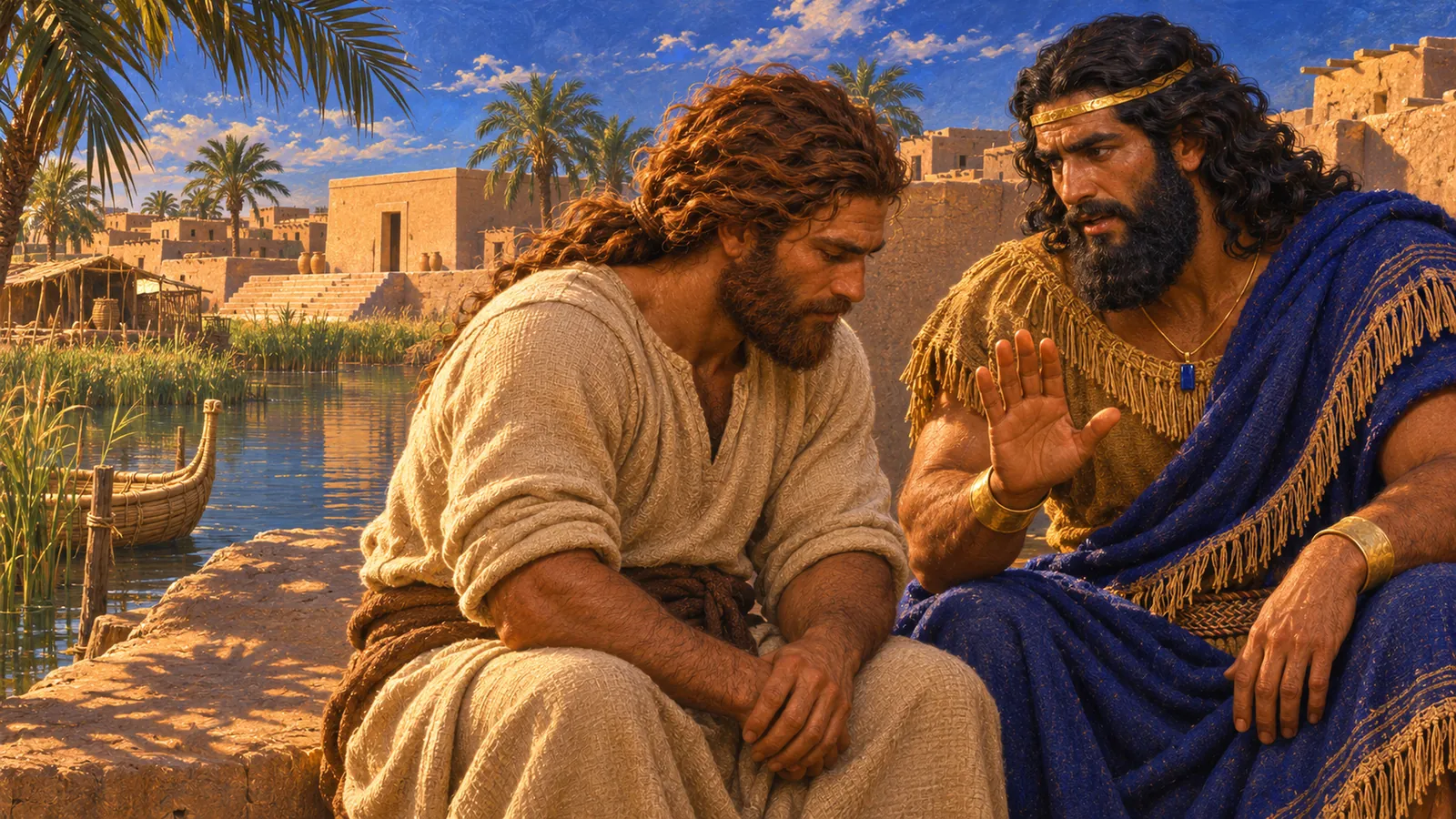
Gilgamesh le dijo a Enkidu que no besara a su esposa amada cuando bajara al mundo de los muertos.
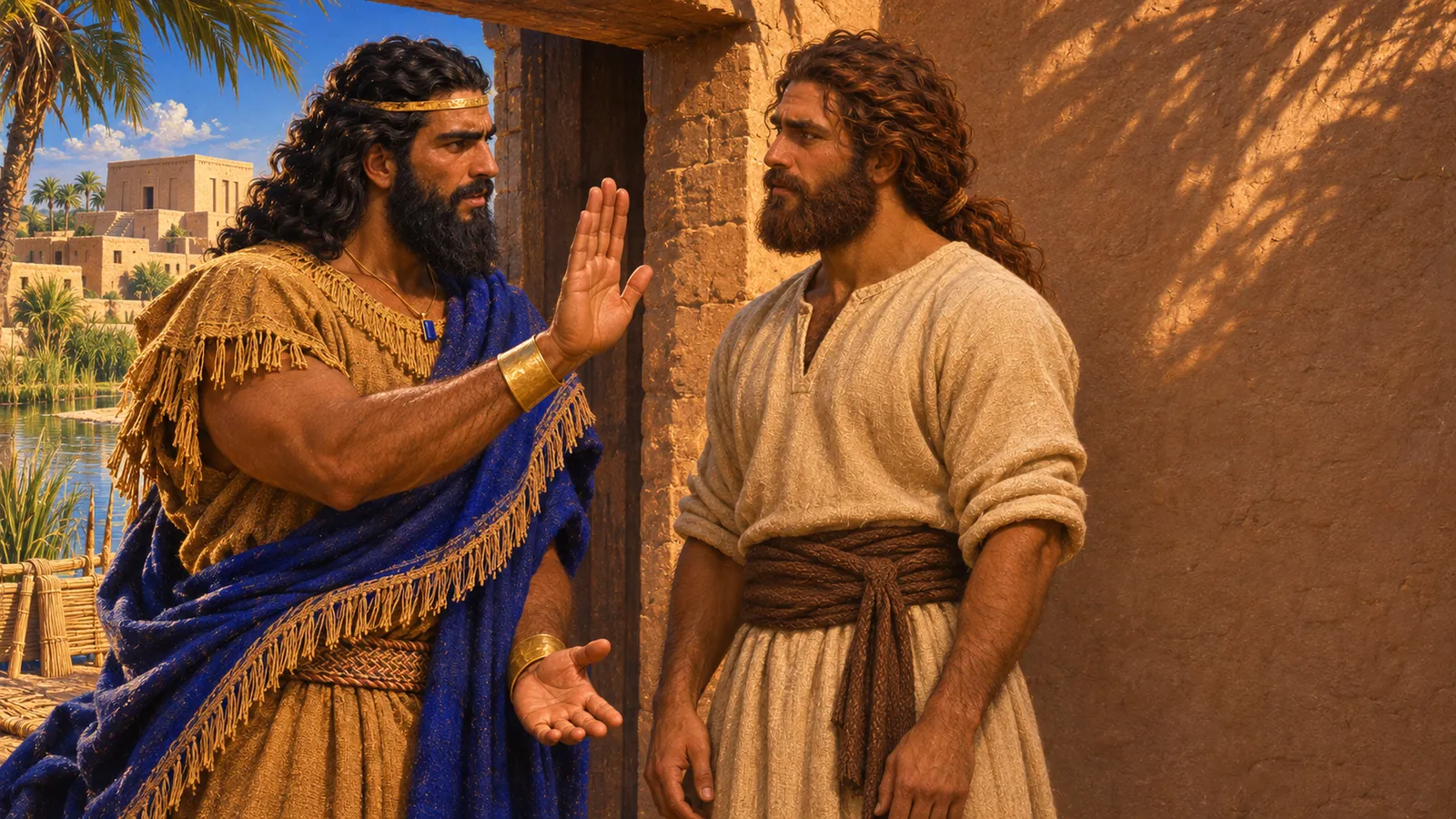
Gilgamesh le dijo a Enkidu que no golpeara a su esposa, aunque se molestara con ella.
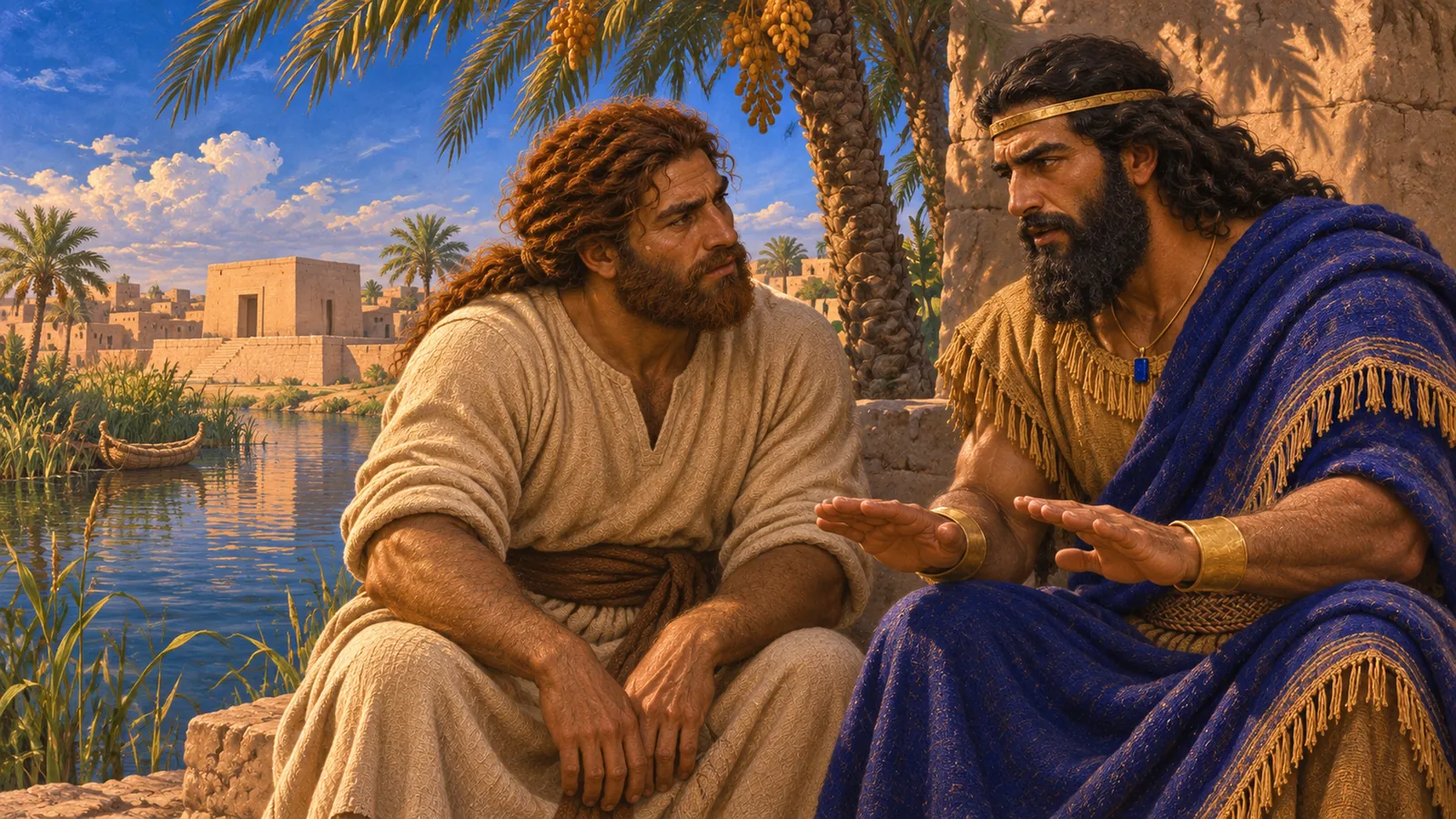
También le advirtió a Enkidu que no besara a su hijo querido ni lo golpeara, aunque se molestara con él.
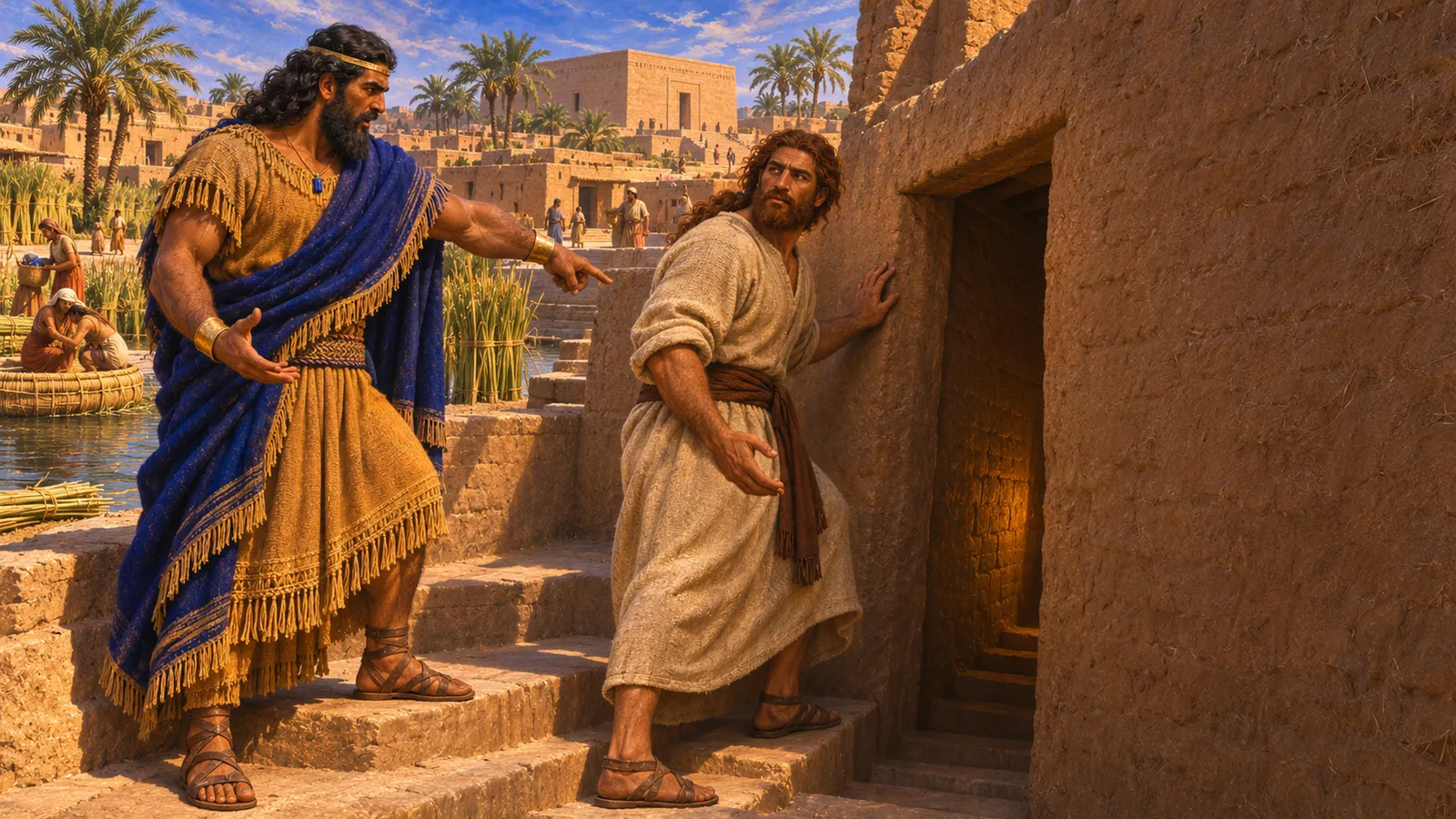
Gilgamesh advirtió a Enkidu que, si sus actos levantaban un clamor, este lo retendría en el mundo de los muertos.
LAS INSTRUCCIONES
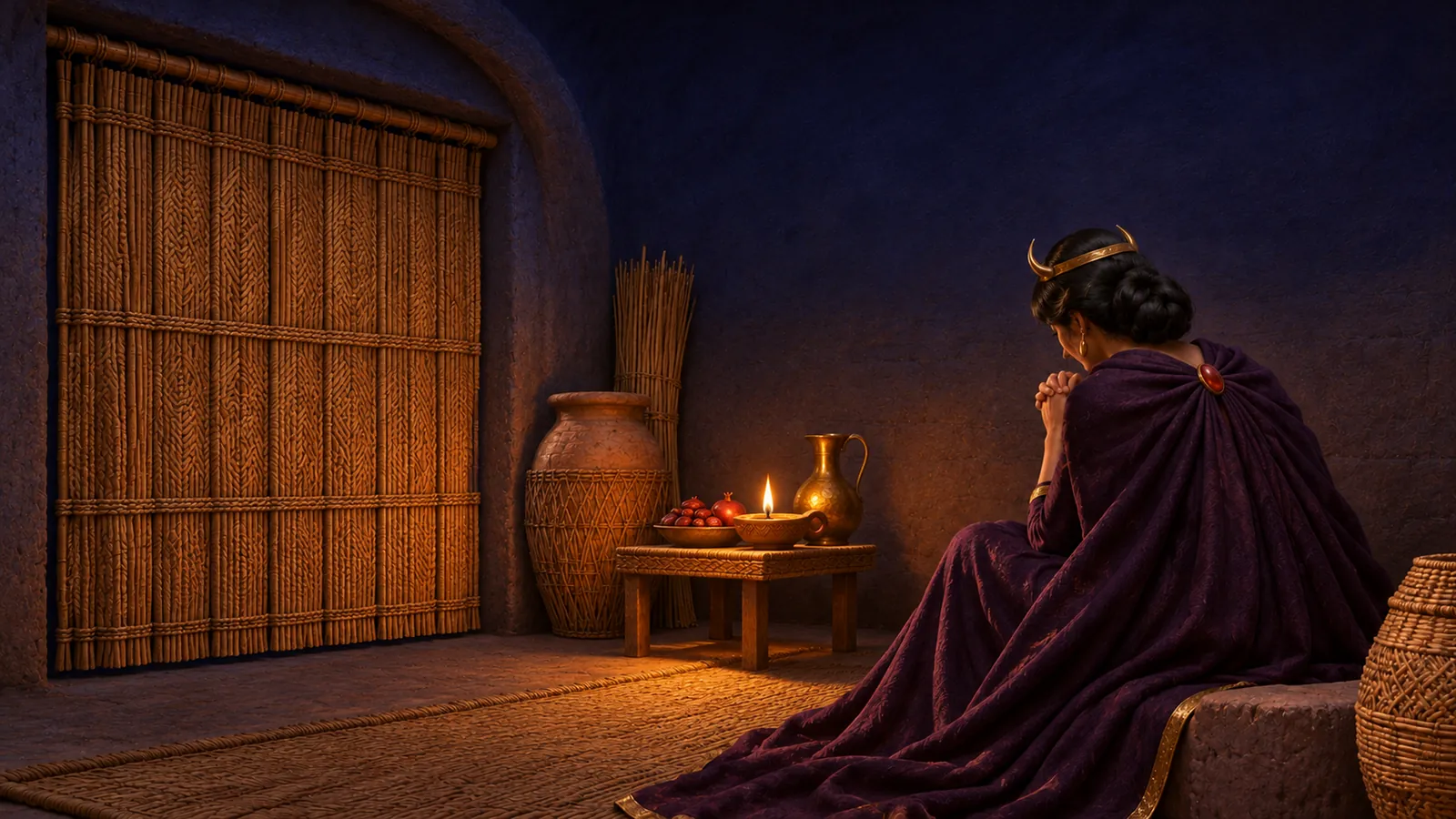
Gilgamesh habló de una mujer que yacía en el mundo de los muertos. Dijo que era la madre de Ninazu.

Dijo que ninguna prenda le cubría los hombros puros y que ningún lienzo de lino cubría su pecho puro.

En el relato de Gilgamesh, la madre de Ninazu yacía allí y se arrancaba el pelo en su desesperación.
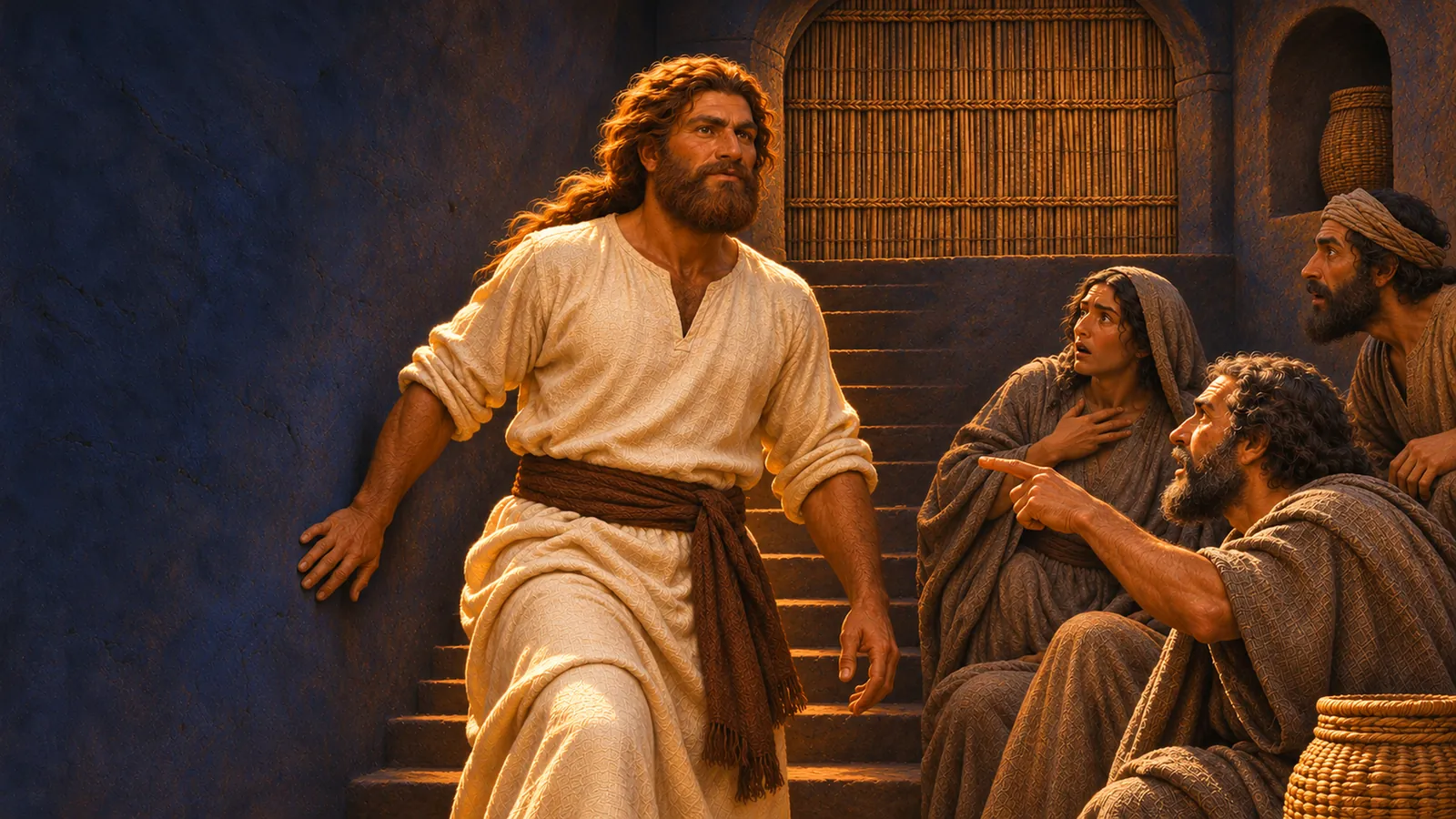
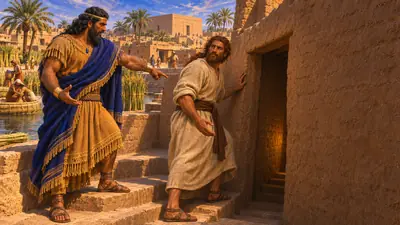
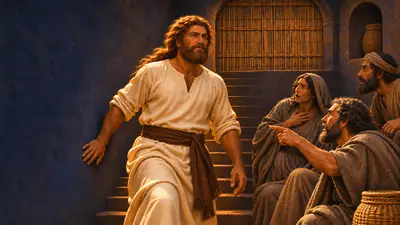
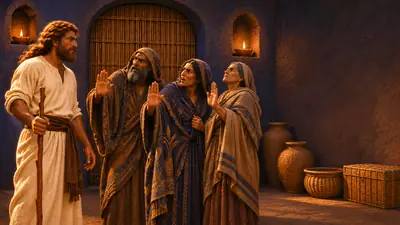
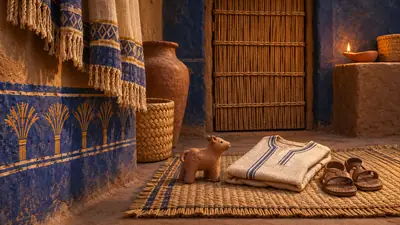
Enkidu desoyó las palabras de su amo. Se puso sus ropas limpias y los que estaban allí se dieron cuenta de que era un extraño.
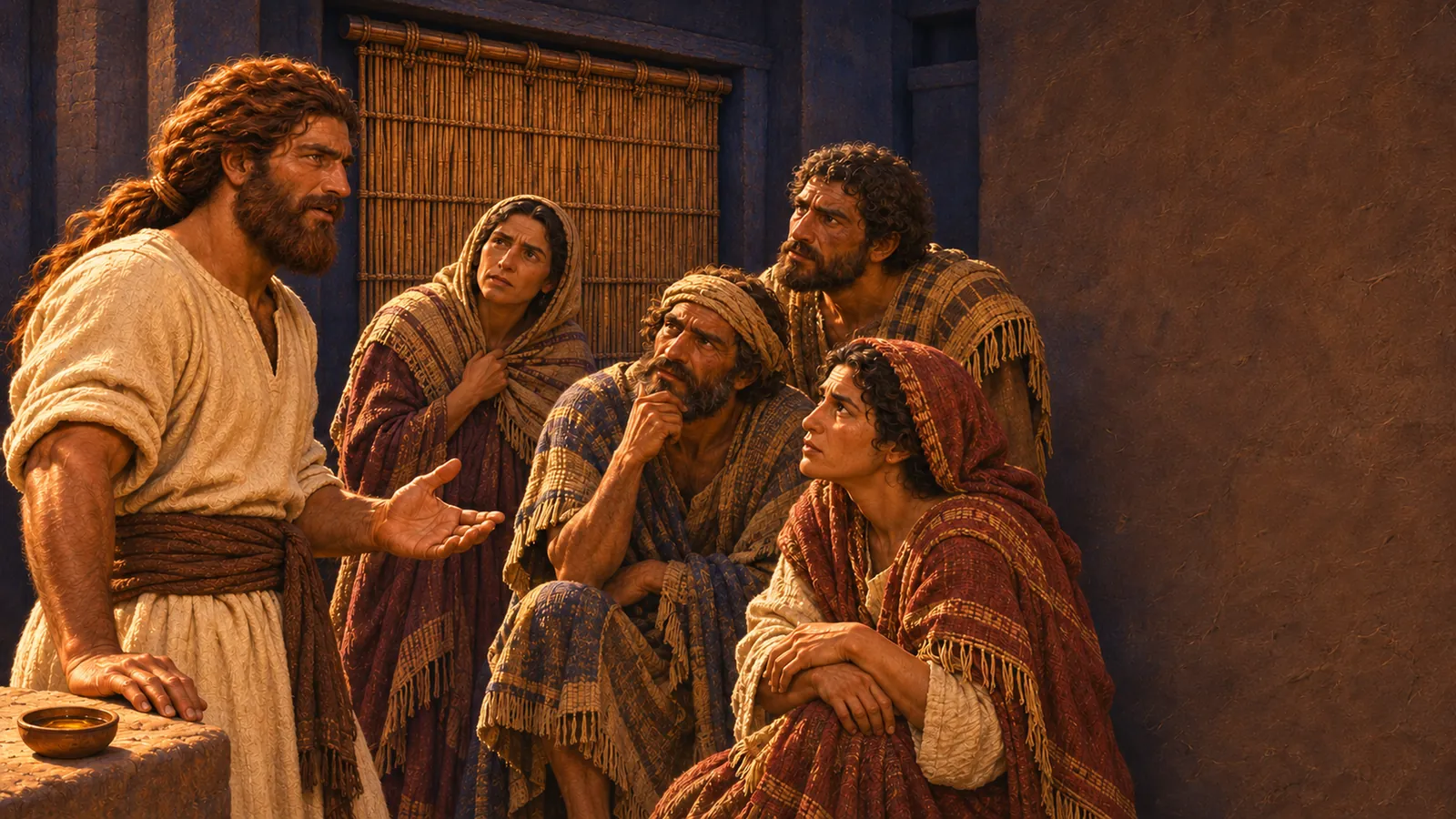
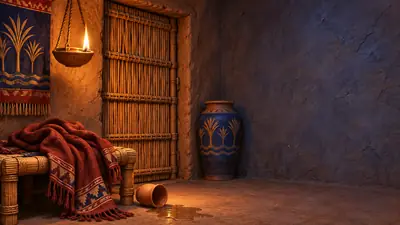
Enkidu se ungió con aceite fino de un cuenco. Al sentir el olor del aceite, los que estaban en el mundo de los muertos lo rodearon.
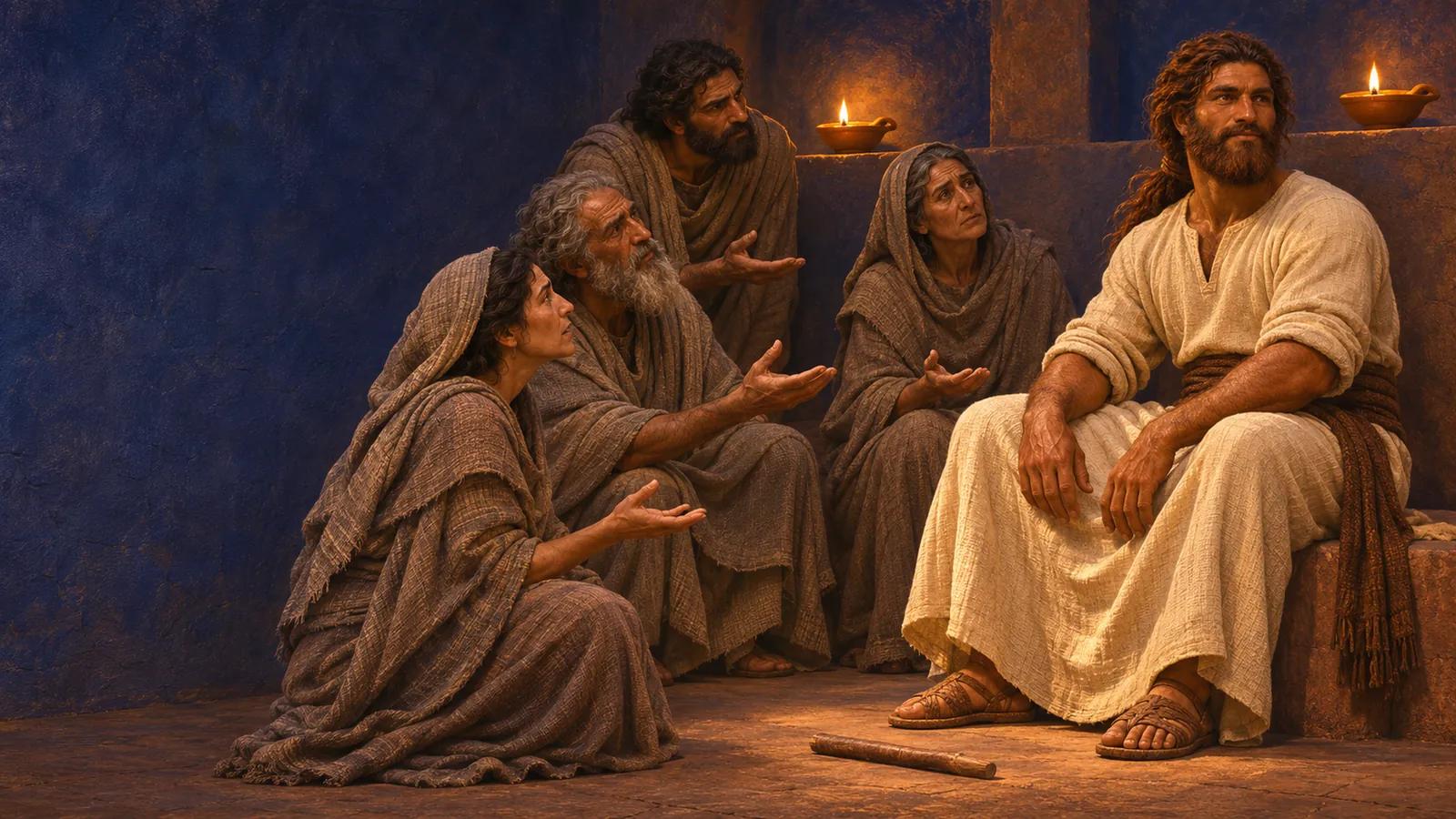
Enkidu arrojó palos arrojadizos en el mundo de los muertos. Quienes habían caído por esos palos se reunieron a su alrededor.
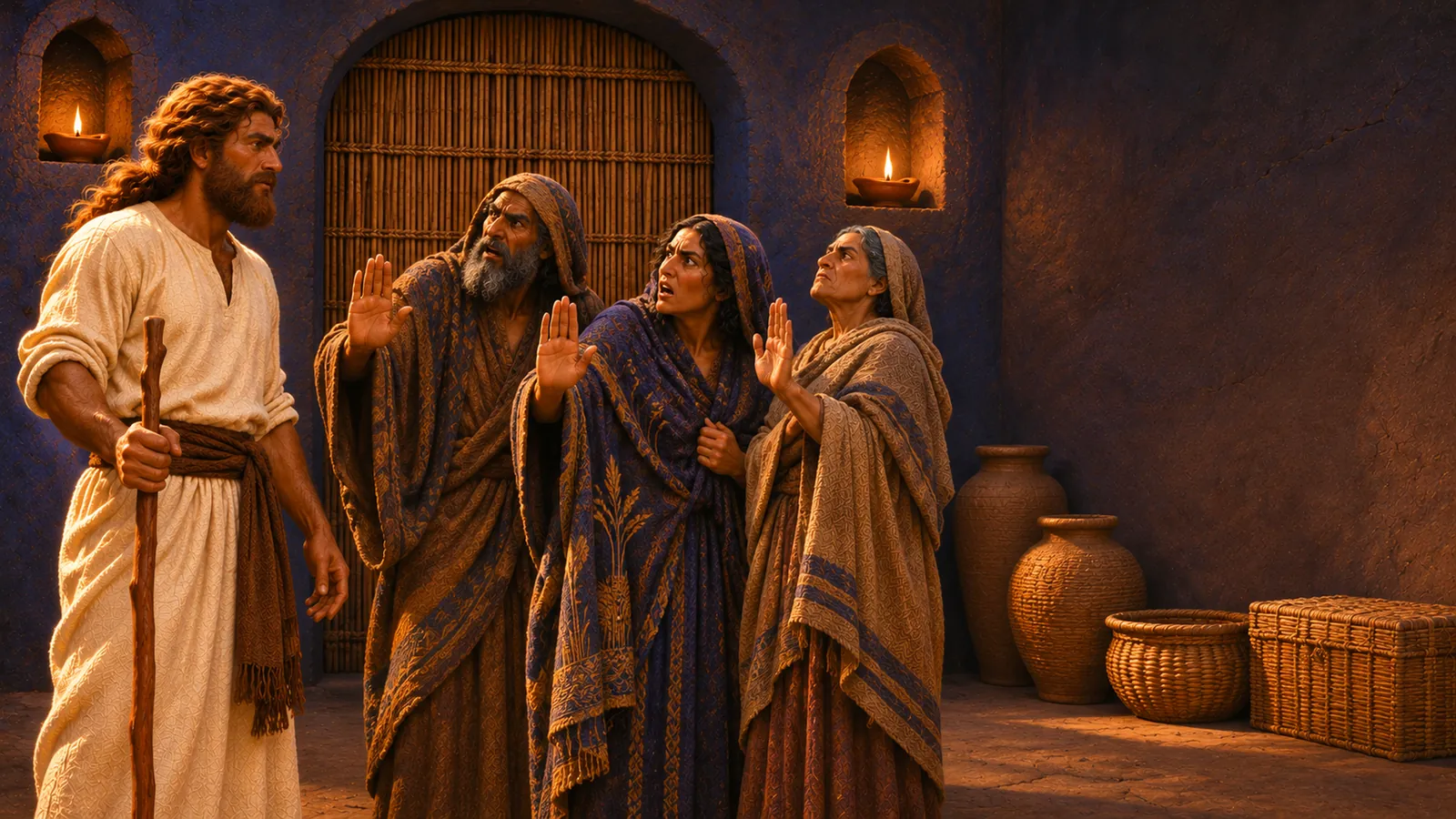
Enkidu sostuvo en la mano un bastón de madera de cornejo. El poema dice que los espíritus se sintieron insultados por su gesto.
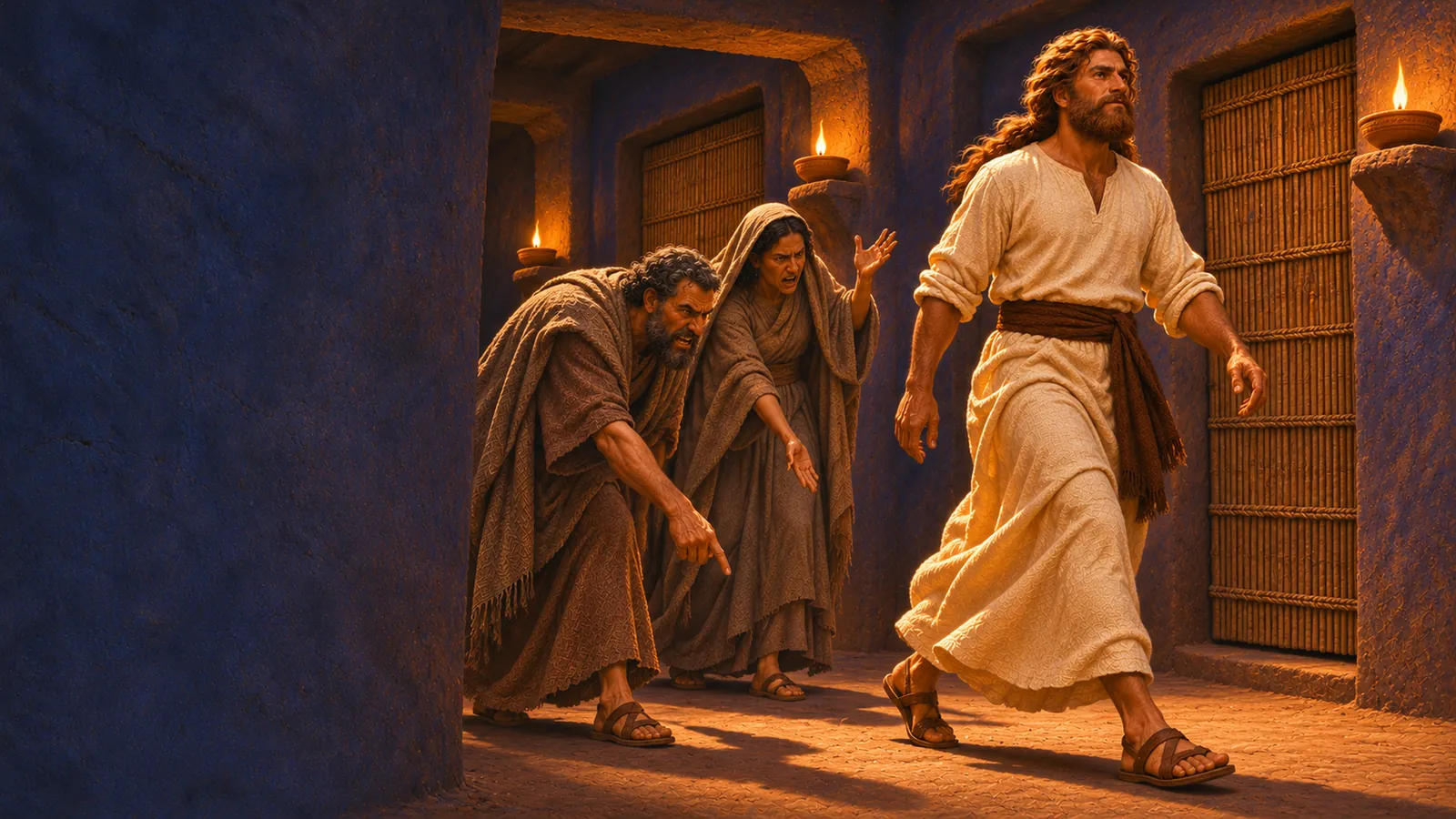
Luego Enkidu se calzó las sandalias. El poema dice que causó irritación en el mundo de los muertos.
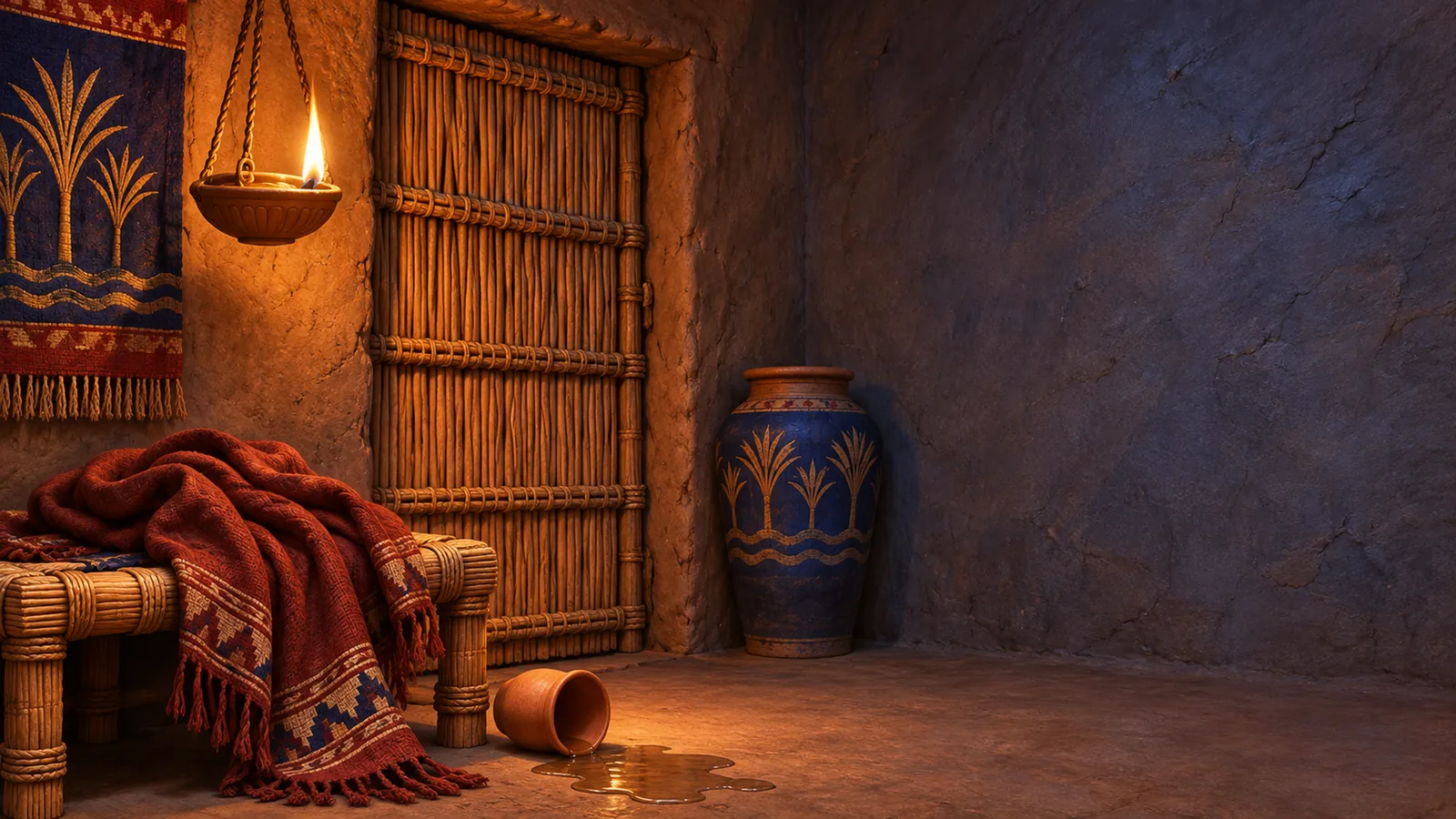
Enkidu besó a su esposa querida en el mundo de los muertos. La golpeó cuando se molestó con ella.

Enkidu besó a su hijo querido. Luego lo golpeó cuando se molestó con él.
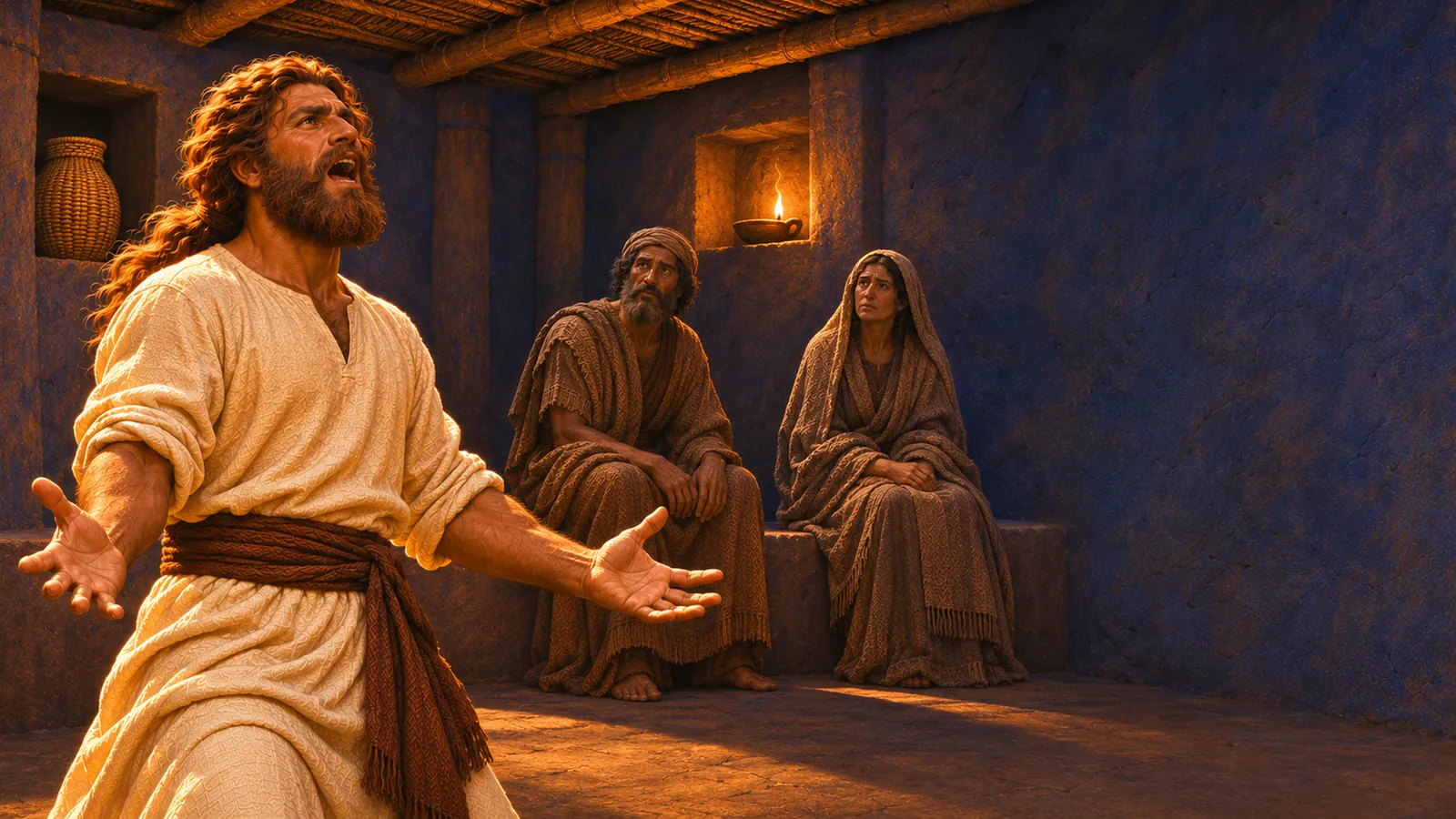
Los actos de Enkidu levantaron un clamor en el mundo de los muertos, tal como Gilgamesh le había advertido.
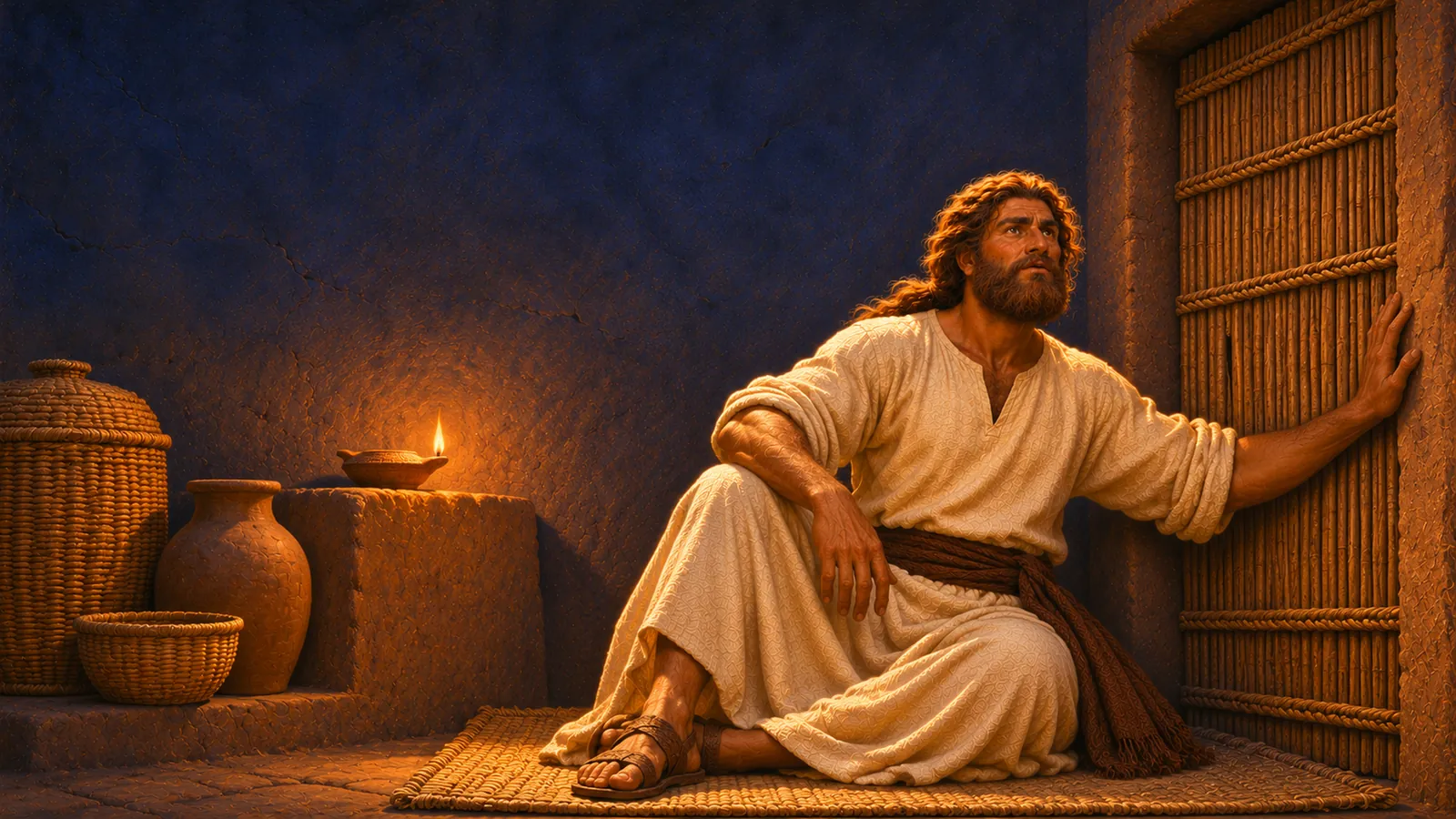
RETENIDO
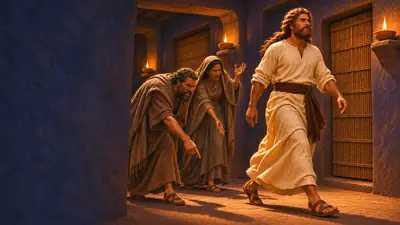
Sus actos habían provocado gritos de protesta. El inframundo retuvo a Enkidu, y allí quedó.
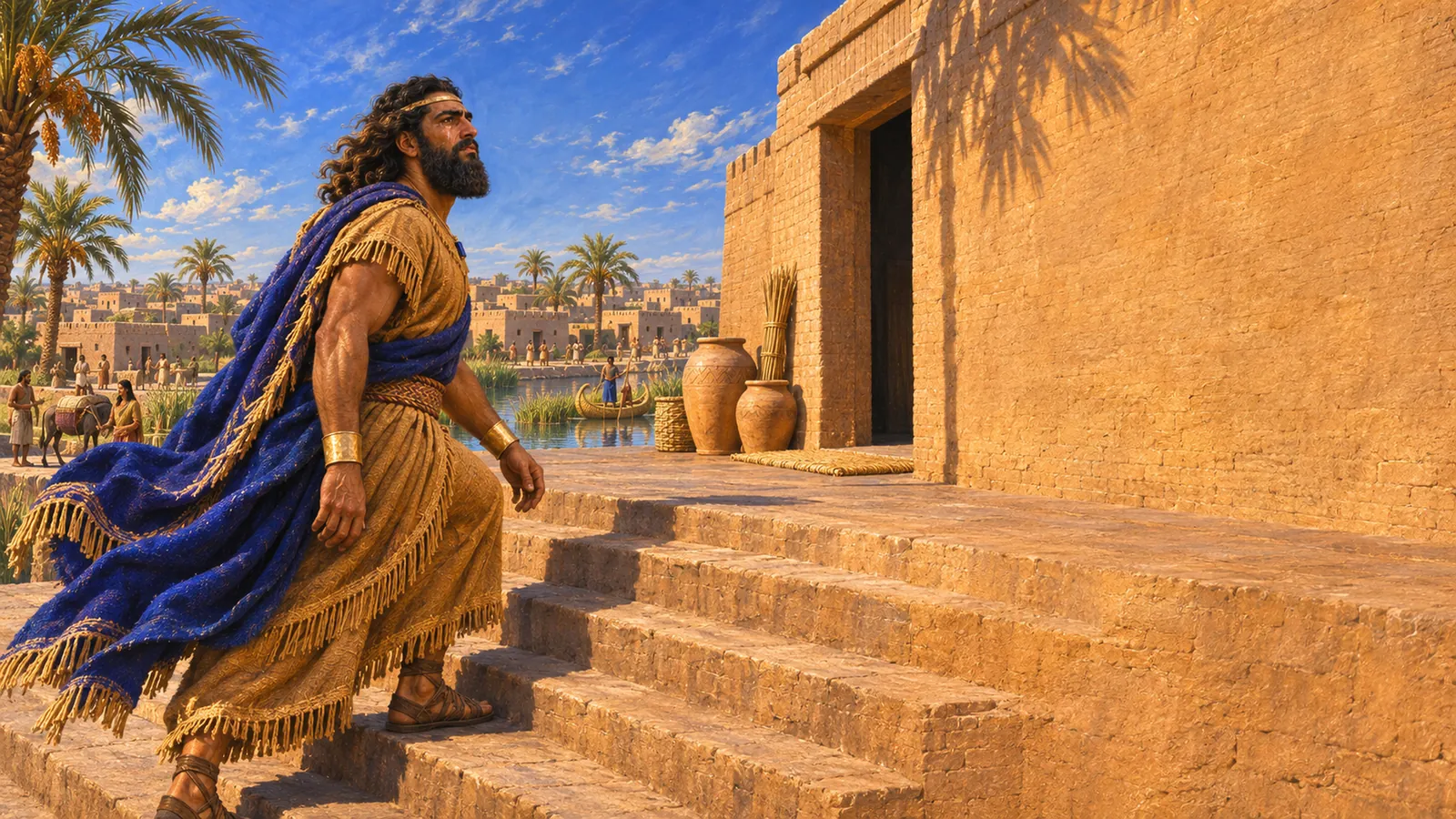
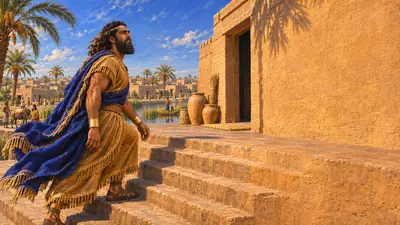
Gilgamesh, el guerrero hijo de Ninsun, fue solo a Ekur, el templo de Enlil. Alzó la voz ante Enlil.
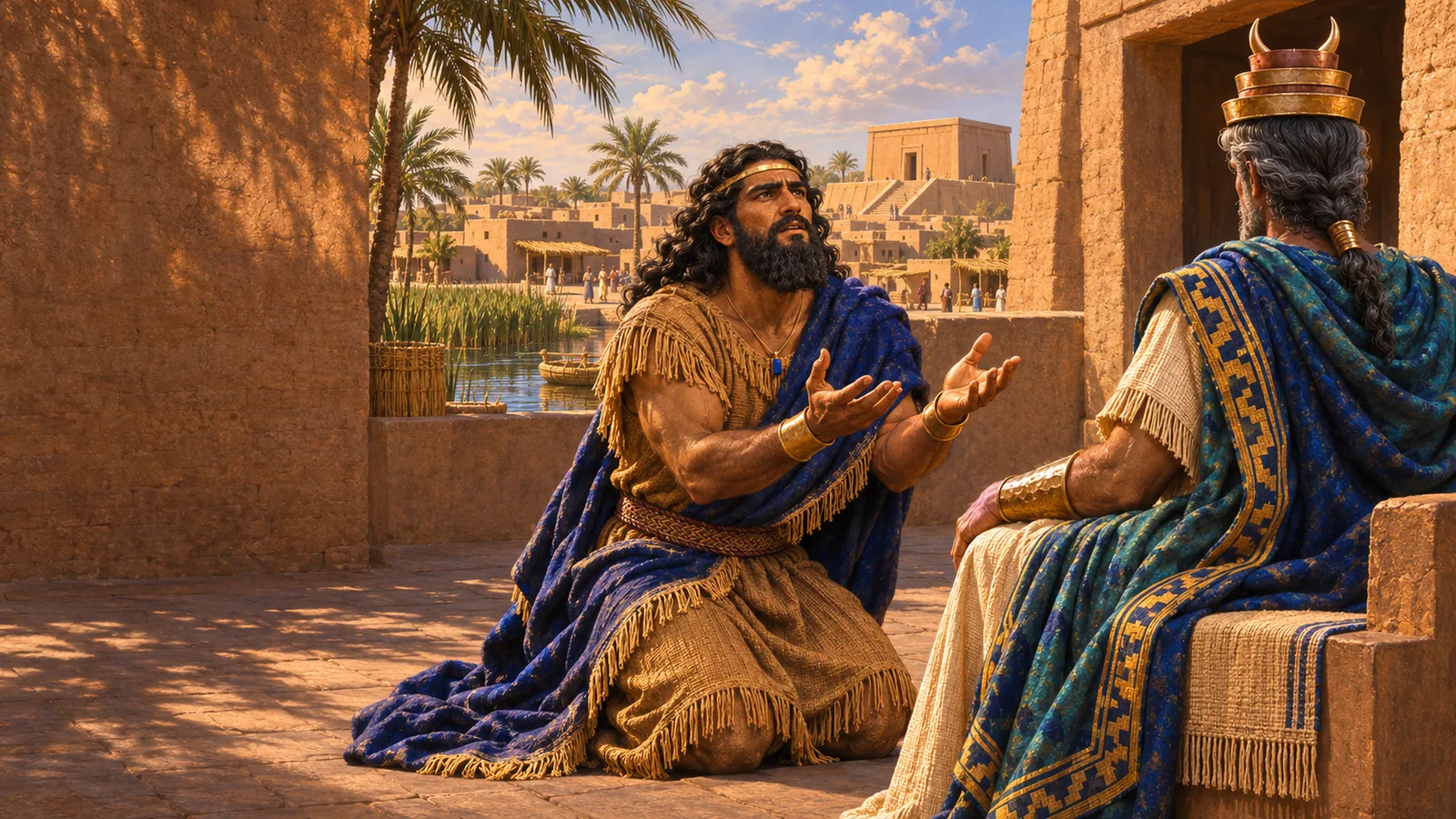
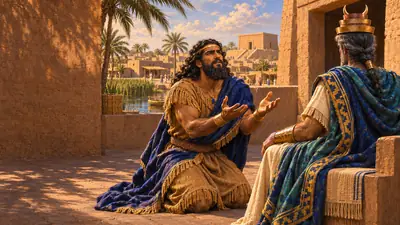
Gilgamesh le dijo a Enlil que su ellag había caído al inframundo y su ekidma a Ganzer. Enkidu había bajado a recuperarlos, y el inframundo lo había apresado.
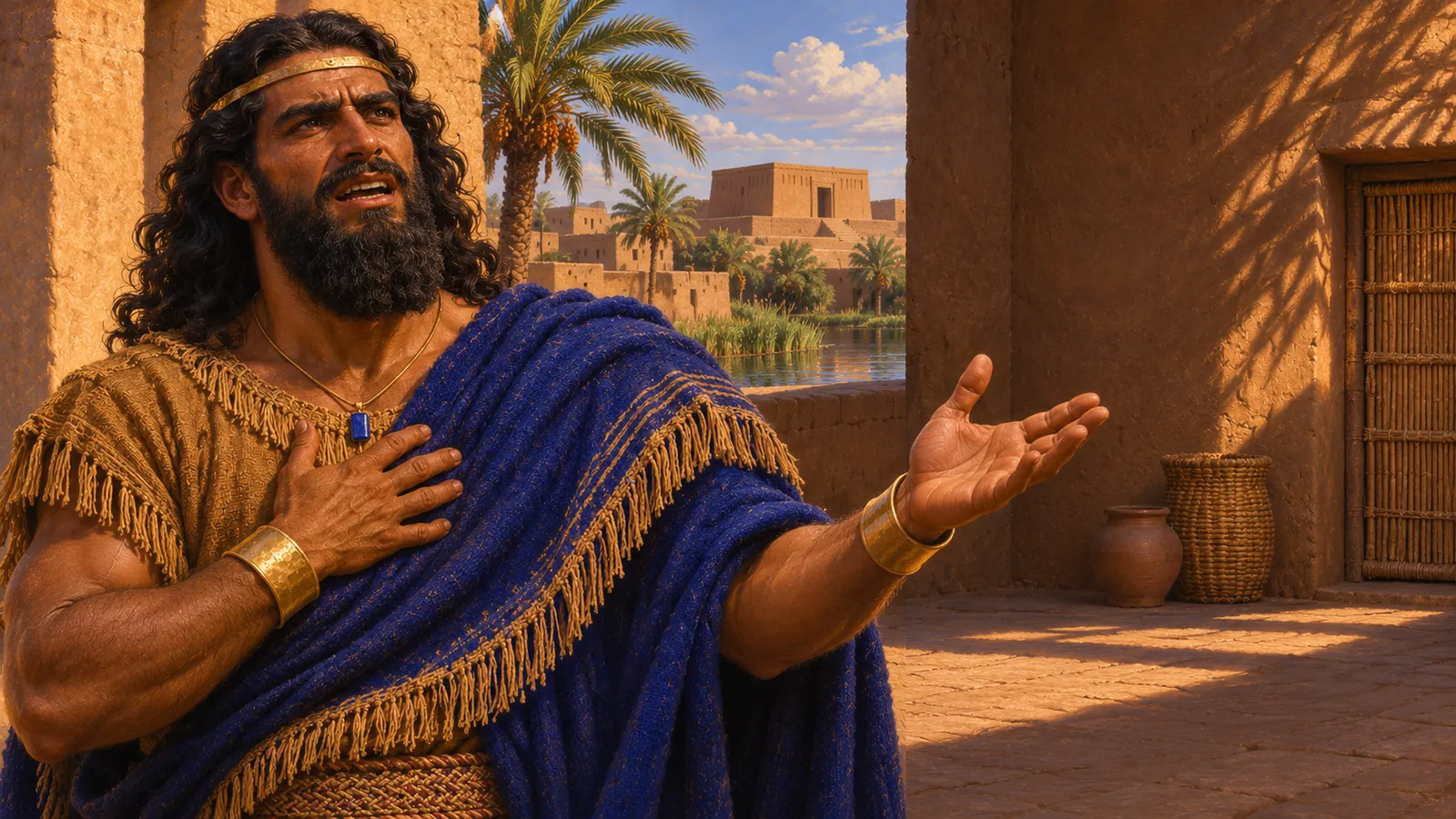
Gilgamesh dijo que ni Namtar ni Asag habían apresado a Enkidu. Repitió que lo había apresado el propio inframundo.
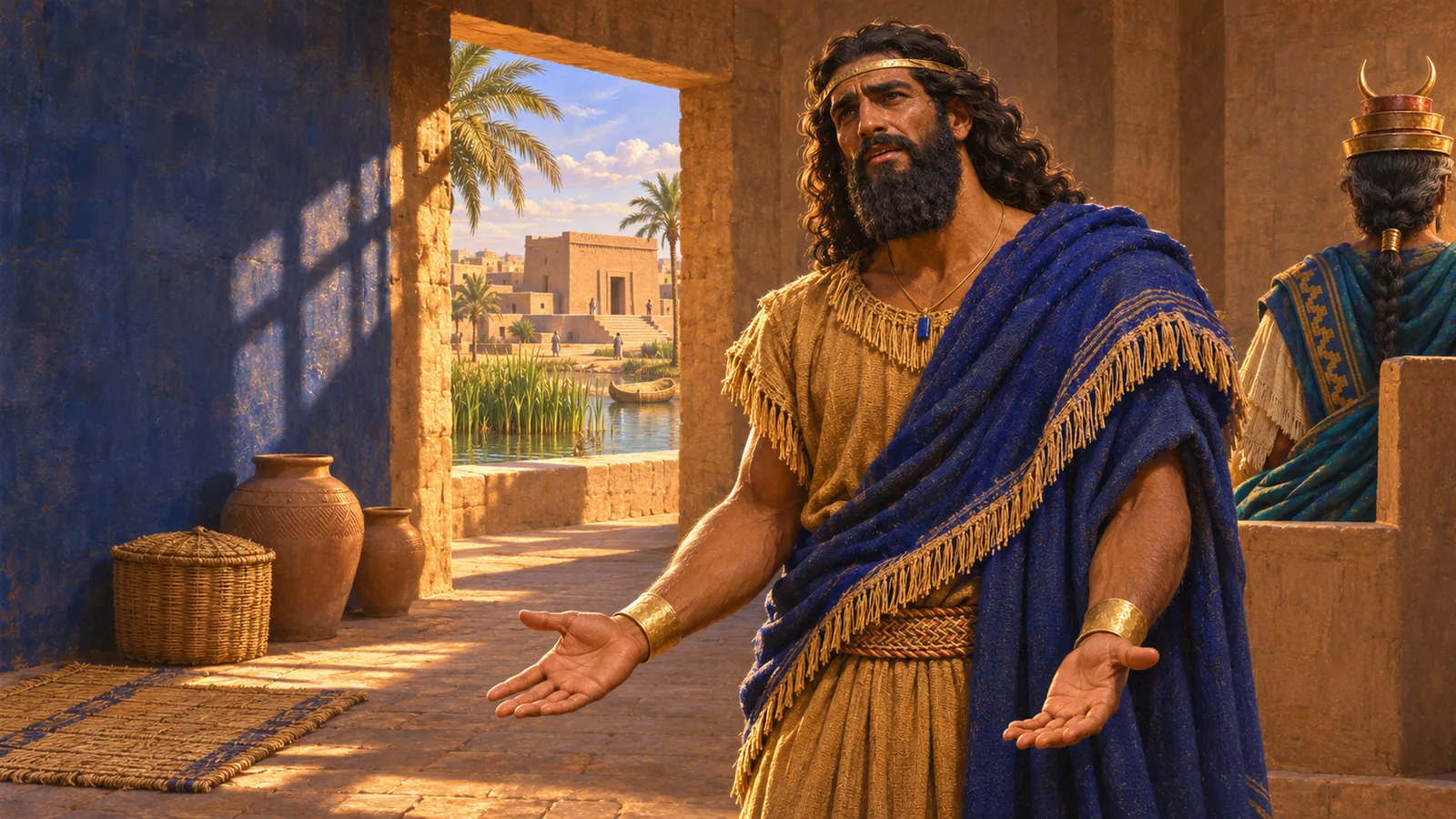
Dijo que el demonio udug de Nergal, que no perdona a nadie, no había apresado a Enkidu. Enkidu tampoco había caído en combate. Lo había apresado el inframundo.
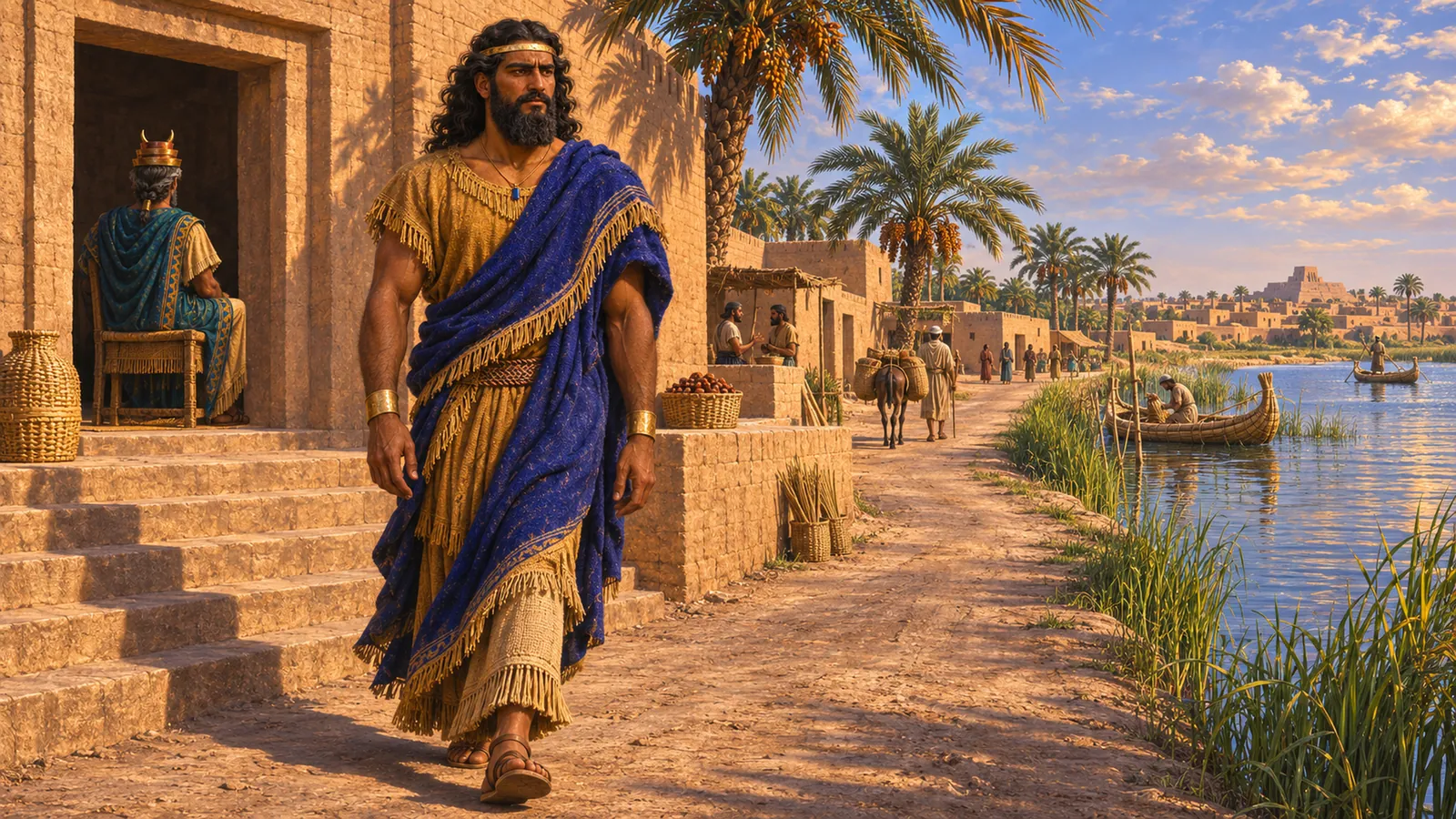
Enlil no apoyó a Gilgamesh. Así que el guerrero siguió hasta Eridu, donde volvería a pedir ayuda.
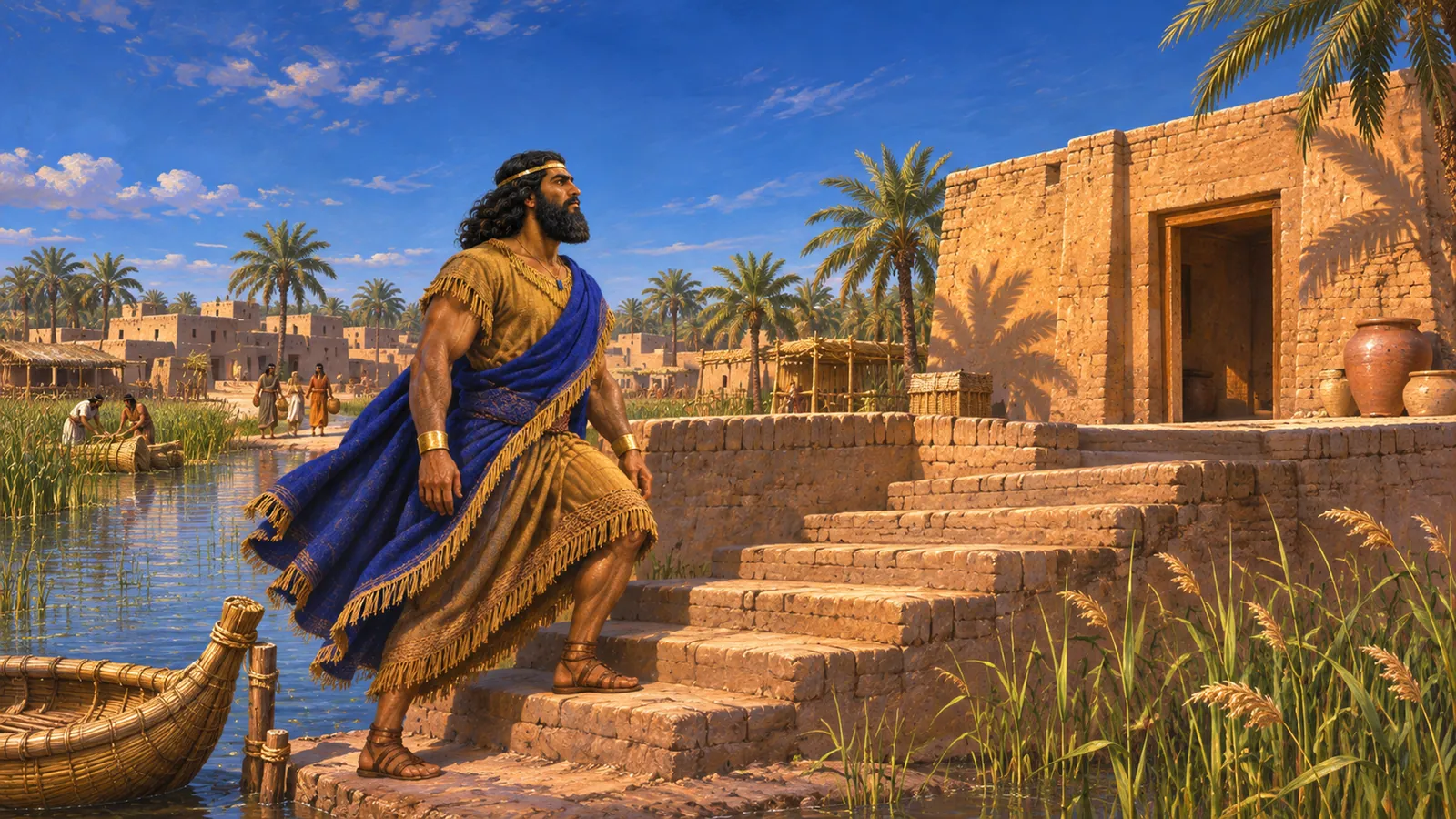
ERIDU
En Eridu, Gilgamesh fue solo al templo de Enki. Allí alzó la voz ante Enki.
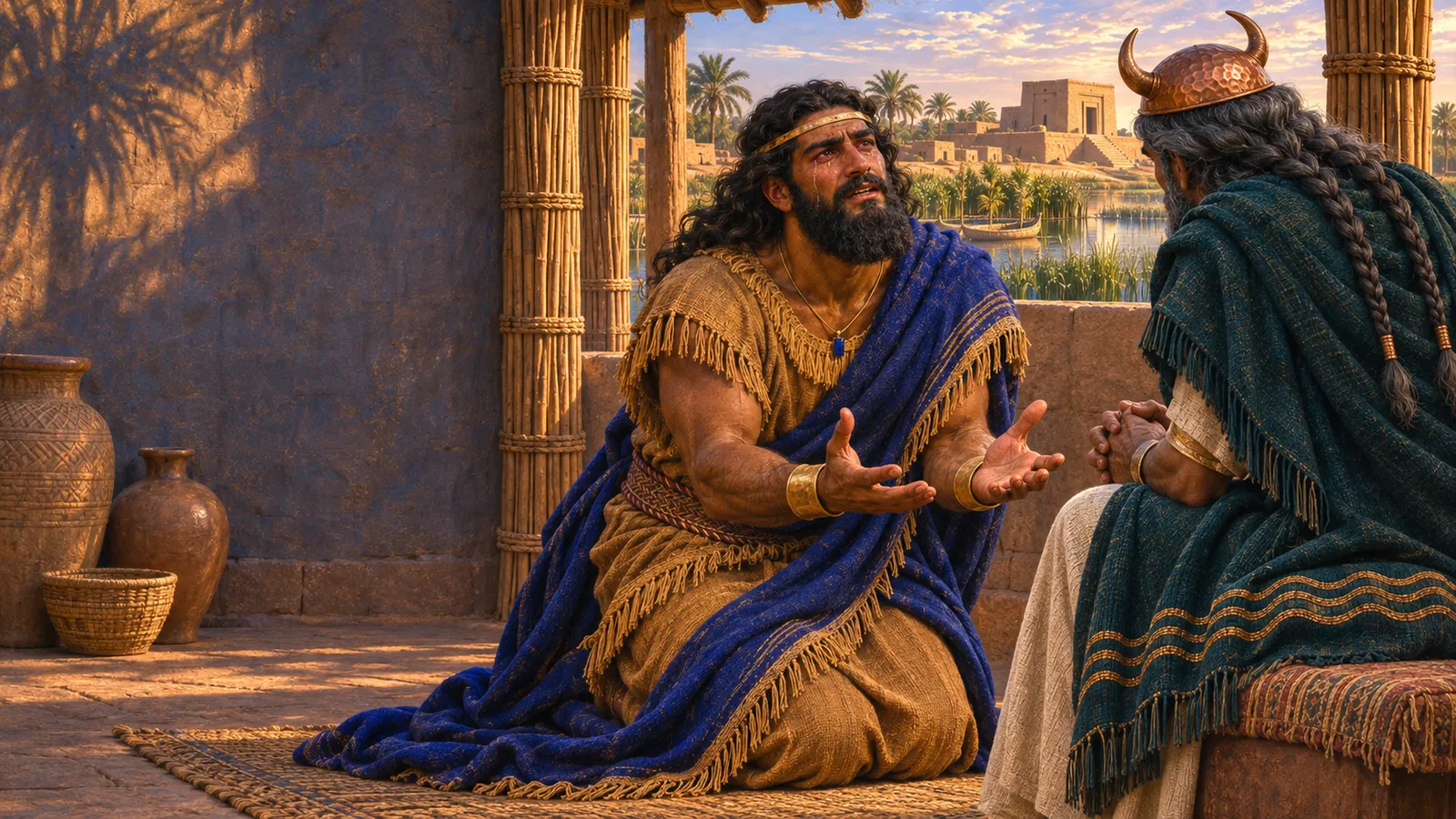
Le dijo a Enki que su ellag había caído al inframundo y su ekidma a Ganzer. Enkidu había bajado a recuperarlos, y el inframundo lo había apresado.
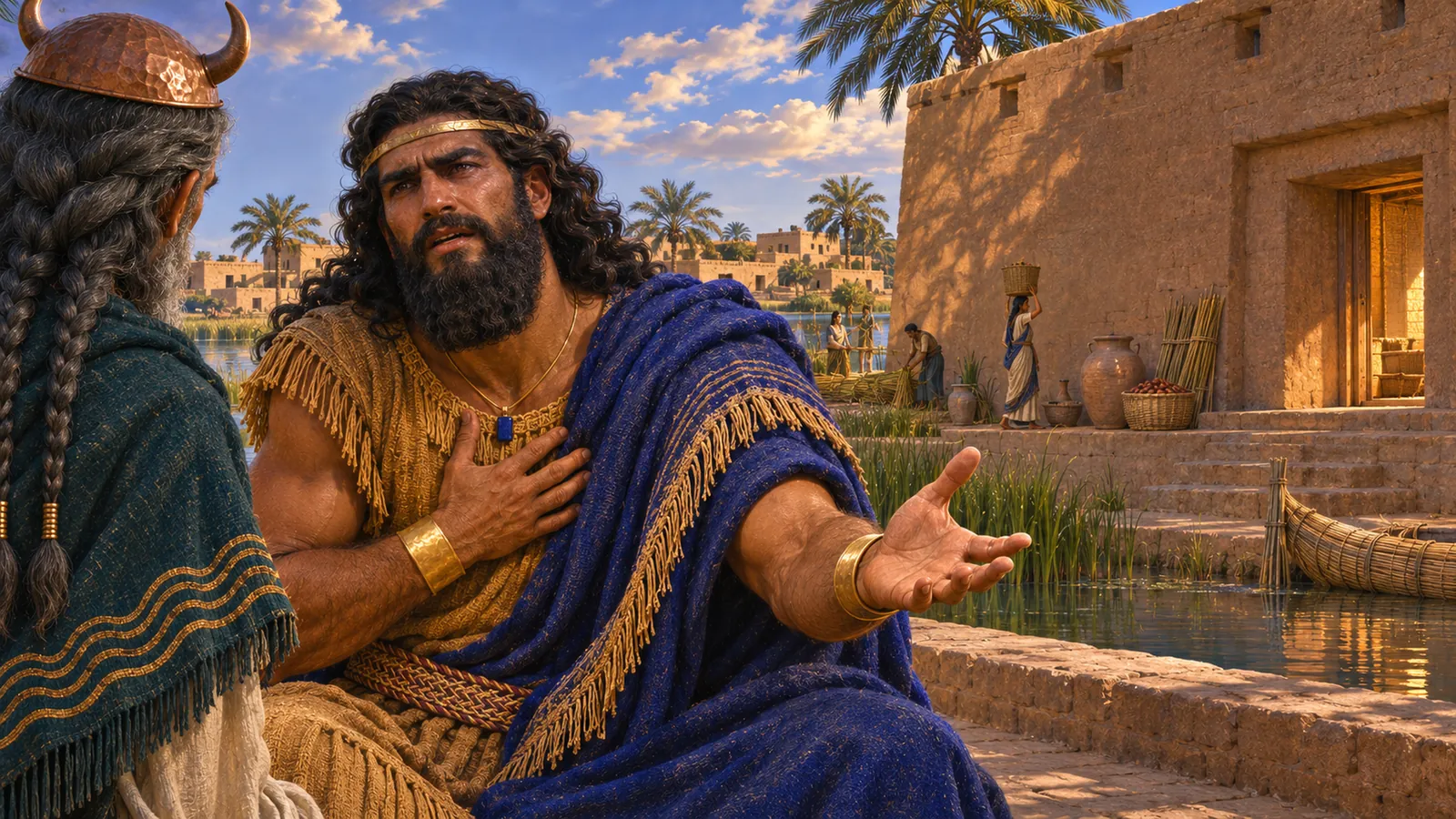
Nombró a Namtar, Asag y al demonio udug de Nergal, y dijo que ninguno había apresado a Enkidu. Dijo que Enkidu tampoco había caído en combate. Lo había apresado el inframundo.
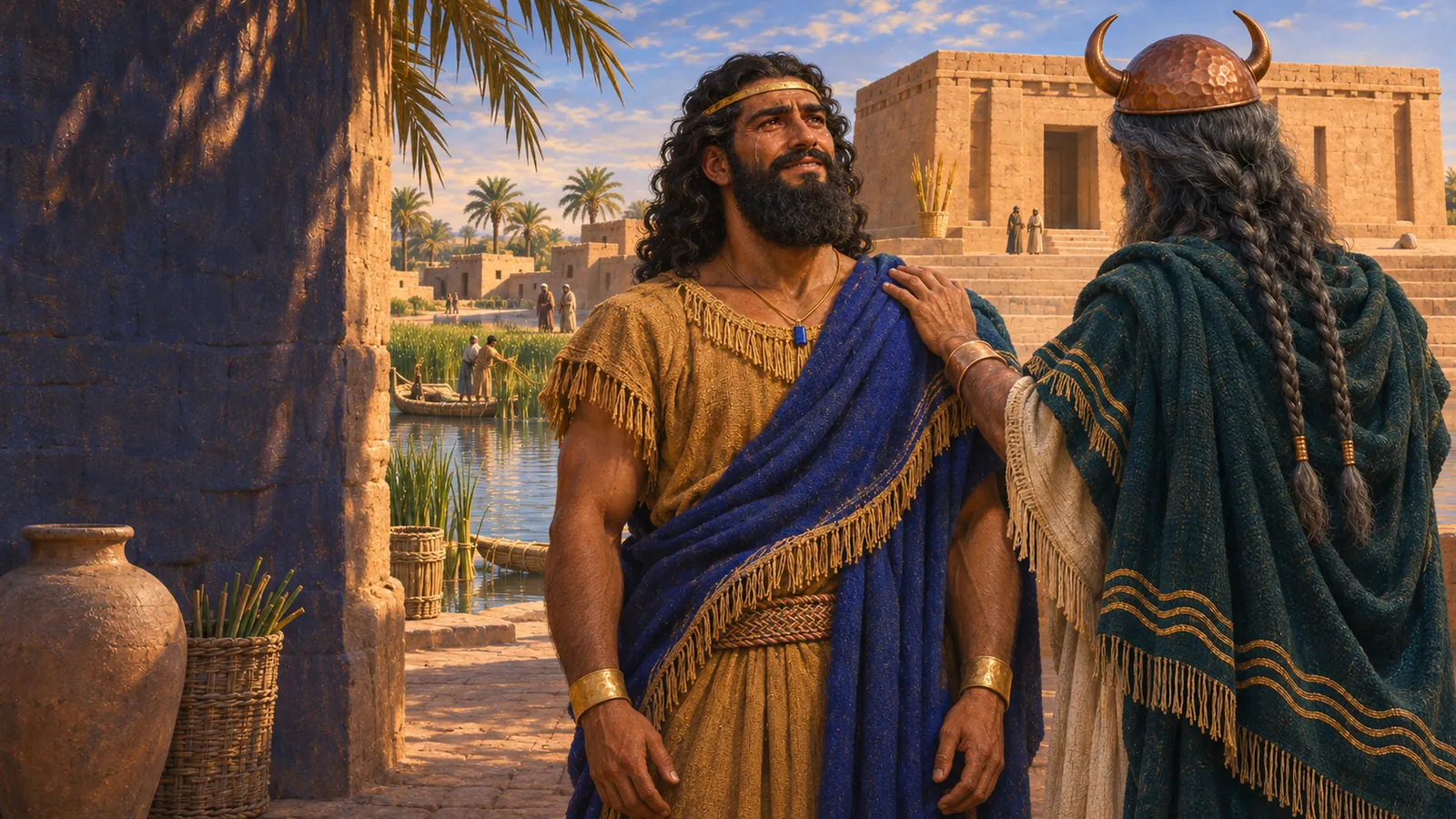
Tras oír de Gilgamesh lo que le había pasado a Enkidu, Enki lo apoyó en aquel asunto.
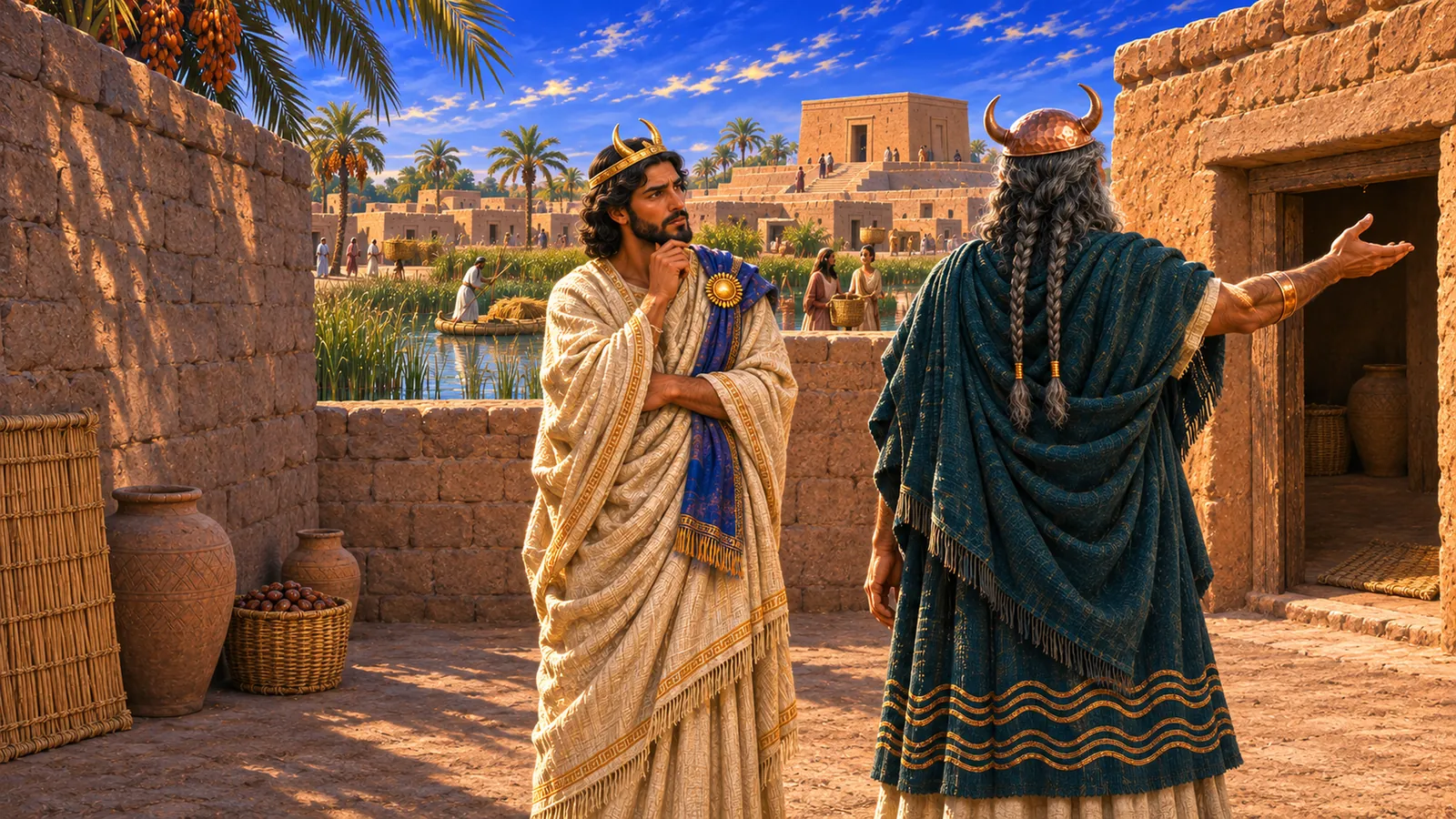
Enki se dirigió a Utu, el joven guerrero al que dio a luz Ningal. Le ordenó abrir enseguida una abertura en el mundo de ultratumba y hacer subir a Enkidu.
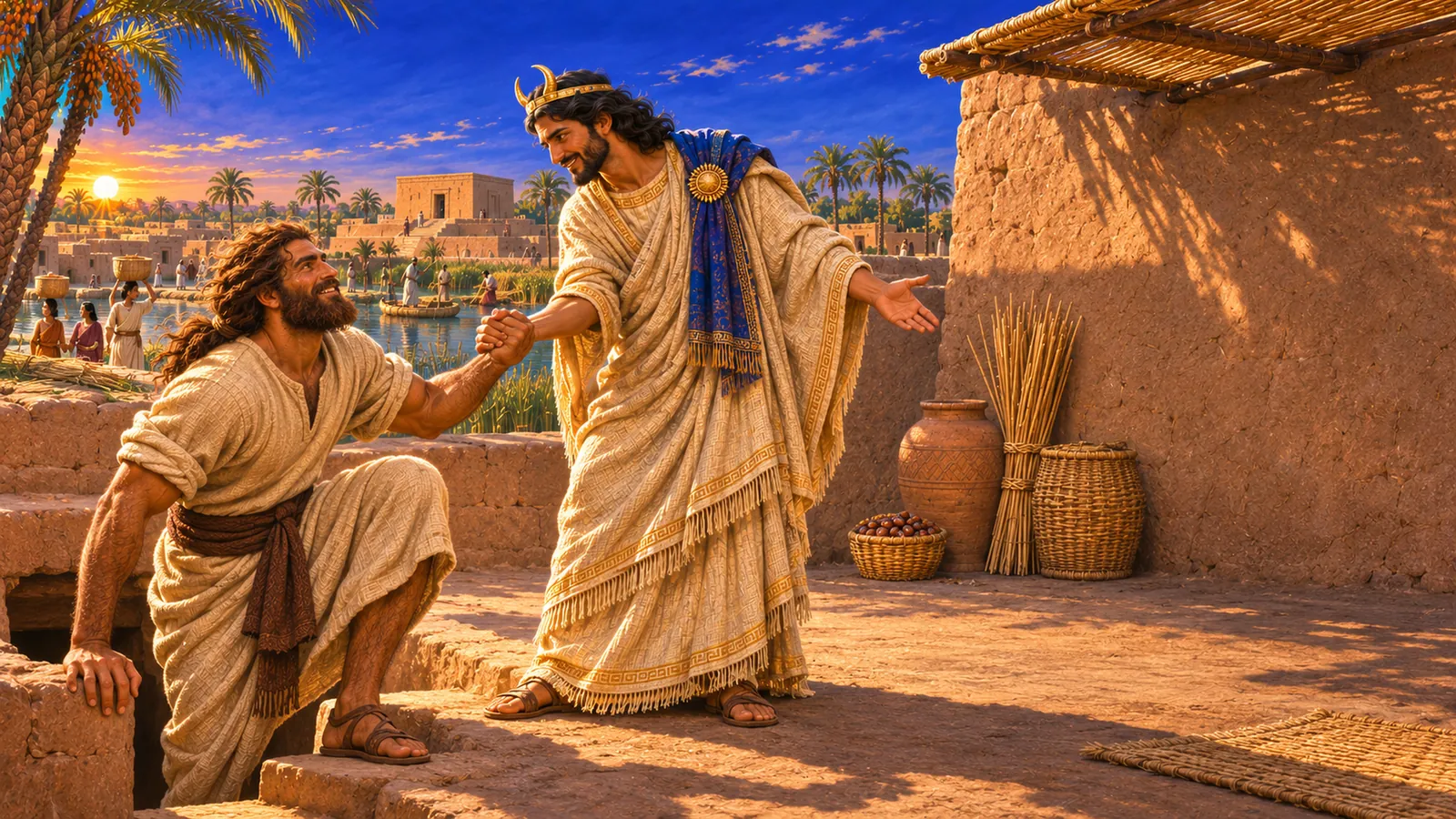
Utu abrió una abertura en el mundo de ultratumba e hizo subir a Enkidu. Las palabras antiguas quizá digan que lo llevó hacia arriba en una brisa.
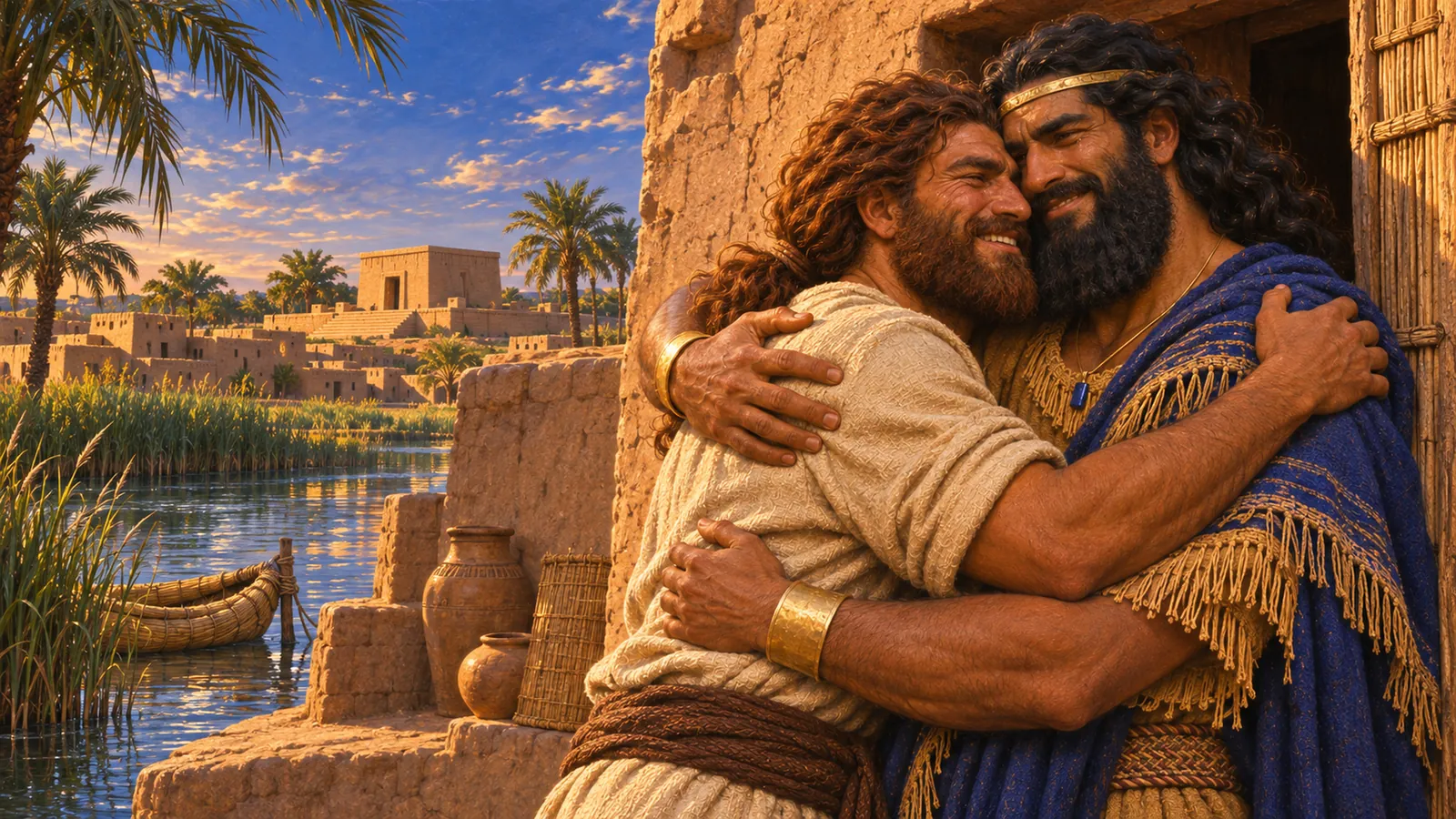
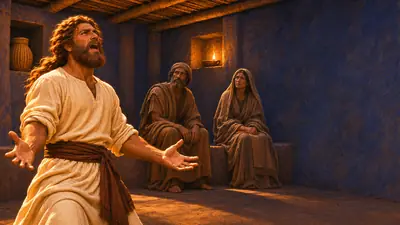
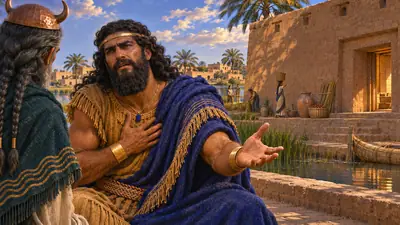
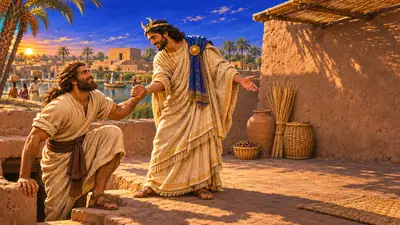
Gilgamesh y Enkidu se abrazaron y se besaron al encontrarse de nuevo. Después empezaron a hacerse preguntas, una tras otra.
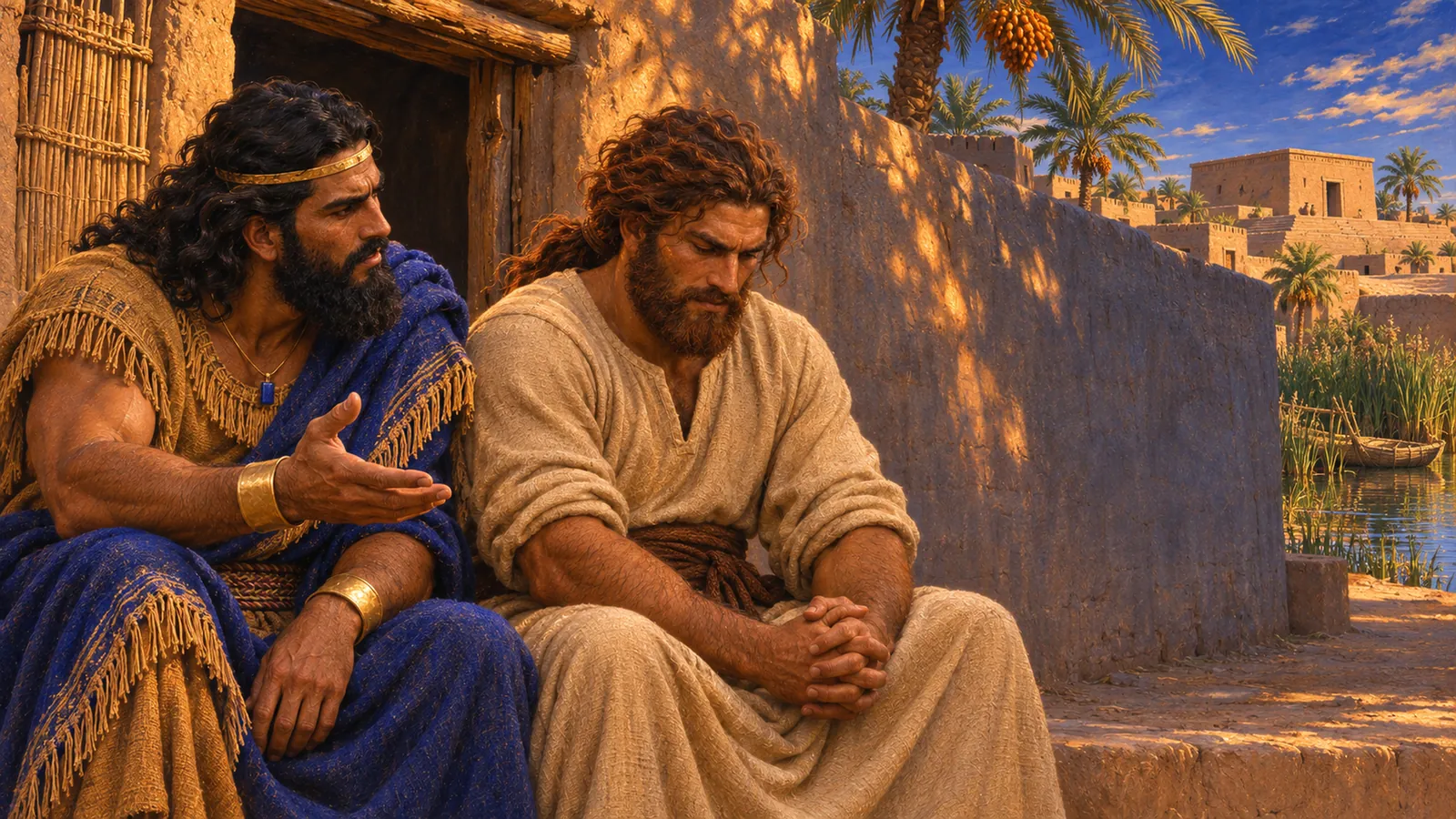
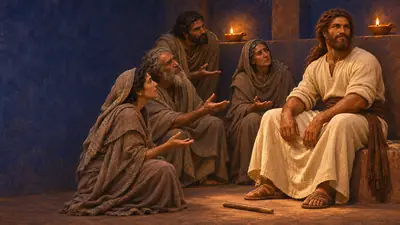
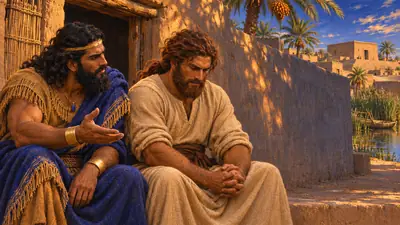
Gilgamesh le preguntó a su amigo cómo estaban ordenadas las cosas en el mundo de ultratumba. Enkidu respondió que, si se lo contaba, los dos tendrían que sentarse a llorar.
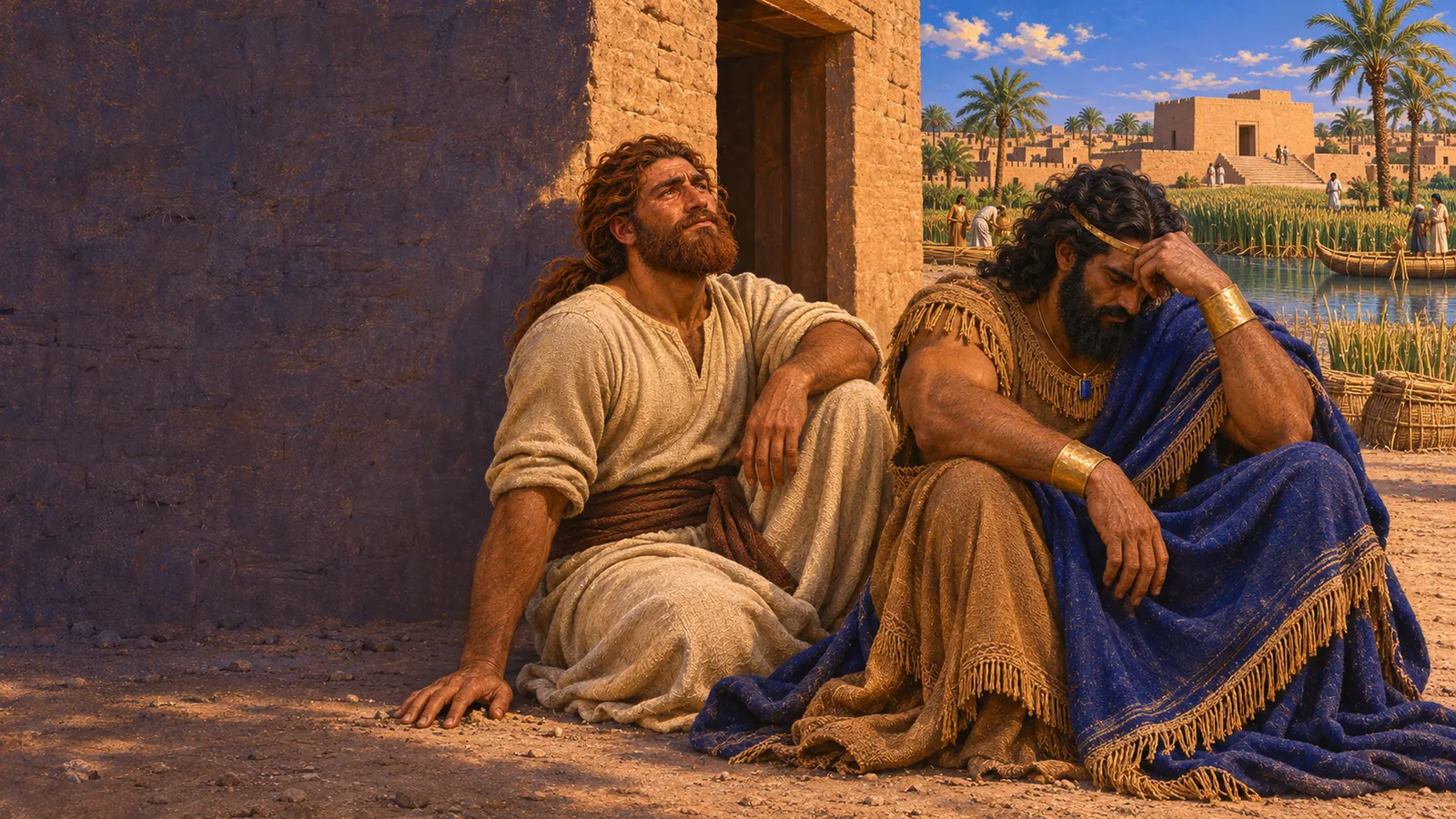
En la respuesta dañada de Enkidu quedan palabras sobre la descomposición, una prenda vieja y el polvo. No está claro qué está describiendo. Después se oye un lamento y alguien se sienta en el polvo.
Fin del capítulo 2
Todas las páginas





Fuentes
The page references follow the printed groups in Oxford’s Version A. The parallel from Me-Turan has its own line numbering and supplies details specific to that witness.
Ediciones consultadas
Notas sobre este relato
Pages 1–5, Version A 166–175. Gilgamesh weeps at the gate of Ganzer. He laments both implements, wishes that the ellag were still waiting in the carpenter’s house and says how he would treat the carpenter’s wife and child. The translation gives manuscript variations for the wording of both retrieval questions. The retelling condenses the recurring wish and keeps the two questions distinct. Ellag and ekidma are the edition’s terms for the two game implements. The passage supplies no rules and the edition notes earlier that the pronunciation of ekidma is uncertain (Version A 136–150).
Pages 6–9, Version A 176–183. The composite calls Enkidu Gilgamesh’s servant and gives his promise to retrieve each implement. The wording of “answered,” the designation of his addressee and the formula urging attention vary across the witnesses. In Gilgamesh’s conditional instruction one witness omits “today.” The retelling follows the composite and condenses the final repeated appeals to heed the advice.
Pages 10–12, Version A 184–198. The clean garments would mark Enkidu as an outsider. A witness shifts the possessive in the phrase about scent from the oil to the person. The retelling uses the scent of the oil. Gilgamesh warns that those struck down by throw-sticks would surround Enkidu if he hurled them. These are his instructions and describe no action by Enkidu on these pages.
Pages 13–14, Version A 184–198. The Oxford English has a duplicated negative in the instruction about the cornel-wood stick. The sequence of prohibitions and the later description of the spirits’ reaction when Enkidu holds it (Version A 205–220) support reading the clause as a warning against holding the stick. The instructions against sandals and shouting finish this group of pages. The following pages continue the same Oxford passage.
Pages 15–18, Version A 184–198. Gilgamesh warns against kissing his beloved wife on page 15, striking his wife even if annoyed with her on page 16, and kissing his beloved child or striking his son even if annoyed on page 17. Page 18 gives his warning that the resulting outcry would detain Enkidu below. The warnings are part of Gilgamesh’s instructions.
Pages 19–21, Version A 199–204. This passage is still Gilgamesh speaking. The woman is identified as the mother of Ninazu who lies there. She has no proper name in this passage. The exact comparison gives fingers like a pickaxe, and says she plucks her hair like leeks. The artwork uses empty settings throughout.
Pages 22–26, Version A 205–220. The translation prints a duplicated negative in the sentence about whether Enkidu heeded his master. His ensuing actions establish the intended disobedience. Clean garments give him away, the smell of fine oil draws those below around him, those struck down by throw-sticks surround him, the spirits take offense when he holds the cornel-wood stick, and he puts on sandals and causes irritation. The earlier warning includes shouting. This paragraph describes irritation without specifying a shout.
Pages 27–29, Version A 205–220. The text says Enkidu kissed his wife and struck her when annoyed. It then says he kissed his child and struck his son when annoyed. The two assaults are reported separately. Page 29 gives the ensuing outcry. Detention belongs to the final clause, taken up on page 30.
Page 30 (Version A 205–220). The Oxford English translation prints a duplicated negative in the introductory phrase about heeding Gilgamesh. The actions, including striking his wife and his son when annoyed, give the result of breaking the prohibitions. The outcry and Enkidu’s detention close this source group.
Page 31 (Version A 221–229). The warrior Gilgamesh is identified as the son of Ninsumun, the name rendered here as Ninsun. He goes alone to Ekur, Enlil’s temple. The place name Nippur appears in the linked account of Ekur. In this passage the translation gives the sanctuary’s name.
Pages 32–35 (Version A 221–229). Gilgamesh says the ellag fell into the netherworld and the ekidma fell into Ganzer. In his appeal he distinguishes the netherworld’s seizure of Enkidu from seizure by Namtar, Asag and Nergal’s udug, and from falling in battle. Enlil does not stand by him. He then goes to Eridu, written Eridug in Oxford’s translation.
Pages 36–39 (Version A 230–237). Gilgamesh goes alone to the temple of Enki and repeats the loss of the objects and the distinctions concerning Enkidu’s seizure. This time Enki stands by him. The instruction to Utu starts in the following group, 238–242.
Me-Turan, Segment A 10–24. In this parallel the servant stays below for seven days, and the king calls Enkidu his beloved servant, faithful companion and counsellor. The witness repeats the appeal at Ekur with damaged wording. Oxford marks an unknown number of missing lines after Segment A 17–24. The seven days belong to this witness.
Pages 40–41, ETCSL 1.8.1.4, Version A, lines 238–242. Enki instructs Utu, the young warrior born to Ningal, to open a hole and bring Gilgamesh’s servant up. Utu opens it and brings him up. Oxford places a question mark after the reading about a breeze. The translation does not settle which form Enkidu took or whether the implements were recovered.
Pages 42–43, lines 243–253. The two embrace and kiss, then ask questions. Gilgamesh asks about the netherworld’s order. Enkidu says that if he tells him, both will sit and weep.
Page 44, lines 243–253. The referent of the damaged clause is unclear. The surviving description says worms infest it, with a questioned old-garment comparison, and speaks of dust. The translation ends the exchange with a lament and sitting in the dust, using a pronoun.
Los versos antiguos de cada página
- Page 1: ETCSL 1.8.1.4, Version A, lines 166–175
- Page 2: ETCSL 1.8.1.4, Version A, lines 166–175
- Page 3: ETCSL 1.8.1.4, Version A, lines 166–175
- Page 4: ETCSL 1.8.1.4, Version A, lines 166–175
- Page 5: ETCSL 1.8.1.4, Version A, lines 166–175
- Page 6: ETCSL 1.8.1.4, Version A, lines 176–183
The whole left text rectangle is continuous dull earth-clay shade. - Page 7: ETCSL 1.8.1.4, Version A, lines 176–183
- Page 8: ETCSL 1.8.1.4, Version A, lines 176–183
- Page 9: ETCSL 1.8.1.4, Version A, lines 176–183
- Page 10: ETCSL 1.8.1.4, Version A, lines 184–198
- Page 11: ETCSL 1.8.1.4, Version A, lines 184–198
- Page 12: ETCSL 1.8.1.4, Version A, lines 184–198
- Page 13: ETCSL 1.8.1.4, Version A, lines 184–198
- Page 14: ETCSL 1.8.1.4, Version A, lines 184–198
- Page 15: ETCSL 1.8.1.4, Version A, lines 184–198
- Page 16: ETCSL 1.8.1.4, Version A, lines 184–198
- Page 17: ETCSL 1.8.1.4, Version A, lines 184–198
- Page 18: ETCSL 1.8.1.4, Version A, lines 184–198
- Page 19: ETCSL 1.8.1.4, Version A, lines 199–204
- Page 20: ETCSL 1.8.1.4, Version A, lines 199–204
- Page 21: ETCSL 1.8.1.4, Version A, lines 199–204
- Page 22: ETCSL 1.8.1.4, Version A, lines 205–220
- Page 23: ETCSL 1.8.1.4, Version A, lines 205–220
- Page 24: ETCSL 1.8.1.4, Version A, lines 205–220
- Page 25: ETCSL 1.8.1.4, Version A, lines 205–220
- Page 26: ETCSL 1.8.1.4, Version A, lines 205–220
- Page 27: ETCSL 1.8.1.4, Version A, lines 205–220
- Page 28: ETCSL 1.8.1.4, Version A, lines 205–220
- Page 29: ETCSL 1.8.1.4, Version A, lines 205–220
- Page 30: ETCSL 1.8.1.4, Version A, lines 205–220
- Page 31: ETCSL 1.8.1.4, Version A, lines 221–229
- Page 32: ETCSL 1.8.1.4, Version A, lines 221–229
- Page 33: ETCSL 1.8.1.4, Version A, lines 221–229
- Page 34: ETCSL 1.8.1.4, Version A, lines 221–229
- Page 35: ETCSL 1.8.1.4, Version A, lines 221–229
- Page 36: ETCSL 1.8.1.4, Version A, lines 230–237
- Page 37: ETCSL 1.8.1.4, Version A, lines 230–237
- Page 38: ETCSL 1.8.1.4, Version A, lines 230–237
- Page 39: ETCSL 1.8.1.4, Version A, lines 230–237
- Page 40: ETCSL 1.8.1.4, Version A, lines 238–242
- Page 41: ETCSL 1.8.1.4, Version A, lines 238–242
- Page 42: ETCSL 1.8.1.4, Version A, lines 243–253
- Page 43: ETCSL 1.8.1.4, Version A, lines 243–253
- Page 44: ETCSL 1.8.1.4, Version A, lines 243–253
Ilustraciones hechas por IL Archive con herramientas de IA; el texto se basa en las fuentes antiguas (véanse las fuentes al final de cada capítulo).