Gilgamesh, Enkidu y el inframundo Capítulo 3
Lo que vio Enkidu
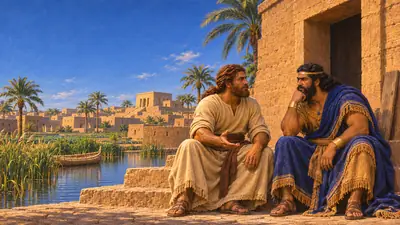
Gilgamesh pregunta por la suerte de los muertos y Enkidu le cuenta lo que vio. Sus preguntas y respuestas continúan hasta el final de la versión A de Oxford. Tres manuscritos de Ur y una versión de Me-Turan ofrecen otras lecturas y otros finales. Sus relatos se presentan bajo títulos separados.
FuentesPase las páginas con las flechas, el teclado o deslizando el dedo.
LO QUE VIO ENKIDU
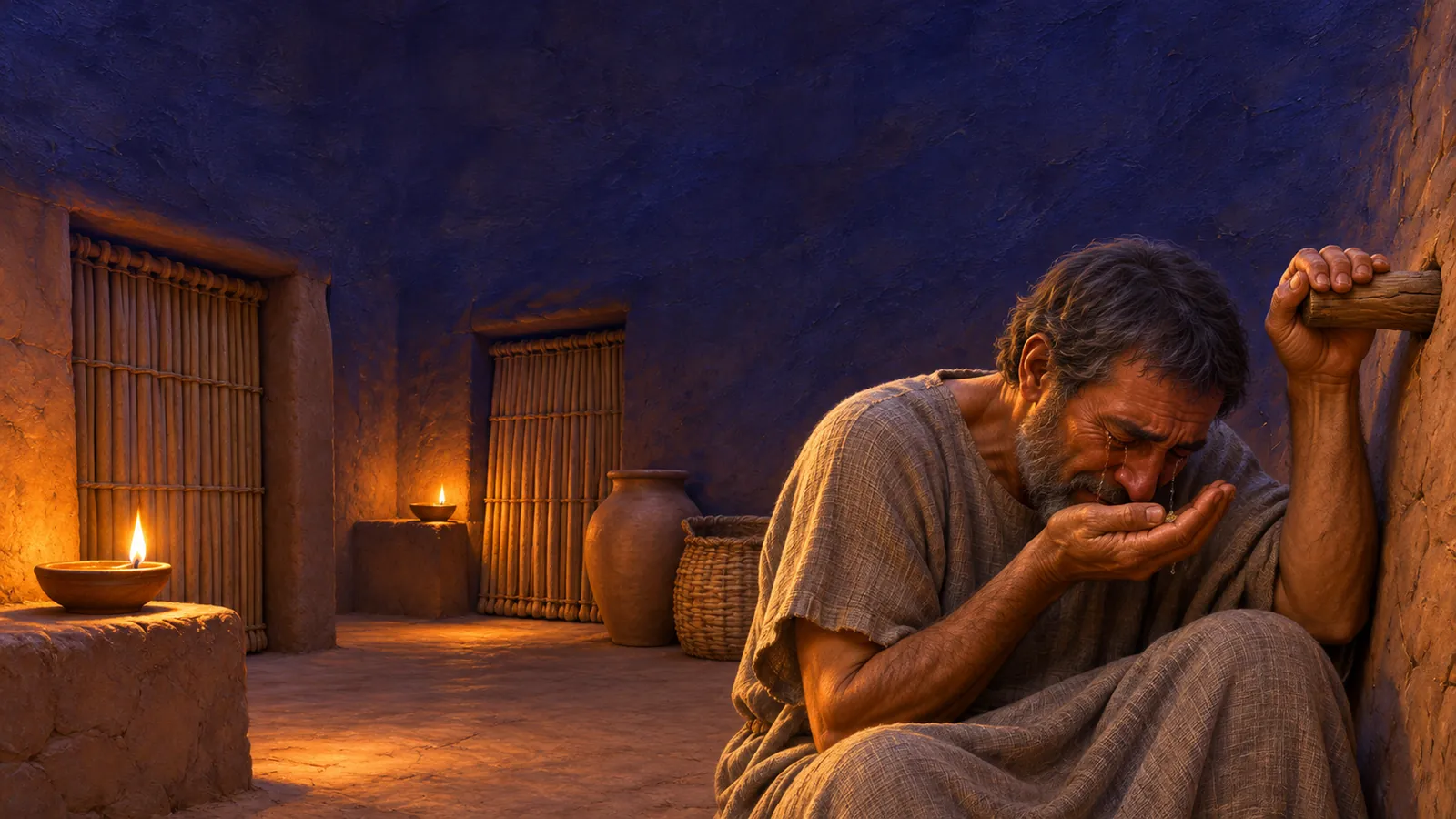
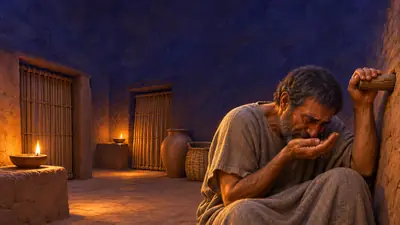
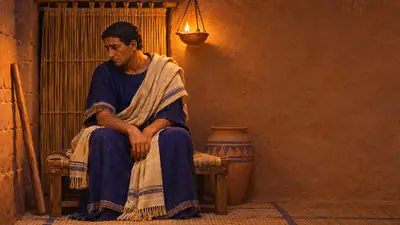
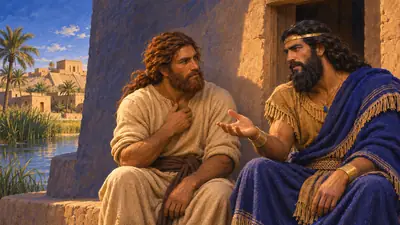
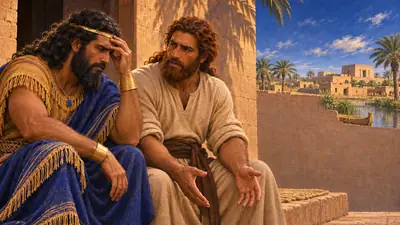
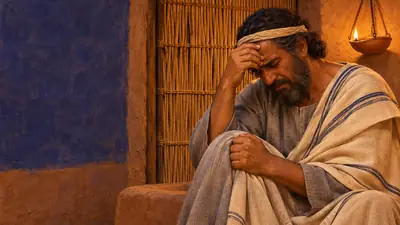
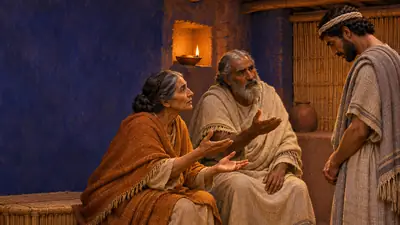
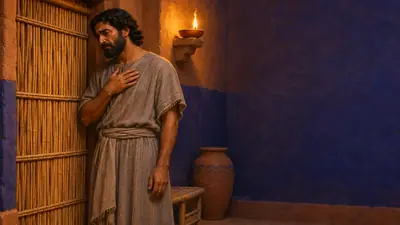
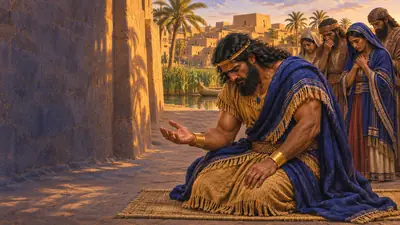
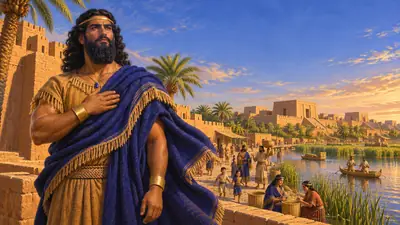
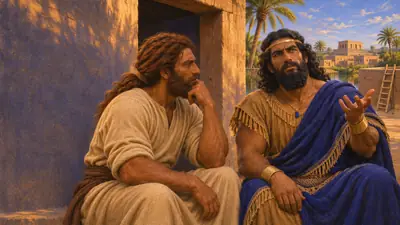
Gilgamesh preguntó por el hombre que había tenido un hijo. Enkidu dijo que lo había visto llorar amargamente junto a la clavija de madera hincada en su pared.
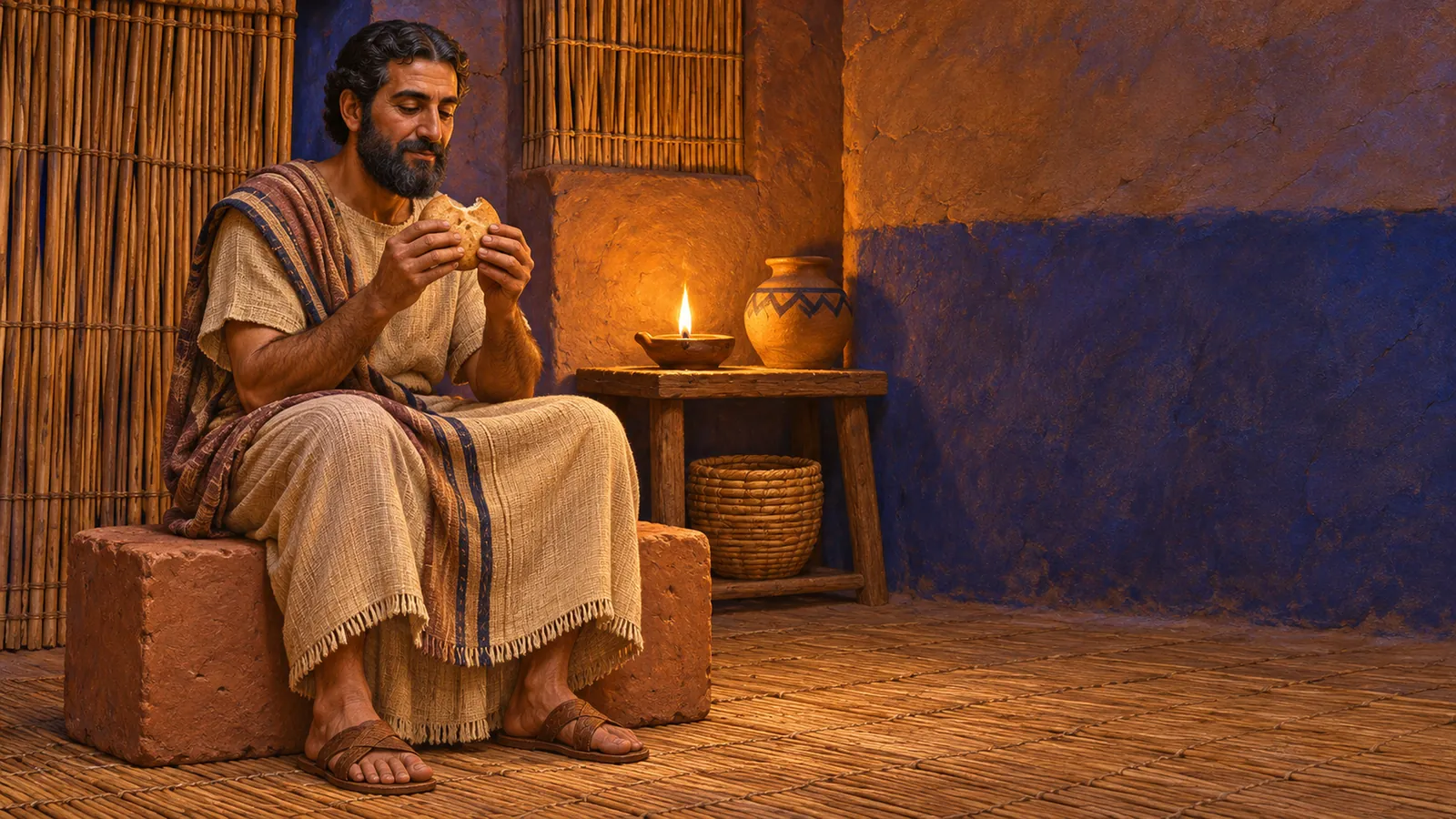
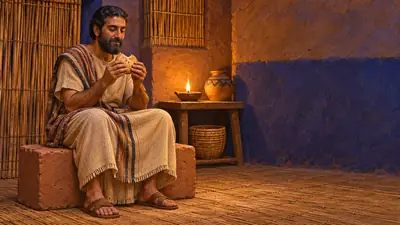
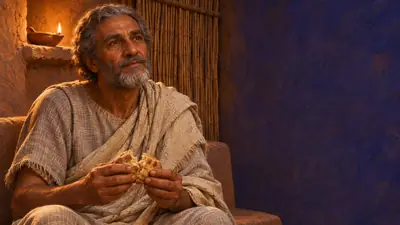
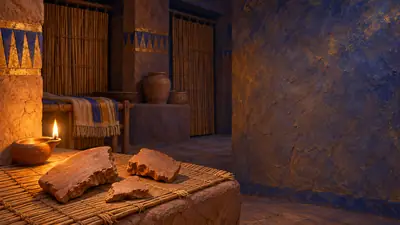
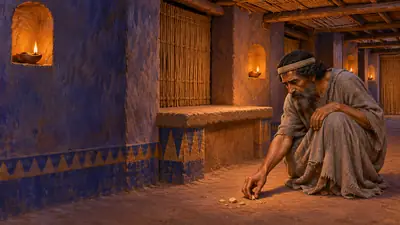
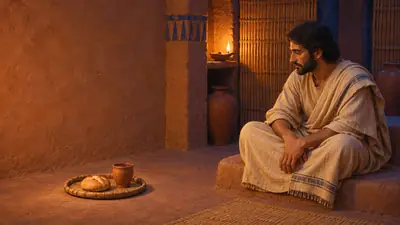
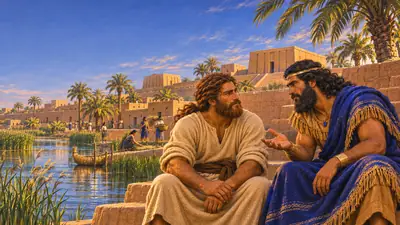
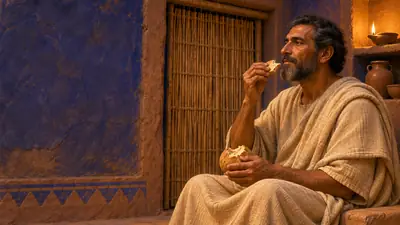
Gilgamesh preguntó por el hombre que había tenido dos hijos. Enkidu dijo que estaba sentado en un par de ladrillos y comía pan.
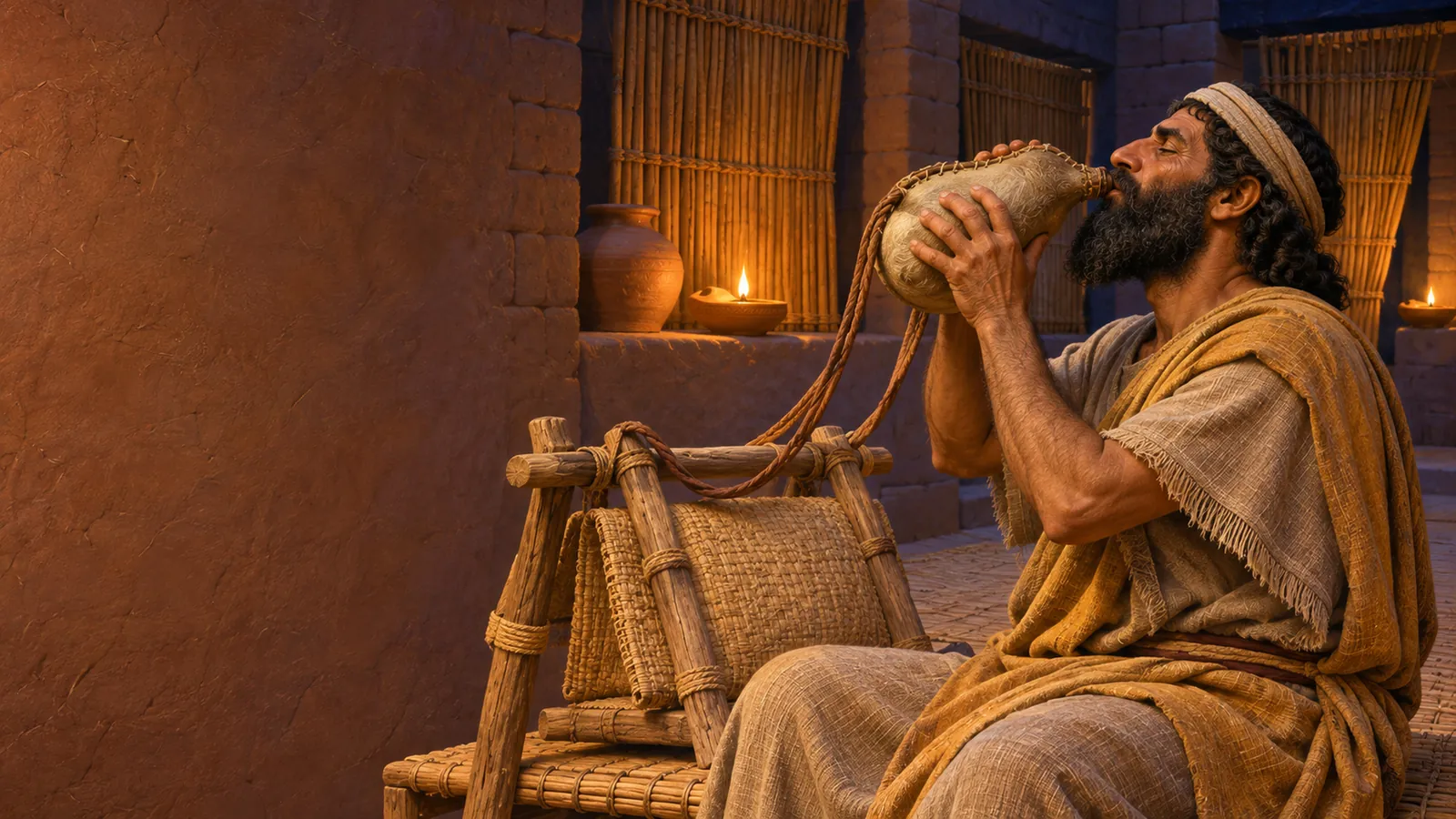
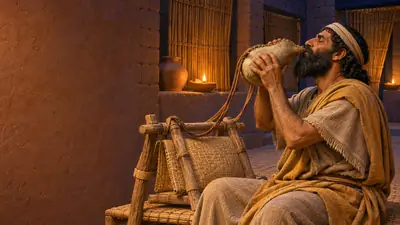
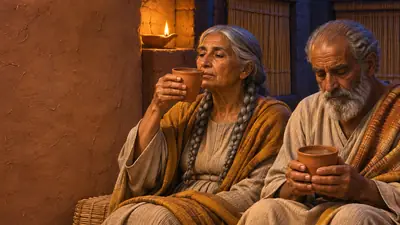
Gilgamesh preguntó por el hombre que había tenido tres hijos. Enkidu dijo que bebía agua de un odre de silla de montar.
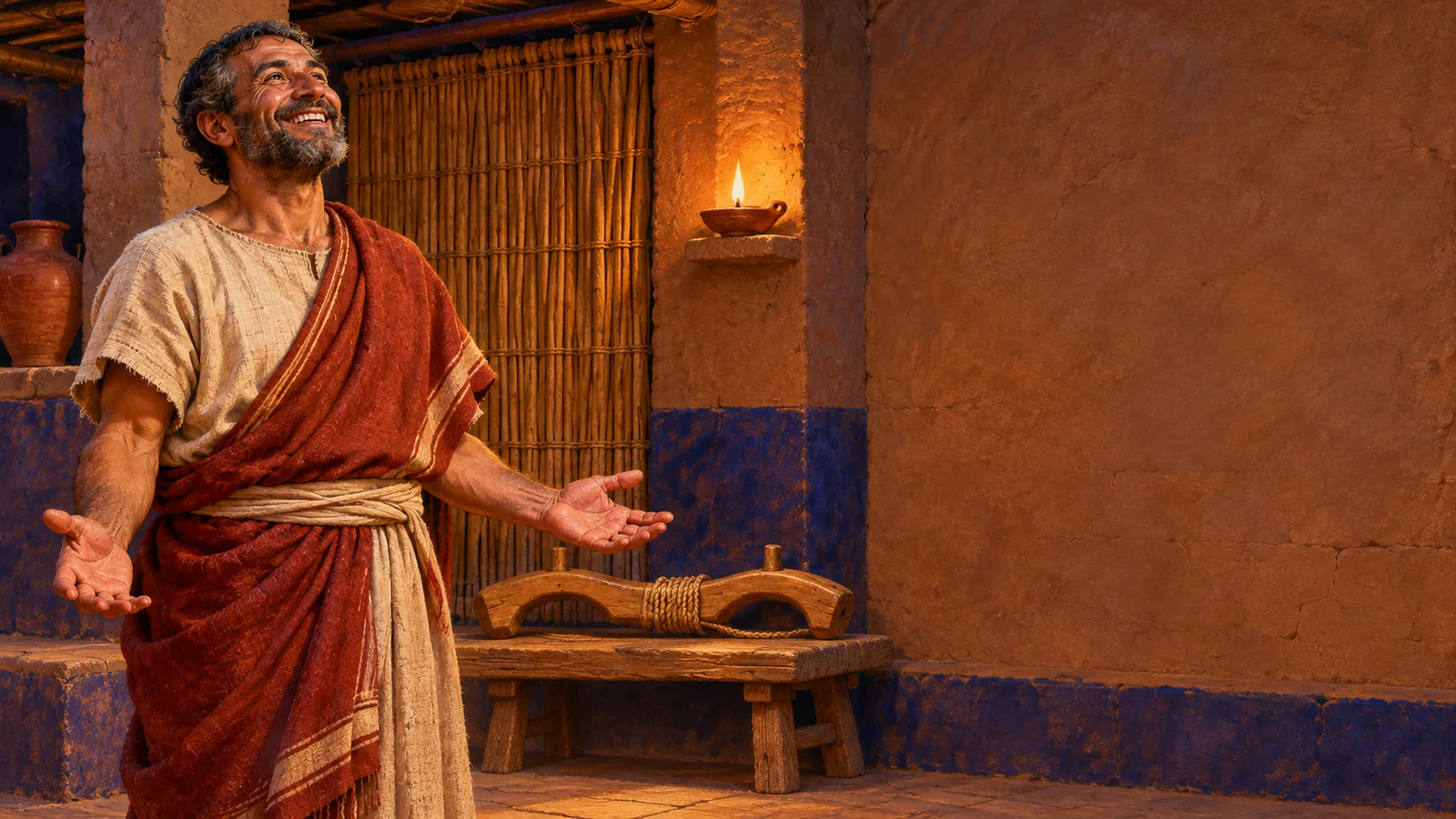
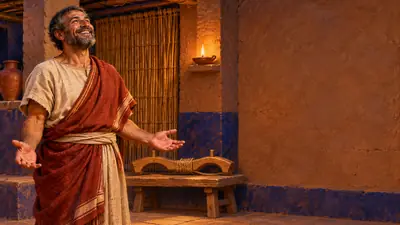
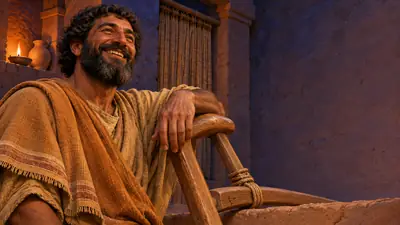
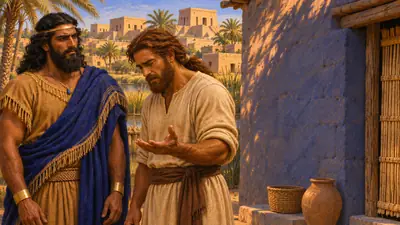
Gilgamesh preguntó por el hombre que había tenido cuatro hijos. Enkidu dijo que su corazón se alegraba como el de quien tenía cuatro asnos que uncir.
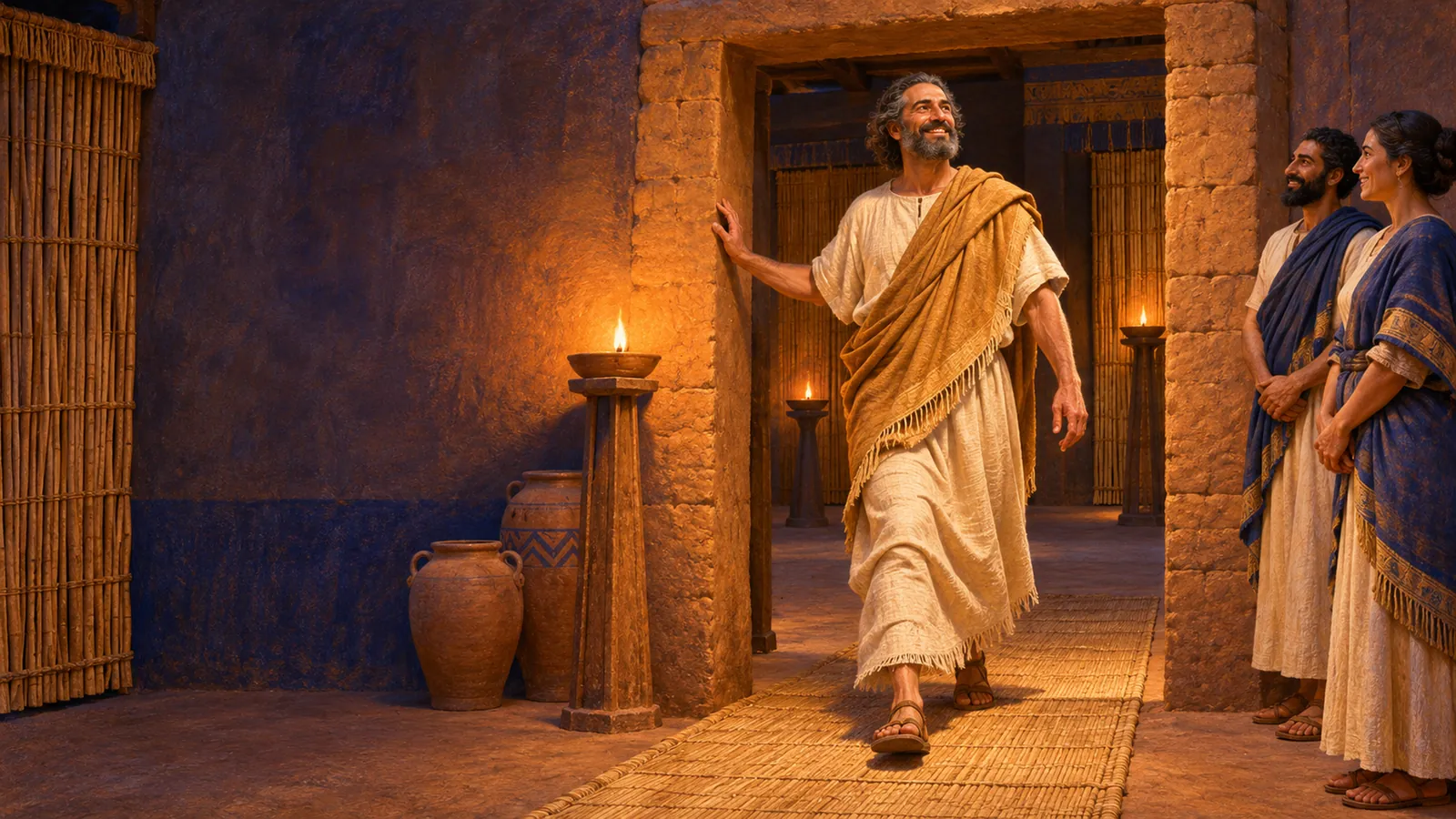
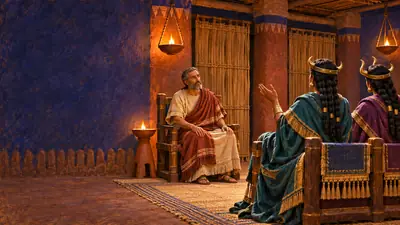
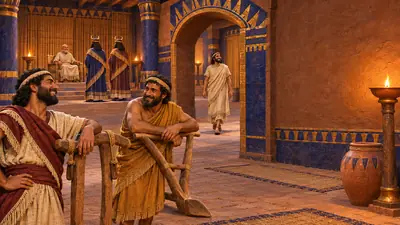
Gilgamesh preguntó por el hombre que había tenido cinco hijos. Enkidu dijo que era incansable como un escriba hábil y que podía entrar con facilidad en el palacio.
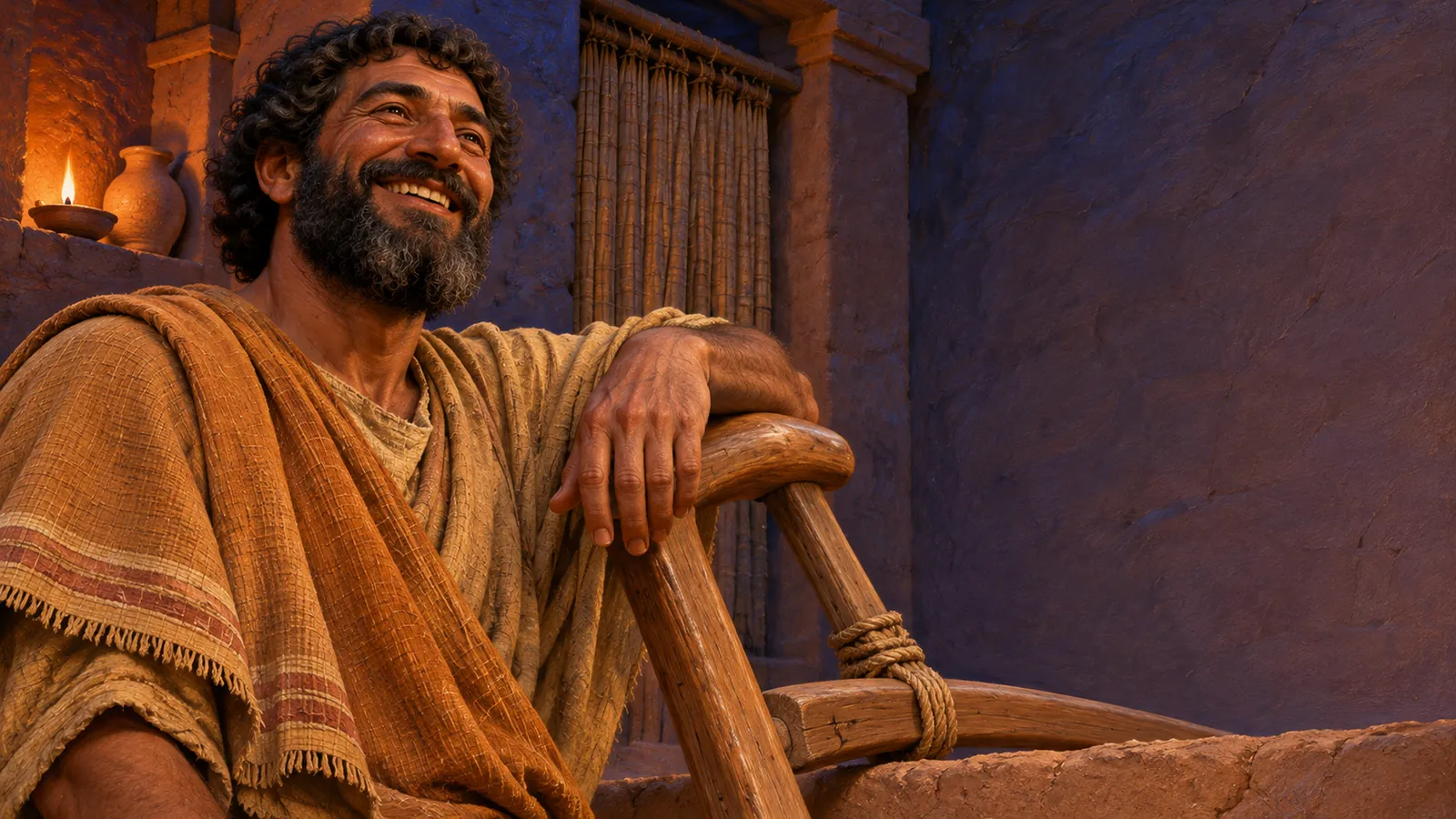
Gilgamesh preguntó por el hombre que había tenido seis hijos. Enkidu dijo que estaba tan alegre como un labrador.
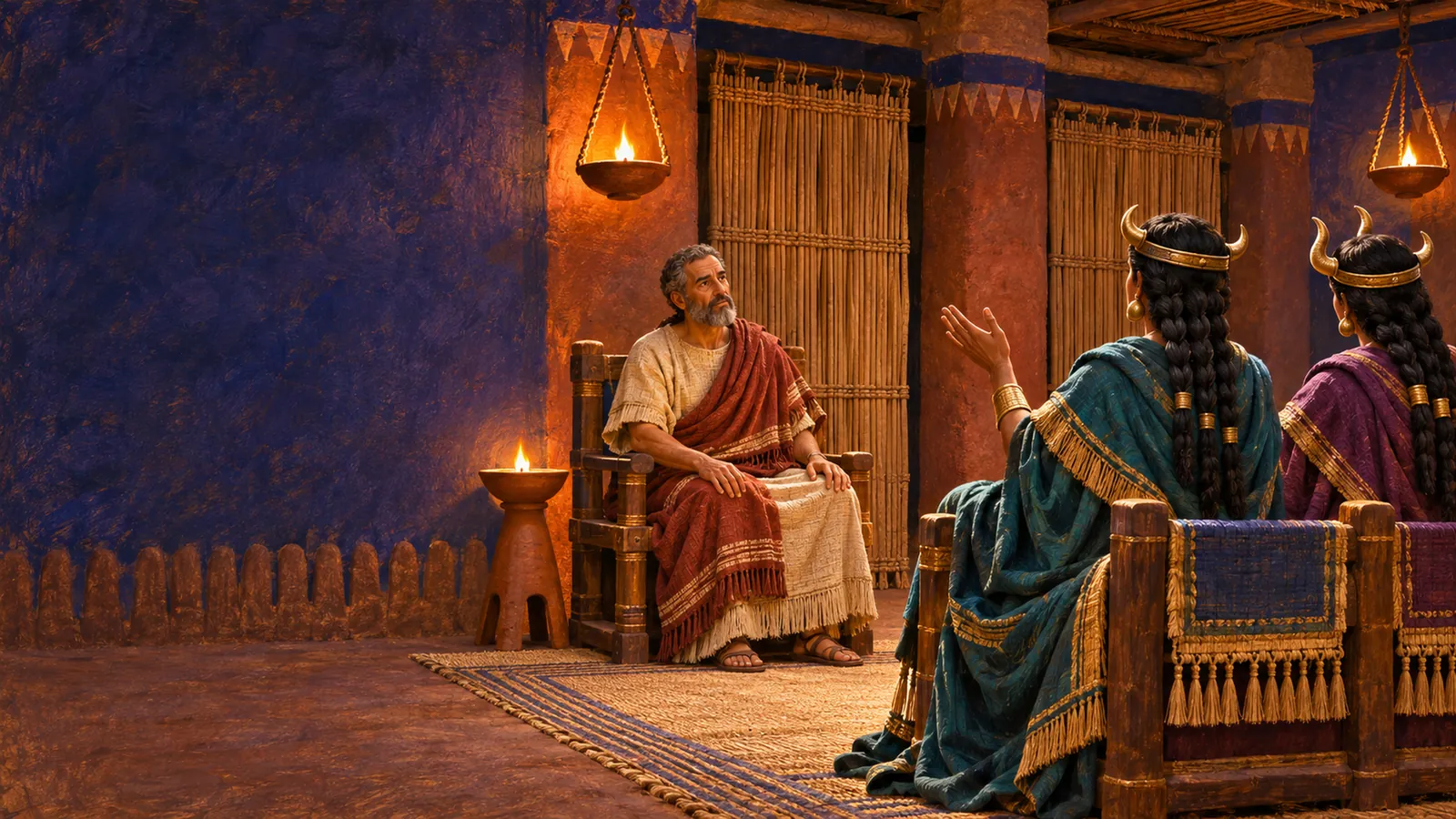
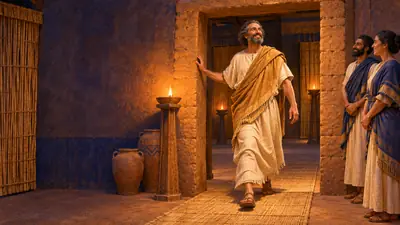
Gilgamesh preguntó por el hombre que había tenido siete hijos. Enkidu dijo que se sentaba en un trono como compañero de los dioses y escuchaba las sentencias.
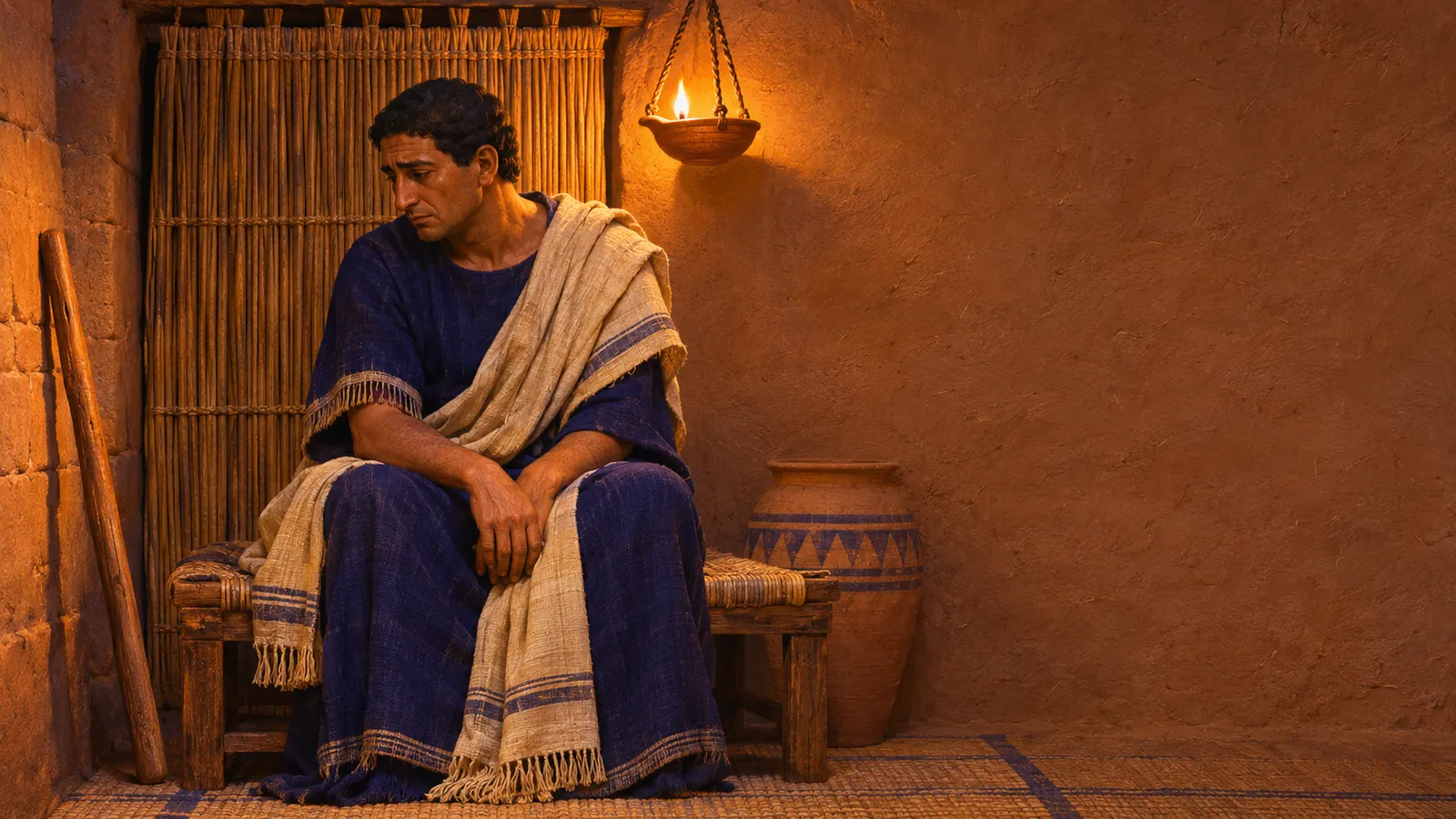
Gilgamesh preguntó por el eunuco de palacio. En su respuesta, Enkidu lo comparó con un palo alala dejado en un rincón.
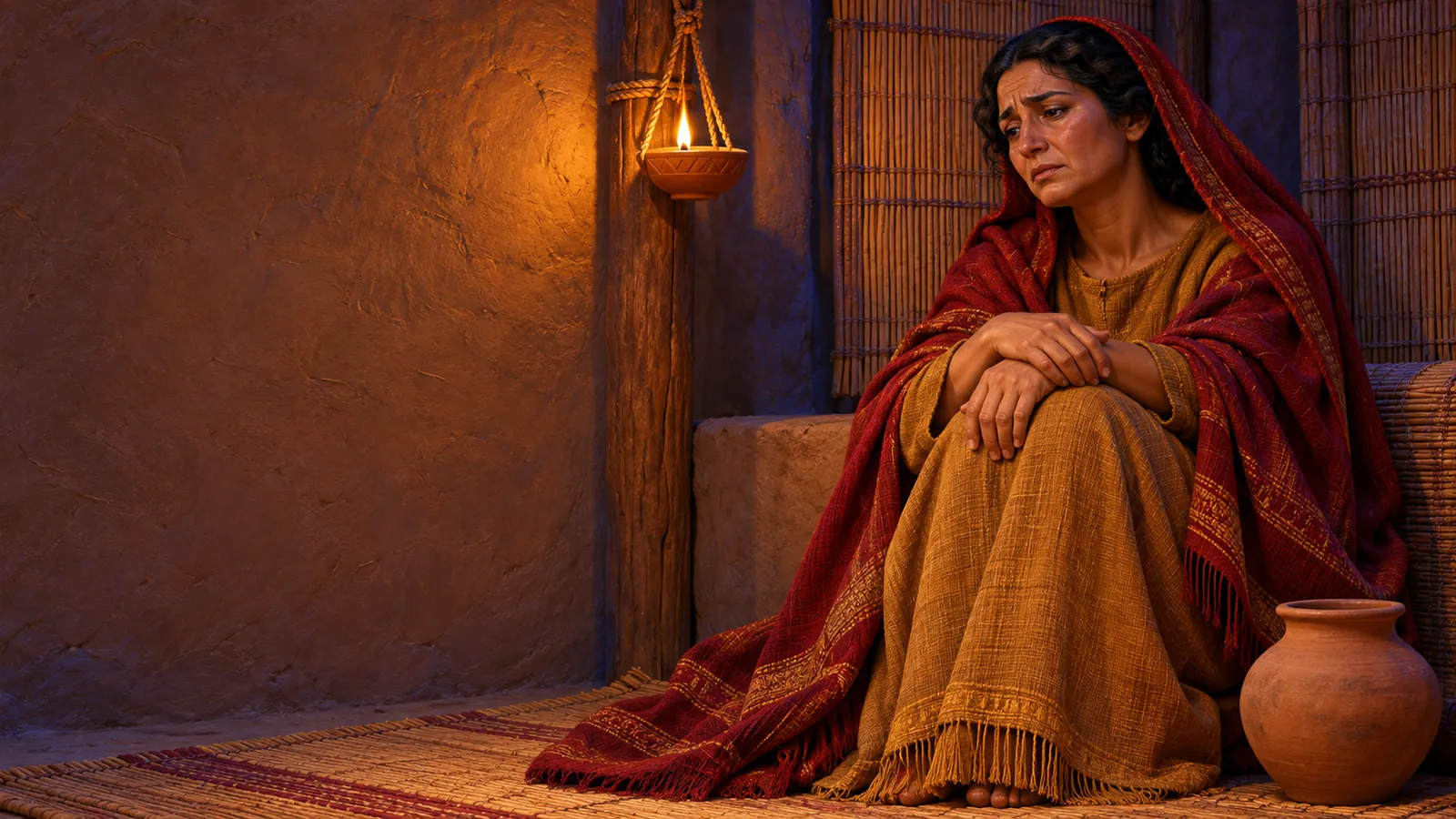
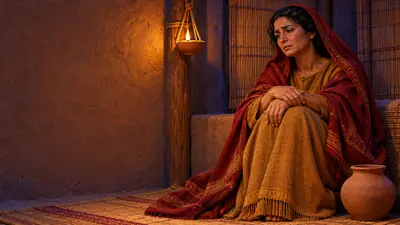
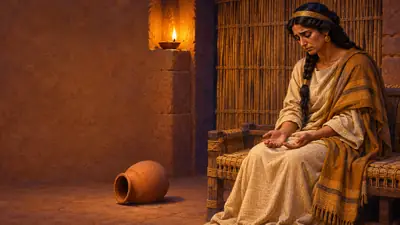
Gilgamesh preguntó por la mujer que nunca había dado a luz. Enkidu la comparó con una vasija arrojada con violencia y dijo que no daba alegría a ningún hombre.
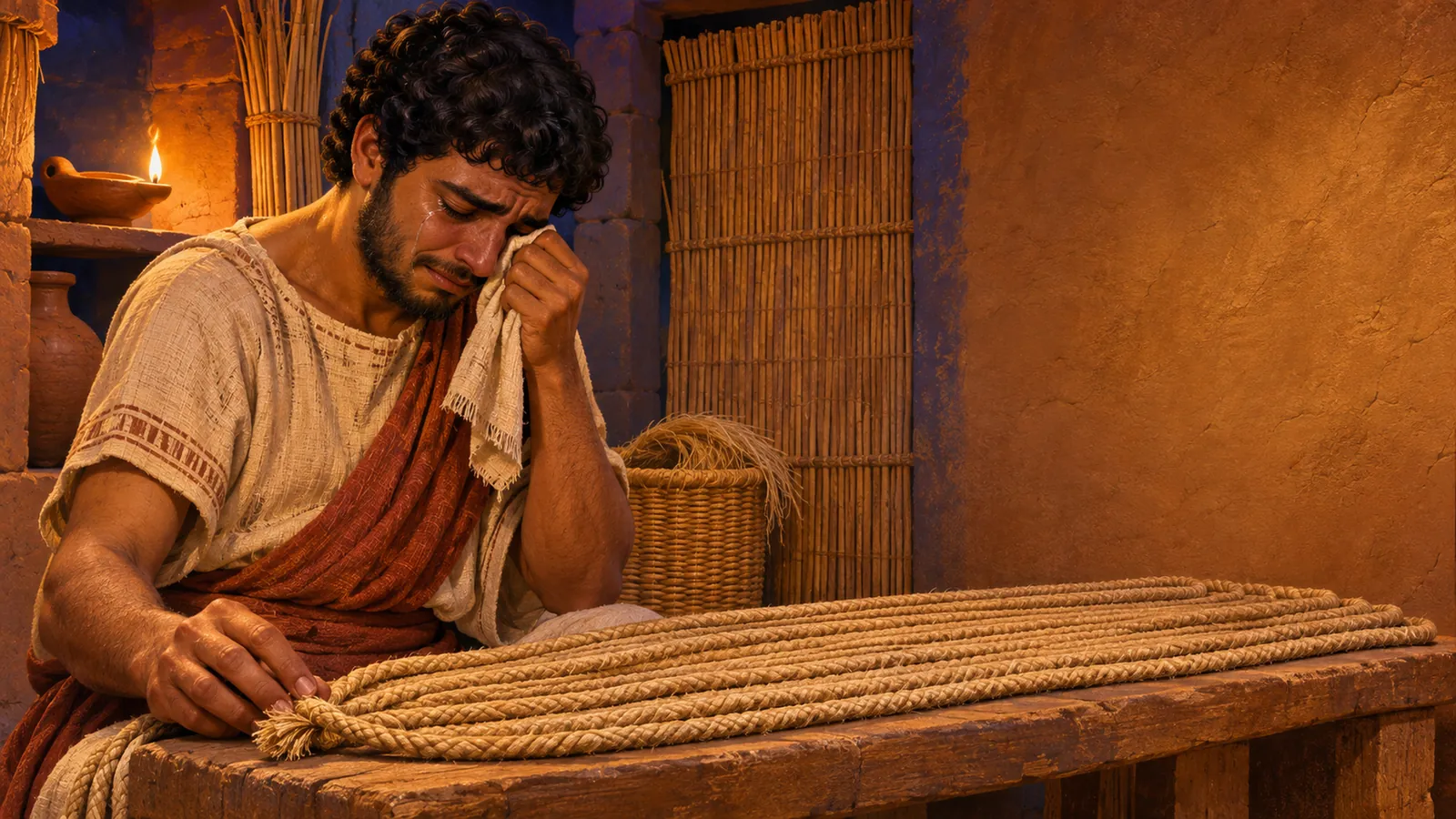
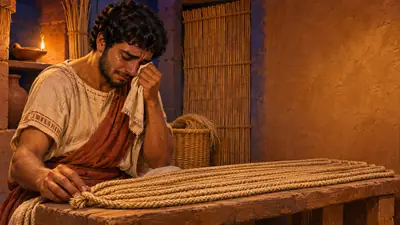
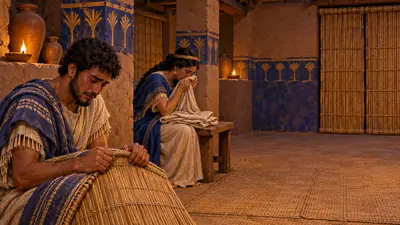
Gilgamesh preguntó por el joven que nunca había desvestido a su esposa. Enkidu dijo que lloraba sobre una cuerda cuando quedaba terminada.
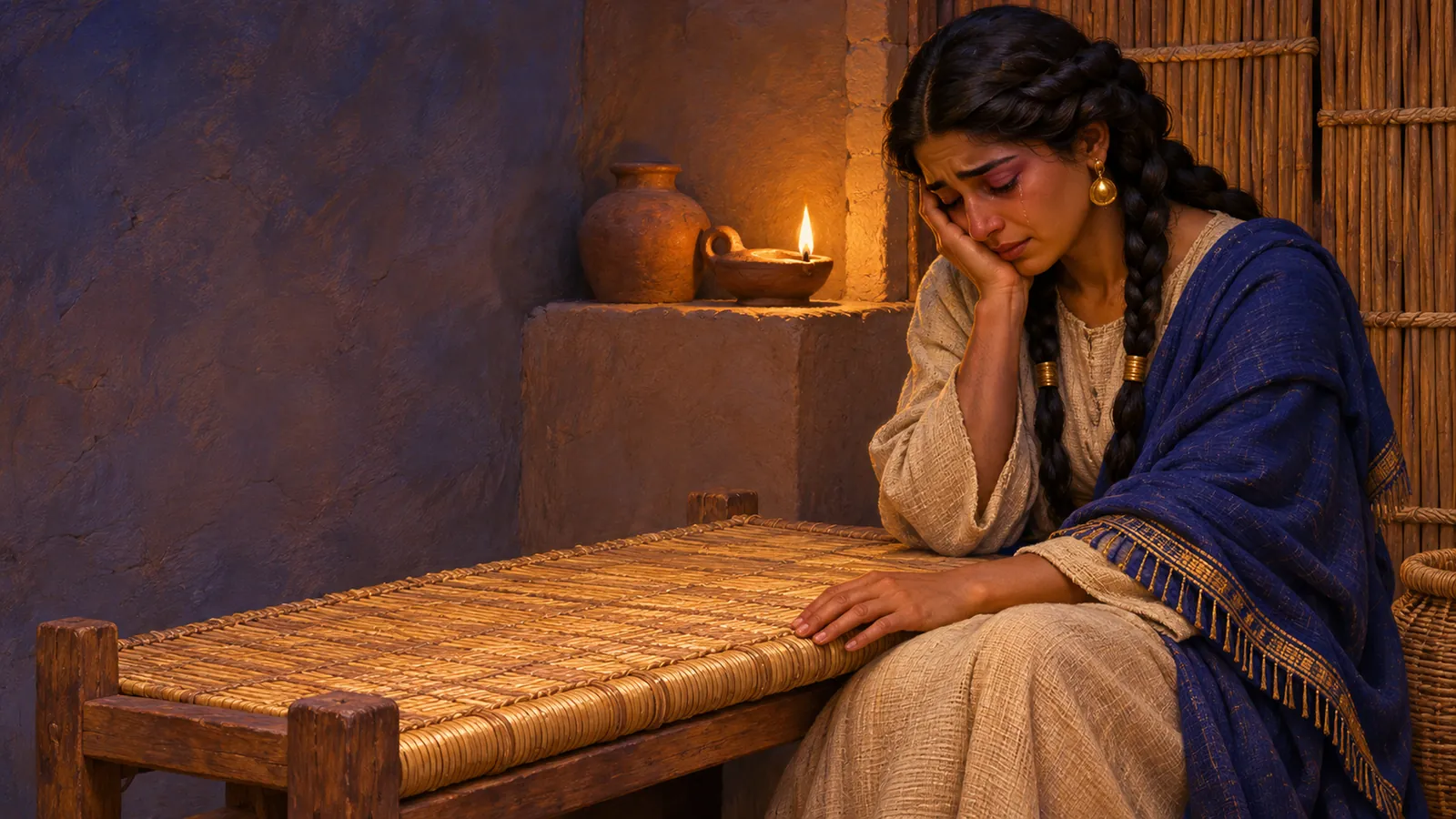
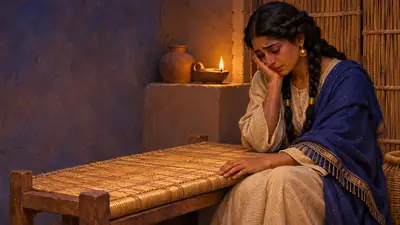
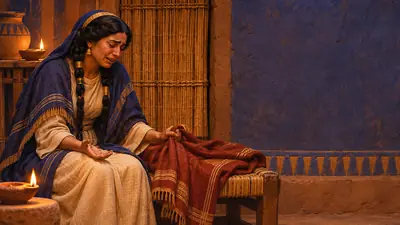
Gilgamesh preguntó por la joven que nunca había desvestido a su esposo. Enkidu dijo que lloraba sobre una estera de juncos cuando quedaba terminada.
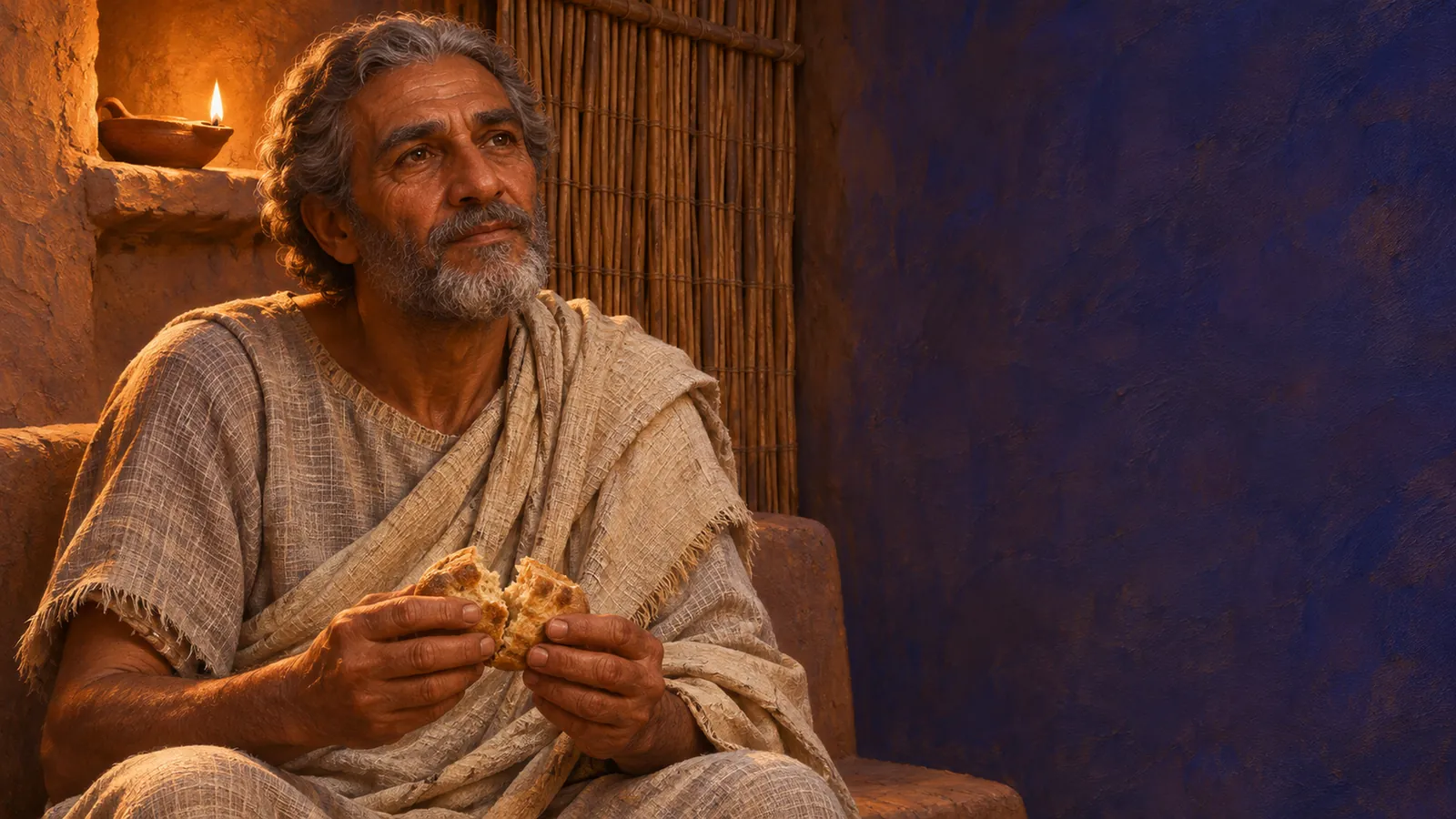
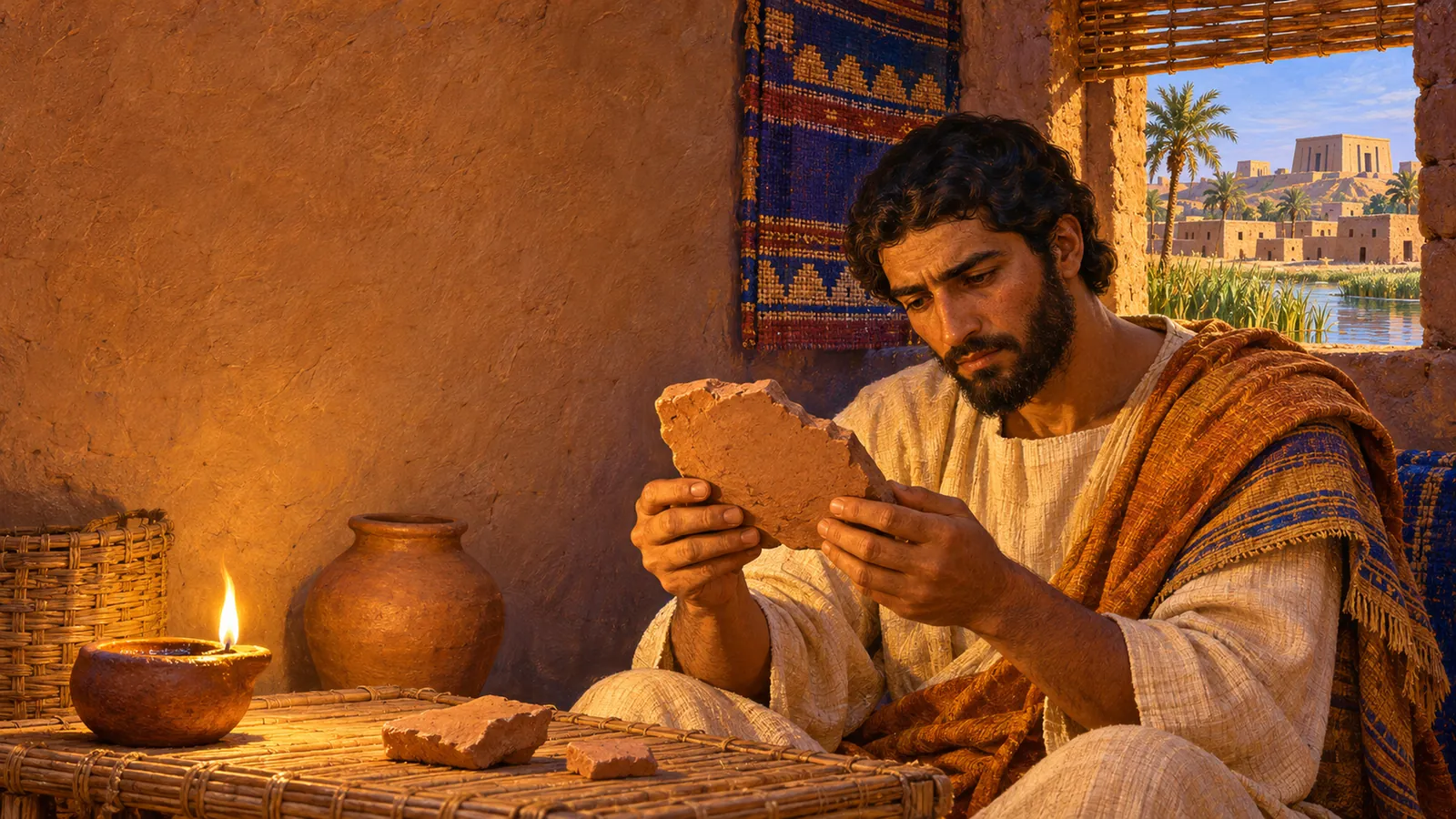
Enkidu dijo que el hombre sin heredero comía pan. En su respuesta lo compara con alguien en una frase dañada que tal vez mencione ladrillos.
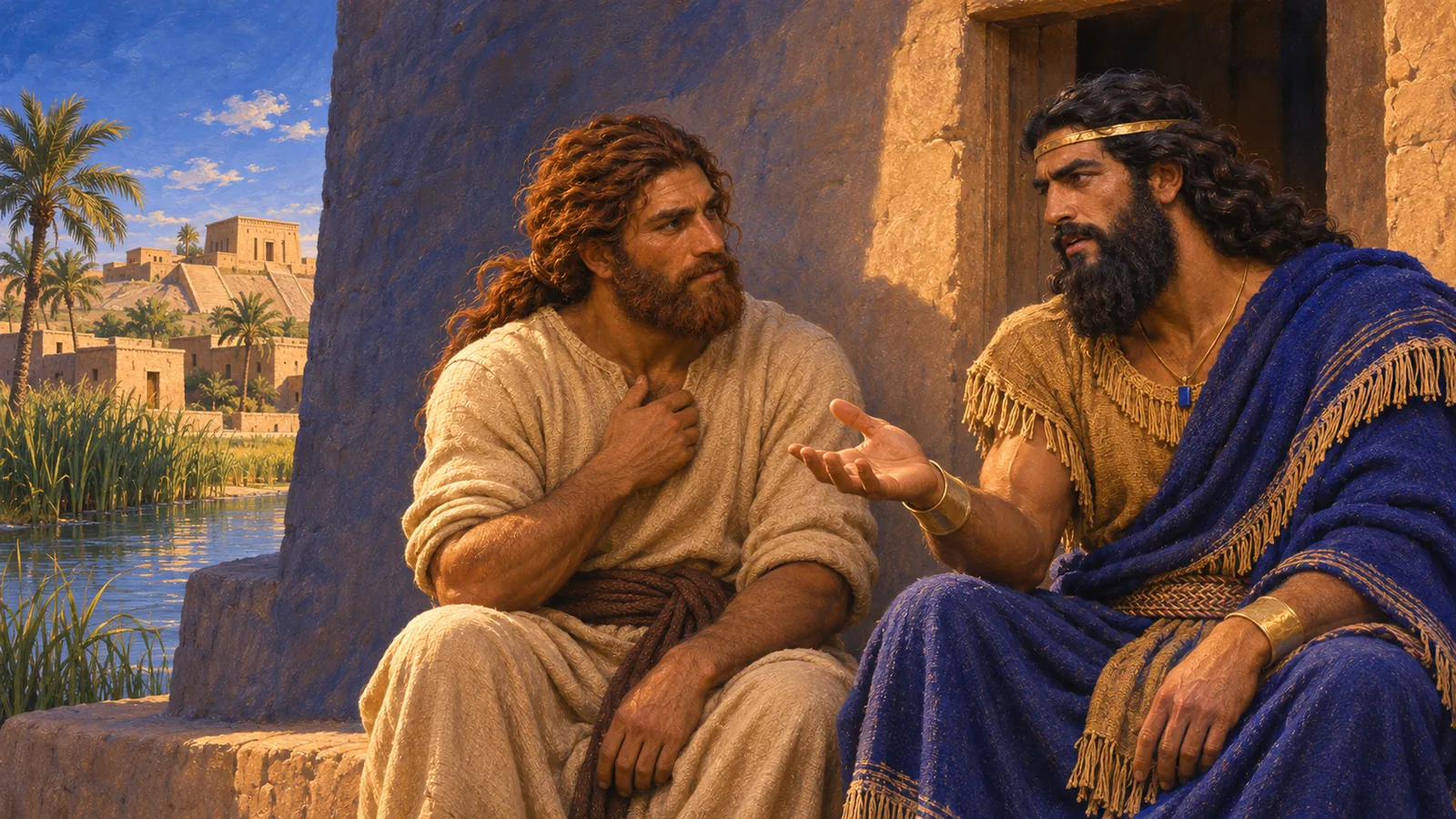
La pregunta siguiente ha perdido las palabras que identifican a la persona. Enkidu dice que la vio, y quien pregunta quiere saber cómo le va.
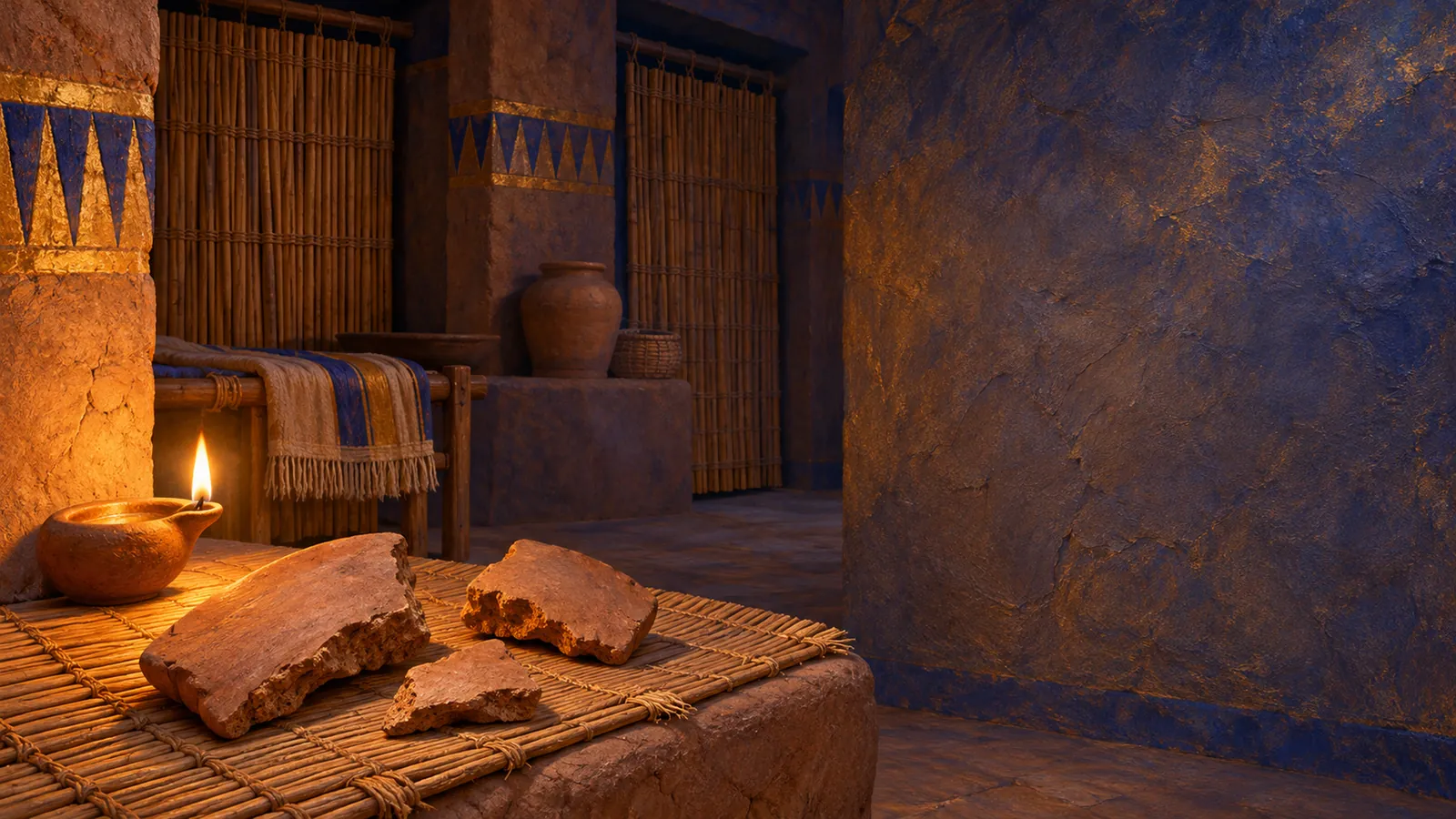
En este punto, la edición de Oxford señala siete versos fragmentarios o perdidos. Las preguntas continúan en el siguiente pasaje conservado.
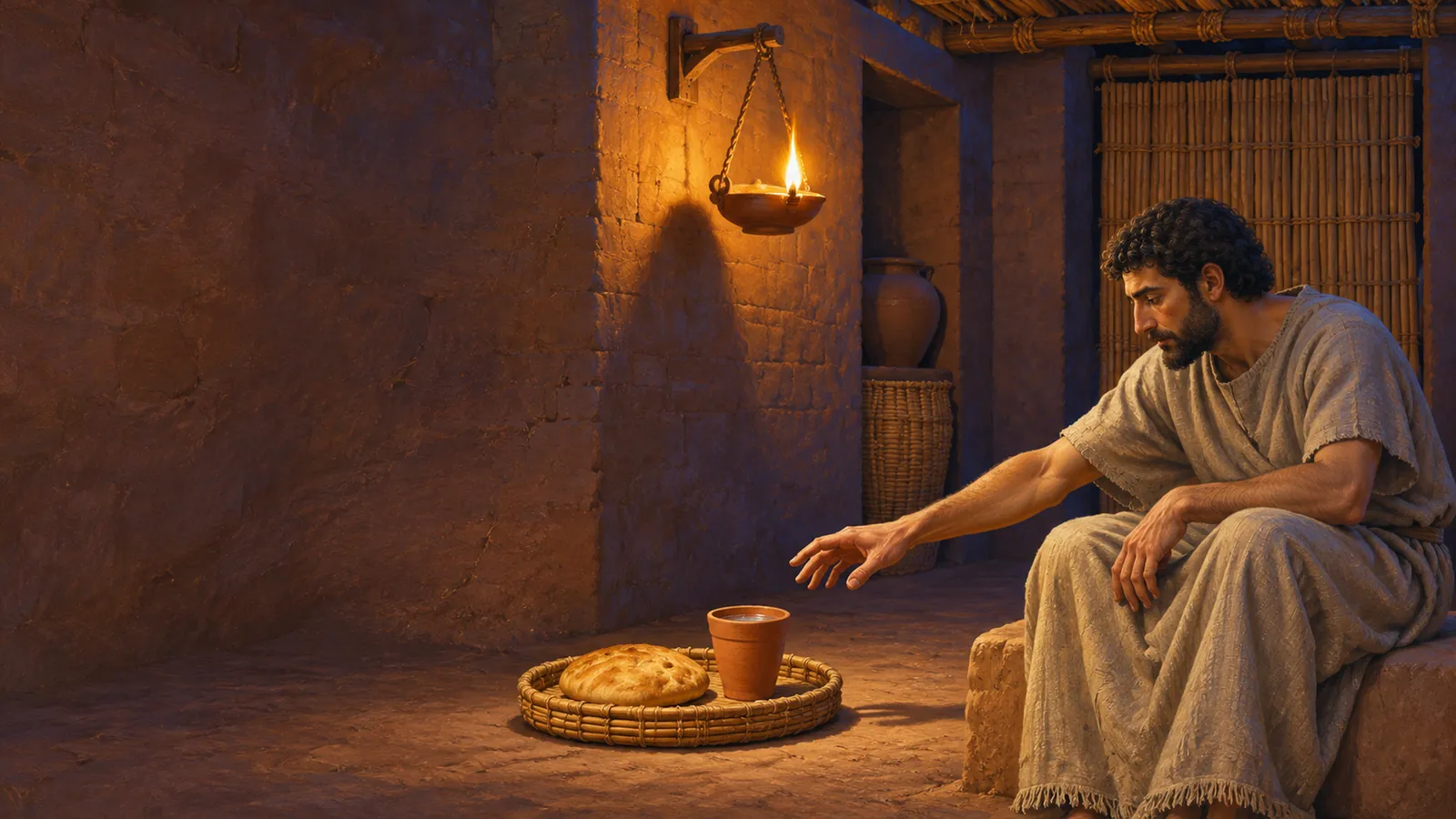
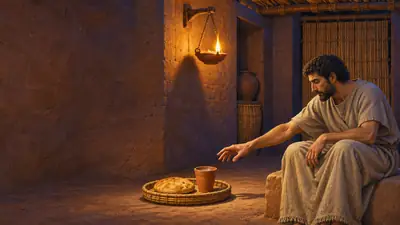
La pregunta siguiente ha perdido las palabras que identificaban al hombre. Enkidu dice que su comida y su agua se ponen aparte, y que al parecer come y bebe lo que le ofrecen.
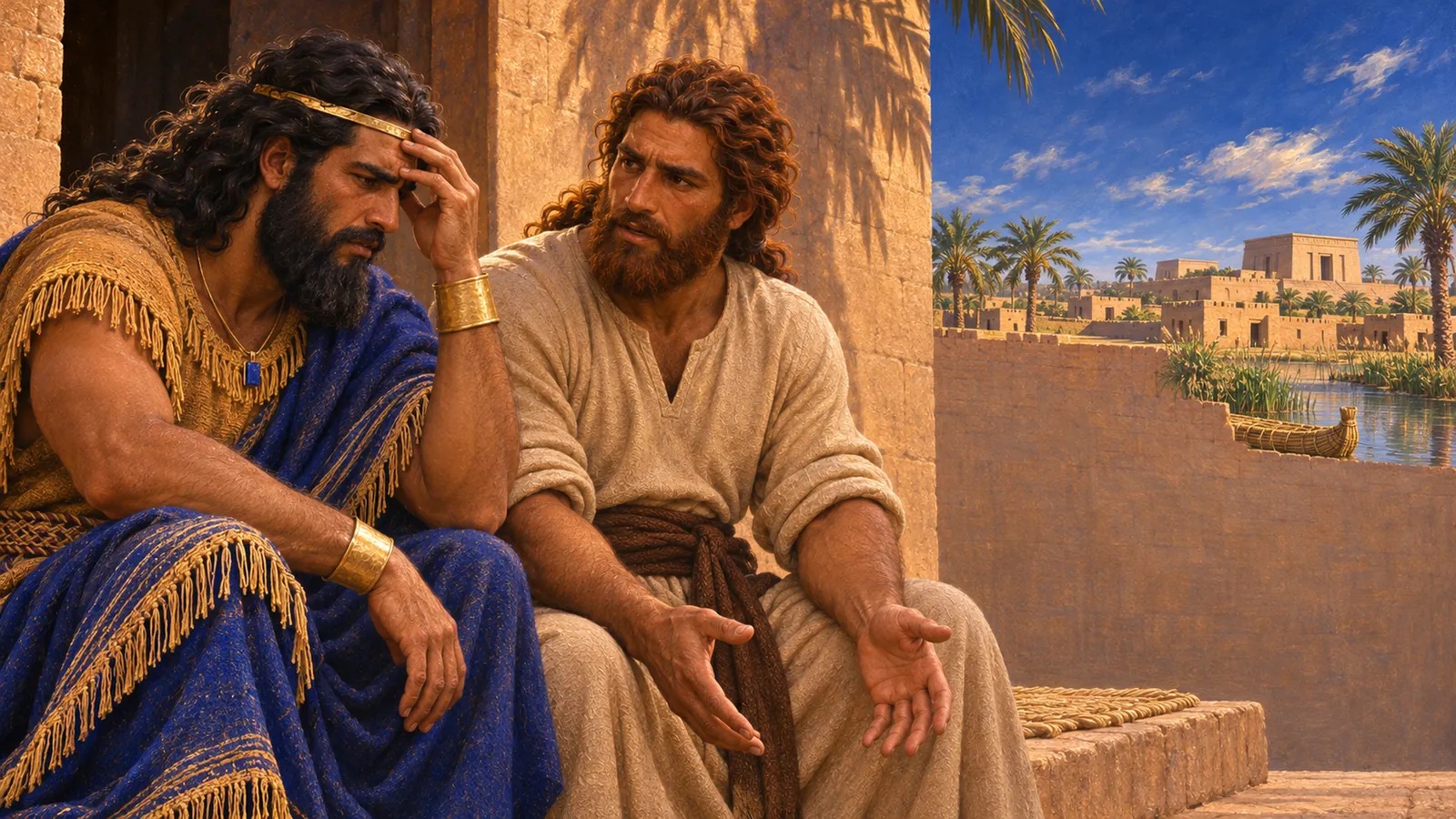
Un manuscrito añade dos preguntas. Un hombre devorado por un león se lamenta amargamente por sus manos y sus piernas. La respuesta sobre un hombre que cayó de un tejado menciona sus huesos, pero el resto de la frase está dañado.
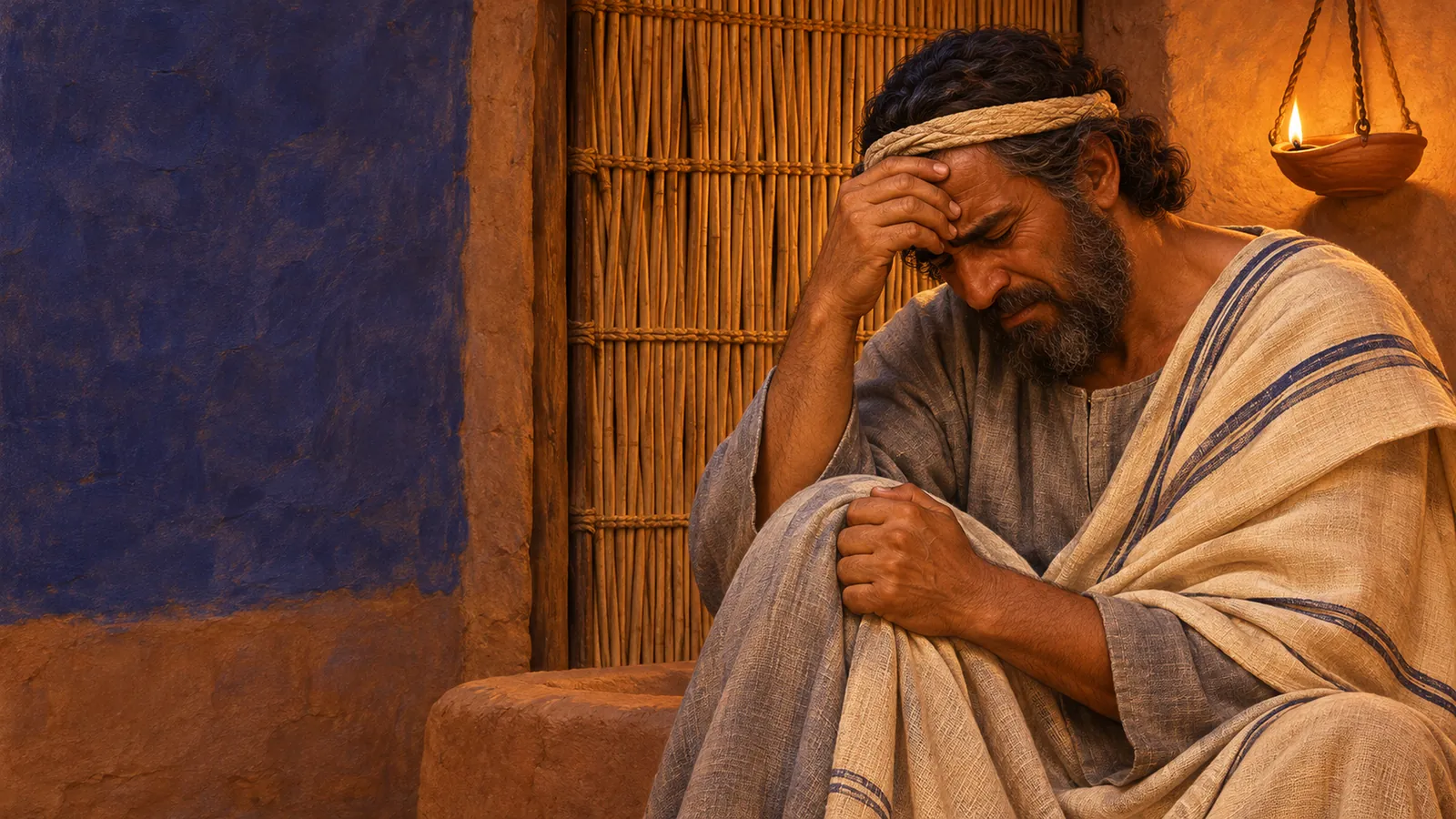
Gilgamesh pregunta por el hombre al que la traducción llama leproso. Enkidu lo describe estremeciéndose en medio de un gran sufrimiento. Su respuesta forma parte de los relatos del poema sobre los muertos.
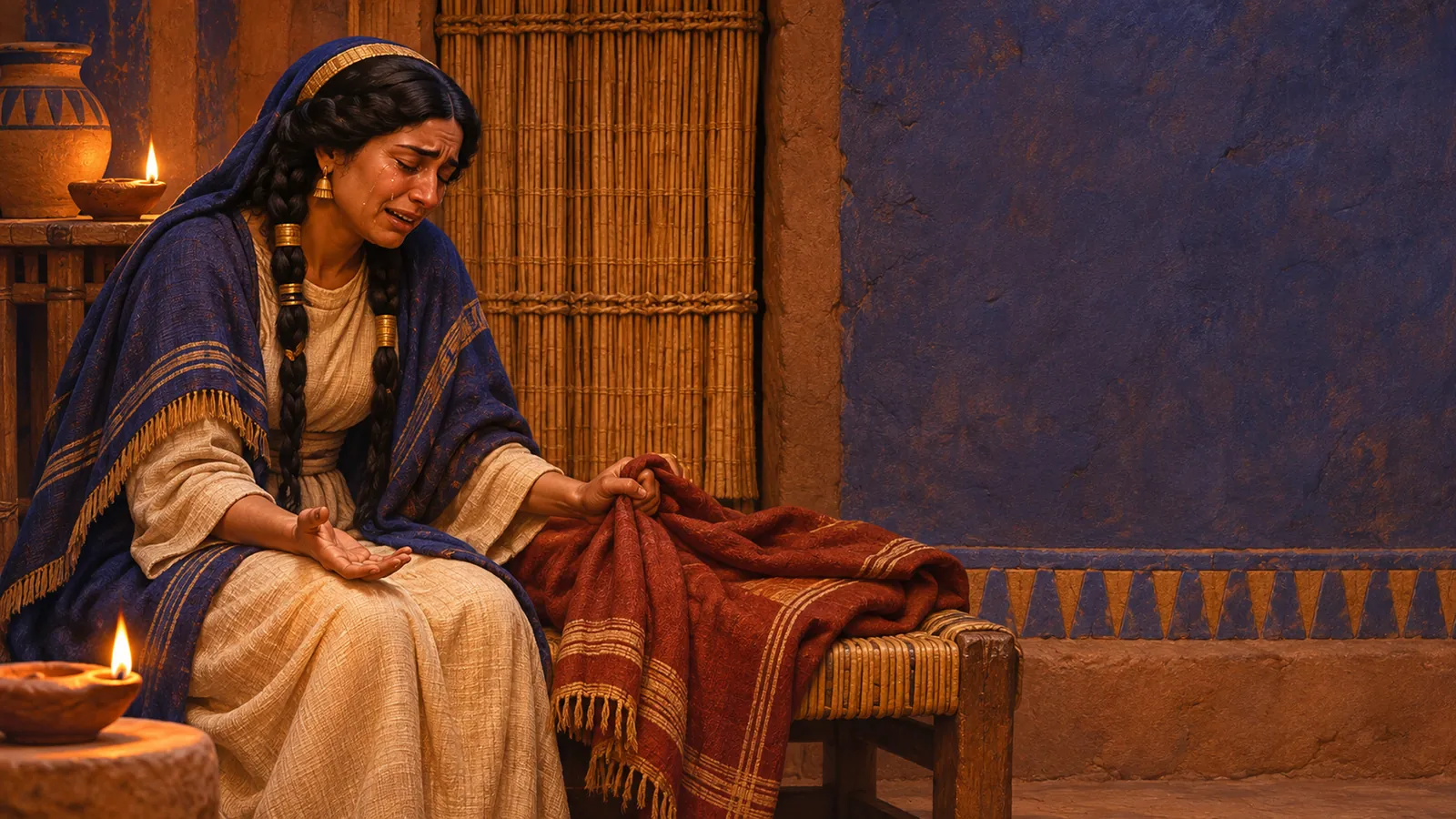
Enkidu vio al hombre que cayó en batalla. Su madre y su padre están ausentes cuando los necesita, y su esposa llora por él.
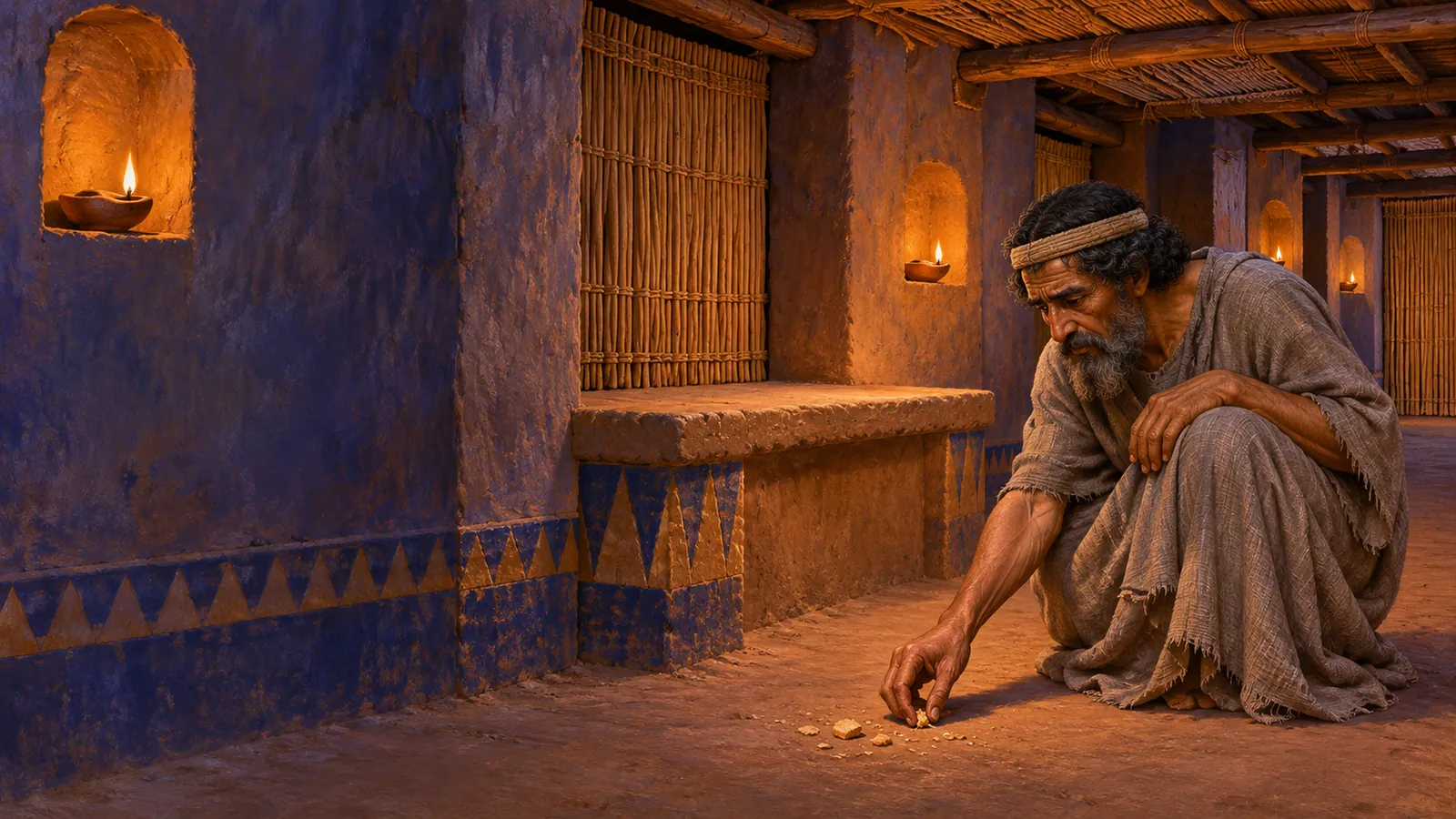
Preguntan qué le sucede al espíritu que carece de ofrendas funerarias. Enkidu dice que come los restos y las migas que arrojan a la calle.
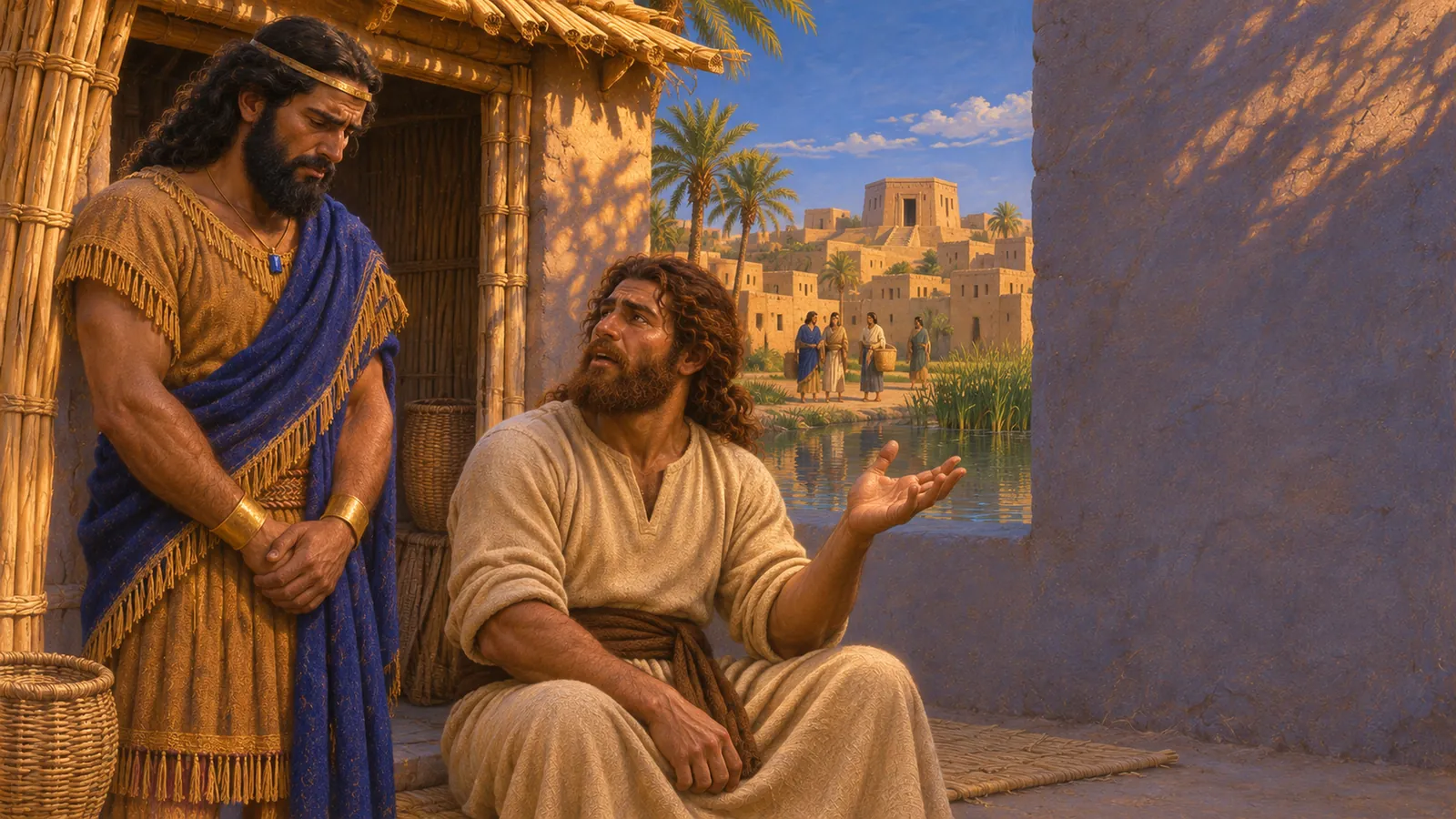
Enkidu describe a un hombre golpeado por una tabla de un barco. El hombre llama a su madre. Gran parte del resto de la respuesta está dañada.
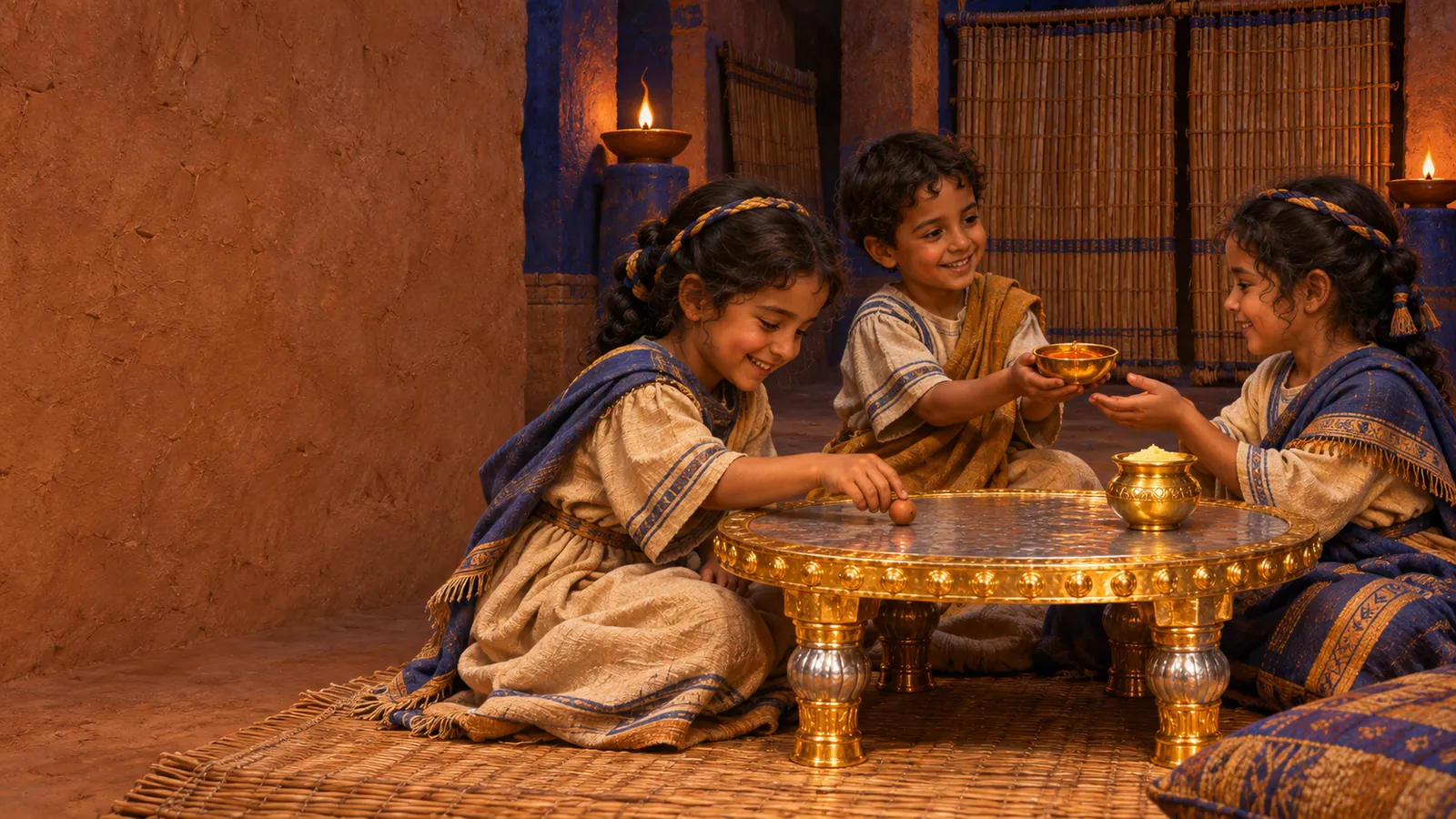
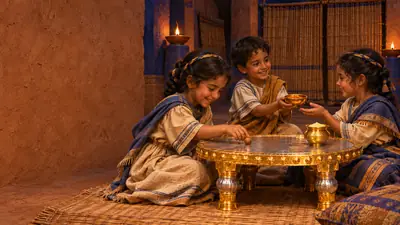
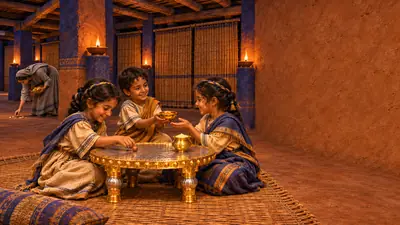
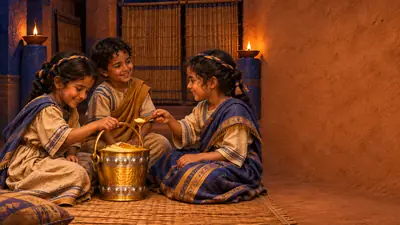
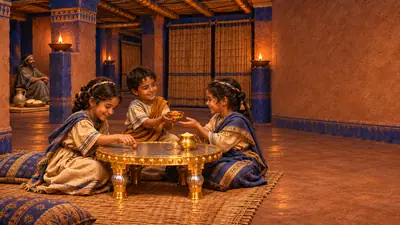
Gilgamesh pregunta por sus pequeños que nacieron muertos. Enkidu dice que los vio jugar en una mesa de oro y plata, colmada de miel y mantequilla clarificada.
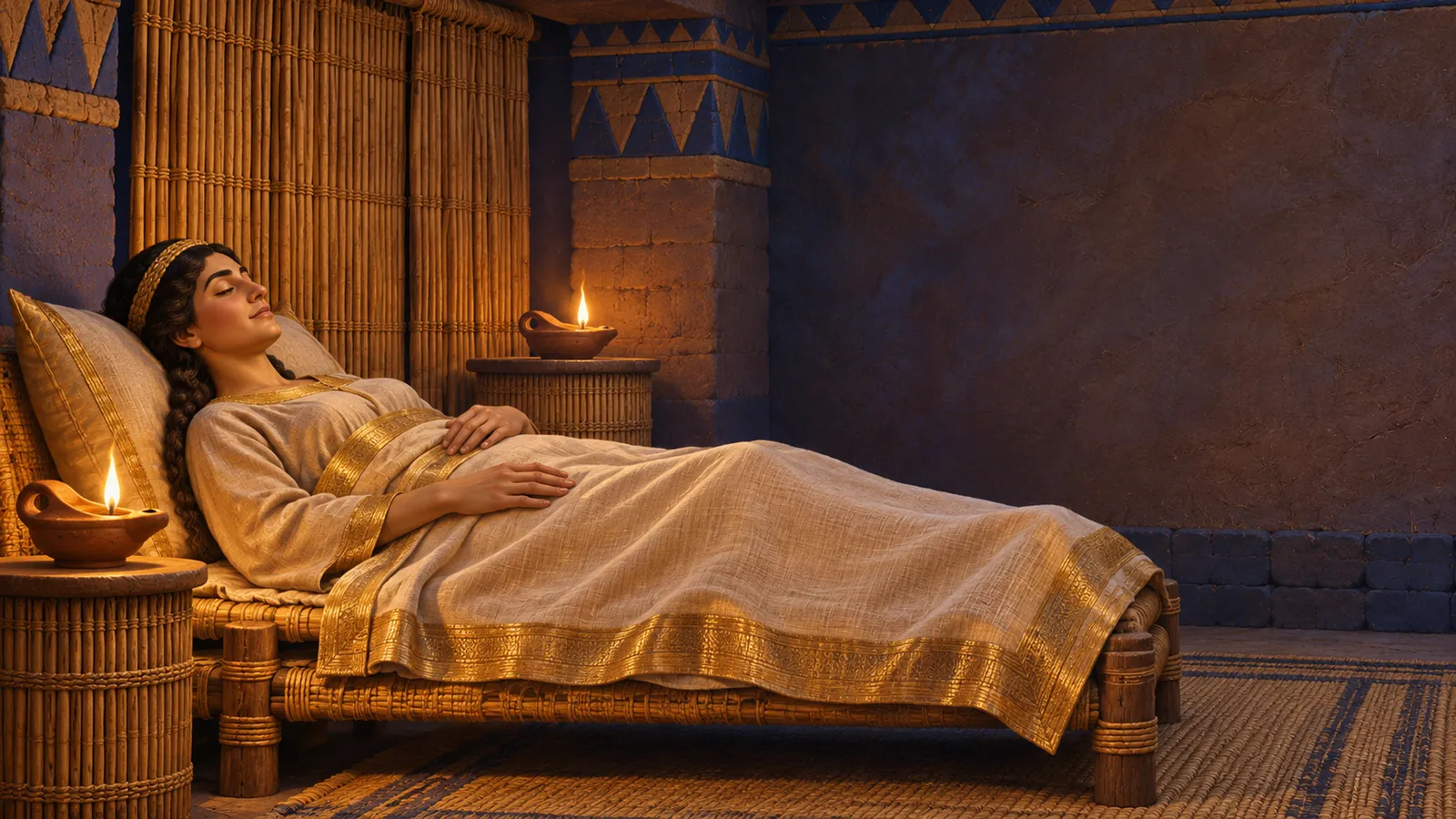
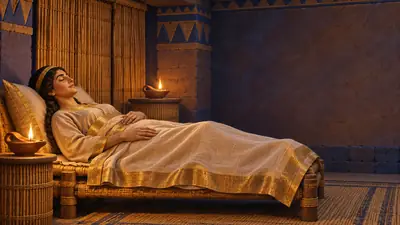
Se conserva otra pregunta sin que se sepa cómo murió el hombre. Enkidu responde que lo vio y que yace en un lecho de los dioses.
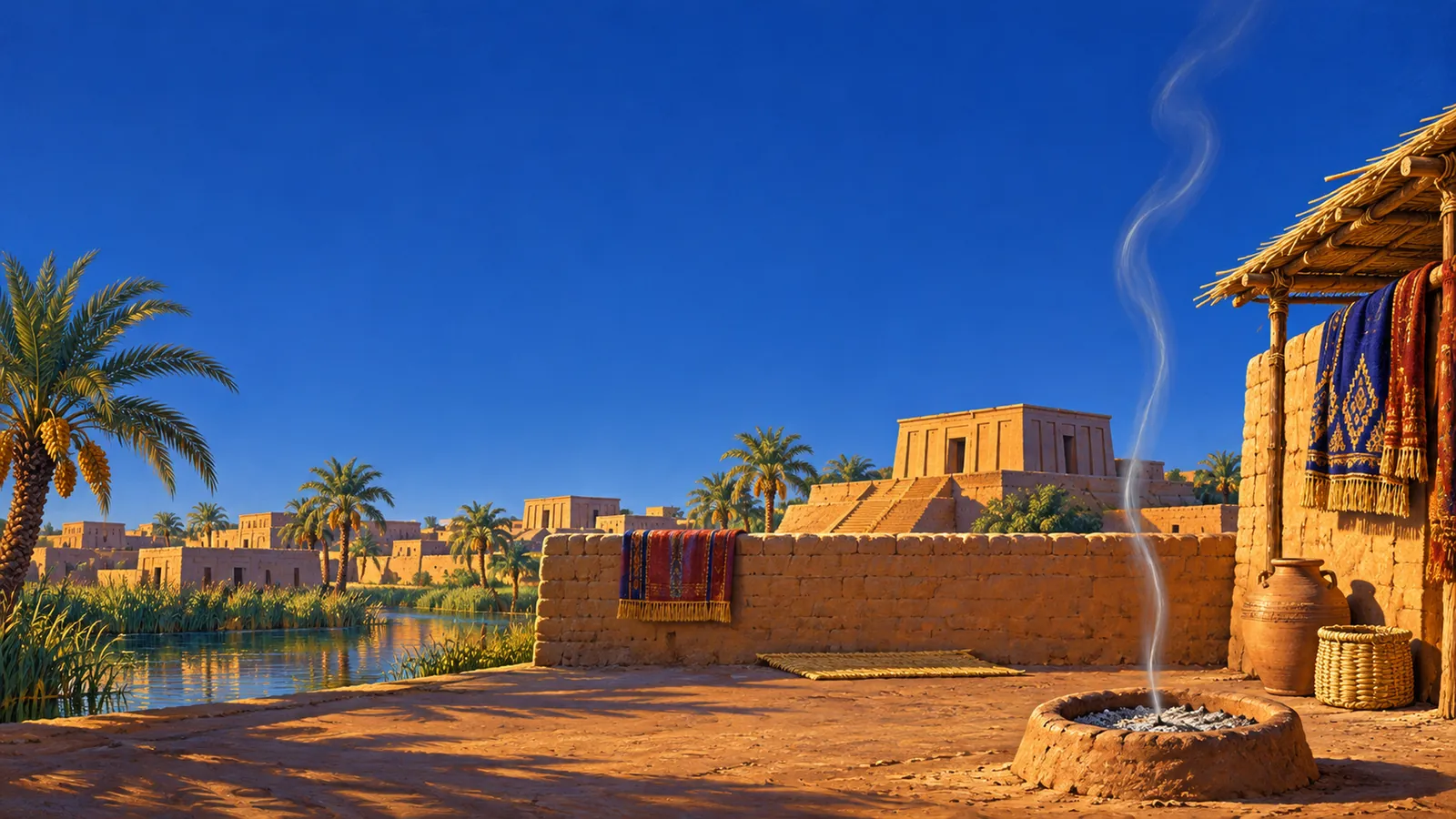
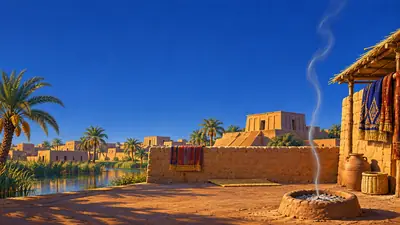
Cuando Gilgamesh pregunta por el hombre al que prendieron fuego, Enkidu dice que no lo vio. Su espíritu está ausente y su humo subió al cielo.
UR · UET 6 58
Una tablilla de Ur presenta otro final. Habla de un hombre que cayó del tejado, una posible tormenta con inundación de Ishkur y un hombre al que la traducción llama leproso. Su comida y su agua se guardan aparte fuera de la ciudad.
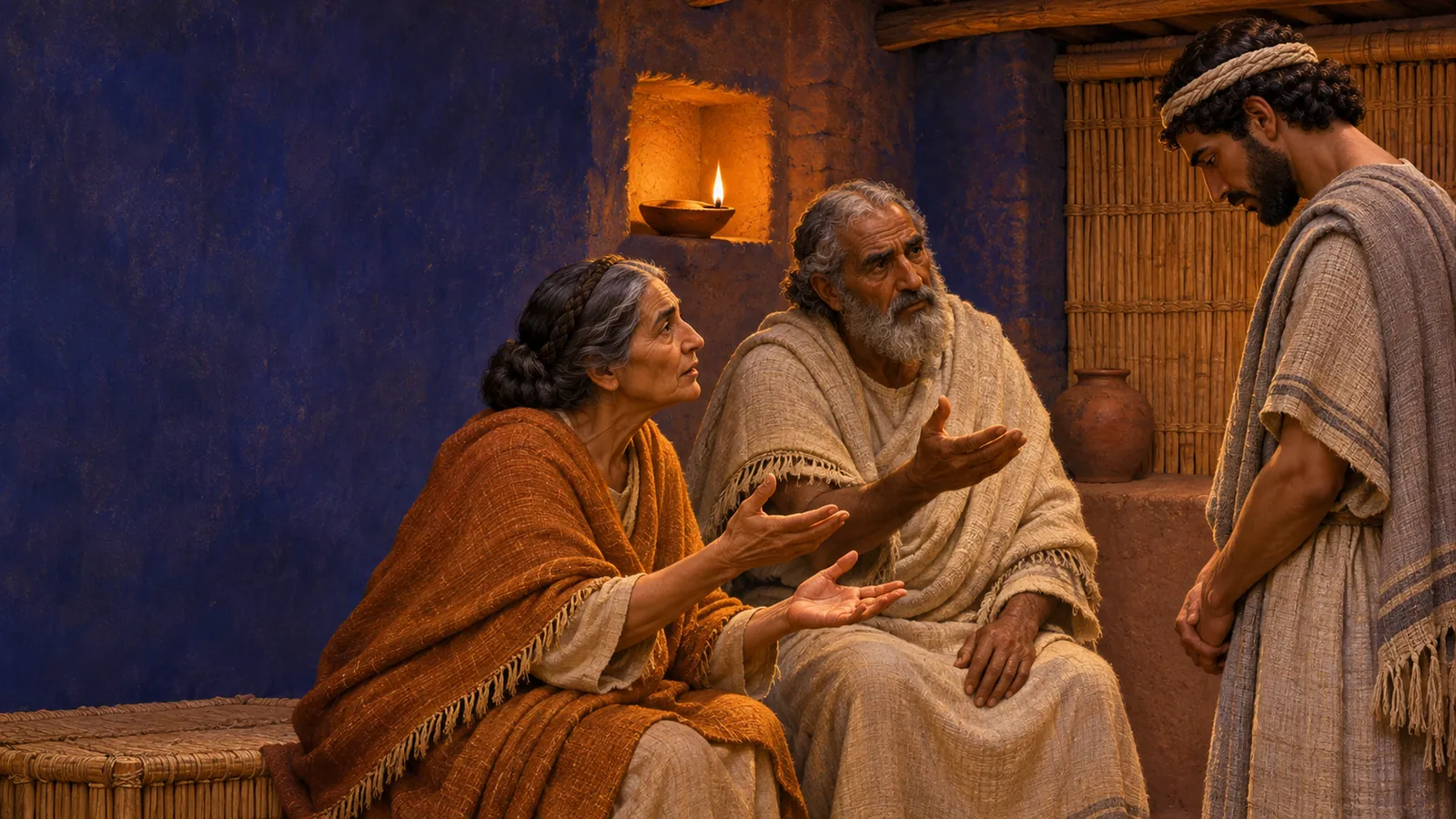
En esta tablilla, el hombre que desoye a sus padres clama de dolor. El que recibe su maldición se queda sin heredero y su espíritu vaga. Una tercera pregunta sobre el nombre de un dios está incompleta.
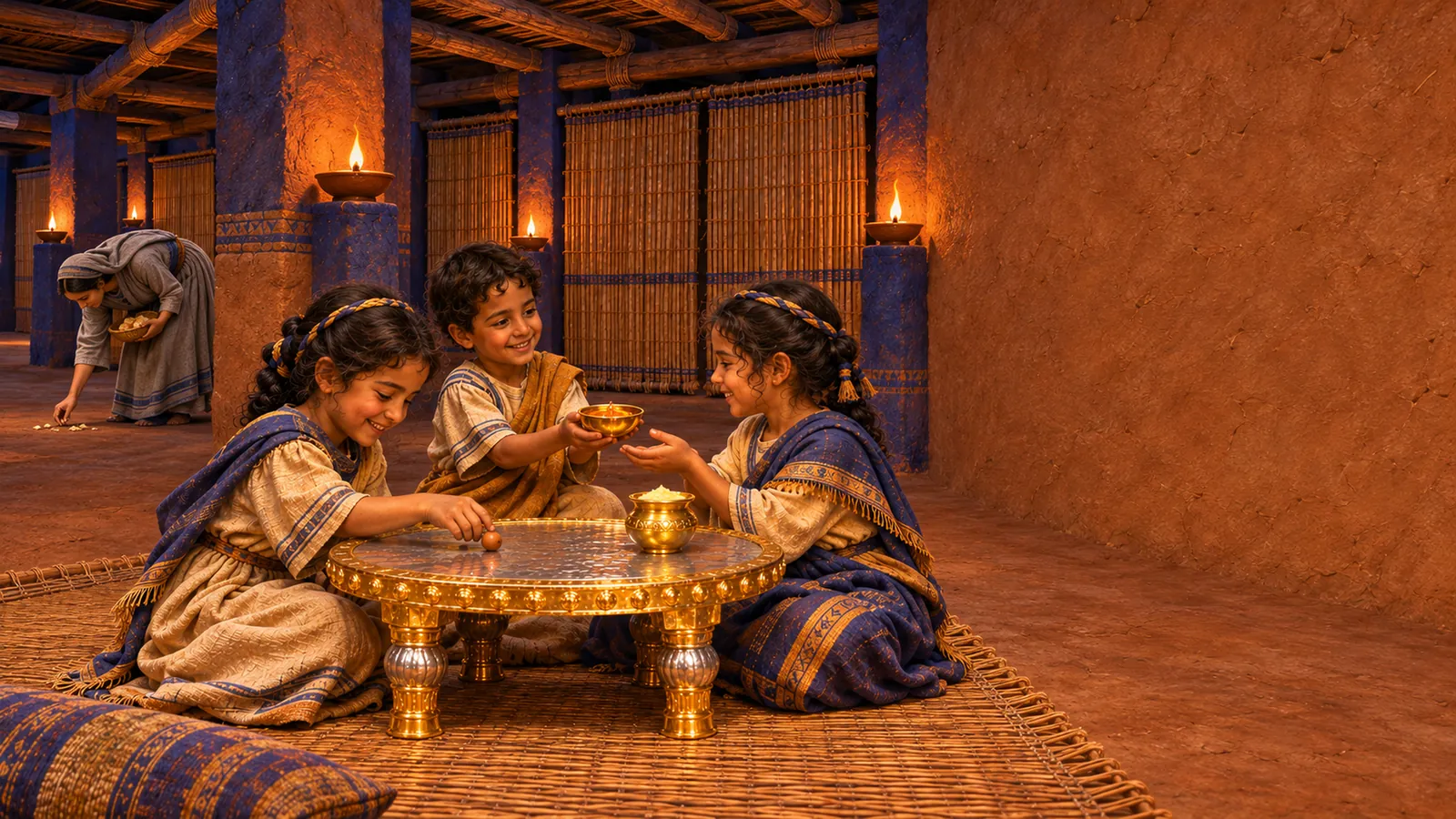
En esta tablilla también, el espíritu sin ofrendas come sobras de la calle. Los niños nacidos muertos juegan junto a una mesa de oro y plata con miel y mantequilla clarificada.
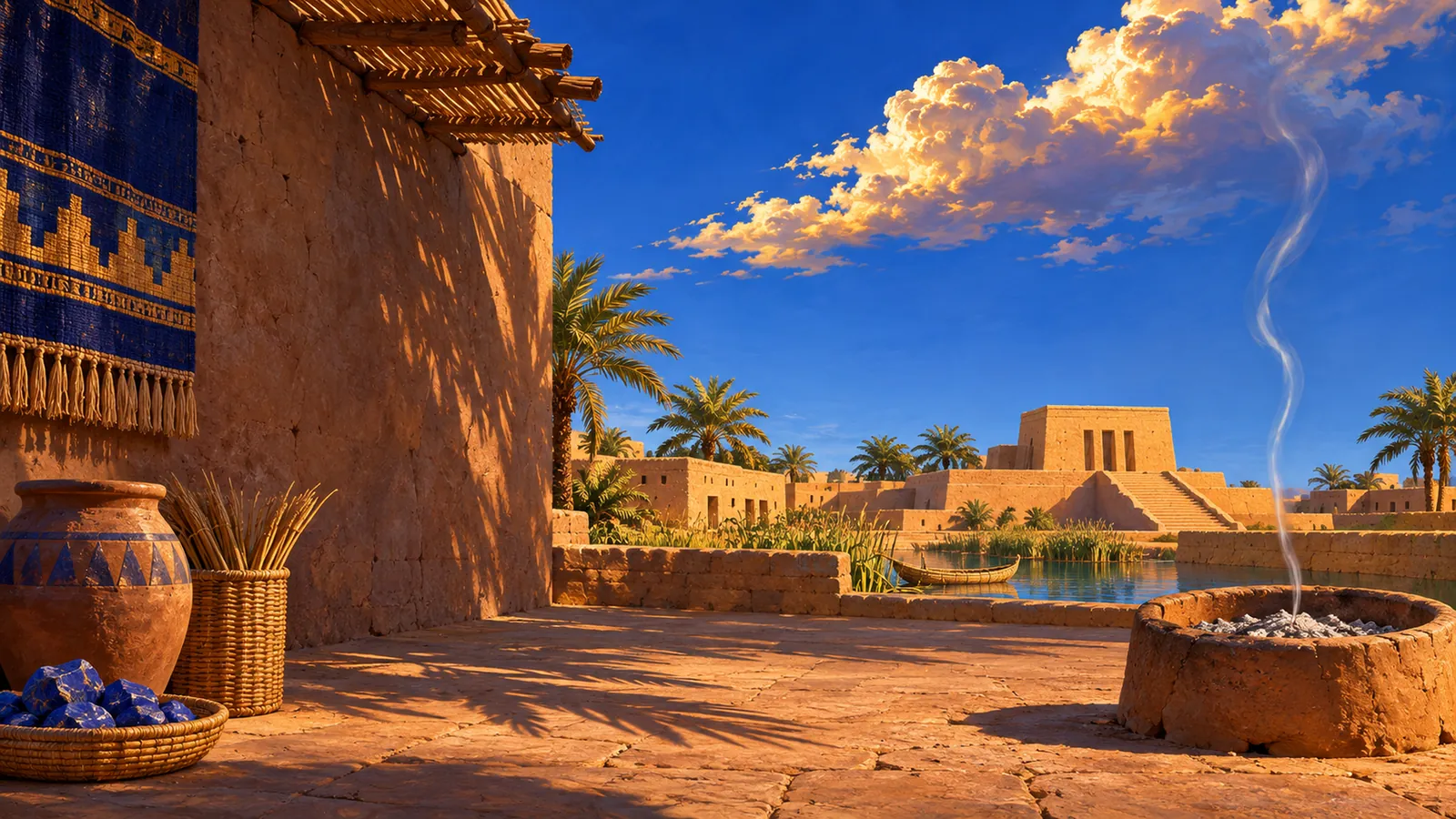
Enkidu dice que no vio al hombre al que prendieron fuego. Su humo subió al cielo y su espíritu no vive en el mundo de ultratumba.
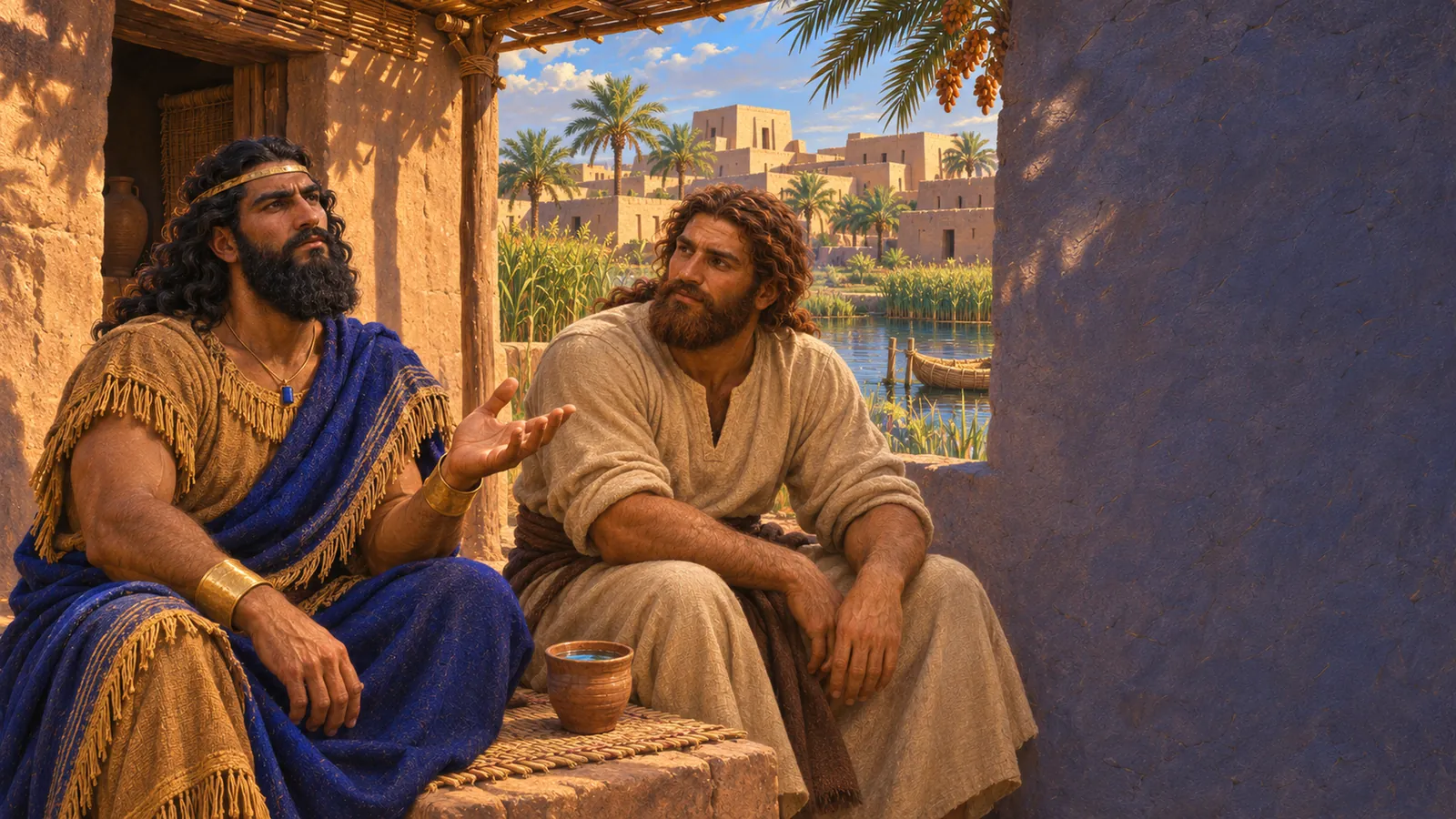
Esta versión pregunta por un hombre que juró en falso ante los dioses y por alguien de Girsu que quizá les negó agua a sus padres. Las dos respuestas están dañadas.
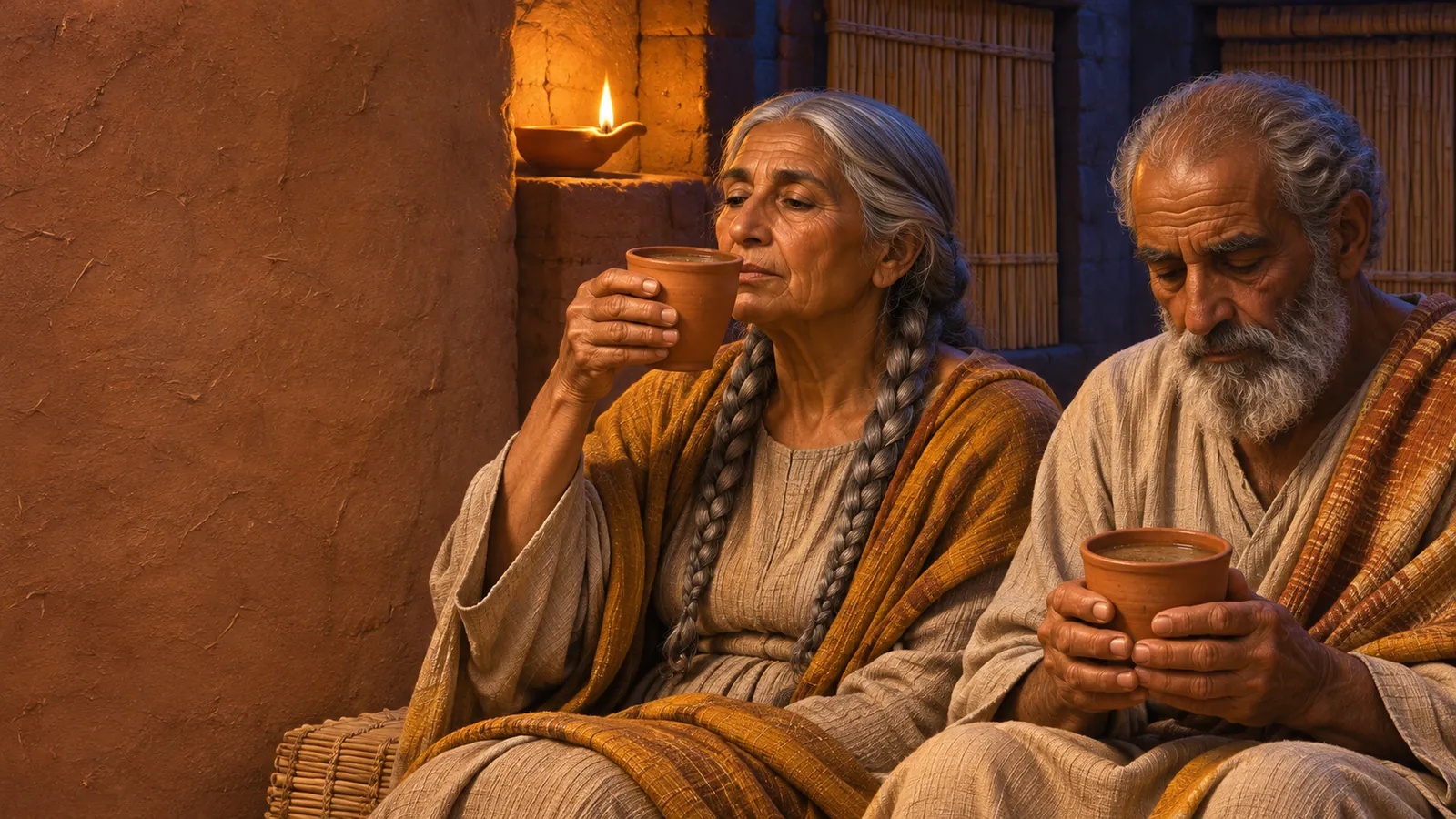
La respuesta dice que los habitantes de Sumer y Acad beben agua turbia. También la beben el padre y la madre de quien pregunta. Las palabras que indican el lugar están dañadas.
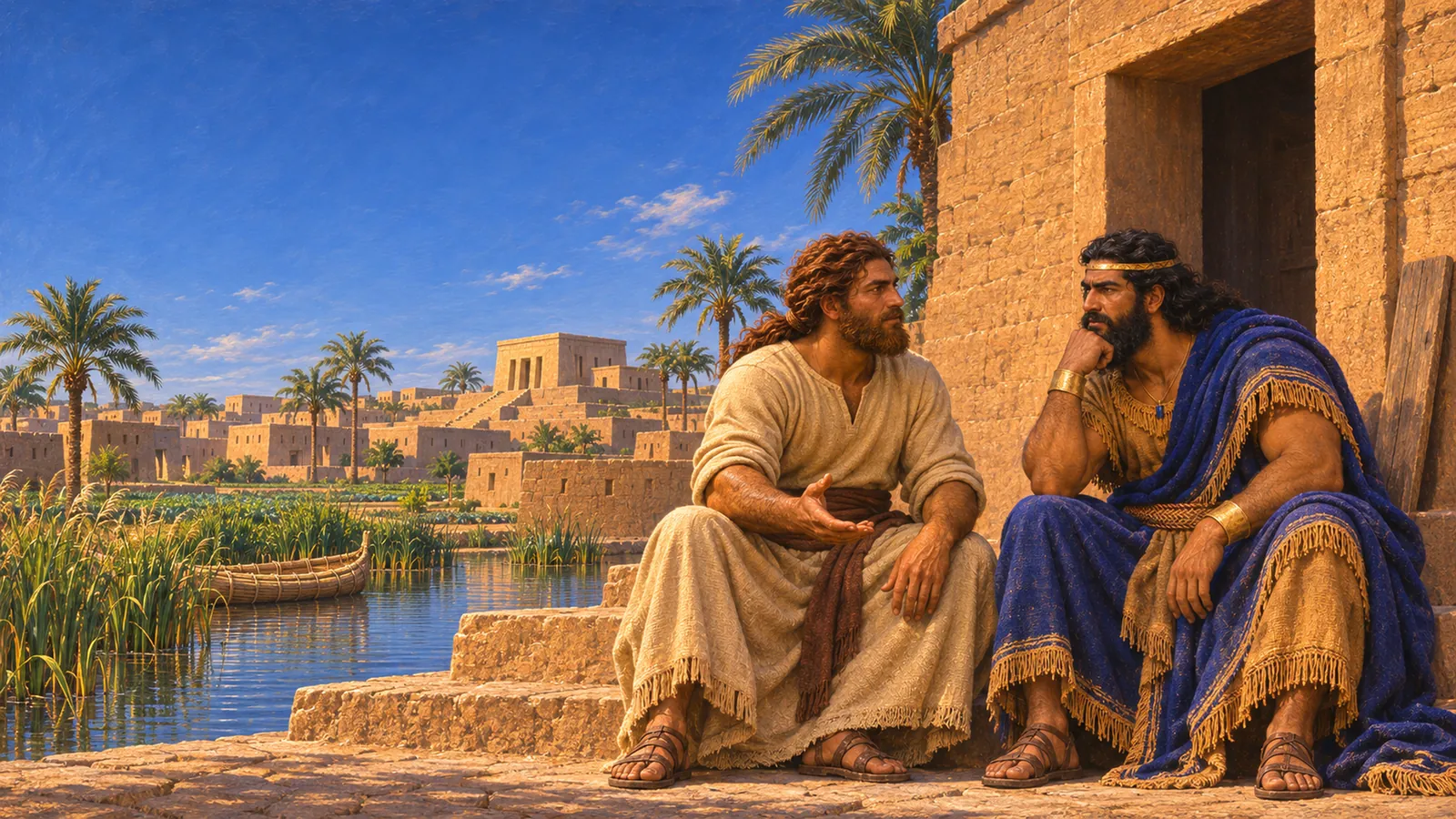
UNA SEGUNDA VERSIÓN DE UR
Otro manuscrito de Ur pregunta por un hombre golpeado por una tabla de barco y por otro que cayó de un tejado. La respuesta compara los movimientos del segundo con los de un buey y dice que los gusanos lo devoran.
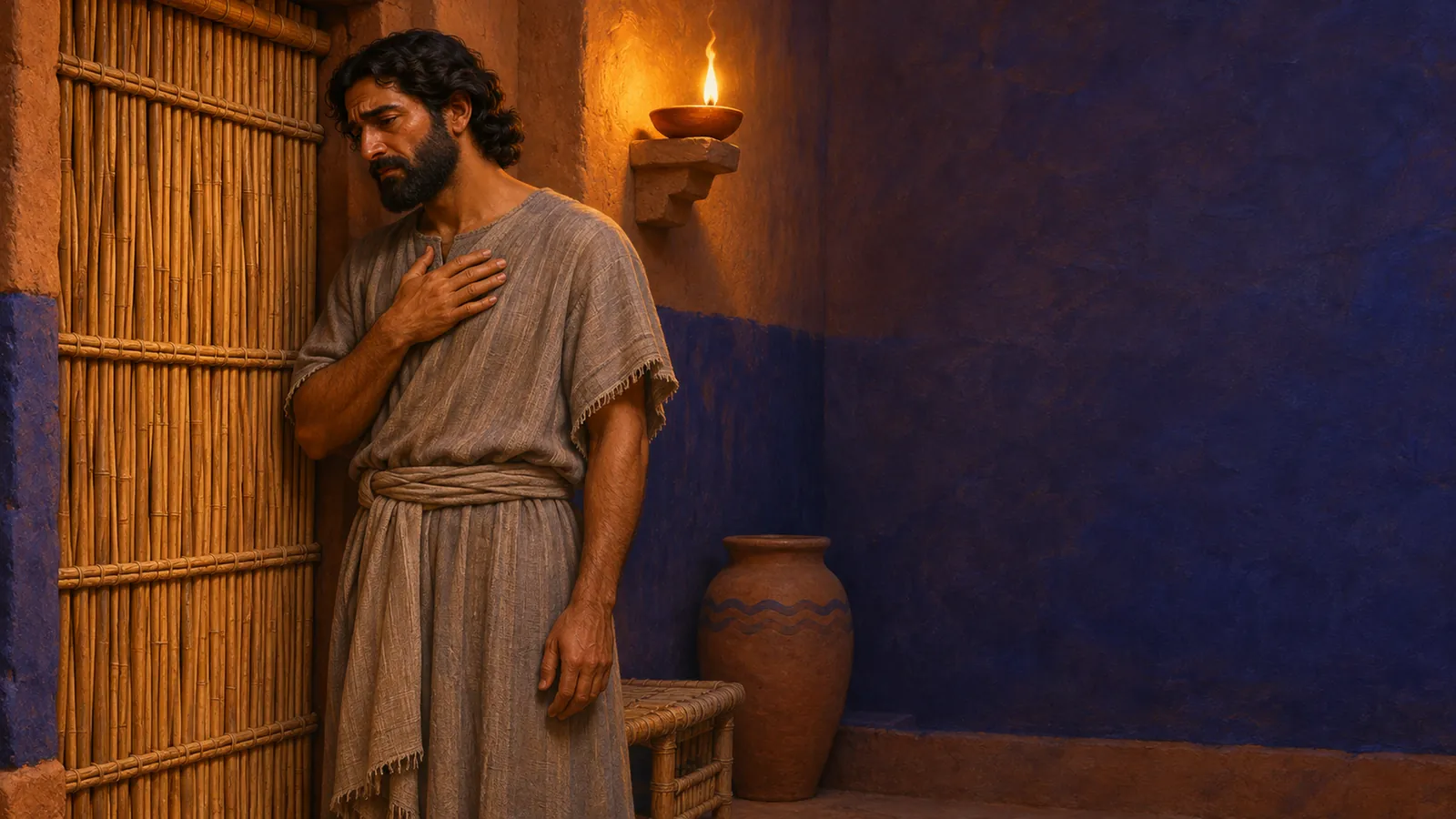
El hombre alcanzado por la maldición de su madre queda sin heredero, y quizá su espíritu ande errante. La copia pregunta luego por un hombre que desoyó a sus padres, pero se interrumpe después de la pregunta.
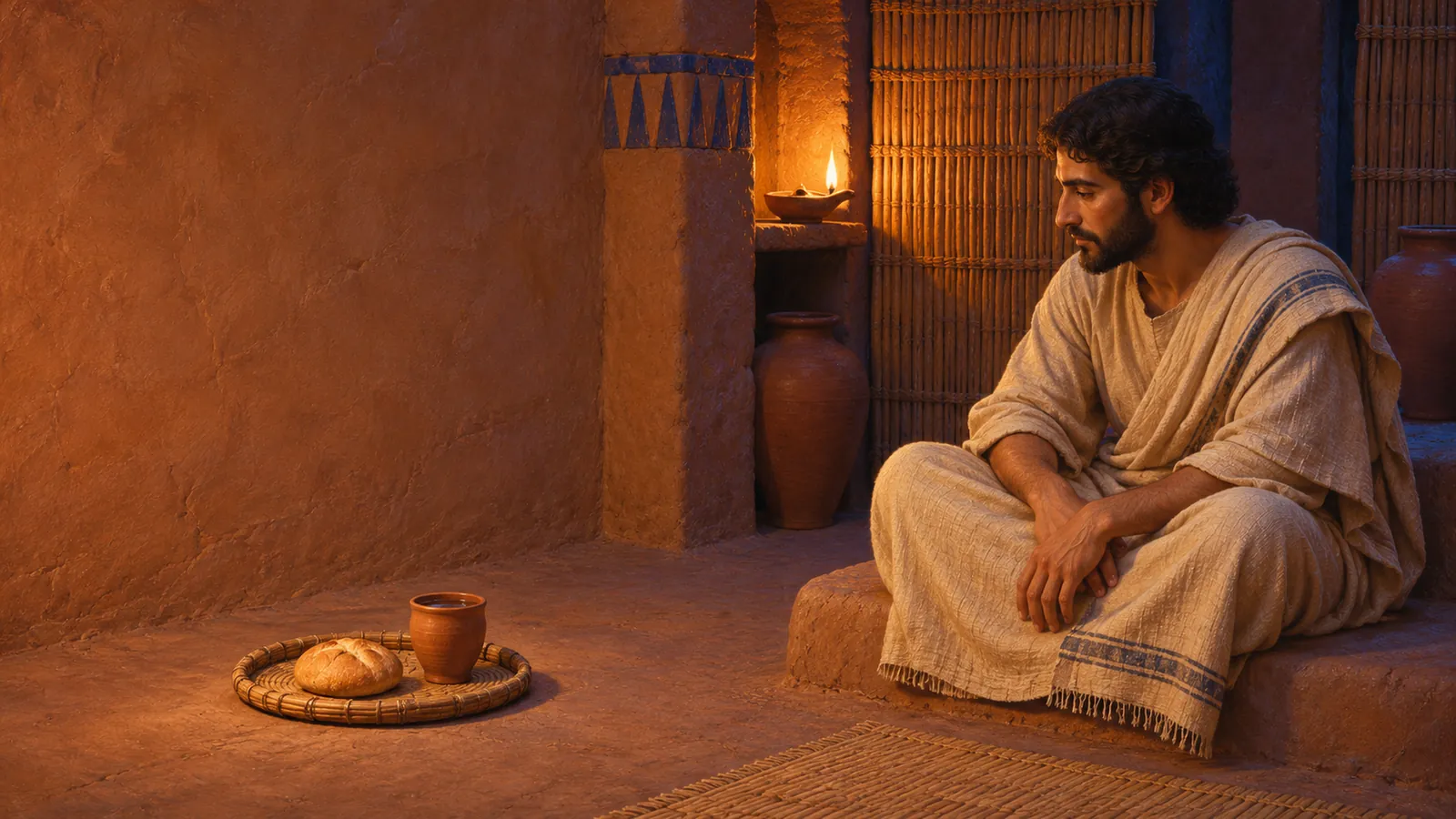
El siguiente fragmento comienza con comida y agua separadas para alguien a quien no identifican las palabras conservadas. Un hombre caído en combate no tiene allí a sus padres para sostenerle la cabeza, y su esposa llora. Otra pregunta y su respuesta están dañadas.
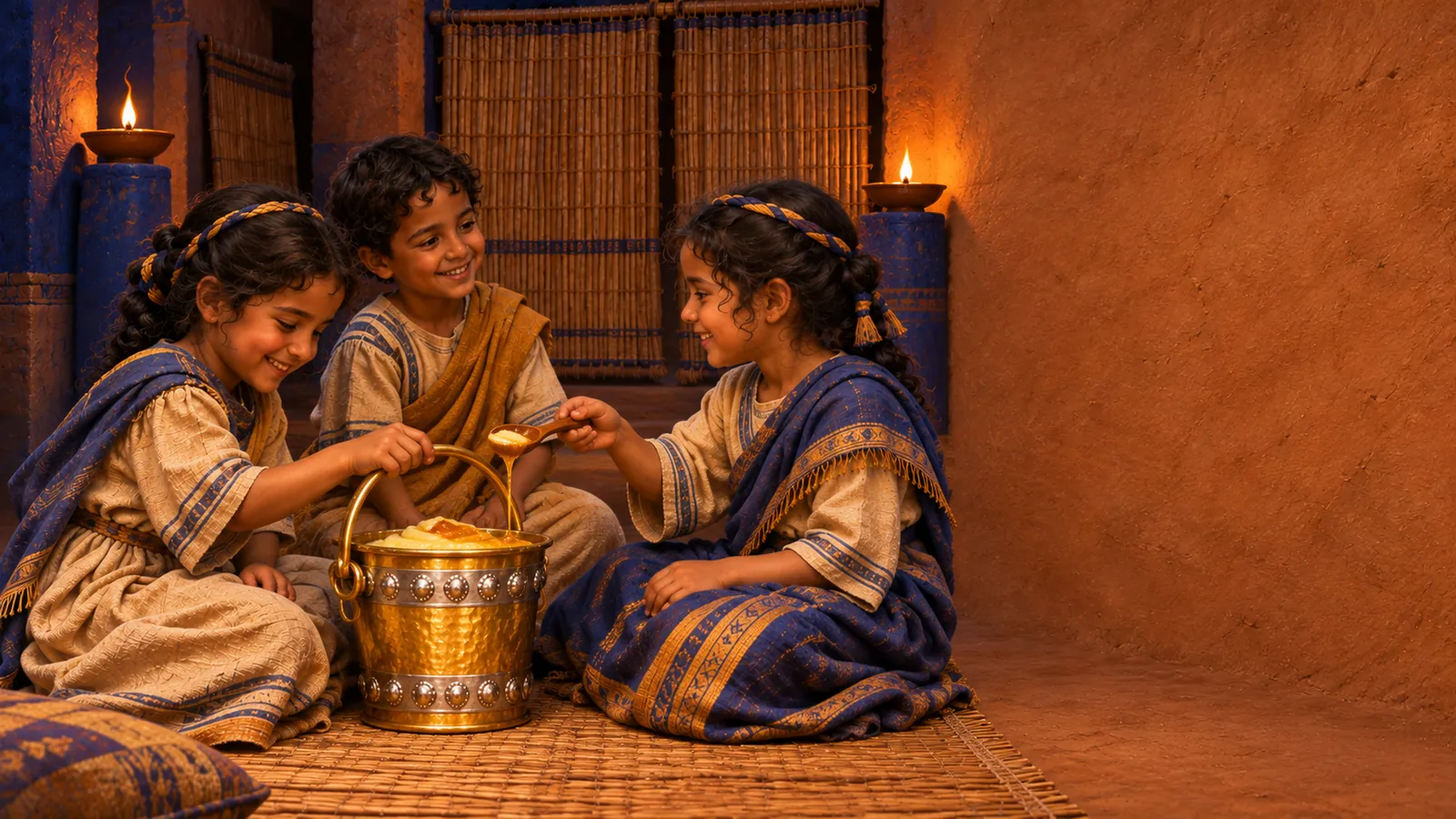
Un espíritu sin ofrendas funerarias come las sobras arrojadas a la calle. Los hijos nacidos muertos de quien pregunta juegan con un balde de oro y plata lleno de miel y mantequilla clarificada.
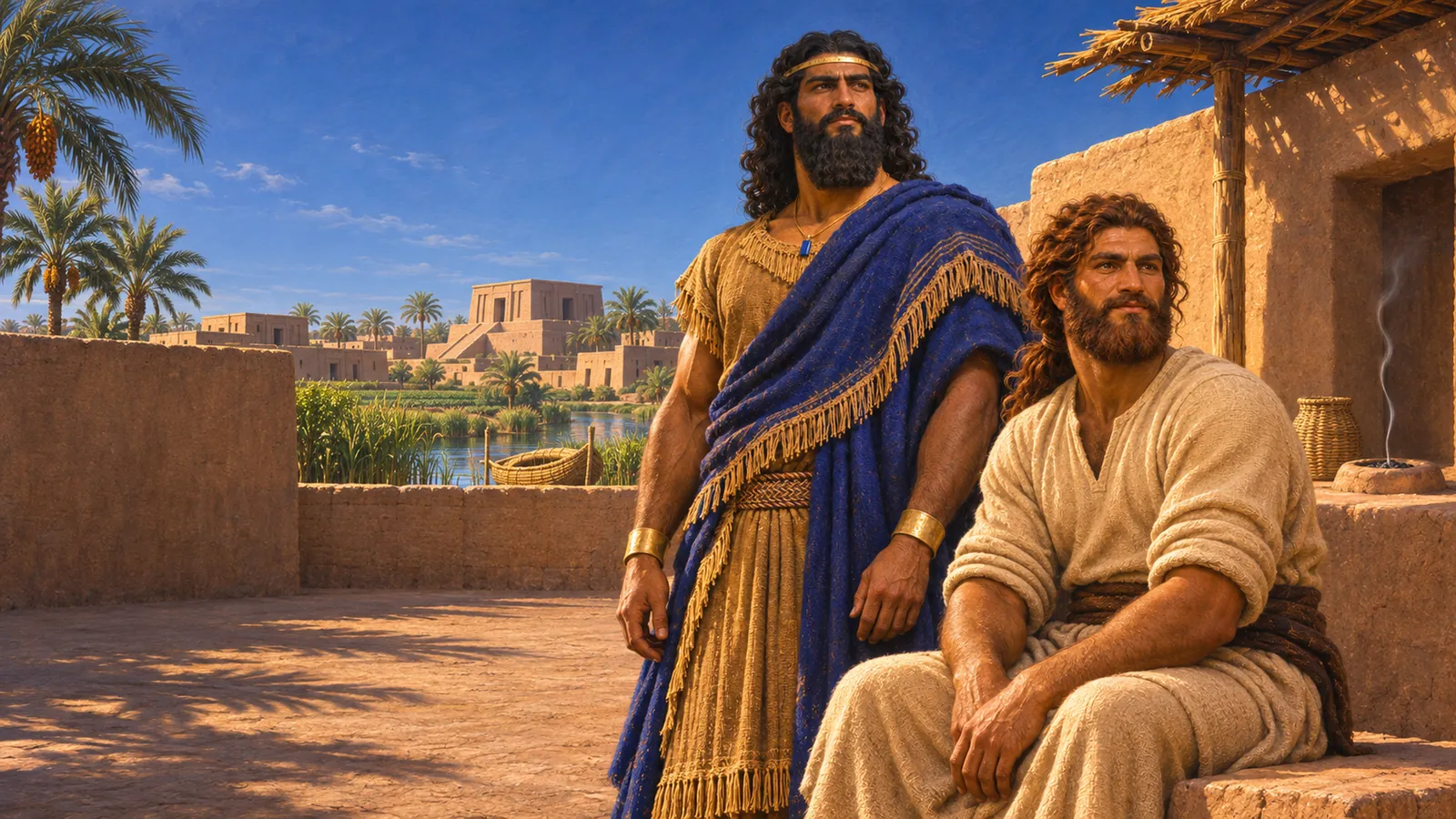
Cuando le preguntaron por el hombre al que prendieron fuego, quien responde dijo que no lo vio. Su espíritu estaba ausente, y su humo subió al cielo.
UNA TERCERA VERSIÓN DE UR
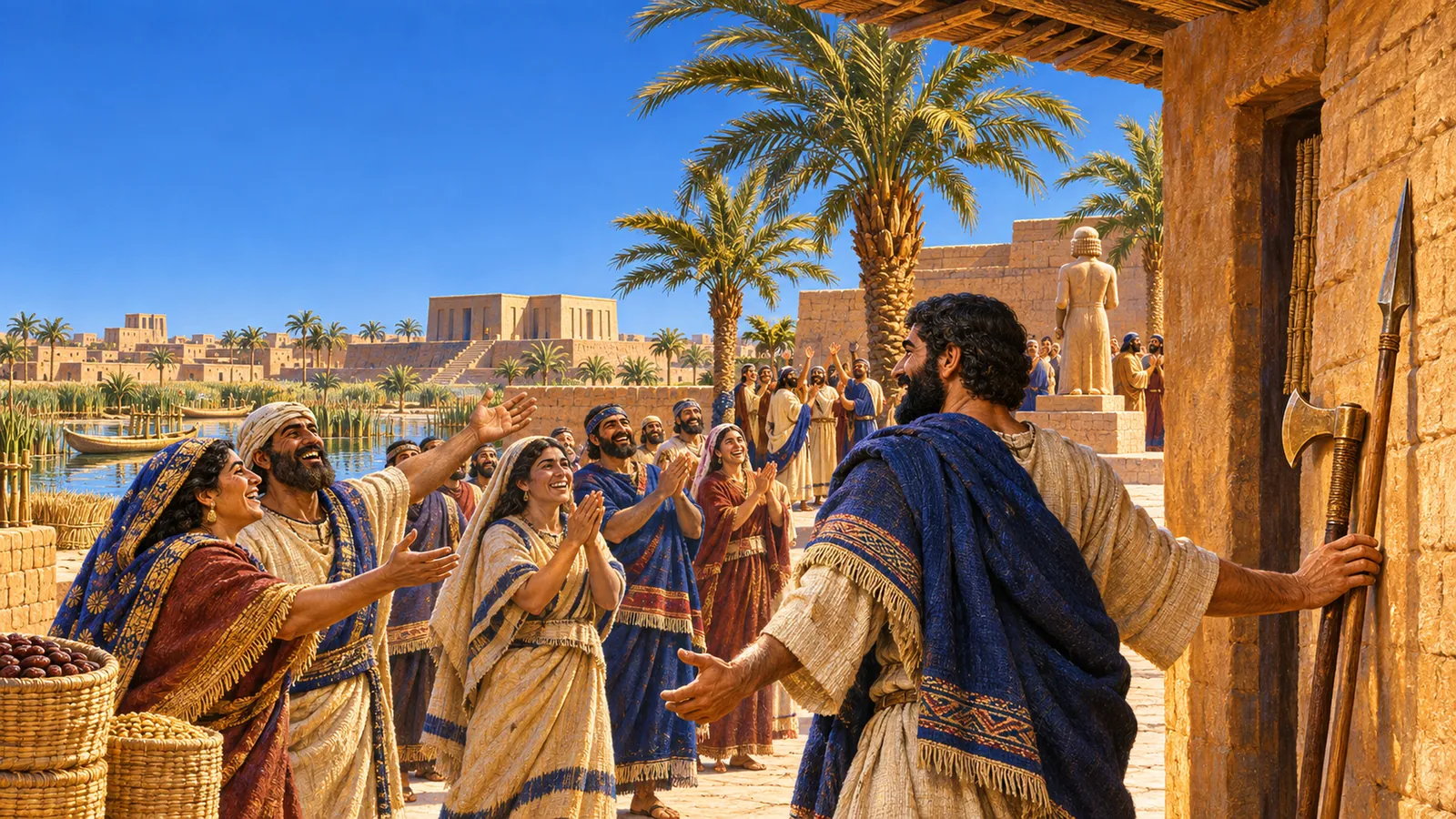
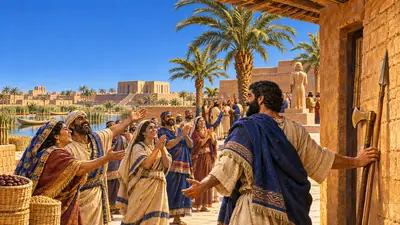
Un tercer manuscrito de Ur describe un regreso a Uruk. El hombre que entra en el palacio deja allí sus herramientas y sus armas. La gente de Uruk y Kulaba se alegra ante una estatua.
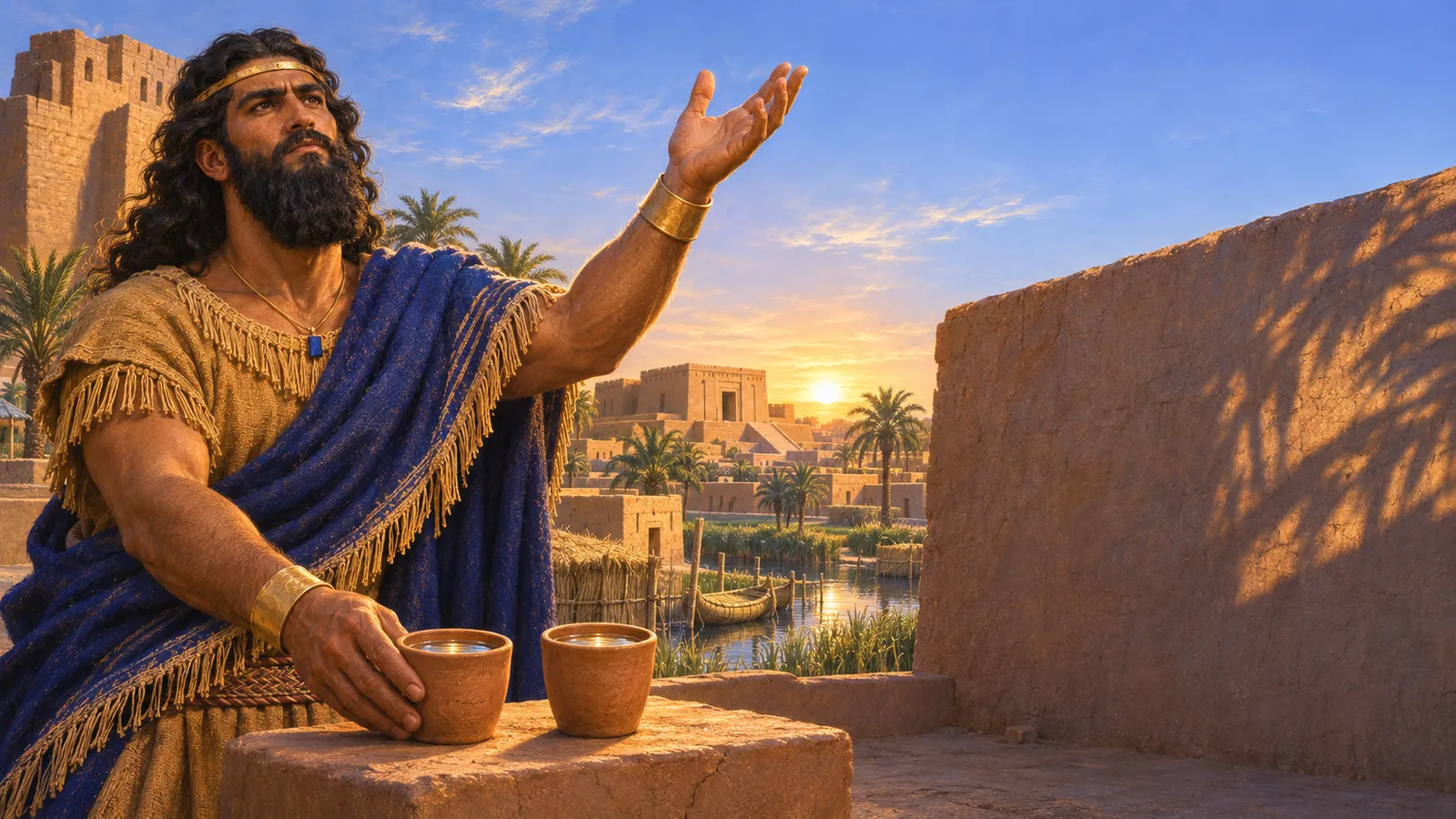
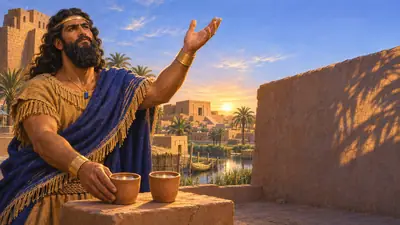
Cuando sale Utu, la copia quizá identifica a Gilgamesh como el hombre que les pide a sus padres que beban agua limpia. La frase sobre la corona de una estatua es incierta.
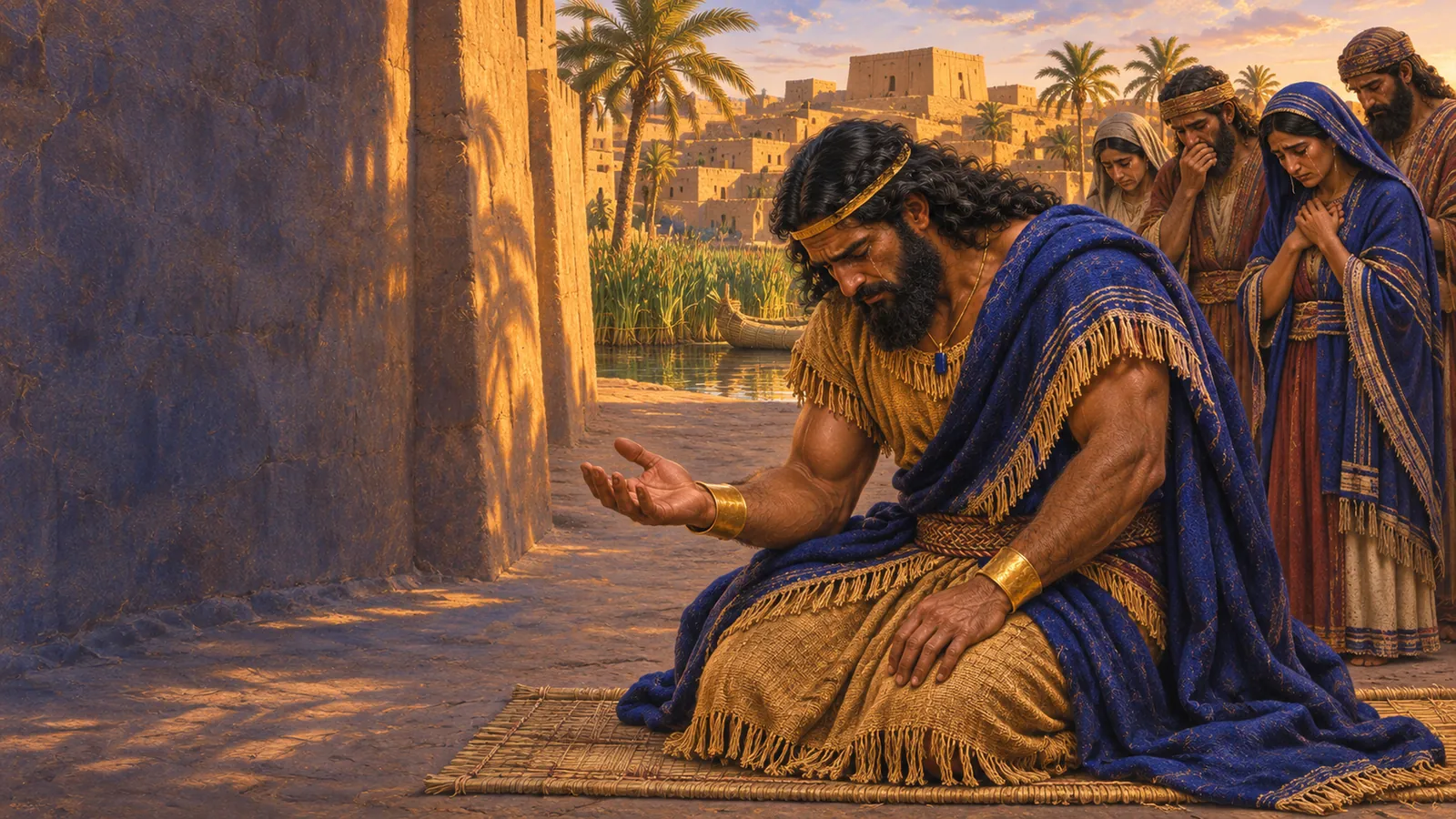
Gilgamesh se echó al suelo en el lugar del duelo durante nueve días. La gente lloró, y él rechazó a un hombre de Girsu. Volvió a pedirles a sus padres que bebieran agua limpia.
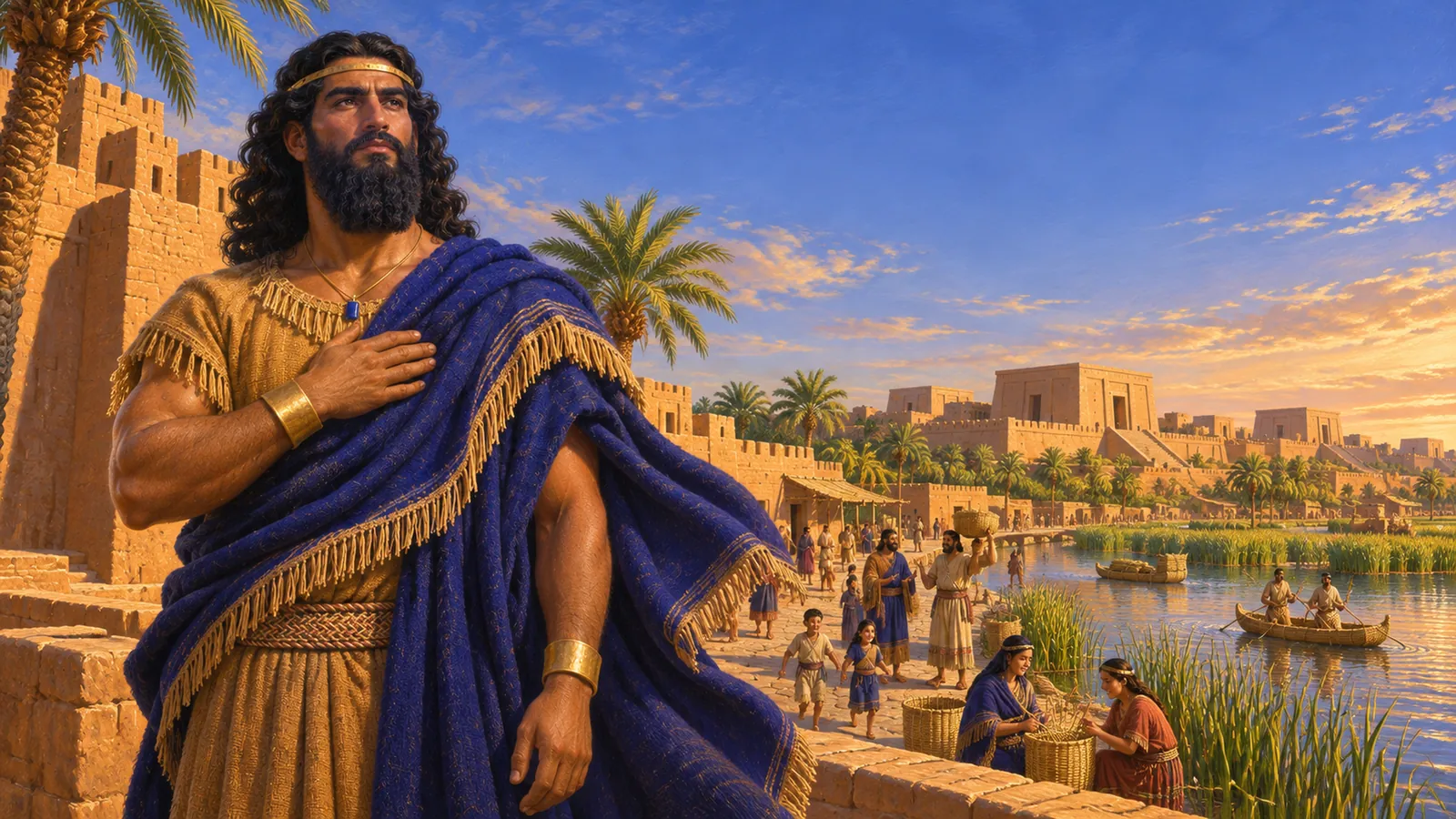
Las últimas palabras de esta versión alaban al guerrero Gilgamesh, hijo de Ninsun. Dicen que es dulce su alabanza.
ME-TURAN
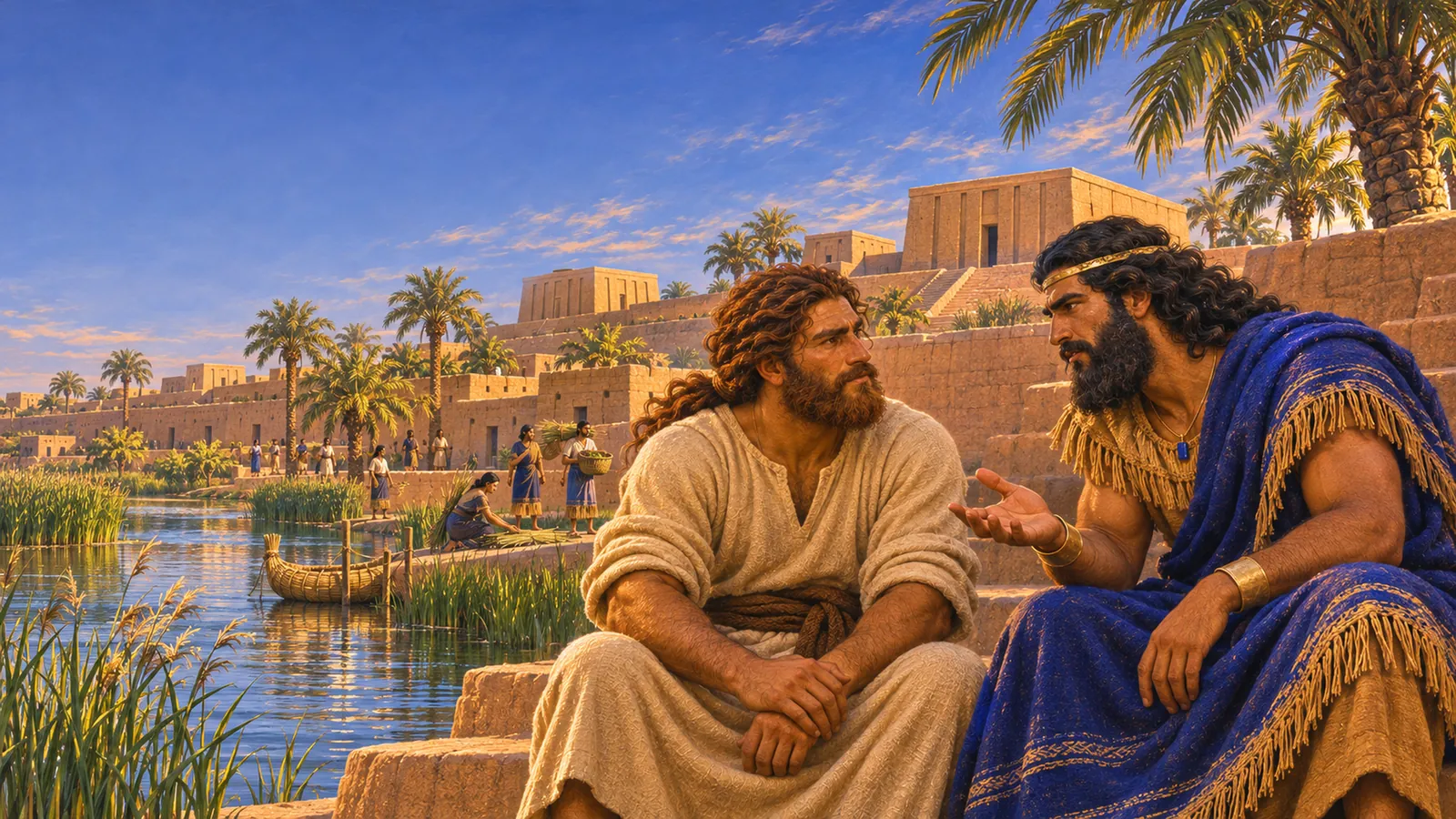
Una copia antigua de Me-Turan vuelve a plantear las preguntas. El hombre que tiene un hijo llora, el de dos se sienta y el de tres bebe. Faltan detalles de las dos últimas respuestas.
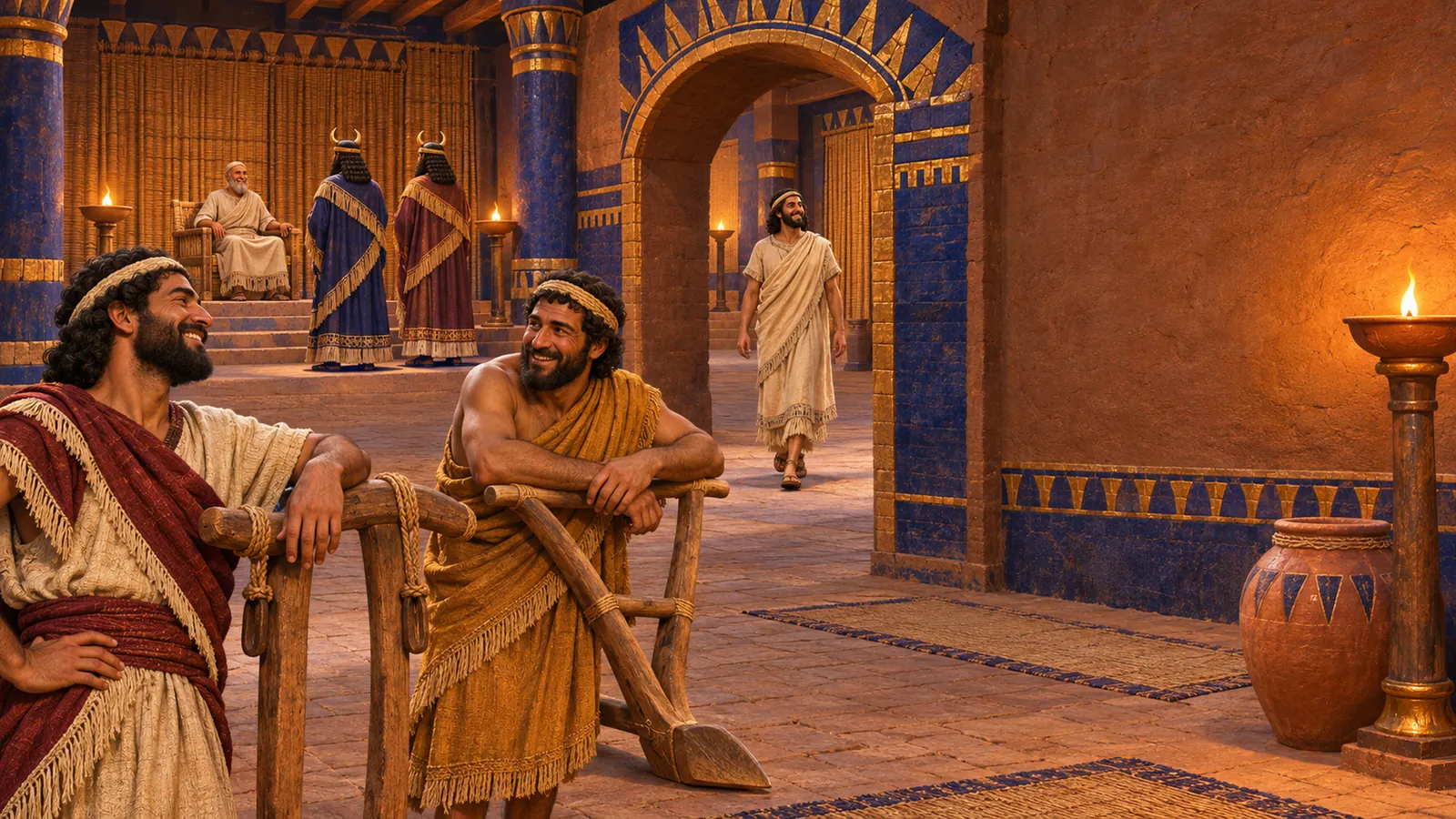
Con cuatro hijos, el hombre es feliz. Con cinco entra en el palacio como un escriba infatigable, y con seis está alegre como un labrador. Con siete se sienta en un trono junto a los dioses y oye las sentencias.
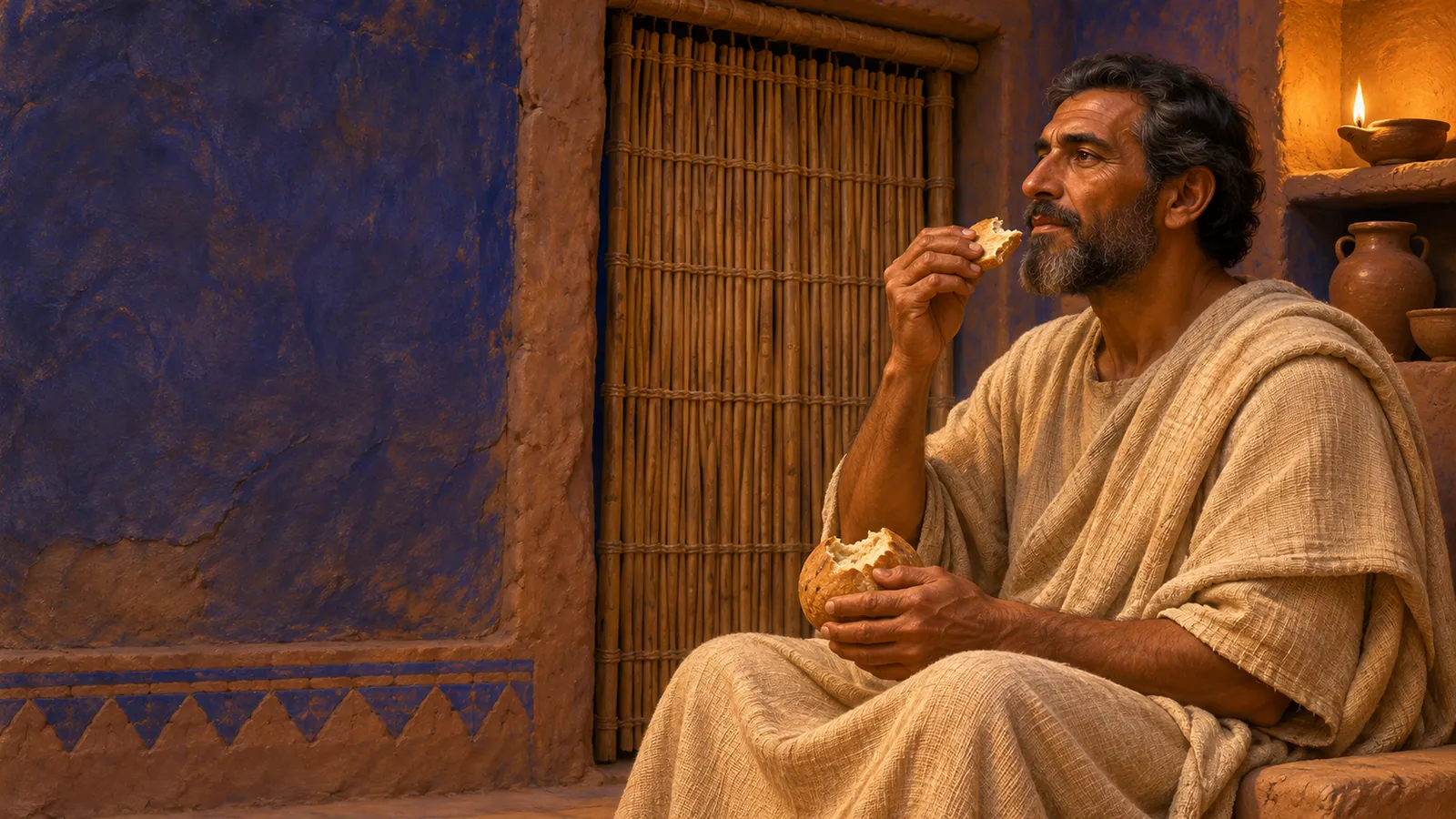
Cuando preguntan por un hombre sin heredero, la respuesta aún dice que come pan. La comparación está dañada y después faltan unos tres versos.
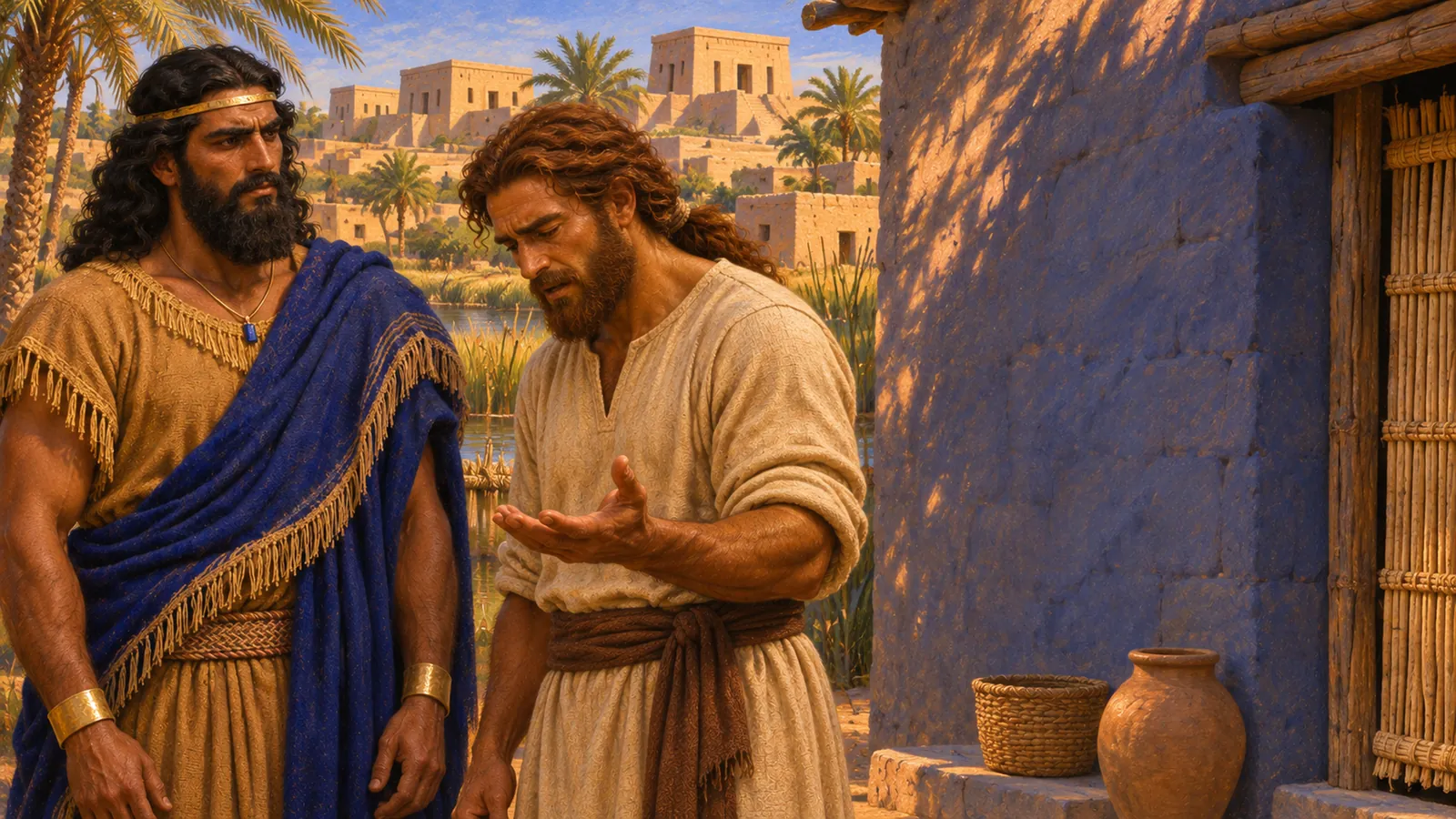
Enkidu habla de un hombre devorado por un perro y de otro tal vez golpeado por el mástil de una barca. Dos respuestas anteriores están dañadas y las palabras sobre estos hombres también se interrumpen.
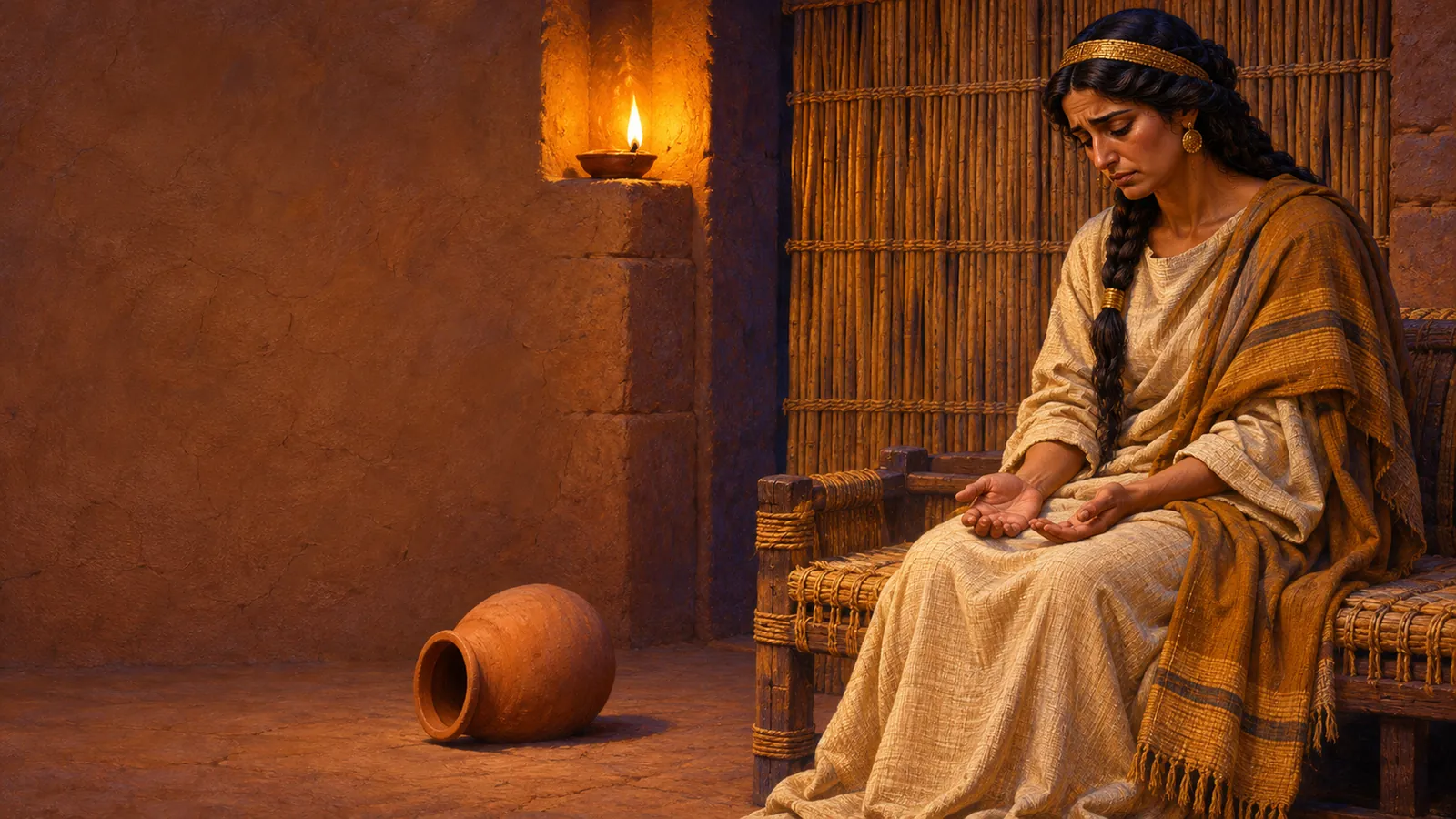
En esta copia, Enkidu dice que una mujer que nunca dio a luz es desechada como una vasija. Falta la palabra que describe la vasija.
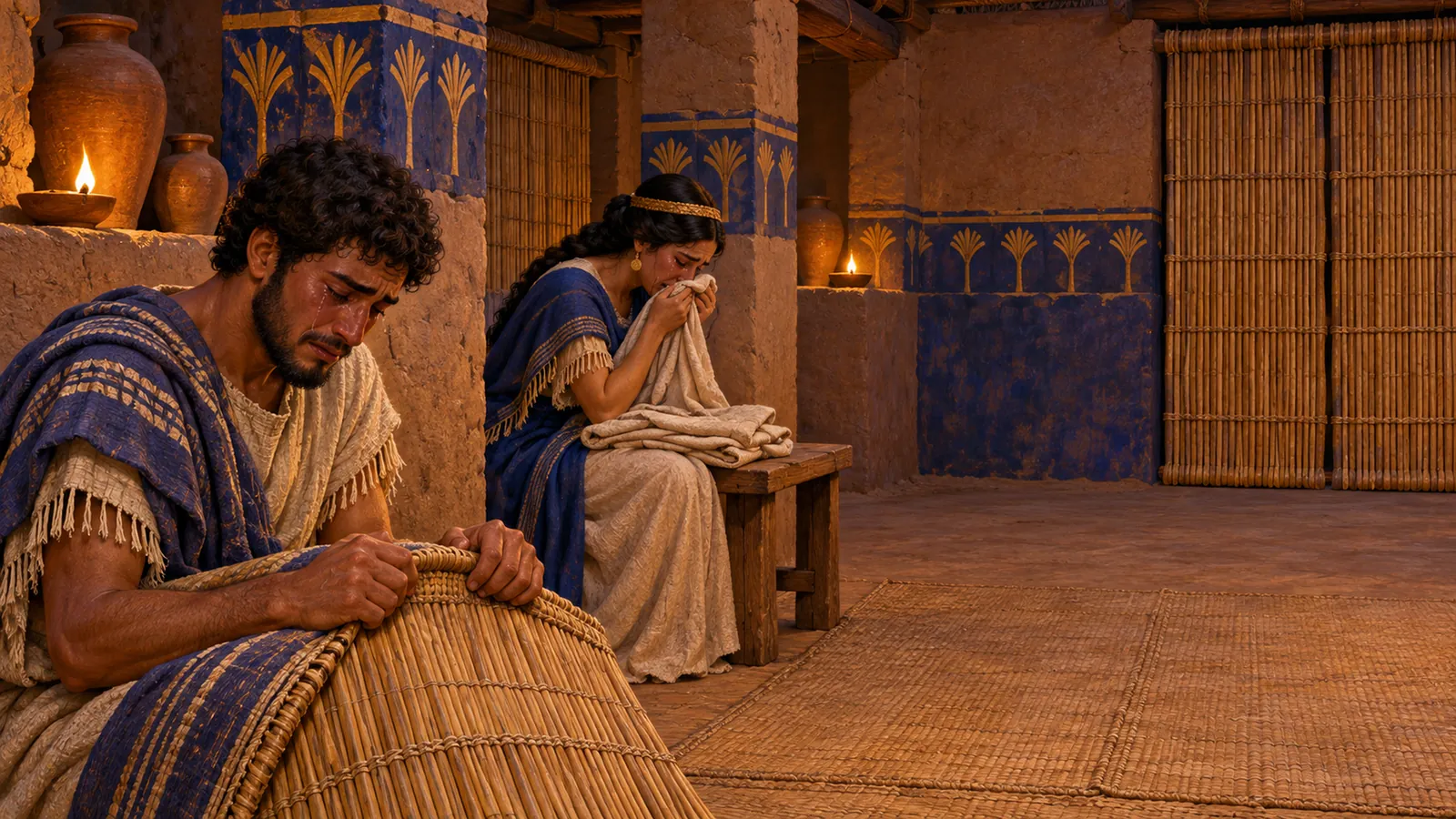
Un hombre que nunca desvistió a su esposa llora sobre una estera de juncos terminada. Una mujer que nunca desvistió a su marido llora sobre una prenda cuya descripción está dañada.
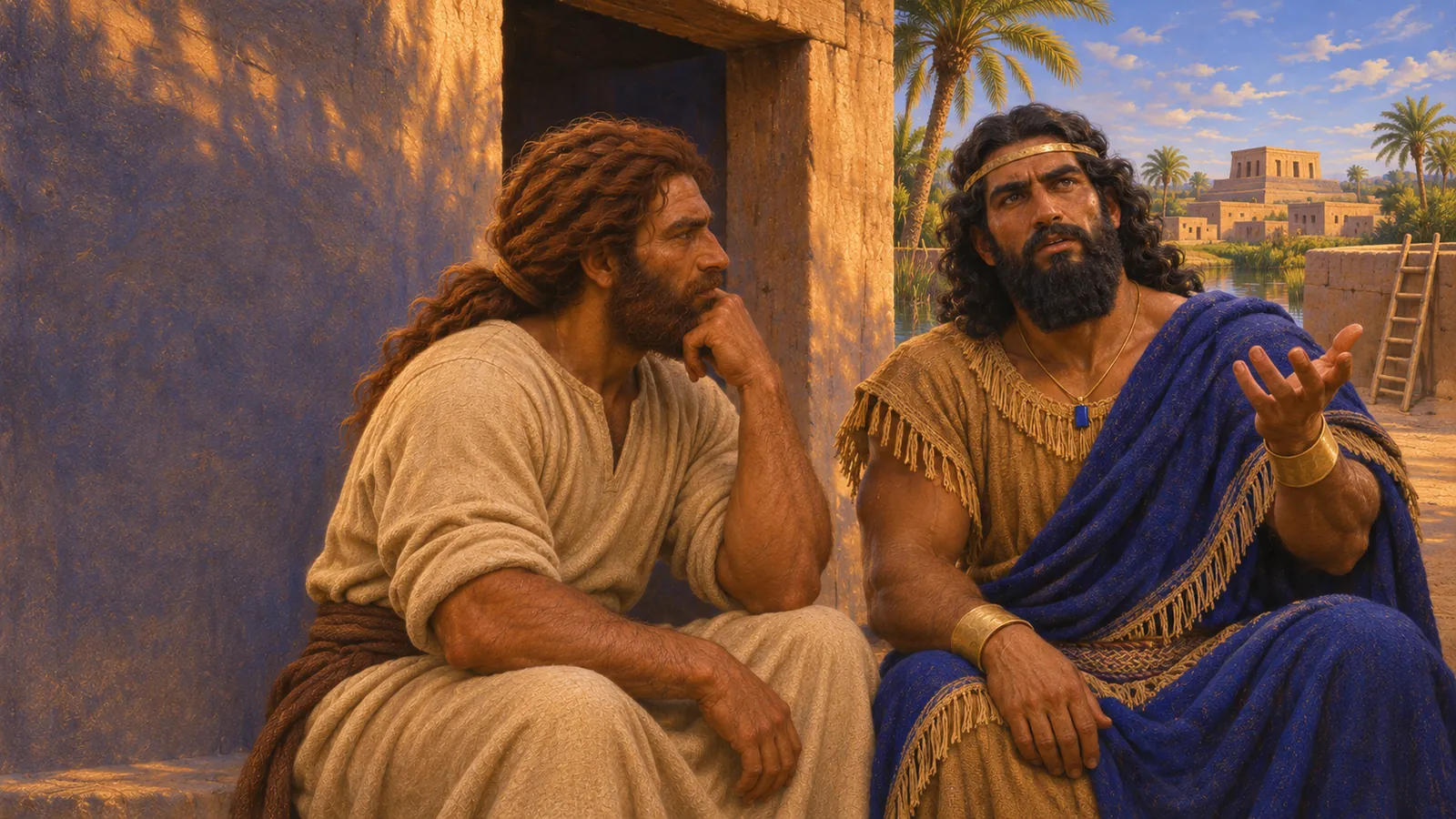
Enkidu habla de alguien que quizá se alabó a sí mismo y de un hombre que cayó de un tejado. Otra pregunta y su respuesta casi se han perdido.
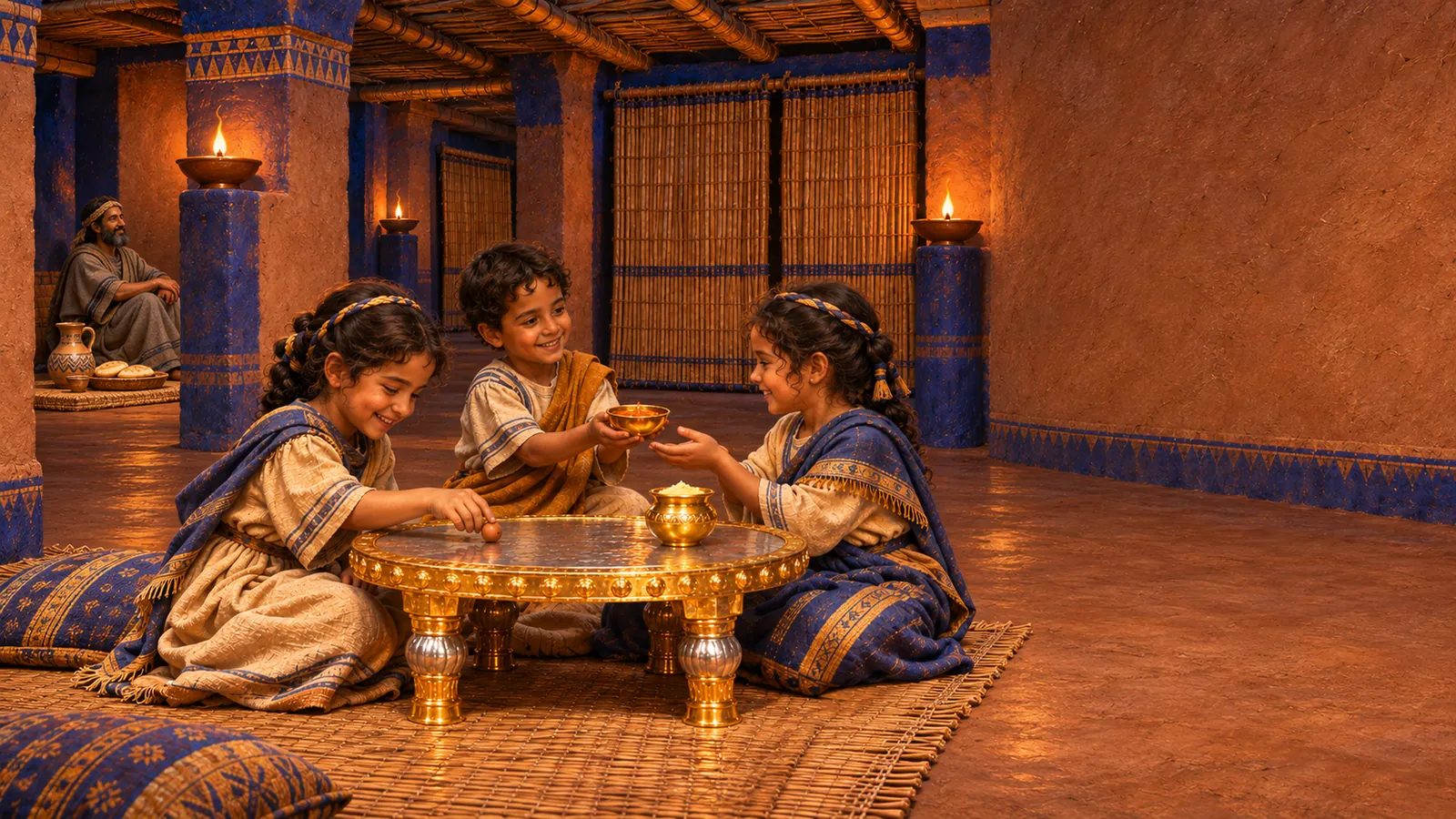
El hombre al que la traducción llama leproso vive fuera de la ciudad, con su comida y su agua separadas. Los hijos de Gilgamesh nacidos muertos y sin nombre juegan en una mesa de oro y plata.
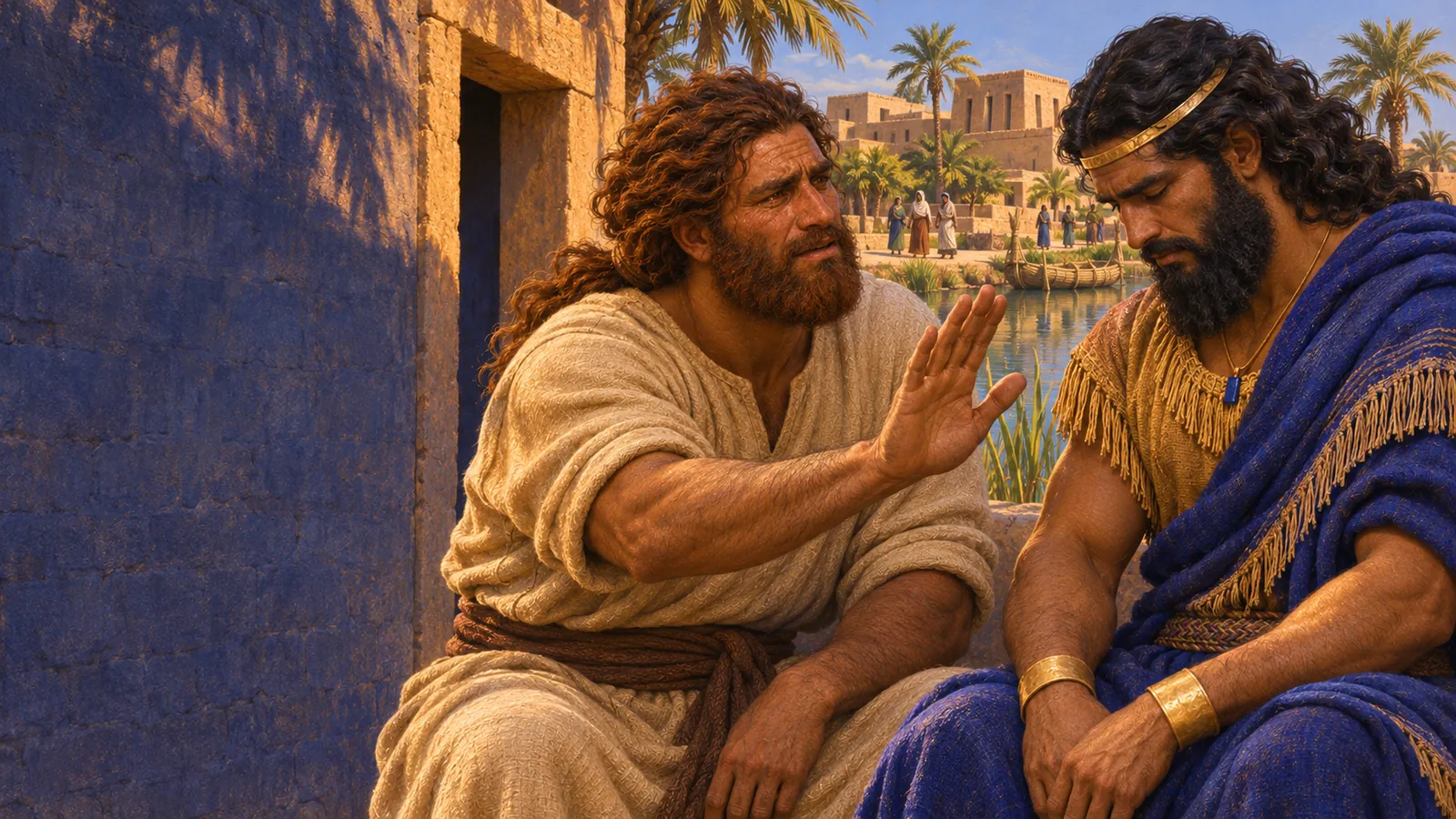
Gilgamesh pregunta si Enkidu vio a la persona a la que prendieron fuego. Enkidu habría preferido que no hiciera esa pregunta. En la respuesta dañada, el espíritu quizá ascendió con el humo.
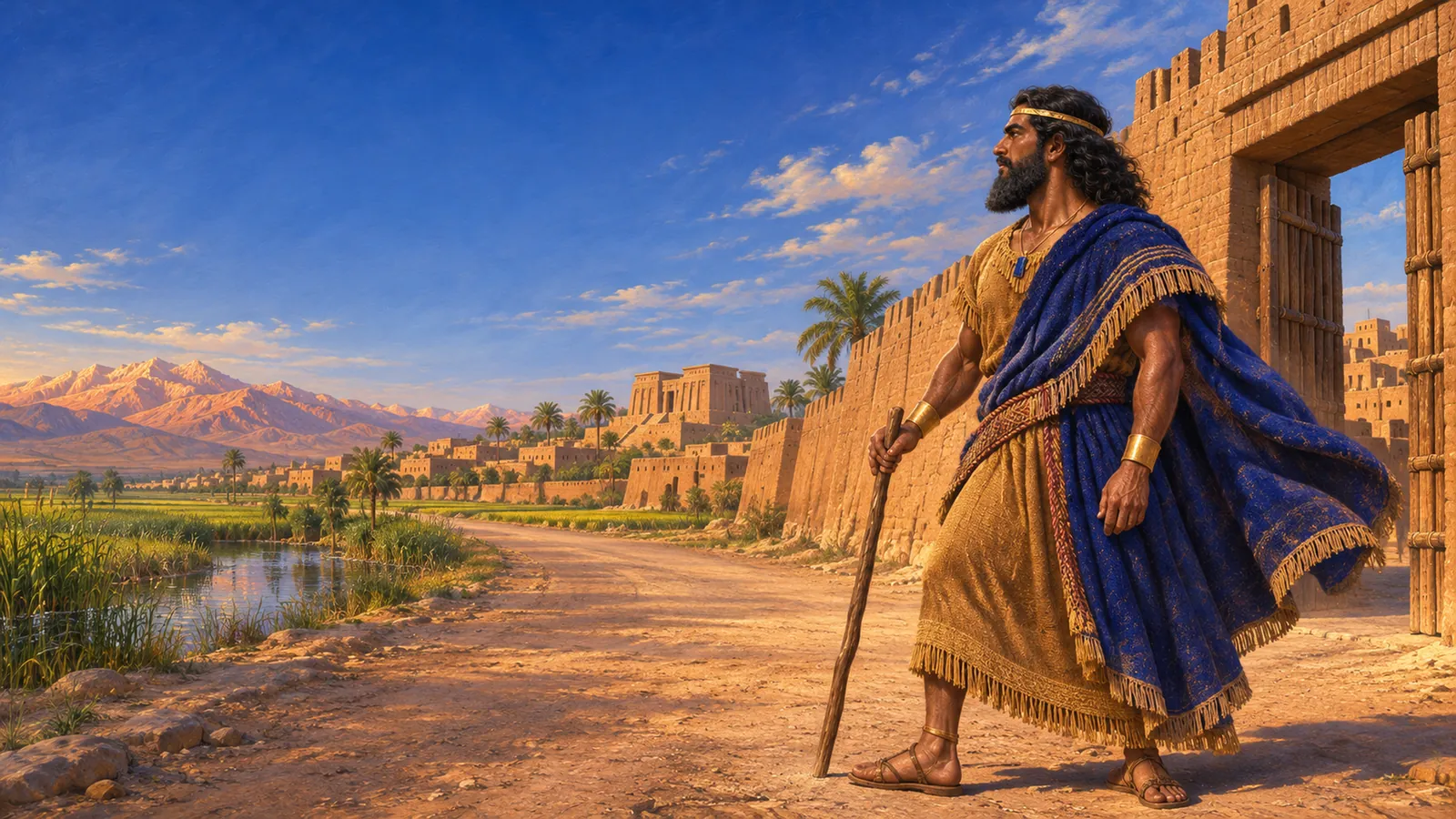
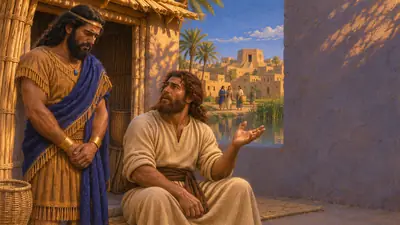
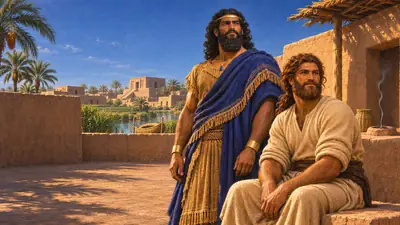
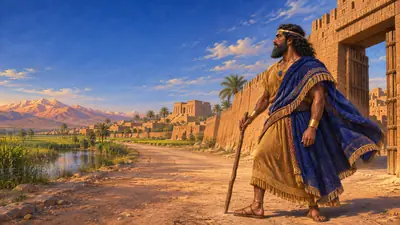
El rey quedó abatido y comenzó a buscar la vida. En esta copia decide partir hacia la montaña donde vive el hombre.
Fin del capítulo 3
Todas las páginas
Fuentes
The cited line numbers follow each witness as the Oxford edition prints it. The descriptions of the dead are answers in the poem’s dialogue. The site text keeps the separate manuscripts, queried readings and unidentified people in their own source passages.
Ediciones consultadas
Notas sobre este relato
Pages 1–7, Version A 254–267. Gilgamesh asks about men who had one through seven sons, in that order. Their reported fates are weeping at a wooden peg, sitting on bricks and eating bread, drinking from a saddle waterskin, the joy of someone who can yoke four donkeys, a tireless scribe’s easy entry to the palace, a ploughman’s cheerfulness and sitting on a throne to hear judgments as a companion of the gods. The retelling condenses the repeated question-and-answer formula and preserves the distinct descriptions and similes.
Pages 8–9, Version A 268–285. The poem asks about a palace eunuch and a woman who never gave birth. The retelling gives the sense of the stick being set aside. A descriptor of the discarded pot in Enkidu’s reply about the woman is lost.
Pages 10–11, Version A 268–285. Oxford says the young man never undressed his wife and the young woman never undressed her husband.
Pages 12–14, Version A 268–285. The man without an heir eats bread. Part of a comparison is damaged, and Oxford marks the reference to bricks as uncertain. The next question loses the identity of its subject. Enkidu’s statement that he saw him and the question about how he fares survive. At the end of the printed 268–285 block, Oxford marks seven lines as fragmentary or missing and then resumes with its 286–303 block. The edition prints no individual line numbers for those damaged lines here.
Page 15, Version A 286–303. The identity in the opening question is damaged. His food and water are set apart.
Page 16, Version A 286–303, one-manuscript addition. The Oxford translation sets two accounts inside a single manuscript variant. The man eaten by a lion cries bitterly for his hands and legs. The man who fell from a roof is the subject of a damaged reply about what cannot be done with his bones. The following page returns to the main sequence.
Page 17, Version A 286–303. Oxford renders the ancient term as leprous, then gives a comparison with a twitching ox and mentions worms.
Pages 18–19, Version A 286–303. The fallen warrior’s parents are absent to hold his head, and his wife weeps. The spirit without offerings eats scraps thrown in the street. In the second the line in the phrase about scraps is damaged.
Page 20, Version A 286–303. The main reading has a blow by a ship’s board. One manuscript adds the queried circumstance of diving. A cry to the man’s mother is explicit. The subsequent lines about a board and cross beam and scraps break off.
Pages 21–22, Version A 286–303. The questioner names his stillborn children, and Enkidu places them at the gold and silver table with honey and ghee. The next question preserves the fact of a death but loses its circumstances. The reply names a bed of the gods.
Page 23, Version A 286–303. Enkidu reports absence of the person and his spirit and says his smoke rose to the sky. This is the end of Version A in Oxford’s translation. The next page restarts in another witness.
Page 24, Ur tablet UET 6 58, printed lines 1–7. The reply on the man who fell from a roof breaks at the words about his bones. Oxford marks uncertainty around a person struck in a flood-storm of Ishkur and gives an ox and worms in the reply. The man called leprous in this witness lives outside town with separate provisions. Wording about offerings is marked uncertain.
Page 25, UET 6 58, lines 8–19. The two parental questions are distinct. The first reply gives ongoing cries about body and limbs. The second says a curse reached the man, he lacks an heir and his spirit roams. The subject and response of the question mentioning the god’s name survive only in fragments.
Pages 26–27, UET 6 58, lines 8–19. This witness includes the crumbs in the street, the gold and silver table for the stillborn children, and the question about the person set on fire. The answer expressly states his spirit does not live in the underworld. The following UET 6 58 range begins a new group of questions at line 20.
Page 28 (UET 6 58, 20–28). The reply about the false oath preserves drinking and a libation place at the entrance to the netherworld, with the entrance reading queried. The copy also queries whether the man from Girsu refused water to his father and mother. Its answer mentions a thousand Amorites in front of each of them. The antecedents and the account of what the spirit could do are damaged.
Page 29 (UET 6 58, 20–28). The reply says the people of Sumer and Akkad drink muddy water. The questioner’s parents drink muddy water as well. The designation of the place is damaged in both replies. This ends the first Ur witness.
Pages 30–31 (UET 6 59, Segment A 1–9). The reply concerning the man hit by a ship’s board preserves his cry to his mother and broken references to a crossbeam and crumbs. The answer about the fall from the roof gives the ox comparison and worms. The mother’s curse leaves the man without an heir, and Oxford queries whether his spirit roams. After the question about disregarding the words of both parents, the edition marks one fragmentary line and an unknown number of missing lines.
Pages 32–34 (UET 6 59, Segment B 1–11). The surviving segment opens with food and water set apart for an unidentified person. Oxford queries the words about their being offered to him. The man fallen in battle lacks his parents to hold his head, and his wife weeps. The next subject is broken and its reply preserves a queried reference to a hand. The spirit without funerary offerings eats scraps and crumbs. This witness gives the stillborn children a bucket of gold and silver filled with honey and ghee.
Pages 35–36 (UET 6 60, 1–10). This witness starts with a return to Uruk. The man who enters lays up tools and armaments, including an axe and spear. The wording supplies no identification of the tools as the ellag and ekidma. The people of Uruk and Kulaba rejoice before a statue, with the reference to the old men queried. At Utu’s coming forth, Oxford tentatively identifies Gilgamesh as the speaker of the call for his parents to drink clean water. The wording about whom he addresses and the statue associated with the crown is uncertain.
Page 37 (UET 6 60, block headed 11). Gilgamesh goes to the place of mourning for nine days, the people weep, a citizen of Girsu is repulsed and the call for clean water is repeated. Oxford’s English displays this as a single block headed 11. Its next printed line label is 17.
Page 38 (UET 6 60, 17). The final line praises Gilgamesh, the warrior and son of Ninsun, whom Oxford calls Ninsumun. This closes the third Ur witness.
Pages 39–41, Me-Turan Segment B 1–28. B starts after an unknown gap from A. Two- and three-son answers are damaged after sitting and drinking. One witness adds the four-asses comparison. The man without an heir eats bread in an uncertain comparison. The editor indicates about three missing lines at the end of the block.
Page 42, B 29–51. Neither subject of the first two questions is preserved. One damaged reply speaks of drinking water and one of worms. One man was eaten by a dog, and the blow from a boat’s mast is a queried reading. Cries about hands and legs and a cry to the mother survive in these damaged accounts.
Pages 43–44, B 29–51. The descriptor of the thrown-away pot and the rest of the woman’s reply are damaged.
Page 45, B 52–68. The damaged question may concern a man praising himself. Its reply has a queried comparison with an ox and a line about worms. The roof fall is explicit. Details of the bones, the spirit and the next question are damaged.
Page 46, B 52–68. Oxford translates the ancient descriptor as leprous. Food and water are separate, the man lives outside the city, and the clause mentioning spirits is damaged. The questioner identifies the unnamed stillborn children as his own. They play at a gold and silver table. The words after that are broken.
Page 47, B 52–68. Enkidu questions why his friend did not spare him the question about the person set on fire. The friend reiterates his question. The reply on the spirit and the rising smoke is damaged, and the smoke is queried.
Page 48, B 69–71. The king is stricken in heart and insides, seeks life, and decides to set off toward the mountain where the man lives. Oxford marks this as a transition to *Gilgamesh and Huwawa*, Version A.
Los versos antiguos de cada página
- Page 1: ETCSL 1.8.1.4, Version A, lines 254–267
- Page 2: ETCSL 1.8.1.4, Version A, lines 254–267
- Page 3: ETCSL 1.8.1.4, Version A, lines 254–267
- Page 4: ETCSL 1.8.1.4, Version A, lines 254–267
- Page 5: ETCSL 1.8.1.4, Version A, lines 254–267
- Page 6: ETCSL 1.8.1.4, Version A, lines 254–267
The right is a continuous naturally shaded ochre-gray soil plane with no horizon, field lines or markings in it. - Page 7: ETCSL 1.8.1.4, Version A, lines 254–267
- Page 8: ETCSL 1.8.1.4, Version A, lines 268–285
- Page 9: ETCSL 1.8.1.4, Version A, lines 268–285
- Page 10: ETCSL 1.8.1.4, Version A, lines 268–285
- Page 11: ETCSL 1.8.1.4, Version A, lines 268–285
- Page 12: ETCSL 1.8.1.4, Version A, lines 268–285
- Page 13: ETCSL 1.8.1.4, Version A, lines 268–285
- Page 14: ETCSL 1.8.1.4, Version A, lines 268–285
Low side macro study of the irregular break along the short pale edge of a single completely plain clay fragment, at the extreme lower left. The entire right text rectangle is continuous softly shaded clay. - Page 15: ETCSL 1.8.1.4, Version A, lines 286–303
- Page 16: ETCSL 1.8.1.4, Version A, lines 286–303
- Page 17: ETCSL 1.8.1.4, Version A, lines 286–303
- Page 18: ETCSL 1.8.1.4, Version A, lines 286–303
- Page 19: ETCSL 1.8.1.4, Version A, lines 286–303
- Page 20: ETCSL 1.8.1.4, Version A, lines 286–303
- Page 21: ETCSL 1.8.1.4, Version A, lines 286–303
- Page 22: ETCSL 1.8.1.4, Version A, lines 286–303
- Page 23: ETCSL 1.8.1.4, Version A, lines 286–303
- Page 24: ETCSL 1.8.1.4, UET 6 58, lines 1–7
Upper title reserve for the Ur 58 witness. - Page 25: ETCSL 1.8.1.4, UET 6 58, lines 8–19
- Page 26: ETCSL 1.8.1.4, UET 6 58, lines 8–19
- Page 27: ETCSL 1.8.1.4, UET 6 58, lines 8–19
- Page 28: ETCSL 1.8.1.4, UET 6 58, lines 20–28
- Page 29: ETCSL 1.8.1.4, UET 6 58, lines 20–28
- Page 30: ETCSL 1.8.1.4, UET 6 59, Segment A, lines 1–9
- Page 31: ETCSL 1.8.1.4, UET 6 59, Segment A, lines 1–9
- Page 32: ETCSL 1.8.1.4, UET 6 59, Segment B, lines 1–11
- Page 33: ETCSL 1.8.1.4, UET 6 59, Segment B, lines 1–11
- Page 34: ETCSL 1.8.1.4, UET 6 59, Segment B, lines 1–11
- Page 35: ETCSL 1.8.1.4, UET 6 60, lines 1–10
- Page 36: ETCSL 1.8.1.4, UET 6 60, lines 1–10
- Page 37: ETCSL 1.8.1.4, UET 6 60, block headed line 11
- Page 38: ETCSL 1.8.1.4, UET 6 60, line 17
- Page 39: ETCSL 1.8.1.4, Me-Turan, Segment B, lines 1–28
- Page 40: ETCSL 1.8.1.4, Me-Turan, Segment B, lines 1–28
- Page 41: ETCSL 1.8.1.4, Me-Turan, Segment B, lines 1–28
- Page 42: ETCSL 1.8.1.4, Me-Turan, Segment B, lines 29–51
Right is naturally even blue-gray water and reflected mist, without a horizon line across the text field. - Page 43: ETCSL 1.8.1.4, Me-Turan, Segment B, lines 29–51
- Page 44: ETCSL 1.8.1.4, Me-Turan, Segment B, lines 29–51
- Page 45: ETCSL 1.8.1.4, Me-Turan, Segment B, lines 52–68
- Page 46: ETCSL 1.8.1.4, Me-Turan, Segment B, lines 52–68
- Page 47: ETCSL 1.8.1.4, Me-Turan, Segment B, lines 52–68
- Page 48: ETCSL 1.8.1.4, Me-Turan, Segment B, lines 69–71
Ilustraciones hechas por IL Archive con herramientas de IA; el texto se basa en las fuentes antiguas (véanse las fuentes al final de cada capítulo).