La epopeya de Gilgamesh Capítulo 4
El Toro Celeste
De vuelta en Uruk, Gilgamesh rechaza la propuesta de matrimonio de Ishtar. Ella regresa con el Toro Celeste, y la victoria termina cuando Enkidu se levanta tras un sueño.
Ver la películaFuentesPase las páginas con las flechas, el teclado o deslizando el dedo.
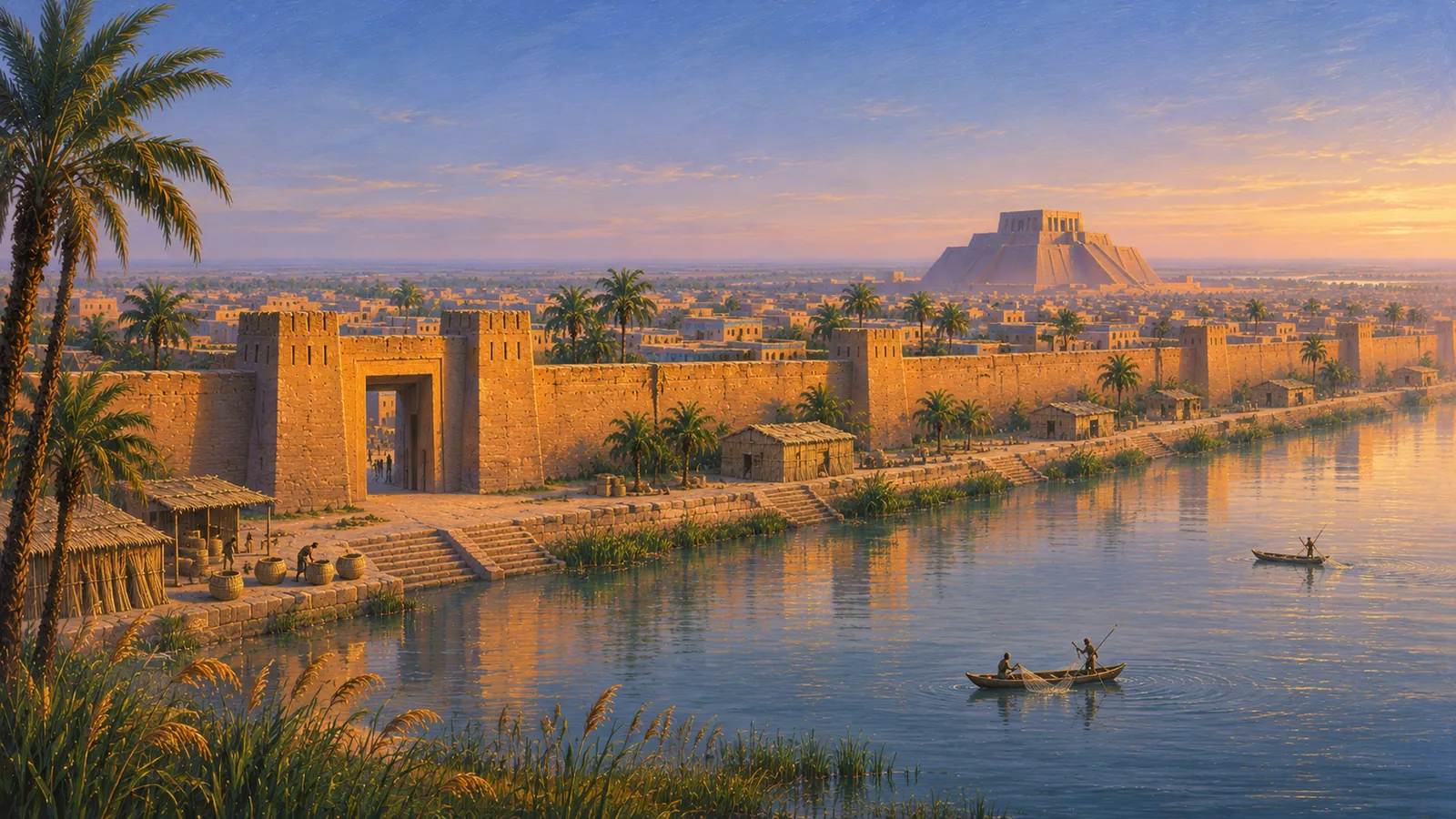
URUK
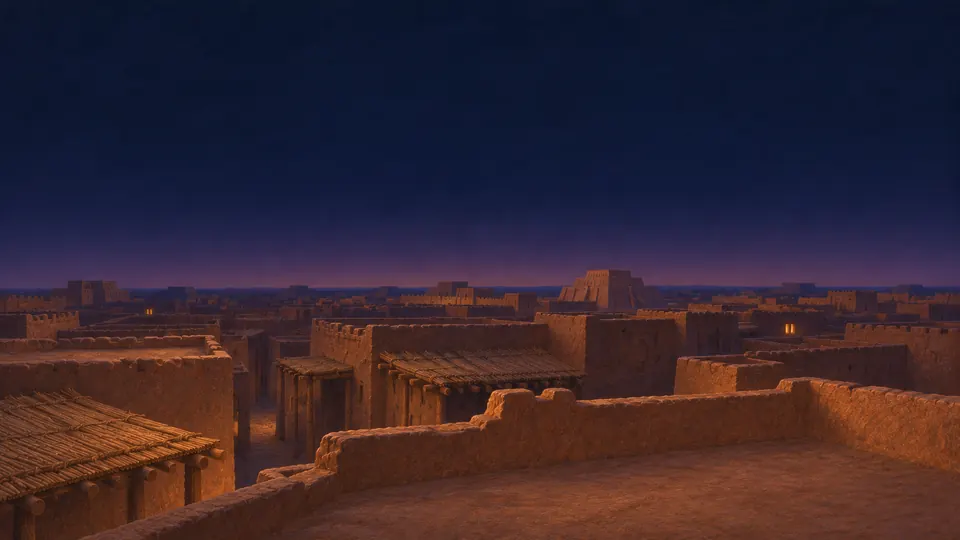
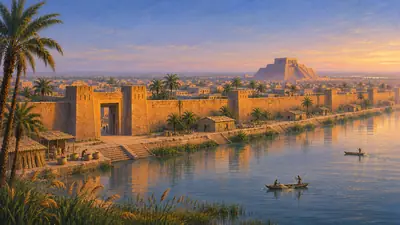
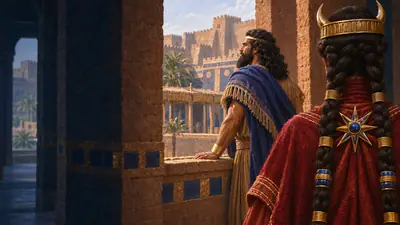
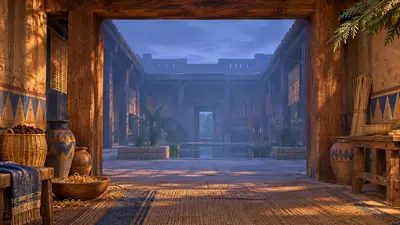
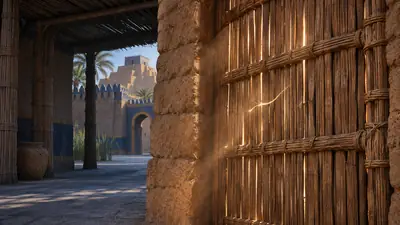
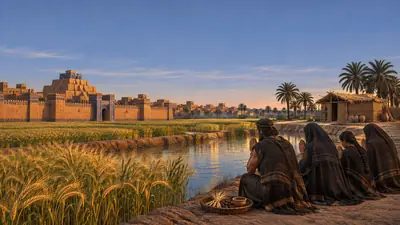
Al otro lado del canal, las murallas de Uruk recogían la luz de la mañana. Gilgamesh había regresado de la tierra de los cedros, y la ciudad despertaba a su alrededor.
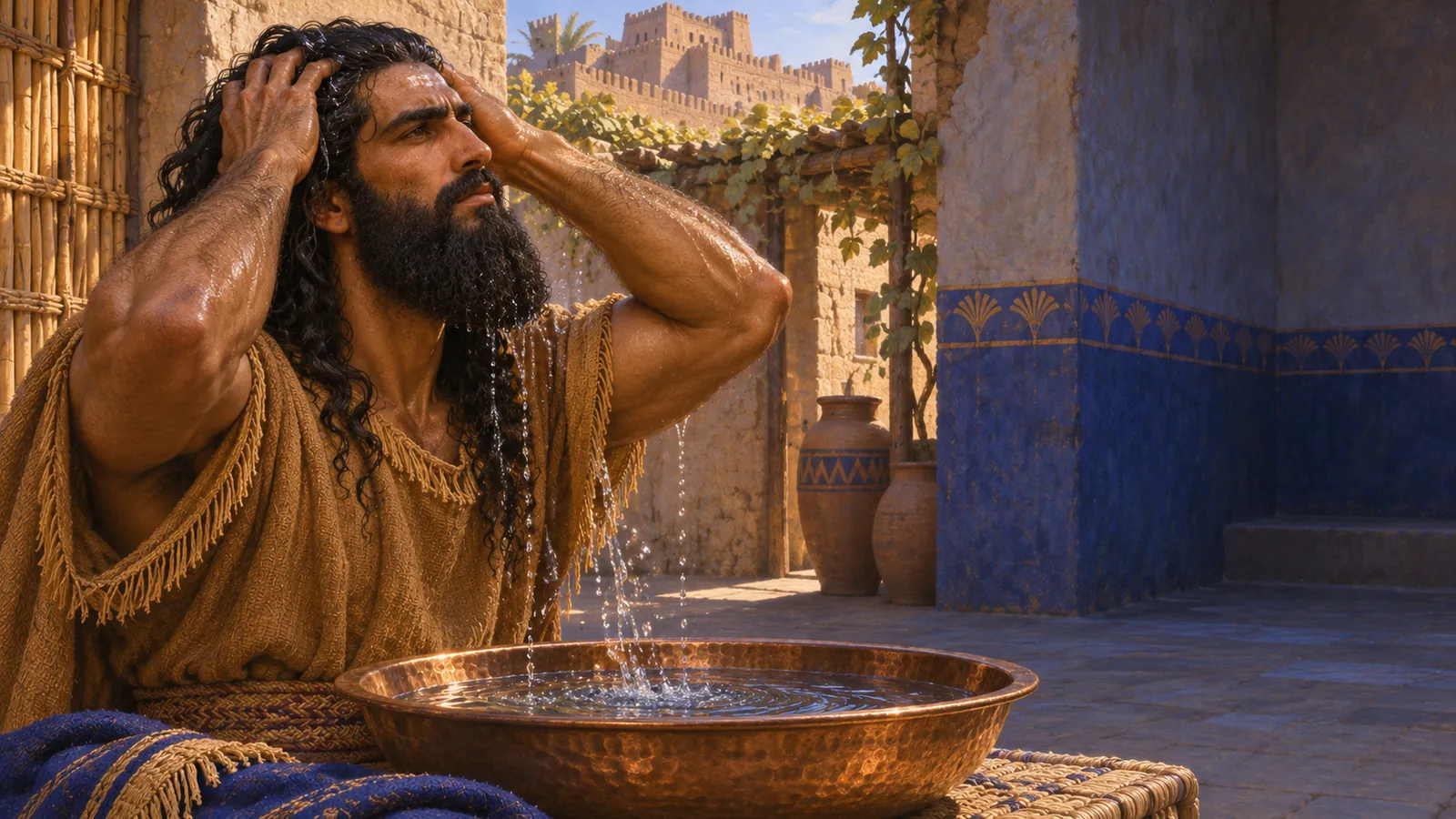
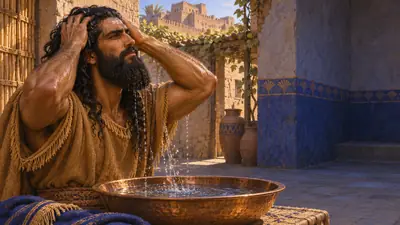
En Uruk, Gilgamesh se lavó el pelo y limpió los pertrechos que había cargado hasta allí. El largo camino seguía presente en cada nudo y cada pliegue.
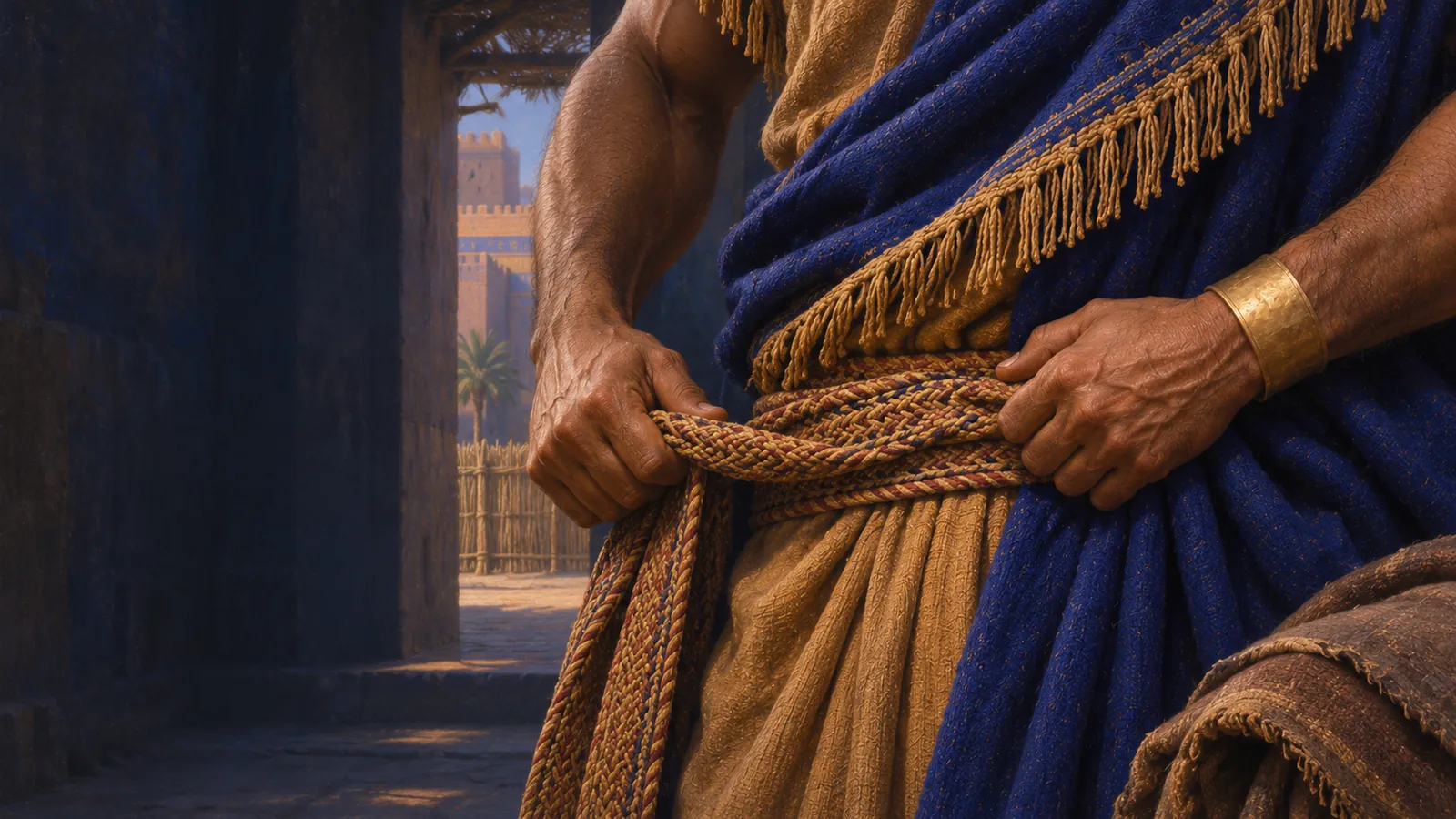
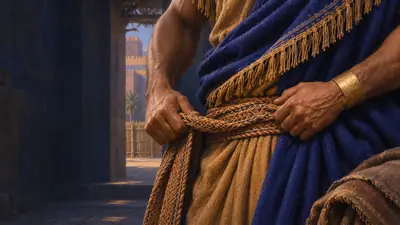
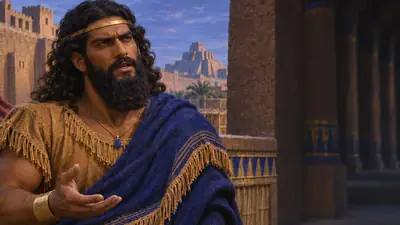
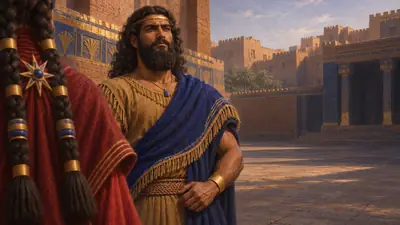
Dejó a un lado la ropa de viaje y se puso prendas limpias. Se envolvió en un manto y se ajustó la faja a la cintura.
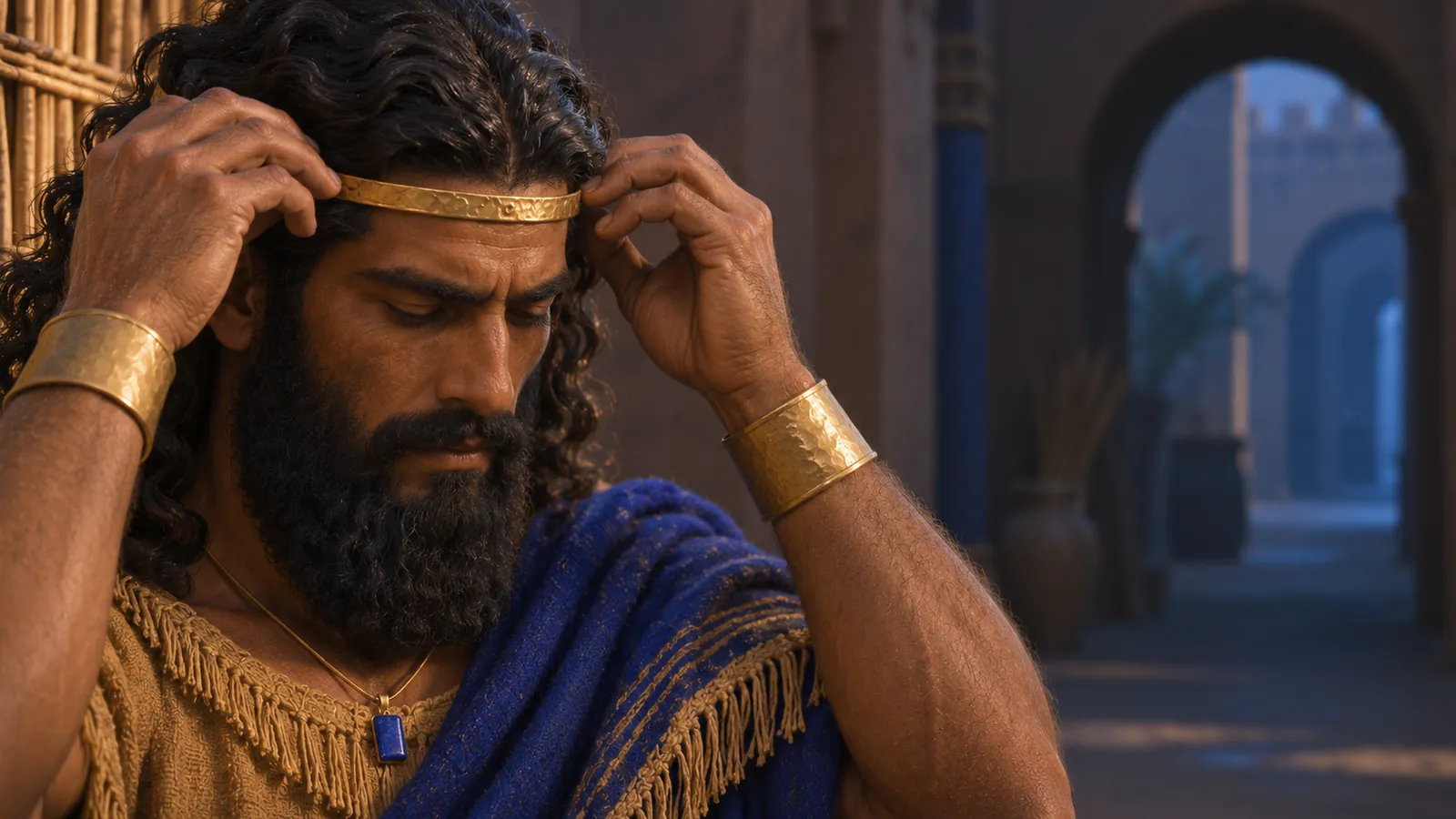
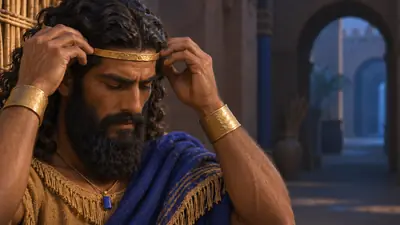
Gilgamesh volvió a ponerse la corona. El hombre que había salido de la sombra de los cedros volvía a alzarse como rey de Uruk.
ISHTAR
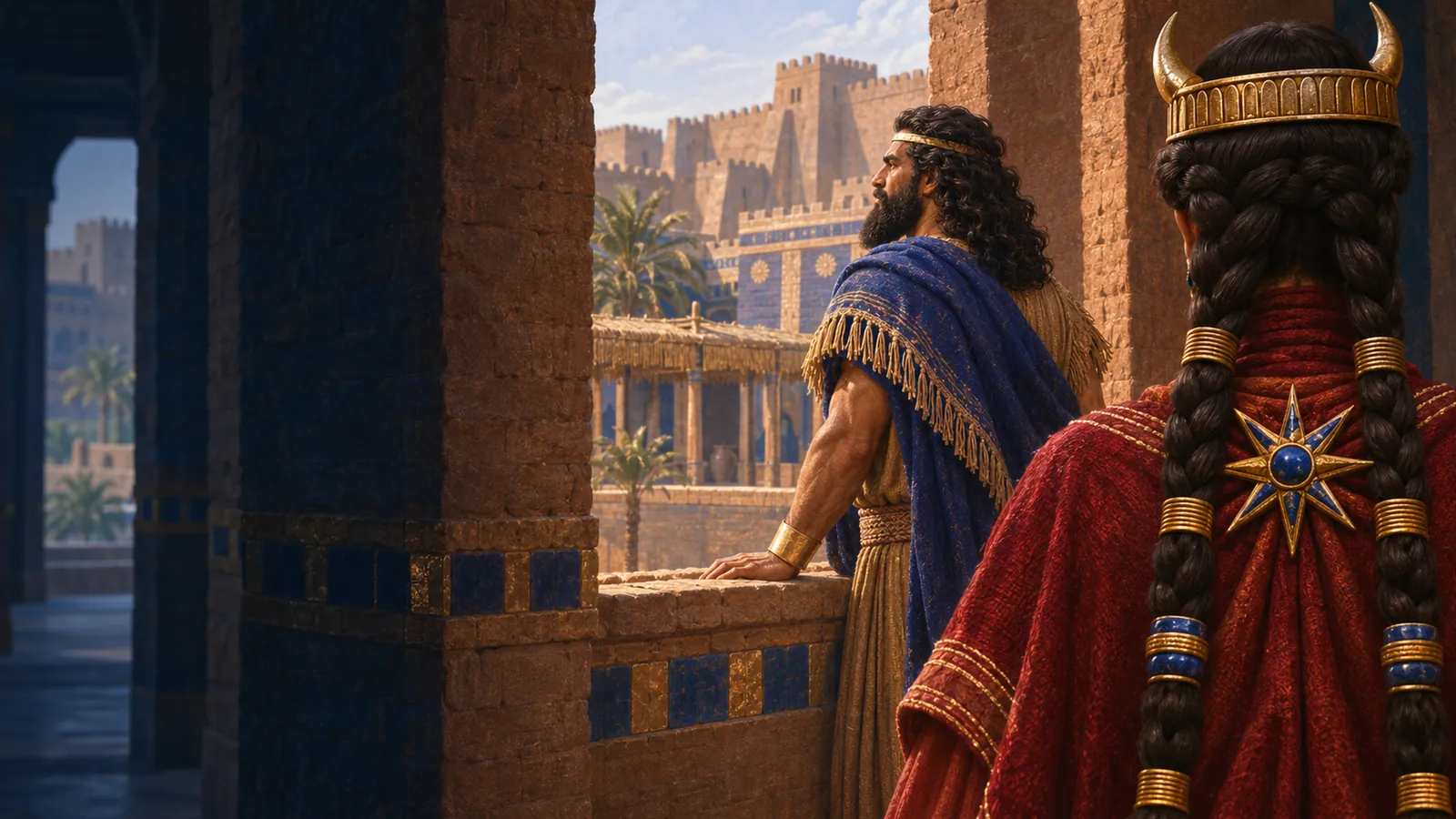
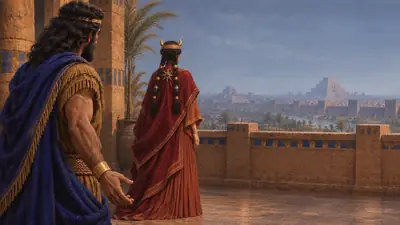
Ishtar vio al rey con su ropa limpia y lo deseó. Sus palabras llegarían mucho más lejos que la sala donde él las oyó.
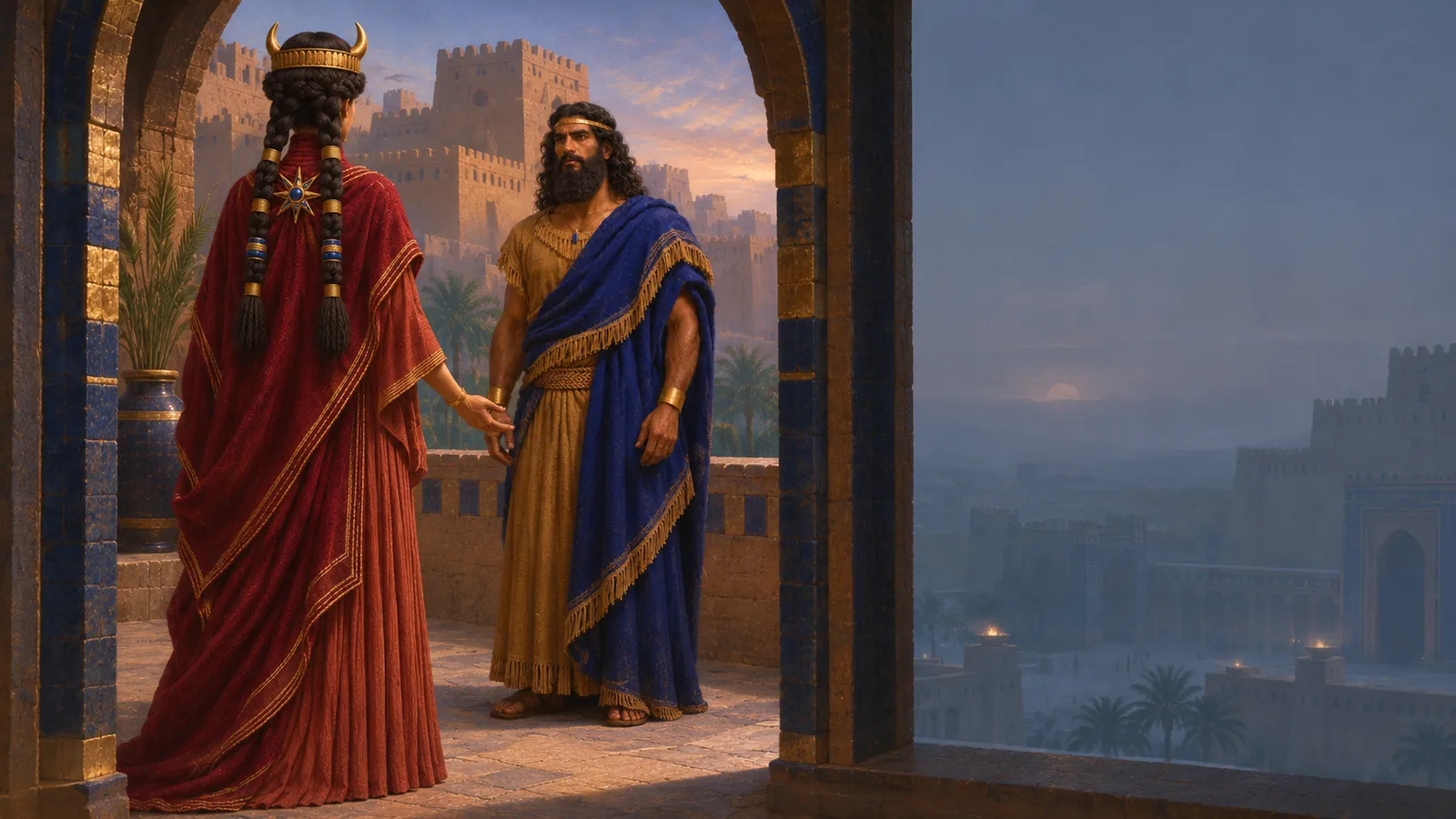
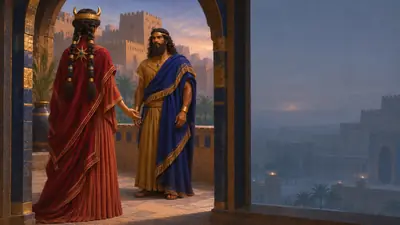
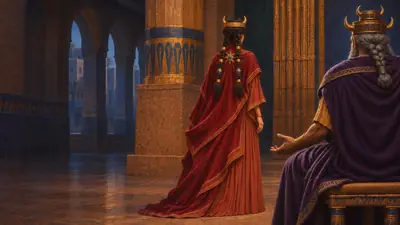
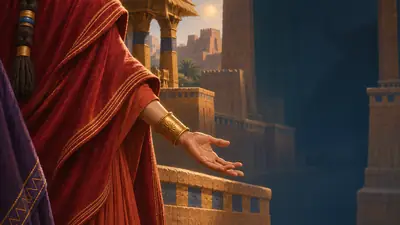
Ishtar le pidió a Gilgamesh que fuera su esposo. Se lo propuso ella misma, y ya imaginaba lo que podría traerles una vida juntos.
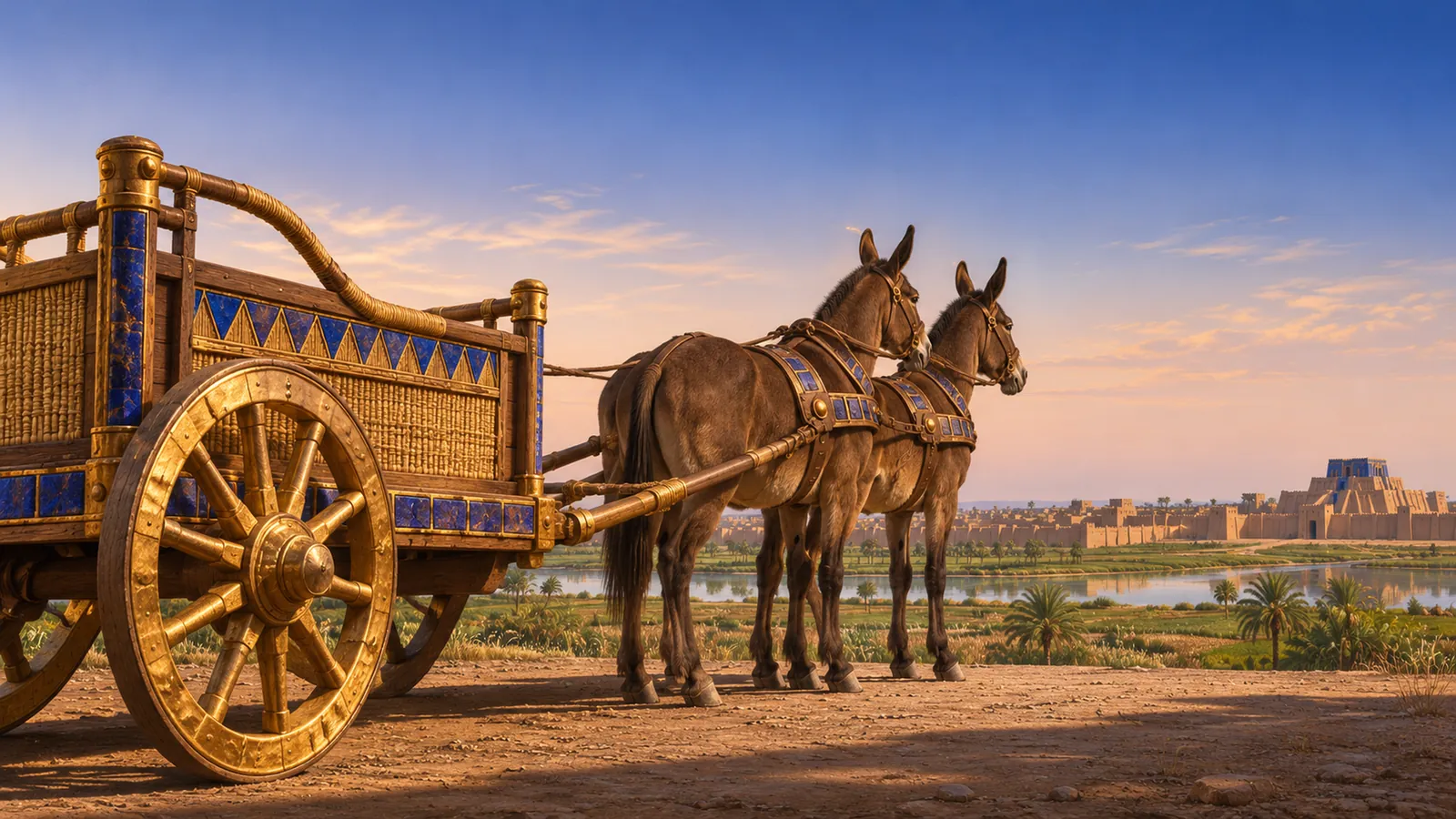
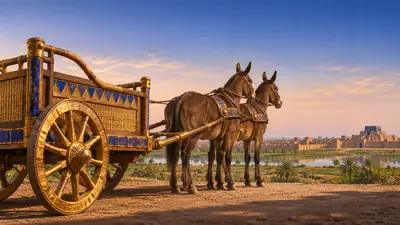
Le prometió un carro con incrustaciones de lapislázuli y ruedas que brillaban como el oro. Unas mulas fuertes lo arrastrarían, rápidas como la tormenta según ella.
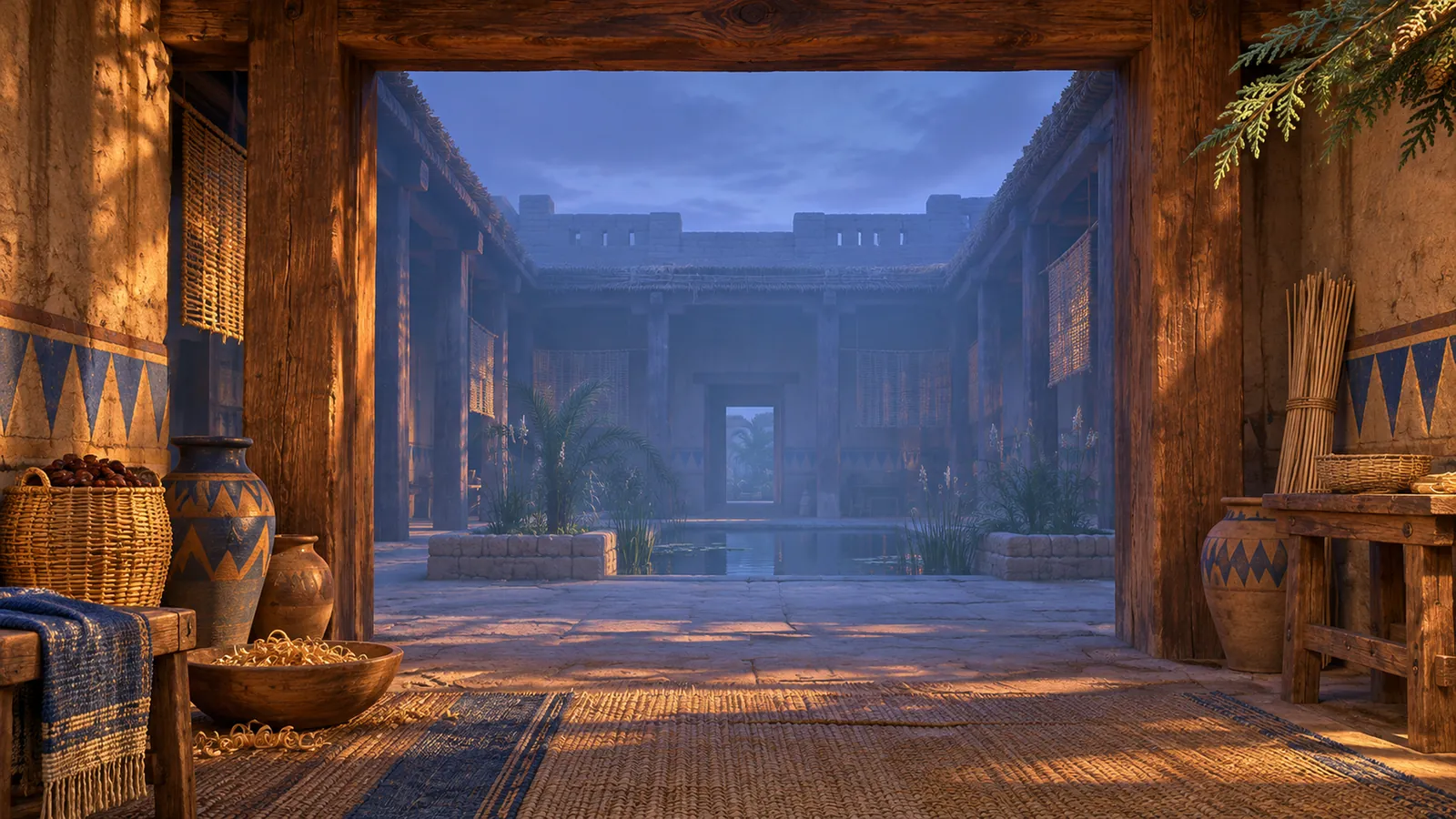
Ishtar le habló de una casa donde el aroma del cedro lo recibiría a la puerta. Hasta el umbral, dijo, le rendiría homenaje al entrar.
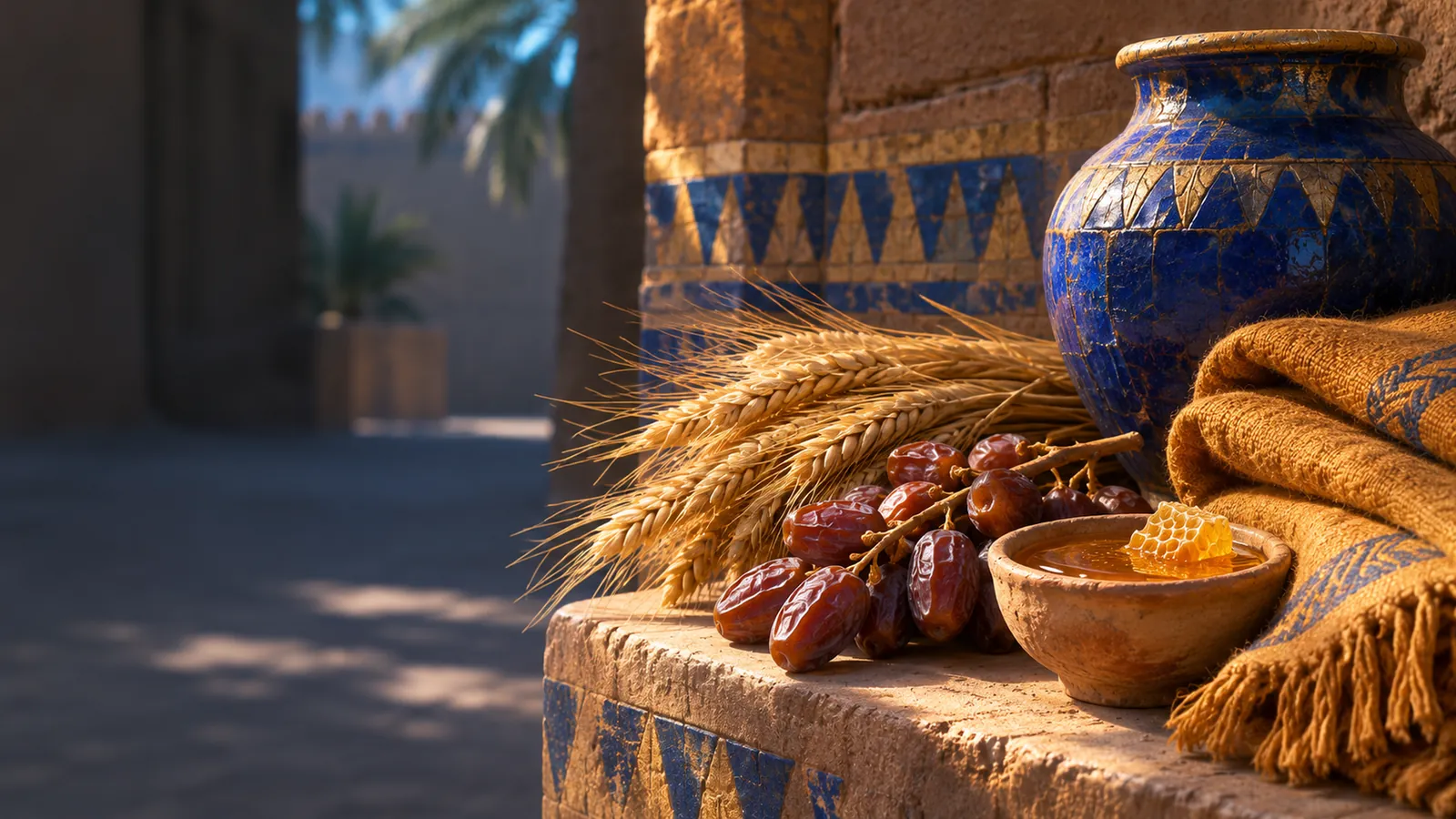
Gobernantes y cortesanos se inclinarían ante él, le prometió. Traerían los frutos de las colinas y la llanura, y hasta sus rebaños prosperarían más de lo acostumbrado.
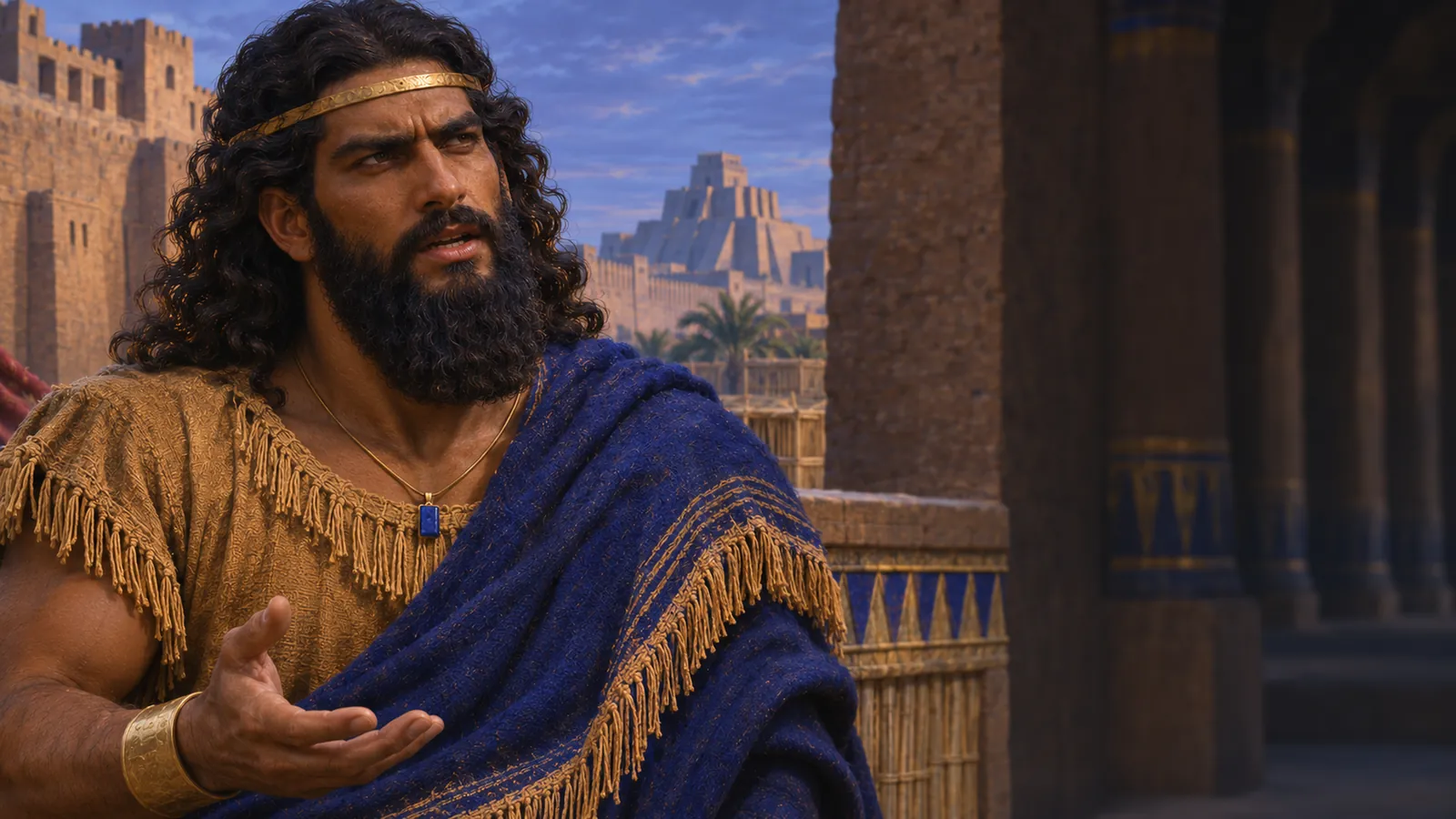
Cuando ella acabó, Gilgamesh preguntó qué significaría vivir como su esposo. Aquí la arcilla está dañada, pero quedan algunas de sus preguntas, entre ellas cómo se alimentaría.
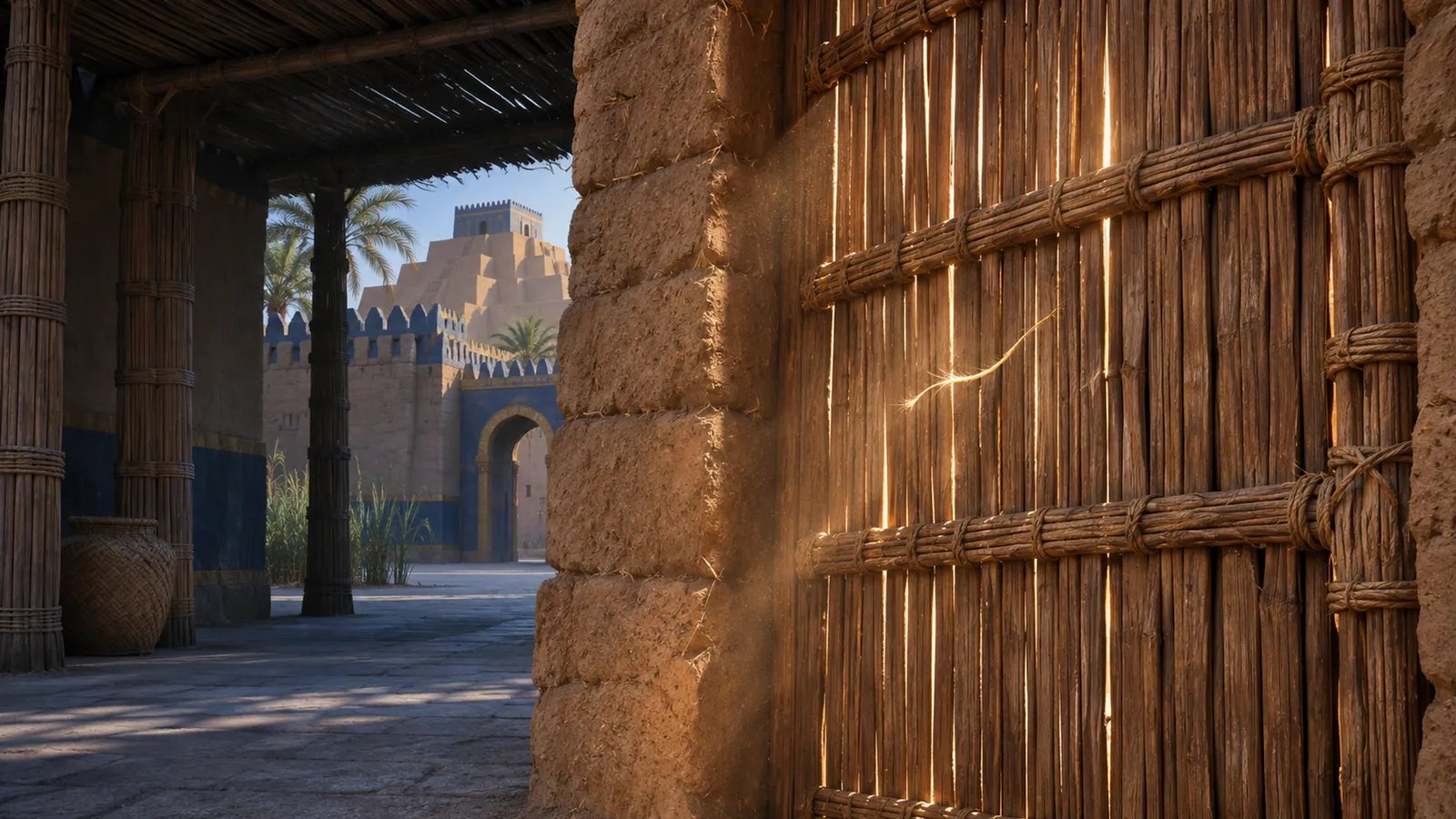
Entonces le respondió con una serie de comparaciones. Habló de una puerta que no resguarda del viento y de un zapato que lastima el pie que debería proteger.
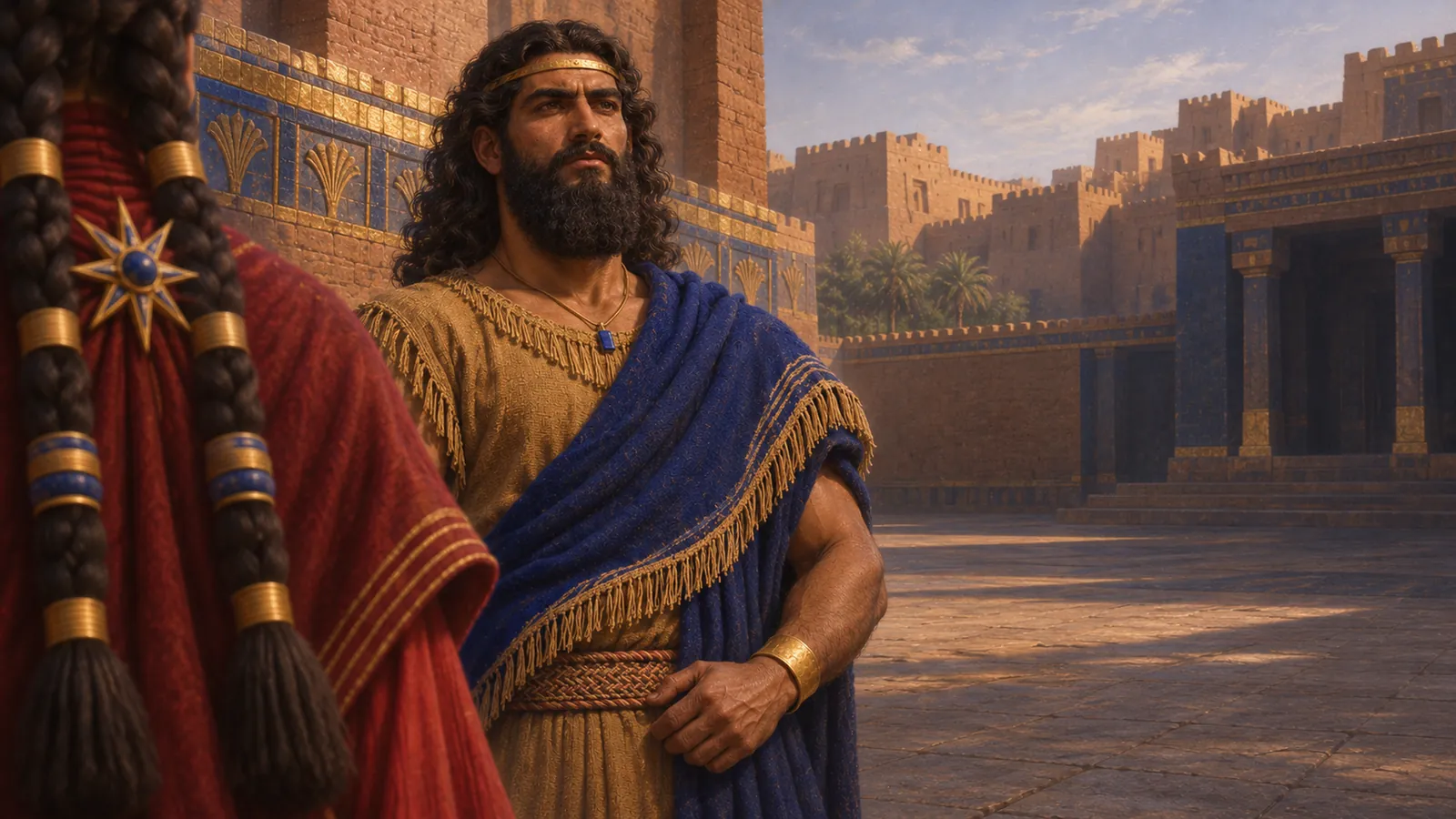
¿QUIÉN QUEDÓ?
Gilgamesh preguntó cuál de sus antiguos esposos había resistido. Antes de oír la respuesta a su propuesta, Ishtar oiría los nombres que él recordaba.
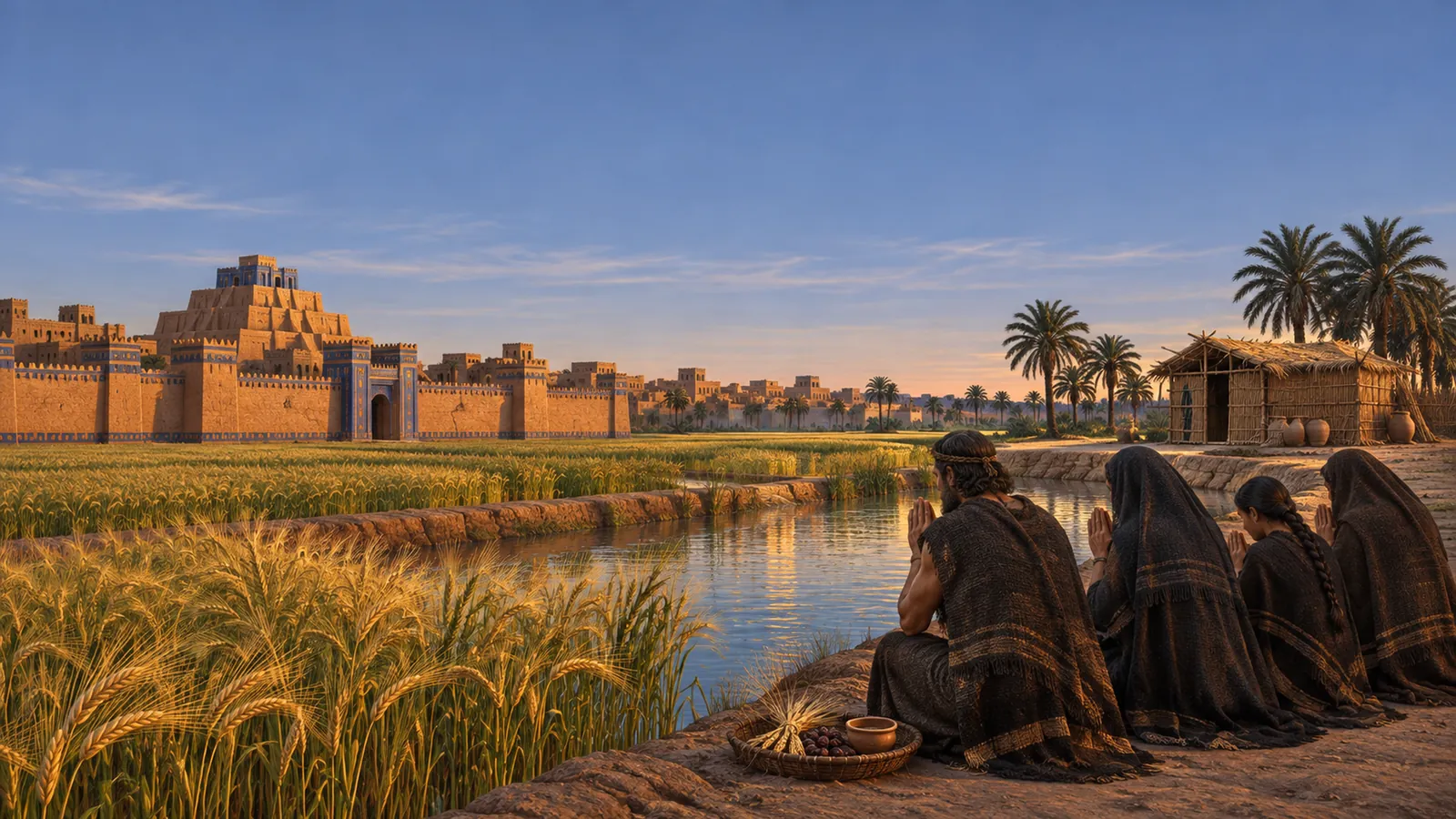
Gilgamesh habló primero de Dumuzi, el esposo de juventud de Ishtar. En el relato del rey, las lágrimas volvían cada año, con la misma regularidad que las estaciones.
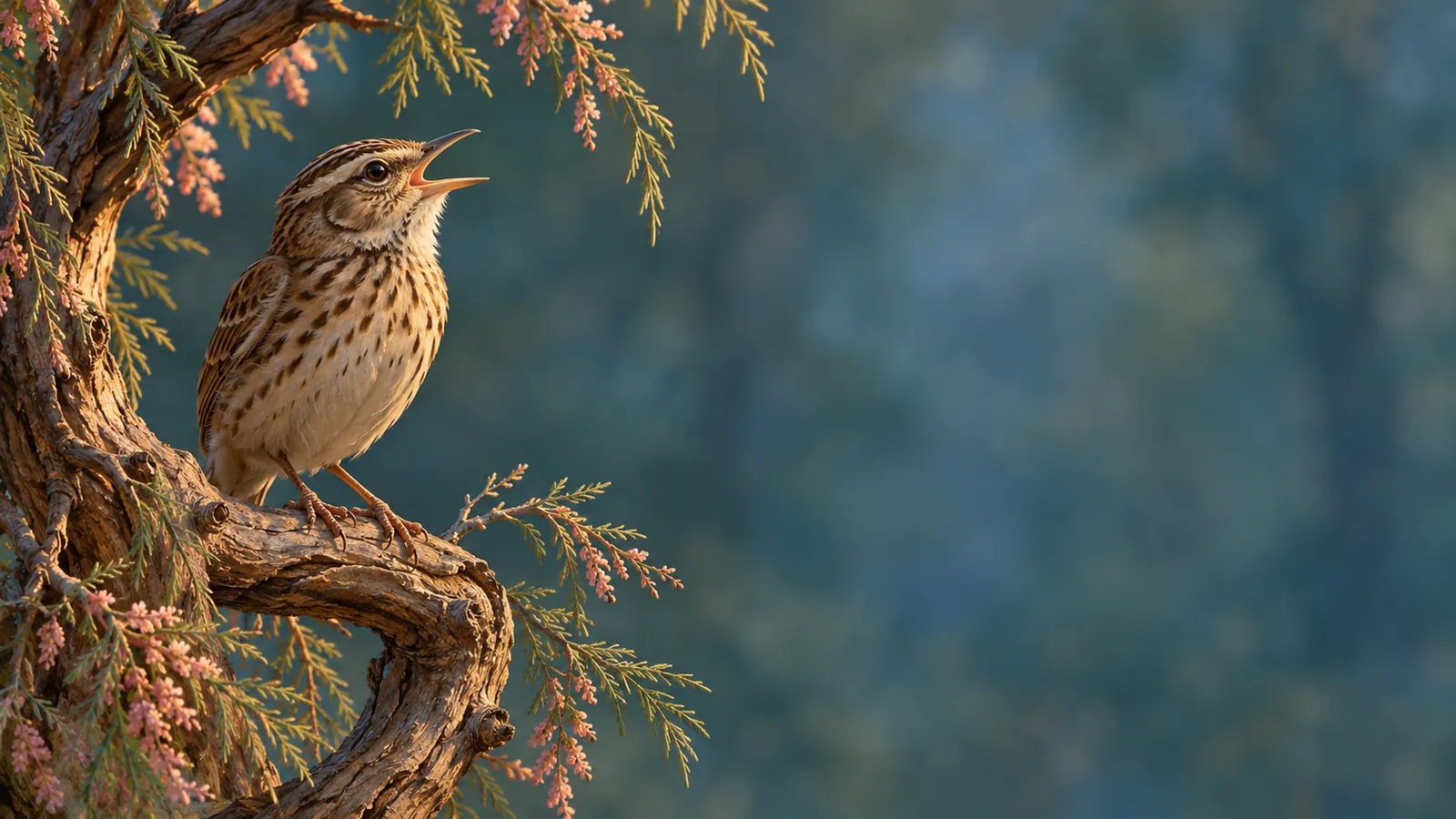
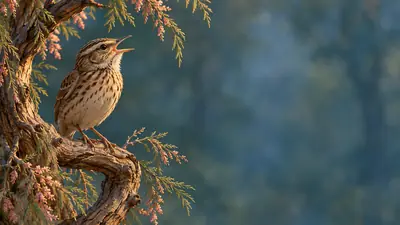
Contó la historia de un pajarillo moteado al que Ishtar había amado. En su relato, el ave se quebró un ala, y desde entonces se oía su llamada en el bosque.
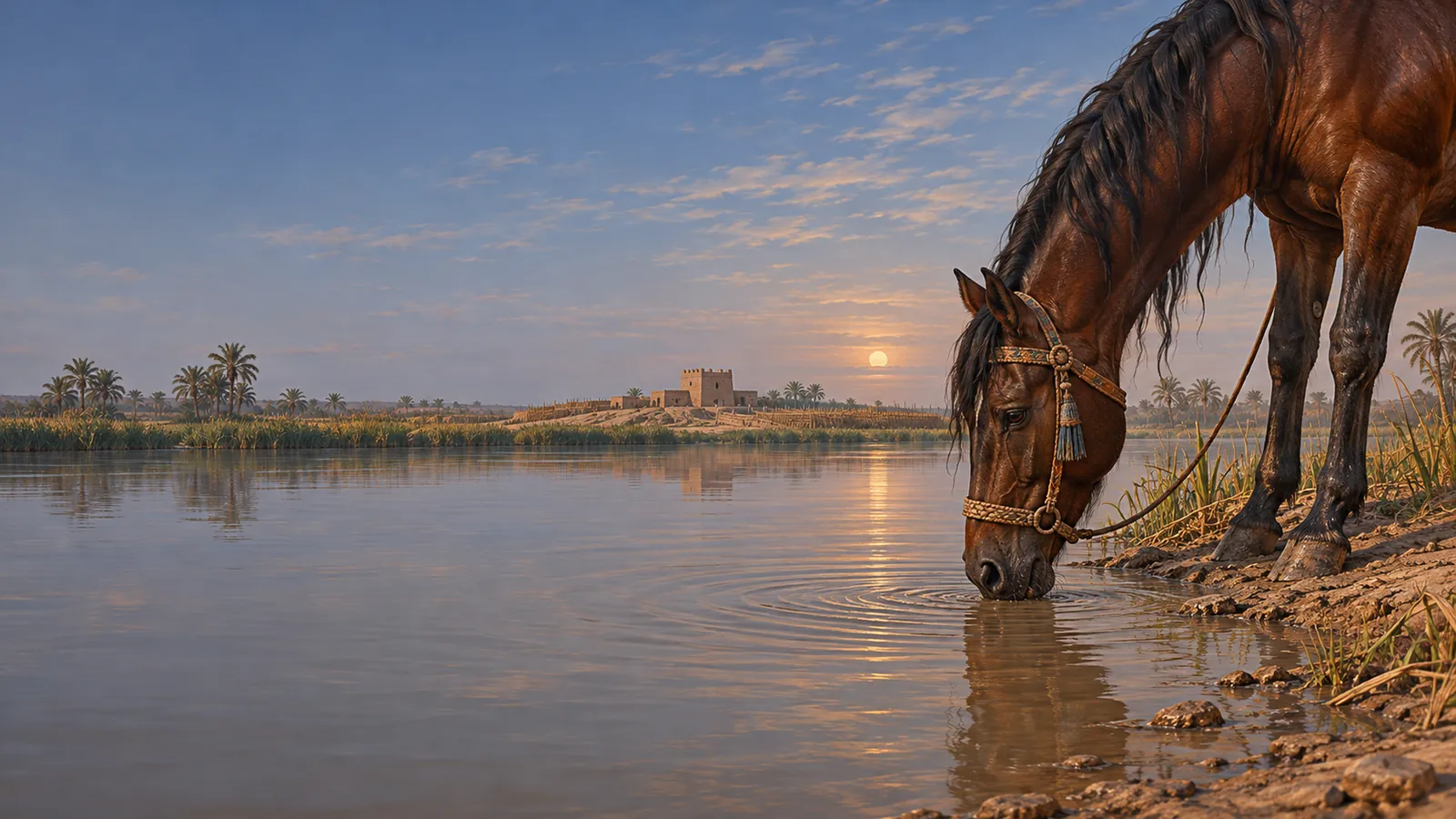
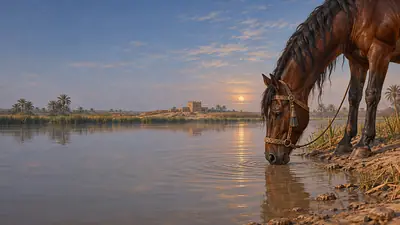
Recordó a un león fuerte y las fosas que habían cavado para él. Luego habló de un gran caballo de guerra al que solo le tocaron marchas extenuantes y agua turbia para beber.
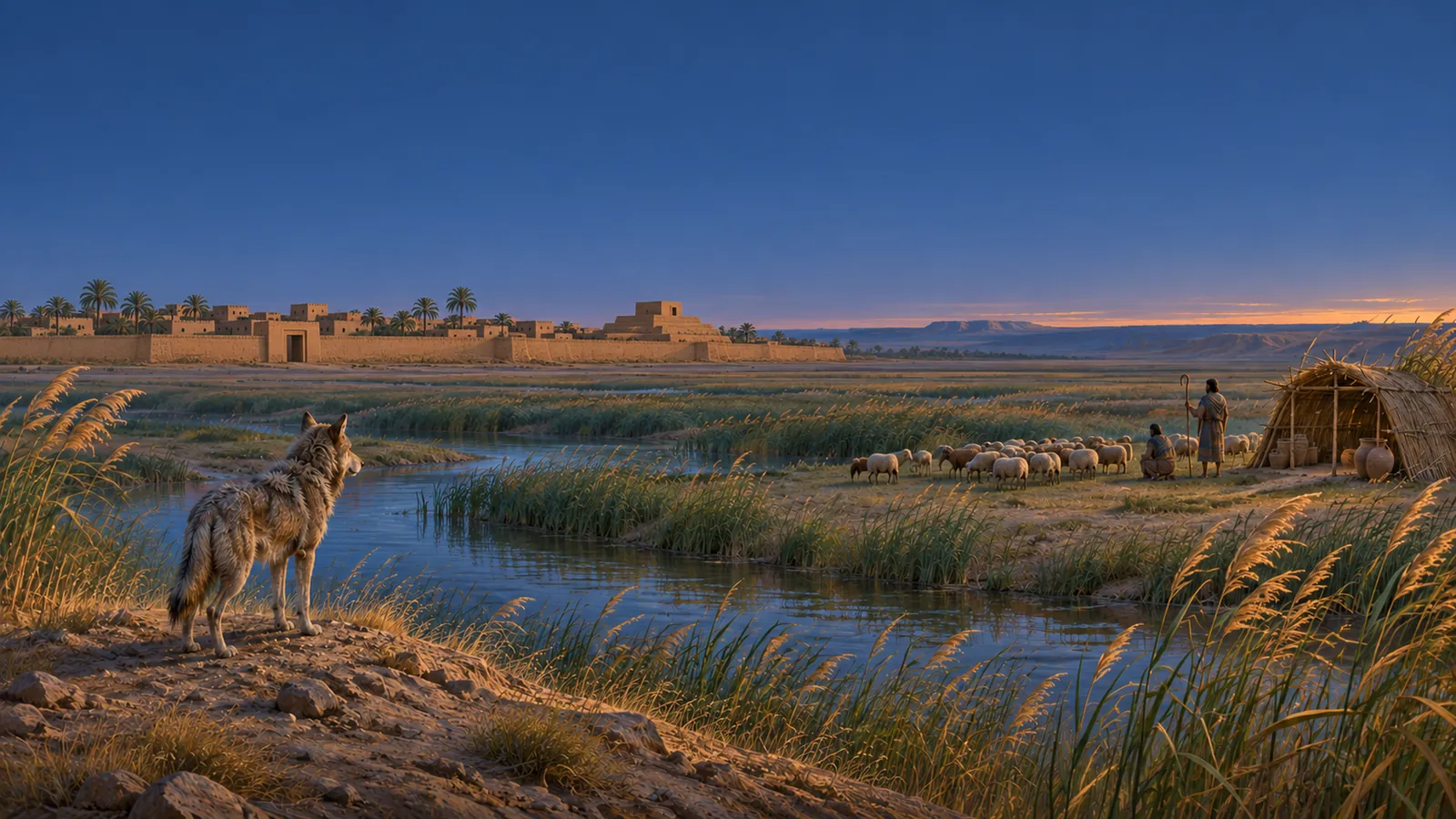
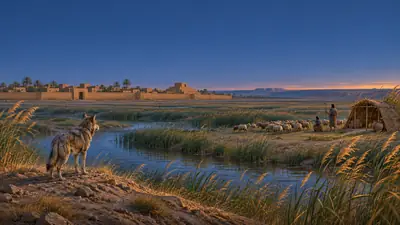
También hubo un pastor, dijo Gilgamesh, que solía hacerle ofrendas. En el relato del rey se convirtió en lobo, y lo ahuyentaron los mismos que habían cuidado el rebaño con él.
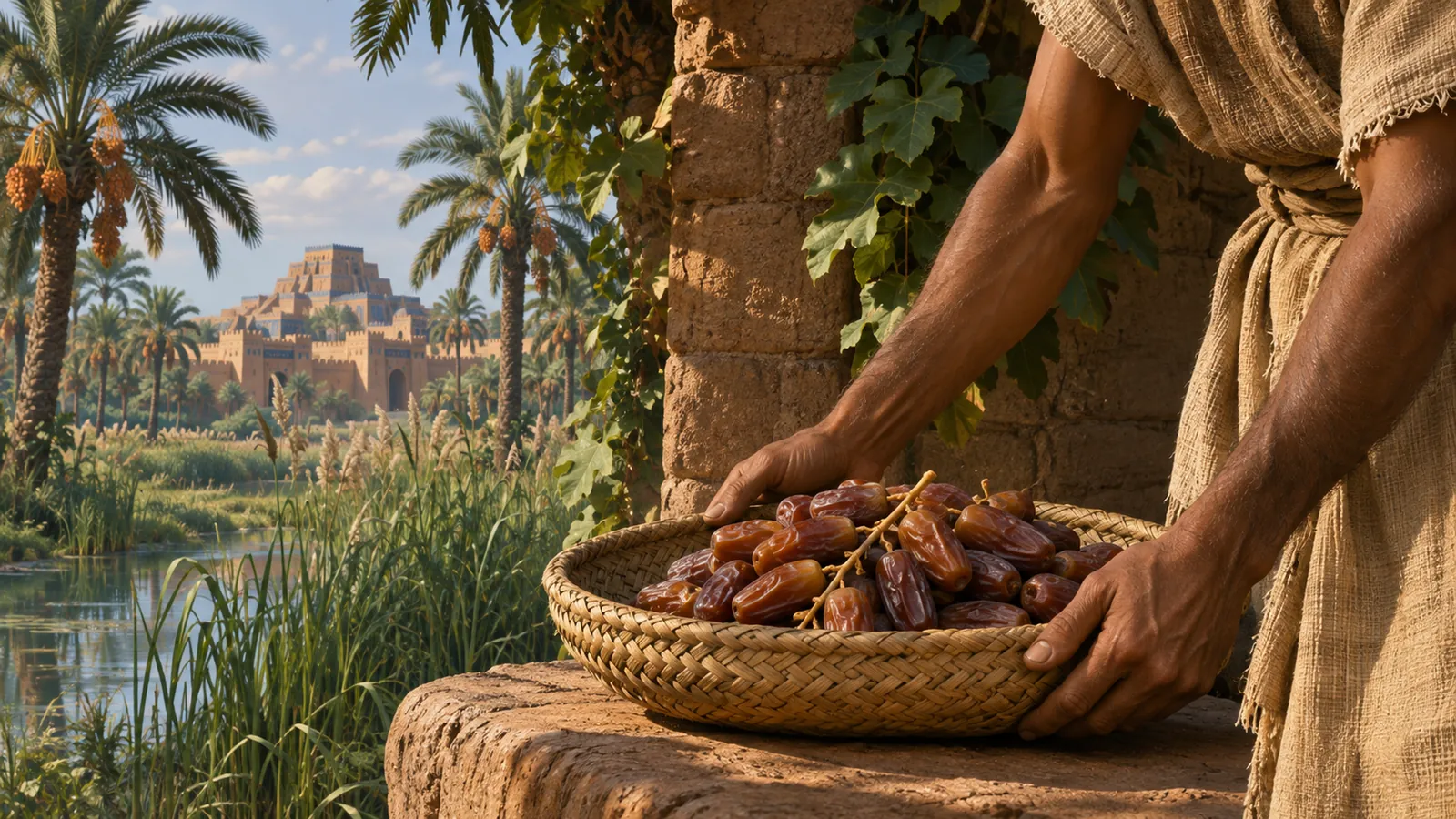
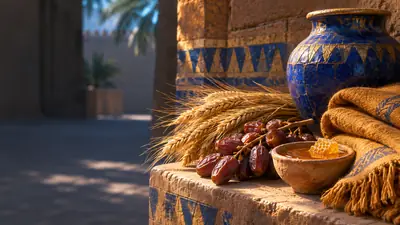
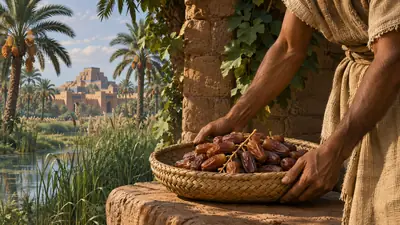
Ishullanu, el jardinero de su padre, llevaba dátiles a su mesa. Gilgamesh contó cómo el jardinero rechazó los avances de Ishtar y cómo ella lo transformó después.
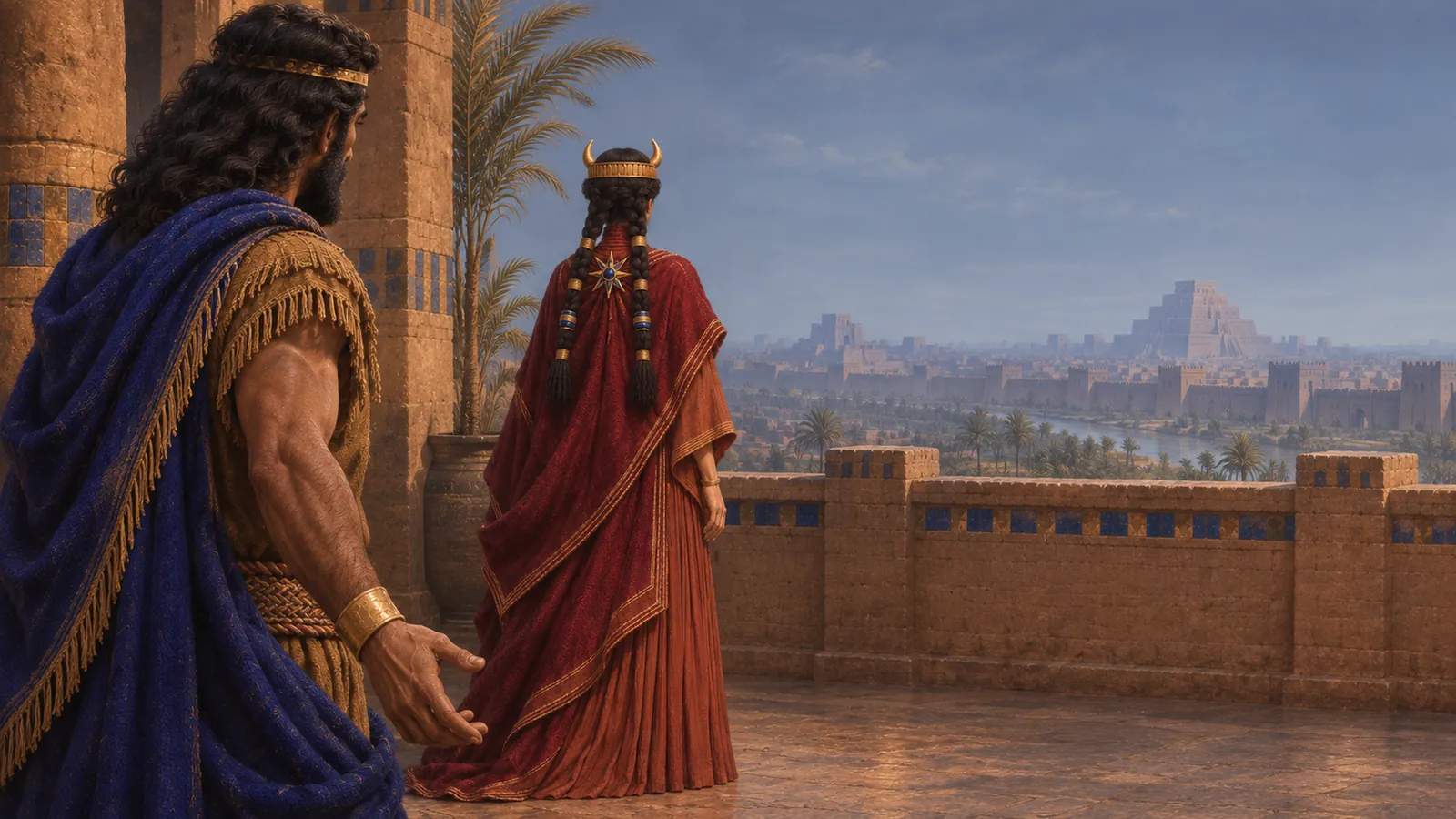
RECHAZO
Gilgamesh le presentó aquellas historias como advertencia. Si se casaba con ella, preguntó, ¿qué impediría que acabara como ellos?
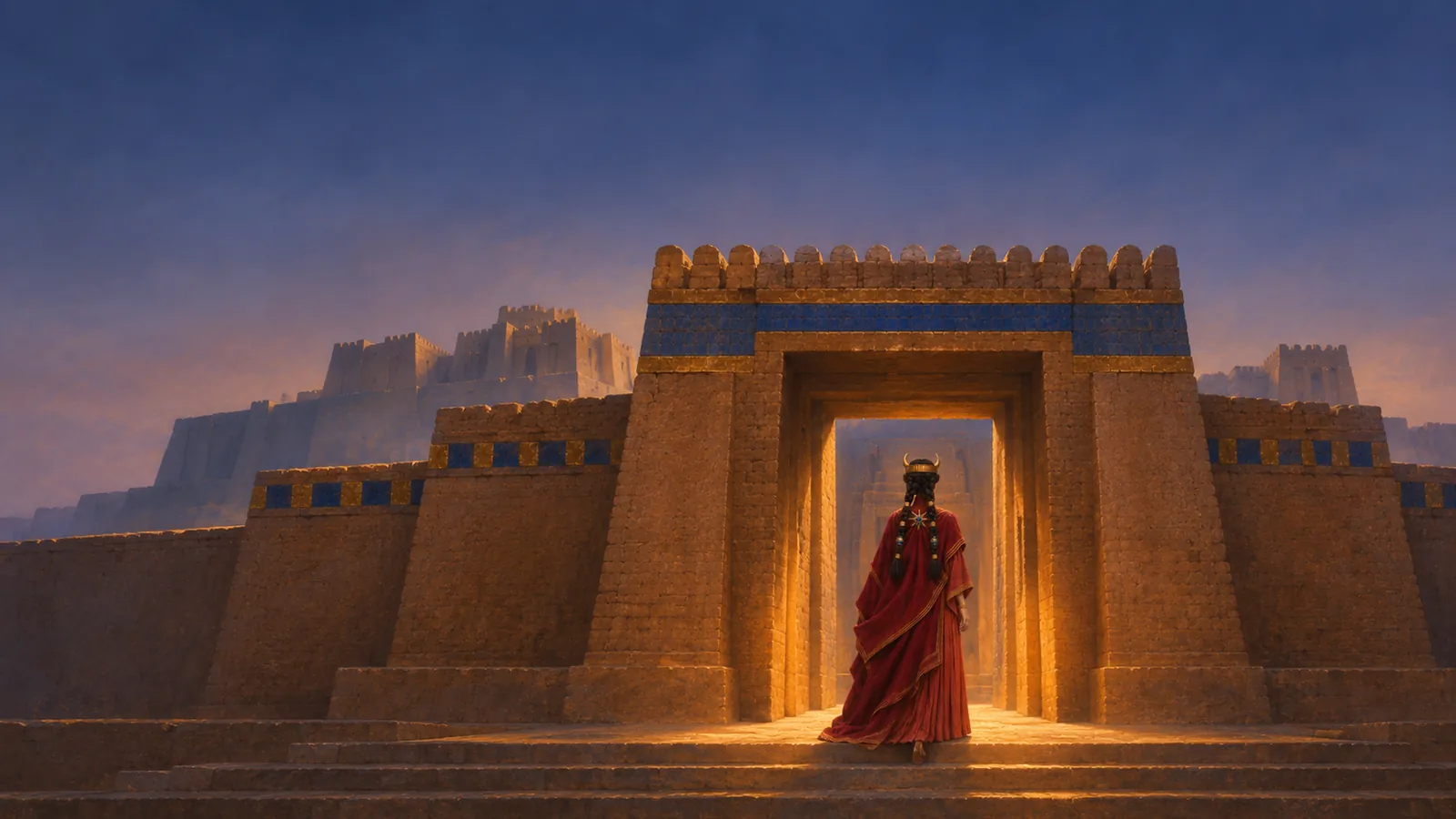
Ishtar subió al cielo llena de ira. Allí llevó sus lágrimas y su queja ante sus padres, Anu y Antu, y les contó lo que había dicho el rey.
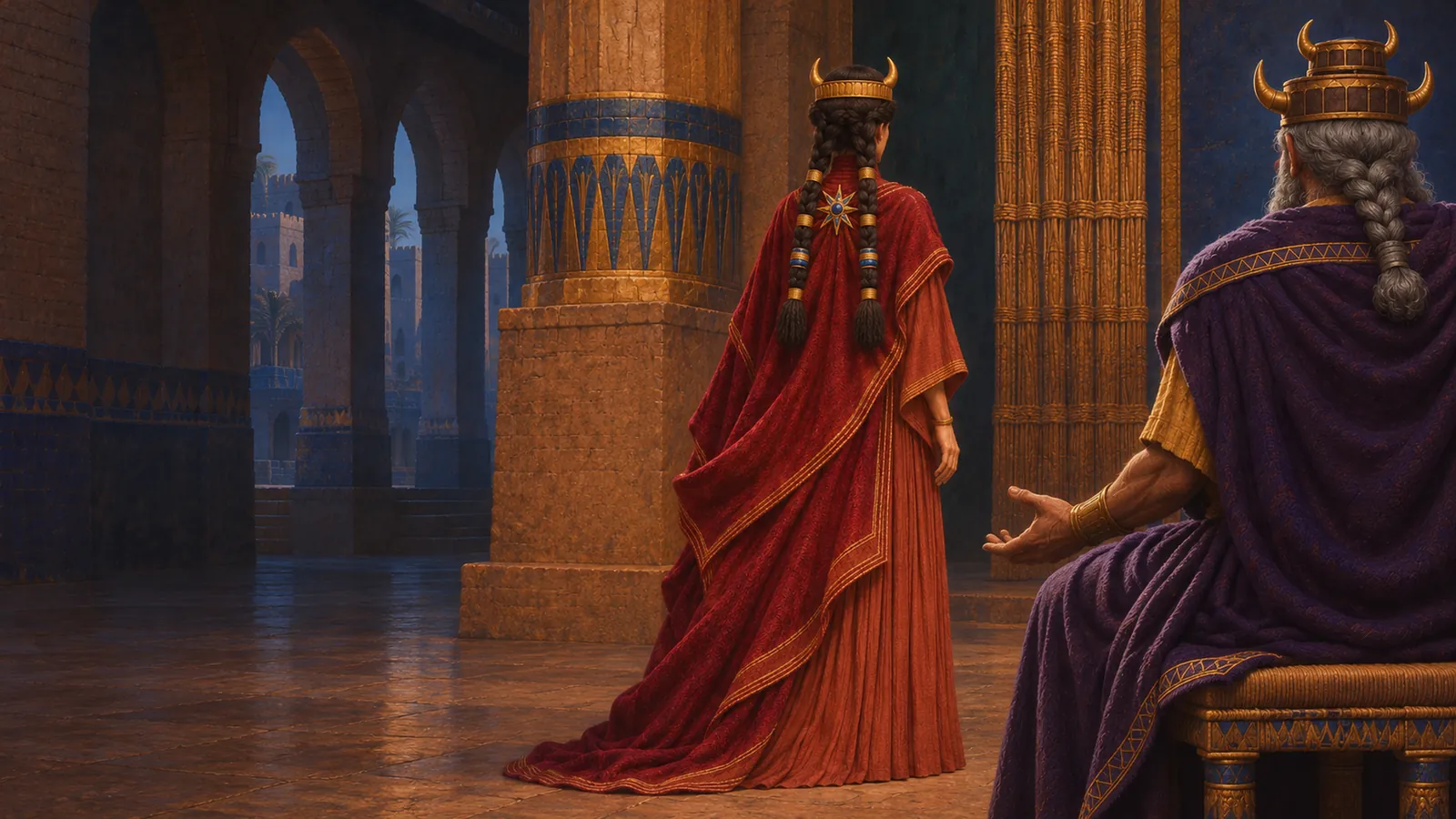
Anu escuchó su relato. Luego le preguntó a Ishtar si no había provocado ella misma a Gilgamesh antes de que el rey pronunciara todas aquellas palabras que acababa de llevar al cielo.
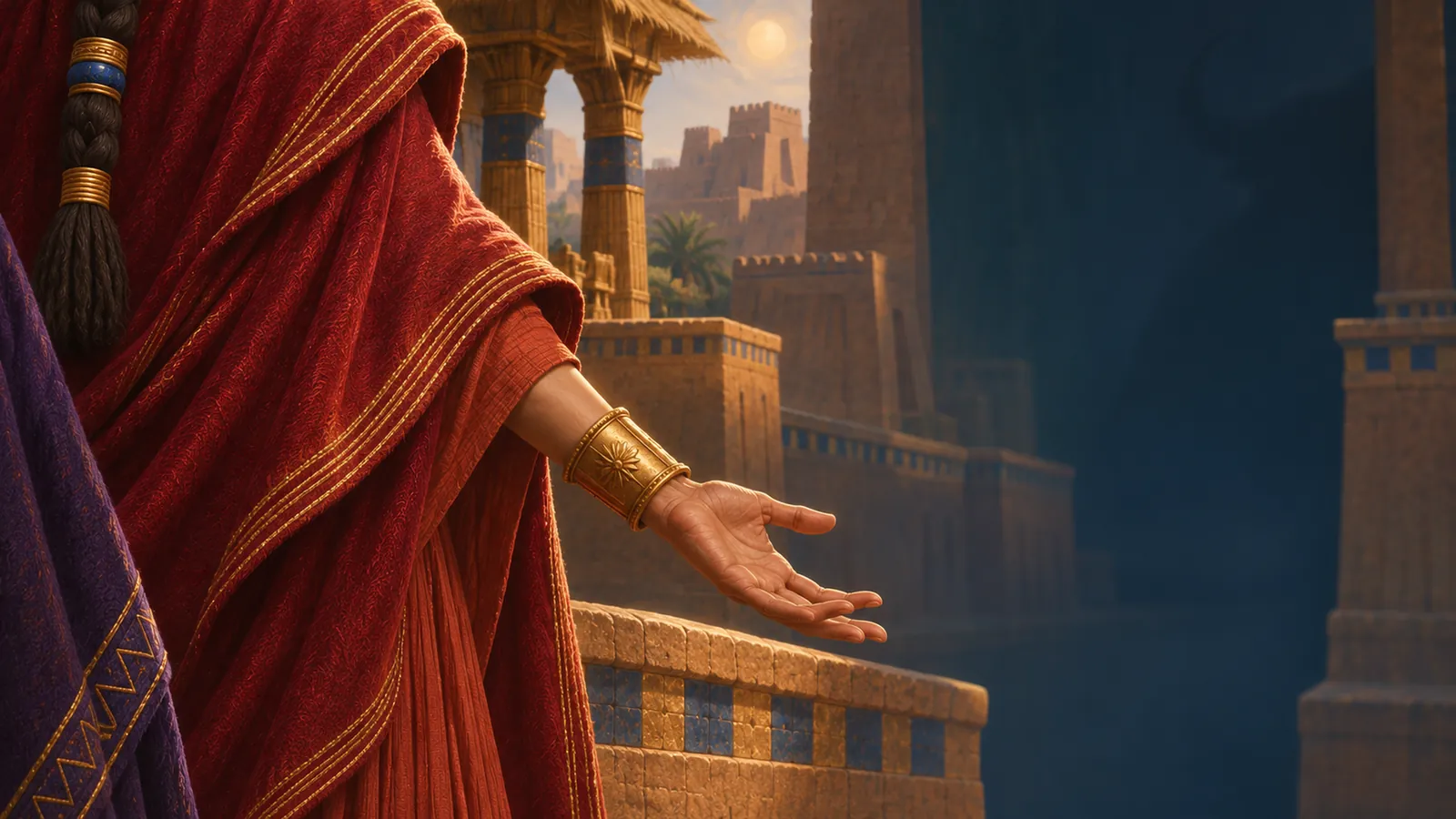
Ishtar le pidió a su padre que le diera el Toro Celeste. Pensaba llevar al animal hasta Uruk y hacer que el rey pagara por lo que había dicho.
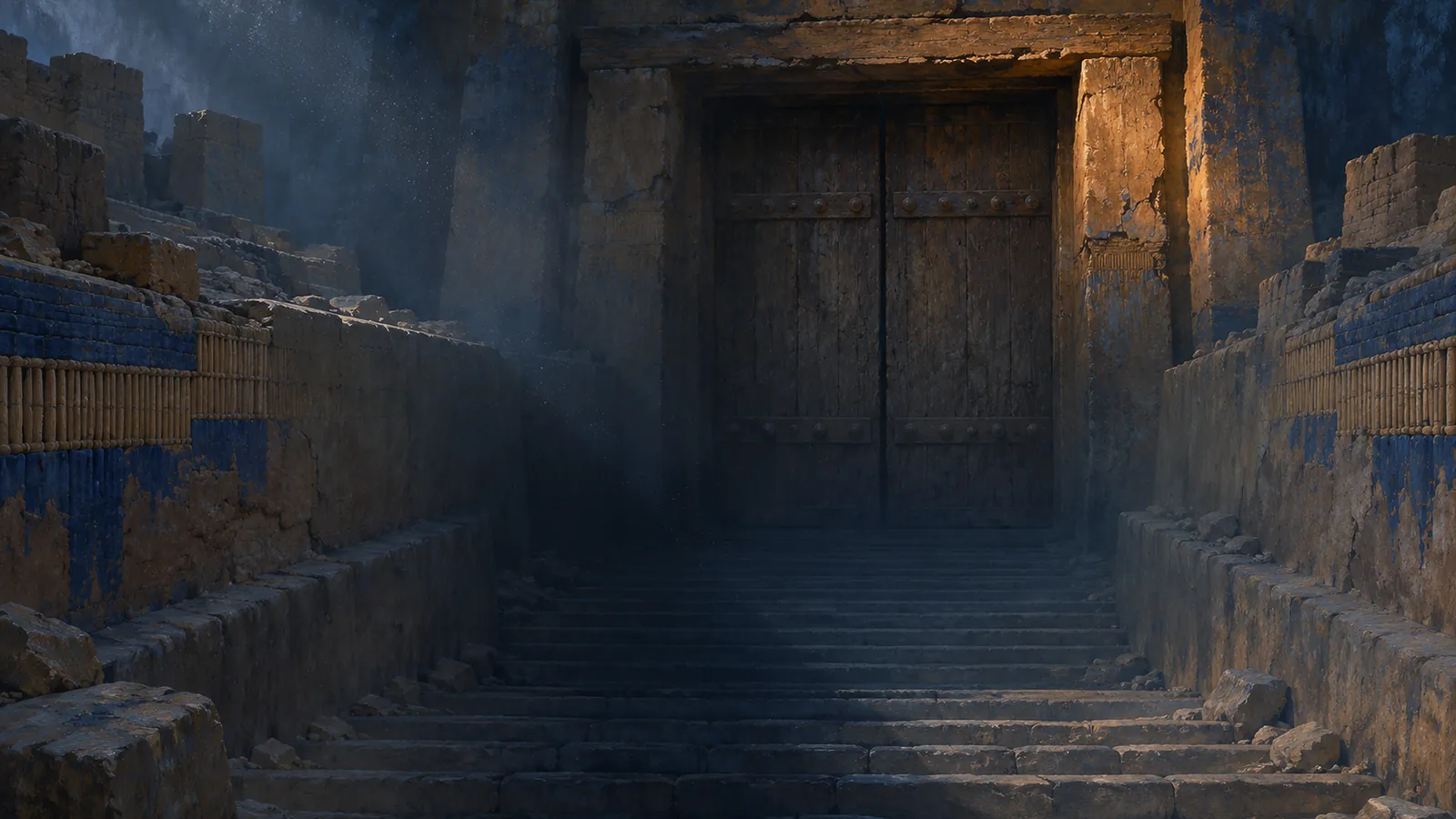
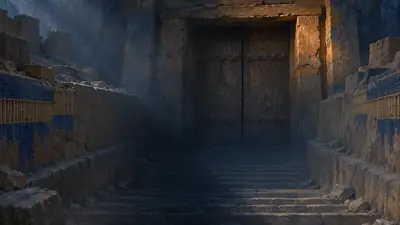
Si Anu se negaba, dijo, forzaría la entrada al mundo de abajo. Los muertos regresarían en tal número que superarían a los vivos.
SIETE AÑOS
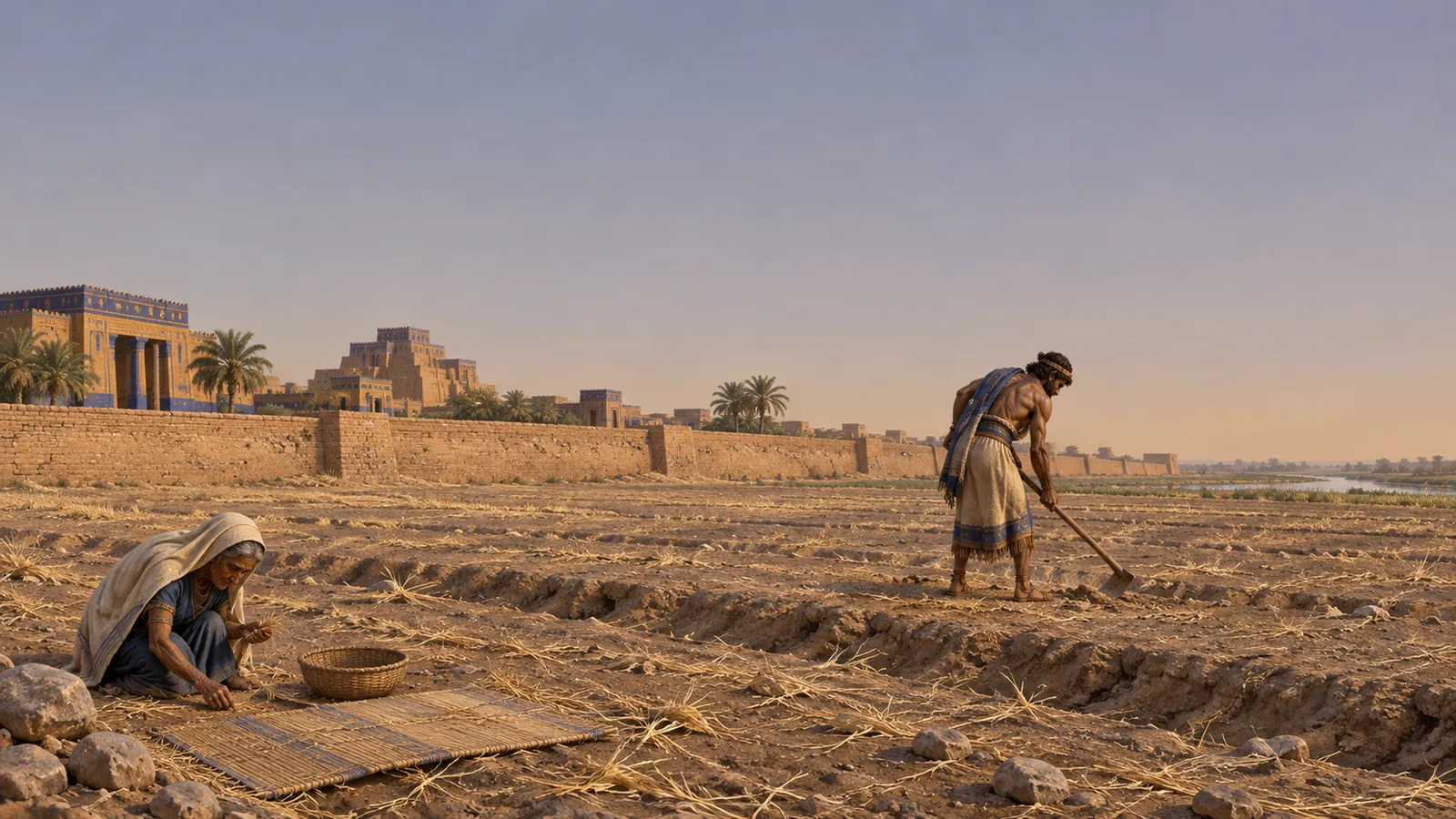
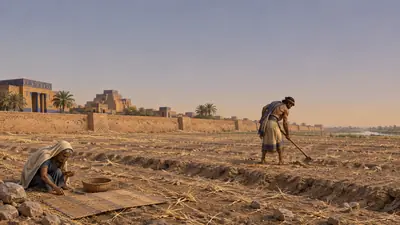
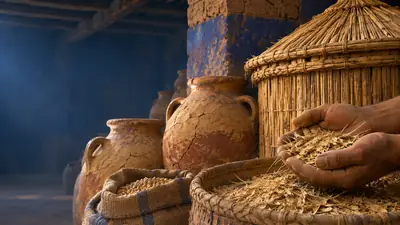
Anu le advirtió lo que el Toro supondría para Uruk. Durante siete años, la gente tendría que vivir de lo poco que pudiera recoger y del forraje que lograra cultivar.
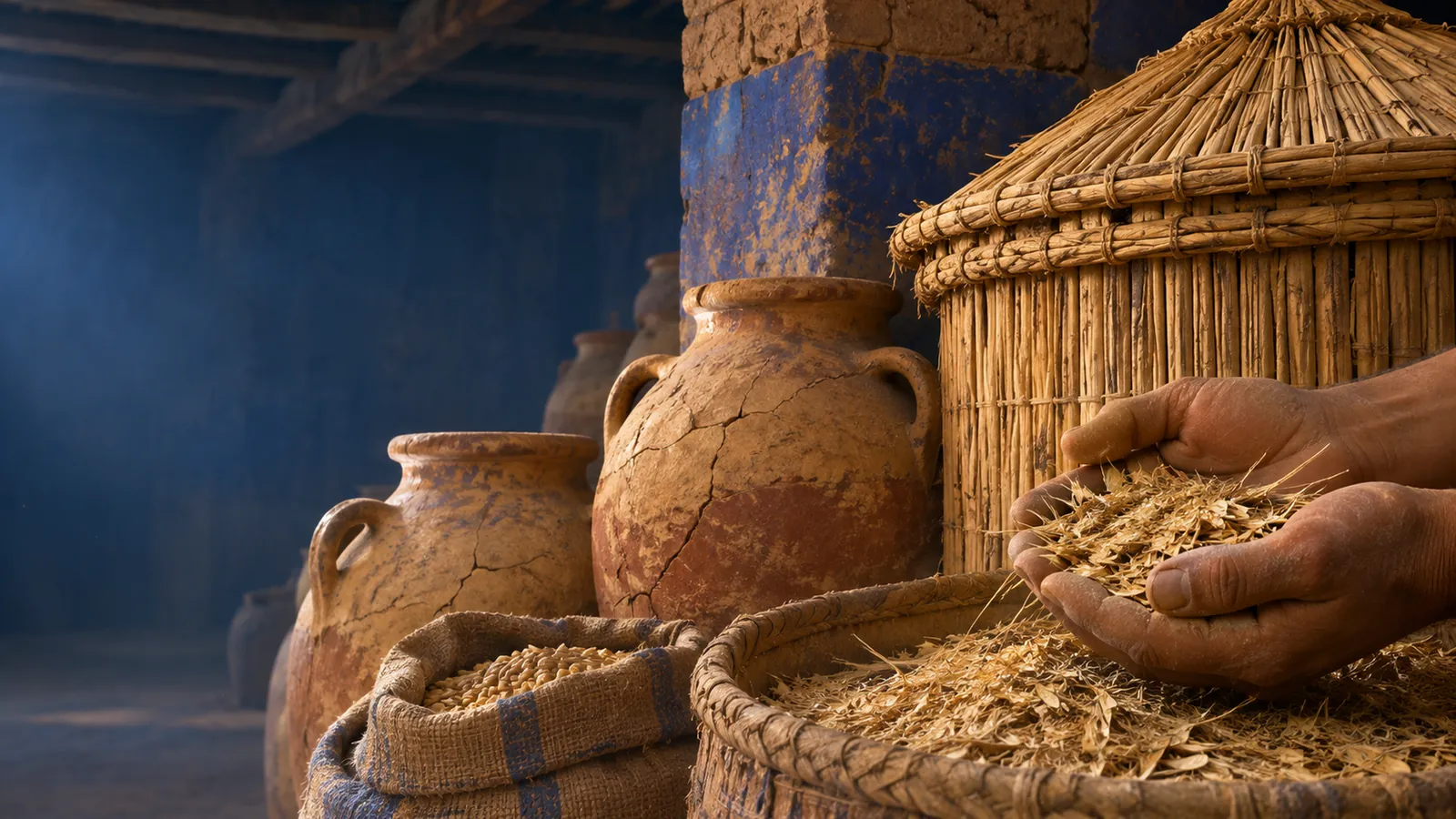
En la respuesta de Ishtar falta un trozo de arcilla. Lo que queda habla de provisiones ya guardadas y de forraje cultivado, como si se hubiera preparado para aquellos años que Anu temía.
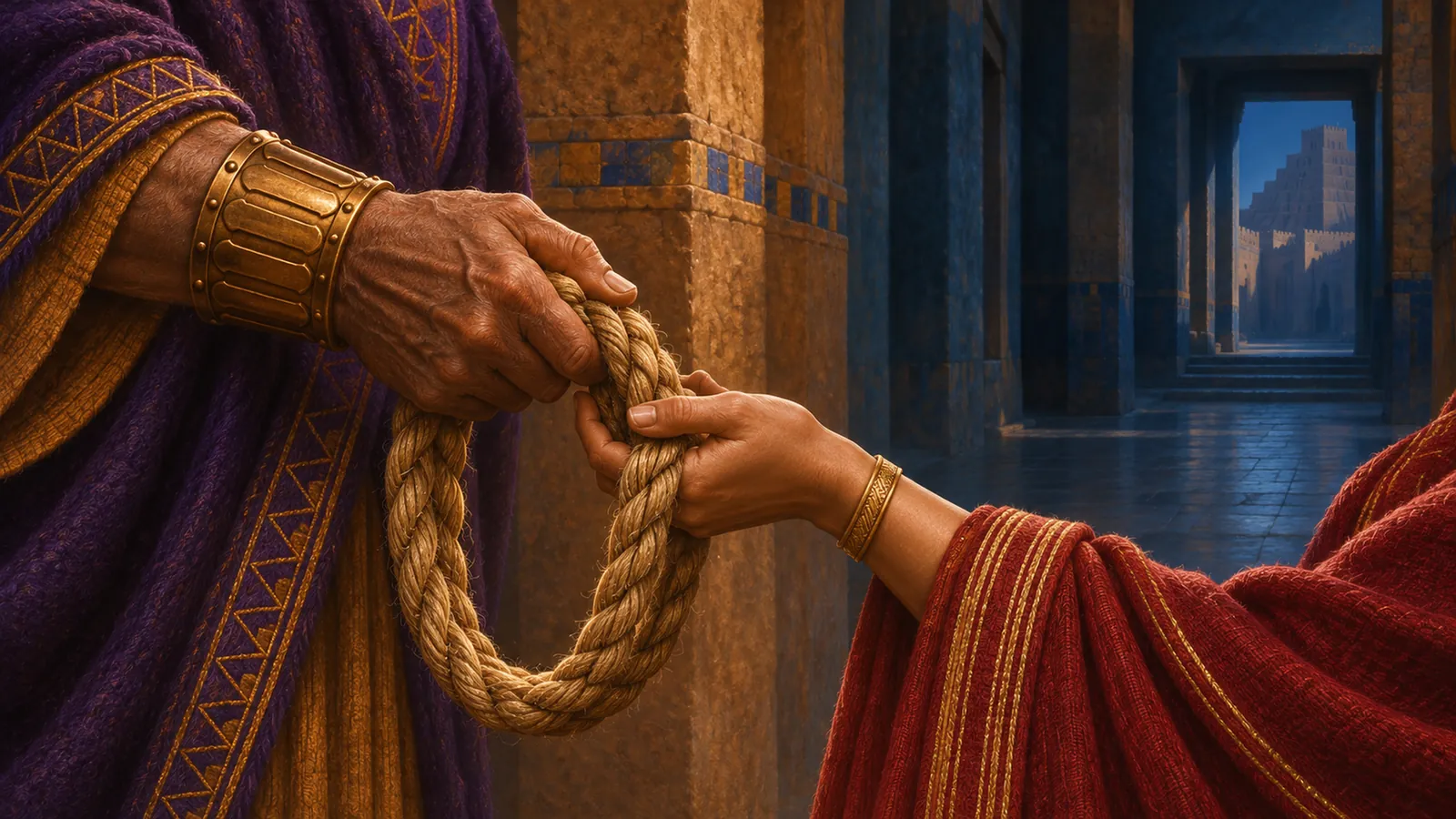
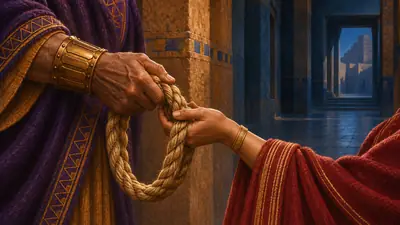
Anu oyó su respuesta y puso en sus manos la cuerda del Toro. Lo que había empezado con una propuesta de matrimonio en Uruk volvía ahora a la ciudad de otra manera.
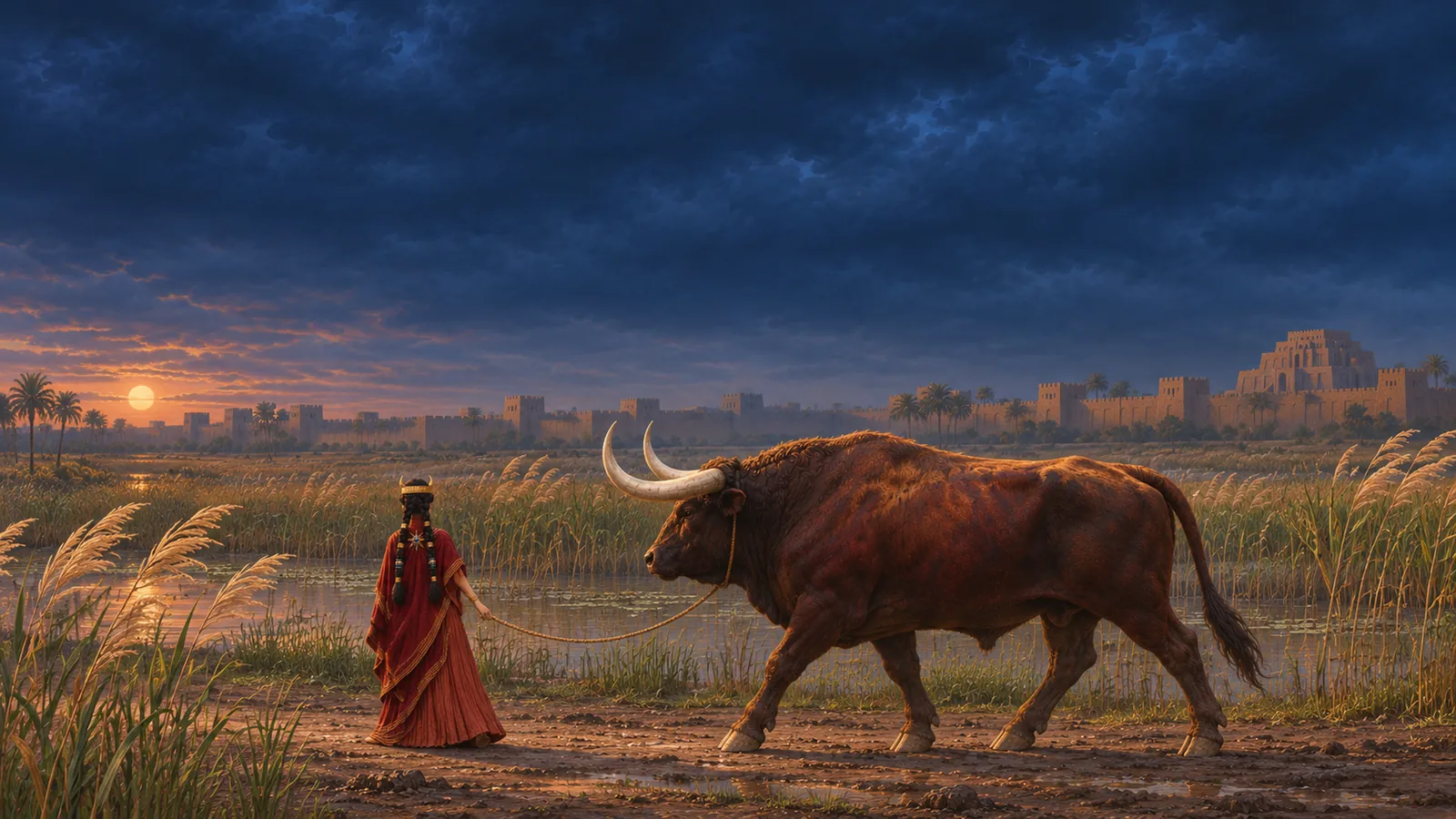
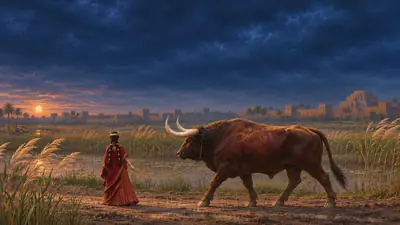
Ishtar hizo bajar al Toro. Cuando llegó a la tierra de Uruk, el suelo húmedo empezó a secarse y los juncos se marchitaron por donde pasó.
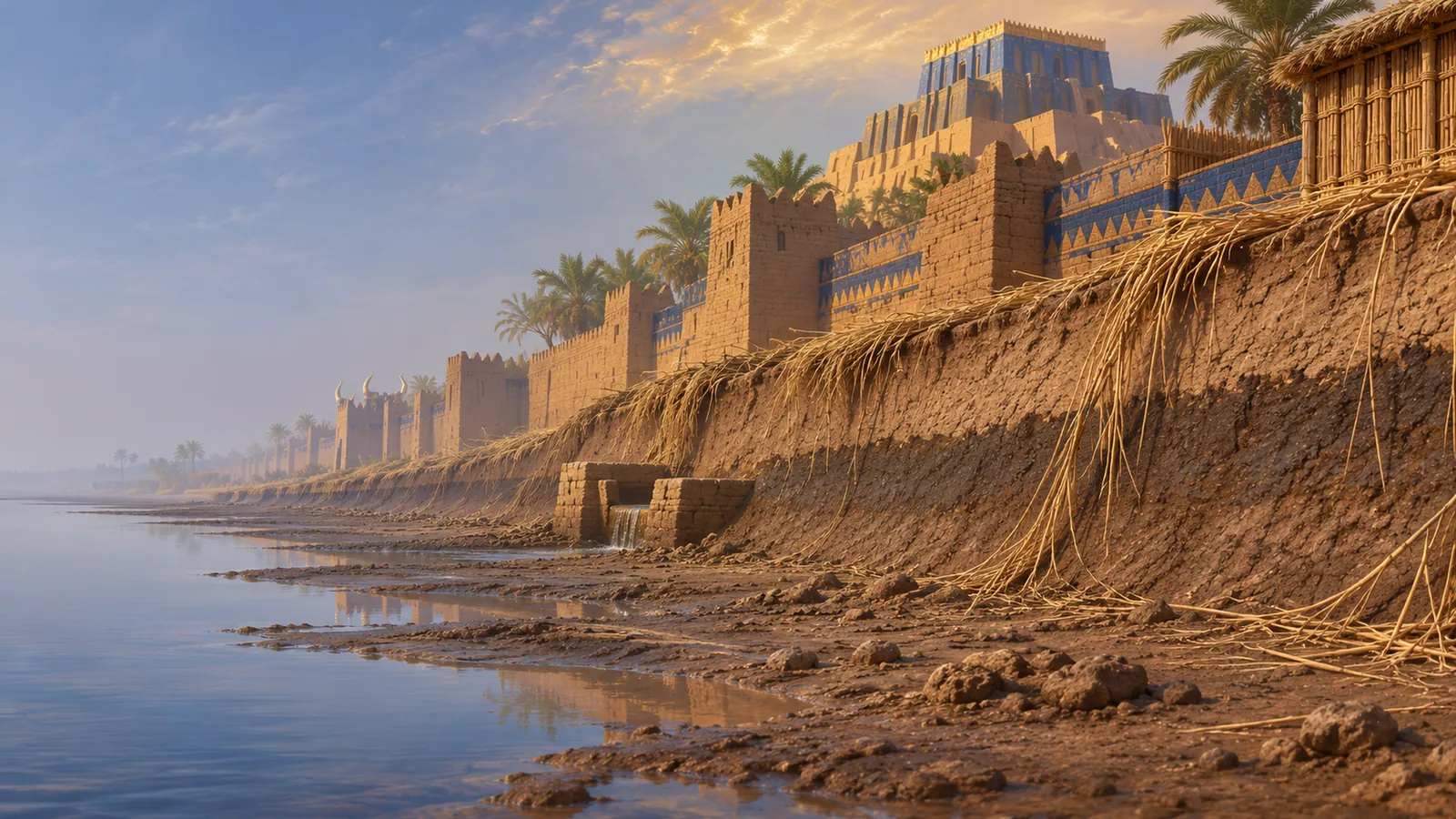
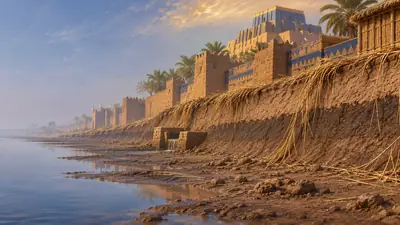
El Toro llegó al río, y el agua bajó siete codos. La marca húmeda que dejó en la orilla quedaba más alta que cualquier junco al borde del nuevo bajío.
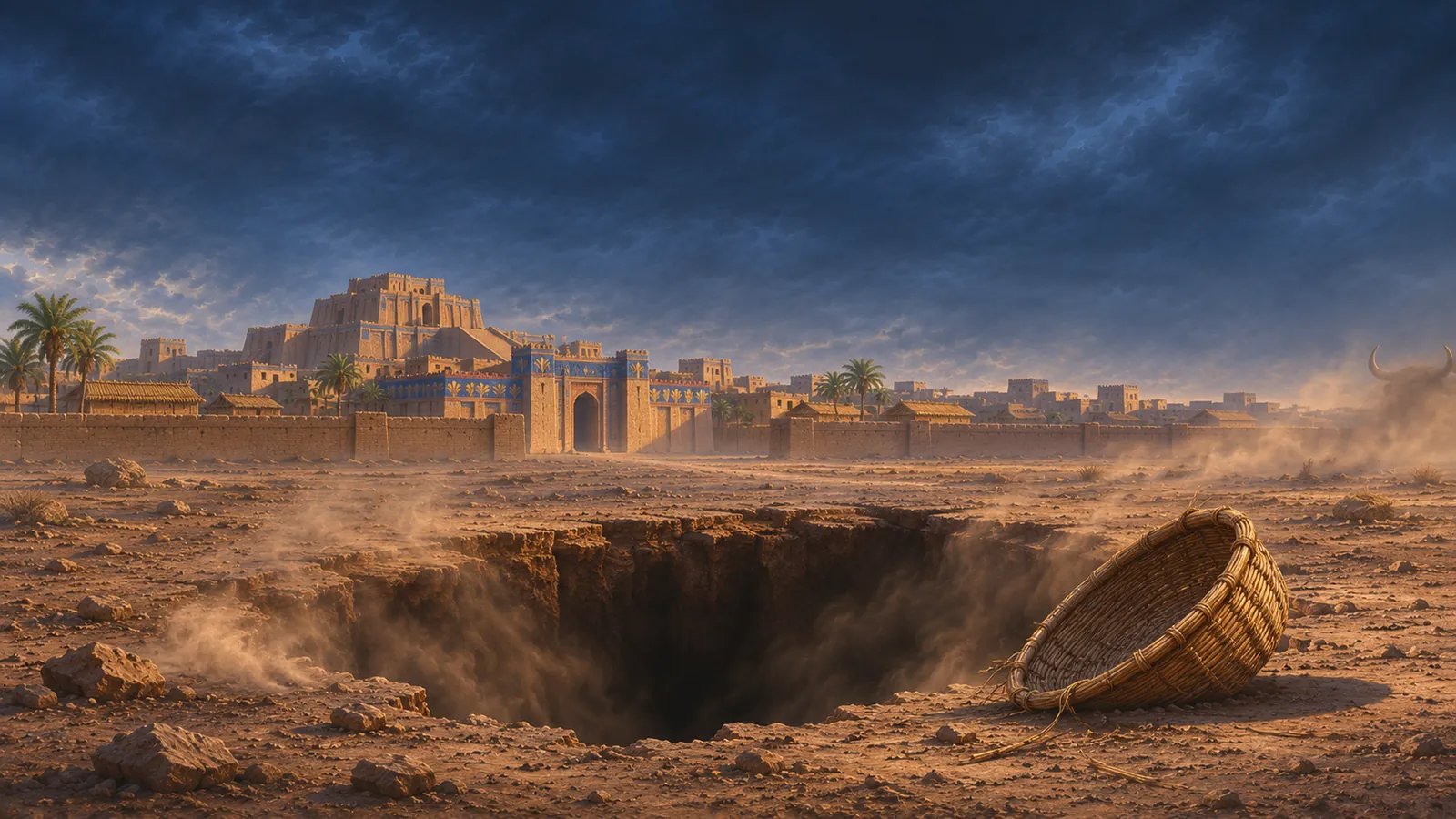
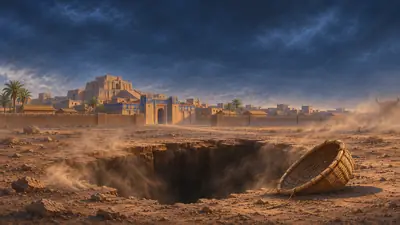
El Toro resopló, y se abrió una fosa bajo los hombres de Uruk. El poema cuenta cien caídos en aquella primera y súbita abertura de la tierra.
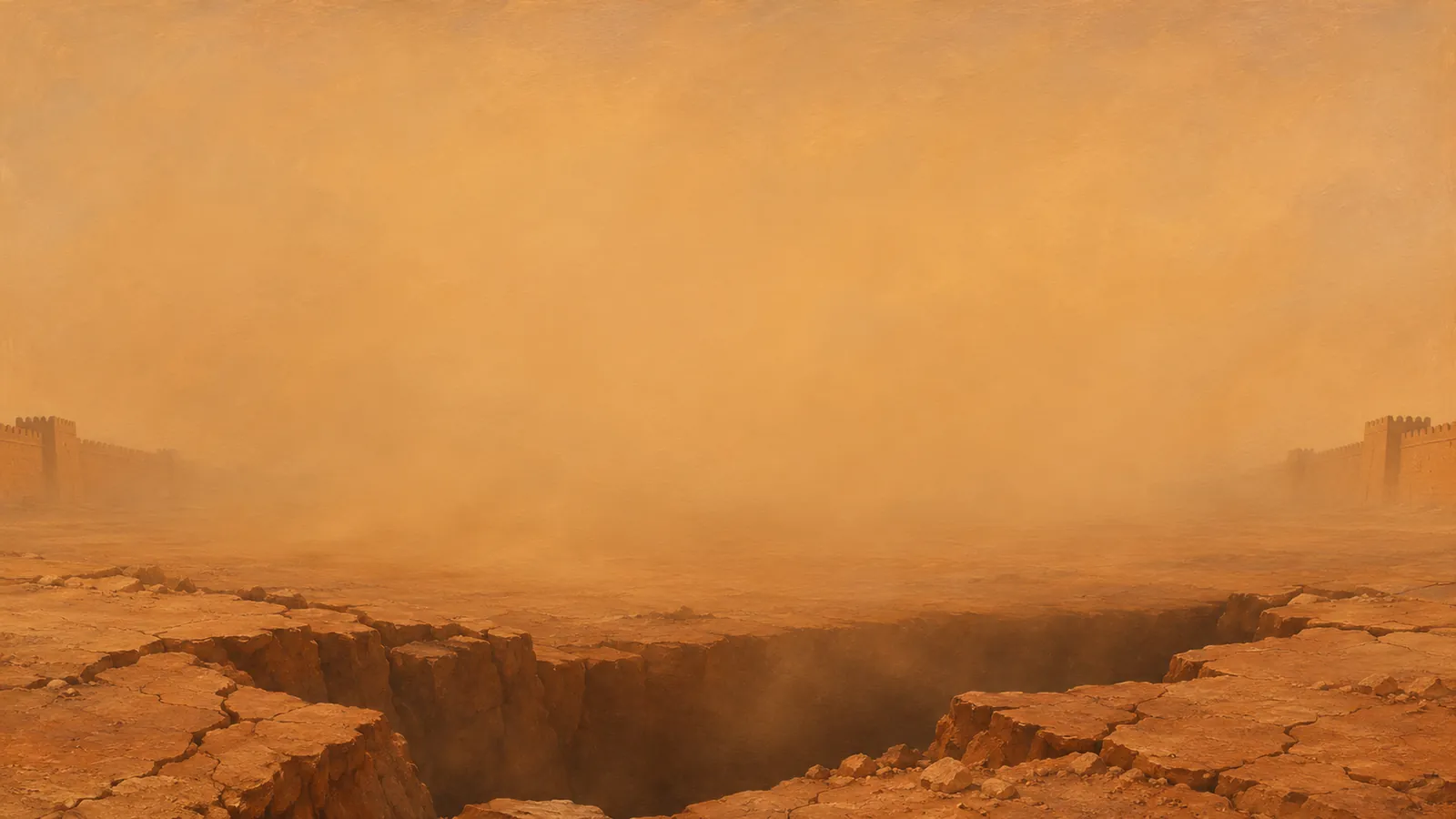
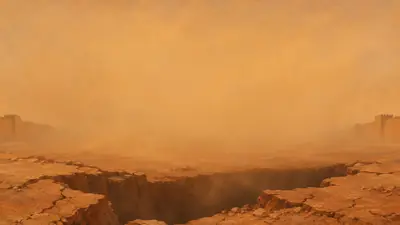
El Toro resopló de nuevo, y la tierra cedió por segunda vez. El antiguo poema cuenta doscientos más, y el miedo de la ciudad crece con cada soplo.
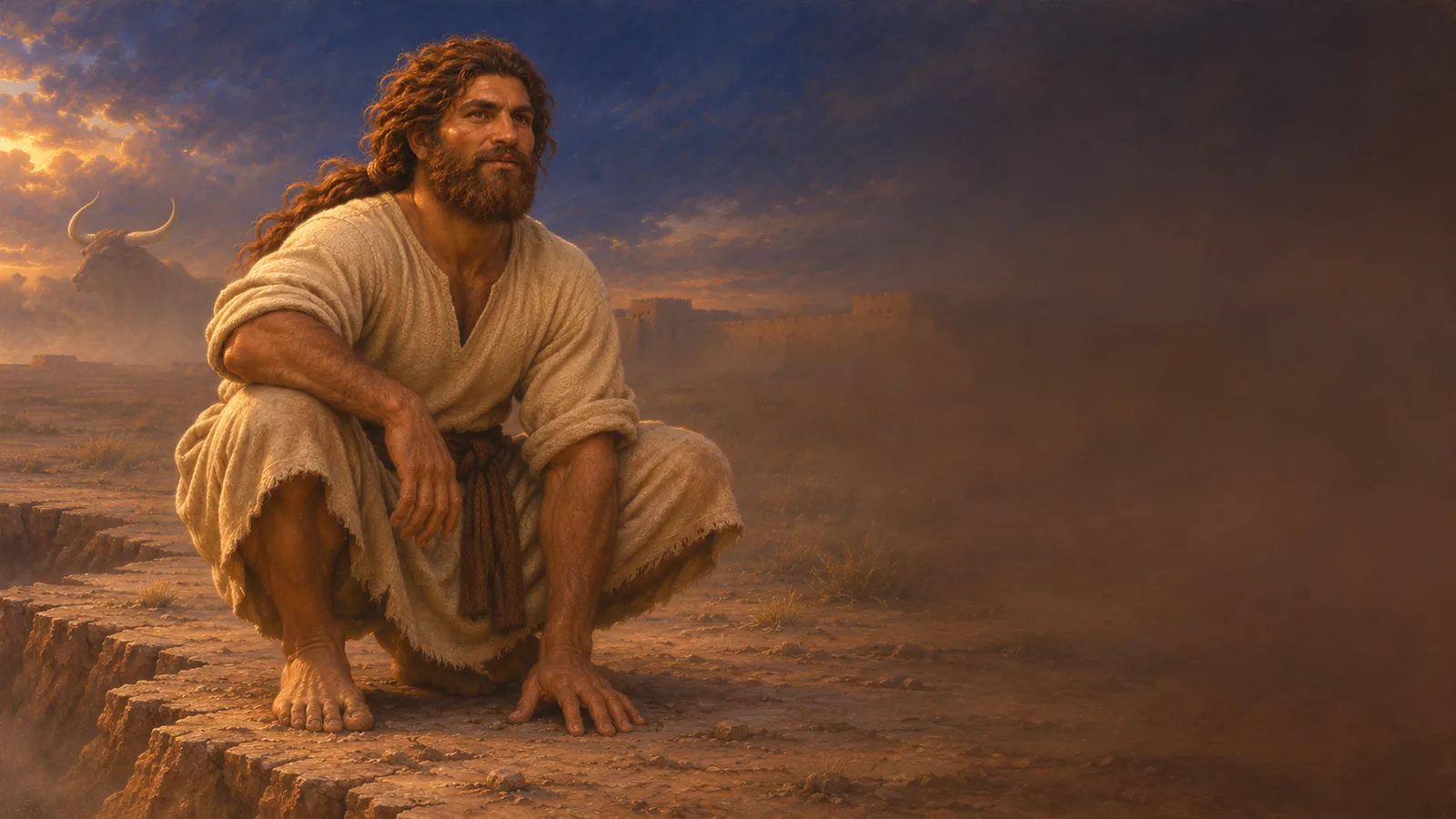
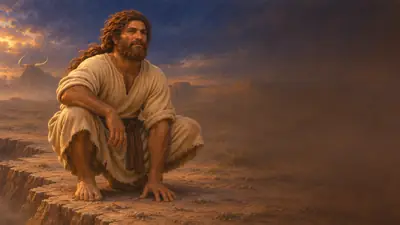
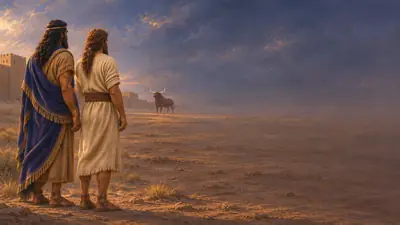
Al tercer resoplido, la tierra volvió a ceder. Enkidu se hundió hasta la cintura, pero saltó fuera mientras el Toro se alzaba enorme entre el polvo.
POR URUK
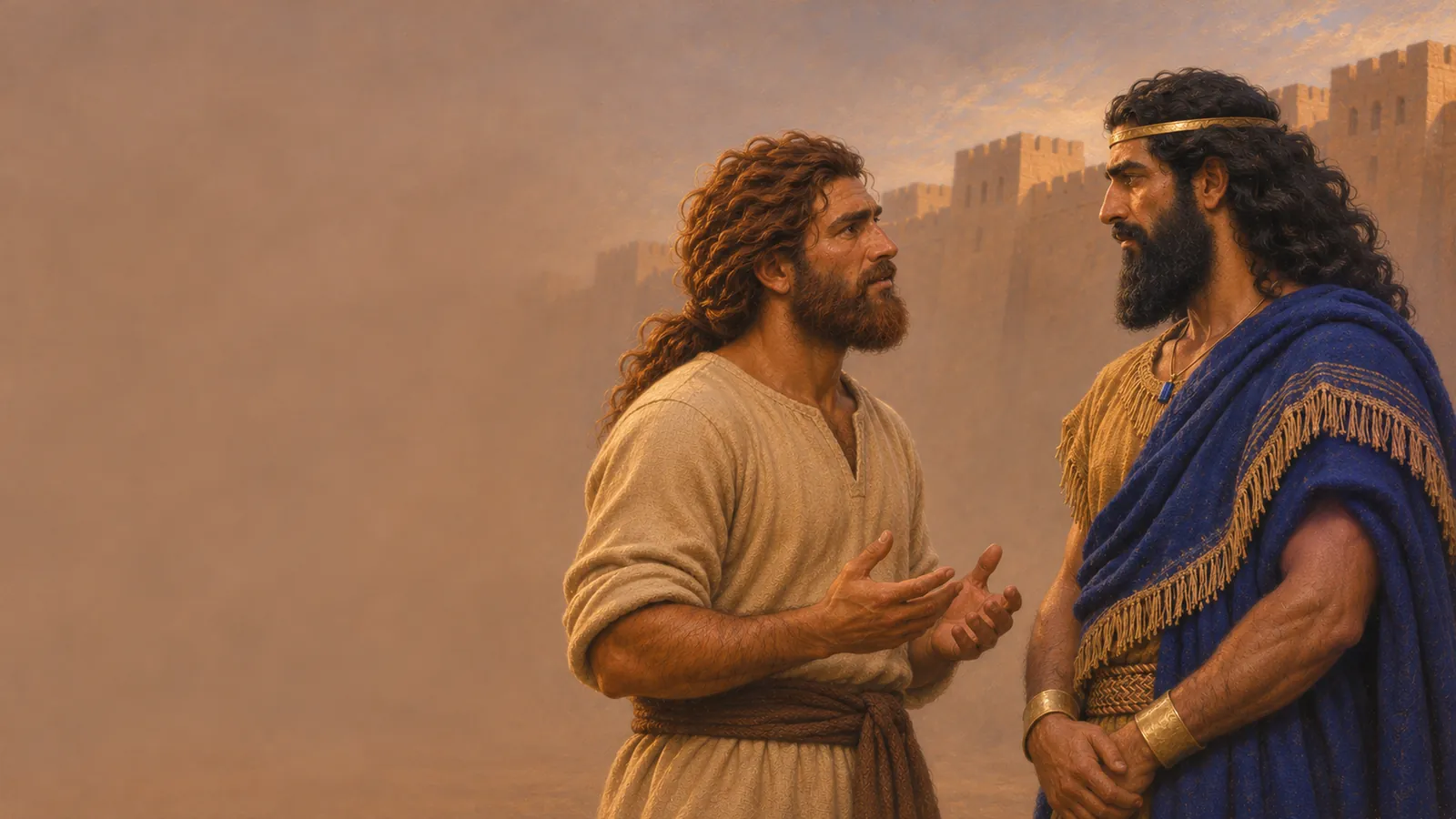
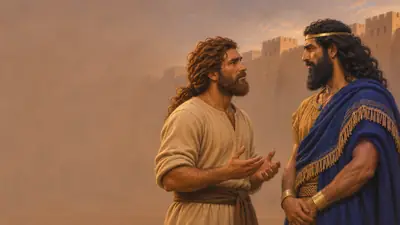
Enkidu llamó a su amigo. Antes se habían enorgullecido de su ciudad, y ahora le preguntaba cómo podían reparar el daño por todos los que habían caído.
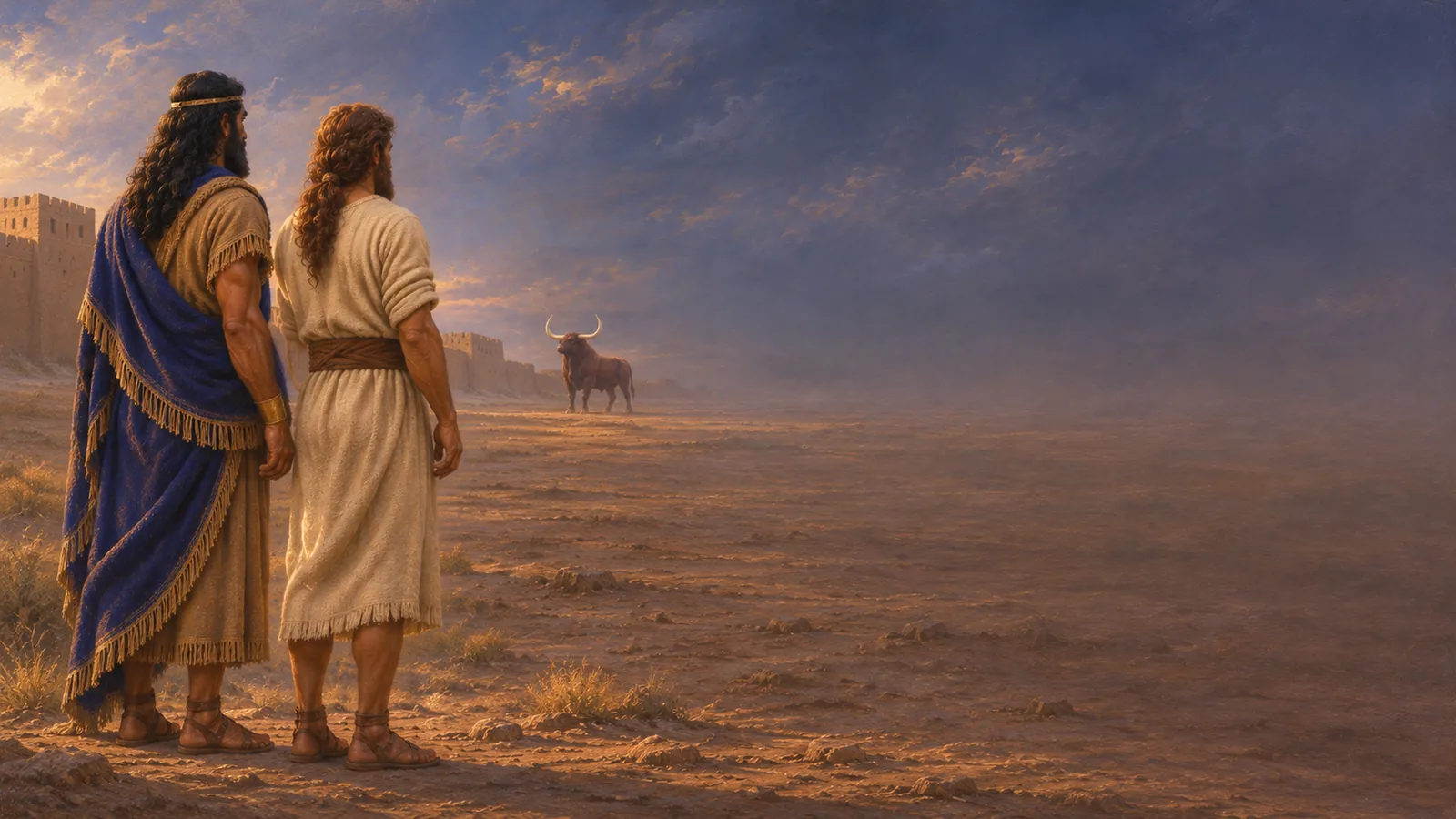
Enkidu le dijo a Gilgamesh que tendrían que actuar juntos. Ya había sentido la fuerza del Toro, y ahora confiaba en el amigo que tenía al lado.
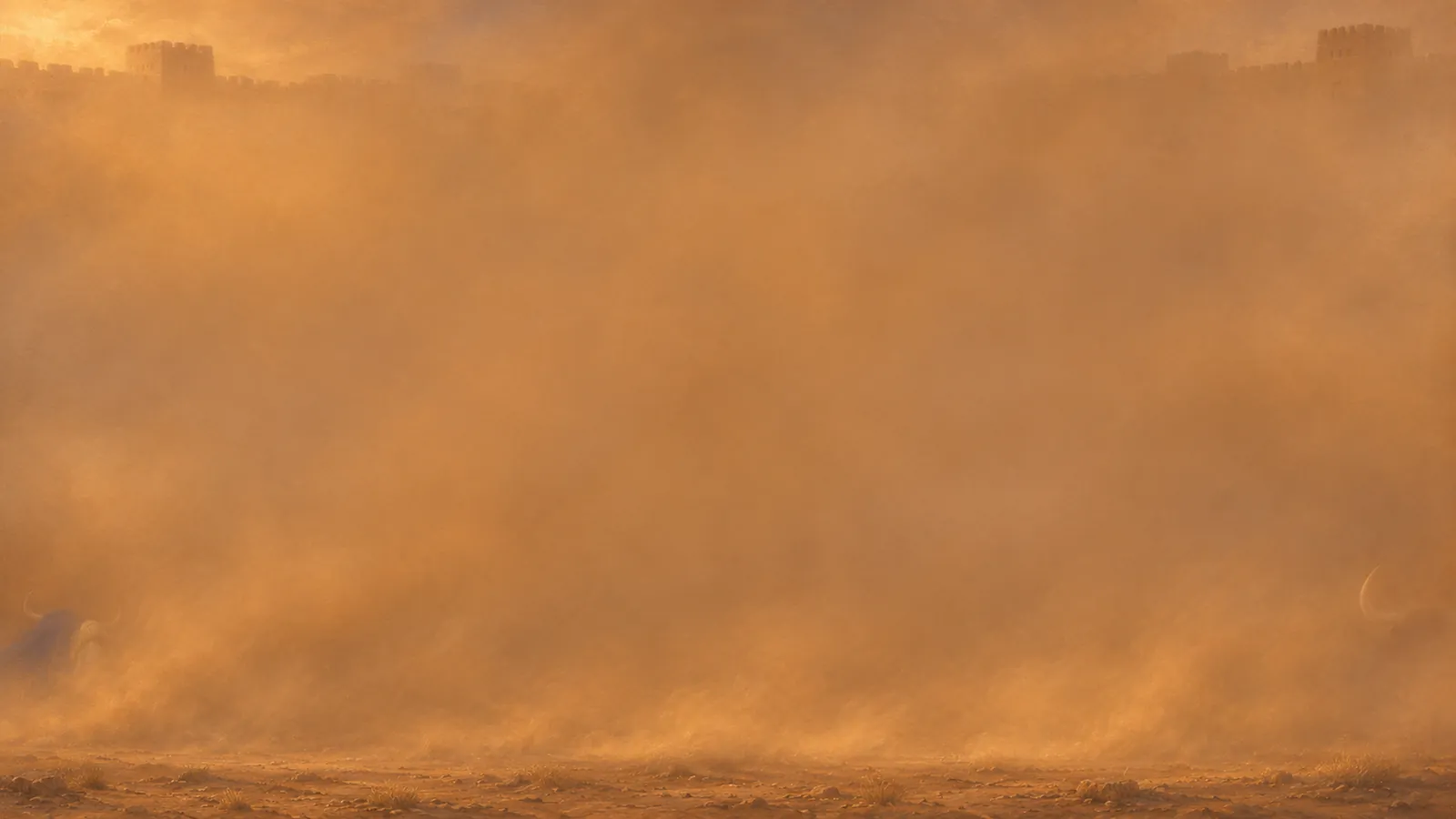
Los dos amigos se enfrentaron al Toro Celeste. Enkidu lo agarró por la cola y Gilgamesh lo mató con su cuchillo. El poema cuenta la lucha en unas pocas líneas.
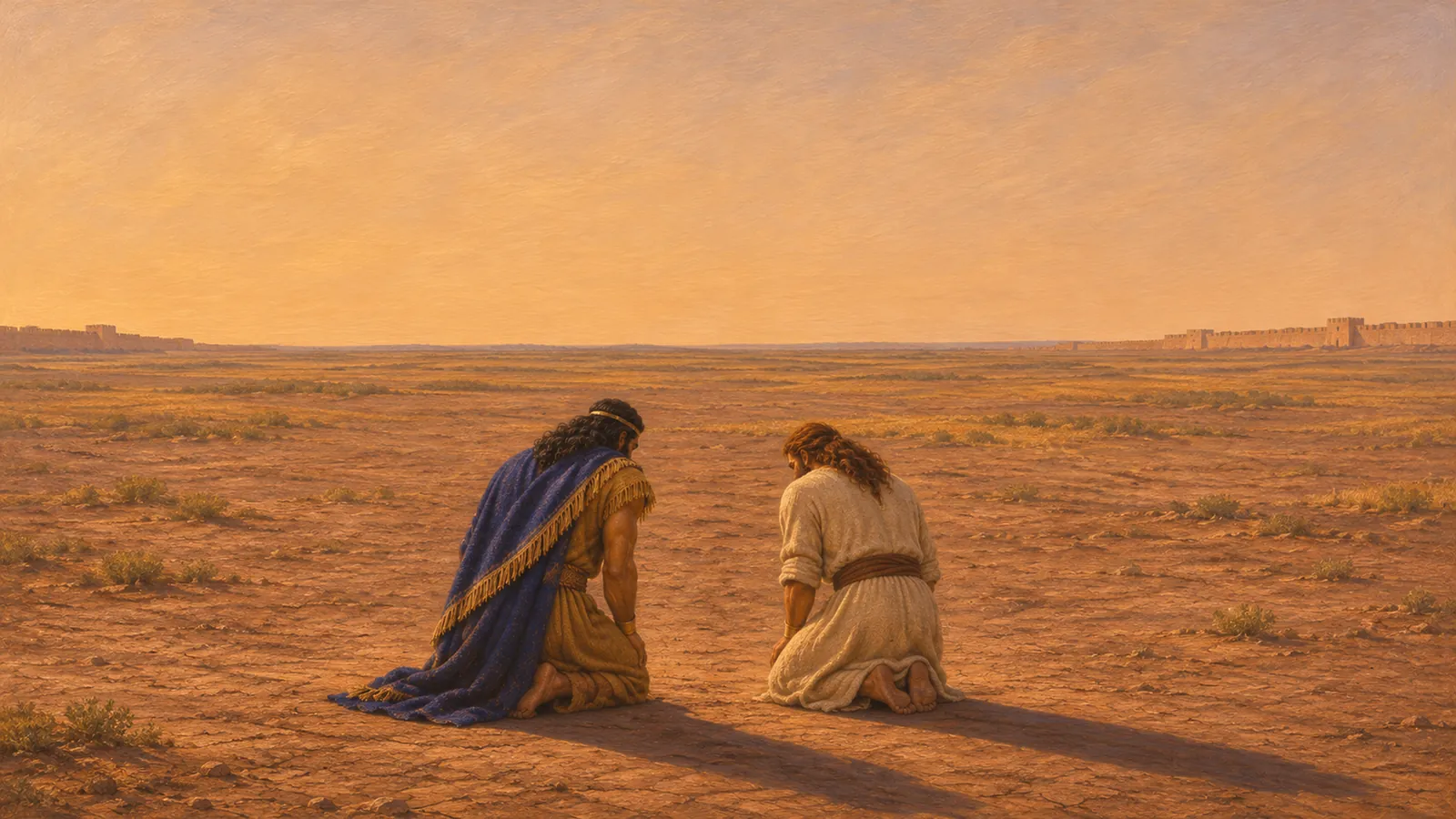
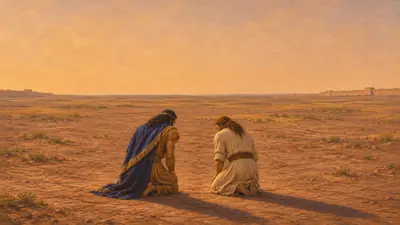
Cuando cayó el Toro, Gilgamesh y Enkidu hicieron una ofrenda a Shamash. Primero se inclinaron y luego se sentaron juntos mientras la luz alcanzaba la tierra.
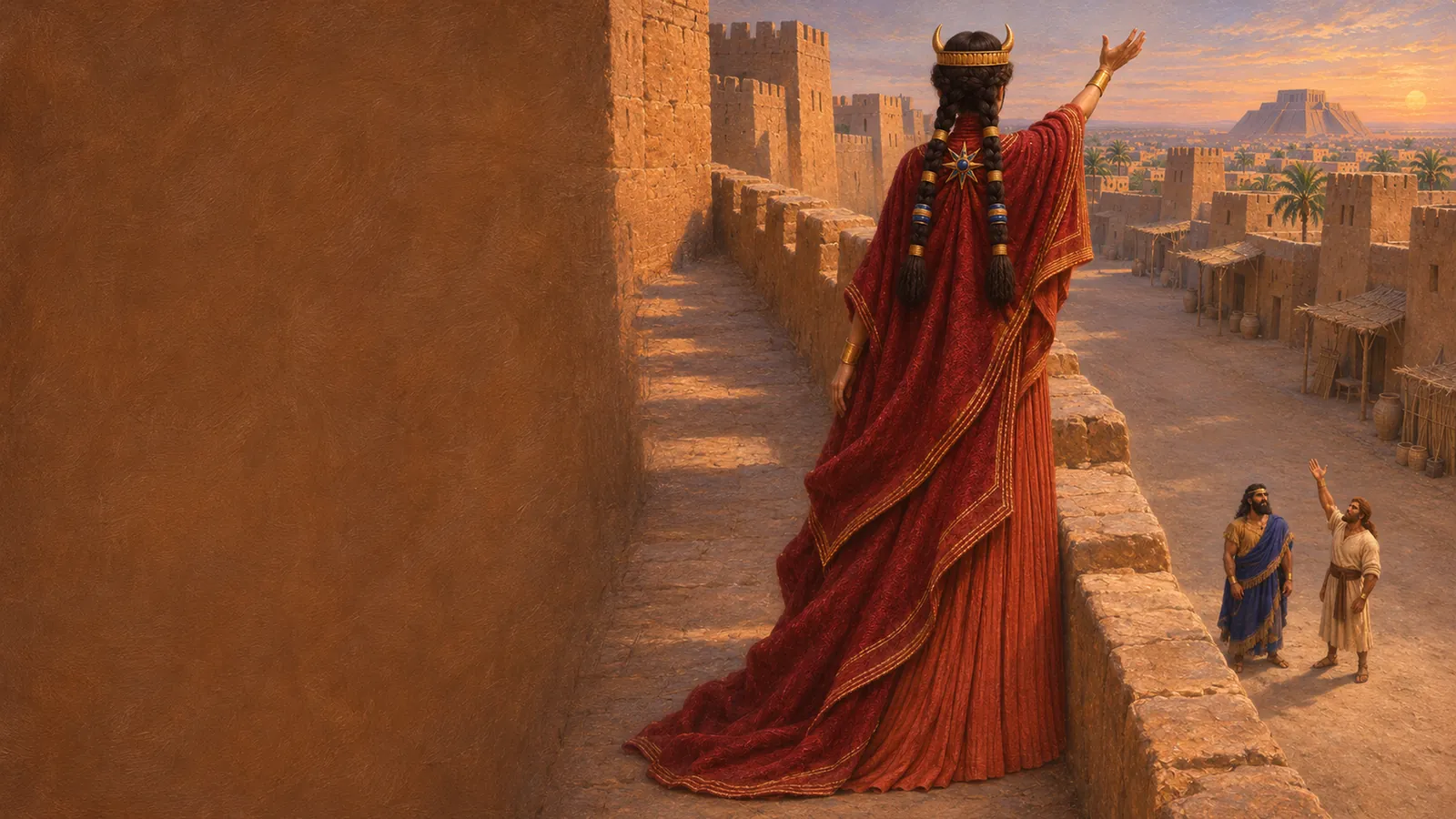
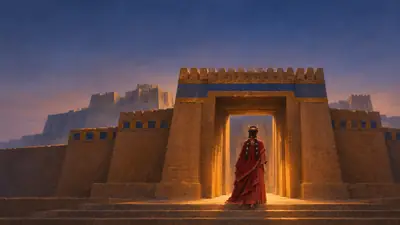
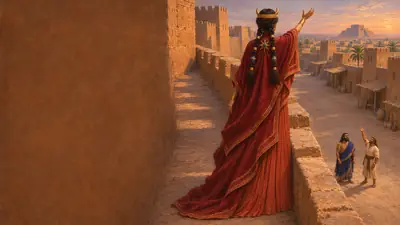
Ishtar subió a la muralla de Uruk y maldijo al rey. Enkidu arrancó un cuarto trasero del Toro, lo arrojó ante ella y amenazó con hacerle lo mismo.
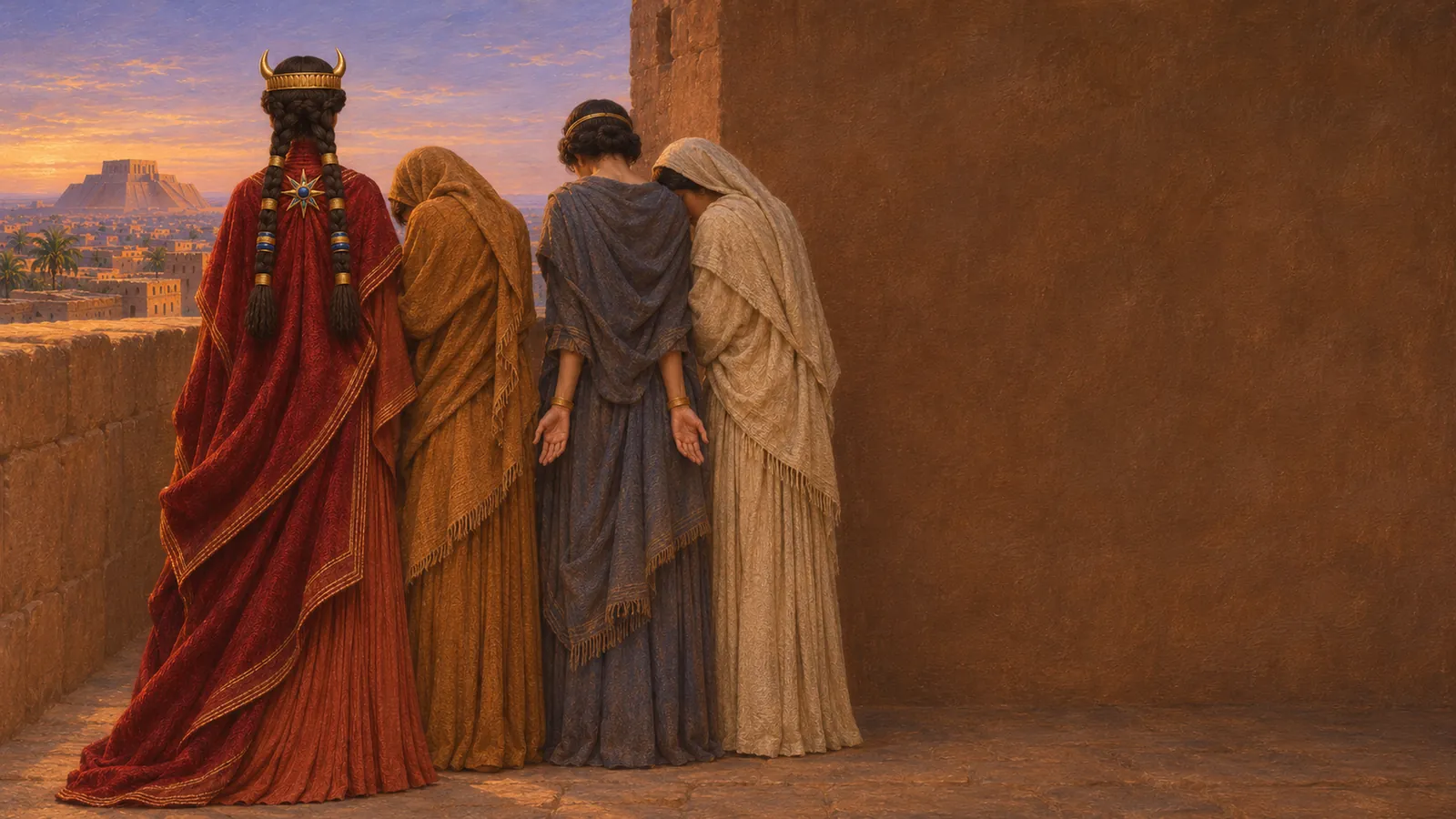
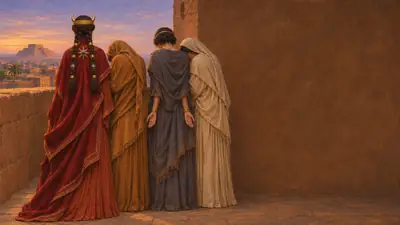
Ishtar reunió a varias mujeres a su alrededor para llorar al Toro. Mientras la noticia de la victoria recorría Uruk, de la muralla llegaba un lamento.
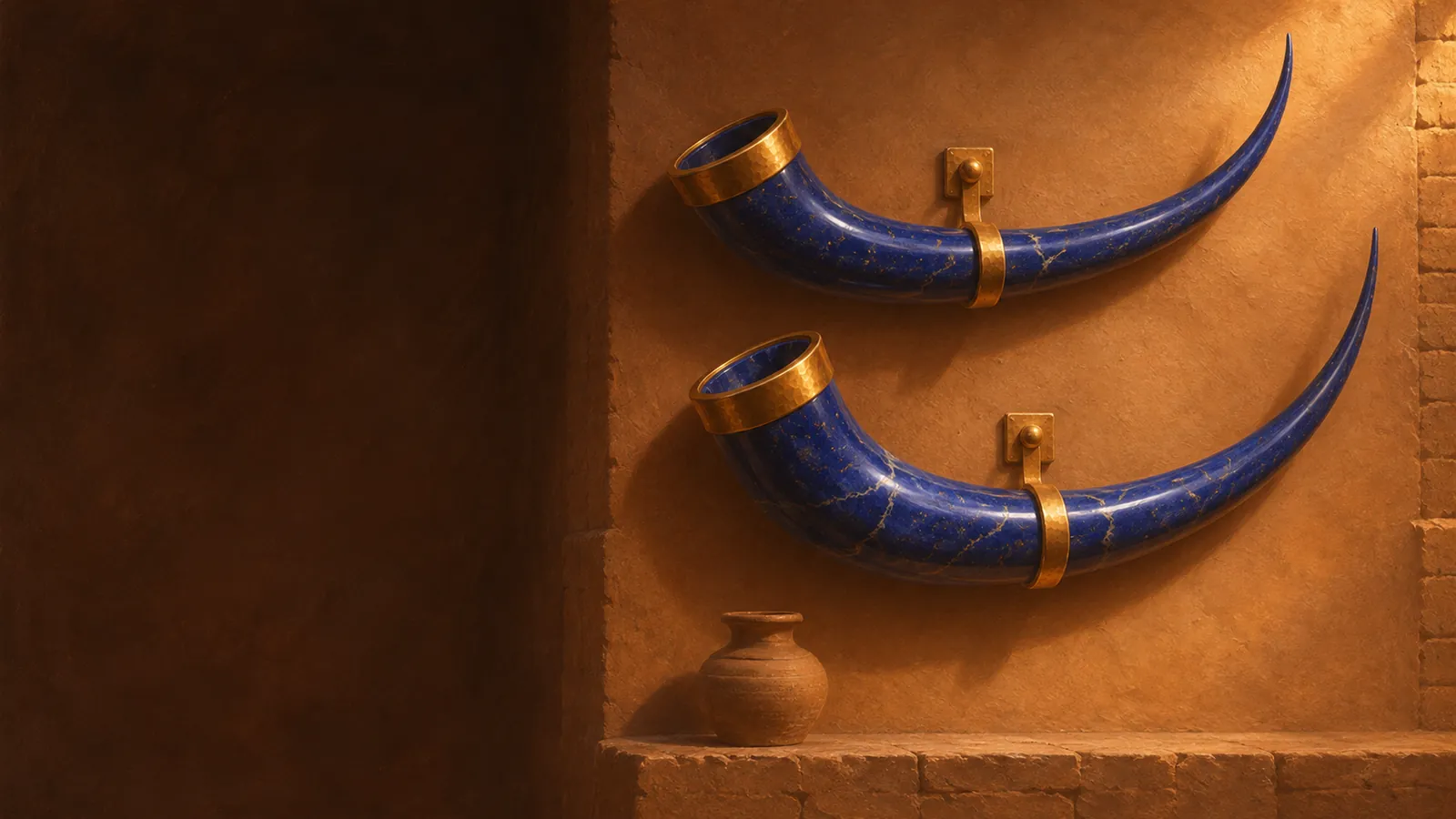
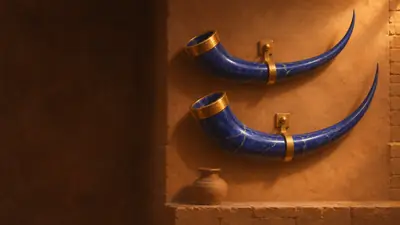
Gilgamesh llamó a los artesanos para que vieran los cuernos. Los reservó para la unción de Lugalbanda y los colgó en su aposento, donde podían contener una gran cantidad de aceite.
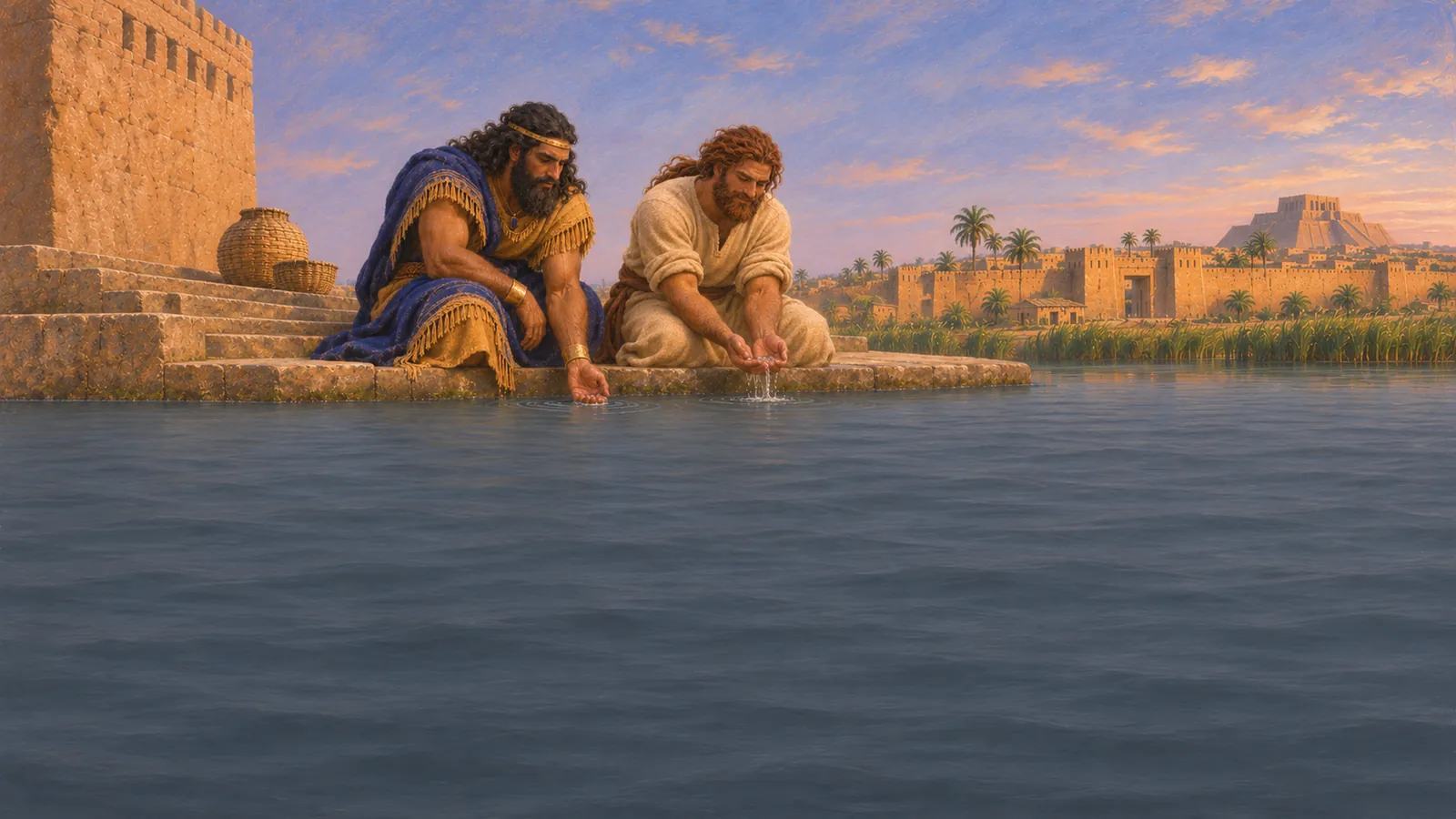
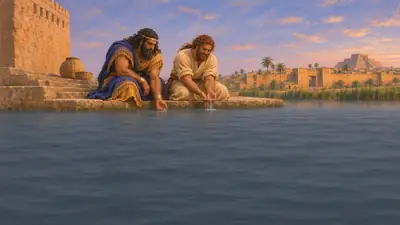
Los amigos se lavaron en el Éufrates y luego se tomaron de la mano. Recorrieron Uruk montados, y la gente se reunió junto al camino para verlos.
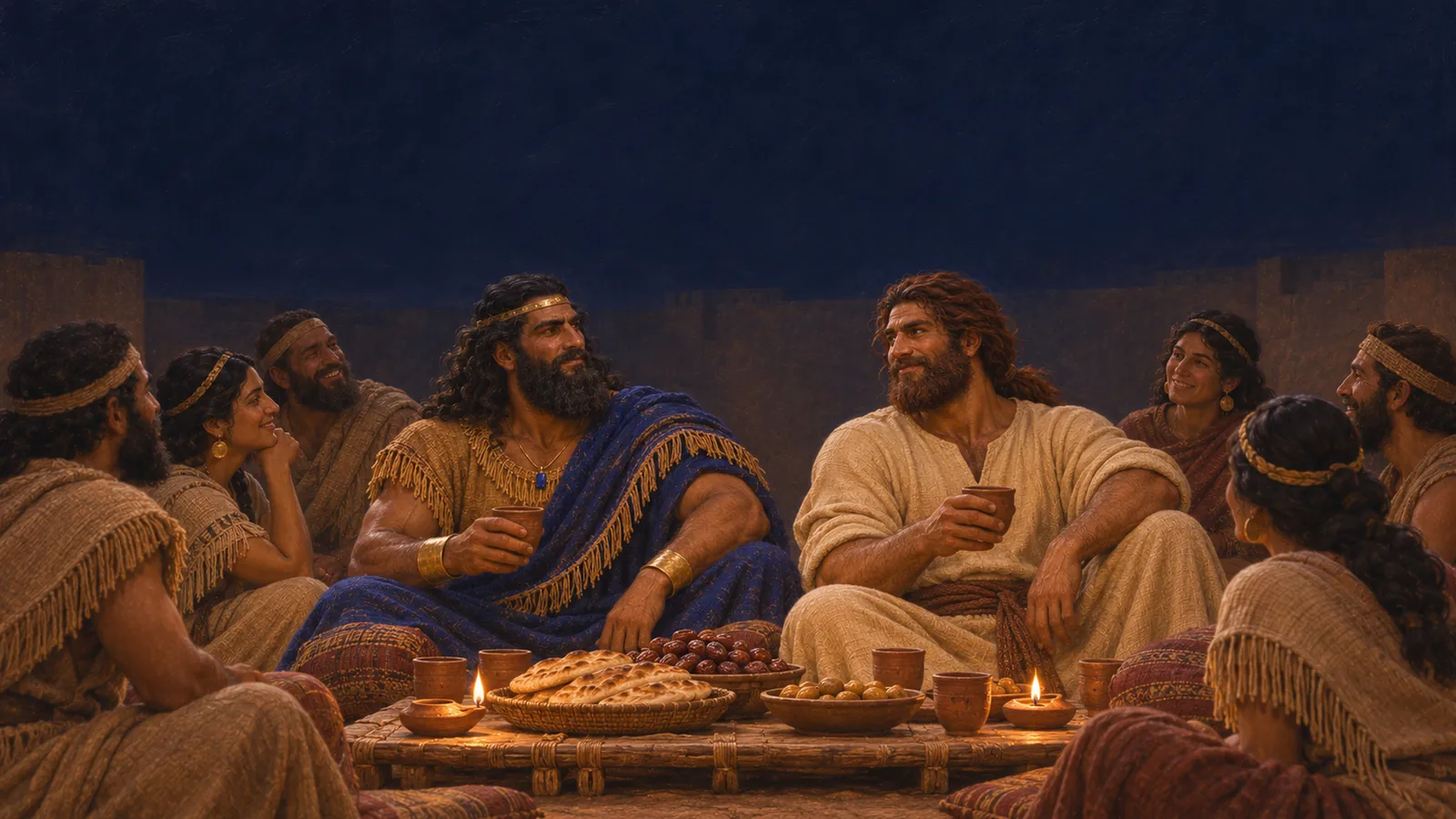
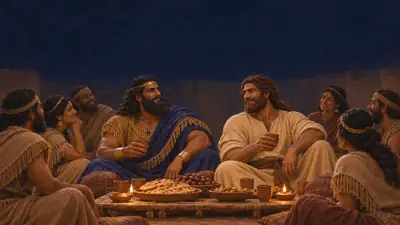
En el palacio alabaron al rey, y aquella noche Gilgamesh celebró allí. Tras la fiesta, se apagó poco a poco la luz de las lámparas, y los hombres se acostaron a dormir.
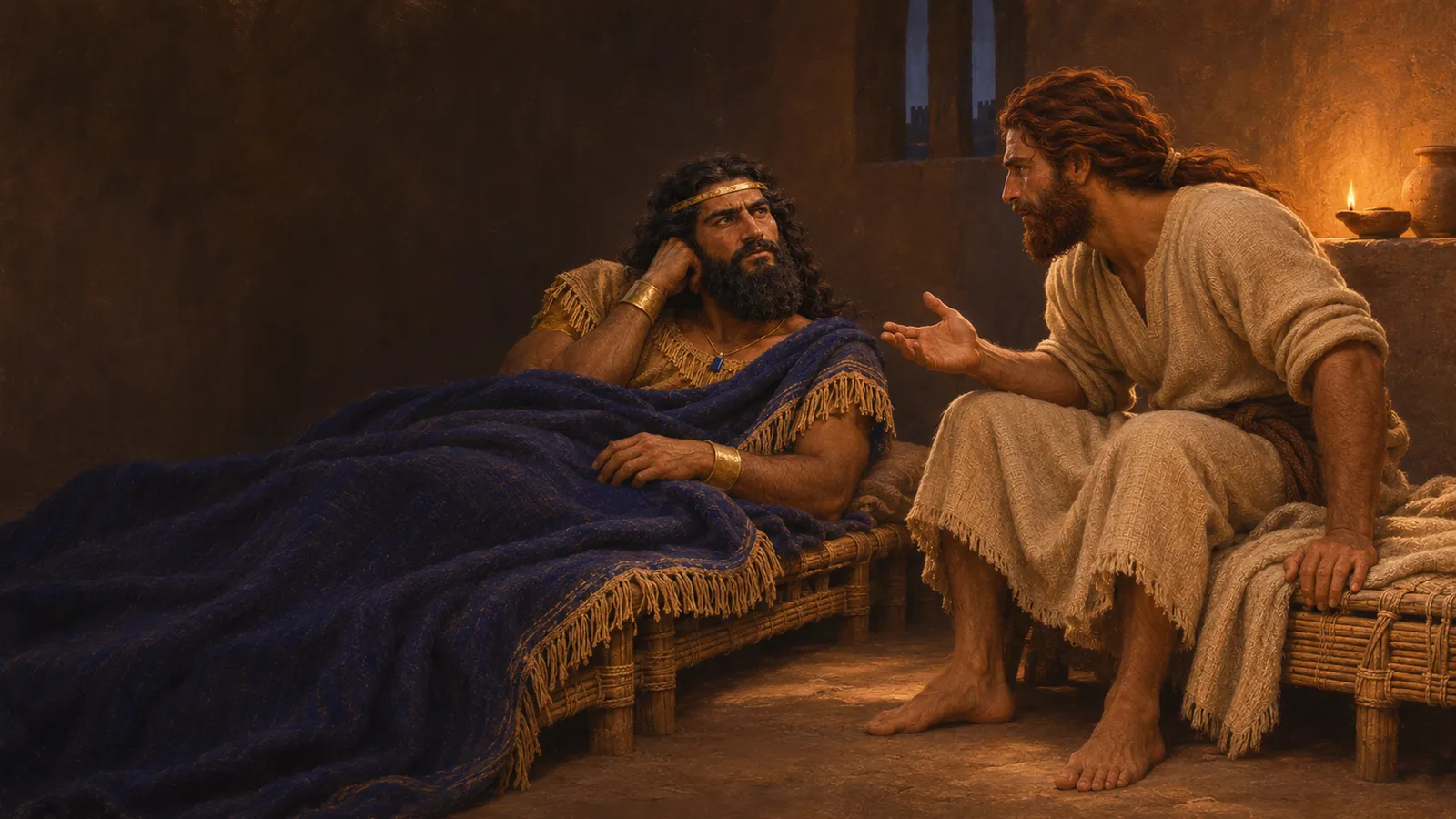
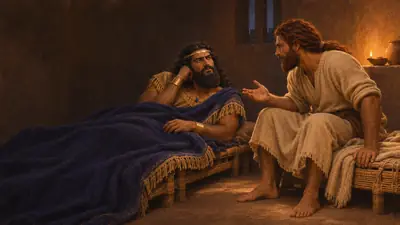
Antes de que acabara la noche, Enkidu se levantó de su lecho. Había soñado, y cuando se volvió para contarle a Gilgamesh lo que había visto, se acabaron las palabras de esta tablilla.
Fin del capítulo 4
Todas las páginas

Fuentes
The retelling gives the killing and the companions’ roles.
Ediciones consultadas
- Electronic Babylonian Library, Standard Babylonian Gilgamesh Tablet VI: . The official chapter export was checked directly through the [LMU chapter endpoint](https://www.ebl.lmu.de/api/texts/L/1/4/chapters/SB/VI), lines 1–183. Earlier editions and separate Sumerian poems can differ.
- Andrew George, “The Epic of Gilgamesh”: pp. 8–9, Tablet VI synopsis and transition to VII.
- Andrew George, “Shattered Tablets and Tangled Threads”: pp. 15–16 for the manuscript readings in several lines of Tablet VI. The script flags material ambiguities and does not stage a detailed dream on the basis of VI alone.
Notas sobre este relato
On page 34, the friends take the Bull’s heart and set it before Shamash (SB Gilgamesh VI 147–150, George’s eBL translation). The retelling describes this as an offering.
On page 35, Enkidu adds that he would drape the Bull’s entrails on Ishtar’s arms (SB Gilgamesh VI 156–157, George’s eBL translation). The retelling gives the threat in general terms.
On page 36, Ishtar gathers courtesans, prostitutes and harlots and begins mourning over the Bull’s haunch (SB Gilgamesh VI 158–159, George’s eBL translation). The retelling describes the women mourning the Bull.
Los versos antiguos de cada página
- Page 1: SB Gilgamesh VI 1–5, eBL
- Page 2: SB Gilgamesh VI 1–2, eBL
The text describes washing. - Page 3: SB Gilgamesh VI 3–4, eBL
- Page 4: SB Gilgamesh VI 5, eBL
- Page 5: SB Gilgamesh VI 6, eBL
- Page 6: SB Gilgamesh VI 7–9, eBL
- Page 7: SB Gilgamesh VI 10–12, eBL
- Page 8: SB Gilgamesh VI 13–15, eBL
- Page 9: SB Gilgamesh VI 16–21, eBL
- Page 10: SB Gilgamesh VI 22–31, eBL
Lines include breaks and restorations. - Page 11: SB Gilgamesh VI 32–41, eBL
- Page 12: SB Gilgamesh VI 42–45, eBL
The partially preserved example in 45 is omitted. - Page 13: SB Gilgamesh VI 46–47, eBL
- Page 14: SB Gilgamesh VI 48–50, eBL
The allallu species is uncertain. - Page 15: SB Gilgamesh VI 51–57, eBL
- Page 16: SB Gilgamesh VI 58–63, eBL
- Page 17: SB Gilgamesh VI 64–78, eBL
The uncertain form of his transformation is left open. - Page 18: SB Gilgamesh VI 79–81, eBL
- Page 19: SB Gilgamesh VI 80–86, eBL
- Page 20: SB Gilgamesh VI 87–91, eBL
- Page 21: SB Gilgamesh VI 92–95, eBL
- Page 22: SB Gilgamesh VI 96–100, eBL
- Page 23: SB Gilgamesh VI 101–105, eBL
- Page 24: SB Gilgamesh VI 106–112, eBL
Wording in 108–112 includes restorations. - Page 25: SB Gilgamesh VI 113–114, eBL
- Page 26: SB Gilgamesh VI 115–117, eBL
- Page 27: SB Gilgamesh VI 118, eBL
The measurement follows the text. - Page 28: SB Gilgamesh VI 119–120, eBL
- Page 29: SB Gilgamesh VI 121–122, eBL
The text gives a larger toll, not a measured depth. - Page 30: SB Gilgamesh VI 123–127, eBL
- Page 31: SB Gilgamesh VI 128–133, eBL
- Page 32: SB Gilgamesh VI 134–140, eBL
The passage is partly restored. - Page 33: SB Gilgamesh VI 141–147, Andrew R. George’s eBL translation
- Page 34: SB Gilgamesh VI 147–150, eBL
- Page 35: SB Gilgamesh VI 151–157, Andrew R. George’s eBL translation
- Page 36: SB Gilgamesh VI 158–159, eBL
- Page 37: SB Gilgamesh VI 160–166, eBL
Exact rim reading varies. The text calls Lugalbanda his god. - Page 38: SB Gilgamesh VI 167–170, eBL
- Page 39: SB Gilgamesh VI 171–180, eBL
Lines 176–178 include broken dialogue. - Page 40: SB Gilgamesh VI 180–183, eBL
Ilustraciones hechas por IL Archive con herramientas de IA; el texto se basa en las fuentes antiguas (véanse las fuentes al final de cada capítulo).