La epopeya de Gilgamesh Capítulo 5
El amigo que no pudo quedarse
Enkidu descubre que sus días están contados. Camina con Gilgamesh por última vez y luego cae enfermo. Al rey le queda llorar a su amigo y enfrentarse a su propio miedo a morir.
Ver la películaFuentesPase las páginas con las flechas, el teclado o deslizando el dedo.
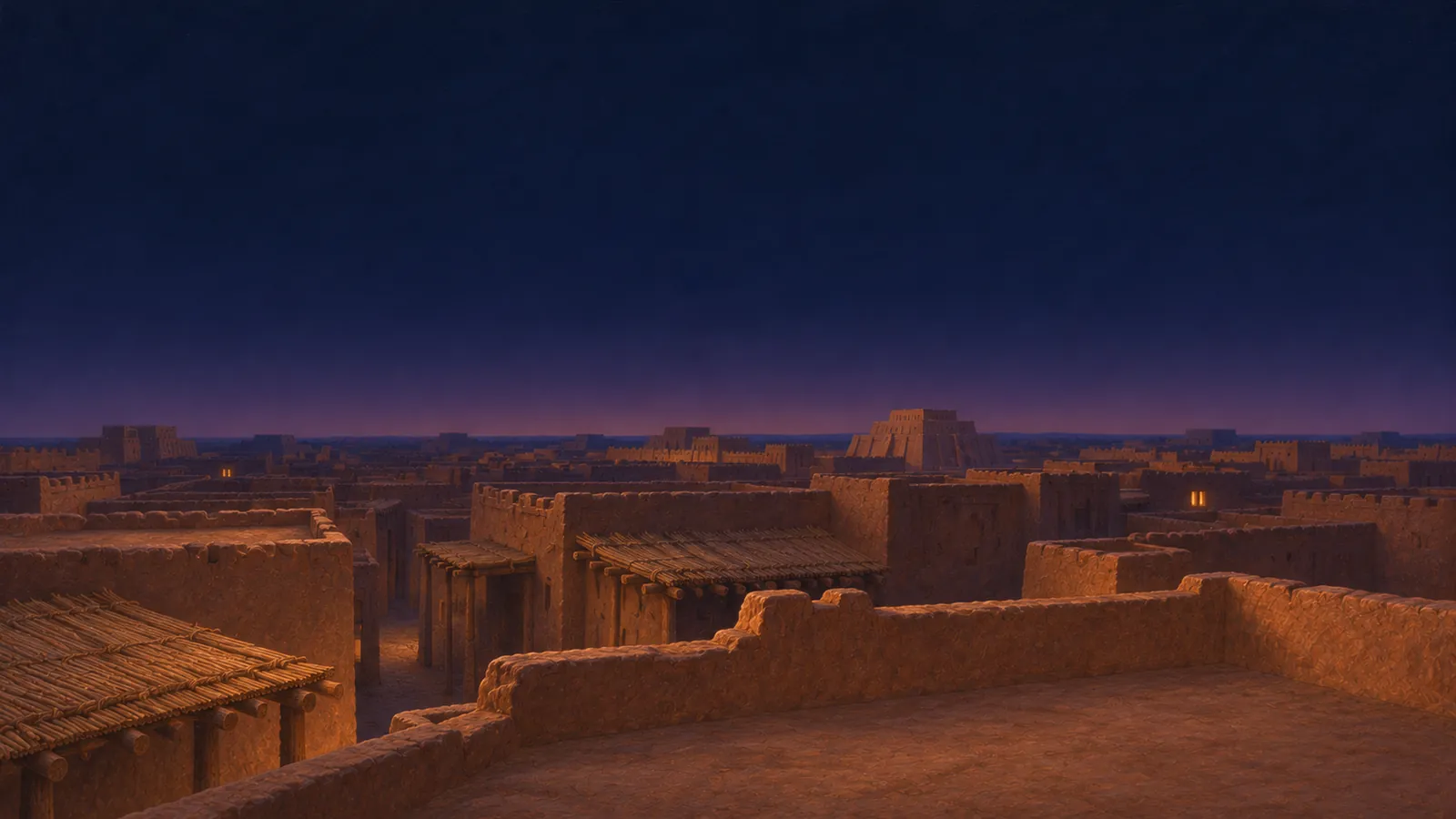
NOCHE
Uruk había celebrado la caída del Toro Celeste. Aquella noche, Enkidu tuvo un sueño que tendría que contarle a su amigo.
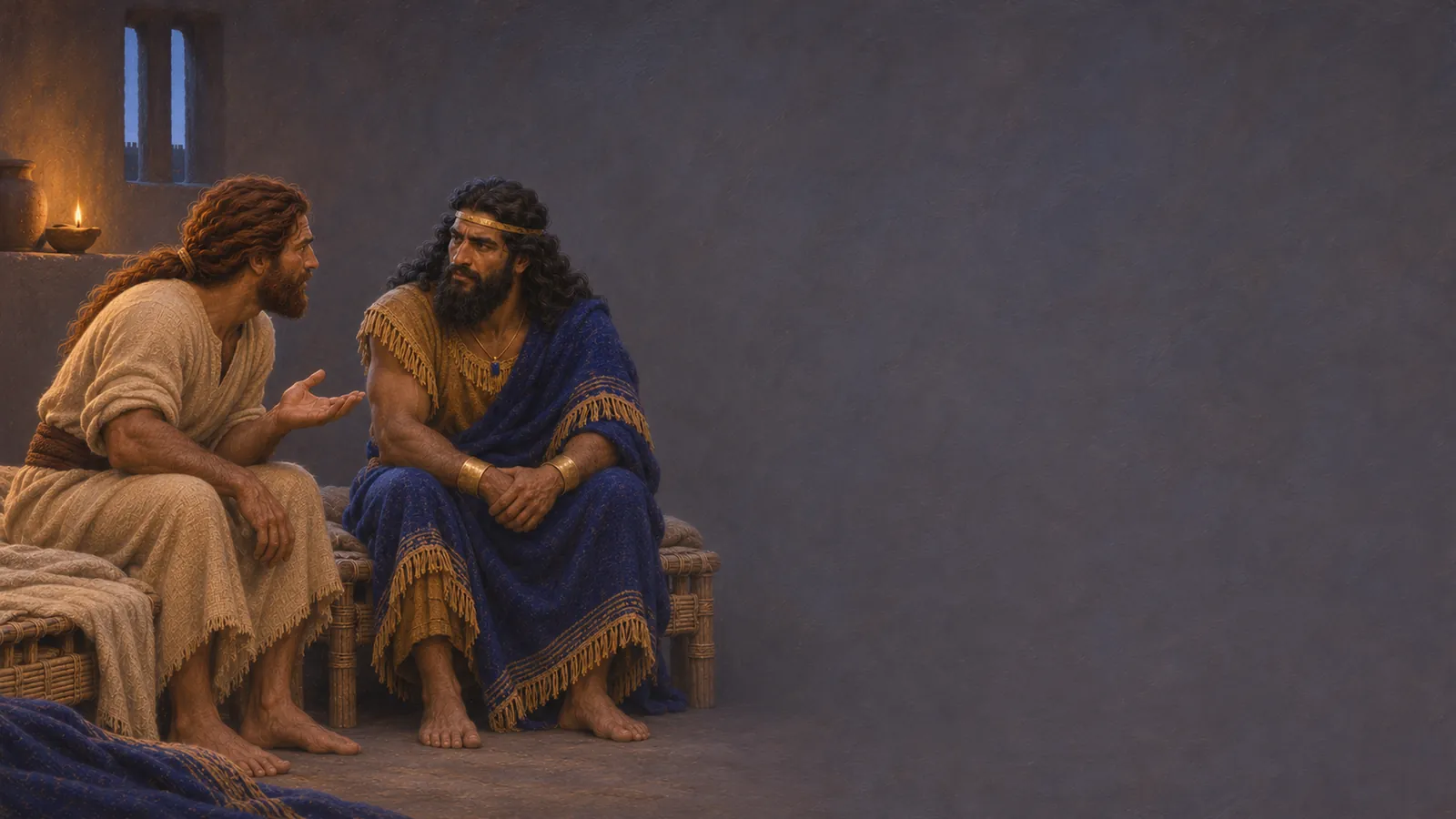
Enkidu se volvió hacia Gilgamesh con una pregunta acerca de los dioses y del motivo de su reunión. La tablilla babilónica conserva esa pregunta al comienzo, aunque el resto de ese pasaje está dañado.
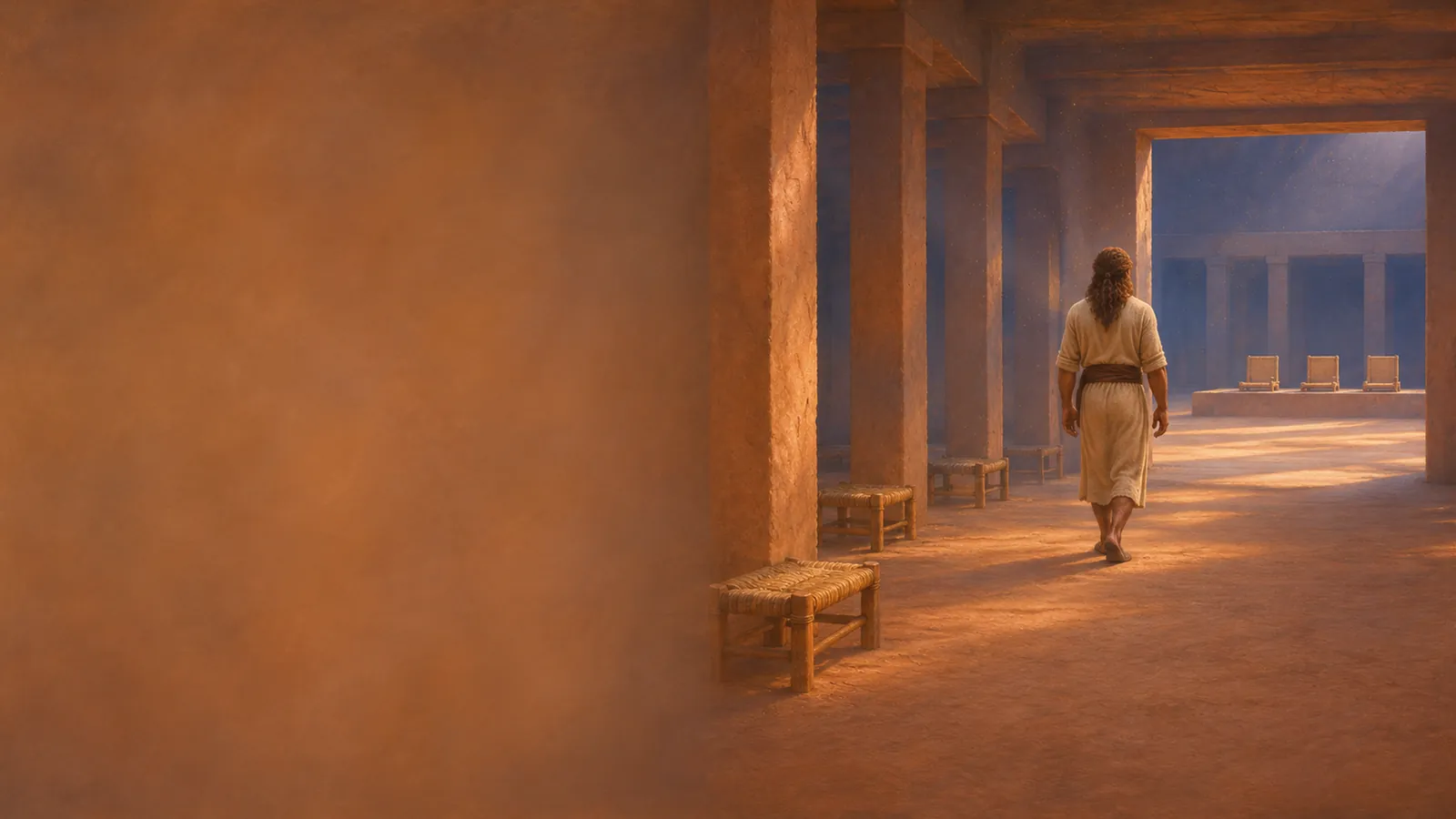
Un relato de Hattusa conserva el sueño que dio origen a esa pregunta. En esta versión hitita, Enkidu ve reunirse a los grandes dioses para decidir el destino de los dos amigos.
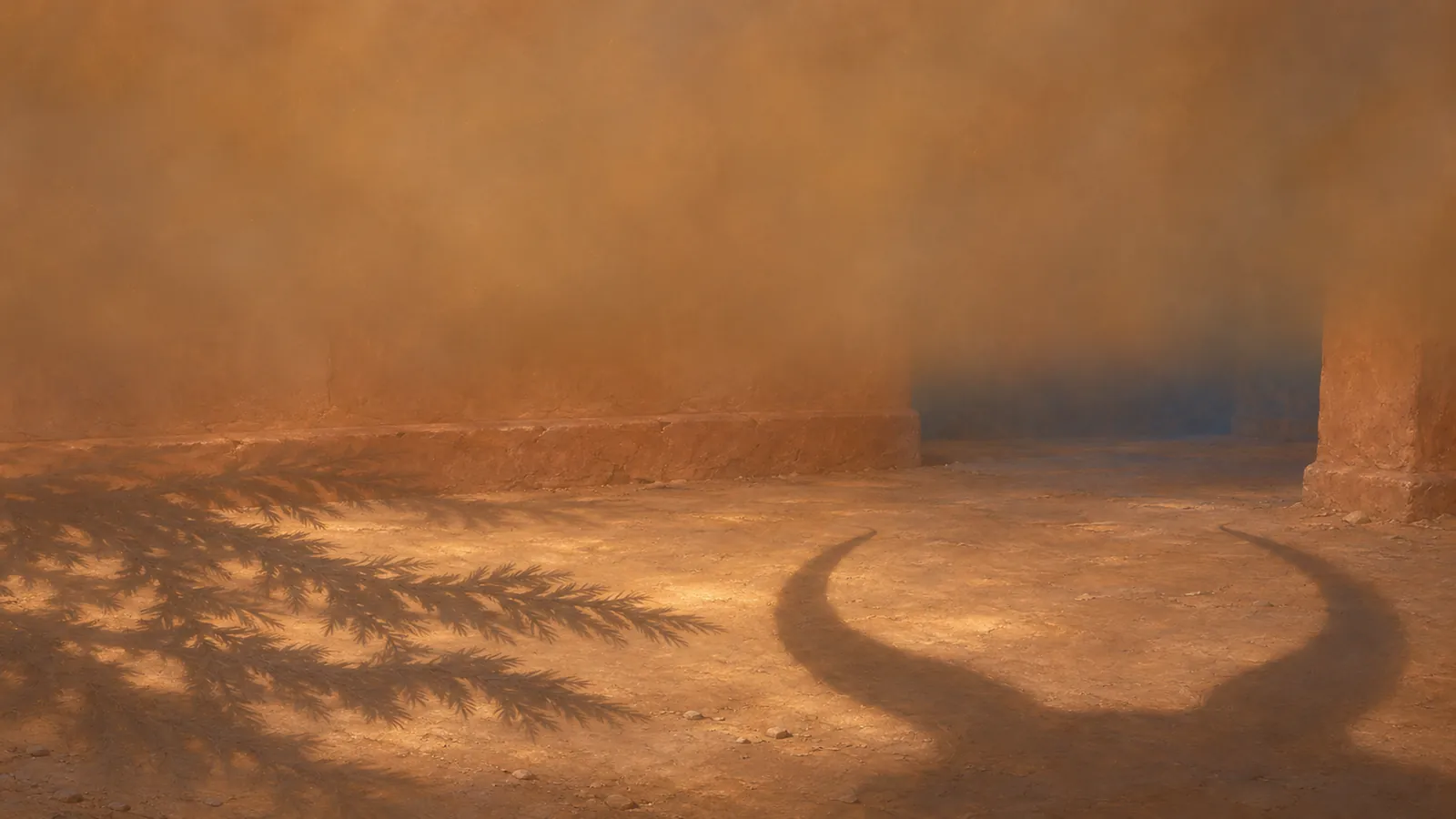
La asamblea consideró dos hechos: la muerte del Toro Celeste y la del guardián del Bosque de los Cedros. Los dos hombres habían participado en ambos.
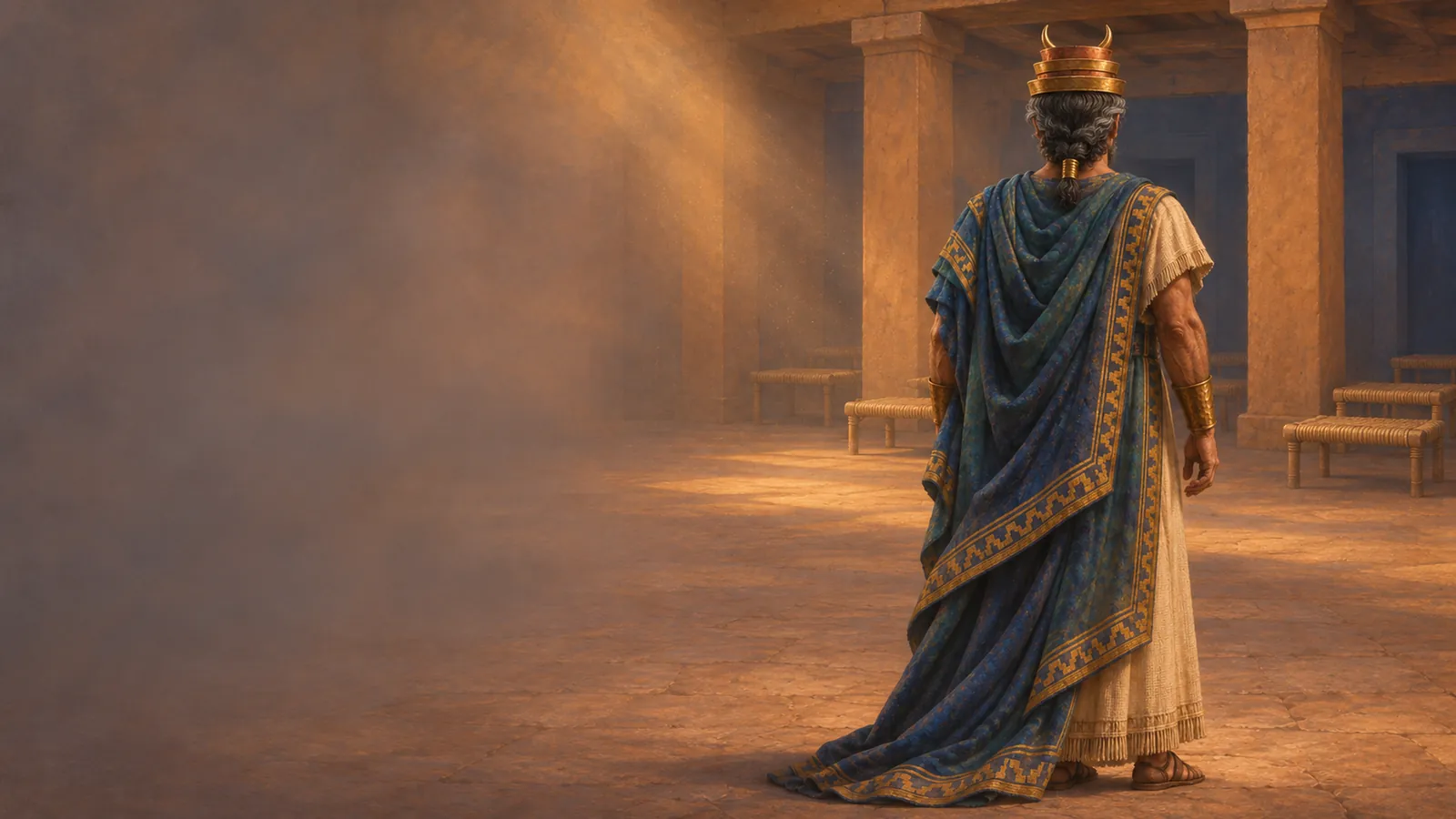
En el sueño de Enkidu, Enlil decidió que Enkidu moriría y Gilgamesh viviría. El dios del sol se opuso, pero el relato que se conserva no le concede a Enkidu ningún indulto.
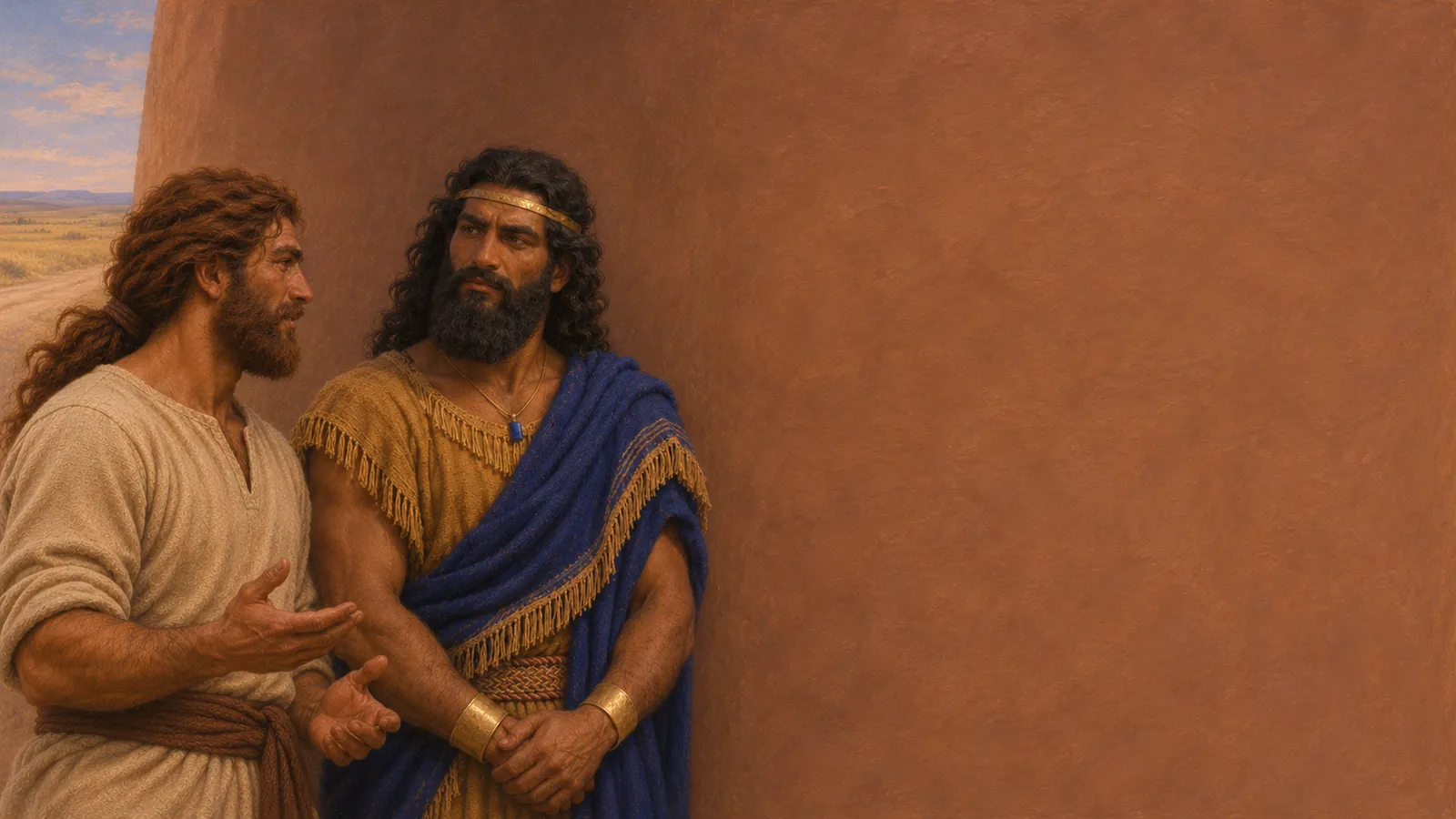
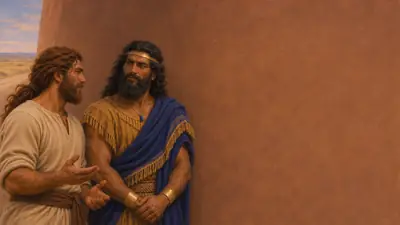
Cuando el texto babilónico vuelve a ser legible, Enkidu tiene algo en mente. Le pide a Gilgamesh que lo acompañe a Nippur para arrancar la puerta de cedro del templo de Enlil.
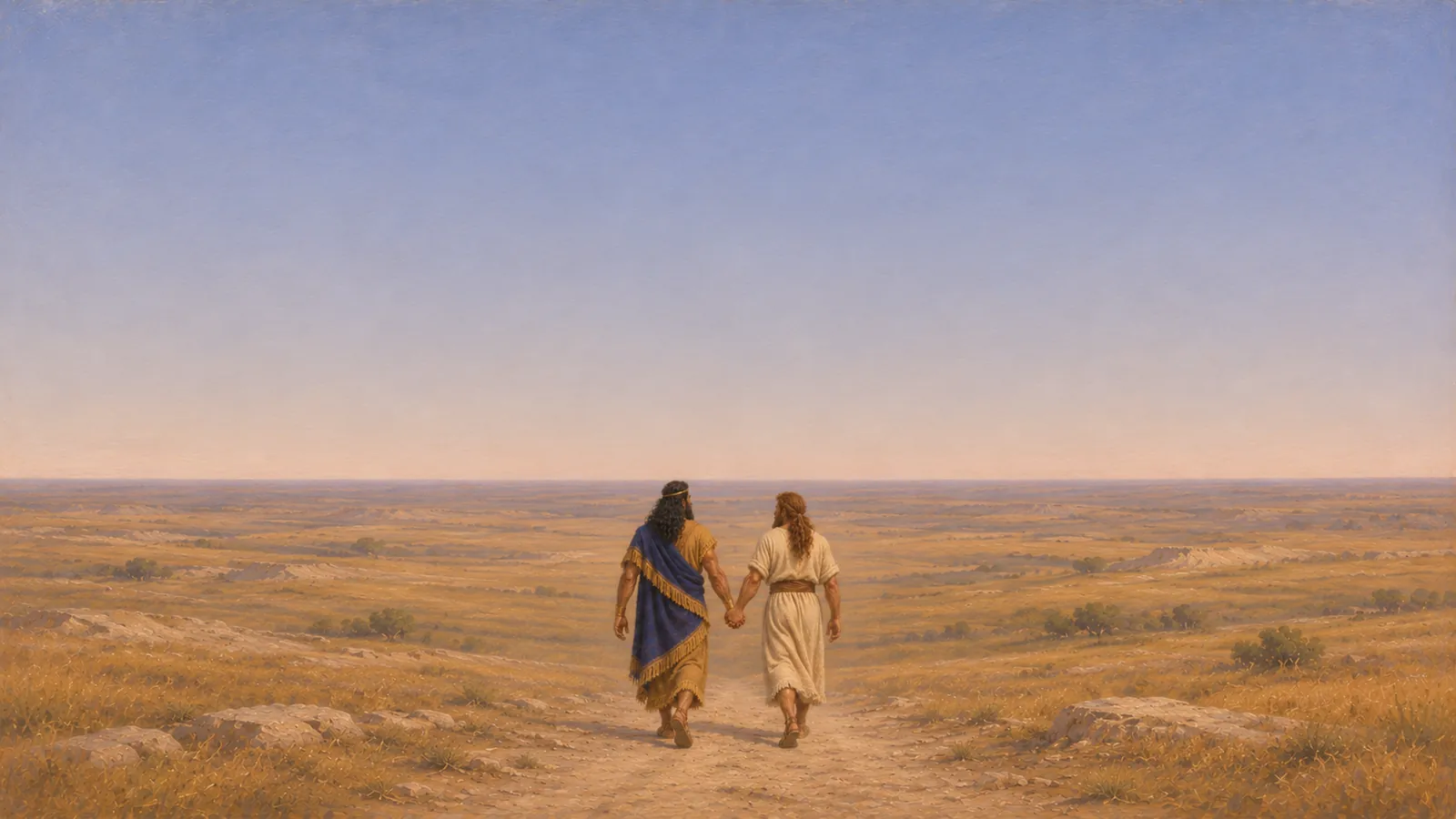
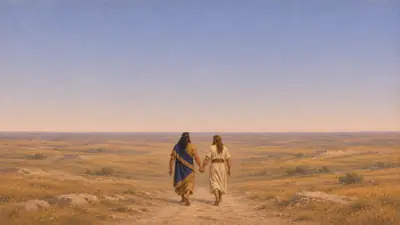
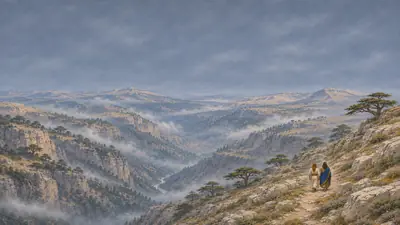
Gilgamesh fue con él. El nuevo fragmento conserva un gesto conocido de un pasaje anterior del poema: los amigos se toman de la mano al ponerse en camino juntos.
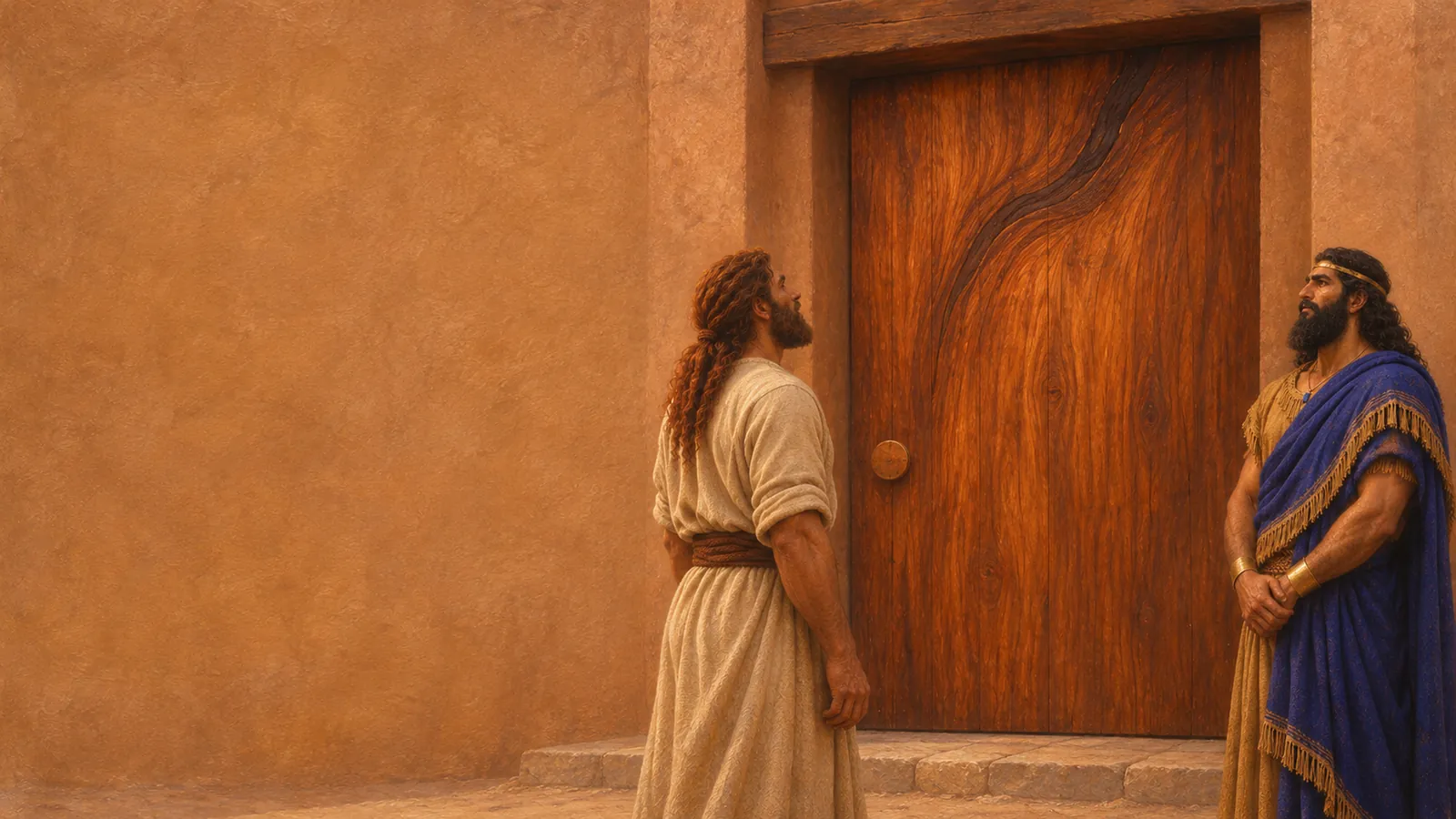
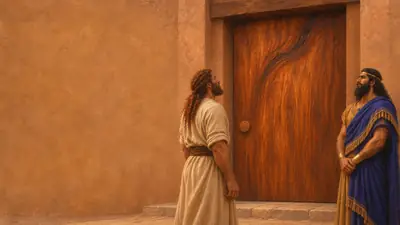
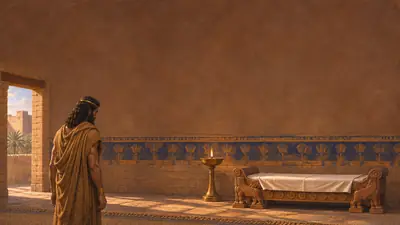
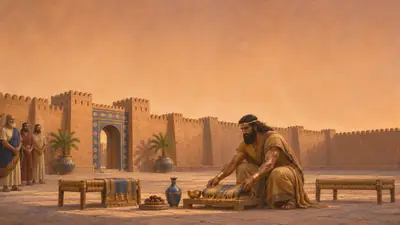
En el templo de Enlil, Enkidu se plantó ante la gran puerta de cedro que en otro tiempo había pensado ofrecer como regalo. Le habló como si la puerta pudiera oírlo.

La puerta lo lleva de vuelta al día en que admiró la madera. Buena parte de sus palabras está dañada, pero su pesar es claro: ojalá hubiese elegido de otro modo.
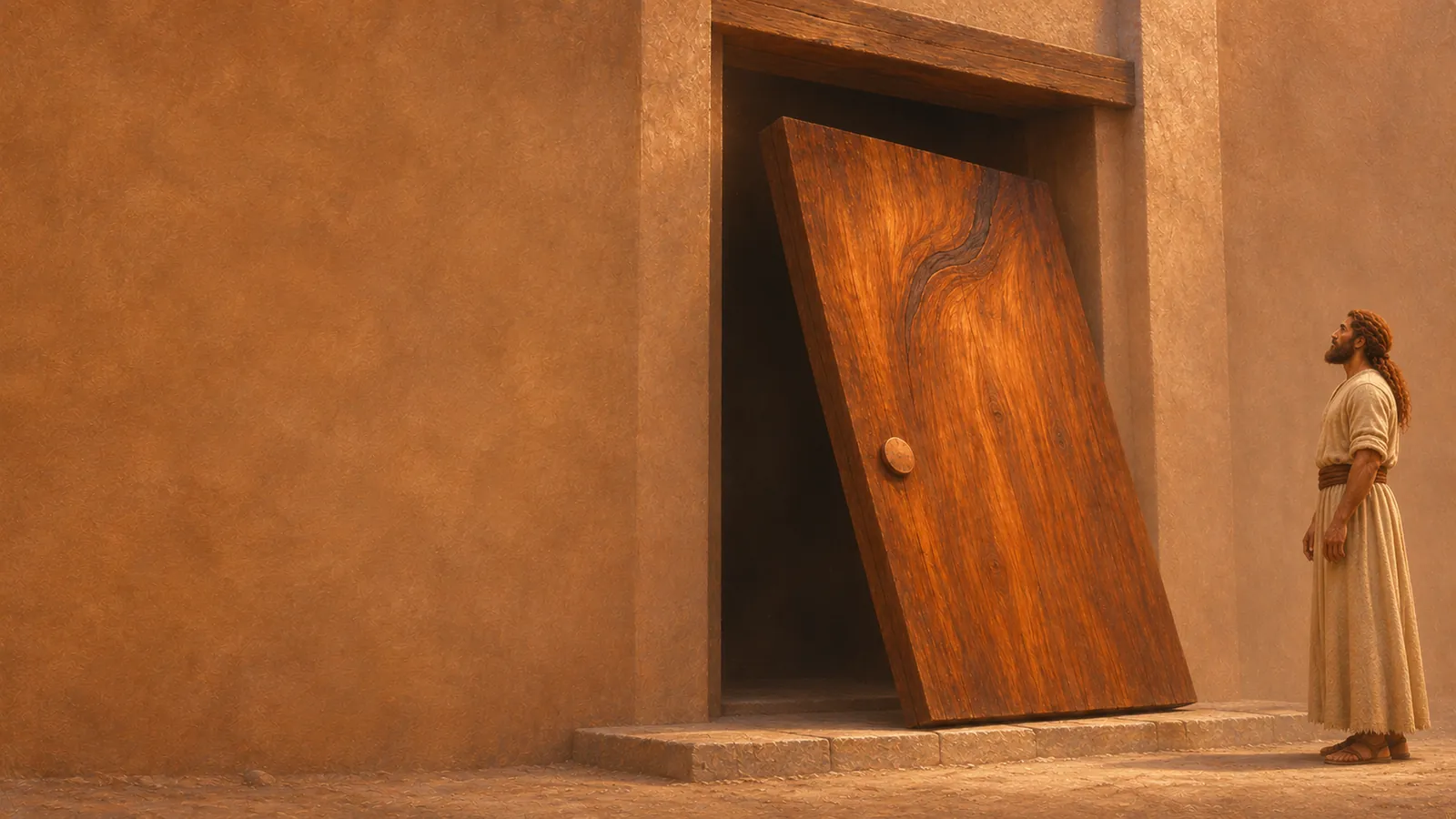
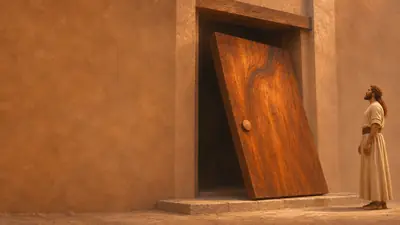
Para Enkidu, la puerta se había convertido en un símbolo de lo que había dado y de lo que había perdido. Después de maldecirla, la arrancó, tal como le había dicho a Gilgamesh que haría.
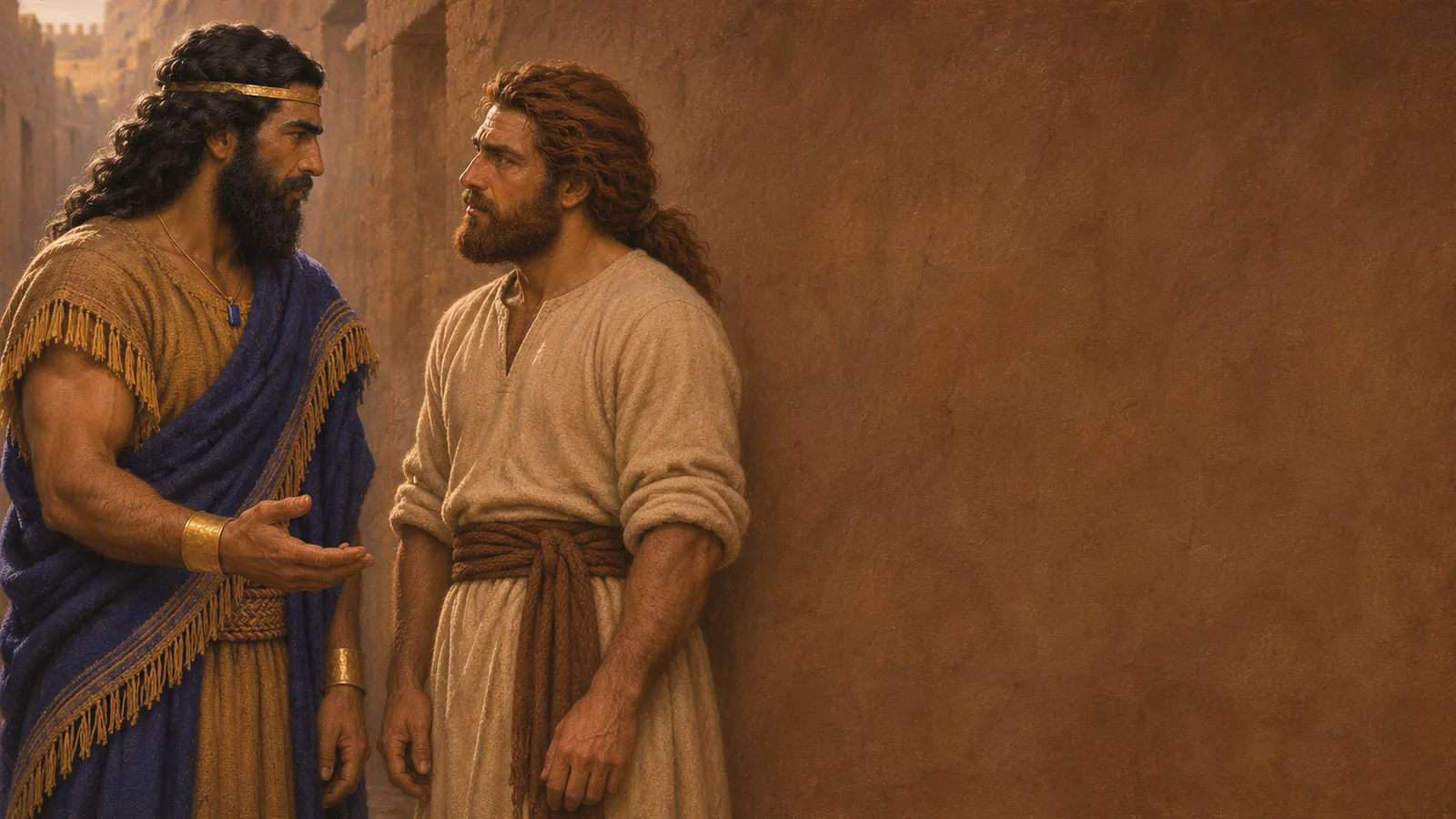
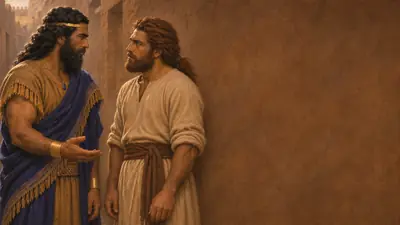
Gilgamesh oyó el miedo que se escondía tras la ira de su amigo. En el pasaje dañado que sigue, se ofrece a suplicar a los grandes dioses en favor de Enkidu.
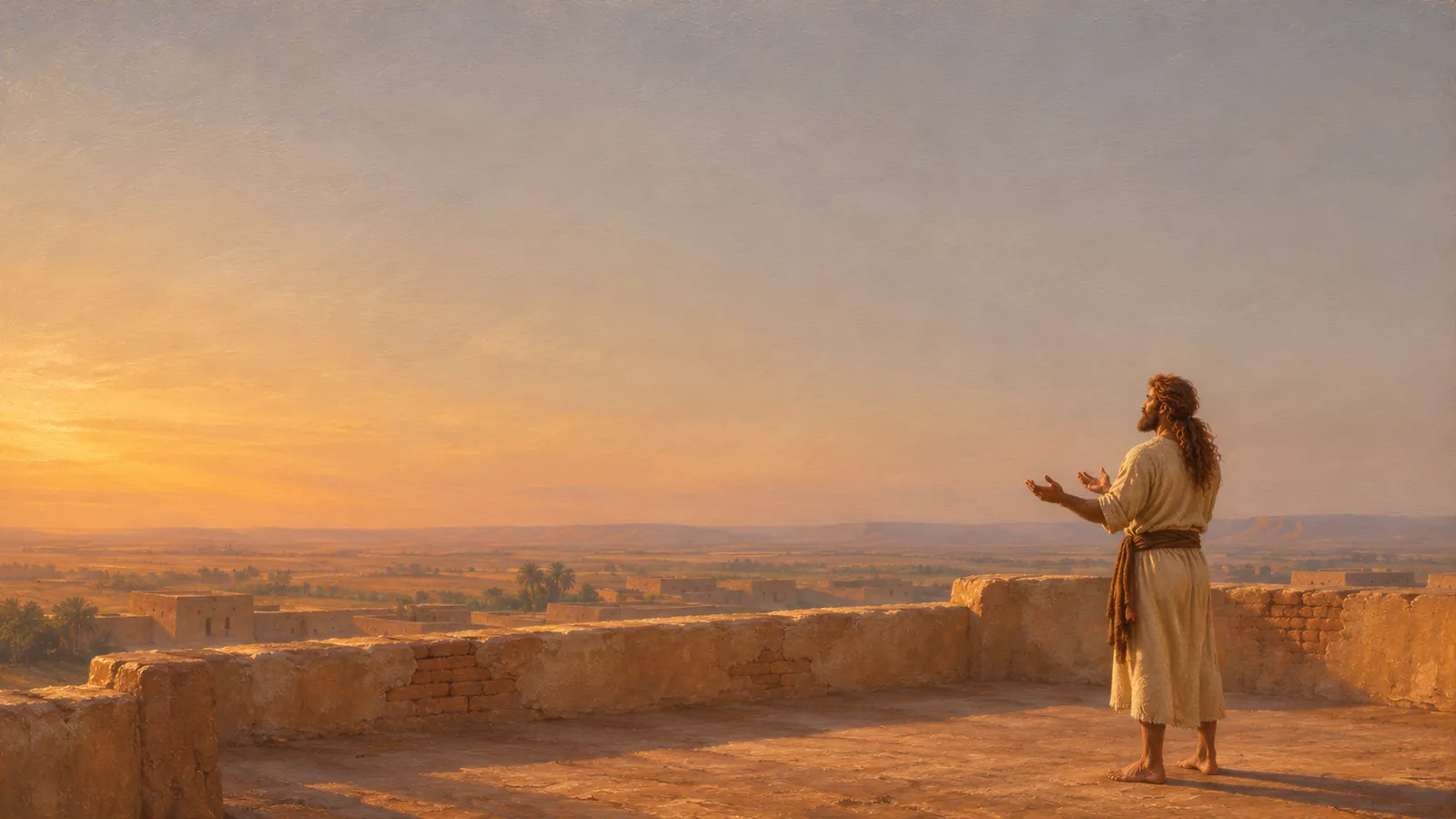
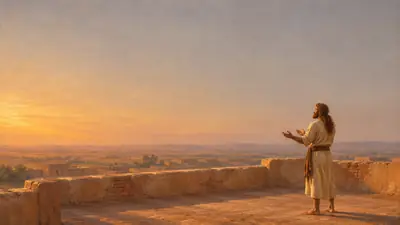
Con la primera luz, Enkidu llamó a Shamash. Entre los rayos del sol naciente, suplicó por su vida.

Enkidu culpó al cazador que primero había cambiado el rumbo de su vida. Deseó que su trabajo fracasara y que su sustento menguara.

Enkidu descargó su ira sobre Shamhat, que lo había ayudado a entrar en la vida de la ciudad. La maldijo a vivir sin hogar, en las encrucijadas y entre borrachos.
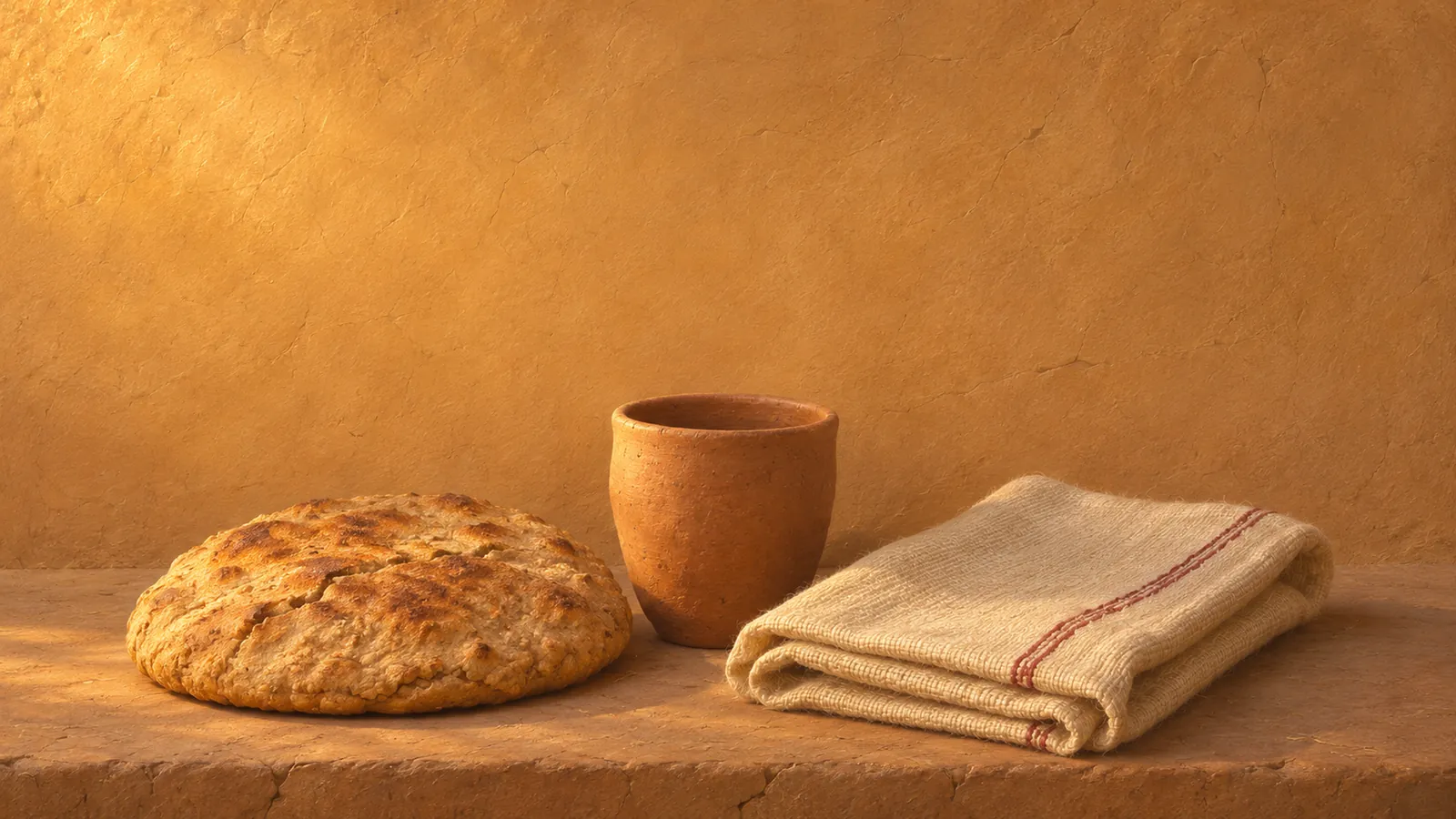
Shamash le recordó la comida, la bebida y la ropa que Shamhat le había ofrecido. Ella también lo había ayudado a encontrar al amigo que ahora temía perder.
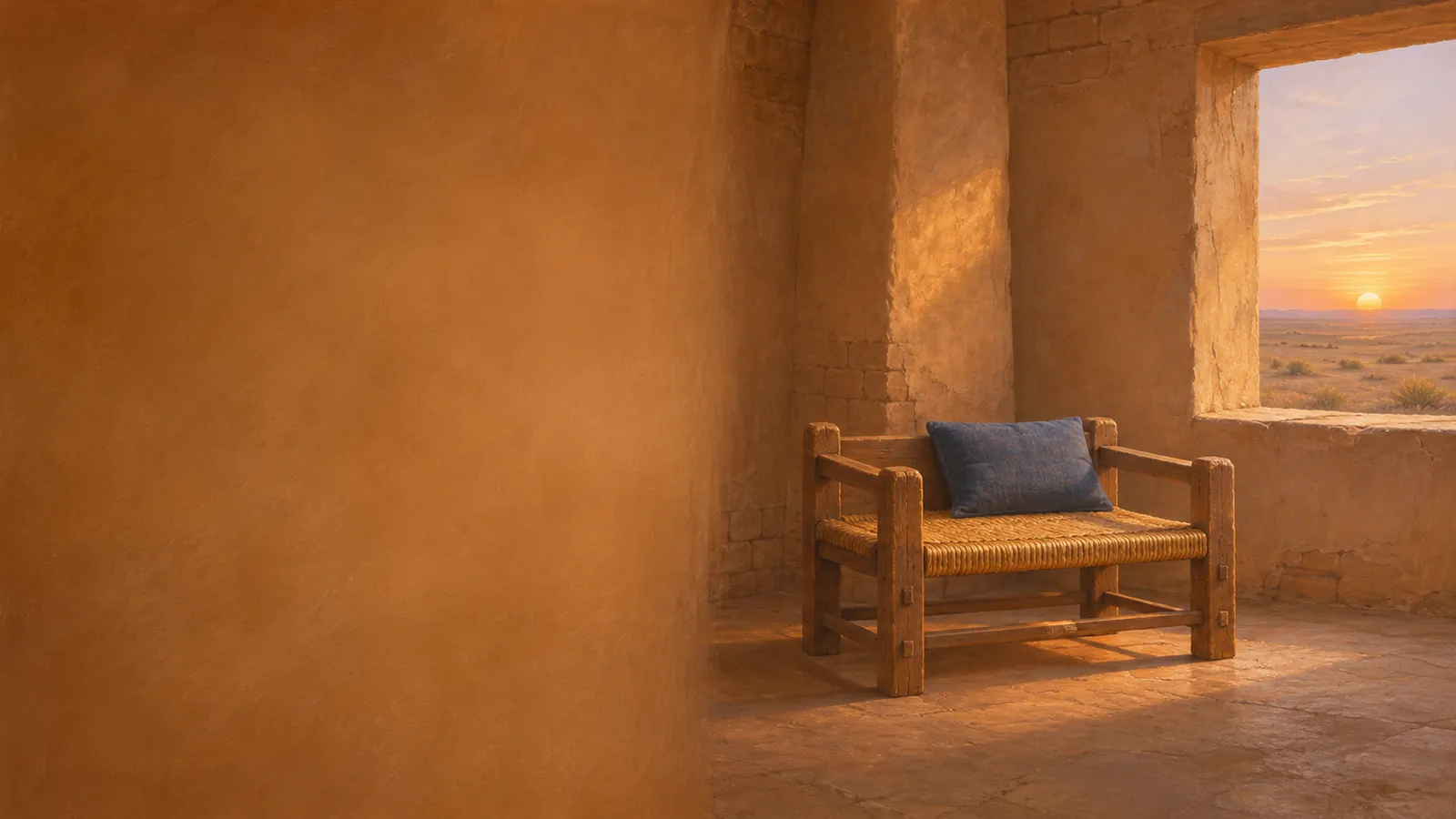
Shamash le dijo a Enkidu qué haría Gilgamesh por él: le daría un lugar de honor y pediría a todo Uruk que lo llorara. También predijo que Gilgamesh se adentraría en la estepa.

El recordatorio calmó a Enkidu. Se retractó de lo que le había deseado a Shamhat y la bendijo, deseándole el aprecio de quienes tenían poder.
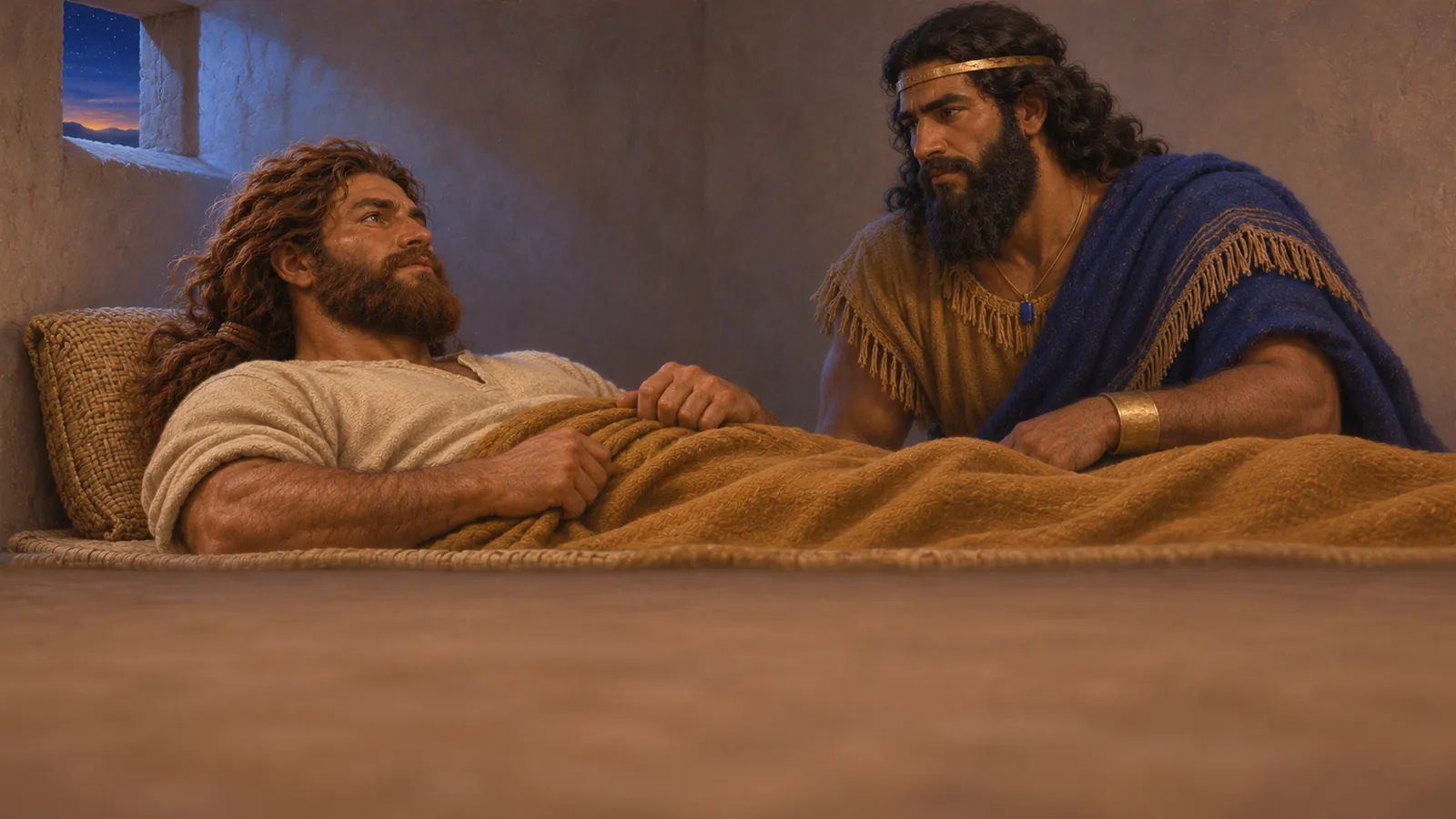
Ya enfermo, Enkidu tuvo otro sueño y se lo contó a Gilgamesh. El cielo lanzó un grito, la tierra respondió y Enkidu quedó en medio del estruendo antes de que acudiera nadie a ayudarlo.
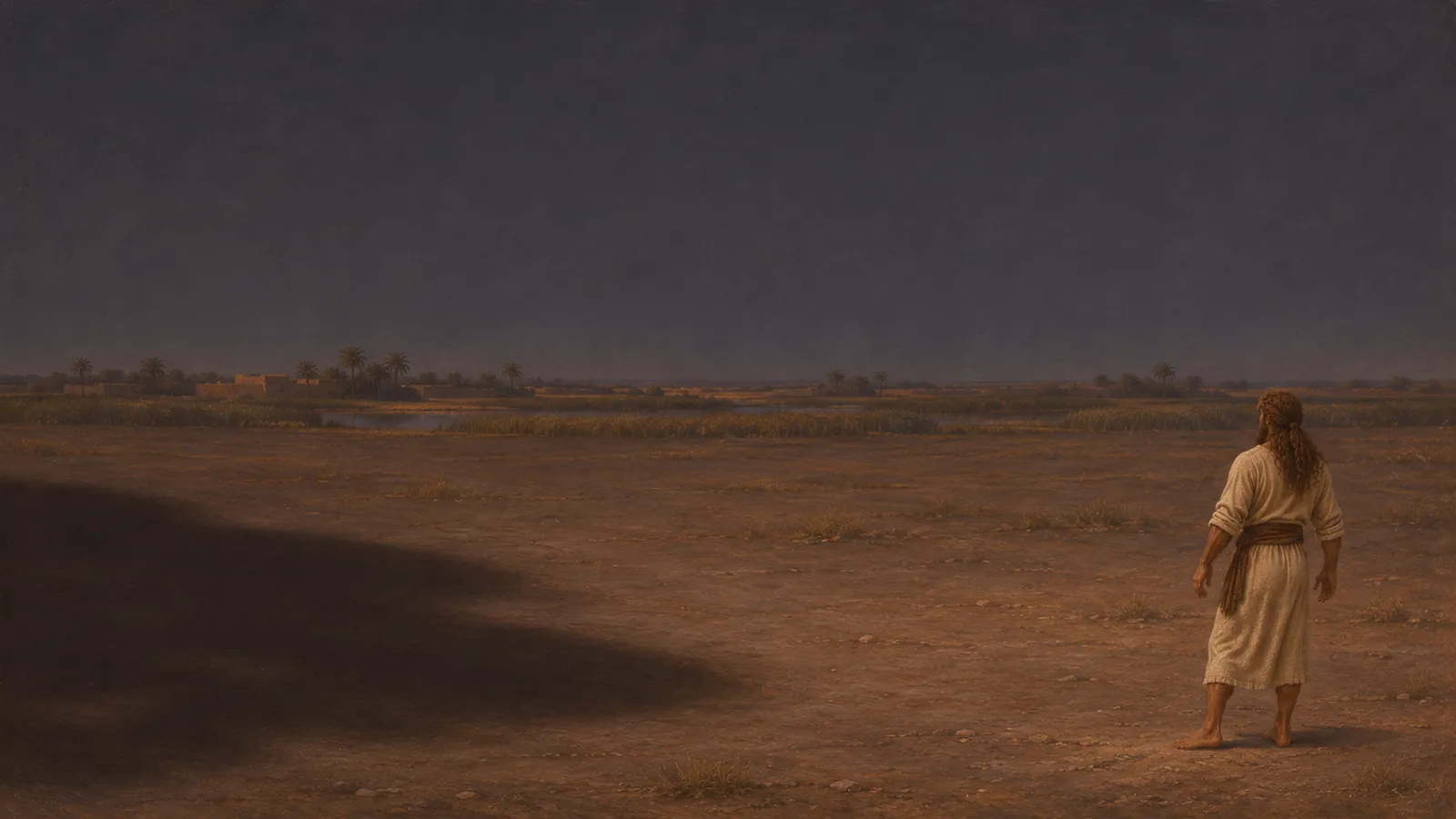
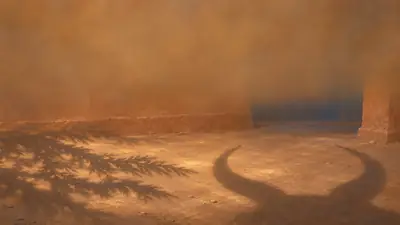
En el sueño apareció una figura de rostro oscuro. Enkidu describió unas zarpas de león y unas garras de águila. La figura lo sujetó y lo dominó.
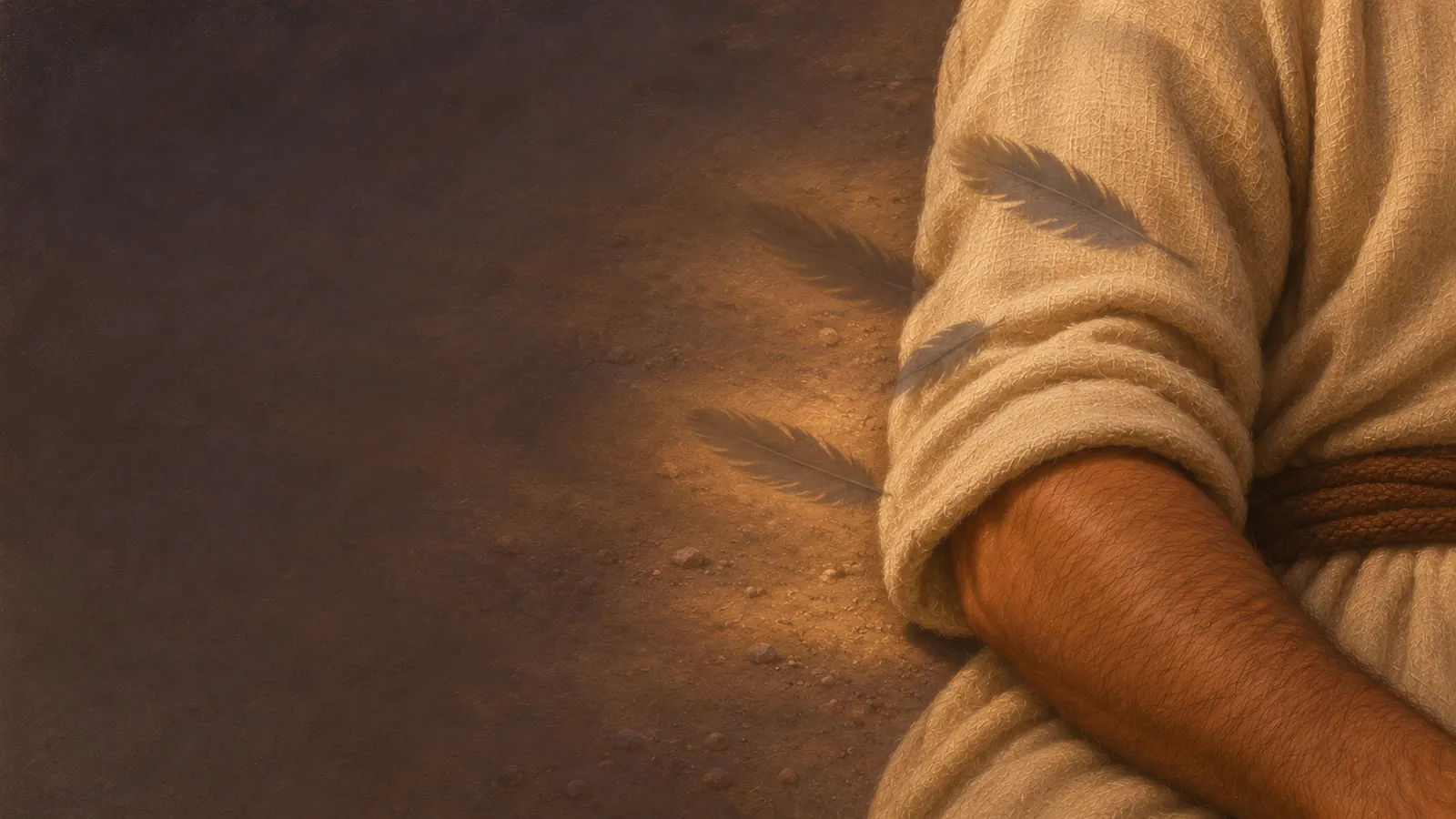
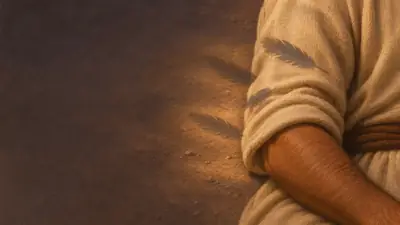
En el sueño, Enkidu descubrió que sus brazos habían cambiado y estaban cubiertos de plumas como las de un ave. La figura lo condujo hacia un camino sin retorno.

OSCURIDAD
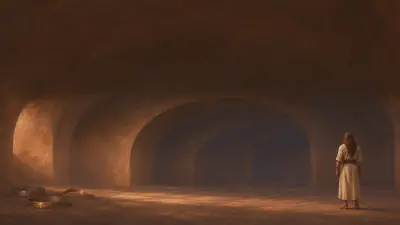
El camino llevaba a una casa a la que no llegaba la luz del día. Quienes entraban en ella no regresaban, y sus habitantes se alimentaban de polvo y arcilla.
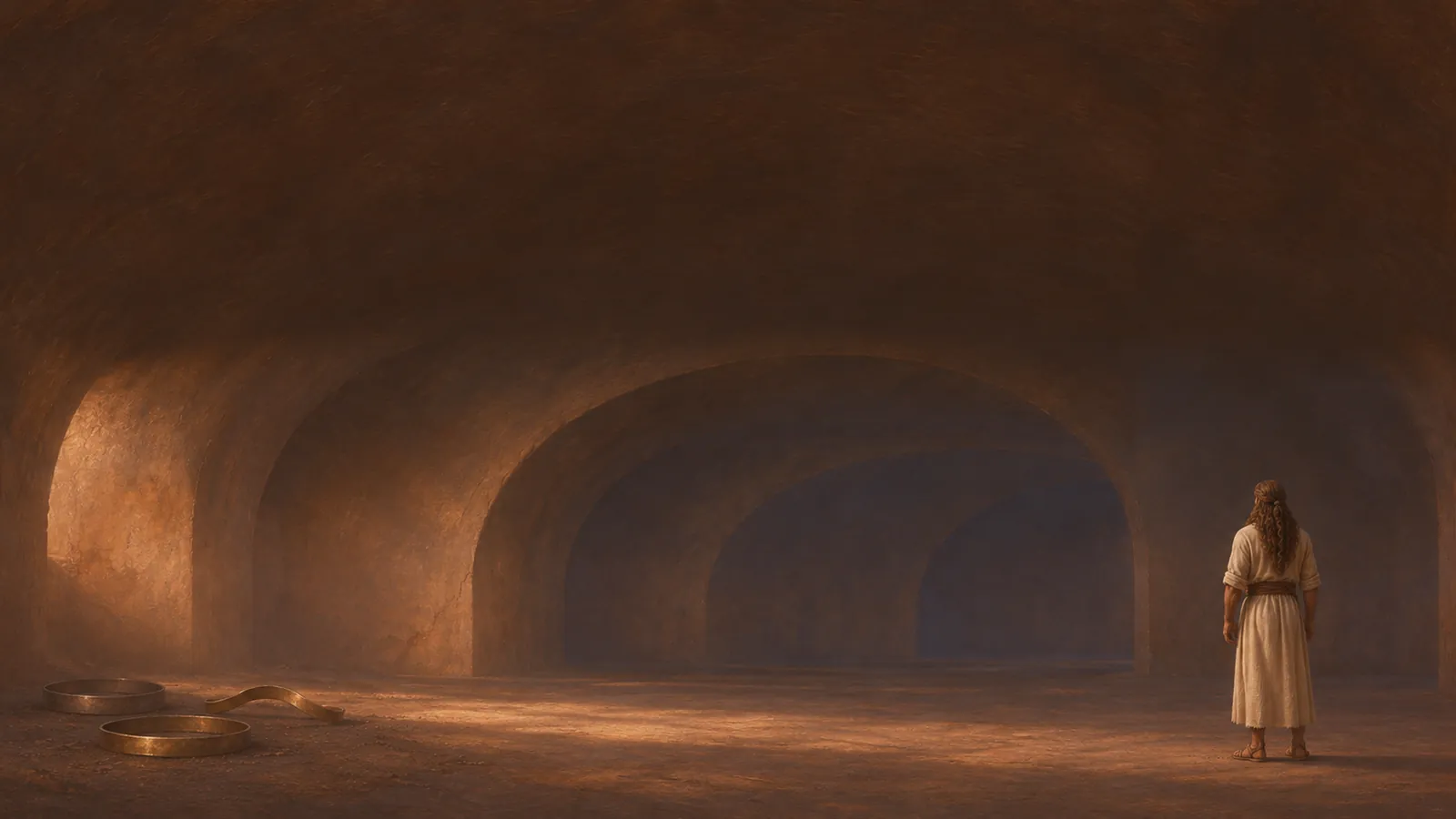
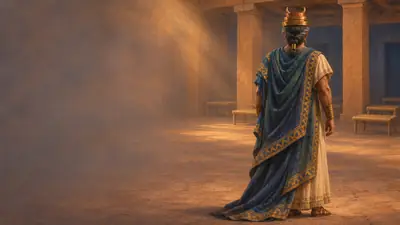
Enkidu vio a quienes en otro tiempo habían llevado corona. Hacía mucho que habían gobernado la tierra. Allí compartían la oscuridad con los demás habitantes de la casa.
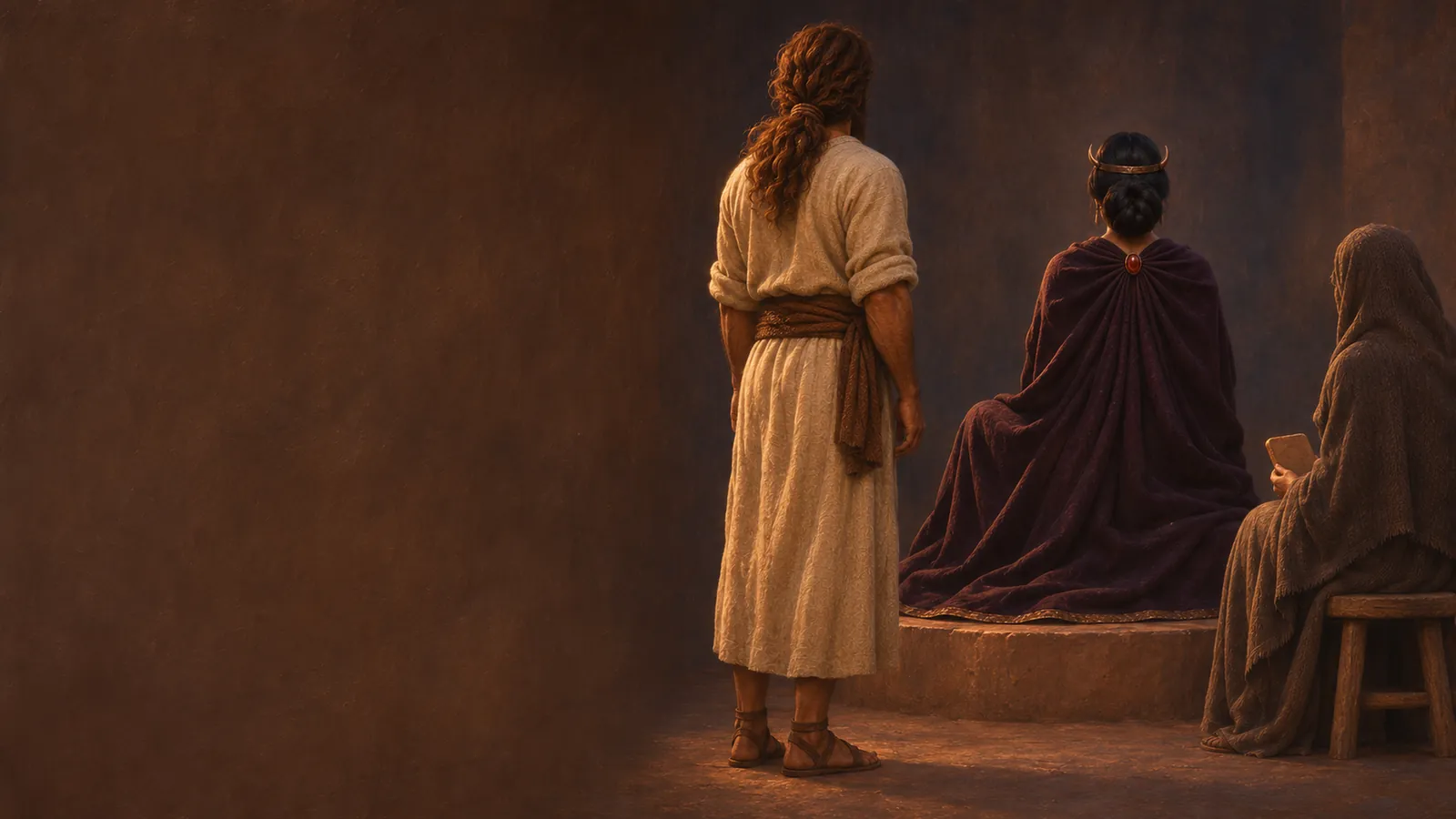
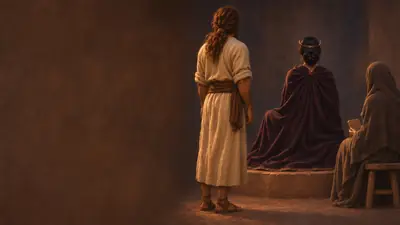
En la Casa del Polvo se sentaba Ereshkigal, reina de los muertos. Belet-seri leyó una tablilla en su presencia, y la reina preguntó quién había llevado allí a Enkidu.
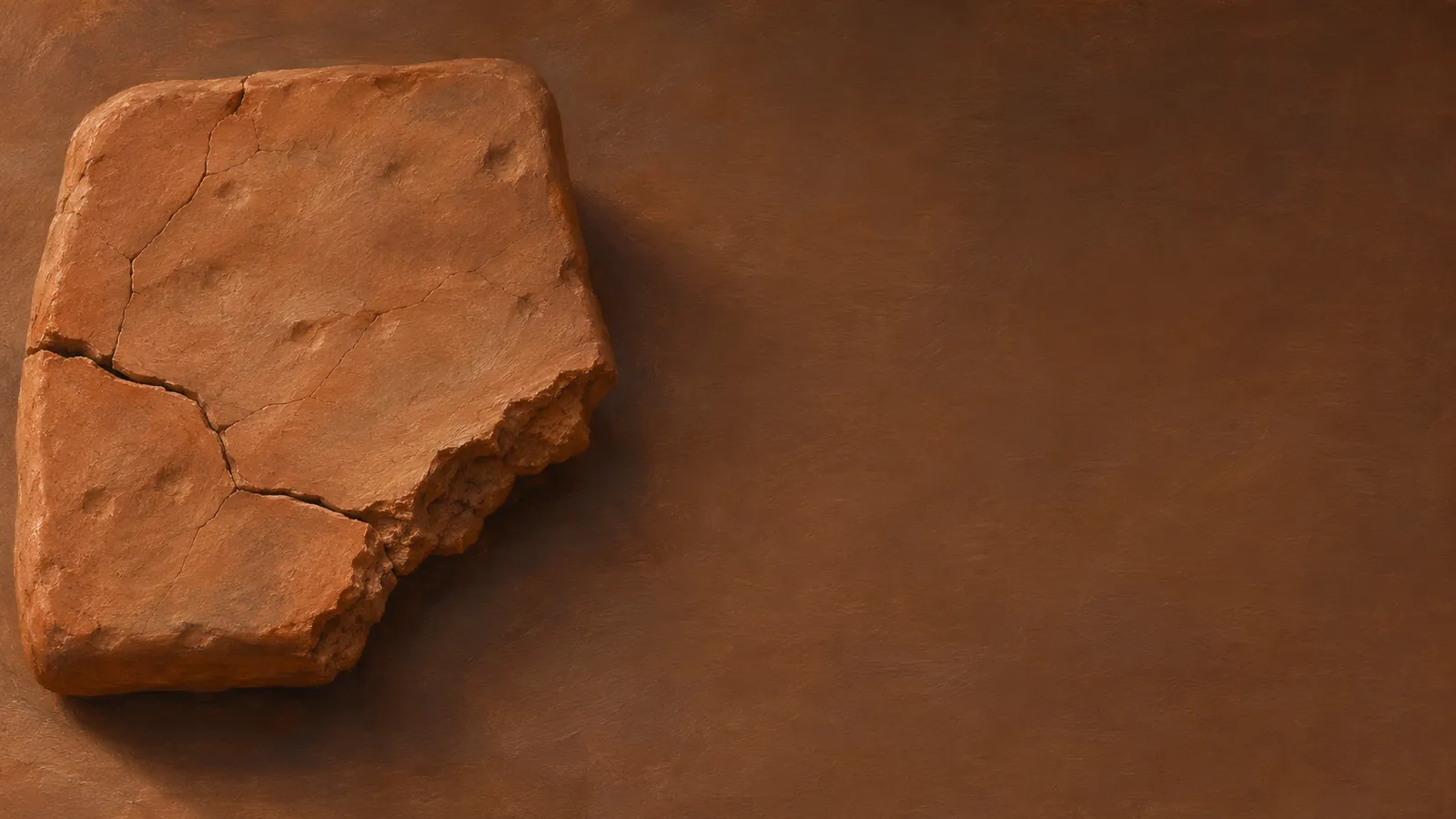
Un fragmento recuperado conserva una orden de preparar ofrendas y construir una tumba. Tal vez esté destinada a Enkidu, pero las pistas se dispersan antes de que termine su relato.
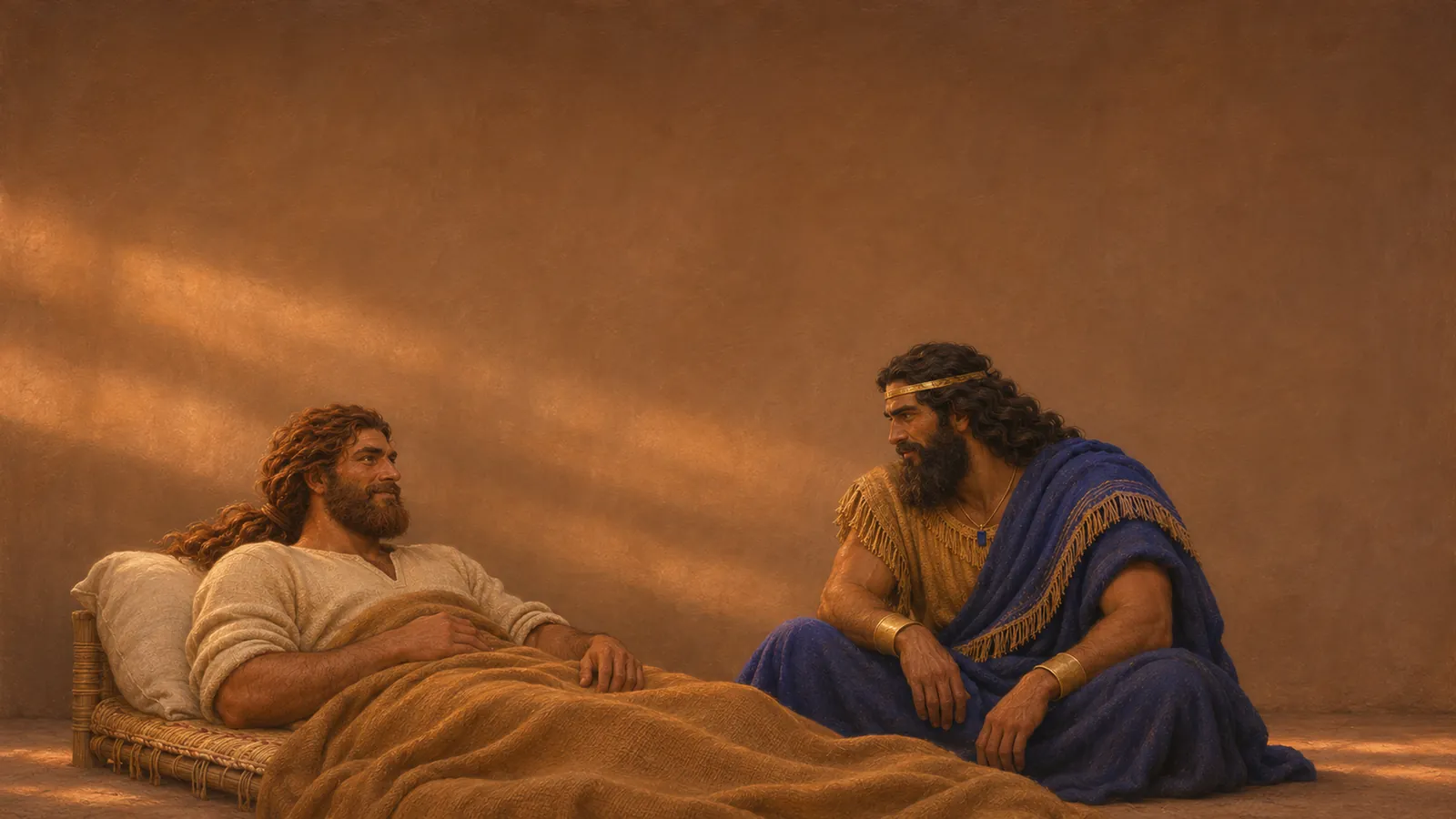
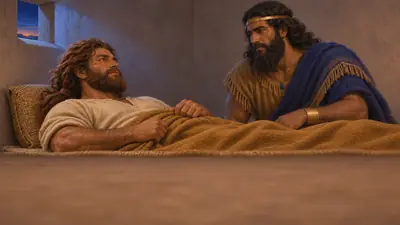
El poema empieza a contar los días. Enkidu permaneció en su lecho mientras la enfermedad continuaba, y la cuenta llegó al undécimo día y luego al duodécimo.
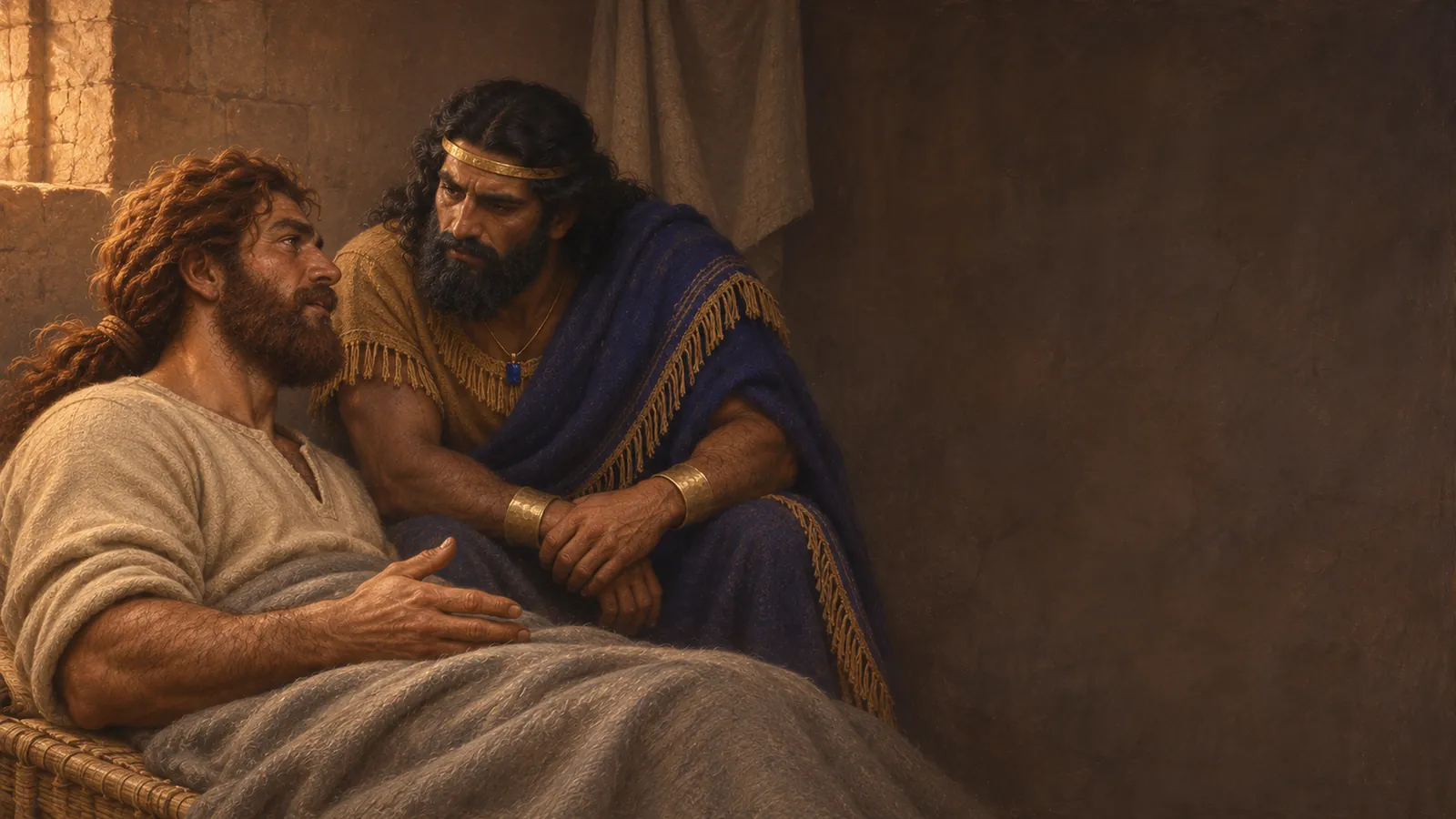
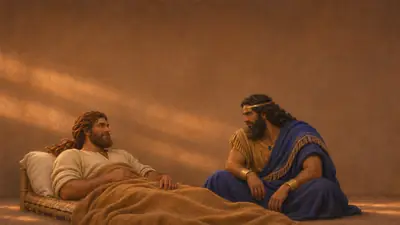
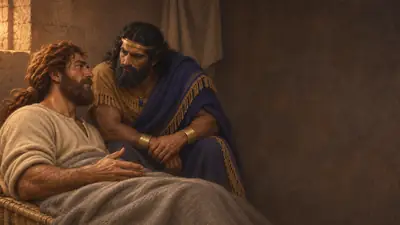
Enkidu llamó a Gilgamesh desde su lecho. Las palabras que se conservan hablan de la batalla: había imaginado que, si la muerte venía a buscarlo, lo encontraría allí.
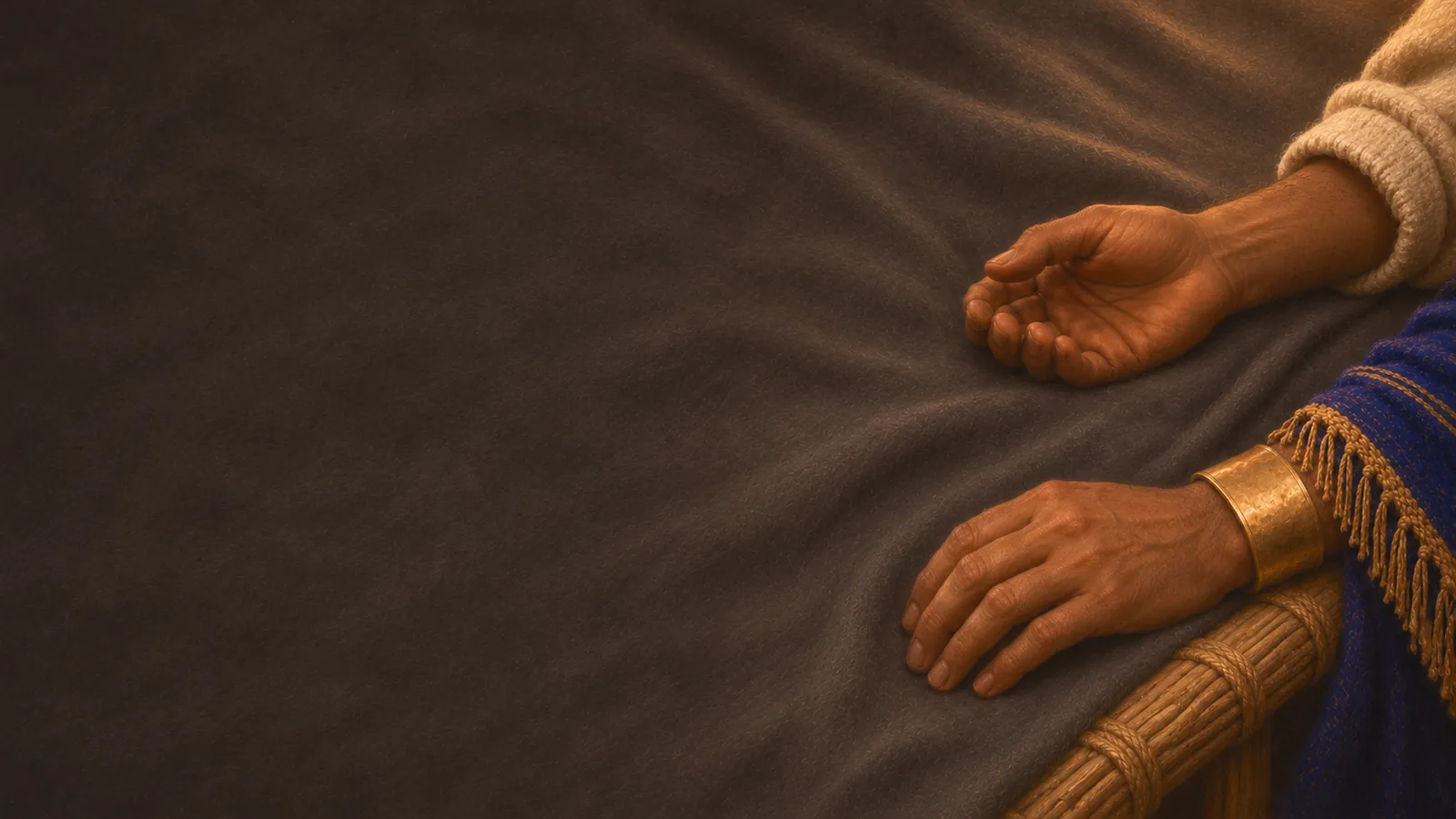
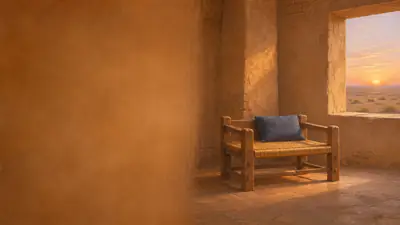
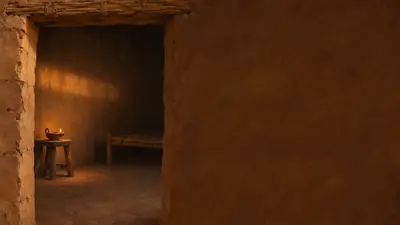
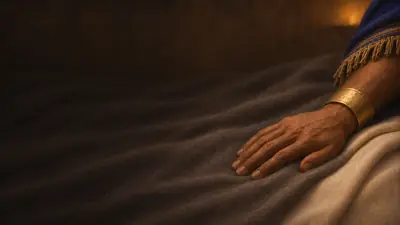
En la última escena conservada en la que Enkidu sigue vivo, lo oímos llamar a su amigo. El poema nos deja con el sonido de esa llamada y el espacio junto a su lecho.
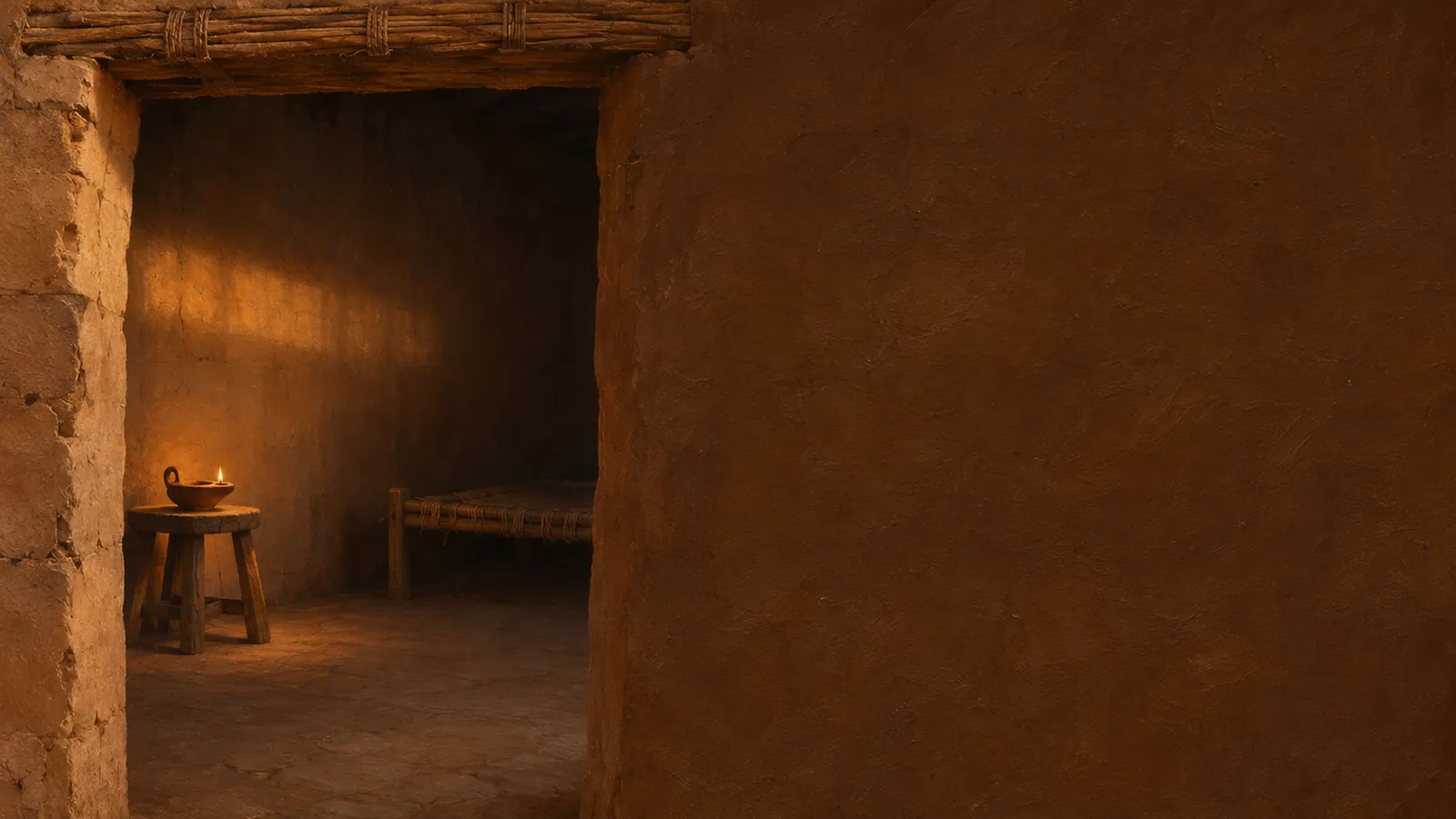
La tablilla se interrumpe después de estas palabras. El lamento posterior deja clara la muerte de Enkidu, pero en la arcilla perdida se quedaron la manera y el momento de su muerte.
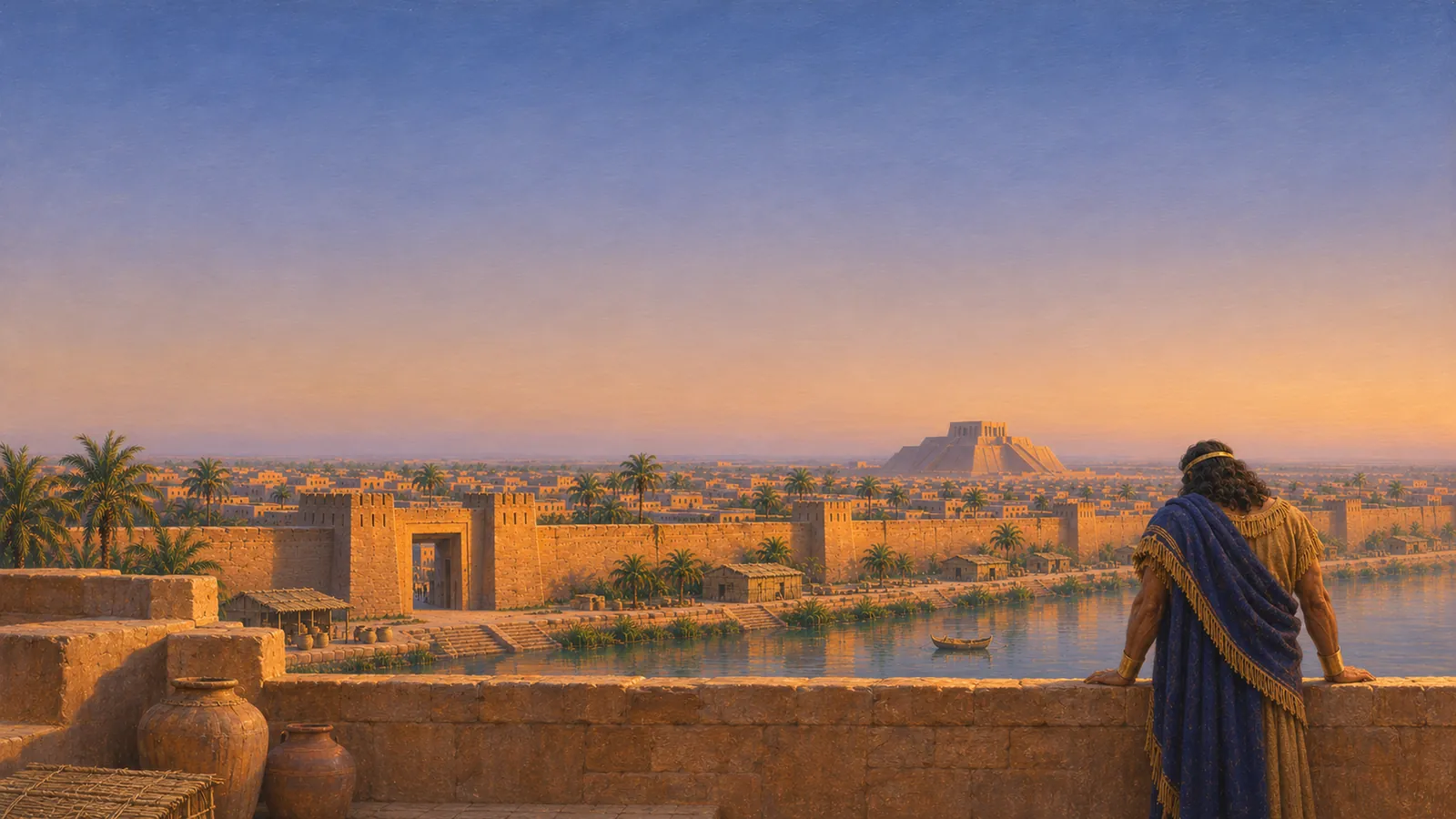
LAMENTO
Al amanecer con que se abre la siguiente tablilla, Gilgamesh empieza su lamento. El rey habla primero del hombre que conoció y de la vida que vivió Enkidu.
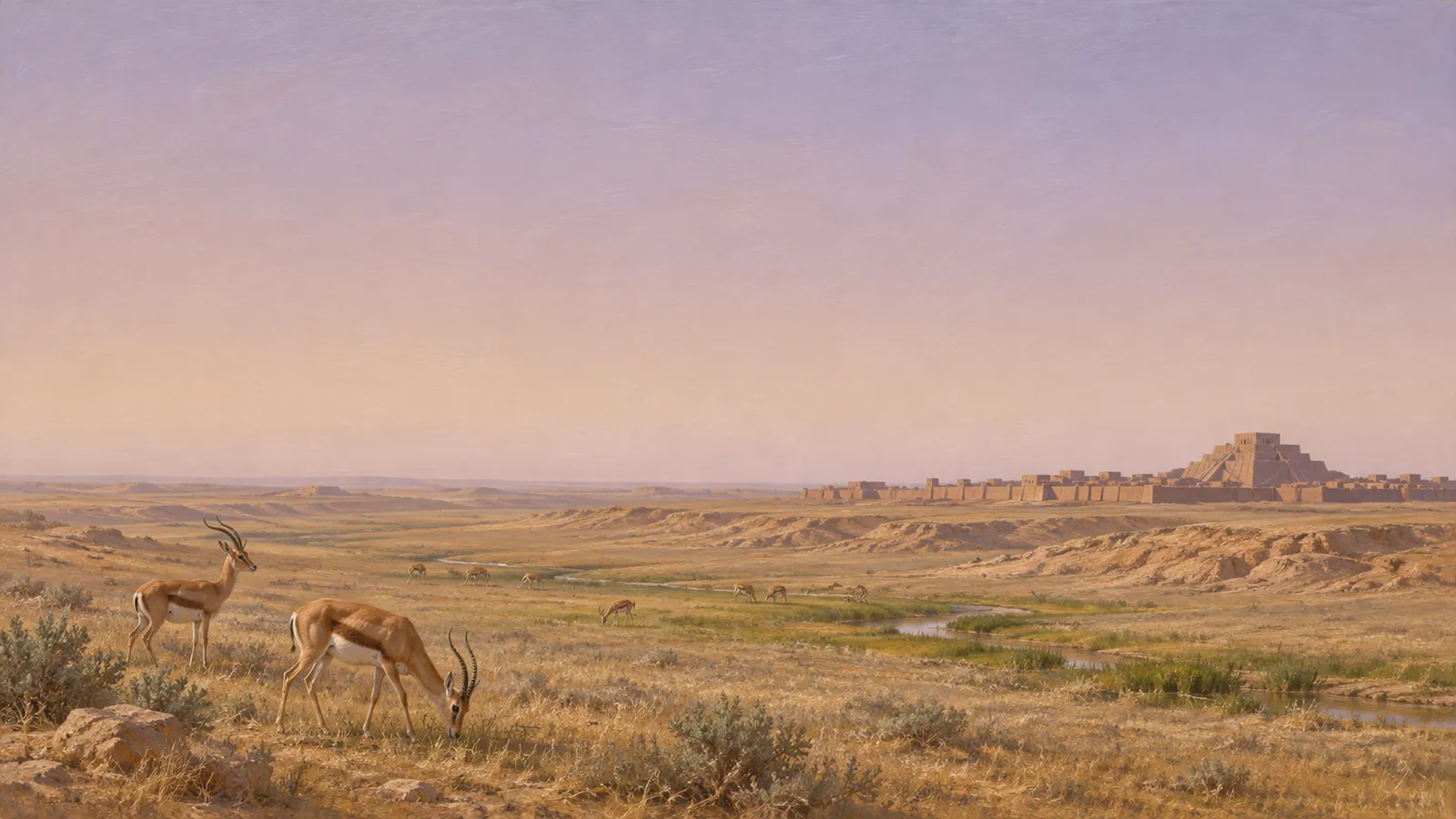
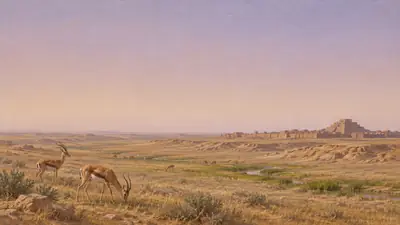
Gilgamesh recuerda primero la vida de Enkidu antes de Uruk. El lamento se remonta a la gacela y a las manadas que le enseñaron dónde estaban los pastos.
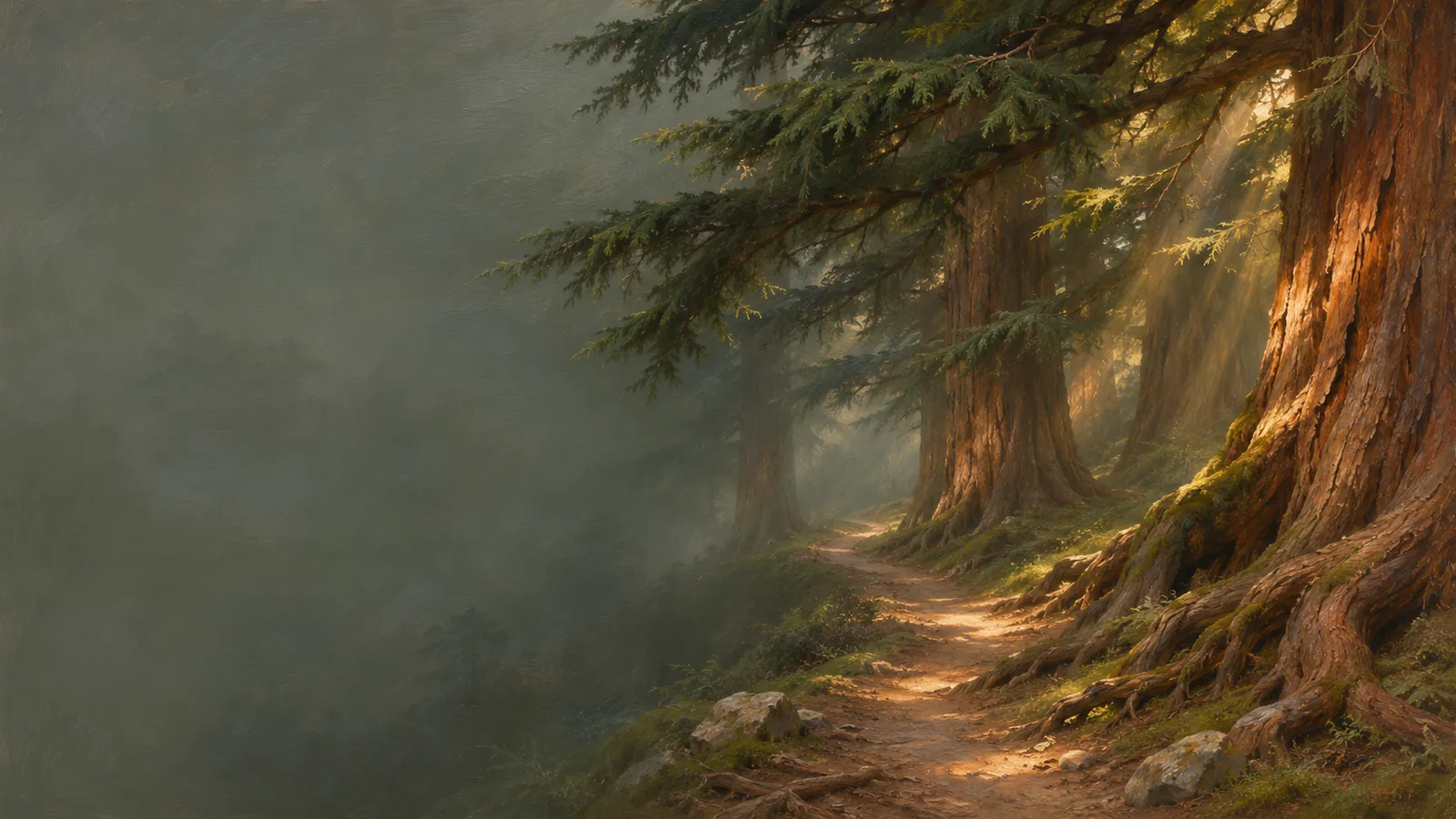
Pide a los caminos del Bosque de los Cedros que guarden luto, como si las sendas pudieran recordar a quienes las recorrieron. También llama a los árboles y a las colinas.

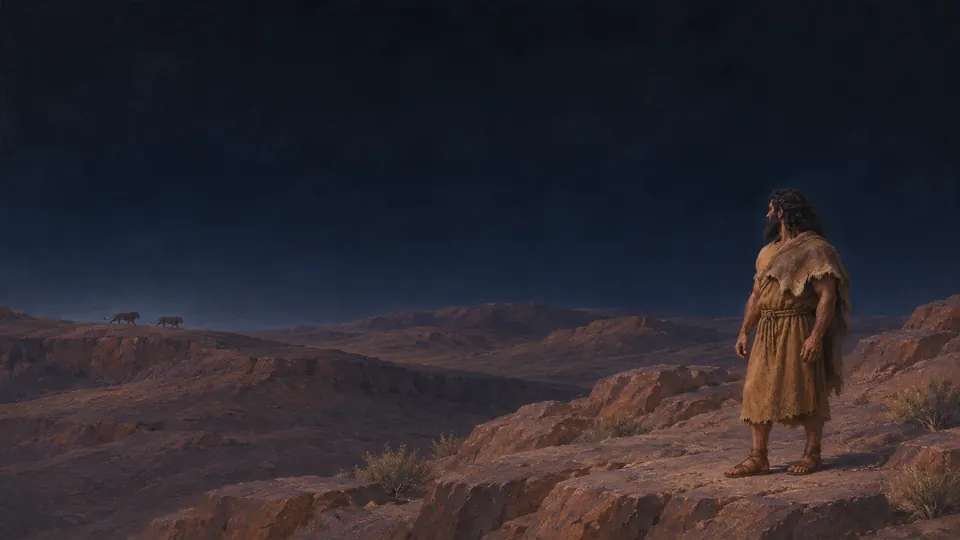
El lamento nombra a los animales salvajes, entre ellos ciervos y leones. En otro tiempo, la estepa había sido todo el mundo de Enkidu, y Gilgamesh pide a ese mundo que lo llore.
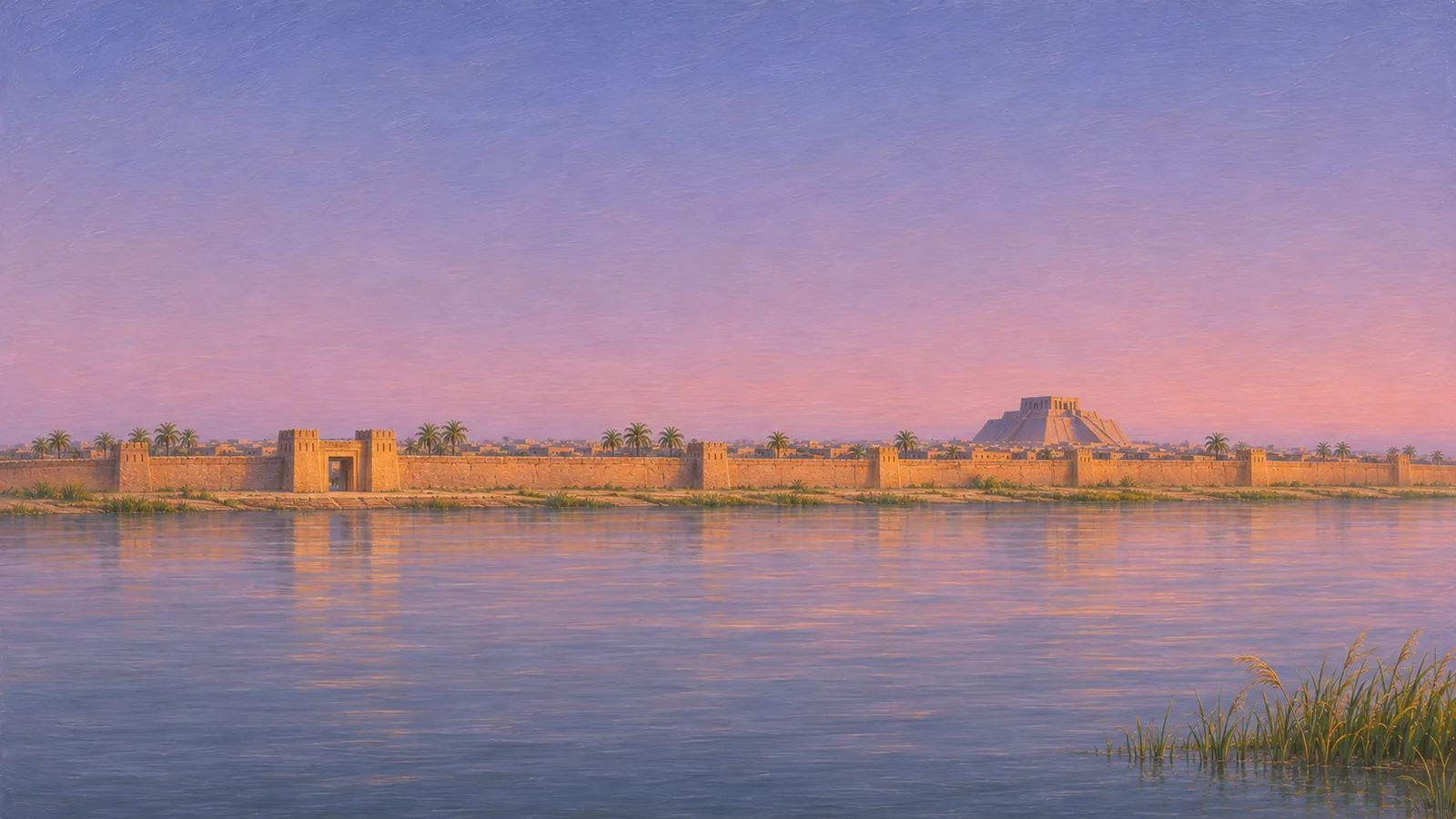
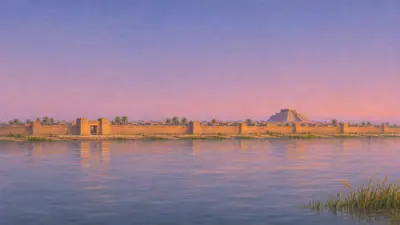
Invoca al Éufrates, cuyas aguas habían usado los dos amigos. El río tiene su lugar en el lamento porque había formado parte de la vida que compartieron.
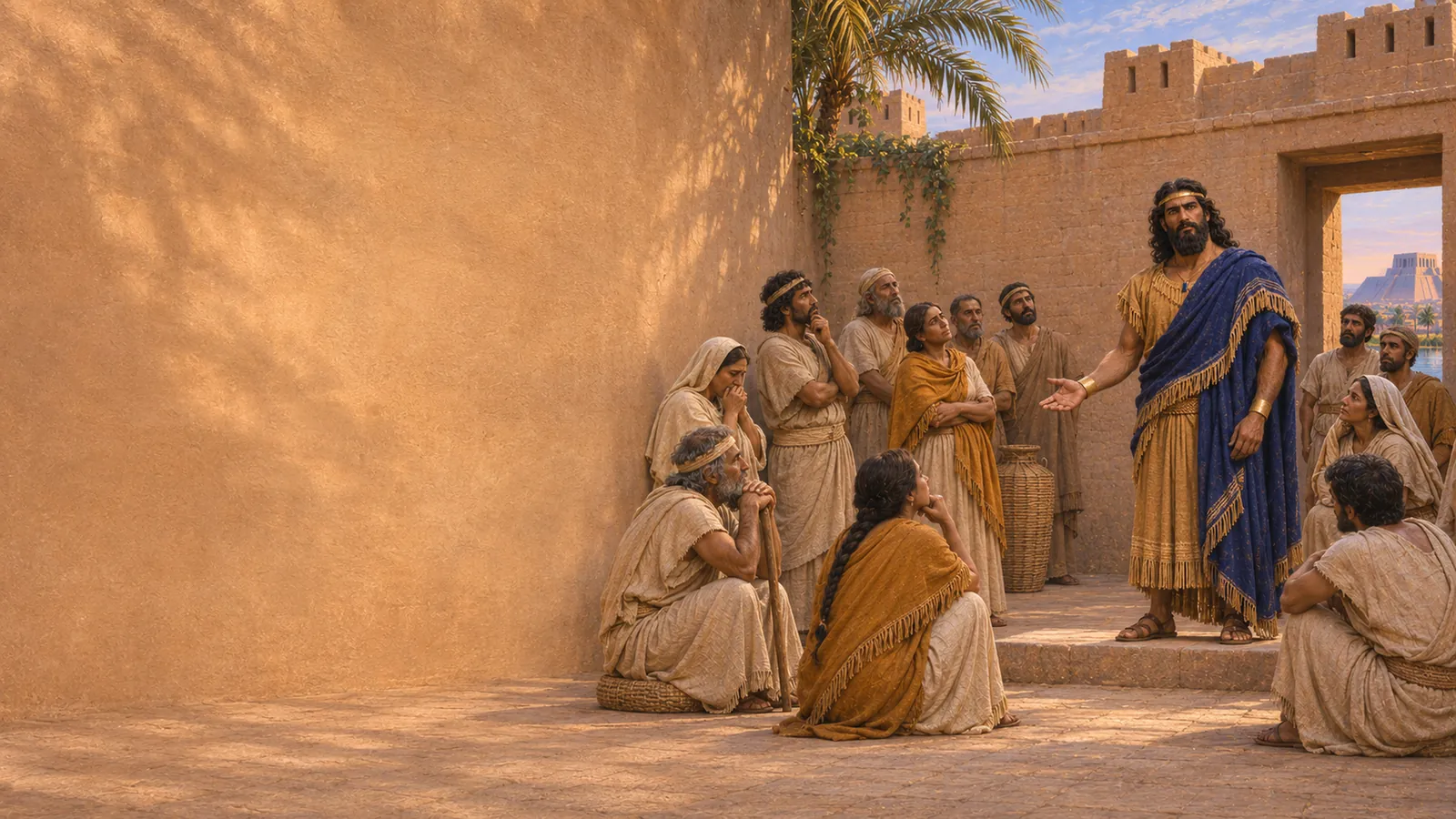
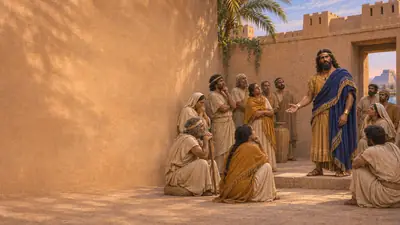
Gilgamesh pide a los habitantes de Uruk que guarden luto. Recuerda a quienes dieron de comer a Enkidu y a quienes vieron a los dos amigos enfrentarse al Toro Celeste.
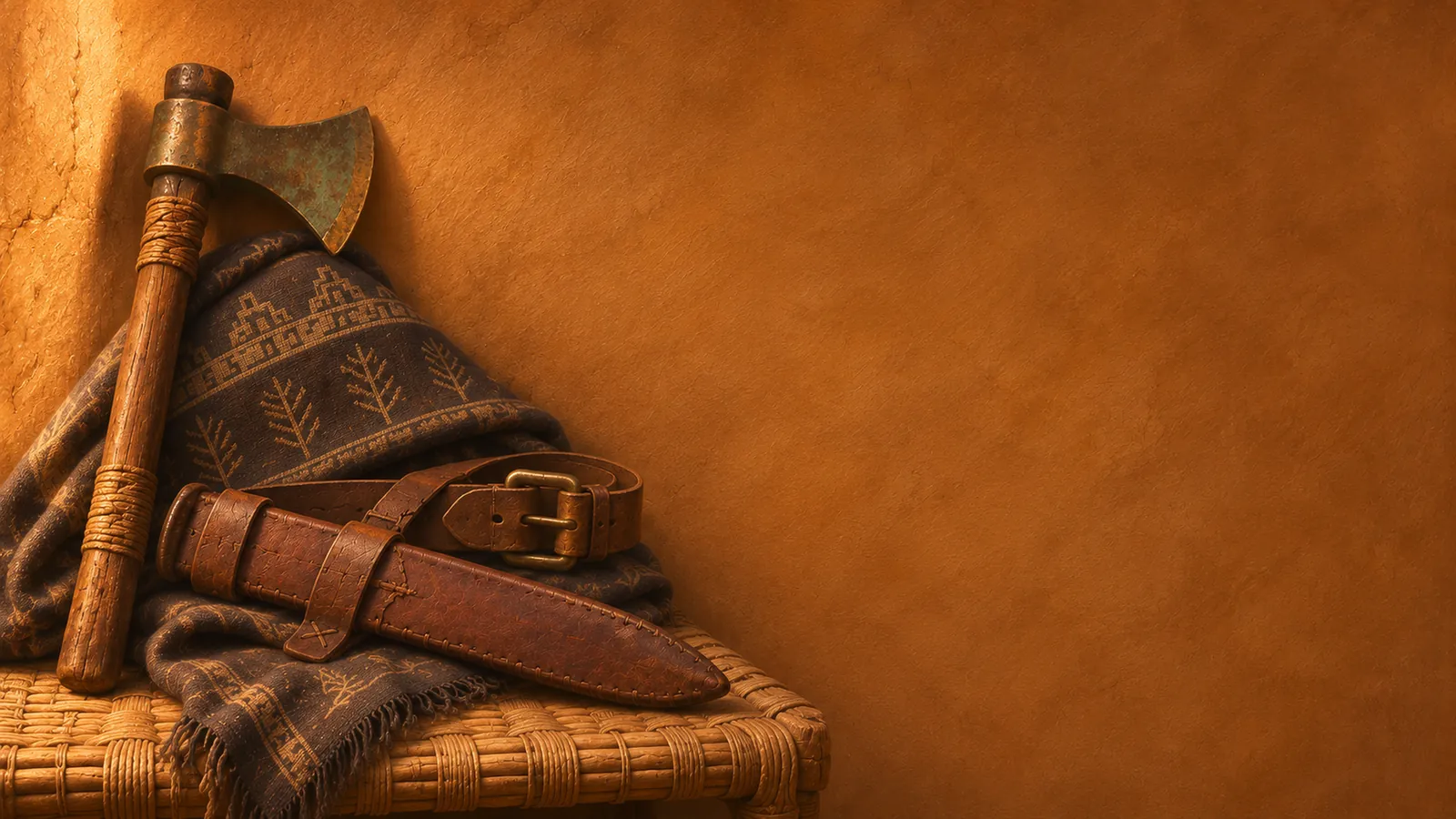
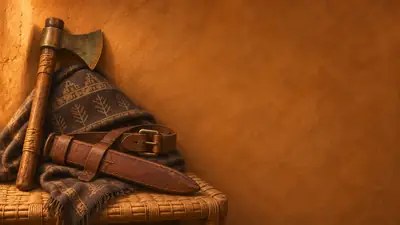
Gilgamesh recuerda lo seguro que se sentía cuando Enkidu estaba a su lado. Su lamento recurre a aquello en lo que más confía un guerrero: el hacha que lleva al costado y la espada del cinto.
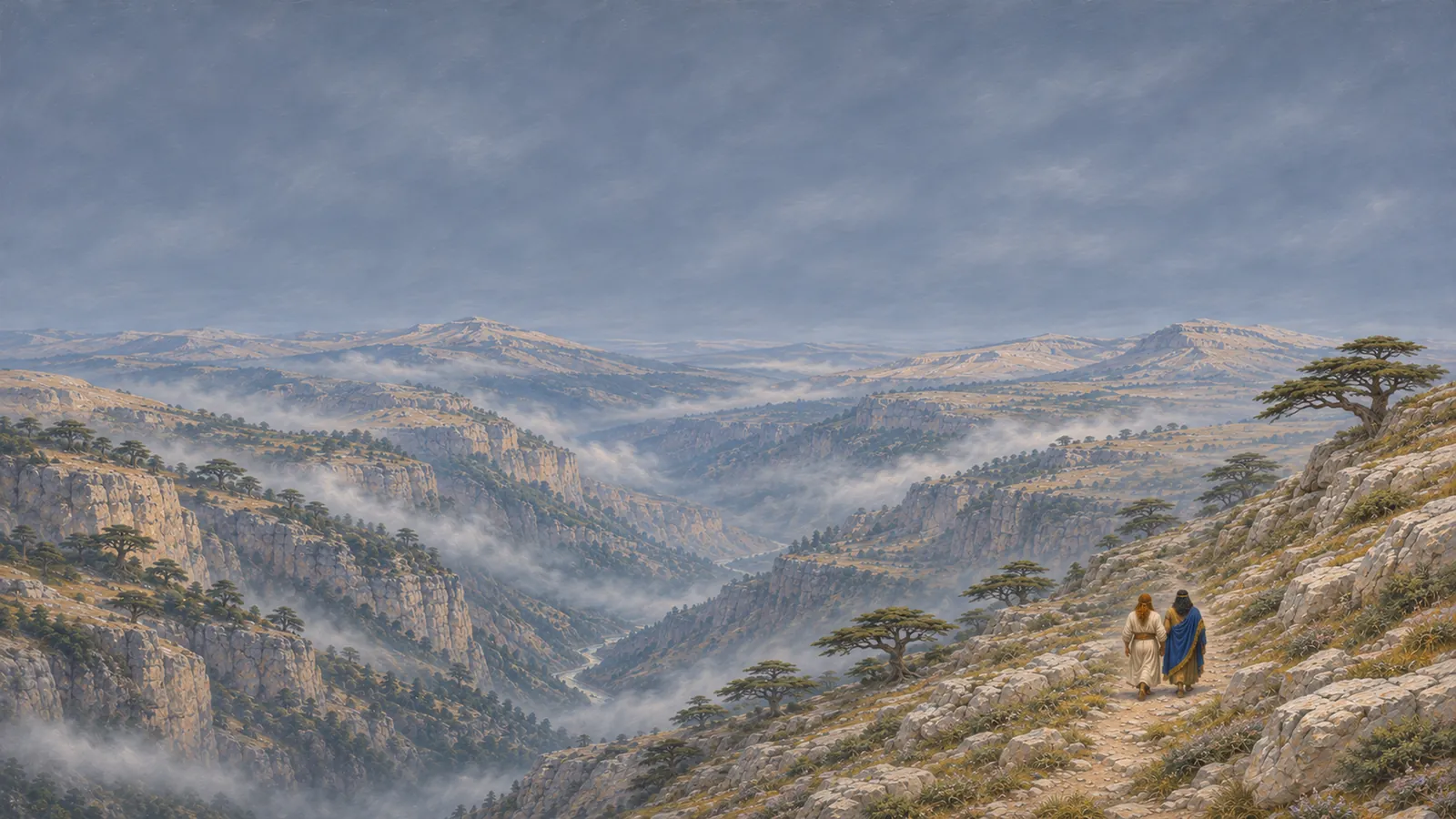
Habían cruzado montañas juntos. Gilgamesh recordó al Toro Celeste y al guardián del Bosque de los Cedros. A ambos se había enfrentado con Enkidu a su lado.
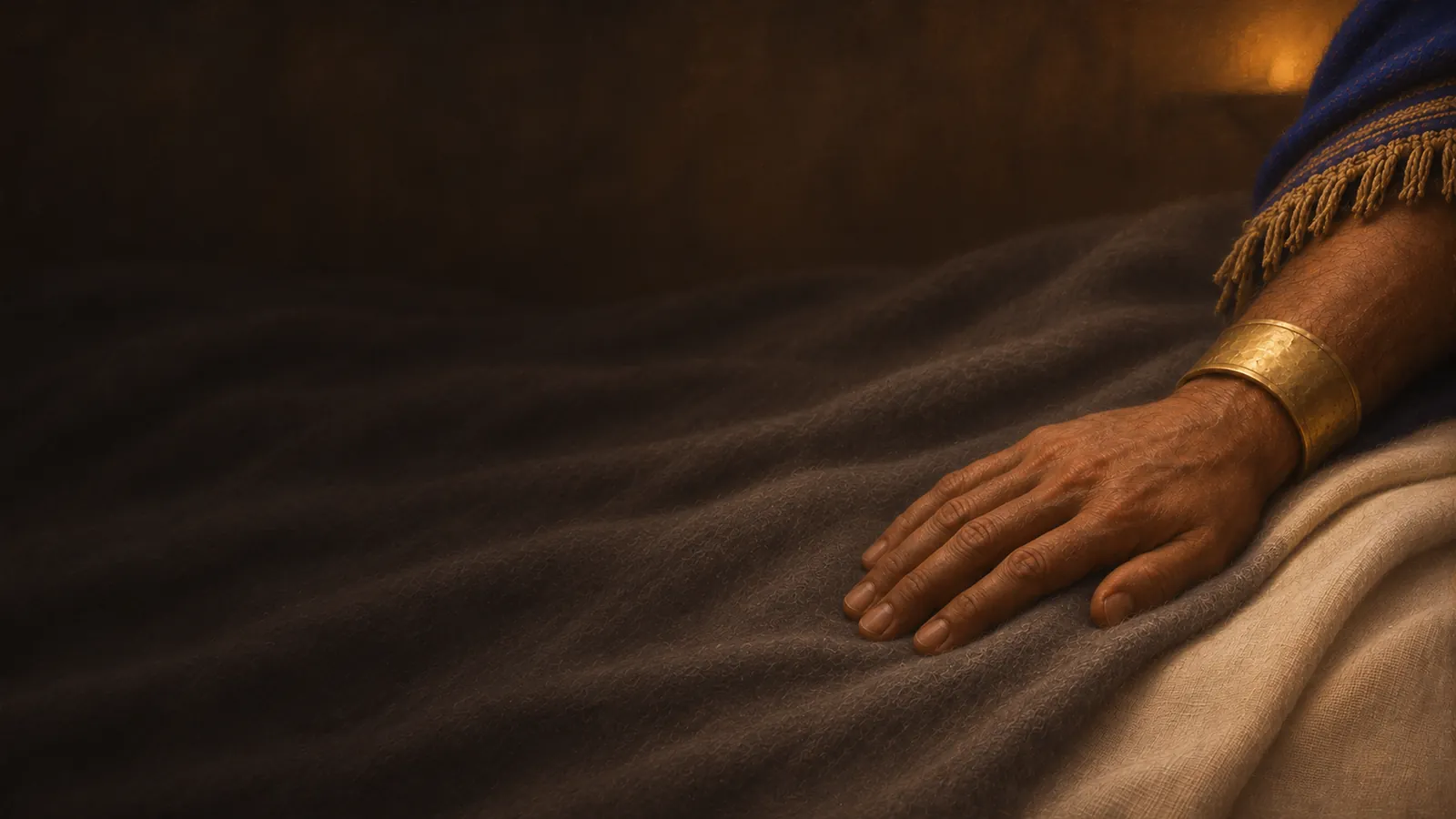
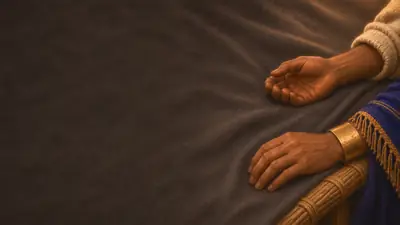
Gilgamesh preguntó qué le había sucedido a Enkidu. Su amigo no respondió. Gilgamesh le tocó el pecho y sintió que su corazón ya no latía.
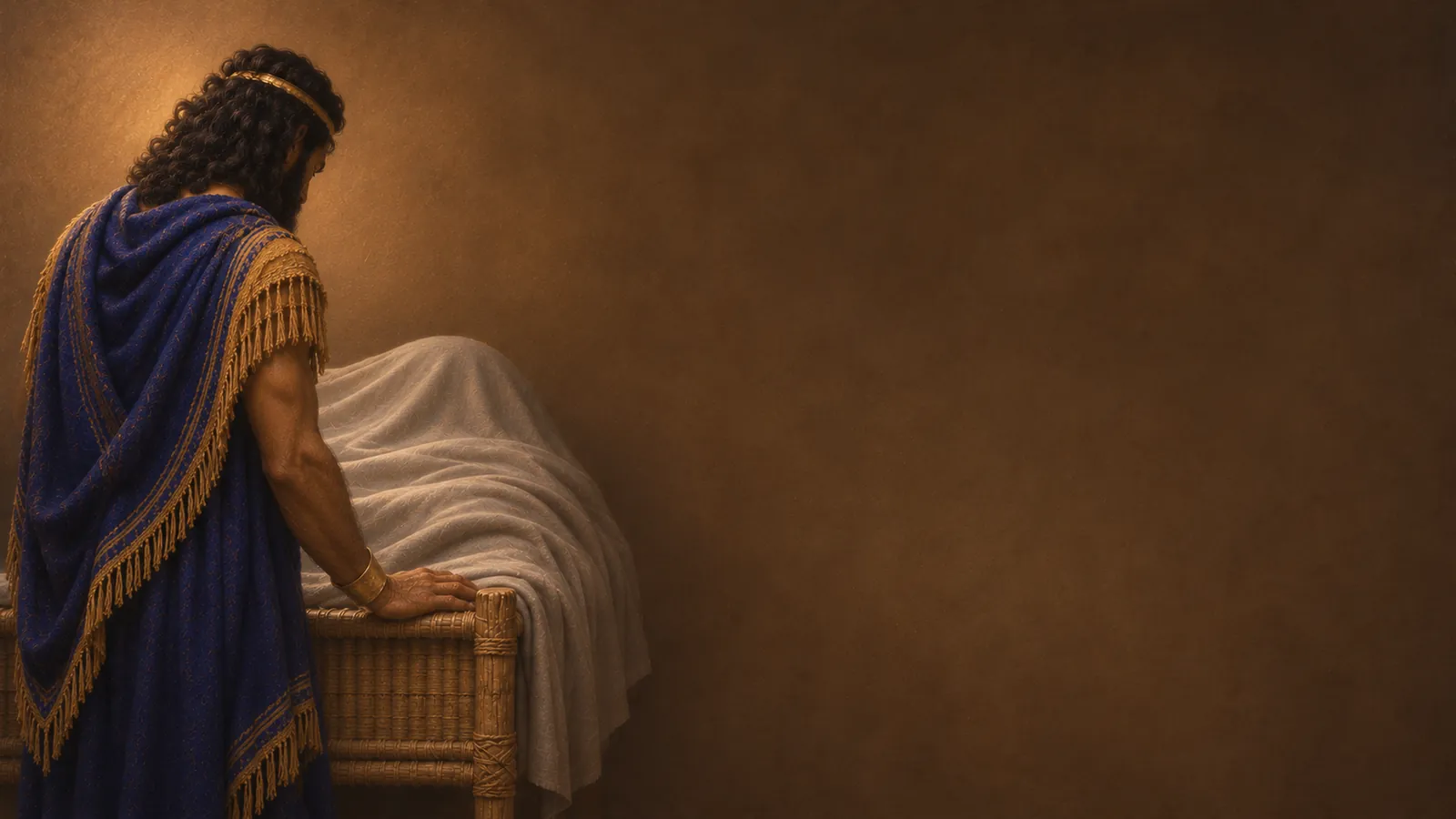
Gilgamesh cubrió el rostro de Enkidu, y el poeta lo compara con una novia tras el velo. Con aquel pequeño gesto, el rey empezó a cuidar de su amigo después de su muerte.
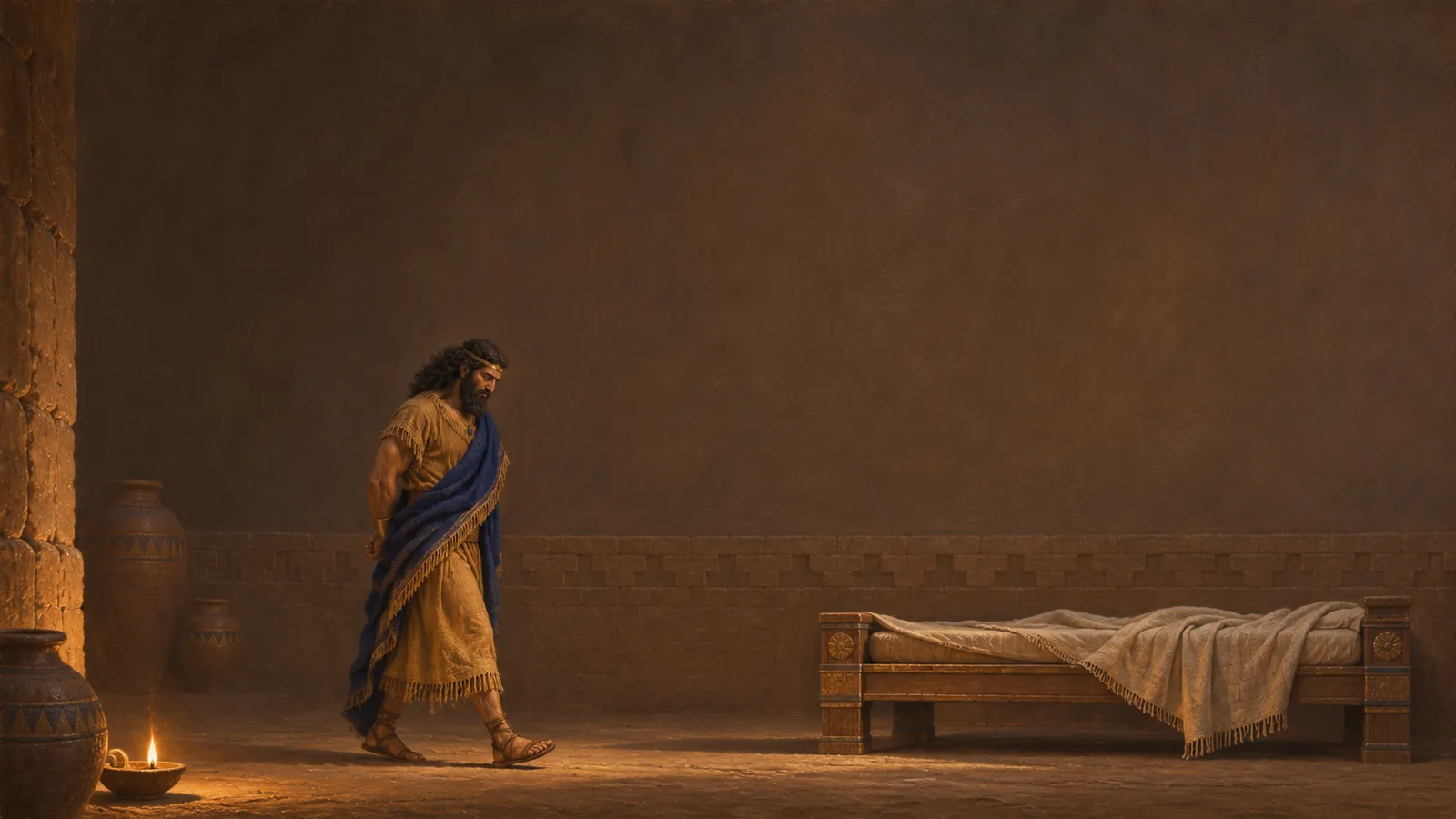
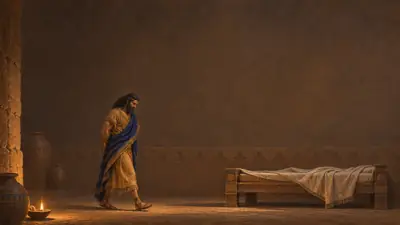
El lamento compara a Gilgamesh con una leona a la que han arrebatado sus crías. Va y viene junto a Enkidu, sin tener adónde ir para remediar lo sucedido.
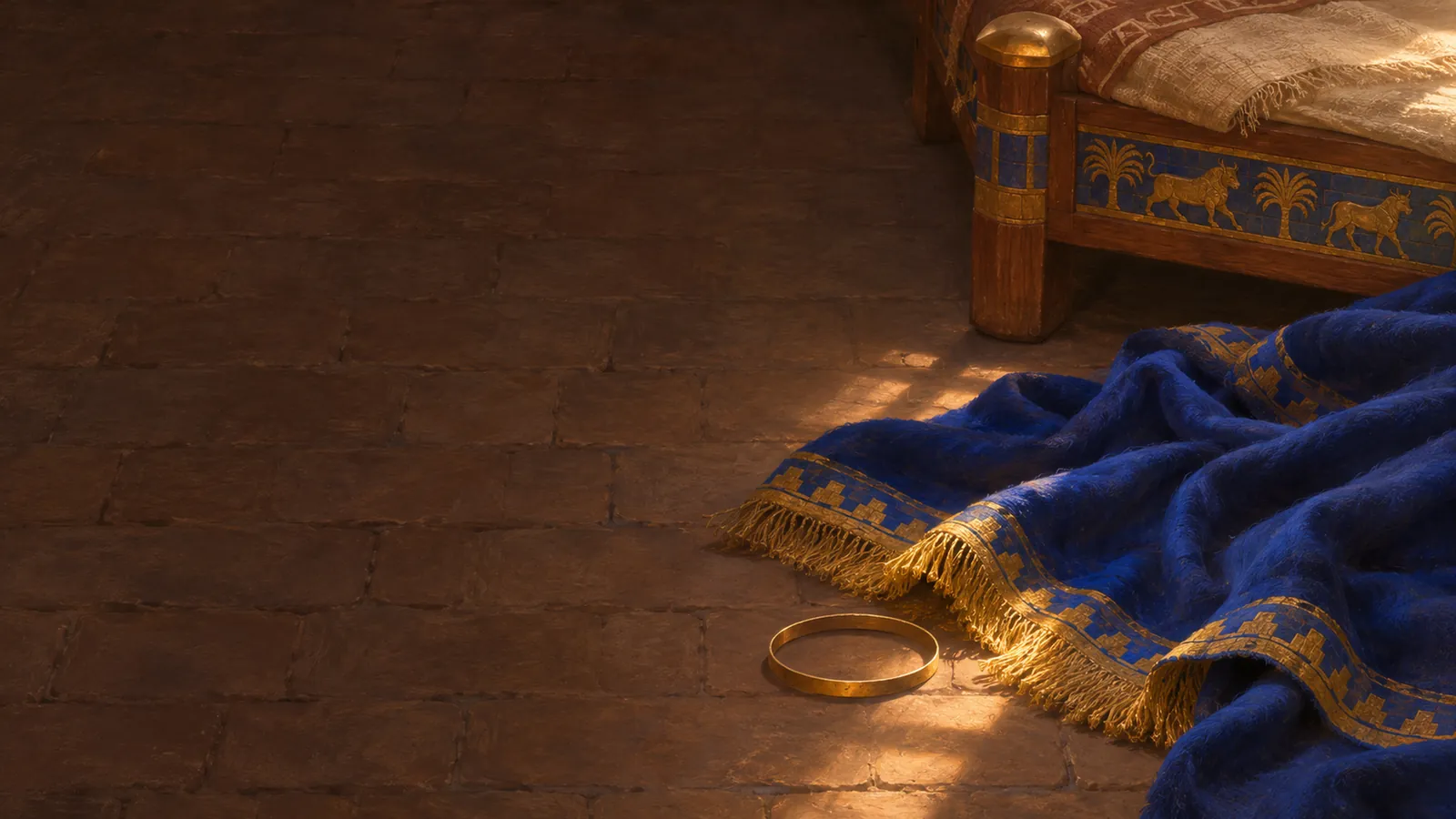
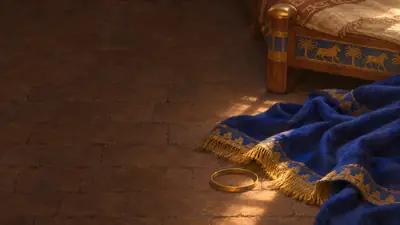
En su dolor, Gilgamesh se mesó el cabello y arrojó sus ropas finas. La tela brillante que había lucido en la celebración yacía ahora abandonada.
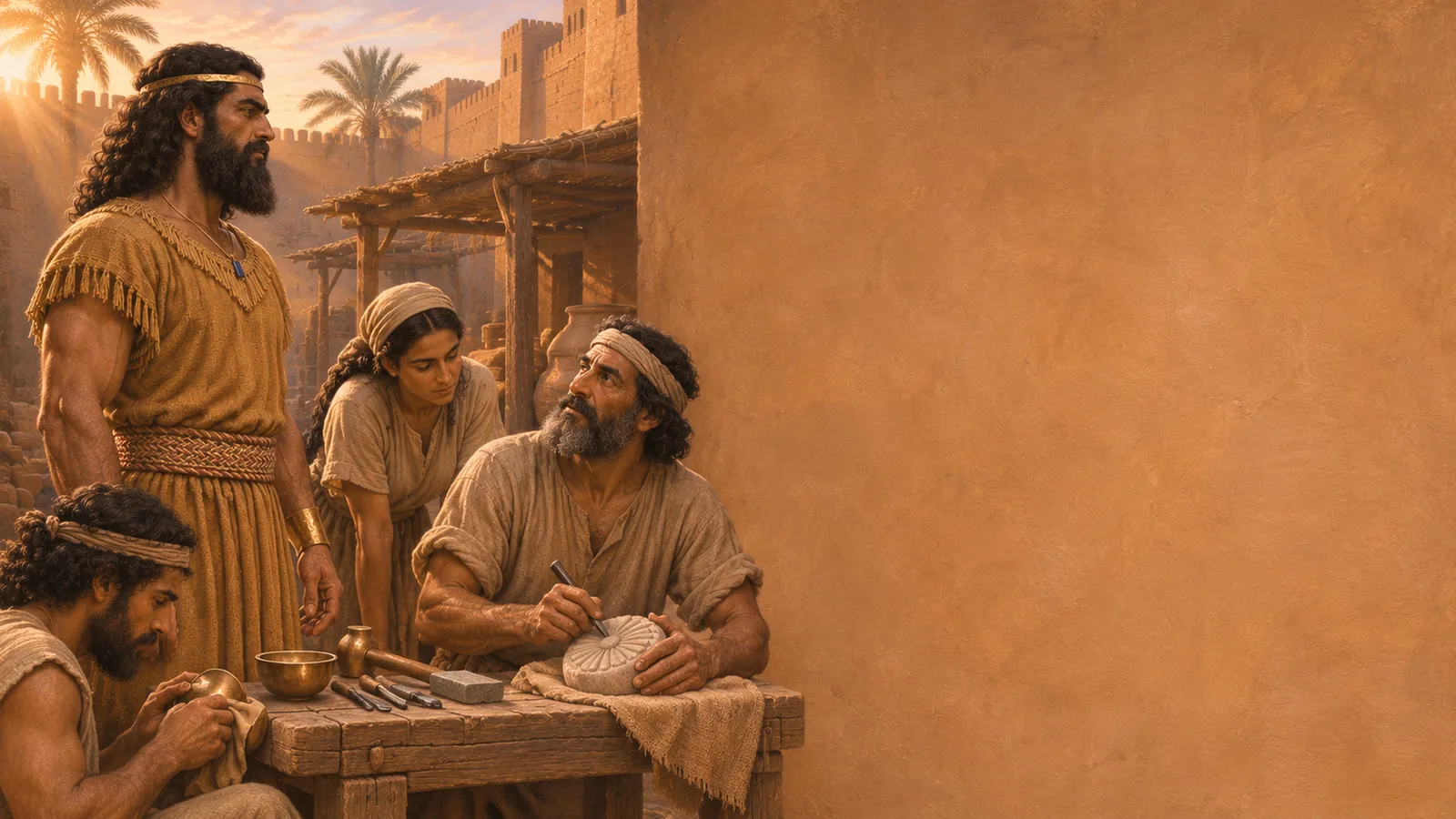
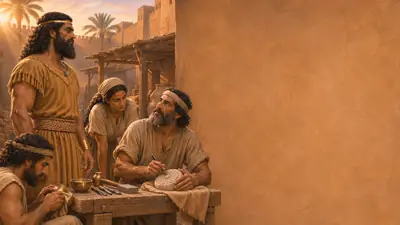
Al alba de otro día, Gilgamesh convocó a quienes sabían trabajar el metal y la piedra. Les pidió que hicieran una efigie del amigo que había perdido.
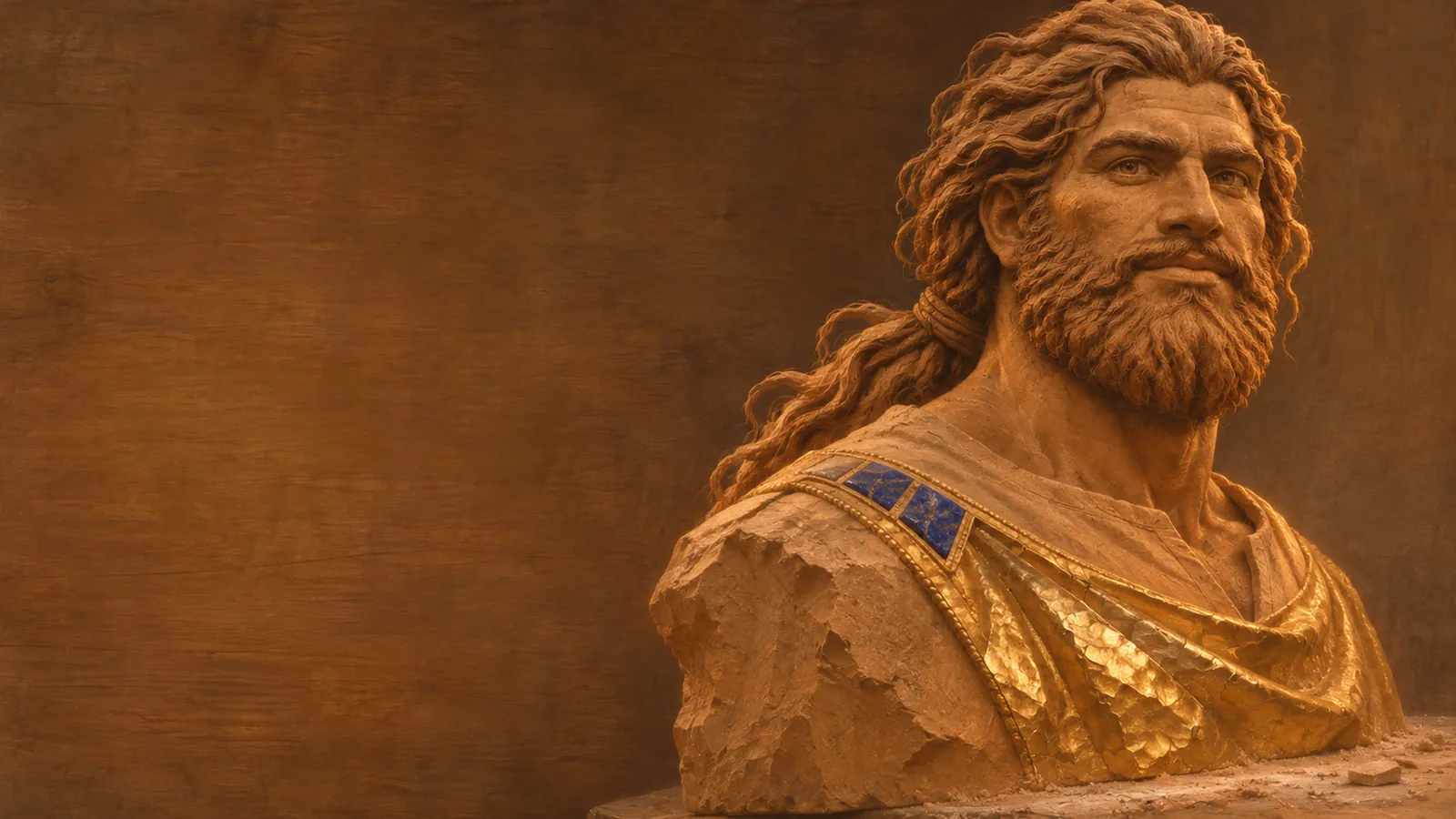
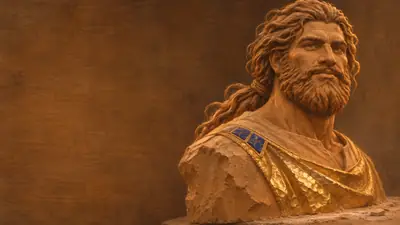
Los artesanos hicieron una estatua de Enkidu. Las líneas dañadas conservan dos de sus materiales, el lapislázuli y el oro, aunque a partir de ellas no se puede reconstruir la figura completa.
HONOR
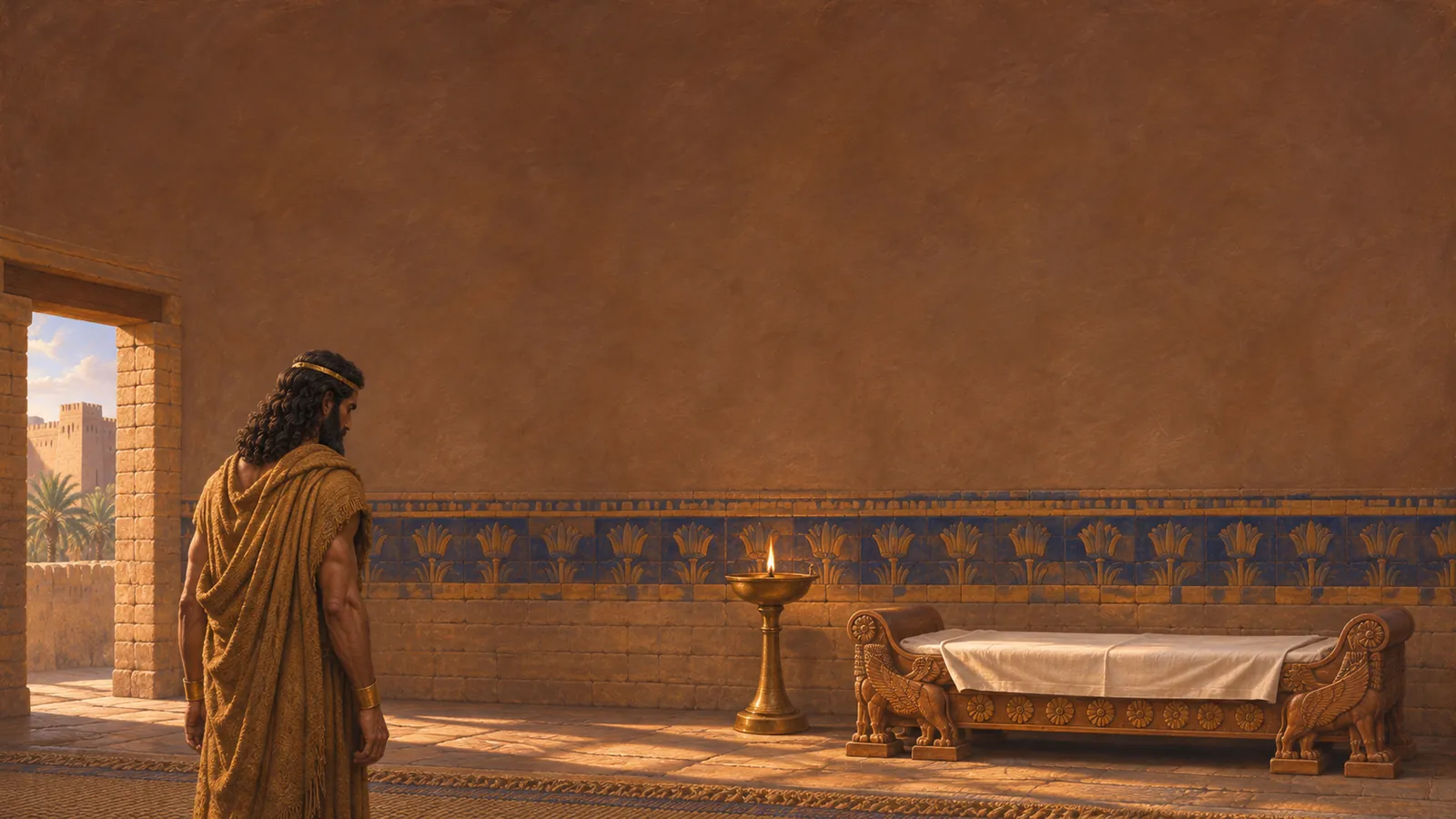
Gilgamesh le promete a Enkidu un lugar de reposo digno de él y pide a los habitantes de Uruk que lo lloren. En el mismo pasaje habla de vagar por la estepa vestido con una piel de león.
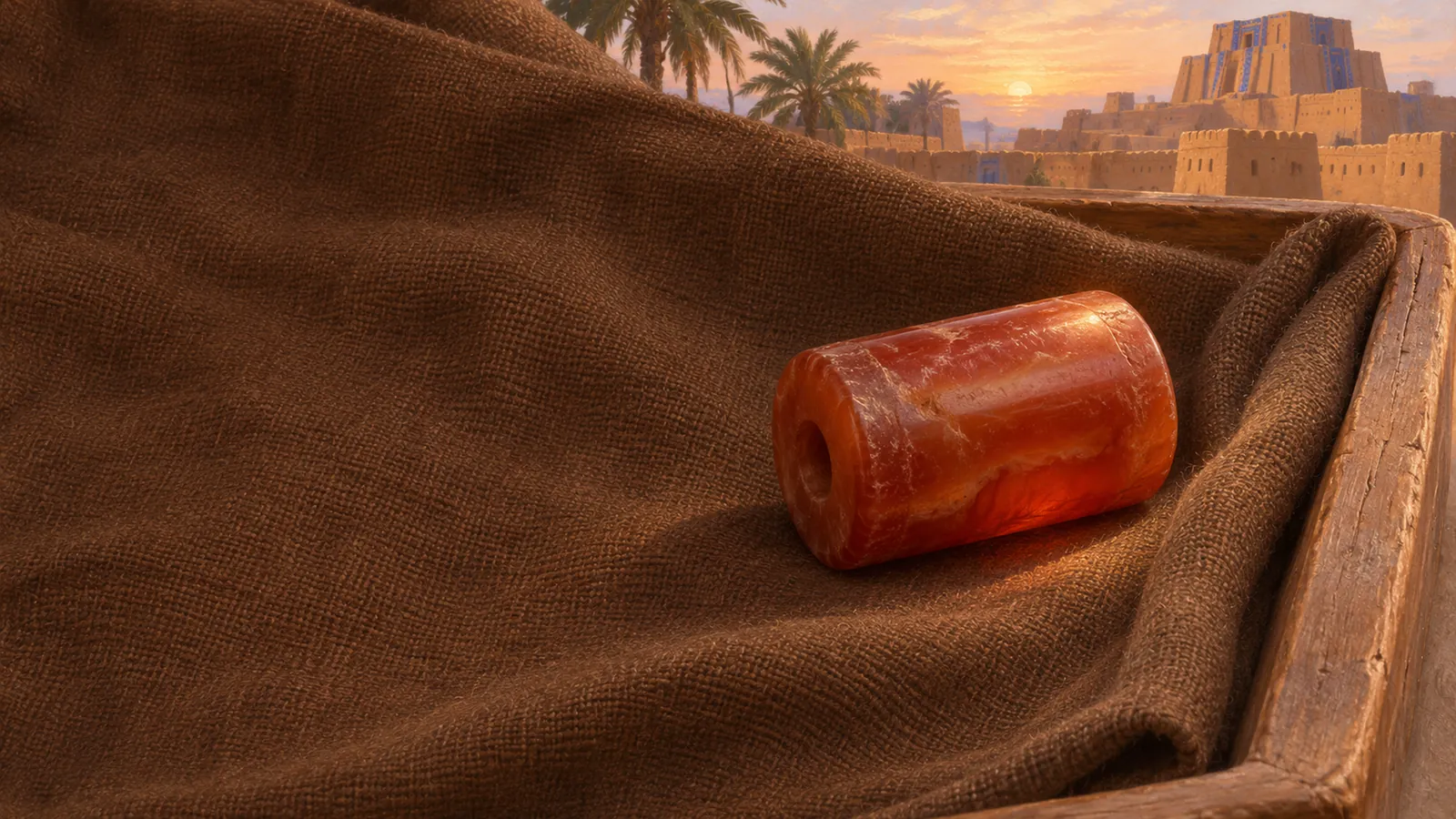
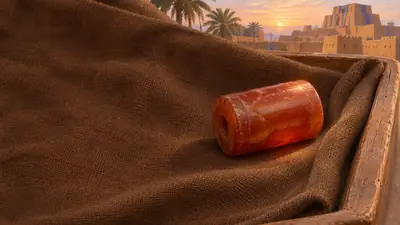
Al alba, el poema pasa a los objetos dispuestos para el amigo. Entre las líneas fragmentarias, una pieza leída hace poco conserva un pequeño detalle: un sello de cornalina.
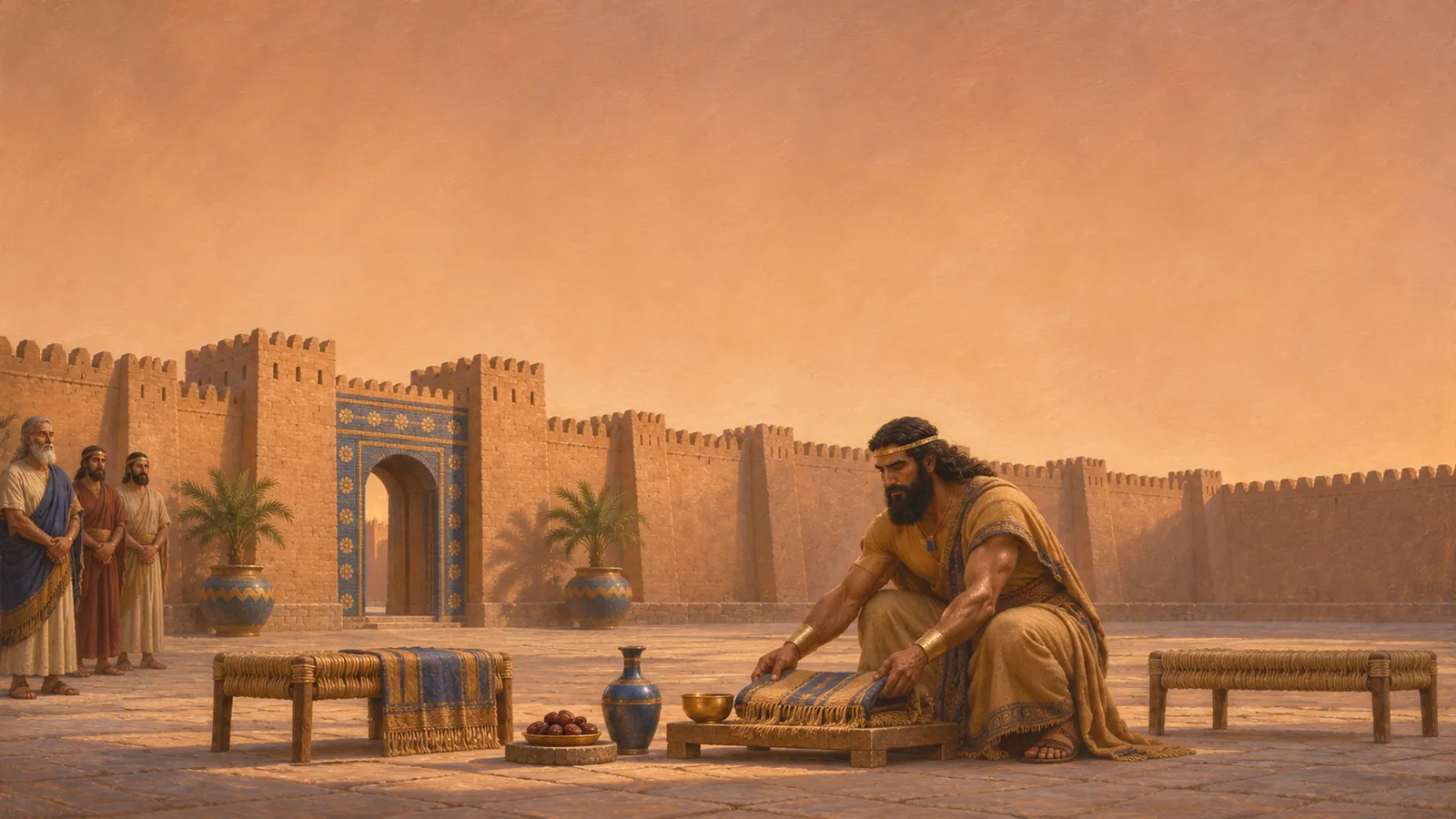
Gilgamesh dispuso las ofrendas funerarias para que los demás las vieran. Las presentó ante Shamash y pidió ayuda para Enkidu en la tierra de los muertos.
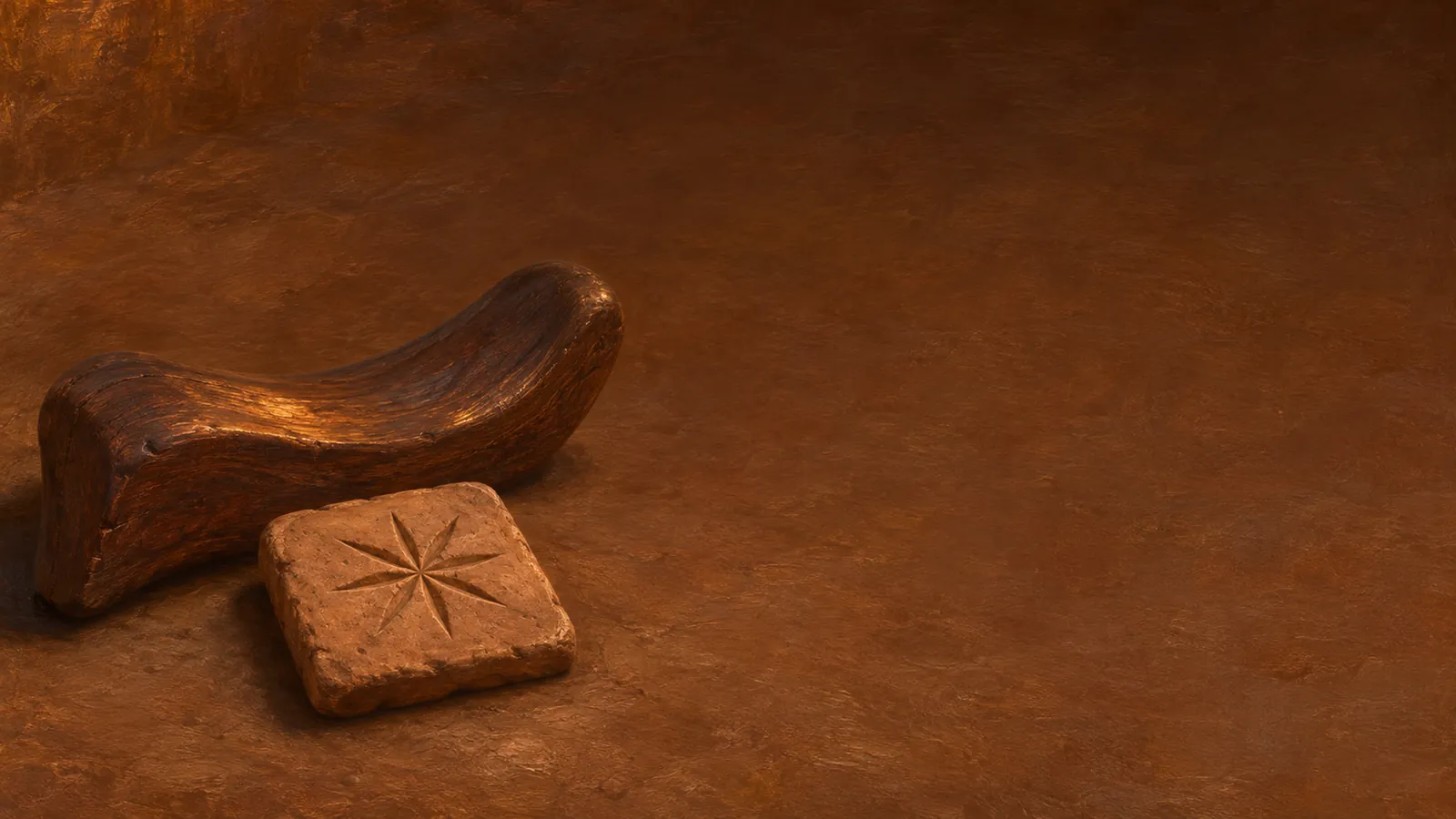
Una de las ofrendas era para Ishtar, que había enviado al Toro Celeste contra Uruk. Aquí Gilgamesh apela a ella como a una reina que podría acoger al hombre al que amaba.
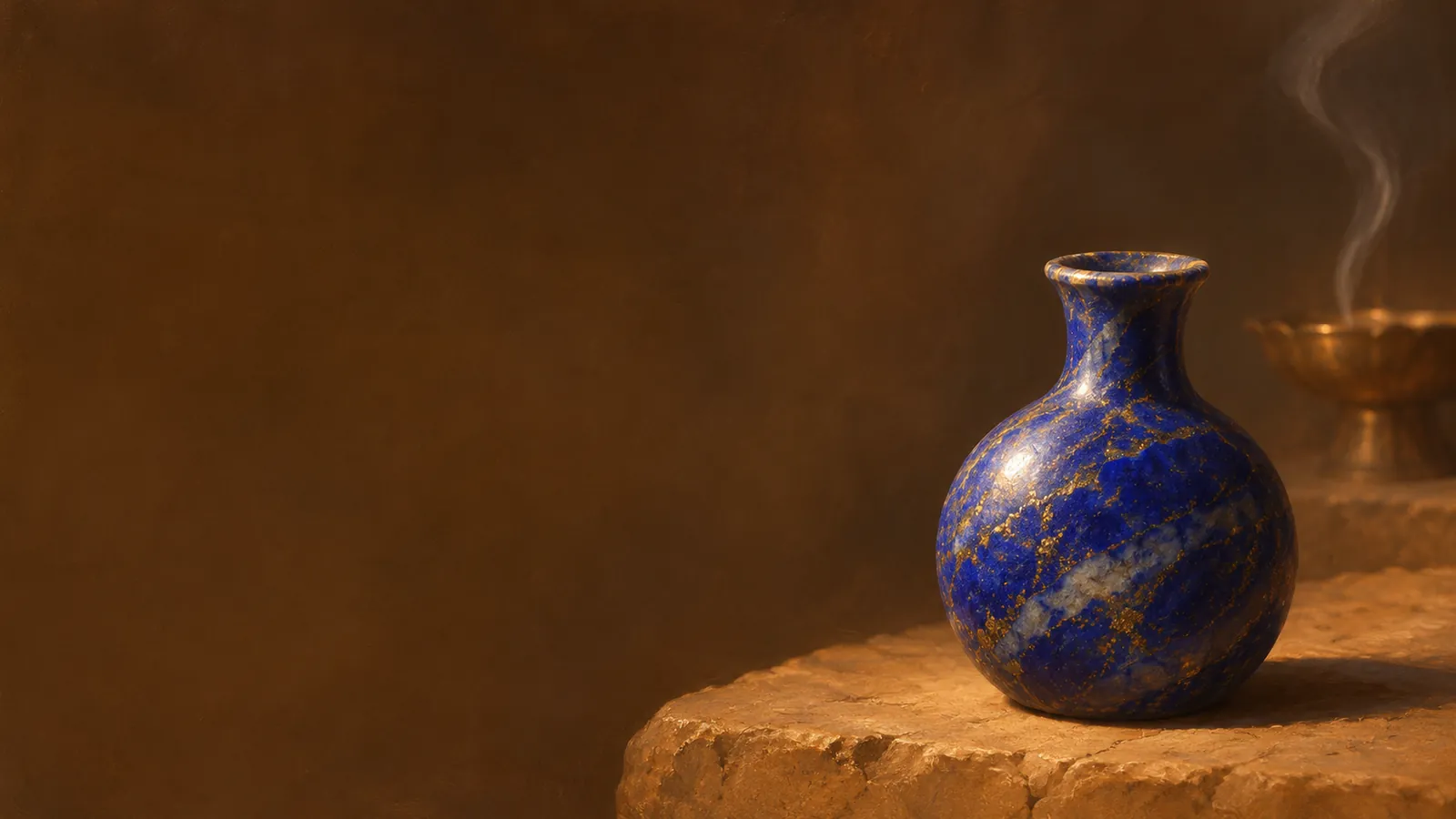
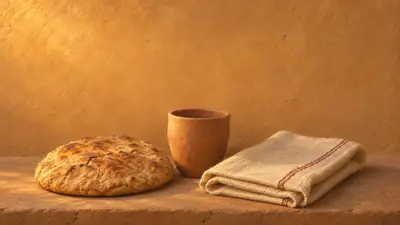
Gilgamesh dispuso un frasco de lapislázuli para Ereshkigal, reina de los muertos. Le pidió que acogiera a su amigo y se mantuviera cerca de él mientras avanzaba.
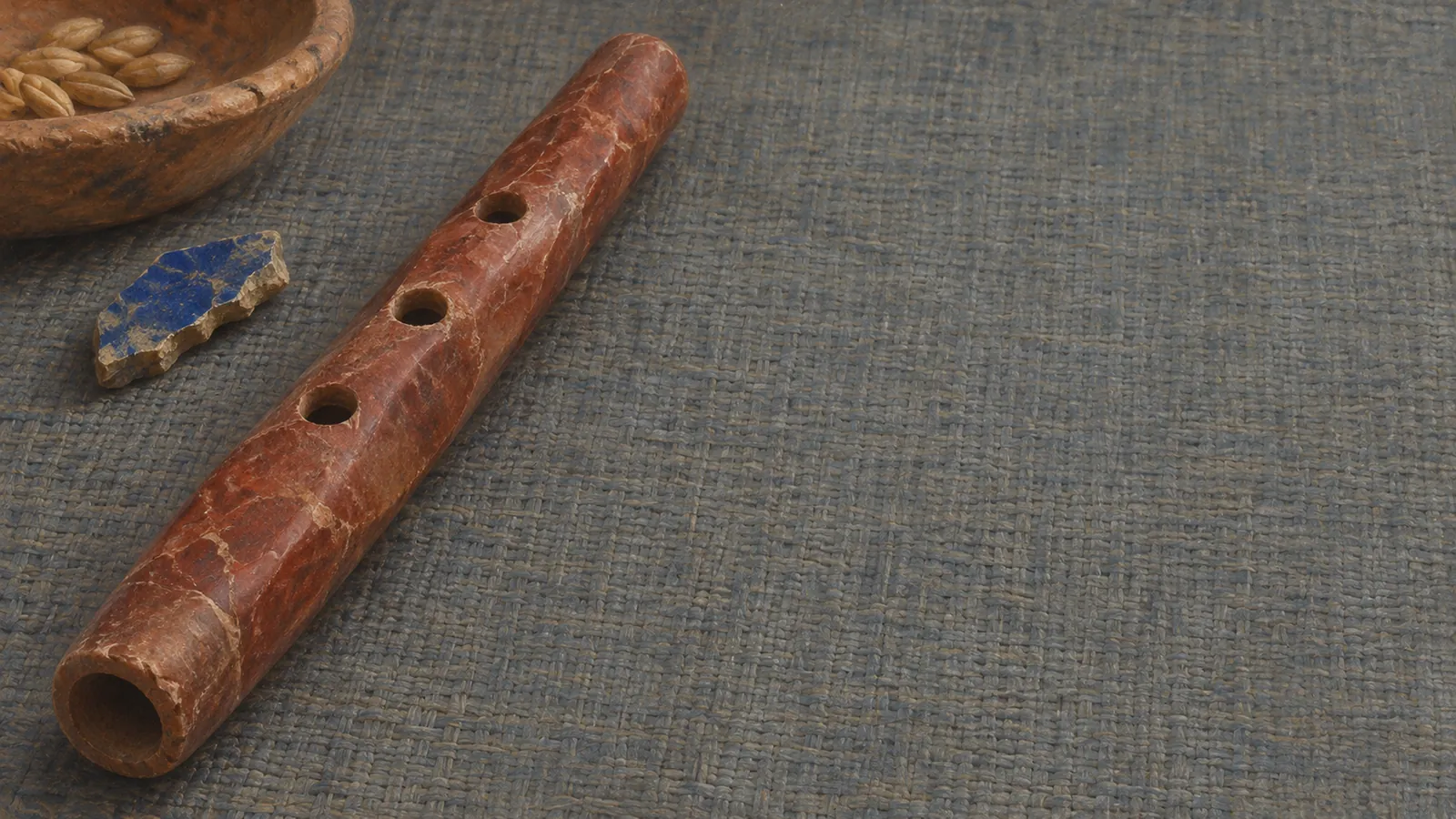
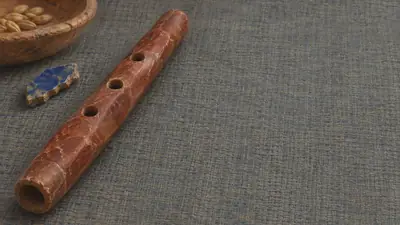
Para Dumuzi había una flauta de cornalina. Para las demás potencias del mundo de abajo, había otras ofrendas. En cada ruego oímos a Gilgamesh pedirle a alguien que camine junto a su amigo.
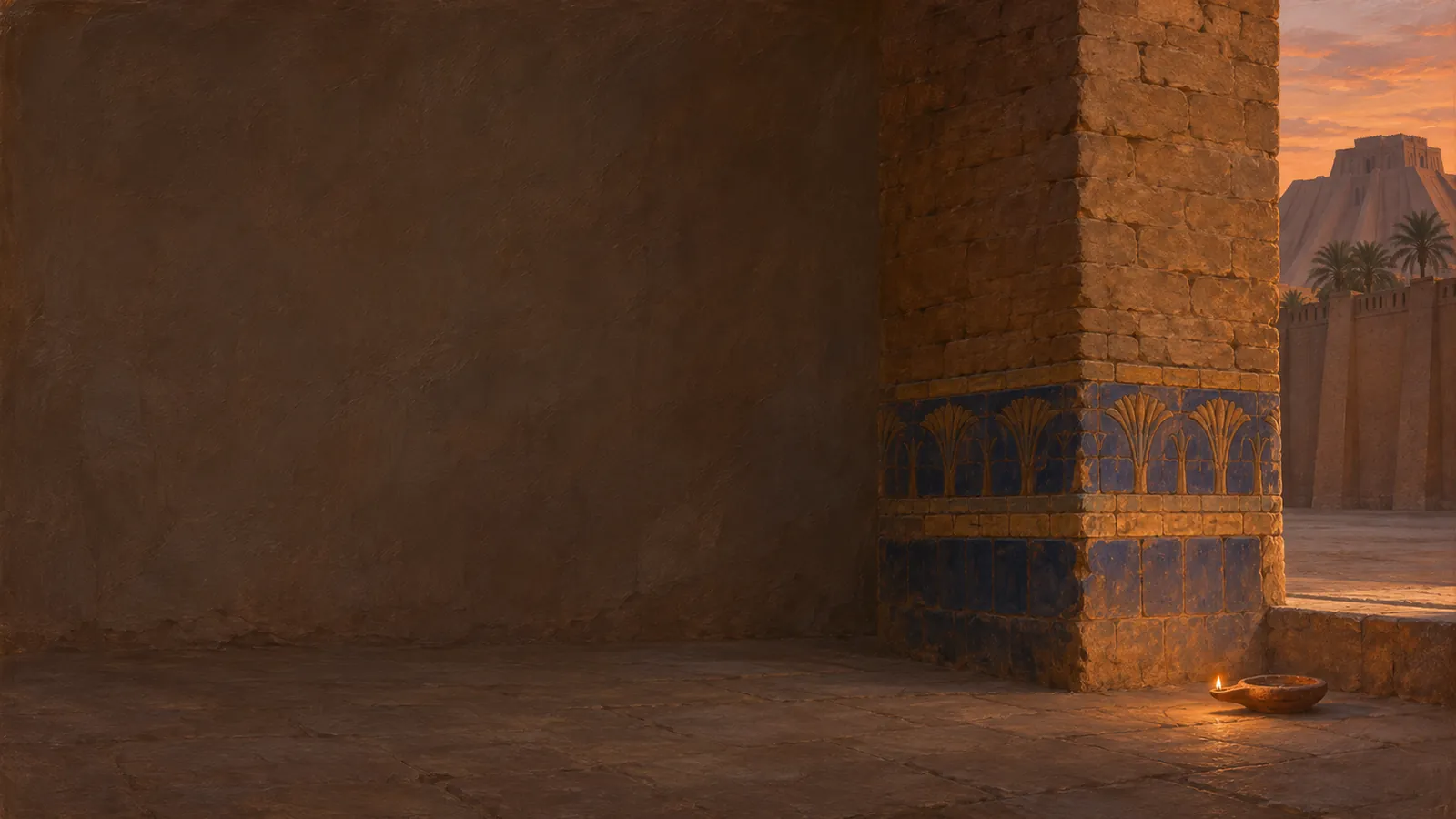
En las líneas fragmentarias que siguen aparecen más ofrendas funerarias. Es probable que la tablilla terminara con el entierro de Enkidu, pero la arcilla conservada no nos dice cómo le dio sepultura Gilgamesh.
MUERTE
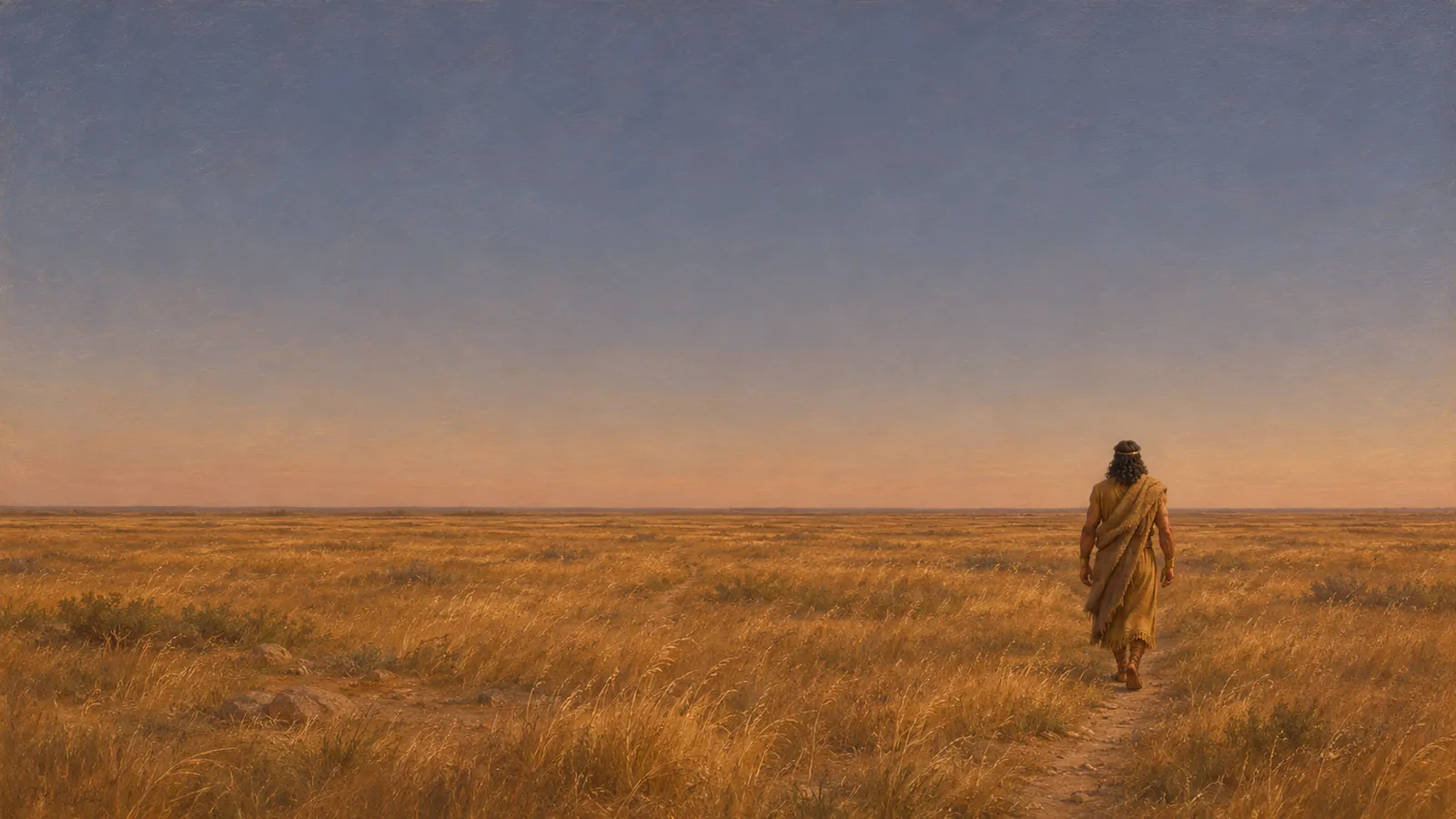
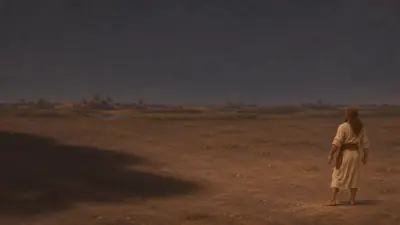
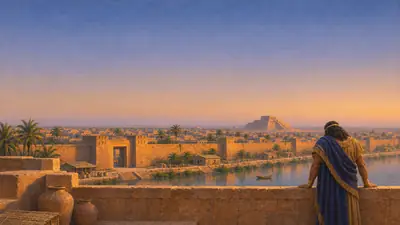
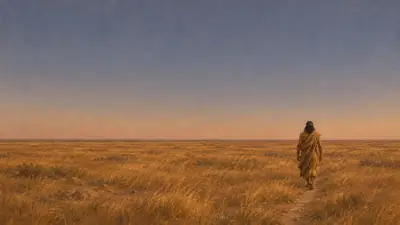
La tablilla siguiente se abre con Gilgamesh en la estepa, llorando a su amigo. La muerte de Enkidu le ha dejado una pregunta que ya no puede eludir: ¿le sucederá lo mismo?
Fin del capítulo 5
Todas las páginas











Fuentes
On page 14, the curse runs to some thirty lines, including Enkidu’s wish that a drunkard soil Shamhat’s clothes (SB Gilgamesh VII 100–131, George VII score and Heidel pp. 58–59). The retelling gives the curse and its broad terms.
Ediciones consultadas
- Rozzi, Jiménez and Bennett, 2025, section 49: . The new fragments clarify the Nippur episode, elements of the underworld dream and parts of the mourning sequence.
- Andrew George, Tablet VII score: and [Tablet VIII score](https://soas-repository.worktribe.com/output/452101/sb-gilgamesh-viii-score-transliteration).
- Andrew George, “The Epic of Gilgamesh”: pp. 8–9, including the Hittite dream and the transition to the journey.
- Andrew George, “Shattered Tablets and Tangled Threads”: pp. 8–10, the reconstruction of lines VII 168–173.
- Andrew George, “What's New in the Gilgamesh Epic?”: the recovered rites and grave gifts.
- Hethitologie Portal Mainz, CTH 341: catalogue of the Hittite witnesses.
Los versos antiguos de cada página
- Page 1: SB VI ending; SB VII 1; George, synopsis p. 8
- Page 2: SB VII 1 and the SB VI catchline; eBL corpus index
Paraphrase of the surviving question. - Page 3: Hittite Gilgamesh, CTH 341.III, Tablet III §1; George, synopsis p. 8; Rozzi et al. 2025 §49.2
- Page 4: Hittite Gilgamesh, CTH 341.III, Tablet III §1; Heidel, pp. 56–57; George, synopsis p. 8
- Page 5: Hittite Gilgamesh, CTH 341.III, Tablet III §1; Heidel, pp. 56–57; George, synopsis p. 8
- Page 6: SB VII 27–33; Rozzi et al. 2025 §49.2, BM.46069
Lines 31–33 partly restored; the proposal and Ekur destination are supported. - Page 7: SB VII 34–36; Rozzi et al. 2025 §49.2; compare SB III 19
Handclasp is an editorial restoration grounded in parallels. - Page 8: SB V 316–318; SB VII 36–45; Rozzi et al. 2025 §49.2
- Page 9: SB VII 39–63; Rozzi et al. 2025 §49.2
- Page 10: SB VII 32, 39–64; Rozzi et al. 2025 §49.2
The new study identifies the door as the object in line 64. The gift/loss reading is interpretation. - Page 11: SB VII 67–83, especially 77–80; George VII score
The plea survives in fragments. - Page 12: SB VII 90–95; George VII score
- Page 13: SB VII 94–100; George VII score; Heidel p. 58
- Page 14: SB Gilgamesh VII 100–131, George VII score and Heidel pp. 58–59
- Page 15: SB VII 132–139; George VII score; George, synopsis p. 8
- Page 16: SB VII 139–147; George VII score; parallel SB VIII 84–91
- Page 17: SB VII 148–161; George VII score; Heidel p. 59
- Page 18: SB VII 162–167; George VII score; Heidel p. 60; Rozzi et al. 2025 §49.2
- Page 19: SB VII 168–176; George, Shattered Tablets, pp. 8–10; George VII score
- Page 20: SB VII 180–186, especially 182–184; George VII score; Heidel p. 60
First lines very damaged. - Page 21: SB VII 184–190; George VII score; Heidel p. 60
- Page 22: SB VII 193–203; George VII score; Heidel p. 61; Rozzi et al. 2025 §49.2
- Page 23: SB VII 203–208; Rozzi et al. 2025 §49.2; George VII score
- Page 24: SB VII 209–217 and gaps before 249–253; Rozzi et al. 2025 §49.2, BM.46069; George VII score
The tomb’s intended occupant is uncertain. - Page 25: SB VII 253–261; George VII score; Heidel pp. 61–62
- Page 26: SB VII 261–267; George VII score; Heidel pp. 61–62
Final speech damaged. - Page 27: SB VII 261–267; George VII score
- Page 28: SB VII after 267; SB VIII 55–59; George VII–VIII scores and synopsis pp. 8–9
- Page 29: SB VIII 1–3; George VIII score; George, synopsis p. 9
- Page 30: SB VIII 3–6; George VIII score; Heidel p. 62
- Page 31: SB VIII 7–15; George VIII score; Rozzi et al. 2025 §49.3.A
The lines address features in a lament. - Page 32: SB VIII 16–17; Rozzi et al. 2025 §49.3.A; George VIII score
- Page 33: SB VIII 18–20, especially 19–20; Rozzi et al. 2025 §49.3.A; George VIII score
- Page 34: SB VIII 21–35, 42–44; George VIII score; Rozzi et al. 2025 §49.3.A
The surviving speech addresses several groups. - Page 35: SB VIII 44–51, especially 46–49; George VIII score
- Page 36: SB VIII 50–54; George VIII score; Heidel p. 63
- Page 37: SB VIII 55–58; George VIII score; Heidel p. 63
- Page 38: SB VIII 59; George VIII score; Heidel p. 63
The ancient simile is paraphrased. - Page 39: SB VIII 60–62; George VIII score; Heidel p. 63
Final clause is a restrained reading of his grief. - Page 40: SB VIII 63–64, with echoes at 76–77; George VIII score; Rozzi et al. 2025 §49.3.B
- Page 41: SB VIII 65–70; George VIII score; George, synopsis p. 9
- Page 42: SB VIII 69–75; Rozzi et al. 2025 §49.3.B; George VIII score
- Page 43: SB VIII 84–91; Rozzi et al. 2025 §49.3.C; compare SB VII 139–147
Wording is substantially restored from the parallel VII passage. - Page 44: SB VIII 92–97; Rozzi et al. 2025 §49.3.C, note on 95
- Page 45: SB VIII 131–138, 143–151; George, What's New, pp. 7–8; George VIII score
- Page 46: SB VIII 134–138; George, What's New, p. 7; SB VI for previous role
- Page 47: SB VIII 143–147; George, What's New, p. 7; George VIII score
- Page 48: SB VIII 148–179; George, What's New, pp. 7–8; George VIII score
The formulaic pleas are paraphrased. - Page 49: SB VIII, fragmentary later funeral sequence and loss at end; George VIII score; George, synopsis p. 9
- Page 50: SB IX 1–7; George, synopsis p. 9; Heidel p. 64; cf. SB VIII 90–91
Ilustraciones hechas por IL Archive con herramientas de IA; el texto se basa en las fuentes antiguas (véanse las fuentes al final de cada capítulo).