La epopeya de Gilgamesh Capítulo 6
Más allá del borde del día
Gilgamesh atraviesa la oscuridad del monte Mashu y busca un camino más allá del mar. Su búsqueda lo lleva a Utnapishtim, cuyas palabras lo hacen preguntarse qué puede albergar una vida humana.
Ver la películaFuentesPase las páginas con las flechas, el teclado o deslizando el dedo.
NOCHE
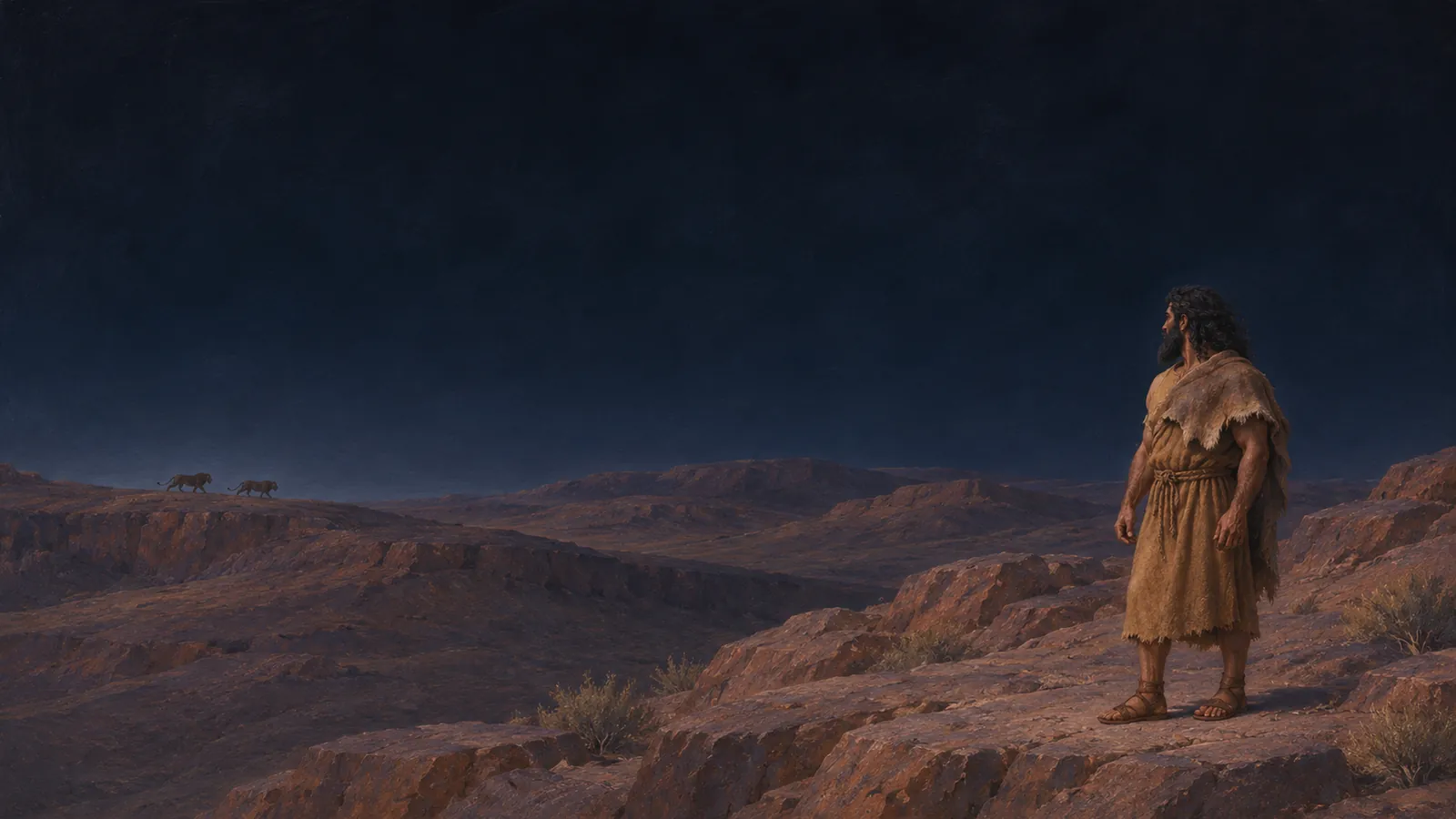
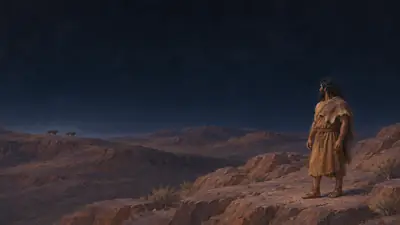
Ya había caído la noche cuando Gilgamesh llegó a los pasos de montaña. Vio leones en la oscuridad y sintió miedo, lejos de cualquier lugar donde supiera que estaba a salvo.
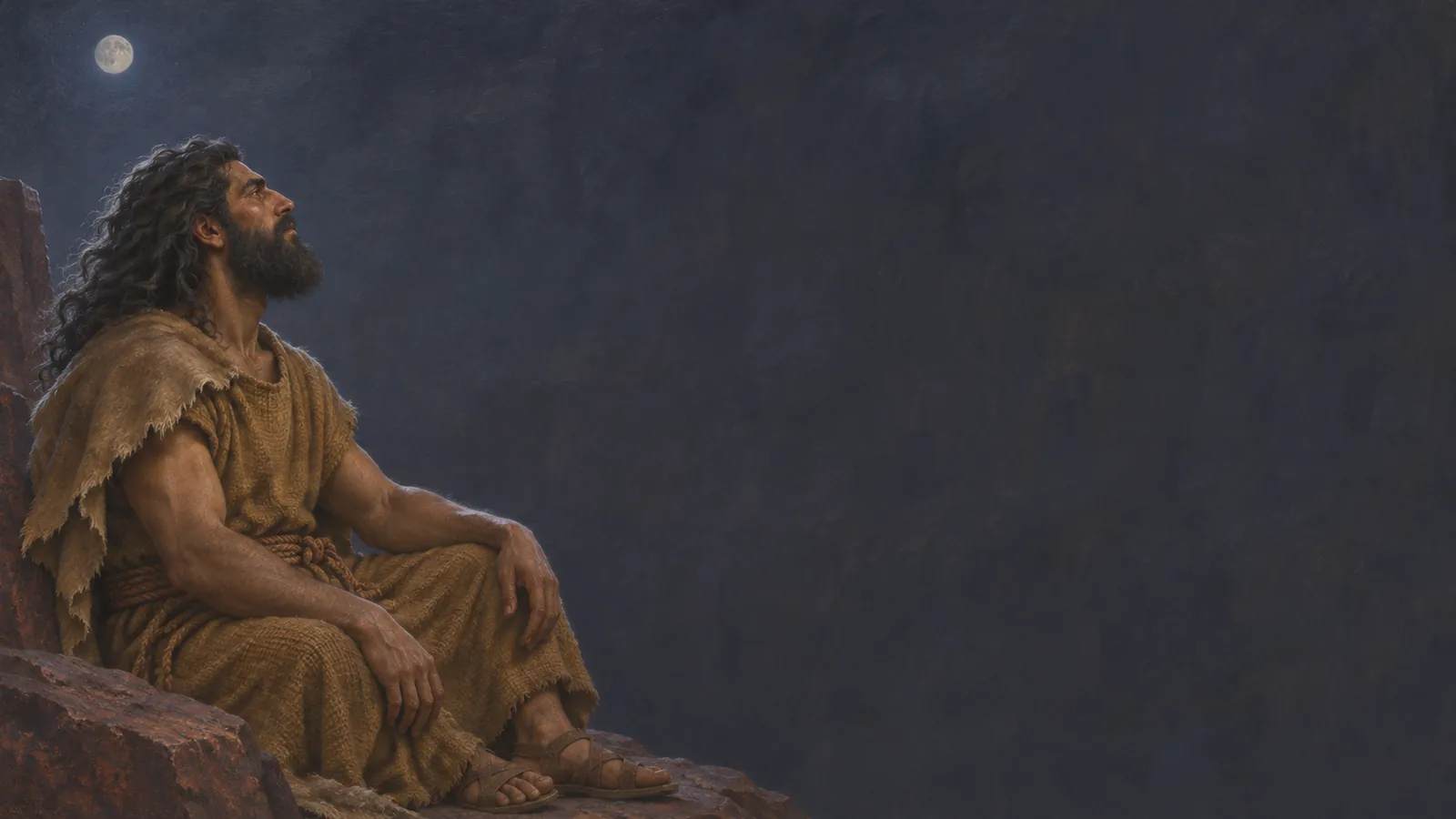
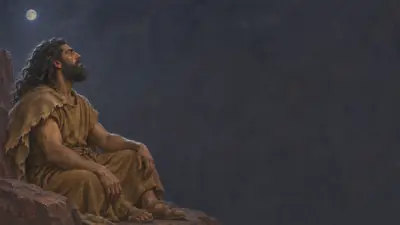
Gilgamesh alzó el rostro hacia el dios de la luna y le pidió que lo protegiera. Lejos de las murallas de Uruk, una plegaria era lo que tenía en la oscuridad.
Gilgamesh despertó sobresaltado. El poema cuenta que se lanzó contra los leones y luego se quiebra en fragmentos, antes de que volvamos a encontrarlo en el monte Mashu.
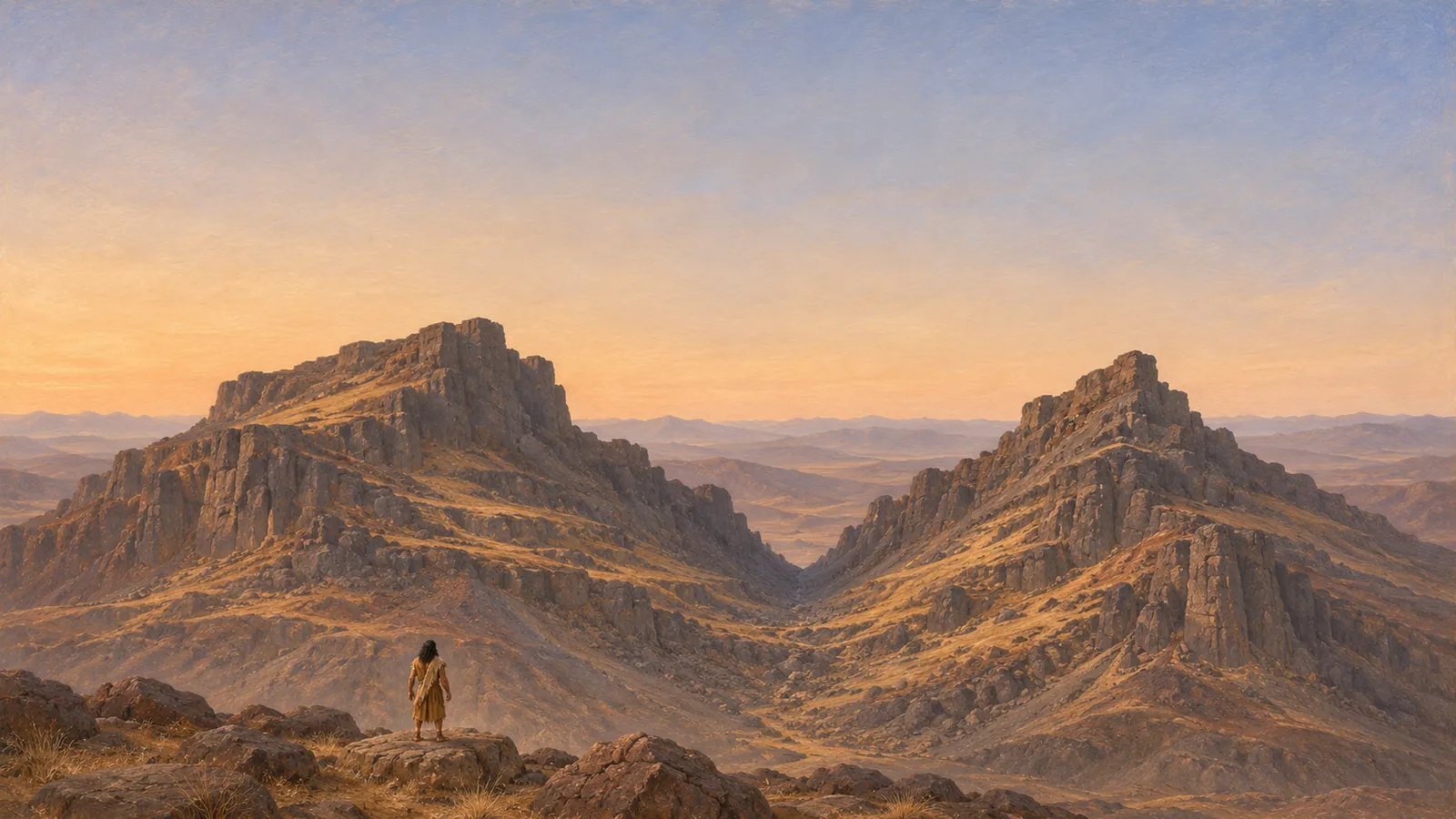
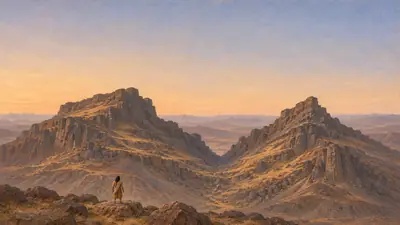
Gilgamesh llegó a las cumbres gemelas de Mashu, donde el poema sitúa el nacimiento del sol. Sus cimas alcanzan el borde del cielo y sus bases tocan el mundo de abajo.
GUARDIANES
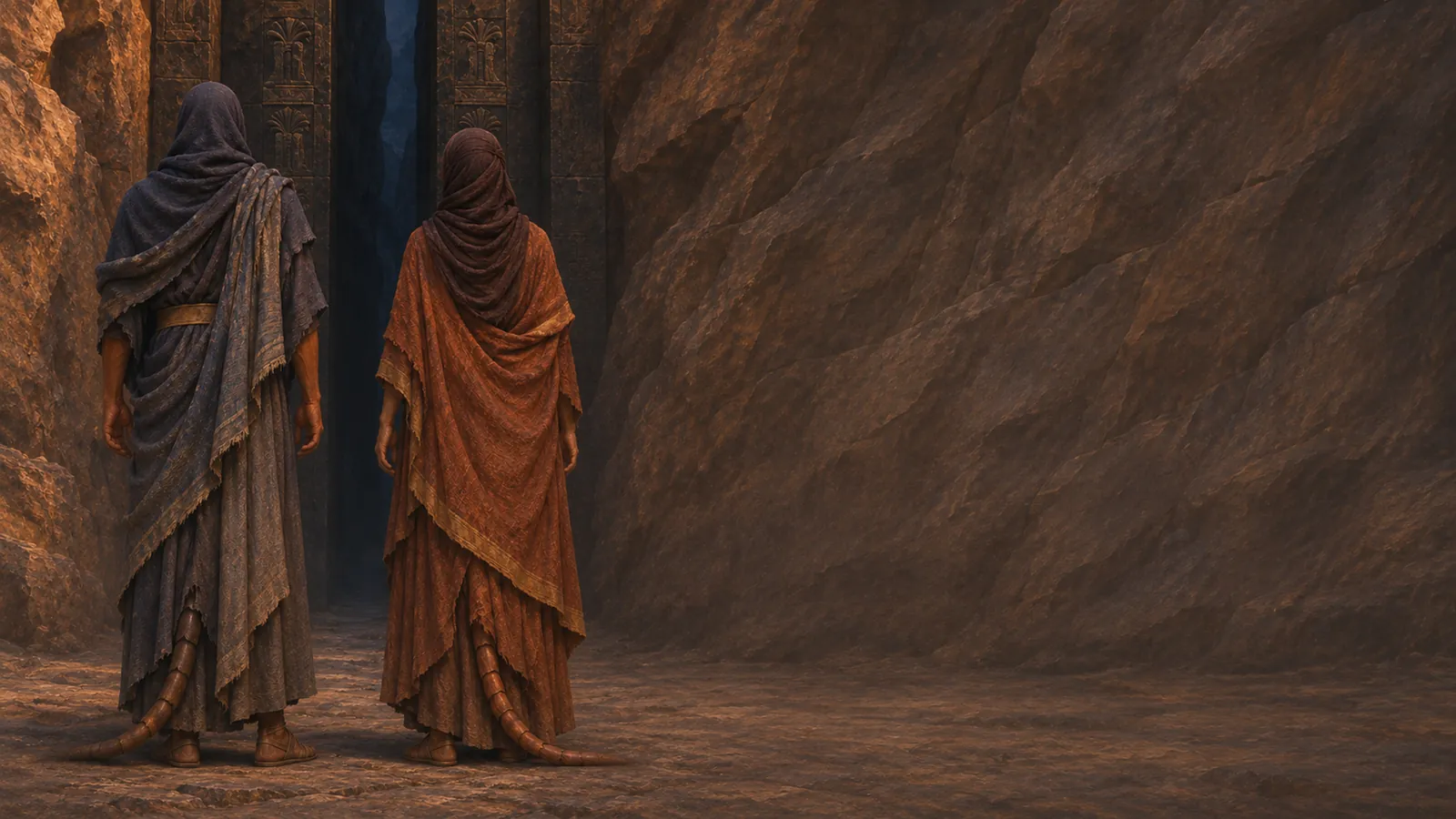
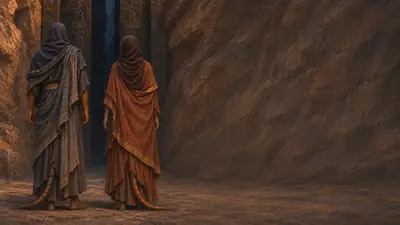
La puerta pertenecía a dos seres escorpión. El poema dice que verlos podía traer la muerte y que custodiaban el sol al salir y al ponerse.
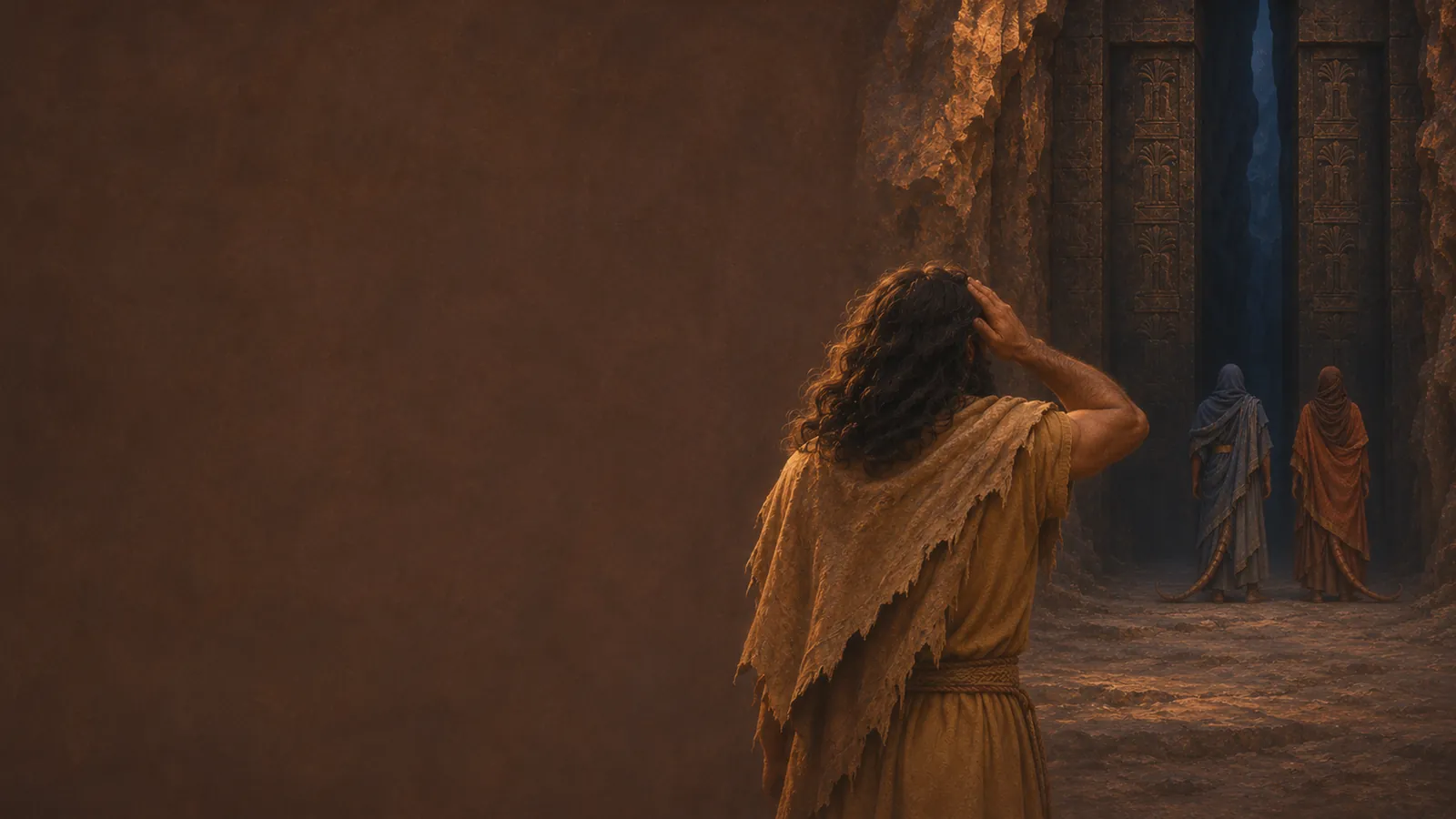
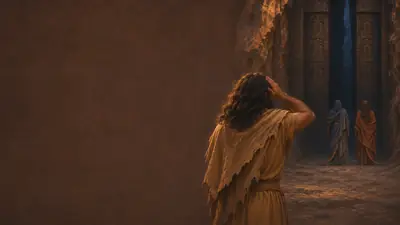
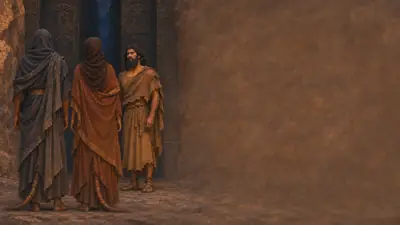
Al verlos, Gilgamesh se cubrió el rostro de miedo. Se sobrepuso y se acercó a los dos seres que estaban junto a la puerta.
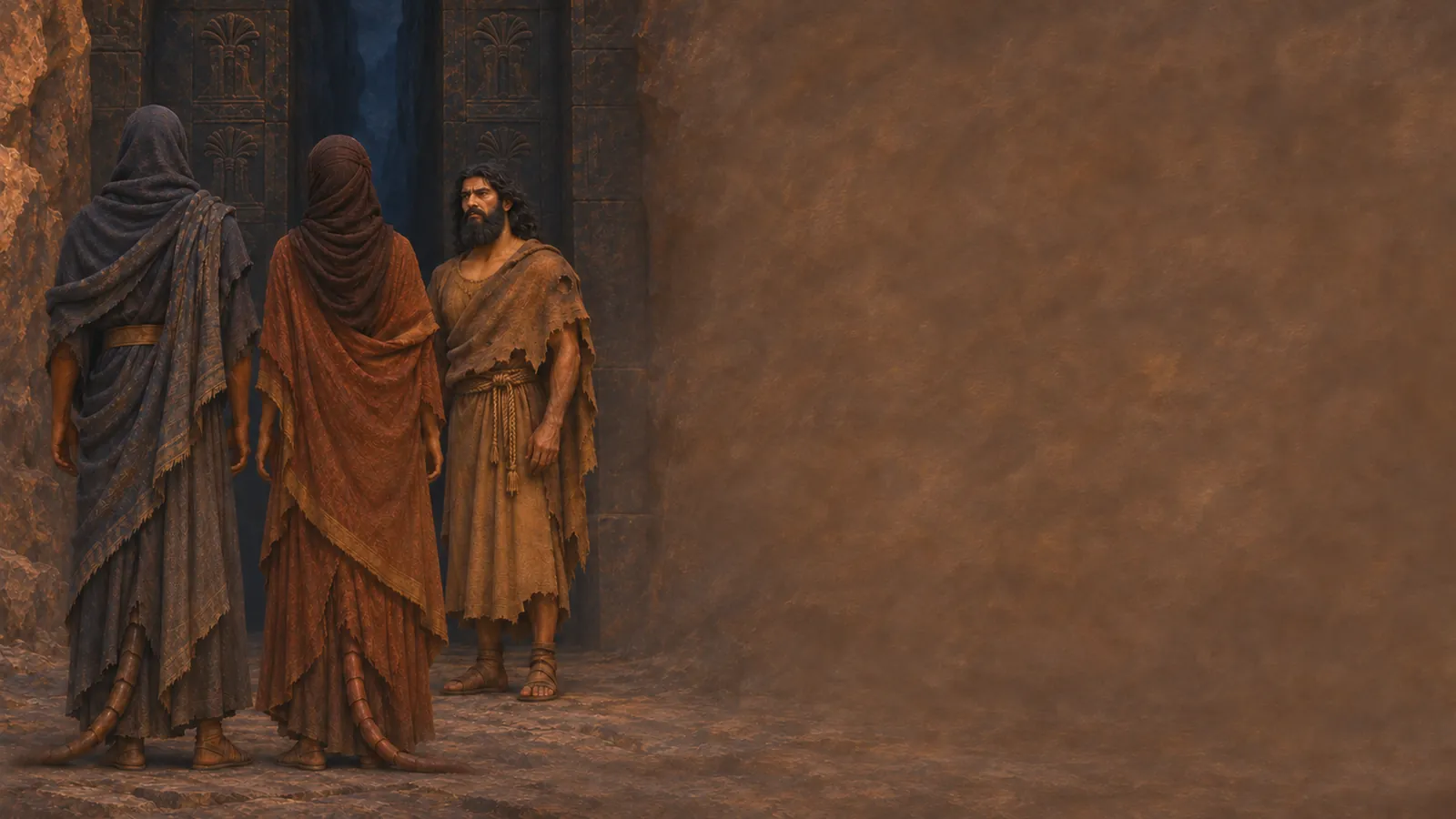
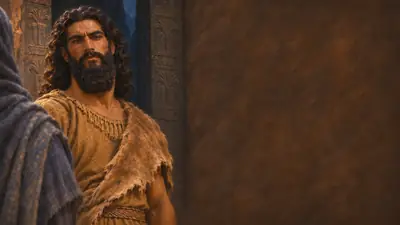
El primer guardián reconoció algo divino en el viajero. Su esposa vio también lo demás: Gilgamesh era en parte dios y en parte hombre.
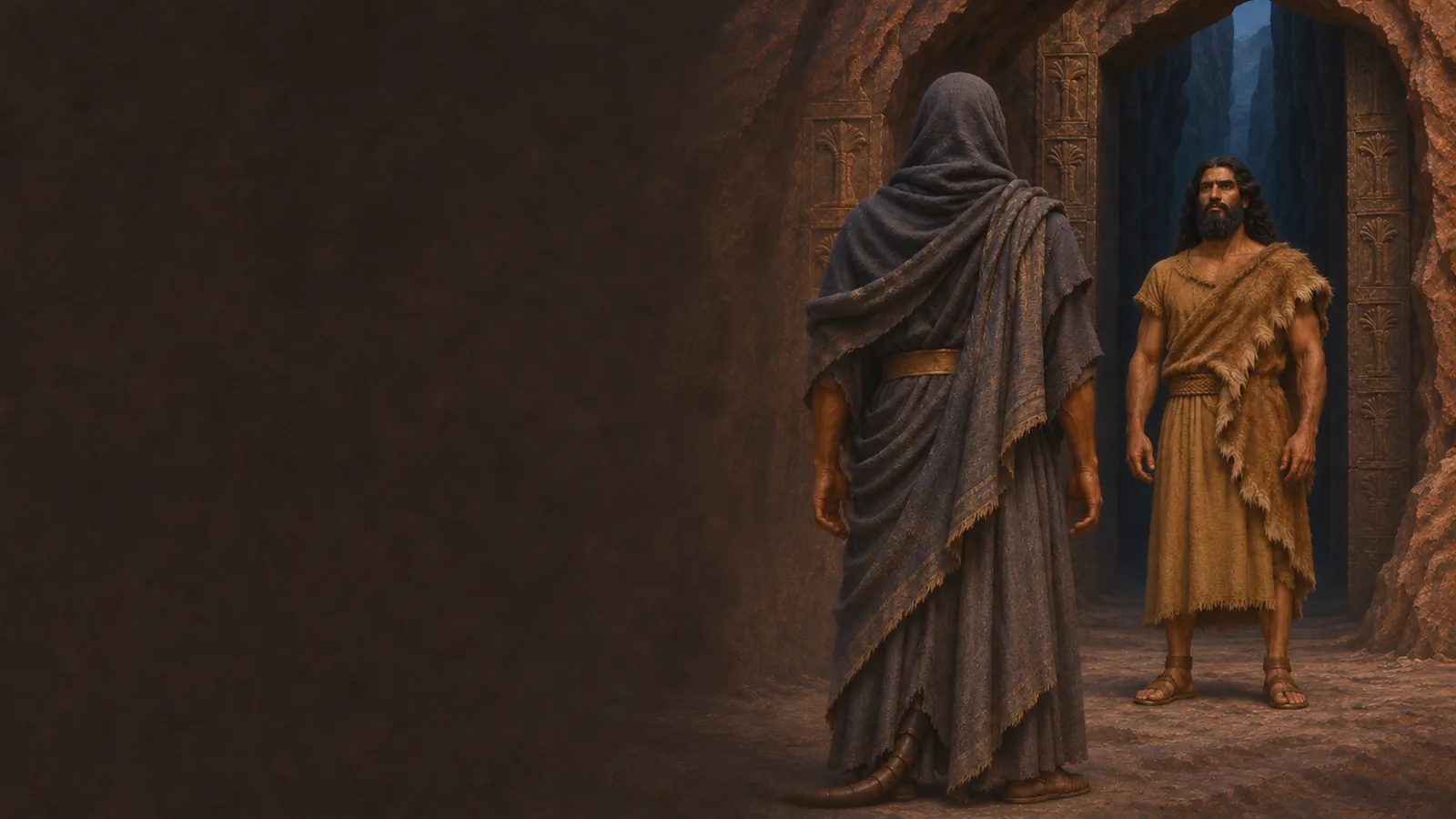
El guardián le preguntó a Gilgamesh qué lo había traído tan lejos de casa. La pregunta se conserva en fragmentos, pero queda claro que debía explicar su llegada.
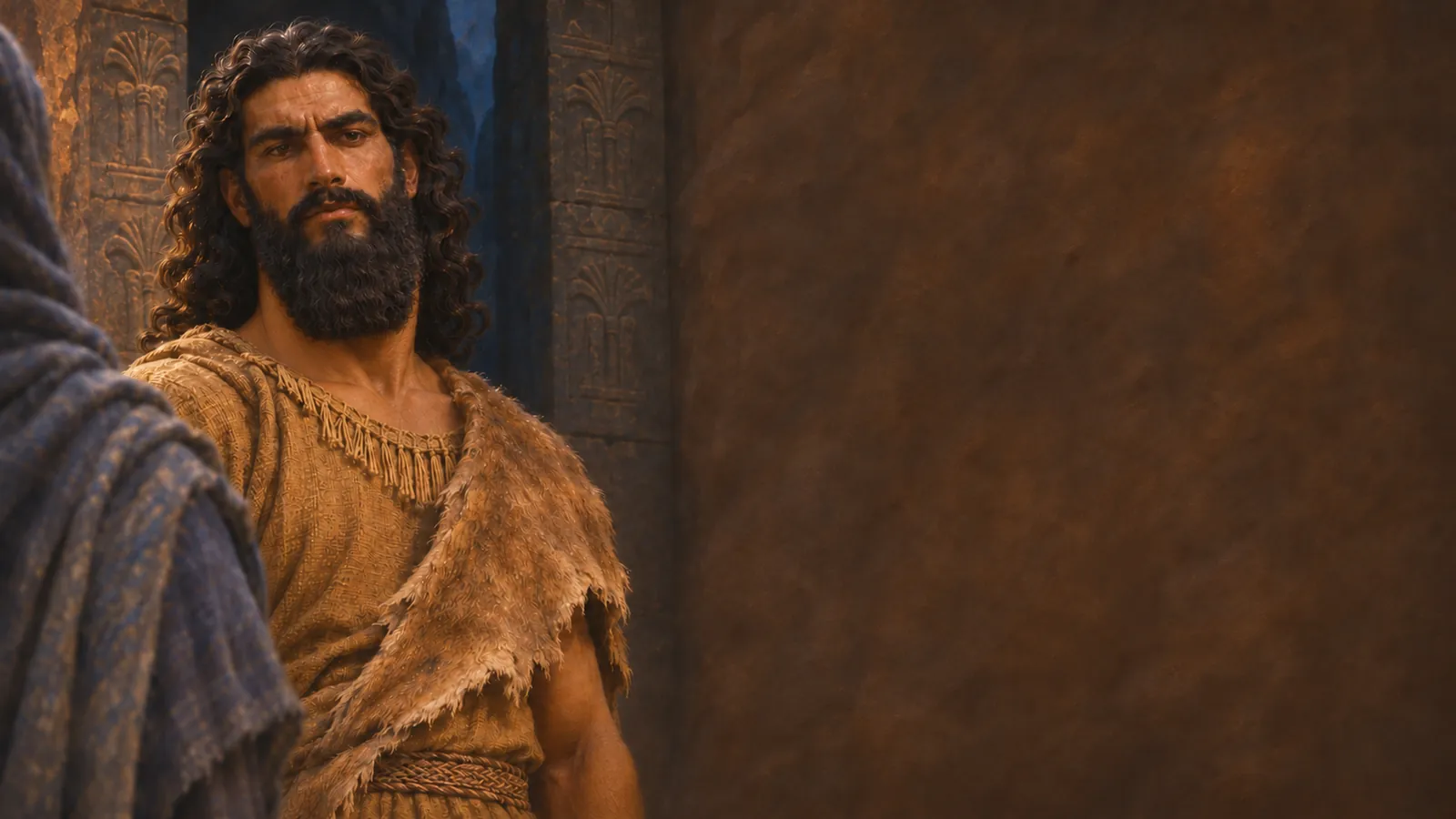
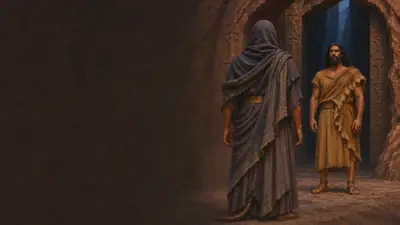
Gilgamesh había venido en busca de Utnapishtim, su antepasado lejano. Quería preguntarle por la vida y la muerte, la pregunta que había llevado consigo hasta Mashu.
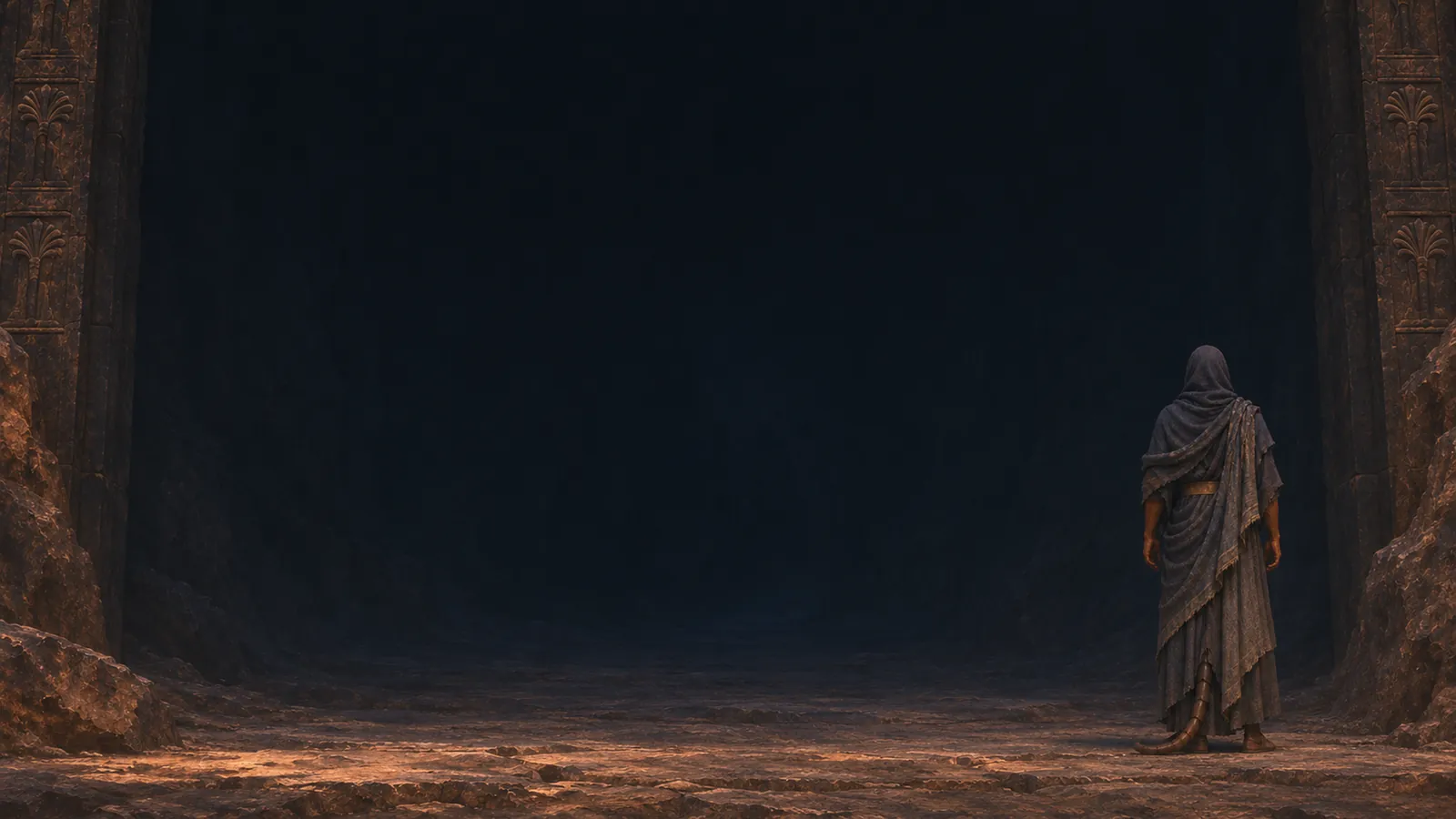
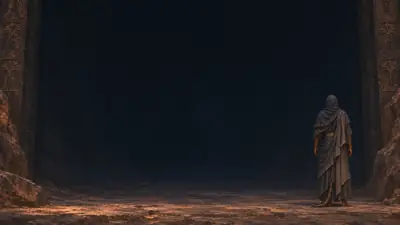
El guardián le advirtió que nadie había atravesado la montaña por allí. Durante un largo trecho, el paso estaba a oscuras, sin luz que guiara a un viajero.
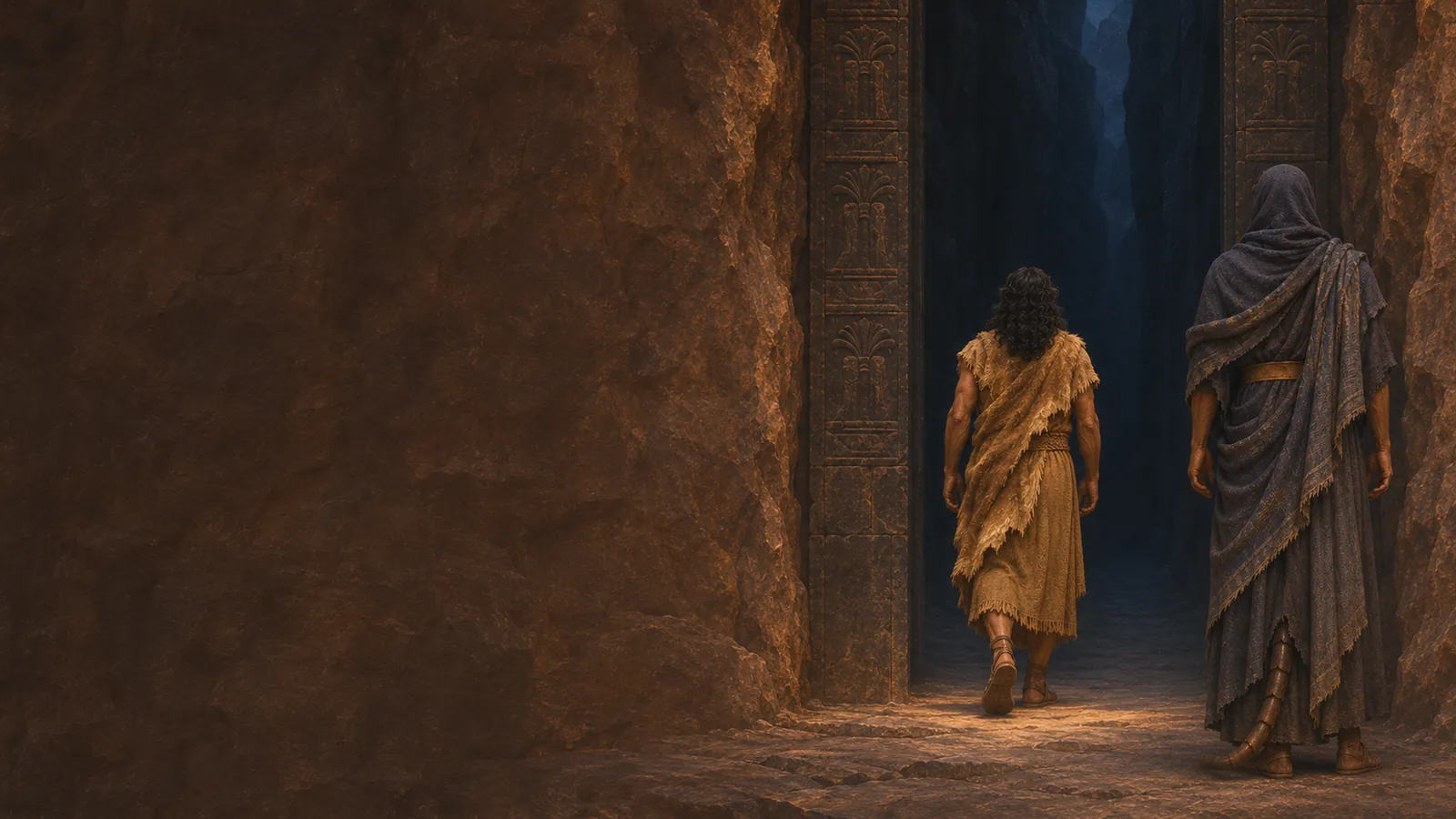
La tablilla se interrumpe antes de que oigamos todo el diálogo. Cuando vuelven las palabras, el guardián deja que Gilgamesh atraviese Mashu y le desea un paso seguro.
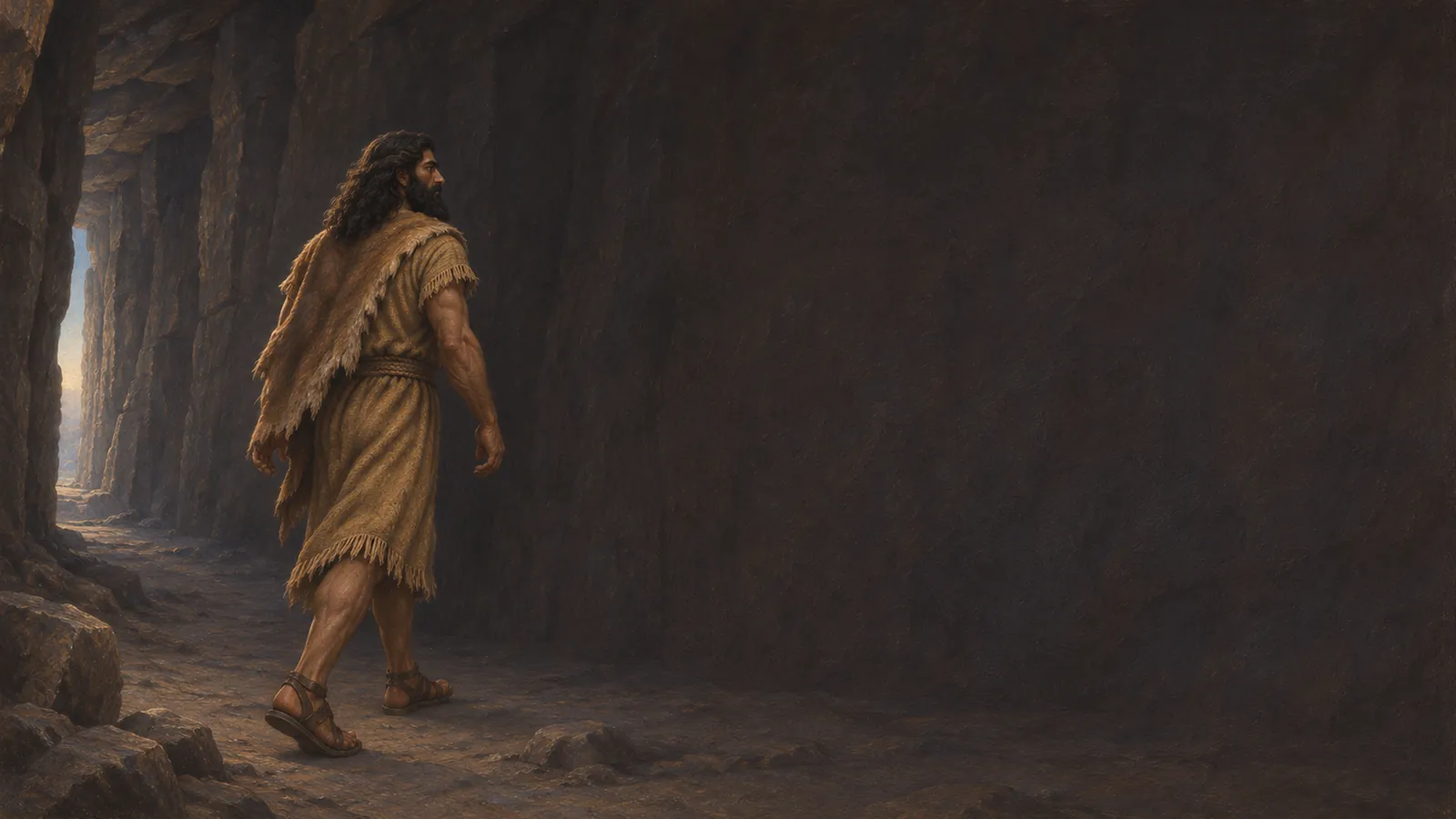
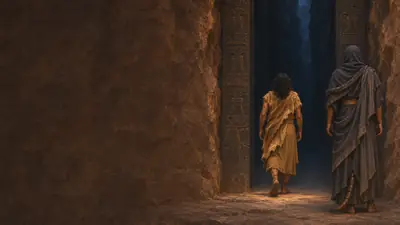
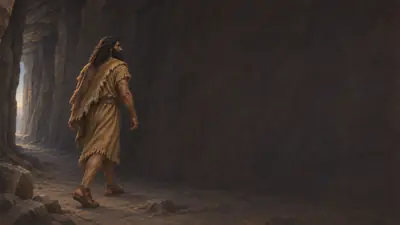
Gilgamesh escuchó y se internó por el camino del dios del sol. La abertura se hacía pequeña a su espalda conforme avanzaba dentro de la roca.
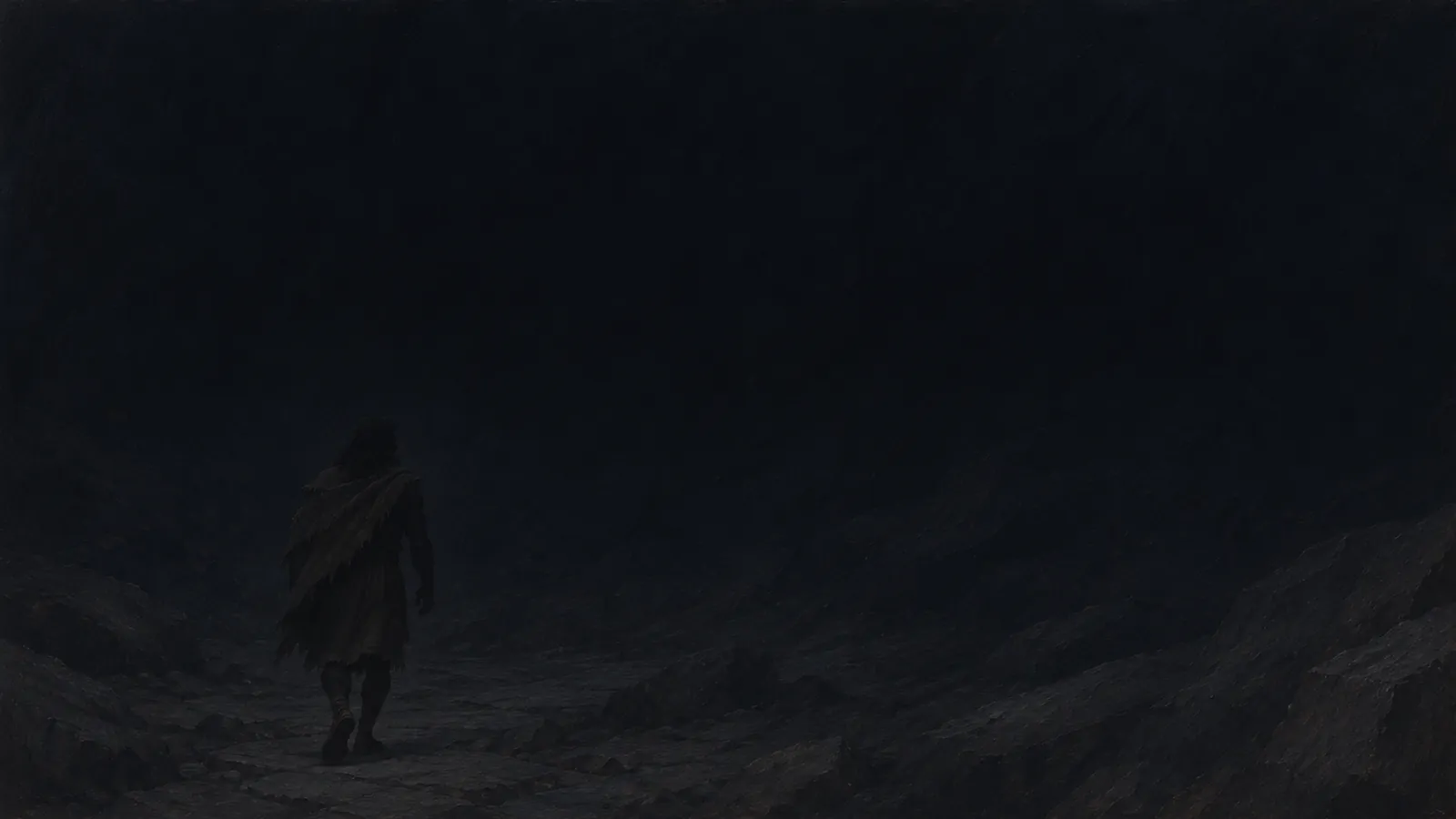
El primer tramo transcurrió en una oscuridad tan espesa que Gilgamesh ya no veía el camino por donde había venido. El poema vuelve a esa oscuridad a medida que él avanza.
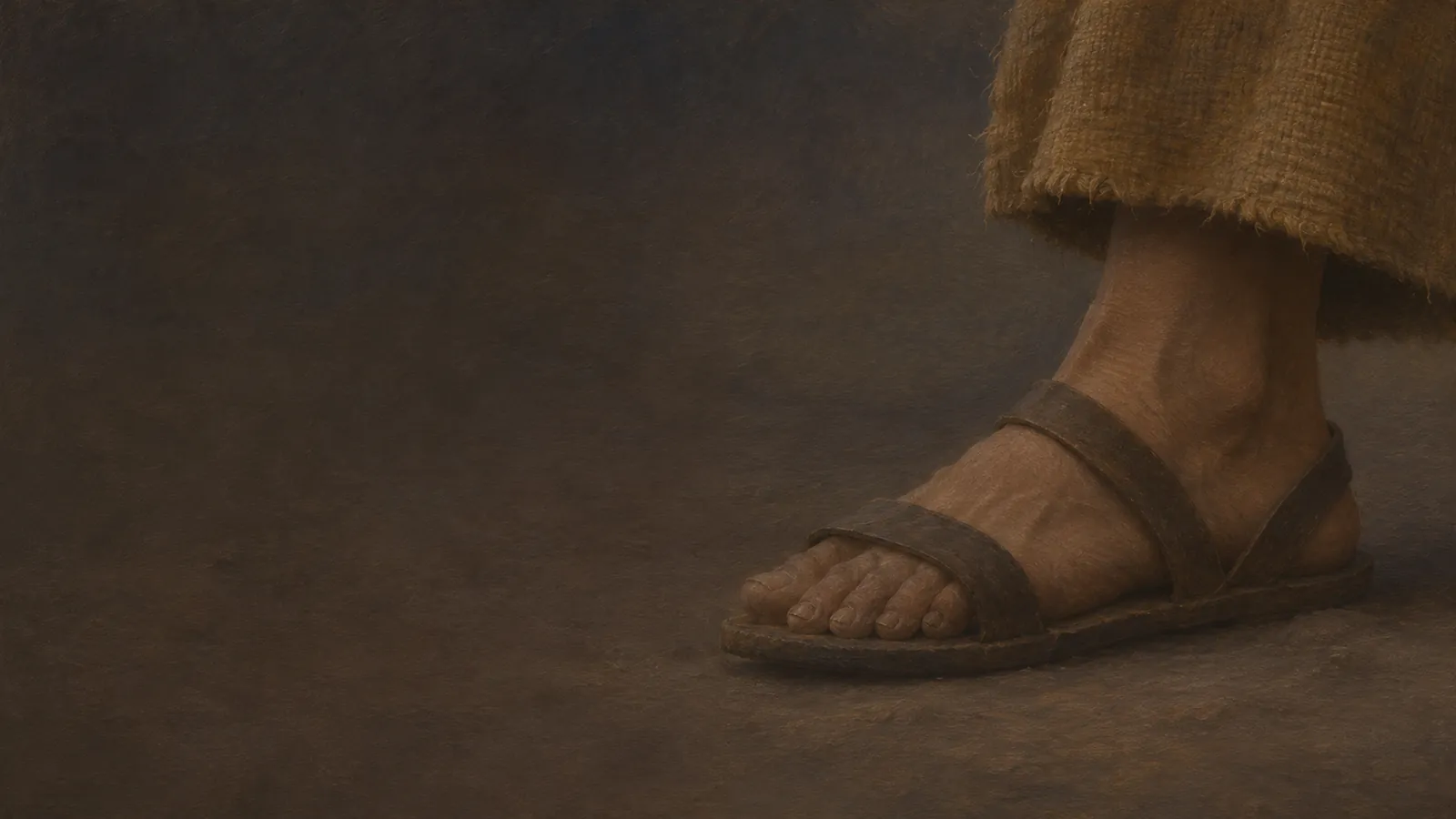
El poema cuenta un trecho más, y luego otro. Las palabras repetidas nos dan una idea de la distancia, mientras Gilgamesh no ve nada que le permita medirla.
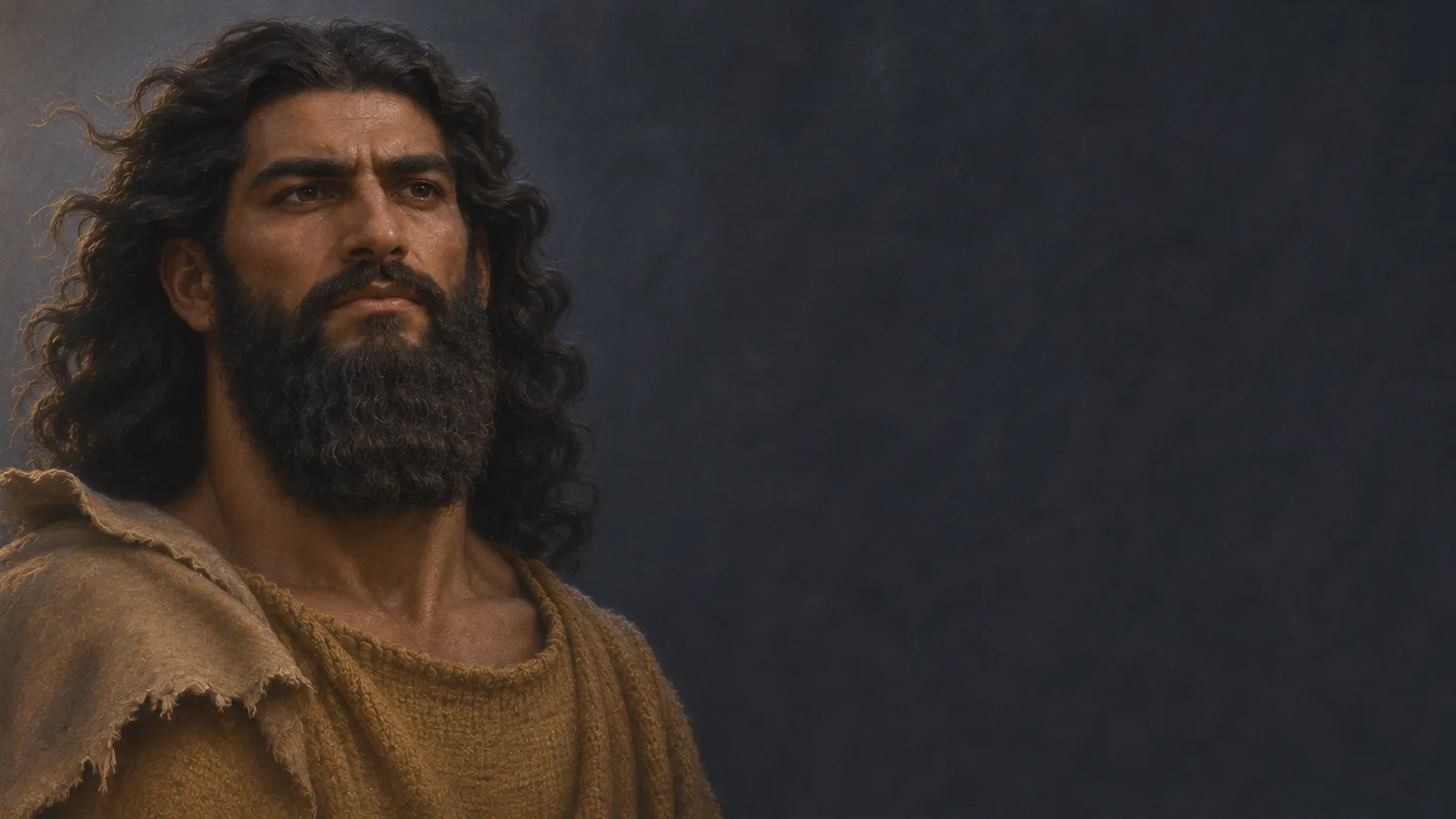
En lo hondo del paso, el poema menciona un viento del norte. La línea está dañada, pero aparece justo antes de que la oscuridad empiece a ceder ante el día que se acerca.
LUZ
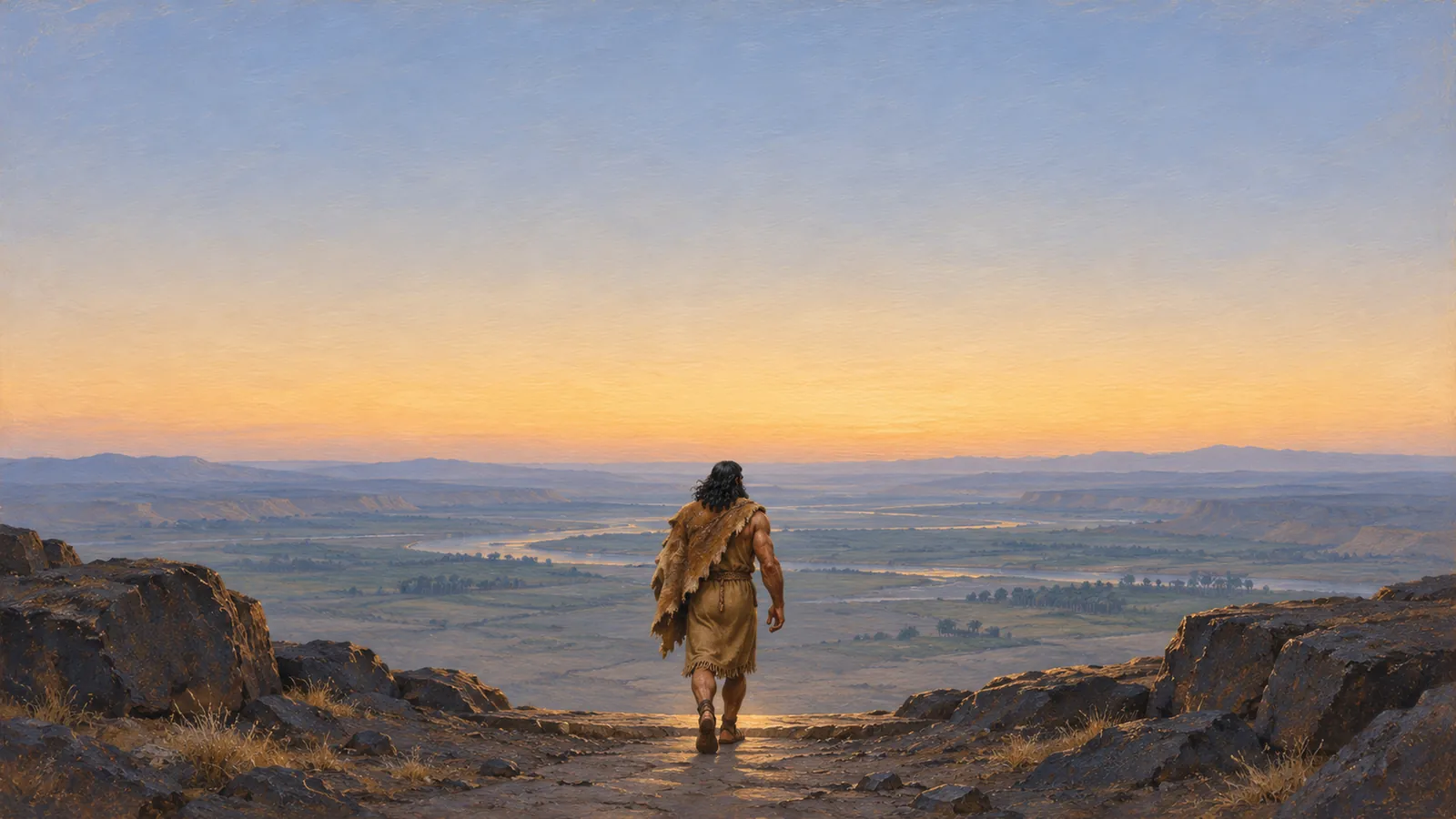
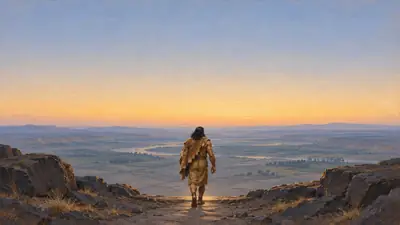
Gilgamesh llegó al final del paso antes que el sol. Había recorrido toda la extensión de las tinieblas hasta salir a una claridad que el poema describe en fragmentos.
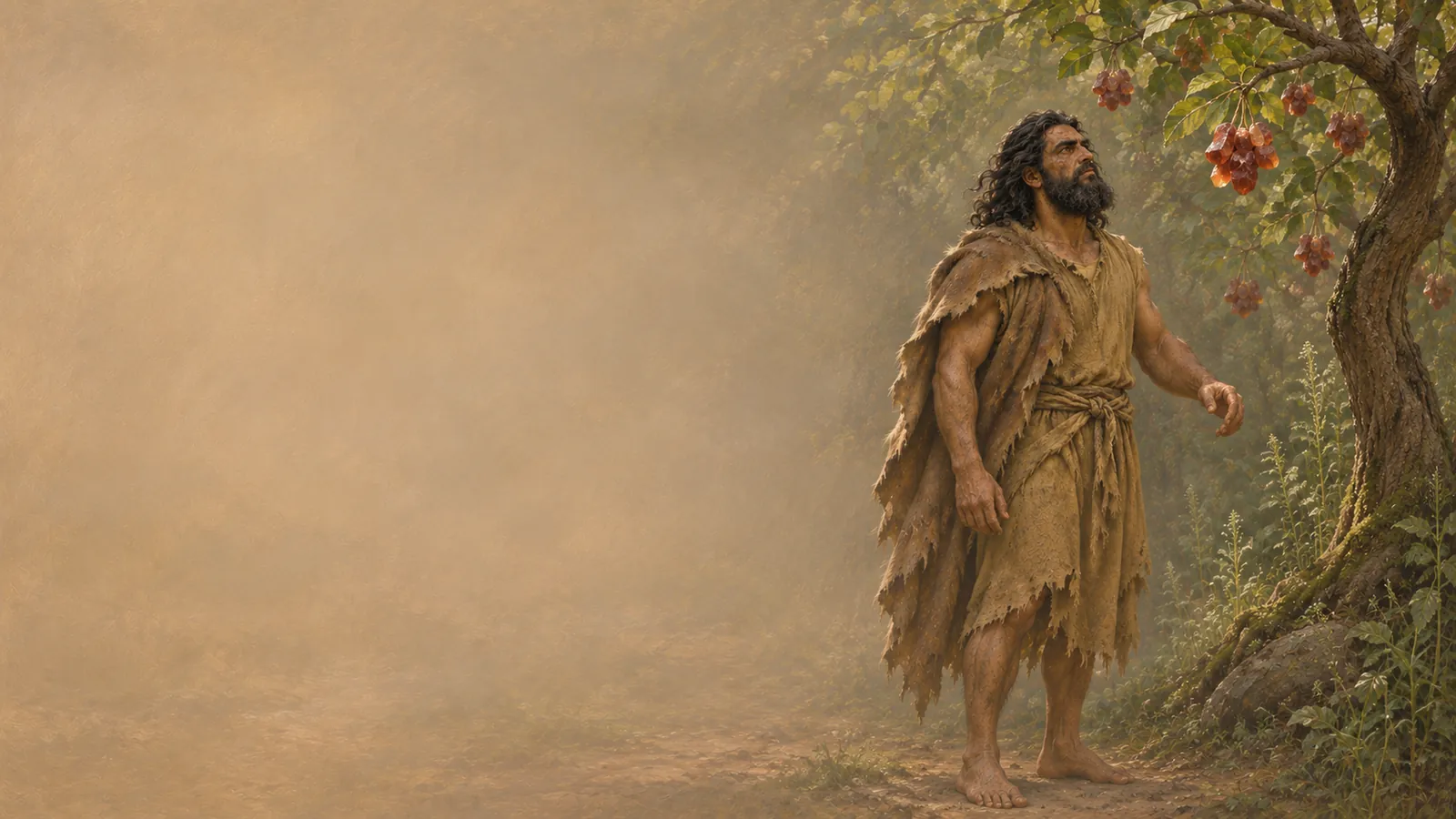
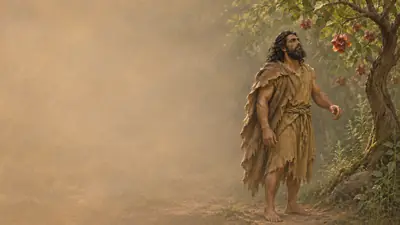
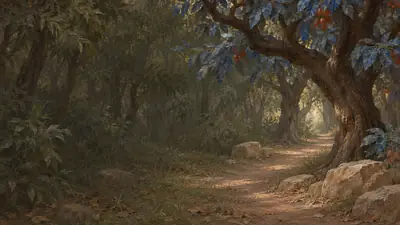
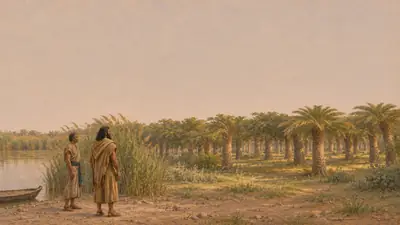
La luz del día reveló un jardín donde crecían piedras preciosas en las ramas. Gilgamesh se acercó y vio racimos de cornalina roja colgando como frutos al sol.
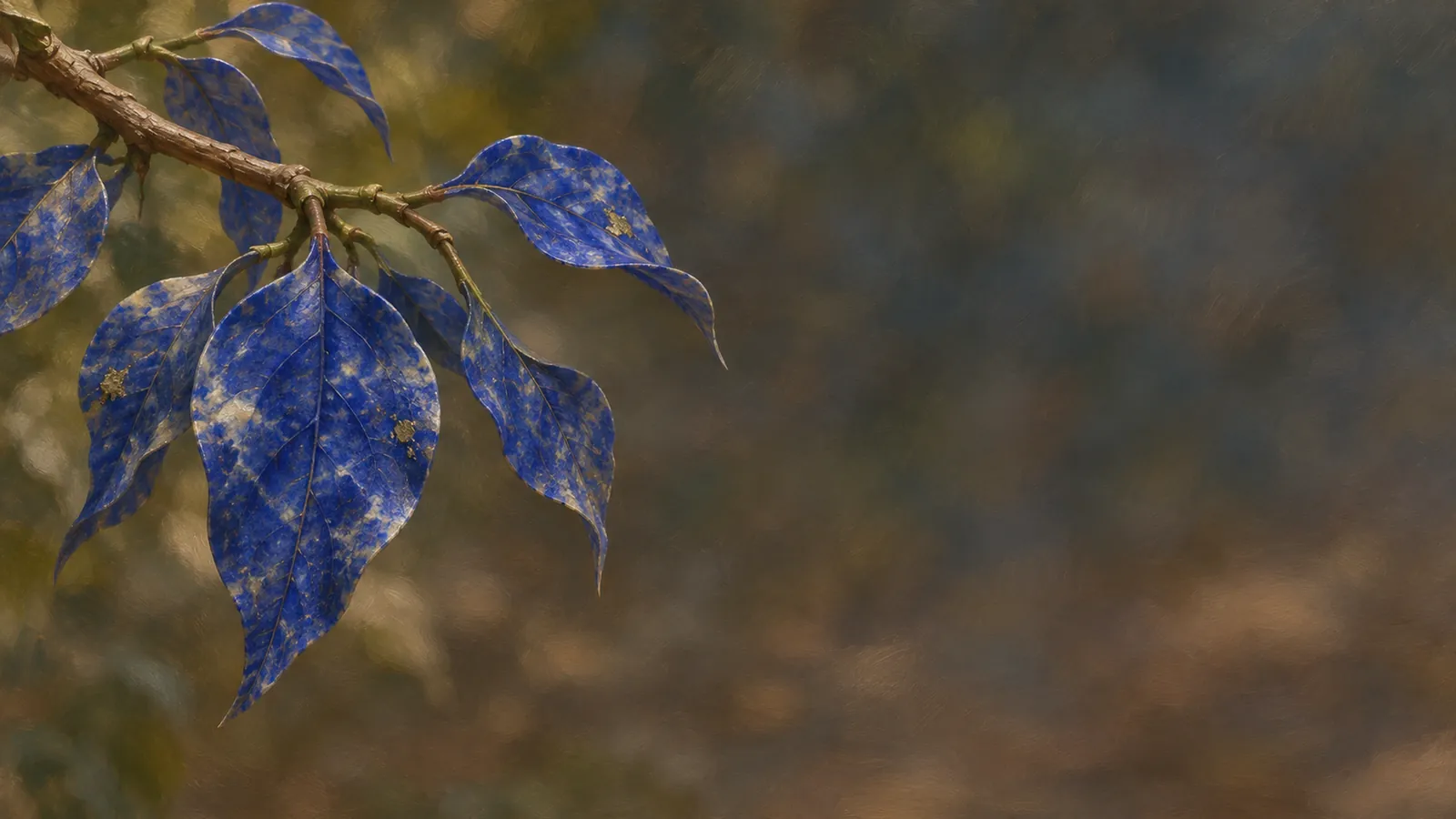
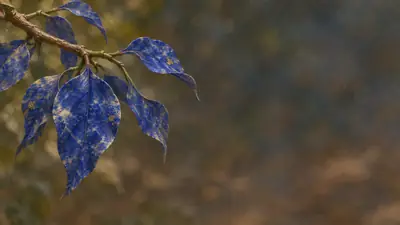
Otra rama tenía lapislázuli donde esperaríamos ver hojas. El poema se demora en lo que Gilgamesh podía ver ahora, después de haber recorrido un camino a oscuras.
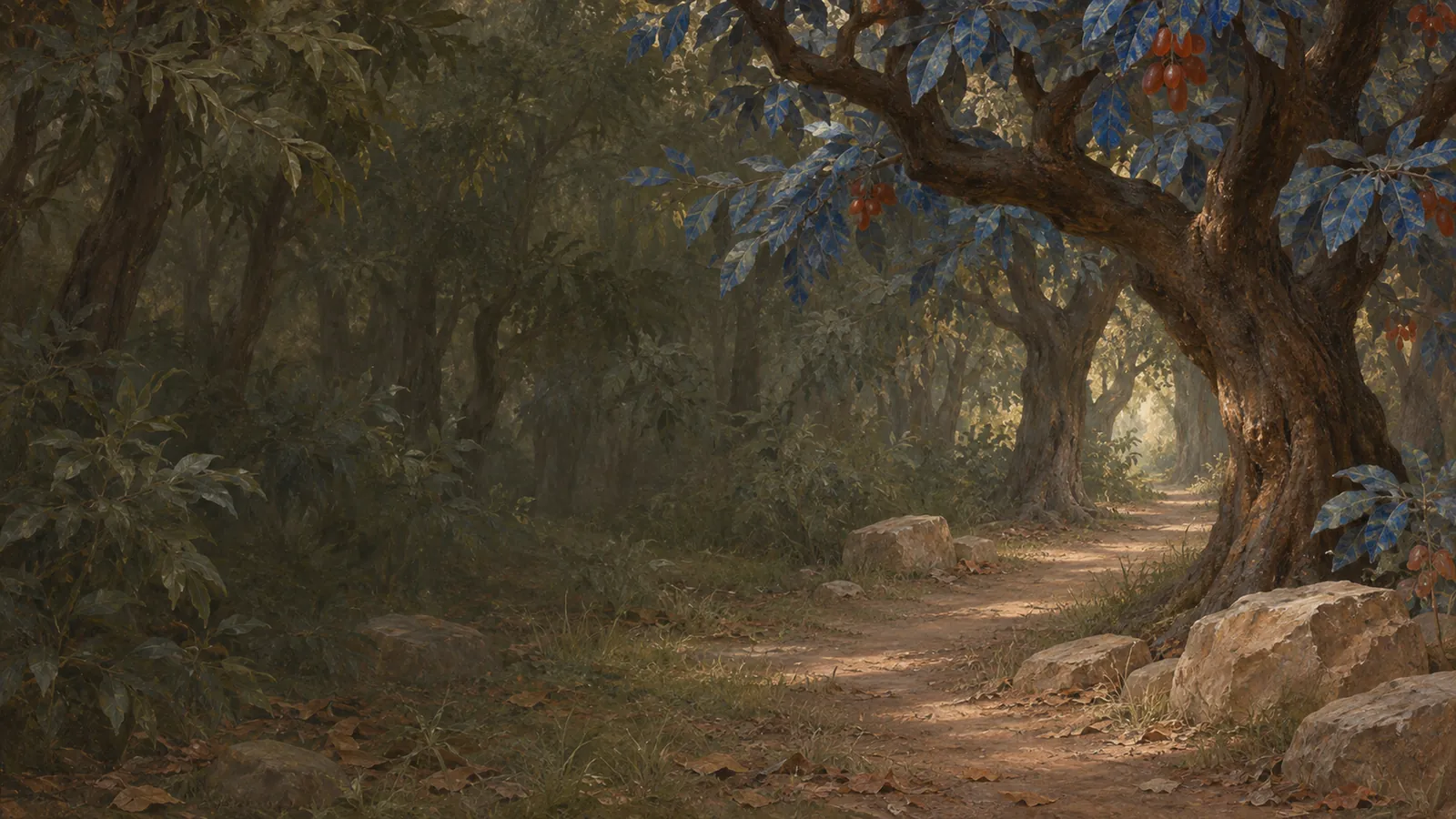
Del resto del jardín solo quedan vislumbres. Al final de la tablilla, mientras Gilgamesh camina maravillado, alguien levanta la cabeza para observarlo.
SIDURI
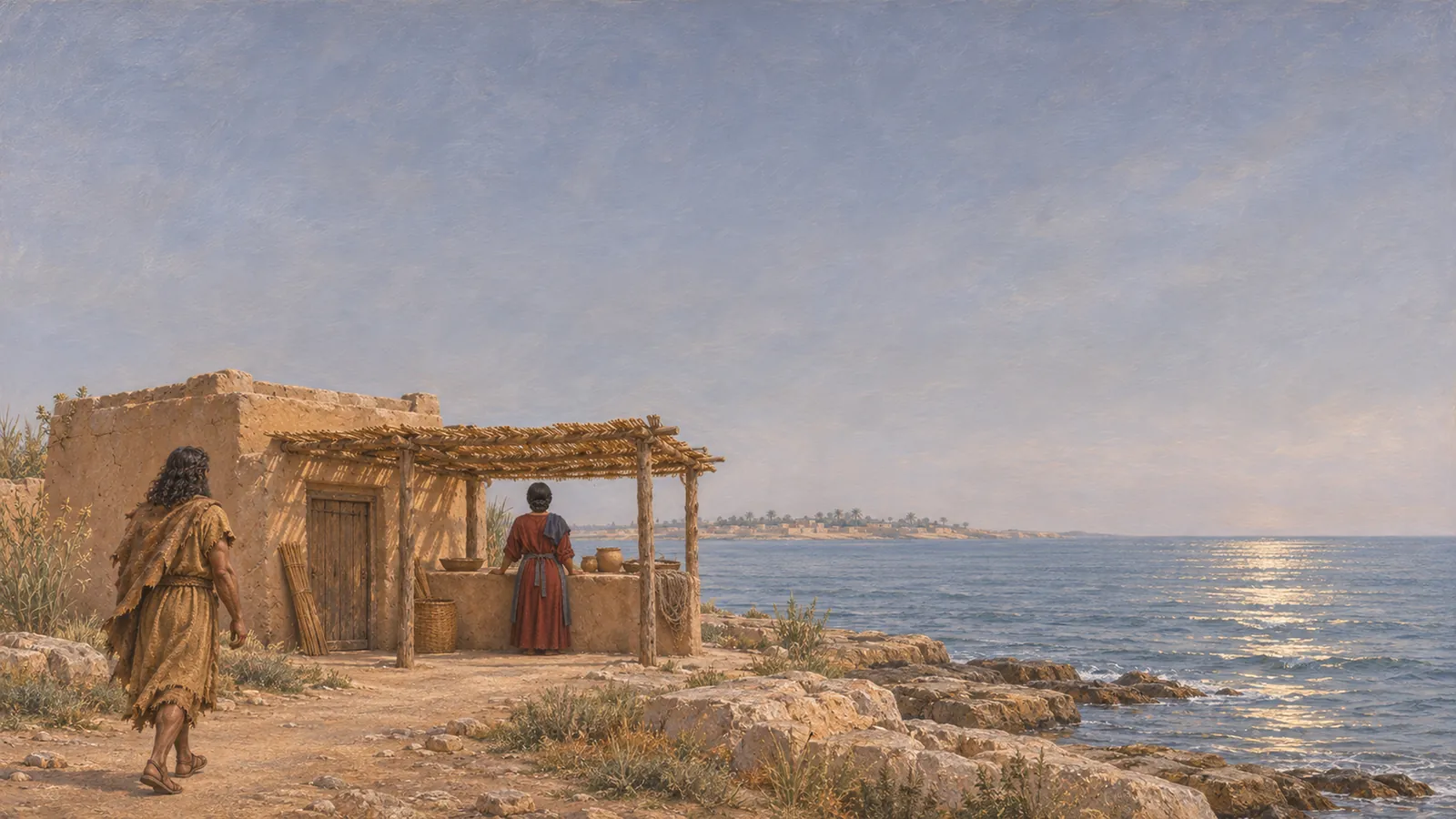
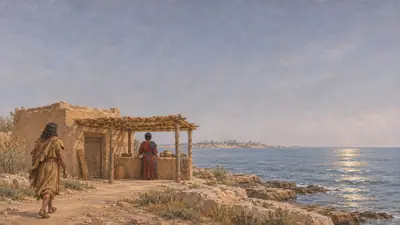
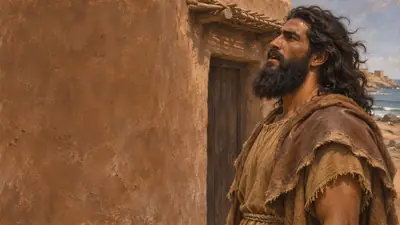
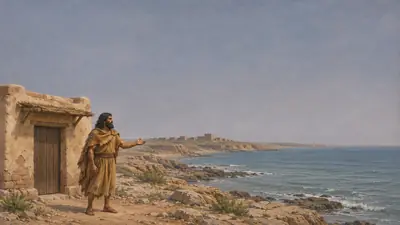
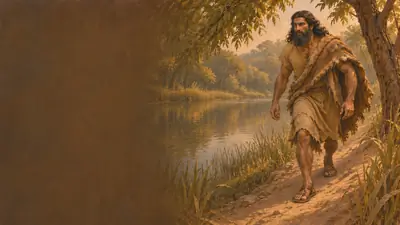
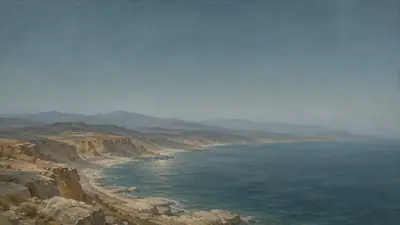
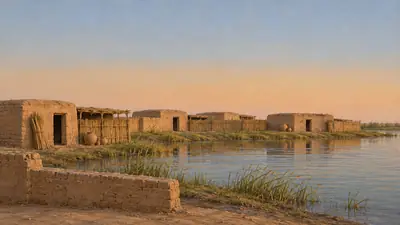
Una tabernera llamada Siduri vivía donde la tierra se encontraba con las aguas abiertas. Gilgamesh llegó desde tierras salvajes hasta la puerta de su casa.
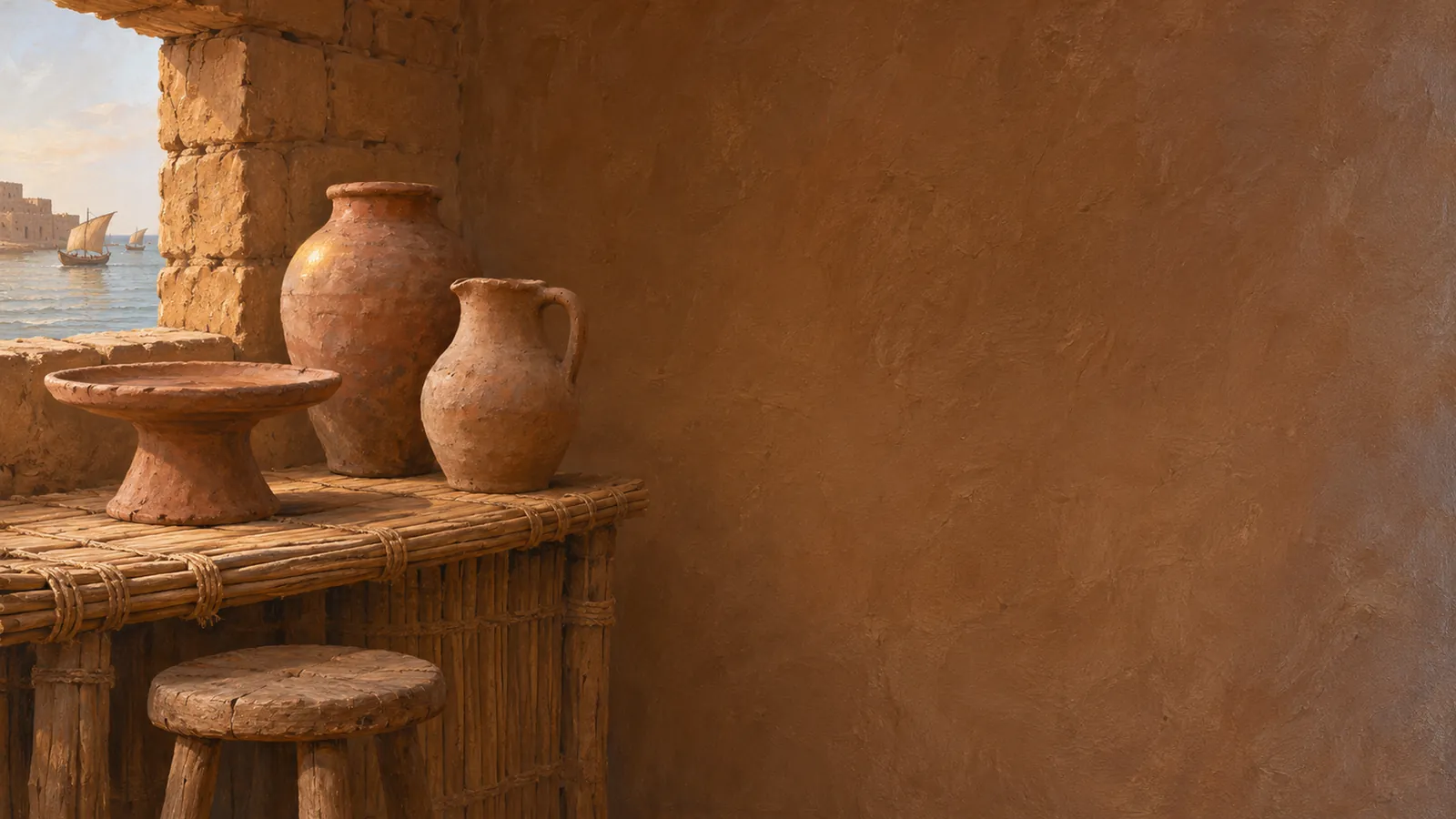
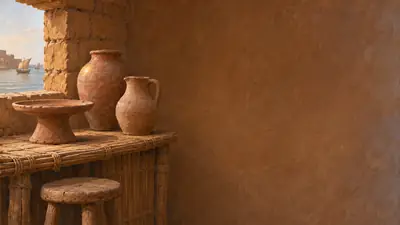
Siduri tenía soportes para sus vasijas, y la línea dañada quizá describa también cubas de oro. Desde su casa se veía a alguien que se acercaba desde tierras salvajes.
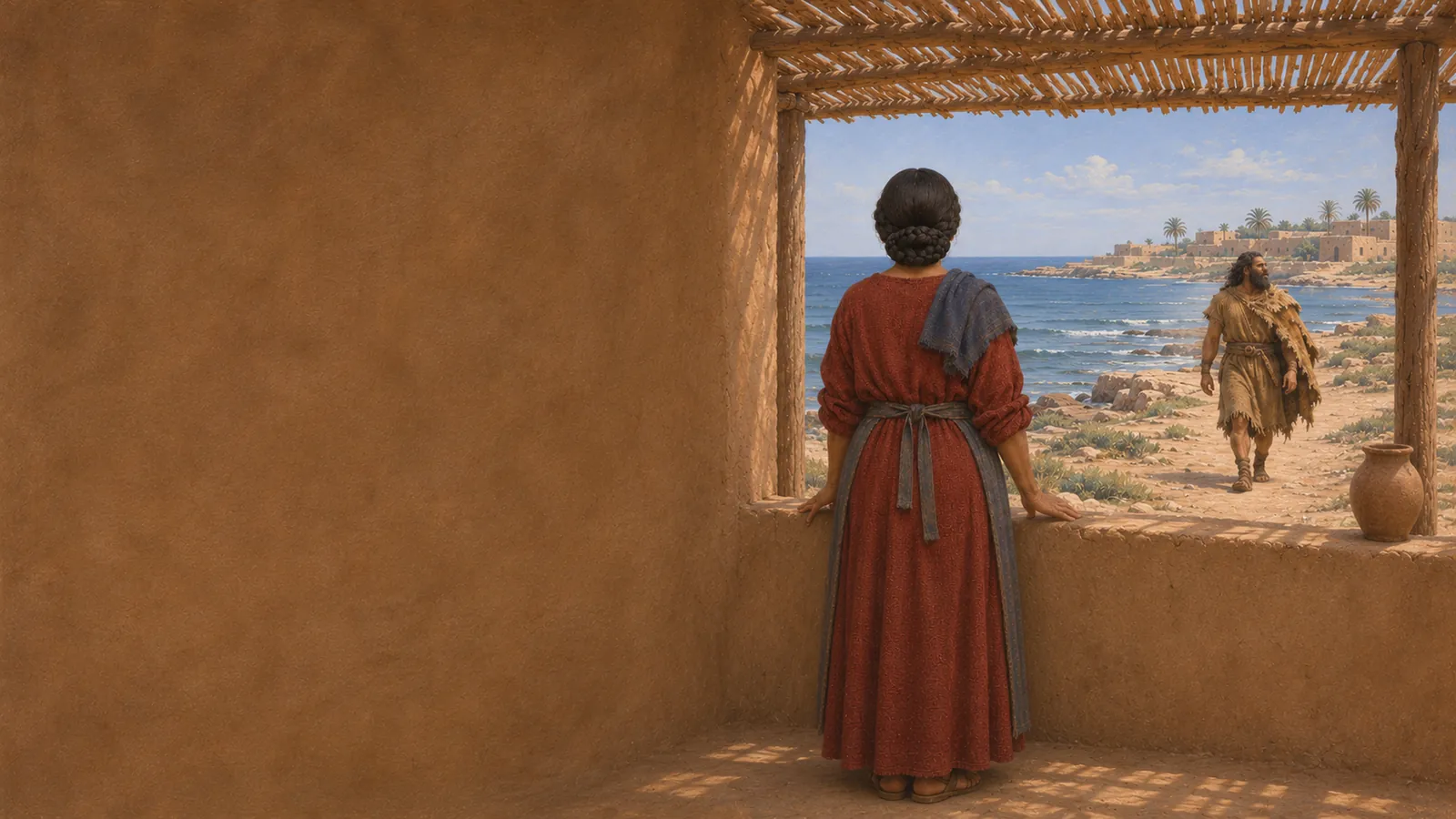
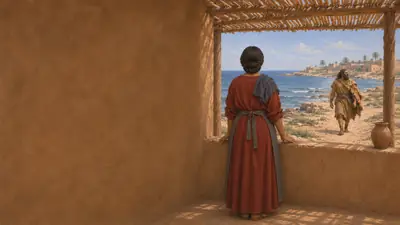
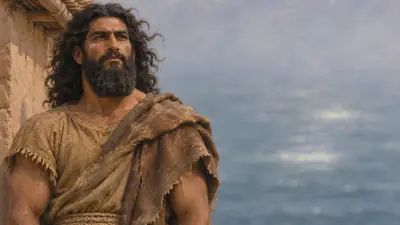
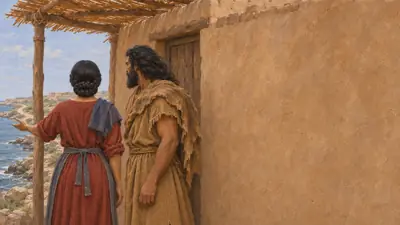
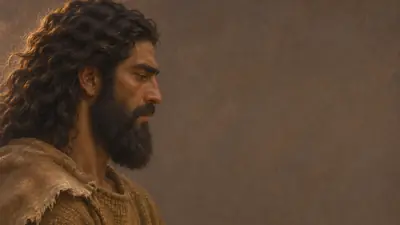
Siduri vio acercarse a su puerta a un hombre vestido con una piel. Parecía haber recorrido un largo camino y, a ojos de Siduri, era capaz de matar a un toro salvaje.
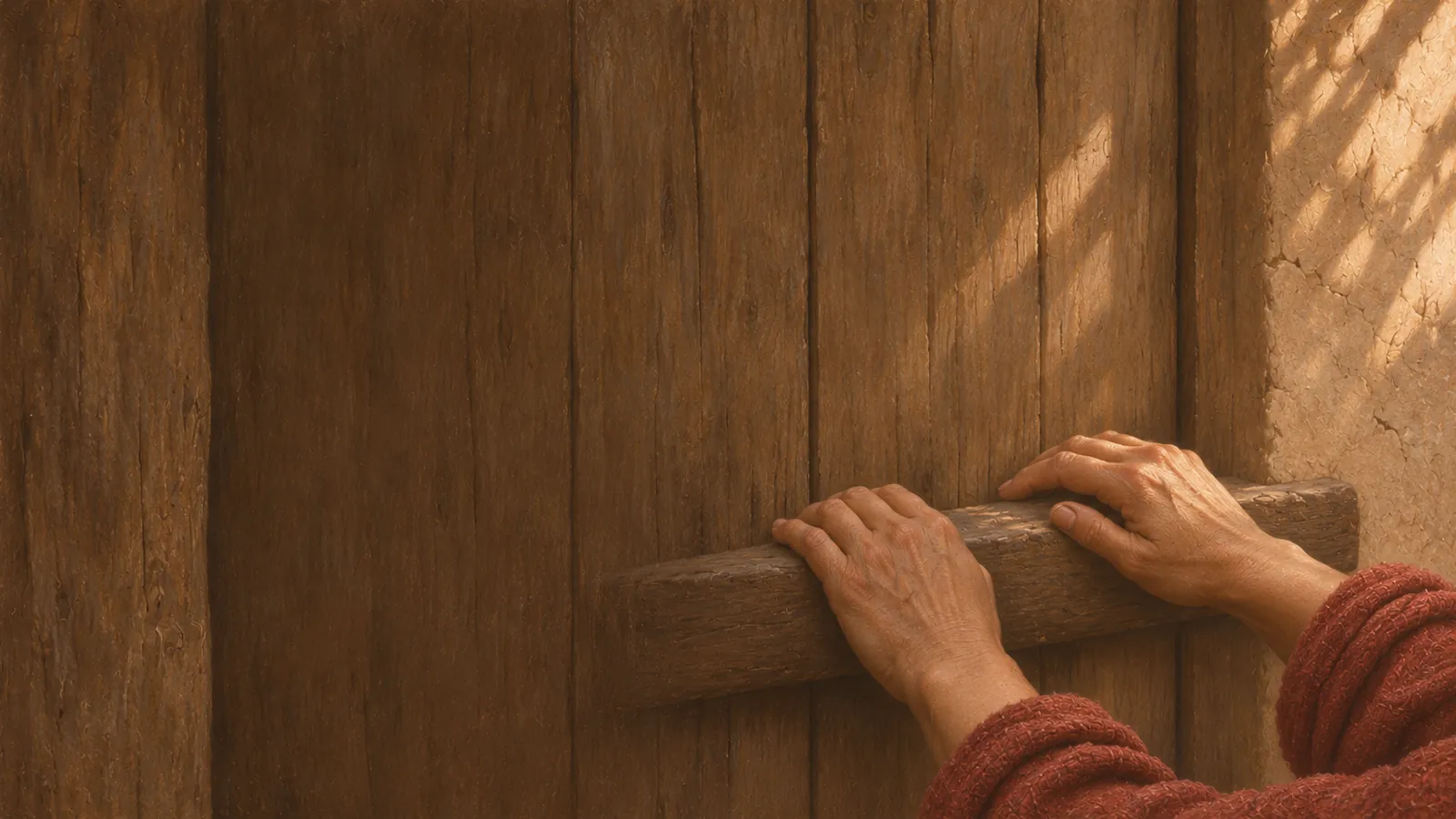
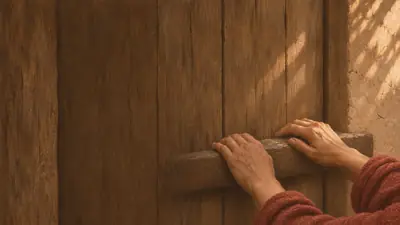
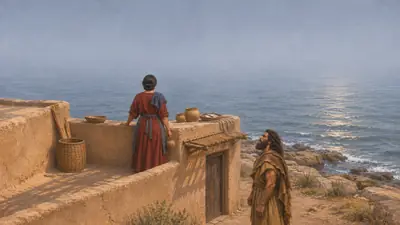
Siduri cerró la puerta y subió a la azotea. Con la puerta cerrada, podía ver quién había llegado sin dejarlo entrar.
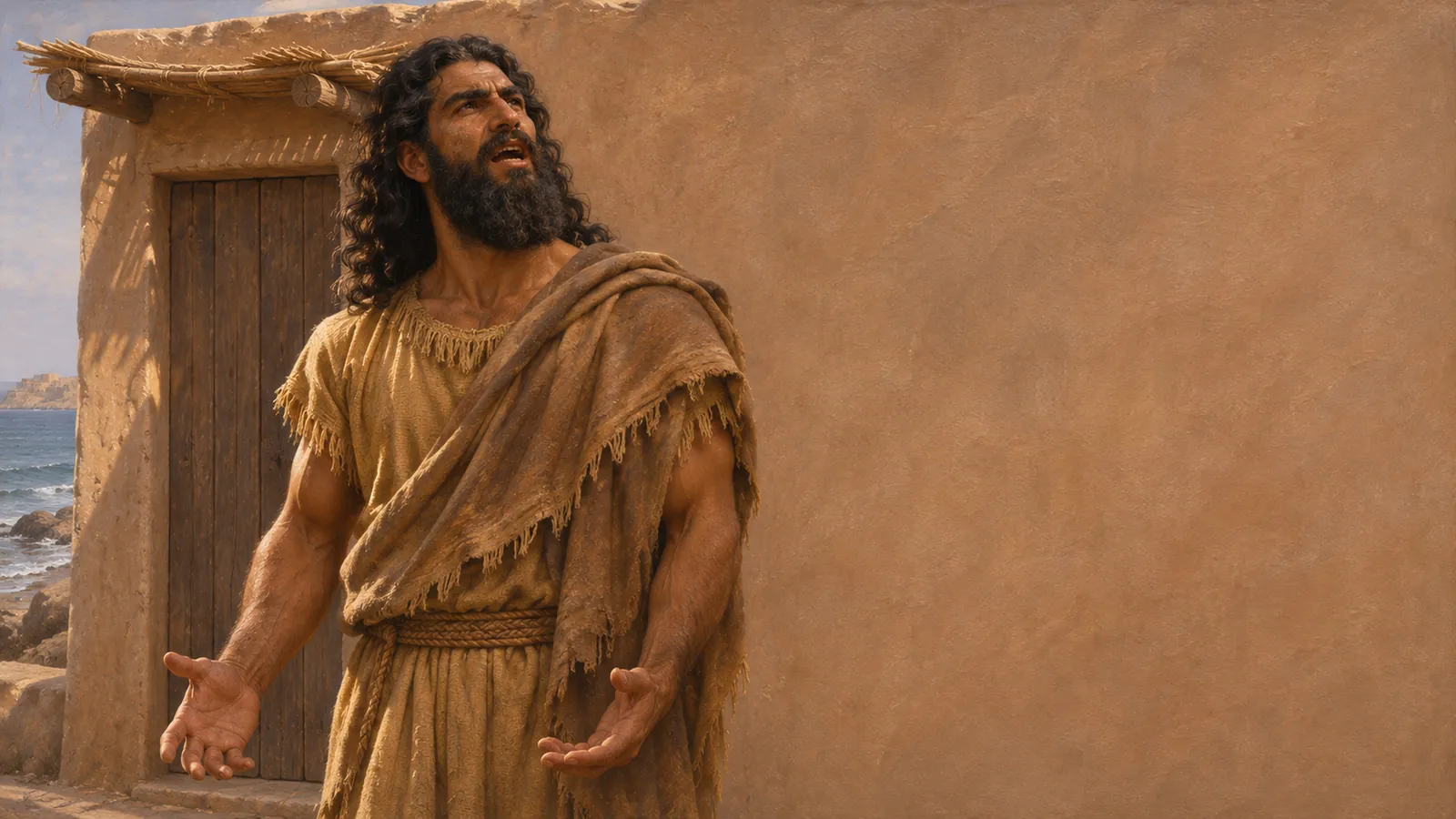
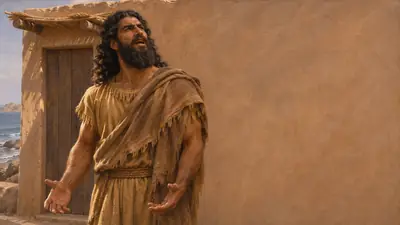
Gilgamesh le preguntó a Siduri por qué le había cerrado la puerta. En las líneas que se conservan amenaza con romperla, y podemos oír lo áspero que debió de sonar a quien no lo conocía.
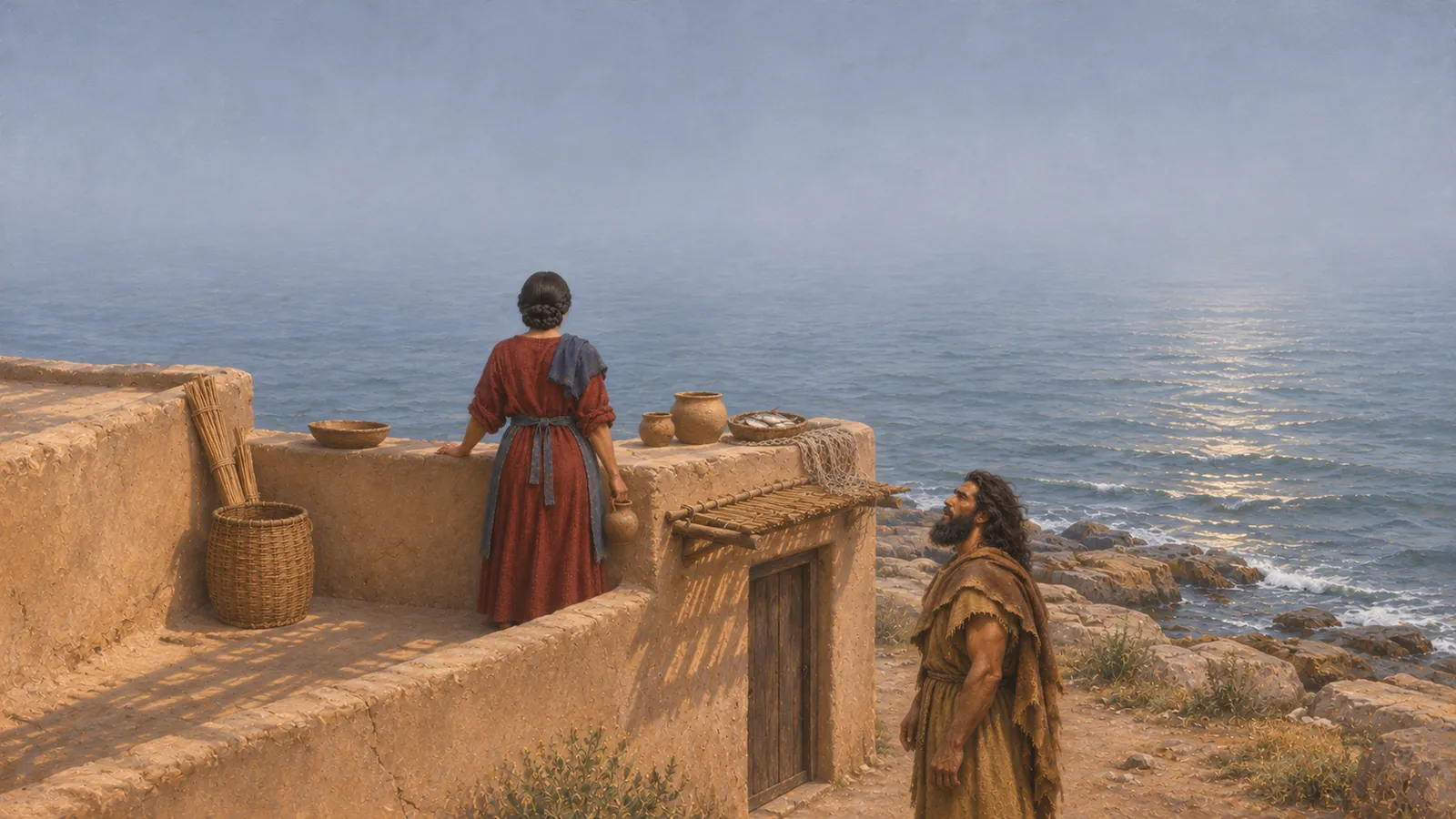
Desde la azotea, Siduri le preguntó por el camino que lo había llevado hasta allí. El diálogo dañado conserva su cautela incluso cuando empieza a escucharlo.
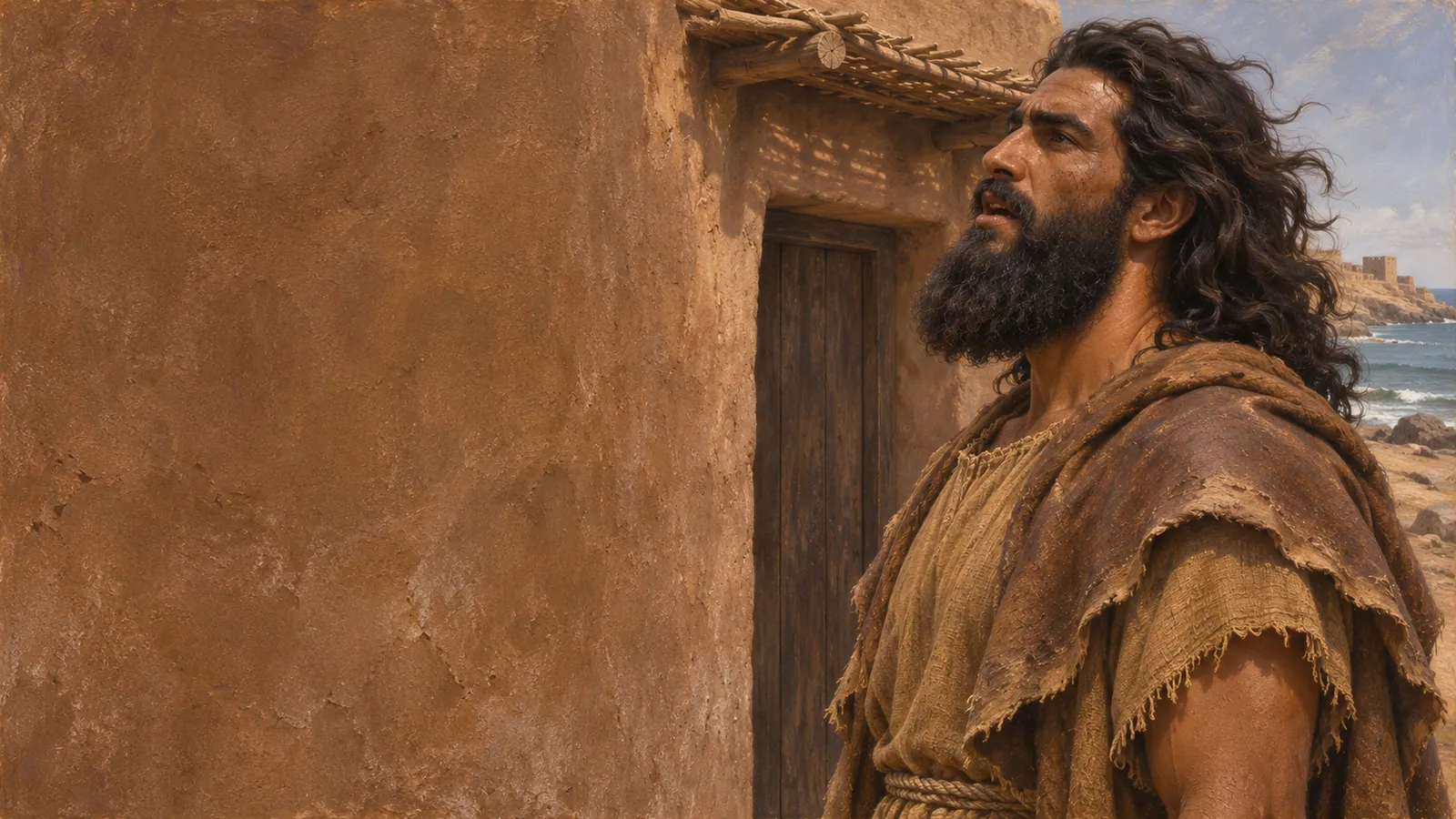
Gilgamesh le habló de las montañas que habían cruzado, del Toro Celeste y del guardián del bosque. Habló en plural al recordar lo que Enkidu y él habían hecho juntos.
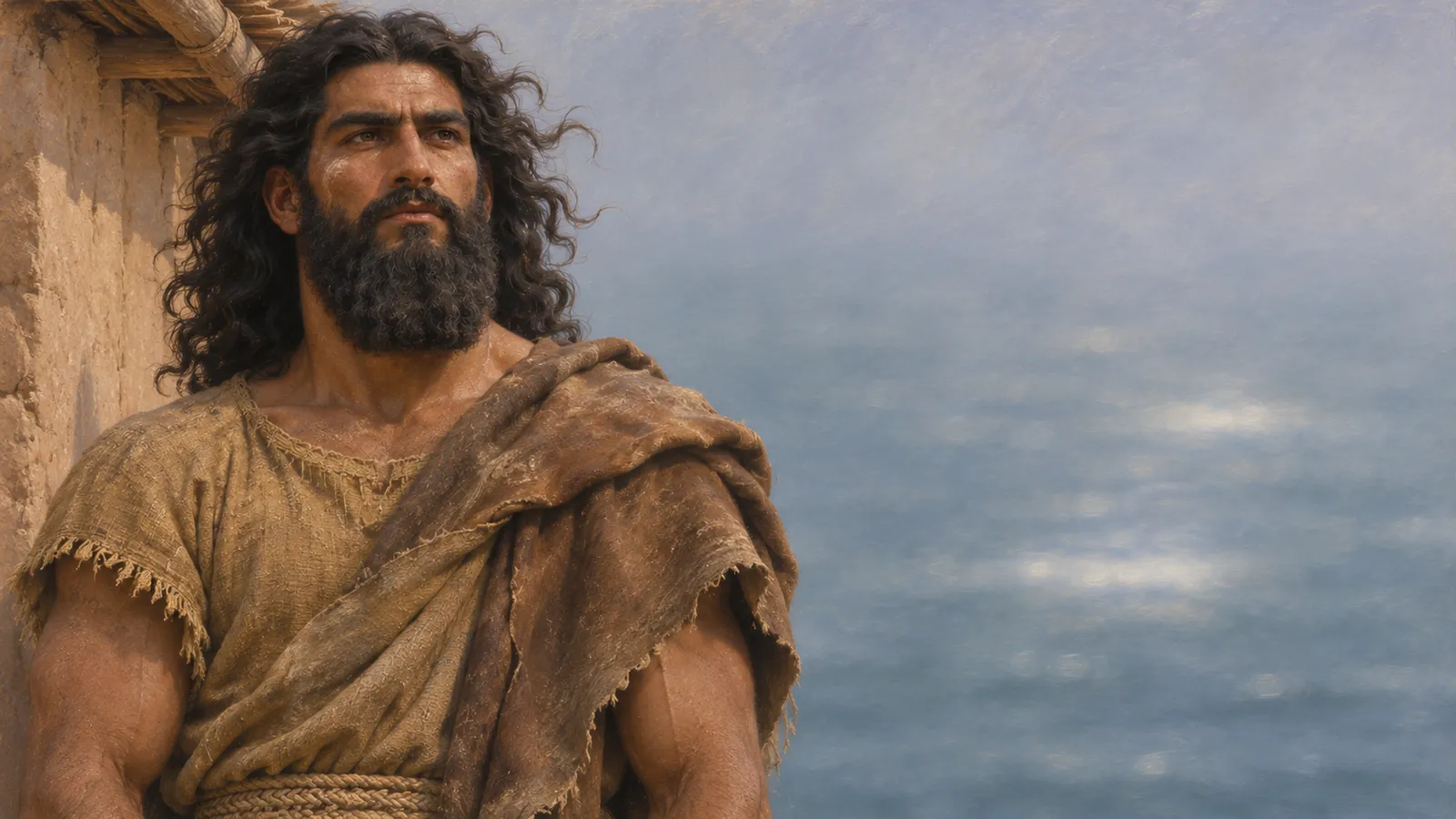
Siduri había oído lo que él decía haber hecho. Quería saber por qué tenía aquel rostro curtido y demacrado, como el de un hombre que había venido de lejos.
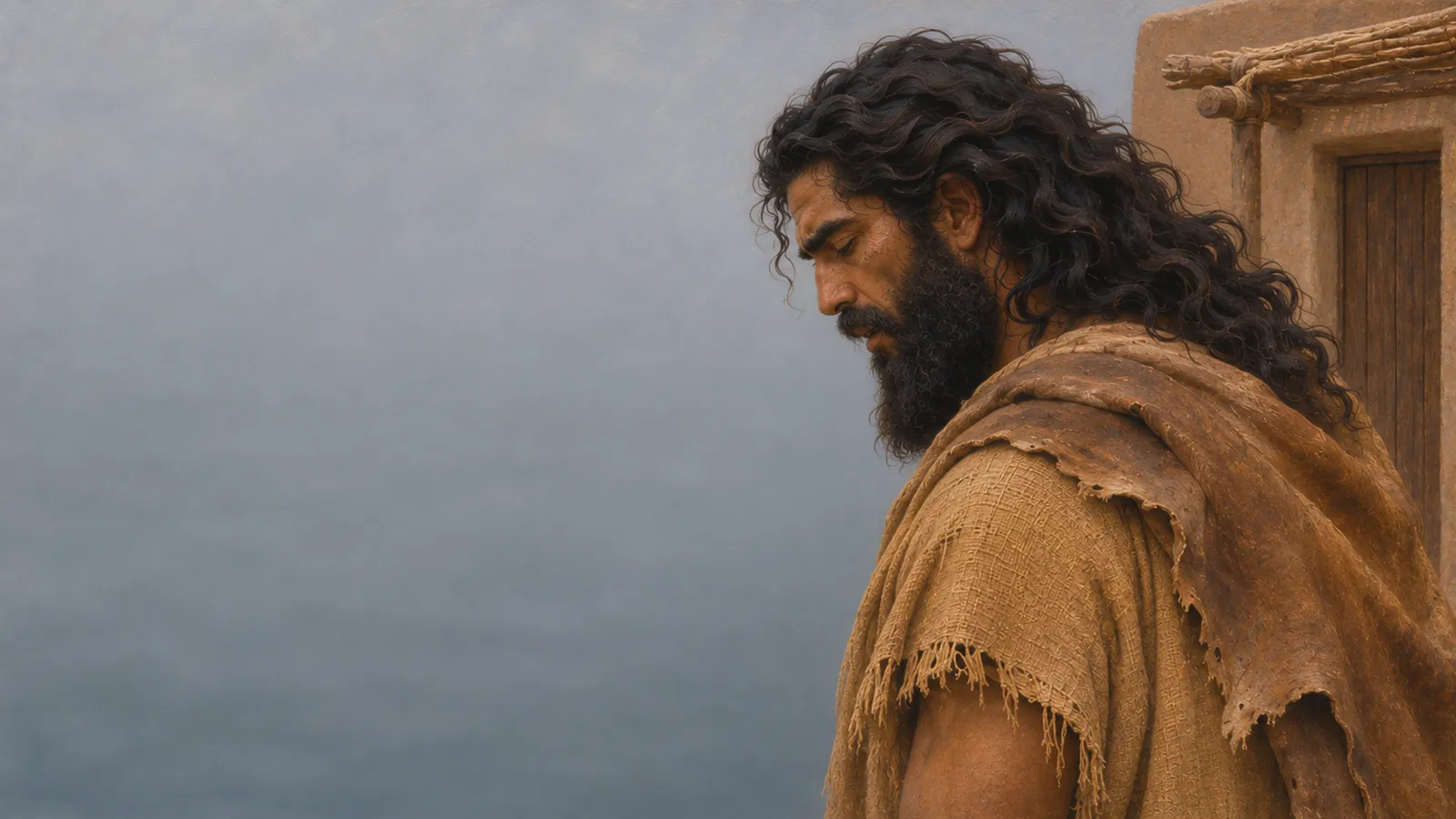
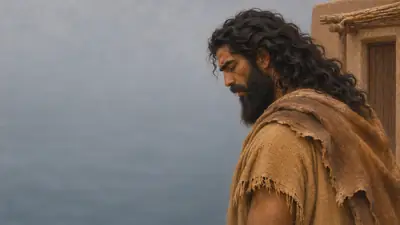
Gilgamesh lloró a Enkidu seis días y siete noches y no permitió que lo enterraran. Cuando vio señales de descomposición en el cuerpo de su amigo, empezó a temer su propia muerte.
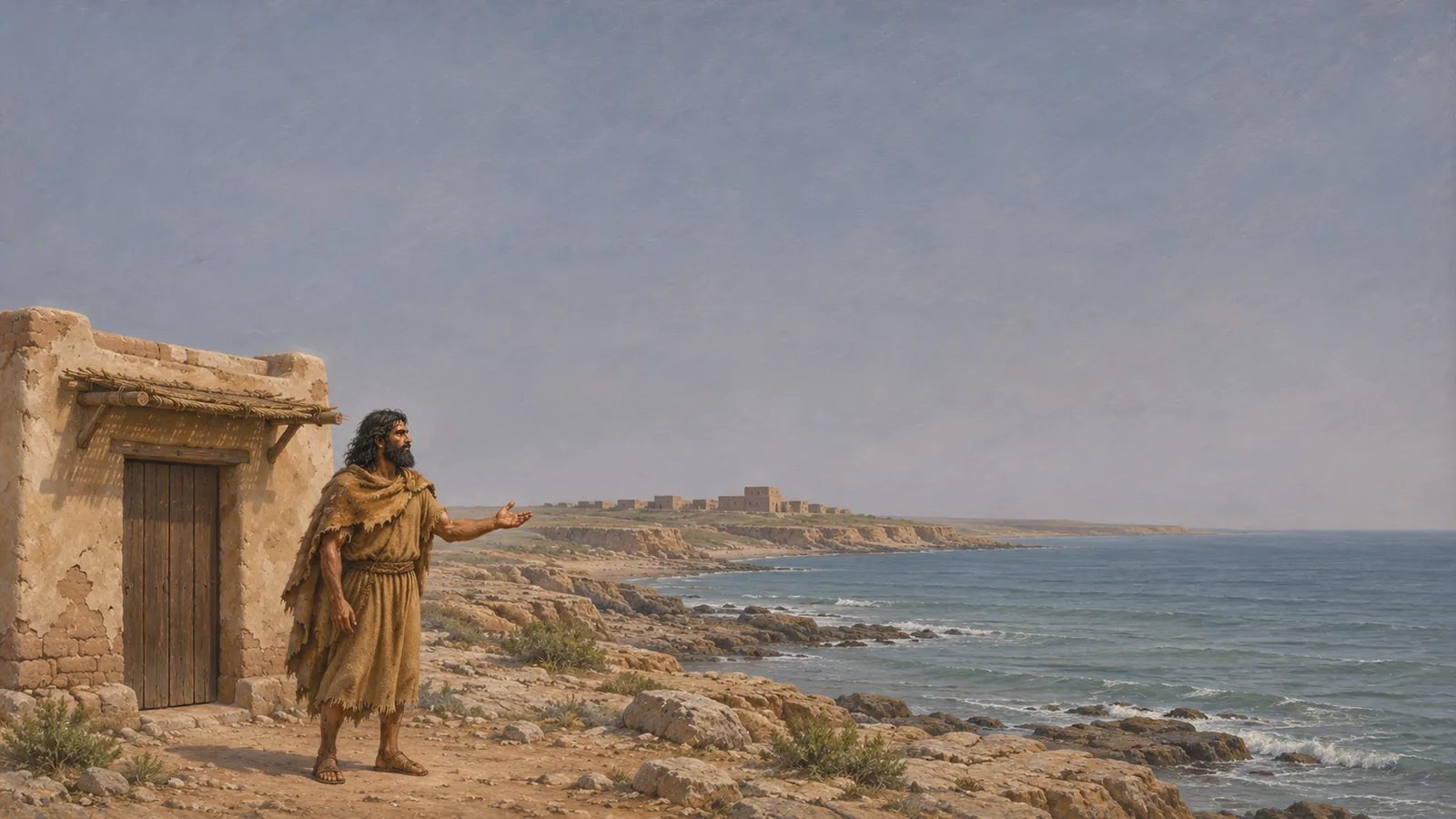
CAMINO
Gilgamesh preguntó cómo llegar hasta Utnapishtim. Si había una manera de cruzar el mar, pensaba intentarlo, aunque el camino hasta entonces ya le había costado mucho.
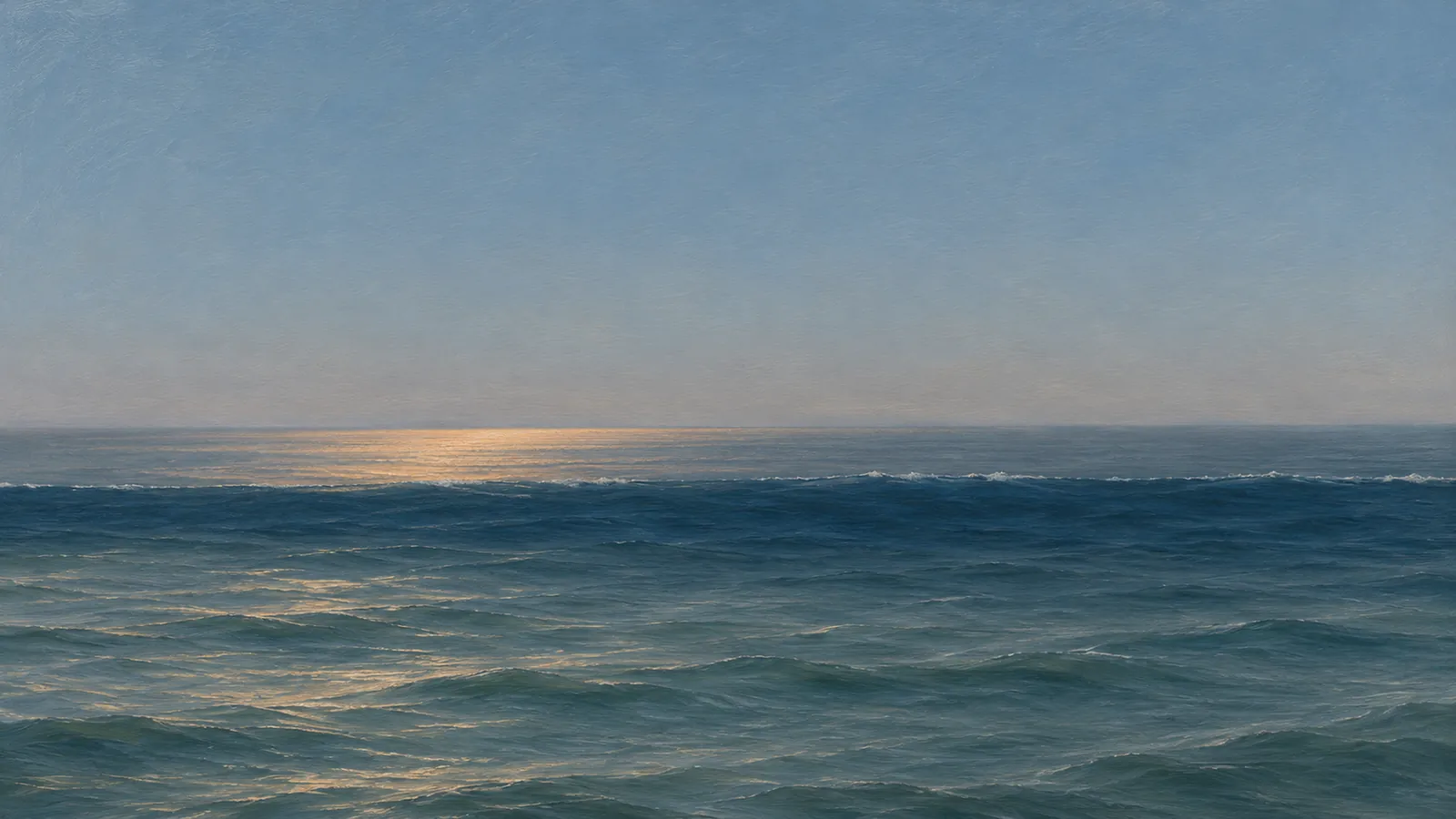
Siduri le dijo que el dios del sol cruzaba el mar, pero que el paso quedaba fuera del alcance de los viajeros corrientes. Lo que ella llamaba las Aguas de la Muerte cerraba el camino.
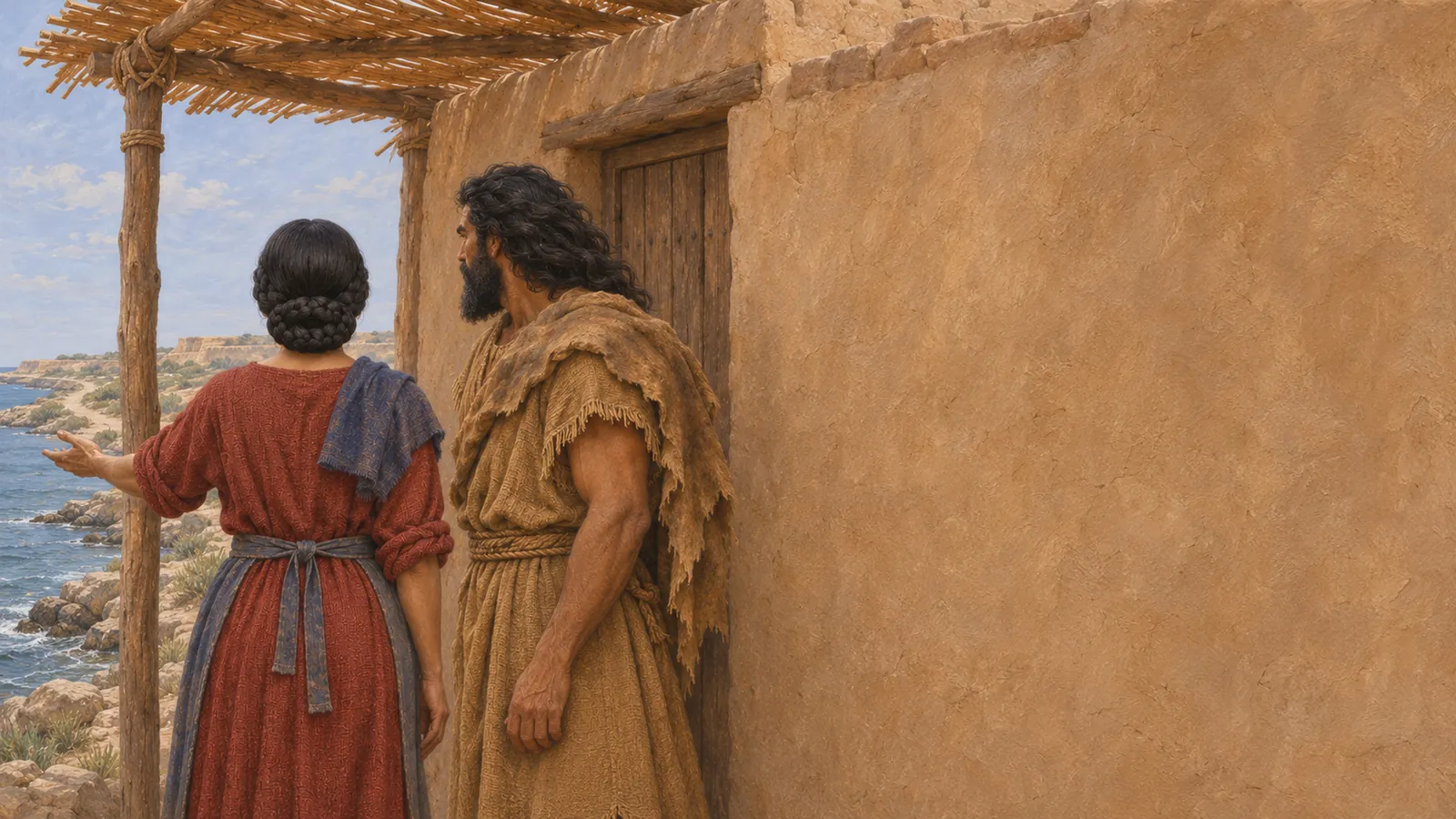
Aun así, Siduri conocía a alguien a quien Gilgamesh podía buscar. Lo mandó con Urshanabi, el barquero de Utnapishtim, que llevaba consigo a quienes el poema llama «los de piedra».
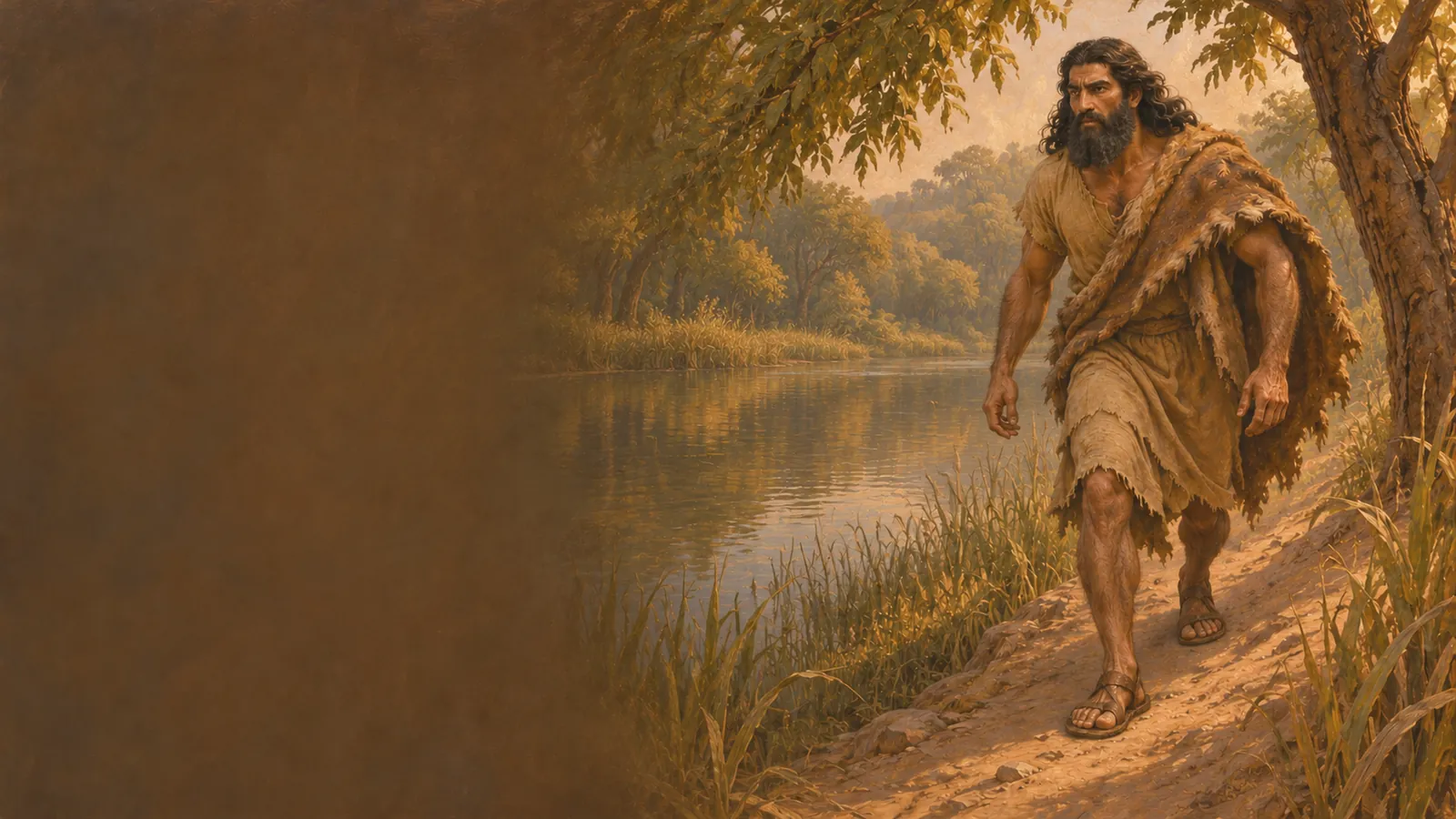
Gilgamesh oyó a Siduri y se precipitó cuesta abajo por el bosque. Le puso las manos encima al barquero, precisamente a quien Siduri le había dicho que podía ayudarlo.
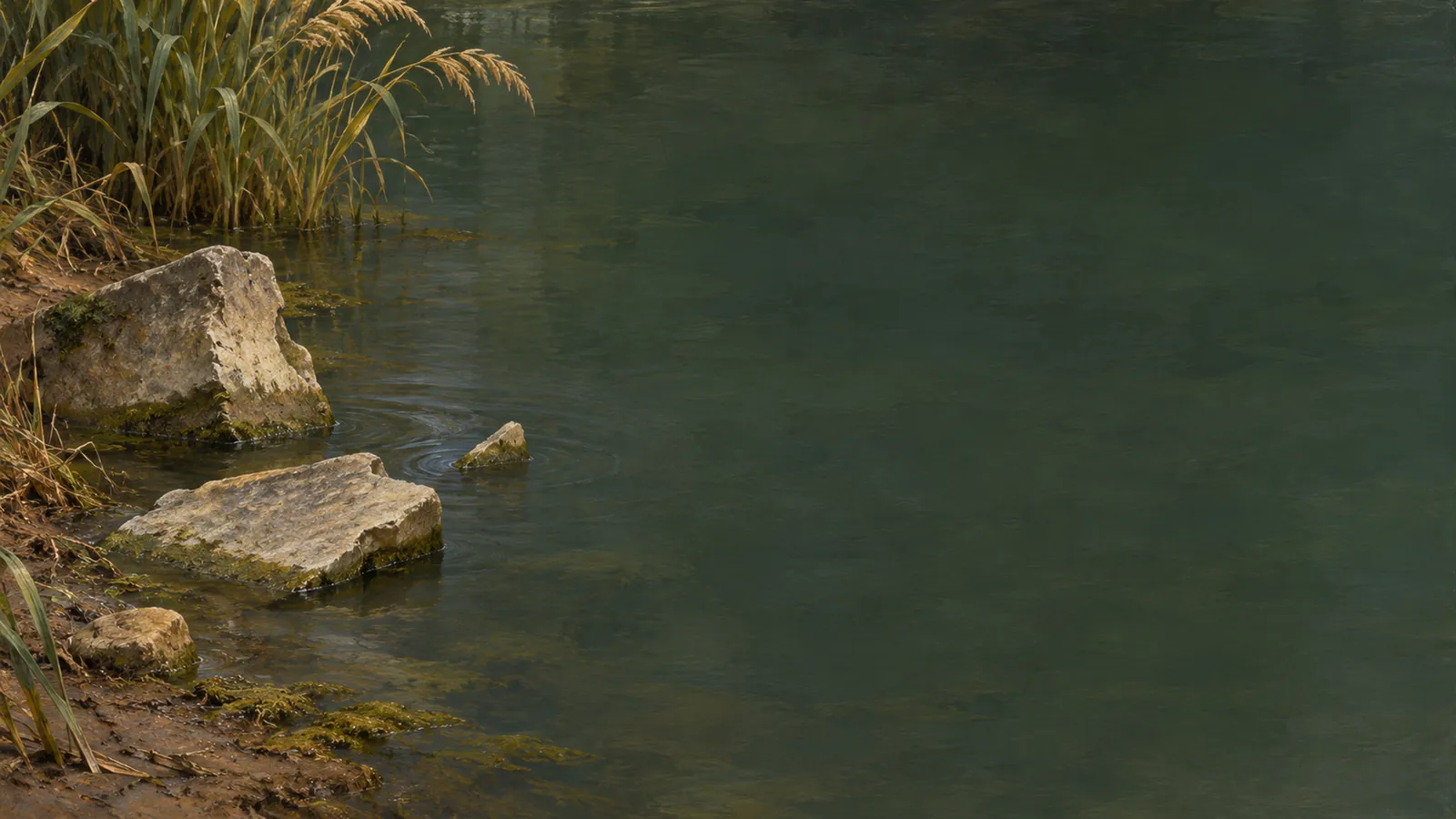
Los de piedra fueron despedazados y arrojados al río. El poema nos cuenta lo que les hizo Gilgamesh y cuánto importó, aunque su naturaleza exacta sigue siendo incierta.
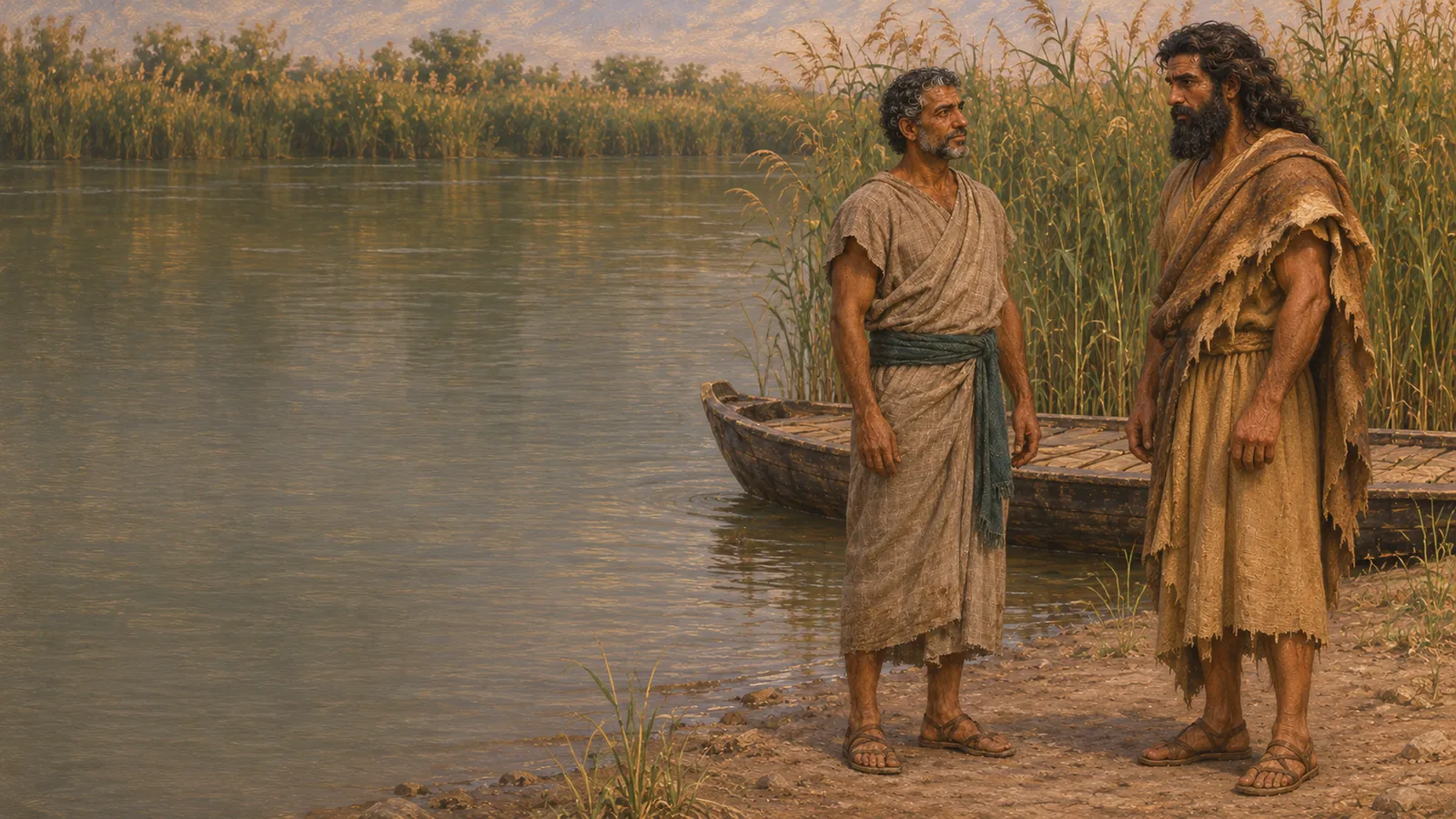
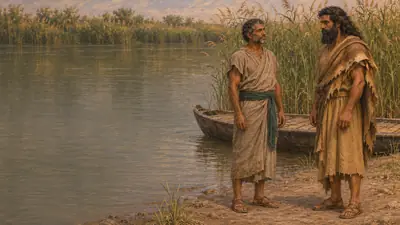
En la orilla, Gilgamesh habló por fin con Urshanabi, el hombre que podía llevarlo al otro lado. El barquero miraba a un extraño que ya había roto algo que necesitaba.
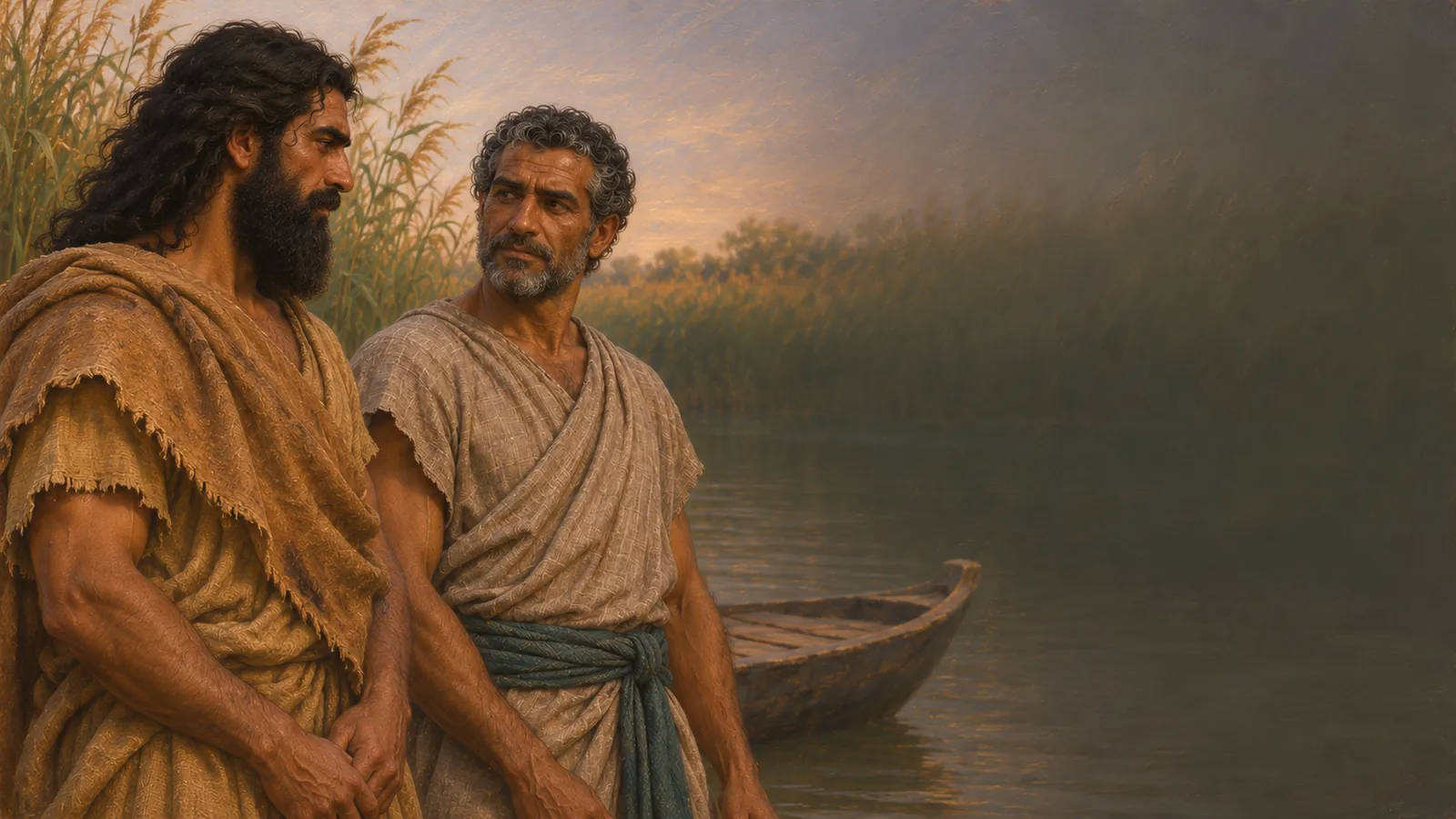
Urshanabi le preguntó por qué parecía tan demacrado después del viaje. Como Siduri, quería entender qué podía haber llevado a un hombre tan lejos de casa.
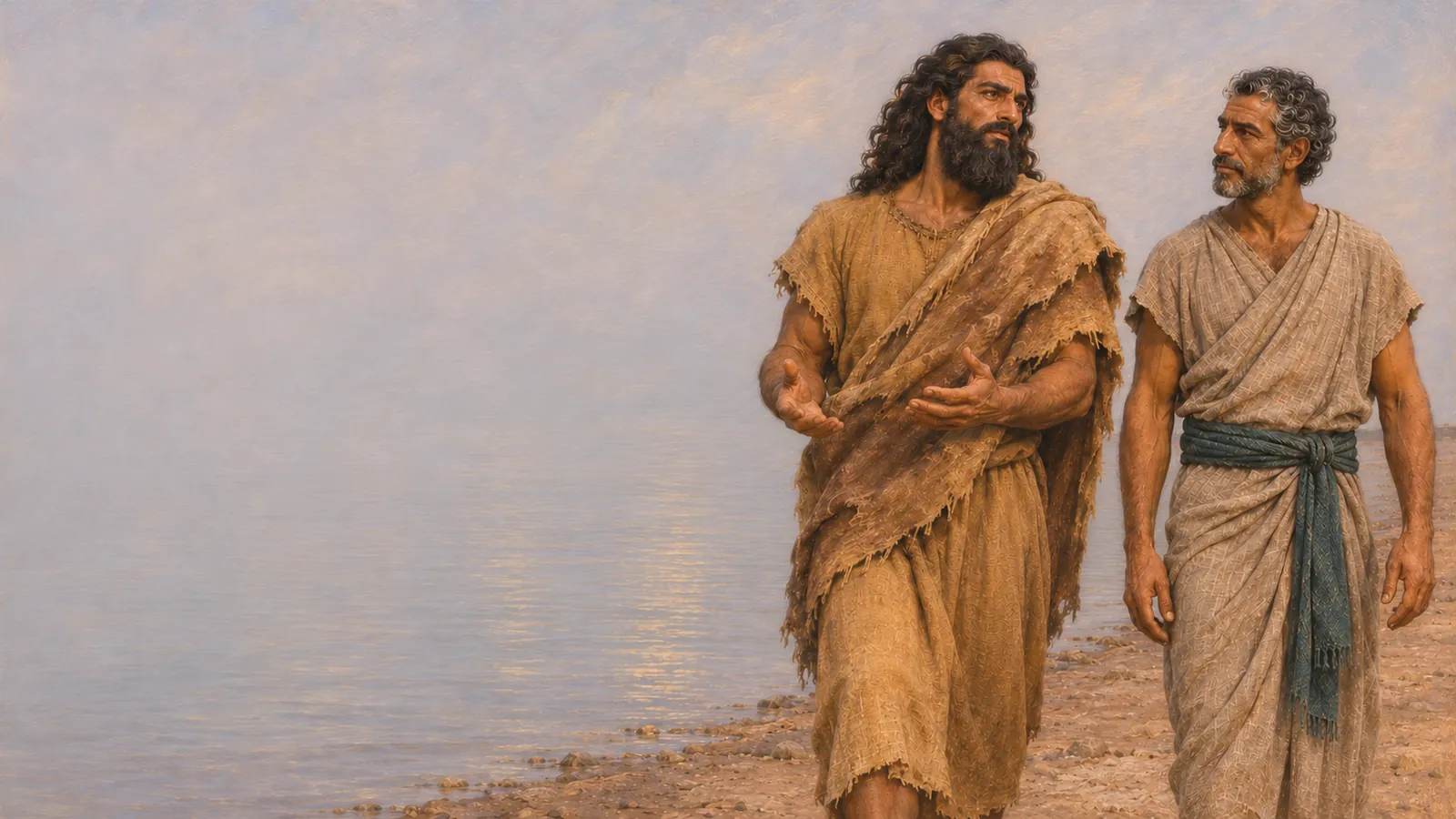
Gilgamesh volvió a contar la historia. Enkidu había estado a su lado en todos los peligros, y ahora el recuerdo de la muerte de su amigo lo seguía más lejos que cualquiera de sus viajes juntos.
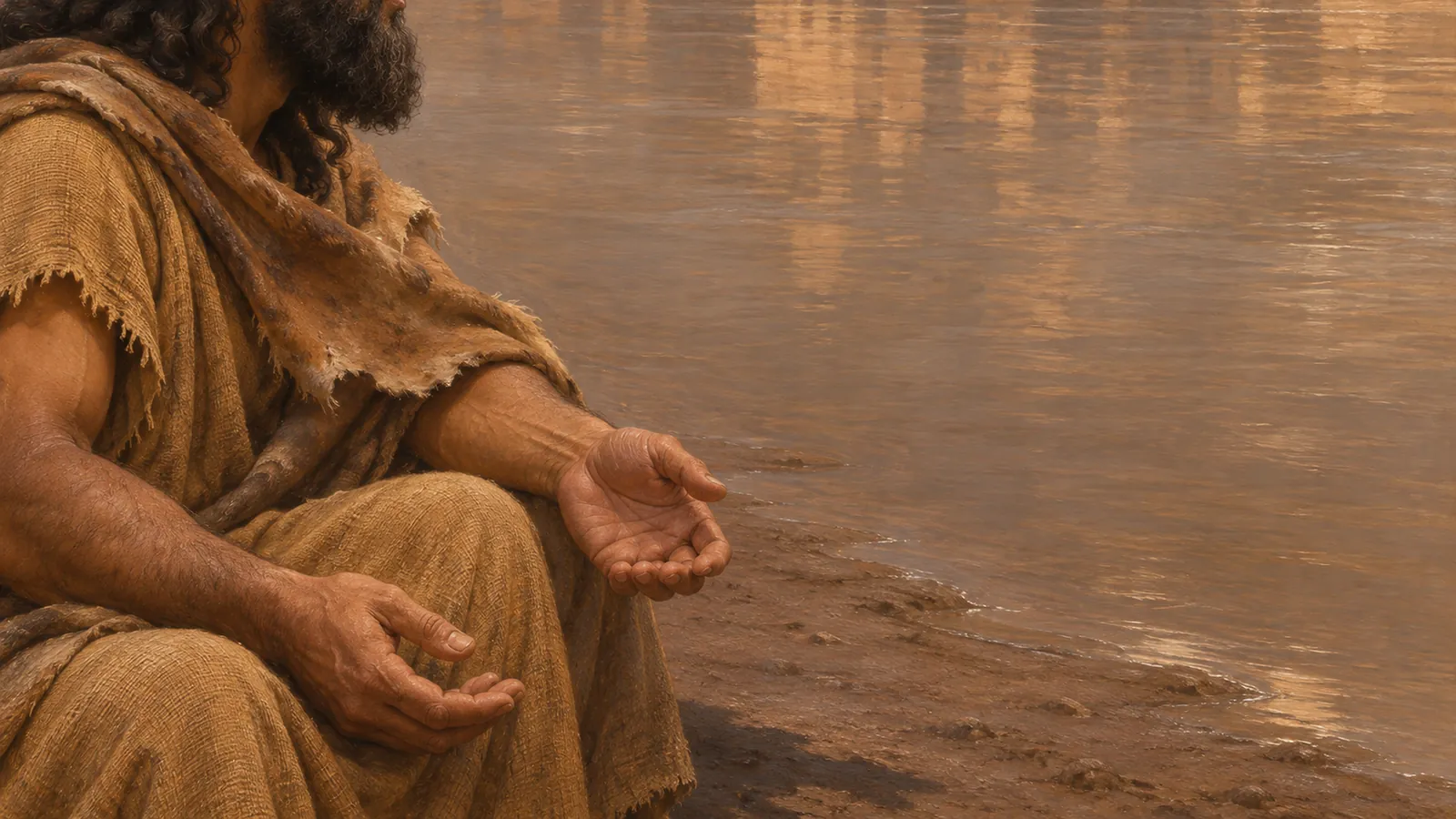
Cuando Gilgamesh volvió a preguntar por el camino, Urshanabi le dijo que sus propias manos lo habían cerrado. Al destrozar a los de piedra, se había hecho más difícil la travesía.
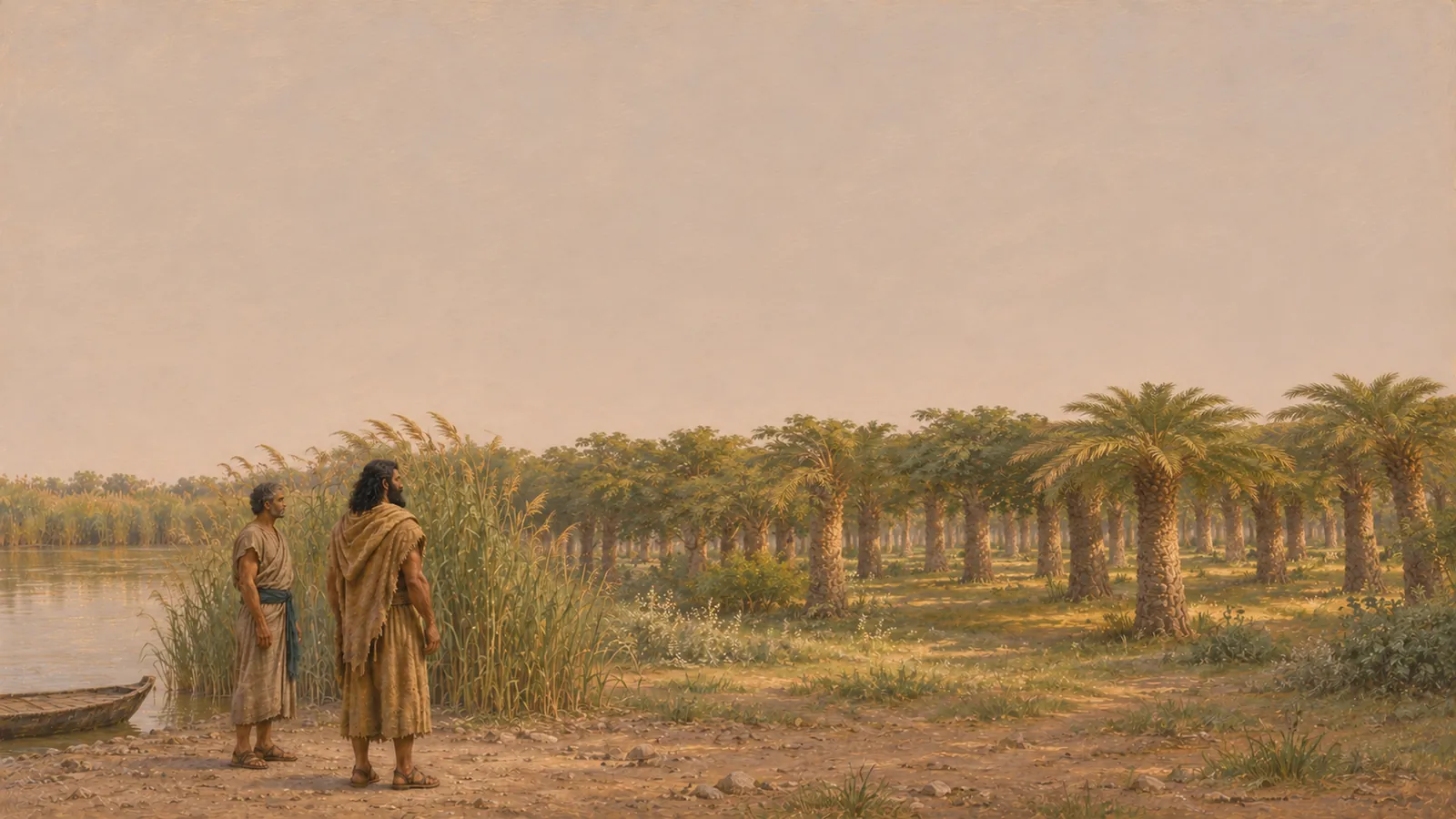
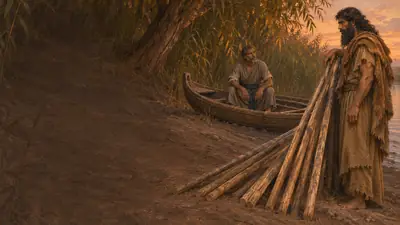
Urshanabi le dio una tarea a Gilgamesh. Tendría que cortar largas pértigas en el bosque y prepararlas para cruzar sin los de piedra.
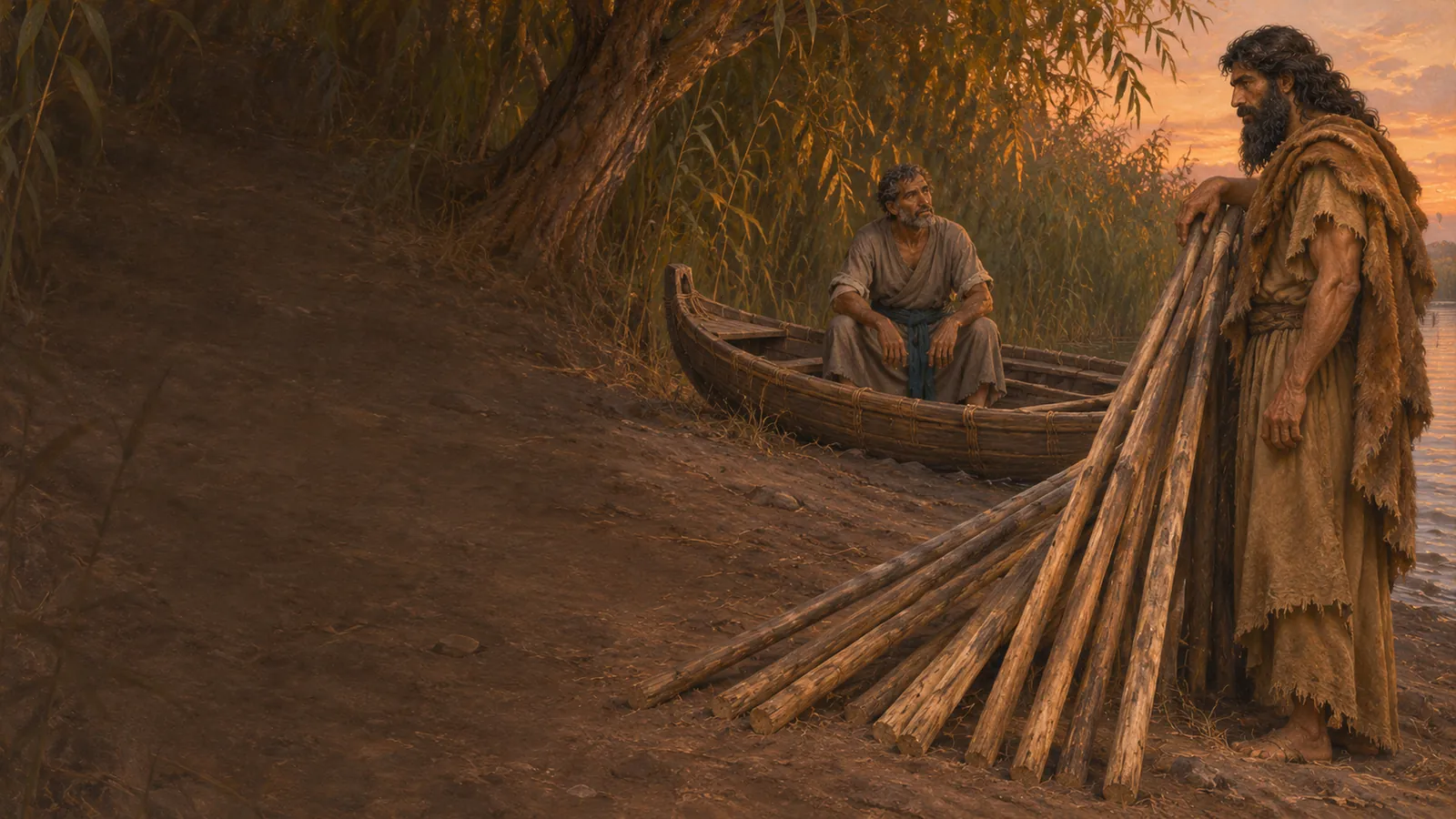
Gilgamesh se adentró en el bosque, cortó las pértigas y se las llevó al barquero. Había encontrado a alguien que conocía las aguas, y esta vez siguió su consejo.
MAR
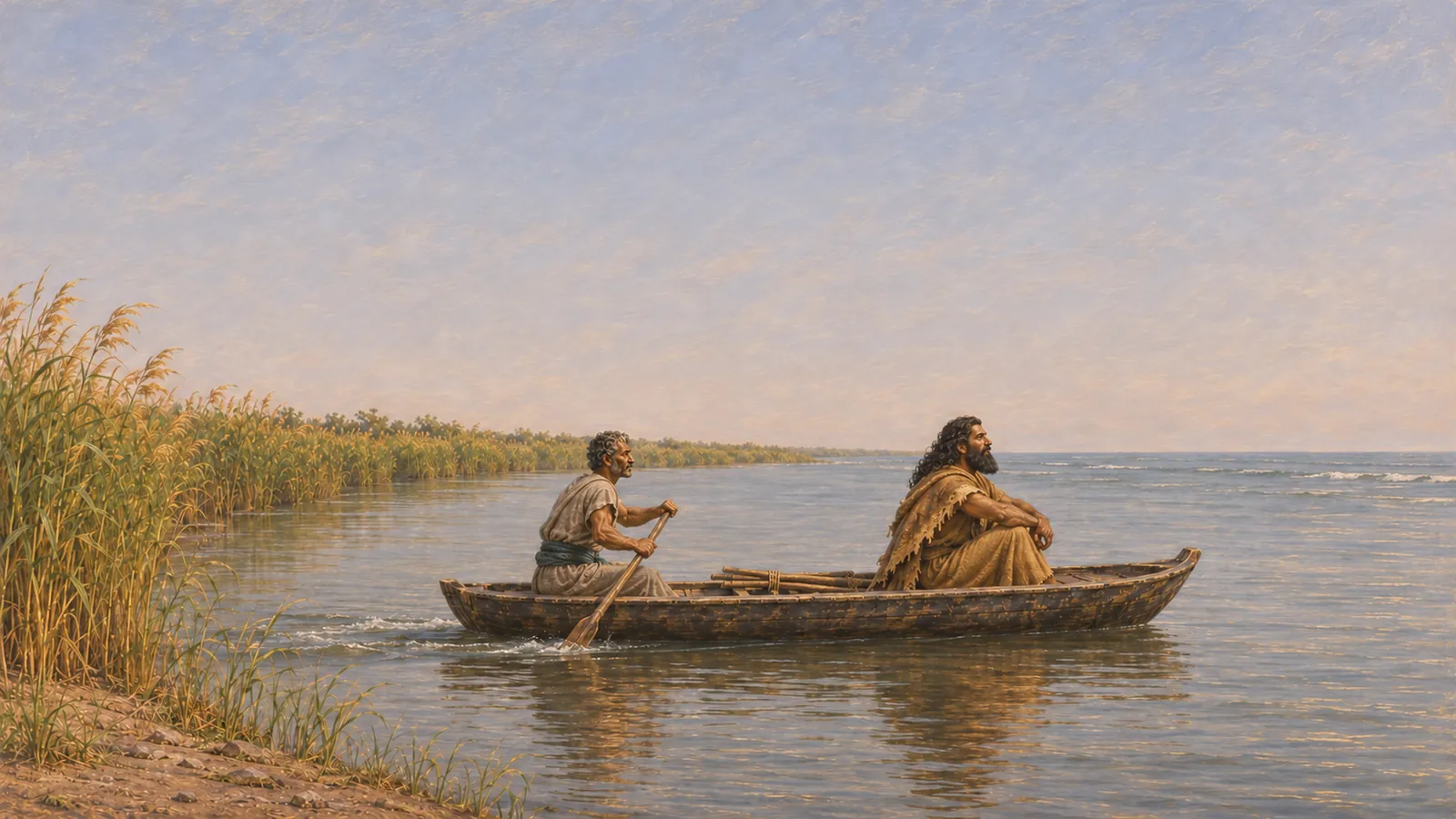
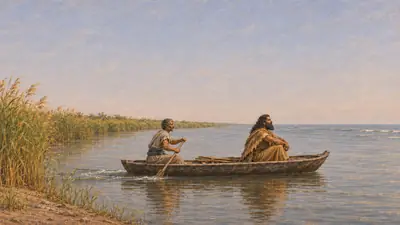
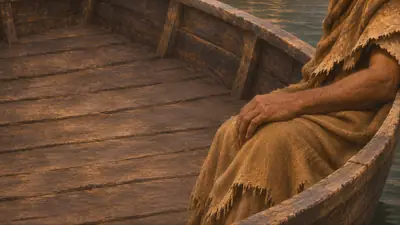
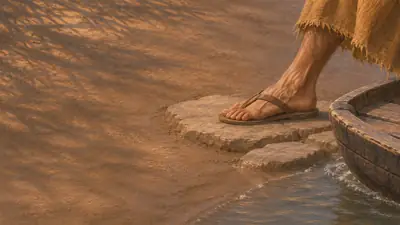
Con las pértigas listas, Gilgamesh y Urshanabi subieron a la barca. La tierra fue quedando atrás mientras el barquero los llevaba mar adentro.
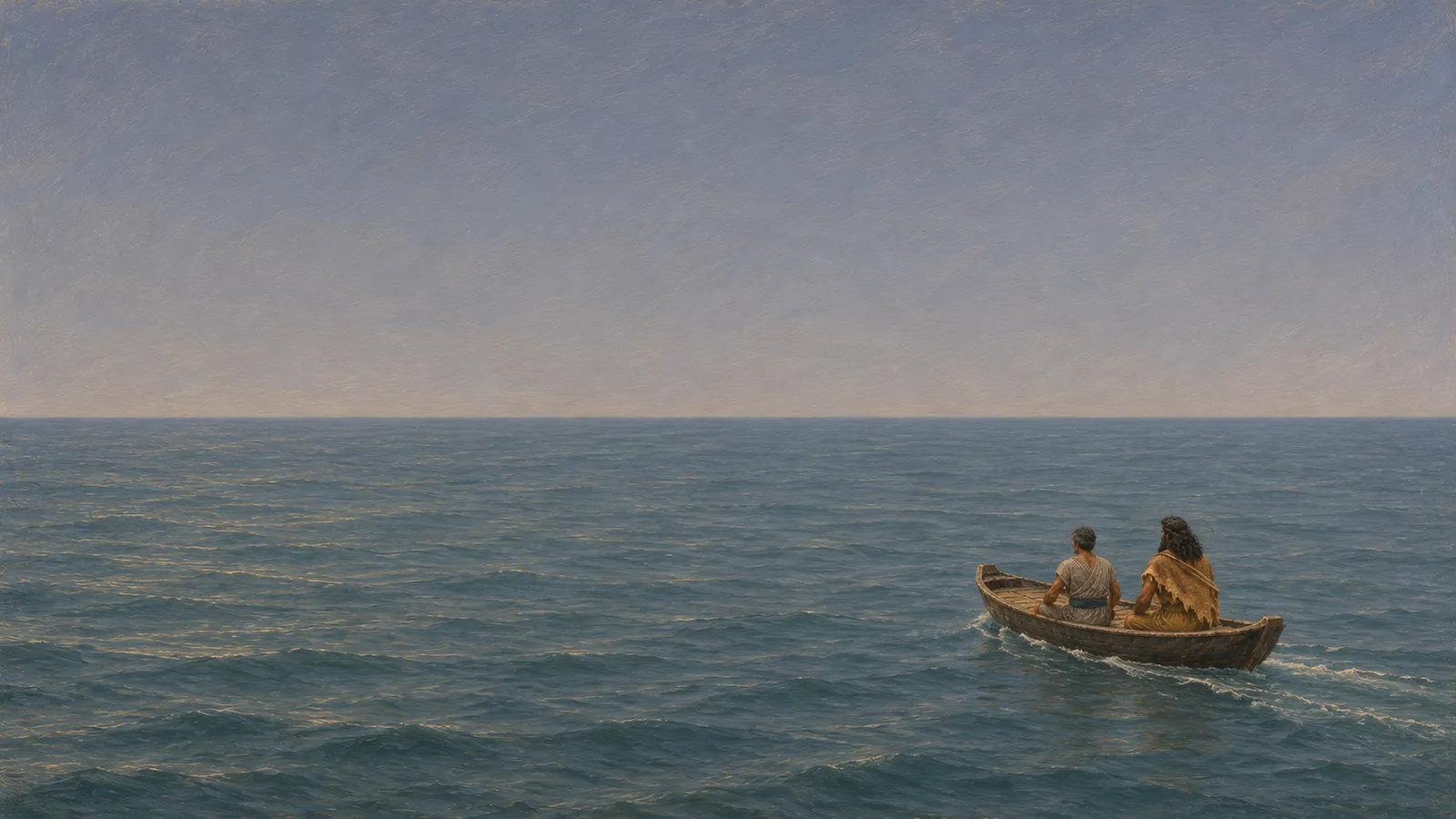
Para el tercer día habían recorrido la distancia de un mes y medio de navegación. Entonces Urshanabi llevó a Gilgamesh hasta las aguas de las que Siduri le había advertido.
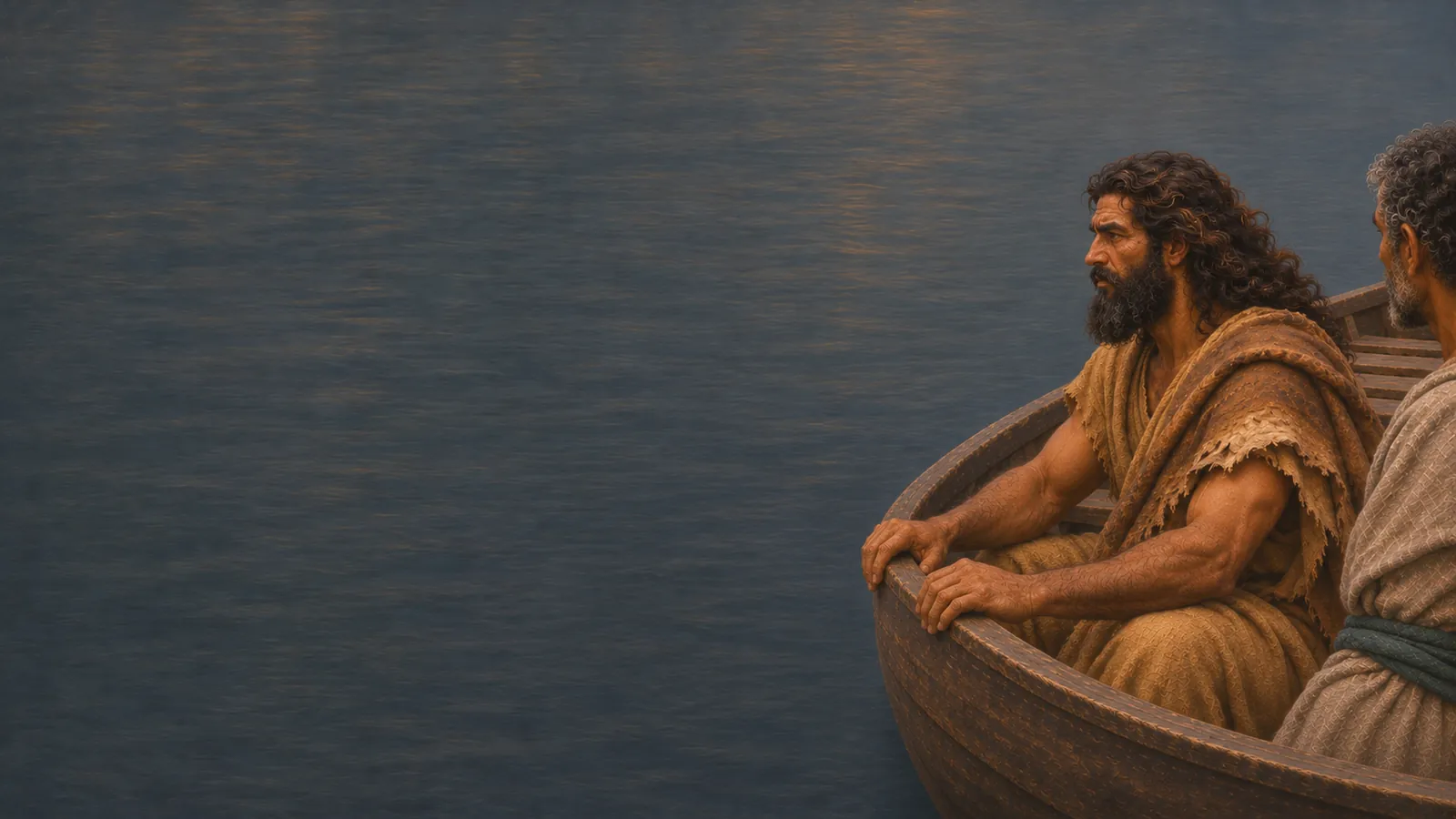
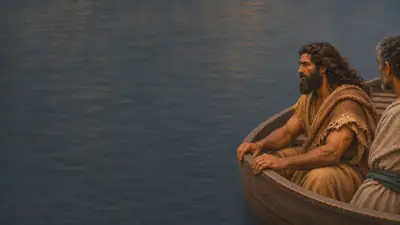
Al llegar a las Aguas de la Muerte, Urshanabi advirtió a Gilgamesh que mantuviera las manos apartadas del agua. Lo que podía hacer ahora con ellas era guiar la barca con las pértigas.
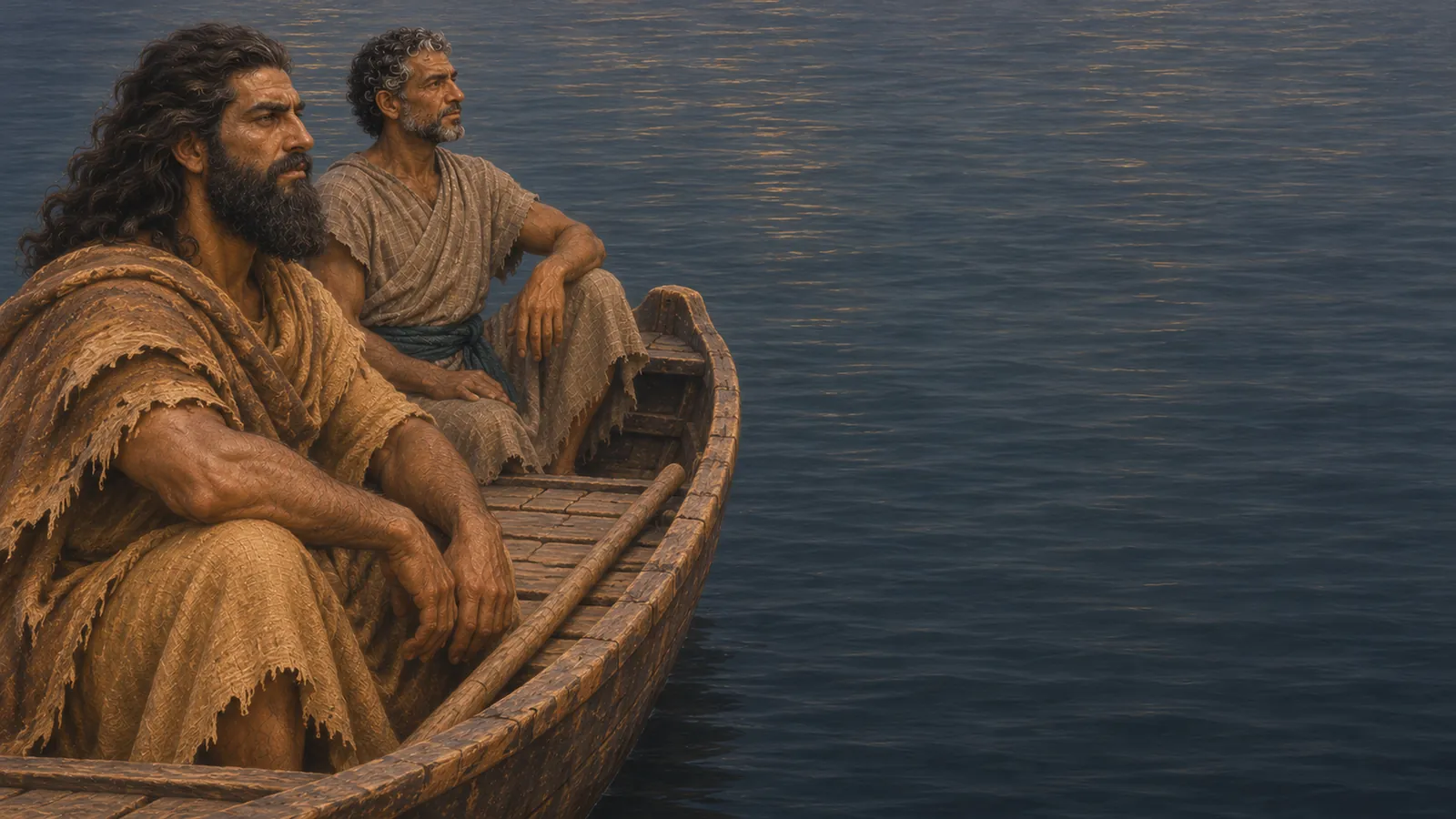
Urshanabi pidió otra pértiga, y luego otra. El poema lleva la cuenta mientras Gilgamesh trabaja, pero a la barca aún le queda un largo trecho en silencio.
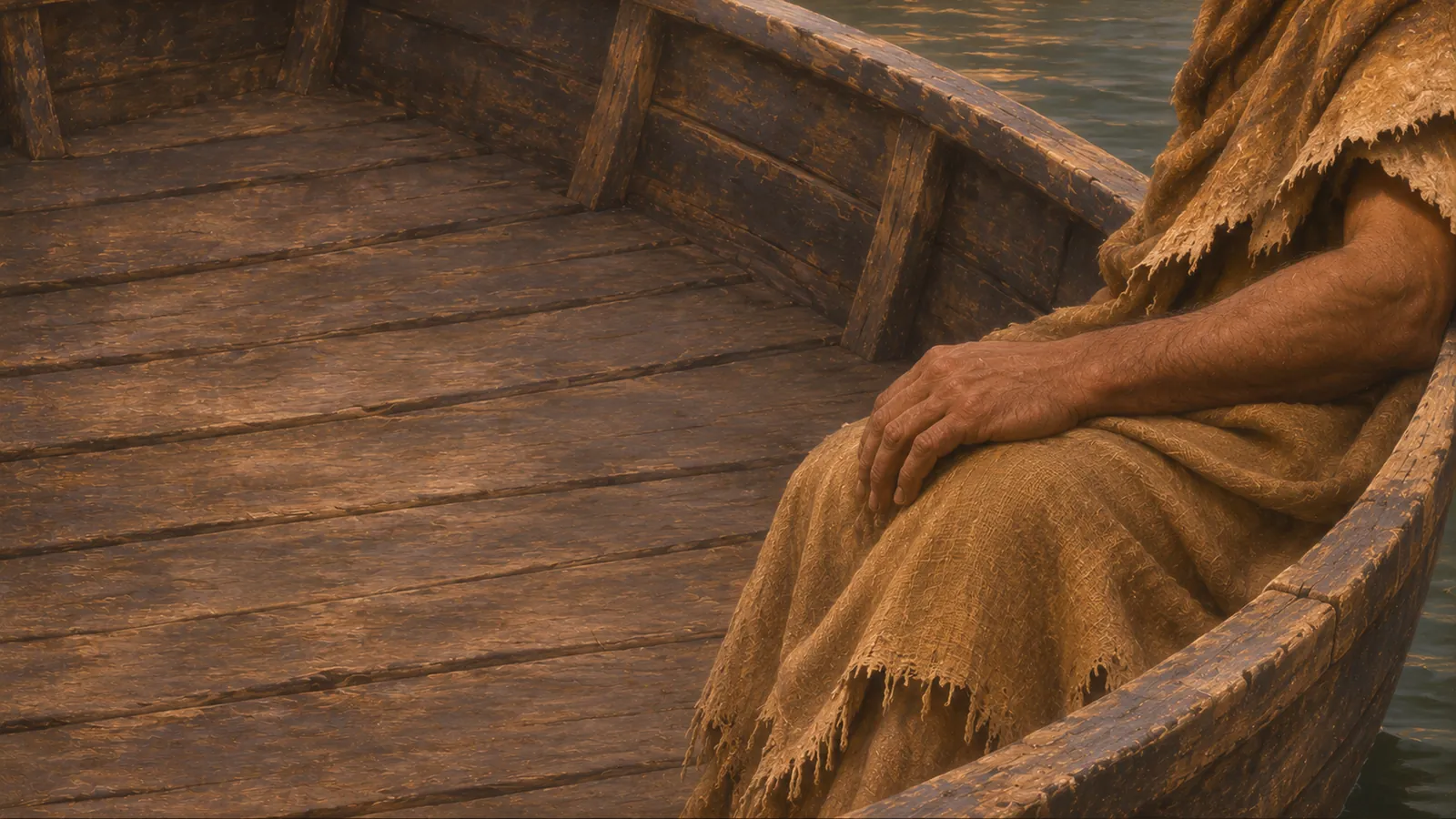
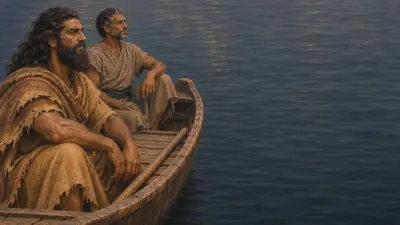
Al final no quedó ninguna pértiga que pudieran usar. Gilgamesh había agotado lo que había preparado mientras la barca seguía en las Aguas de la Muerte.
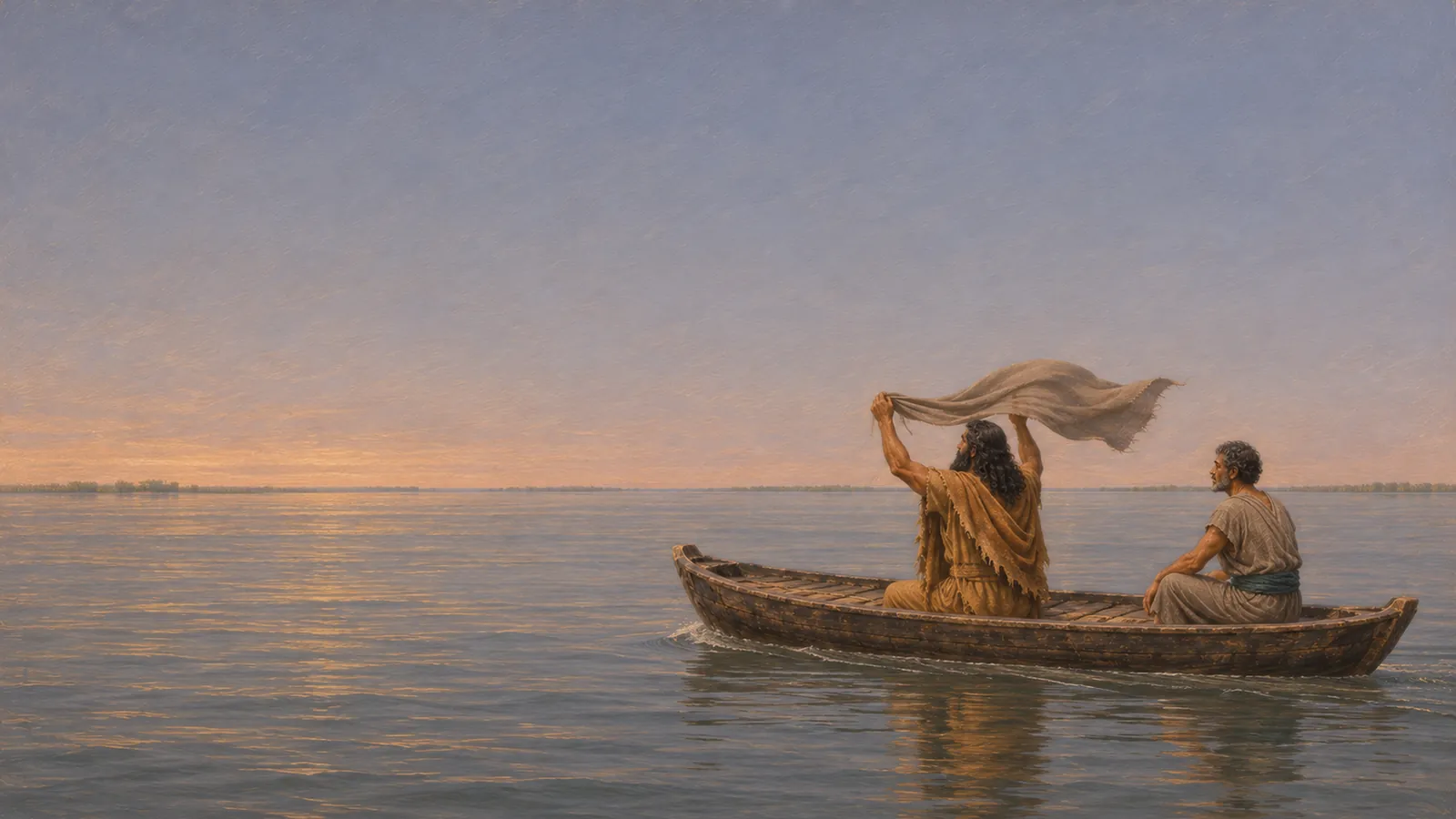
VELA
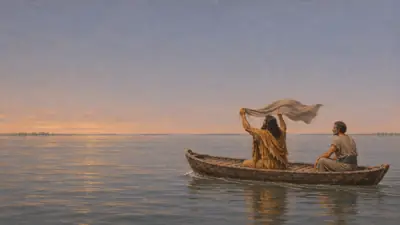
Gilgamesh alzó una prenda al viento y la usó como vela. Desde la orilla lejana, alguien podía ver venir la barca.
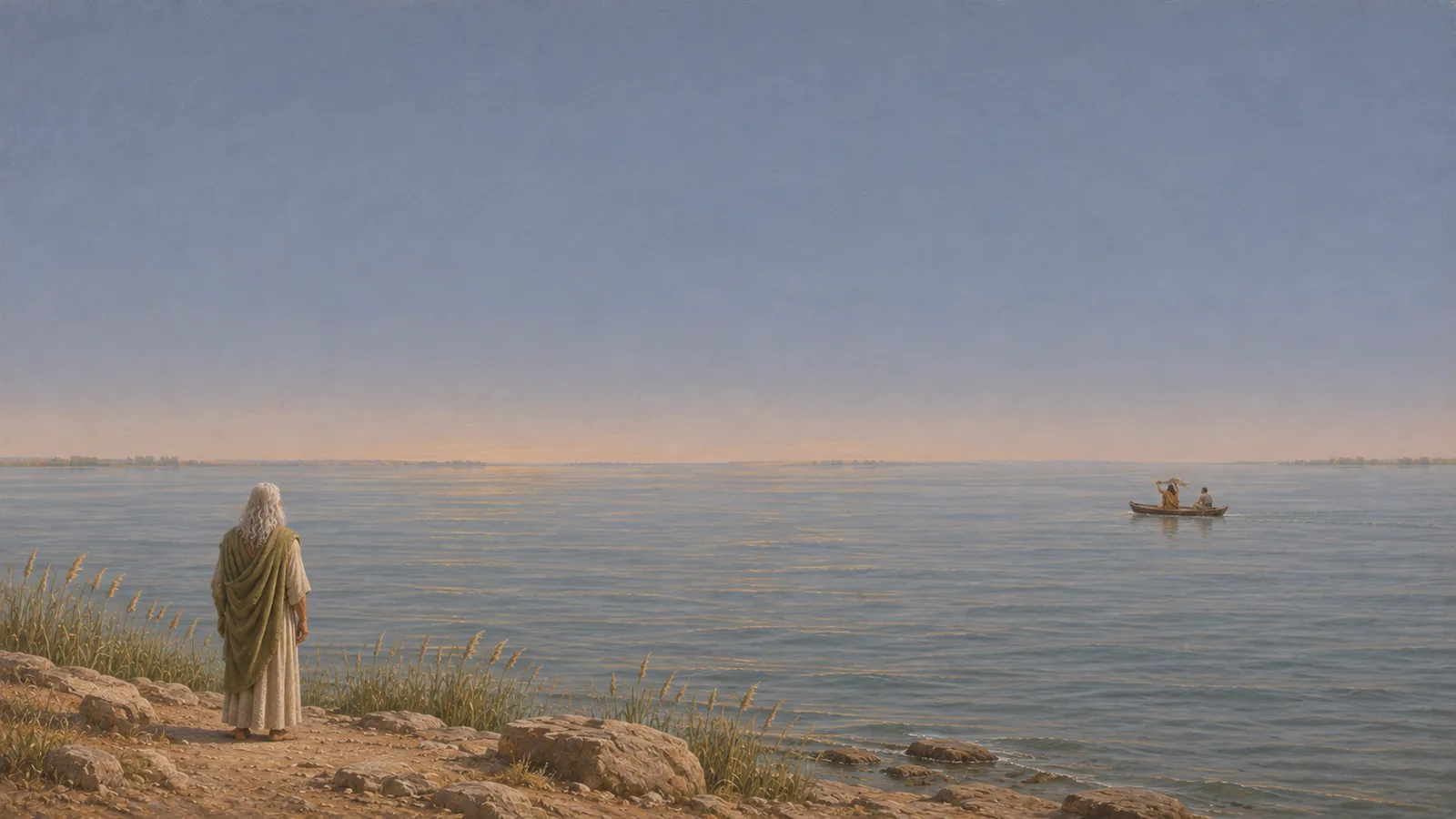
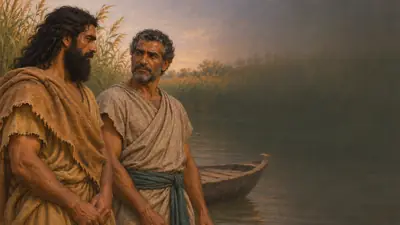
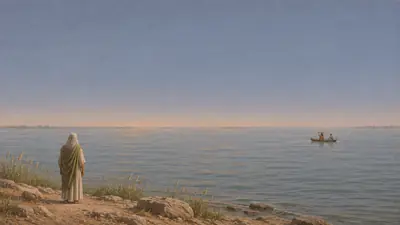
A lo lejos, Utnapishtim vio acercarse la barca. Hasta entonces, Gilgamesh había llevado consigo el nombre del anciano en todas sus fatigas, y ahora el propio anciano podía verlo.
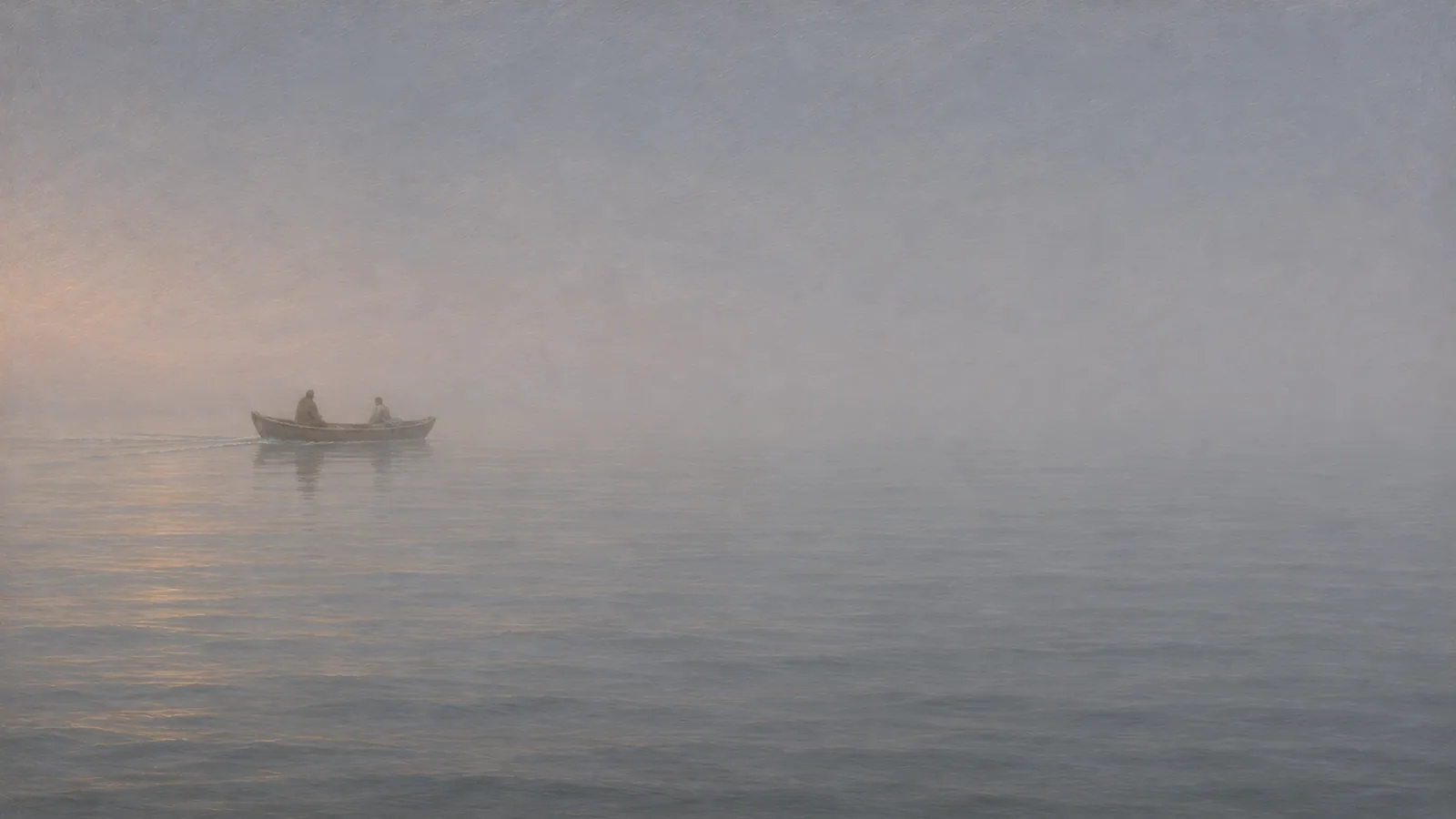
Utnapishtim advirtió que algo no iba bien en la barca. Los de piedra estaban rotos, y al hombre que iba a bordo con el barquero no lo reconocía.
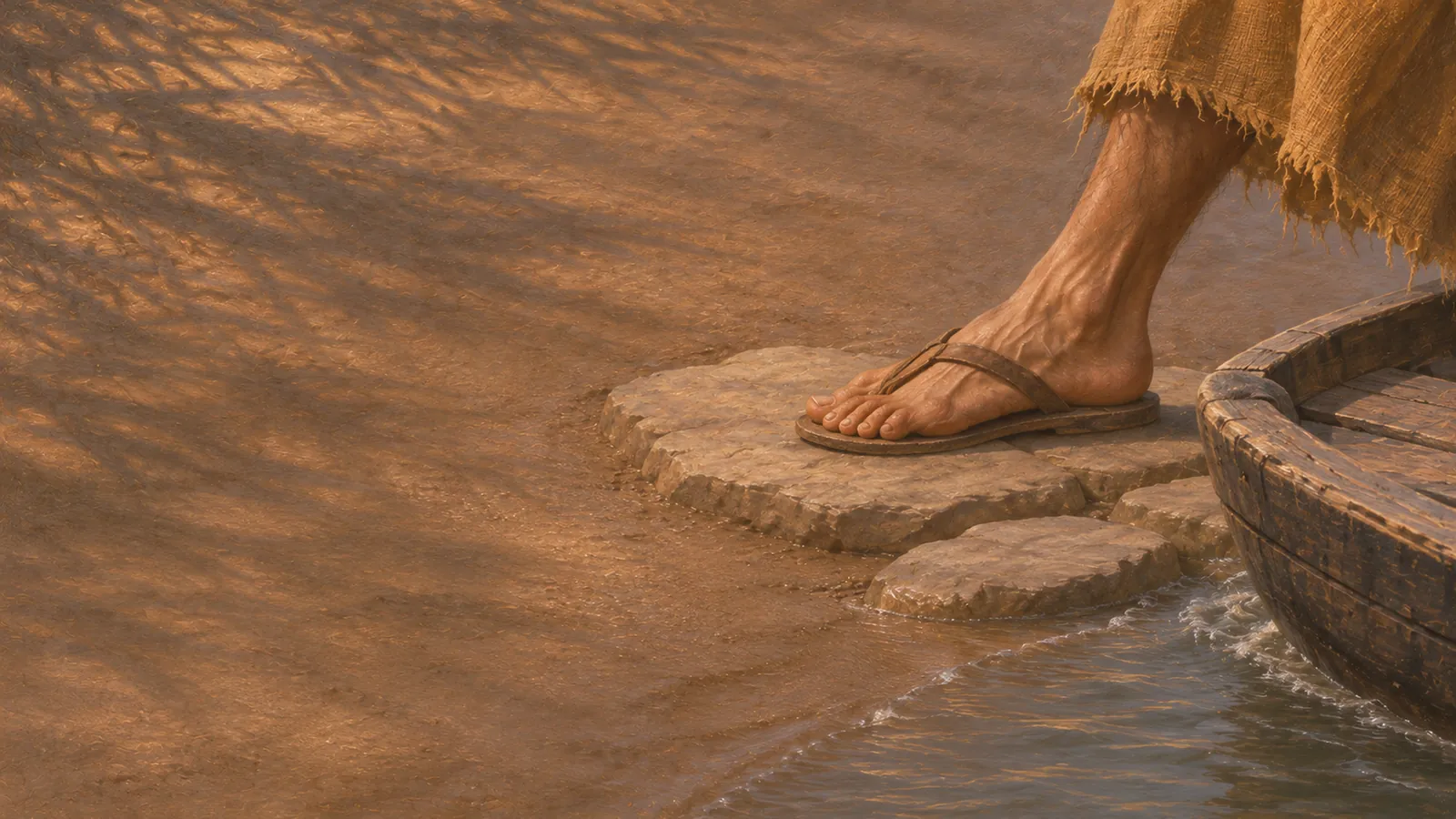
La barca llegó a la orilla lejana. Las líneas sobre el desembarco están dañadas, pero llevan a Gilgamesh sano y salvo a la orilla donde Utnapishtim lo espera.
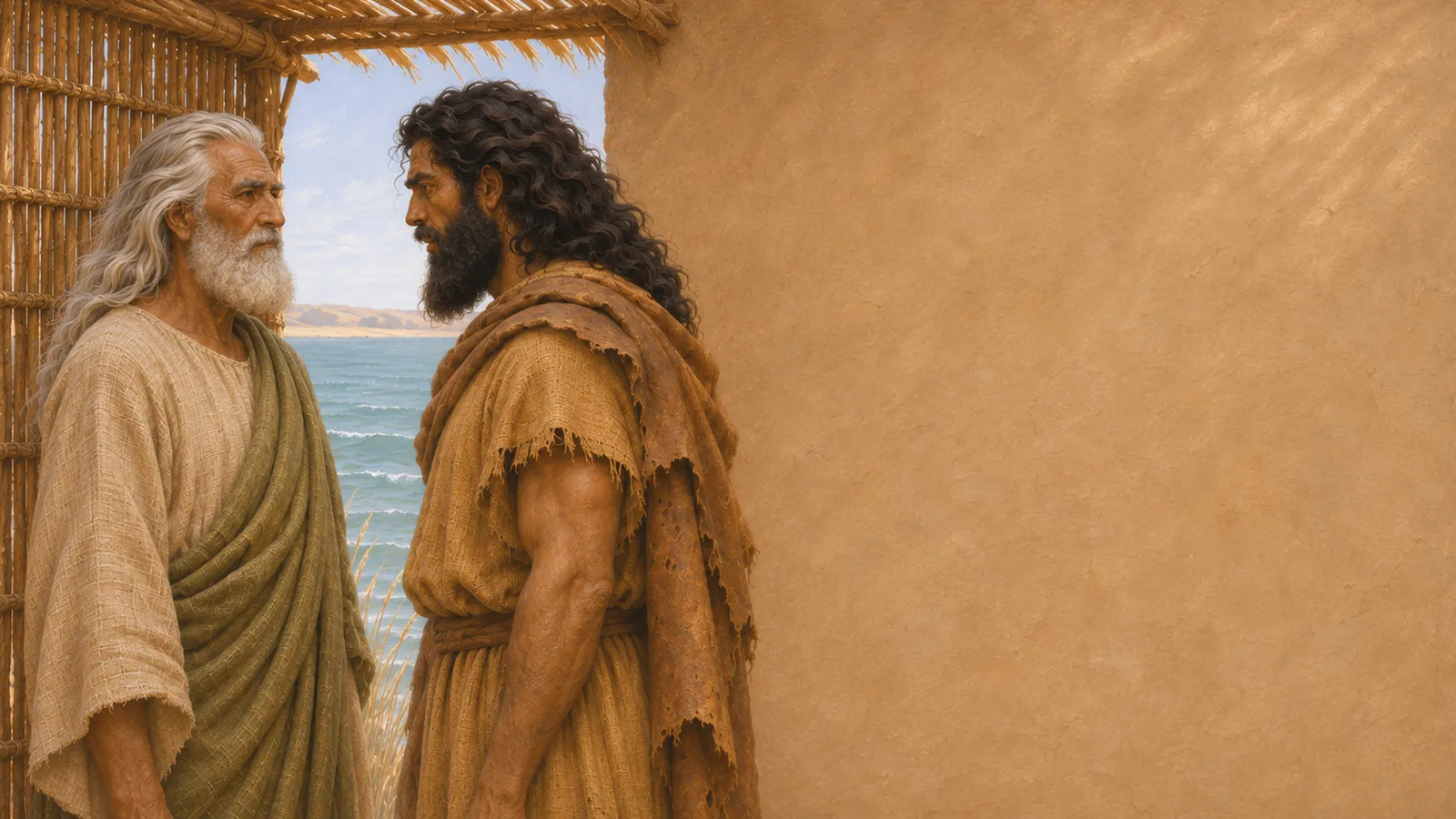
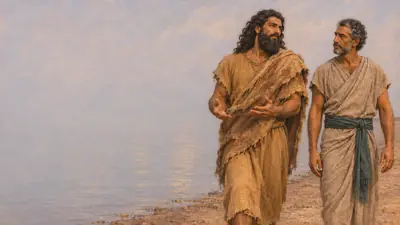
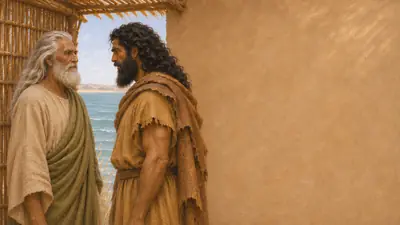
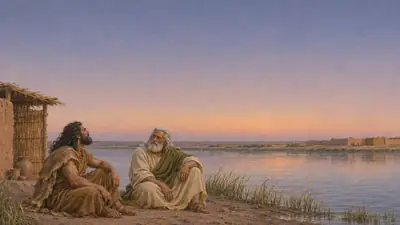
Gilgamesh habló por fin con el hombre al que había cruzado el mar para encontrar. Conocía a Utnapishtim como hijo de Ubar-Tutu, el nombre que figura en las líneas conservadas.
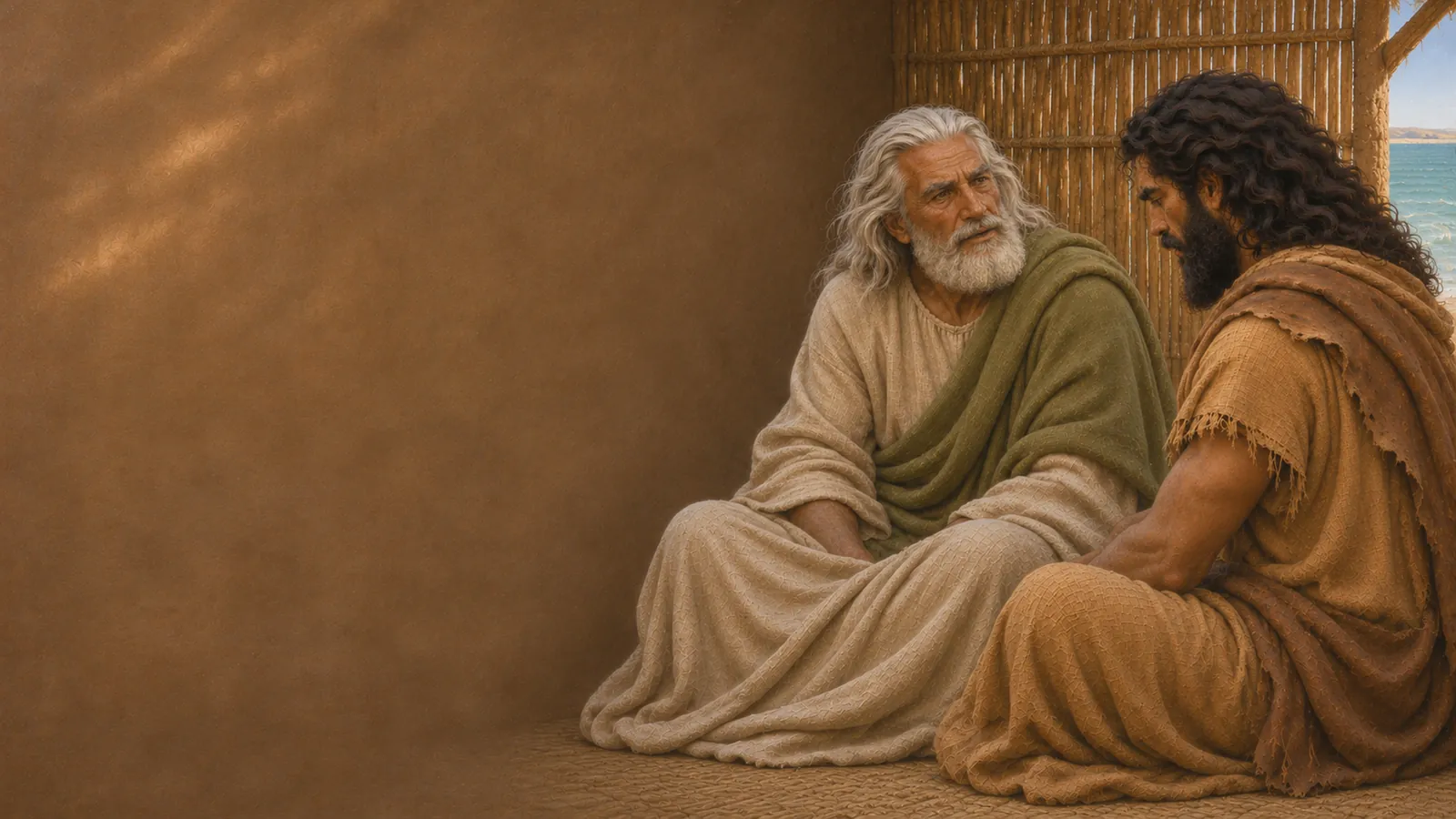
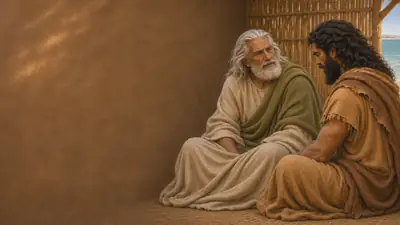
Utnapishtim miró a Gilgamesh y le preguntó casi lo mismo que Siduri y el barquero. En su rostro vio el desgaste del viaje y el dolor que lo había puesto en marcha.
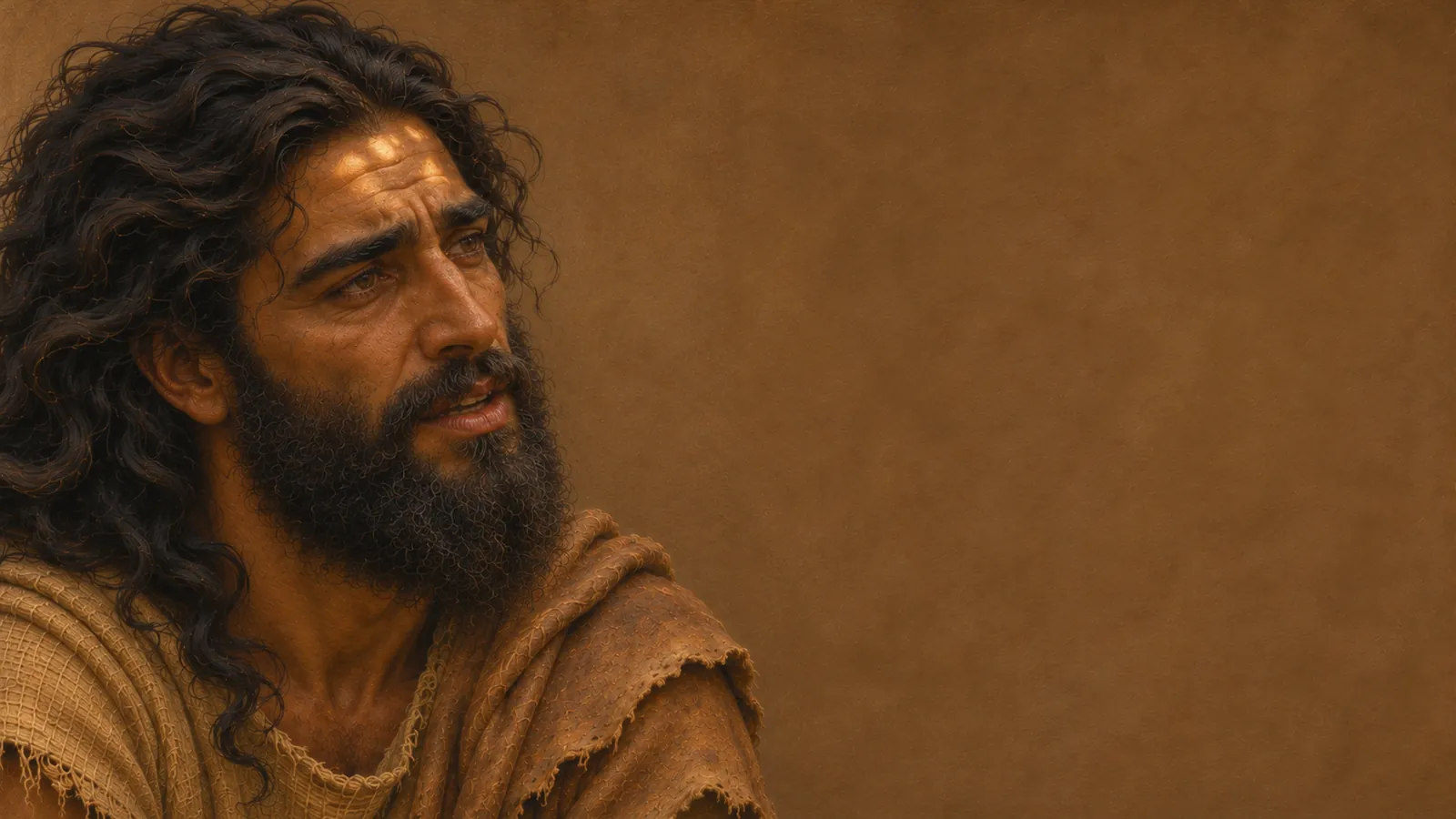
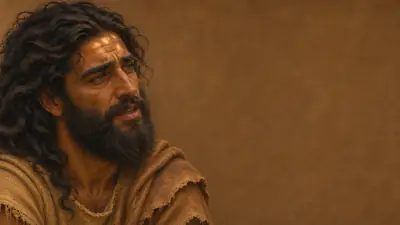
Gilgamesh habló de nuevo de sus hazañas y del amigo al que amaba. Dijera lo que dijera de su propio valor, el relato siempre volvía a la muerte de Enkidu.
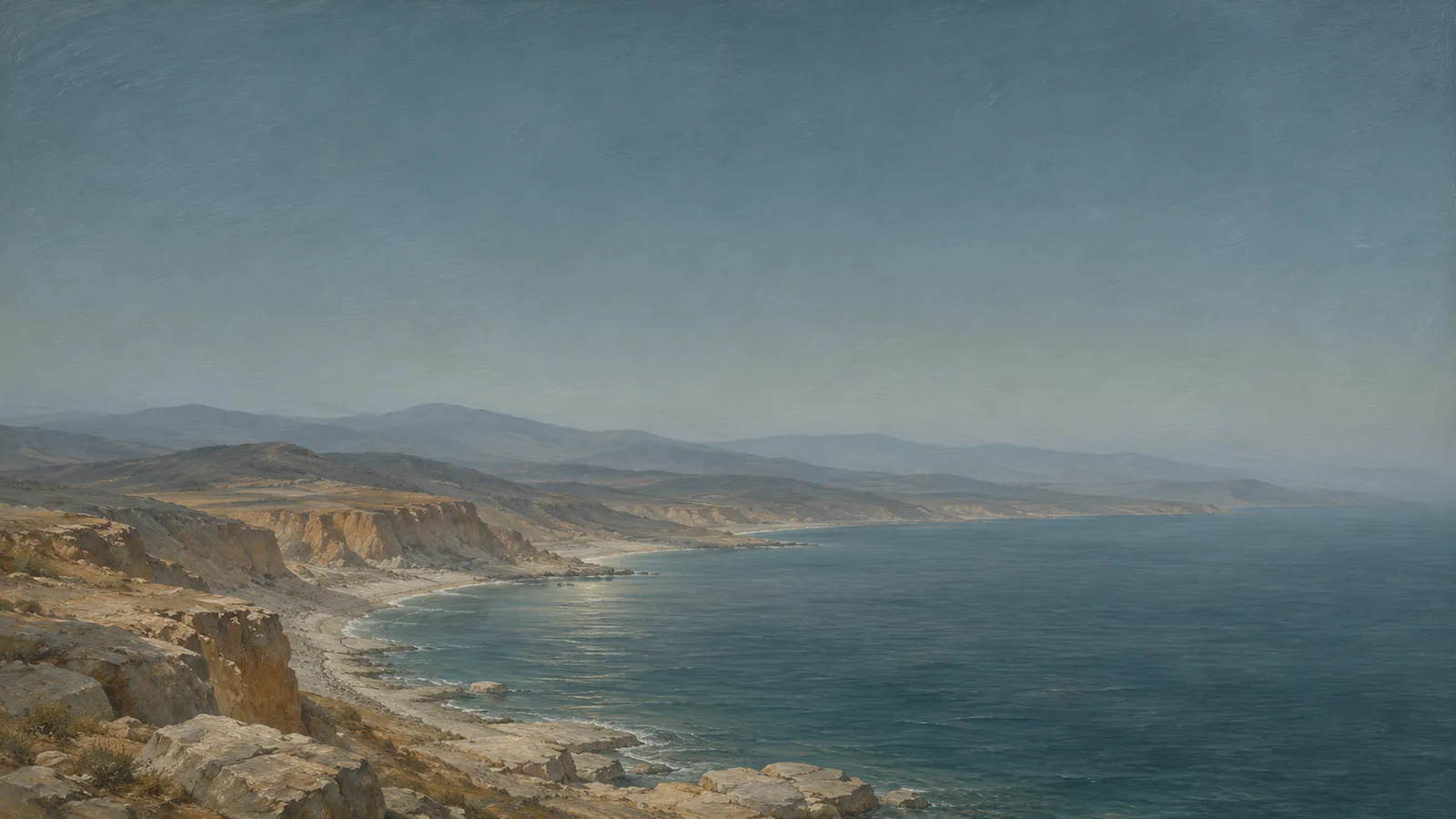
Gilgamesh le habló de los países por los que había pasado, las montañas que había cruzado y los mares que había recorrido. Toda esa distancia lo separaba de la vida que conocía.
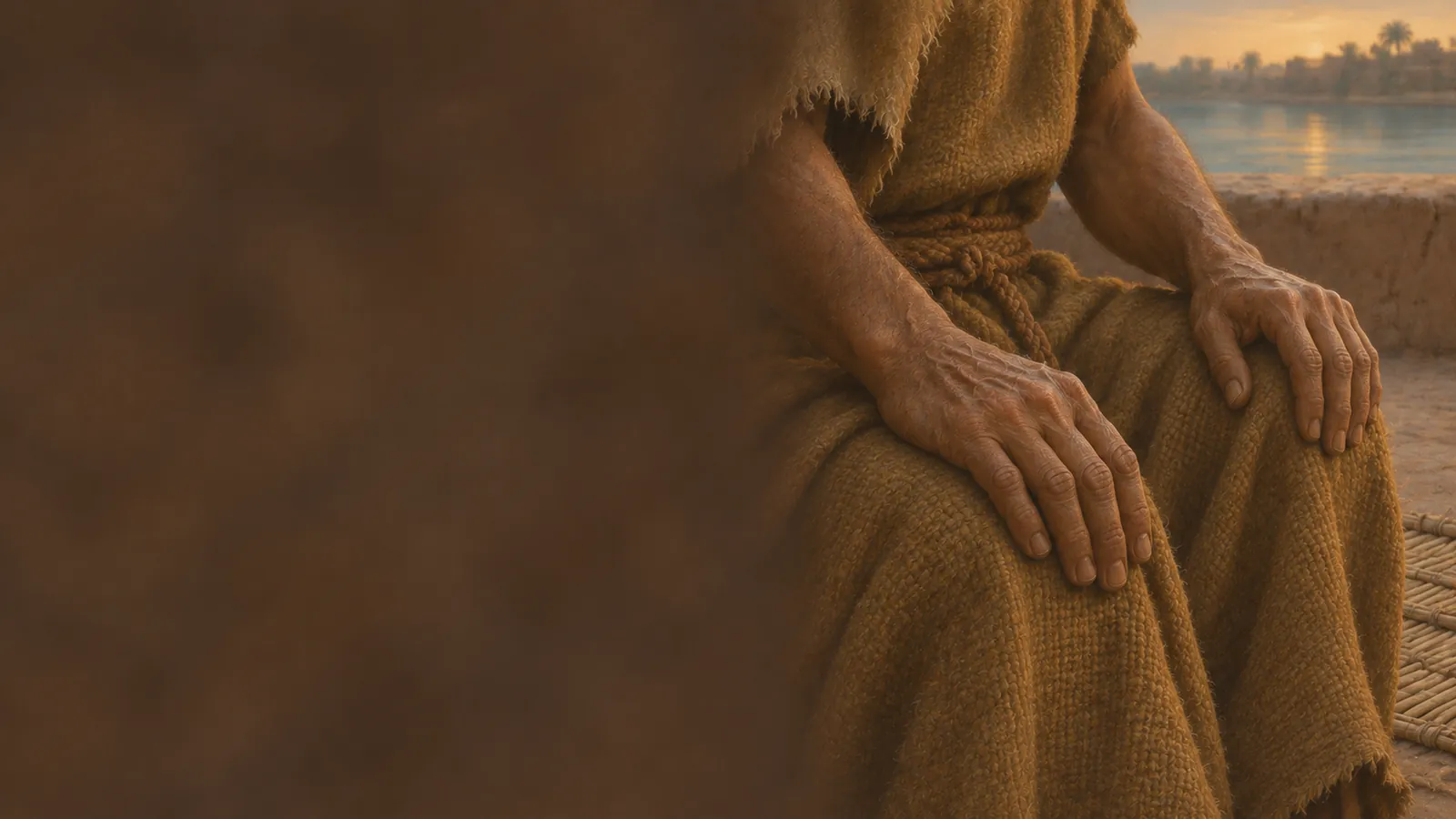
Habló de las noches en que apenas pudo dormir y de las penurias que le había traído el camino. Encontrar a Utnapishtim era lo que le había permitido seguir adelante.
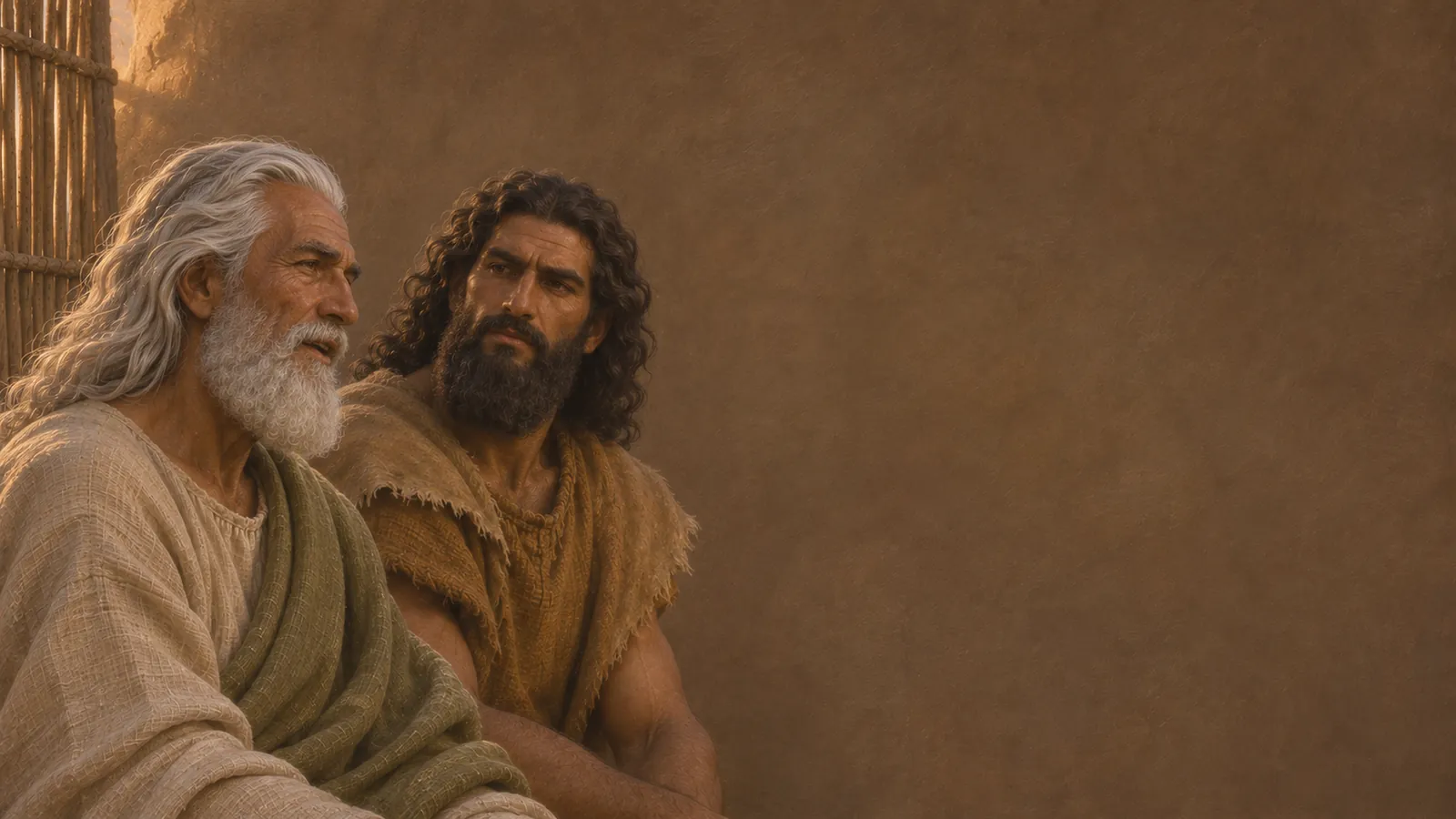
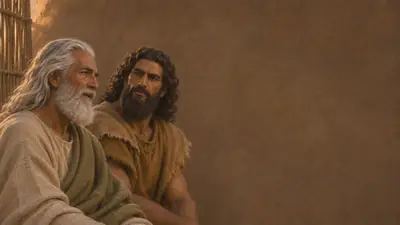
Utnapishtim respondió hablando del dolor de Gilgamesh y de su nacimiento, pues descendía de dioses y de seres humanos. Algunas partes de esa respuesta se han perdido en la arcilla rota.
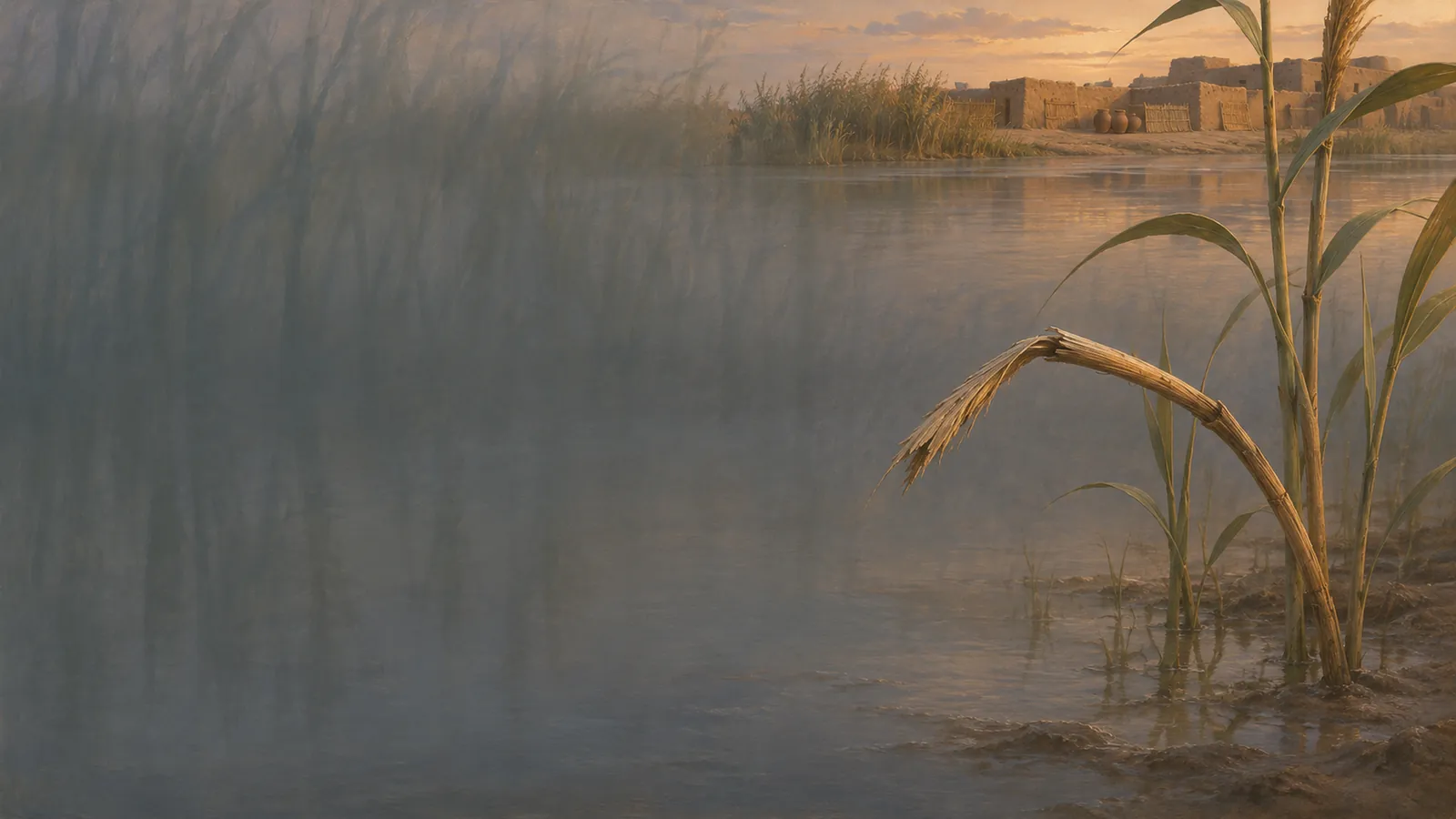
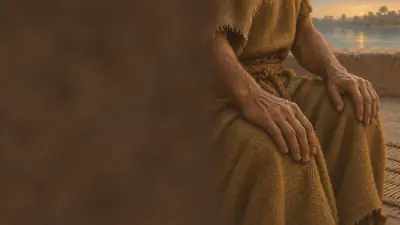
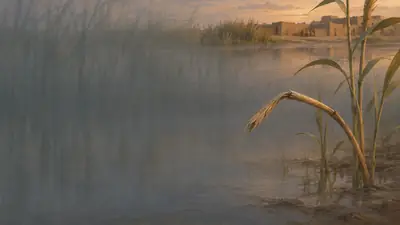
Utnapishtim comparó a las personas y a sus hijos con juncos que podían quebrarse. La muerte podía llevarse incluso a hombres y mujeres en la flor de la vida.
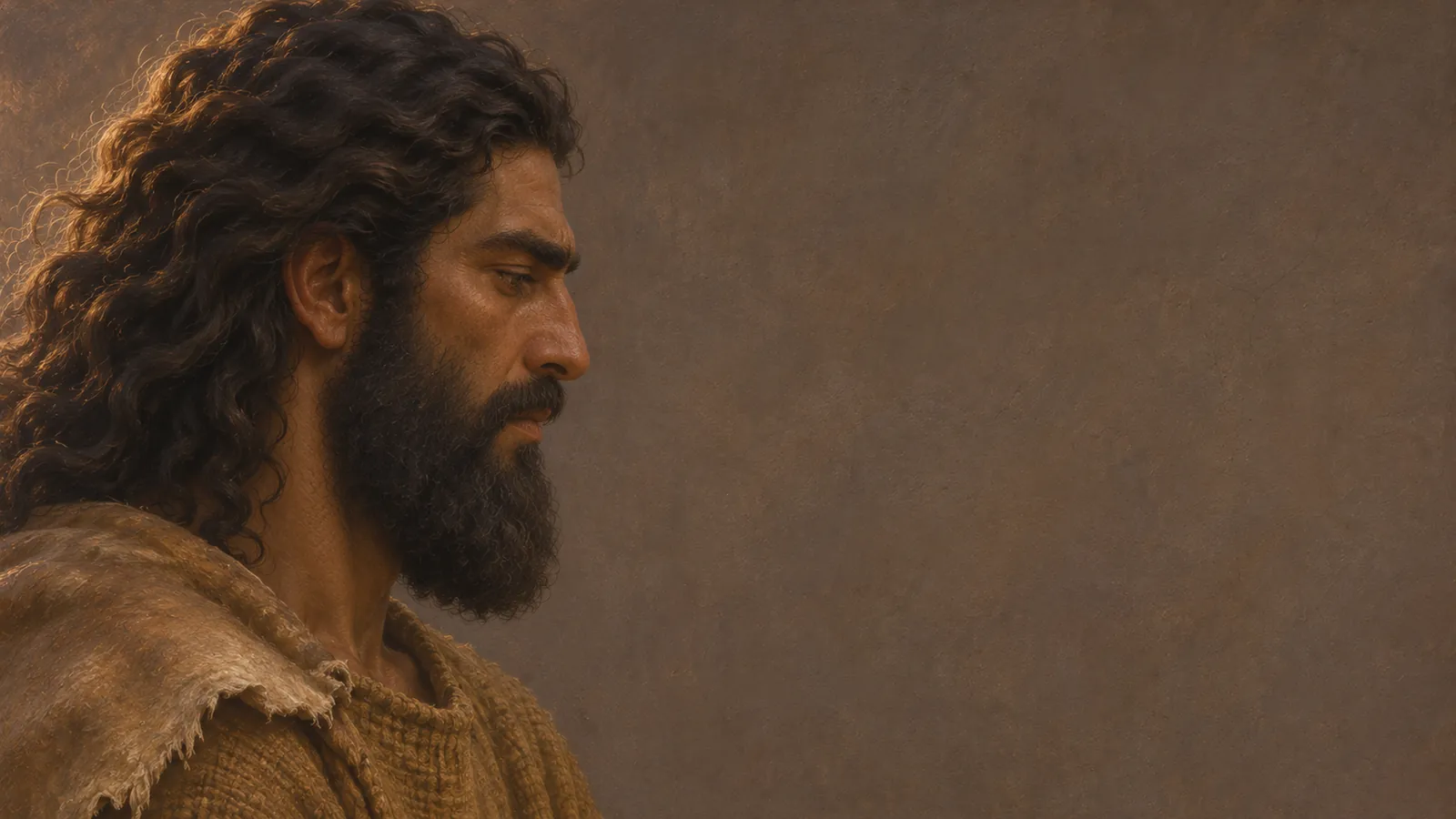
Nadie ve el rostro de la muerte ni oye su voz cuando se le acerca, dijo Utnapishtim. Nada de lo que Gilgamesh había hecho podía advertirle cuándo llegaría.
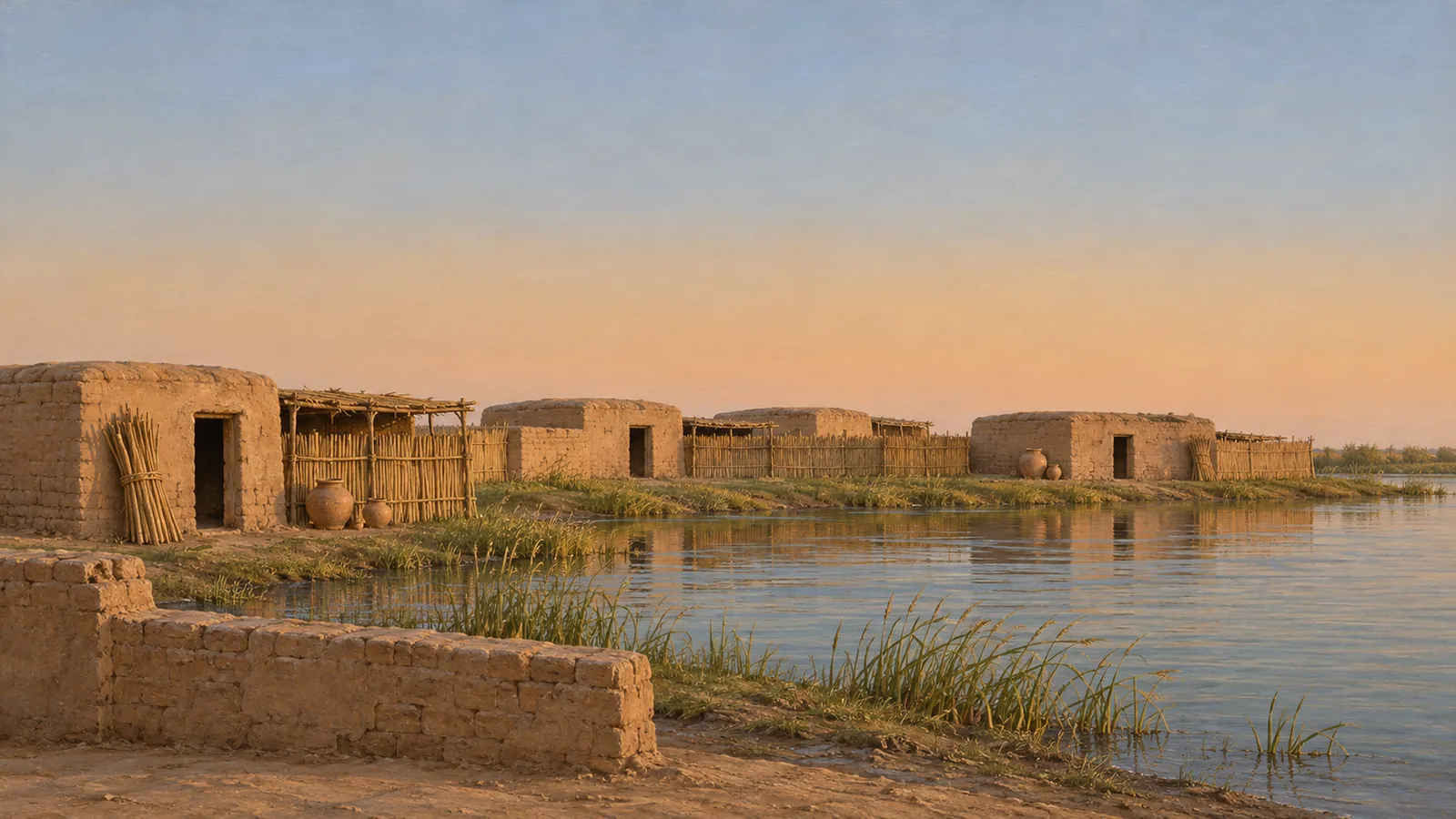
Habló de casas que se construyen, de familias que se fundan y de hermanos que se reparten lo que les toca. El poema pone esos actos familiares junto a una imagen de lo rápido que puede desaparecer la vida.

Utnapishtim dibujó la imagen de un río crecido y de una efímera que flotaba al sol. Estuvo allí un instante y luego desapareció.
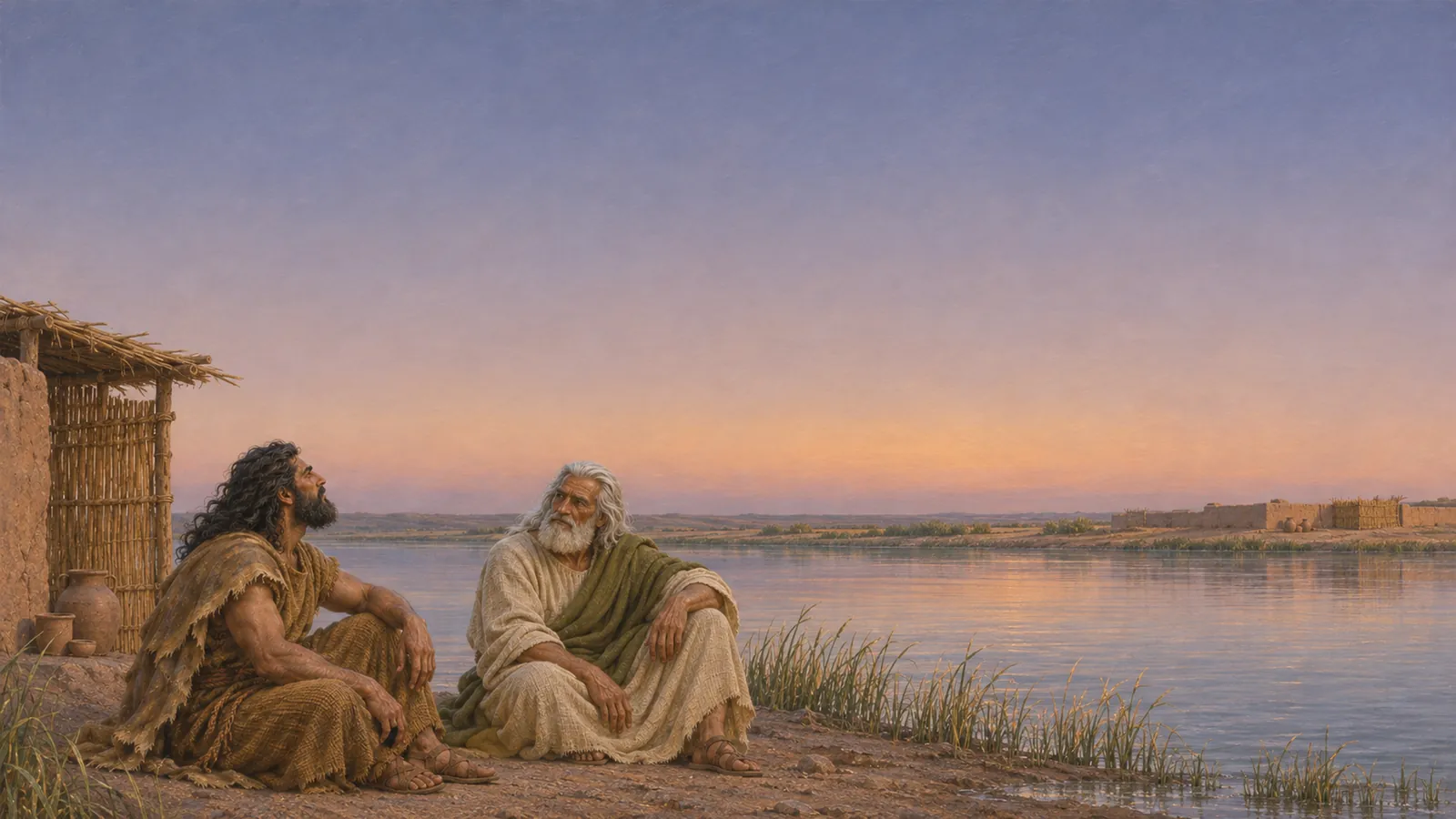
Utnapishtim volvió a lo que Gilgamesh quería saber. Los dioses habían dispuesto la vida y la muerte, pero no habían revelado a los seres humanos el día de su muerte.
TABLILLA XI
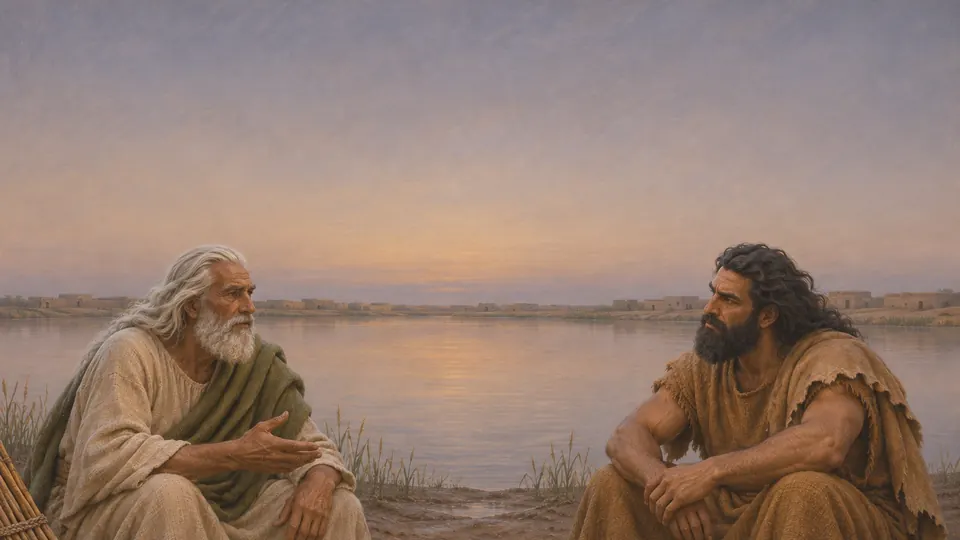
Al comienzo de la tablilla siguiente, Gilgamesh mira a Utnapishtim y ve a un hombre muy parecido a él. Pregunta cómo llegó aquel hombre a estar entre los dioses y a seguir viviendo.
Fin del capítulo 6
Todas las páginas




Fuentes
On pages 28, 36 and 51, Gilgamesh says he would not give Enkidu up for burial until a maggot fell from his nostril (SB Gilgamesh X 58–62, 135–139 and 235–239, George’s eBL translation). The retelling describes the sign of decay on page 28 and condenses the two later repetitions.
Ediciones consultadas
- Electronic Babylonian Library, Tablet IX: and [Tablet X](https://www.ebl.lmu.de/corpus/L/1/4/SB/X). Both official text exports were checked line by line.
- Electronic Babylonian Library, Tablet XI: opening address credited separately.
- Andrew George, “The Epic of Gilgamesh”: synopsis of the westward journey and Utnapishtim’s answer.
- Andrew George, “Gilgamesh and the Babylonian World”: with the latter part of Tablet X discussed alongside manuscript context.
Notas sobre este relato
On page 3, Gilgamesh takes up an axe and a dagger, strikes the lions and kills and scatters them in a partly restored passage (SB Gilgamesh IX 13–18, George’s eBL translation). On page 26 he tells Siduri that he and Enkidu killed the Bull, destroyed Humbaba and killed lions in the passes (SB Gilgamesh X 29–39, partly restored). The retelling condenses the attack and the list of deeds.
Los versos antiguos de cada página
- Page 1: SB IX 8–9, eBL
- Page 2: SB IX 10–12, eBL
- Page 3: SB IX 13–29, gap before 37, eBL
The awakening and brief rush are attested. - Page 4: SB IX 37–41, eBL
- Page 5: SB IX 42–45 and 48–51, eBL
- Page 6: SB IX 46–47, eBL
- Page 7: SB IX 48–51, eBL; cf. SB I 48
Her correction is preserved. - Page 8: SB IX 52–59, eBL
- Page 9: SB IX 5–7 and 75–77, eBL
- Page 10: SB IX 78–90, especially 80–83, eBL
- Page 11: SB IX 91–93, lacuna before 125, and 125–135, eBL
- Page 12: SB IX 136–139, eBL
- Page 13: SB IX 139–144, eBL
- Page 14: SB IX 145–162, eBL
- Page 15: SB IX 163–169, eBL
- Page 16: SB IX 169–172, eBL
- Page 17: SB IX 172–174, eBL
- Page 18: SB IX 175–176, eBL
- Page 19: SB IX 184–196, eBL; cf. SB X 1–2
The last line is damaged and the pronoun points forward to Siduri. - Page 20: SB X 1–4, 5–9, eBL; George, synopsis p. 9; George X score
- Page 21: SB X 1–9, eBL; George X score; Heidel, Tablet X, Assyrian version col. i
- Page 22: SB X 5–14, eBL; George X score; Heidel, Tablet X, Assyrian version col. i
- Page 23: SB X 15–16, 20–21, eBL; George X score; George, synopsis p. 9
- Page 24: SB X 17–22, eBL; George X score; Heidel, Tablet X, Assyrian version col. i
Only the spoken threat is attested. - Page 25: SB X 25–28, eBL; George X score; George, synopsis p. 9
The wording of her question is damaged and restored in part. - Page 26: SB X 29–39, eBL; George X score
The shared action is preserved in the repeated lines. - Page 27: SB X 35–45, eBL; George X score
- Page 28: SB Gilgamesh X 53–62, especially 58–62, eBL; compare X 134–139 and 234–239
Original paraphrase of largely restored and repeated lines. - Page 29: SB X 72–77, eBL; George X score
Paraphrased request. - Page 30: SB X 78–86, eBL; George X score; George, synopsis p. 9
- Page 31: SB X 87–91, eBL; George X score; George, Ur-šanabi
- Page 32: SB X 92–105 and 155–158, eBL; George X score; George, synopsis p. 9
The composite preserves the ambush’s broad action despite damaged phrases. - Page 33: SB X 102–108 and 155–158, eBL; George, Ur-šanabi
- Page 34: SB X 108–113, 155–158, eBL; George X score; George, Ur-šanabi
- Page 35: SB X 112–119, eBL; cf. X 40–46; George X score
- Page 36: SB X 119–148, eBL; George X score; George, synopsis p. 9
This is the poem’s deliberate repetition condensed. - Page 37: SB X 149–158, eBL; George X score; George, synopsis p. 9
- Page 38: SB X 159–163, eBL; George X score; George, synopsis p. 9
The composite restorations at X 160 and 166 give three hundred exceptionally long poles. - Page 39: SB X 163–168, eBL; George X score
- Page 40: SB X 169–171, eBL; George X score; George, Ur-šanabi
- Page 41: SB X 169–172, eBL; George X score; George, synopsis p. 9
The exceptional duration is a reading of the poem at X 171. - Page 42: SB X 172–175, eBL; George X score; Heidel, Tablet X, Assyrian version col. iv
- Page 43: SB X 174–179, eBL; George X score
- Page 44: SB X 179–181, eBL; George, synopsis p. 9
- Page 45: SB X 181–183, eBL; George X score; George, synopsis p. 9
The clothing actions in 181–182 are partly restored. - Page 46: SB X 184–186, eBL; George X score; George, synopsis p. 9
- Page 47: SB X 186–195, eBL; George X score
Utnapishtim’s observations are damaged in places. - Page 48: SB X 196–207, especially 204–207, eBL; George X score; George, synopsis p. 9
- Page 49: SB X 207–212, eBL; George X score
The nearby flood word is broken and its sense is uncertain, with the full account starting in XI. - Page 50: SB X 212–225, eBL; George X score; George, synopsis p. 9
- Page 51: SB X 226–248, eBL; George X score; George, synopsis p. 9
- Page 52: SB X 249–253, eBL; George X score
- Page 53: SB X 254–265, eBL; George X score; George, synopsis p. 9
- Page 54: SB X 266–280, eBL; George X score; George, synopsis p. 9
The passage contains partially preserved counsel. - Page 55: SB X 296–307, especially 301–303 and 307, eBL; George X score; George, synopsis p. 9
The simile and examples support the mortality lesson. - Page 56: SB X 304–307, eBL; cf. X 322; George X score
- Page 57: SB X 308–311, eBL; George X score; George, synopsis p. 9
- Page 58: SB X 312–315, eBL
- Page 59: SB X 316–322, eBL; George X score; George, synopsis p. 9
- Page 60: SB X catchline; SB XI 1–7; George, synopsis p. 9; SOAS BAPLAR XI 1–34
Ilustraciones hechas por IL Archive con herramientas de IA; el texto se basa en las fuentes antiguas (véanse las fuentes al final de cada capítulo).