La epopeya de Gilgamesh Capítulo 7
La historia del diluvio
Utnapishtim le cuenta a Gilgamesh cómo construyó una embarcación y sobrevivió al gran diluvio. Al terminar su relato, le pide que se mantenga despierto seis días y siete noches.
Ver la películaFuentesPase las páginas con las flechas, el teclado o deslizando el dedo.
SECRETO
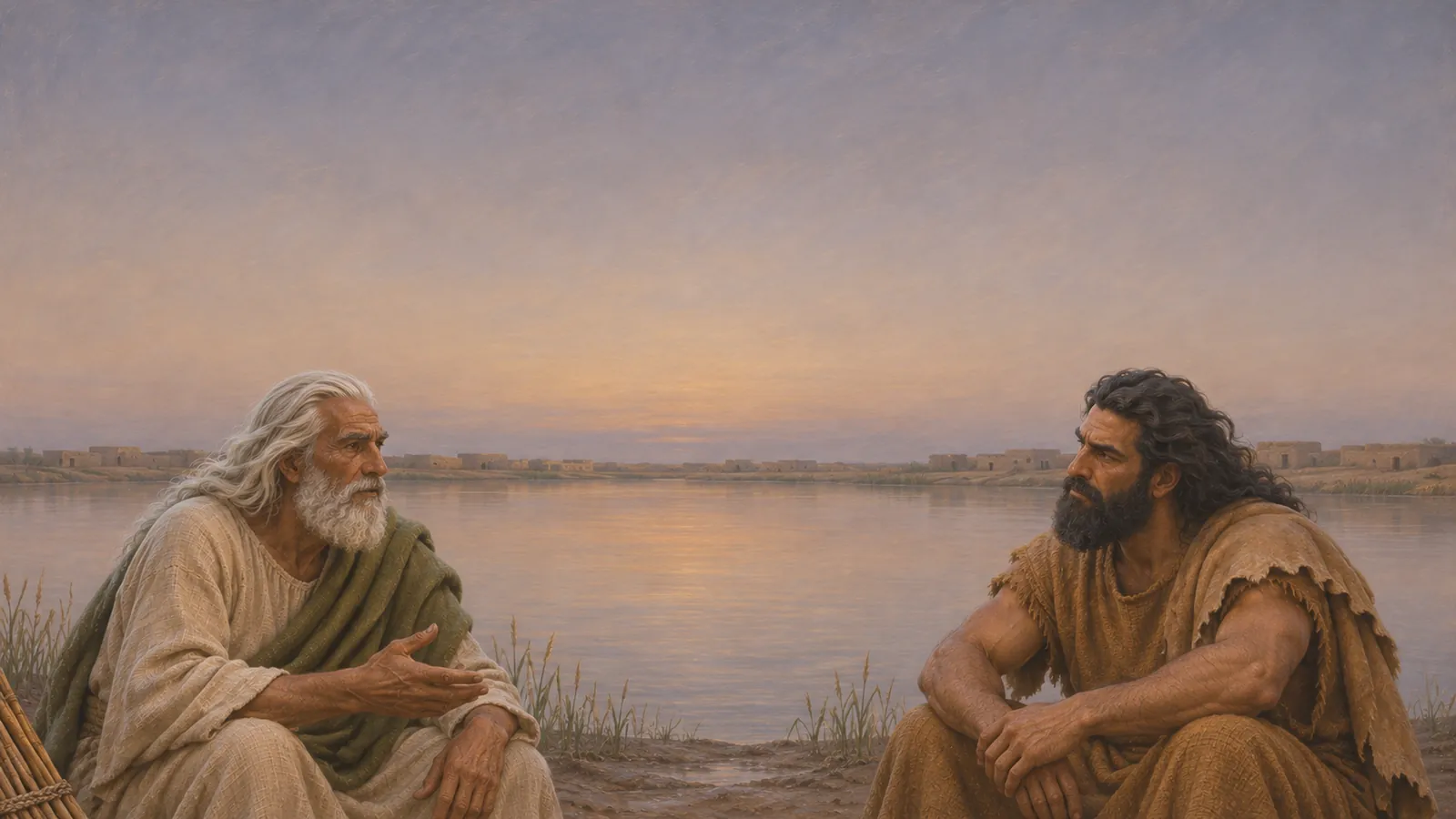
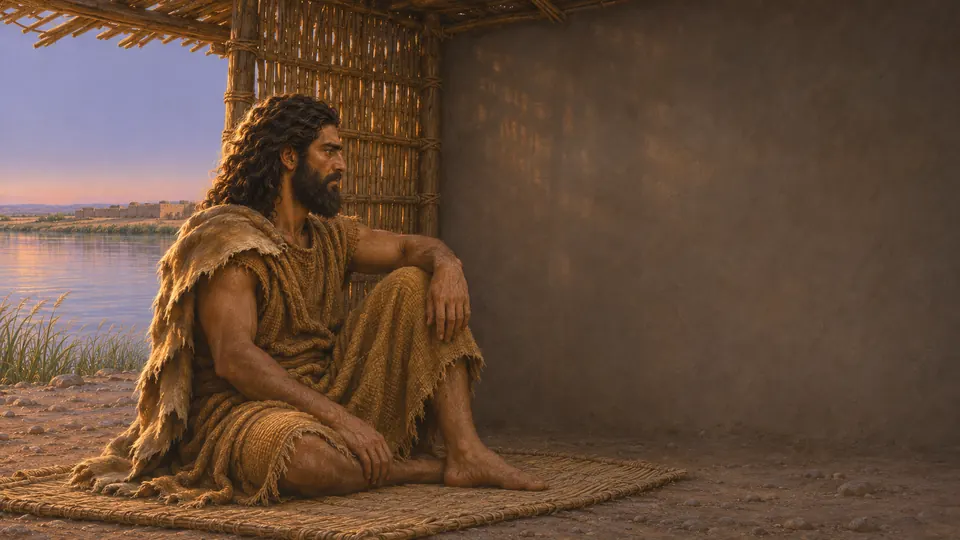
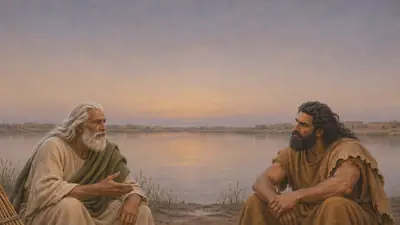
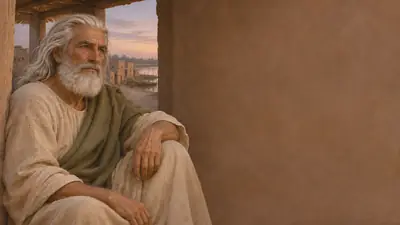
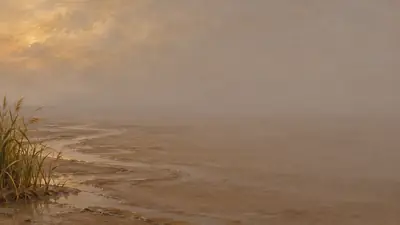
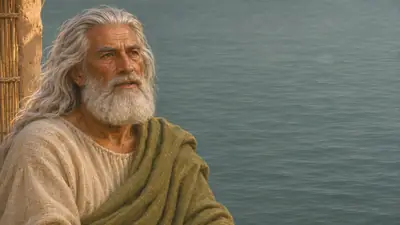
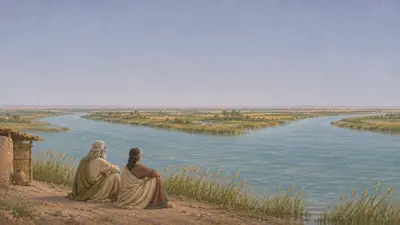
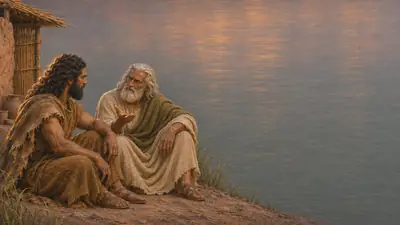
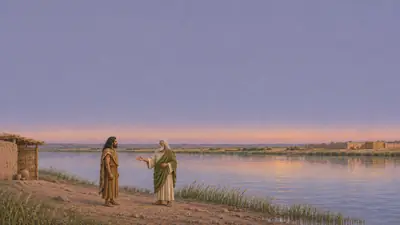
En la orilla lejana, Utnapishtim empezó a responder. Lo que Gilgamesh quería saber se remontaba a un secreto de los dioses y a una ciudad que se alzaba junto a un río hacía mucho tiempo.
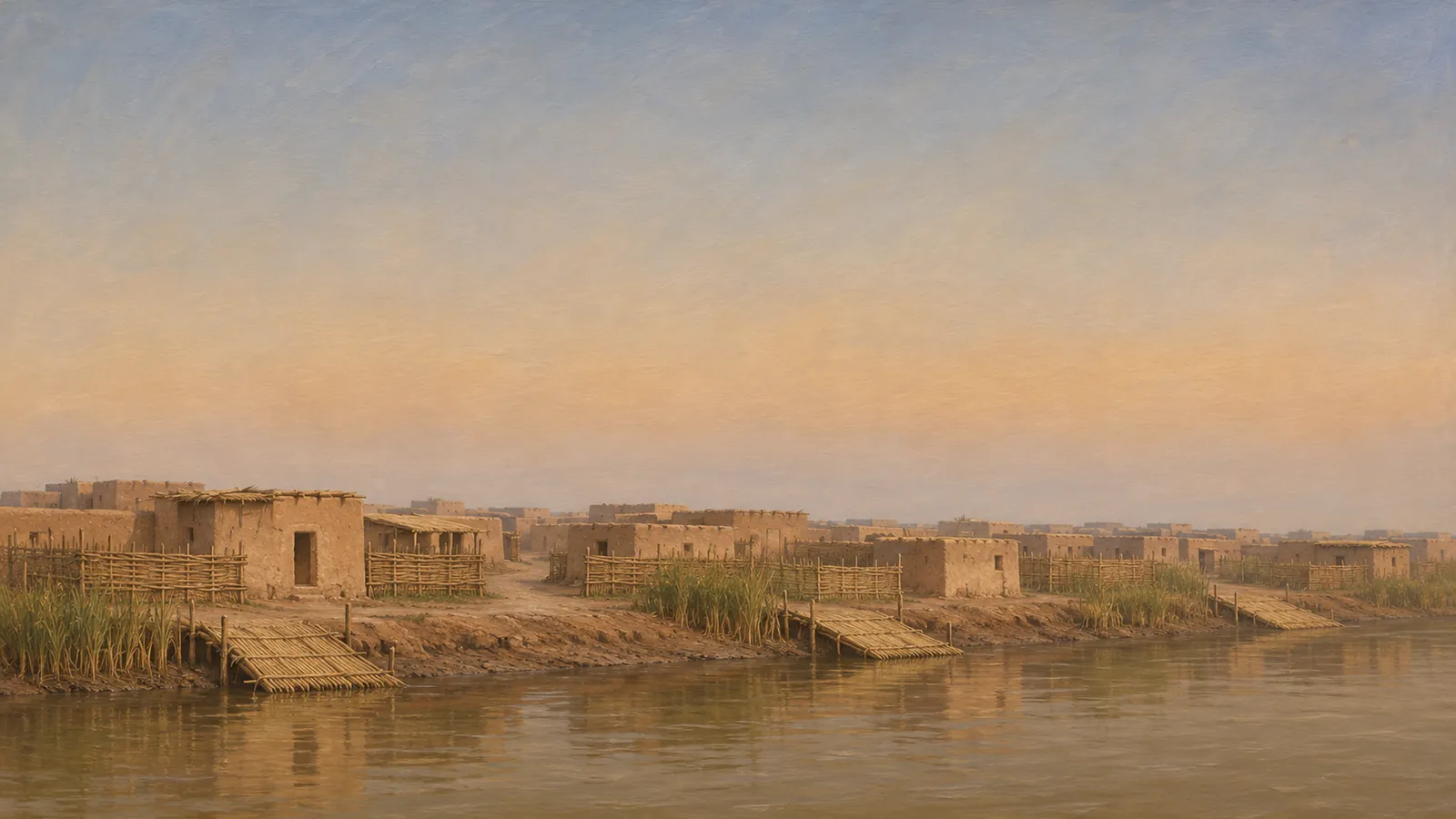
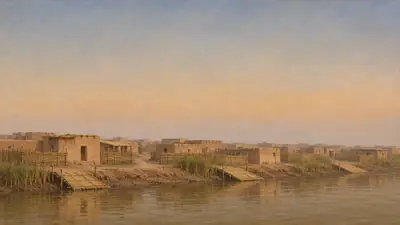
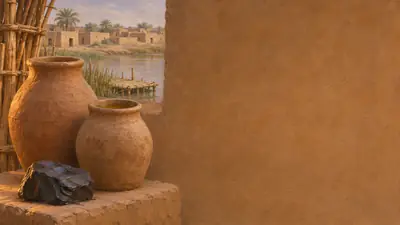
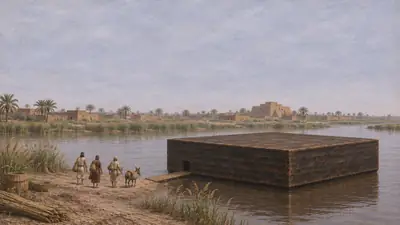
La ciudad era Shuruppak, a orillas del Éufrates. Ya era antigua cuando, según se decía, los grandes dioses habitaban en ella.
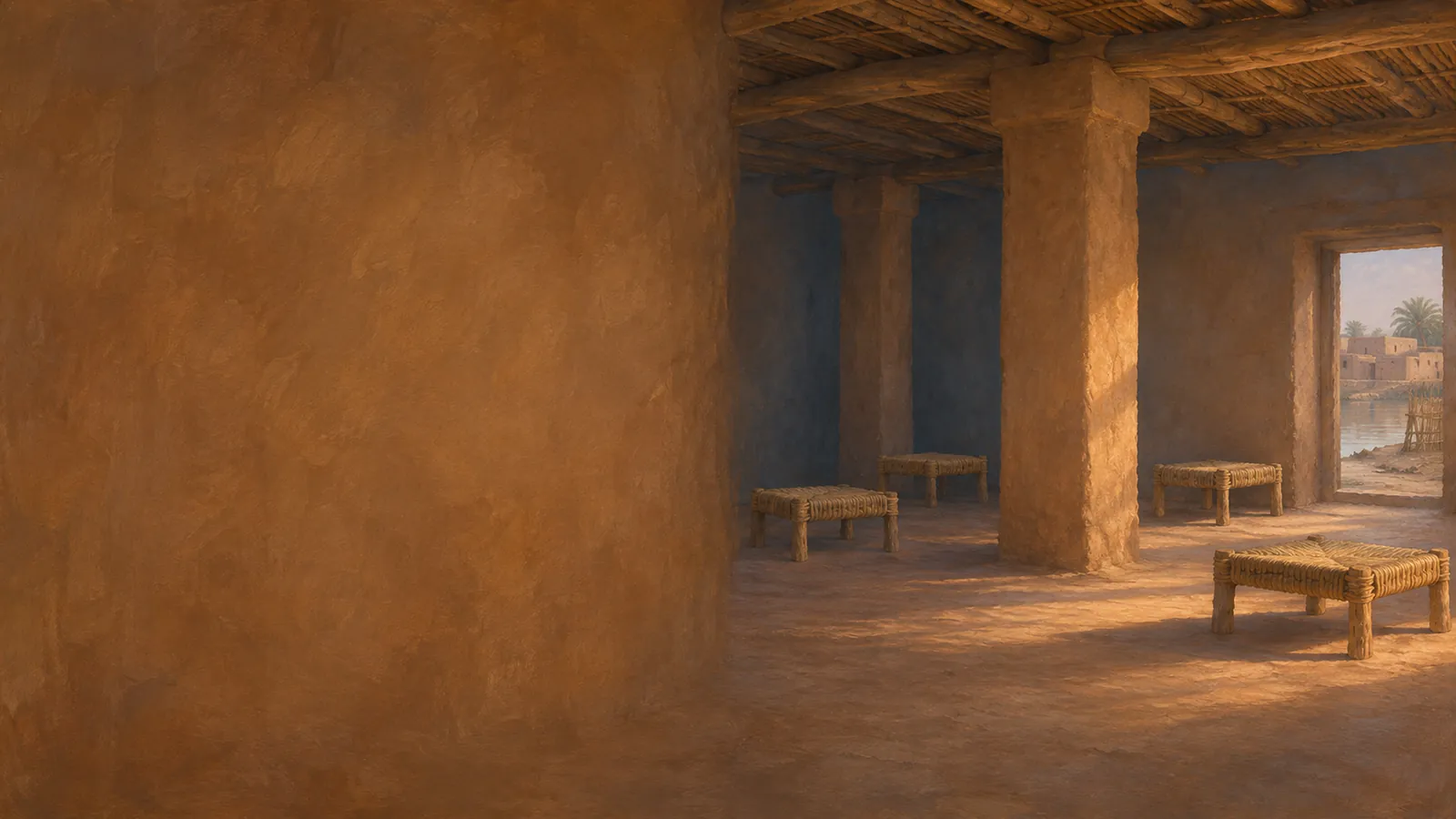
Utnapishtim habló de los grandes dioses y de su decisión de enviar un diluvio. Los miembros de su asamblea se comprometieron a cumplirla mediante un juramento.
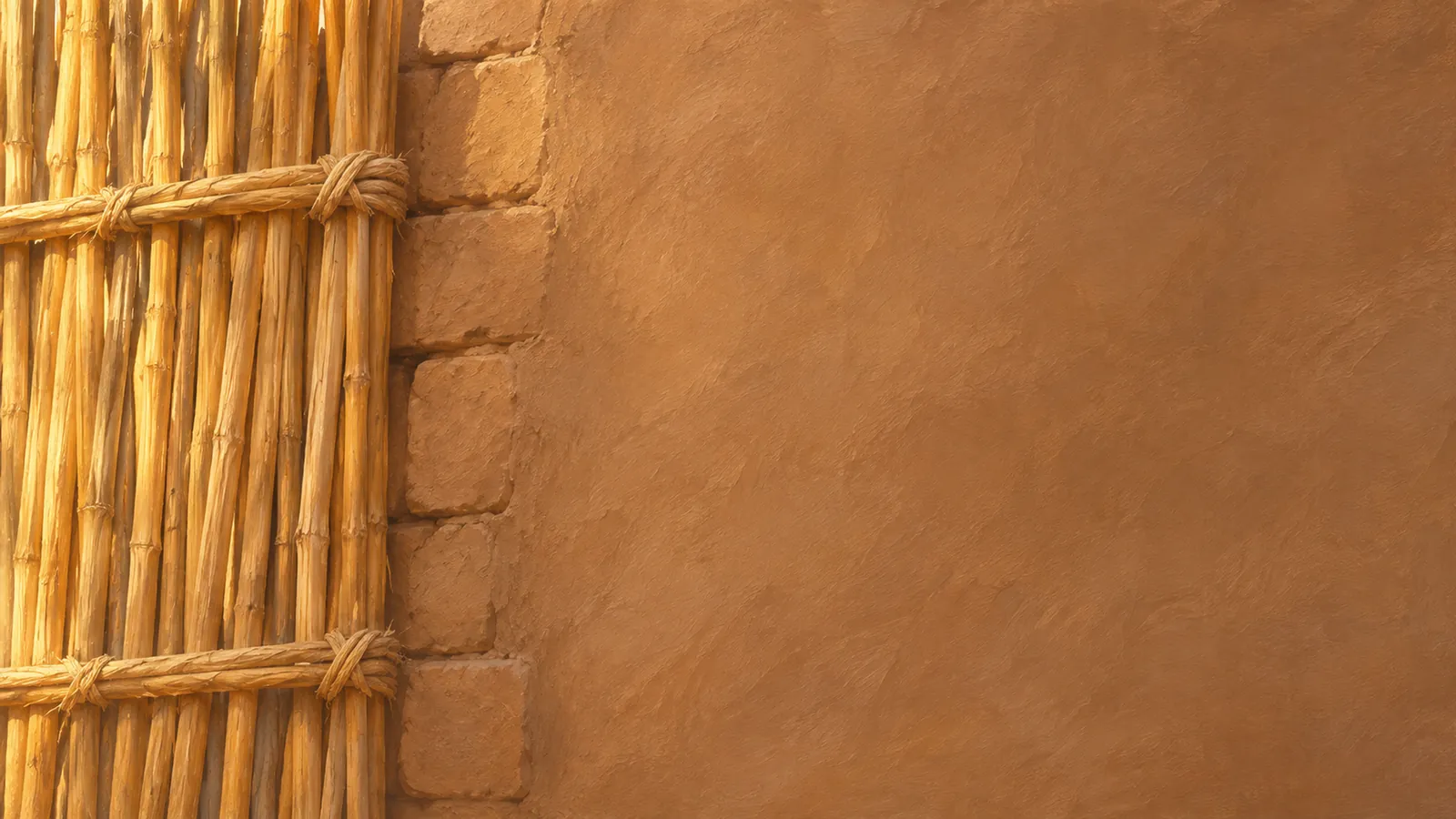
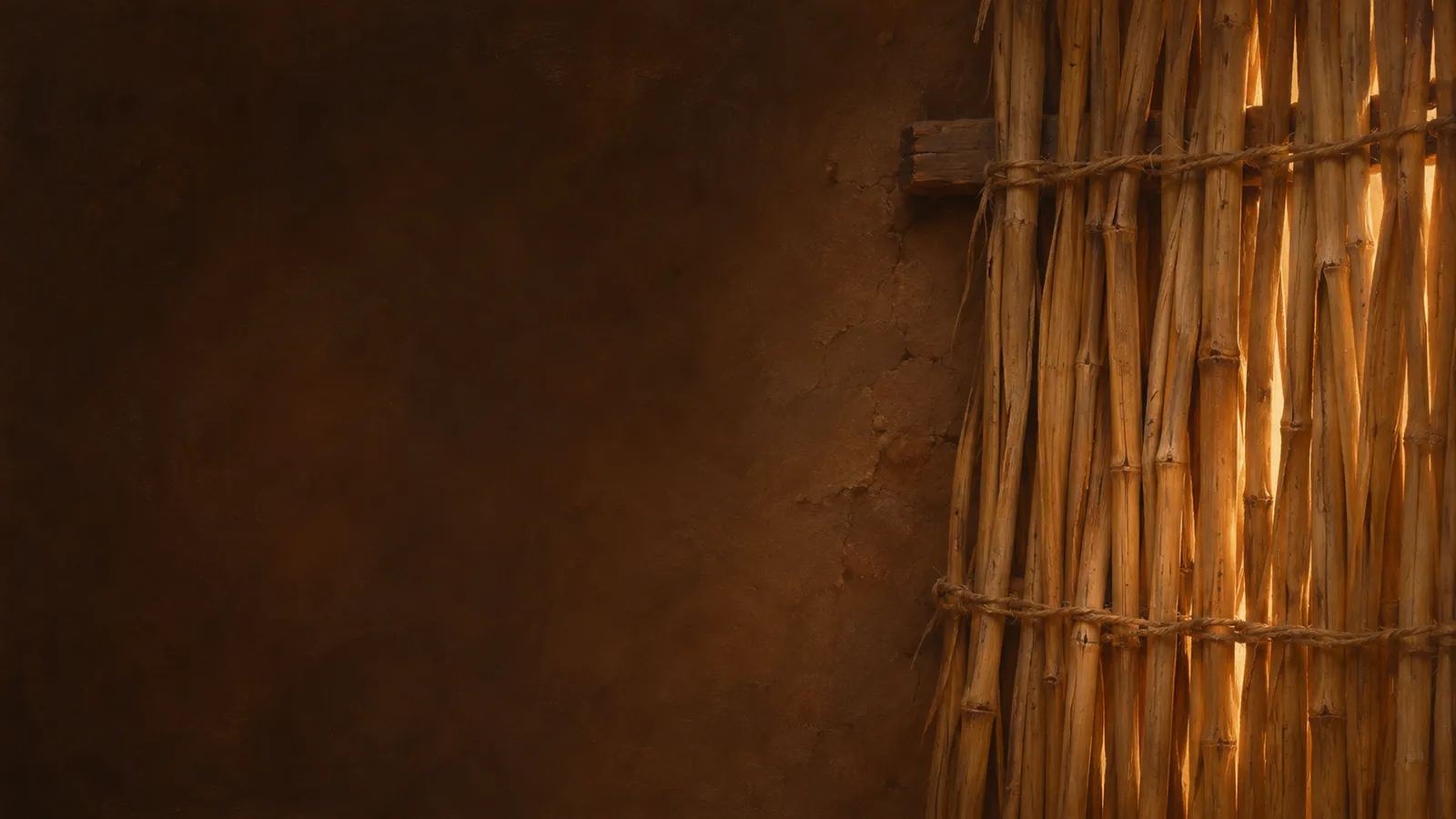
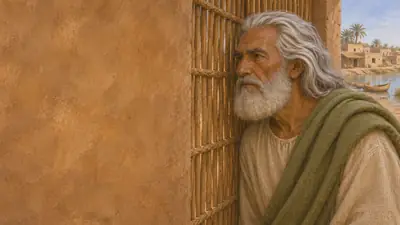
Enlil formaba parte del consejo, y Ea había jurado junto a los demás dioses. Lo que Ea diría a continuación se lo diría a los juncos.
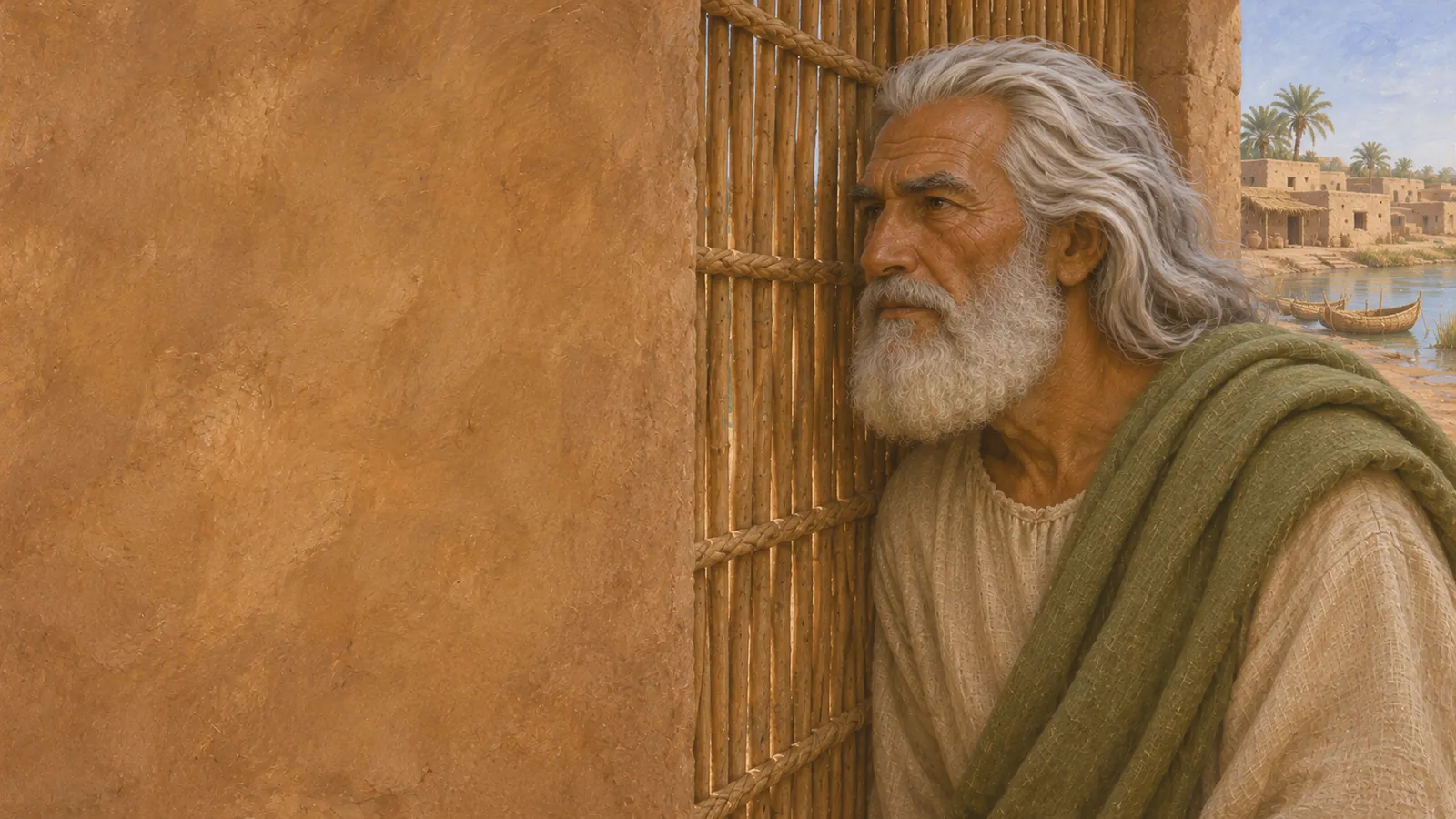
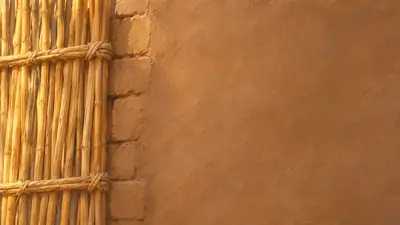
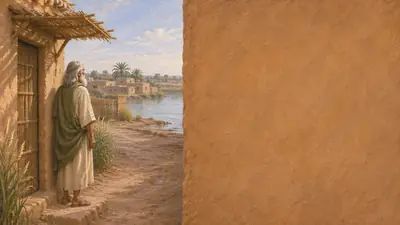
La advertencia iba dirigida a una cerca de cañas y a un muro. Por esas palabras, Utnapishtim supo lo que tenía que hacer, aunque el dios se dirigía a las cañas.
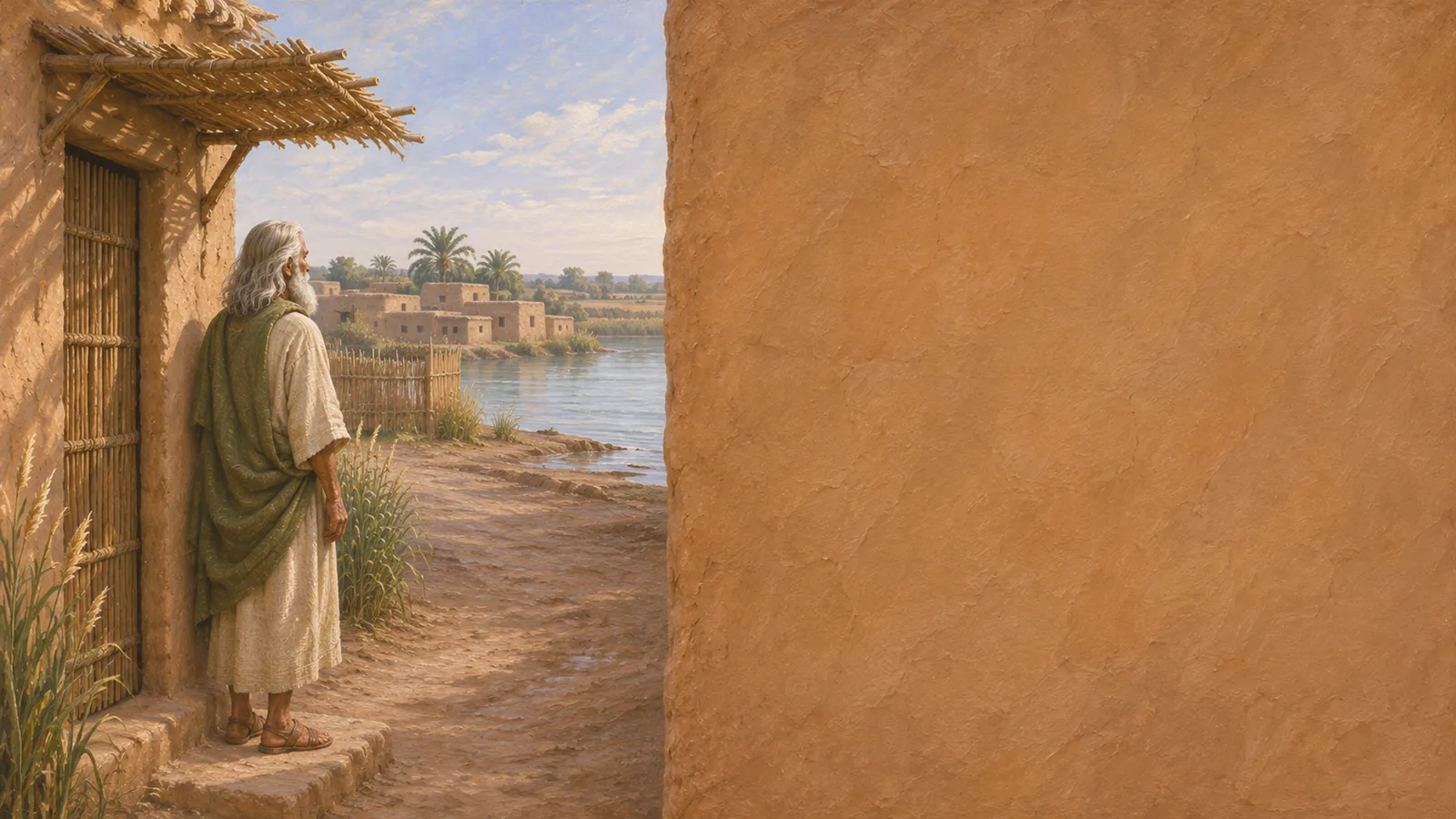
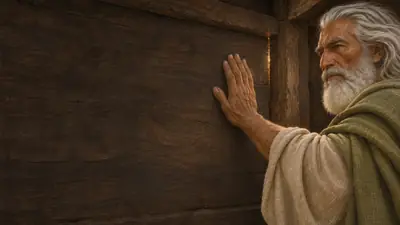
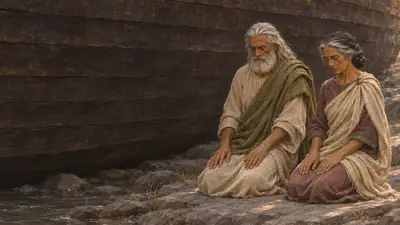
Ea le dijo que derribara su casa y construyera una embarcación. Lo que pudiera conservar importaba ahora menos que lo que pudiera mantener con vida.
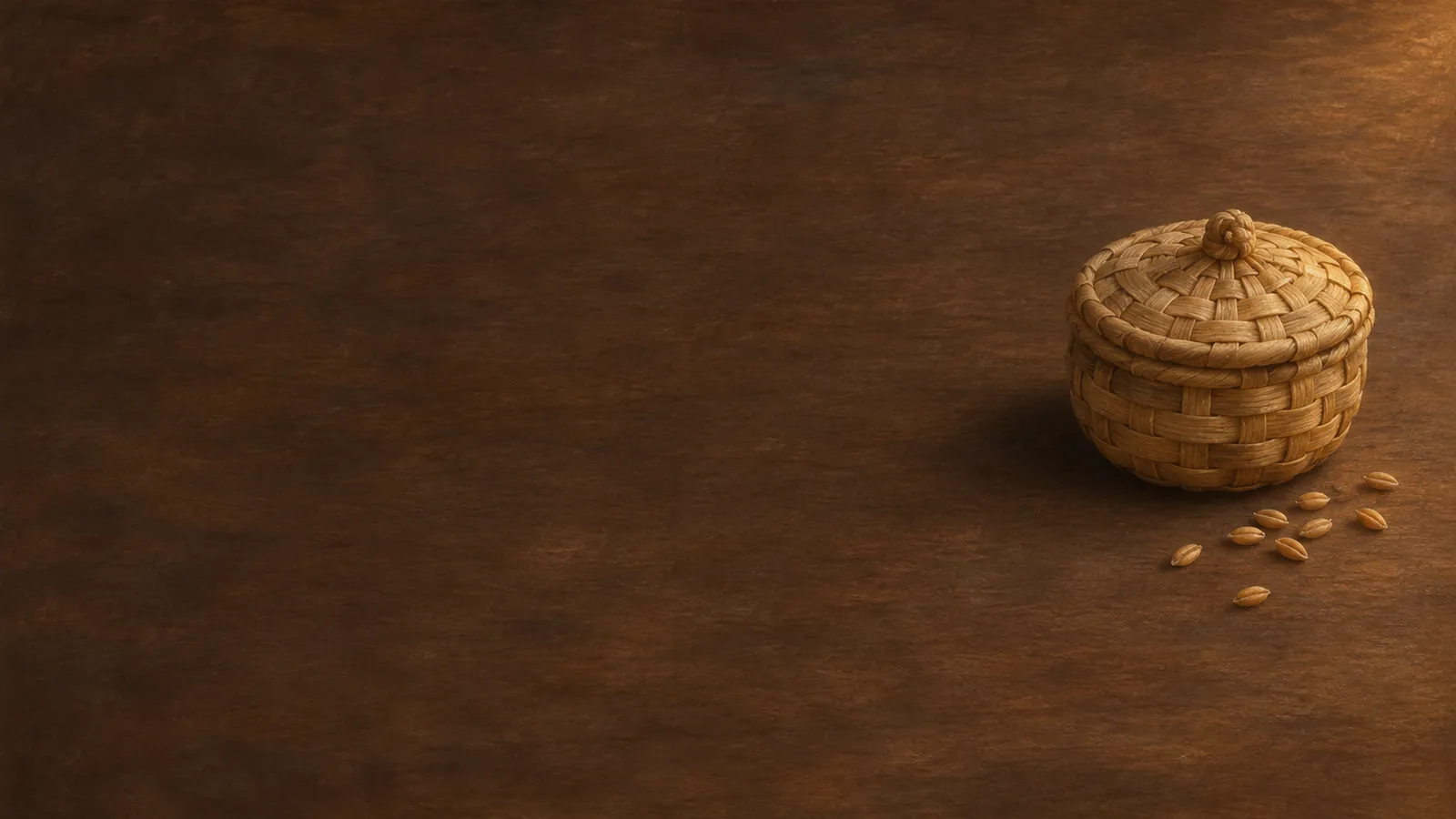
La embarcación debía llevar las semillas de los seres vivos. A Utnapishtim le habían dicho que dejara atrás sus riquezas y diera a los seres vivos una oportunidad de sobrevivir.
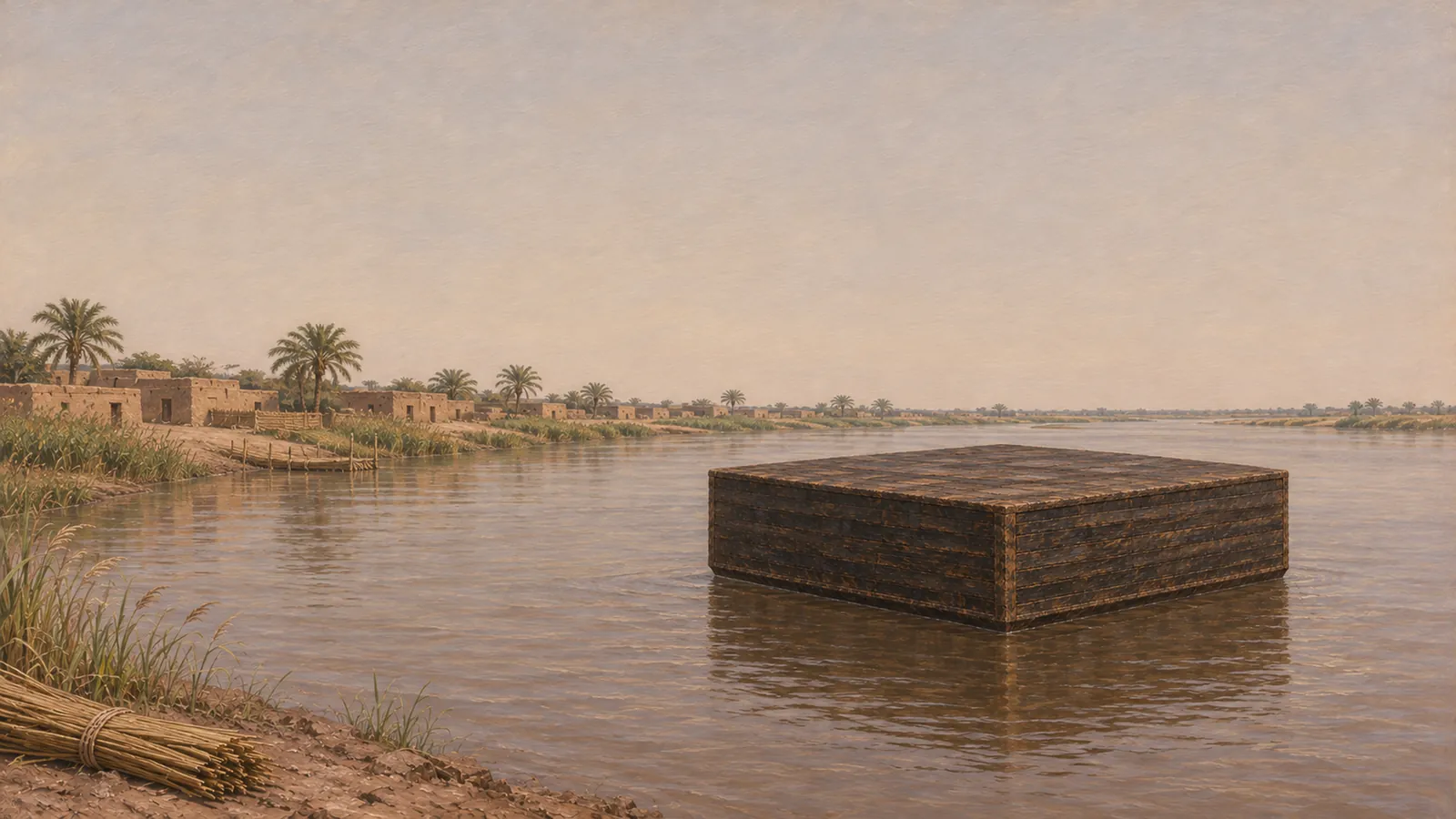
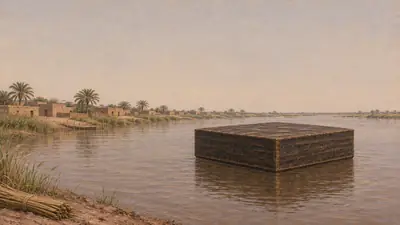
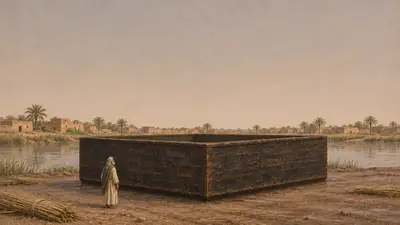
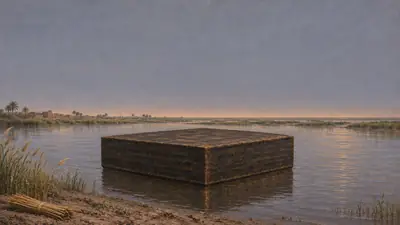
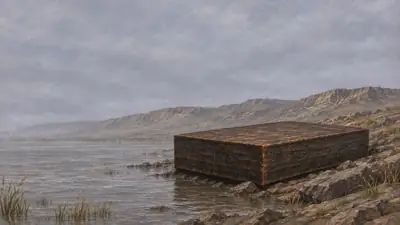
La embarcación que describió Ea debía ser tan ancha como larga. Tendría un techo, y su forma sería distinta de la de las barcas corrientes del río.
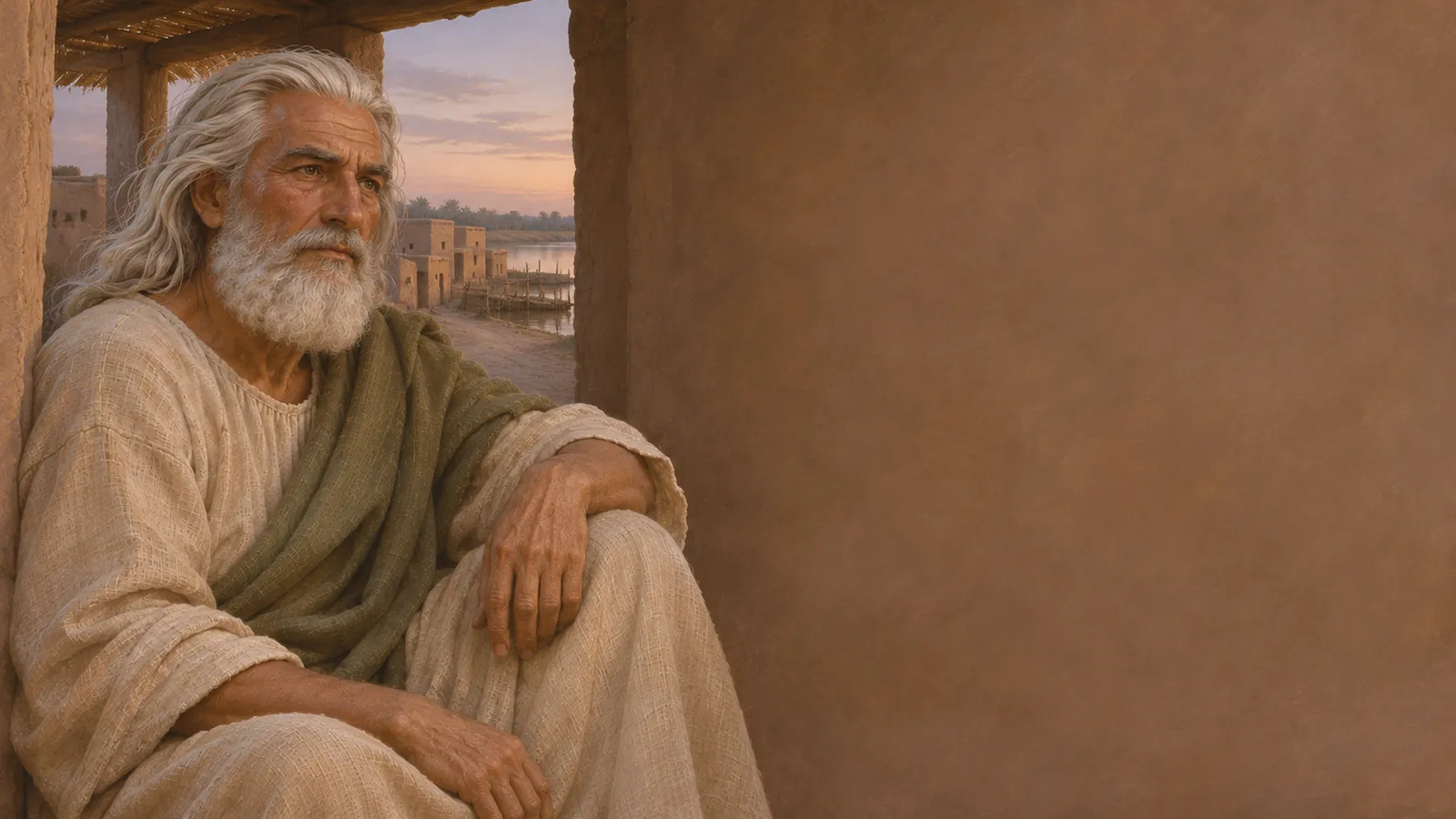
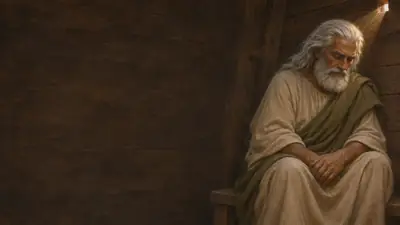
Utnapishtim dijo que haría lo que le habían ordenado. Luego preguntó qué debía decirles a los habitantes y a los ancianos cuando vieran lo que estaba haciendo.
Ea le dijo que les contara que había perdido el favor de Enlil. Así podría explicar por qué abandonaba la ciudad para vivir con Ea en las profundidades.

El mensaje a la ciudad hablaba de abundancia. Lloverían pan y trigo, decía, palabras prometedoras para quienes no sabían lo que se avecinaba.
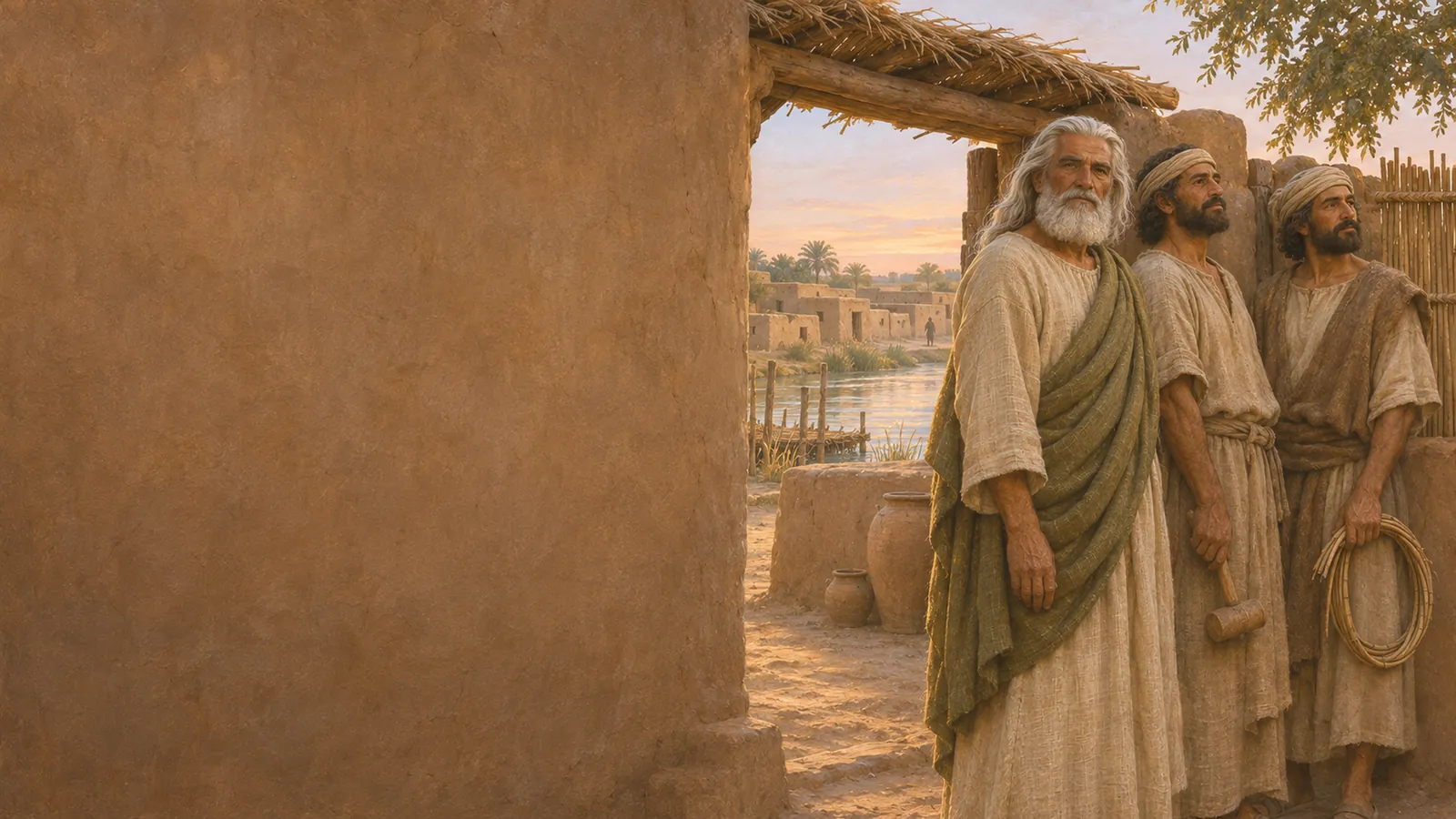
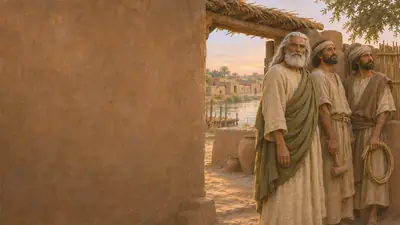
Al amanecer, la gente se reunió ante la puerta de Utnapishtim. El poema destaca a un carpintero y a un artesano de la caña, cada uno con una herramienta de su oficio.

Varias líneas sobre el trabajo están dañadas. Todavía se alcanza a ver un esfuerzo compartido, al que distintas manos aportaban lo que podían.
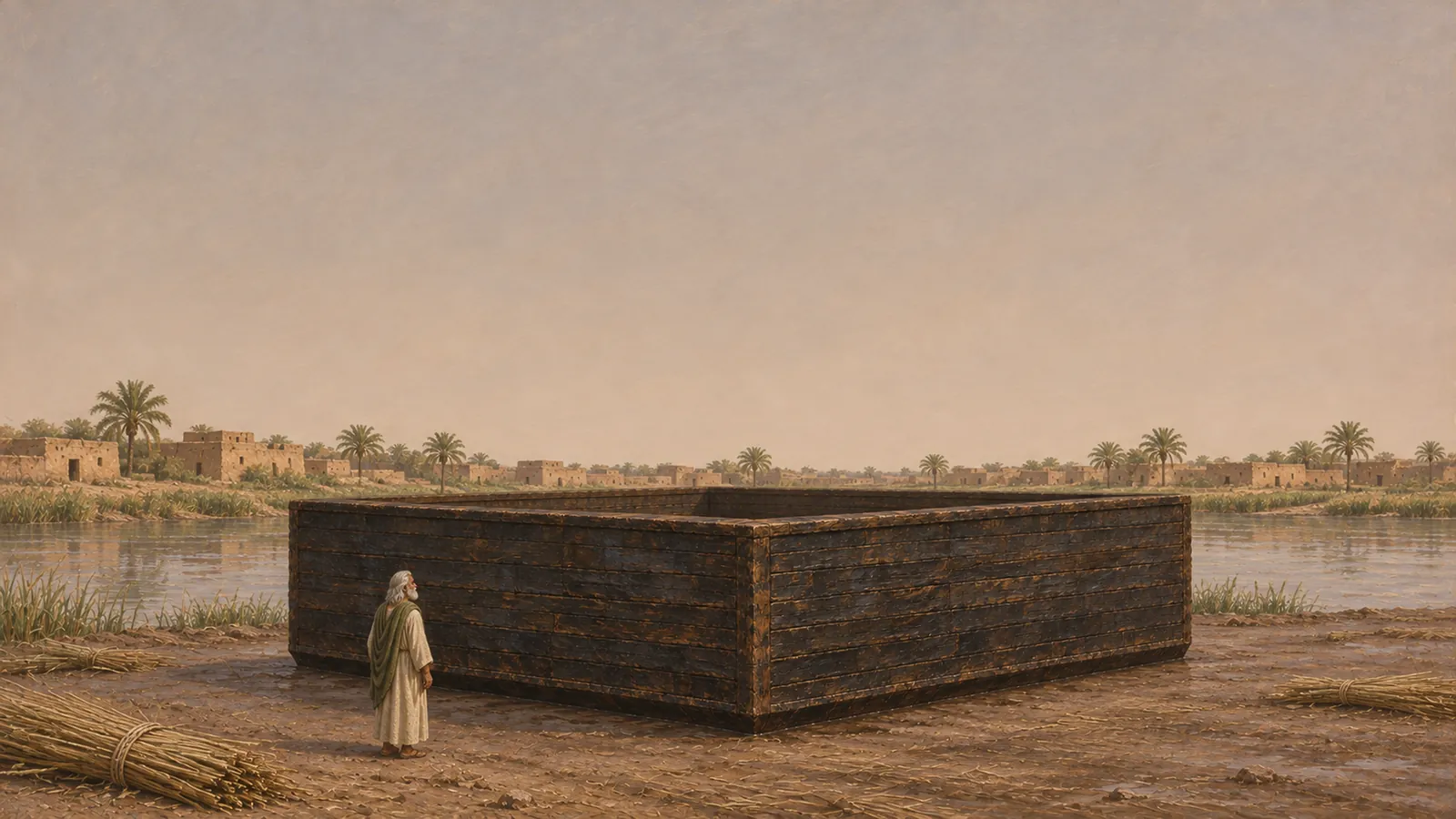
El relato vuelve a la embarcación que va tomando forma. Sus costados altos y sus bordes iguales le daban la amplitud que precisaba para albergar buena parte de la vida que la rodeaba.
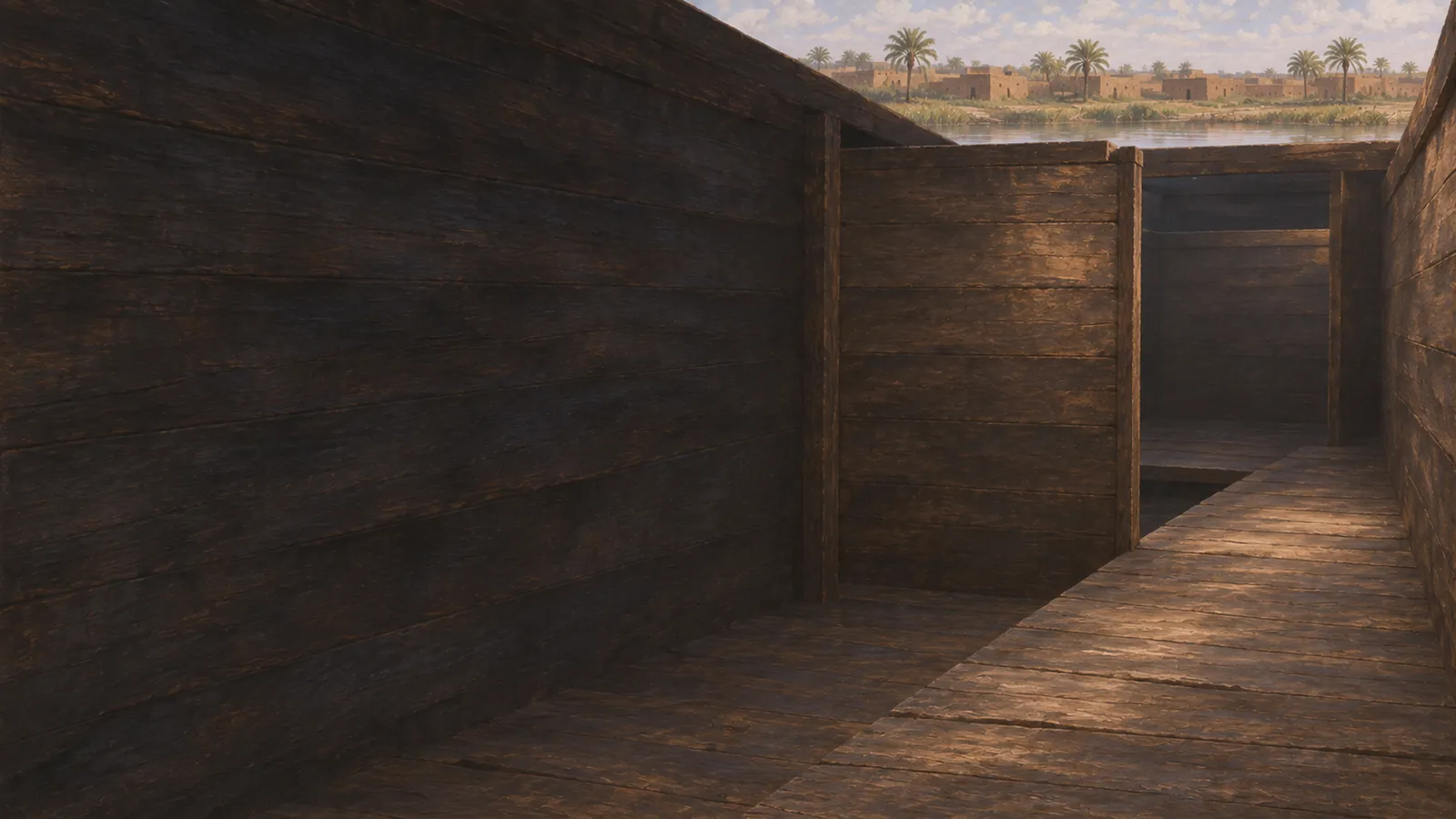
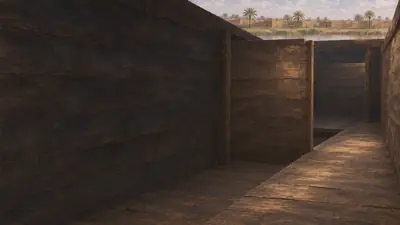
Utnapishtim describe cubiertas dispuestas una sobre otra y el interior de la embarcación dividido en partes. El poema antiguo se detiene en el espacio que se preparó para lo que se llevaría a bordo.
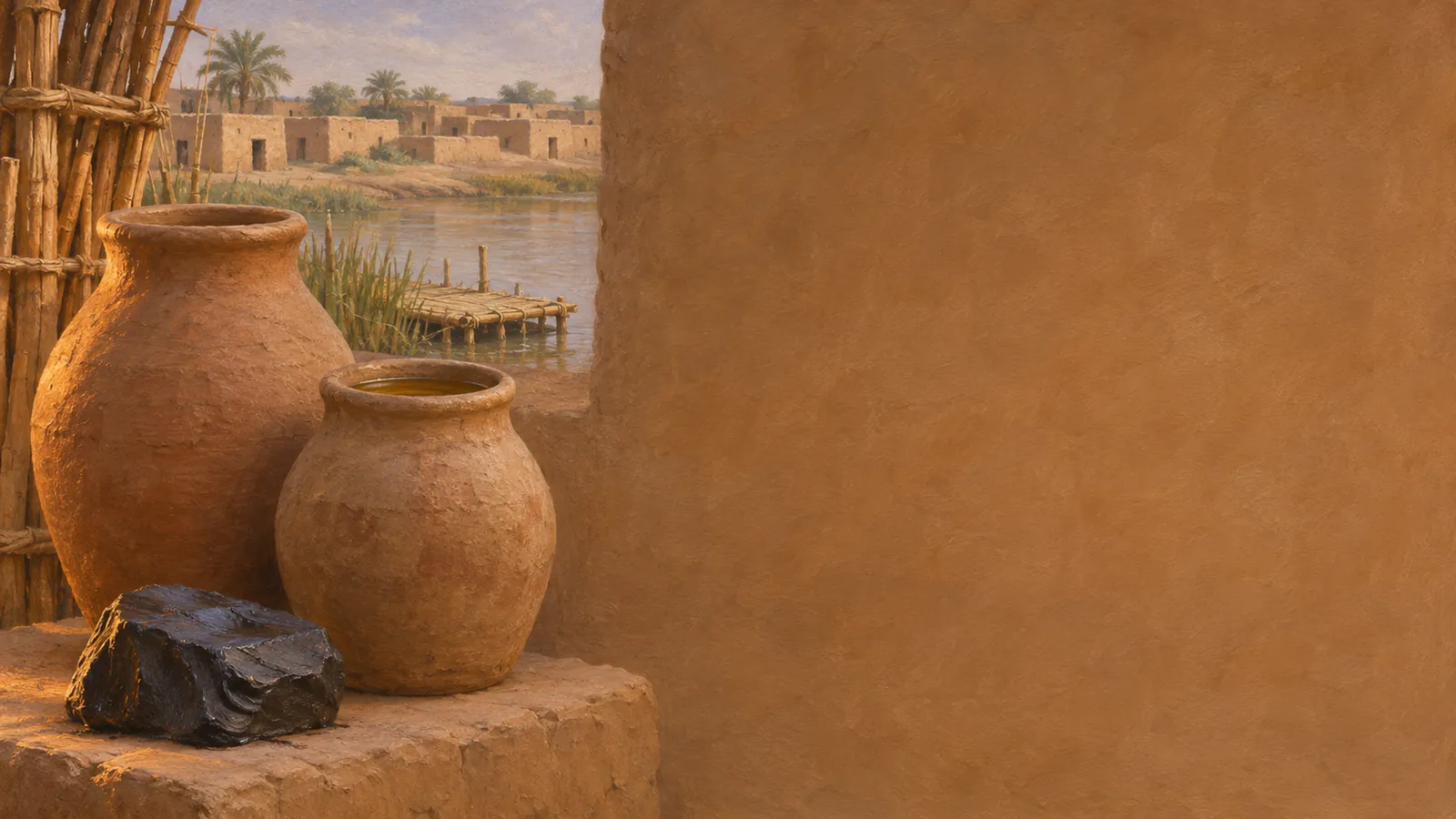
En el trabajo se usaron betún y grandes cantidades de aceite. Parte de este relato está dañada, pero el betún oscuro y las cargas de aceite aún se destacan en la descripción.
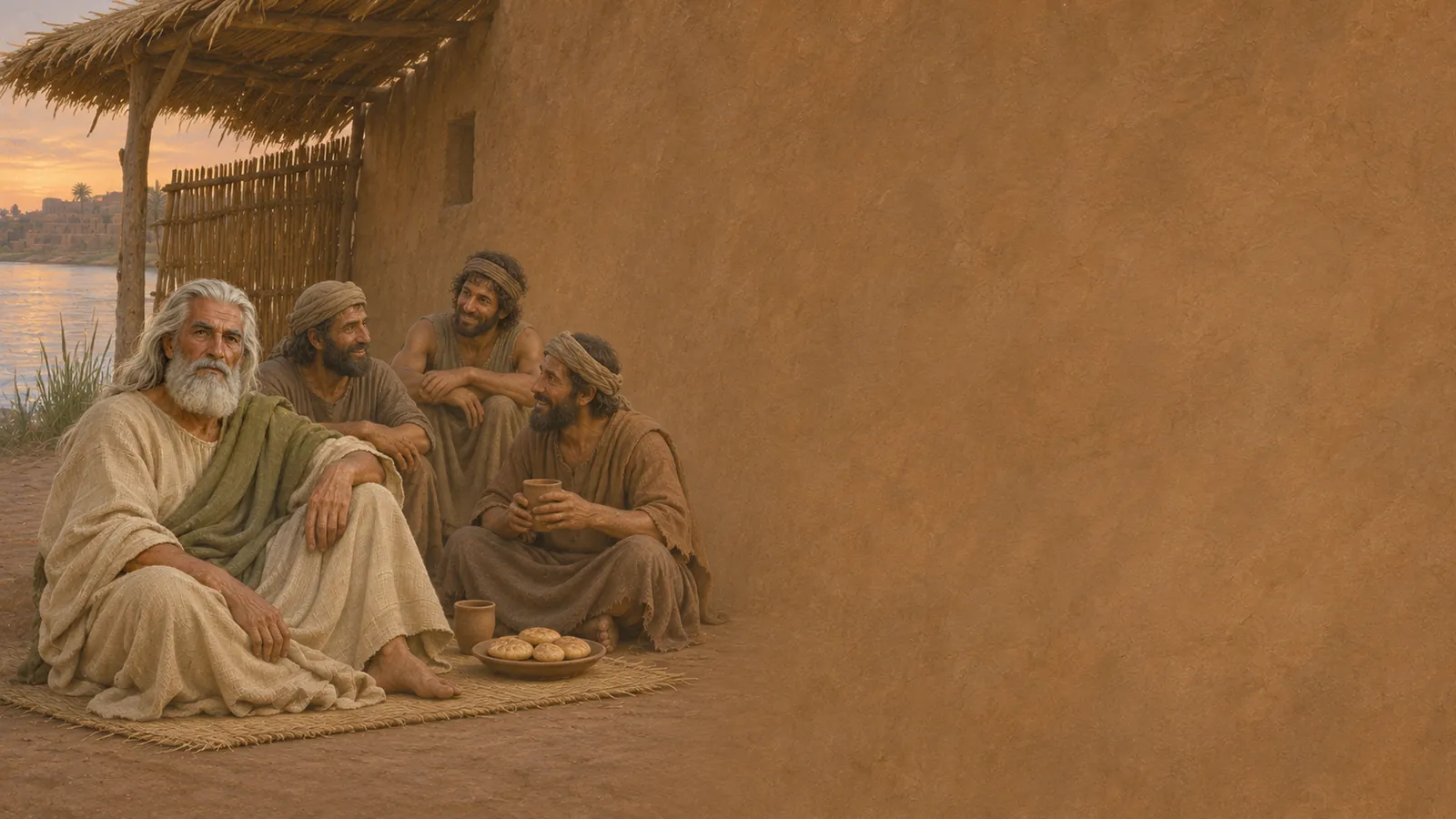
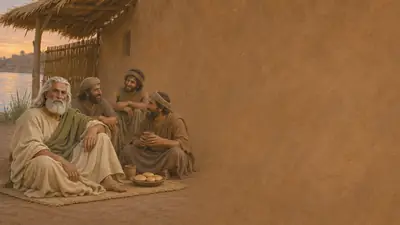
Utnapishtim dio de comer y de beber a quienes hacían el trabajo. Recuerda la cerveza y el vino que corrían en abundancia, y dice que los trabajadores lo celebraron como en Año Nuevo.
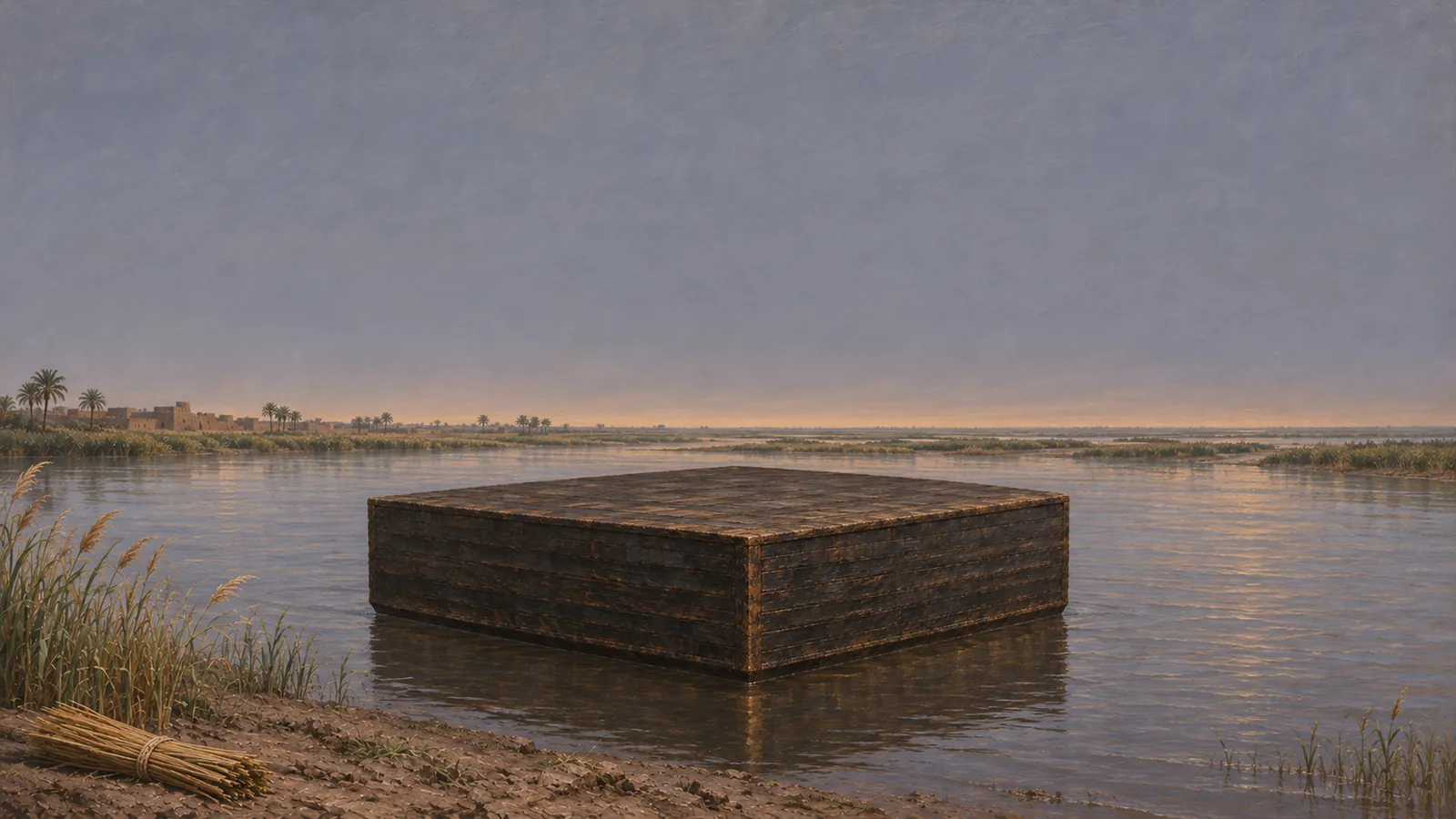
Antes de que el sol se pusiera, la embarcación estaba terminada. Las líneas siguientes están dañadas y solo nos quedan fragmentos de las últimas labores antes de que empezara la carga.
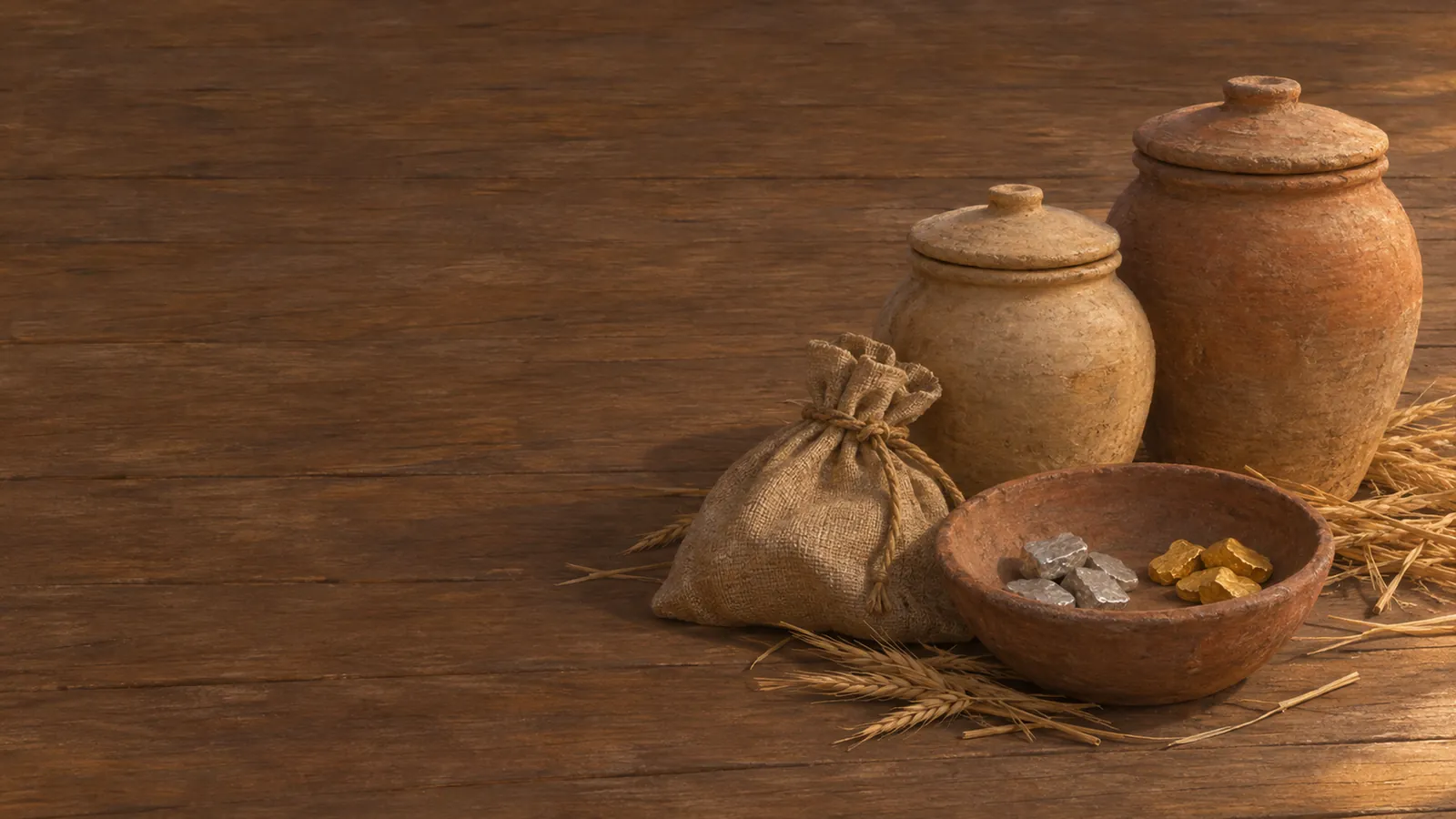
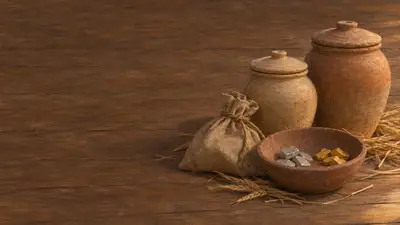
Cuando comenzó la carga, cuenta Utnapishtim que subió a bordo la plata y el oro que tenía. Entre las cosas que llevó iba la simiente de los seres vivos.
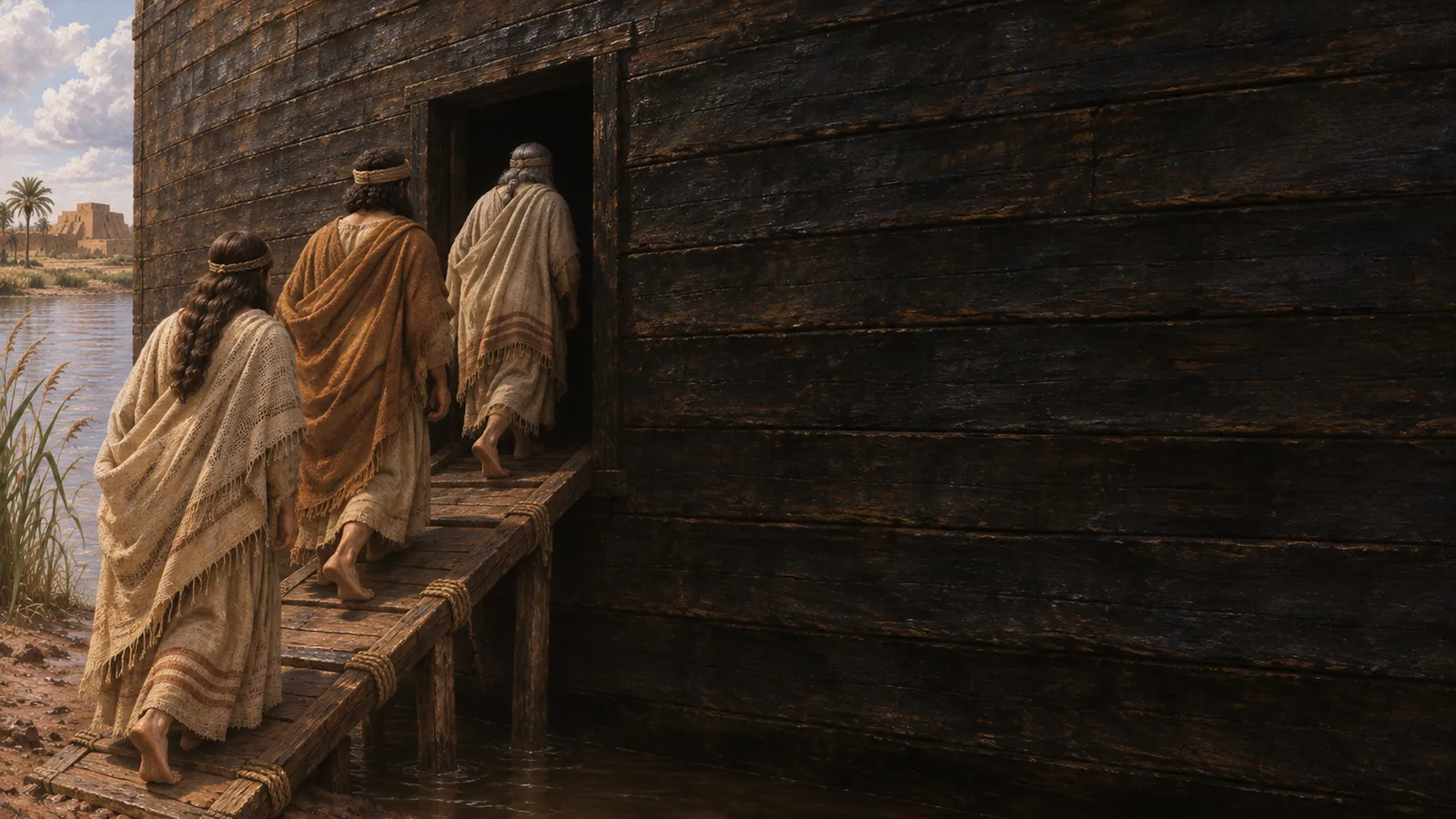
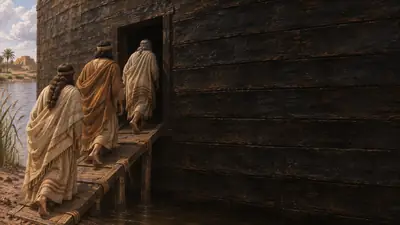
Después menciona a su familia y a sus parientes. Subieron a la gran embarcación cuando aún estaba junto a la tierra que conocían.
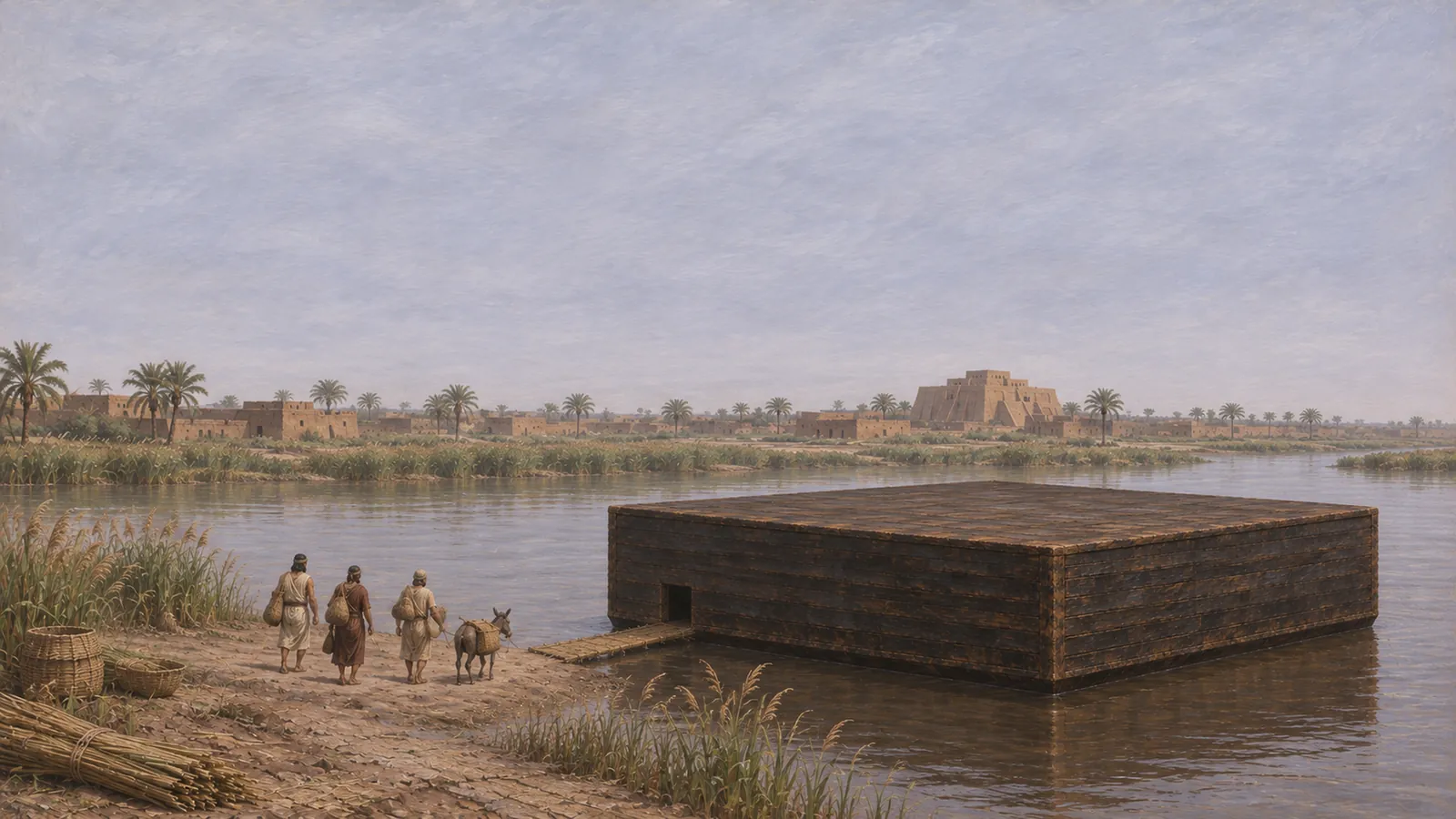
Llevó animales del campo abierto y personas que sabían ejercer toda clase de oficios. El relato los menciona por grupos, sin decir cuántos subieron a bordo.
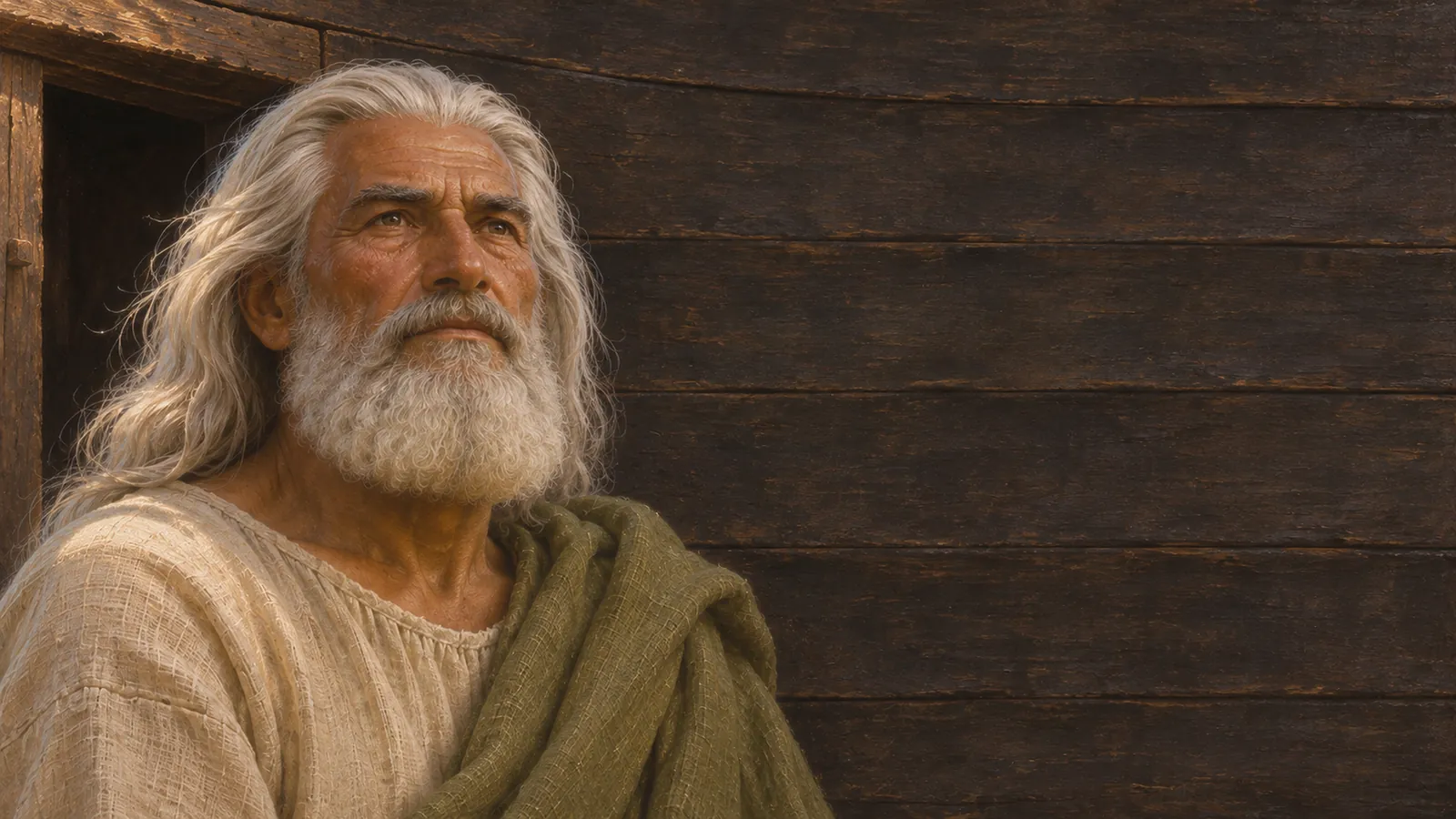
Shamash le había indicado a Utnapishtim a qué hora entrar y cerrar la escotilla. Volvieron las palabras sobre el pan y el trigo, ligadas ahora a esa hora.
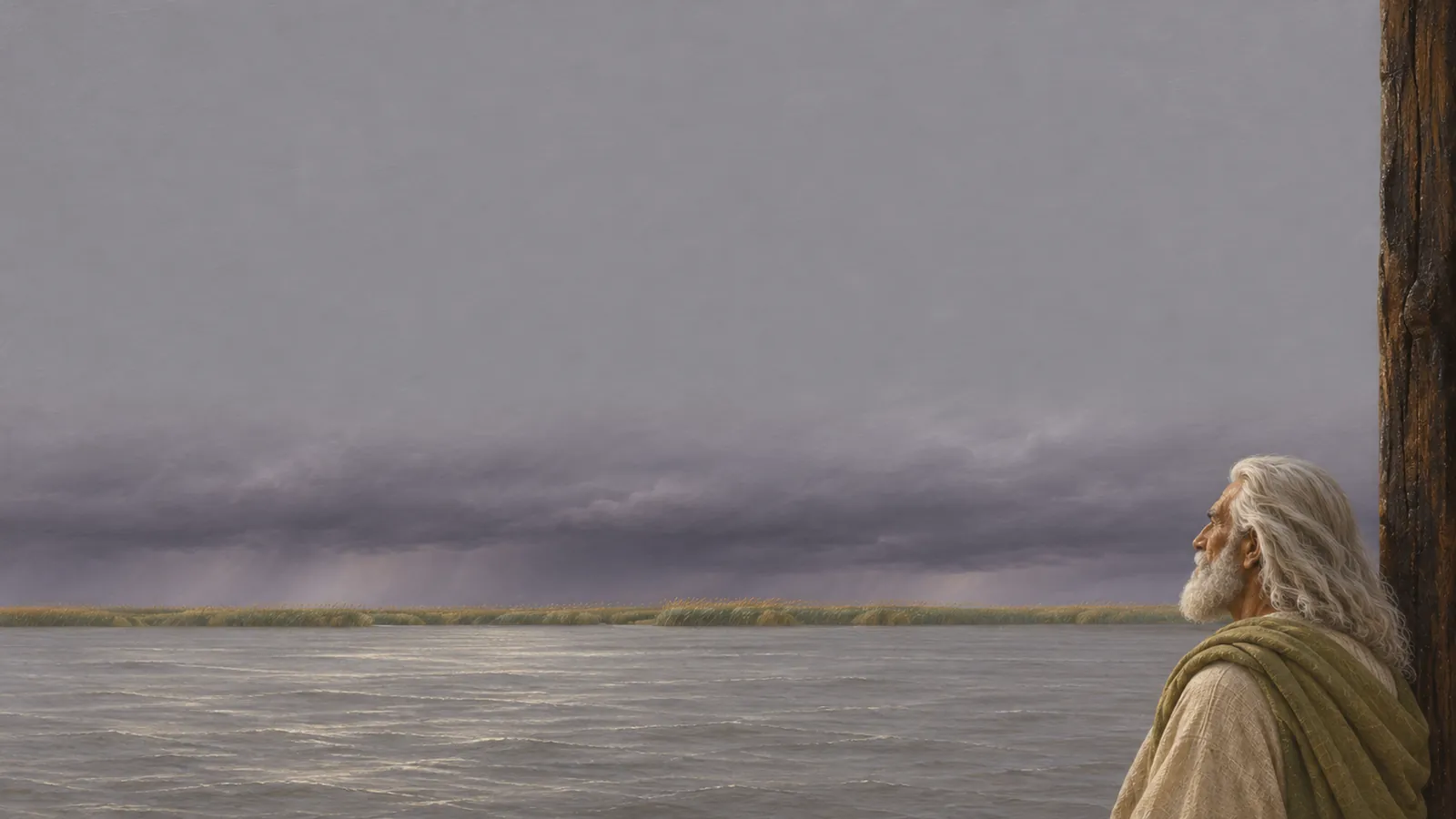
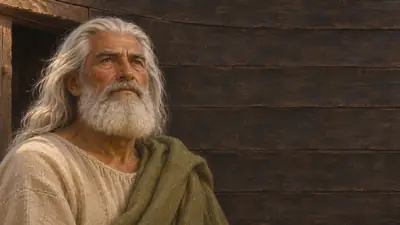
Llegó la hora señalada. Utnapishtim miró al cielo, y lo que vio le dio miedo.
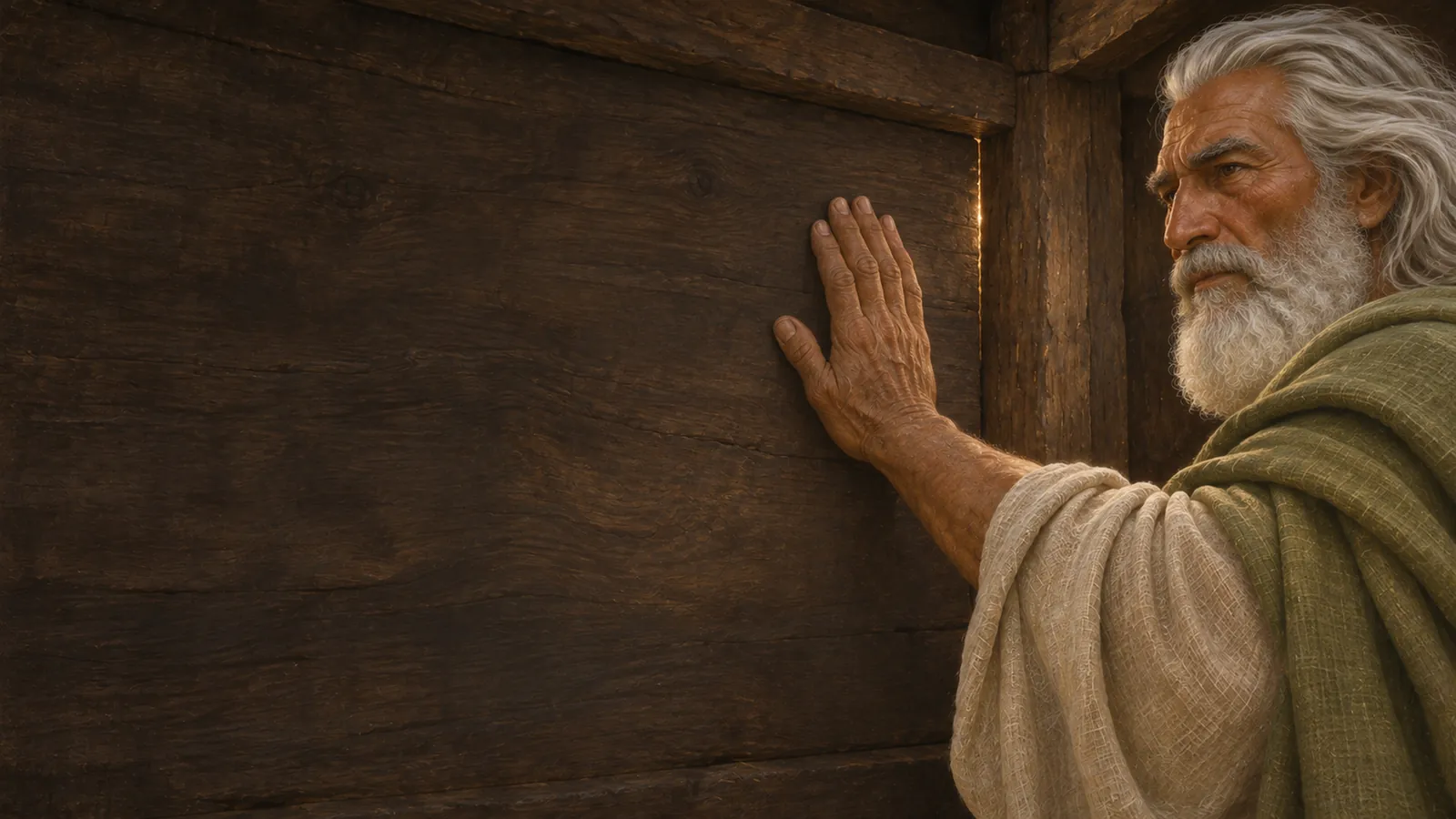
Utnapishtim entró y selló la escotilla. Recuerda que recompensó a Puzur-Enlil, el hombre que había trabajado en la embarcación, con un palacio y sus bienes.
TORMENTA
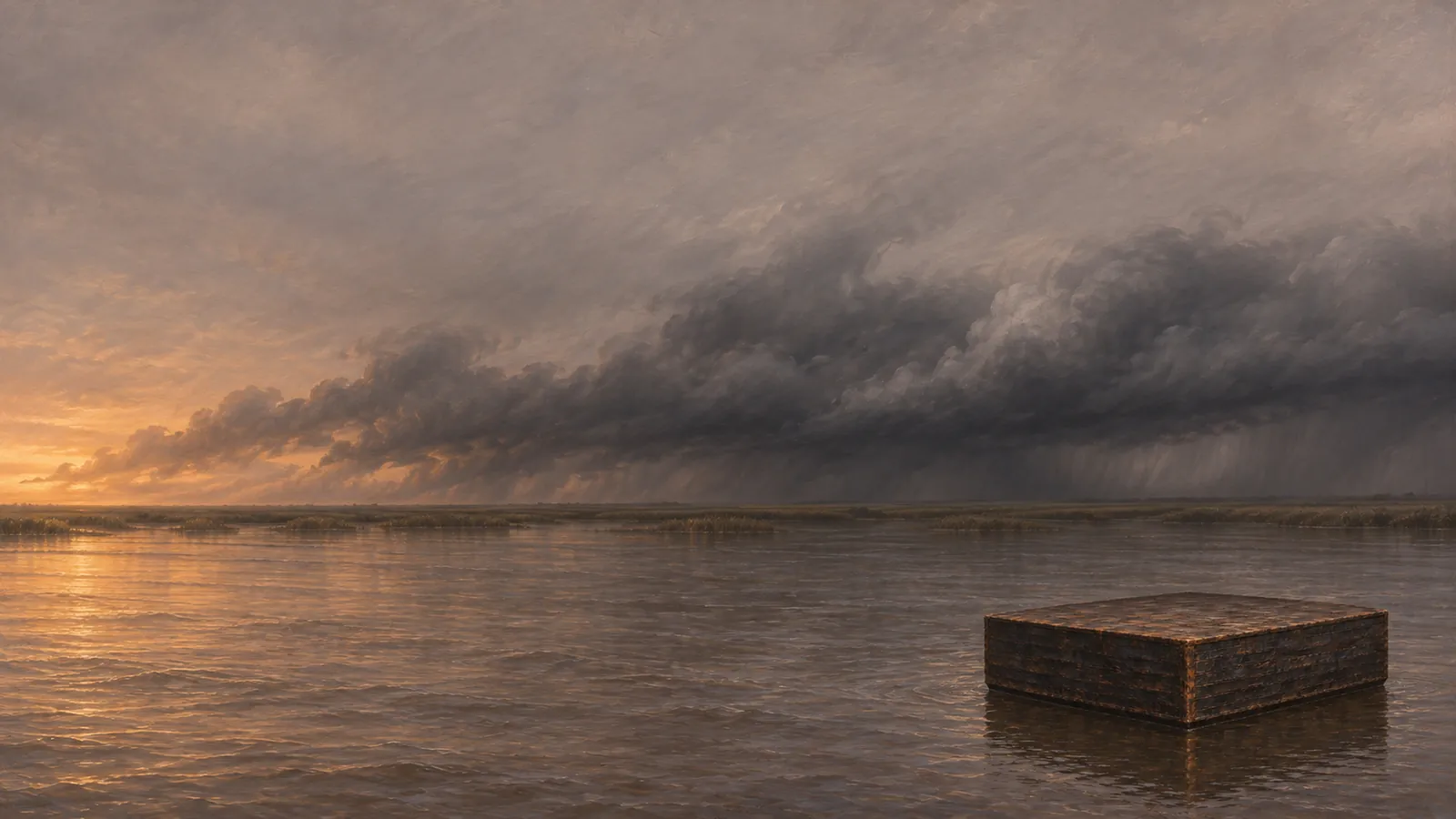
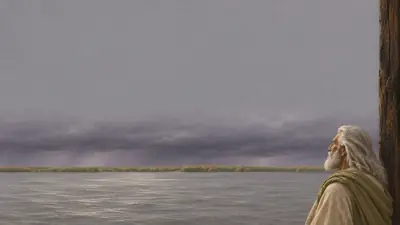
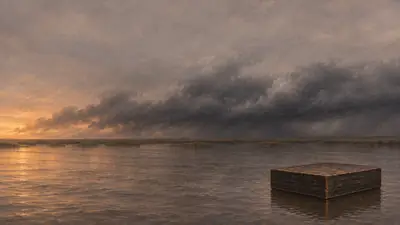
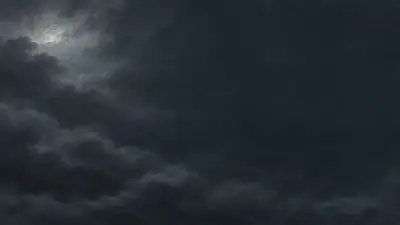
Con la primera luz se levantó en el horizonte una nube negra. En el relato de Utnapishtim, el estruendo dentro de la nube era el rugido de Adad, el dios de la tormenta.
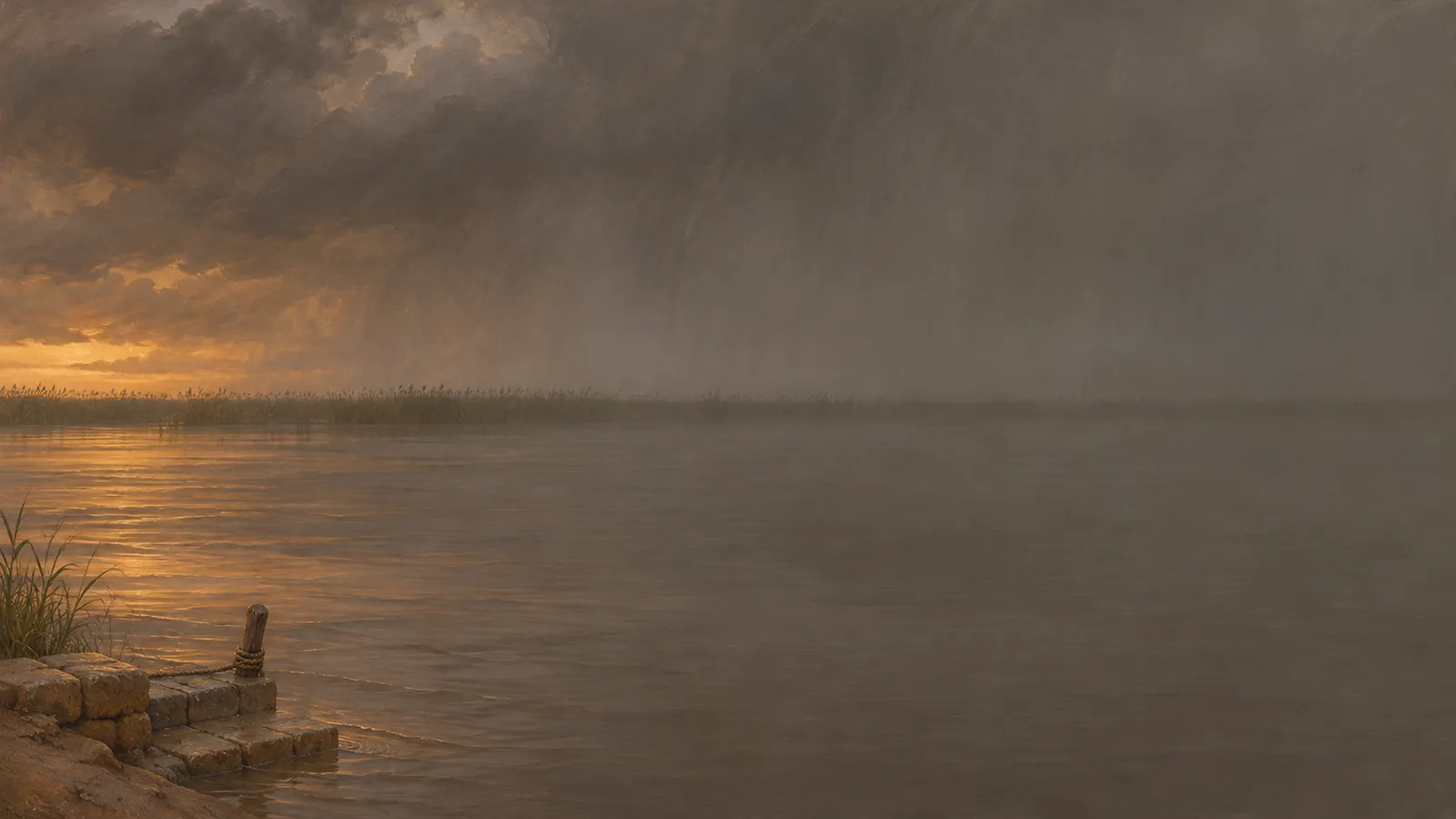
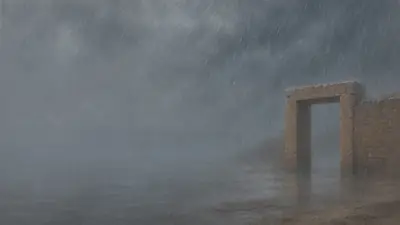
El poema nombra a las fuerzas que se adelantaron a la tormenta. Las obras del río se desbordaron, las amarras cedieron y la tierra se iluminó con las antorchas de los dioses.
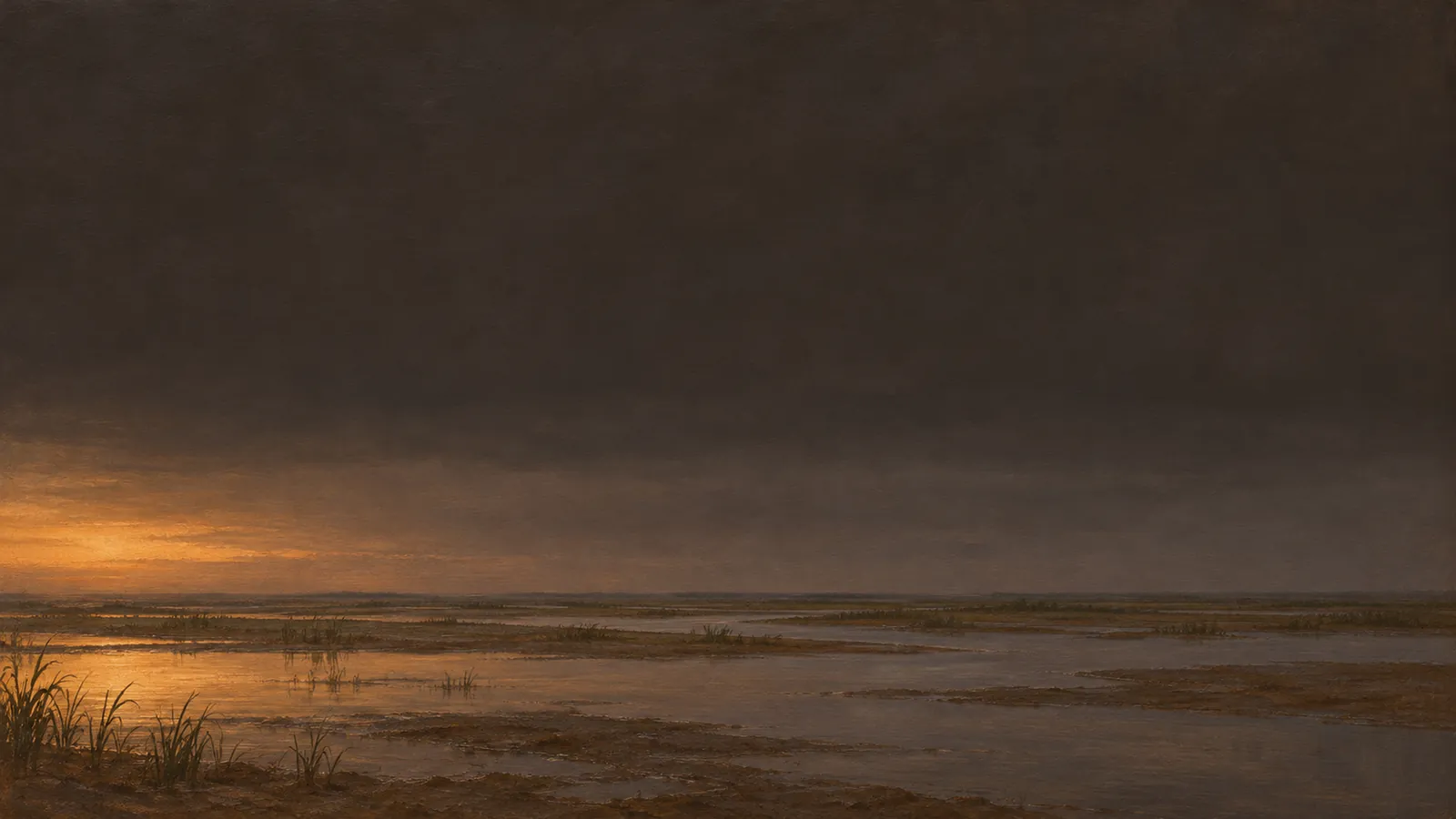
La luz dio paso a la oscuridad mientras la tormenta cruzaba el cielo. Aquí se han perdido algunas palabras, pero en el relato antiguo perdura la imagen de una oscuridad creciente.
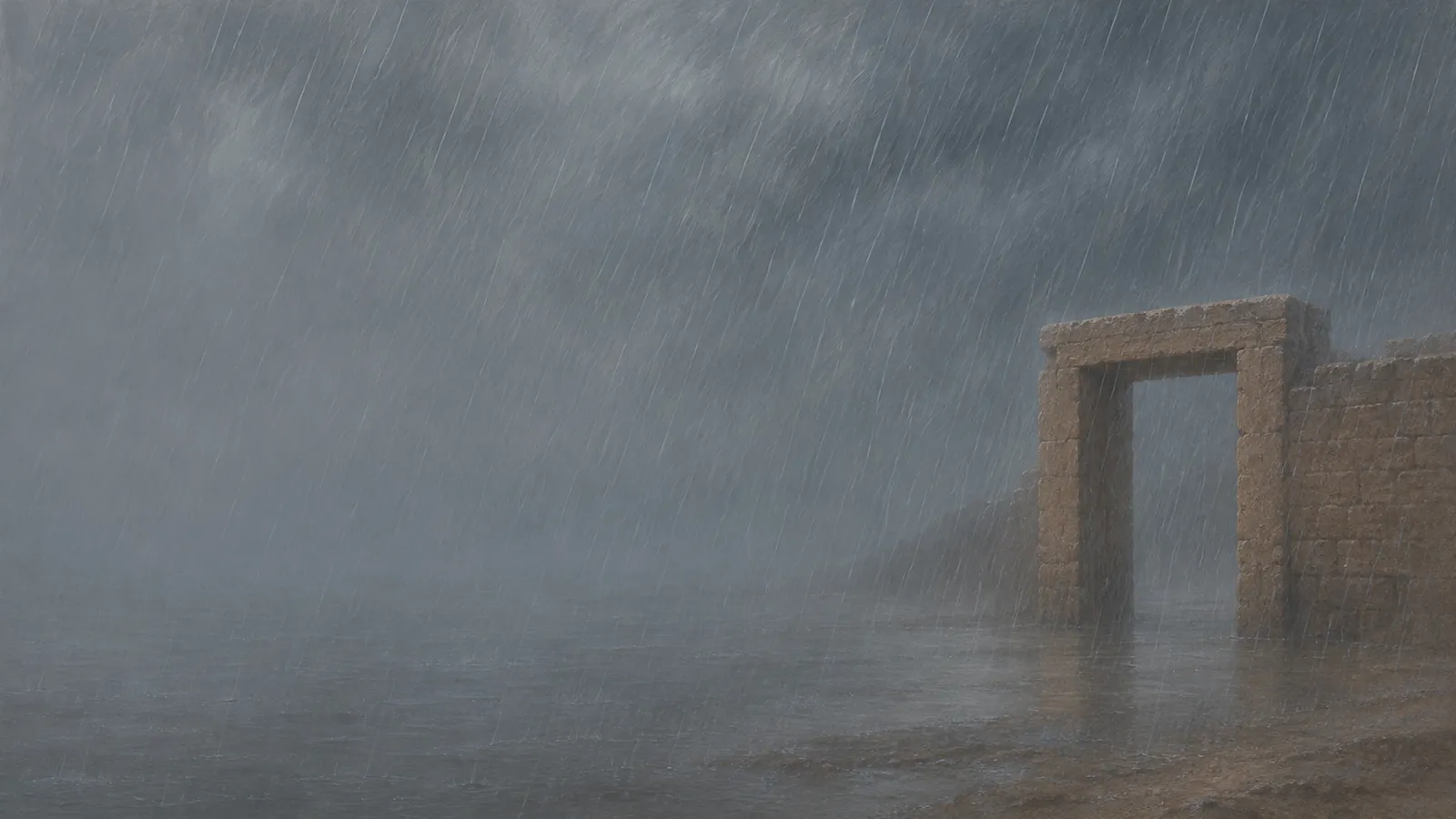
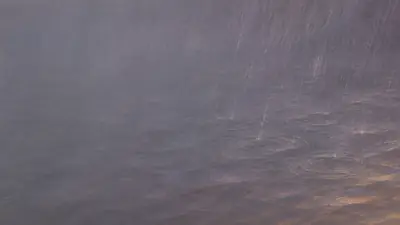
En lo peor de la tormenta, ya nadie podía ver a nadie. Utnapishtim cuenta cómo el mundo desapareció de la vista aun antes de que se calmaran las aguas.
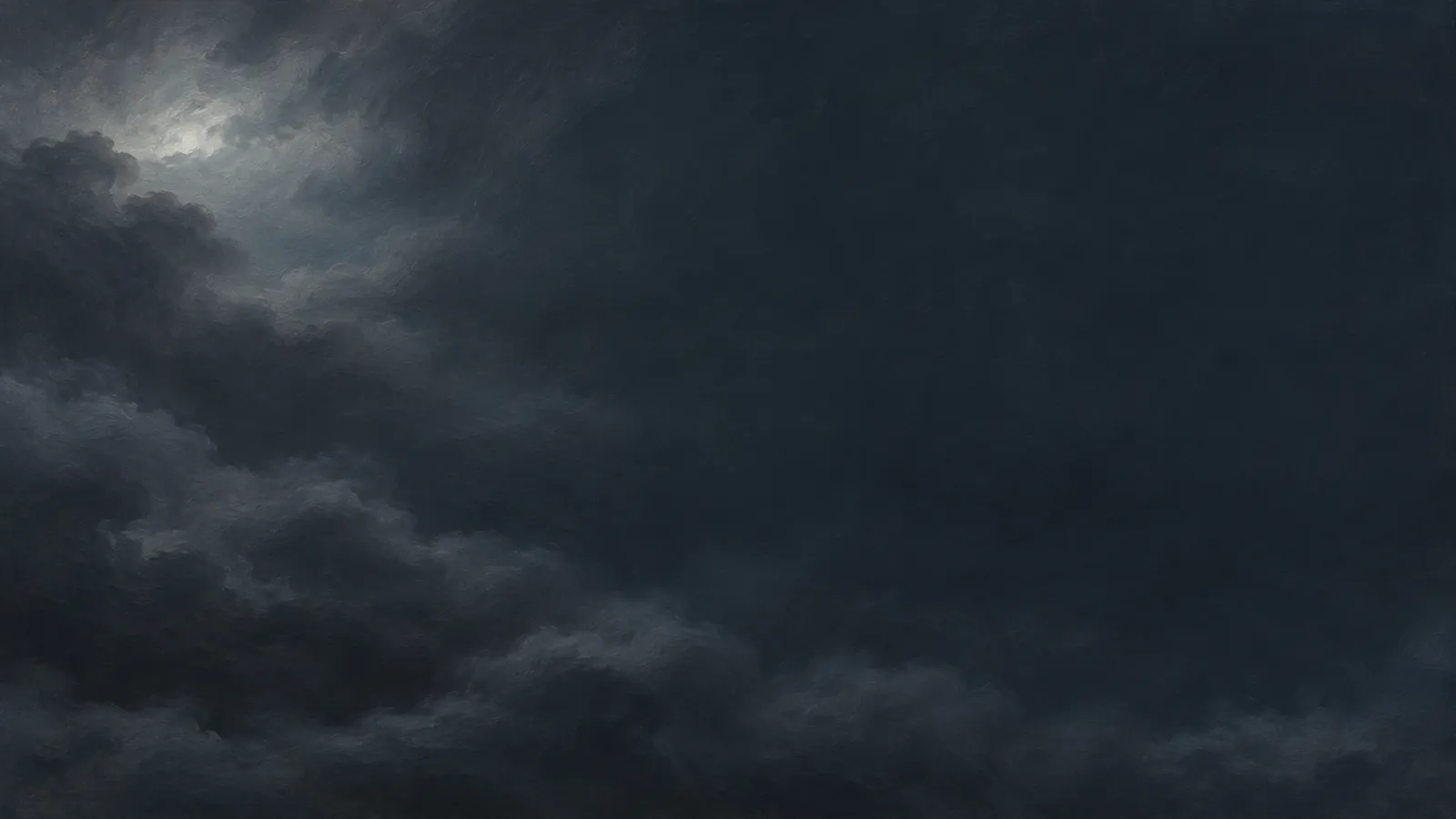
Hasta los dioses que habían enviado el diluvio le tuvieron miedo. Se retiraron al cielo de Anu mientras la tormenta seguía abajo.
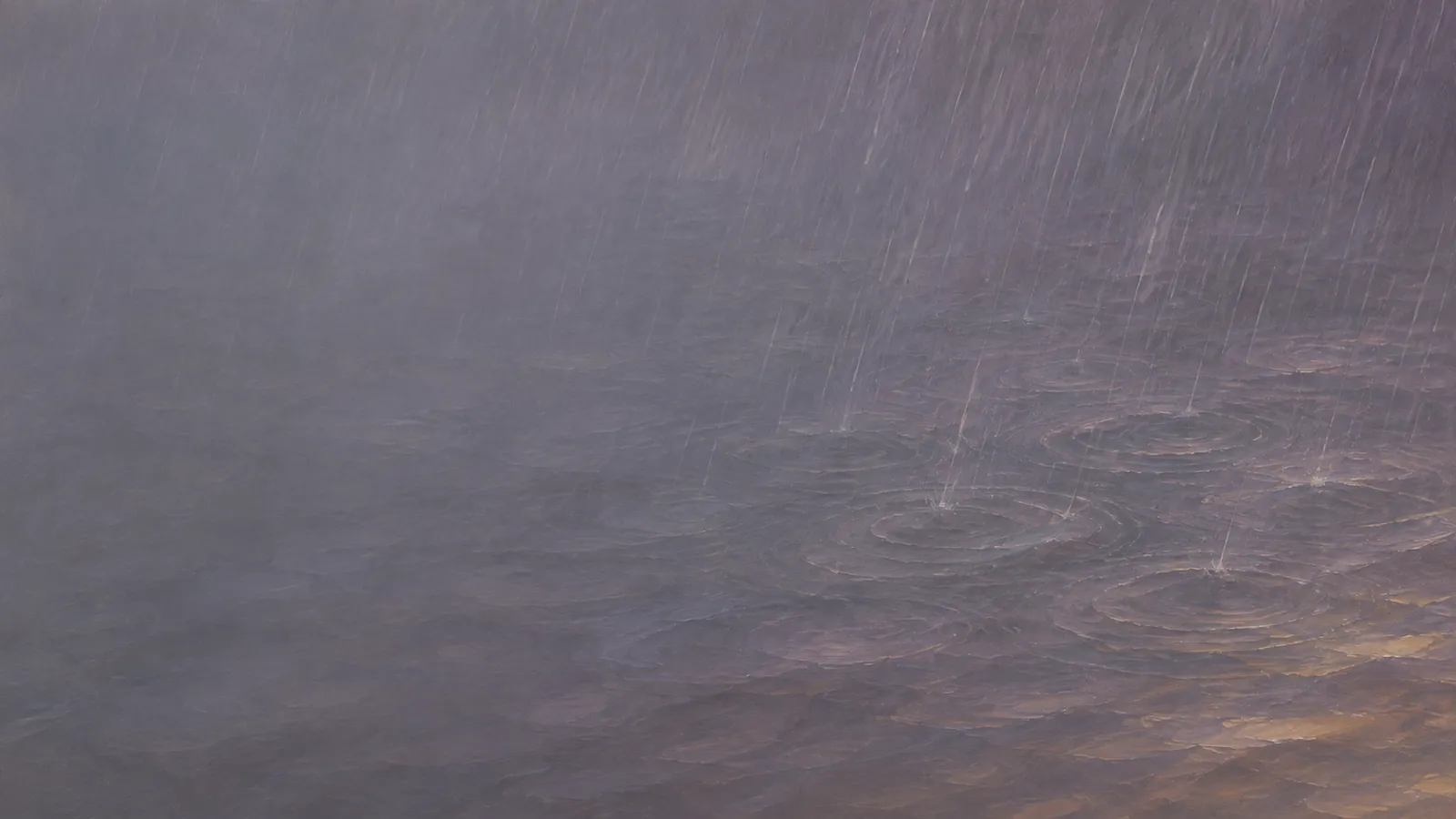
La diosa madre lanzó un grito y lamentó lo que había dicho en la asamblea. Era su pueblo, dijo, y los demás dioses lloraron con ella.
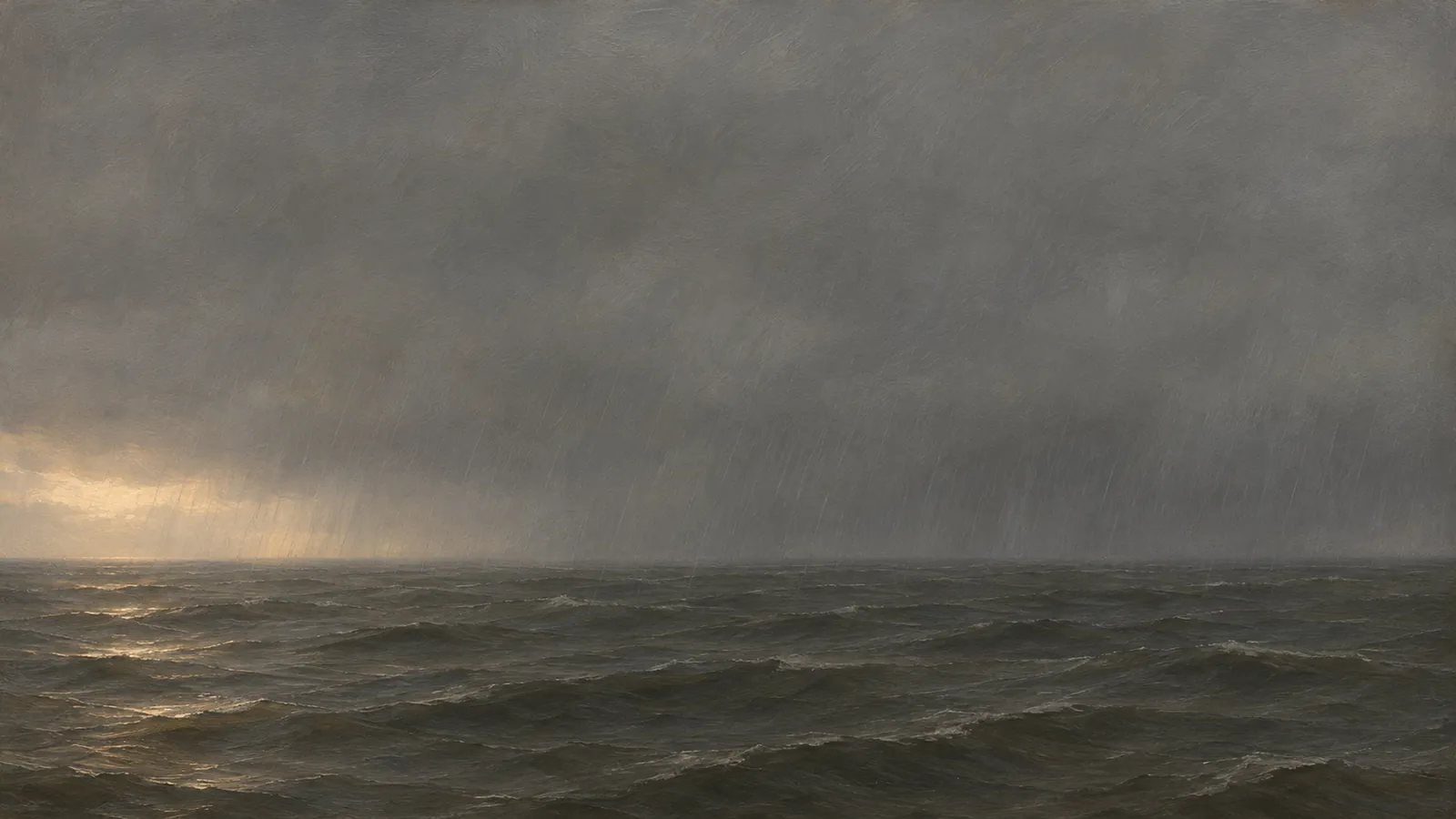
Día tras día y noche tras noche, siguieron el viento y el diluvio. Al séptimo día, la fuerza de la tormenta empezó por fin a ceder.
SILENCIO
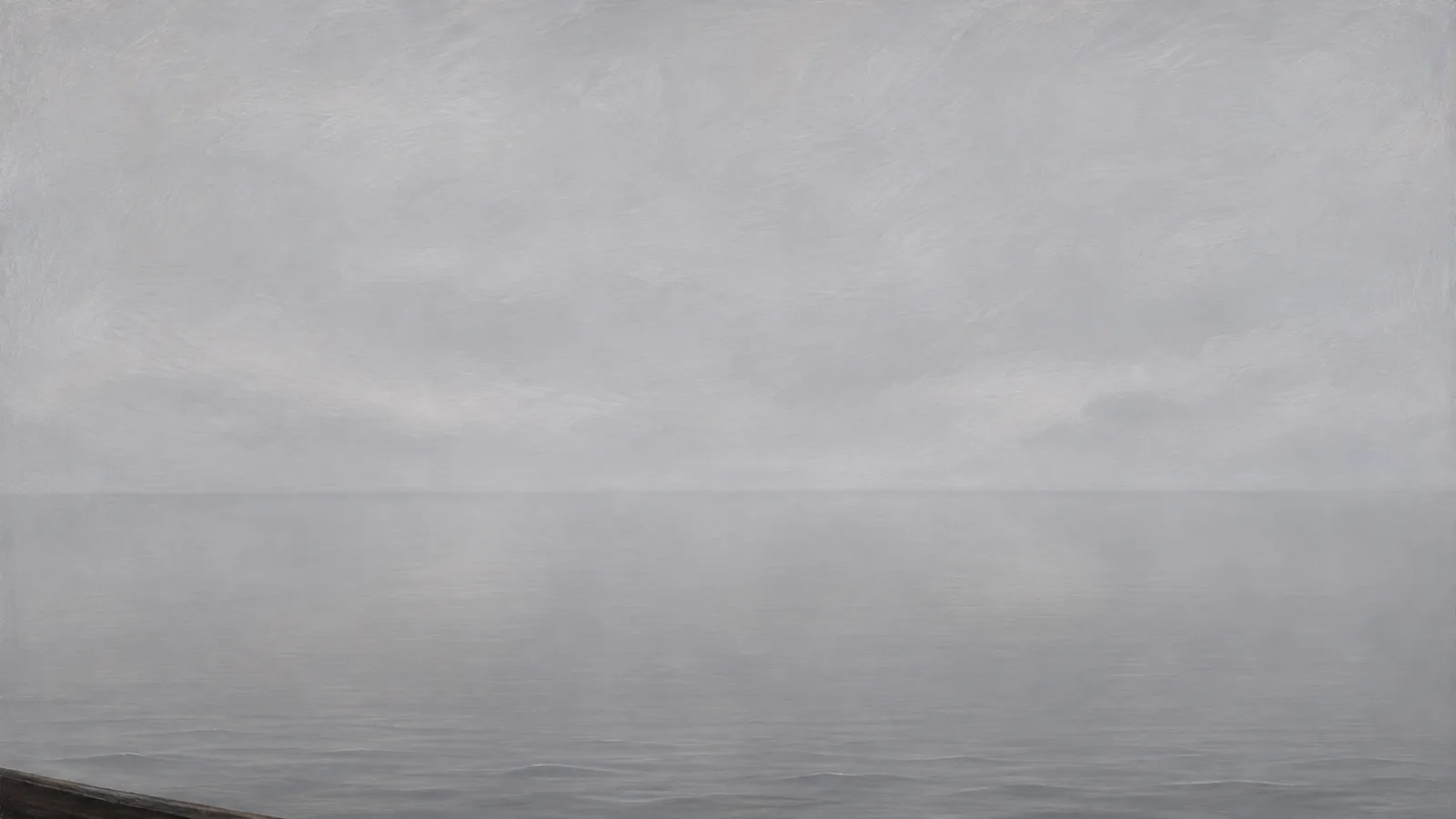
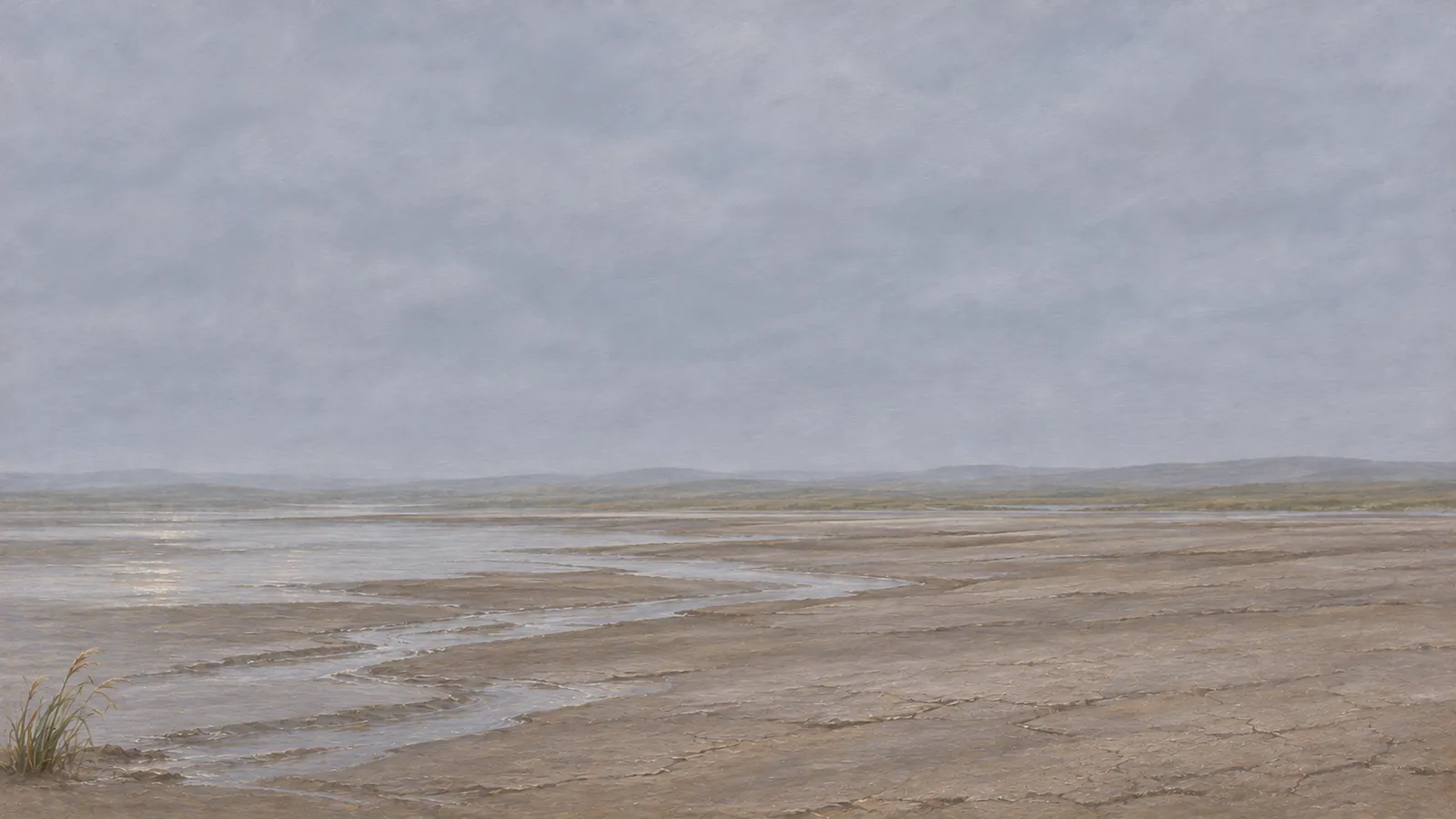
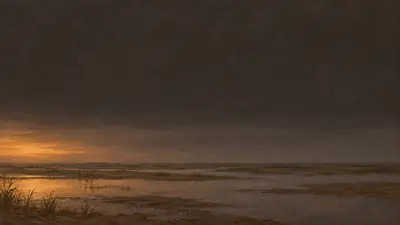
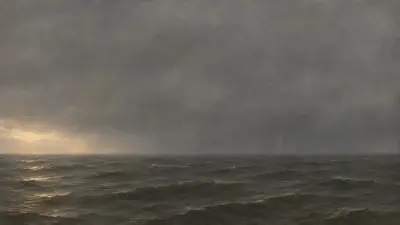
Al séptimo día, el mar se aquietó. Por fin Utnapishtim pudo asomarse a un mundo en el que el agua y el cielo habían dejado de luchar.
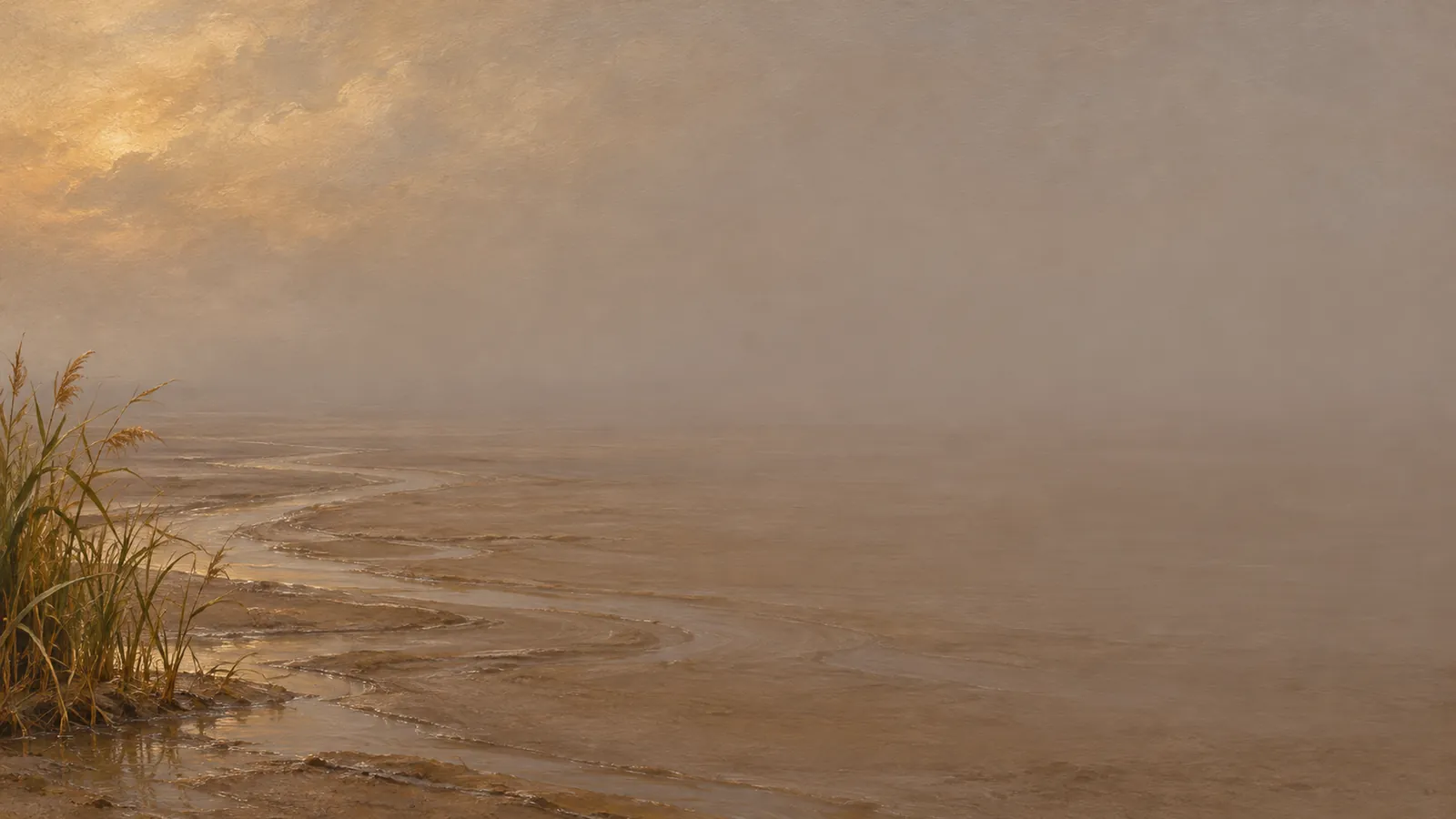
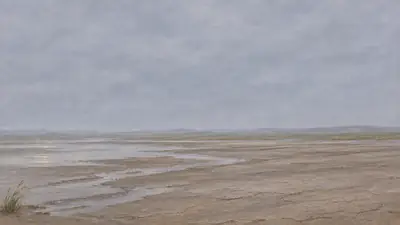
Afuera el mundo era llano y silencioso. Utnapishtim dice que la gente se había convertido en arcilla, y que donde antes hubo vida solo vio una llanura sin relieve.
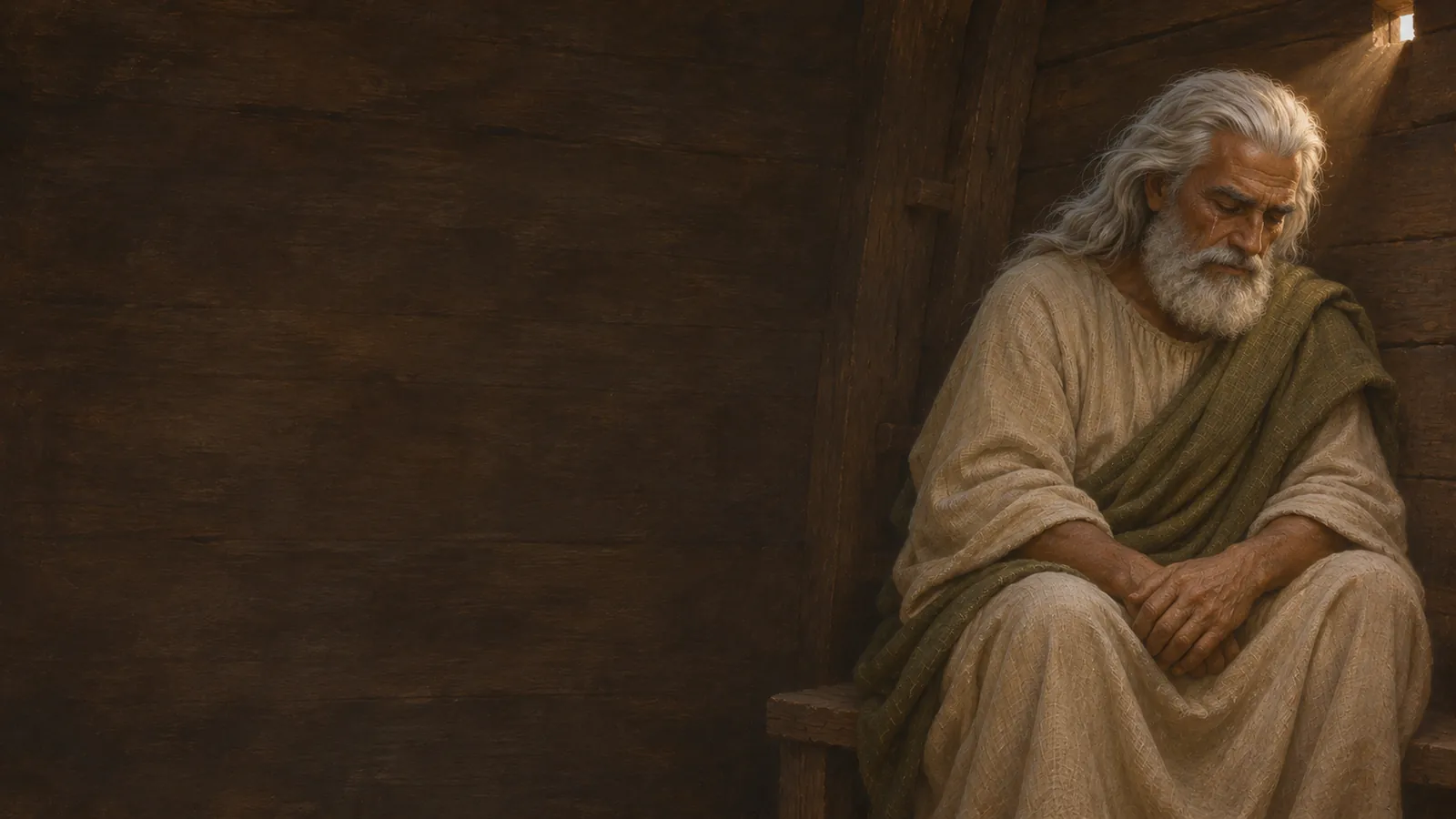
Utnapishtim abrió un respiradero y la luz del sol le tocó la cara. Se dejó caer y lloró mientras entraba la luz por la abertura.
NIMUSH
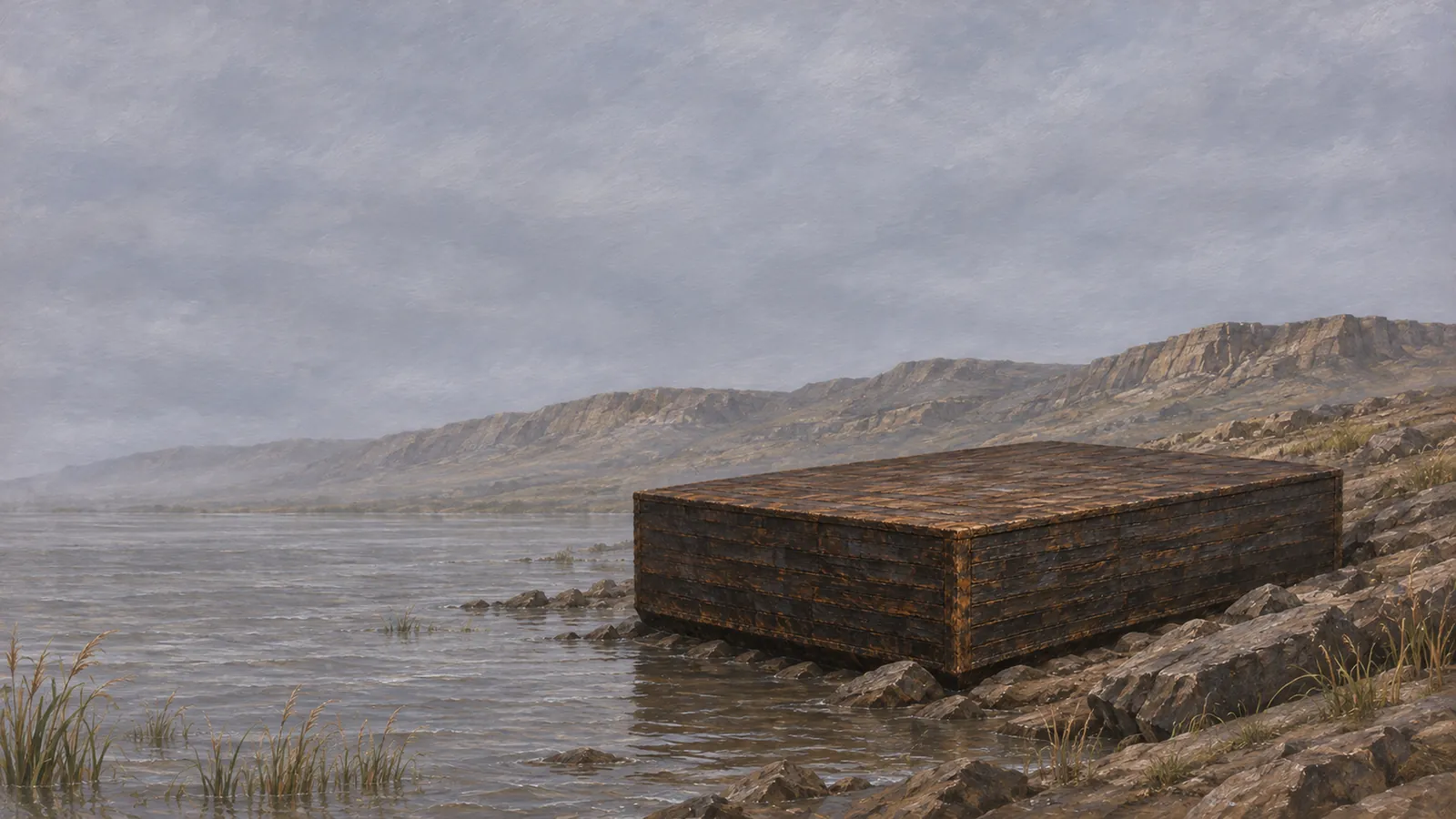
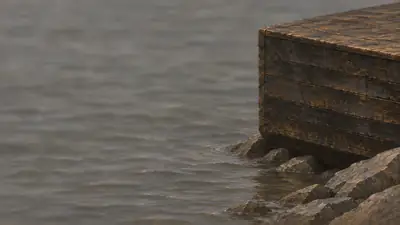
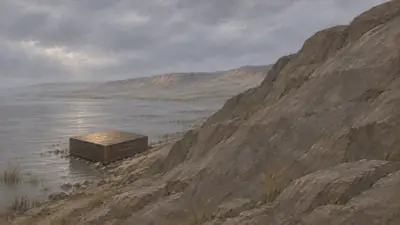
La tierra empezó a asomar mientras Utnapishtim miraba hacia fuera. La embarcación encalló en el monte Nimush, y allí la retuvo la montaña.
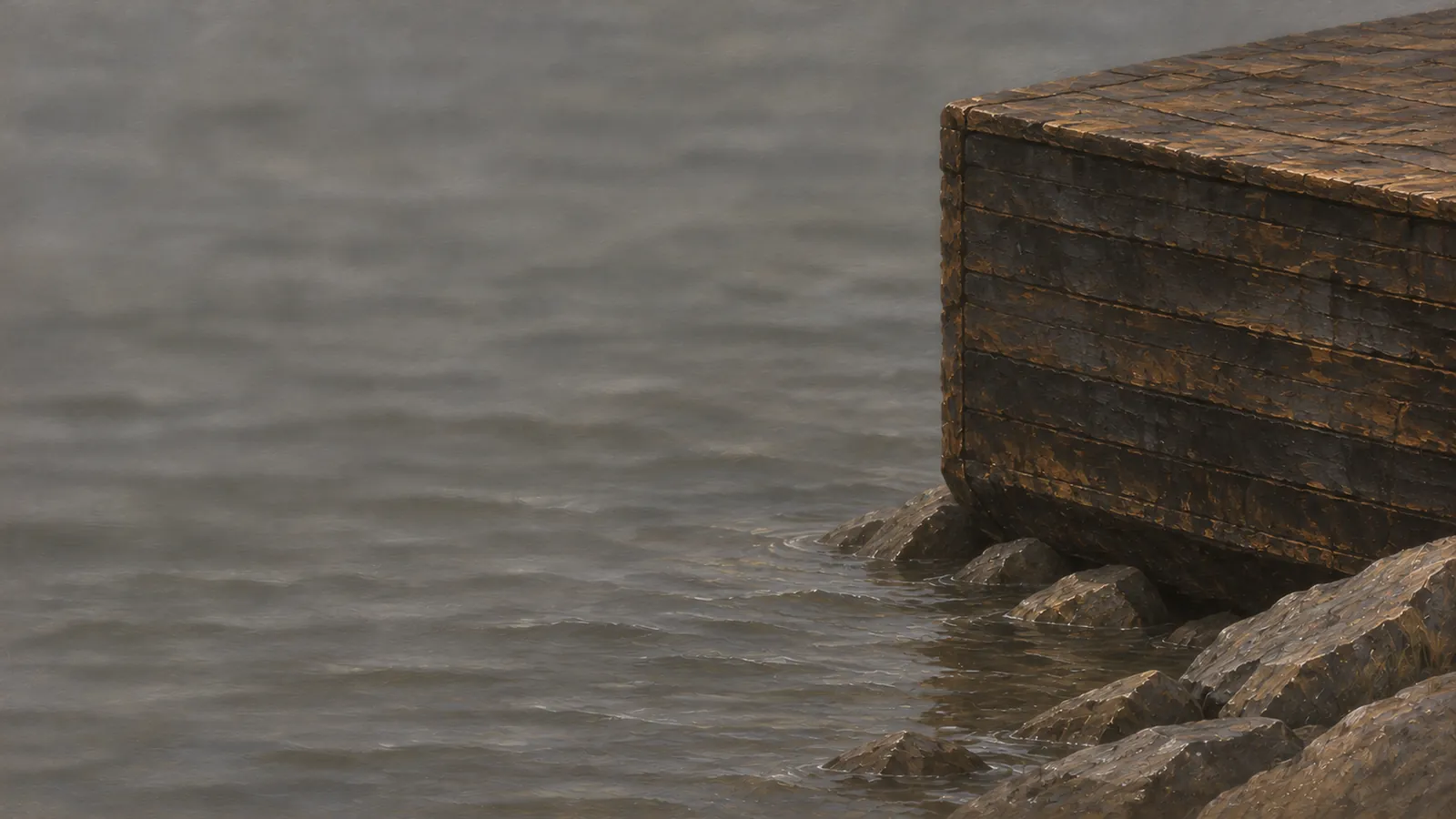
Día tras día, la embarcación no pudo avanzar más. El poema cuenta los días de espera mientras el monte Nimush la mantiene encallada contra él.
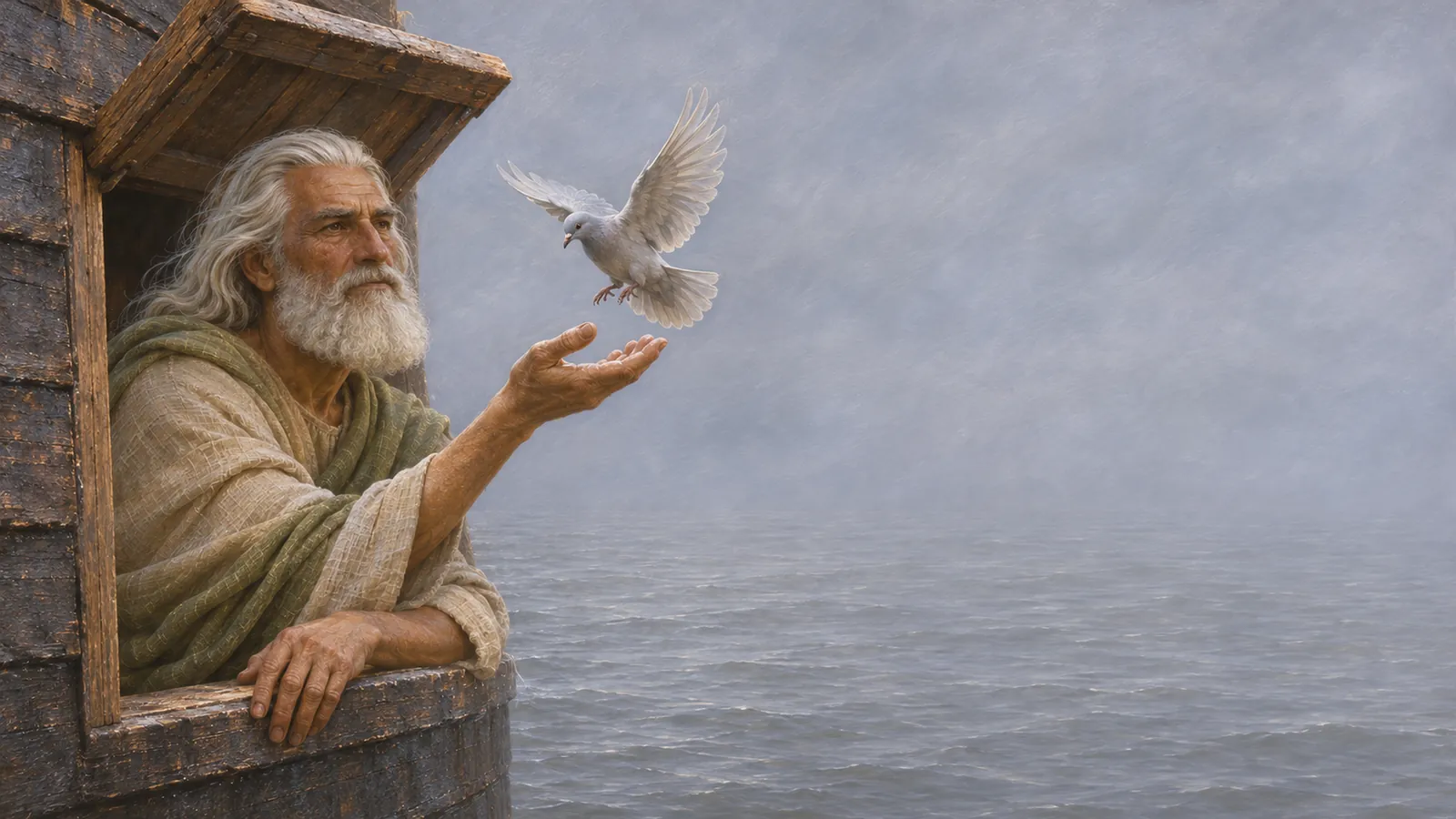
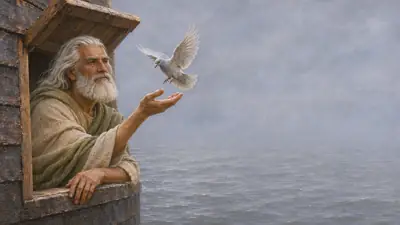
Utnapishtim soltó una paloma. Como no encontró dónde posarse, regresó a la embarcación.
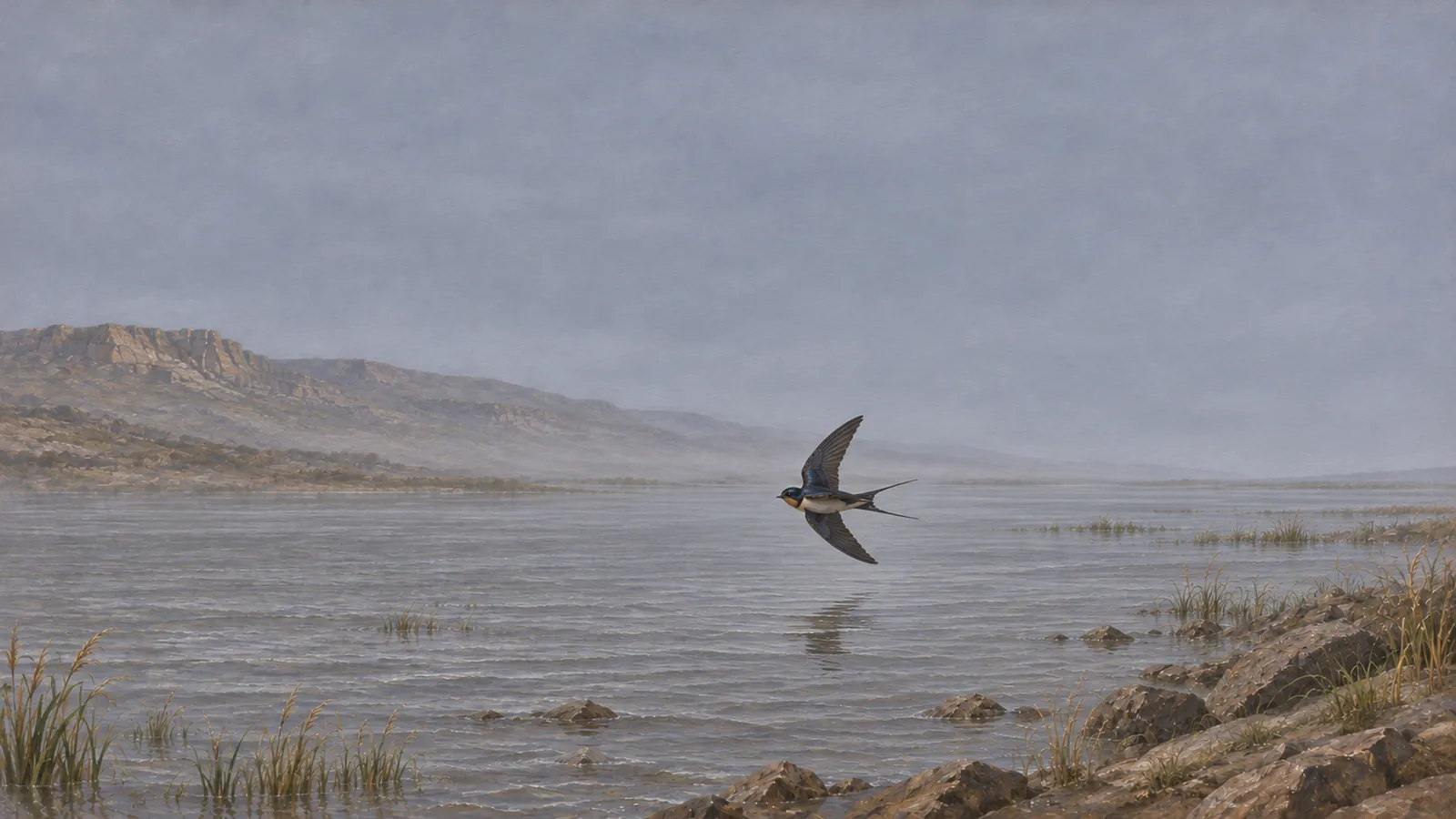
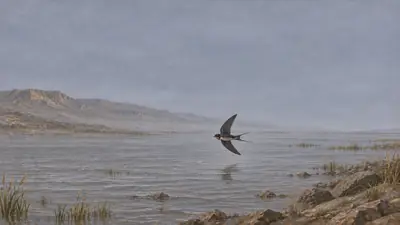
Luego soltó una golondrina. Igual que la paloma, no encontró dónde descansar y volvió junto a él.
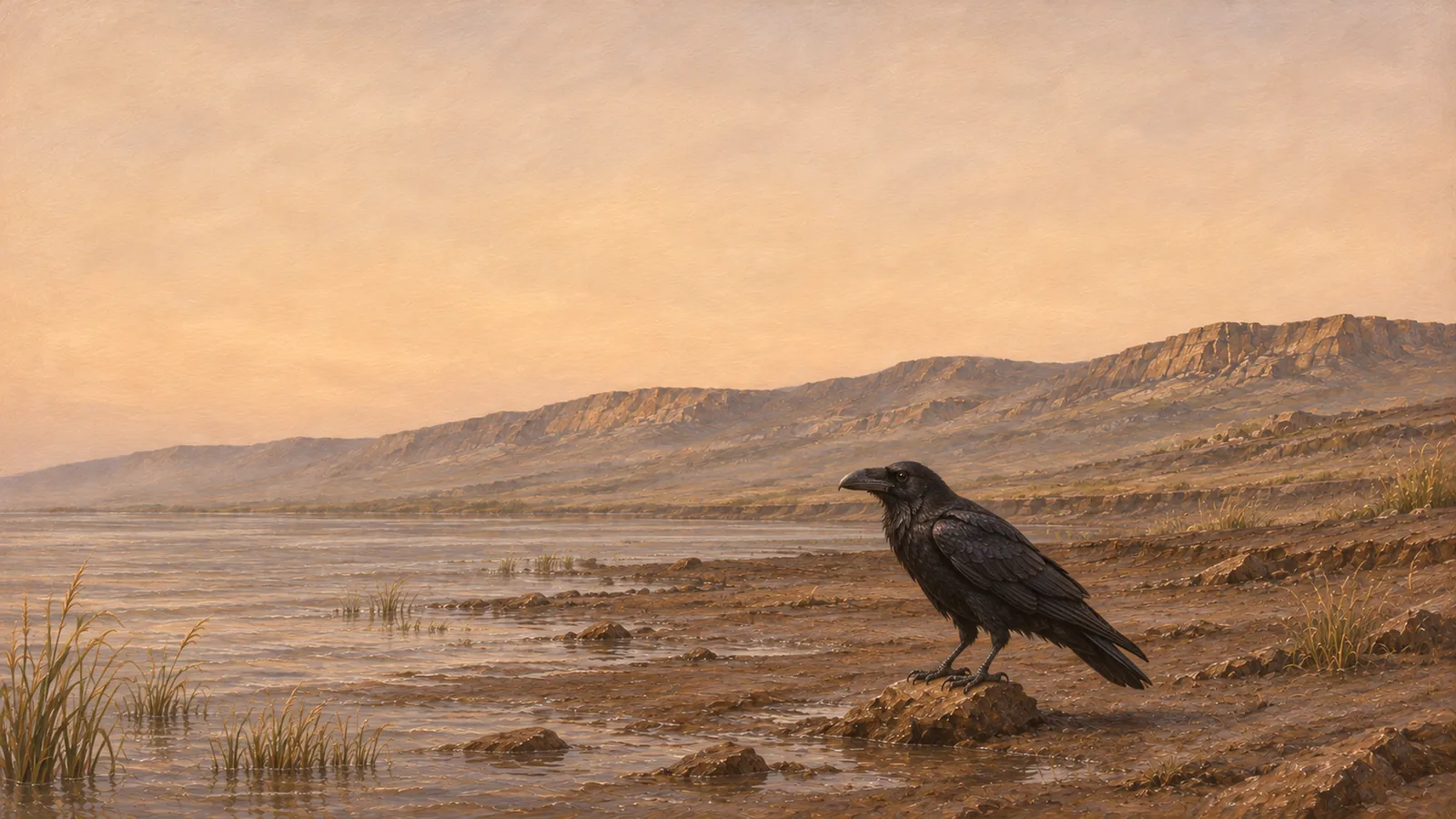
CUERVO
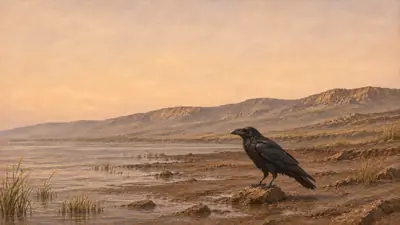
El cuervo salió volando y vio que las aguas habían bajado. Encontró alimento, y esta vez el ave no regresó a la embarcación.
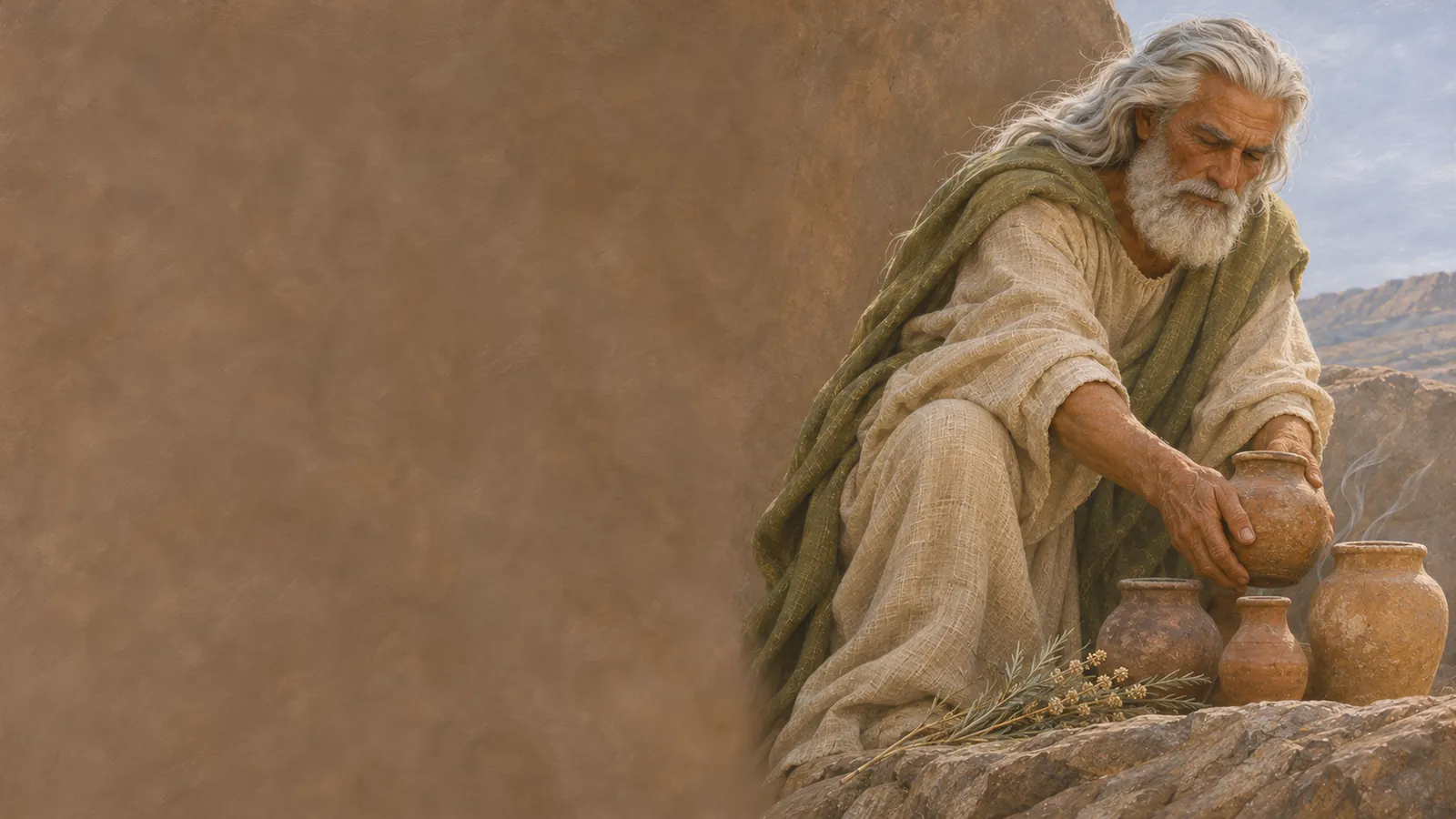
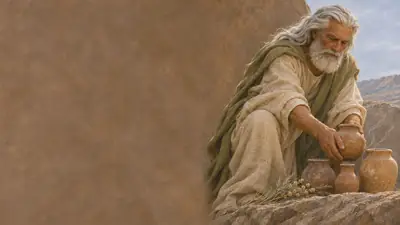
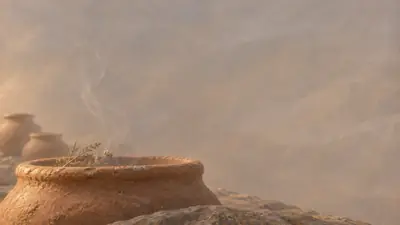
Entonces Utnapishtim presentó una ofrenda hacia los cuatro rincones de la tierra. Dispuso unos recipientes en el monte, con cañas, cedro y mirto debajo.
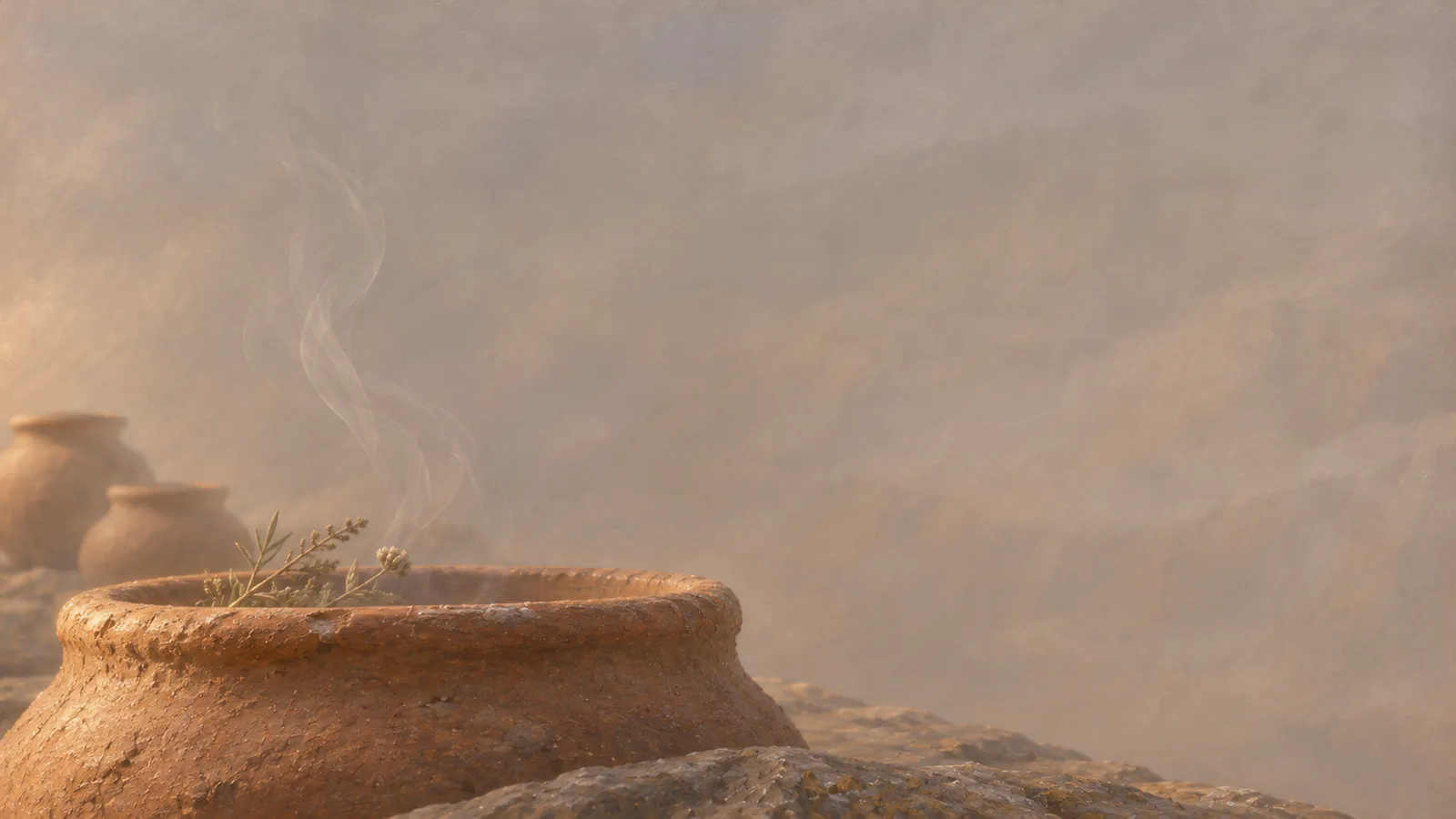
El aroma de la ofrenda se elevó. Utnapishtim dice que los dioses se congregaron como moscas, una imagen sorprendente después de tanto silencio.
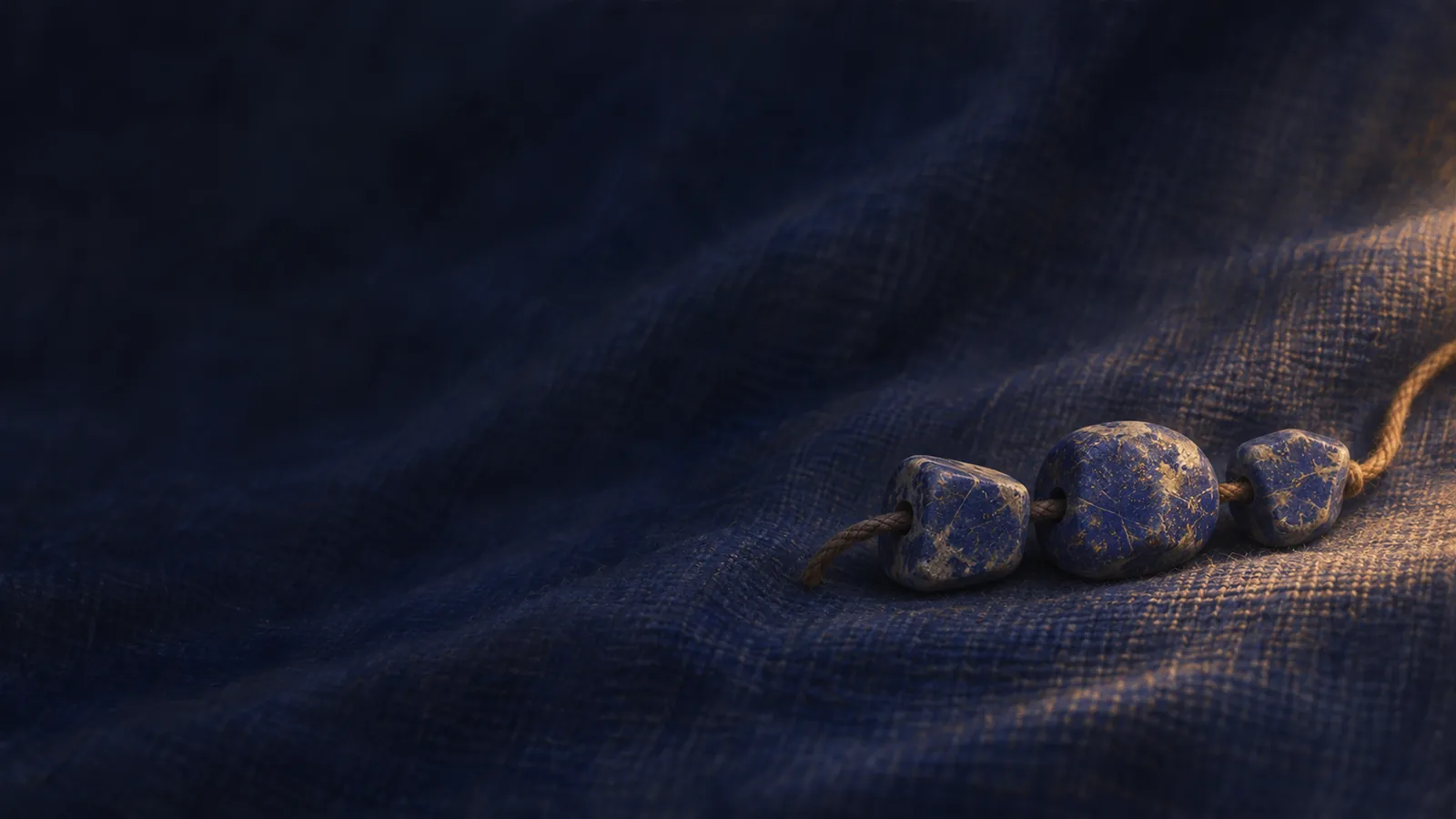
Una diosa alzó sus alhajas de lapislázuli y dijo que recordaría siempre aquellos días. Culpó a Enlil por lo que el diluvio le había hecho a su pueblo.
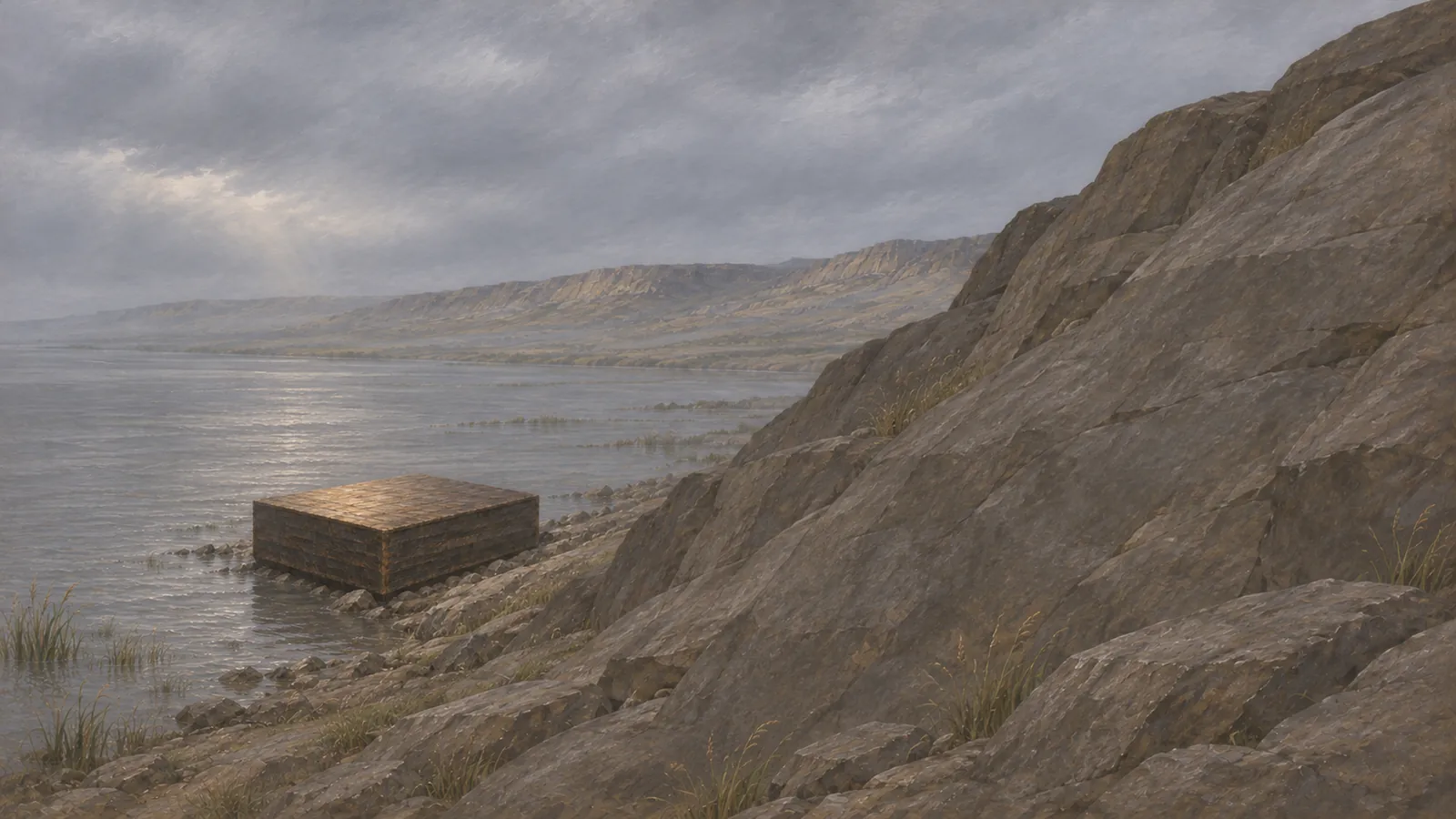
Enlil vio la embarcación y se enfureció. Alguien había sobrevivido, aunque él esperaba que el diluvio no dejara a nadie con vida.
Ninurta le respondió señalando a Ea. ¿Quién más, preguntó, podría haber hecho esto? El relato vuelve ahora a quien había advertido a Utnapishtim.
Ea preguntó cómo había podido Enlil desatar semejante diluvio sin pensarlo bien. Quien hubiera obrado mal debía responder por ello, dijo, en vez de que pagaran todos juntos.
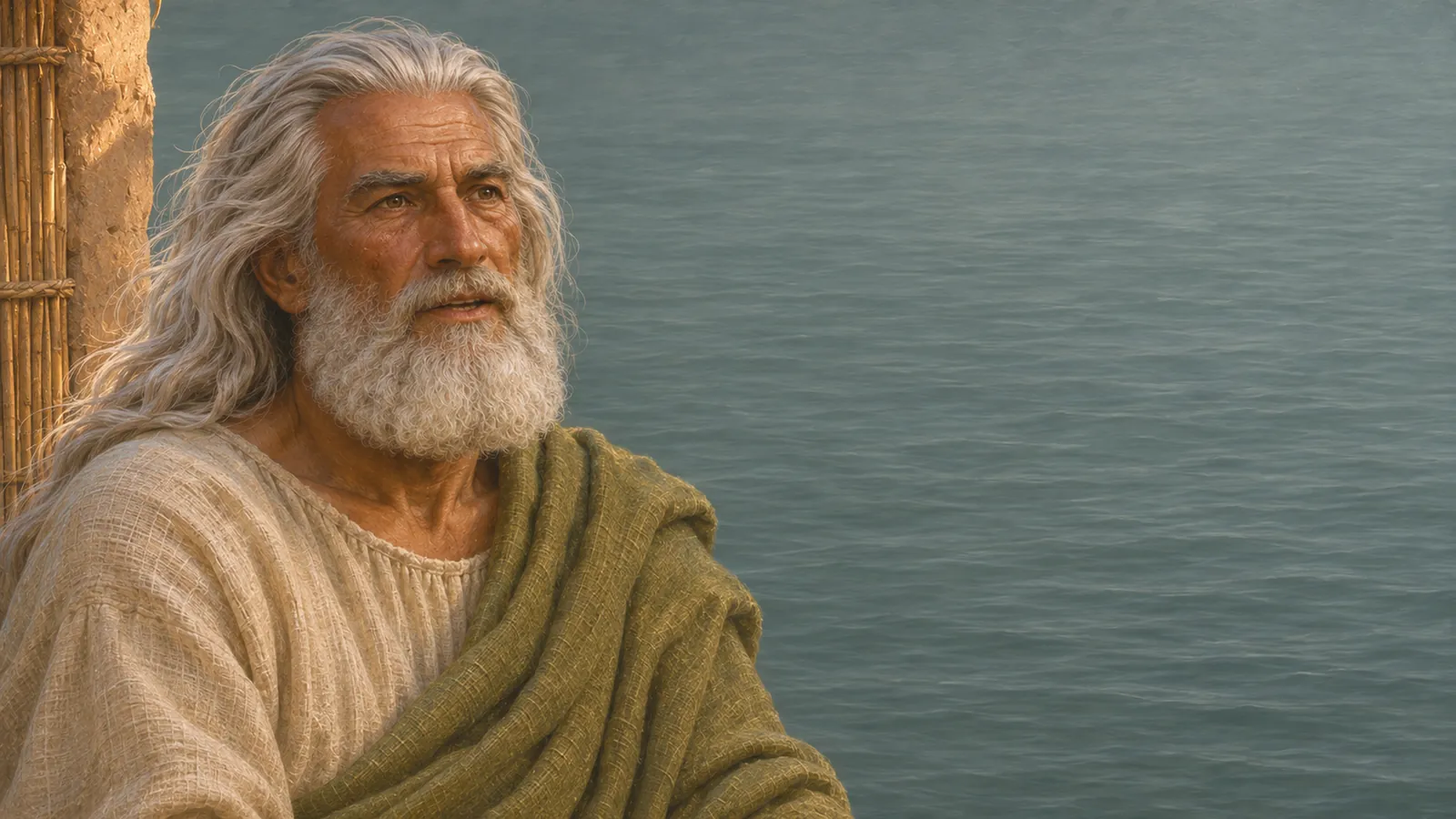
Ea dijo que había enviado un sueño por el que el sabio había conocido el secreto de los dioses. Pidió a la asamblea que decidiera qué debía pasarle ahora.
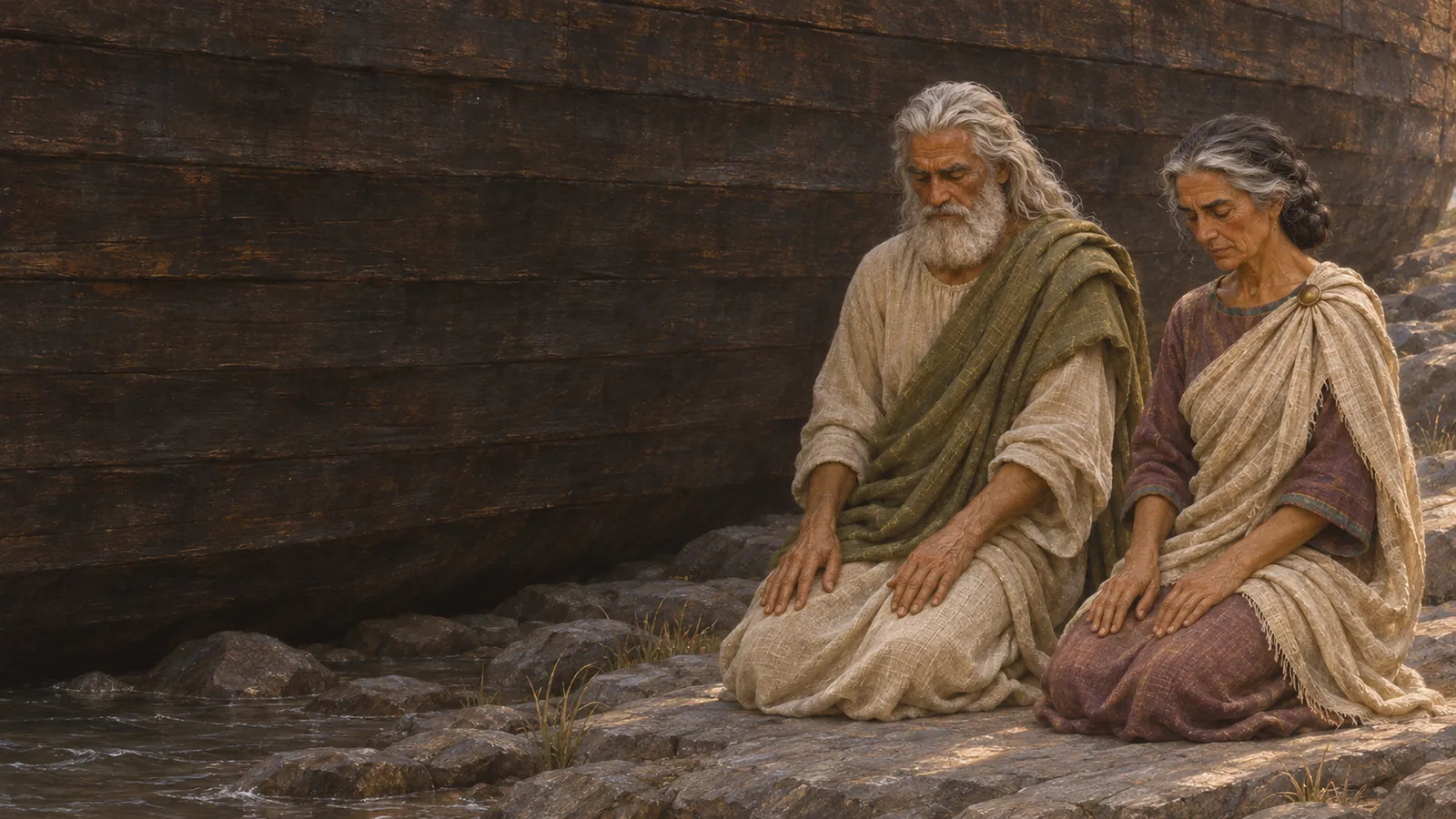
Enlil hizo salir a Utnapishtim de la embarcación y sacó también a su esposa. Ella se arrodilló a su lado y los dos recibieron una bendición.
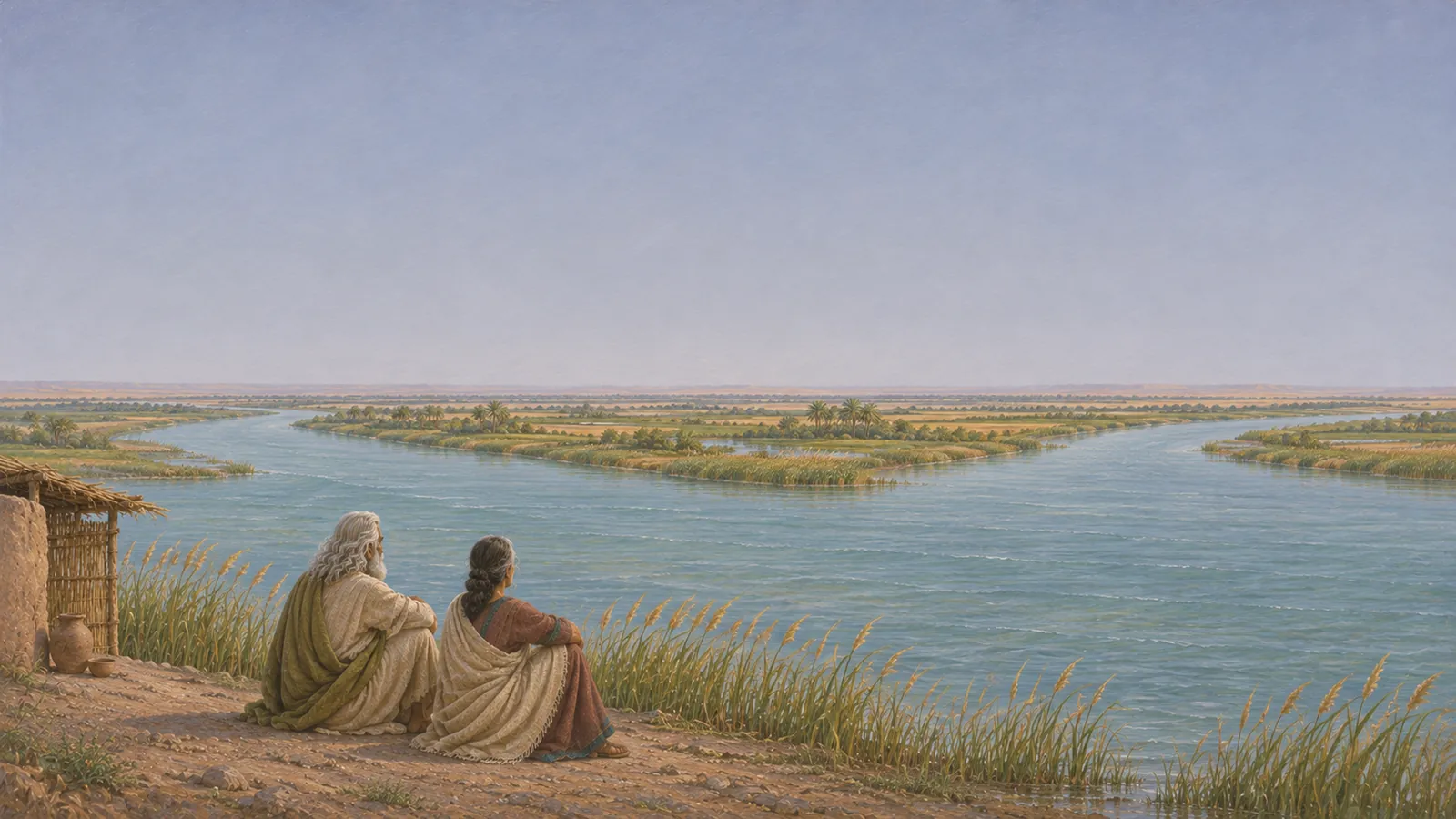
Enlil concedió a Utnapishtim y a su esposa una vida como la de los dioses. Los llevaron lejos, a vivir en la desembocadura de los ríos.
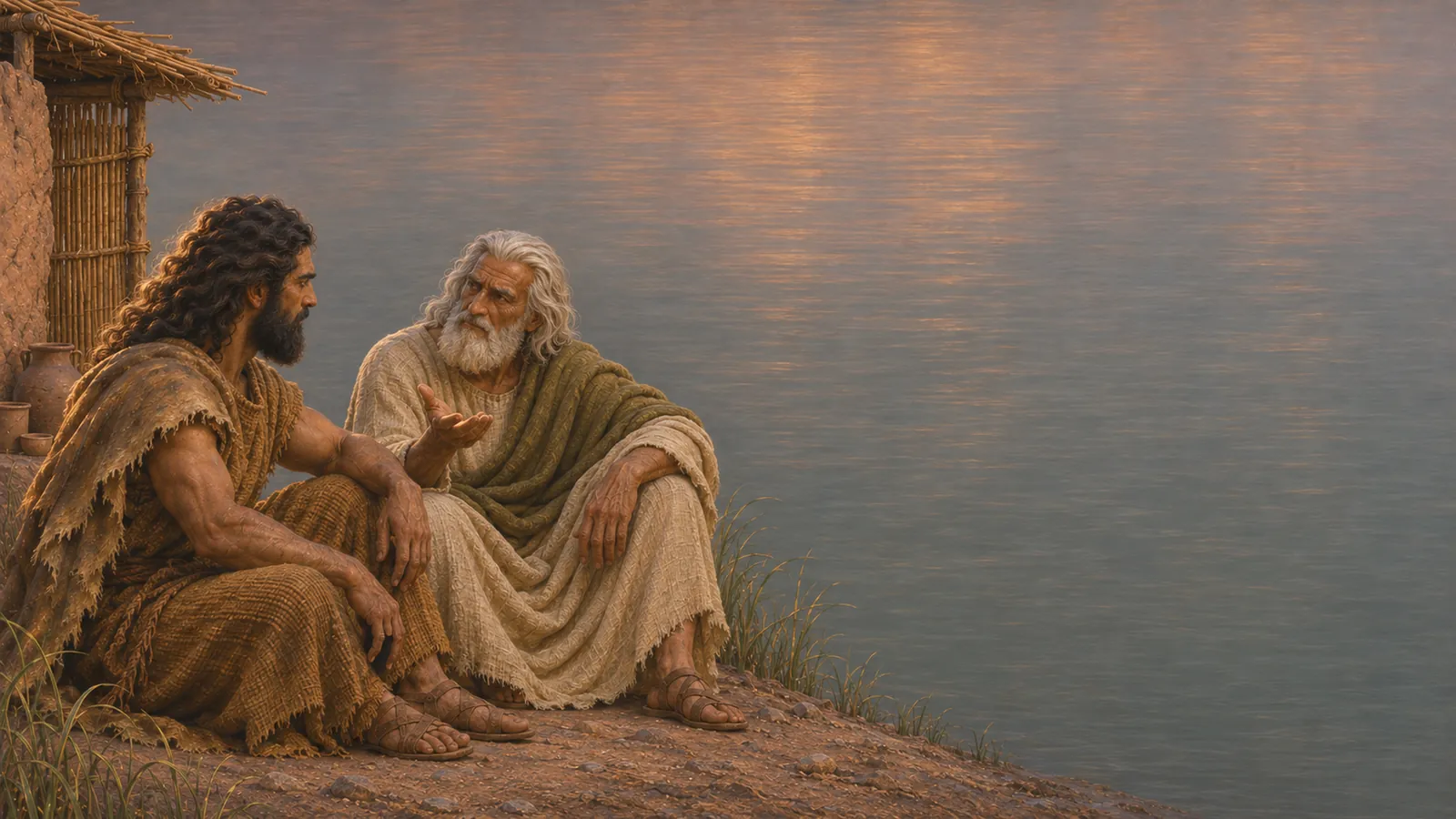
Utnapishtim volvió a la pregunta de Gilgamesh. ¿Quién convocaría a los dioses en su favor para que encontrara la vida que buscaba?
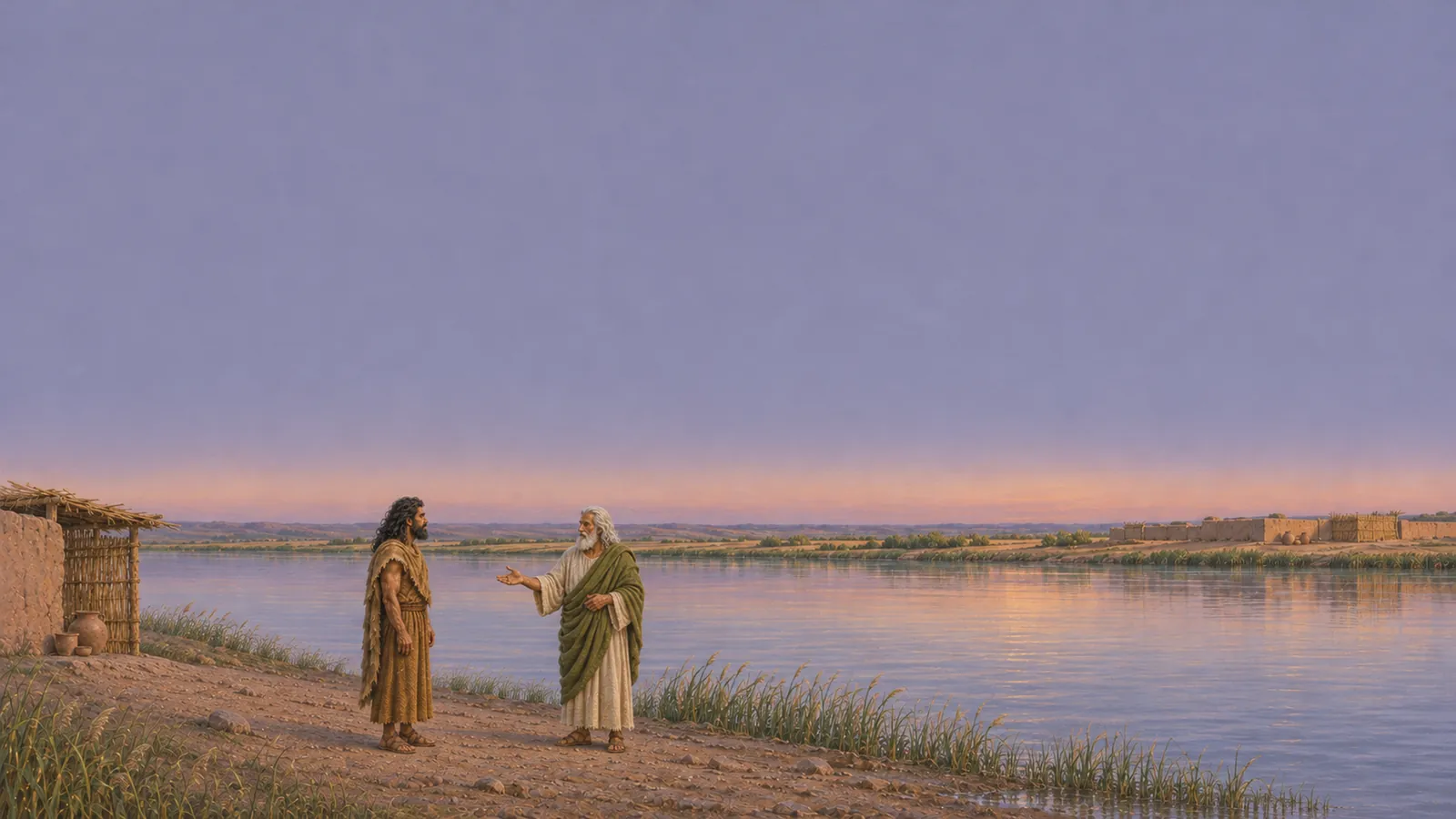
SIGUE DESPIERTO
Utnapishtim propuso una prueba. Le pidió a Gilgamesh que intentara mantenerse despierto durante seis días y siete noches.
Fin del capítulo 7
Todas las páginas







Fuentes
Ediciones consultadas
- SOAS Babylonian and Assyrian Literature, Tablet XI: for the first part of the line sequence.
- Andrew George, Tablet XI score transliteration: manuscript readings and line anchors.
- Nathan Wasserman, The Flood: open critical edition for the Mesopotamian flood texts and readings.
- Electronic Babylonian Library, Tablet XI: current edition. The [official chapter export](https://www.ebl.lmu.de/api/texts/L/1/4/chapters/SB/XI) was retrieved and checked for the line anchors, including the reed-fence warning, the three birds and the sleep challenge in XI 209.
Los versos antiguos de cada página
- Page 1: SB XI 8–12
- Page 2: SB XI 11–14
- Page 3: SB XI 13–19
- Page 4: SB XI 15–22
- Page 5: SB XI 19–24
- Page 6: SB XI 23–27
Instructions are attested. - Page 7: SB XI 25–27; cf. XI 82–86
- Page 8: SB XI 28–31
The Apsû simile is in the source. - Page 9: SB XI 32–35
- Page 10: SB XI 36–42
- Page 11: SB XI 43–47; Andrew George, The Sign of the Flood
The wording is difficult and possibly ominous. - Page 12: SB XI 48–51; see source note on the epithet Atrahasis
- Page 13: SB XI 50–57
- Page 14: SB XI 57–60; cf. XI 28–31
- Page 15: SB XI 60–65
- Page 16: SB XI 64–70
- Page 17: SB XI 71–75
- Page 18: SB XI 76–81
The details of the launch and the timing of the last work are partly restored. - Page 19: SB XI 81–84
- Page 20: SB XI 85
- Page 21: SB XI 84–86
- Page 22: SB XI 87–91; Andrew George, The Sign of the Flood
The recurring wording may carry a hidden warning. - Page 23: SB XI 90–93
- Page 24: SB XI 94–96
- Page 25: SB XI 97–99
- Page 26: SB XI 100–105
- Page 27: SB XI 106–111
- Page 28: SB XI 111–113
- Page 29: SB XI 114–116
- Page 30: SB XI 117–127
Bēlet-ilī in the source. - Page 31: SB XI 128–132
Witnesses vary between six days and six nights and six days and seven nights. - Page 32: SB XI 130–134
The last clause paraphrases the poem’s storm simile. - Page 33: SB XI 134–136
- Page 34: SB XI 137–139
- Page 35: SB XI 140–143
- Page 36: SB XI 143–147
- Page 37: SB XI 147–150
Some words describing the flight are uncertain. - Page 38: SB XI 151–153
- Page 39: SB XI 154–156
The poem’s additional verbs of motion have variant translations. - Page 40: SB XI 157–160
- Page 41: SB XI 161–163
- Page 42: SB XI 164–171
- Page 43: SB XI 172–177
- Page 44: SB XI 178–182
- Page 45: SB XI 181–195
The speech names several foregone calamities. - Page 46: SB XI 196–198
- Page 47: SB XI 199–202
- Page 48: SB XI 203–206
- Page 49: SB XI 207–208; compare the framing at XI 1–10
- Page 50: SB XI 209; no action from XI 210 onward
Ilustraciones hechas por IL Archive con herramientas de IA; el texto se basa en las fuentes antiguas (véanse las fuentes al final de cada capítulo).