La epopeya de Gilgamesh Capítulo 8
Lo que el rey trae de vuelta
Gilgamesh no supera la prueba de Utnapishtim y luego se entera de que existe una planta que podría devolverle la juventud. Una serpiente se la lleva en el camino de vuelta, y Gilgamesh muestra a Urshanabi lo que encierran las murallas de Uruk.
Ver la películaFuentesPase las páginas con las flechas, el teclado o deslizando el dedo.
PRUEBA
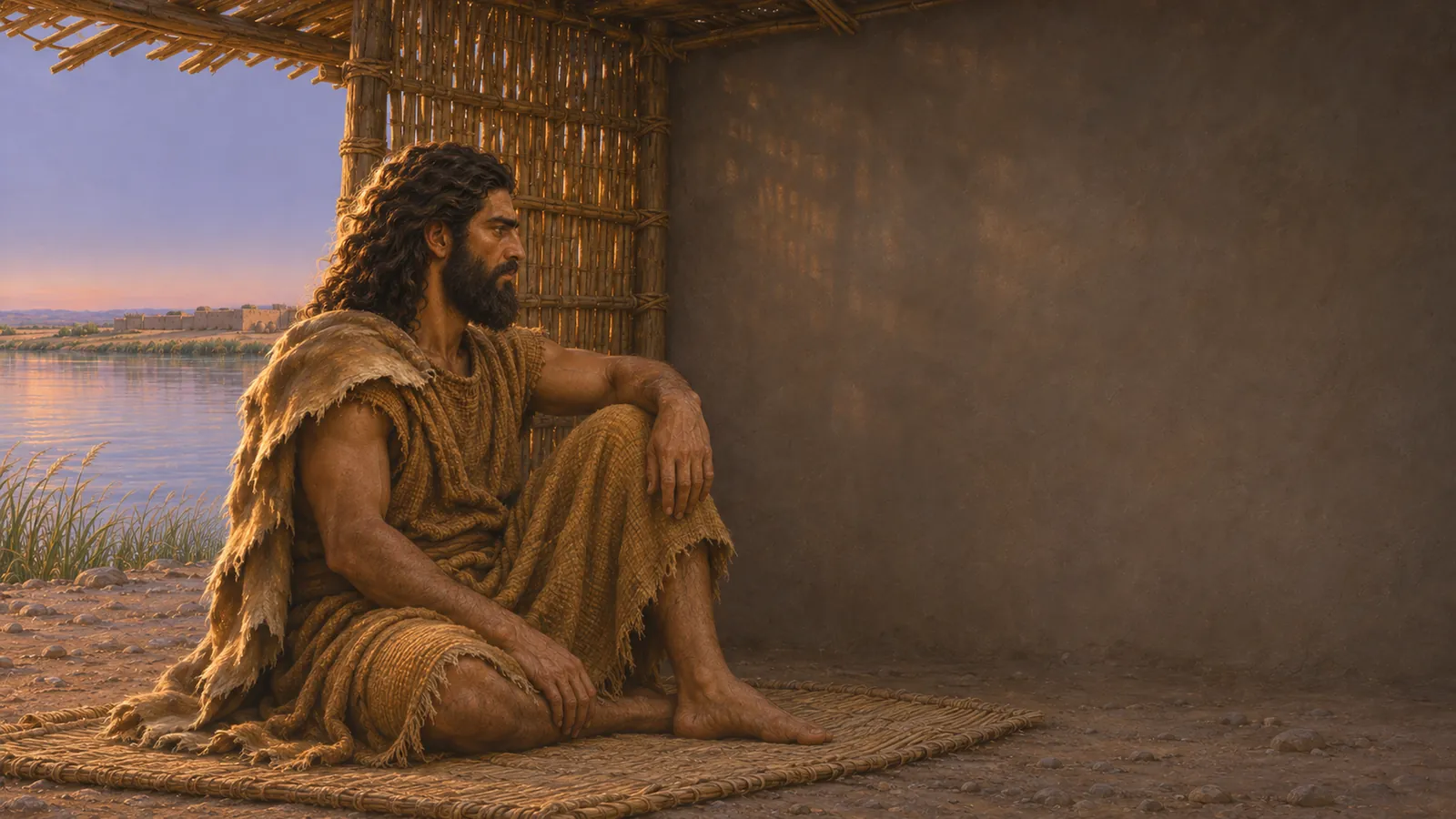
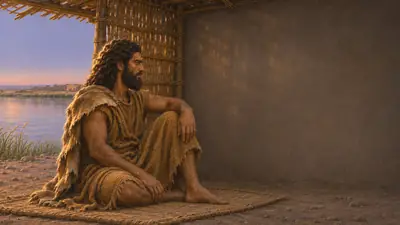
Le habían pedido a Gilgamesh que prescindiera del sueño. Se sentó donde estaba y comenzó la prueba. Lo único que tenía que hacer era mantenerse despierto.
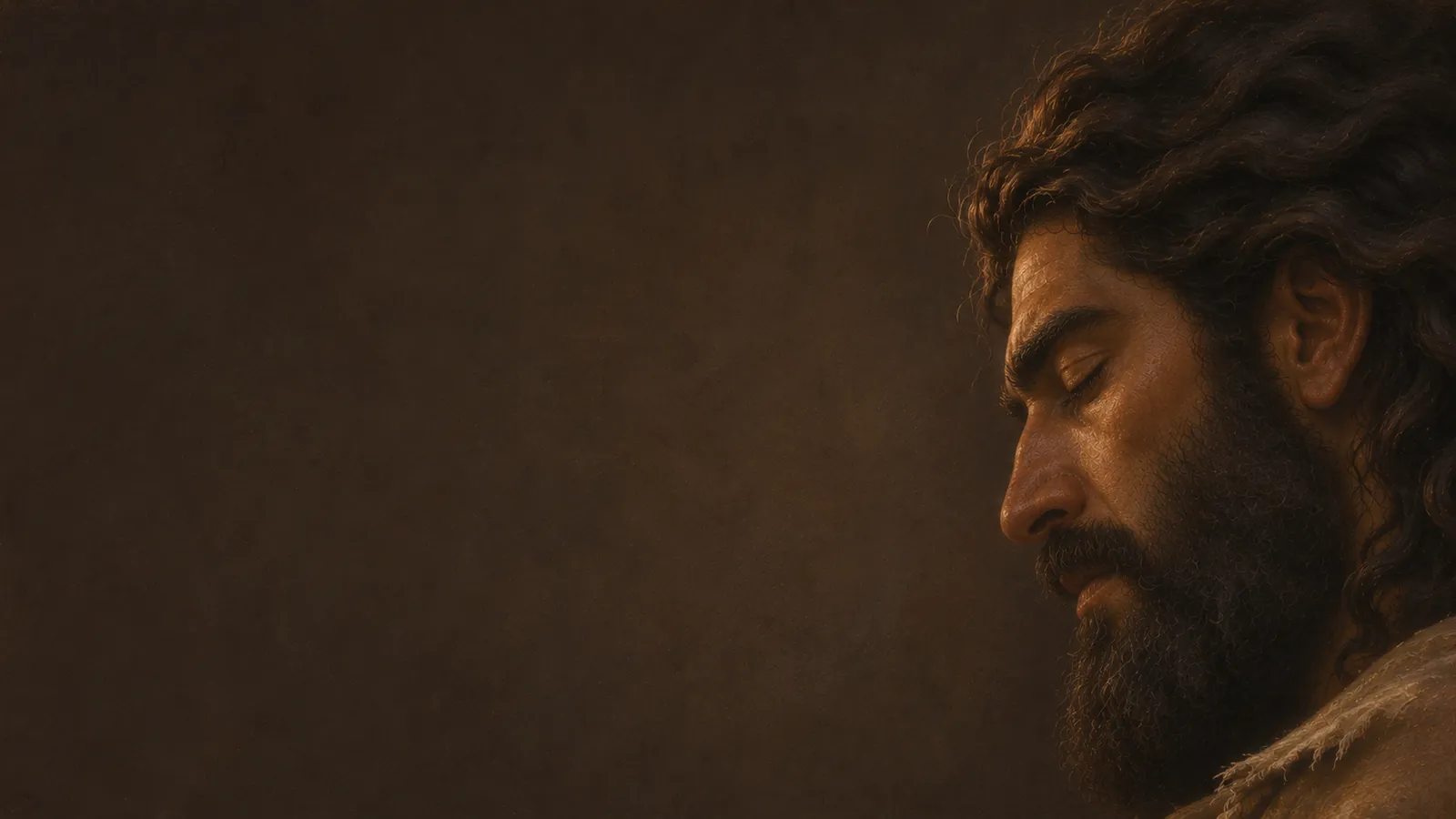
El sueño se apoderó de Gilgamesh en cuanto se sentó. El poema lo compara con una niebla que avanza tan quedamente que el hombre que había venido en busca de una vida más larga no pudo detenerla.
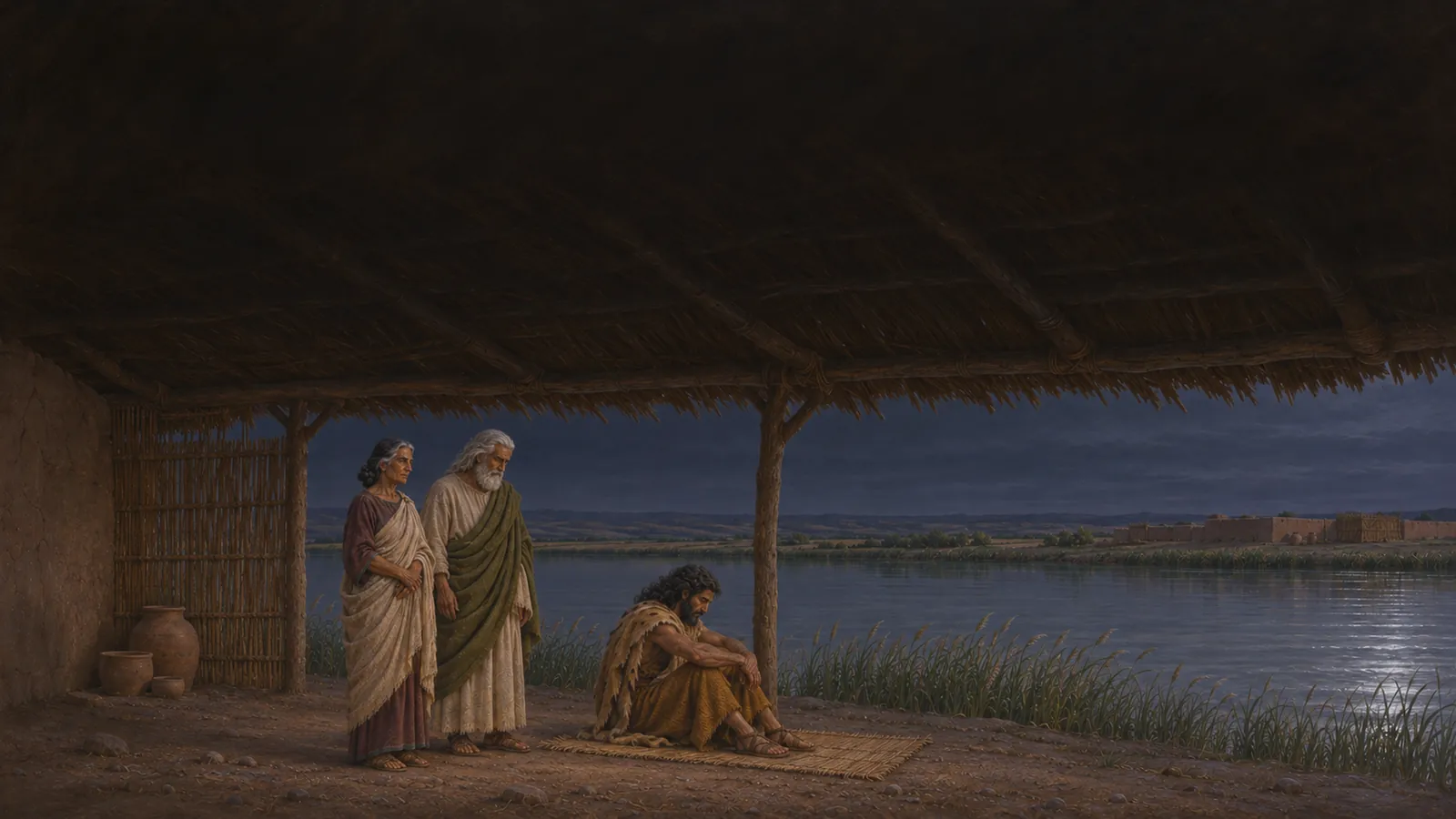
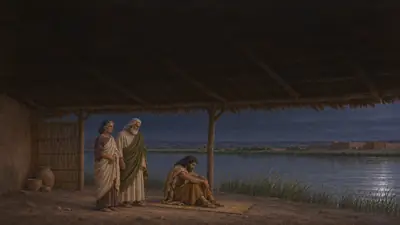
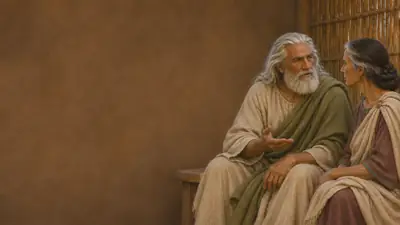
Utnapishtim llamó la atención de su esposa sobre el visitante. Allí estaba el hombre que con tanto empeño había buscado la vida, vencido ya en los primeros instantes del sueño.
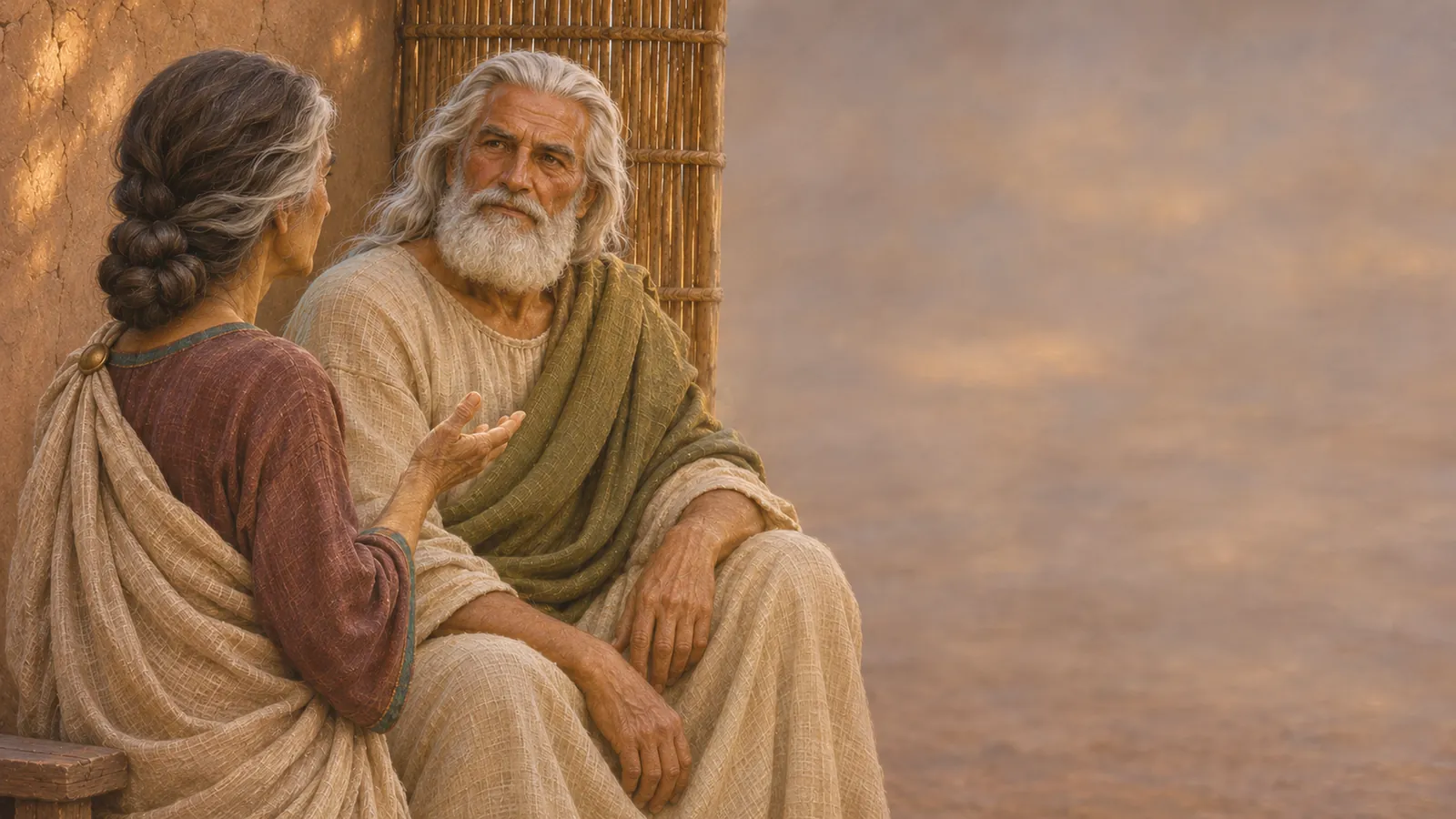
La esposa de Utnapishtim le pidió que despertara al viajero. Quería que pudiera volver sano y salvo a su tierra por el mismo camino por el que había llegado.
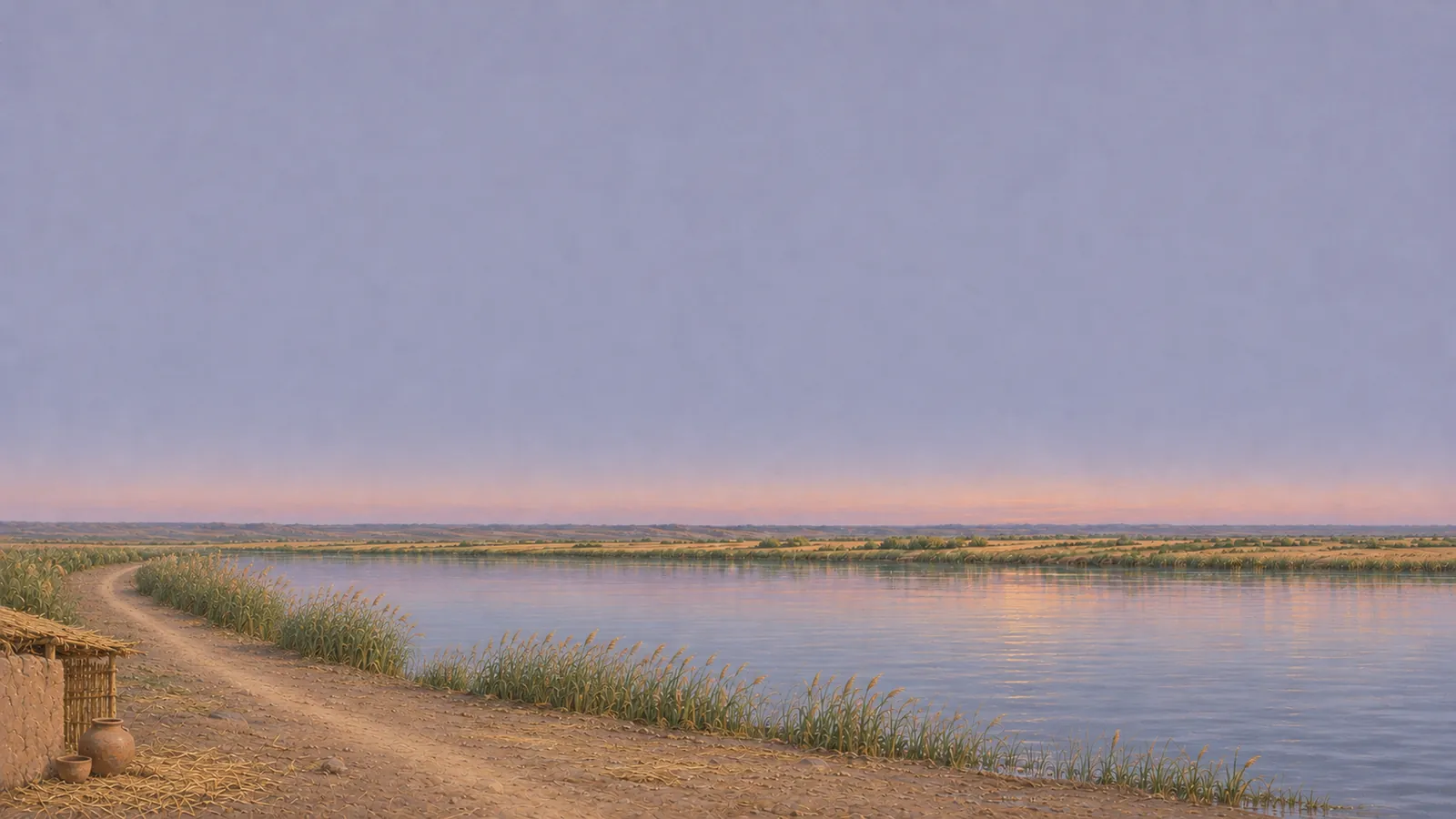
Habló del camino de vuelta y de la puerta por la que él había salido. Su deseo era sencillo. Que el camino por el que había venido lo llevara de regreso a su tierra.
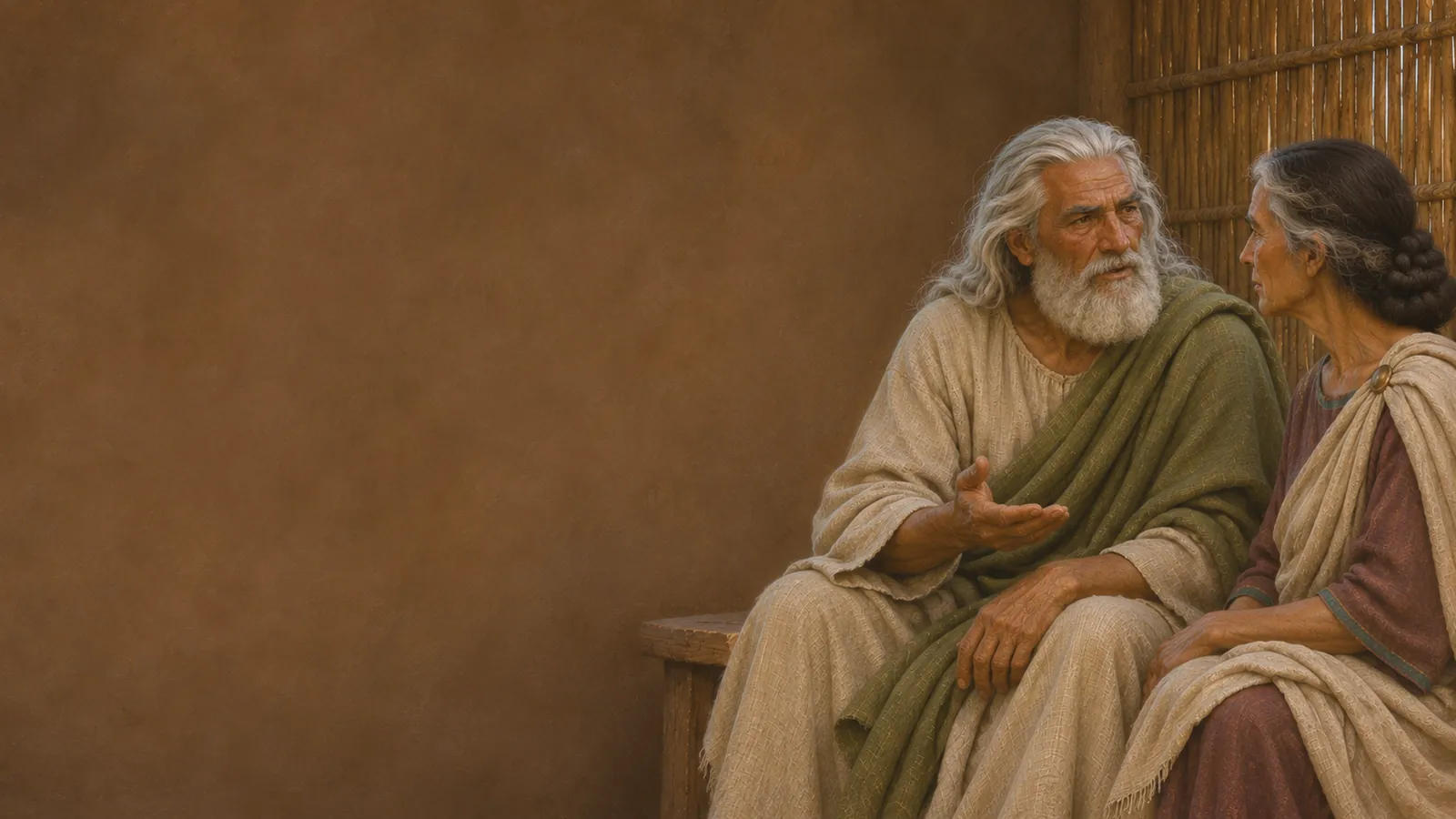
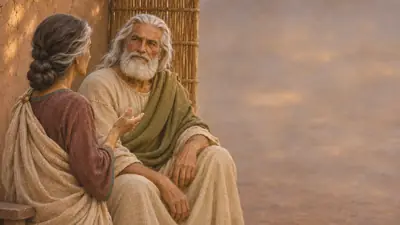
Utnapishtim todavía no estaba dispuesto a despertarlo. Advirtió a su esposa que un hombre podía negar que hubiera dormido y le pidió que diera al visitante algo que pudiera ver con sus propios ojos.
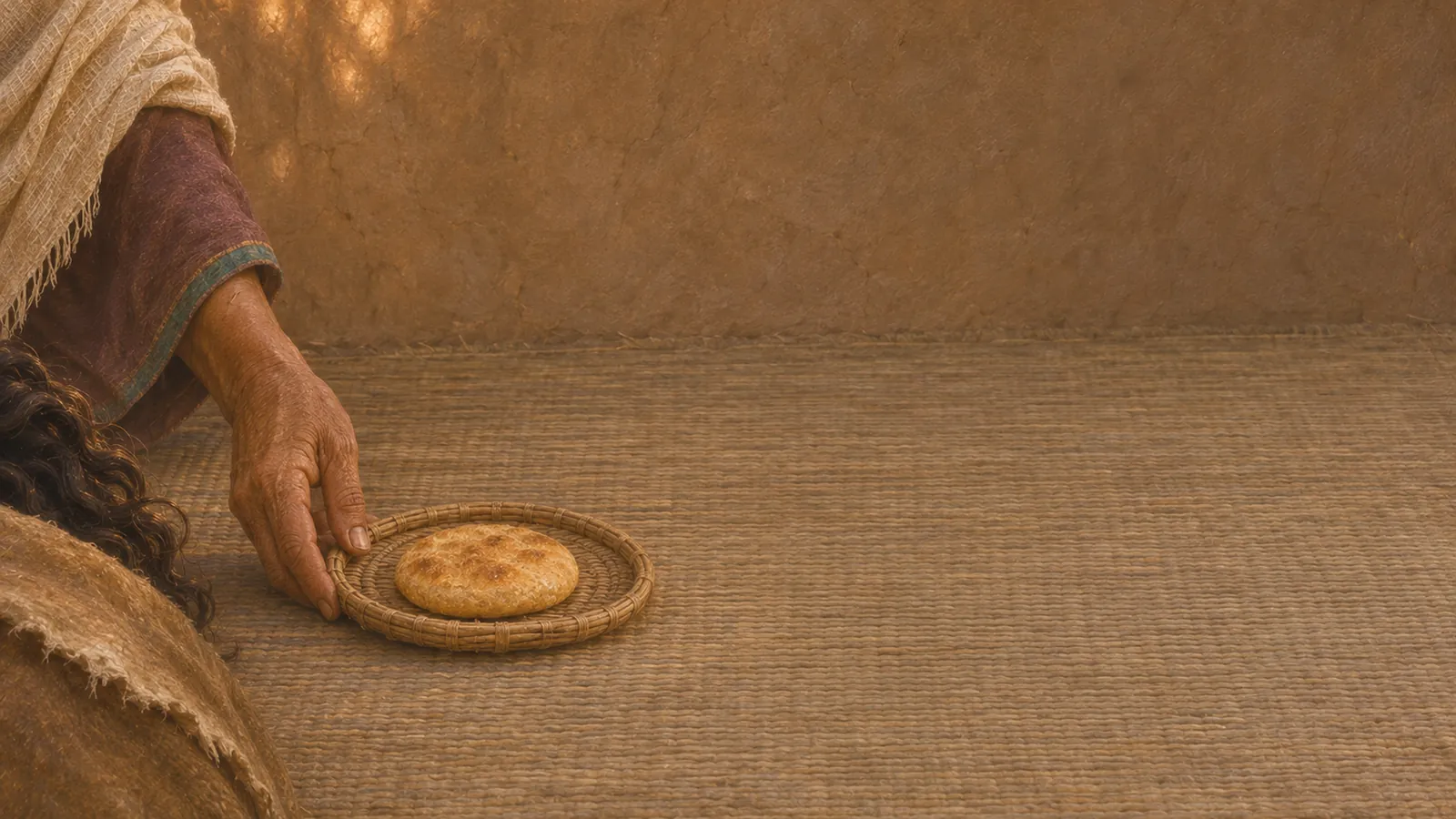
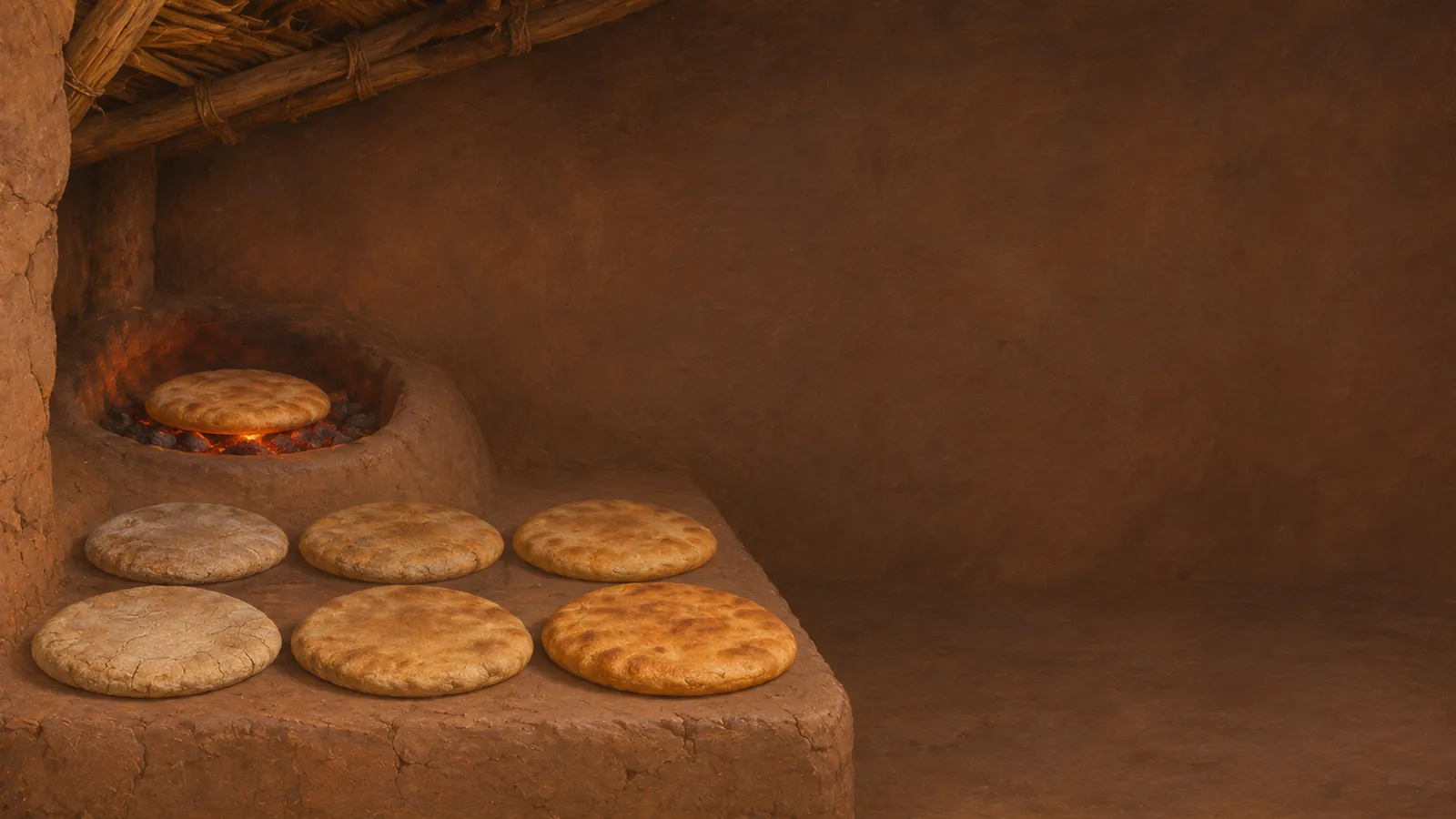
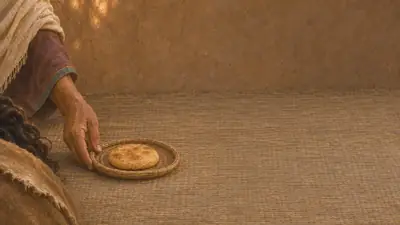
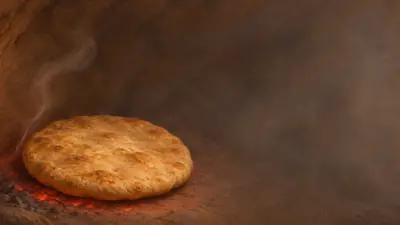
Utnapishtim le dijo a su esposa que cociera pan cada día y lo pusiera junto a la cabeza de Gilgamesh. Ella hizo lo que le pidió y dejó constancia del tiempo sin que el durmiente lo viera.
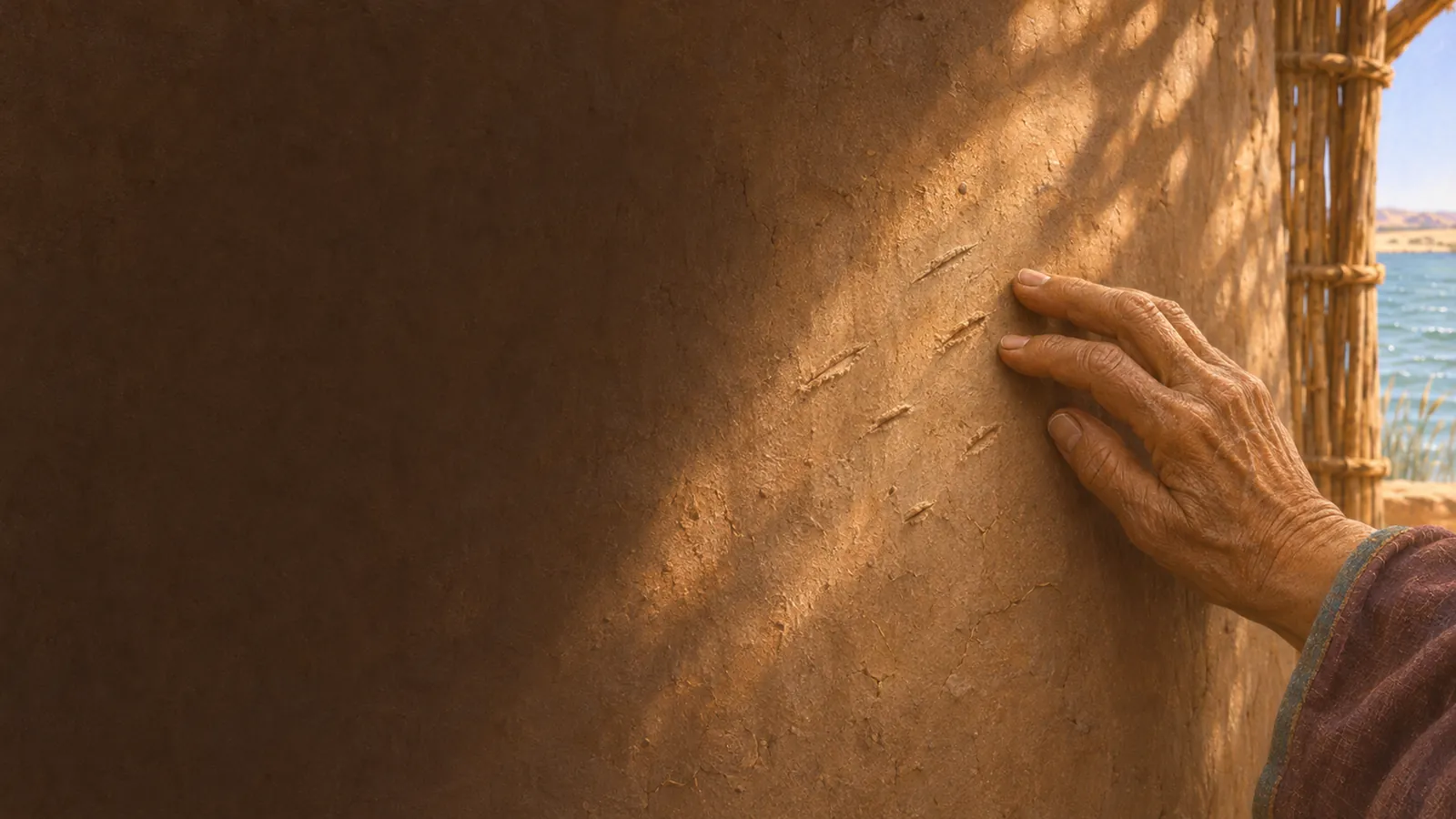
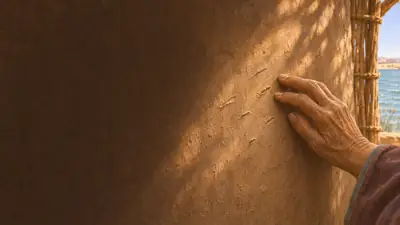
También dejó constancia en la pared. Mientras Gilgamesh dormía, marcó los días para que, cuando abriera los ojos, pudiera comparar las marcas con el pan.
PAN
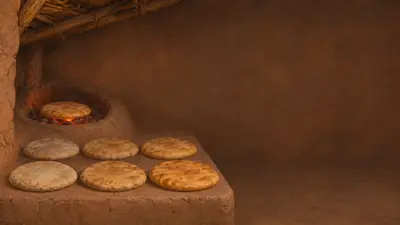
A su lado, el pan iba cambiando. La primera torta se había secado, una de las siguientes empezaba a estropearse y las más recientes seguían frescas o en el fuego.
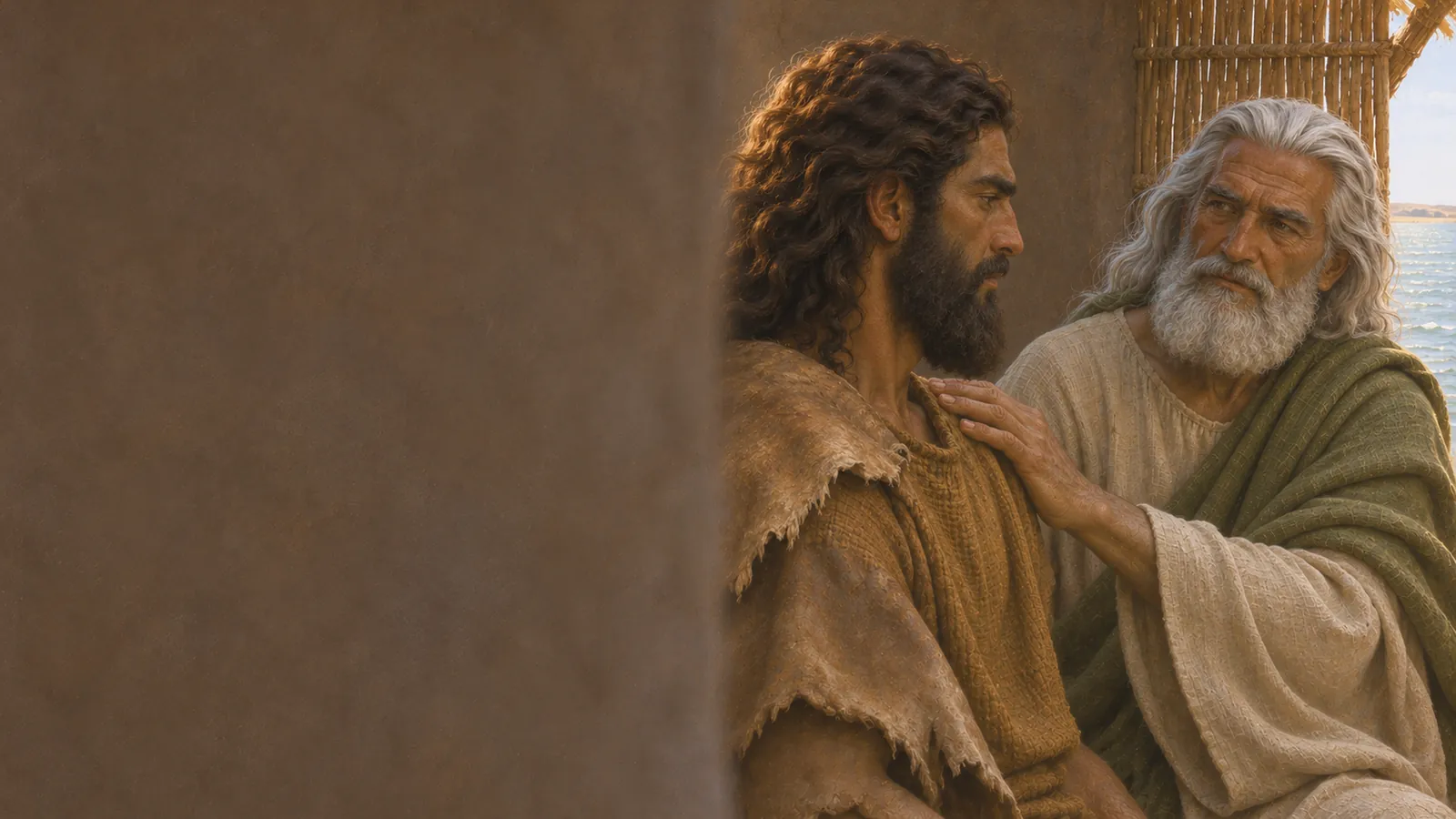
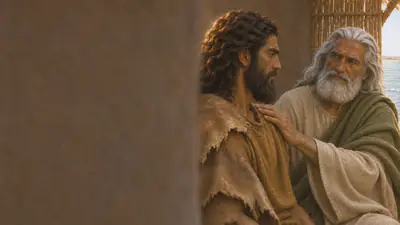
Con el séptimo pan aún sobre las brasas, Utnapishtim tocó a Gilgamesh. Bastó aquel contacto para que el viajero dormido abriera los ojos.
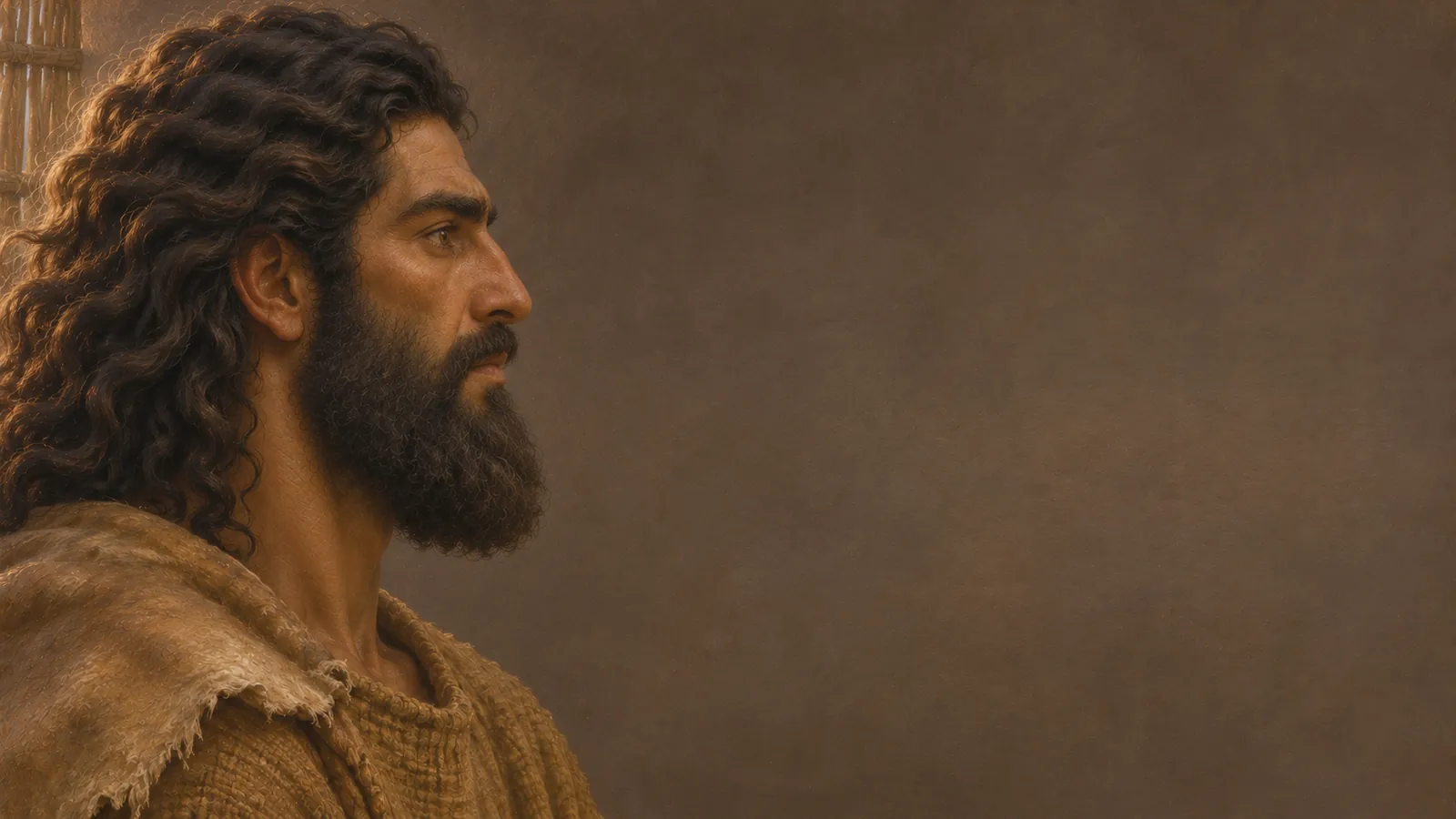
A Gilgamesh le pareció que apenas había pasado el tiempo. Le dijo a Utnapishtim que acababa de empezar a dormirse cuando sintió la mano que lo despertó.
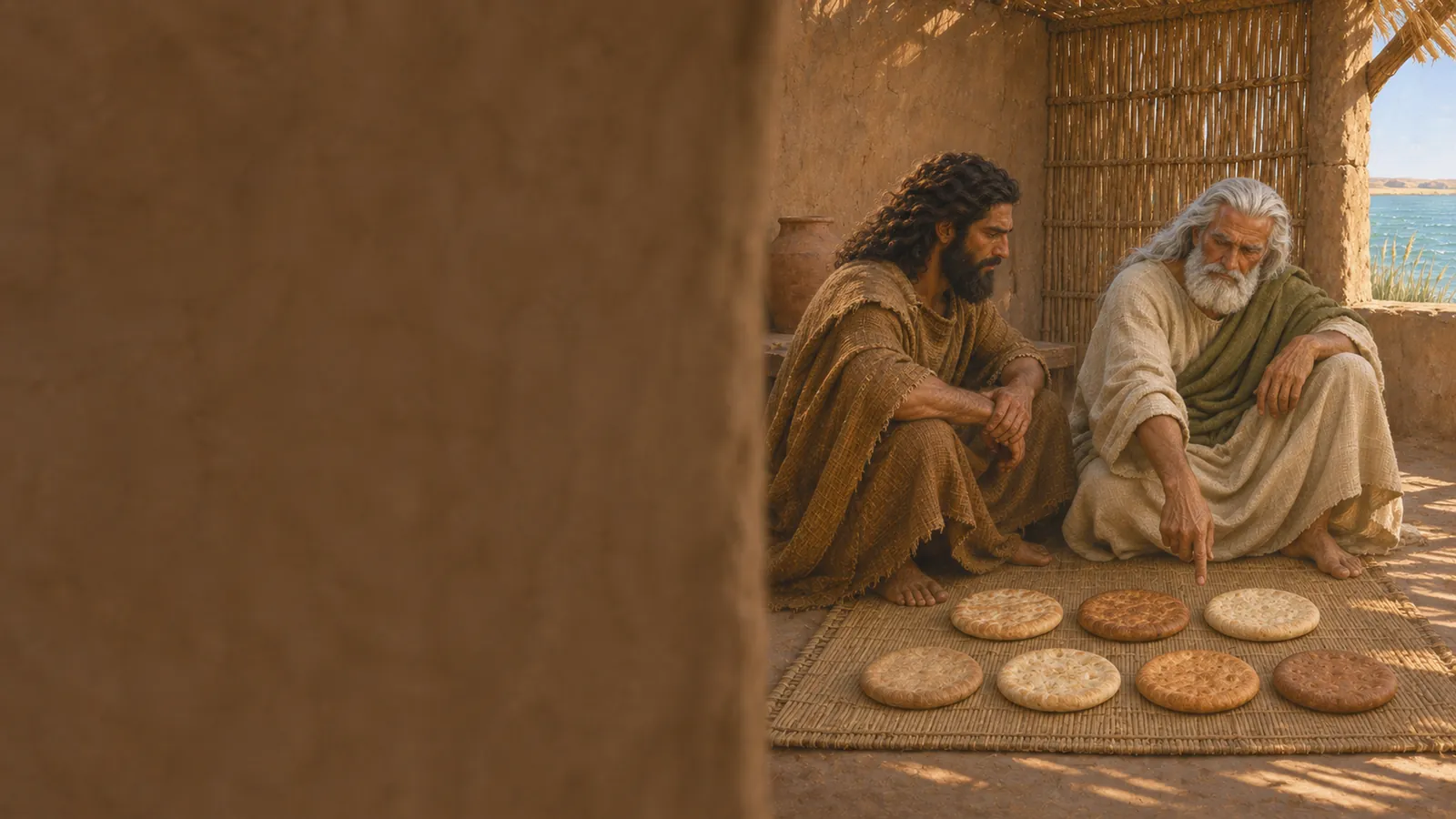
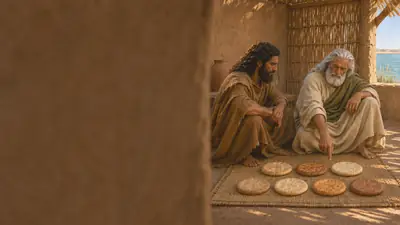
Utnapishtim dirigió la mirada de Gilgamesh hacia el pan. Podía contar las tortas y ver, por el estado de cada una, cuánto tiempo de la prueba le había robado el sueño.
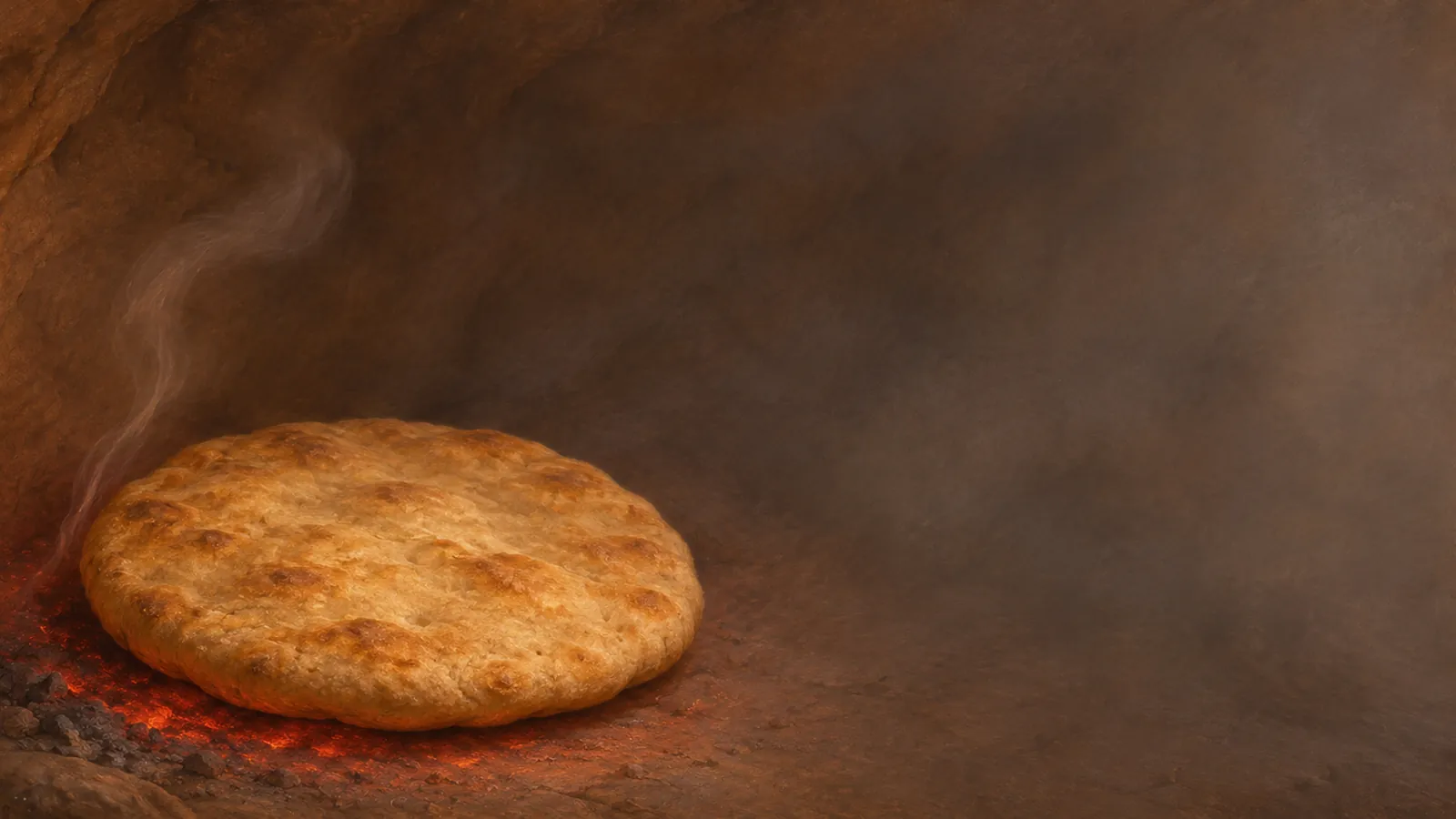
Había dormido desde que el primer pan estaba recién hecho hasta que el séptimo estaba sobre las brasas. El pan le mostró lo que el despertar le había ocultado.
MUERTE
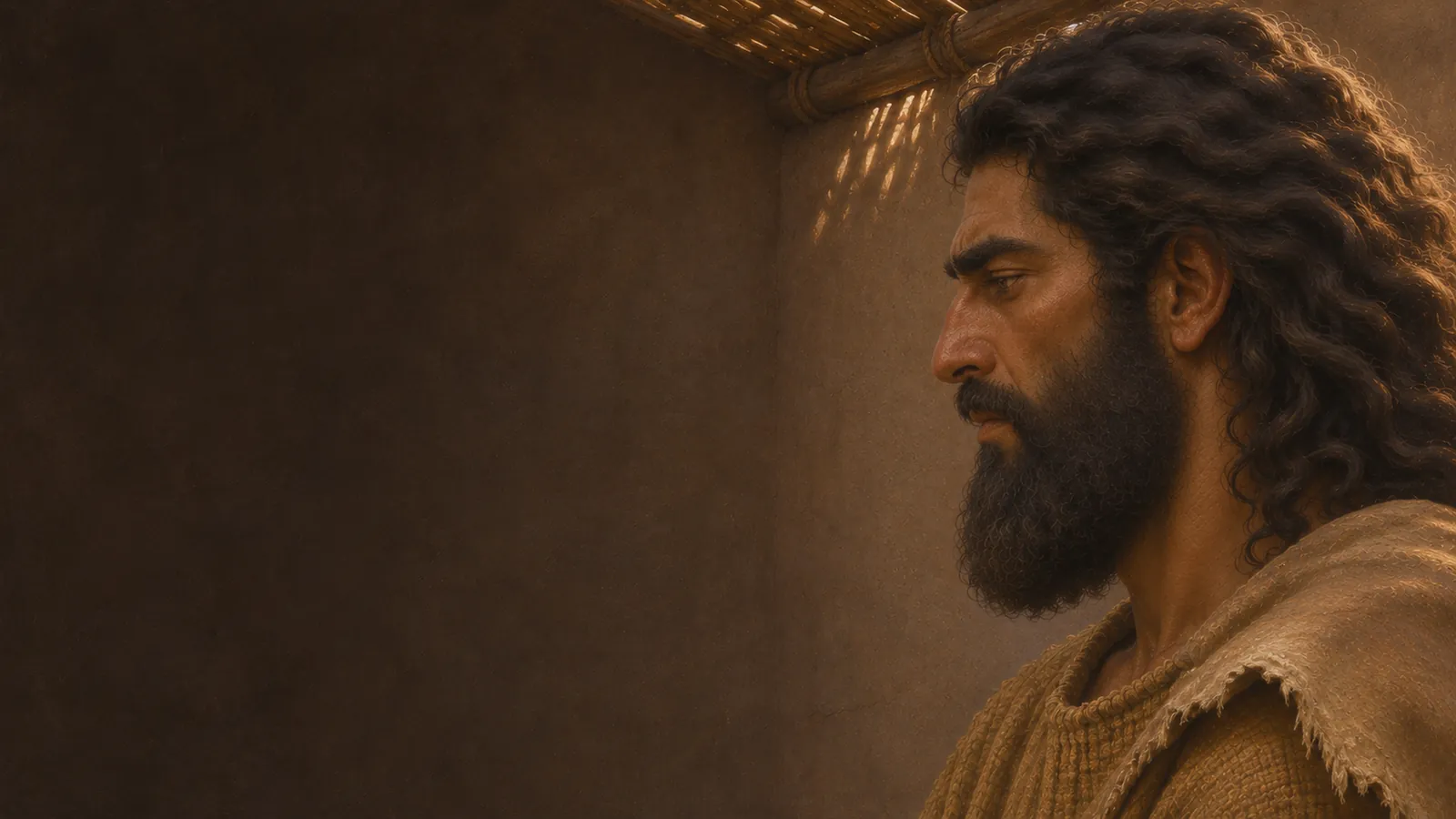
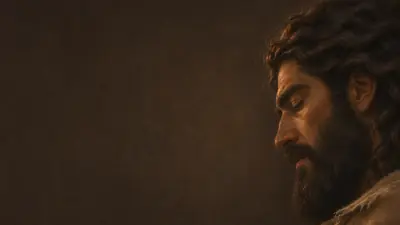
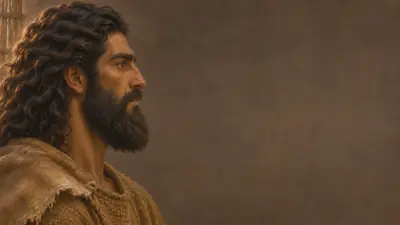
Gilgamesh se preguntó adónde iba a ir ahora. En su propia habitación o en cualquier lugar al que fuera, sentía que la muerte lo estaría esperando.
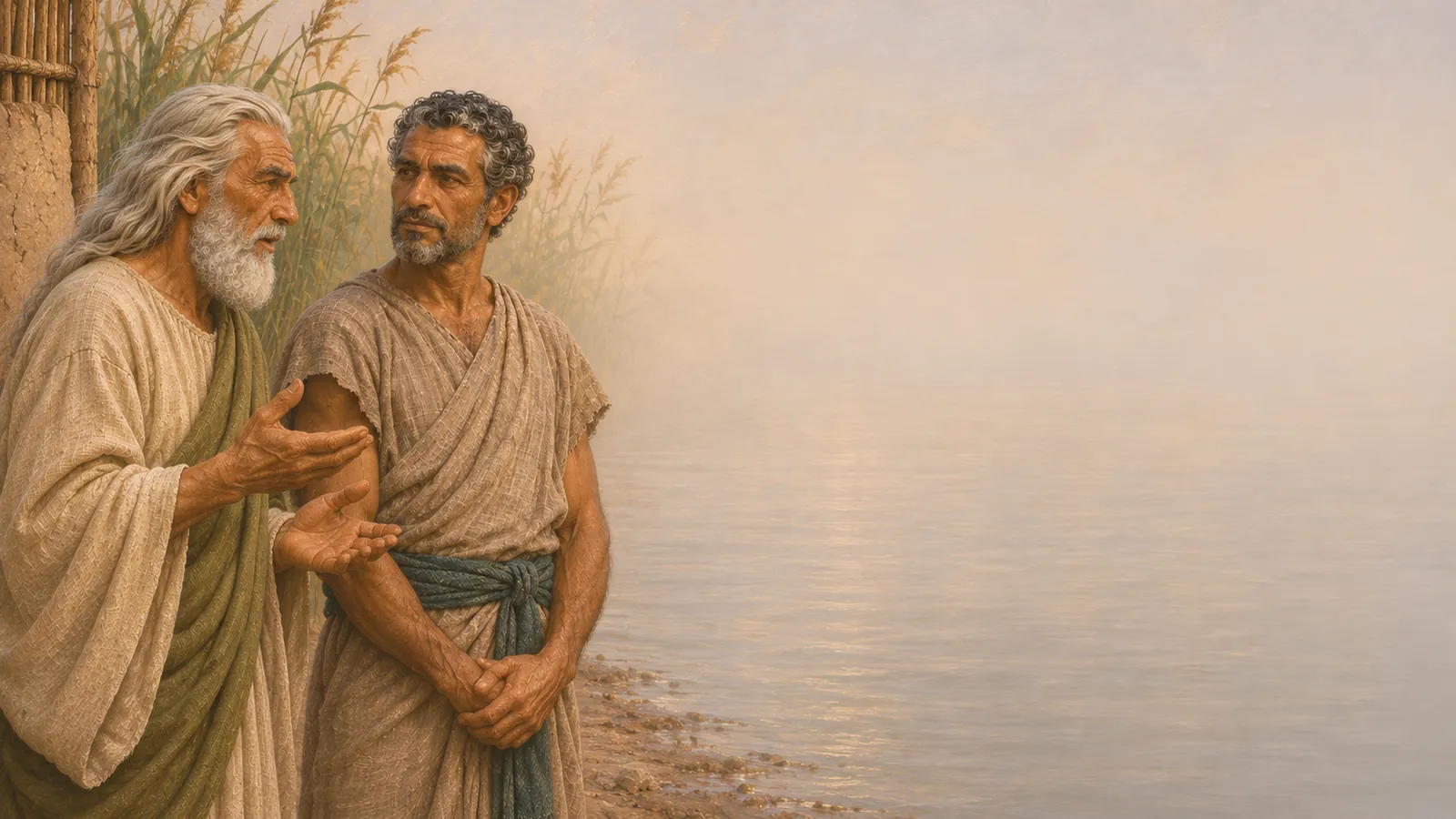
Utnapishtim se volvió hacia Urshanabi y declaró que el embarcadero y el paso quedarían cerrados para él. El barquero que había llevado allí a Gilgamesh volvería a llevárselo.
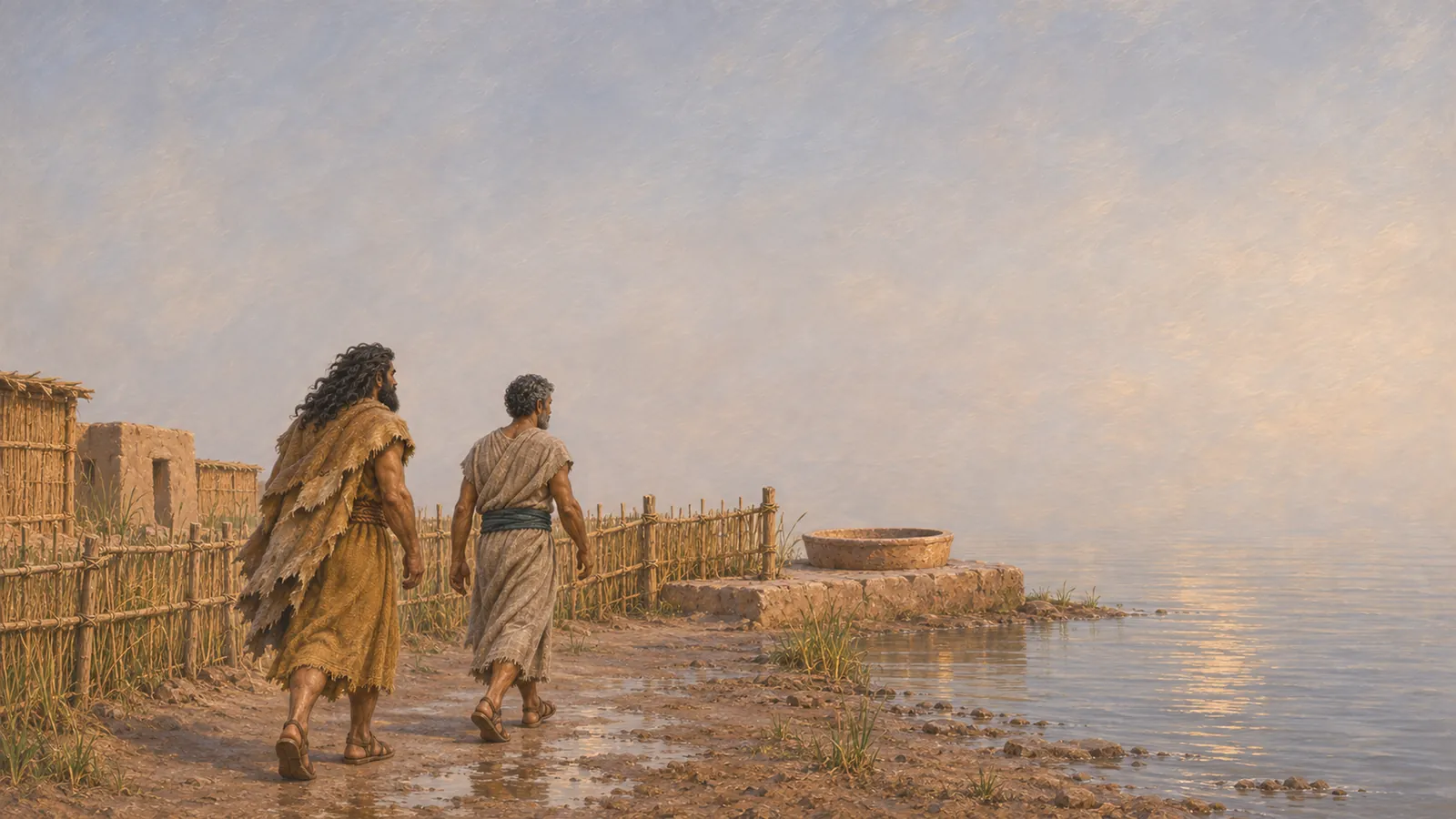
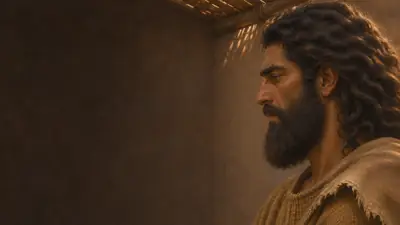
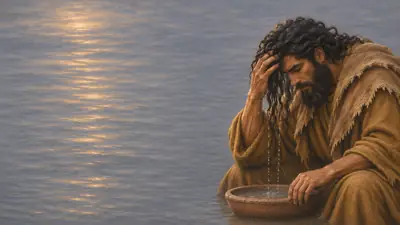
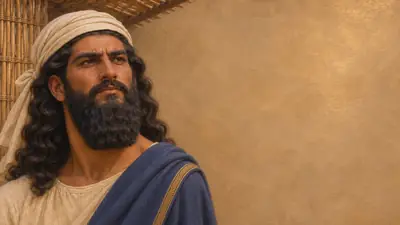
Utnapishtim mandó a Urshanabi llevar a Gilgamesh al lugar donde debía lavarse. Después del viaje, el rey tenía el pelo enredado y las pieles que llevaba le daban un aspecto desmejorado.
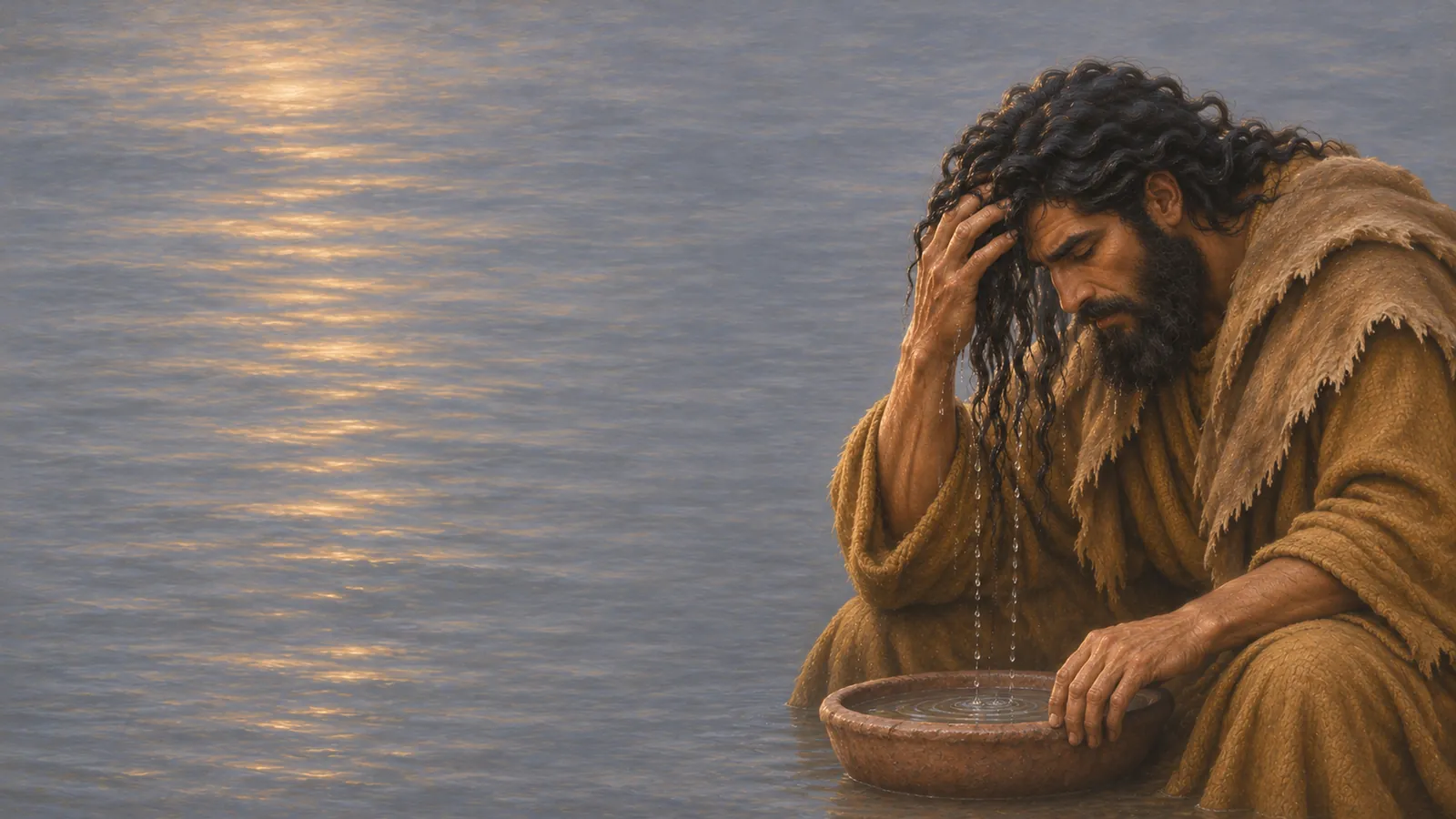
En el lugar del aseo, Gilgamesh se enjuagó el pelo enredado. Tras tanto tiempo de camino, pudo lavarse y quitarse algo de lo que el viaje había dejado en él.
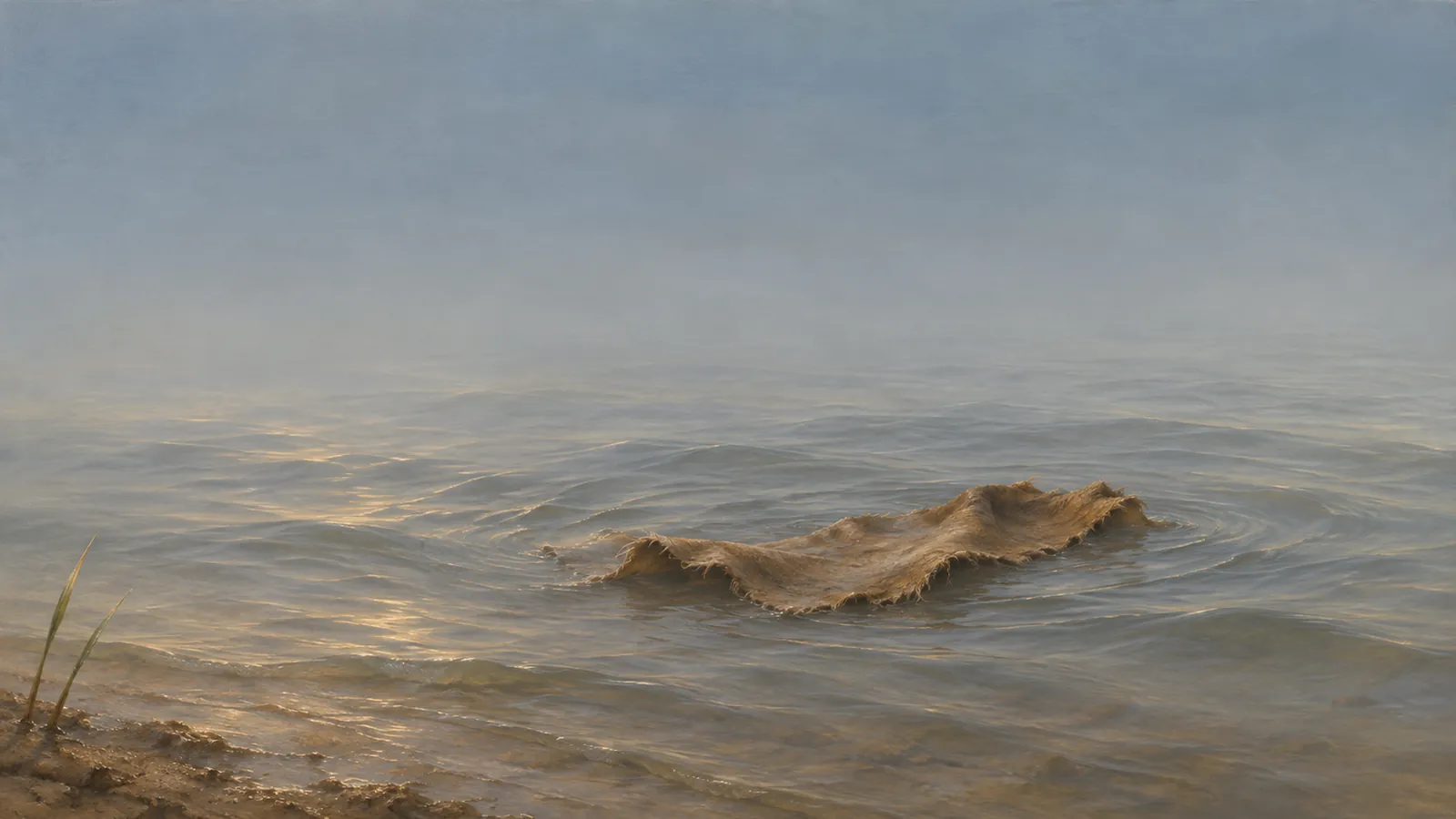
Gilgamesh se quitó las pieles que había llevado durante el viaje. El mar se las llevó, y él dejó atrás aquella parte del camino.
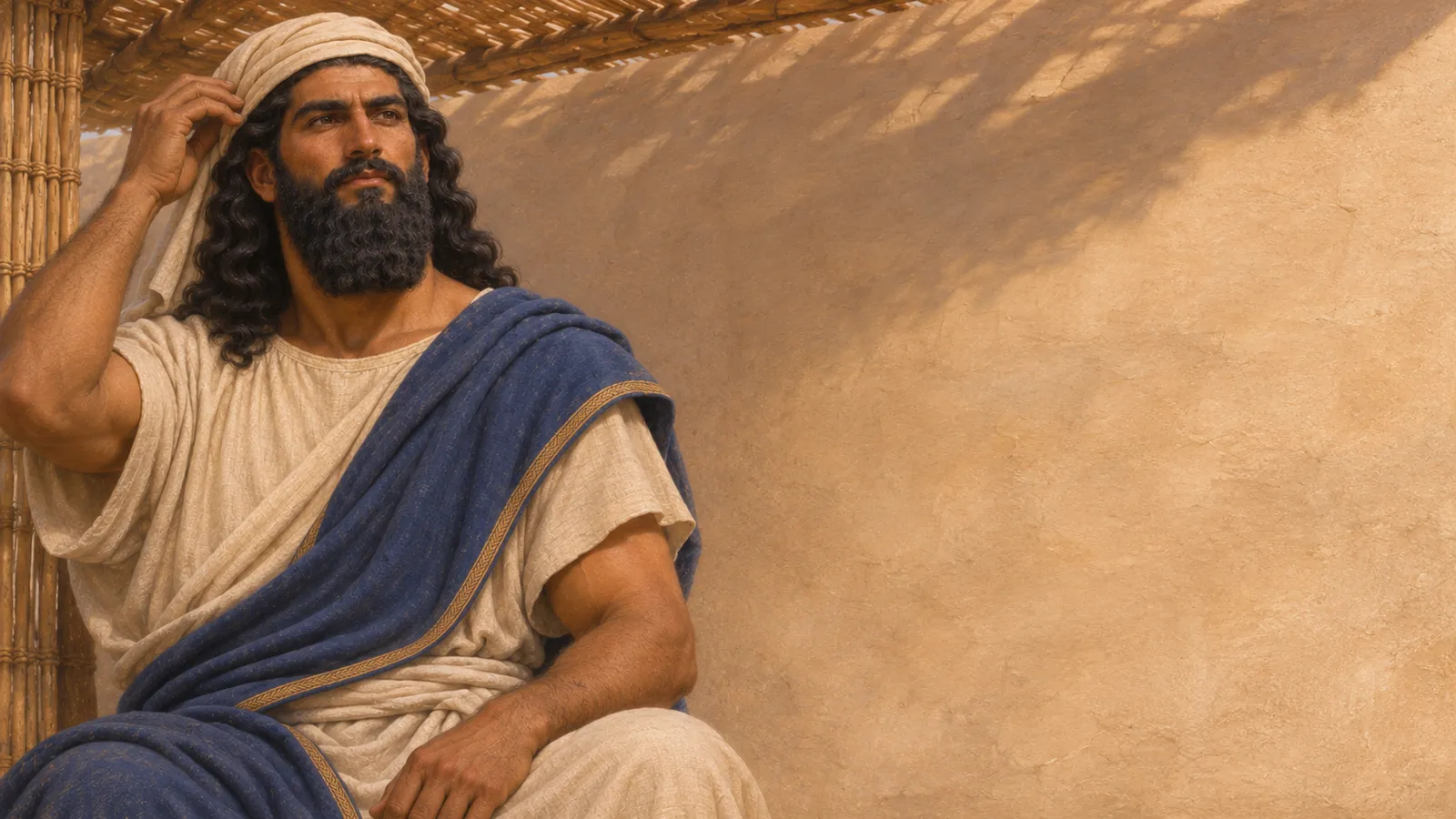
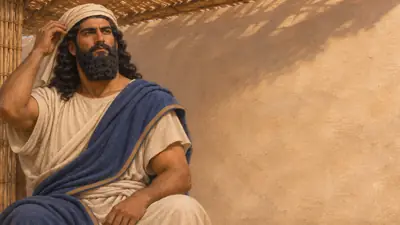
Le dieron a Gilgamesh un paño limpio para la cabeza y una túnica digna de un rey. El viajero que había llegado vestido con pieles partiría de nuevo con ropas reales.
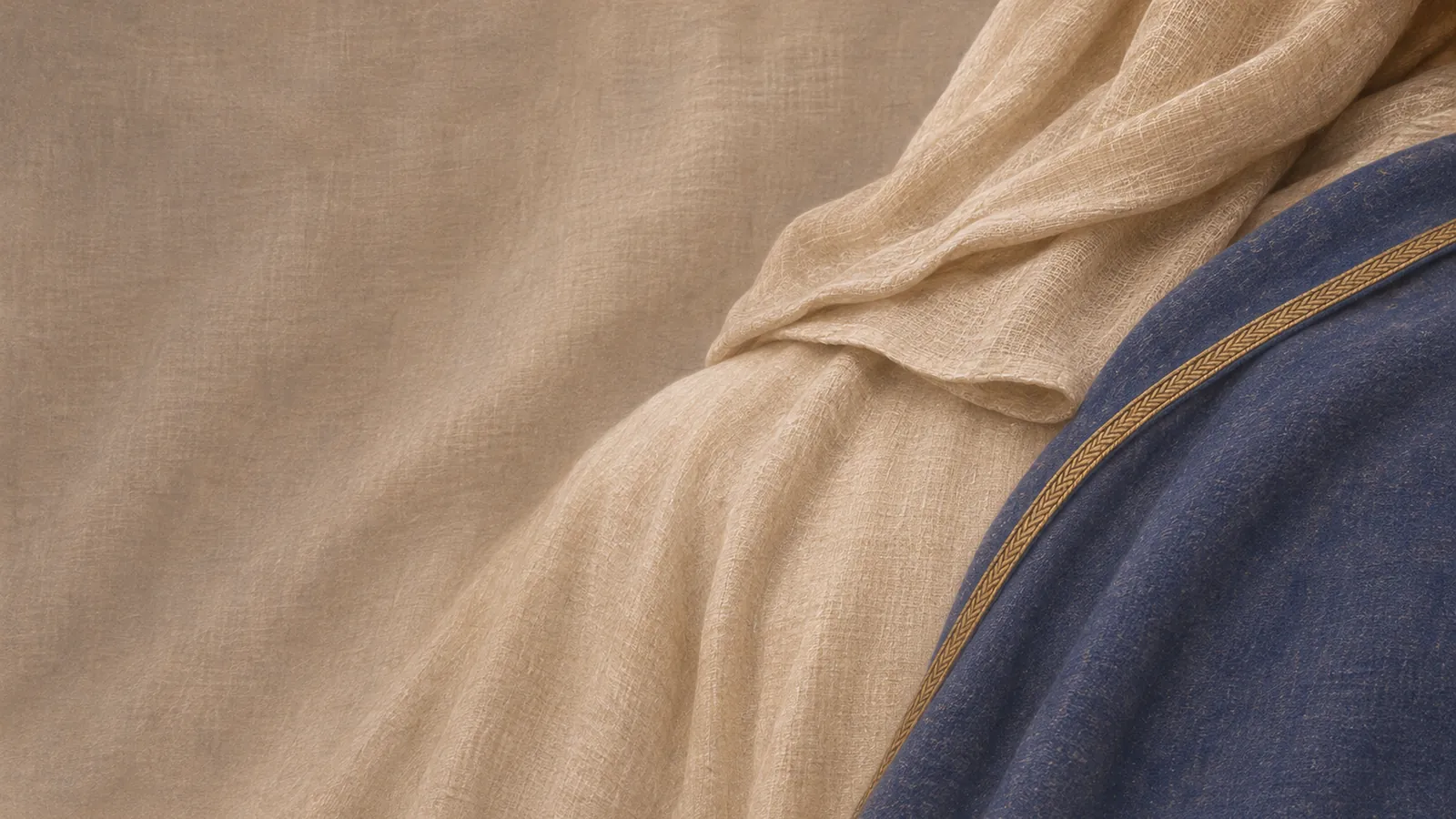
Utnapishtim quería que la túnica se mantuviera como nueva hasta que Gilgamesh llegara a su ciudad. El poema repite ese deseo mientras el rey se prepara para volver a casa.
PARTIDA
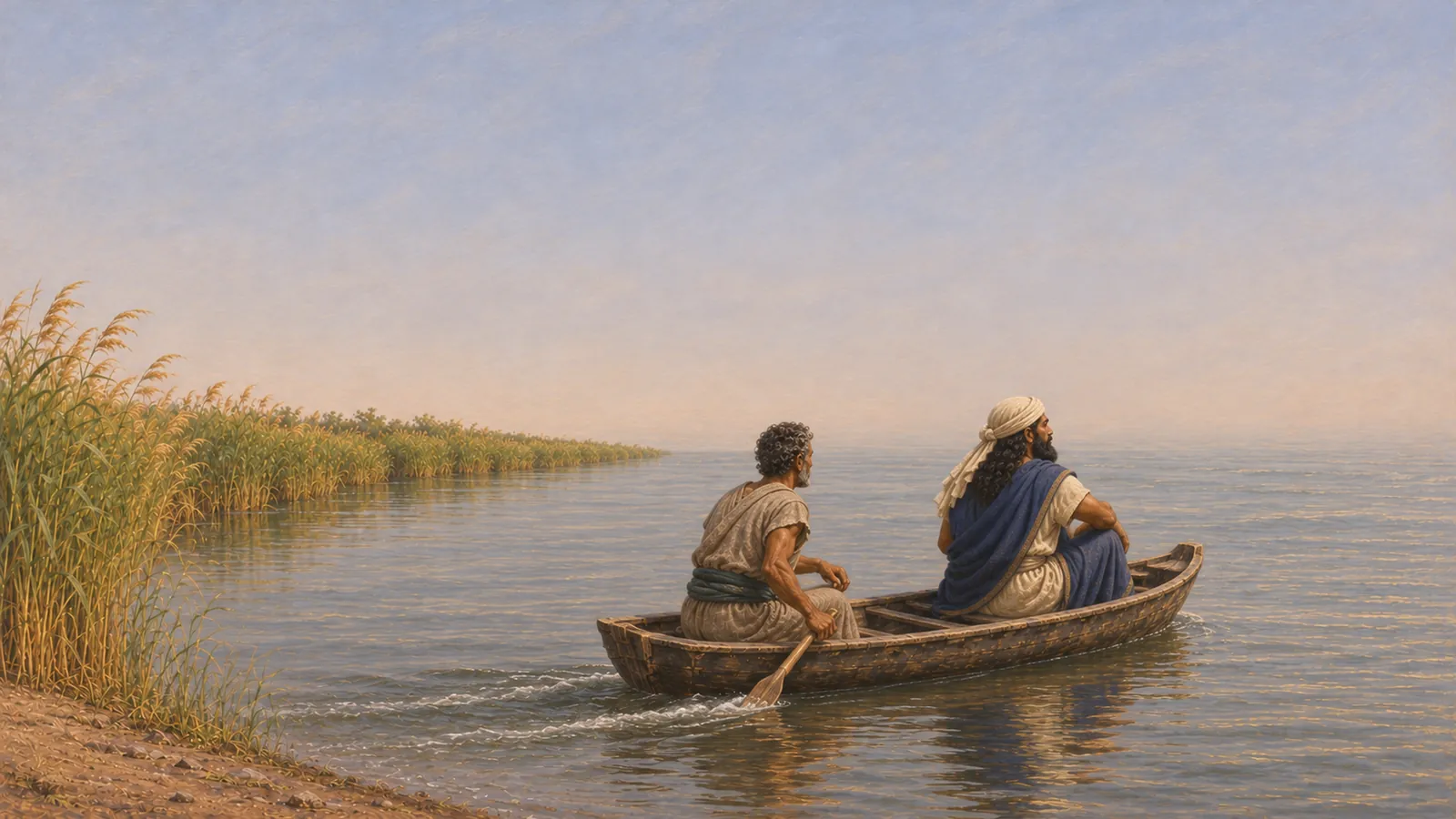
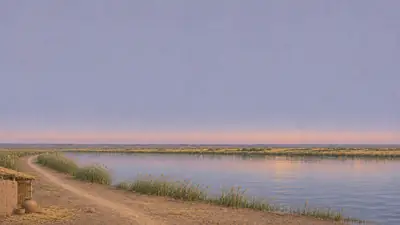
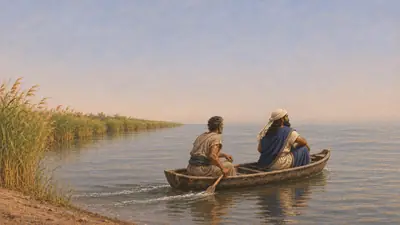
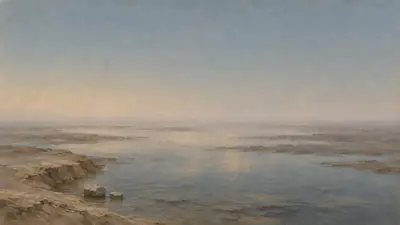
Gilgamesh y Urshanabi subieron a la barca y se apartaron de la orilla. Parecía que ya no les quedaba nada por hacer en la costa lejana y que el viaje de vuelta había comenzado.
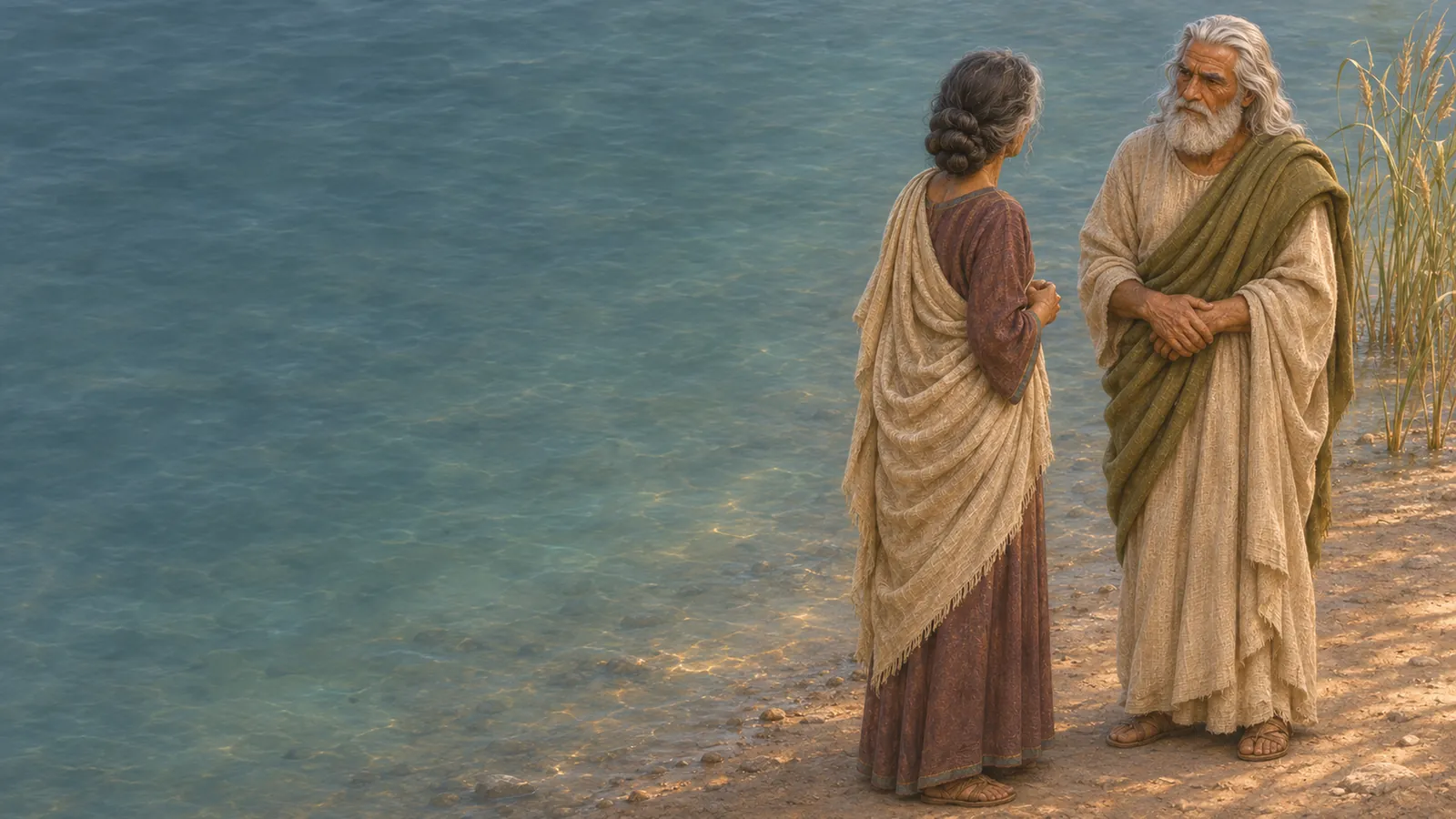
La esposa de Utnapishtim habló cuando la barca se alejaba. Recordó lo lejos que había venido Gilgamesh y lo cansado que estaba, y preguntó qué se le daría para llevar a su tierra.
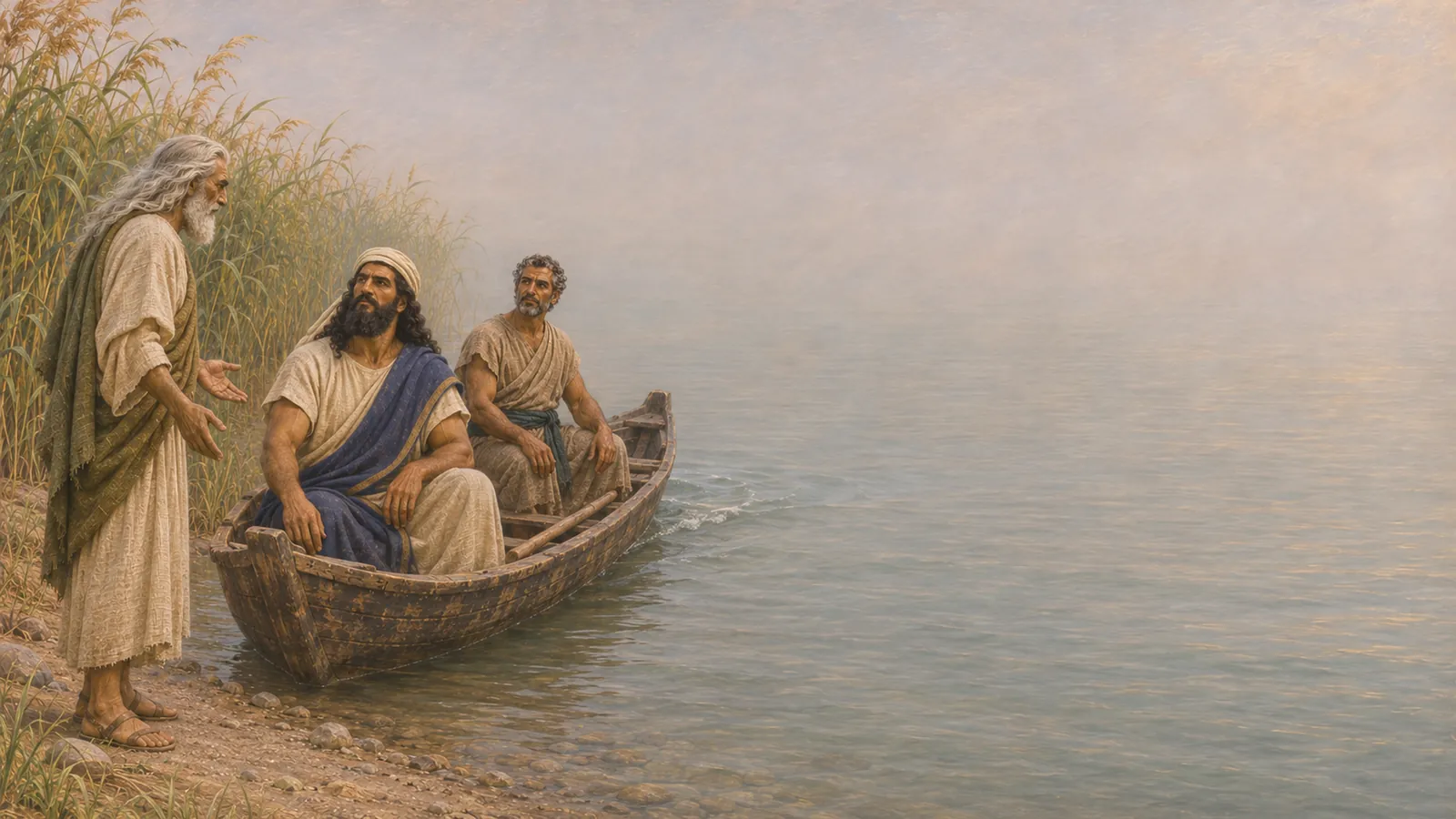
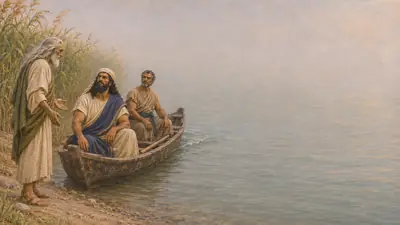
Gilgamesh alzó la pértiga y acercó la barca a la orilla. Utnapishtim seguía allí y tenía algo más que decirle antes de que se separaran.
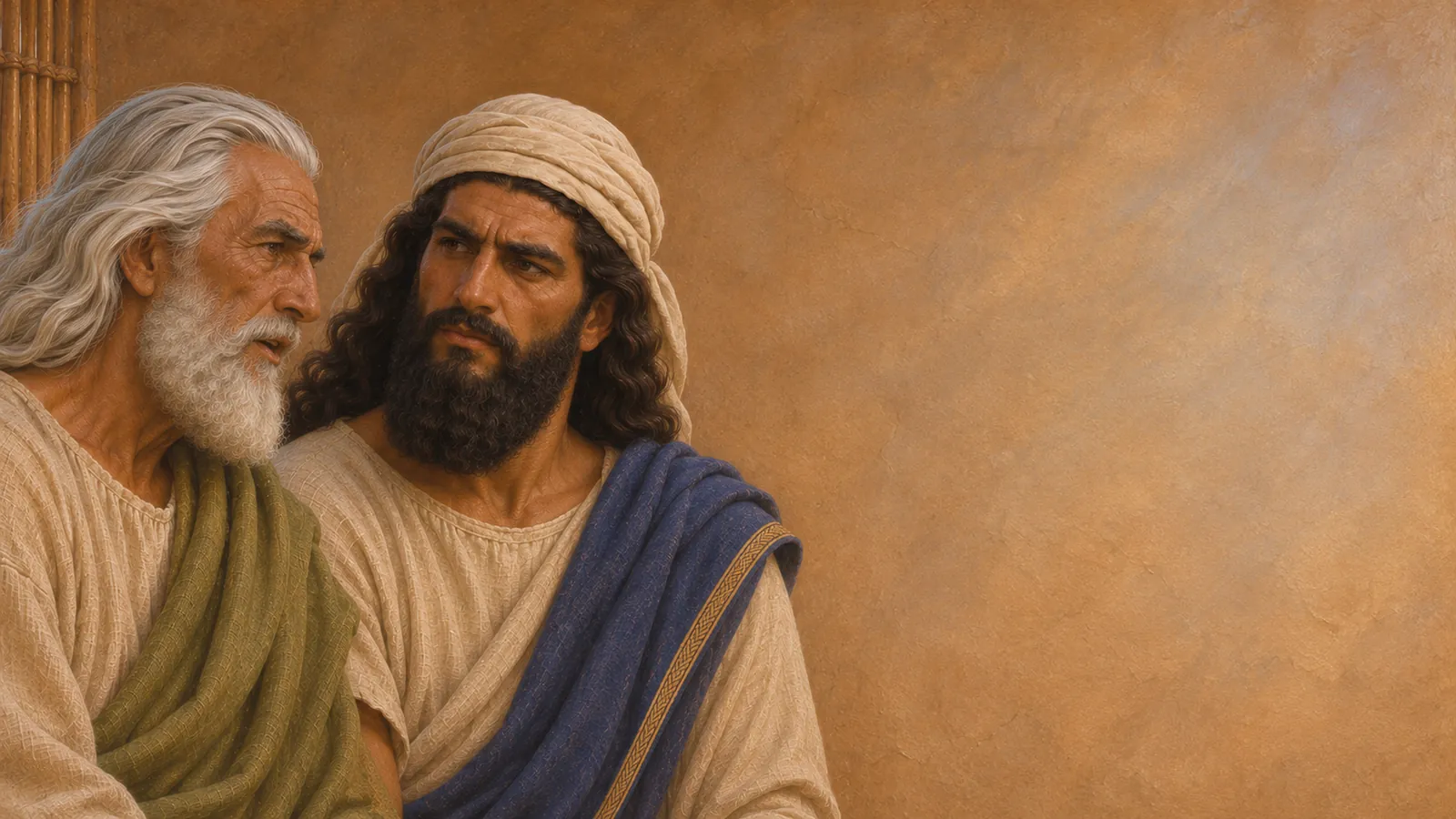
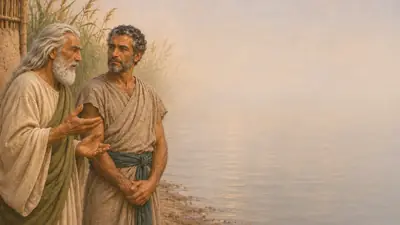
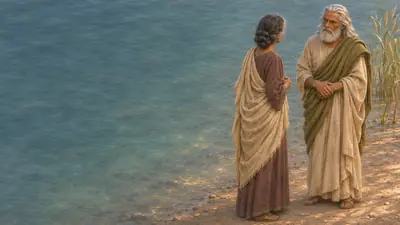
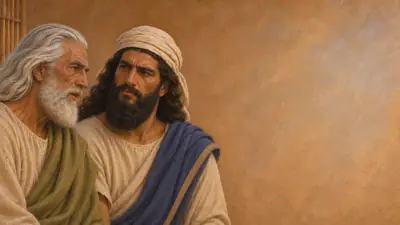
Utnapishtim reconoció el esfuerzo que le había costado a Gilgamesh llegar hasta él. Había algo que podía darle antes de que partiera, el conocimiento de algo oculto.
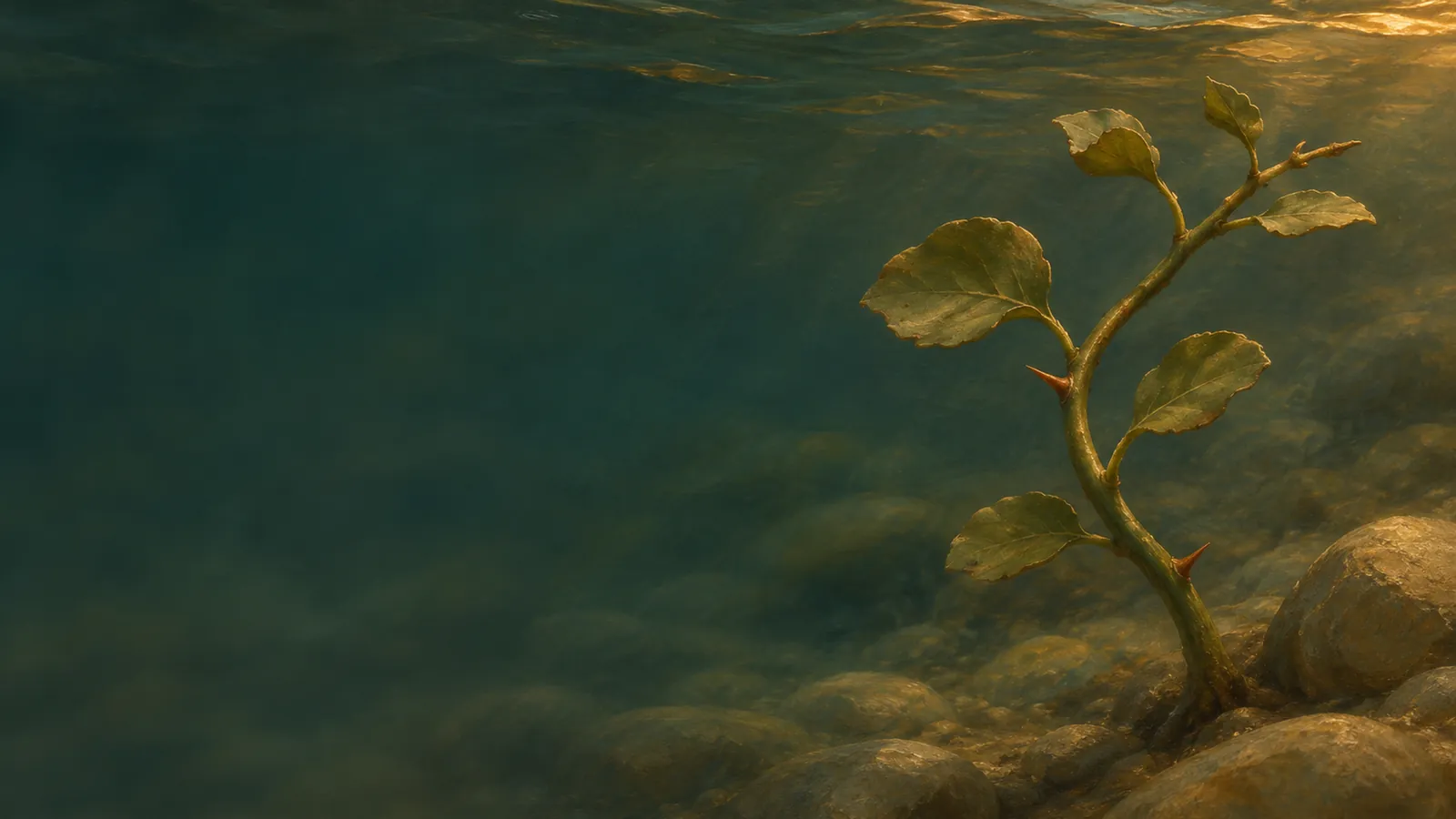
ESPINAS
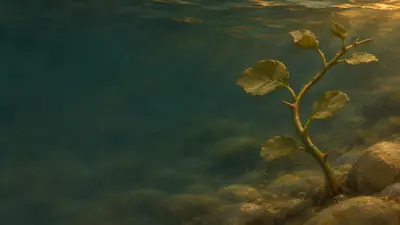
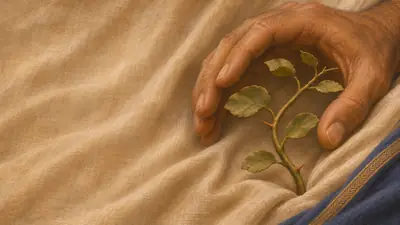
Describió una planta con espinas, de esas que se enganchan en la mano y pinchan. Hasta esa pequeña esperanza estaba en un lugar al que Gilgamesh tendría que llegar por sus propios medios.
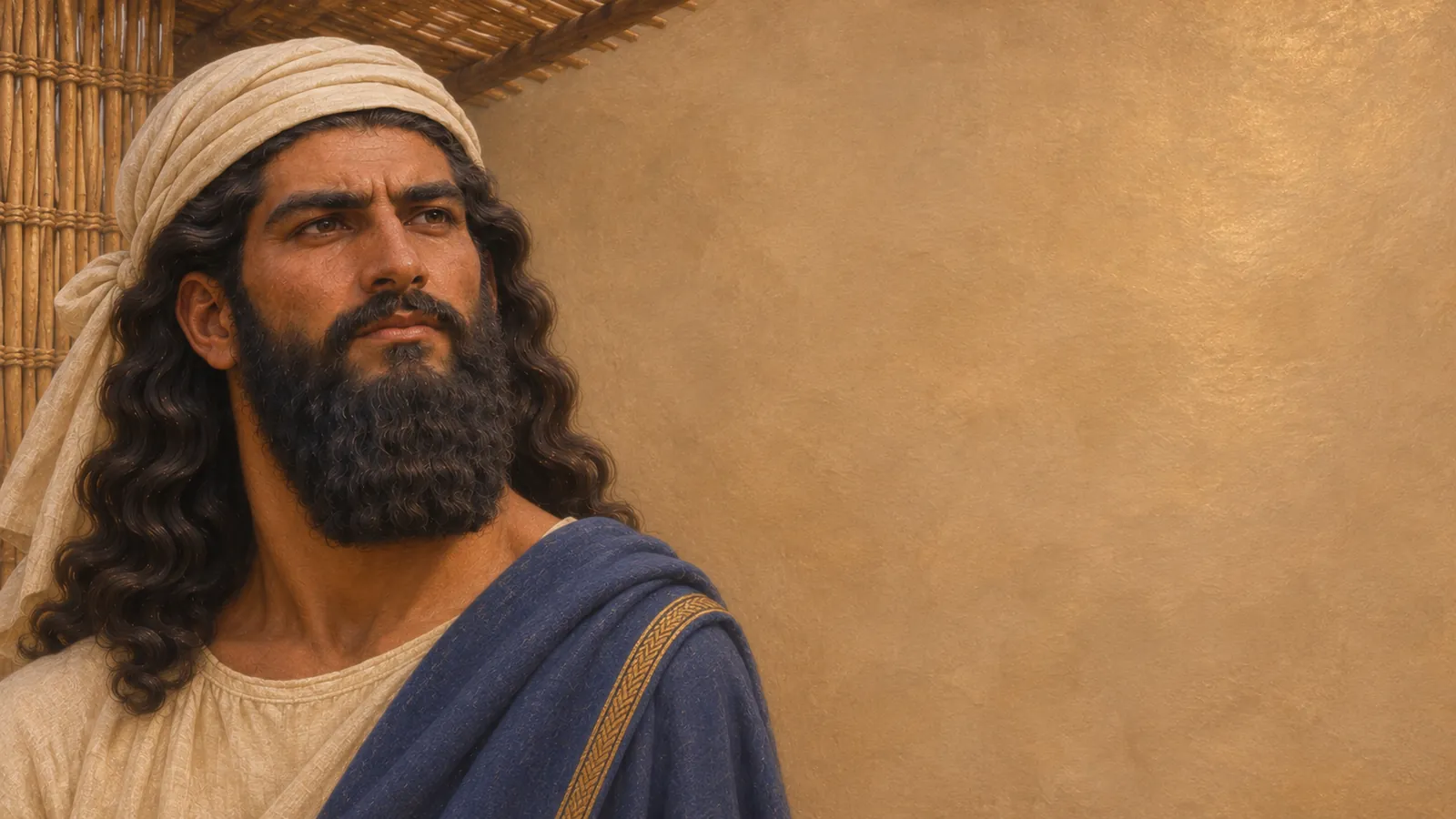
Si Gilgamesh lograba hacerse con la planta, podía esperar recobrar la juventud. Ese es el sentido de las palabras restauradas al final de la promesa, donde el texto está dañado.
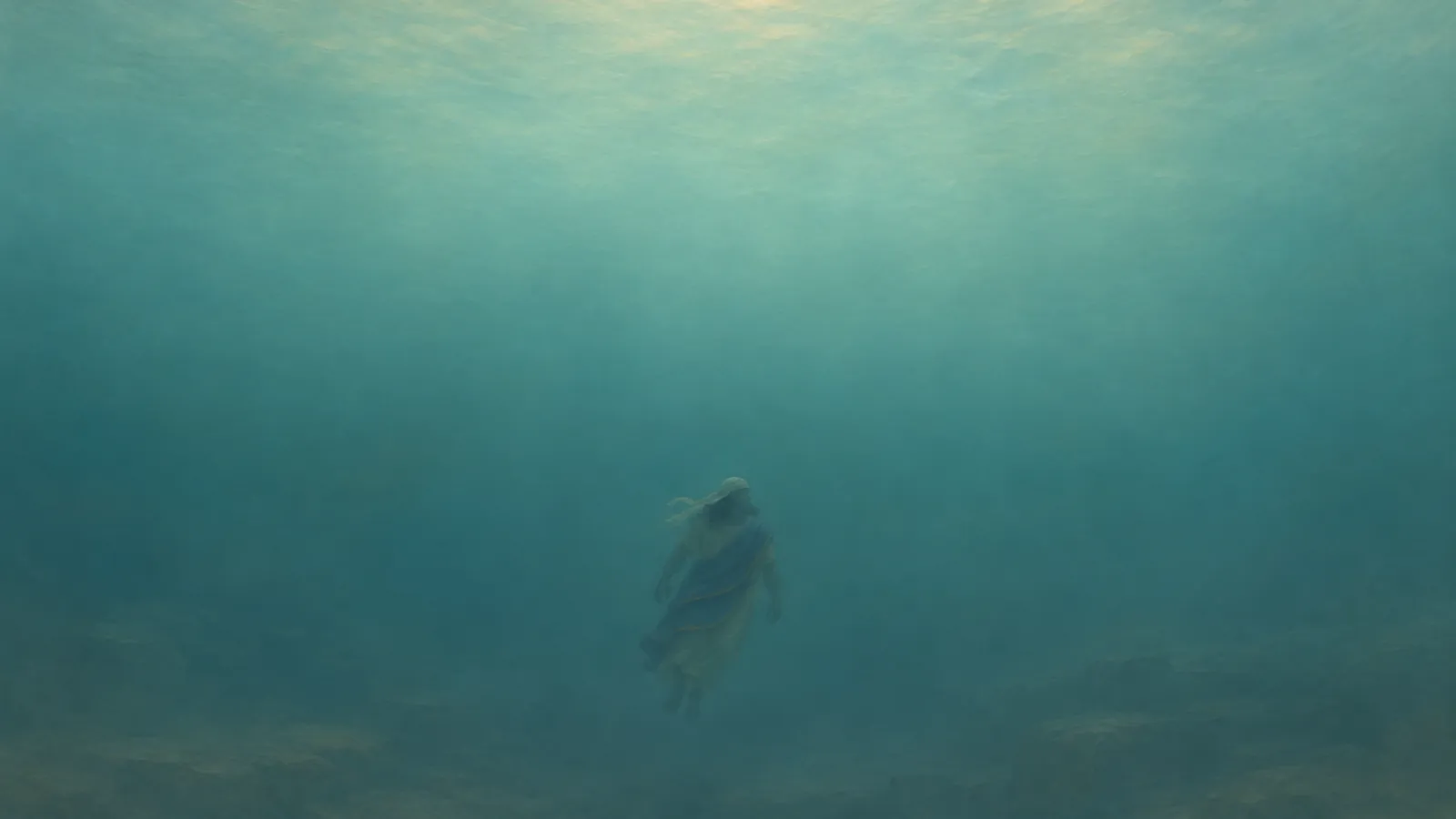
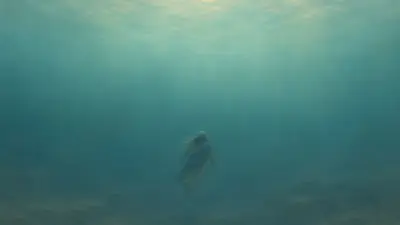
Al oírlo, Gilgamesh se puso en acción. Unas piedras pesadas lo llevaron al fondo de las aguas que el poema llama Apsu, donde la planta estaba a su alcance.
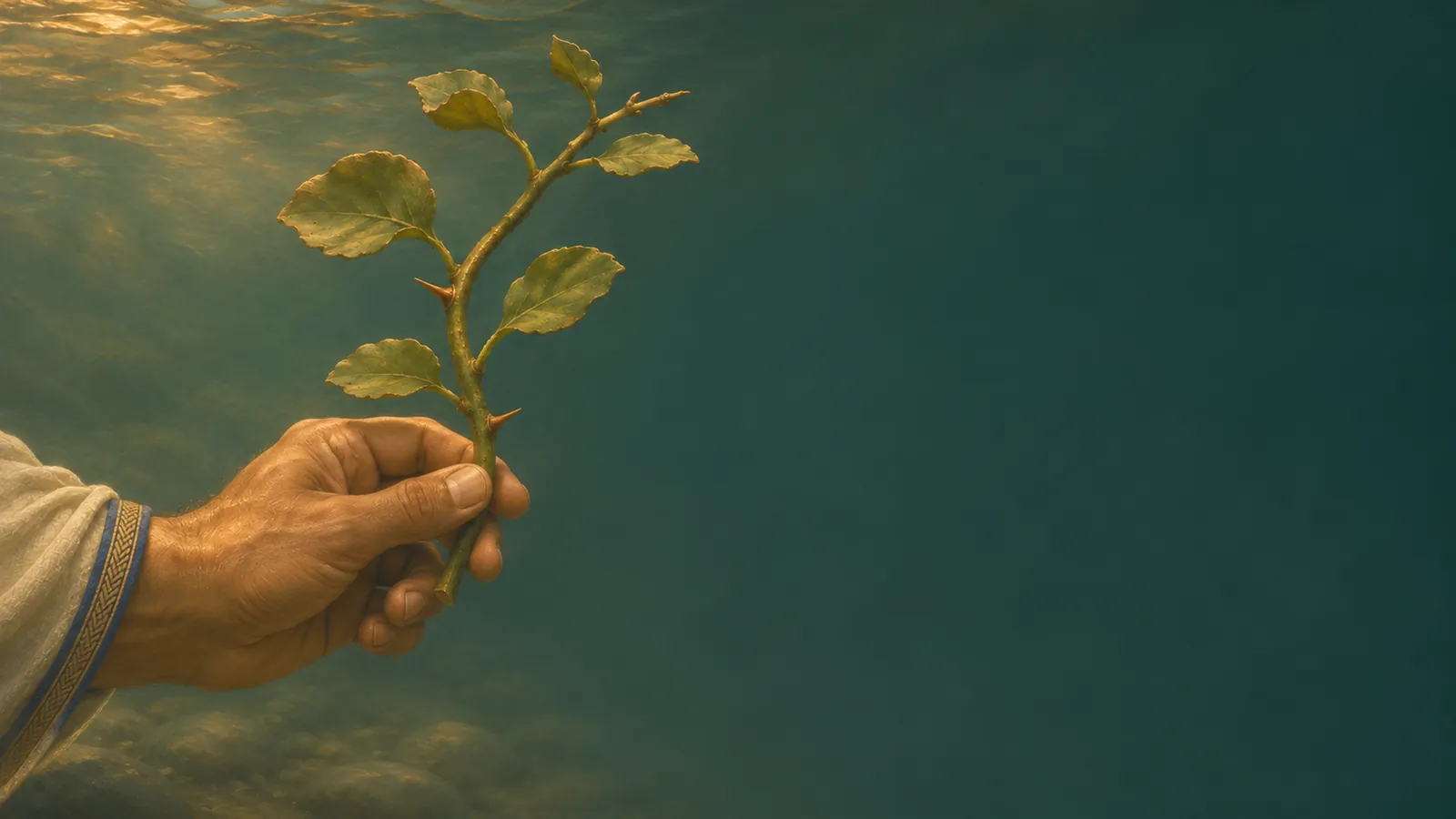
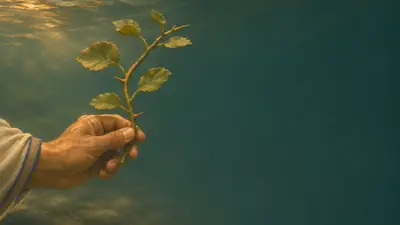
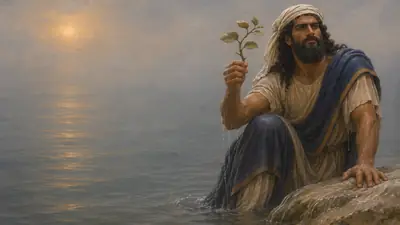
Gilgamesh alcanzó la planta y la arrancó. Las palabras sobre cómo la tomó están dañadas en algunos lugares, pero la planta salió con él de las profundidades.
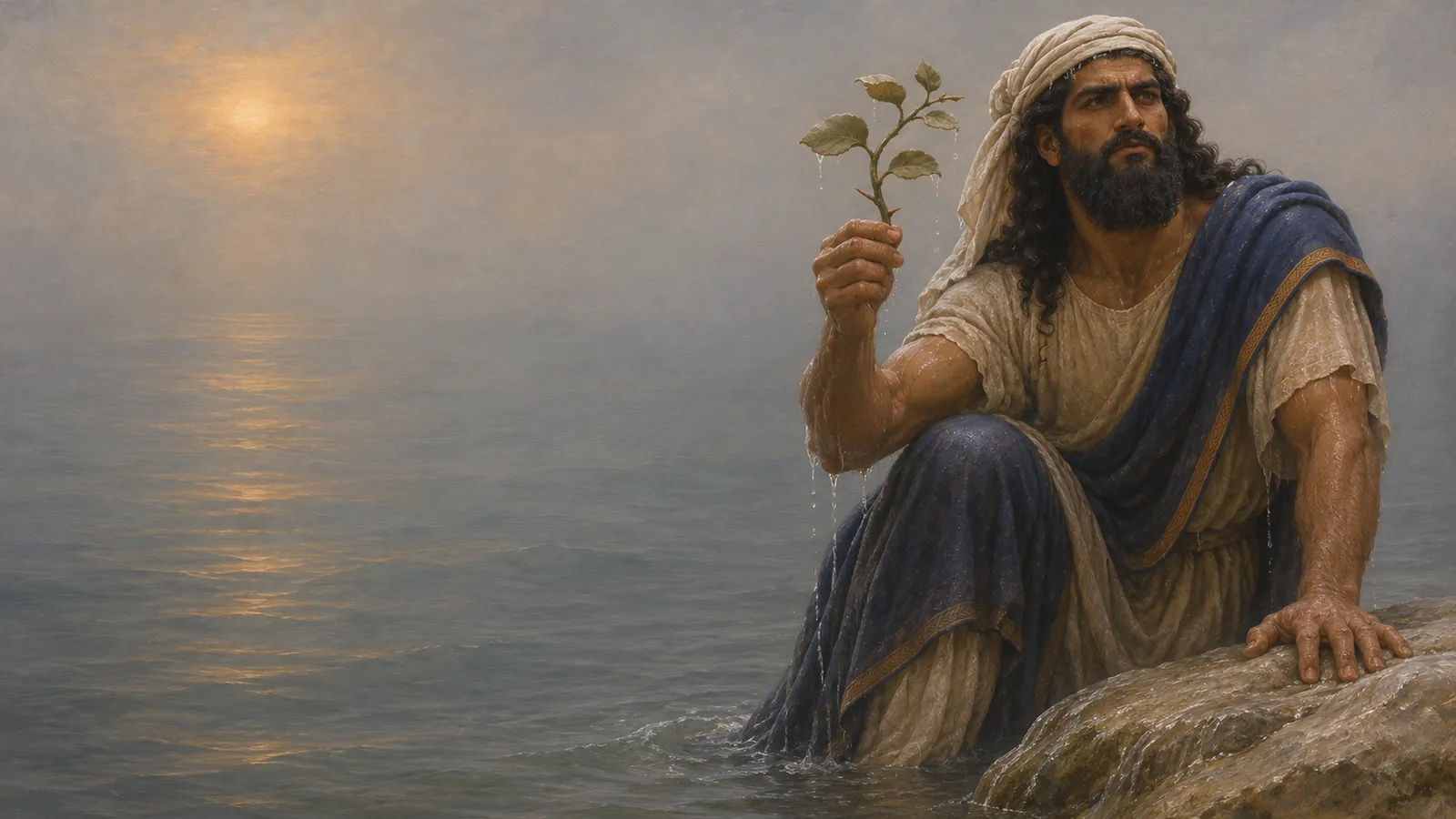
Se libró de las piedras y el mar lo devolvió a su orilla. Había salido con la planta que había bajado a buscar.
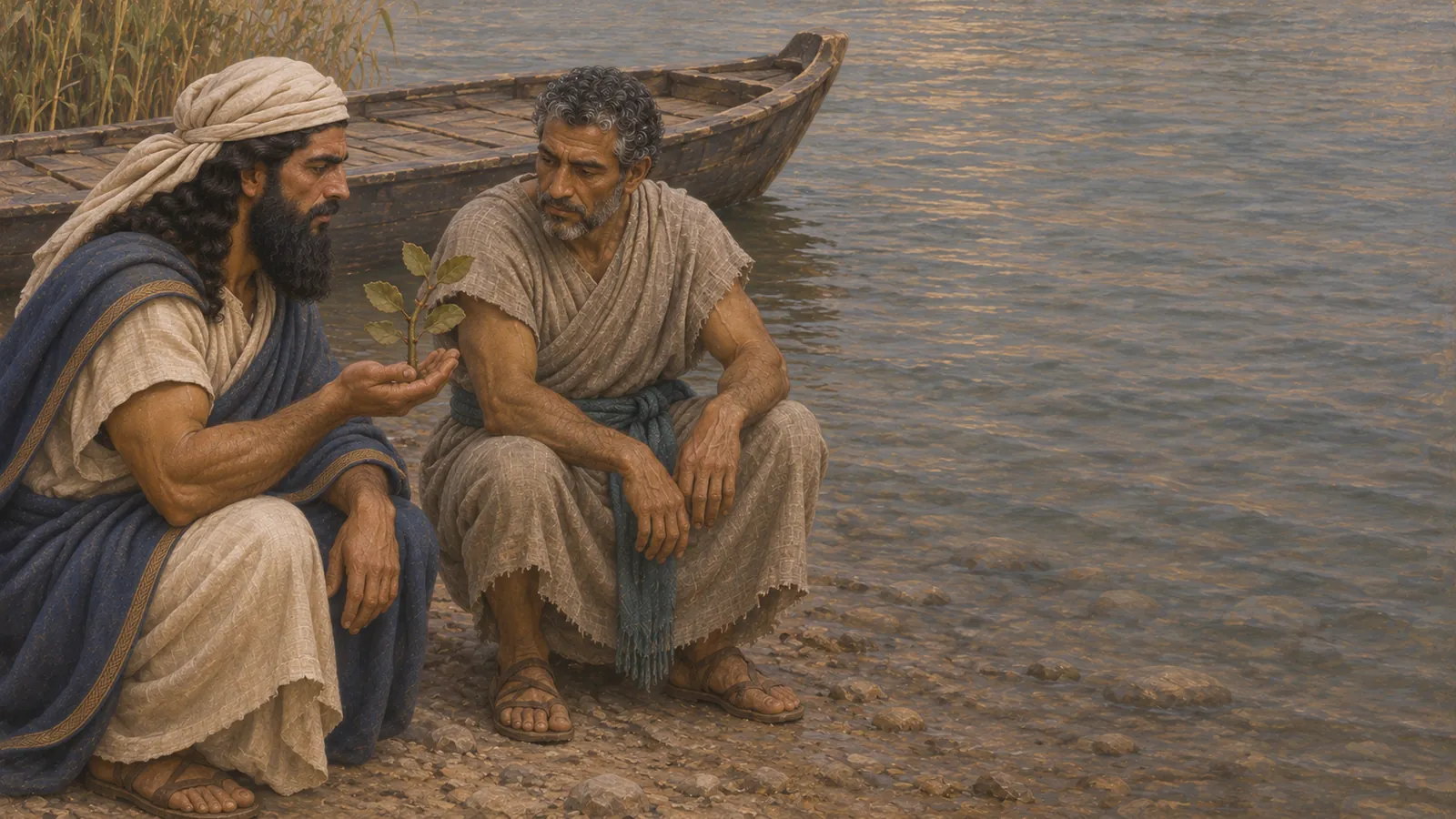
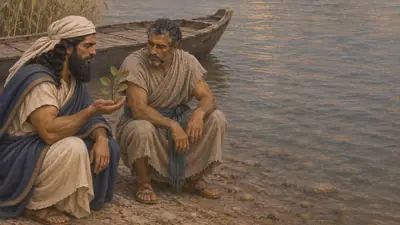
Gilgamesh mostró la planta a Urshanabi y le explicó lo que podía hacer. Creía que podía devolver a una persona el vigor que el tiempo se había llevado.
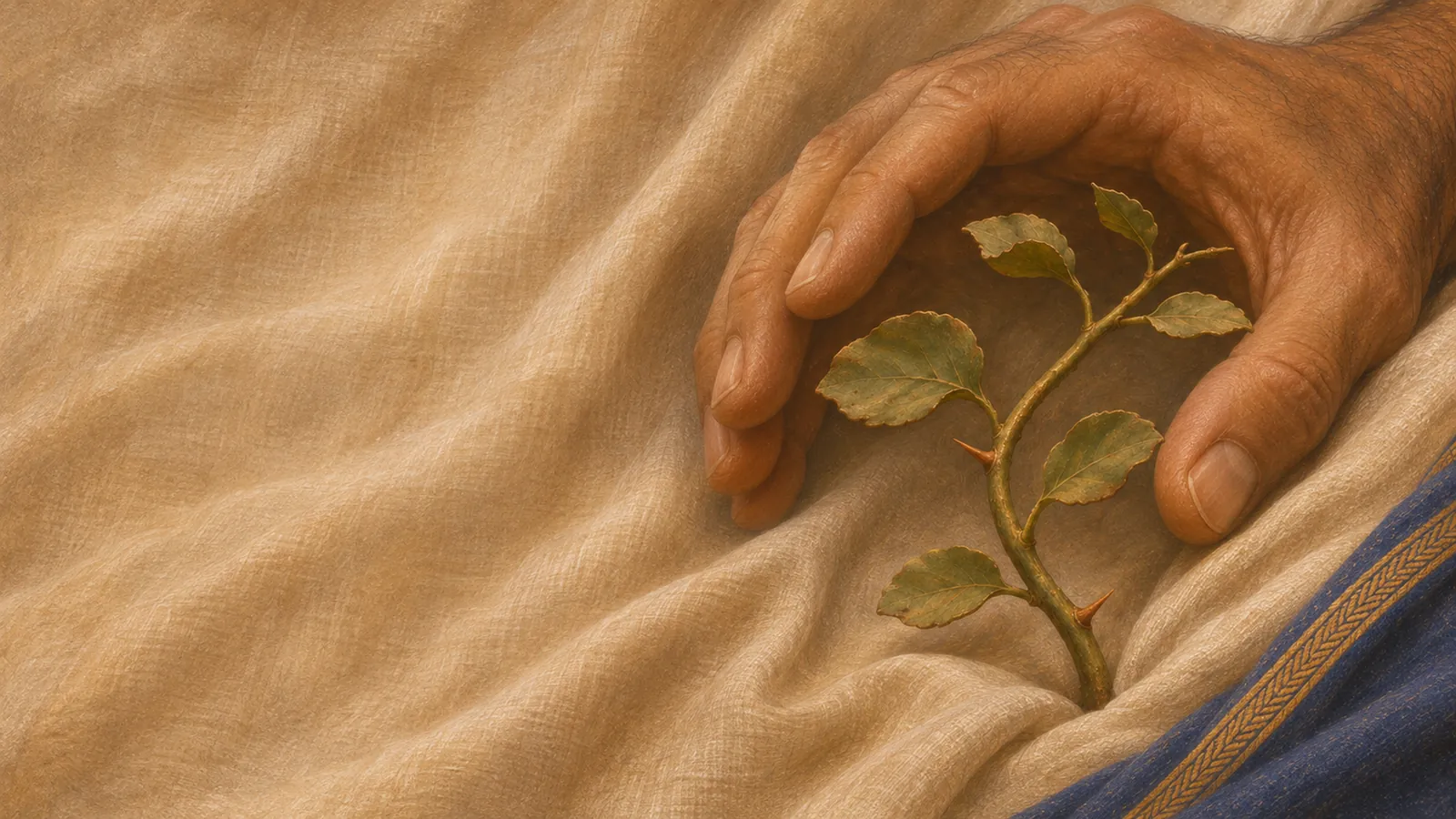
Gilgamesh pensaba llevar la planta a Uruk y probarla primero con un anciano. Si aquel hombre volvía a ser joven, Gilgamesh se proponía comer de ella.
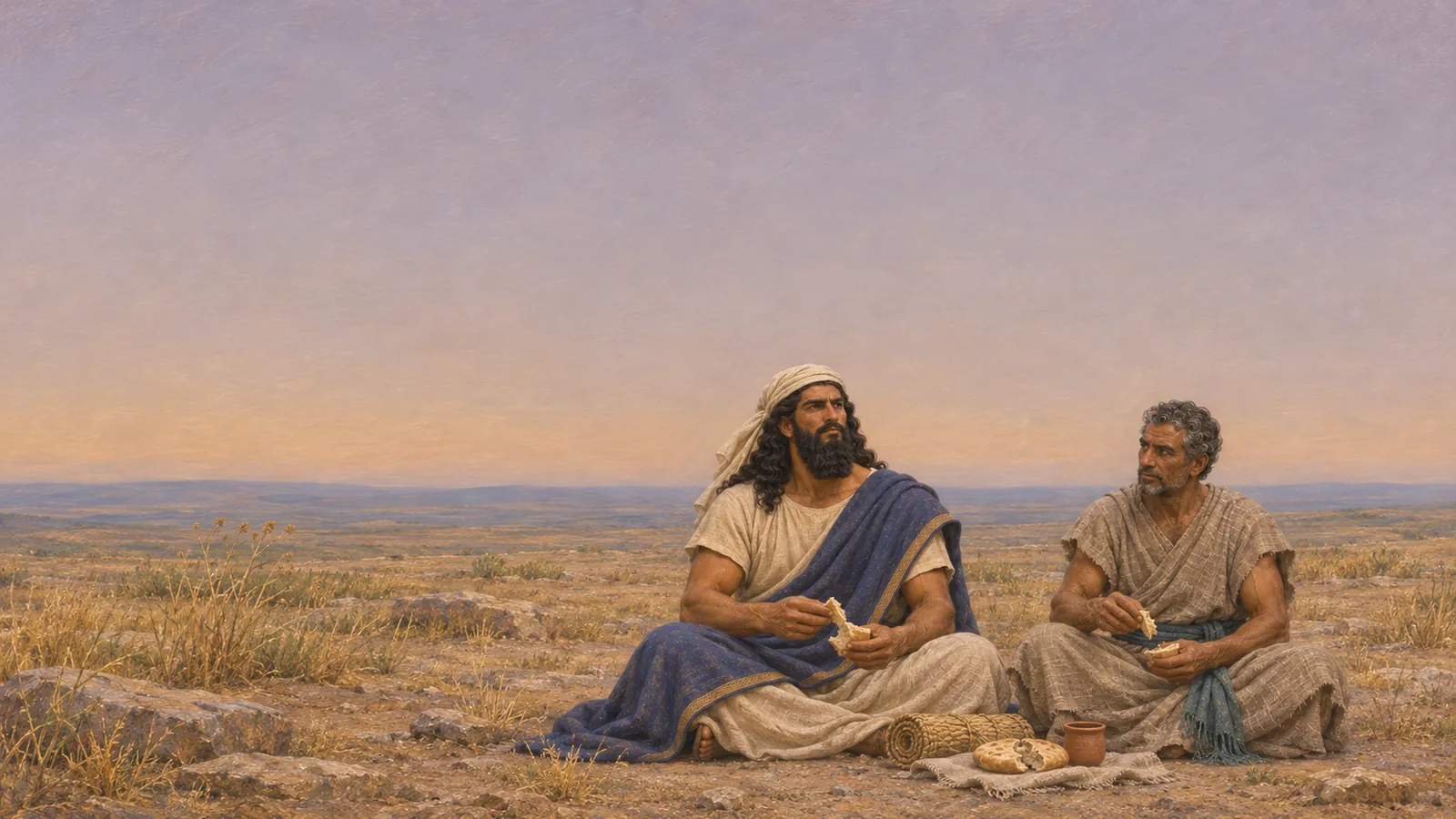
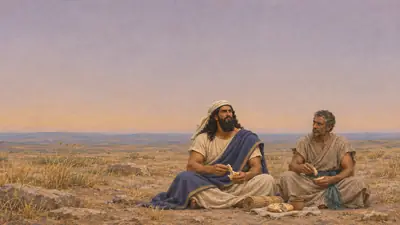
Los dos siguieron rumbo a casa. El poema marca las etapas del viaje. Se detuvieron a comer pan y, más adelante, acamparon para pasar la noche.
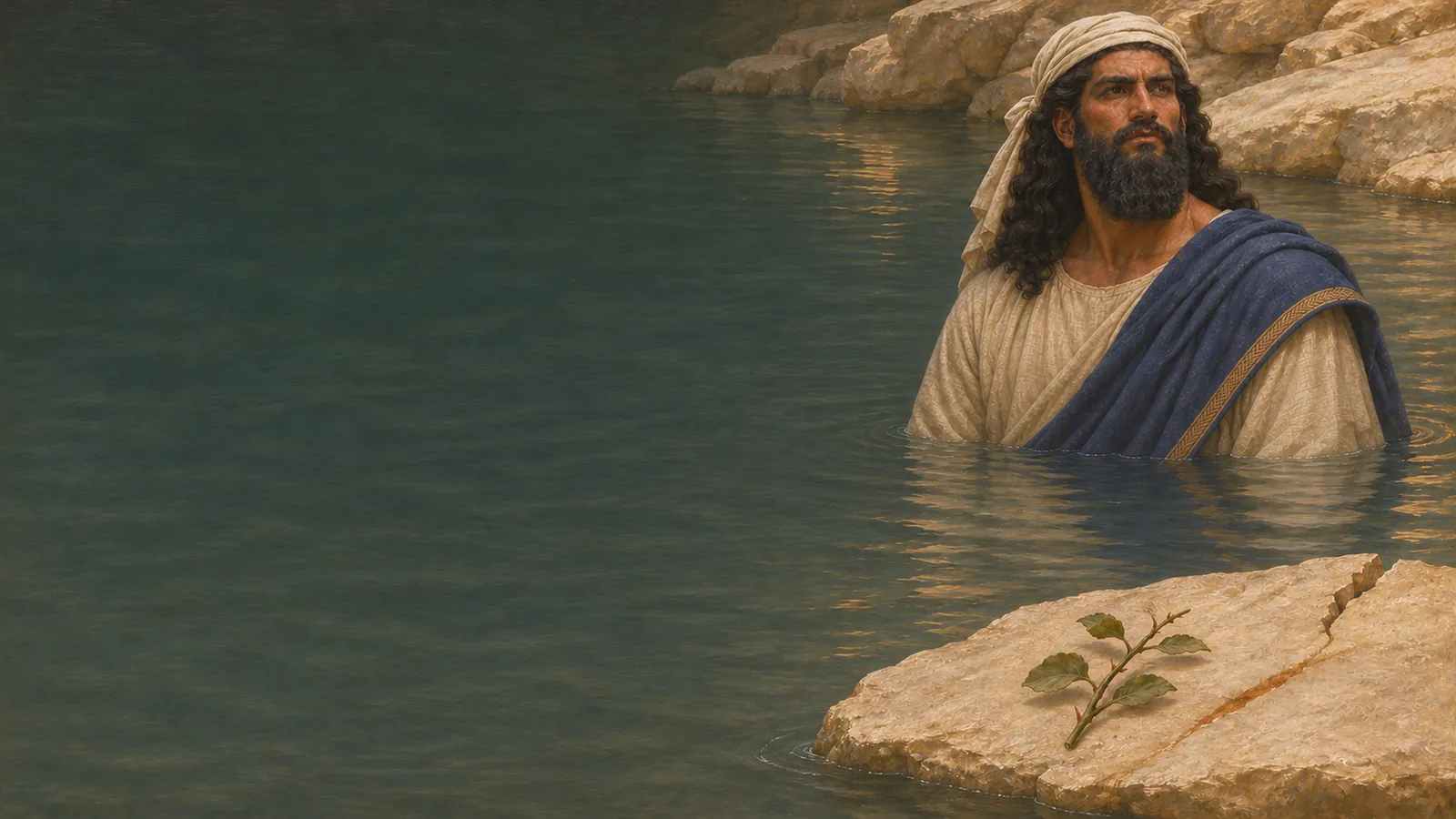
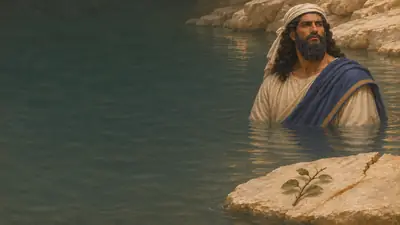
Gilgamesh encontró una poza de agua fresca y bajó a bañarse. La planta estaba lo bastante cerca para que su aroma llegara a algo que él no veía.
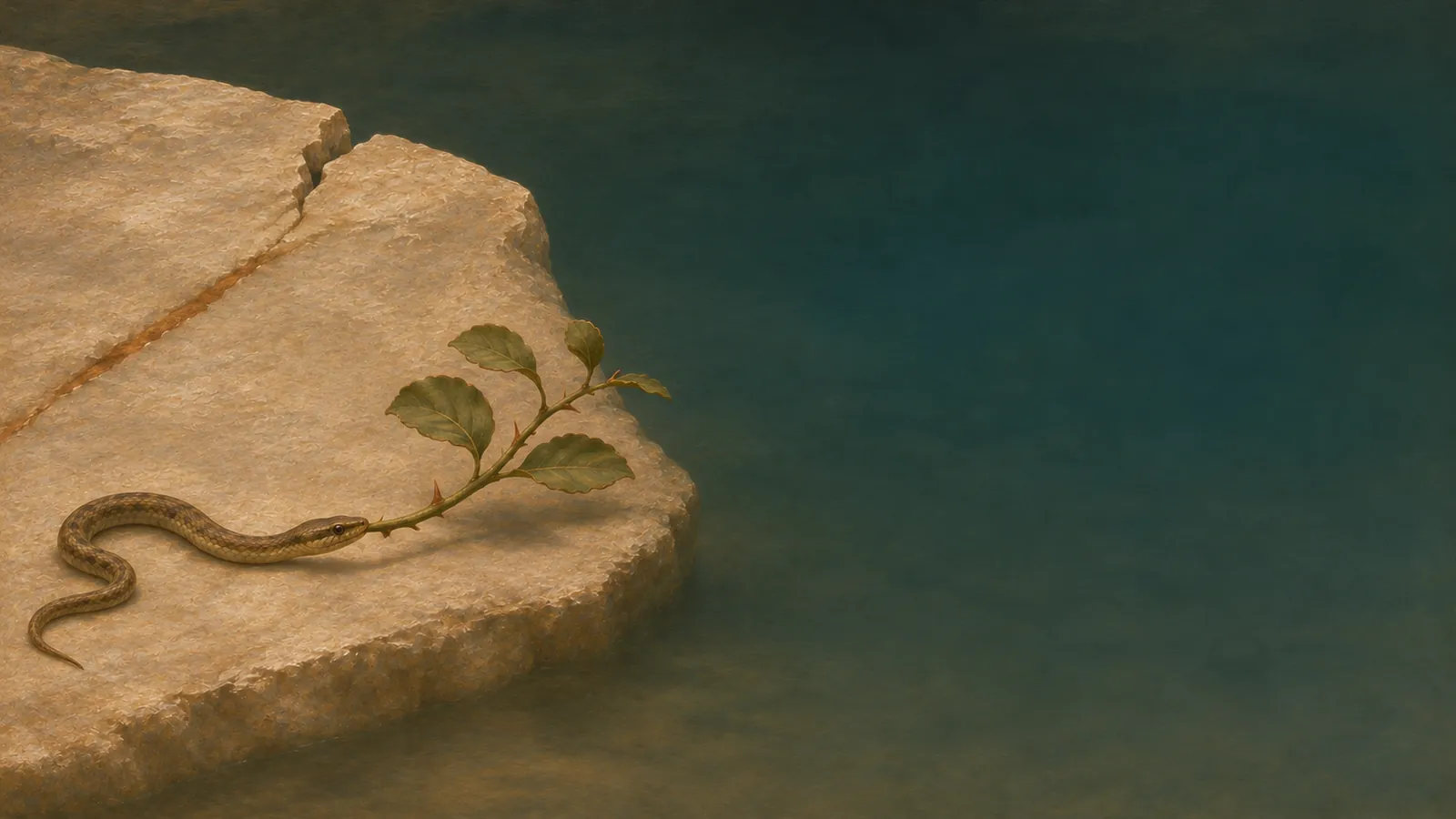
SERPIENTE
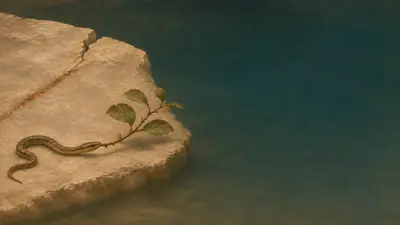
Una serpiente percibió el aroma de la planta y se acercó. Mientras Gilgamesh estaba en el agua, se llevó lo que él había reservado para Uruk.
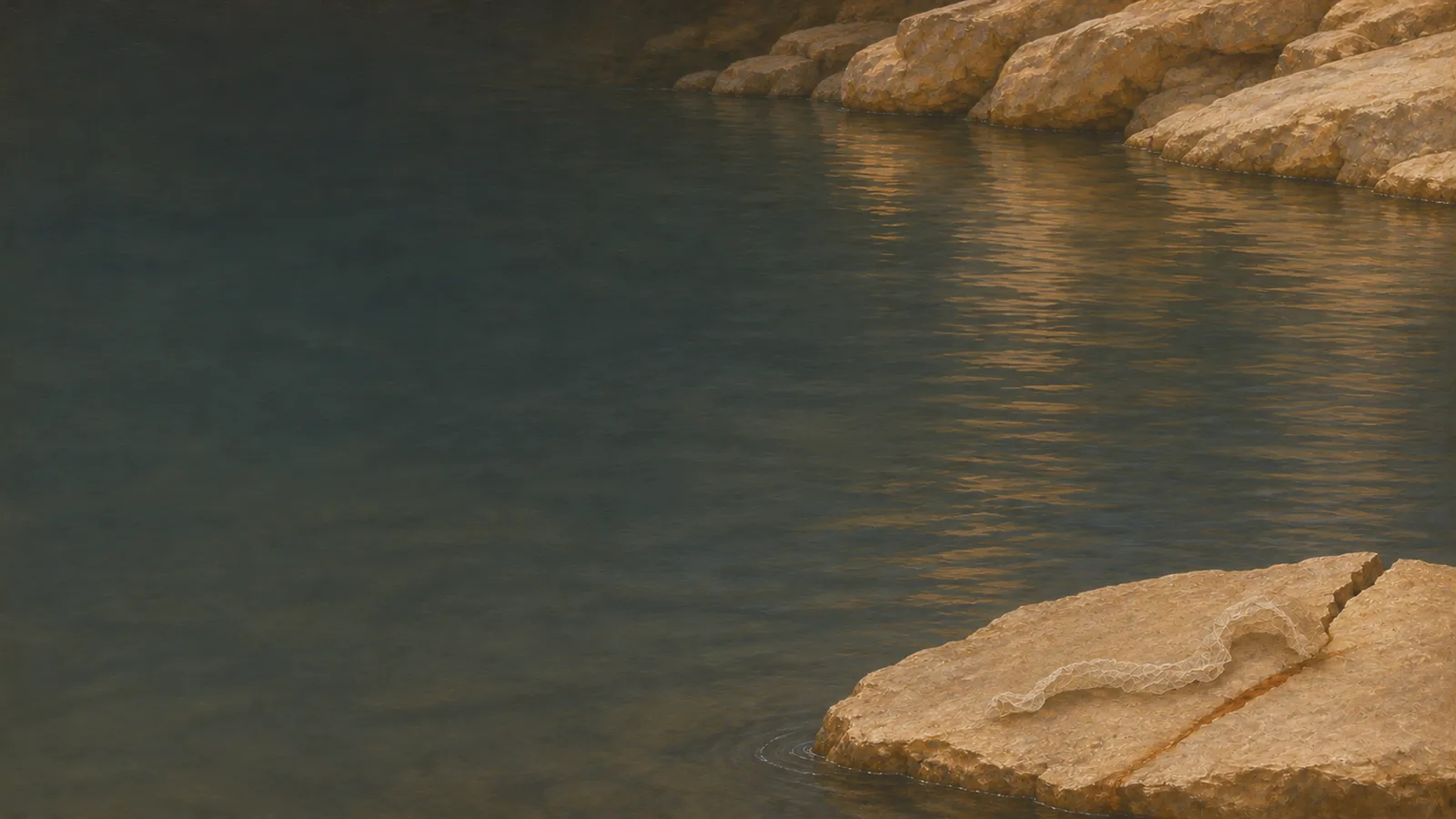
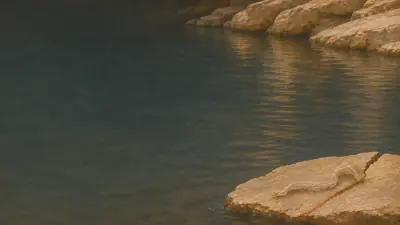
Al alejarse, la serpiente se desprendió de su piel. La planta había desaparecido, y a la orilla del agua solo quedaba la piel vacía.
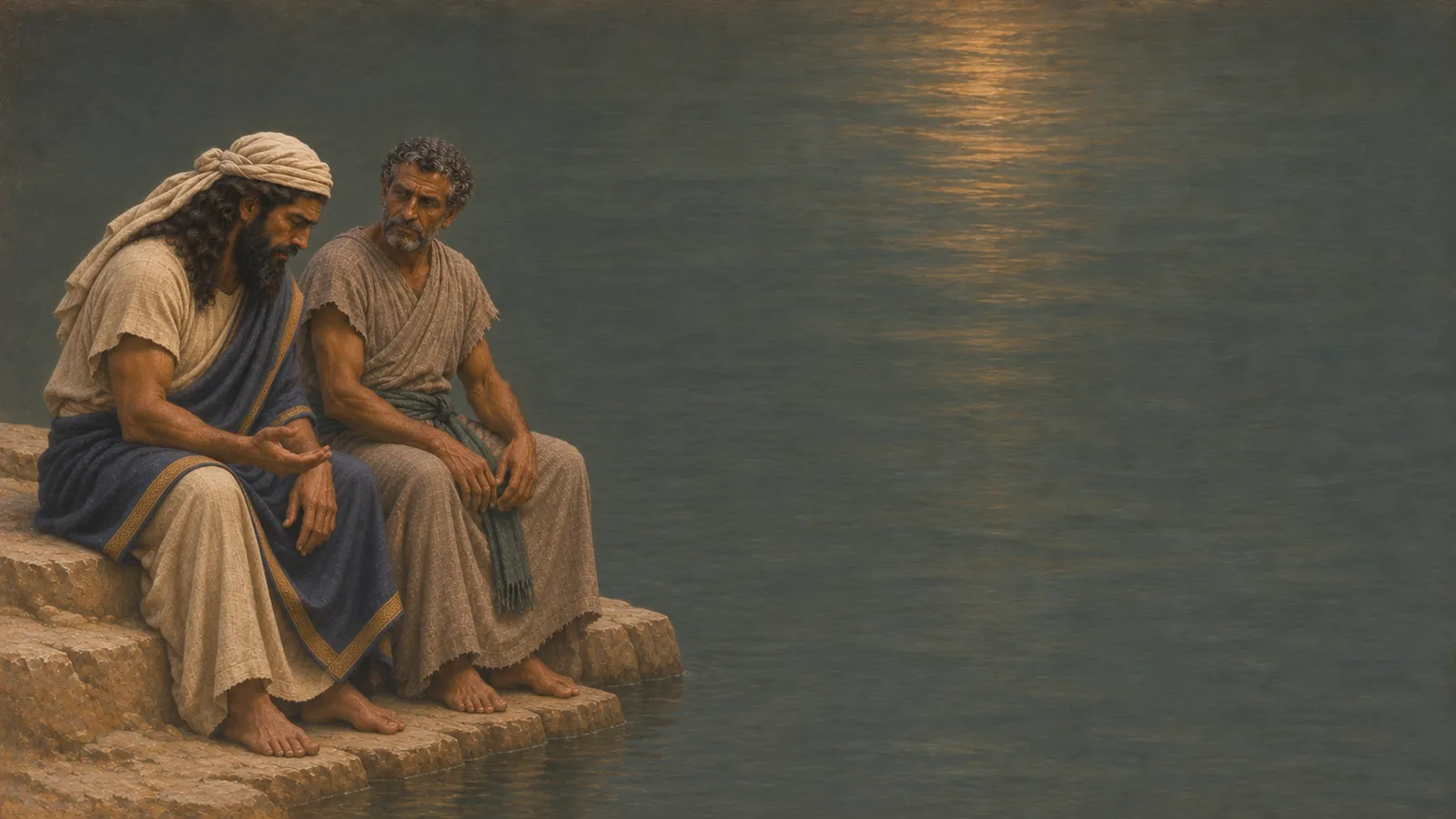
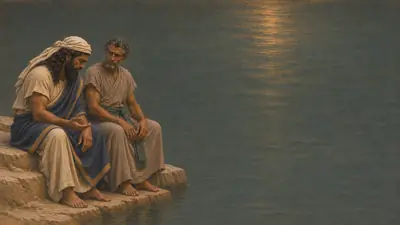
Gilgamesh se sentó y lloró. Le preguntó a Urshanabi quién había sacado provecho de todo su esfuerzo, ahora que la serpiente se había llevado el beneficio que él buscaba para sí.
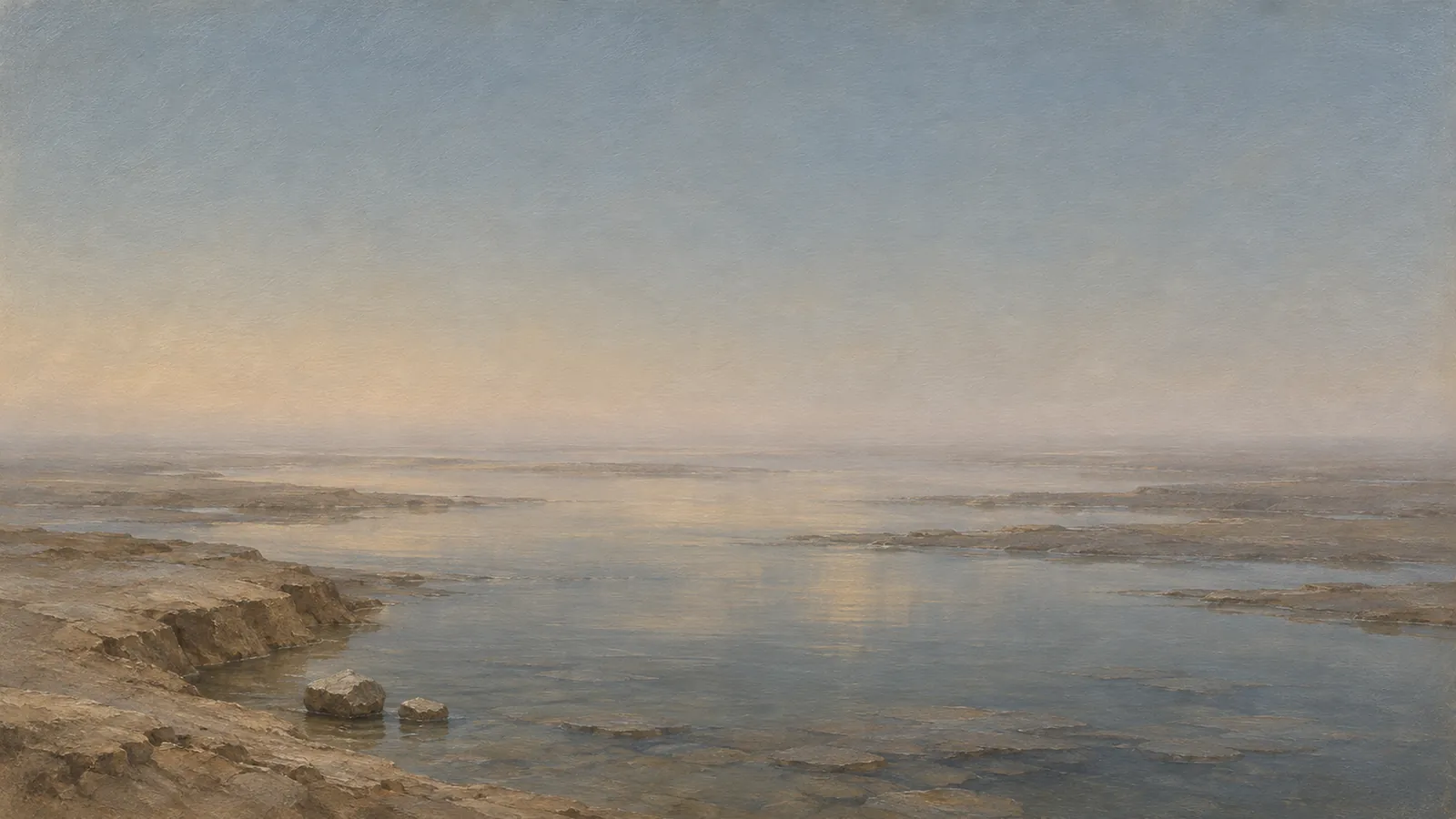
Los versos dañados hablan del canal y de una señal que ya no encontraba. Al final del lamento, Gilgamesh deseó haber dado media vuelta y haber dejado la barca en la orilla.
REGRESO
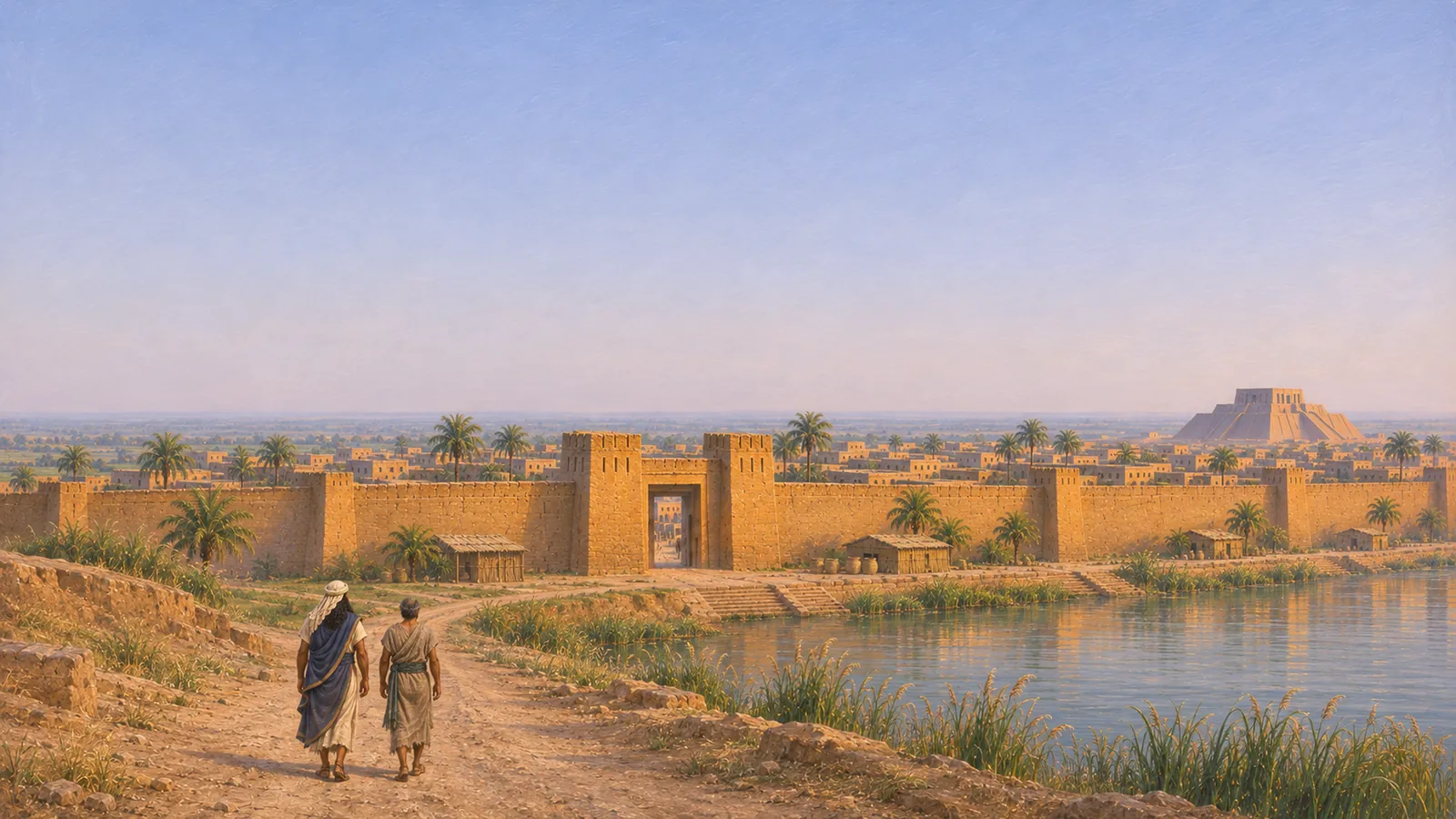
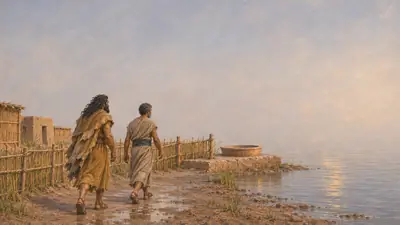
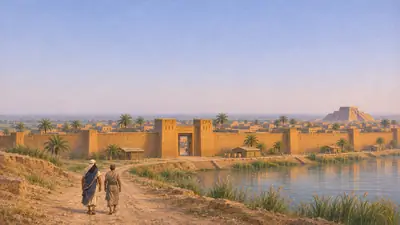
Los dos siguieron adelante y volvieron a parar para comer y pasar la noche. Luego llegaron a Uruk, la ciudad que Gilgamesh había dejado cuando salió en busca de la vida.
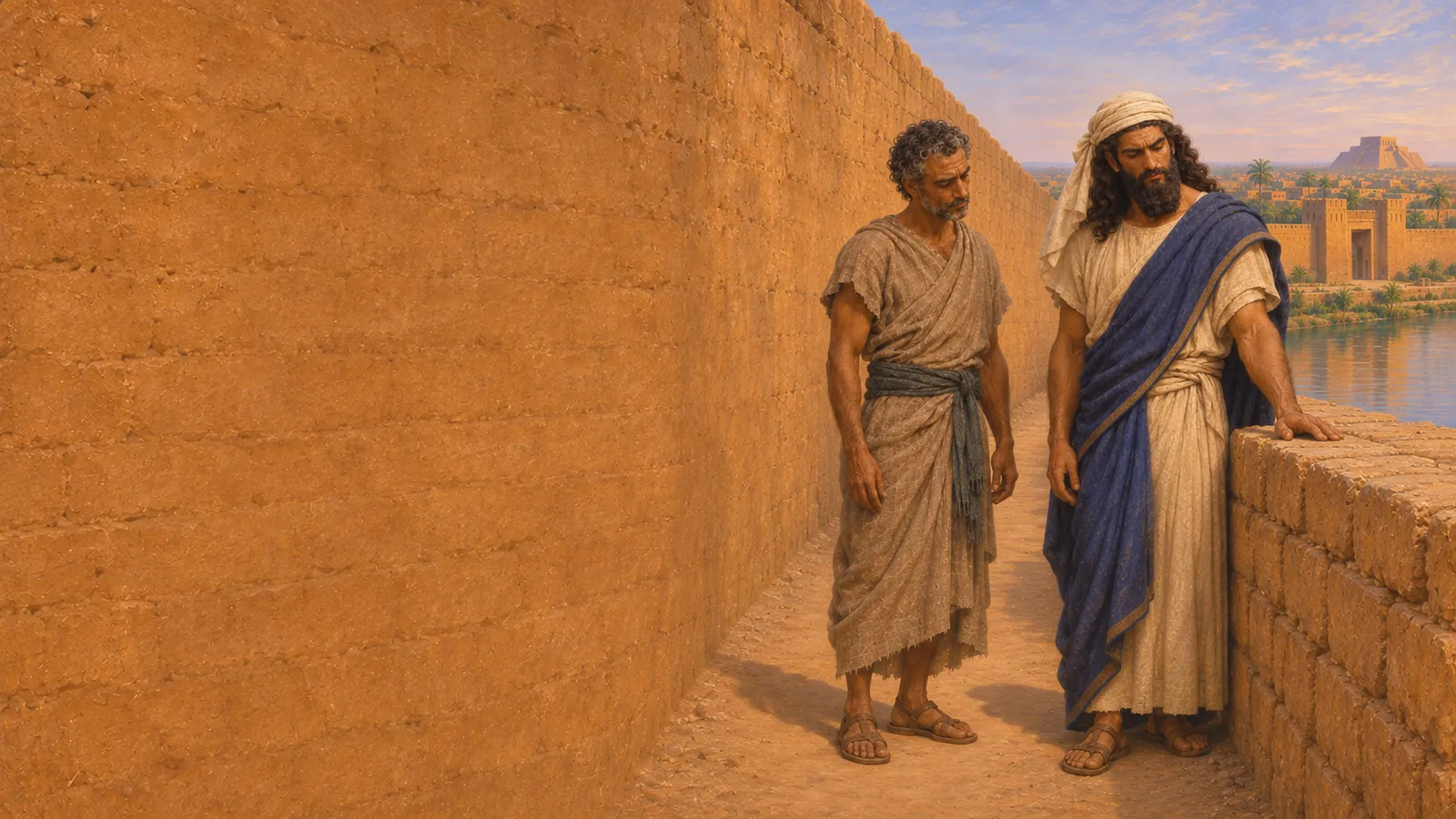
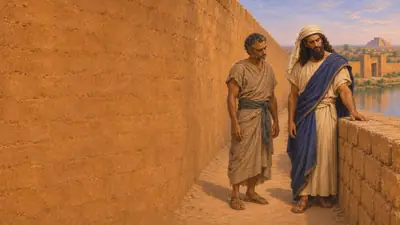
Gilgamesh invitó a Urshanabi a caminar por la muralla de Uruk y a examinar sus cimientos y sus ladrillos cocidos. Le habló de los Siete Sabios a quienes se atribuía la colocación de aquellos cimientos.
URUK
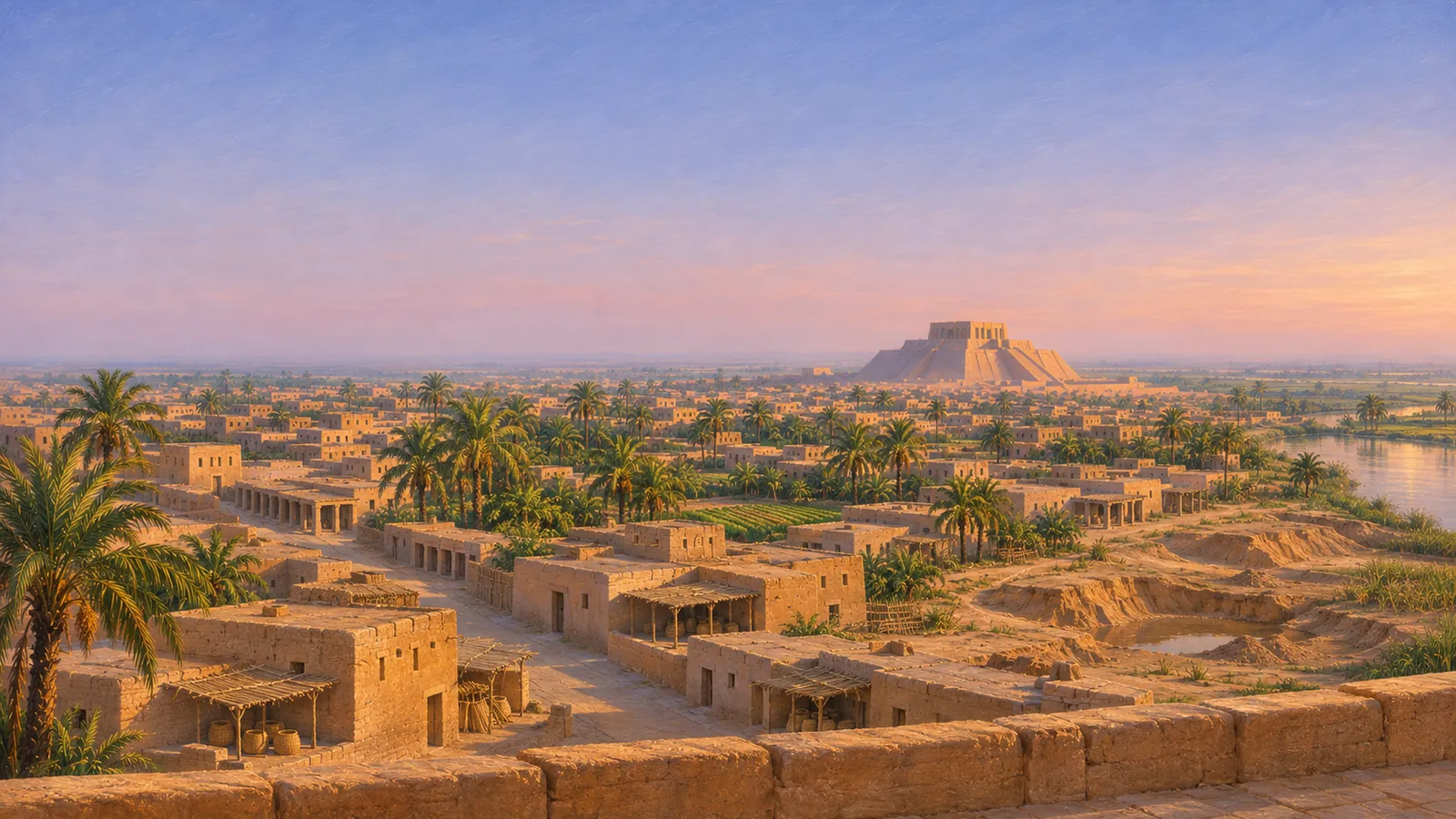
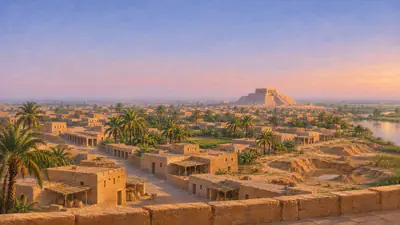
Desde la muralla, Gilgamesh enumeró la ciudad, sus palmerales, sus pozos de arcilla y el templo de Ishtar. Allí deja el poema a los dos hombres, con Uruk extendida ante ellos.
Fin del capítulo 8
Todas las páginas
Fuentes
Ediciones consultadas
- Andrew George, Tablet XI score transliteration: institutional record and modern line framework.
- Alexander Heidel, The Gilgamesh Epic and Old Testament Parallels: pp. 89–93, the sleep ordeal through the view of Uruk. This edition uses older readings and numbering.
- Andrew George, “The Mayfly on the River”: pp. 232–235, including the closing survey of Uruk.
- Andrew George, “The Epic of Gilgamesh”: the authoritative synopsis of the final episode.
- Electronic Babylonian Library, Tablet XI: the modern edition. Lines 210–328 of the [official chapter export](https://www.ebl.lmu.de/api/texts/L/1/4/chapters/SB/XI) were checked directly.
Los versos antiguos de cada página
- Page 1: SB XI 210; compare the challenge at XI 209
- Page 2: SB XI 210–211
Mist is a simile, not a spell or an actual event. - Page 3: SB XI 212–214
- Page 4: SB XI 215–218
- Page 5: SB XI 217–218
- Page 6: SB XI 219–222
The expected denial is a paraphrase of distrust. - Page 7: SB XI 221–224
- Page 8: SB XI 222–224
- Page 9: SB XI 225–230
- Page 10: SB XI 229–230
- Page 11: SB XI 231–233
- Page 12: SB XI 234–241
- Page 13: SB XI 237–241
- Page 14: SB XI 242–246
- Page 15: SB XI 247–253
- Page 16: SB XI 250–254, 262
- Page 17: SB XI 262–263
- Page 18: SB XI 255, 264
- Page 19: SB XI 256–258, 265–267
- Page 20: SB XI 259–261, 268–270
- Page 21: SB XI 271–272
- Page 22: SB XI 273–275
- Page 23: SB XI 276–278
Damaged passage. - Page 24: SB XI 278–282
- Page 25: SB XI 283–285
- Page 26: SB XI 285–286; compare XI 294–300
The consequence in line 286 is restored; Gilgamesh later speaks of returning to youth. - Page 27: SB XI 287–290
The action around the opening in XI 288 is damaged. - Page 28: SB XI 290–292
- Page 29: SB XI 292–293
- Page 30: SB XI 294–296
The plant’s epithet varies in translations. - Page 31: SB XI 297–300
The test is a plan with a damaged/restored line, not an event. - Page 32: SB XI 301–302
- Page 33: SB XI 303–305
- Page 34: SB XI 305–306
- Page 35: SB XI 306–307
The text does not say the serpent ate the plant or became immortal. - Page 36: SB XI 308–314
- Page 37: SB XI 315–318
- Page 38: SB XI 319–321
- Page 39: SB XI 322–326
- Page 40: SB XI 327–328; compare the frame at I 16–23
These are textual divisions, not a precise geographic plan or a personal moral the poem states.
Ilustraciones hechas por IL Archive con herramientas de IA; el texto se basa en las fuentes antiguas (véanse las fuentes al final de cada capítulo).