Isis y Osiris Capítulo 1
Los cinco días añadidos
El relato de Plutarco empieza con cinco días añadidos al año y los nacimientos que se celebran en ellos. Osiris se convierte en rey y enseña a cultivar la tierra. Tras la intriga de Seth, un cofre acaba en el mar e Isis sale a buscarlo.
FuentesPase las páginas con las flechas, el teclado o deslizando el dedo.
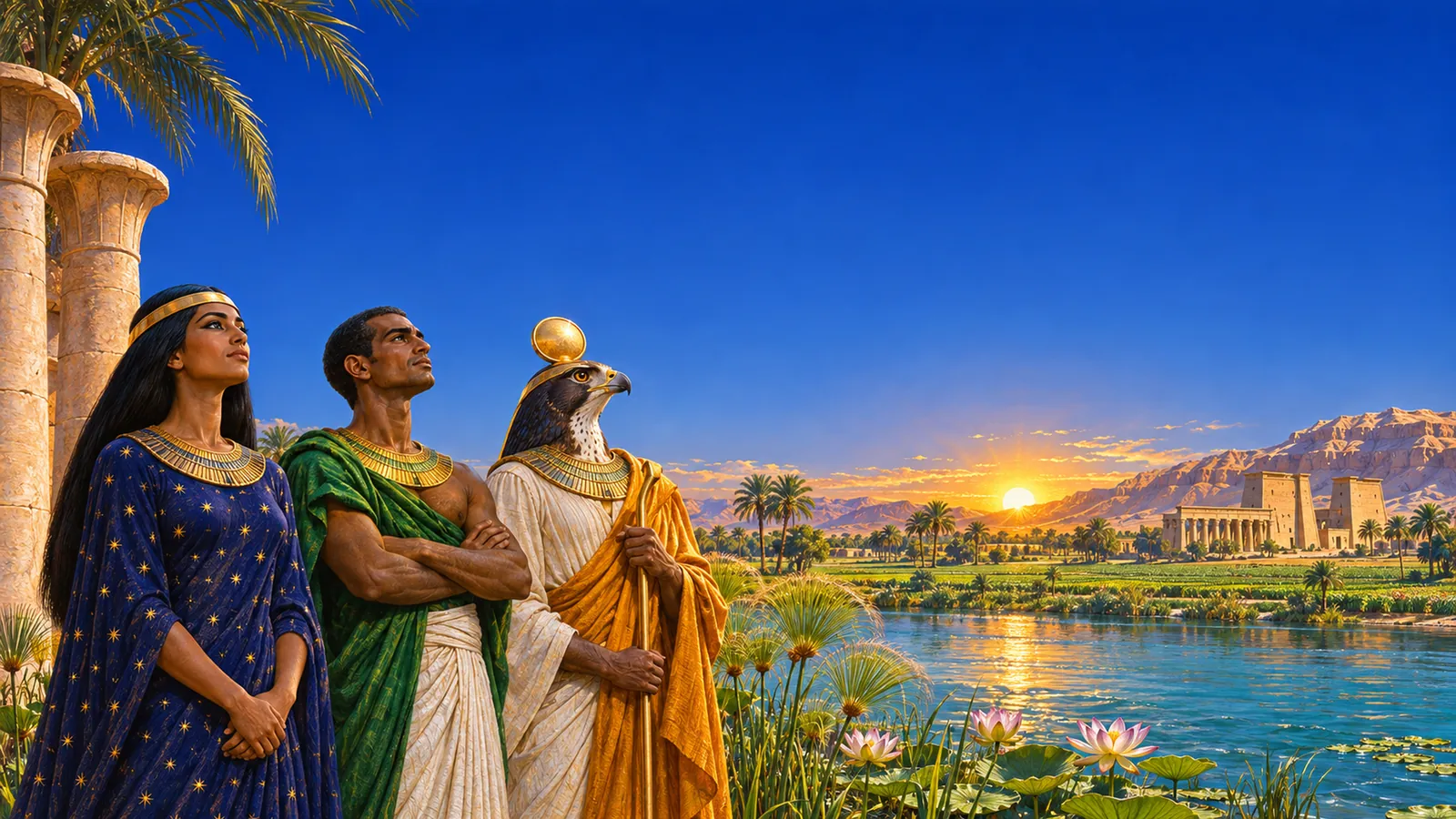
CINCO DÍAS
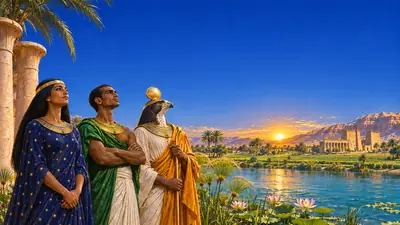
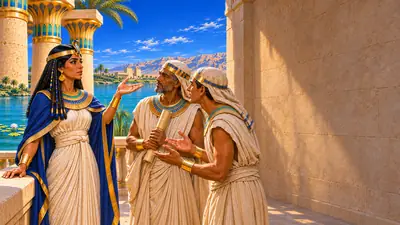
En la versión de un mito egipcio que cuenta Plutarco se añadieron cinco días al año. La historia que lo explica comienza con Nut, Geb y Ra, el dios del sol.
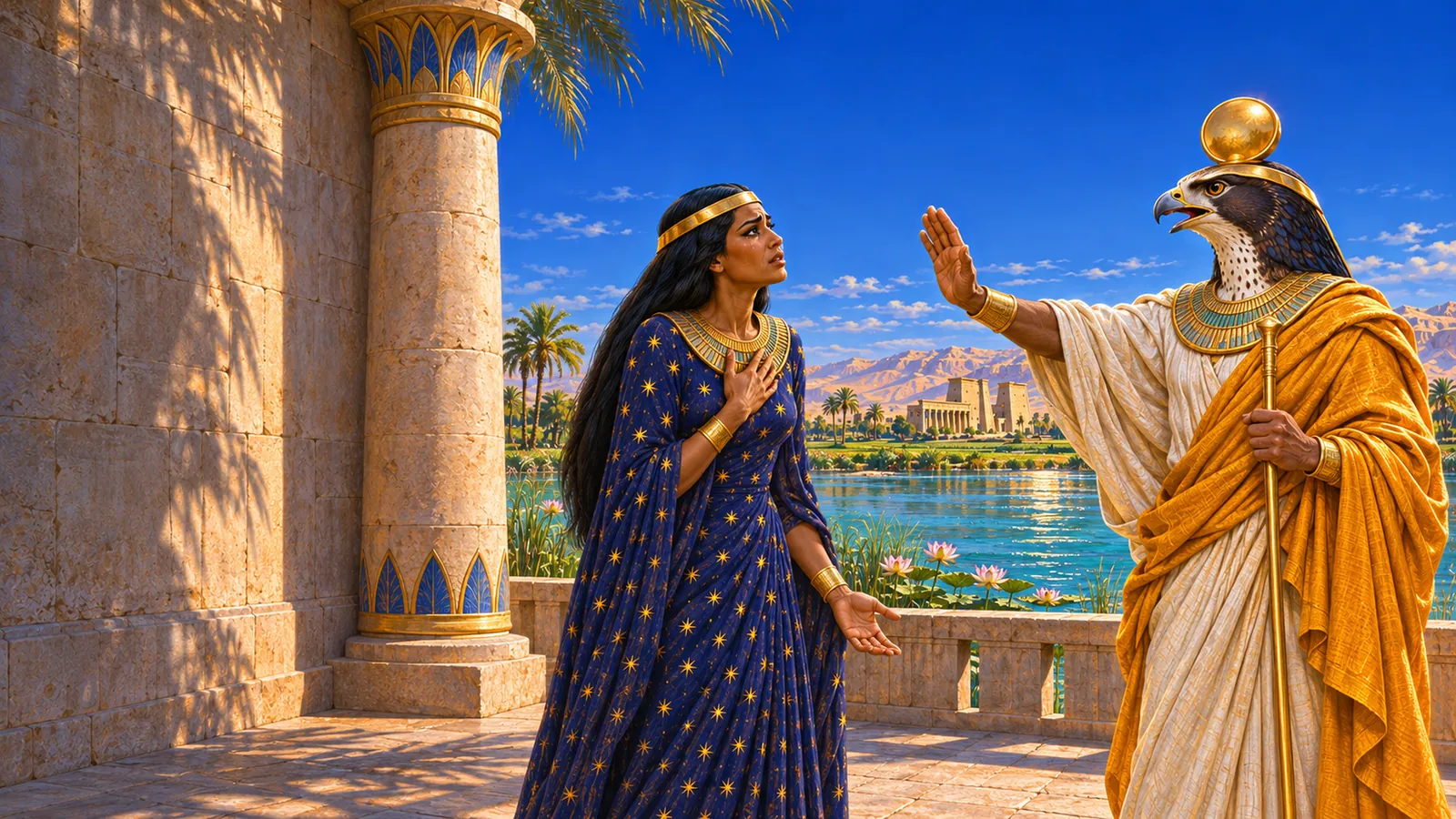
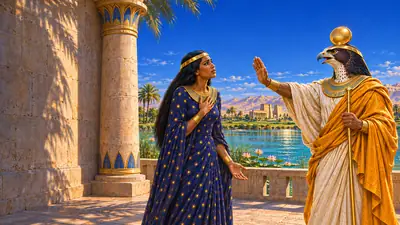
Ra descubrió que Nut y Geb habían estado juntos en secreto. Maldijo a Nut para que no pudiera dar a luz en ningún mes ni año.
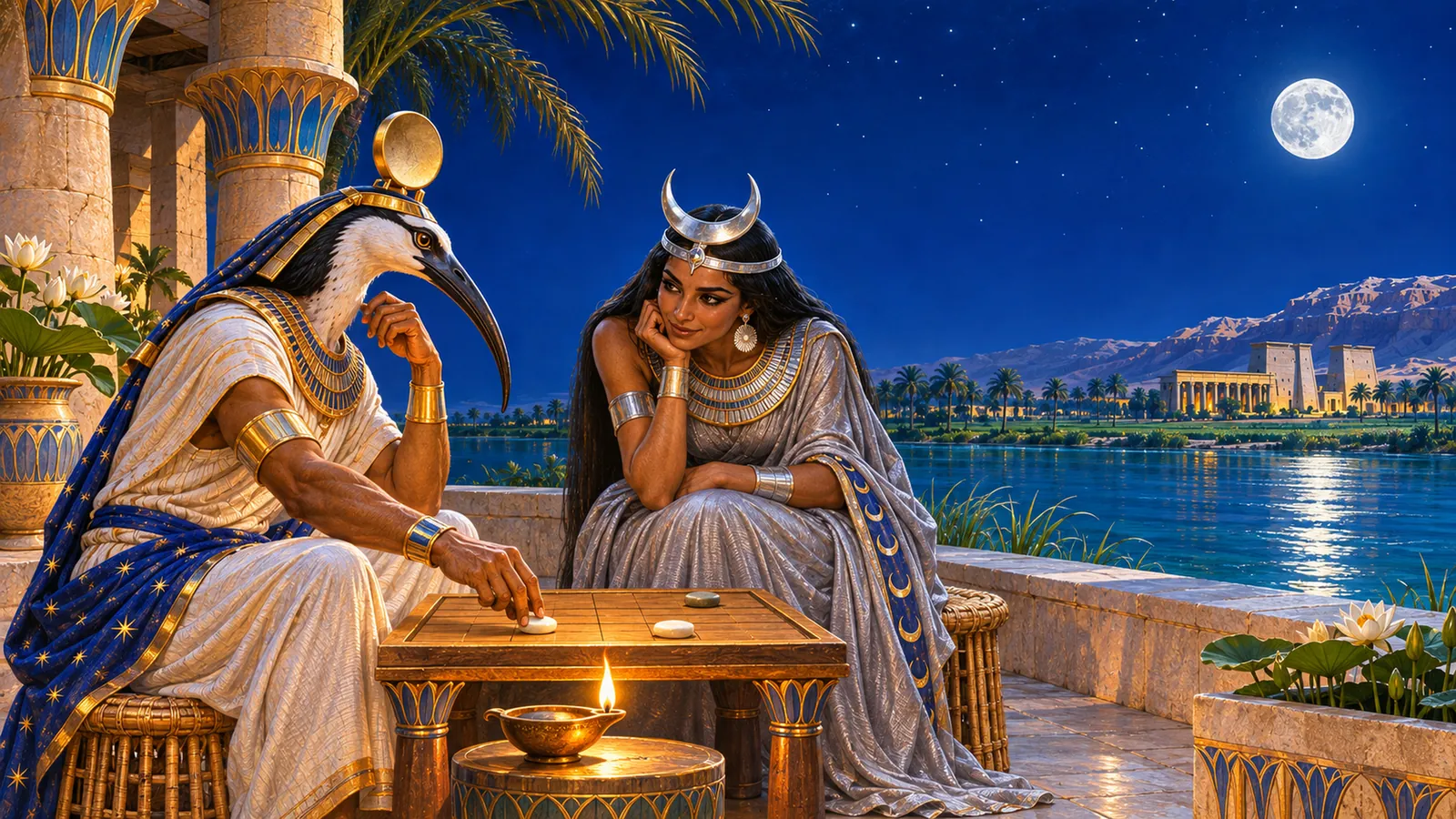
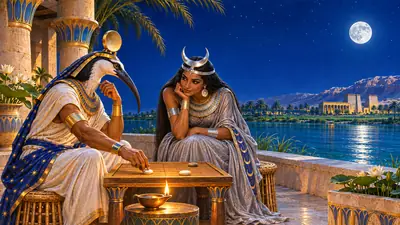
Tot, que quería a Nut, acudió en su ayuda. Jugó con la Luna a un juego de tablero.
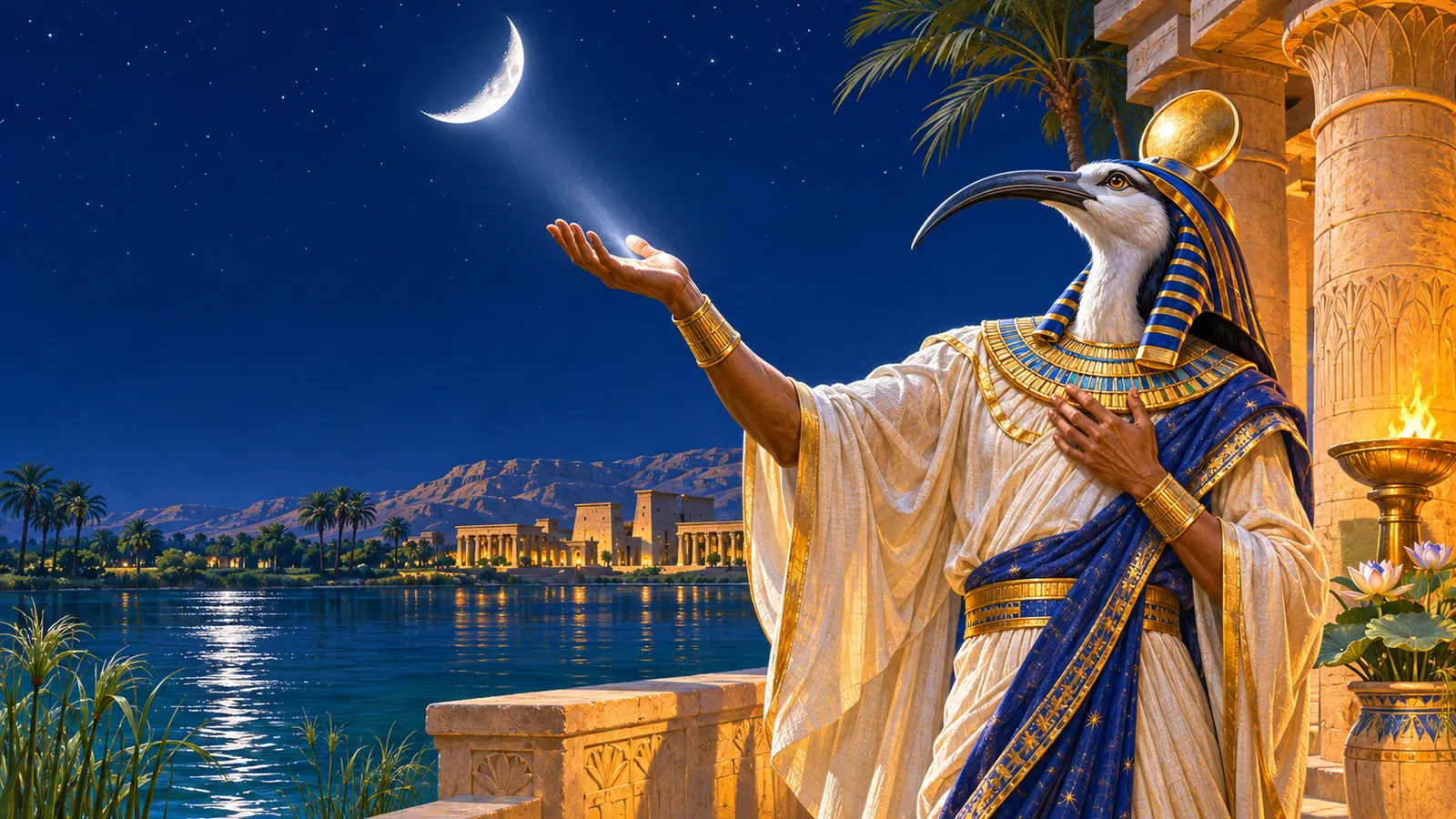
El relato dice que Tot ganó una setentava parte de cada período de luz de la Luna.
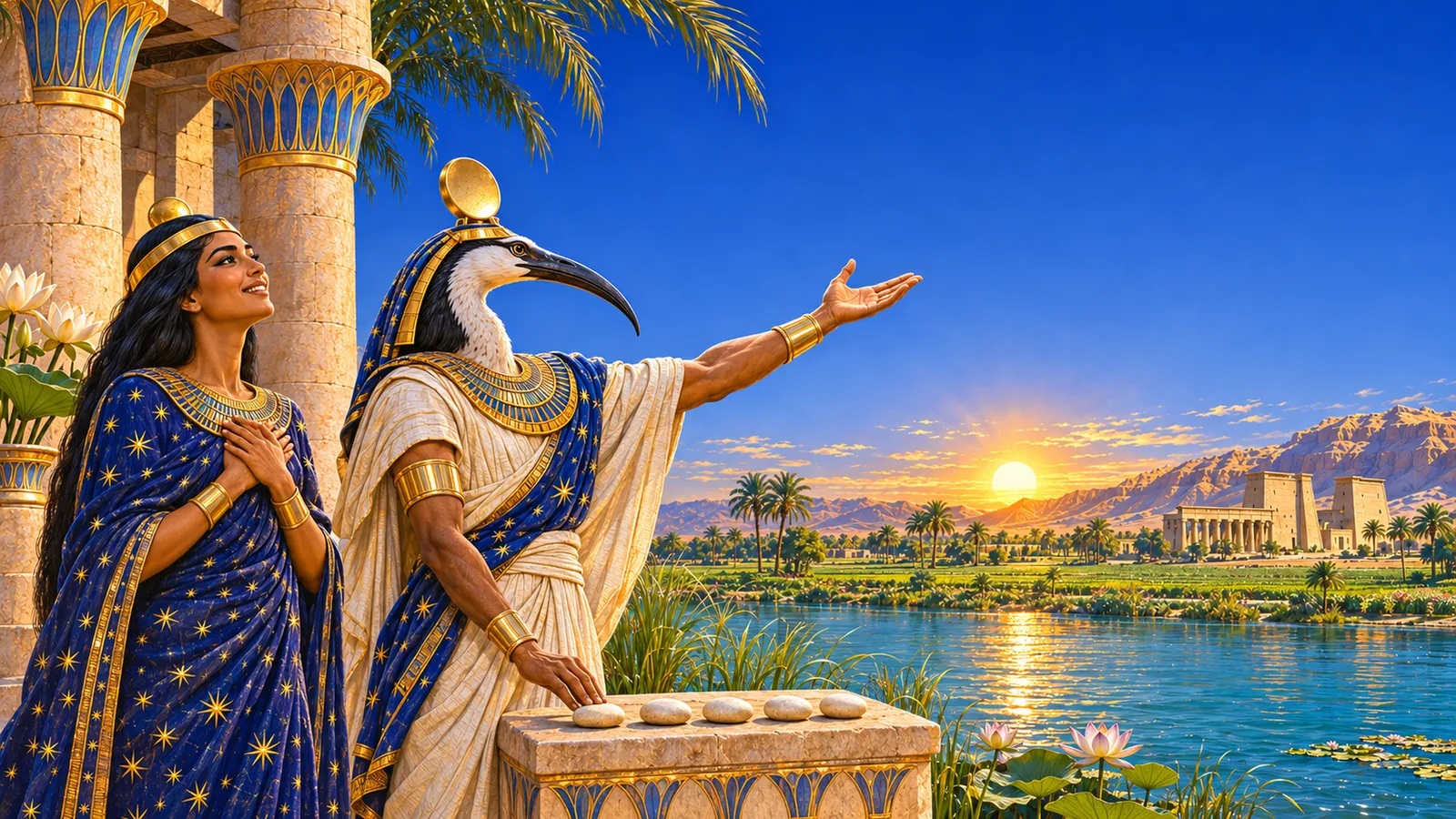
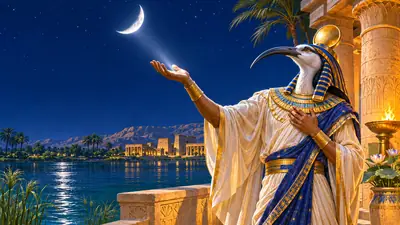
Tot reunió las porciones hasta formar cinco días y los añadió al año anterior. Según el relato, aquel año duraba trescientos sesenta días.
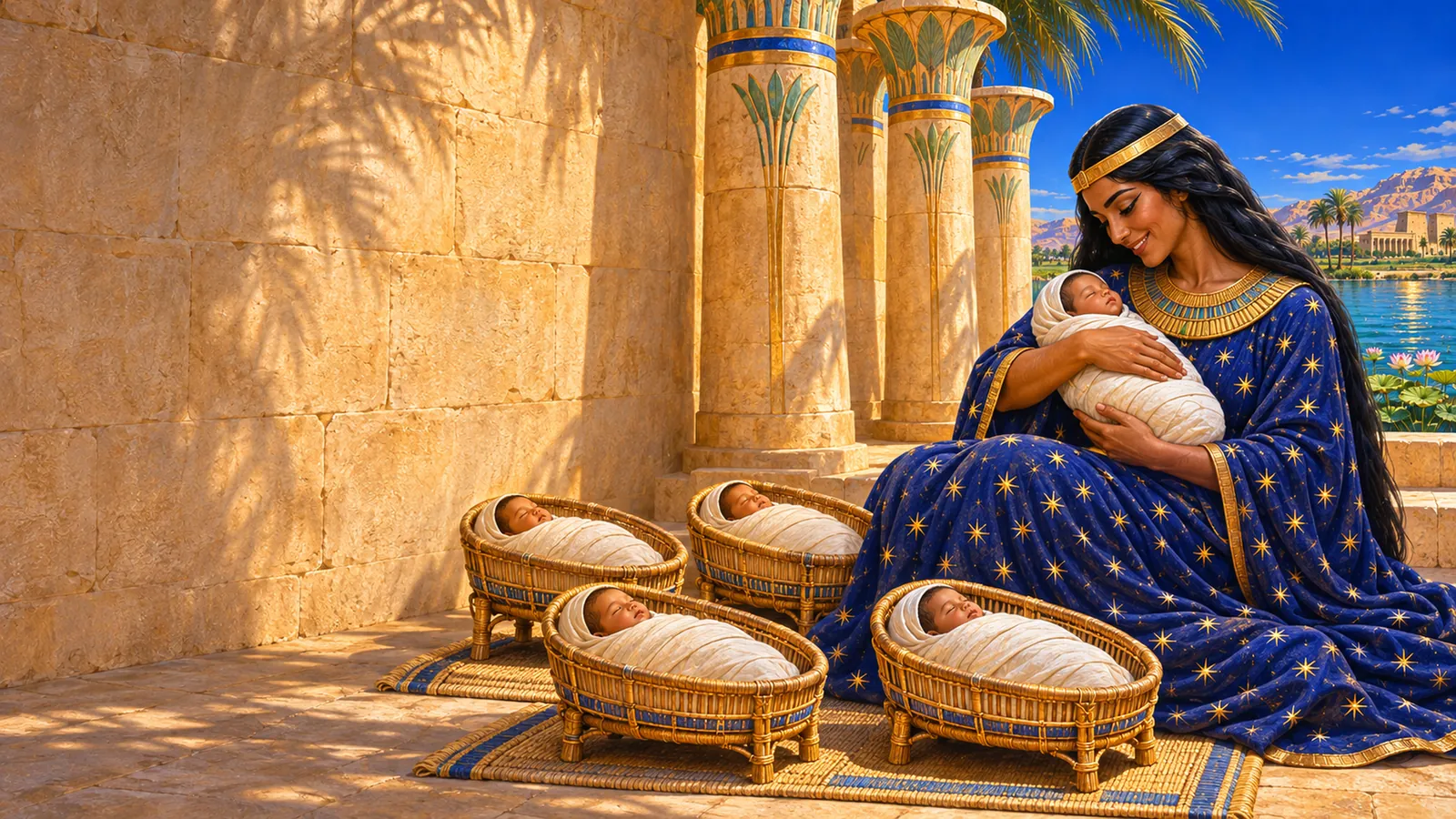
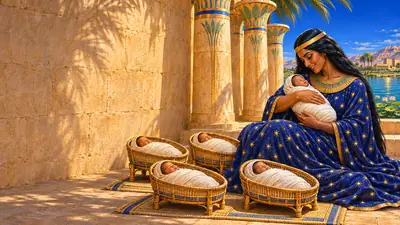
En el relato de Plutarco, los egipcios celebraban estos cinco días añadidos como los cumpleaños de sus dioses. Plutarco cuenta los nacimientos por orden.
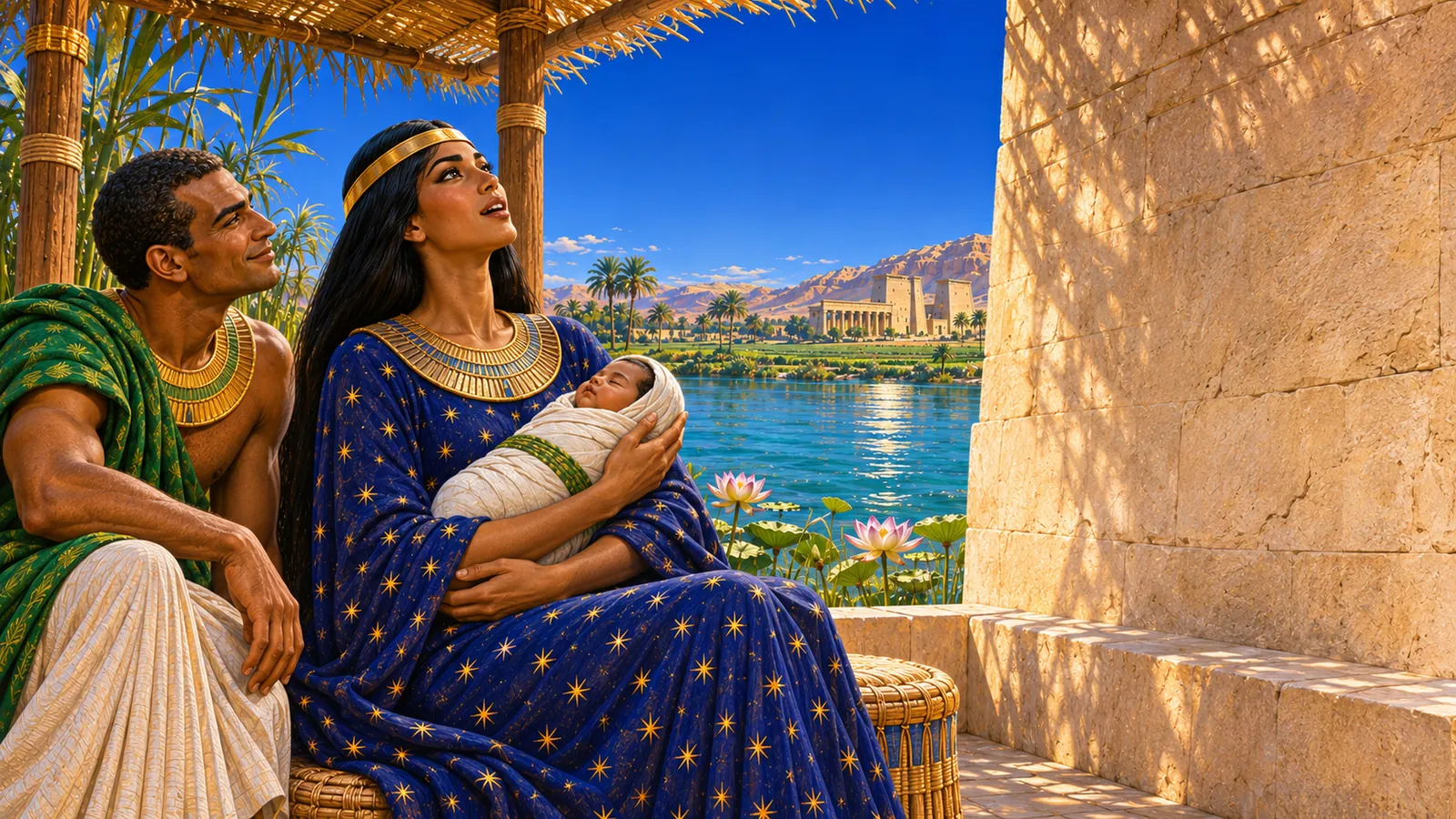
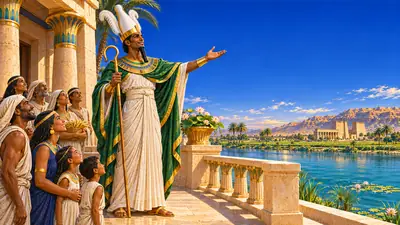
El primer día añadido nació Osiris. Al llegar al mundo, una voz anunció el nacimiento del señor de toda la tierra.
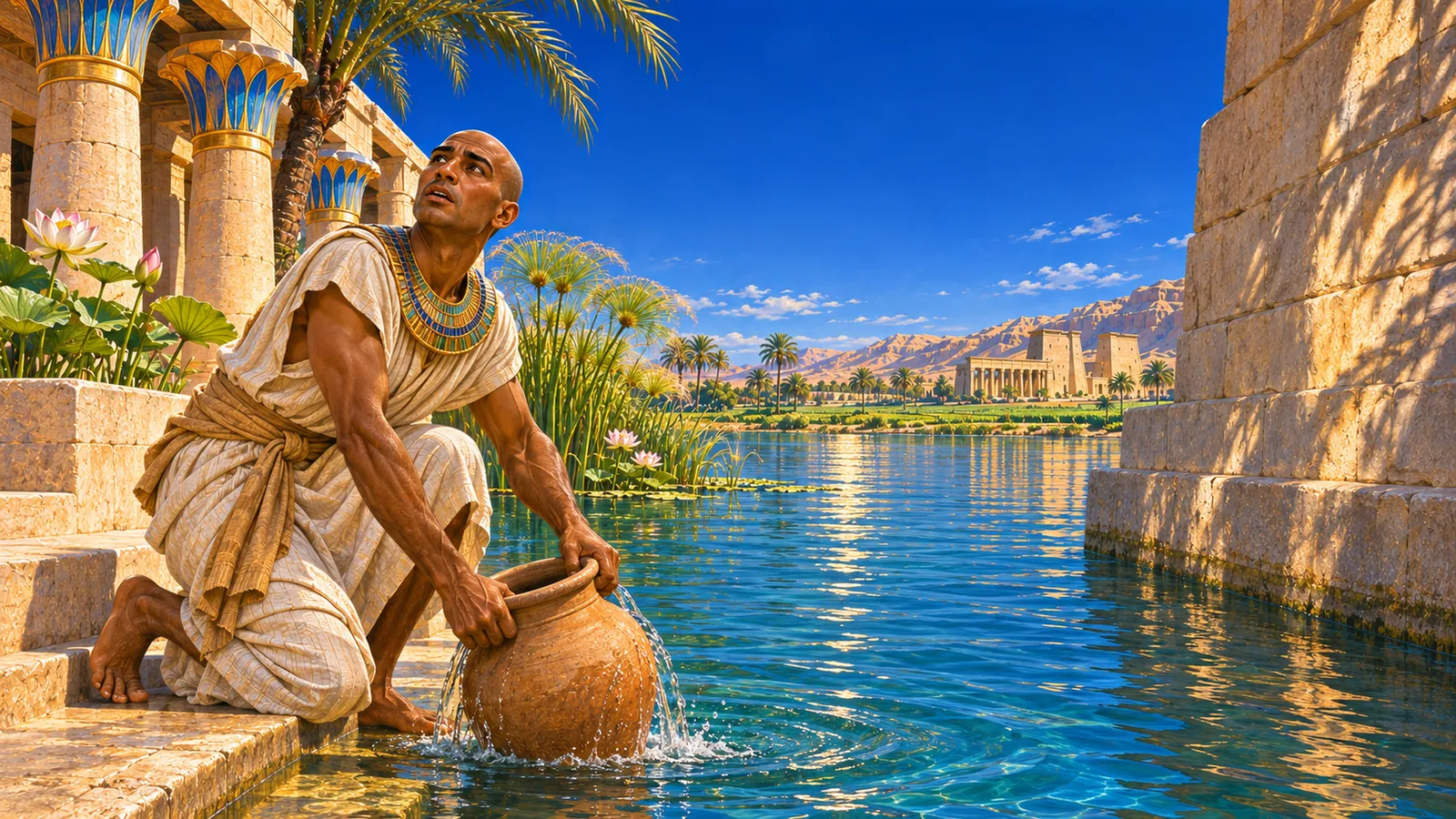
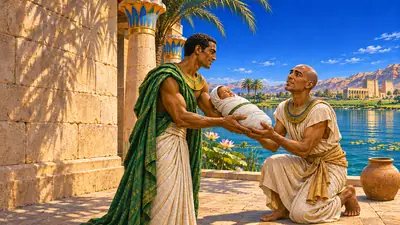
En otra versión del anuncio, un hombre llamado Pamiles iba a buscar agua a un templo en Tebas. Allí oyó una voz.
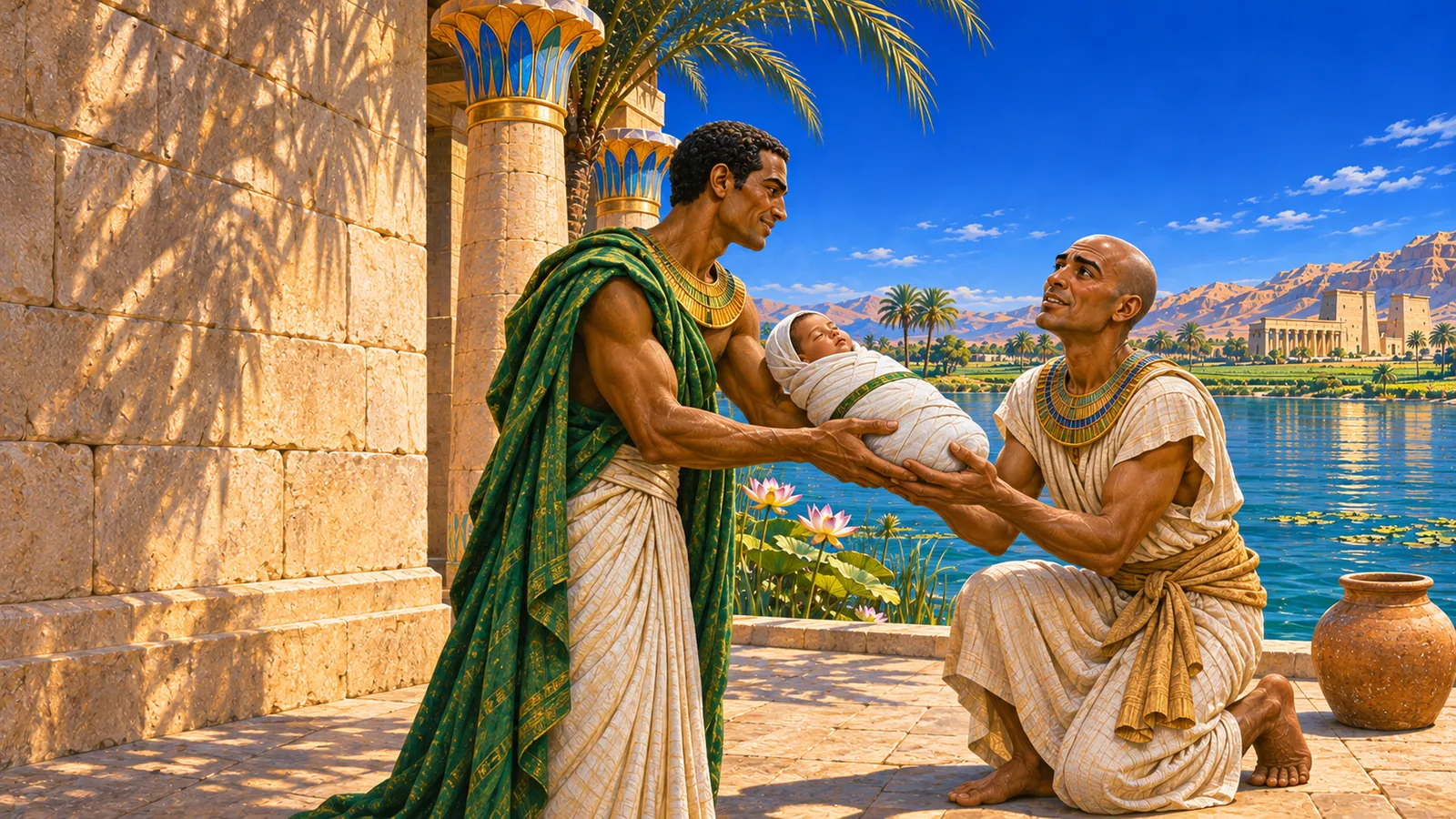
La voz le dijo a Pamiles que anunciara el nacimiento de Osiris. Geb le encargó criar al niño y una fiesta llamada Pamilias conmemoró el suceso.
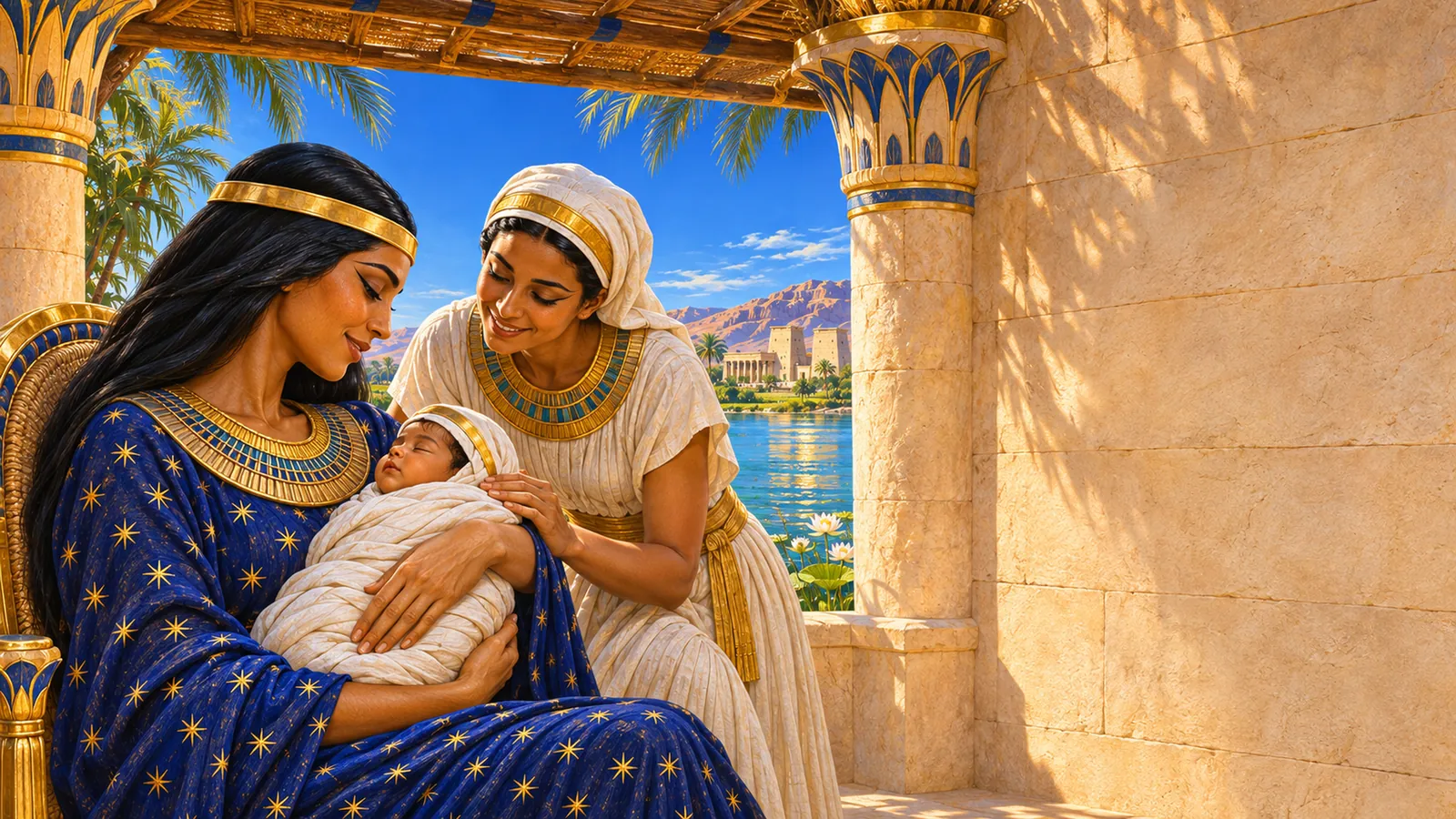
El segundo día añadido nació Arueris. Uno de los nombres que recoge Plutarco para él es Horus el Viejo.
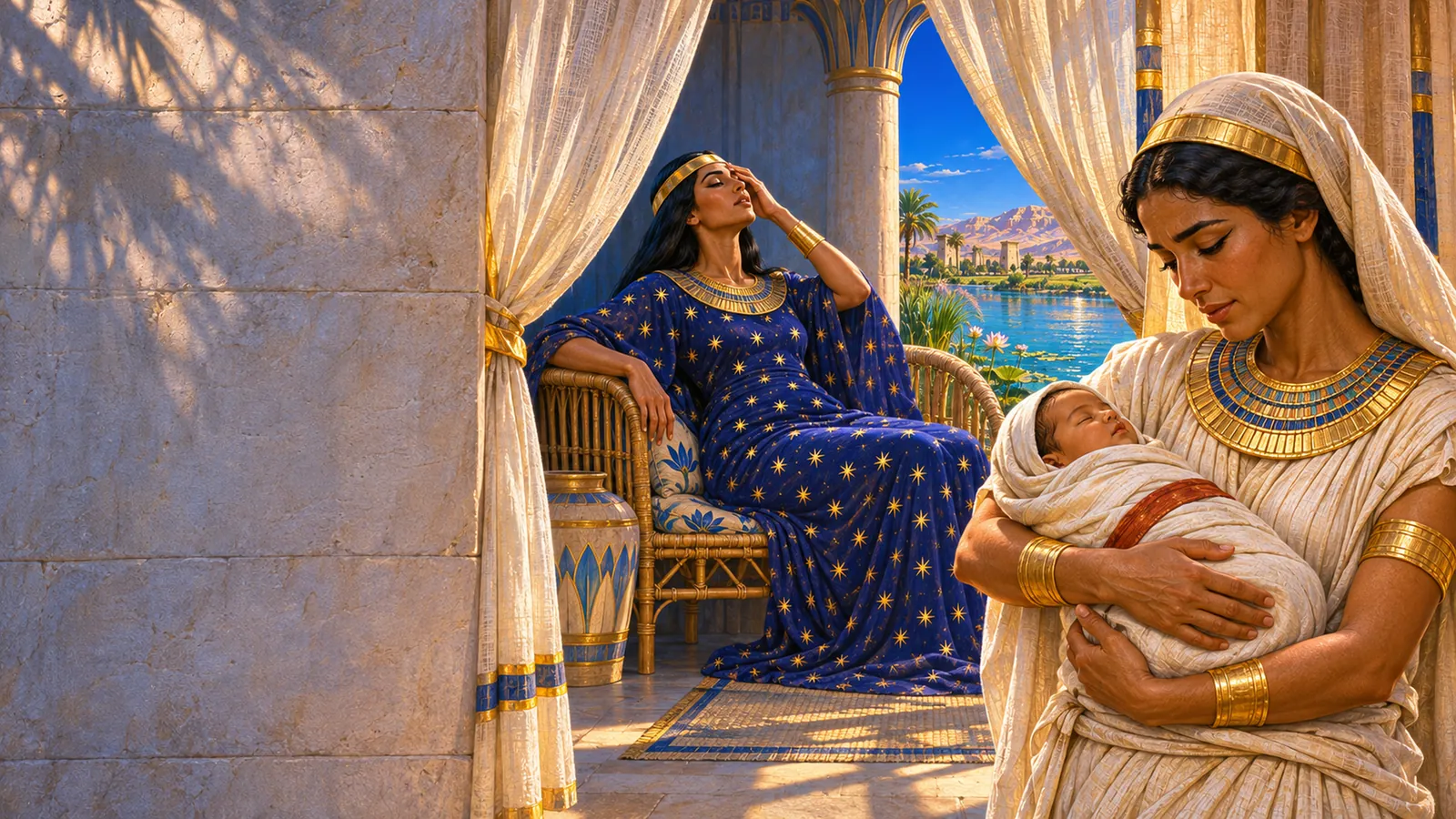
El tercer día añadido nació Set. Plutarco dice que se abrió paso por una herida que hizo en el costado de su madre.
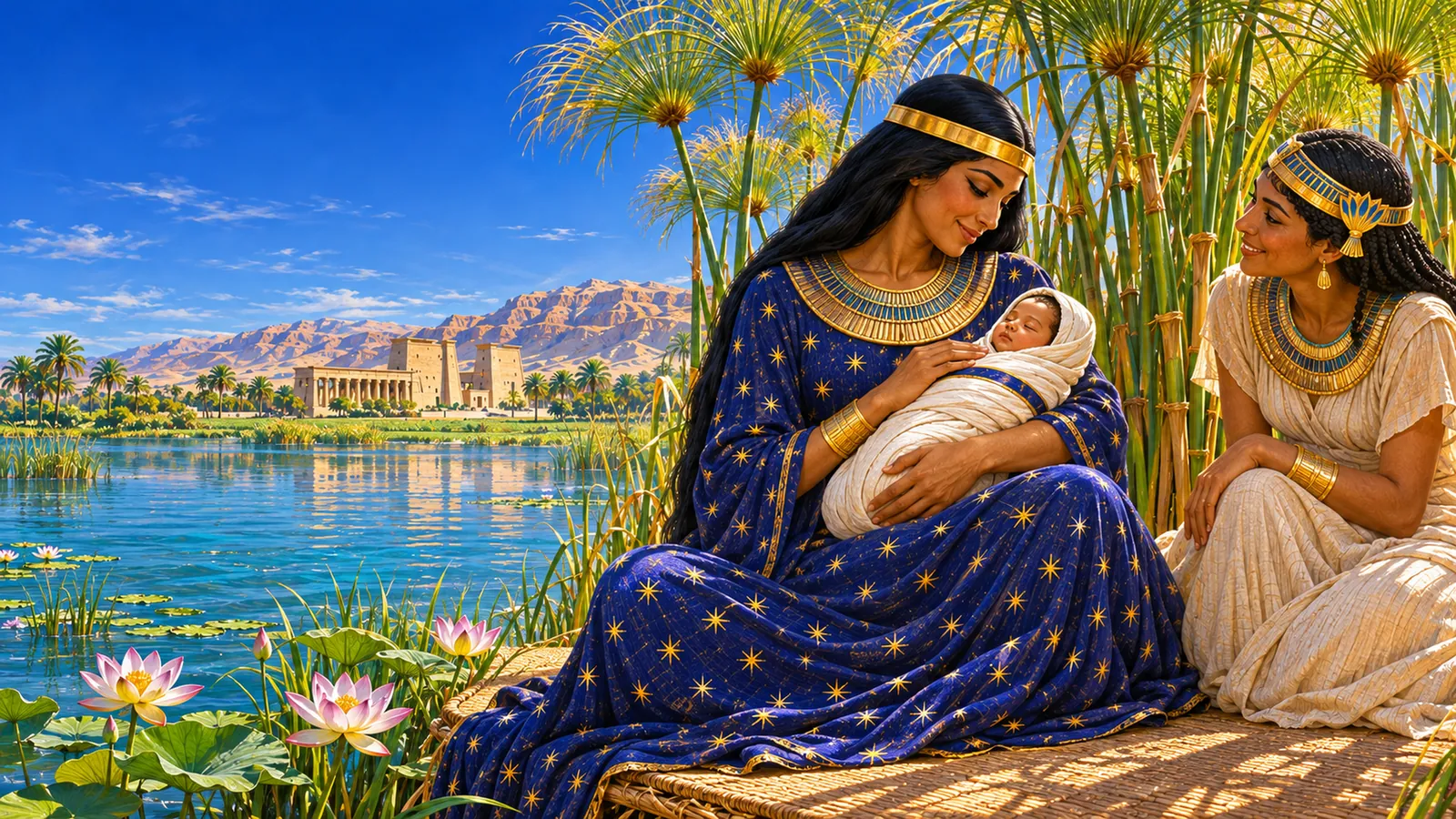
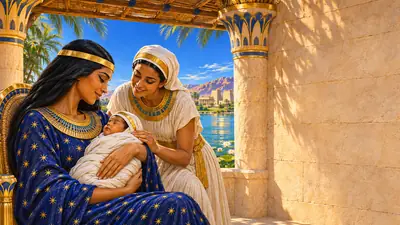
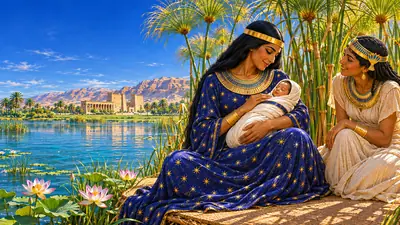
El cuarto de los cinco días añadidos al año, Isis nació en las marismas de Egipto.
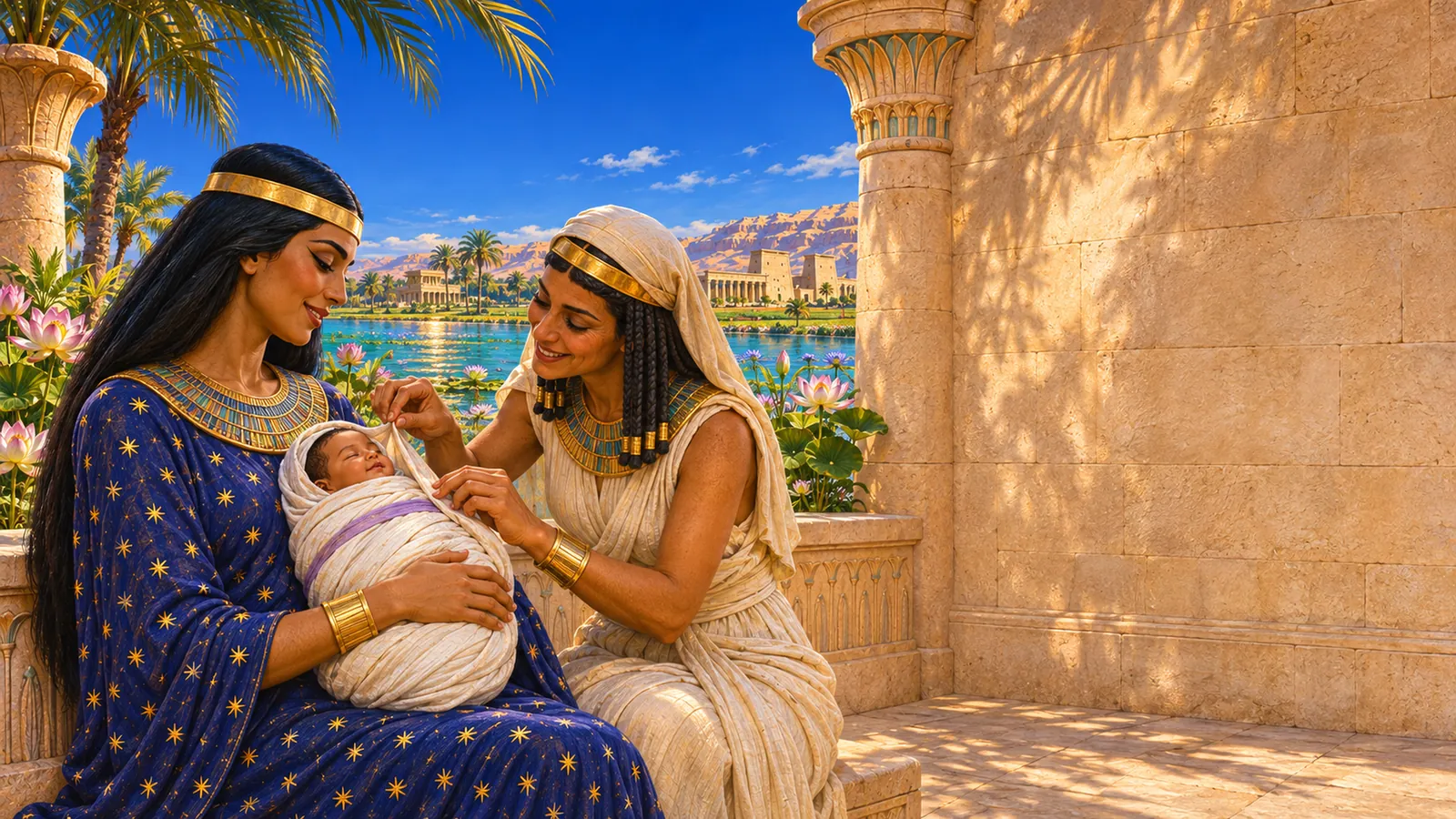
Neftis nació el quinto y último día añadido, con lo que se completa la serie de nacimientos en el relato de Plutarco.
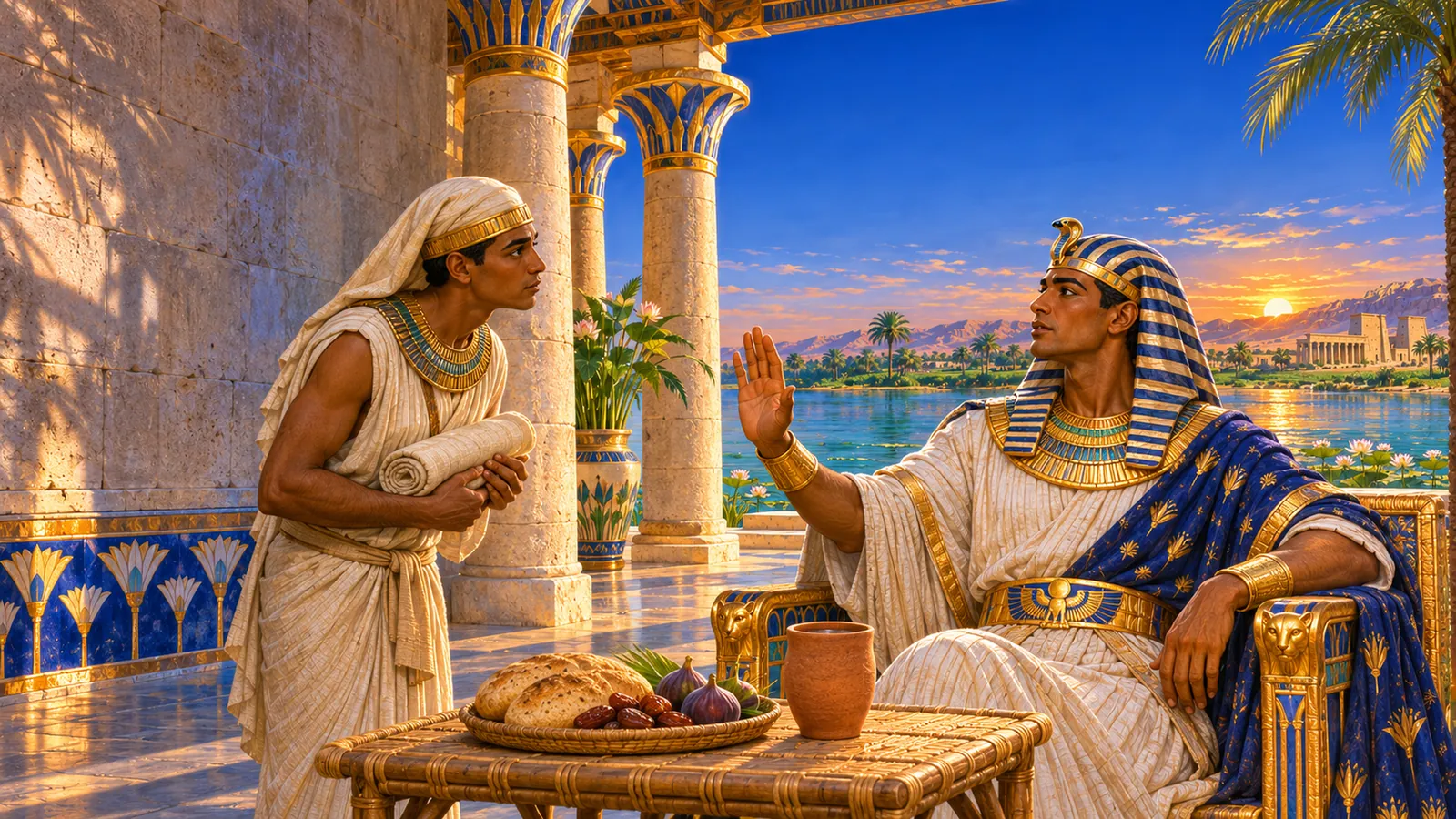
En una genealogía, Ra es el padre de Osiris y Horus el Viejo, Tot el de Isis, y Geb el de Set y Neftis. Los reyes tenían el día de Set por aciago y dejaban los asuntos de gobierno, la comida y la bebida hasta el anochecer.
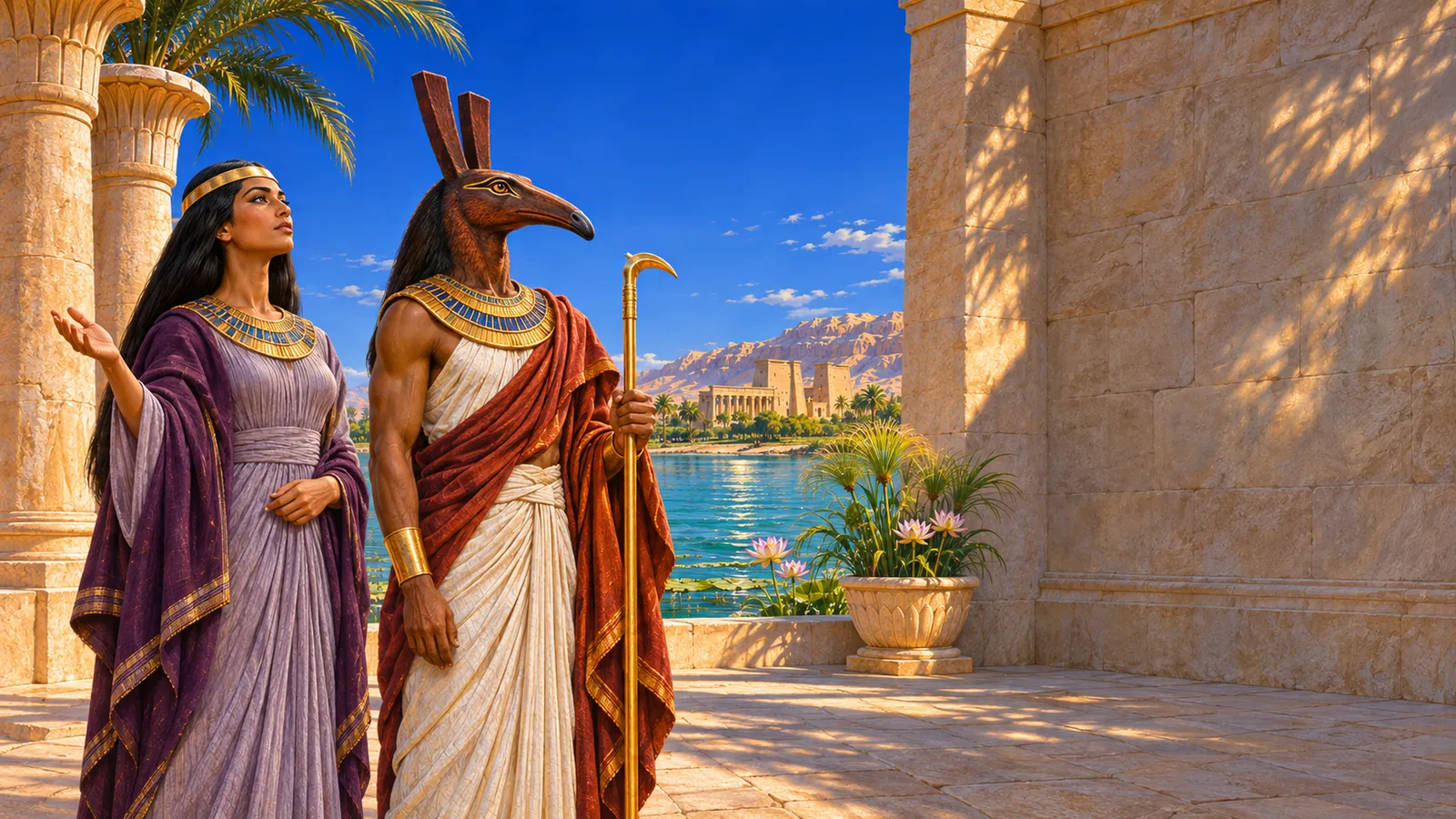
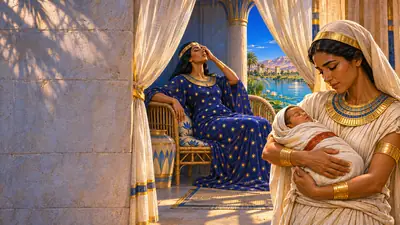
Plutarco dice que Set se casó con Neftis. También recoge una versión en la que Isis y Osiris se unieron antes de nacer y su hijo fue Horus el Viejo.
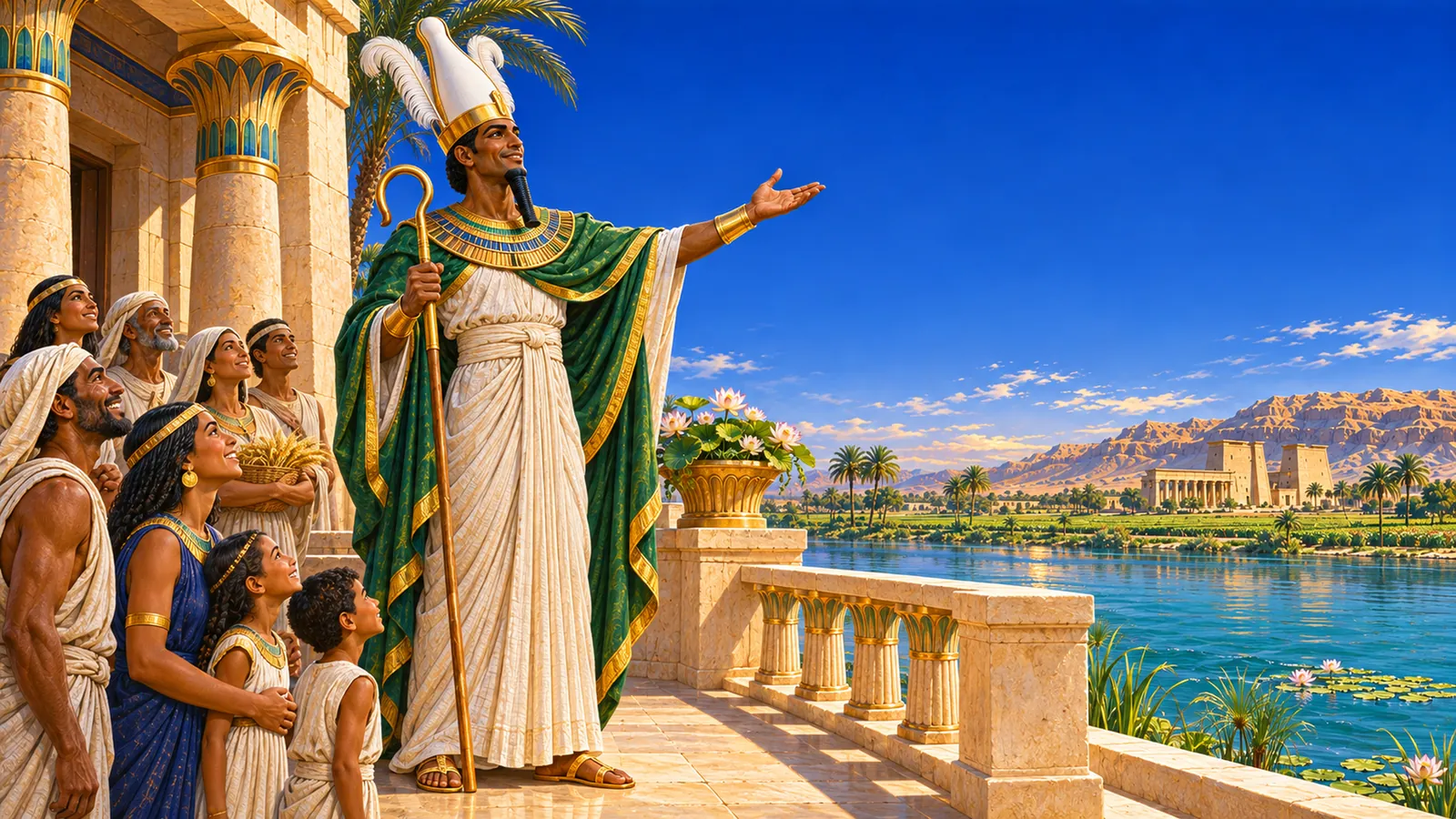
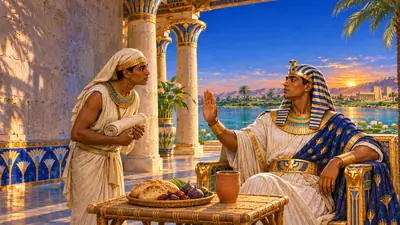
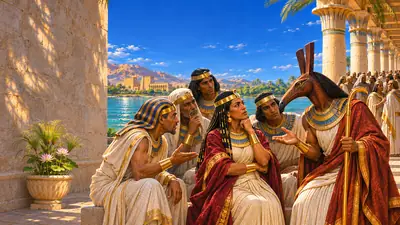
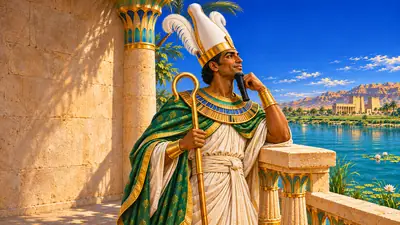
En el relato de Plutarco, Osiris se convirtió en rey de Egipto. La historia dice que se propuso cambiar la forma de vida de su pueblo.
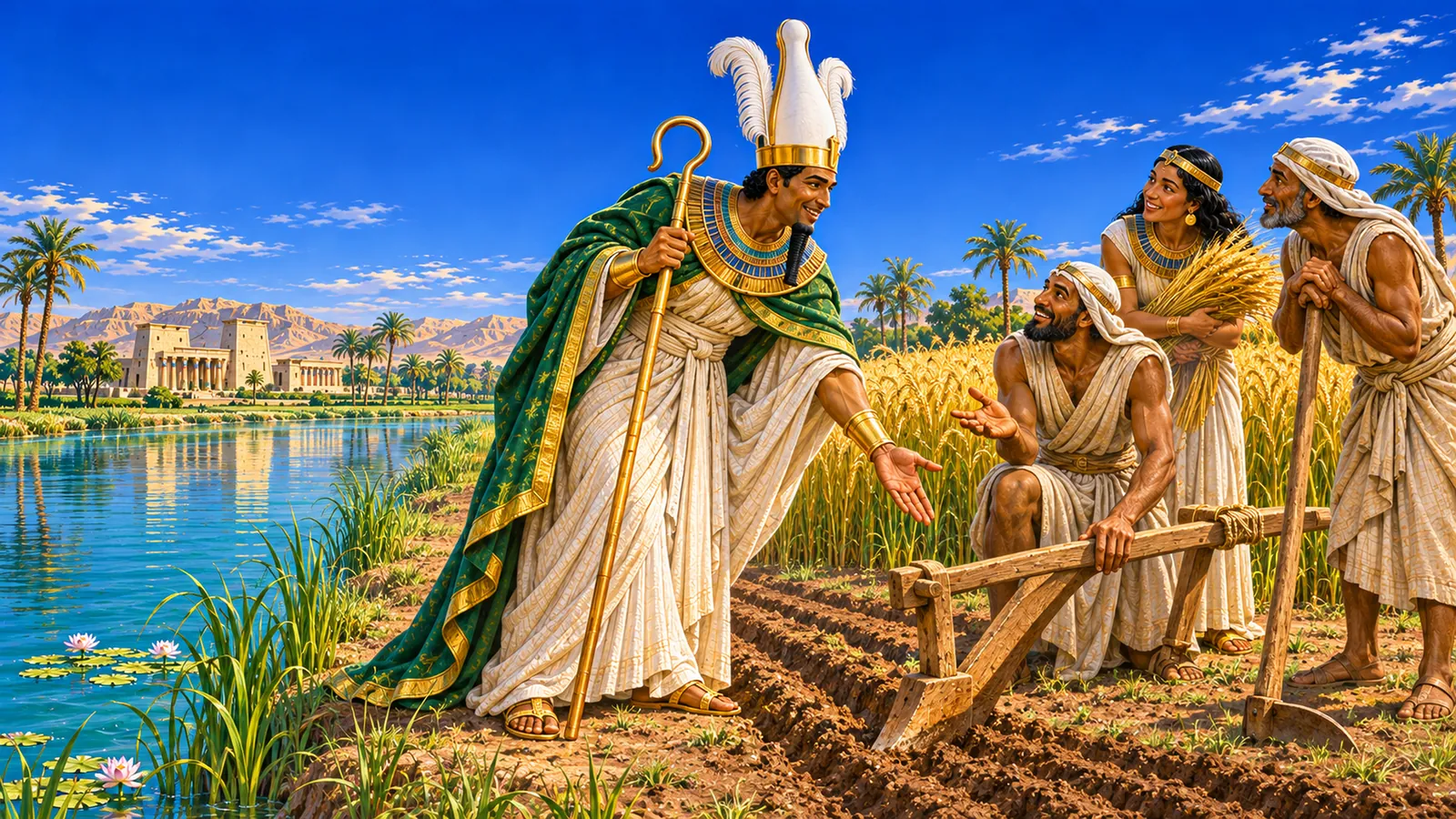
EGIPTO
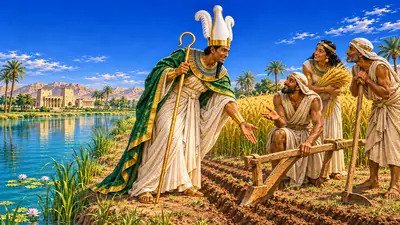
La historia dice que Osiris enseñó a su pueblo a cultivar la tierra y mejorar las cosechas. Le dio leyes y le enseñó a honrar a los dioses.
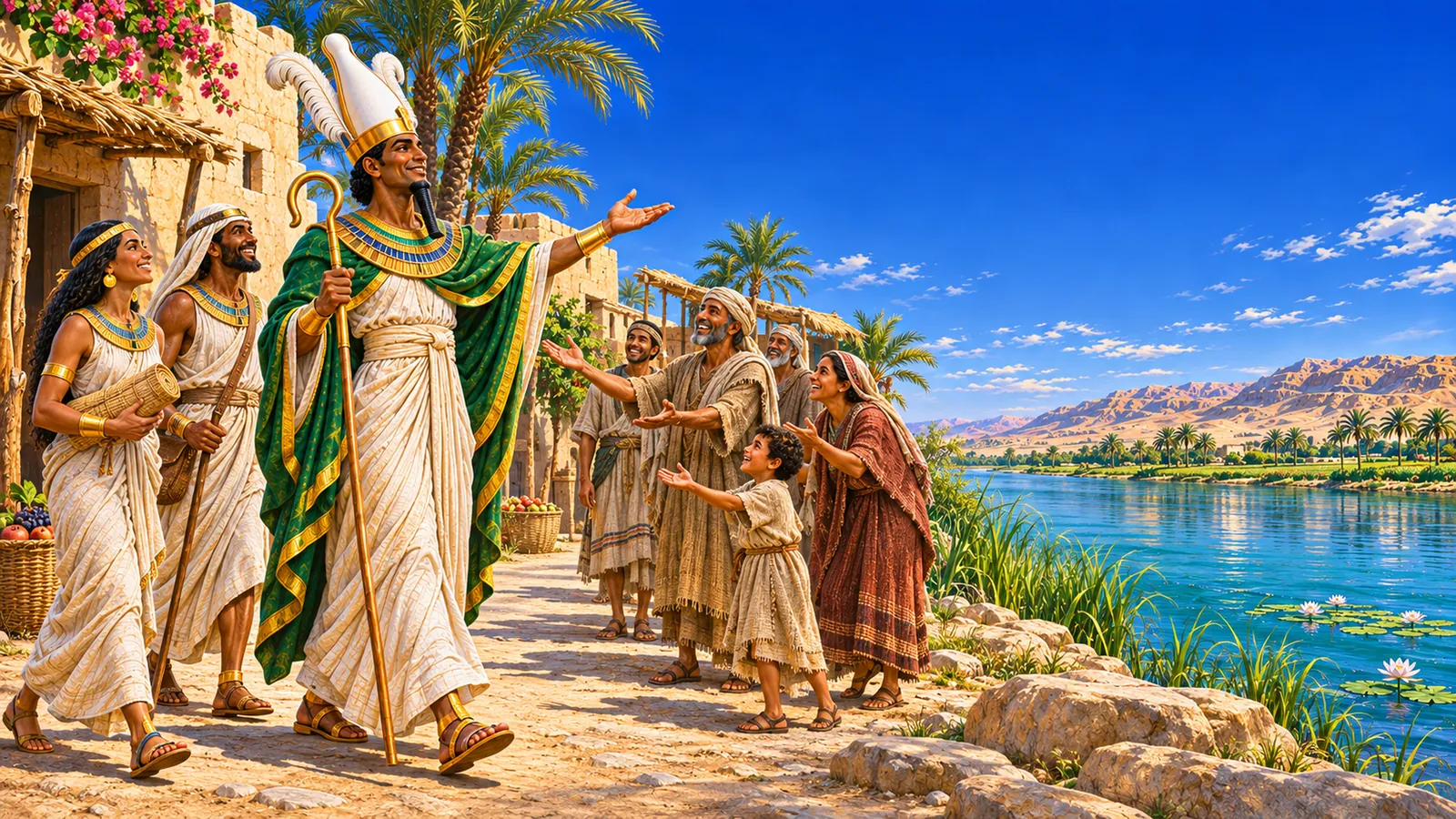
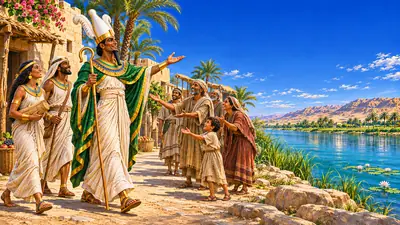
En el relato, Osiris viajó más allá de Egipto. Quería que los habitantes de las tierras que visitaba siguieran las costumbres que había enseñado en su país.
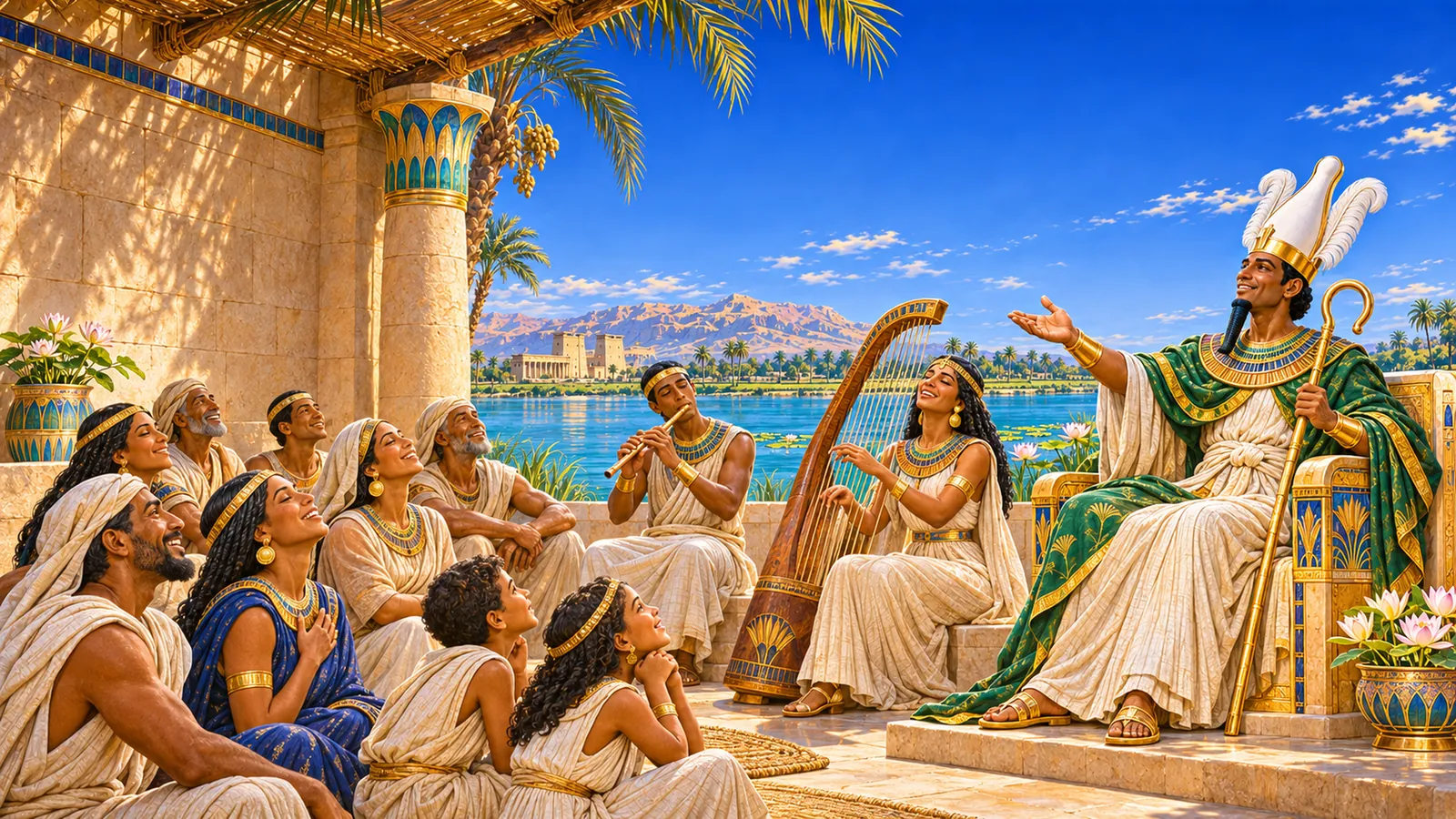
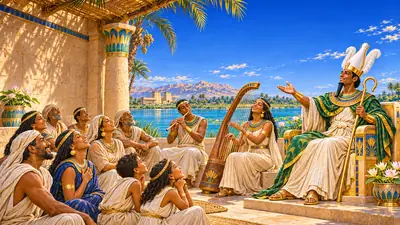
Plutarco dice que Osiris persuadió a las gentes exponiendo sus razones en himnos y canciones acompañados de música. No las obligó por la fuerza de las armas.
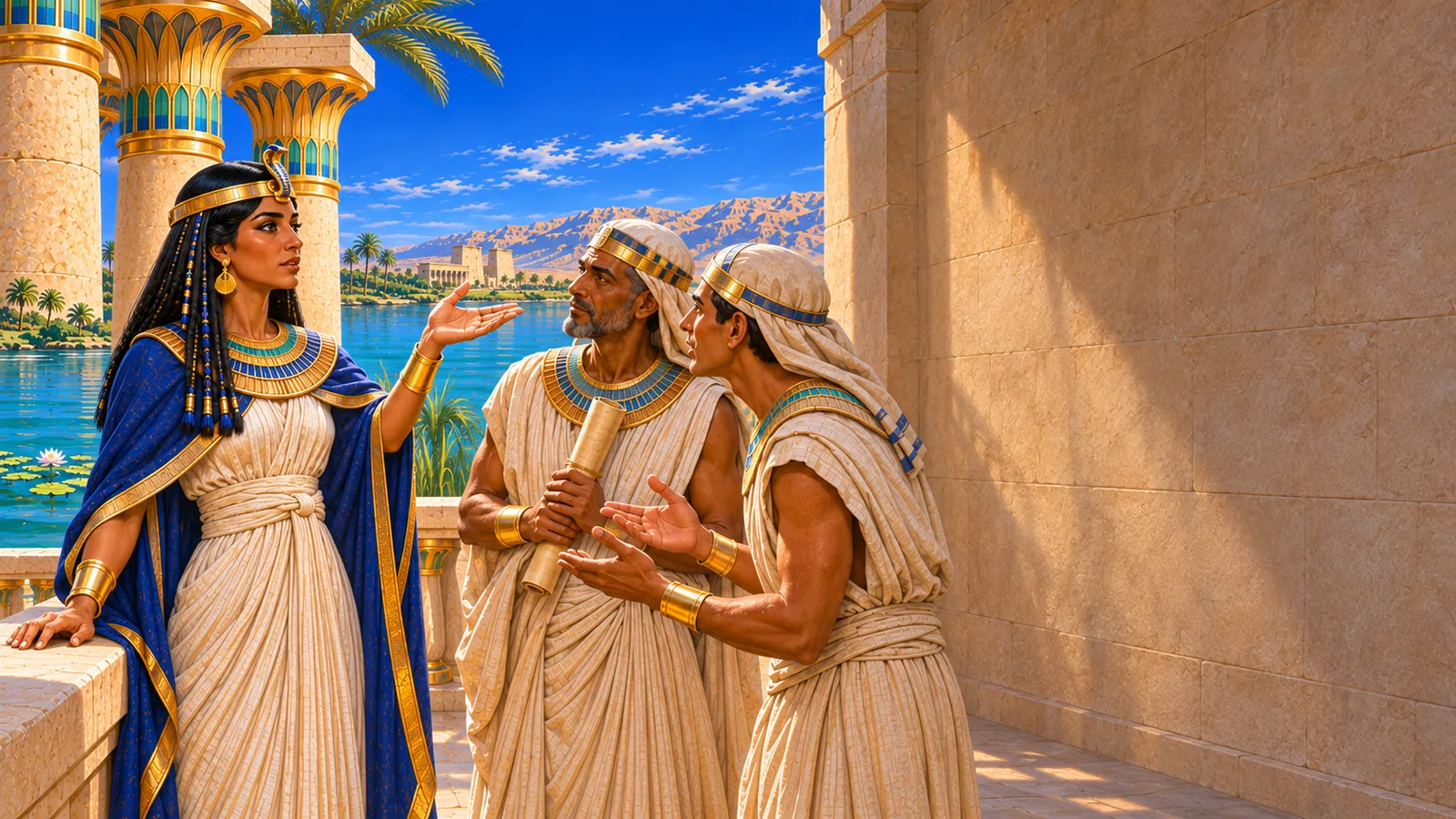
Mientras Osiris estaba ausente, Isis gobernó y se mantuvo alerta. Set no tuvo ocasión de actuar mientras ella permaneció vigilante.
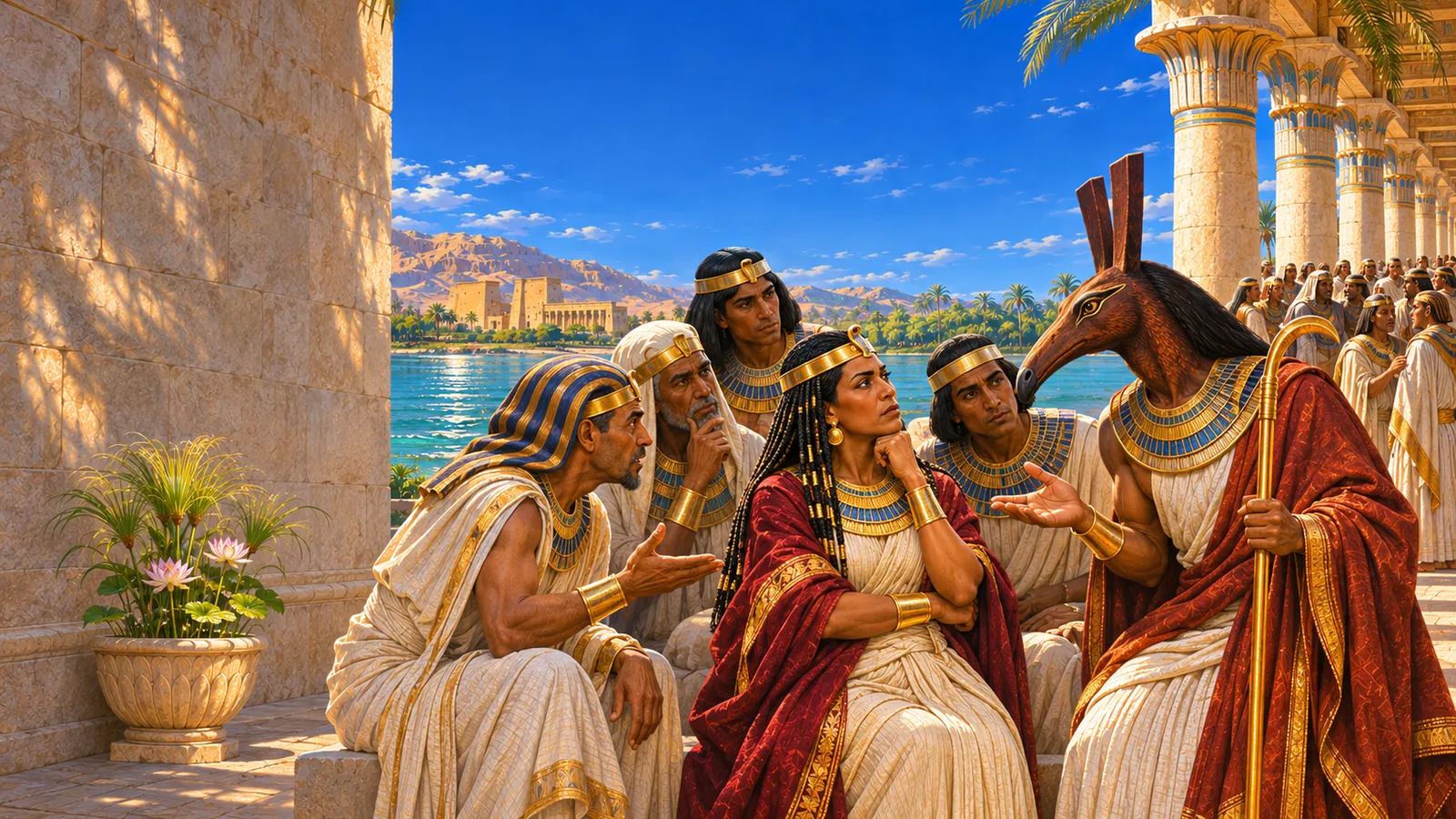
Tras el regreso de Osiris, Set convenció a otras setenta y dos personas para que se unieran a su complot. También se unió una reina llamada Aso, que estaba entonces en Egipto.
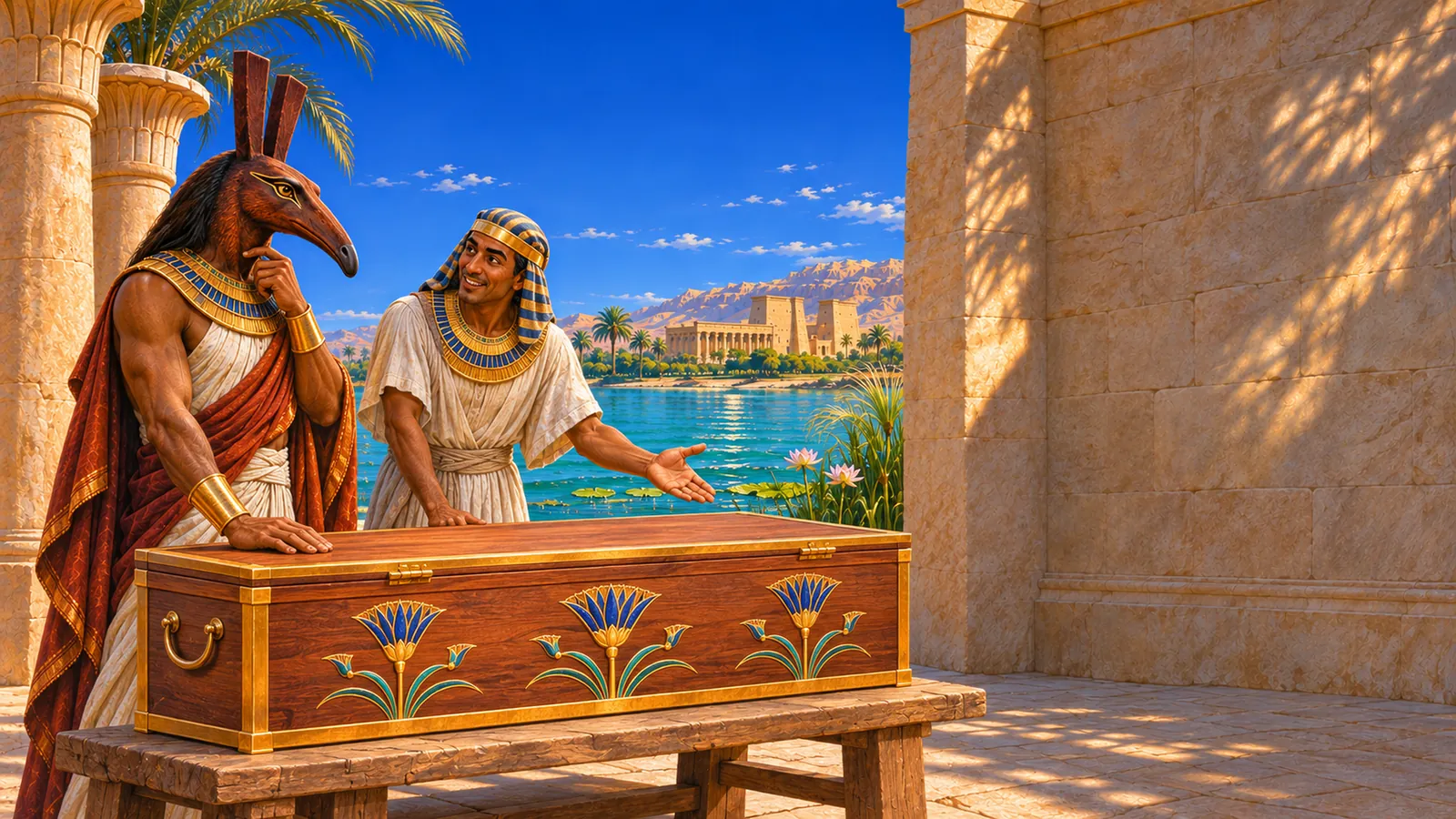
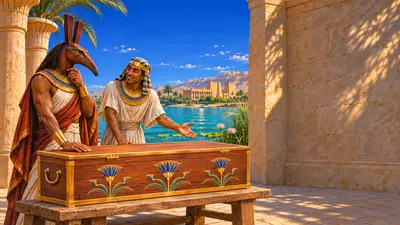
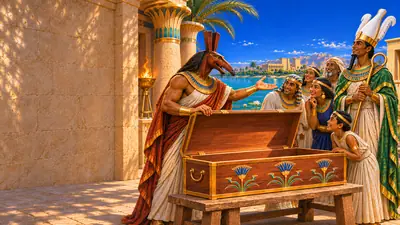
El complot de Set giraba en torno a un arcón finamente decorado. En el relato de Plutarco, Set mandó hacerlo a la medida de Osiris.
EL ARCÓN
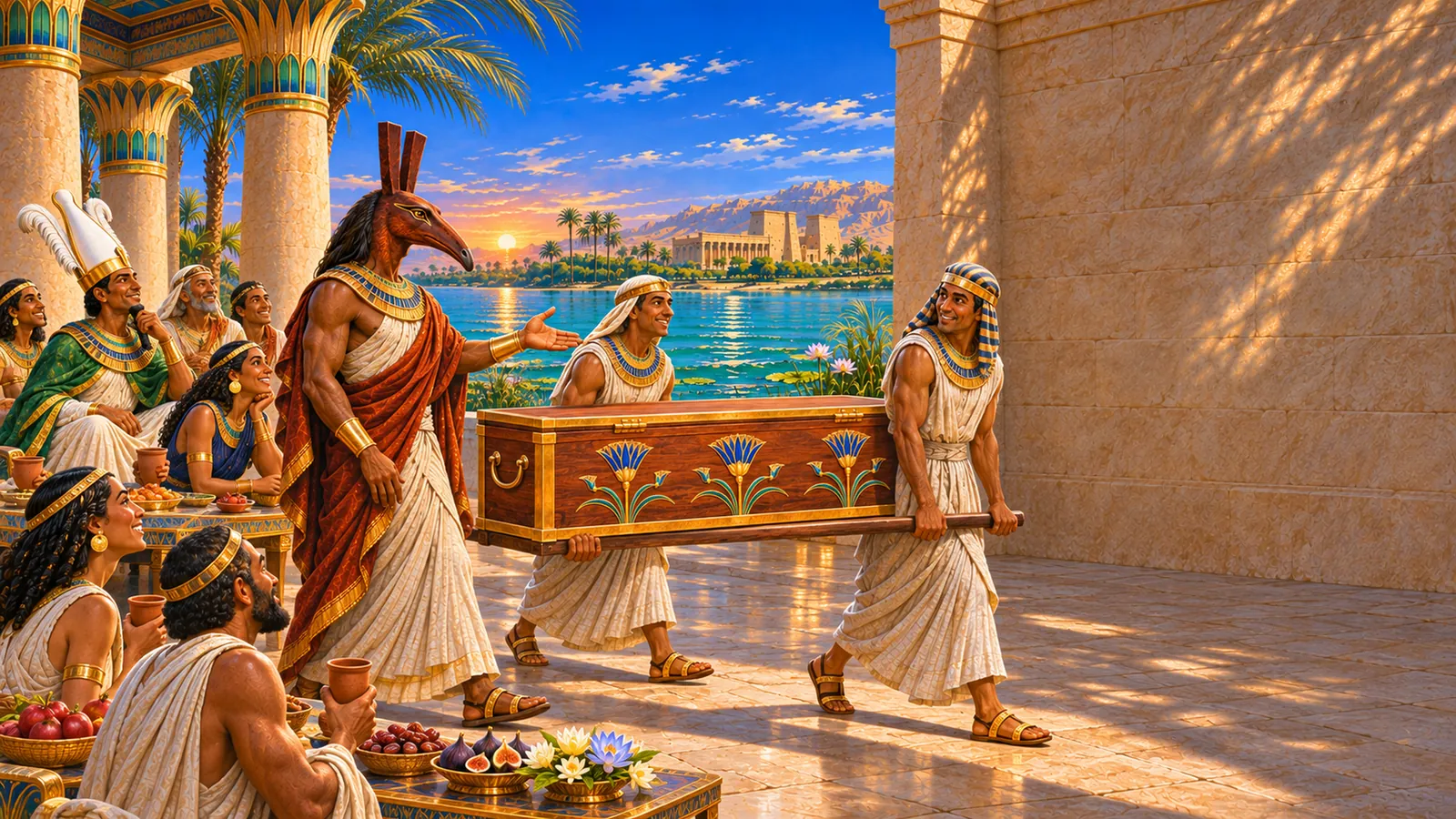
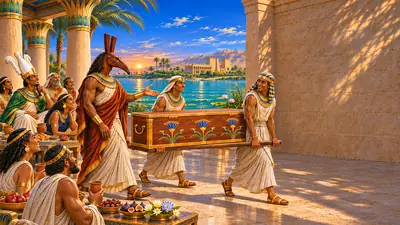
Set llevó el arcón a la sala donde celebraba el banquete. Los invitados lo admiraron al verlo allí.
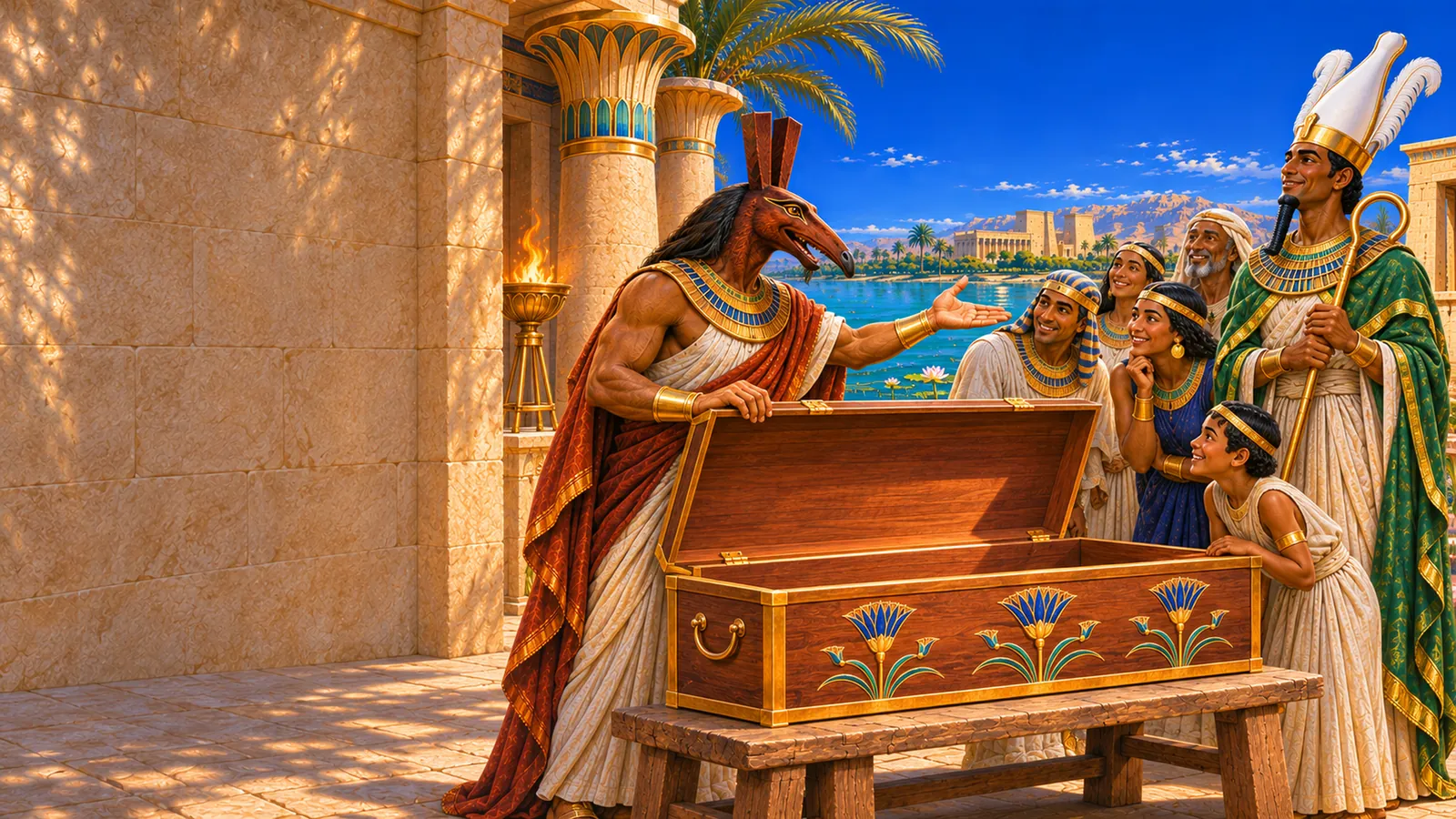
Set habló como si estuviera bromeando. Prometió el arcón al invitado que cupiera en él.
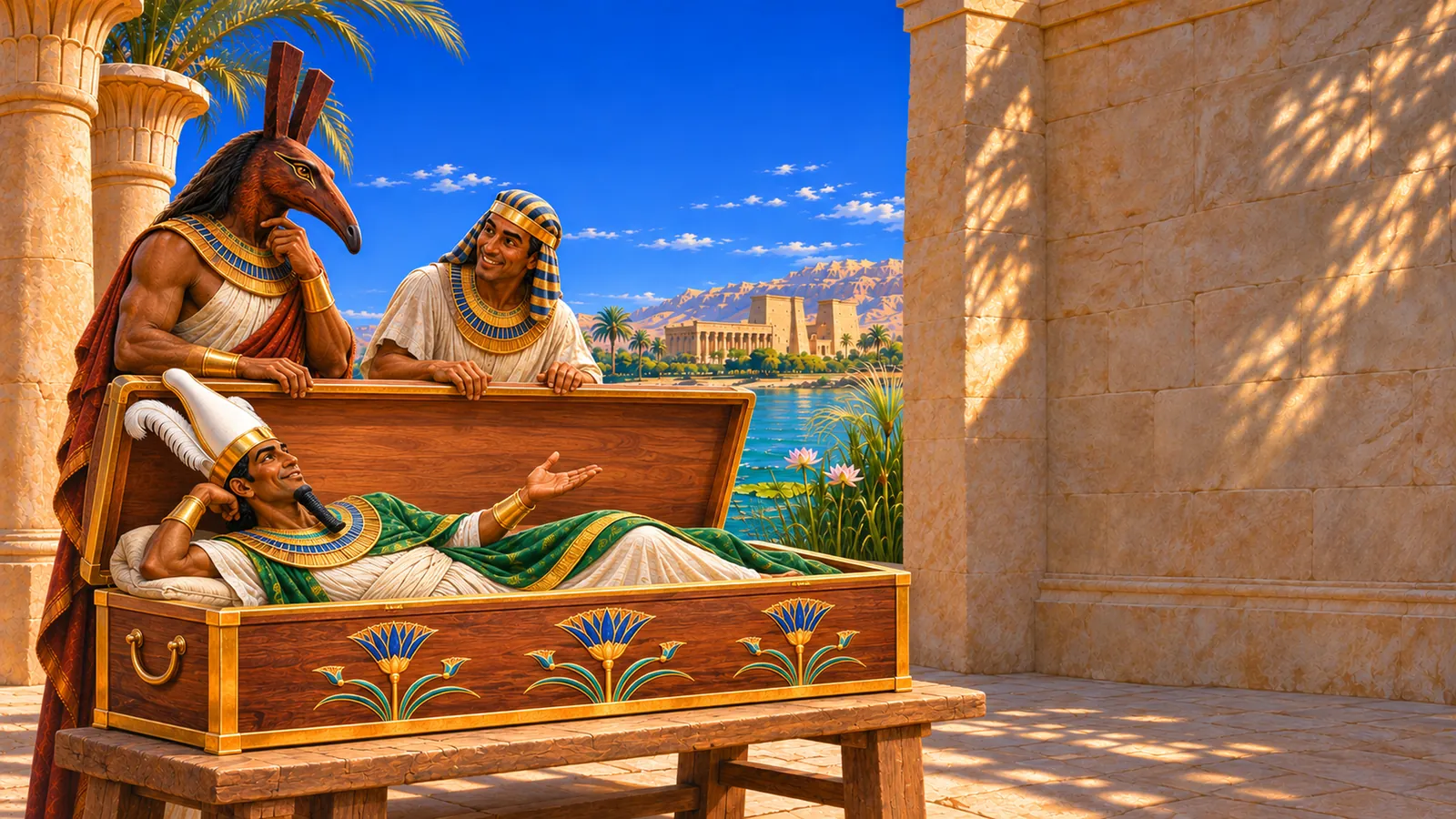
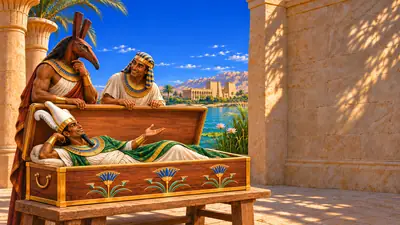
Los invitados probaron el arcón uno tras otro, pero no le servía a ninguno. Cuando llegó su turno, Osiris se acostó dentro.
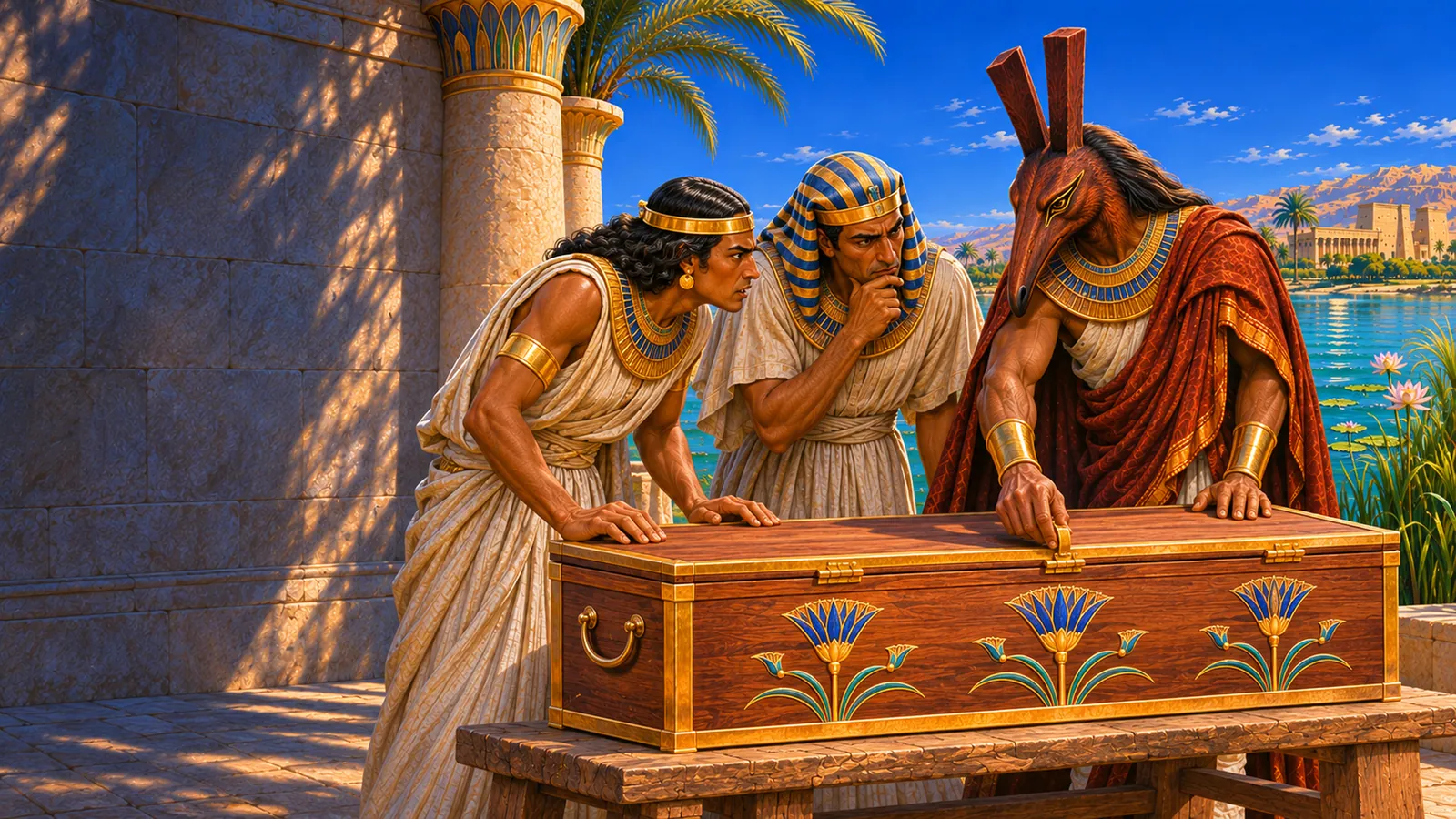
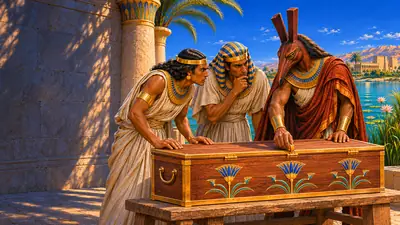
En el relato de Plutarco, quienes se habían unido al complot cerraron el arcón con Osiris dentro. Quedó atrapado.
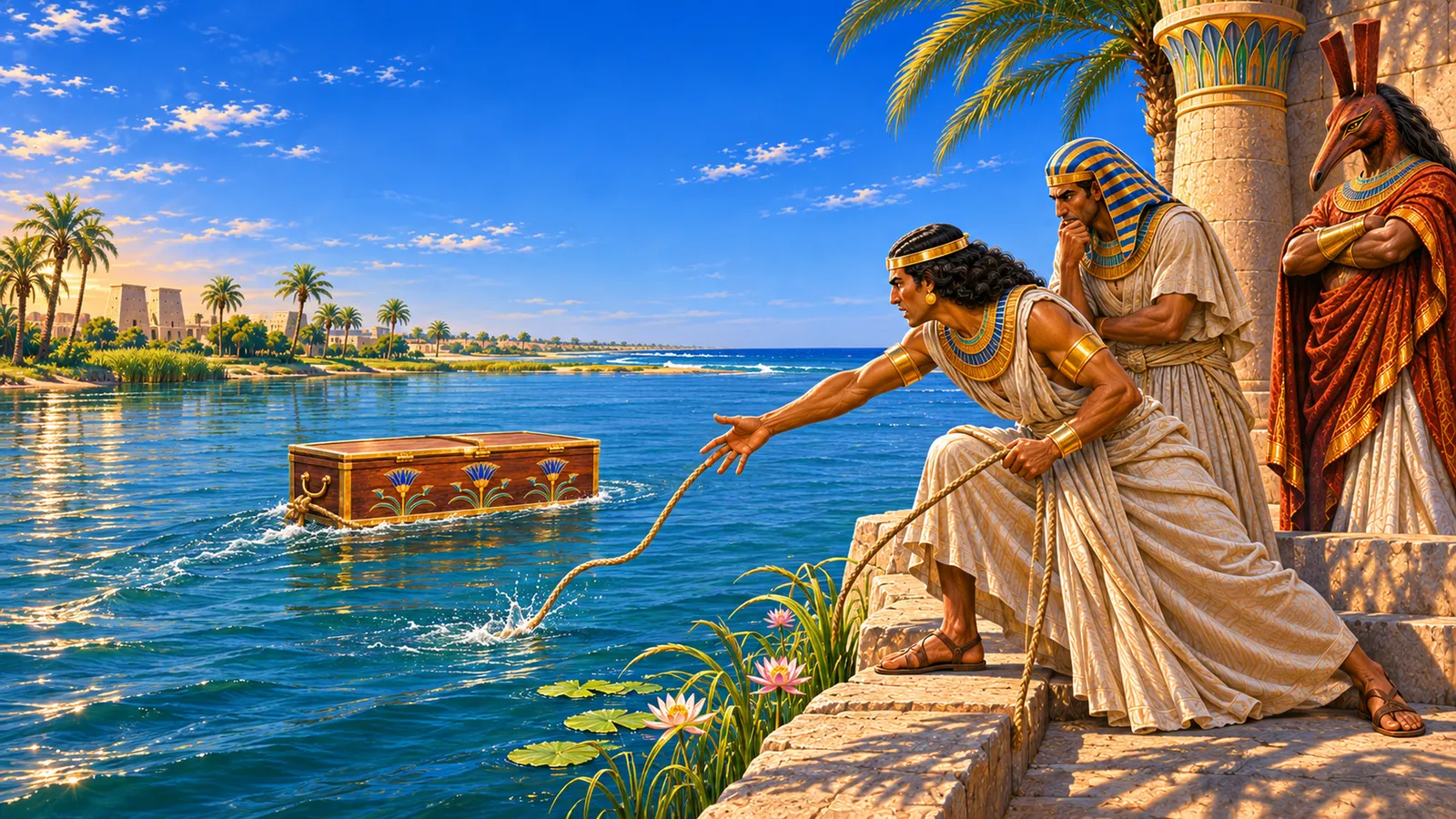
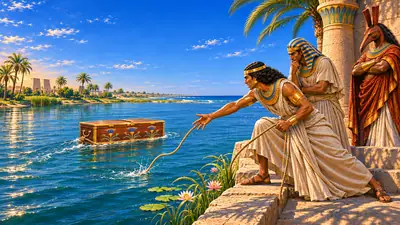
Llevaron el arcón cerrado hasta el Nilo. En el relato, salió al mar por la desembocadura tanítica del río.
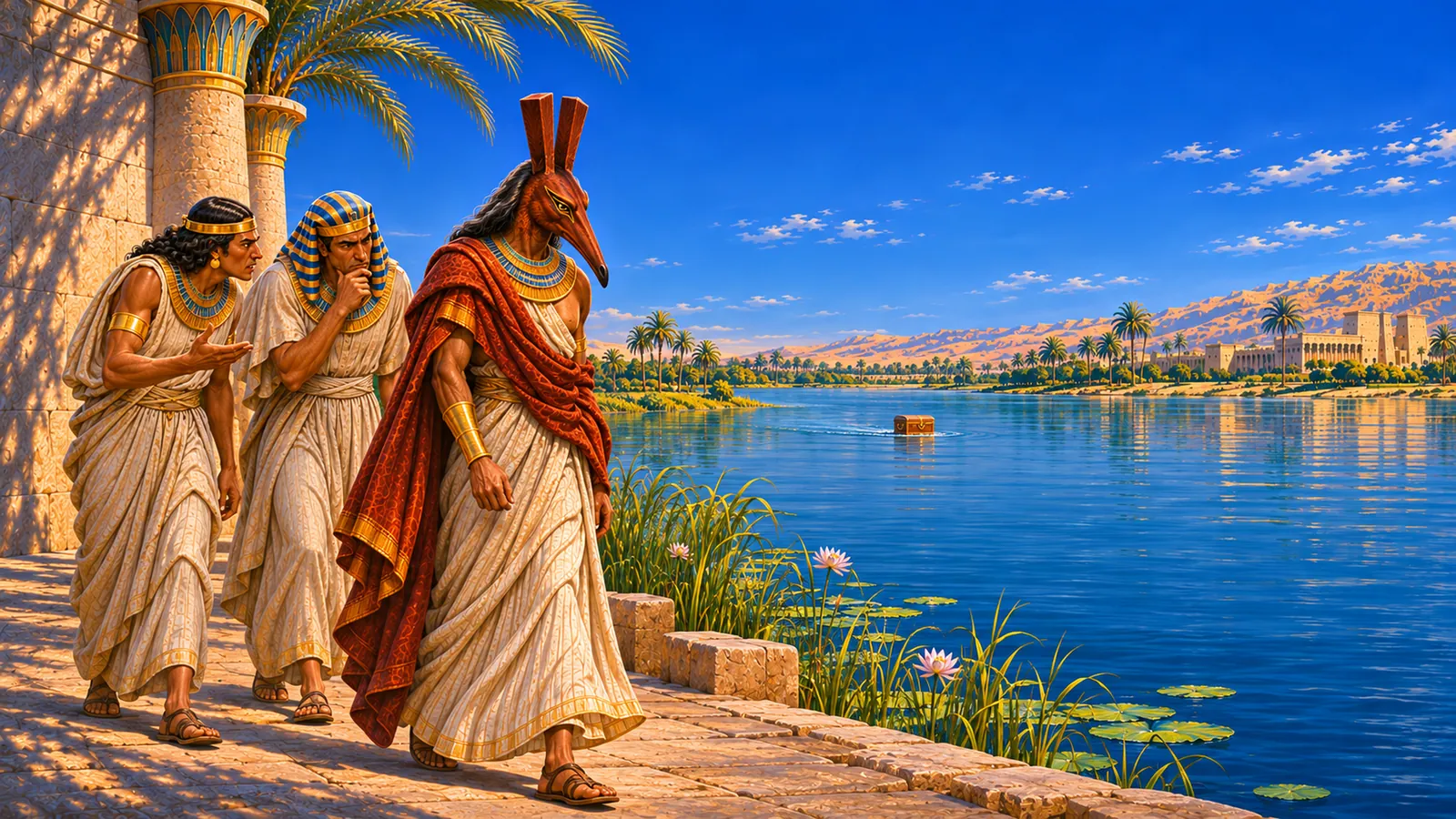
Plutarco vincula la historia con la aversión que, según dice, inspiraba aquella desembocadura del Nilo. Sitúa el suceso en el decimoséptimo día del mes de Athyr.
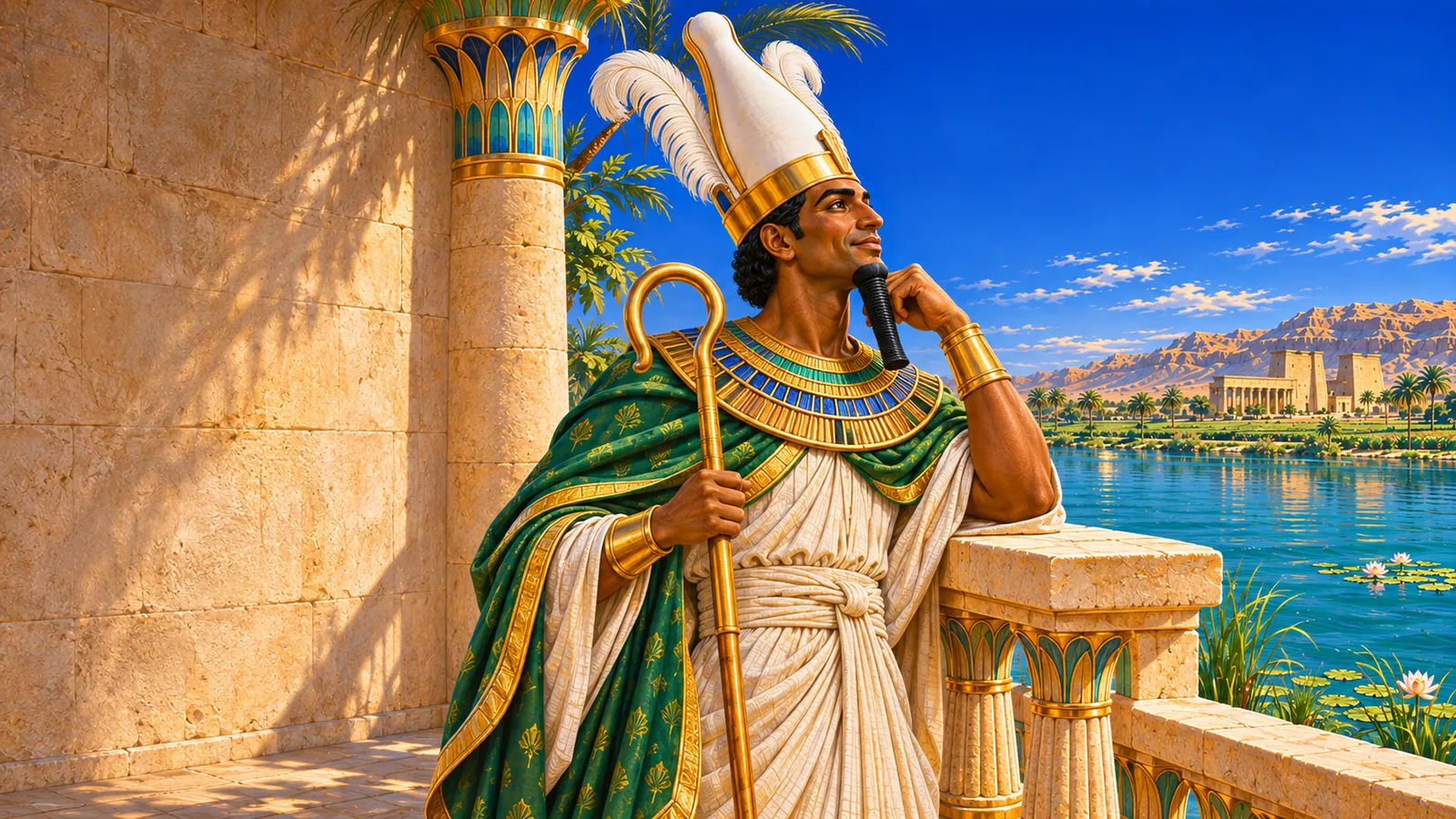
Algunos situaban el suceso en el vigésimo octavo año del reinado de Osiris. Otros decían que Osiris tenía veintiocho años cuando ocurrió.
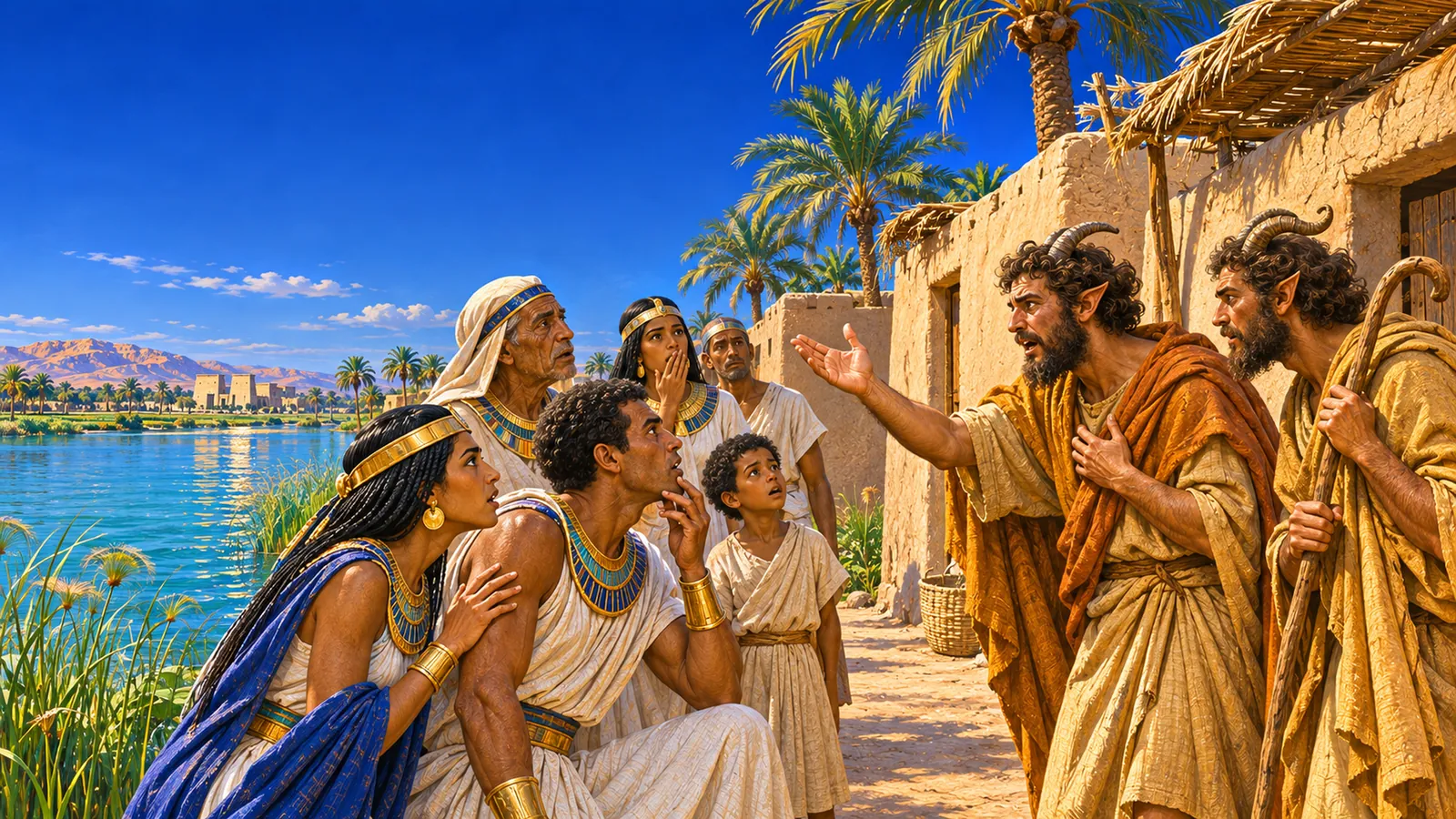
En los alrededores de Quemis, los seres que Plutarco llama Panes y sátiros fueron los primeros en enterarse de lo que le había ocurrido a Osiris. Después se lo contaron a la gente.
LA NOTICIA
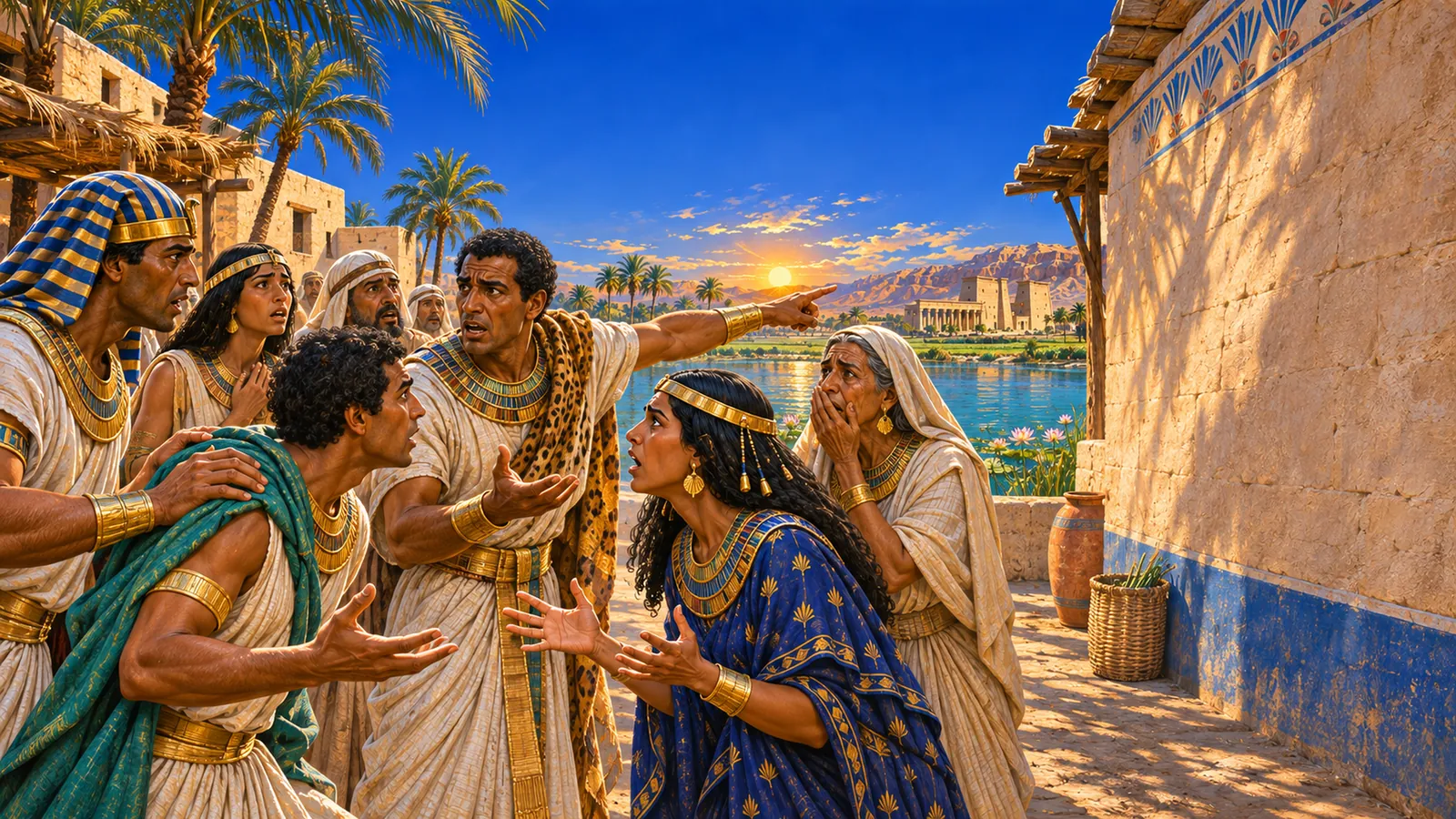
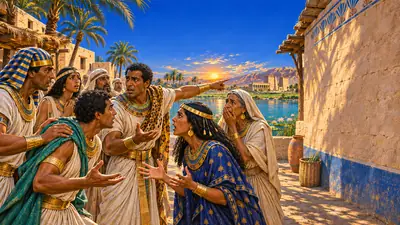
Cuando la noticia llegó a la población, el miedo se extendió de golpe. Plutarco cuenta este episodio para explicar el nombre que se da al pánico repentino.
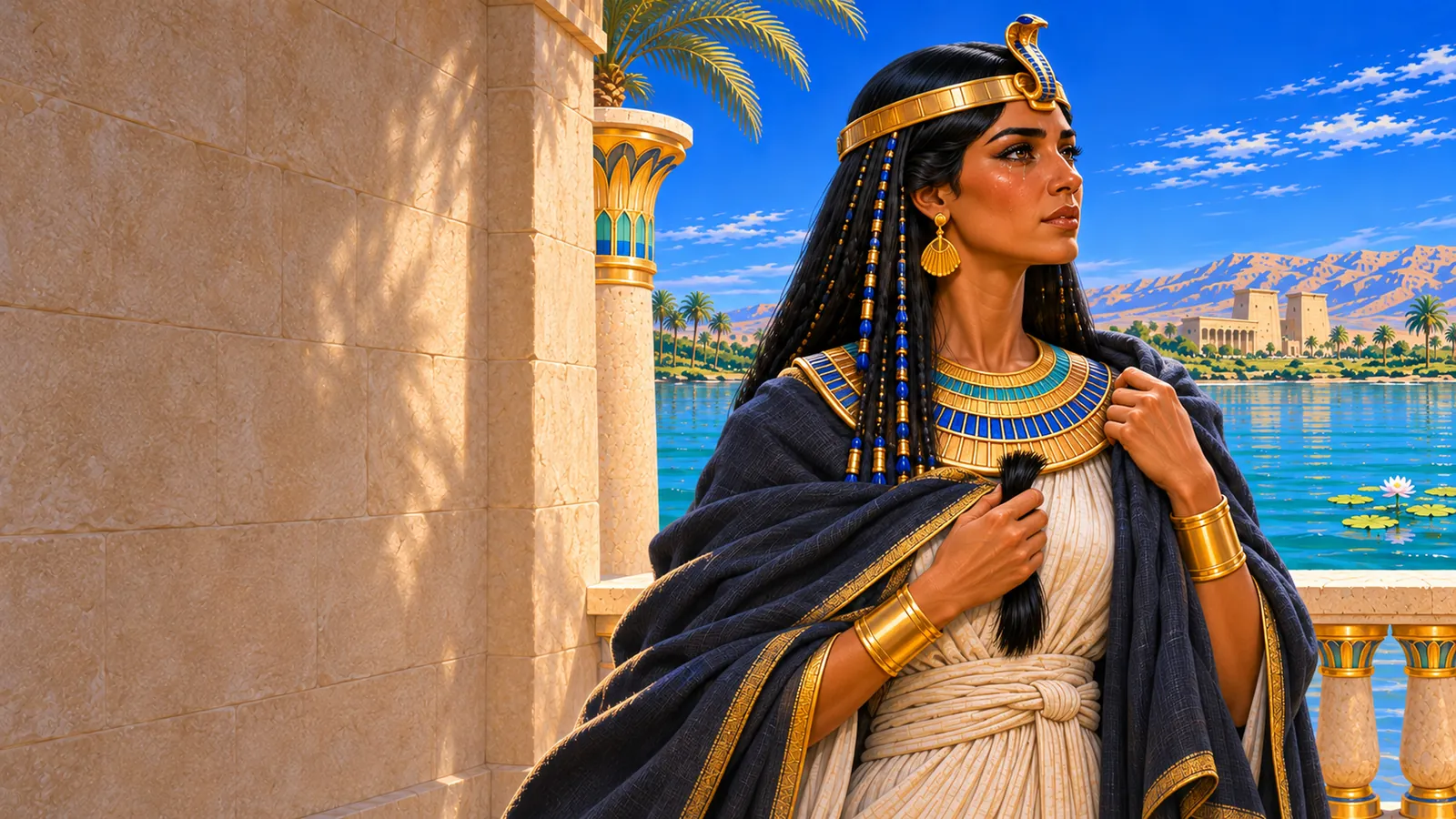
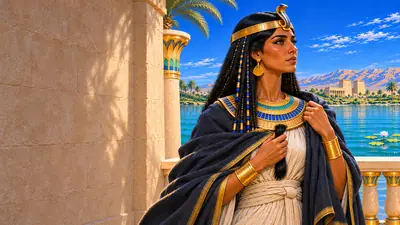
En cuanto Isis oyó la noticia, se cortó un mechón de cabello. Allí mismo se puso la ropa de luto.
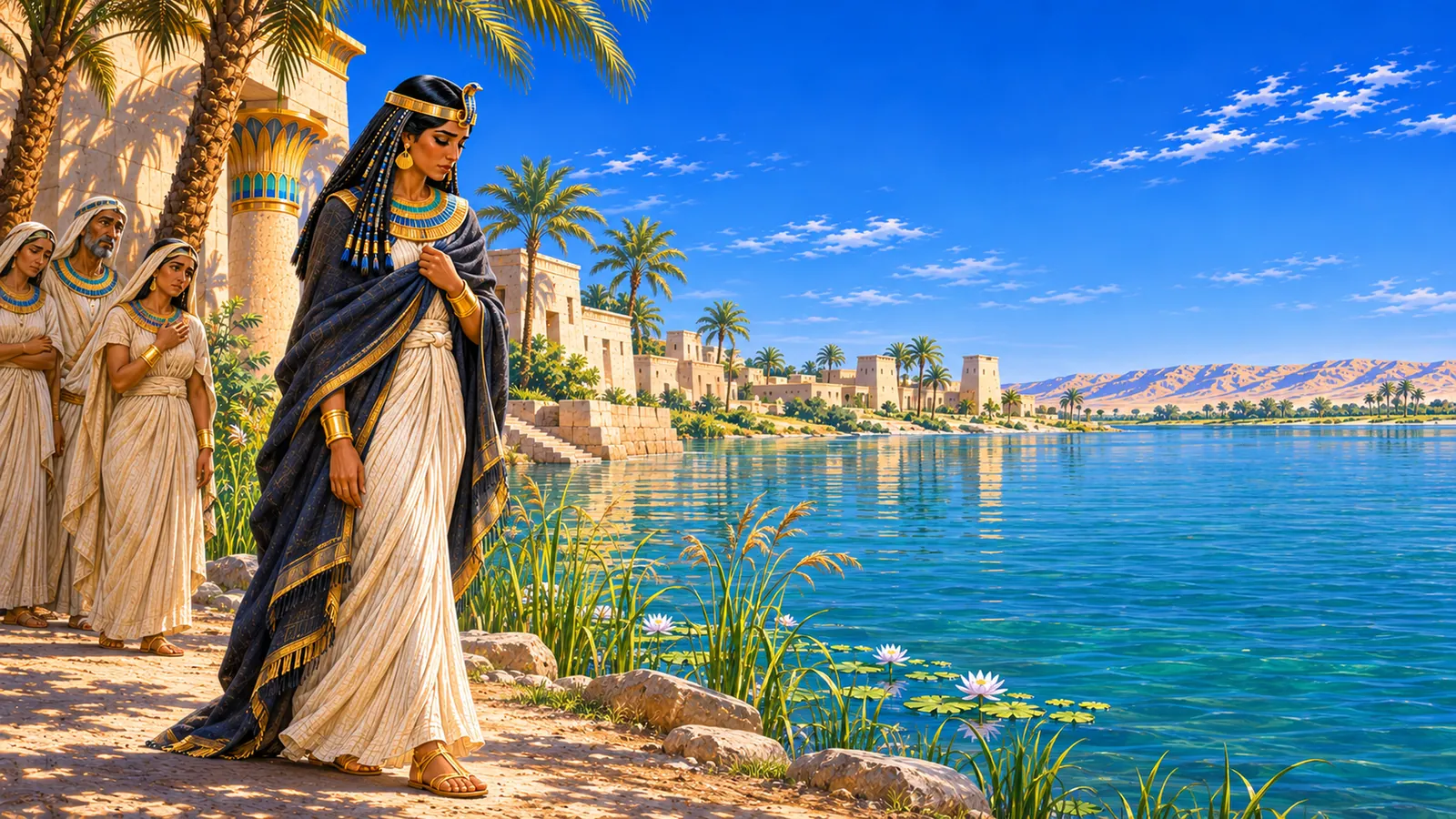
El relato asocia el lugar donde Isis empezó su luto con el nombre de Coptos. Algunos entendían ese nombre como duelo, mientras que otros lo interpretaban como privación.
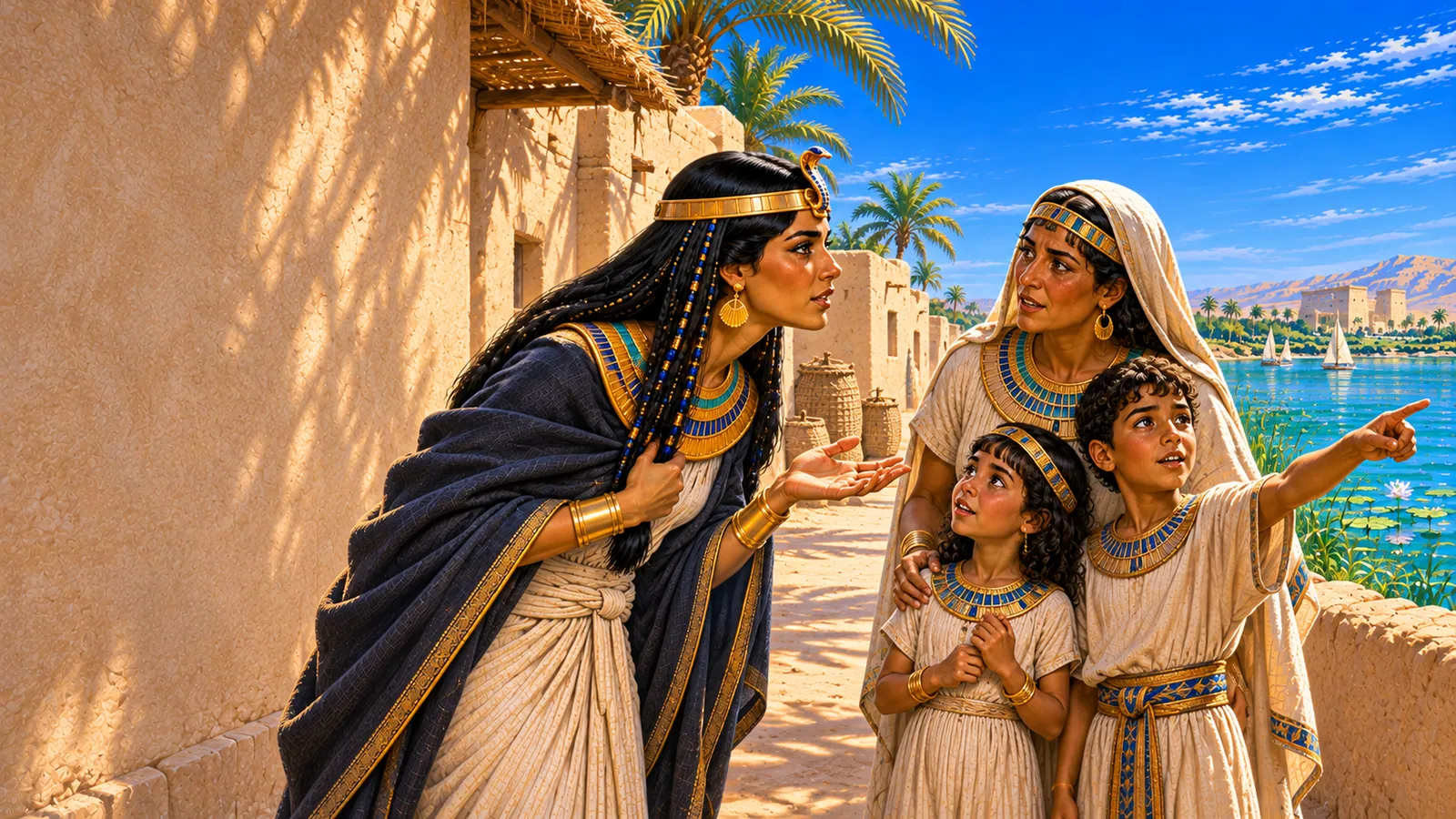
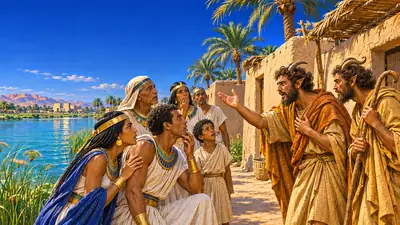
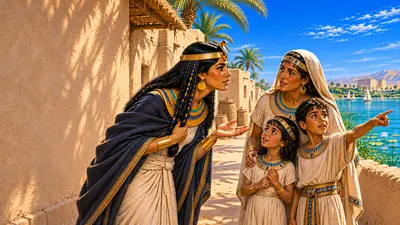
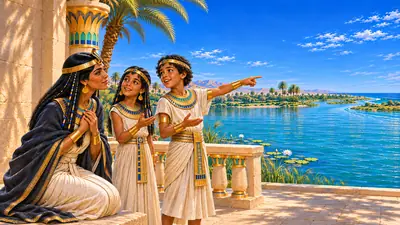
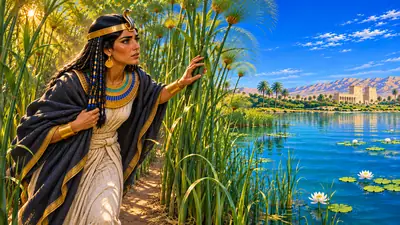
Isis recorrió el país, inquieta y pendiente de cualquier noticia del cofre. Preguntó a cuantos encontraba, incluso a unos niños, si lo habían visto.
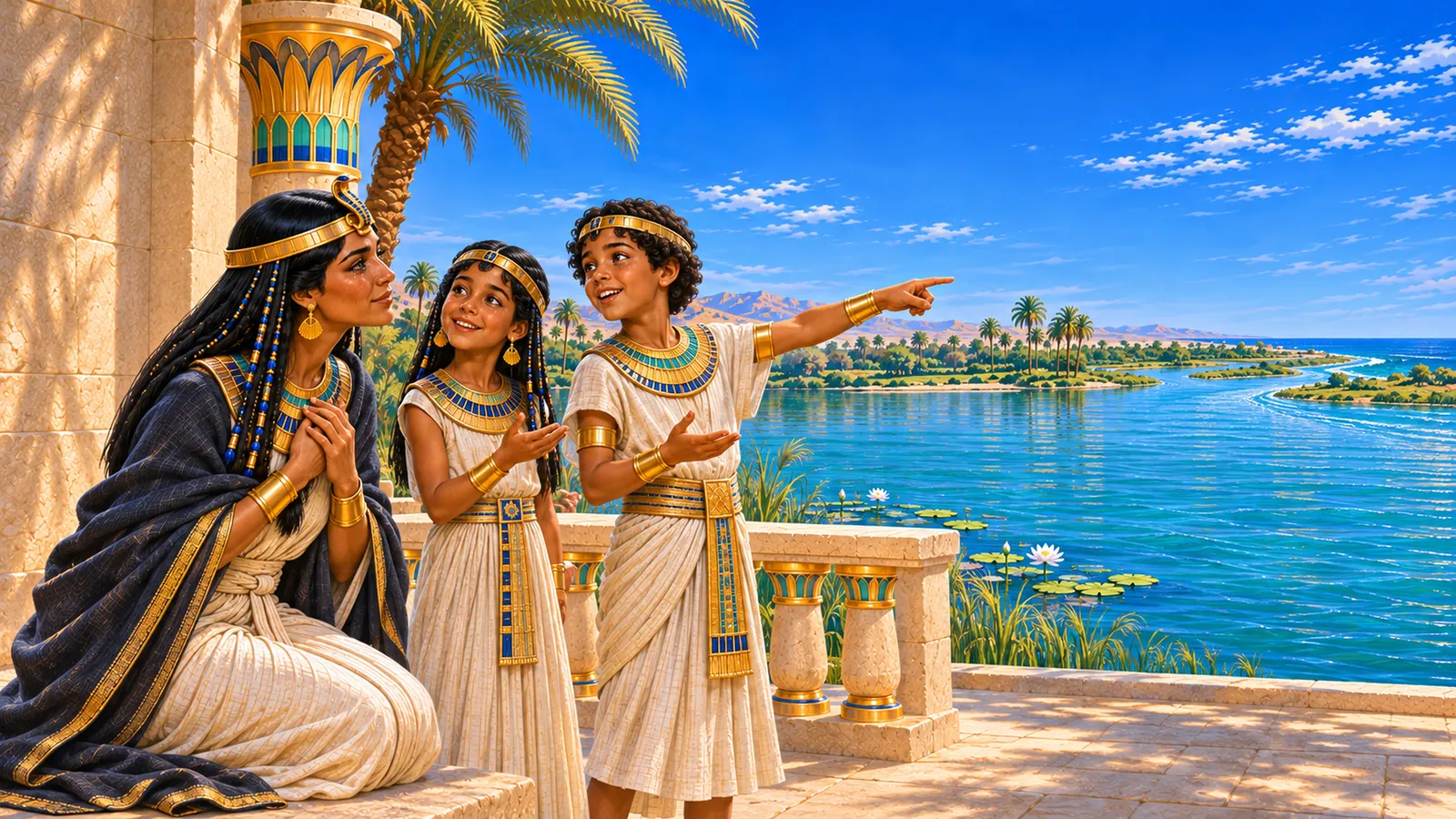
Los niños habían visto cómo se llevaban el cofre. Le dijeron a Isis por qué desembocadura del Nilo lo habían sacado al mar.
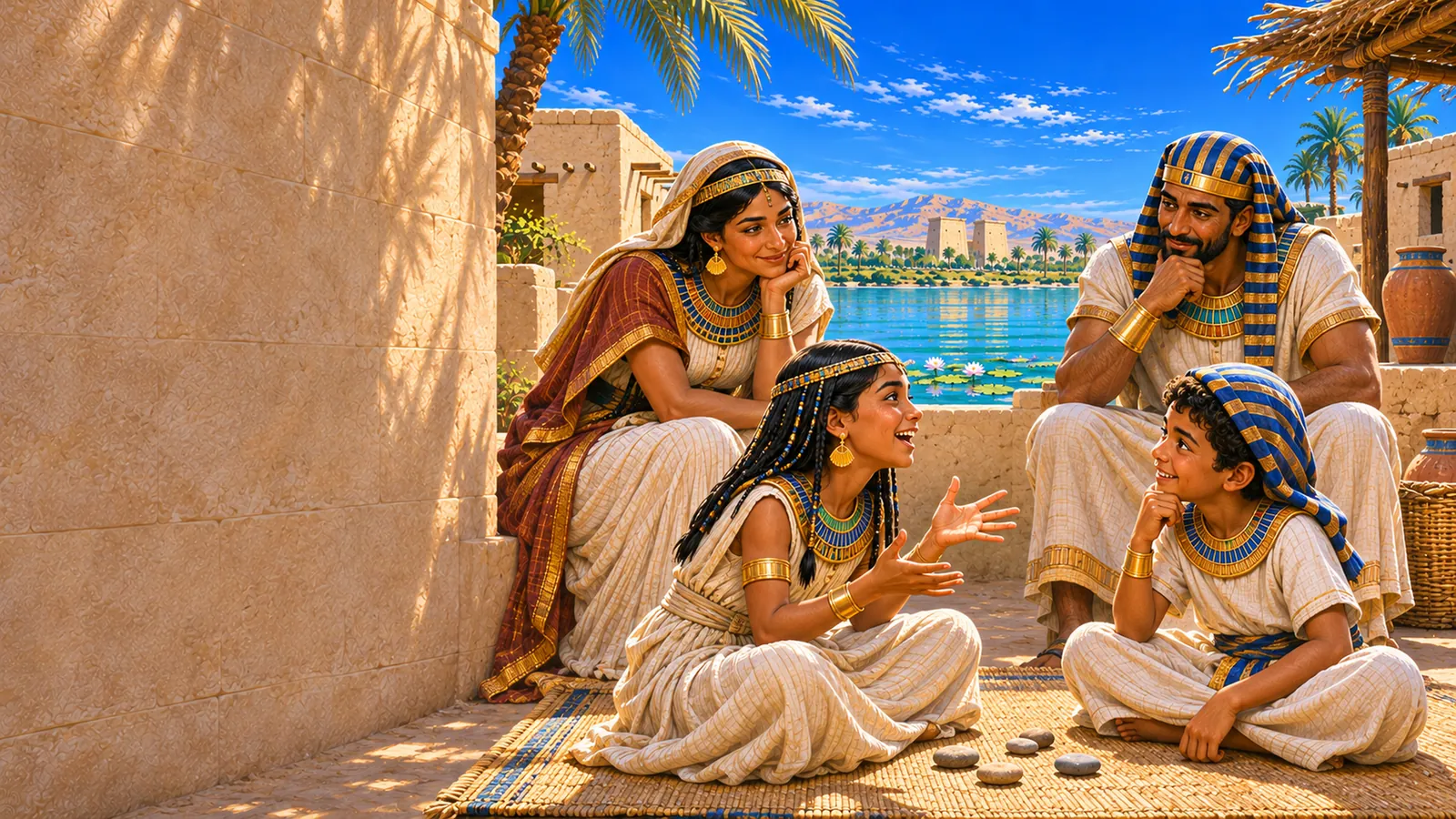
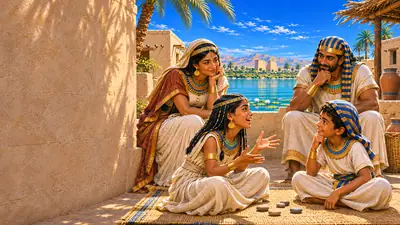
El relato explica una costumbre a partir de la respuesta de los niños. Dice que la gente buscaba presagios en lo que decían por casualidad mientras jugaban.
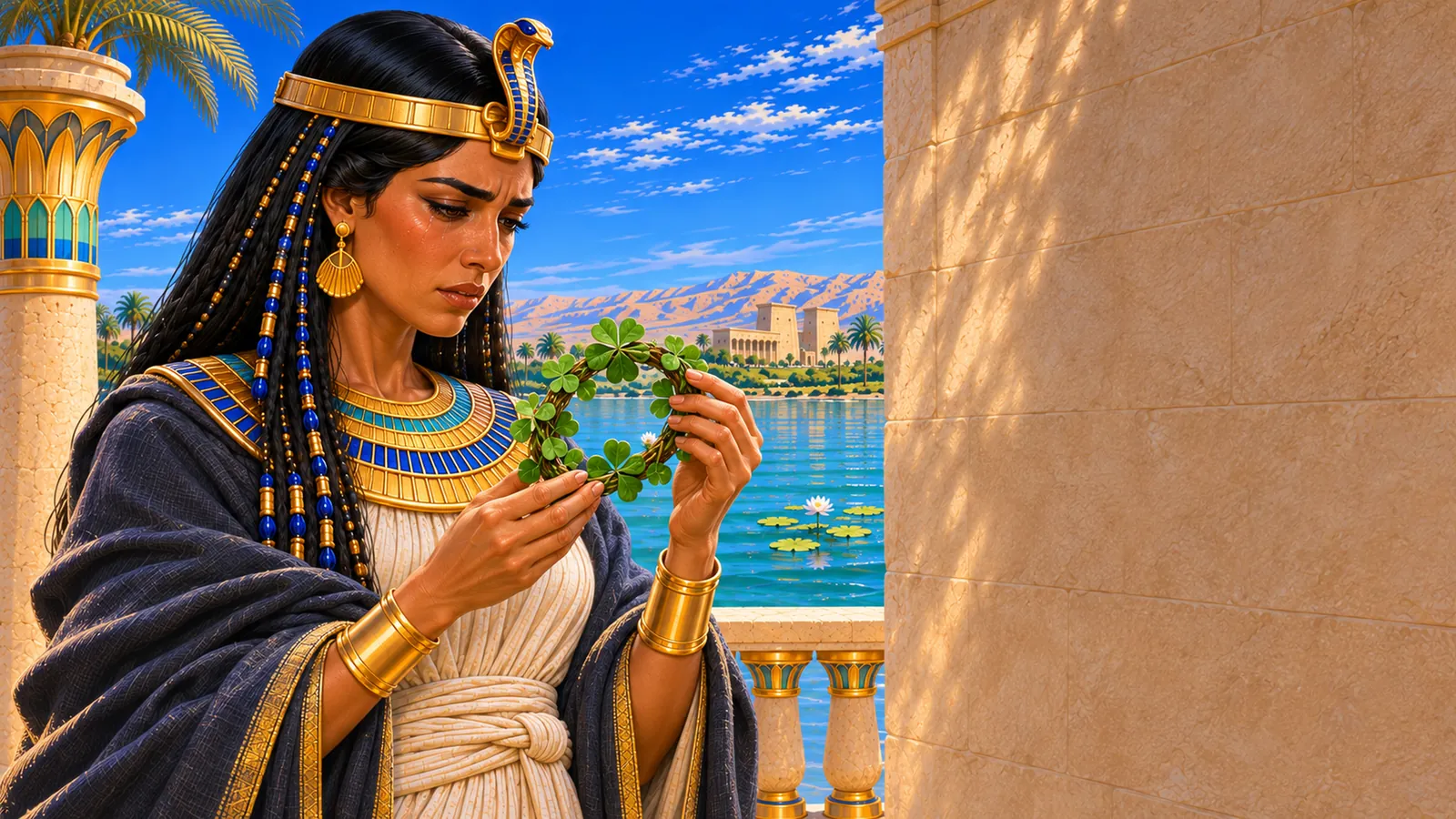
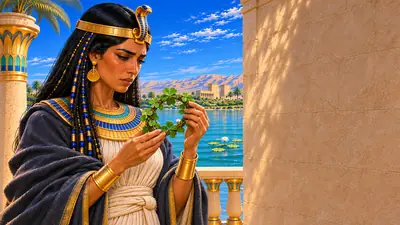
Isis supo que Neftis había engañado a Osiris, que se había acostado con ella creyendo que era Isis. Una guirnalda de meliloto que él había dejado con Neftis ayudó a Isis a entender lo ocurrido.
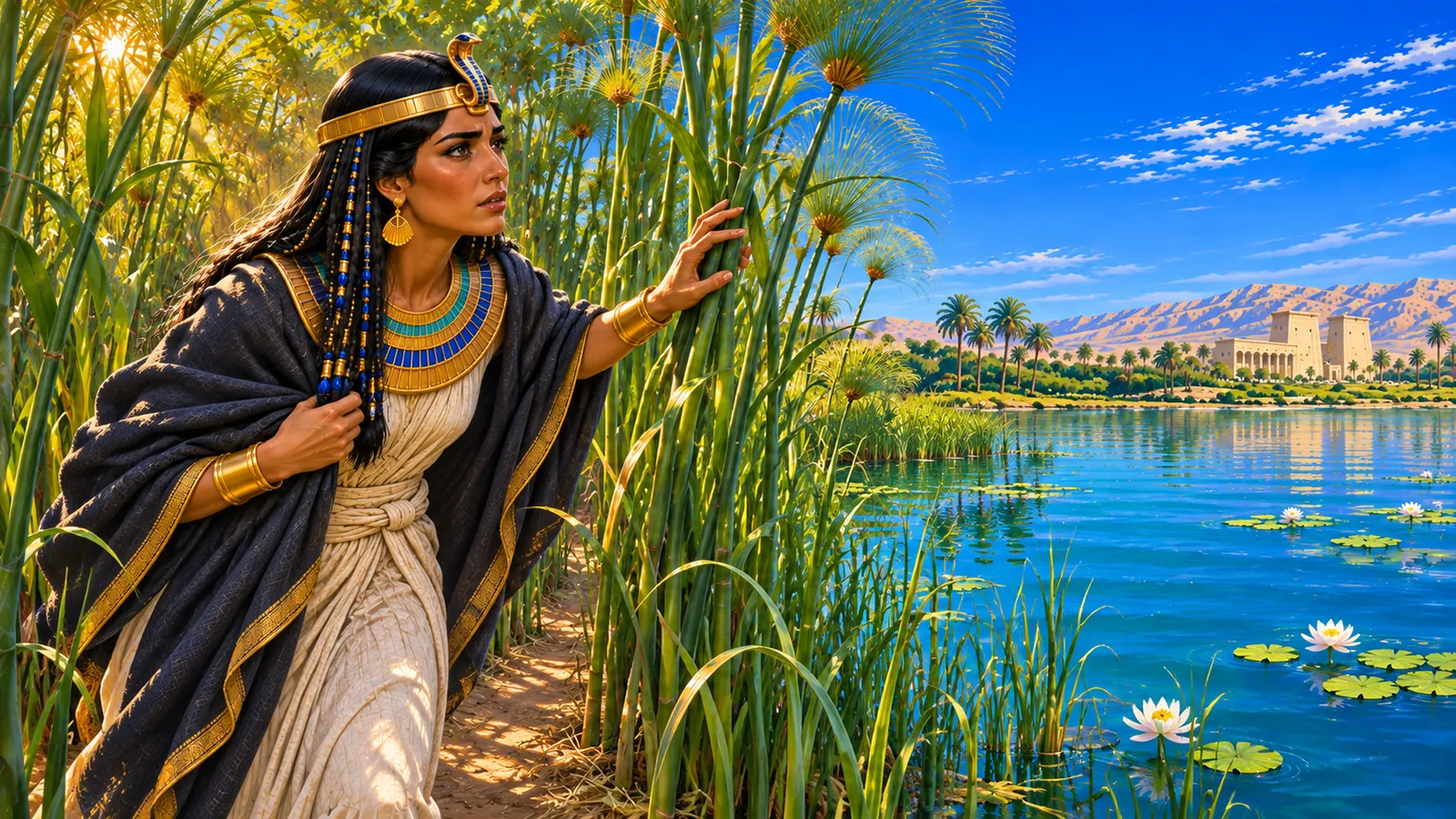
Neftis temía la ira de Seth y había abandonado al niño al nacer. Isis salió entonces a buscarlo.
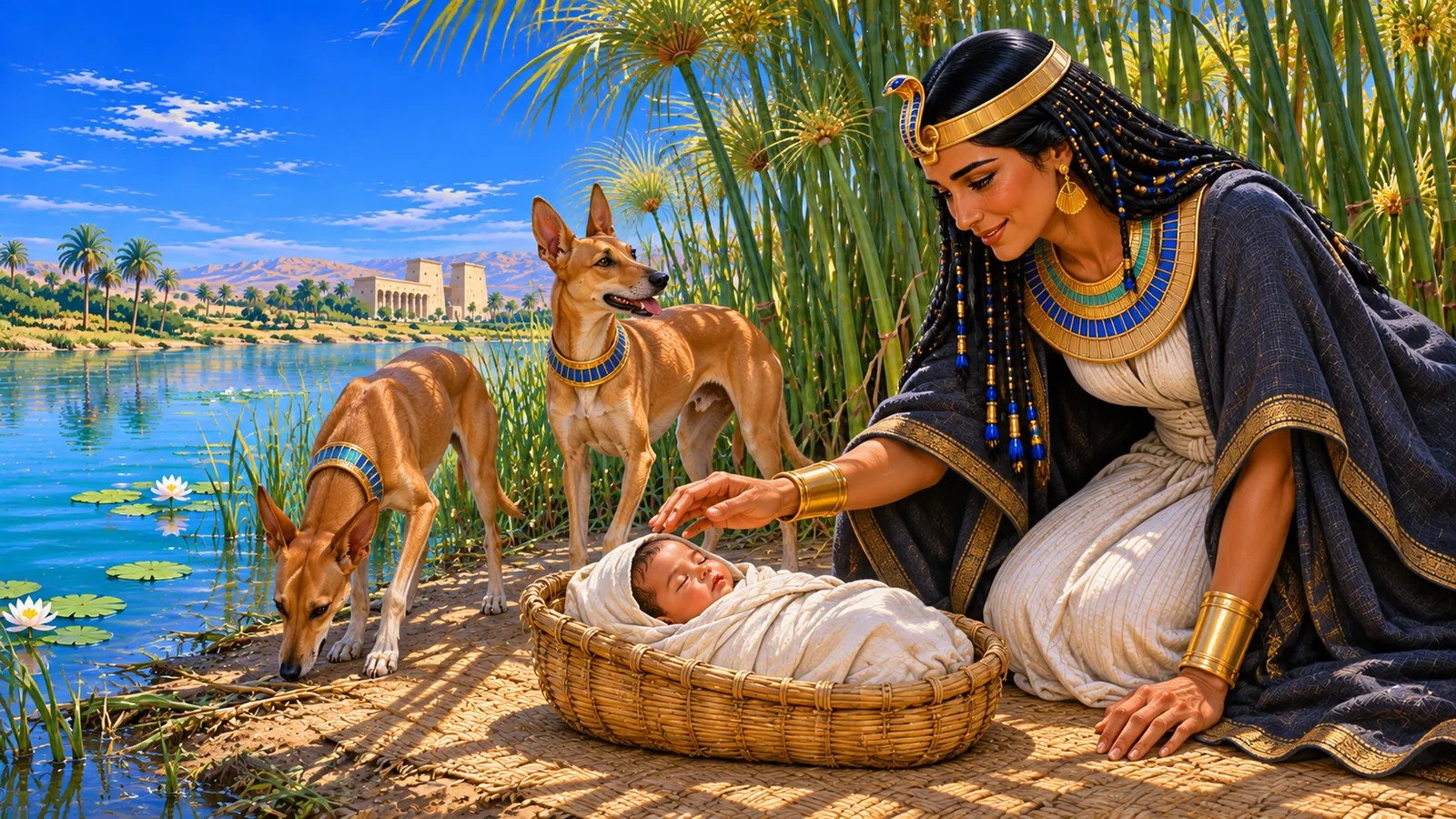
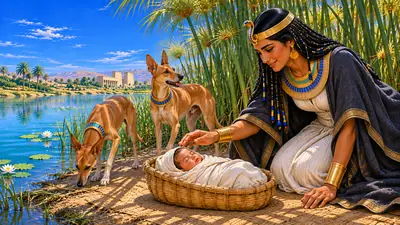
La búsqueda fue difícil. Al fin, unos perros llevaron a Isis al lugar donde habían dejado al niño, y allí lo encontró.
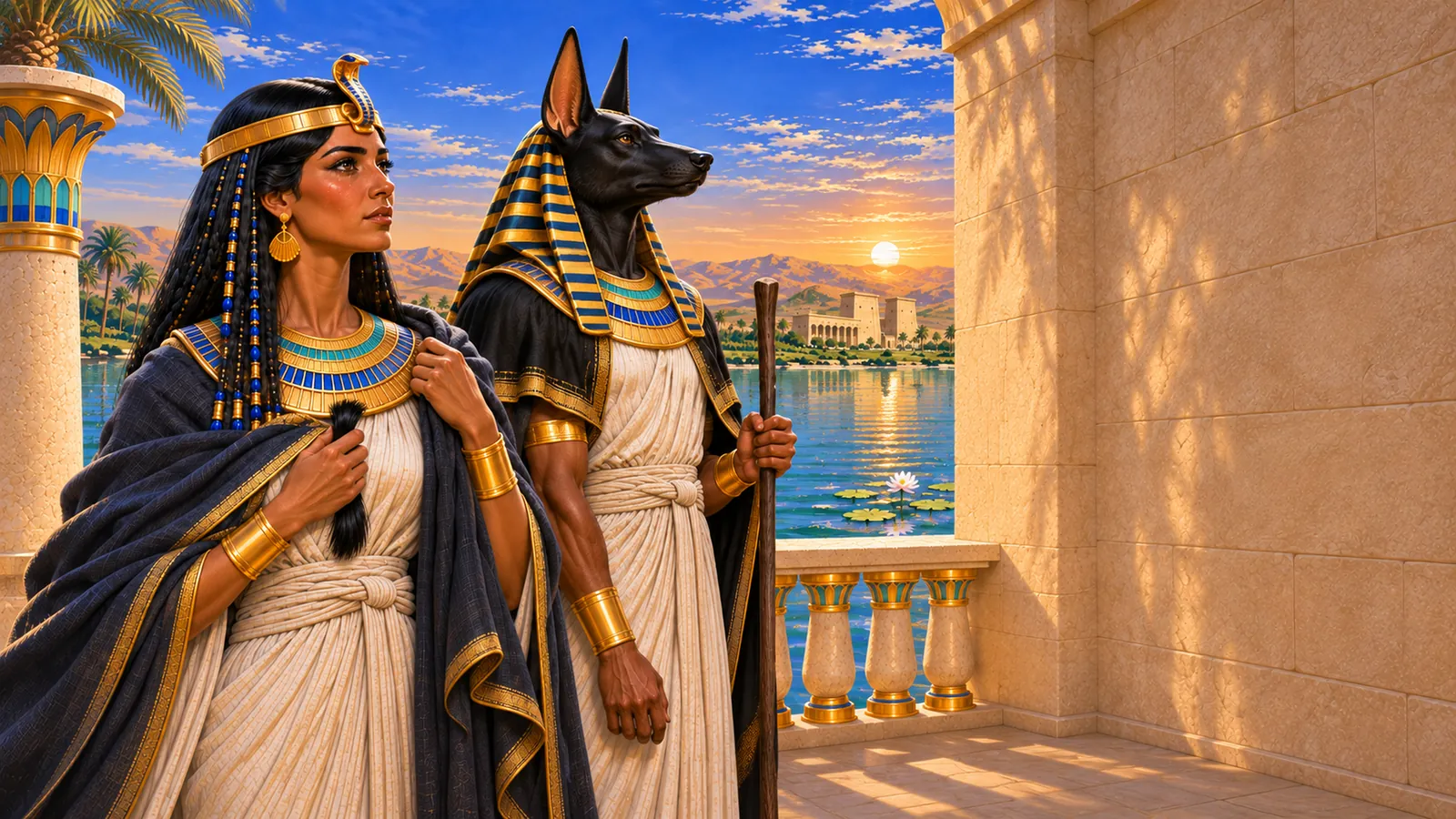
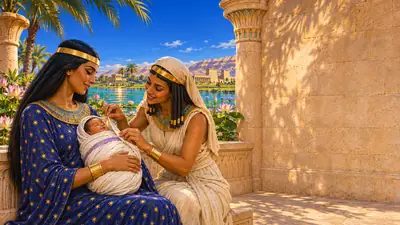
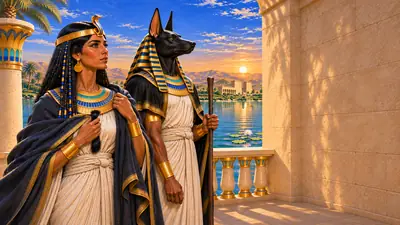
Isis acogió al niño y lo crio. Con el tiempo, él permaneció a su lado como guardián y acompañante constante.

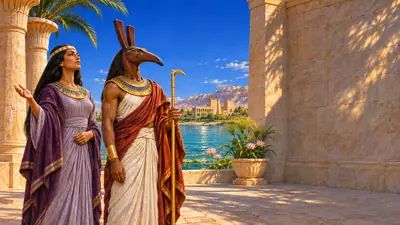
El relato llama Anubis a este guardián. Dice que vigila a los dioses como un perro vigila a las personas que tiene a su cuidado.

EN EL MAR
La búsqueda del cofre llevó a Isis lejos del lugar donde había empezado. El mar ya lo había arrastrado hasta una costa que el narrador llama Biblos.
Fin del capítulo 1

Todas las páginas







Fuentes
Page notes give line positions in the published Project Gutenberg HTML. The name Byblos follows the narrative. The location remains uncertain in these sources.
Ediciones consultadas
- E. A. Wallis Budge, Egyptian Ideas of the Future Life, third edition, 1908, Chapter II
- Plutarch’s narrative in Samuel Squire’s translation as quoted in Chapter II
- Budge’s footnote for Samuel Squire’s Cambridge edition, 1744
- Budge’s note on the name Byblos
Notas sobre este relato
**Edition.** Plutarch’s *On Isis and Osiris*, Samuel Squire’s Cambridge translation (1744), as quoted in E. A. Wallis Budge’s *Egyptian Ideas of the Future Life*, third edition (1908), chapter II. The introduction at raw HTML 1148–1158 identifies Plutarch and Squire, whose edition is specified in note 42. The local raw HTML lines below are verification locators. [Budge 1908, Project Gutenberg ebook 11277](https://www.gutenberg.org/ebooks/11277)
**P01, 1148–1158 and 1162–1167.** The opening frames the events as Plutarch’s retelling. The five days are the result of the game at 1171–1175. This page introduces the story’s premise in advance of those events.
**P02, 1162–1168.** Squire says that Rhea was with Saturn in secret, that the Sun discovered her, and that he cursed her to give birth in no month or year. Budge’s notes 43–45 identify Rhea with Nut, Saturn with Seb (Geb), and the Sun with Ra.
**P03, 1168–1171.** Squire’s Mercury loves Nut and plays with the Moon in return for favors she has granted him. Squire’s “plays at tables” is presented as a board game. The story gives no board design or rules in this passage.
This is what Plutarch reports about the custom.
**P07, 1176–1178.** Osiris is born on the first day.
**P08, 1179–1182.** An explicitly different account says that Pamyles heard the announcement while fetching water from the temple of Jupiter at Thebes. The spoken version names the city and leaves the Greek temple designation in this note.
Geb entrusts the child’s upbringing to him. Plutarch says the Pamylia commemorated this event and compares it to the Greek Phalliphoria or Priapeia.
**P10, 1186–1188.** Aroueris is born on day two. Budge’s note 46 gives Hera-ur, Horus the Elder. Squire also records Apollo as a name some give him.
**P11, 1188–1192 and note 47.** Squire calls the third child Typho, whom Budge identifies as Set.
**P12, 1192–1194.** Isis is born on the fourth added day in the marshes of Egypt.
**P13, 1193–1194.** Squire says Nepthys is born on the last day. The edition gives Teleute and Aphrodite as names used by some and Nike as one used by others. Those names remain in this note.
**P14, 1195–1201.** One reported genealogy assigns the first two children to the Sun (Ra), Isis to Mercury (Thoth), and Typho (Set) and Nephthys to Saturn (Geb). The next page retains the reported variant fatherhood of Horus the Elder without joining it to this genealogy.
Page 15 (Budge 1908, chapter II, raw HTML 1201–1205). Squire writes Typho and Nepthys for Set and Nephthys. He says they married. He then recounts the pre-birth union of Isis and Osiris, naming Aroueris, or the elder Orus, as their child. This is a different genealogy from the account in lines 1195–1197. Horus the Elder is the presentation name here.
Page 16 (1207–1209). Osiris has become king of Egypt and undertakes to change the way his people live. Squire’s English describes their previous way of life as “indigent and barbarous.” Those terms belong to the older account.
Page 17 (1209–1212). Osiris teaches cultivation and improving crops, gives laws to govern conduct, and instructs his people about reverence and worship due to the gods.
Pages 18–19 (1212–1218). Osiris travels beyond Egypt in the story. Squire says he persuades people through reasoning communicated in hymns and songs with musical instruments. The text expressly distinguishes his persuasion from compulsion by force of arms.
Page 20 (1219–1222). Isis governs vigilantly while Osiris is absent. Squire says this leaves Typho no opportunity to change anything in the state.
Page 21 (1222–1225). After Osiris returns, Typho persuades seventy-two other people to join the plot and also has the help of Aso, a queen then in Egypt. Squire calls her “a certain queen of Ethiopia.” The place label belongs to the older rendering.
Page 22 (1225–1229). Squire describes its fine appearance and ornament.
Page 23 (1229–1230). In his banqueting room Set presents the chest, and those present admire it.
Pages 24–25 (1230–1234). The guests try one after another. Osiris lies down last.
Page 26 (1234–1236). The conspirators close the chest with Osiris inside and trap him.
Page 27 (1236–1238). This retelling uses Tanaitic.
Page 28 (1238–1242). The date in the narrative is the seventeenth of Athyr. The ordinal is on line 1241 and the month starts line 1242. The following page gives the two accounts involving the number twenty-eight.
### Pages 29–42 · The news and the search
Los versos antiguos de cada página
- Page 1: Plutarch, Squire 1744 in Budge 1908, chapter II, HTML 1148–1158, 1162–1167
The whole upper text field is calm deep blue-violet morning sky, still one continuous soft tone. - Page 2: Plutarch, Squire 1744 in Budge 1908, chapter II, HTML 1162–1168
- Page 3: Plutarch, Squire 1744 in Budge 1908, chapter II, HTML 1168–1171
- Page 4: Plutarch, Squire 1744 in Budge 1908, chapter II, HTML 1170–1173
- Page 5: Plutarch, Squire 1744 in Budge 1908, chapter II, HTML 1172–1175
- Page 6: Plutarch, Squire 1744 in Budge 1908, chapter II, HTML 1174–1176
- Page 7: Plutarch, Squire 1744 in Budge 1908, chapter II, HTML 1176–1178
- Page 8: Plutarch, Squire 1744 in Budge 1908, chapter II, HTML 1179–1182
- Page 9: Plutarch, Squire 1744 in Budge 1908, chapter II, HTML 1182–1185
- Page 10: Plutarch, Squire 1744 in Budge 1908, chapter II, HTML 1186–1188
- Page 11: Plutarch, Squire 1744 in Budge 1908, chapter II, HTML 1188–1192
- Page 12: Plutarch, Squire 1744 in Budge 1908, chapter II, HTML 1192–1194
- Page 13: Plutarch, Squire 1744 in Budge 1908, chapter II, HTML 1193–1194
- Page 14: Plutarch, Squire 1744 in Budge 1908, chapter II, HTML 1195–1201
- Page 15: Plutarch, Squire 1744 in Budge 1908, chapter II, HTML 1201–1205
The entire right text field is unbroken blue-brown shade on bare plaster. - Page 16: Plutarch, Squire 1744 in Budge 1908, chapter II, HTML 1207–1209
- Page 17: Plutarch, Squire 1744 in Budge 1908, chapter II, HTML 1209–1212
- Page 18: Plutarch, Squire 1744 in Budge 1908, chapter II, HTML 1212–1214
- Page 19: Plutarch, Squire 1744 in Budge 1908, chapter II, HTML 1214–1218
- Page 20: Plutarch, Squire 1744 in Budge 1908, chapter II, HTML 1219–1222
- Page 21: Plutarch, Squire 1744 in Budge 1908, chapter II, HTML 1222–1225
- Page 22: Plutarch, Squire 1744 in Budge 1908, chapter II, HTML 1225–1229
Treat it as a close still-life fragment. - Page 23: Plutarch, Squire 1744 in Budge 1908, chapter II, HTML 1229–1230
- Page 24: Plutarch, Squire 1744 in Budge 1908, chapter II, HTML 1230–1232
- Page 25: Plutarch, Squire 1744 in Budge 1908, chapter II, HTML 1232–1234
- Page 26: Plutarch, Squire 1744 in Budge 1908, chapter II, HTML 1234–1236
- Page 27: Plutarch, Squire 1744 in Budge 1908, chapter II, HTML 1236–1238
The whole right text rectangle is soft uniform slate-teal water and air with no distinct horizon or foam. - Page 28: Plutarch, Squire 1744 in Budge 1908, chapter II, HTML 1238–1242
- Page 29: Plutarch, Squire 1744 as printed by Budge 1908, Chapter II, HTML lines 1241–1244
- Page 30: Plutarch, Squire 1744 as printed by Budge 1908, Chapter II, HTML lines 1246–1249
- Page 31: Plutarch, Squire 1744 as printed by Budge 1908, Chapter II, HTML lines 1248–1251
- Page 32: Plutarch, Squire 1744 as printed by Budge 1908, Chapter II, HTML lines 1251–1255
- Page 33: Plutarch, Squire 1744 as printed by Budge 1908, Chapter II, HTML lines 1254–1257
- Page 34: Plutarch, Squire 1744 as printed by Budge 1908, Chapter II, HTML lines 1256–1260
- Page 35: Plutarch, Squire 1744 as printed by Budge 1908, Chapter II, HTML lines 1260–1262
The entire right half is smooth water in softly graded blue dusk, with no hard horizon line or reflections there. - Page 36: Plutarch, Squire 1744 as printed by Budge 1908, Chapter II, HTML lines 1263–1267
- Page 37: Plutarch, Squire 1744 as printed by Budge 1908, Chapter II, HTML lines 1267–1272
- Page 38: Plutarch, Squire 1744 as printed by Budge 1908, Chapter II, HTML lines 1272–1276
- Page 39: Plutarch, Squire 1744 as printed by Budge 1908, Chapter II, HTML lines 1275–1278
- Page 40: Plutarch, Squire 1744 as printed by Budge 1908, Chapter II, HTML lines 1277–1279
- Page 41: Plutarch, Squire 1744 as printed by Budge 1908, Chapter II, HTML lines 1278–1279
- Page 42: Plutarch, Squire 1744 as printed by Budge 1908, Chapter II, HTML lines 1257–1262, 1282–1285
Ilustraciones hechas por IL Archive con herramientas de IA; el texto se basa en las fuentes antiguas (véanse las fuentes al final de cada capítulo).