Isis y Osiris Capítulo 2
El pilar de Biblos
El mar lleva el cofre hasta una costa llamada Biblos, donde crece un tamarisco a su alrededor. El tronco se convierte en un pilar de la casa real. Isis sigue la pista hasta una fuente, entra en la corte y pide el pilar. El relato conserva varias versiones de lo que ocurre después.
FuentesPase las páginas con las flechas, el teclado o deslizando el dedo.
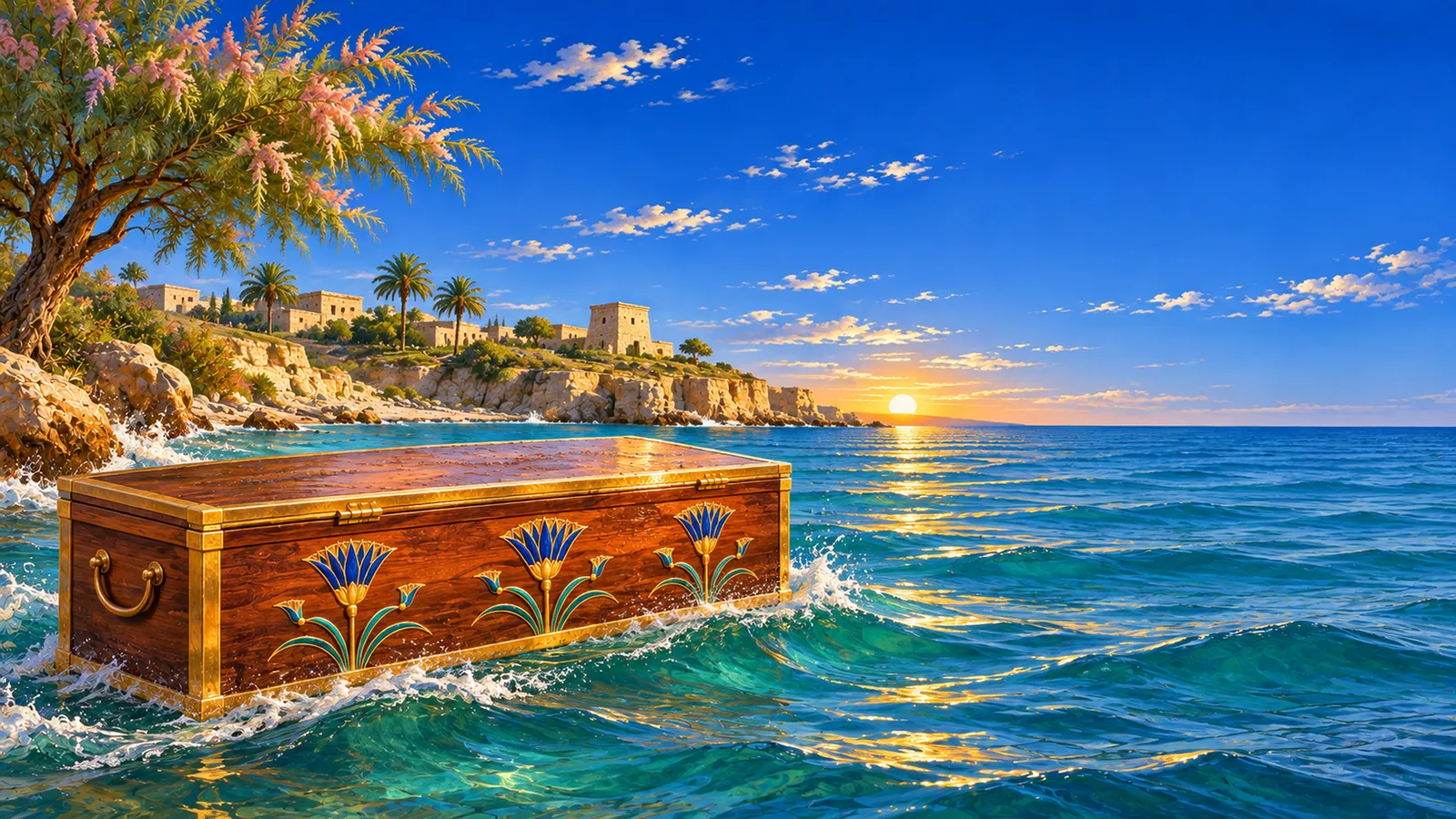
LA COSTA
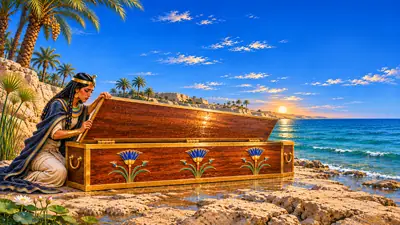
El mar llevó el cofre sobre sus olas. En el relato antiguo, llegó a un lugar de la costa llamado Biblos.
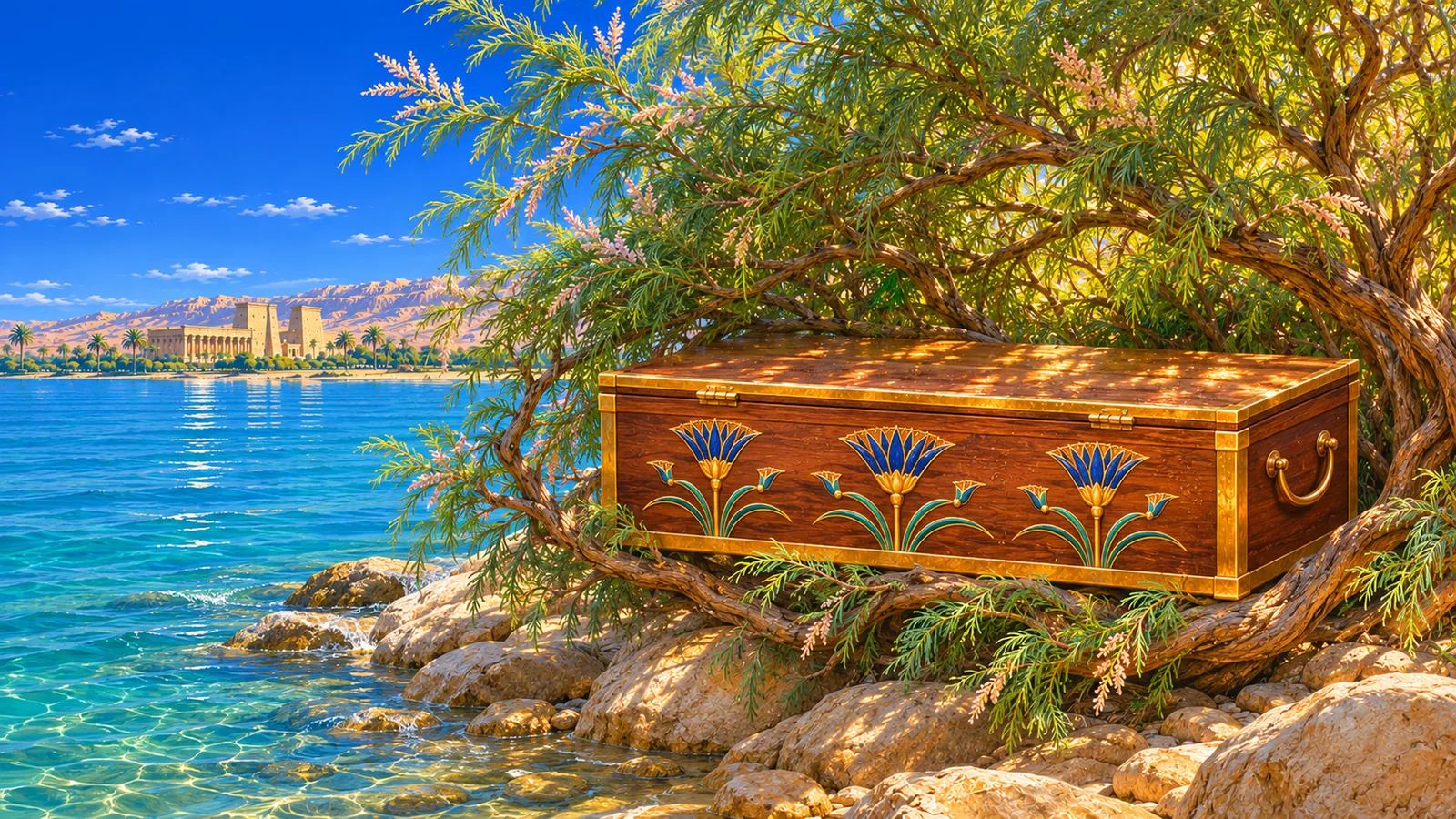
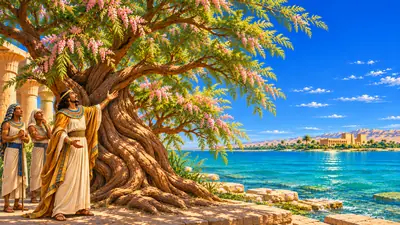
Allí el cofre quedó alojado entre las ramas de un arbusto de tamarisco. El relato antiguo dice que se posó allí con suavidad.
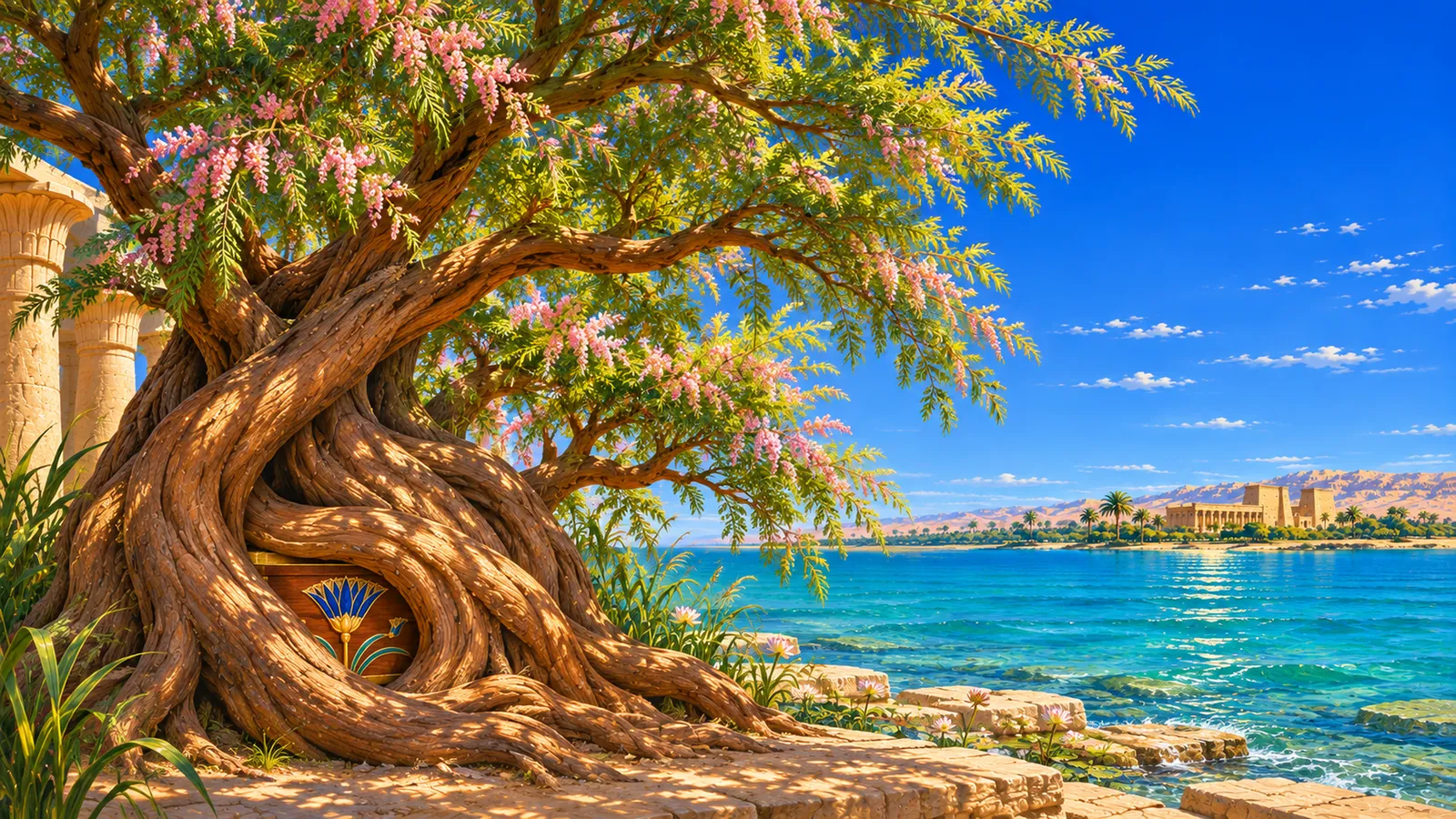
En poco tiempo, el tamarisco se convirtió en un árbol grande y hermoso. Sus ramas crecieron alrededor del cofre.

El árbol envolvió el cofre por todos lados. El relato dice que quedó oculto a la vista en el interior del tronco.
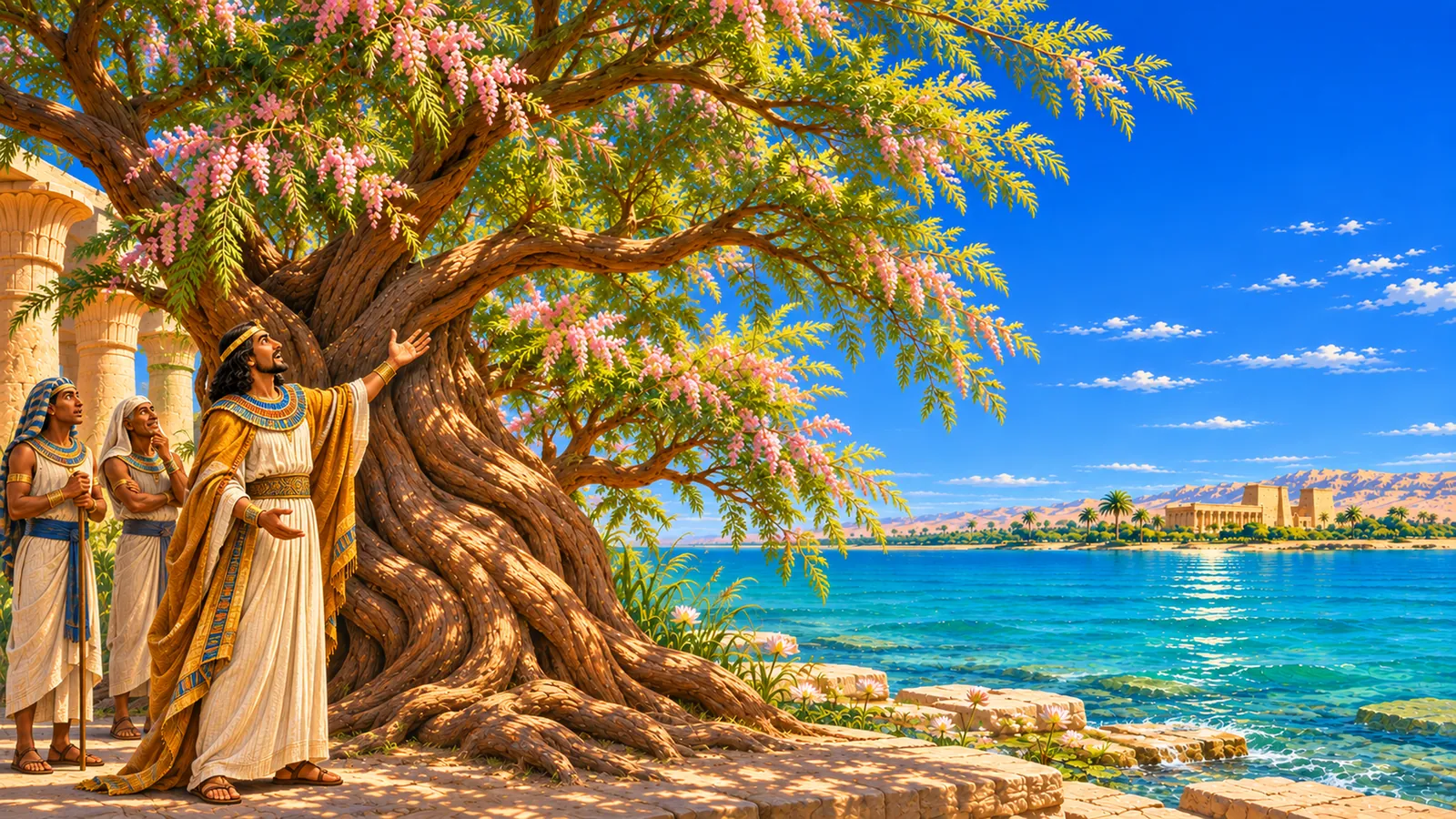
El rey del país vio el tamarisco y se maravilló de lo grande que había llegado a ser.
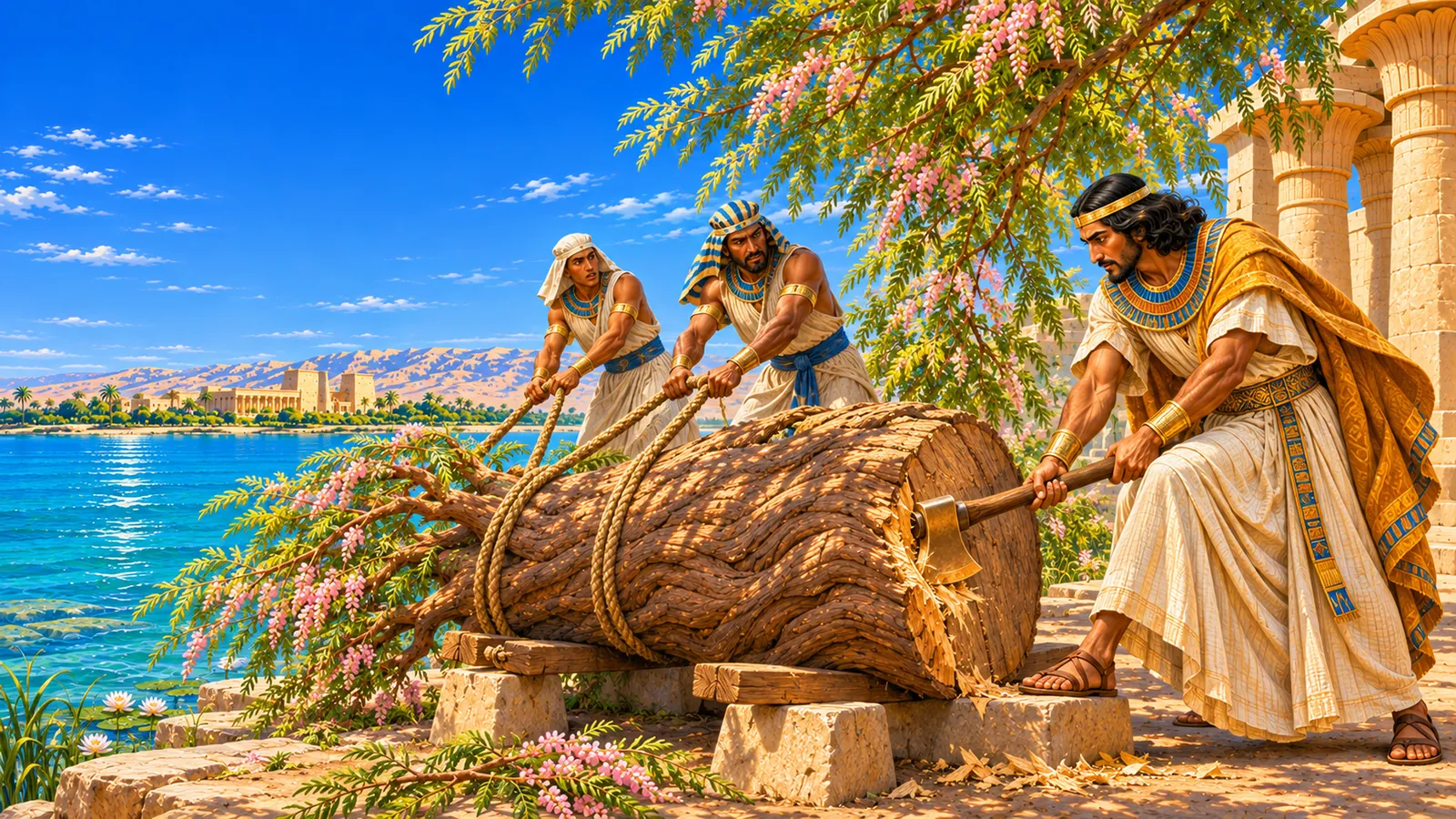
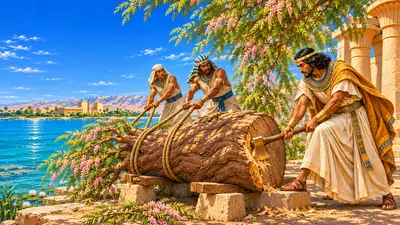
El rey cortó el árbol. Tomó la parte del tronco que aún ocultaba el cofre en su interior.
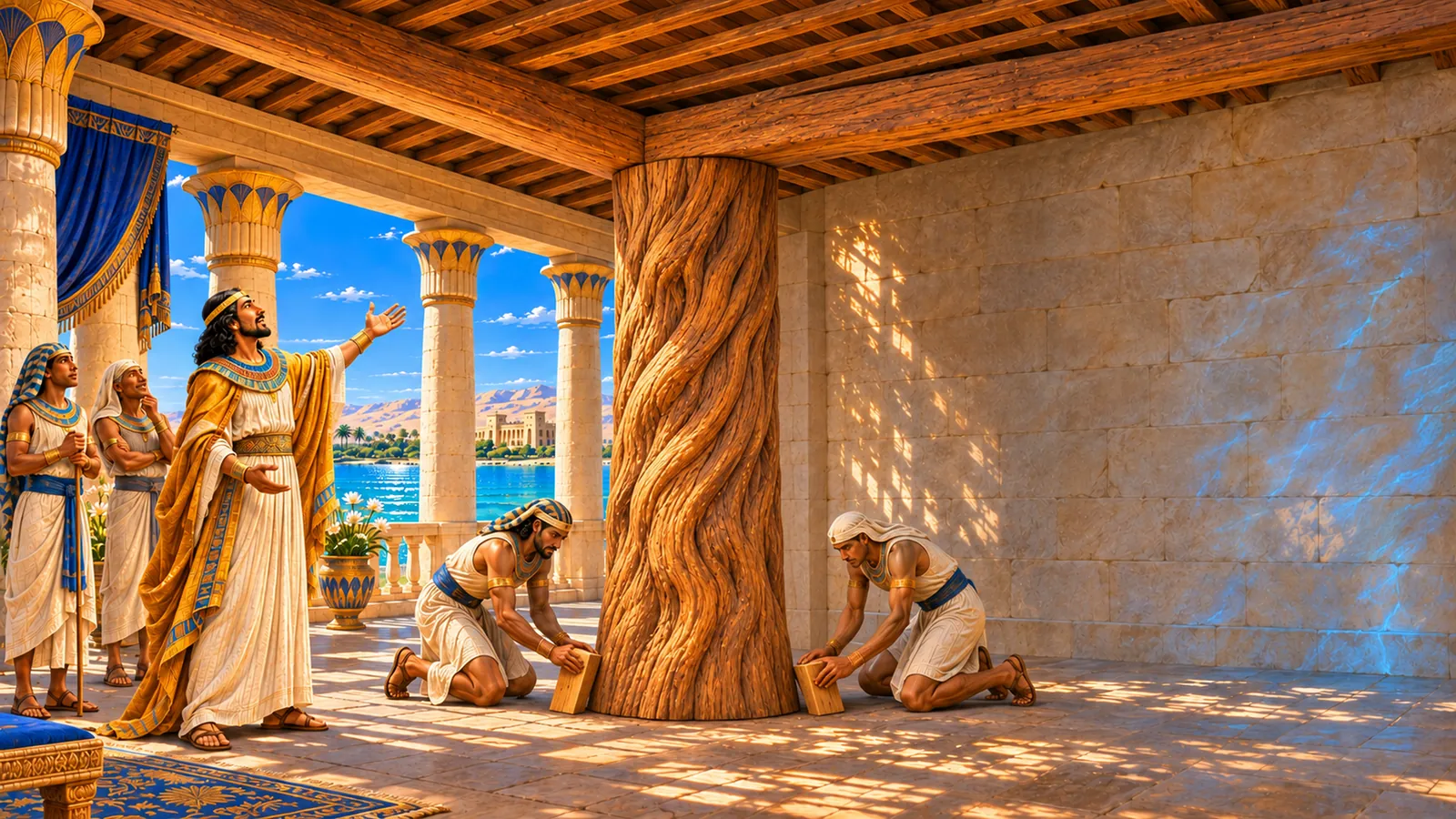
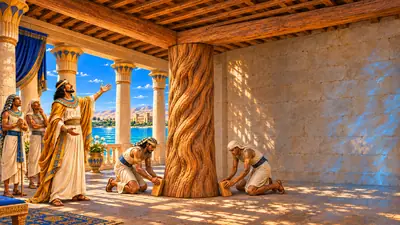
El rey hizo un pilar con esa parte del tronco. Puesto en pie, sostenía el techo de su casa.
LA NOTICIA
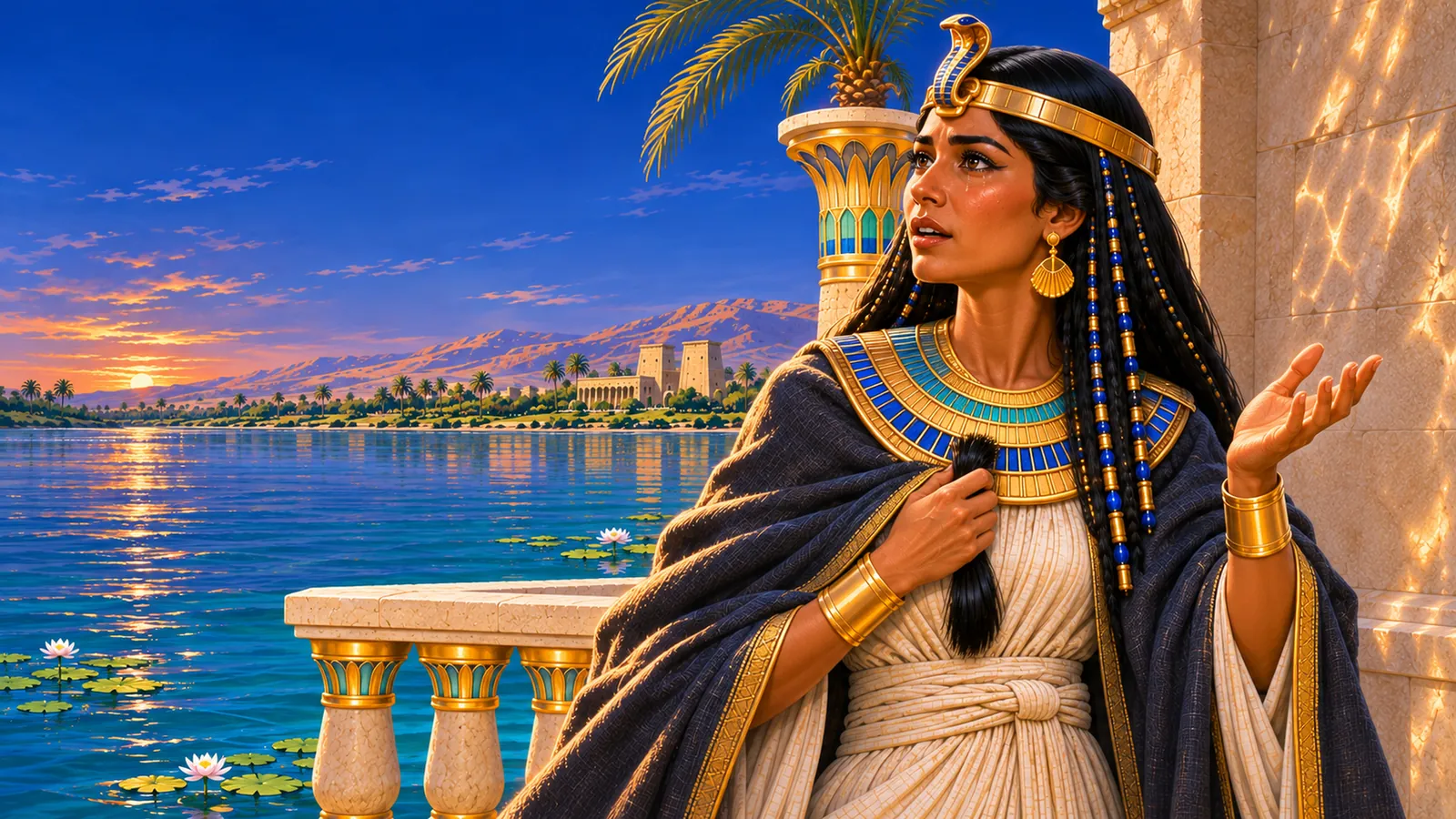
En este relato, unos espíritus llevaron a Isis la noticia del árbol y del cofre. El narrador describe como extraordinaria la manera en que le llegó la noticia.
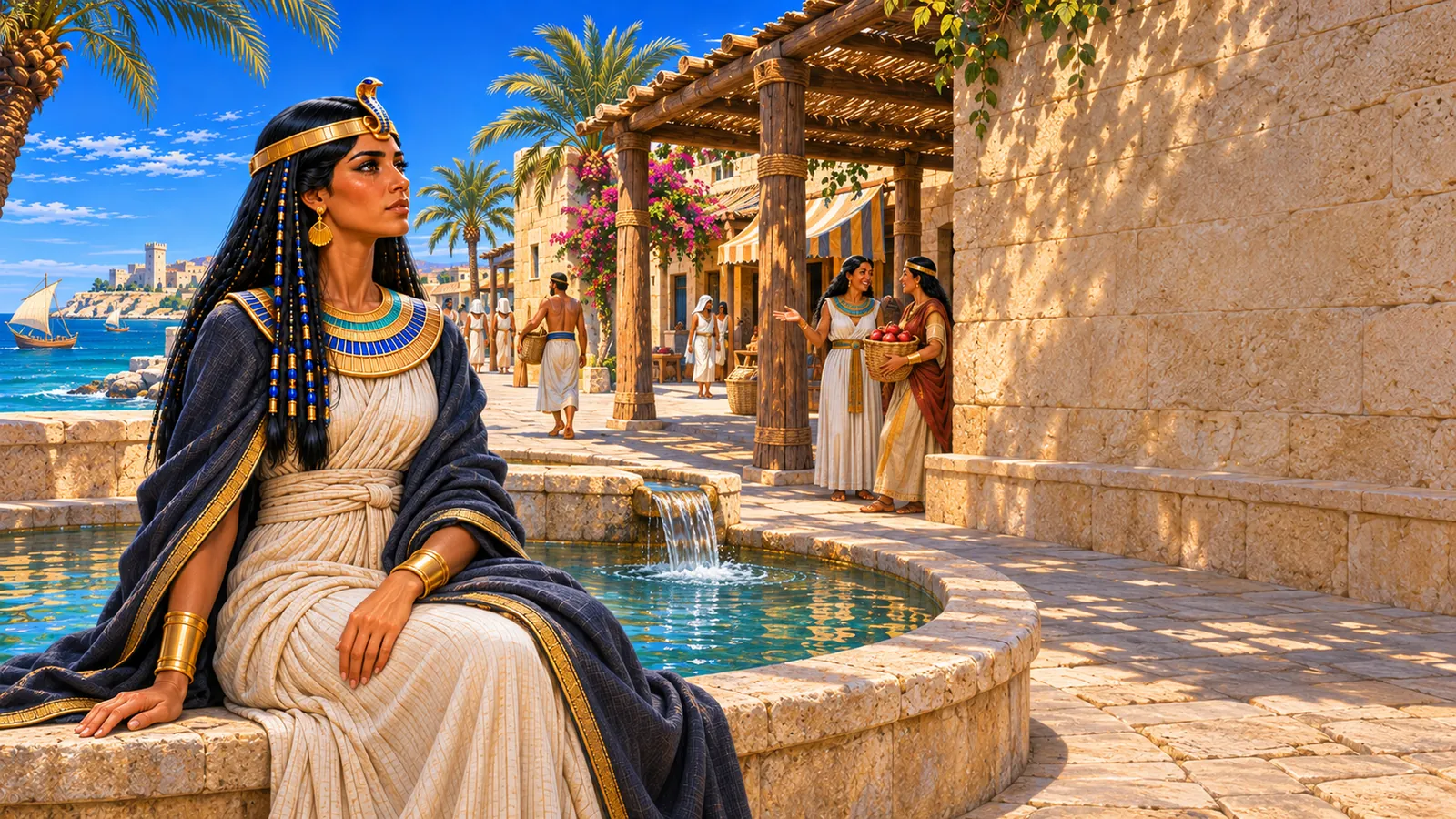
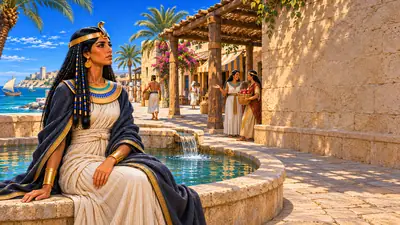
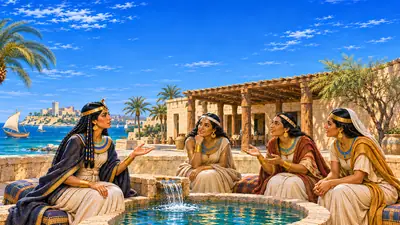
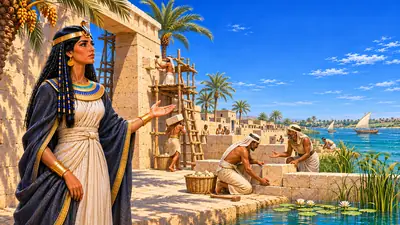
Isis fue enseguida a Biblos. Cuando llegó, se sentó junto a una fuente.
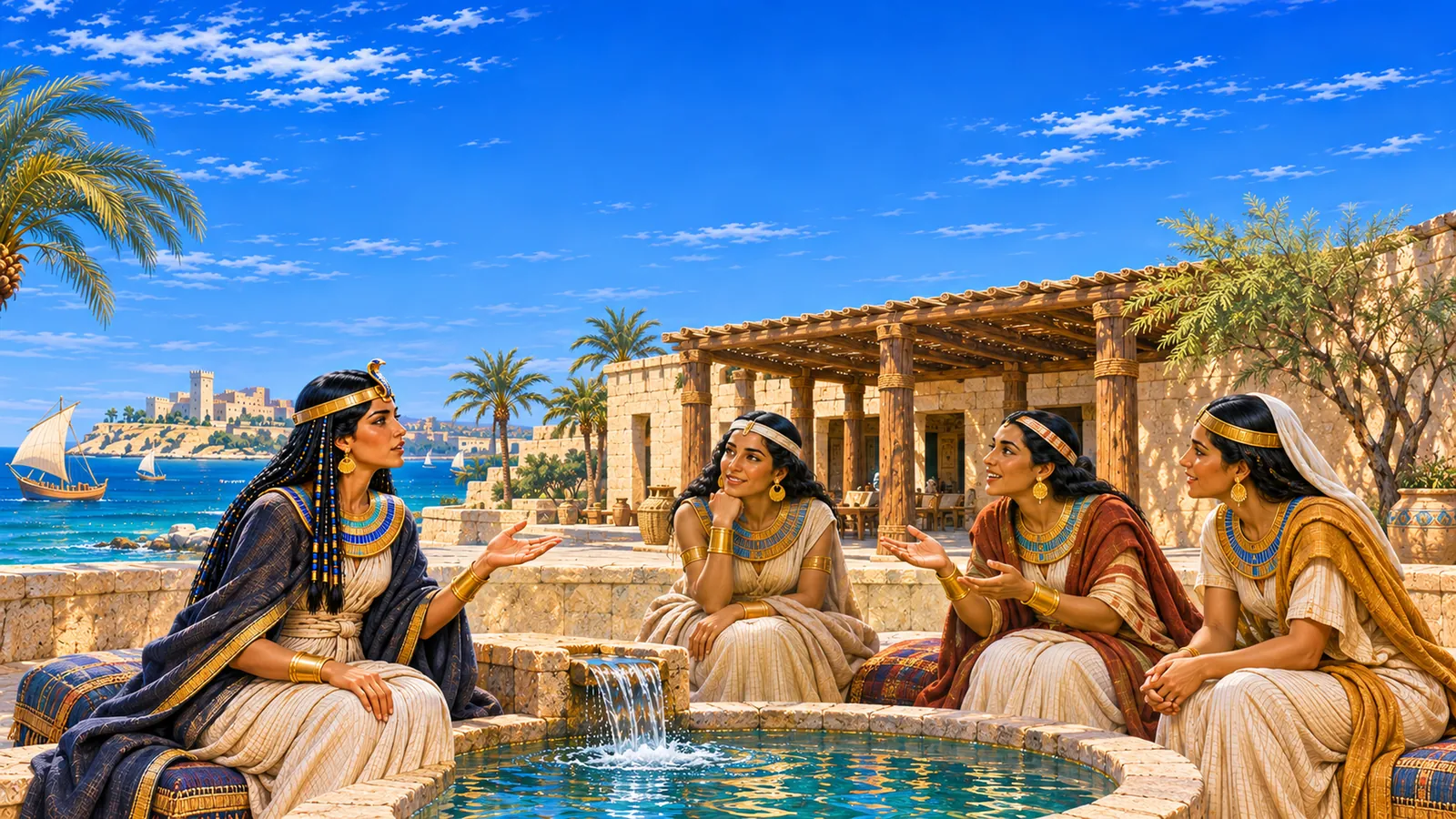
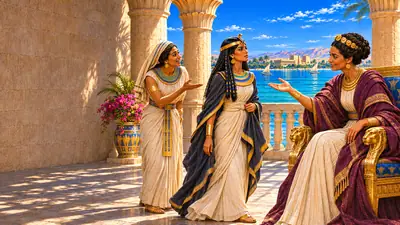
Isis se negó a hablar con nadie salvo con las mujeres al servicio de la reina. Por casualidad, estaban junto a la fuente.
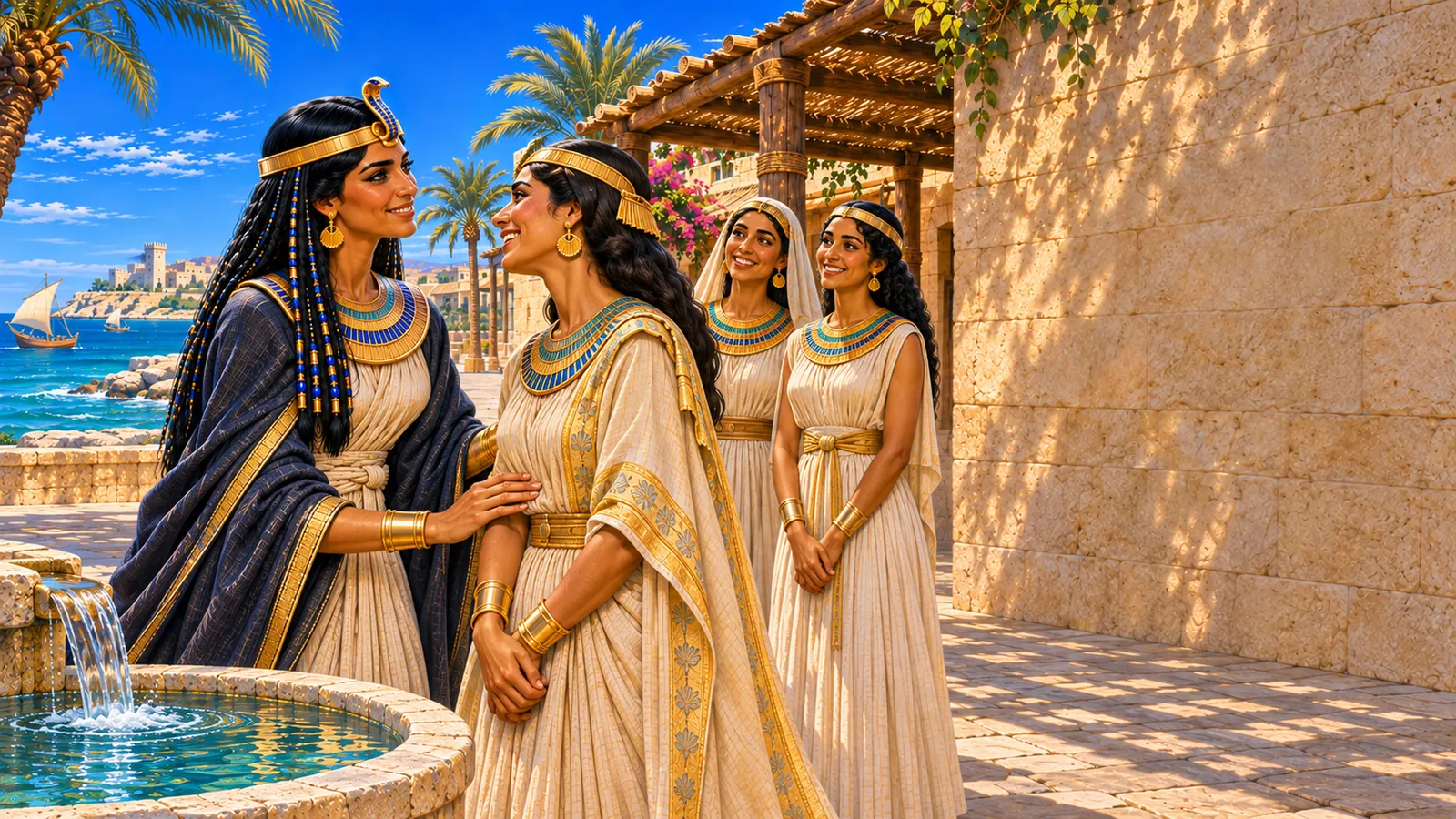
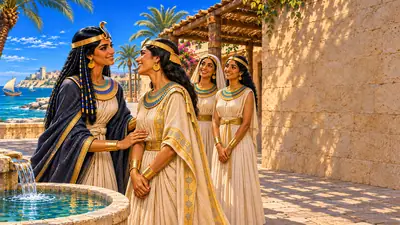
Isis saludó con calidez a las mujeres al servicio de la reina. El relato dice que las trató con la mayor amabilidad.
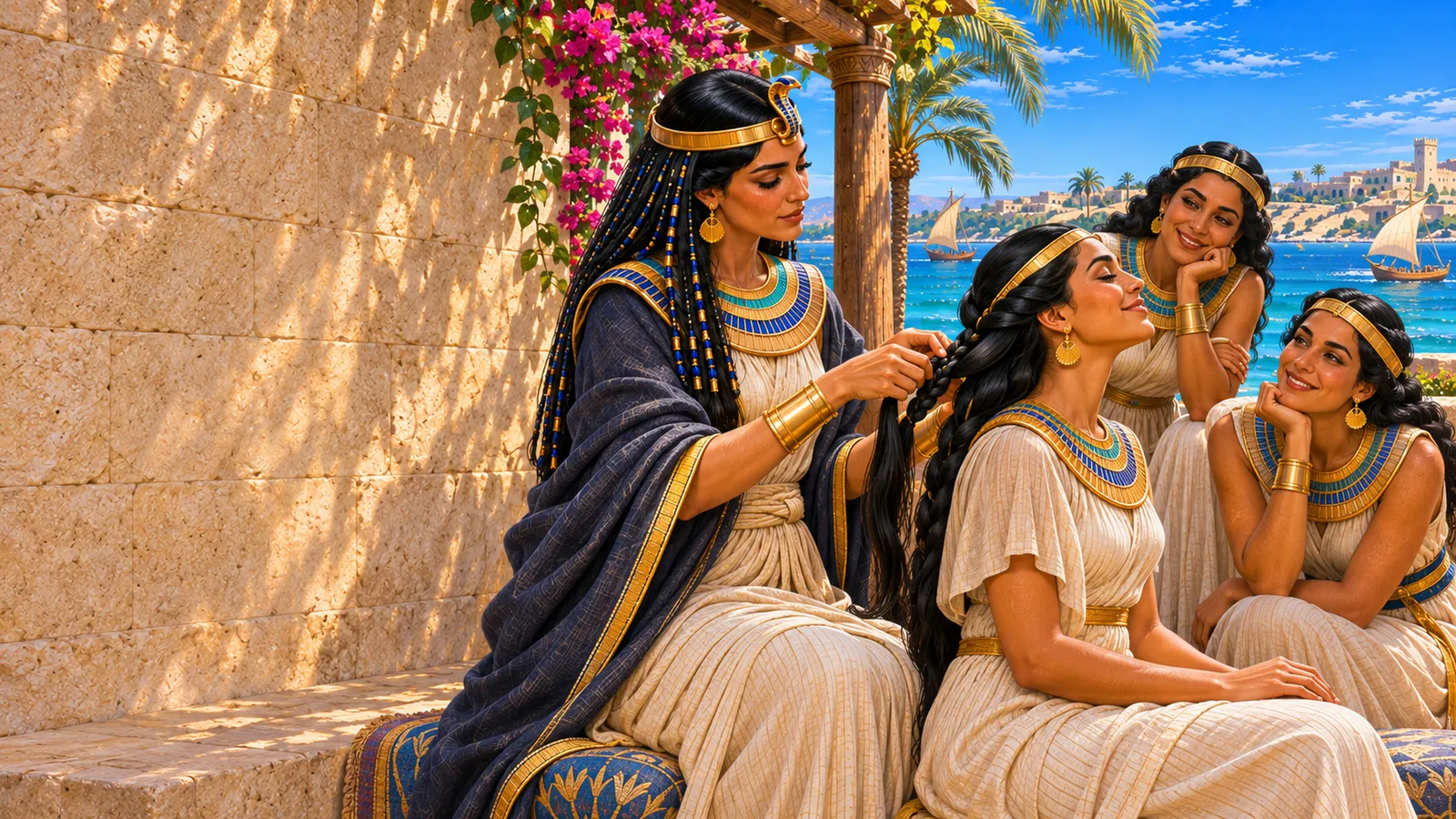
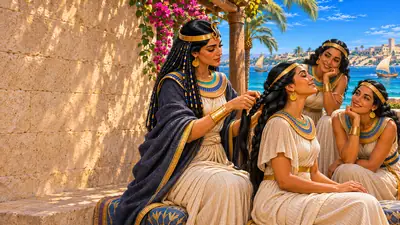
Isis les trenzó el pelo. En el relato, parte de su propia fragancia pasó a las mujeres mientras lo hacía.
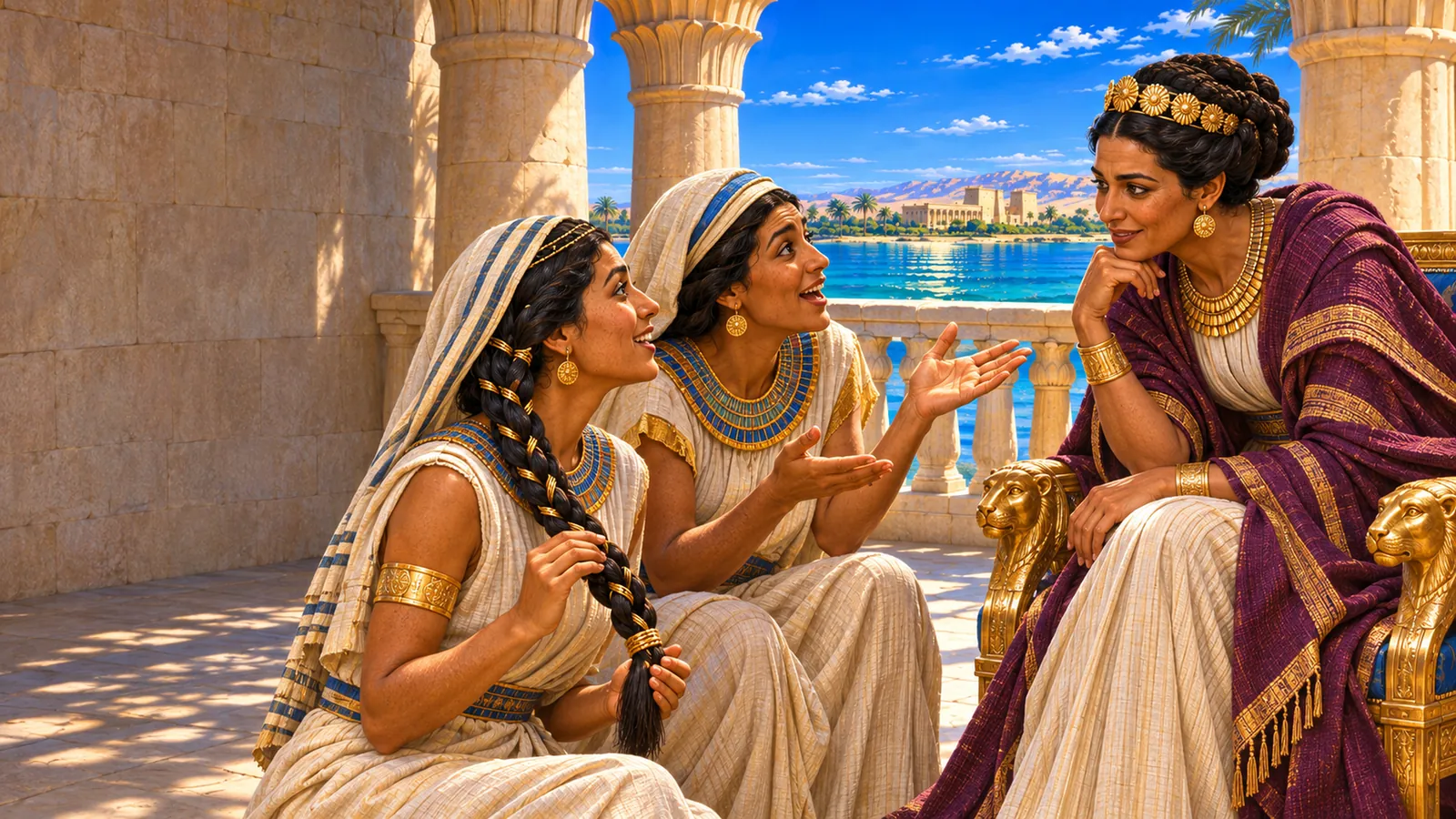
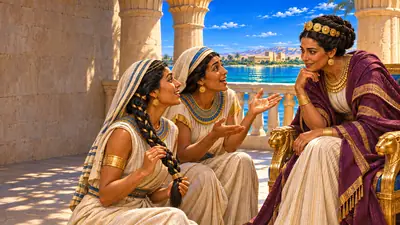
La reina supo que una desconocida había transmitido parte de su propia fragancia a las mujeres. Deseaba mucho verla.
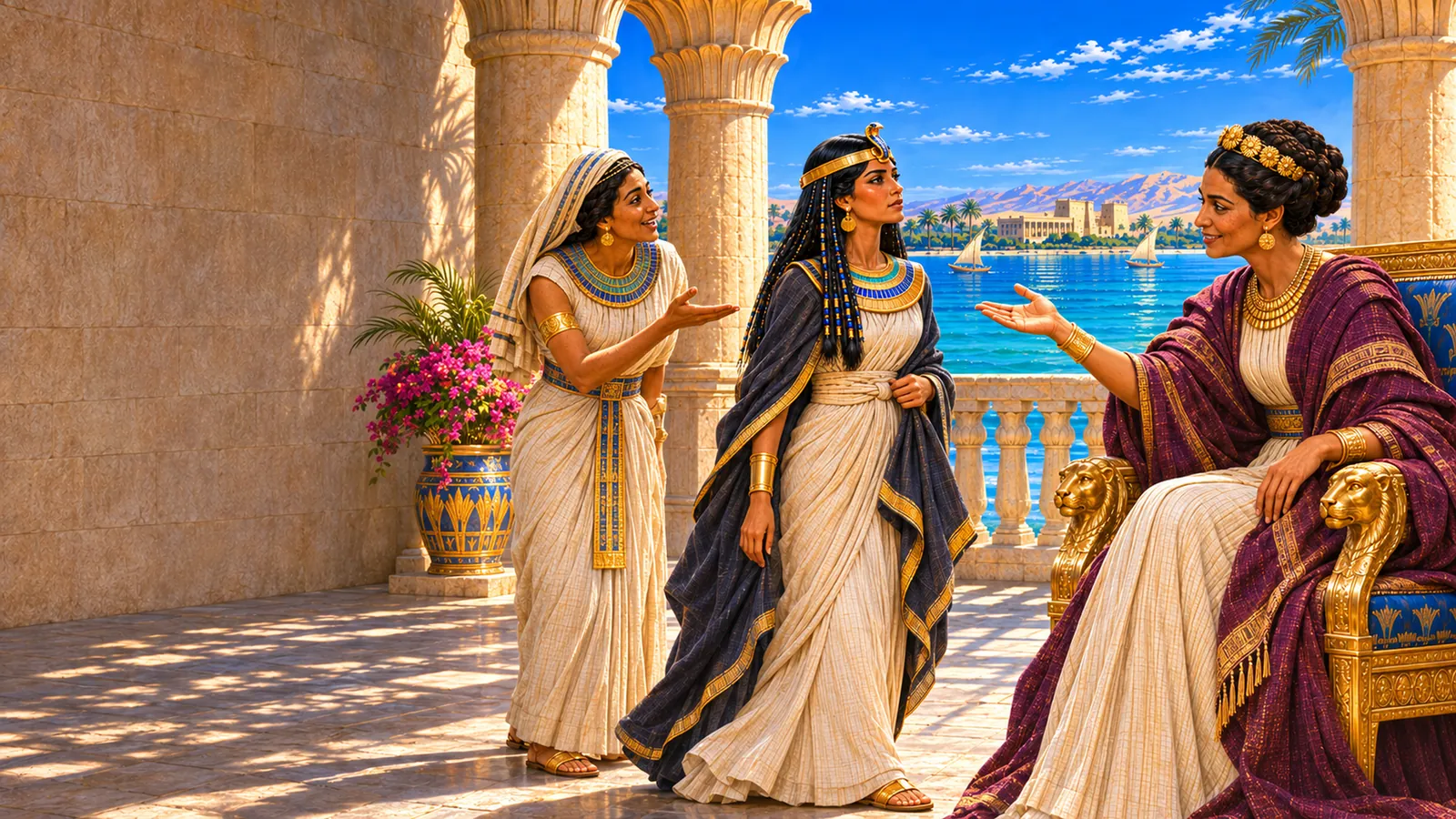
La reina mandó buscar a la desconocida de la fuente. La convocó a la corte para conocerla.
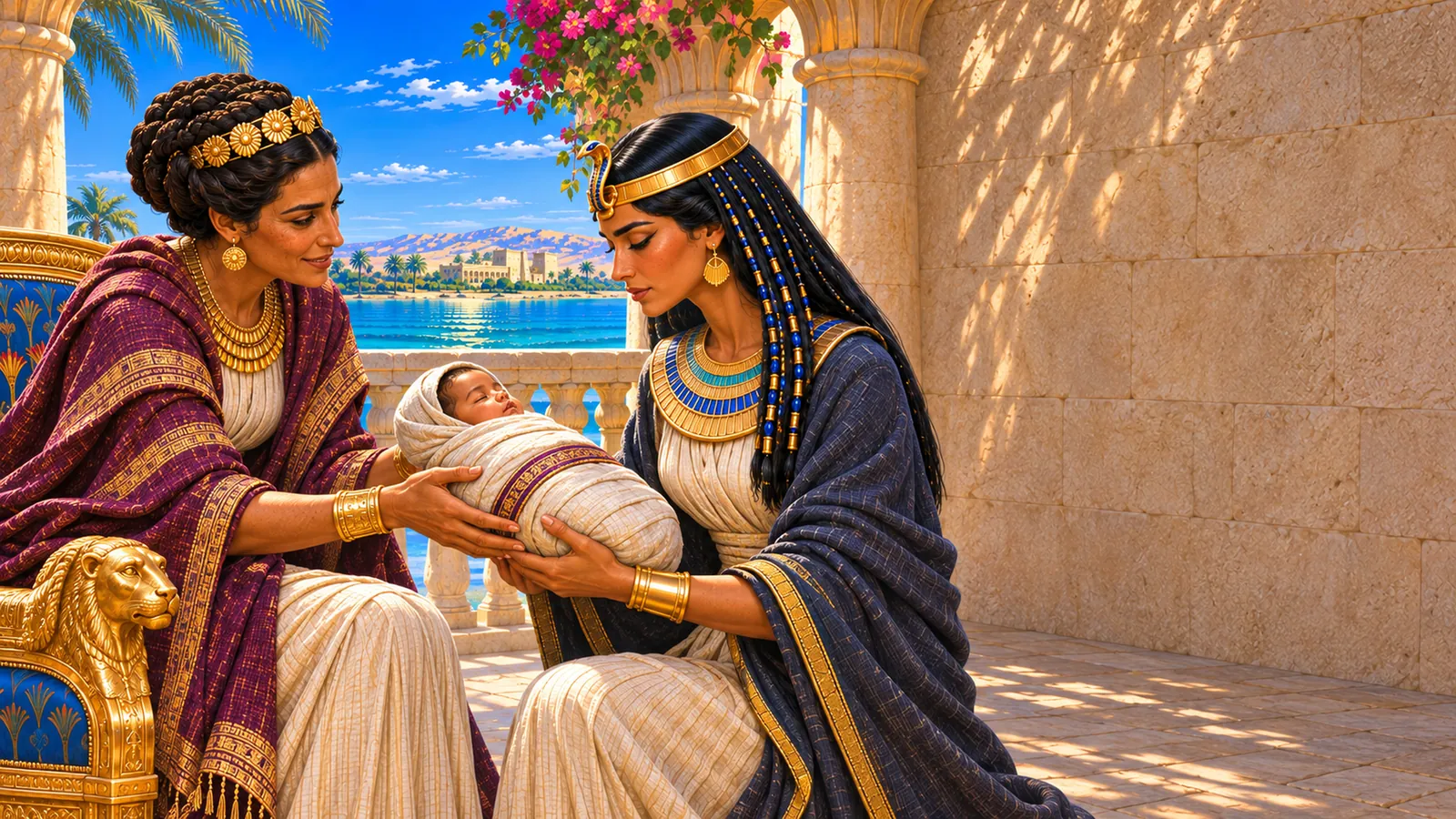
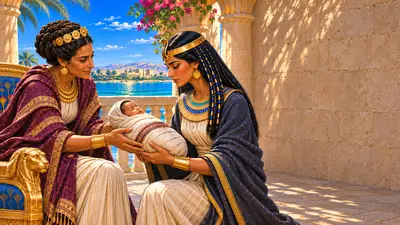
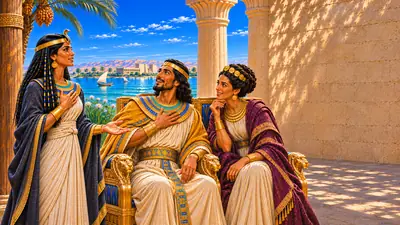
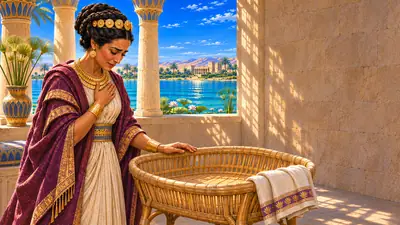
Después de conocer mejor a la visitante, la reina le confió el cuidado de uno de sus hijos. Isis se convirtió en su nodriza.
LA CORTE
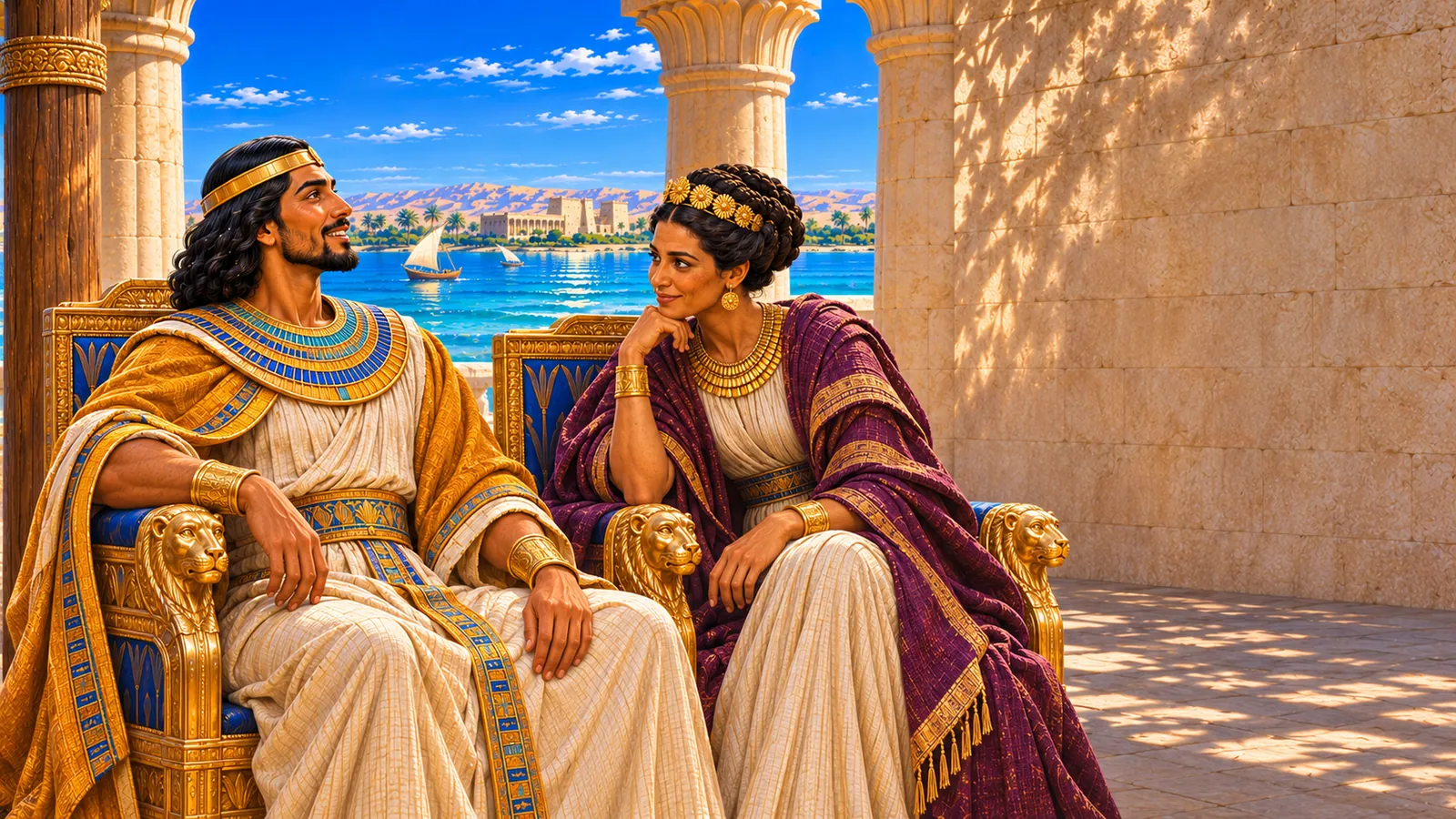
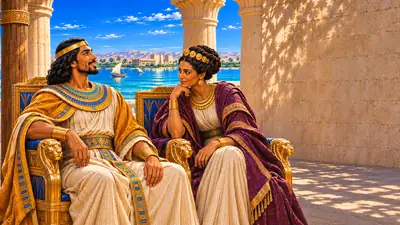
El rey de Biblos se llamaba Meloarthus. En un relato llaman Astarte a la reina y en otro, Saosis. Algunos la llaman Nemanoun, nombre que el texto vincula con el griego Athenais.
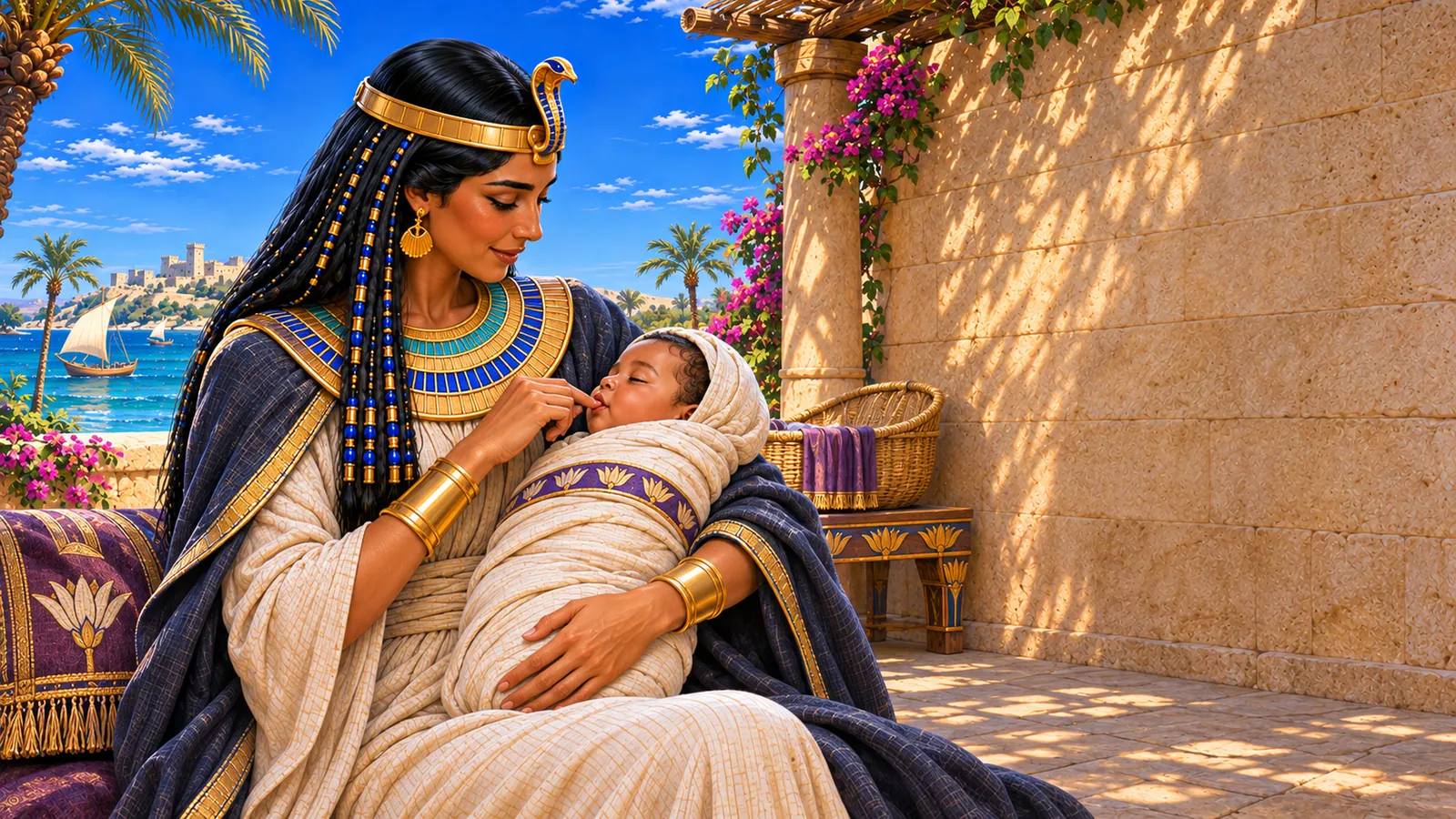
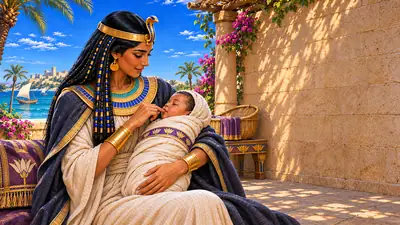
En el relato, Isis alimenta al niño de una manera inusual. La traducción de Squire dice que le deja chuparle el dedo.

Plutarco dice que Isis puso al niño en el fuego de noche. En el mito, quería quitarle lo que tenía de mortal.
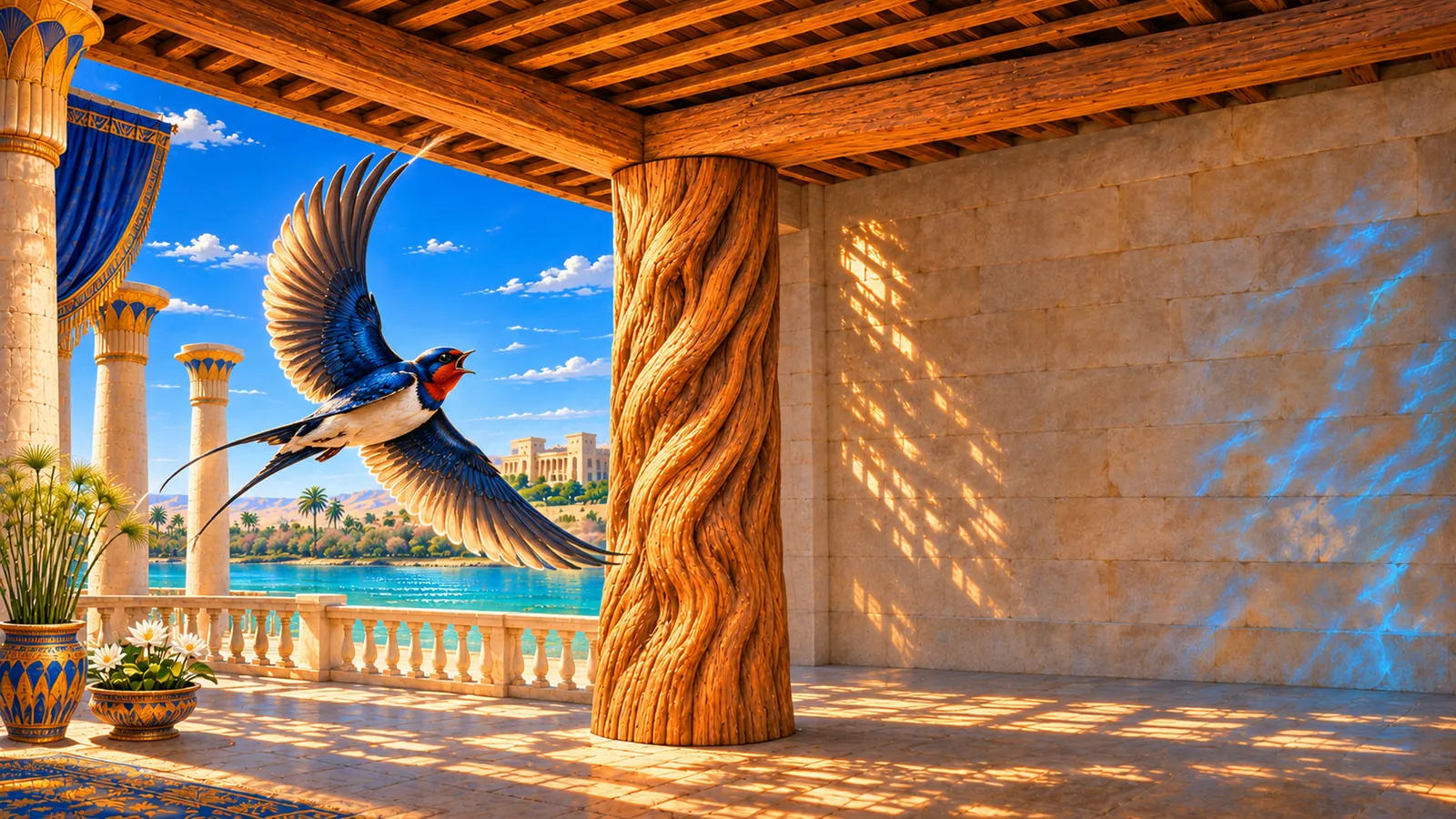
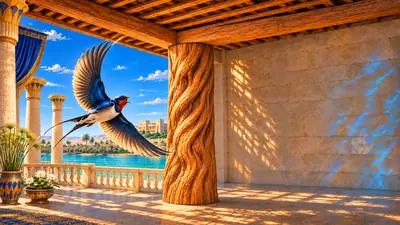
El relato dice que Isis se convirtió en golondrina y voló alrededor del pilar, lamentándose por lo que le había ocurrido.
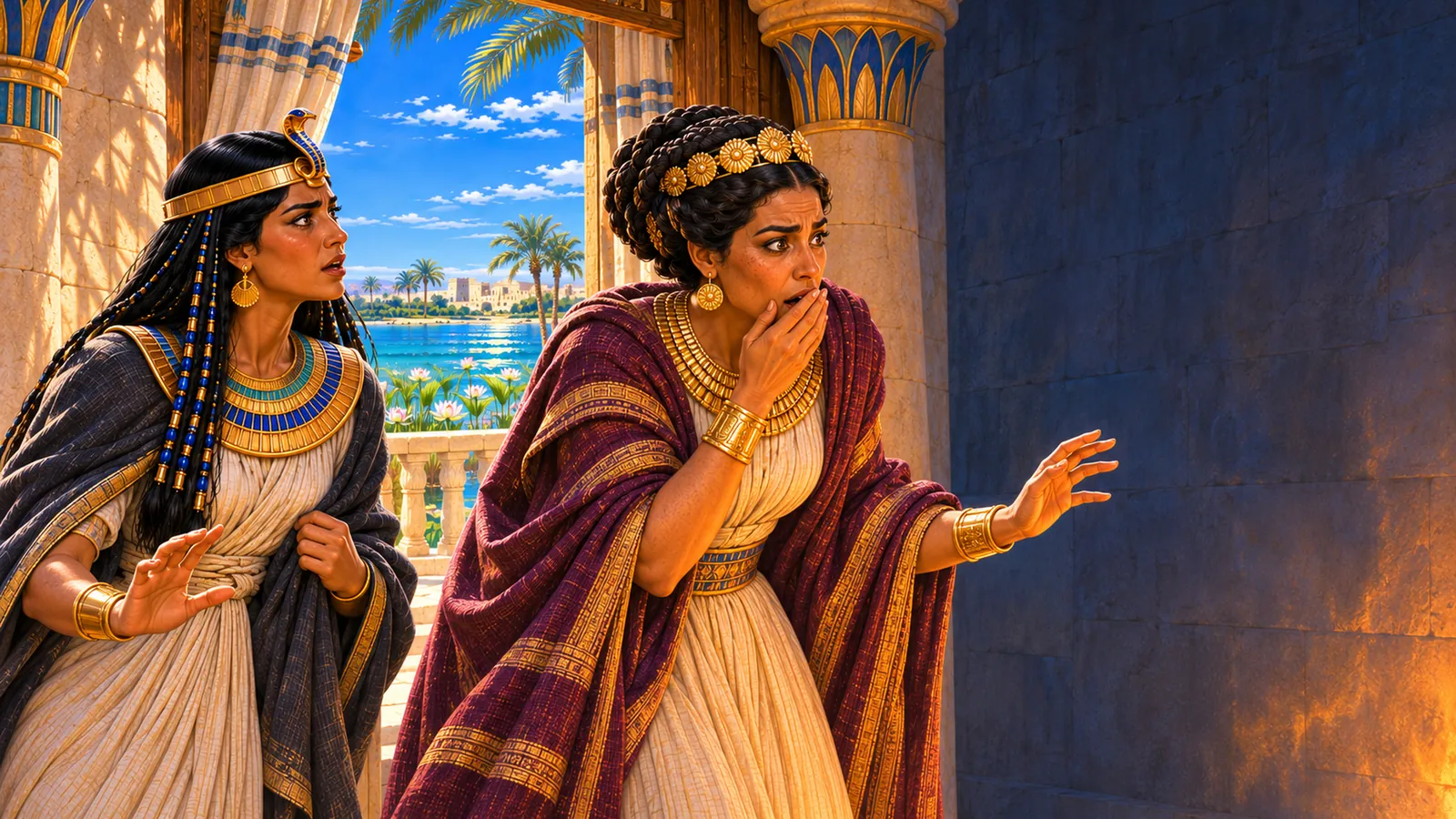
Después de que esto continuara algún tiempo, la reina observó a Isis. En el relato de Plutarco vio al niño en el fuego.
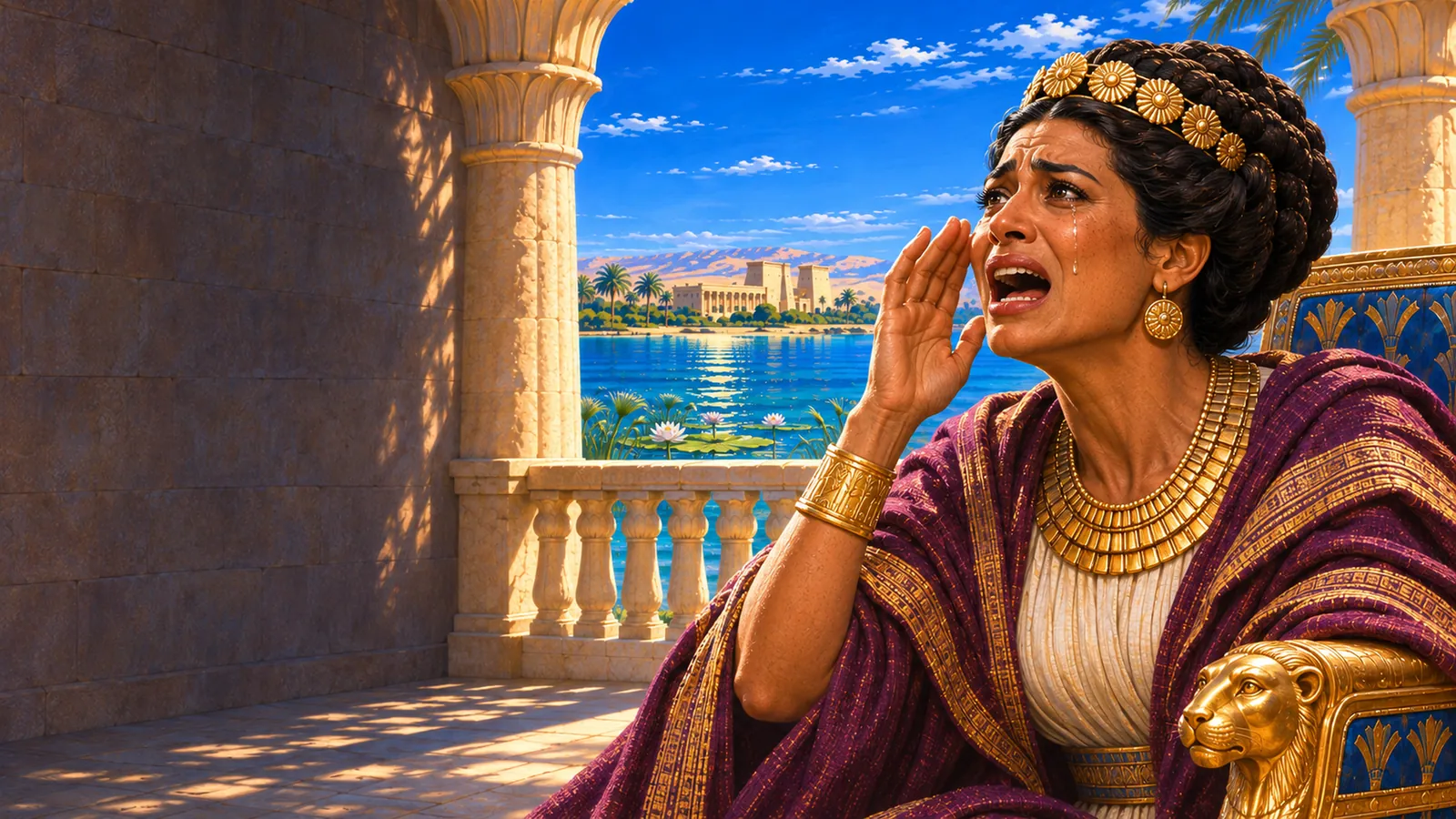
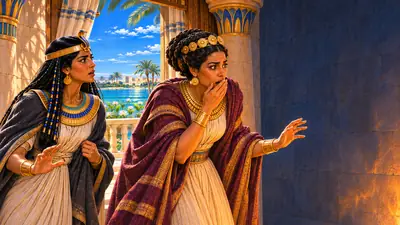
La reina gritó al verlo. En el relato de Plutarco, su grito privó al niño de la inmortalidad que habría recibido de otro modo.
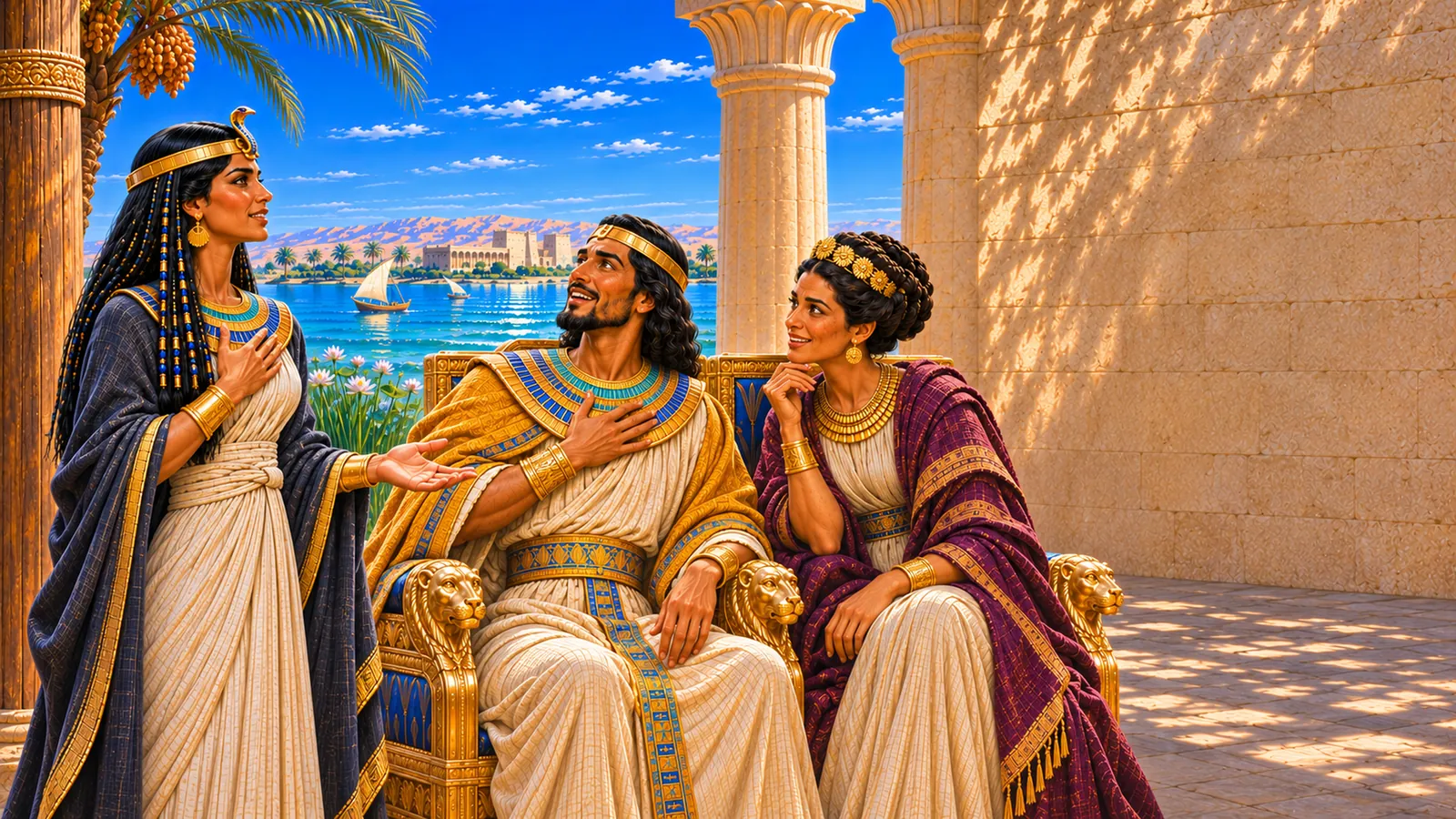
Isis reveló entonces su identidad. Hasta ese momento del relato, había servido en la corte como nodriza del niño.
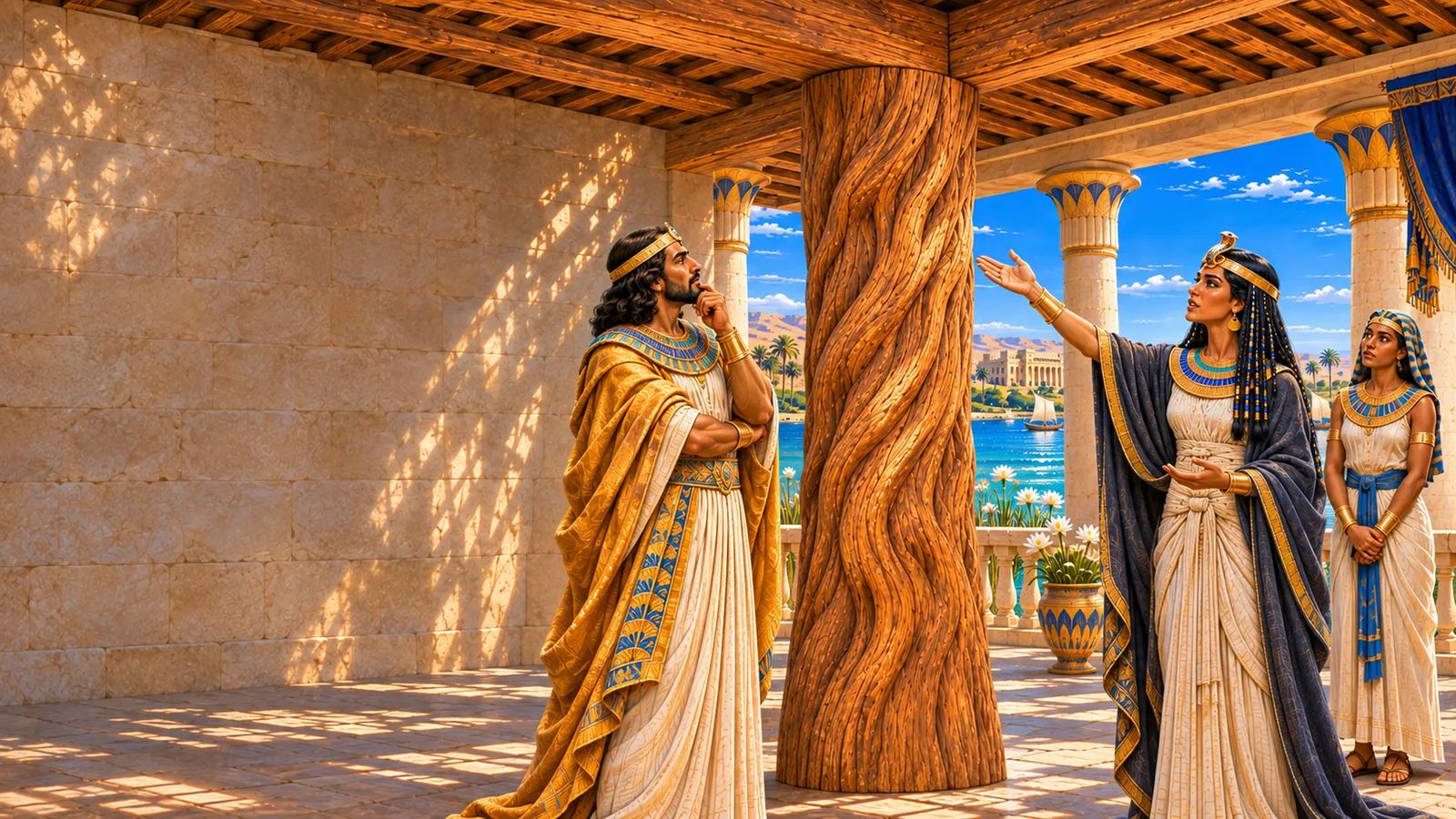
EL PILAR
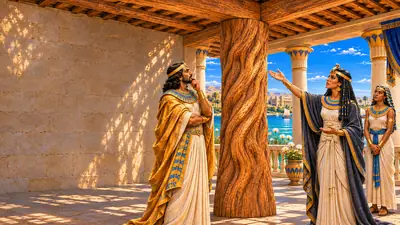
Isis pidió que le dieran el pilar que sostenía el techo de la casa del rey.
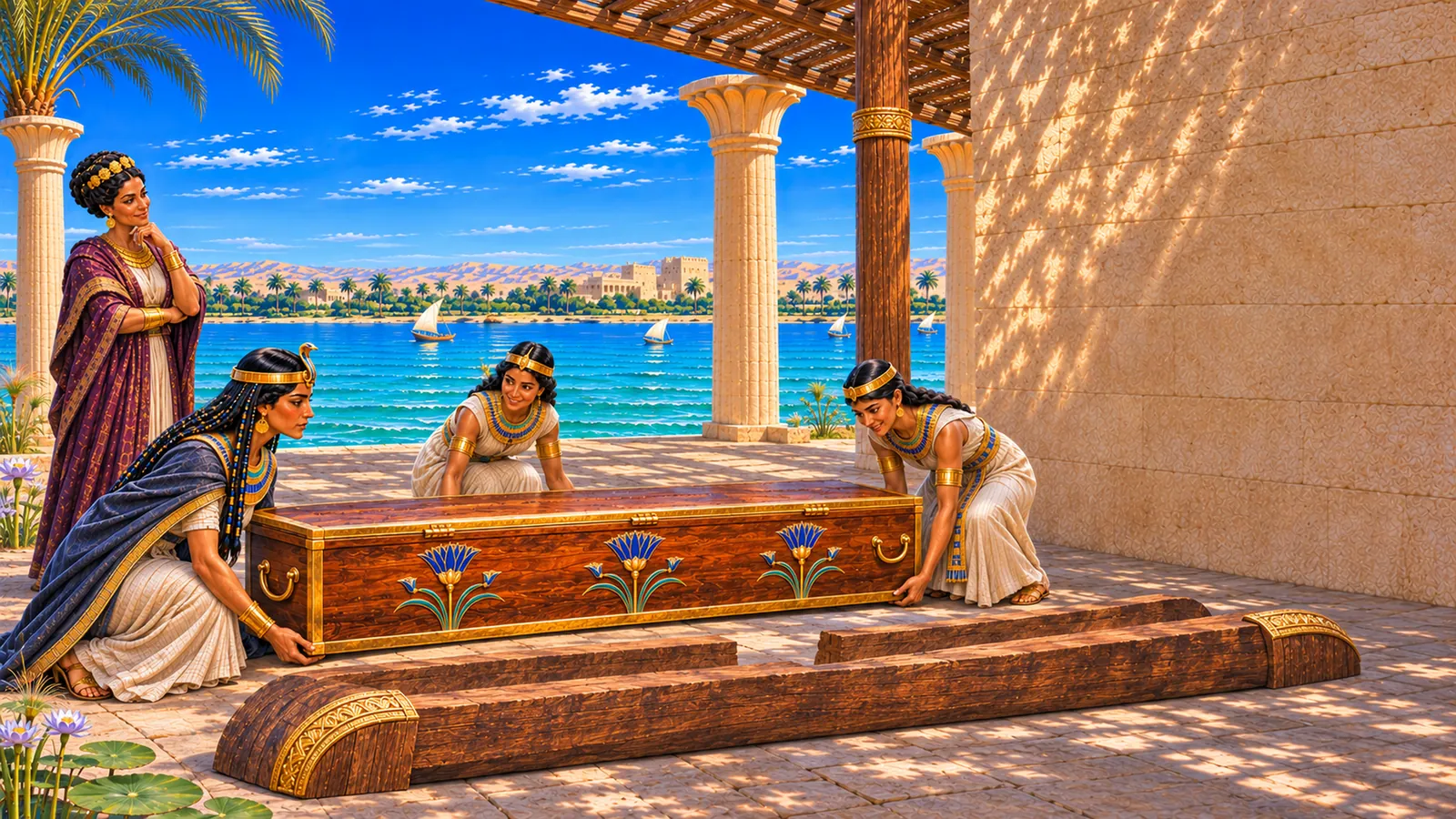
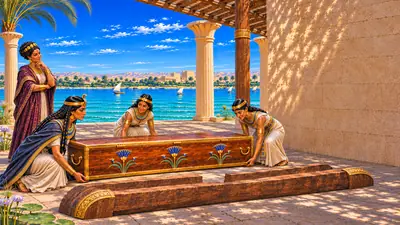
Isis abrió el pilar y sacó lo que había ido a recuperar. El arcón había quedado oculto dentro del tronco.
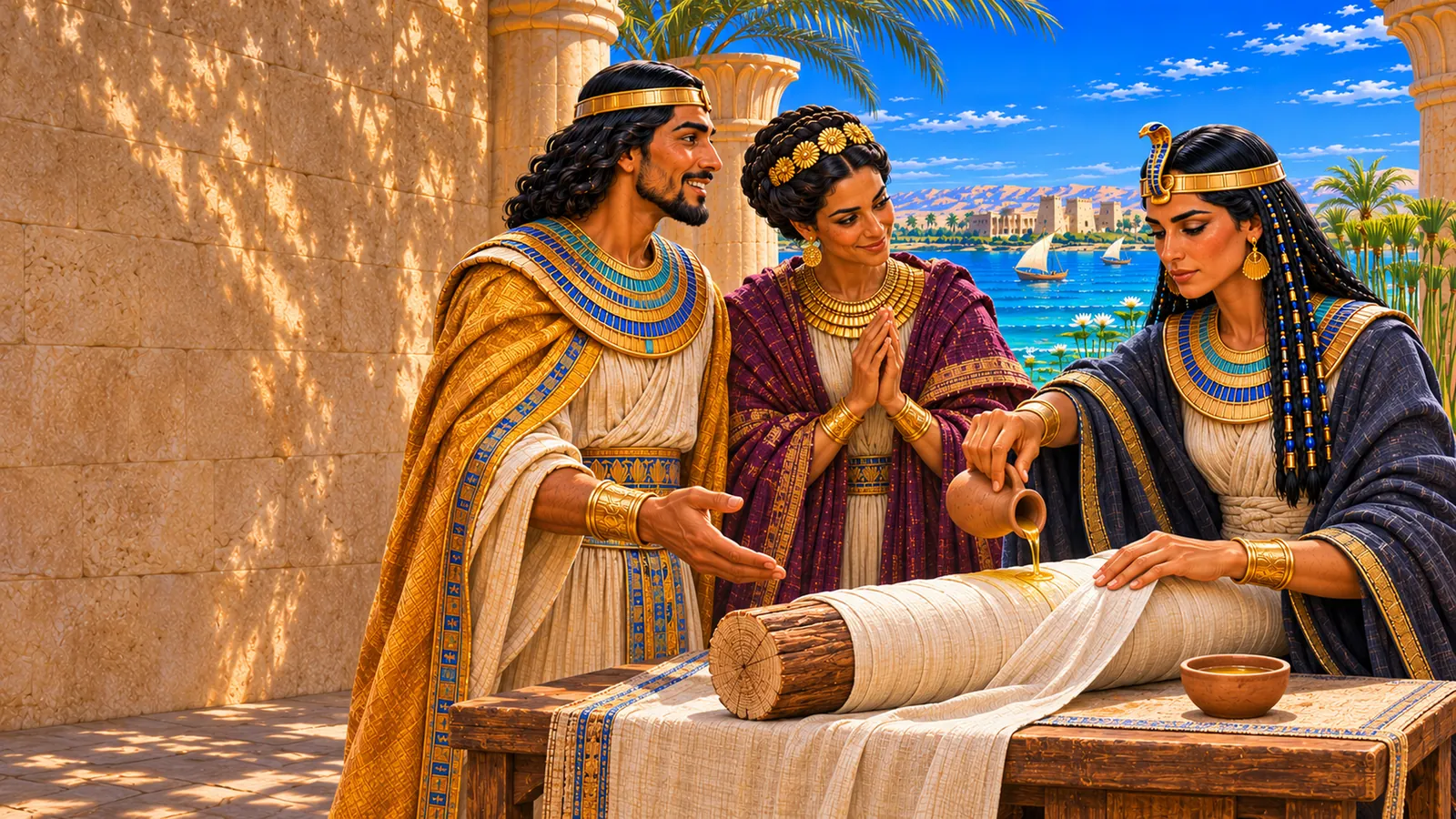
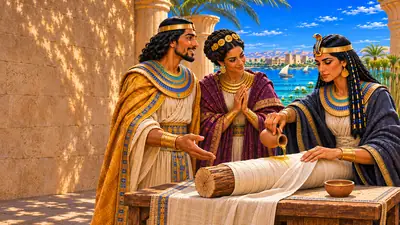
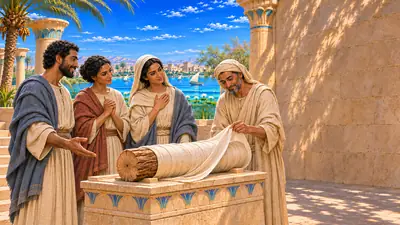
Envolvió la madera que quedaba en lino fino y la ungió con aceite perfumado. Se la devolvió al rey y a la reina.
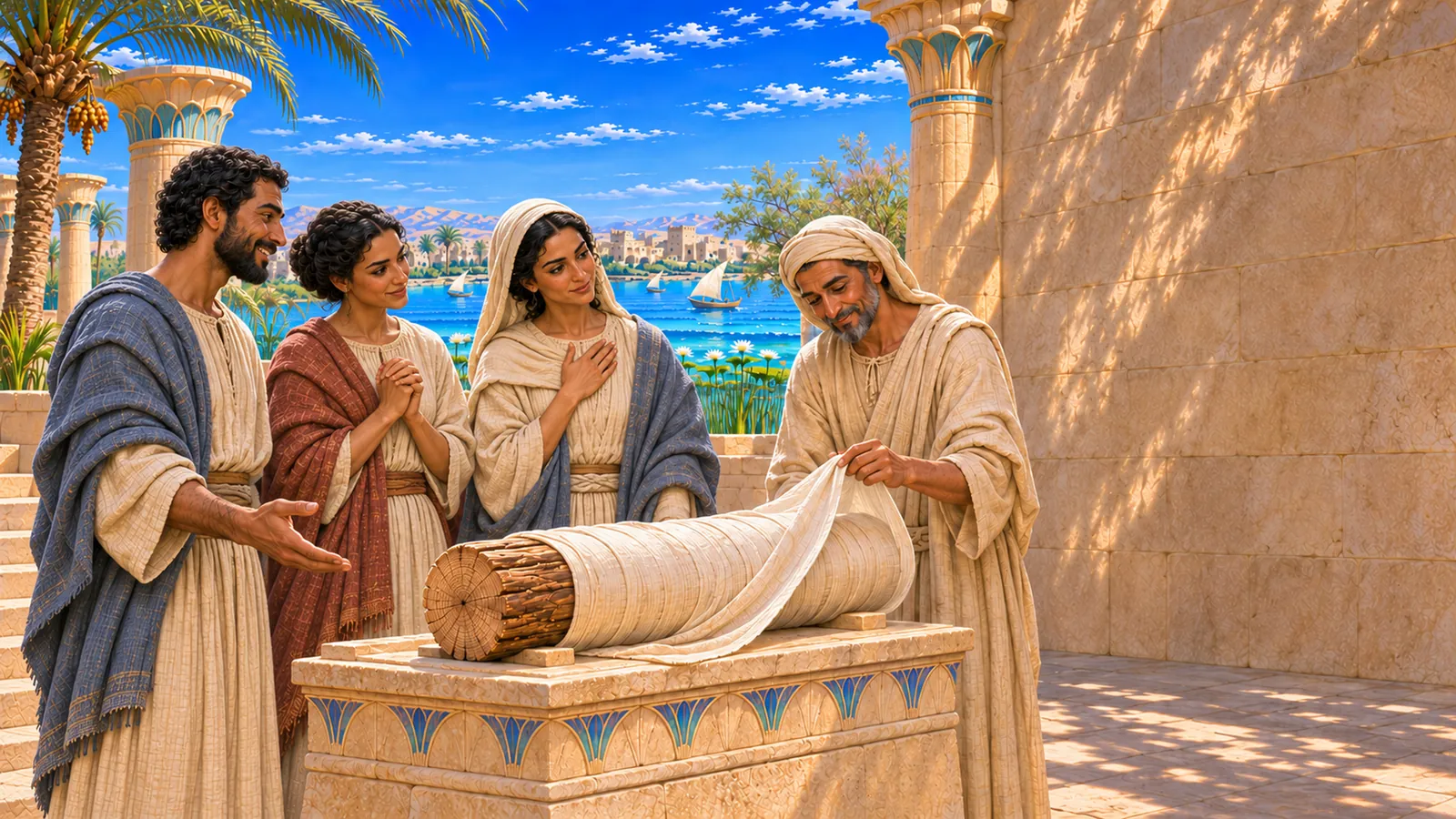
Plutarco dice que en su tiempo la madera se conservaba en un templo de Isis. Dice que allí la veneraban los habitantes del lugar al que llama Biblos.
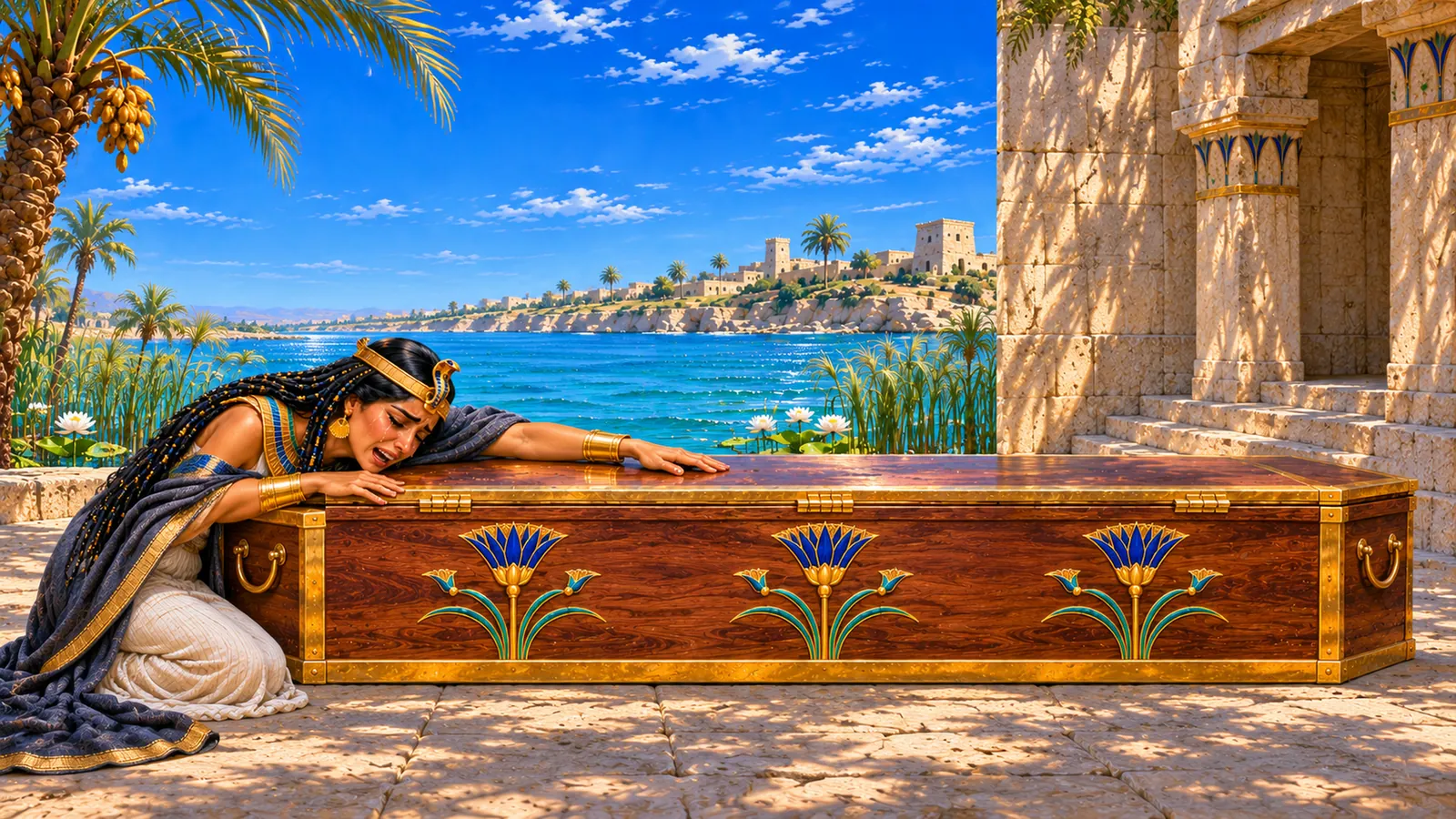
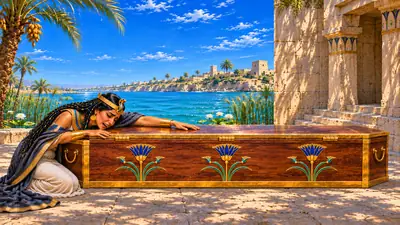
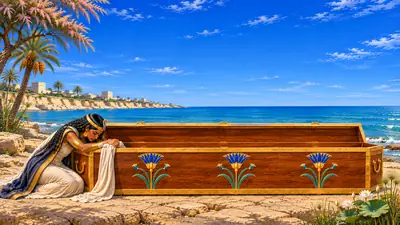
Una vez devuelta la madera, el relato dice que Isis se arrojó sobre el arcón y lanzó un fuerte lamento.
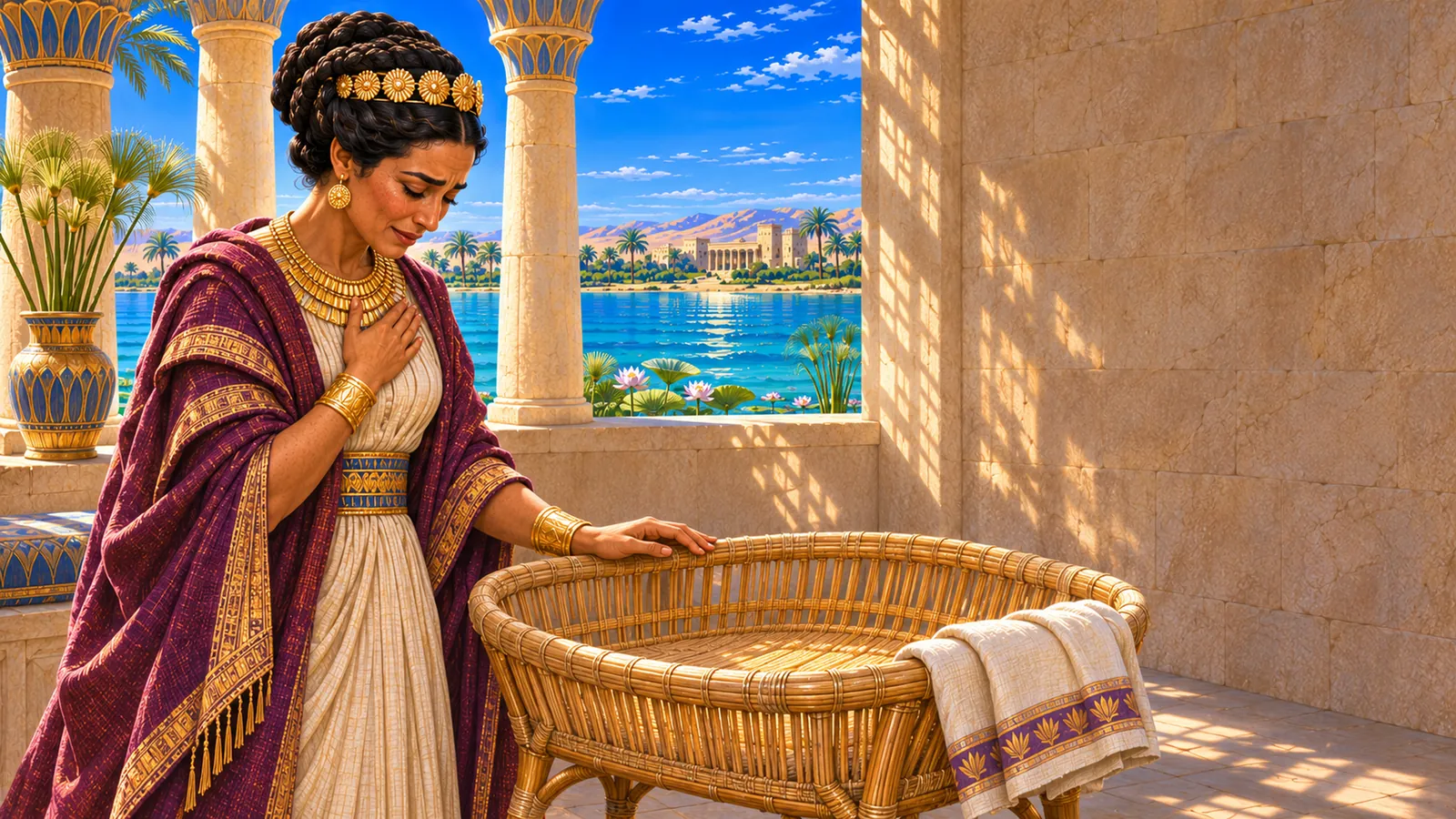
Plutarco dice que el hijo menor del rey oyó el lamento de Isis. En esta versión, el grito lo asustó hasta causarle la muerte.
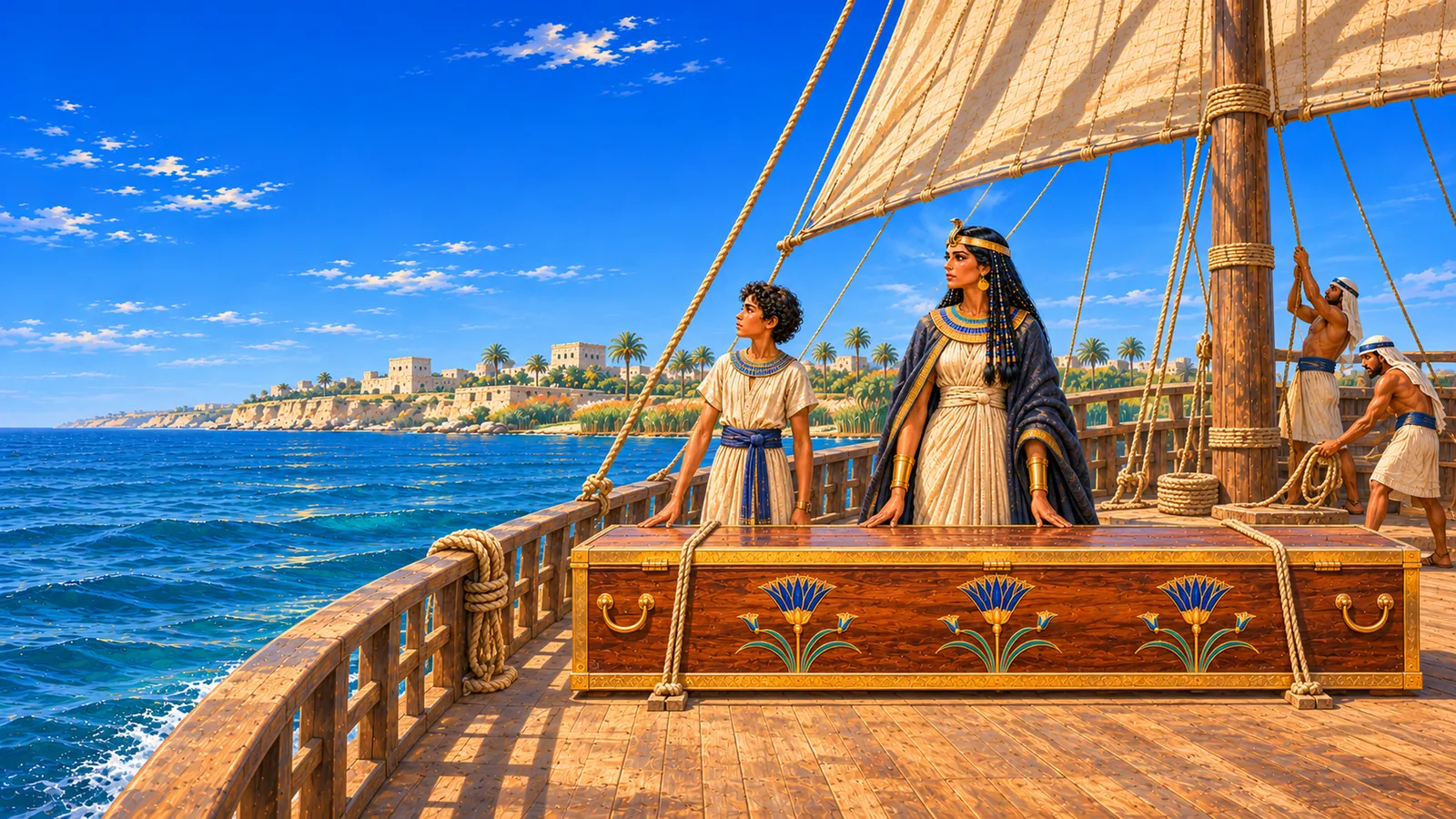
Isis se llevó consigo al hijo mayor del rey. Con el cofre a bordo, zarparon rumbo a Egipto.
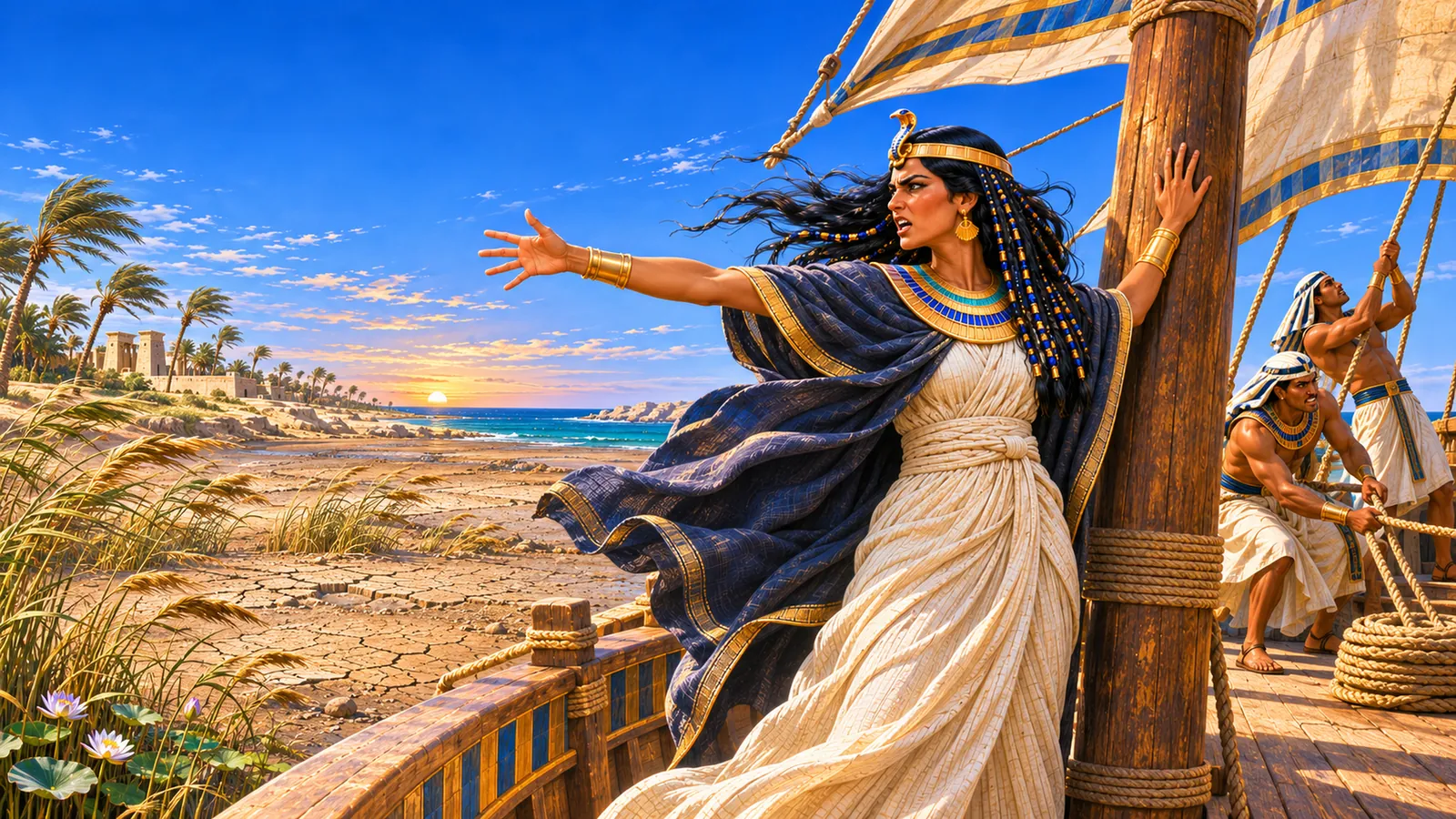
Amaneció y del río Fedro sopló un viento áspero y cortante. Enfadada por el viento, Isis secó la corriente, según cuenta el relato.
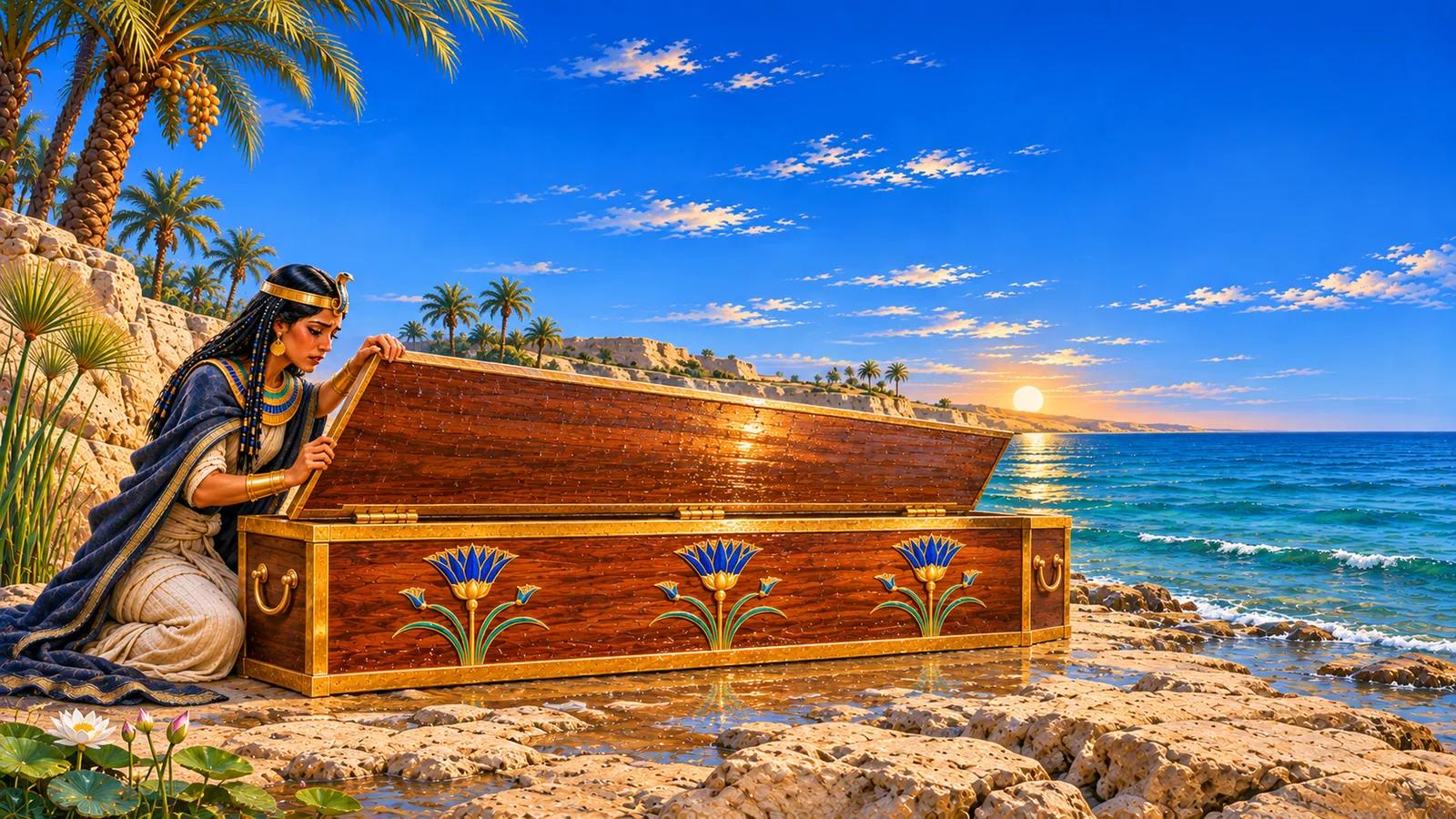
Cuando Isis llegó a un lugar desierto, creyó estar sola. Allí abrió por fin el cofre que había llevado a través del mar.
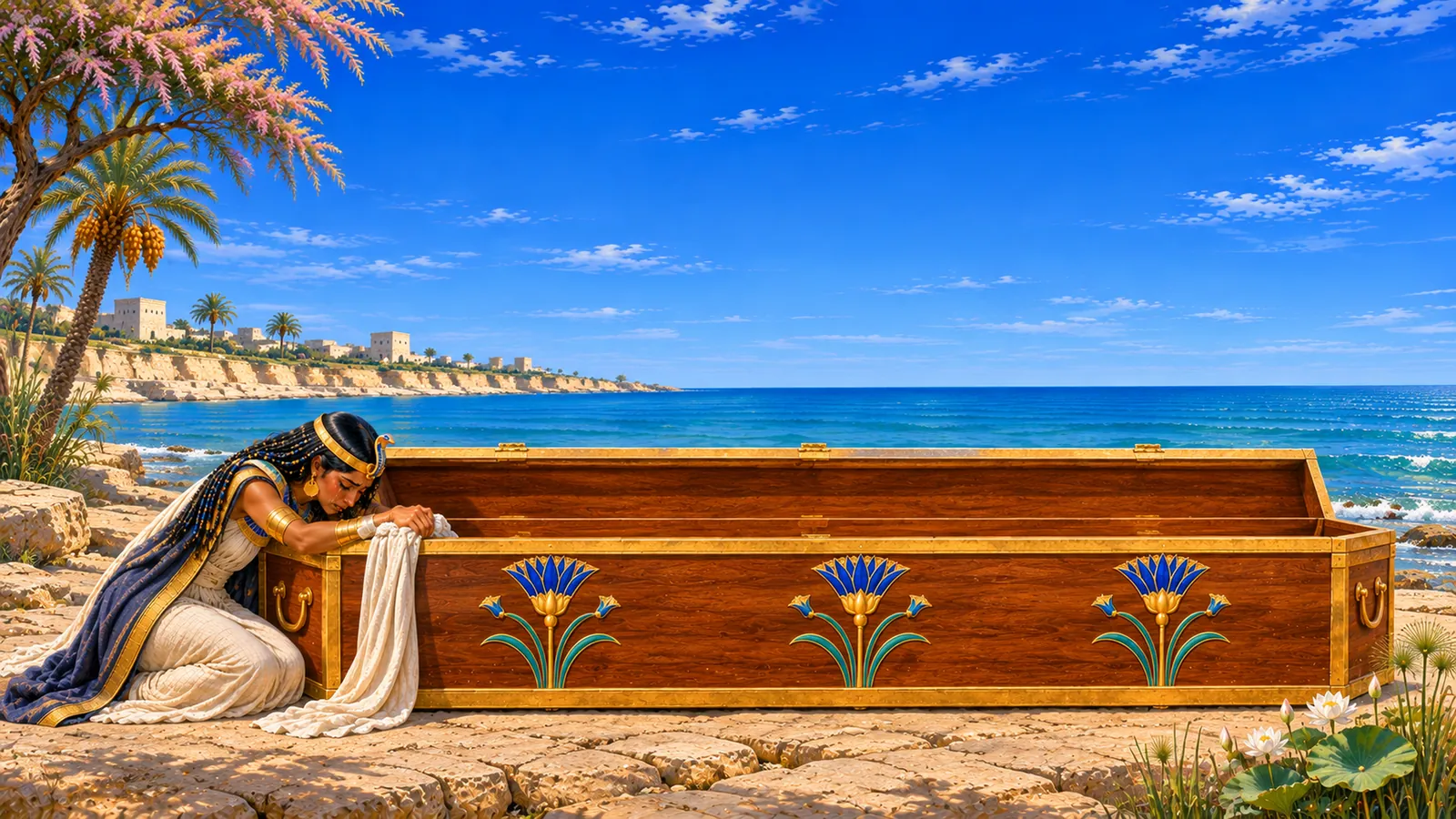
Isis apoyó su rostro en el de su esposo muerto. Abrazó a Osiris y lloró con amargura.
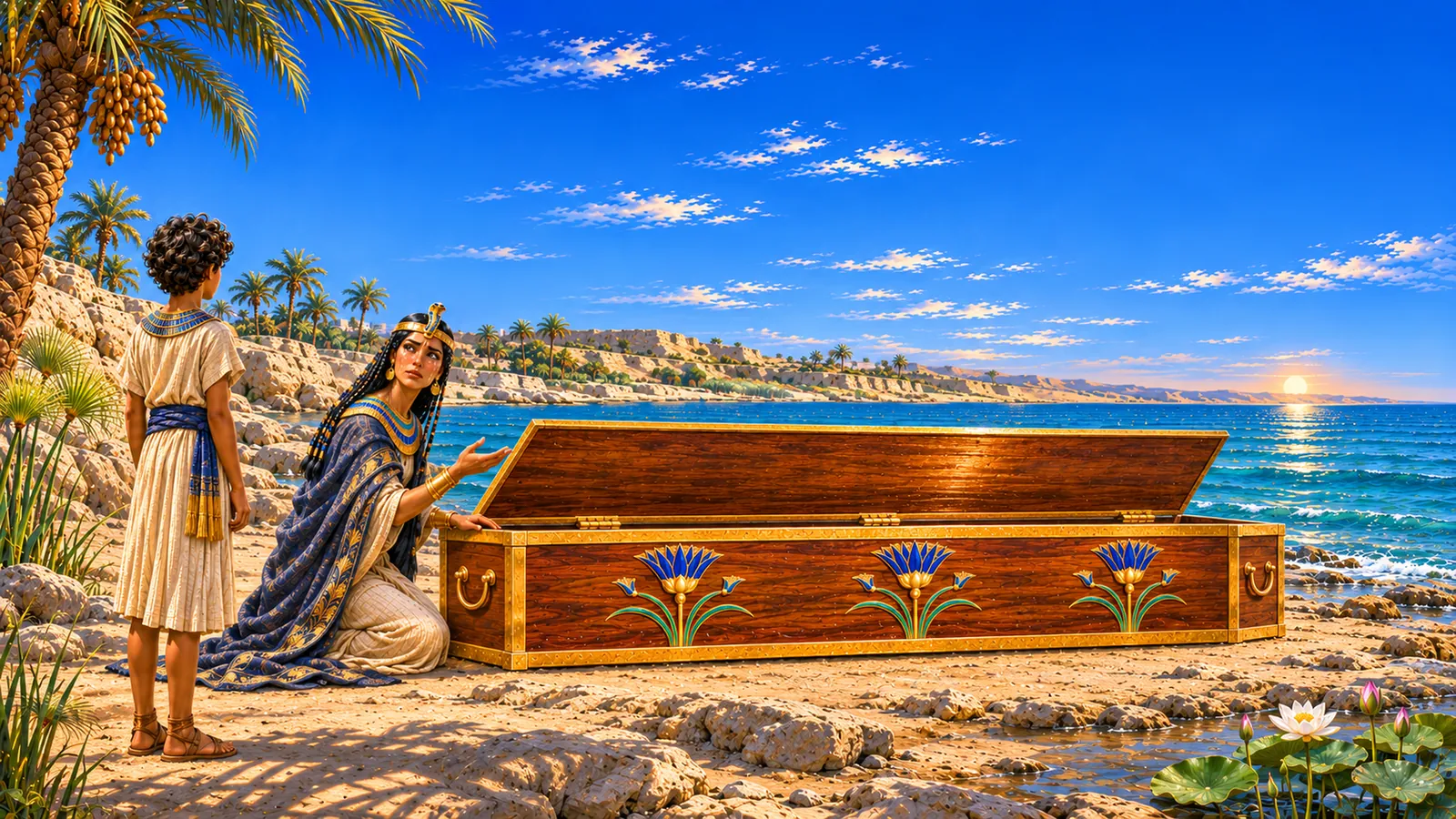
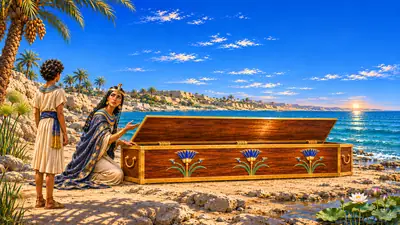
Un muchacho la había seguido en silencio y vio la causa de su dolor. Según el relato, cuando Isis se volvió hacia él con ira, murió de espanto.

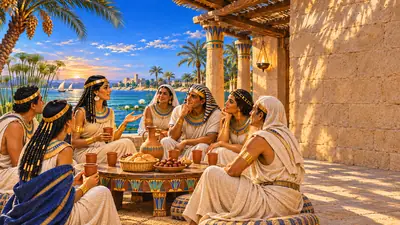
Otros lo contaban de otra manera. Decían que el muchacho murió al caer al mar y que más tarde recibió grandes honores por causa de Isis.
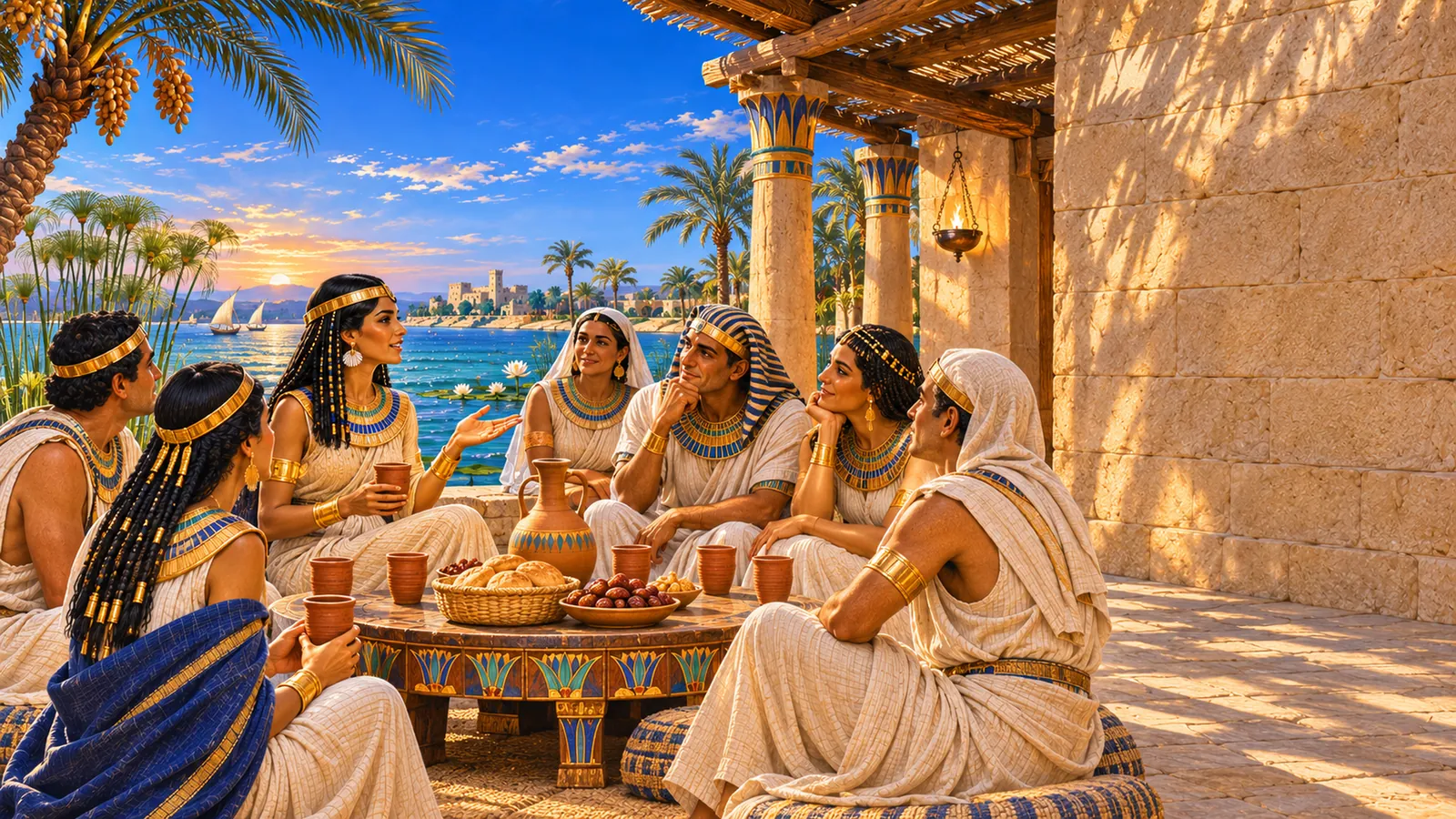
En esta versión el muchacho es Maneros. El relato lo vincula con el nombre que, según Plutarco, se invocaba a menudo en los banquetes egipcios.
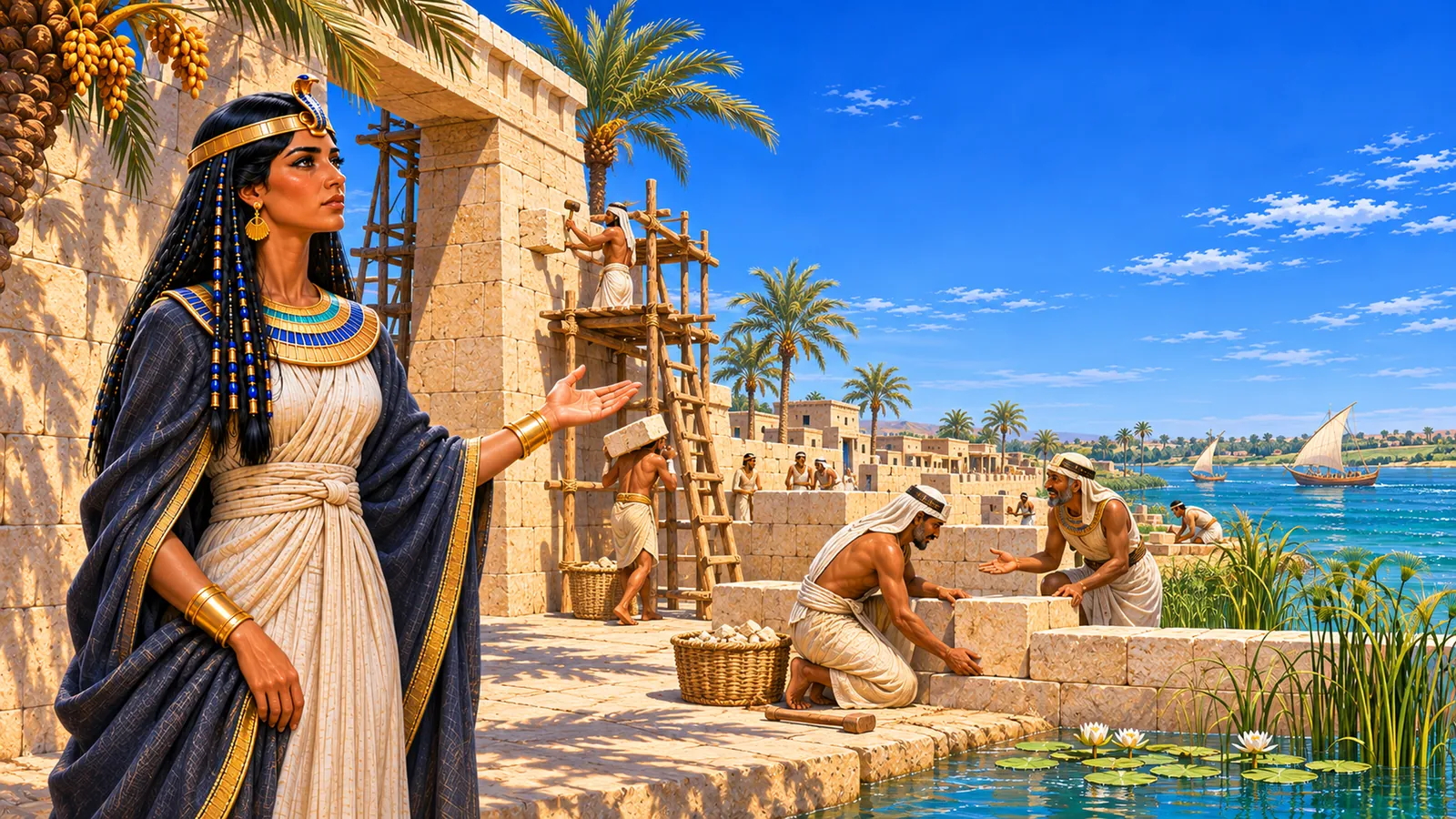
Otros rechazaban esa versión y daban al niño el nombre de Palaestinus o Pelusius. Decían que Isis fundó en su memoria una ciudad que llevaba su nombre.
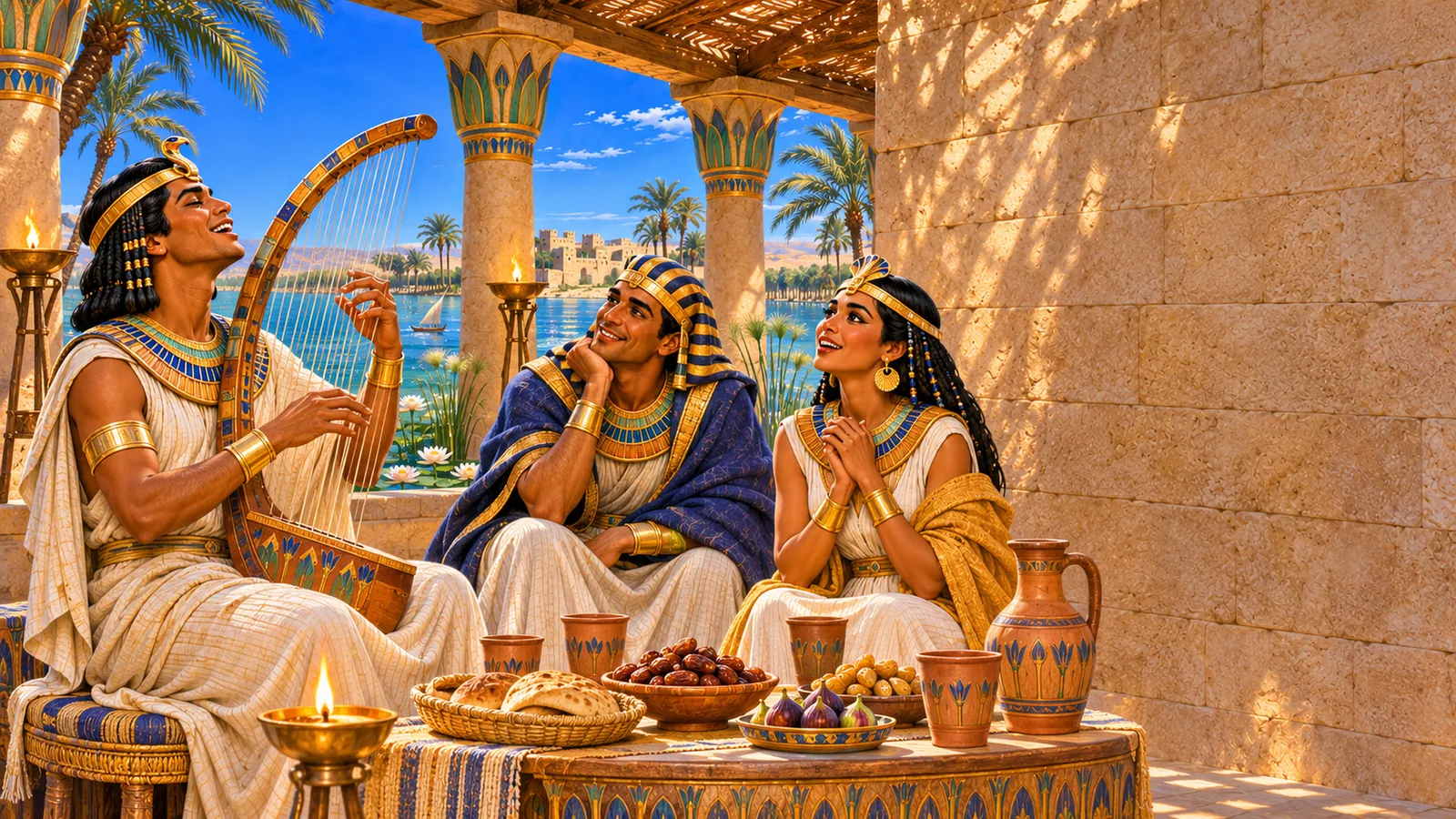
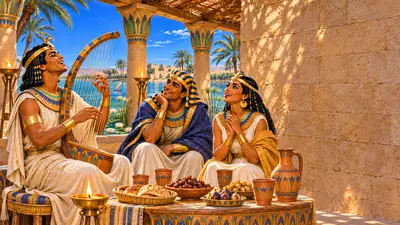
Quienes daban al muchacho otro nombre explicaban de otra manera por qué se honraba a Maneros en las fiestas. Decían que había sido el primero en inventar la música.
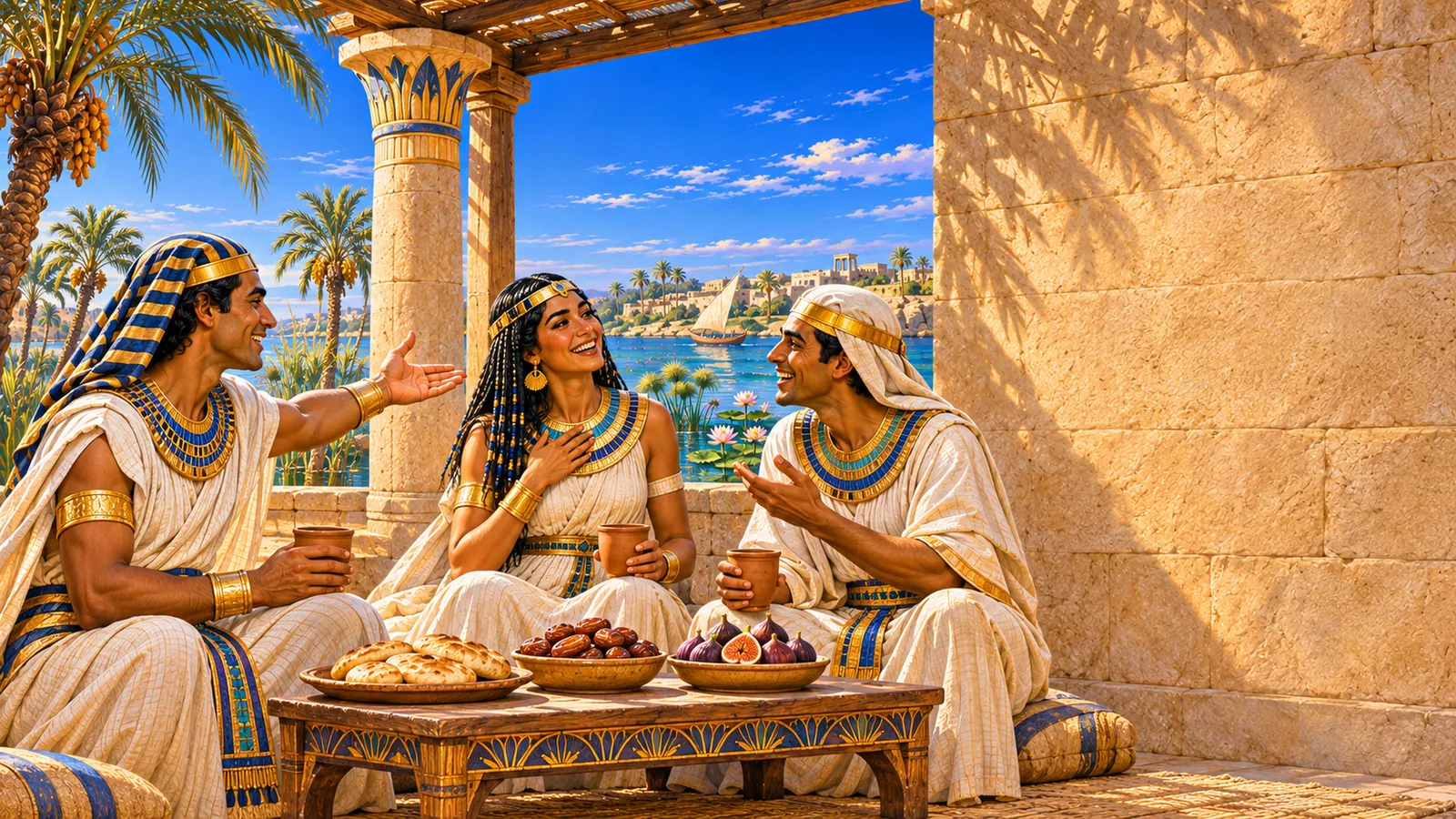
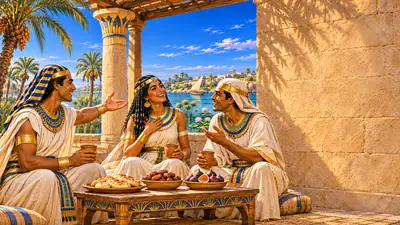
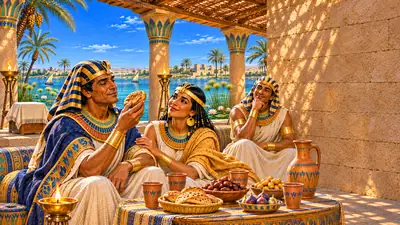
Otros más decían que Maneros era un saludo habitual en los banquetes solemnes. En su versión, era una fórmula que intercambiaban los invitados.
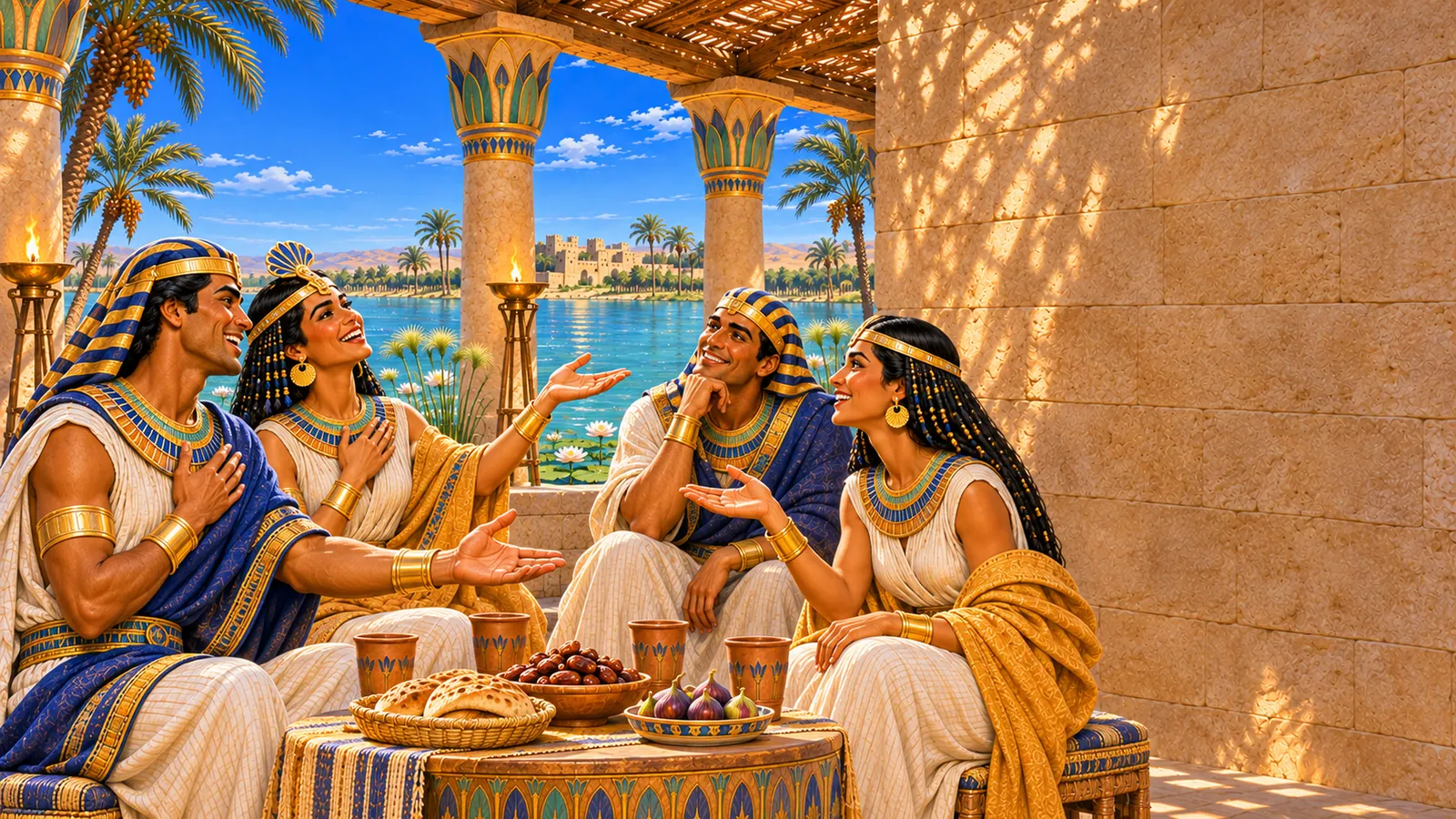
Según esta explicación, el saludo expresaba un deseo. Los invitados esperaban que lo que iban a compartir les trajera fortuna y felicidad.
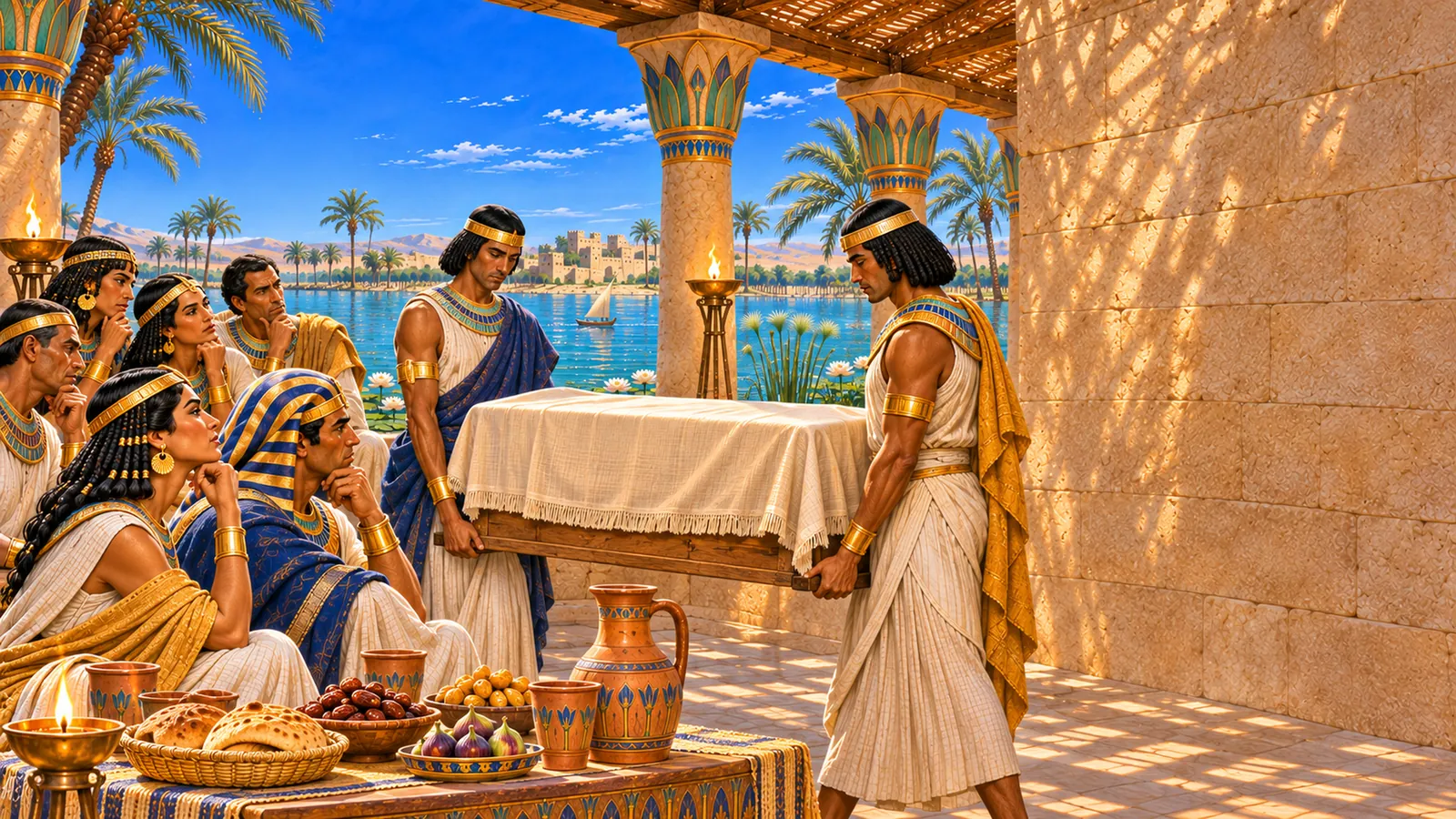
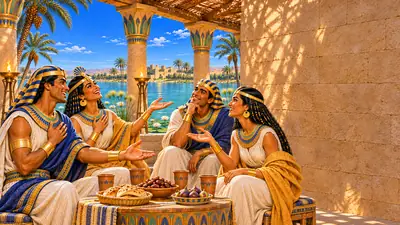
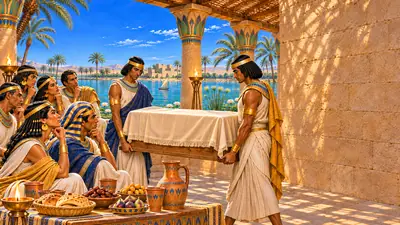
Plutarco cuenta también que se llevaba un esqueleto humano en una caja y que se lo mostraba a todos los invitados de un banquete.
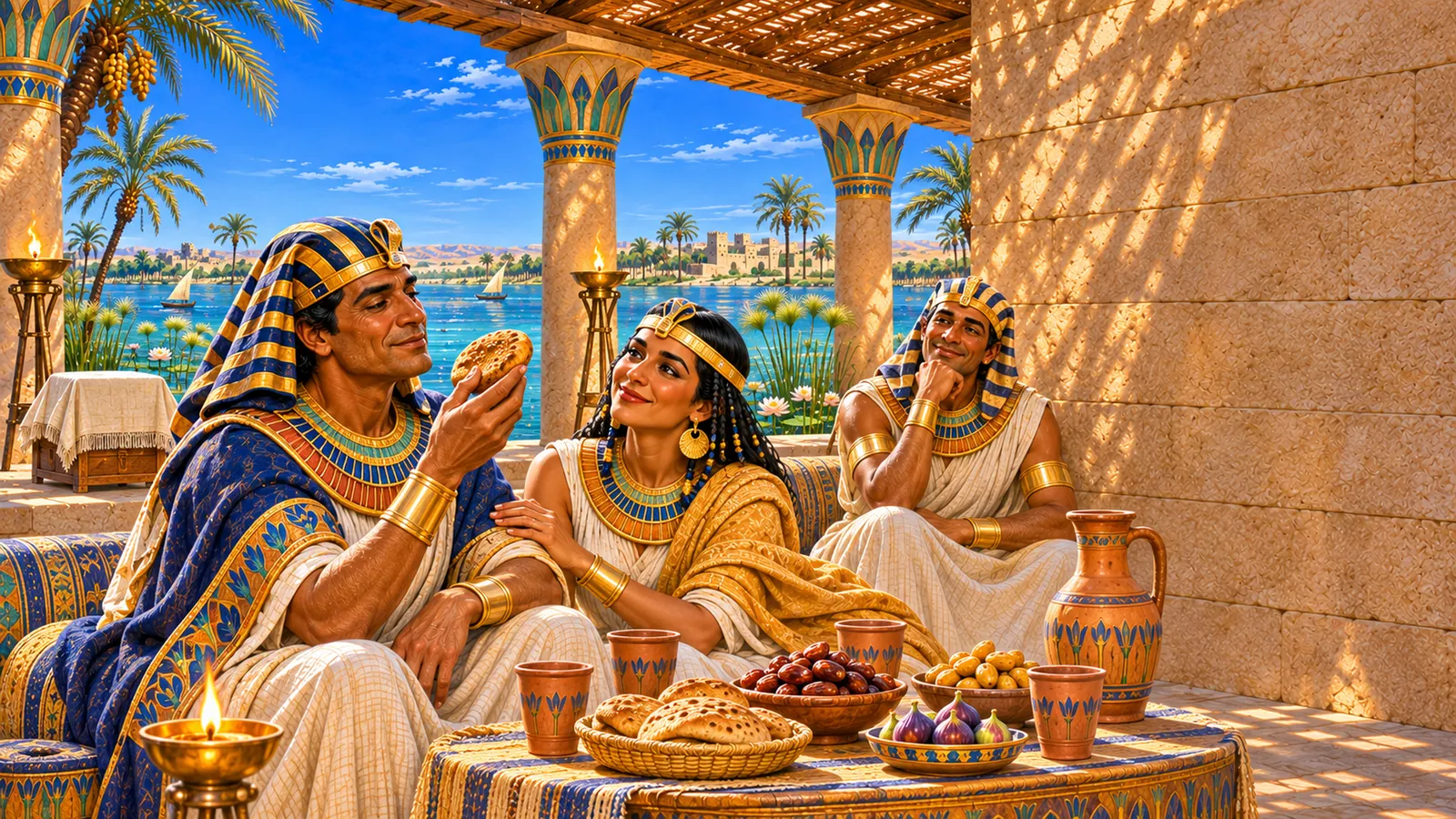
Algunos relacionaban esta práctica con los infortunios de Osiris. Otros decían que recordaba a los invitados su mortalidad y los animaba a disfrutar de las cosas buenas que tenían delante.
OCULTO
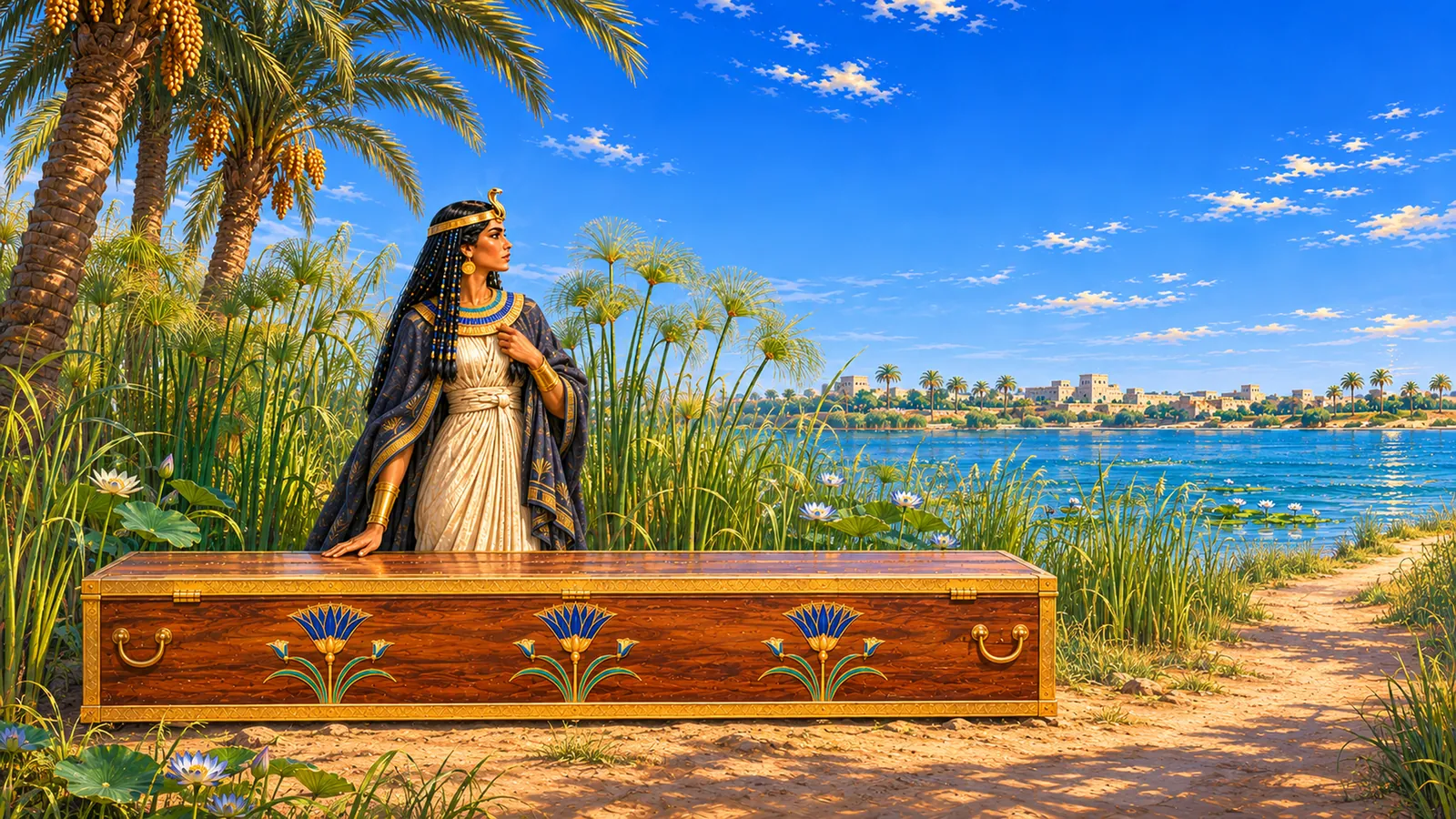
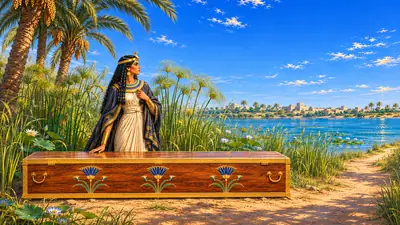
El relato vuelve al cofre. Isis lo deja en un sitio poco frecuentado, con la intención de visitar a su hijo Horus, a quien están criando en Buto.
Fin del capítulo 2

Todas las páginas









Fuentes
Line positions in the page notes refer to the Project Gutenberg HTML of Budge’s edition. The source gives several names for the queen at Byblos.
Ediciones consultadas
- E. A. Wallis Budge, Egyptian Ideas of the Future Life, third edition, 1908, Chapter II
- Plutarch’s narrative in Samuel Squire’s translation as quoted in Chapter II
- Budge’s footnote on the name Byblos
- Budge’s footnote on Maneros
- Budge, Egyptian Ideas of the Future Life, Gutenberg ebook 11277
Notas sobre este relato
Plutarch in Samuel Squire’s 1744 translation as quoted by E. A. Wallis Budge, *Egyptian Ideas of the Future Life*, third edition (1908), chapter II. Numbers refer to physical lines in the locally cached Gutenberg HTML. The title pages are 1, “The Coast,” and 8, “The Report.” Stings are on pages 3 and 8.
The text spells the place Byblos.
Page 15 (Squire 1744 in Budge 1908, chapter II, HTML 1301–1303). After getting to know the visitor, the queen appoints her as nurse to one of her sons. The passage leaves the nursed son unnamed.
Page 16 (1303–1306). Squire calls the king at Byblos Meloarthus. Astarte, Saosis and Nemanoun are given as names of the queen. The text pairs Nemanoun with the Greek name Athenais. Byblos is the story’s place name. Budge’s footnote 51 locates it in the papyrus swamps of the Egyptian Delta. The location remains uncertain.
Page 17 (1308–1309). In Squire’s translation, Isis feeds the child by letting him suck her finger in place of ordinary nursing.
Pages 18–19 (1309–1311). The account says Isis puts the child into fire at night in an attempt to remove his mortal part. It also says she changes into a swallow, circles the pillar and laments her fate.
Pages 20–21 (1312–1315). The queen watches and sees the child in the fire. She cries out. The myth says her cry deprives him of the immortality he would otherwise have received.
Pages 22–23 (1315–1317). Isis makes her identity known and asks to be given the pillar that supports the roof.
Page 24 (1317–1318). Isis takes the pillar down, opens it and removes what Squire calls “what she wanted.” In 1285–1291 the trunk enclosed the chest before it was made into a pillar. The chest is named again in the lament at 1322–1324.
Page 25 (1318–1320). Isis wraps the remaining wood in fine linen, applies perfumed oil to it and returns it to the king and queen.
Page 26 (1320–1322). The old account says the wood was preserved and worshipped at a temple of Isis in Byblos “to this day.” The time reference belongs to the teller’s claim.
Pages 27–28 (1322–1325). Isis falls upon the chest and laments aloud. In this telling the king’s younger son hears her and dies of fright. This passage identifies him as the younger son. Earlier it calls the child entrusted to Isis one of the queen’s sons. The elder son appears in the following sentence, and later pages record other accounts of a boy’s death.
### Pages 29–42 · The return across the sea
Los versos antiguos de cada página
- Page 1: Plutarch, Squire 1744 in Budge 1908, chapter II, HTML 1282–1285
- Page 2: Plutarch, Squire 1744 in Budge 1908, chapter II, HTML 1285–1287
Left is desaturated matte gray-green water and naturally soft shade, with no ripples, shore line or distinct objects in the box. - Page 3: Plutarch, Squire 1744 in Budge 1908, chapter II, HTML 1286–1288
- Page 4: Plutarch, Squire 1744 in Budge 1908, chapter II, HTML 1287–1288
- Page 5: Plutarch, Squire 1744 in Budge 1908, chapter II, HTML 1288–1289
- Page 6: Plutarch, Squire 1744 in Budge 1908, chapter II, HTML 1289–1291
- Page 7: Plutarch, Squire 1744 in Budge 1908, chapter II, HTML 1290–1291
- Page 8: Plutarch, Squire 1744 in Budge 1908, chapter II, HTML 1291–1293
- Page 9: Plutarch, Squire 1744 in Budge 1908, chapter II, HTML 1292–1294
- Page 10: Plutarch, Squire 1744 in Budge 1908, chapter II, HTML 1293–1295
- Page 11: Plutarch, Squire 1744 in Budge 1908, chapter II, HTML 1295–1296
- Page 12: Plutarch, Squire 1744 in Budge 1908, chapter II, HTML 1296–1298
- Page 13: Plutarch, Squire 1744 in Budge 1908, chapter II, HTML 1298–1301
- Page 14: Plutarch, Squire 1744 in Budge 1908, chapter II, HTML 1300–1302
- Page 15: Plutarch, Squire 1744 in Budge 1908, chapter II, HTML 1301–1303
- Page 16: Plutarch, Squire 1744 in Budge 1908, chapter II, HTML 1303–1306
- Page 17: Plutarch, Squire 1744 in Budge 1908, chapter II, HTML 1308–1309
- Page 18: Plutarch, Squire 1744 in Budge 1908, chapter II, HTML 1309–1310
- Page 19: Plutarch, Squire 1744 in Budge 1908, chapter II, HTML 1310–1311
- Page 20: Plutarch, Squire 1744 in Budge 1908, chapter II, HTML 1312–1313
- Page 21: Plutarch, Squire 1744 in Budge 1908, chapter II, HTML 1313–1315
- Page 22: Plutarch, Squire 1744 in Budge 1908, chapter II, HTML 1315–1316
- Page 23: Plutarch, Squire 1744 in Budge 1908, chapter II, HTML 1316–1317
- Page 24: Plutarch, Squire 1744 in Budge 1908, chapter II, HTML 1317–1318
- Page 25: Plutarch, Squire 1744 in Budge 1908, chapter II, HTML 1318–1320
- Page 26: Plutarch, Squire 1744 in Budge 1908, chapter II, HTML 1320–1322
At far lower right, show only the shallow opening of a low ordinary limestone recess and one matte dark wood fragment on a simple shelf. - Page 27: Plutarch, Squire 1744 in Budge 1908, chapter II, HTML 1322–1324
- Page 28: Plutarch, Squire 1744 in Budge 1908, chapter II, HTML 1324–1325
- Page 29: Plutarch, Squire 1744 as printed by Budge 1908, Chapter II, HTML lines 1325–1326
- Page 30: Plutarch, Squire 1744 as printed by Budge 1908, Chapter II, HTML lines 1326–1328
- Page 31: Plutarch, Squire 1744 as printed by Budge 1908, Chapter II, HTML lines 1330–1332
- Page 32: Plutarch, Squire 1744 as printed by Budge 1908, Chapter II, HTML lines 1331–1333
- Page 33: Plutarch, Squire 1744 as printed by Budge 1908, Chapter II, HTML lines 1333–1336
Right side solid near wall in quiet slate shade, no water line or object in it. - Page 34: Plutarch, Squire 1744 as printed by Budge 1908, Chapter II, HTML lines 1336–1339
- Page 35: Plutarch, Squire 1744 as printed by Budge 1908, Chapter II, HTML lines 1339–1341
- Page 36: Plutarch, Squire 1744 as printed by Budge 1908, Chapter II, HTML lines 1342–1344
- Page 37: Plutarch, Squire 1744 as printed by Budge 1908, Chapter II, HTML lines 1344–1346
- Page 38: Plutarch, Squire 1744 as printed by Budge 1908, Chapter II, HTML lines 1346–1349
- Page 39: Plutarch, Squire 1744 as printed by Budge 1908, Chapter II, HTML lines 1349–1352
- Page 40: Plutarch, Squire 1744 as printed by Budge 1908, Chapter II, HTML lines 1352–1355
- Page 41: Plutarch, Squire 1744 as printed by Budge 1908, Chapter II, HTML lines 1353–1359
- Page 42: Plutarch, Squire 1744 as printed by Budge 1908, Chapter II, HTML lines 1359–1364
Ilustraciones hechas por IL Archive con herramientas de IA; el texto se basa en las fuentes antiguas (véanse las fuentes al final de cada capítulo).