Isis y Osiris Capítulo 3
El río de los juncos
Isis vuelve a las marismas cuando se entera de lo que ha hecho Seth. El relato de Plutarco da dos explicaciones para las tumbas de Osiris. Horus se enfrenta a Seth y Thot lo ayuda a responder a la impugnación de su linaje. Las últimas palabras hablan del nacimiento de Harpócrates.
FuentesPase las páginas con las flechas, el teclado o deslizando el dedo.

LA MARISMA
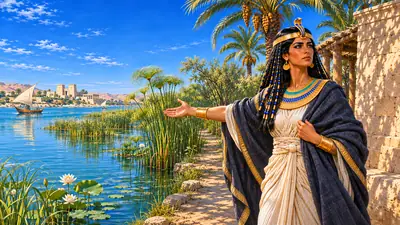
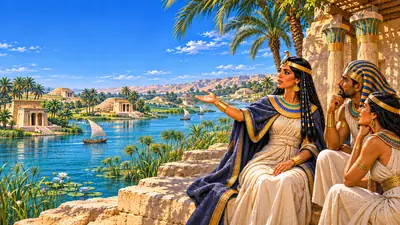
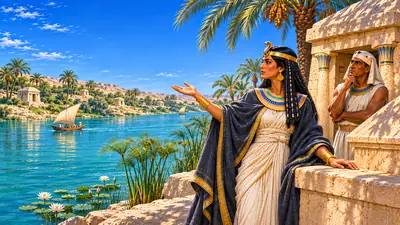
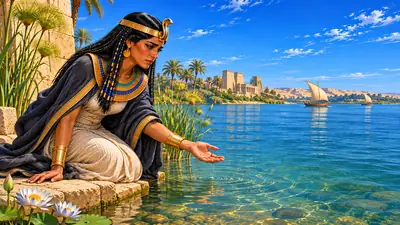
De vuelta en Egipto, Isis se proponía visitar a su hijo Horus. El relato dice que lo criaban en Buto.

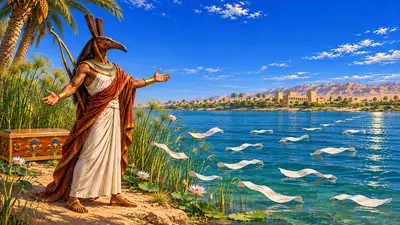
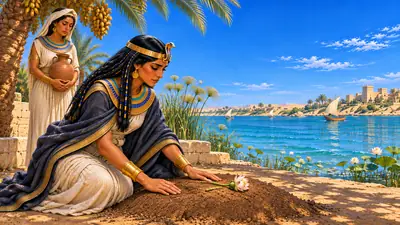
Antes de ir a ver a su hijo, Isis dejó el cofre en un lugar apartado. Eligió un sitio lejano que apenas visitaba nadie.
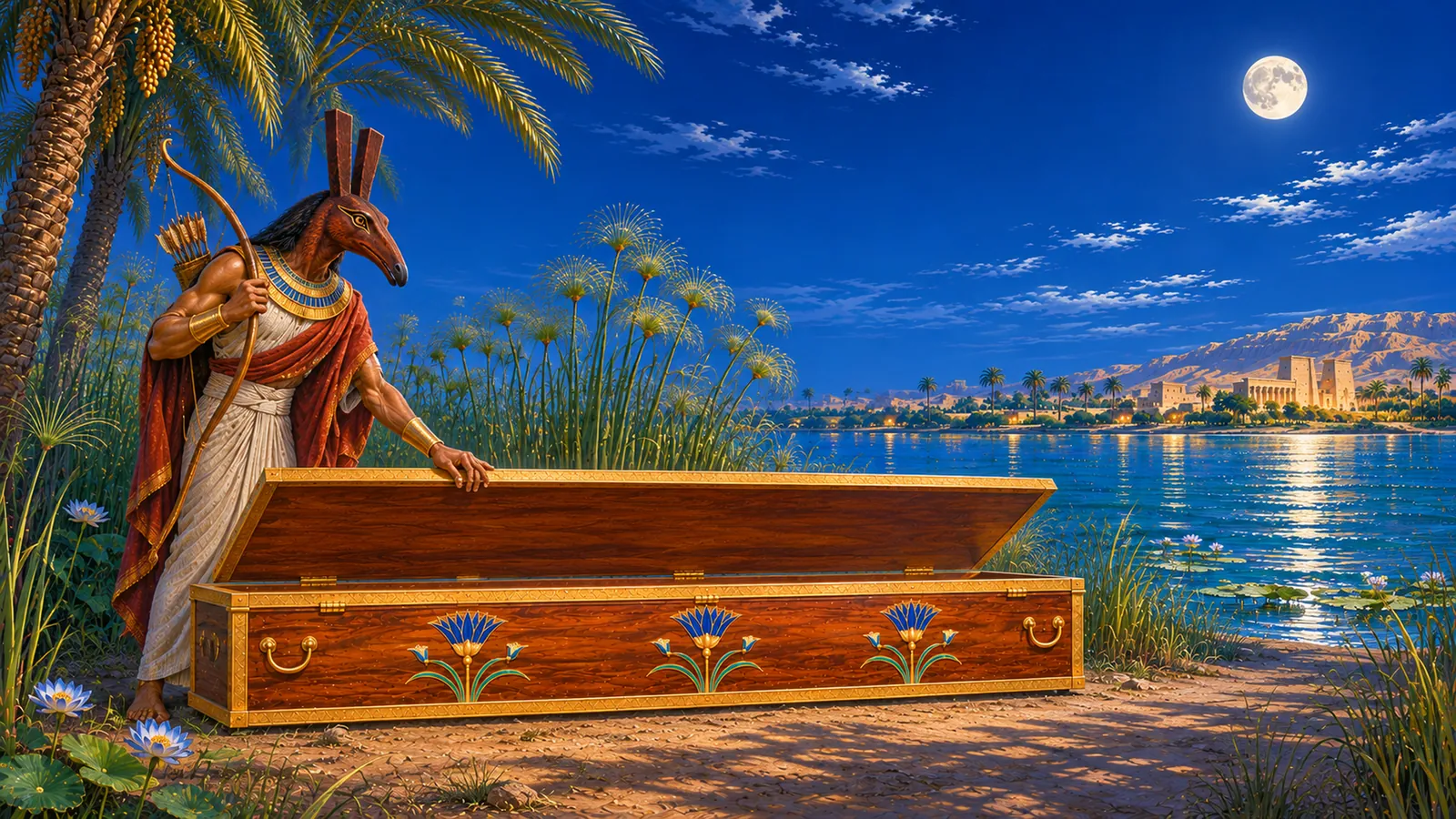
Una noche, Seth cazaba a la luz de la luna. Encontró el cofre por casualidad y reconoció el cuerpo que había dentro.
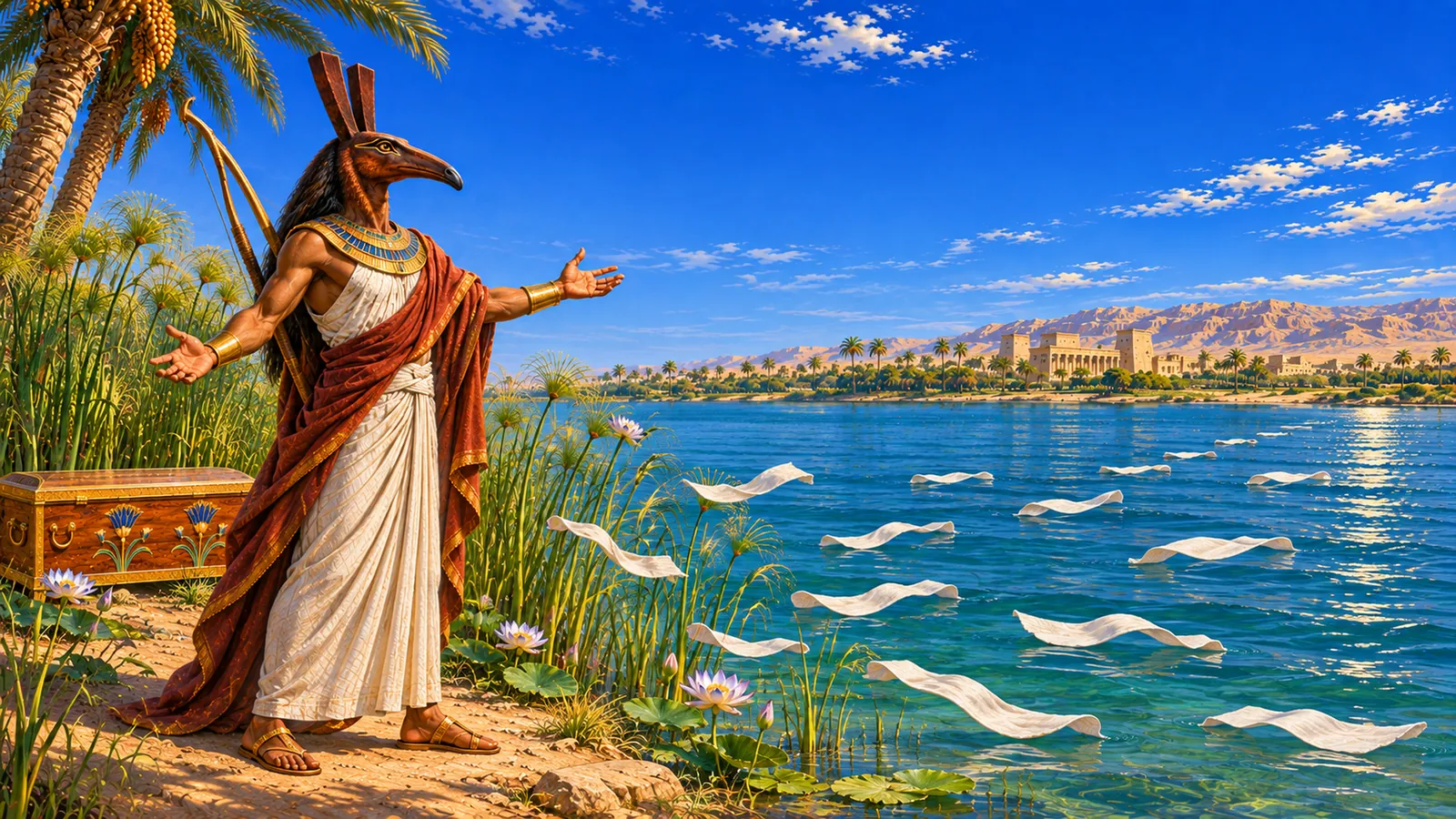
Seth reconoció a Osiris dentro del cofre. El relato dice que desgarró el cuerpo en catorce partes y las esparció por distintos lugares del país.
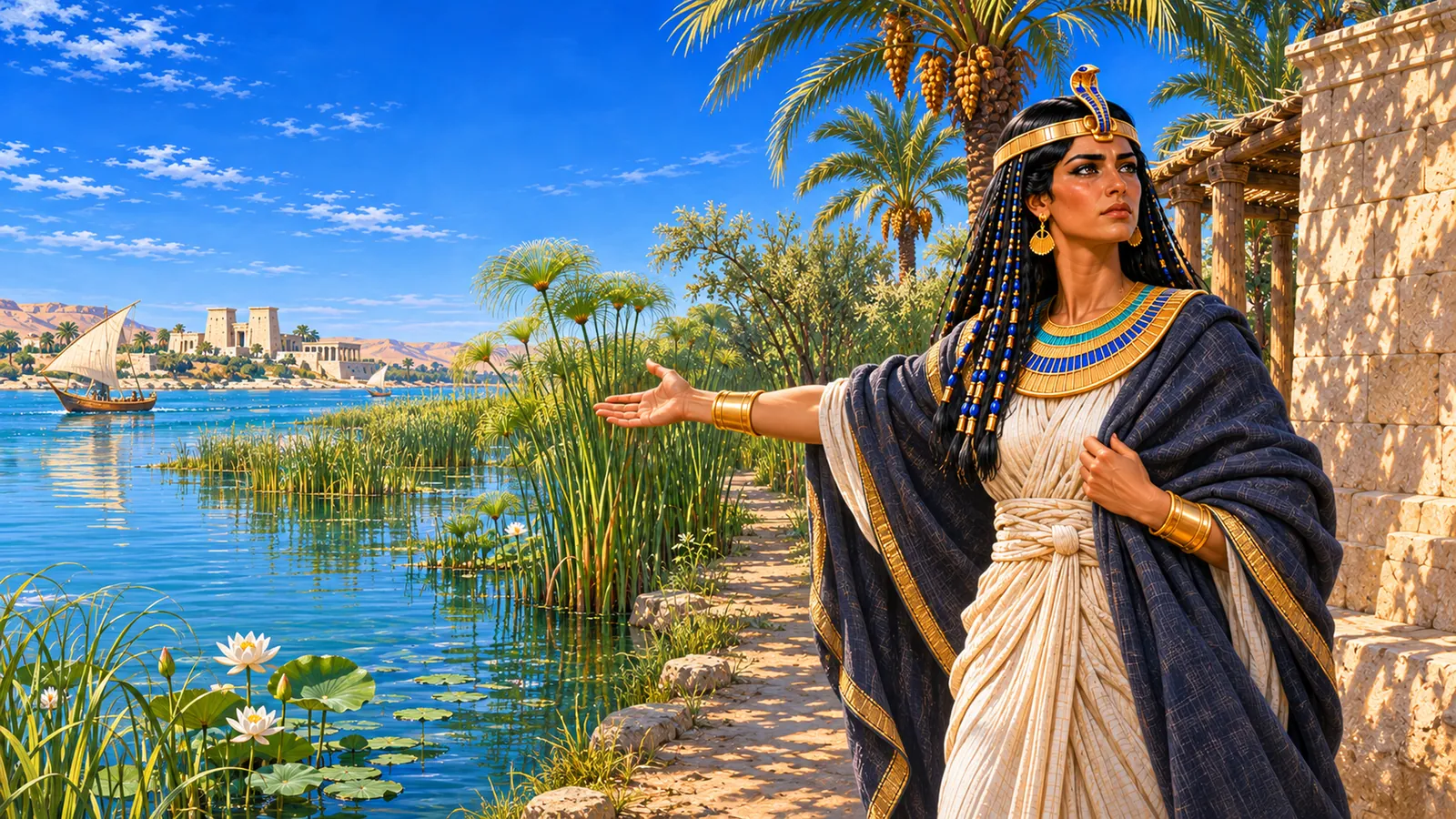
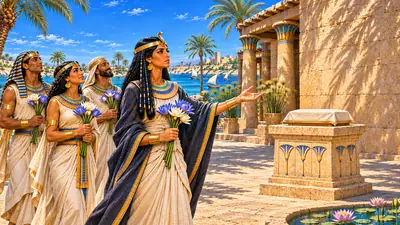
Isis supo lo que había ocurrido con el cuerpo de Osiris. Volvió a partir, esta vez para buscar las partes que Seth había esparcido.
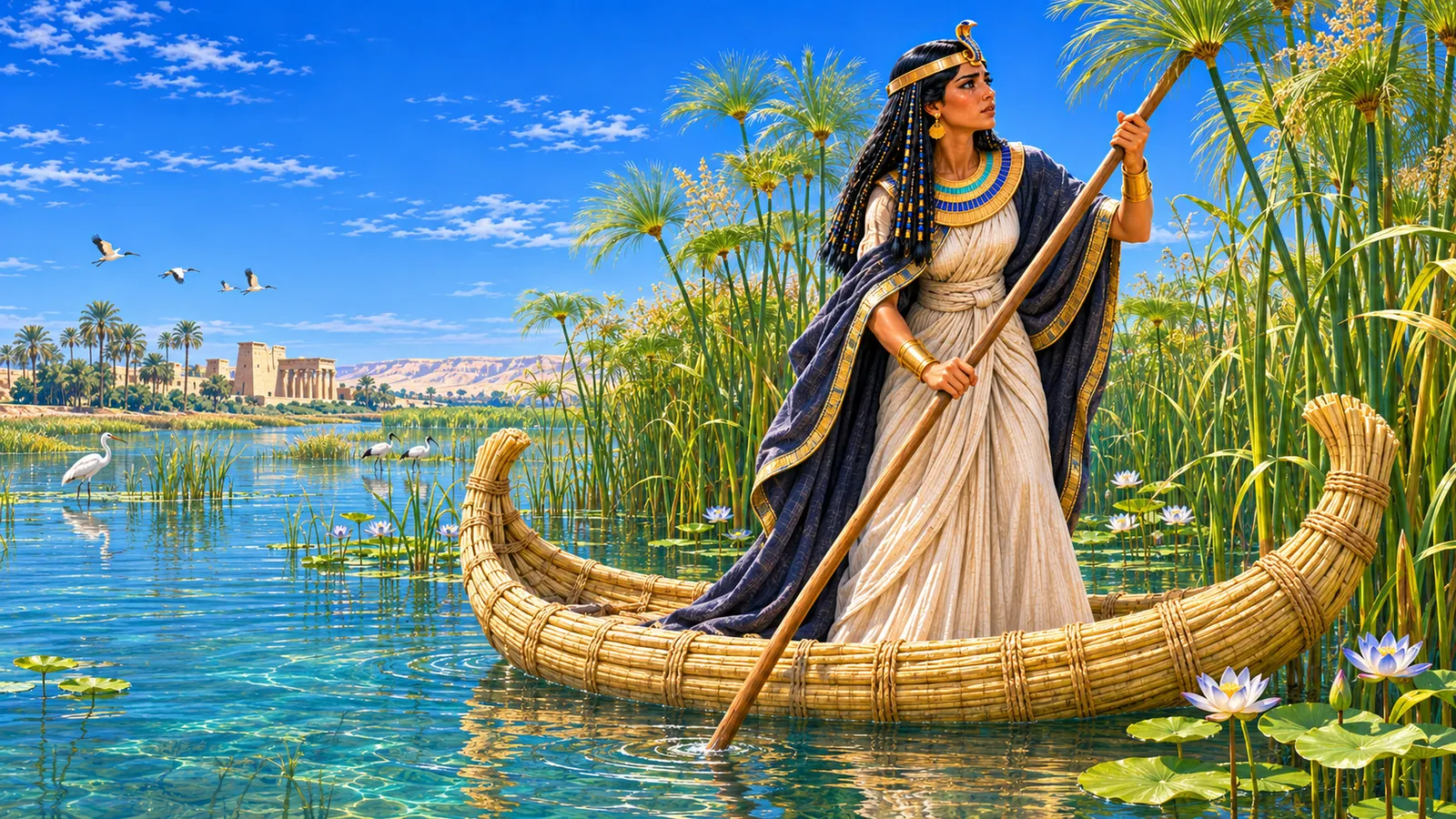
LA BARCA
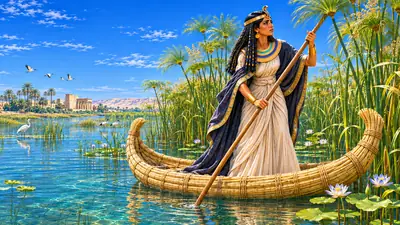
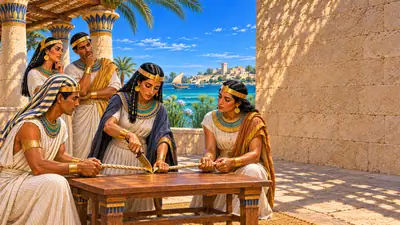
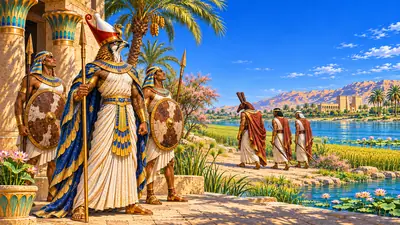
Isis avanzó en una barca de papiro. La embarcación le permitió atravesar con mayor facilidad las tierras bajas y pantanosas del país.
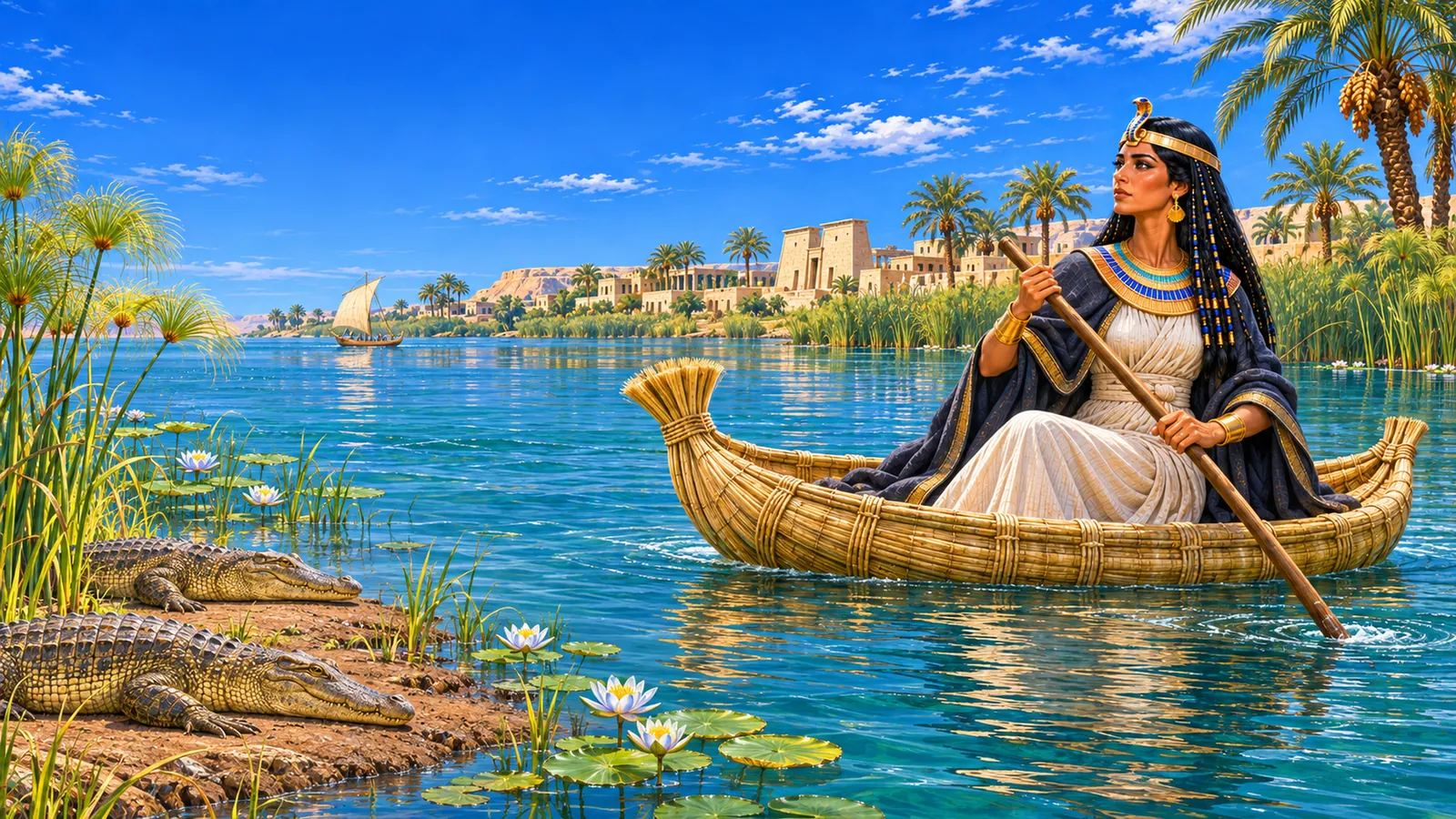
El relato dice que los cocodrilos respetan a quienes viajan en esas barcas. Ofrece dos razones: el temor a la ira de Isis o el respeto por el tipo de embarcación que una vez la llevó.
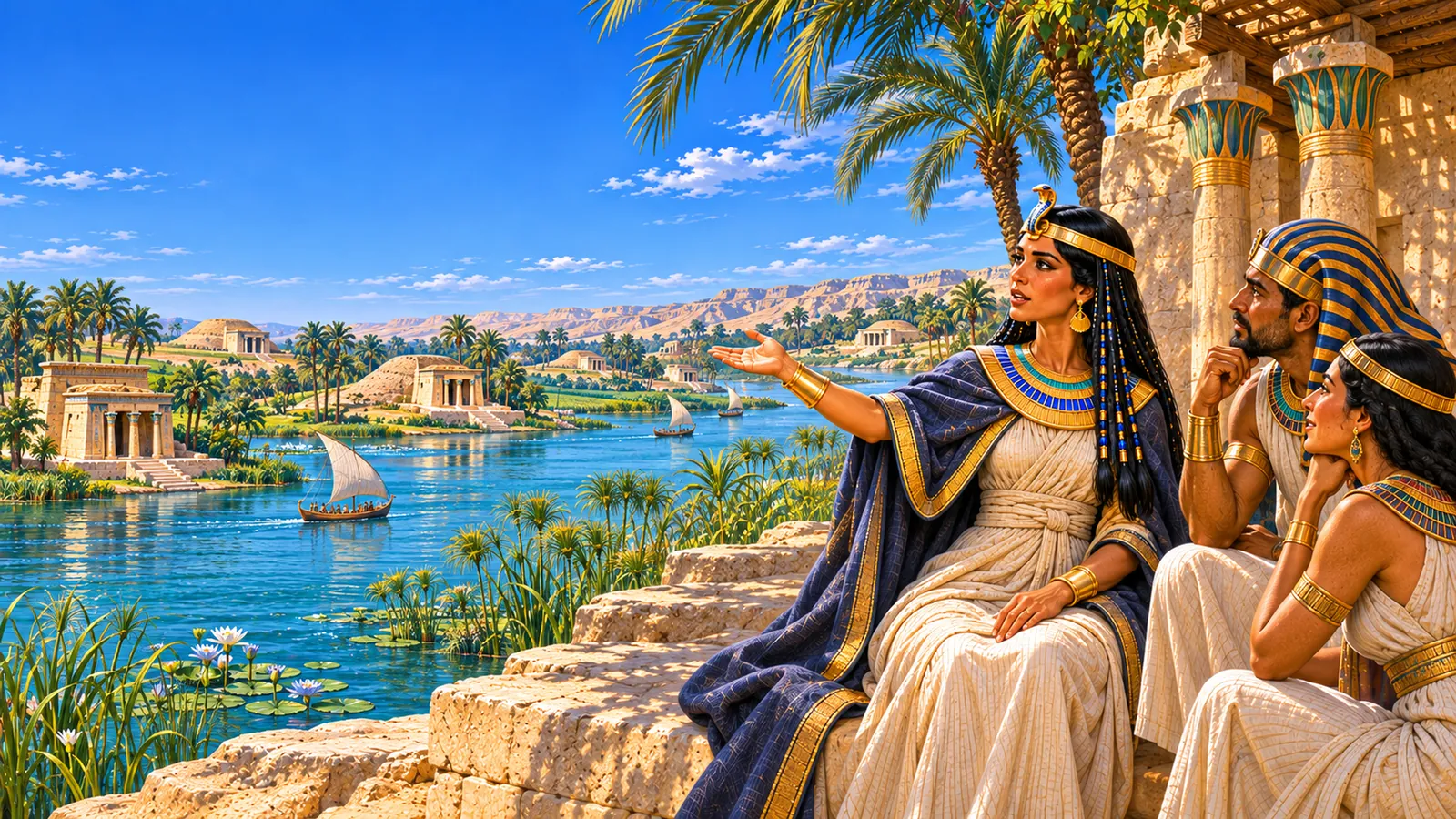
El relato antiguo relaciona la búsqueda de Isis con los numerosos lugares que se mostraban en Egipto como tumbas de Osiris. Después cuenta por qué había tantas.
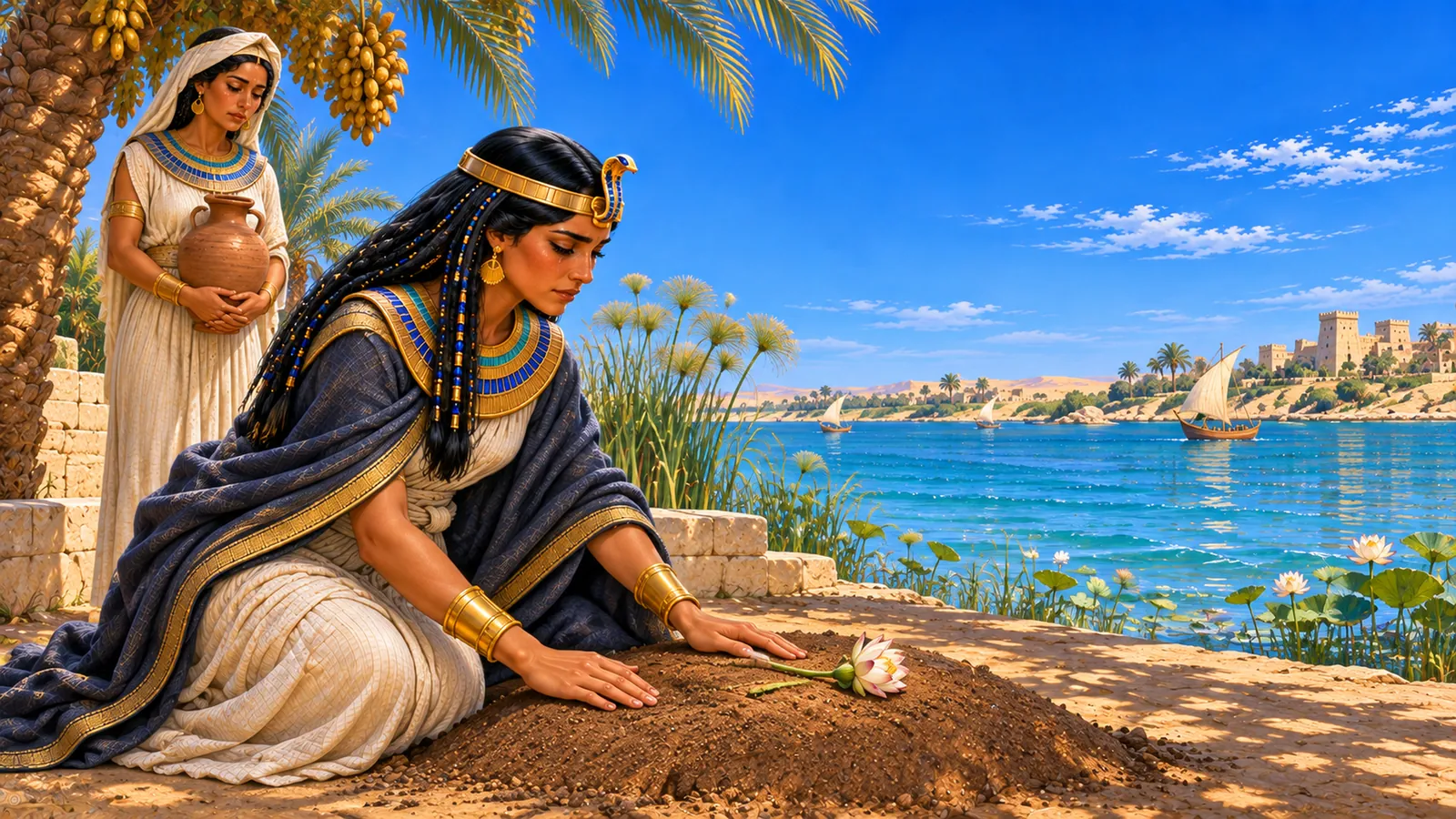
Según la primera explicación, Isis enterró las partes de Osiris en distintos lugares. Cada vez que encontraba una, la enterraba donde la había encontrado.
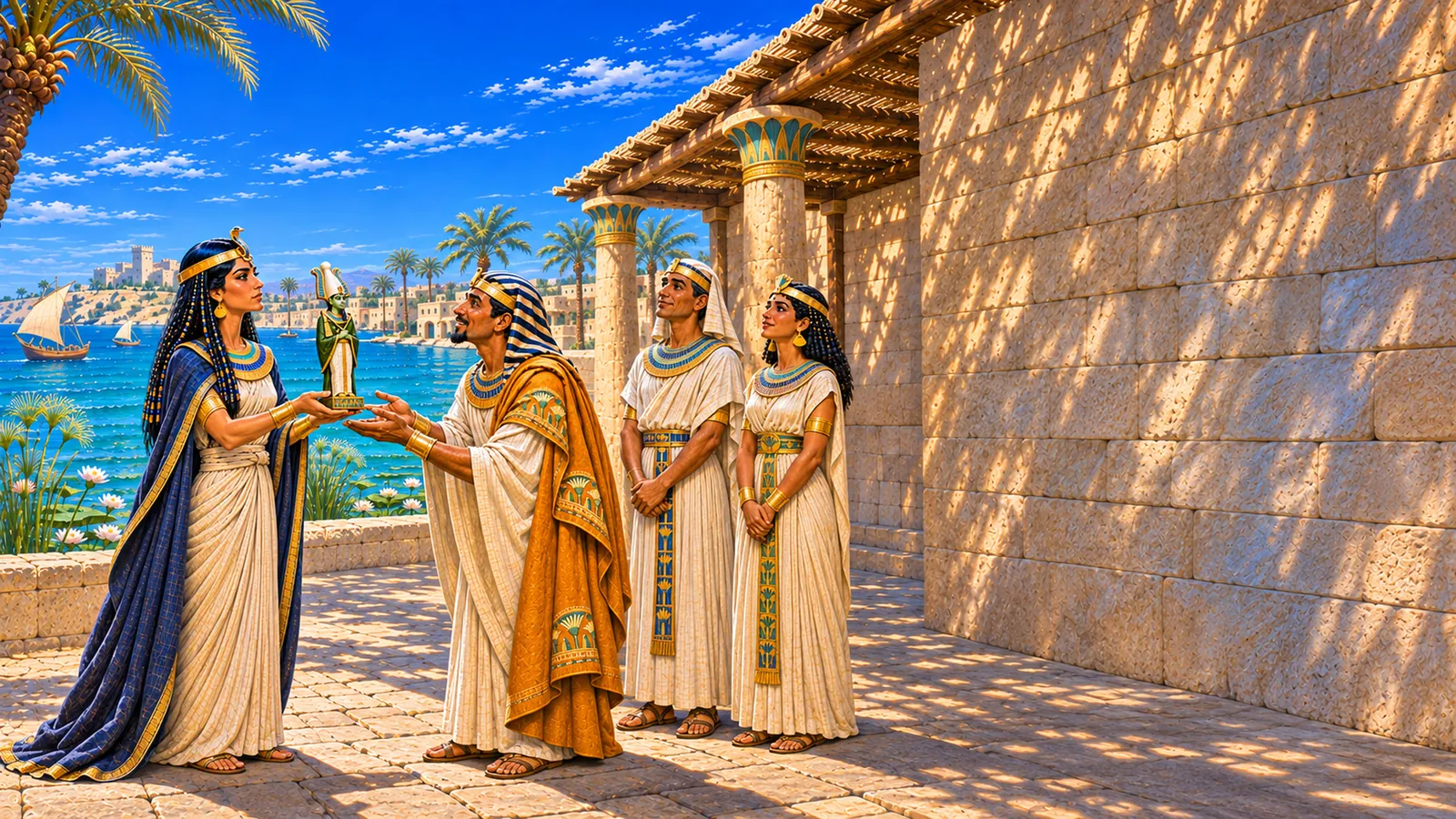
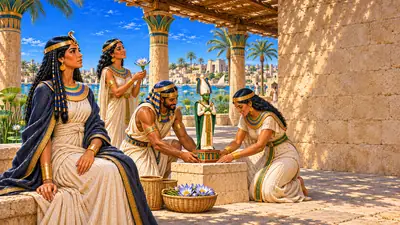
Otros rechazaban esa explicación. Decían que Isis había entregado a distintas ciudades imágenes de Osiris que ellas tomaron por su verdadero cuerpo.
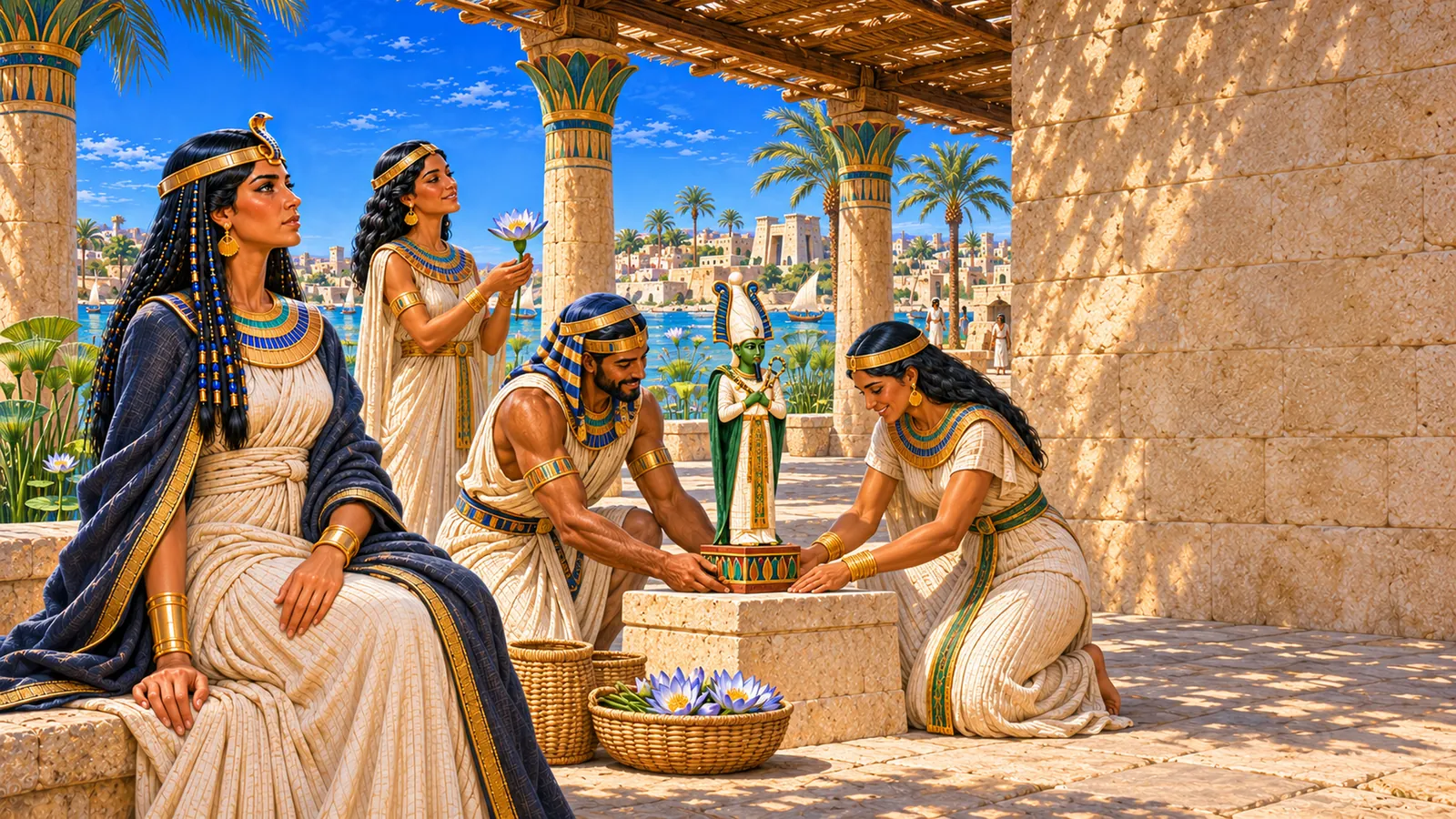
Quienes contaban así la historia daban dos razones para repartir las imágenes. La primera era extender los honores que la gente rendía a la memoria de Osiris.
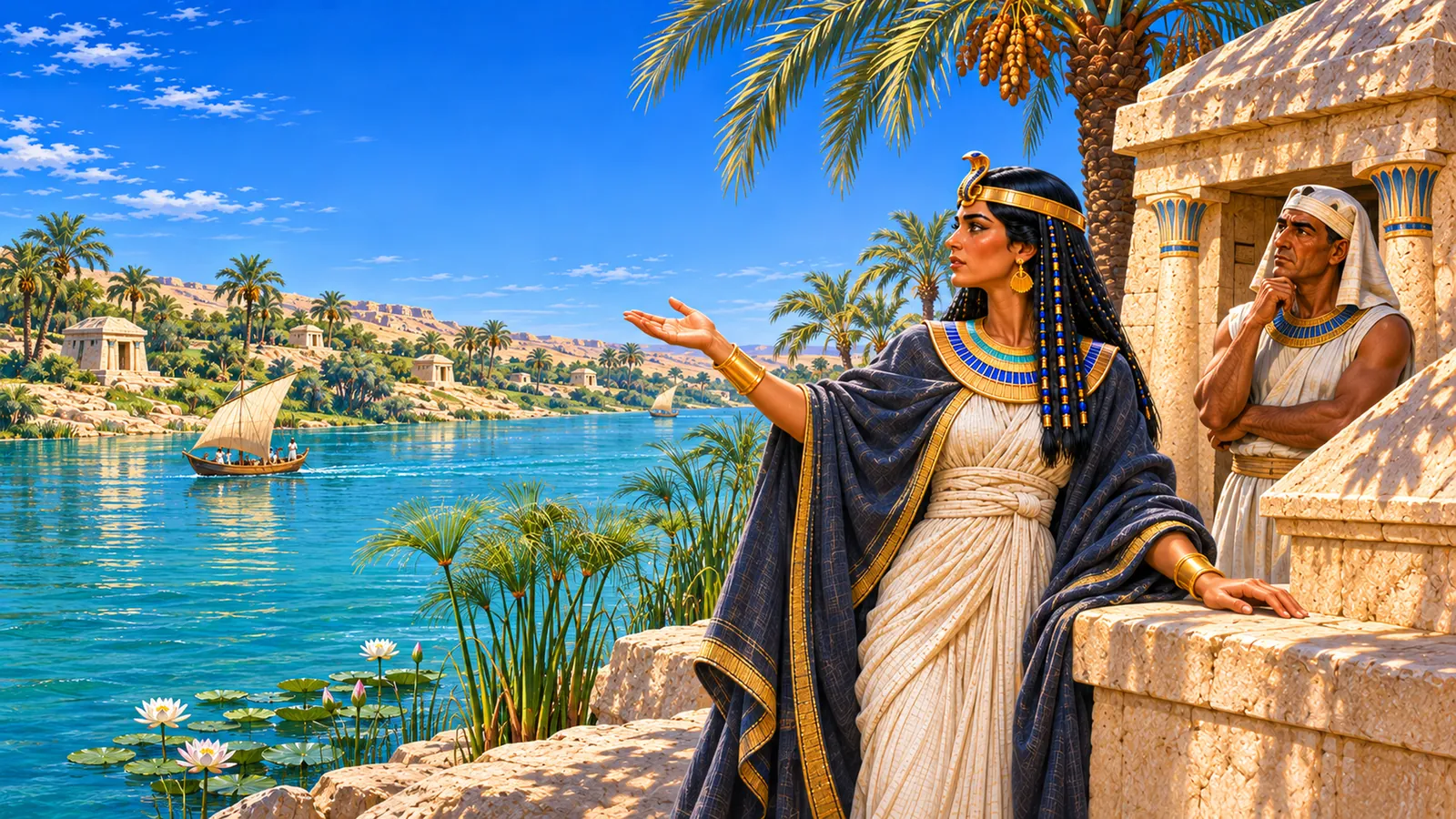
La segunda razón tenía que ver con Seth. Si vencía a Horus en la guerra que se acercaba, la multitud de tumbas podía impedirle encontrar la verdadera.
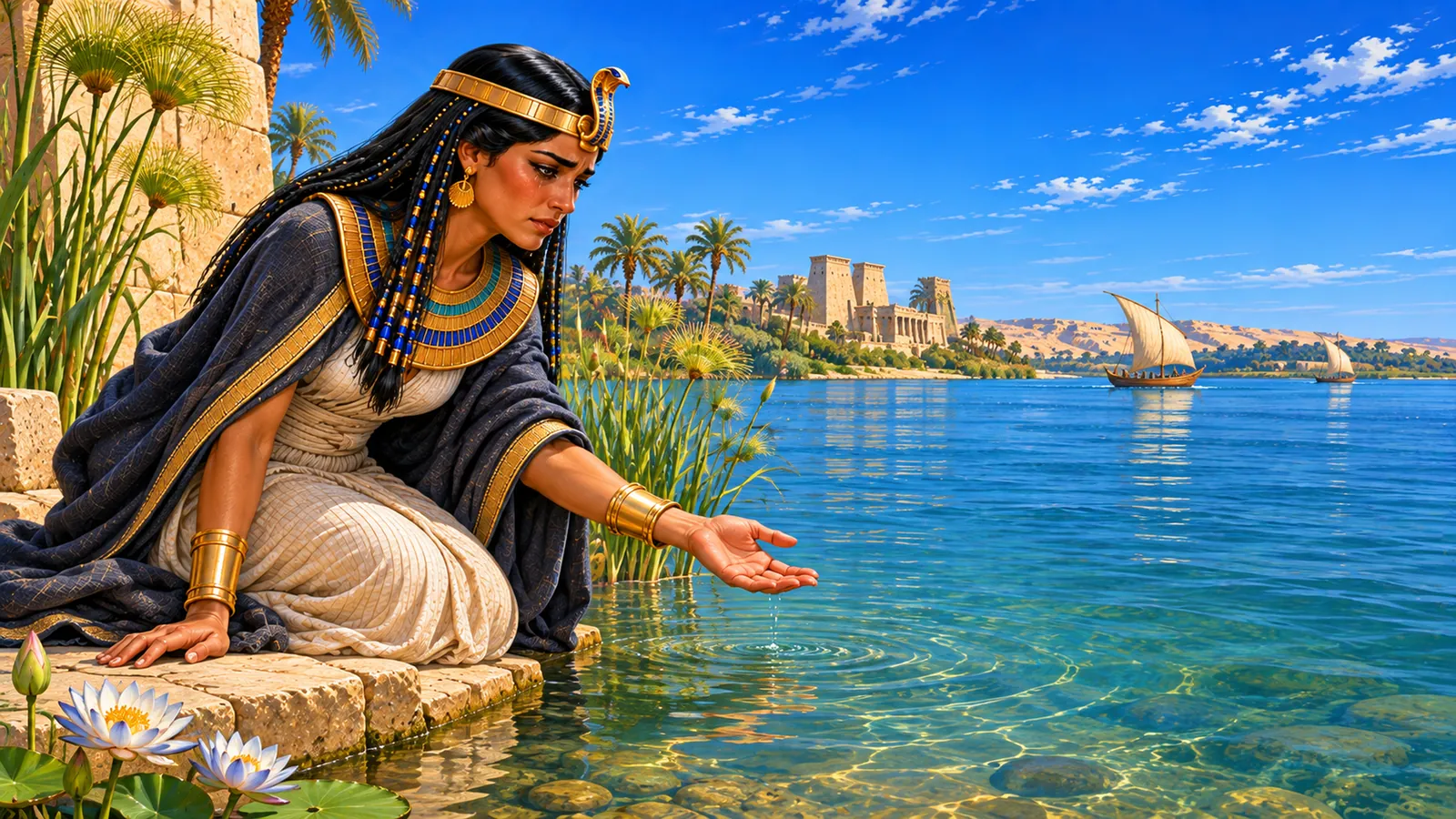
Hubo una parte que Isis nunca pudo recuperar. El relato dice que el pene de Osiris había sido arrojado al Nilo y devorado por tres peces.

La traducción de Squire llama a los peces Lepidoto, Fagro y Oxirrinco. El relato da lo ocurrido en el Nilo como explicación de que los egipcios evitaran especialmente esos peces.
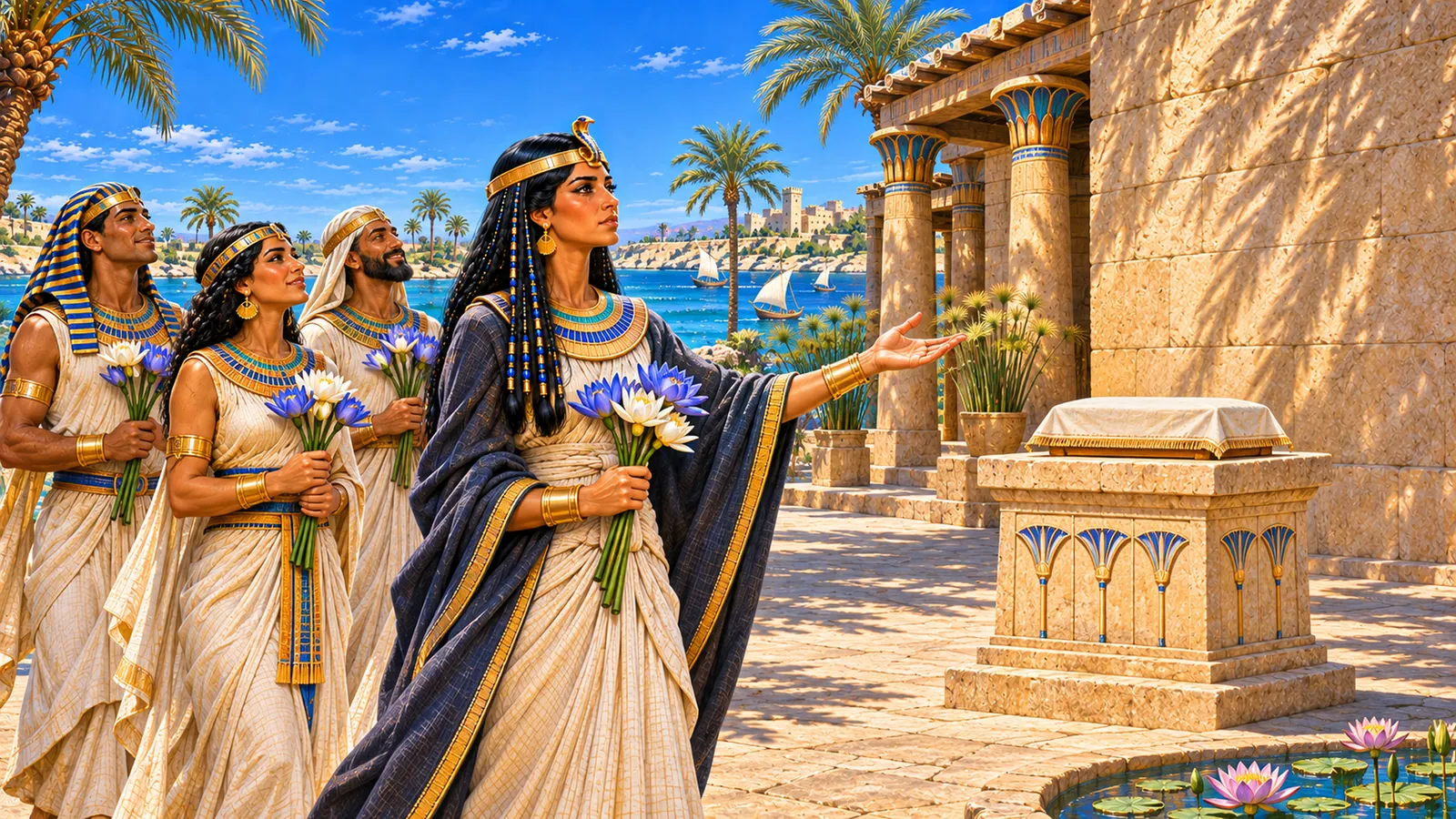
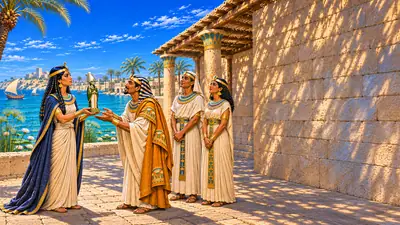
Plutarco dice que Isis consagró una efigie del pene perdido de Osiris e instituyó una fiesta para recordar ese miembro.
DESDE EL MÁS ALLÁ
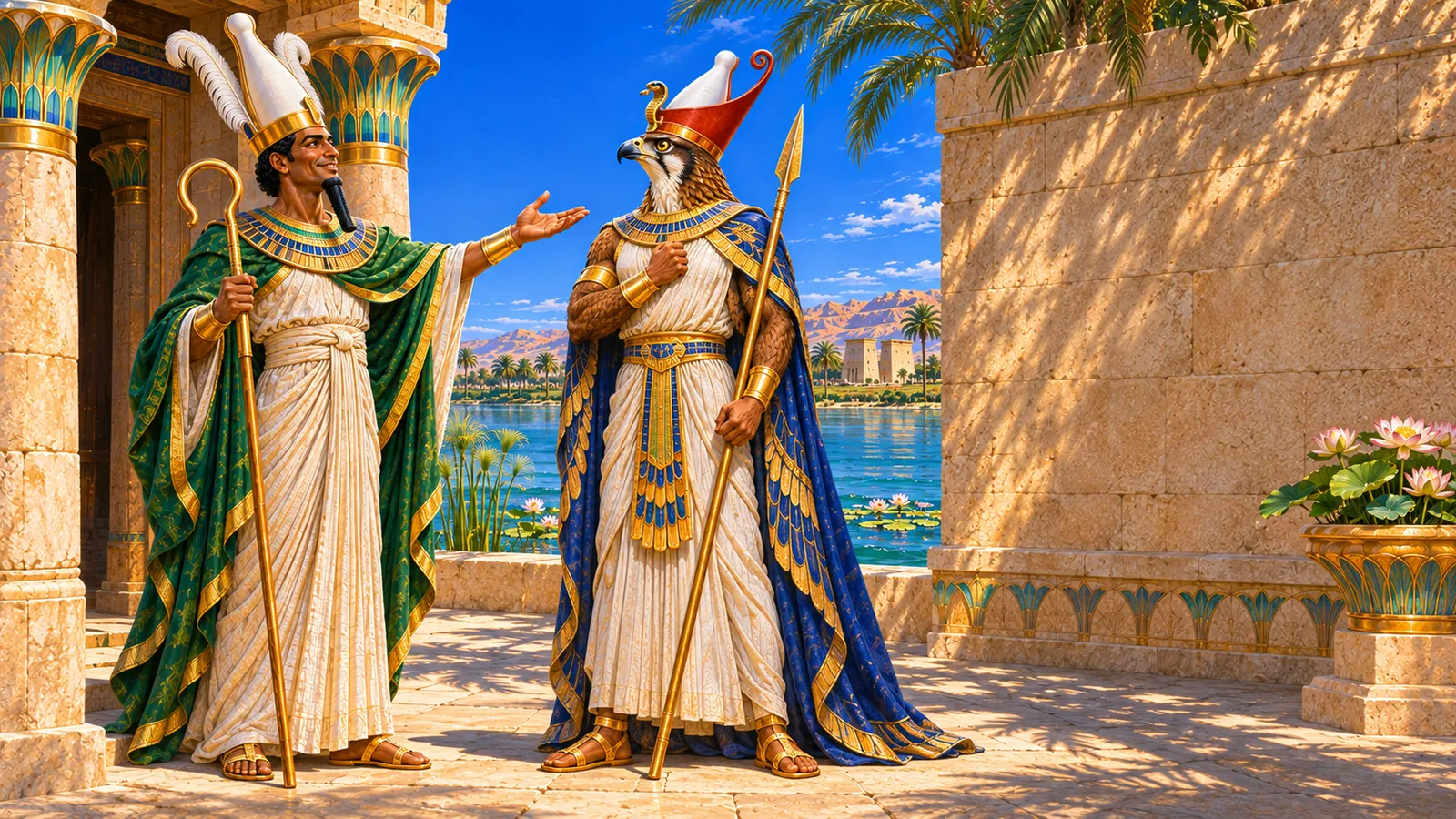
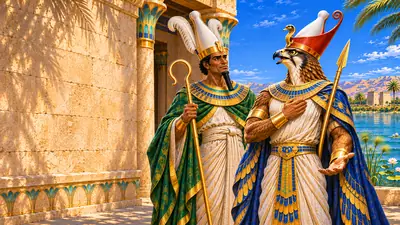
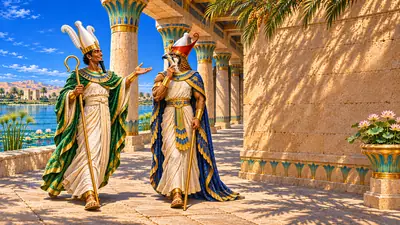
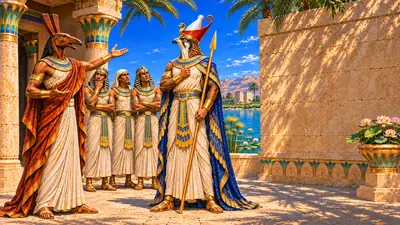
En el relato de Plutarco, Osiris se apareció a su hijo Horus desde el otro mundo. Lo animó y lo preparó para la batalla que se avecinaba.
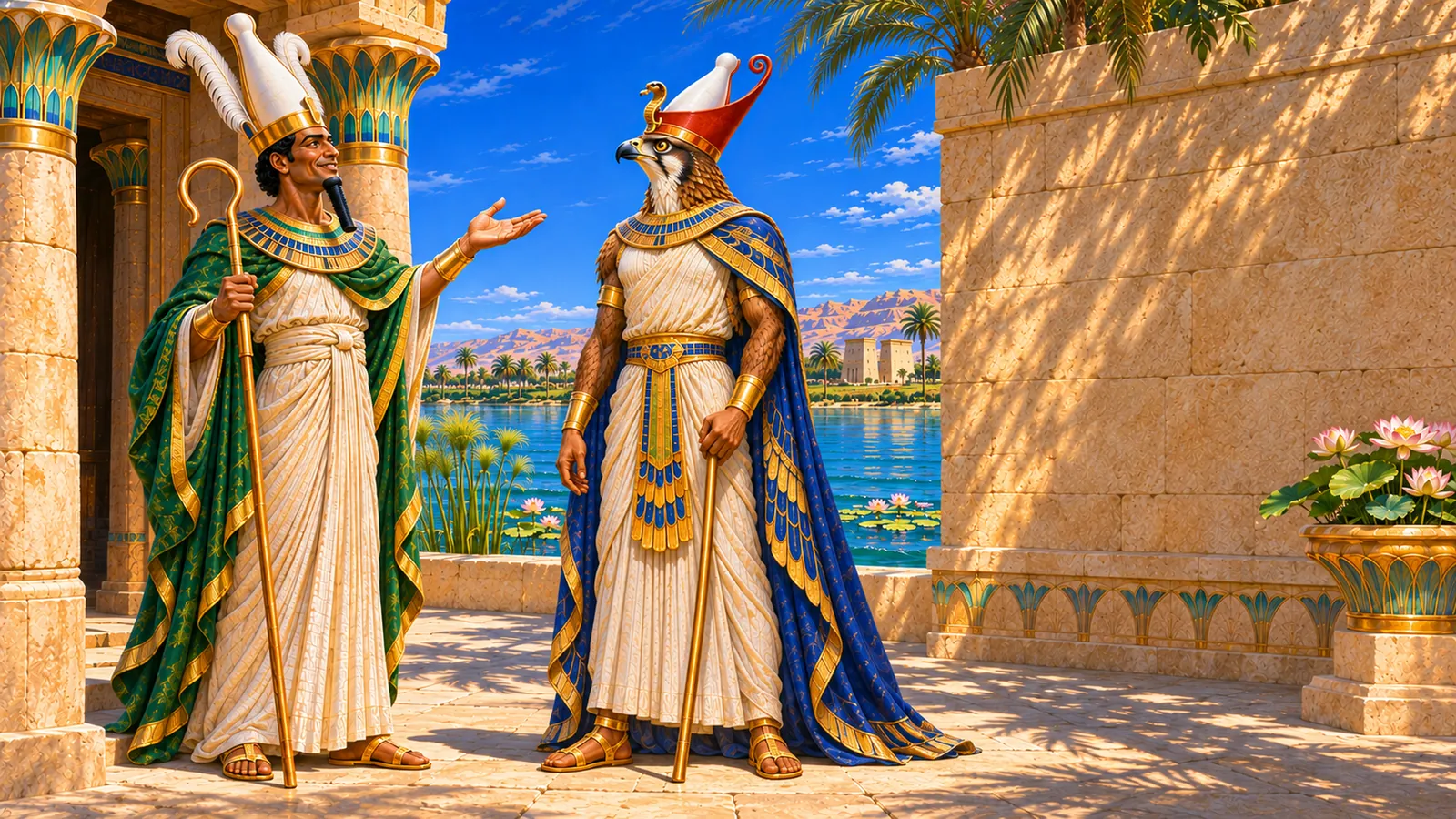
Osiris le preguntó a Horus cuál era, a su juicio, la hazaña más gloriosa que alguien podía realizar.
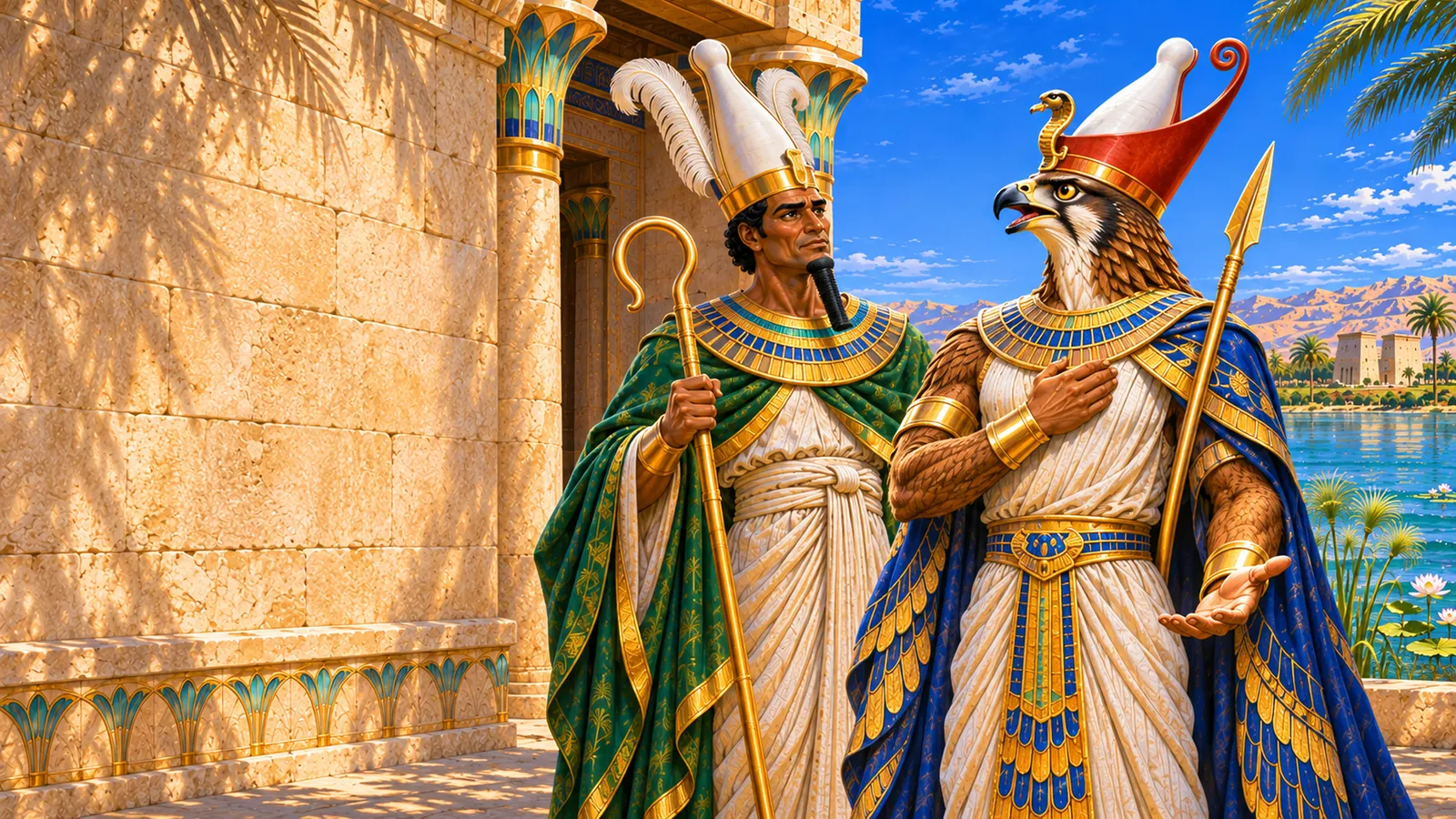
Horus respondió que la hazaña más gloriosa sería vengar el daño hecho a su padre y a su madre.
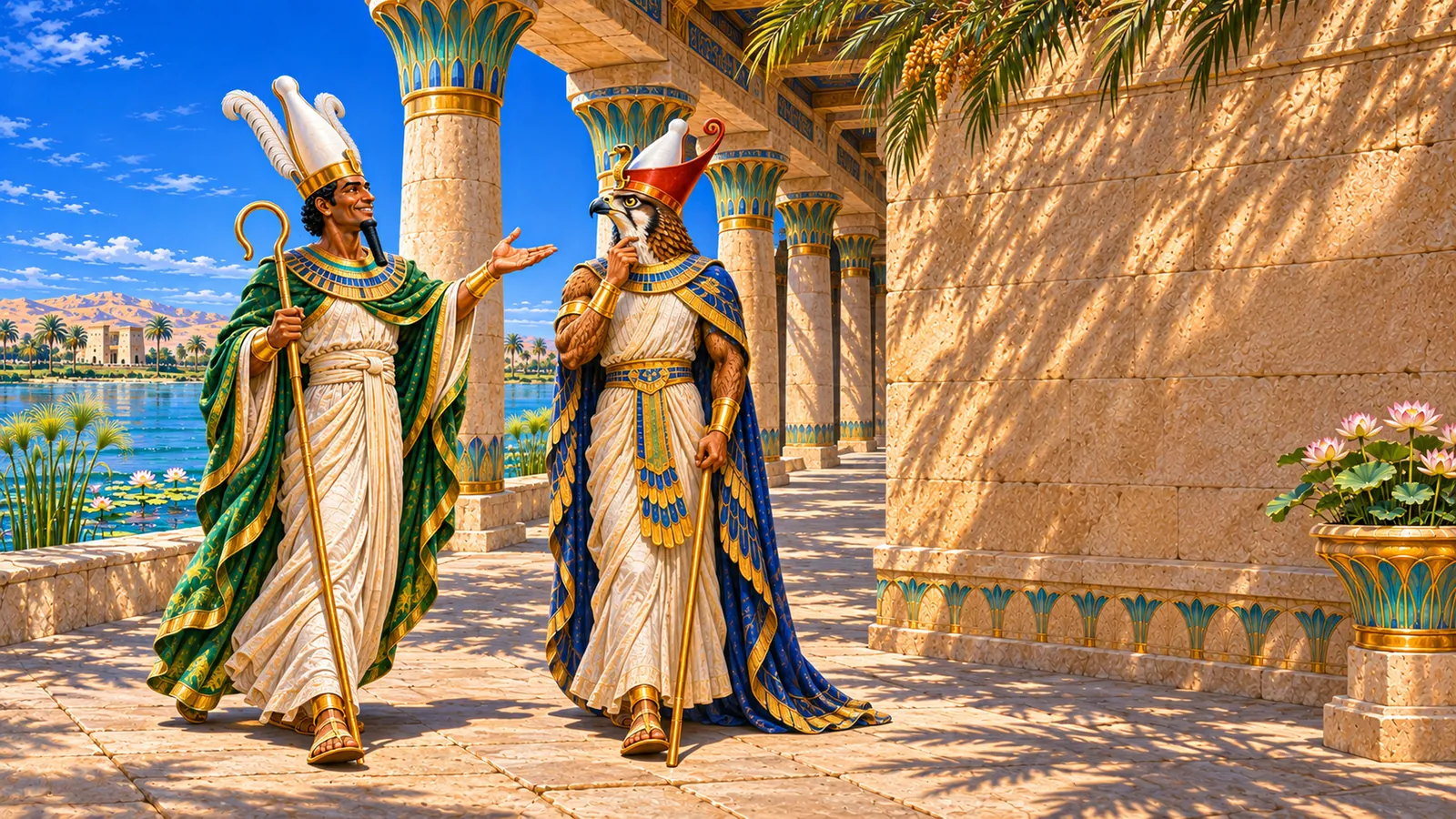
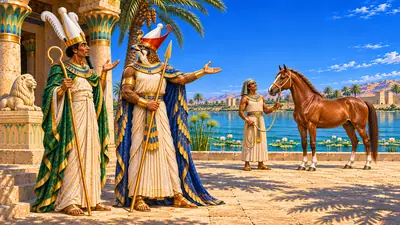
Osiris le preguntó luego a Horus qué animal le parecía más útil para un soldado en batalla.
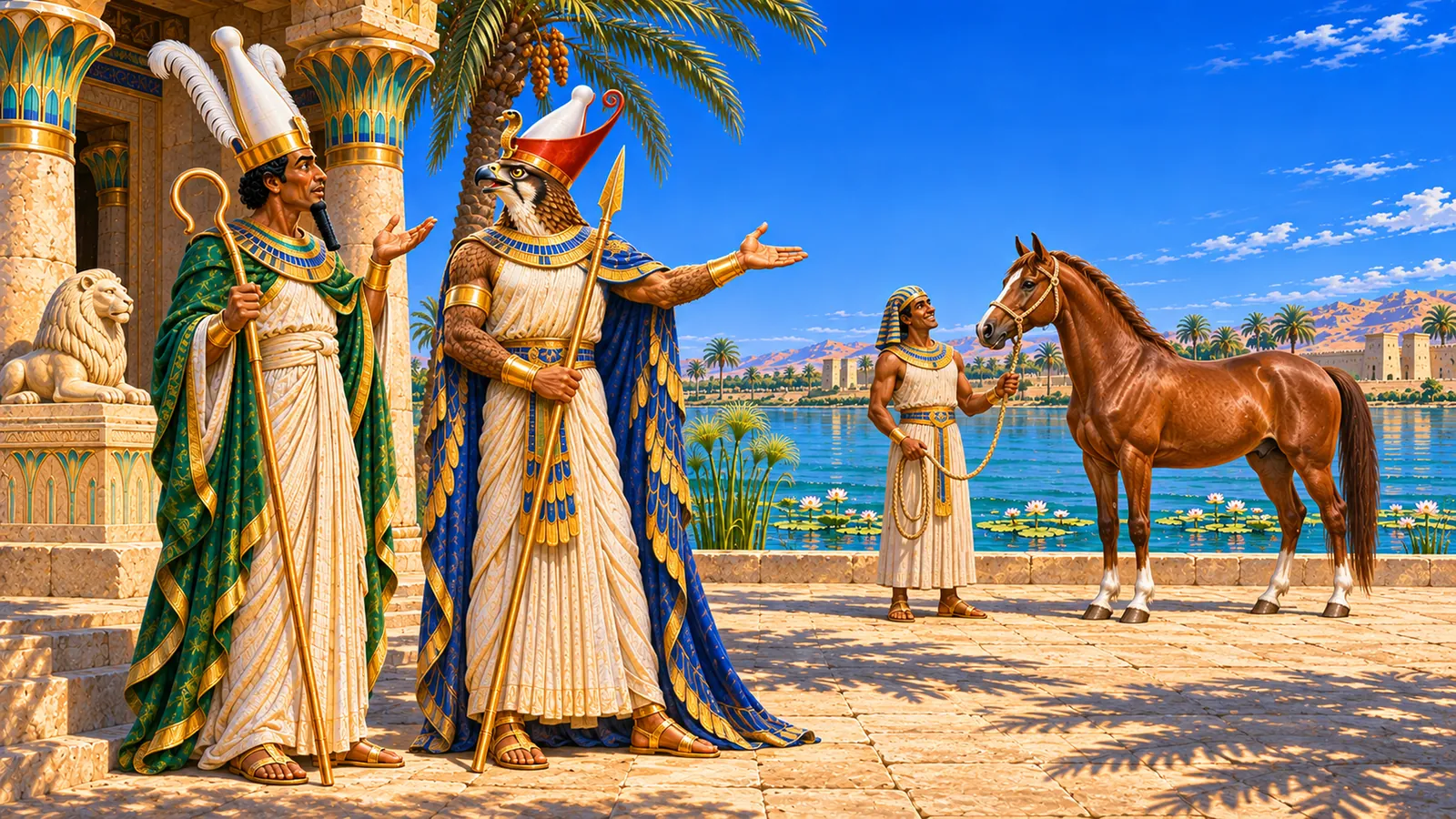
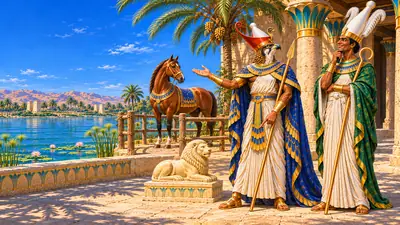
Horus respondió que el caballo sería el más útil. Osiris se sorprendió y le preguntó por qué lo prefería al león.
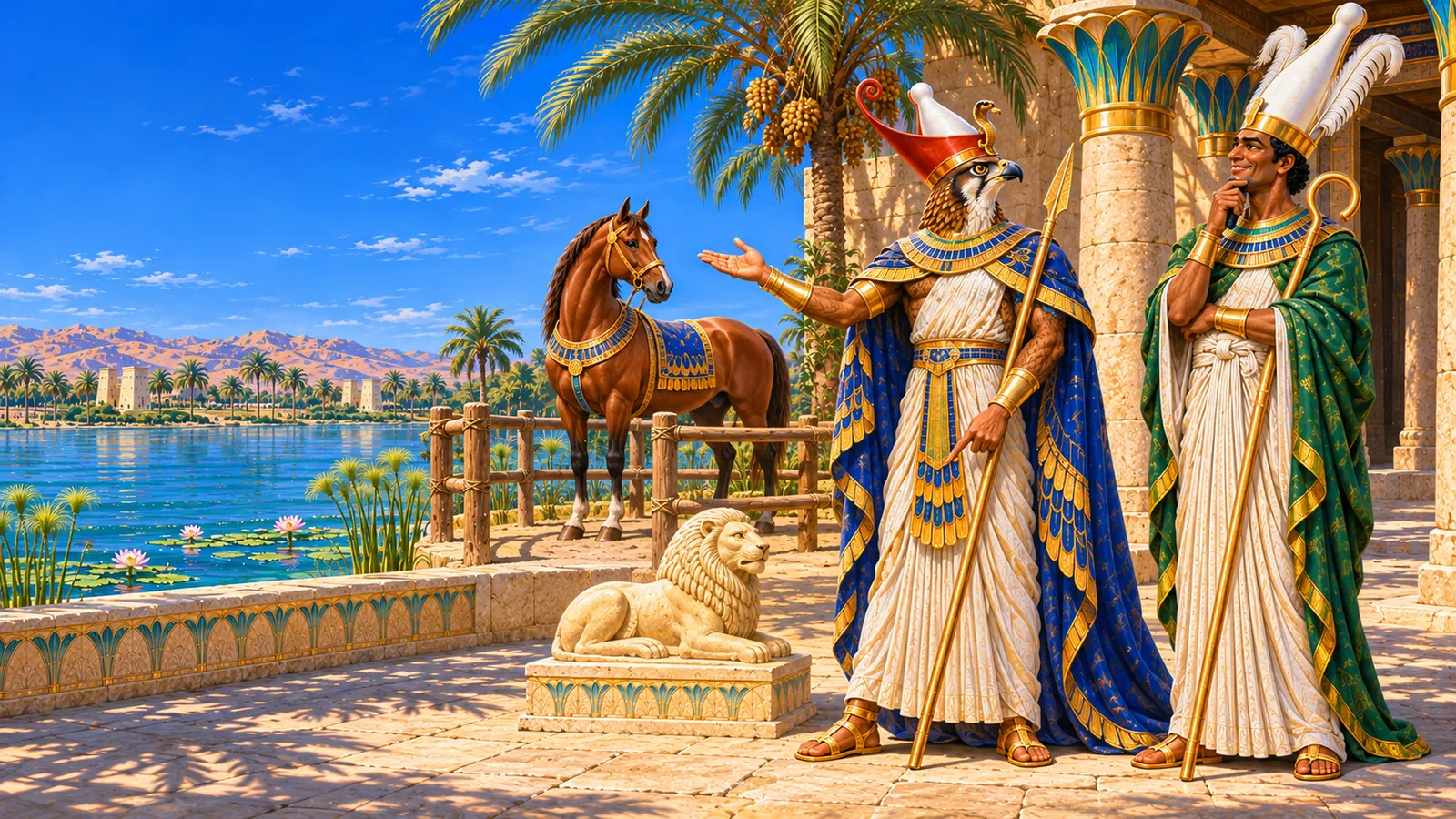
Horus dijo que un león era de mayor ayuda para quien la necesitara. Consideraba más útil al caballo para perseguir a un adversario que huía.
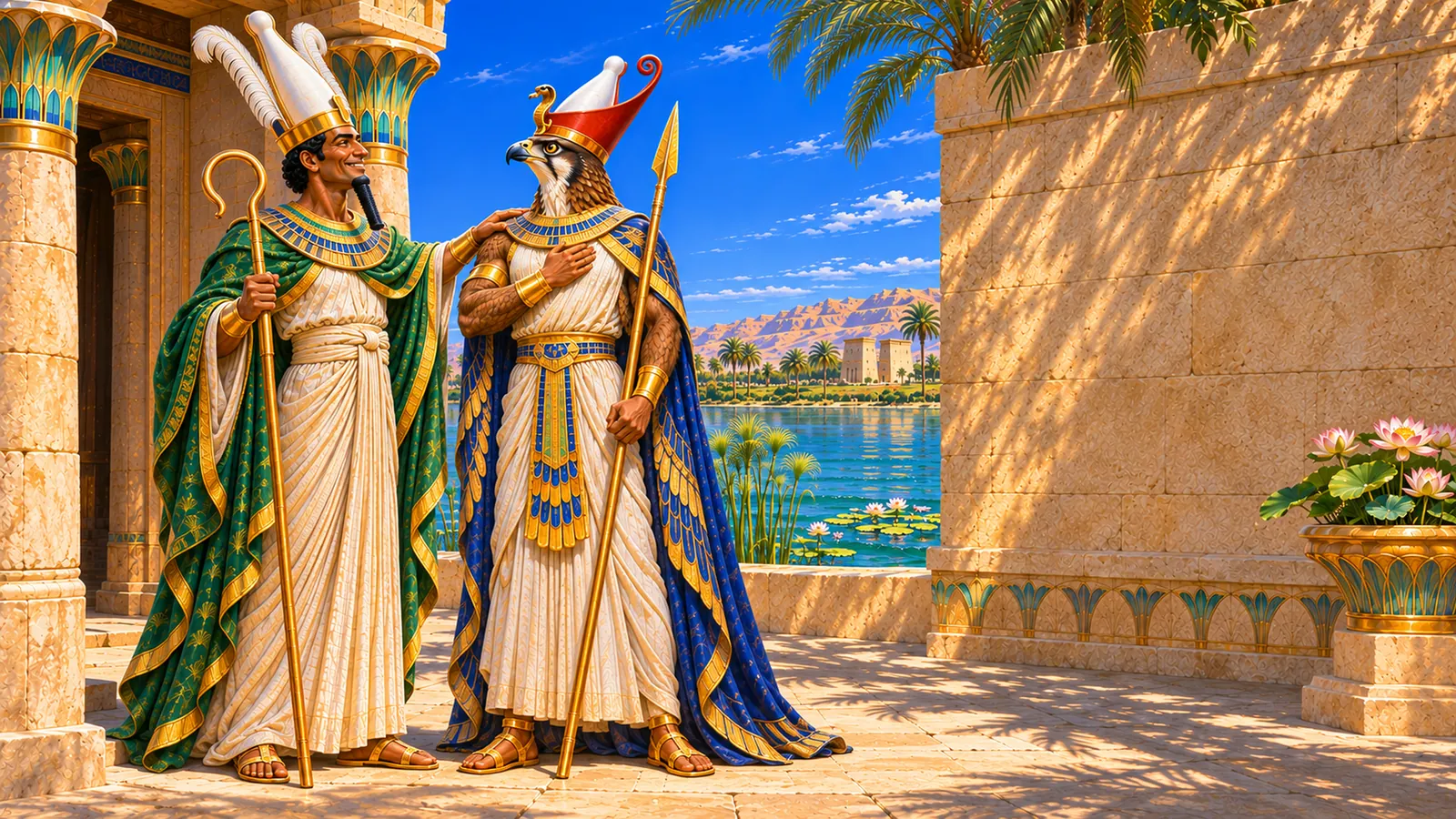
Osiris se alegró con las respuestas de Horus. En el relato, le mostraron que su hijo estaba preparado para enfrentarse a su enemigo.
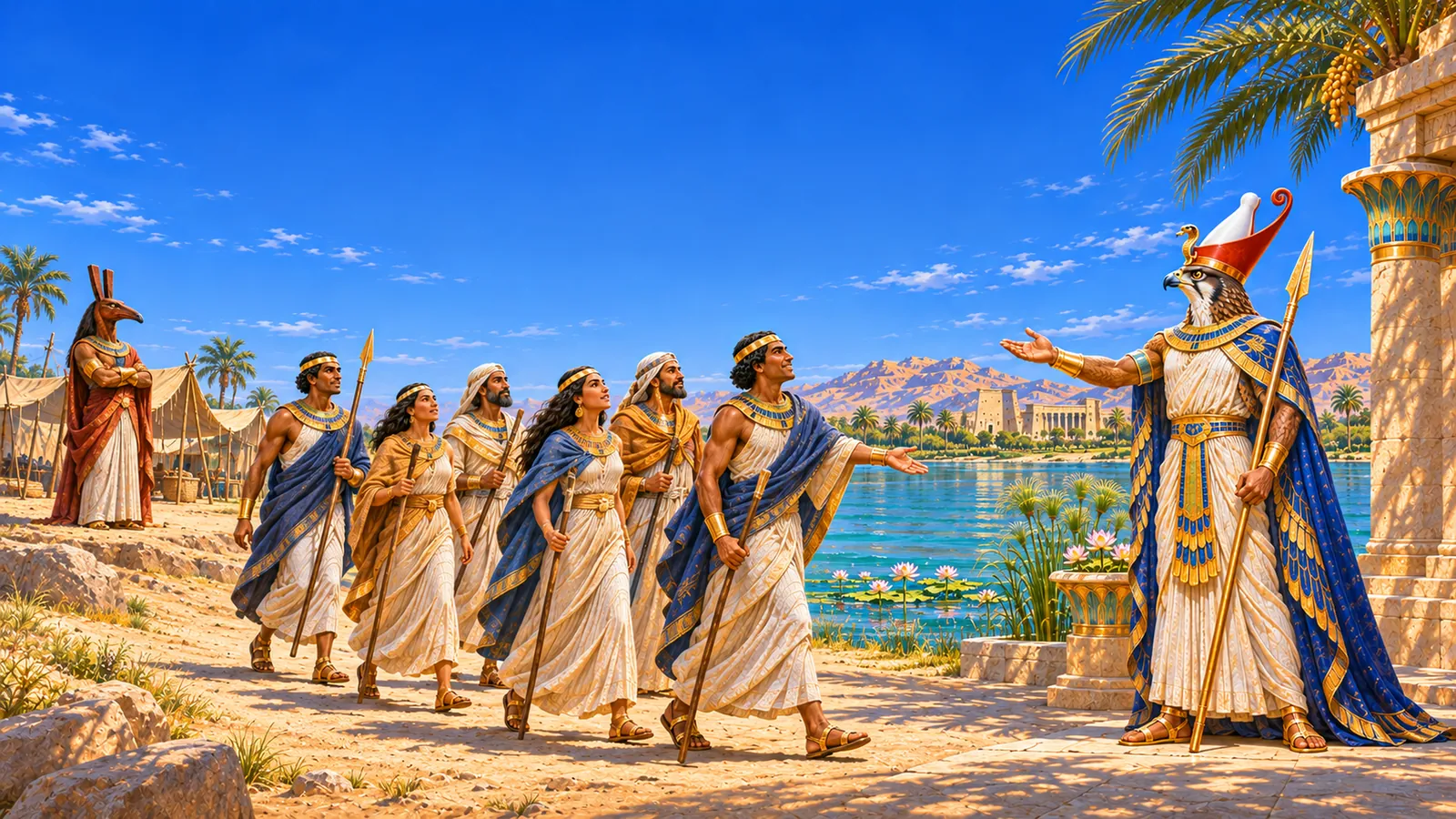
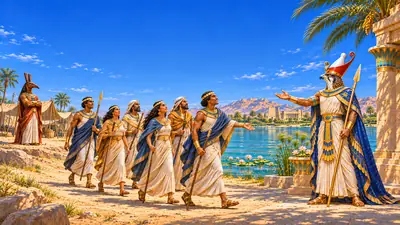
Plutarco cuenta también que mucha gente seguía abandonando el bando de Set durante el conflicto.
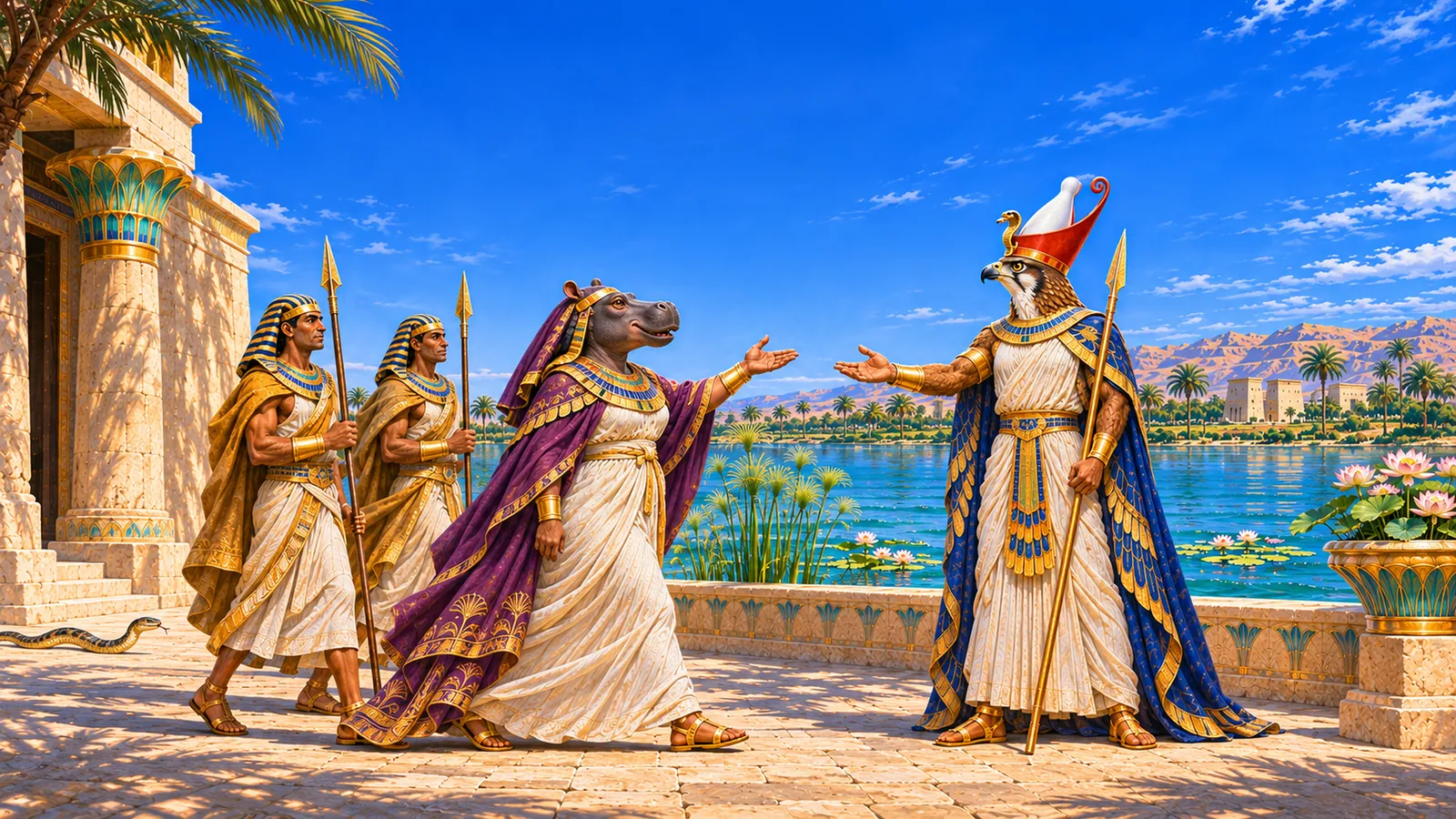
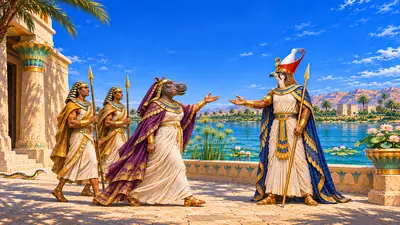
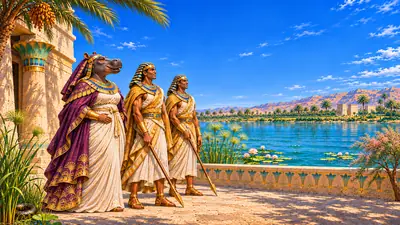
Entre quienes abandonaron a Set estaba su consorte Thueris. En el relato de Plutarco, una serpiente la persiguió cuando se pasó al bando de Horus.
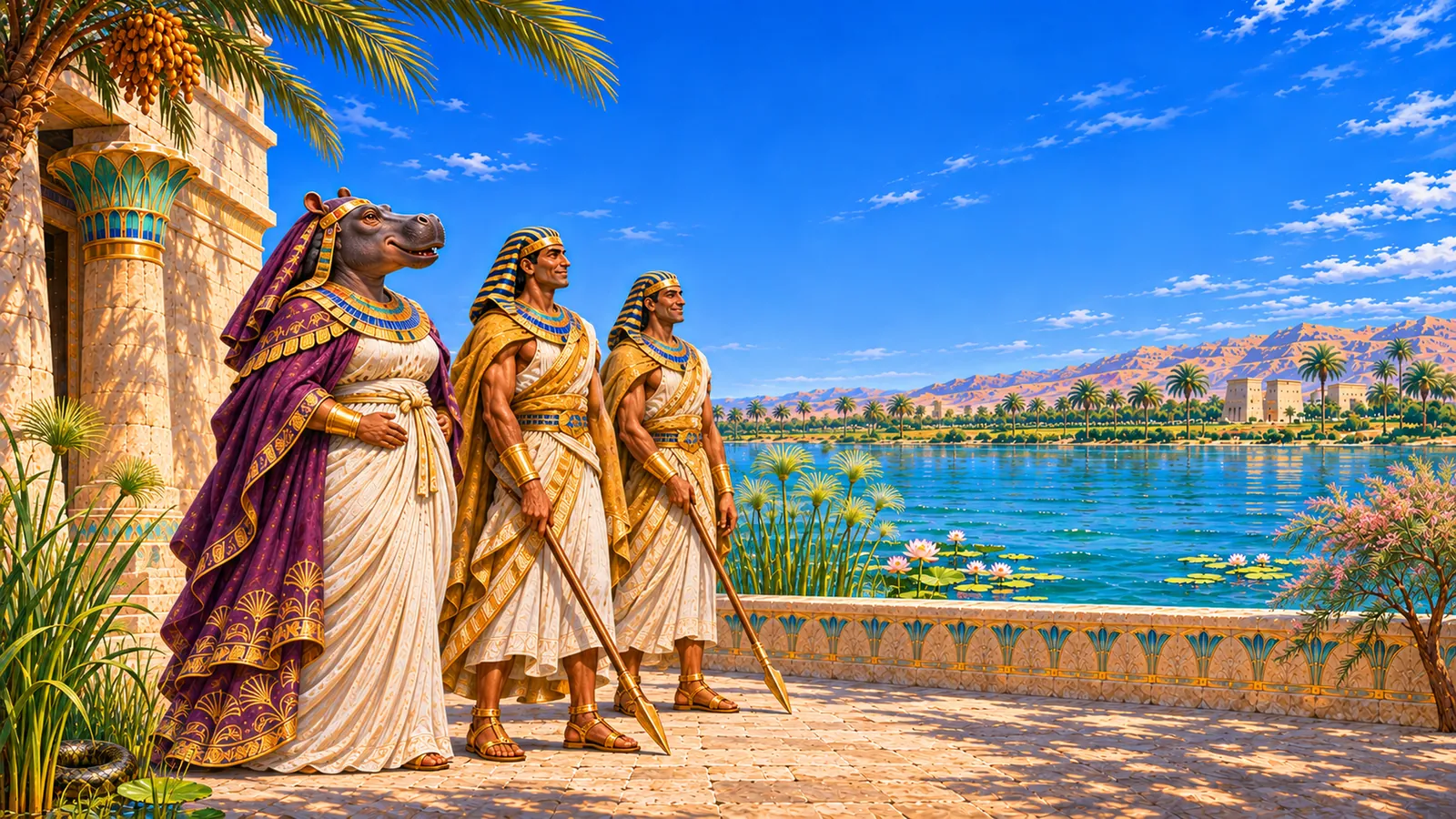
El relato dice que los soldados que acompañaban a Thueris mataron a la serpiente que la había perseguido.
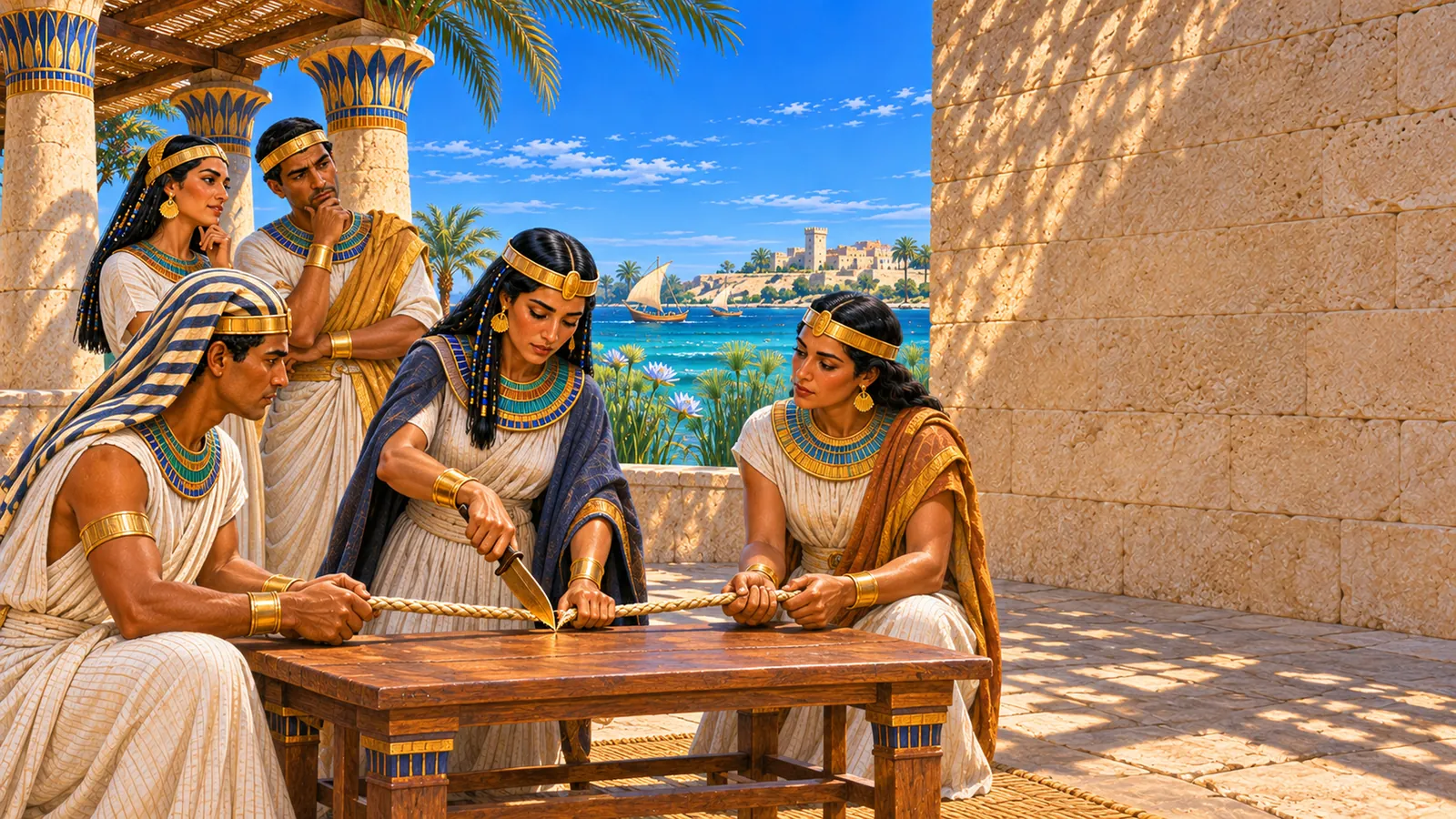
Plutarco vincula ese suceso con una cuerda que se cortaba en ciertas reuniones. Dice que se hacía en memoria de la muerte de la serpiente.
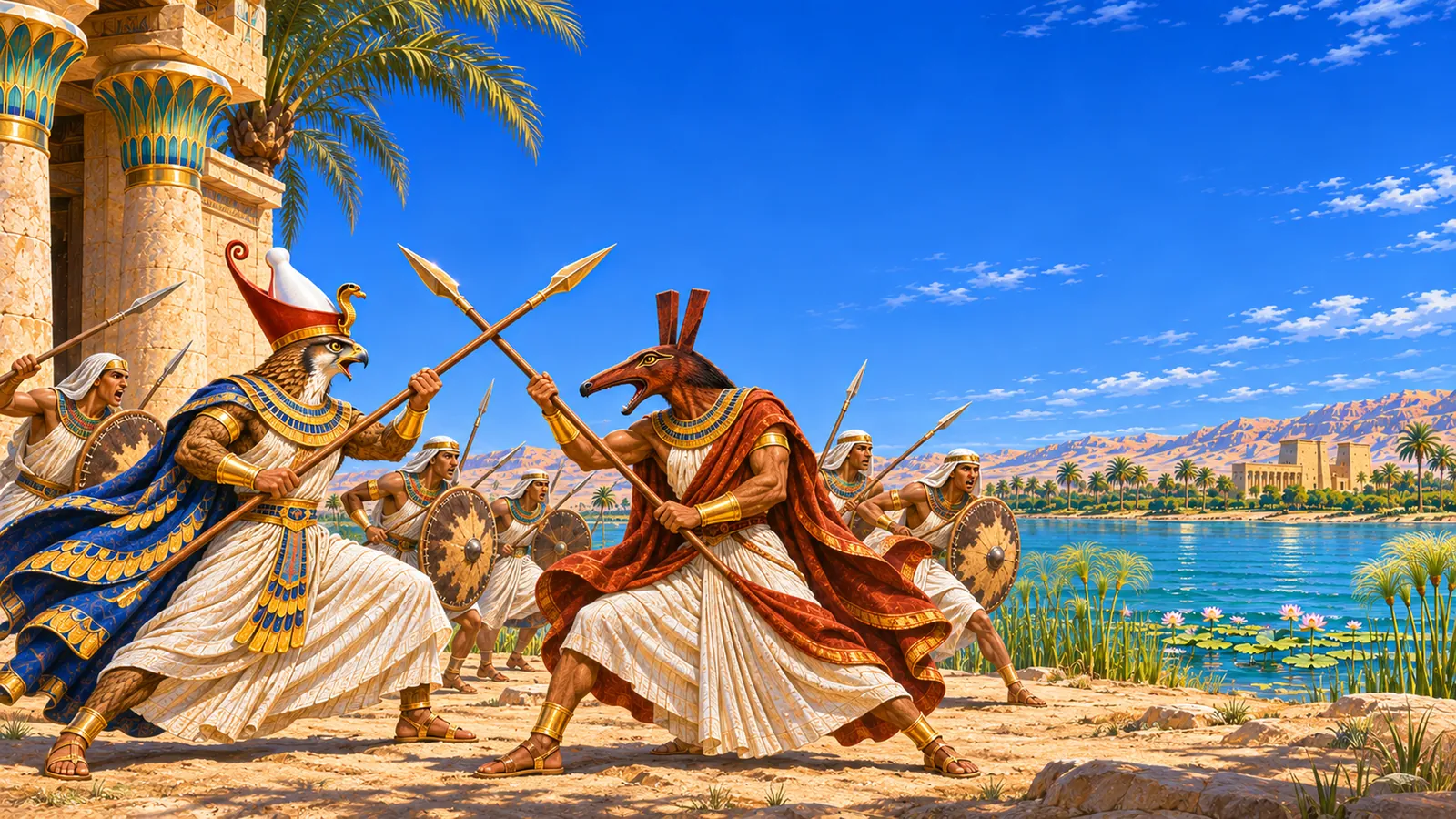
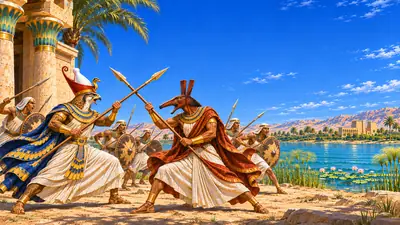
Hubo una batalla entre Horus y Set. En el relato de Plutarco, la lucha duró muchos días.
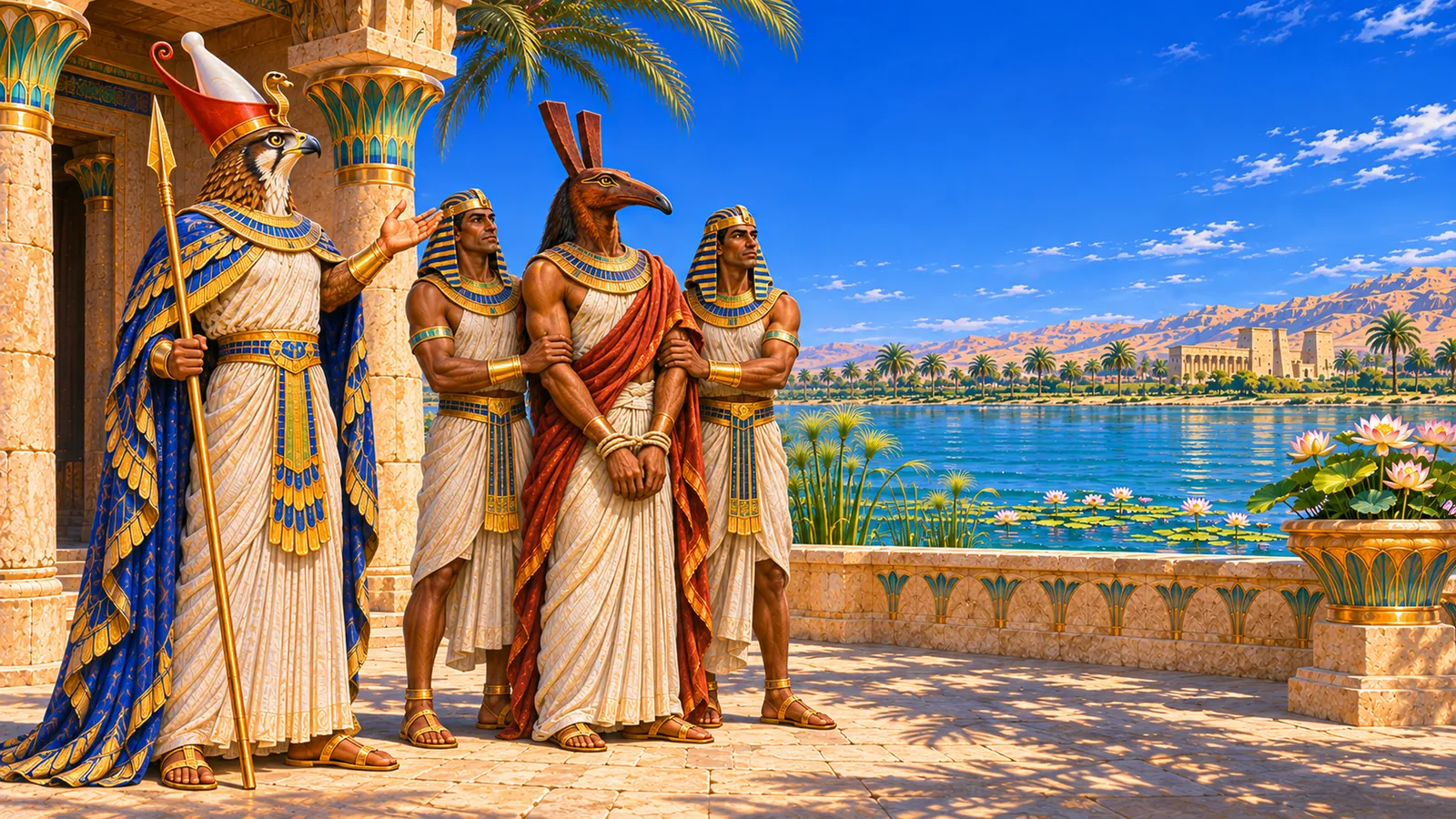
VICTORIA
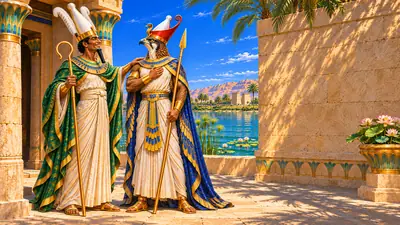
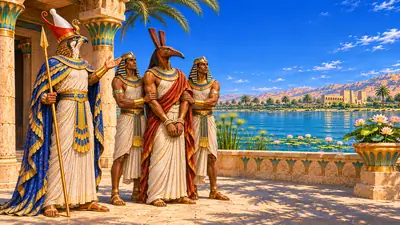
Al final de la batalla, dice Plutarco, Horus había vencido y Set había sido hecho prisionero.
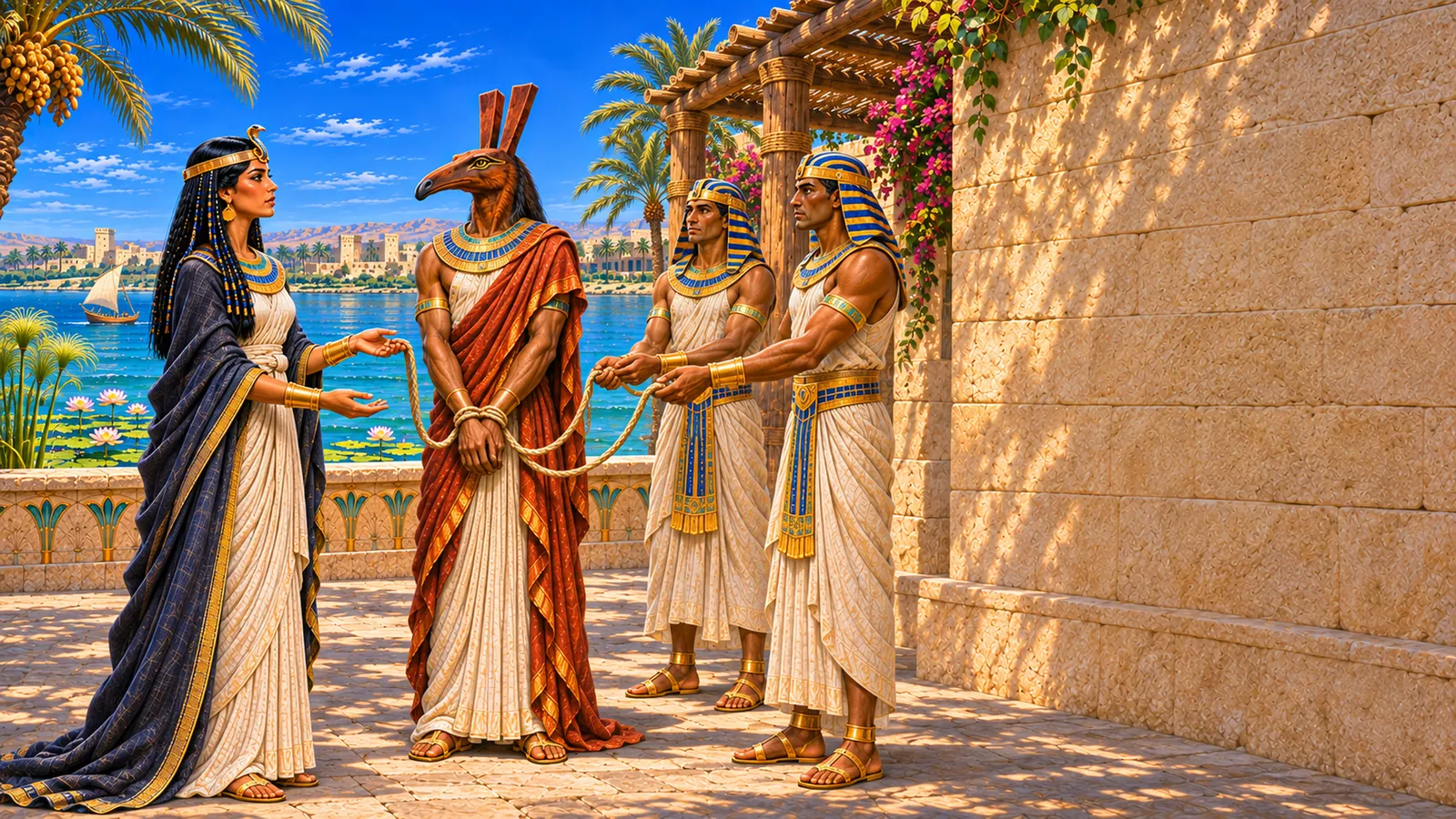
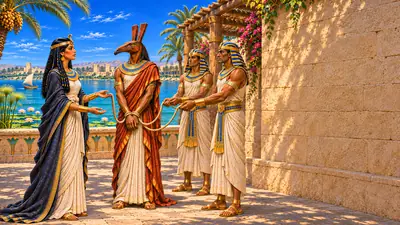
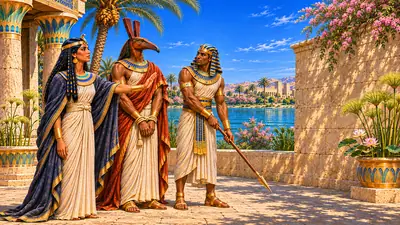
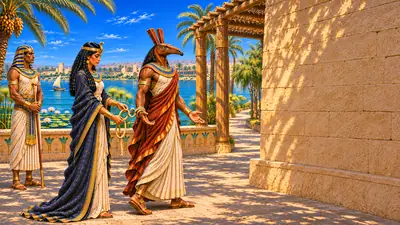
Seth había sido capturado al término de la batalla. El relato dice que quienes lo apresaron lo pusieron bajo la custodia de Isis.
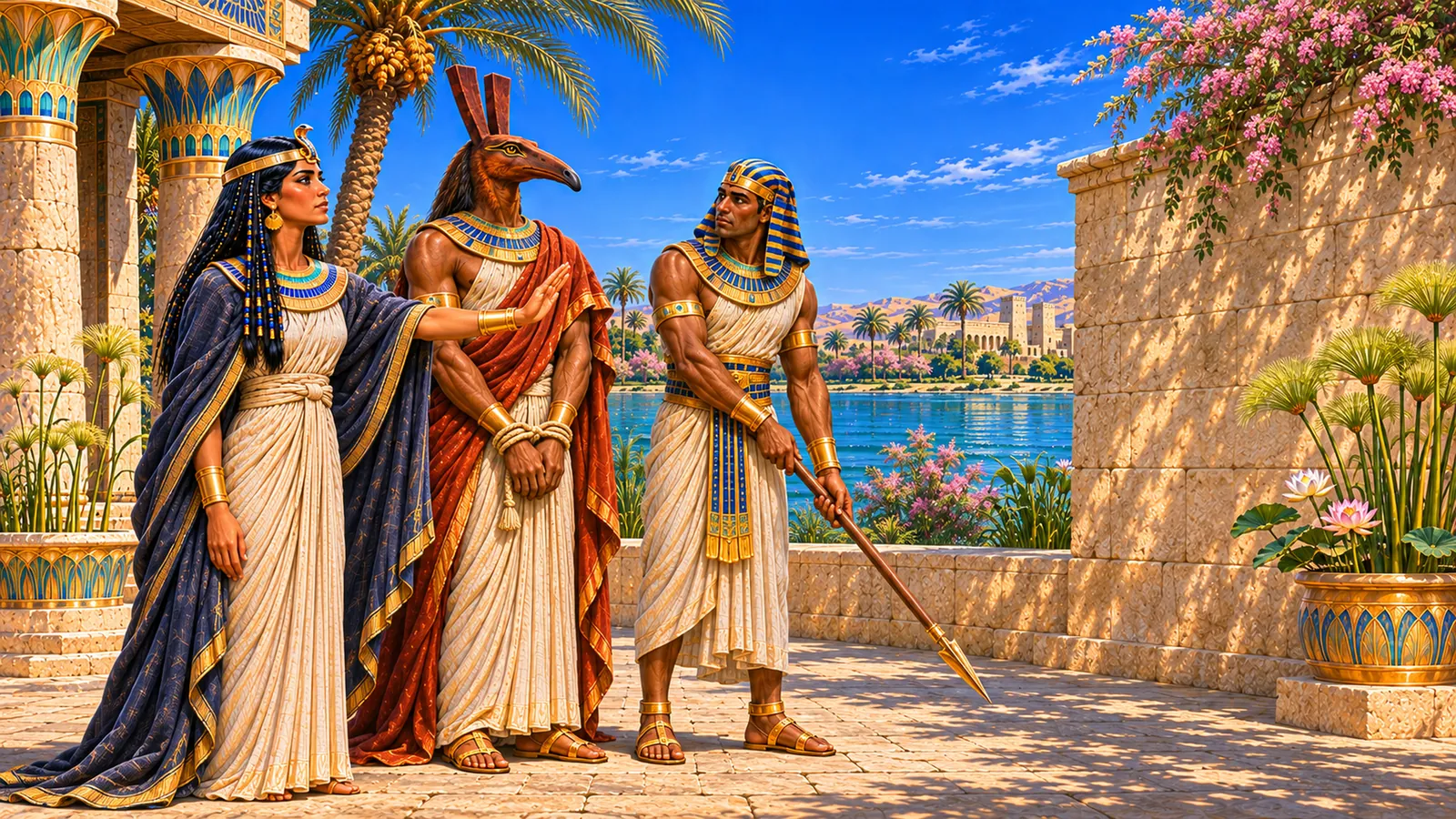
Seth estaba ahora bajo la custodia de Isis. Aunque lo tenía prisionero, el relato dice que no le dio muerte.
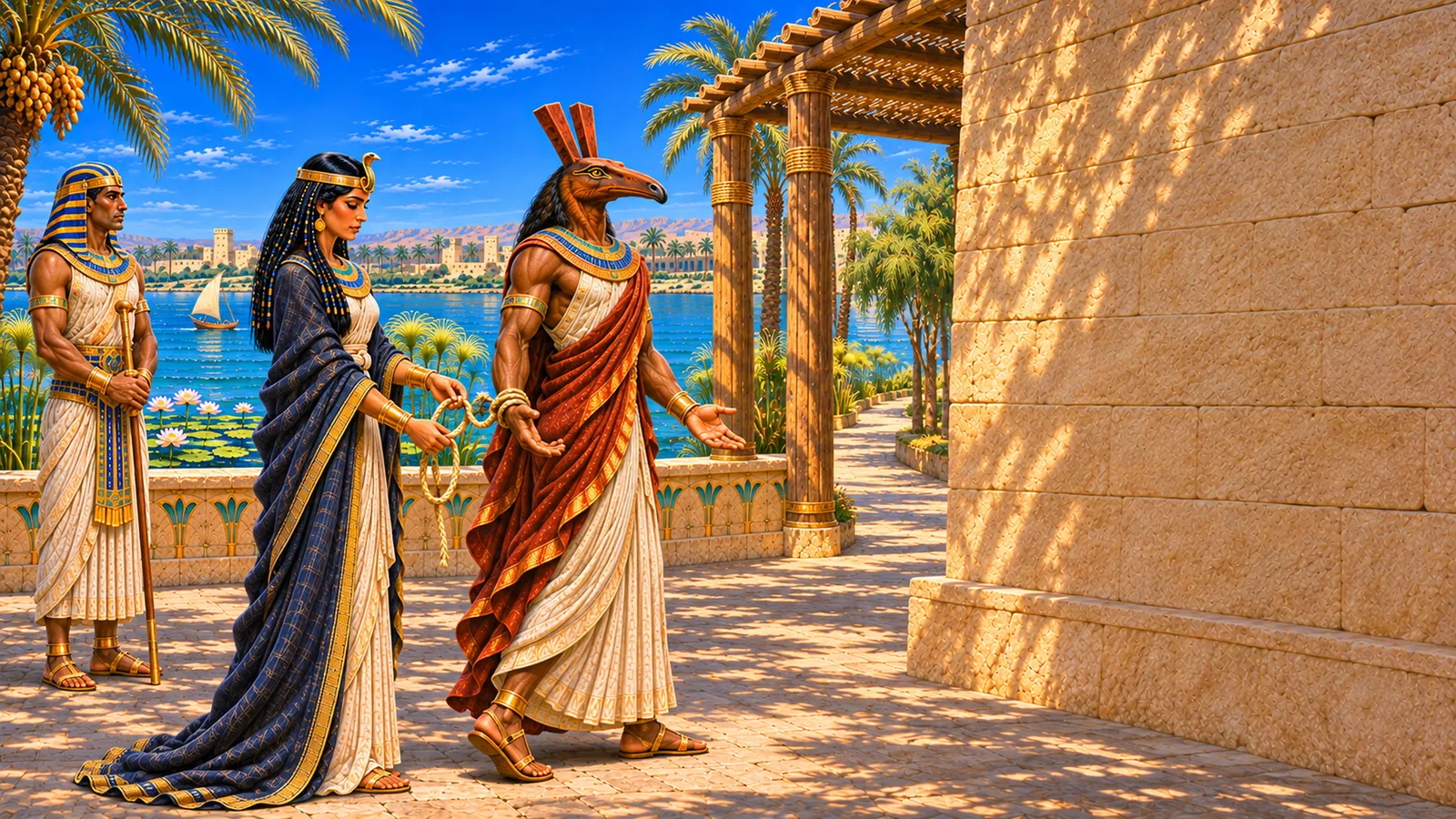
Isis hizo algo más que perdonarle la vida. Desató a Seth y lo dejó marchar en libertad.
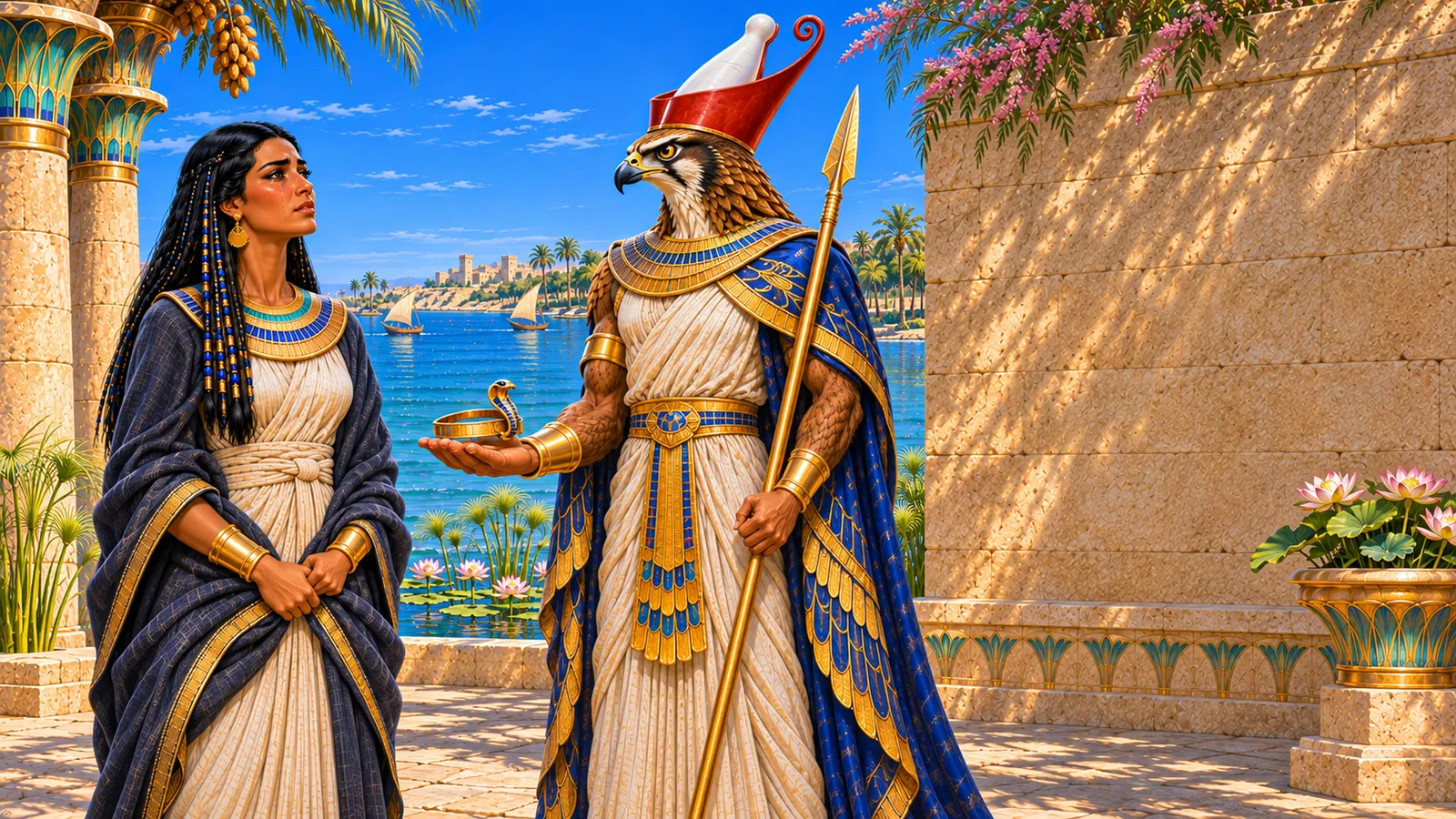
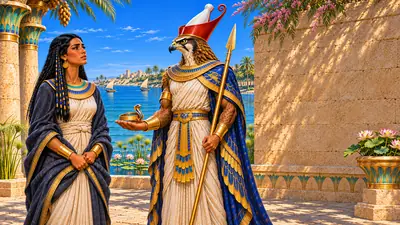
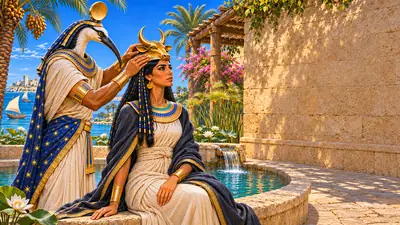
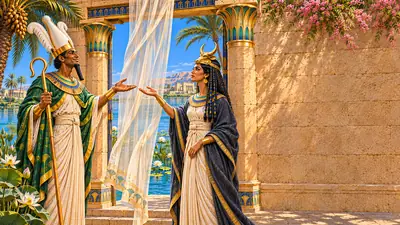
La liberación de Seth enfureció tanto a Horus que puso las manos sobre su madre. Le arrancó la insignia real que llevaba.
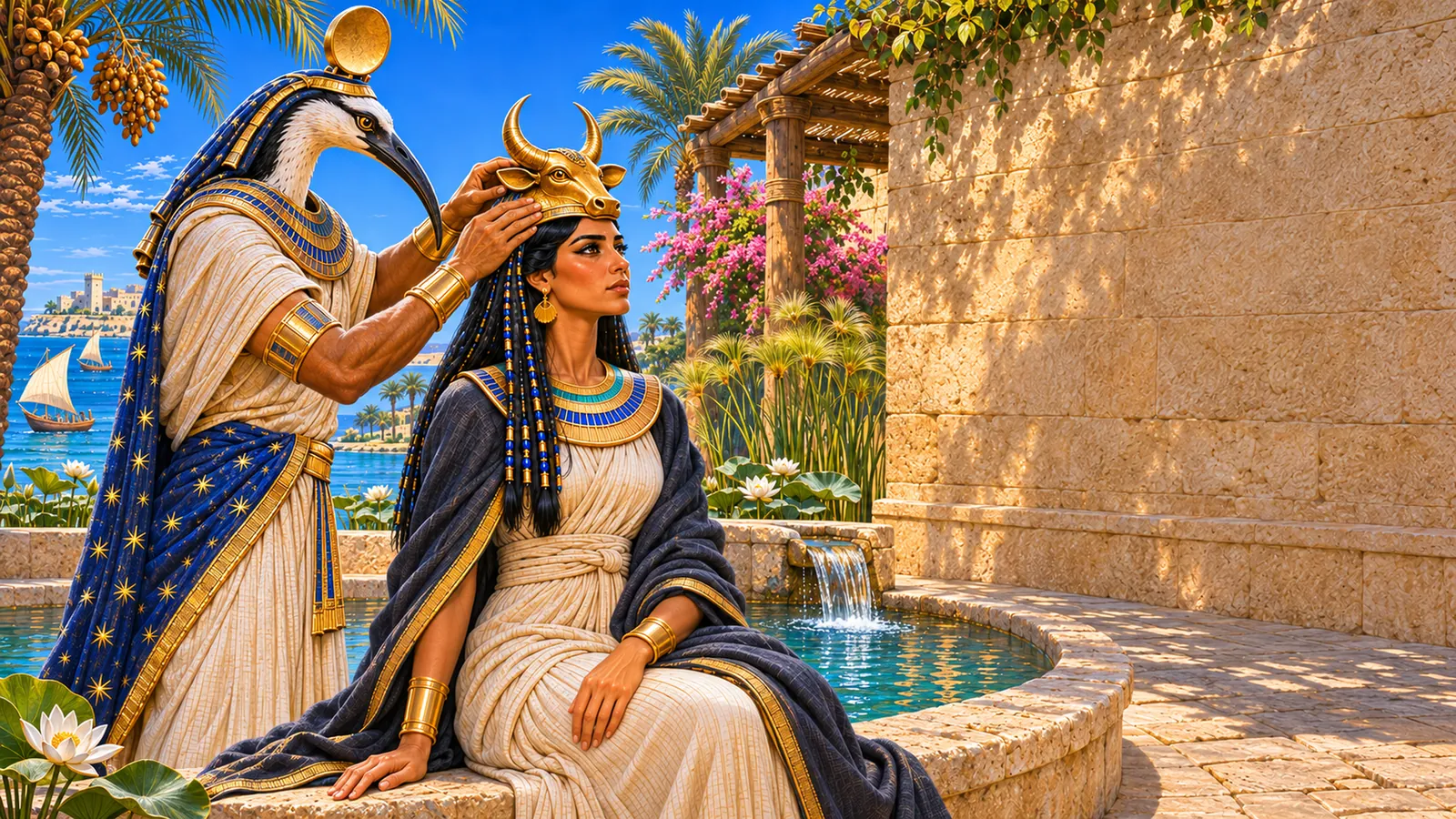
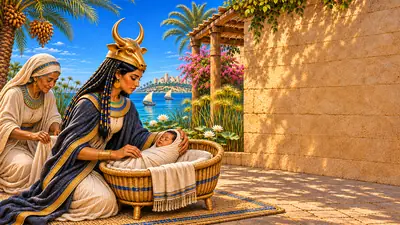
Thot puso otro tocado en lugar de la insignia real. El relato lo describe como un casco en forma de cabeza de buey.
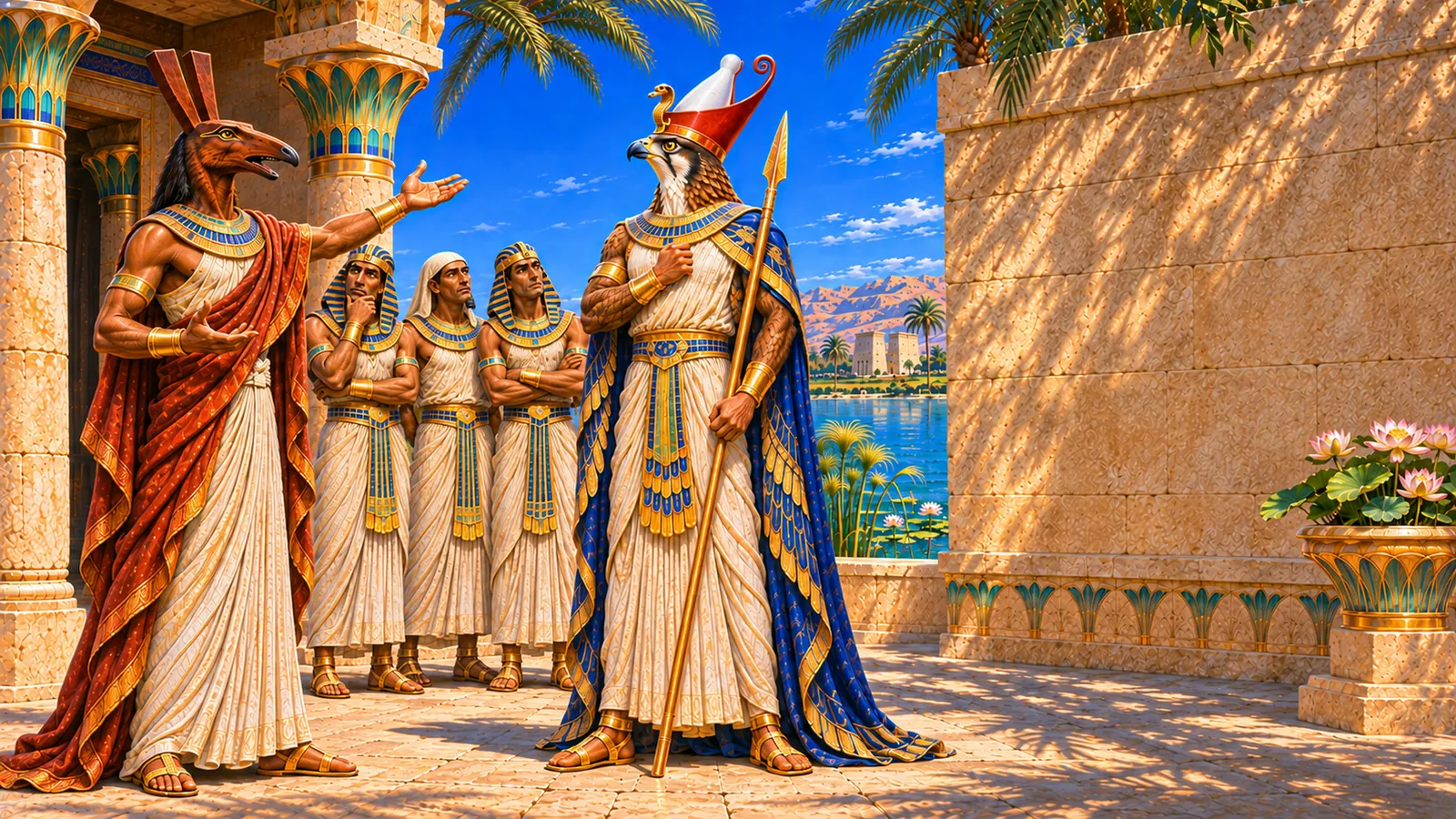
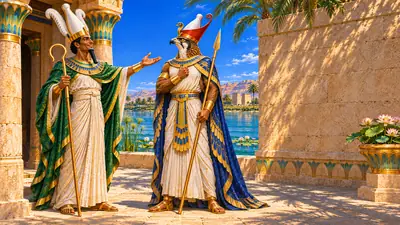
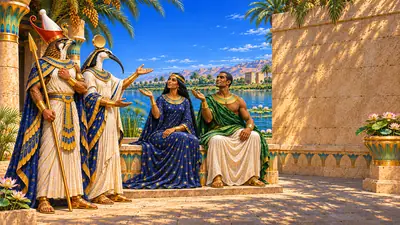
Seth recurrió entonces a una acusación. En público sostuvo que Horus era un hijo ilegítimo.
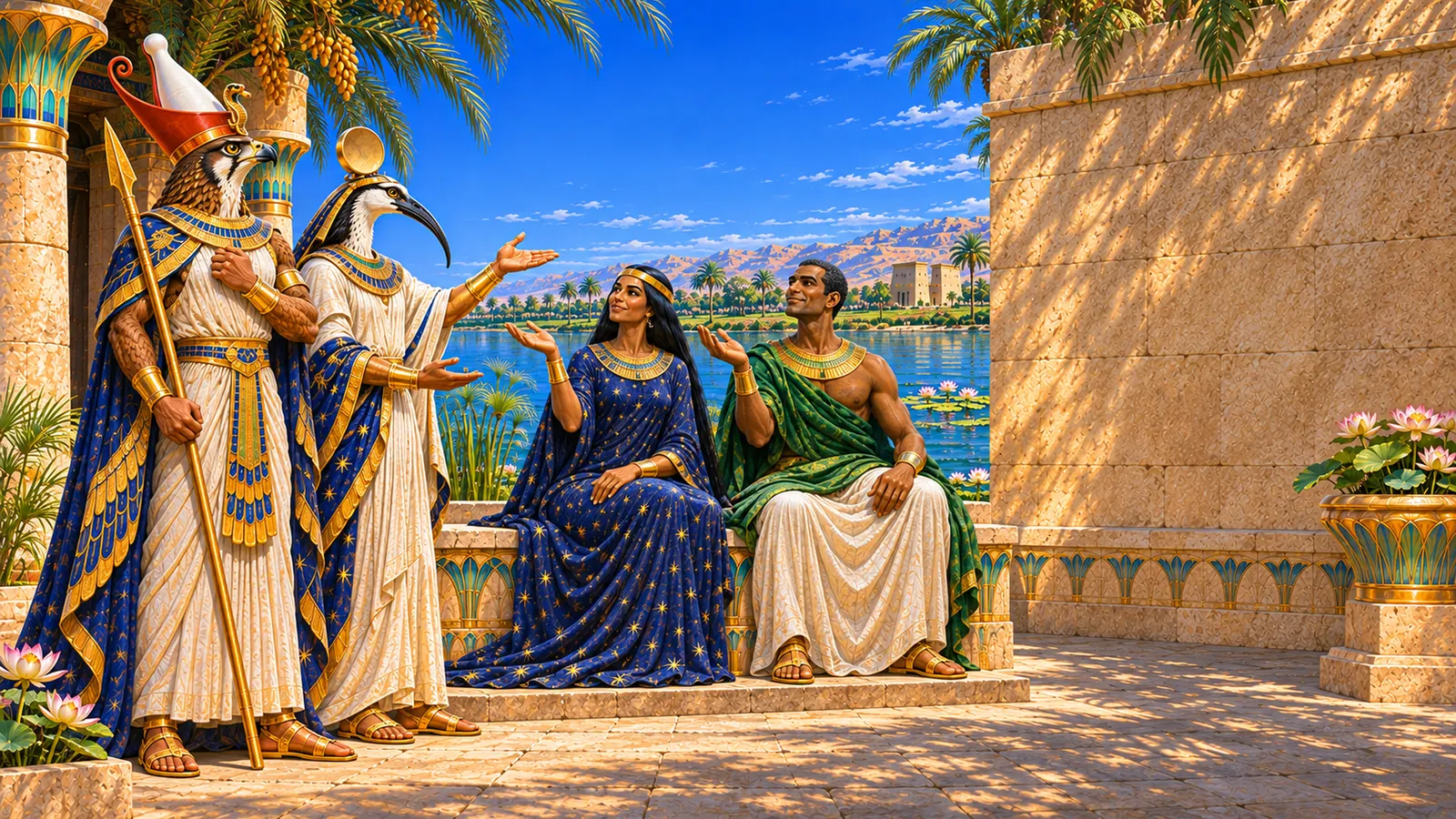
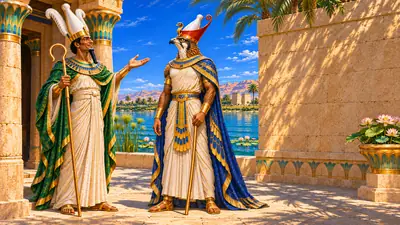
Thot ayudó a Horus a responder a la acusación. En el relato, los propios dioses dictaron sentencia y establecieron su legitimidad.
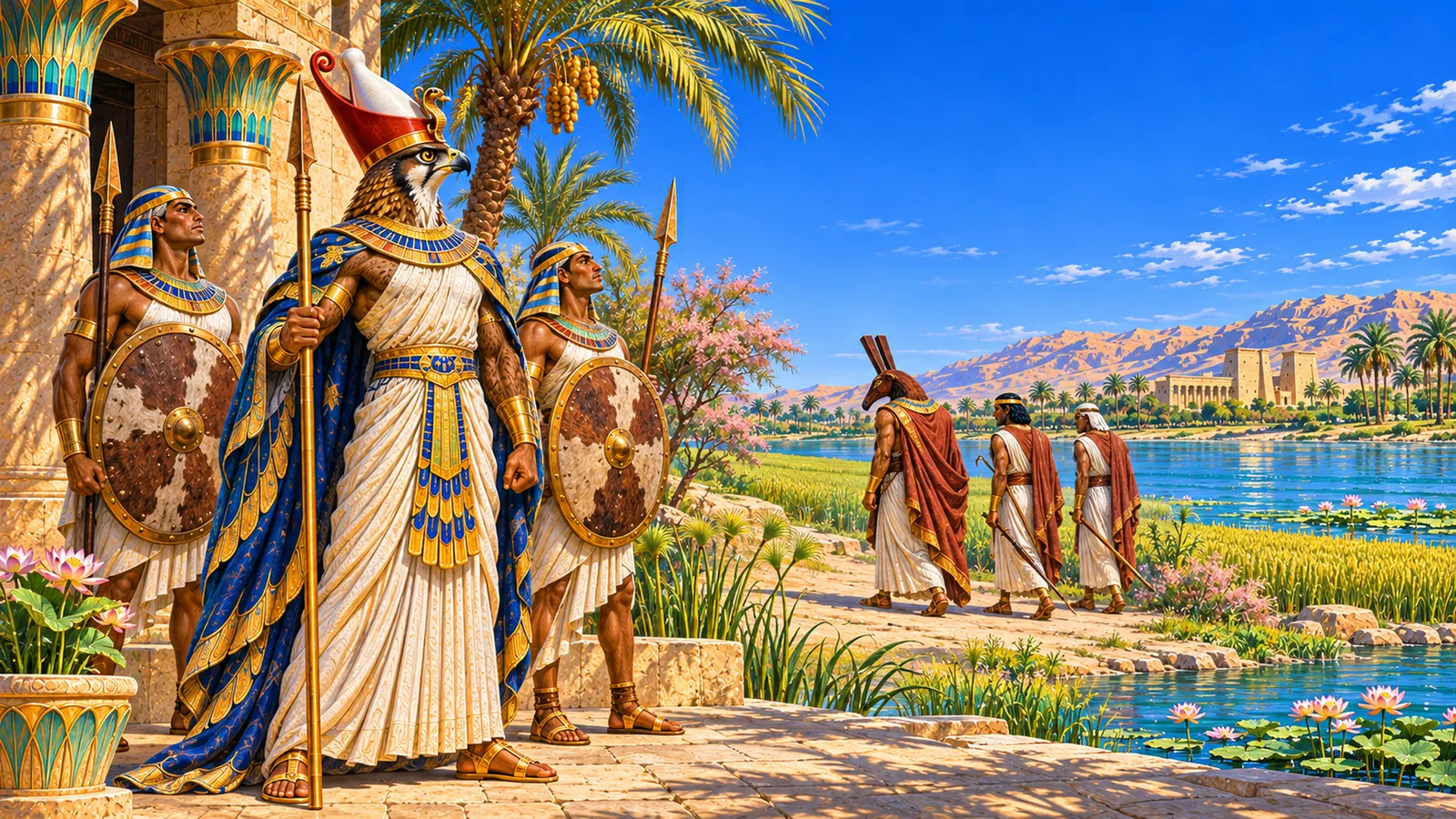
Hubo dos batallas más después del juicio. Según el relato antiguo, Seth salió perdiendo en las dos.
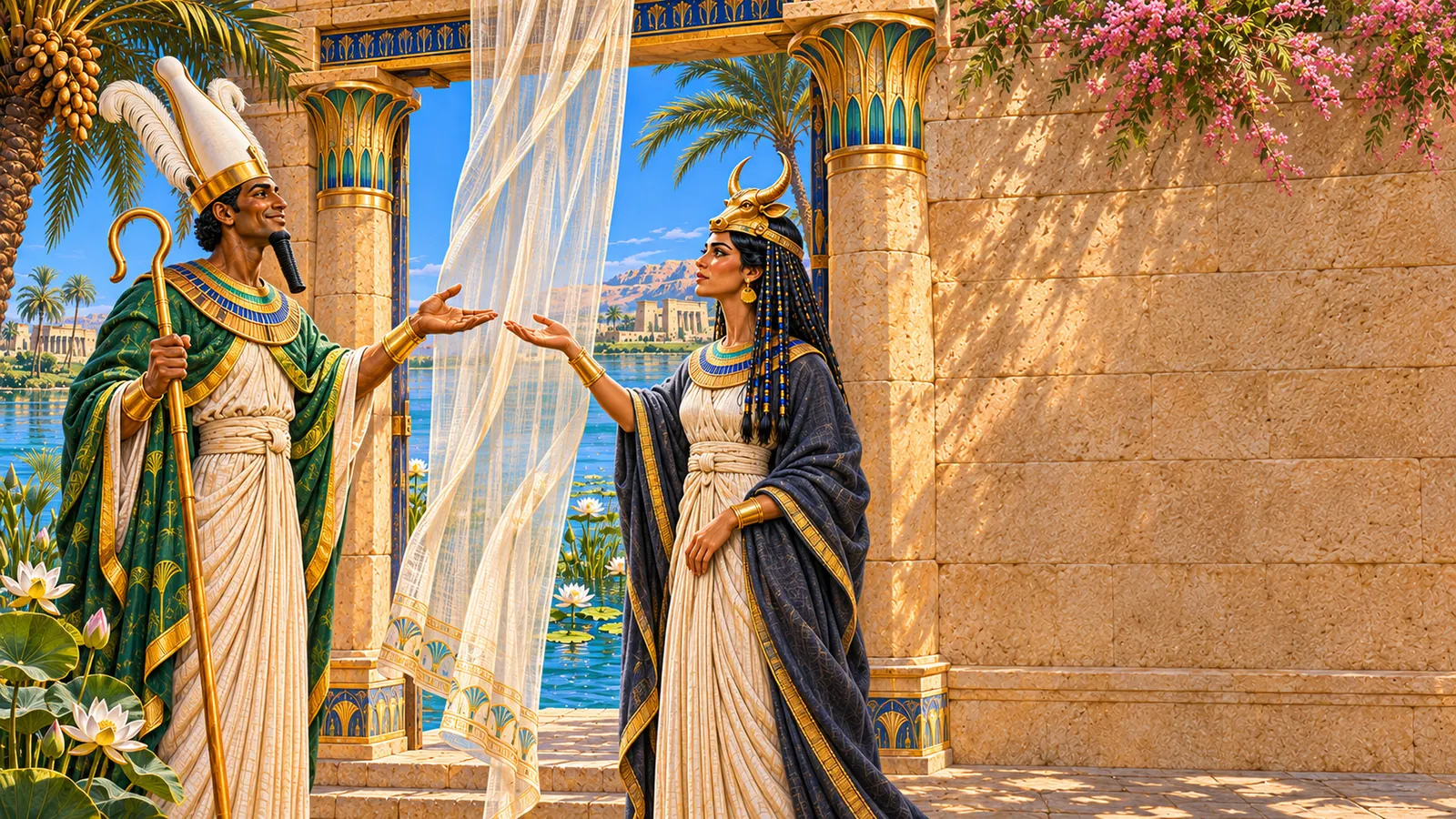
En la tradición final se dice que Isis se acostó con Osiris después de su muerte. El relato pasa entonces a su hijo.

El relato dice que de aquella unión nació un hijo de Isis. El nombre que le da es Harpócrates.
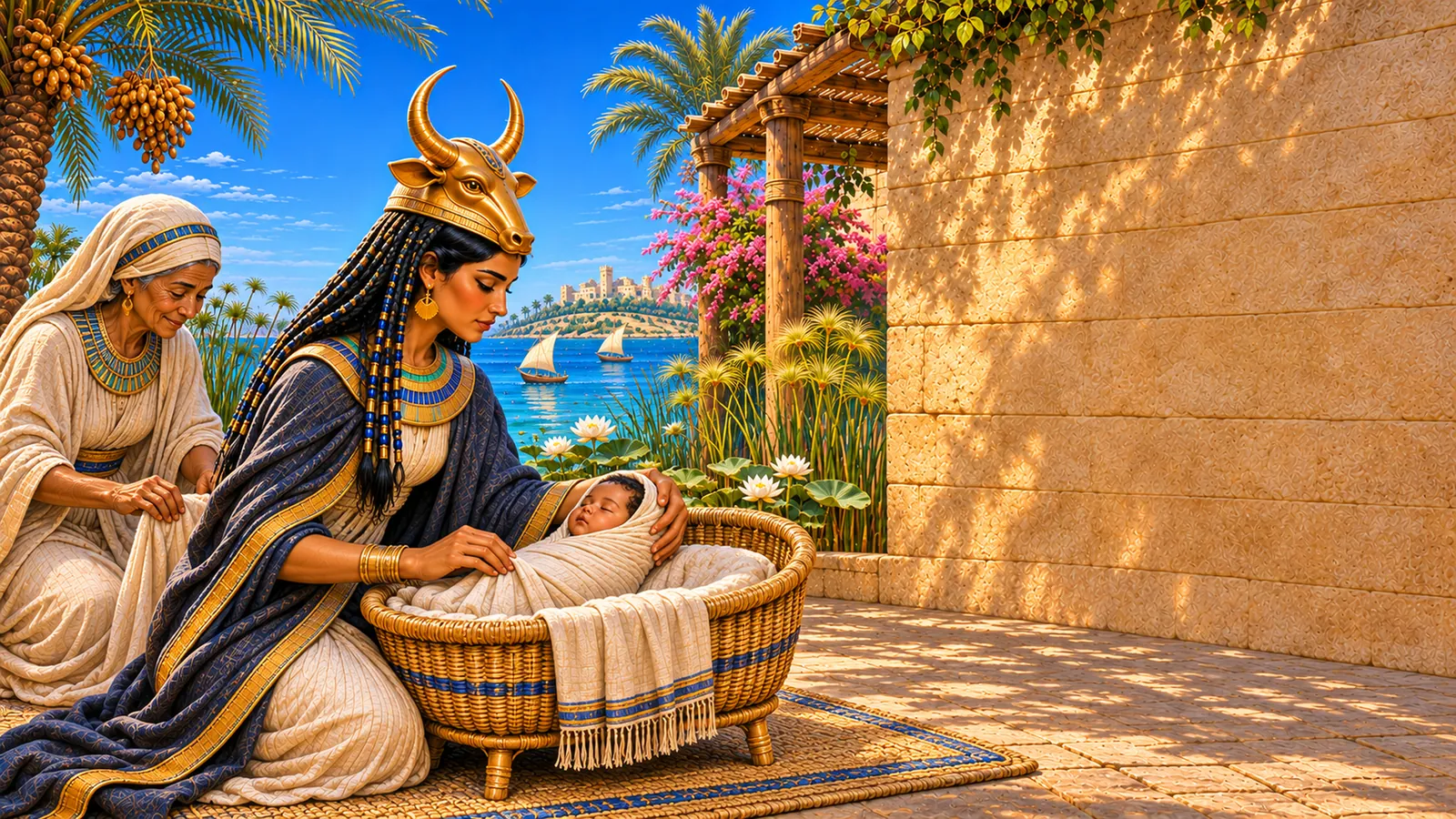
El relato recuerda las circunstancias de este último nacimiento. Dice que Harpócrates vino al mundo antes de tiempo.
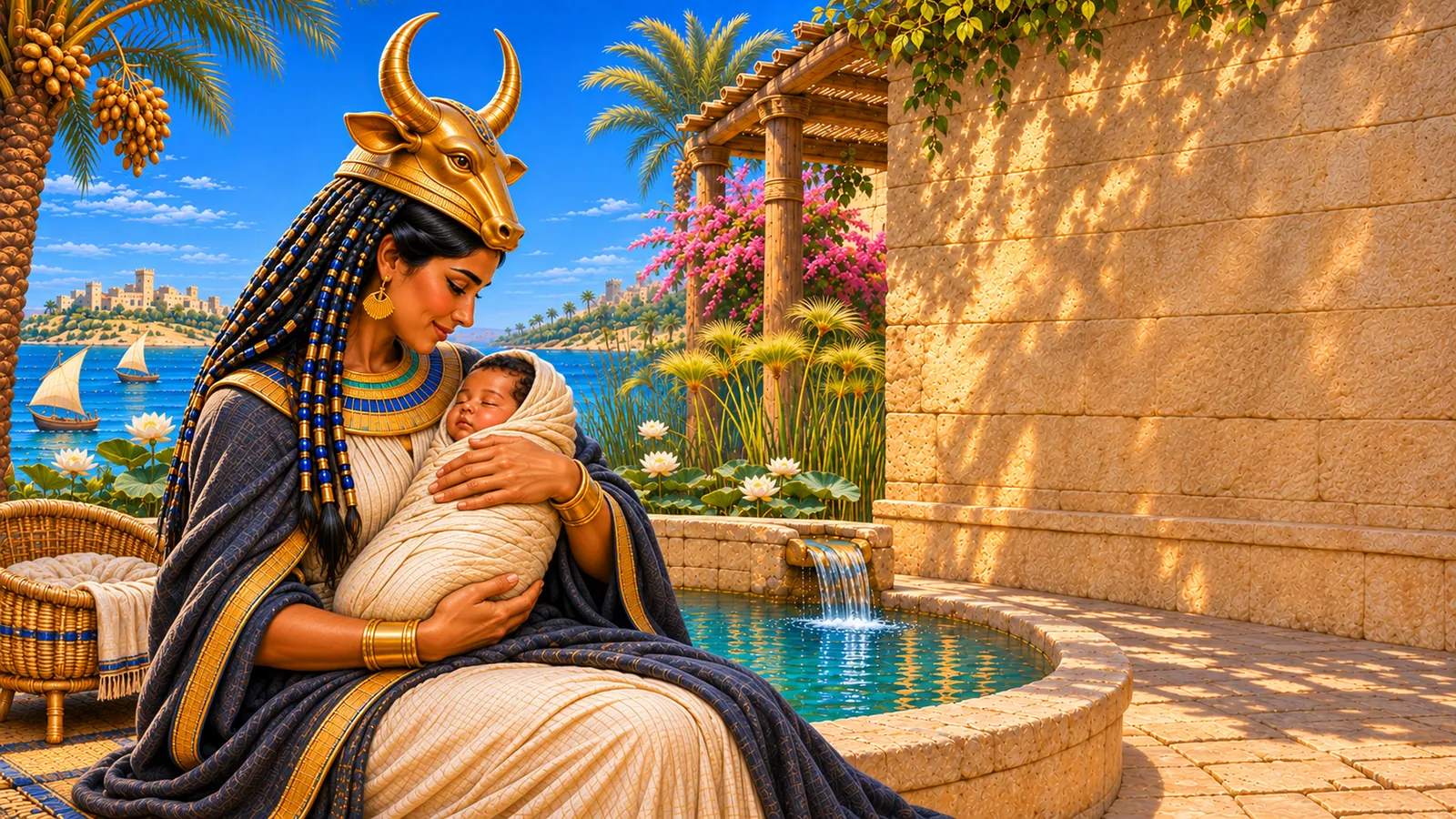
UN NACIMIENTO
El narrador termina diciendo que Harpócrates nació con una discapacidad en las extremidades inferiores. Son las últimas palabras de este relato.
Fin del capítulo 3
Todas las páginas







Fuentes
Line positions in the page notes refer to the Project Gutenberg HTML of Budge’s edition. Literary claims about the safety of reed boats are part of the tale.
Ediciones consultadas
- E. A. Wallis Budge, Egyptian Ideas of the Future Life, third edition, 1908, Chapter II
- Plutarch’s narrative in Samuel Squire’s translation, as quoted in Chapter II
- Budge’s note on the horse in Plutarch’s retelling
Notas sobre este relato
### Pages 01–14 · The return to the marshes
Page 15 (Squire 1744 in Budge 1908, chapter II, HTML 1393–1396). He calls the likeness a “Phallus” and reports that the festival was still observed in the teller’s time.
Page 16 (1398–1400). Osiris appears to his son Orus, rendered Horus here, from the other world. He encourages his son for battle and, in Squire’s words, instructs him “in the exercise of arms.”
Pages 17–18 (1400–1403). Osiris asks what action would be most glorious. The cached wording has Orua at line 1402, with Orus in the surrounding dialogue.
Pages 19–20 (1403–1406). Osiris asks which animal would be most useful to a soldier. Horus names the horse. Osiris asks with surprise why he prefers it to the lion.
Pages 21–22 (1406–1412). Horus says the lion offers greater aid to a person needing help and the horse is more useful in pursuit. Osiris is pleased because he takes the answers as signs of readiness. Budge adds a separate chronological comment about the horse in footnote 53.
Pages 23–24 (1412–1415). The teller describes many people leaving Typho’s side. Thueris is among them. Squire calls her Typho’s concubine. In the account, a serpent pursues her when she goes over to Orus.
Pages 25–26 (1414–1417). The soldiers accompanying Thueris kill the serpent. Plutarch connects the event with a cord cut at assemblies as a remembrance.
Pages 27–28 (1417–1419). The first battle between Horus and Set continues for many days. Victory ultimately goes to Horus, and Set is taken prisoner. The next source lines concern what Isis does after Set is placed in her custody.
### Pages 29–40 · Isis, the judgment, and the last birth
Los versos antiguos de cada página
- Page 1: Plutarch, Squire 1744 as printed by Budge 1908, Chapter II, HTML lines 1362–1364
- Page 2: Plutarch, Squire 1744 as printed by Budge 1908, Chapter II, HTML lines 1363–1364
- Page 3: Plutarch, Squire 1744 as printed by Budge 1908, Chapter II, HTML lines 1364–1366
- Page 4: Plutarch, Squire 1744 as printed by Budge 1908, Chapter II, HTML lines 1365–1367
- Page 5: Plutarch, Squire 1744 as printed by Budge 1908, Chapter II, HTML lines 1368–1370
- Page 6: Plutarch, Squire 1744 as printed by Budge 1908, Chapter II, HTML lines 1369–1371
- Page 7: Plutarch, Squire 1744 as printed by Budge 1908, Chapter II, HTML lines 1371–1374
- Page 8: Plutarch, Squire 1744 as printed by Budge 1908, Chapter II, HTML lines 1374–1377
- Page 9: Plutarch, Squire 1744 as printed by Budge 1908, Chapter II, HTML lines 1376–1378
- Page 10: Plutarch, Squire 1744 as printed by Budge 1908, Chapter II, HTML lines 1378–1382
- Page 11: Plutarch, Squire 1744 as printed by Budge 1908, Chapter II, HTML lines 1381–1384
- Page 12: Plutarch, Squire 1744 as printed by Budge 1908, Chapter II, HTML lines 1384–1387
- Page 13: Plutarch, Squire 1744 as printed by Budge 1908, Chapter II, HTML lines 1387–1391
- Page 14: Plutarch, Squire 1744 as printed by Budge 1908, Chapter II, HTML lines 1390–1393
- Page 15: Plutarch, Squire 1744 in Budge 1908, chapter II, HTML 1393–1396
- Page 16: Plutarch, Squire 1744 in Budge 1908, chapter II, HTML 1398–1400
- Page 17: Plutarch, Squire 1744 in Budge 1908, chapter II, HTML 1400–1401
- Page 18: Plutarch, Squire 1744 in Budge 1908, chapter II, HTML 1401–1403
- Page 19: Plutarch, Squire 1744 in Budge 1908, chapter II, HTML 1403–1404
- Page 20: Plutarch, Squire 1744 in Budge 1908, chapter II, HTML 1404–1406
- Page 21: Plutarch, Squire 1744 in Budge 1908, chapter II, HTML 1406–1410
- Page 22: Plutarch, Squire 1744 in Budge 1908, chapter II, HTML 1410–1412
- Page 23: Plutarch, Squire 1744 in Budge 1908, chapter II, HTML 1412–1414
- Page 24: Plutarch, Squire 1744 in Budge 1908, chapter II, HTML 1413–1415
- Page 25: Plutarch, Squire 1744 in Budge 1908, chapter II, HTML 1414–1416
- Page 26: Plutarch, Squire 1744 in Budge 1908, chapter II, HTML 1415–1417
- Page 27: Plutarch, Squire 1744 in Budge 1908, chapter II, HTML 1417–1419
- Page 28: Plutarch, Squire 1744 in Budge 1908, chapter II, HTML 1418–1419
- Page 29: Plutarch, Squire 1744 as printed by Budge 1908, Chapter II, HTML lines 1419–1420
- Page 30: Plutarch, Squire 1744 as printed by Budge 1908, Chapter II, HTML lines 1419–1421
- Page 31: Plutarch, Squire 1744 as printed by Budge 1908, Chapter II, HTML lines 1420–1421
- Page 32: Plutarch, Squire 1744 as printed by Budge 1908, Chapter II, HTML lines 1422–1424
- Page 33: Plutarch, Squire 1744 as printed by Budge 1908, Chapter II, HTML lines 1423–1425
Broken reflected sunlight picks out a thin copper edge of floor; right side ancient matte lapis plaster uninterrupted. - Page 34: Plutarch, Squire 1744 as printed by Budge 1908, Chapter II, HTML lines 1425–1426
- Page 35: Plutarch, Squire 1744 as printed by Budge 1908, Chapter II, HTML lines 1426–1427
- Page 36: Plutarch, Squire 1744 as printed by Budge 1908, Chapter II, HTML lines 1427–1429
- Page 37: Plutarch, Squire 1744 as printed by Budge 1908, Chapter II, HTML lines 1429–1430
- Page 38: Plutarch, Squire 1744 as printed by Budge 1908, Chapter II, HTML lines 1430–1431
- Page 39: Plutarch, Squire 1744 as printed by Budge 1908, Chapter II, HTML lines 1431–1432
- Page 40: Plutarch, Squire 1744 as printed by Budge 1908, Chapter II, HTML lines 1431–1432
Ilustraciones hechas por IL Archive con herramientas de IA; el texto se basa en las fuentes antiguas (véanse las fuentes al final de cada capítulo).