El lamento por Ur Capítulo 1
La súplica ante la asamblea
Ningal habla de Ur en dos pasajes presentados por Thorkild Jacobsen, con forma poética inglesa de H. A. Groenewegen Frankfort. Su temor a la tormenta conduce a una súplica ante la asamblea divina. Los pasajes elegidos terminan con el decreto de destruir Ur y matar a sus habitantes.
FuentesPase las páginas con las flechas, el teclado o deslizando el dedo.
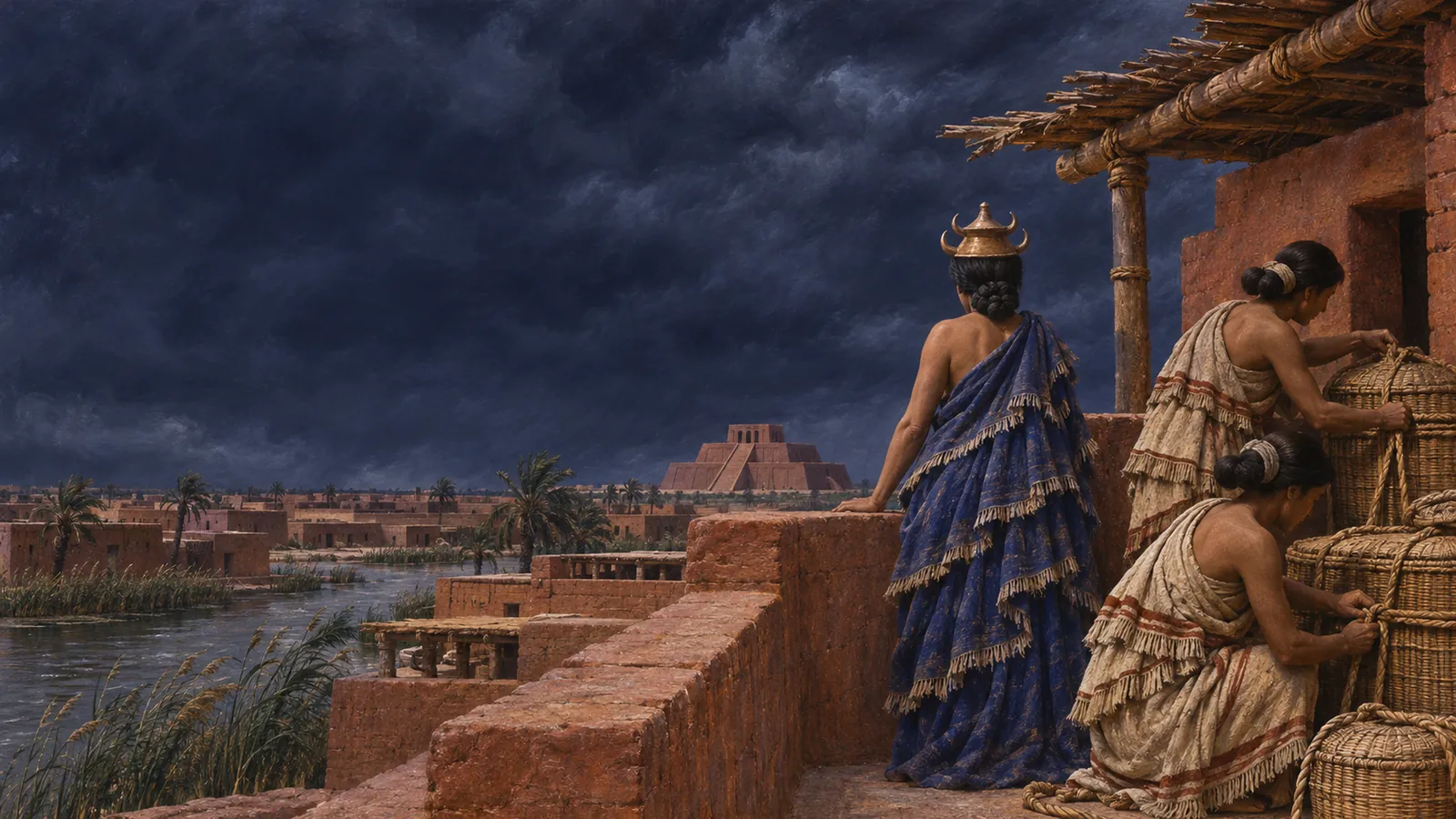
NINGAL
Thorkild Jacobsen presenta dos pasajes en los que Ningal, la diosa de Ur, habla de su ciudad. H.A. Groenewegen Frankfort dio forma poética inglesa a las traducciones.
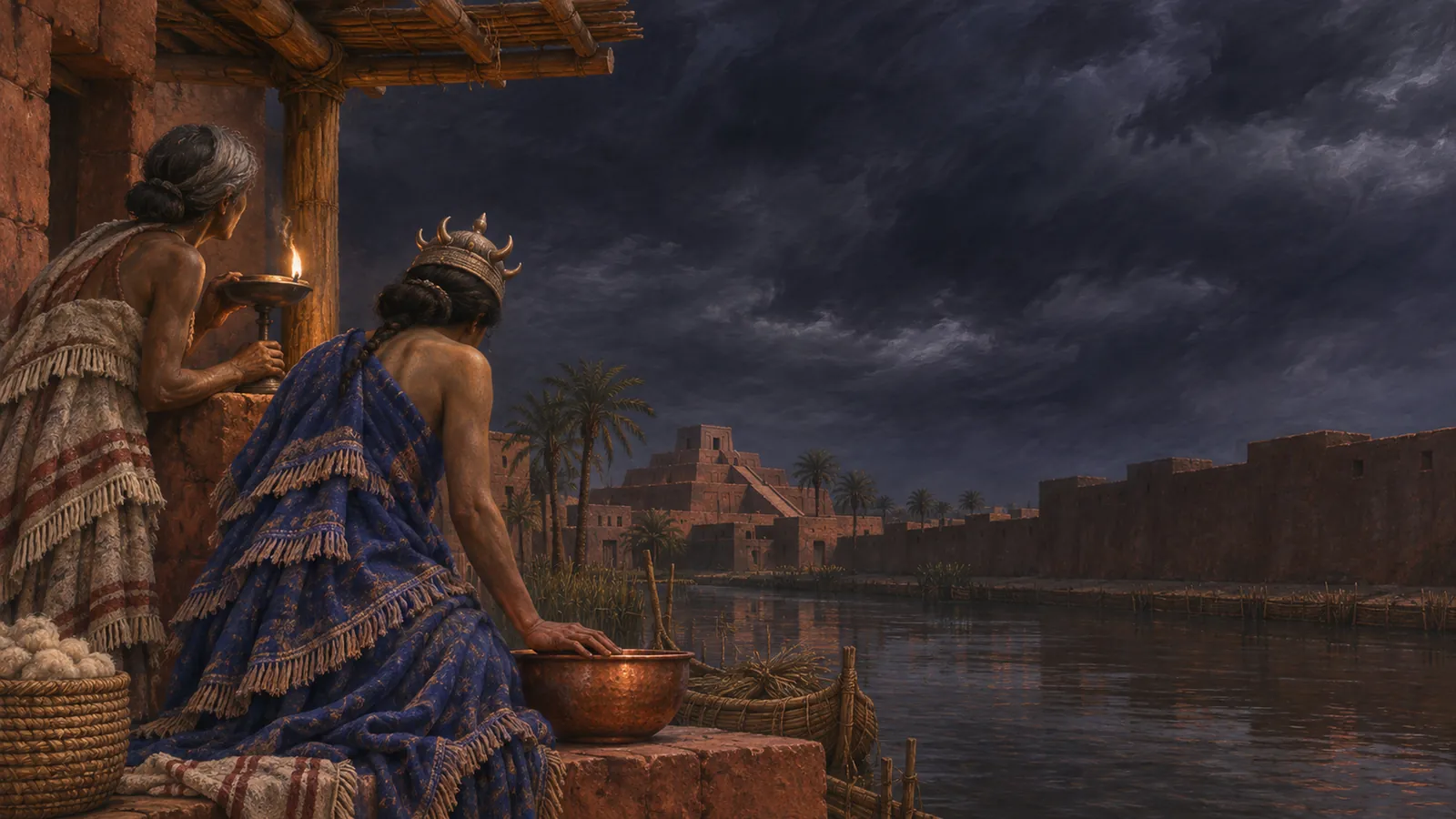
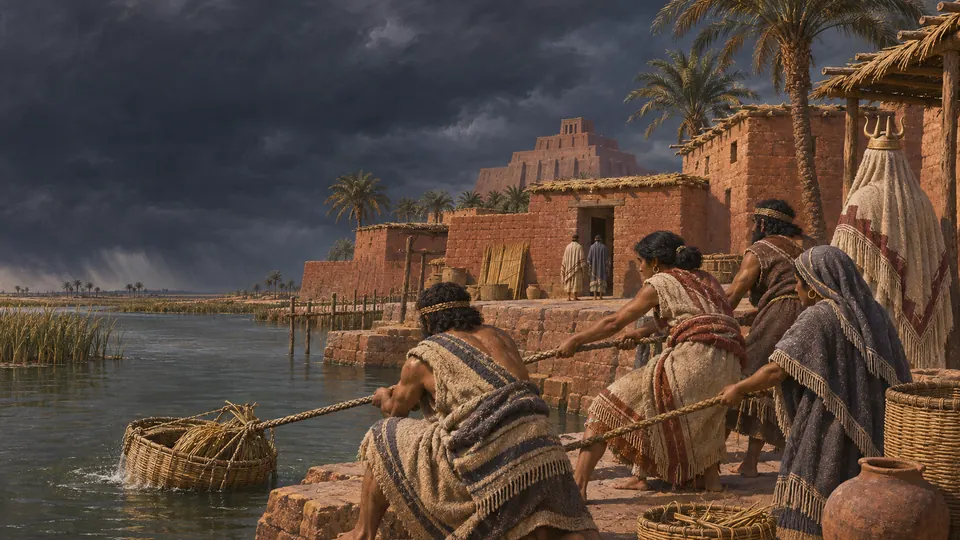
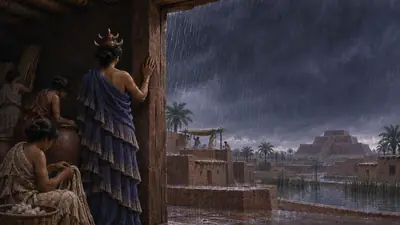
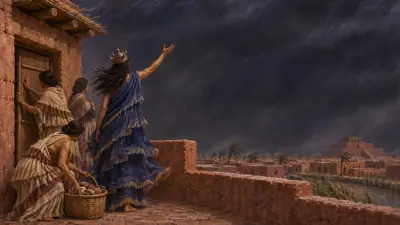
Ningal llora por un día de tormenta que le ha sido impuesto por el destino. Hablando como mujer, describe ese día como una carga colmada de lágrimas.
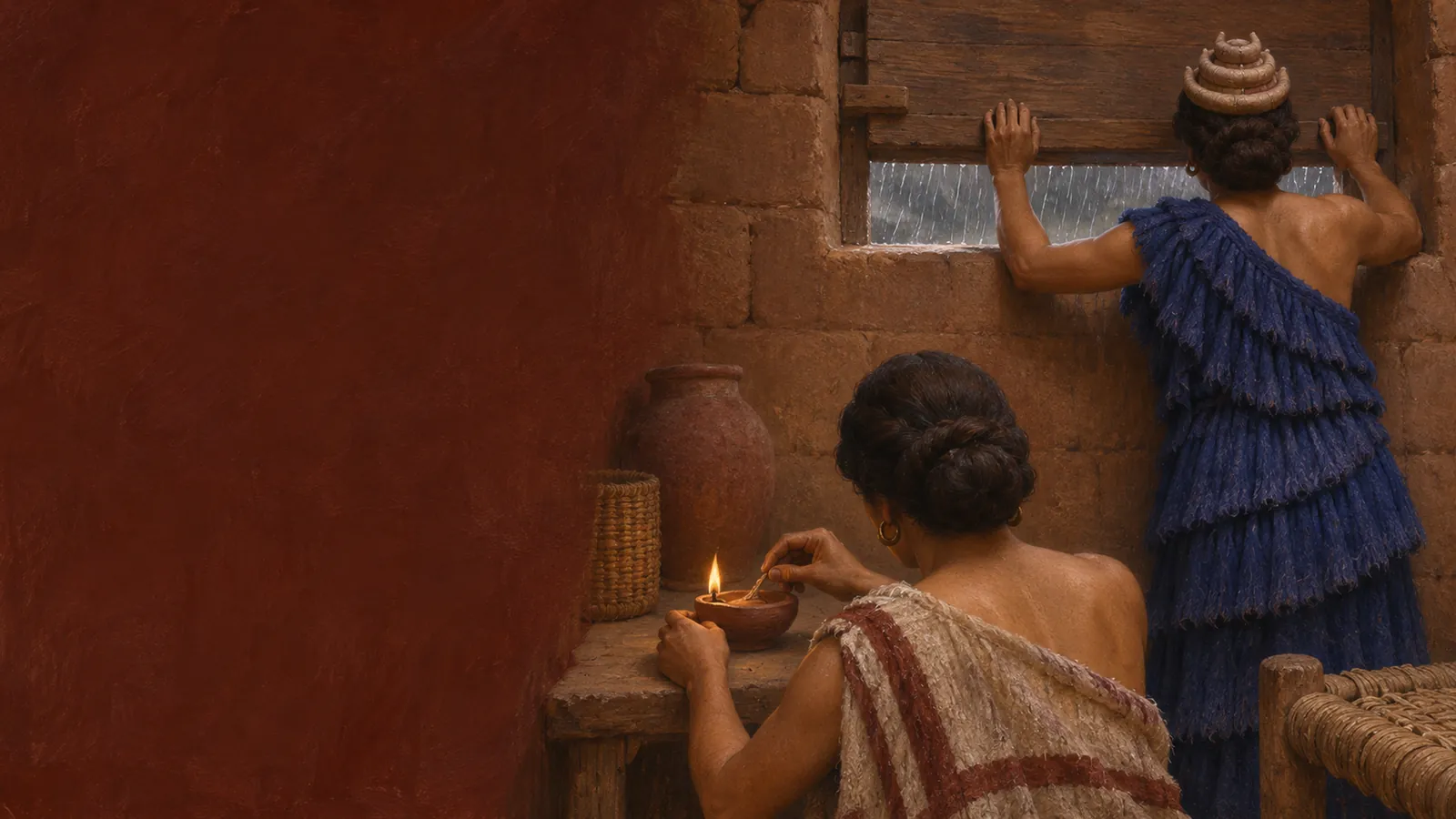
Su voz vuelve una vez más al día de tormenta. Ningal dice que tiembla ante él y lo llama cruel.
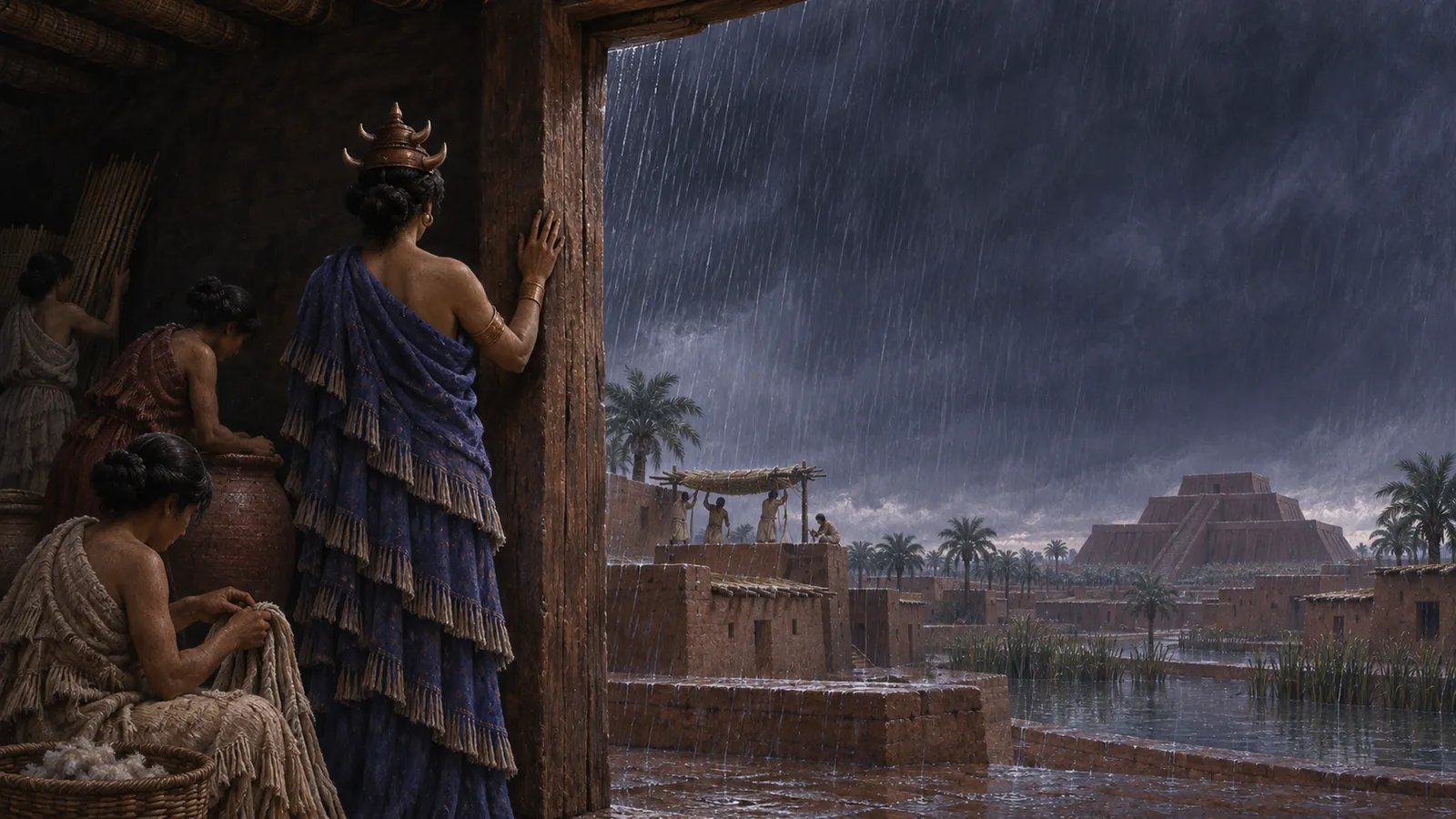
Ningal dice que no puede escapar de lo que le ha sido destinado para ese día de tormenta.
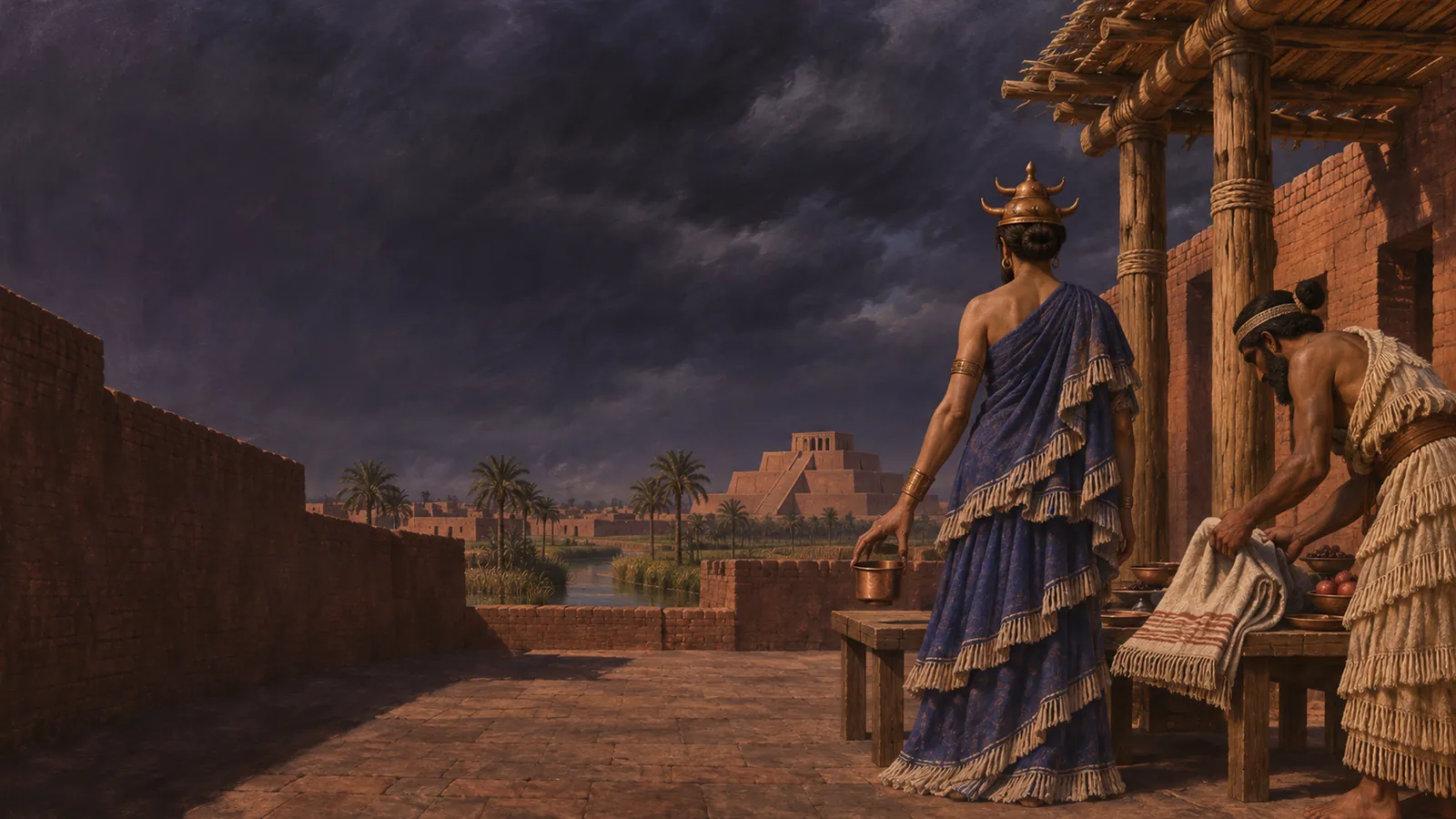
Ningal dice que de pronto no ve días felices durante su reinado. Su lamento repite esa idea.
LA NOCHE DEL LLANTO
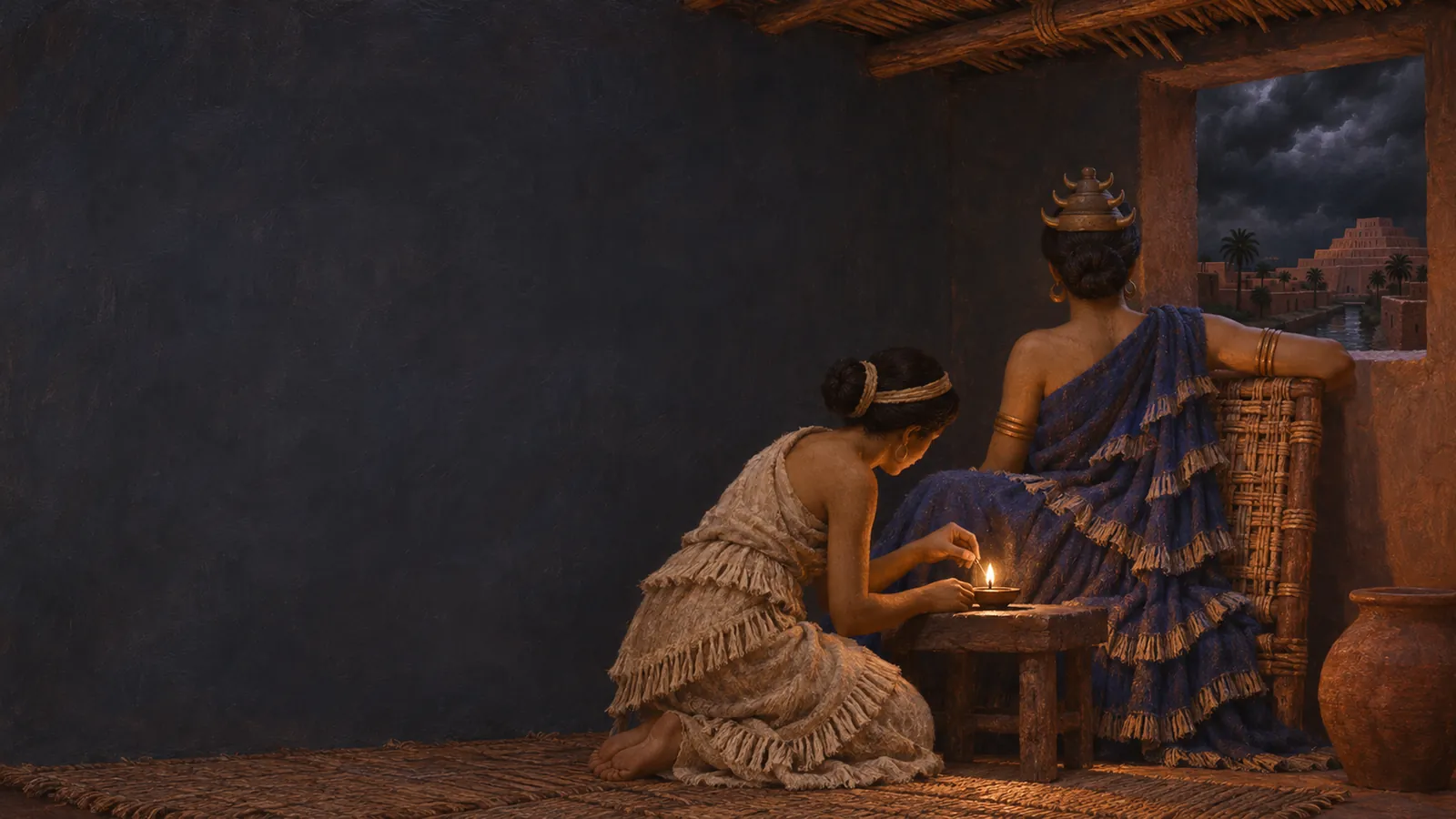
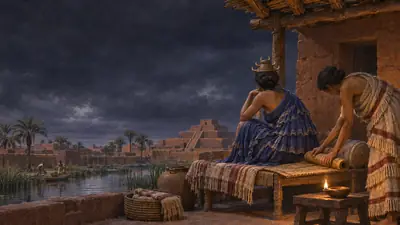
Ningal tiembla ante la noche de llanto amargo que le espera. Dice que no puede escapar de lo que le depara esa noche.
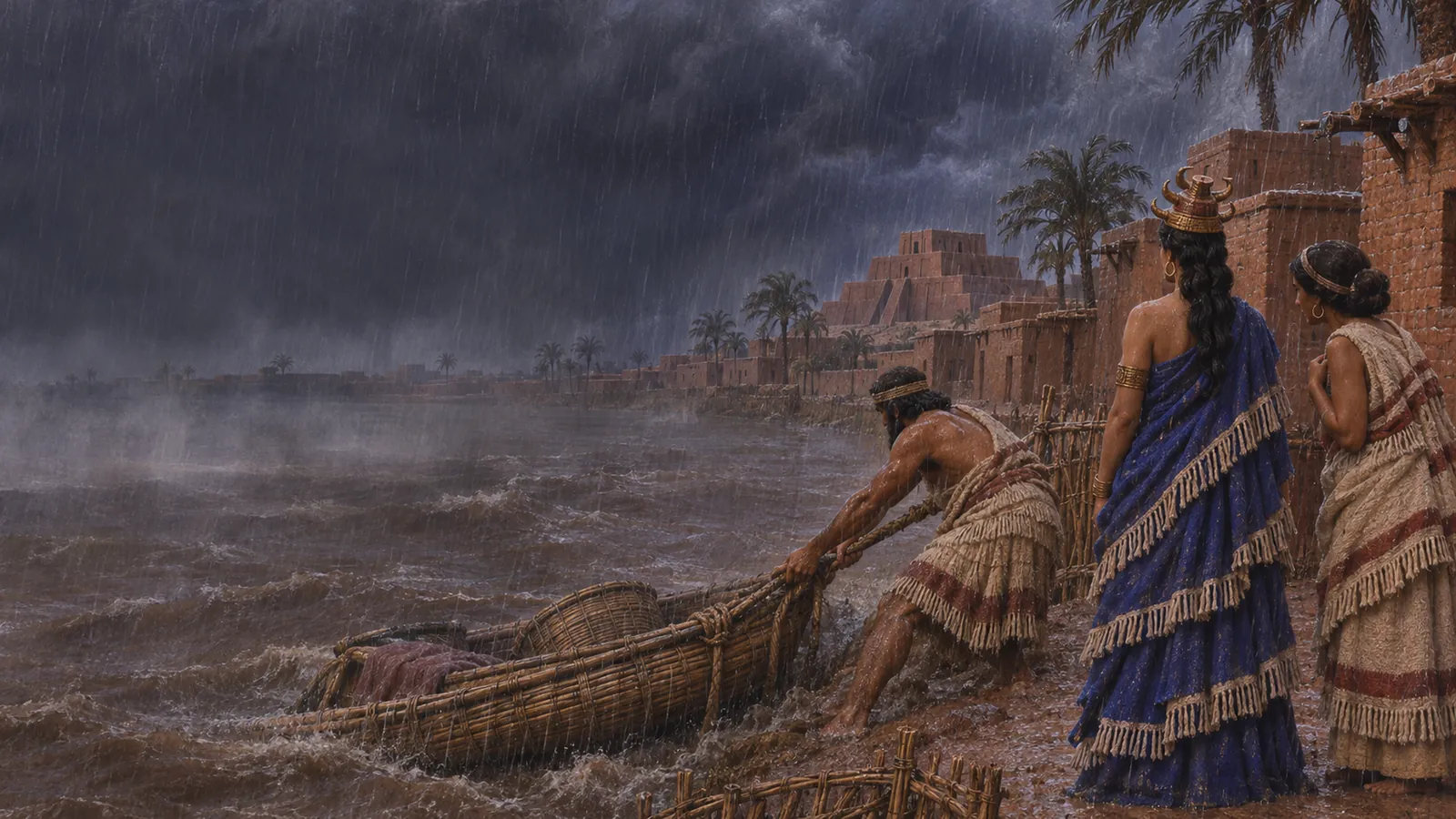
Ningal dice que el miedo pesa sobre ella. Teme la devastación de la tormenta y compara su destrucción con una inundación.
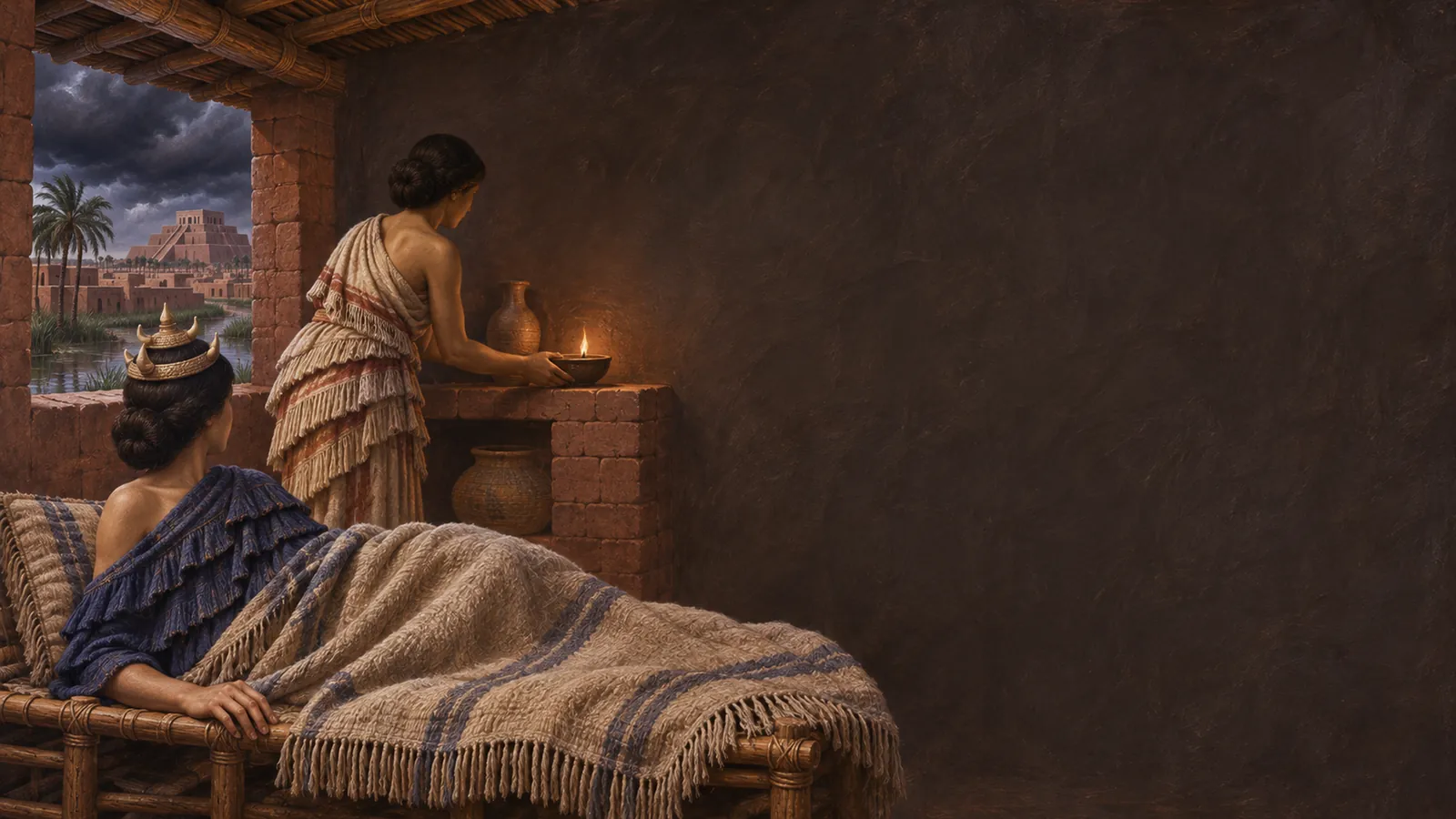
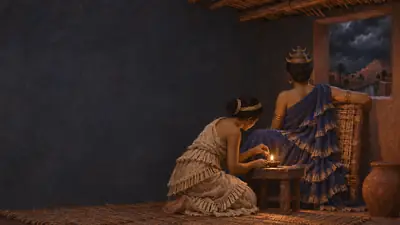
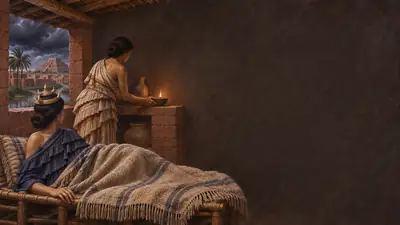
Ningal habla de estar en su lecho por la noche. Dice que allí no se le concede ningún sueño.
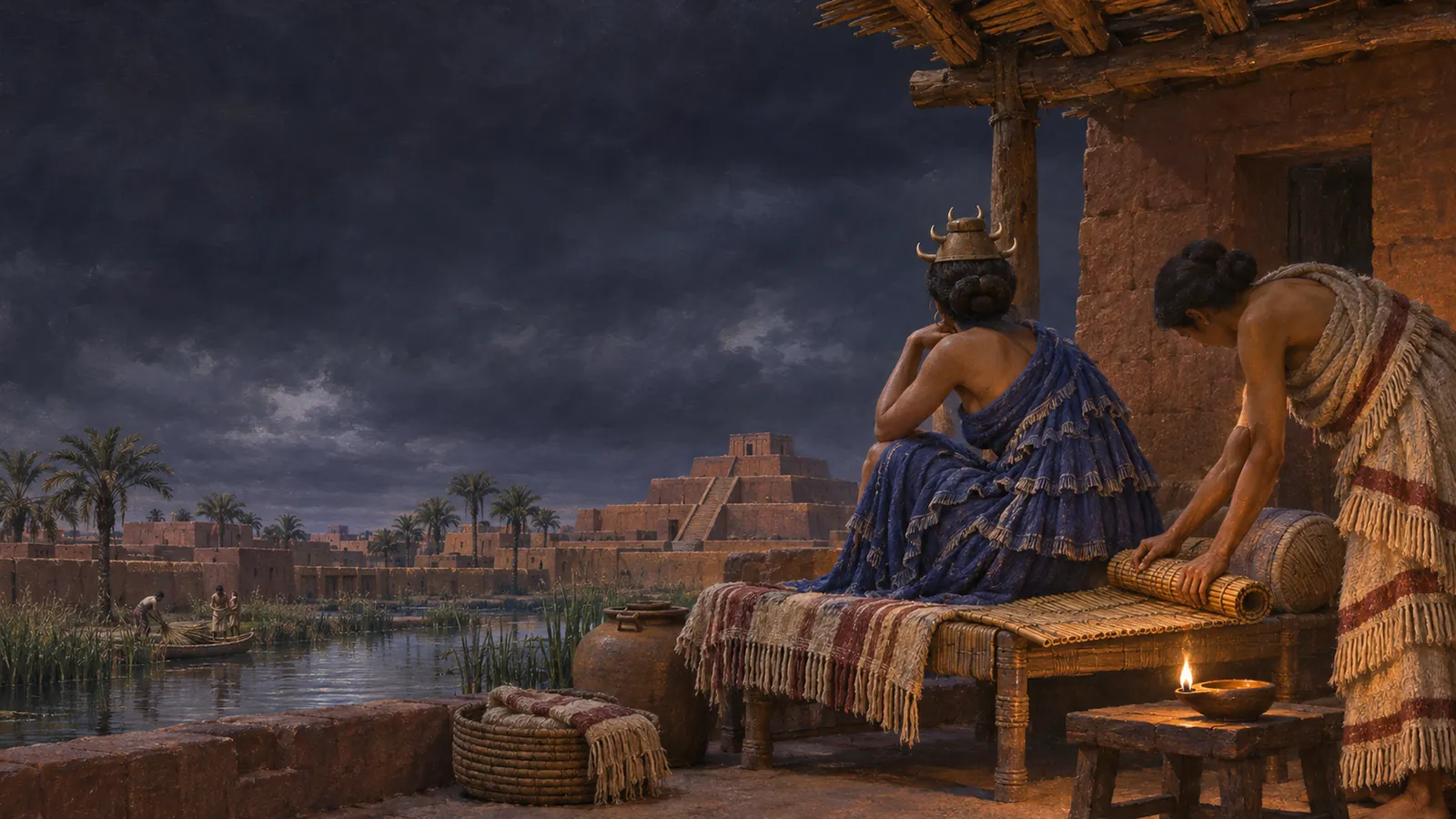
Ningal vuelve a hablar de su lecho en el lamento. Dice que tampoco allí se le concede el olvido.
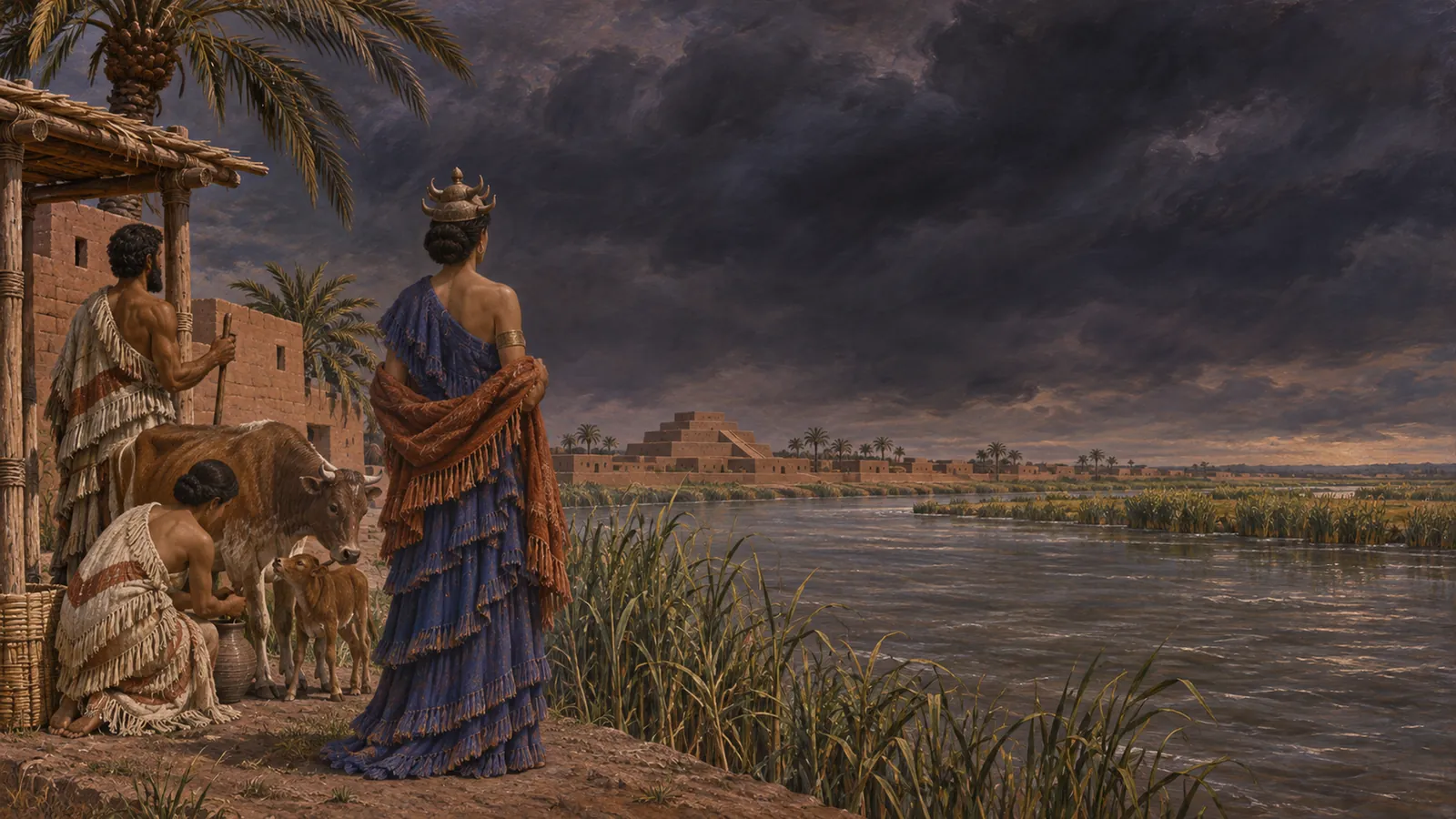
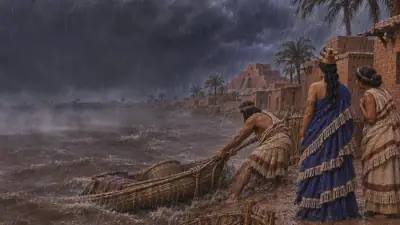
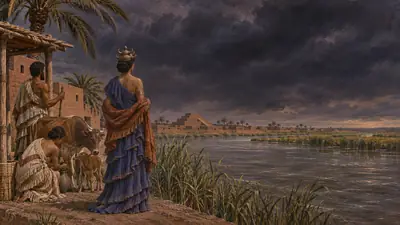
Ningal dice que el llanto amargo ha sido destinado a su tierra. Aunque recorriera toda la tierra como una vaca en busca de su ternero, no podría traer de vuelta a su pueblo.
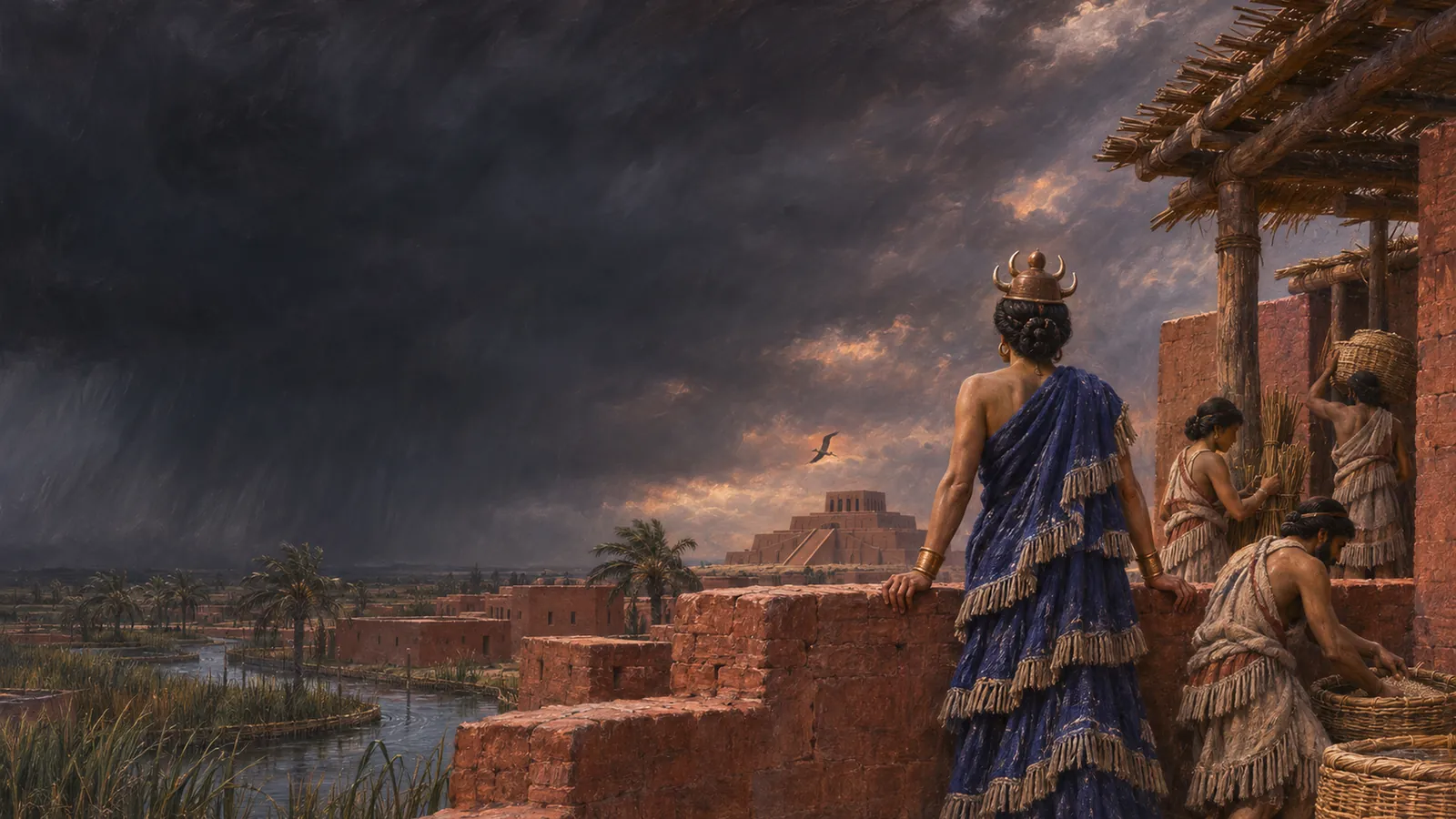
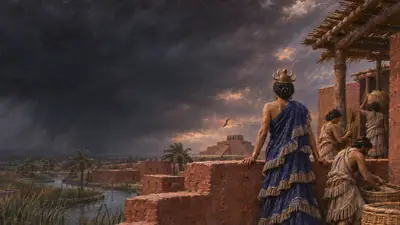
Ningal dice que un amargo dolor está destinado a su ciudad. Aunque desplegara las alas y volara hasta allí como un ave, la ciudad sería destruida hasta sus cimientos y Ur perecería.
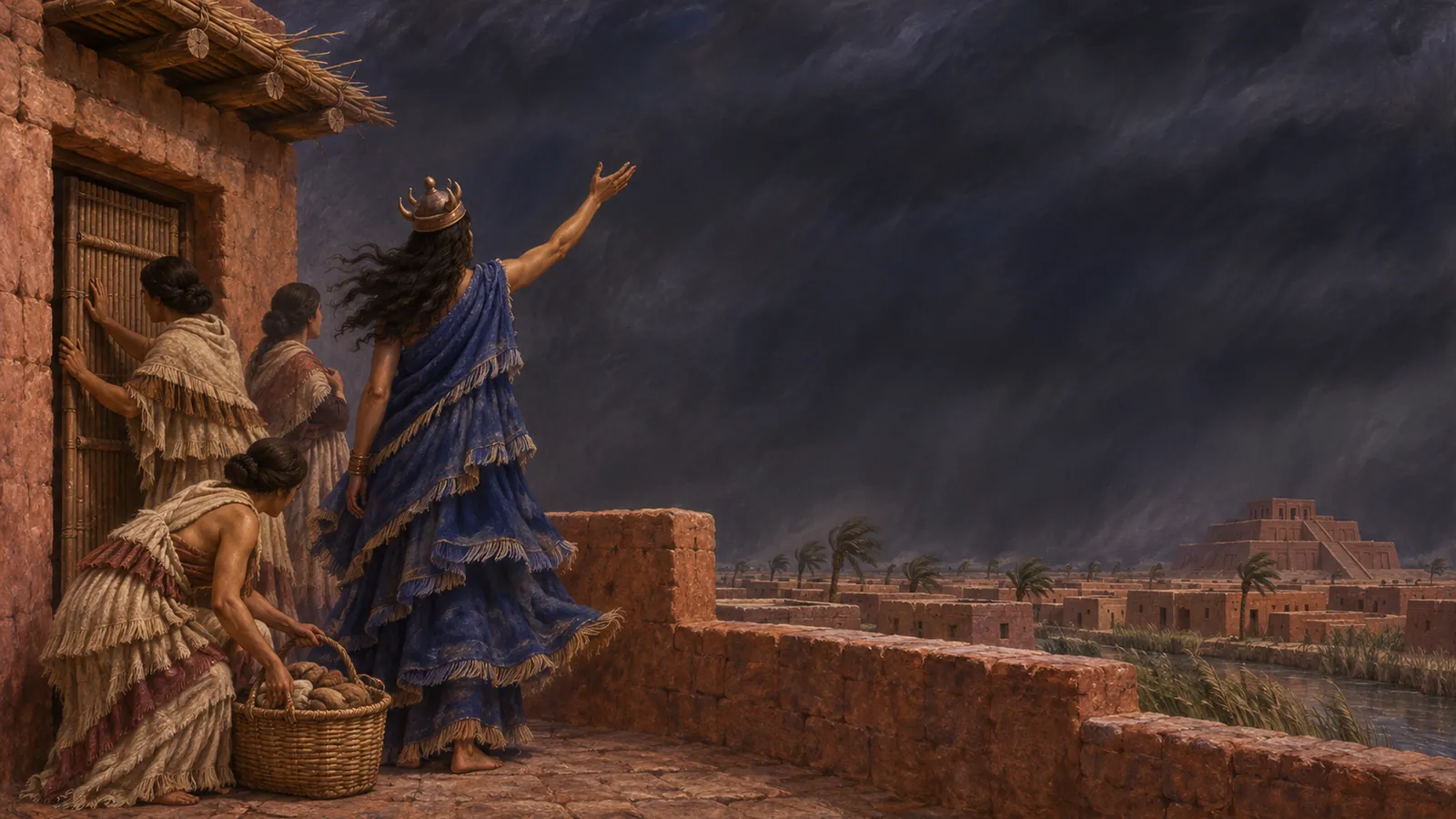
Ningal dice que el día de la tormenta ha levantado la mano. Aunque le gritara que volviera a su desierto, el peso de la tormenta seguiría oprimiéndola.
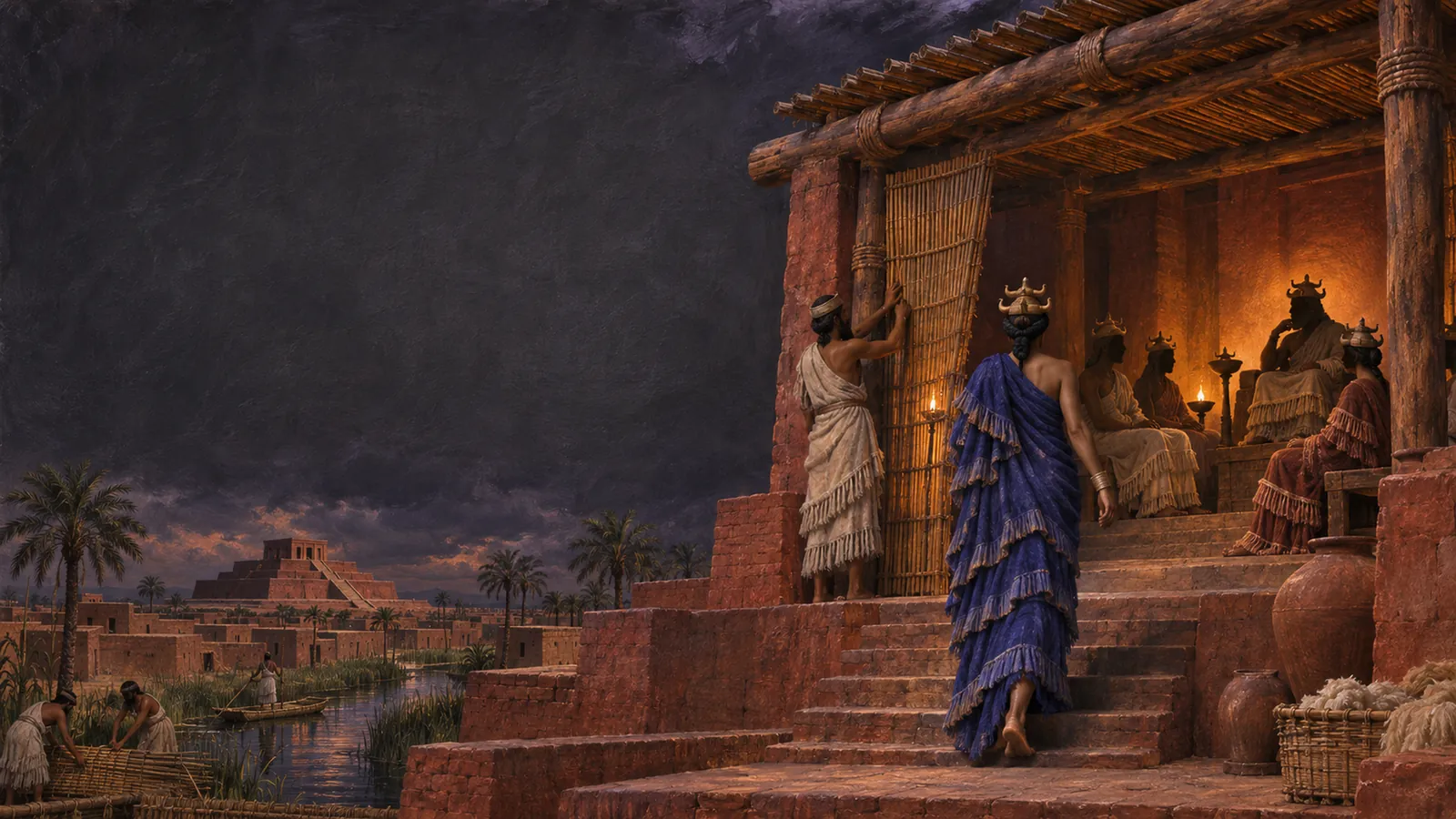
LA ASAMBLEA
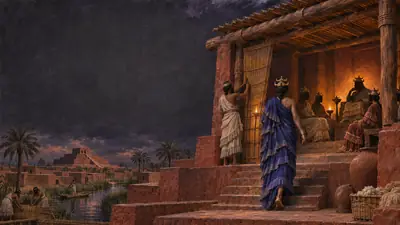
El resumen que enlaza los pasajes, de Jacobsen, describe las súplicas fallidas de Ningal a Anu y Enlil, y después a la asamblea. Su selección omite las líneas antiguas ciento trece a ciento cincuenta y uno entre las dos citas.
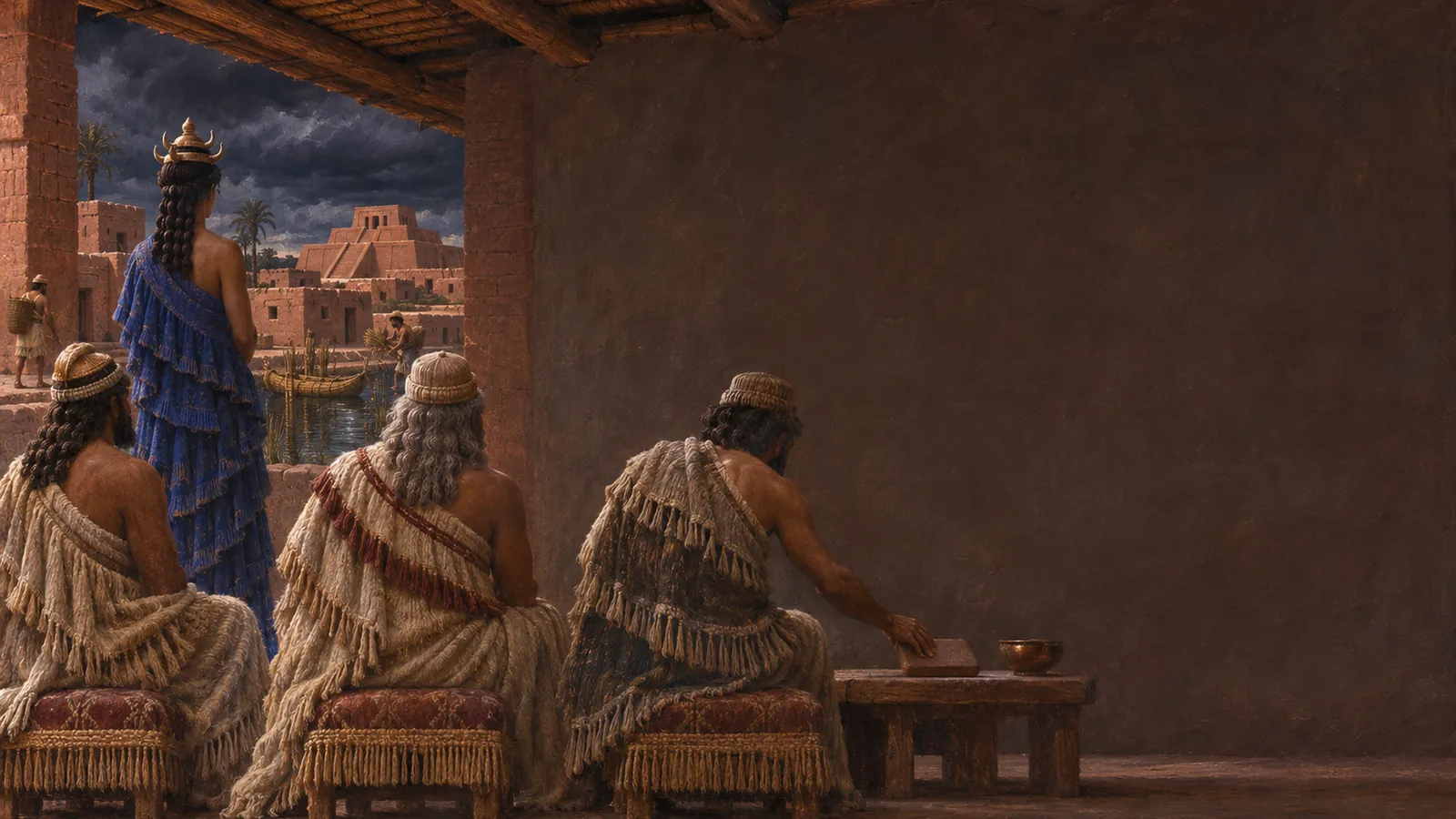
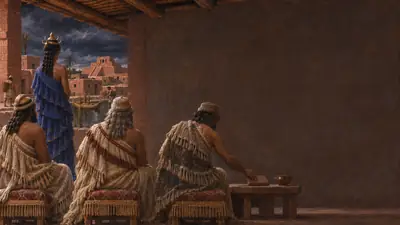
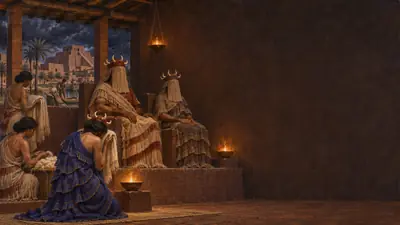
Ningal describe la asamblea antes de que se levante, mientras los Anunnaki siguen sentados. La versión inglesa dice que se comprometen a sostener la decisión.
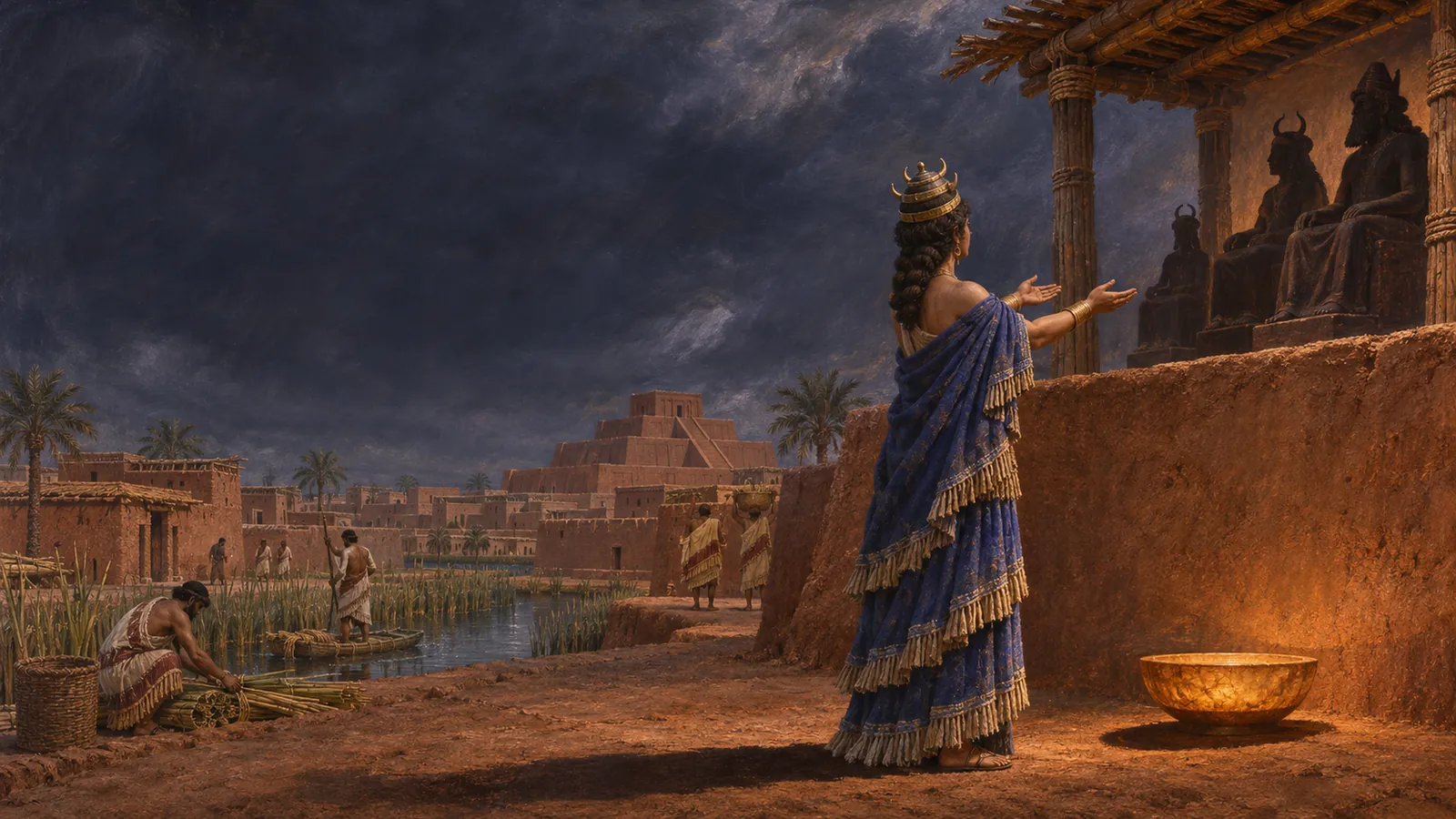
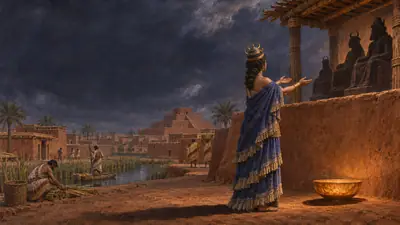
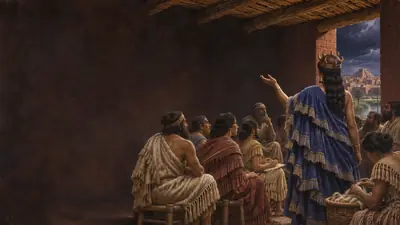
Ningal dice que, ante la asamblea sentada, arrastra los pies y extiende los brazos mientras presenta su súplica.
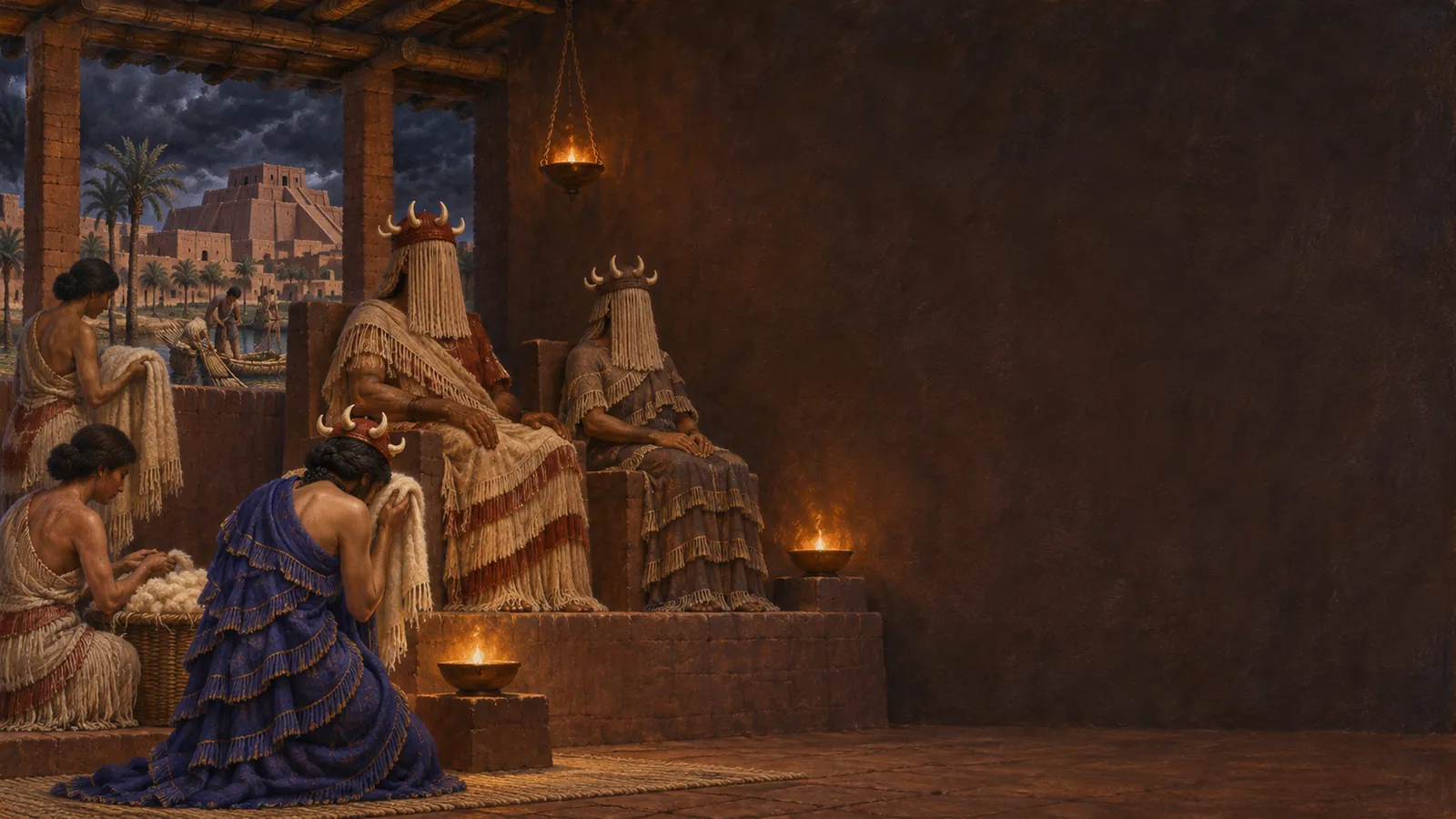
Ningal dice que derrama sus lágrimas ante Anu. Después dice que ella misma se lamenta ante Enlil.
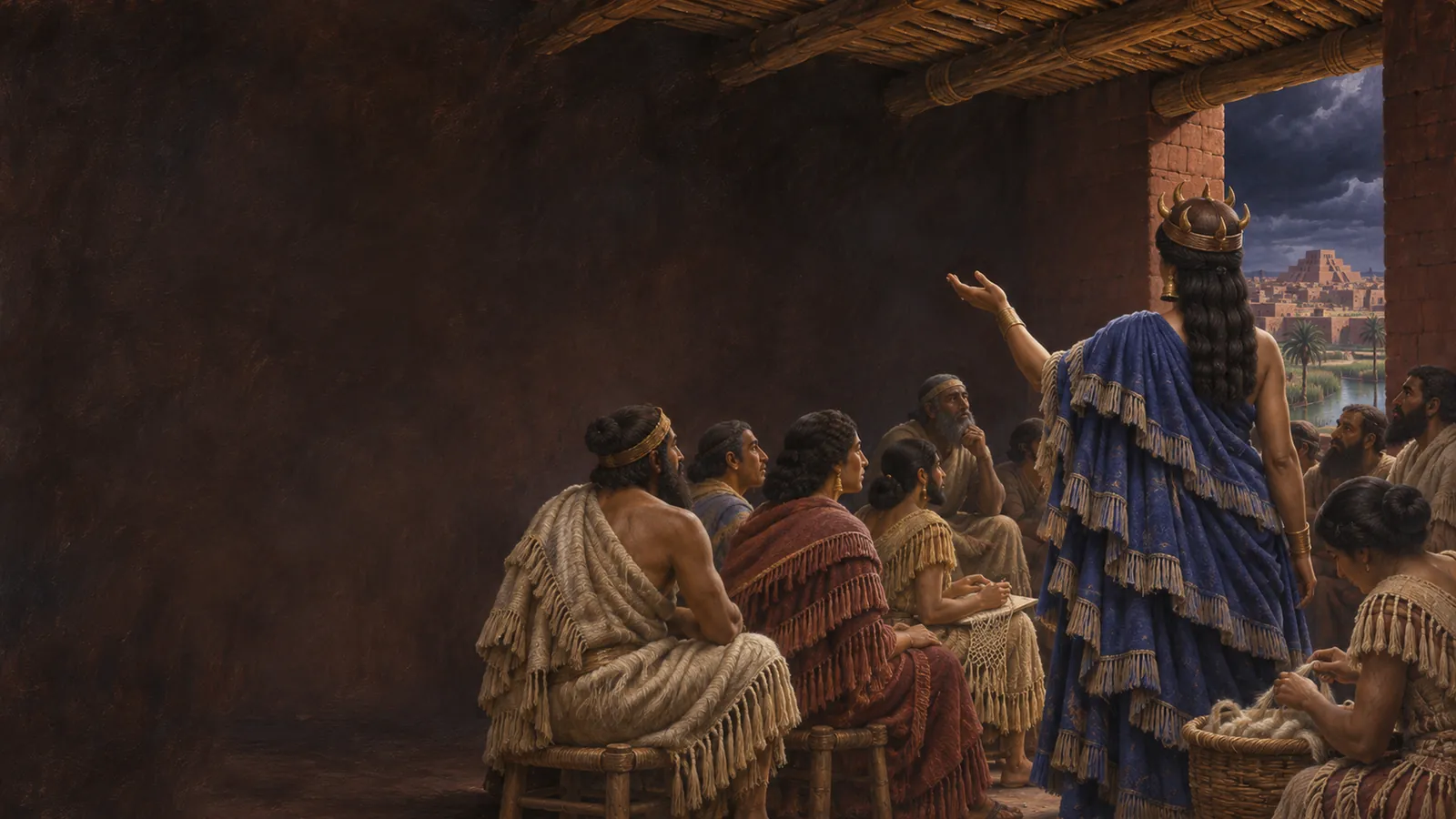
Ningal pide que su ciudad no sea destruida. Repite su súplica, nombra a Ur y pide que la ciudad sea preservada.
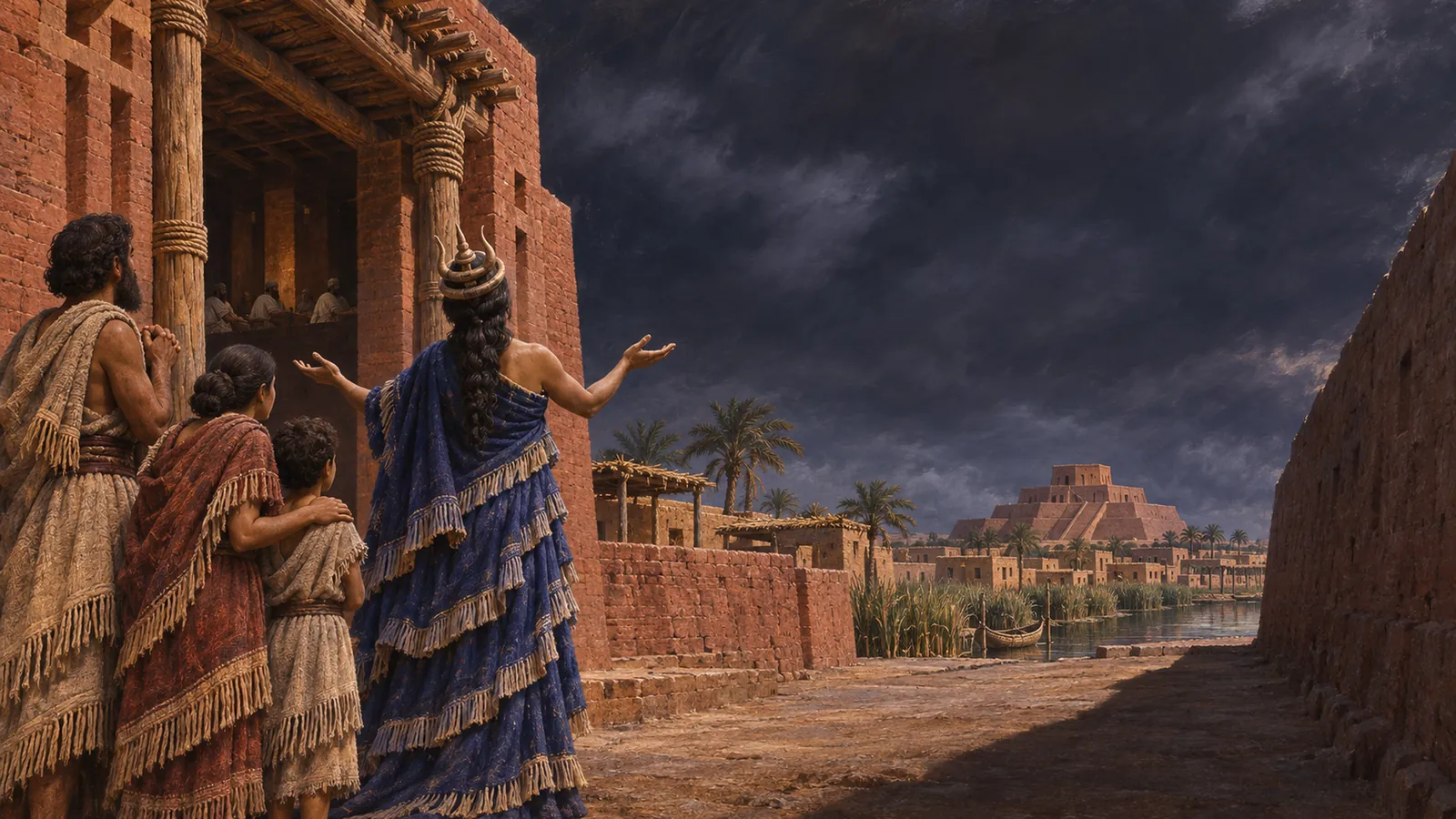
Ningal suplica después por la gente de la ciudad. Dice a la asamblea que sus habitantes no deben ser asesinados.
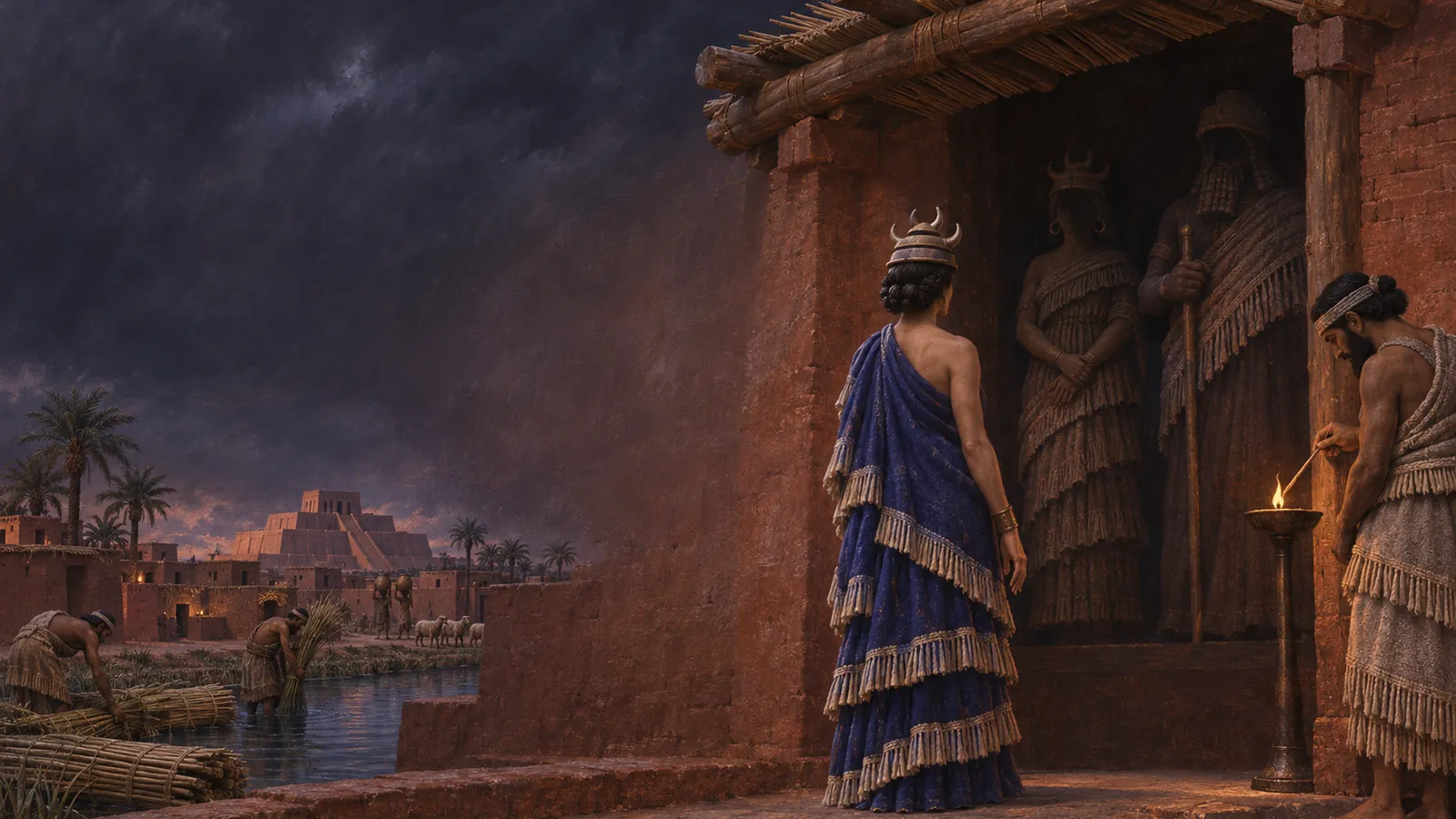
Ningal dice que Anu no atiende a sus palabras. Enlil no da ninguna respuesta favorable que alivie su corazón.
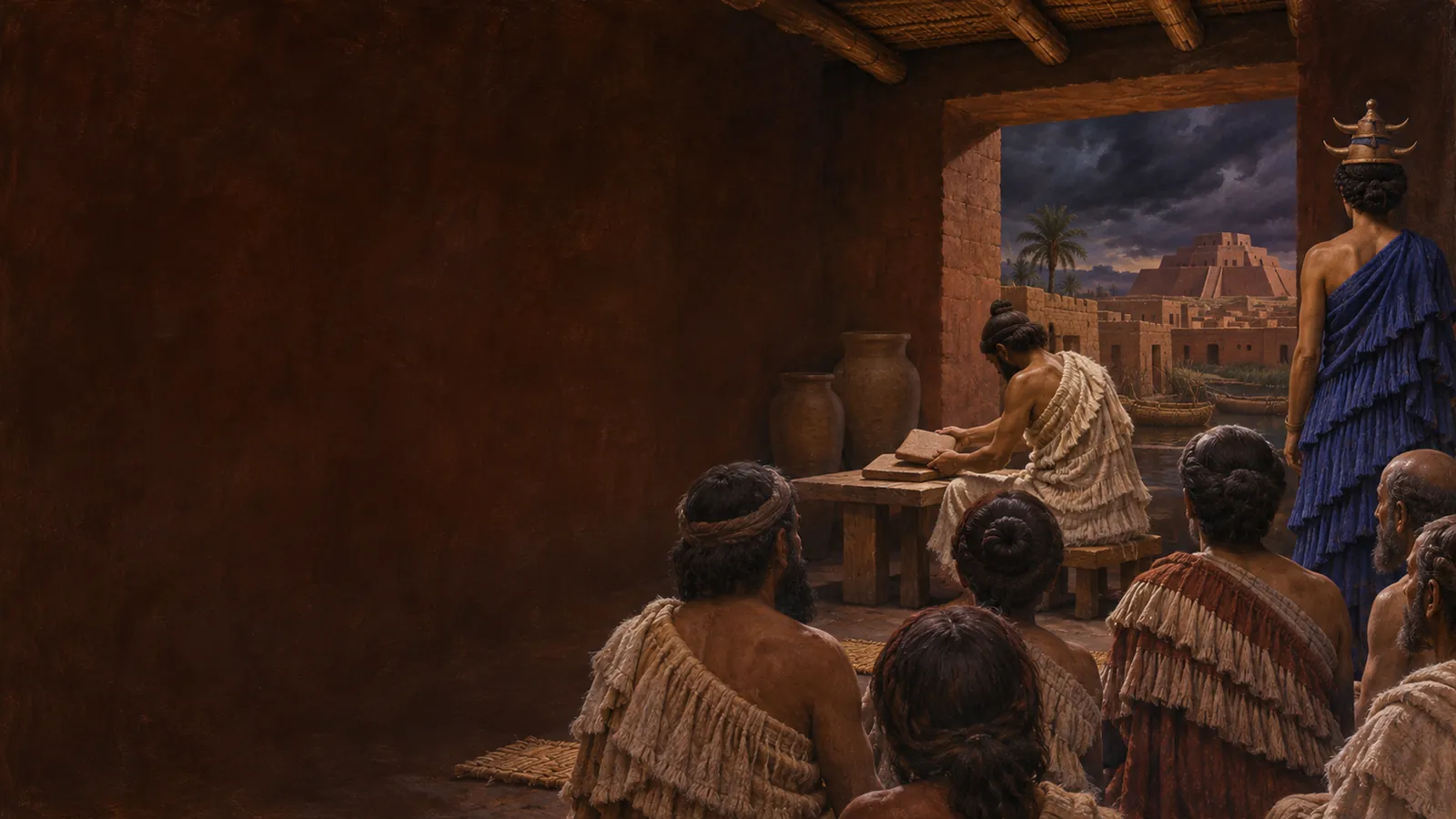
EL DECRETO
Ningal dice que la asamblea ordena la destrucción de su ciudad, Ur. Decreta que los habitantes de la ciudad sean asesinados.
Fin del capítulo 1
Todas las páginas
Fuentes
This reading follows two translated selections printed by Thorkild Jacobsen in The Intellectual Adventure of Ancient Man, pp. 196–197. The preface credits H. A. Groenewegen Frankfort with the poetic rendering of translations in chapters V–VII. The main text dates to 1946, retained in the first Phoenix edition of 1977. Jacobsen’s notes cite Samuel Noah Kramer, Assyriological Studies XII, pp. 26 and 28, ancient lines 88–112, then p. 32, lines 152–164. Individual ancient line numbers are absent from the printed quotations. Lines 113–151 are outside this modern selection. The second quotation ends with the decree against Ur and its inhabitants.
Ediciones consultadas
- University of Chicago, The Intellectual Adventure of Ancient Man
- Jacobsen’s two printed selections, pp. 196–197
- Source notes 12–13, printed p. 201
Notas sobre este relato
Page 1, Jacobsen’s lead-in on p. 196. Jacobsen presents Ningal, the goddess of Ur, as the speaker of the following quotation. 197. His notes on p. 201 cite Kramer, AS XII, pp. 26 and 28, lines 88–112, and p. 32, lines 152–164. The preface credits H. A. Groenewegen Frankfort with the English poetic rendering of the translations in chapters V–VII. The first Phoenix edition dates to 1977 and retains the main text published in 1946.
Page 2, first quotation, lines 88–112, opening storm-day formulas. Ningal grieves over the day of storm described as destined for her and laid upon her, burdened with tears. She calls herself a woman.
Page 3, first quotation, lines 88–112, trembling and cruelty. Repeated storm-day formulas describe Ningal trembling before the coming day and call it cruel.
Page 4, first quotation, lines 88–112, the fate of the day. Ningal says she cannot flee the day’s fatality.
Page 5, first quotation, lines 88–112, happy days.
Page 6, first quotation, lines 88–112, the night formula. Ningal trembles and says she cannot flee what is destined for that night.
Page 7, first quotation, lines 88–112, the flood comparison. Ningal says that dread of the storm’s destruction weighs on her and compares its force to a flood.
Pages 8–9, first quotation, lines 88–112, the couch. On her couch at night, Ningal says that neither dreams nor oblivion are granted to her.
Page 10, first quotation, lines 88–112, the cow comparison. Ningal says bitter weeping is destined for her land.
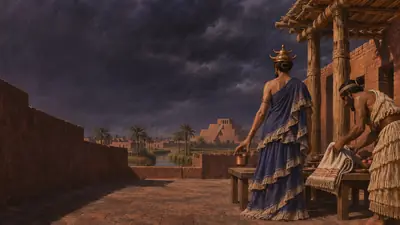
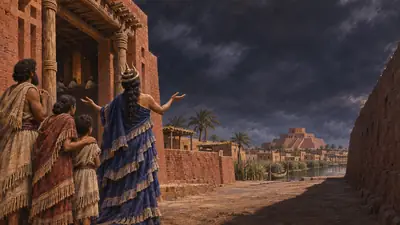
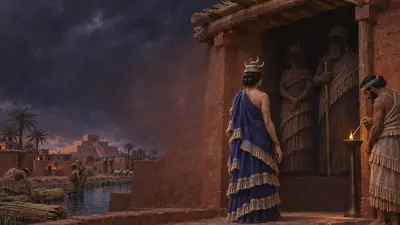
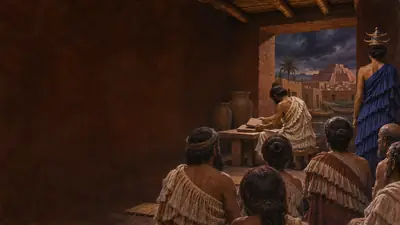
Ningal appears from behind as she watches the storm, searches the riverbanks and pleads before the assembly.
first quotation, lines 88–112 as cited in note 12. Ningal says sorrow is destined for her city. She imagines spreading wings and flying there like a bird, yet the city would still be destroyed on its foundations and Ur would perish. The quotation continues across the page break. The inclusive range is Jacobsen’s own citation, with no individual ancient line numbers printed beside the translated lines.
The storm day raises its hand. This closes the first printed excerpt.
Jacobsen’s connecting paragraph. Ancient lines 113–151 lie outside this modern selection. This interval is an editorial omission between excerpts.
beginning of the second quotation, lines 152–164 as cited in note 13. The assembly remains seated. The rendering explains the Anunnaki’s binding themselves with a parenthetical statement about upholding the decision.
second quotation, cited lines 152–164. Ningal describes dragging her feet and stretching out her arms before the assembly.
second quotation, cited lines 152–164. Ningal sheds tears before Anu and mourns before Enlil. Their order and the distinction between the two clauses are retained.
second quotation, cited lines 152–164. The plea against the destruction of her city is repeated, with Ur named in the second plea.
second quotation, cited lines 152–164. Ningal asks that the inhabitants not be killed. This is her appeal in the poem.
second quotation, cited lines 152–164. Anu does not heed her words and Enlil gives no approving answer to comfort her.
The divine assembly gives the instruction to destroy the city and decrees that its inhabitants be killed. The selection ends with that decree.
Los versos antiguos de cada página
- Page 1: Jacobsen, The Intellectual Adventure of Ancient Man, first Phoenix ed. (1977; main text 1946), p. 196, Jacobsen’s lead-in to the two selected passages; poetic rendering by H. A. Groenewegen Frankfort
- Page 2: Jacobsen, The Intellectual Adventure of Ancient Man, first Phoenix ed. (1977; main text 1946), p. 196, first quotation, Kramer lines 88–112, storm-day opening; poetic rendering by H. A. Groenewegen Frankfort
- Page 3: Jacobsen, The Intellectual Adventure of Ancient Man, first Phoenix ed. (1977; main text 1946), p. 196, first quotation, Kramer lines 88–112, repeated trembling formula; poetic rendering by H. A. Groenewegen Frankfort
- Page 4: Jacobsen, The Intellectual Adventure of Ancient Man, first Phoenix ed. (1977; main text 1946), p. 196, first quotation, Kramer lines 88–112, inability to flee the day; poetic rendering by H. A. Groenewegen Frankfort
- Page 5: Jacobsen, The Intellectual Adventure of Ancient Man, first Phoenix ed. (1977; main text 1946), p. 196, first quotation, Kramer lines 88–112, repeated happy-days clause; poetic rendering by H. A. Groenewegen Frankfort
- Page 6: Jacobsen, The Intellectual Adventure of Ancient Man, first Phoenix ed. (1977; main text 1946), p. 196, first quotation, Kramer lines 88–112, night formula; poetic rendering by H. A. Groenewegen Frankfort
- Page 7: Jacobsen, The Intellectual Adventure of Ancient Man, first Phoenix ed. (1977; main text 1946), p. 196, first quotation, Kramer lines 88–112, dread and flood comparison; poetic rendering by H. A. Groenewegen Frankfort
- Page 8: Jacobsen, The Intellectual Adventure of Ancient Man, first Phoenix ed. (1977; main text 1946), p. 196, first quotation, Kramer lines 88–112, couch and dreams; poetic rendering by H. A. Groenewegen Frankfort
- Page 9: Jacobsen, The Intellectual Adventure of Ancient Man, first Phoenix ed. (1977; main text 1946), p. 196, first quotation, Kramer lines 88–112, couch and oblivion; poetic rendering by H. A. Groenewegen Frankfort
- Page 10: Jacobsen, The Intellectual Adventure of Ancient Man, first Phoenix ed. (1977; main text 1946), p. 196, first quotation, Kramer lines 88–112, land’s weeping and cow simile; poetic rendering by H. A. Groenewegen Frankfort
- Page 11: Jacobsen, The Intellectual Adventure of Ancient Man, 1946 text / 1977 Phoenix ed., pp. 196–197, first quotation; n. 12, p. 201 cites Kramer AS XII, lines 88–112
- Page 12: Jacobsen, The Intellectual Adventure of Ancient Man, 1946 text / 1977 Phoenix ed., pp. 196–197, first quotation; n. 12, p. 201 cites Kramer AS XII, lines 88–112
- Page 13: Jacobsen, The Intellectual Adventure of Ancient Man, 1946 text / 1977 Phoenix ed., p. 197, modern connecting paragraph between quoted lines 88–112 and 152–164
- Page 14: Jacobsen, The Intellectual Adventure of Ancient Man, 1946 text / 1977 Phoenix ed., p. 197, second quotation; n. 13, p. 201 cites Kramer AS XII, lines 152–164
- Page 15: Jacobsen, The Intellectual Adventure of Ancient Man, 1946 text / 1977 Phoenix ed., p. 197, second quotation; n. 13, p. 201 cites Kramer AS XII, lines 152–164
- Page 16: Jacobsen, The Intellectual Adventure of Ancient Man, 1946 text / 1977 Phoenix ed., p. 197, second quotation; n. 13, p. 201 cites Kramer AS XII, lines 152–164
- Page 17: Jacobsen, The Intellectual Adventure of Ancient Man, 1946 text / 1977 Phoenix ed., p. 197, second quotation; n. 13, p. 201 cites Kramer AS XII, lines 152–164
- Page 18: Jacobsen, The Intellectual Adventure of Ancient Man, 1946 text / 1977 Phoenix ed., p. 197, second quotation; n. 13, p. 201 cites Kramer AS XII, lines 152–164
- Page 19: Jacobsen, The Intellectual Adventure of Ancient Man, 1946 text / 1977 Phoenix ed., p. 197, second quotation; n. 13, p. 201 cites Kramer AS XII, lines 152–164
- Page 20: Jacobsen, The Intellectual Adventure of Ancient Man, 1946 text / 1977 Phoenix ed., p. 197, second quotation; n. 13, p. 201 cites Kramer AS XII, lines 152–164
Ilustraciones hechas por IL Archive con herramientas de IA; el texto se basa en las fuentes antiguas (véanse las fuentes al final de cada capítulo).