El lamento por Ur Capítulo 2
La tormenta sobre Ur
Enlil llama a la tormenta y el pueblo se lamenta en tres pasajes posteriores del Lamento por Ur. Jacobsen presenta los fragmentos con la forma poética de H. A. Groenewegen Frankfort en el texto de 1946 reeditado en 1977. La selección termina con las consecuencias del desastre en la ciudad.
FuentesPase las páginas con las flechas, el teclado o deslizando el dedo.
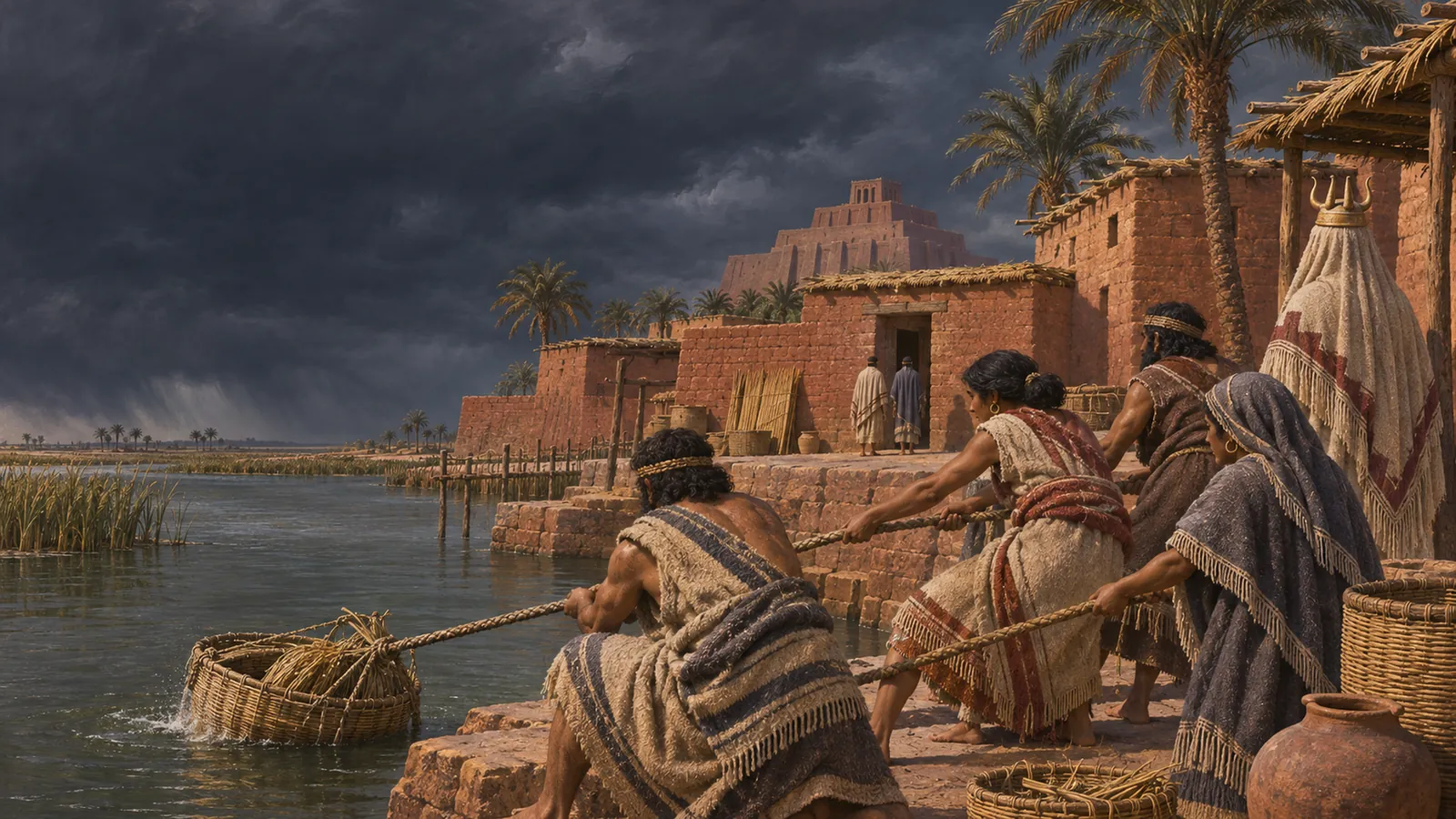
LA TORMENTA SOBRE UR
Tres fragmentos posteriores del lamento por Ur describen la tormenta y sus consecuencias. Thorkild Jacobsen los presenta con la forma poética inglesa de H A Groenewegen Frankfort.
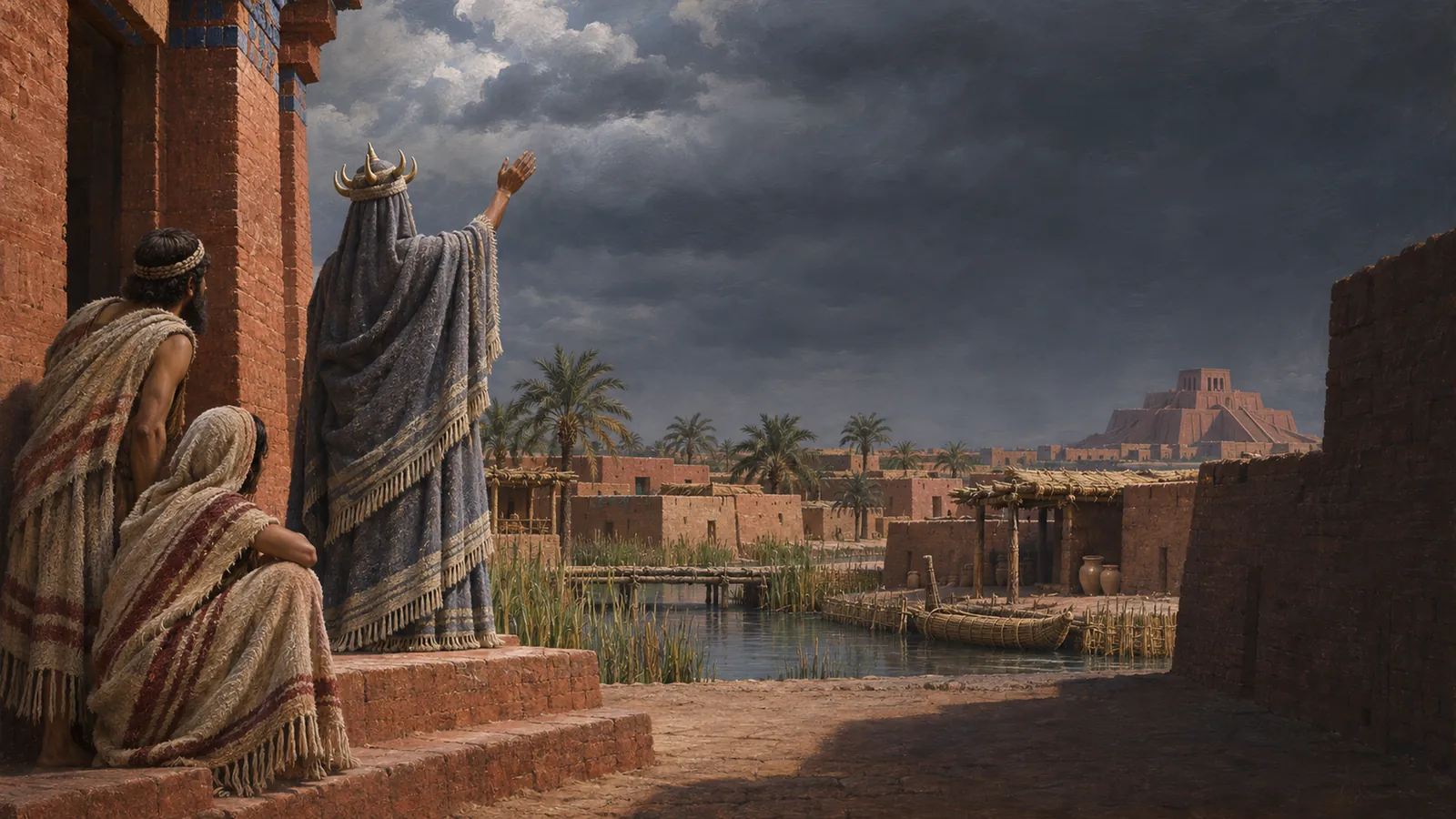
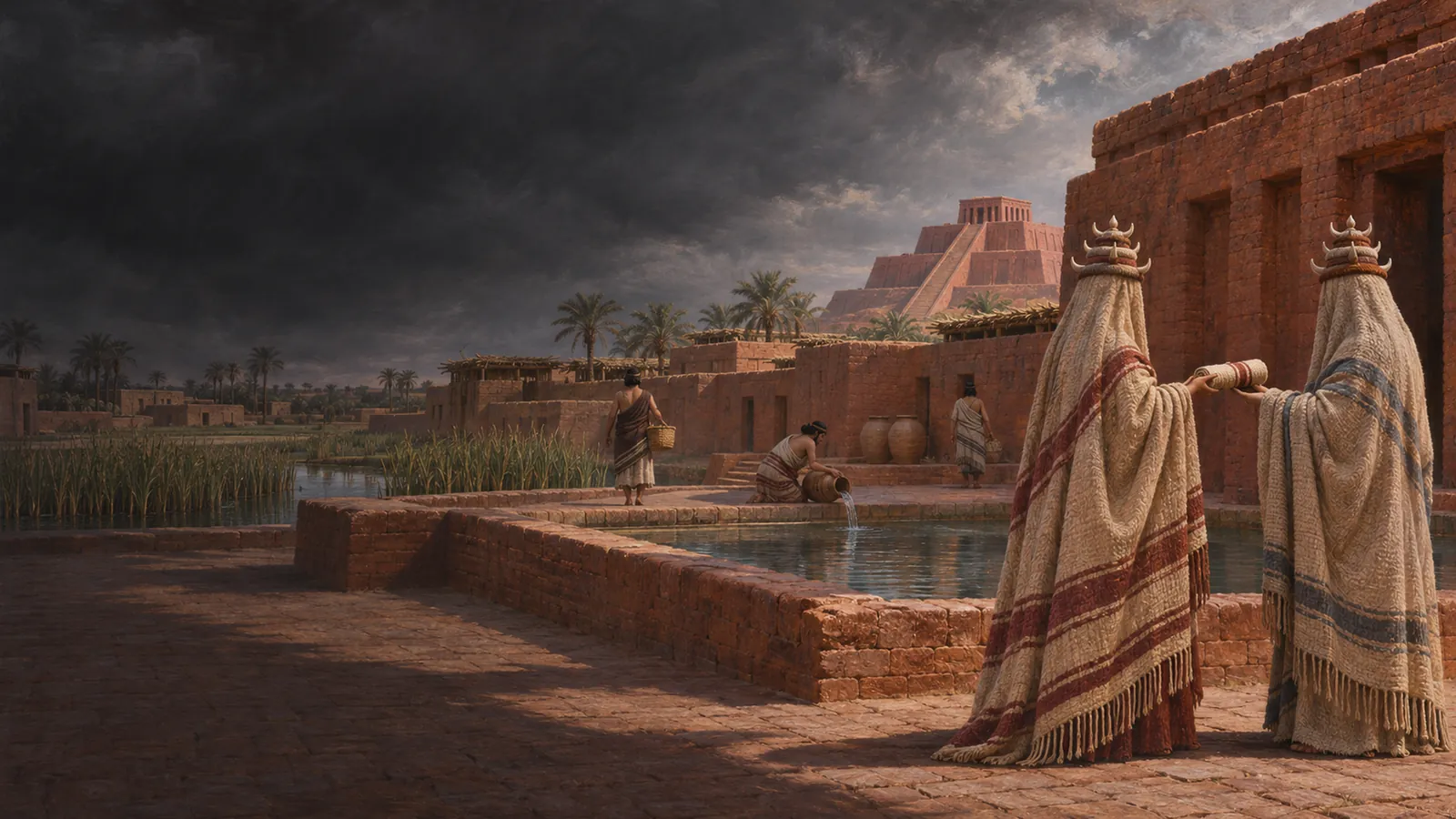
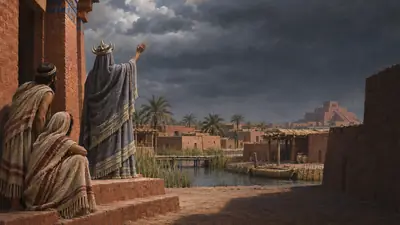
En el poema, Enlil llama a la tormenta. El pueblo se lamenta, y su lamento se convierte en un estribillo que vuelve mientras la tormenta es convocada.
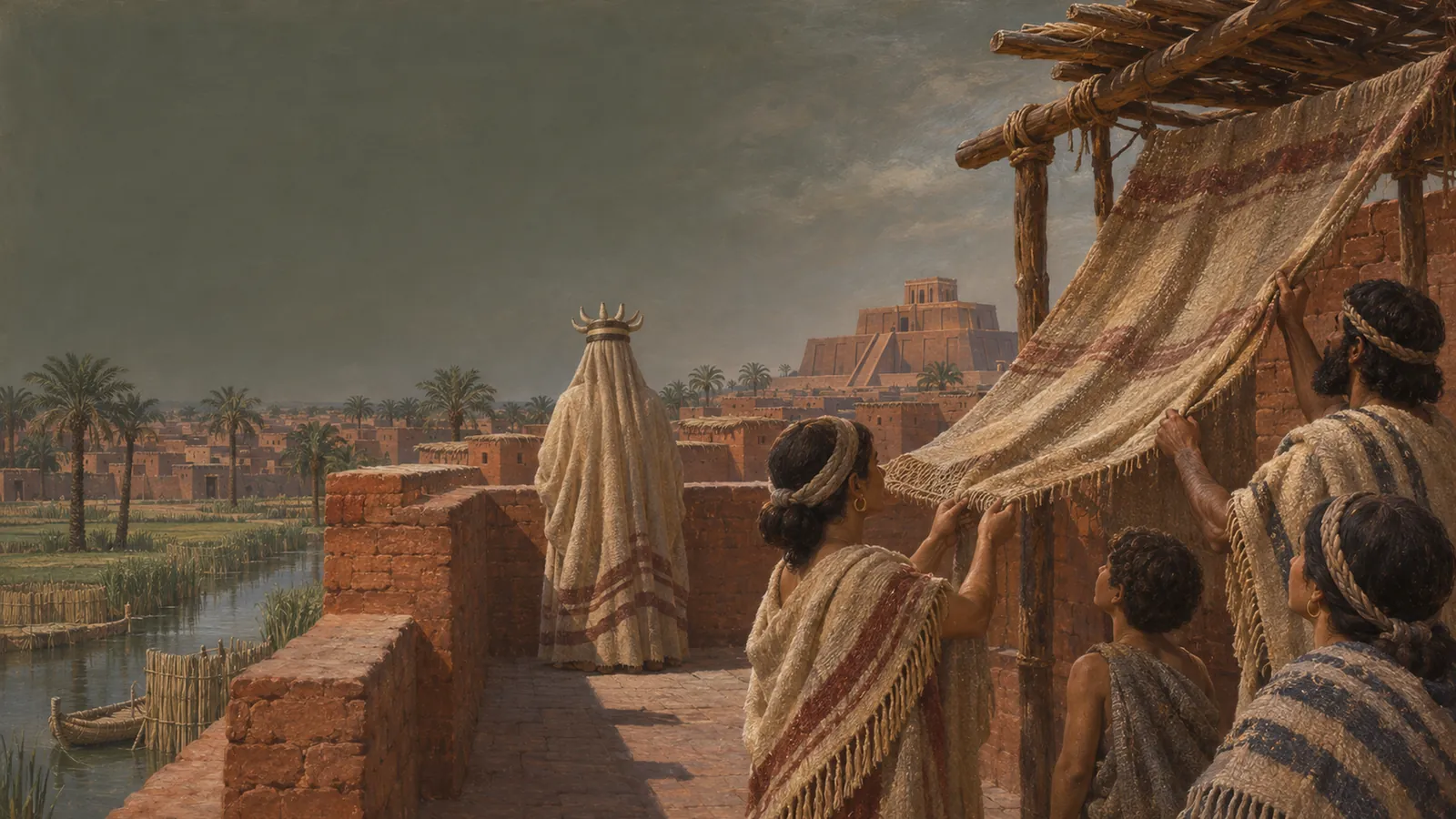
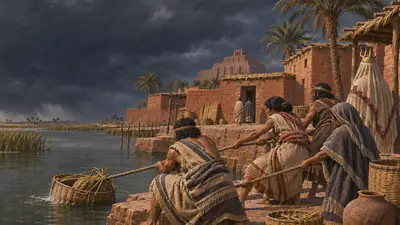
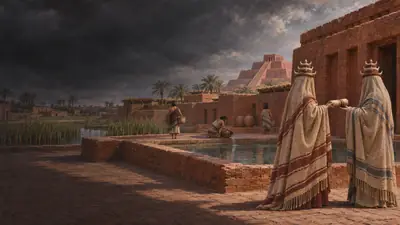
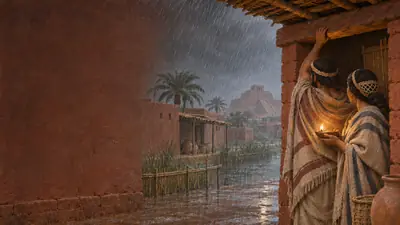
El poema dice que Enlil retira los vientos refrescantes del país y los buenos vientos de Sumer. El pueblo se lamenta después de cada pérdida.
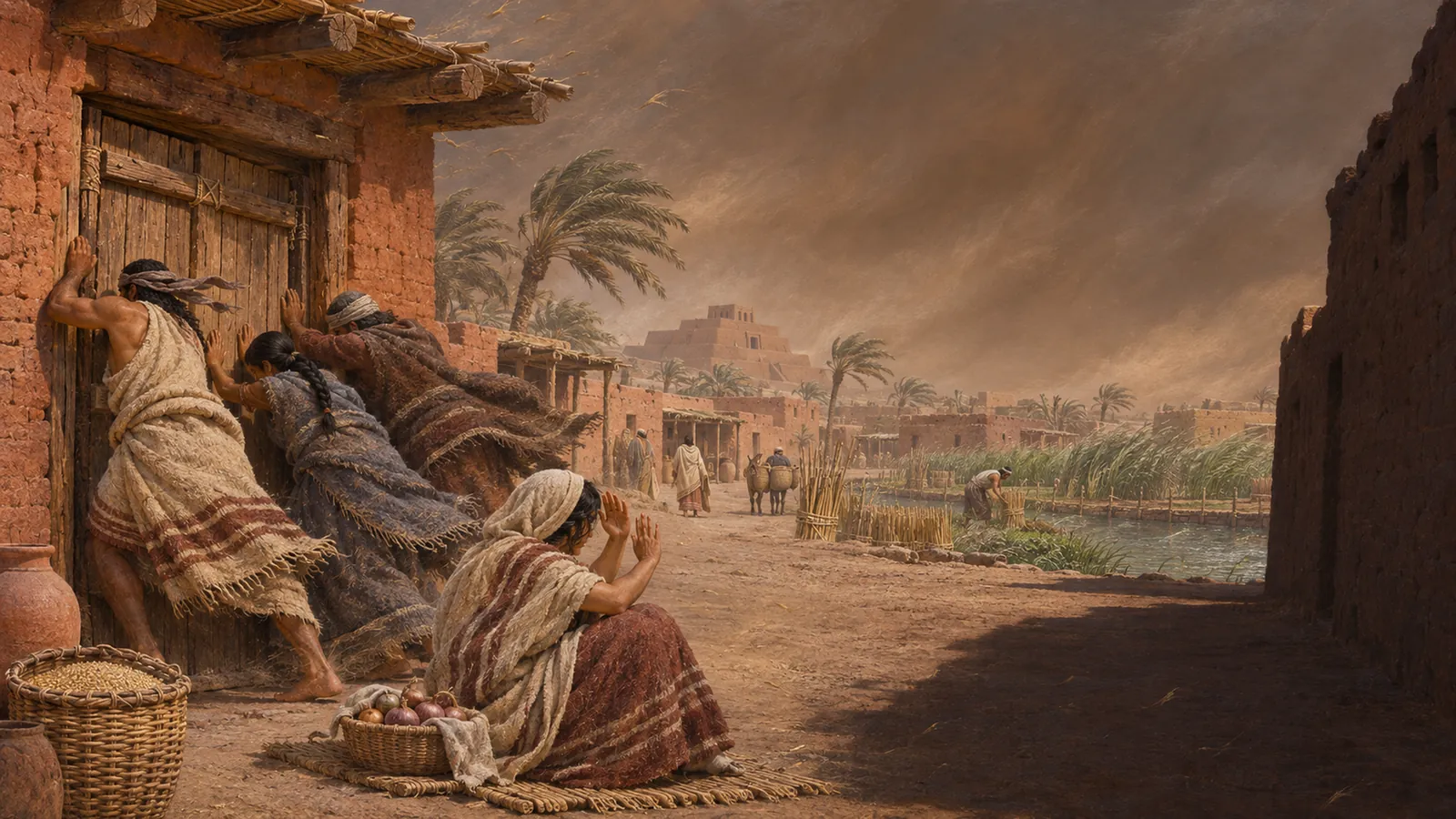
Enlil convoca después los vientos que el poema llama malignos. De nuevo, el verso sobre el lamento del pueblo responde a su acción.
KINGALUDA
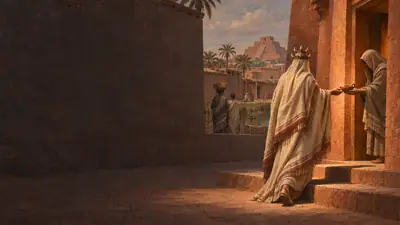
El poema dice que Enlil confía estos vientos a Kingaluda. Llama a Kingaluda cuidador de las tormentas.
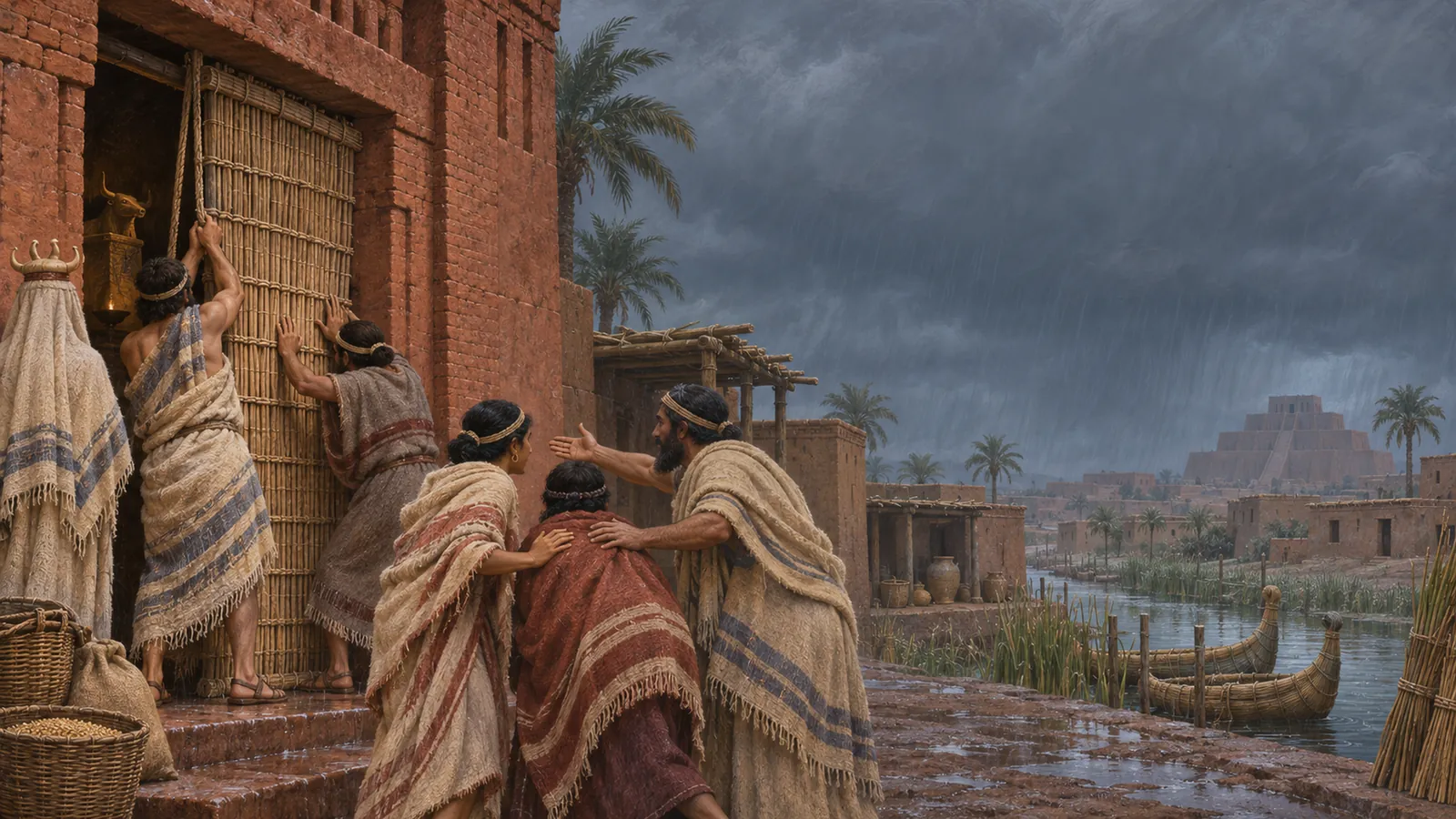
Enlil llama a la tormenta que aniquilará el país y convoca vientos desastrosos. El estribillo dice que el pueblo se lamenta después de cada llamada.
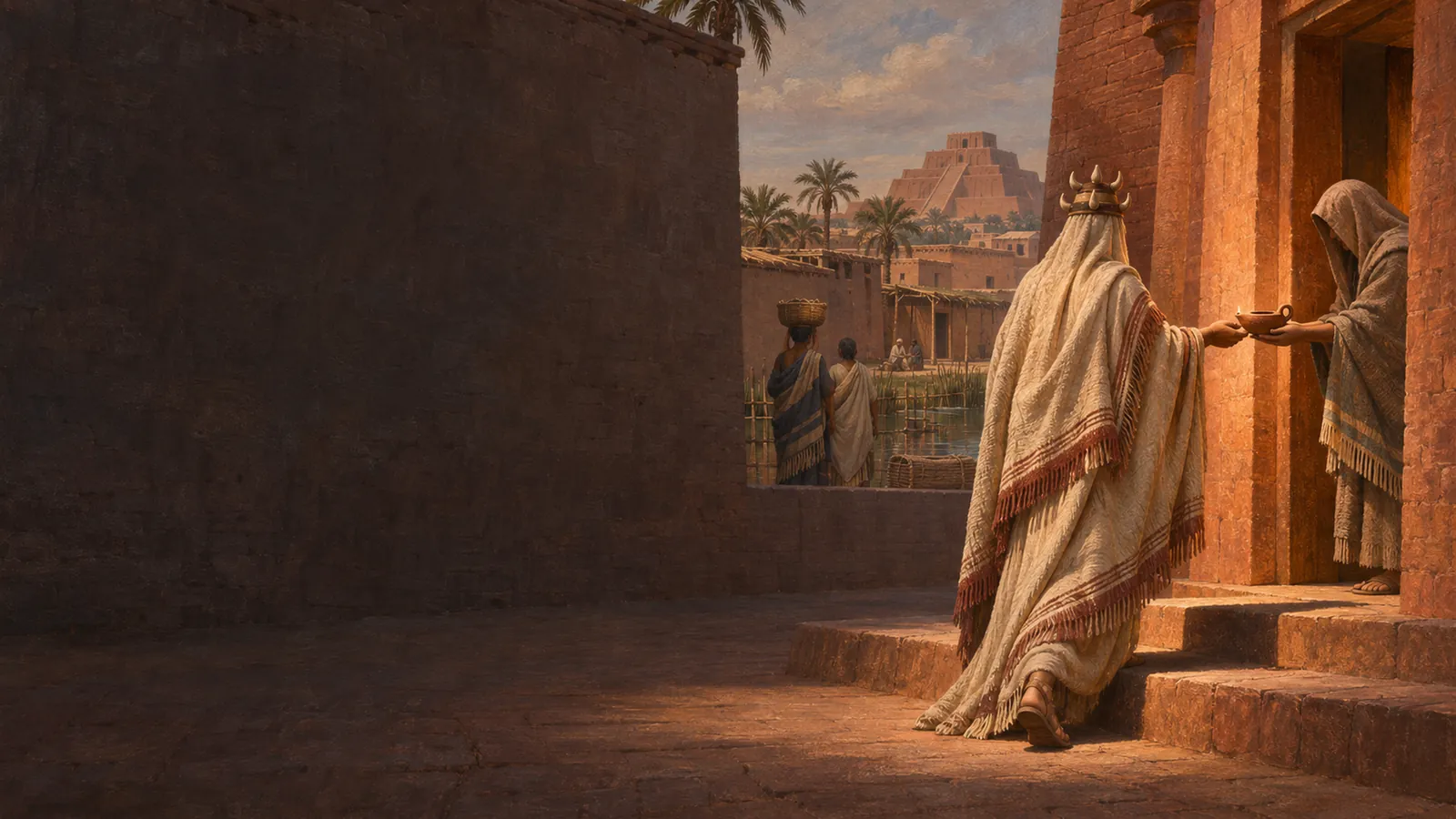
El poema nombra ahora a Gibil como el ayudante que elige Enlil. Esta elección precede a la llamada al huracán del cielo.
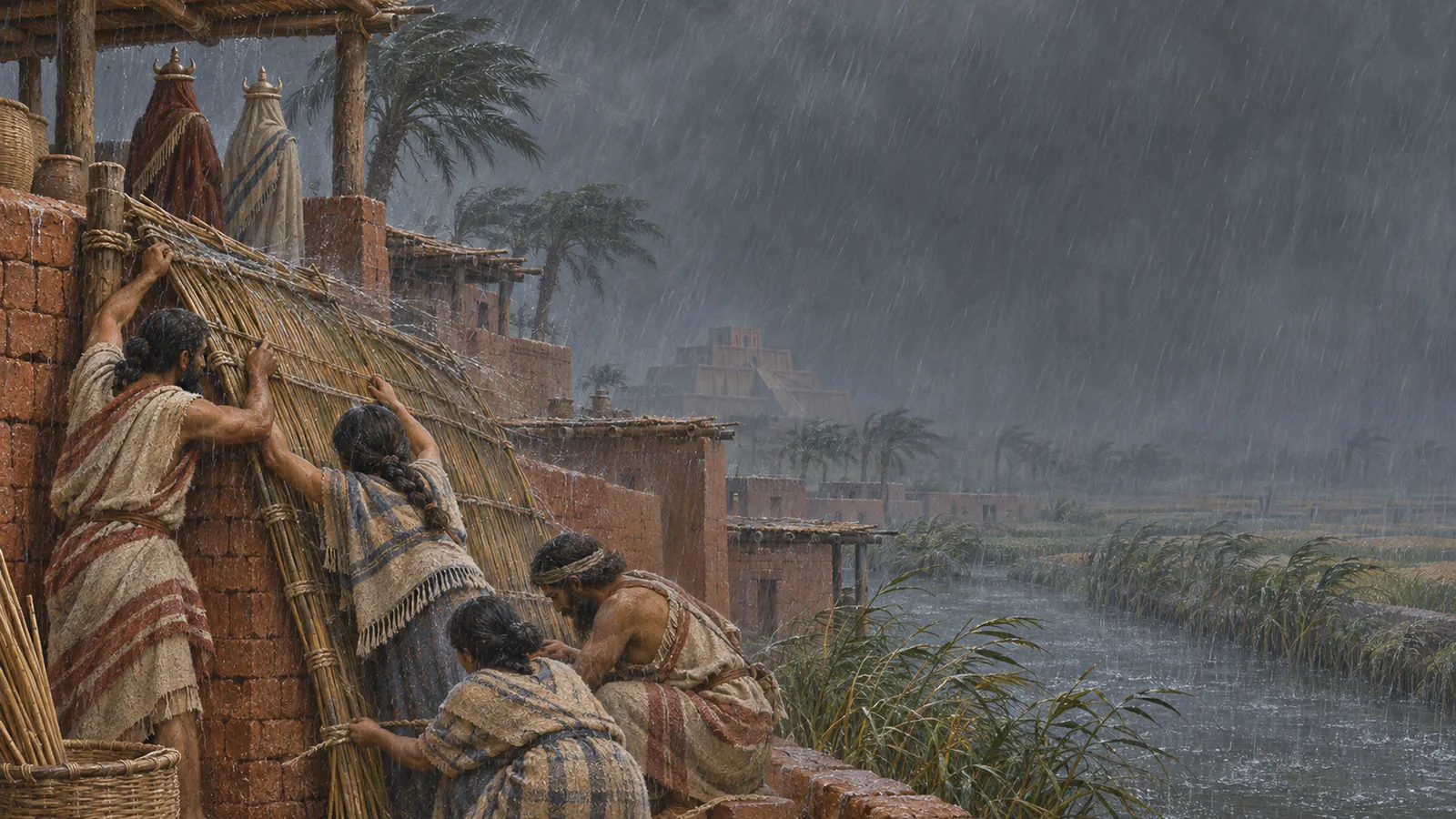
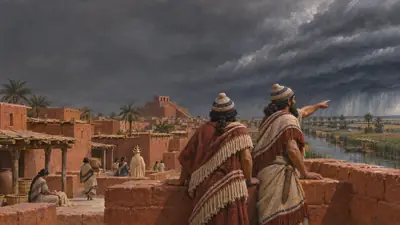
Enlil llama al huracán del cielo. El poema describe cómo aúlla por los cielos, mientras el estribillo dice que el pueblo se lamenta.
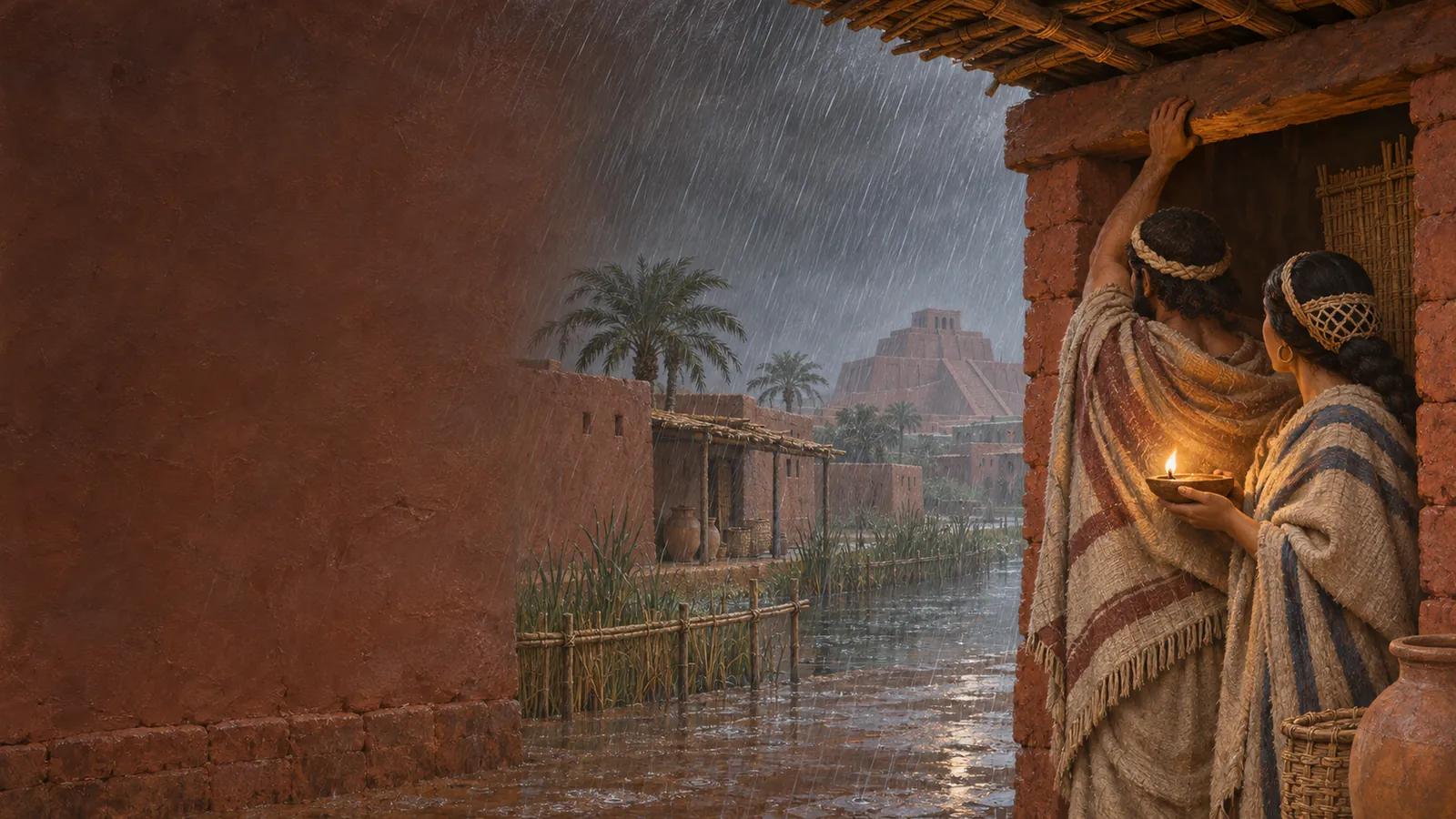
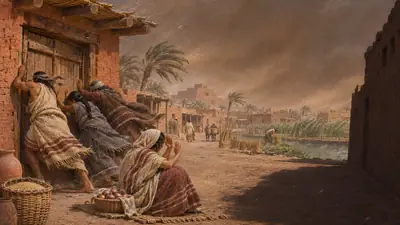
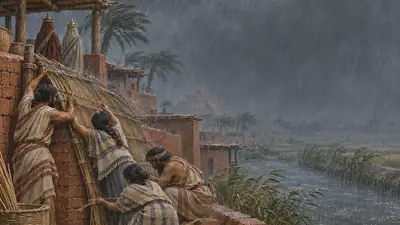
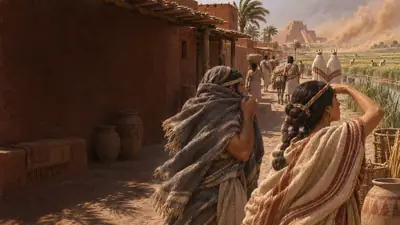
El poema describe la tormenta devastadora que ruge por el país. Una vez más, el lamento del pueblo interrumpe la descripción de su fuerza.
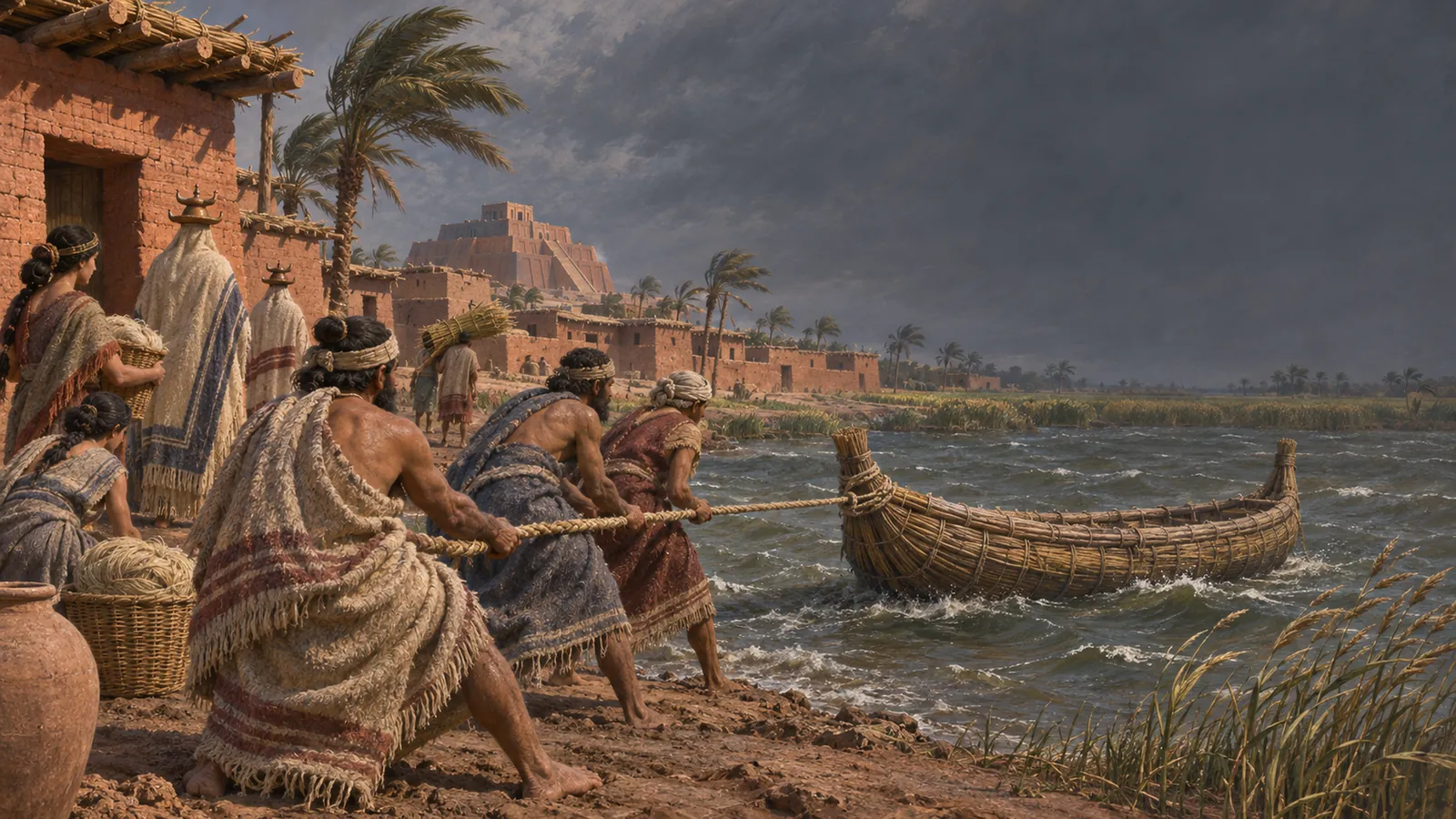
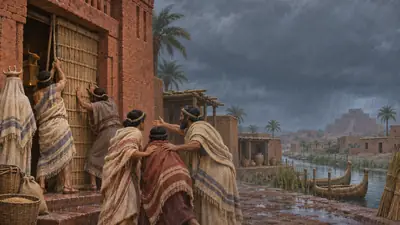
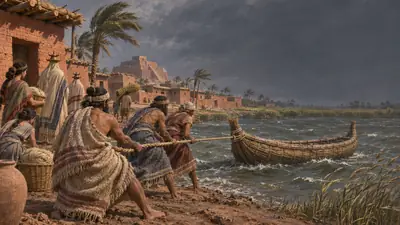
El poema presenta la tempestad tan implacable como una ola de inundación. Golpea los barcos de la ciudad y los devora.
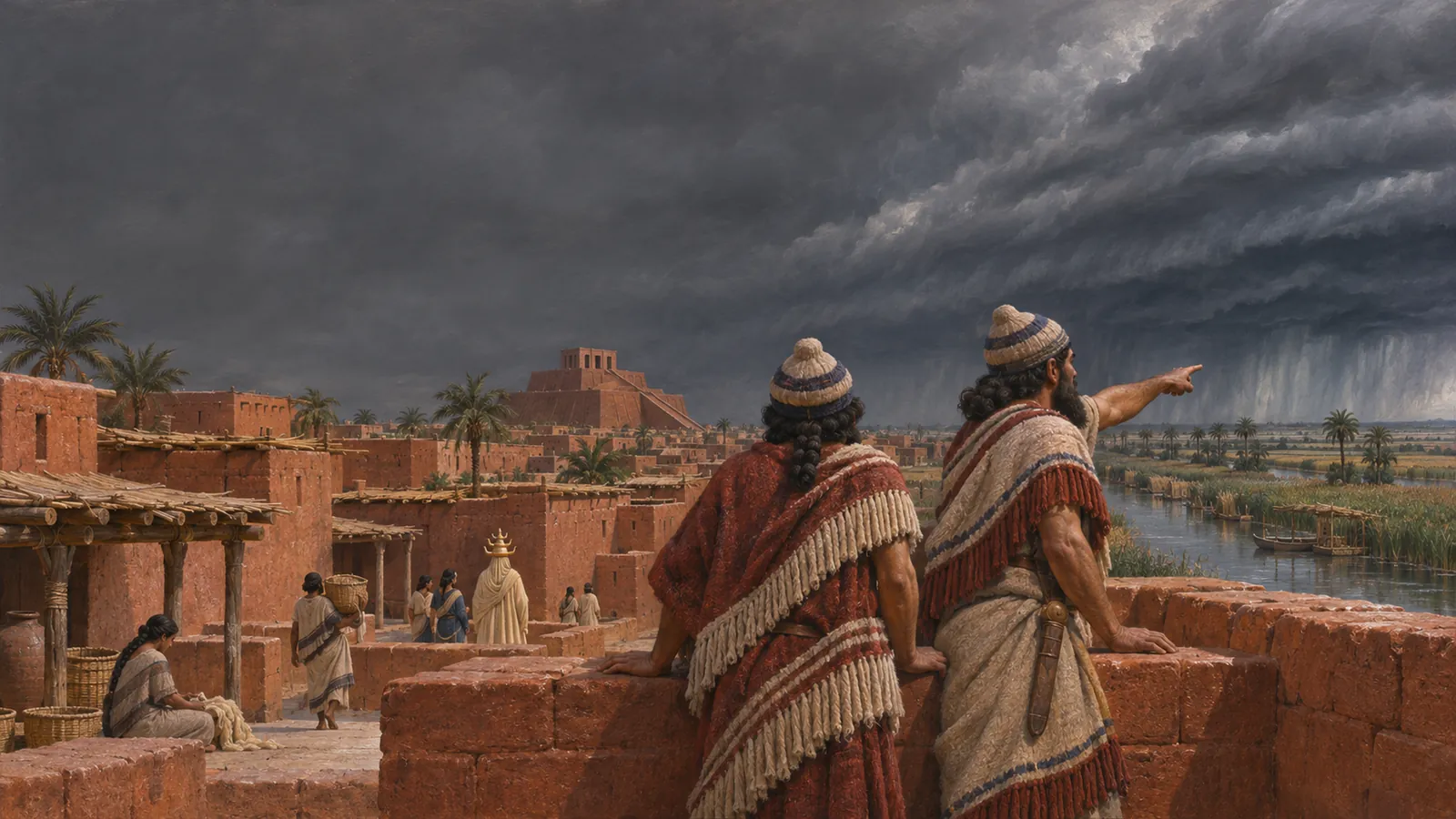
Enlil reúne todas estas tormentas en la base del cielo. Una vez más, el poema responde con el lamento del pueblo.
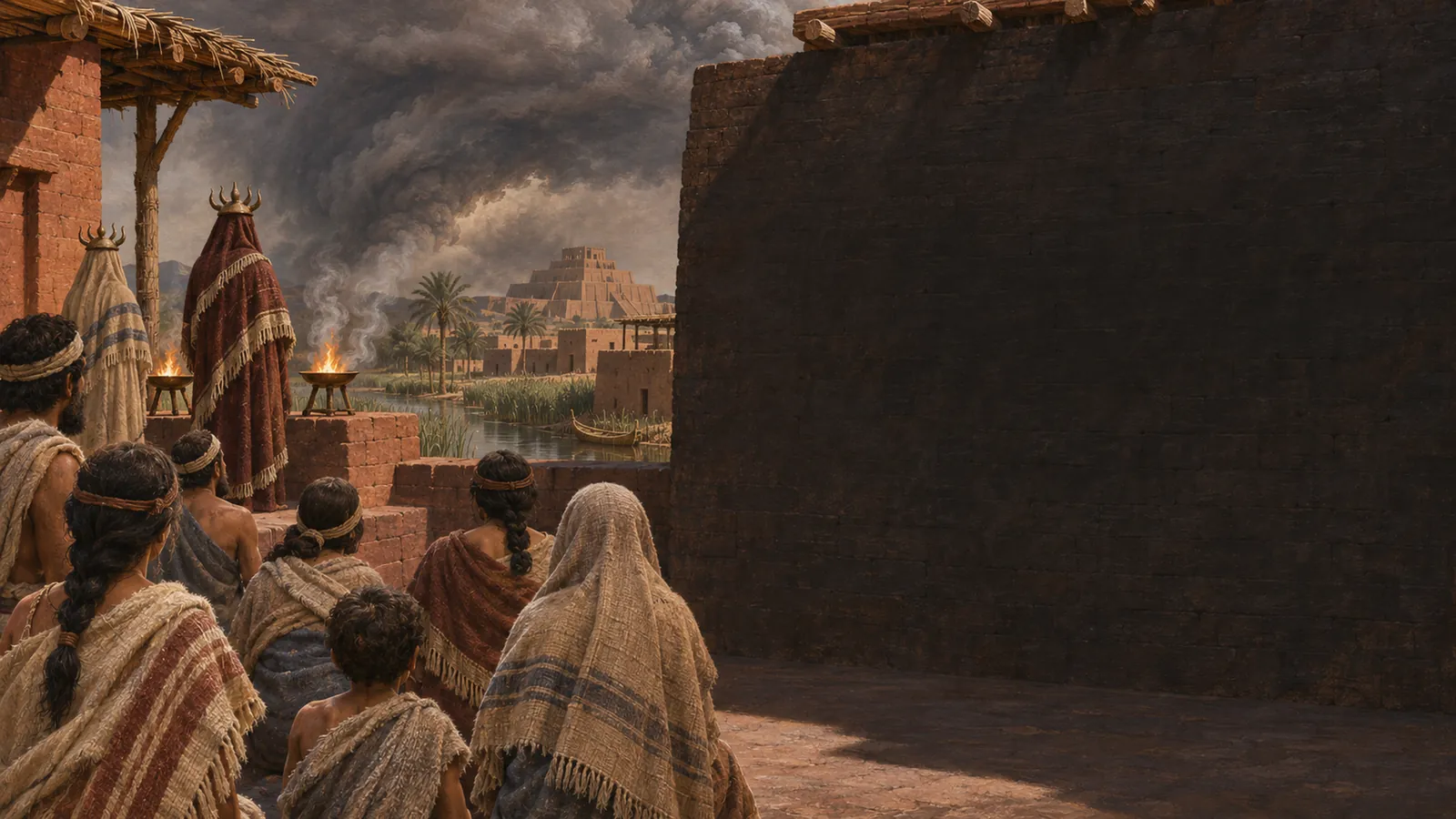
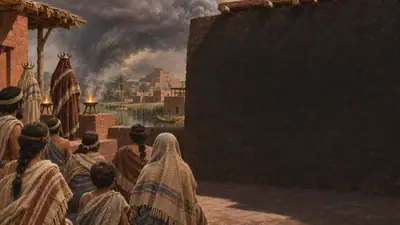
El poema dice que Enlil enciende grandes fuegos que anuncian la tormenta. El lamento del pueblo vuelve entre sus imágenes.
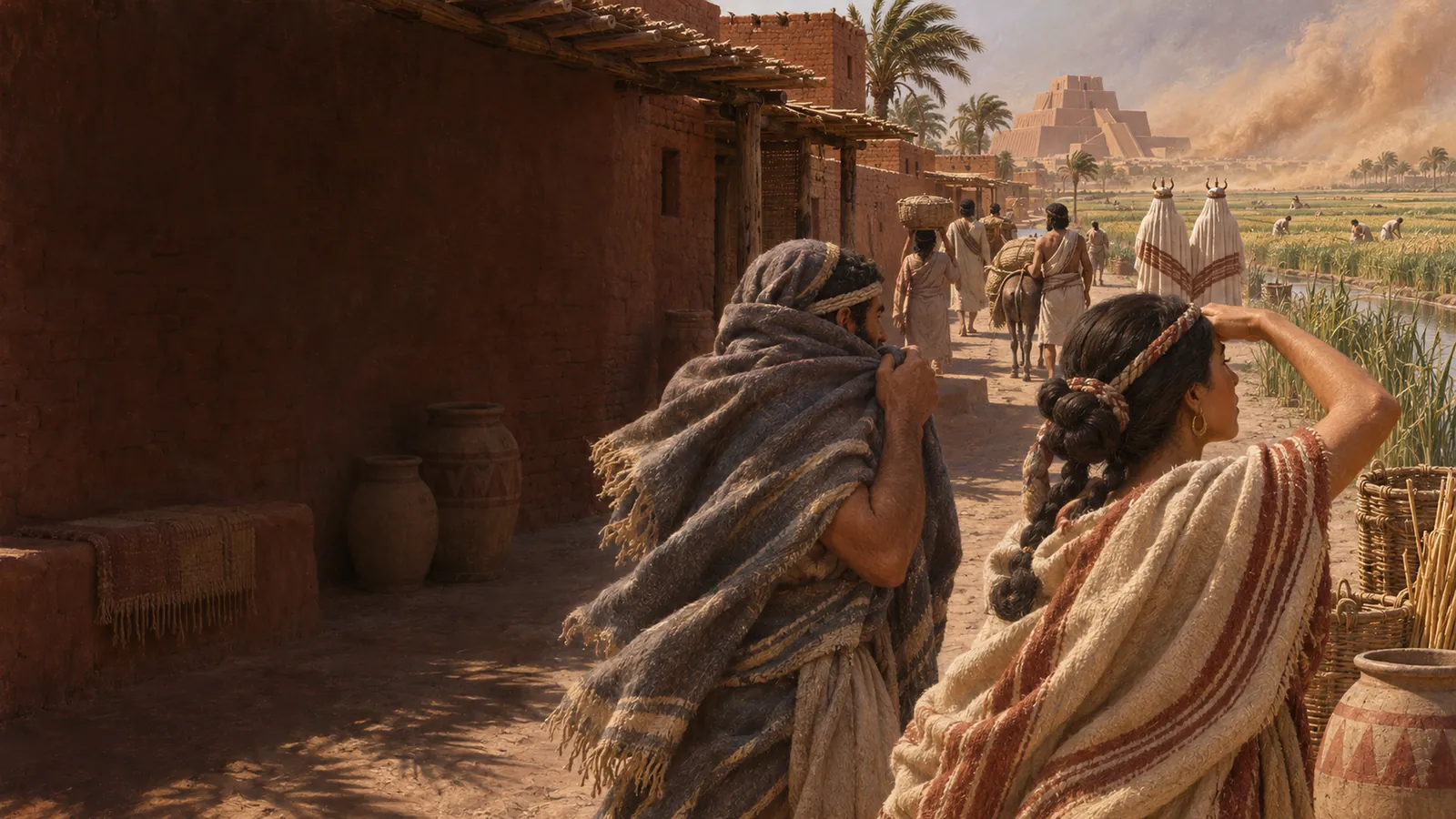
Coloca el calor abrasador del desierto en ambos flancos de los vientos furiosos. El poema compara ese ardor con el calor del mediodía.
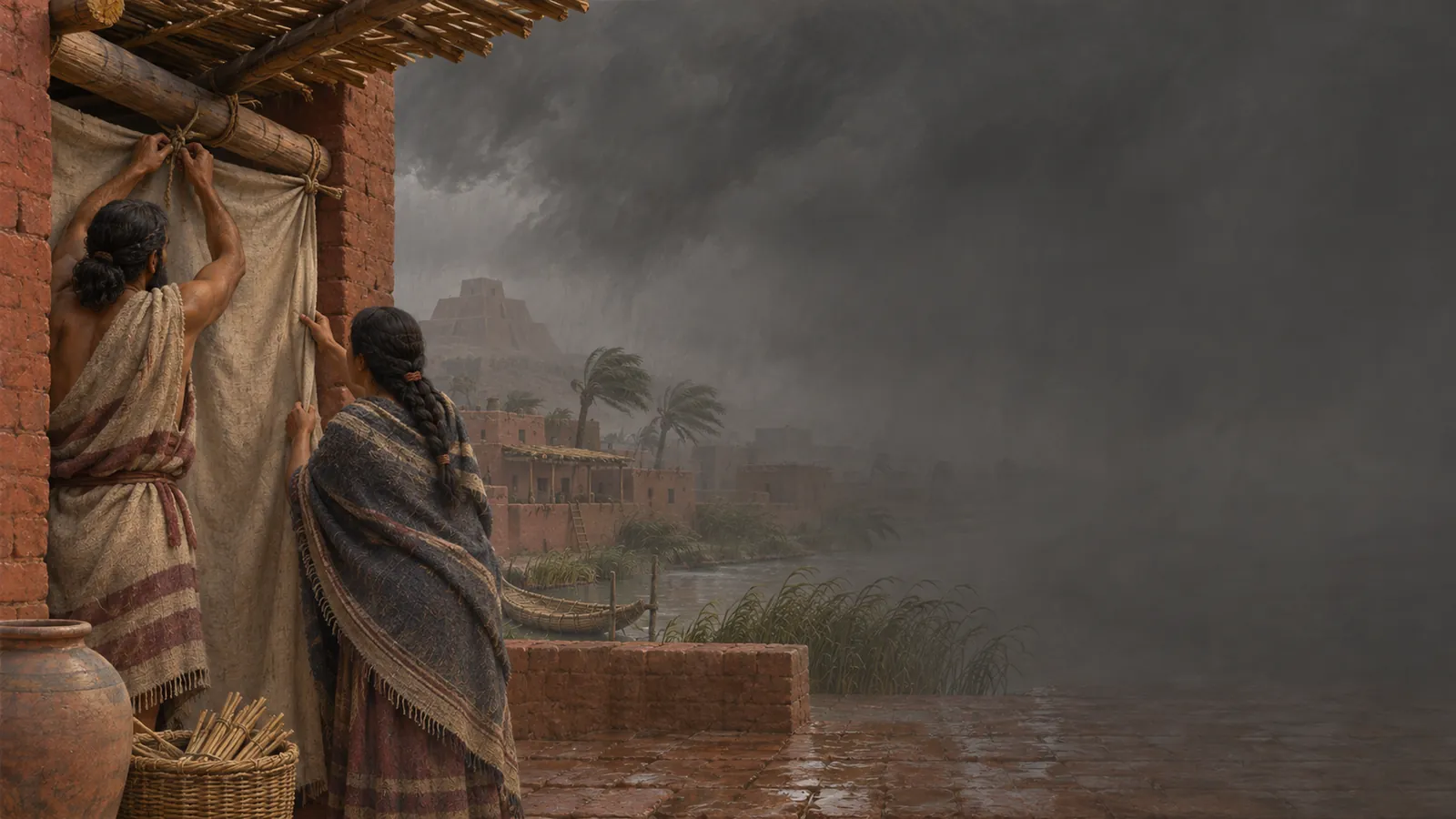
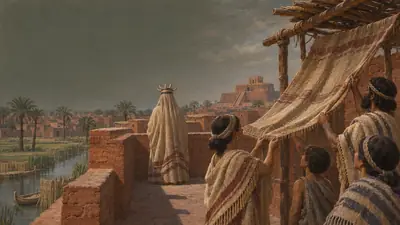
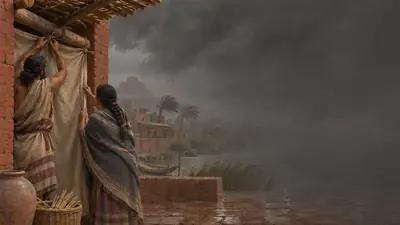
En una cita aparte, la tormenta ordenada por Enlil en su odio desgasta el país. Cubre Ur como una tela y la envuelve como una sábana de lino.
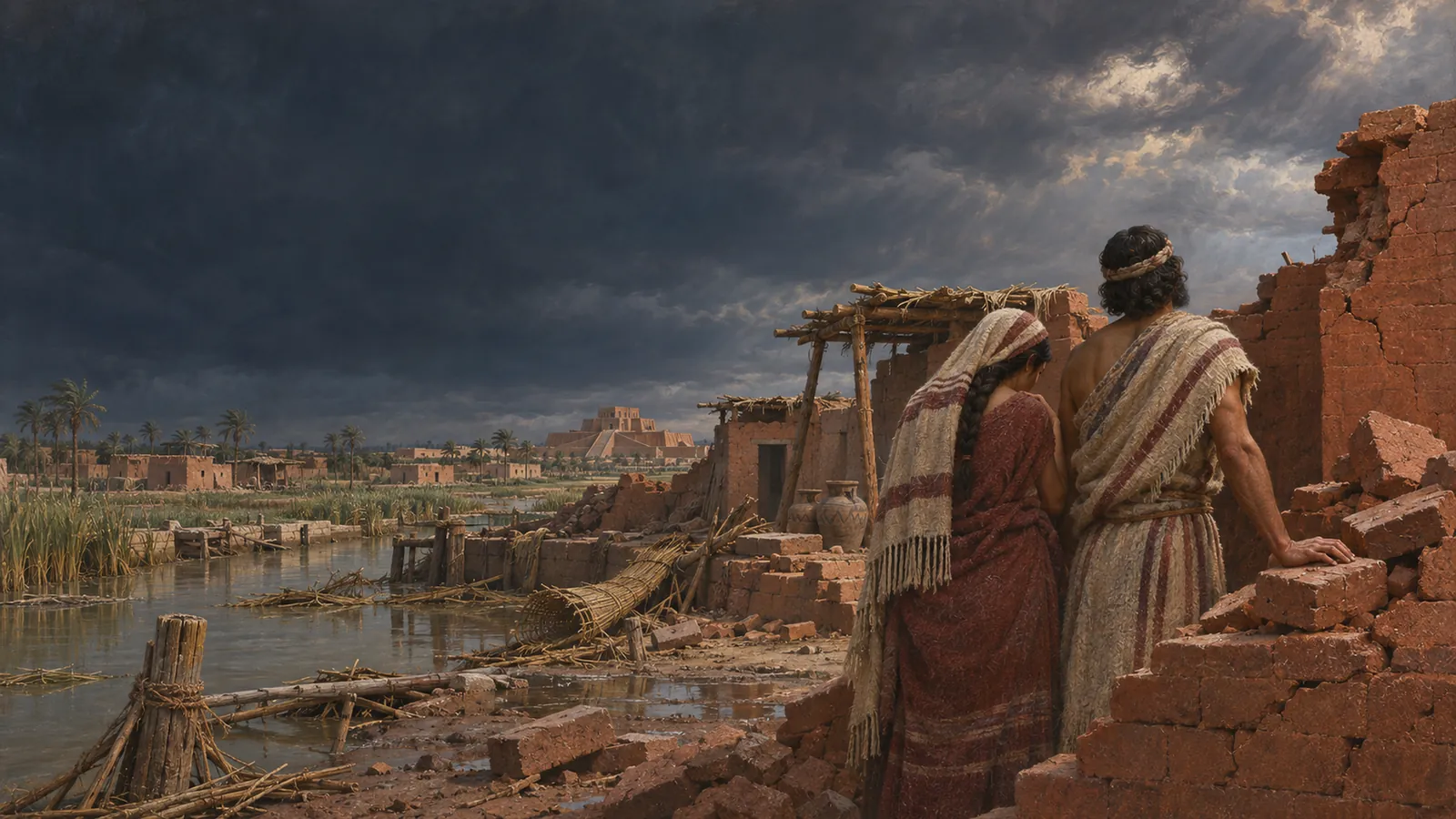
RUINAS
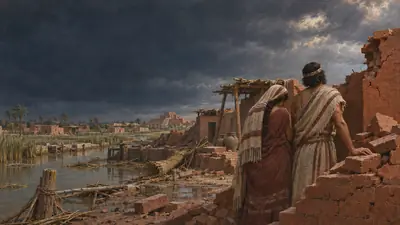
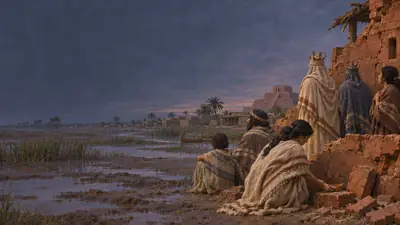
Otra cita dice que la tormenta ha dejado la ciudad en ruinas. Se dirige al padre Nanna y repite que la ciudad quedó arruinada, mientras el pueblo se lamenta.
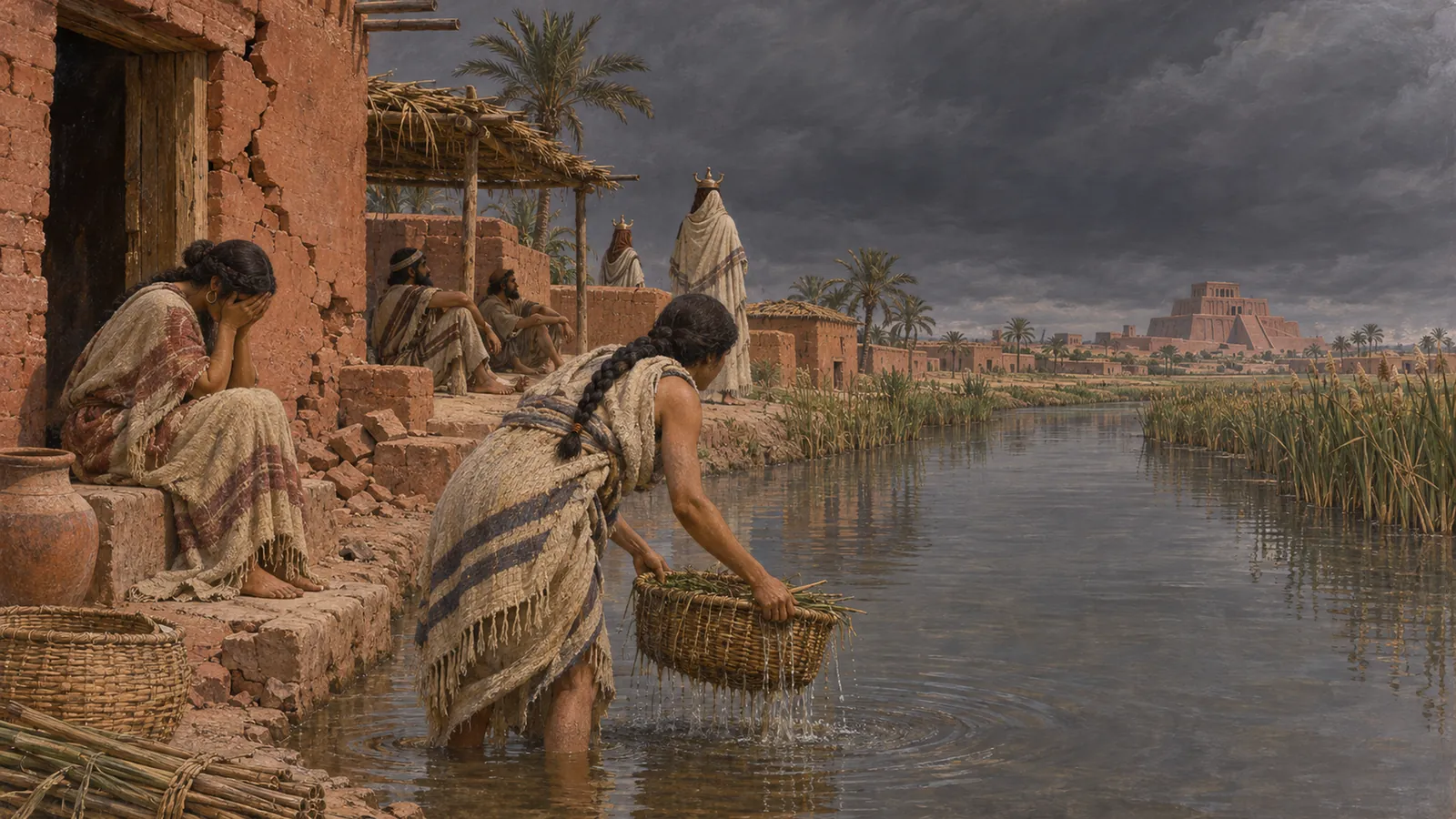
La tormenta ha dejado el país, dice el poema. Su respuesta recurrente vuelve a expresar el lamento del pueblo.
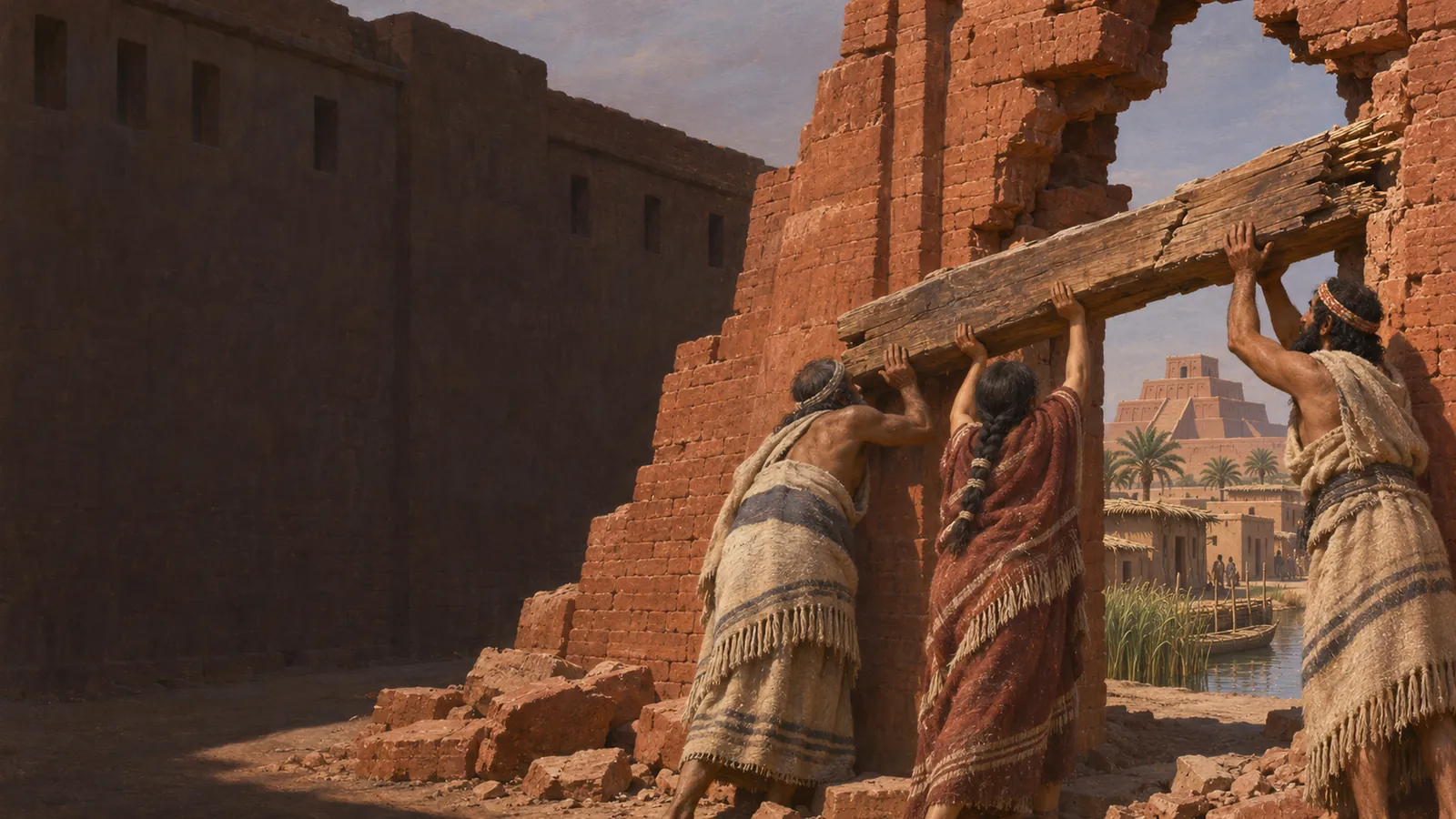
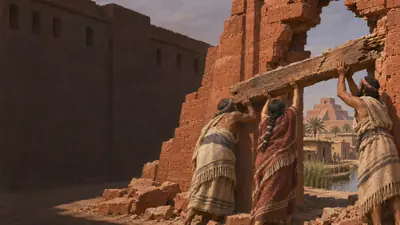
Los muertos cubren los accesos a la ciudad. Las murallas están abiertas en brechas, y las altas puertas y los caminos están llenos de muertos.
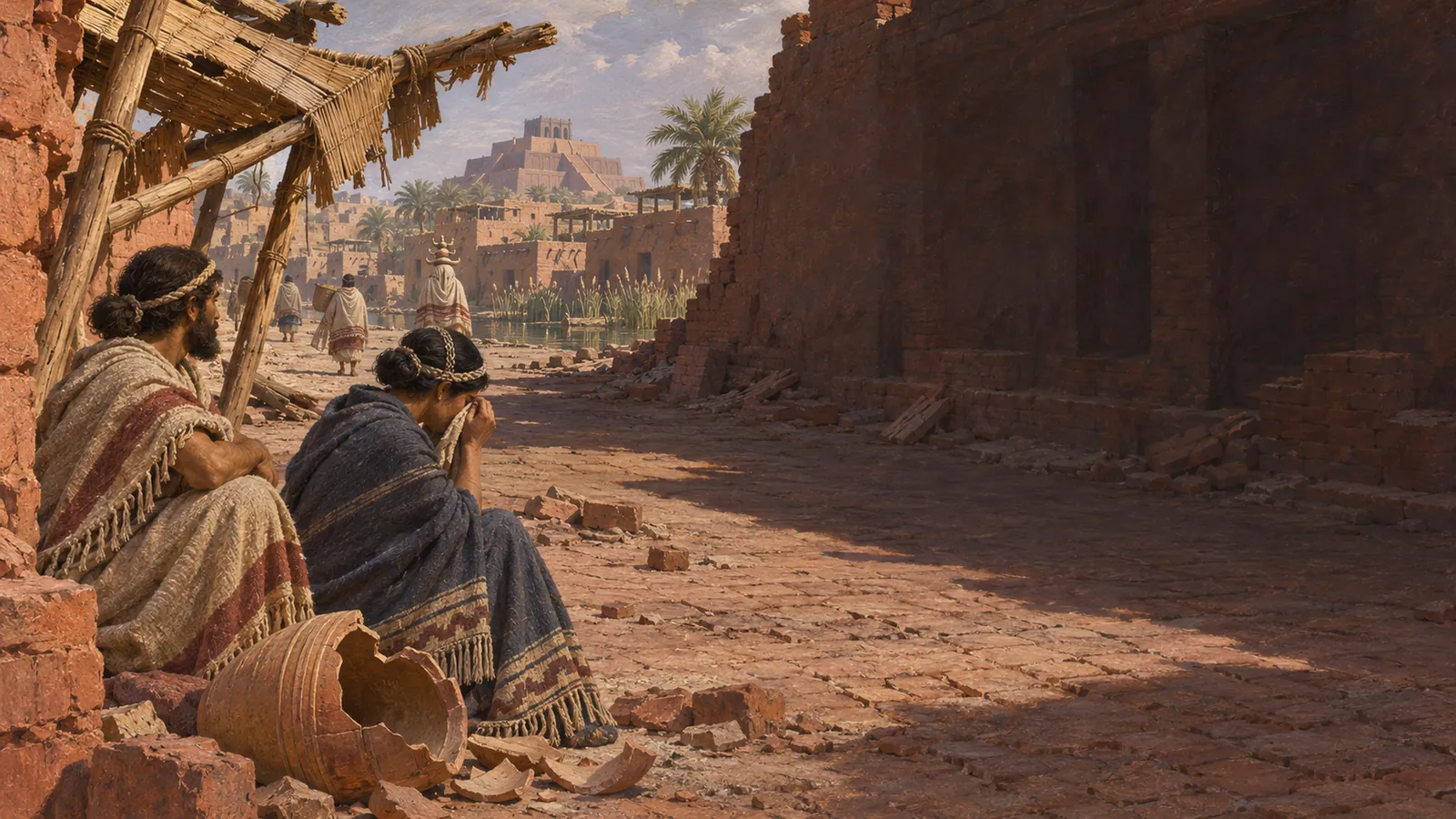
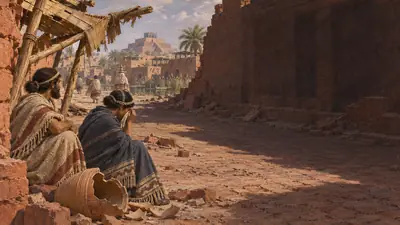
Las calles anchas reunían antes a multitudes para los banquetes. Ahora el poema dice que los muertos yacen dispersos allí, por todas las calles y caminos.
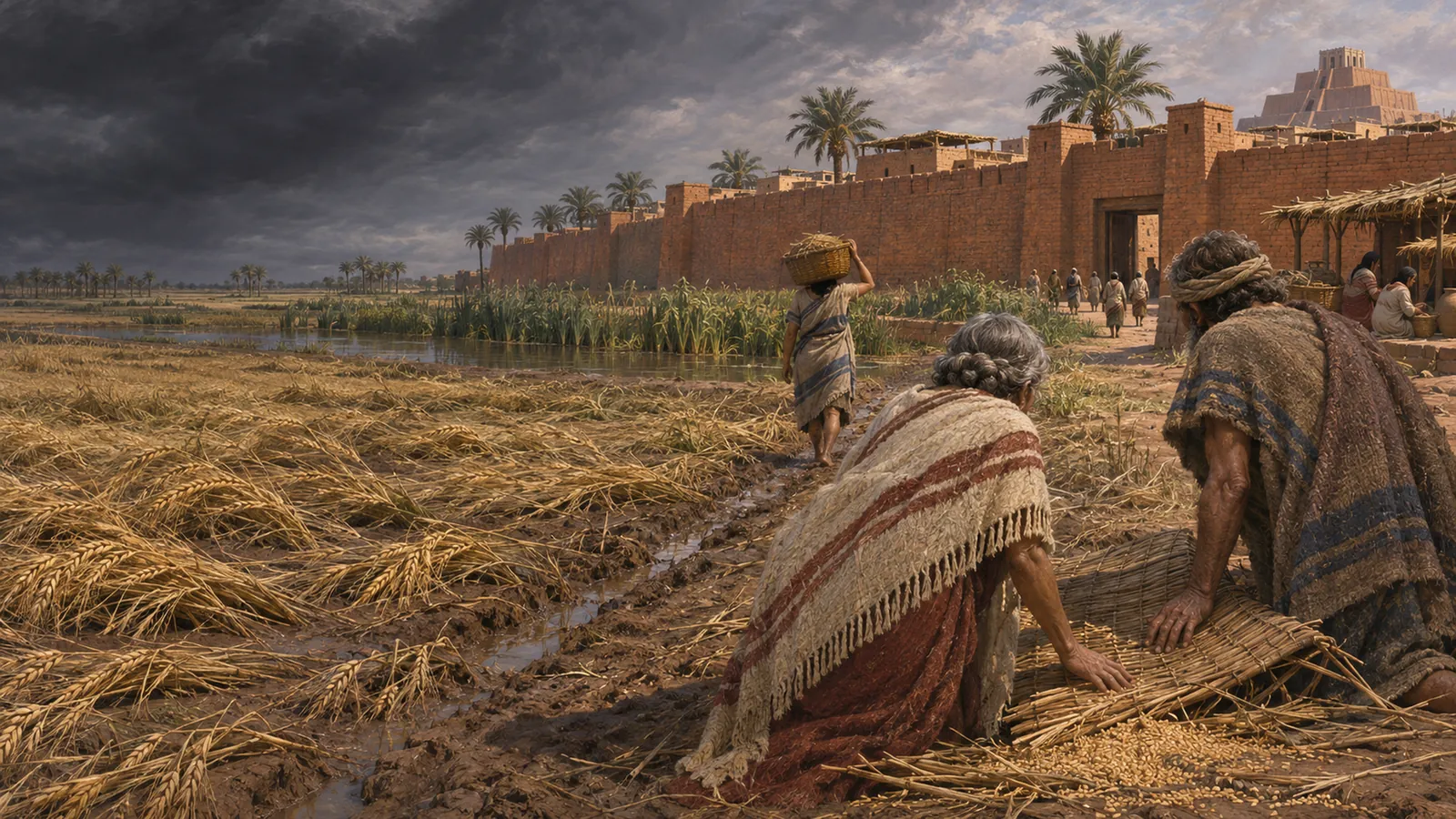
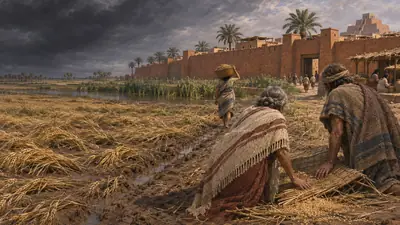
El poema se vuelve hacia los campos abiertos donde antes se reunían los bailarines. Dice que ahora los muertos yacen allí amontonados.
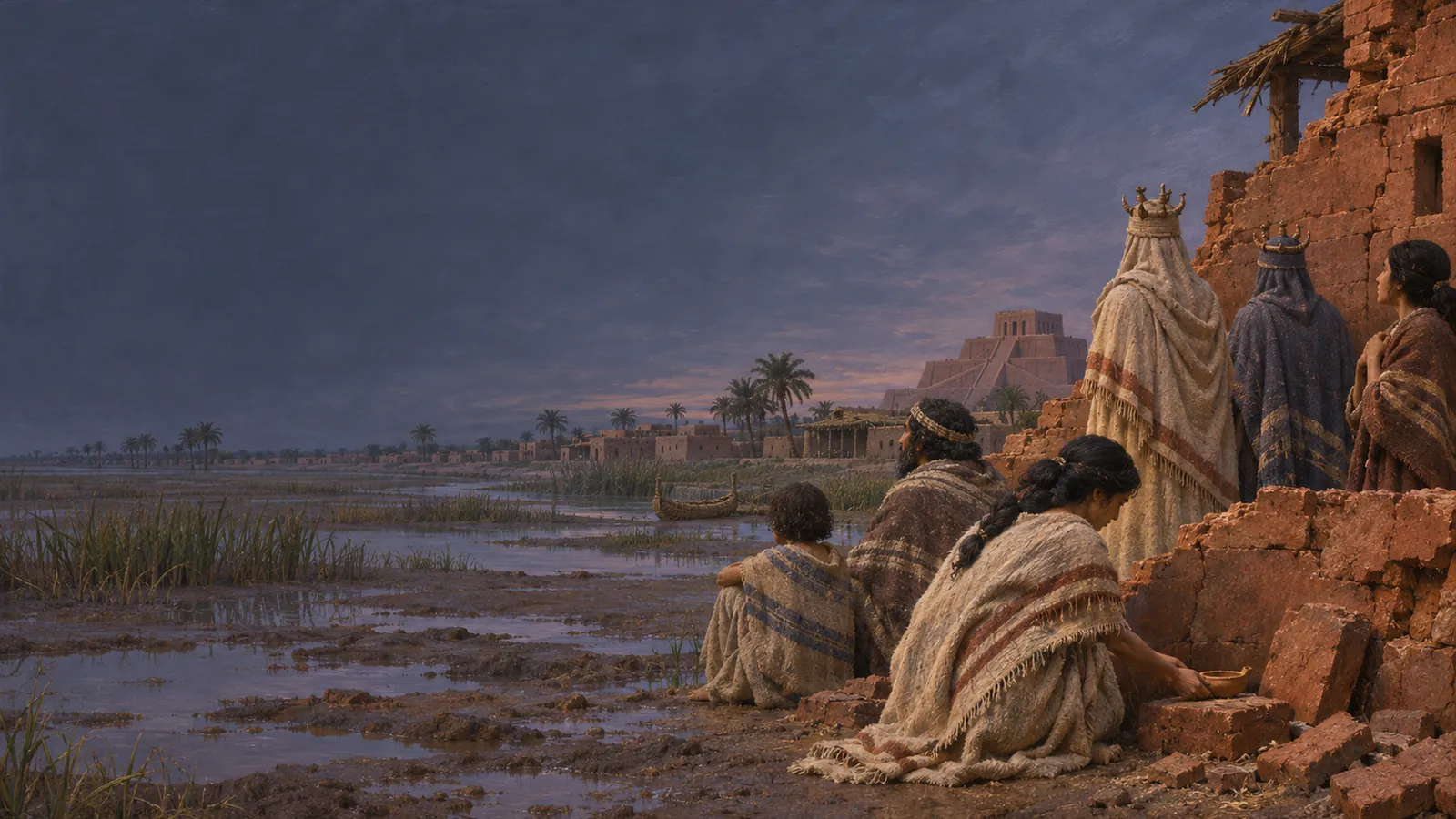
TRAS LA TORMENTA
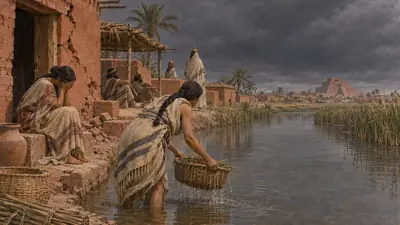
Las últimas líneas describen la sangre del país llenando las hondonadas y la descomposición de los muertos. Este fragmento seleccionado termina con esas imágenes de devastación.
Fin del capítulo 2
Todas las páginas
Fuentes
This chapter follows three further selections from the same Ur lament printed by Thorkild Jacobsen. The first is cited in note 16 as Kramer, Assyriological Studies XII, pp. 34 and 36, ancient lines 173–189. The second is cited in note 17 as p. 38, lines 203–204. The third is cited in note 18 as pp. 38 and 40, lines 208–218. The omitted intervals, 190–202 and 205–207, fall outside this modern selection. The book supplies inclusive ranges for its quotations. H. A. The 1946 main text is retained in the 1977 Phoenix edition. The ancient poem voices destruction, mourning and the death of inhabitants.
Ediciones consultadas
- University of Chicago, The Intellectual Adventure of Ancient Man
- Jacobsen’s three later Ur-lament selections, pp. 141–142
- Source notes 16–18, printed p. 184
Notas sobre este relato
printed pp. 141–142 and notes 16–18, p. 184. The opening names the modern scholars and the three selected excerpts.
first quotation, cited lines 173–189, opening call. Enlil calls the storm. The people’s mourning is printed immediately afterward and recurs throughout the selection.
same quotation and group bounds, withdrawal of the winds. Enlil takes exhilarating winds from the land and good winds from Sumer, printed as Shumer in the rendering. The people mourn after each statement.
same quotation and group bounds, evil winds. Enlil summons evil winds, followed by the mourning refrain.
same quotation and group bounds, Kingaluda. Enlil entrusts the winds to Kingaluda, described as the tender of storms.
same quotation and group bounds, two renewed calls. Enlil calls the storm that will annihilate the land, then disastrous winds. The refrain follows each call.
same quotation and group bounds, helper. Enlil chooses Gibil as his helper before calling the heavenly hurricane.
same quotation and group bounds, heavenly hurricane. Enlil calls the hurricane of heaven, and the text describes its howl across the skies. The words describing its greatness and blinding quality are parenthetical in the English rendering.
same quotation and group bounds, storm over the land. The shattering storm roars across the land. The printed mourning refrain interrupts the description.
same quotation and group bounds, ships. The tempest is compared to a relentless flood wave that beats down upon and devours the city’s ships.
After the tempest and the city’s ships, Enlil gathers all the storms at the base of heaven. The people’s mourning follows. This clause closes the portion printed on p. 141, and the same quotation continues on p. 142. The sequence is retained after page 10’s ship clause.
first quotation continued, cited ancient lines 173–189. The opening of this printed page gives the great fires that herald the storm, followed by the mourning response. The subject remains Enlil from the preceding passage.
The next clauses place the searing heat of the desert on either flank of the furious winds. The final comparison is to the flaming heat of noon. Note 16 cites Kramer, *AS* XII, pp. 34 and 36, lines 173–189. Jacobsen gives the inclusive ancient range for the entire quotation, without assigning separate ancient line numbers to these translated clauses.
second quotation, cited ancient lines 203–204. Enlil orders the storm in hatred. It wears away the country, covers Ur like cloth and encloses it like a linen sheet. These are two closely paired textile comparisons in the printed rendering. Note 17 cites the same edition, p. 38, lines 203–204. Ancient lines 190–202 lie outside this selection between the first and second quotations. This is an editorial interval between excerpts.
opening of the third quotation, cited ancient lines 208–218. The storm leaves the city, which is a ruin. The next clause addresses father Nanna and repeats that the town has been left ruined, followed by the people’s mourning. Father Nanna remains an address within the quoted lament. Note 18 cites Kramer, *AS* XII, pp. 38 and 40, lines 208–218. Ancient lines 205–207 lie outside Jacobsen’s selection between the second and third quotations.
third quotation, cited ancient lines 208–218. After leaving the city, the storm leaves the country. The response repeats the people’s mourning.
third quotation, cited ancient lines 208–218. The approaches are covered by men rather than potsherds. The word “Dead” is parenthetical in the printed English. The walls gape, and the high gates and roads are piled with the dead. The comparison with potsherds belongs to the printed passage.
third quotation, cited ancient lines 208–218. The wide streets once drew feasting crowds. The poem now places scattered dead there and continues with bodies throughout the streets and roadways. The past feasts and present deaths are both explicit in this quotation.
third quotation, cited ancient lines 208–218. This change of setting follows the streets in the printed order.
The last lines describe the country’s blood filling its holes like metal in a mold. Bodies dissolve like fat left in the sun. These are the two final material similes. The two explicit comparisons are retained in this note. The selected quotation ends here, before Jacobsen resumes his prose about Enlil’s role.
Los versos antiguos de cada página
- Page 1: Jacobsen, The Intellectual Adventure of Ancient Man, 1946 text / 1977 Phoenix ed., pp. 141–142; notes 16–18, p. 184, selected lines 173–189, 203–204, 208–218
- Page 2: Jacobsen, The Intellectual Adventure of Ancient Man, 1946 text / 1977 Phoenix ed., p. 141, storm quotation; n. 16, p. 184 cites Kramer AS XII, lines 173–189, opening call and refrain
- Page 3: Jacobsen, The Intellectual Adventure of Ancient Man, 1946 text / 1977 Phoenix ed., p. 141, storm quotation; n. 16, p. 184 cites Kramer AS XII, lines 173–189, the two withdrawals of good winds
- Page 4: Jacobsen, The Intellectual Adventure of Ancient Man, 1946 text / 1977 Phoenix ed., p. 141, storm quotation; n. 16, p. 184 cites Kramer AS XII, lines 173–189, the summoning of evil winds and refrain
- Page 5: Jacobsen, The Intellectual Adventure of Ancient Man, 1946 text / 1977 Phoenix ed., p. 141, storm quotation; n. 16, p. 184 cites Kramer AS XII, lines 173–189, the entrusting of winds to Kingaluda
- Page 6: Jacobsen, The Intellectual Adventure of Ancient Man, 1946 text / 1977 Phoenix ed., p. 141, storm quotation; n. 16, p. 184 cites Kramer AS XII, lines 173–189, the annihilating storm and disastrous winds
- Page 7: Jacobsen, The Intellectual Adventure of Ancient Man, 1946 text / 1977 Phoenix ed., p. 141, storm quotation; n. 16, p. 184 cites Kramer AS XII, lines 173–189, Gibil chosen before the heavenly hurricane
- Page 8: Jacobsen, The Intellectual Adventure of Ancient Man, 1946 text / 1977 Phoenix ed., p. 141, storm quotation; n. 16, p. 184 cites Kramer AS XII, lines 173–189, the heavenly hurricane and howling skies
- Page 9: Jacobsen, The Intellectual Adventure of Ancient Man, 1946 text / 1977 Phoenix ed., p. 141, storm quotation; n. 16, p. 184 cites Kramer AS XII, lines 173–189, the shattering storm and repeated mourning
- Page 10: Jacobsen, The Intellectual Adventure of Ancient Man, 1946 text / 1977 Phoenix ed., p. 141, storm quotation; n. 16, p. 184 cites Kramer AS XII, lines 173–189, flood-wave simile and the city’s ships
- Page 11: Jacobsen, The Intellectual Adventure of Ancient Man, first Phoenix ed. (1977; main text 1946), p. 141, first quotation, cited ancient lines 173–189, closing gathering at the base of heaven and mourning response; poetic rendering by H A Groenewegen Frankfort
- Page 12: Jacobsen, The Intellectual Adventure of Ancient Man, first Phoenix ed. (1977; main text 1946), p. 142, first quotation continued from p. 141, cited ancient lines 173–189, opening fires that herald the storm and mourning response; poetic rendering by H A Groenewegen Frankfort
- Page 13: Jacobsen, The Intellectual Adventure of Ancient Man, first Phoenix ed. (1977; main text 1946), p. 142, end of the first quotation, cited ancient lines 173–189, desert heat on either flank and noon-heat comparison; poetic rendering by H A Groenewegen Frankfort
- Page 14: Jacobsen, The Intellectual Adventure of Ancient Man, first Phoenix ed. (1977; main text 1946), p. 142, second quotation, cited ancient lines 203–204, storm ordered in hatred, wearing away the country, cloth and linen-sheet similes; poetic rendering by H A Groenewegen Frankfort
- Page 15: Jacobsen, The Intellectual Adventure of Ancient Man, first Phoenix ed. (1977; main text 1946), p. 142, third quotation, cited ancient lines 208–218, opening departure from the city, ruined town, address to father Nanna and mourning response; poetic rendering by H A Groenewegen Frankfort
- Page 16: Jacobsen, The Intellectual Adventure of Ancient Man, first Phoenix ed. (1977; main text 1946), p. 142, third quotation, cited ancient lines 208–218, departure from the country and recurring mourning response; poetic rendering by H A Groenewegen Frankfort
- Page 17: Jacobsen, The Intellectual Adventure of Ancient Man, first Phoenix ed. (1977; main text 1946), p. 142, third quotation, cited ancient lines 208–218, men rather than potsherds at the approaches, gaping walls, high gates and roads; poetic rendering by H A Groenewegen Frankfort
- Page 18: Jacobsen, The Intellectual Adventure of Ancient Man, first Phoenix ed. (1977; main text 1946), p. 142, third quotation, cited ancient lines 208–218, wide streets formerly filled with feasting crowds, followed by streets and roadways; poetic rendering by H A Groenewegen Frankfort
- Page 19: Jacobsen, The Intellectual Adventure of Ancient Man, first Phoenix ed. (1977; main text 1946), p. 142, third quotation, cited ancient lines 208–218, open fields formerly filled with dancers and heaps of the dead; poetic rendering by H A Groenewegen Frankfort
- Page 20: Jacobsen, The Intellectual Adventure of Ancient Man, first Phoenix ed. (1977; main text 1946), p. 142, end of the third quotation, cited ancient lines 208–218, blood in hollows like metal in a mold and bodies dissolving like fat left in the sun; poetic rendering by H A Groenewegen Frankfort
Ilustraciones hechas por IL Archive con herramientas de IA; el texto se basa en las fuentes antiguas (véanse las fuentes al final de cada capítulo).