Nergal y Ereshkigal Capítulo 1
La Parte de la Reina
Ereshkigal envía a Namtar a recoger su parte del banquete de los dioses. Un dios no se levanta ante él. Nergal va al mundo subterráneo con ayuda de Ea. Cuando amenaza a Ereshkigal, ella le ofrece compartir el poder.
FuentesPase las páginas con las flechas, el teclado o deslizando el dedo.
LA PARTE DE LA REINA
Los dioses se reunieron para un banquete en el mundo de arriba. La antigua tablilla empieza con el festín, antes del envío del primer mensajero.
Los dioses querían hablar con Ereshkigal, a quien llamaban su hermana. Enviaron a un mensajero para llevarle sus palabras.
El mensaje hablaba de los límites entre los dos dominios. Los dioses dijeron que no podían bajar adonde estaba Ereshkigal y que ella no podía subir adonde estaban ellos.
Los dioses habían reservado una parte para Ereshkigal. Le pidieron que enviara a alguien a recogerla.
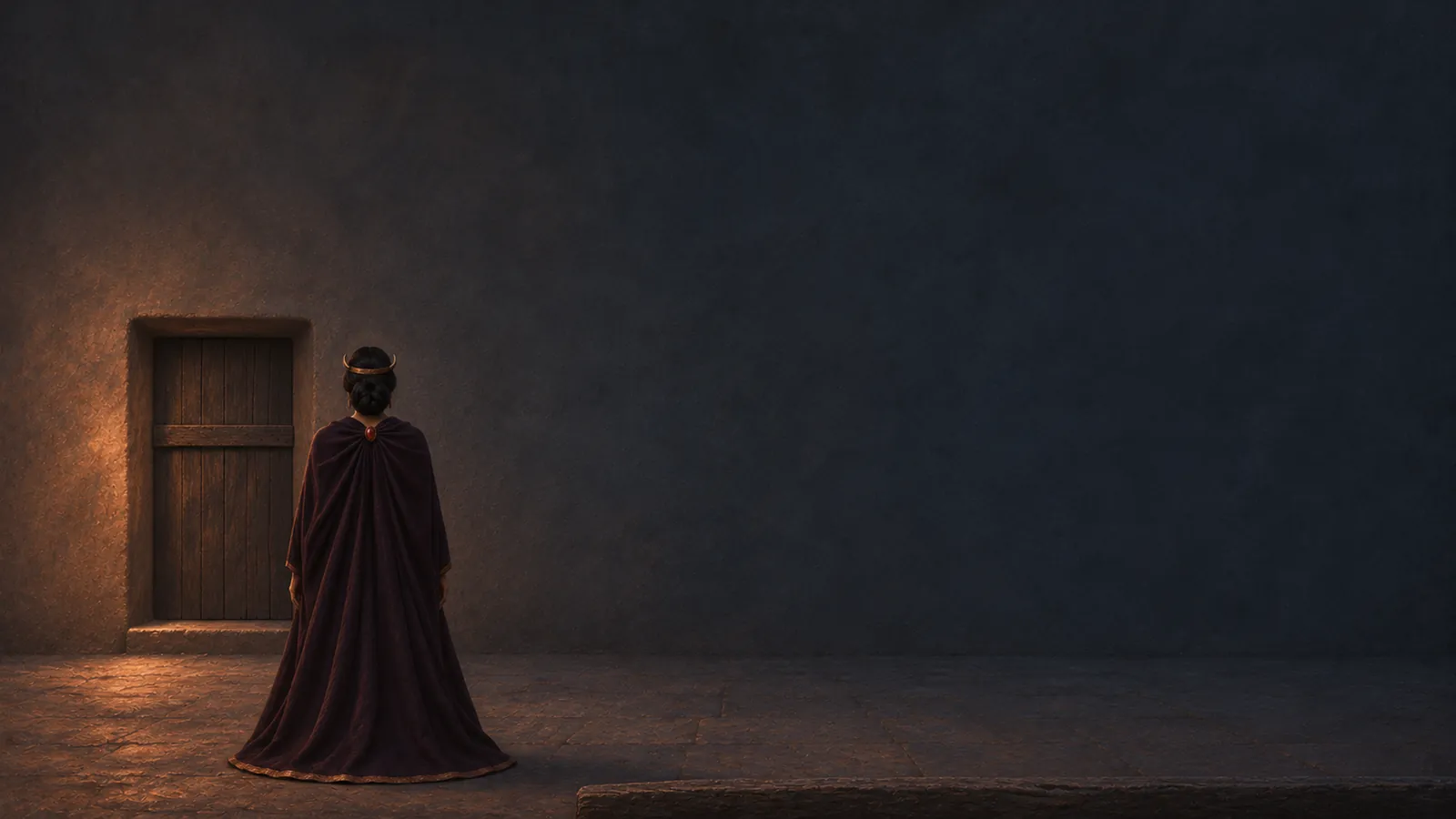
Ereshkigal eligió a su propio ministro, Namtar, para que fuera en su lugar. Él recibiría su parte de manos de los dioses de arriba.
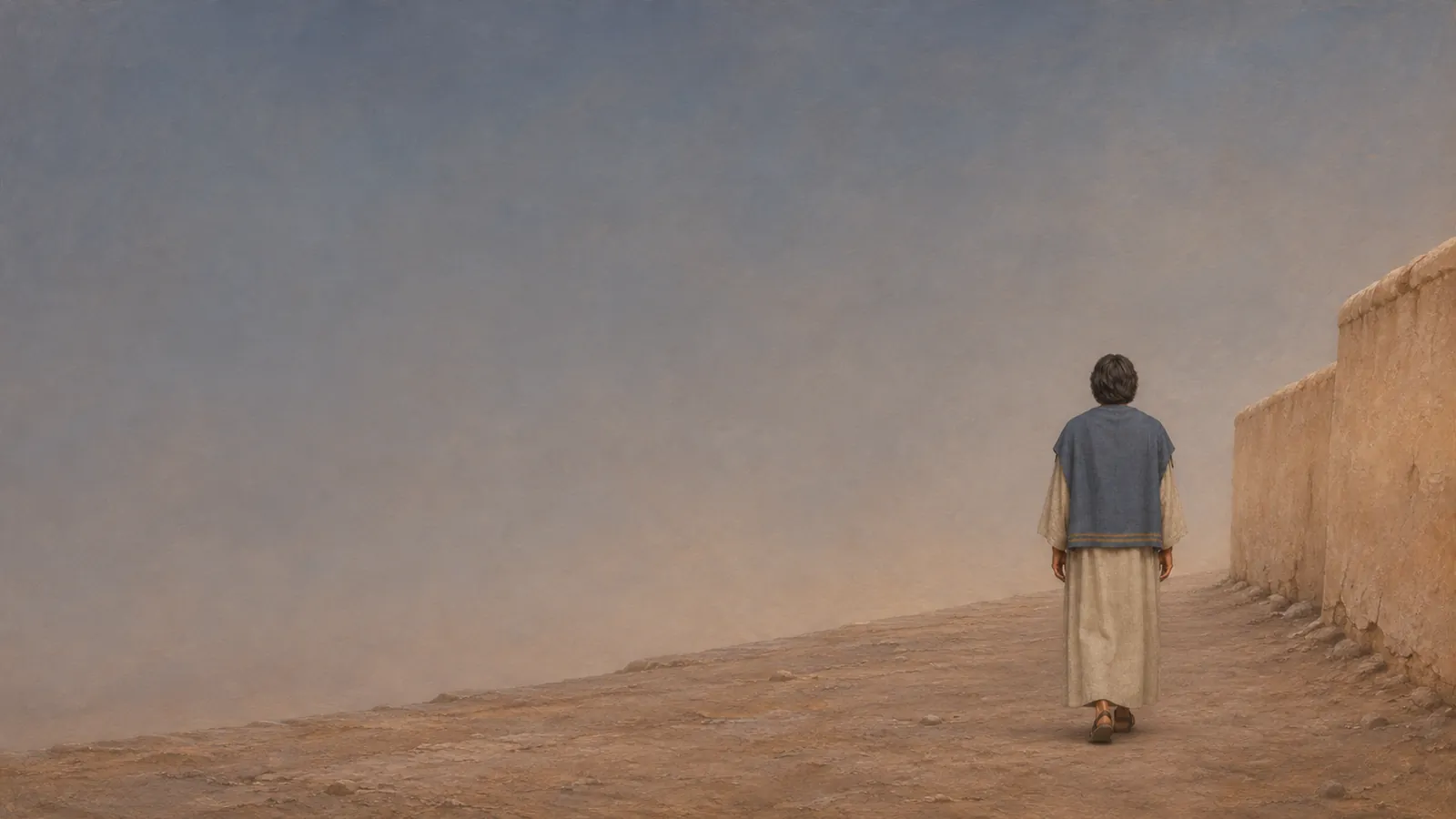
Namtar subió a lo alto del cielo. El texto antiguo nos dice adónde fue y deja sin describir el camino.

Cuando Namtar entró en la sala, los dioses se levantaron. Algunas de las palabras siguientes están dañadas, aunque el pasaje parece describir su saludo.
Aquí la tablilla nombra a Nergal. Las palabras sobre quién vio a quién admiten más de una lectura, y se ha perdido parte de la escena.
Aquí solo quedan fragmentos del festín. Quizá haya una palabra para la comida y hay palabras de aflicción, pero su contexto está dañado.

Aquí faltan varias líneas o están muy dañadas. La tablilla deja una laguna antes de que sepamos qué se dijo sobre la ofensa.
El nombre de Ea aún se lee en las líneas dañadas. Quedan indicios de palabras y movimiento, pero se ha perdido gran parte de lo que ocurrió aquí.
LA EXIGENCIA
Ereshkigal preguntó por el dios que había permanecido sentado ante su mensajero. Quería que se lo llevaran y amenazó con matarlo.
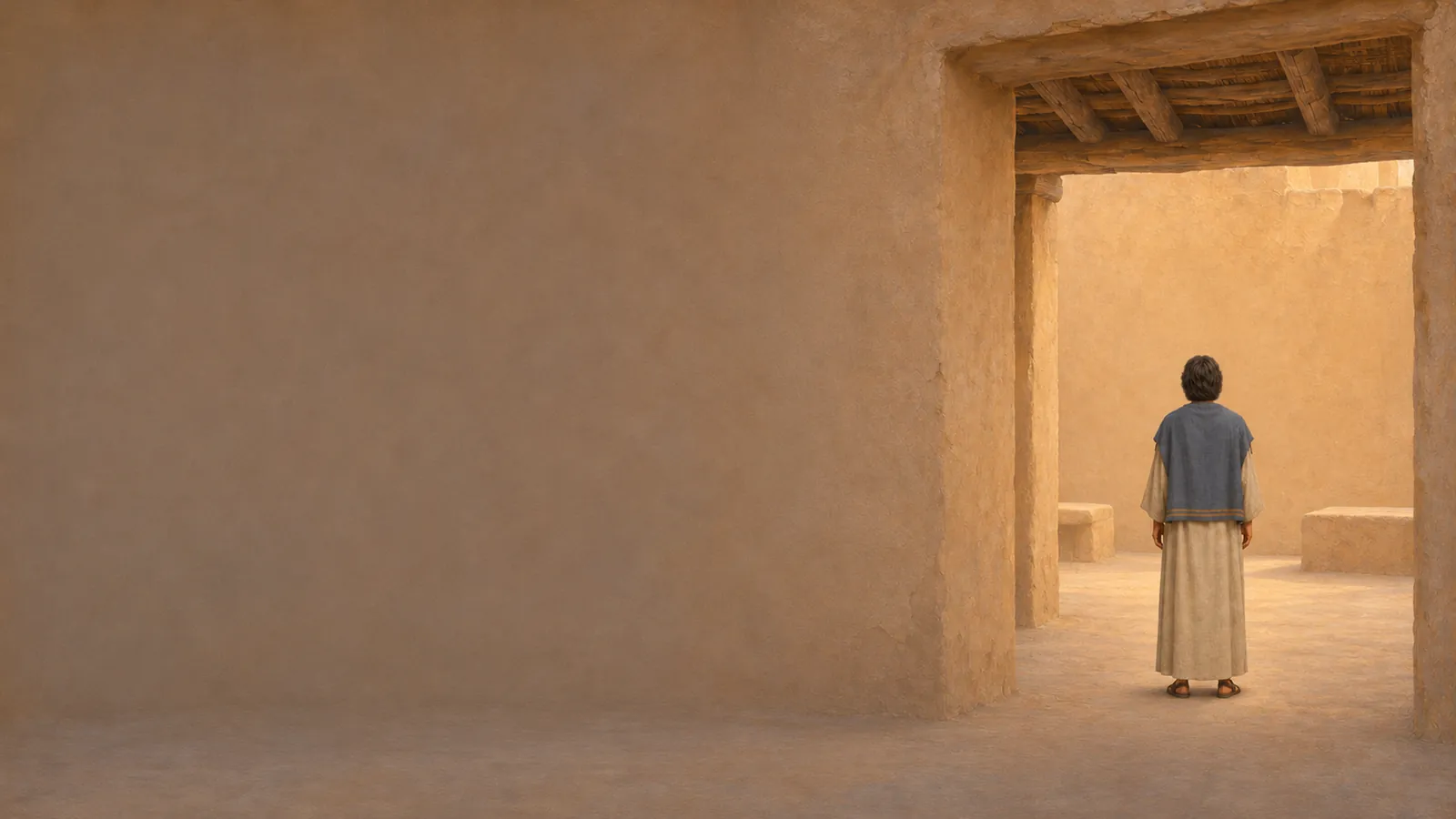
Namtar compareció ante los dioses de arriba y les habló. Lo llamaron a su asamblea y le dijeron que contara a los presentes.
Los dioses dijeron a Namtar que buscara al que no se había levantado. Cuando lo encontrara, debía llevarlo ante su señora.
Namtar contó a los dioses de la asamblea. La tablilla dice que el último era calvo y deja la razón sin explicar.
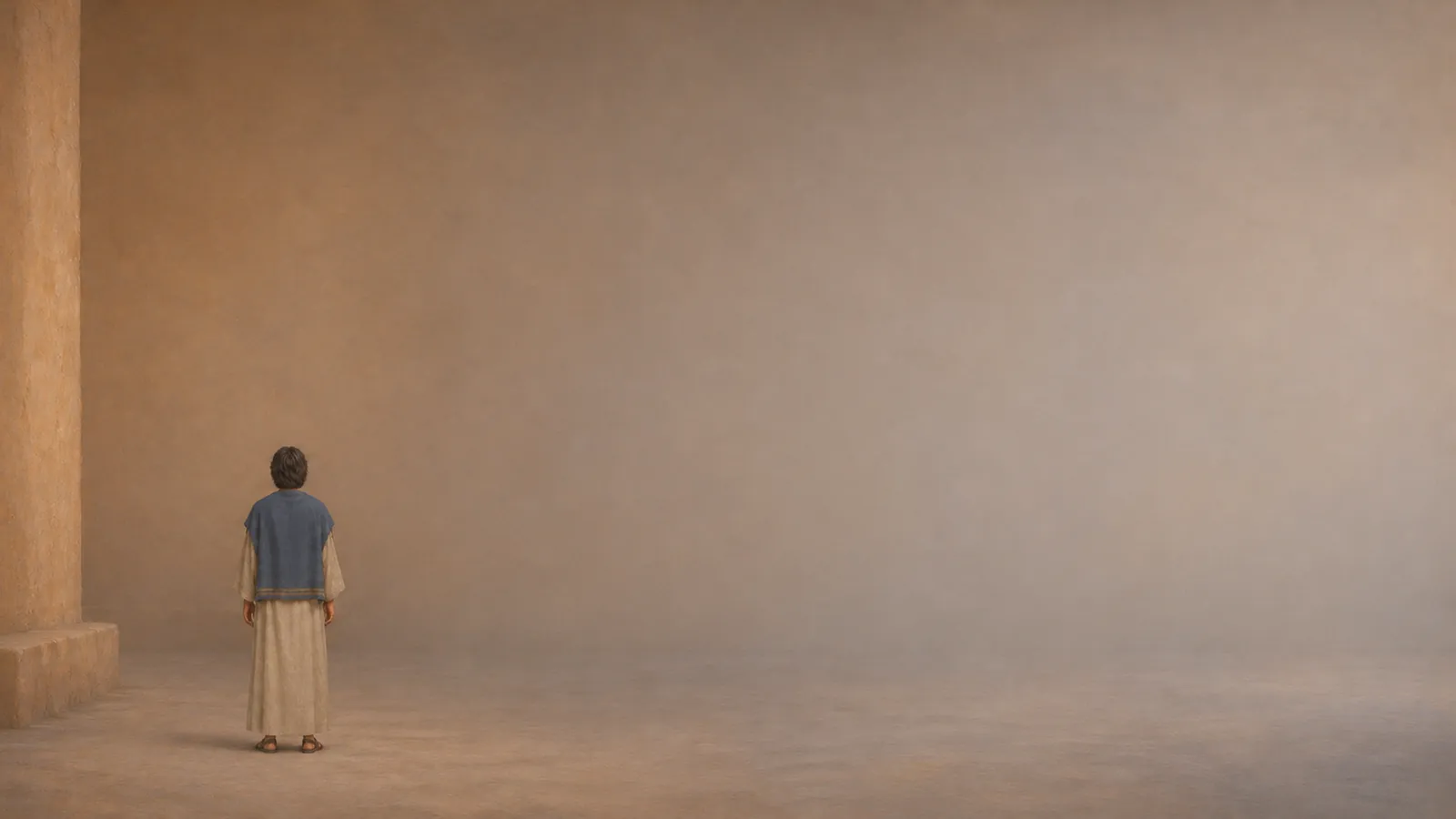
Namtar concluyó que el dios que no se había levantado ante él estaba ausente. Había buscado entre los reunidos sin poder señalarlo.
Las líneas dañadas parecen repetir lo que Namtar había comprobado. El dios que no se había levantado faltaba en la asamblea cuyos miembros había contado.

La tablilla conserva una palabra para su mensajero y otra para un mes. Queda demasiado poco para decir qué ocurrió en ese intervalo.
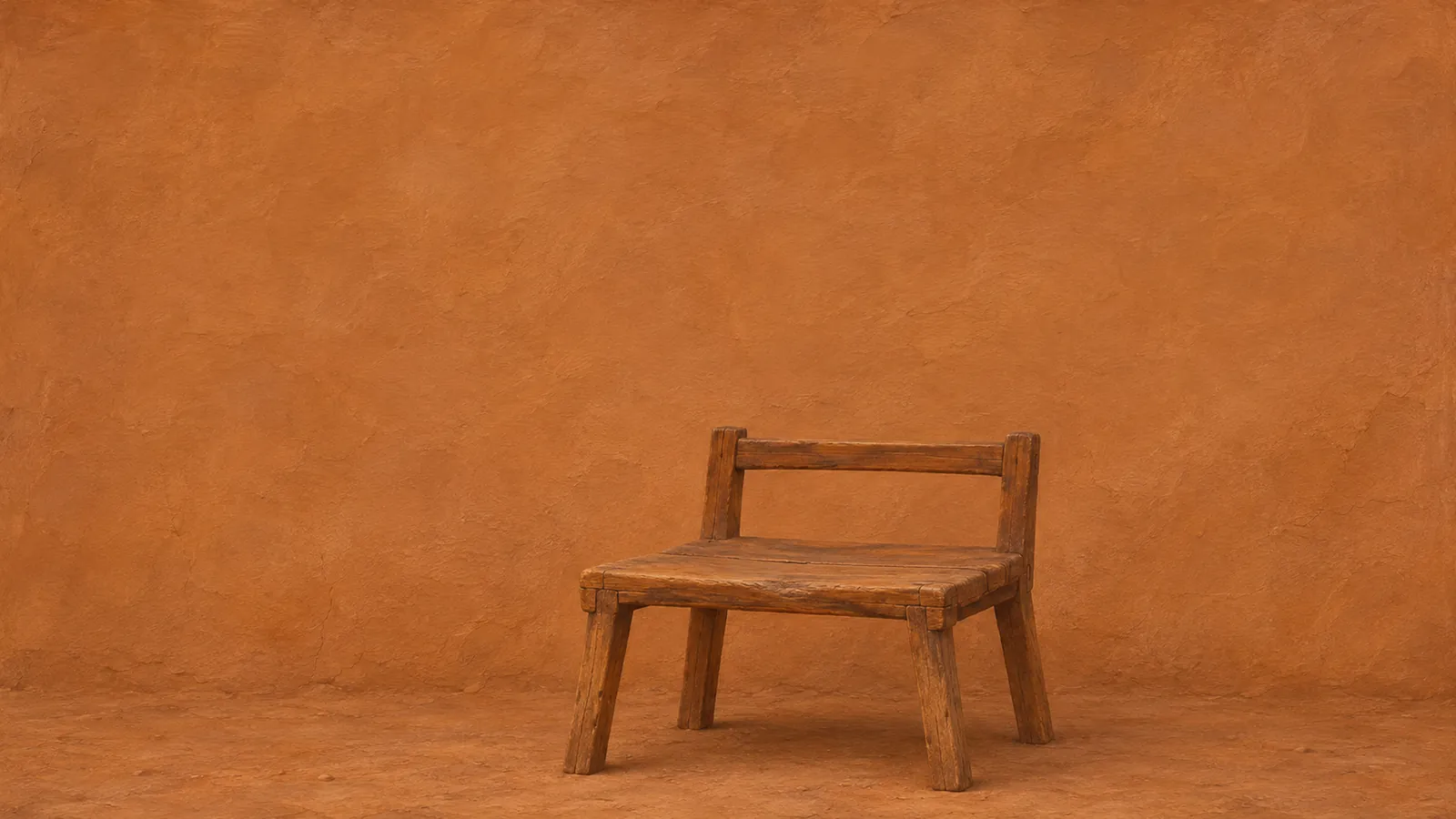
EL ASIENTO DE EA
Cuando el relato vuelve a leerse con claridad, Ea entrega un asiento a Nergal. Así lee Izre’el esta parte dañada de la tablilla.
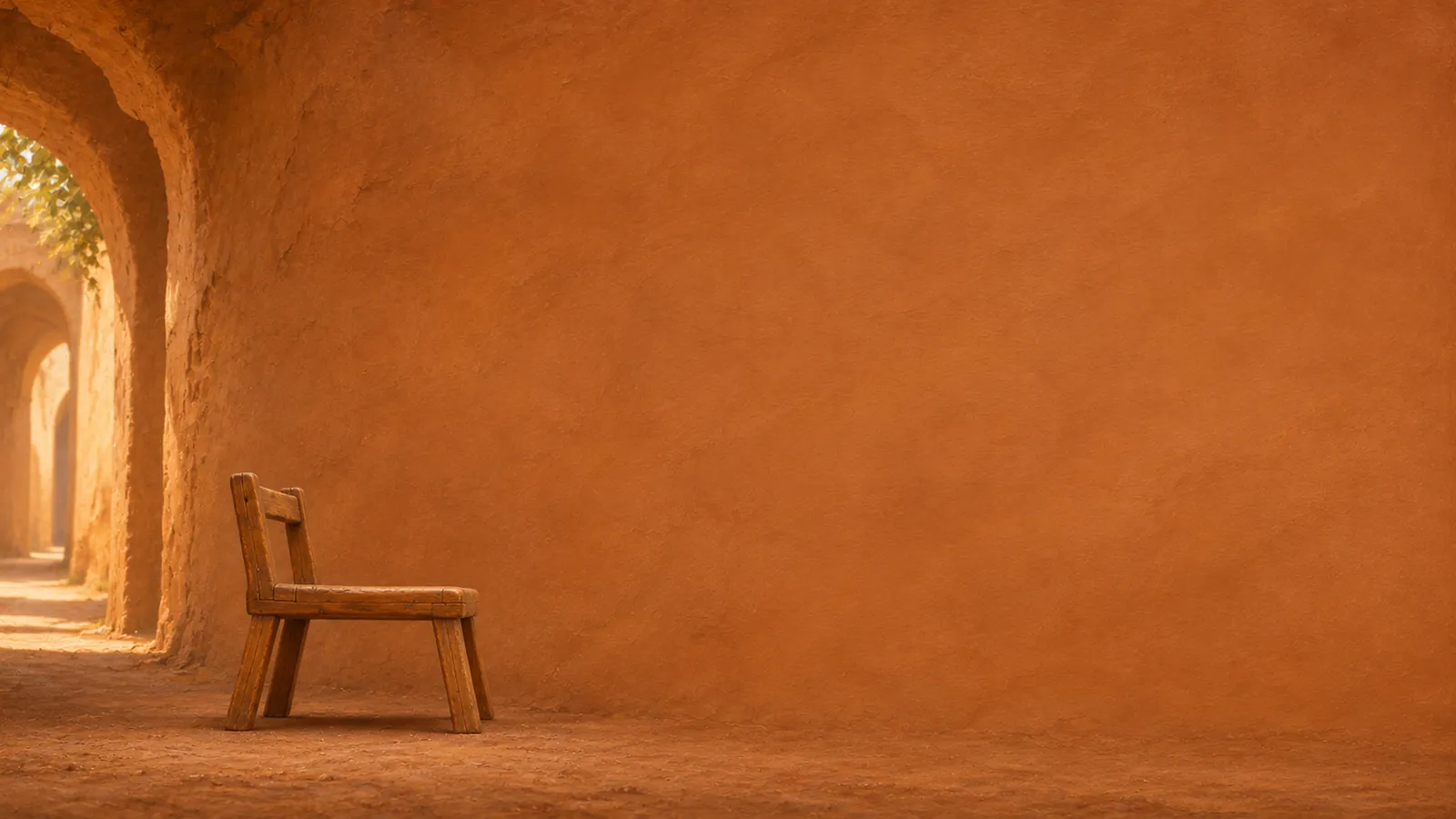
Ea le dijo a Nergal que llevara el asiento a Ereshkigal. El resto de la línea está dañado, y no está clara la primera reacción de Nergal.
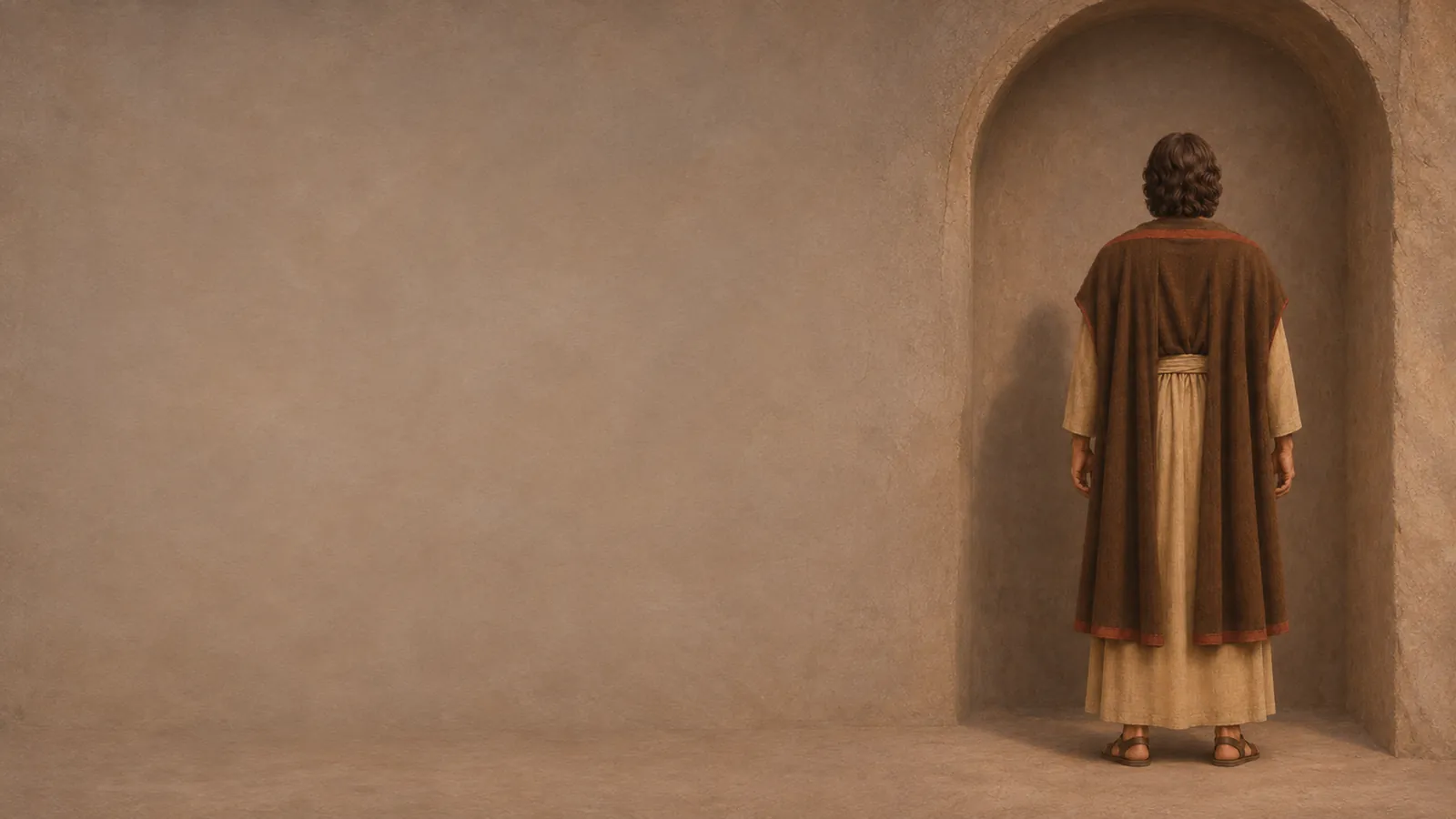
Nergal le dijo a Ea, su padre, que Ereshkigal lo vería. Temía que ella no lo dejara salir con vida.
Ea le dijo a Nergal que dejara a un lado el miedo. Le prometió compañeros para el viaje, siete y siete según las palabras conservadas.
Aquí están dañados los nombres de los compañeros. Izre’el reconstruye gran parte de la lista a partir del pasaje en que Nergal los coloca junto a las puertas.

Las palabras que describen el viaje están dañadas. Cuando el relato vuelve a leerse con claridad, Nergal está ante la puerta de Ereshkigal.

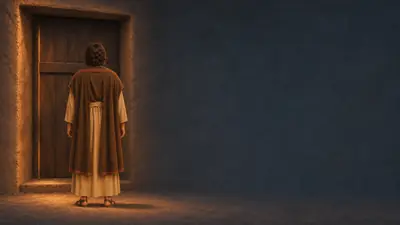
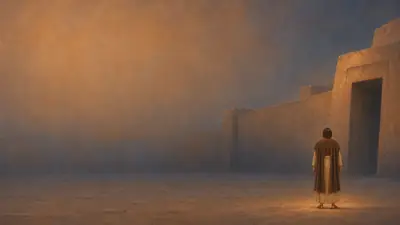
Nergal llamó al guardián. Le pidió que abriera la puerta y descorriera los cerrojos para que pudiera entrar.
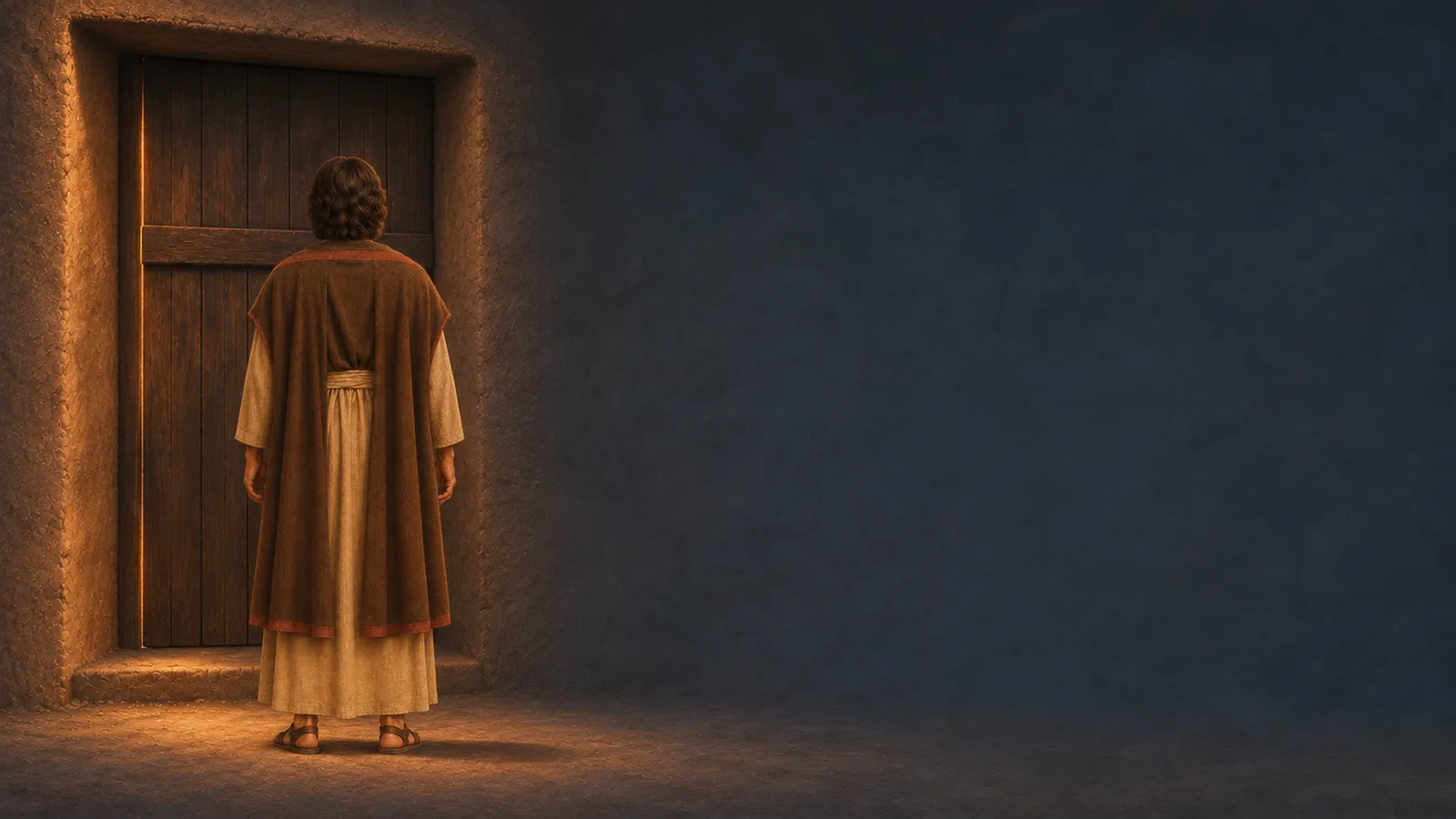
Nergal dijo que lo habían enviado ante Ereshkigal, la señora del guardián. Se dirigió a él desde fuera de la puerta.
El guardián le dijo a Namtar que había un dios fuera. Le pidió que viniera a ver quién era antes de dejarlo entrar.
EL RECONOCIMIENTO
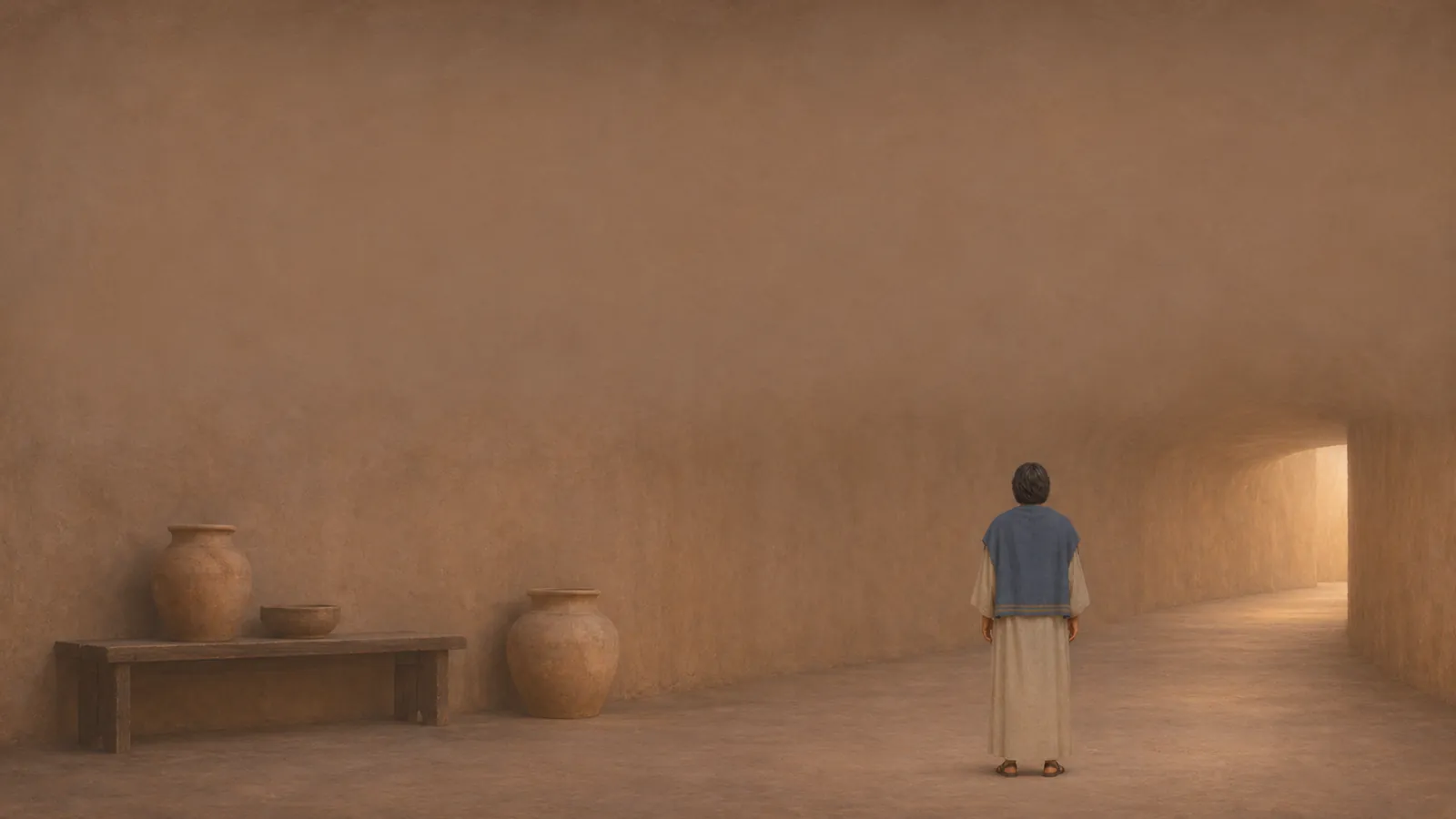
Namtar salió y vio a Nergal. La tablilla dice que se alegró y se apresuró a contar lo que había visto.

Namtar le dijo a Ereshkigal que aquel era el dios que había faltado antes. Era el que no se había levantado ante su mensajero.
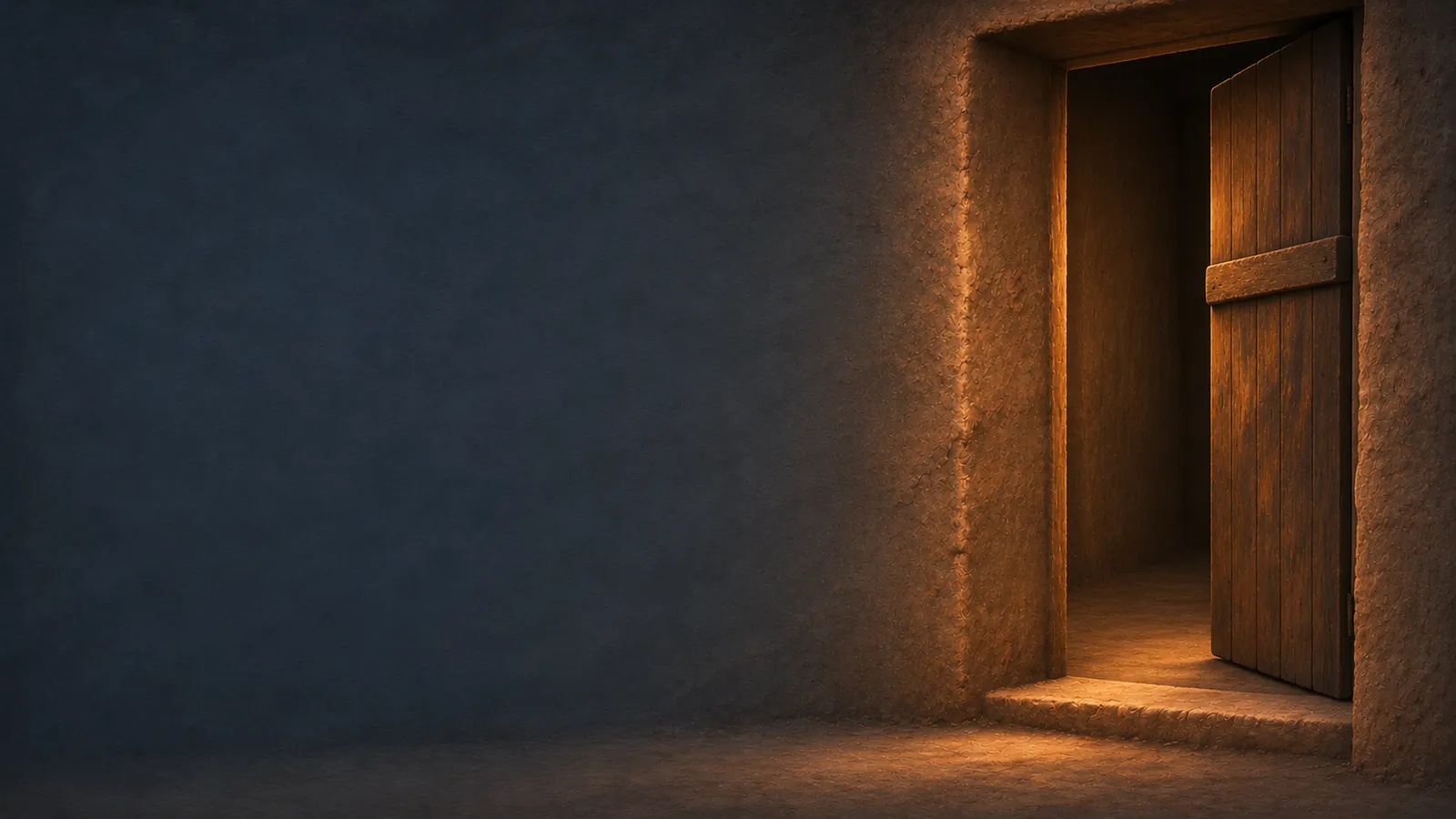
Ereshkigal le dijo a Namtar que dejara entrar al visitante. Las palabras, reconstruidas en parte, repiten su amenaza de matarlo.

Namtar volvió a la puerta e invitó a Nergal a entrar. Le dijo que entrara en la casa de su hermana y recibiera su parte.
Se conservan unas palabras de respuesta que la tablilla parece atribuir a Nergal. Luego el diálogo se interrumpe de nuevo.

Faltan unas dos líneas antes de otra muy dañada. No pueden leerse los nombres de las primeras posiciones de las puertas.

El tercer nombre solo se conserva en parte. Nergal colocó a Muttabriqa en la cuarta posición y a Sharrabda en la quinta.
En la sexta posición puso a Rabisa, y en la séptima, a Tirid. En la octava fue Idiptu, y en la novena, Benna.
Sidana ocupó la décima posición y Miqit la undécima. Luego la lista nombra a Bel’uri, Umma y Liba en la duodécima, la decimotercera y la decimocuarta.
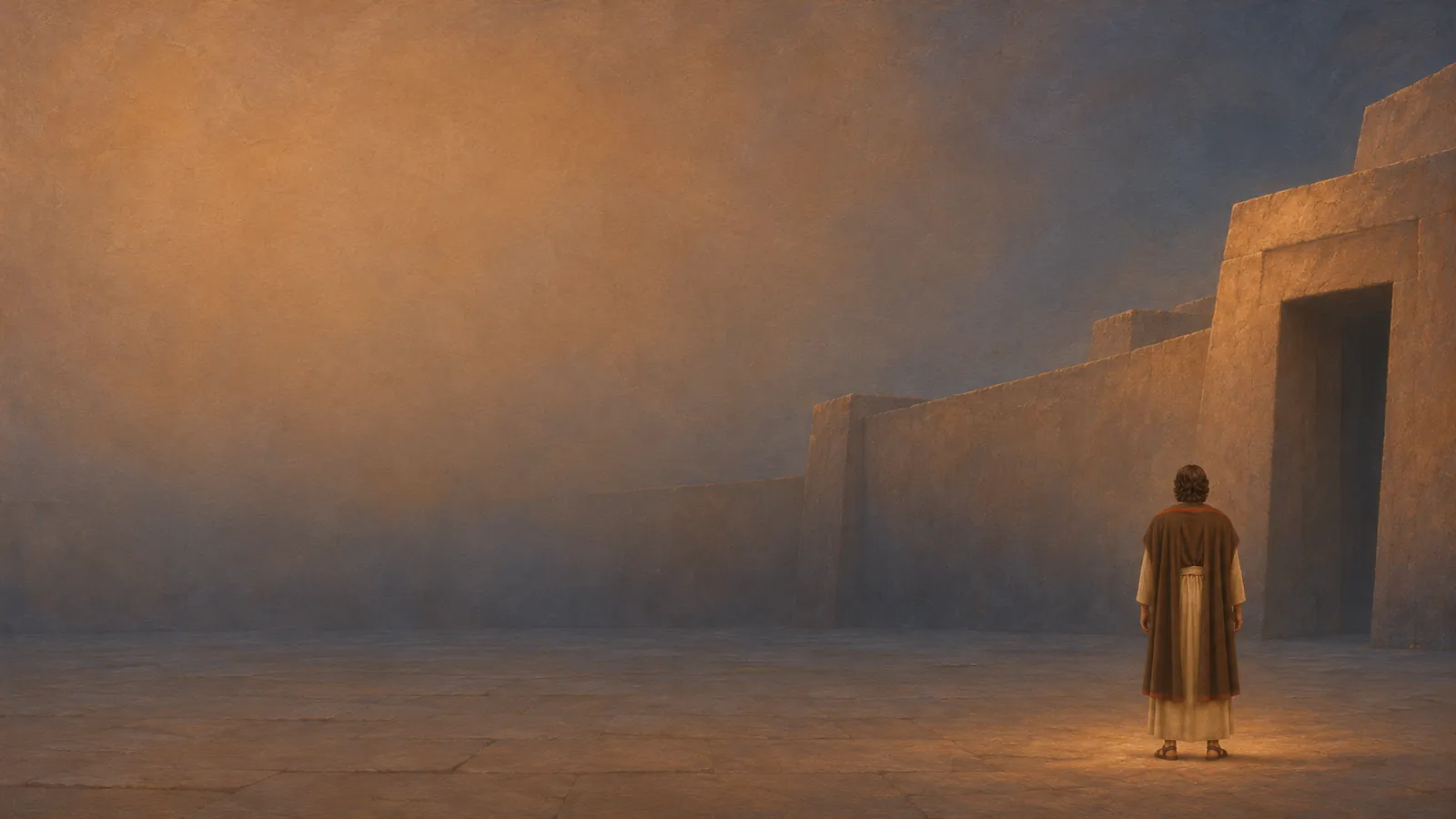
La tablilla completa la lista de posiciones. Luego dice, según la lectura de Izre’el, que Nergal venció el miedo al encontrarse en el patio.
LAS PUERTAS
Nergal llamó a Namtar y a sus hombres y les ordenó que abrieran las puertas. Les dijo que iba hacia ellos.
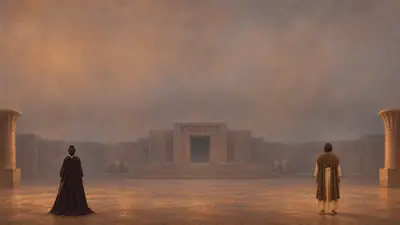
Dentro de la casa, Nergal agarró a Ereshkigal del pelo y la arrastró desde su trono con la intención de decapitarla.
Ereshkigal le pidió a Nergal que le perdonara la vida y la dejara hablar. Él se detuvo a escucharla, y la reina lloró.
LA PROPUESTA
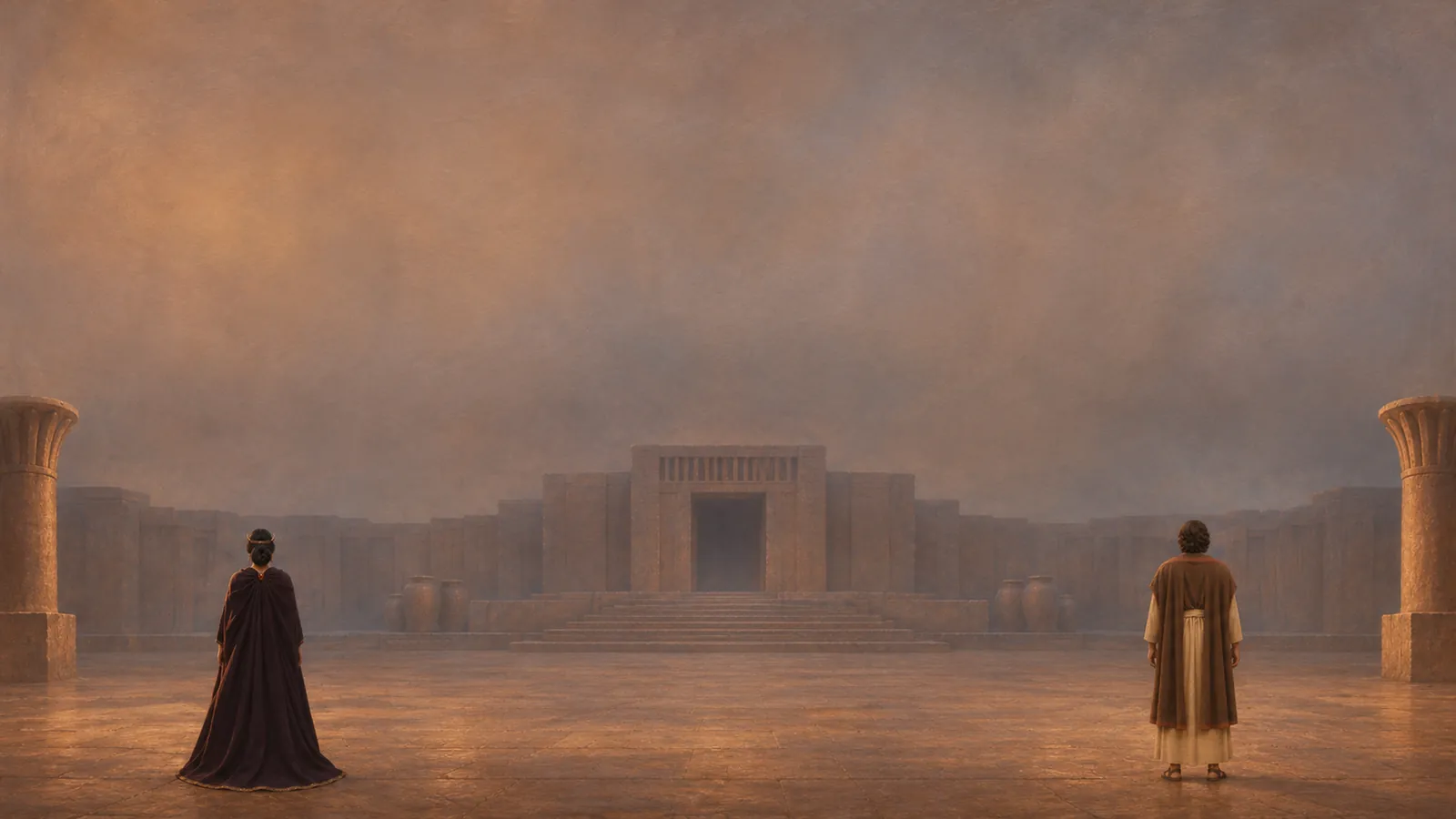
Ereshkigal hizo una oferta por su parte. Le dijo a Nergal que fuera su marido y que ella sería su esposa.

Ereshkigal le ofreció el reinado en el mundo subterráneo y la tablilla de la sabiduría. Lo llamaría señor, y ella seguiría siendo señora.
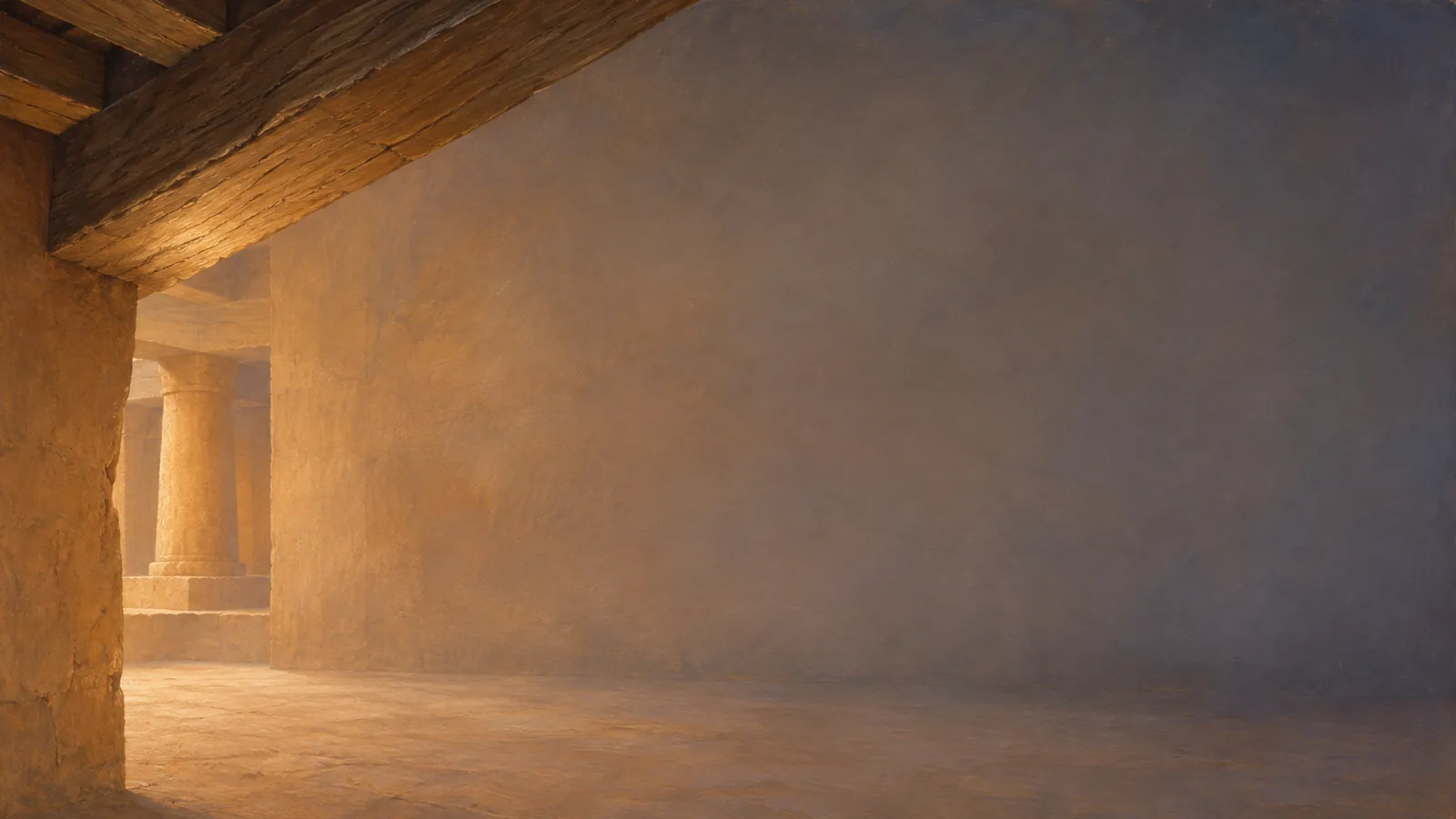
Nergal escuchó la oferta de Ereshkigal. La tomó en sus brazos, la besó y le secó las lágrimas antes de las últimas palabras.
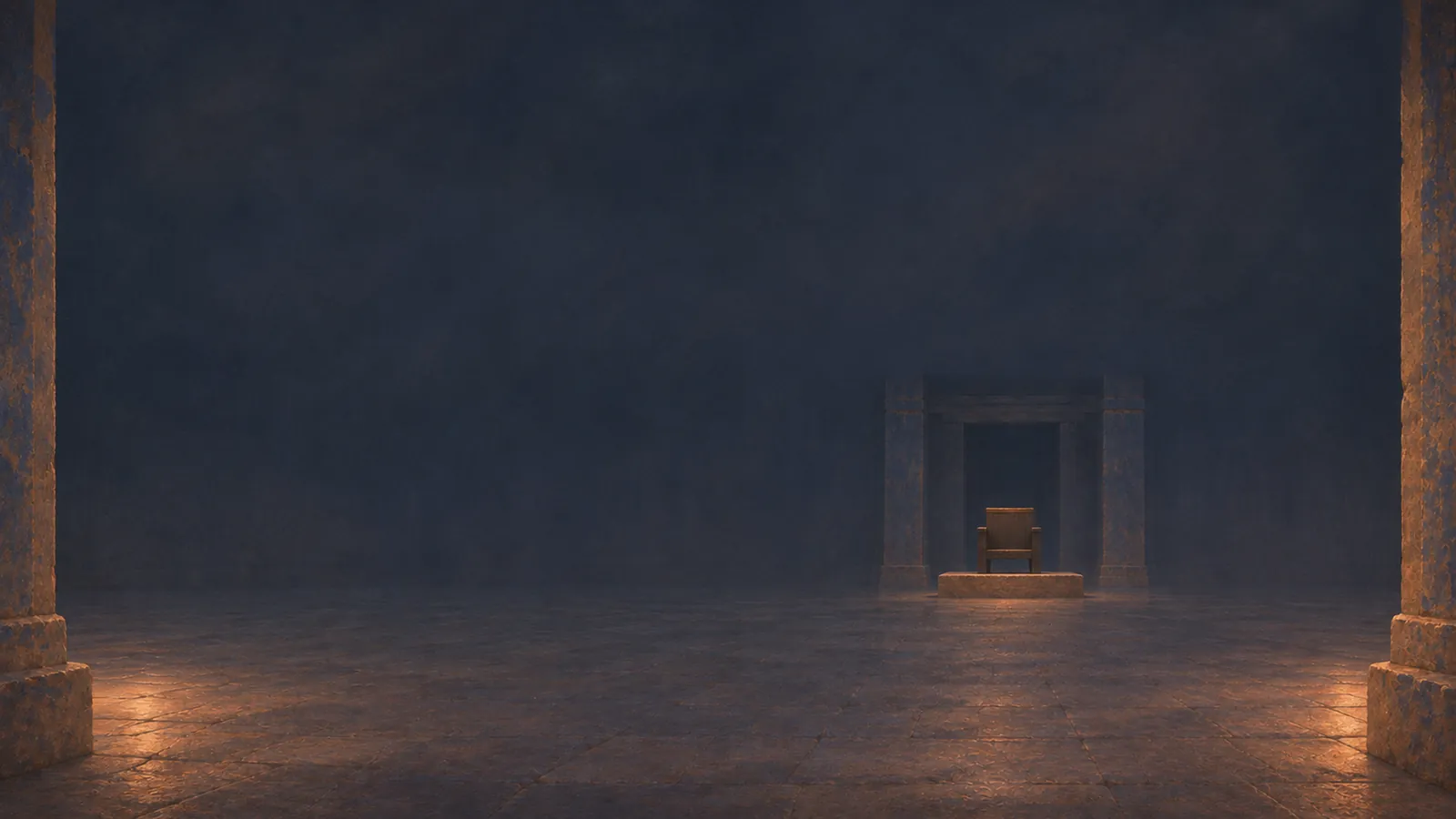
Cuesta entender las últimas palabras. Izre’el sugiere que la última línea podría indicarle al escriba dónde detenerse.
Fin del capítulo 1
Todas las páginas




















Fuentes
Ediciones consultadas
- Izre’el, The Amarna Scholarly Tablets, EA 357 edition and translation, pp. 50–60
- CDLI, Amarna tablet EA 357, P270856
- Hebrew University SEAL, EA 357 witness record
- Gurney, edition of the Sultantepe witness
- Ponchia and Luukko, the Standard Babylonian version
- Novotny, the door counts in the Amarna and later versions
- Rozzi, Jiménez and Bennett, edition of the Babylon fragment BM 39743
- IL Archive, Ereshkigal
Los versos antiguos de cada página
- Page 1: EA 357 (Izre’el) 1
- Page 2: EA 357 (Izre’el) 2–3
- Page 3: EA 357 (Izre’el) 4–5
- Page 4: EA 357 (Izre’el) 6
- Page 5: EA 357 (Izre’el) 7
- Page 6: EA 357 (Izre’el) 8
- Page 7: EA 357 (Izre’el) 9–11
The entrance, standing and greeting have partly restored wording. - Page 8: EA 357 (Izre’el) 12
The subject of the verb of seeing and the object set out earlier in the line are uncertain. - Page 9: EA 357 (Izre’el) 13–15
The references to food and the subject of the distress are uncertain. - Page 10: EA 357 (Izre’el) 16–22
The seven numbered lines are very fragmentary or missing in Izre’el’s edition. - Page 11: EA 357 (Izre’el) 23–25
Ea’s name is partly preserved. - Page 12: EA 357 (Izre’el) 26–27
Parts of the demand are reconstructed from the surviving text. - Page 13: EA 357 (Izre’el) 28–29
The count command at the end of 29 is partly restored. - Page 14: EA 357 (Izre’el) 30–31
- Page 15: EA 357 (Izre’el) 32
- Page 16: EA 357 (Izre’el) 33
- Page 17: EA 357 (Izre’el) 34–38
Namtar’s movement and the details of the report are partly restored. - Page 18: EA 357 (Izre’el) 39–40
The lines preserve fragmentary words for messenger and month. The length and events of the interval remain uncertain. - Page 19: EA 357 (Izre’el) 41–42
The chair, the person giving it and the person receiving it are read with restorations in Izre’el’s edition. - Page 20: EA 357 (Izre’el) 43
Nergal’s initial reaction is uncertain. - Page 21: EA 357 (Izre’el) 44–45a
- Page 22: EA 357 (Izre’el) 45b–46
The reassurance and exact word describing the companions are partly damaged. - Page 23: EA 357 (Izre’el) 47–50
The first roster is largely restored from 68–73. - Page 24: EA 357 (Izre’el) 51
The transition to the gate is fragmentary. - Page 25: EA 357 (Izre’el) 52–53
The beginning of the call is partially restored. - Page 26: EA 357 (Izre’el) 54a
- Page 27: EA 357 (Izre’el) 54b–56
- Page 28: EA 357 (Izre’el) 57
The details of his recognition are given in the next lines. - Page 29: EA 357 (Izre’el) 58–59
Some wording about the earlier months and the missing god is restored. - Page 30: EA 357 (Izre’el) 60
The line is partly restored and the precise wording of the order is uncertain. - Page 31: EA 357 (Izre’el) 61–62
- Page 32: EA 357 (Izre’el) 63–64
Its introductory phrase and the words which follow are damaged. - Page 33: EA 357 (Izre’el) 65–67
Izre’el estimates about two missing lines. - Page 34: EA 357 (Izre’el) 68–69a
Individual positions are legible even though the physical form of the gates is debated. - Page 35: EA 357 (Izre’el) 69b–71a
- Page 36: EA 357 (Izre’el) 71b–73
- Page 37: EA 357 (Izre’el) 74
Izre’el reads a metaphor for overcoming fear. The phrase has been interpreted differently. - Page 38: EA 357 (Izre’el) 75–76
- Page 39: EA 357 (Izre’el) 77–79
- Page 40: EA 357 (Izre’el) 80–81
Izre’el takes Ereshkigal as the subject of the words about weeping. - Page 41: EA 357 (Izre’el) 82
- Page 42: EA 357 (Izre’el) 83–85a
The kingship and the tablet belong to the offer. The surviving words call Nergal master and Ereshkigal mistress. - Page 43: EA 357 (Izre’el) 85b–86
- Page 44: EA 357 (Izre’el) 87–88
Line 87 is difficult. The tablet supplies no further action.
Ilustraciones hechas por IL Archive con herramientas de IA; el texto se basa en las fuentes antiguas (véanse las fuentes al final de cada capítulo).