Entity
Ereshkigal
A reference page linking a name, group, or concept to the materials that discuss it.
Ereshkigal, Mesopotamian queen of the underworld, in a source-based comparison of Sumerian Inanna’s Descent, Akkadian Ishtar’s Descent, and the Nergal narratives, distinguishing tablet dates, variant plots, and uncertain images.
Estimated reading time: 8 min Published Last reviewed:
Share article
Video
Inanna’s Descent to the Netherworld: Seven gates, a rescue and a price
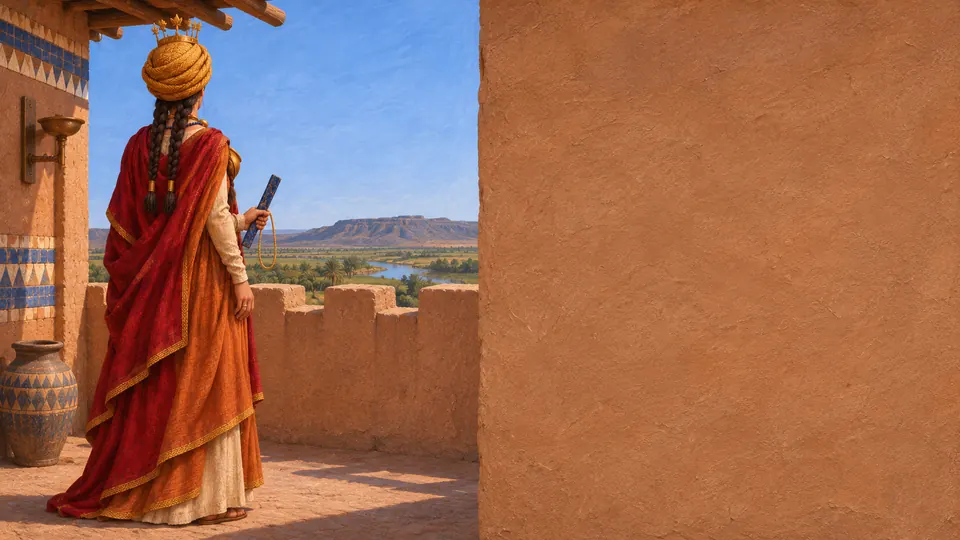
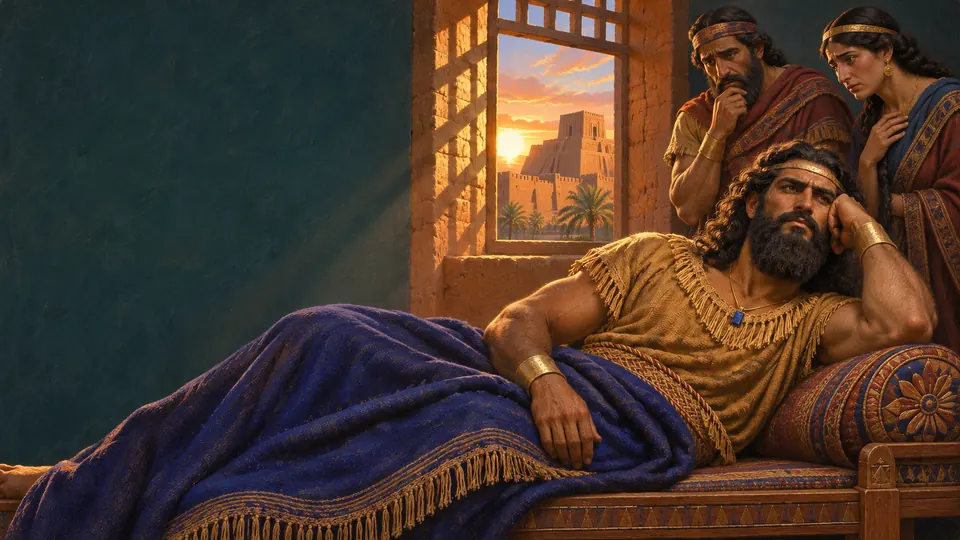
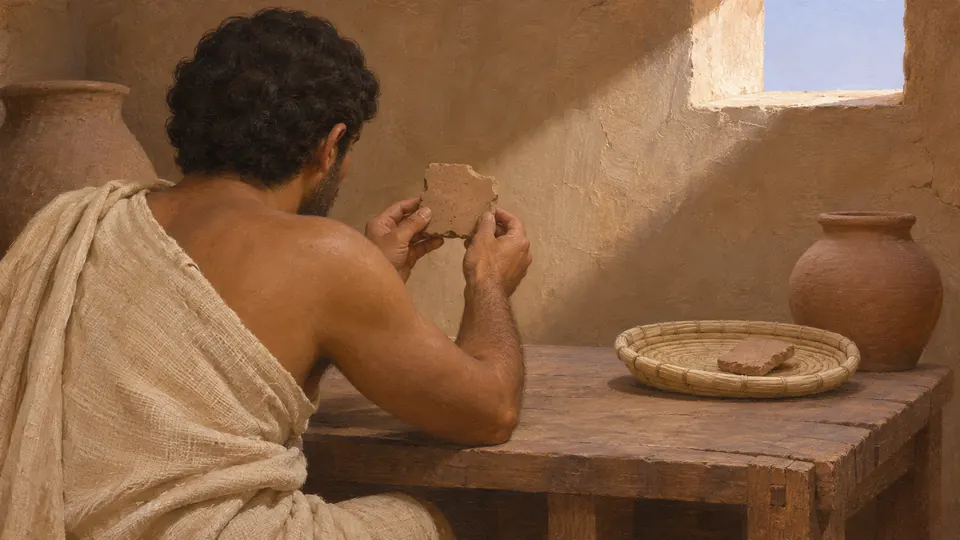
Seven gates, a rescue and a price. The whole story in two illustrated chapters, told from the ancient clay tablets; where the tablets are broken, the narration says so. Illustrations, narration voice and visual effects were created with AI tools by IL Archive; the text is a faithful retelling based on the ancient tablets.
The YouTube player loads only when you press play. Watch on YouTube
Text
Introduction
Ereshkigal (Ereškigal) is a Mesopotamian goddess associated with rule over the netherworld, the realm of the dead. Sumerian and AkkadianAkkadianAn ancient East Semitic language written in cuneiform from the third millennium BCE; its varieties include Babylonian and Assyrian, and it served in international diplomacy.Glossary · Click to read the explanation sources do not provide one fixed biography: she is InannaInanna / IshtarA prominent Mesopotamian goddess whose Sumerian name Inanna became associated with Akkadian Ishtar across diverse traditions. She was associated with desire, war, royal authority and Venus, while local forms and genealogies varied among texts.Glossary · Click to read the explanation's sister in one descent narrative, the queen who confronts Ishtar in another, and Nergal's partner in stories that differ over power and marriage. This entry examines what the witnesses actually say, distinguishing narrative time, proposed composition, and the dates of surviving copies.
Name, realm, and limits of power
In its Sumerian written forms, “Ereshkigal” is understood as “Lady of the Great Earth.” Here “earth” evokes the lower realm of the dead, not the office of a human political ruler. Some texts describe her domain as the “land of no return”; Ganzer names its entrance or palace. Literary descriptions from different periods cannot simply be assembled into a single physical map. Specialist accounts also associate the goddess with death and motherhood, so she cannot be reduced to a purely malevolent character.[4]
The Sumerian composition Gilgamesh, Enkidu and the Netherworld opens with a mythical allocation of cosmic realms, stating that the netherworld was given to Ereshkigal. Line 13 of Oxford's published composite Sumerian text contains the following brief extract, with its transliteration signs simplified:
On the basis of Oxford's translation, rather than a new independent reading of cuneiformCuneiformWriting with wedge-shaped signs, developed from Mesopotamian recording traditions and used for several languages from the third millennium BCE.Glossary · Click to read the explanation, its sense is: “when the netherworld was granted to Ereshkigal as a gift.” This is a cosmic beginning within the narrative, not a date for the emergence of her cult or proof that she ruled alone in every period.[5]
Kinship and differing traditions
At the gate of the netherworld, Inanna, known as Ishtar in Akkadian textsInanna / IshtarA prominent Mesopotamian goddess whose Sumerian name Inanna became associated with Akkadian Ishtar across diverse traditions. She was associated with desire, war, royal authority and Venus, while local forms and genealogies varied among texts.Glossary · Click to read the explanation, calls Ereshkigal her elder sister and says that she has come to observe the funeral rites of Gugalanna, Ereshkigal's husband. But these words are spoken by a visitor seeking admission: they show what the story claims, not an independent genealogical record. The Sumerian Death of Ur-Namma calls Ereshkigal the mother of the god Ninazu and places her among recipients of offerings, alongside Nergal, Gilgamesh, and other underworld deities. The coexistence of these figures cautions against assigning every underworld function exclusively to one name.[1][6]
Namtar is a divine figure acting as Ereshkigal's messenger or minister in several narratives; some other traditions also call him her son. Nergal, a god associated with warfare, epidemic disease, and the netherworld, becomes her husband in particular stories. That marriage should not be retrojected into every text mentioning her. Kinship changes with the composition, period, and local tradition; the evidence does not yield one universally consistent family tree.[11]
Inanna's Descent: gates, judgment, and substitution
In the Sumerian Inanna's Descent to the Netherworld, Inanna instructs her minister NinshuburNinshubur: Divine Messenger of Inanna and AnMesopotamian divine messenger and intermediary associated with Inanna in Sumerian narratives and with An in inscriptions and hymns; identity and gender vary by context and must not be equated automatically with Papsukkal.Glossary · Click to read the explanation to seek help if she does not return, then encounters the gatekeeper Neti. Ereshkigal orders the seven gates secured and opened in succession, while Inanna is stripped of her adornments and insignia of authority as she passes through. Once inside, Inanna makes her sister rise from the throne and takes her seat. It is the AnunaAnunna / AnunnakiAnunna/Anunnaki is a collective designation for Mesopotamian gods whose scope varies by text and period; it is not a group with one fixed membership or number.Glossary · Click to read the explanation, the seven judges, who pass judgment, turning Inanna into a corpse suspended from a hook. The grammatical agent matters: the text does not ascribe that specific verdict to Ereshkigal acting alone.[1]
After three days and three nights Ninshubur begins carrying out her mistress's instructions. EnlilEnlilEnlil/Ellil: a major Mesopotamian god associated with destinies, kingship, and Ekur at Nippur, already prominent in third-millennium god lists. His name’s origin and cult beginnings remain debated.Glossary · Click to read the explanation and Nanna refuse to intervene, but EnkiEnkiMesopotamian deity also known as Ea, linked with Eridu and the Abzu (deep fresh waters), wisdom, incantations, and narratives of creation and cosmic order. Later written attestations do not identify the deity of Eridu’s earliest layers.Glossary · Click to read the explanation, the god of wisdom, helps by creating two small emissaries. He tells them to echo Ereshkigal's cries of pain and show sympathy, not to fight her. The text portrays the queen in distress through maternal imagery before she surrenders Inanna's corpse, which is revived using the plant and water of life. As Inanna prepares to leave, the Anuna require a substitute. The ensuing events lead to DumuziDumuzi / TammuzDumuzi is a deity of ancient Mesopotamian traditions associated with shepherding and Inanna; Tammuz appears as the name in later linguistic and textual traditions.Glossary · Click to read the explanation, Inanna's partner, being selected, while damaged final passages refer to an alternation involving his sister. Saying simply that “Ereshkigal released her” misses this structure; the Sumerian substitution rule must not be copied verbatim into the Akkadian account.[1]
Ishtar's Descent: the Akkadian witness and a different plot
In the Akkadian Descent of Ishtar to the Netherworld, Ishtar threatens to break the gate and release the dead if she is denied entrance. The gatekeeper announces her arrival to Ereshkigal, who orders her passage through seven gates and the successive removal of her ornaments. The punishment then takes a different form. In Morris Jastrow's English translation published in 1915, Ereshkigal addresses her messenger Namtar:
This is an excerpt from an older English translation, not a direct transcription of the Akkadian tablet. It means that Namtar is ordered to confine her; an order to inflict sixty diseases on Ishtar follows. The narrative connects her absence with the cessation of mating among the living. Ea, the Akkadian name for the god of wisdom, creates an emissary called Asushunamir. Eventually Namtar is told to sprinkle Ishtar with the water of life and lead her out, returning her ornaments at the gates. References to Tammuz and his lamentation occur at the end, but they do not reproduce the Sumerian selection of Dumuzi as a substitute.[2]
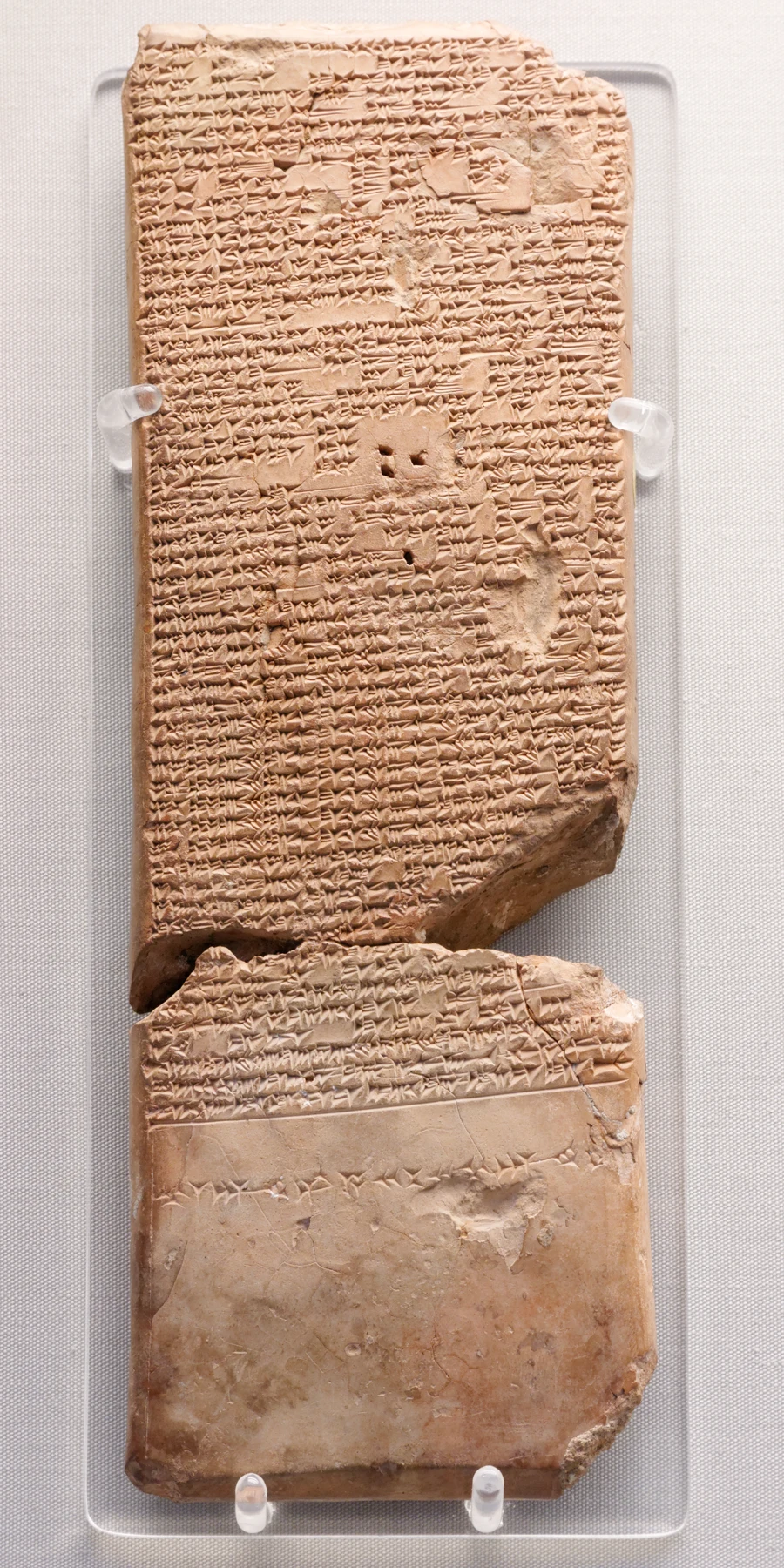
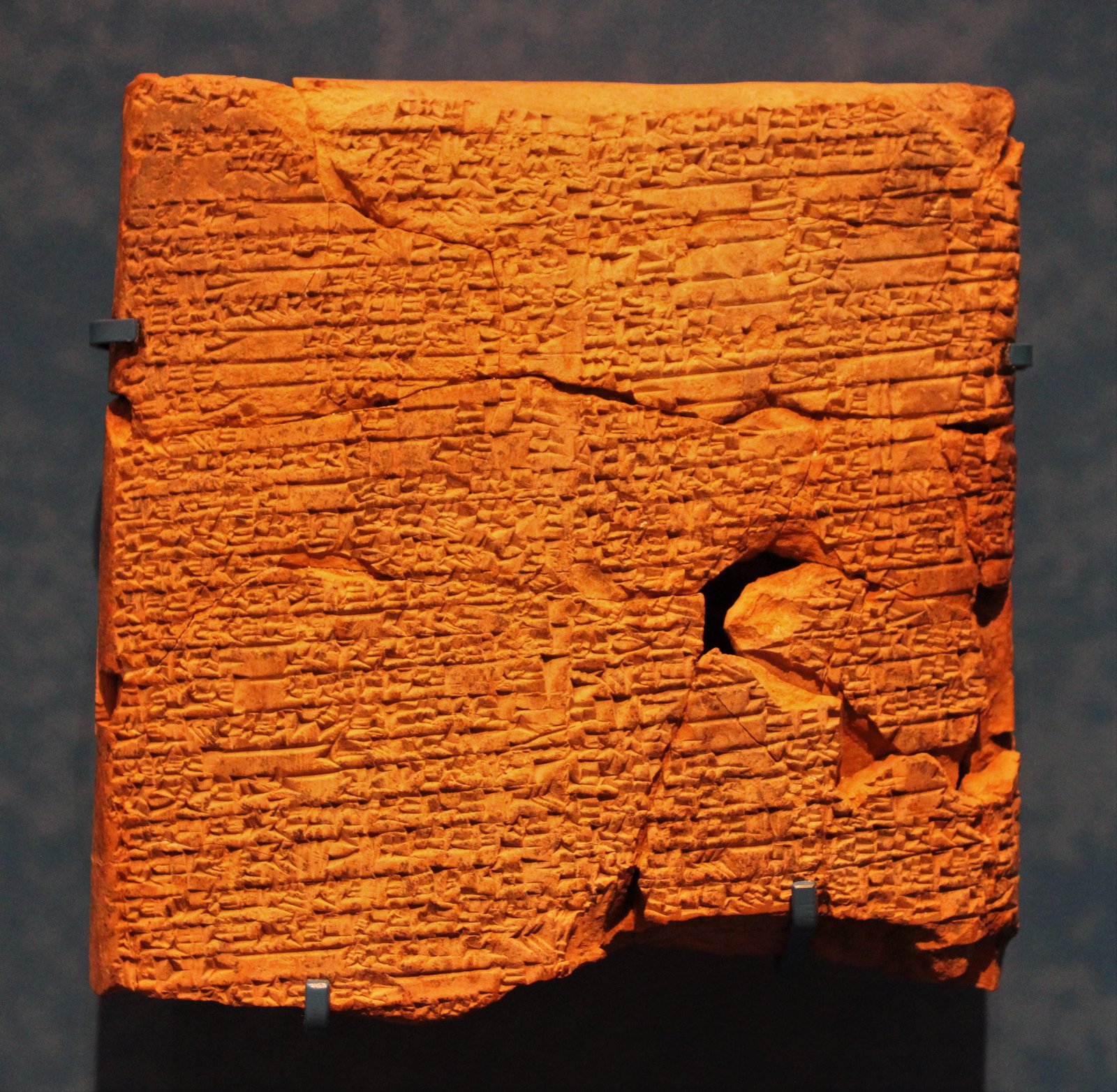
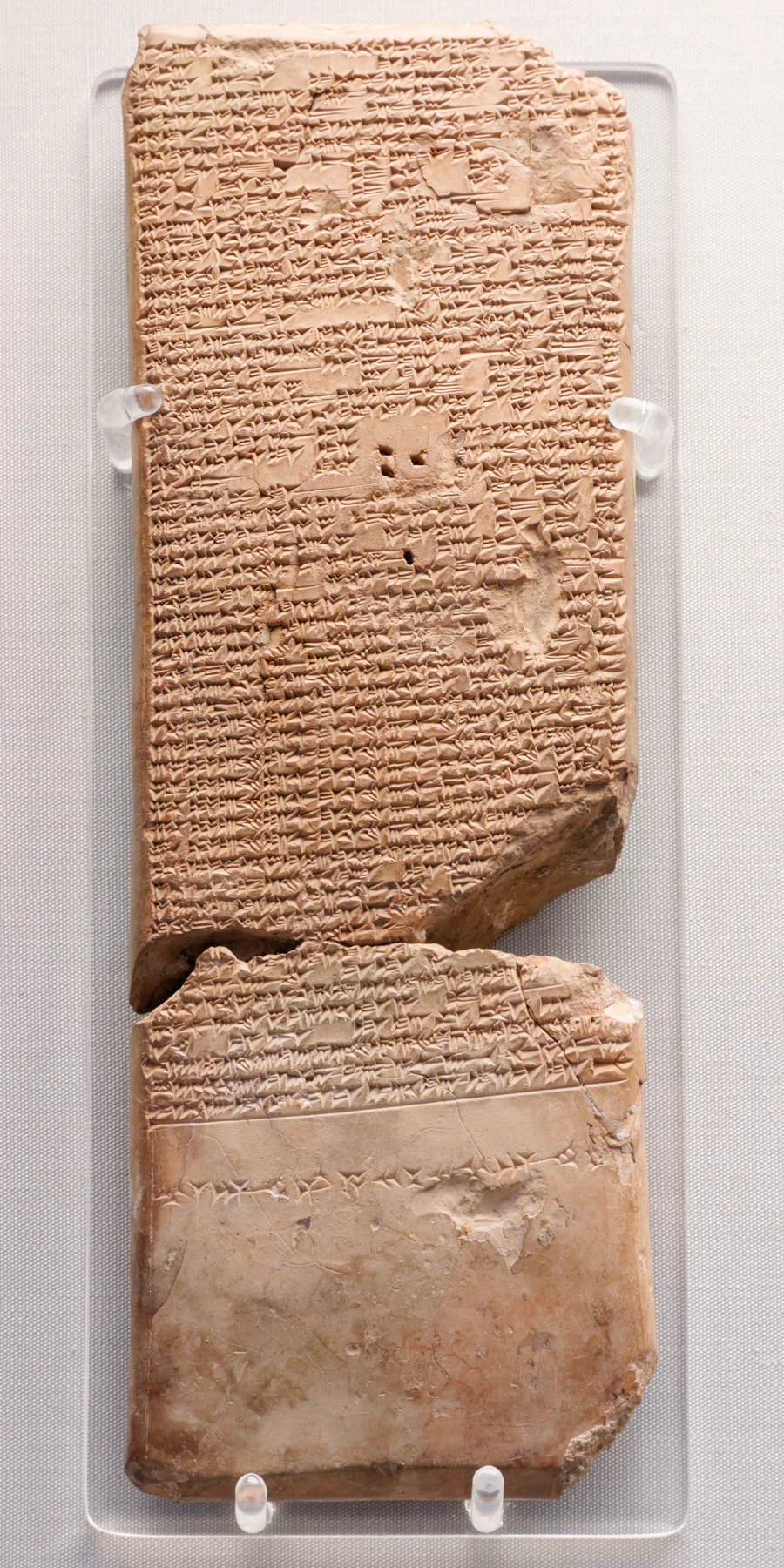
Tablet K.162, from NinevehNineveh and KuyunjikNineveh is an ancient Assyrian city near Mosul in northern Iraq; Kuyunjik is one of its archaeological moundsGlossary · Click to read the explanation and AshurbanipalAshurbanipalAshurbanipal was an Assyrian king of the seventh century BCE, reigning about 668–631 BCEGlossary · Click to read the explanation's library, is an Akkadian witness from the Neo-Assyrian period, conventionally dated to about the seventh century BCE. Its museum identity has been checked against CDLI P345482, whose record includes an object description and a transliteration. Ereshkigal's name in the opening line is partly restored in brackets; the restored characters must not be described as if all survived on the clay. The tablet dates a surviving copy, not the story's first composition.[3][8]
Nergal and Ereshkigal: two recensions, not one biography
The narrative Nergal and Ereshkigal concerns Nergal's acquisition of a share of authority in the netherworld. Its shorter recension is attested at AmarnaAmarna / AkhetatenAmarna is the archaeological site of Akhetaten, Akhenaten’s fourteenth-century BCE capital in Middle Egypt, preserving royal boundary stelae, temples, houses and cemeteries.Glossary · Click to read the explanation in Egypt; a longer version survives in witnesses from Sultantepe and UrukUrukAncient city at Warka in southern Iraq, a major urban centre around 3200 BCE that preserved early writing and accounting tablets.Glossary · Click to read the explanation. Both begin with a divine banquet in heaven that Ereshkigal cannot attend. She sends Namtar in her place, and Nergal's failure to show him due respect is taken as an insult to the queen. The stories then diverge significantly.[9][10]
In the shorter Amarna version, Nergal marches on the netherworld with help from Ea and other beings and threatens to kill Ereshkigal; she offers marriage and a share of kingship. The longer version instead develops a journey of apology, Ea's instructions, an intimate encounter, separation, and efforts to bring Nergal back. His eventual violent return should not be softened into a seamless love story. Because the longer narrative's conclusion is damaged, the apparent blessing of their union remains an interpretation, not a wholly preserved statement. The proposal that the myth accommodated competing claims to underworld sovereignty is a plausible scholarly reconstruction, neither an explicit statement in the text nor a firmly dated moment of composition.[10][11]
The witnesses and their dates
This timeline gives dates of surviving witnesses or scholarly estimates, not dates of mythical events:
- Approximately 1900–1600 BCE: the Old Babylonian Sumerian witnesses of Inanna's Descent include CBS 06894 from Nippur, a damaged tablet that does not preserve the complete composite text.[7]
- Around the fourteenth century BCE: the shorter Nergal and Ereshkigal witness from Amarna, EA 357. CDLI P270856 documents its fragments, not an intact single tablet.[9]
- Eighth–seventh centuries BCE: the Sultantepe witness of the longer Nergal and Ereshkigal recension, according to the comparative study; the copying date does not date the original composition of every passage.[10]
- Around the seventh century BCE: Nineveh tablet K.162, an Akkadian witness of Ishtar's Descent and the image accompanying this entry.[3][8]
- About 500 BCE: the later Uruk witness of the longer Nergal and Ereshkigal recension.[10]
The lifetime of the historical Ur-Namma and the primeval events narrated in literary openings cannot date the poems in which they appear. Moreover, line references here for Sumerian compositions refer to composite editions assembled from witnesses with different states of preservation; the full sequence is not being attributed to the Nippur tablet or to any single manuscript.[1][7]
Cult, images, and what can be concluded
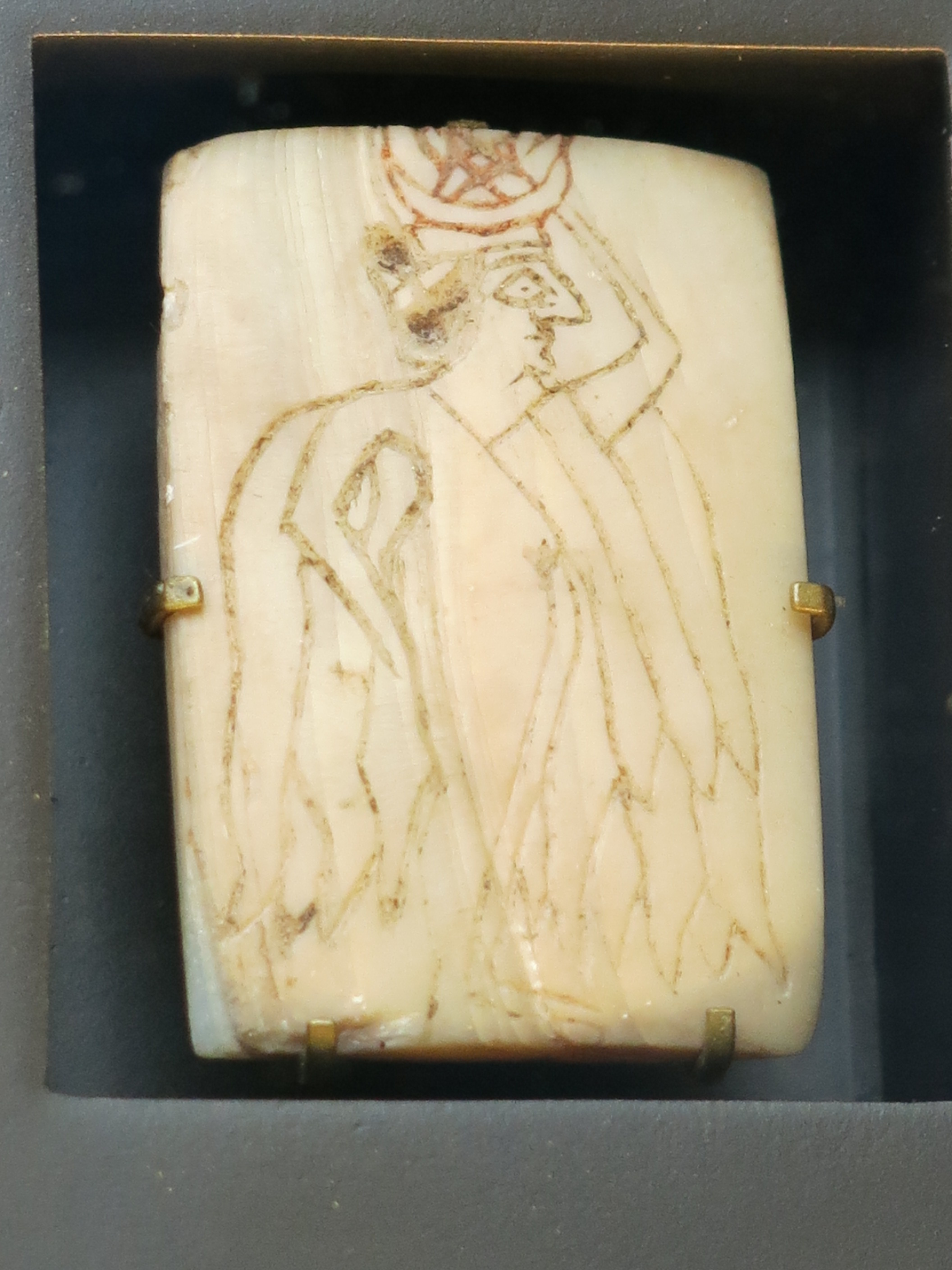
Ereshkigal's literary prominence does not by itself establish a uniform, widespread cult at every city. The specialist overview finds uneven evidence and no securely identifiable iconography. The clay plaque often called the “Queen of the Night” or “Burney Relief,” depicting a winged female figure, is not an authenticated portrait of Ereshkigal. Other identifications have been proposed, including Ishtar. Resemblance between a description of the netherworld and the plaque's wings cannot settle the attribution.[4]
The image reproduced here depicts tablet K.162. It is an Akkadian textual witness relevant to the descent story, not a sculpture or portrait of Ereshkigal, and it cannot prove details attested only in the Sumerian composition. The inherited image file and identity have been preserved, with credit to photographer Marie-Lan Nguyen via Wikimedia Commons under CC BY 2.5.[3][8]
Conclusion
The sources portray a queen whose underworld authority is substantial but whose actions, relatives, and partners are not identical across traditions. In Inanna's Descent, authority is distributed among the queen, the judges, and intervening gods; Ishtar's Descent gives punishment and return a different narrative structure; and Nergal and Ereshkigal varies the conflict and marriage between recensions. Keeping those differences visible is better supported than constructing a single unified myth. The origins of individual narrative layers and paths of transmission between languages remain questions requiring more than parallels alone.
References and notes (11)
- Oxford ETCSL edition of Inanna’s Sumerian descent, including variants and gaps; references identify narrative units rather than reproduce the translation. ETCSL 1.4.1, lines 73–175, 173–289, 306–412 (composite edition) Return to the text ↑
- Historical public-domain translation of the Akkadian text; its older terminology does not settle present-day questions of identity or gender. Morris Jastrow, 1915; Akkadian Descent of Ishtar Return to the text ↑
- Akkadian tablet from Ashurbanipal’s library, seventh century BCE; the copy’s date does not establish the story’s first composition. British Museum K.162 Return to the text ↑
- Yağmur Heffron, 'Ereškigal (goddess)', ORACC's Ancient Mesopotamian Gods and Goddesses; name, functions, genealogy and iconography. Earlier print works cited there were not independently consulted. ORACC, Ereškigal, Name and Spellings; Functions; Genealogy; Iconography Return to the text ↑
- Oxford ETCSL, 'Gilgamesh, Enkidu and the Netherworld', composite Sumerian text and English translation; simplified transliteration, meaning checked against the edition. ETCSL 1.8.1.4, Version A, lines 1–26, esp. line 13 Return to the text ↑
- Oxford ETCSL, 'The Death of Ur-Namma', composite Sumerian composition; offerings to Nergal, Gilgamesh, Ereshkigal and Namtar, with lacunae. ETCSL 2.4.1.1, Version A, lines 88–109 Return to the text ↑
- CDLI, P264321, tablet CBS 06894 from Nippur; Old Babylonian Sumerian manuscript, fragmentary text. CDLI P264321 / CBS 06894, metadata and extant reverse Return to the text ↑
- CDLI, P345482, tablet K.162; metadata and transliteration, including restored signs in the opening line. CDLI's own photo has separate rights from the retained Commons image. CDLI P345482, metadata and obverse lines 1–20 Return to the text ↑
- CDLI, P270856, fragmented Amarna witness of 'Nergal and Ereshkigal'; dating, identification and opening transliteration. CDLI EA 357 / P270856, metadata and obverse lines 1–15 Return to the text ↑
- Isabel Gomes de Almeida, 'Nergal and Ereškigal', Database of Religious History (4 April 2024); opening synthesis, version structure and manuscript chronology. Proposed original composition dates remain an interpretation. Gomes de Almeida 2024, PDF p. 1–2 and selected analytical sections Return to the text ↑
- Yağmur Heffron, 'Nergal (god)', ORACC; Ereshkigal partnership and hypotheses about reconciling underworld traditions, not settled textual fact. ORACC, Nergal, Myths and Cult Places Return to the text ↑
Suggest a correction · Suggest a source for this record
Cite this record
IL Archive, «Ereshkigal», https://ilarchive.com/en/entities/ereshkigal
Continue reading
Related readings