The Death of Ur-Namma Chapter 1
The Desolate Road
When Ur-Namma dies, the people of Ur mourn their king, and he takes the road to the netherworld with gifts for those who live below. The new judgment seat cannot end his longing for his family, and Inana challenges the decision that has taken him away.
SourcesTurn the pages with the arrows, the arrow keys or a swipe.
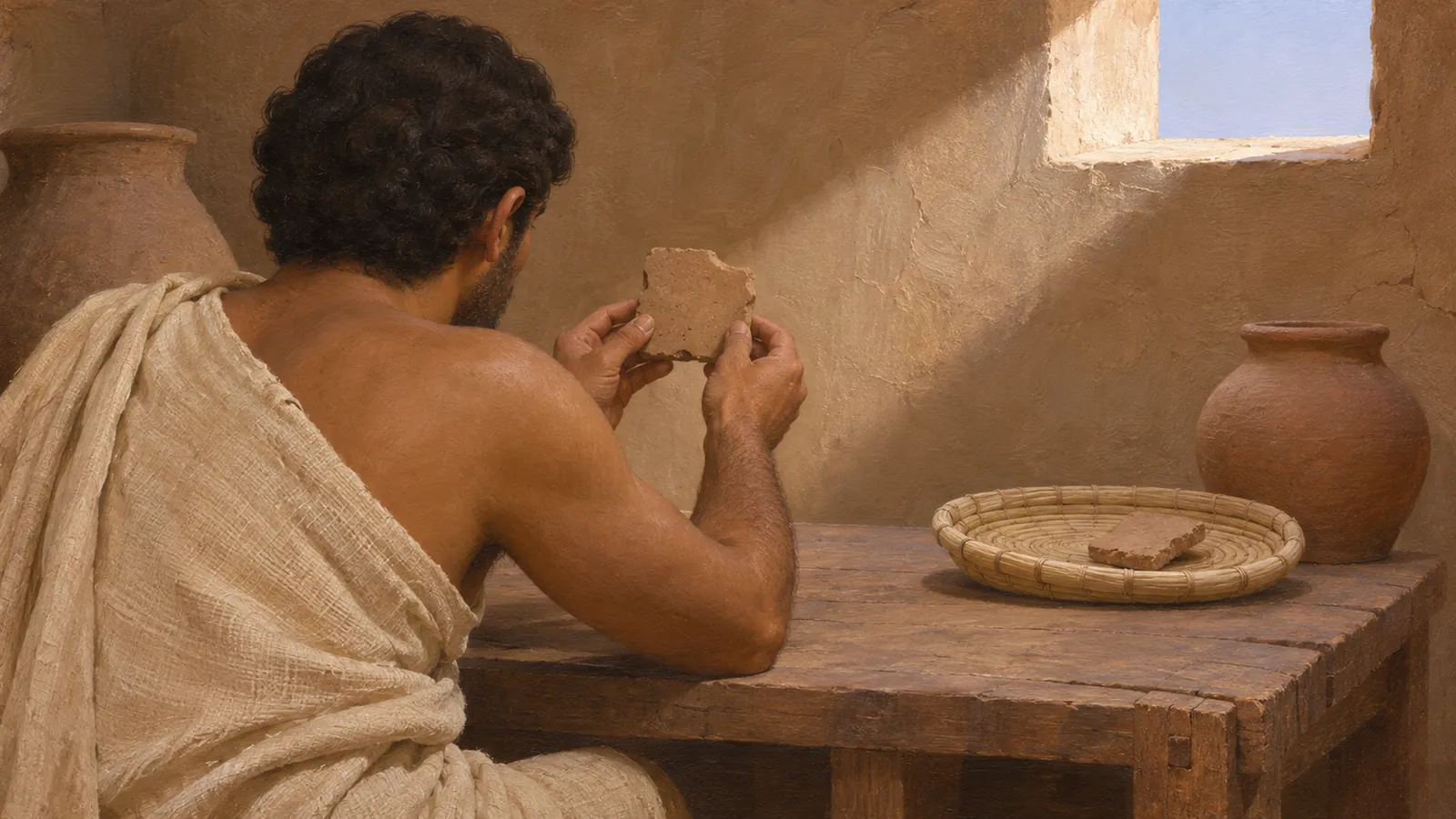
UR-NAMMA
A Sumerian poem remembers the death of Ur-Namma, king of Ur. Much of it survives in tablets from Nippur, and another version survives in fragments from Susa.
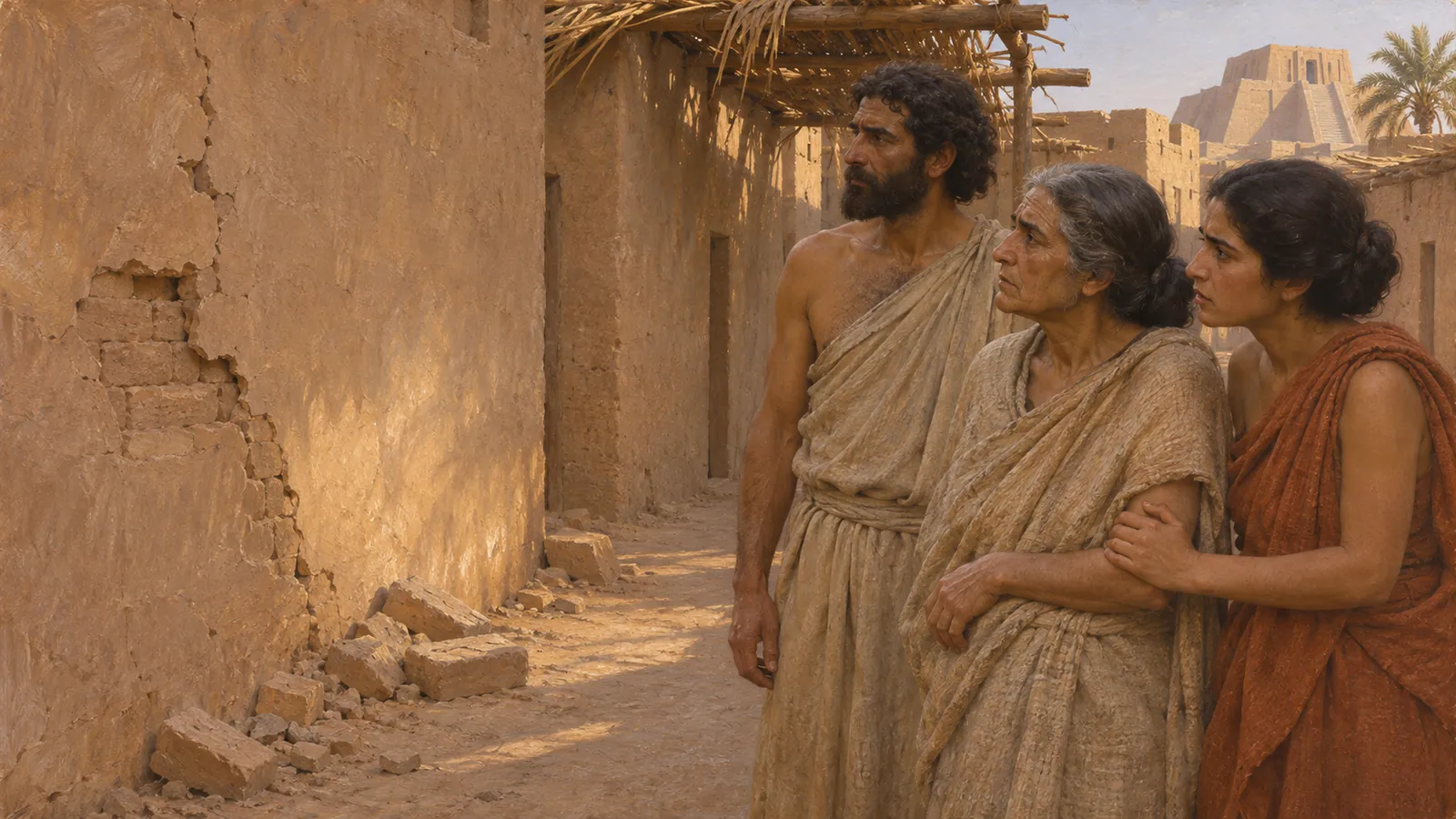
The opening from Nippur is broken. There are still words for a devastated palace and people overcome by panic. In the city of Ur, the king the poem calls a faithful shepherd has been taken away.
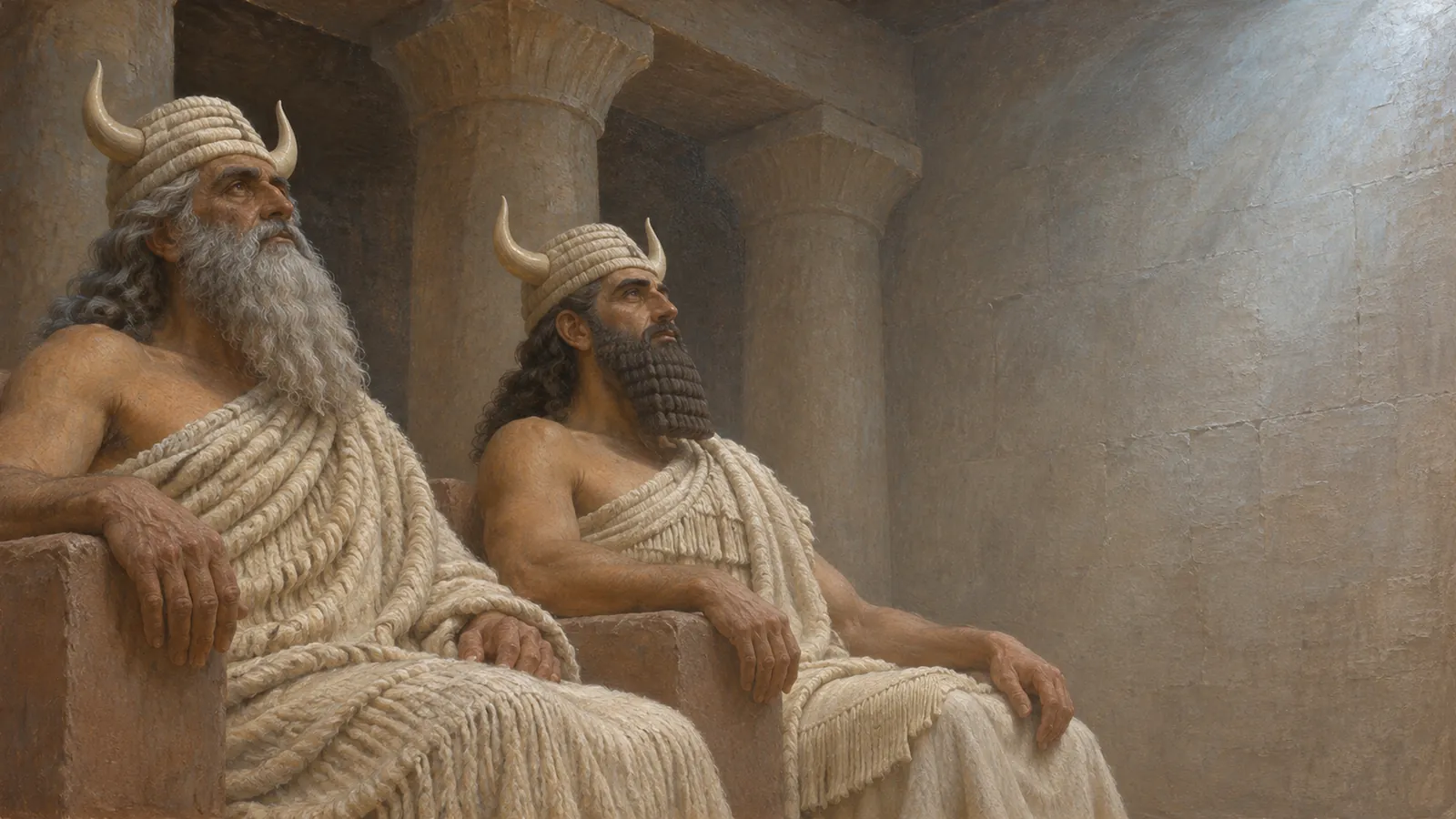
The poem turns to the gods for the cause. An changes what he had declared. Enlil changes the fate he had decreed. Their words reach the whole land.
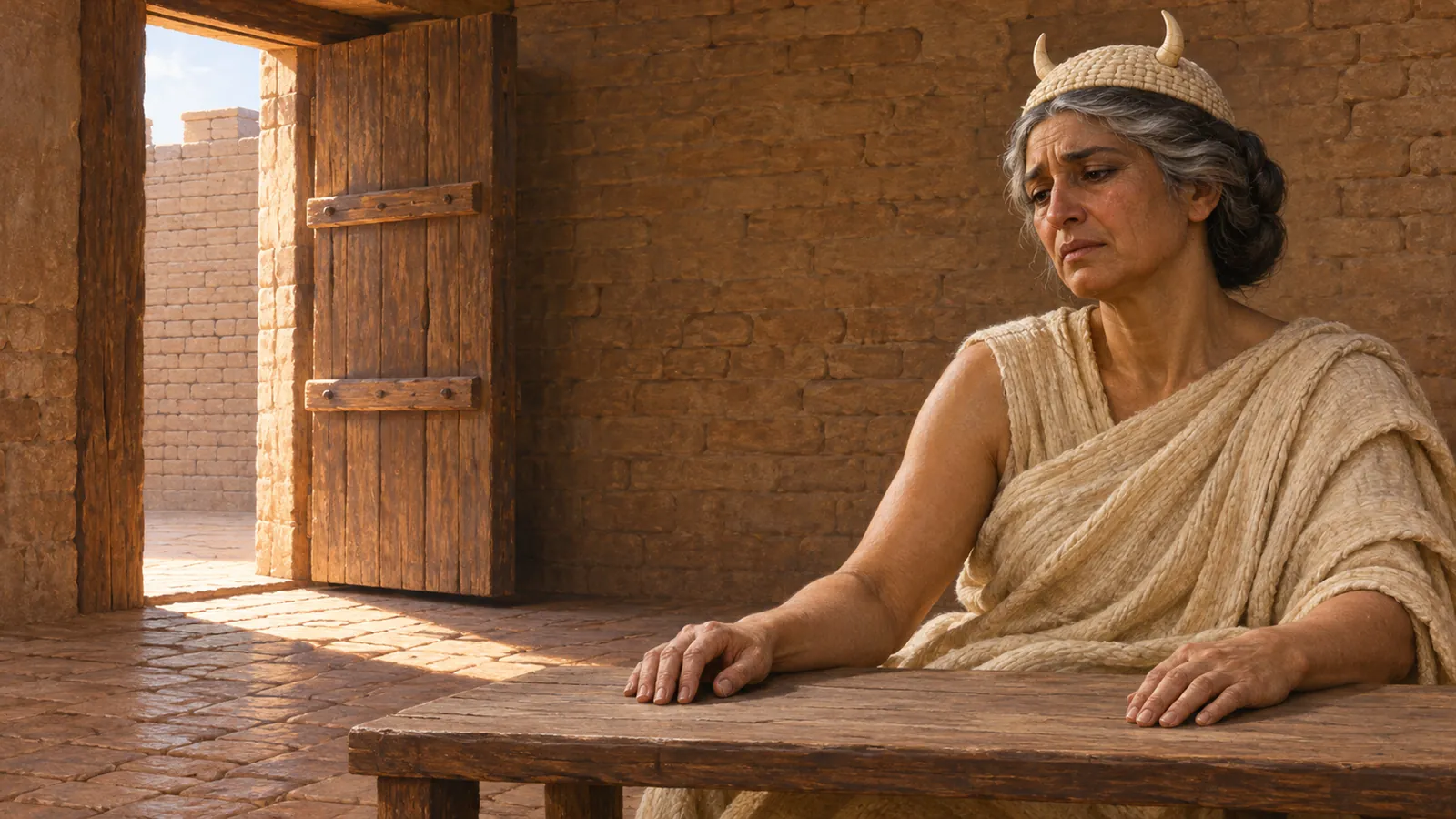
Ninmah begins to lament. At Eridu, Enki withdraws into a private chamber and lies down without food. The poem pauses on this refusal of ordinary life before it turns to the sky.
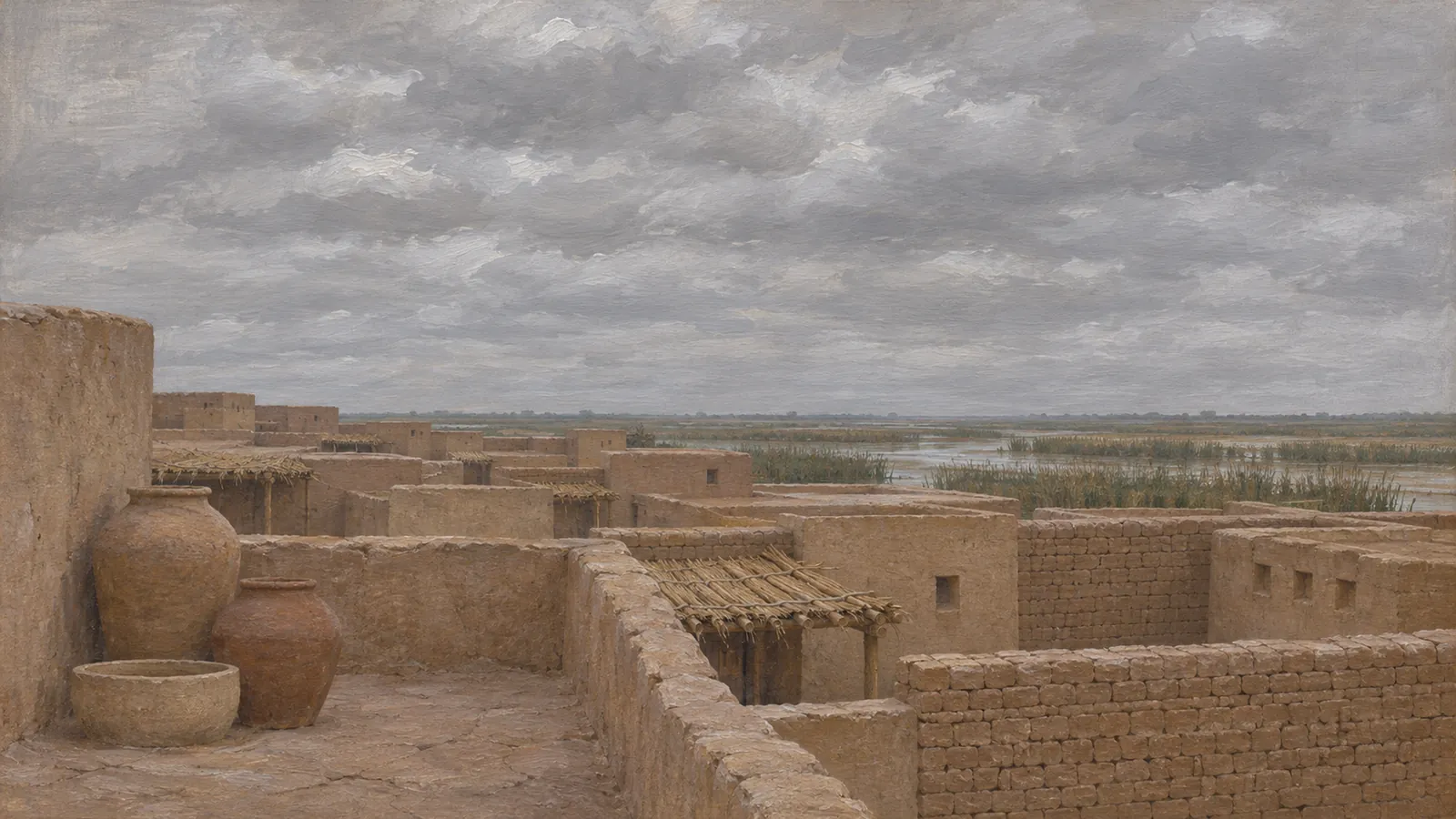
Nanna frowns at the words of An. Utu, the sun god, does not come out in the sky. The poet gives the whole day over to sorrow.
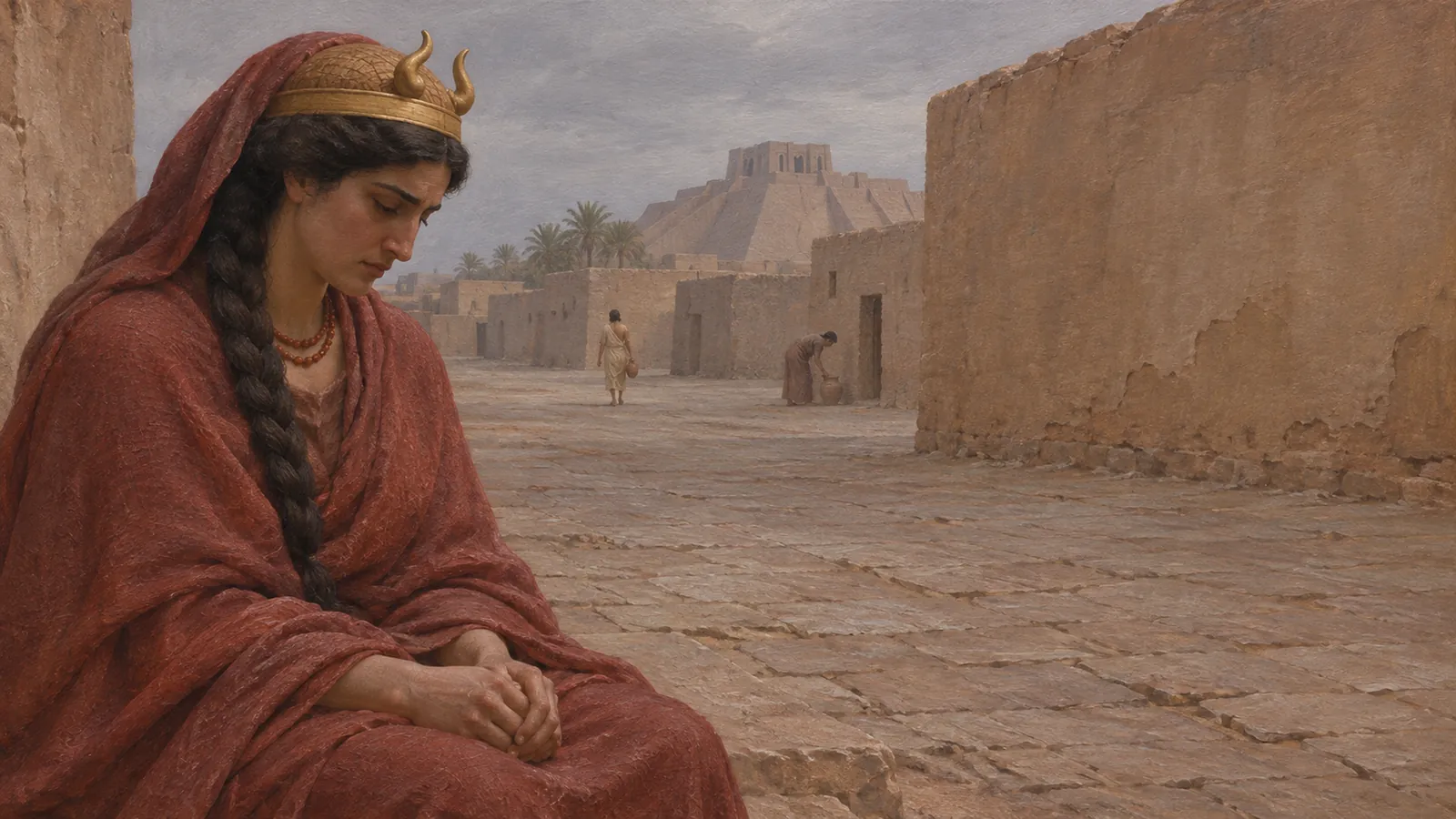
Ninsun, called the king’s mother in the lament, cries in the public square. It was a place for people to enjoy themselves. Now grief keeps them from sleep.
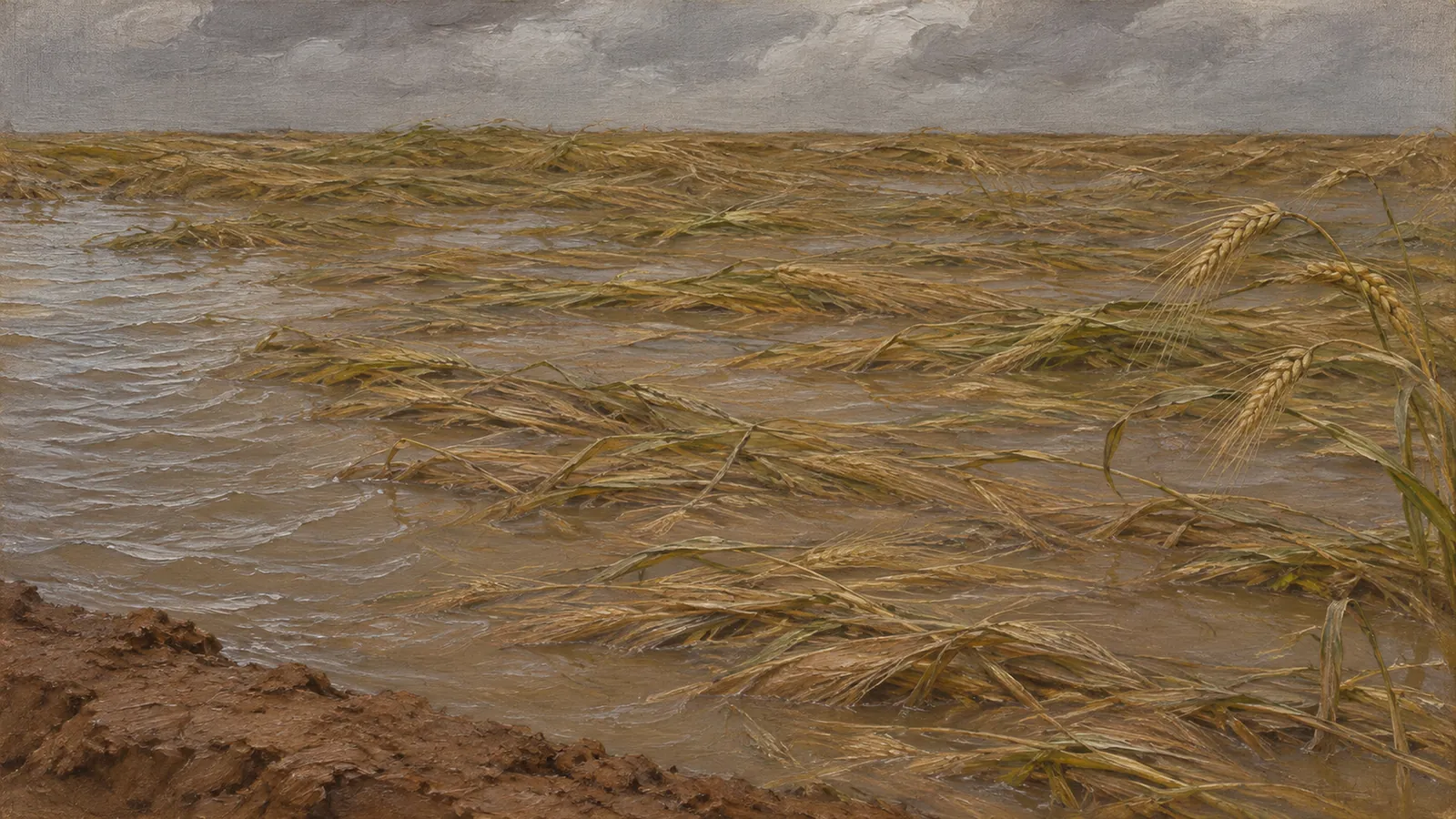
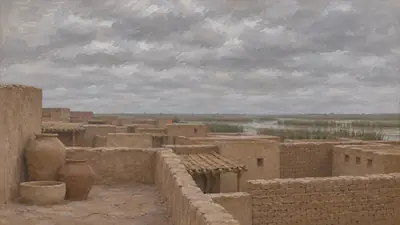
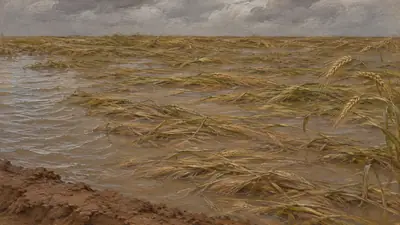
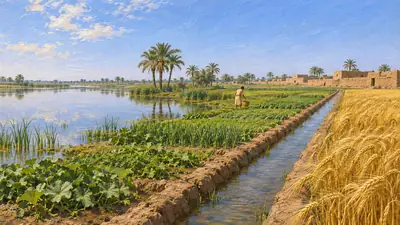
An early flood fills the canals and covers the barley. The land that fed the people yields little in the Nippur account. Even the fields take part in the lament.
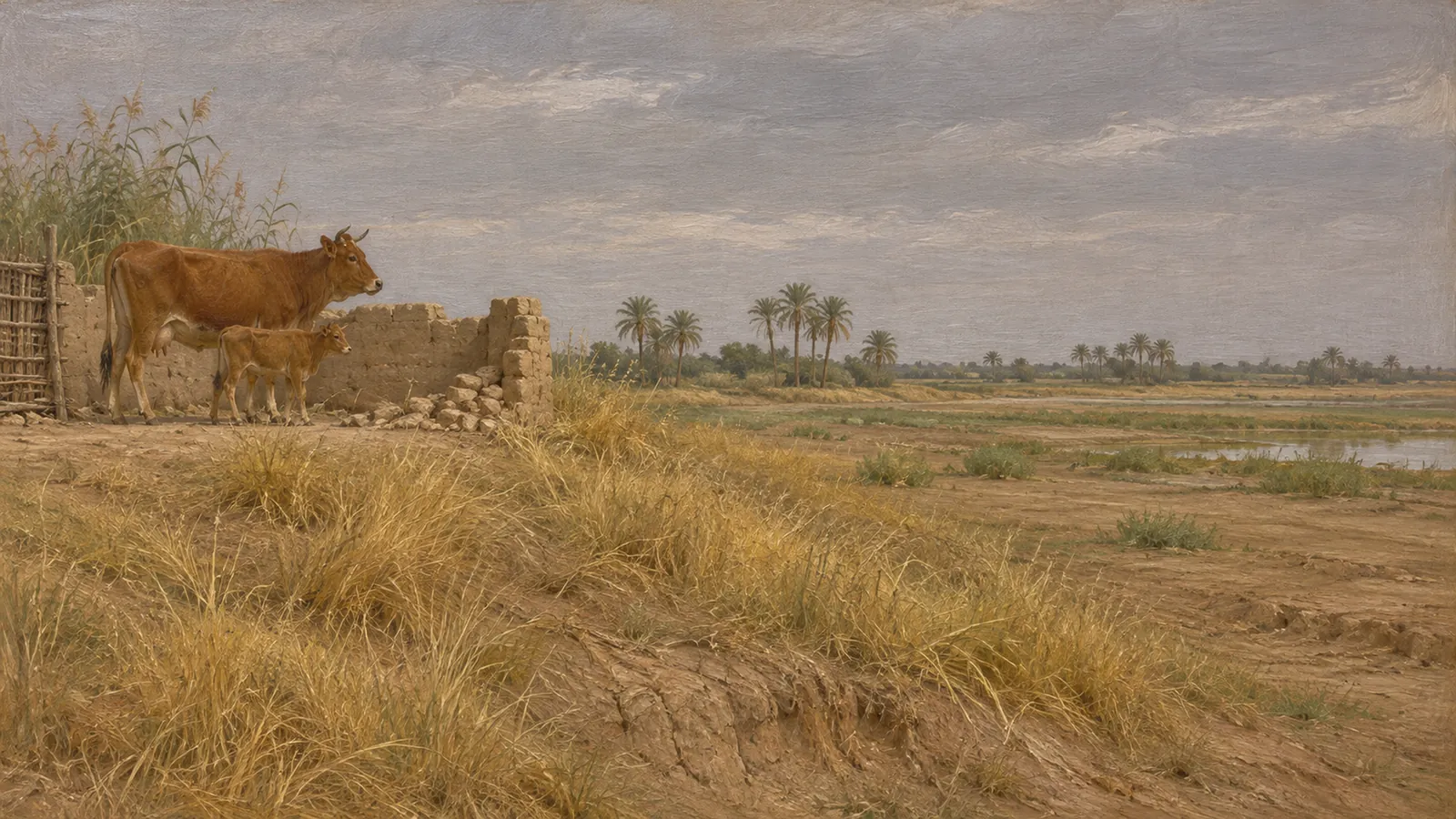
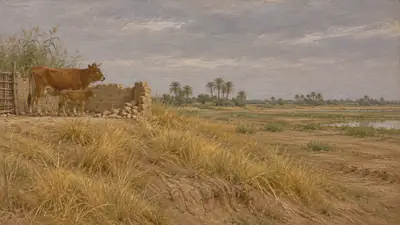
Enkimdu, lord of levees and ditches, takes them away from Ur. Across the plain, the poet sees grass fit for mourning where the cattle once found green pasture.
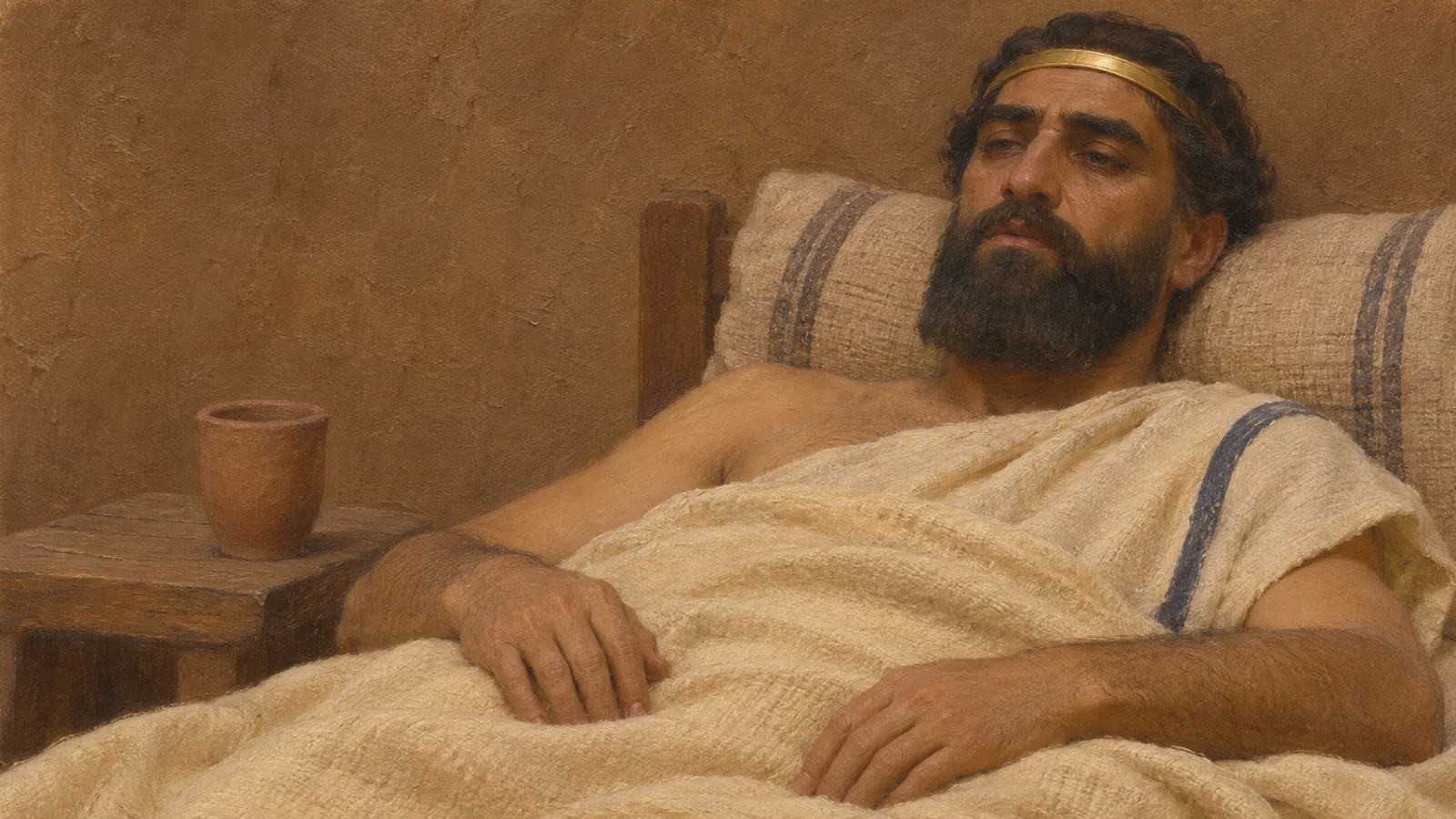
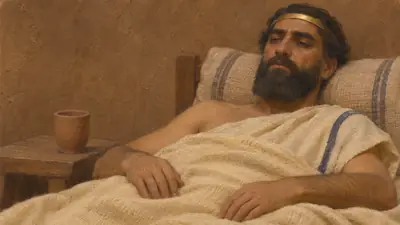
Ur-Namma lies sick. His hands can no longer hold what they once held, and his feet cannot carry him. Broken lines mention fighting, but the poem leaves the course of his death unclear.
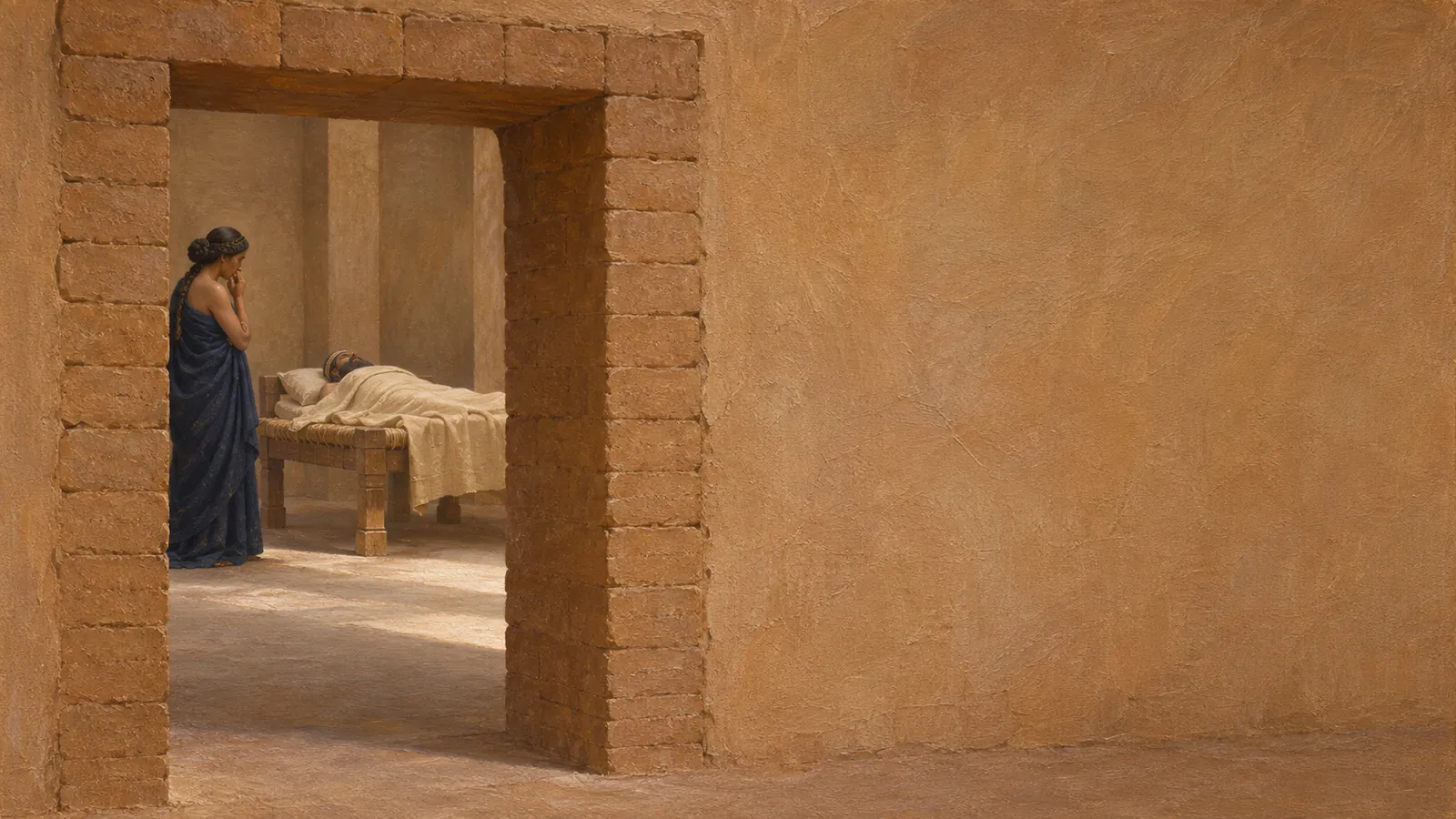
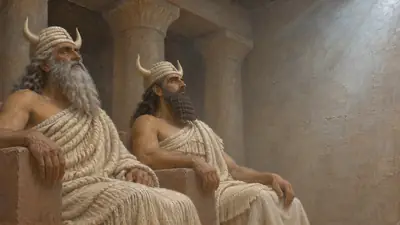
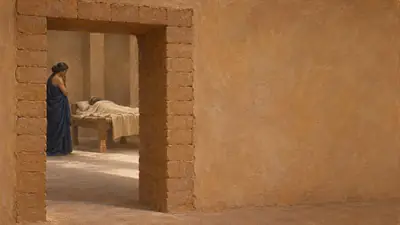
The king is brought to Ur. The man his soldiers loved lies in the palace and can no longer raise his head. Silence falls, and the poem says he dies in his prime.
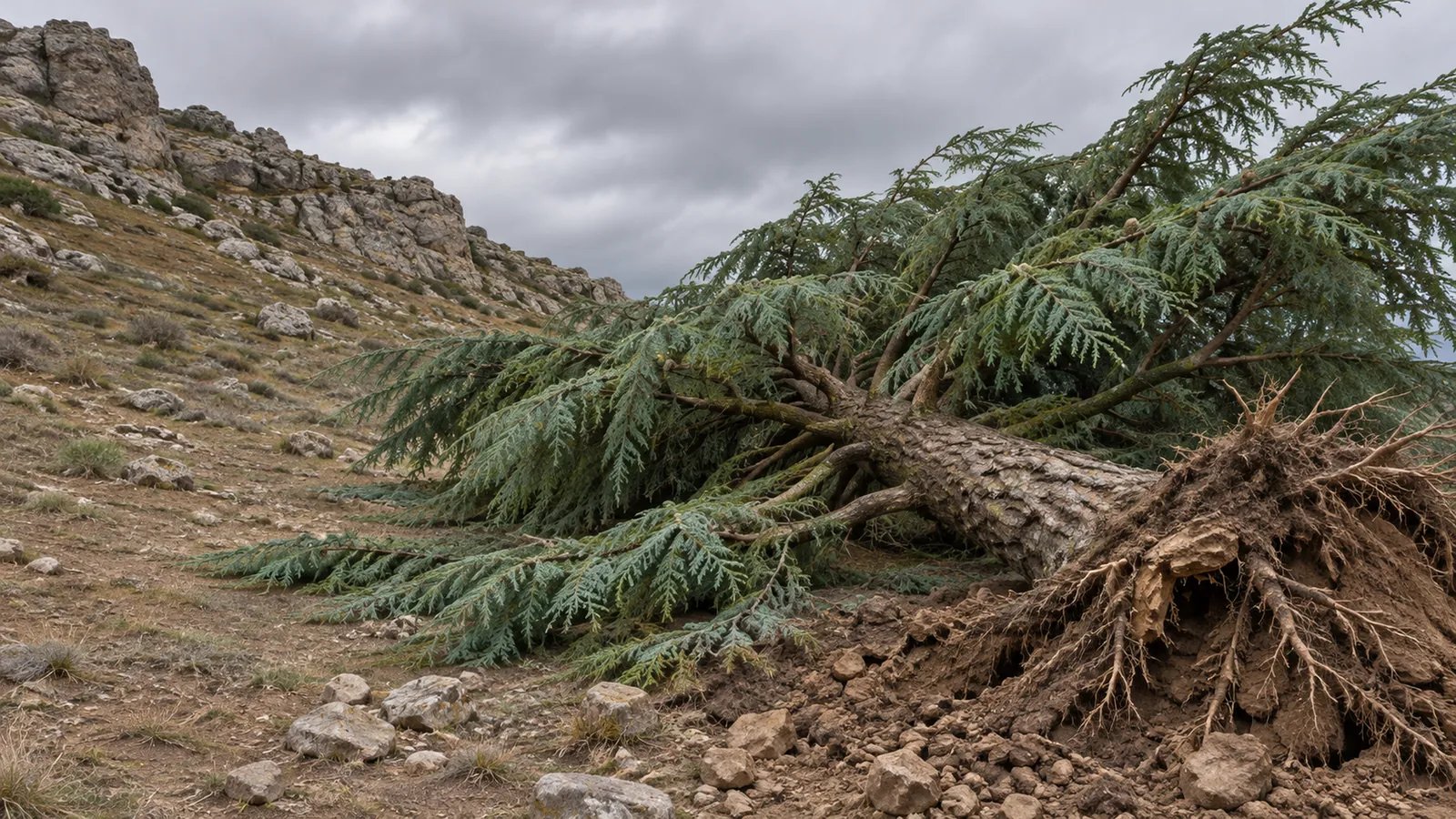
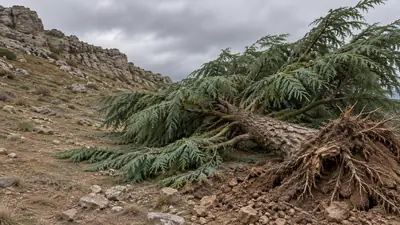
The poem pictures him as a living cedar pulled up by its roots. The Susa version also remembers the fallen tree. A single death is felt as a change in the whole land.
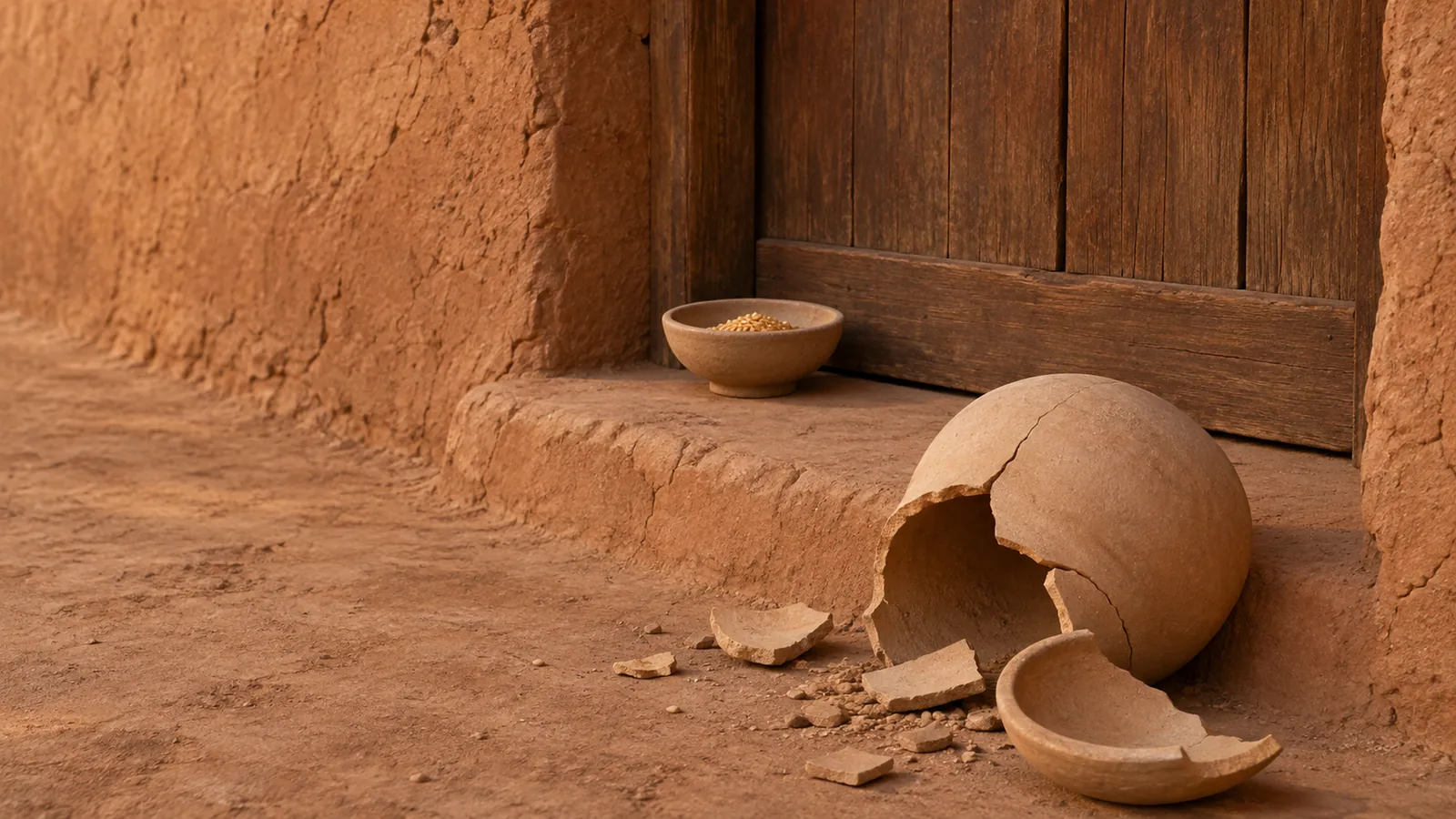
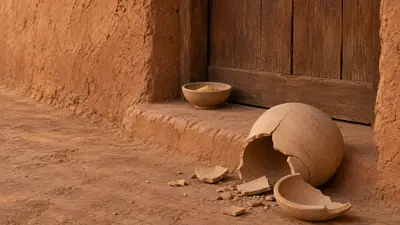
The Anuna gods no longer accept his gifts. The lament compares Ur-Namma to a broken jar left behind. A similar image survives in the Susa fragments.
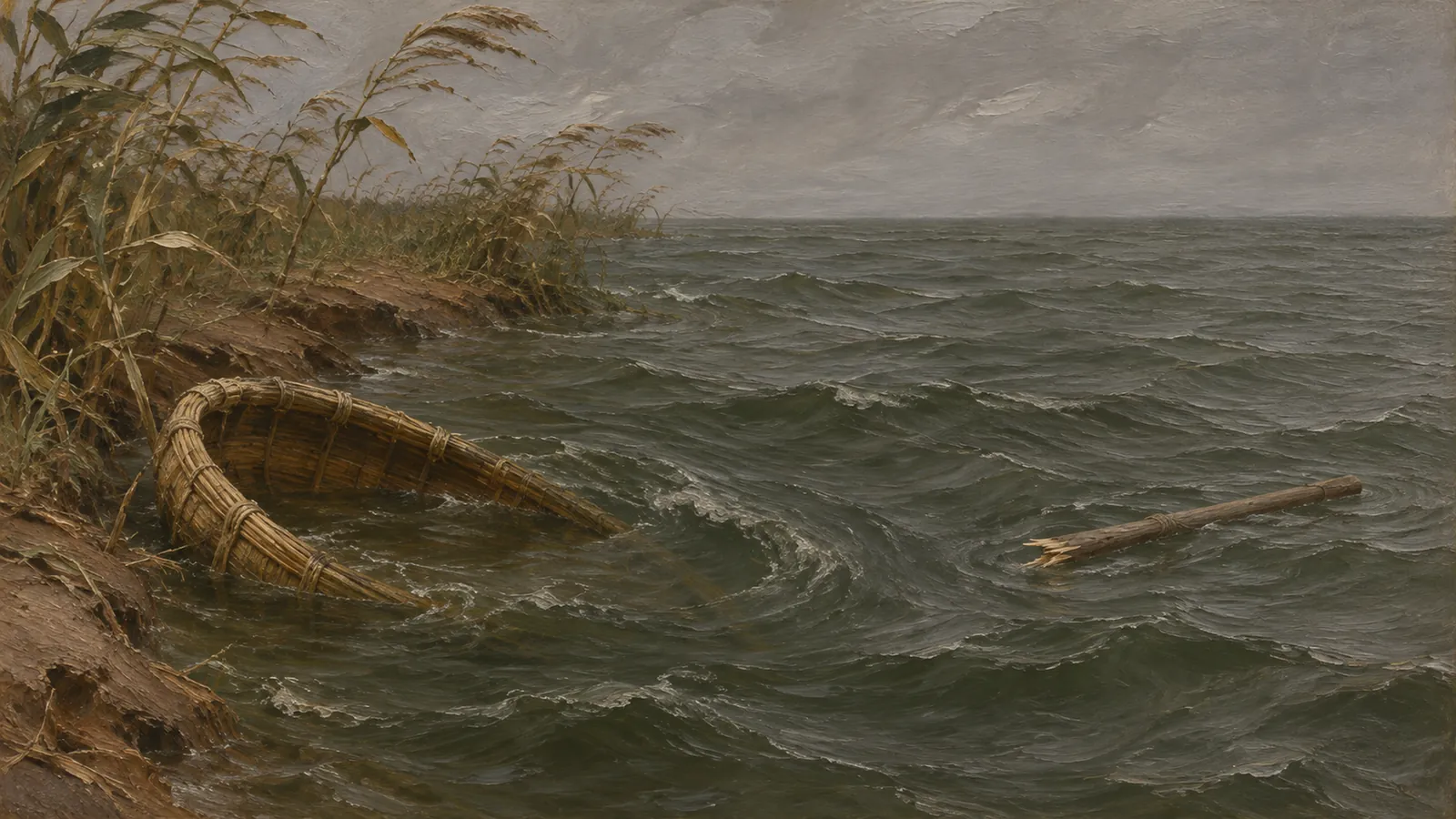
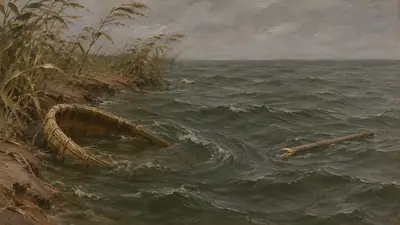
The soldiers weep as Ur-Namma is taken toward Arali. To them it is as though their boat had sunk somewhere as strange as Dilmun, stripped of oars, poles and rudder.
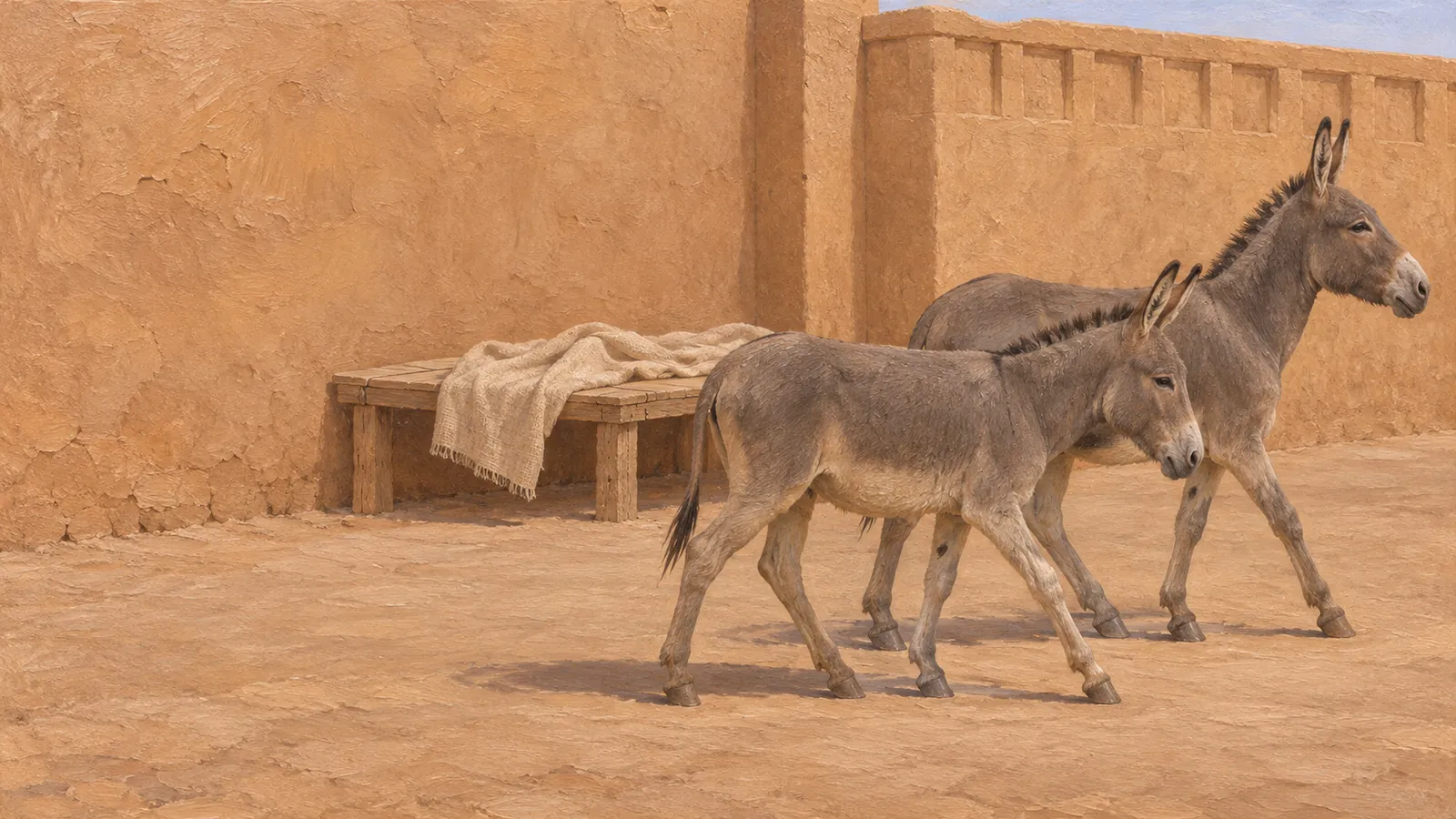
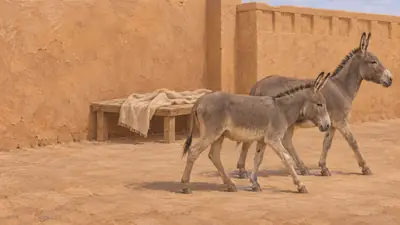
The poem says the king’s donkeys were buried with him. Even the animals of his household belong to the picture of a royal departure. The lament repeats the line for Ur-Namma by name.
ARALI
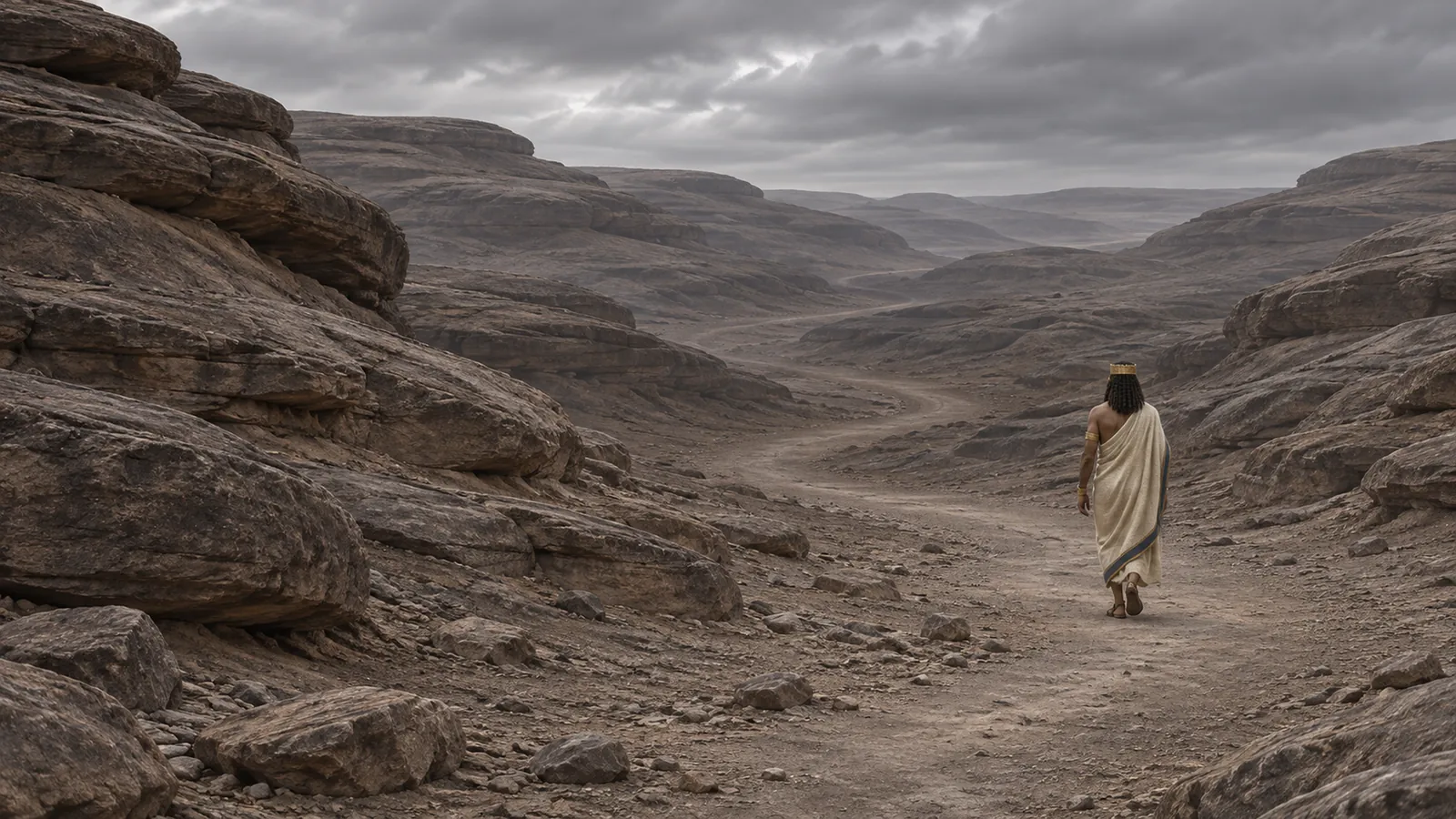
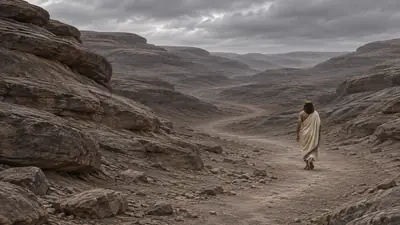
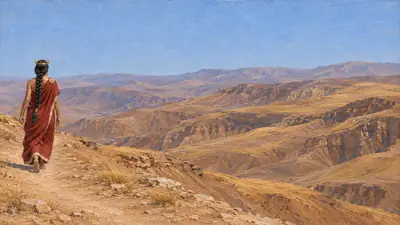
Ur-Namma is brought to Arali, the land below. The poem calls the route desolate. Behind him, the roads of the living are thrown into disorder and no one goes up or down them.
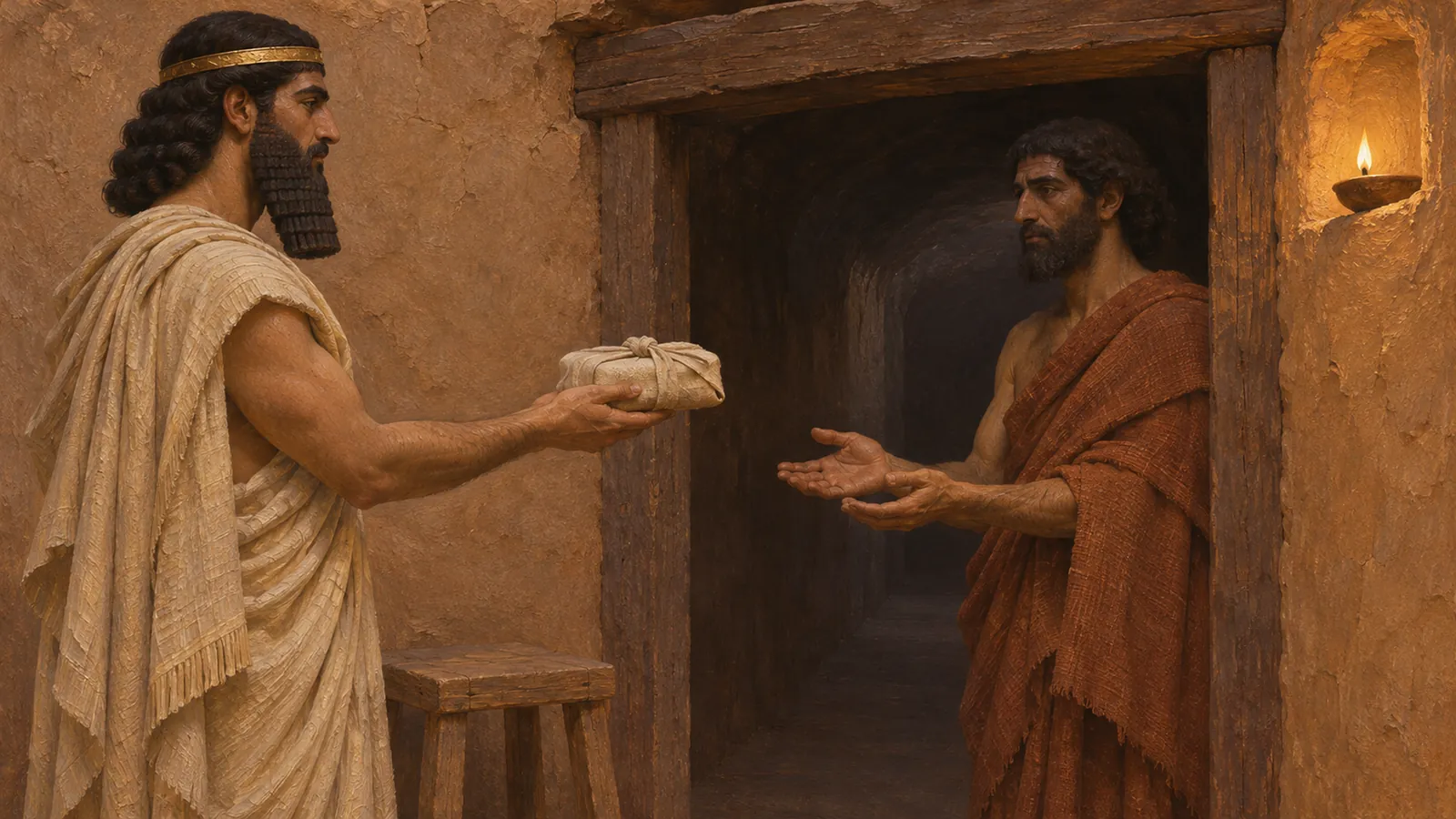
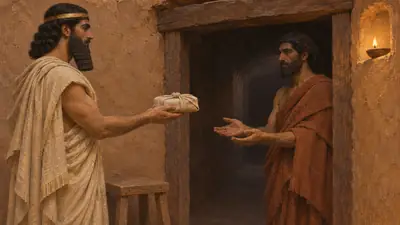
At the netherworld entrance, Ur-Namma brings gifts to the seven chief porters. The king begins to act according to the customs of the land where he has arrived.
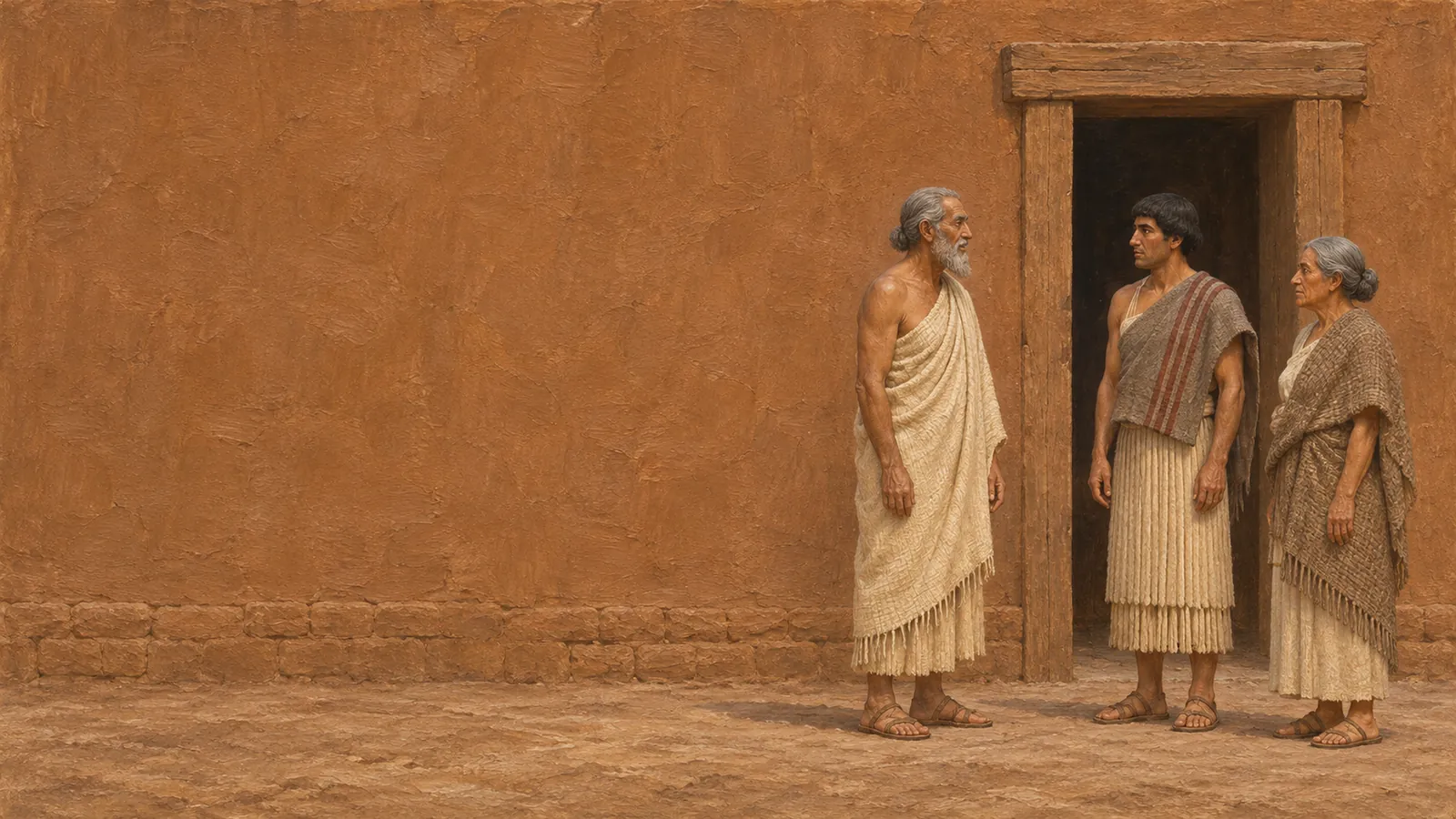
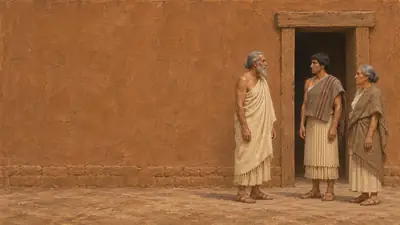
Kings who have died and attendants of old rites announce the arrival of Ur-Namma. As word spreads among the people below, the netherworld fills with commotion.
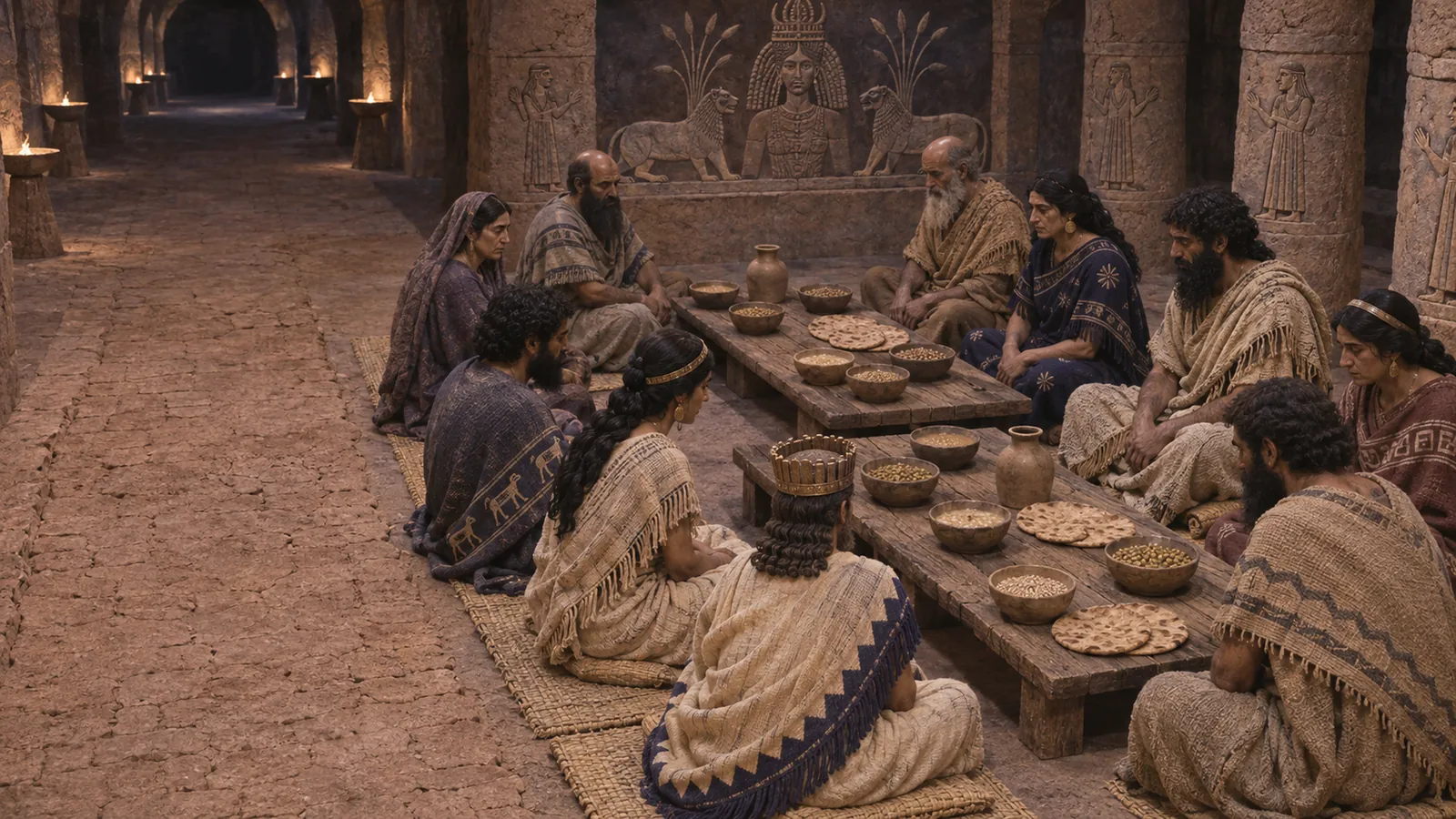
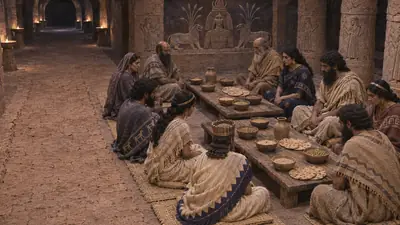
Ur-Namma has bulls and sheep slaughtered for a great banquet. He seats the people of the netherworld at the feast. The dead king enters their company as a host.
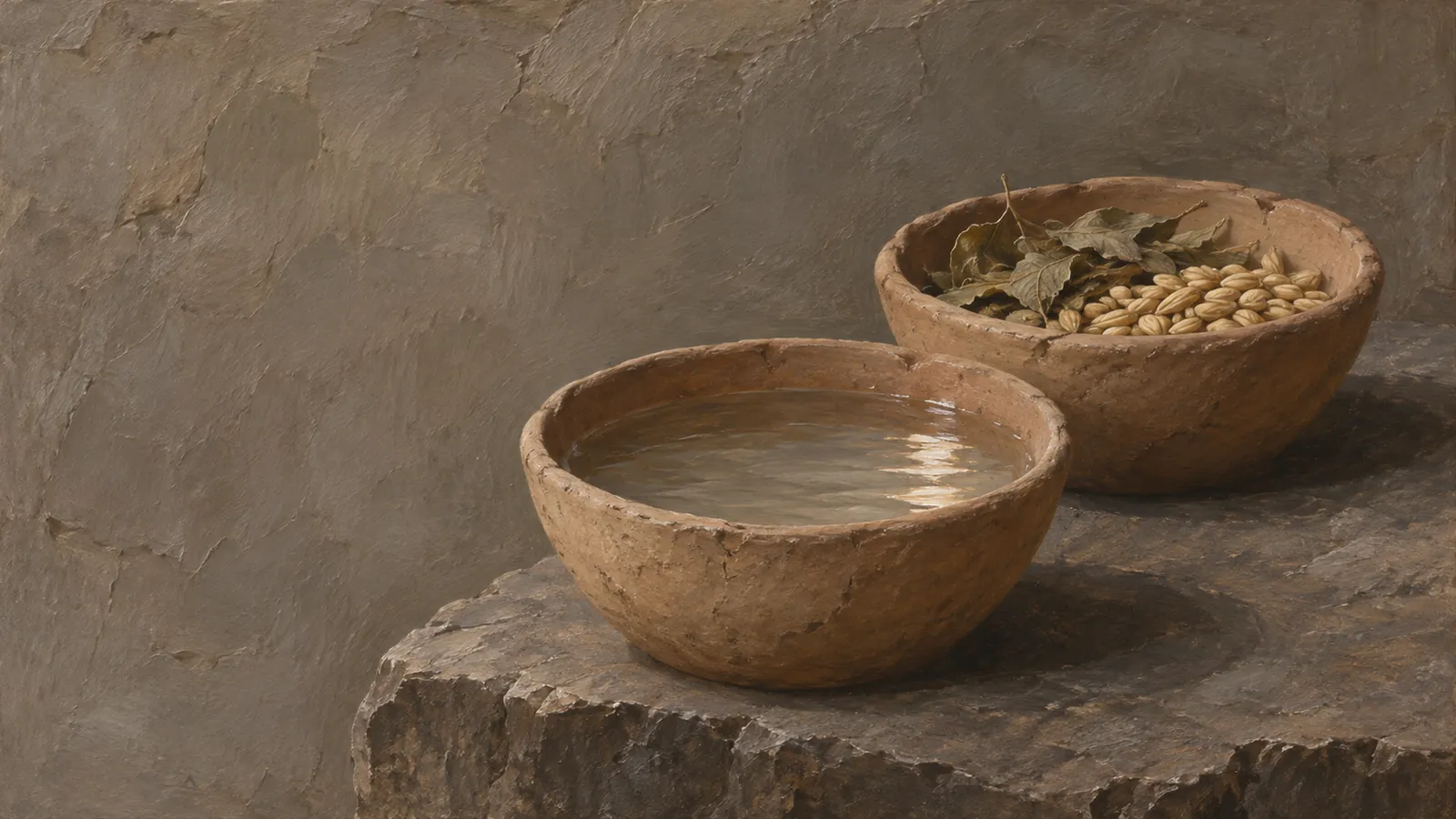
Below the earth, the food tastes bitter and the water tastes of salt. Ur-Namma knows the rites of this place. The poem names the finest cattle, kids and sheep among the offerings he brings.
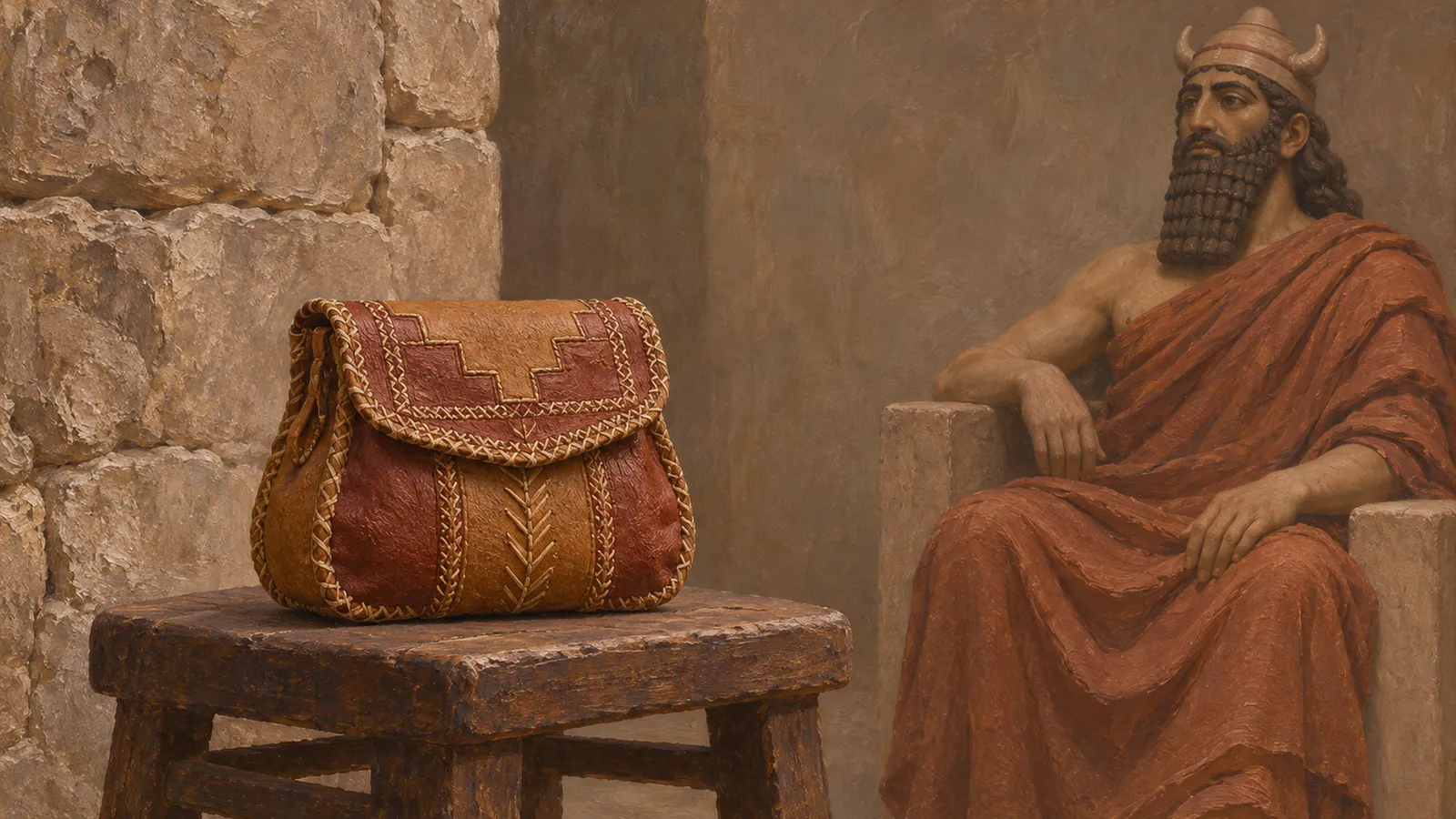
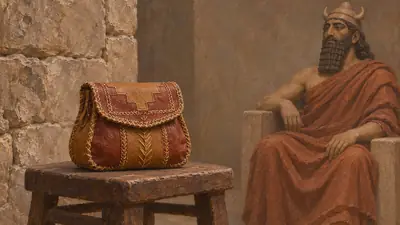
Ur-Namma visits Nergal in his palace. The poem calls Nergal the Enlil of the world below. The king brings him a mace, a bow and a bag of colored leather among his gifts.
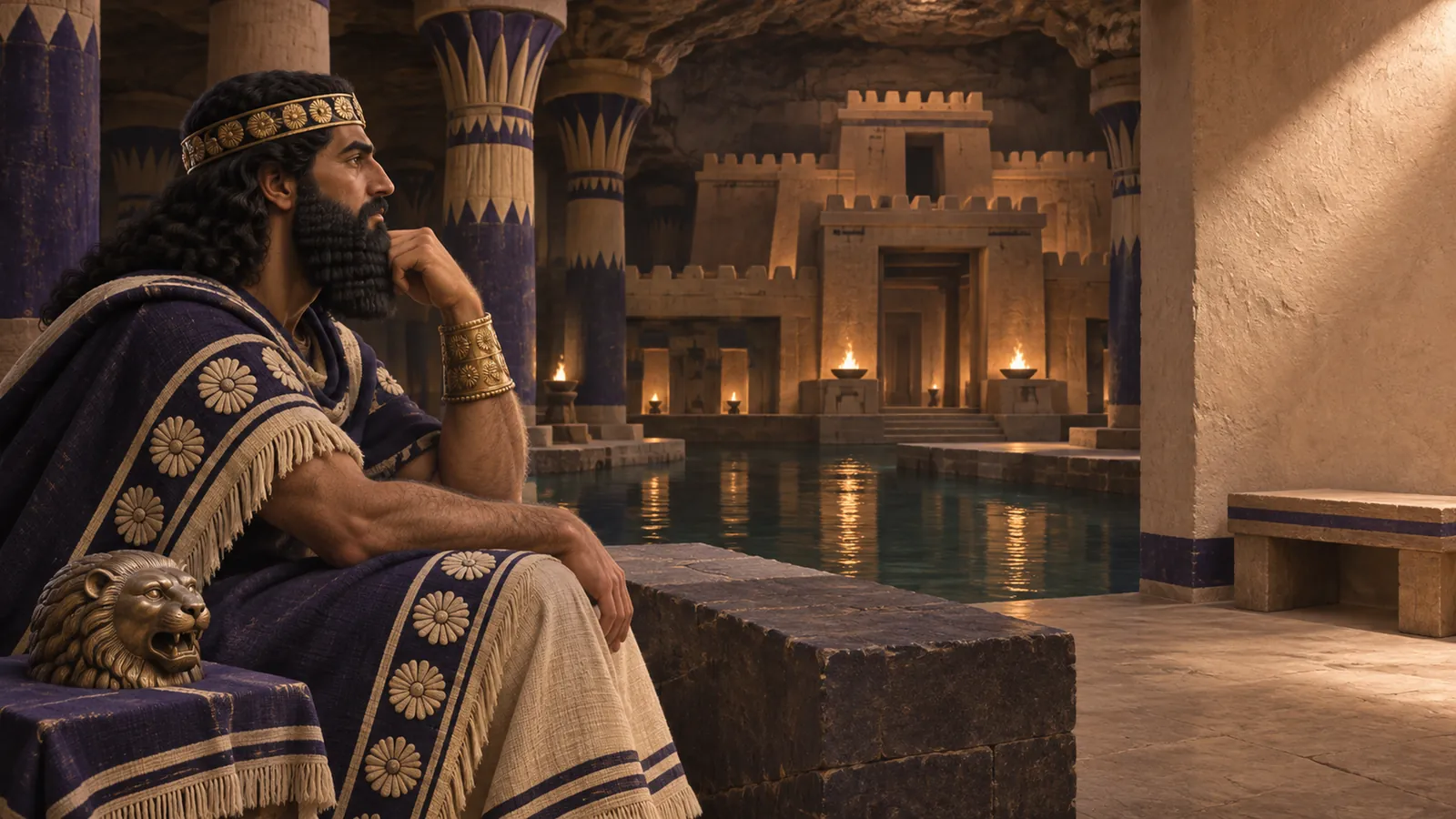
He gives gifts to Gilgamesh, whom the poem calls king of the netherworld. Among them are a shield, a spear and a ceremonial mace with a lion’s head.
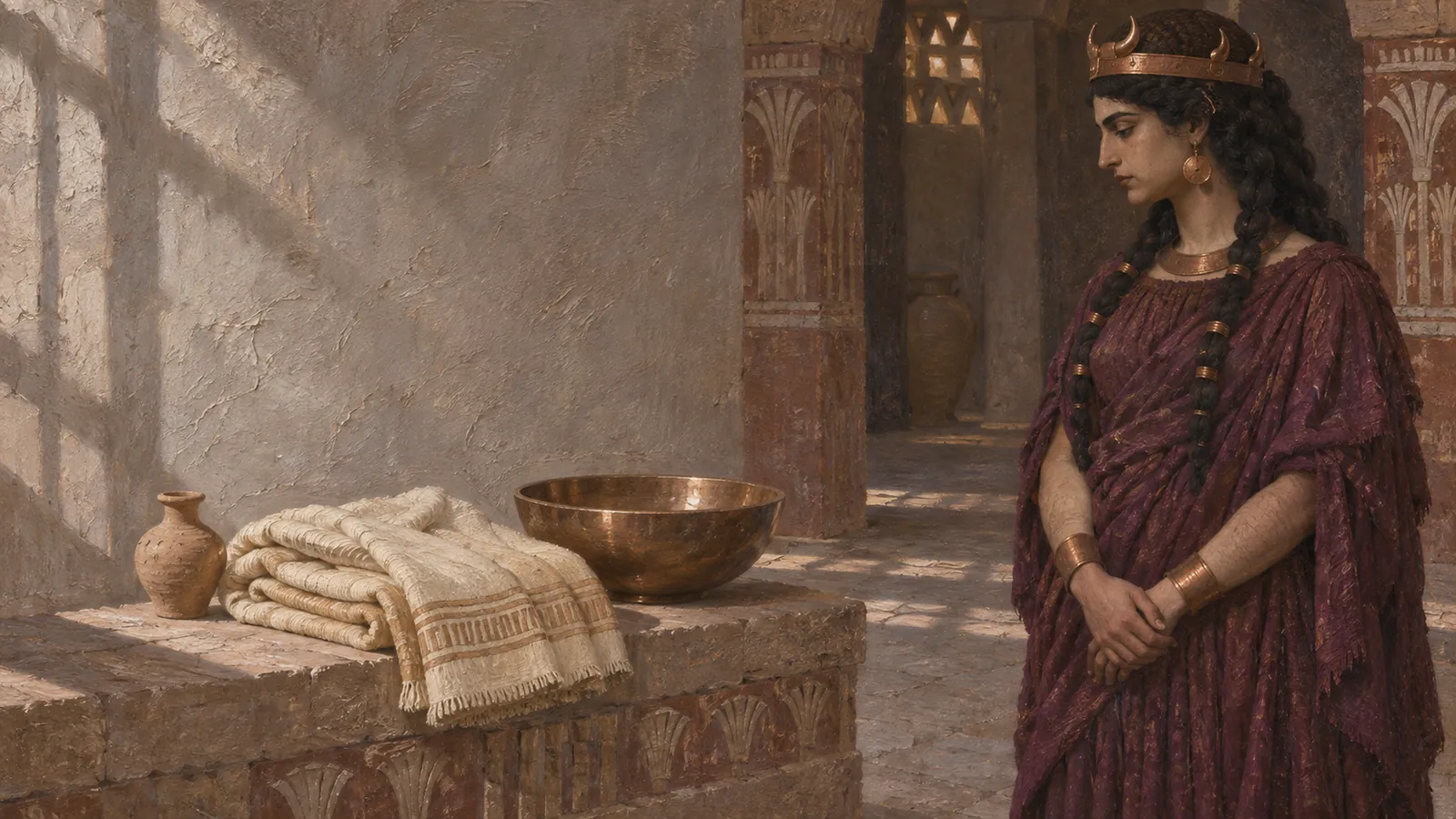
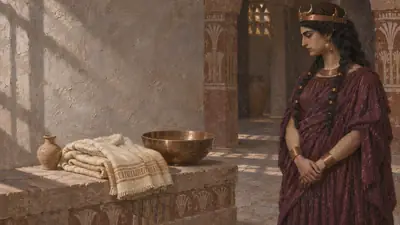
In Ereshkigal’s palace, Ur-Namma sets out oil, a fine bowl and heavy clothing. Among the garments named in the Nippur version is a robe fit for a queen.
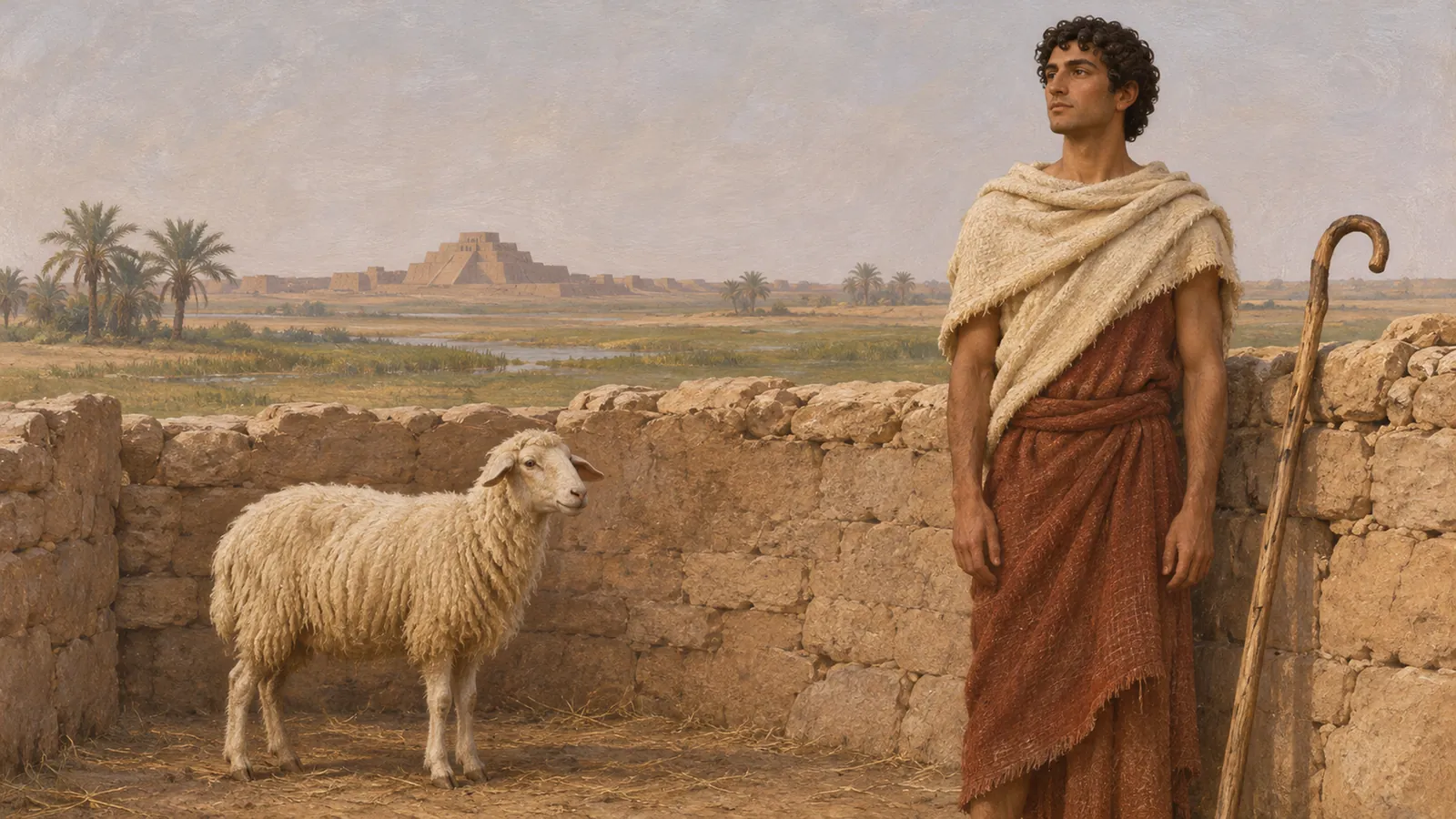
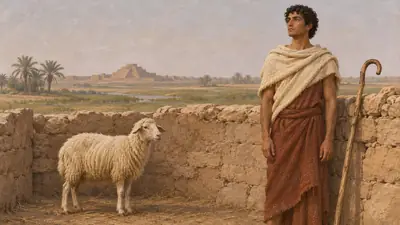
Ur-Namma brings Dumuzi sheep and a splendid sceptre. In the Susa version, the list also includes a shepherd’s staff and crook. Both lists give the lord of flocks gifts that suit him.
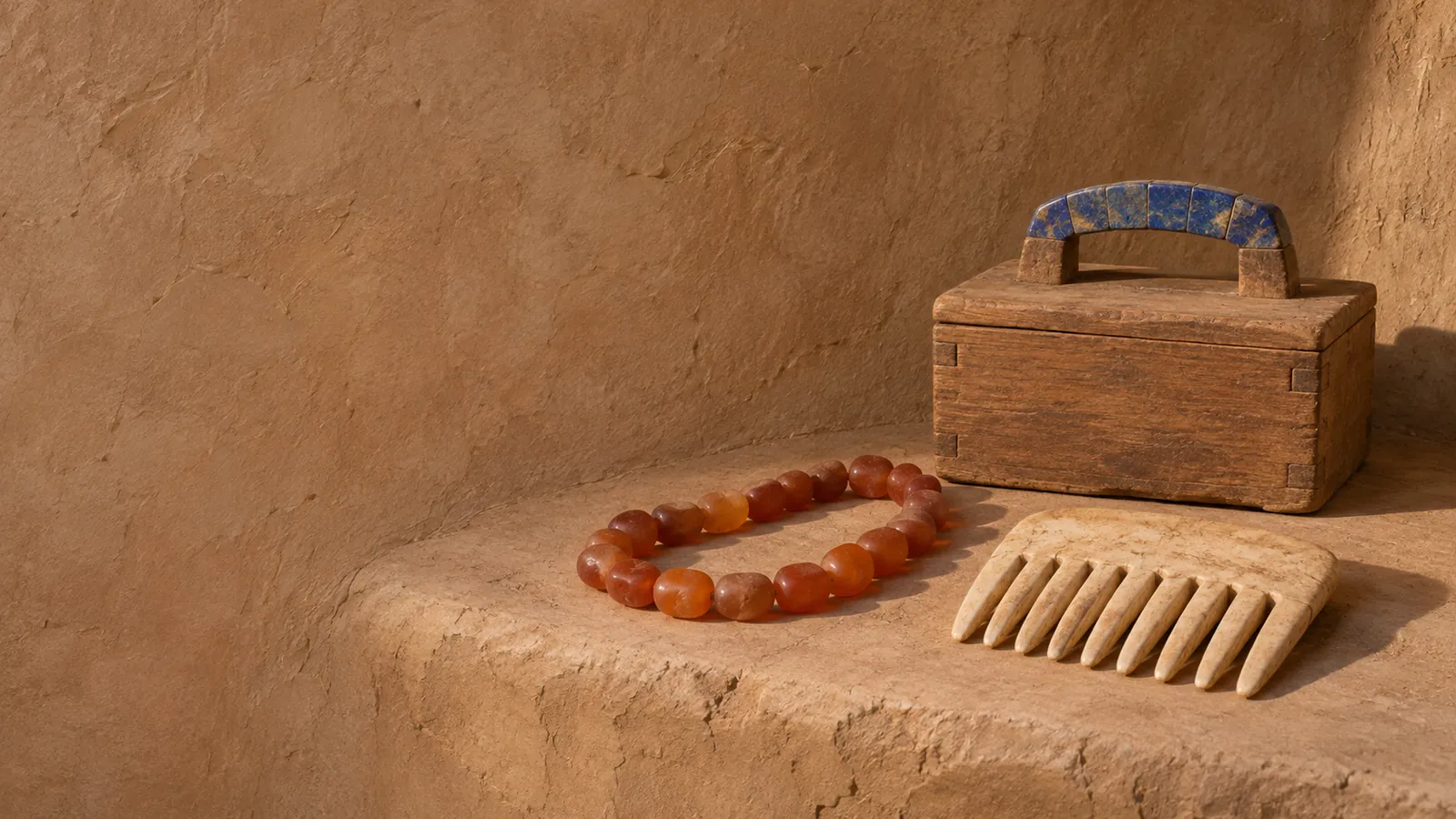
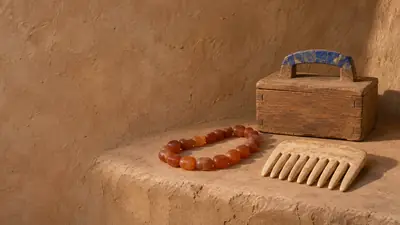
To Namtar, who decrees fates, the king brings jewelry and carnelian. To Hushbishag he brings a chest with a lapis lazuli handle, a hair clasp and a comb.
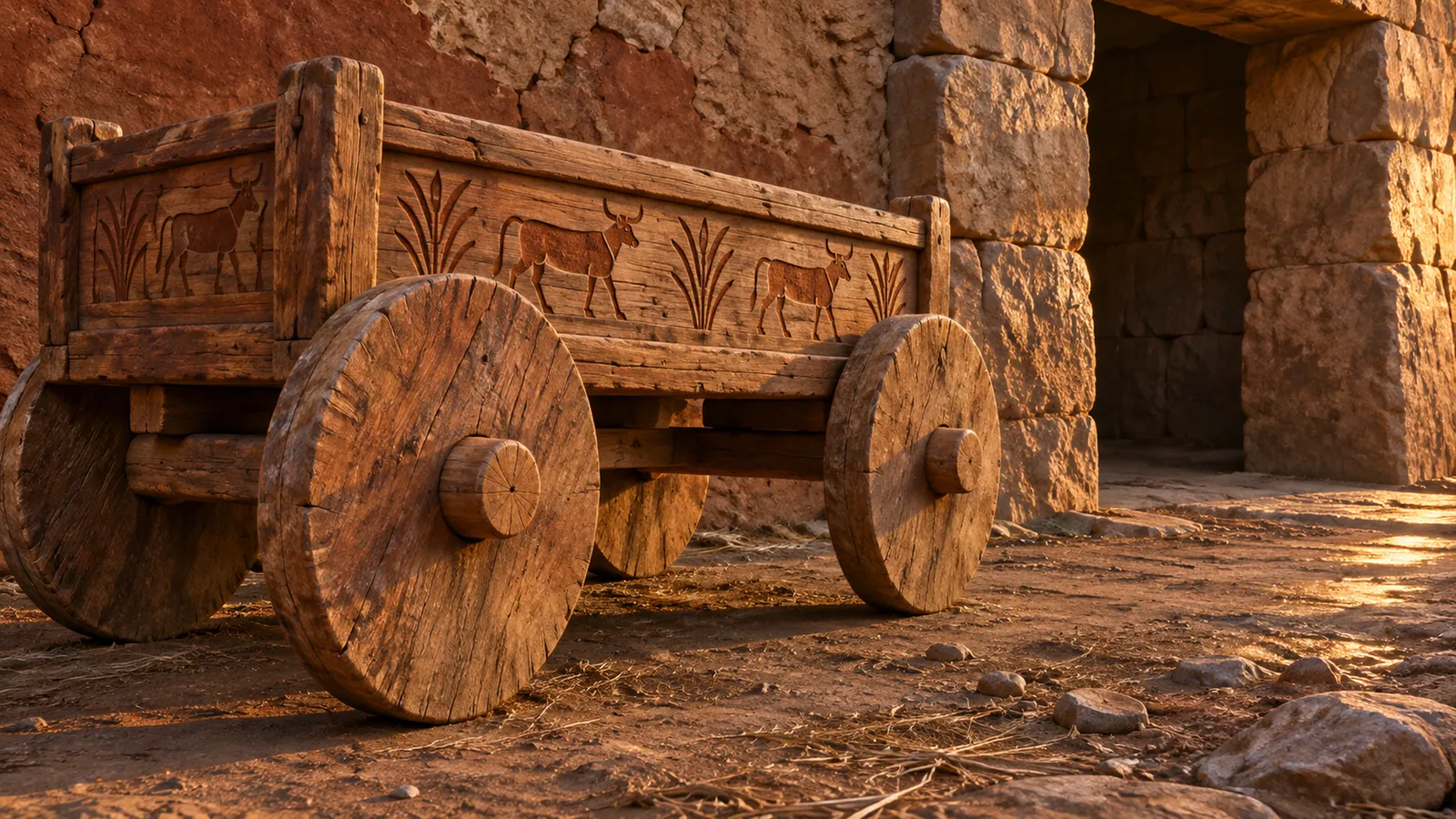
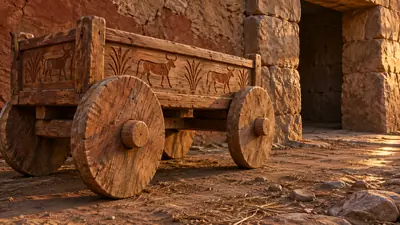
Ningishzida receives a chariot with shining wheels and a team of donkeys. In the following lines, Dimpimekug receives a lapis lazuli seal on a pin and a second pin with a bison’s head.
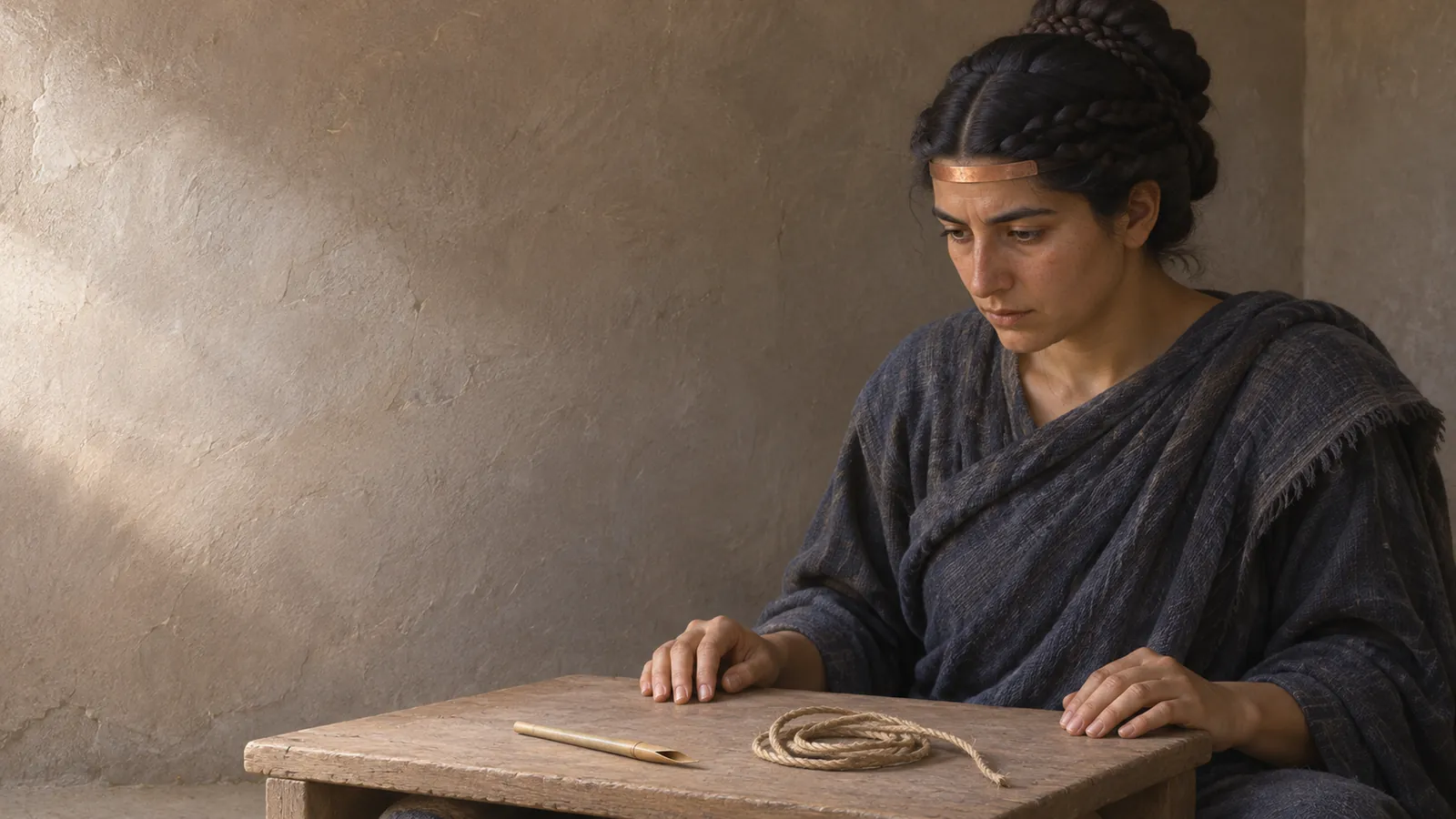
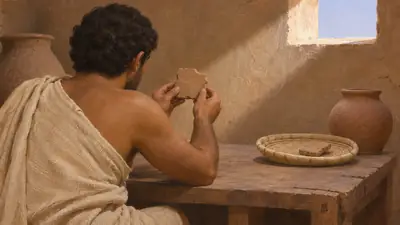
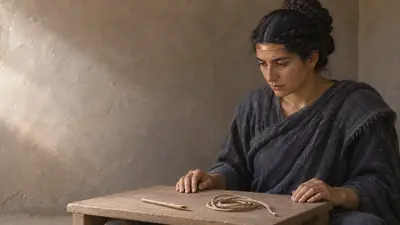
Ninazimua, scribe of Arali, receives a stylus and tools of measurement. The Susa passage gives Geshtinana a place beside her in the account of these gifts.
JUDGMENT
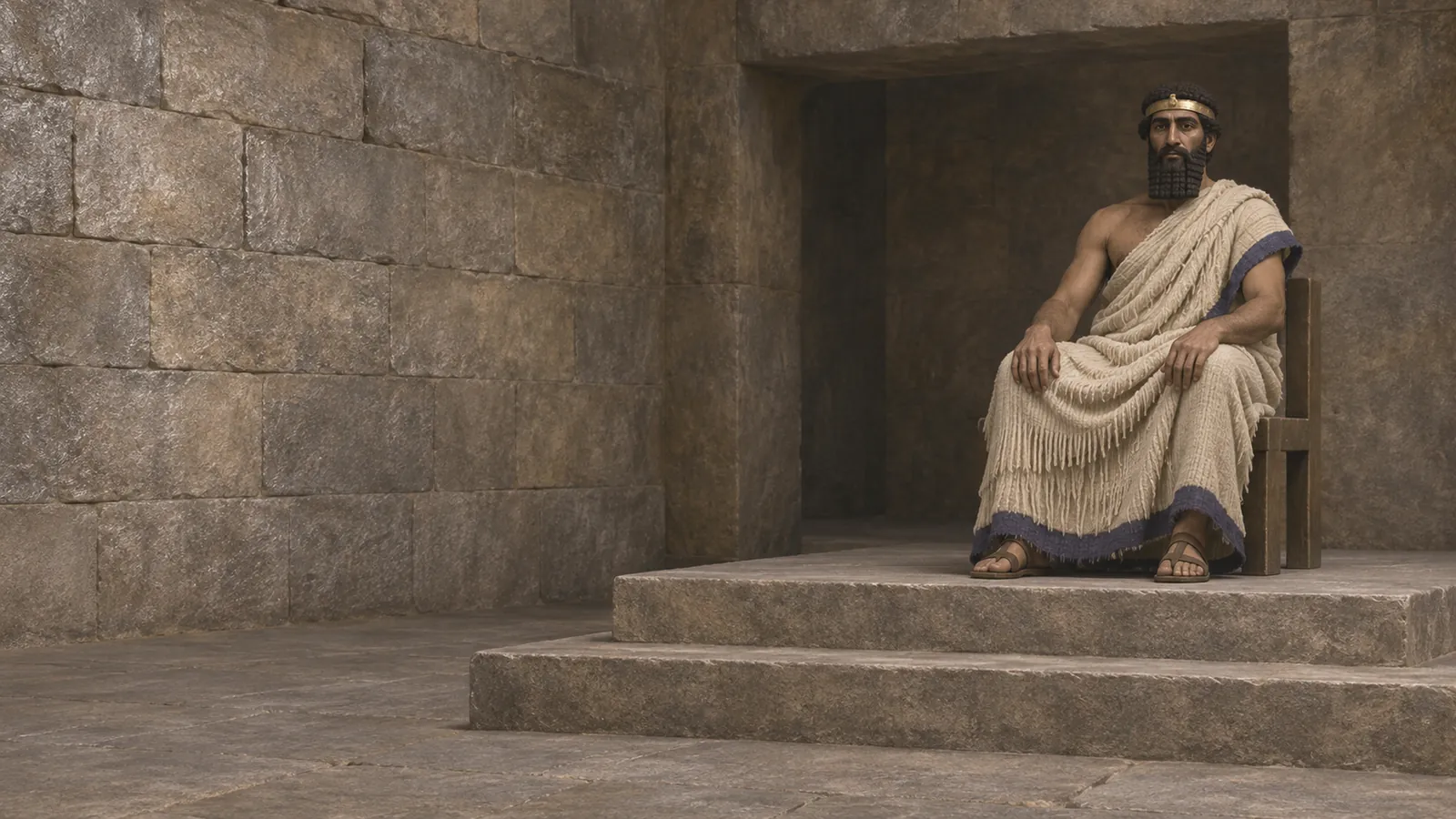
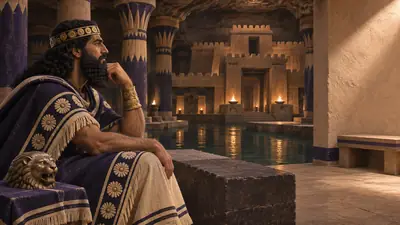
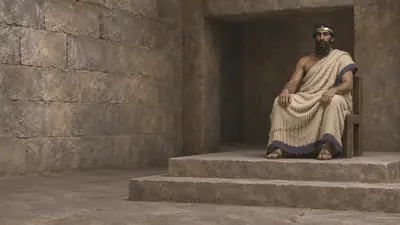
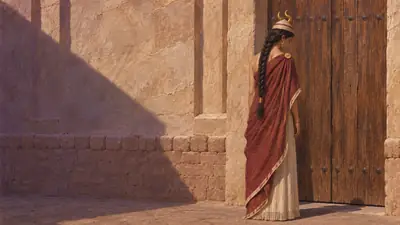
After the offerings are made, Ur-Namma is seated on a great dais. A dwelling is prepared for him in the netherworld. The king now has a place among those who live below.
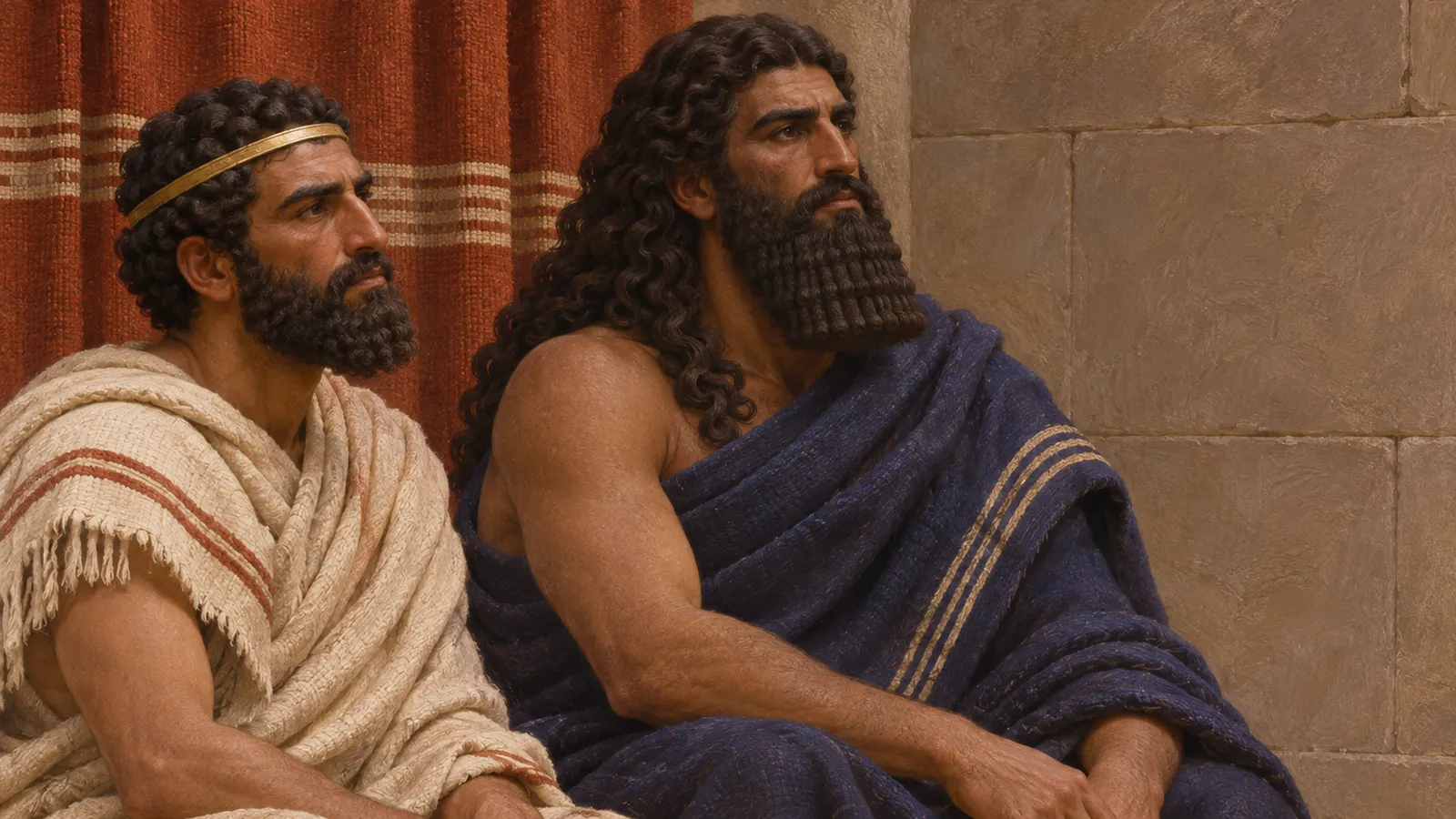
By Ereshkigal’s command, Ur-Namma is entrusted with those who fell by weapons and those found guilty. The poem says he is to give judgments with Gilgamesh, whom it calls his beloved brother.
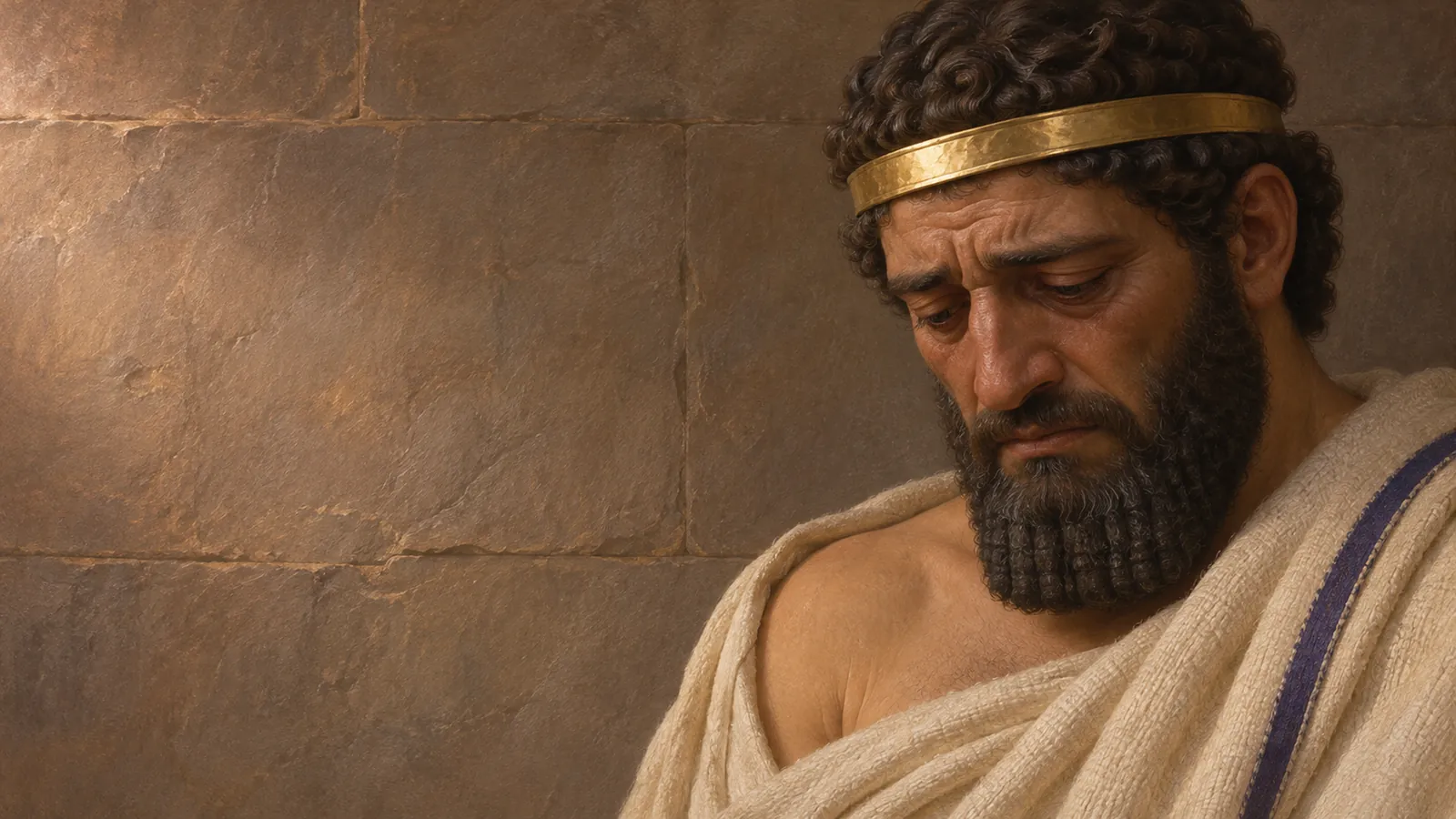
As the days pass, grief for Sumer overwhelms the king. The Nippur version names seven days and ten. The Susa version names five and ten. In both, grief catches up with him.
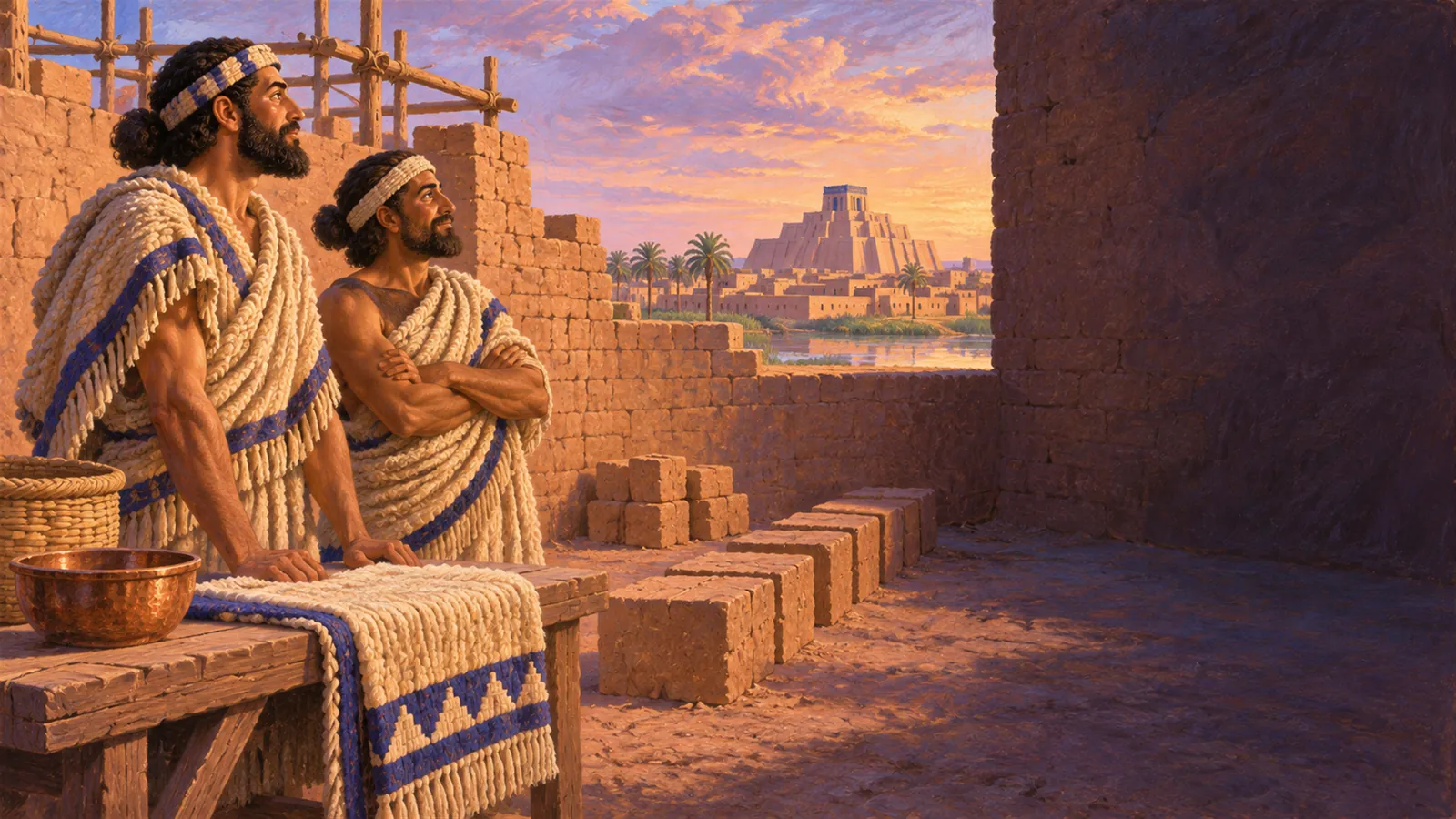
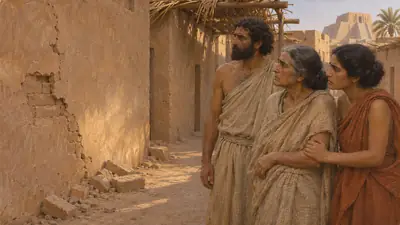
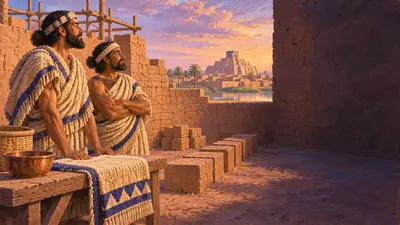
He cannot finish the wall of Ur. He will never enjoy the new palace he built. The works that once lay ahead of the king now belong to the world he has left.
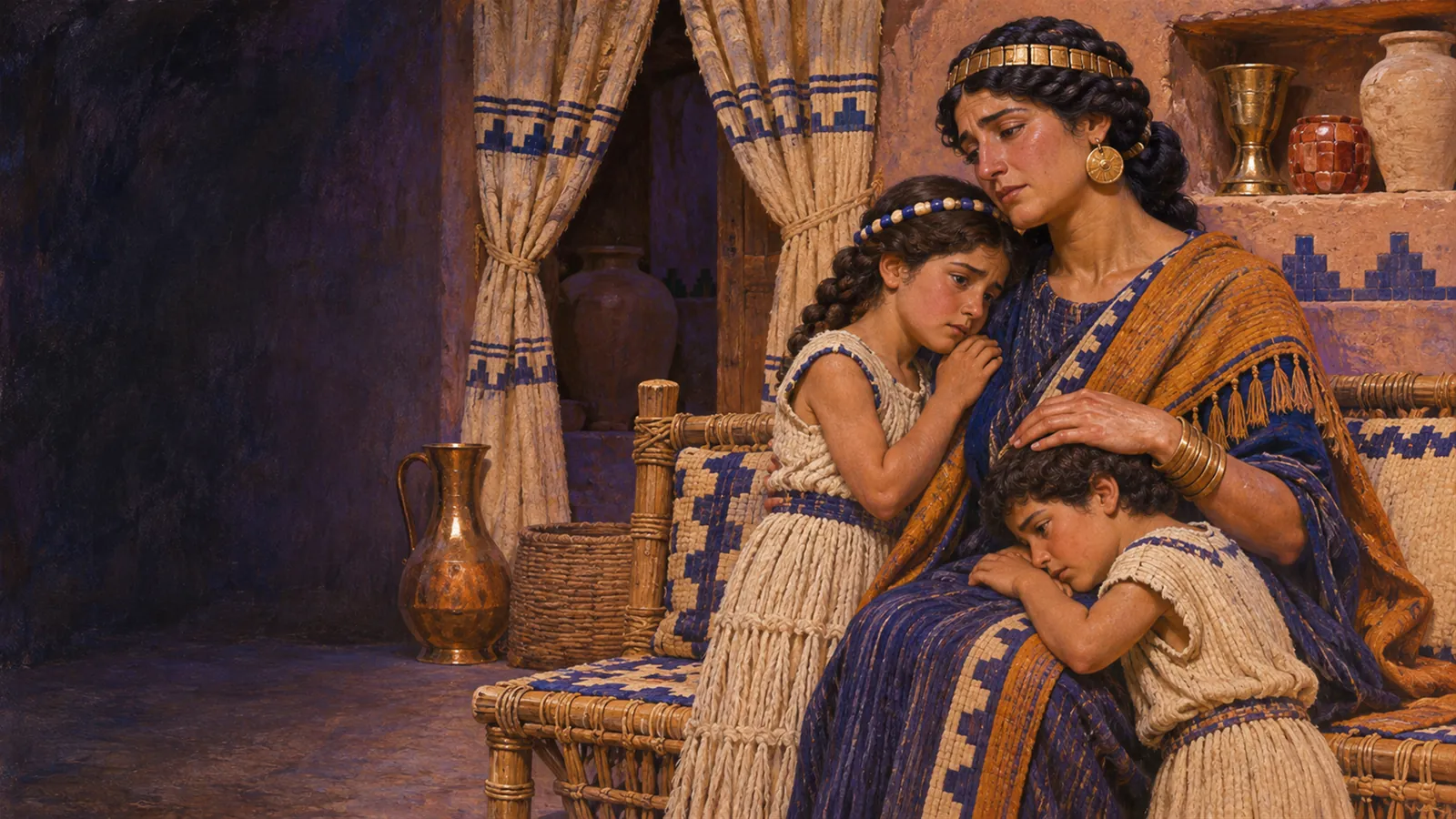
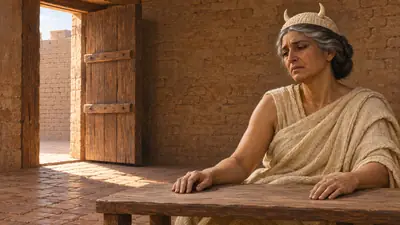
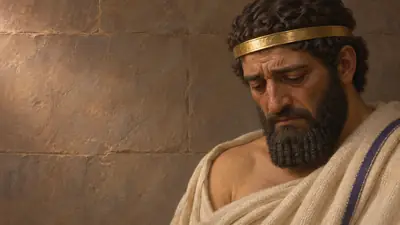
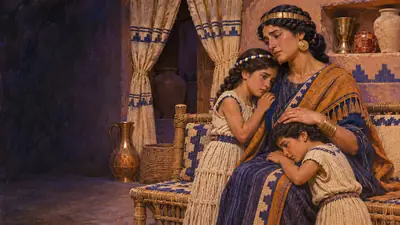
He longs to hold his wife again. He thinks of the sons he will never raise on his knees, and of the young daughters he will never see grown.
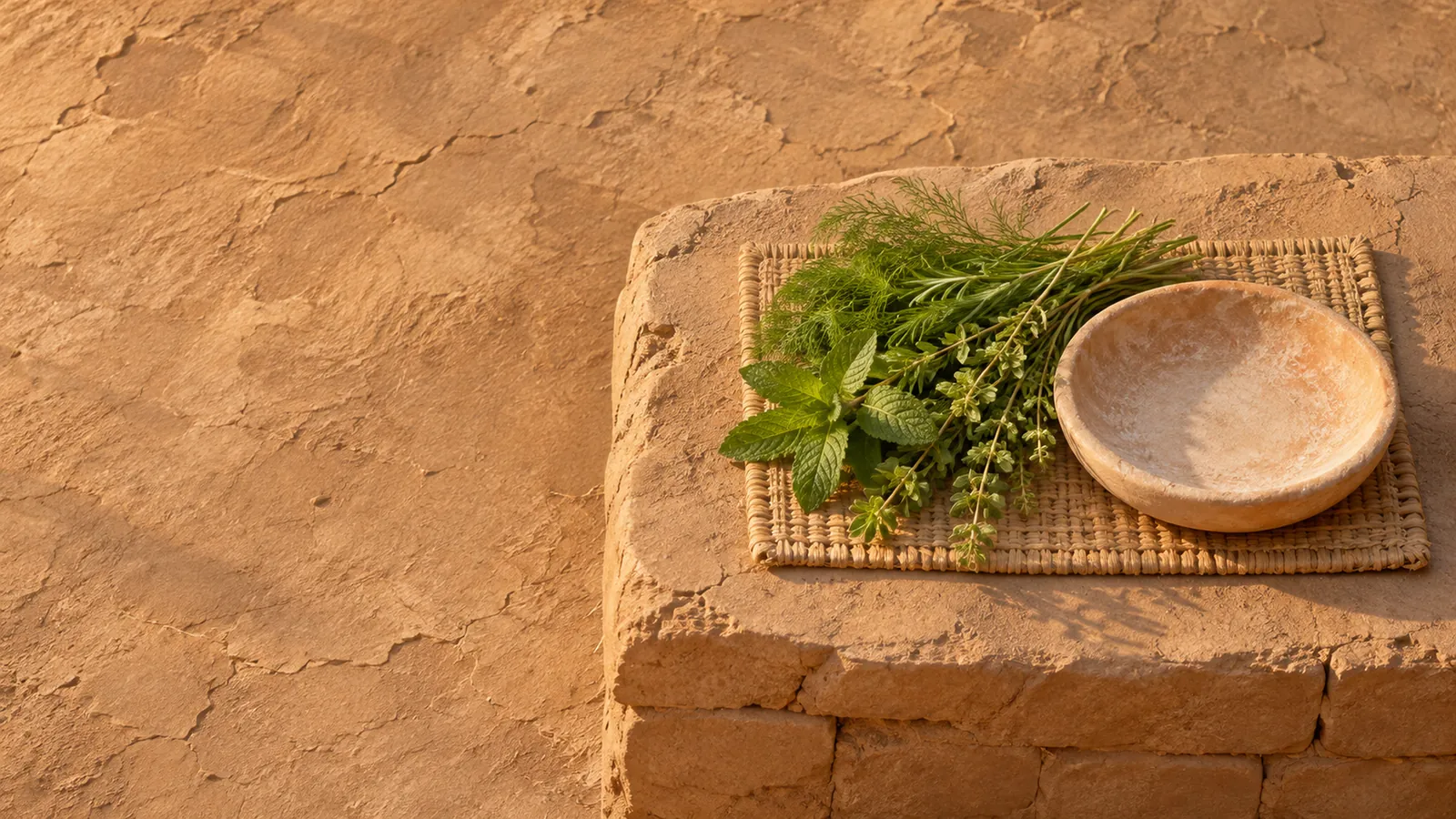
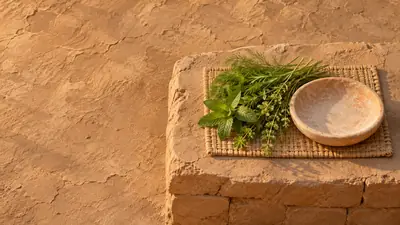
Ur-Namma begins his own lament. “I served the gods and built their chapels. I laid treasures before them among fresh herbs. When I needed comfort, there was no god beside me.”
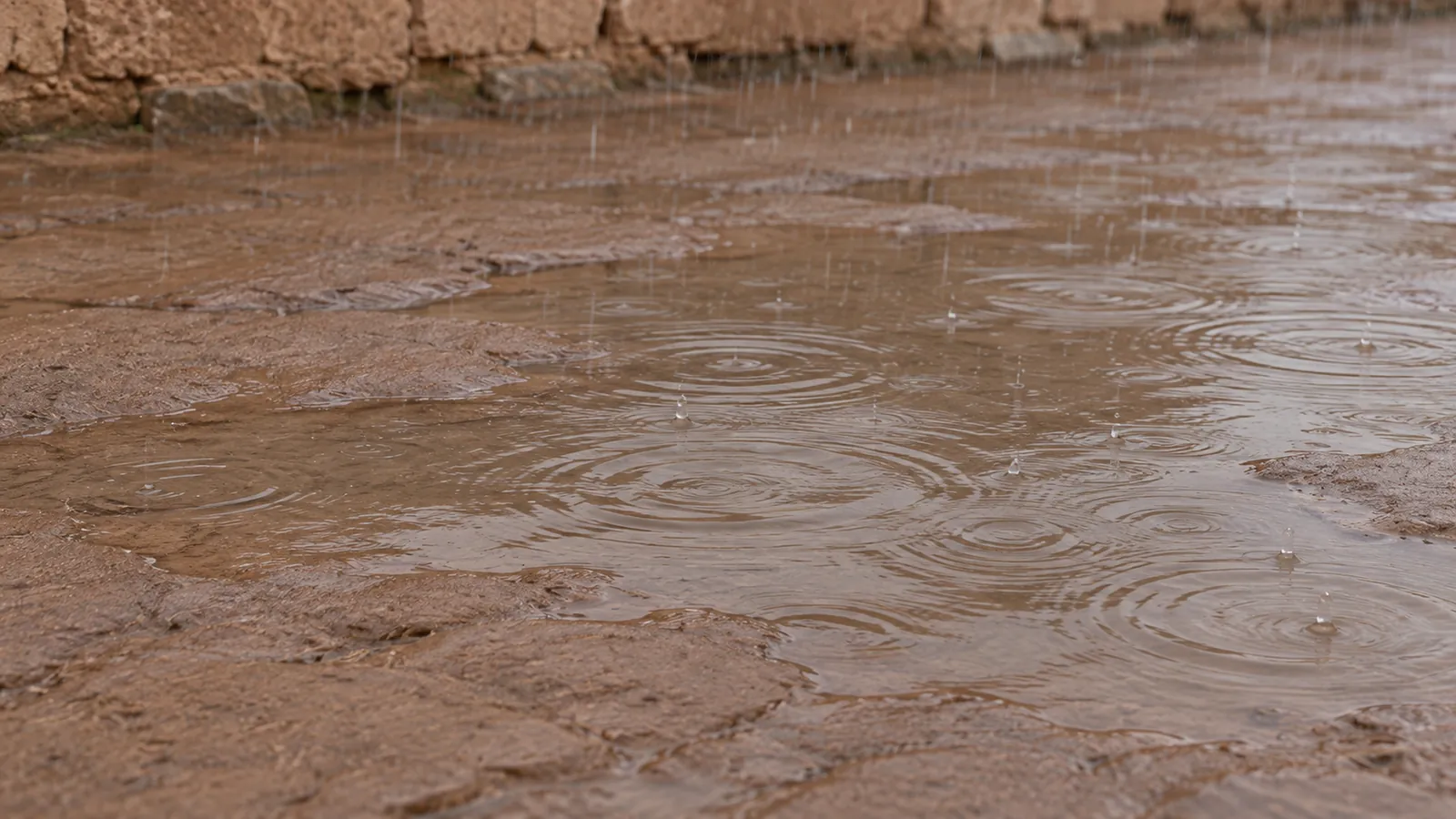
RAIN
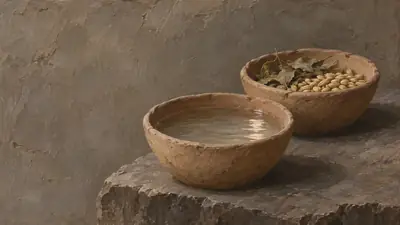
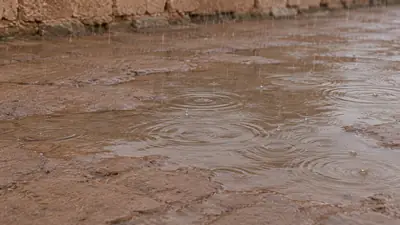
“I served them through sleepless nights. Was this my reward? Rain that has fallen cannot go back into the sky. So too I cannot return to Ur and its walls of brick.”
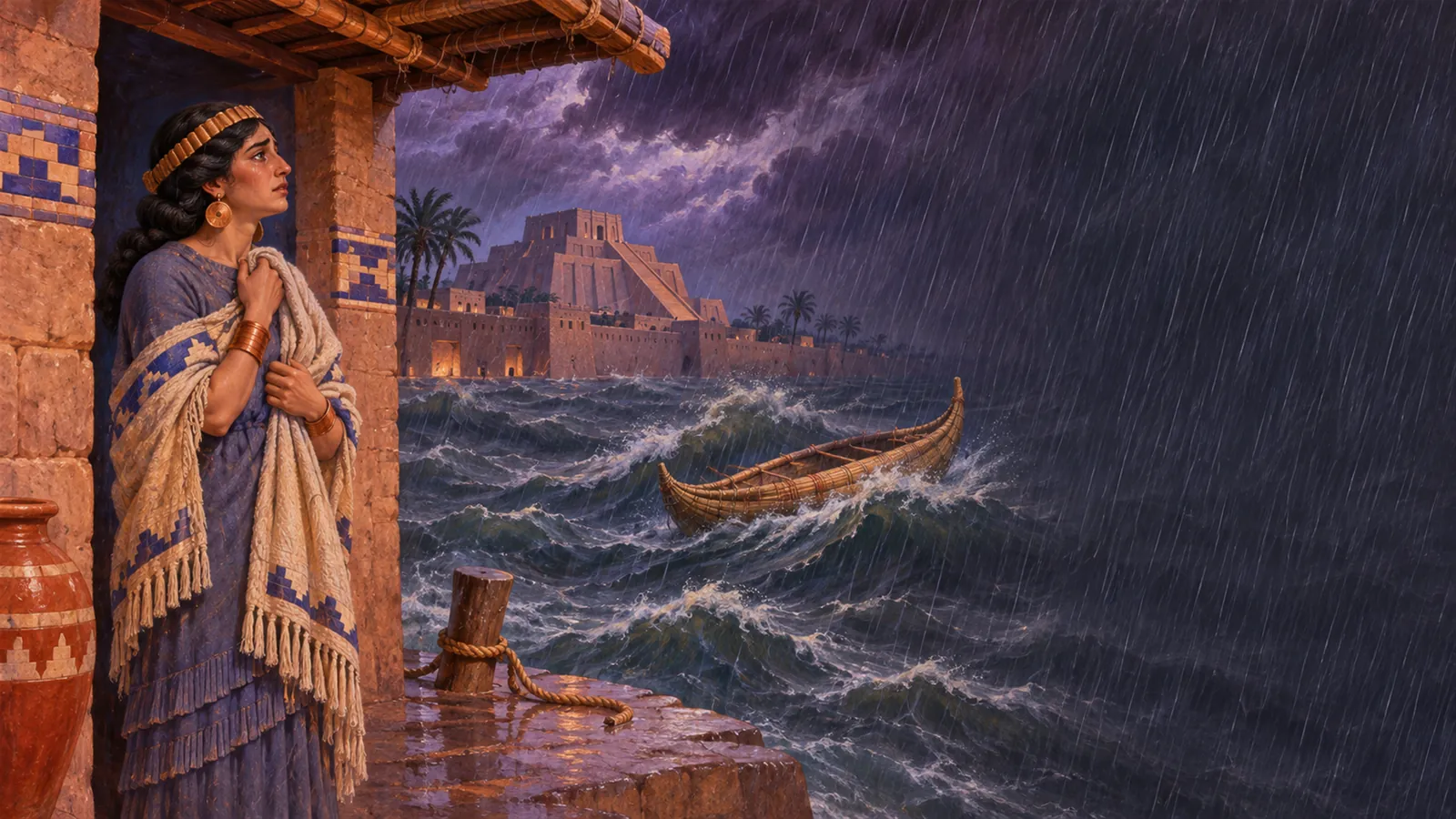
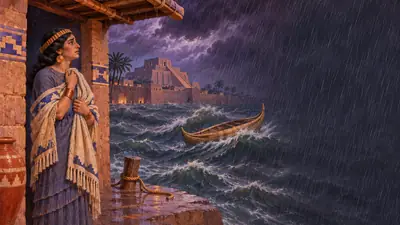
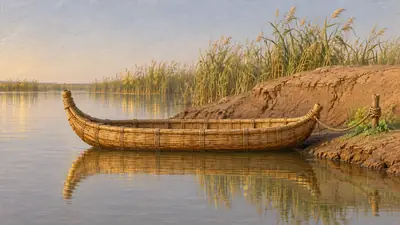
In the lament he pictures his wife in tears, left without the protection she once had. She is like a boat in a storm when the mooring can no longer hold it.
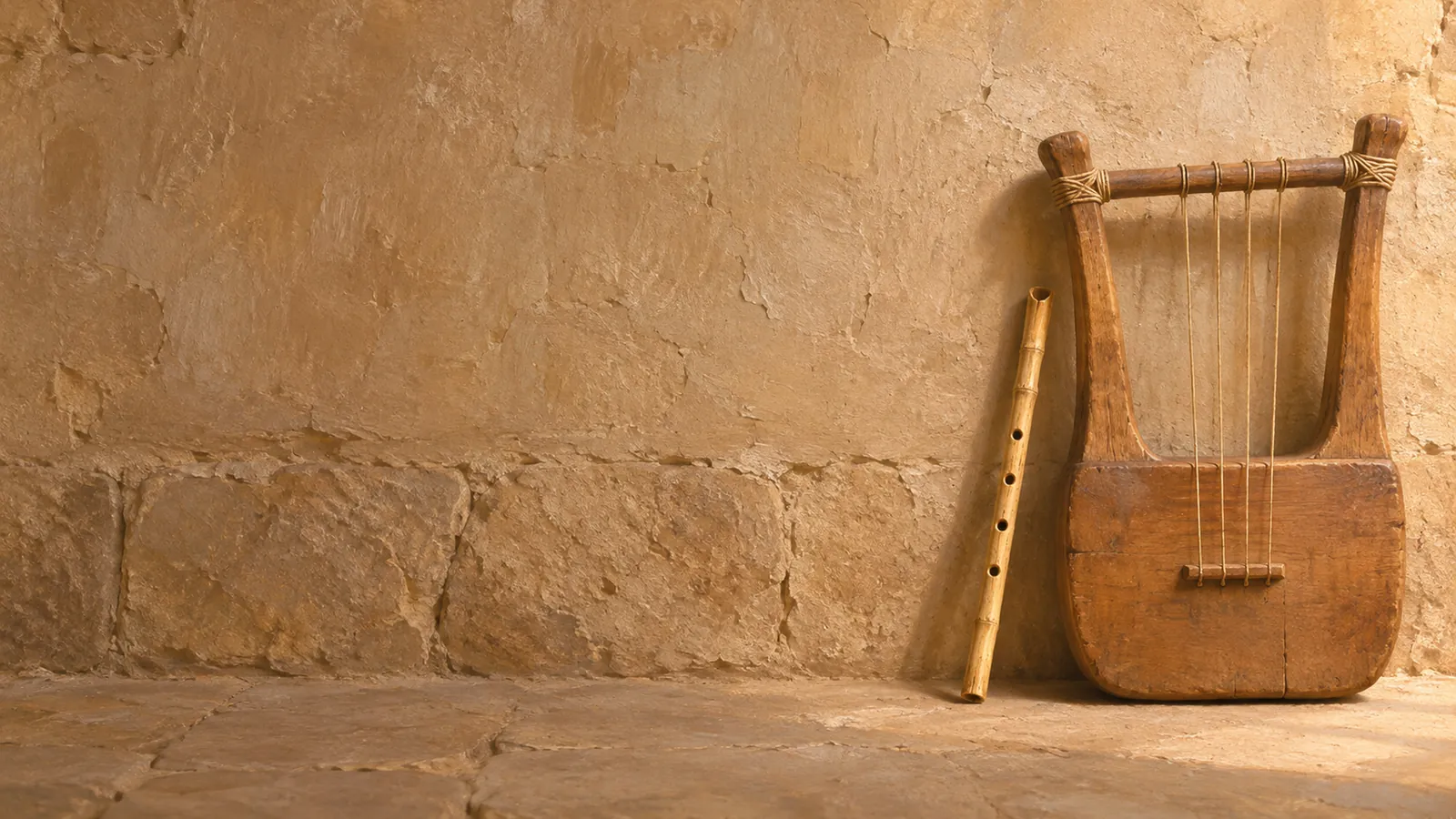
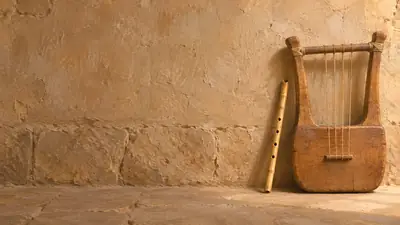
The songs have become laments. The instruments of the house of music lean against the wall. The king speaks of the bed and throne he has left behind, and tells of his family’s grief.
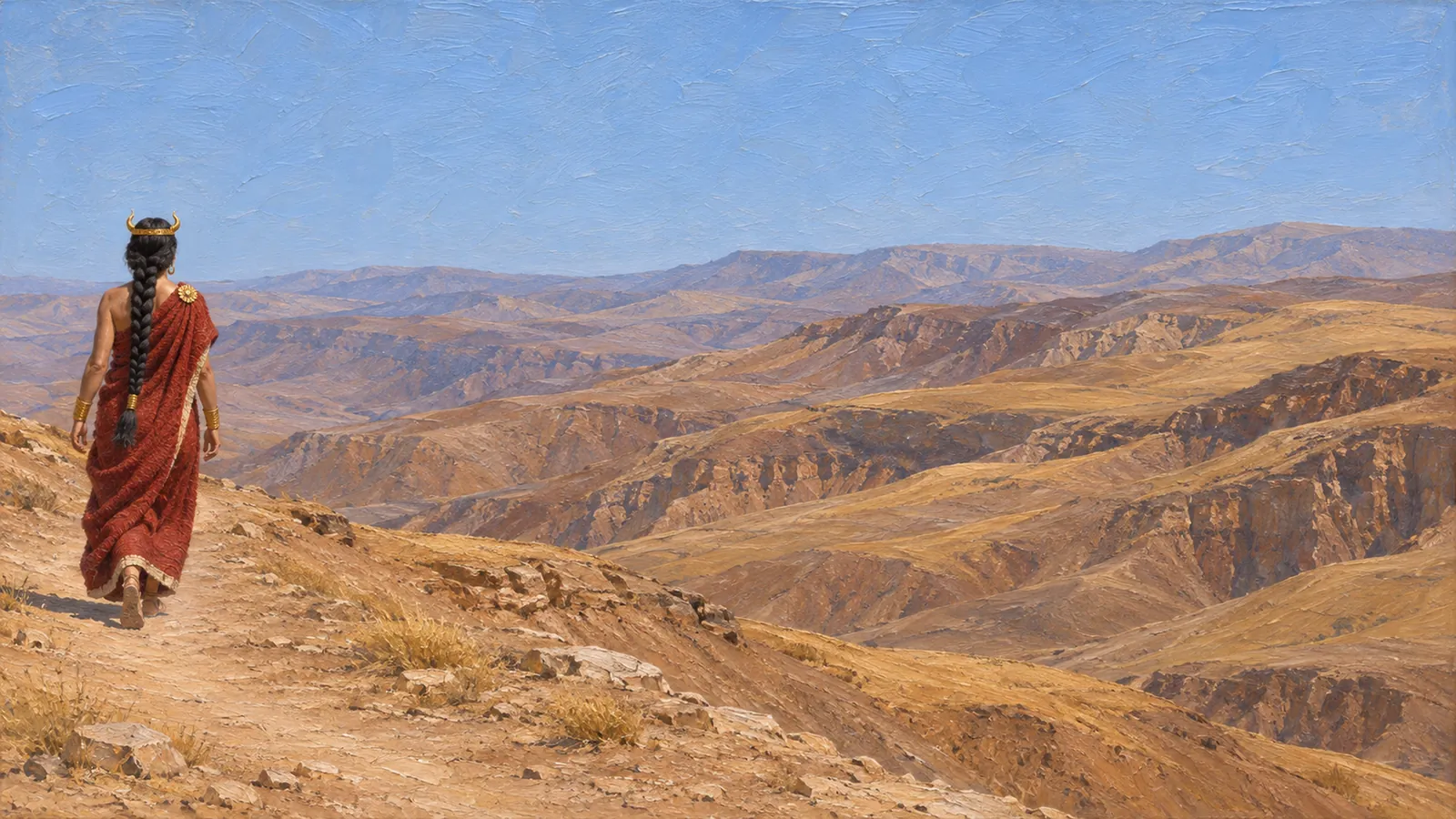
Ur-Namma says Inana was absent when his fate was decided. Enlil had sent her as a messenger to distant lands. Her part of the poem begins when she turns back.
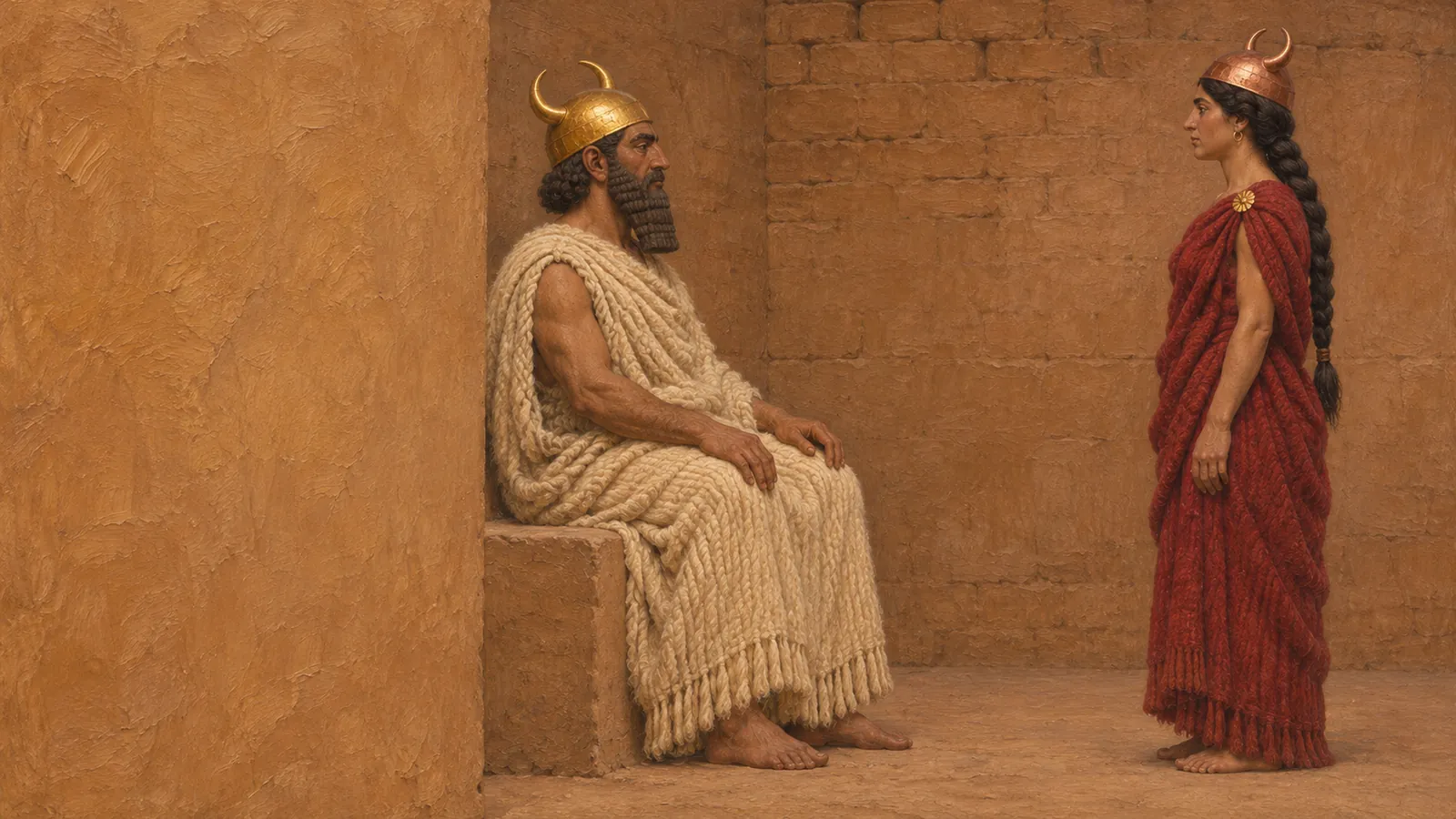
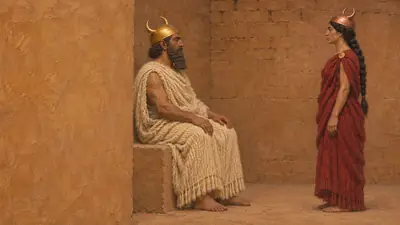
Inana enters the Ekur sanctuary and faces Enlil. The reply in the Nippur version says the faithful shepherd has left the Eana shrine. She can see him there no longer.
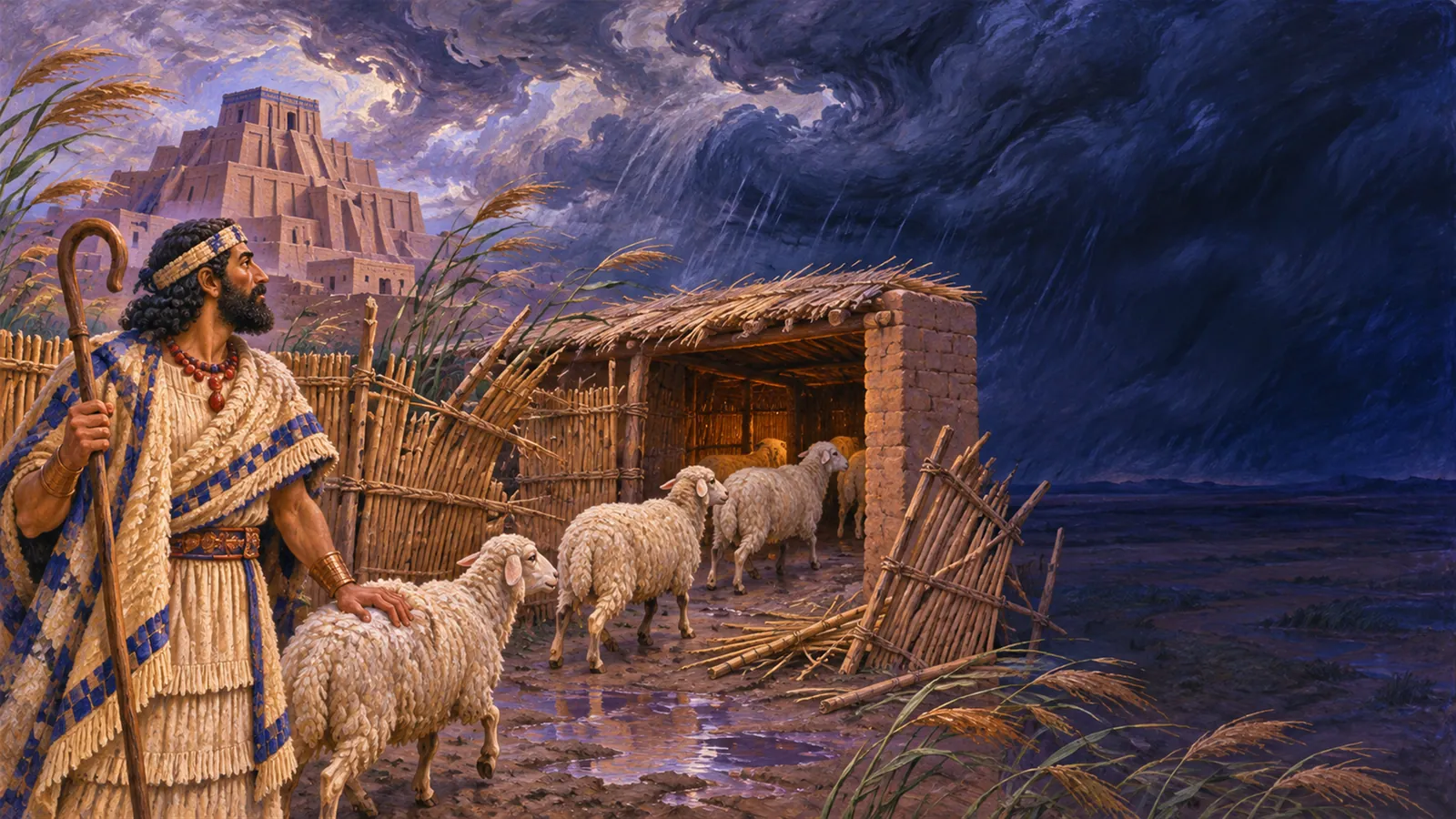
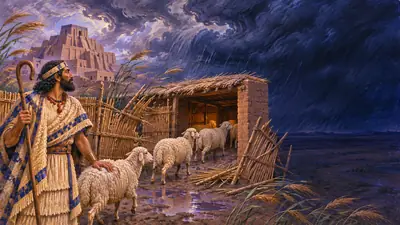
The poem makes Inana’s grief a storm. The earth shakes, and cattle pens and sheepfolds are torn apart. She challenges the words of An and the power to change them.
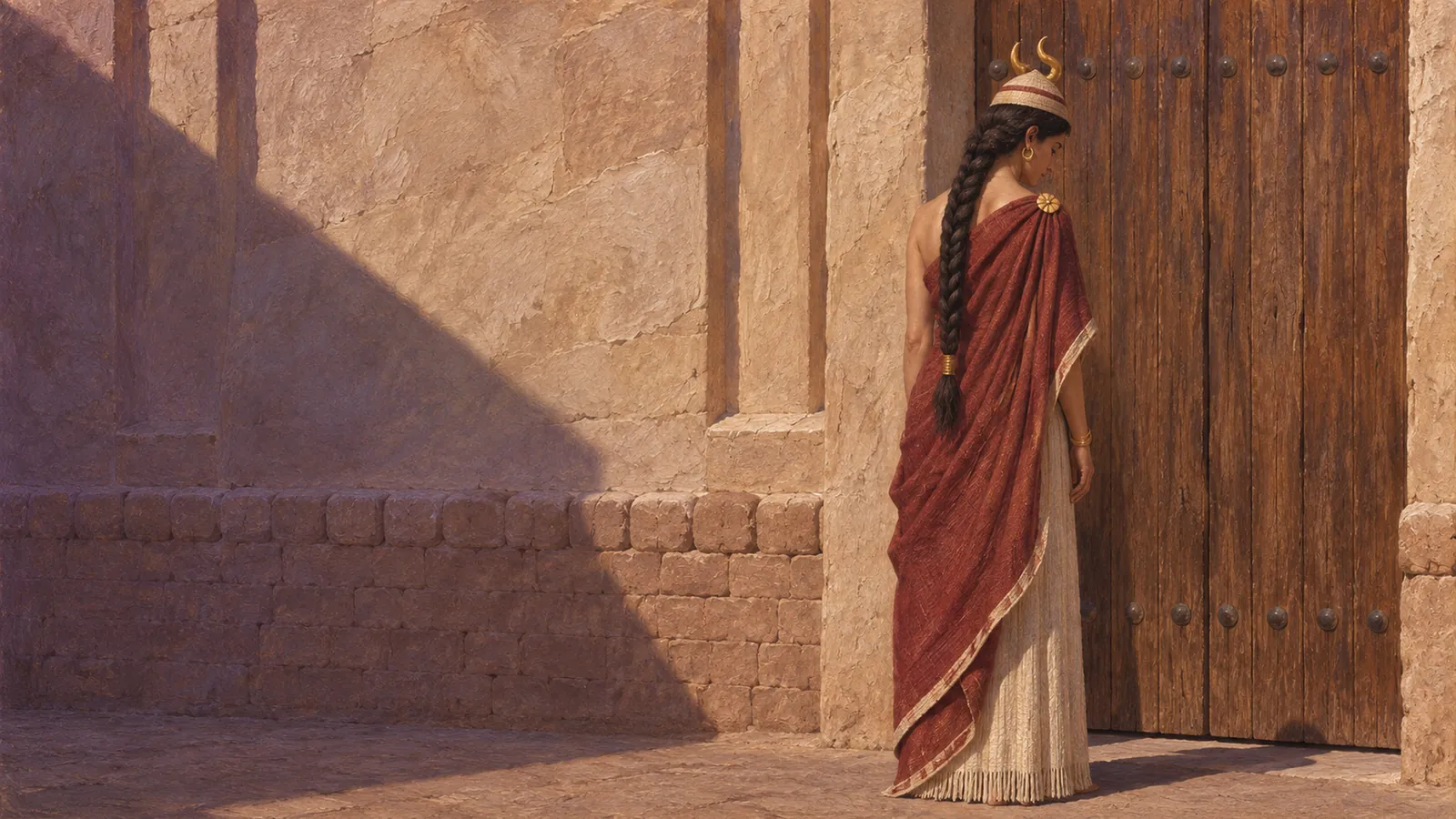
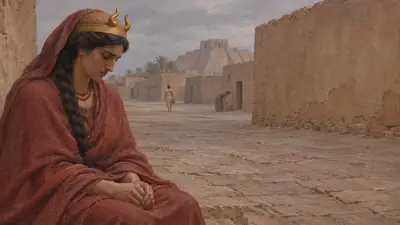
Inana finds the Eana shrine barred. She wishes her shepherd could go in before her in his prime. Some Nippur copies give her a refusal to enter alone. Others give her a question.
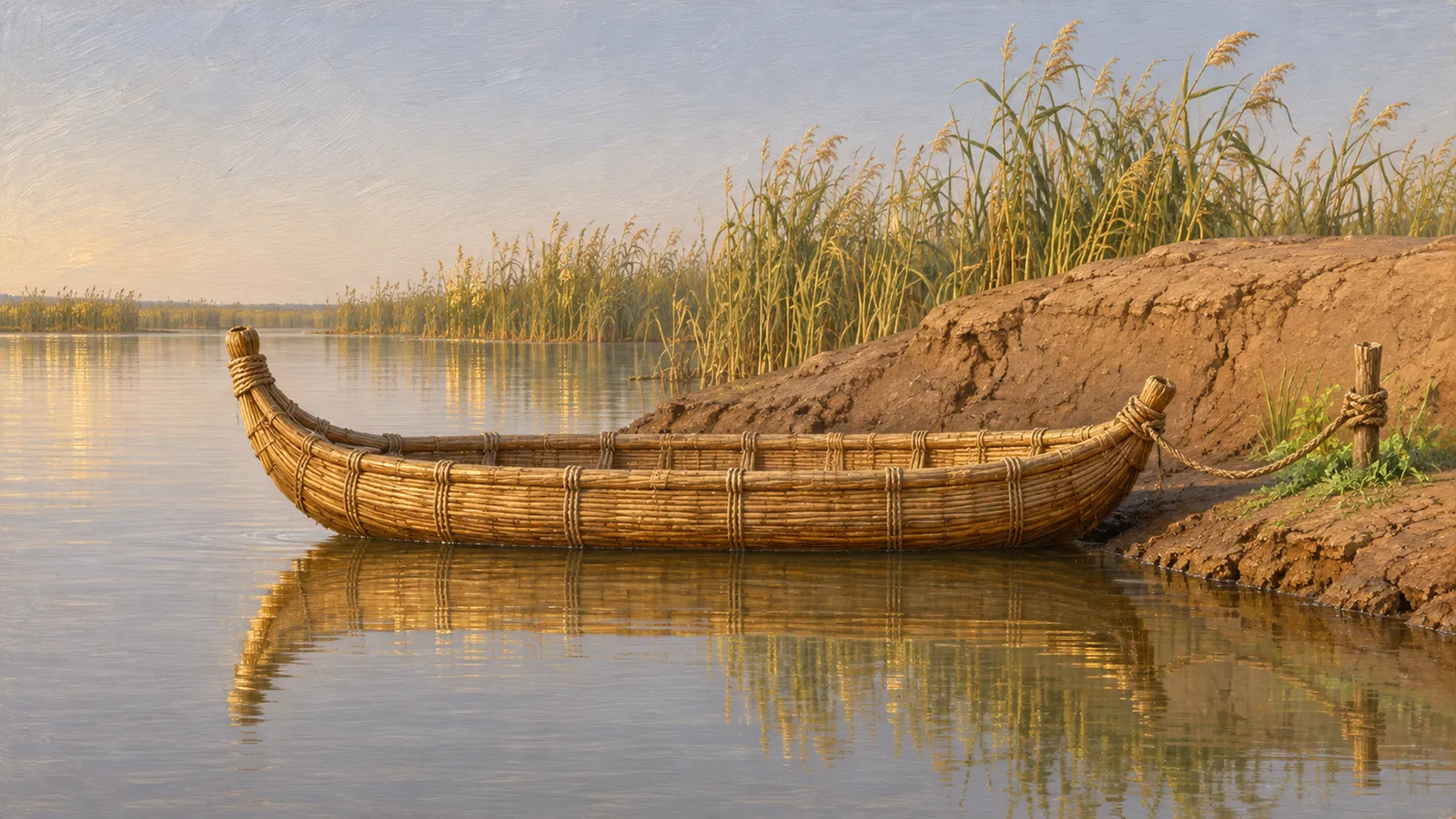
Inana wishes he could grow like green shoots in a dry place. She thinks of a vessel again. Here she longs for him to hold steady, like a river boat quiet at its mooring.
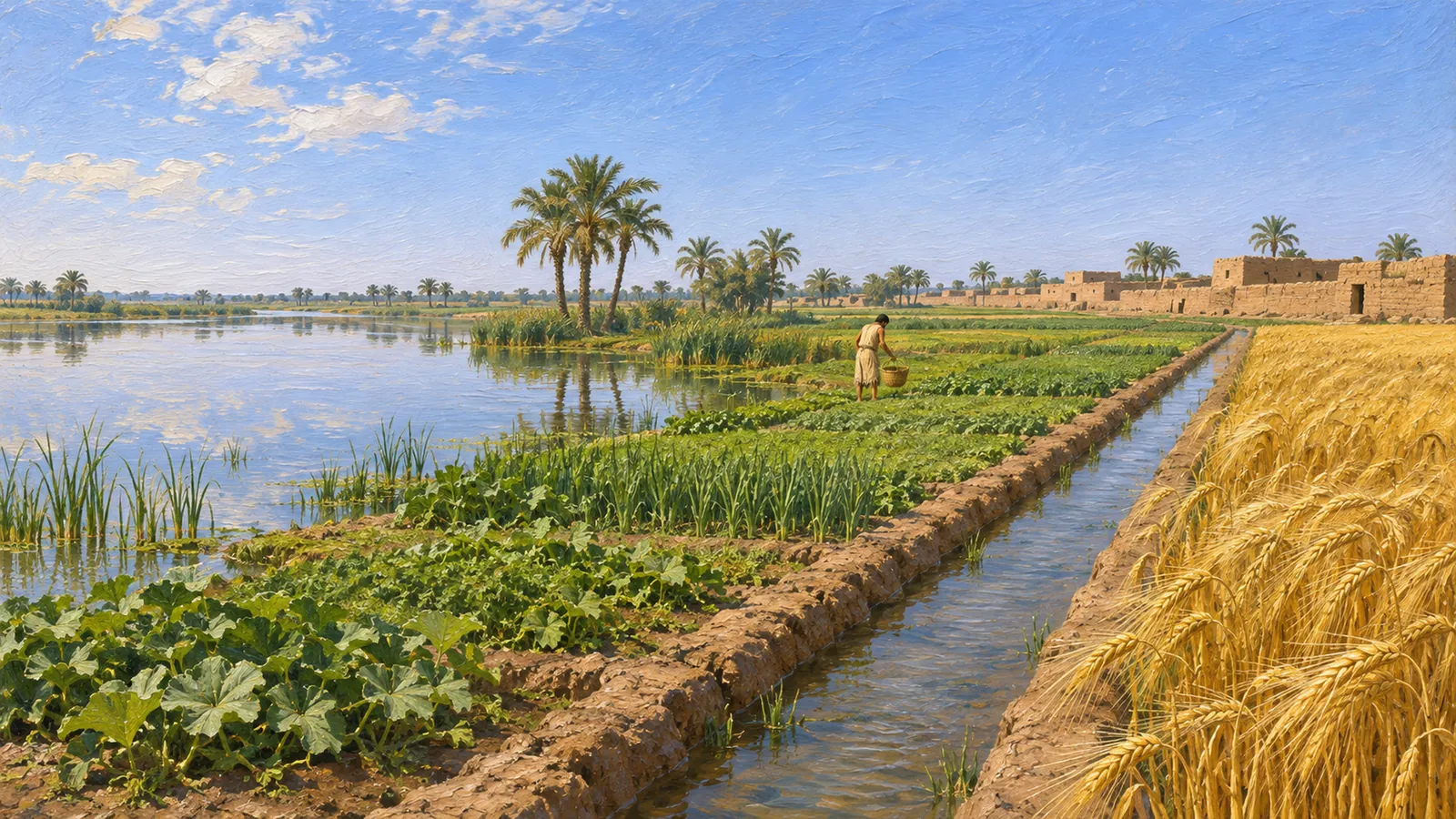
The closing speech is broken. A voice says people will call on Ur-Namma’s name. What survives recalls the canals he dug, the barley fields, and the fortresses and settlements of his reign.
LAMENT
The last lines from Nippur are broken. They leave a praise of Ningishzida and words of grief for the king. We reach the edge of what the tablets have kept, with tears and laments still in the poem.
End of chapter 1
All pages
Sources
Editions consulted
- ETCSL translation in the standalone text layout
- ETCSL bibliography and cuneiform sources
- Penn Museum, Nippur witness CBS4560
- CDLI P260874, Nippur manuscript and join
- CDLI P357266, Susa manuscript
- ePSD2 Q000386
- Samuel Noah Kramer, JCS 21 (1967), pp. 104–122
- Esther Flückiger-Hawker, Urnamma of Ur in Sumerian Literary Tradition (1999), pp. 93–182
- Dina Katz, The Image of the Netherworld in the Sumerian Sources, edition and analysis
Ancient lines behind each page
- Page 1: ETCSL 2.4.1.1, Witnesses Q000386 and manuscript catalogue
The tablets are later than the period they commemorate. - Page 2: ETCSL 2.4.1.1, Nippur 1–7
- Page 3: ETCSL 2.4.1.1, Nippur 8–9 and Susa A.1–4
- Page 4: ETCSL 2.4.1.1, Nippur 10–12 and Susa A.2–4
- Page 5: ETCSL 2.4.1.1, Nippur 13–14
- Page 6: ETCSL 2.4.1.1, Nippur 15–21 and Susa A.5–11
- Page 7: ETCSL 2.4.1.1, Nippur 22–25
- Page 8: ETCSL 2.4.1.1, Nippur 25–30
- Page 9: ETCSL 2.4.1.1, Nippur 31–41 and Susa B.1–13
Battle occurs in a damaged passage. - Page 10: ETCSL 2.4.1.1, Nippur 39–51
- Page 11: ETCSL 2.4.1.1, Nippur 45–51 and Susa B.1–13
The cedar is a metaphor in both recensions. - Page 12: ETCSL 2.4.1.1, Nippur 52–60 and Susa B.14–22
- Page 13: ETCSL 2.4.1.1, Nippur 61–70
The boat is a metaphor. - Page 14: ETCSL 2.4.1.1, Nippur 68–75
- Page 15: ETCSL 2.4.1.1, Nippur 61–75
- Page 16: ETCSL 2.4.1.1, Nippur 76–77
- Page 17: ETCSL 2.4.1.1, Nippur 77–81
- Page 18: ETCSL 2.4.1.1, Nippur 81–82
- Page 19: ETCSL 2.4.1.1, Nippur 83–87
- Page 20: ETCSL 2.4.1.1, Nippur 88–91 and Susa C.21–24
- Page 21: ETCSL 2.4.1.1, Nippur 92–96 and Susa C.25–28
- Page 22: ETCSL 2.4.1.1, Nippur 97–101 and Susa C.29–32
- Page 23: ETCSL 2.4.1.1, Nippur 102–105 and Susa C.33–37
- Page 24: ETCSL 2.4.1.1, Nippur 106–113 and Susa C.38–45
- Page 25: ETCSL 2.4.1.1, Nippur 114–122 and Susa C.46–50, 57–60
Susa places Dimpimekug after the scribe’s gifts. - Page 26: ETCSL 2.4.1.1, Nippur 123–128 and Susa C.51–56
- Page 27: ETCSL 2.4.1.1, Nippur 132–138 and Susa C.64–72
- Page 28: ETCSL 2.4.1.1, Nippur 138–144 and Susa C.64–72
- Page 29: ETCSL 2.4.1.1, Nippur 145–146 and Susa C.73–74
- Page 30: ETCSL 2.4.1.1, Nippur 147–151 and Susa C.73–88
- Page 31: ETCSL 2.4.1.1, Nippur 152–154 and Susa C.73–88
- Page 32: ETCSL 2.4.1.1, Nippur 155–162 and Susa C.73–88
The king’s lament is paraphrased. - Page 33: ETCSL 2.4.1.1, Nippur 162–165
The king’s lament is paraphrased. - Page 34: ETCSL 2.4.1.1, Nippur 166–186
- Page 35: ETCSL 2.4.1.1, Nippur 187–194 and Susa D.1–11
- Page 36: ETCSL 2.4.1.1, Nippur 194–197 and Susa D.1–11
- Page 37: ETCSL 2.4.1.1, Nippur 198–201 and Susa D.12–20
- Page 38: ETCSL 2.4.1.1, Nippur 201–212
- Page 39: ETCSL 2.4.1.1, Nippur 212–216 and Susa D.12–20
Witnesses differ between a refusal and a question. - Page 40: ETCSL 2.4.1.1, Nippur 214–216
- Page 41: ETCSL 2.4.1.1, Nippur 217–233
The speaker’s identity is uncertain. - Page 42: ETCSL 2.4.1.1, Nippur 234–242
Illustrations made with AI tools by IL Archive; the text is based on the ancient sources (see the sources at the end of each chapter).