The Death of Gilgamesh Chapter 1
The House Beneath the River
Gilgamesh faces death and hears that his judgments will carry weight among the dead. The river is diverted for his hidden tomb, while the living find ways to keep names from oblivion.
SourcesTurn the pages with the arrows, the arrow keys or a swipe.
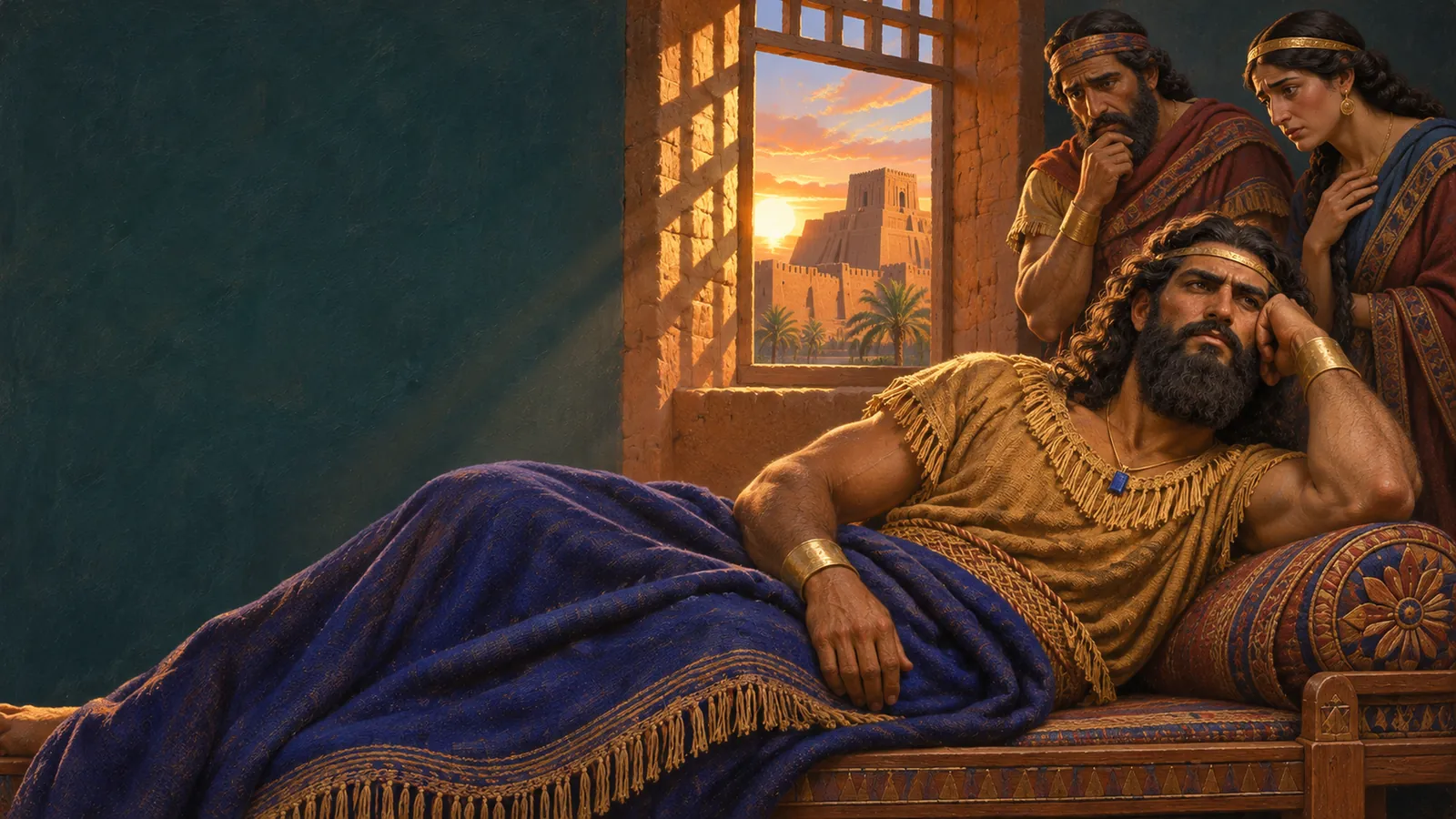
GILGAMESH
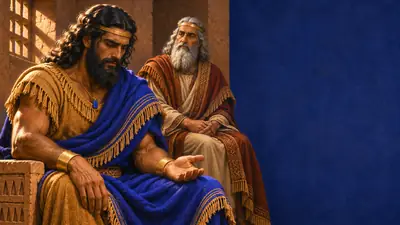
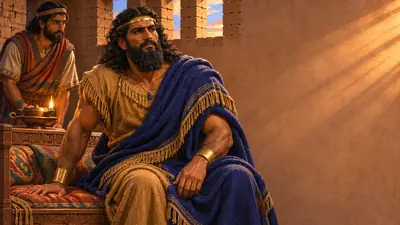
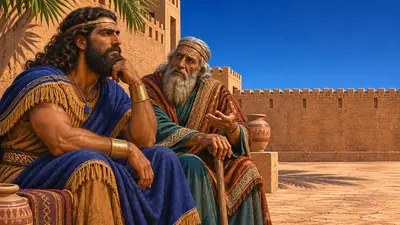
In Uruk, the mighty Gilgamesh lies upon his deathbed. The poem opens with a lament: even the hero of such strength will not rise again.
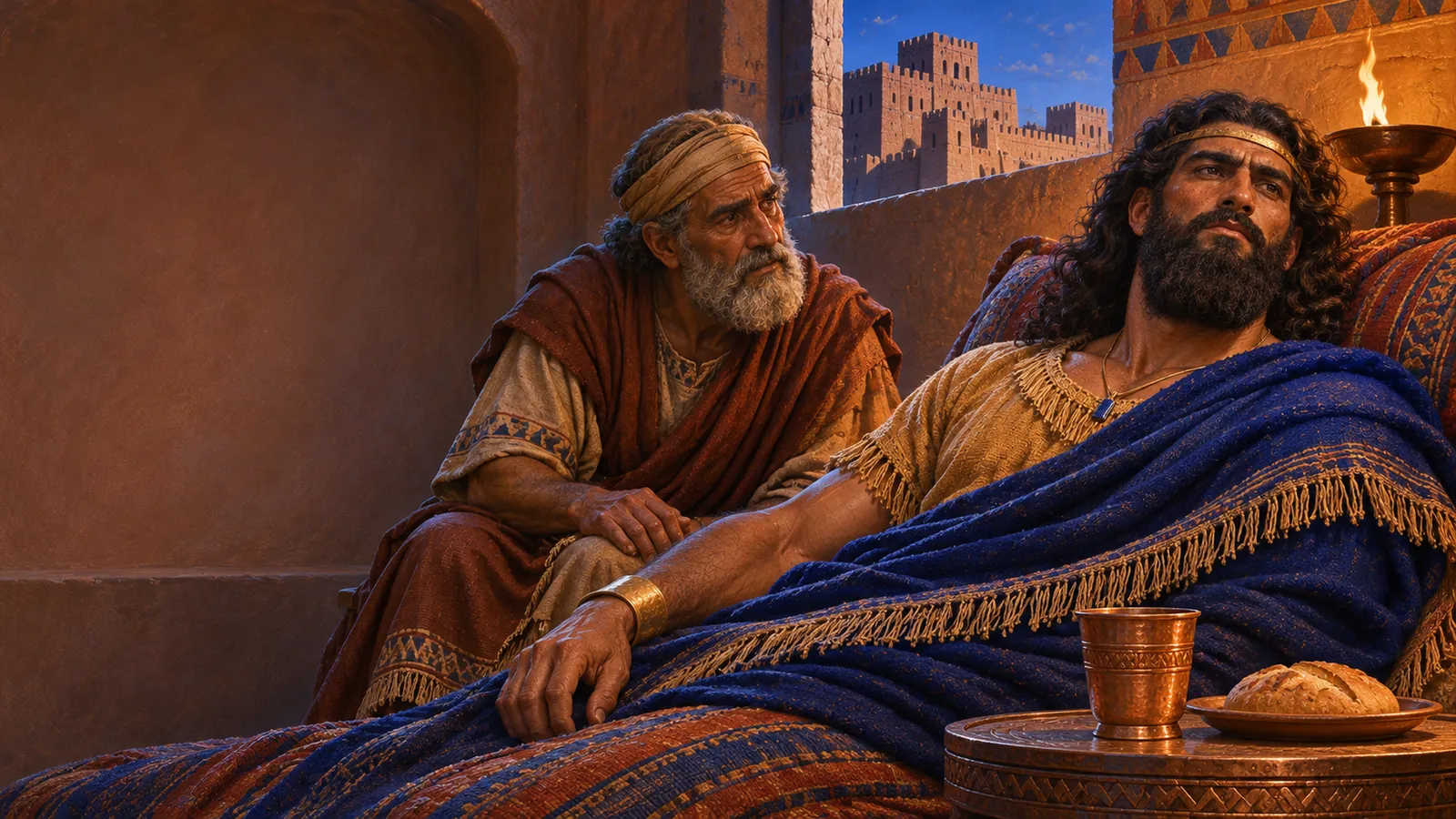
He cannot stand or sit, eat or drink. The poem pictures his illness as Namtar’s fastening bolt, holding the once-powerful king where he lies.
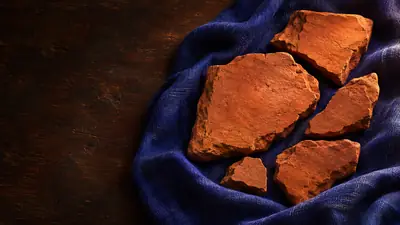
Several passages are broken, and the order of some fragments is uncertain. We leave those gaps open and follow the next readable part of the story.
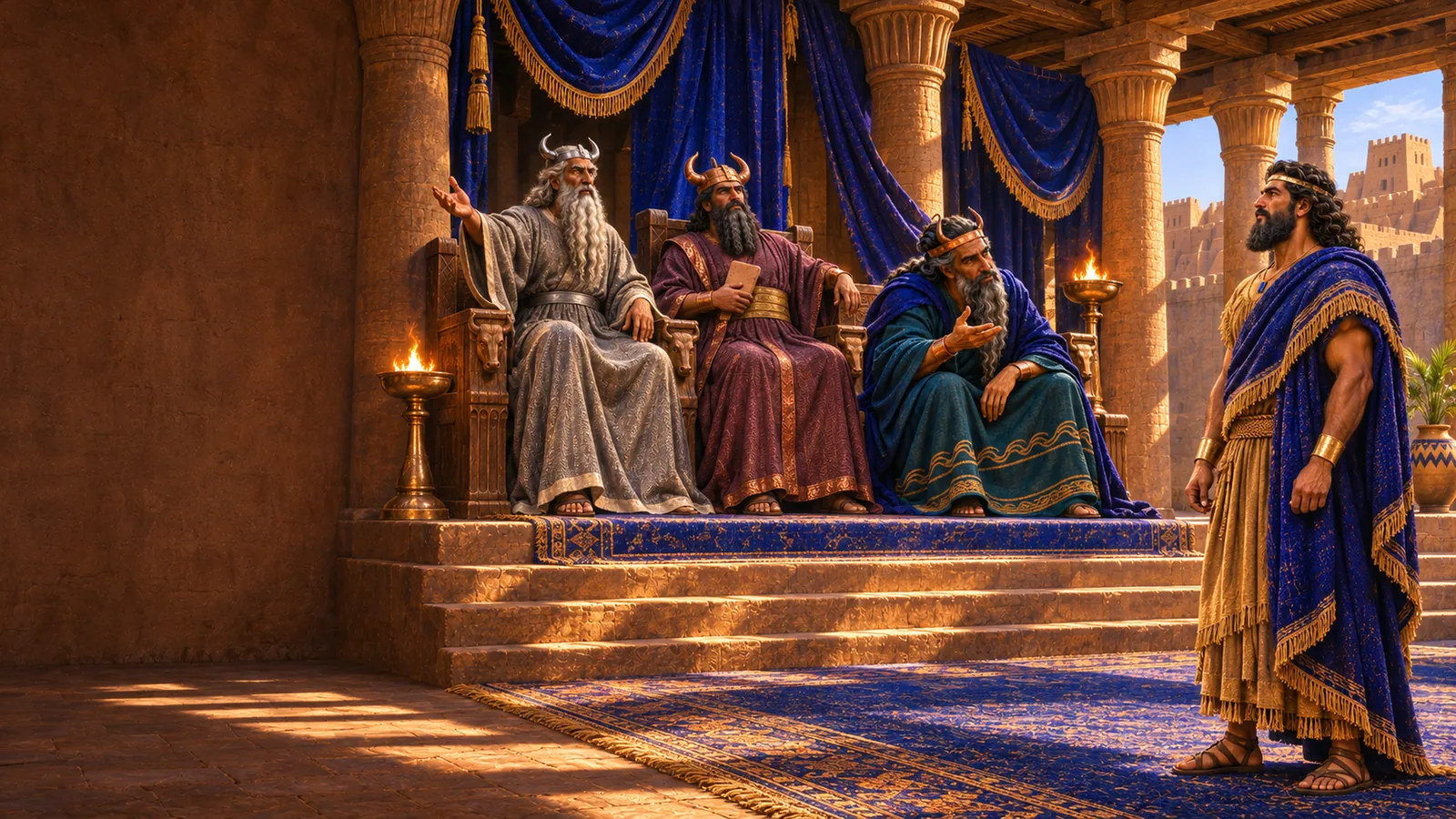
THE DREAM
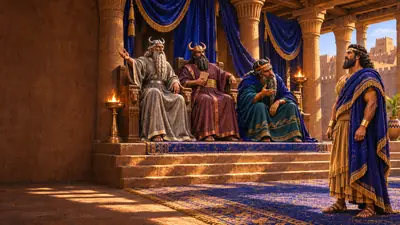
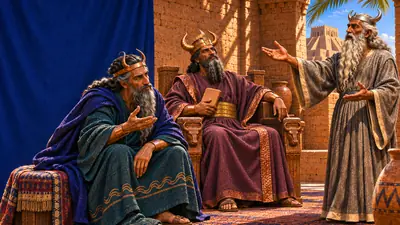
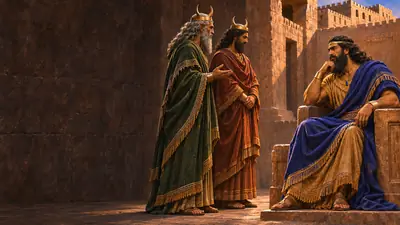
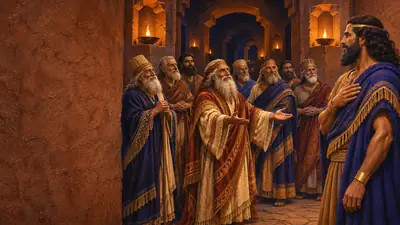
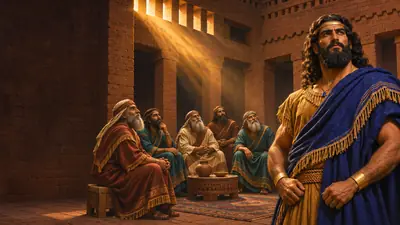
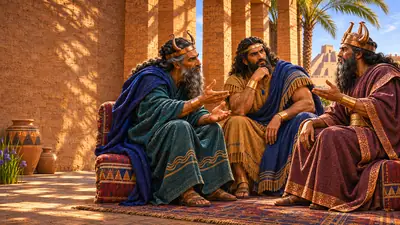
The next connected passage brings Gilgamesh before the divine assembly in a dream. There, the gods consider the life and deeds of Uruk’s king.
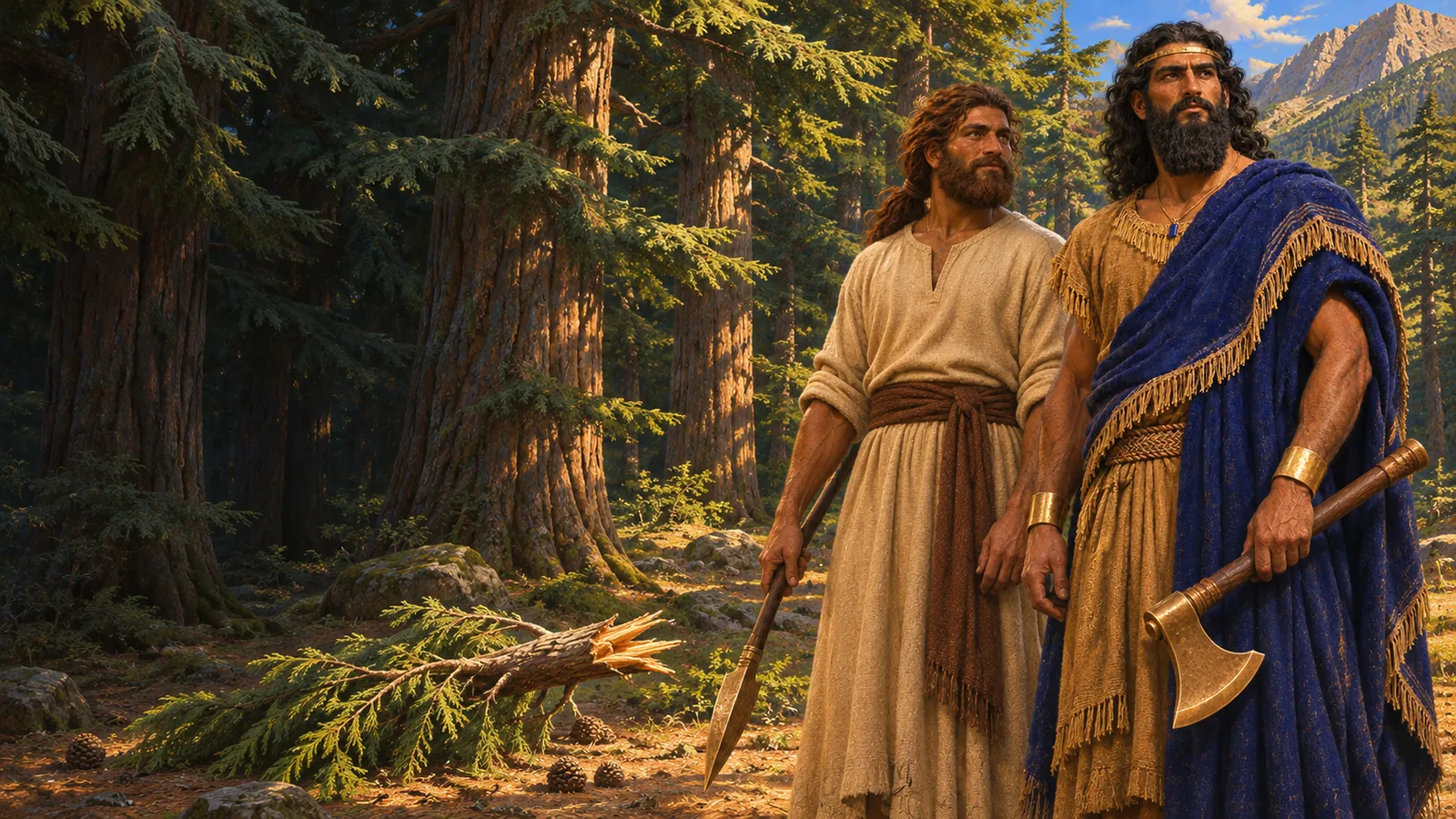
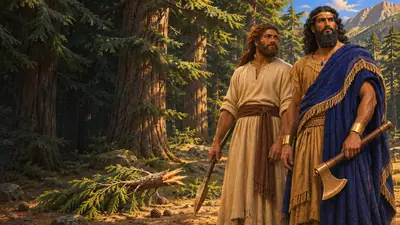
They recall his far journeys and the cedar he brought from the mountains. They also name his killing of Huwawa, the guardian of that forest.
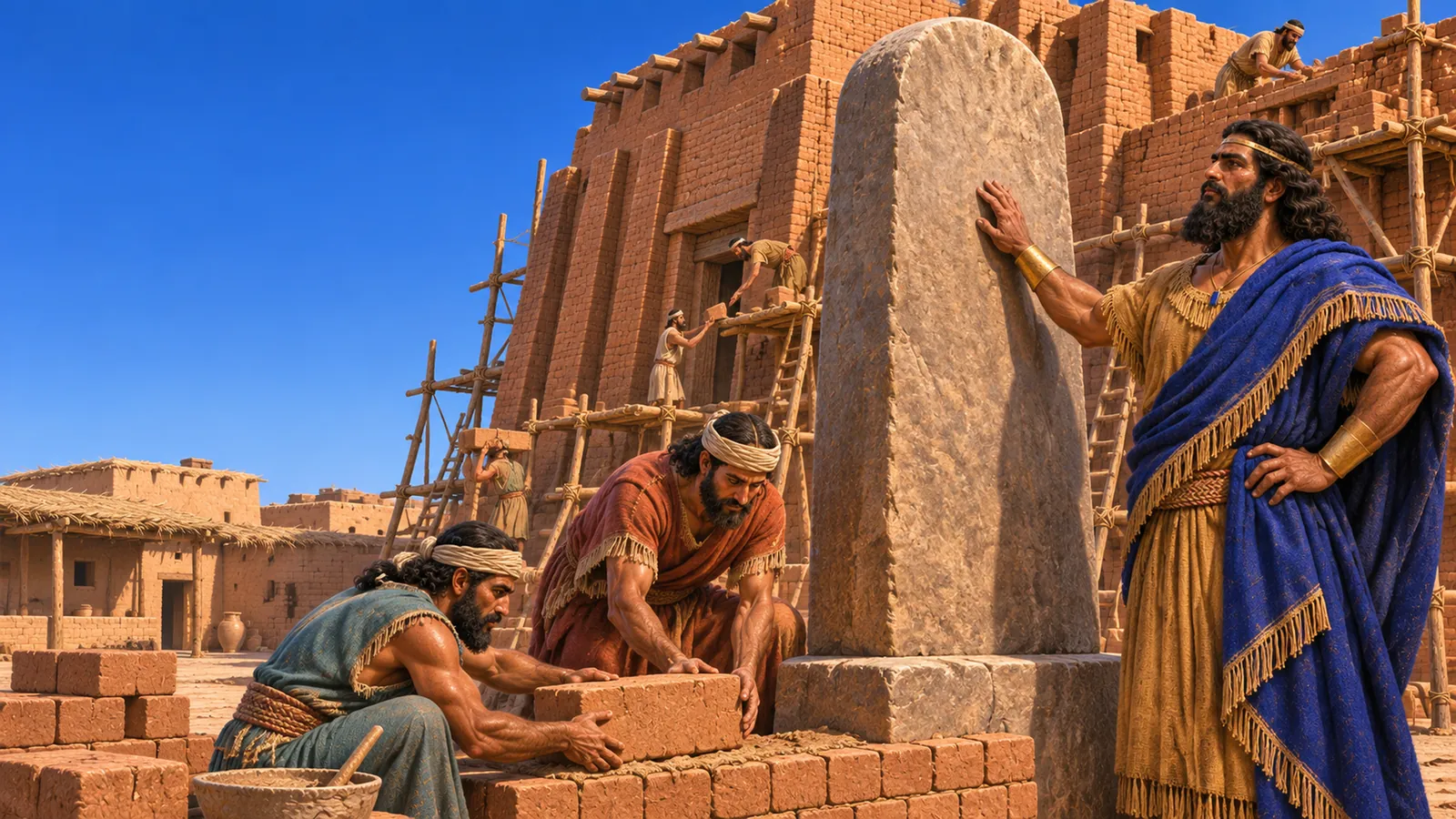
The assembly remembers the monuments Gilgamesh set up for future days. It recalls the temples he founded, works meant to remain after their builder.
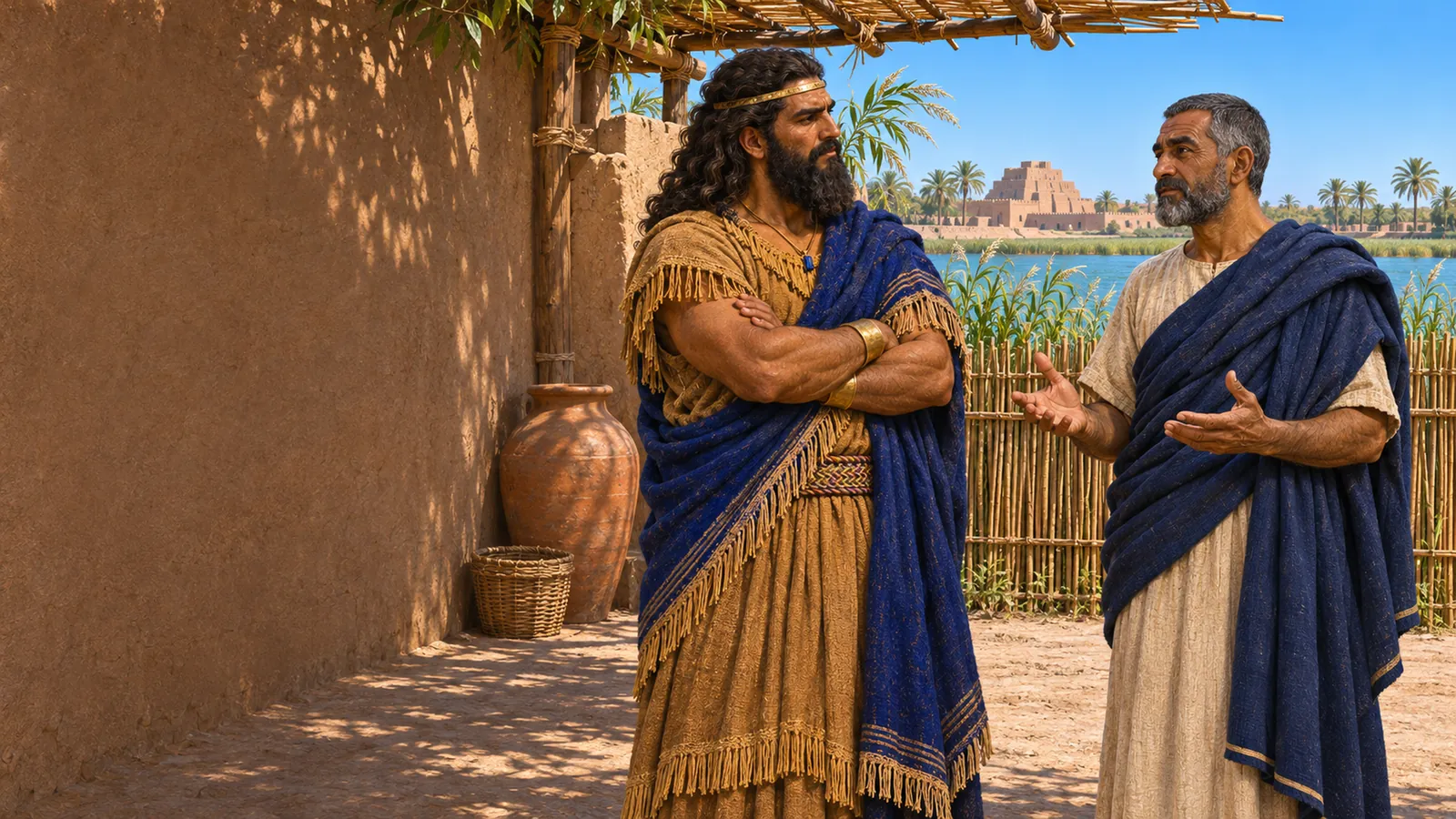
Among his deeds, the gods name his arrival at Ziusudra’s dwelling. This Sumerian poem remembers the king’s meeting with the survivor of the Flood.
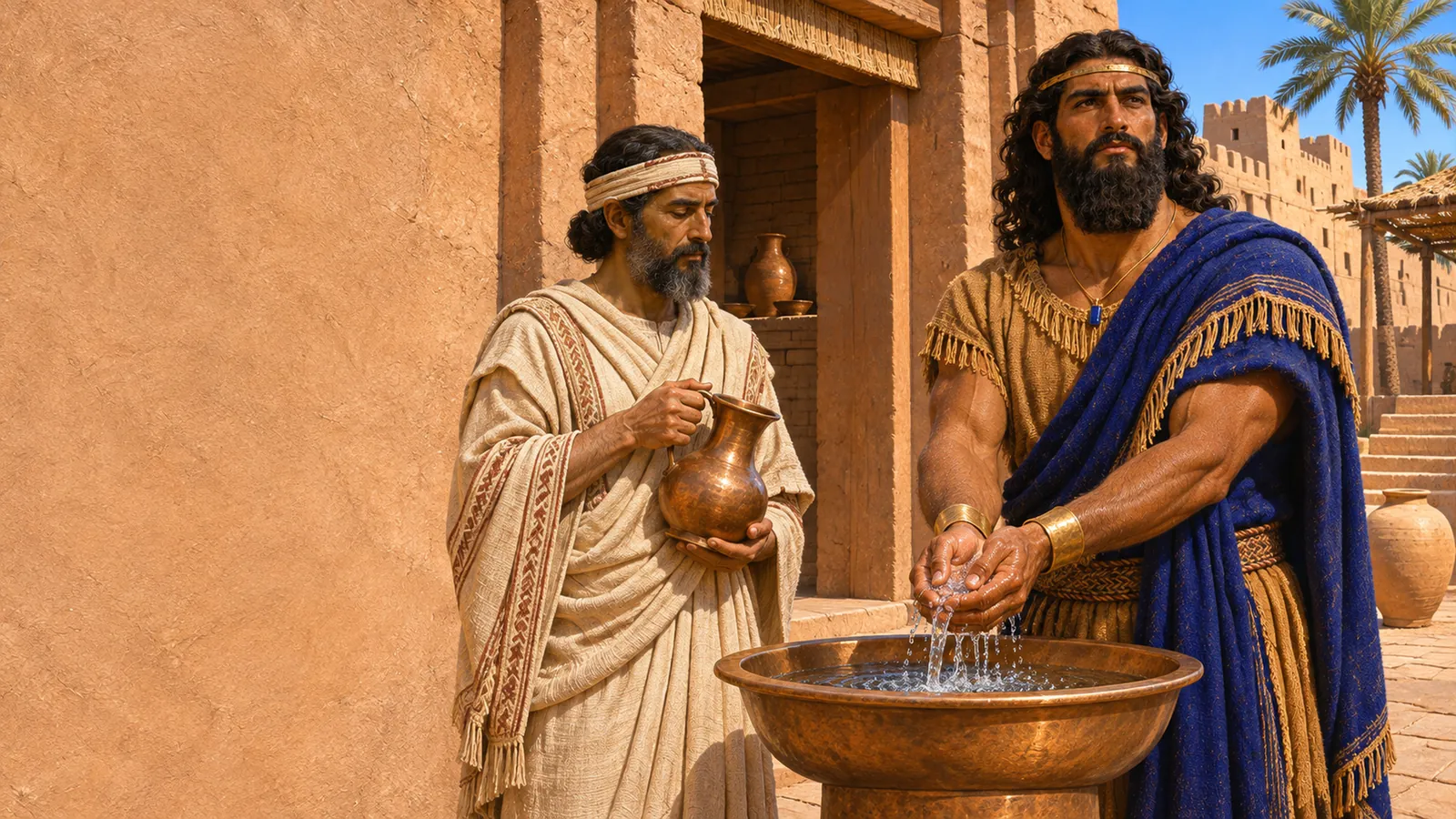
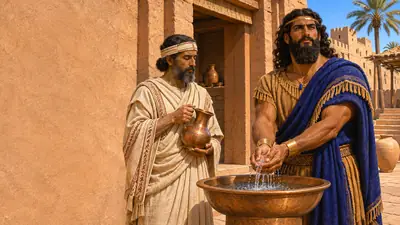
The damaged speech recalls divine powers, instructions and rites brought back to Sumer. It mentions washing hands and mouths, though parts of the wording remain uncertain.
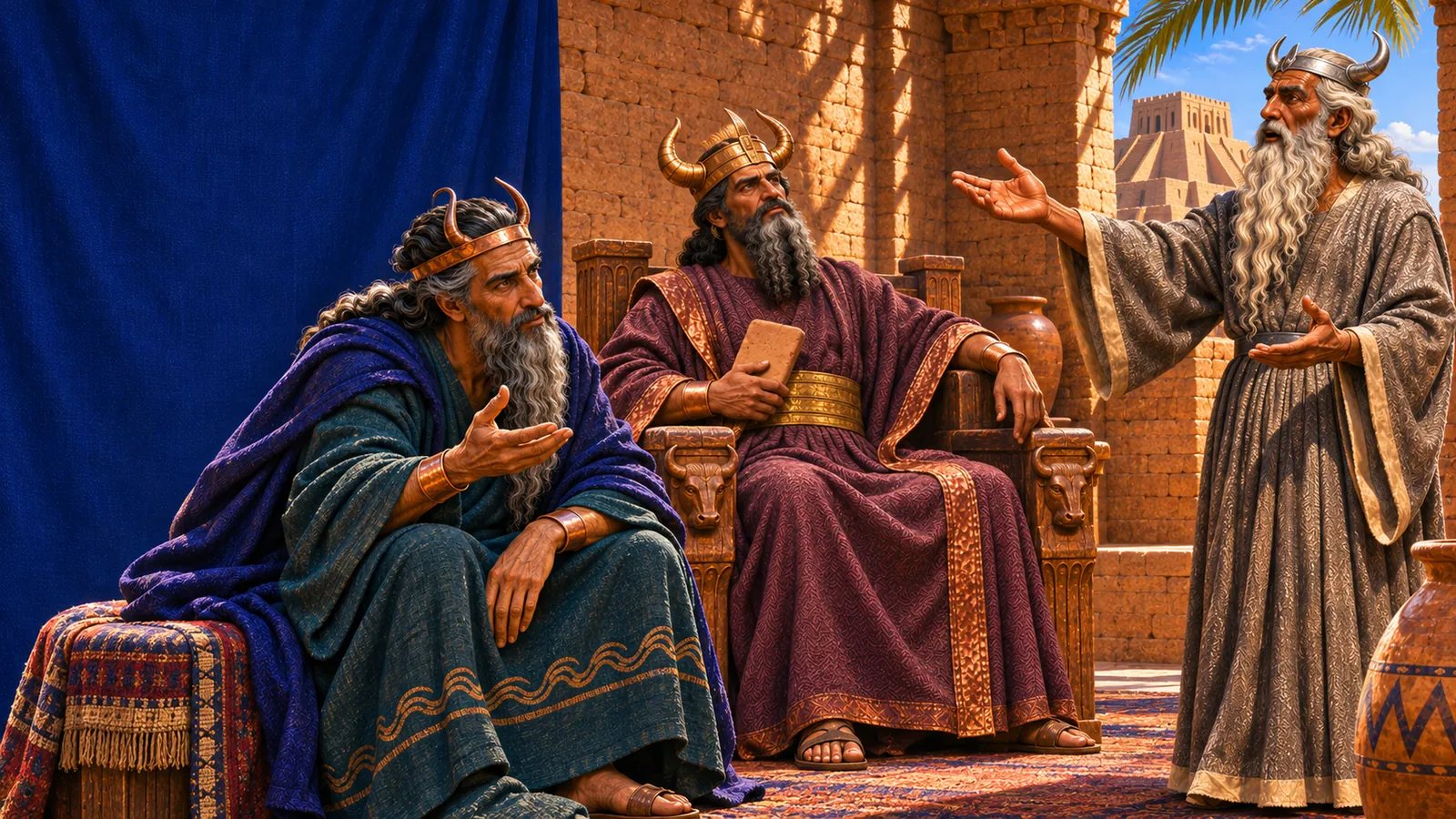
Enlil’s counsel was put to Enki. In the assembly, Enki answered An and Enlil by recalling the Flood and the difficult question of human life.

The assembly had sent the Flood to destroy humankind. Enki recalled his support for life and the survival of Ziusudra, in words the damaged text partly preserves.
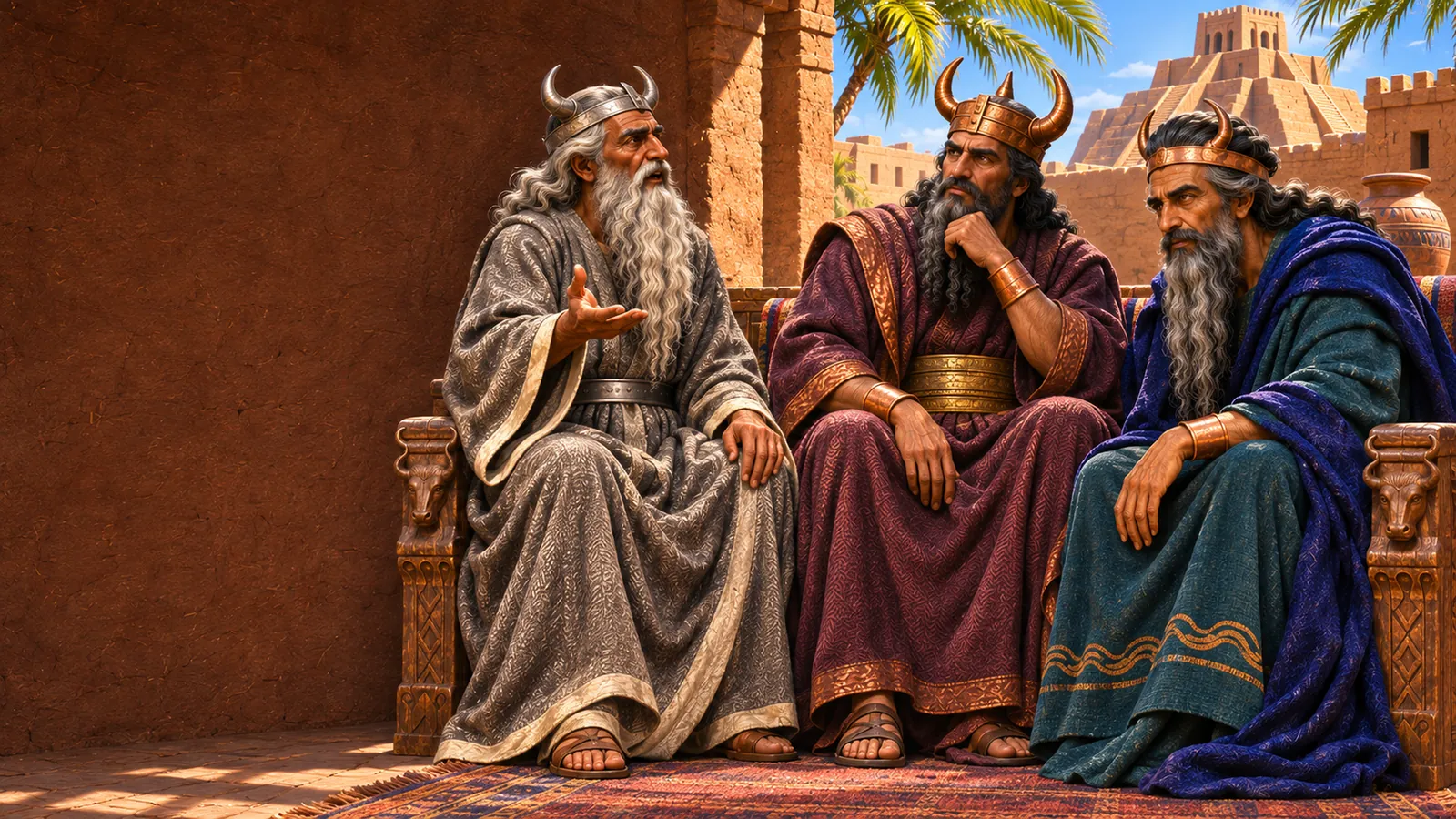
Enki recalled an oath sworn by heaven and earth: no human would be allowed to live forever again. Ziusudra’s exception had not become everyone’s fate.
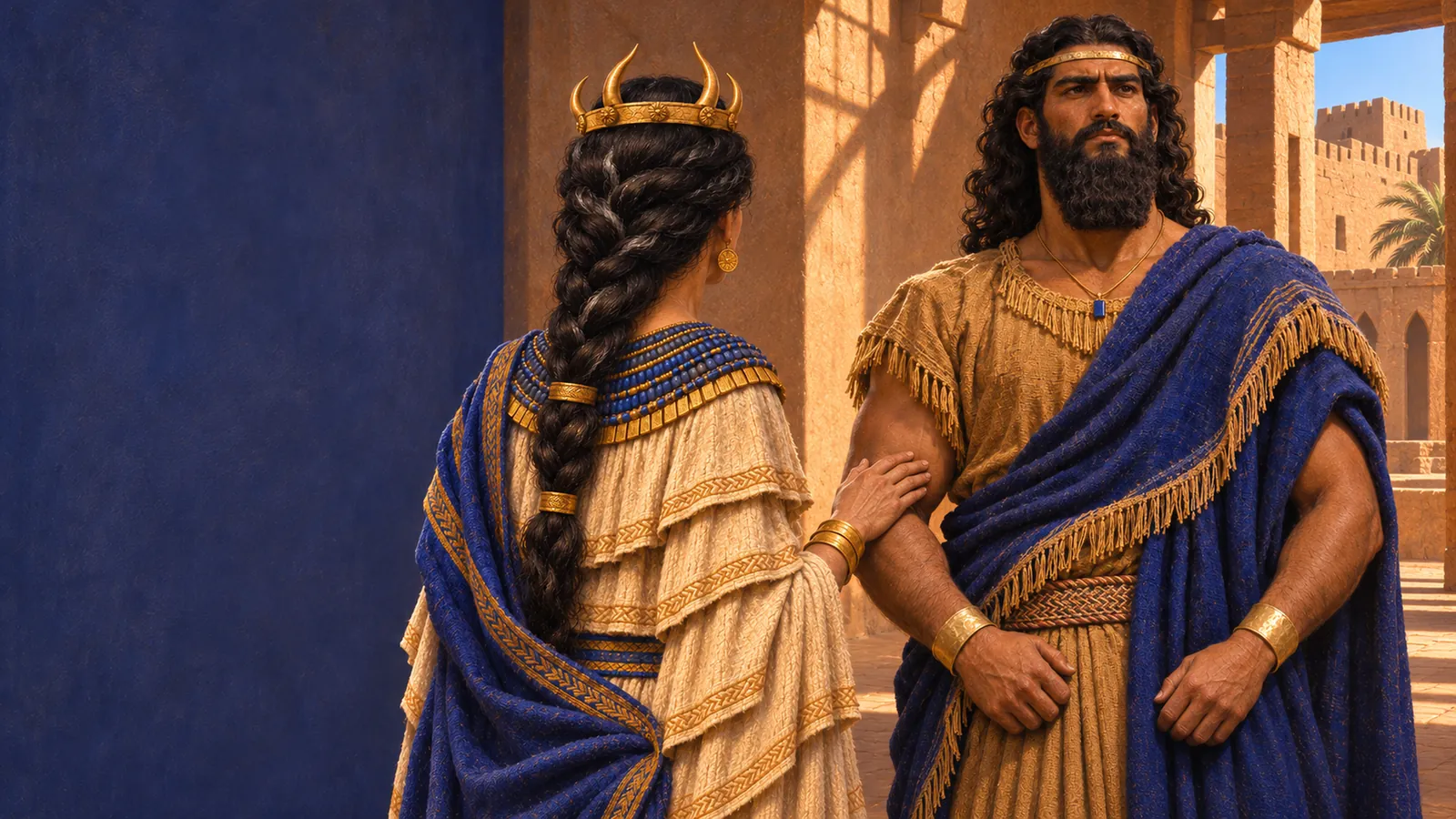
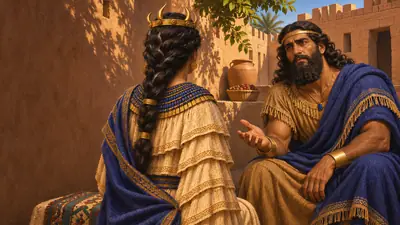
Then Enki raised a question: could Gilgamesh escape because of his mother? His divine parentage stood before the council, but the poem did not grant him endless life.
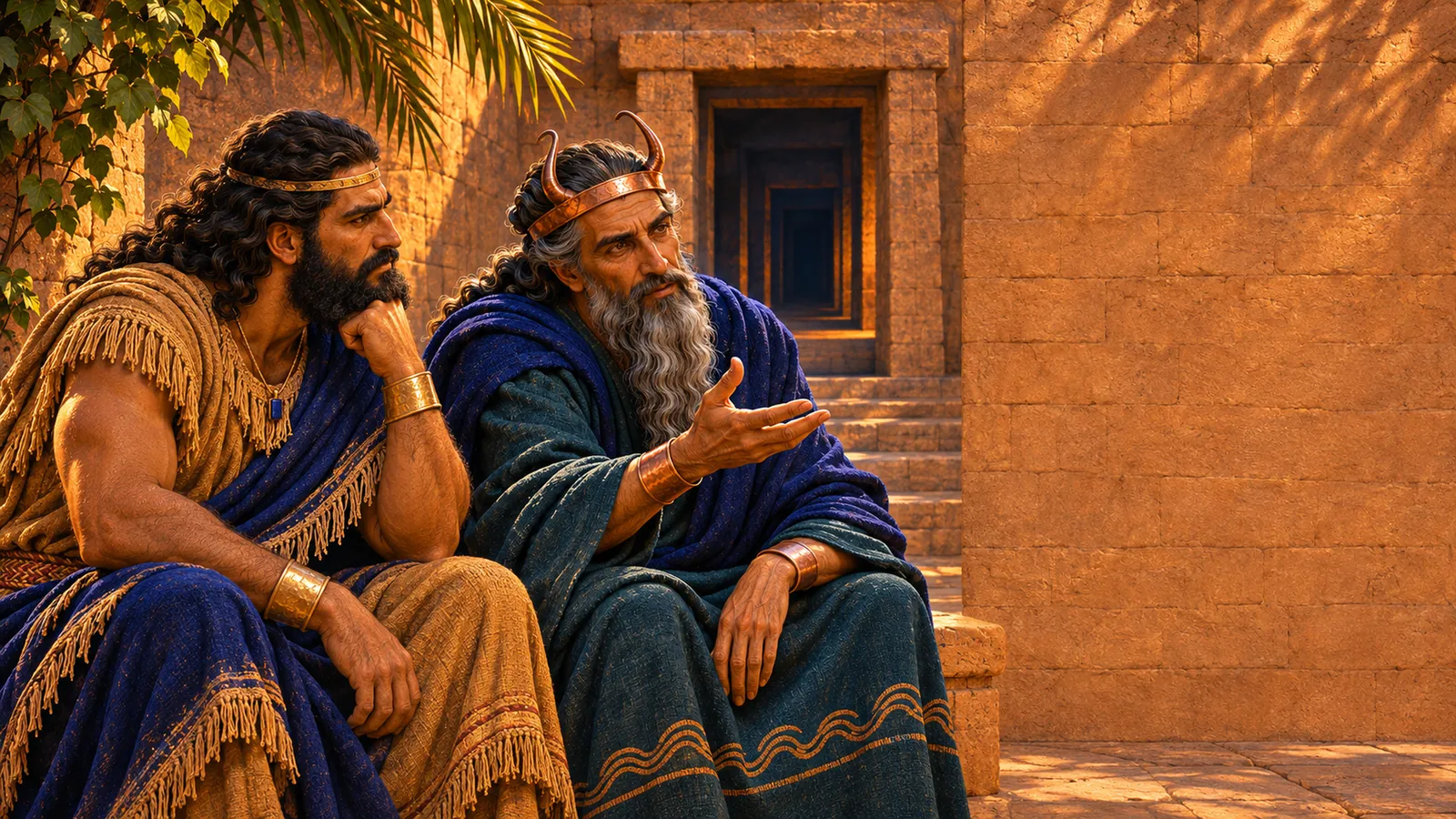
A PLACE
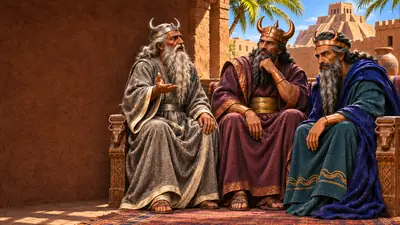
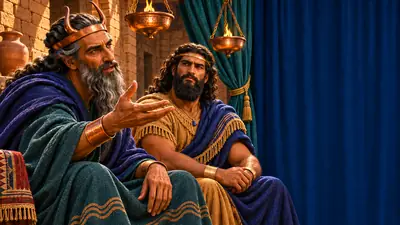
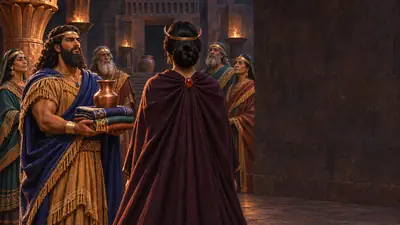
An unnamed divine voice proposed another place for him. As a spirit among the dead, Gilgamesh would govern the underworld and stand foremost among its spirits.
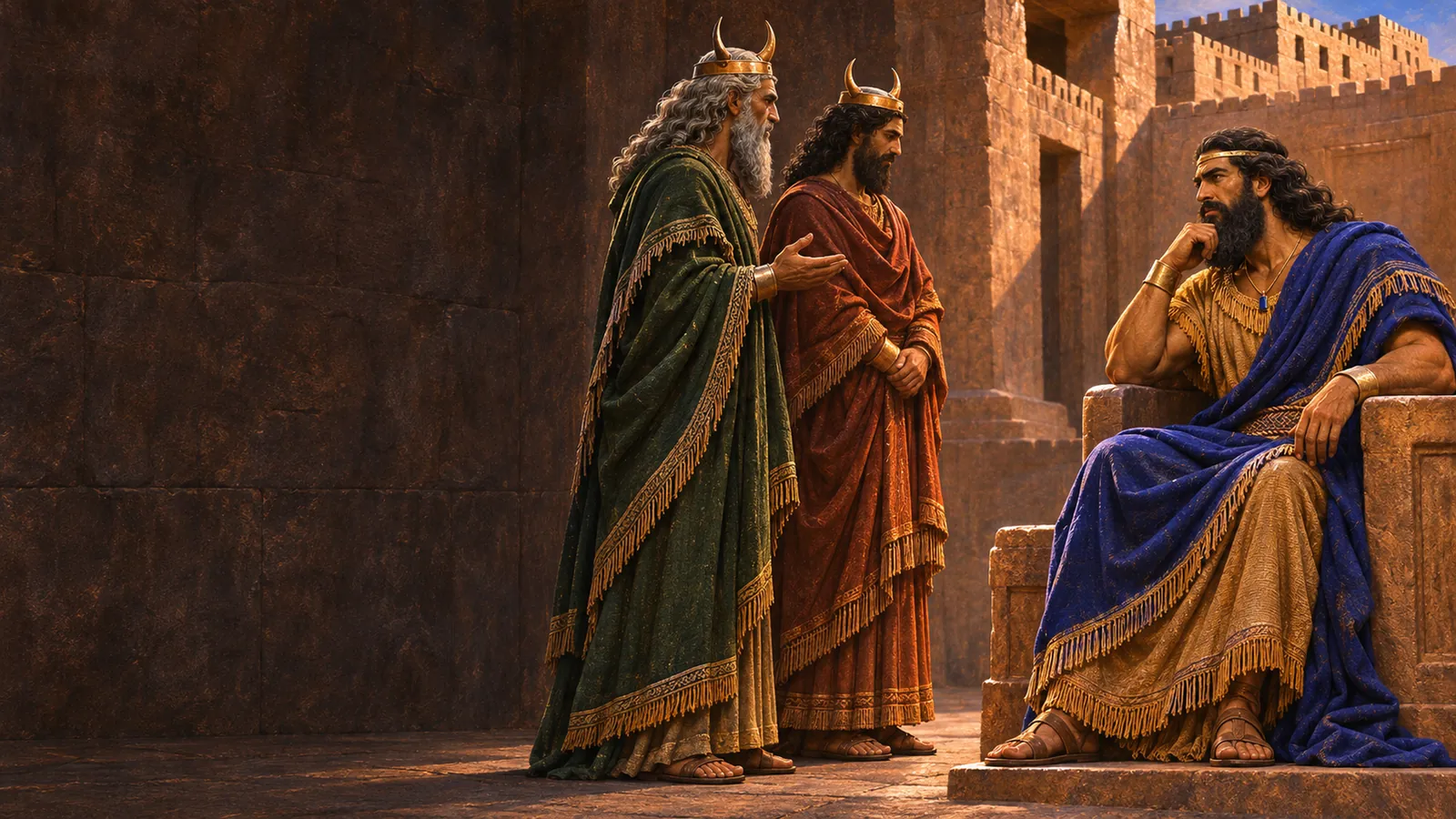
He would judge disputes and give verdicts. His words would carry a weight compared with those of Ningishzida and Dumuzi, named powers of the underworld.
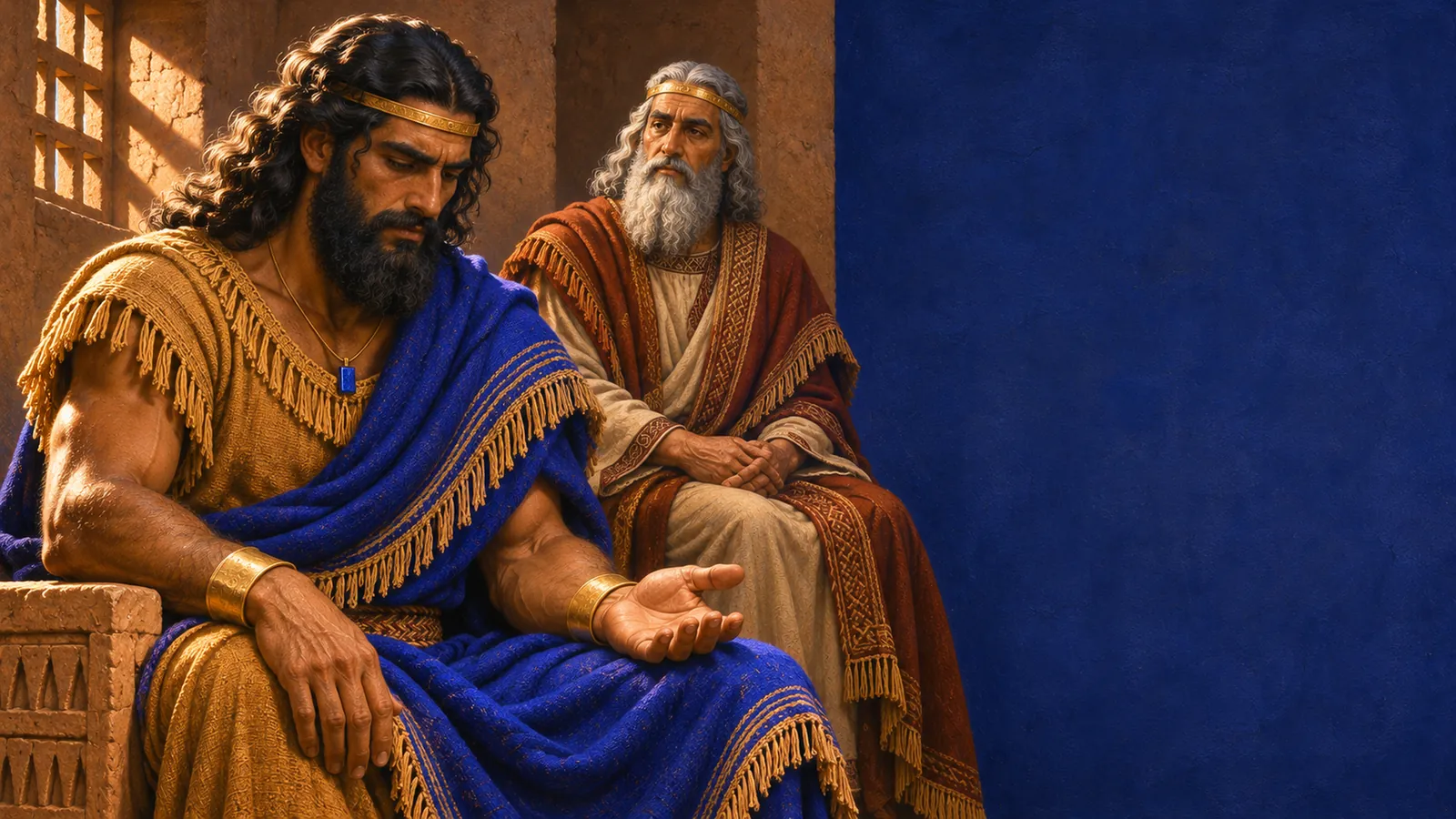
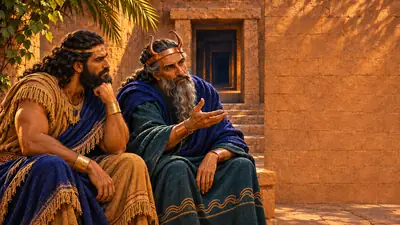
Gilgamesh grew sorrowful at the fate of humankind. The voices urged him not to despair, but the broken lines leave much of that comfort beyond our hearing.
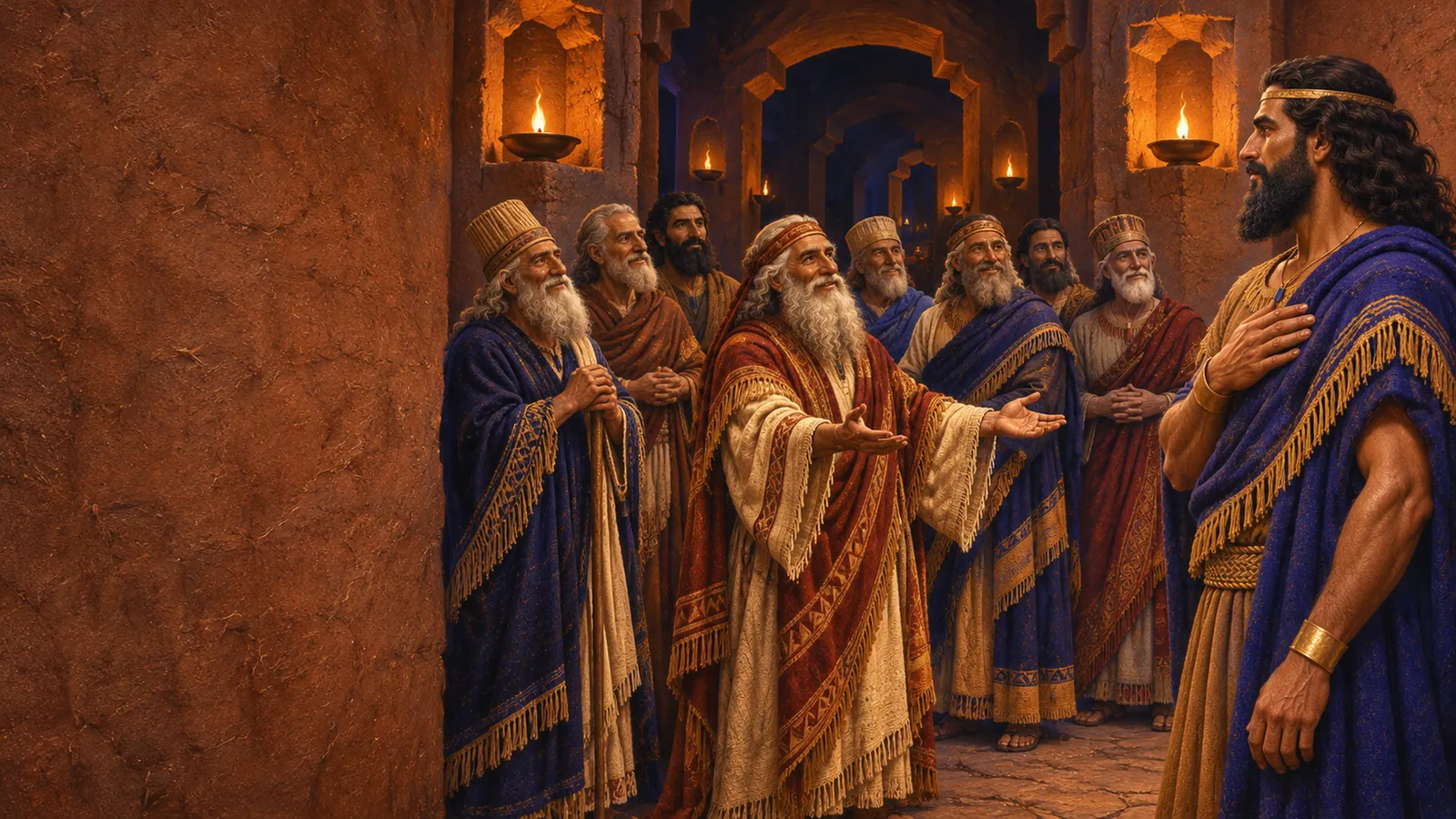
He was told to go where the great gods receive funerary offerings, where priests and priestesses lie. The speech placed his death within a world of predecessors.
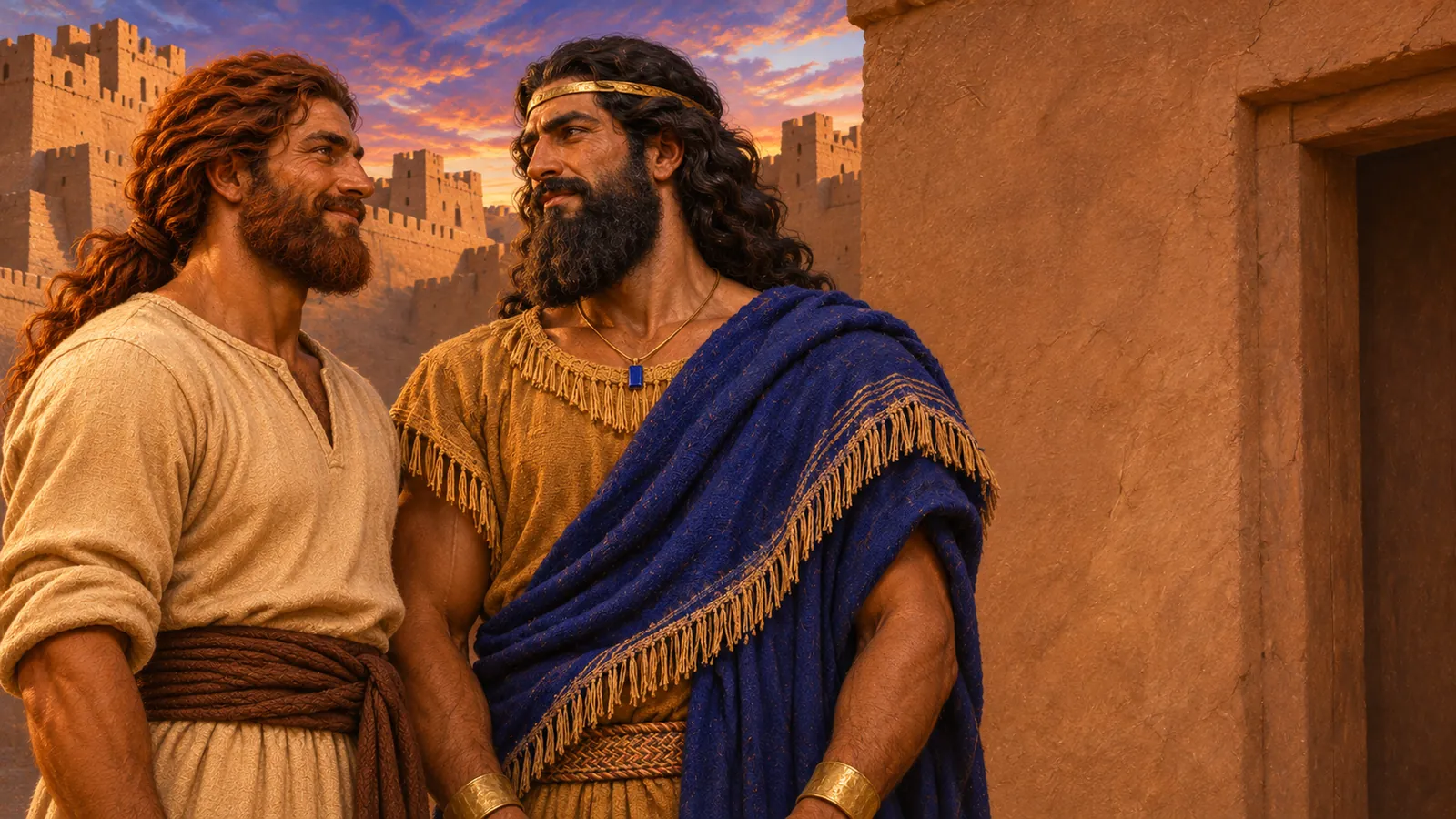
The voices named his father, mother and other kin among those below. They also named his precious companion Enkidu, the friend who had shared his youth.
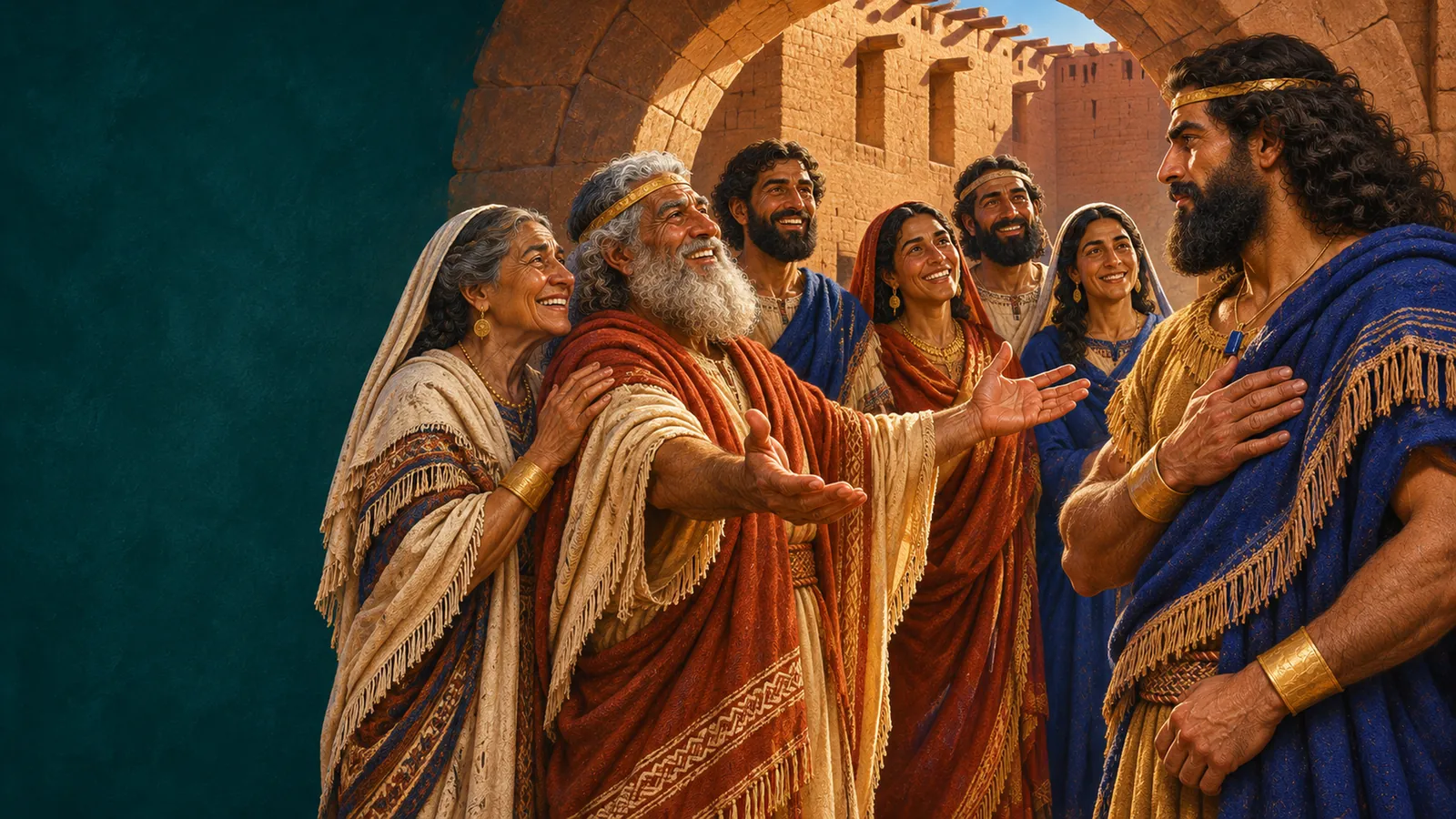
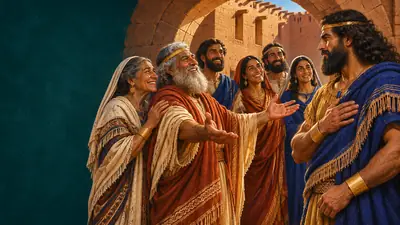
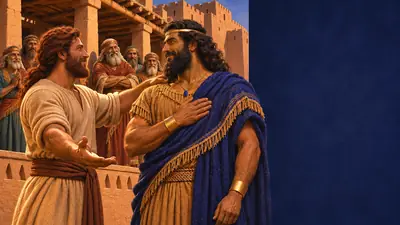
Those dear to him would come to meet him, the speech promised. The elders of his city would also greet him; he need not enter in despair.
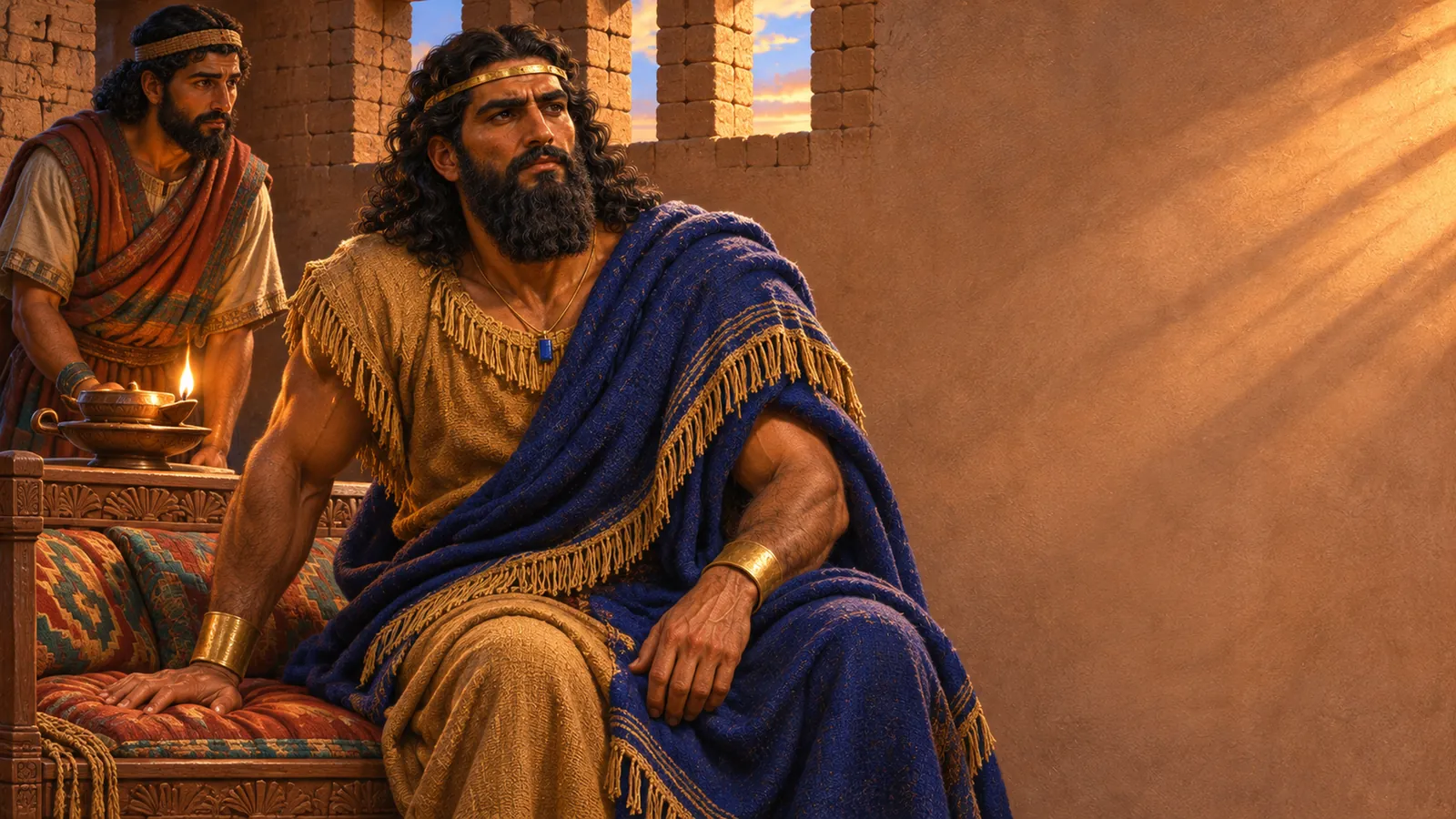
Gilgamesh woke and spoke of the dream. The next words are broken, but his questions remain: the king was confronting what the vision meant for him.
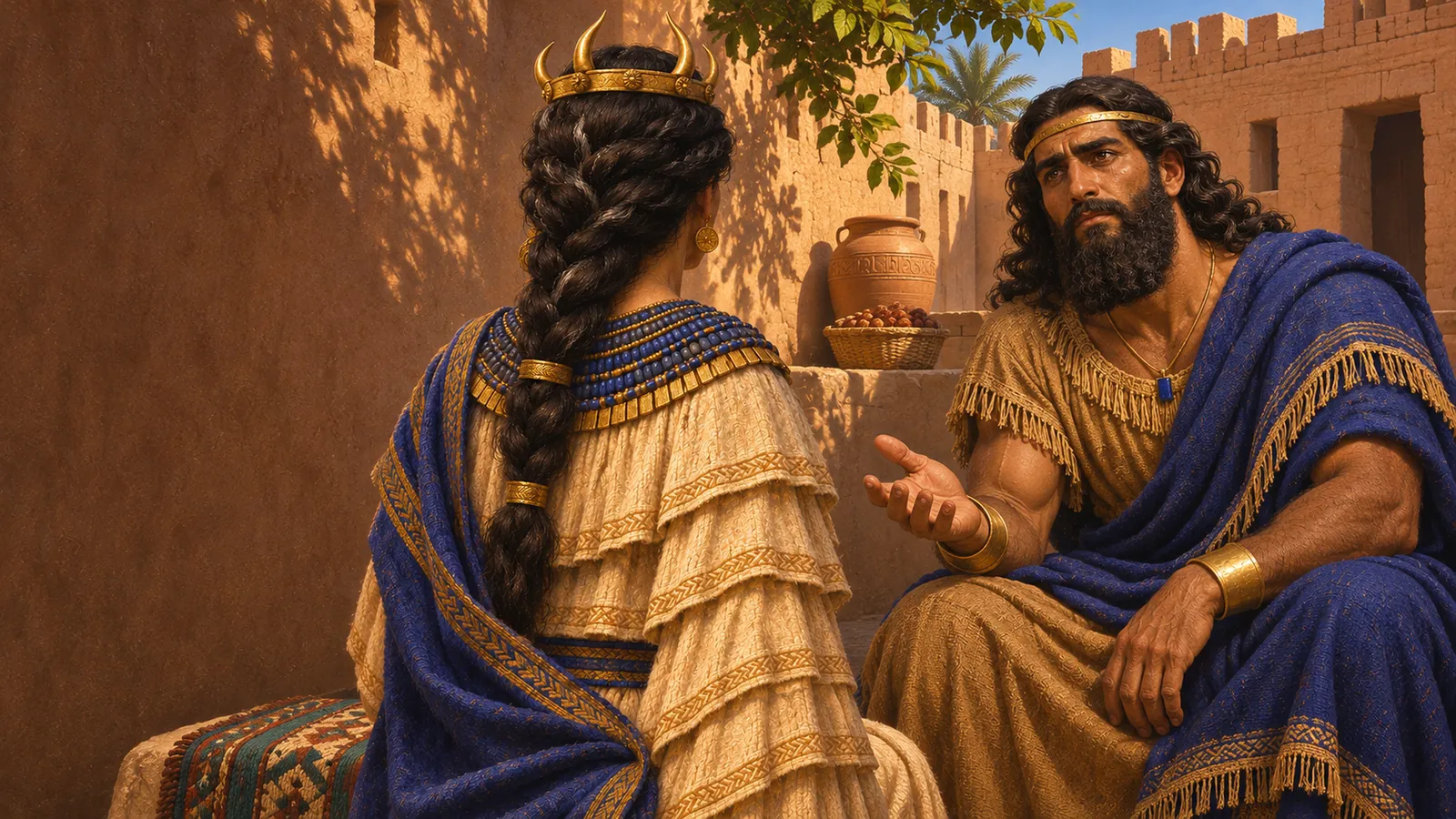
Could he again be as one upon his mother Ninsun’s lap? The question survives amid broken words; the poem leaves its full setting uncertain.
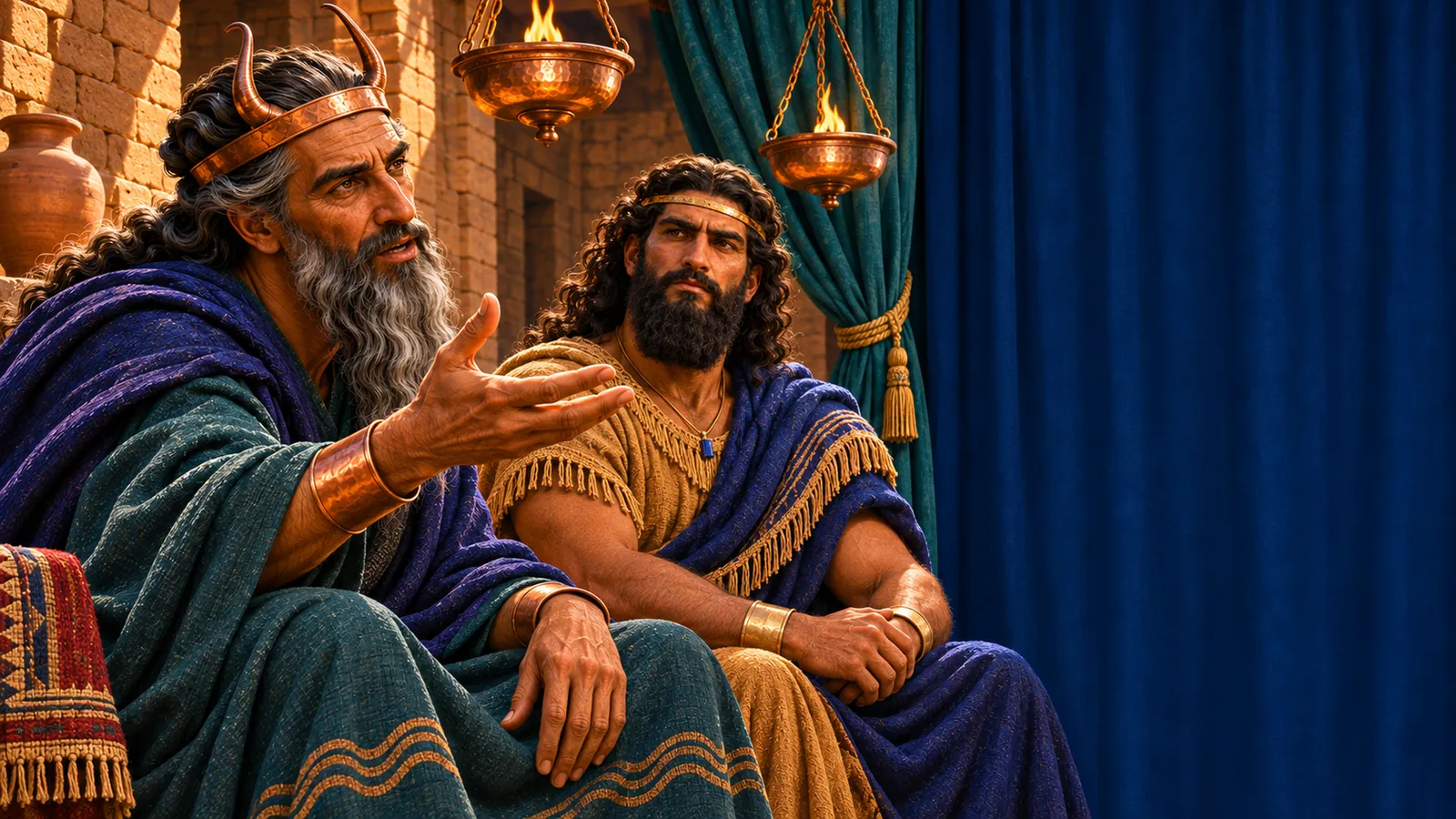
The poem tells the assembly vision again, attributing the dream to Enki, also called Nudimmud. The repeated passage returns to the same question of human mortality.
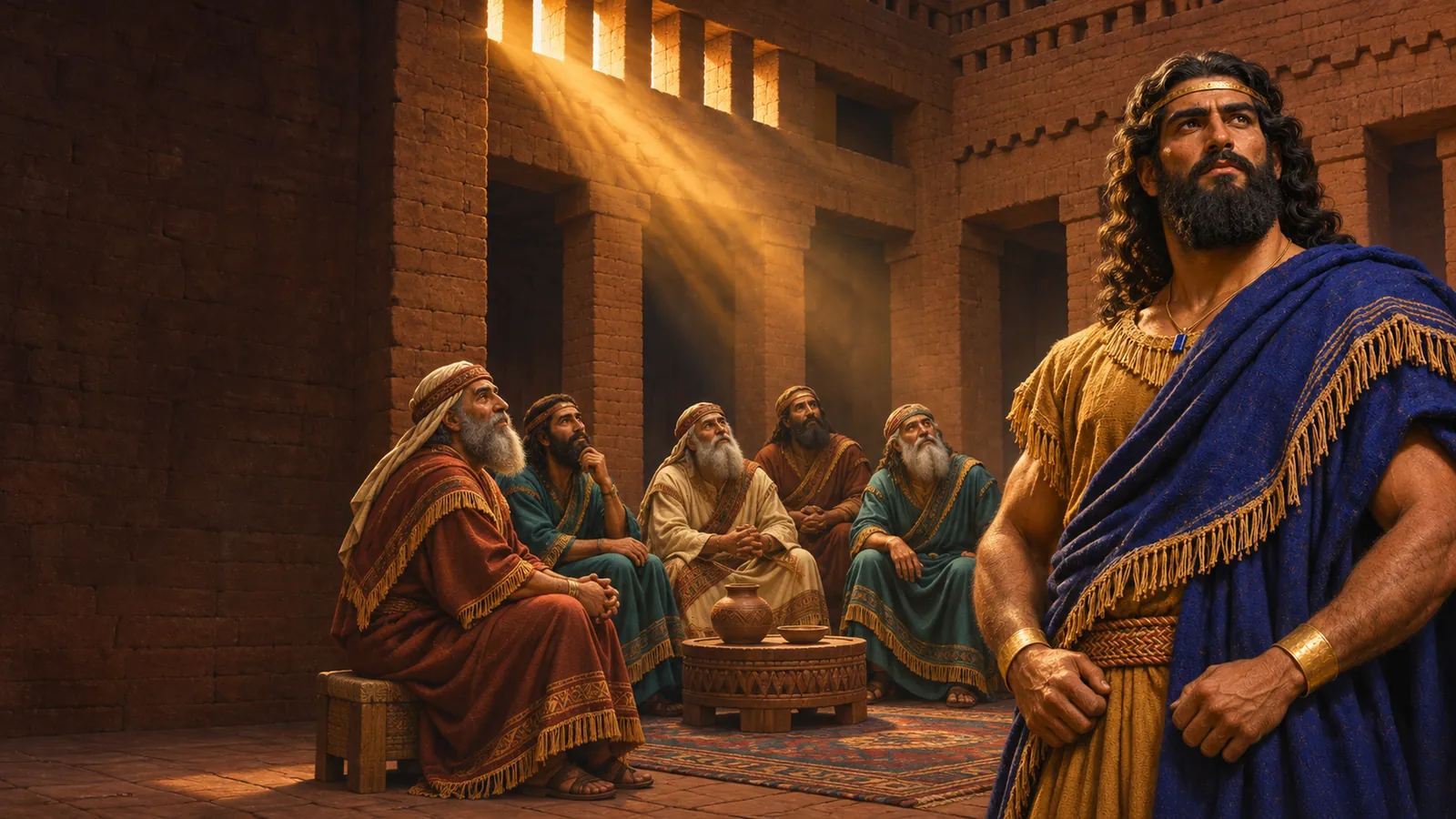
Sisig, a god of dreams and son of Utu, would provide light in the dark realm. This promise accompanies the counsel that Gilgamesh should not despair.
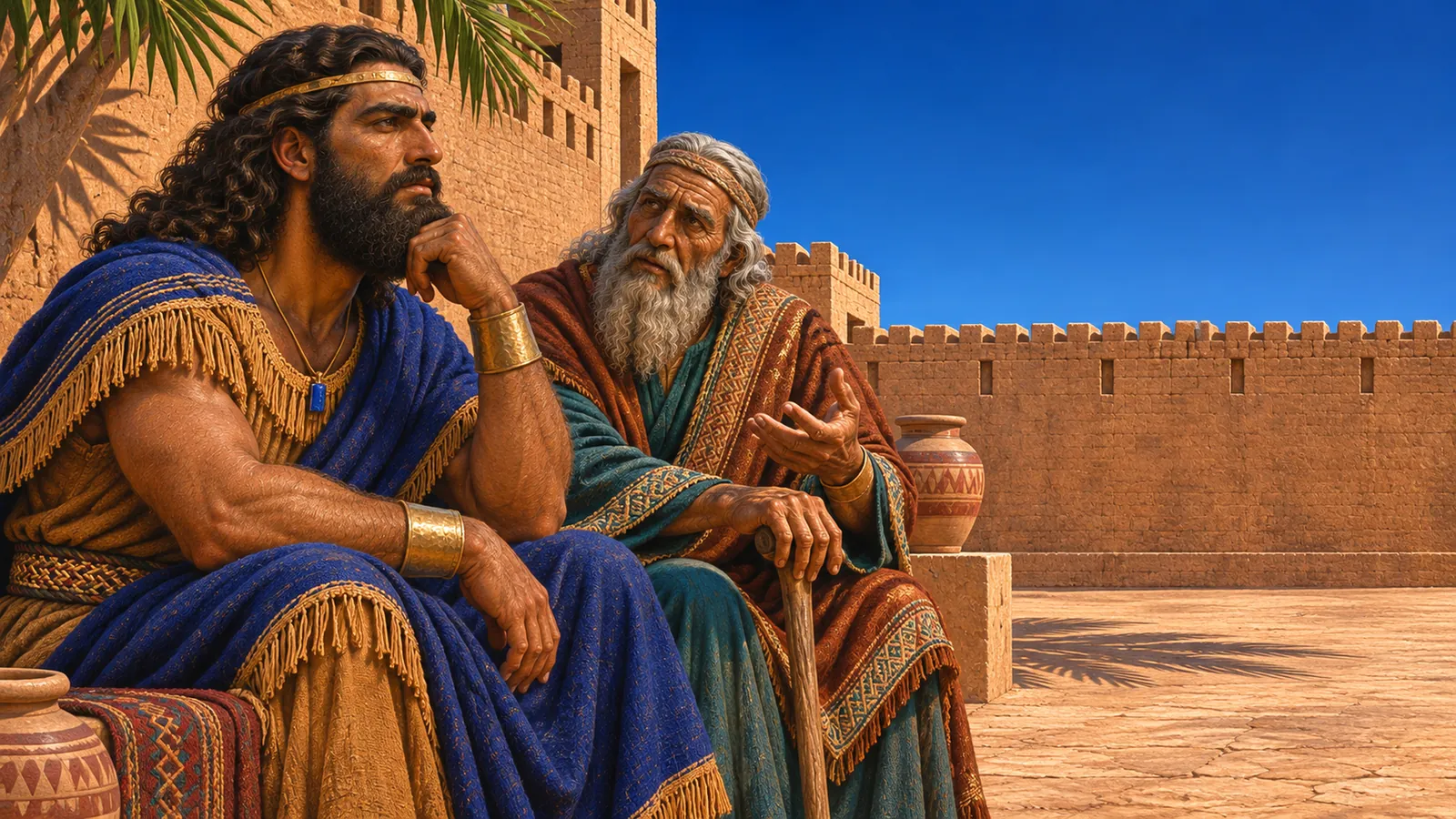
The voices reminded him that mortality belonged to being human from birth. Kingship did not remove the dark day and the struggle no person could escape.
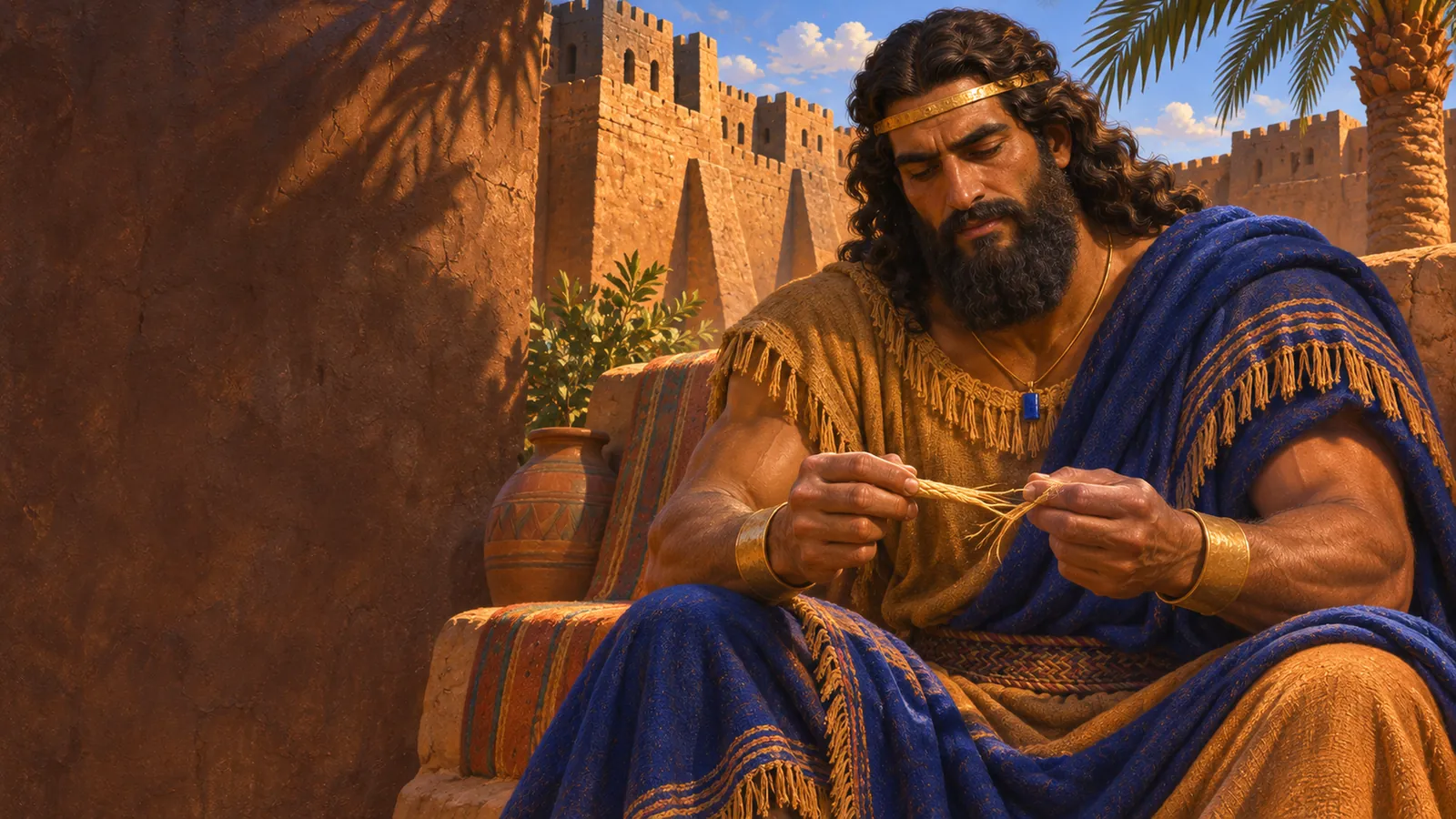
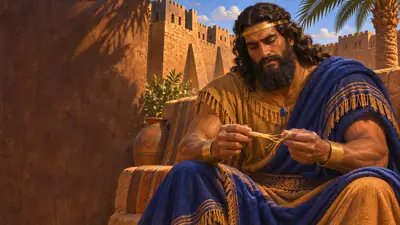
He was urged not to enter the underworld with his heart bound in anger. The poem wishes that knot undone, using the image of loosened palm fibre.
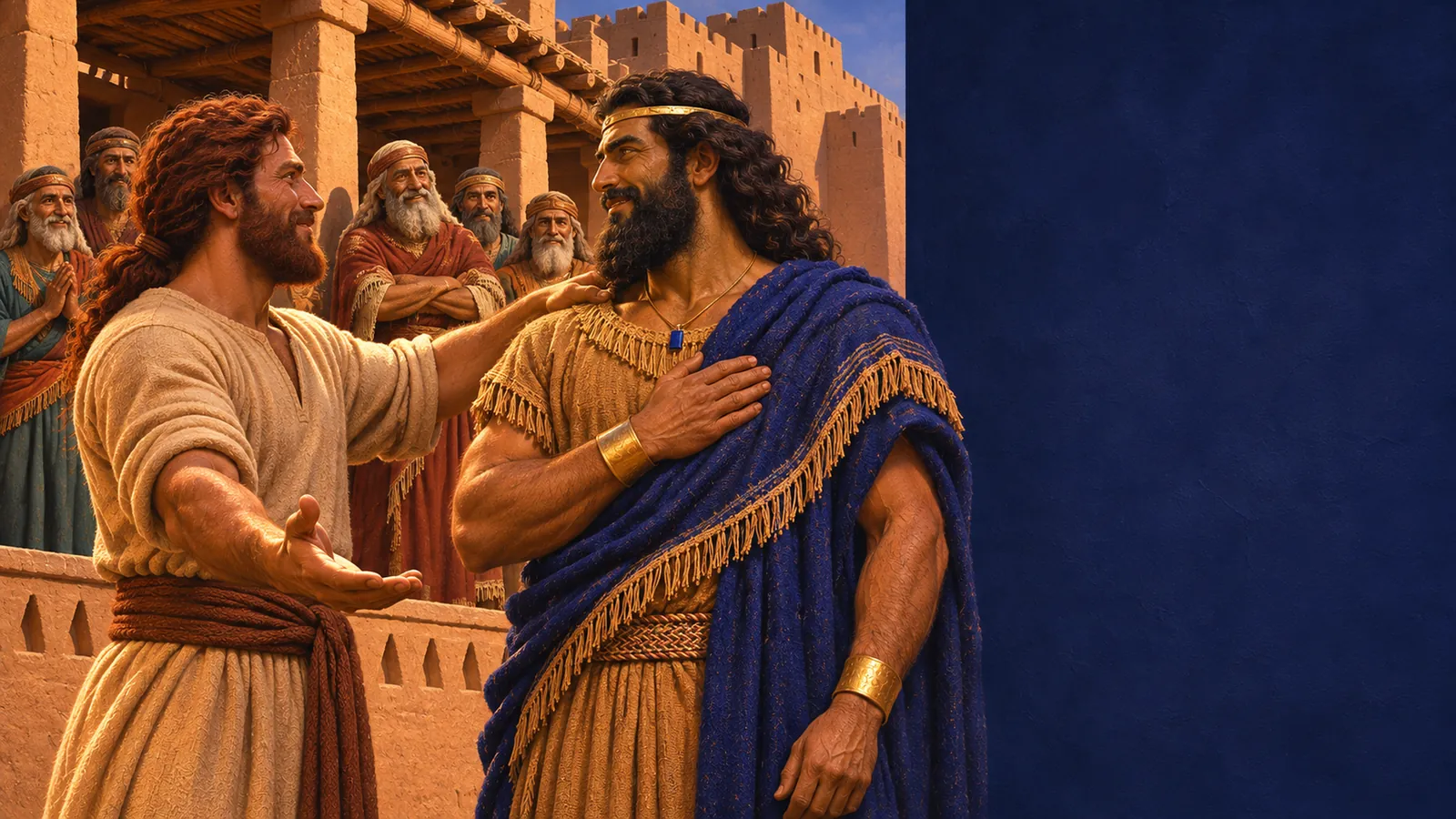
Again the repeated speech promises a welcome from kin and city elders. Its comfort does not cancel death; it describes those Gilgamesh would meet beyond it.
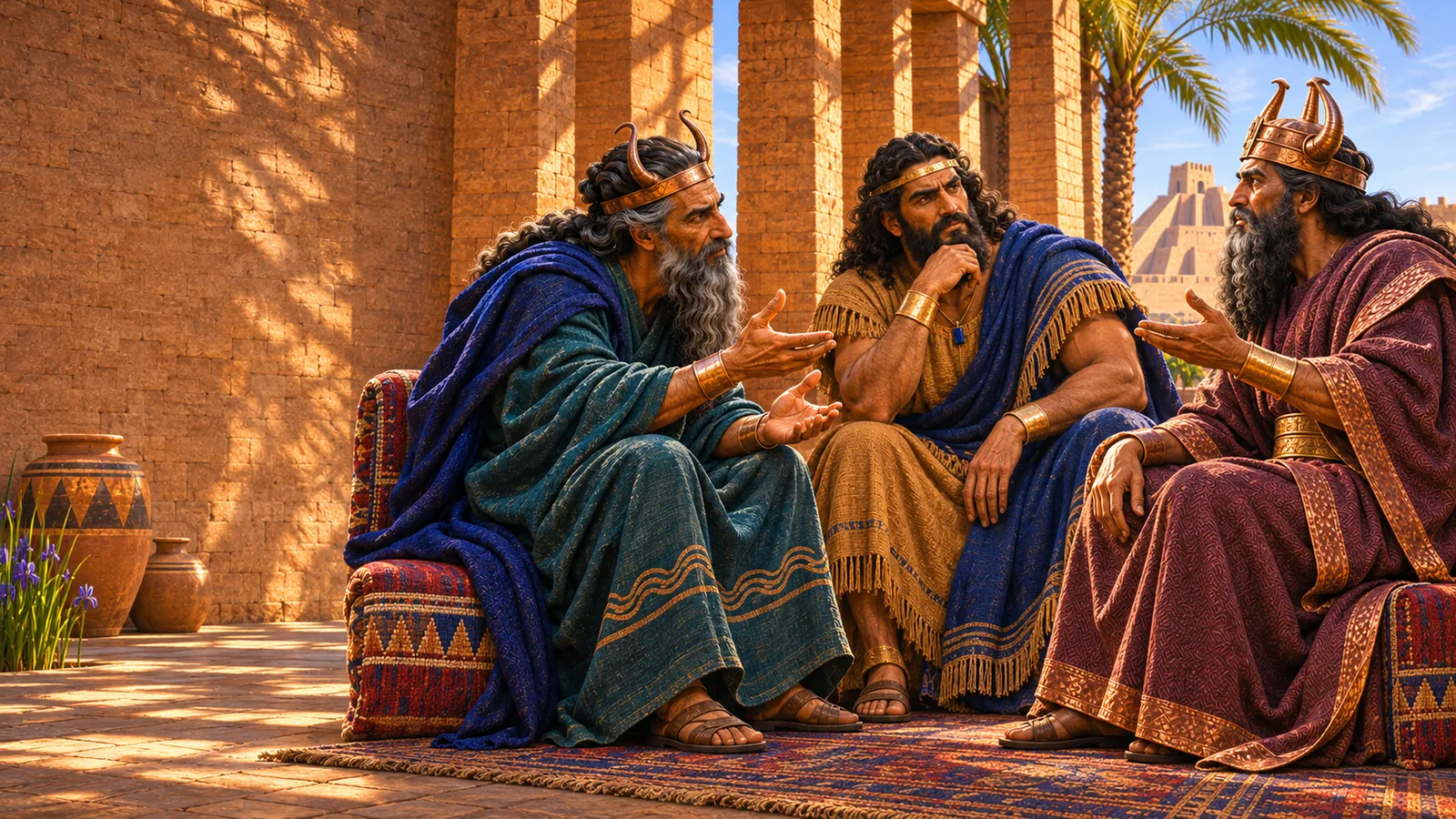
The surviving end of the vision calls him a companion of the great gods. Then the words break away, leaving the next part of the transition lost.
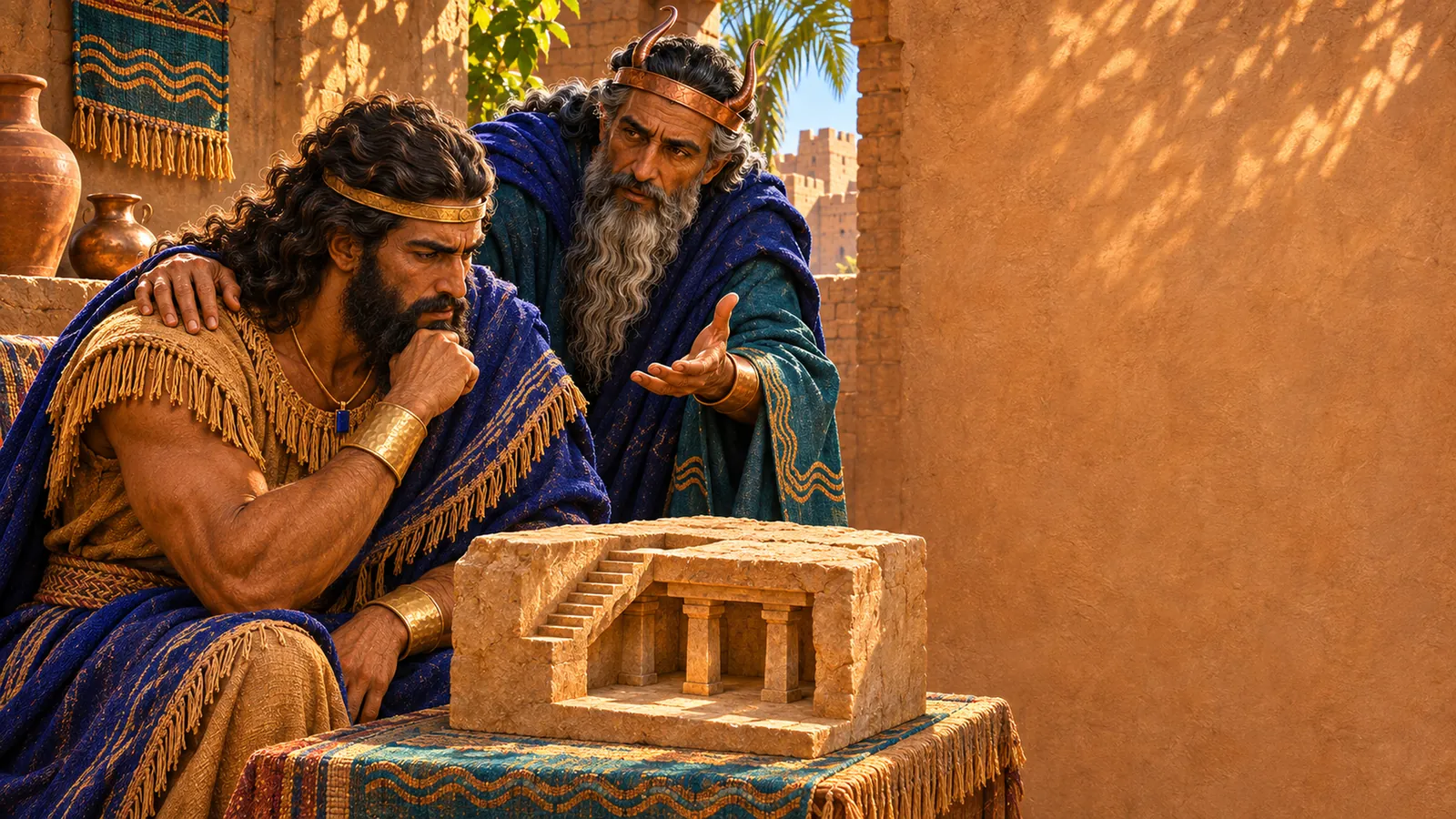
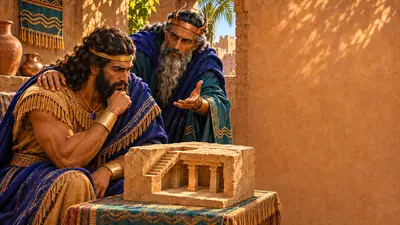
The next damaged passage turns toward a tomb. It mentions an architect and Enki’s help with the dream, but the exact wording and connections are uncertain.
THE RIVER
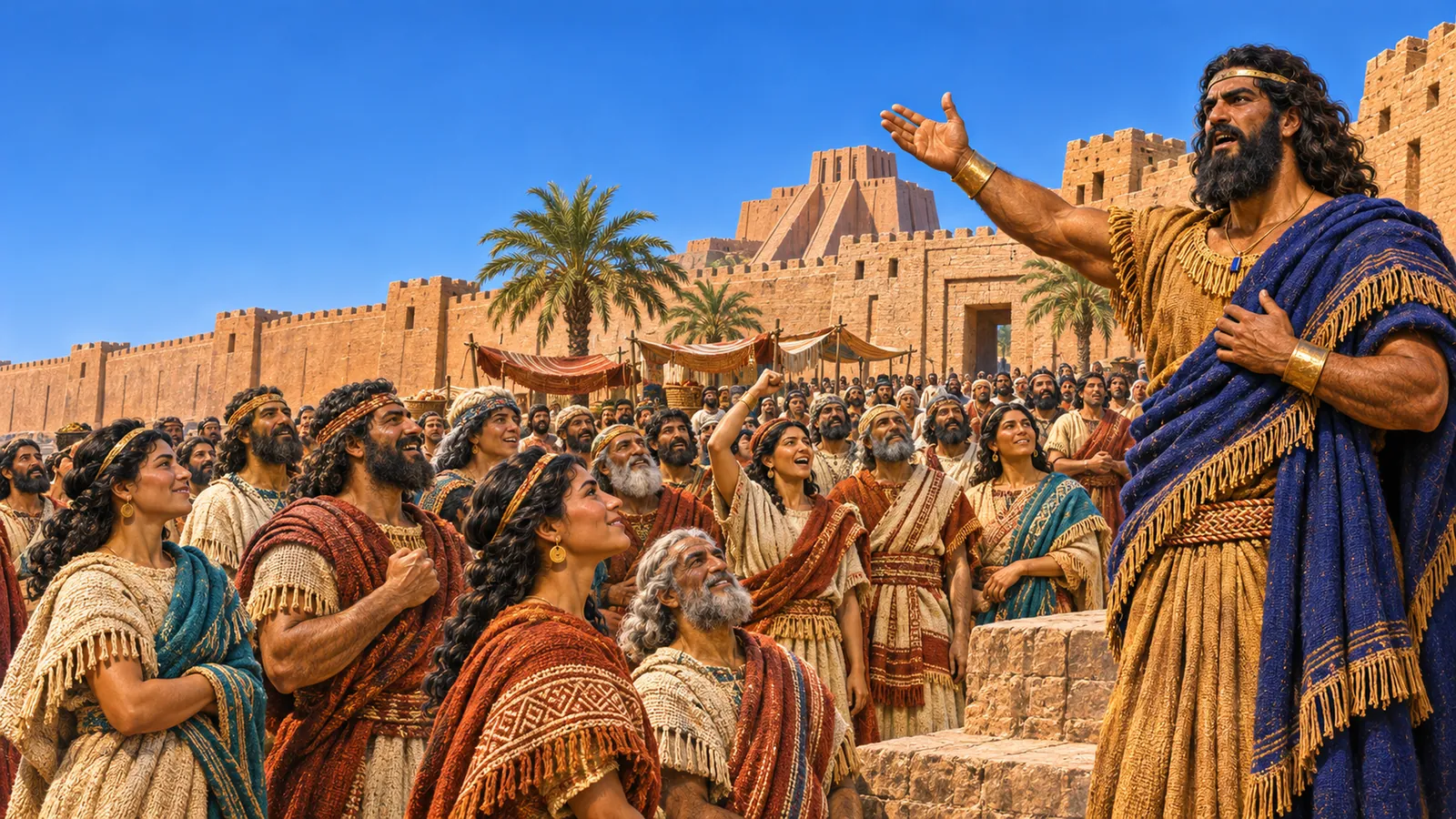
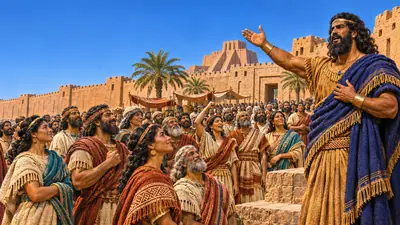
The king called a levy from his city. The people of Uruk and Kulaba were summoned for a work that would reach into the Euphrates itself.
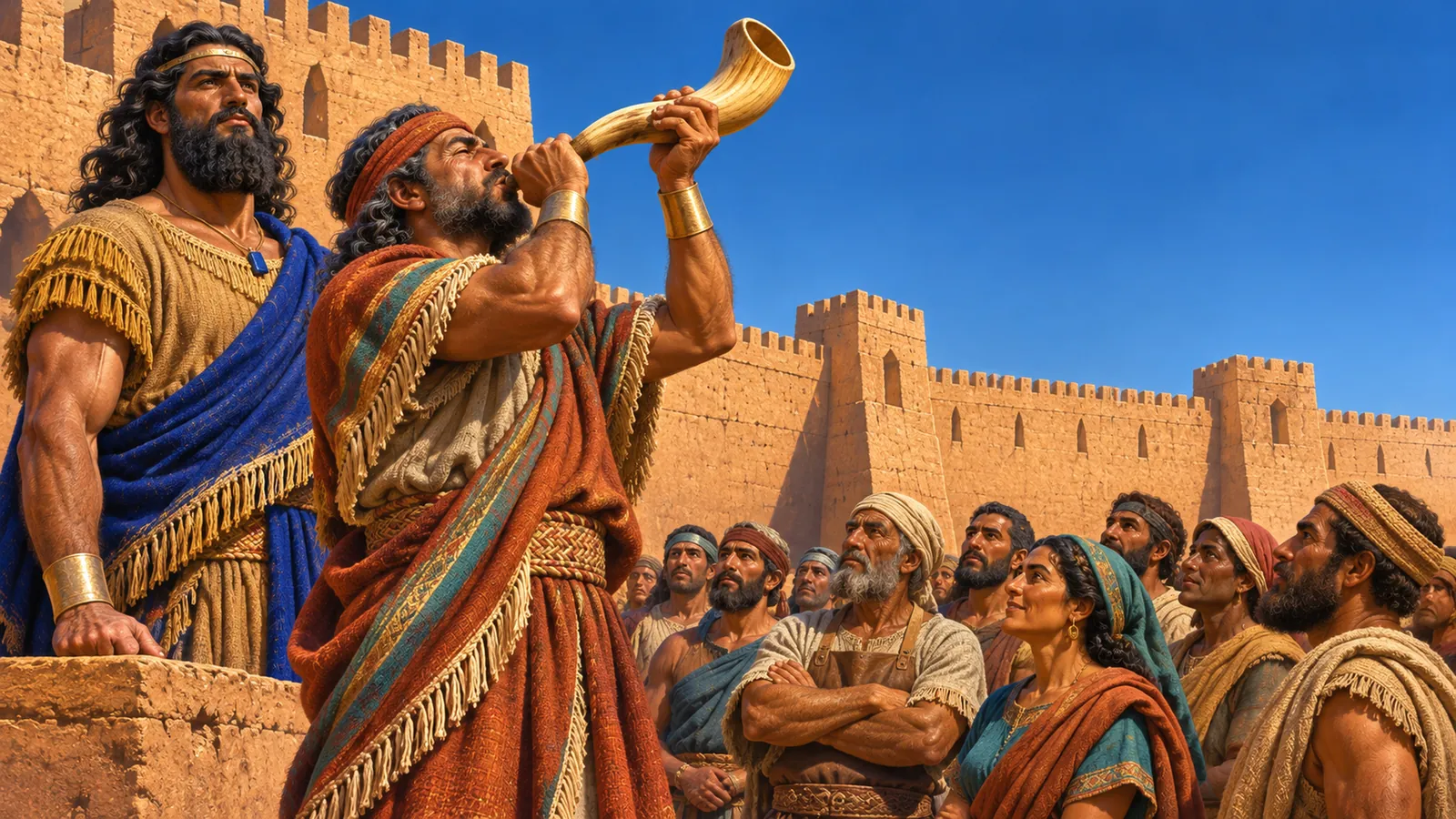
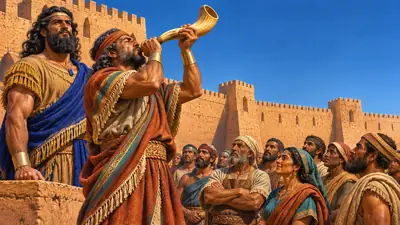
The herald sounded the horn and called to Uruk and Kulaba. They were to open the Euphrates and divert its high waters from the riverbed.
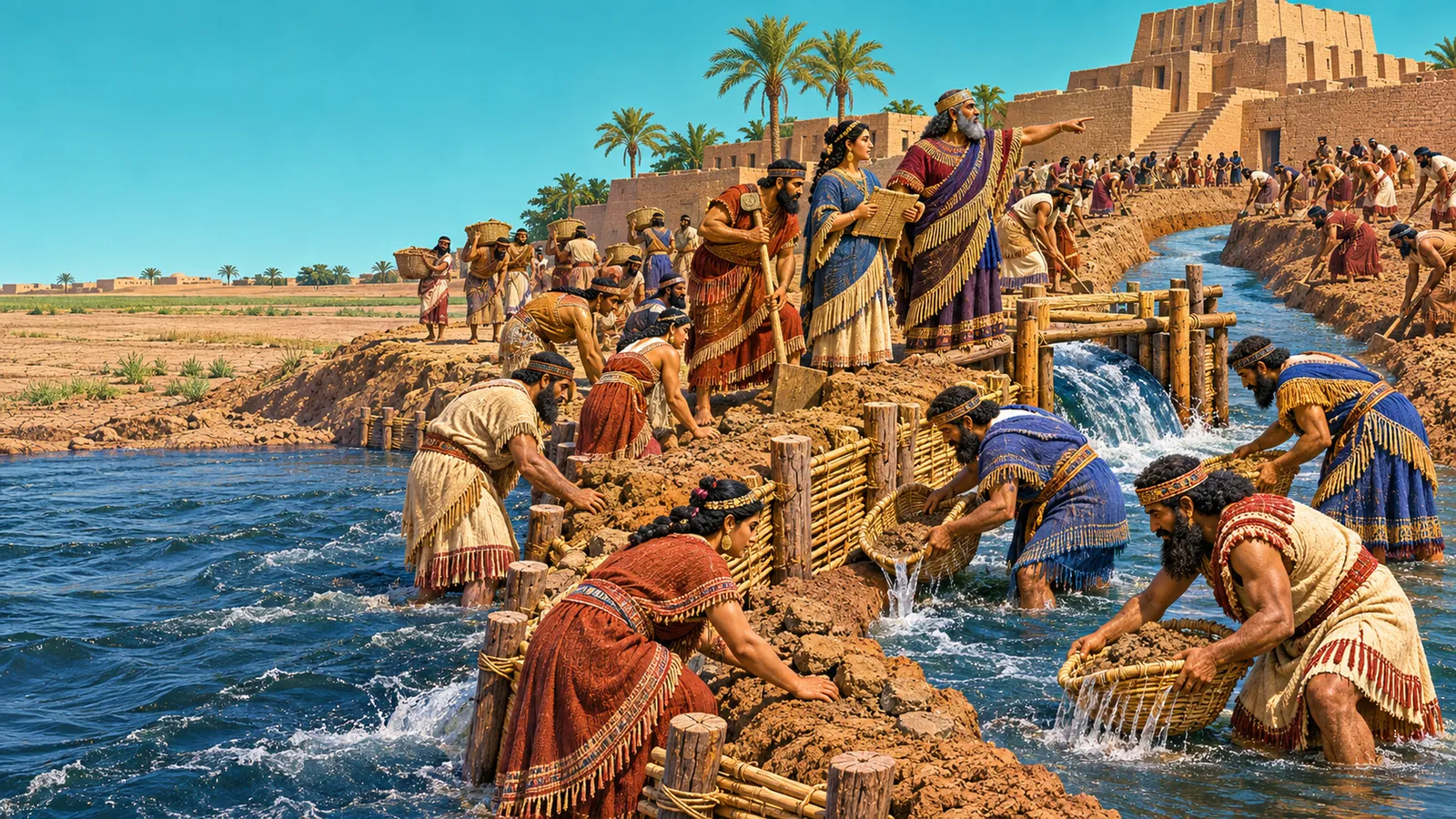
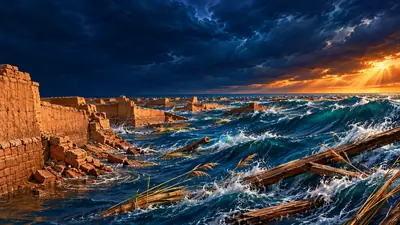
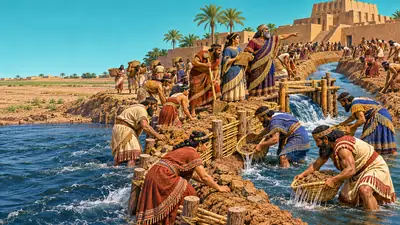
Within days, they diverted the high waters of the Euphrates. The poem compares the mass of workers to a flood and a darkened sky.
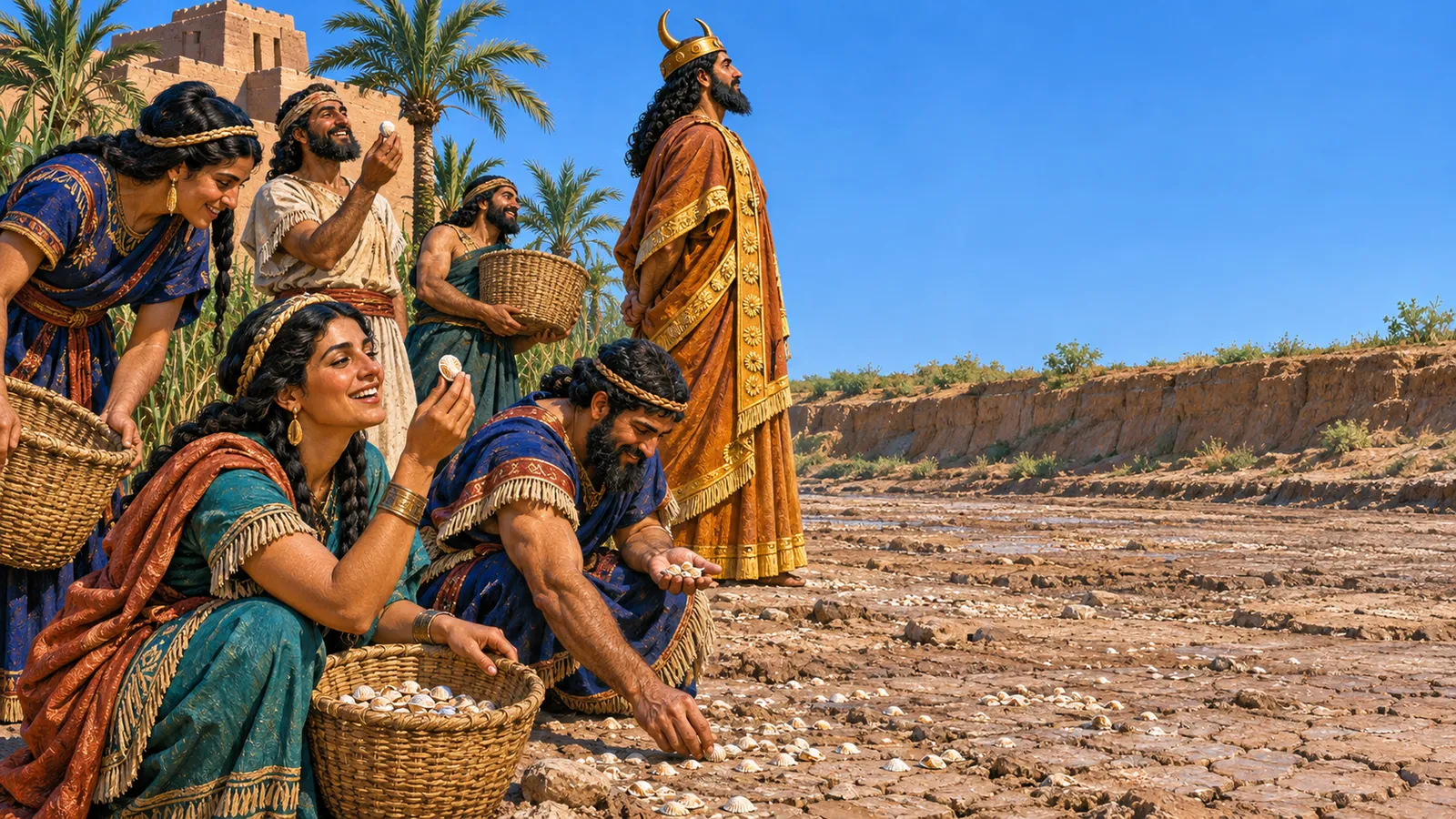
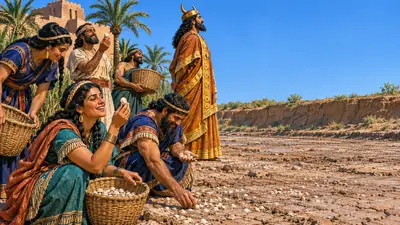
As the water receded, the bed of the Euphrates lay exposed. Utu looked upon its shells with admiration, and the work moved into the cleared riverbed.
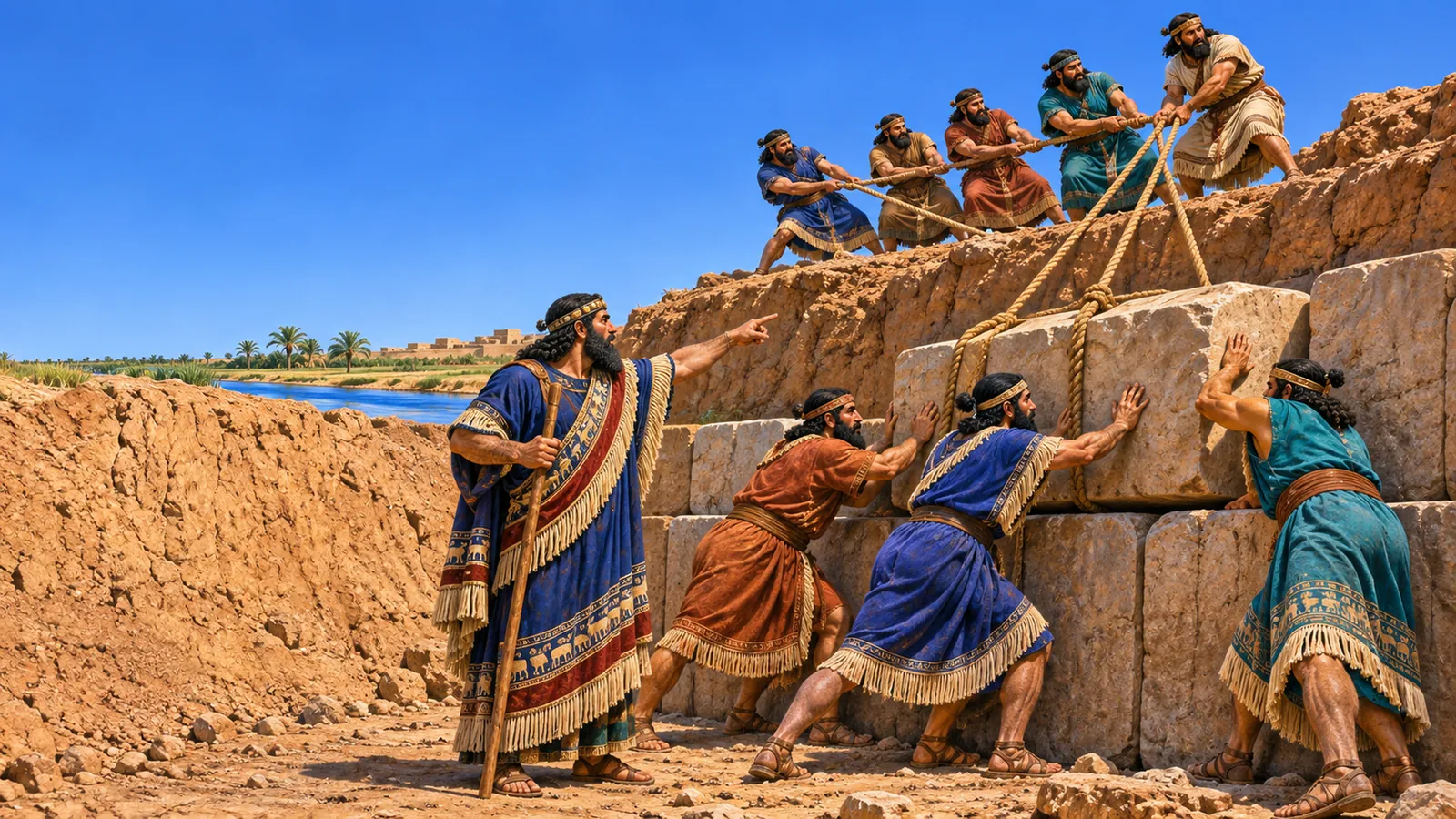
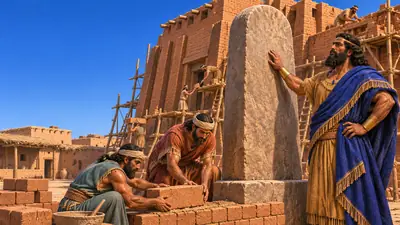
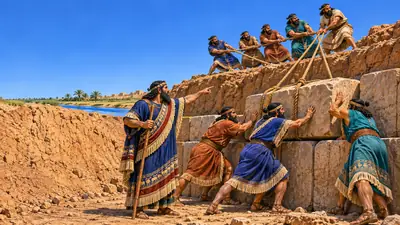
In the exposed bed, they built the king’s tomb from stone. Heavy walls gave the hidden house its shape, beneath the course the river had followed.
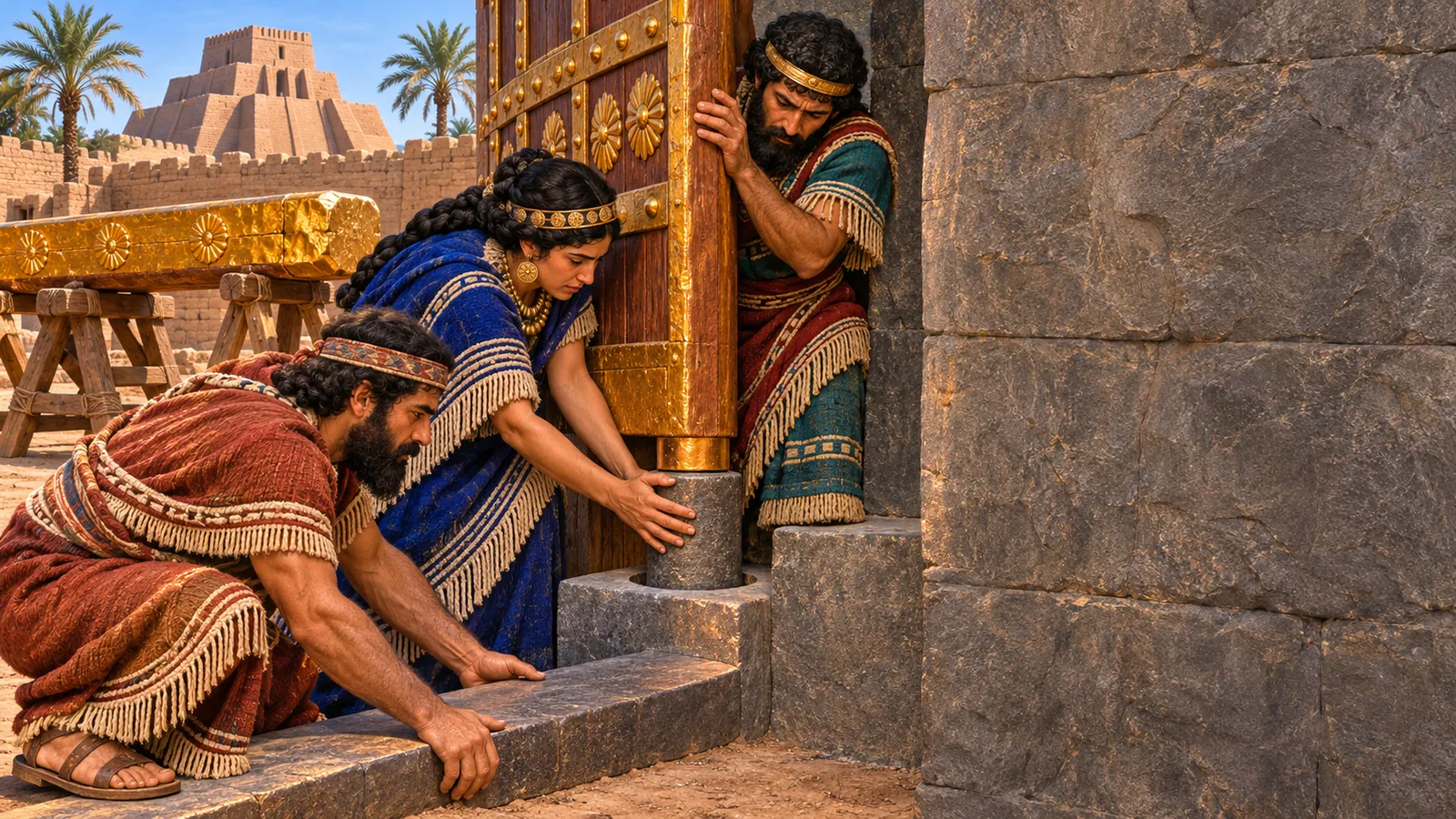
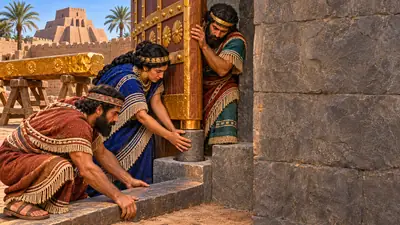
They fitted doors, hard stone thresholds and pivots, and installed gold beams. The poem lingers over the strong materials of the house prepared for the king.
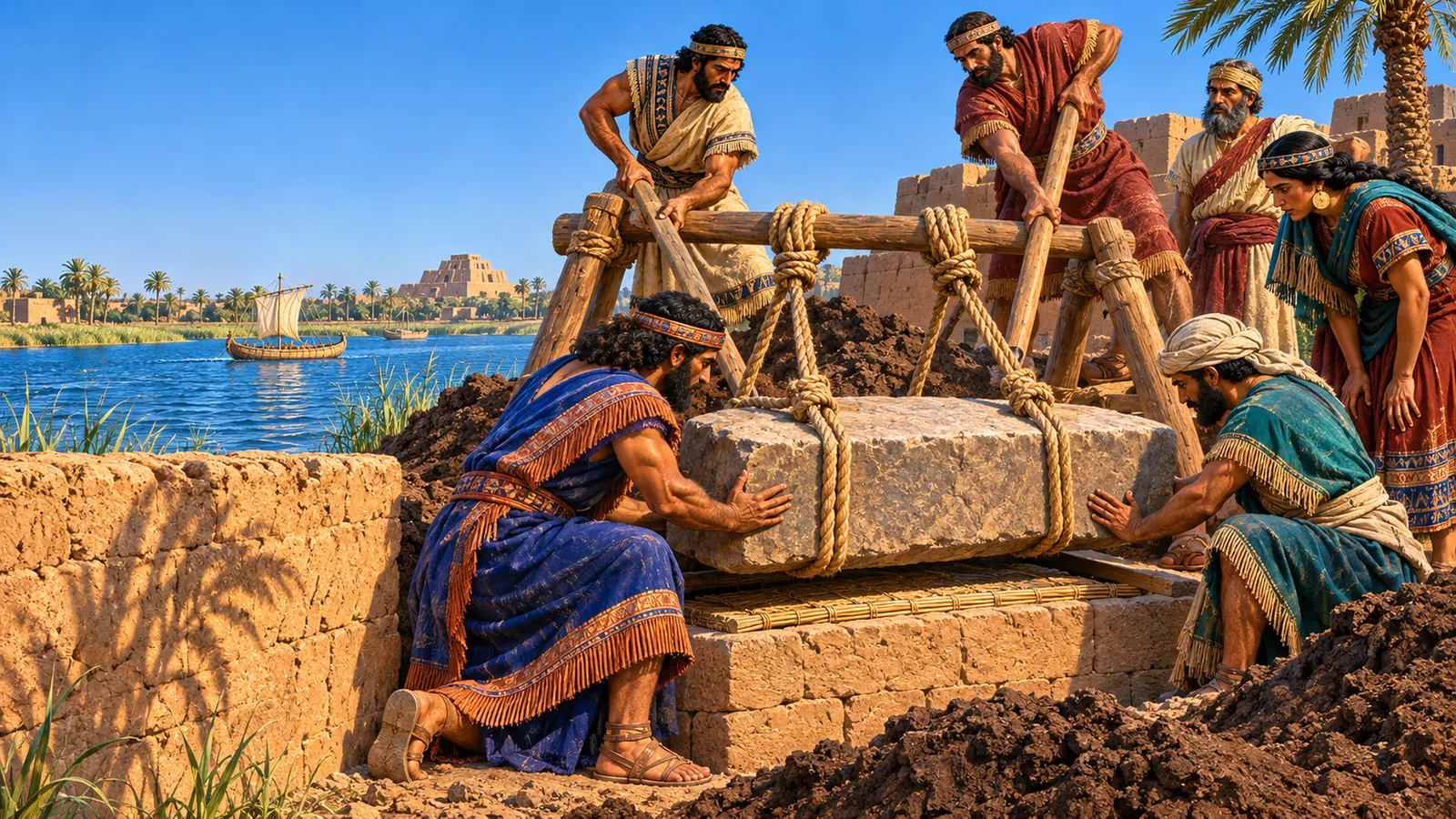
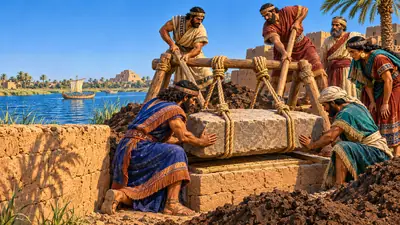
Heavy stone blocks were moved into place, and dark earth covered the work. The damaged lines describe a house whose precinct searchers should not find.
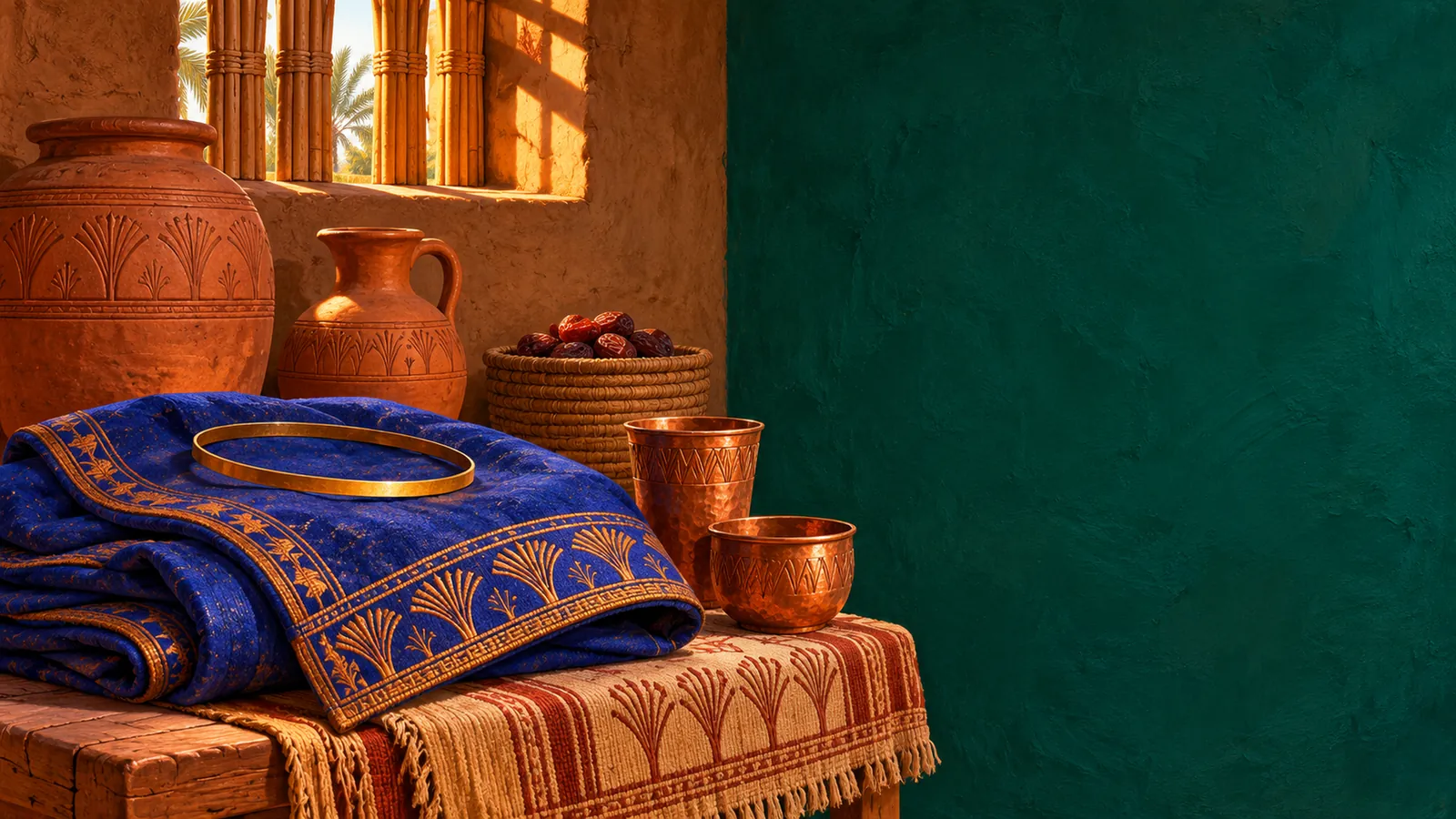
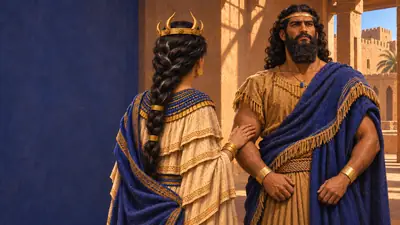
His wife, children, favourite and junior wife appear in damaged lines. Later fragments mention the Euphrates and its water, but the missing actions cannot be securely restored.

A separate Nippur ending lists his wife, children, favourite, junior wife, servants and treasures, laid in their places. The circumstances of that placement remain uncertain.
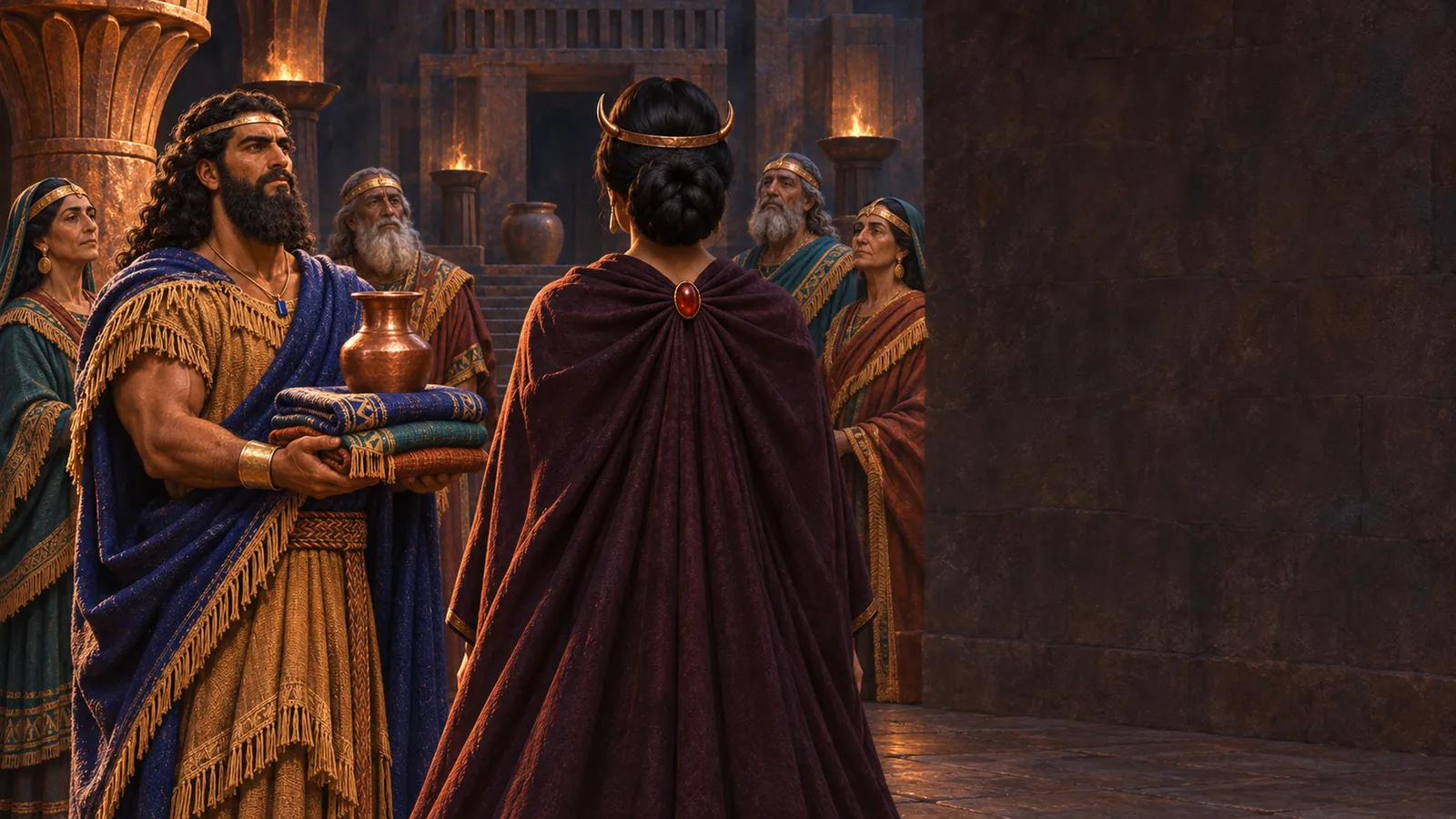
Gilgamesh set out audience-gifts for Ereshkigal and Namtar. The poem also names other underworld powers, ancestors and dead priests among those receiving the offerings.
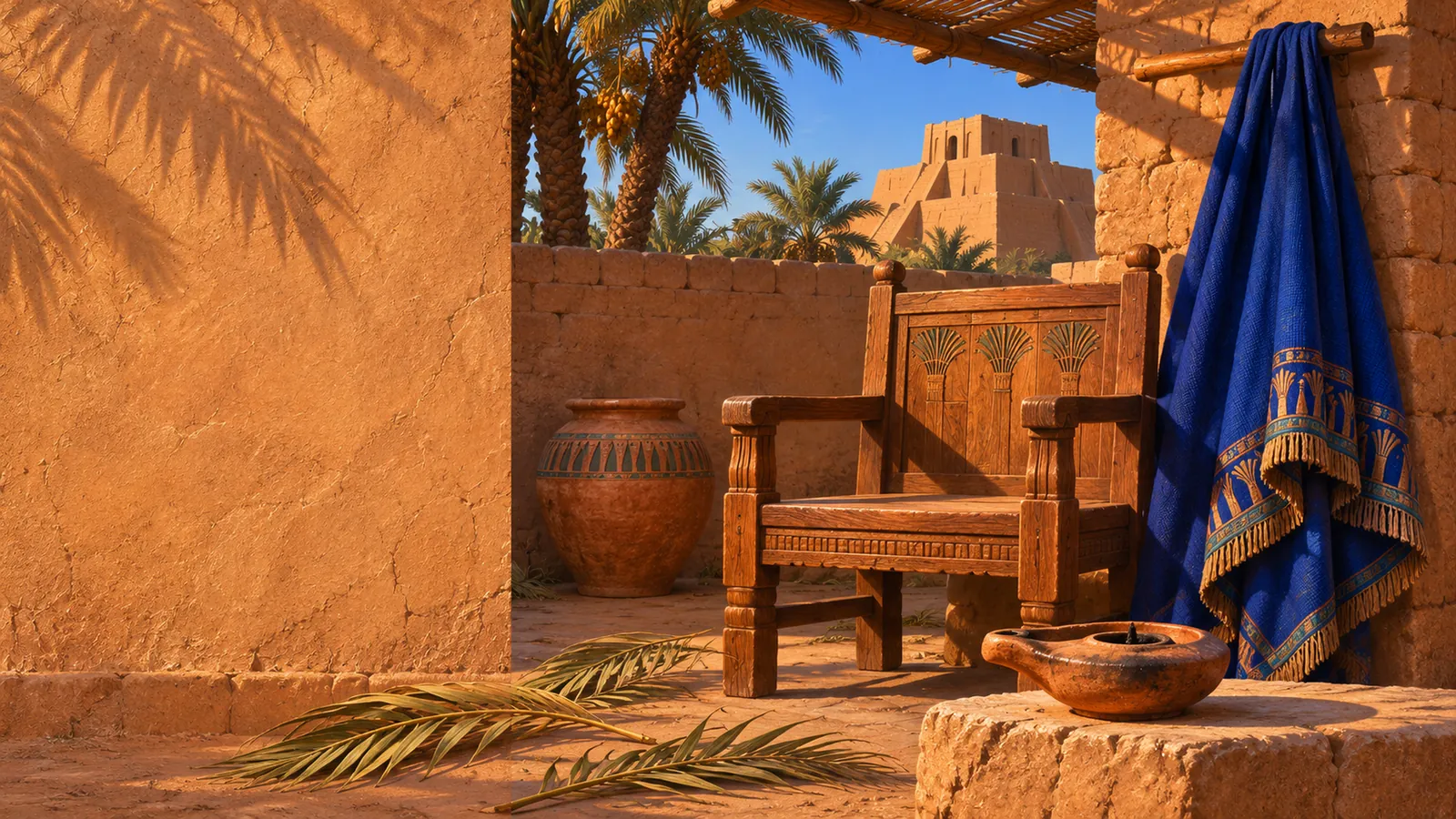
The mourners hurt themselves in their grief. The surviving Nippur lines also recall the people of the king’s city and the loss of the ruler they mourned.
NAMES
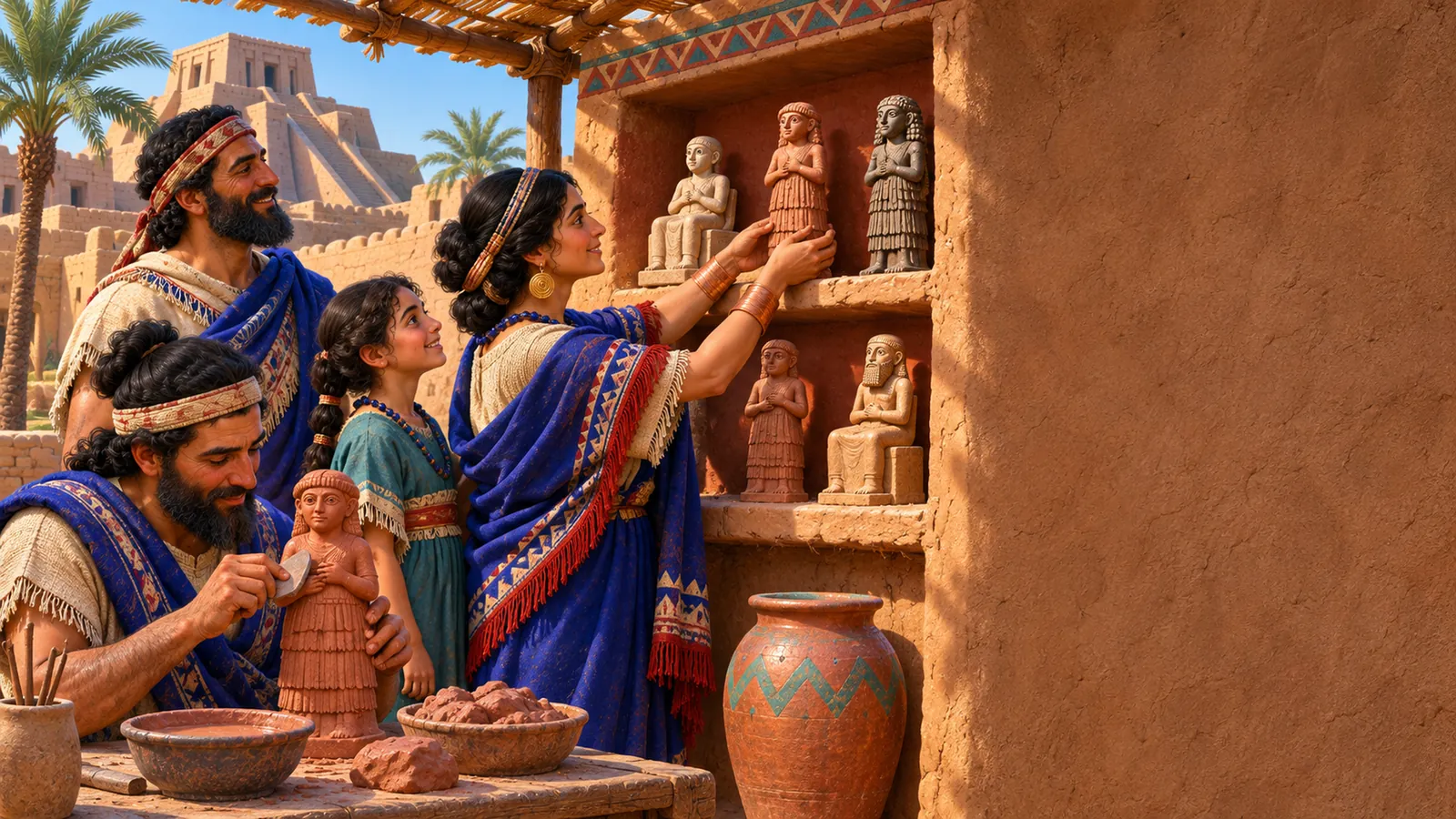
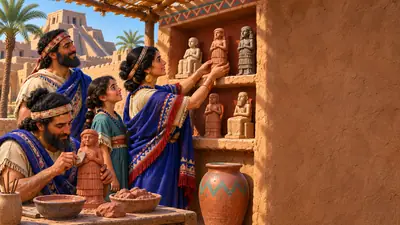
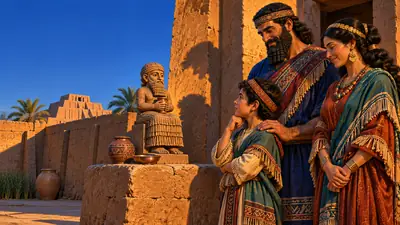
The Me-Turan ending speaks of funerary statues made for people and kept in temples. Through such remembrance, their names would not disappear from the Land.
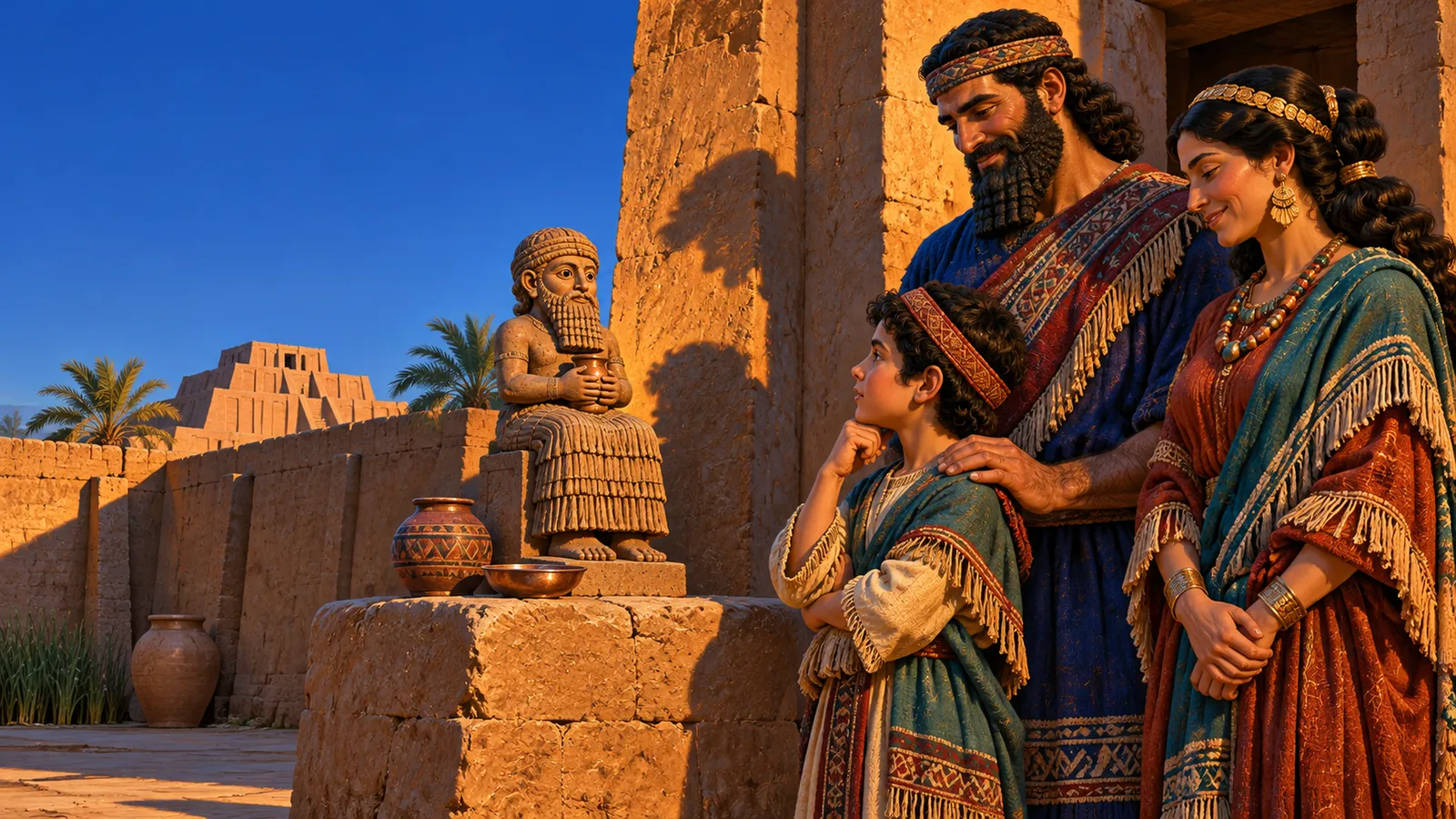
Aruru, Enlil’s elder sister, is said to provide children for remembrance, though this purpose is uncertain. The poem closes by praising Ereshkigal, mother of Ninazu.
End of chapter 1
All pages

Sources
ETCSL supplies separate Nibru, Another version from Nibru, and Me-Turan texts. All section letters and line numbers follow that edition, consulted18 November2026 UTC. This is original concise prose, not a reproduction of the modern translation. The poem does not establish the manner of the household members’ placement or warrant a modern claim of human sacrifice.
Editions consulted
- Oxford ETCSL1.8.1.3: The death of Gilgamesh, all three versions
- Piotr Michalowski, Sumerian literature and Gilgamesh context, University of Michigan
- IL Archive, Gilgamesh
- IL Archive, Enki
Ancient lines behind each page
- Page 1: ETCSL 1.8.1.3, Me-Turan A 1–12
- Page 2: ETCSL 1.8.1.3, Me-Turan A 13–19
- Page 3: ETCSL 1.8.1.3, Me-Turan B–E; placement uncertain
Me-Turan B–E survive only in fragments and their order is uncertain. - Page 4: ETCSL 1.8.1.3, Me-Turan F 1–22
- Page 5: ETCSL 1.8.1.3, Me-Turan F 5–12
- Page 6: ETCSL 1.8.1.3, Me-Turan F 5–22
- Page 7: ETCSL 1.8.1.3, Me-Turan F 13–22
- Page 8: ETCSL 1.8.1.3, Me-Turan F 13–22; pronouns partly uncertain
The divine powers, restoration of rites and washing of hands/mouth occur in a partly uncertain passage. - Page 9: ETCSL 1.8.1.3, Me-Turan F 23–37
- Page 10: ETCSL 1.8.1.3, Me-Turan F 23–37; damaged flood account
The flood counsel and Ziusudra passage are damaged. - Page 11: ETCSL 1.8.1.3, Me-Turan F 23–37
- Page 12: ETCSL 1.8.1.3, Me-Turan F 35–41; Nibru E 12–27
The explicit contrast between kingship and eternal life is also preserved in Nibru E12–27. - Page 13: ETCSL 1.8.1.3, Me-Turan F 38–41
The speaking god is unnamed in the surviving line. - Page 14: ETCSL 1.8.1.3, Me-Turan F 38–41, 82–86
Ningishzida and Dumuzid are named as measures of the king’s future judicial standing. - Page 15: ETCSL 1.8.1.3, Me-Turan F 42–62
- Page 16: ETCSL 1.8.1.3, Me-Turan F 63–81
- Page 17: ETCSL 1.8.1.3, Me-Turan F 63–81
- Page 18: ETCSL 1.8.1.3, Me-Turan F 63–81
- Page 19: ETCSL 1.8.1.3, Me-Turan F 87–99
The waking questions and Namtar wording are damaged. - Page 20: ETCSL 1.8.1.3, Me-Turan F 87–99
- Page 21: ETCSL 1.8.1.3, Me-Turan F 100–134
- Page 22: ETCSL 1.8.1.3, Me-Turan F 135–142; Nibru E 1–11
Sisig is named as Utu’s son. - Page 23: ETCSL 1.8.1.3, Me-Turan F 143–153
The poem links mortality with the severing of the umbilical cord. See Sources and notes. - Page 24: ETCSL 1.8.1.3, Me-Turan F 143–153; palm-fibre simile
The counsel includes palm-fibre and garlic similes, partly uncertain. - Page 25: ETCSL 1.8.1.3, Me-Turan F 154–172
- Page 26: ETCSL 1.8.1.3, Me-Turan F 173–174; G fragmentary
The closing companion-to-the-gods passage is broken. - Page 27: ETCSL 1.8.1.3, Me-Turan H 1–9; damaged architect passage
The architect passage and Enki’s dream assistance are damaged. - Page 28: ETCSL 1.8.1.3, Me-Turan H 10–16
- Page 29: ETCSL 1.8.1.3, Me-Turan H 10–16
- Page 30: ETCSL 1.8.1.3, Me-Turan H 10–22
- Page 31: ETCSL 1.8.1.3, Me-Turan H 17–25
- Page 32: ETCSL 1.8.1.3, Me-Turan H 23–32
- Page 33: ETCSL 1.8.1.3, Me-Turan H 23–32
- Page 34: ETCSL 1.8.1.3, Me-Turan H 23–32
- Page 35: ETCSL 1.8.1.3, Me-Turan H 33–41; I–J fragmentary
Me-Turan H33–41 lists wife, children, favourite and junior wife before damaged lines. I1–10 and J1–11 preserve fragments mentioning an entrance, opening the Euphrates and its water, amid large losses. A complete burial or return of the river cannot be securely narrated from those fragments. - Page 36: ETCSL 1.8.1.3, Another Nibru version 1–7
The source switches explicitly to Another version from Nibru, lines1–7. - Page 37: ETCSL 1.8.1.3, Another Nibru version 8–28
- Page 38: ETCSL 1.8.1.3, Nibru I 1–9; Another Nibru version 29–36
- Page 39: ETCSL 1.8.1.3, Me-Turan K 3–12
- Page 40: ETCSL 1.8.1.3, Me-Turan K 3–12 and closing doxology
The purpose clause involving Aruru, Enlil’s elder sister, is uncertain.
Illustrations made with AI tools by IL Archive; the text is based on the ancient sources (see the sources at the end of each chapter).