Sargón y el río Capítulo 2
El rey y su sucesor
Una traducción histórica presenta el relato de Sargón sobre sus orígenes, el favor de Ishtar y sus afirmaciones reales. Después de incertidumbres señaladas y lagunas, la voz se dirige a un futuro rey y termina ordenándole que suba a Dur-ilu.
FuentesPase las páginas con las flechas, el teclado o deslizando el dedo.
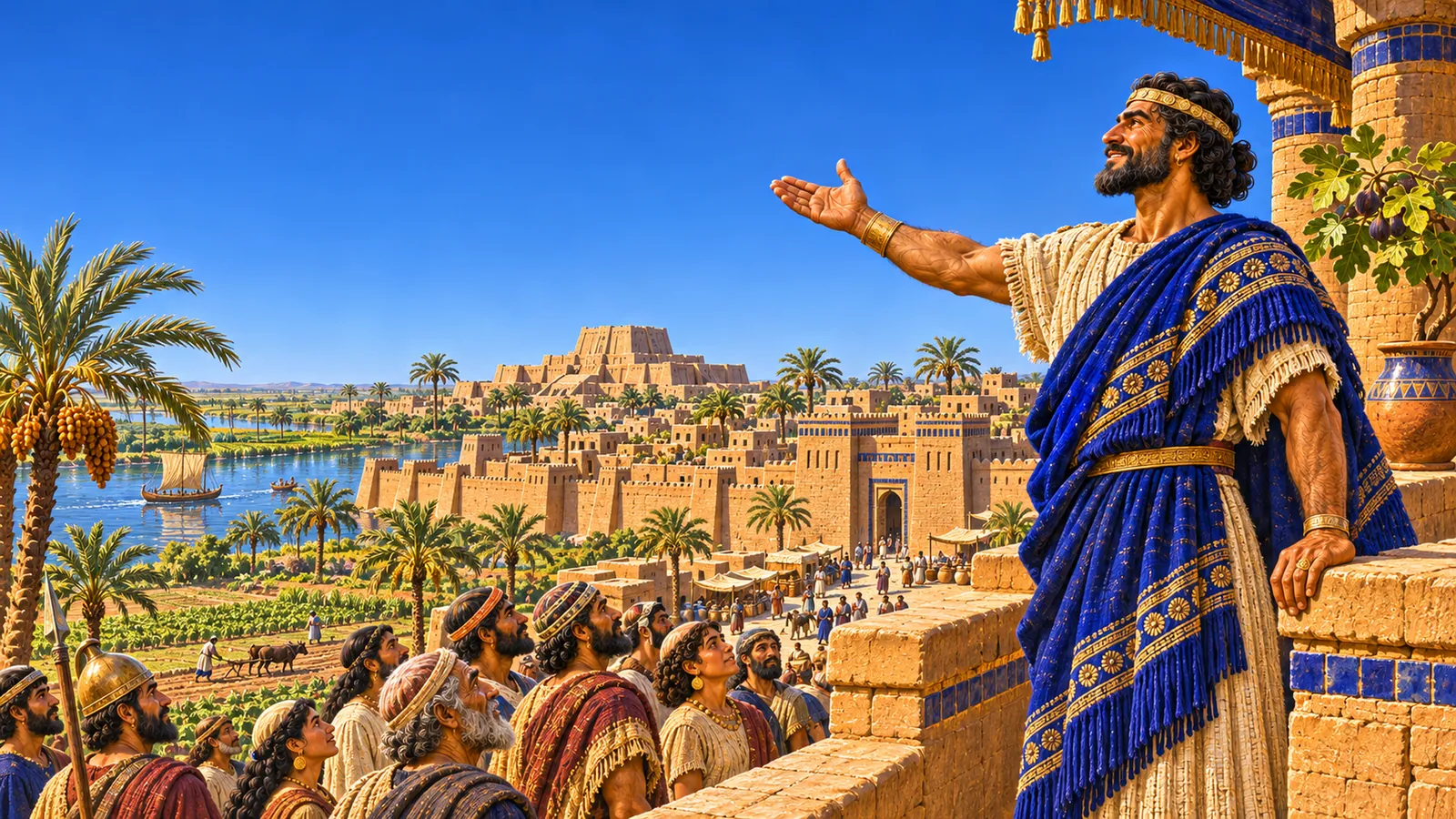
EL REY
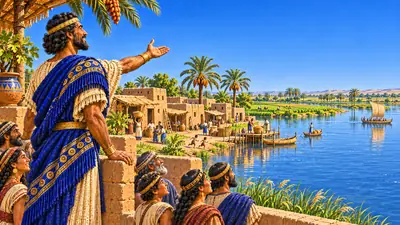
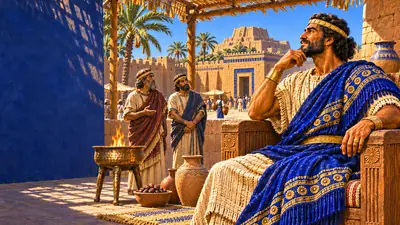
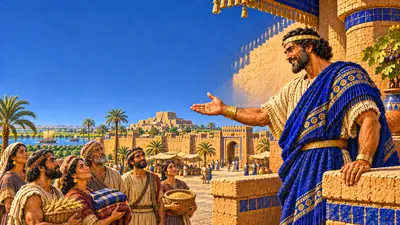
En la traducción de Barton de 1920, modernizada en la página de Fordham, el narrador se llama Sargón y se presenta como un rey poderoso, el rey de Acad.
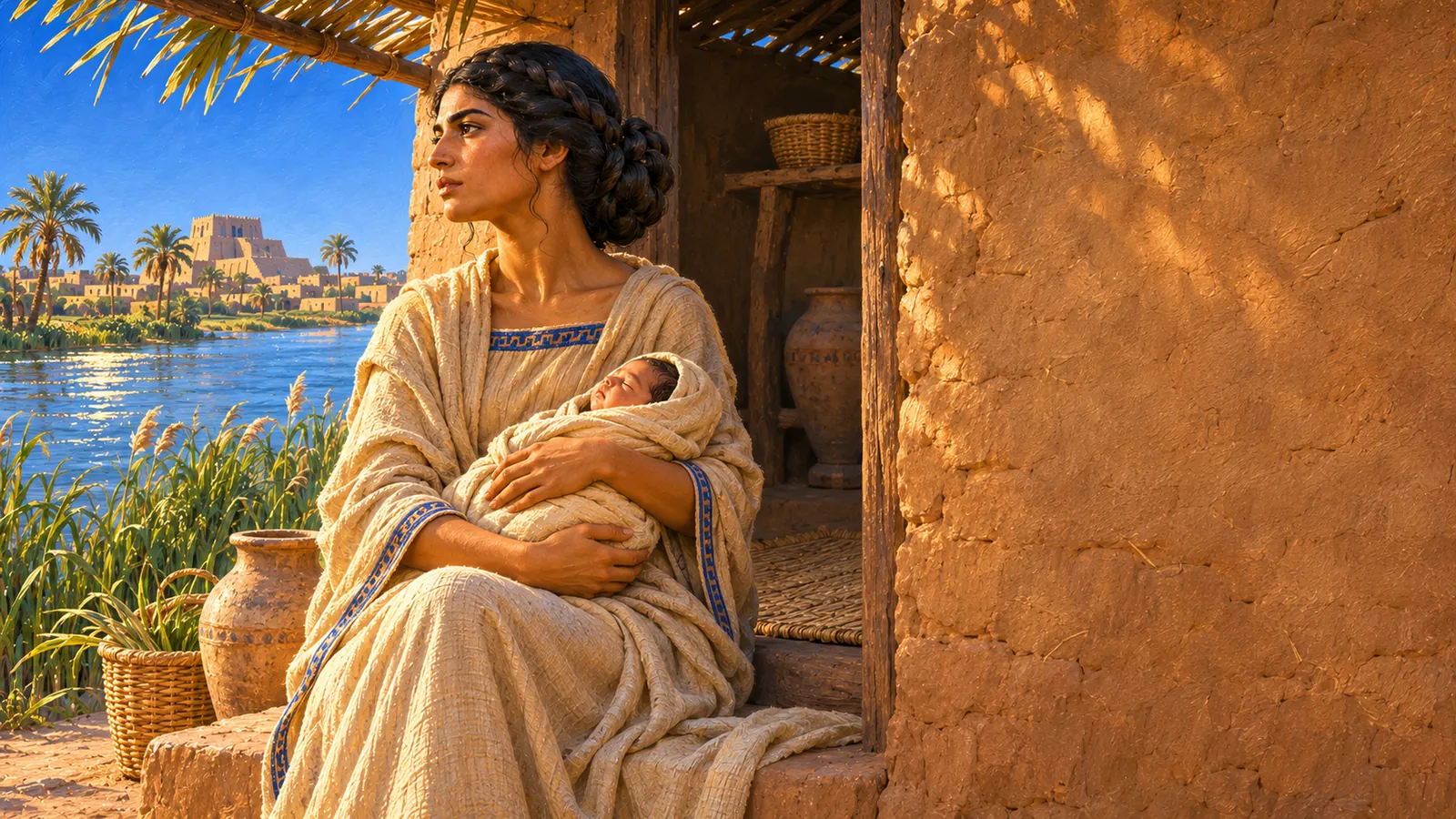
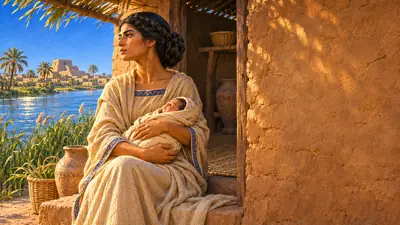
La traducción antigua de Barton describe a la madre del narrador como una mujer de condición humilde. En la misma línea, Sargón dice que no conocía a su padre.
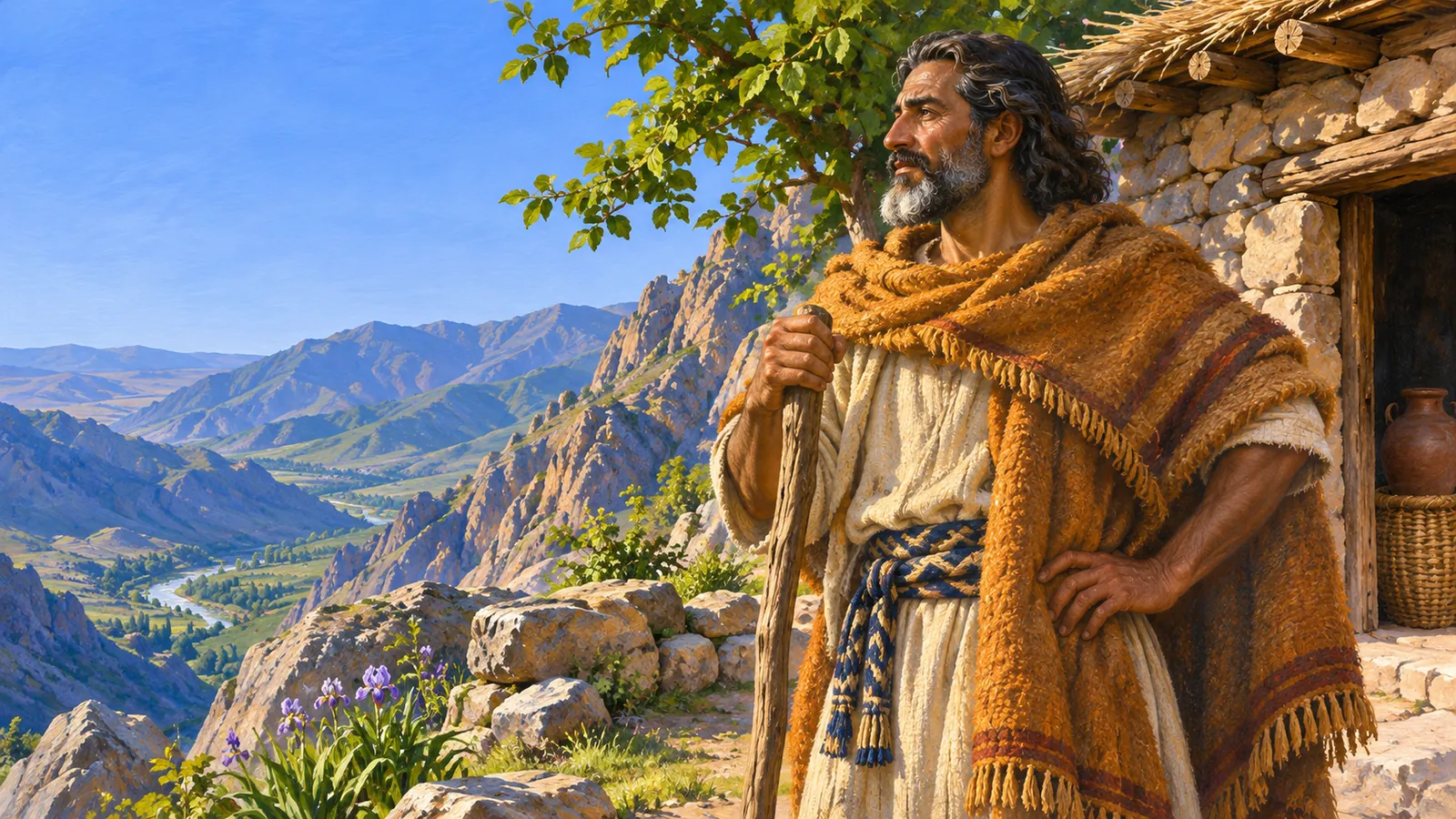
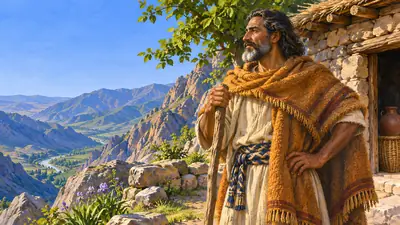
En la siguiente línea de la traducción antigua de Barton, el narrador dice que el hermano de su padre vivía en la montaña.
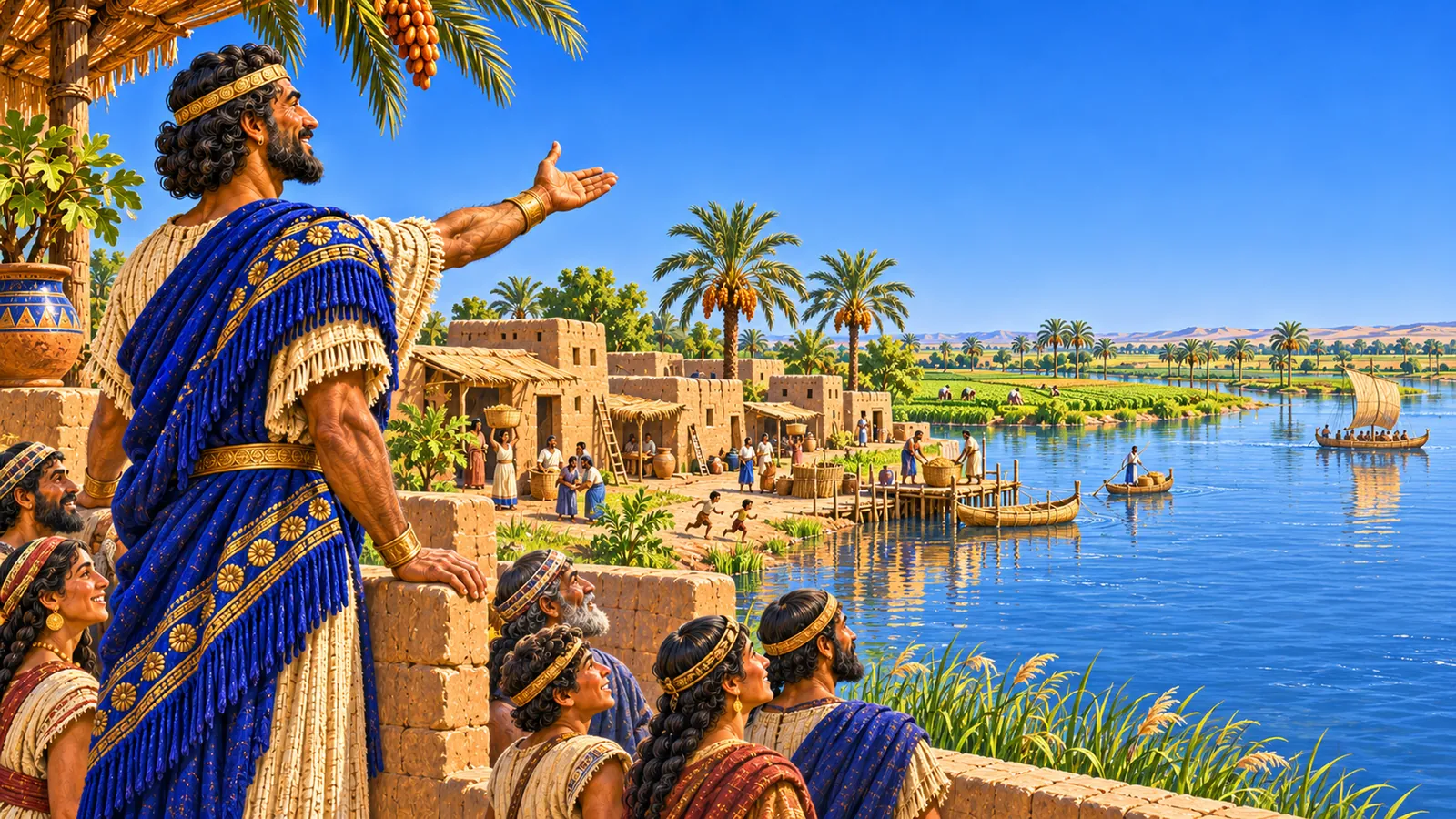
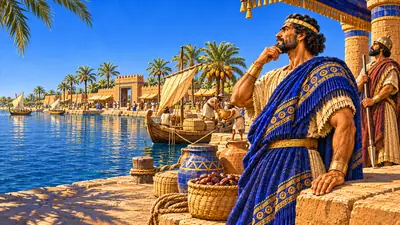
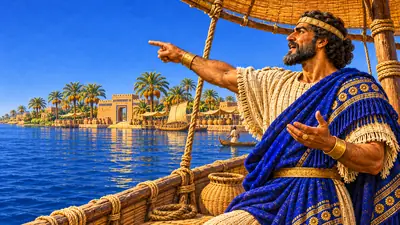
El narrador llama Azupiranu a su ciudad y la sitúa junto al Éufrates. Es la ubicación que da la traducción antigua de Barton.
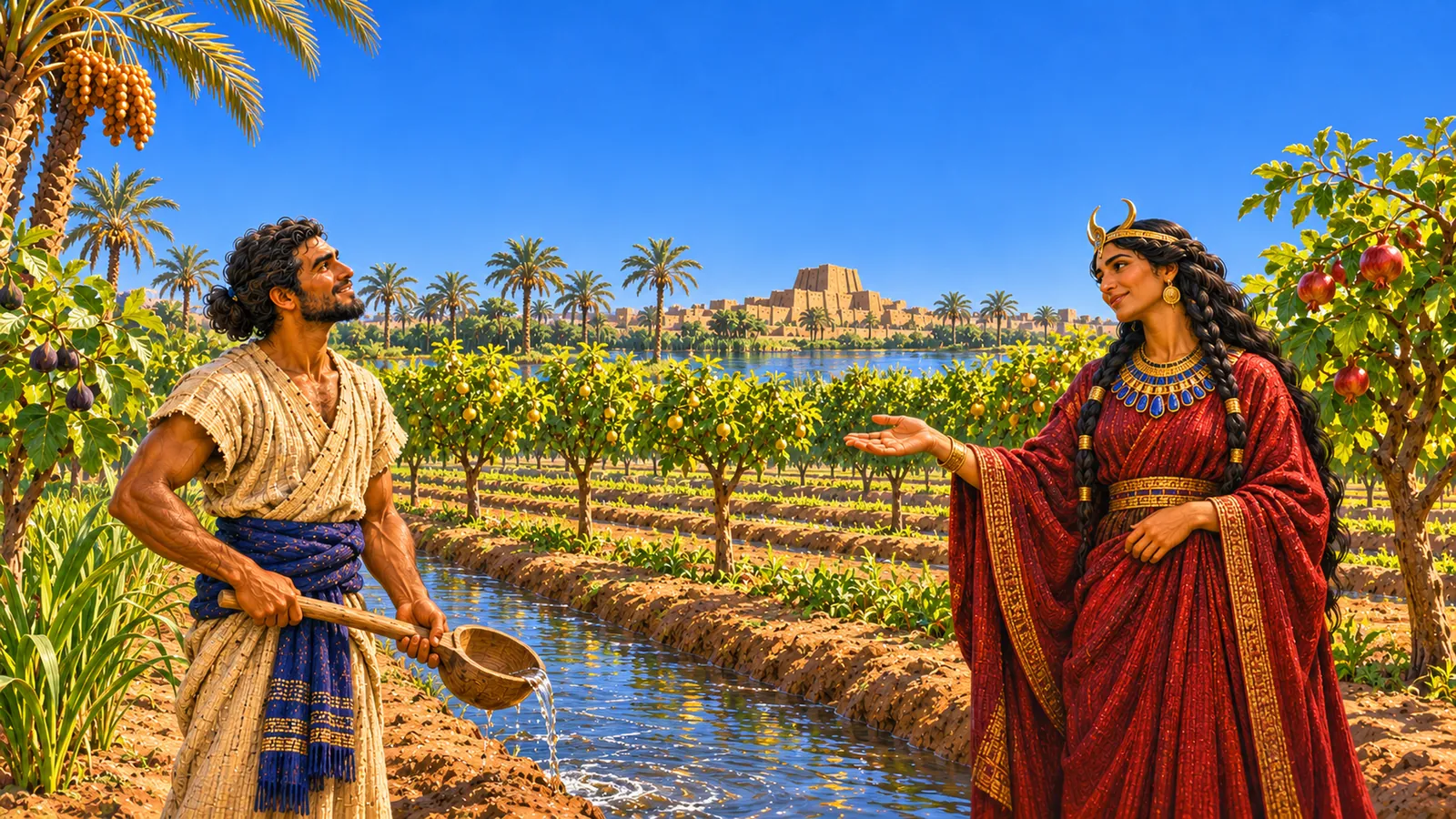
ISHTAR
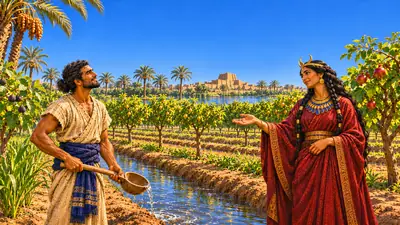
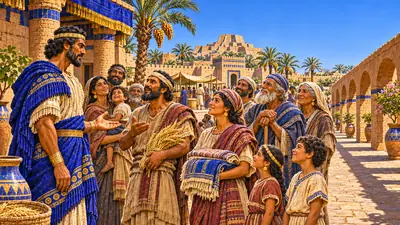
La siguiente línea seleccionada de la traducción antigua de Barton vuelve a Sargón como jardinero. El narrador dice que la diosa Ishtar lo amaba entonces.
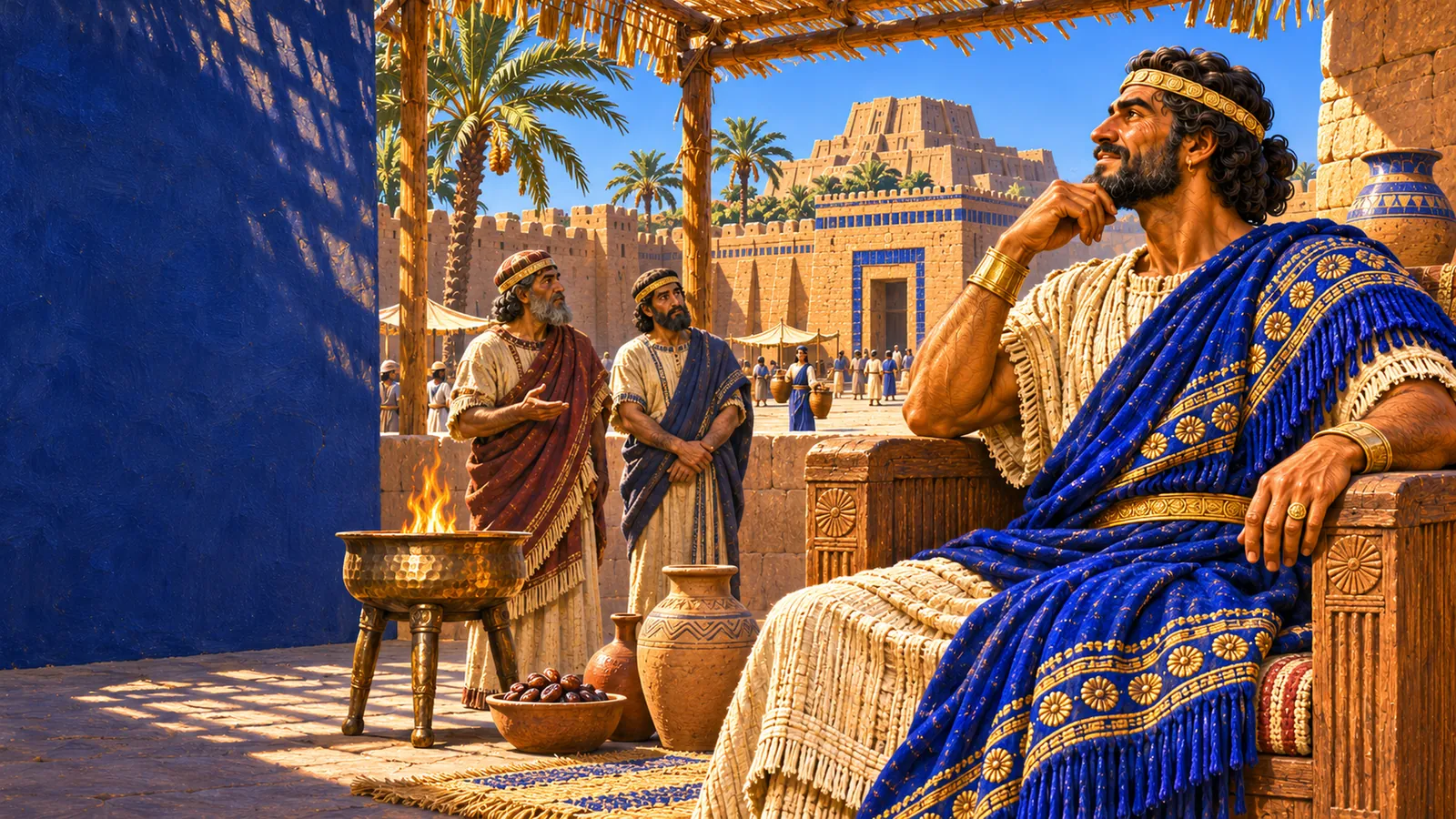
En la traducción antigua de Barton, publicada en 1920, el narrador dice que gobernó el reino durante cuatro años.
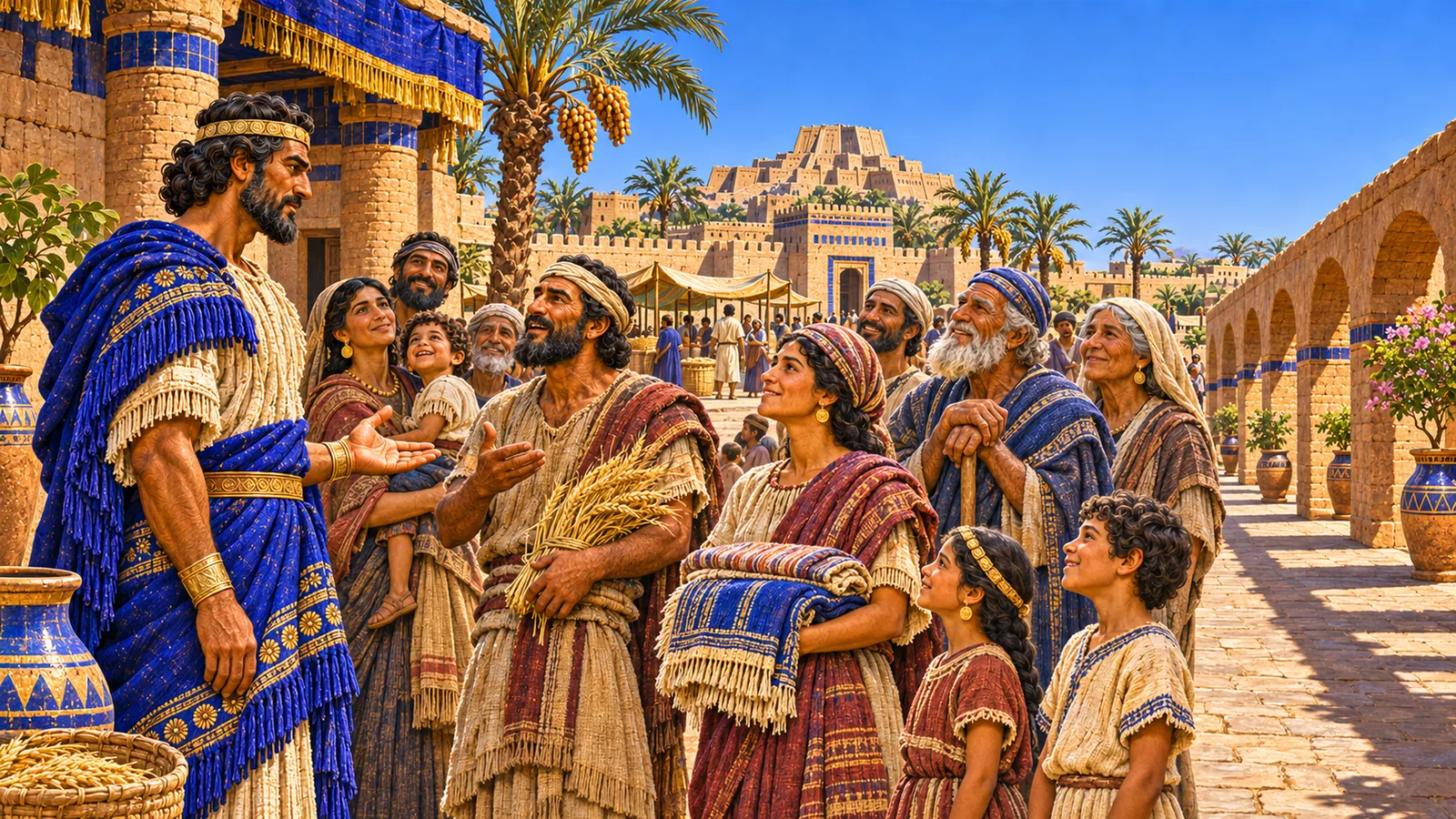
La traducción antigua de Barton usa la expresión pueblos de cabezas negras para aquellos a quienes el narrador dice haber gobernado.
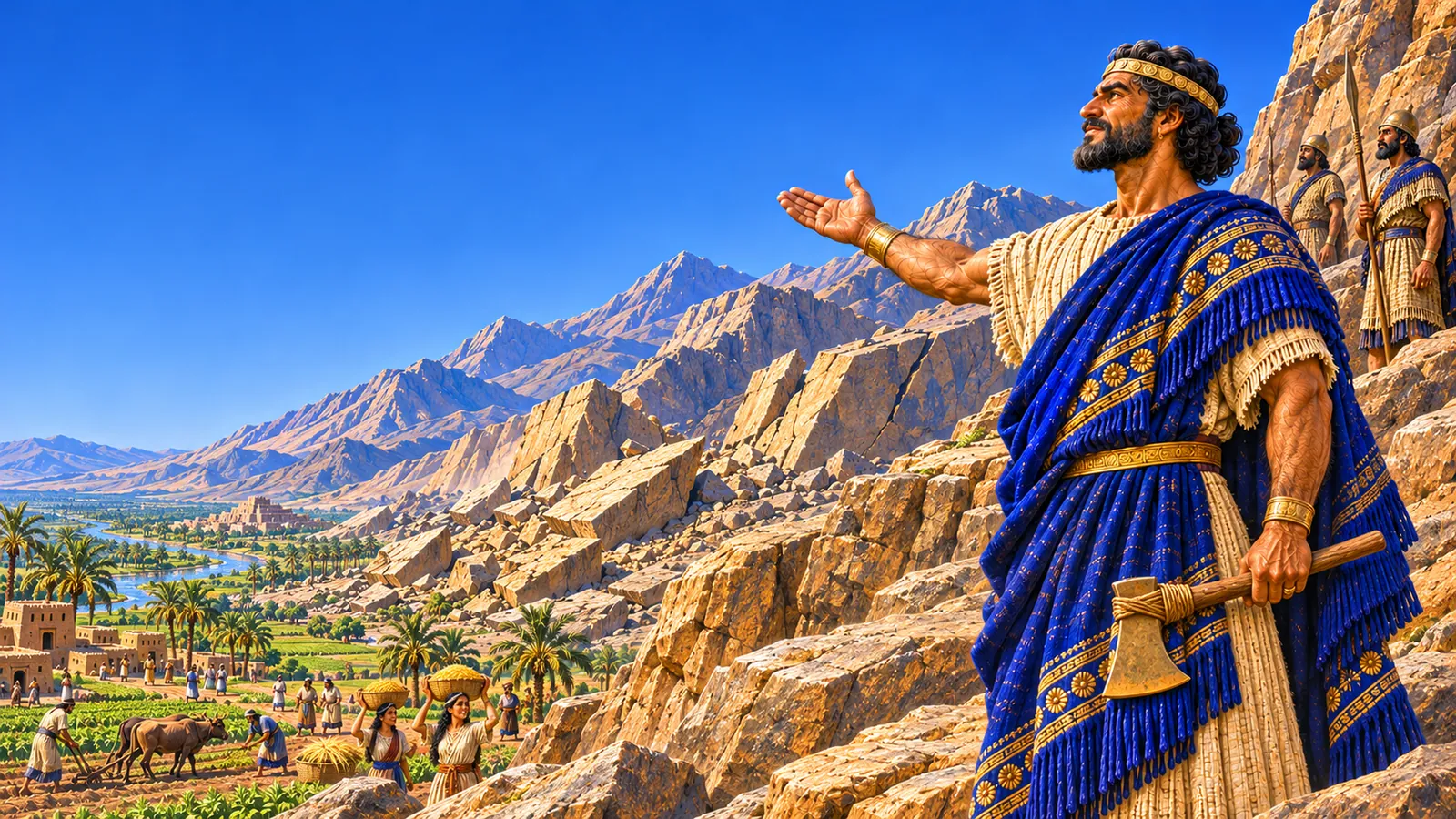
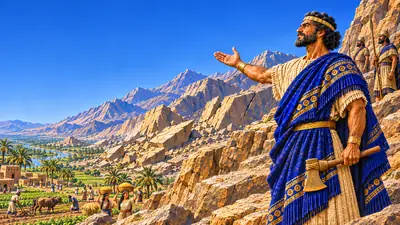
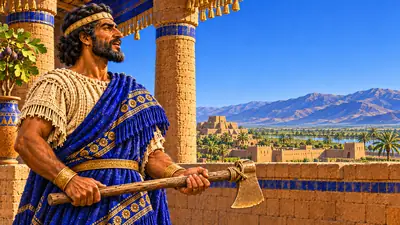
El narrador afirma haber destruido grandes montañas con hachas de bronce. La traducción antigua de Barton coloca un signo de interrogación tras esa afirmación, señalando incertidumbre en la lectura.
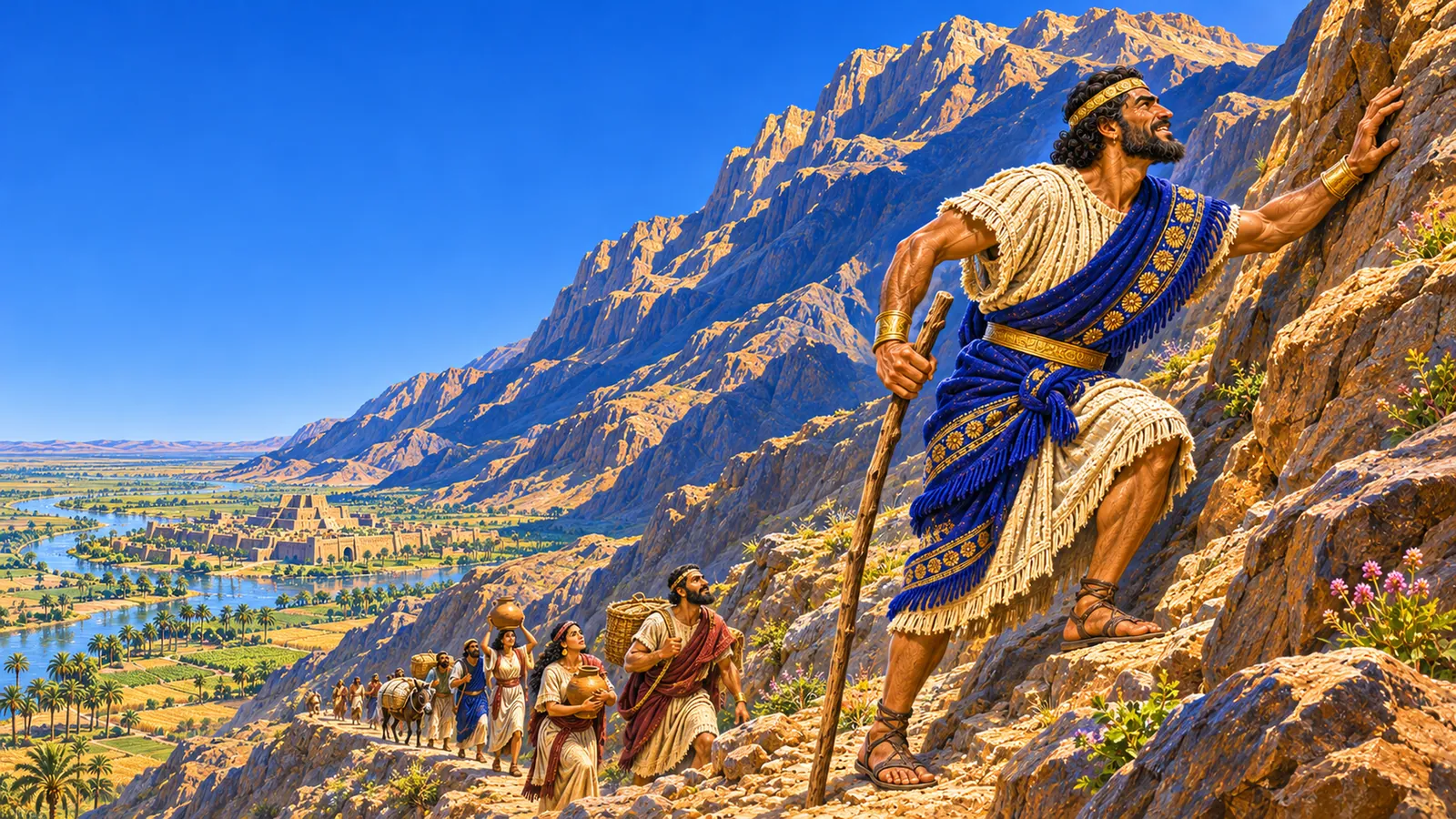
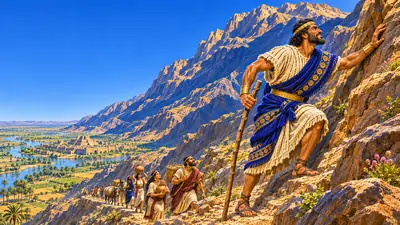
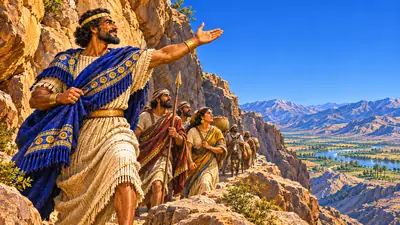
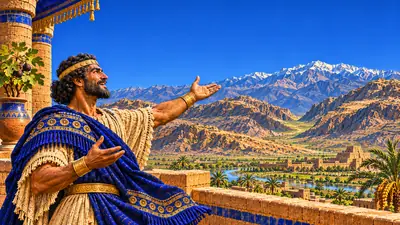
En la siguiente línea de la traducción antigua de Barton, el narrador dice que subió a las montañas superiores.
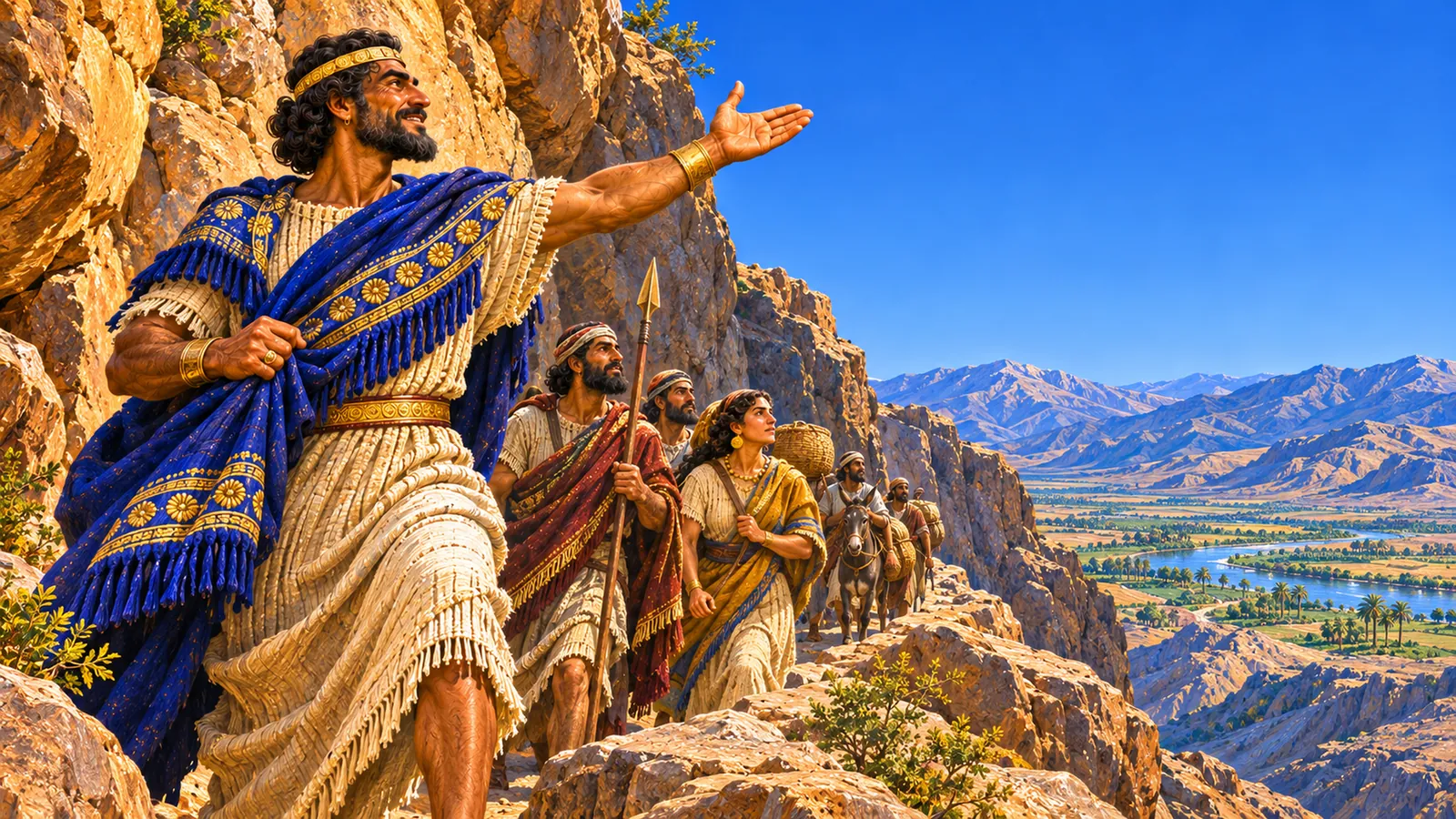
El narrador dice después que abrió paso a través de las montañas inferiores. Estas palabras siguen al ascenso en la traducción antigua de Barton.

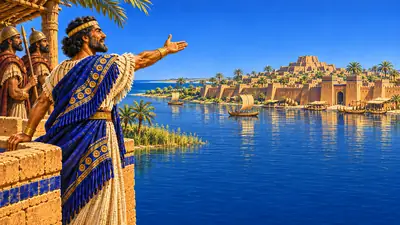
En esta traducción antigua, Sargón afirma que sitió tres veces el país del mar. Aquí no relata aquellos asedios.
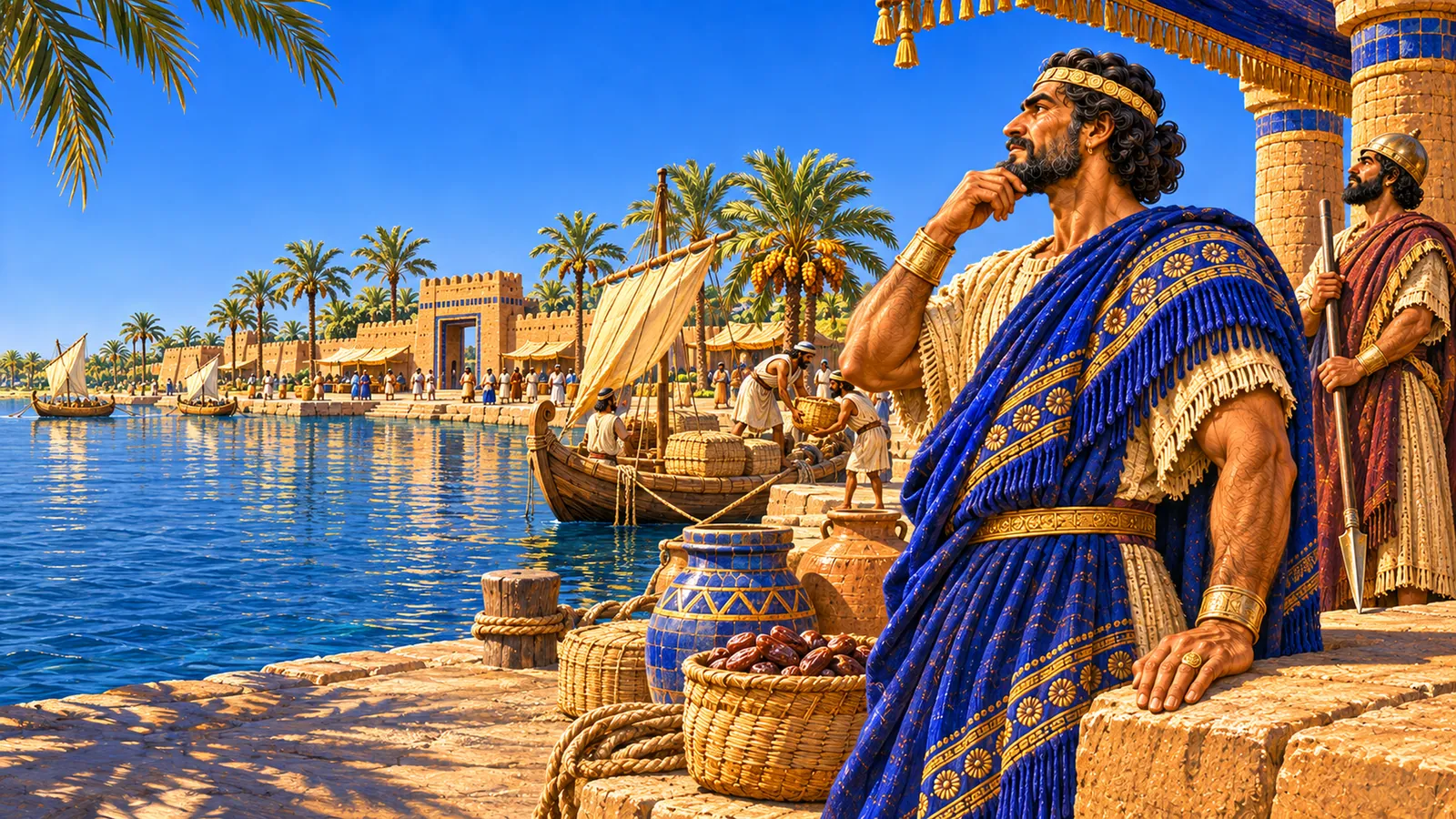
La traducción antigua presenta la siguiente afirmación de Sargón como la captura de Dilmun (?). El signo de interrogación indica que esa lectura es incierta.
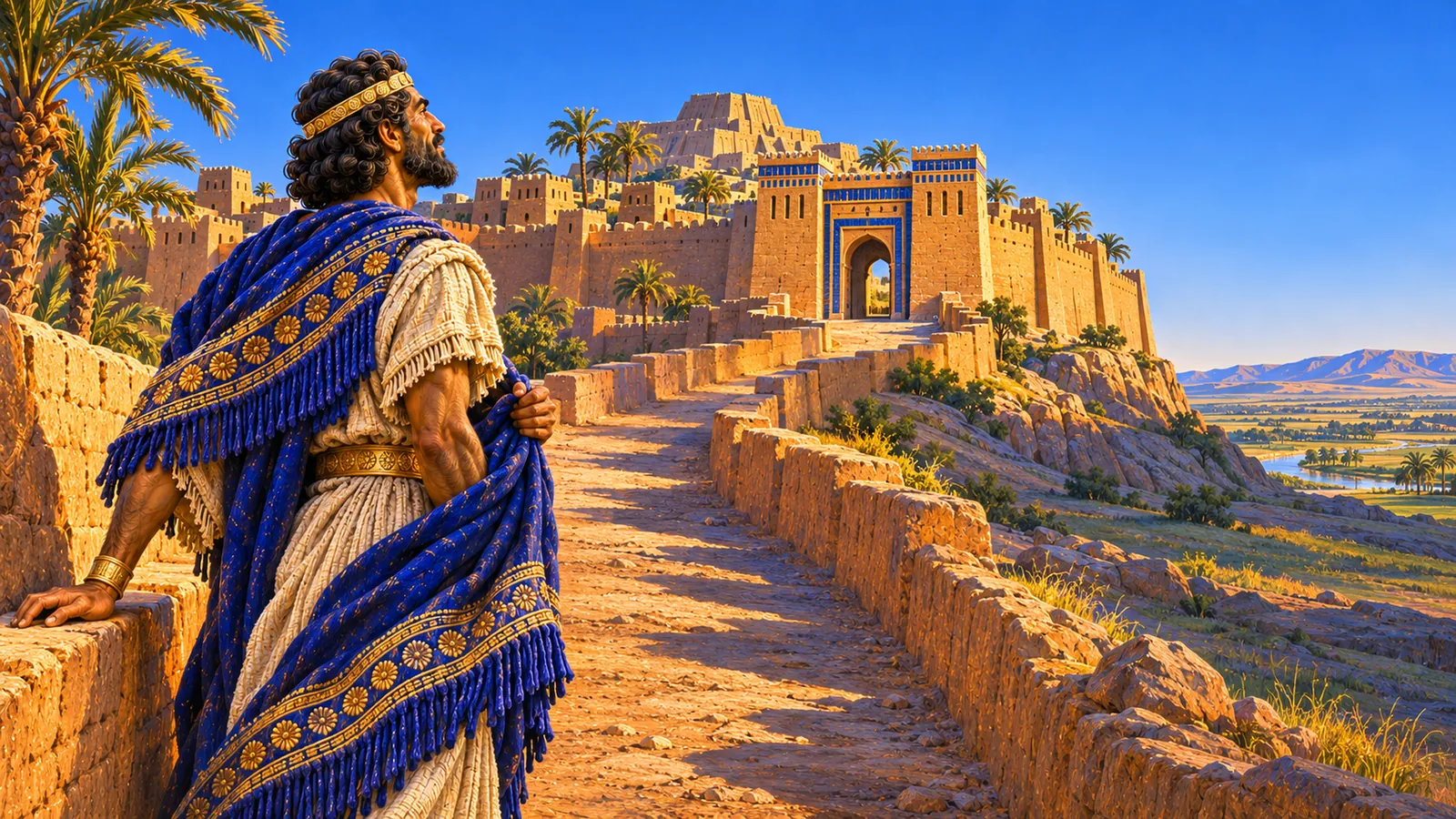
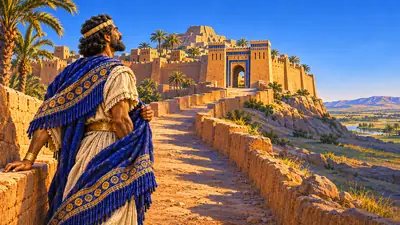
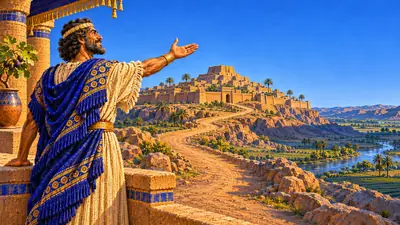
Sargón dice que subió a la gran Dur-ilu, pero la línea se interrumpe. La siguiente conserva una palabra traducida como «alteré», rodeada de texto perdido.
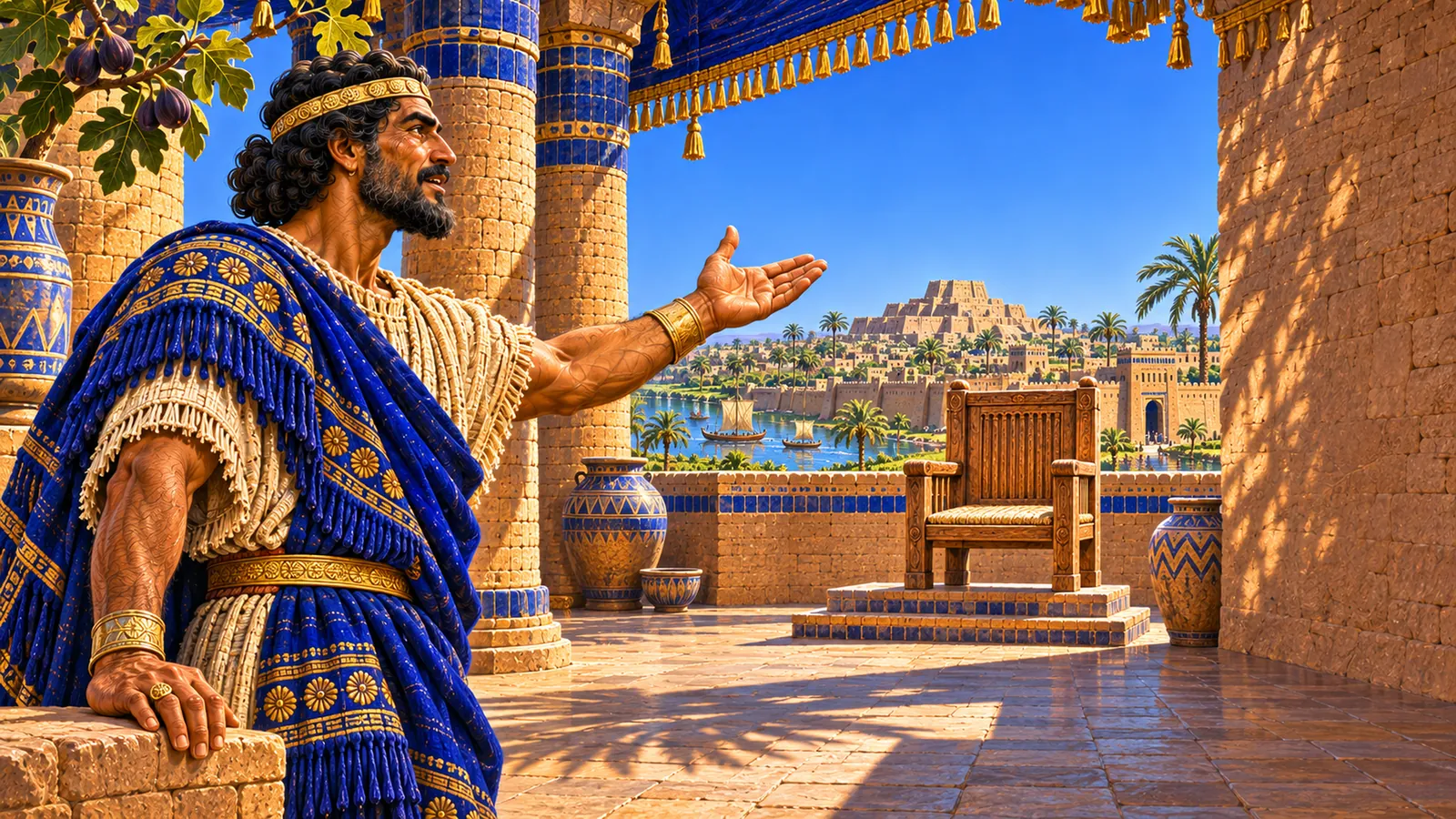
EL SUCESOR
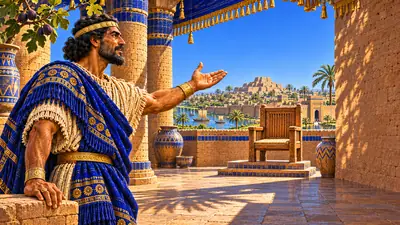
Sargón se dirige a cualquier rey que sea enaltecido después de él. Una línea perdida interrumpe el discurso antes de las instrucciones para ese futuro rey.
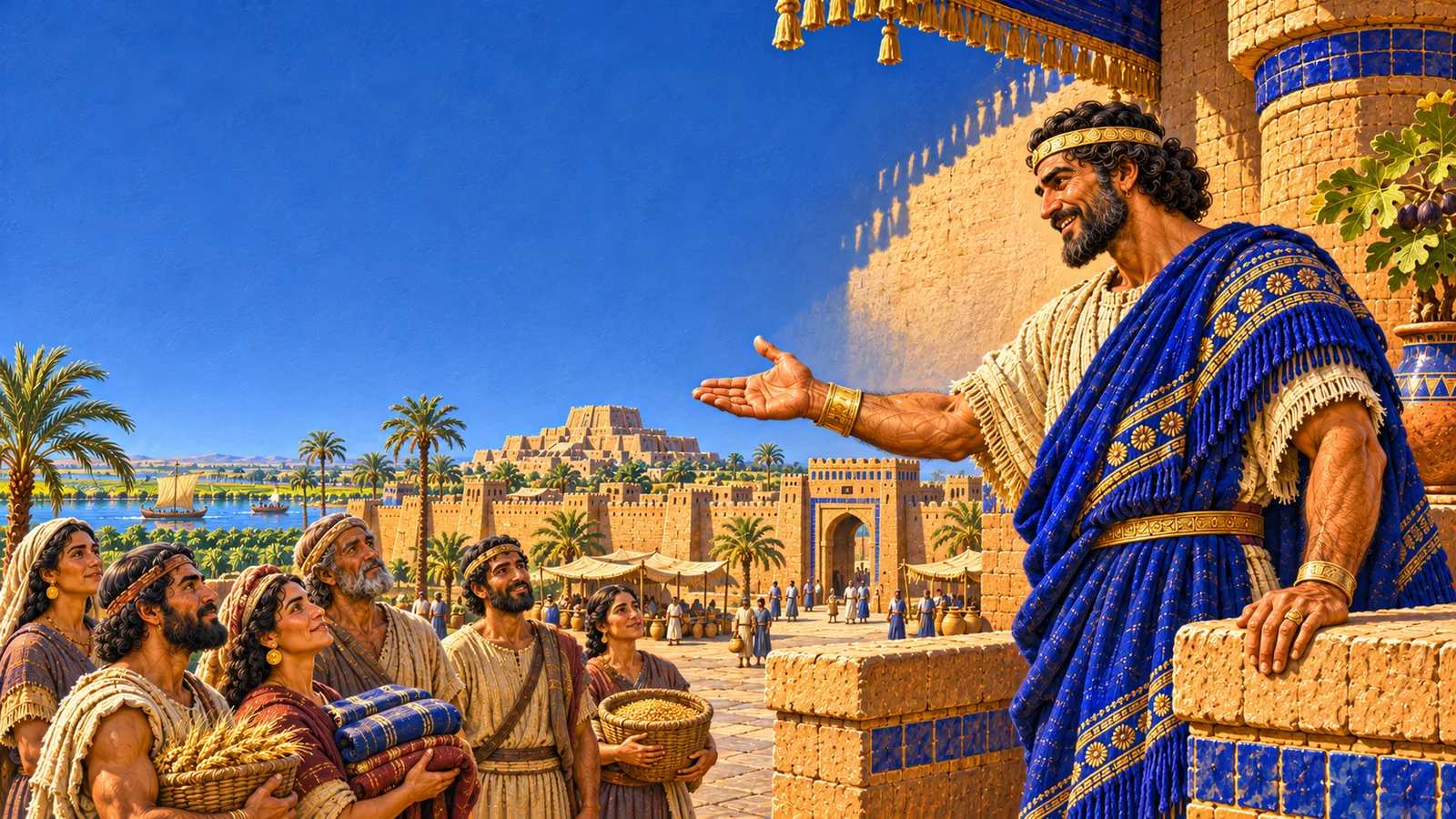
La voz real pide al futuro rey que rija y gobierne al pueblo que esta traducción antigua llama de cabezas negras.
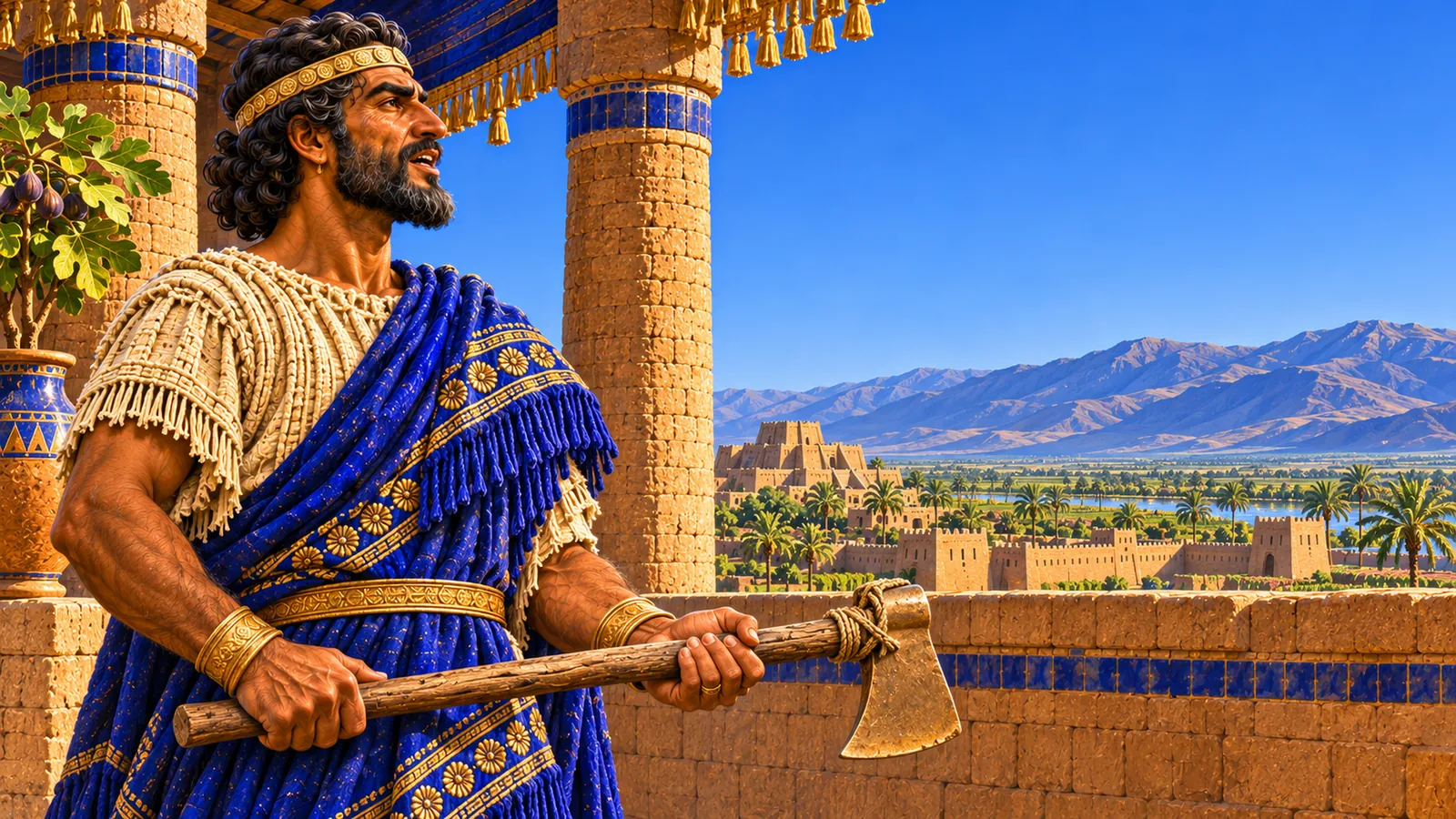
Sargón pide al futuro rey que destruya las grandes montañas con hachas de bronce. La traducción antigua presenta estas palabras como una instrucción para su sucesor.
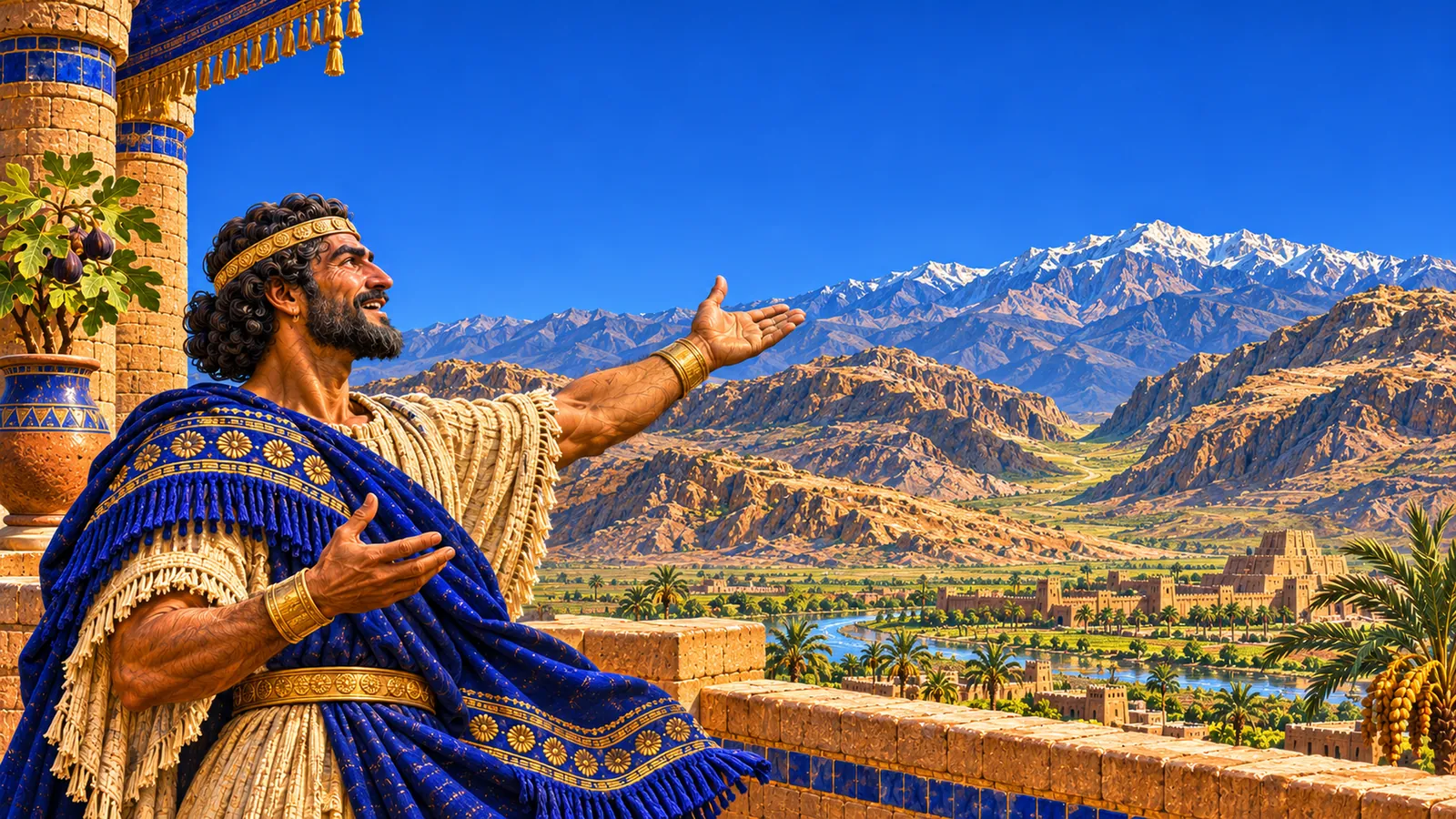
Exhorta a ese rey a subir a las montañas superiores y a abrirse paso por las inferiores. Son órdenes en el discurso dirigido a su sucesor.
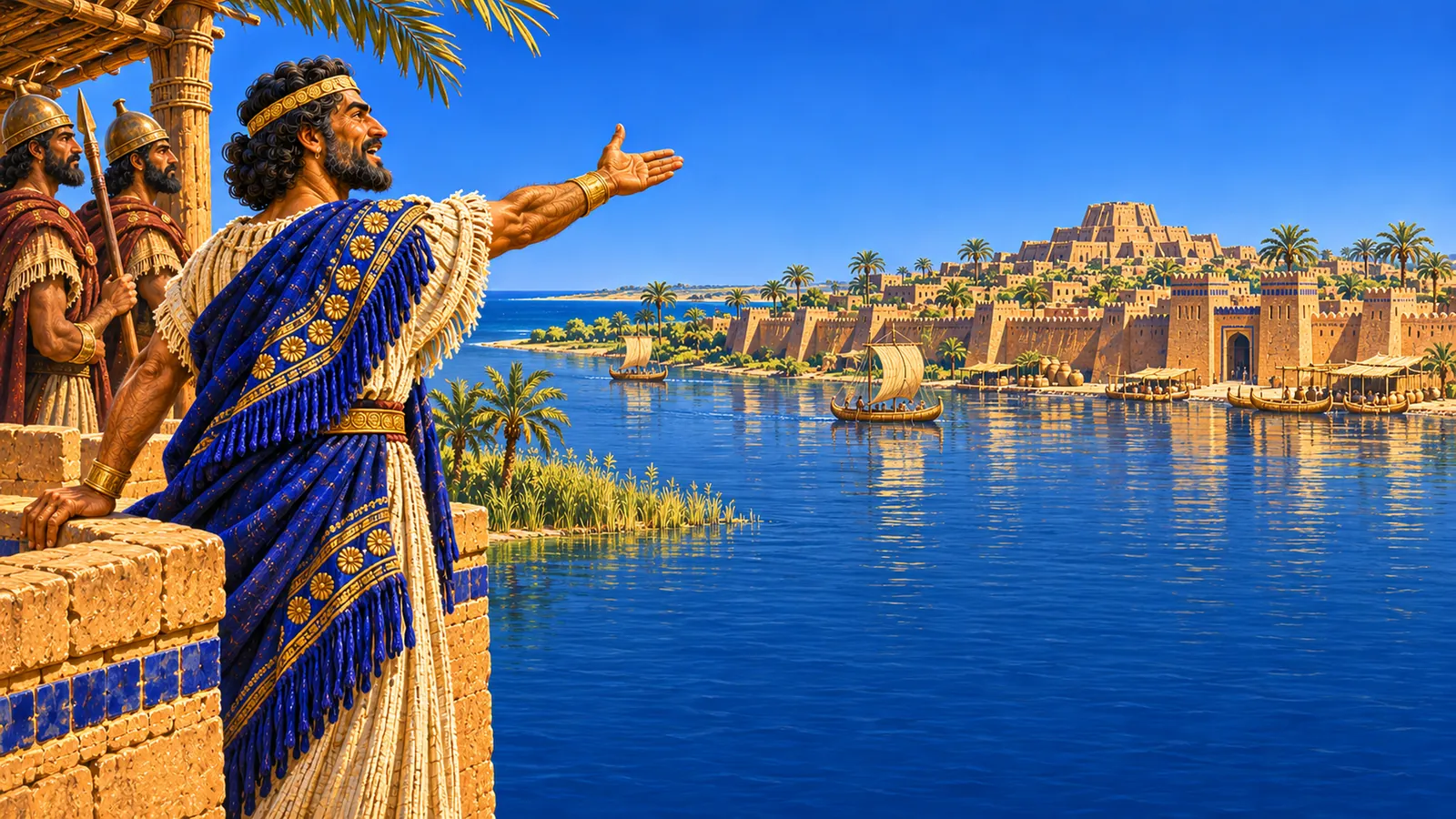
Sargón pide después al futuro rey que sitie tres veces el país del mar, repitiendo el número que dio en su afirmación anterior.
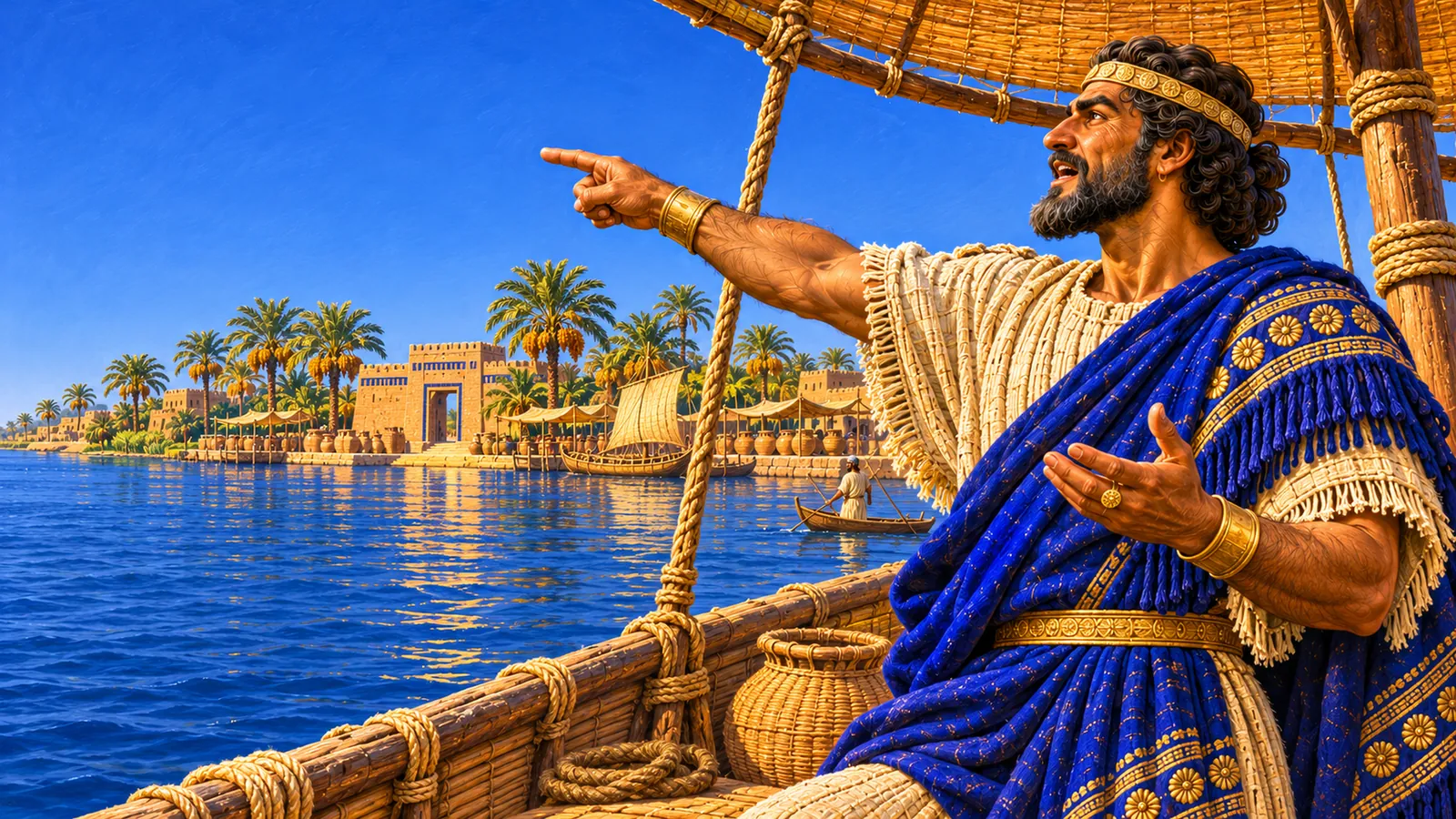
La voz real dice después al sucesor que capture Dilmun. Esta instrucción al futuro rey sigue a la afirmación anterior de lectura incierta.
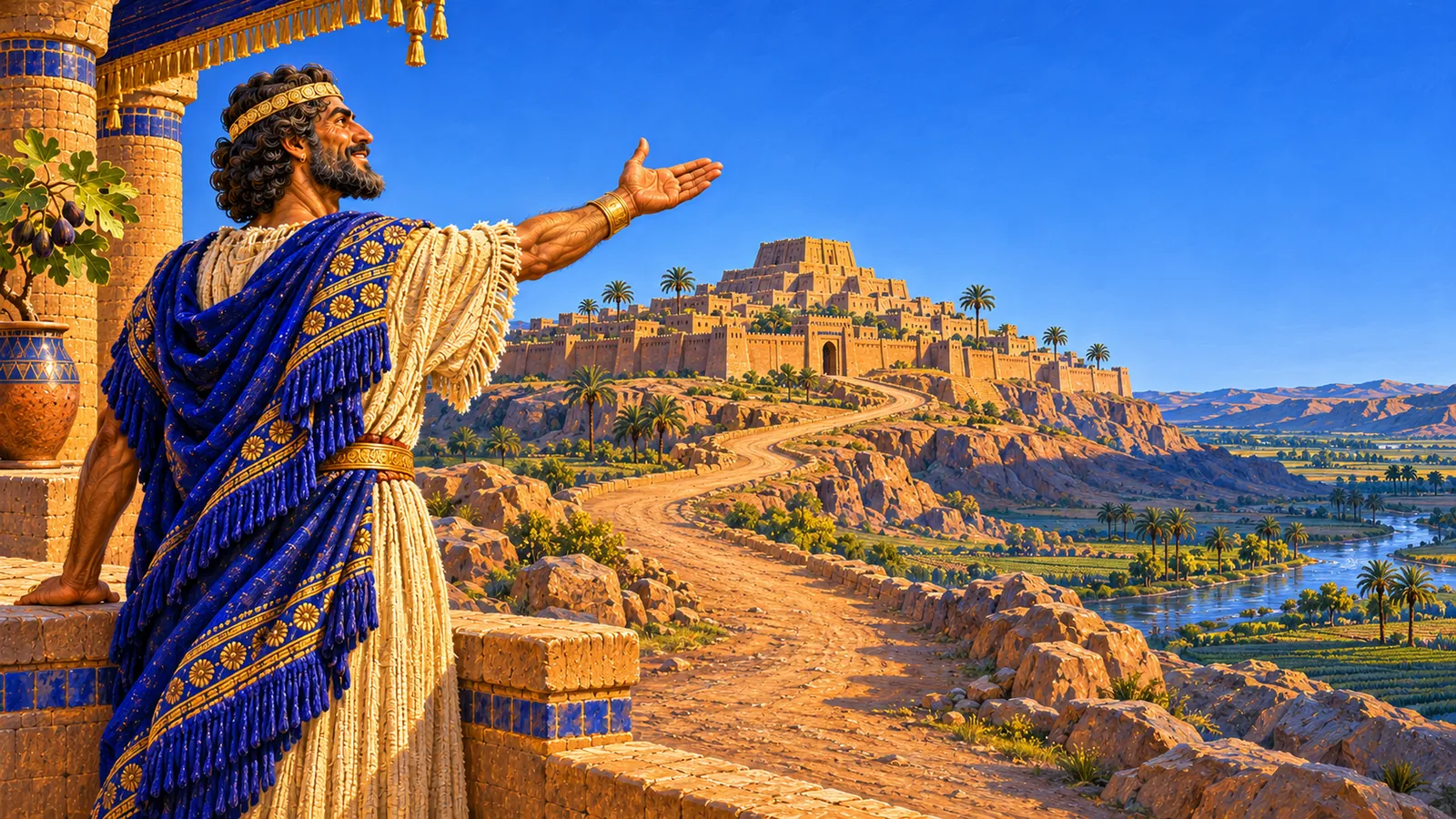
DUR-ILU
El discurso termina pidiendo al futuro rey que suba a la gran Dur-ilu. El pasaje no relata que el sucesor haya cumplido la orden.
Fin del capítulo 2
Todas las páginas

Fuentes
Fordham credits George A. Barton, Archaeology and the Bible, third edition, 1920, p. 310, with modernization by J. S. Arkenberg. This is a reading of that historical translation. Its wording, numbers, question marks and gaps remain attributed to that edition. The date in Fordham’s heading describes the royal setting. Empty landscapes and ordinary materials accompany the words.
Ediciones consultadas
- Fordham University, the Sargon legend in Barton’s 1920 translation, modernized by J. S. Arkenberg
- Jonathan Valk 2016, institutional copy for the different modern excerpt used in episode 1
- CDLI manuscript record P365306
Notas sobre este relato
Page 1, Fordham numbered entry 1. The speaker identifies himself as Sargon and king of Akkad. Fordham credits George A. Barton, *Archaeology and the Bible*, third edition (Philadelphia, American Sunday-School Union, 1920), p. 310, and states that J. S. Arkenberg scanned and modernized the text. The page’s title gives an approximate date for the king, which this reading does not assign to the manuscript.
Page 2, numbered entry 2. The older rendering describes the speaker’s mother as lowly and says that he did not know his father. The mother’s description is specific to the historical rendering on Fordham’s page. The two readings have their own attribution, without combining their wording.
Page 3, numbered entry 3. The speaker says that his father’s brother lived in the mountain. This sentence supplies no personal name or identified mountain.
Page 4, numbered entry 4. The speaker gives Azupiranu as his city and places it by the Purattu. Fordham puts the equivalent “Euphrates” in square brackets. The site’s location is reported as the speaker’s claim in this reading.
Page 5, numbered entry 12. In this historical rendering the speaker says that Ishtar loved him while he was a gardener.
Page 6, numbered entry 13. Barton’s old rendering gives four years of rule. It supplies no historical chronology of the king’s reign.
Page 7, numbered entry 14. The phrase about the black-headed peoples is the old English rendering’s collective idiom.
Page 8, numbered entry 15. The speaker claims to have destroyed mighty mountains with bronze axes. The Fordham rendering adds a question mark after the claim. All six narrations retain the uncertainty. An ordinary unused early bronze axe head accompanies the words as a symbolic object.
Pages 9–10, numbered entries 16–17. The two claims give an ascent of the upper mountains followed by breaking through the lower mountains. The reading preserves their order and assigns no separate names or route to the mountains.
The city and street are symbolic settings, and the axe head lies unused. Terrain, objects and buildings carry the words through varied still views.
Page 11 · line 18.
Page 12 · line 19. The old translation prints a question mark after the claim that Sargon captured Dilmun. The place name alone is used without a modern geographical identification.
Page 13 · lines 20–21. Line 20 says Sargon went up to great Dur-ilu and then breaks off. Line 21 preserves an isolated verb rendered “altered,” with dots on either side.
Page 14 · lines 22–23. Sargon addresses whatever king will be exalted after him. The next numbered line consists entirely of dots. The instructions resume at line 24.
Page 15 · line 24.
Page 16 · line 25. The future king is told to destroy mighty mountains with bronze axes.
Page 17 · lines 26–27. The future king is told to ascend the upper mountains and break through the lower mountains. These are imperatives, continuing the address.
Page 18 · line 28. He is told to besiege the country of the sea three times. This deliberately repeats the number in the royal claim at line 18.
Page 19 · line 29. He is told to capture Dilmun. This instruction has no question mark in the old translation. The earlier royal claim in line 19 remains marked as uncertain.
Page 20 · line 30. The final line instructs the future king to go up to great Dur-ilu. The selected passage ends with that instruction.
Los versos antiguos de cada página
- Page 1: Fordham, numbered entry 1; George A. Barton, Archaeology and the Bible, 3rd ed. (1920), p. 310, modernized by J. S. Arkenberg
- Page 2: Fordham, numbered entry 2; George A. Barton, Archaeology and the Bible, 3rd ed. (1920), p. 310, modernized by J. S. Arkenberg
- Page 3: Fordham, numbered entry 3; George A. Barton, Archaeology and the Bible, 3rd ed. (1920), p. 310, modernized by J. S. Arkenberg
- Page 4: Fordham, numbered entry 4; George A. Barton, Archaeology and the Bible, 3rd ed. (1920), p. 310, modernized by J. S. Arkenberg
- Page 5: Fordham, numbered entry 12; George A. Barton, Archaeology and the Bible, 3rd ed. (1920), p. 310, modernized by J. S. Arkenberg
- Page 6: Fordham, numbered entry 13; George A. Barton, Archaeology and the Bible, 3rd ed. (1920), p. 310, modernized by J. S. Arkenberg
- Page 7: Fordham, numbered entry 14; George A. Barton, Archaeology and the Bible, 3rd ed. (1920), p. 310, modernized by J. S. Arkenberg
- Page 8: Fordham, numbered entry 15, printed question mark; George A. Barton, Archaeology and the Bible, 3rd ed. (1920), p. 310, modernized by J. S. Arkenberg
Left is continuous cool dark naturally shaded fine stone without a line, object, highlight, joint or gleam. The unused object is a symbolic accompaniment to the old translation’s uncertain claim. - Page 9: Fordham, numbered entry 16; George A. Barton, Archaeology and the Bible, 3rd ed. (1920), p. 310, modernized by J. S. Arkenberg
- Page 10: Fordham, numbered entry 17; George A. Barton, Archaeology and the Bible, 3rd ed. (1920), p. 310, modernized by J. S. Arkenberg
- Page 11: Barton 1920, Archaeology and the Bible, 3rd ed., p. 310; Fordham/Arkenberg modernization, Sargon legend, line 18
- Page 12: Barton 1920, Archaeology and the Bible, 3rd ed., p. 310; Fordham/Arkenberg modernization, Sargon legend, line 19
- Page 13: Barton 1920, Archaeology and the Bible, 3rd ed., p. 310; Fordham/Arkenberg modernization, Sargon legend, lines 20–21
- Page 14: Barton 1920, Archaeology and the Bible, 3rd ed., p. 310; Fordham/Arkenberg modernization, Sargon legend, lines 22–23
- Page 15: Barton 1920, Archaeology and the Bible, 3rd ed., p. 310; Fordham/Arkenberg modernization, Sargon legend, line 24
The natural left reading area must be clear ground, never fog or blur. - Page 16: Barton 1920, Archaeology and the Bible, 3rd ed., p. 310; Fordham/Arkenberg modernization, Sargon legend, line 25
- Page 17: Barton 1920, Archaeology and the Bible, 3rd ed., p. 310; Fordham/Arkenberg modernization, Sargon legend, lines 26–27
- Page 18: Barton 1920, Archaeology and the Bible, 3rd ed., p. 310; Fordham/Arkenberg modernization, Sargon legend, line 28
- Page 19: Barton 1920, Archaeology and the Bible, 3rd ed., p. 310; Fordham/Arkenberg modernization, Sargon legend, line 29
- Page 20: Barton 1920, Archaeology and the Bible, 3rd ed., p. 310; Fordham/Arkenberg modernization, Sargon legend, line 30
Ilustraciones hechas por IL Archive con herramientas de IA; el texto se basa en las fuentes antiguas (véanse las fuentes al final de cada capítulo).