Cuando uno se hizo tres Capítulo 1
El primer devenir
Neb-er-tcher se da existencia como Khepera, pronuncia su propio nombre y establece un fundamento donde no encontró cómo sostenerse. Da origen a Shu y Tefnut y se hace tres. Las últimas líneas nombran a las siguientes generaciones y a los hijos que dio a luz Nut.
FuentesPase las páginas con las flechas, el teclado o deslizando el dedo.
EL PRIMER DEVENIR
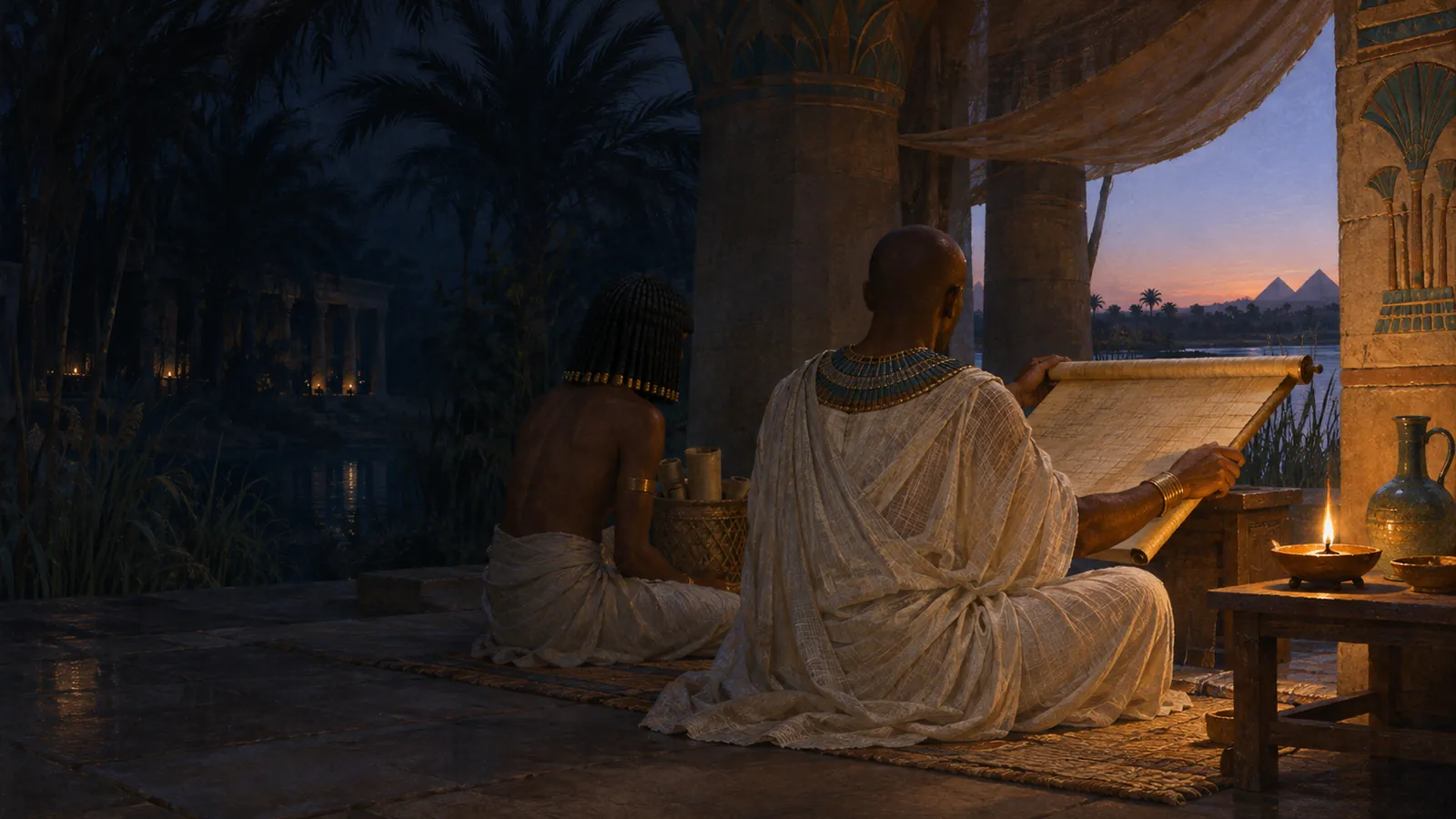
El hablante comienza diciendo que dio origen al propio proceso por el cual las cosas llegaron a existir.
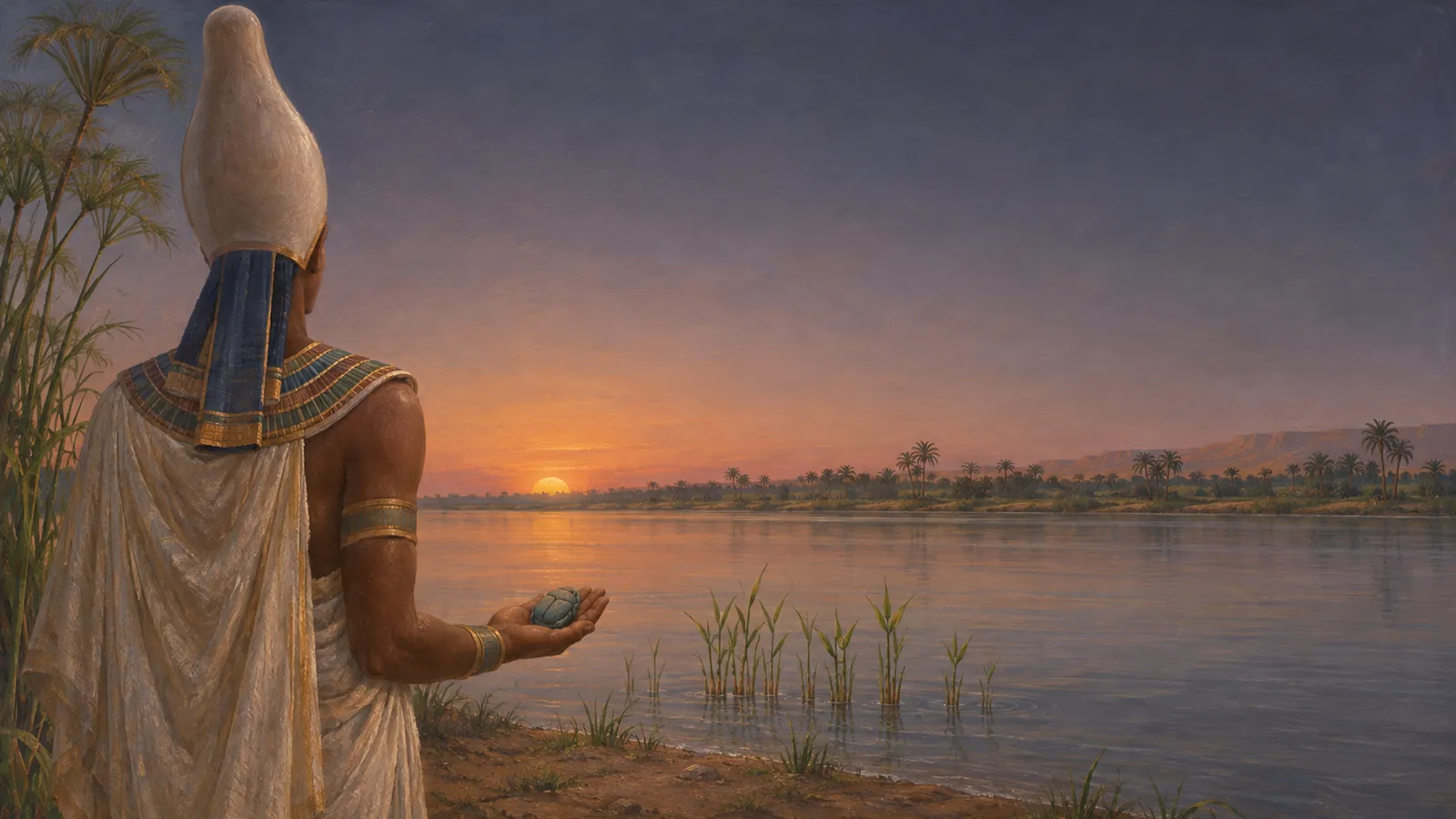
El hablante dice que tomó la forma de las transformaciones de Khepera, que surgieron al comienzo de todos los tiempos. Dice que llegó a existir junto con ellas.
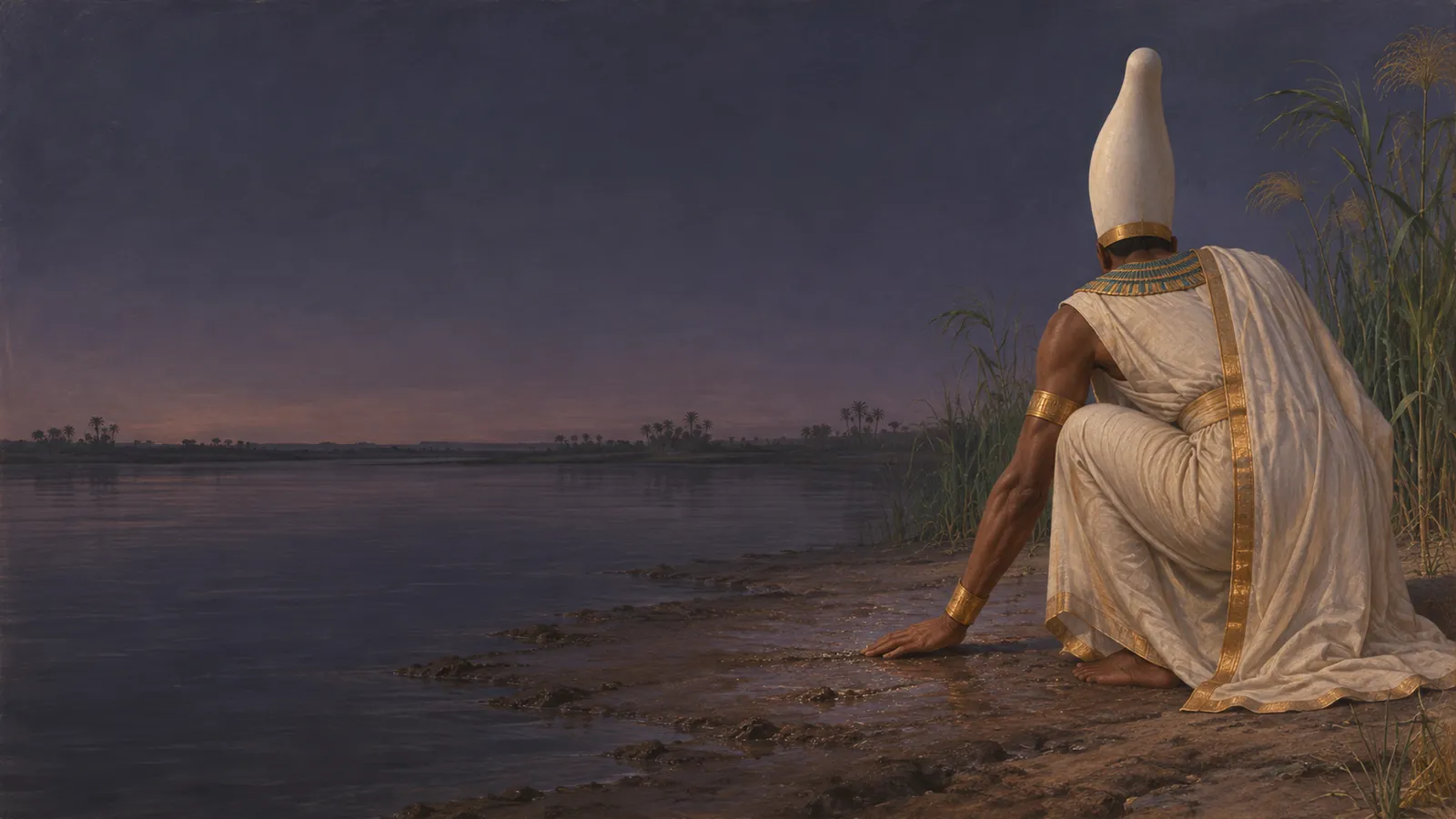
El hablante dice que se formó a sí mismo a partir de la materia primordial y que fue él quien la hizo.
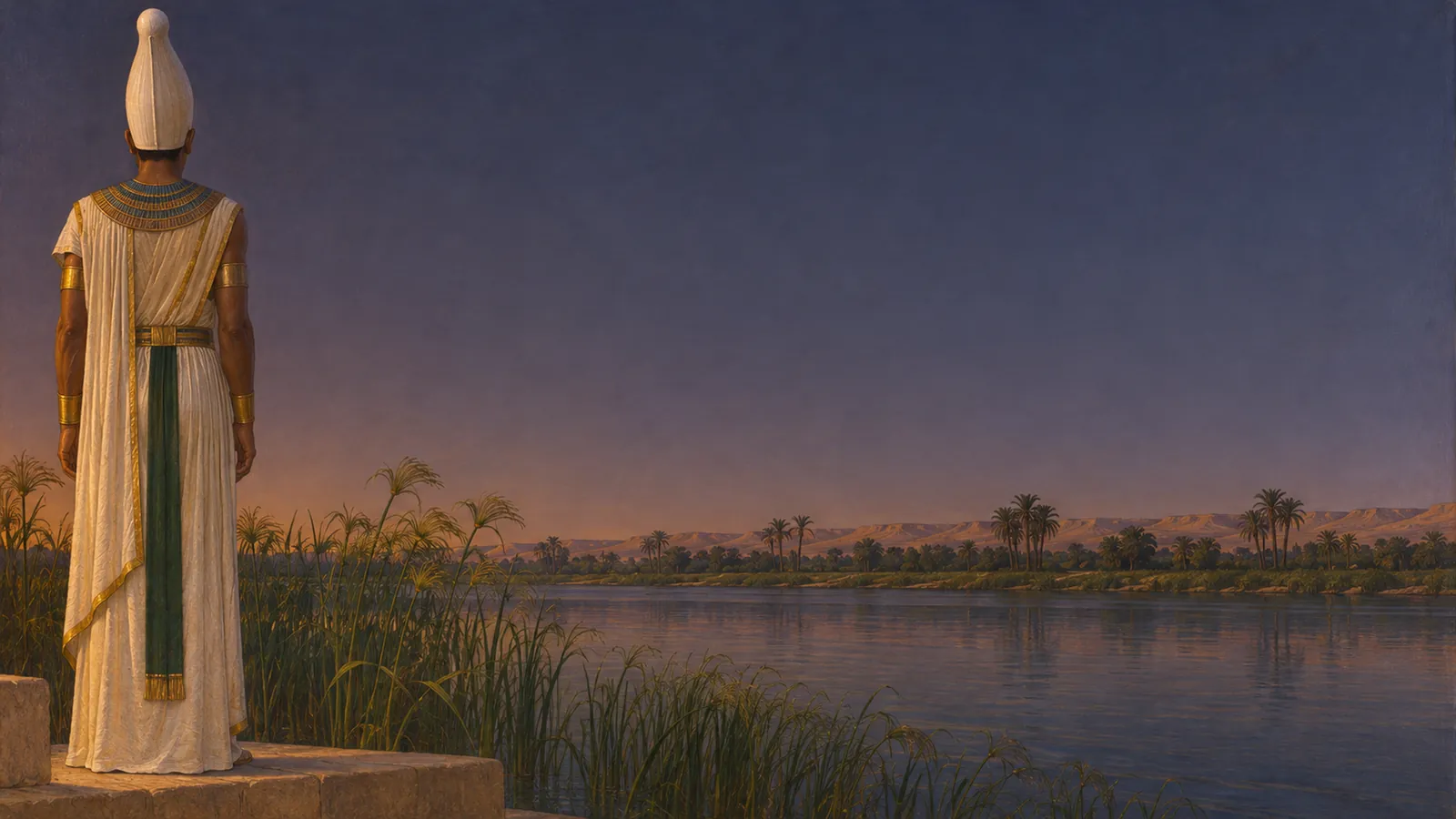
El hablante dice que su nombre es Ausares, a quien Budge identifica con Osiris. Se llama a sí mismo el germen de la materia primordial.
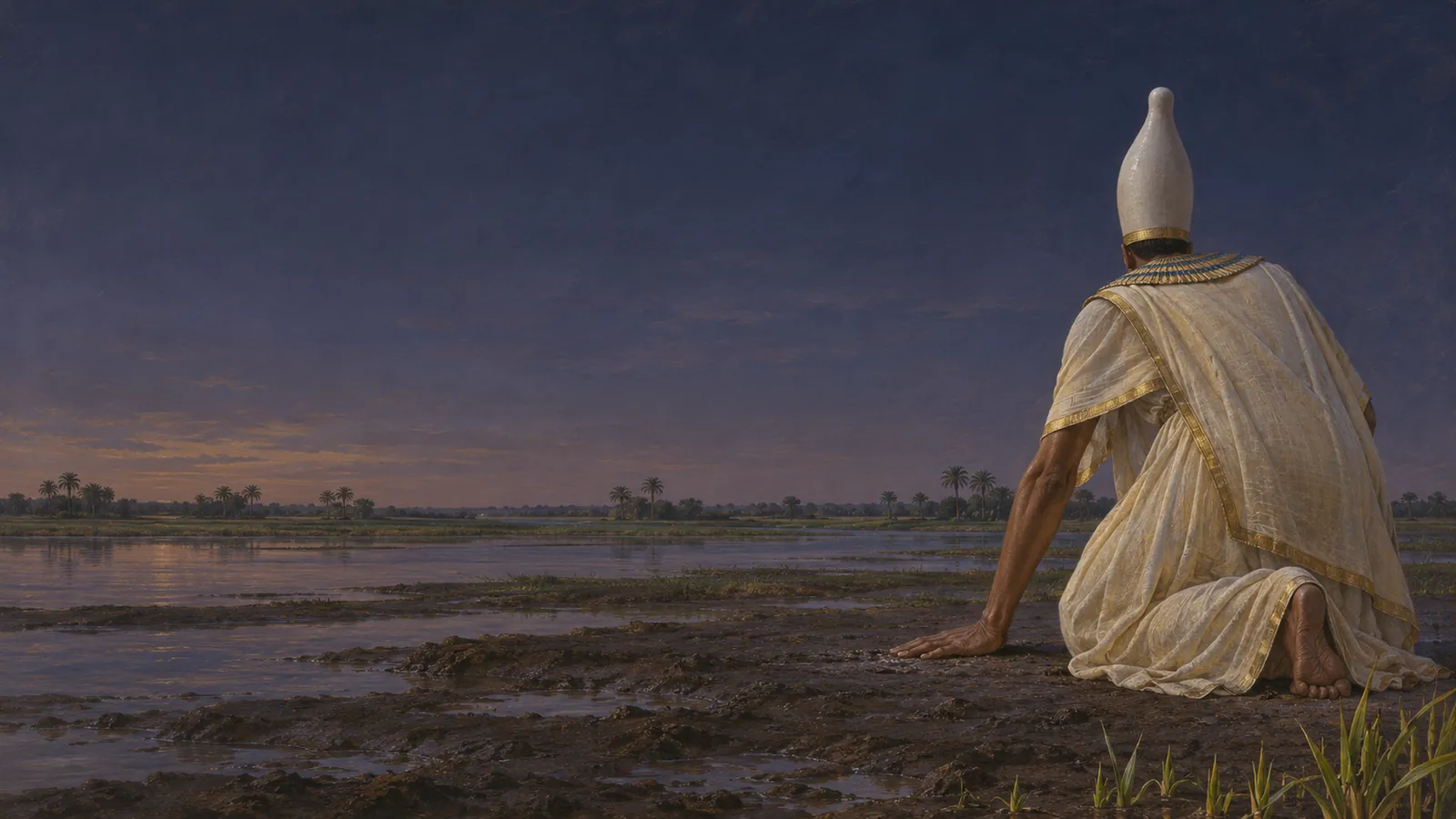
El hablante dice que cumplió su voluntad en la tierra, se extendió y la llenó. Dice que fortaleció la tierra con su mano.
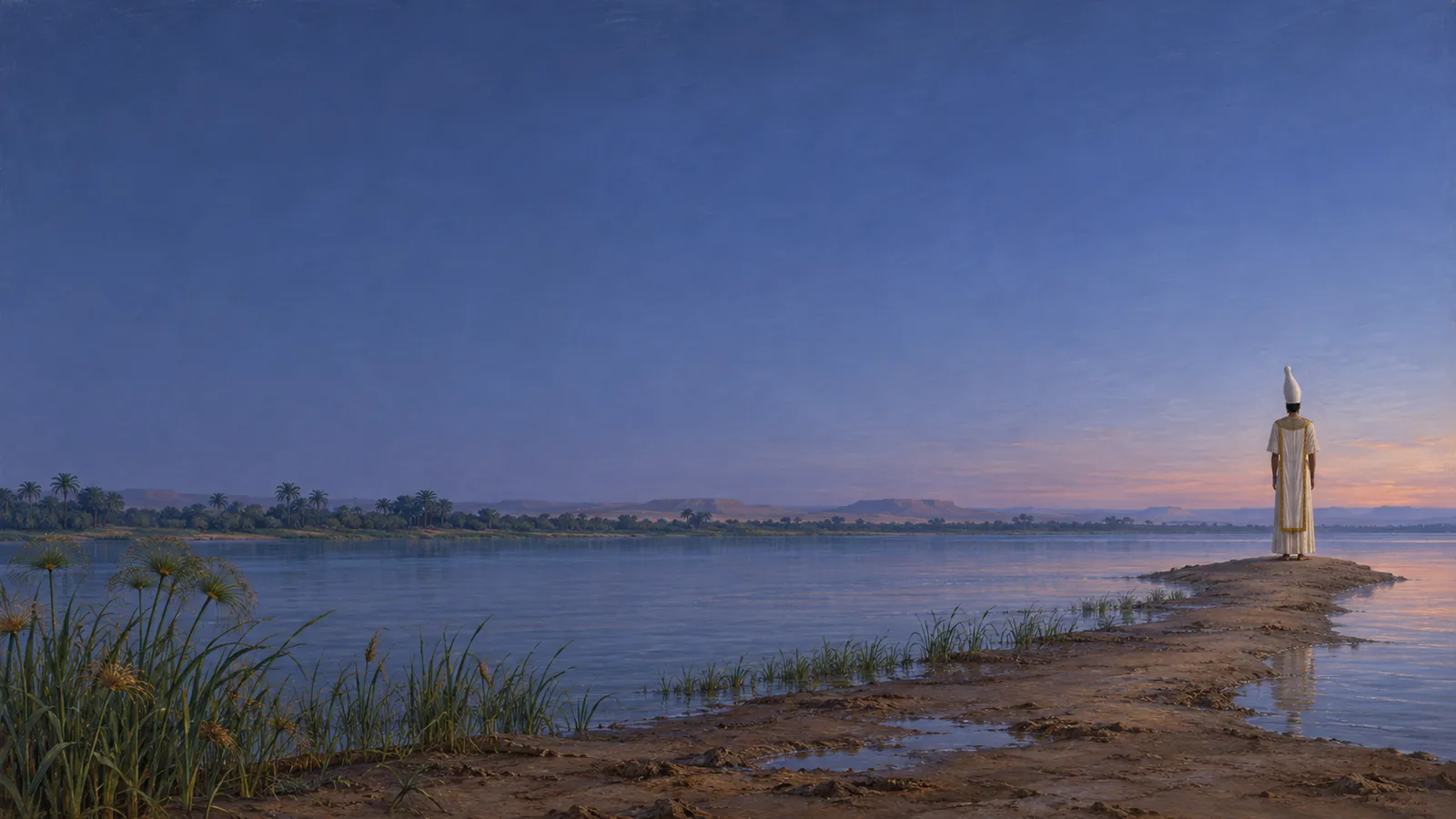
El hablante dice que estaba solo porque nada había sido creado aún. Todavía no había hecho salir de sí a Shu ni a Tefnut.
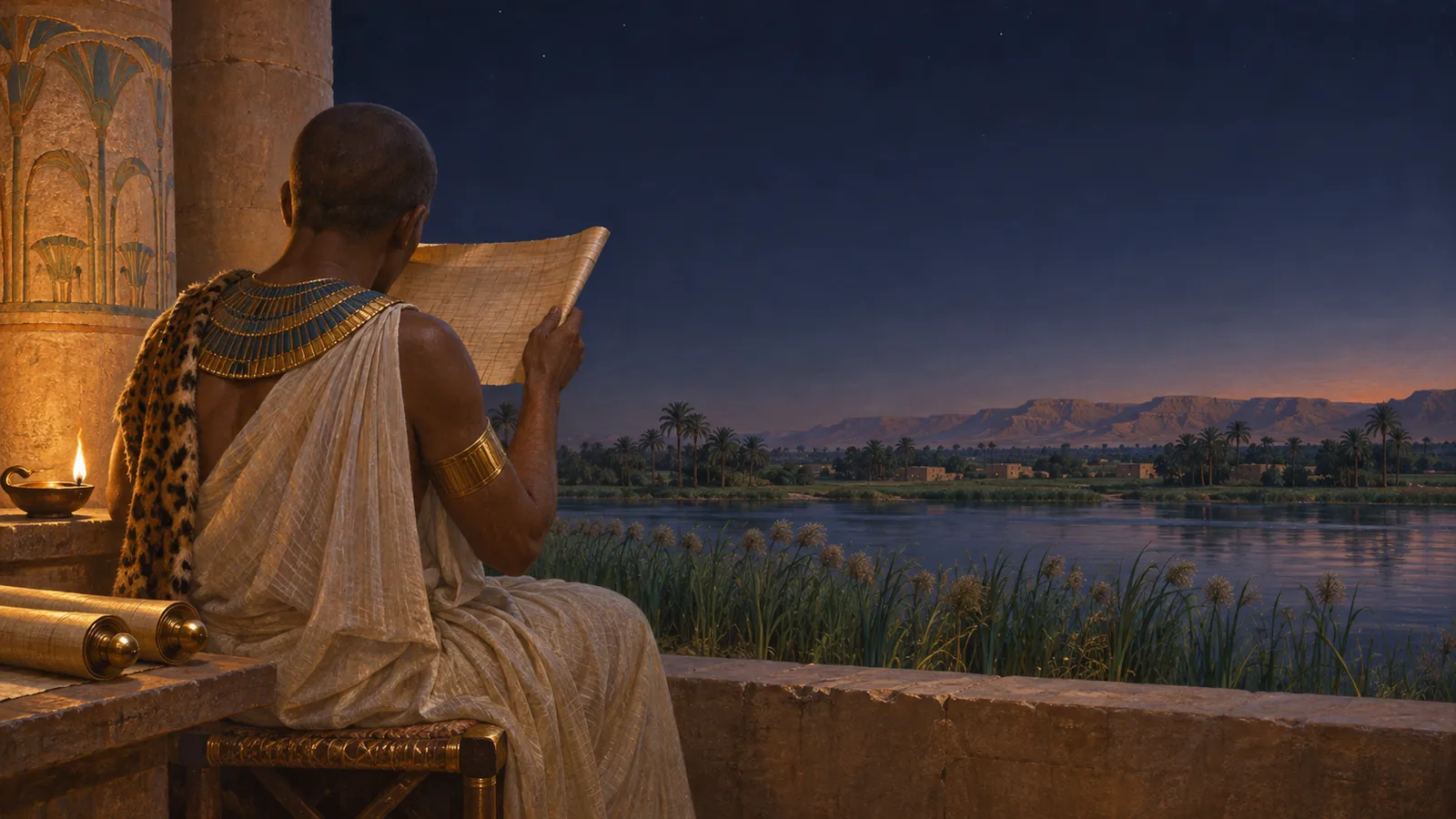
El hablante dice que pronunció con su propia boca su nombre como palabra de poder y al instante se hizo existir.
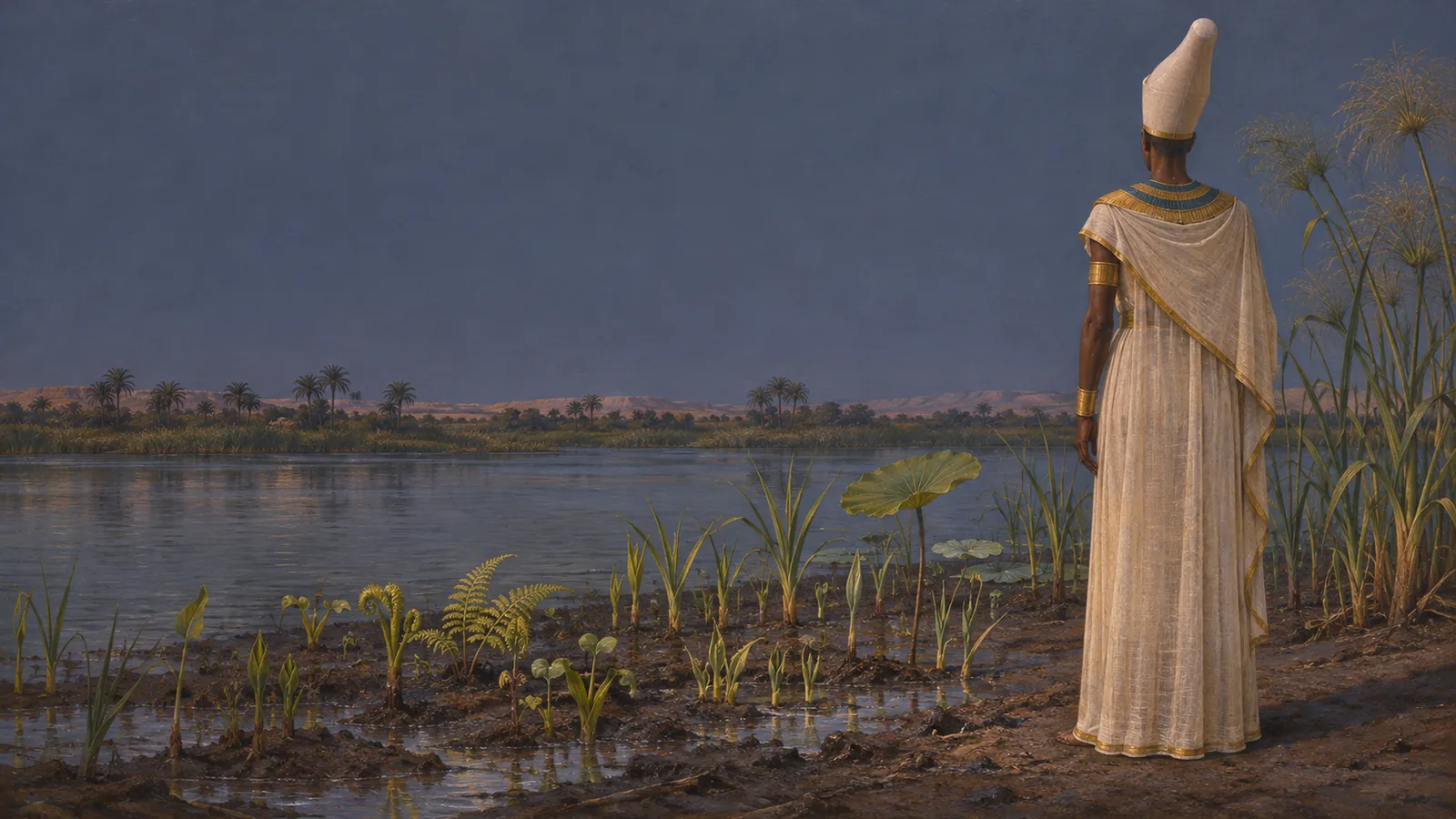
El hablante dice otra vez que llegó a existir bajo la forma de las transformaciones de Khepera. Se formó a partir de la materia primordial, que dio origen a muchas formas desde el comienzo de los tiempos.
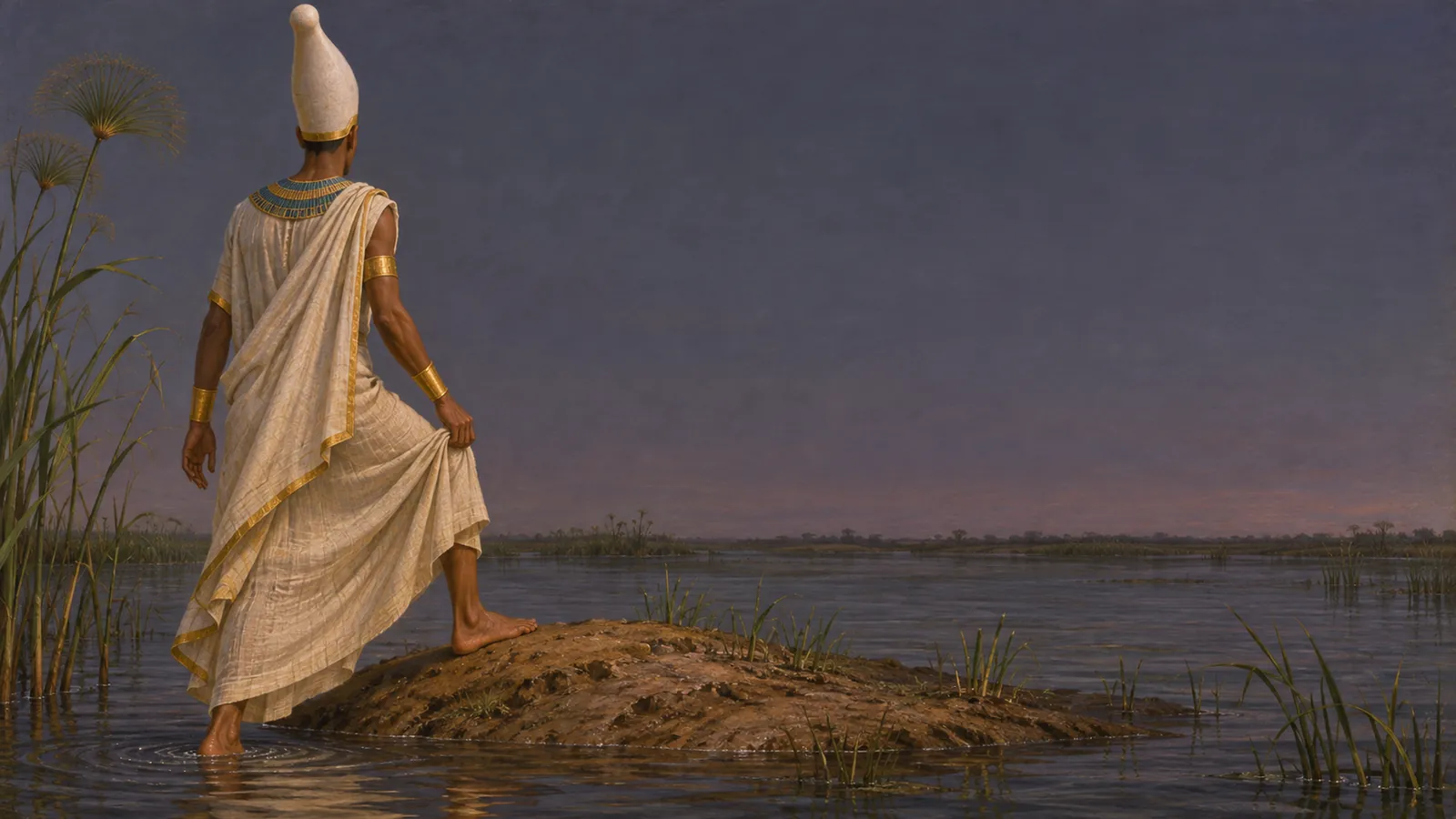
El recitante dice que nada existía en la tierra. Dice que hizo todas las cosas y que nadie más trabajó con él en aquel momento.
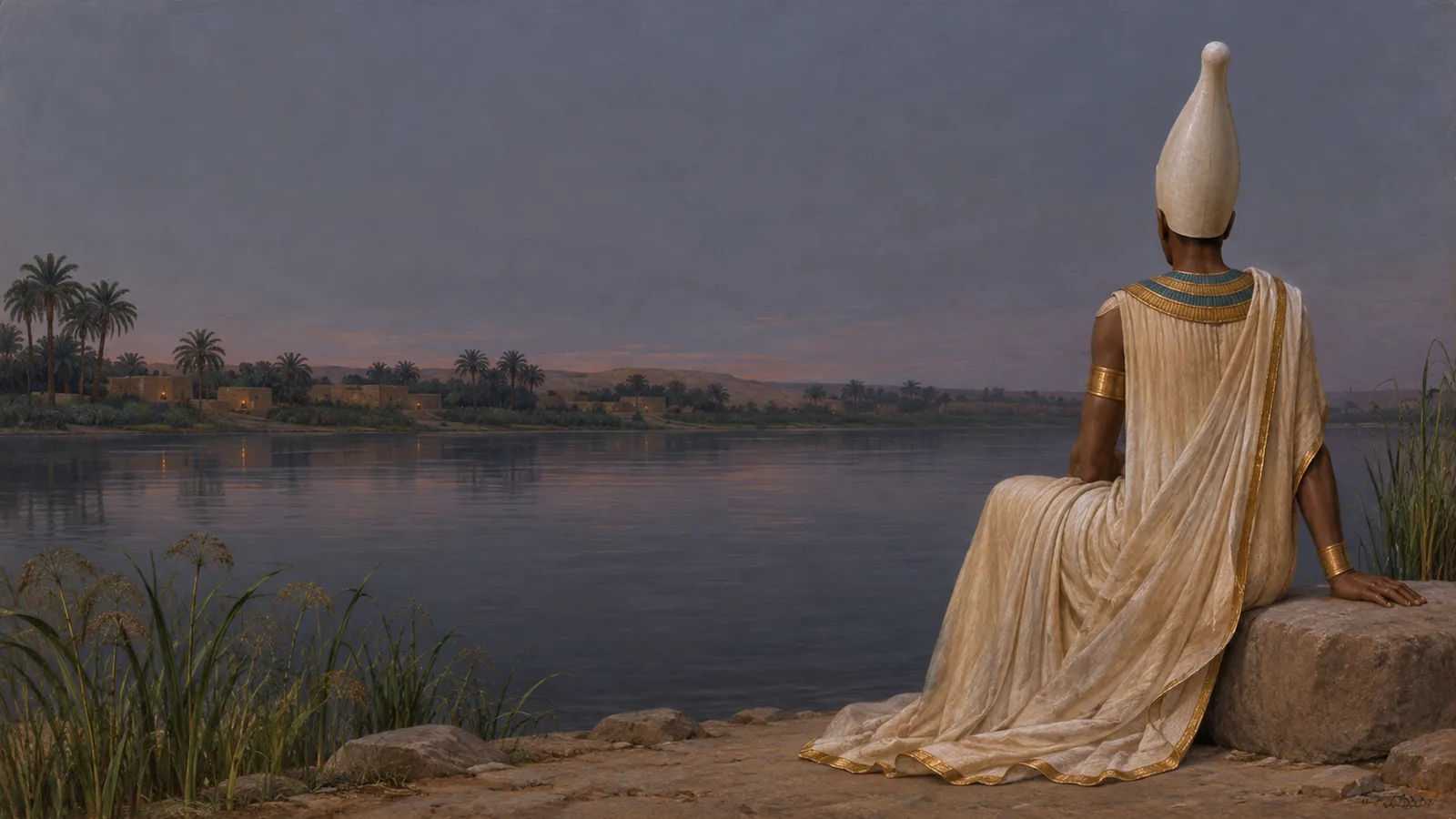
El recitante dice que hizo surgir todo lo que llegó a existir por medio del Alma divina que formó. Dice que esta había permanecido inactiva en el abismo de las aguas.
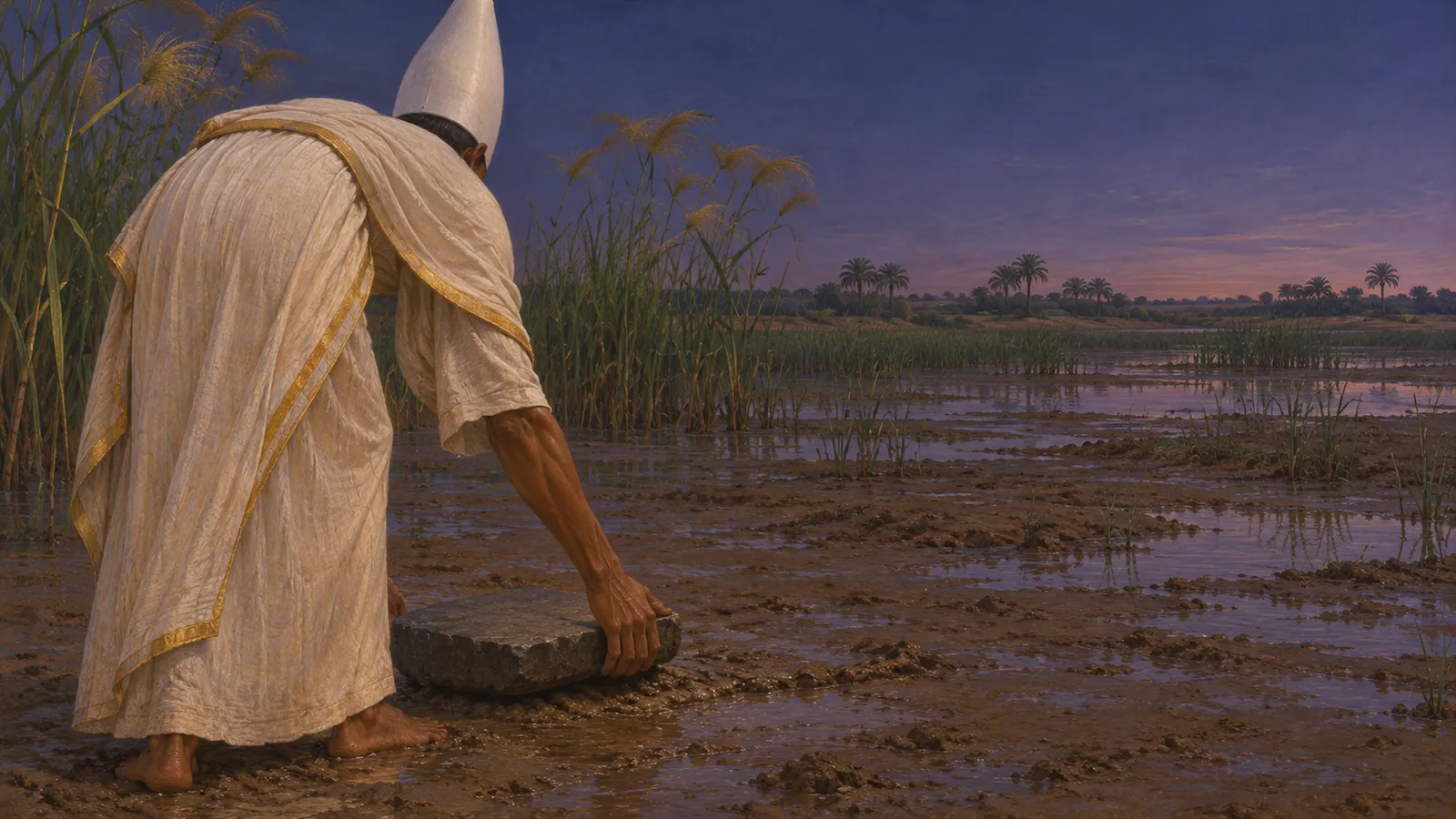
El recitante dice que no encontró dónde sostenerse. Fuerte en su corazón, se hizo un fundamento y dice que hizo todo lo que fue hecho.
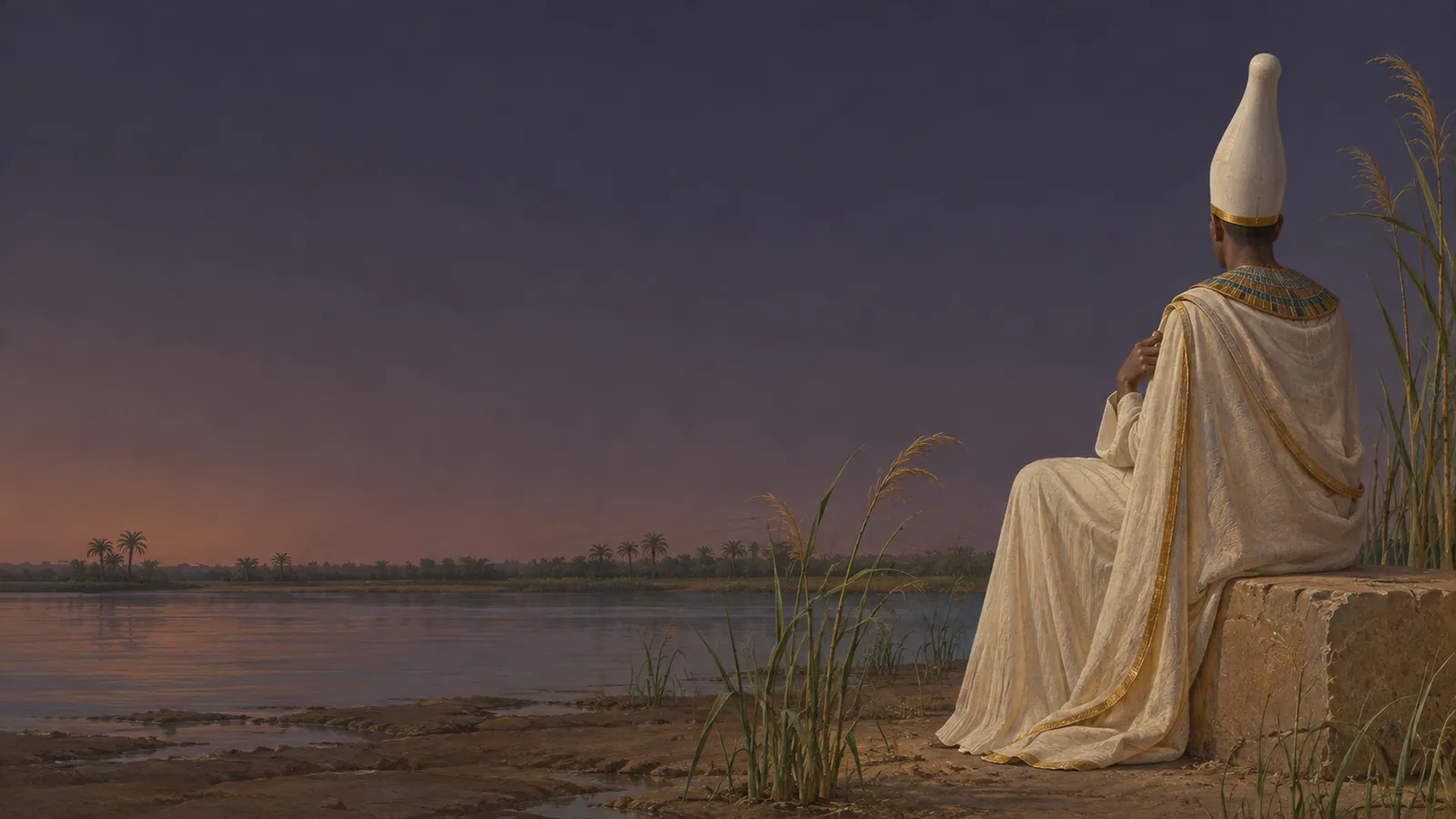
El recitante dice que estaba solo y que hizo un fundamento para su corazón. Budge da voluntad como lectura alternativa. El recitante dice después que creó una multitud de cosas.
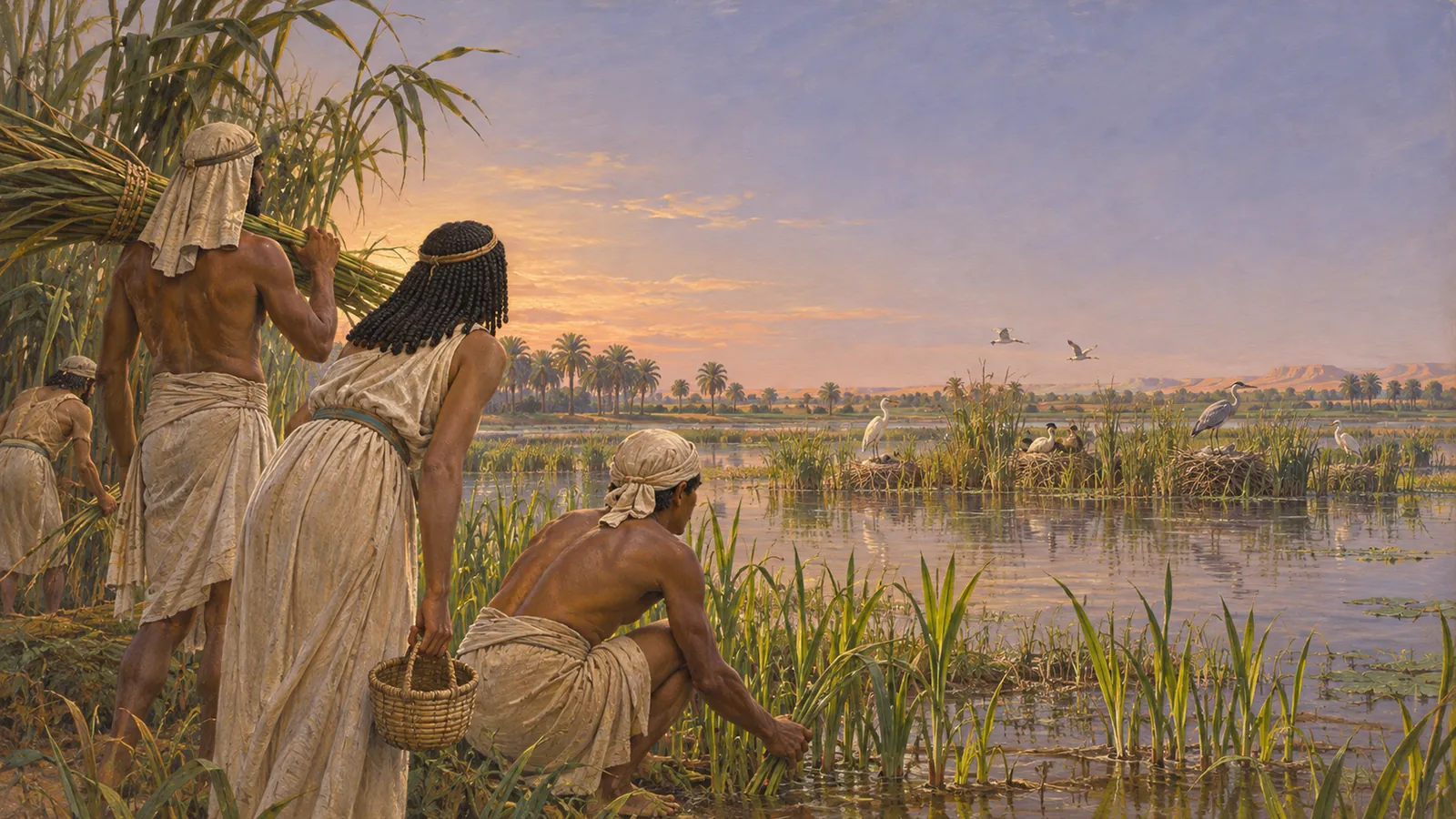
El recitante dice que lo que creó se desarrolló por sí mismo de la misma manera en que Khepera fue tomando forma. Dice que sus descendientes llegaron a existir por sus nacimientos.
DE UNO A TRES
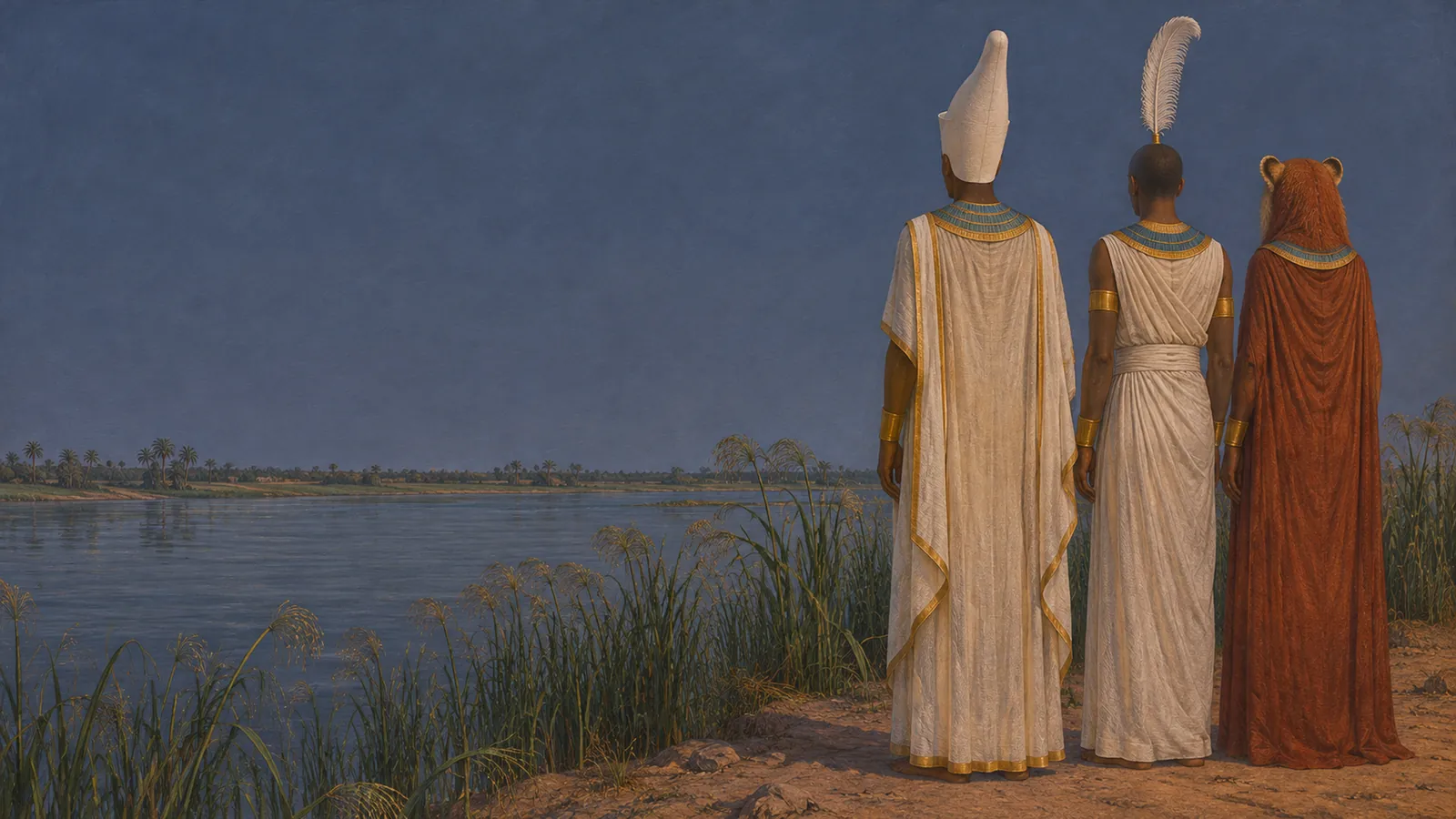
El recitante dice que dio origen a Shu y Tefnut a partir de sí mismo y que de uno pasó a ser tres. Ambos salieron de él y llegaron a existir en la tierra.
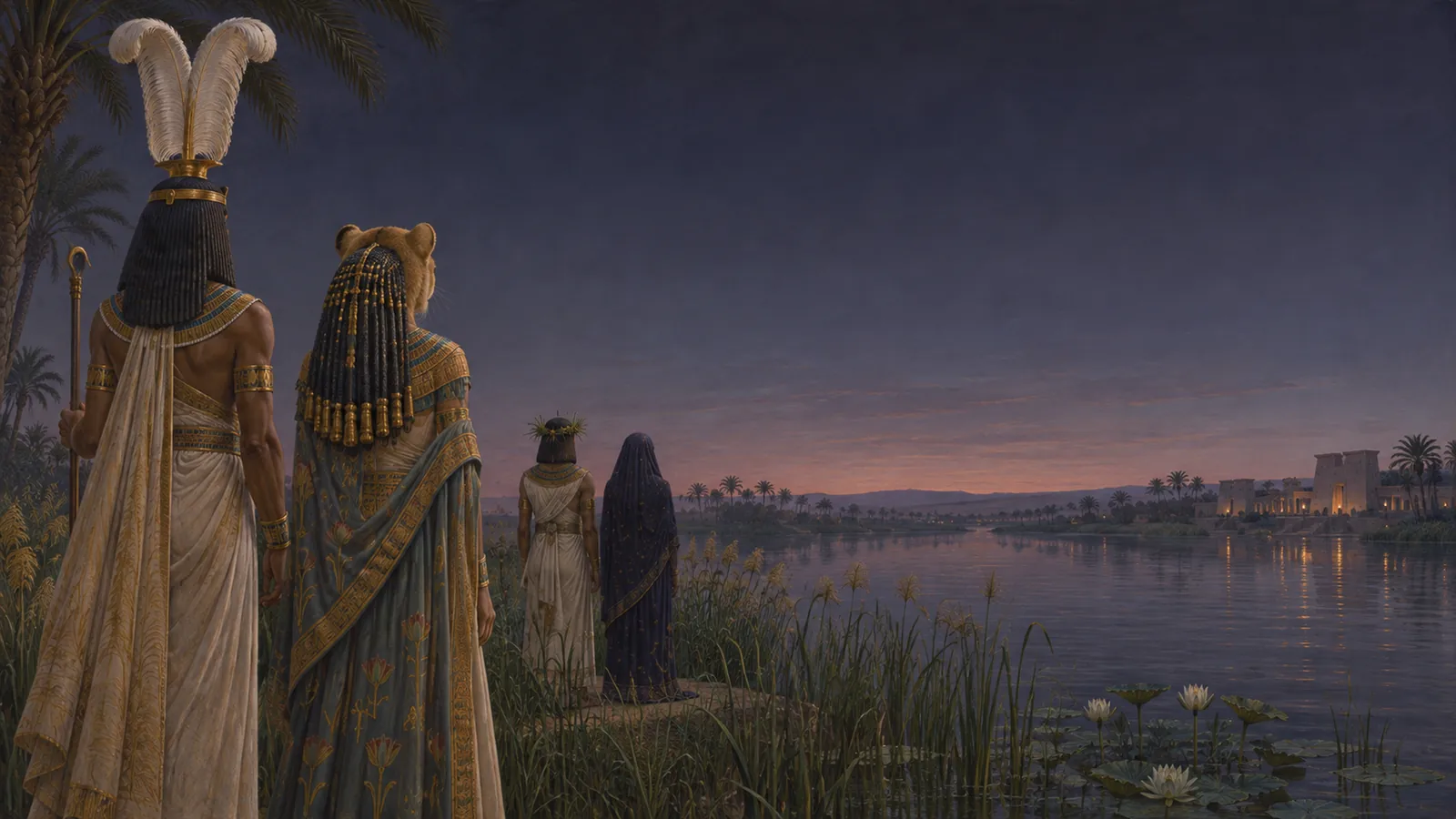
El texto impreso marca aquí una elipsis. Después dice que Shu y Tefnut dieron origen a Seb y Nut.
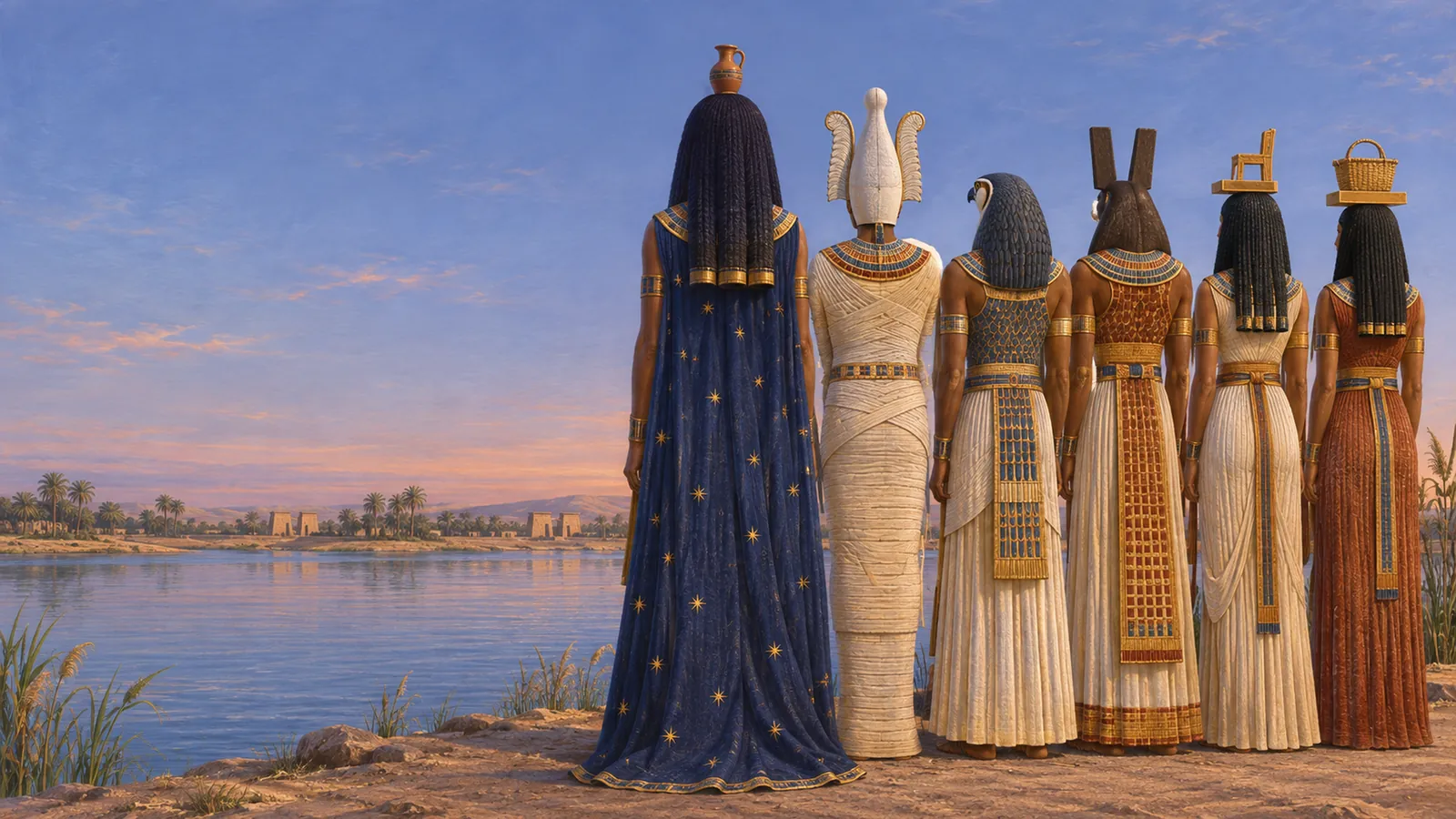
La recitación termina diciendo que Nut dio a luz a Osiris, Horus-khent-an-maa, Sut, Isis y Nephthya en un solo parto.
Fin del capítulo 1
Todas las páginas




Fuentes
A. Wallis Budge assigns to section III of the Papyrus of Nesi Amsu in Egyptian Ideas of the Future Life, third edition, 1908. The quoted text begins and ends at transcription lines 749–779. Budge’s introduction identifies the speaker and the papyrus.
Ediciones consultadas
- Egyptian Ideas of the Future Life, publication record
- Budge’s creation quotation, Chapter I
- Budge’s note 20 identifying British Museum No. 10188
- Budge’s note 21 on the papyrus
Notas sobre este relato
The speaker’s opening uses Budge’s repeated language of evolving and evolutions. The next clauses say that he assumes the form of Khepera’s transformations, which came into being at the beginning of time, and that he comes into being with them. The paraphrase keeps the opening statement about becoming and both roles of the transformations.
The speaker says twice that he developed from primeval matter, which he says he himself made. He names himself Ausares and calls himself the germ of primeval matter. Budge prints “Osiris” in parentheses after Ausares.
The speaker says he carried out his will in the earth, spread abroad, filled the earth and strengthened it with his hand. Budge brackets “with,” which connects the action to the hand.
The speaker says that he was alone because nothing had yet been brought forth, and that Shu and Tefnut had yet to come from him.
The speaker utters his own name from his own mouth as a word of power. He says he comes into being immediately.
The quotation again names the form of Khepera’s evolutions. It now describes the primeval matter as that which brought forth many forms from the beginning of time.
The speaker says that nothing existed on earth, that he made all things and that no other worked with him. He credits his making of all “evolutions” to the divine Soul he fashioned. This Soul had remained inactive in the watery abyss.
Finding no place to stand, the speaker says he is strong in his heart and makes a foundation for himself. He again claims to have made everything that was made. He then says he was alone and makes a foundation for his heart, where Budge gives “(or will)” as an alternative. The first mention of heart on line 768 has no alternative. The speaker then creates a multitude of things.
The things created develop themselves in the manner of the “evolutions” of Khepera and their offspring come into being through their births. The speaker brings forth Shu and Tefnut from himself, says that from One he became Three, and says that both sprang from him and came into existence on earth.
It resumes with the statement that Shu and Tefnut brought forth Seb and Nut.
Budge prints the names Osiris, Horus-khent-an-maa, Sut, Isis, and Nephthya in that order and says Nut brought them forth at one birth. This is the end of the printed quotation.
Los versos antiguos de cada página
- Page 1: Budge 1908, Egyptian Ideas of the Future Life, ch. I, Papyrus of Nesi Amsu, creation quotation (local)
- Page 2: Budge 1908, Egyptian Ideas of the Future Life, ch. I, Papyrus of Nesi Amsu, creation quotation (local)
- Page 3: Budge 1908, Egyptian Ideas of the Future Life, ch. I, Papyrus of Nesi Amsu, creation quotation (local)
- Page 4: Budge 1908, Egyptian Ideas of the Future Life, ch. I, Papyrus of Nesi Amsu, creation quotation (local)
- Page 5: Budge 1908, Egyptian Ideas of the Future Life, ch. I, Papyrus of Nesi Amsu, creation quotation (local)
- Page 6: Budge 1908, Egyptian Ideas of the Future Life, ch. I, Papyrus of Nesi Amsu, creation quotation (local)
- Page 7: Budge 1908, Egyptian Ideas of the Future Life, ch. I, Papyrus of Nesi Amsu, creation quotation (local)
- Page 8: Budge 1908, Egyptian Ideas of the Future Life, ch. I, Papyrus of Nesi Amsu, creation quotation (local)
- Page 9: Budge 1908, Egyptian Ideas of the Future Life, ch. I, Papyrus of Nesi Amsu, creation quotation (local)
- Page 10: Budge 1908, Egyptian Ideas of the Future Life, ch. I, Papyrus of Nesi Amsu, creation quotation (local)
- Page 11: Budge 1908, Egyptian Ideas of the Future Life, ch. I, Papyrus of Nesi Amsu, creation quotation (local)
- Page 12: Budge 1908, Egyptian Ideas of the Future Life, ch. I, Papyrus of Nesi Amsu, creation quotation (local)
- Page 13: Budge 1908, Egyptian Ideas of the Future Life, ch. I, Papyrus of Nesi Amsu, creation quotation (local)
- Page 14: Budge 1908, Egyptian Ideas of the Future Life, ch. I, Papyrus of Nesi Amsu, creation quotation (local)
- Page 15: Budge 1908, Egyptian Ideas of the Future Life, ch. I, Papyrus of Nesi Amsu, creation quotation (local)
- Page 16: Budge 1908, Egyptian Ideas of the Future Life, ch. I, Papyrus of Nesi Amsu, creation quotation (local)
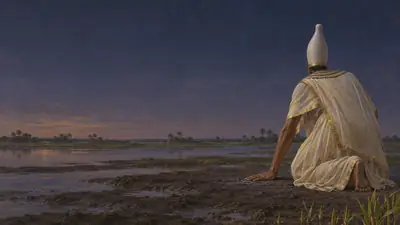
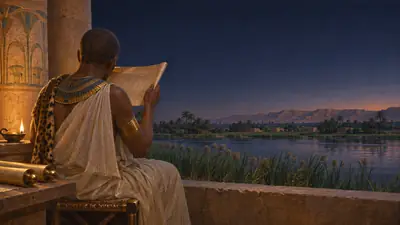
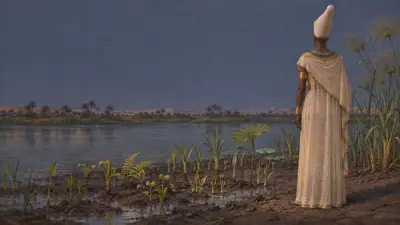
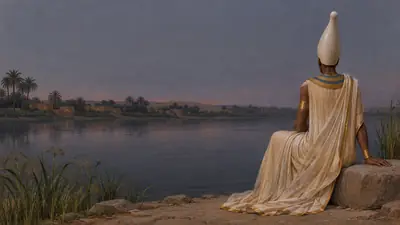
Ilustraciones hechas por IL Archive con herramientas de IA; el texto se basa en las fuentes antiguas (véanse las fuentes al final de cada capítulo).