Entidade
Prometeu
Página de referência que liga um nome, grupo ou conceito aos materiais que o tratam.
Tradução automática. Leia o original em inglês.
Figura divina grega que aconselha e protege os humanos em alguns relatos sobre Deucalião.
Última revisão:
Texto
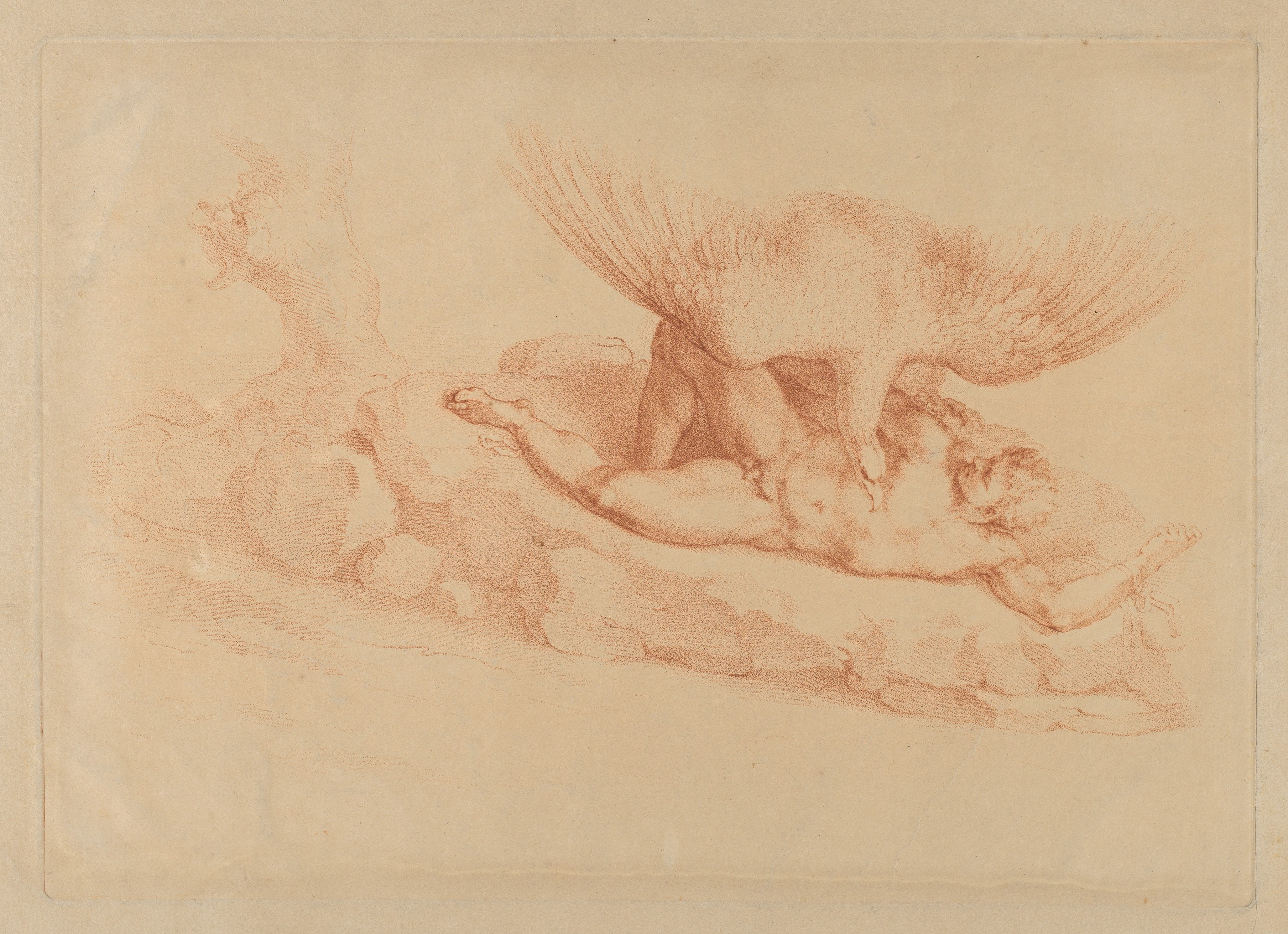
Prometeu é uma figura divina grega citada como pai de DeucaliãoDeucalião nas tradições gregas do dilúvioDeucalion and Pyrrha in Greek and Latin flood accounts: genealogy, survival, stone-born people, local traditions and Near Eastern parallels, with attention to variant sources and dates.Glossário · Clique para ler a explicação no Catálogo das mulheresCatálogo hesiódico das mulheresGreek genealogical poem, mostly lost, whose fragments preserve Deucalion’s family and Greek lineages.Glossário · Clique para ler a explicação. Na BibliotecaBibliotheca, coleção mitográfica gregaGreek work by an unknown author, probably late first or second century CE, organizing divine and heroic genealogies.Glossário · Clique para ler a explicação, ele aconselha o filho antes da catástrofe, levando ao baú, às provisões e ao resgate junto de PirraPirra na história do dilúvio de DeucaliãoGreek figure surviving with Deucalion and associated with humanity’s renewal from stones.Glossário · Clique para ler a explicação. [1][2]
Os fragmentos cômicos de EpicarmoEpicarmo, poeta cômico gregoComic poet active in the early fifth century BCE, whose fragments preserve an early Pyrrha and Deucalion treatment.Glossário · Clique para ler a explicação mostram uma resposta diferente a esse conselheiro: Pirra suspeita de um truque para afastá-los de casa e roubar seus bens. DixonDustin W. DixonScholar of ancient drama and fragmentary texts, associate professor of Classics at Grinnell College.Glossário · Clique para ler a explicação lê isso em contraste com a reputação de Prometeu como trapaceiro e benfeitor humano. [3]
Referências e notas
- Hesiodic Catalogue of Women, Evelyn-White fragments 1–5, 1914: surviving English quotations, not the whole lost work. Hesiodic Catalogue of Women, Evelyn-White fragments 1–5, 1914: surviving English quotations, not the whole lost work. Voltar ao texto ↑
- Pseudo-Apollodorus, Library 1.7.2, Greek and James George Frazer’s 1921 English translation: complete section. Pseudo-Apollodorus, Library 1.7.2, Greek and James George Frazer’s 1921 English translation: complete section. Voltar ao texto ↑
- Dustin W. Dixon, Myth-making in Greek and Roman Comedy, Boston University PhD, 2015, pp. 128–135, PDF pages 139–146, and early-career discussion p. 54: selected reading, not the entire thesis. Dustin W. Dixon, Myth-making in Greek and Roman Comedy, Boston University PhD, 2015, pp. 128–135, PDF pages 139–146, and early-career discussion p. 54: selected reading, not the entire thesis. Voltar ao texto ↑
Sugerir uma correção · Sugerir uma fonte para este registro
Citar este registro
IL Archive, «Prometeu», https://ilarchive.com/pt/entities/prometheus-greek-divine-helper
Continuar lendo