Pessoa
Pascal Attinger
Sumerian language and literature scholar, emeritus professor at the University of Bern.
Variantes do nome: Pascal Attinger
Contexto e fontes →Um apoio à leitura
Definições breves de nomes, conceitos e lugares. Abra um registro para ler o contexto, as fontes e os materiais relacionados.
1047 definições
Pessoa
Sumerian language and literature scholar, emeritus professor at the University of Bern.
Variantes do nome: Pascal Attinger
Contexto e fontes →
Halliburton Tower on the Rhodes College campus in Memphis, Tennessee, on 24 October 2009. The photograph provides context for the institution where Patrick Gray teaches religion, early Christianity and its Greco-Roman setting
Pessoa
Religious studies scholar at Rhodes College, researching the New Testament, early Christianity and biblical interpretation.
Variantes do nome: Patrick Gray
Contexto e fontes →Pessoa
Hebrew Bible scholar studying sea imagery, monsters and the literary construction of space.
Variantes do nome: Paul K.-K. Cho
Contexto e fontes →Pessoa
Scholar and translator who published Syriac, Arabic and Armenian infancy texts in 1914.
Variantes do nome: Paul Peeters
Contexto e fontes →Pessoa
Paul was a first-century CE Christian letter writer whose letters preserve early Christian formulations.
Variantes do nome: Paul the Apostle
Contexto e fontes →Pessoa
German theologian and writer (1821–1892) whose Esther commentary included an appendix on the Second Targum.
Variantes do nome: Paulus Cassel
Contexto e fontes →
Modern schematic of the slab and abrasion around its centre. Not a photograph of EA498, a transcription of its signs, or a restoration of missing columns; proportions and marks are indicative
Artefato
The Shabaka Stone (British Museum EA498), inscribed c. 710 BCE, links Ptah, heart, speech, creation, and kingship; its damage, textual readings, and alleged older papyrus remain central questions.
Variantes do nome: Shabaka Stone
Contexto e fontes →
Modern generated conceptual artwork: abstract scroll-like bands converge before an imaginary mountain landscape, evoking the transmission of the Pentateuch. Not a photograph of a Samaritan manuscript or a documented archaeological site
Entidade
Samaritan Hebrew five-book tradition sharing an older textual history, with linguistic and theological variants, including readings involving Mount Gerizim.
Variantes do nome: Samaritan Pentateuch
Contexto e fontes →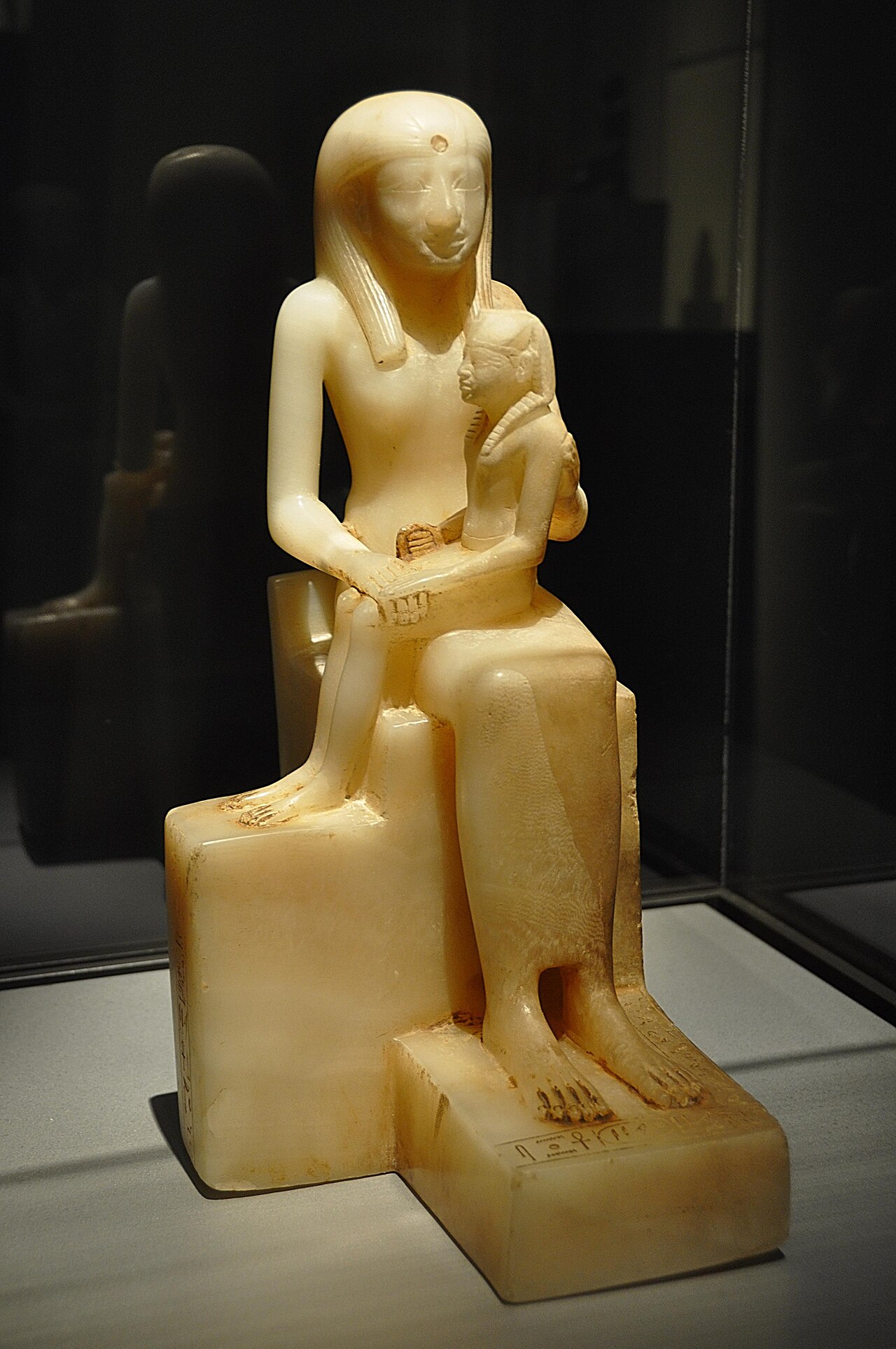
Queen Ankhnes-meryre II with her son King Pepi II on her lap, in an Egyptian-alabaster statuette of the Sixth Dynasty, late third millennium BCE. Brooklyn Museum, 39.119. Photograph by Stephen Sandoval, February 2009
Pessoa
Pepi II was an Egyptian king of the Sixth Dynasty in the late third millennium BCE
Variantes do nome: Pepi II, Pepy II
Contexto e fontes →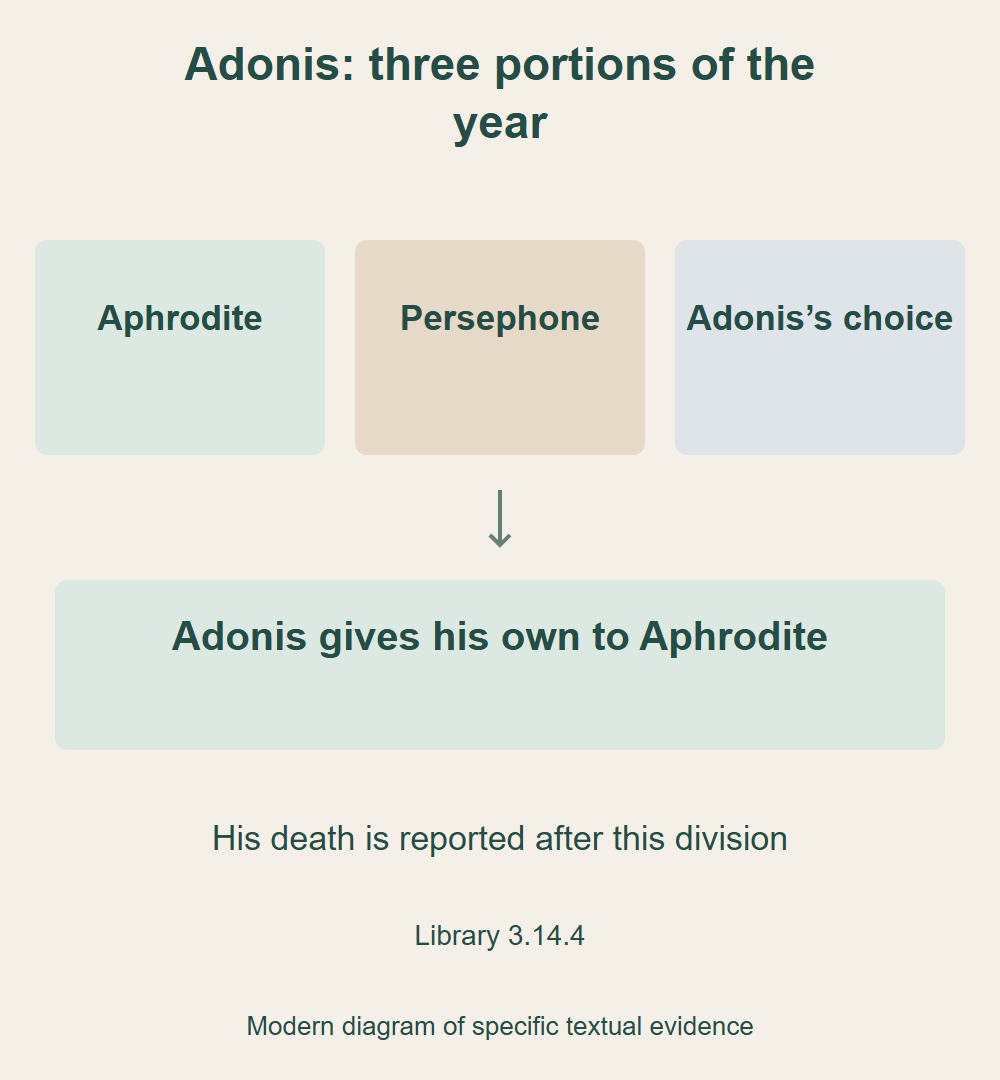
Modern chart of Library3.14.4: three original portions, after which Adonis assigns his own to Aphrodite. The division precedes his death in the narrative
Entidade
Persephone is a Greek goddess associated with the underworld and a participant in one account of Adonis’s childhood.
Variantes do nome: Persephone
Contexto e fontes →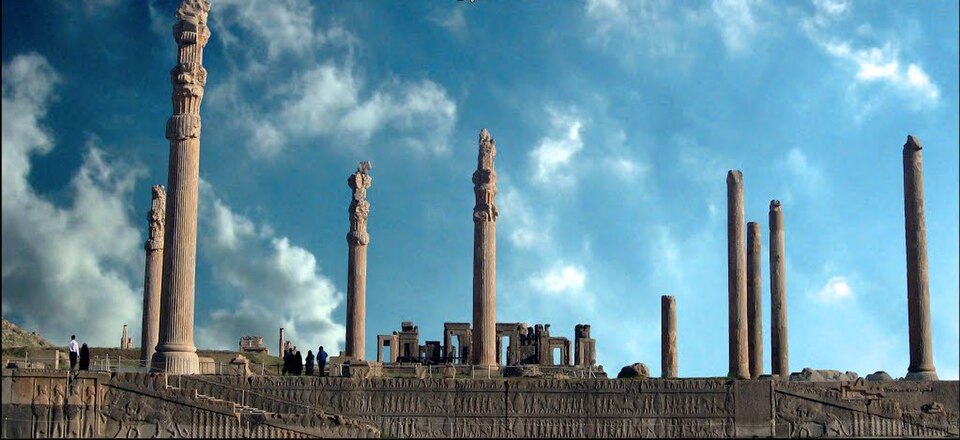
Apadana columns at Persepolis,photographed by Maryam.farhadi 1380,8 October 2018. Modern view of archaeological remains, not a reconstruction of the complete palaces
Sítio
Achaemenid royal center in southwestern Iran, begun by Darius I around 518 BCE.
Variantes do nome: Persepolis, Takht-e Jamshid
Contexto e fontes →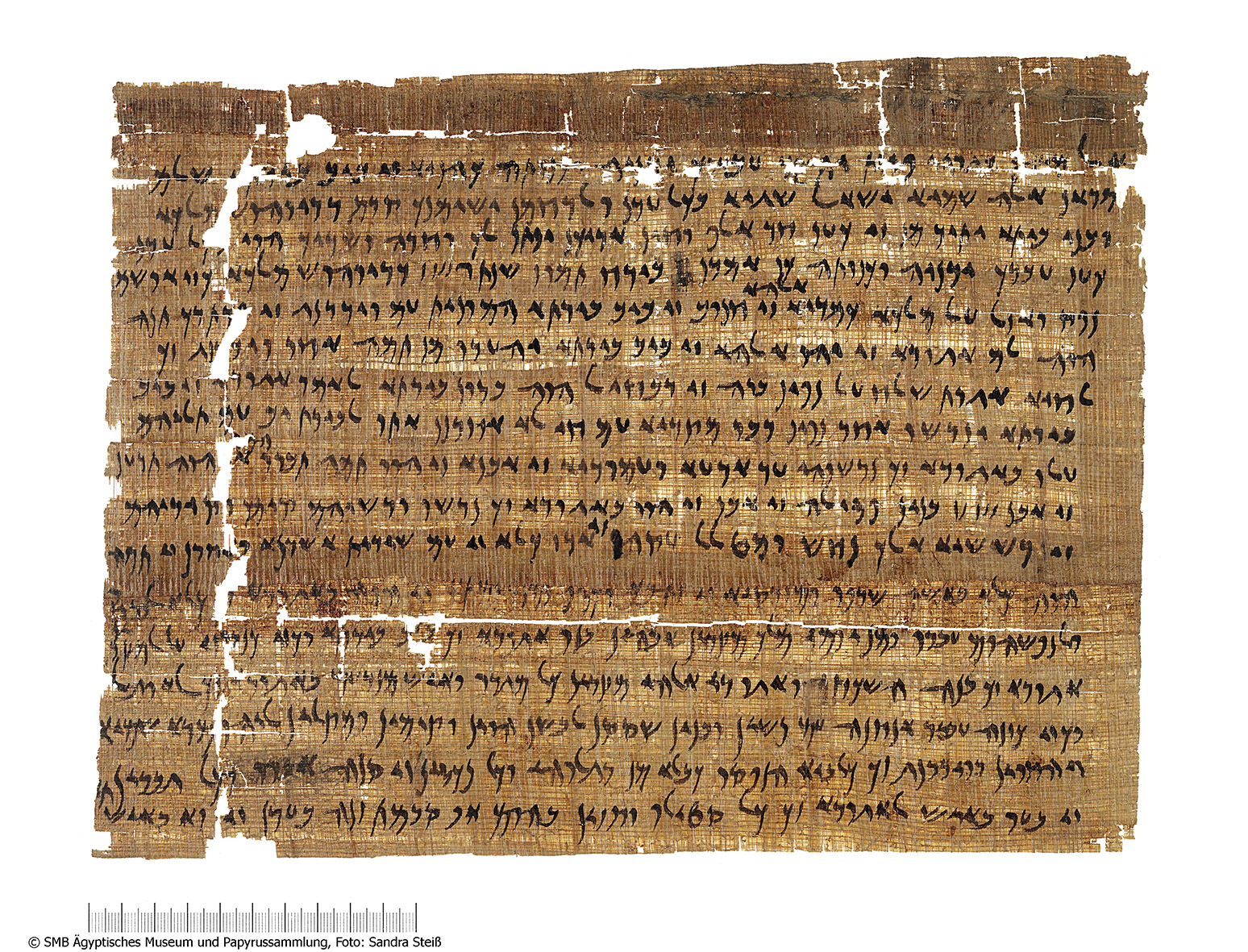
Recto of Berlin papyrus P.13495, the Elephantine temple-rebuilding petition. Photograph of the original object; the verso is shown below
Artefato
Berlin Aramaic papyrus P.13495 (TAD A4.7), dated 25 November 407 BCE. Jedaniah and Elephantine’s priests petitioned to rebuild Yaho’s temple. The article distinguishes the reported destruction, a later memorandum restricting offerings to grain and incense, and indirect evidence from 402 BCE that may suggest rebuilding.
Variantes do nome: Elephantine temple-rebuilding petition
Contexto e fontes →Pessoa
Philippe Gignoux (1931–2023) was a French scholar of ancient Iranian languages and religions.
Variantes do nome: Philippe Gignoux
Contexto e fontes →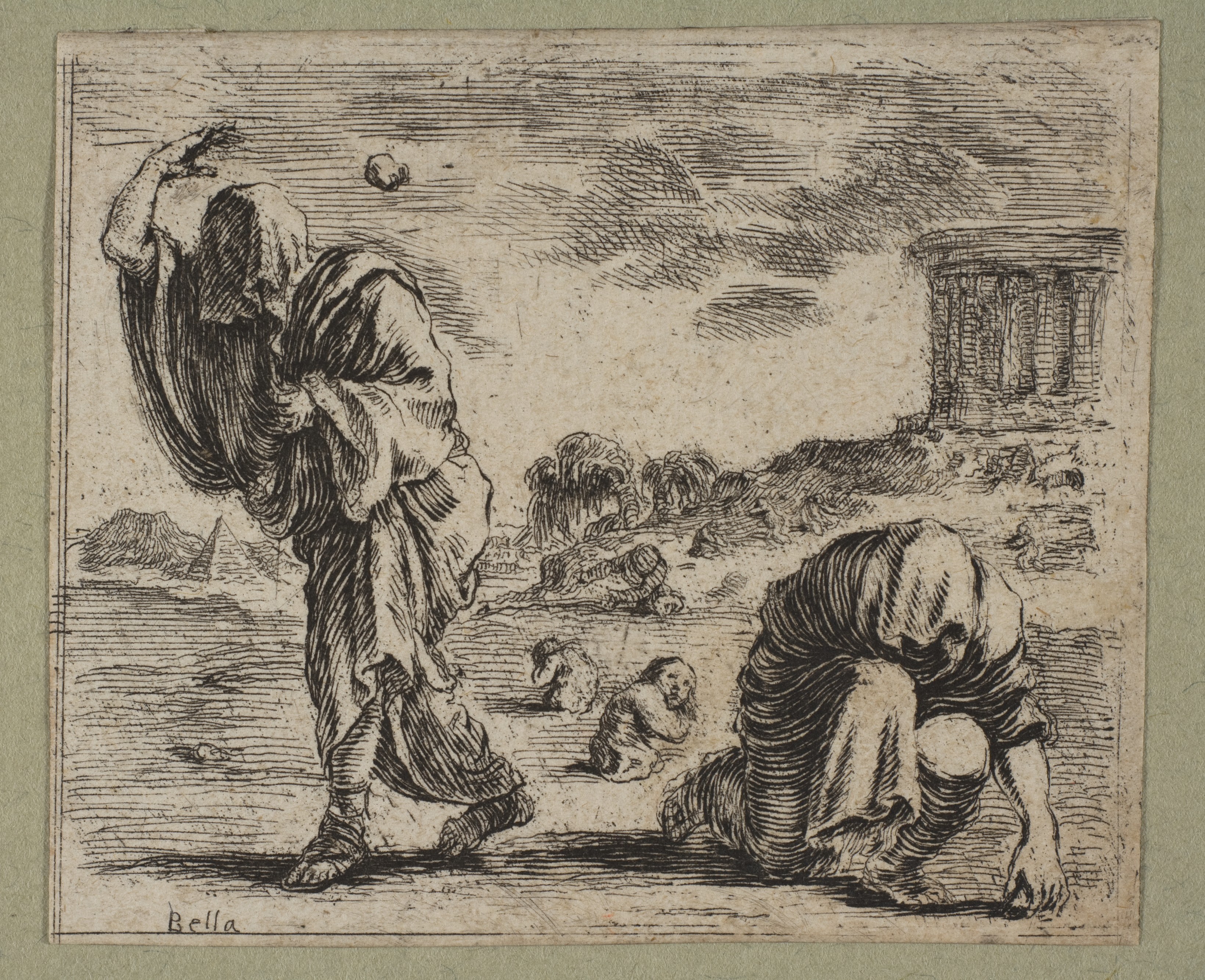
Deucalion and Pyrrha throwing stones; etching by Stefano della Bella, designed by Jean Desmarets de Saint-Sorlin, 1644, Met 18.48.2-48. Later artistic reception, not a witness from Pindar’s time
Pessoa
Greek figure surviving with Deucalion and associated with humanity’s renewal from stones.
Variantes do nome: Pyrrha in Deucalion’s flood story, Pyrrha
Contexto e fontes →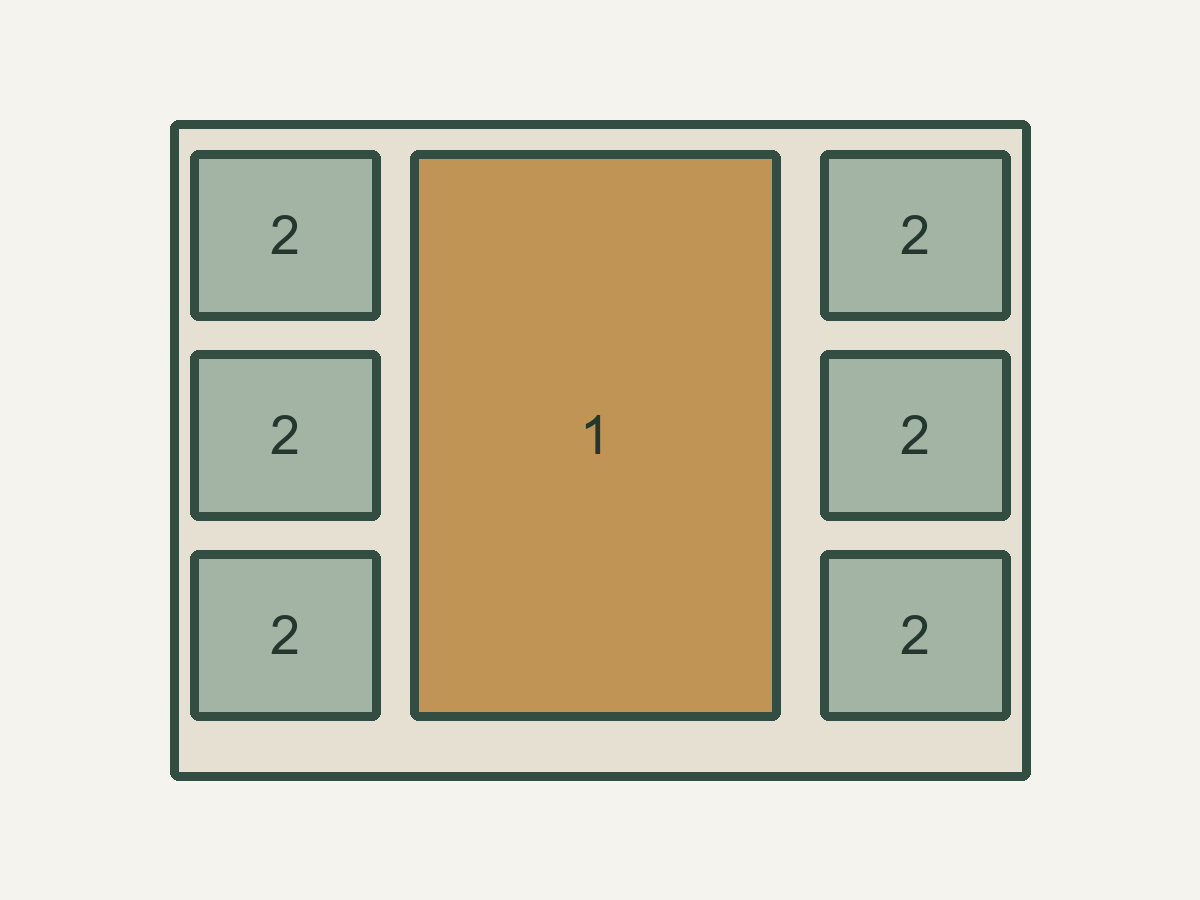
Modern explanatory diagram of a tripartite plan: 1 elongated central hall or space; 2 groups of lateral rooms. The room count and proportions are schematic; this is neither an excavation plan nor a reconstruction of an Eridu building
Entidade
Plan with an elongated central hall and rooms or room groups to either side; the hall may be T-shaped or cruciform. The three parts are spatial zones, not exactly three rooms; the form alone does not identify a building’s function.
Variantes do nome: tripartite plan, Ubaid tripartite plan
Contexto e fontes →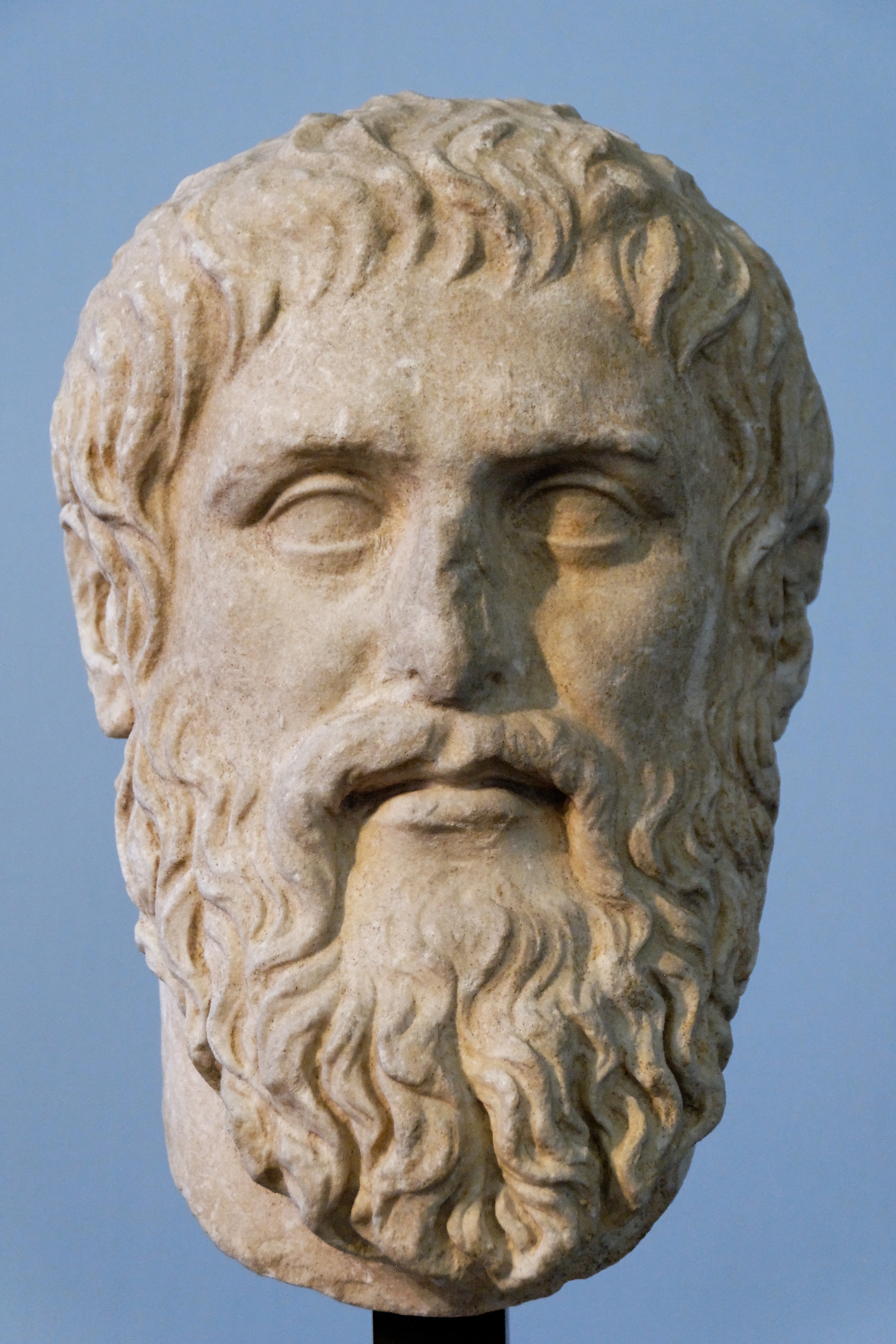
Portrait of Plato, Capitoline Museums, Rome, MC 1377. A Roman marble copy of the first century CE after an older Greek model attributed to Silanion. Photograph by Marie-Lan Nguyen, 2009; the sculpture postdates the philosopher’s lifetime
Pessoa
Plato (approximately 427–347 BCE) was a Greek philosopher who explored goodness, justice and cosmic order through philosophical dialogues.
Variantes do nome: Plato, Platōn
Contexto e fontes →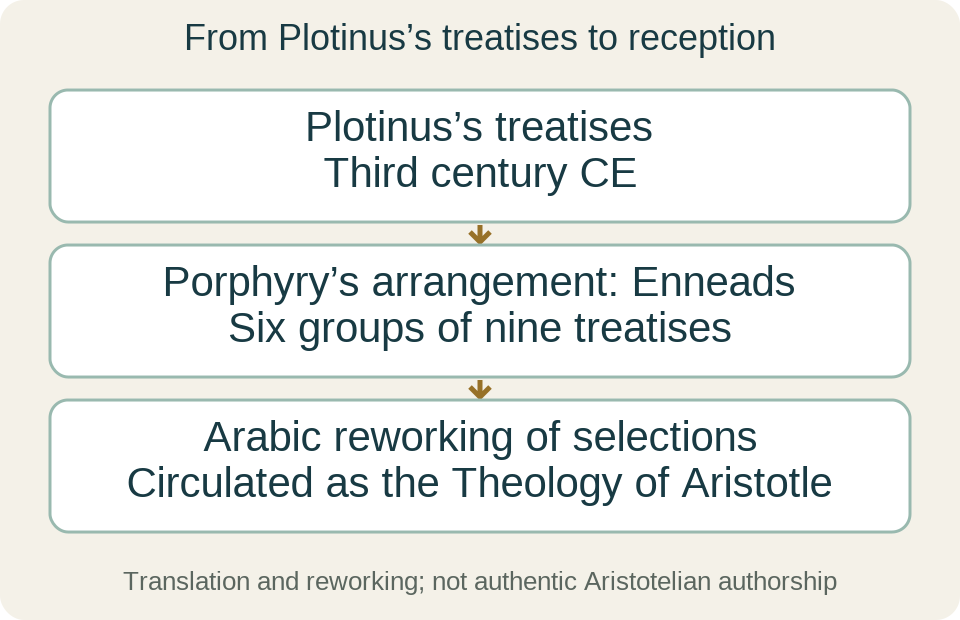
Modern diagram distinguishing author, editor and the Arabic reception title of selected material. Neither a portrait nor an ancient manuscript; it does not imply an Arabic translation of all the Enneads
Pessoa
Third-century CE philosopher central to Neoplatonism, whose treatises were collected as the Enneads.
Variantes do nome: Plotinus
Contexto e fontes →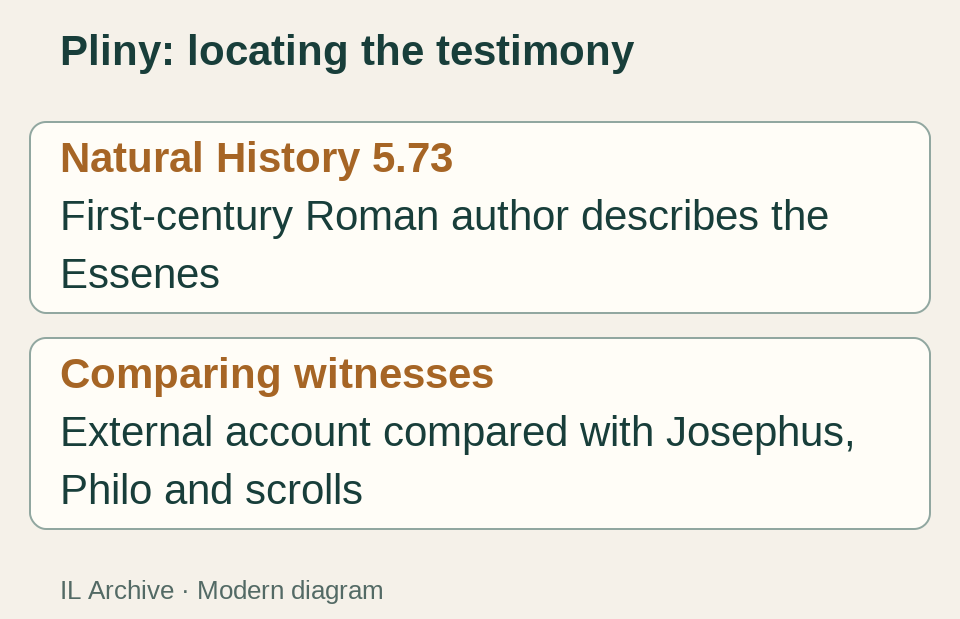
Modern diagram locates Pliny’s Essene description in Natural History 5.73 within his Roman geography, distinct from Josephus, Philo and manuscript witnesses. It is not Pliny’s portrait or an ancient manuscript
Pessoa
Roman writer and statesman, around 23/24–79 CE, author of the Natural History.
Variantes do nome: Pliny the Elder
Contexto e fontes →
Newly AI-generated symbolic cover bringing together a fish, spring, and mountainous gate; not a manuscript image, archaeological object, or verified historical reconstruction
Texto antigo
Syriac metrical homily on Alexander, life-water, and the gate against Gog and Magog, attested by a ninth-century manuscript catalogue and described in scholarship as having three recensions. Traditionally attributed to Jacob of Serugh; Brock proposes composition after 629/630 CE. Recensions are not collated here.
Variantes do nome: Syriac Alexander Poem
Contexto e fontes →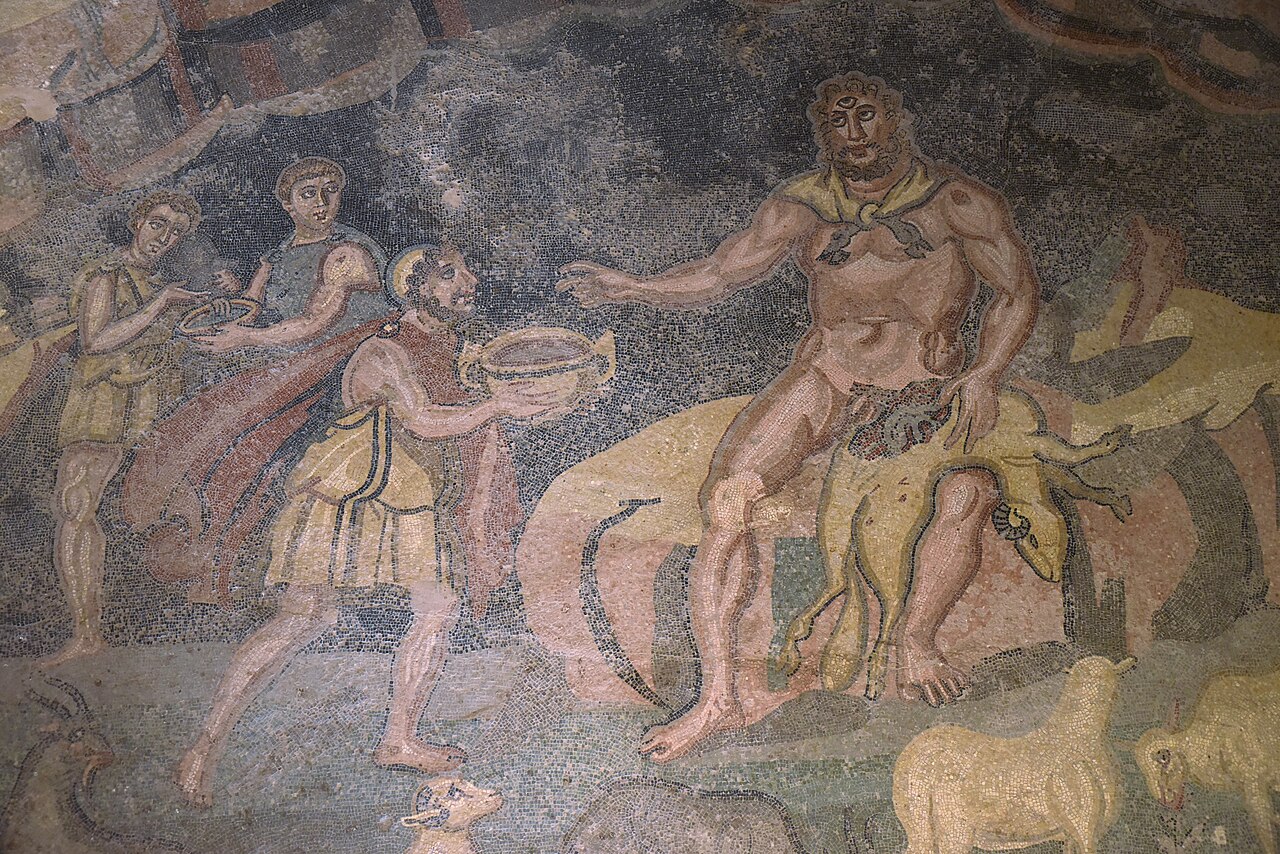
Odysseus offering a drink to Polyphemus in a Roman mosaic at Villa del Casale, Sicily. A later representation of the adventure narrated in Odyssey Book 9
Entidade
One-eyed giant in the Odyssey and Poseidon’s son within the narrative.
Variantes do nome: Polyphemus
Contexto e fontes →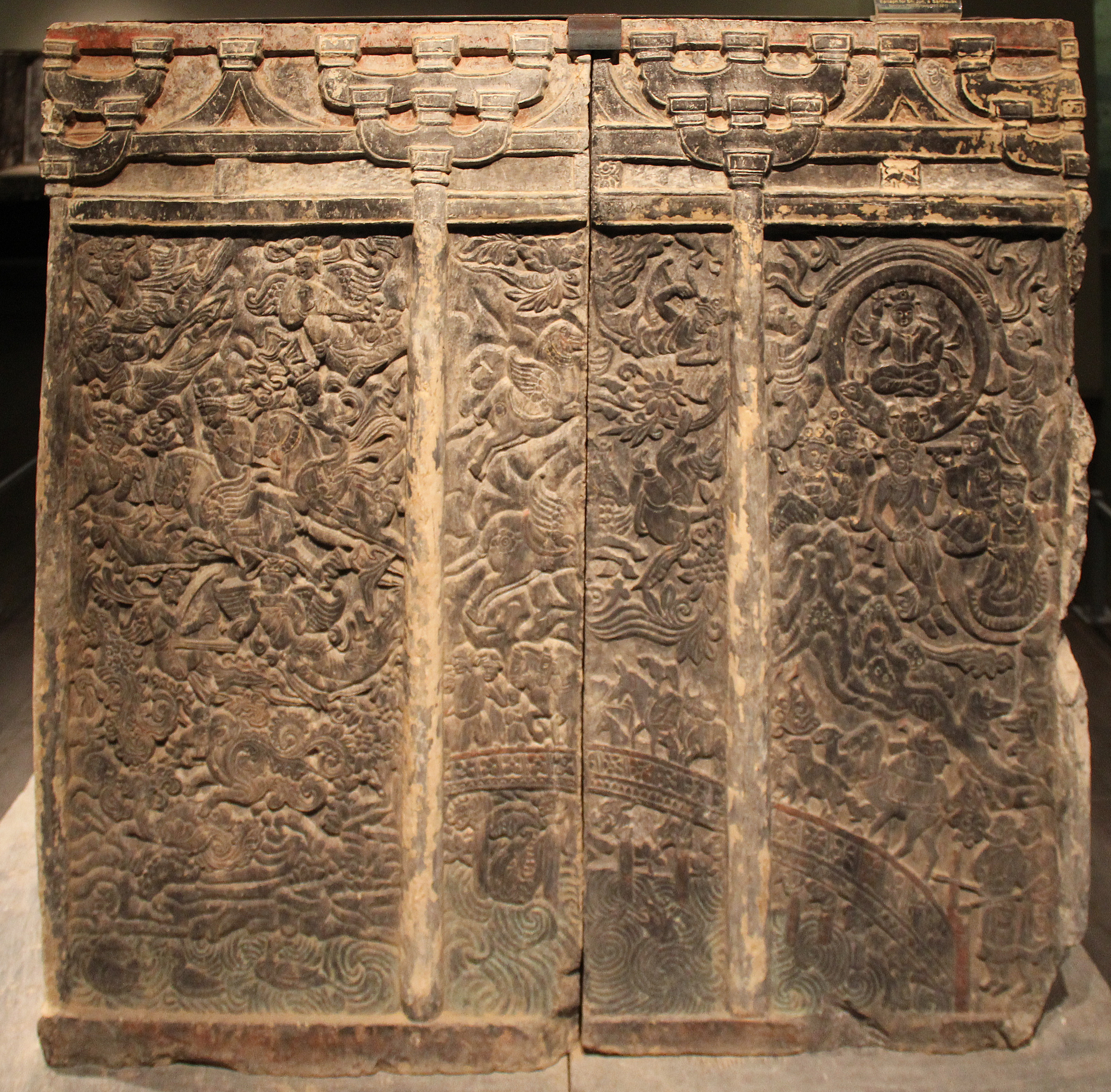
East panels of Wirkak’s (Shi Jun’s) sarcophagus, Xi’an, c. 579–580 CE. The lower crossing scene is interpreted as the Chinvat Bridge: later funerary imagery in a mixed religious setting, not a Gathic-period depiction
Entidade
The crossing associated with the soul’s judgment after death in Zoroastrian tradition. Named in the Gathas, it receives fuller descriptions of guardians, weighing and unequal passage in later texts; it is distinct from resurrection and world renovation.
Variantes do nome: Chinvat Bridge, Činwad Puhl, Cinvat
Contexto e fontes →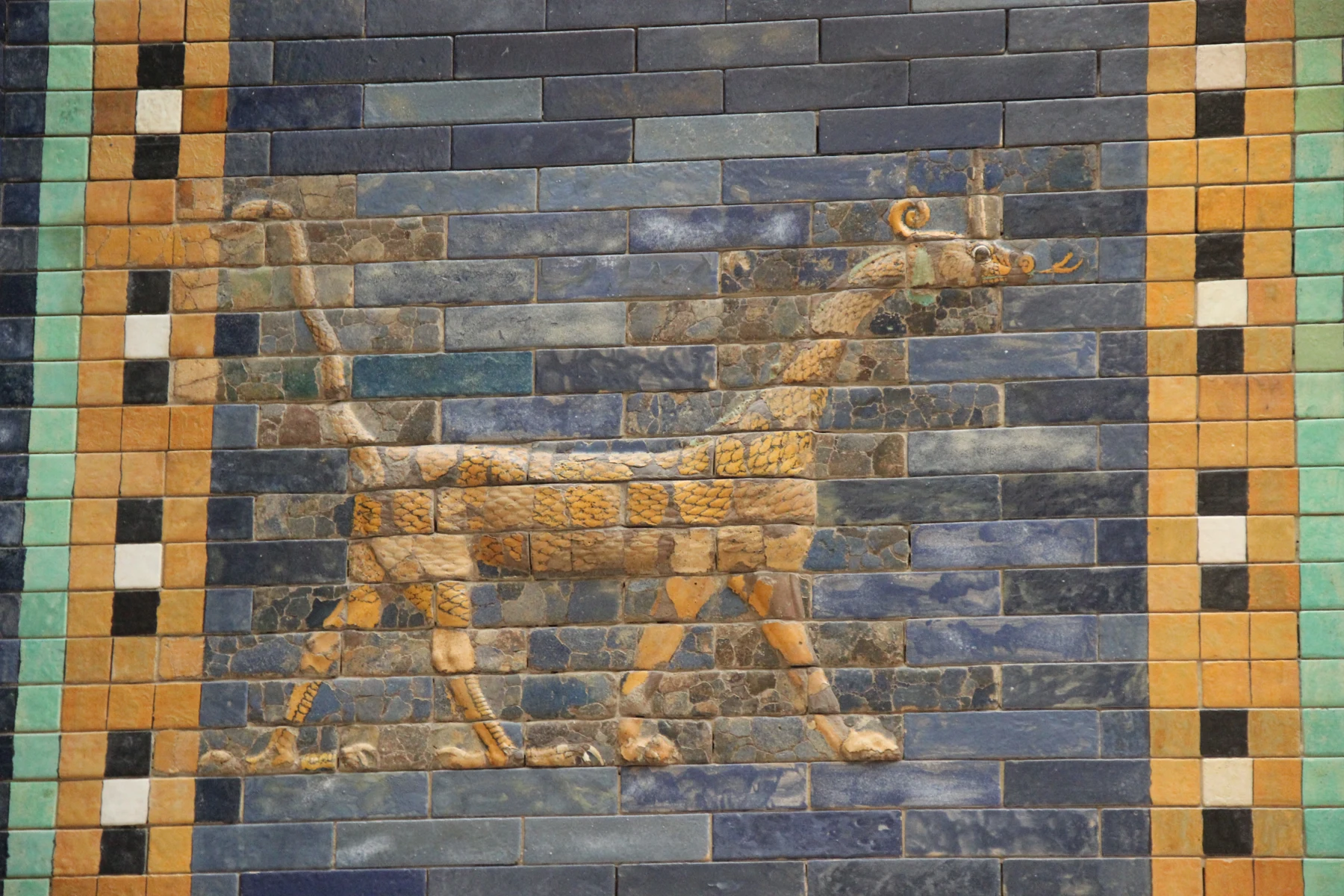
Dragon panel from the Ishtar Gate decoration, sixth century BCE, in a museum reconstruction incorporating ancient bricks at the Pergamon Museum. A gate detail, not its complete appearance at Babylon. Photograph Gary Todd, 1 August 2016
Sítio
A gate in Nebuchadnezzar II’s sixth-century BCE Babylonian building program, decorated with glazed-brick animals associated with Mesopotamian deities.
Variantes do nome: Ishtar Gate
Contexto e fontes →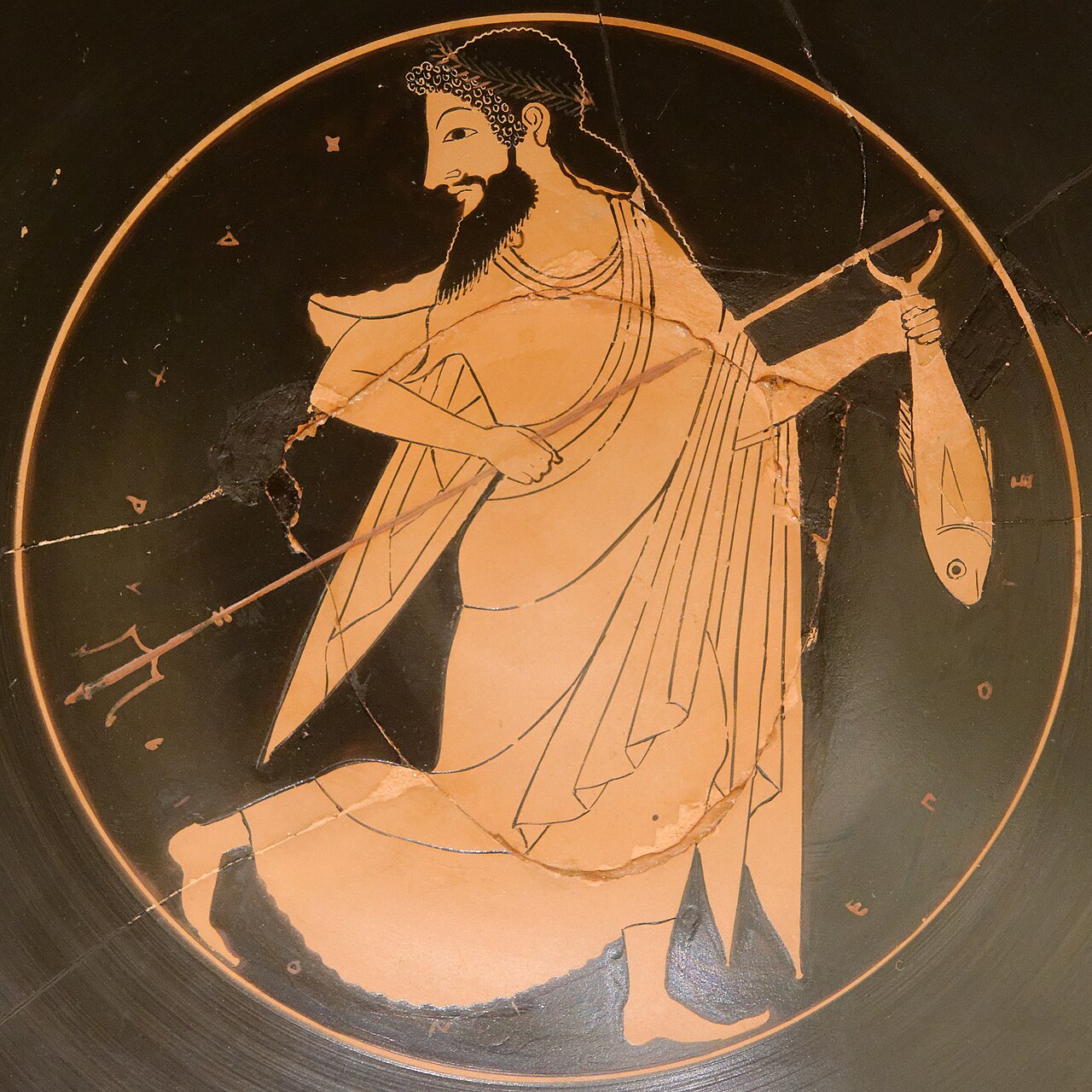
Poseidon with a trident and a fish inside an Attic cup, about 510 BCE; National Museum of Denmark 13407. An ancient representation of the deity
Entidade
Sea god in Greek traditions and an influential figure in the Iliad and Odyssey.
Variantes do nome: Poseidon
Contexto e fontes →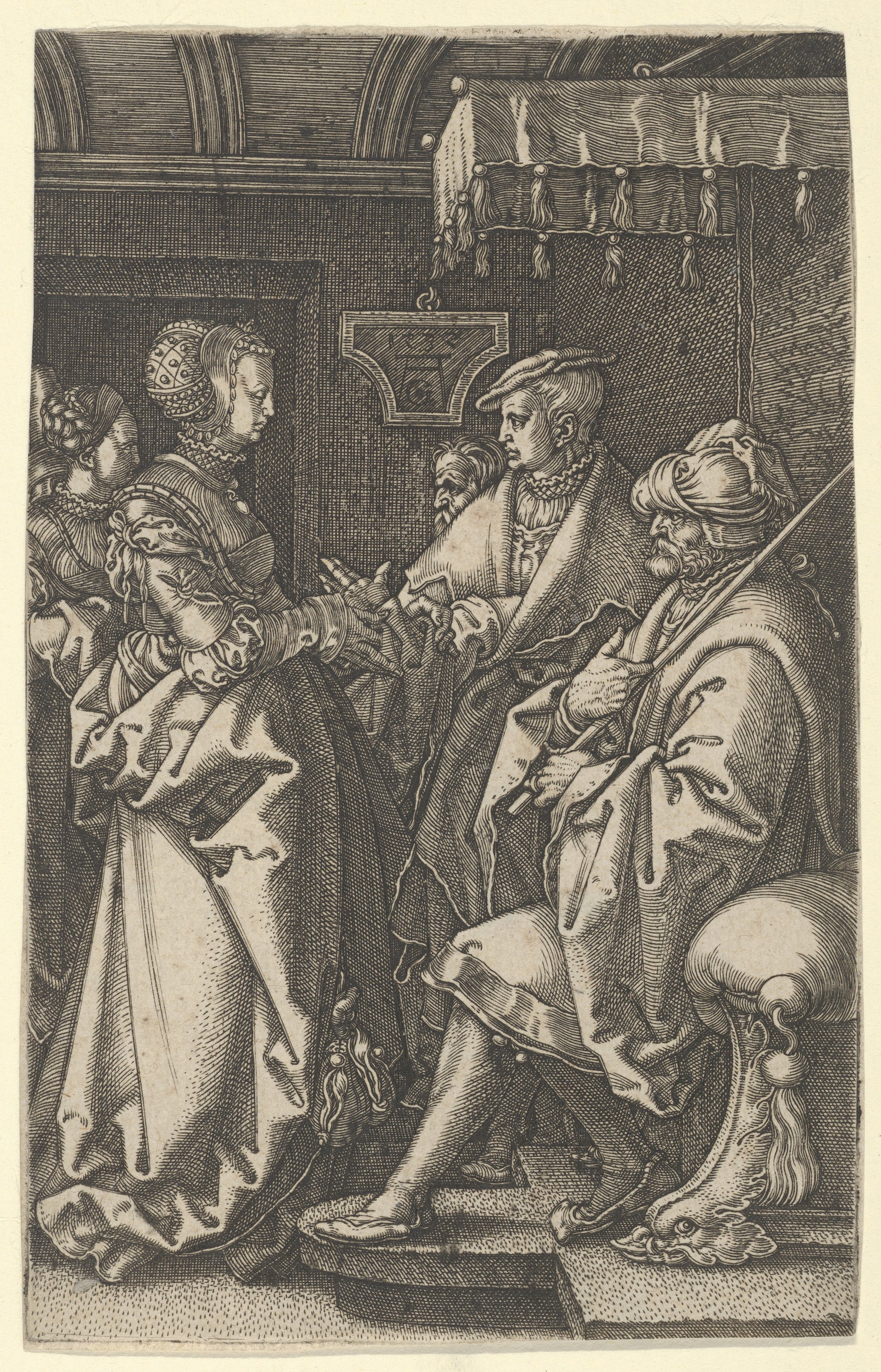
Potiphar’s Wife Accusing Joseph, Heinrich Aldegrever engraving, 1532; Met 49.132.83. Wife at left, seated Potiphar at right, Joseph behind him: artistic reception of Genesis 39:17, not historical portraits
Pessoa
Egyptian official who buys Joseph and places him over his household in Genesis 39.
Variantes do nome: Potiphar in Genesis, Potiphar
Contexto e fontes →
Modern conceptual illustration of receding water, two survivors, a boat, stones and a mountain evoking Deucalion; not an archaeological photograph, identified historical vessel or documented location
Entidade
Mythic people arising from stones after the flood of Deucalion and Pyrrha. Pindar names the stone-born lineage; Ovid and Pseudo-Apollodorus recount stone throwing in different forms.
Variantes do nome: stone-born people, people from stones
Contexto e fontes →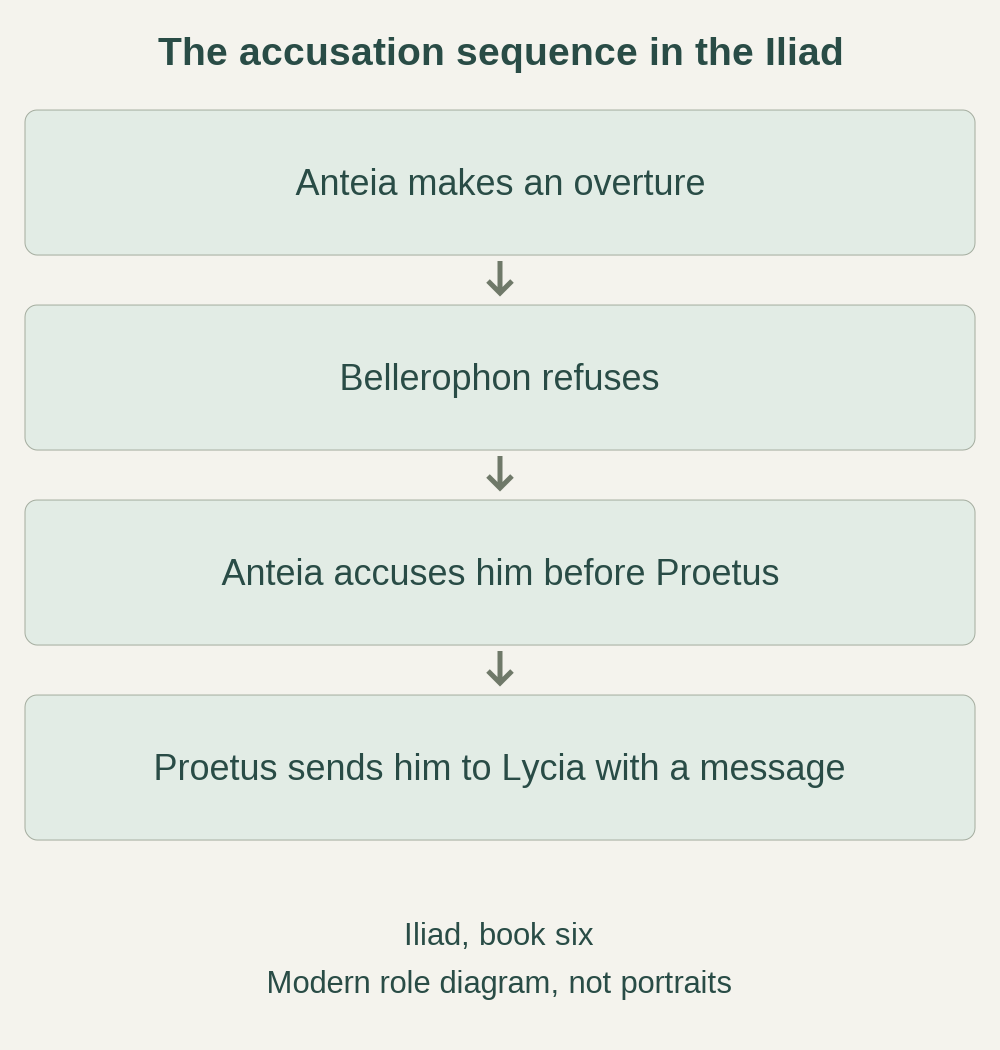
Modern diagram of Anteia, Bellerophon and Proetus in the Iliad episode; explains sequence without deciding other texts’ dependence
Pessoa
King hearing Anteia’s accusation and sending Bellerophon to Lycia with a message threatening his life.
Variantes do nome: Proetus in the Iliad, Proetus
Contexto e fontes →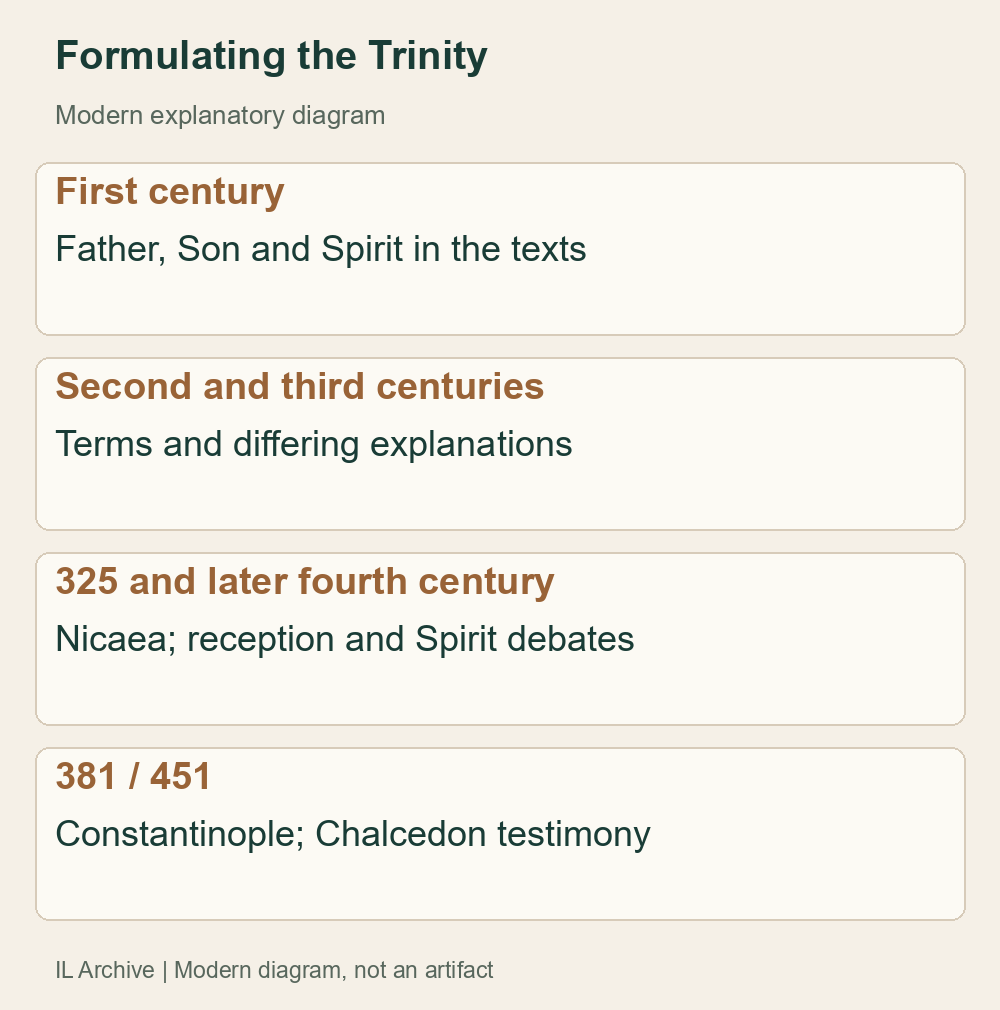
Modern timeline of witnesses and formulations, not one birth date for belief or immediate consensus. It distinguishes 381 from the expanded creed’s attestation in 451
Entidade
Christian council convened by Constantine in 325 at Nicaea; issued a creed on Father and Son and addressed church affairs, with disputes continuing over its reception.
Variantes do nome: Council of Nicaea, First Council of Nicaea, Nicaea 325
Contexto e fontes →
Modern AI-generated conceptual illustration evoking sky and time in Enochic literature; neither a historical manuscript nor a verified ancient cosmological reconstruction
Entidade
A composite Second Temple Jewish apocalyptic collection on the Watchers, parables, celestial cycles, historical visions, and judgment, preserved complete in Geʽez.
Variantes do nome: First Enoch, 1 Enoch, Ethiopic Enoch
Contexto e fontes →
Contemporary explainer; it is not an ancient artifact or historical likeness
Texto antigo
Biblical retelling of Israel’s monarchy; its census passage ascribes the incitement of David to “satan”.
Variantes do nome: 1 Chronicles
Contexto e fontes →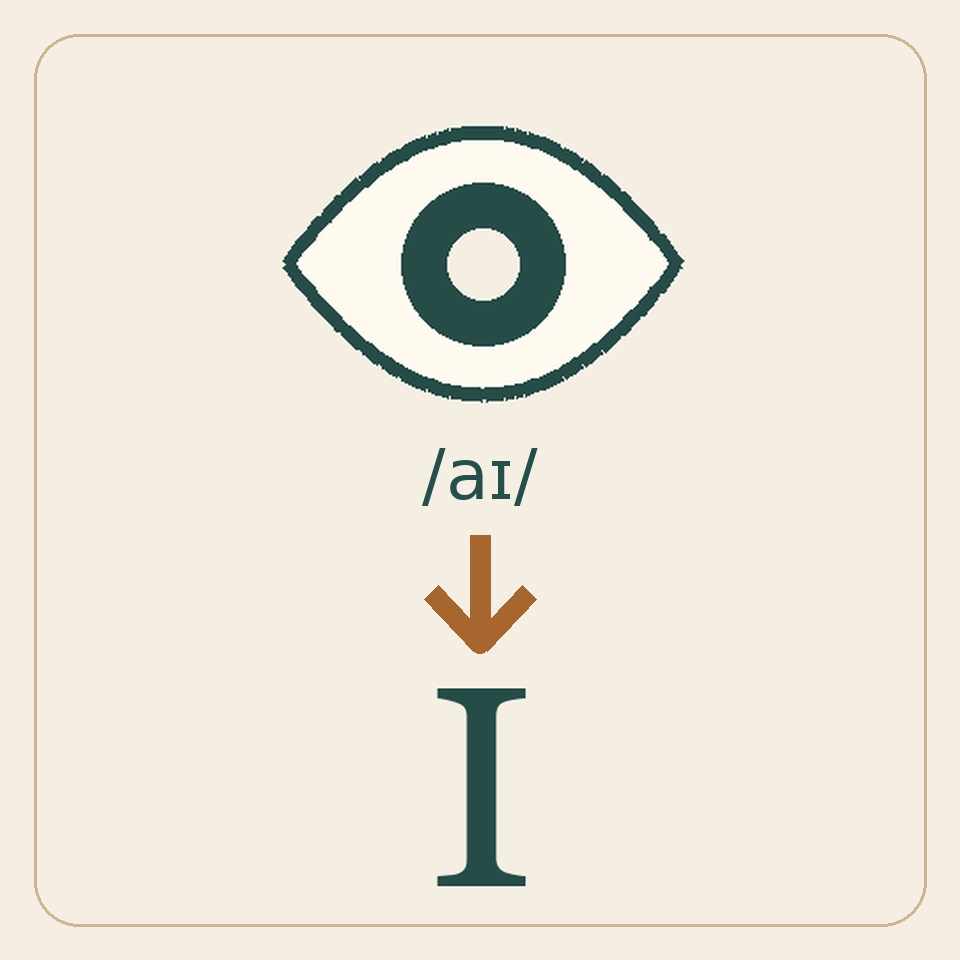
Modern editorial adaptation of an IL Archive diagram: an eye stands for English I through the shared sound /aɪ/. This is not a historical tablet or ancient sign
Entidade
A writing principle in which a sign for one word is reused to write another word of similar pronunciation but different meaning; visual similarity alone does not prove an early phonetic use.
Variantes do nome: rebus principle, rebus
Contexto e fontes →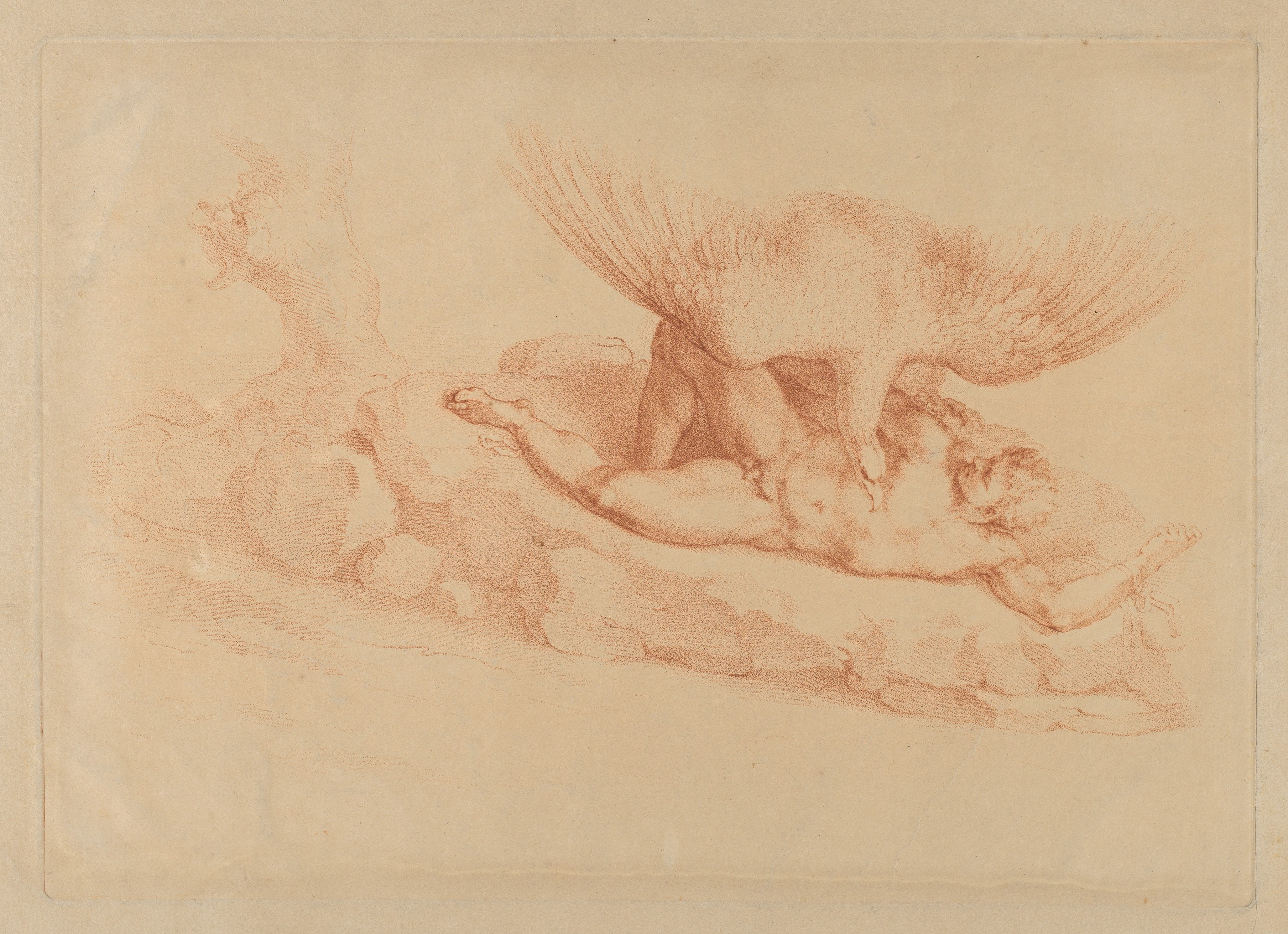
Prometheus chained to a rock beneath an eagle; red crayon-manner print by Francesco Bartolozzi after Michelangelo, 1795, Met 62.557.193. Punishment tradition, not Deucalion’s warning
Entidade
Greek divine figure advising and protecting humans in some Deucalion accounts.
Variantes do nome: Prometheus
Contexto e fontes →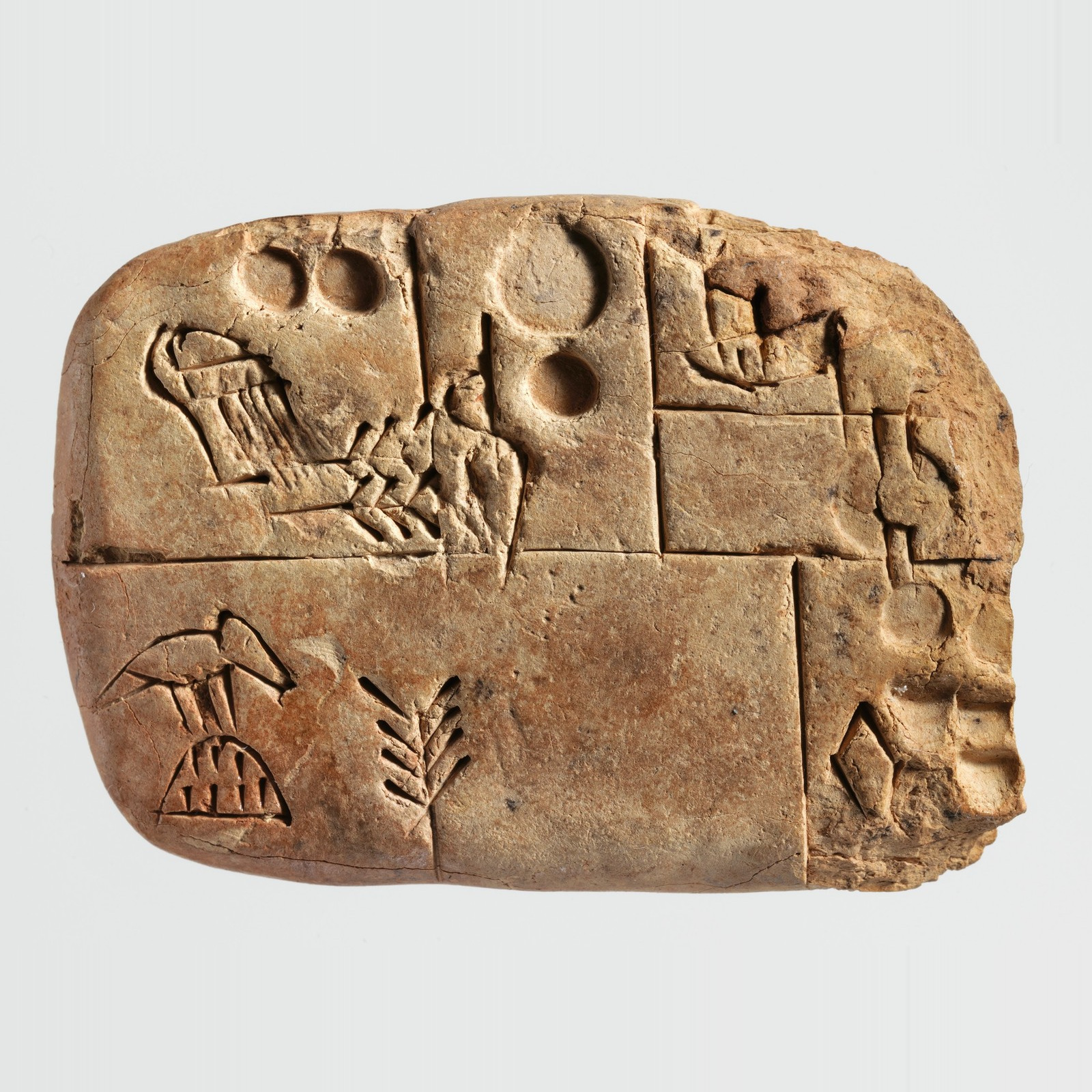
Cover: actual Met clay tablet 1988.433.2, c. 3100–2900 BCE, probably from Uruk. Modern square presentation with extended background margins; no marks changed and no edge of the object cropped
Entidade
Early southern Mesopotamian script (c. 3350–3000 BCE): clay tablets with counting systems and signs for commodities, people and offices, as well as lexical lists; not yet a full rendering of speech.
Variantes do nome: proto-cuneiform, proto-cuneiform writing
Contexto e fontes →
Ugaritic tablet from the Baal Cycle, Ras Shamra, c. 14th–13th centuries BCE; Louvre, AO 16640. An attested Semitic language, not a document in reconstructed Proto-Semitic
Entidade
The inferred ancestral language of Semitic, reconstructed from comparative sound, morphological and lexical evidence; no direct Proto-Semitic inscription survives.
Variantes do nome: Proto-Semitic
Contexto e fontes →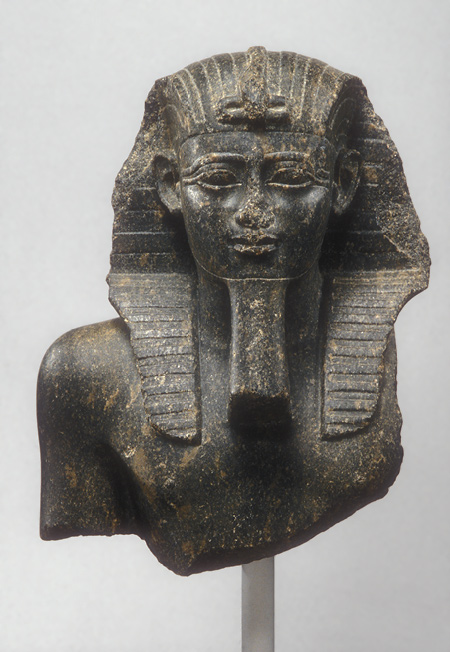
Granite bust from a royal statue dated by the museum to Psamtik I’s reign, about 664–610 BCE, Metropolitan Museum of Art, X.358
Pessoa
Psamtik I was an Egyptian king of Dynasty 26, reigning about 664–610 BCE during the Saite period.
Variantes do nome: Psamtik I
Contexto e fontes →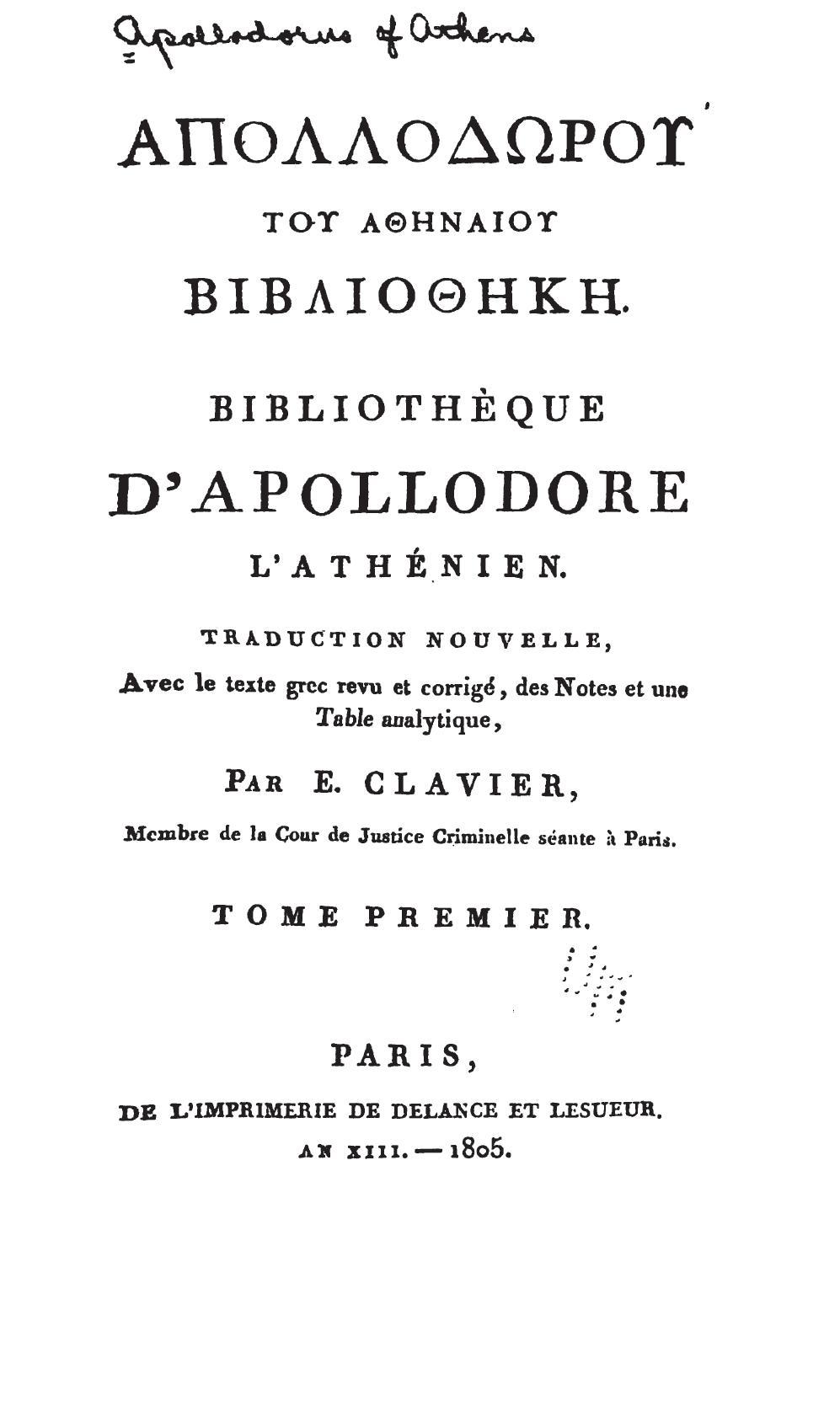
Title page of the Bibliothèque d’Apollodore in E. Clavier’s edition, Paris, 1805, volume I, in Greek and French. It documents a later printed edition; the title’s author attribution is traditional
Pessoa
Name used for the author of the Bibliotheca, a Greek mythographic collection usually dated to the first or second century CE.
Variantes do nome: Pseudo-Apollodorus
Contexto e fontes →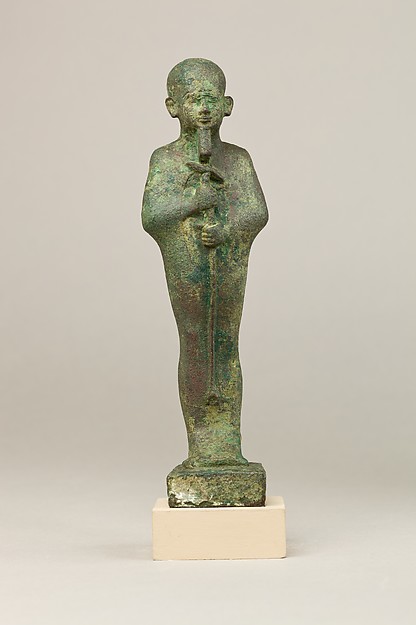
Statuette of Ptah wearing a close-fitting cap, straight beard and enveloping garment. Made of cupreous metal, it is dated by the Met to 664–30 BCE; object 04.2.406
Entidade
Ptah is an Egyptian god associated with Memphis, craftsmanship and creation
Variantes do nome: Ptah
Contexto e fontes →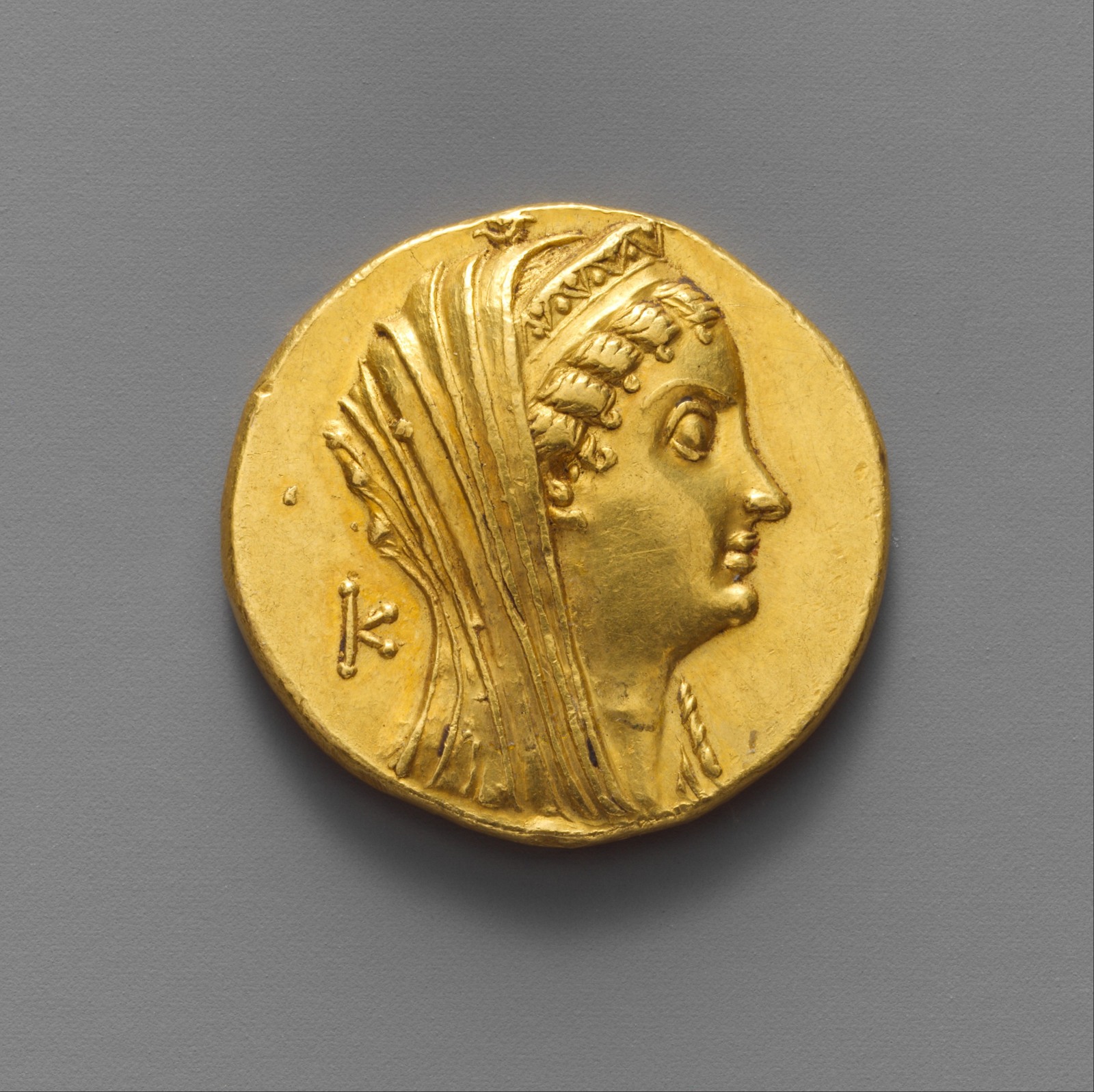
Gold coin obverse, reign of Ptolemy II, Alexandria, c. 261–246 BCE. The portrait is Arsinoe II, not the king. Met 30.115.23. Context for Ptolemaic Egypt, not evidence of Torah translation. Original preserved; resized without cropping
Entidade
Ptolemaic ruler of Egypt (sole reign c. 282–246 BCE), linked to Alexandrian cultural patronage and, in the later Letter of Aristeas, the Greek Torah translation; the particulars of royal commissioning remain independently unverified.
Variantes do nome: Ptolemy II, Ptolemy II Philadelphus, Ptolemy II Philadelphos
Contexto e fontes →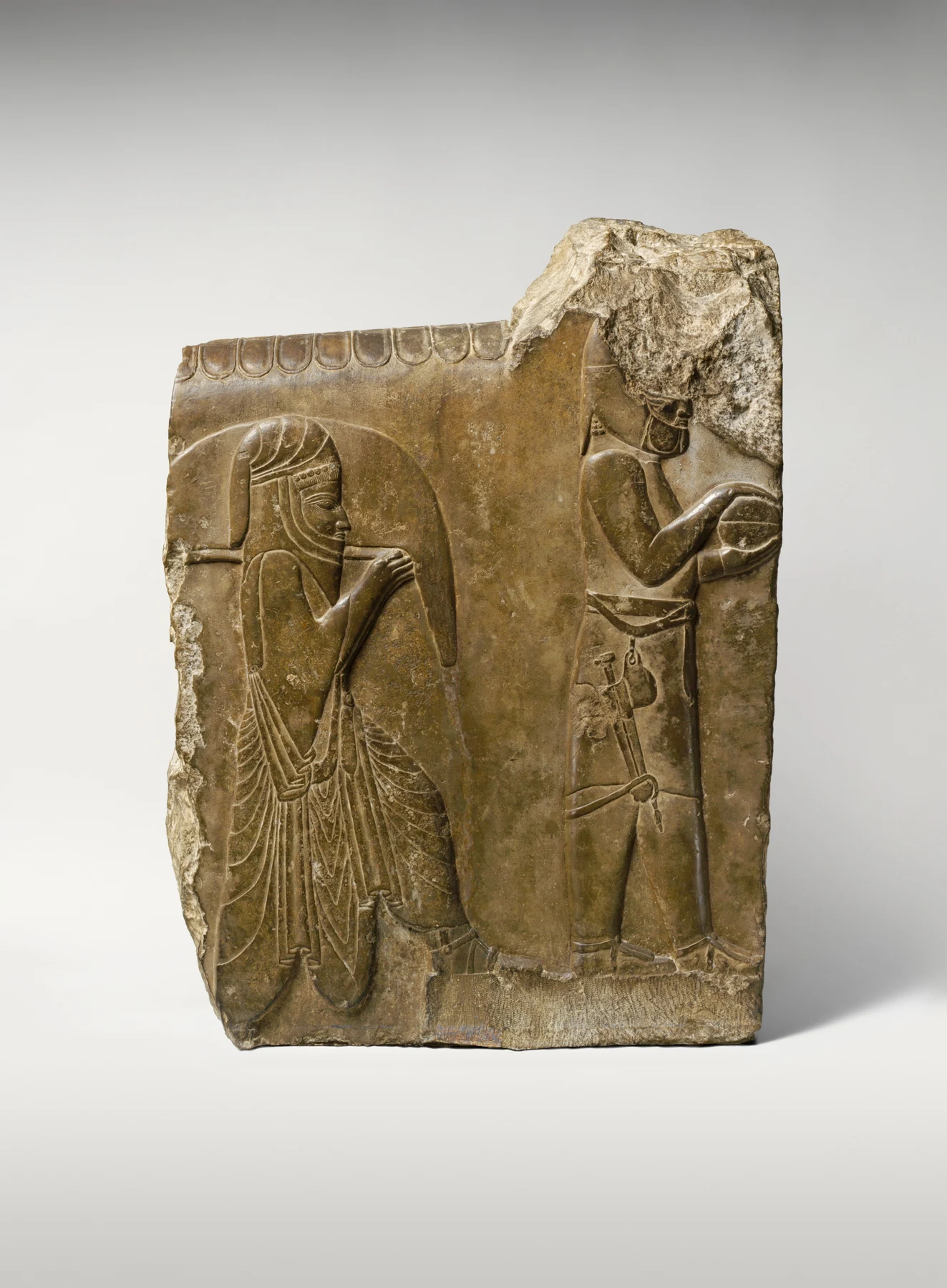
Limestone relief of two servants carrying food and drink, Persepolis, ca. 358–338 BCE, under Artaxerxes III. Metropolitan Museum, 34.158, public-domain photograph. Evidence for the representation of banquet service, not Esther, Haman or a banquet of Xerxes
Entidade
Jewish festival connected in Esther with rescue and lots; the book’s explanation alone does not establish the first historical origin of every element.
Variantes do nome: Purim, Purim festival
Contexto e fontes →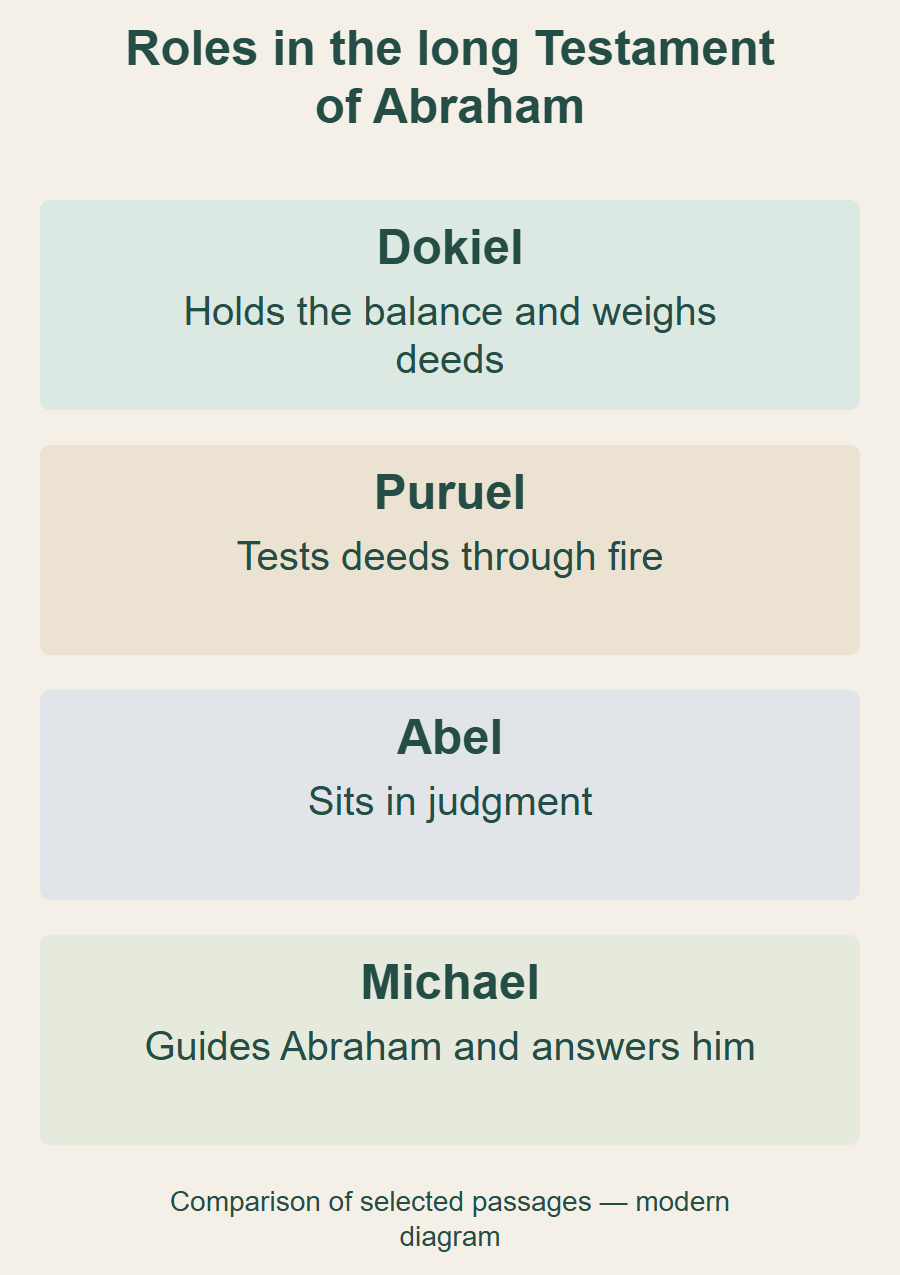
Modern chart of the long Testament of Abraham: Abel judges, Dokiel weighs, Puruel tests by fire and Michael guides Abraham; not ancient likenesses
Entidade
Puruel is an angel in the long Testament of Abraham who tests deeds by fire.
Variantes do nome: Puruel
Contexto e fontes →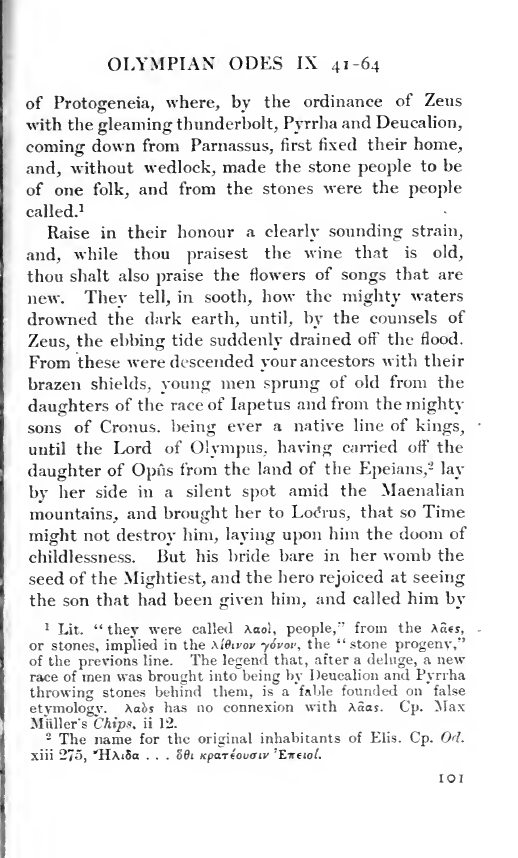
Olympian 9.41–64, John Sandys’s English translation, Loeb 1915, p. 101/PDF 157. A historical modern edition page, not an ancient Greek manuscript
Pessoa
Greek poet, about 518–438 BCE, linking athletic victories with gods, genealogies and cities.
Variantes do nome: Pindar, Greek lyric poet
Contexto e fontes →