
Modern AI-generated symbolic image of the sun above a dark passage; neither an Ugaritic artifact nor an attested portrait of Shapshu
Entidade
Shapshu, the Ugaritic sun goddess, helps mourn Baal and warns Mot under El’s authority; her links with the dead and drought remain debated.
Variantes do nome: Shapshu, Shapash, Šapšu
Contexto e fontes →
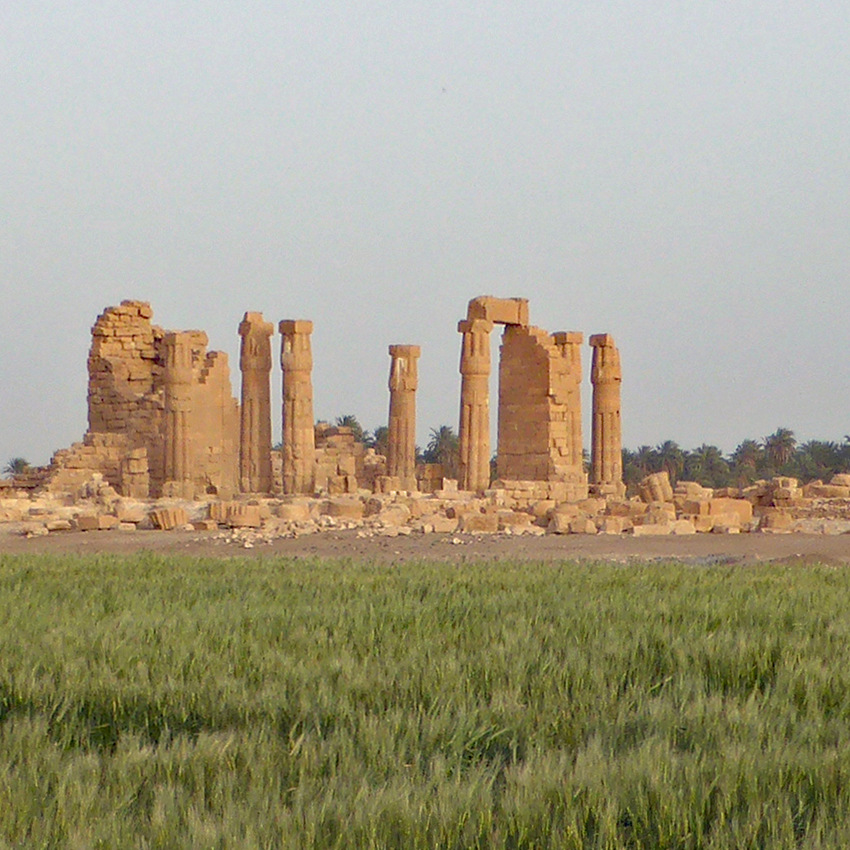
Cover: modern square crop of Hans Birger Nilsen’s 2017 photograph of the Soleb temple in Sudan; architectural context, not an image of Shasu or the Y-h-w inscription
Entidade
Egyptian designation for mobile pastoral populations of the Late Bronze Age; associated lists contain a name rendered Y-h-w. It identifies neither one unified people nor a certain connection with Yahweh.
Variantes do nome: Shasu
Contexto e fontes →
Pessoa
Shaul Shaked was a scholar of Iranian languages, Zoroastrianism and its contacts with Jewish traditions.
Variantes do nome: Shaul Shaked
Contexto e fontes →

Newly generated symbolic illustration of the threshold between life and death. The landscape and buildings are imaginary, not an archaeological place, a map of Sheol, or a historical reconstruction
Entidade
Hebrew word used for death, grave imagery and the abode of the dead in diverse texts; neither later punitive hell nor one specific physical tomb in every occurrence.
Variantes do nome: Sheol
Contexto e fontes →
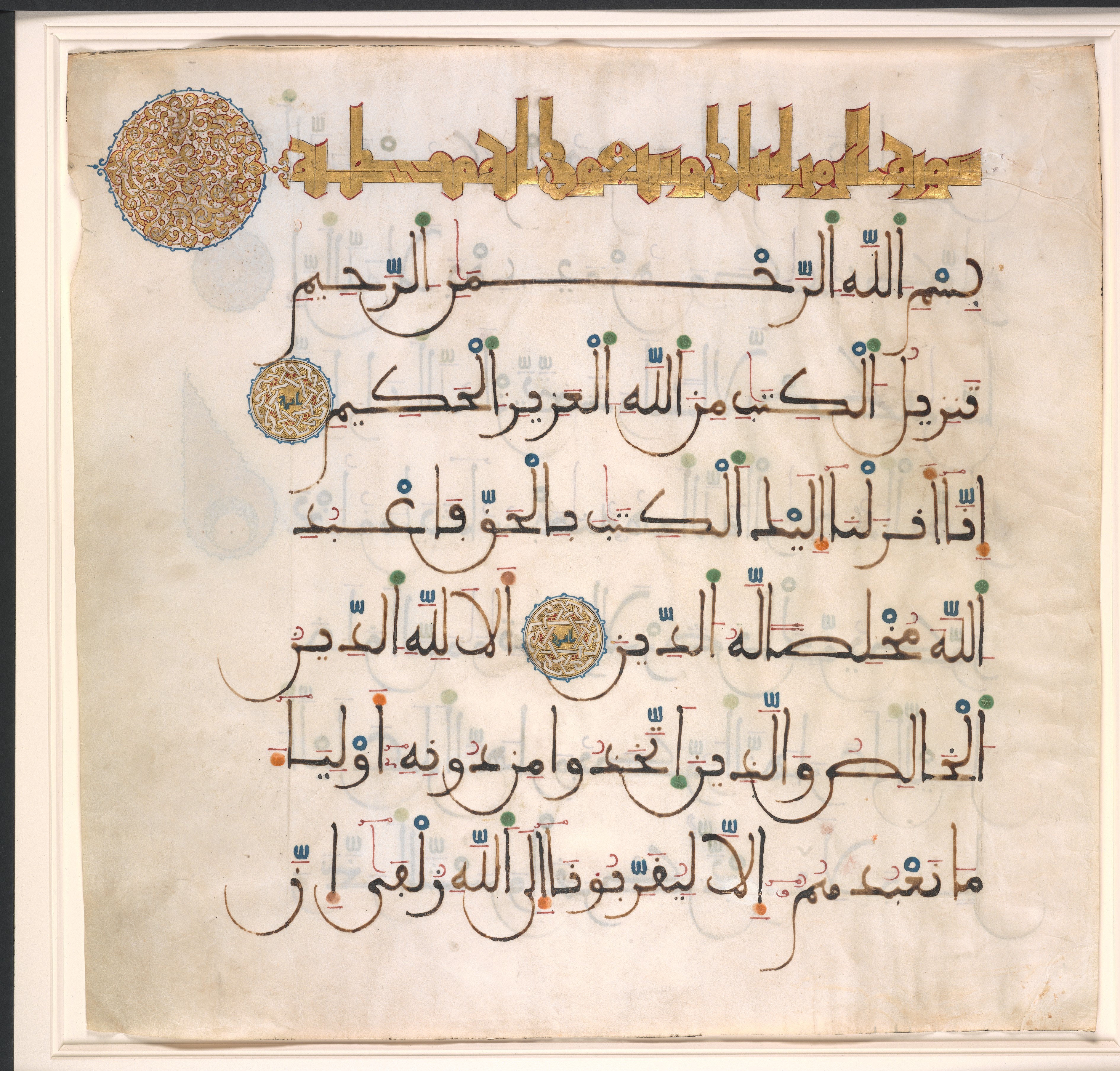
Quran leaf, probably Spain, late thirteenth–early fourteenth century; Met 42.63. It preserves 39:1–part of 39:3, including the claim about proximity to God. A later manuscript witness, not an image from the period of revelation
Entidade
Shirk: assigning God a partner in divinity or worship in Islamic discourse; not equivalent to denying God’s existence or to every form of intercession.
Variantes do nome: shirk, associating partners with God
Contexto e fontes →
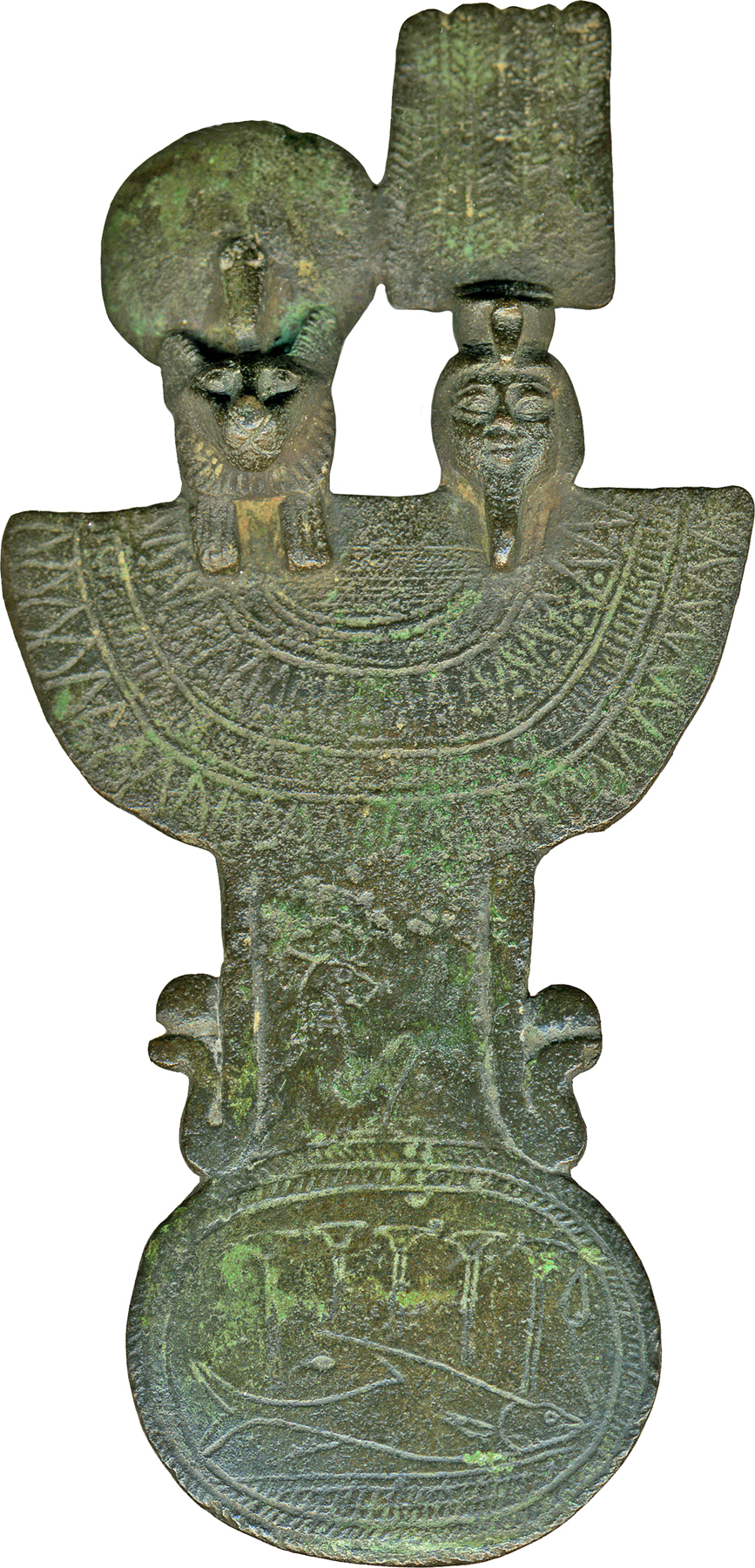
Bronze ritual menat bearing the heads of Shu and Tefnut, from Egypt’s Late Period, 664–380 BCE. Walters Art Museum, 54.1515. Instruments of this type were used with beaded collars in rituals
Entidade
Shu and Tefnut are an Egyptian divine pair associated with air and moisture respectively
Variantes do nome: Shu and Tefnut, Shu, Tefnut
Contexto e fontes →
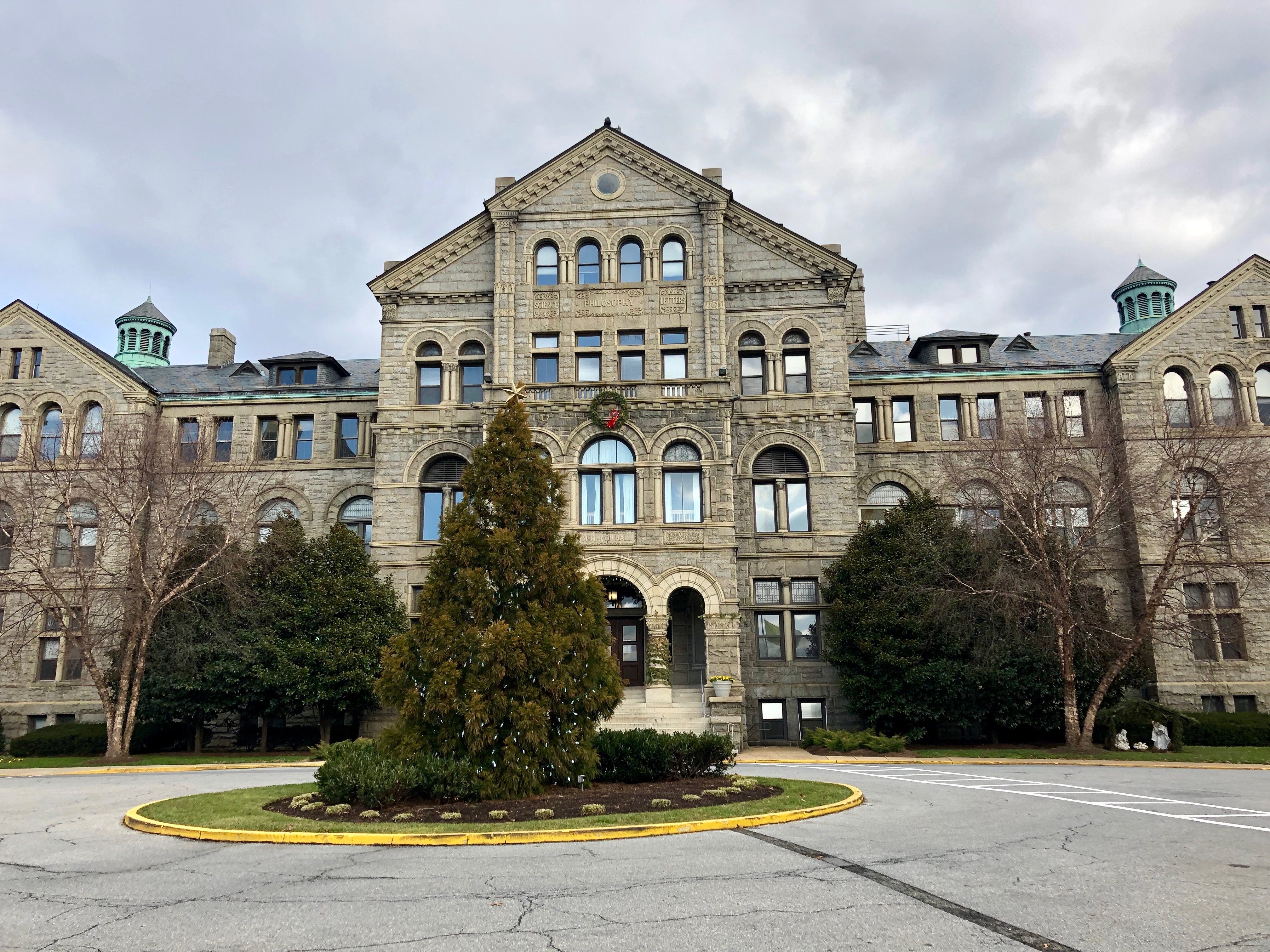
McMahon Hall at the Catholic University of America, Washington, photographed in 2018. Institutional context for Griffith's career, not his portrait or a documented office. w_lemay, CC0
Pessoa
American scholar (1938–2026) of Syriac and early Arabic Christianity and encounters with Islam.
Variantes do nome: Sidney Griffith, Sidney H. Griffith
Contexto e fontes →
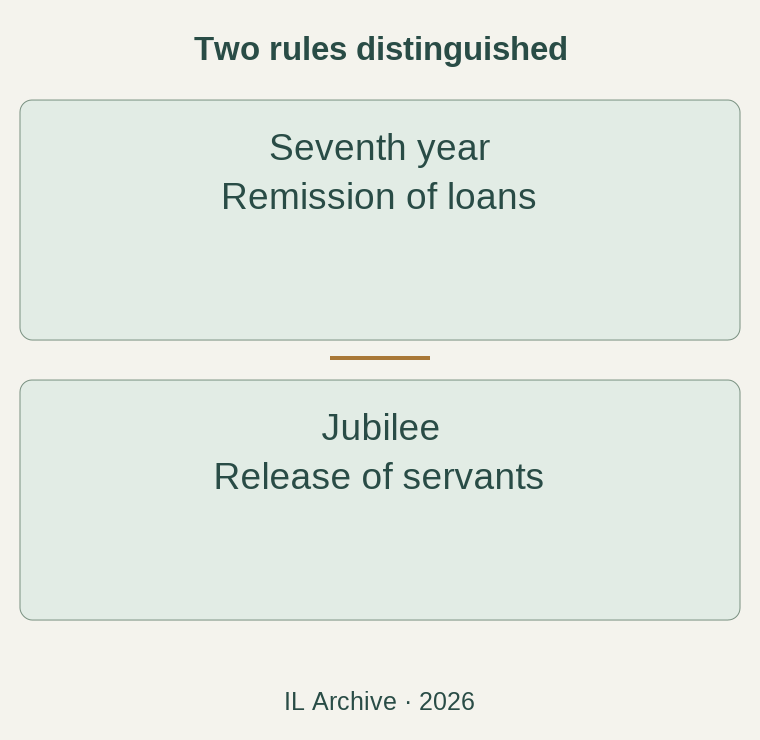
Modern diagram explaining the relationship between the named passages; not a manuscript photograph or historical portrait
Texto antigo
Rabbinic interpretation of Leviticus preserving early-CE traditions and separating remission and jubilee rules.
Variantes do nome: Sifra Leviticus
Contexto e fontes →
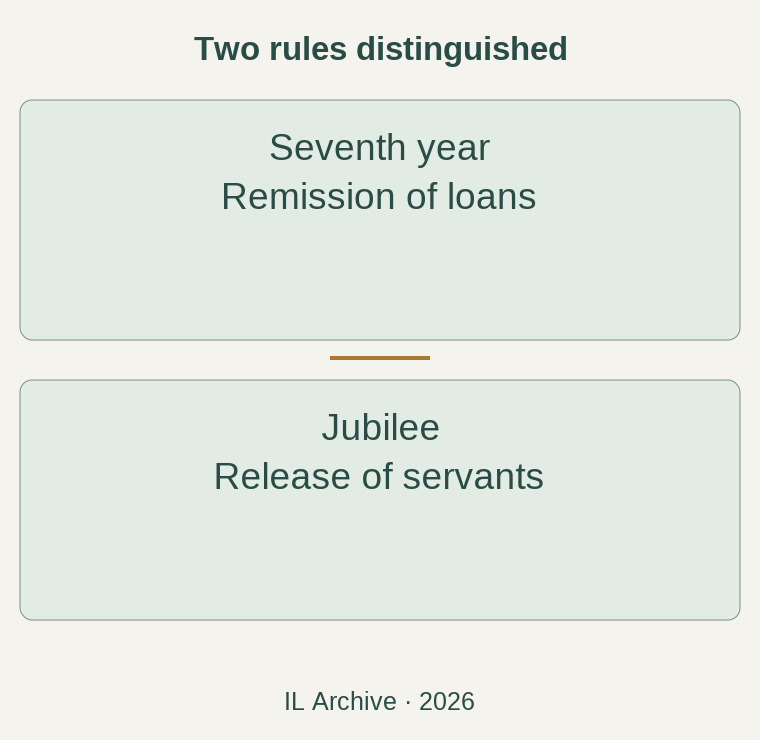
Modern diagram explaining the relationship between the named passages; not a manuscript photograph or historical portrait
Texto antigo
Rabbinic interpretation of Deuteronomy distinguishing seventh-year remission and jubilee release in the compared passage.
Variantes do nome: Sifre Deuteronomy
Contexto e fontes →
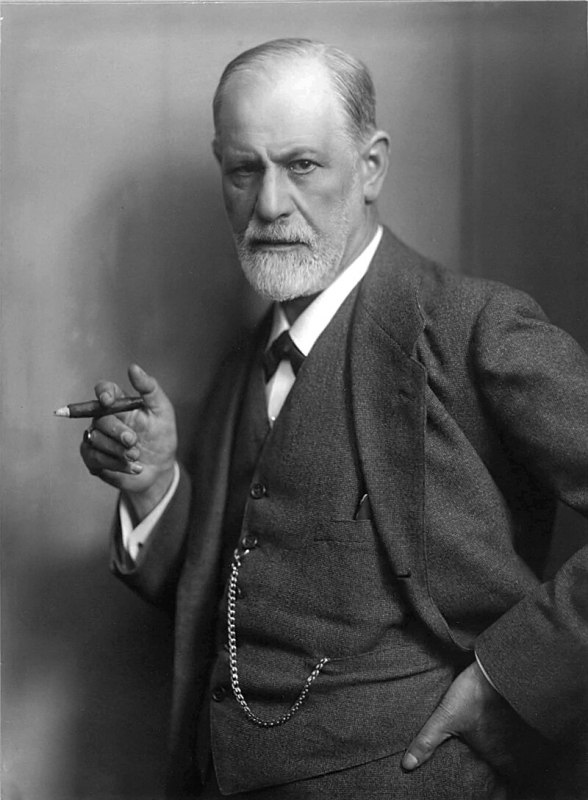
Sigmund Freud in 1921, photographed by Max Halberstadt, as displayed by the University of Vienna history archive. The published crop is retained without further cropping. A portrait of the modern thinker, not evidence from Akhenaten’s time
Pessoa
Neurologist and founder of psychoanalysis, born 1856, died 1939.
Variantes do nome: Sigmund Freud
Contexto e fontes →
Pessoa
Scholar of the Hebrew Bible and religious history who has written on pre-Islamic Raḥmānān.
Variantes do nome: Sigrid K. Kjær
Contexto e fontes →
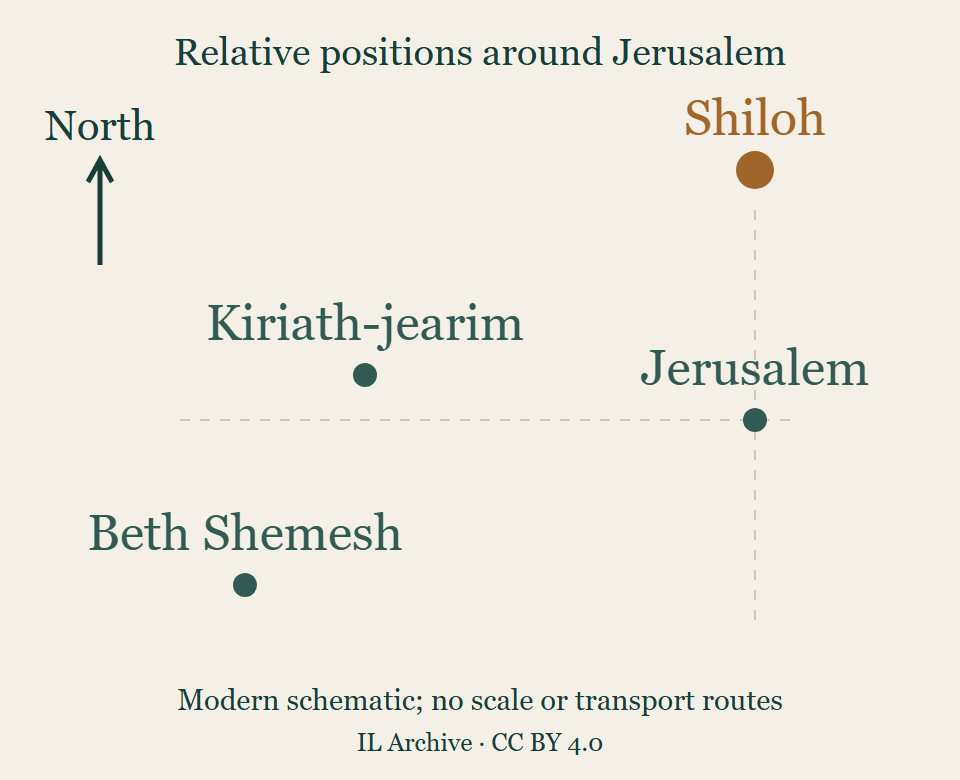
Modern schematic highlighting Shiloh / Seilun relative to Jerusalem and the other two sites. General directions, not a scale map or the Ark’s route
Sítio
Archaeological site in the West Bank highlands, associated with the Ark in Samuel.
Variantes do nome: Shiloh / Seilun
Contexto e fontes →
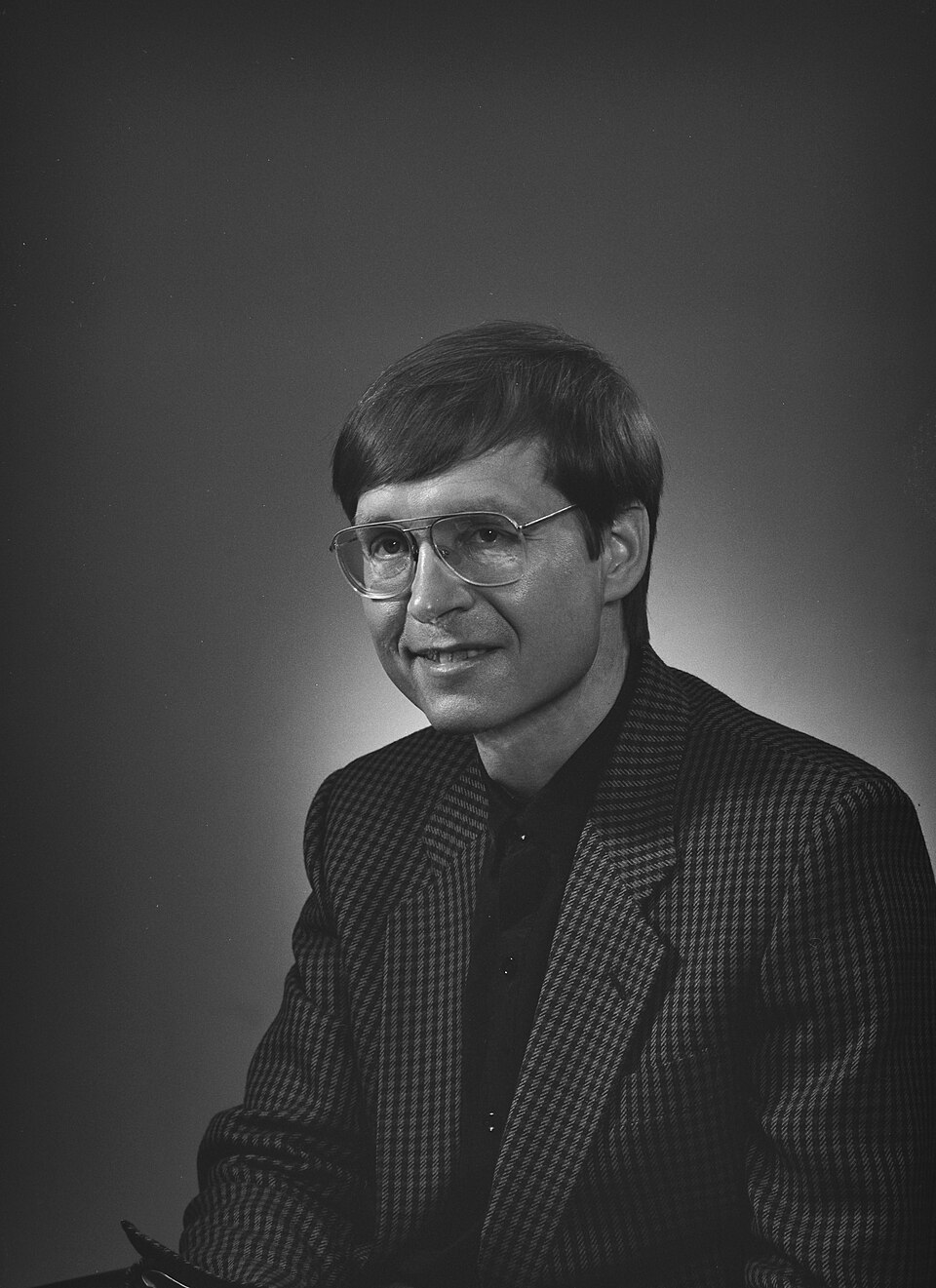
Simo Parpola in 1993, photographed by Kuvasiskot studio; Finnish collection record via Finna and Wikimedia Commons
Pessoa
A Finnish Assyriologist specializing in ancient Assyria, editor of scholarly letters and interpreter of sage and Oannes traditions.
Variantes do nome: Simo Parpola
Contexto e fontes →

Modern AI-generated symbolic illustration of the question of simplicity and composition; not a depiction of God, an artefact or a historical reconstruction
Entidade
The claim that God has no ontological constituents; strong versions deny real distinctions between essence and existence or between God and intrinsic attributes. It is not just numerical oneness or incorporeality.
Variantes do nome: Divine simplicity, Divine metaphysical simplicity
Contexto e fontes →
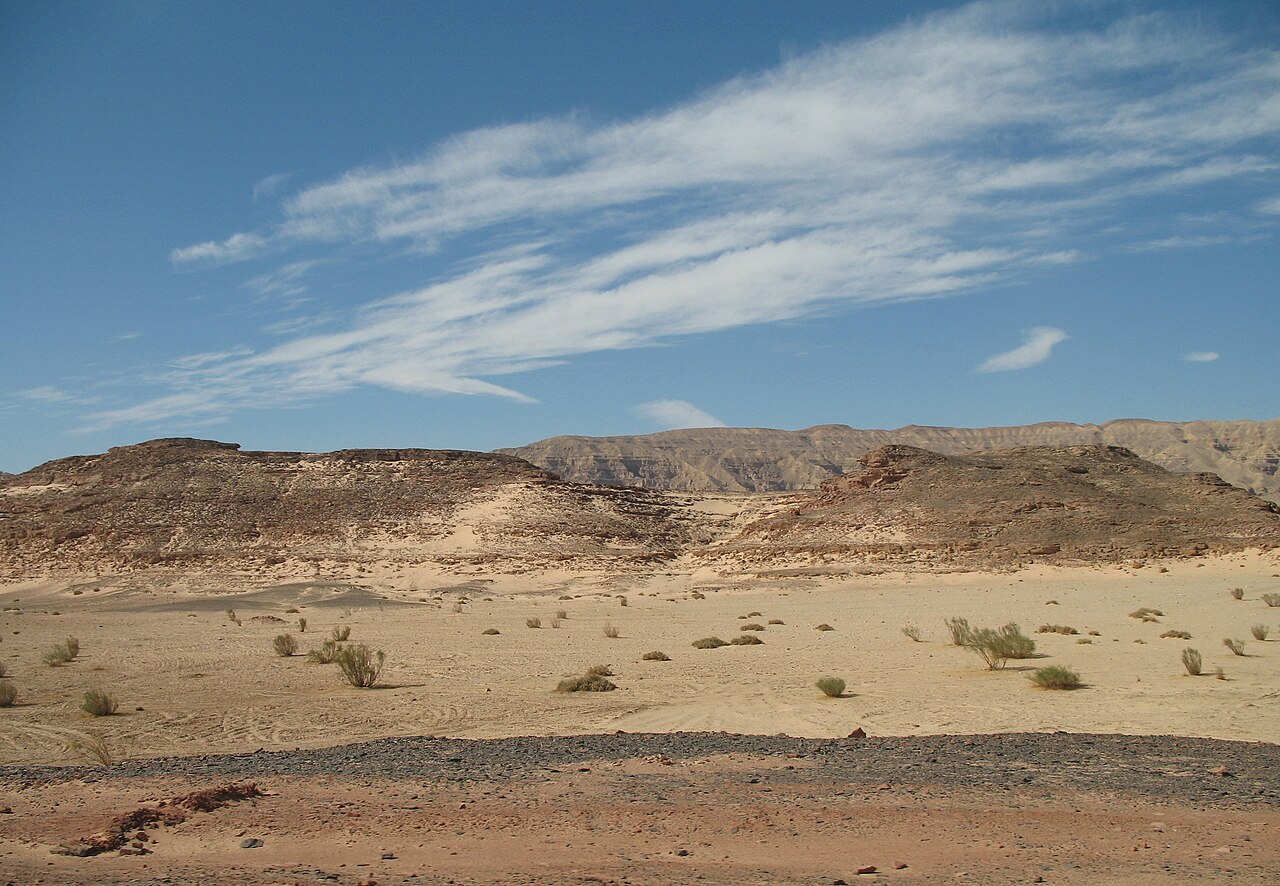
A view of the Sinai desert in Egypt, 22 November 2008. It shows the peninsula’s landscape without identifying the mountain meant by the biblical narratives
Sítio
Sinai is a peninsula in eastern Egypt; in the Torah the name also denotes the mountain of revelation to Moses
Variantes do nome: Sinai, Mount Sinai
Contexto e fontes →
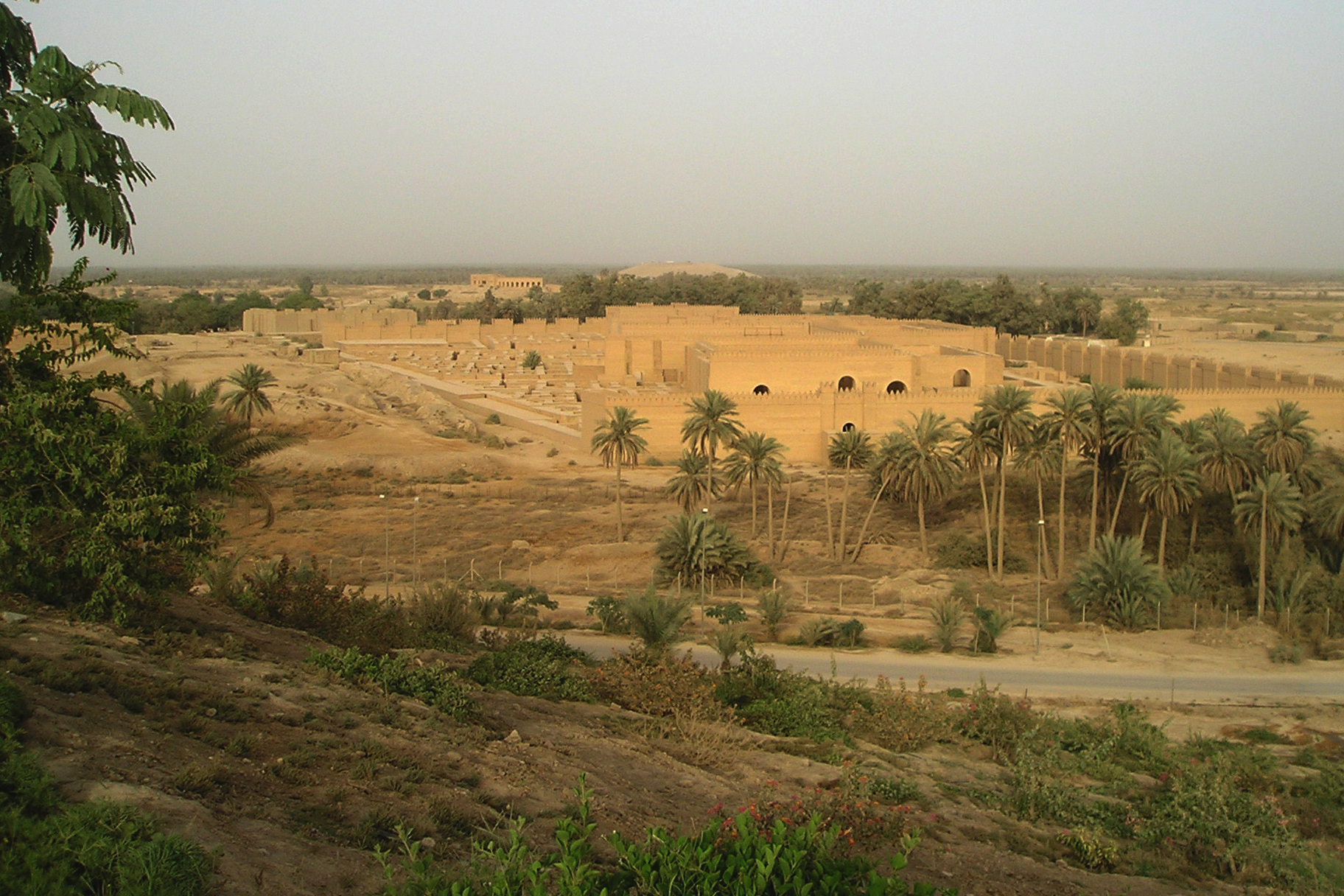
Babylon’s site in Iraq, source dated 2009, showing modern reconstruction and surrounding land. A city Genesis places in Shinar, not a map of Shinar’s boundaries or a photograph of the narrative’s tower
Sítio
Shinar is a region named in Genesis with Babylon, Uruk and Akkad, and the plain where the city and tower are built.
Variantes do nome: Shinar
Contexto e fontes →
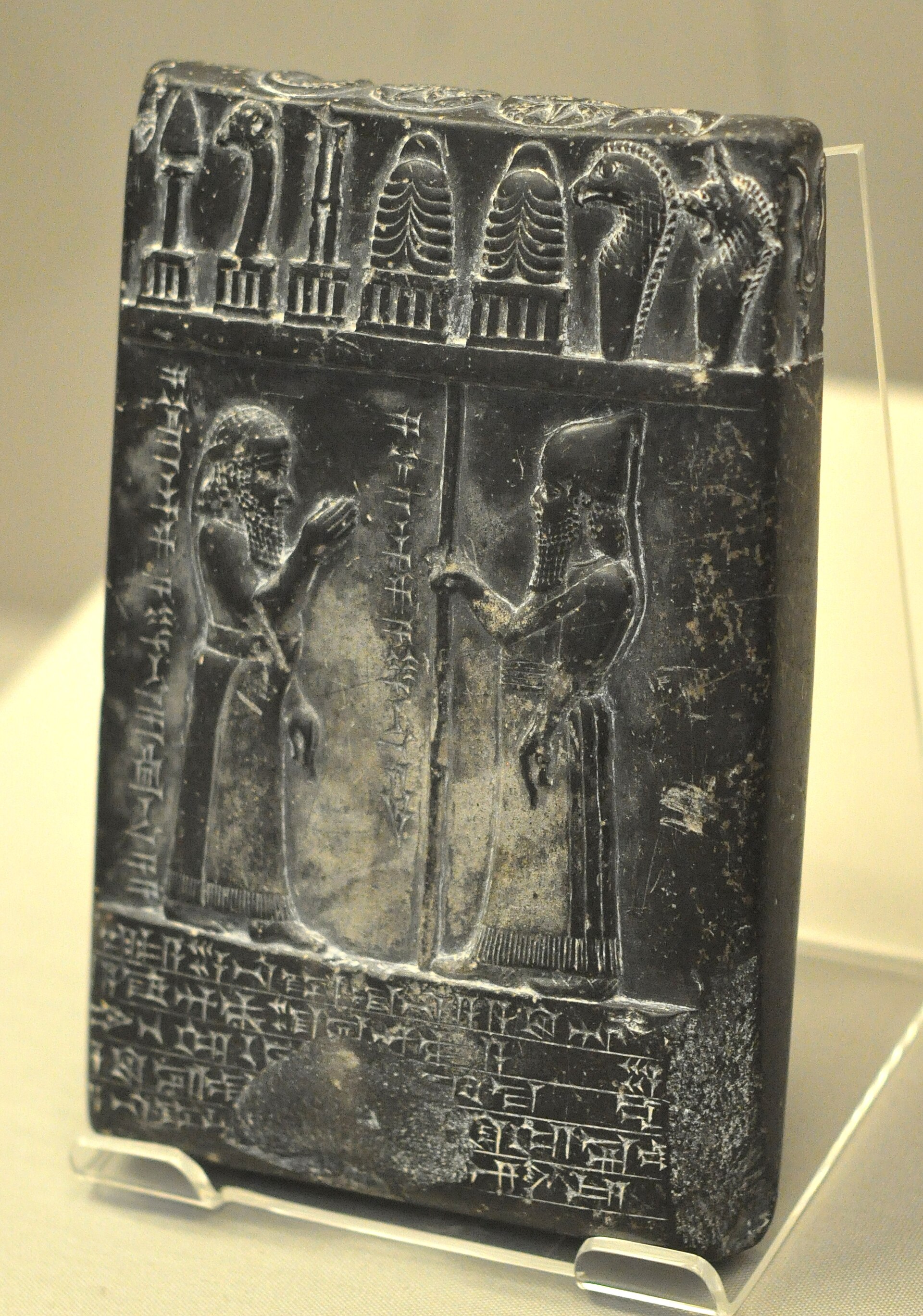
Tabuinha de pedra que registra a restituição de terras a um sacerdote pelo rei babilônio Nabu-apla-iddina, cerca de 870 AEC, proveniente de Sippar (Tell Abu Habbah). British Museum
Sítio
Sippar is an ancient Babylonian city in present-day Iraq, identified with Tell Abu Habbah.
Variantes do nome: Sippar: Abu Habbah
Contexto e fontes →
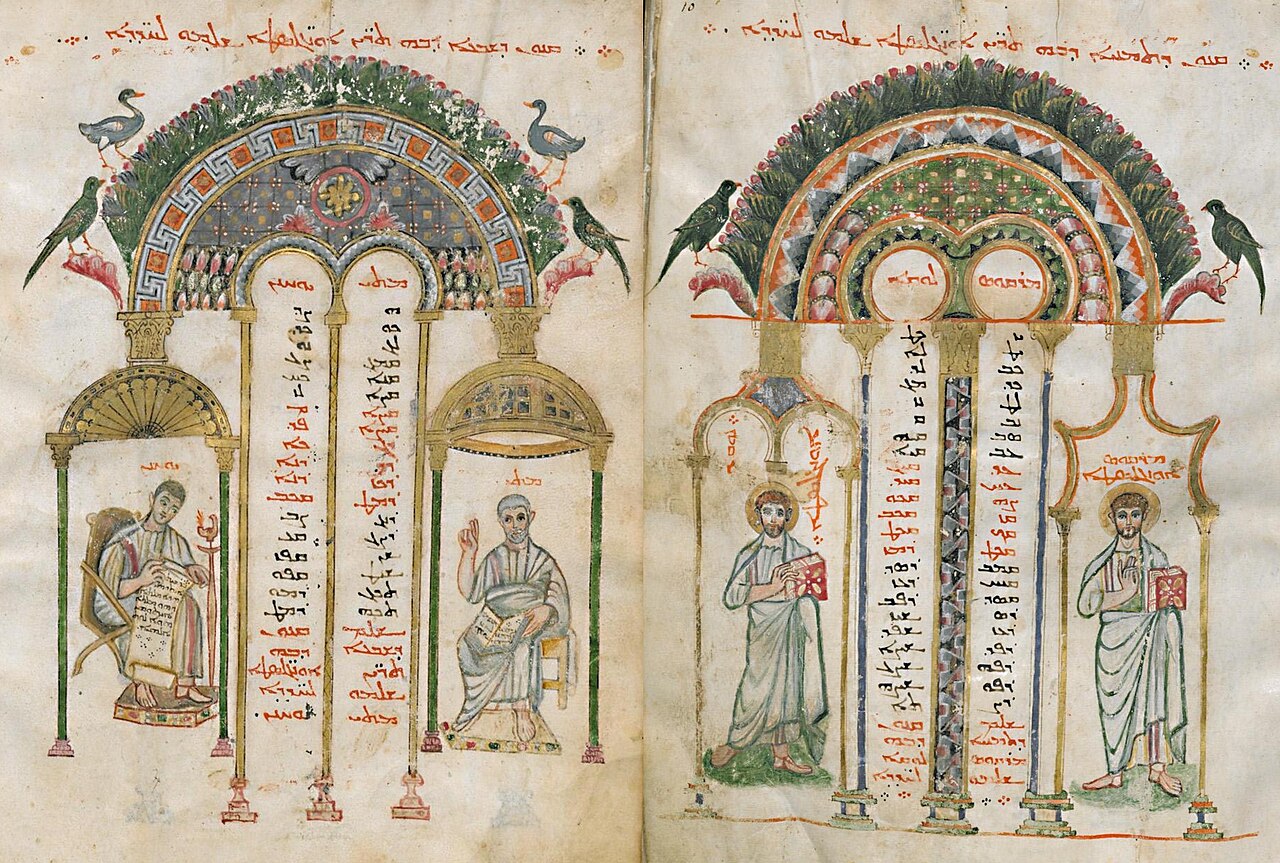
Folios 9v and 10r of the Rabbula Gospels, a sixth-century Syriac manuscript: canon tables and portraits of the Evangelists. An example of Syriac Christian book culture, rather than the language’s entire history
Entidade
An Aramaic literary language rooted in Edessa, first attested in non-Christian inscriptions and later prominent in Christian writing, scholarship, translation and liturgy.
Variantes do nome: Syriac
Contexto e fontes →
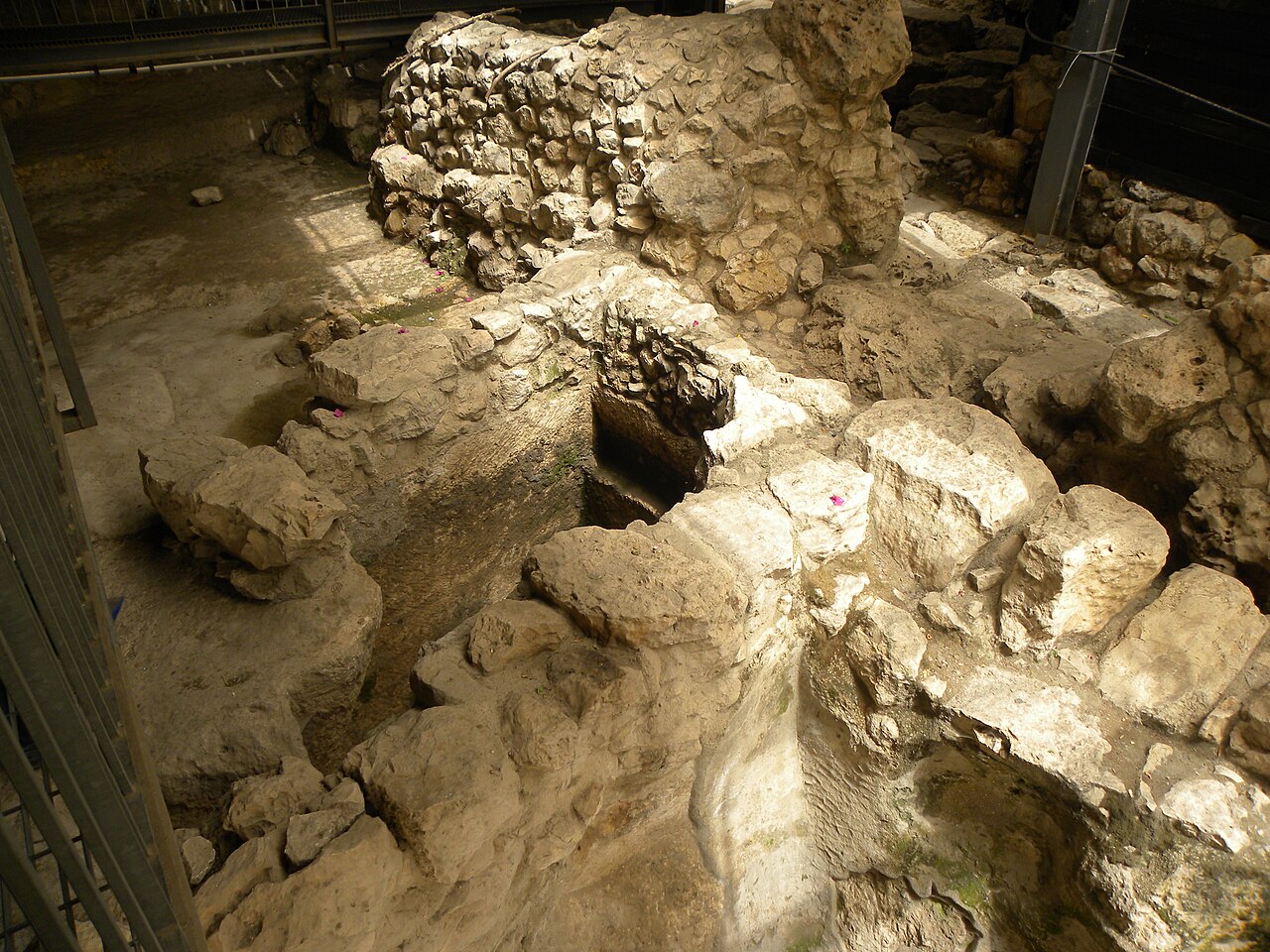
Modern excavations at the northern end of Jerusalem's eastern hill, photographed in 2011. Context for the city's history, not the site of Abraham's narrated sacrifice
Sítio
Name of a stronghold linked to David's city in 2 Samuel, later extended to Jerusalem and its religious centre; its referent changes across texts.
Variantes do nome: Mount Zion, Sion
Contexto e fontes →
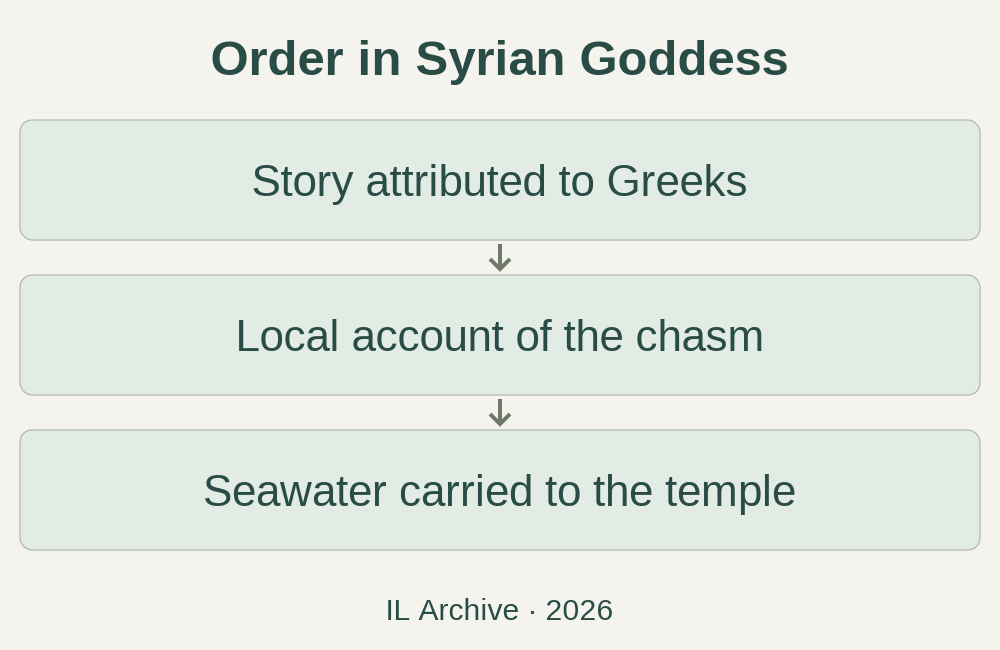
Modern explanatory diagram of one literary witness’s sequence or relationships, not a manuscript, portrait or demonstrated transmission route
Texto antigo
Second-century CE Greek text attributed to Lucian, describing Syrian Hierapolis and its sanctuary traditions.
Variantes do nome: On the Syrian Goddess
Contexto e fontes →
Entidade
Research society maintaining a guide to Christian apocryphal texts and witnesses.
Variantes do nome: North American Society for the Study of Christian Apocryphal Literature
Contexto e fontes →

Sophus Helle at the Bogforum book conference, Bella Center, Copenhagen, 7 November 2025. Photograph by Christian Ursilva
Pessoa
Sophus Helle is a scholar and translator of ancient Mesopotamian literature.
Variantes do nome: Sophus Helle
Contexto e fontes →
Pessoa
Hebrew Bible and ancient Near Eastern law scholar at John Jay College, New York.
Variantes do nome: Stephen C. Russell
Contexto e fontes →
Pessoa
Scholar of early Christian Mary traditions and late-antique Near Eastern religion.
Variantes do nome: Stephen J. Shoemaker
Contexto e fontes →
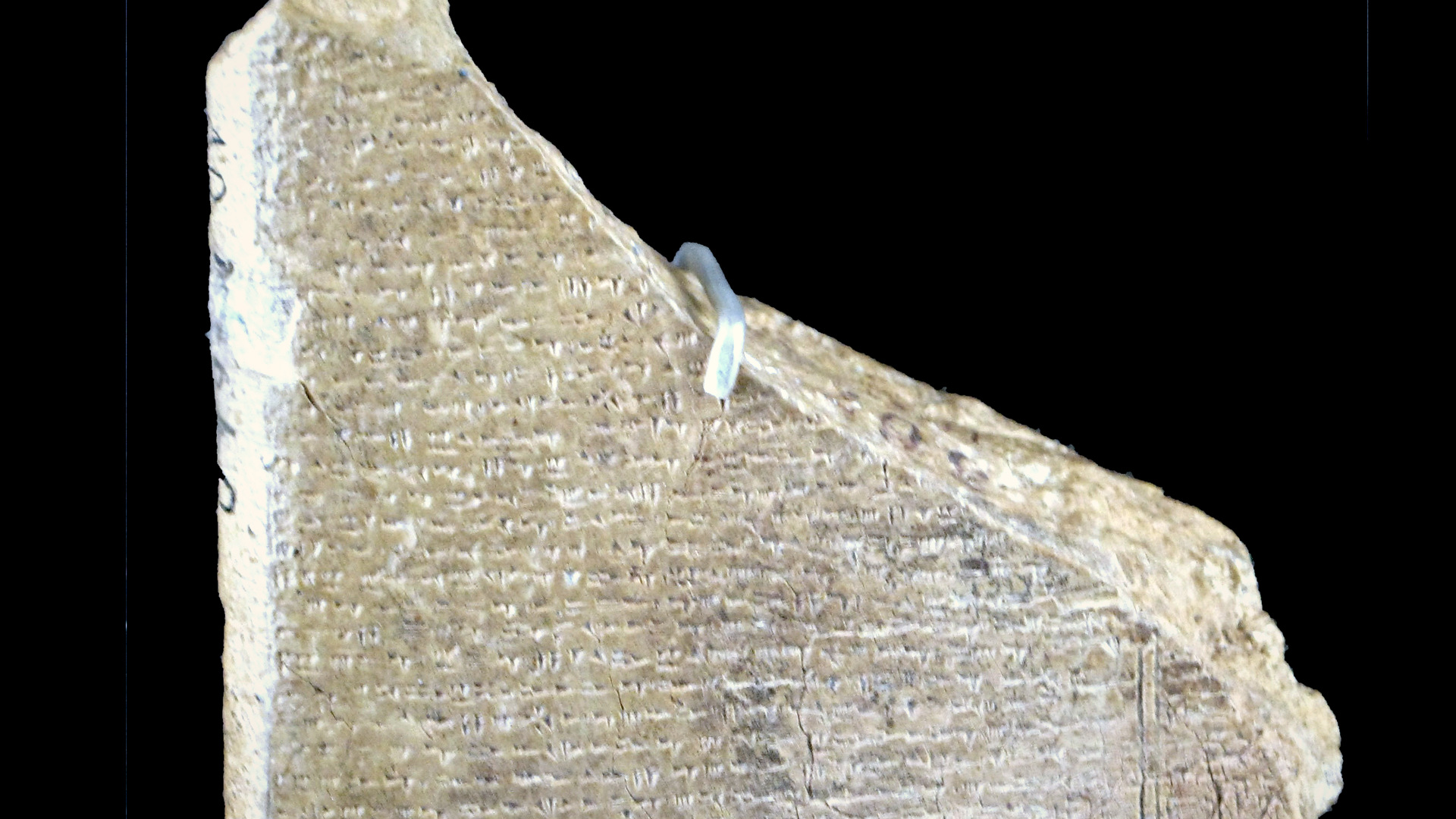
Editorial crop and colour adjustment of a Ugaritic Baal Cycle tablet, 14th–13th century BCE, Louvre AO 16640. Context for Ugaritic writing, not evidence that this face contains the name El or settles the sense of a particular word
Entidade
A noun referring to a member of a class, such as “city” or “god”, unlike a proper name designating a particular entity. Semitic il/El may fulfill either function in context.
Variantes do nome: common noun
Contexto e fontes →

Contemporary imaginative composition placing a ram and deer beside a symbolic altar to introduce three distinct narratives; it depicts neither a single historical event nor an archaeological artifact
Entidade
An animal or offering replacing a person threatened with slaughter in a narrative. Genesis specifies a ram, Qur’an 37 a “great sacrifice” without naming the animal, and Euripides a deer. The parallel alone does not prove borrowing.
Variantes do nome: Sacrificial substitution
Contexto e fontes →
Pessoa
Islamic-history scholar who proposed a comparative route for Mary and palm narratives.
Variantes do nome: Suleiman A. Mourad
Contexto e fontes →
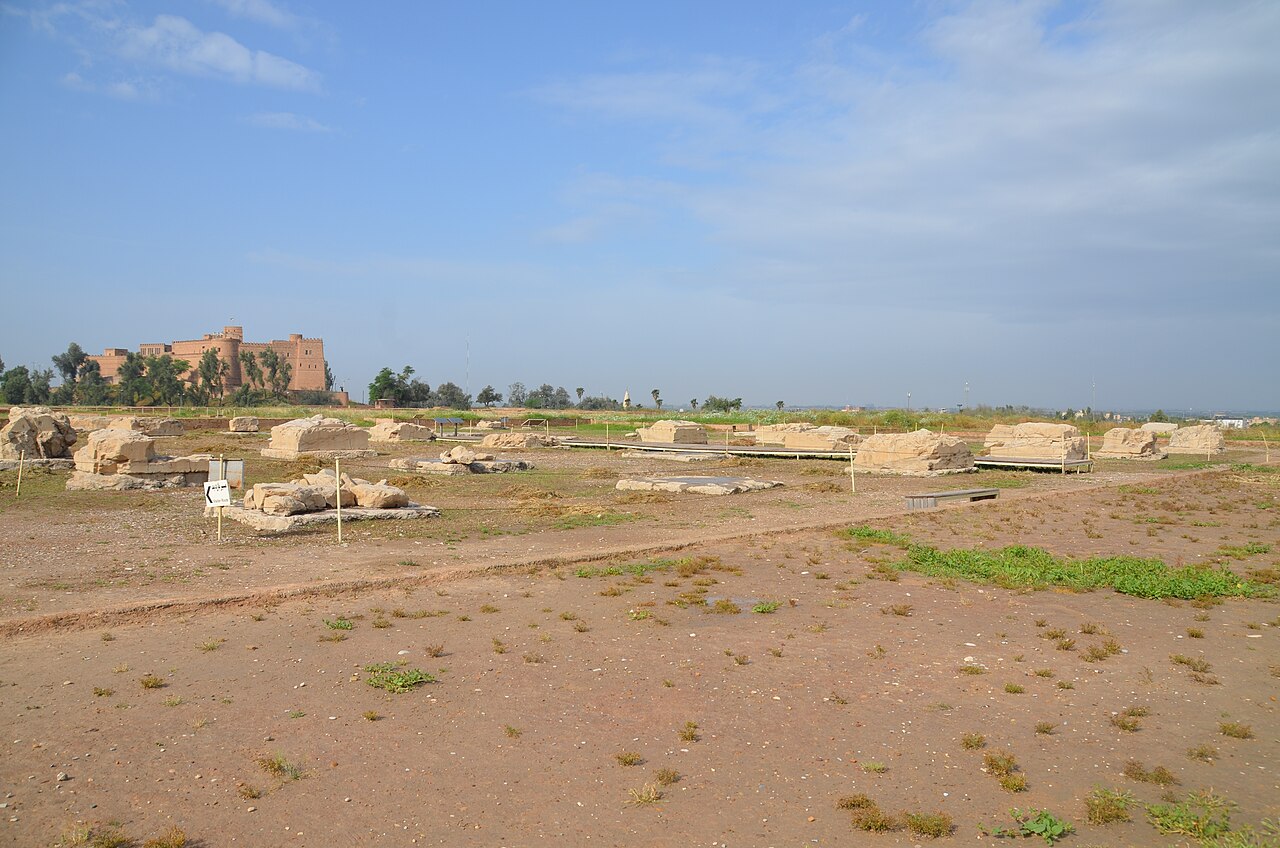
Remains of the Apadana hall of Darius’s palace at Susa, at Shush in southwestern Iran, 18 April 2019. The column bases and archaeological remains appear in the foreground
Sítio
Susa is an archaeological city at Shush in southwestern present-day Iran
Variantes do nome: Susa, Shush
Contexto e fontes →
Pessoa
Egyptologist working on religion and tales, including a major Two Brothers study and Egyptian/biblical narrative comparisons.
Variantes do nome: Susan Tower Hollis, Susan Hollis
Contexto e fontes →
Pessoa
Norwegian New Testament and Revelation scholar who compared Gog and Magog in Ezekiel and Revelation.
Variantes do nome: Sverre Bøe
Contexto e fontes →
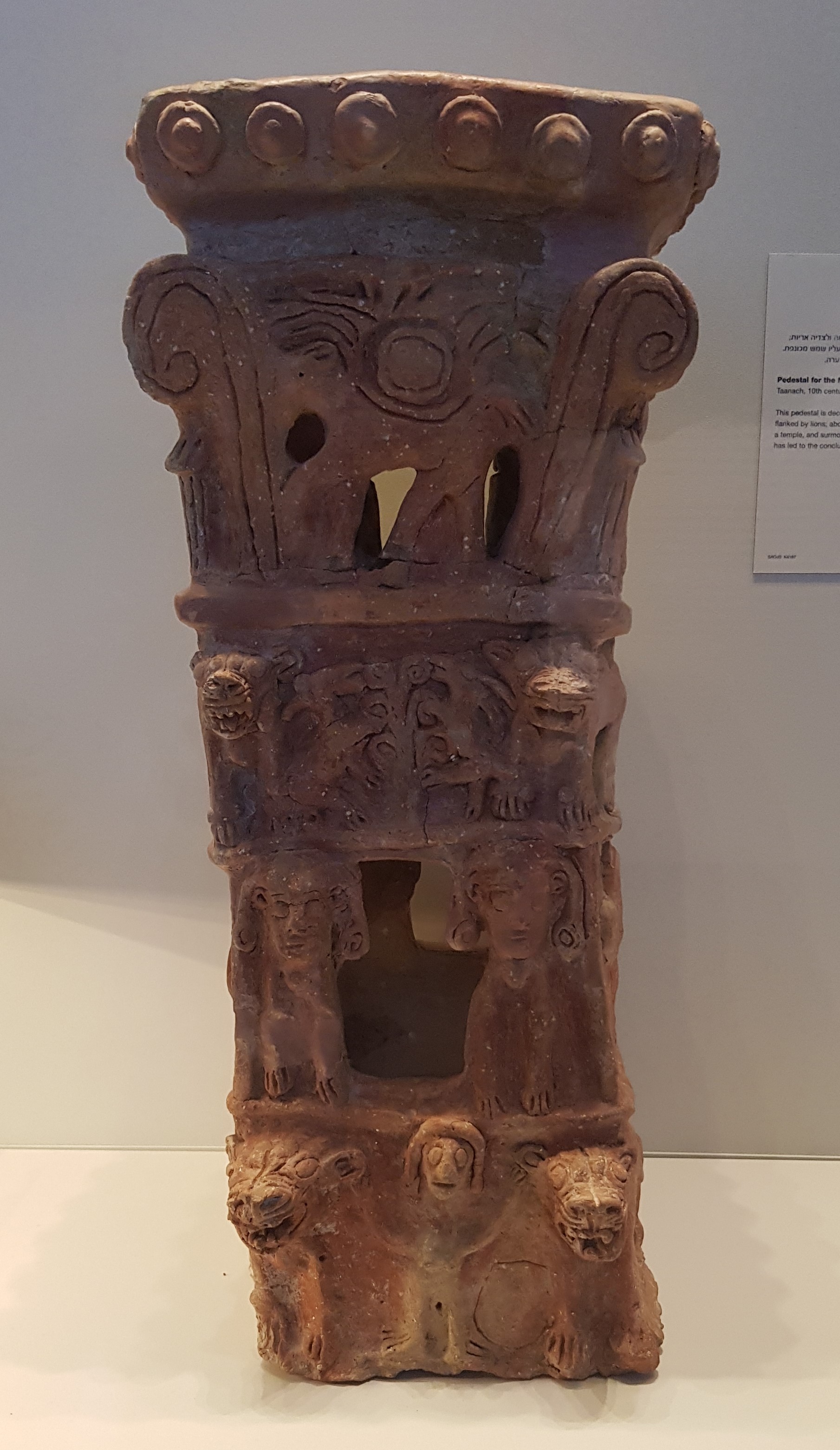
Ceramic cult stand from Taanach, tenth–ninth centuries BCE, Israel Museum. A tree between two animals appears in the second tier from the top. Contextual evidence of cultic imagery, not an excavated wooden asherah or a certain identification of the goddess
Entidade
Asherah as a cult object or symbol, often wooden in biblical contexts; relation to the goddess and inscriptional ʾšrth remains debated.
Variantes do nome: asherah cult symbol, asherah cult object, asherah pole
Contexto e fontes →
Pessoa
Co-author with Raleigh Heth of a 2021 article on Isaac and Iphigenia; the published record gives only the initials T. E.
Variantes do nome: Kelley, T. E.
Contexto e fontes →
Pessoa
Takayoshi Oshima is an Assyriologist studying Babylonian literature and religion and their connections with the Hebrew Bible.
Variantes do nome: Takayoshi Oshima
Contexto e fontes →
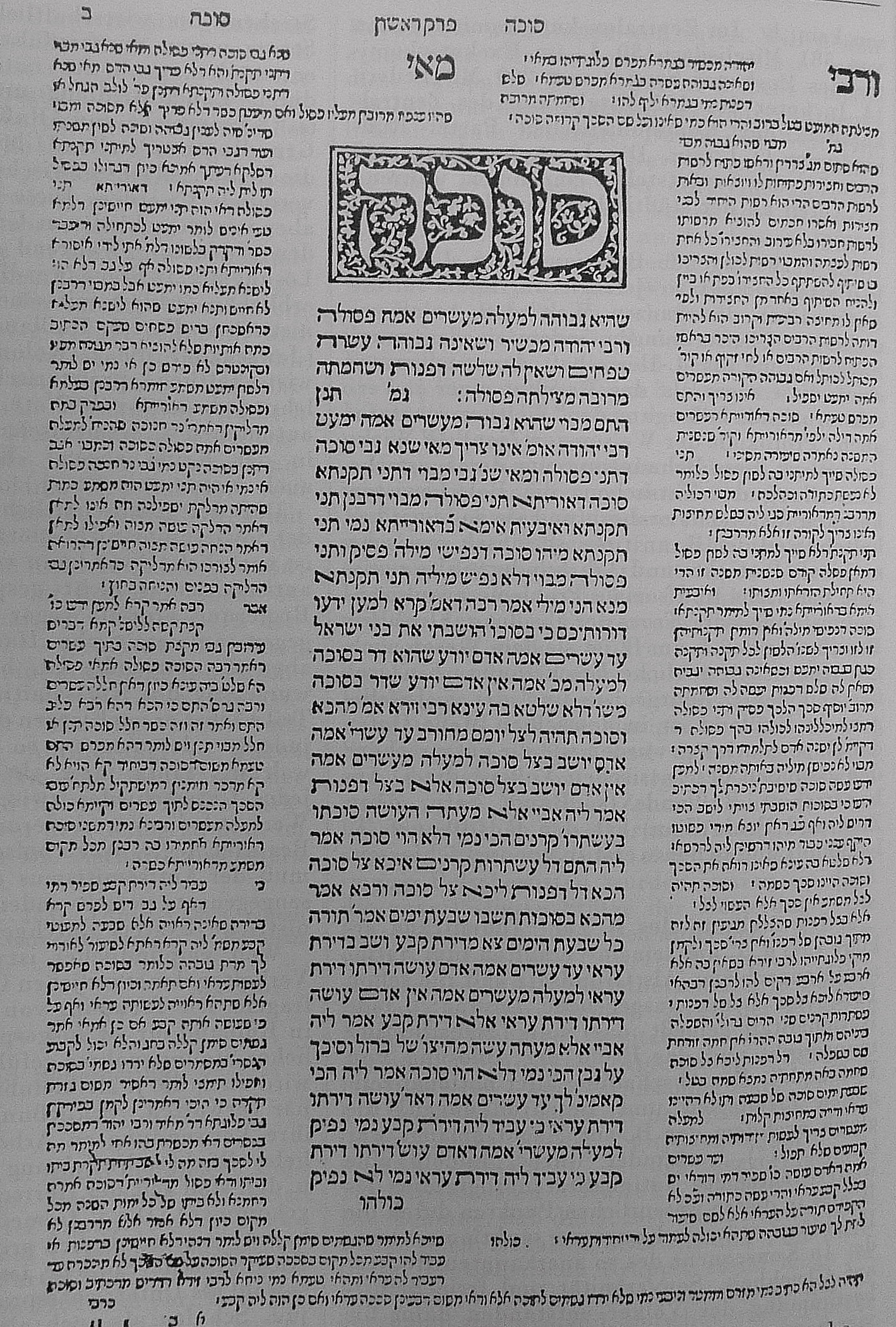
A page from Daniel Bomberg's Babylonian Talmud, printed in Venice between 1525 and 1539, photographed by Warburg. This page is from Sukkah, not Gittin 68, and the edition postdates the Talmud's composition. Public domain
Texto antigo
A large rabbinic compilation in Hebrew and Aramaic, formed in Mesopotamia through stages; its final redaction remains debated.
Variantes do nome: Babylonian Talmud, Bavli
Contexto e fontes →
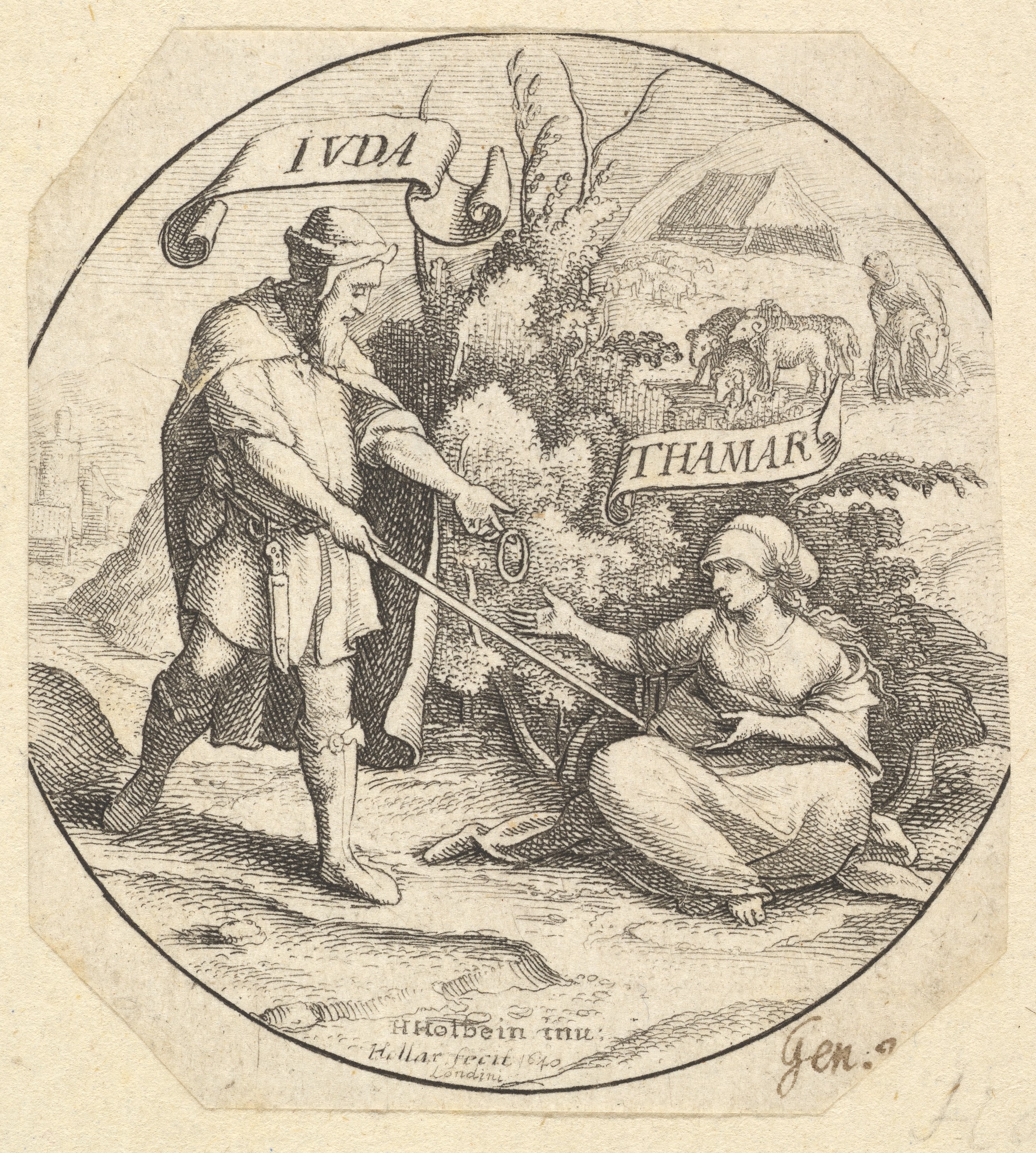
Judah and Tamar, etching by Wenceslaus Hollar, 1640, after Hans Holbein the Younger; Met 51.501.2142. Later reception of Genesis 38, not historical portraits or a marriage document
Pessoa
Genesis 38 widow who exposes Judah’s unfulfilled promise concerning Shelah.
Variantes do nome: Tamar in Genesis 38
Contexto e fontes →

Contemporary AI-generated expressive cover: a bird bearing a letter before an imaginary court, evoking Targum Sheni’s Solomon–Sheba digression; not an ancient artefact or documented event
Entidade
An Aramaic translation and expansion of Esther containing an excursus on Solomon and the Queen of Sheba.
Variantes do nome: Targum Sheni of Esther
Contexto e fontes →
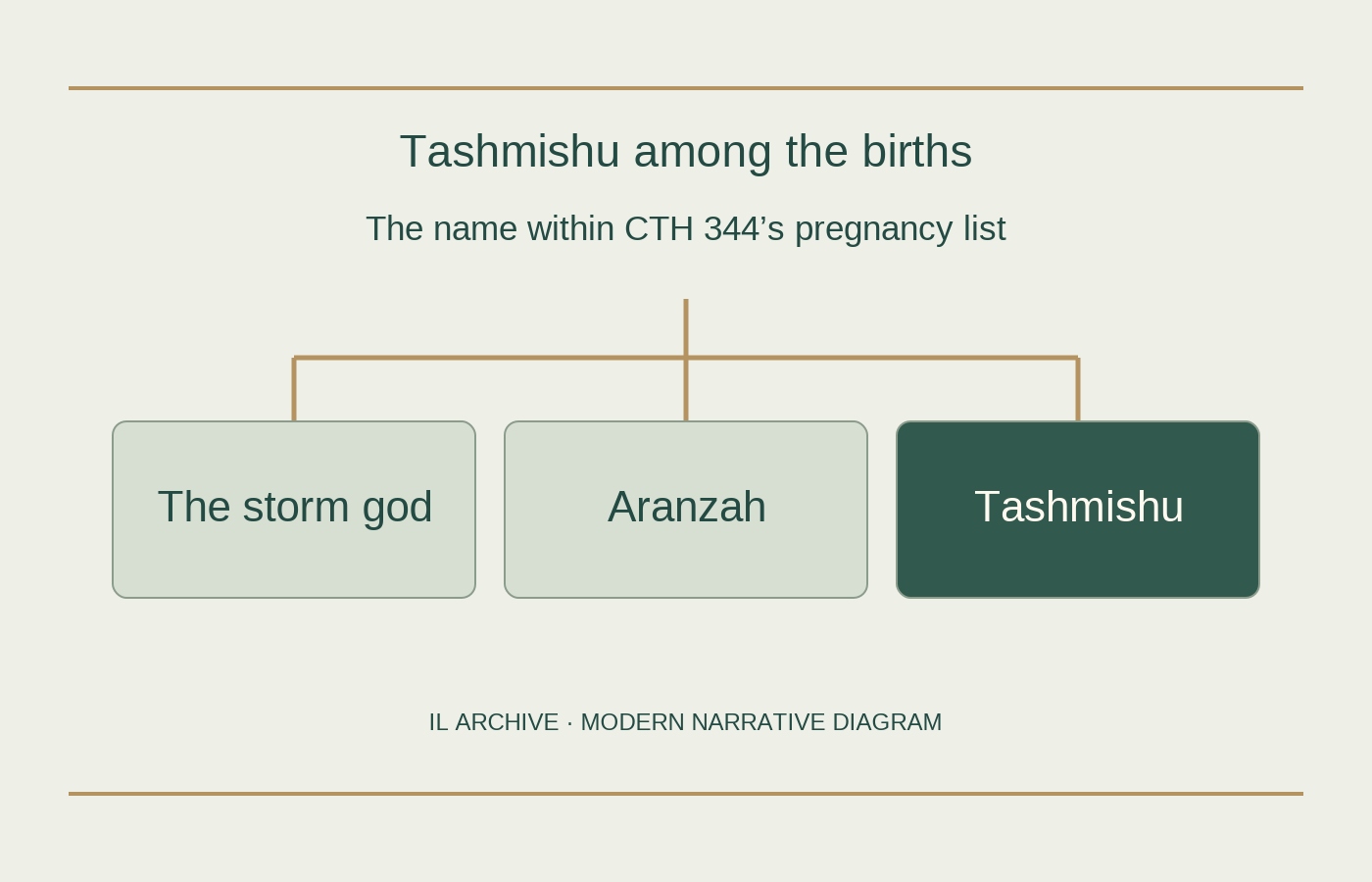
Modern diagram highlighting Tashmishu among the figures in Kumarbi’s pregnancy account. It preserves the multiple names without supplying a complete biography or imagined portrait
Entidade
Divine figure named in Kumarbi’s pregnancy with the storm god and the river Aranzah.
Variantes do nome: Tashmishu, Tašmišu
Contexto e fontes →
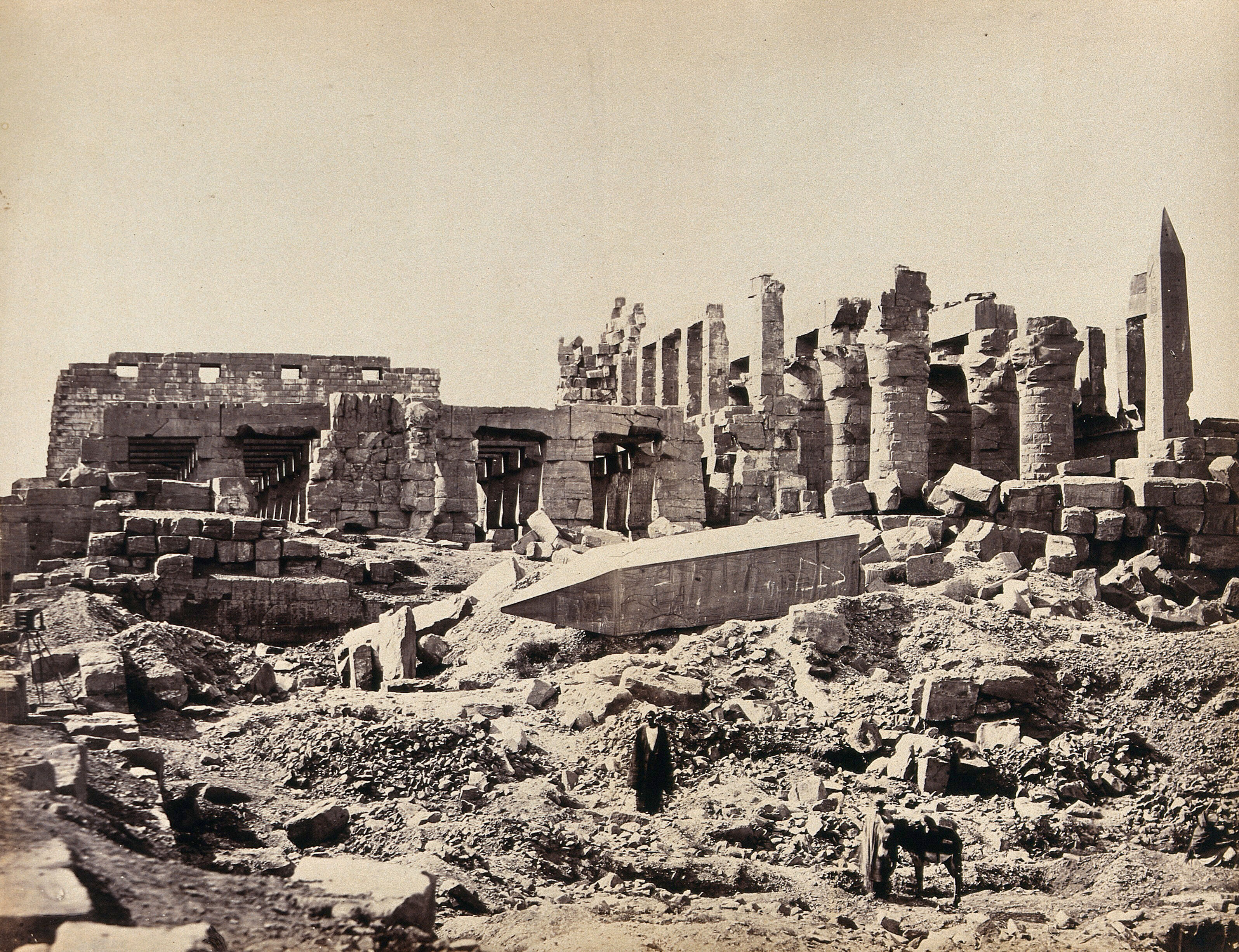
Karnak temple in the Thebes/Luxor area from the southeast, photograph by Francis Frith, about 1858, Wellcome Collection 568207i. Actual nineteenth-century view, not a reconstruction of Amenemope’s Thebes or the findspot of 26.3.165
Sítio
Thebes, Egyptian Waset, was an ancient Egyptian city in the area of modern Luxor, with monuments on both banks of the Nile.
Variantes do nome: Thebes, Egypt
Contexto e fontes →
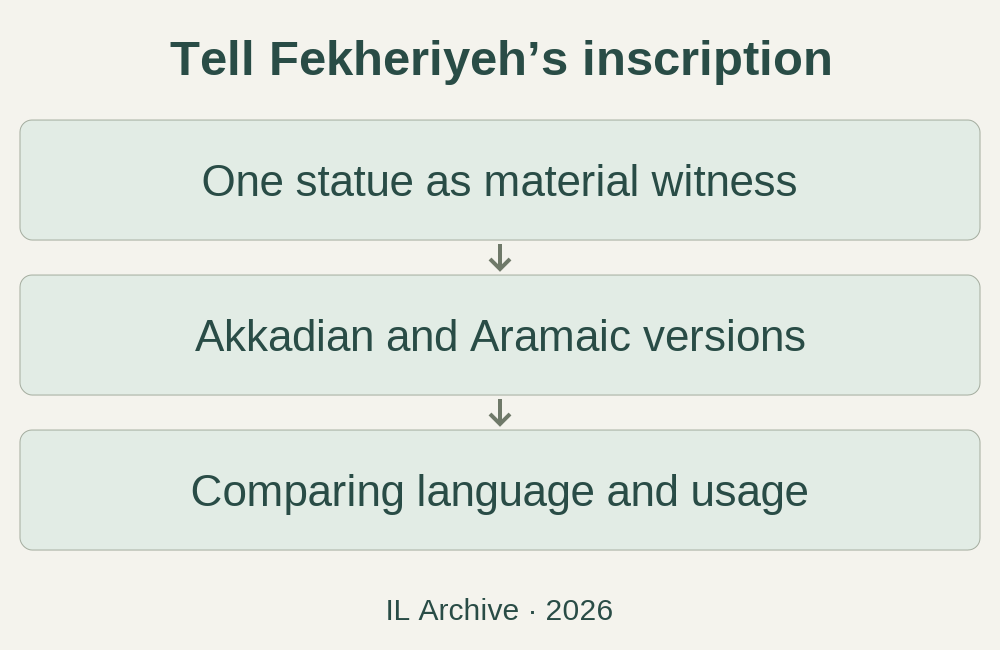
Modern witness-specific explanatory diagram of a sequence or linguistic relationship, not a portrait or fabricated artifact
Sítio
Syrian site where a statue with Akkadian and Aramaic inscriptions, usually dated to the ninth century BCE, was found in 1979.
Variantes do nome: Tell Fekheriyeh, bilingual inscription site
Contexto e fontes →
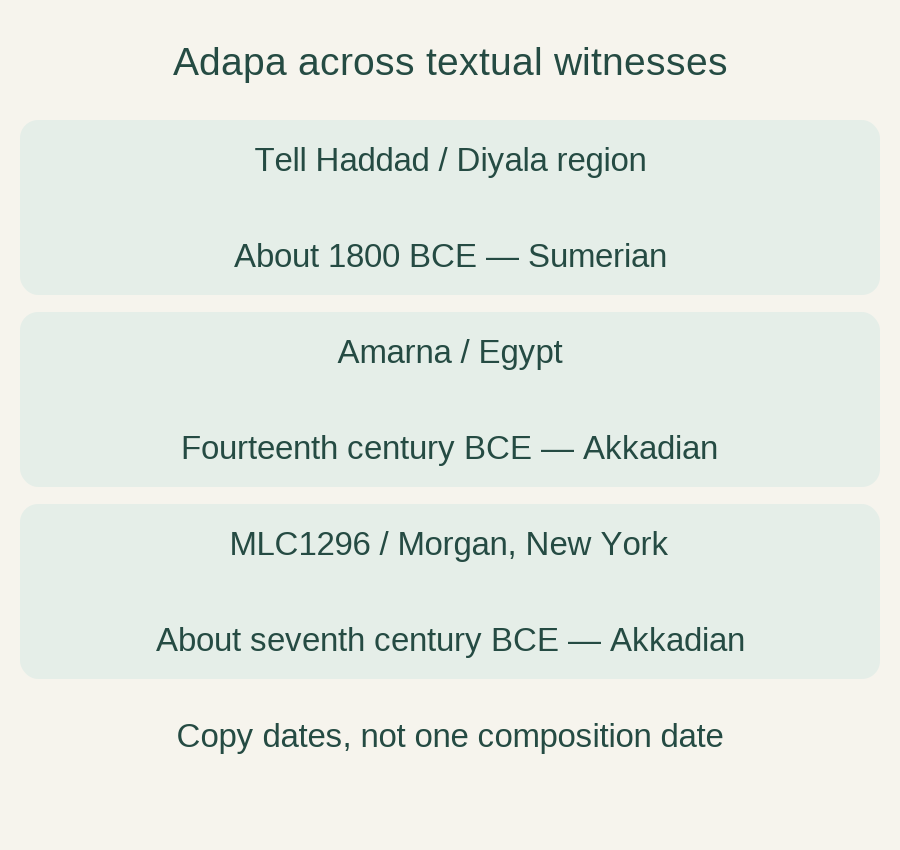
Modern comparison of witness dates and languages; not a view of Tell Haddad or a proven route of transmission
Sítio
Tell Haddad is an archaeological site in Iraq’s Diyala region, associated with Tell al-Sib as ancient Me-Turan; it yielded a Sumerian Adapa witness.
Variantes do nome: Tell Haddad, Me-Turan
Contexto e fontes →