Adapa Capítulo 1
Adapa e o vento sul
Adapa, sábio de Eridu, lança a sua palavra contra o vento sul e é chamado ao céu para responder pelo que fez. Na corte de Anu, recebe uma oferta cujo significado difere do que Ea o levara a esperar.
FontesVire as páginas com as setas, o teclado ou deslizando o dedo.
ADAPA
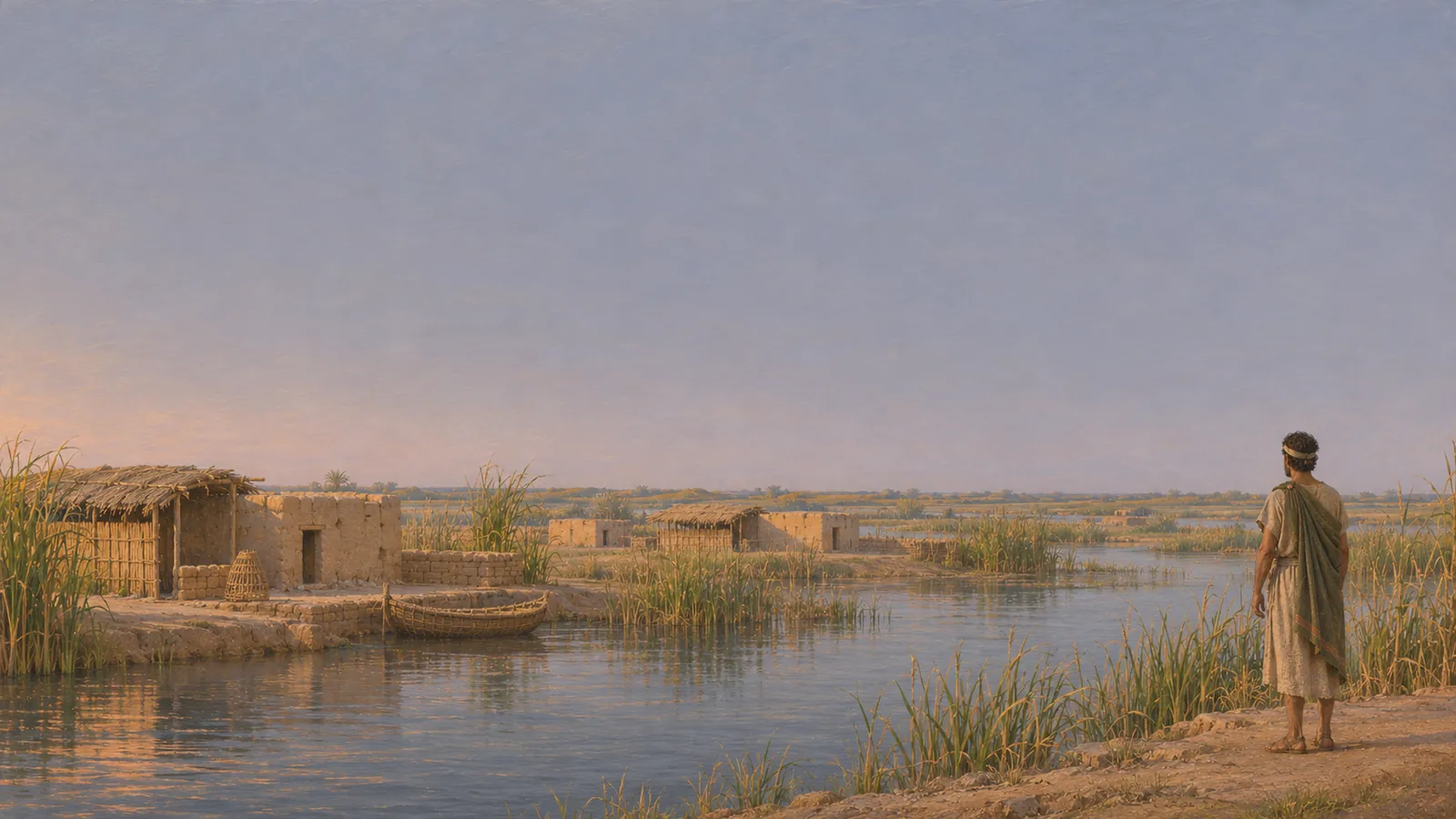
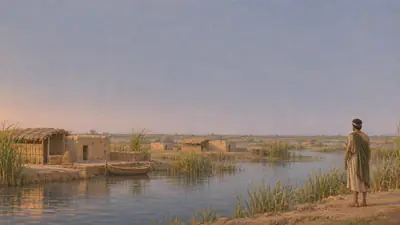
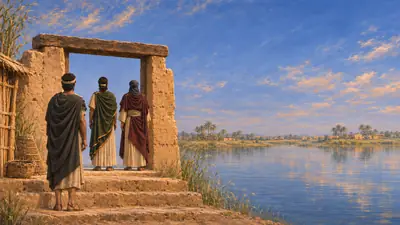
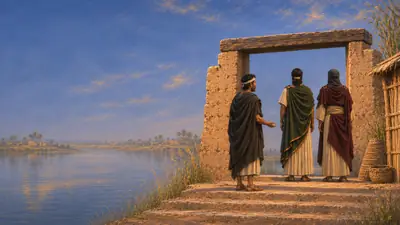
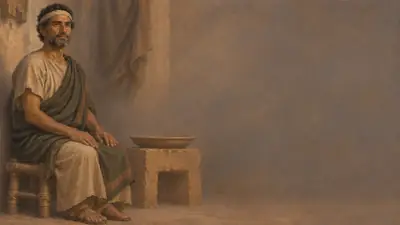
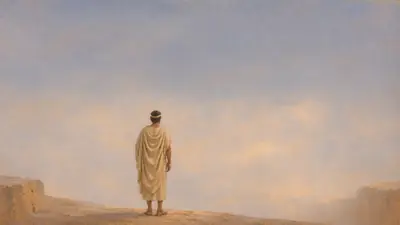
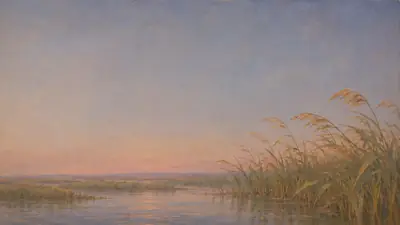
Em Eridu, uma cidade à beira das águas, vivia um sábio chamado Adapa. Fazia parte da casa de Ea.
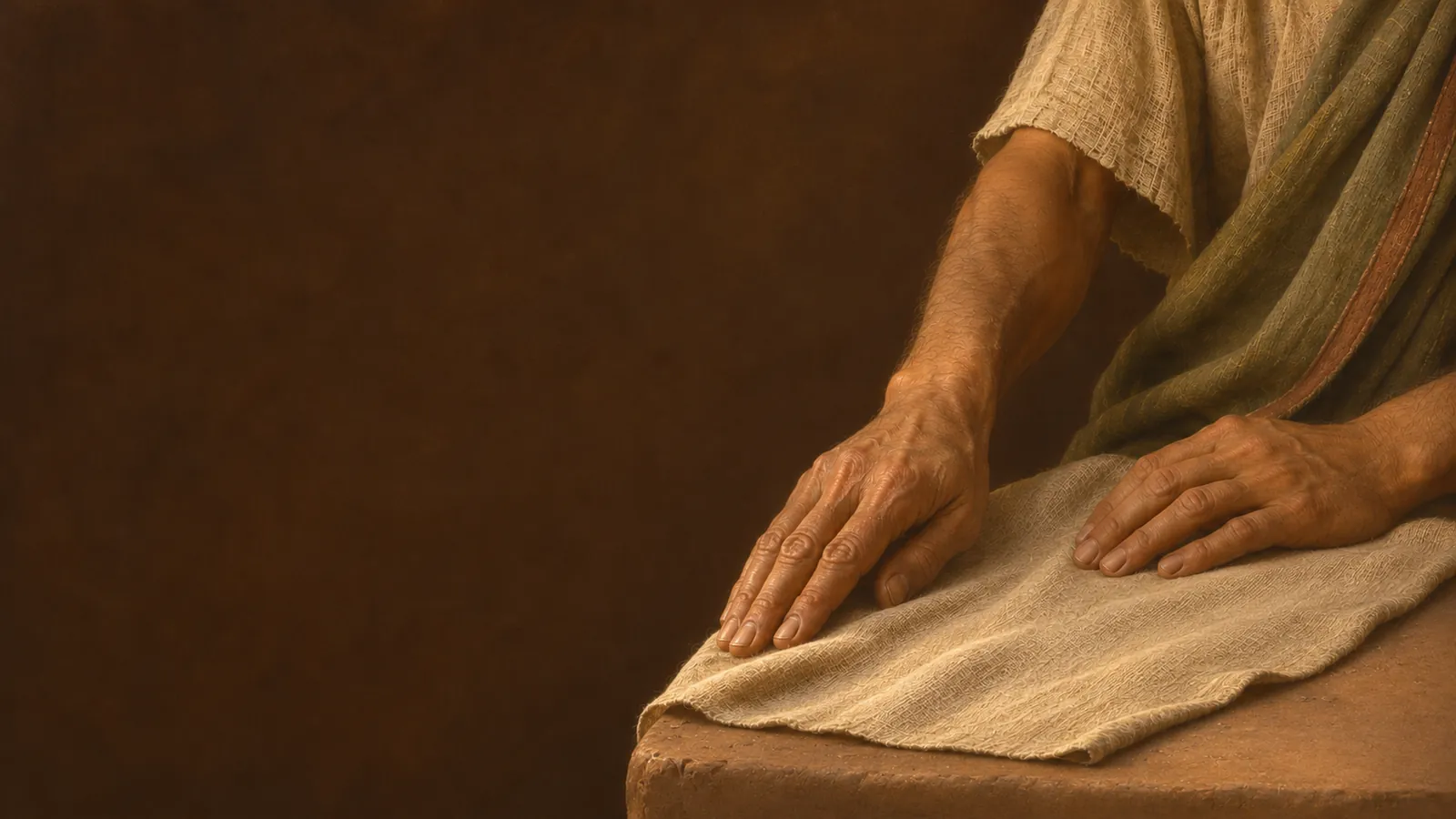
Ea deu ao sábio um grande entendimento. O poema antigo diz que esse dom de sabedoria não incluía uma vida sem fim.
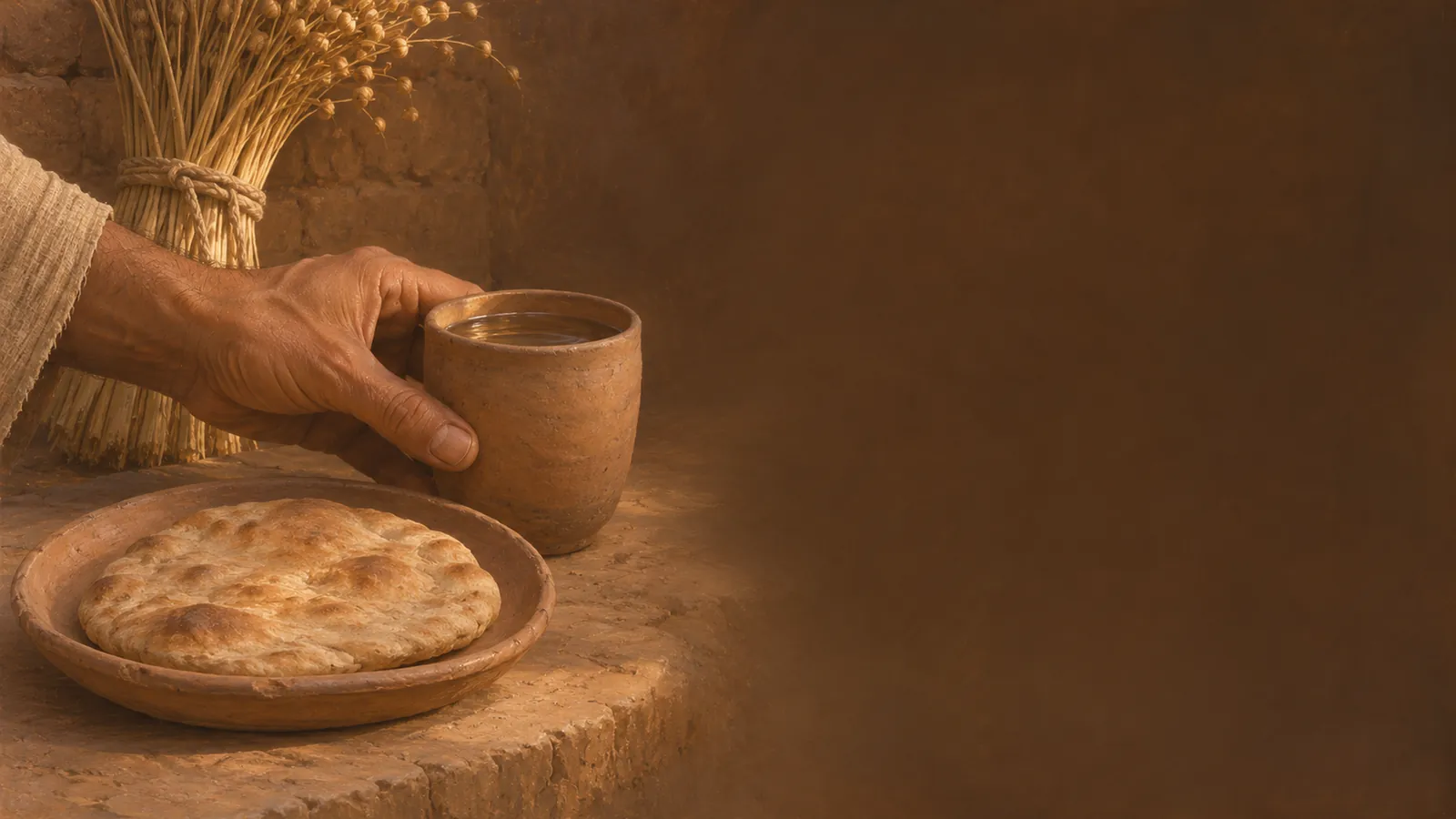
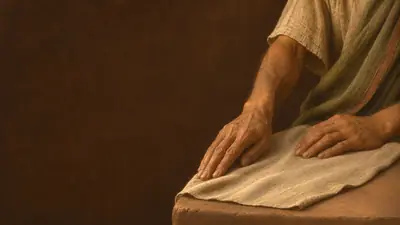
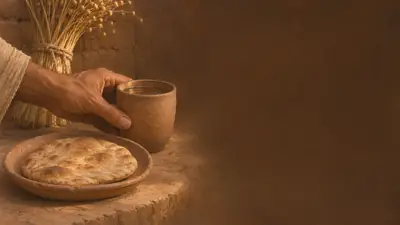
Adapa trabalhava com os padeiros de Eridu. Todos os dias preparava comida e água e punha a mesa para a casa de Ea.
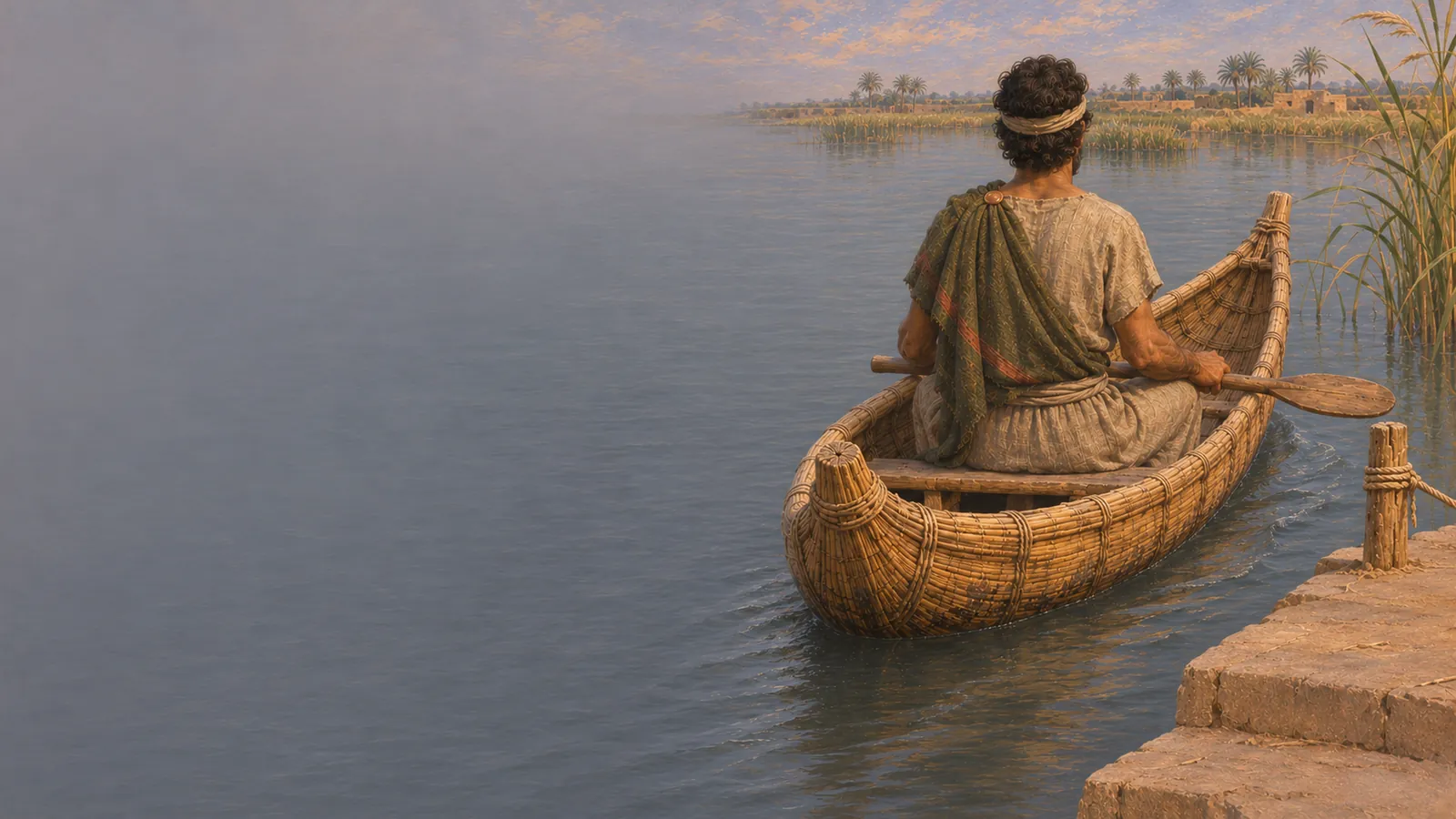
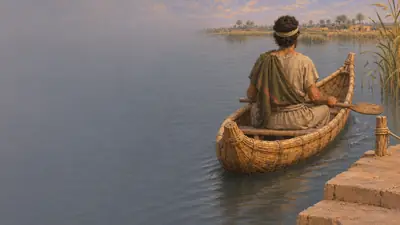
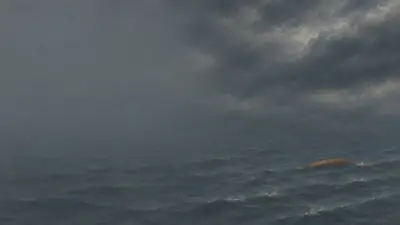
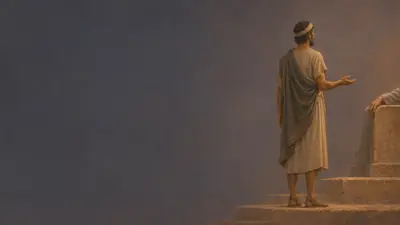
Adapa também pescava para Eridu. Entrou no barco no cais e conduziu-o para as águas abertas.
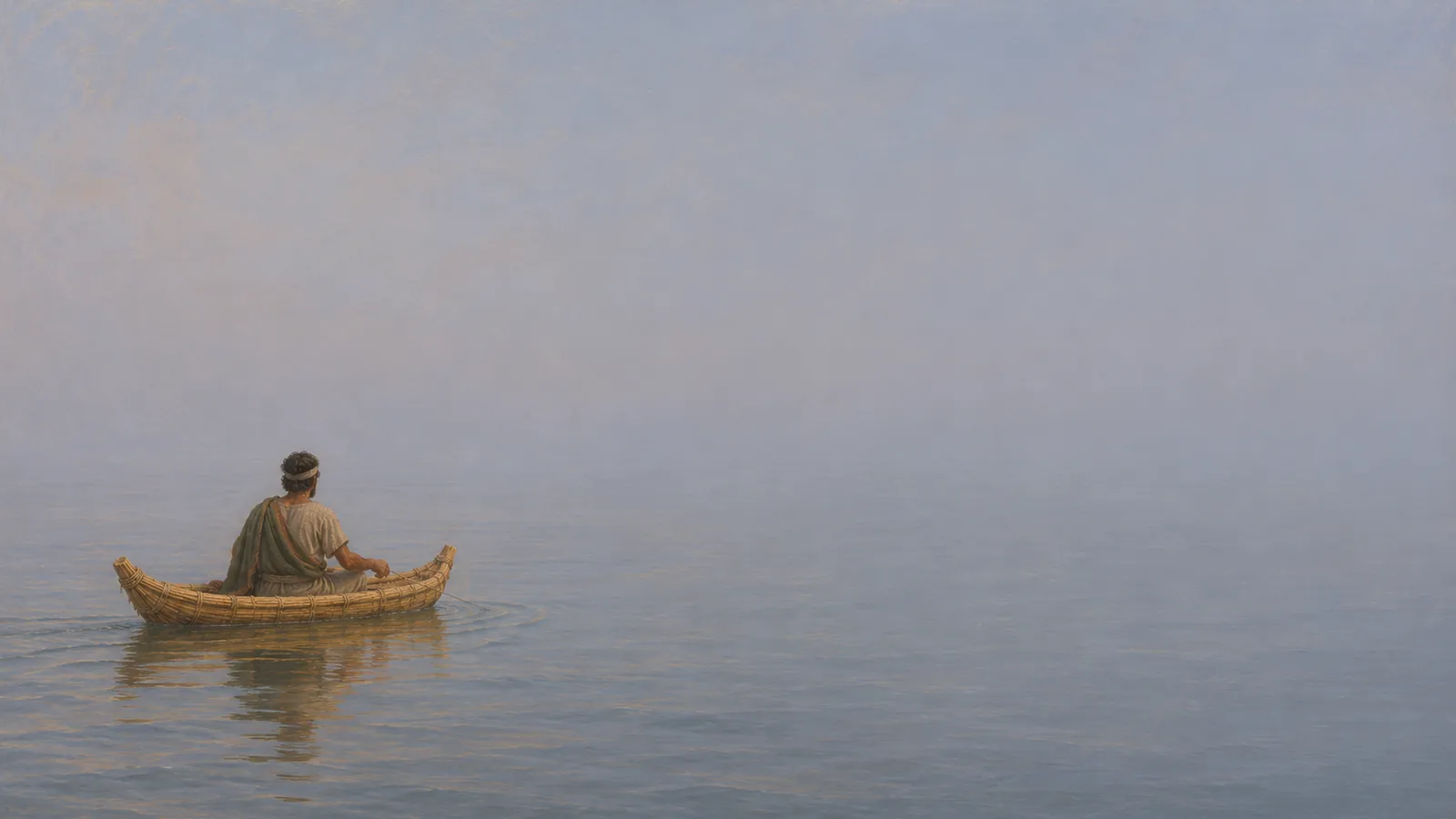
Adapa estava longe da margem, a pescar para a casa do seu senhor. Mais tarde, diante de Anu, começaria o seu relato por essa tarefa de todos os dias.
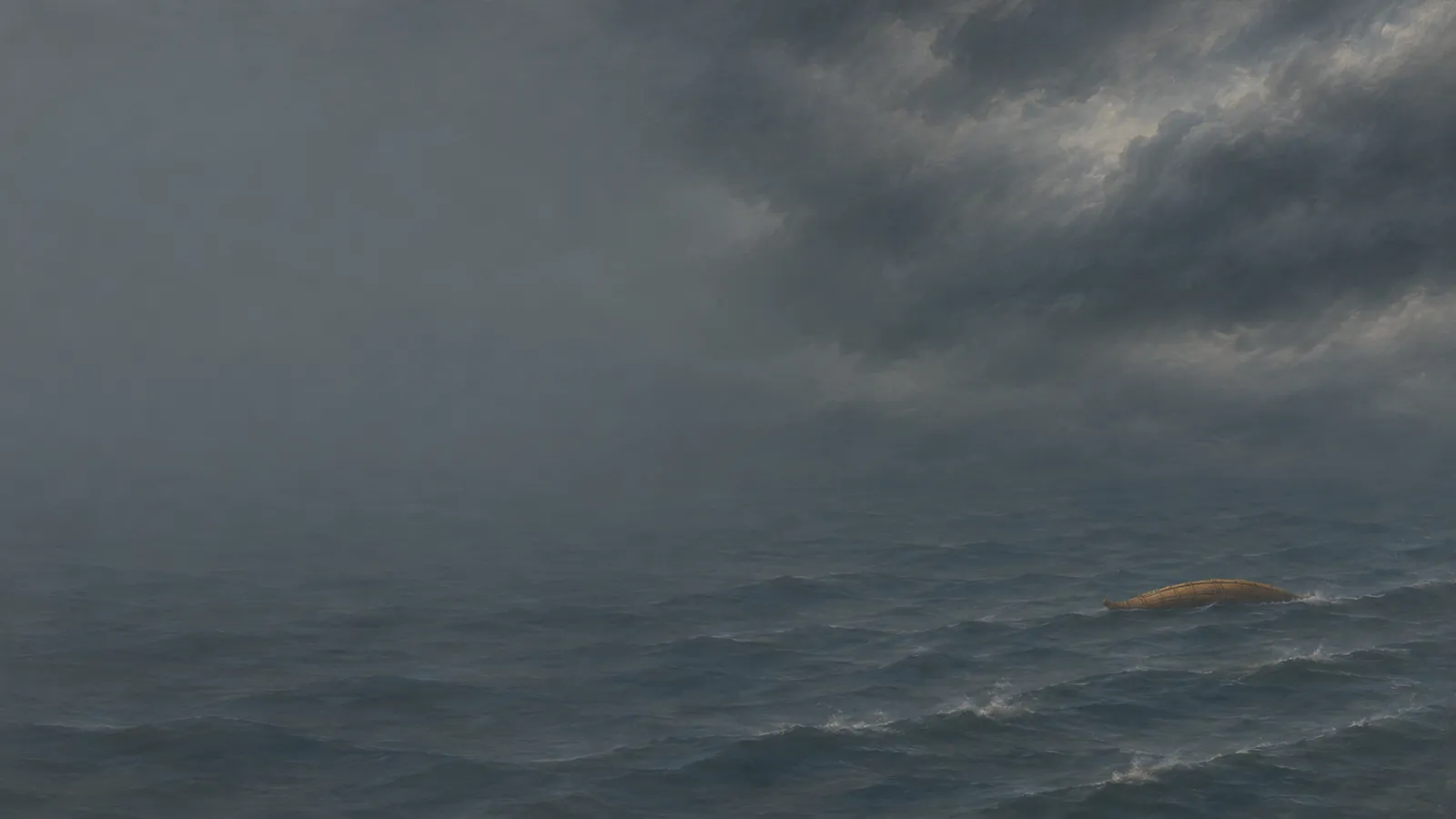
O vento sul caiu sobre ele em águas abertas. Adapa contaria a Anu que o vento o lançara nas profundezas.

Adapa disse que a água o levara até à casa do seu senhor. O verso antigo deixa esse lugar na sombra.

A ira apoderou-se de Adapa. Dirigiu-se ao vento sul e disse que lhe quebraria a asa que o levava.

Mal Adapa falou, quebrou-se a asa do vento sul. Uma palavra agira sem que nenhuma mão lhe tocasse.
O SILÊNCIO
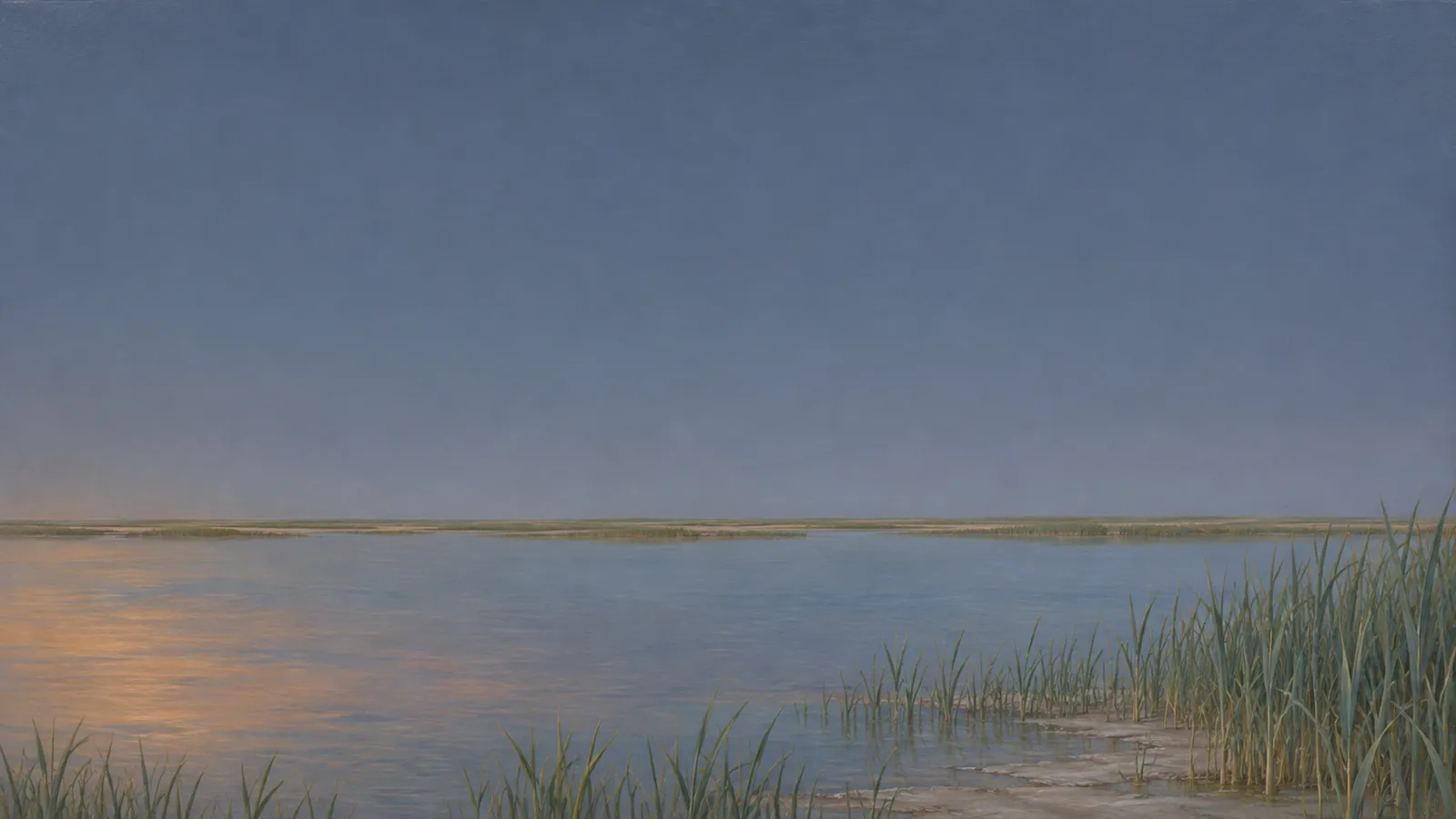
Durante sete dias, o vento sul não soprou em direção à terra. A sua ausência prolongou-se até Anu dar por ela.
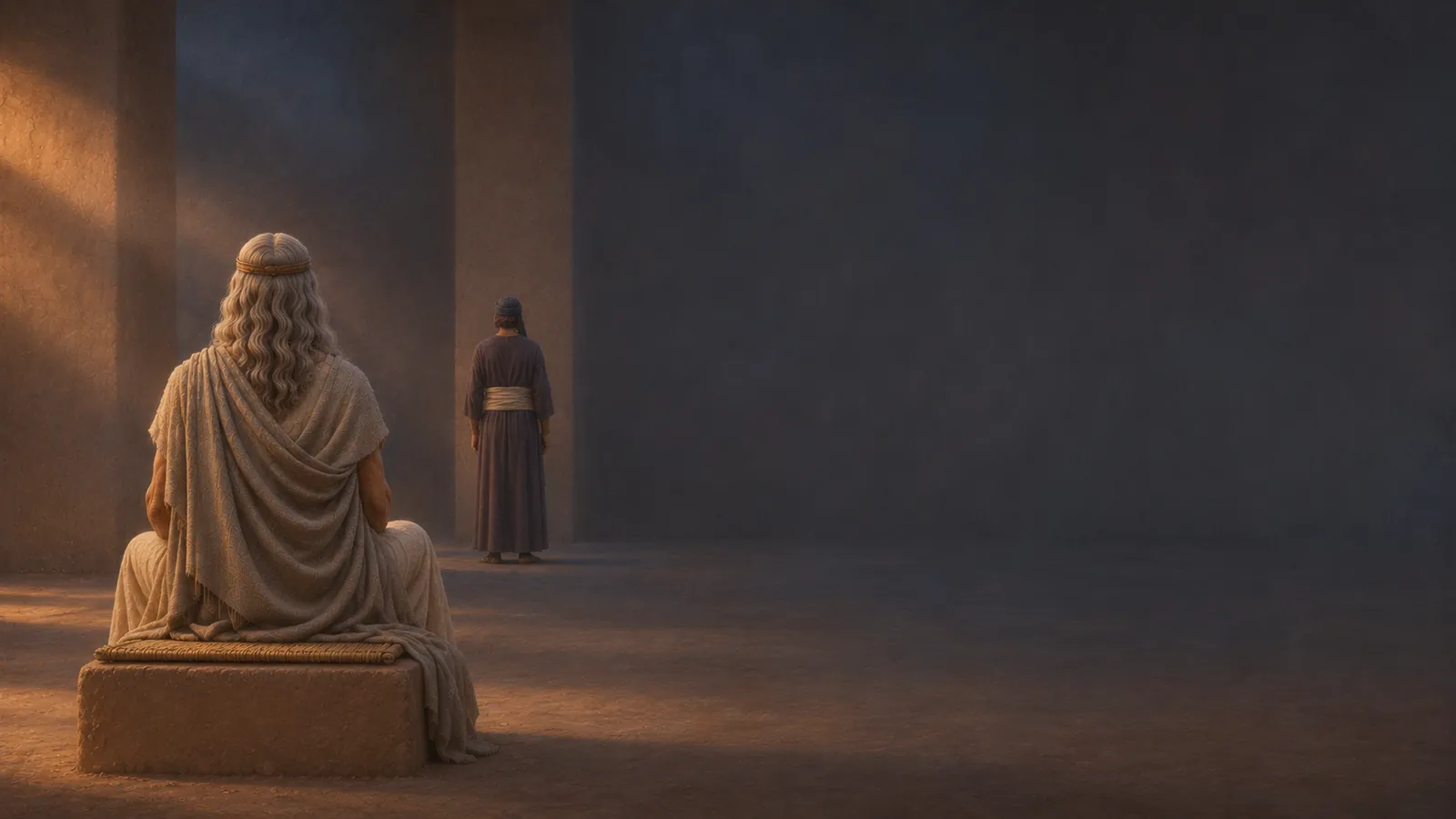
No céu, Anu chamou o seu ministro Ilabrat. Queria saber por que razão o vento sul já não chegava à terra.

Anu reparara que tinham passado sete dias. Perguntou ao ministro o que impedira o vento sul de soprar durante tanto tempo.
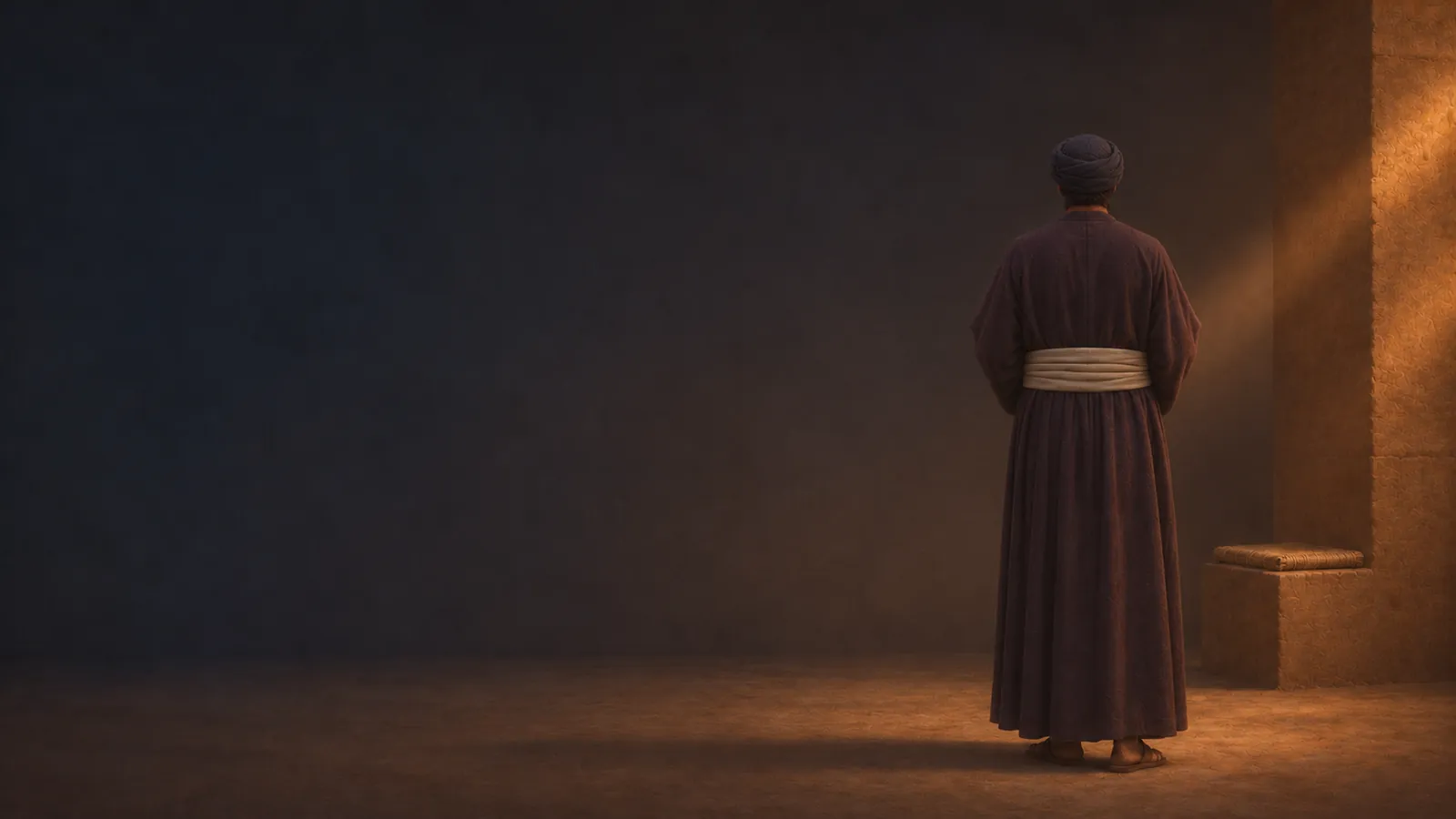
Ilabrat tinha uma resposta para o seu senhor. Fora Adapa, o filho de Ea, quem quebrara a asa do vento sul.

Anu ouviu o relato e deu um grito. O senhor do céu levantou-se do assento ao saber quem detivera o vento.
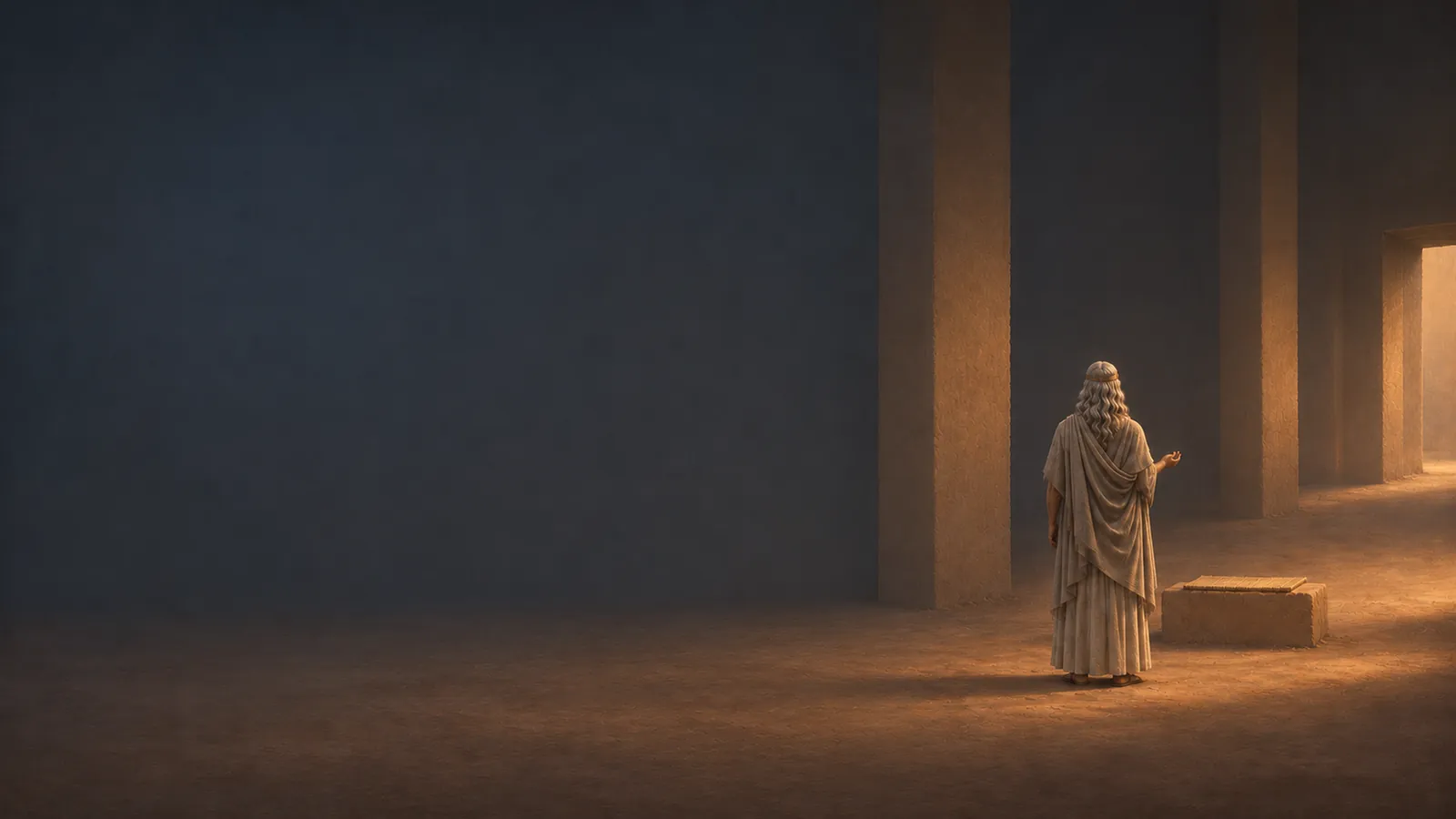
Anu quis que trouxessem Adapa à sua presença. A ausência do vento teria agora de ser explicada no céu.
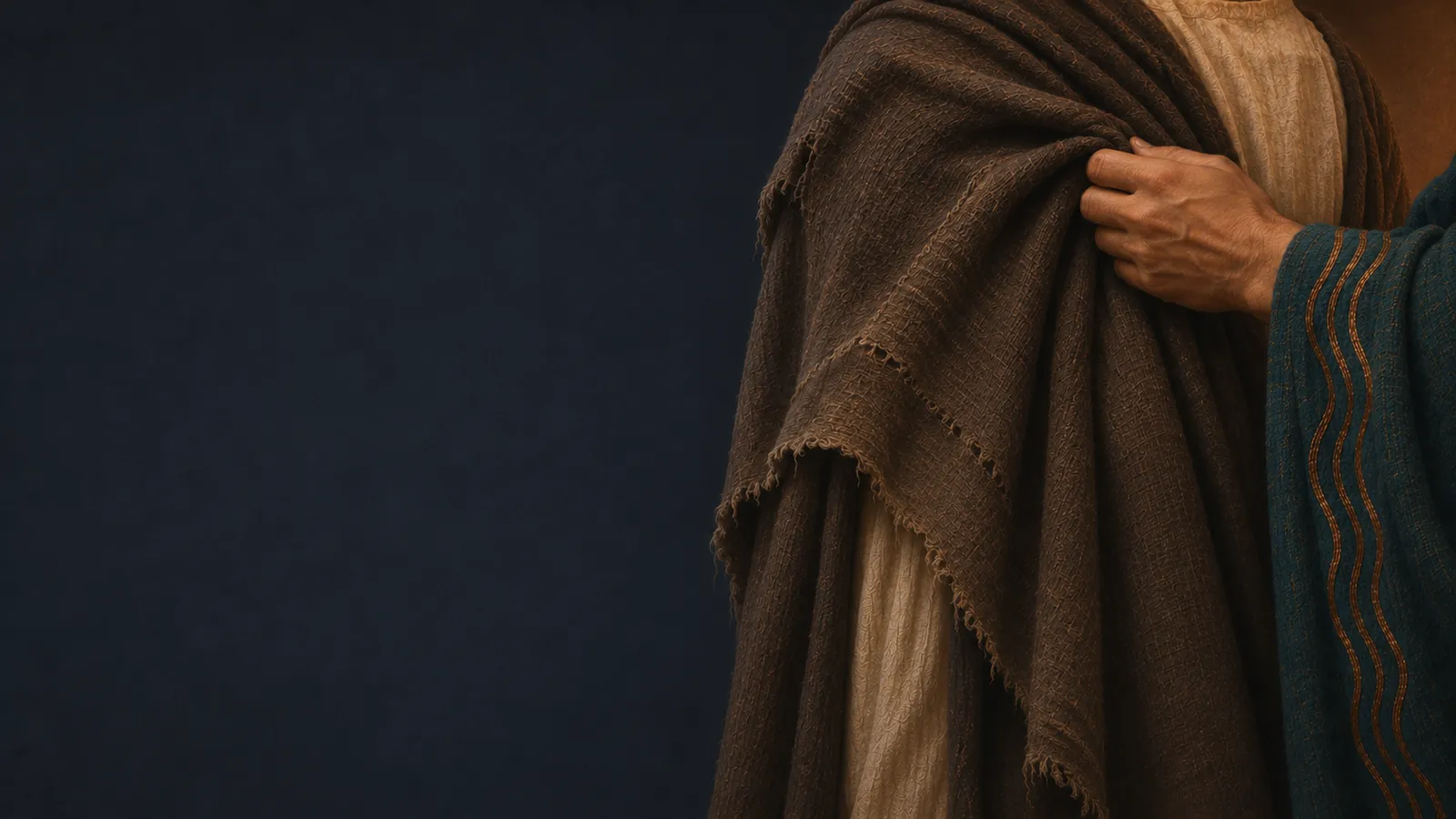
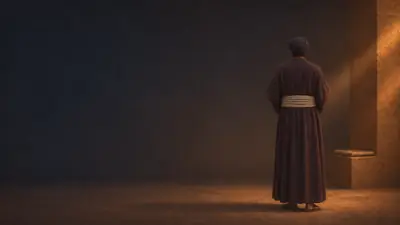
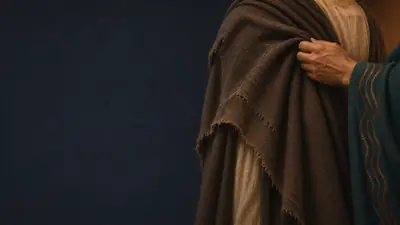
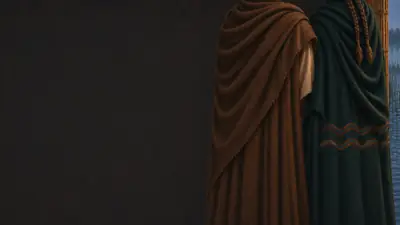
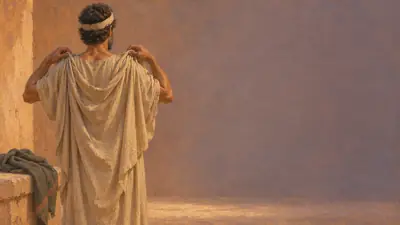
Ea preparou Adapa para partir. Deixou-lhe o cabelo em desalinho e vestiu-o com uma roupa que o mostraria de luto.
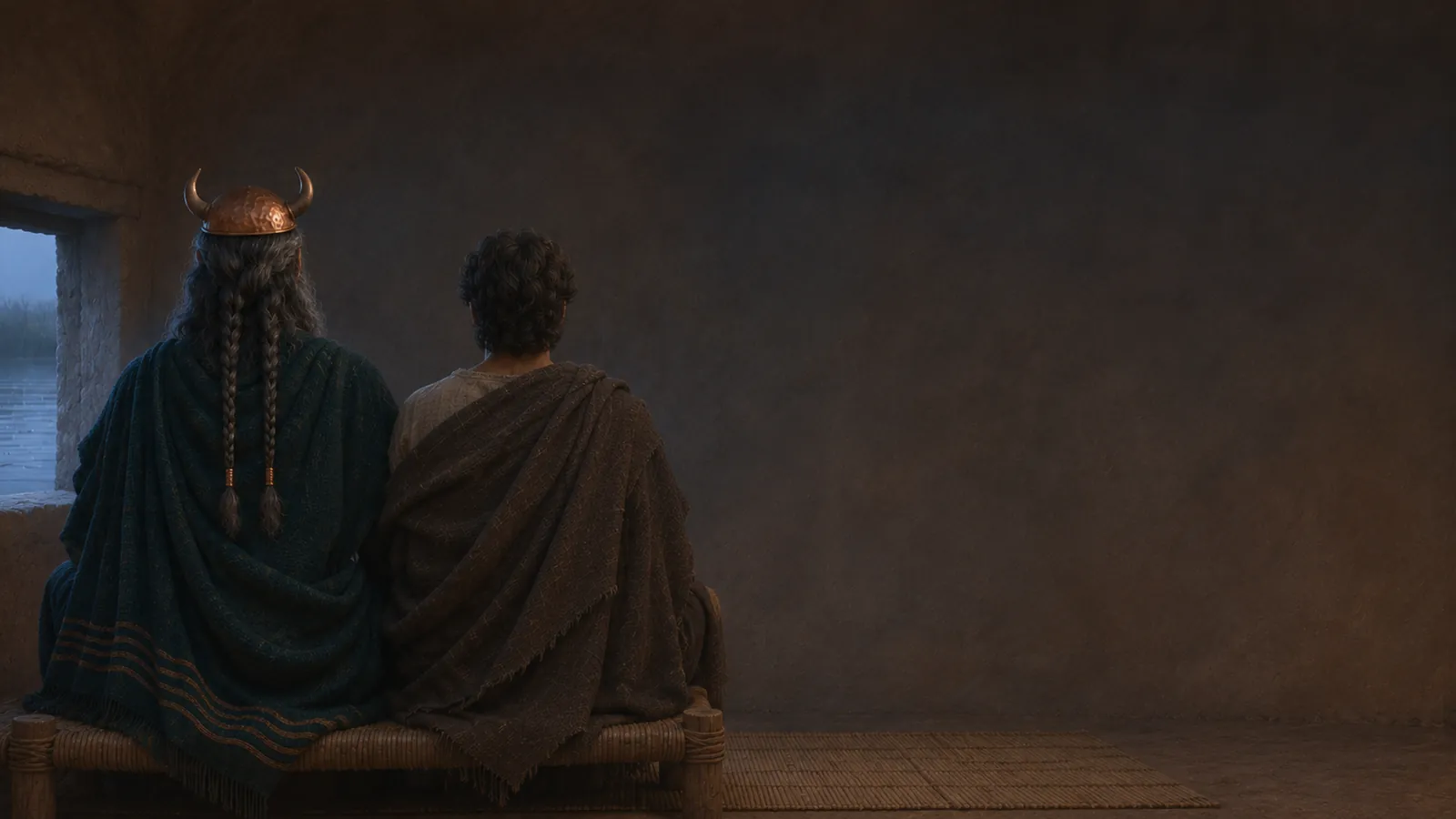
Ea disse a Adapa que ia apresentar-se a Anu. Antes de chegar ao senhor do céu, teria de passar pelo portão.
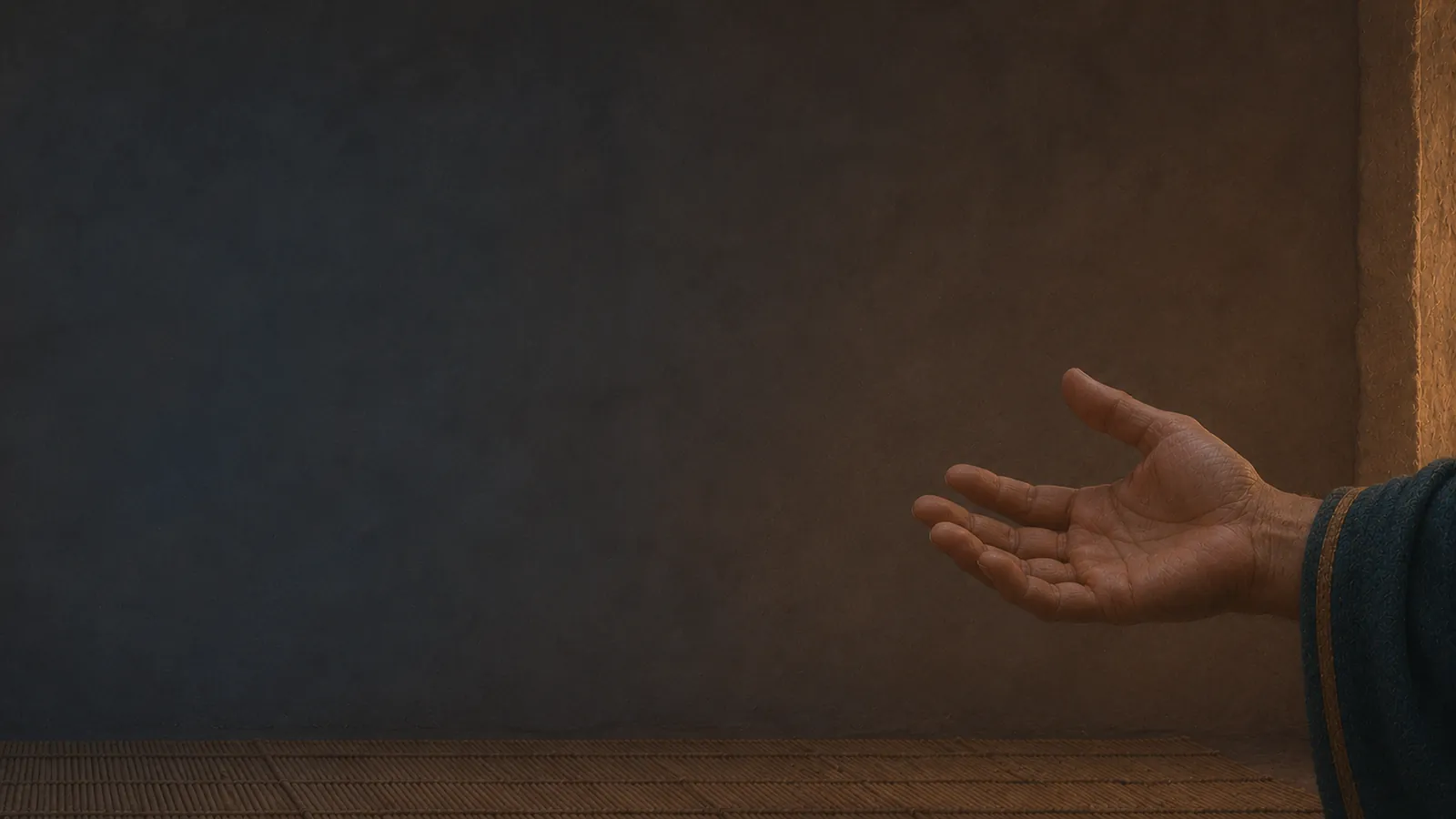
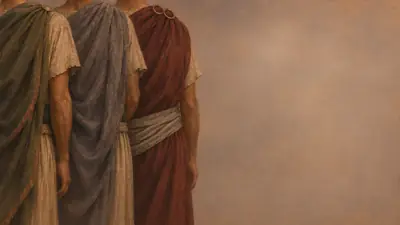
Dois deuses estariam junto ao portão, disse-lhe Ea. Dumuzi e Gizzida veriam a sua roupa e perguntariam por quem trazia luto.
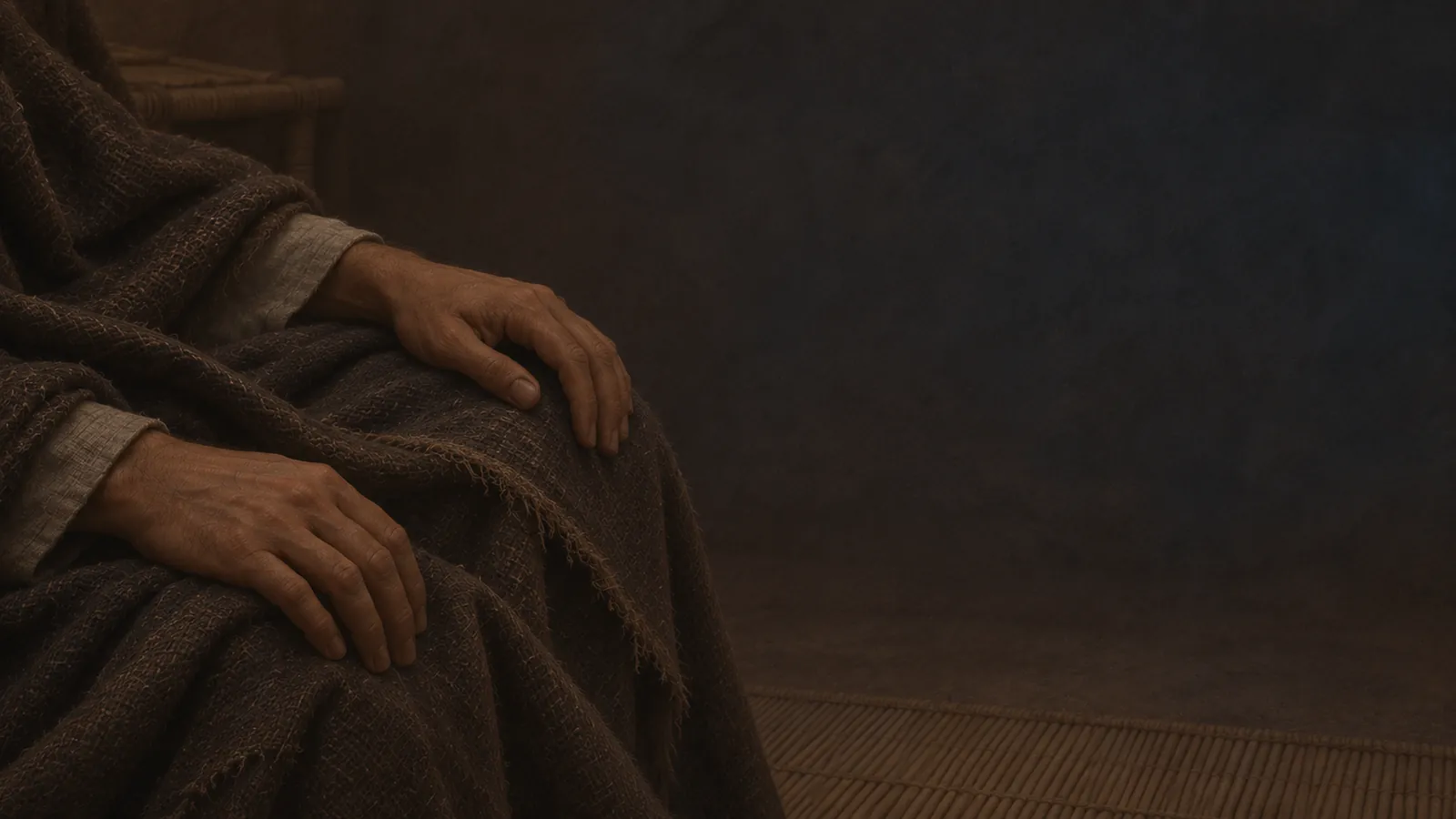
Ea disse-lhe como devia responder. Devia dizer que dois deuses estavam ausentes da terra e nomear Dumuzi e Gizzida.
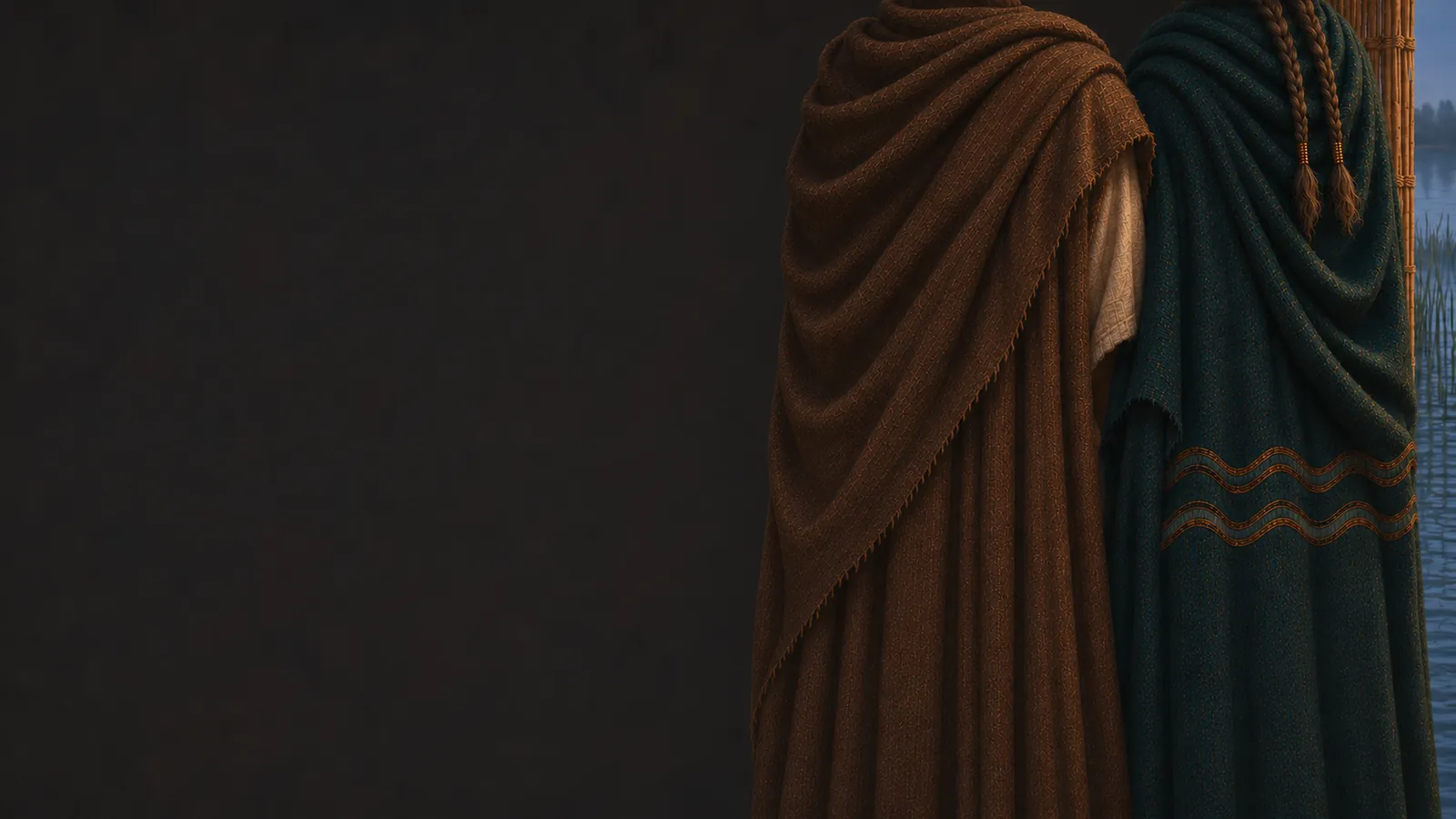
Ea disse que os dois deuses sorririam ao ouvir a resposta. Esperava que falassem bem de Adapa diante de Anu.
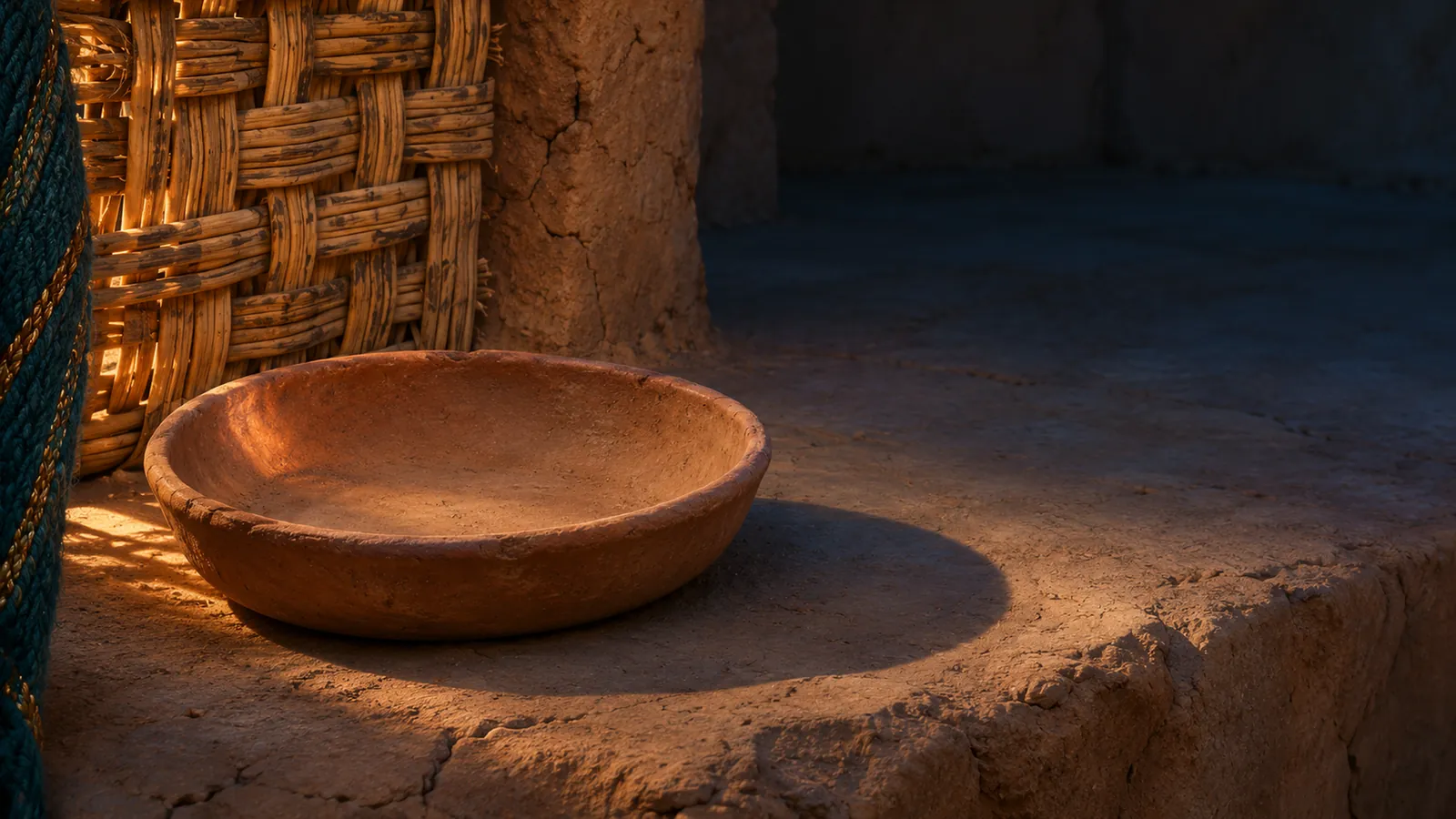
Quando Adapa estivesse diante de Anu, disse Ea, por-lhe-iam comida à frente. Ea avisou-o de que comê-la significaria a morte.
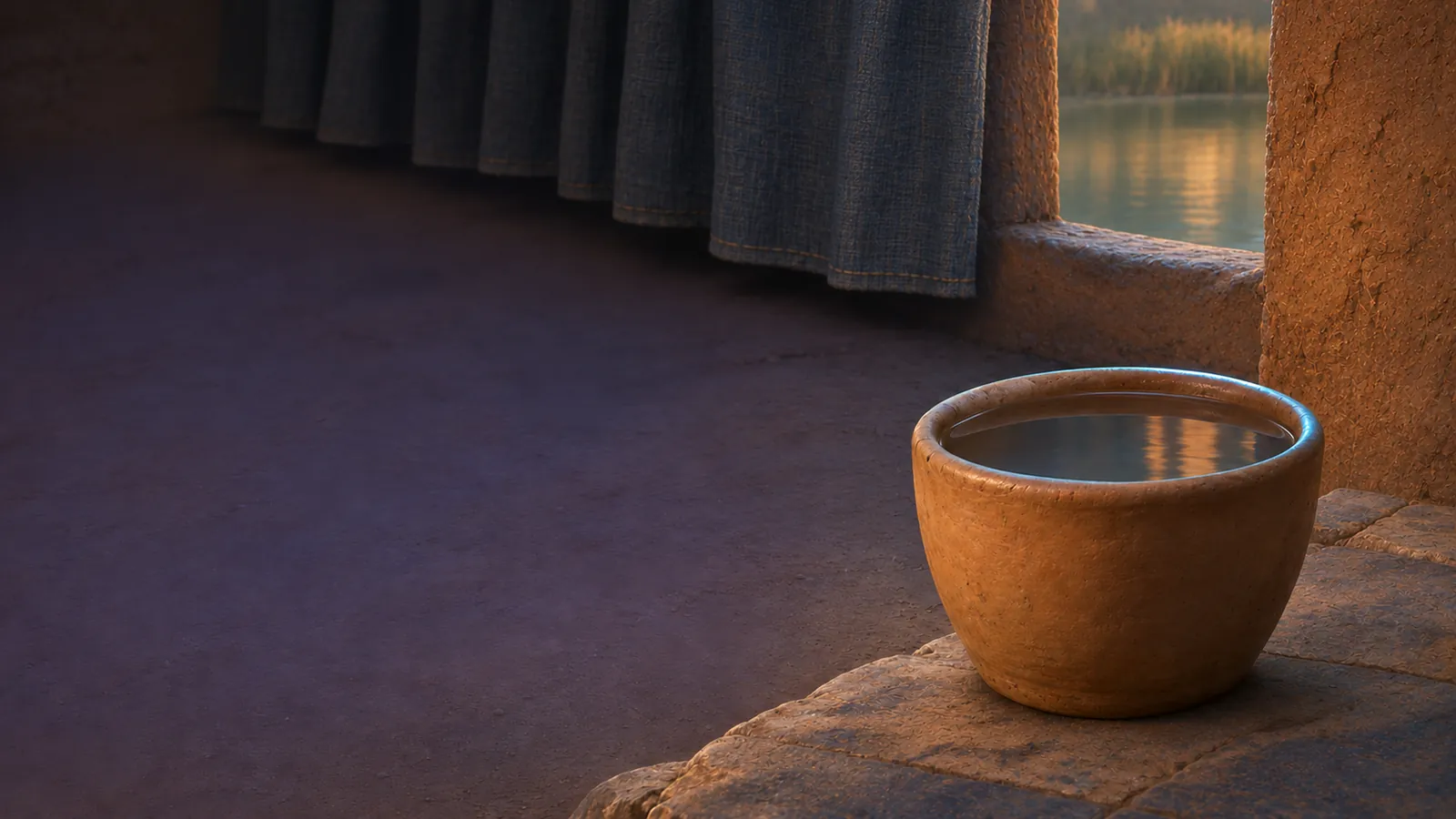
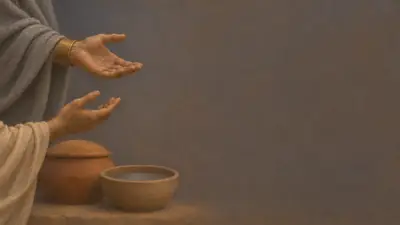
Ea fez-lhe o mesmo aviso sobre a água. Fosse o que fosse que lhe servissem no céu, Adapa devia deixá-lo intacto.
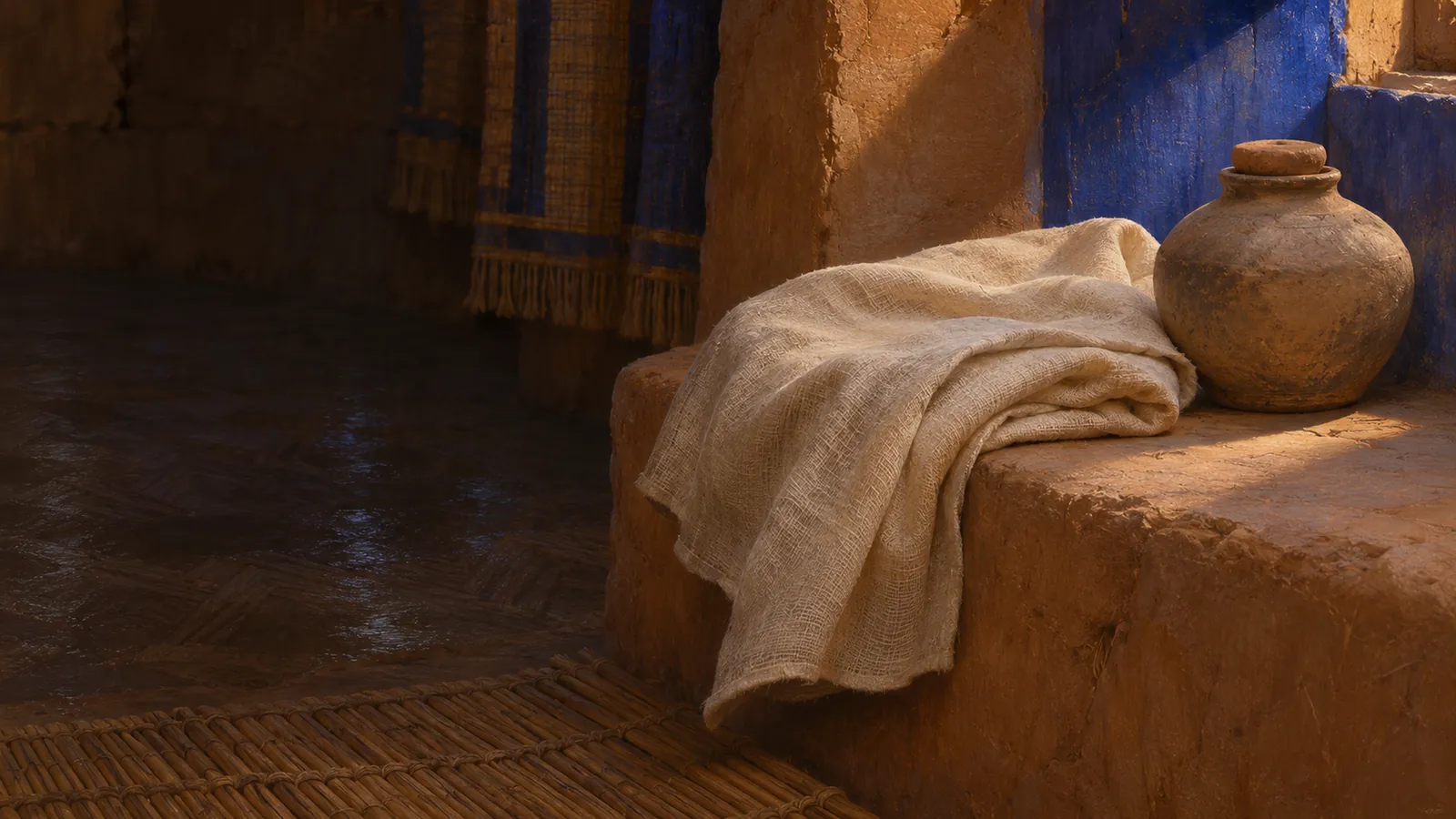
Se lhe oferecessem uma veste, devia vesti-la. Se lhe oferecessem óleo, podia ungir-se com ele. Ea insistiu para que se lembrasse de cada instrução.
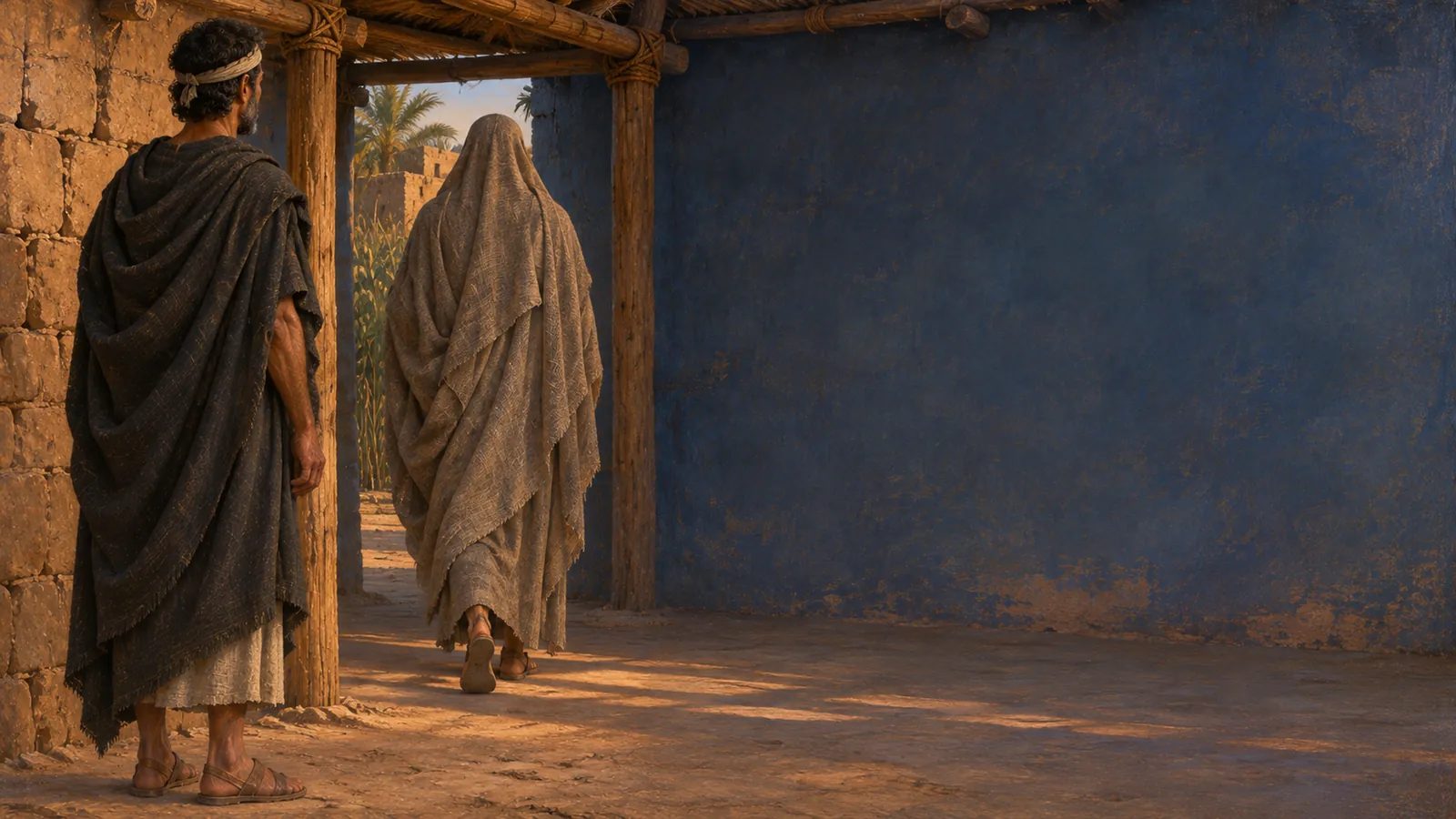
O mensageiro de Anu chegou quando as palavras de Ea ainda estavam frescas. Adapa quebrara a asa do vento sul e era chamado ao céu.
O CÉU
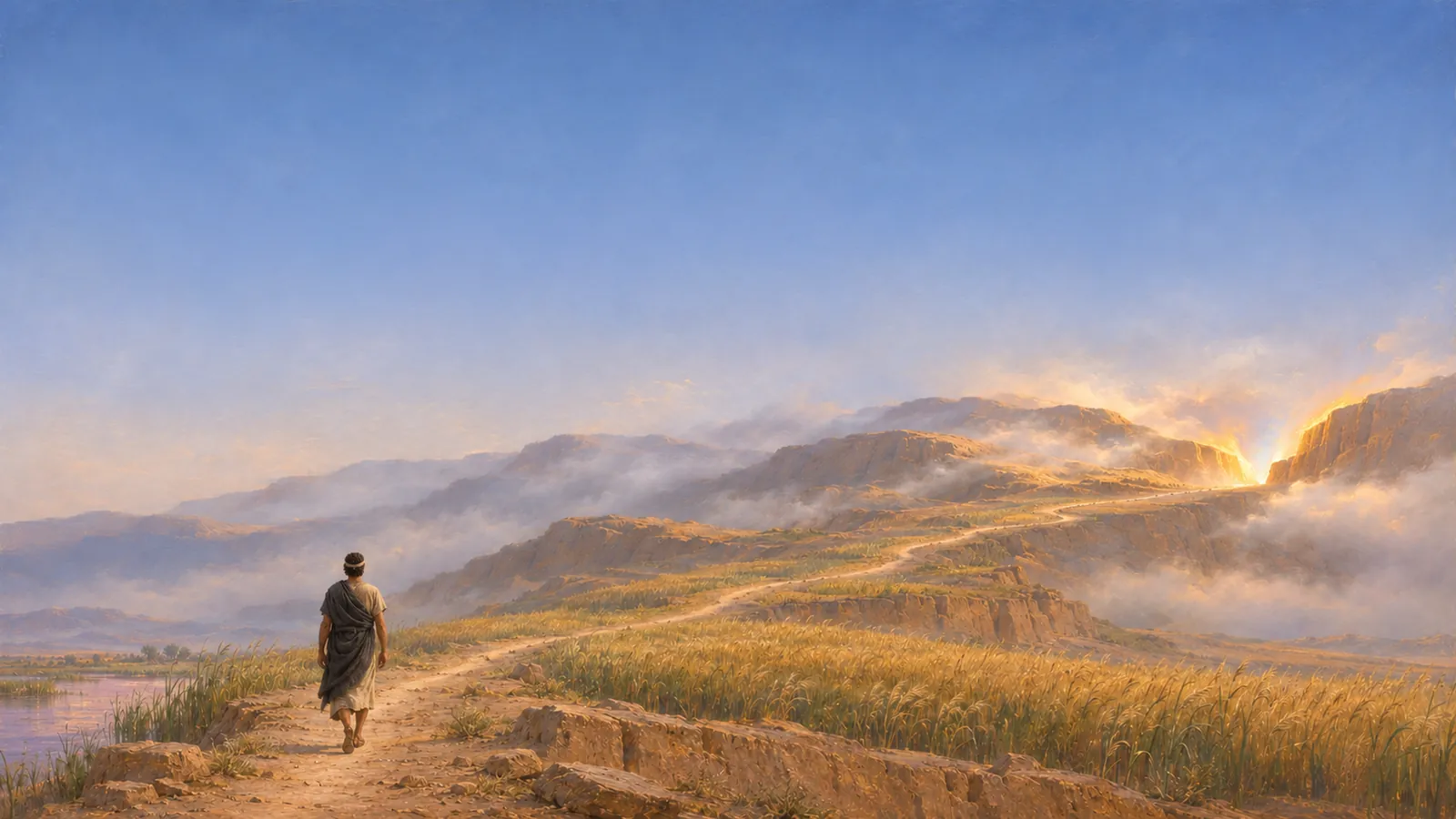
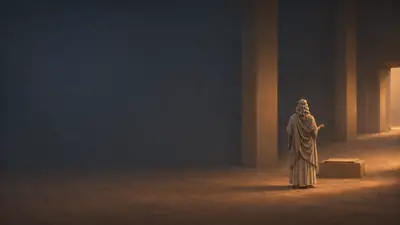
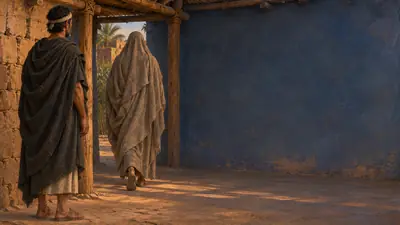
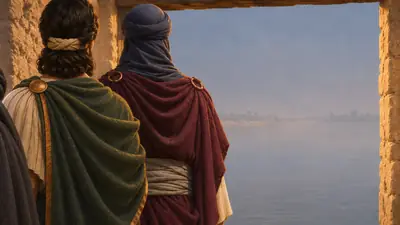
Adapa foi encaminhado para o céu. Subiu, tal como Ea dissera, até se aproximar do portão de Anu.
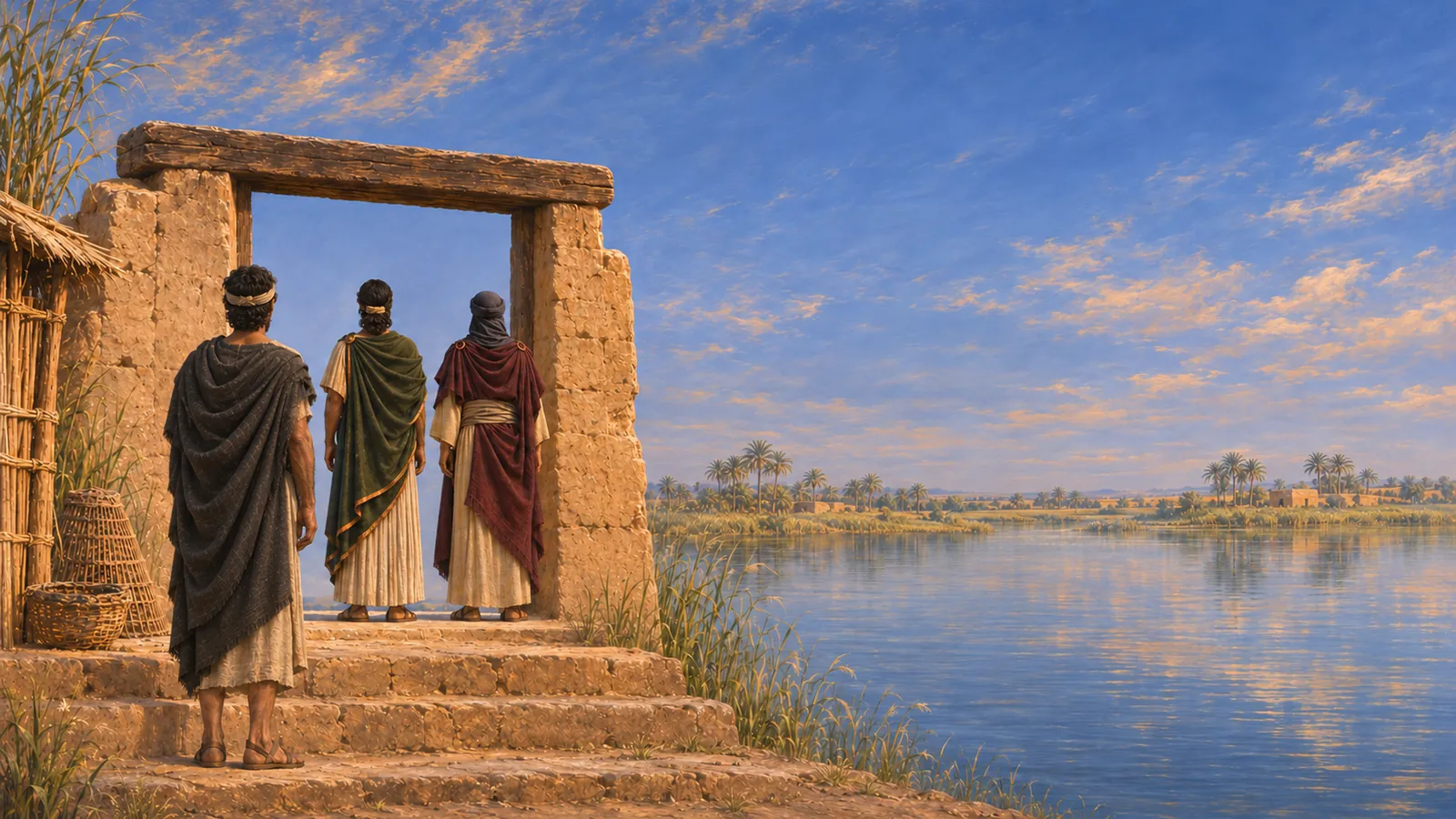
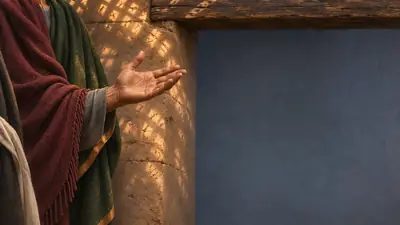
Dumuzi e Gizzida estavam junto ao portão, tal como Ea dissera. Avistaram Adapa nas suas roupas de luto.
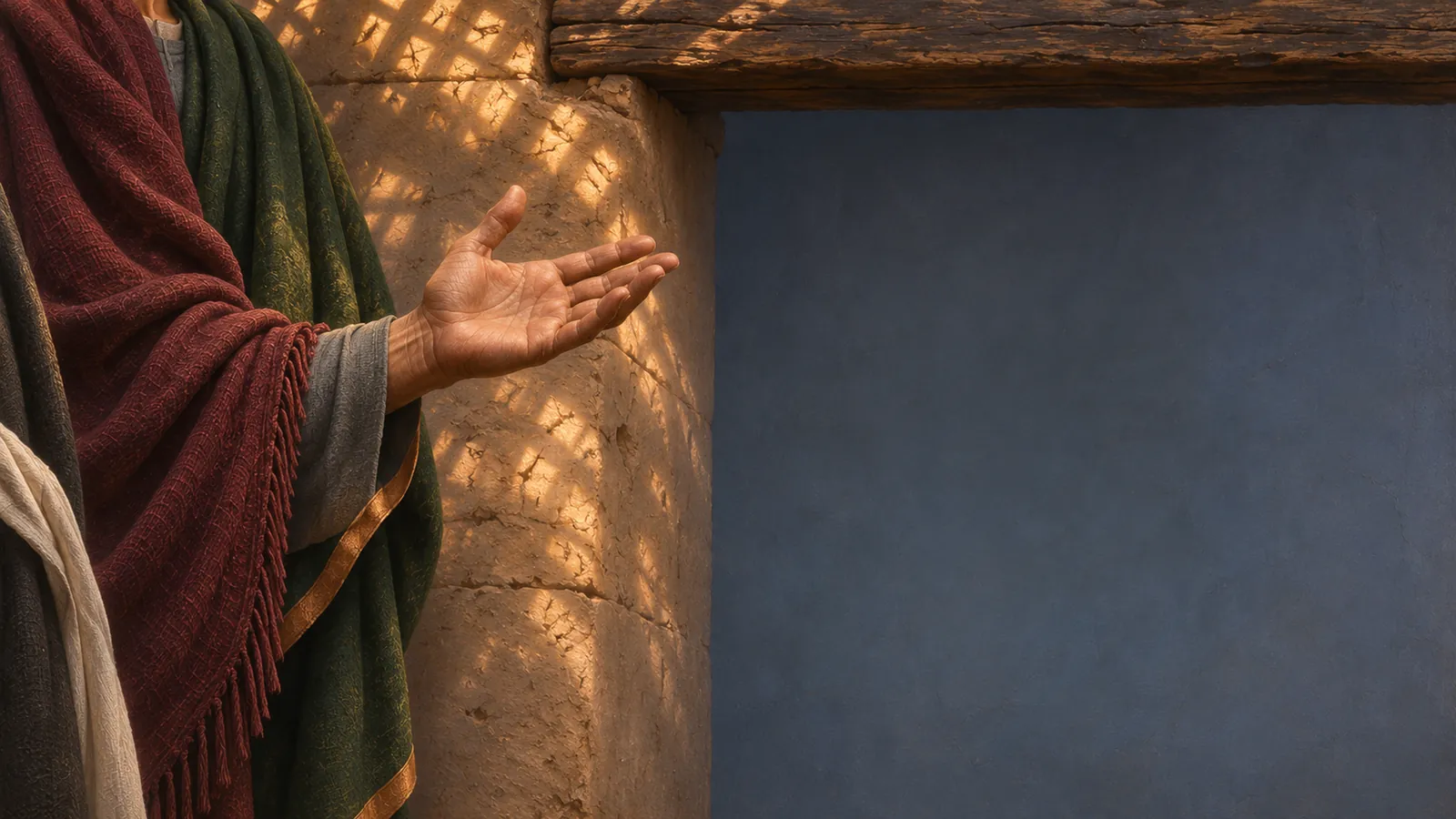
Os dois deuses chamaram por ele. Perguntaram a Adapa o que o mudara e por quem trazia aquelas roupas de luto.
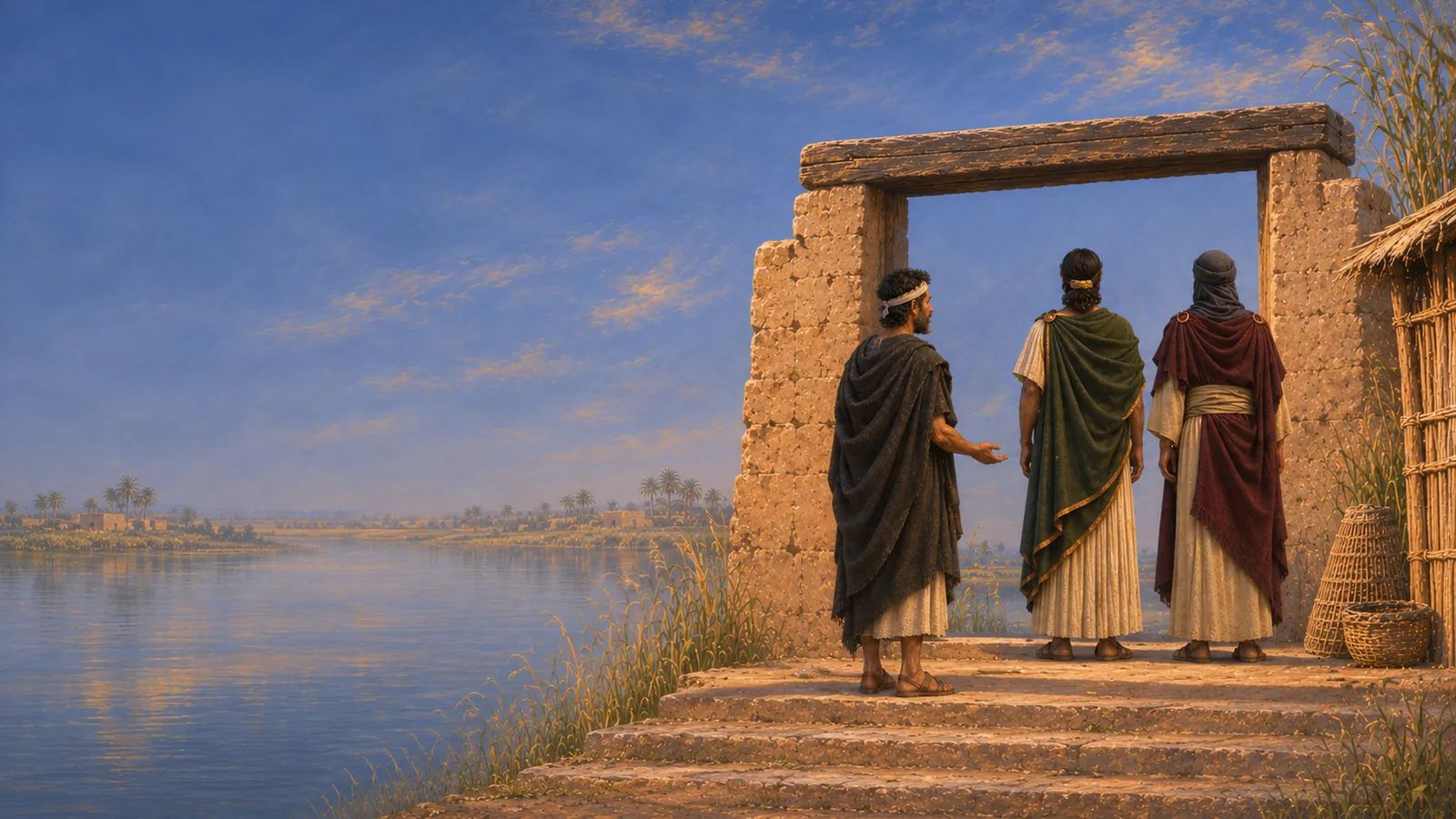
Adapa deu a resposta que Ea lhe ensinara. Dois deuses estavam ausentes da terra, disse, e por eles trazia luto.
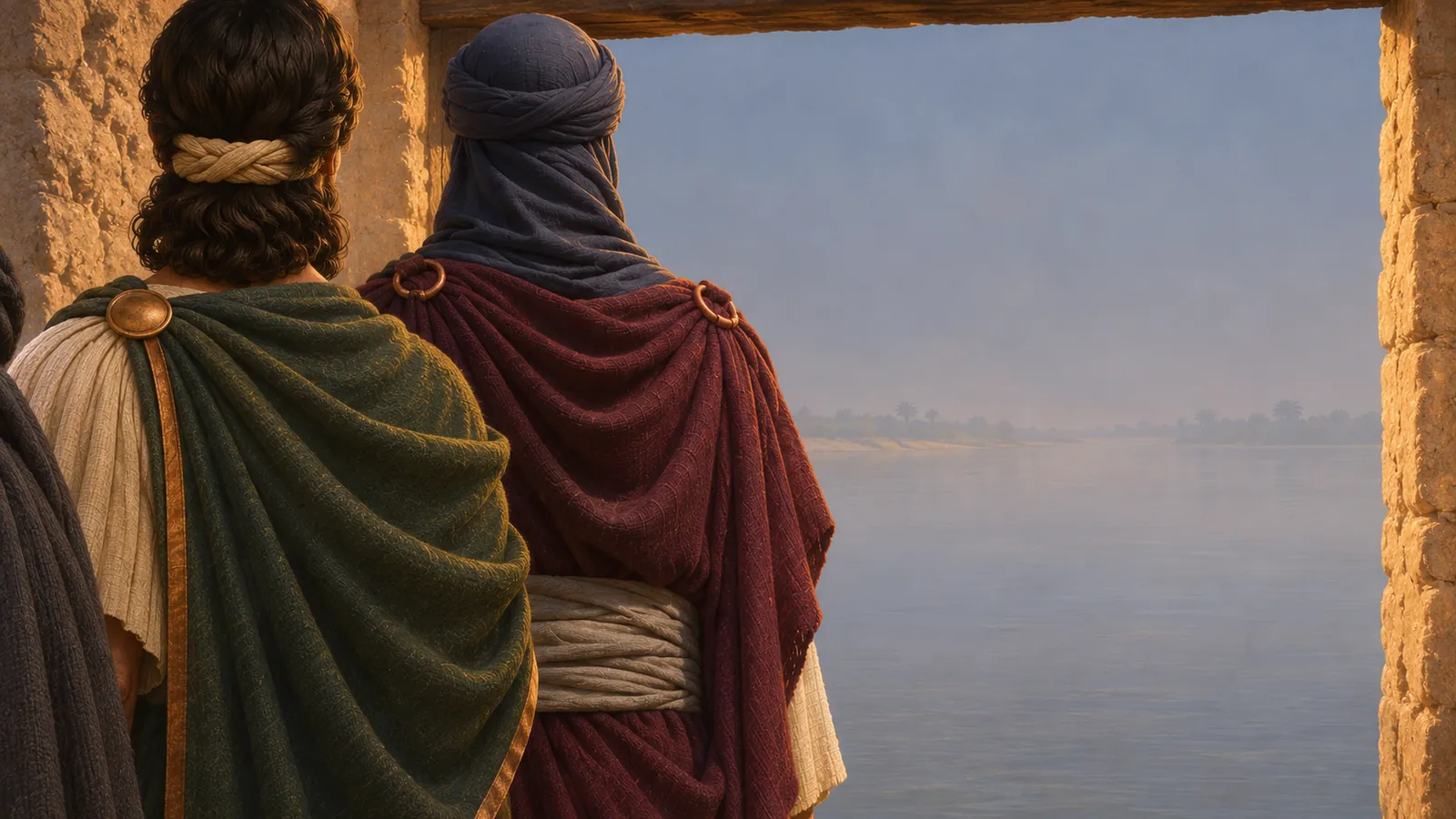
Perguntaram-lhe quem faltava. Quando Adapa nomeou Dumuzi e Gizzida, os dois deuses olharam um para o outro e sorriram.
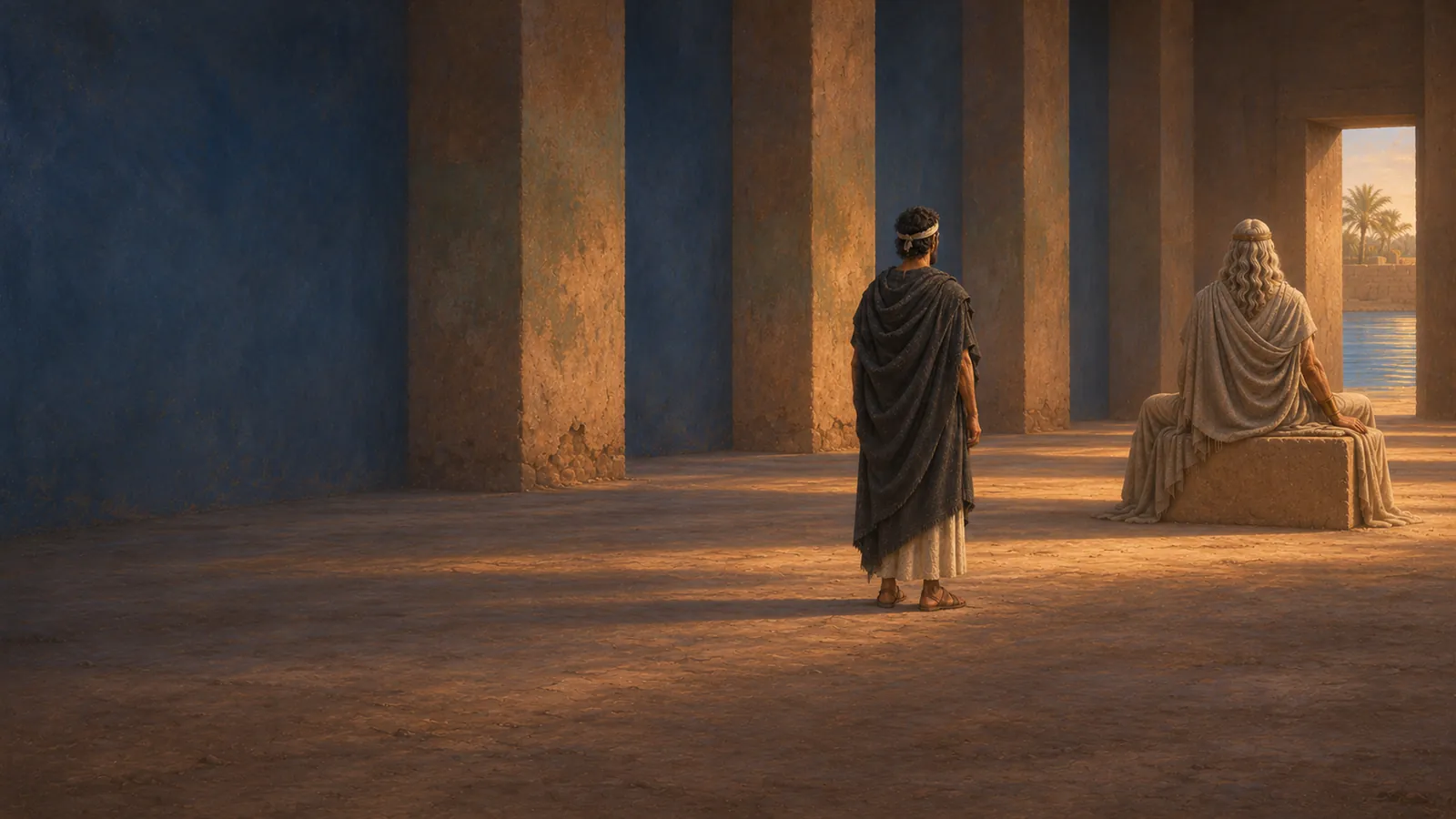
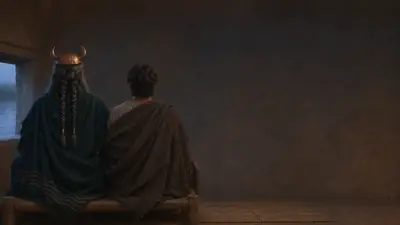
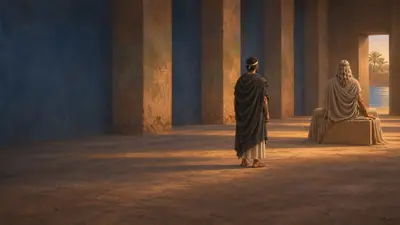
Adapa apresentou-se diante de Anu. O senhor do céu chamou-o e perguntou por que quebrara a asa do vento sul.
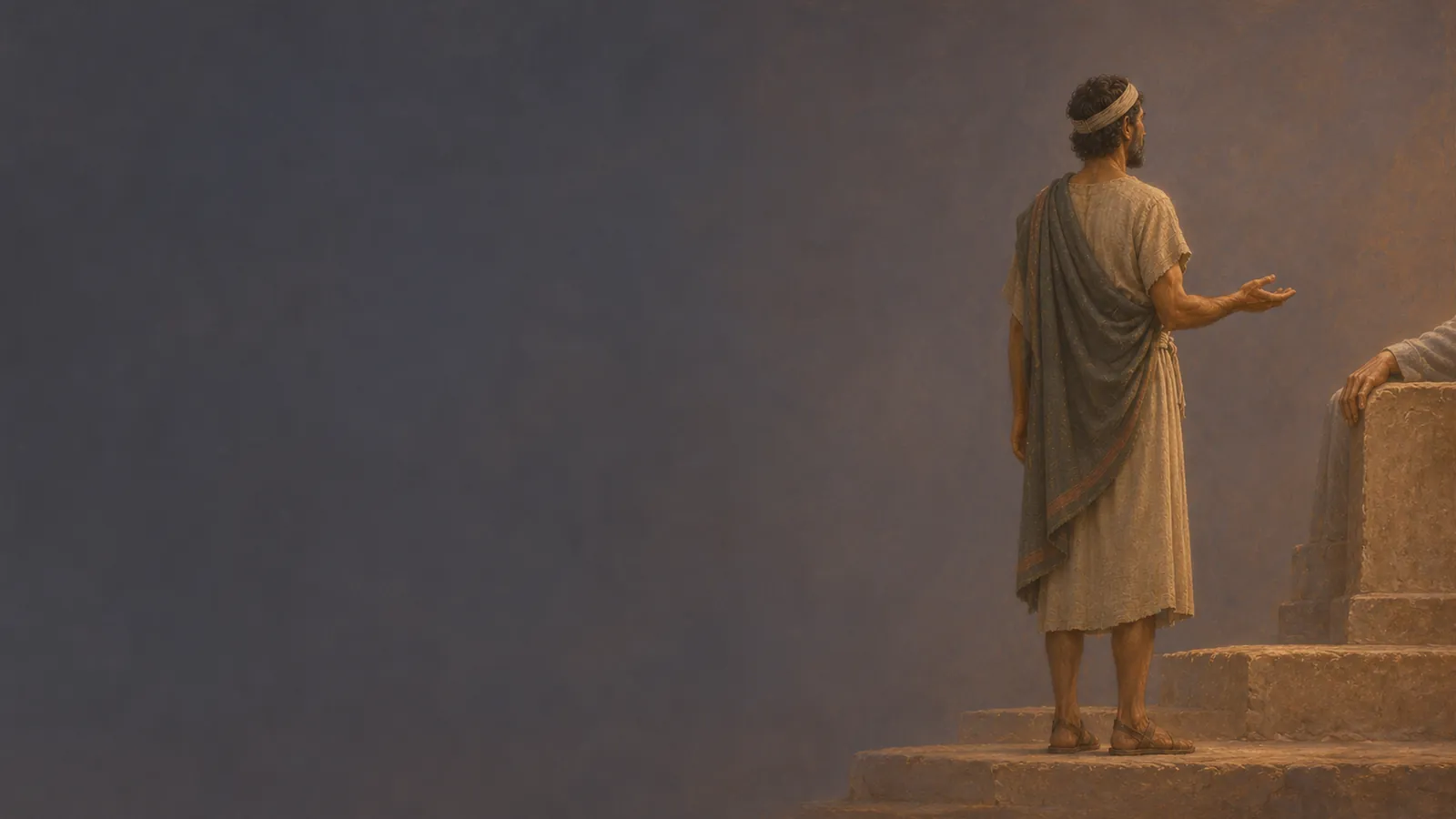
Adapa disse que pescava para a casa do seu senhor. O vento lançara-o à água e, no seu furor, ele amaldiçoara-o.
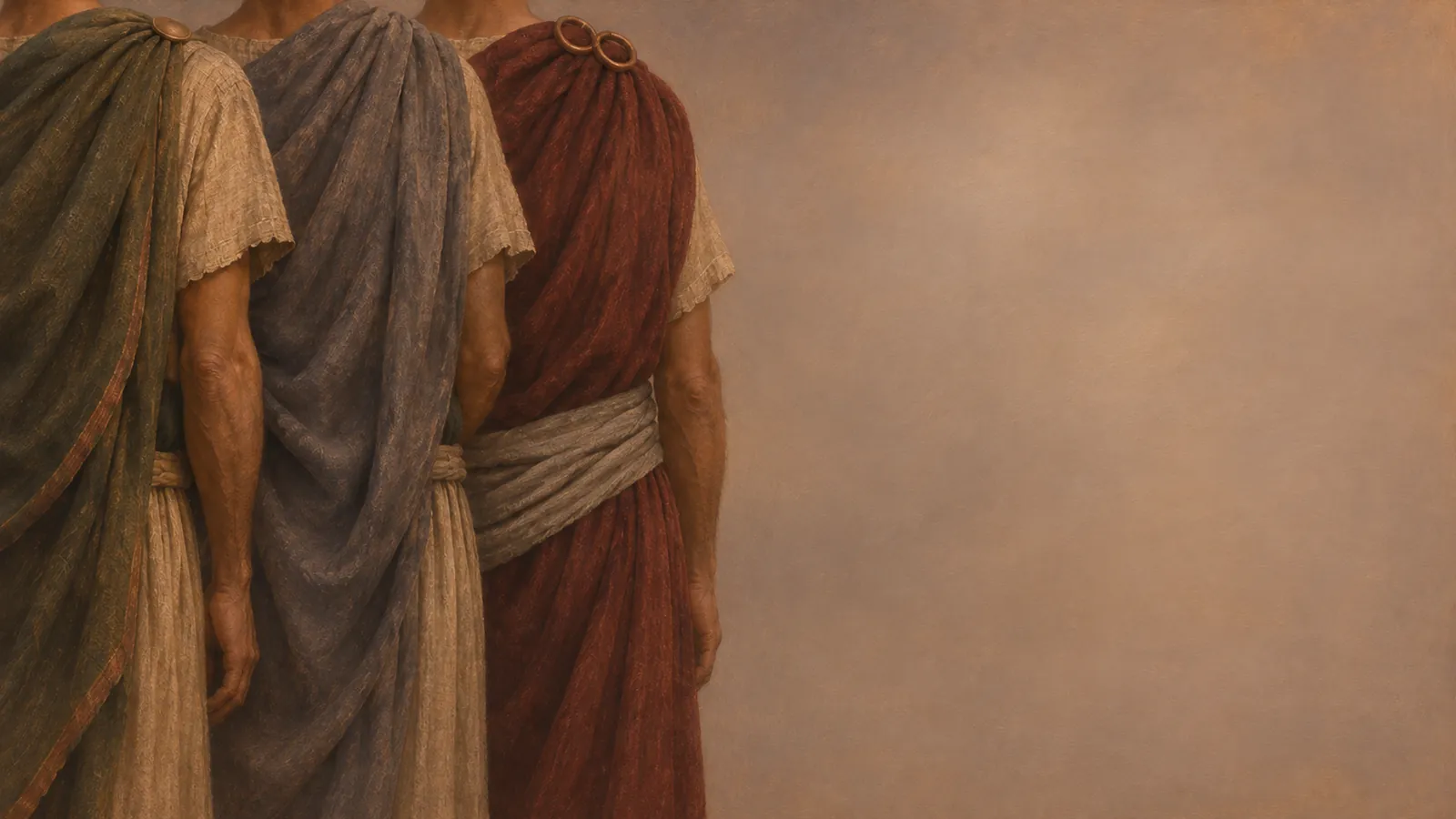
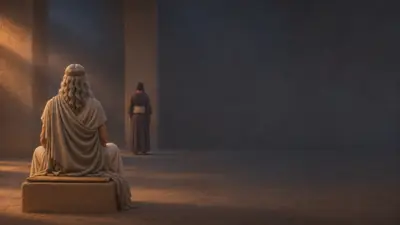
Dumuzi e Gizzida ficaram um de cada lado de Adapa e falaram por ele. As suas palavras chegaram a Anu, e a sala ficou em silêncio.

Anu perguntou-se o que Ea mostrara a um ser humano do céu e da terra. Depois perguntou o que os deuses poderiam fazer por Adapa.
A VIDA
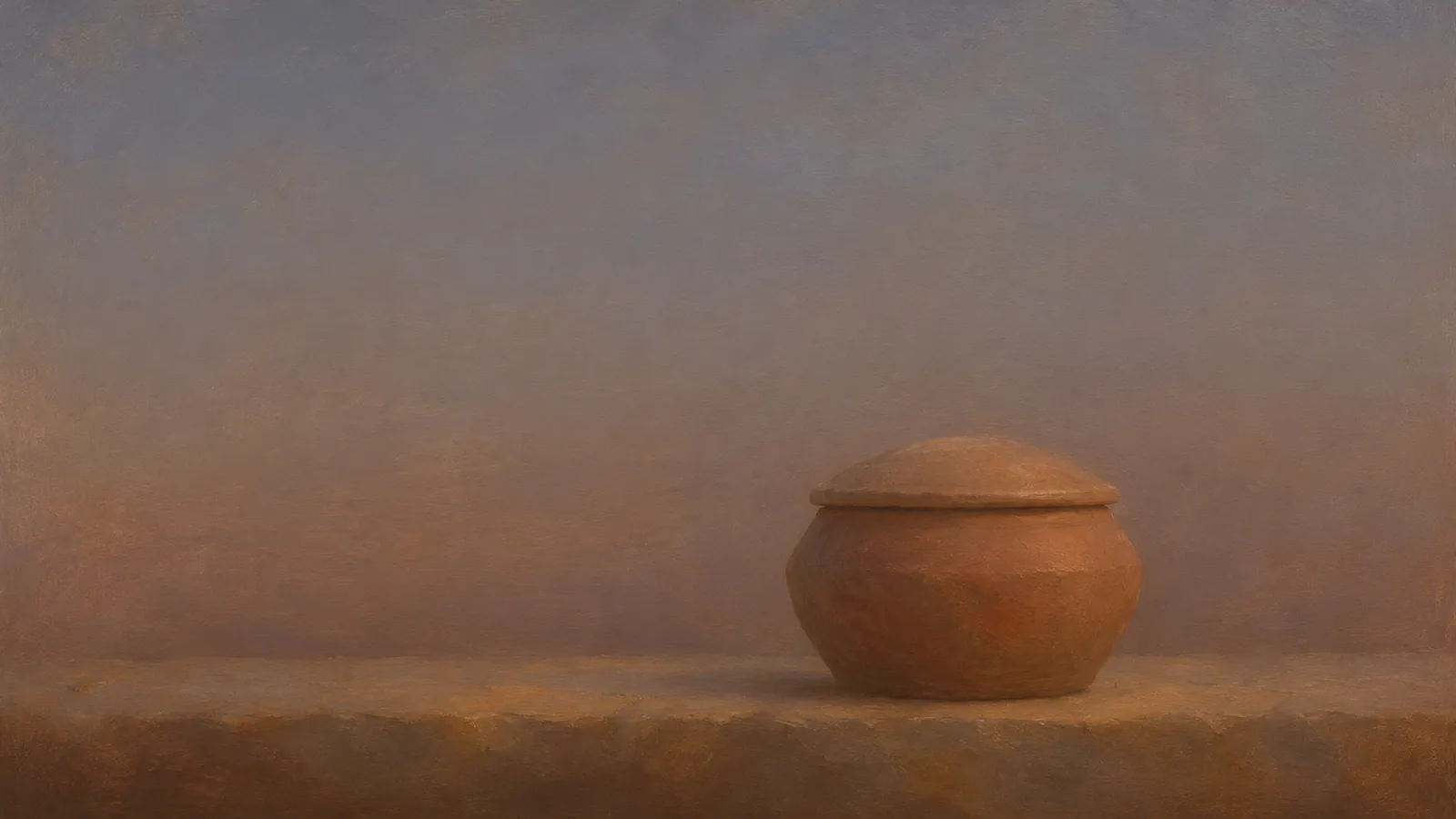
Anu deu então a sua própria ordem. Pediu que trouxessem o alimento da vida para que Adapa pudesse comer.
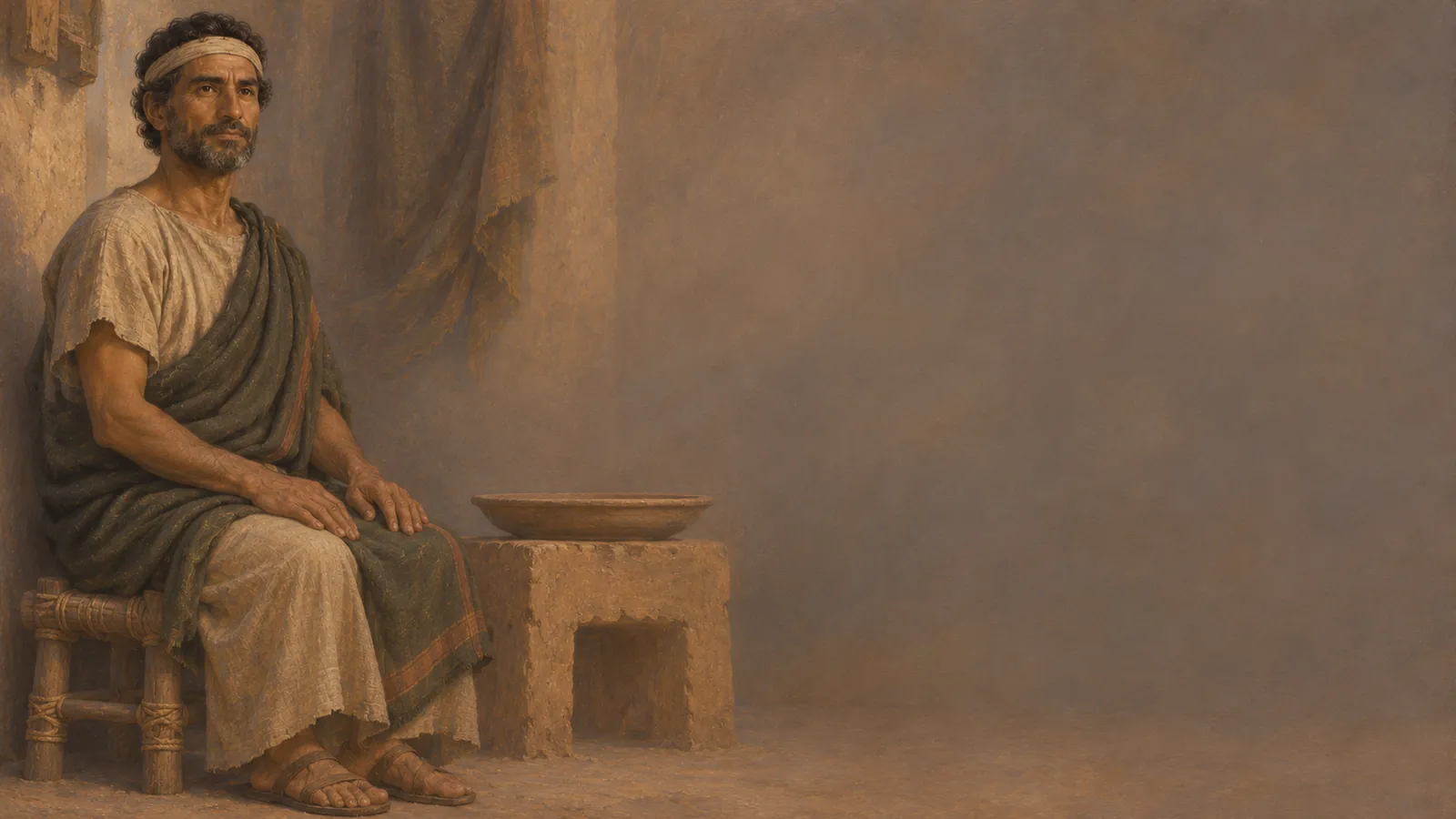
Puseram o alimento da vida diante de Adapa. Lembrou-se do aviso de Ea e deixou a oferta intacta.
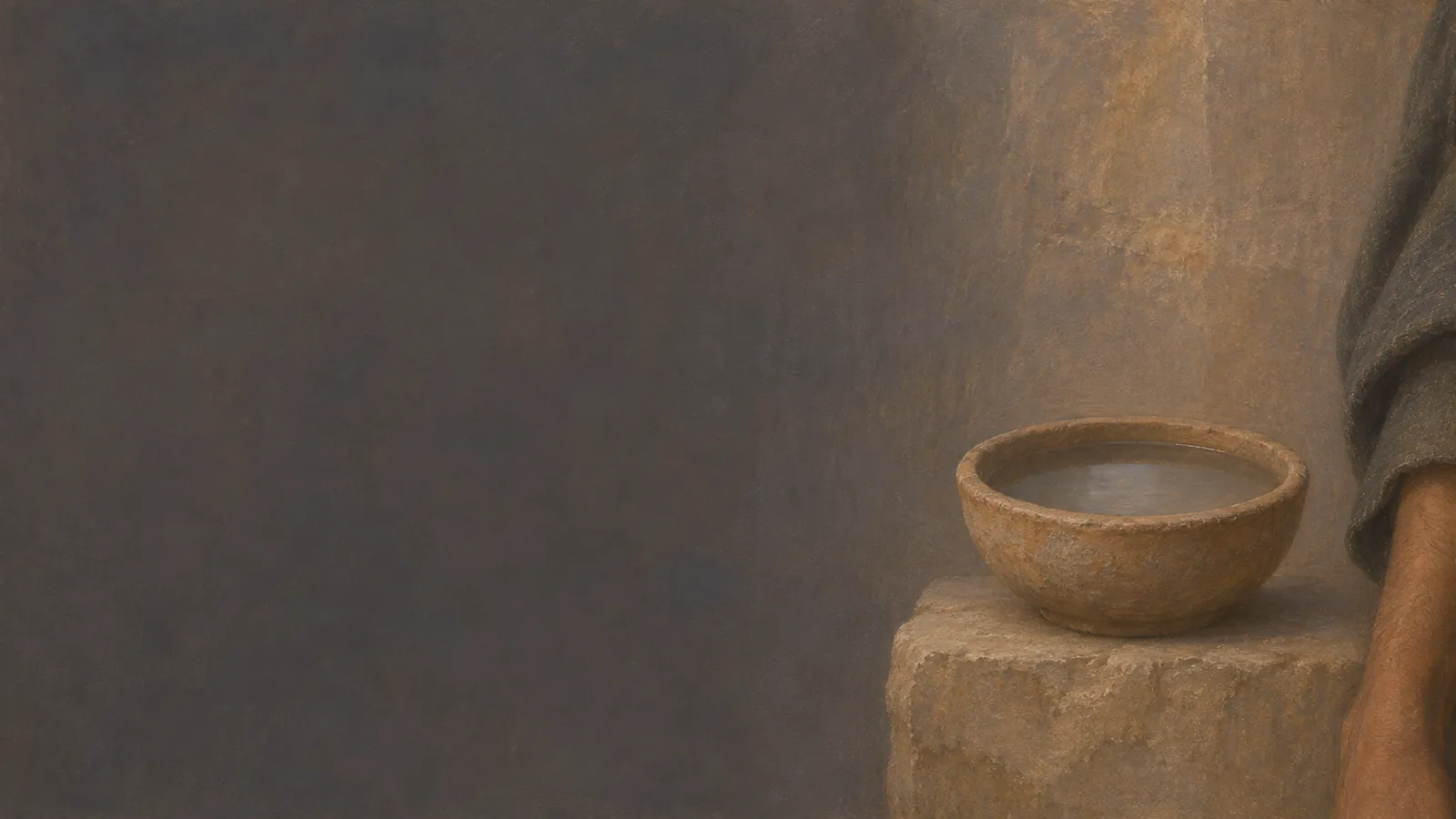
A seguir trouxeram-lhe a água da vida. Manteve-se fiel ao que Ea lhe dissera e não bebeu.
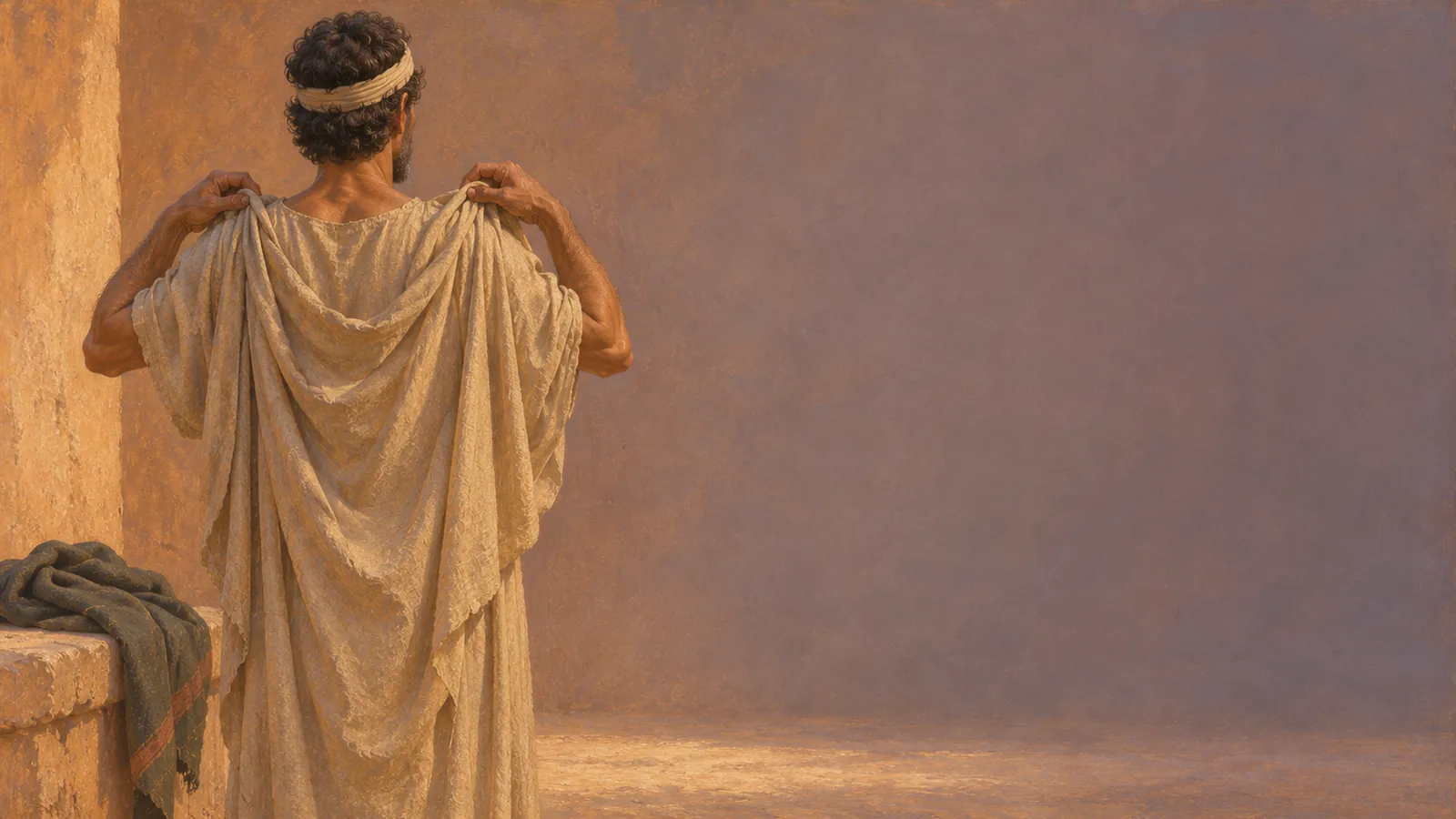
Trouxeram uma veste a Adapa, e ele vestiu-a. Era um dos presentes que Ea lhe dissera para aceitar.
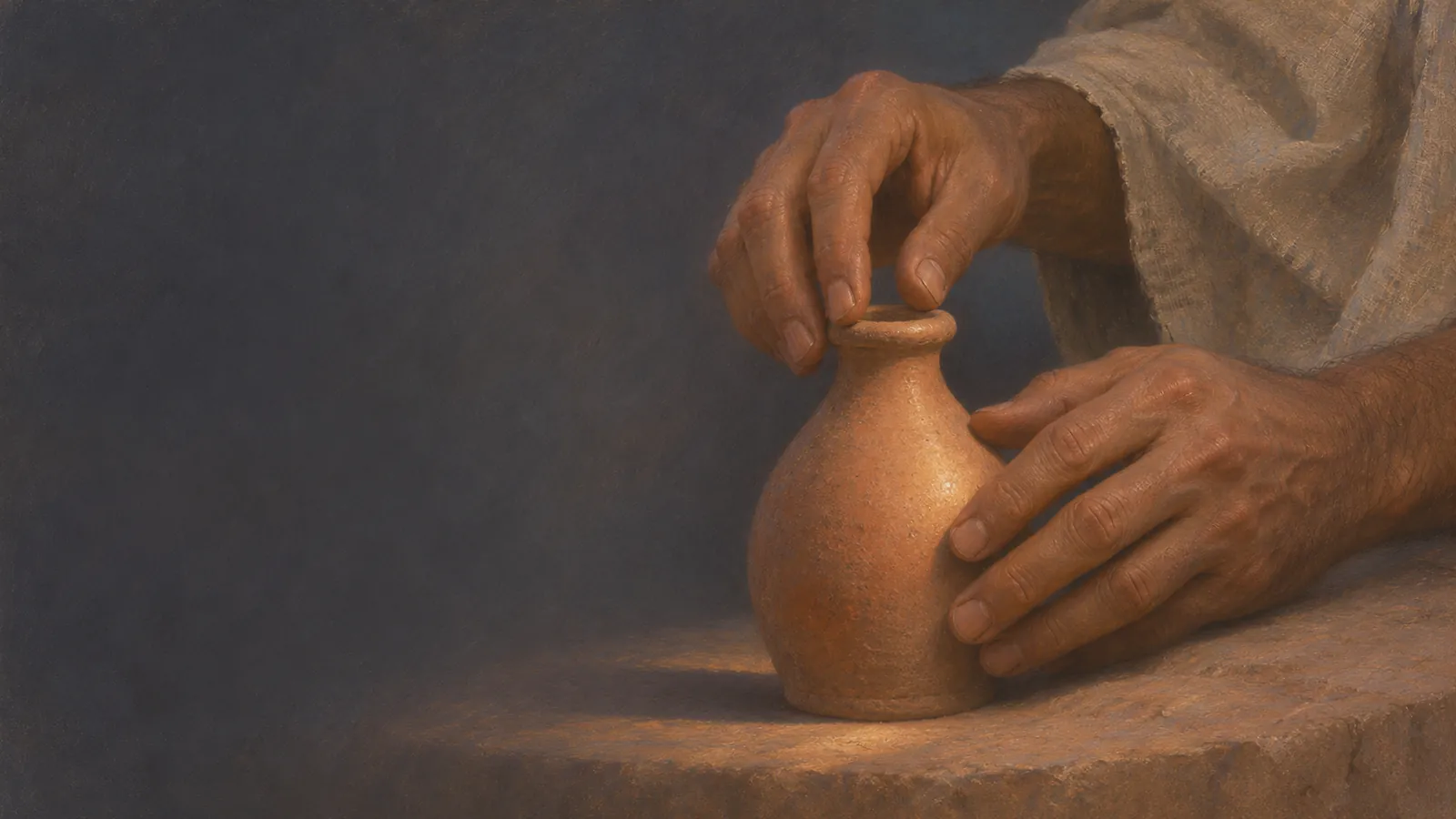
Depois da veste, trouxeram óleo. Adapa aceitou-o e ungiu-se com ele, tal como Ea lhe dissera.
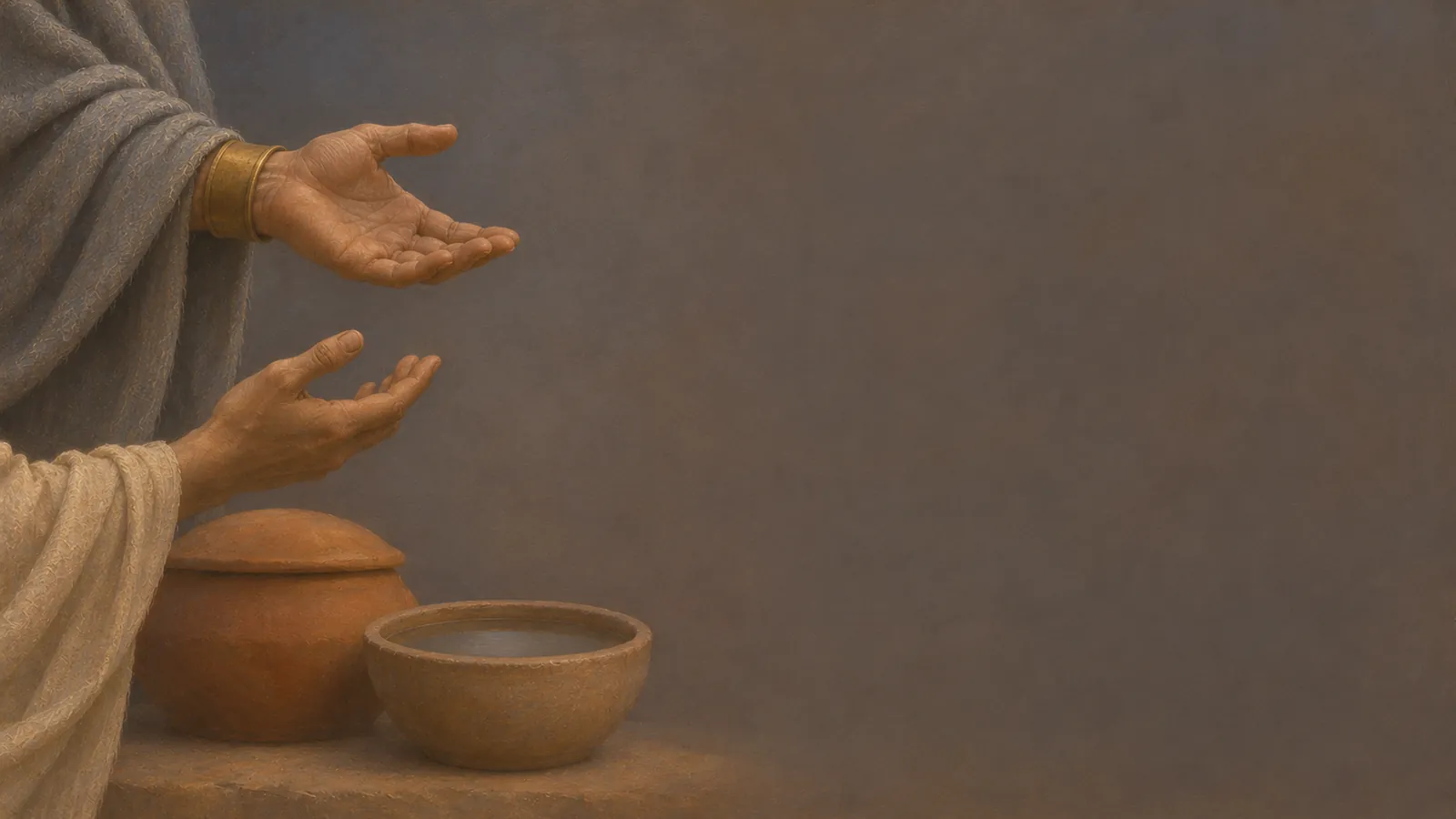
Anu riu e perguntou por que Adapa se recusara a comer ou a beber. Adapa respondeu que Ea, o seu senhor, lhe dissera para recusar ambas as coisas.
A FRATURA
O verso danificado parece ordenar que levem Adapa de volta para baixo. A tabuinha de Amarna interrompe-se antes de sabermos para onde ele foi.
Um fragmento de Nínive dá outro rumo à história. Parece colocar Adapa sob a autoridade de Anu e prometer-lhe uma honra duradoura.
No relato sumério de Tell Haddad, os deuses falam em reparar a asa do vento. A história fecha com palavras sobre o vento e a cura.
Fim do capítulo 1
Todas as páginas












Fontes
Edições consultadas
- Shlomo Izre’el, The Amarna Scholarly Tablets, EA 356, pp. 43–50. Open edition hosted by NYU Libraries
- Hebrew University, Sources of Early Akkadian Literature. EA 356 transliteration and continuous line numbering
- Albert T. Clay, A Hebrew Deluge Story in Cuneiform, pp. 39–41. Edition of MLC 1296, digitized by ETANA
- Yale Babylonian Collection, Babylonian Records IV, no. 3. Cuneiform copy of MLC 1296
- Electronic Babylonian Library, Adapa, Standard Babylonian fragments
- Amar Annus, The Story of the Watchers as a Counter Narrative. Transliteration and discussion of K.8214 rev. 7′–14′
- Cuneiform Digital Library Initiative, Q002295. Sumerian composite with transliteration and line translations
- Antoine Cavigneaux, Une version sumérienne de la légende d’Adapa. Edition of the Tell Haddad tablets
- IL Archive, Adapa
Os versos antigos de cada página
- Page 1: Nineveh A (MLC 1296) 5′–9′
The opening comes from the Nineveh fragment MLC 1296. The surviving opening at Amarna is broken. - Page 2: Nineveh A (MLC 1296) 2′–8′
- Page 3: Nineveh A (MLC 1296) 9′–14′
- Page 4: Nineveh A (MLC 1296) 15′–22′
The quay’s name is left aside because the wording is damaged. - Page 5: Amarna EA 356 rev. 49′–51′
The Amarna opening is broken. - Page 6: Amarna EA 356 rev. 51′–53′
- Page 7: Amarna EA 356 rev. 52′–53′
- Page 8: Amarna EA 356 obv. 1′–5′ and rev. 53′–54′
The first words of the curse are broken. The text does not narrate a rescue. - Page 9: Amarna EA 356 obv. 5′–6′
- Page 10: Amarna EA 356 obv. 6′–9′
- Page 11: Amarna EA 356 obv. 7′–8′
Ilabrat is named in Amarna. - Page 12: Amarna EA 356 obv. 8′–10′
- Page 13: Amarna EA 356 obv. 10′–12′
- Page 14: Amarna EA 356 obv. 12′–13′
The exclamation varies in translation. - Page 15: Amarna EA 356 obv. 13′–14′, 34′–36′
The command is partly restored. - Page 16: Amarna EA 356 obv. 14′–16′
The preparation is partly restored. - Page 17: Amarna EA 356 obv. 16′–19′
The instructions about the ascent have gaps, with a parallel in the later encounter. - Page 18: Amarna EA 356 obv. 19′–23′ and rev. 38′–42′
The names in the counsel are restored from the later encounter. - Page 19: Amarna EA 356 obv. 21′–25′
The planned answer names the two gods as absent. - Page 20: Amarna EA 356 obv. 25′–28′
Several words in the forecast are damaged. - Page 21: Amarna EA 356 obv. 28′–30′
The phrase naming death belongs to Ea’s warning. - Page 22: Amarna EA 356 obv. 30′–31′
- Page 23: Amarna EA 356 obv. 31′–34′
Tell Haddad uses different language for the third offer, and its reading is disputed. - Page 24: Amarna EA 356 obv. 34′–36′
- Page 25: Amarna EA 356 rev. 37′–38′
The word for the road is partly restored. - Page 26: Amarna EA 356 rev. 38′–40′
- Page 27: Amarna EA 356 rev. 40′–42′
The gods’ exclamation varies among translations. - Page 28: Amarna EA 356 rev. 42′–44′
The Tell Haddad composite uses stronger wording in its own dialogue. - Page 29: Amarna EA 356 rev. 44′–46′
- Page 30: Amarna EA 356 rev. 46′–49′
- Page 31: Amarna EA 356 rev. 49′–54′
- Page 32: Amarna EA 356 rev. 54′–56′
The wording of their speech is damaged. - Page 33: Amarna EA 356 rev. 57′–60′
- Page 34: Amarna EA 356 rev. 60′–61′
The text does not name a specific dish. - Page 35: Amarna EA 356 rev. 61′–62′
- Page 36: Amarna EA 356 rev. 62′–63′
Some wording in the two refusals is restored. - Page 37: Amarna EA 356 rev. 63′–64′
The corresponding words in Tell Haddad are disputed. - Page 38: Amarna EA 356 rev. 64′–65′
- Page 39: Amarna EA 356 rev. 66′–69′
The force of Anu’s remark about life is debated. - Page 40: Amarna EA 356 rev. 69′–71′
The verb of return is partly restored. A completed return is not preserved. - Page 41: Nineveh D (K.8214) rev. 7′–14′
The damaged fragment is read as service under Anu or as protection from him. This is a different witness. - Page 42: Tell Haddad Sumerian account, CDLI Q002295 173–190
These line numbers belong to the editorial composite. Its close concerns the wind’s restoration and healing.
Ilustrações feitas pelo IL Archive com ferramentas de IA; o texto baseia-se nas fontes antigas (veja as fontes no fim de cada capítulo).