As palavras de Ahiqar Capítulo 1
Ahiqar e a carta falsa
Ahiqar ensina o sobrinho Nadin para que lhe suceda na corte assíria. Uma carta falsa põe em perigo o velho escriba. Um homem a quem outrora deu abrigo acolhe-o. O papiro conserva também provérbios e fábulas que se podem ler a par do relato incompleto.
FontesVire as páginas com as setas, o teclado ou deslizando o dedo.

AHIQAR E A CARTA FALSA
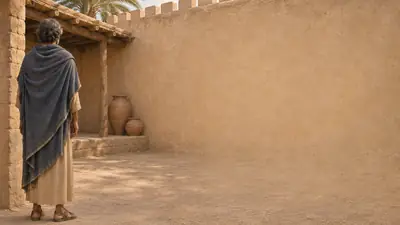
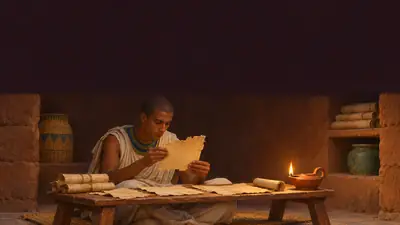
Muito depois do tempo dos reis assírios, havia em Elefantina uma cópia da história de Ahiqar. Nela, Ahiqar é apresentado como um escriba sábio e hábil.
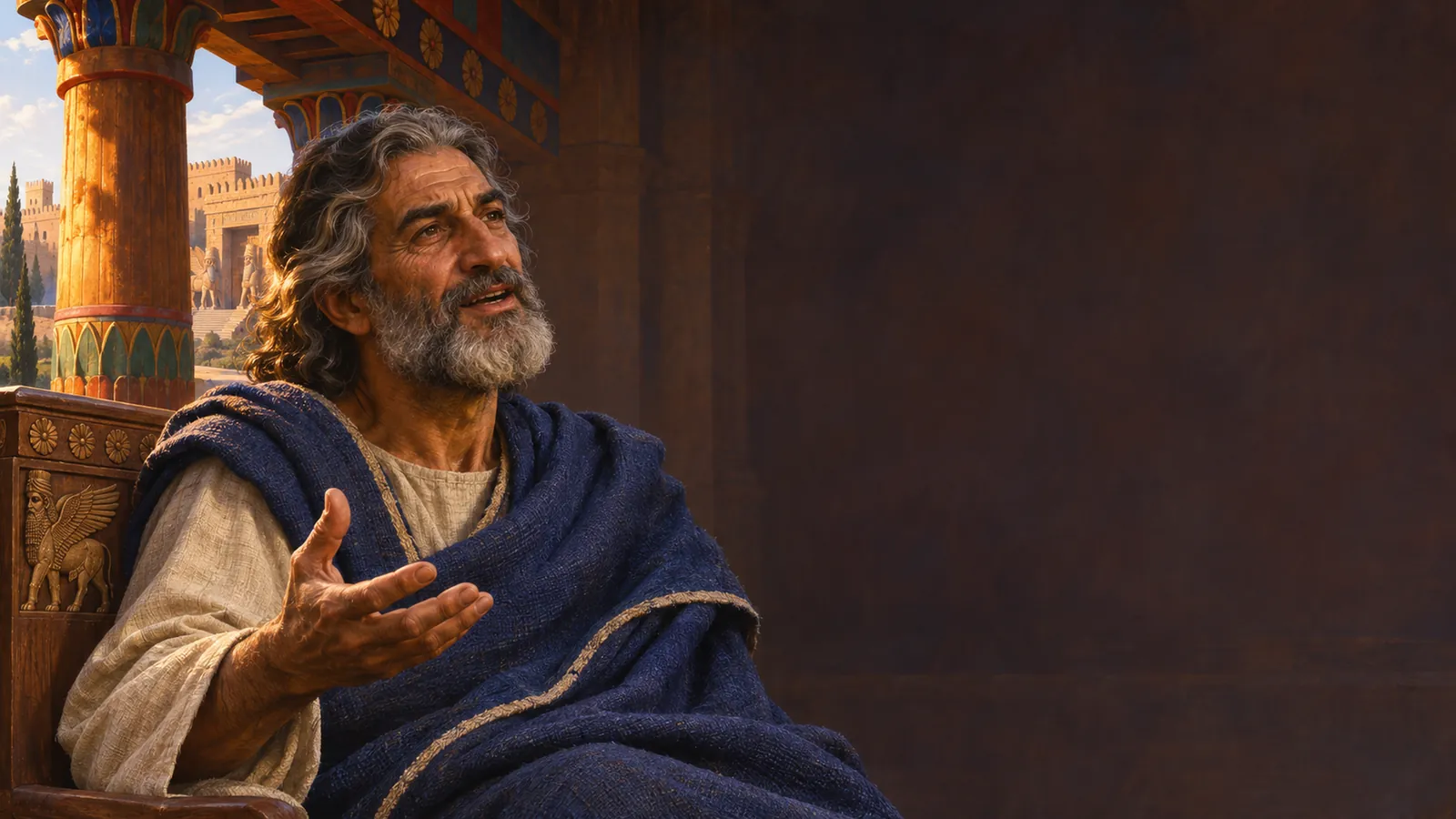
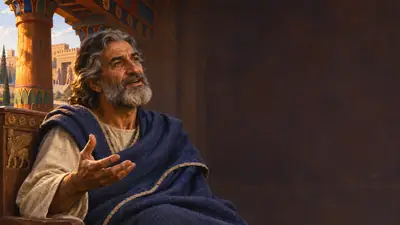
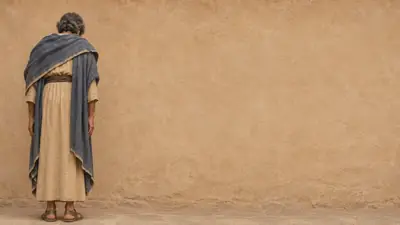
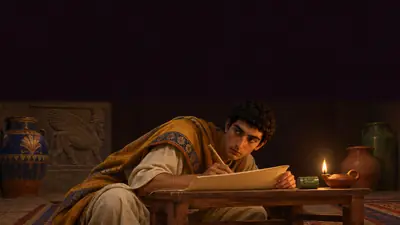
A abertura fala de Ahiqar. Depois, o próprio escriba toma a palavra e recorda o tempo em que servia à porta do palácio.
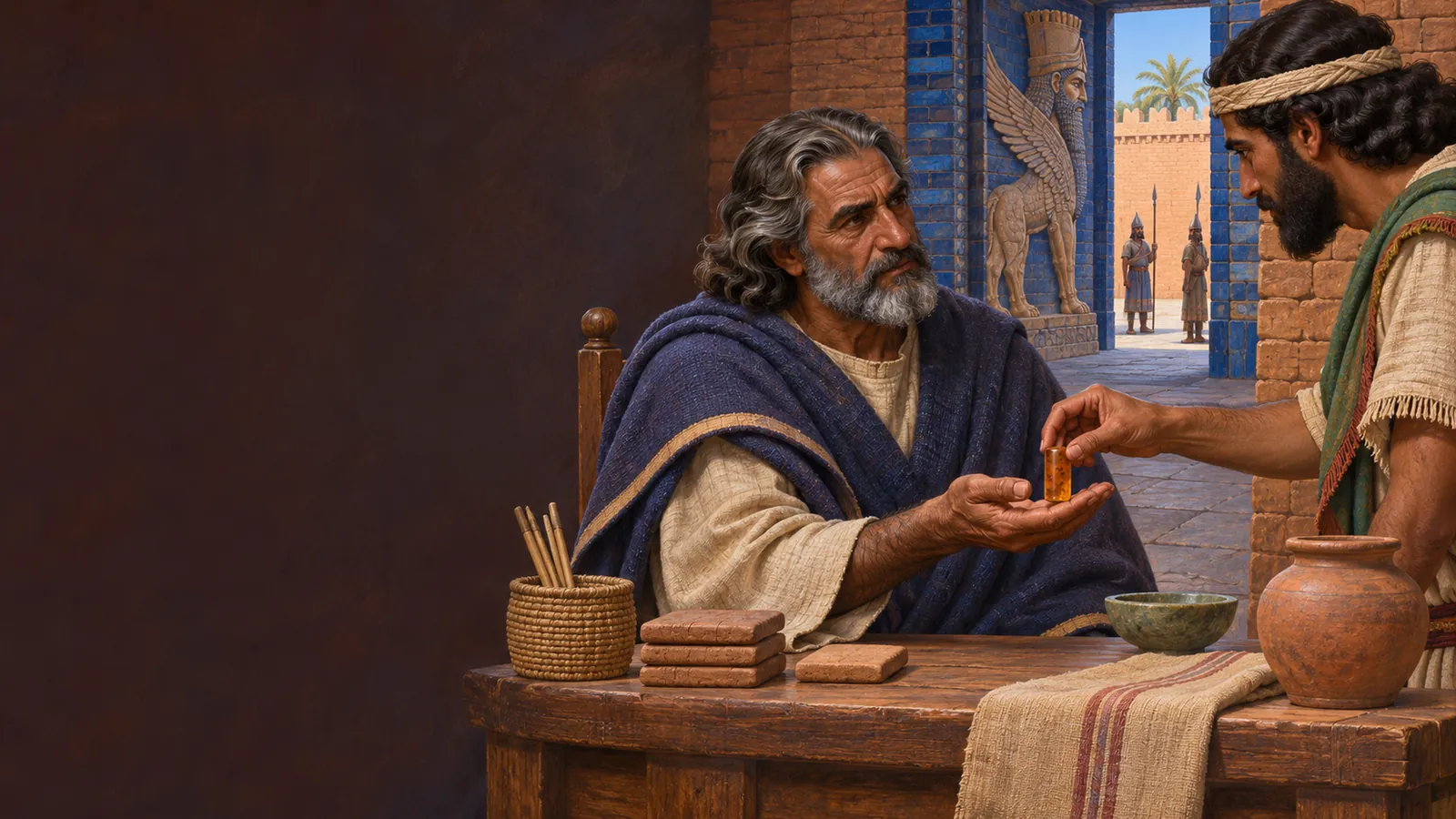
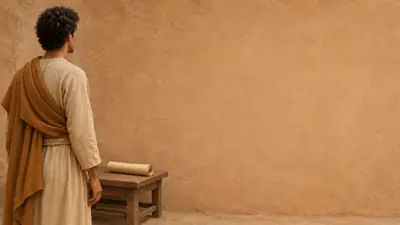
Ahiqar recorda o seu posto à porta do palácio, na casa do portador do selo de Senaqueribe, rei da Assíria.
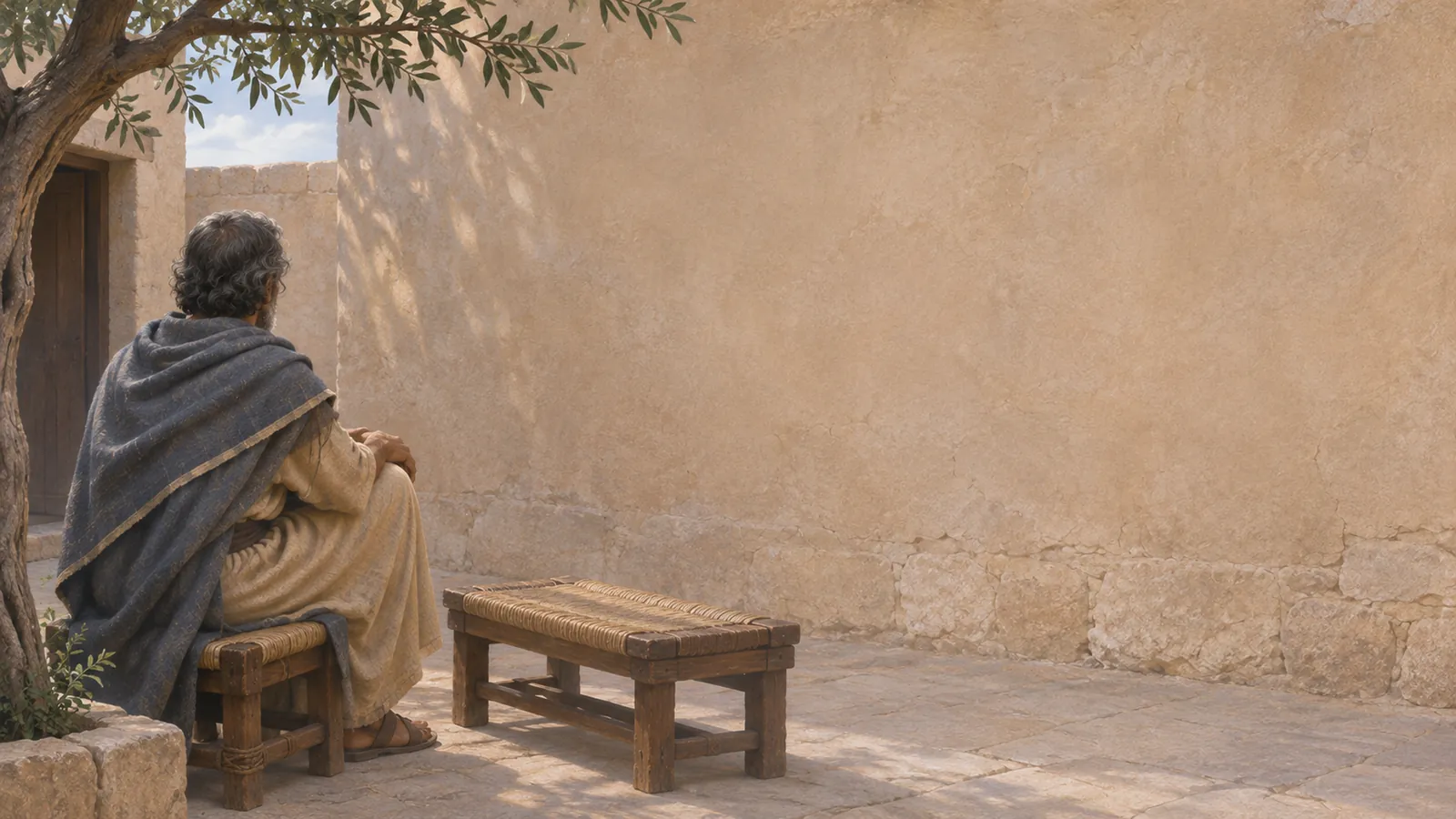
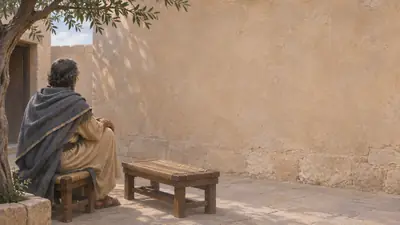
Ahiqar diz que não tem um filho a quem deixar a sua casa ou transmitir o que aprendeu.
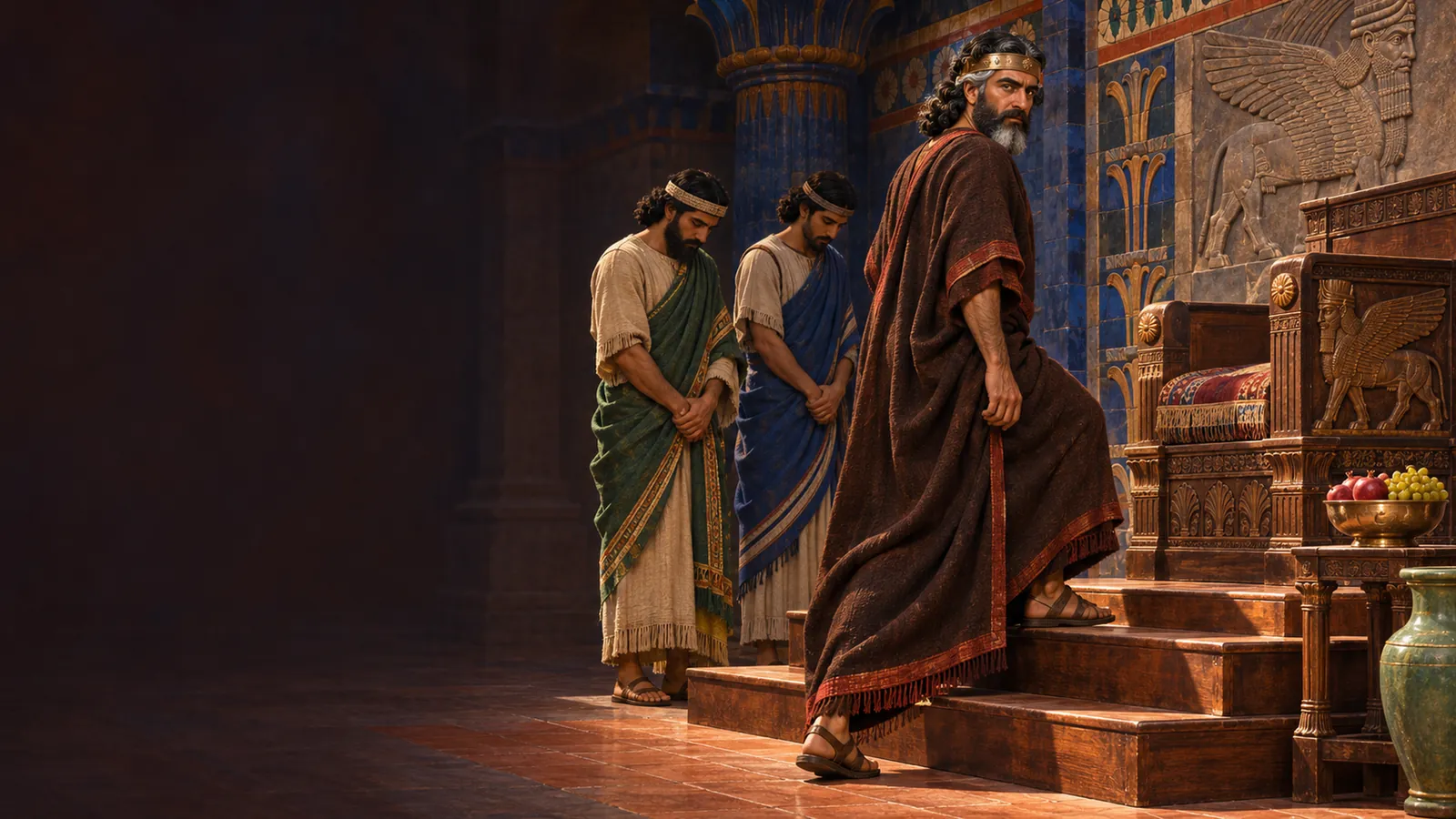
Senaqueribe morre. O seu filho Assaradão torna-se rei da Assíria, e Ahiqar continua ao serviço do novo soberano.
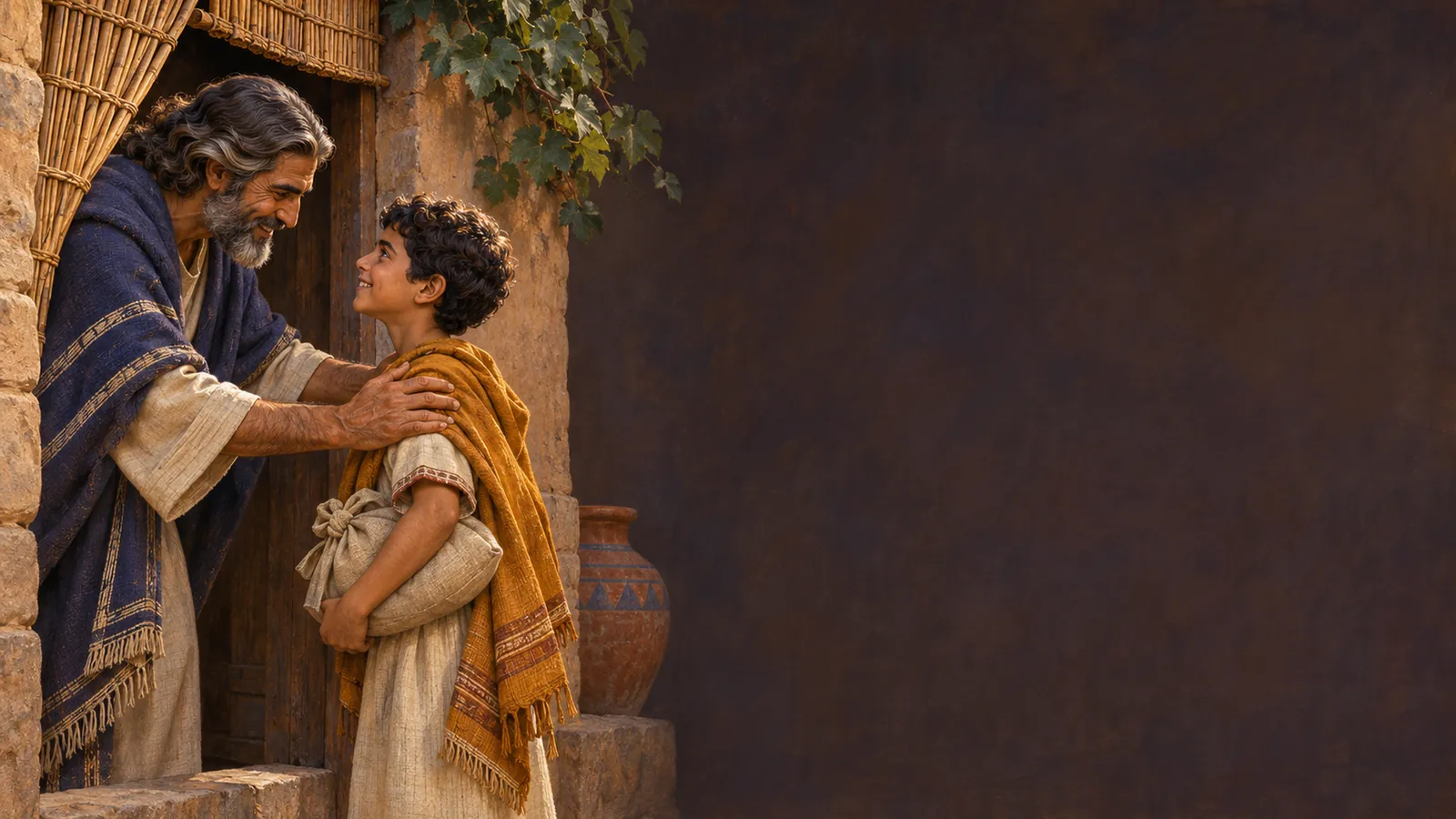
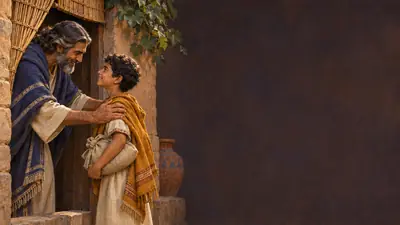
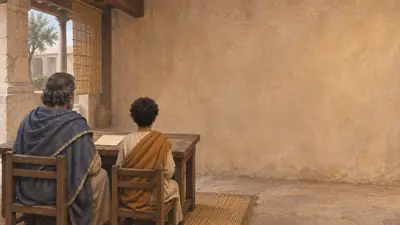
Numa passagem que só se conserva em parte, Ahiqar conta que acolheu em casa o filho da irmã e o tratou como seu próprio filho.
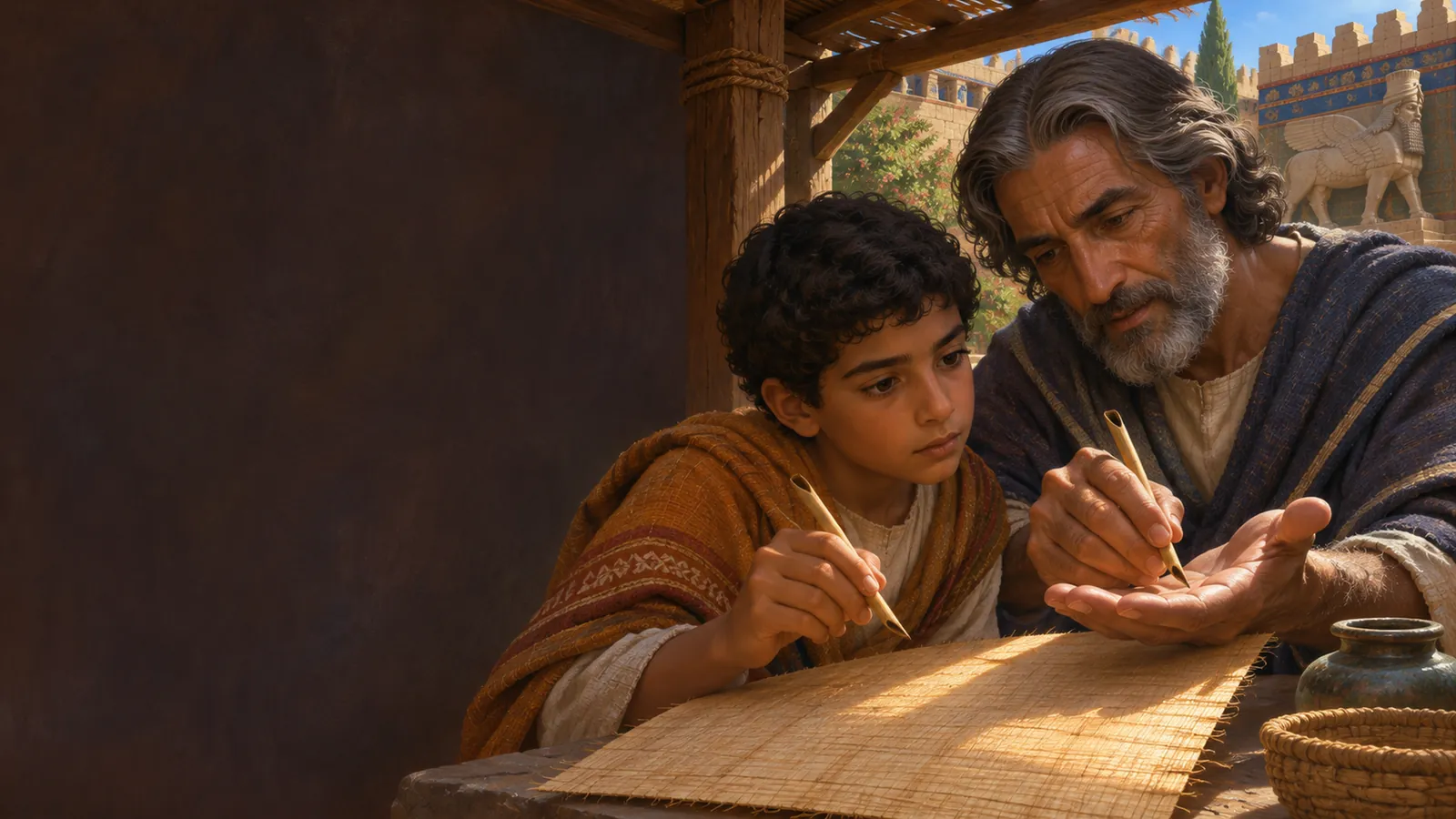
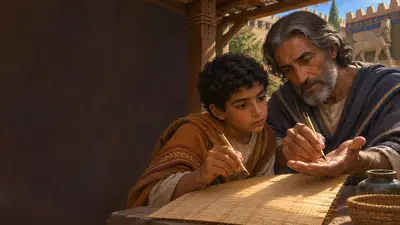
Ahiqar encarrega-se da educação do rapaz. O papiro está danificado neste ponto, mas o relato retoma o fio quando o nome de Nadin é mencionado.
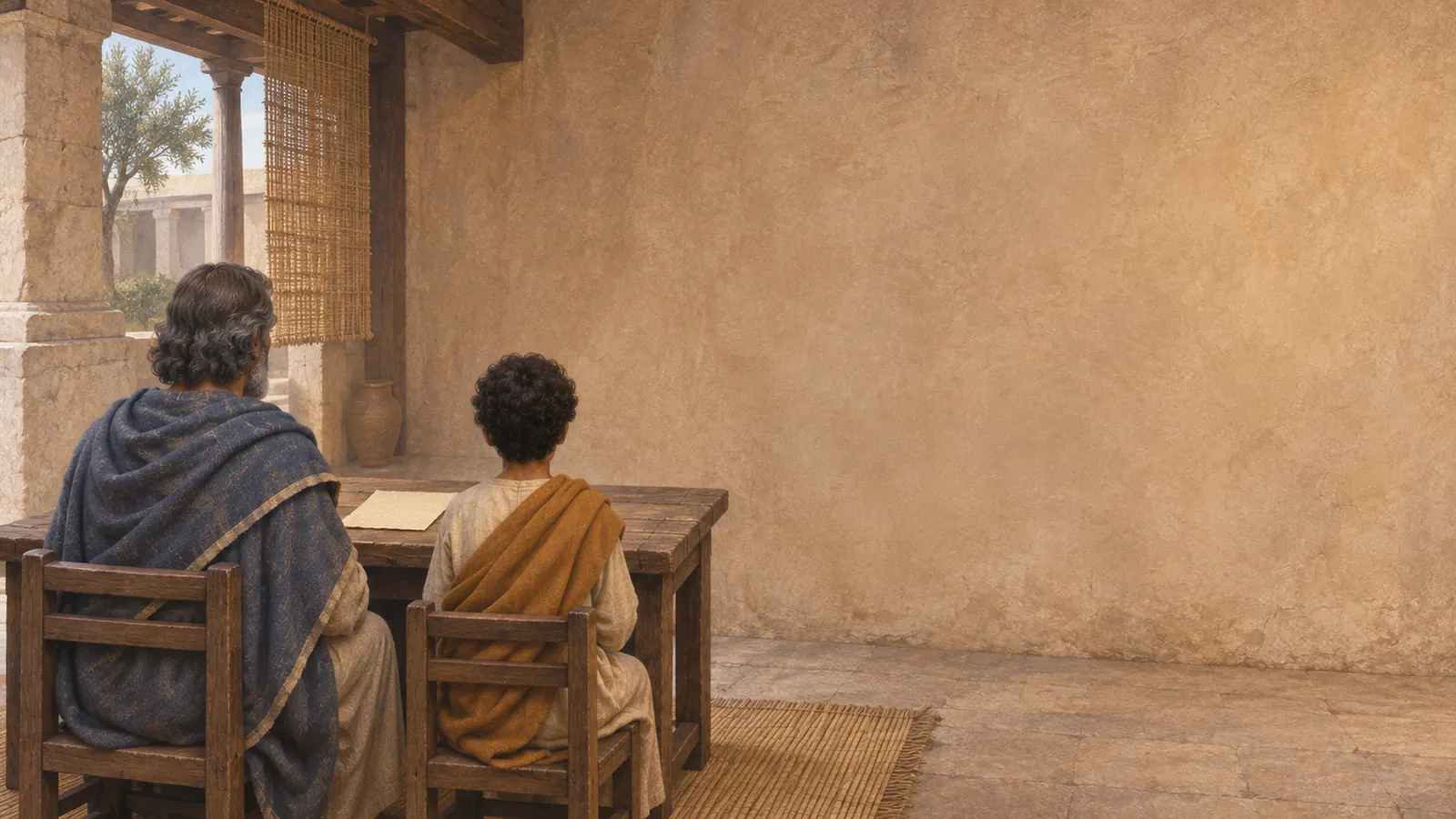
Quando o relato volta a tornar-se mais claro, Ahiqar chama filho a Nadin. Nadin é o sobrinho que o escriba tomou ao seu cuidado.
Ahiqar diz que deu a Nadin uma boa educação. As linhas danificadas ligam essa preparação a um lugar entre os membros da corte.
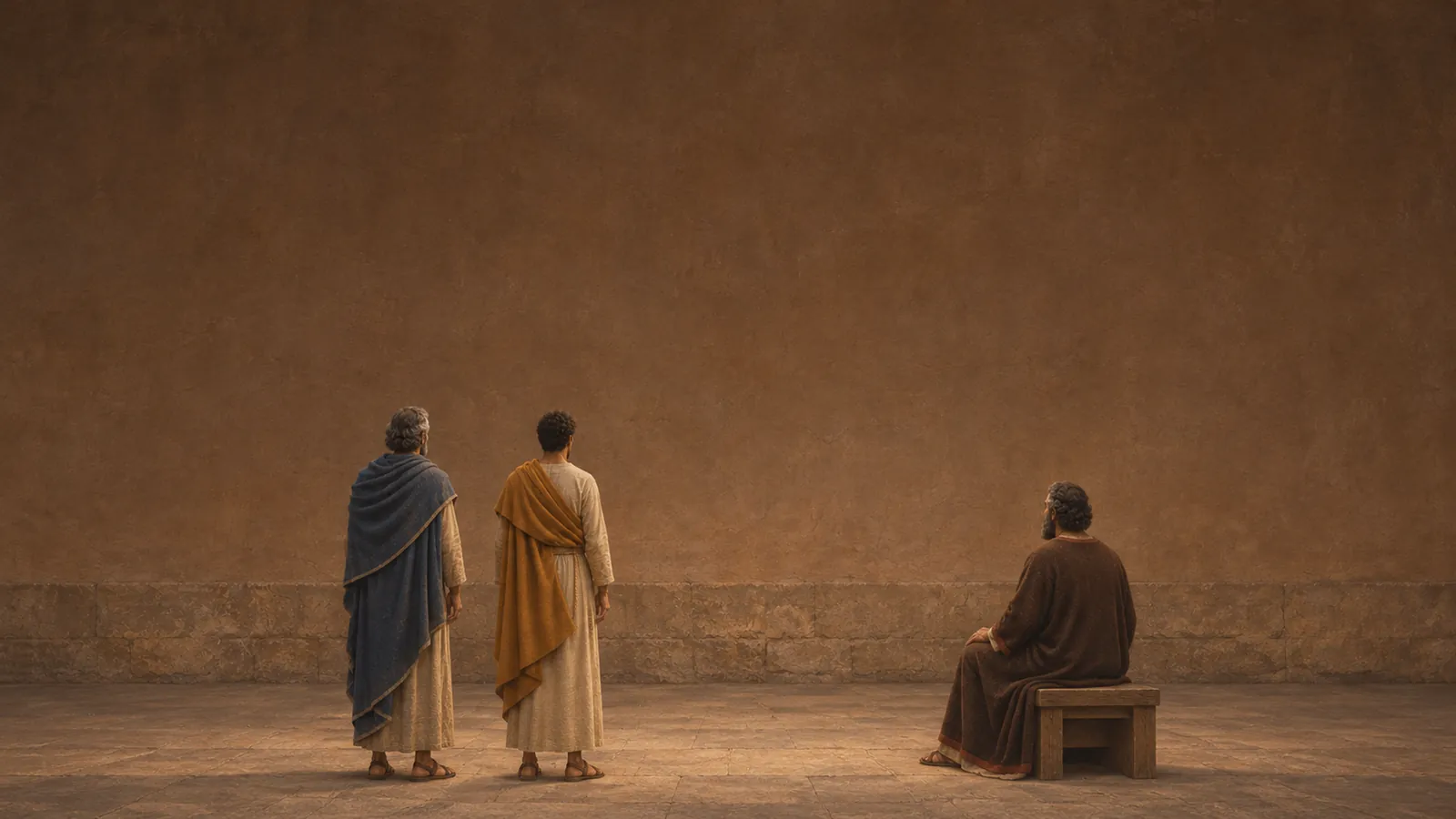
DIANTE DO REI
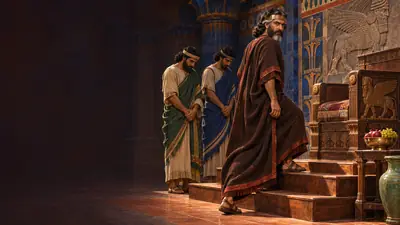
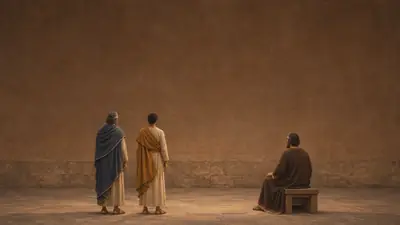
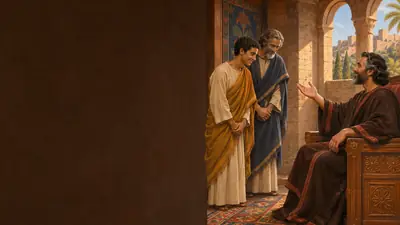
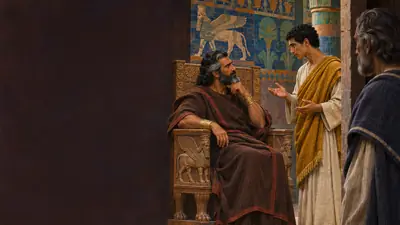
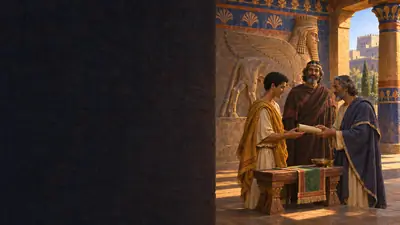
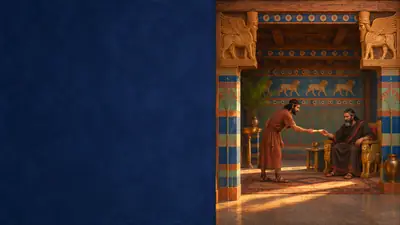
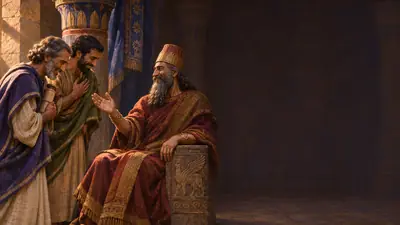
Ahiqar apresenta Nadin a Assaradão. As palavras conservadas mencionam um ensinamento sábio e uma pergunta, embora se tenham perdido os pormenores da conversa.
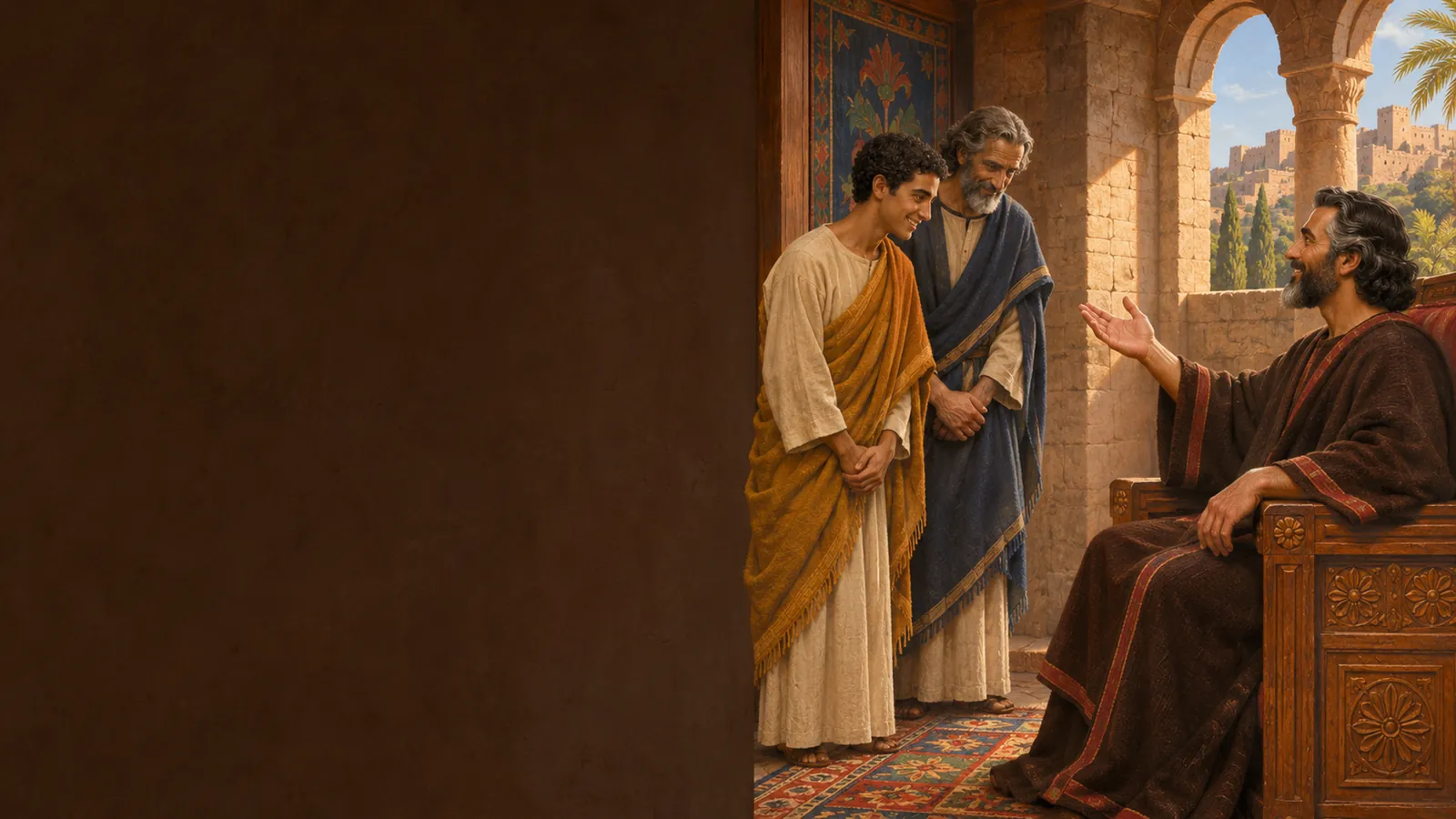
O rei recebe-os com agrado. Na parte que se conserva da conversa, o texto elogia um escriba sábio cujos conselhos chegavam a toda a Assíria.
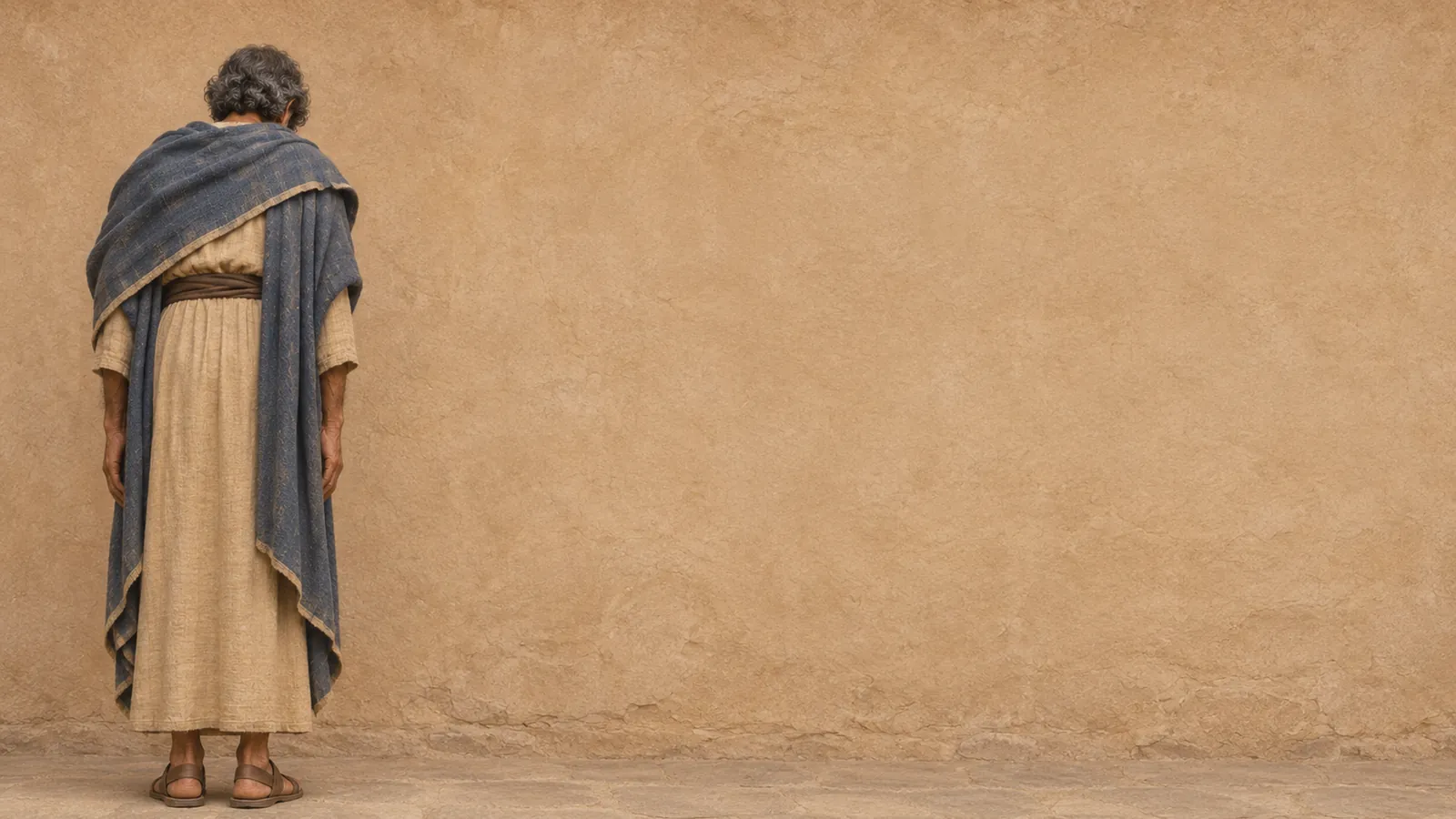
Ahiqar diz que se inclinou diante de Assaradão. Depois falou do lugar que esperava que o filho viesse um dia a ocupar junto do rei.
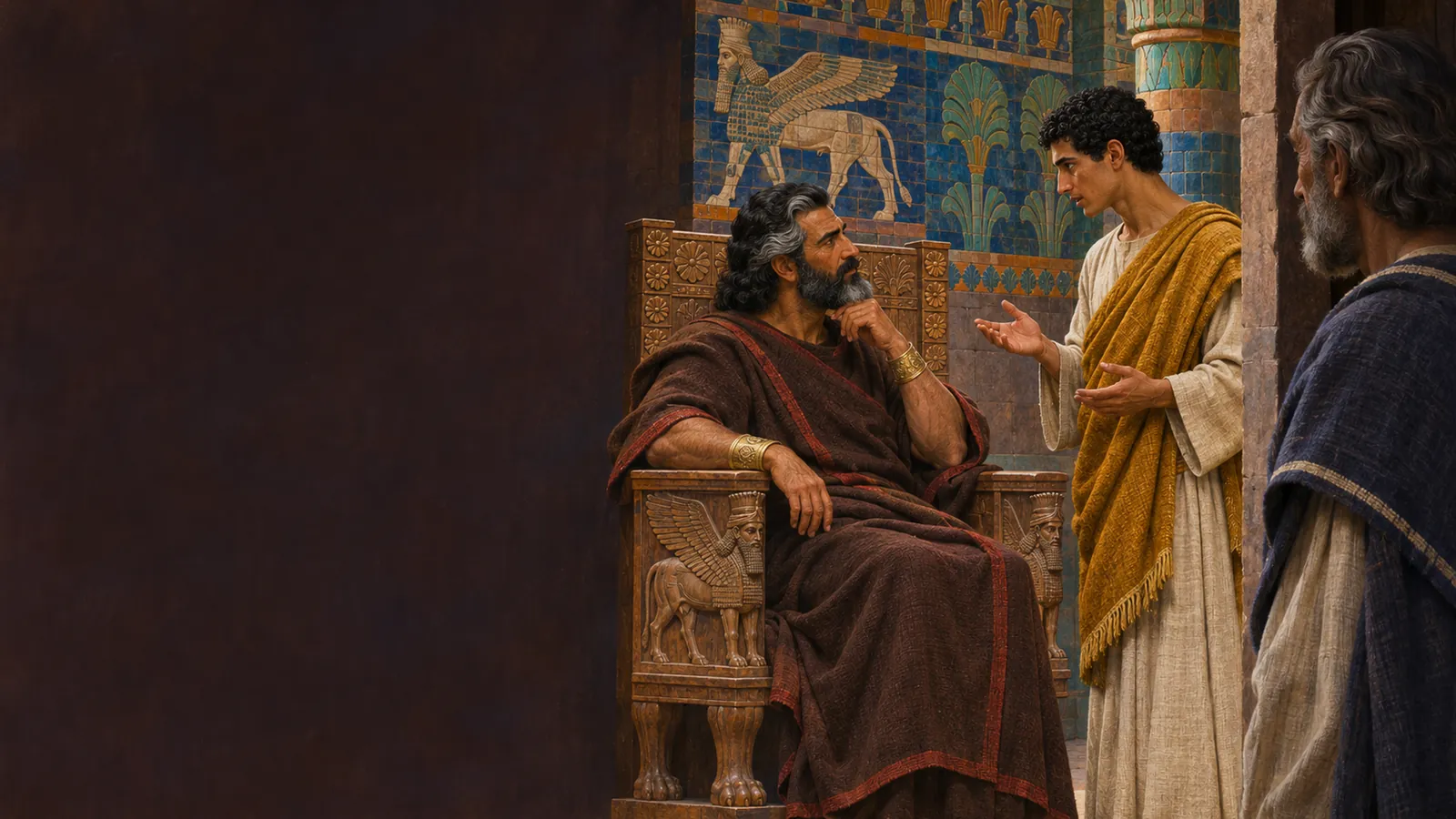
Faltam palavras quando Ahiqar olha para o futuro. Segundo a leitura da edição, espera que o filho esteja diante do rei como ele próprio esteve.
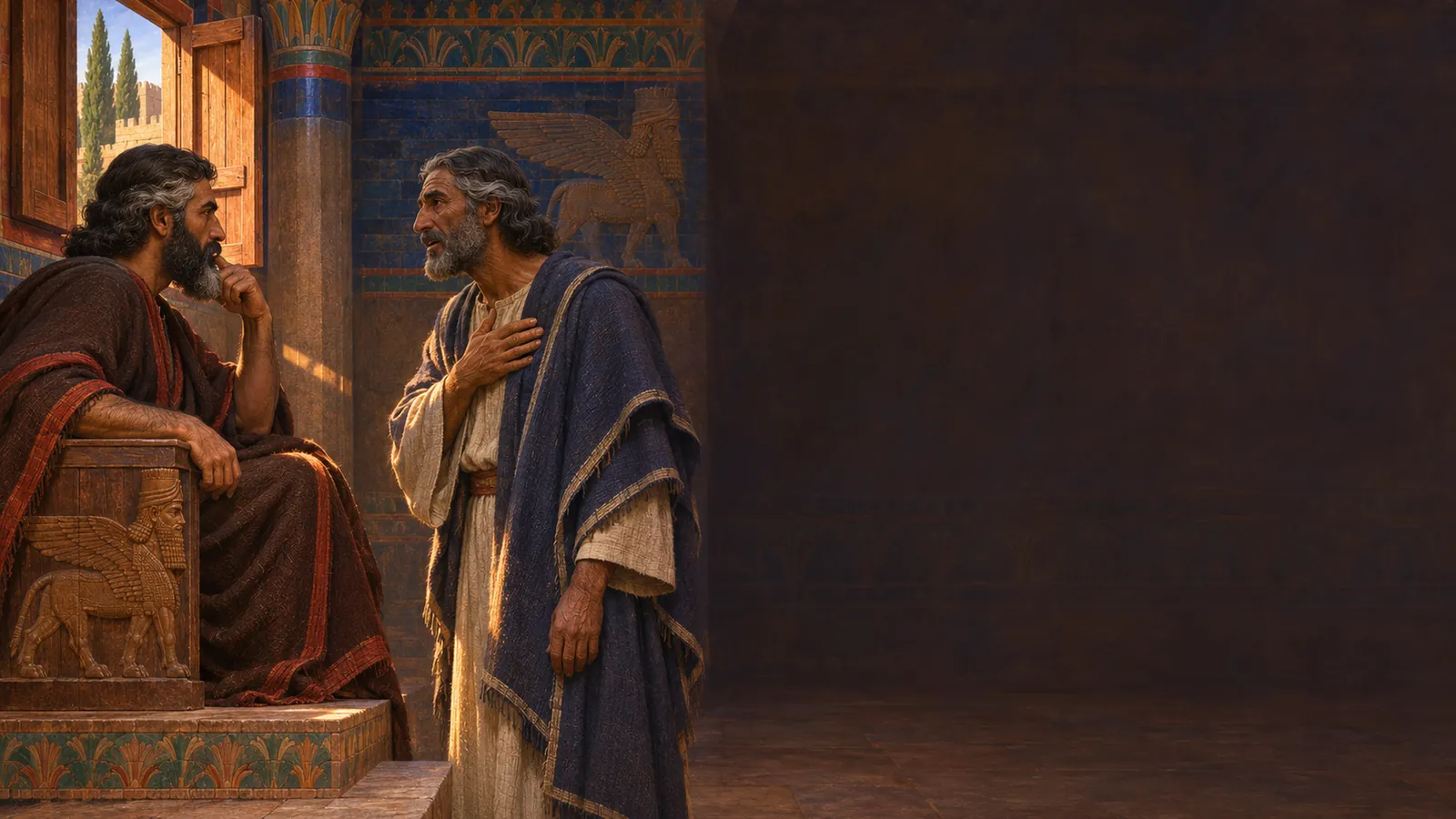
Vendo que Assaradão está satisfeito, Ahiqar fala do seu serviço. Serviu este rei tal como servira o seu pai, Senaqueribe.
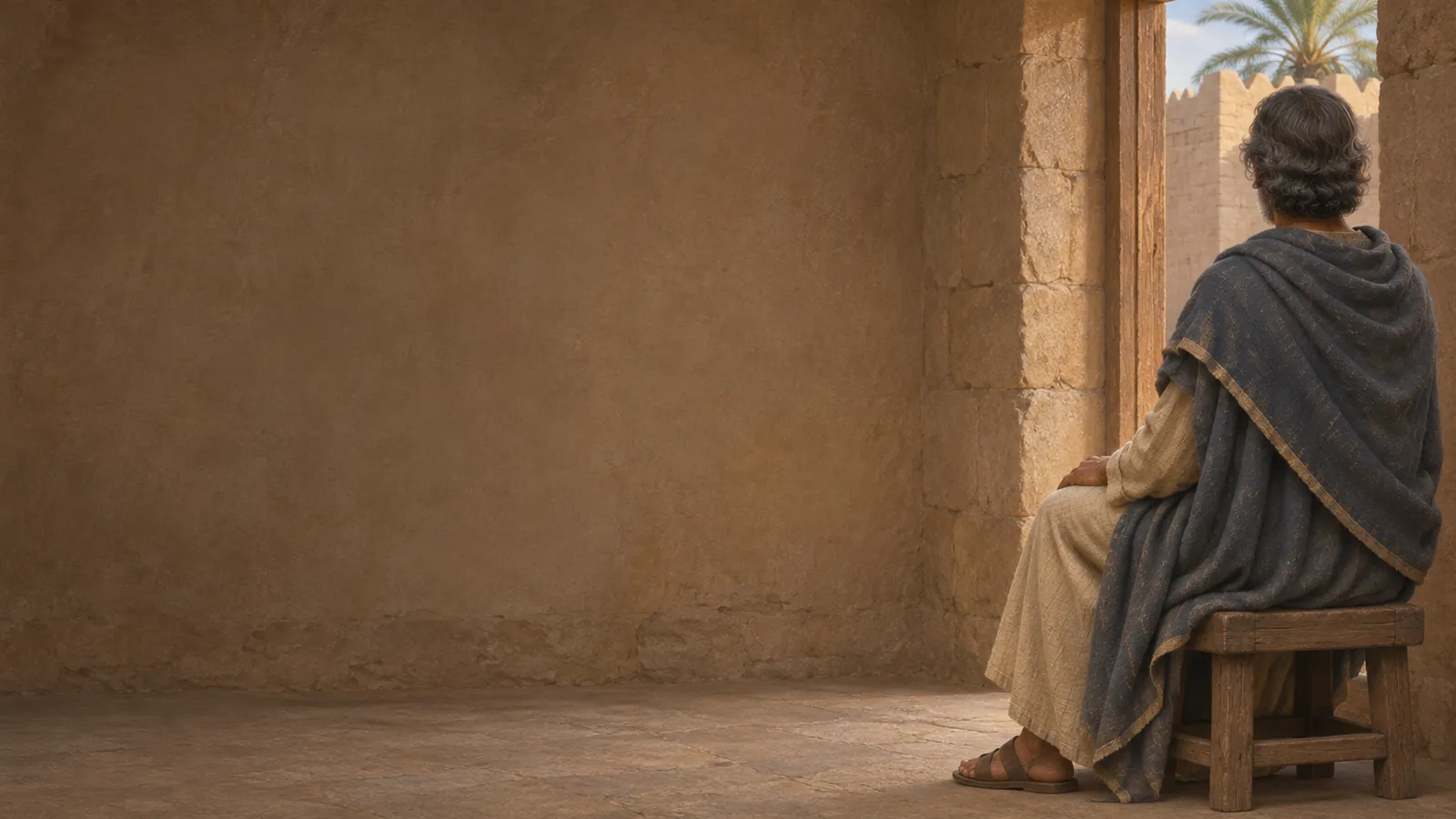
Ahiqar diz a Assaradão que envelheceu. Explica que já não pode continuar o seu trabalho à porta do palácio.
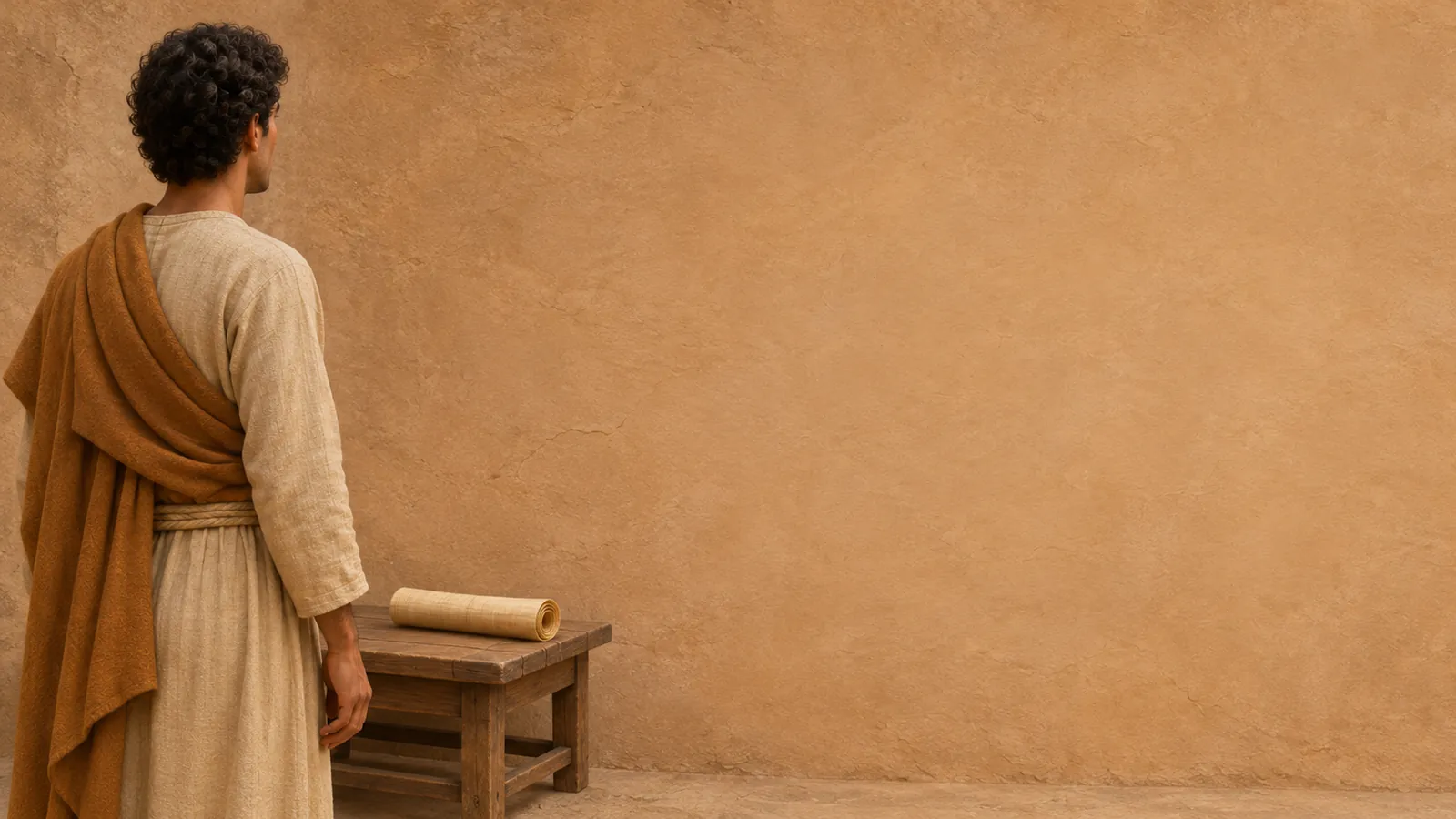
Ahiqar diz ao rei que Nadin já é adulto e pode substituí-lo como escriba. Diz que lhe ensinou o que o trabalho exige.
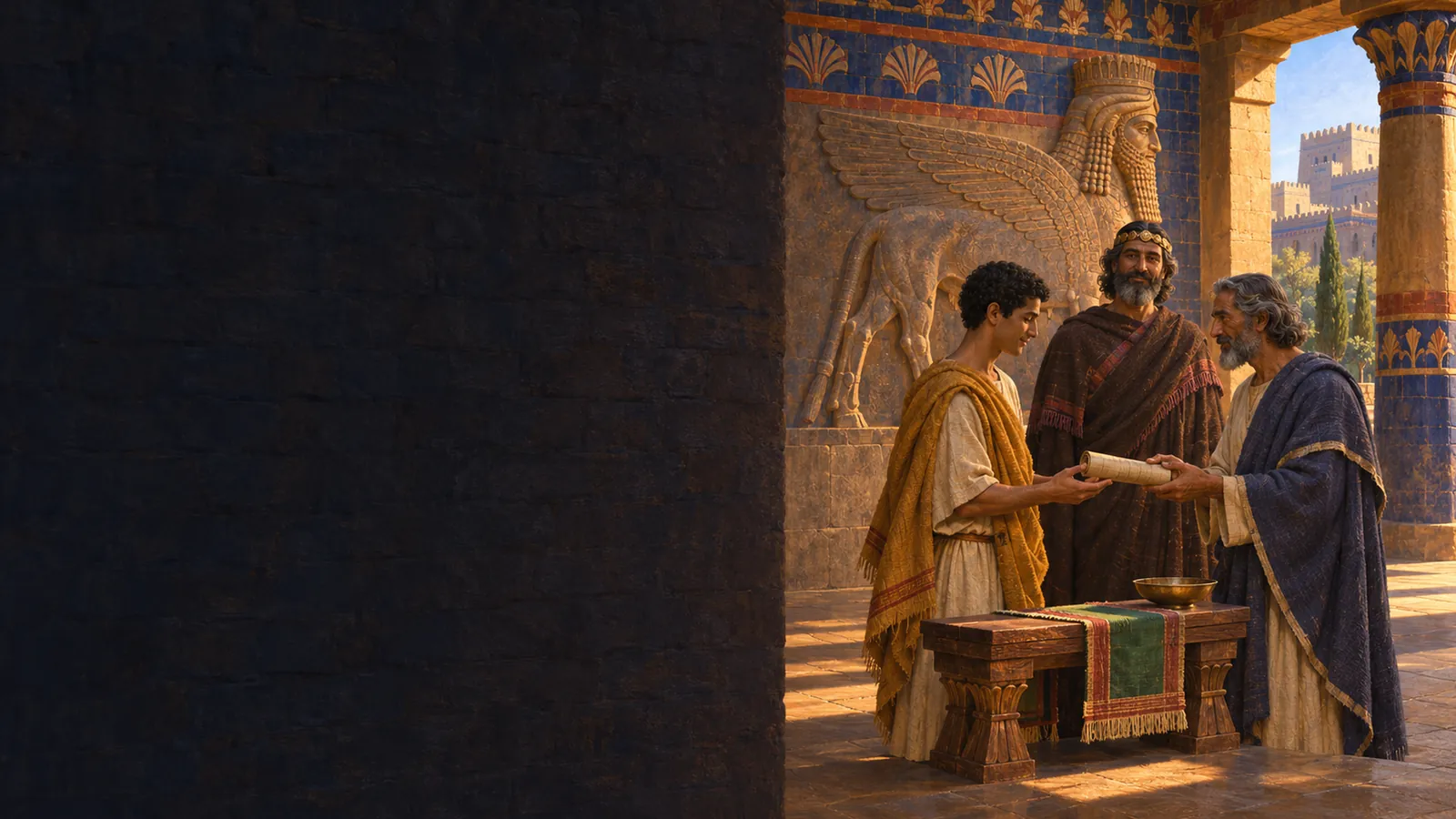
Ahiqar propõe que Nadin sirva na casa do portador do selo. Diz ao rei que confiou ao jovem a sua sabedoria e os seus conselhos.
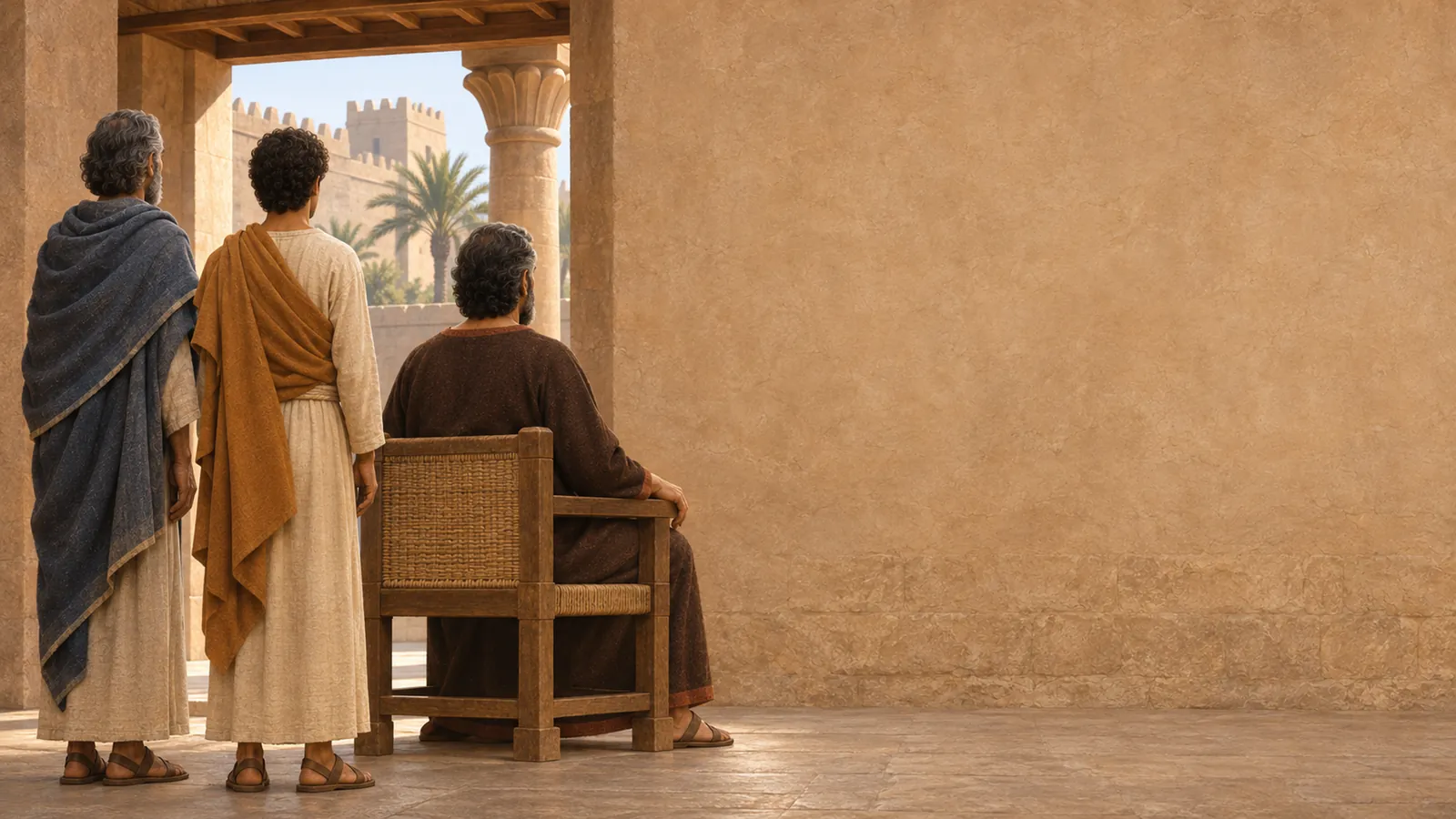
Assaradão aceita que Nadin substitua Ahiqar. O rei diz que o escriba mais novo pode assumir o trabalho que Ahiqar desempenhava.
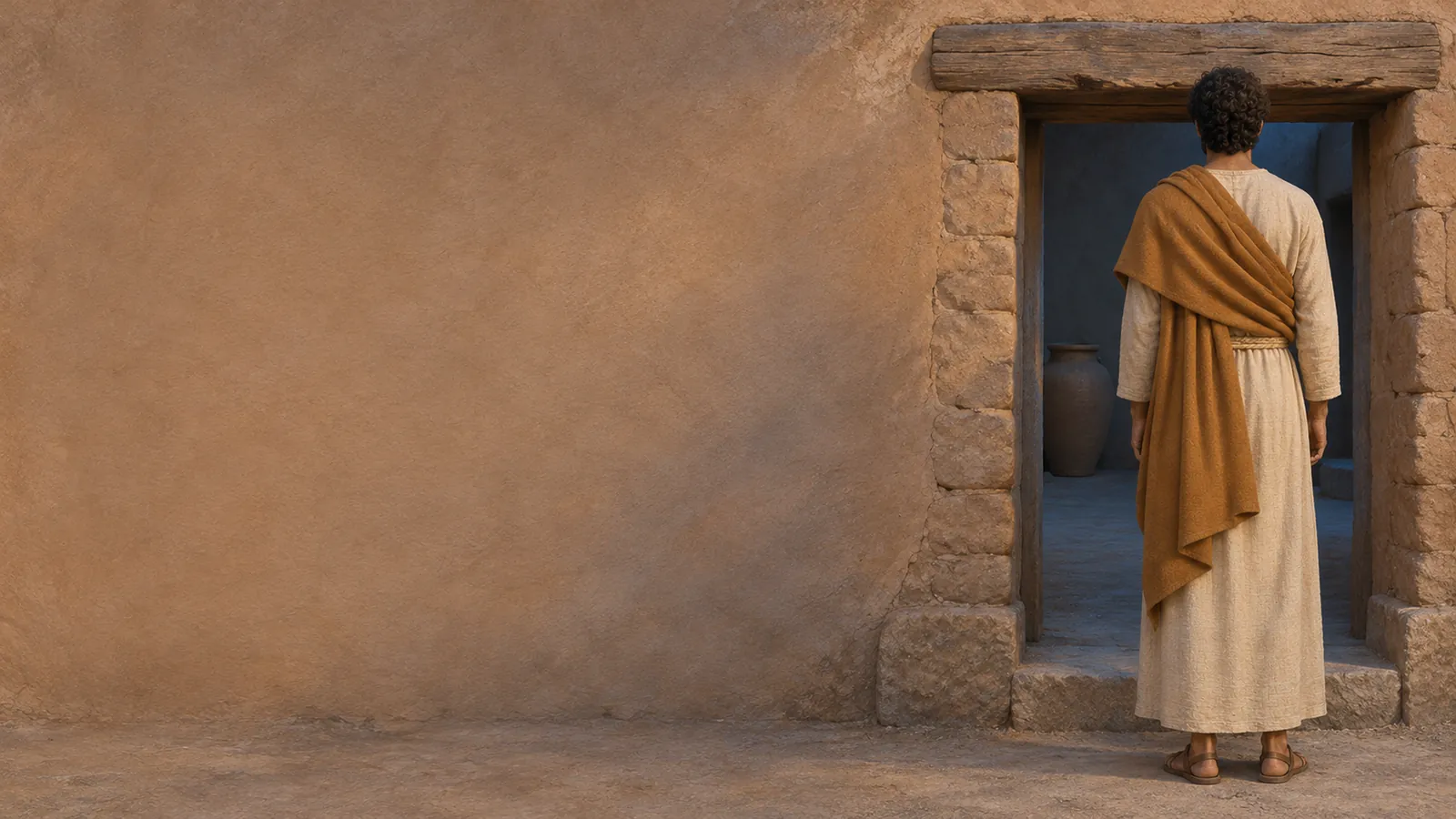
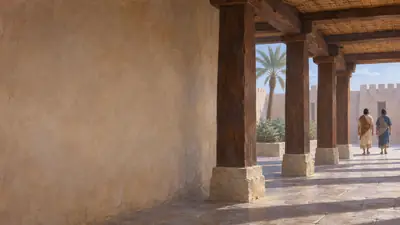
Ahiqar volta para casa depois de o cargo ser concedido. Nadin, o sobrinho que criou, ocupa agora o seu lugar à porta do palácio.
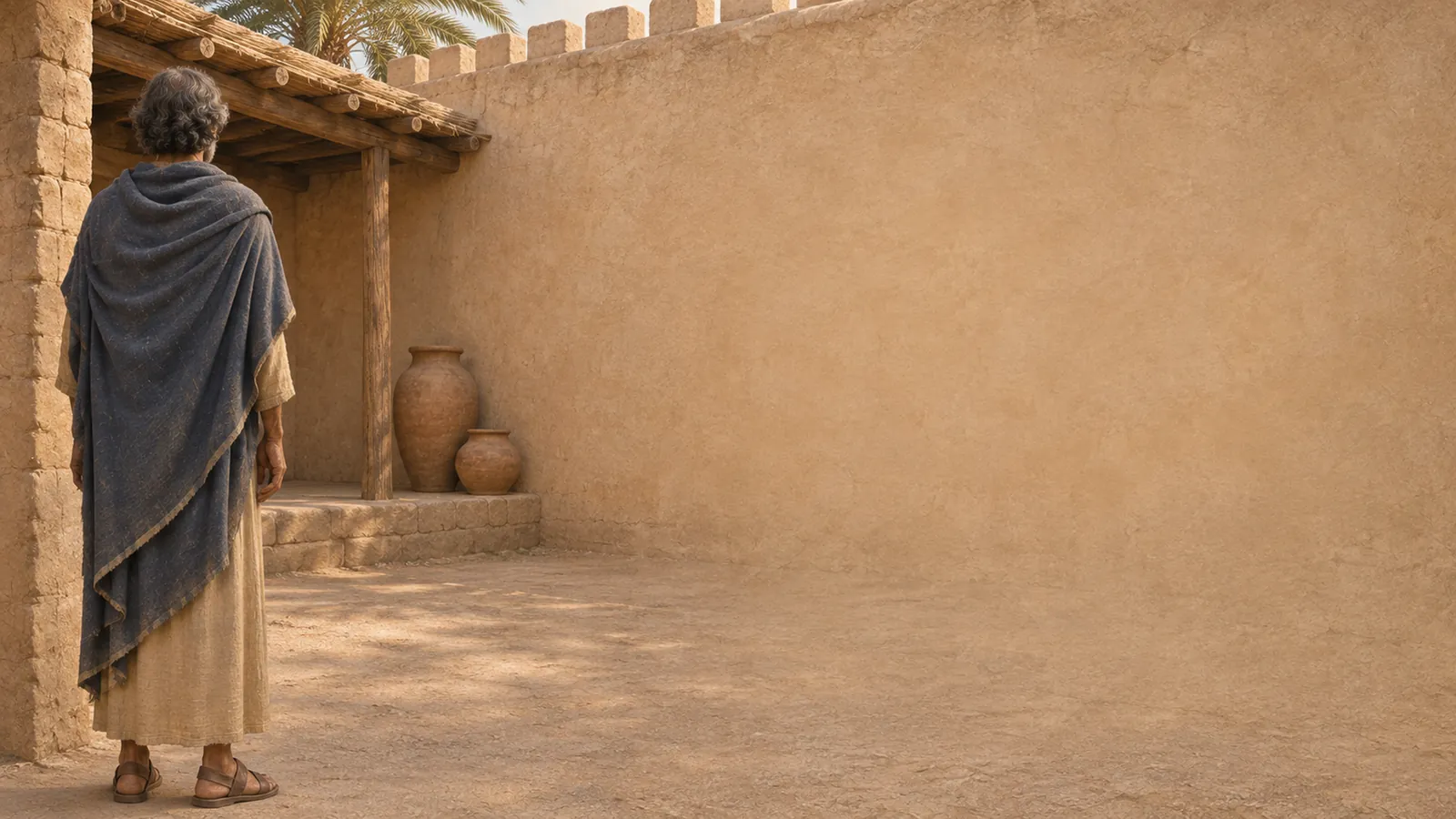
Ahiqar conta que confiava nas boas intenções do jovem. Então o relato muda de rumo. Nadin deixa de seguir o que lhe ensinaram.
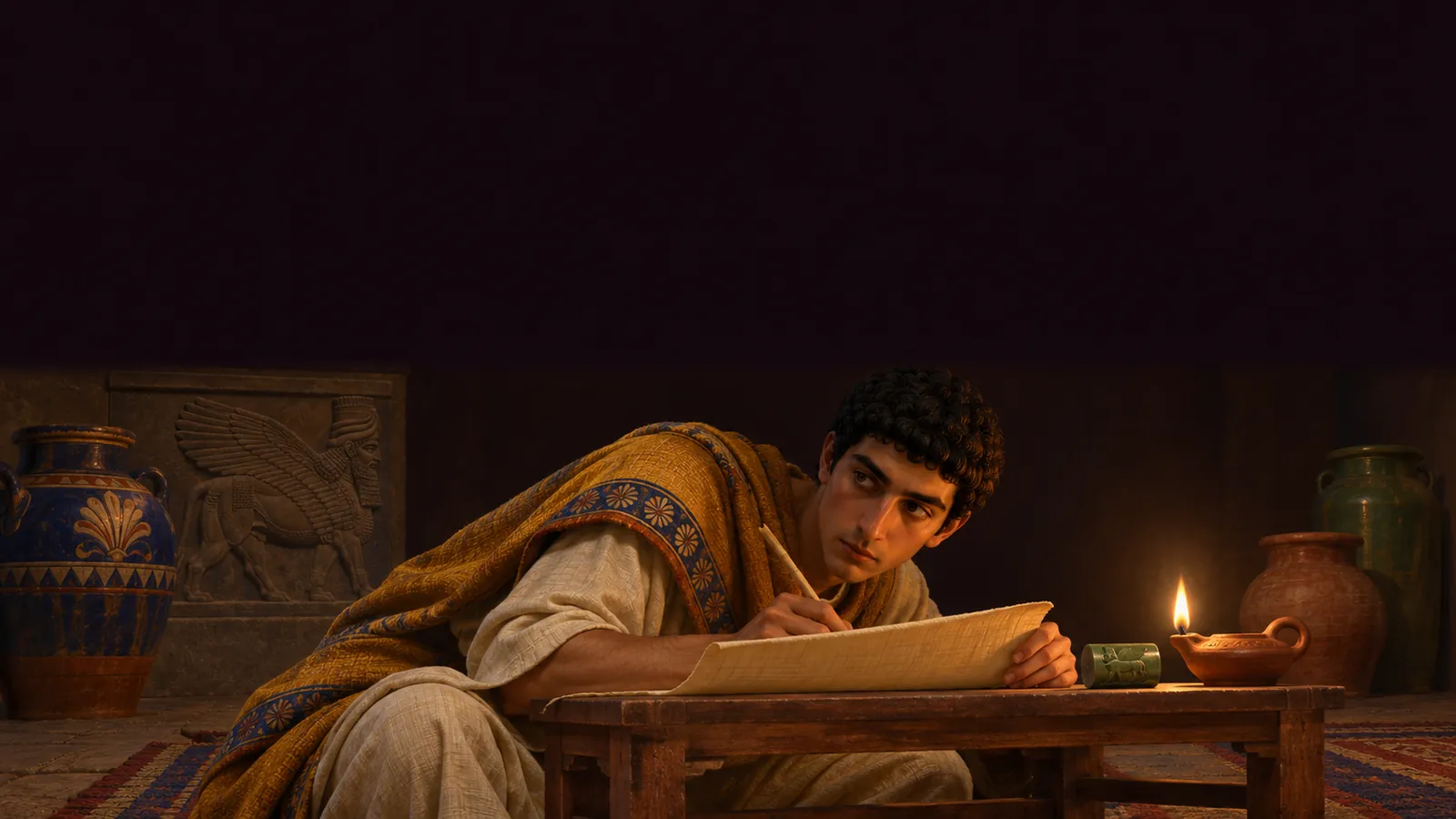
A CARTA FALSA
Nadin escreve uma carta e faz parecer que foi escrita por Ahiqar. Na acusação feita na corte, diz-se que a carta se destinava a um inimigo do rei.
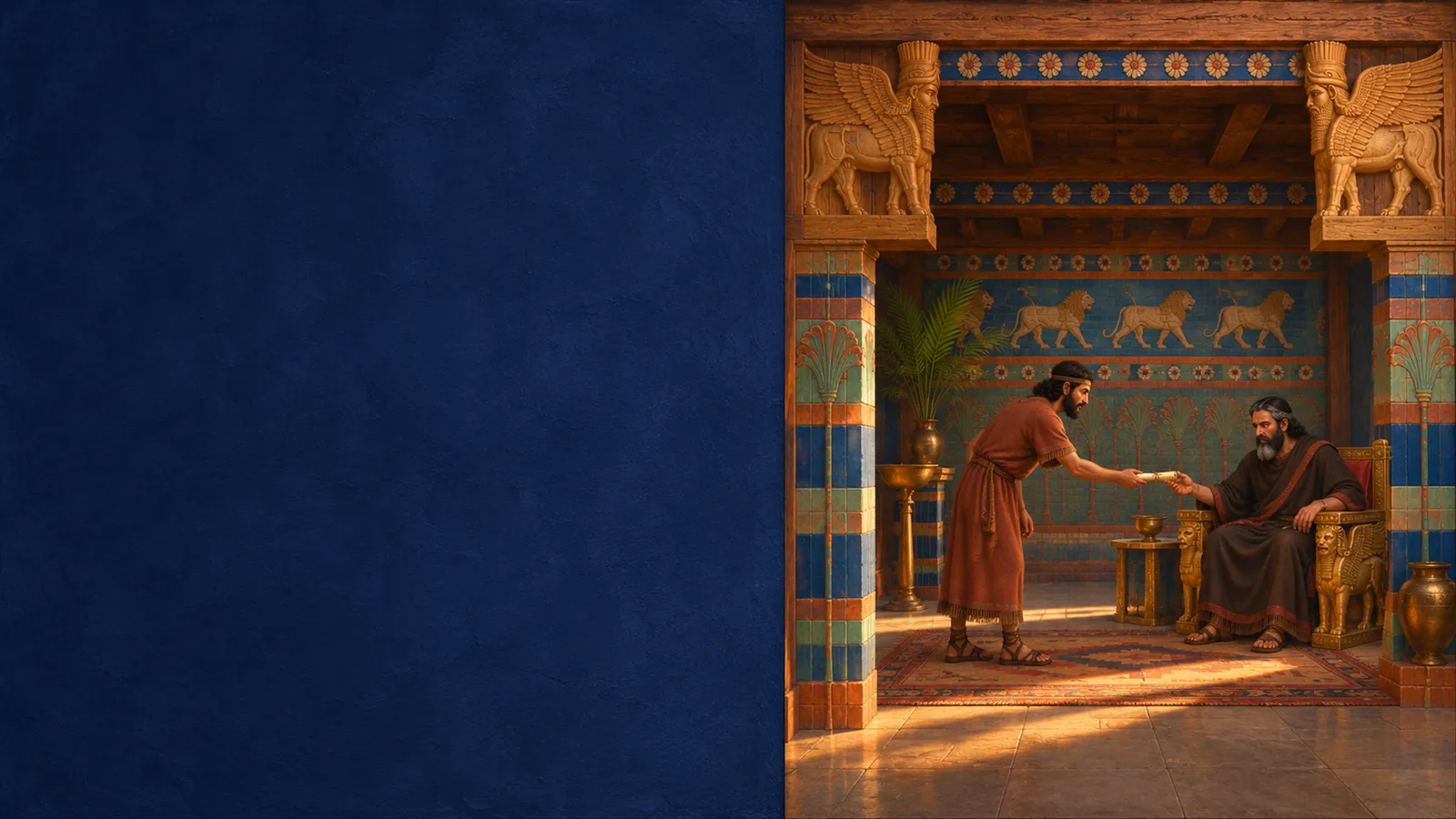
A acusação afirma que Ahiqar agiu contra o rei. O relato está danificado neste ponto, mas Ahiqar fala da traição nas suas próprias palavras.
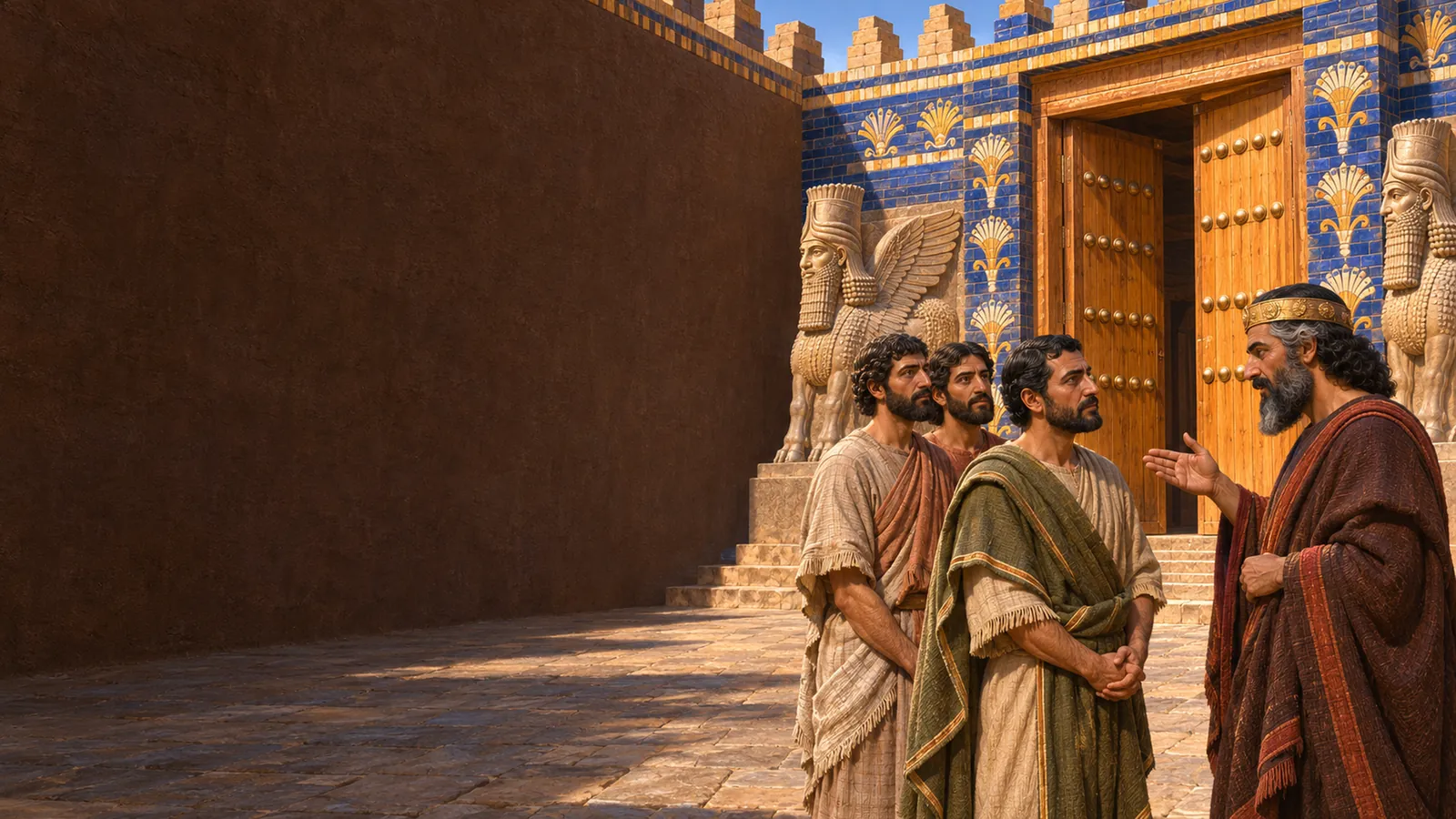
Assaradão ordena a Nabu-šuma-iškun que encontre Ahiqar e o mate. Outros dois homens devem acompanhá-lo. Parte da ordem perdeu-se.
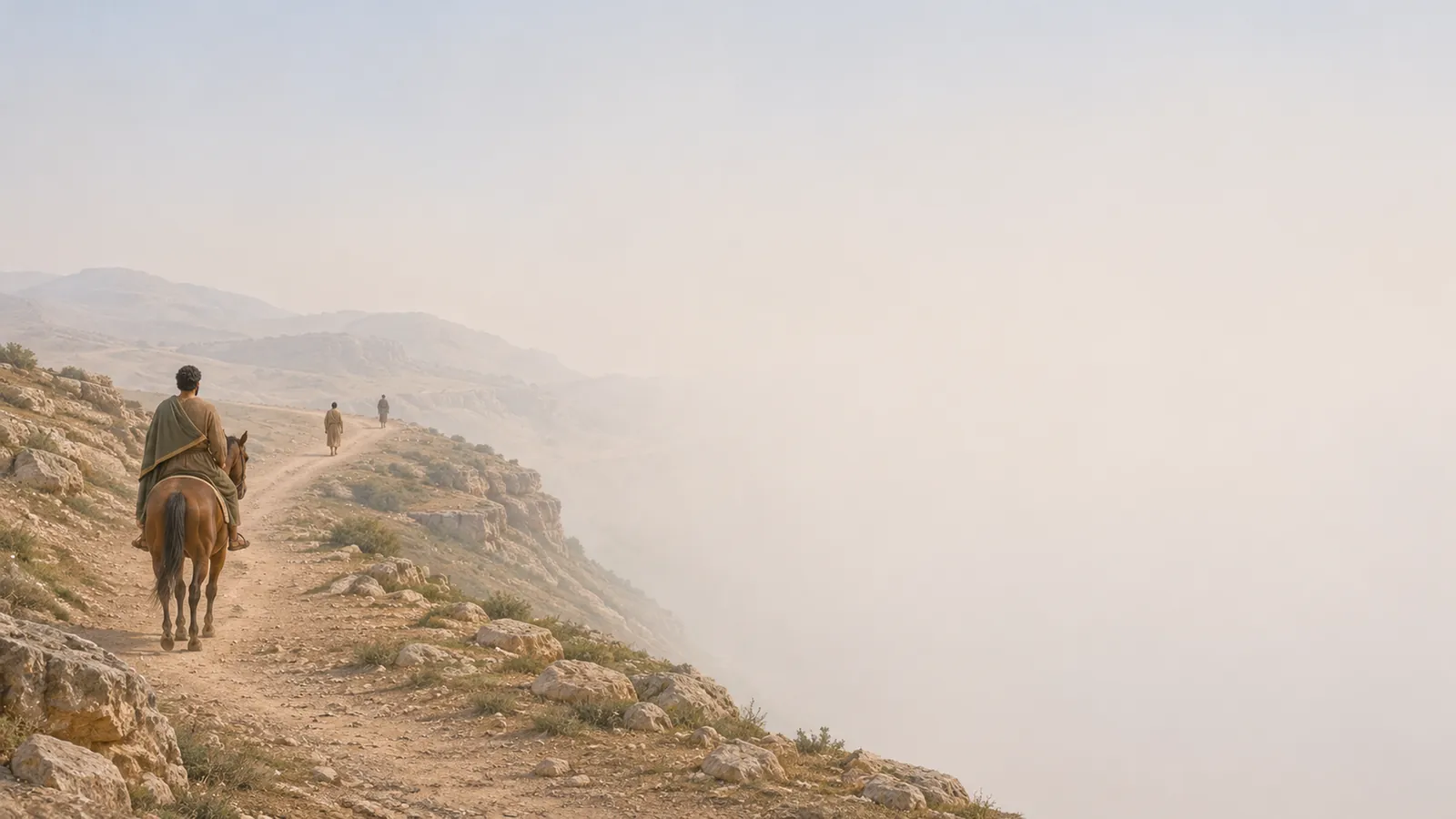
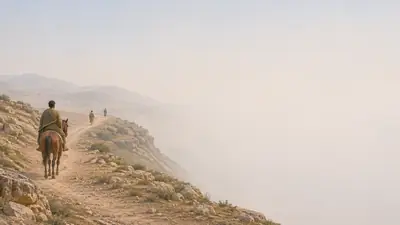
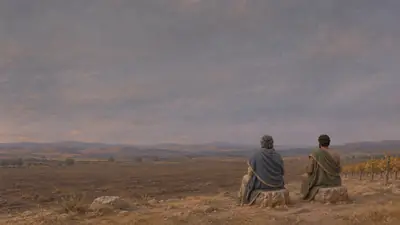
O relato diz que Nabu-šuma-iškun cavalga depressa. Os outros dois homens acompanham-no, e a passagem danificada menciona três dias.
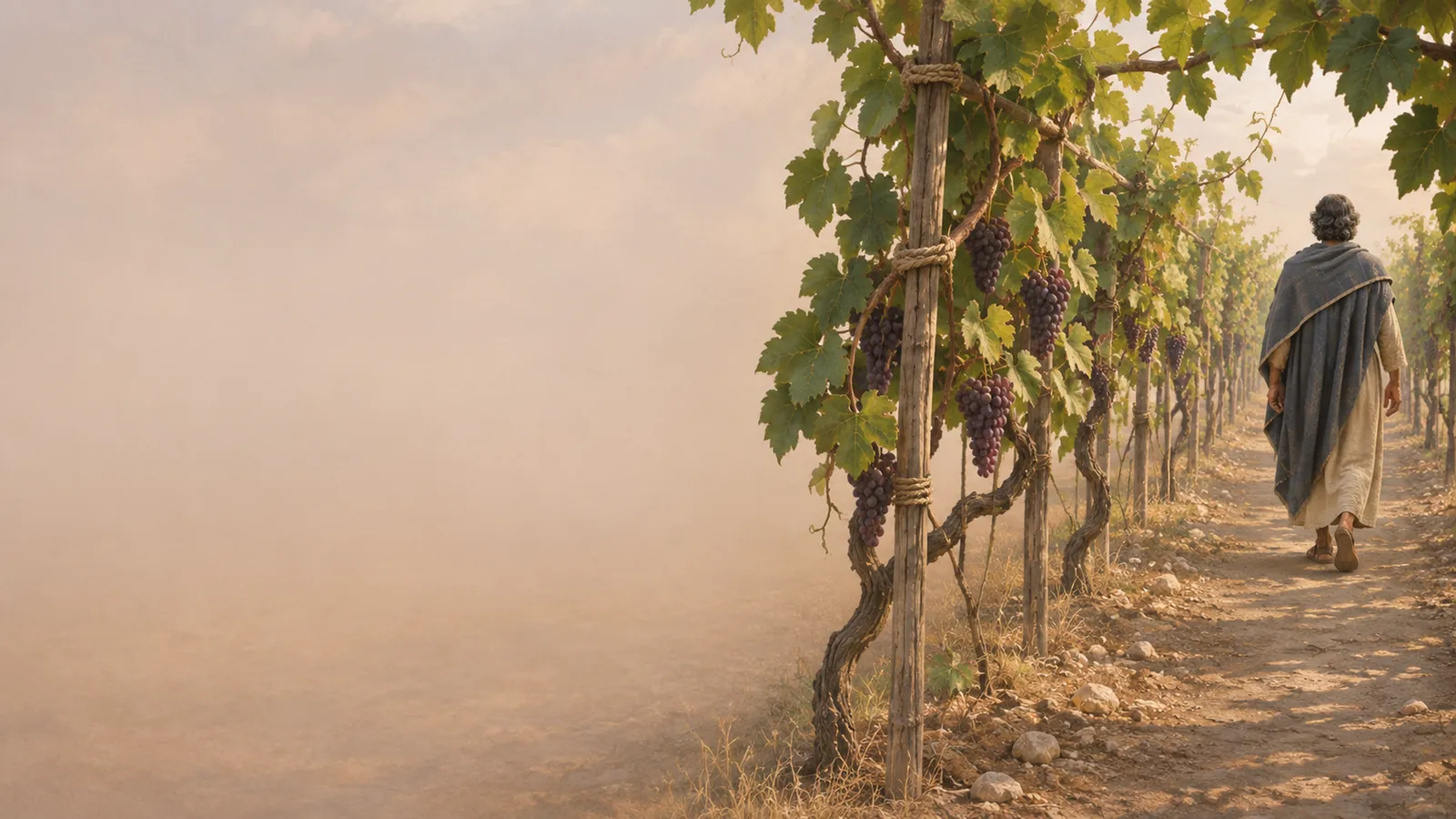
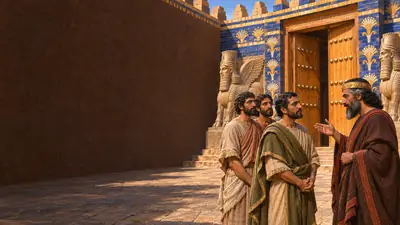
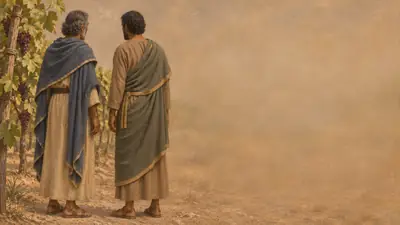
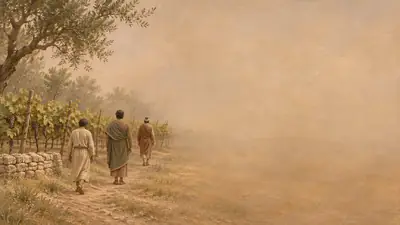
O relato volta ao testemunho do próprio Ahiqar. Ele lembra-se de que caminhava entre as videiras quando chegaram o enviado e os seus companheiros.
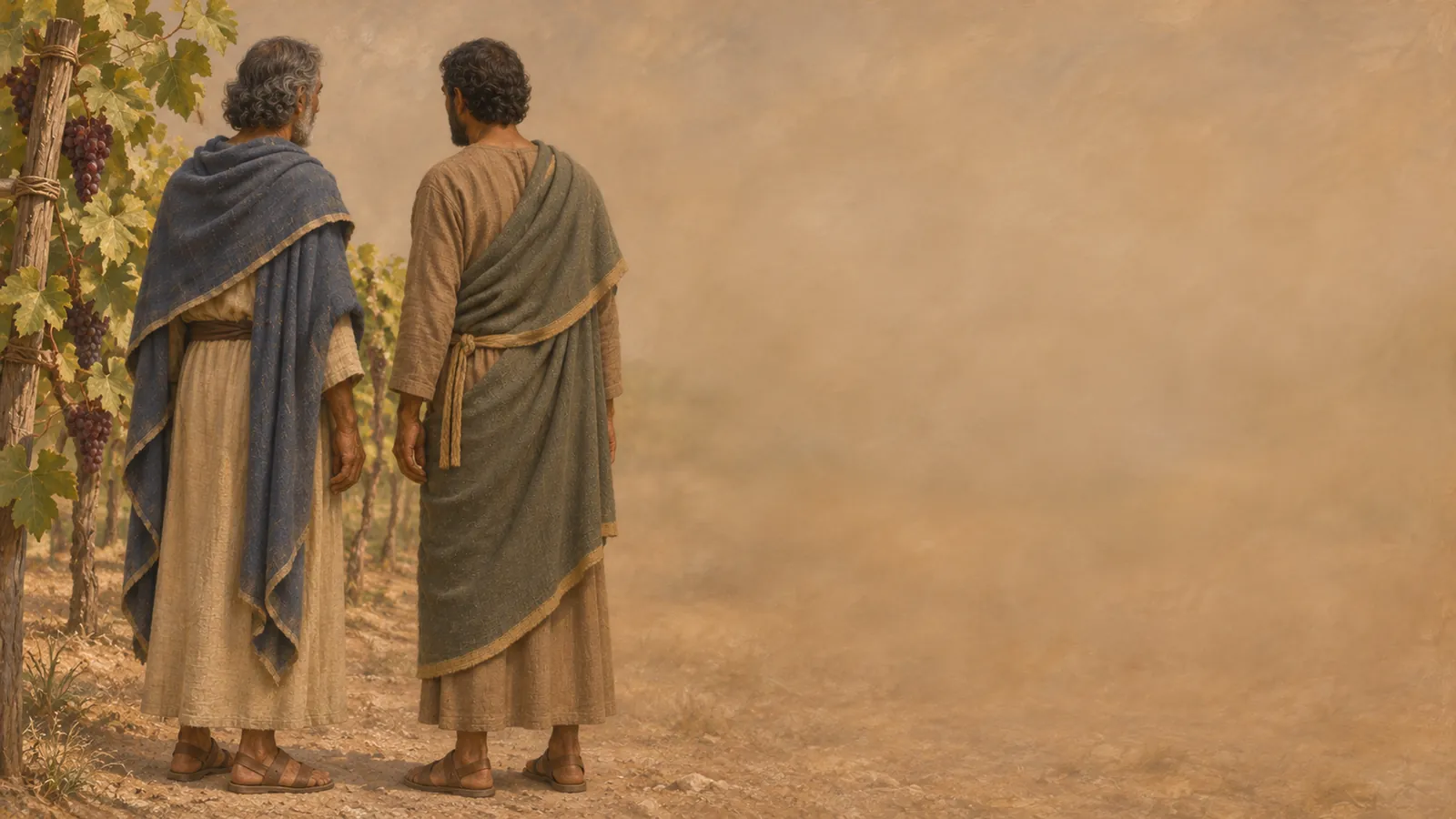
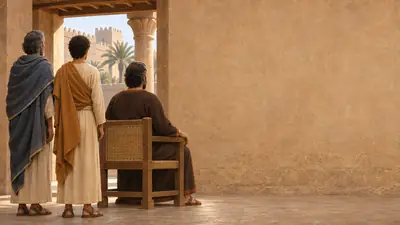
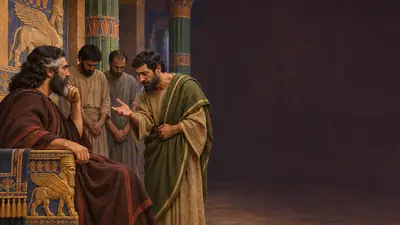
O enviado vê Ahiqar e lamenta o sucedido. Dirige-se-lhe como a um escriba sábio e recorda quantos confiavam nos seus conselhos.
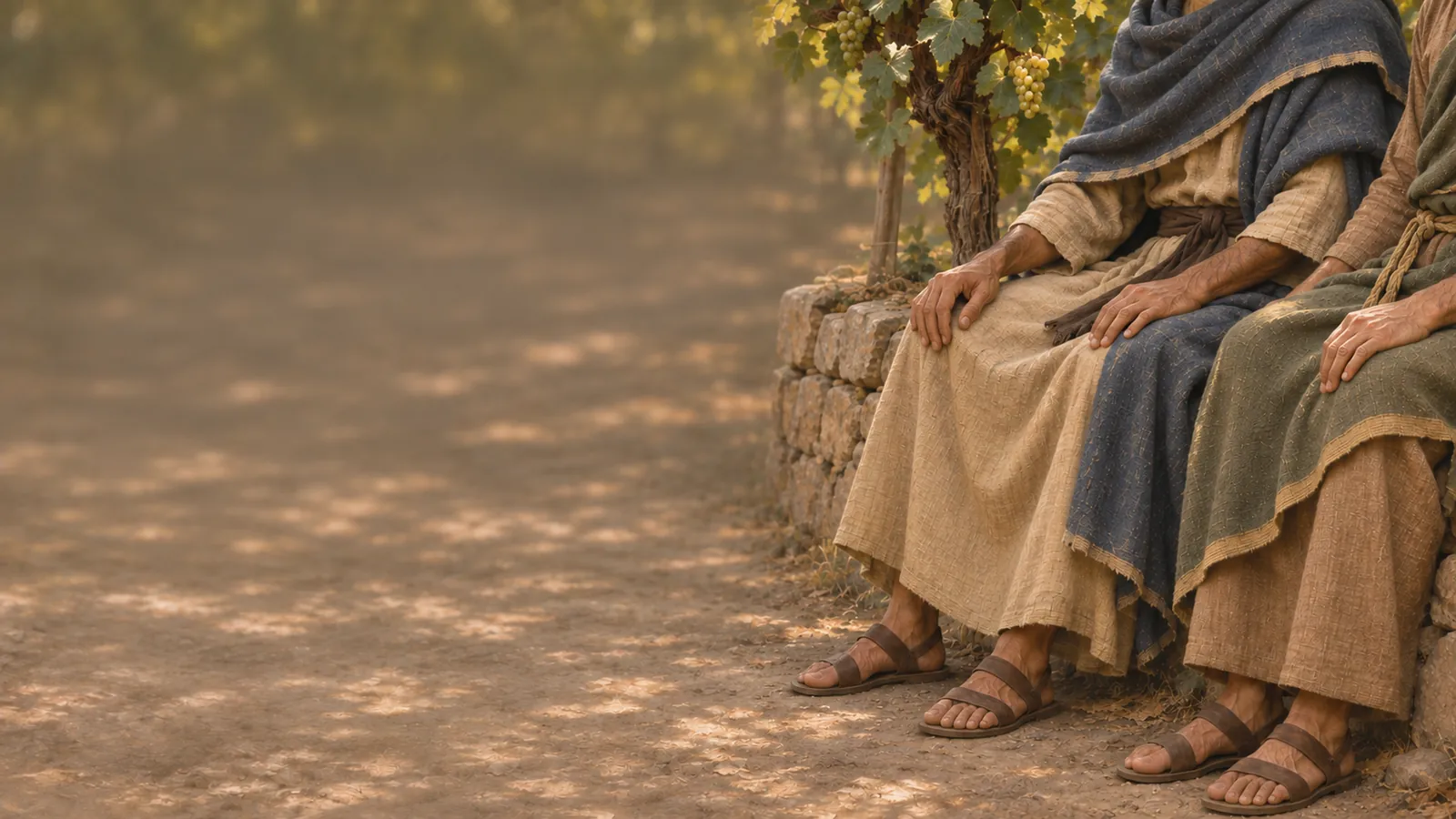
O enviado diz a Ahiqar que o jovem que criou e colocou à porta do palácio lhe trouxe esta desgraça.
Ahiqar diz que teve medo quando soube da notícia. Responde ao enviado recordando um encontro do tempo do rei anterior.
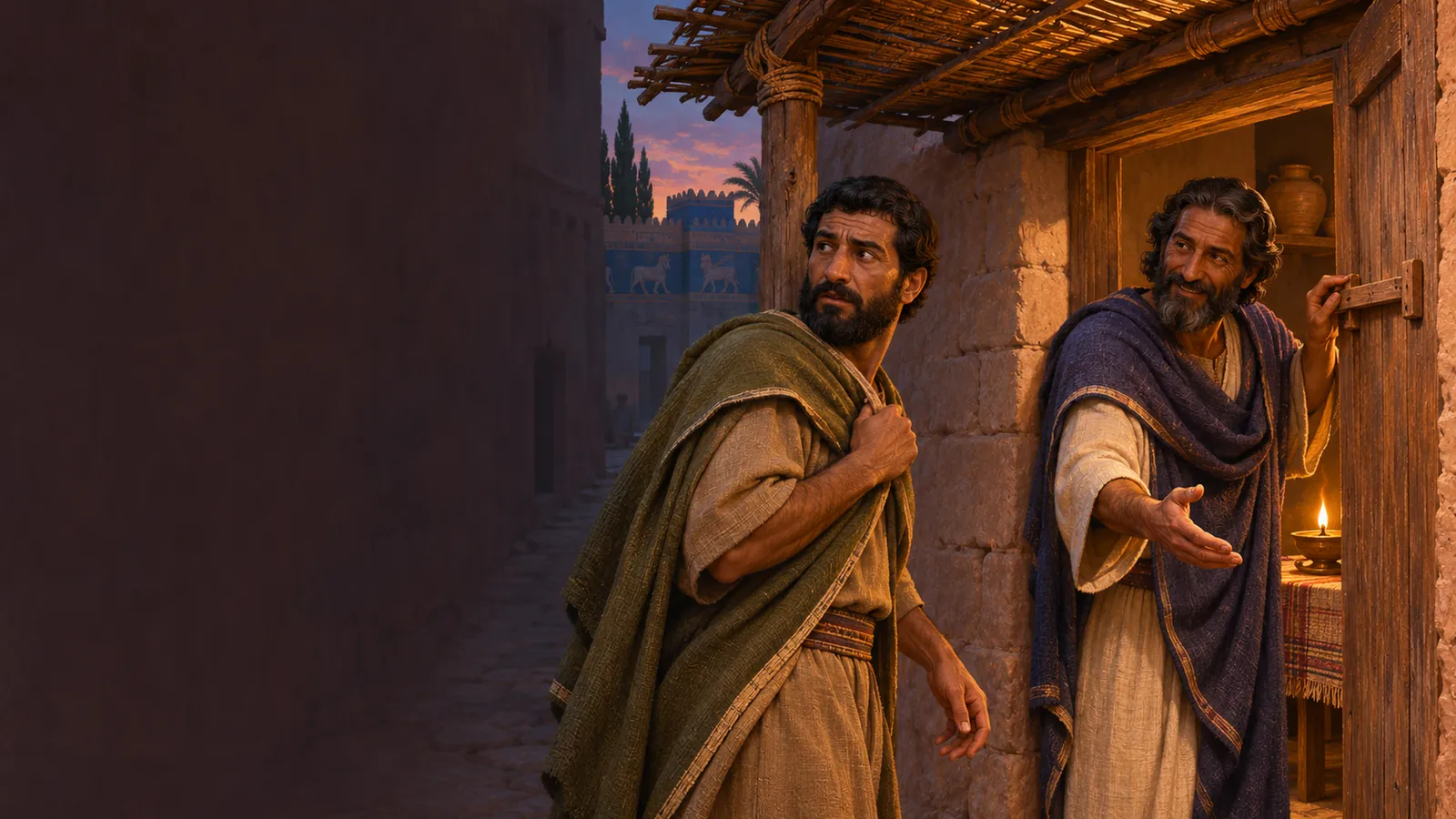
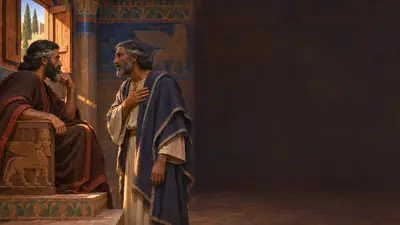
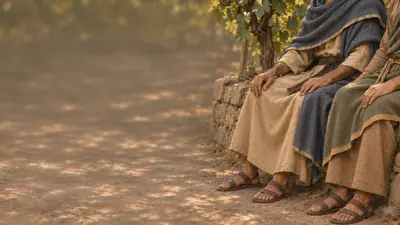
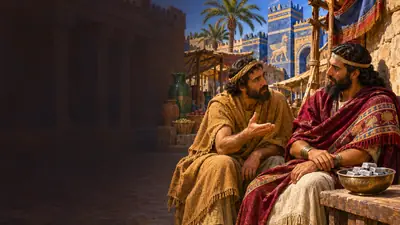
Ahiqar recorda a Nabu-šuma-iškun que Senaqueribe se zangou com ele numa ocasião. Ahiqar ajudou-o então e acolheu-o na sua própria casa.
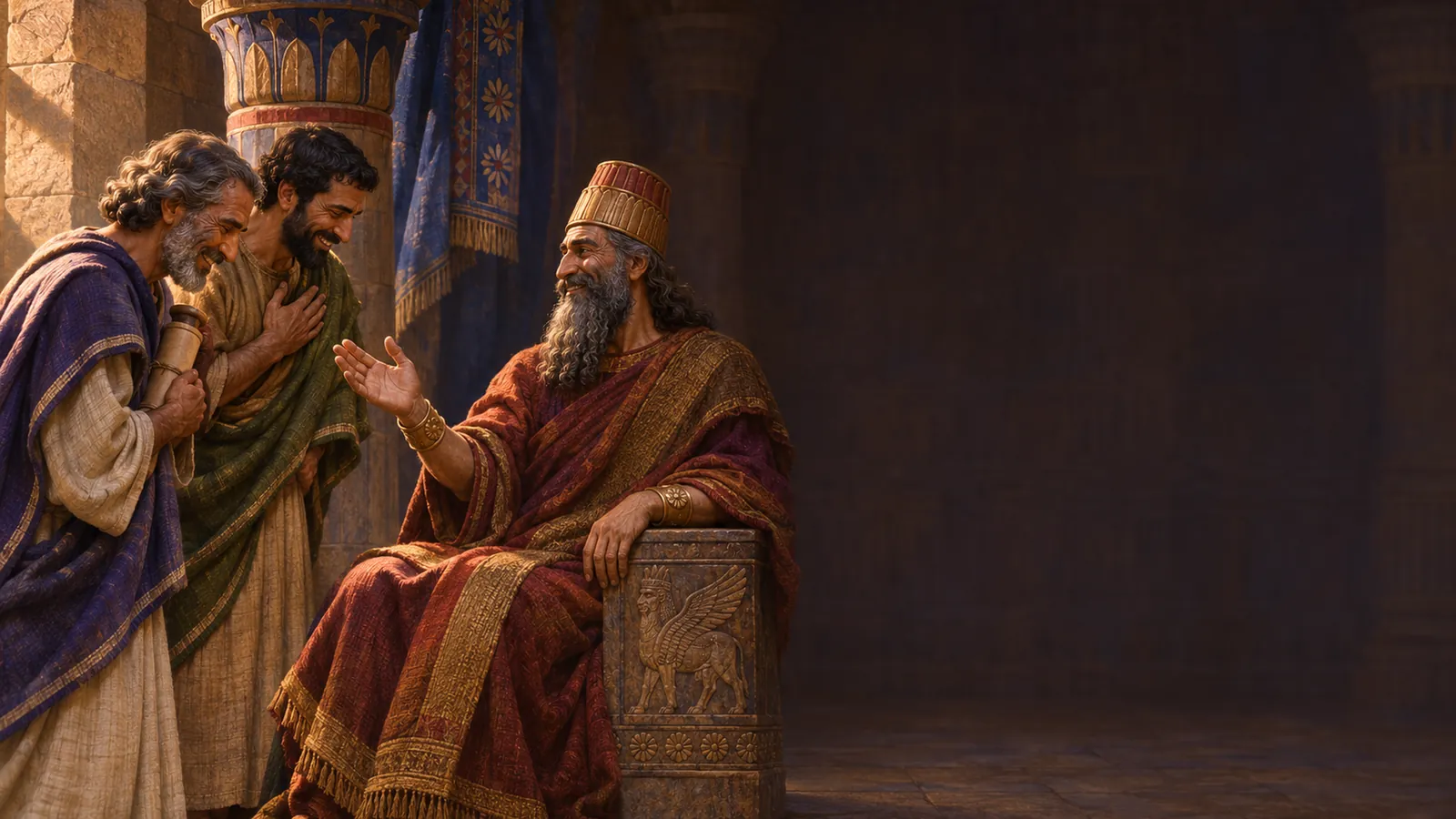
Ahiqar diz que escondeu o homem até chegar a altura certa. Depois levou-o novamente à presença de Senaqueribe, e o rei deixou-o partir ileso.
O MESMO FAVOR
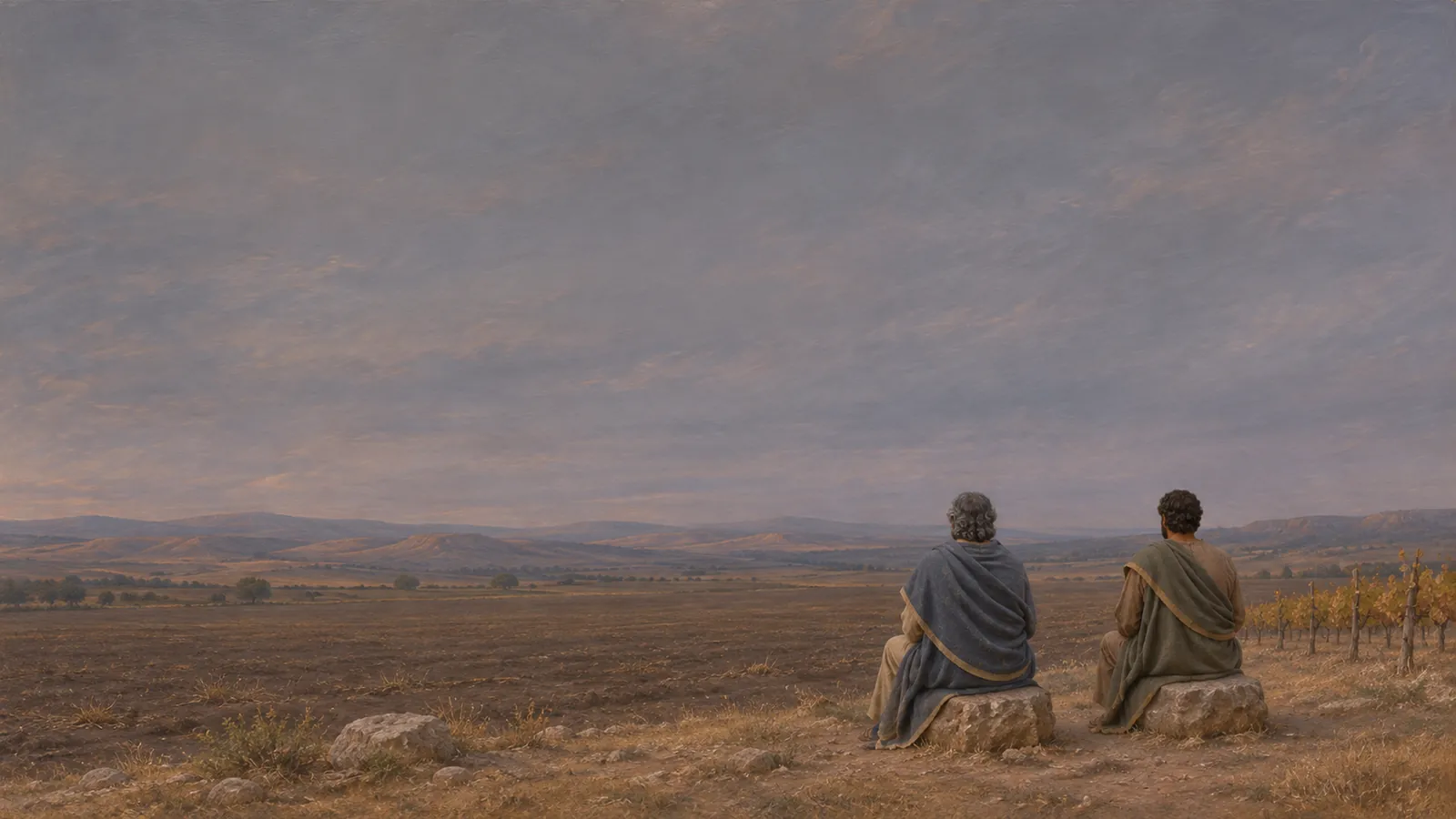
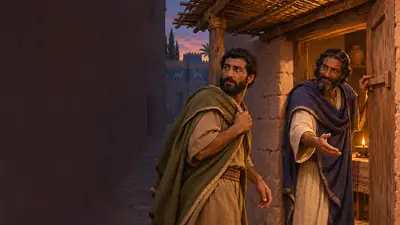
Ahiqar pede ao enviado que, por sua vez, lhe dê abrigo. Espera que Assaradão um dia se lembre dele e volte a pedir-lhe conselho.
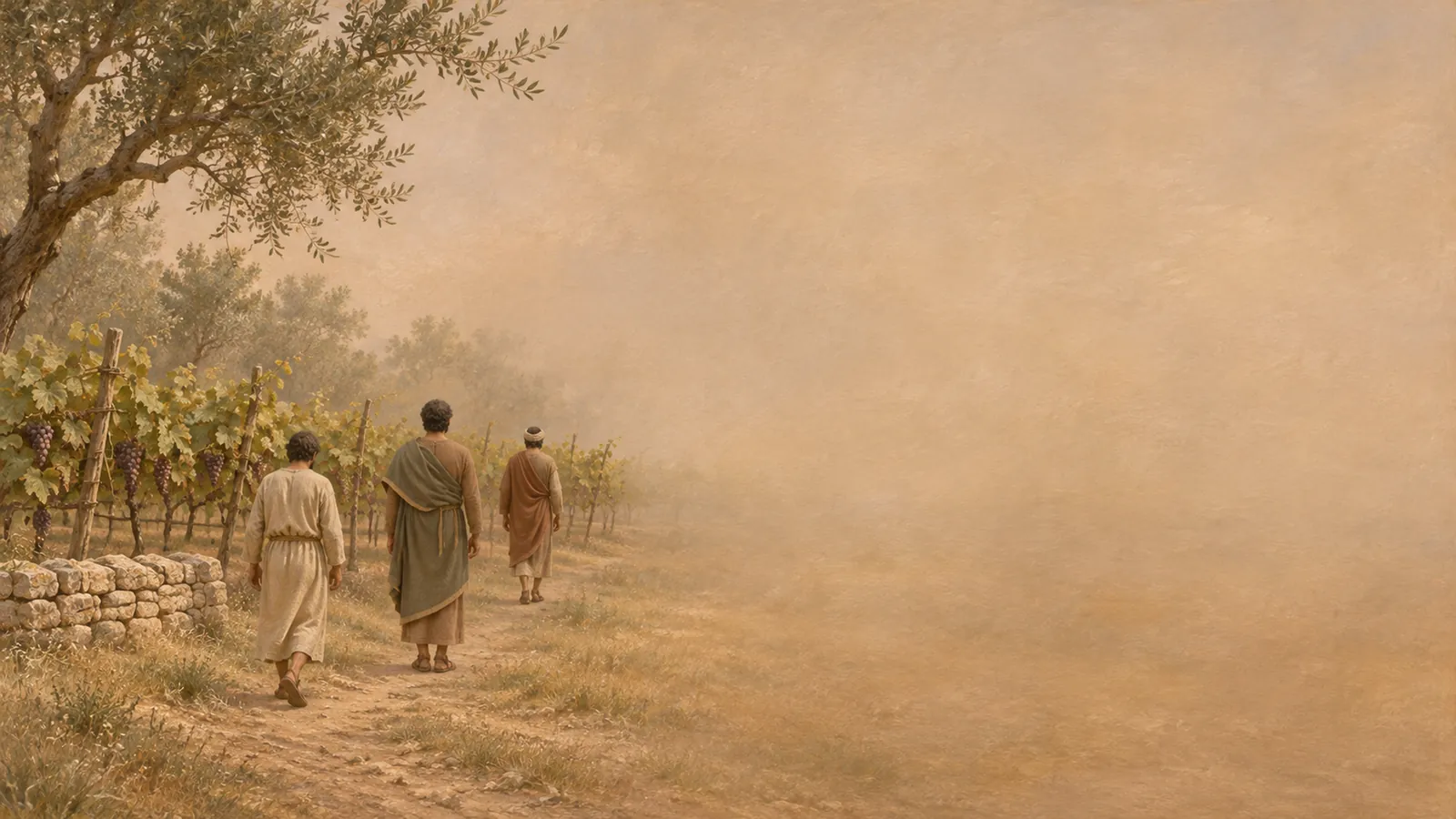
Nabu-šuma-iškun assegura a Ahiqar que continuará vivo. Depois fala em privado com os dois homens que o acompanharam.
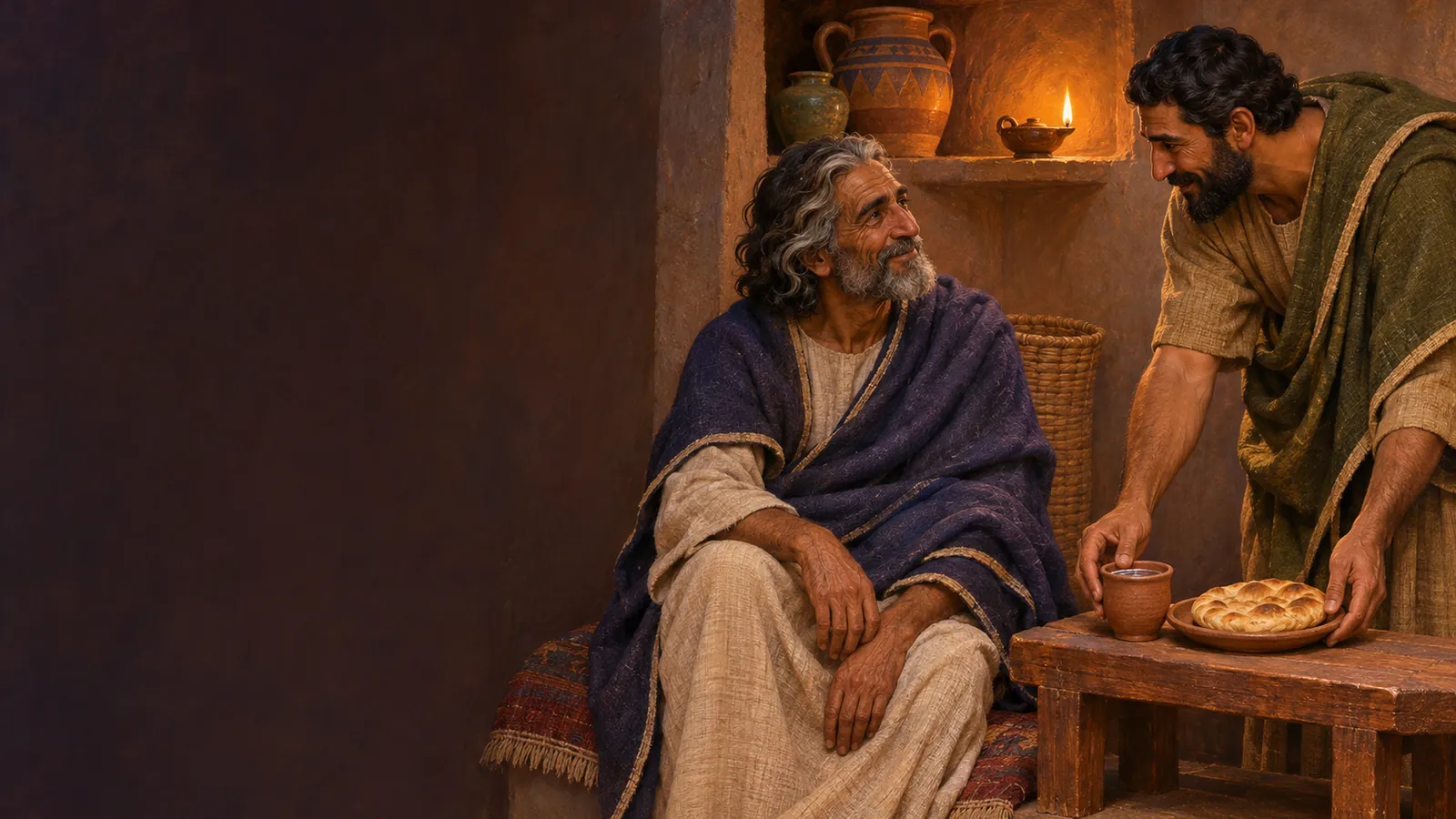
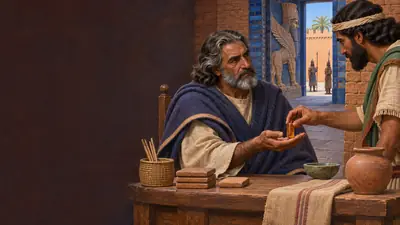
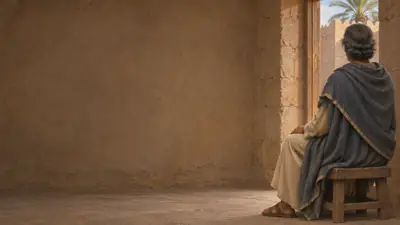
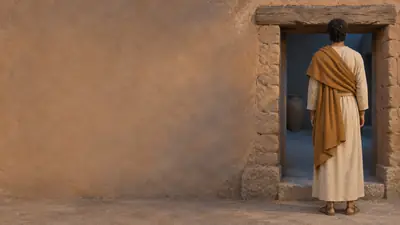
Nabu-šuma-iškun esconde Ahiqar em sua casa. O relato menciona pão e água para o escriba durante o tempo em que ali fica escondido.
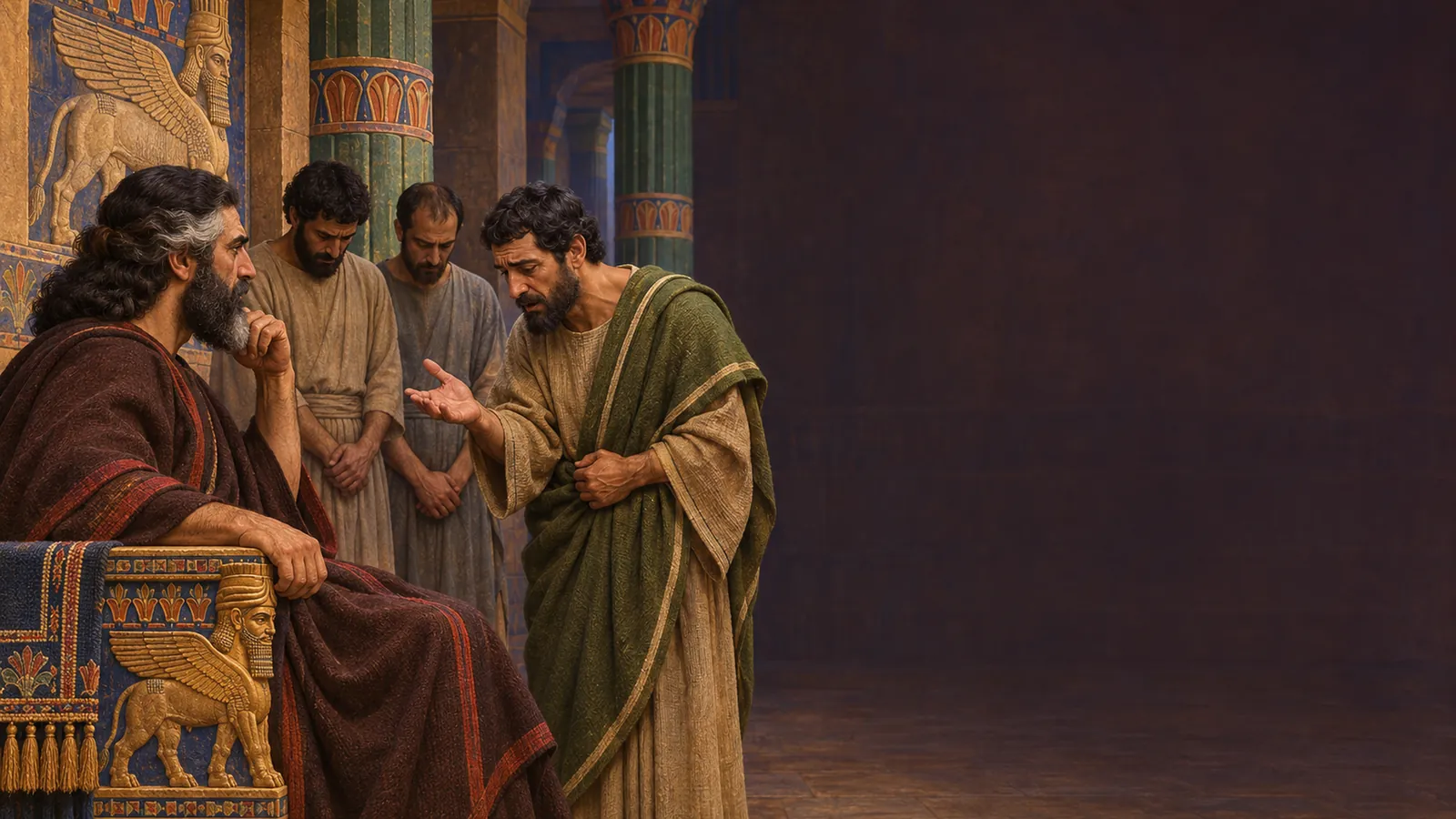
O oficial manda matar um eunuco escravizado no lugar de Ahiqar, e os companheiros confirmam a notícia falsa. O relato interrompe-se depois das suas palavras.
OS PROVÉRBIOS
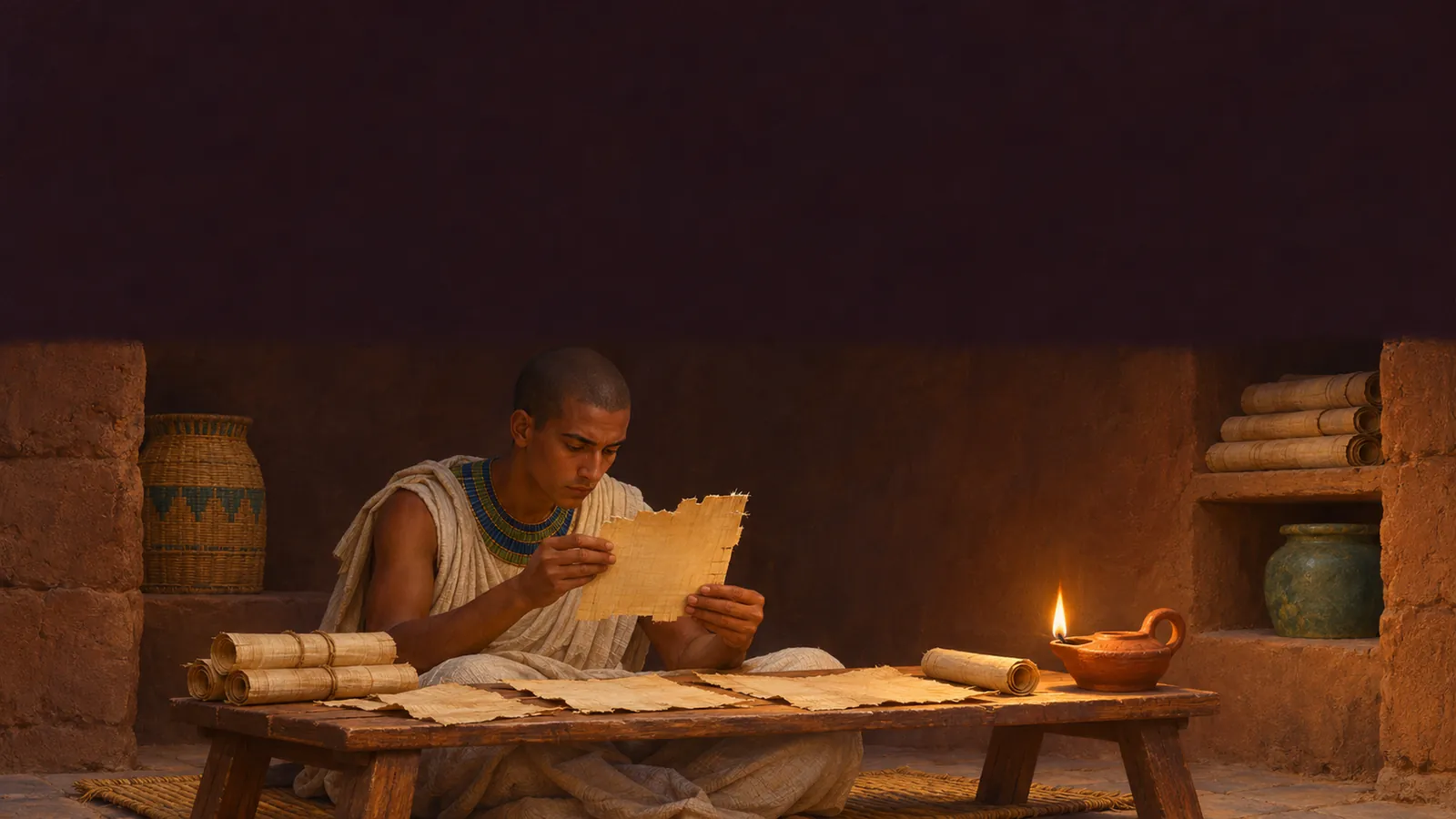
Nesta cópia perdeu-se o resto da história de Ahiqar na corte. O papiro conserva também uma coleção de provérbios. Aqui ficam alguns deles.
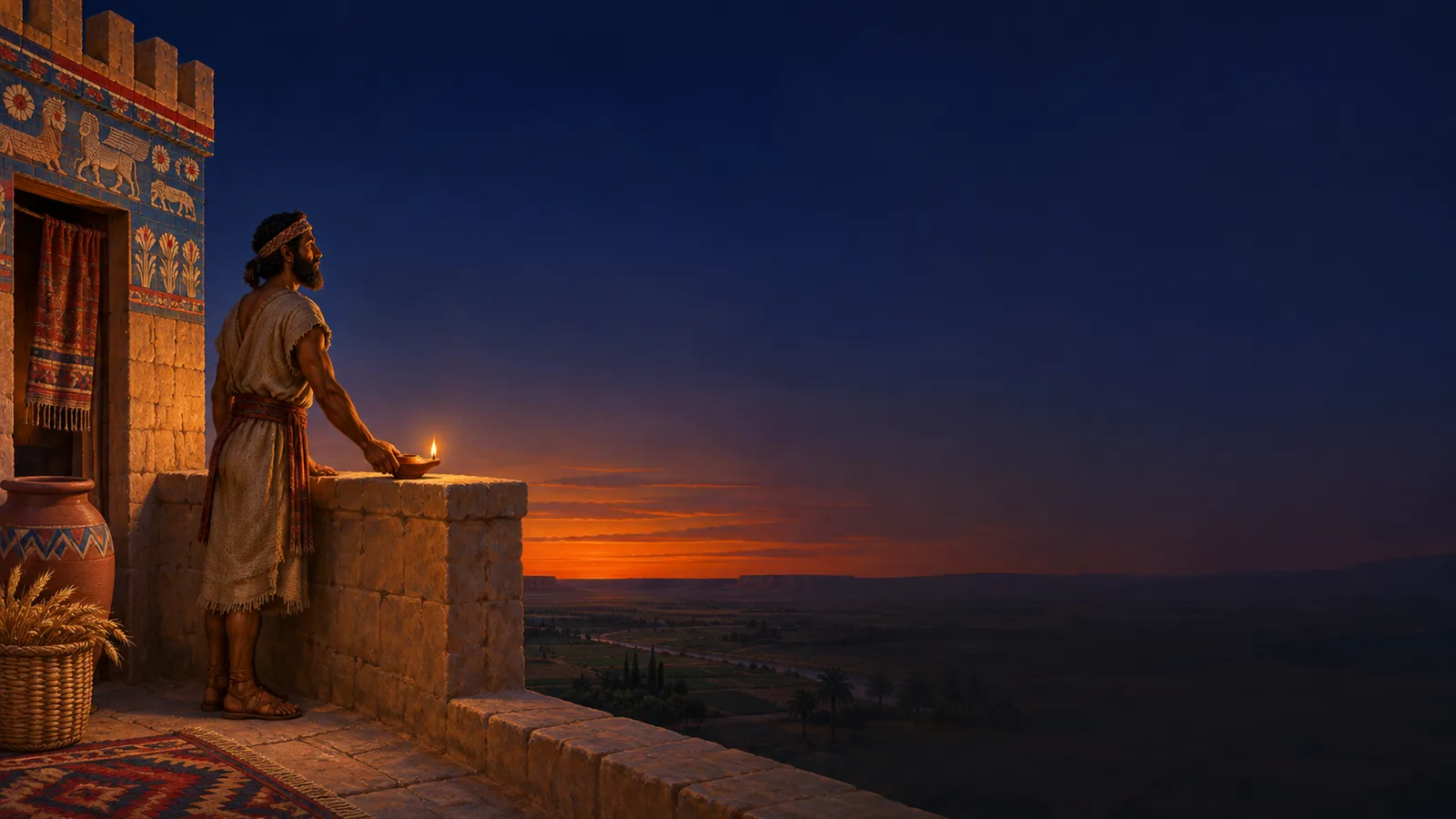
Um provérbio aconselha a esperar pela noite antes de falar mal do dia. Deixa que o dia passe inteiro antes de decidires o que dizer.
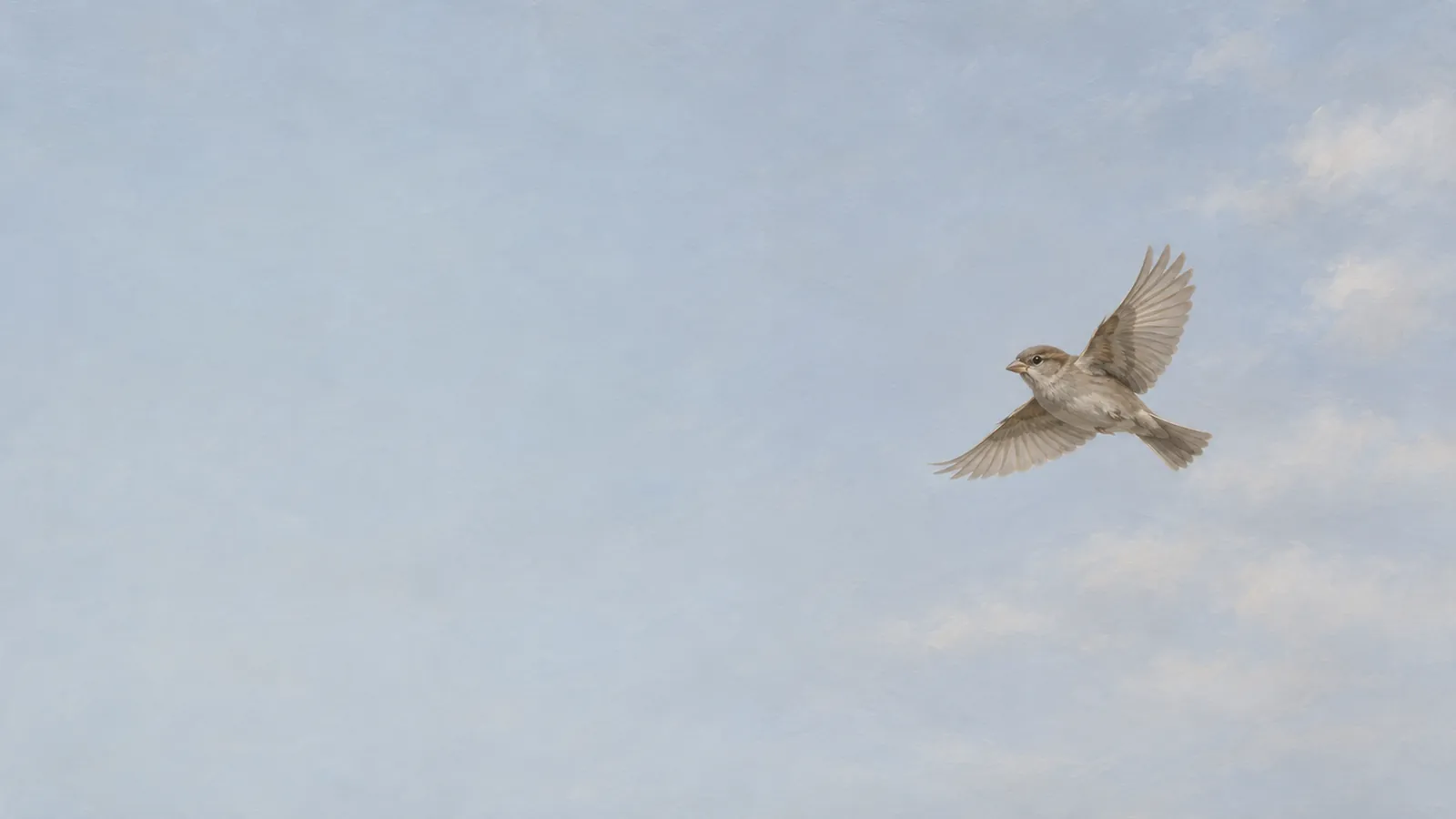
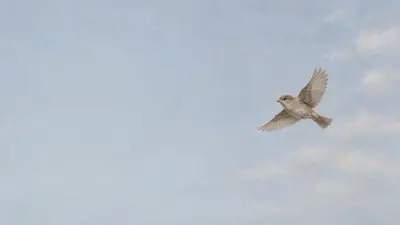
A coleção recomenda cuidado com o que dizemos. Uma palavra é como uma ave solta no ar, que deixa para trás quem a soltou.
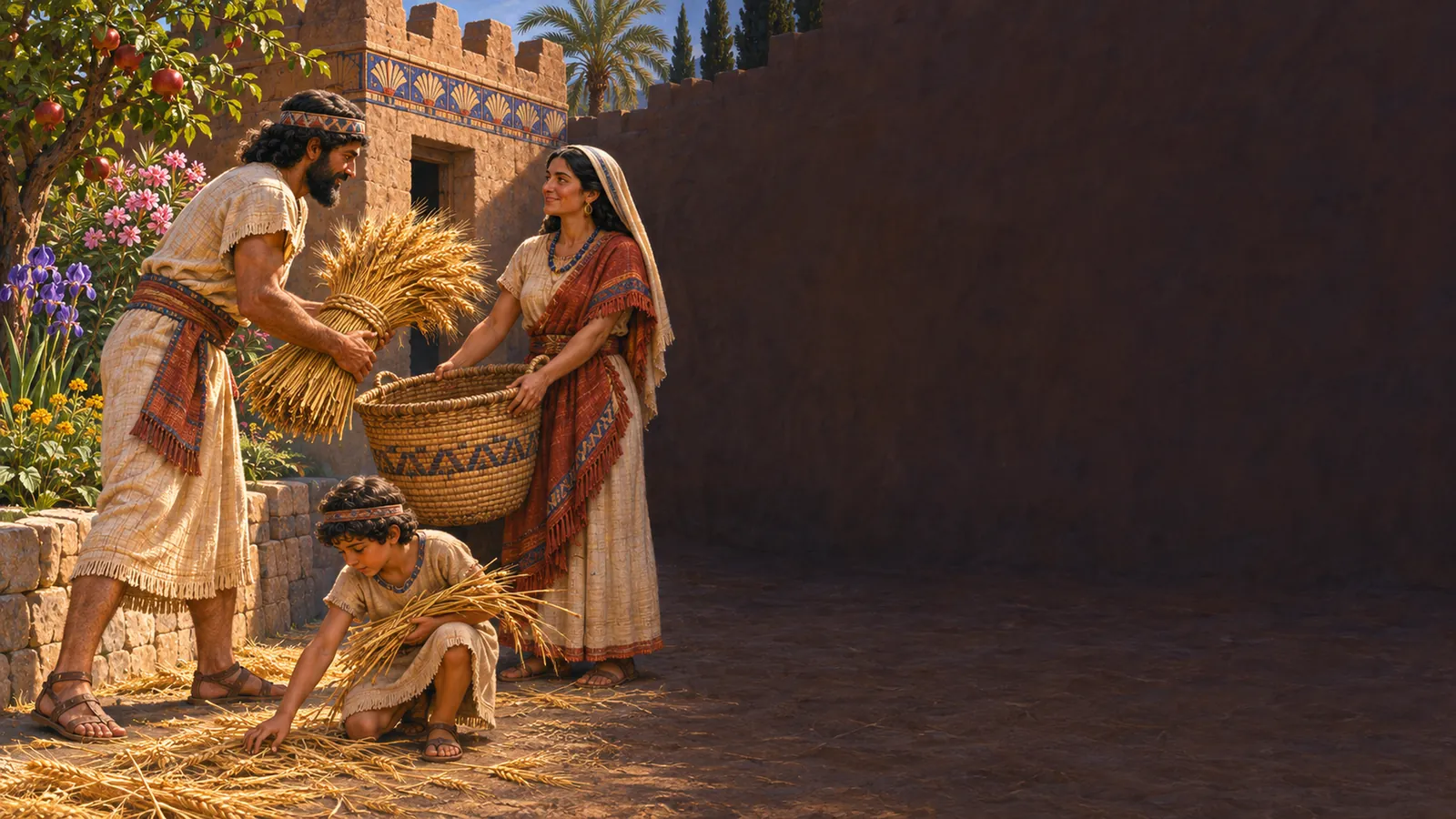
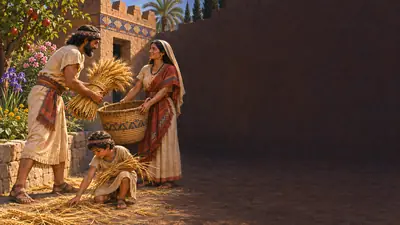
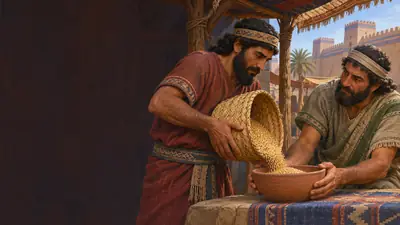
Outra passagem fala de recolher a colheita e fazer o trabalho que houver para poder alimentar a família e os filhos.
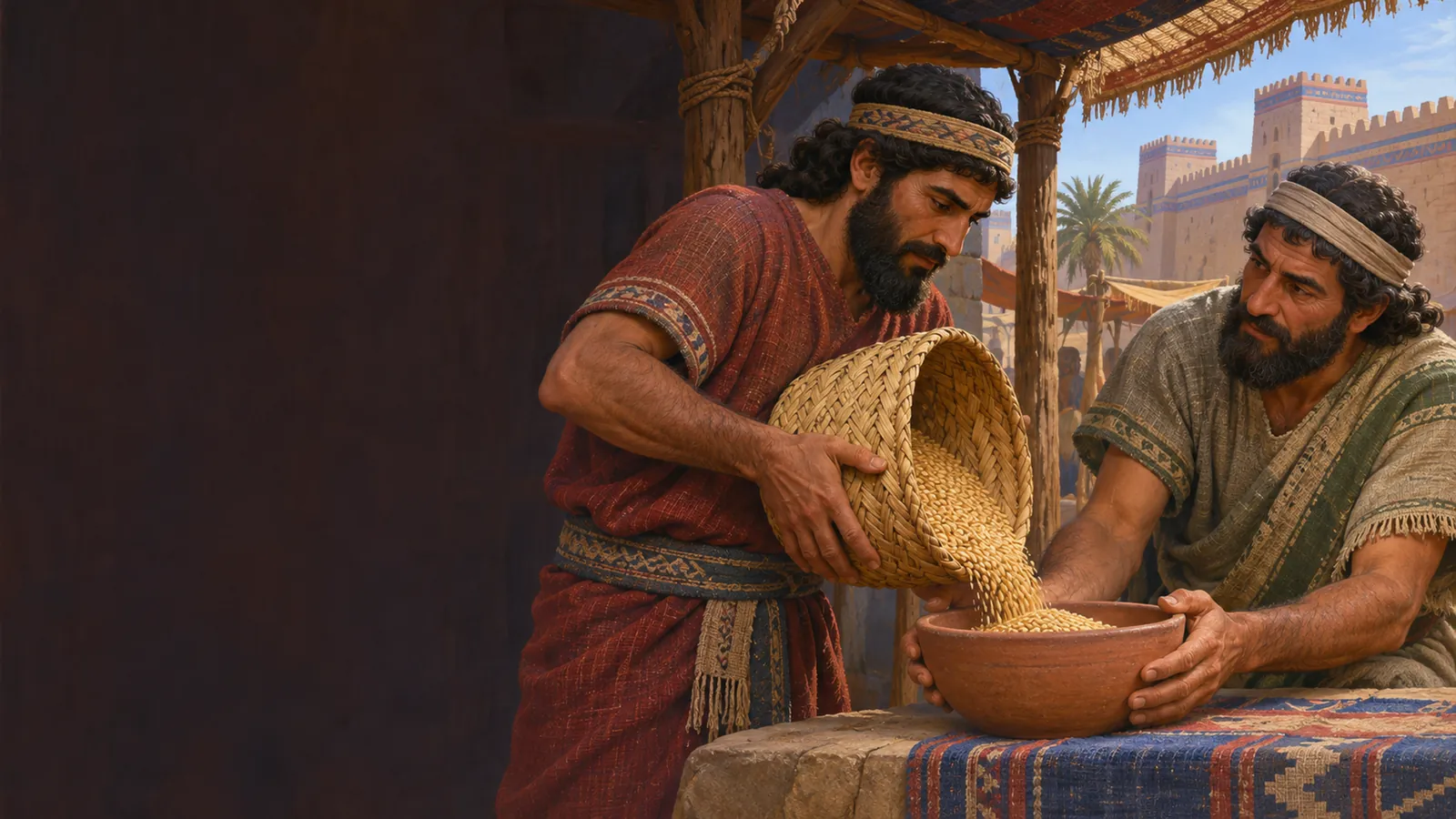
As palavras sobre o grão dão lugar a um conselho sobre os empréstimos. Depois de pedir emprestado, quem recebeu o empréstimo deve ter presente o seu pagamento.
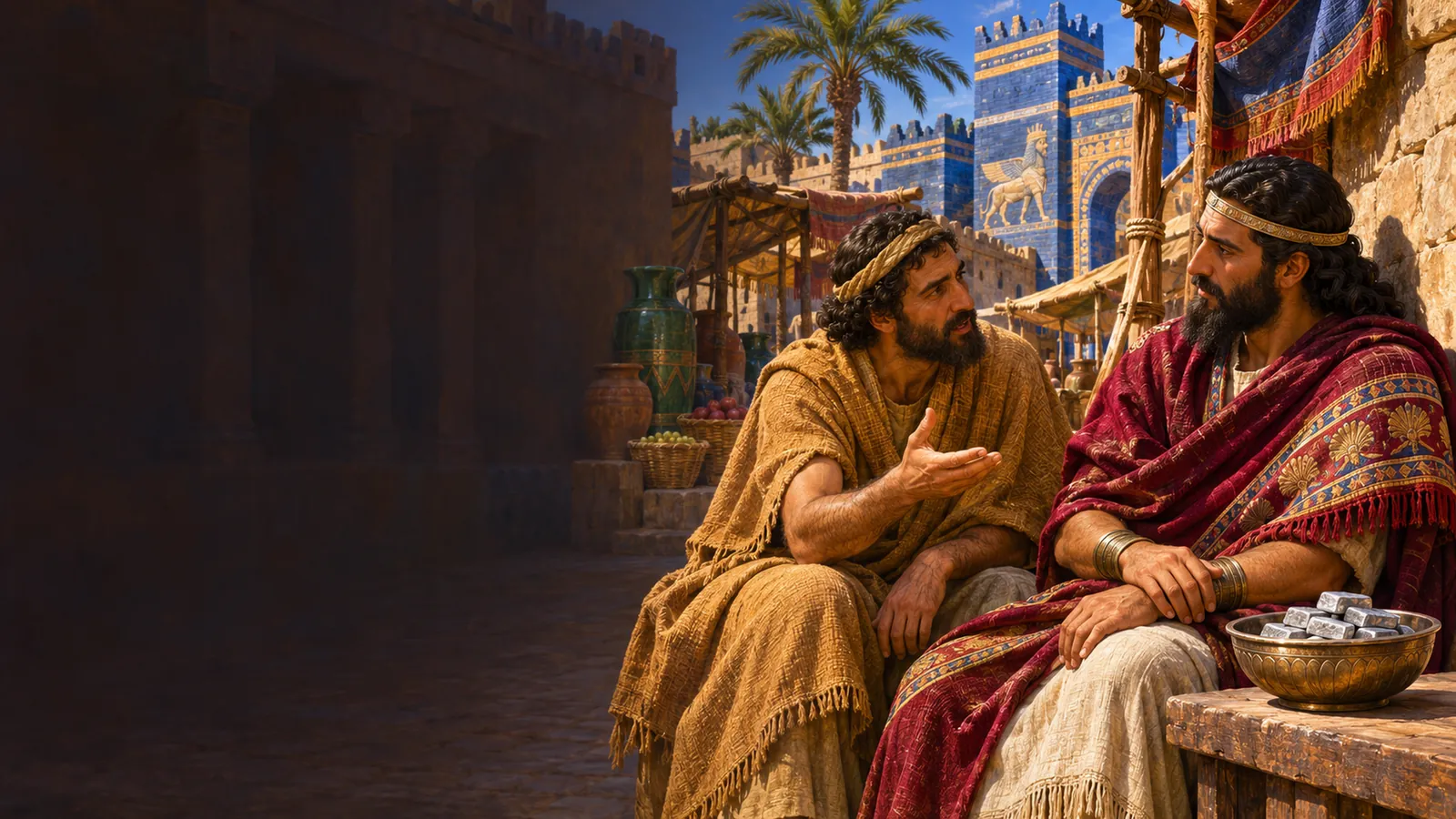
Uma linha conservada avisa quem tem riqueza para que não se vanglorie de que a fortuna lhe dá prestígio.
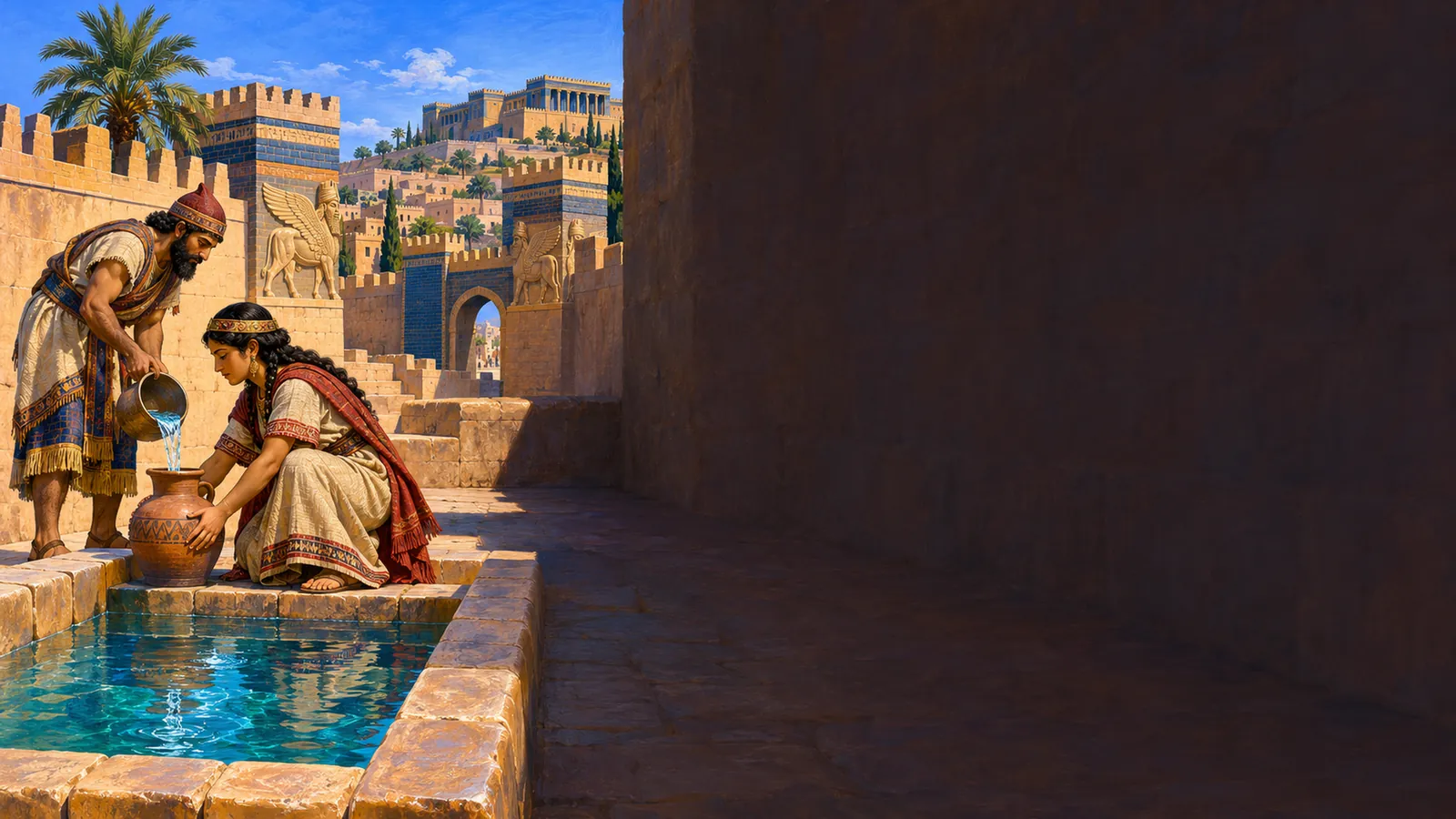
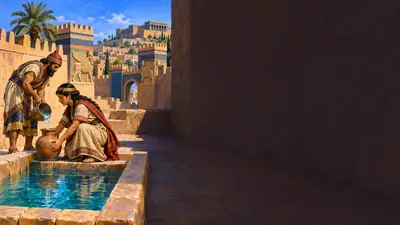
Outro provérbio compara uma pessoa de boa aparência e bom coração a uma cidade fortificada com água dentro das suas muralhas.
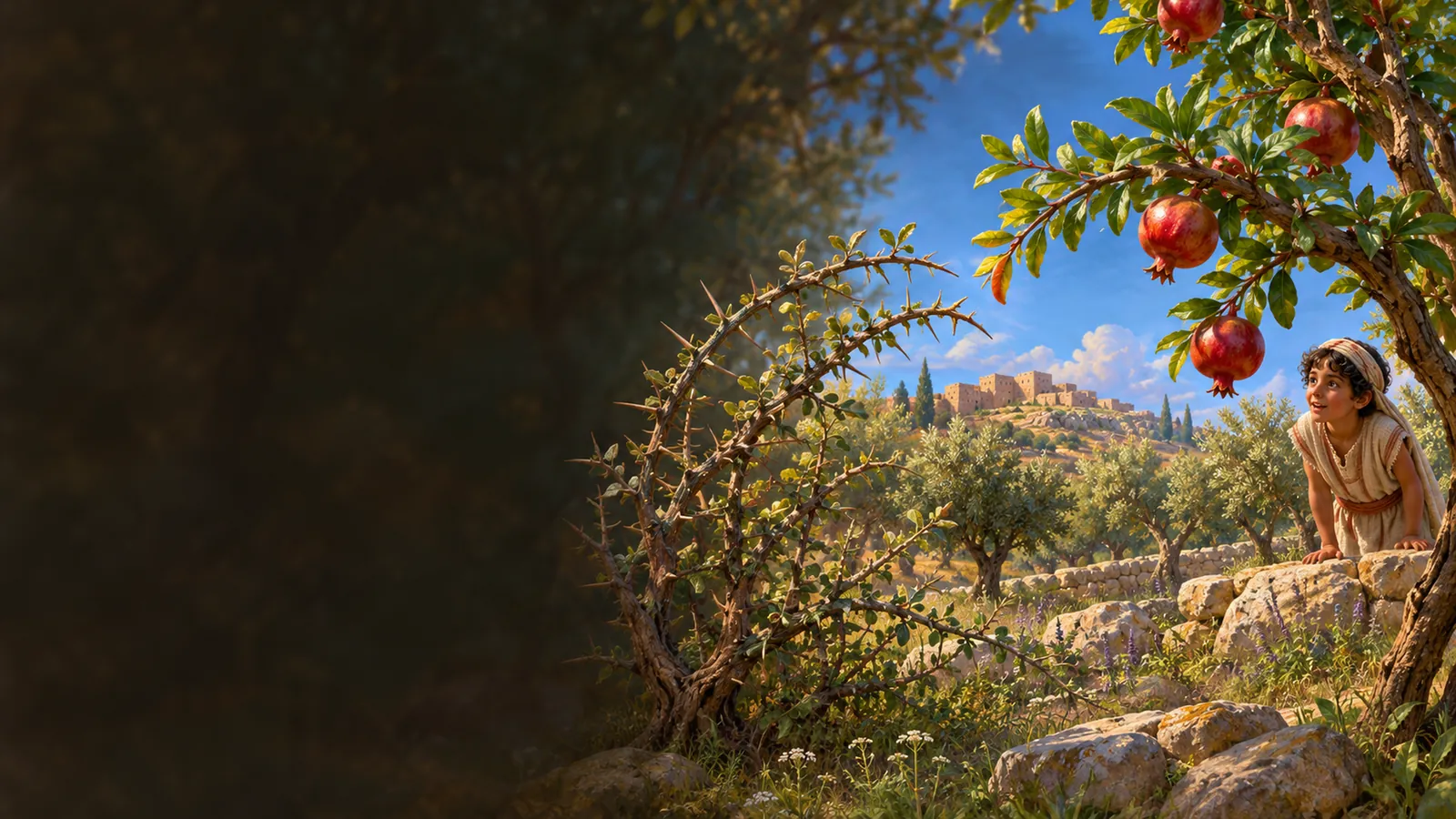
Um arbusto espinhoso envia uma mensagem sobre os espinhos da romãzeira. A romãzeira devolve as palavras a quem as enviou. Partes da conversa estão danificadas.
Fim do capítulo 1
Todas as páginas






Fontes
Edições consultadas
- Texts & Scripts from Elephantine, The Account of the Words of Ahiqar, Pap. Berlin P. 13446 A–H, K–L, TAD C.1.1
- Texts & Scripts from Elephantine, plate A with the opening and the scribe’s first-person account
- Texts & Scripts from Elephantine, plate B with the succession and the charge against Ahiqar
- A. E. Cowley, Aramaic Papyri of the Fifth Century B.C., 1923, pp. 220–223, especially cols. iv–vi at the break
- F. C. Conybeare, J. Rendel Harris and Agnes Smith Lewis, The Story of Ahiqar, 1913, Aramaic translation and selected sayings, pp. 168–173
- Verena M. Lepper, The Ancient Story of Ahiqar from Mesopotamia and Egypt, pp. 38–39, with translations from plate G
- University of Göttingen, catalog of the separately transmitted Syriac and Arabic witnesses
Os versos antigos de cada página
- Page 1: TAD C.1.1, Berlin Ai01; Berlin composite manuscript record
- Page 2: TAD C.1.1, Berlin Ai01–03
- Page 3: TAD C.1.1, Berlin Ai02–04
- Page 4: TAD C.1.1, Berlin Ai03–04
- Page 5: TAD C.1.1, Berlin Ai04–05
- Page 6: TAD C.1.1, Berlin Ai05–06; Plate A i 6
- Page 7: TAD C.1.1, Berlin Ai06–09
- Page 8: TAD C.1.1, Berlin Ai06, Ai08–09
- Page 9: TAD C.1.1, Berlin Ai08–10
- Page 10: TAD C.1.1, Berlin Ai10–11
- Page 11: TAD C.1.1, Berlin Ai11–12
- Page 12: TAD C.1.1, Berlin Ai13–14
- Page 13: TAD C.1.1, Berlin Ai13–14
- Page 14: TAD C.1.1, Berlin Ai14–15
- Page 15: TAD C.1.1, Berlin Bi01
- Page 16: TAD C.1.1, Berlin Bi02–03
- Page 17: TAD C.1.1, Berlin Bi02–03
- Page 18: TAD C.1.1, Berlin Bi03–05
- Page 19: TAD C.1.1, Berlin Bi06–07
- Page 20: TAD C.1.1, Berlin Bi08
- Page 21: TAD C.1.1, Berlin Bi09–11
- Page 22: TAD C.1.1, Berlin Bi10–14
- Page 23: TAD C.1.1, Berlin Ci01–06
- Page 24: TAD C.1.1, Berlin Ci06–09
- Page 25: TAD C.1.1, Berlin Ci08–10; Cowley 1923, col. iii 39–41
- Page 26: TAD C.1.1, Berlin Ci10–12
- Page 27: TAD C.1.1, Berlin Ci12–13
- Page 28: TAD C.1.1, Berlin Ci13–16
- Page 29: TAD C.1.1, Berlin Ci15–17; Cowley 1923, col. iii 46–48
- Page 30: TAD C.1.1, Berlin Di01–02; Cowley 1923, col. iv 49–51
- Page 31: Cowley 1923, col. iv 52–54; CHL 1913, p. 169
- Page 32: Cowley 1923, col. iv 55–59; Berlin Di09–12
- Page 33: Cowley 1923, col. v 71–74, p. 222
- Page 34: Cowley 1923, col. v 70–78 and start of vi; CHL 1913, p. 170
- Page 35: Berlin manuscript record; Cowley 1923, col. v–vi transition
- Page 36: TAD C.1.1, Berlin Ei02
- Page 37: TAD C.1.1, Berlin Ei03–04; Cowley 1923, col. vii 96–98
- Page 38: TAD C.1.1, Berlin Gi01–06, selected family-provision phrase; Lepper, pp. 38–39
- Page 39: TAD C.1.1, Berlin Gi05–06; Lepper, pp. 38–39
- Page 40: TAD C.1.1, Berlin Hi17
- Page 41: TAD C.1.1, Berlin Ki01
- Page 42: TAD C.1.1, Berlin Ki07–08; CHL 1913, p. 173
Ilustrações feitas pelo IL Archive com ferramentas de IA; o texto baseia-se nas fontes antigas (veja as fontes no fim de cada capítulo).