As palavras de Ahiqar Capítulo 2
Ahiqar na corte do faraó
Em um relato siríaco posterior, o faraó lança um desafio a Senaqueribe, e um homem da corte revela que Ahiqar está vivo. Ahiqar responde aos enigmas do faraó no Egito e volta para pedir que a recompensa seja dada a quem o abrigou.
FontesVire as páginas com as setas, o teclado ou deslizando o dedo.
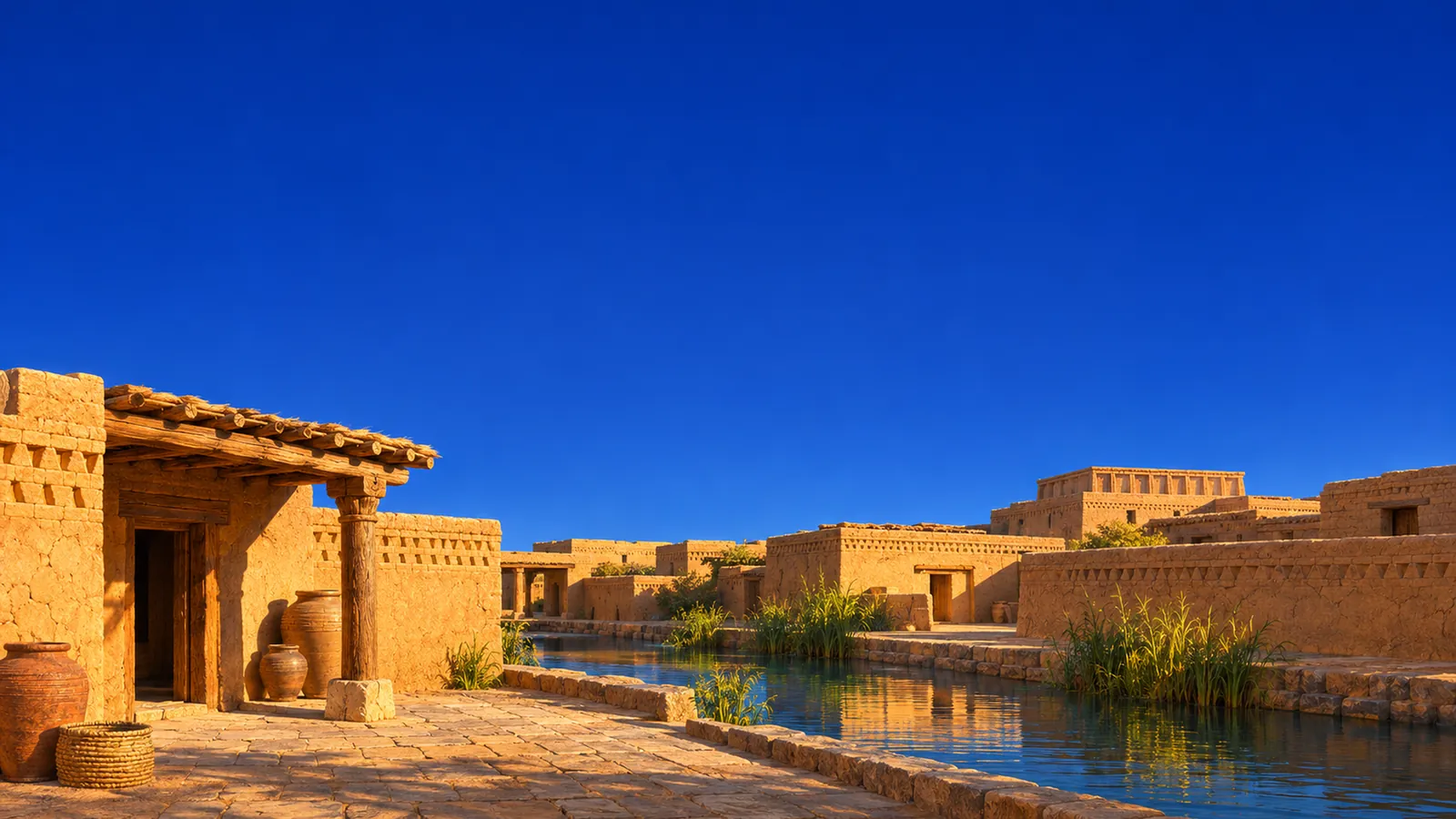
AHIQAR NA CORTE DO FARAÓ
Um manuscrito siríaco posterior conta esta parte da história de Ahiqar. Nessa versão, Senaqueribe governa a Assíria e a corte acredita que Ahiqar morreu.
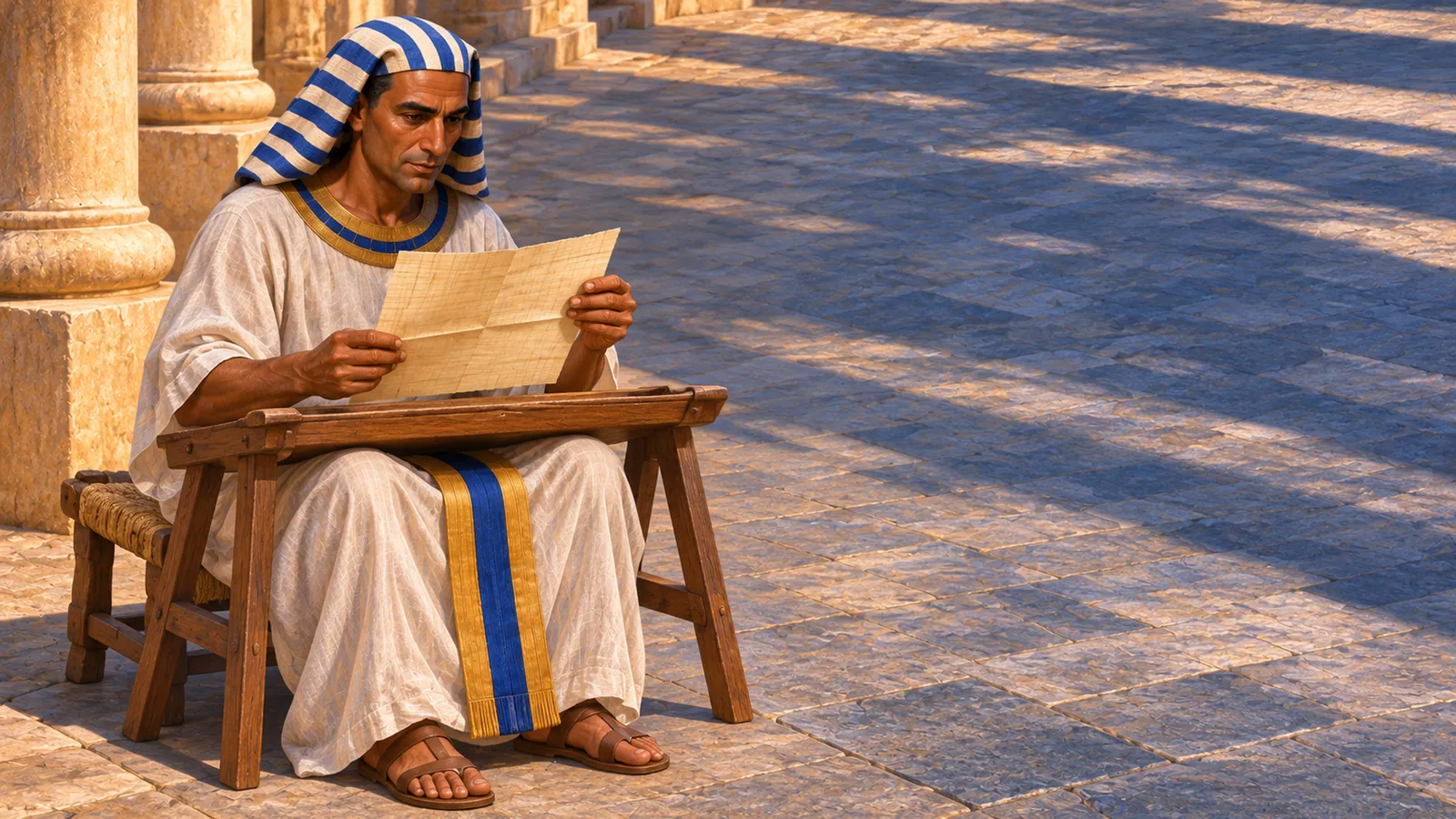
O faraó ouve dizer que Ahiqar morreu. Envia uma carta a Senaqueribe, rei da Assíria e de Nínive nesta versão.
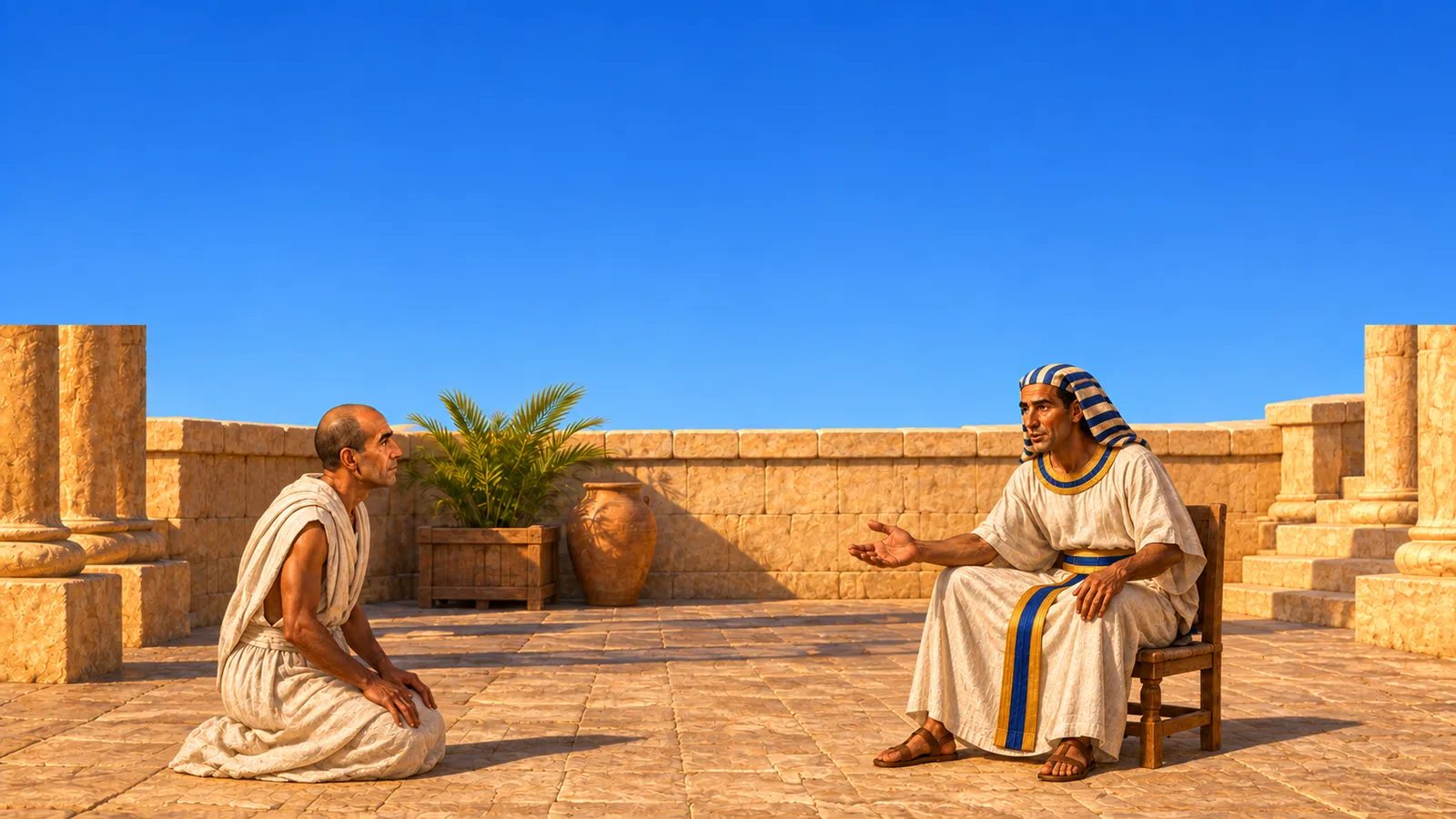
UM PALÁCIO NO AR
O faraó diz que pretende construir um palácio entre a terra e o céu. Pede a Senaqueribe que envie alguém capaz de construí-lo e responder às suas perguntas.
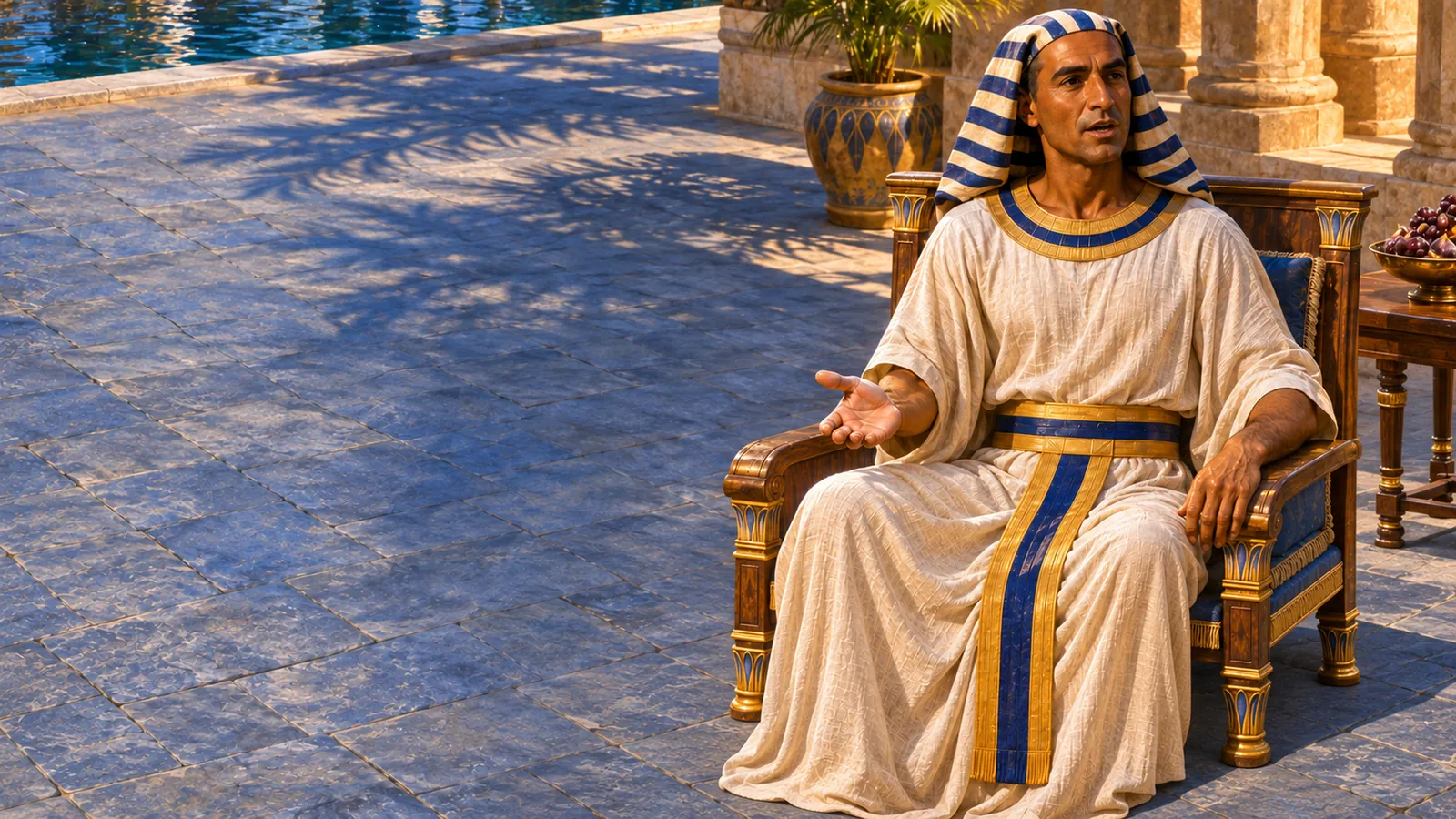
O faraó oferece a Senaqueribe três anos da receita do Egito se ele mandar alguém capaz de lhe responder. Caso ninguém consiga, exige em troca três anos de tributo da Assíria.
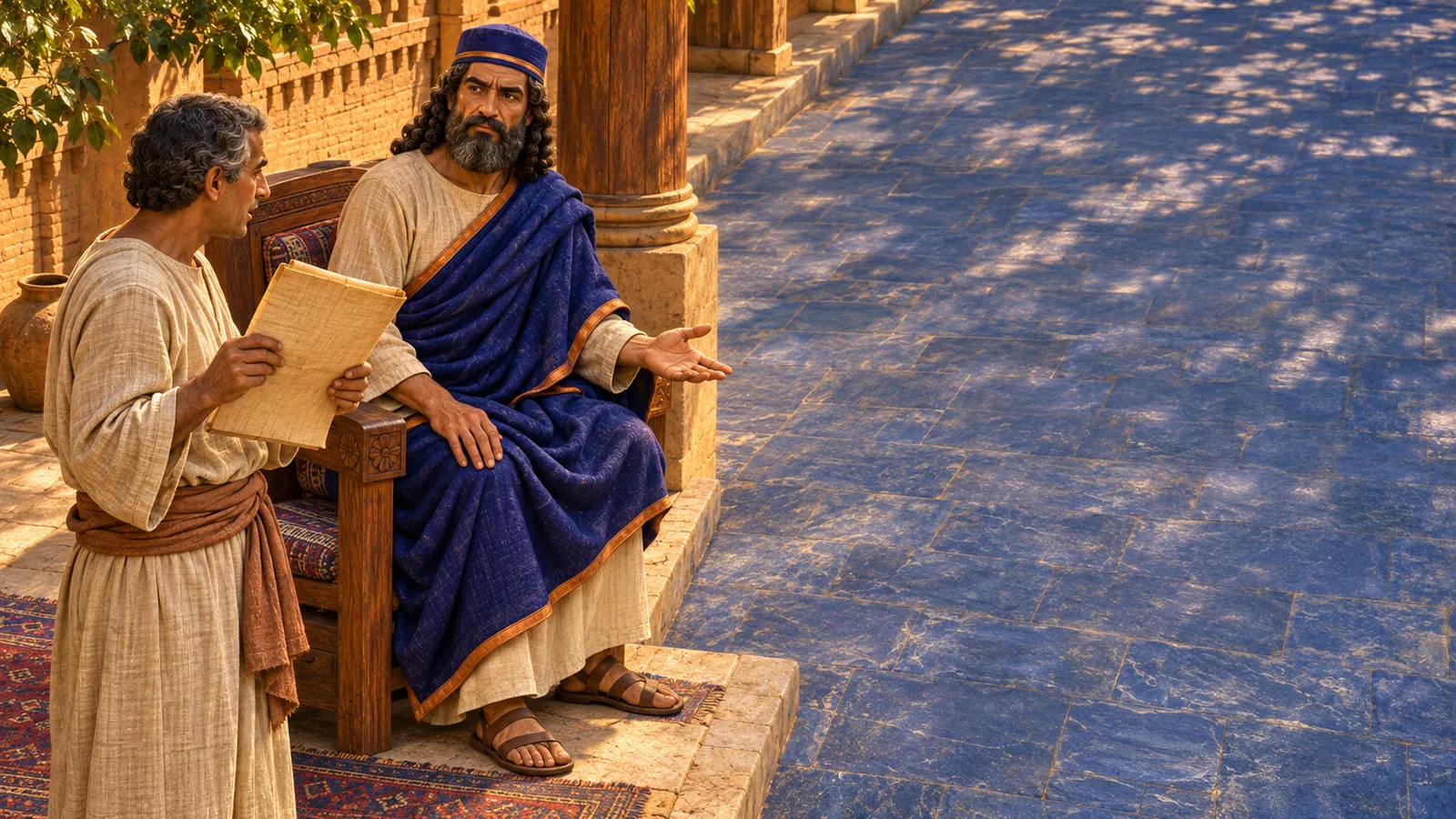
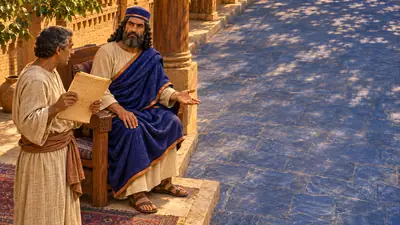
Senaqueribe manda ler a carta diante da corte. Pergunta quem irá ao Egito responder às perguntas do faraó e trazer o tributo.
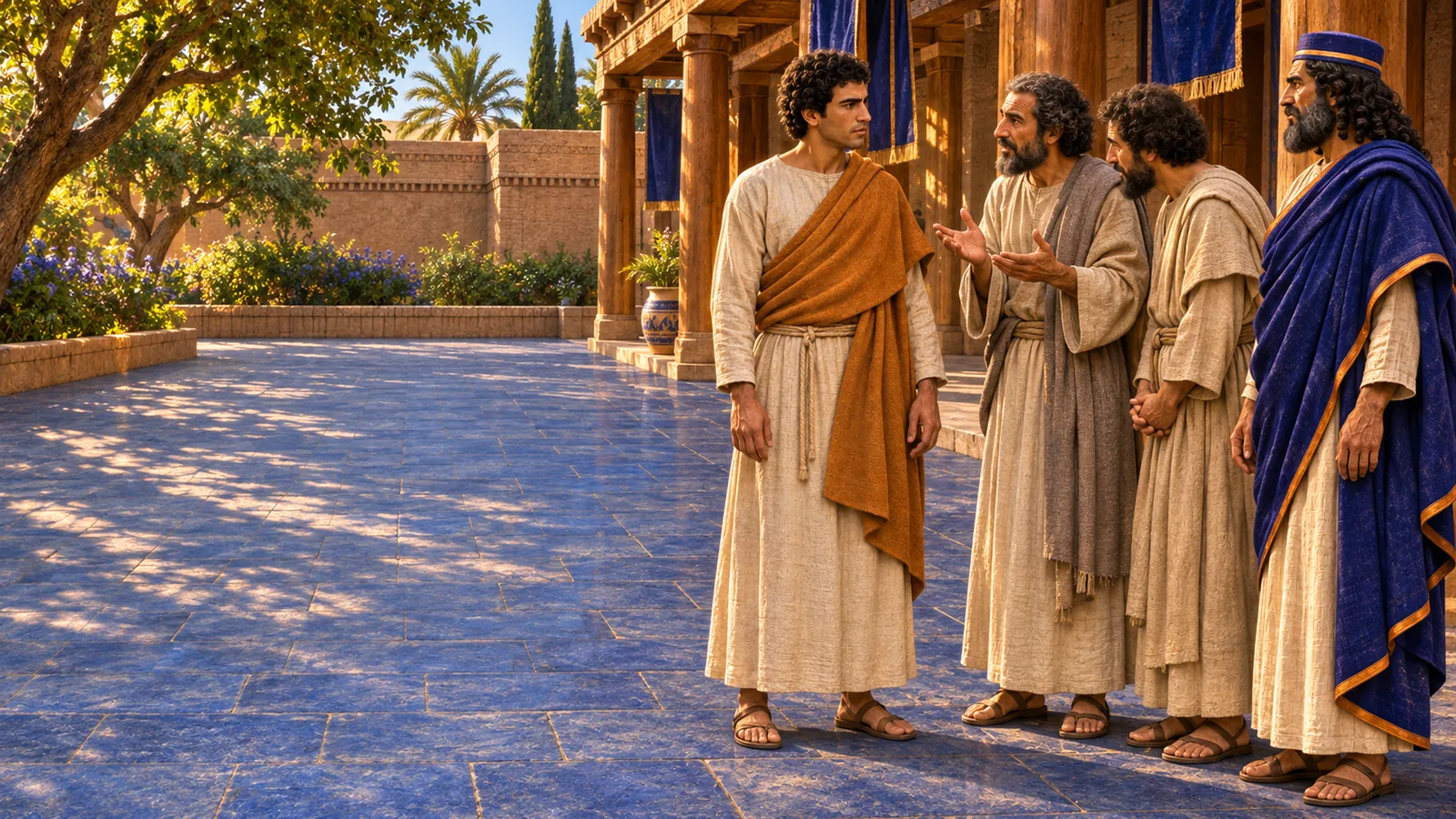
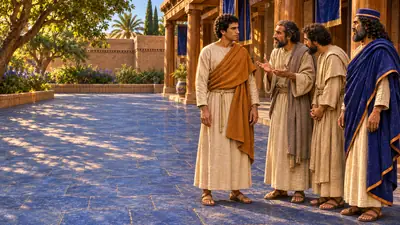
Os conselheiros lembram que Ahiqar respondia a perguntas difíceis sob Senaqueribe e, neste relato, sob seu pai, Sarhadum. Dizem que Nadan aprendeu com ele.
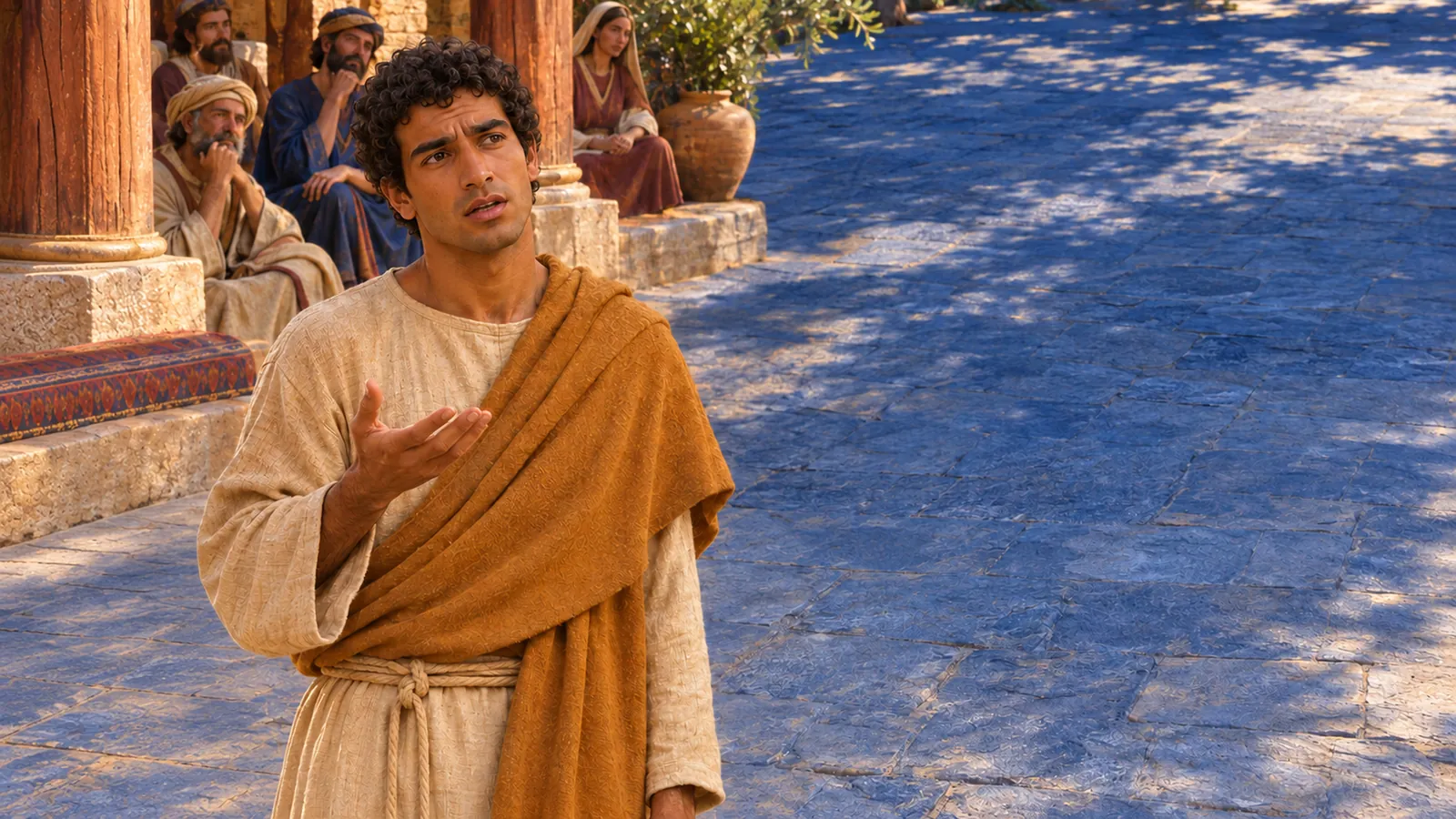
Nadan ouve a corte propor seu nome. Responde que o que o faraó pede está além do poder dos próprios deuses, quanto mais dos seres humanos.
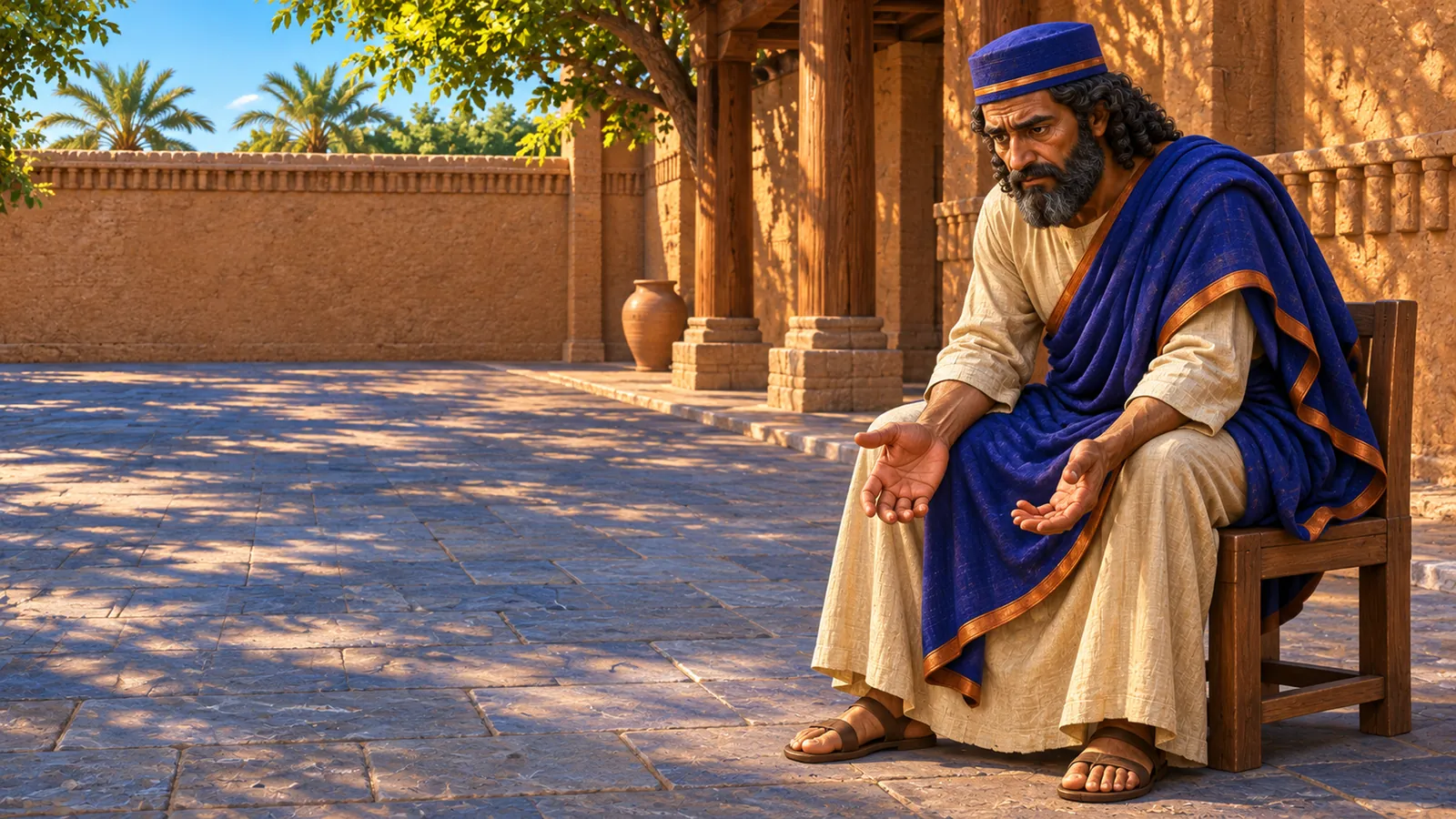
Senaqueribe lamenta ter acreditado no que lhe disseram sobre Ahiqar. Queria ter o conselheiro de volta e diz que daria o peso de Ahiqar em ouro para revê-lo.
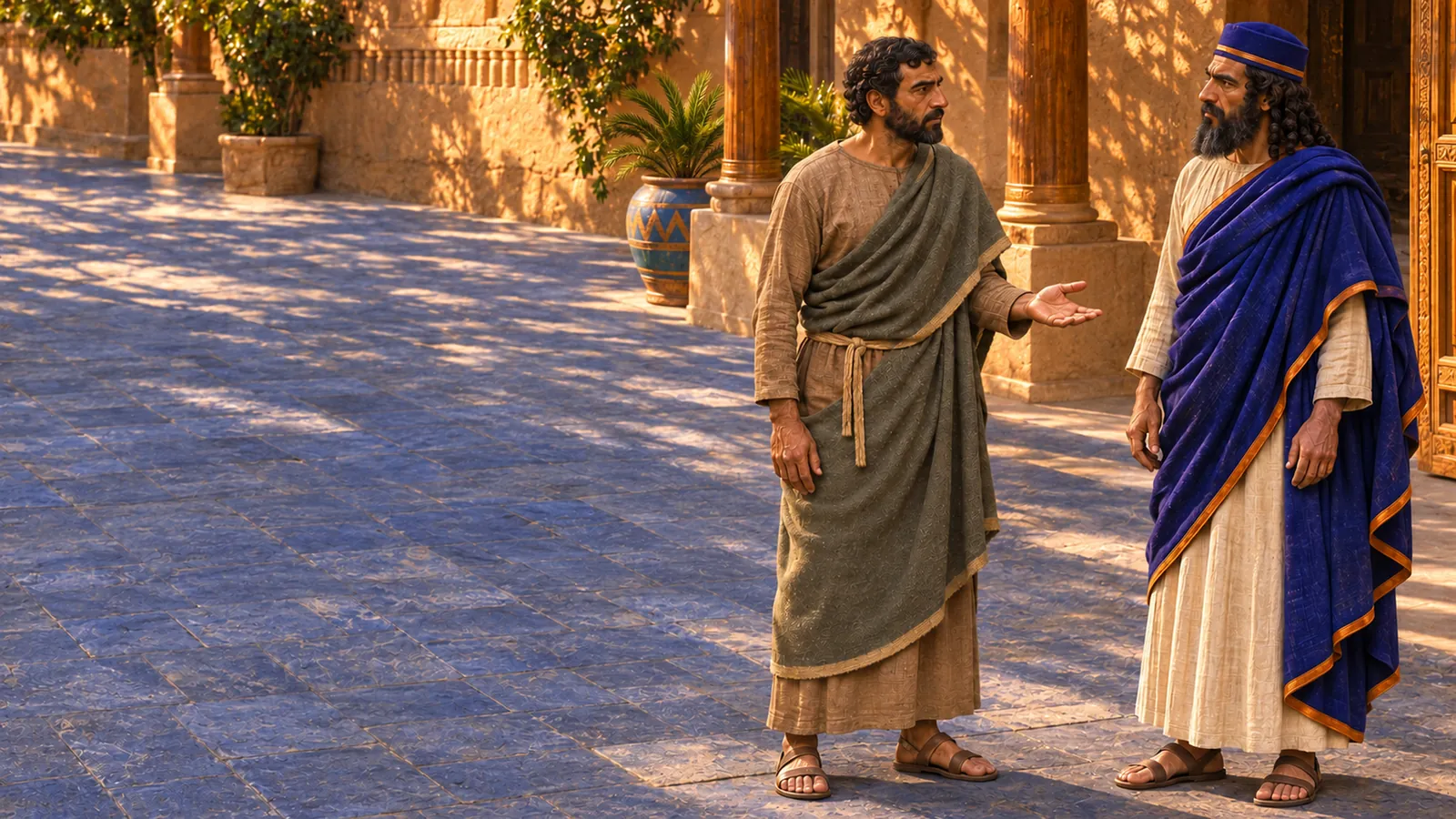
AHIQAR ESTÁ VIVO
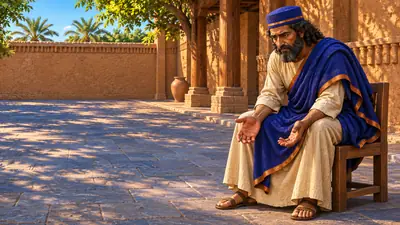
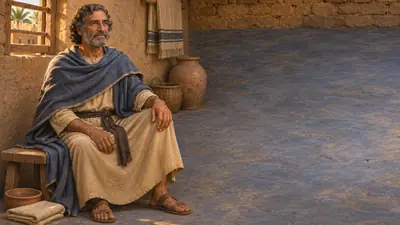
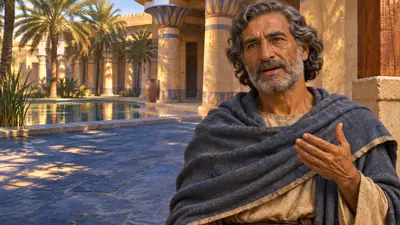
Nabusemakh diz a Senaqueribe que recebeu ordem para matar Ahiqar. Diz que matou em seu lugar um escravo condenado e escondeu Ahiqar, que ainda está vivo.
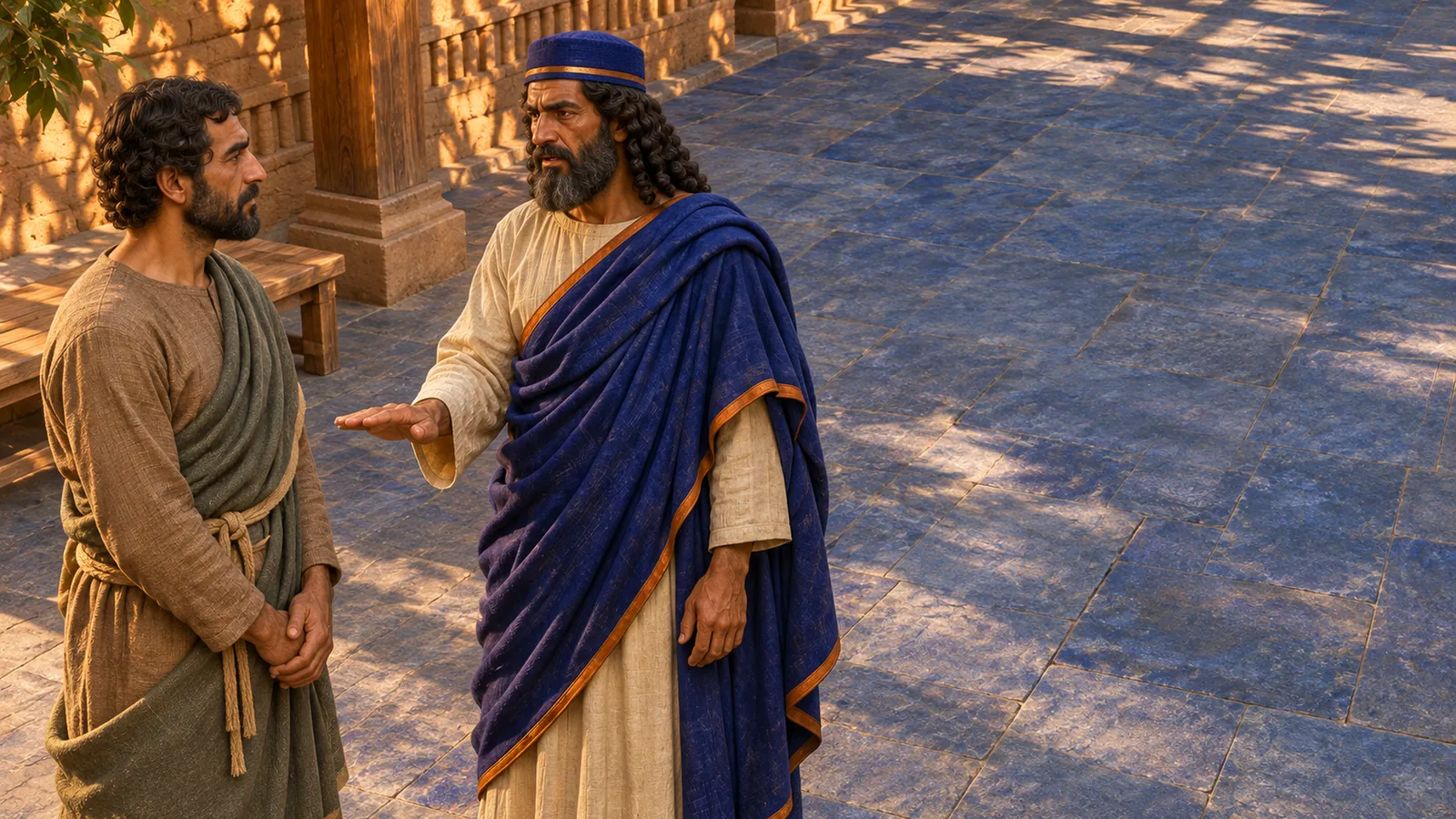
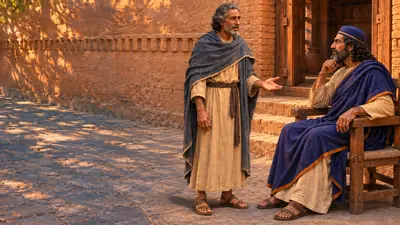
O rei promete presentes a Nabusemakh se ele lhe mostrar Ahiqar vivo. Nabusemakh pede a palavra do rei de que será perdoado por tê-lo abrigado, e Senaqueribe lhe dá sua palavra.
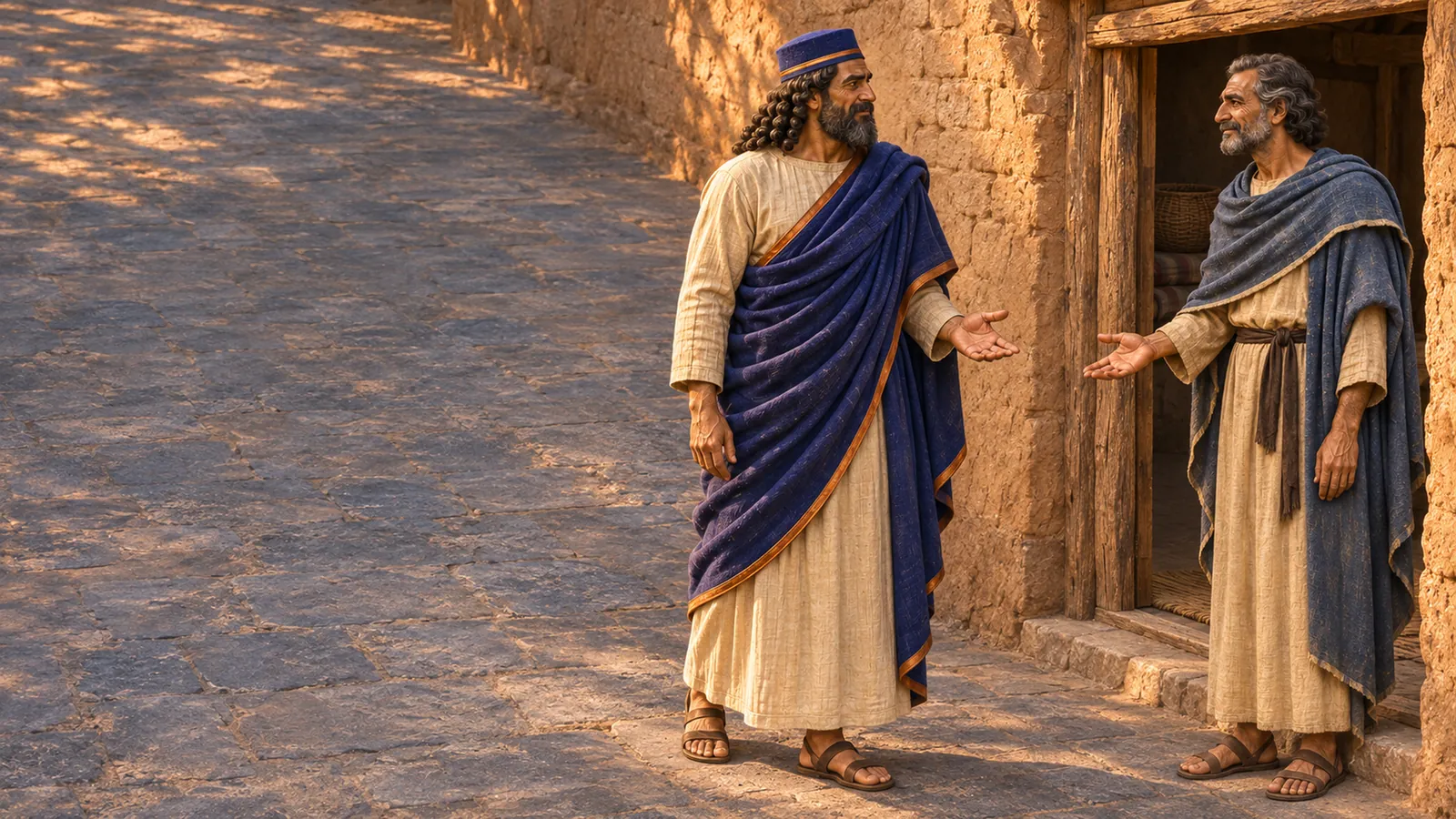
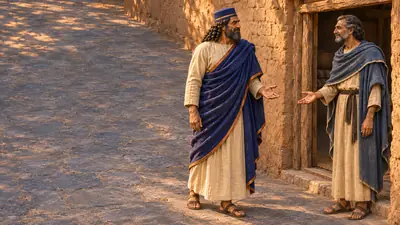
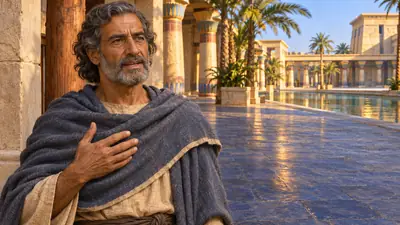
Senaqueribe vai depressa ao lugar onde Ahiqar está abrigado. Quando se encontram, o rei se comove, e Ahiqar lhe diz que não lhe guarda rancor.
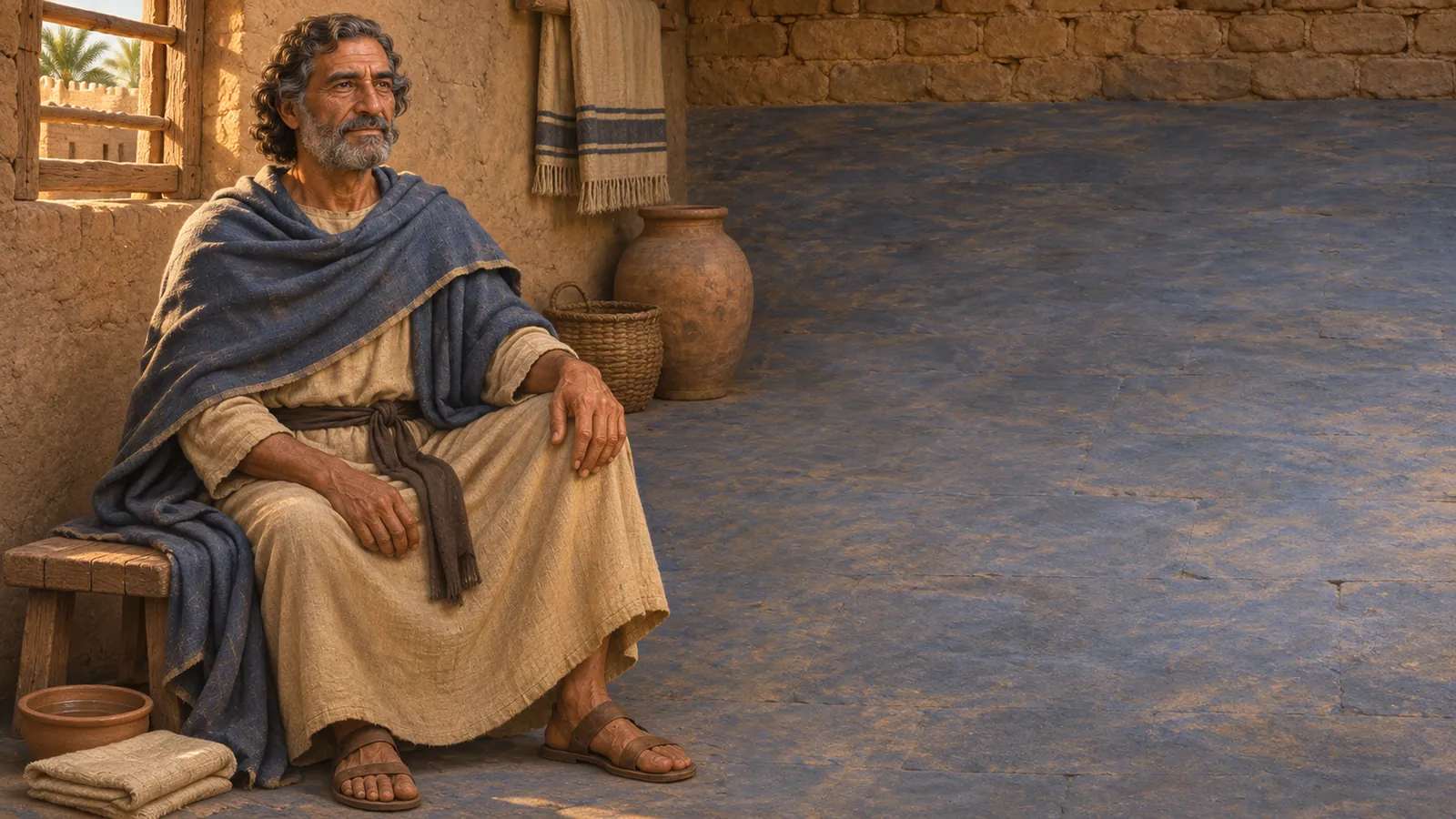
O rei diz a Ahiqar que volte para casa e reserve um tempo para recuperar as forças. Ahiqar passa ali várias semanas e volta quando se sente bem.
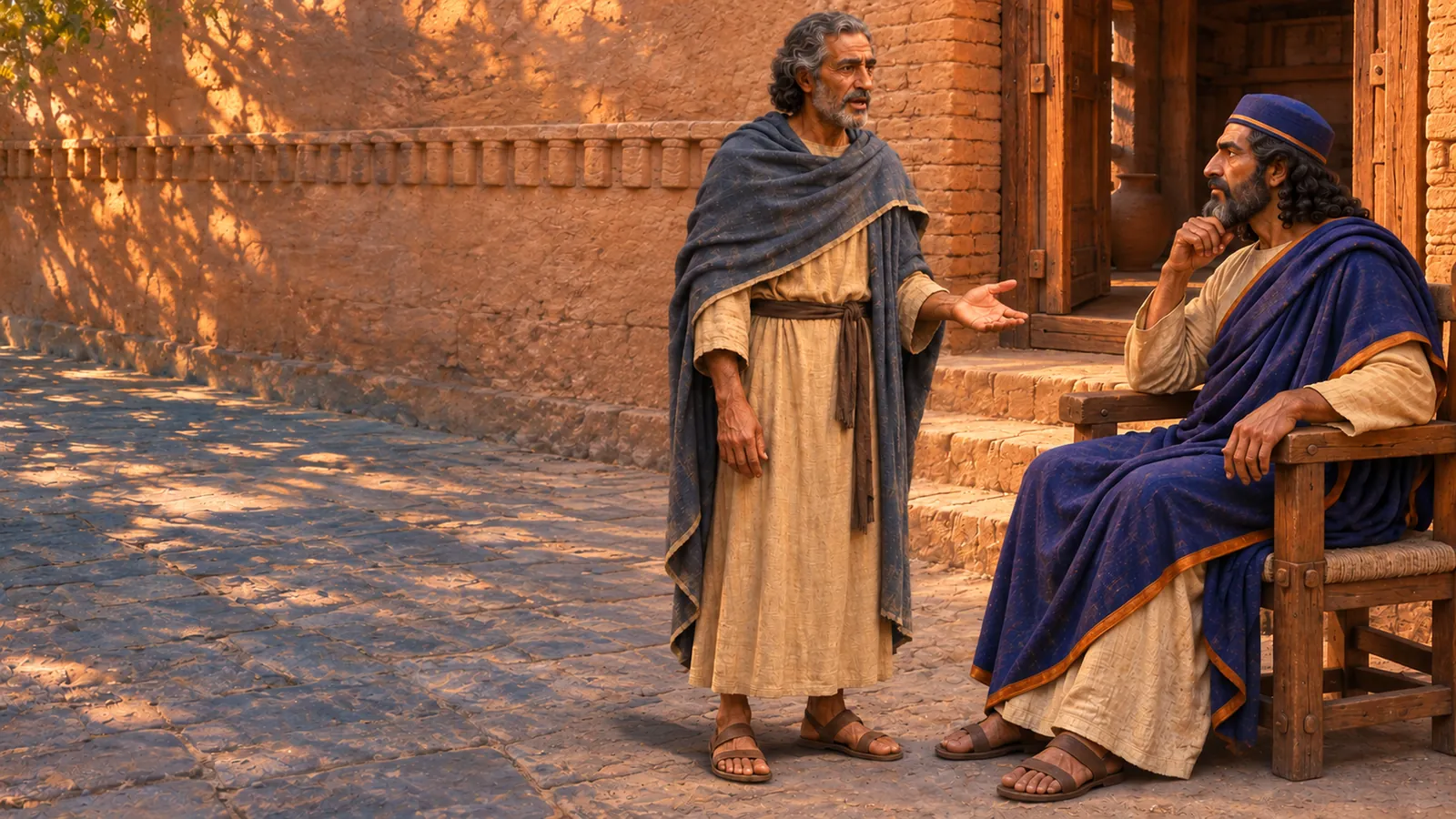
Senaqueribe pergunta a Ahiqar se ele viu a carta do faraó. Ahiqar se oferece para ir ao Egito, responder às perguntas e trazer a receita prometida.
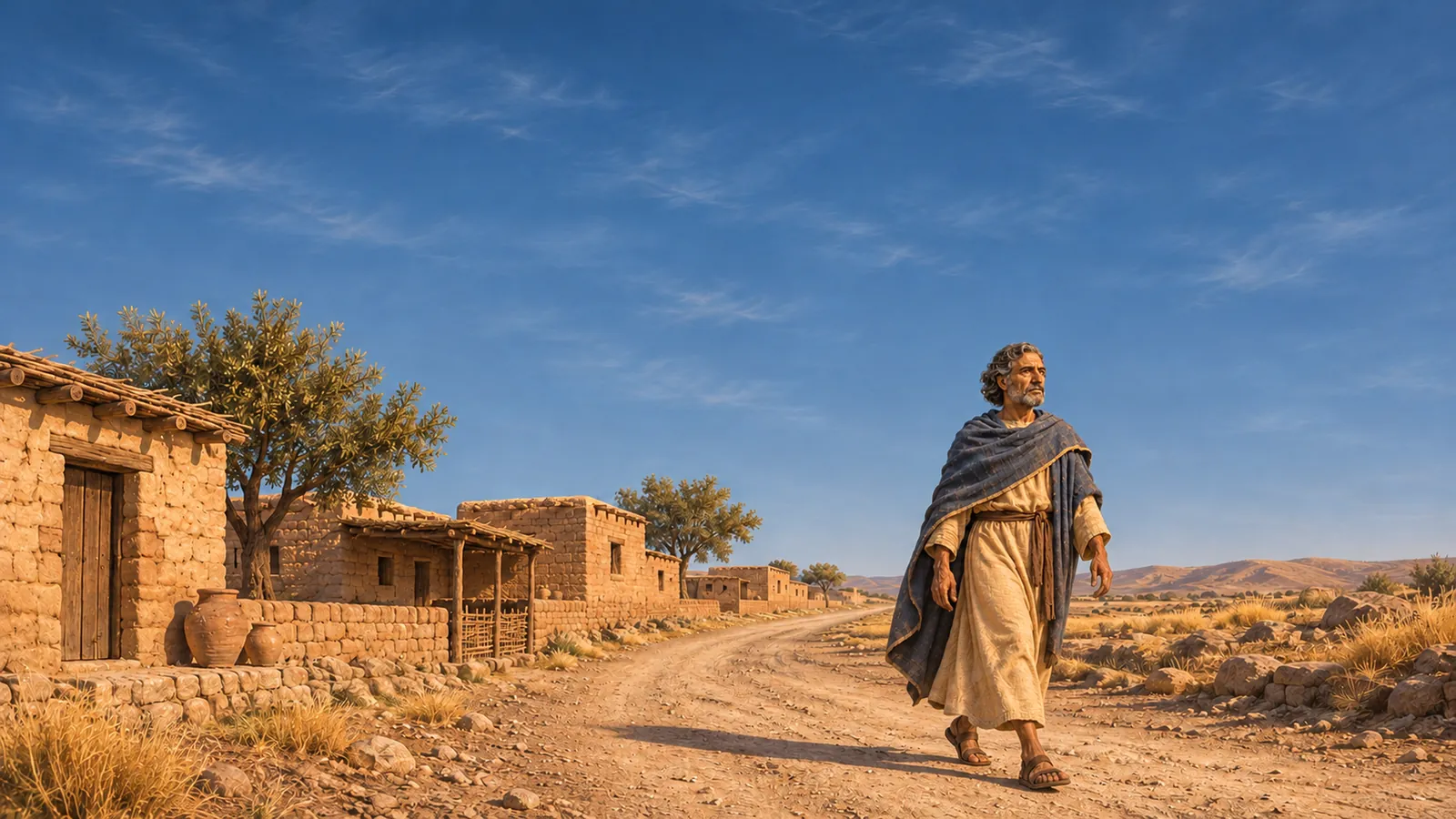
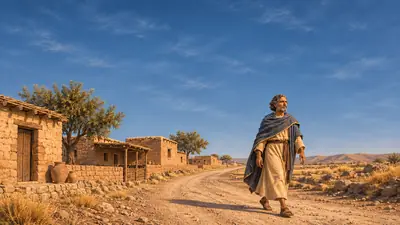
O rei se alegra com a promessa de Ahiqar e lhe dá presentes. Ahiqar recebe autorização para partir e segue rumo ao Egito.
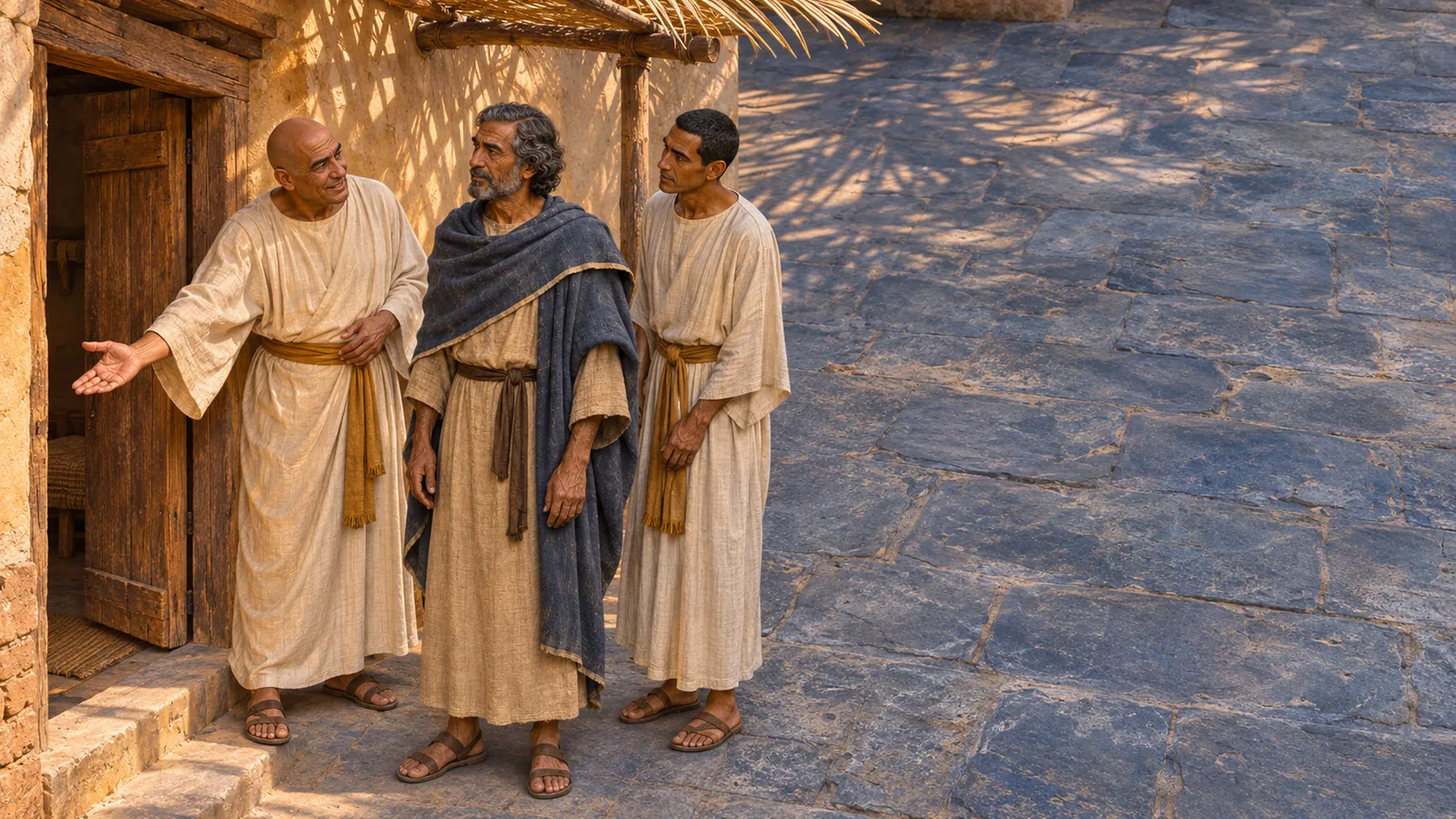
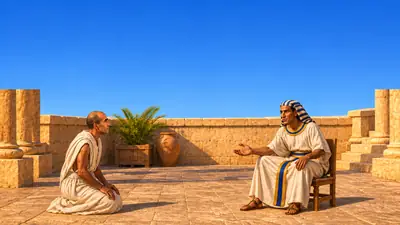
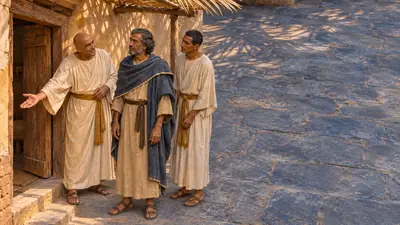
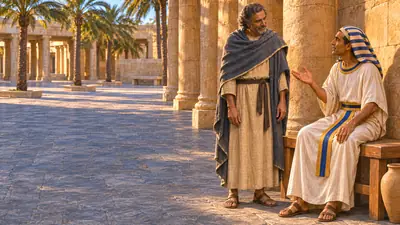
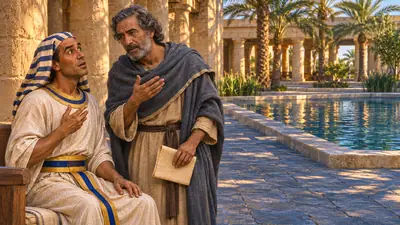
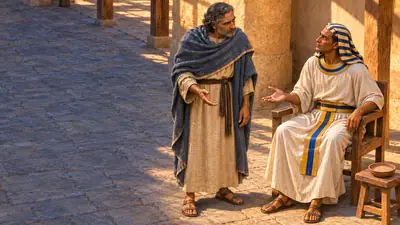
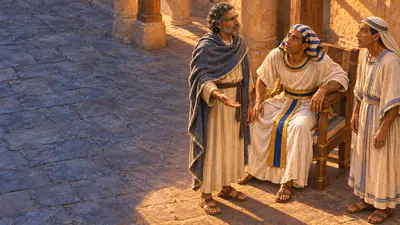
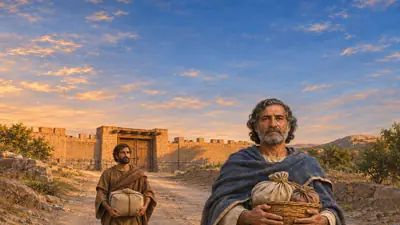
Quando Ahiqar chega ao portão do faraó, os nobres anunciam a chegada do enviado do rei da Assíria. O faraó lhe dá hospedagem e o recebe no dia seguinte.
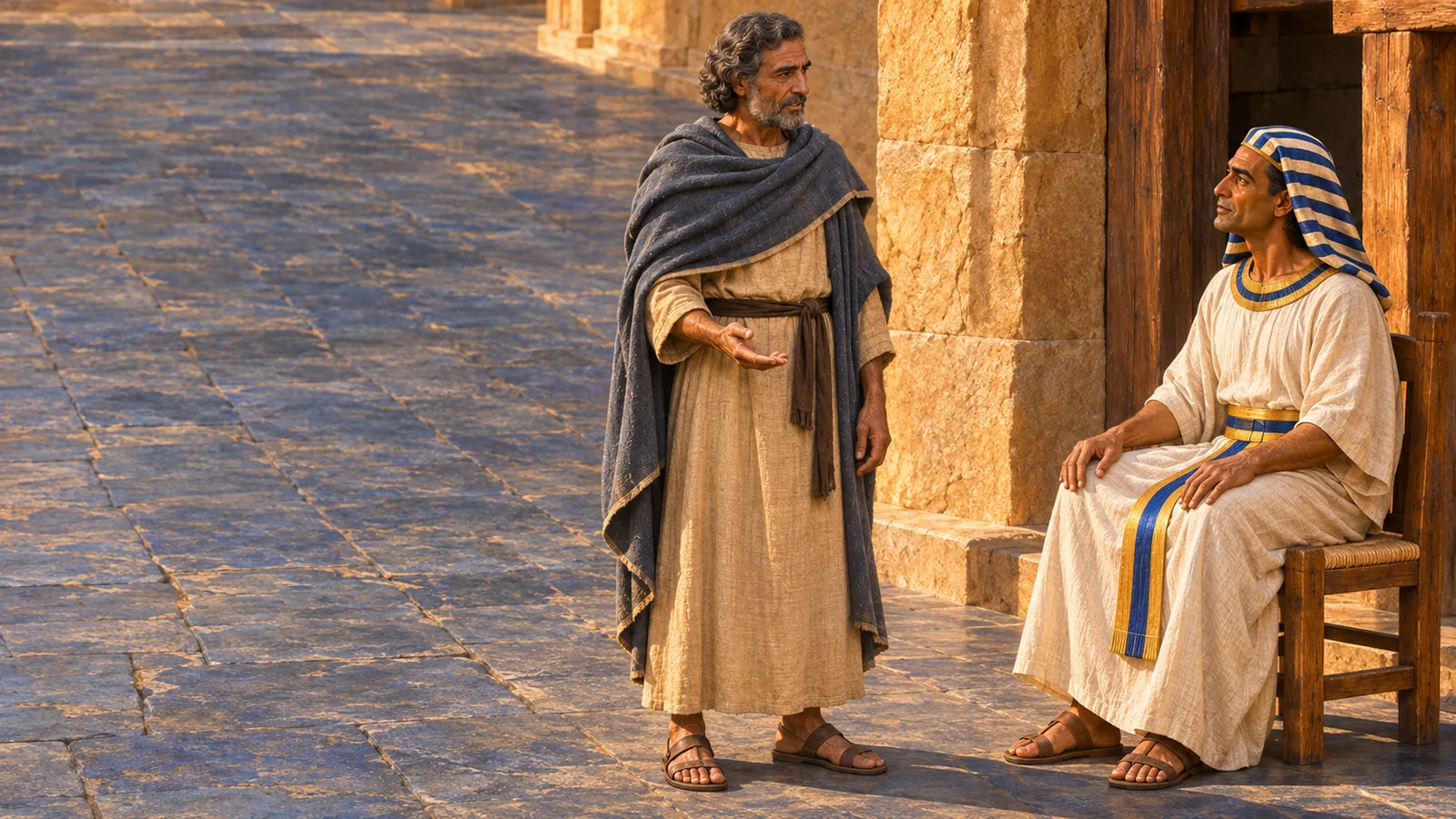
ABIKAM
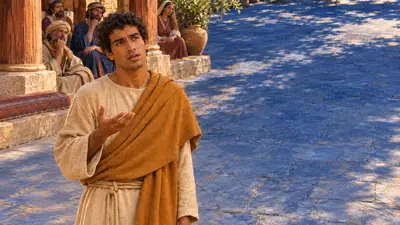
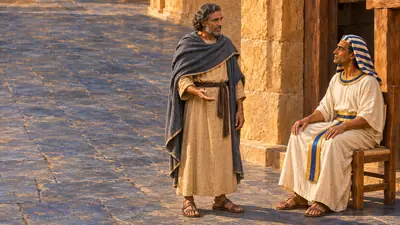
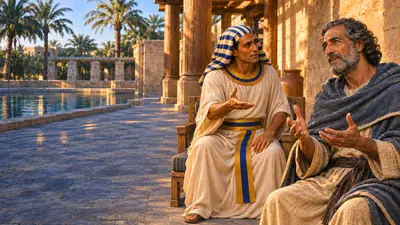
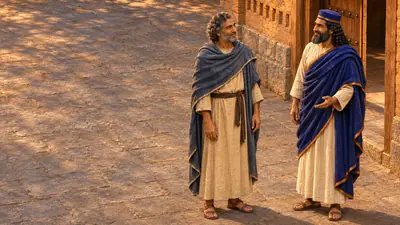
Quando o faraó pergunta quem ele é, Ahiqar se apresenta como Abikam. Diz ser um dos mais humildes do seu reino e se compara a uma formiga.
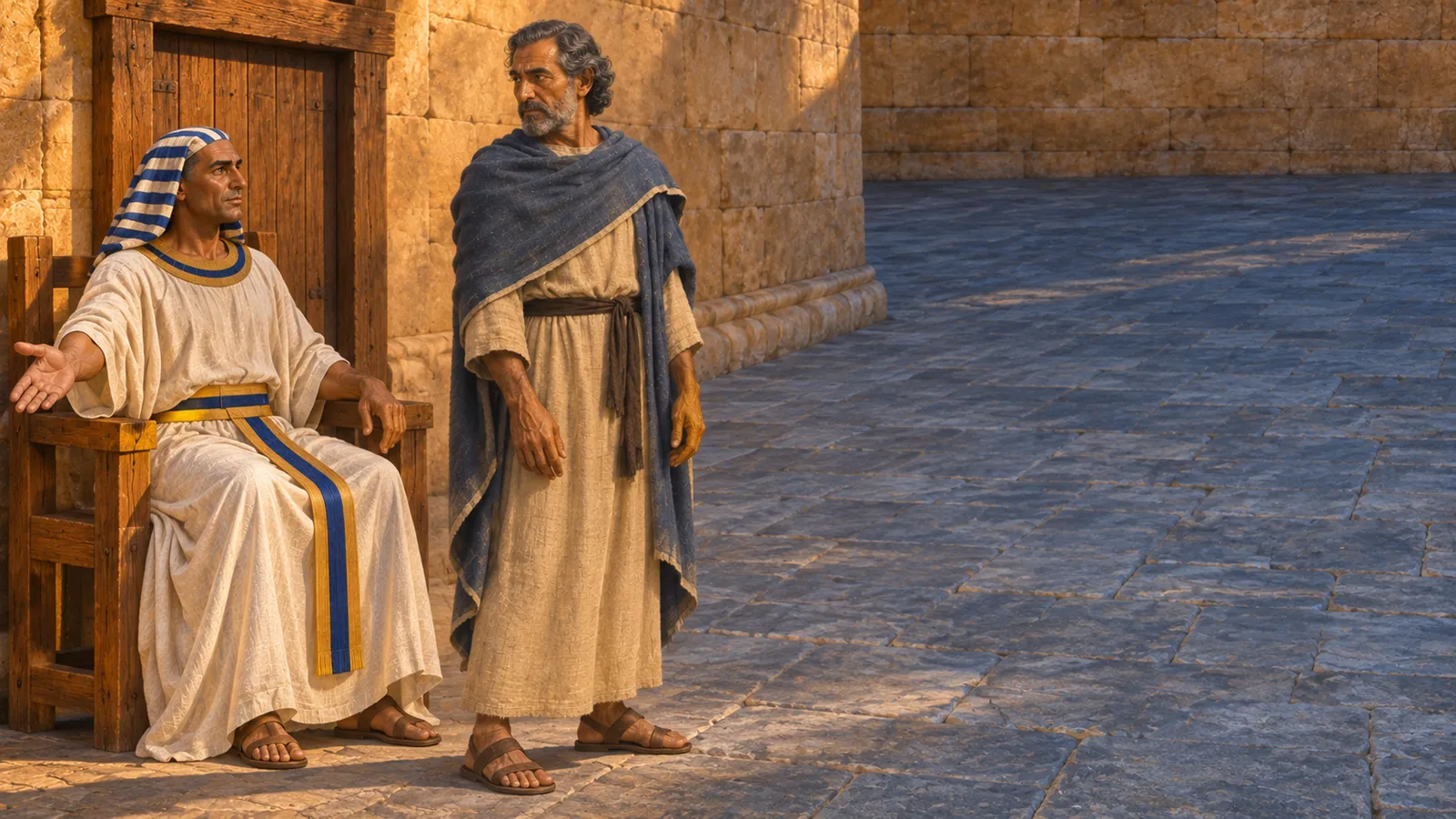
O faraó toma a comparação como afronta. Manda Abikam de volta à hospedagem e diz que retorne cedo na manhã seguinte.
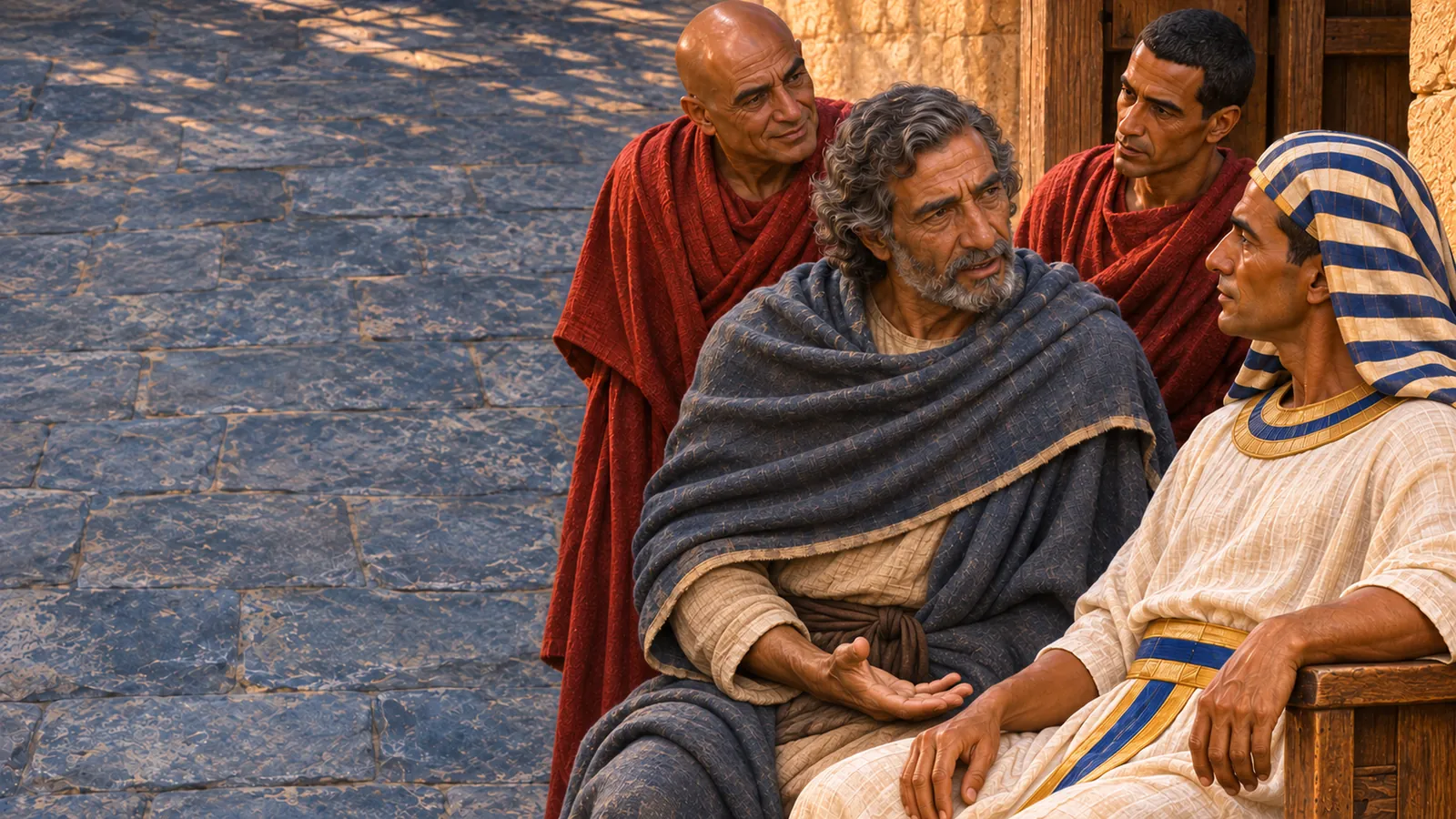
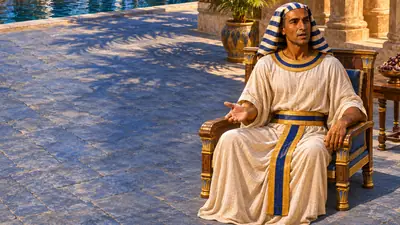
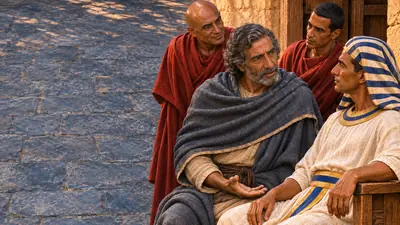
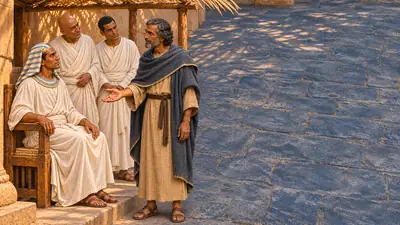
Os nobres vestem vermelho e o faraó veste linho fino. Quando lhe perguntam com quem eles se parecem, Ahiqar compara o faraó a Bel e os nobres aos seus sacerdotes.
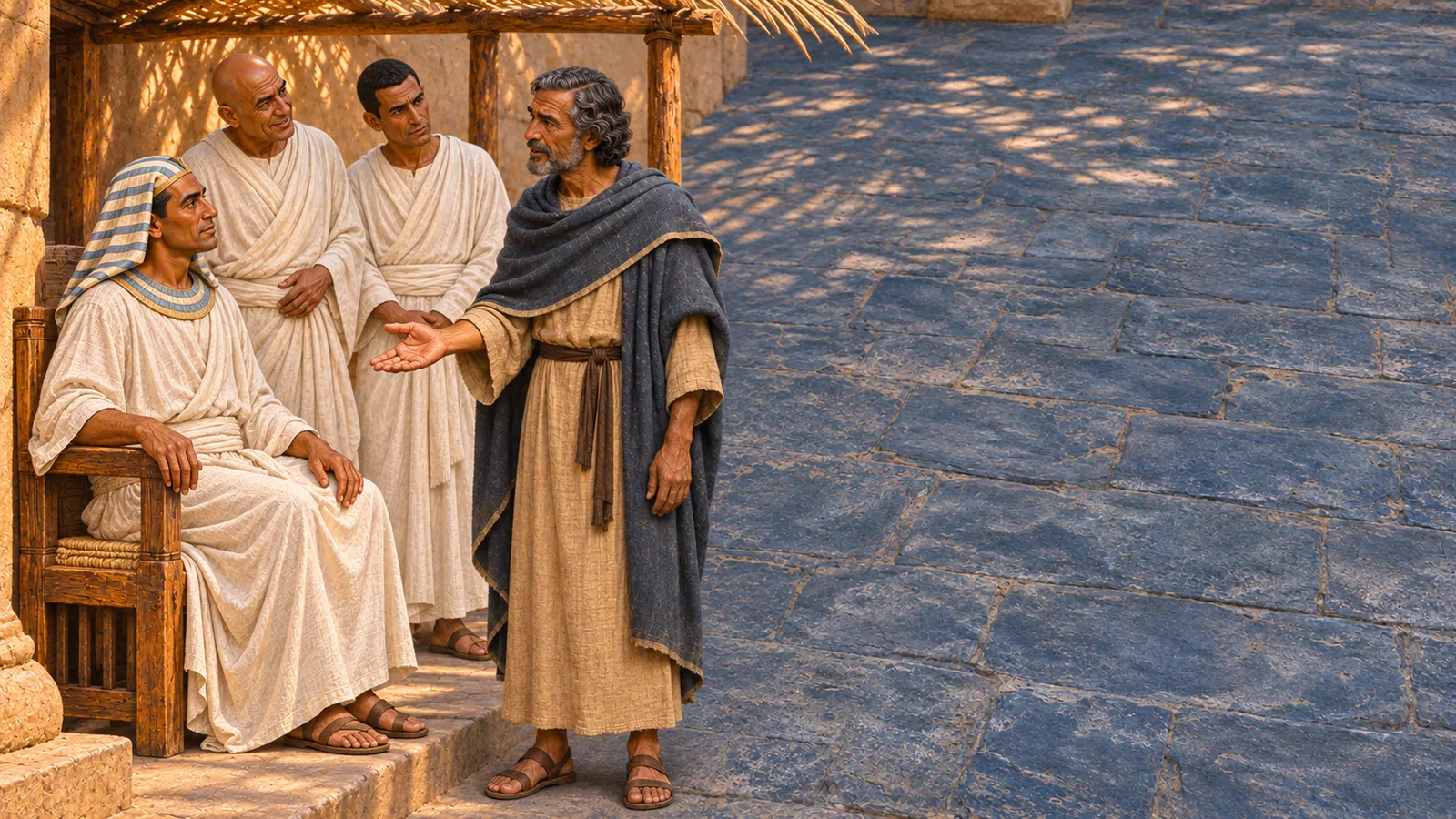
Em outro dia, o faraó e seus nobres vestem branco. Ahiqar compara o rei ao sol e os nobres ao seu redor aos raios do sol.
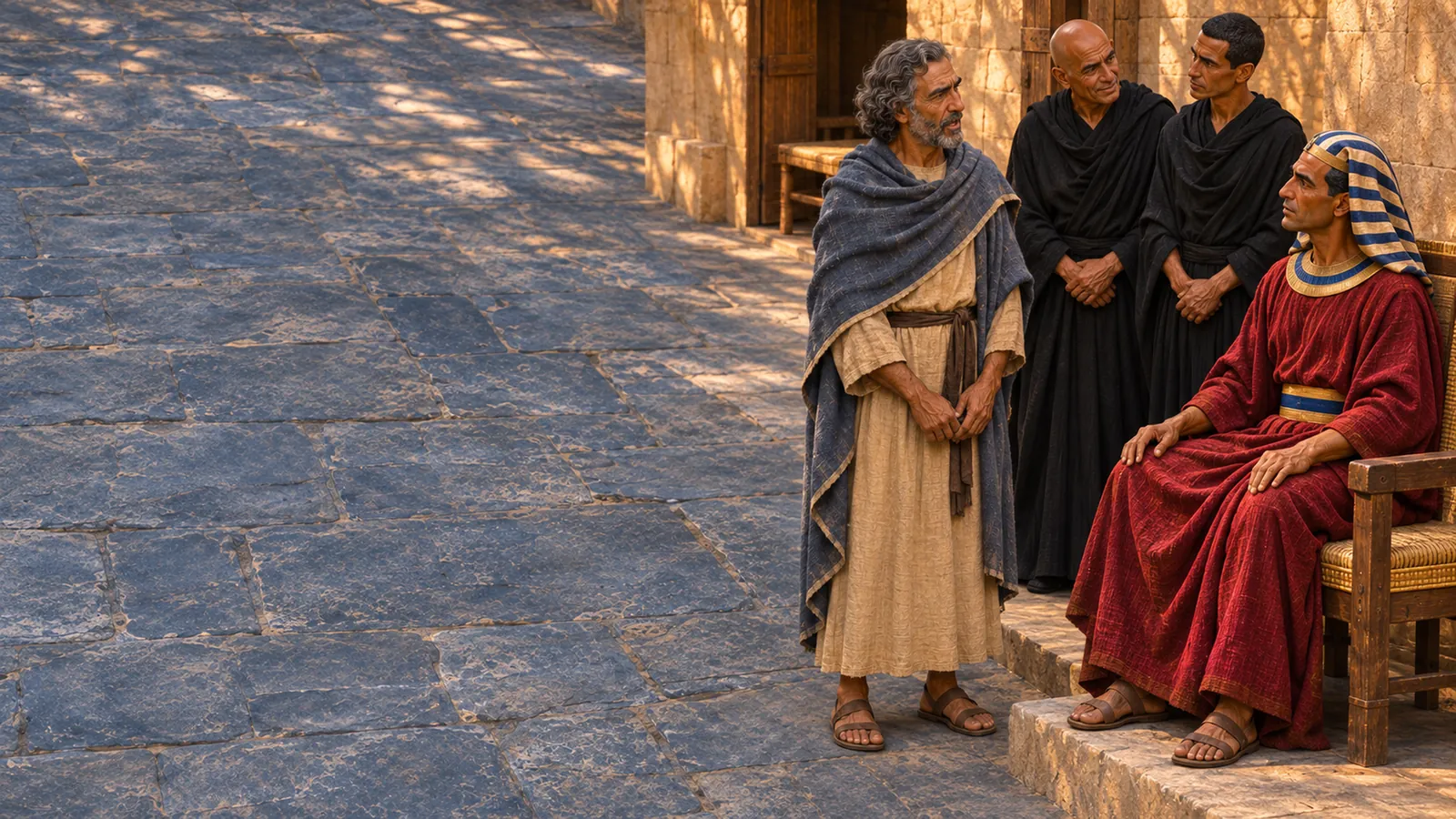
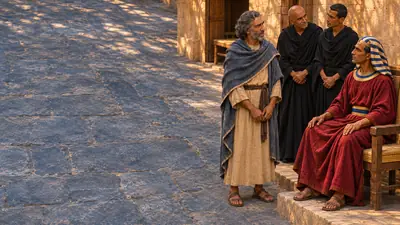
Na vez seguinte, os nobres chegam de preto e o faraó veste carmesim. Ahiqar responde que o faraó é como a lua e seus nobres como as estrelas.
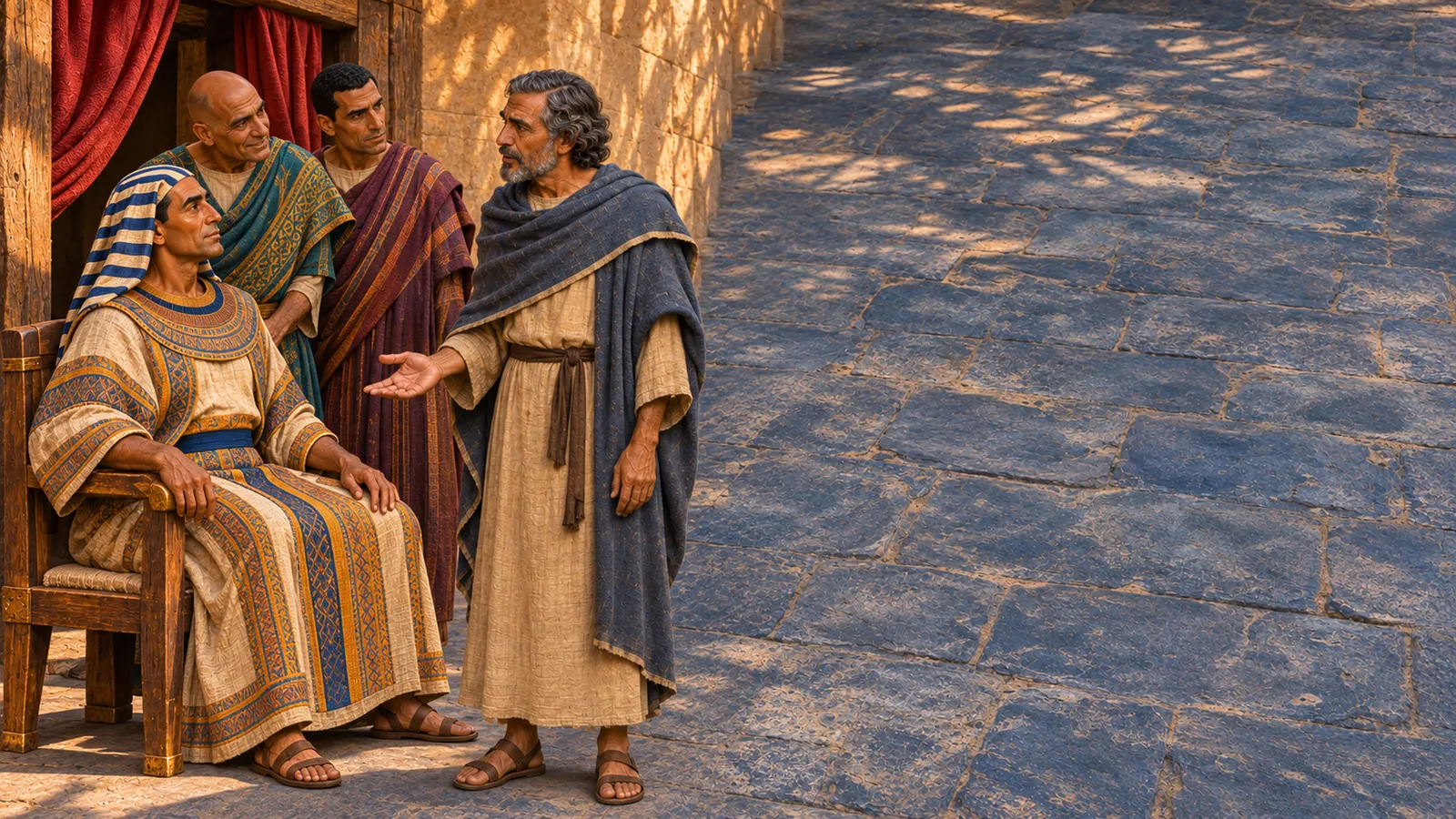
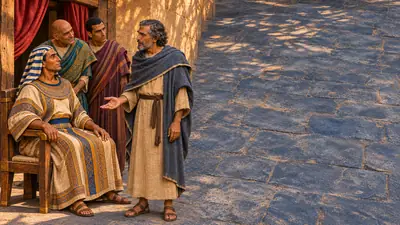
Os nobres chegam vestidos de várias cores, as portas do palácio estão cobertas de vermelho e o faraó veste um tecido trabalhado. Ahiqar o compara ao mês de Nisã e os nobres às suas flores.
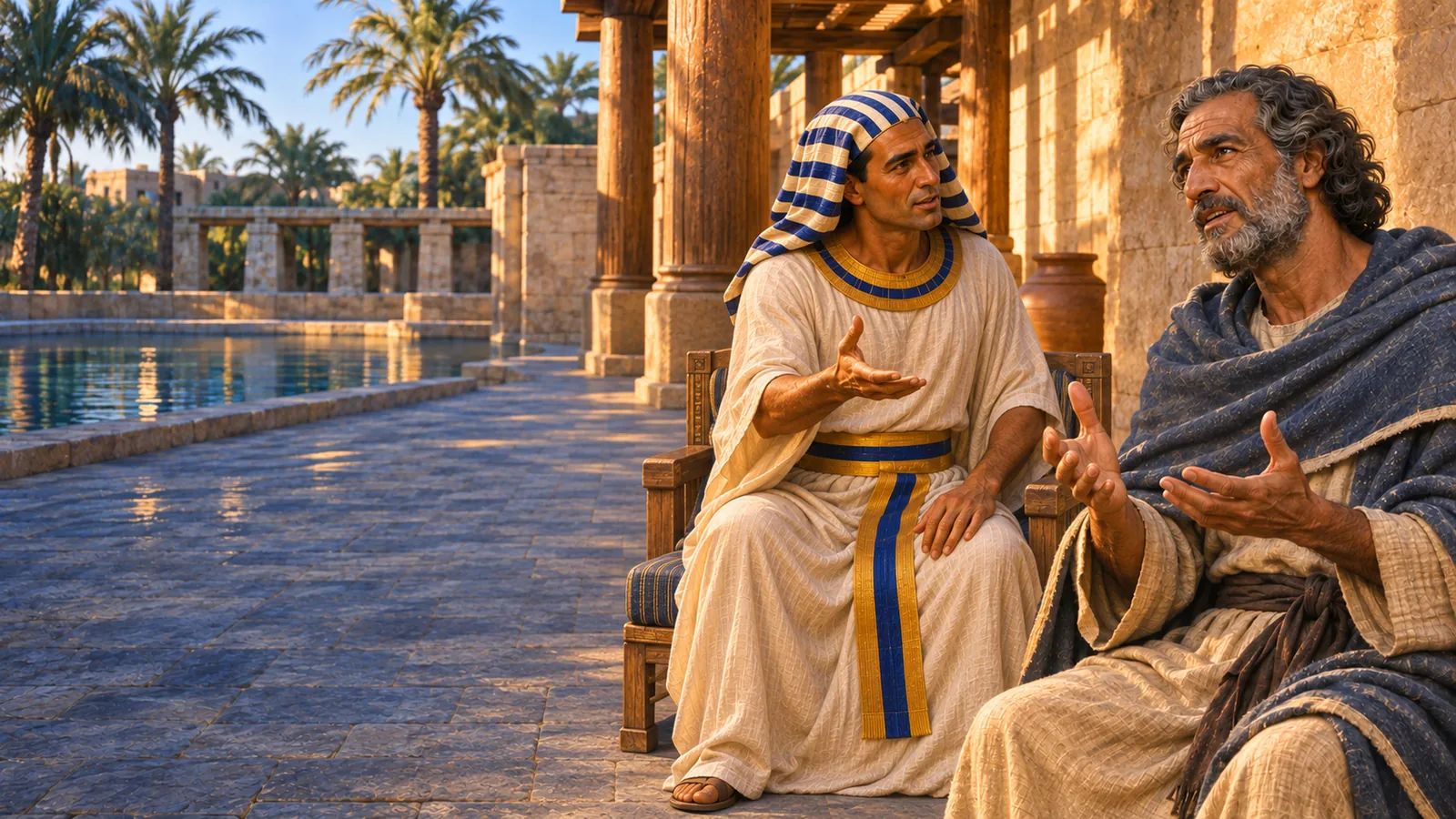
O faraó pergunta com que Senaqueribe se parece. A resposta preservada fala de relâmpagos e de um tempo capaz de esconder o sol e a lua. Parte das palavras foi apagada.
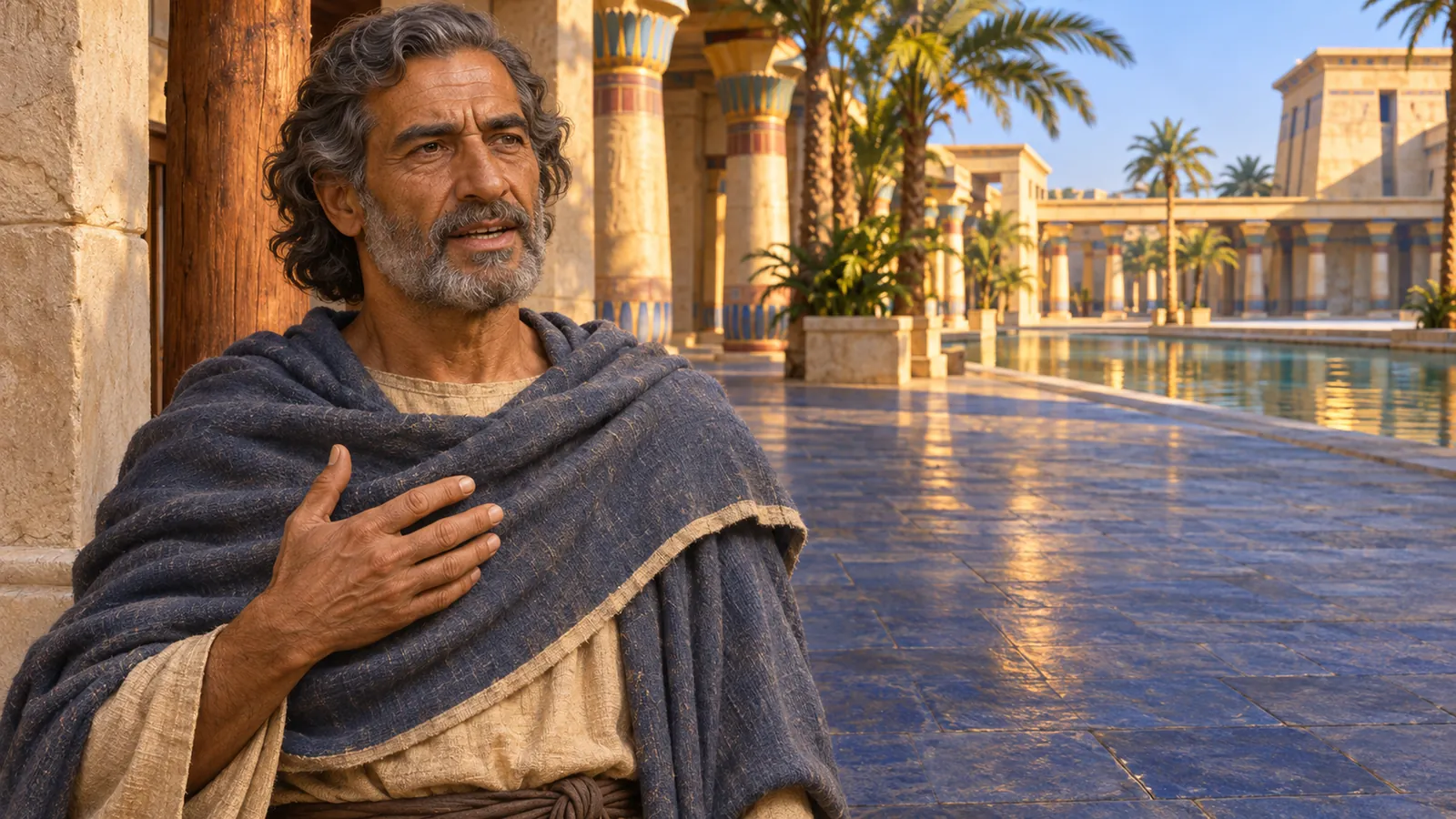
O NOME DE AHIQAR
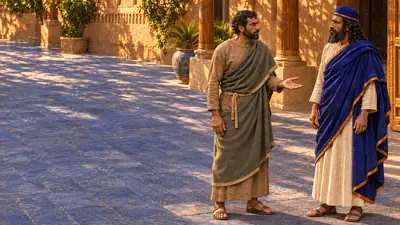
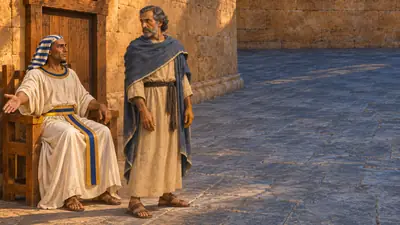
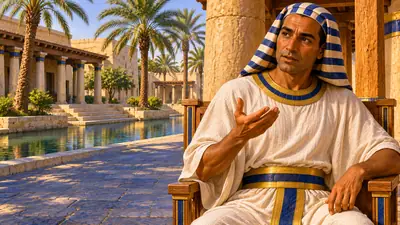
O faraó insiste para que o visitante diga seu verdadeiro nome. Ele responde que é Ahiqar, secretário e guardião do grande selo de Senaqueribe.
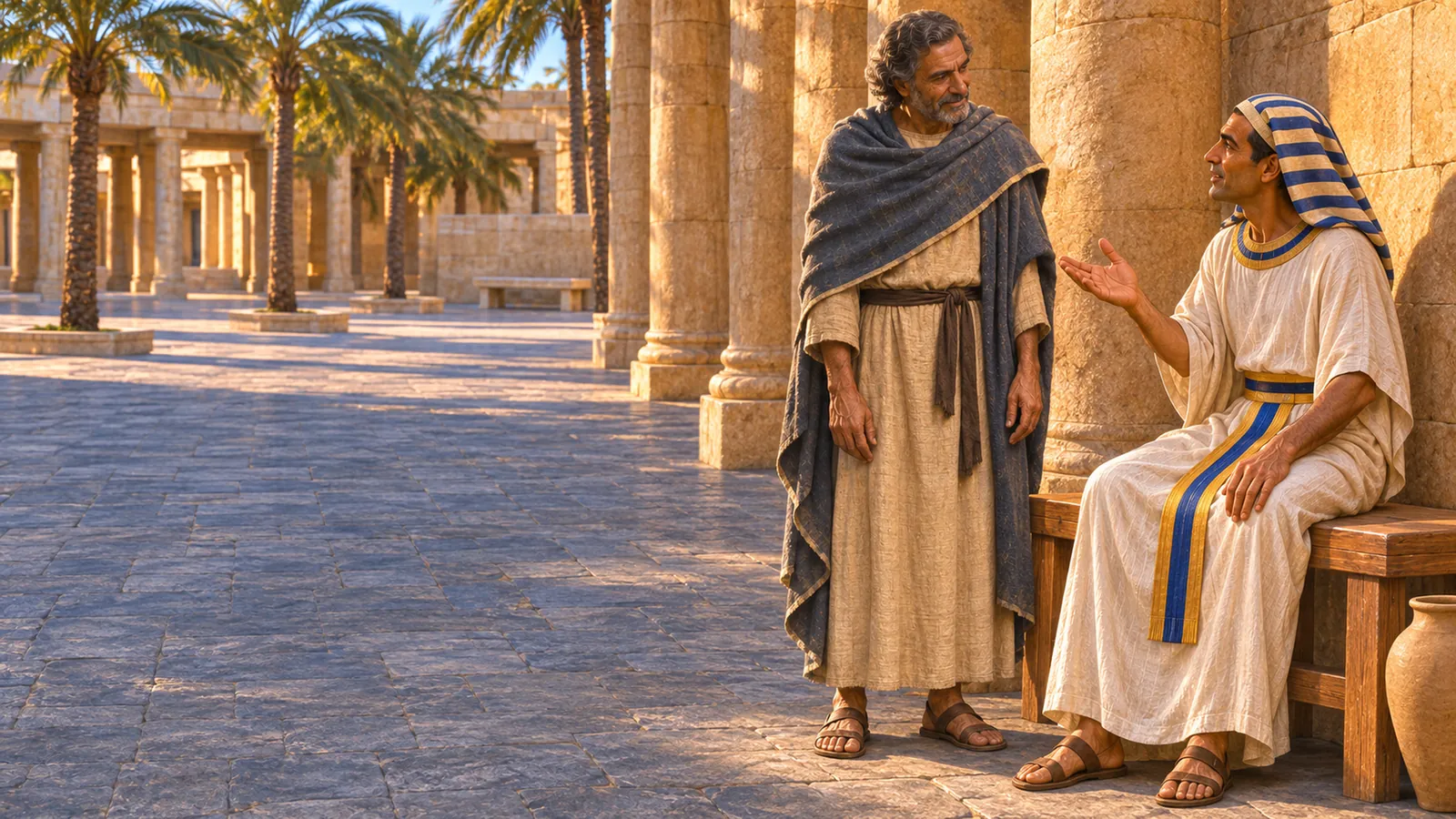
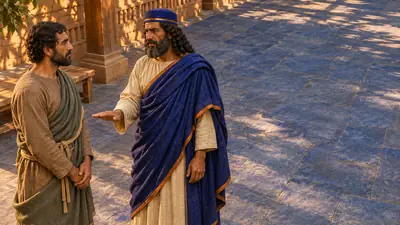
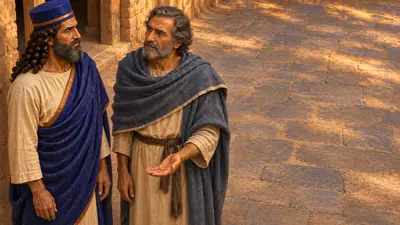
O faraó diz que ouvira que Ahiqar estava morto. Depois que Ahiqar lhe diz que está vivo, o faraó pede algo que nem ele nem sua corte tenham ouvido antes.
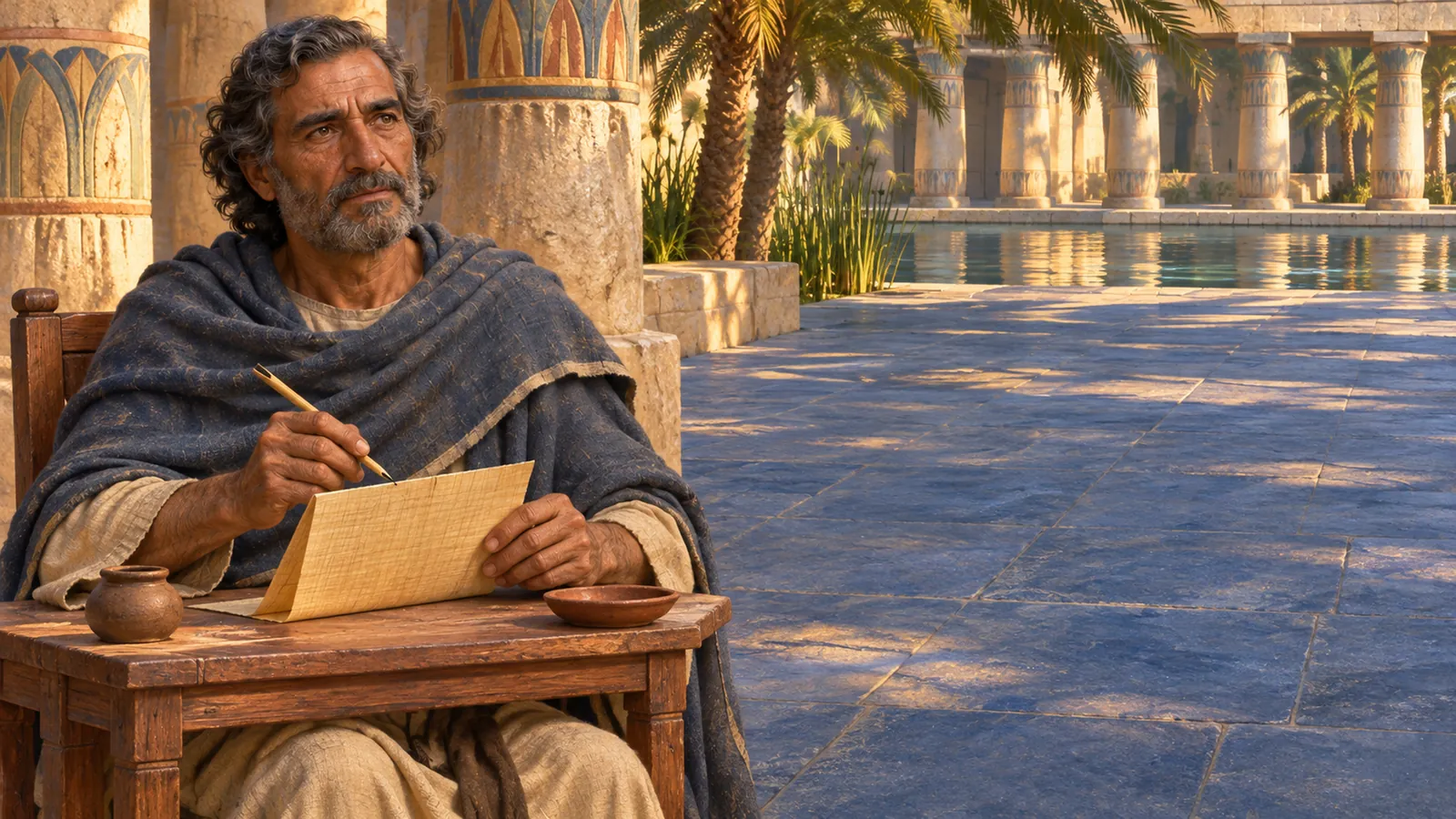
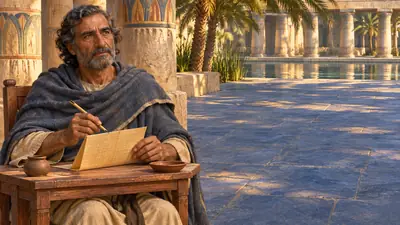
Ahiqar escreve uma carta como se viesse do faraó. Nela, o rei do Egito pede a Senaqueribe um empréstimo de novecentos talentos de prata.
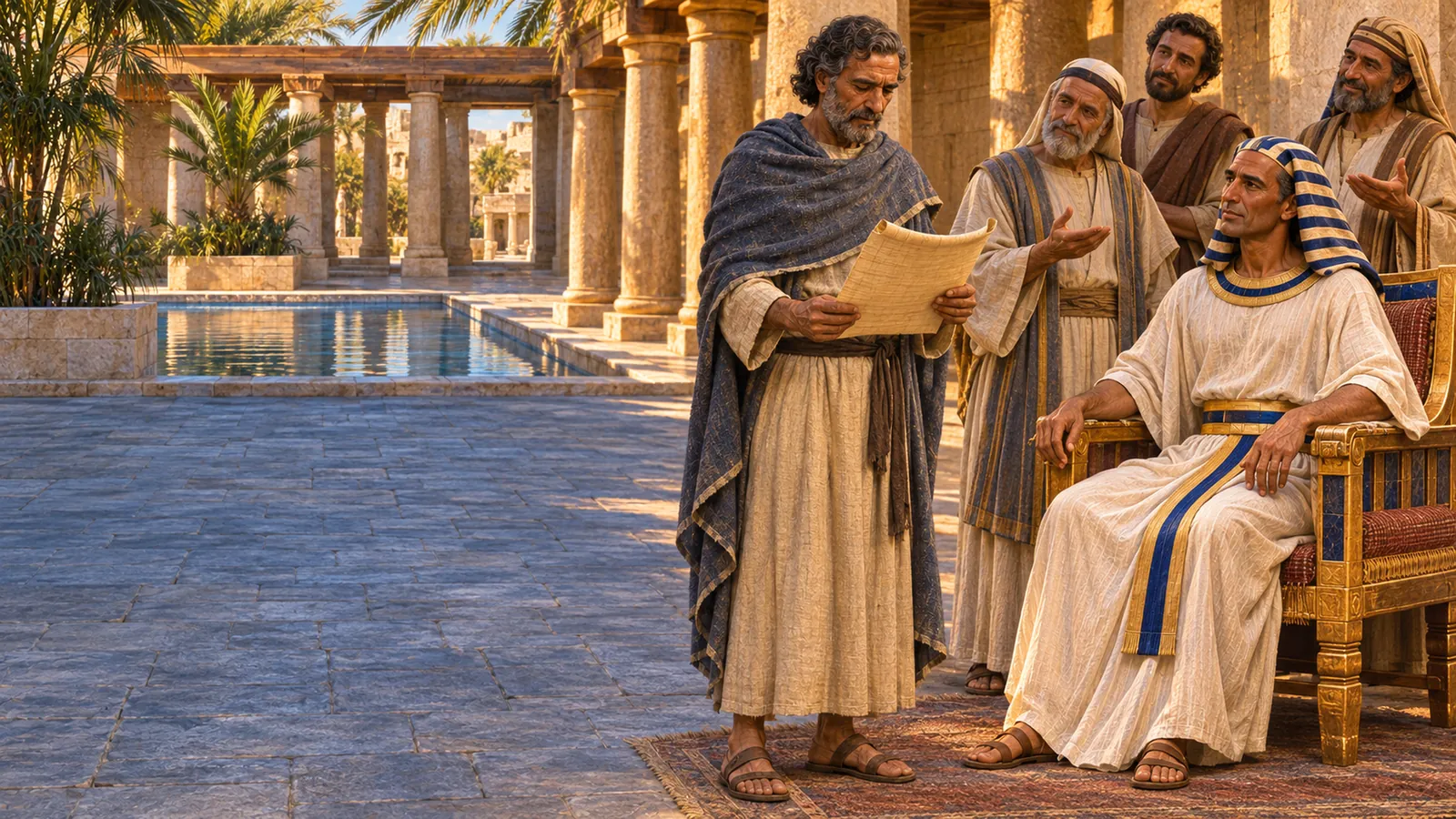
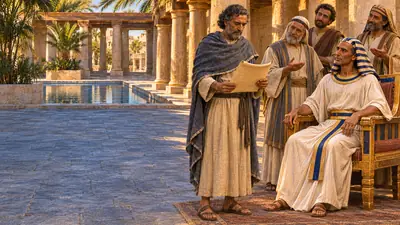
Ahiqar leva a carta e a lê ao faraó e aos nobres. Como o faraó lhes pediu, todos afirmam já ter ouvido aquelas palavras.
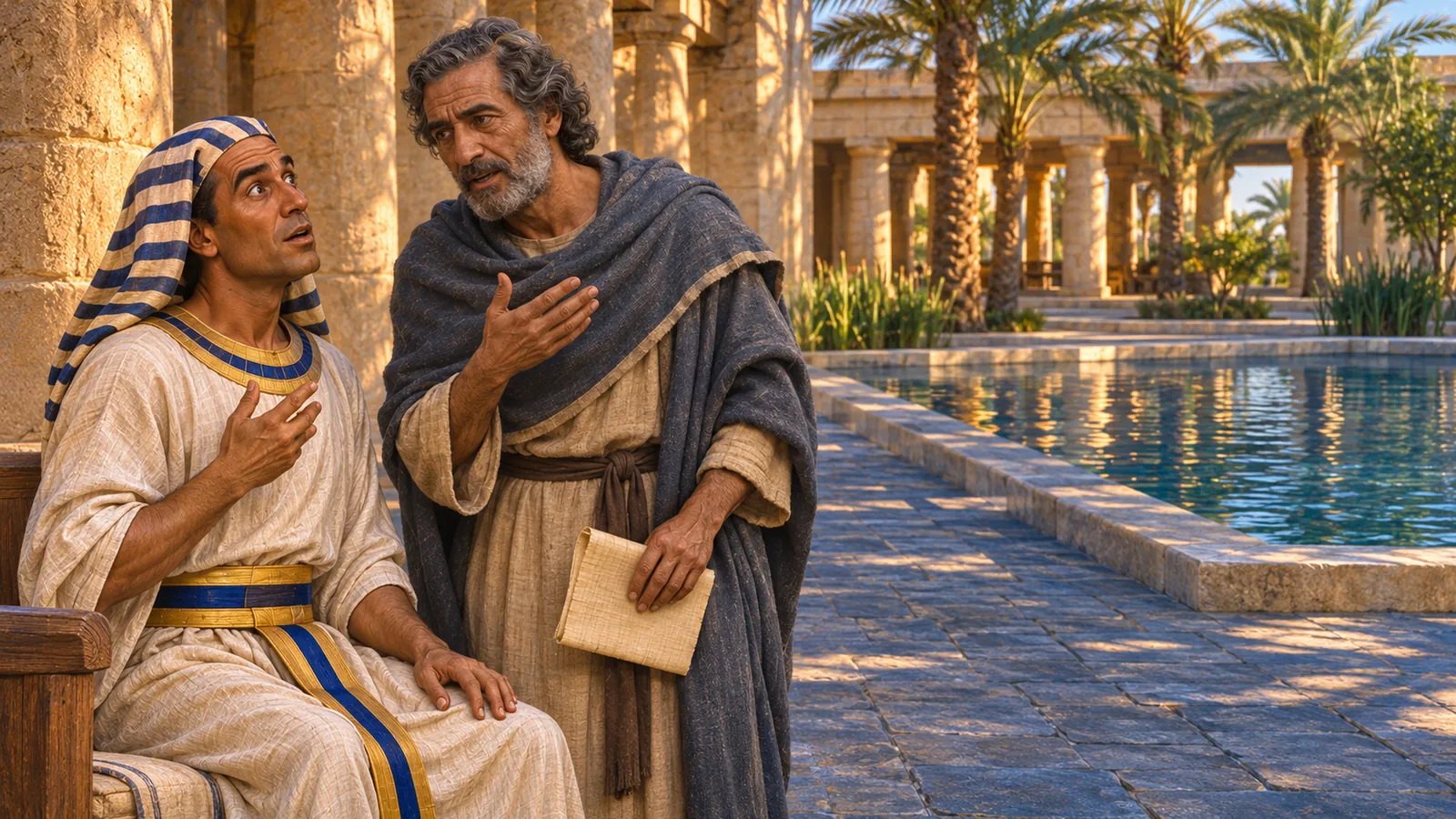
Ahiqar toma a corte pela palavra. Se reconhecem a carta, diz ele, reconheceram uma dívida do Egito com a Assíria, e o faraó se admira.
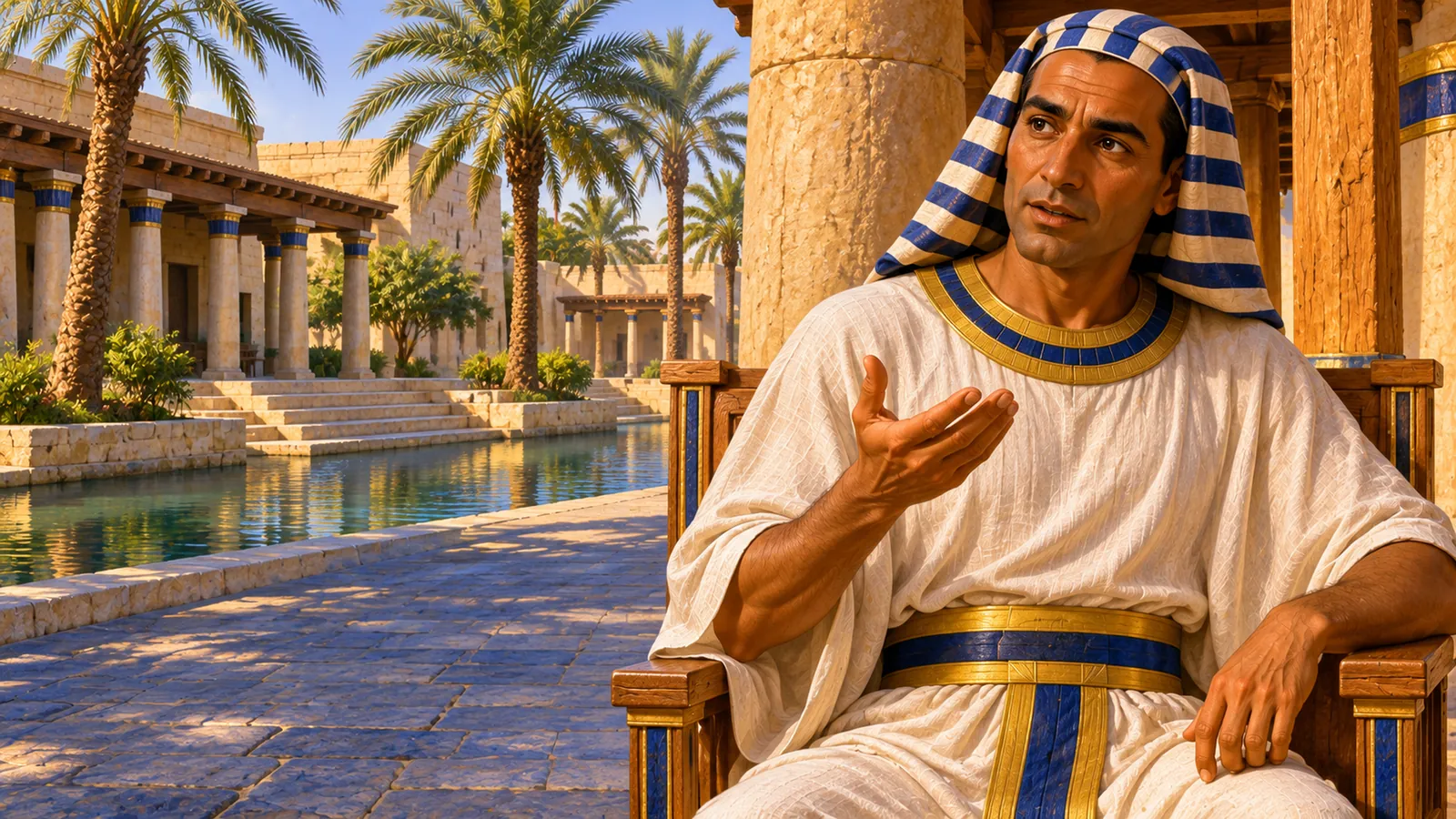
O faraó retoma sua primeira proposta. Fala de um palácio muito acima da terra e pede que Ahiqar responda ao desafio.
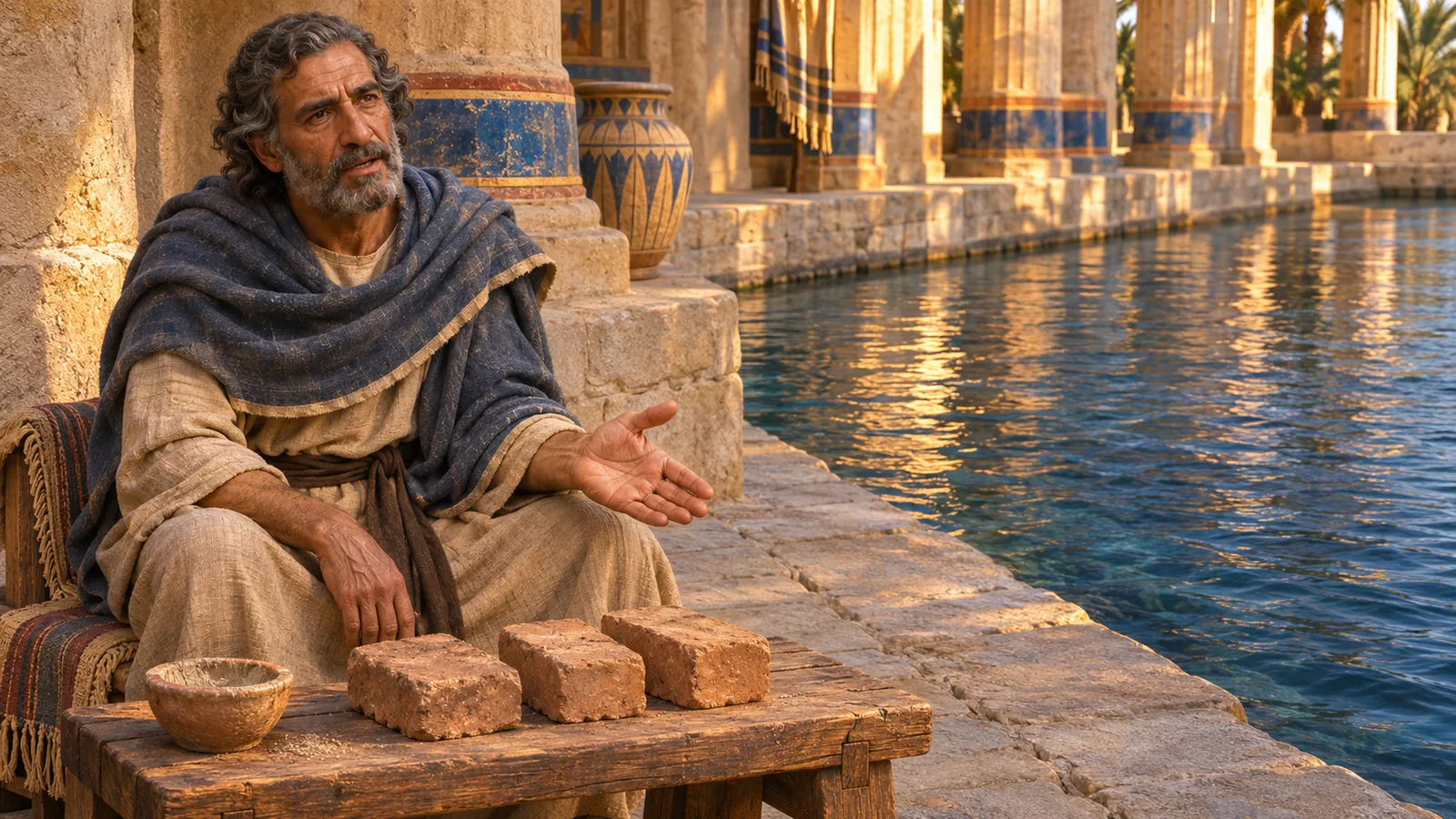
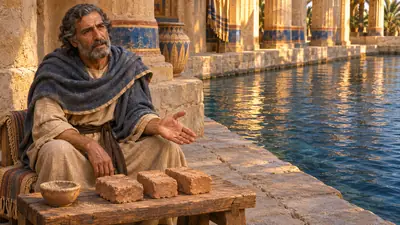
A resposta de Ahiqar volta a atenção do rei para materiais comuns de construção. Os trabalhadores precisariam de argamassa e tijolos, e o faraó pergunta como alguém poderia levá-los até lá em cima.
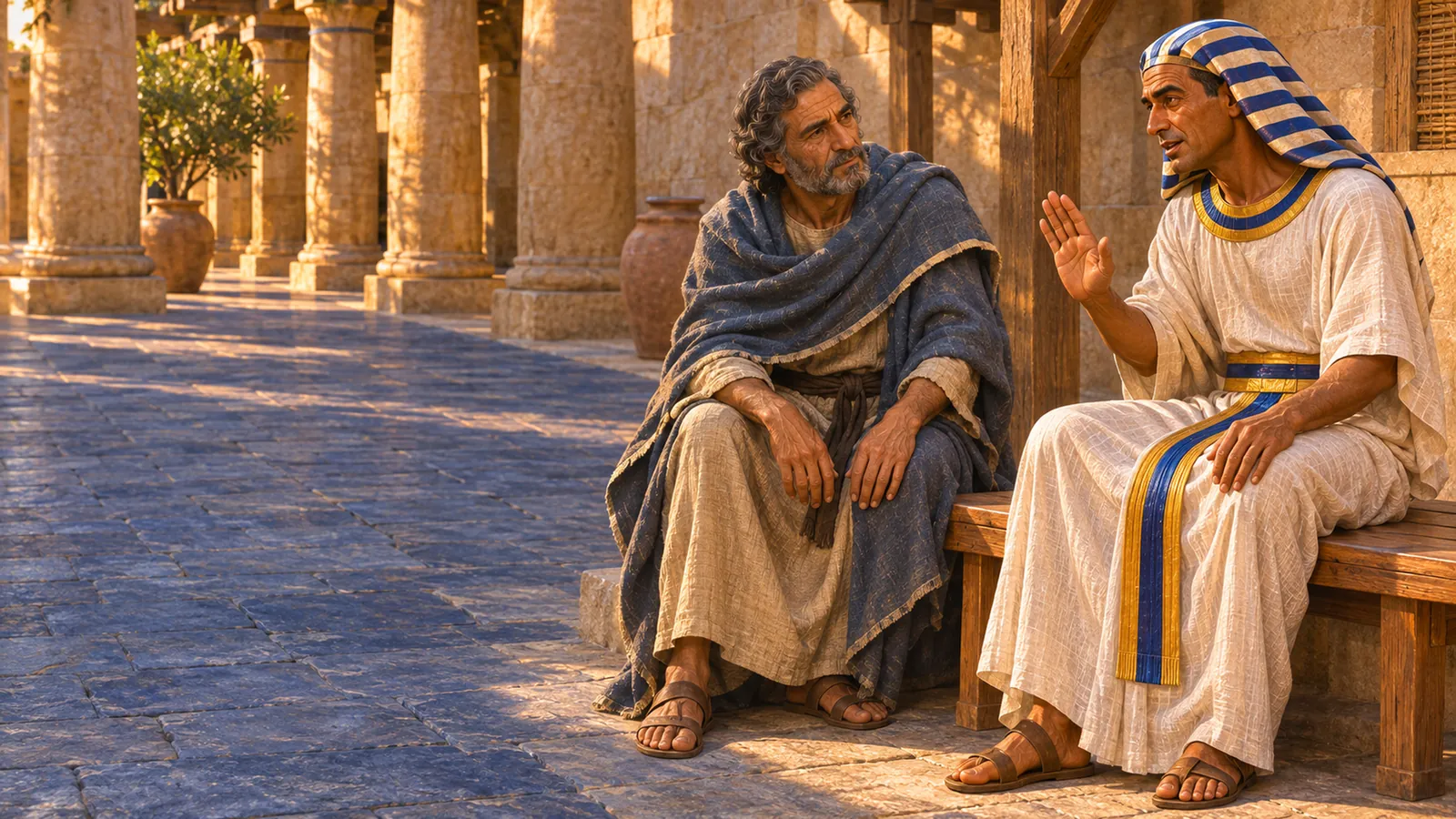
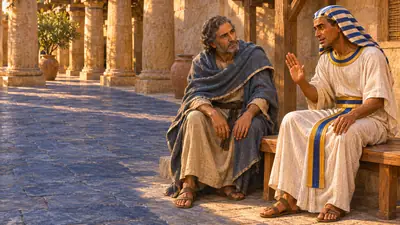
O faraó diz a Ahiqar que deixe de lado o palácio e volte à hospedagem. Pede que compareça de novo diante da corte na manhã seguinte.
UM ENIGMA DO TEMPO
Em outra prova, o faraó descreve um pilar que sustenta doze cedros. Cada cedro tem trinta rodas, e cada roda traz um cordão branco e outro preto.
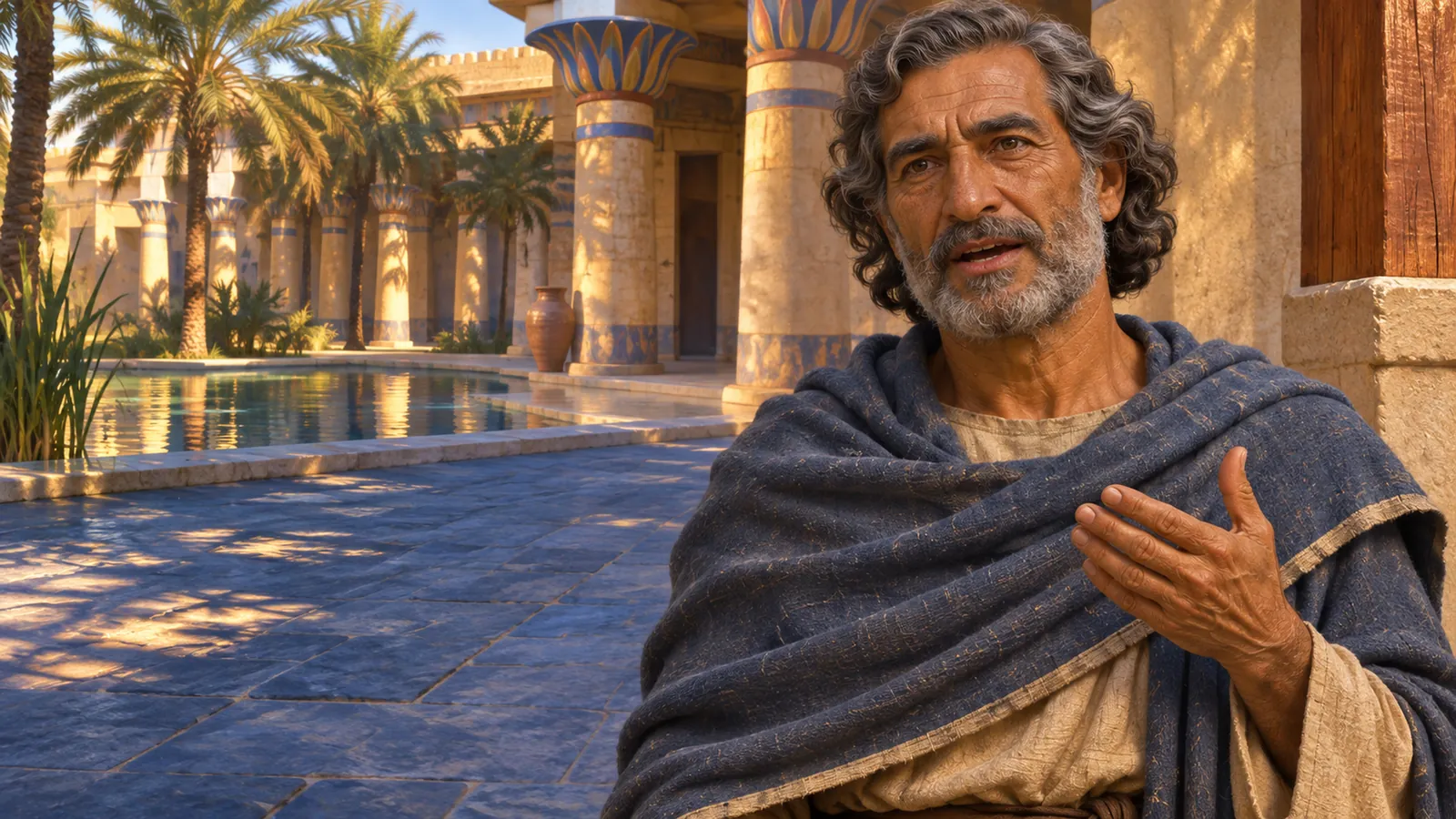
Ahiqar diz que até os vaqueiros do seu país conhecem esse enigma. O pilar representa o ano, e os doze cedros representam os seus meses.
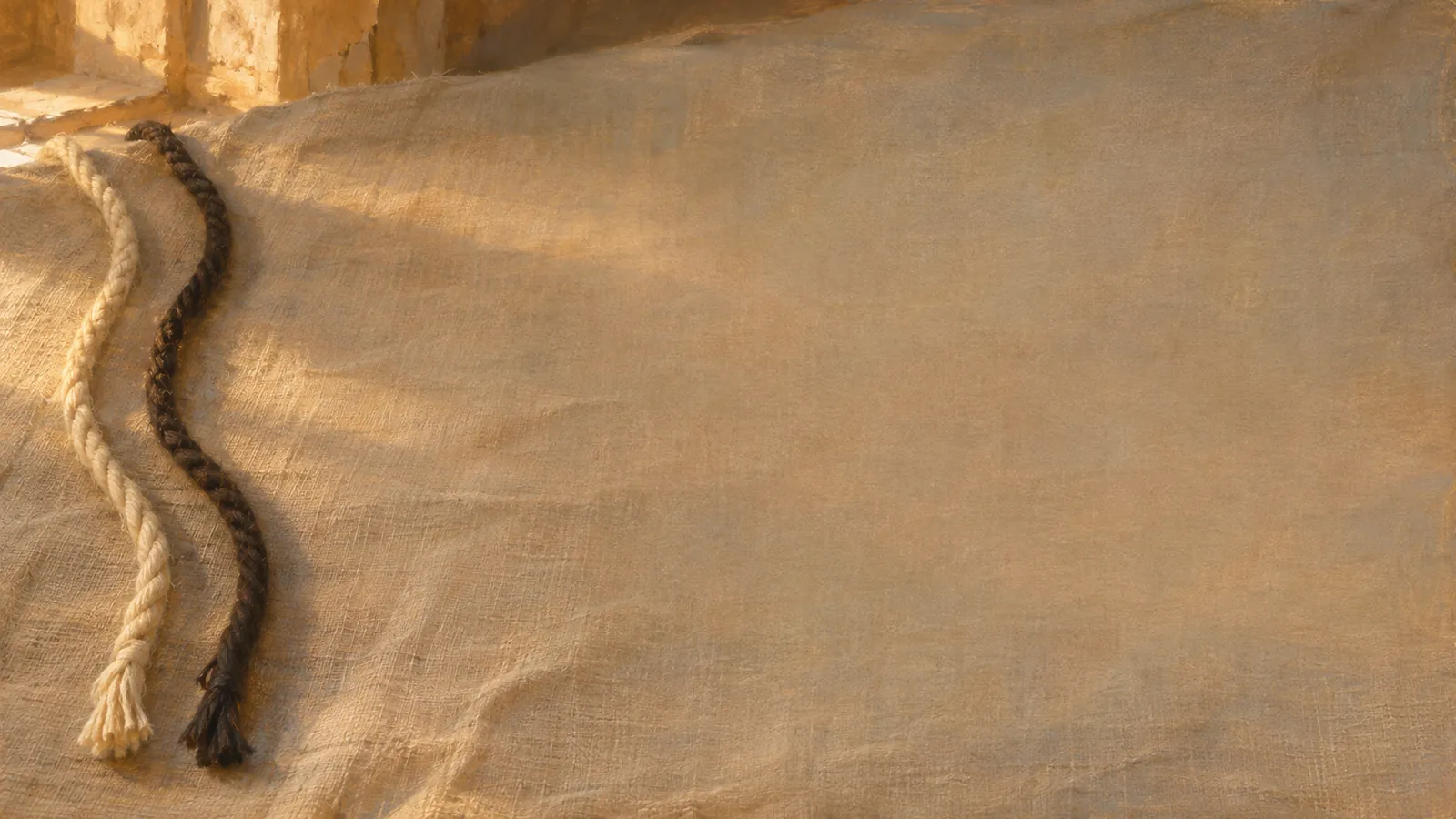
Ahiqar diz que as rodas representam os dias de cada mês no enigma. Os cordões de cores diferentes representam o dia e a noite.
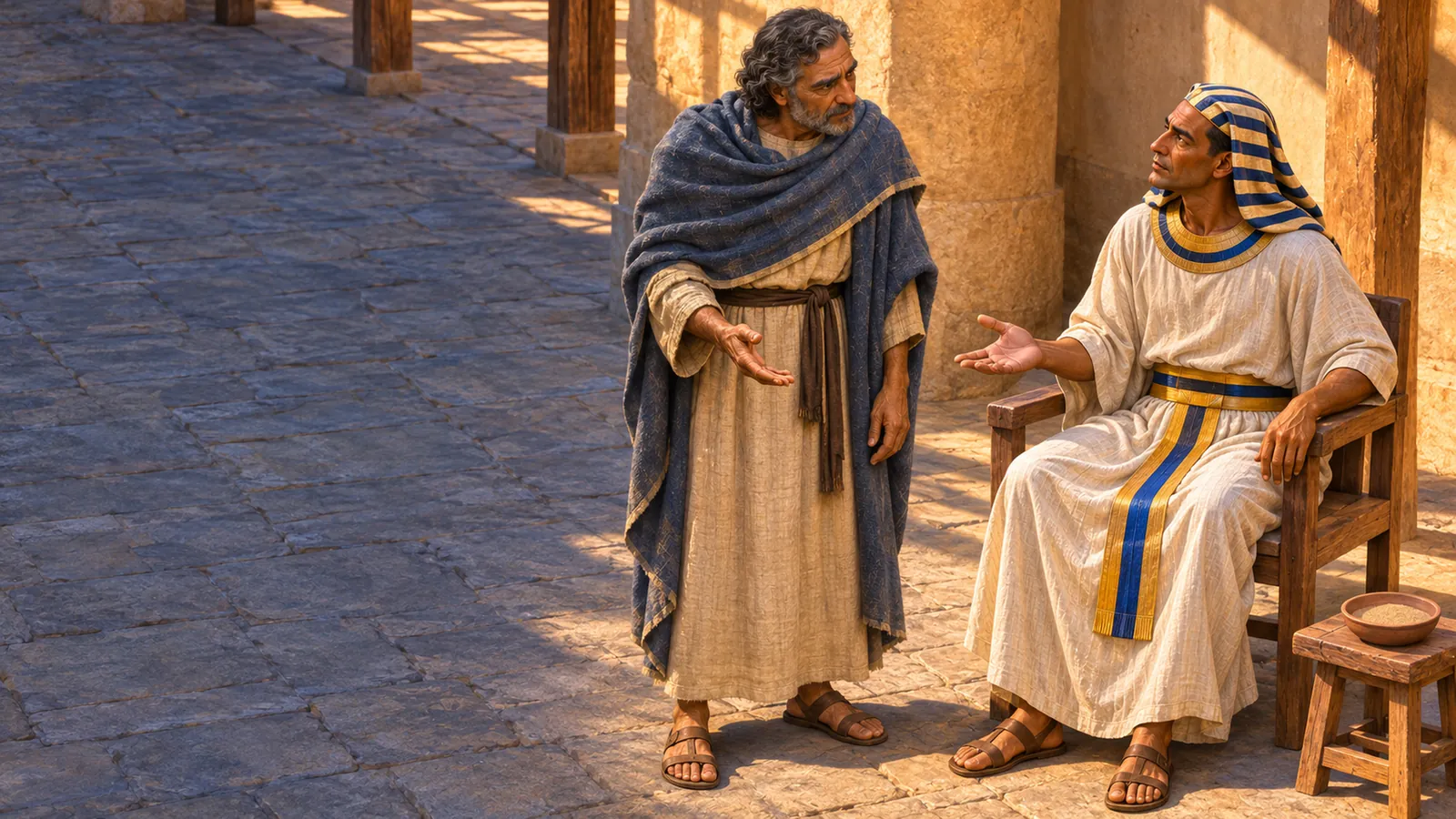
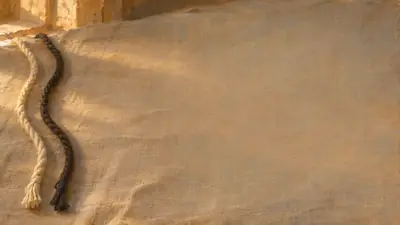
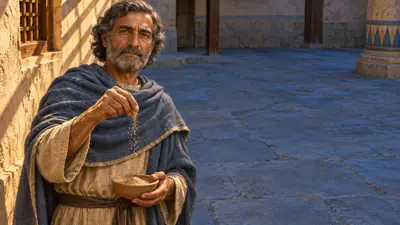
O faraó pede a Ahiqar que faça cinco cordas com areia do rio. Ahiqar pede um modelo do tesouro, mas o faraó diz que o tributo depende dessa tarefa.
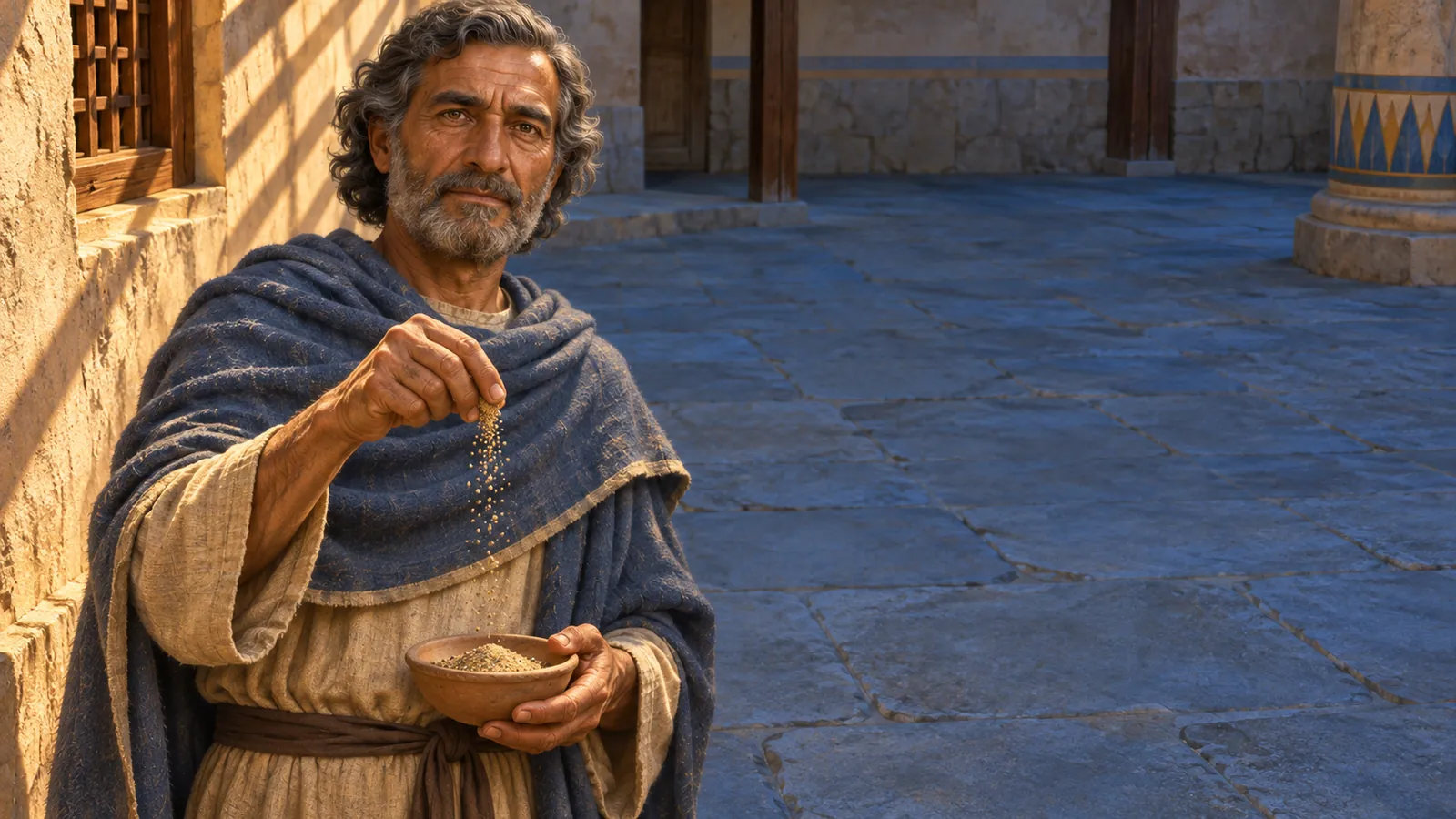
Ahiqar aproveita a luz do sol junto ao muro do palácio. Quando deixa a areia passar pela luz, por um instante ela parece uma corda.
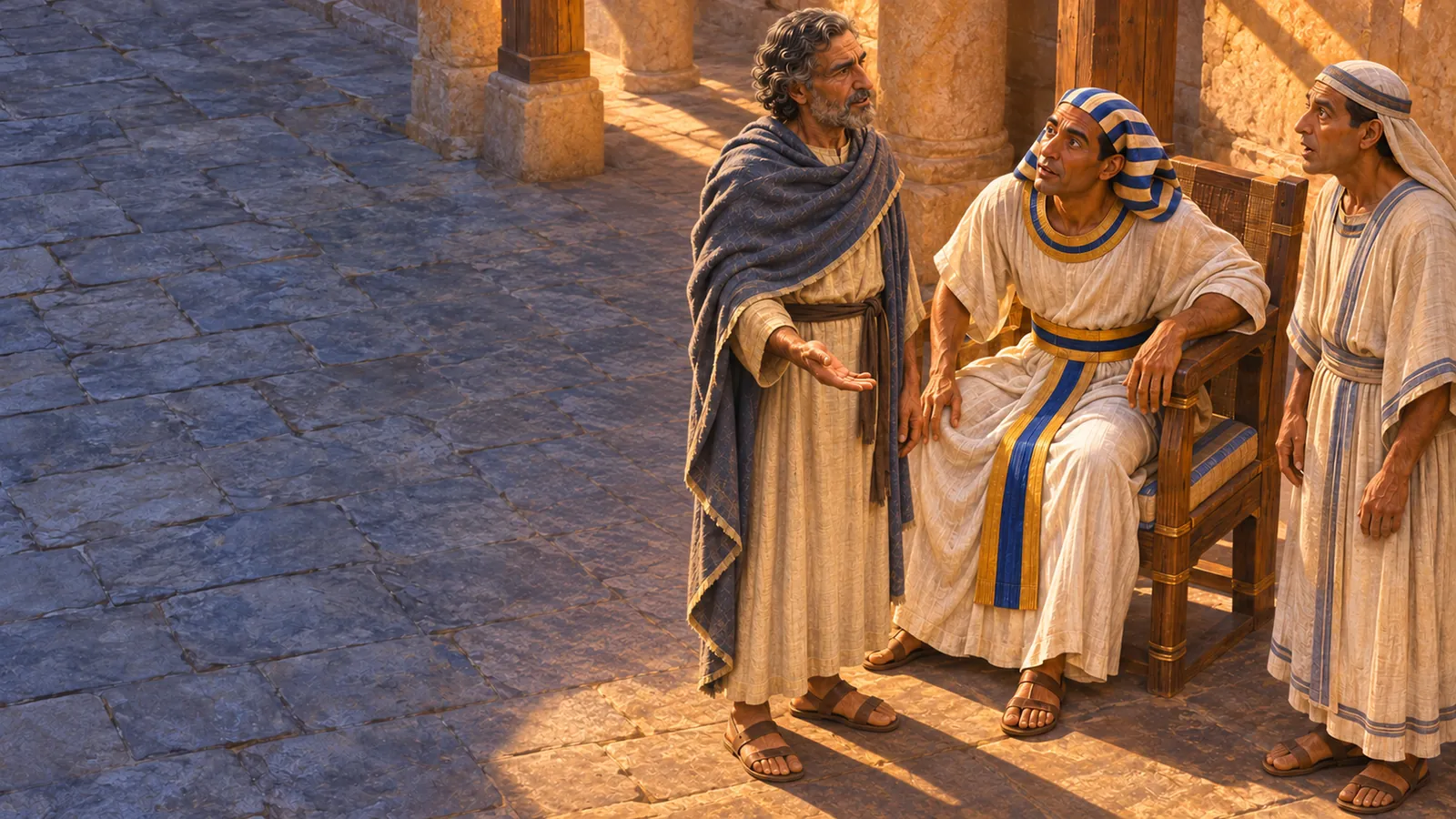
Ahiqar diz à corte que recolha as formas que vê e promete substituí-las. O faraó e seus nobres ficam admirados com a resposta.
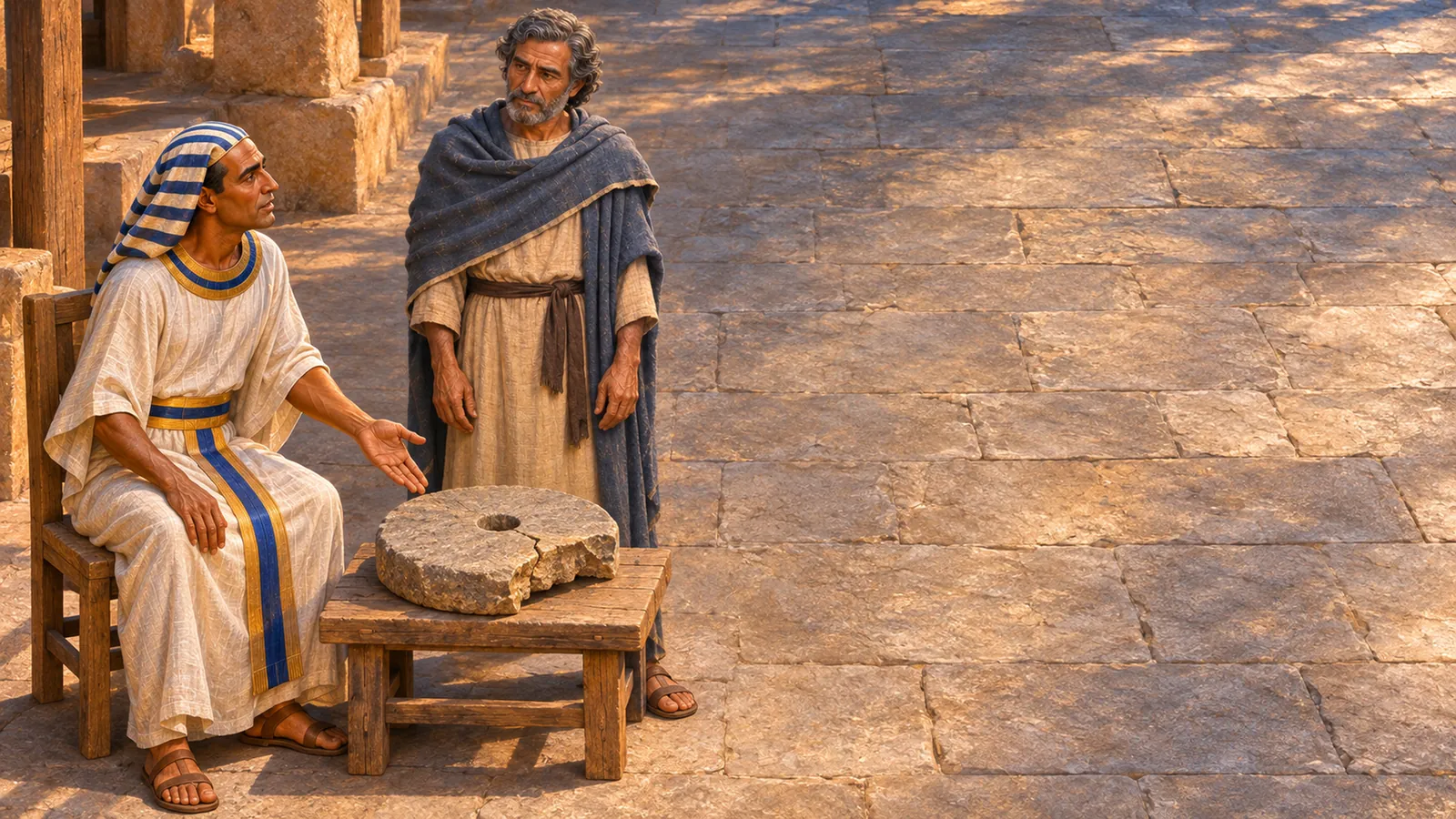
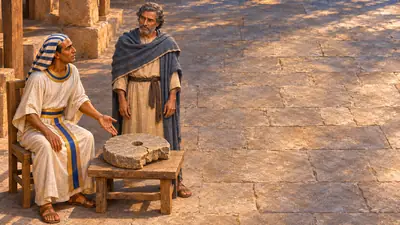
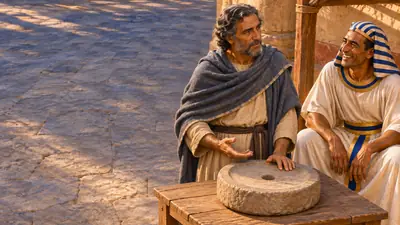
O faraó manda trazer a Ahiqar a mó superior quebrada de um moinho. Pede a Ahiqar que a costure.
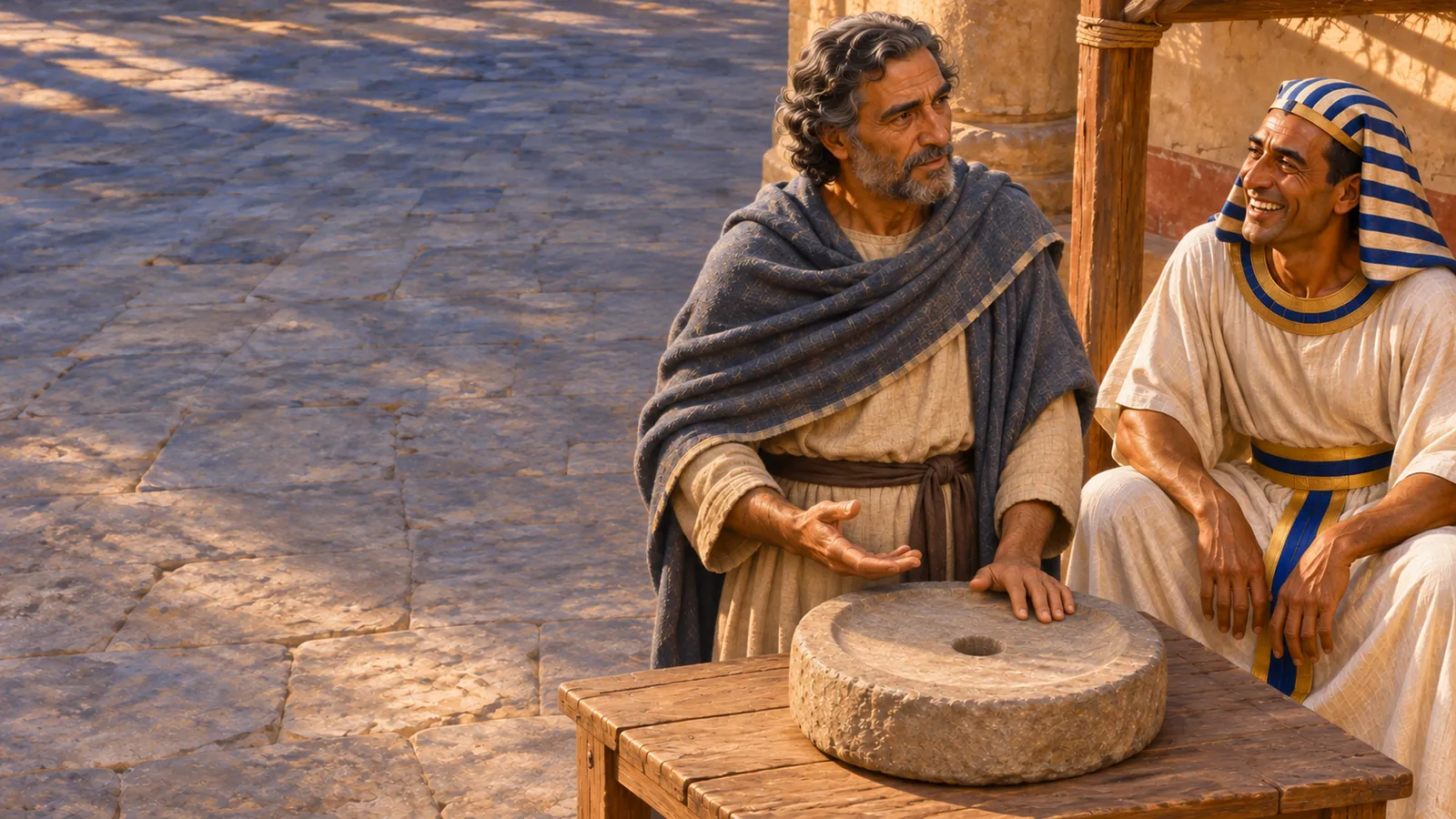
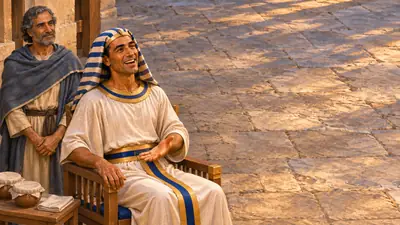
Ahiqar traz a mó inferior e pede tiras cortadas dela para costurar a mó superior. Quando ouve a resposta, o faraó ri.
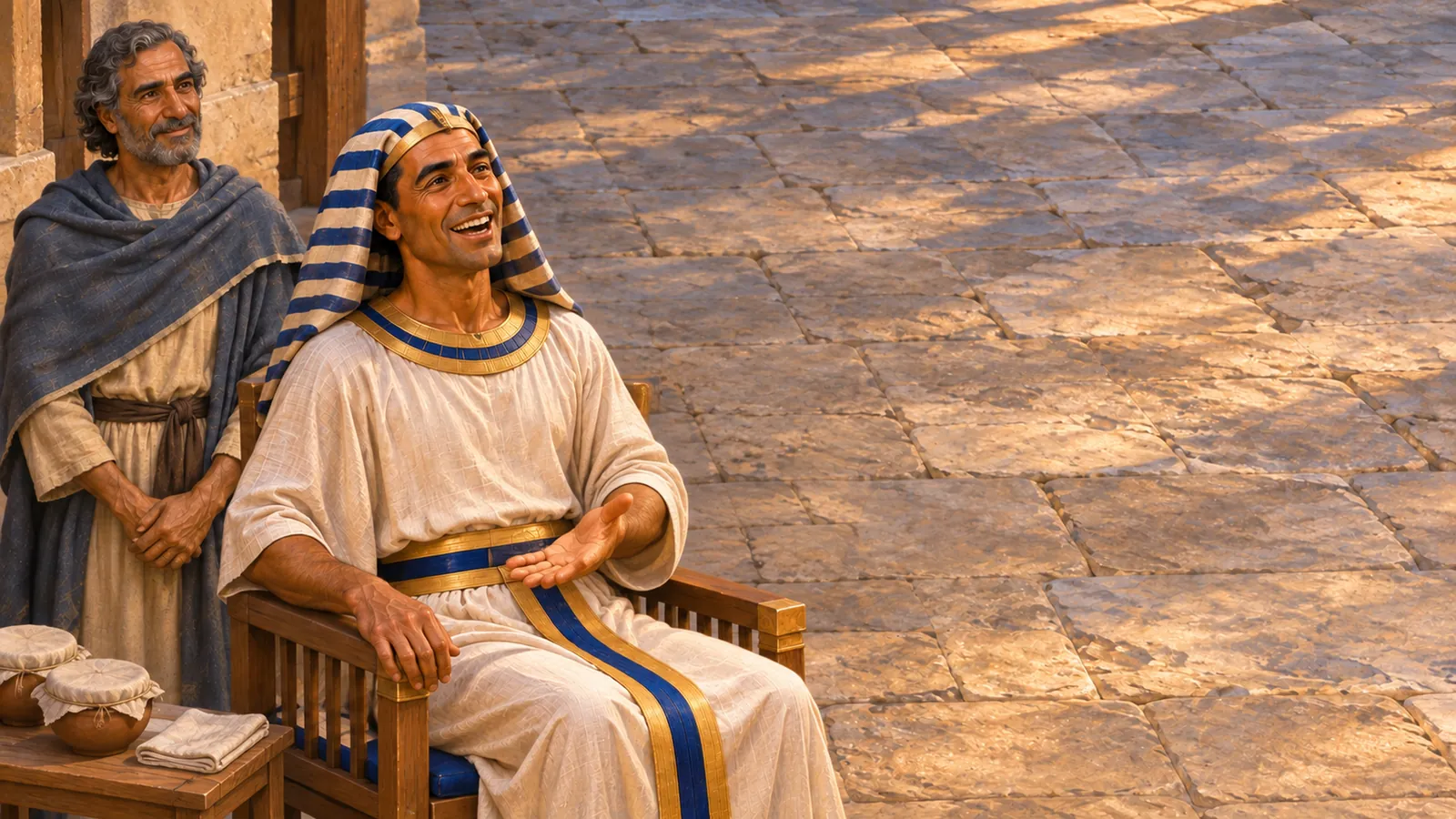
O faraó abençoa o dia em que Ahiqar nasceu. Diz que vê-lo vivo é motivo para um banquete e faz daquele dia um dia de festa.
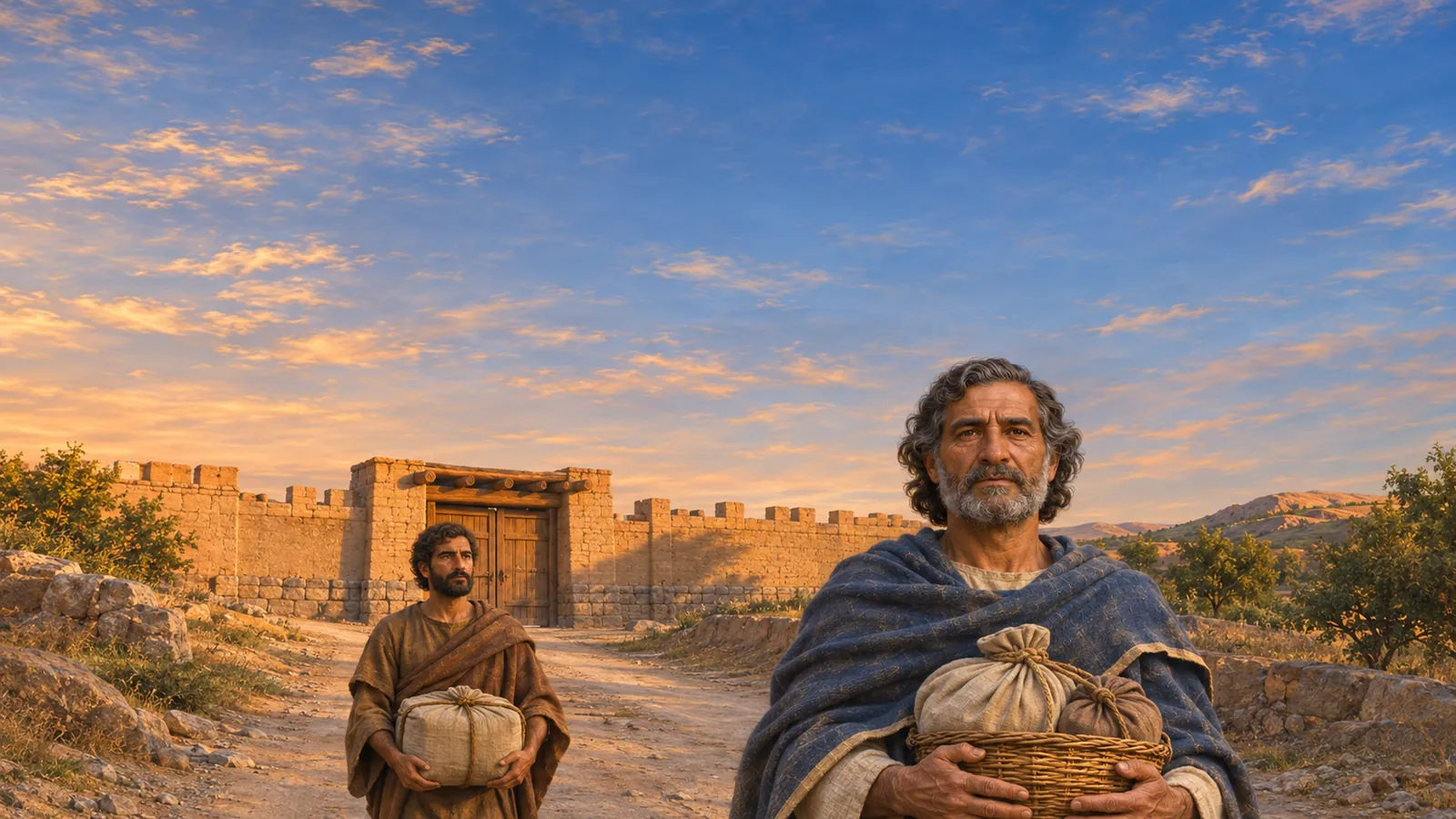
O faraó dá a Ahiqar três anos da receita do Egito, como conta a história. Ahiqar parte de novo e volta para junto de Senaqueribe.
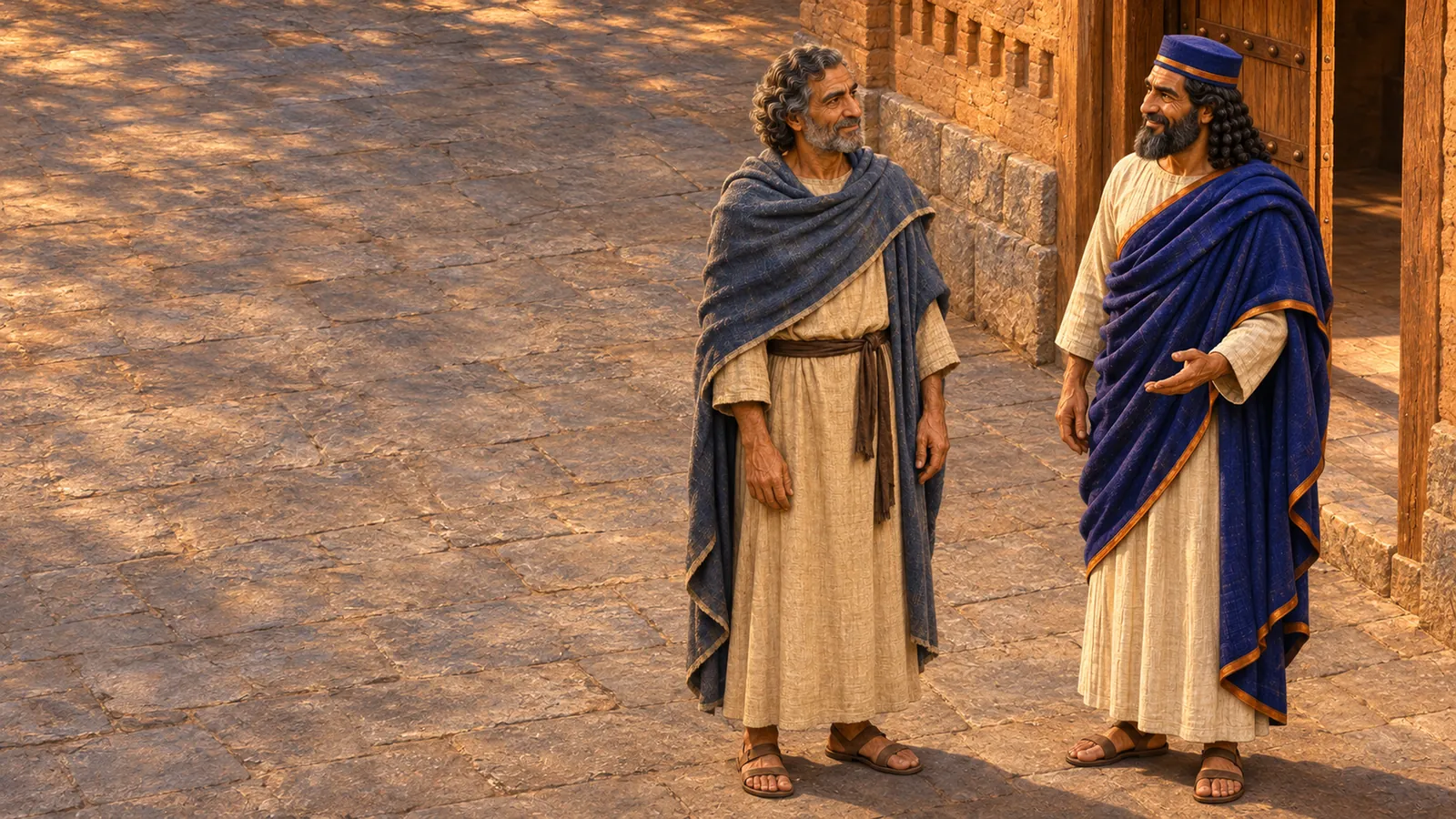
Senaqueribe sai para receber Ahiqar e o põe à frente da sua casa. Então o convida a pedir o que quiser.
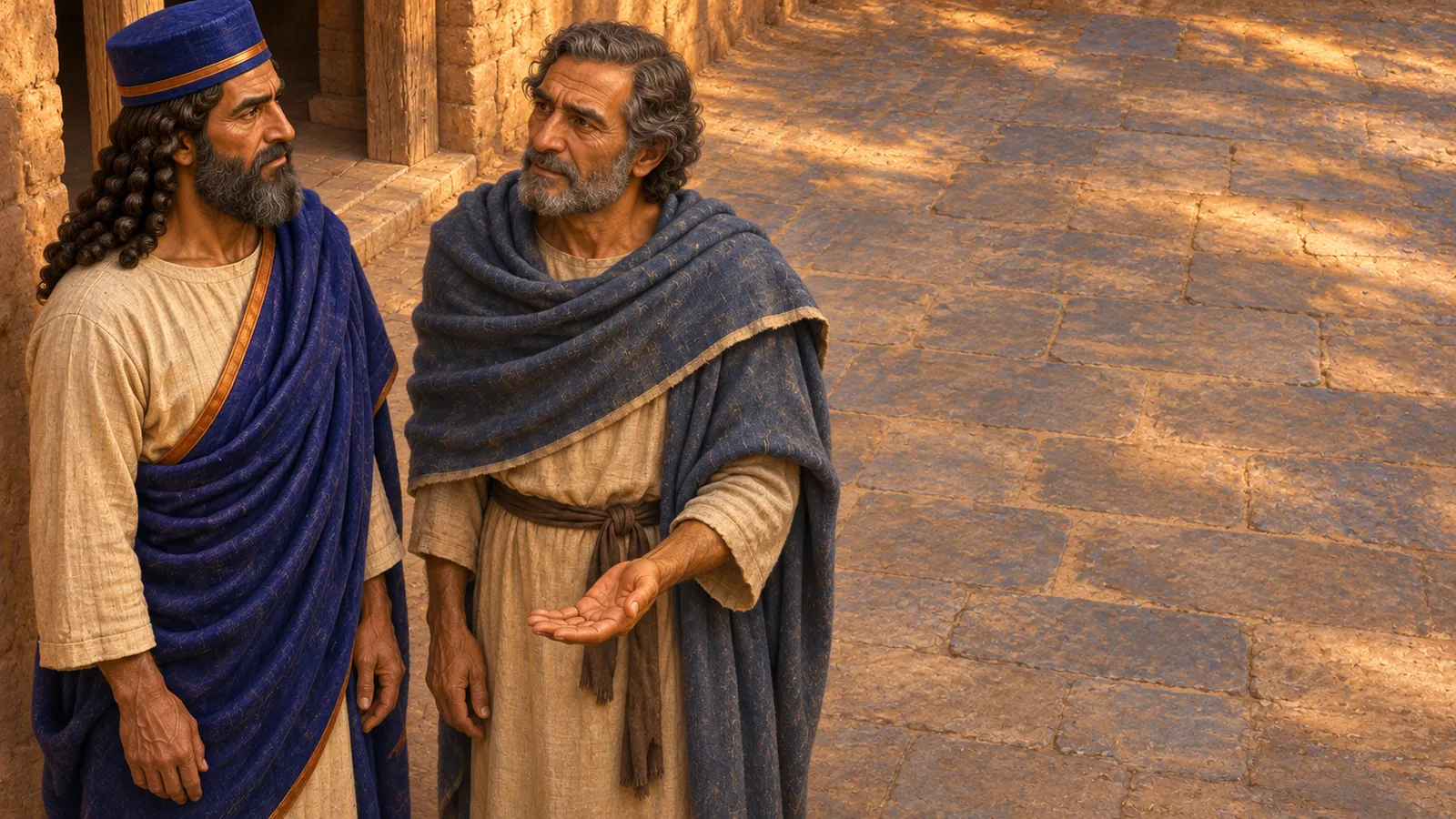
PARA SEU PROTETOR
Ahiqar pede a Senaqueribe que dê a Nabusemakh qualquer recompensa destinada a ele. Lembra que Nabusemakh o manteve em segurança quando a corte acreditava que ele estava morto.
Fim do capítulo 2
Todas as páginas

Fontes
The Cambridge witness continues after the return with Ahiqar’s dealings with Nadan and a further set of sayings and parables, printed on pp. 122–127. The selection closes at Ahiqar’s request for Nabusemakh.
Edições consultadas
- University of Göttingen, Syriac and Arabic manuscript catalogue, Cambridge Add. 2020
- Conybeare, Harris and Lewis, The Story of Ahiqar, 1913, Cambridge Syriac translation heading, p. 101
- Cambridge Syriac translation, Pharaoh’s letter and the disclosure, pp. 114–116
- Cambridge Syriac translation, the Egyptian audiences and the editorial note on erasure, pp. 117–119
- Cambridge Syriac translation, the selected riddles, return and request, pp. 120–122
- Cambridge Syriac translation, the end of the witness, p. 127
- Berlin Elephantine edition, earlier Imperial Aramaic witness
Notas sobre este reconto
After page 42. The Cambridge Syriac witness continues beyond Ahiqar’s request for Nabusemakh. Ahiqar has Nadan bound and beaten and rebukes him in a series of parables. Nadan swells up and dies. Cambridge Add. 2020, translated in Conybeare, Harris and Lewis, 1913, pp. 122–127. [Cambridge Syriac edition, printed page 122 onward](https://archive.org/stream/cu31924026927776/cu31924026927776_djvu.txt#L10665)
Page 12. The Cambridge Syriac account describes Ahiqar’s hair reaching his shoulders and his nails resembling an eagle’s claws after his time in hiding. Cambridge Add. 2020, translated in Conybeare, Harris and Lewis, 1913, p. 116. [Cambridge Syriac edition, printed pages 114–116](https://archive.org/stream/cu31924026927776/cu31924026927776_djvu.txt#L10356)
Os versos antigos de cada página
- Page 1: Cambridge Add. 2020, Conybeare, Harris and Lewis (1913), catalogue, fols. 66v–78r and p. 114
- Page 2: Cambridge Add. 2020, Conybeare, Harris and Lewis (1913), p. 114
- Page 3: Cambridge Add. 2020, Conybeare, Harris and Lewis (1913), pp. 114–115
- Page 4: Cambridge Add. 2020, Conybeare, Harris and Lewis (1913), p. 115
- Page 5: Cambridge Add. 2020, Conybeare, Harris and Lewis (1913), p. 115
- Page 6: Cambridge Add. 2020, Conybeare, Harris and Lewis (1913), p. 115
- Page 7: Cambridge Add. 2020, Conybeare, Harris and Lewis (1913), p. 115
- Page 8: Cambridge Add. 2020, Conybeare, Harris and Lewis (1913), p. 115
- Page 9: Cambridge Add. 2020, Conybeare, Harris and Lewis (1913), pp. 115–116
- Page 10: Cambridge Add. 2020, Conybeare, Harris and Lewis (1913), p. 116
- Page 11: Cambridge Add. 2020, Conybeare, Harris and Lewis (1913), p. 116
- Page 12: Cambridge Add. 2020, Conybeare, Harris and Lewis (1913), p. 116
- Page 13: Cambridge Add. 2020, Conybeare, Harris and Lewis (1913), pp. 116–117
- Page 14: Cambridge Add. 2020, Conybeare, Harris and Lewis (1913), pp. 116–117
- Page 15: Cambridge Add. 2020, Conybeare, Harris and Lewis (1913), p. 117
- Page 16: Cambridge Add. 2020, Conybeare, Harris and Lewis (1913), p. 117
- Page 17: Cambridge Add. 2020, Conybeare, Harris and Lewis (1913), p. 117
- Page 18: Cambridge Add. 2020, Conybeare, Harris and Lewis (1913), pp. 117–118
- Page 19: Cambridge Add. 2020, Conybeare, Harris and Lewis (1913), p. 118
- Page 20: Cambridge Add. 2020, Conybeare, Harris and Lewis (1913), p. 118
- Page 21: Cambridge Add. 2020, Conybeare, Harris and Lewis (1913), p. 118
- Page 22: Cambridge Add. 2020, Conybeare, Harris and Lewis (1913), pp. 118–119, p. 119 n. 1
- Page 23: Cambridge Add. 2020, Conybeare, Harris and Lewis (1913), p. 119
- Page 24: Cambridge Add. 2020, Conybeare, Harris and Lewis (1913), p. 119
- Page 25: Cambridge Add. 2020, Conybeare, Harris and Lewis (1913), p. 119
- Page 26: Cambridge Add. 2020, Conybeare, Harris and Lewis (1913), pp. 119–120
- Page 27: Cambridge Add. 2020, Conybeare, Harris and Lewis (1913), p. 120
- Page 28: Cambridge Add. 2020, Conybeare, Harris and Lewis (1913), p. 120
- Page 29: Cambridge Add. 2020, Conybeare, Harris and Lewis (1913), p. 120
- Page 30: Cambridge Add. 2020, Conybeare, Harris and Lewis (1913), p. 120
- Page 31: Cambridge Add. 2020, Conybeare, Harris and Lewis (1913), p. 121
- Page 32: Cambridge Add. 2020, Conybeare, Harris and Lewis (1913), p. 121
- Page 33: Cambridge Add. 2020, Conybeare, Harris and Lewis (1913), p. 121
- Page 34: Cambridge Add. 2020, Conybeare, Harris and Lewis (1913), p. 121
- Page 35: Cambridge Add. 2020, Conybeare, Harris and Lewis (1913), p. 121
- Page 36: Cambridge Add. 2020, Conybeare, Harris and Lewis (1913), p. 121
- Page 37: Cambridge Add. 2020, Conybeare, Harris and Lewis (1913), pp. 121–122
- Page 38: Cambridge Add. 2020, Conybeare, Harris and Lewis (1913), p. 122
- Page 39: Cambridge Add. 2020, Conybeare, Harris and Lewis (1913), p. 122
- Page 40: Cambridge Add. 2020, Conybeare, Harris and Lewis (1913), p. 122
- Page 41: Cambridge Add. 2020, Conybeare, Harris and Lewis (1913), p. 122
- Page 42: Cambridge Add. 2020, Conybeare, Harris and Lewis (1913), p. 122
Ilustrações feitas pelo IL Archive com ferramentas de IA; o texto baseia-se nas fontes antigas (veja as fontes no fim de cada capítulo).