O Ciclo de Baal Capítulo 1
Baal e Yamm
Do início partido do Ciclo de Baal, o relato passa aos emissários de Yamm, que exigem que os deuses entreguem Baal. Kothar fala a Baal e o confronto volta-se contra Yamm. Os versos finais, danificados, aclamam o reinado de Baal.
FontesVire as páginas com as setas, o teclado ou deslizando o dedo.

BAAL E YAMM
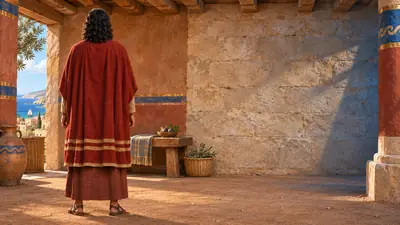
A primeira tabuinha do Ciclo de Baal chegou até nós em fragmentos. O início partido só deixa ouvir parte do que outrora se contava.
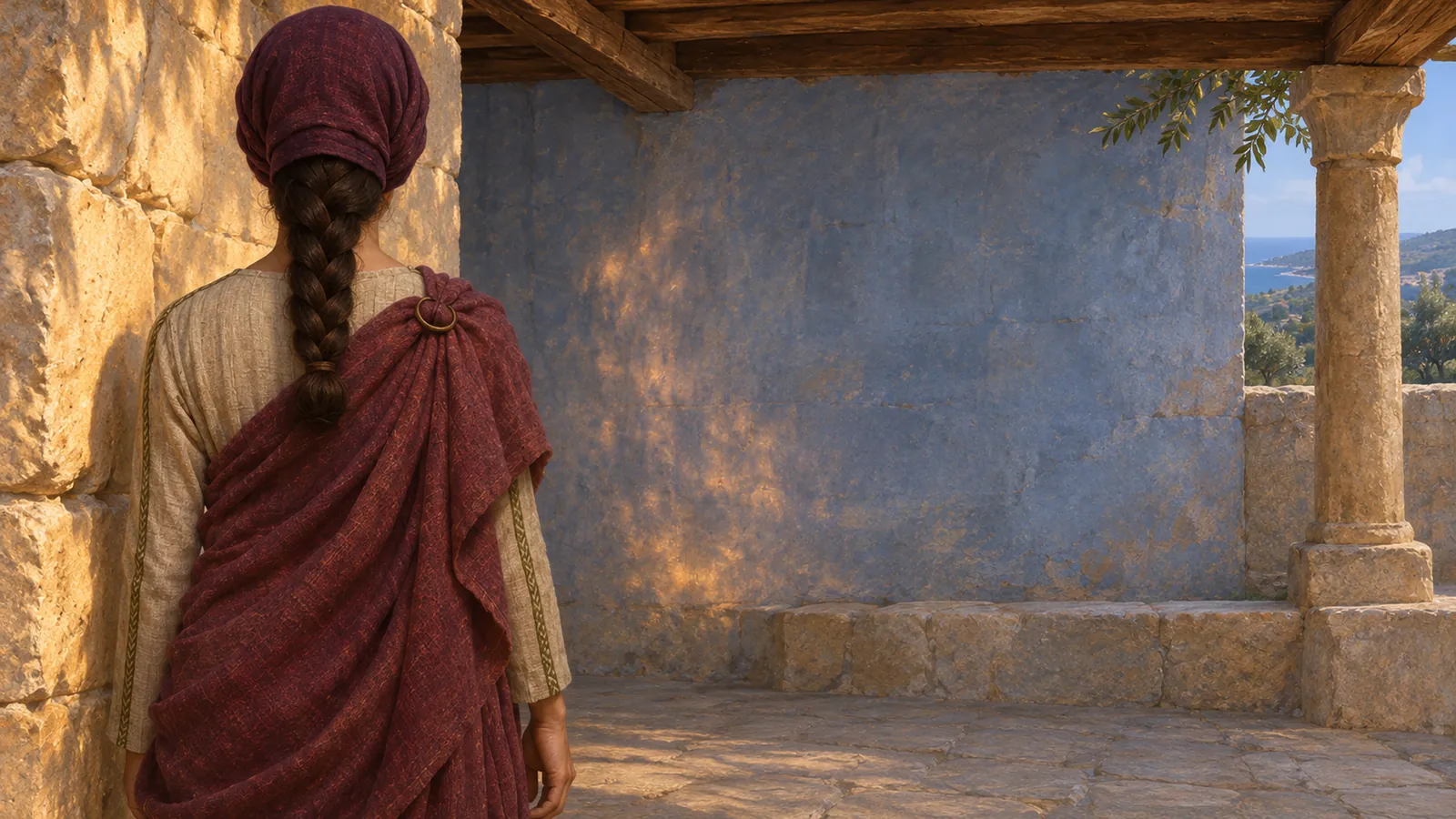
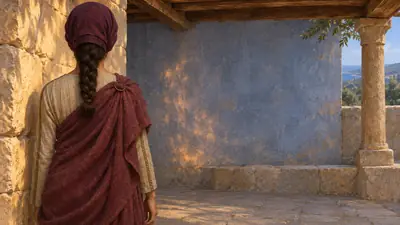
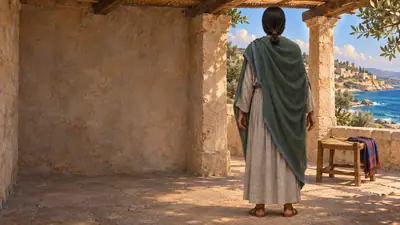
Uma passagem partida conserva o nome de Anat. As palavras que subsistem em torno do seu nome deixam em aberto o propósito da conversa.
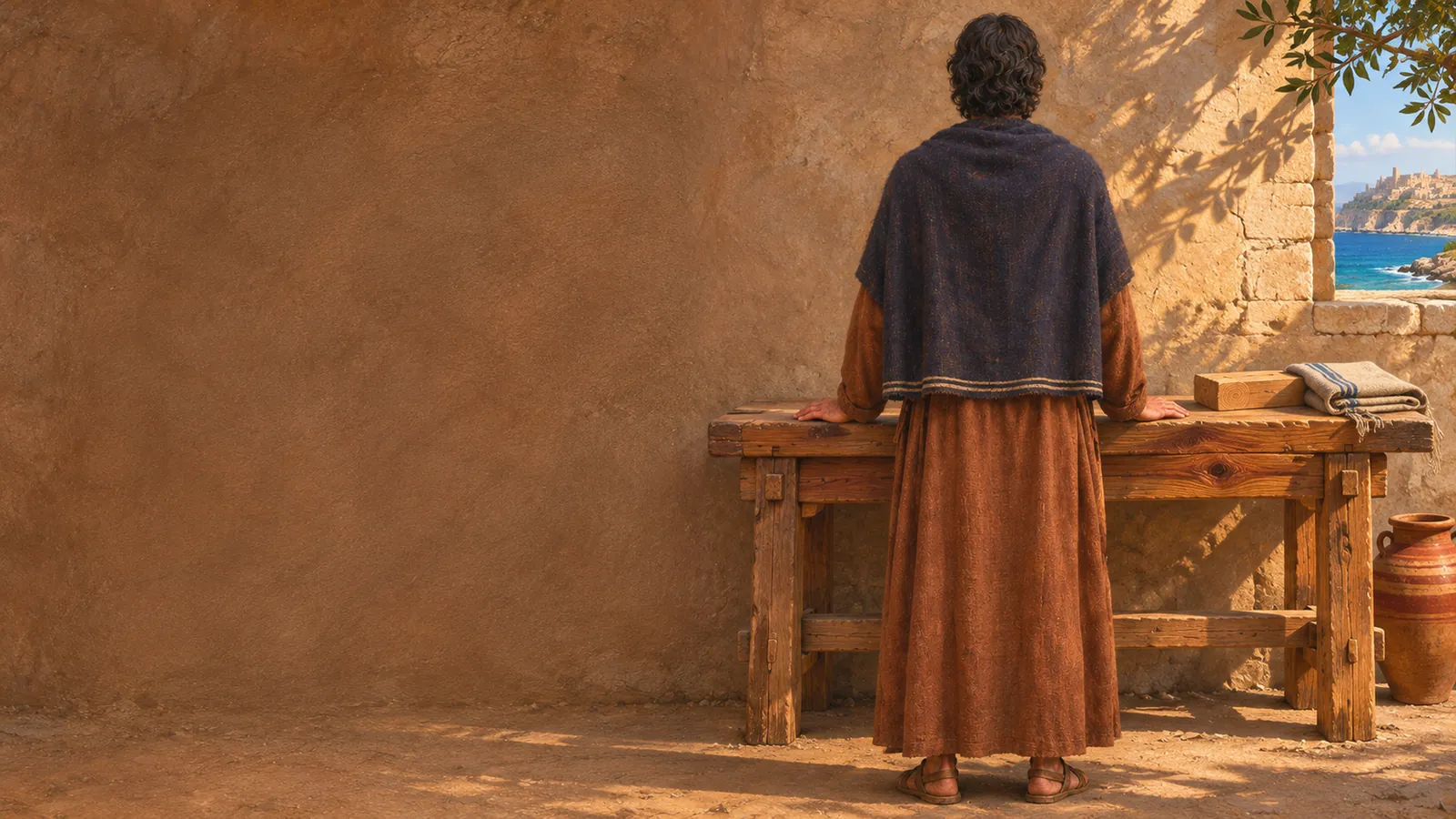
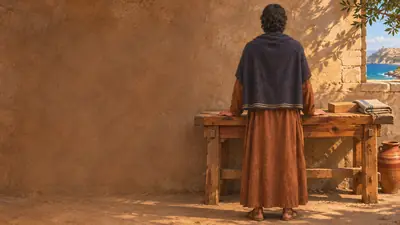
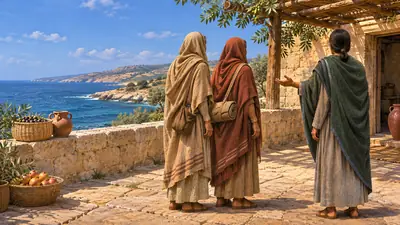
A coluna seguinte que se conserva menciona Kothar. O nome é legível entre palavras partidas que deixam grande parte do discurso em aberto.

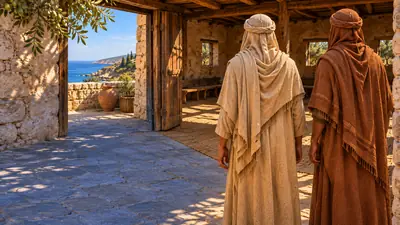
O discurso partido menciona os céus. Um verso posterior fala de palavras e de saber, mas o pensamento completo perde-se na borda quebrada.

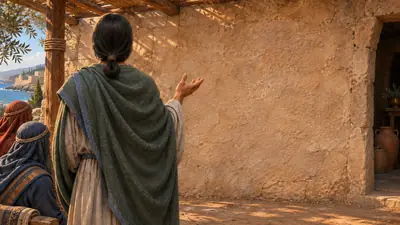
O texto nomeia Kothar-wa-Hasis como aquele que responde. Dirige-se a dois interlocutores, mas a quebra deixa parte da sua resposta ilegível.
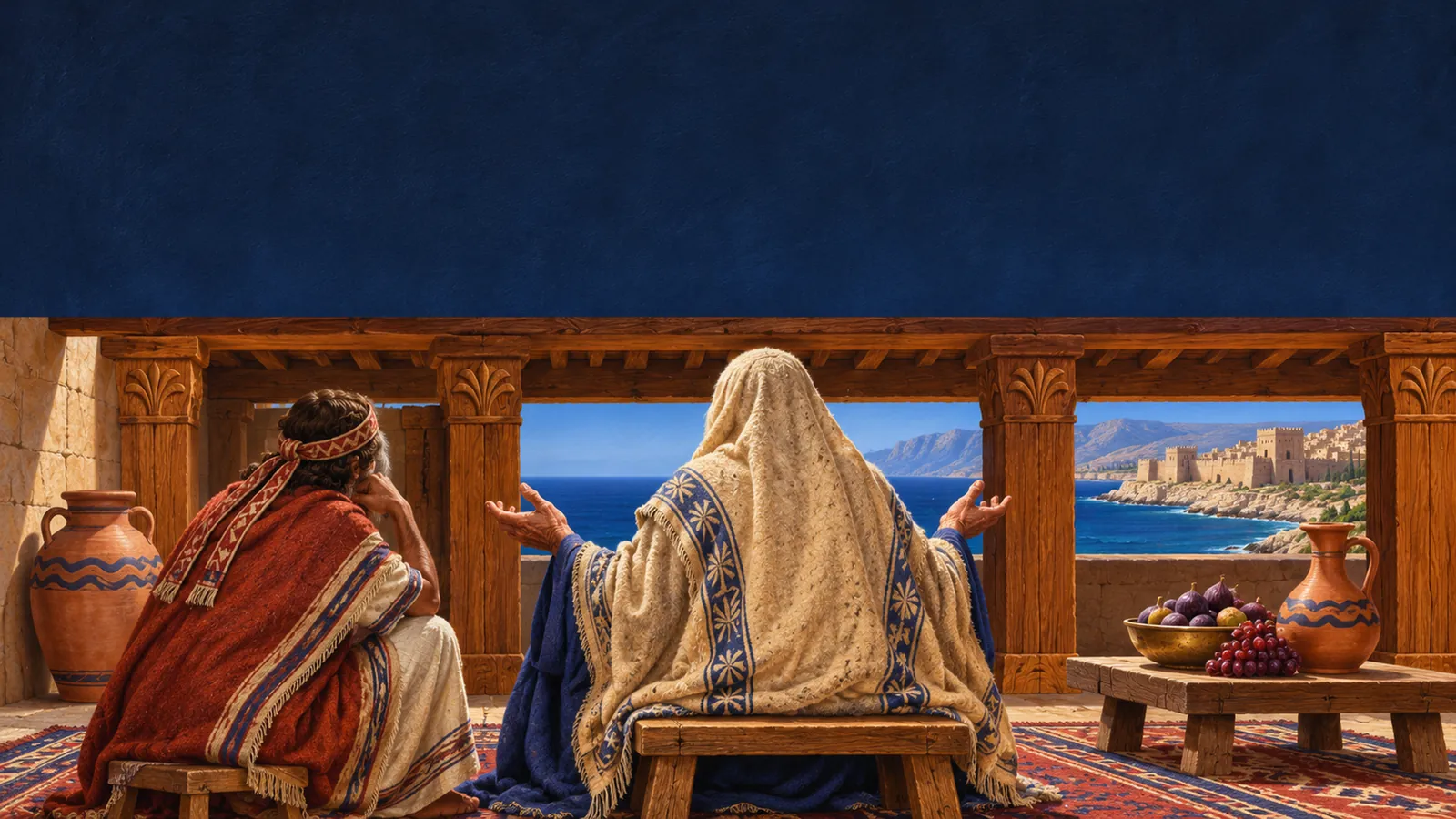
EL TOMA A PALAVRA
Numa outra coluna partida, El responde. O verso nomeia-o com palavras de brandura, mas o fim da linha partiu-se.
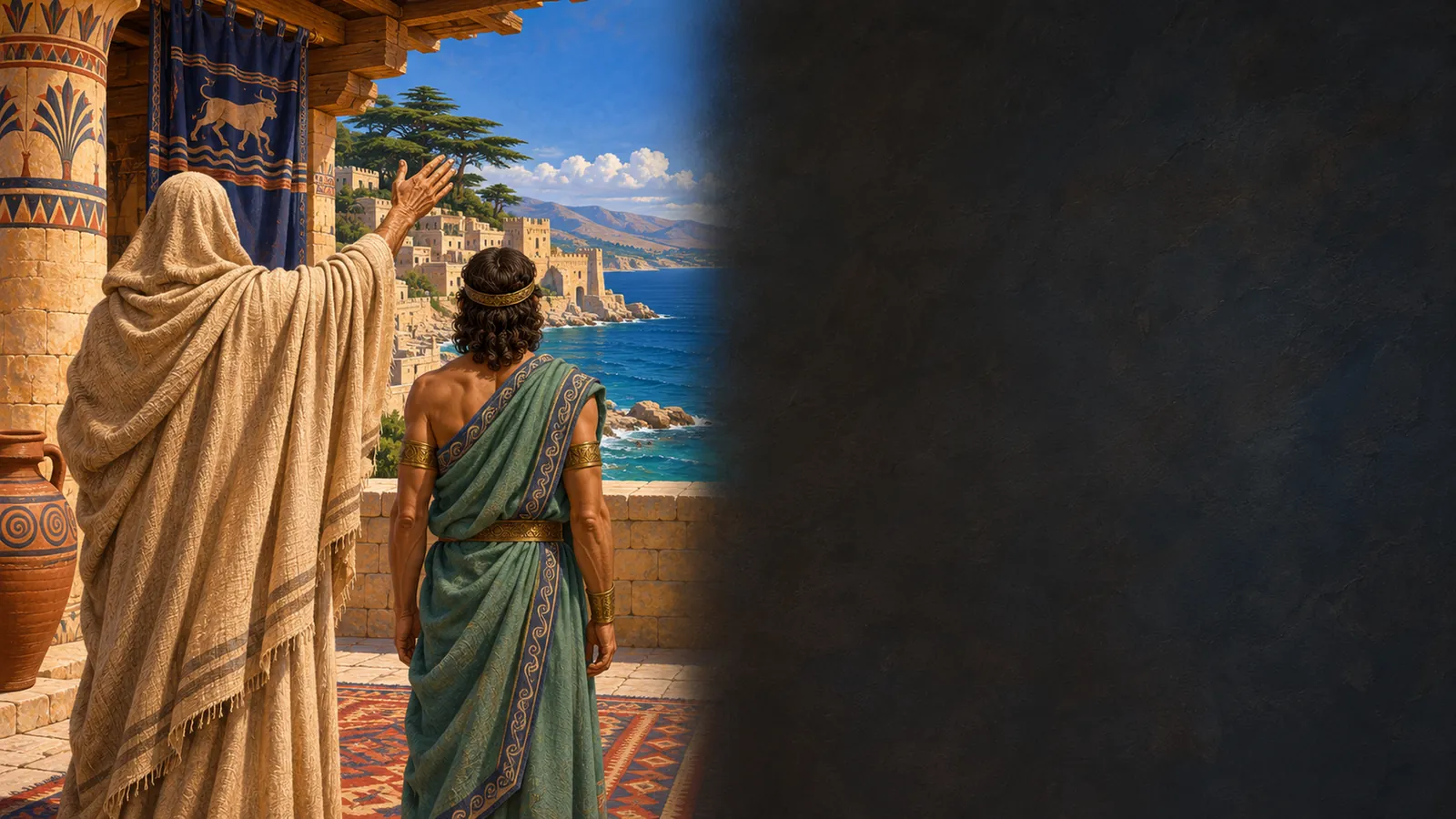
O verso conservado começa com um nome para o filho de El. Os editores leem a forma breve Yw, enquanto as palavras seguintes estão partidas.

No verso seguinte, as palavras passam ao nome de Yamm. Uma expressão adiante na mesma passagem foi lida como um título que mostra o afeto de El.
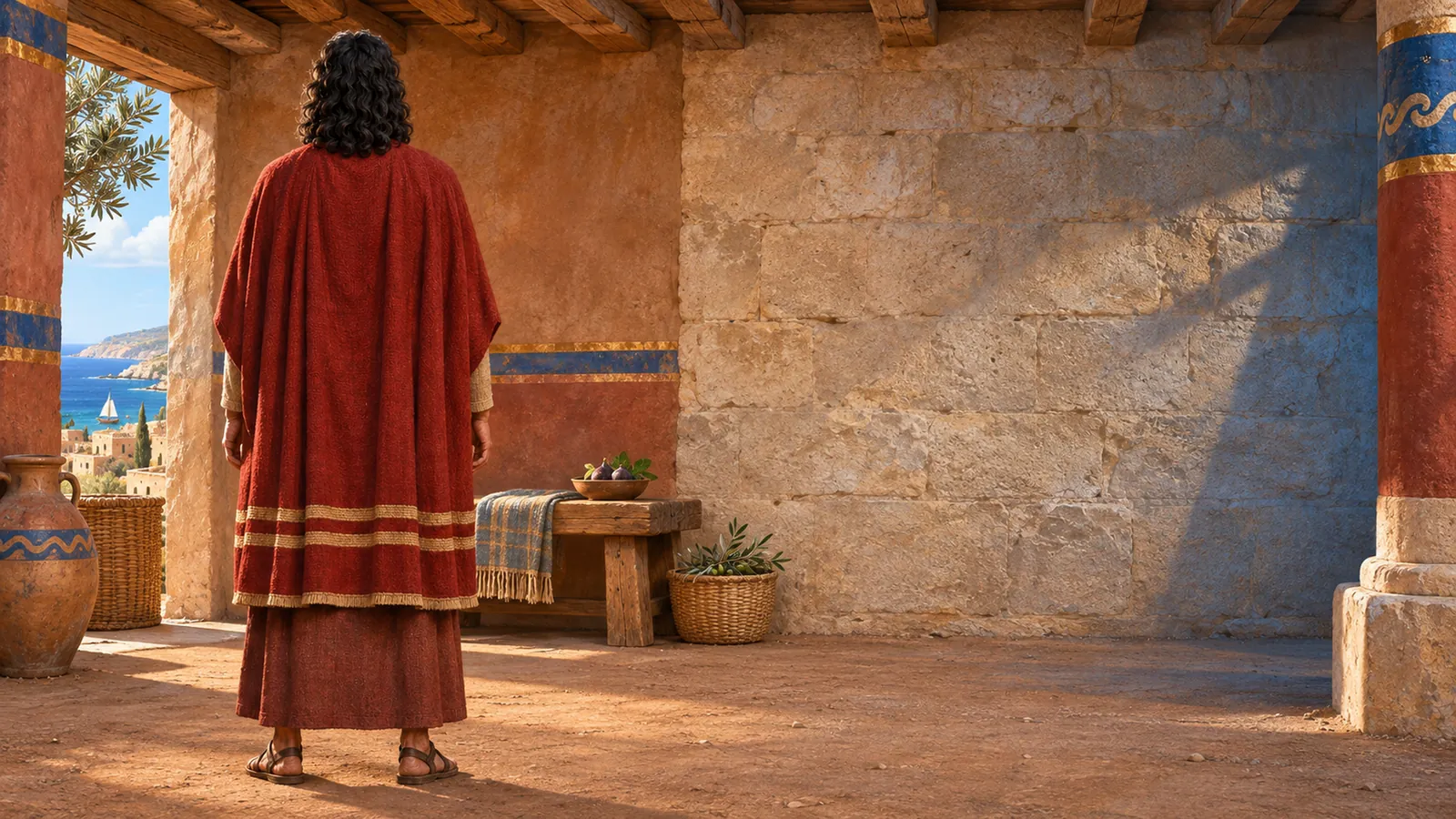
Os versos partidos guardam parte do nome de Baal e uma ordem para expulsar alguém. As palavras sobre um assento real dependem em parte de uma reconstituição.
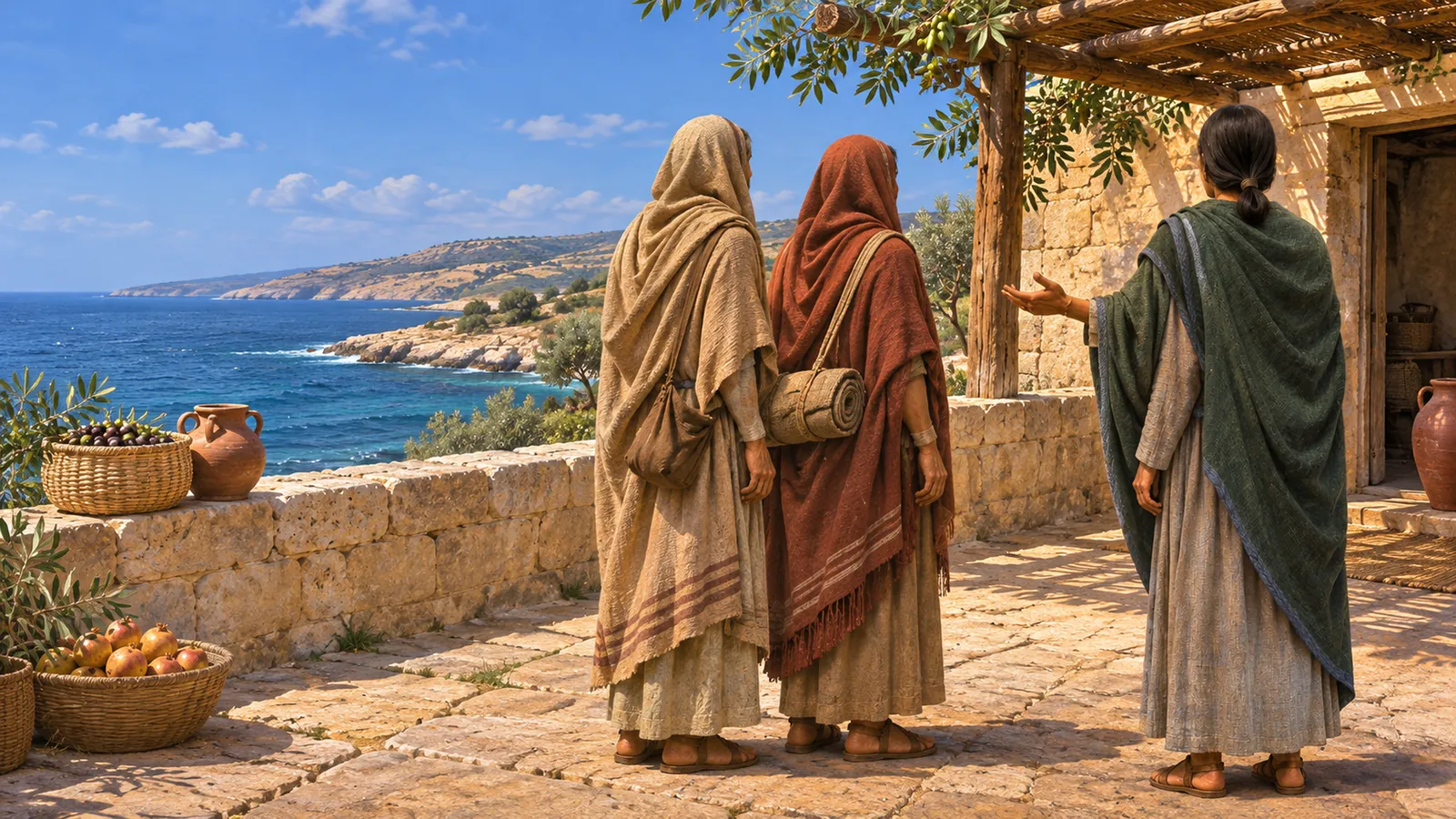
A segunda tabuinha conserva outra cena. Yamm envia emissários aos deuses reunidos e começa as suas instruções pela viagem que devem fazer.

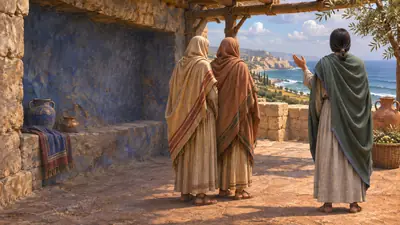
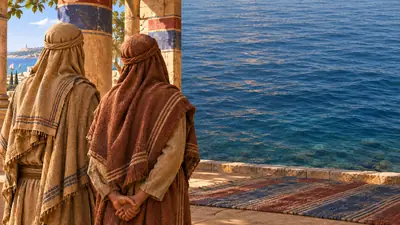
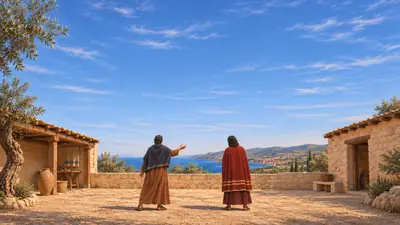
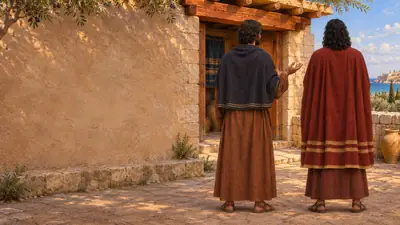
Yamm pede pressa aos jovens emissários. Envia-os para o monte Lalu, onde os deuses estão reunidos.

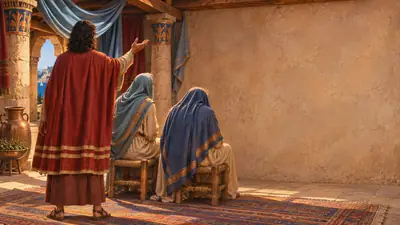
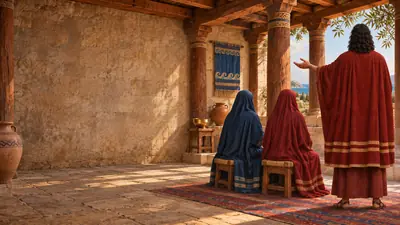
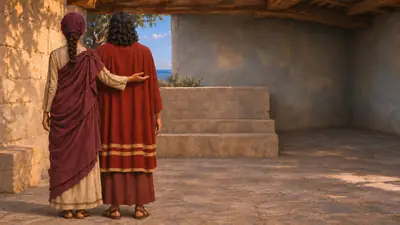
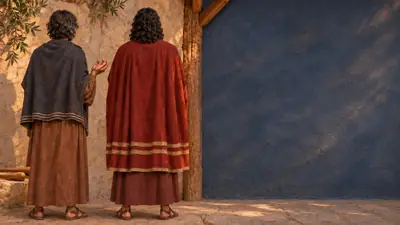
Yamm diz aos emissários que transmitam as suas palavras de pé. Ordena-lhes que dispensem os gestos de respeito que a assembleia costuma receber.
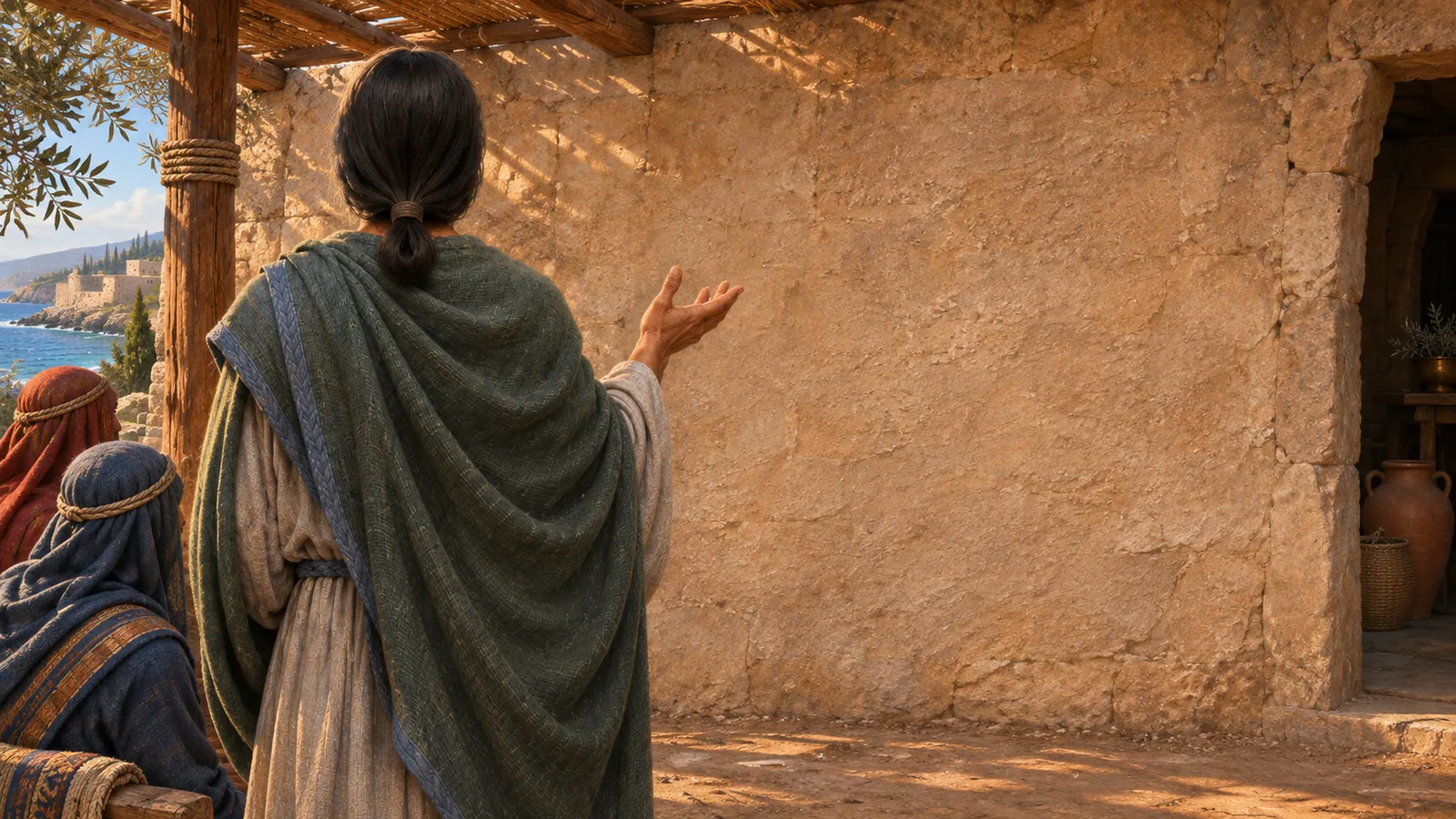
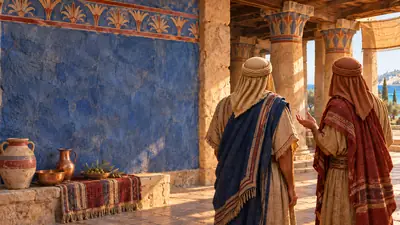
Os emissários devem apresentar a exigência em nome de Yamm e chamá-lo senhor da assembleia. A mensagem também lhe chama Soberano Nahar.
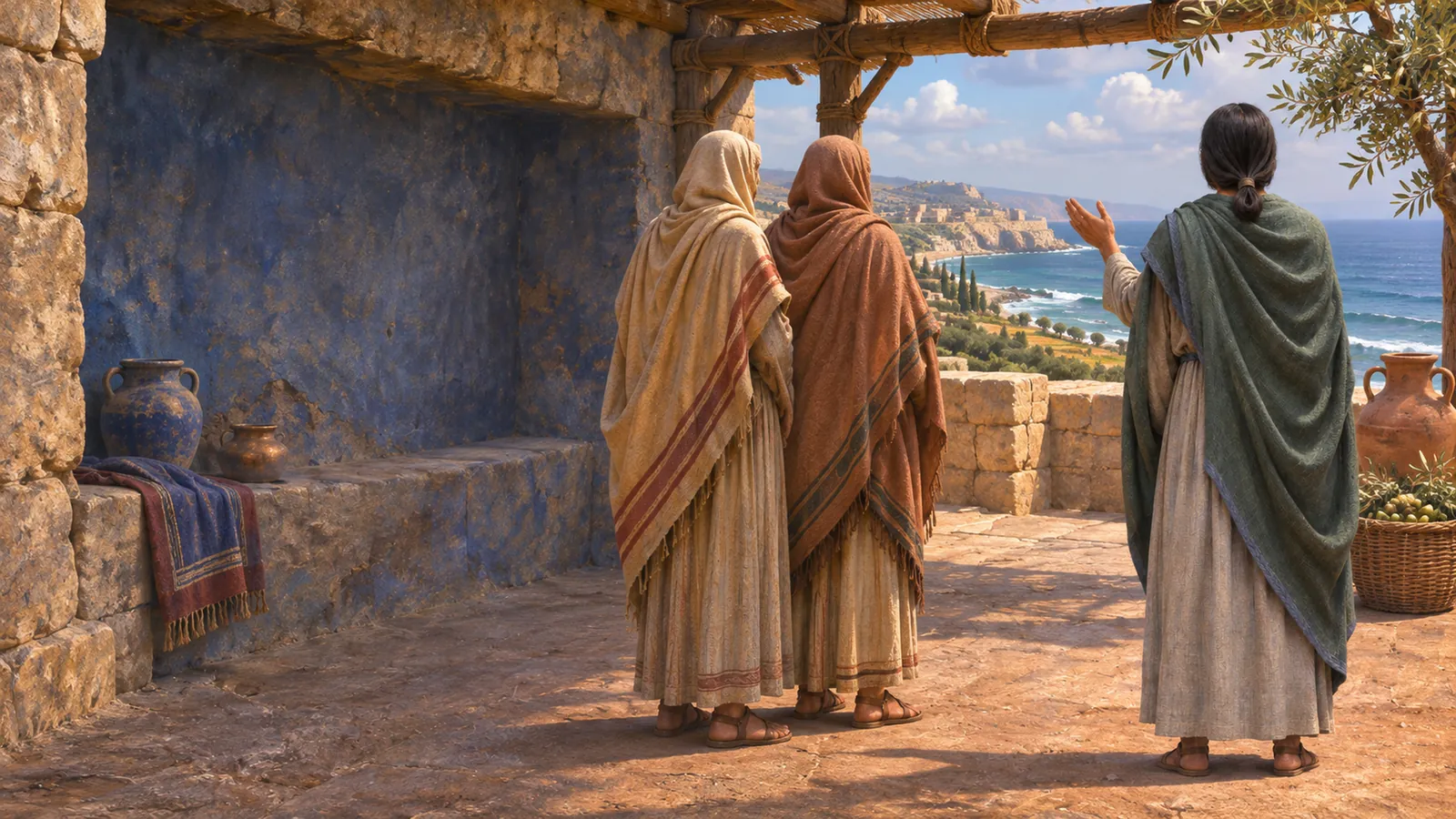
A mensagem exige que os deuses entreguem Baal, filho de Dagan. Yamm diz que tenciona apoderar-se do ouro de Baal.

Os dois emissários partem sem demora. O poema encaminha-os para o monte Lalu e para a assembleia a que se devem dirigir.
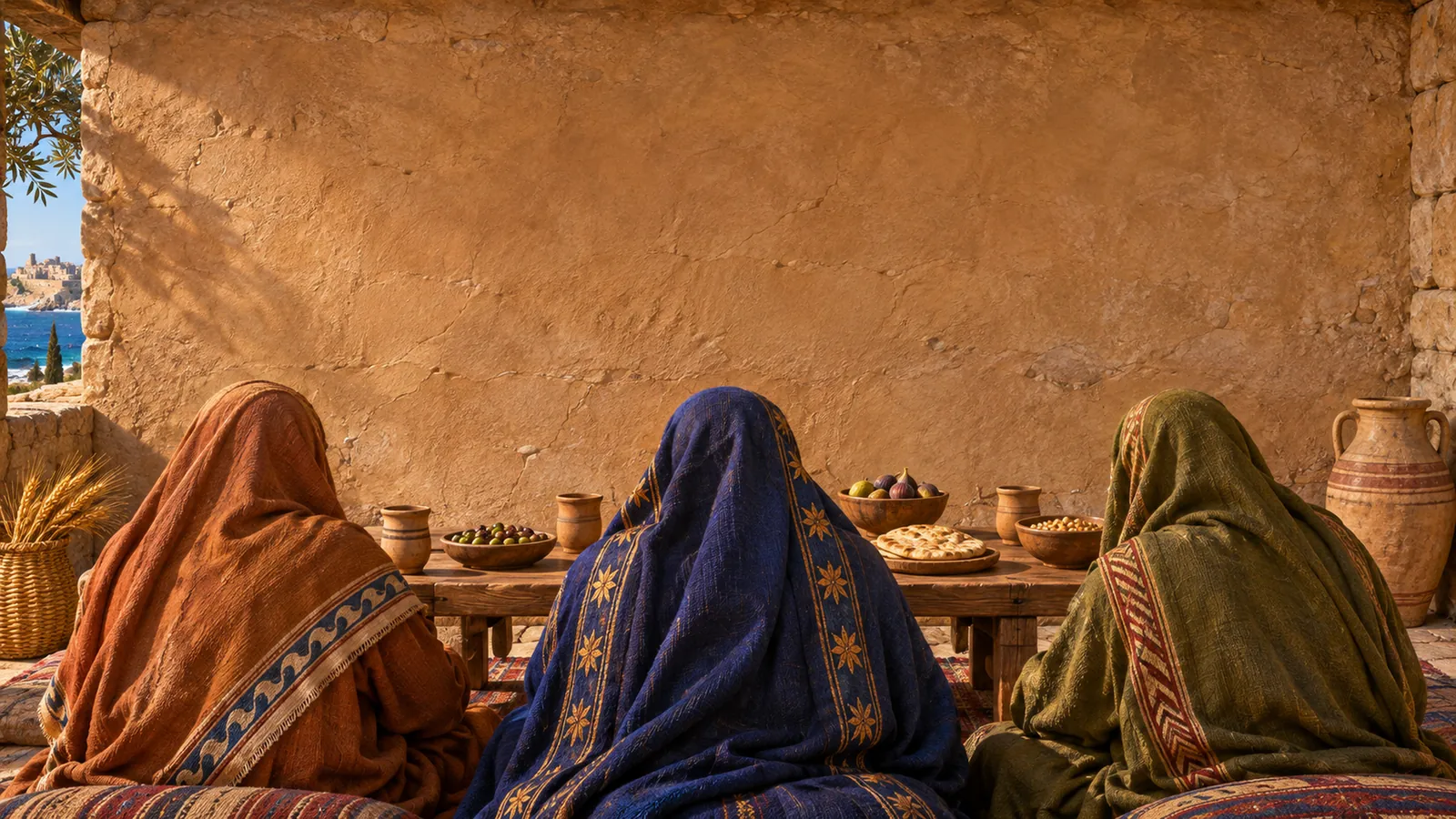
OS DEUSES À MESA
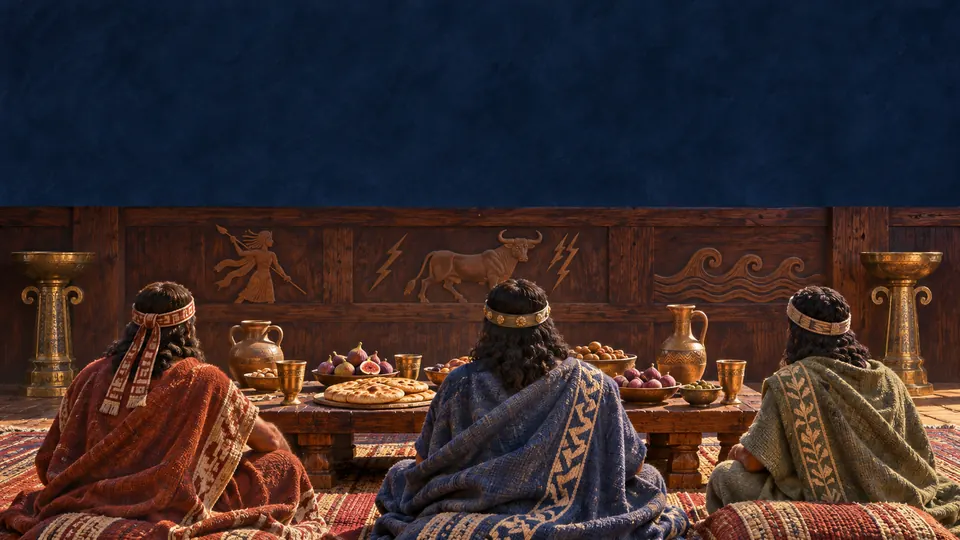
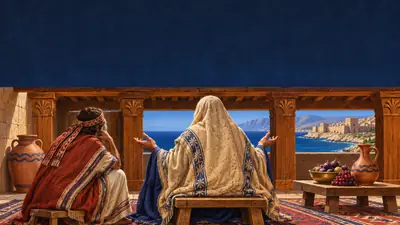
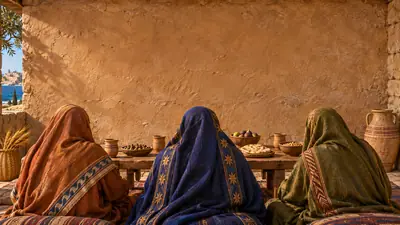
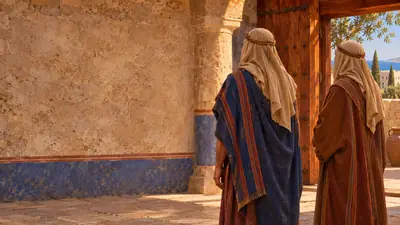
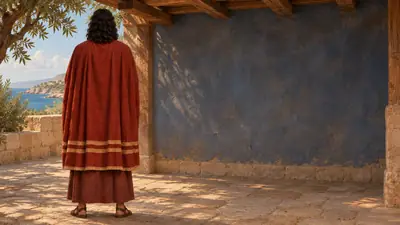
Na assembleia, os deuses sentam-se para comer. O poema mostra-os à mesa enquanto os emissários de Yamm se aproximam.

Um verso apresenta Baal de pé em relação a El. As palavras admitem mais de uma leitura, pelo que a sua postura é mais clara do que a sua intenção.

Os deuses avistam os emissários antes de estes transmitirem a mensagem. O poema chama-lhes mensageiros de Yamm e embaixada do Soberano Nahar.
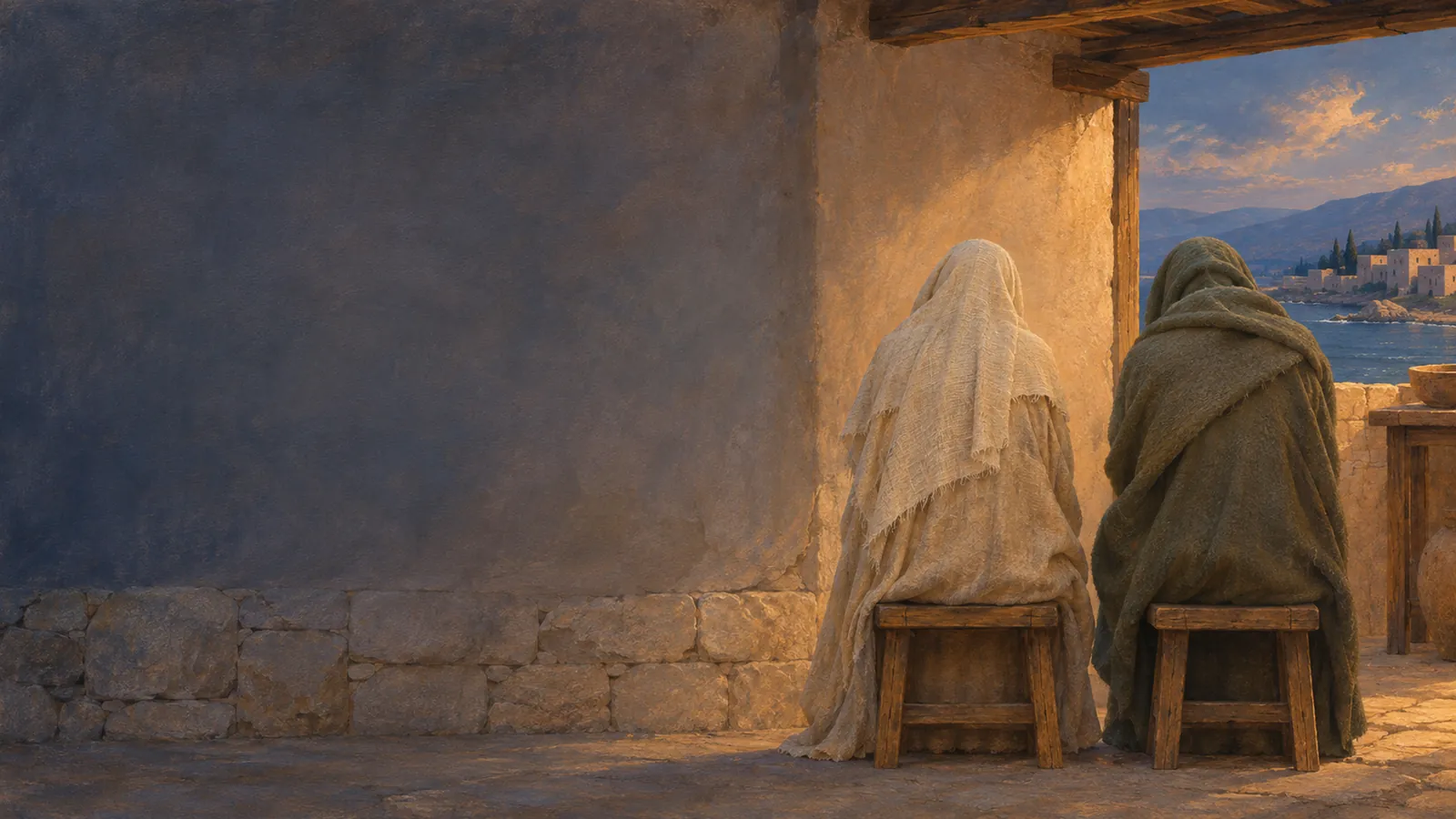
Os deuses baixam a cabeça em direção aos joelhos e aos assentos. O poema assinala o gesto antes de os emissários se dirigirem formalmente a eles.
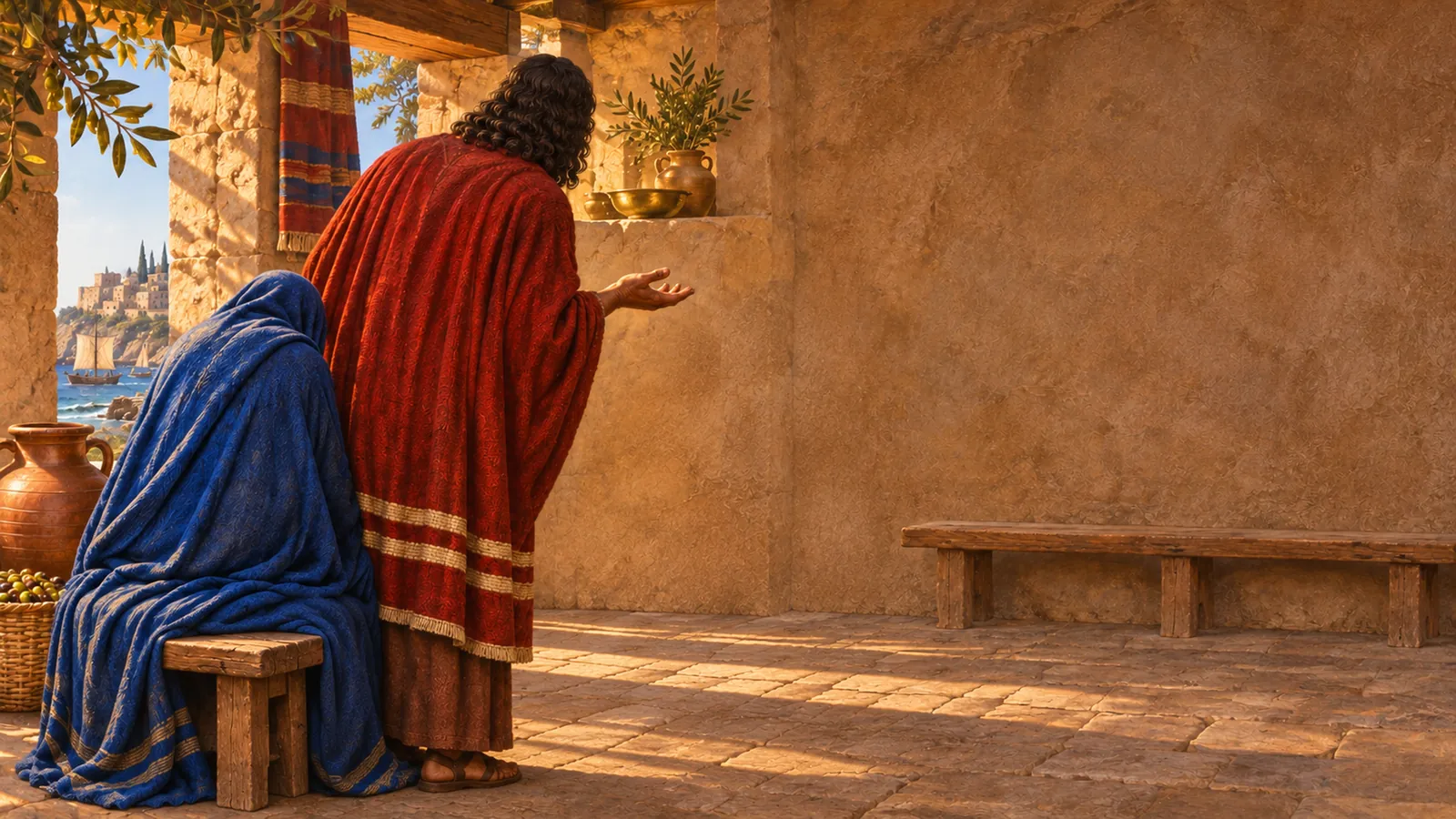
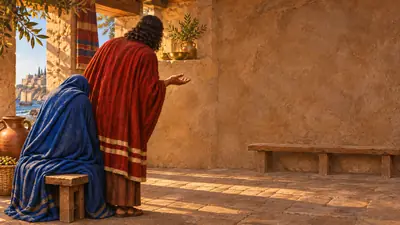
Baal pergunta por que baixaram os deuses a cabeça em direção aos joelhos e aos assentos. Dirige a pergunta à assembleia.
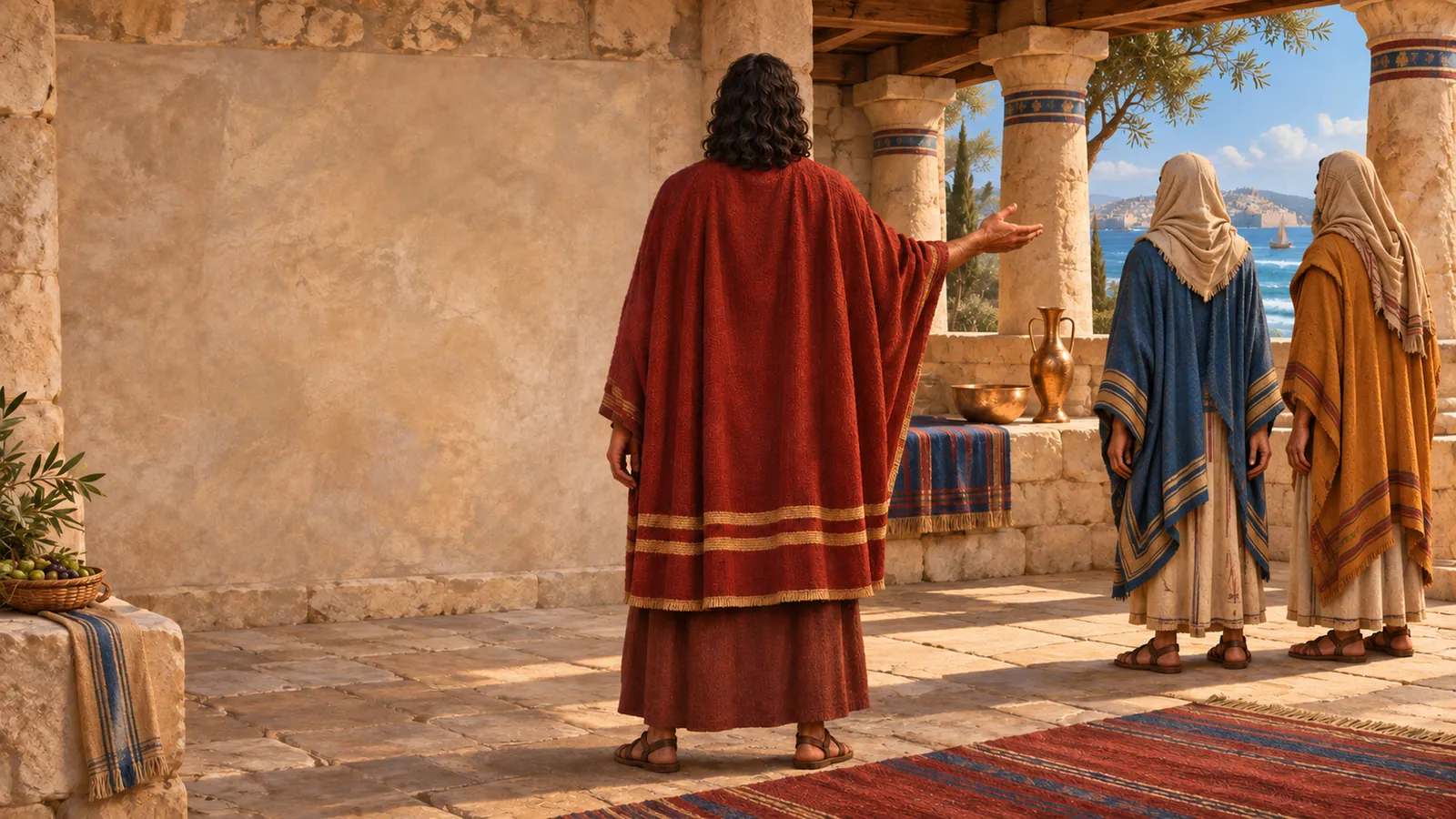
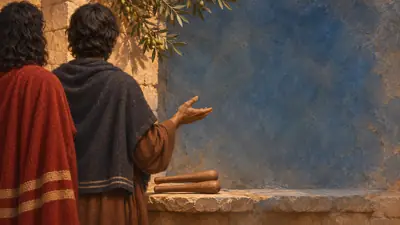
Baal diz que os deuses devem responder à embaixada. O verso refere a mensagem escrita dos emissários, embora o início da frase seja incerto.
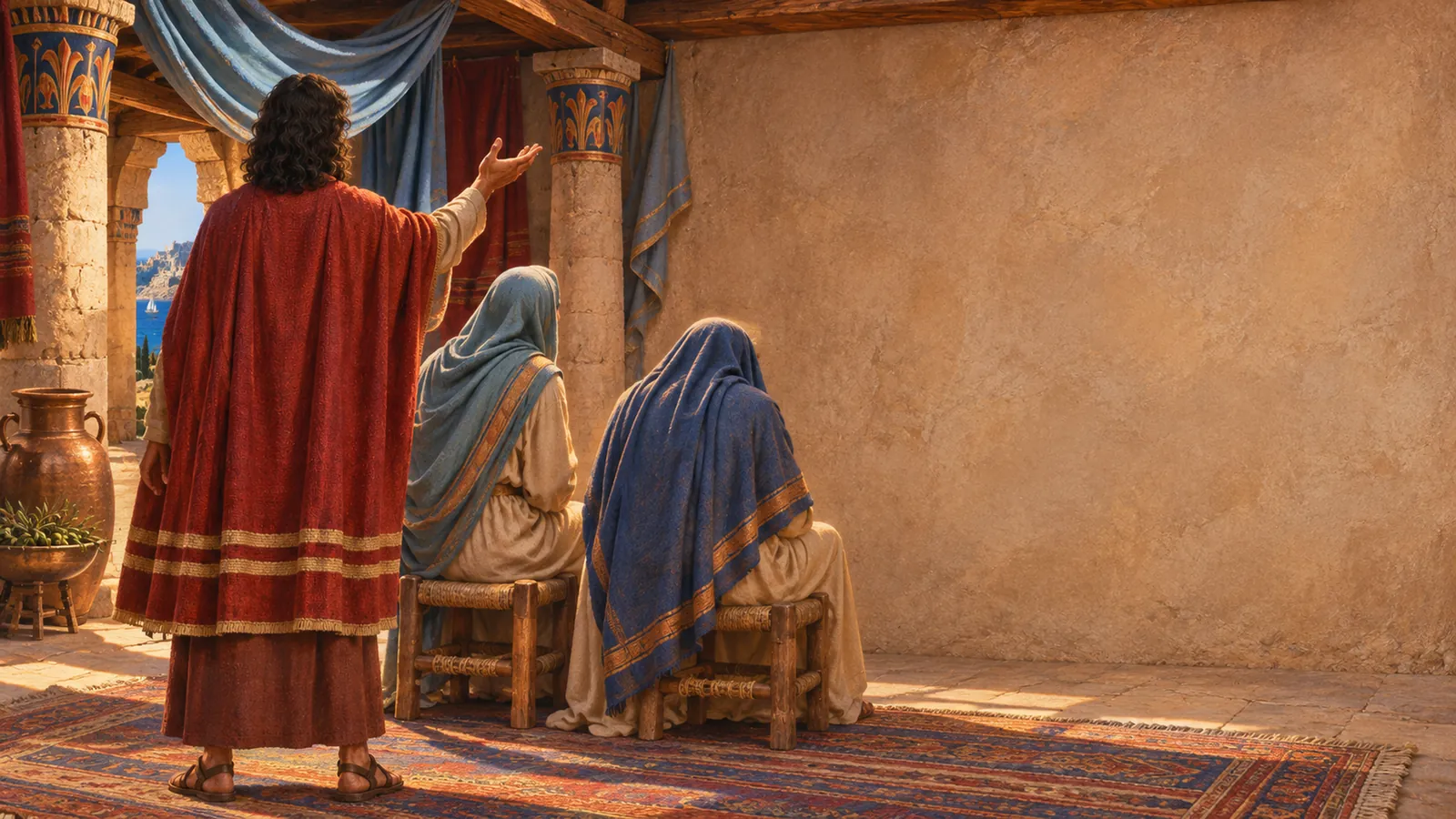
Baal pede aos deuses que levantem a cabeça dos joelhos e dos assentos. Fala-lhes diretamente.
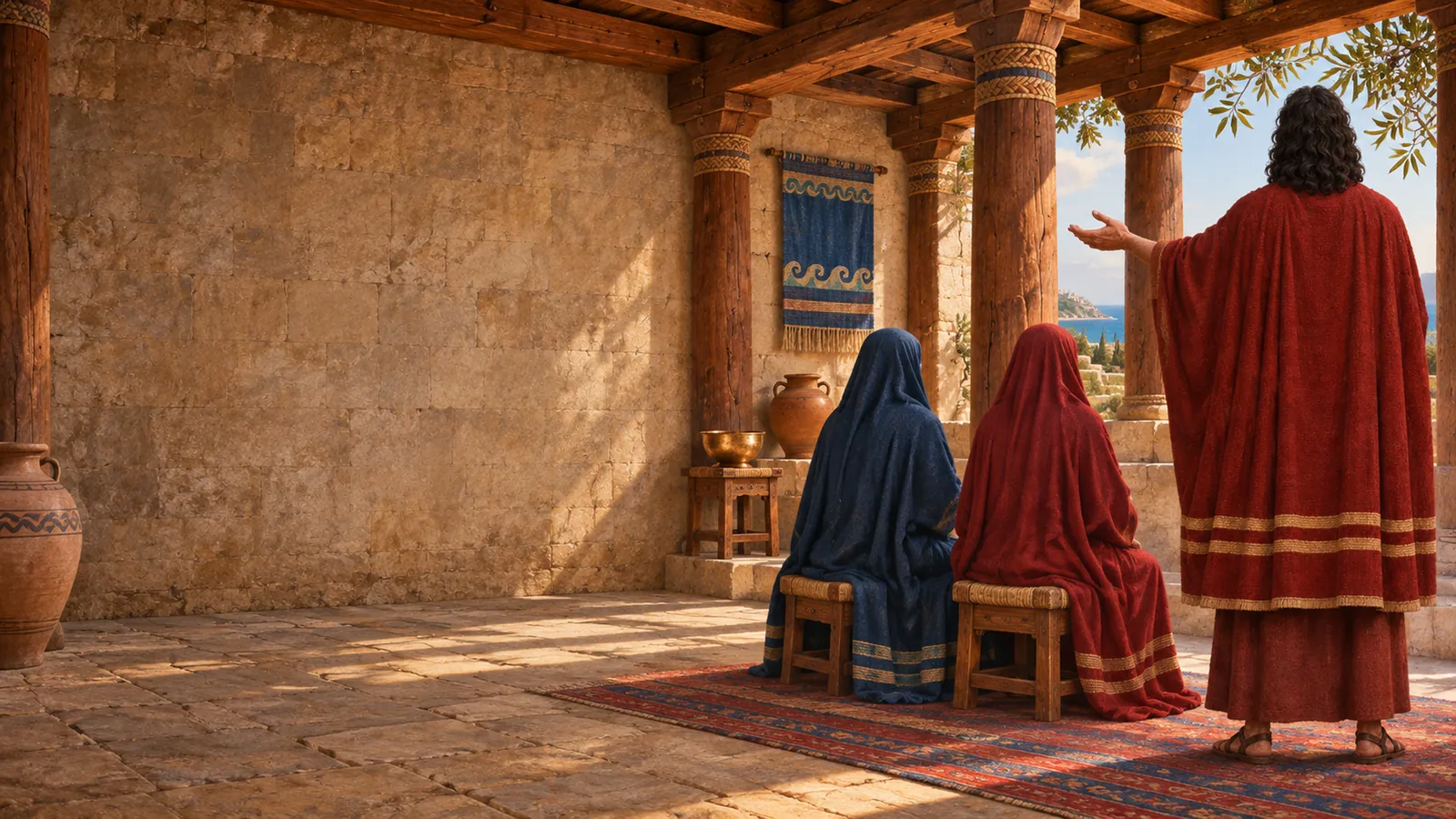
Baal oferece-se para responder pessoalmente aos emissários. Os deuses levantam a cabeça, e o poema passa à chegada dos emissários diante da assembleia.
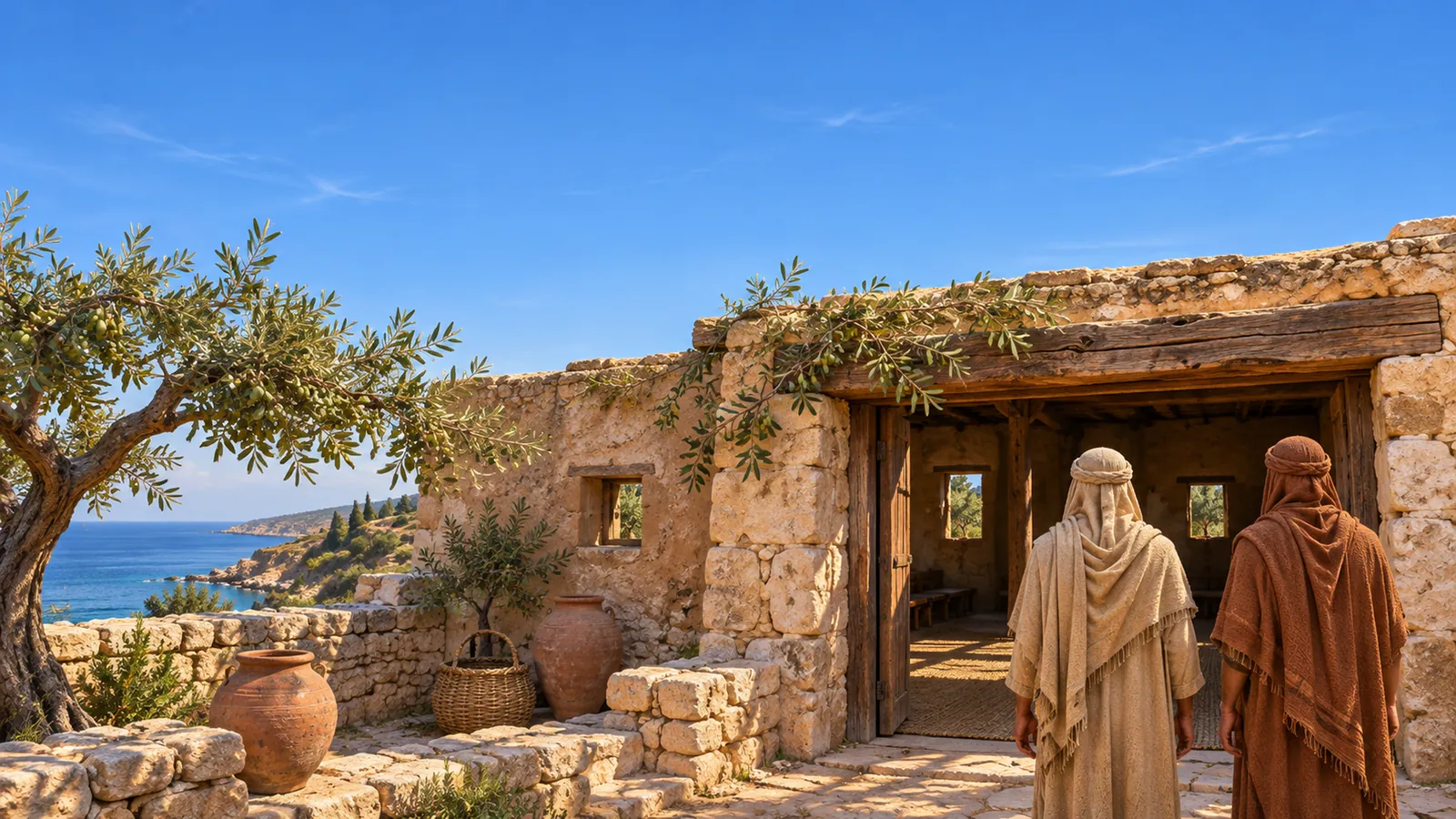
CHEGAM OS EMISSÁRIOS
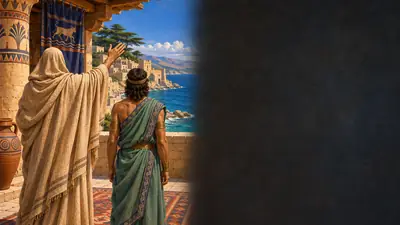
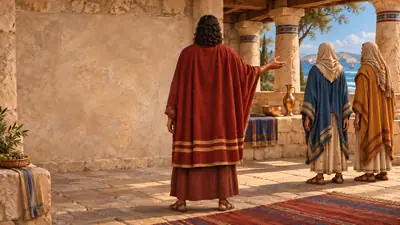
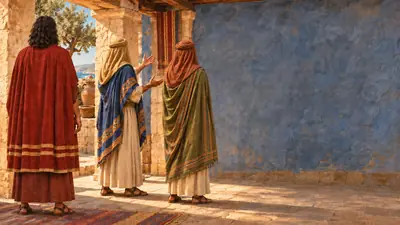
Os emissários chegam diante de El e da assembleia. Seguem as instruções de Yamm, sem cair aos pés de El nem se inclinar diante dos deuses reunidos.
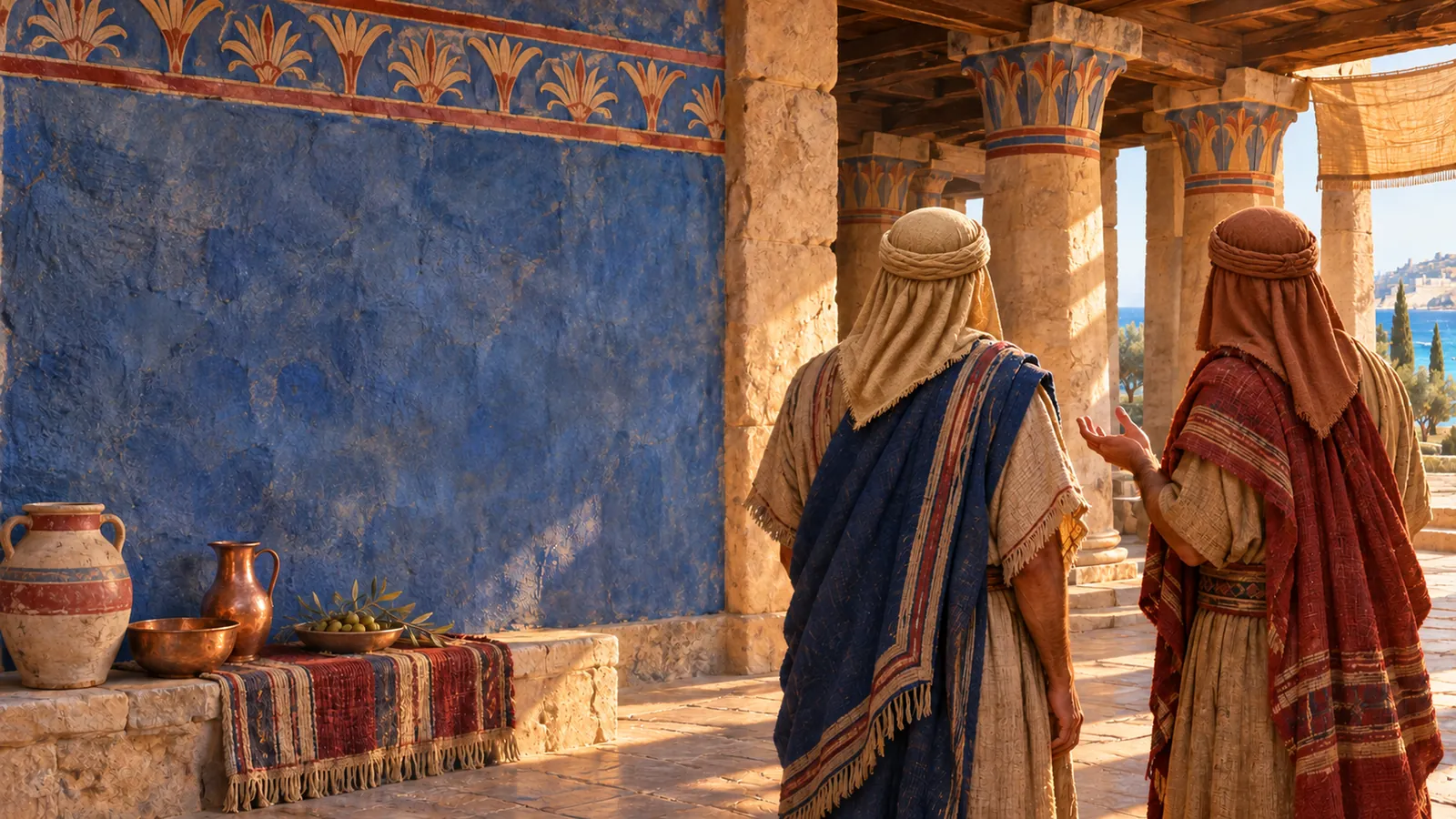
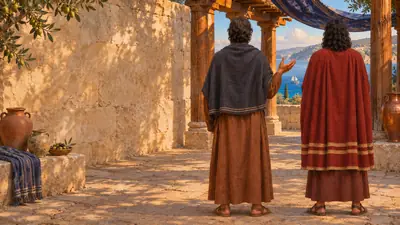
Os emissários falam de pé. O poema compara a sua aparência a chamas e as suas palavras a uma lâmina afiada.
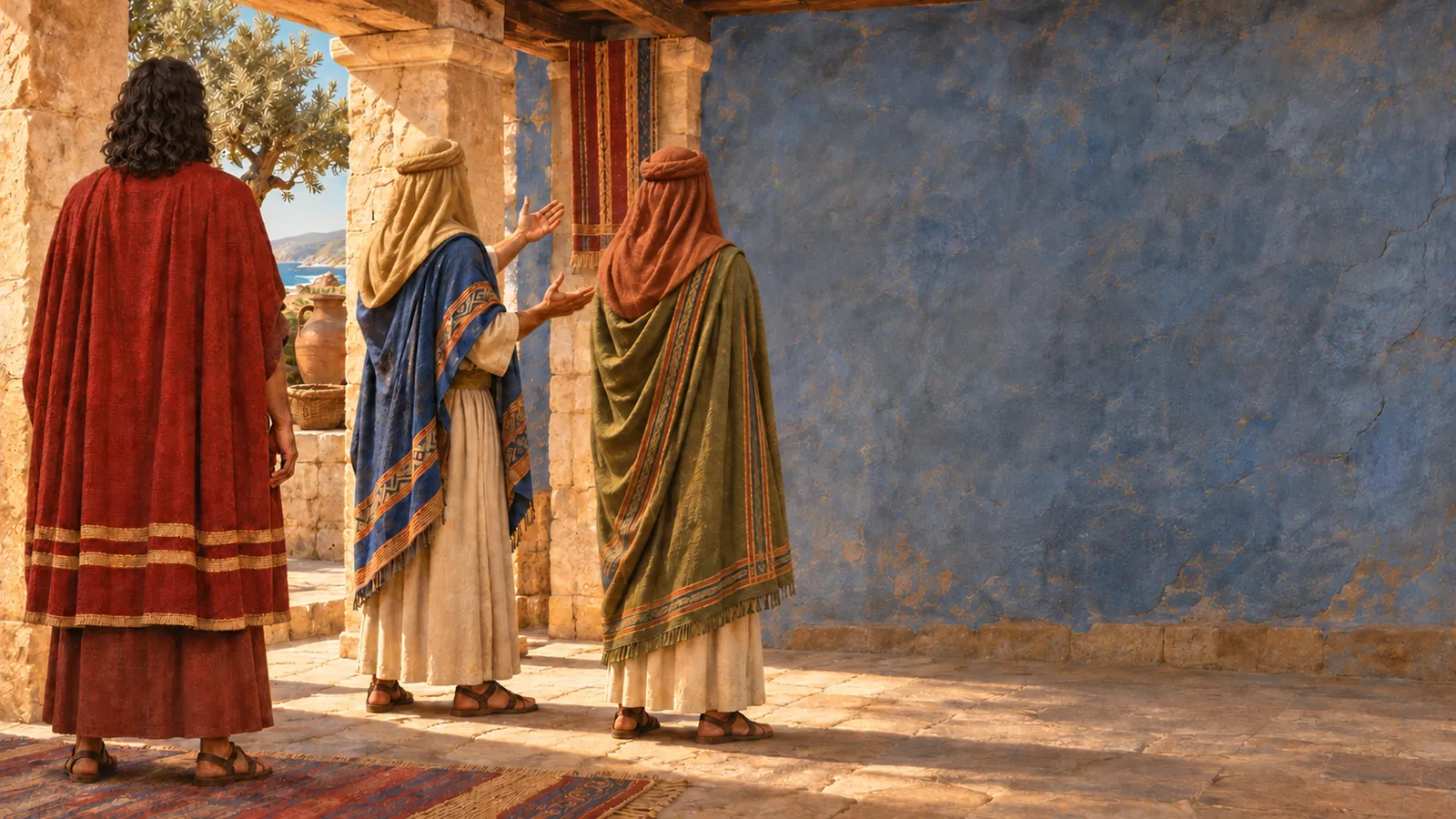
Os emissários dizem o título de Yamm e repetem a sua exigência. Mandam os deuses entregar Baal, filho de Dagan, para que Yamm fique com o seu ouro.
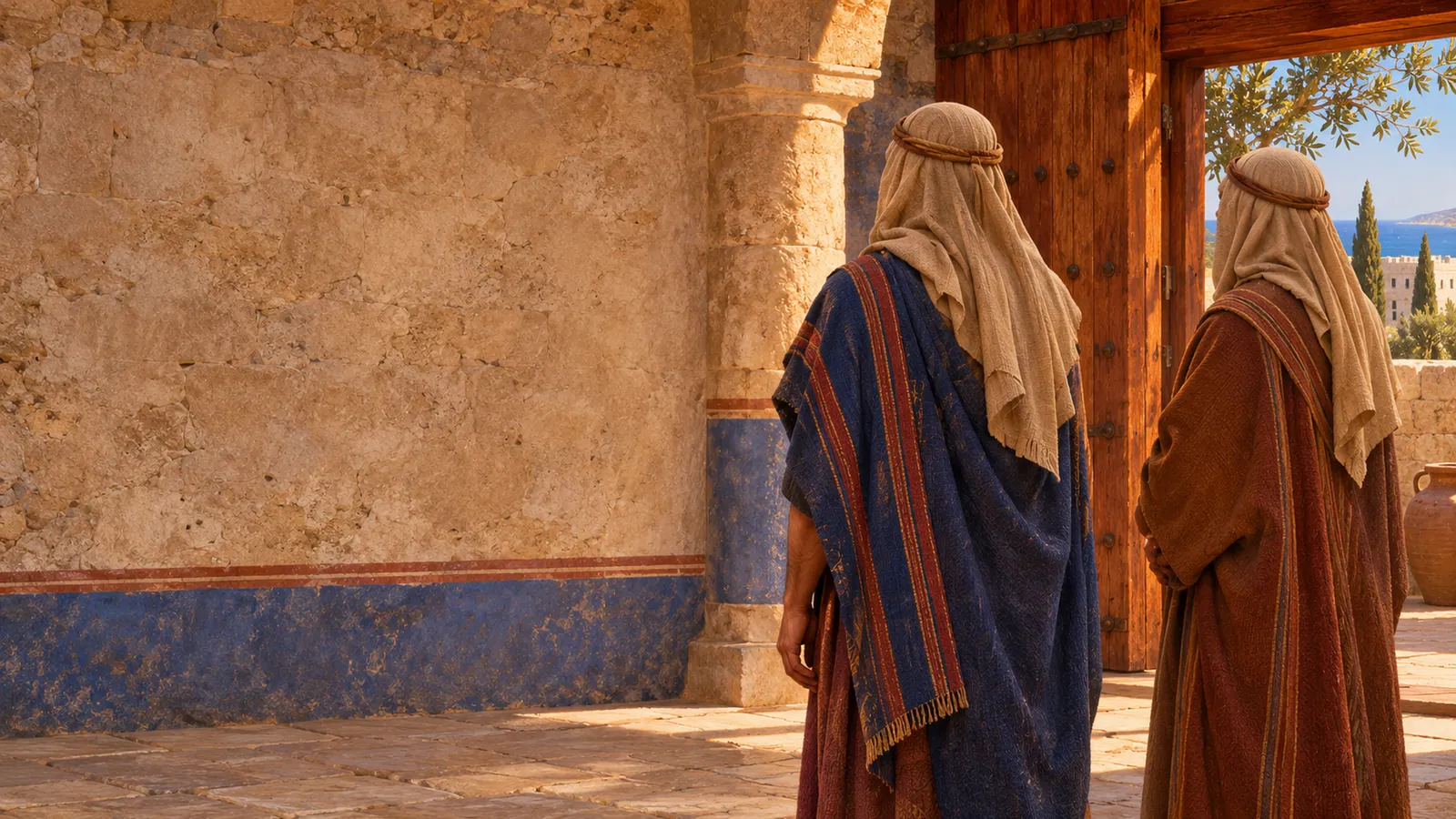
El responde aos emissários nos termos de Yamm. Diz que Baal é súbdito de Yamm e chama ao filho de Dagan seu cativo.
El continua a responder, dizendo que Baal trará tributo. Fala de presentes e oferendas a par do que os outros deuses trarão.
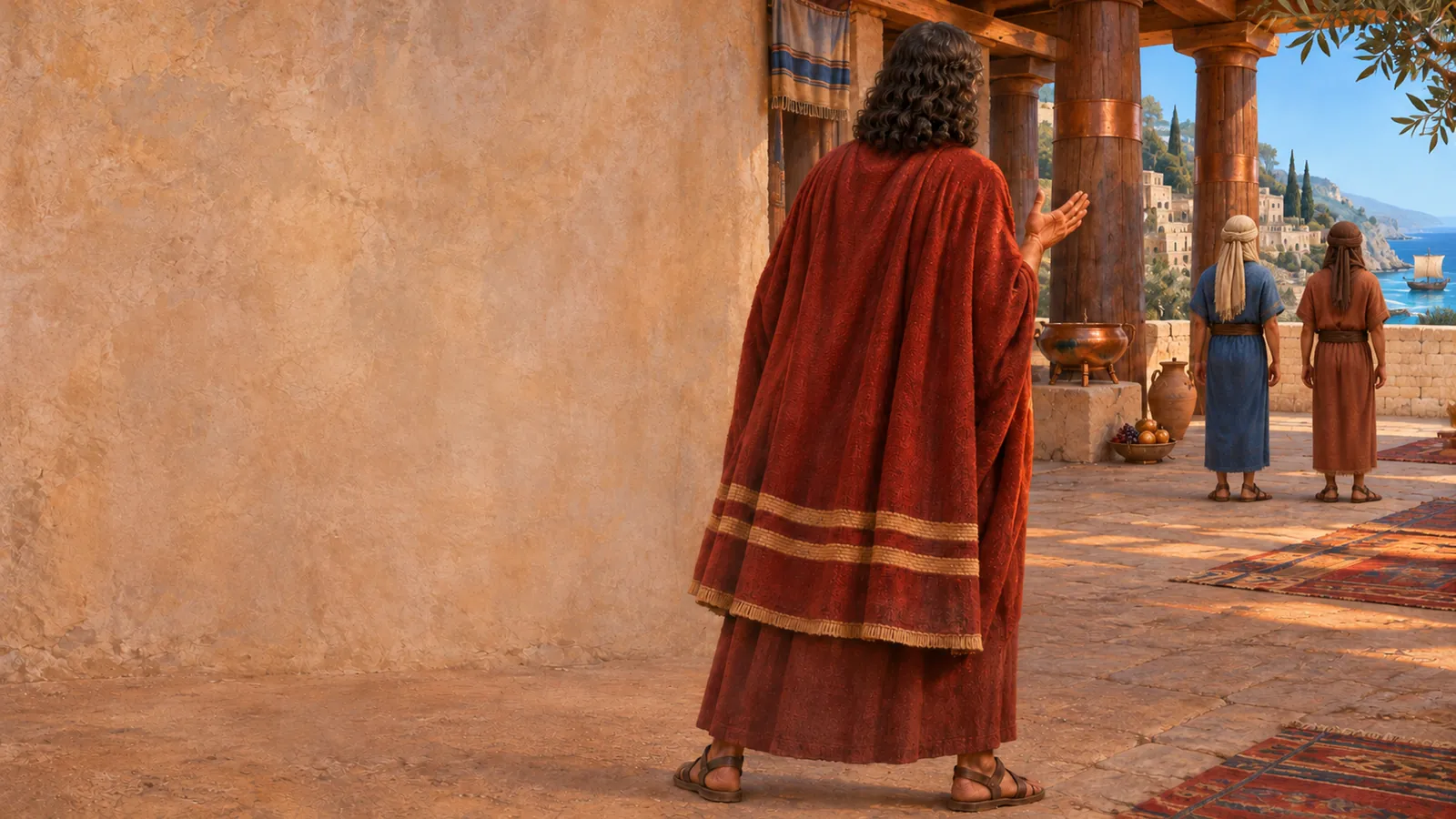
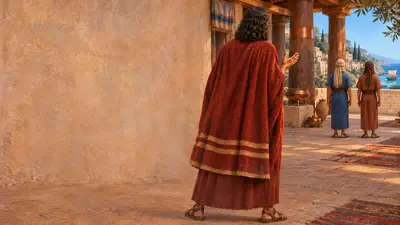
Baal enfurece-se com a resposta de El e volta-se contra os emissários. As palavras danificadas deixam algumas das suas ações abertas à interpretação.
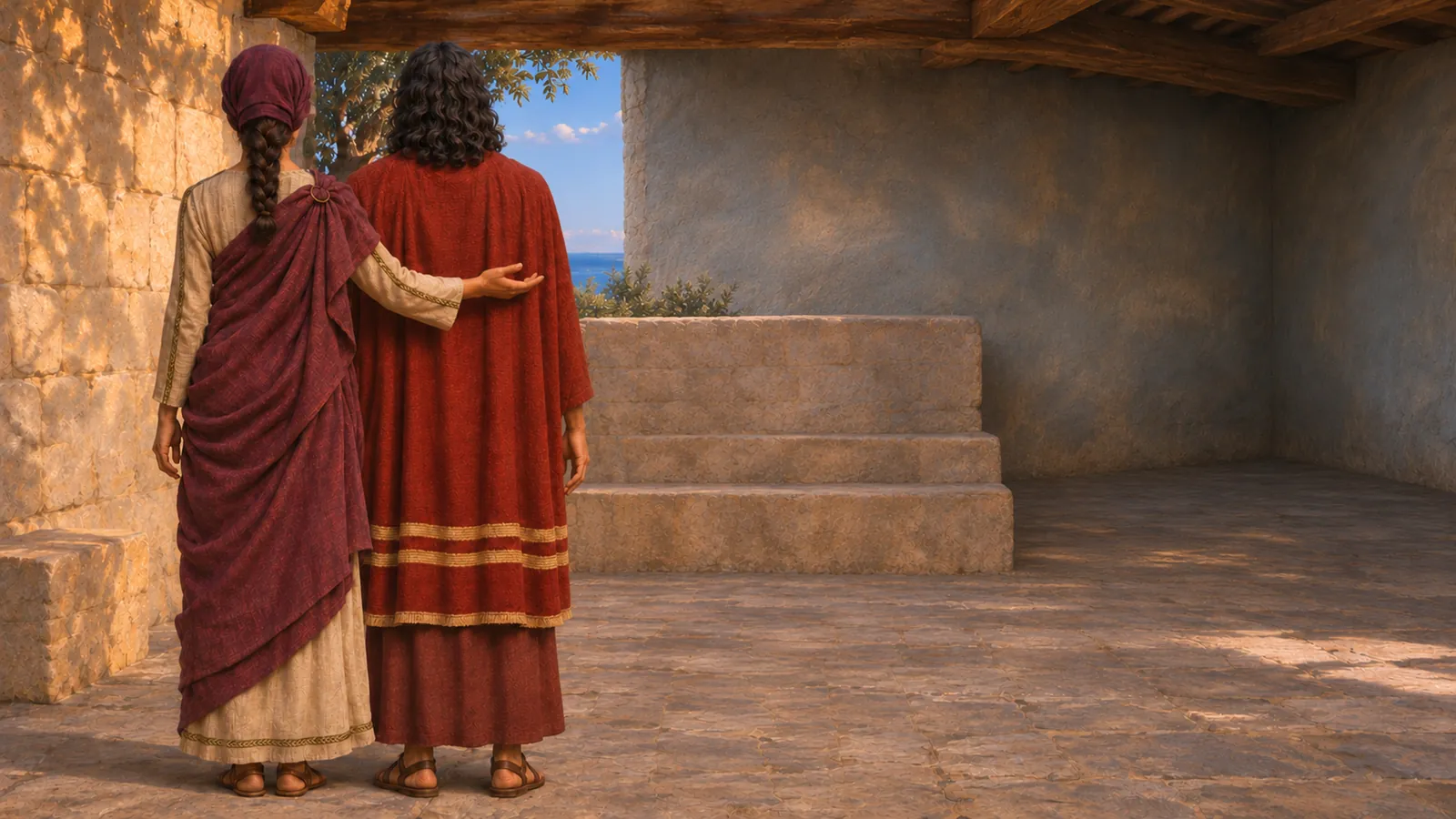
Anat e Athtart intervêm e, numa das leituras, seguram as mãos de Baal. Os versos censuram-no por se ter voltado contra os emissários.

A coluna termina com uma resposta incompleta atribuída a Baal. As palavras que restam referem-se a Yamm, mas o resto da resposta perdeu-se na quebra.

Outra passagem conservada menciona o trono de Yamm. As palavras em redor estão danificadas, e a ligação à cena da assembleia continua por esclarecer.
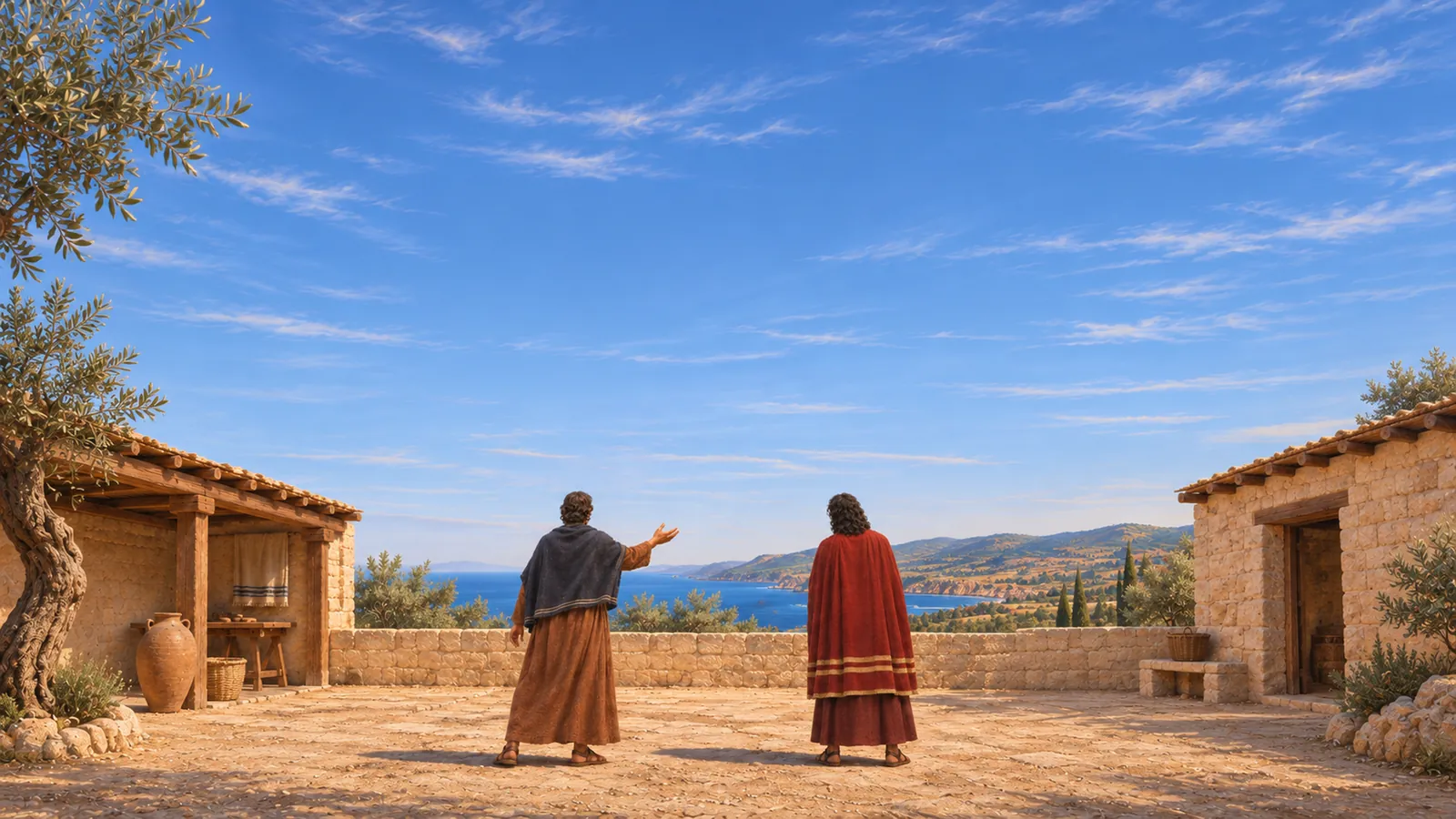
O CAVALEIRO DAS NUVENS
Kothar-wa-Hasis intervém. Fala a Baal e dirige-se a ele com o título de Cavaleiro das Nuvens.
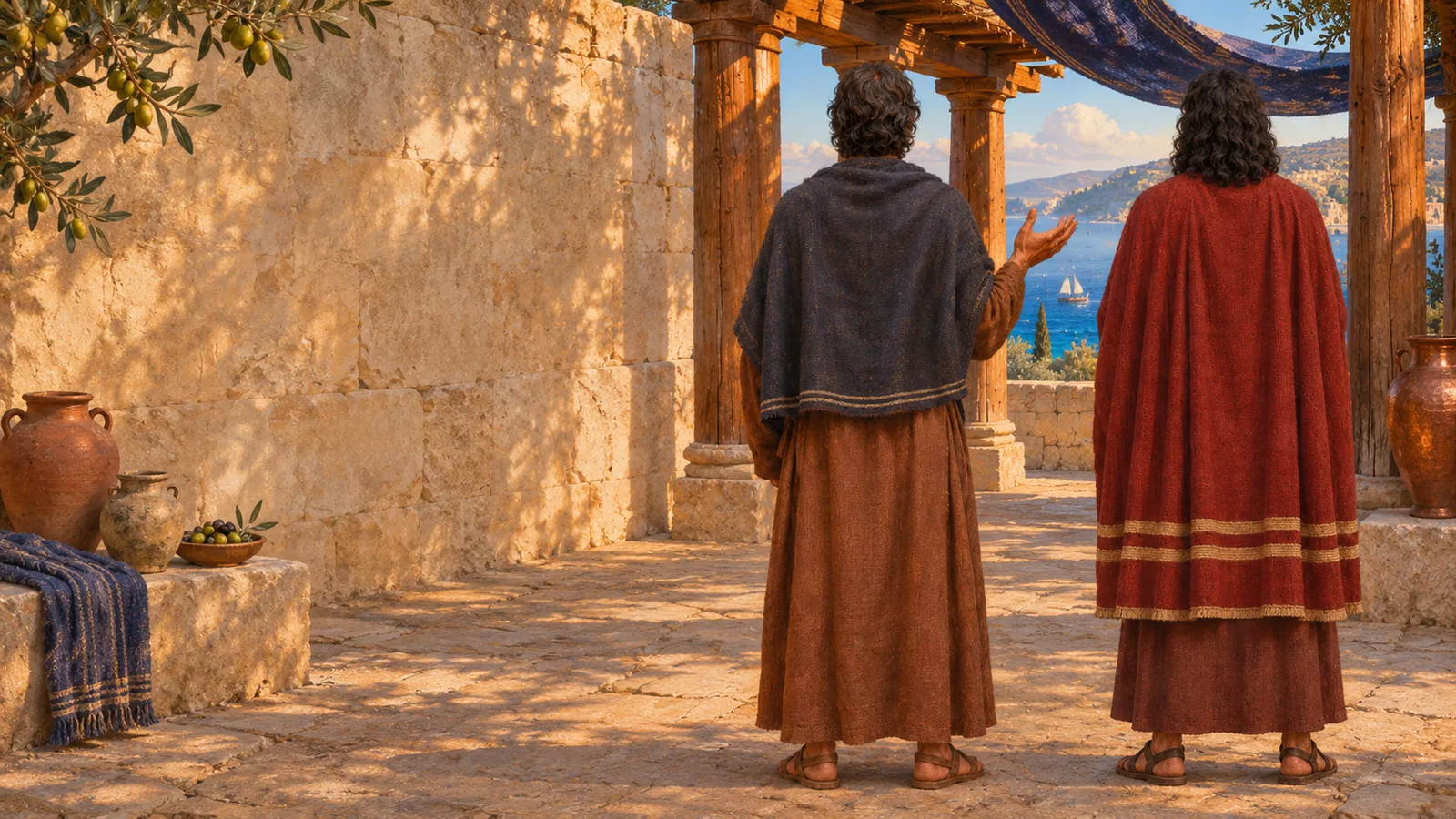
Kothar diz a Baal que vencerá o seu adversário. Apresenta-lhe a perspetiva de um reinado duradouro.
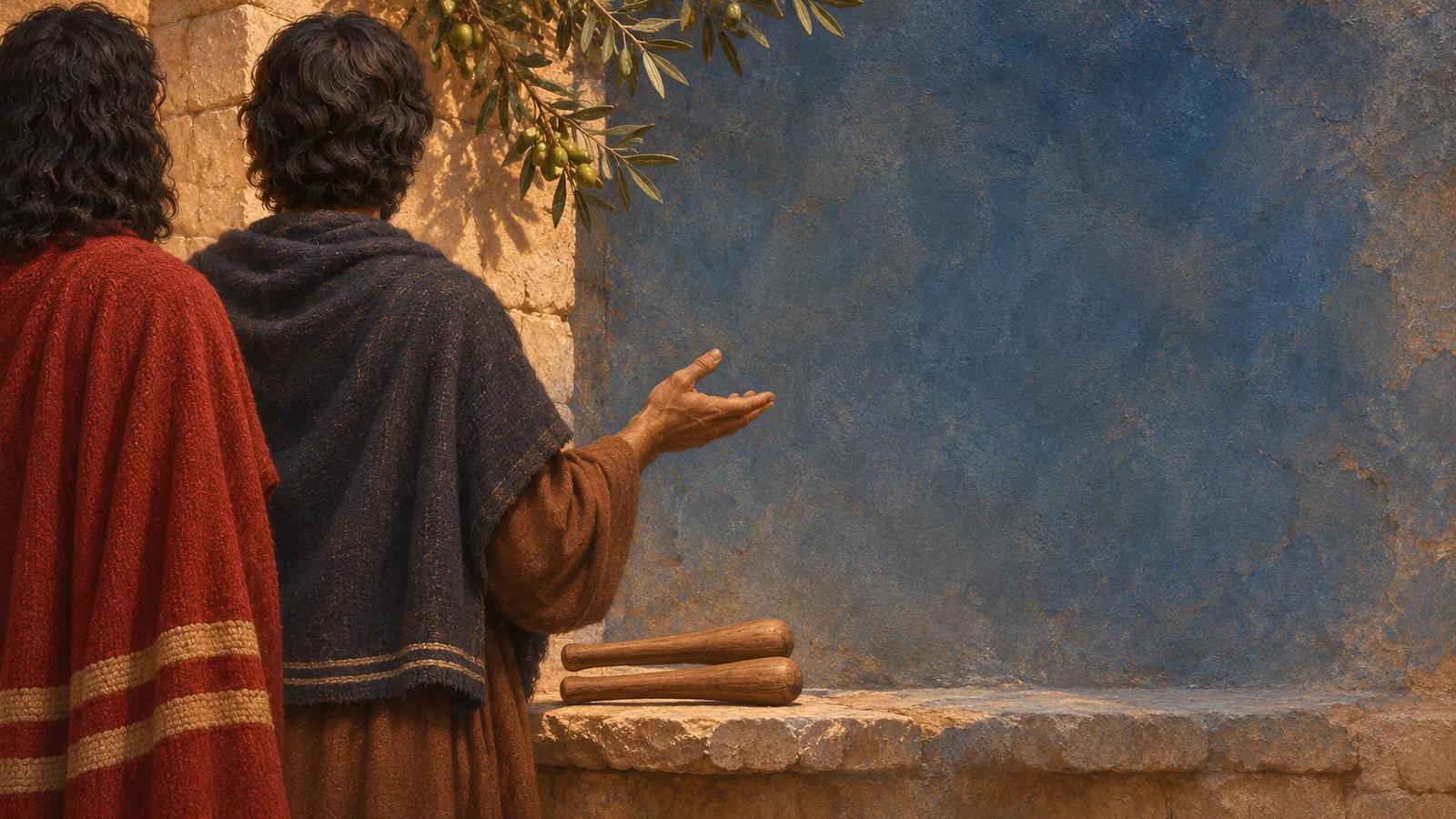
Kothar fornece duas maças a Baal e chama a primeira de Yagarrish, a que expulsa. Ordena que ela expulse Yamm do trono.

O poema relata o primeiro confronto. Yamm mostra a sua força e continua de pé, e a disputa ainda não está decidida.
Kothar dá o segundo nome, Ayyamarri. As suas palavras voltam a pedir que Yamm, também chamado Nahar, seja expulso do seu assento.
A segunda fala de Kothar anuncia a queda de Yamm. Neste ponto do canto, as suas palavras descrevem o que ele espera que venha a acontecer.
Os versos seguintes relatam a mudança anunciada por Kothar. Yamm cai, depois de ter ficado de pé no primeiro confronto.
O verso que segue a queda de Yamm tem sido entendido de várias maneiras. A queda é clara, mas continua a discutir-se a ação exata descrita a seguir.
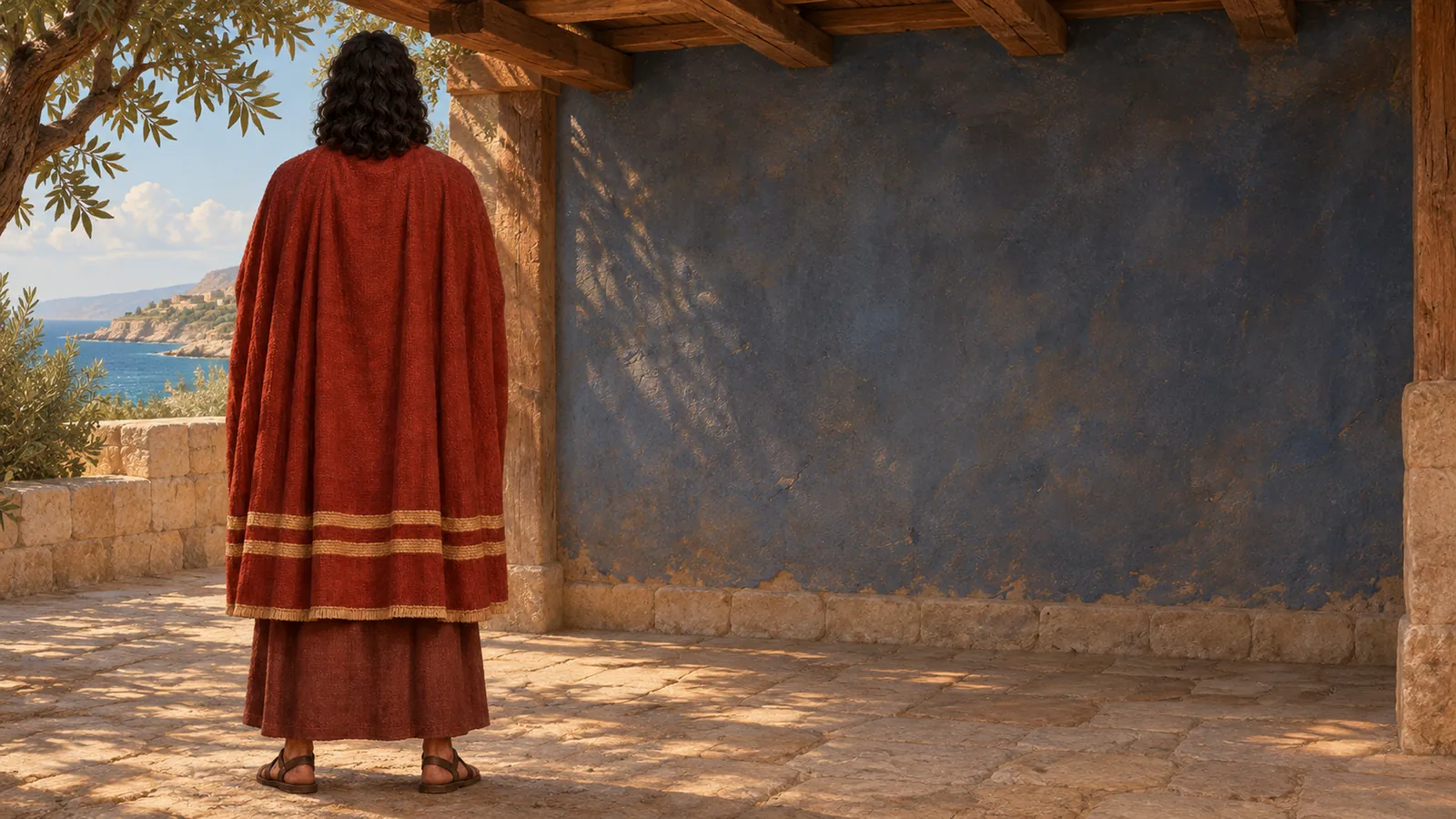
Athtart fala, e o título de Cavaleiro das Nuvens volta a ouvir-se. As palavras permitem discussões sobre quem ela censura e o que pede.
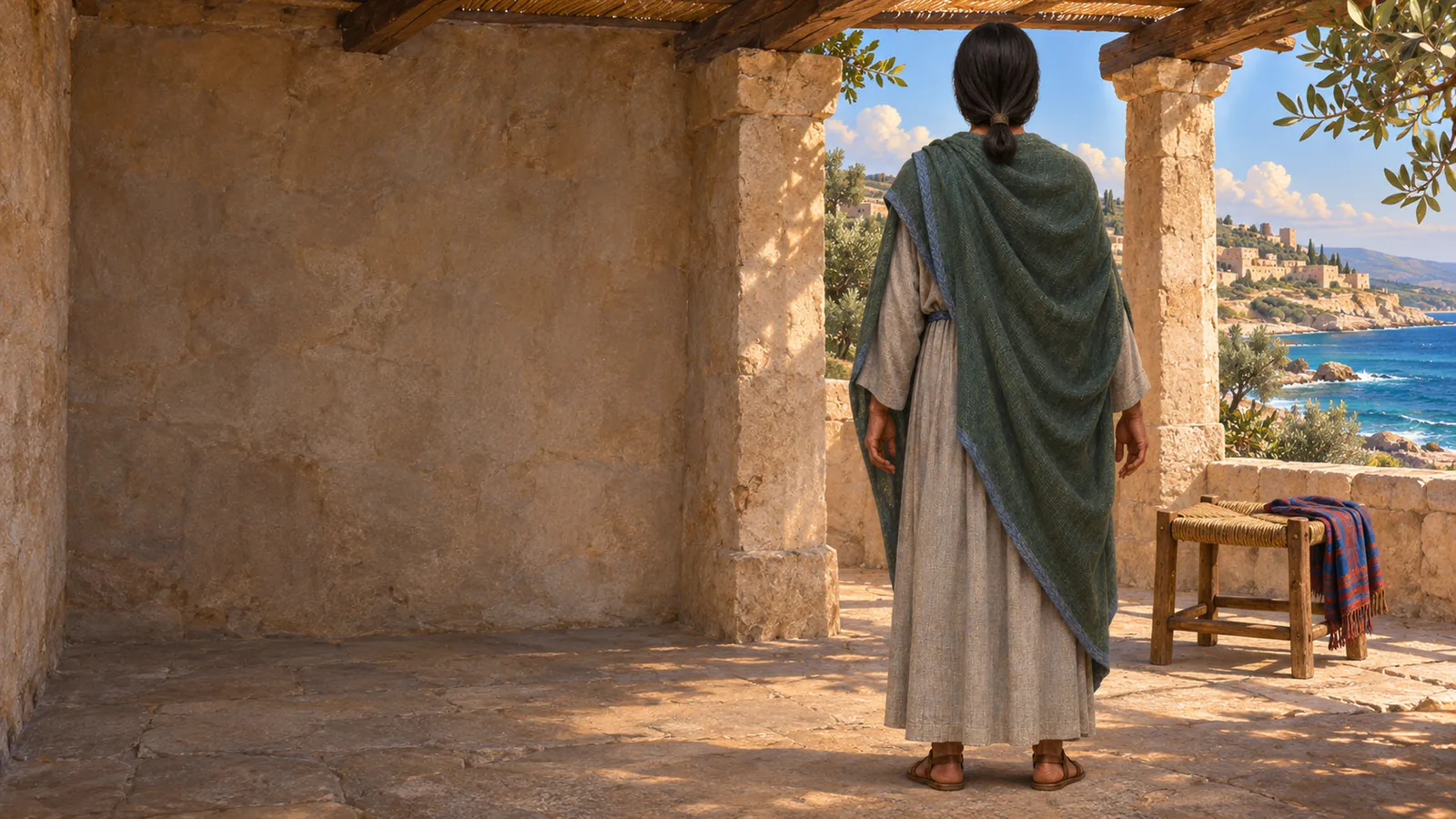
As palavras seguintes chamam cativo ao Soberano Nahar. Nahar é outro título dado a Yamm nas duas passagens.

No final quebrado, uma declaração anuncia que Yamm morreu. As palavras conservadas deixam incerta a identidade de quem o declara.
BAAL REINARÁ
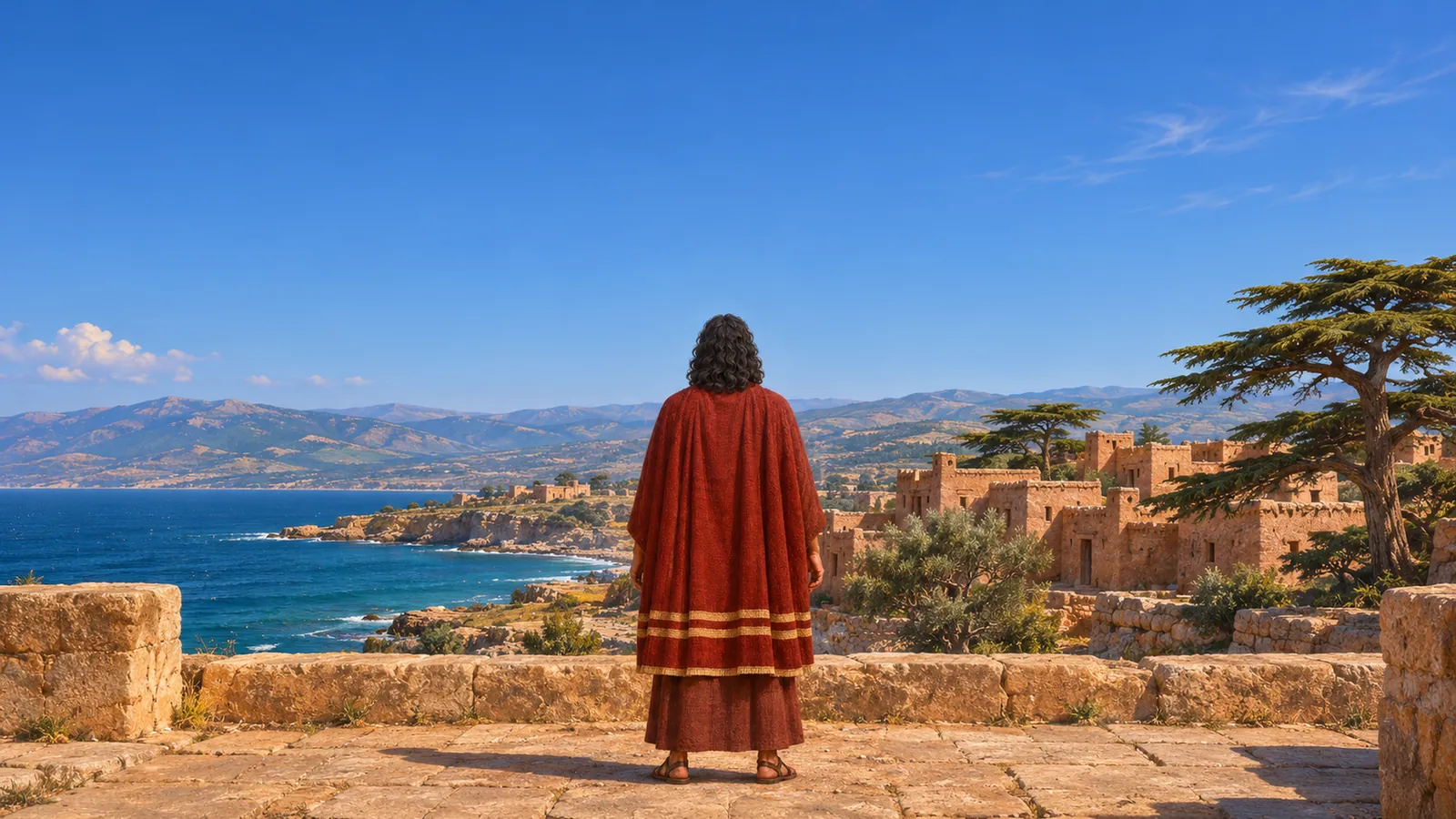
A aclamação final é lida como um anúncio de que Baal reinará. Parte das palavras foi reconstituída, e a declaração chegou até nós num final danificado.
Fim do capítulo 1
Todas as páginas
















Fontes
Pages 35–39. Kothar names two clubs and addresses a command to each. They fly from Baal’s hand in the poem. The opening verb has been read as making or bringing down the clubs (KTU 1.2 IV 11–26; Reed, pp. 106–110; Bordreuil and Pardee).
Edições consultadas
- Clemens Steinberger, Göttingen Ugarit Portal, photographic transliteration of KTU 1.1
- Clemens Steinberger, EUPT glossary, selected KTU 1.2 lines and notes
- Aaron Tugendhaft, Unsettling Sovereignty, translation of KTU 1.2 i 11–46
- Aaron Tugendhaft, Baal and the Politics of Poetry, alternative order and implications
- Sang-yŏl Cho, University of Edinburgh, messenger formulas
- Noga Ayali-Darshan, line-focused reading of the envoy scene and El’s reply
- Textes ougaritiques I, excerpts from KTU 1.2 i and iv, pp. 109–110
- Pierre Bordreuil and Dennis Pardee, primary French translation of KTU 1.2 iv excerpt
- William Justin Reed, pp. 106–110, reading of KTU 1.2 iv 11–26
- Mark S. Smith and Wayne T. Pitard, the captive formula at KTU 1.2 iv 29–30, vol. II, p. 32
- Theodore J. Lewis, Athtart’s speech and the possible readings of KTU 1.2 iv 28–31
- Aren M. Wilson-Wright, p. 337, reading of KTU 1.2 iv 28–29
- Debra Scoggins Ballentine, pp. 74–75, reading of the closing declaration
- The Louvre, AO 16640, physical record and note on the proposed join
Notas sobre este reconto
Pages 36 and 39. The first club strikes Yamm in the shoulder area and he stands. The second strikes him in the head and he collapses. 106–110; Bordreuil and Pardee).
Page 29. In a common restoration, Baal takes up a knife and dagger to strike the envoys. 374; Textes ougaritiques I, pp. 109–110).
Os versos antigos de cada página
- Page 1: Steinberger, KTU 1.1 II 1–16, RS 3.361, fragmentary opening
- Page 2: Steinberger, KTU 1.1 II 14–16
- Page 3: Steinberger, KTU 1.1 III 5–9, especially 7
- Page 4: Steinberger, KTU 1.1 III 12–15
- Page 5: Steinberger, KTU 1.1 III 17–19
- Page 6: Steinberger, KTU 1.1 IV 12–13
- Page 7: Steinberger, KTU 1.1 IV 14 and n. 15
- Page 8: Steinberger, KTU 1.1 IV 15, 20; Tugendhaft, book ch. 6 n. 43
- Page 9: Steinberger, KTU 1.1 IV 21–25, readings and reconstruction
- Page 10: Tugendhaft, KTU 1.2 i 11–13, appendix pp. 383–384
- Page 11: Tugendhaft, KTU 1.2 i 13–14; Cho on i 13
- Page 12: Tugendhaft, KTU 1.2 i 14c–16; Steinberger, EUPT i 14c–15b
- Page 13: Tugendhaft, KTU 1.2 i 16–18
- Page 14: Tugendhaft, KTU 1.2 i 18–19a; Steinberger, EUPT i 18
- Page 15: Tugendhaft, KTU 1.2 i 19b–20; Steinberger, EUPT i 19b
- Page 16: Tugendhaft, KTU 1.2 i 20–21; French Ministry extract, p. 109
- Page 17: Tugendhaft, KTU 1.2 i 20–21, pp. 373–374; French Ministry extract, p. 109
- Page 18: Tugendhaft and Ayali-Darshan, KTU 1.2 i 21–22
- Page 19: Tugendhaft and Ayali-Darshan, KTU 1.2 i 23–24
- Page 20: Tugendhaft, KTU 1.2 i 24–26
- Page 21: Tugendhaft and Steinberger, KTU 1.2 i 25d–26
- Page 22: Steinberger, EUPT KTU 1.2 i 27–28a; Tugendhaft, appendix
- Page 23: Tugendhaft, KTU 1.2 i 28–30
- Page 24: Tugendhaft and Ayali-Darshan, KTU 1.2 i 30–31
- Page 25: Tugendhaft and Ayali-Darshan, KTU 1.2 i 31–33
- Page 26: Tugendhaft, KTU 1.2 i 33–35; French Ministry extract, pp. 109–110
- Page 27: Tugendhaft and Ayali-Darshan, KTU 1.2 i 36–37
- Page 28: Tugendhaft and Ayali-Darshan, KTU 1.2 i 37–38
- Page 29: Tugendhaft, KTU 1.2 i 38b–40, appendix and p. 374
- Page 30: Tugendhaft, KTU 1.2 i 39–44, appendix and p. 374
- Page 31: Tugendhaft, KTU 1.2 i 45–46
- Page 32: KTU 1.2 iv 6–7a, Textes ougaritiques I, French Ministry extract, p. 110; Smith’s section divisions
- Page 33: Bordreuil and Pardee, KTU 1.2 iv 7b–8, Ministry of Culture excerpt
- Page 34: Bordreuil and Pardee, KTU 1.2 iv 8–10; Steinberger, EUPT iv 8c–9
- Page 35: KTU 1.2 IV 11–15 (Reed, pp. 106–110; Bordreuil and Pardee; Steinberger, EUPT)
- Page 36: Reed and Bordreuil–Pardee, KTU 1.2 iv 15b–18a
- Page 37: Reed, KTU 1.2 iv 18b–20; Bordreuil and Pardee, Ministry of Culture excerpt
- Page 38: Reed and Bordreuil–Pardee, KTU 1.2 iv 21–23a
- Page 39: Reed and Bordreuil–Pardee, KTU 1.2 iv 23b–26
- Page 40: KTU 1.2 iv 27; Bordreuil and Pardee, Ministry of Culture excerpt; Smith’s passage division
- Page 41: Lewis and Wilson-Wright, KTU 1.2 iv 28–29a
- Page 42: Smith and Pitard, KTU 1.2 iv 29b–30, p. 32; Lewis iv 29–30
- Page 43: KTU 1.2 iv 32–33, Textes ougaritiques I, French Ministry extract, p. 110; Ballentine, pp. 74–75
- Page 44: KTU 1.2 iv 32–35, Textes ougaritiques I, French Ministry extract through iv 33; Ballentine, pp. 74–75
Ilustrações feitas pelo IL Archive com ferramentas de IA; o texto baseia-se nas fontes antigas (veja as fontes no fim de cada capítulo).