O Ciclo de Baal Capítulo 2
O Palácio de Baal
Baal pede uma casa como a dos outros deuses. Anat dirige-se a El, e mais tarde Athirat obtém o seu consentimento. Kothar constrói o palácio no Saphon. Depois, Baal pede-lhe que abra uma janela, e as montanhas ouvem a sua voz.
FontesVire as páginas com as setas, o teclado ou deslizando o dedo.
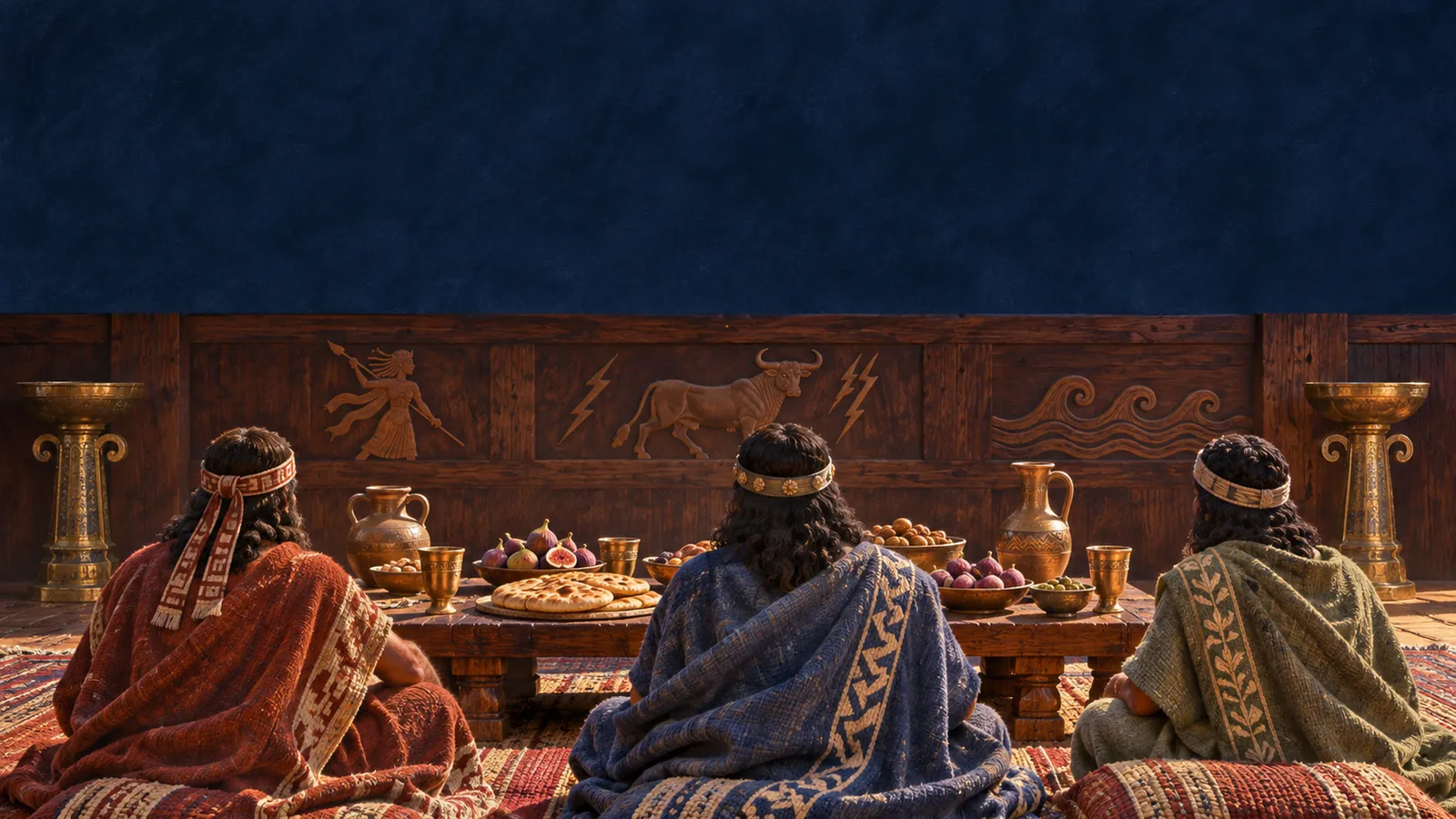
O PALÁCIO DE BAAL
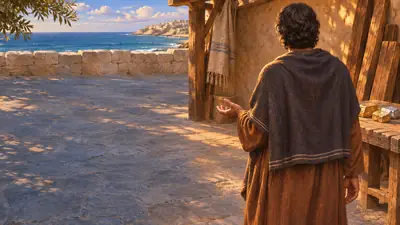
O topo da tabuinha está partido. Quando as palavras voltam a ser legíveis, já decorre um banquete. Os versos conservados deixam em aberto a sua ocasião.
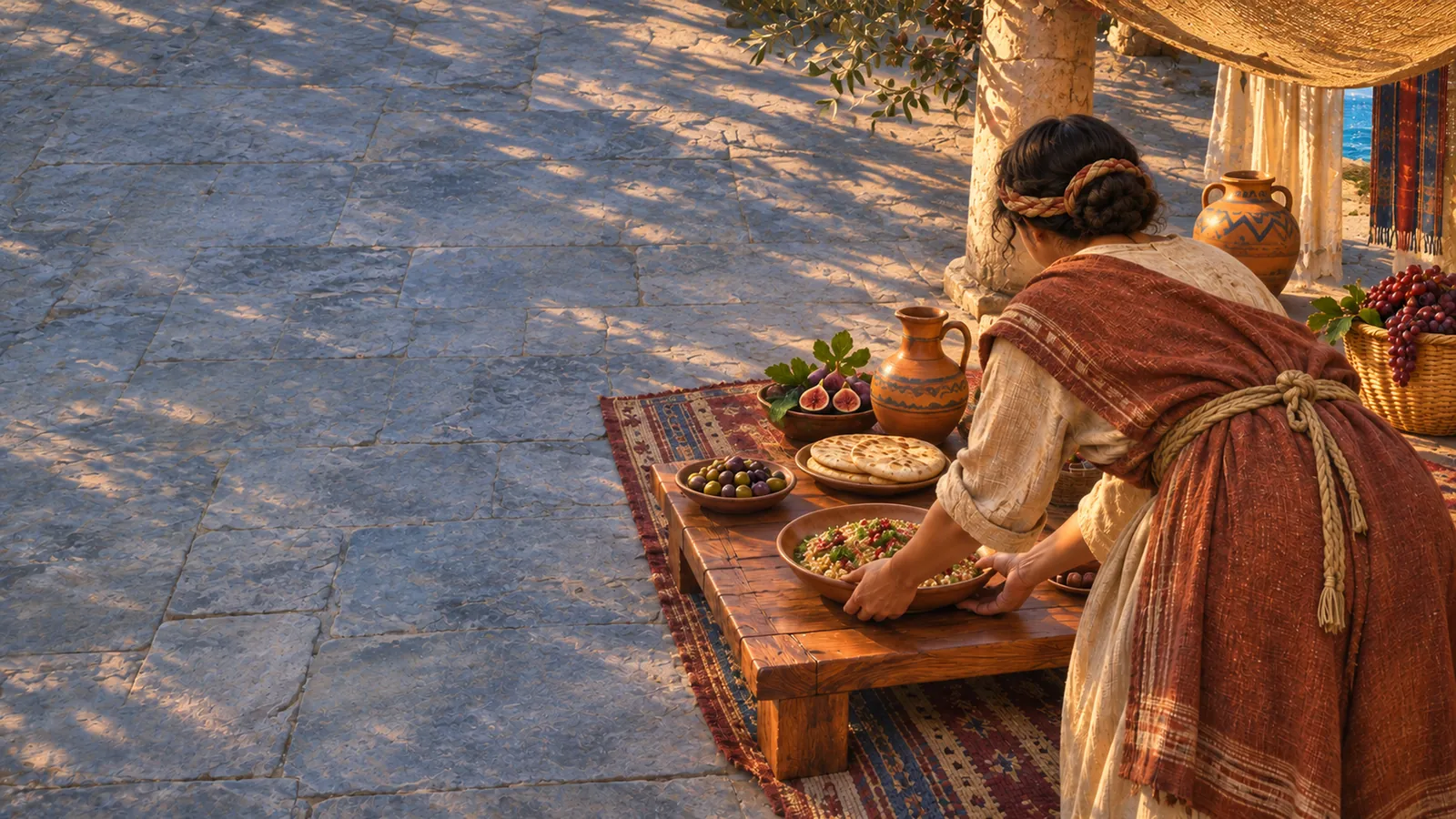
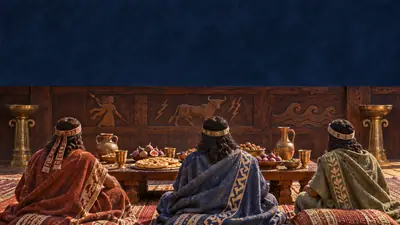
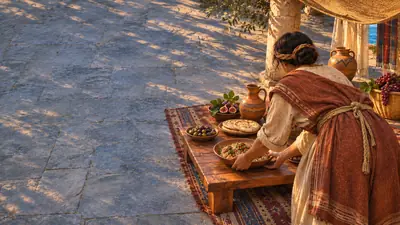
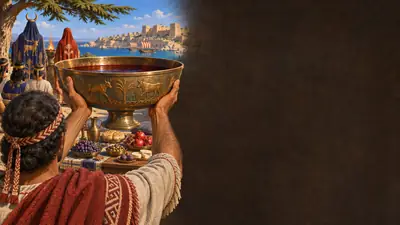
Trazem comida para o banquete. O verso demora-se no serviço antes de passar ao vinho e ao canto.
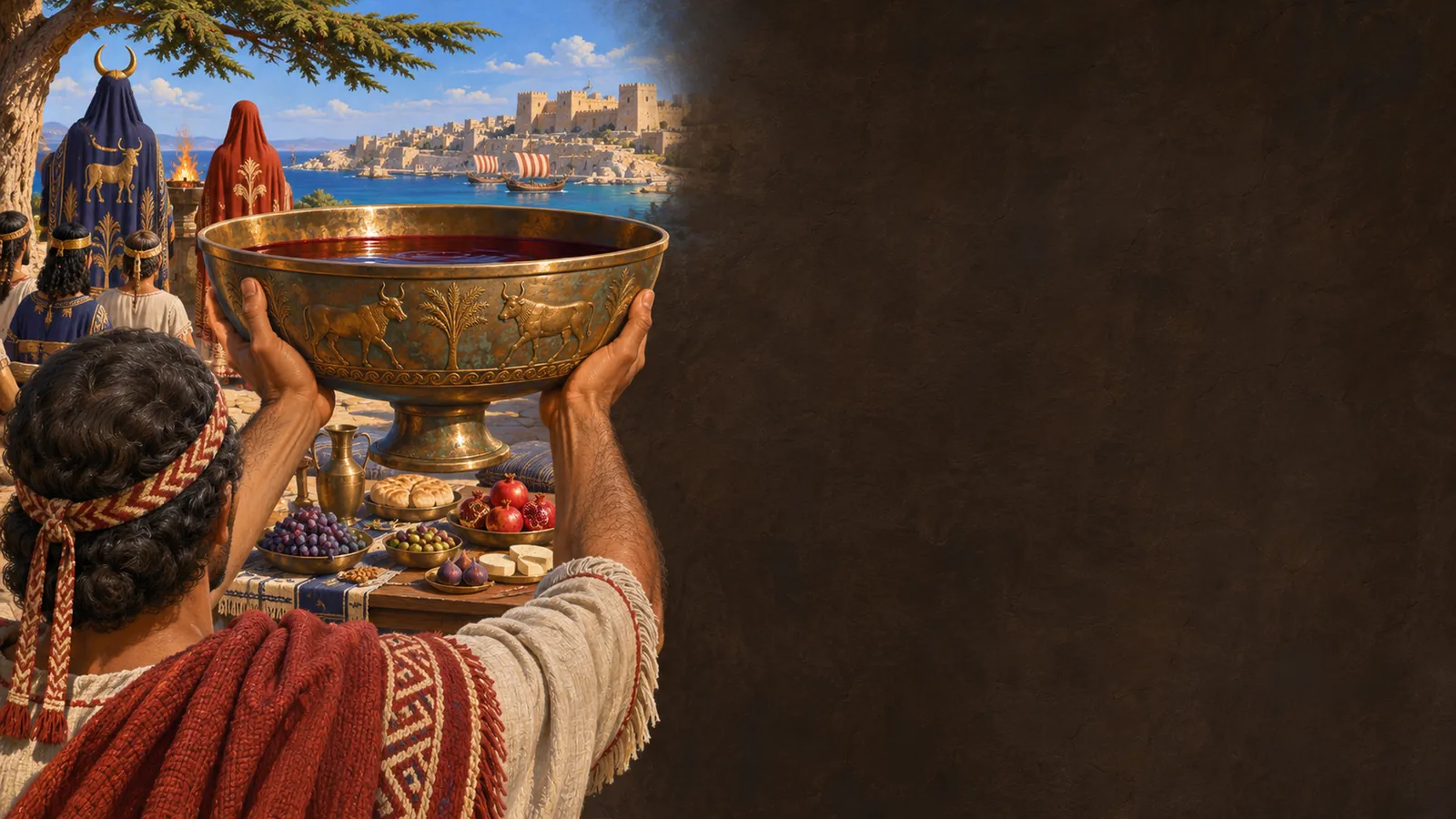
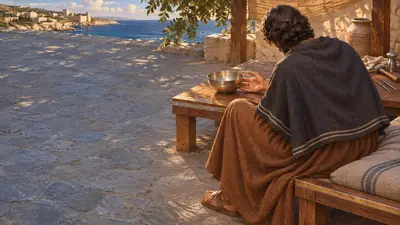
O poema descreve uma taça de vinho tão grande que prende o olhar. O seu tamanho faz parte do elogio ao banquete.
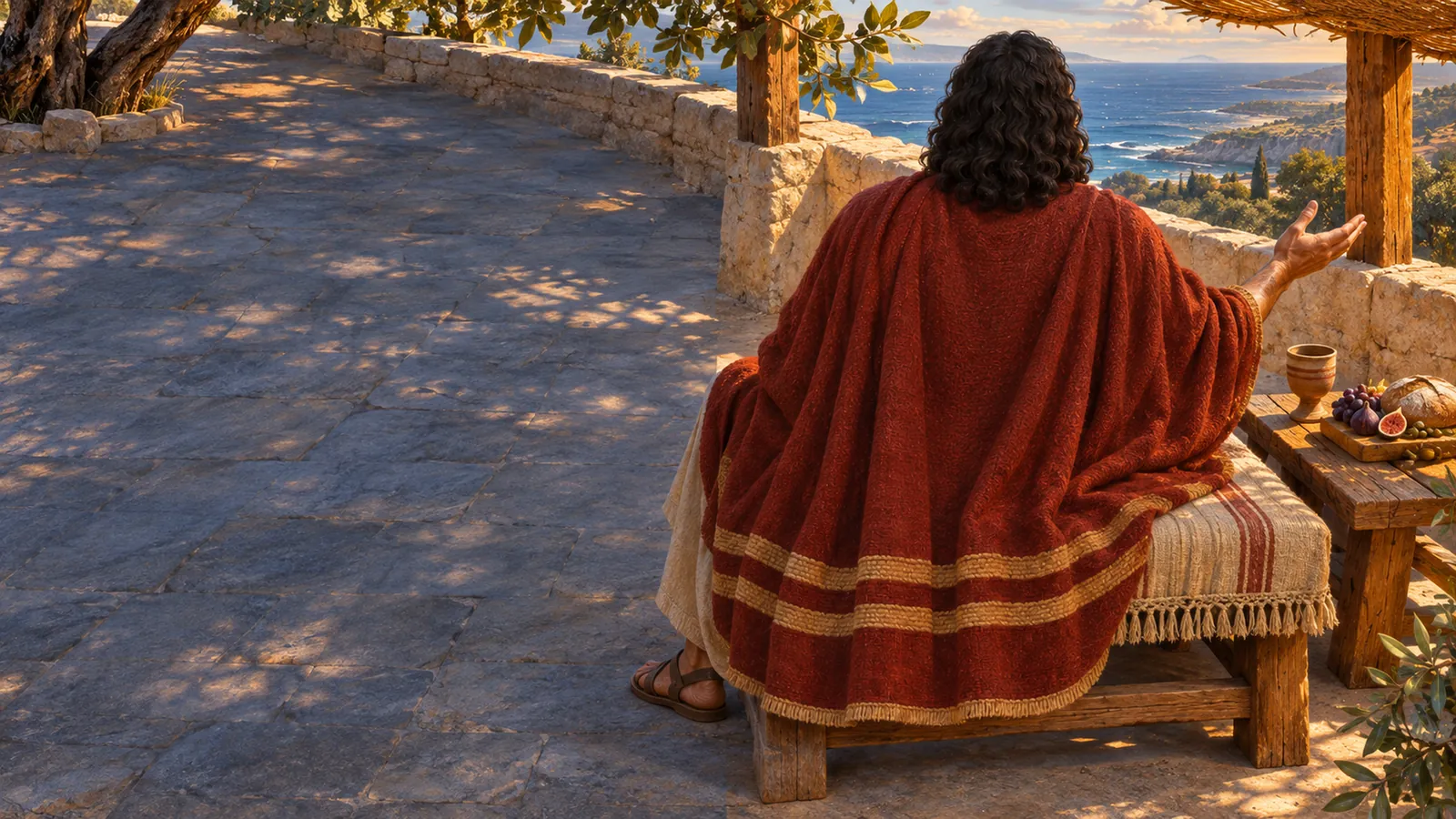
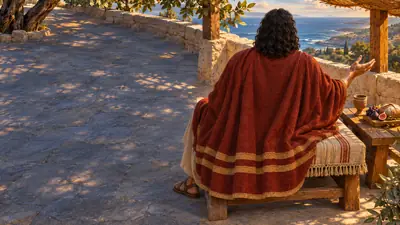
O canto ergue-se no banquete. As palavras situam Baal nas alturas do Saphon, a montanha nomeada nesta parte do poema.
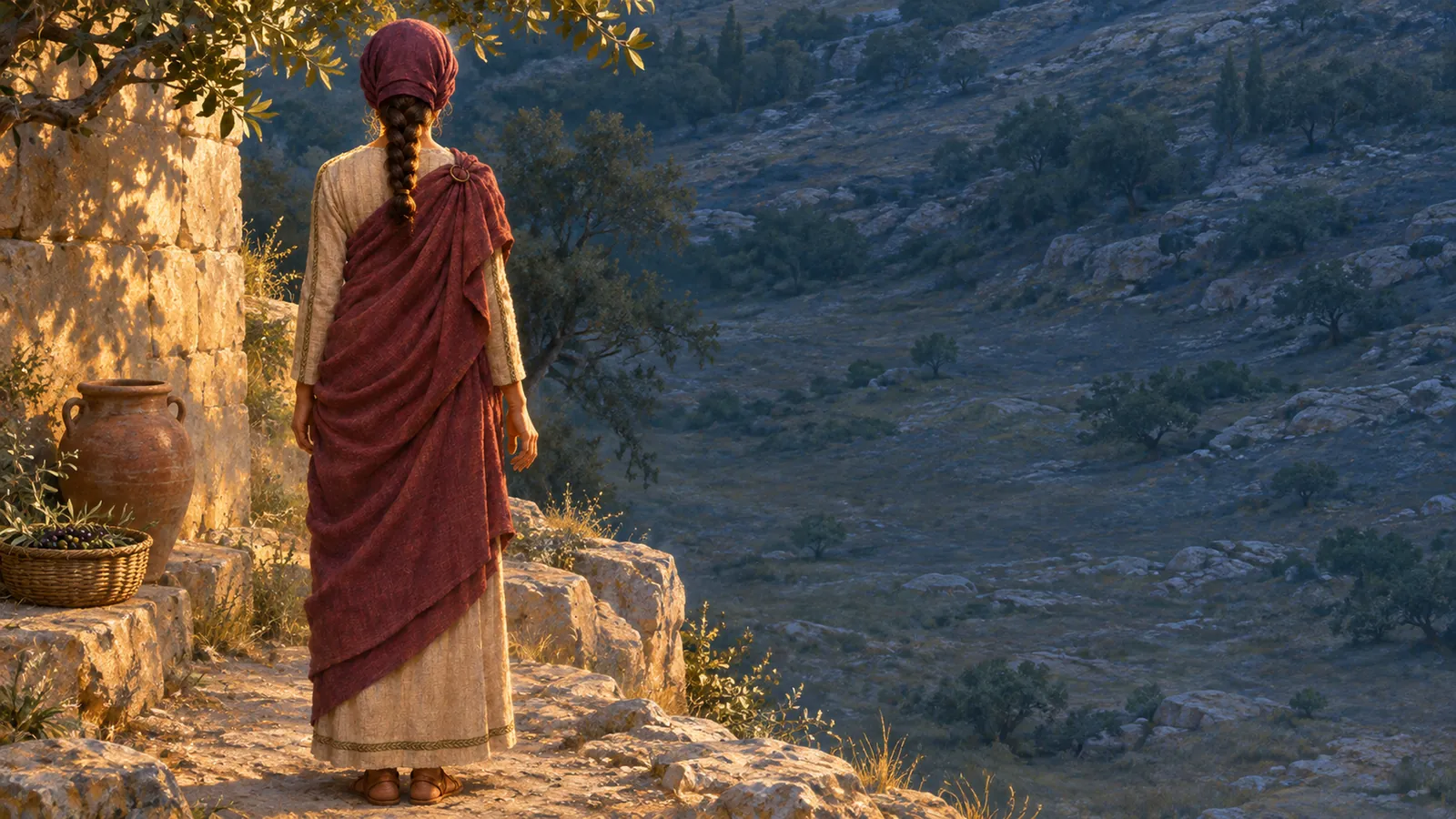
O poema passa a um vale onde Anat mata pessoas do litoral e do leste. O motivo do combate permanece incerto.
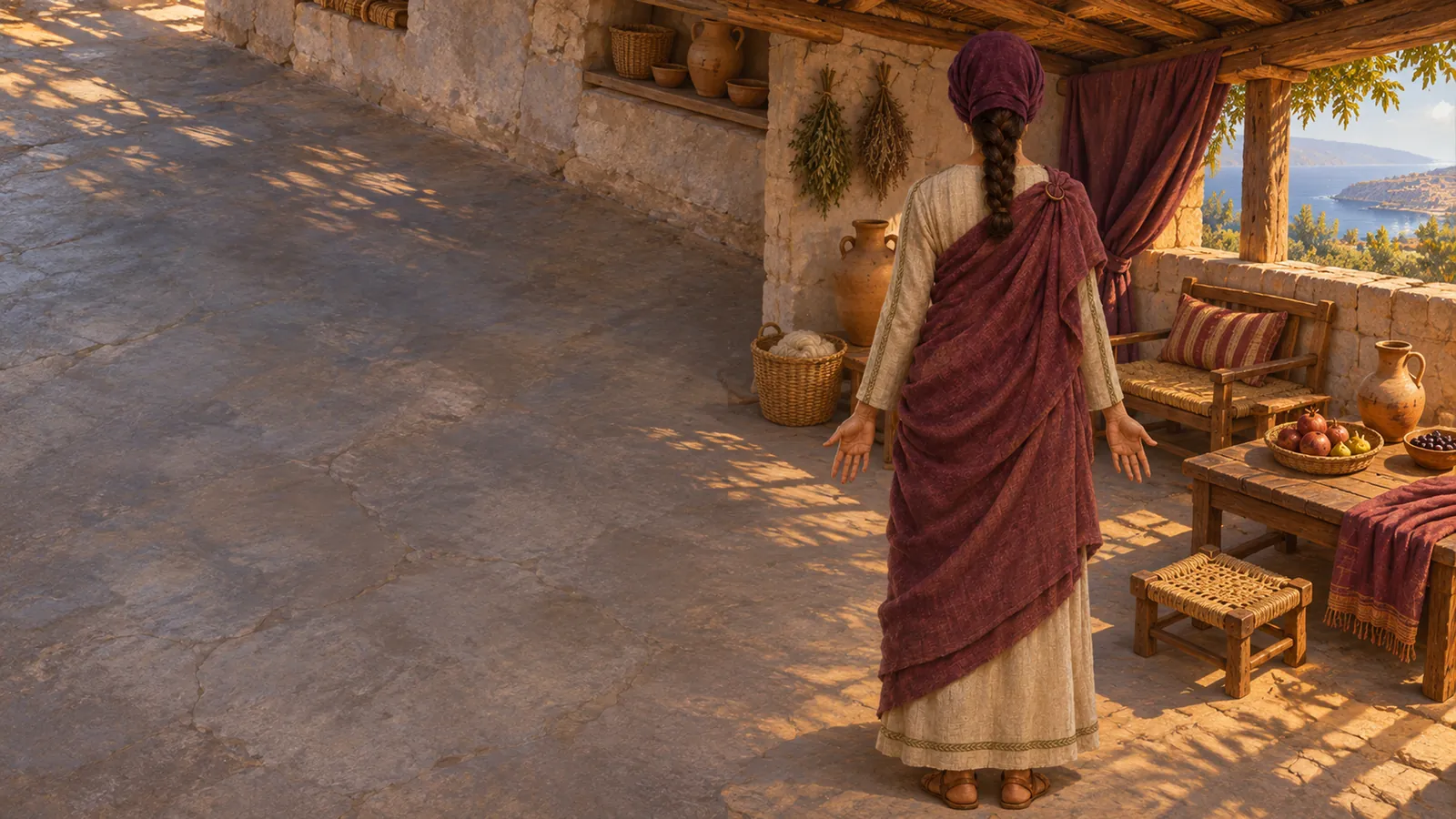
Em sua casa, Anat dispõe mesas e assentos como guerreiros e continua a lutar. O poema diz que ela se alegra na batalha.
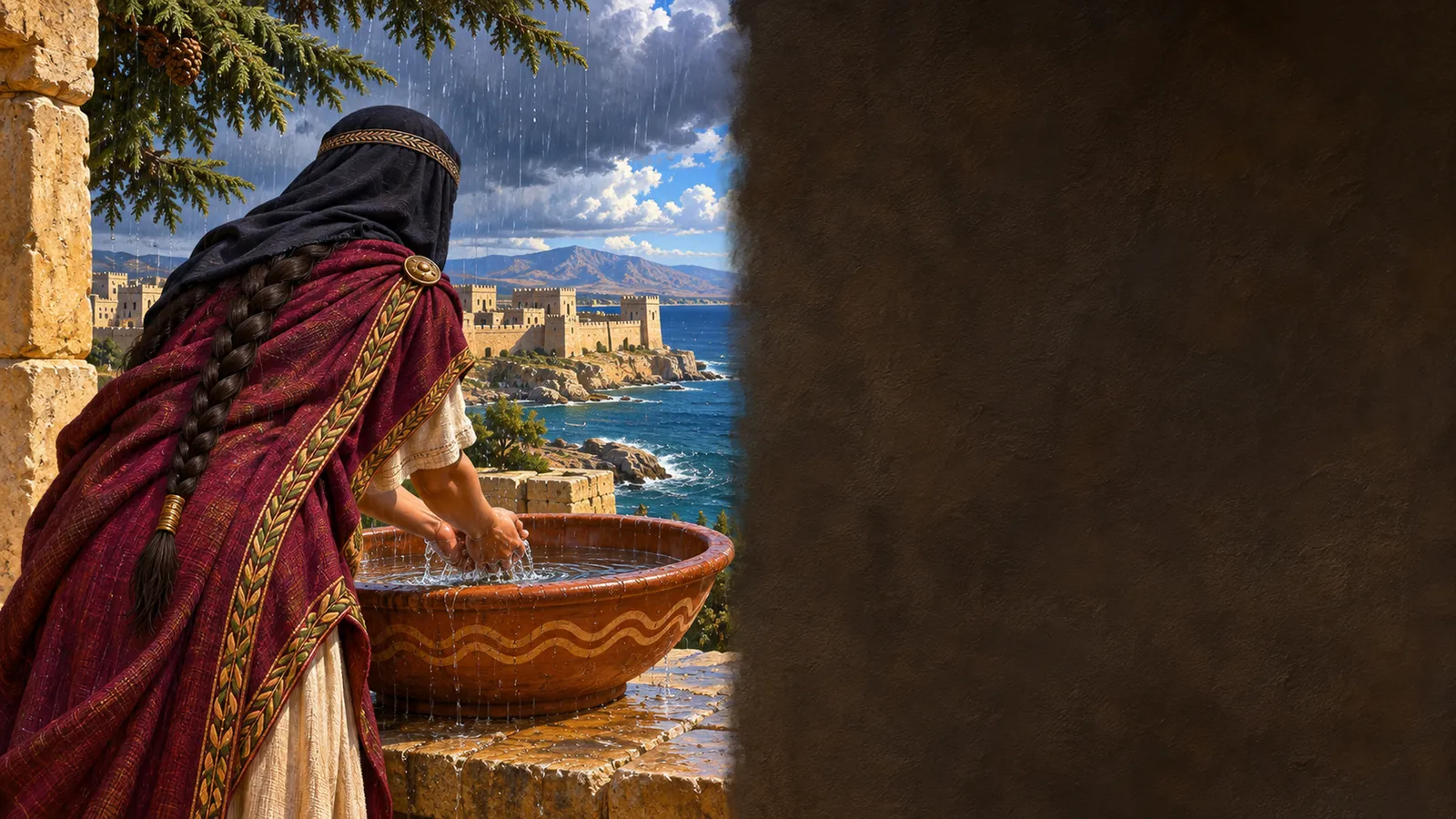
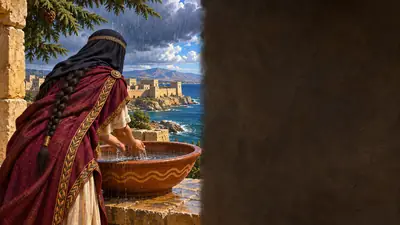
Quando a luta termina, Anat lava das mãos o sangue dos guerreiros. Depois se banha no orvalho e na chuva.
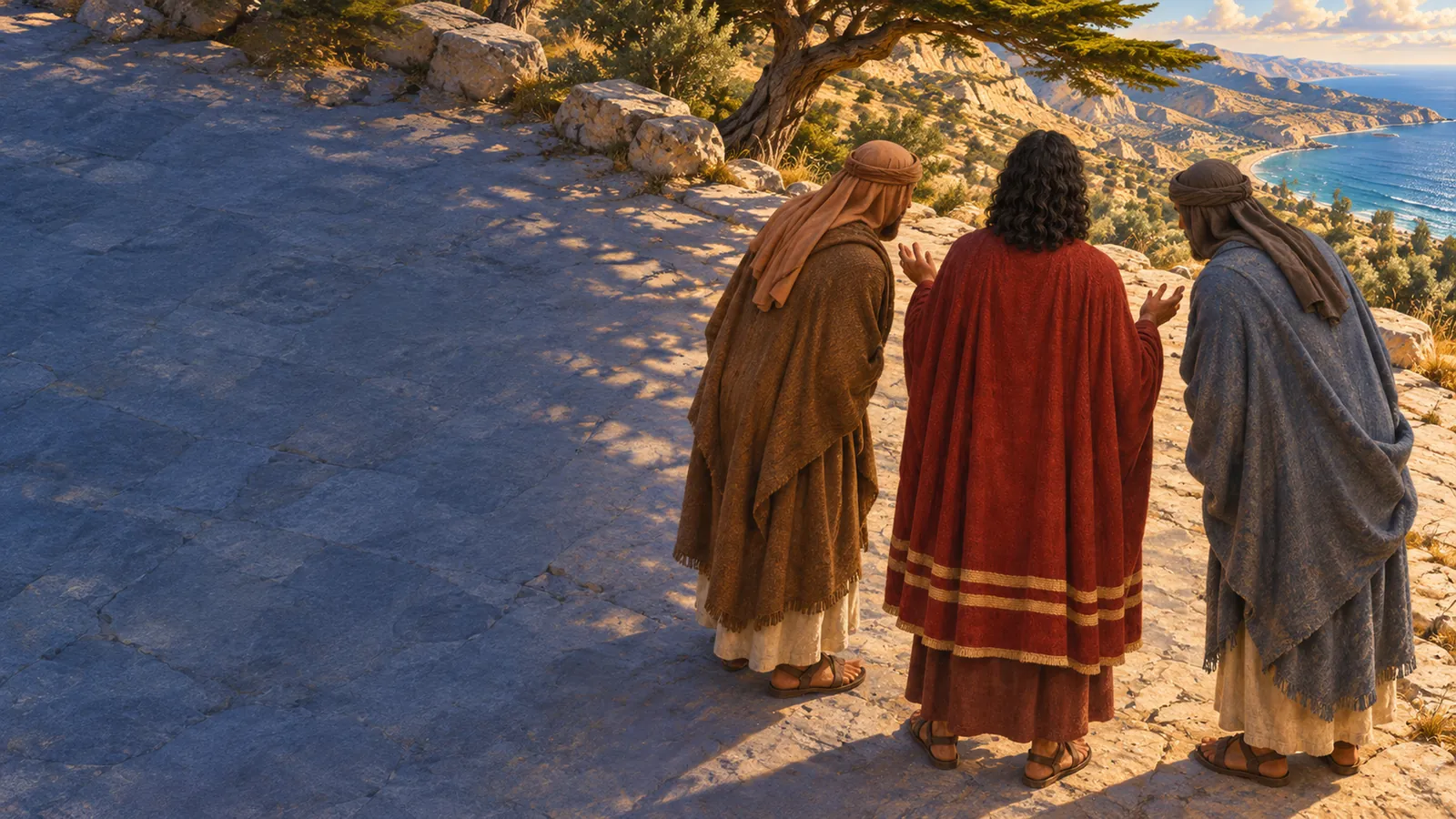
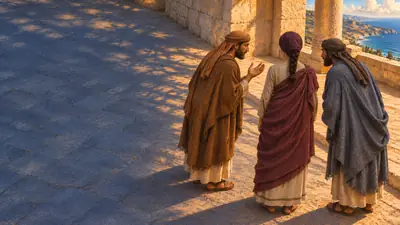
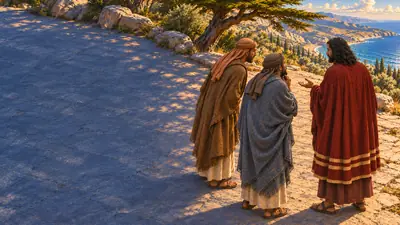
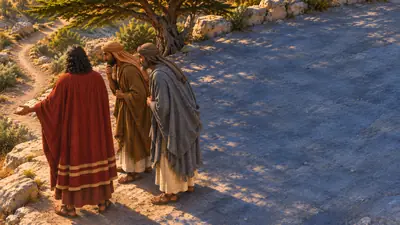
Baal envia dois mensageiros para falarem com Anat. Diz-lhes que se aproximem com o respeito devido a quem os vai escutar.
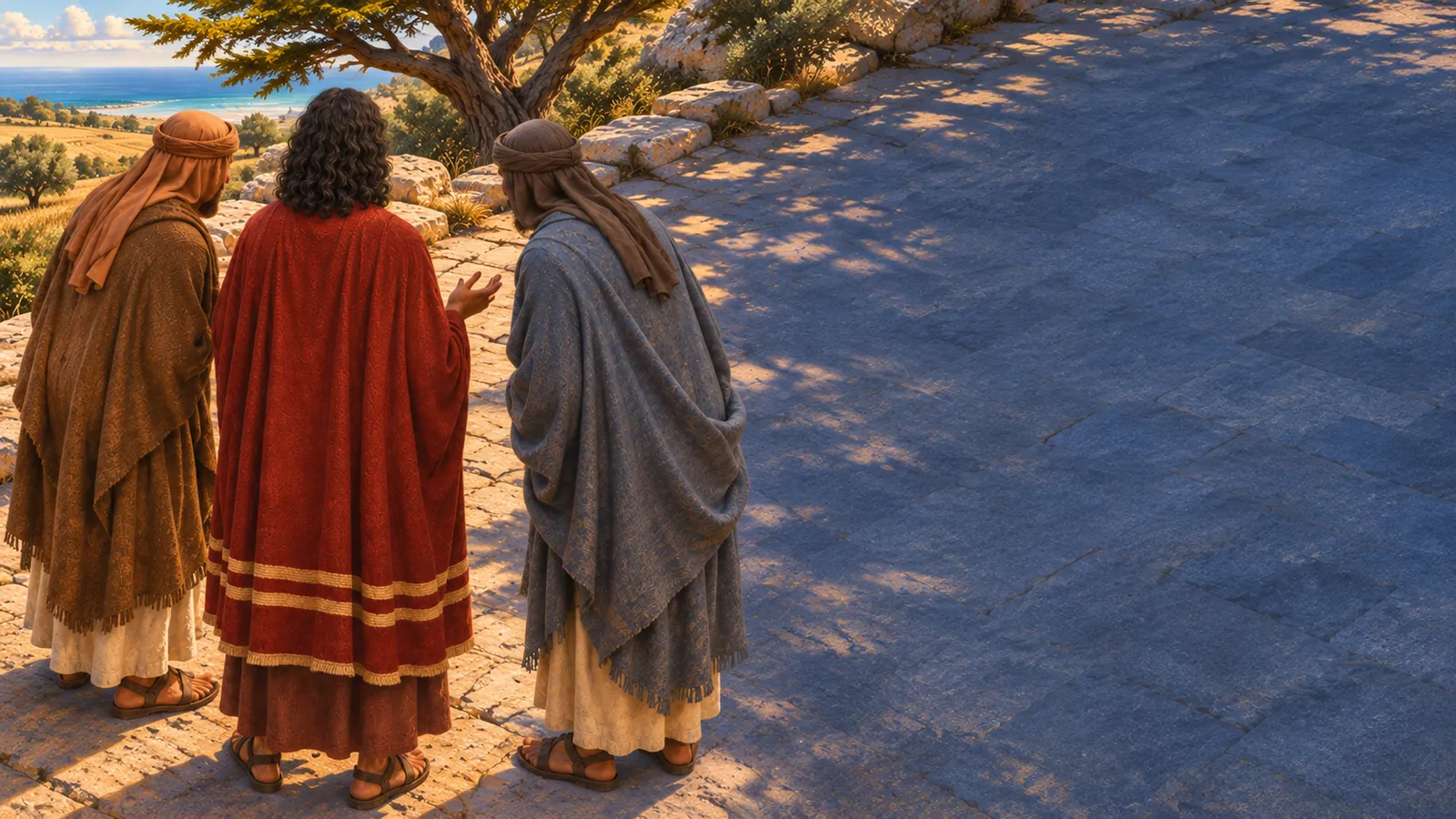
Ao dar instruções aos mensageiros, Baal fala de pôr a discórdia de lado. Fala da paz na terra e nos campos.
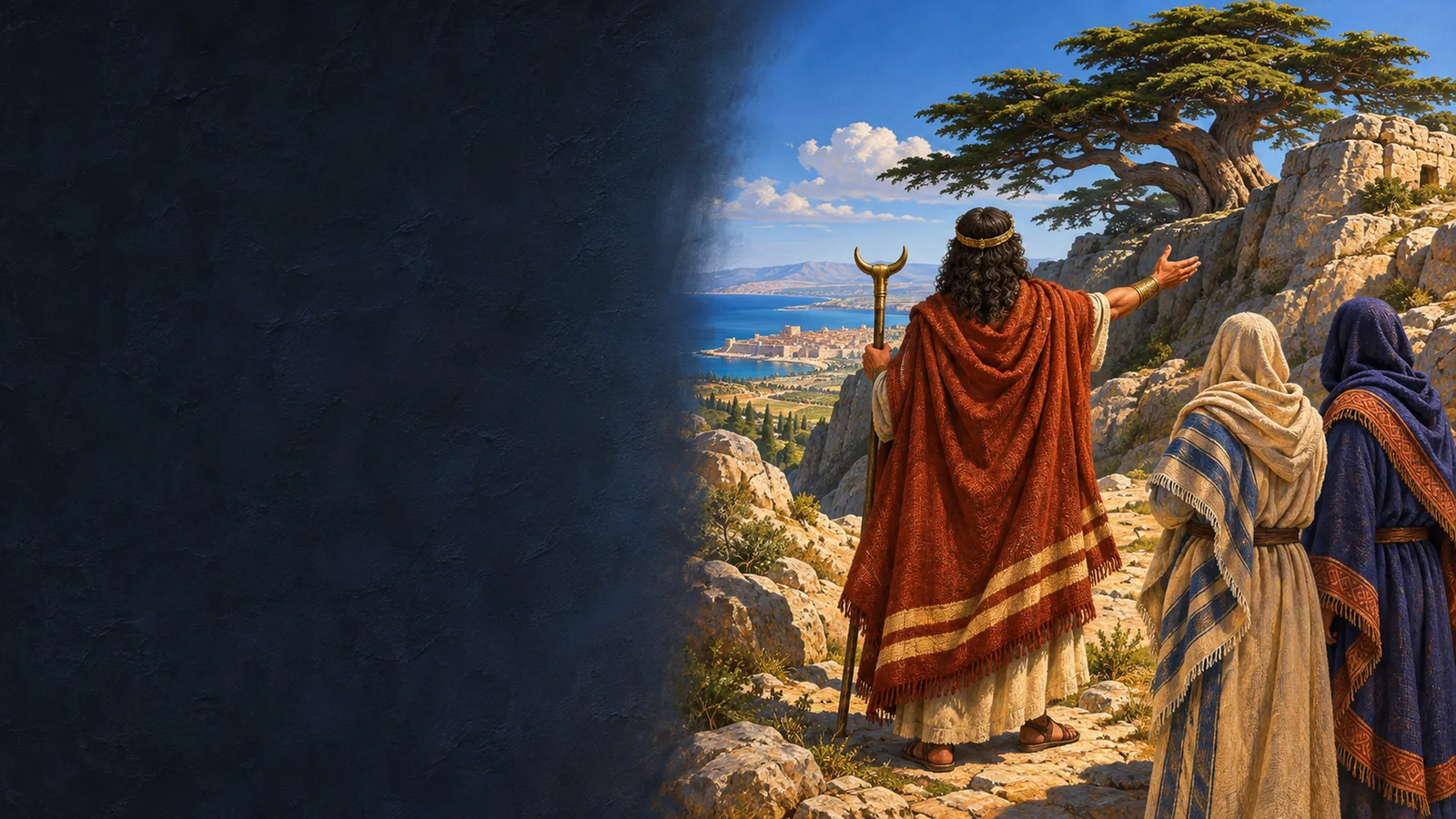
Baal tem algo a dizer a Anat. A sua mensagem fala da árvore e da pedra e do que dizem entre si o céu e a terra.
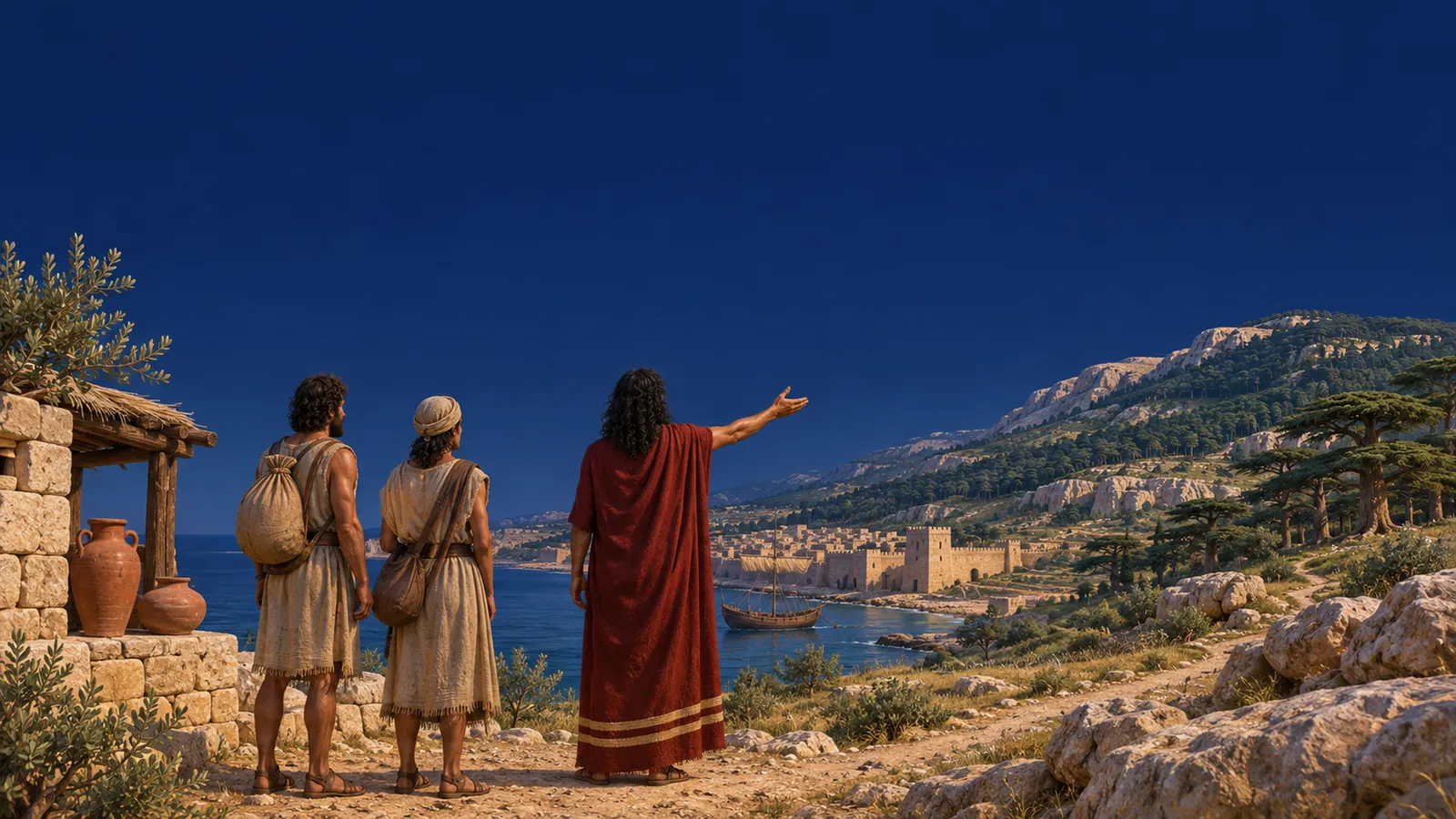
SAPHON
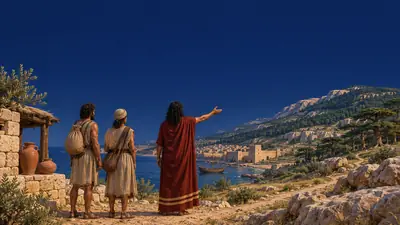
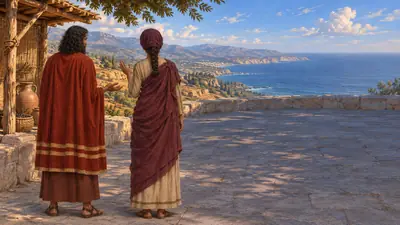
Baal pede a Anat que venha ao Saphon ouvir o que ele sabe. Chama-lhe a sua montanha sagrada e a colina que herdou.
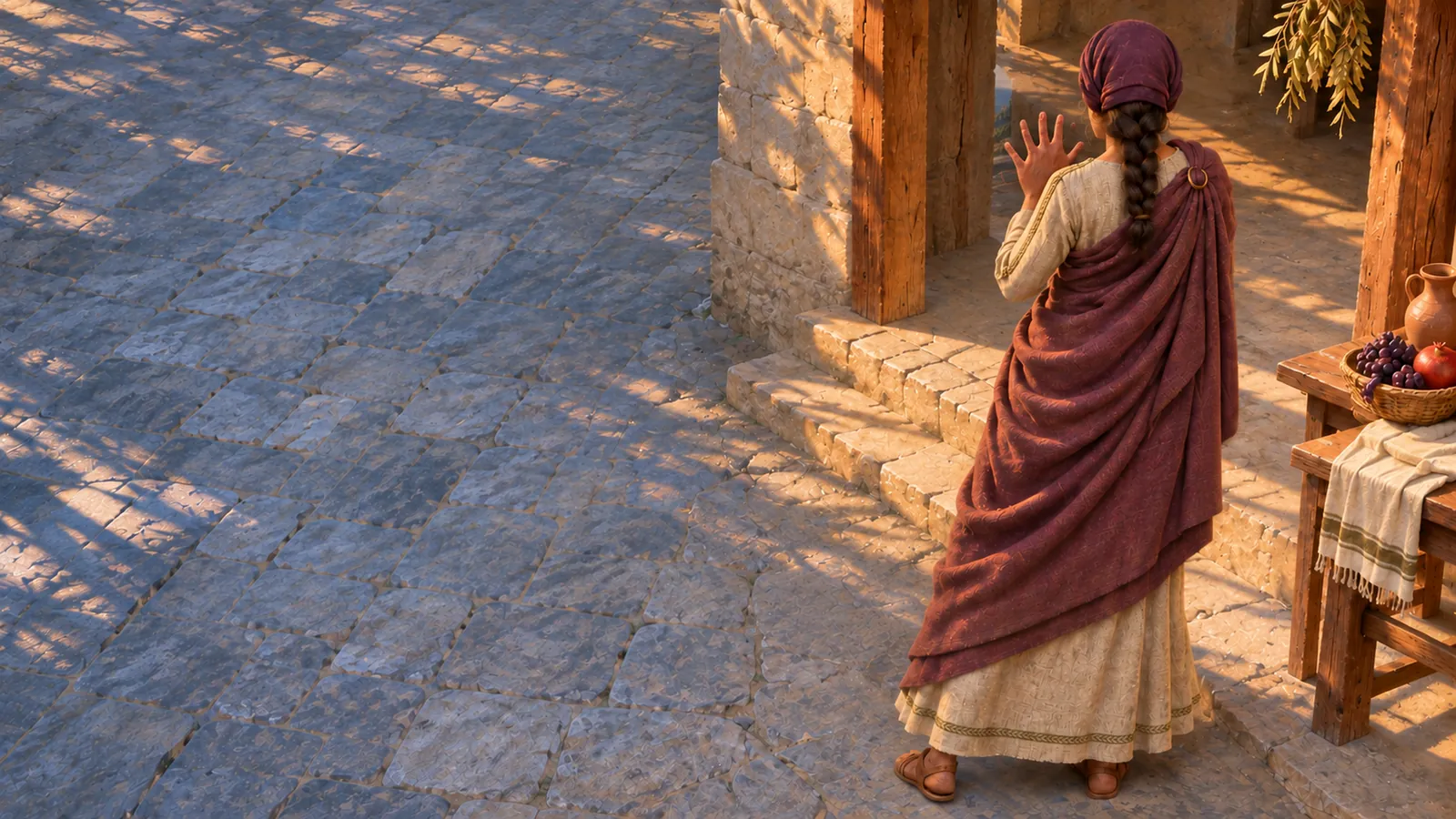
Anat vê os mensageiros aproximarem-se. Antes de eles falarem, o medo toma conta dela ao vê-los.

Anat pergunta-se que inimigo poderá ter inquietado Baal. Na pergunta, recorda adversários que venceu e conta esses encontros de outrora.
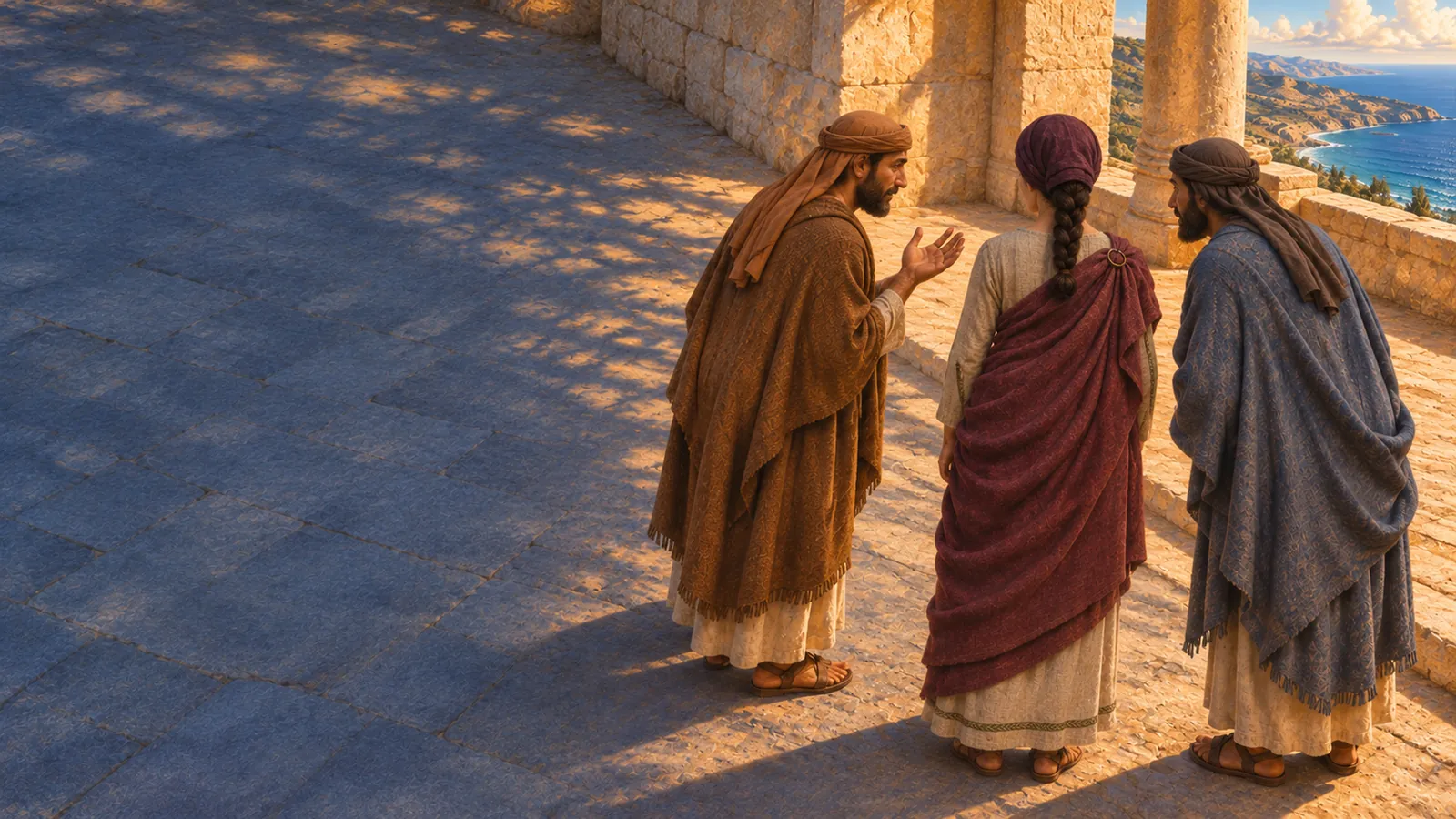
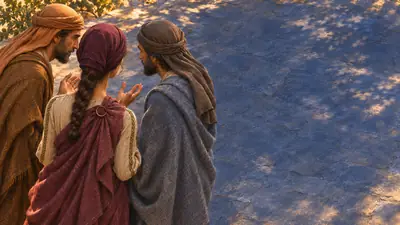
Os mensageiros transmitem as palavras que lhes foram confiadas. Baal pede a Anat que o procure no Saphon para ouvir o que tem para lhe dizer.
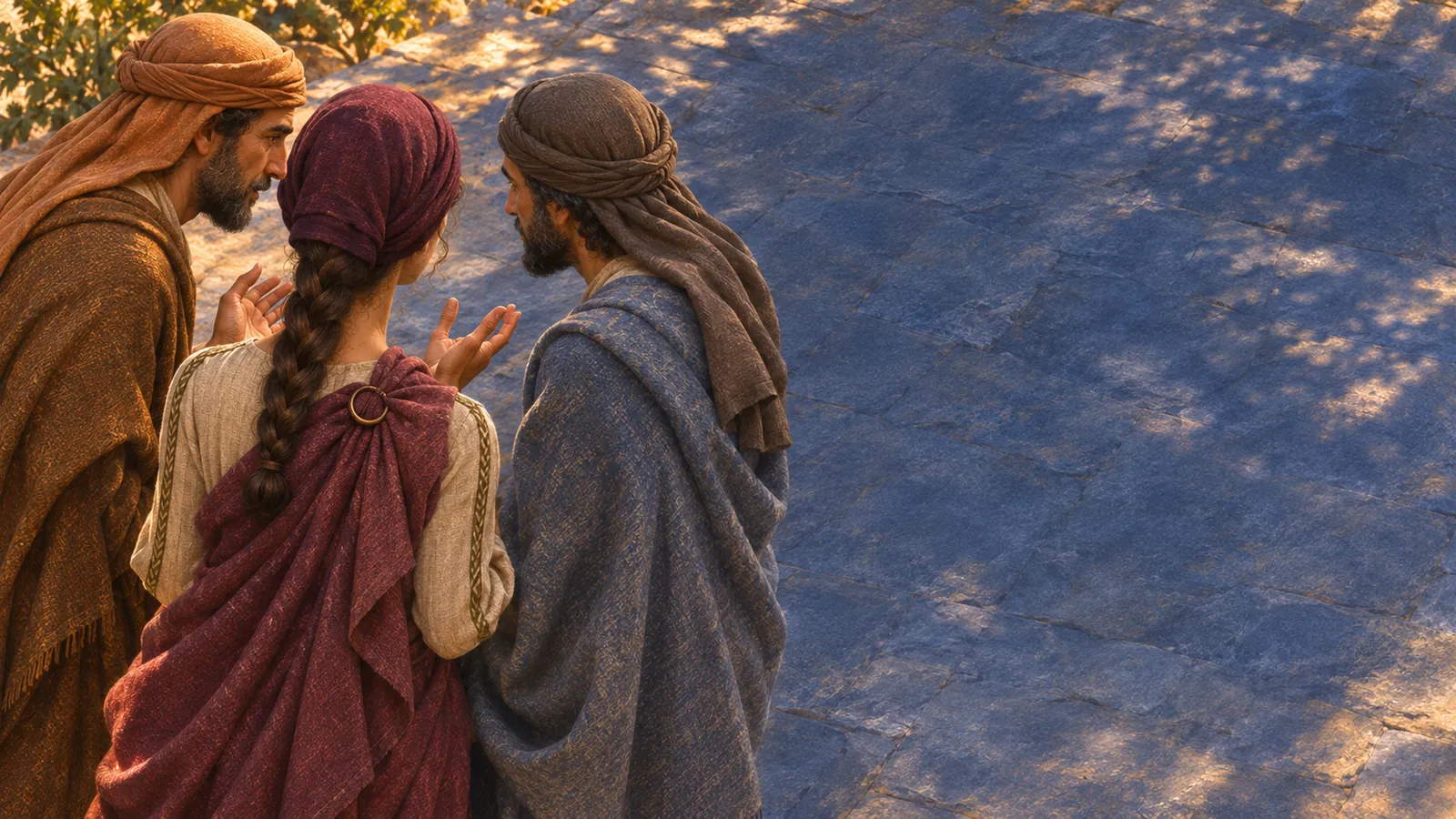
Anat responde aos mensageiros. Retoma as palavras sobre pôr a discórdia de lado e pergunta-lhes o que vieram dizer-lhe.

Anat diz que se apressará. Vai ter com Baal nas alturas do Saphon, e ele vê chegar a sua irmã.
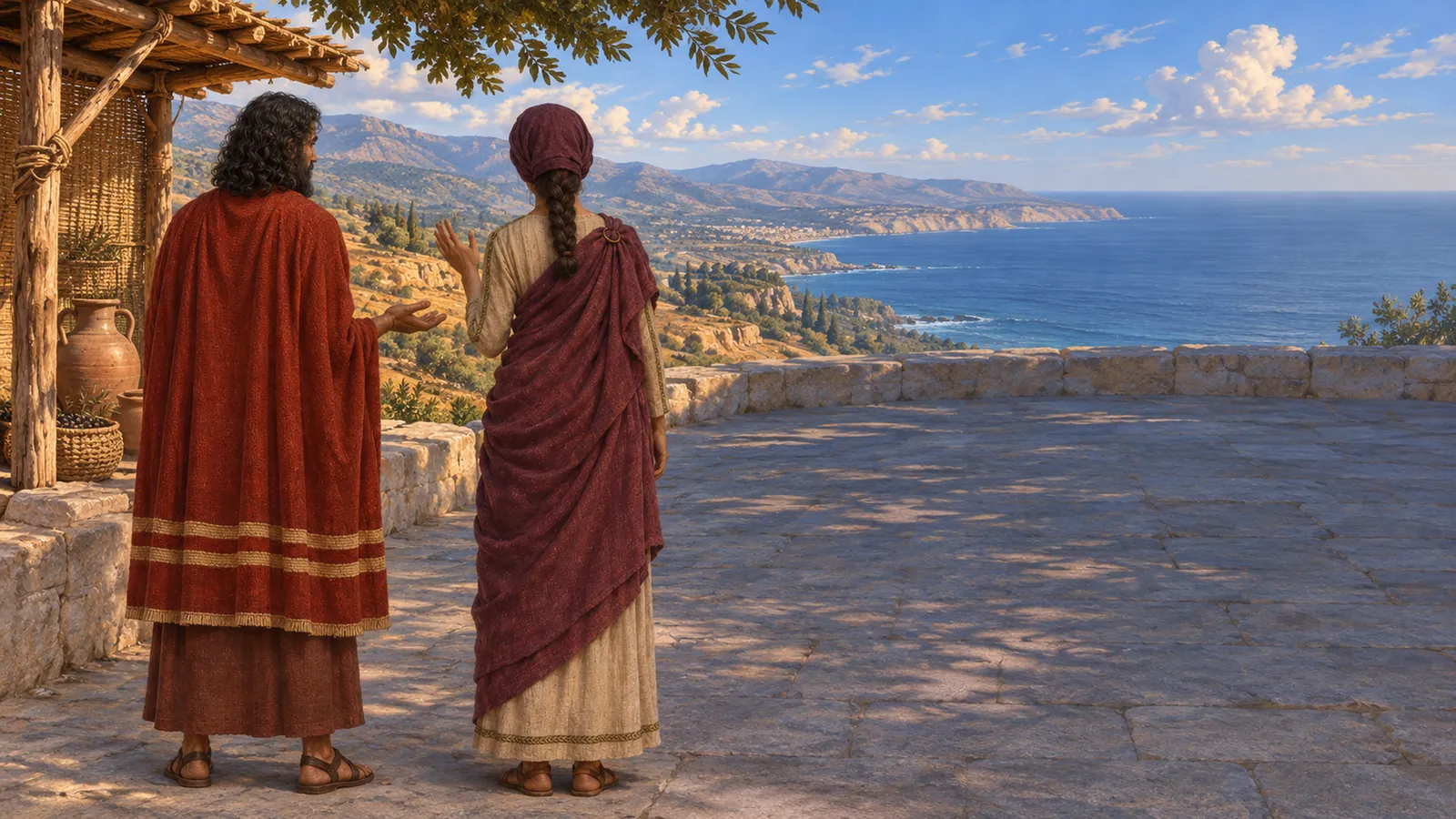
Baal não tem uma casa como a dos outros deuses nem um pátio como o da família de Athirat. Anat responde que vai insistir junto de El.
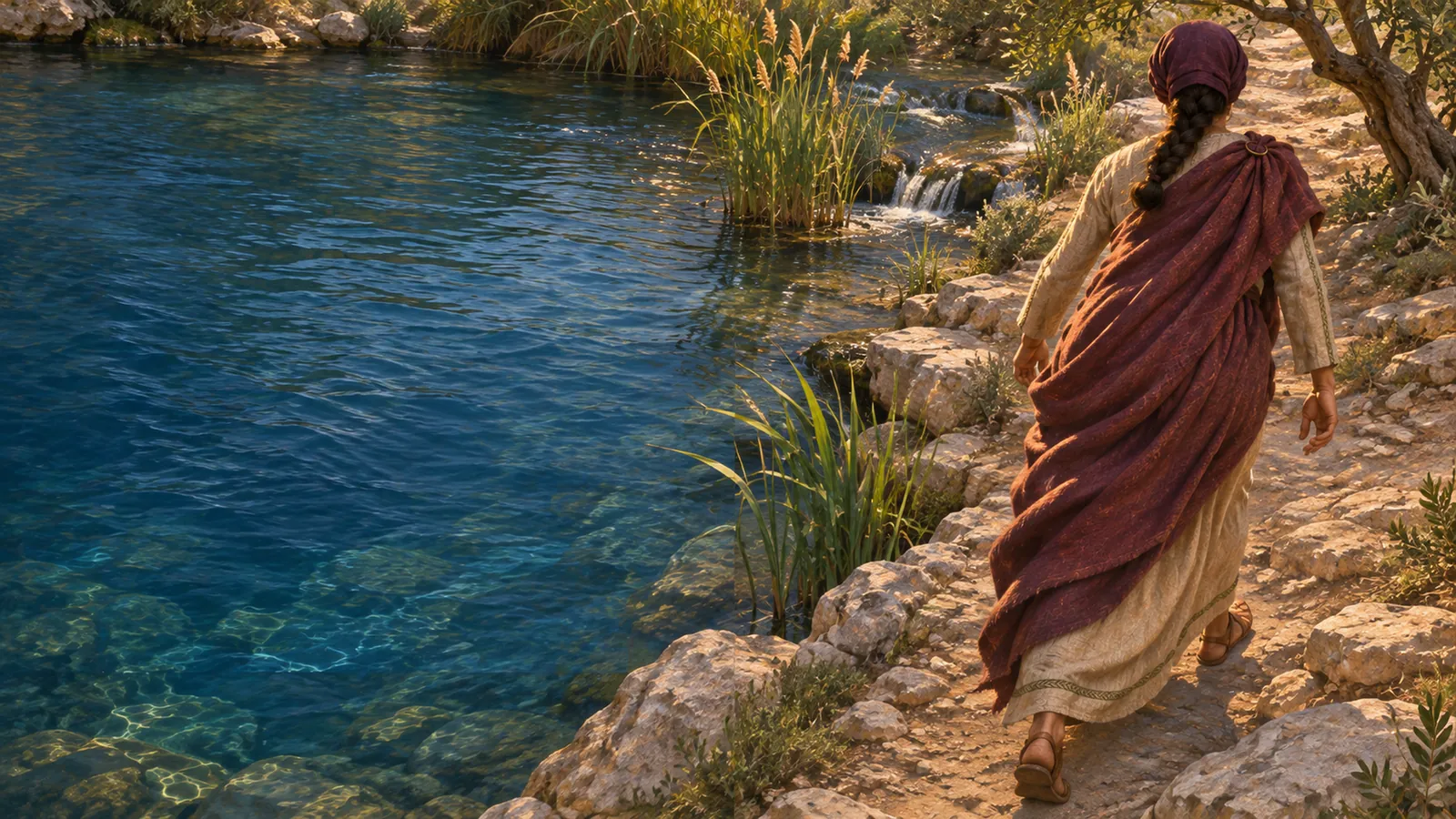
Anat diz o que fará se a casa for recusada. Parte para a morada de El, e os versos partidos conservam parte do seu caminho.
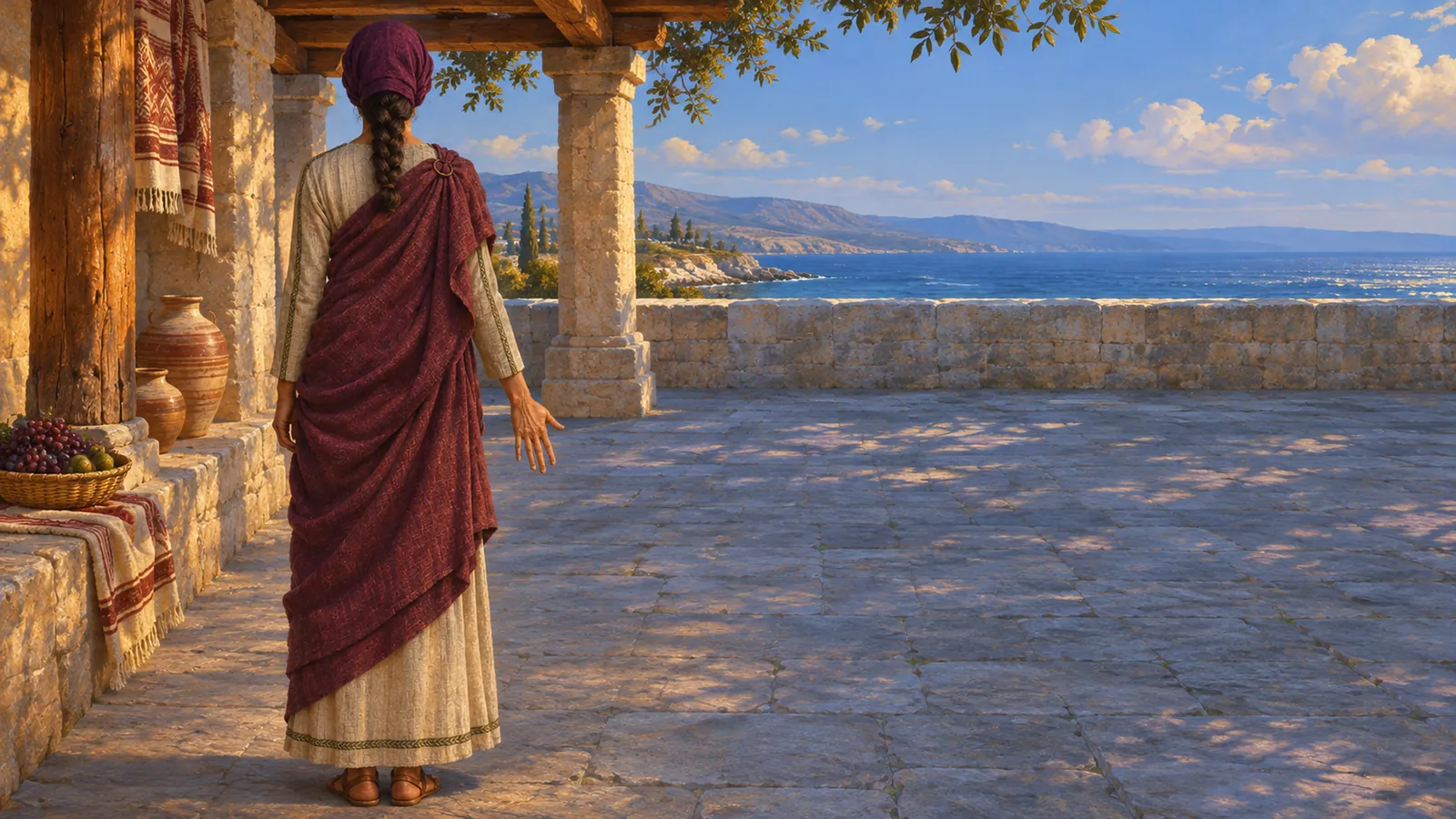
Diante de El, Anat fala com ira e faz uma ameaça. El responde-lhe e chama-lhe filha.
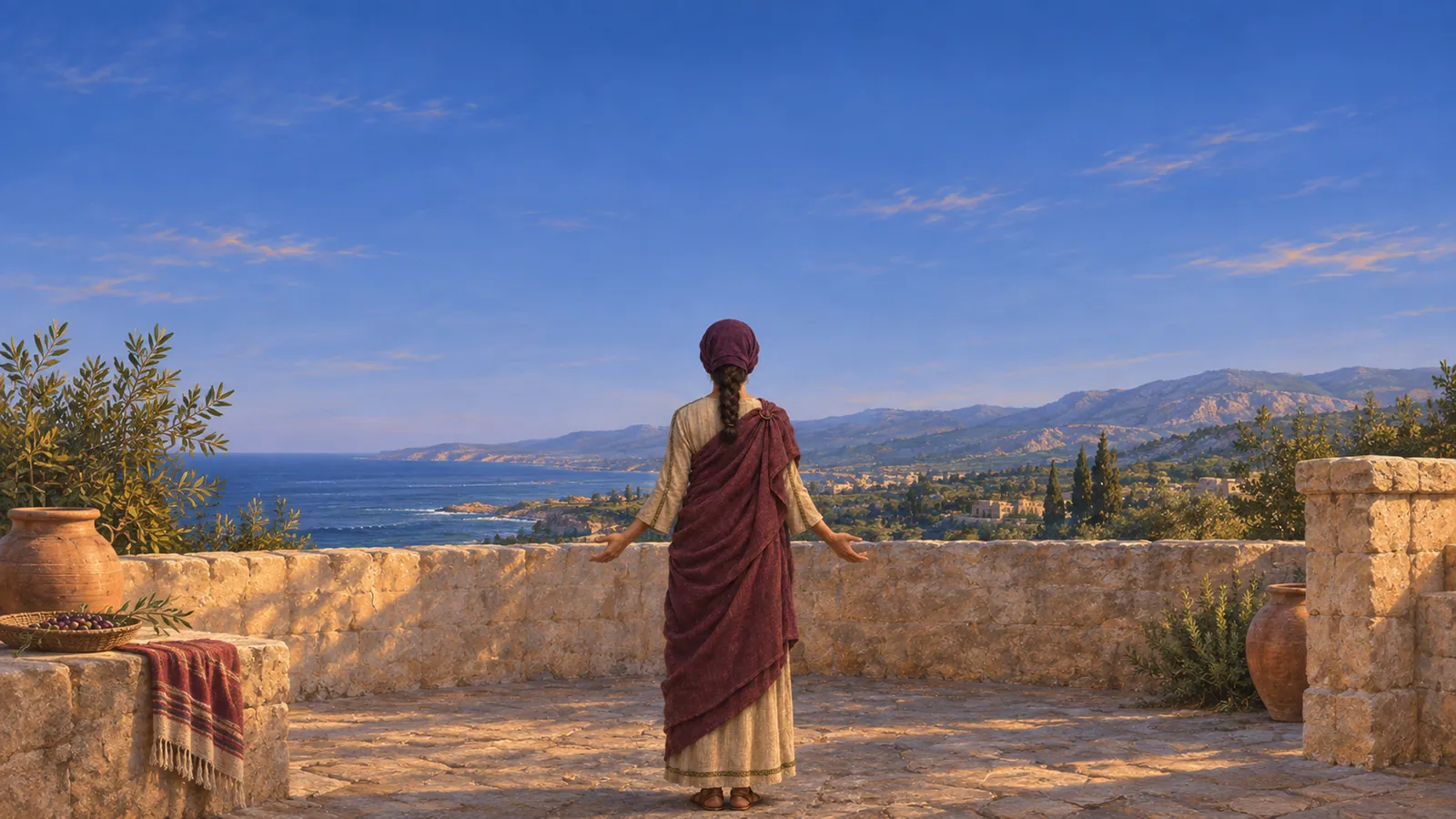
O PEDIDO
Anat louva a sabedoria de El e volta ao seu pedido. Os outros deuses têm moradas, diz ela, enquanto Baal continua sem nenhuma. A resposta final de El a este pedido não se conservou.
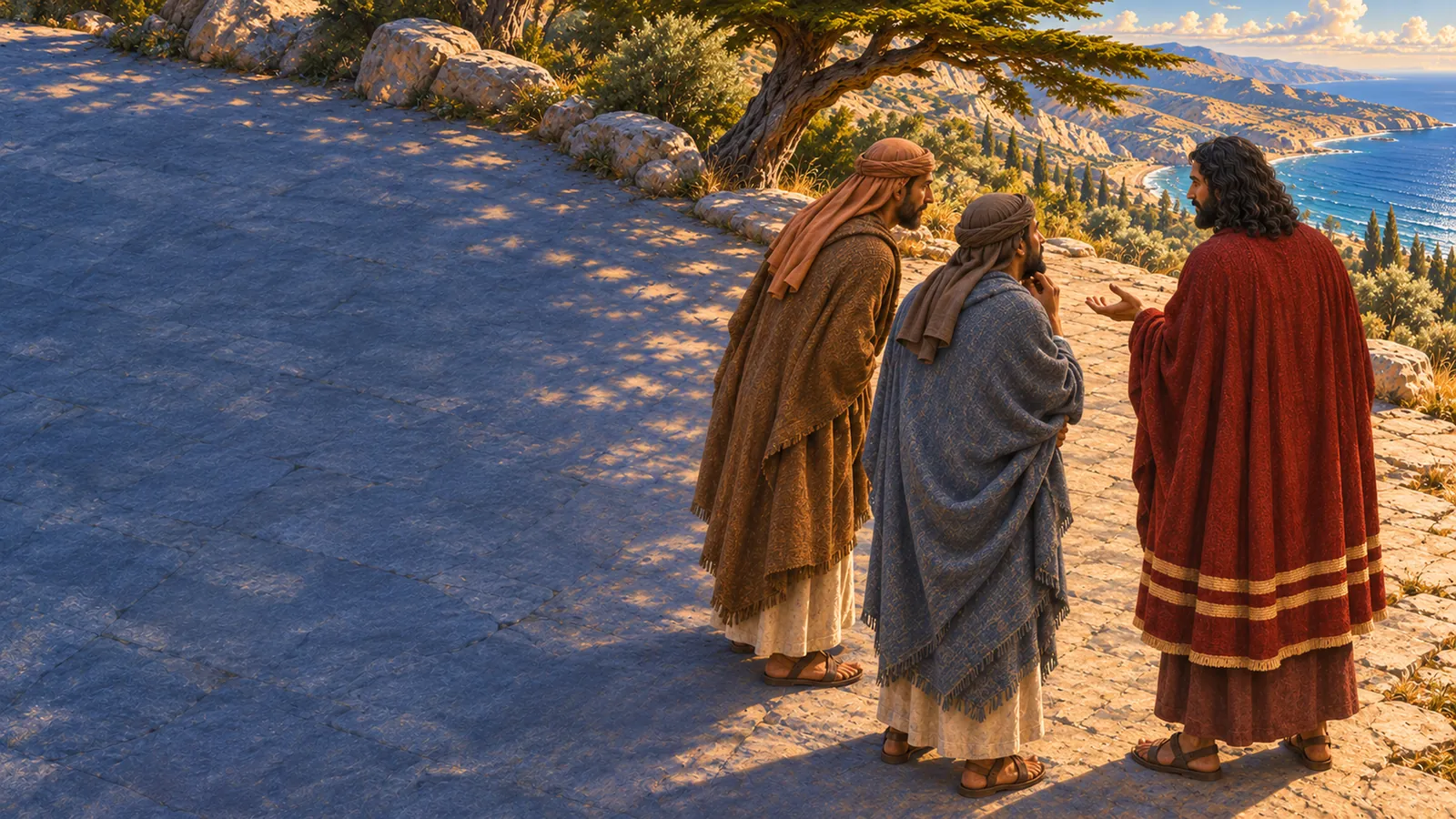
As instruções que se conservam a seguir falam de um presente para Athirat relacionado com a casa. Baal chama Gapn e Ugar para levarem as suas palavras.
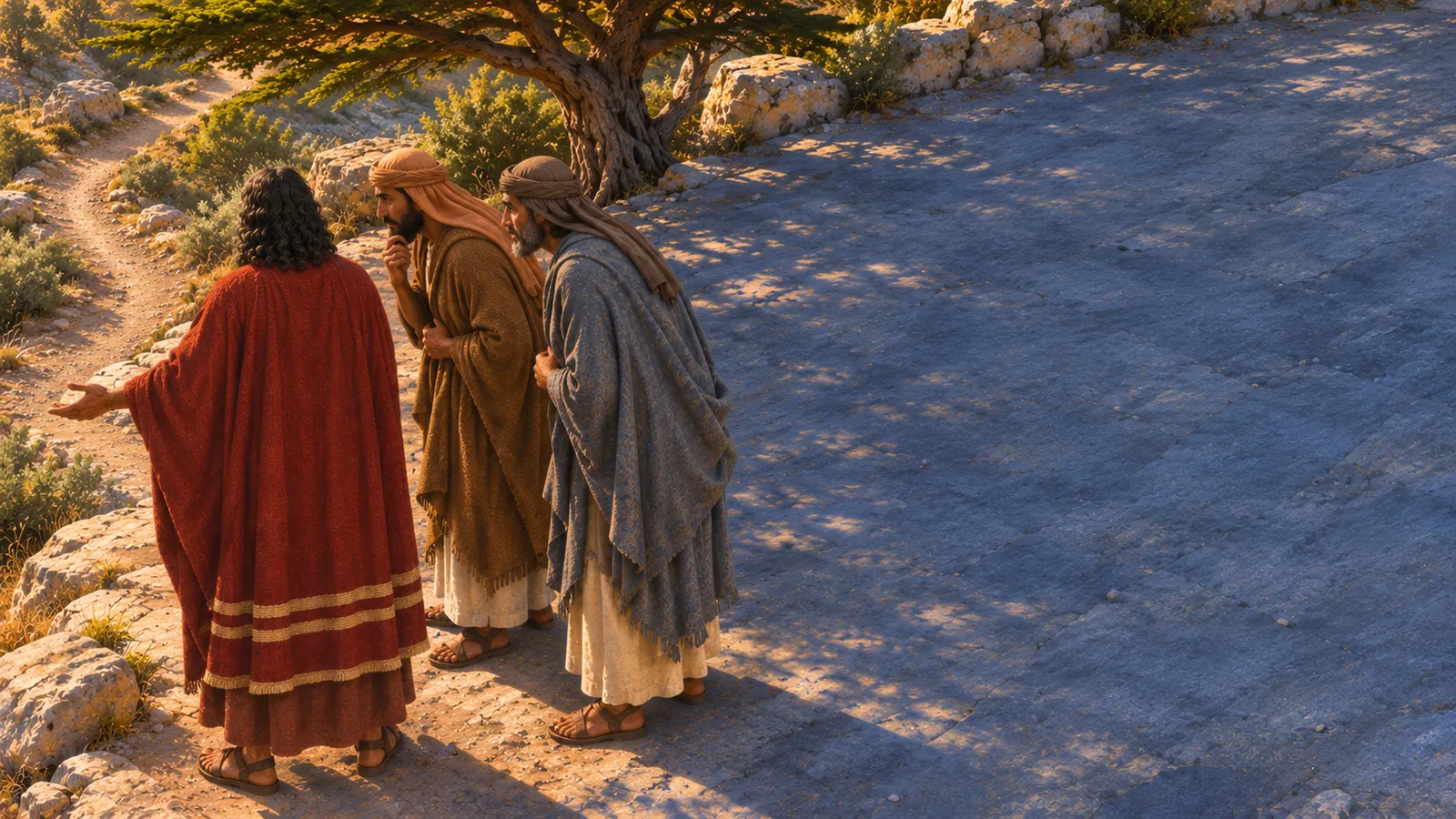
Baal diz aos mensageiros que caminho devem seguir e como se devem aproximar quando chegarem. Têm uma nova mensagem para levar.
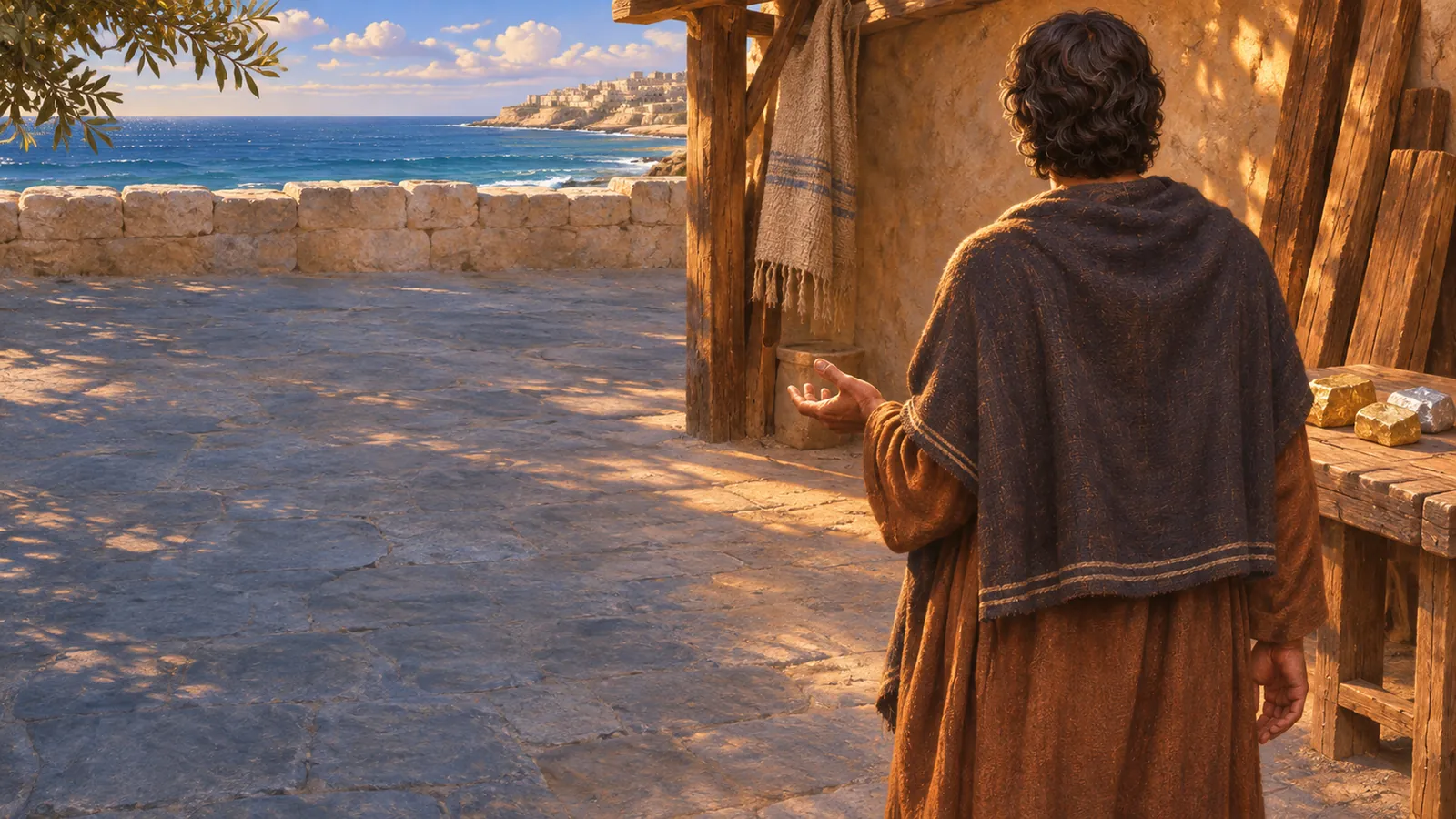
A mensagem danificada volta a falar da casa que falta a Baal. Pedem então a Kothar que faça um presente para Athirat.
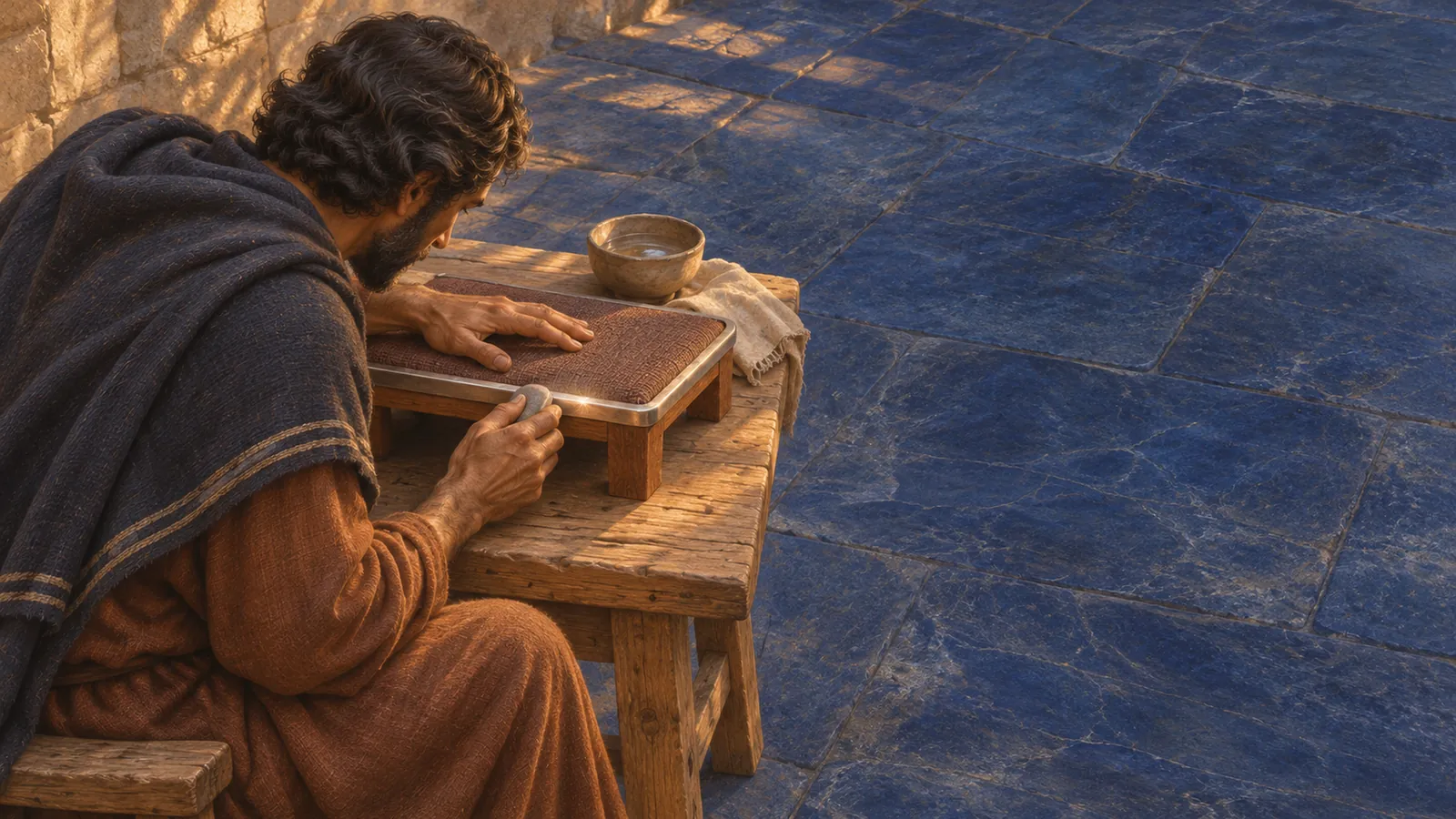
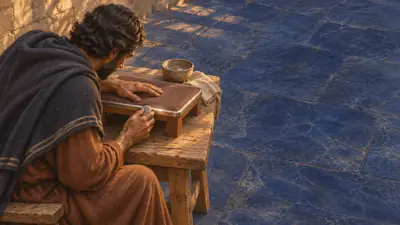
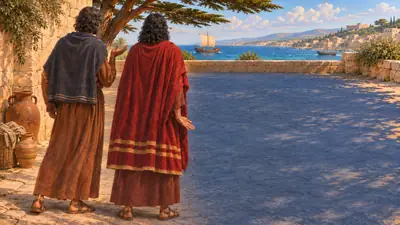
Kothar trabalha metais preciosos. Entre as peças que fabrica, o poema nomeia um estrado elevado, um assento e um apoio para os pés.
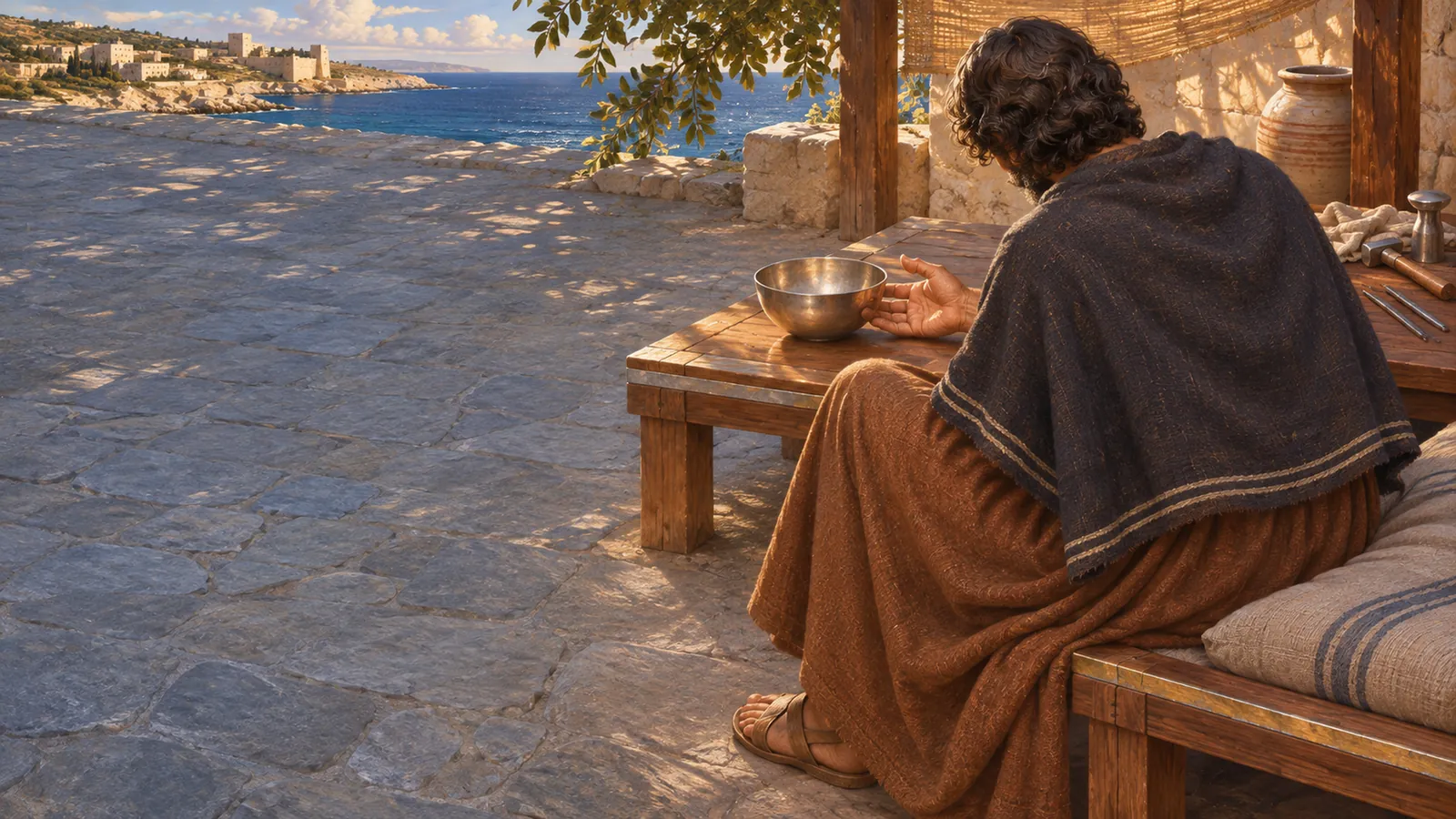
Entre os presentes de Kothar há um leito, uma mesa e uma tigela de feitura delicada. O poema dá especial atenção ao cuidado da obra.

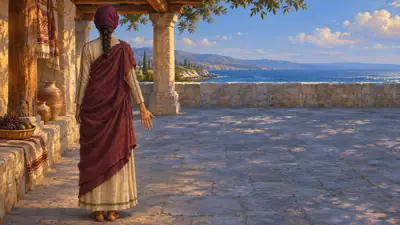
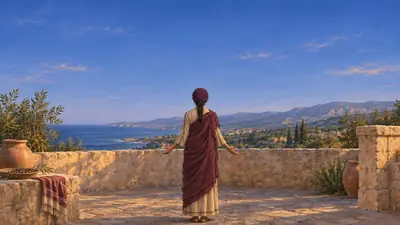
As palavras conservadas passam para Athirat junto à água. A passagem é difícil, e há leituras diferentes do trabalho com tecido e fogo que descreve.
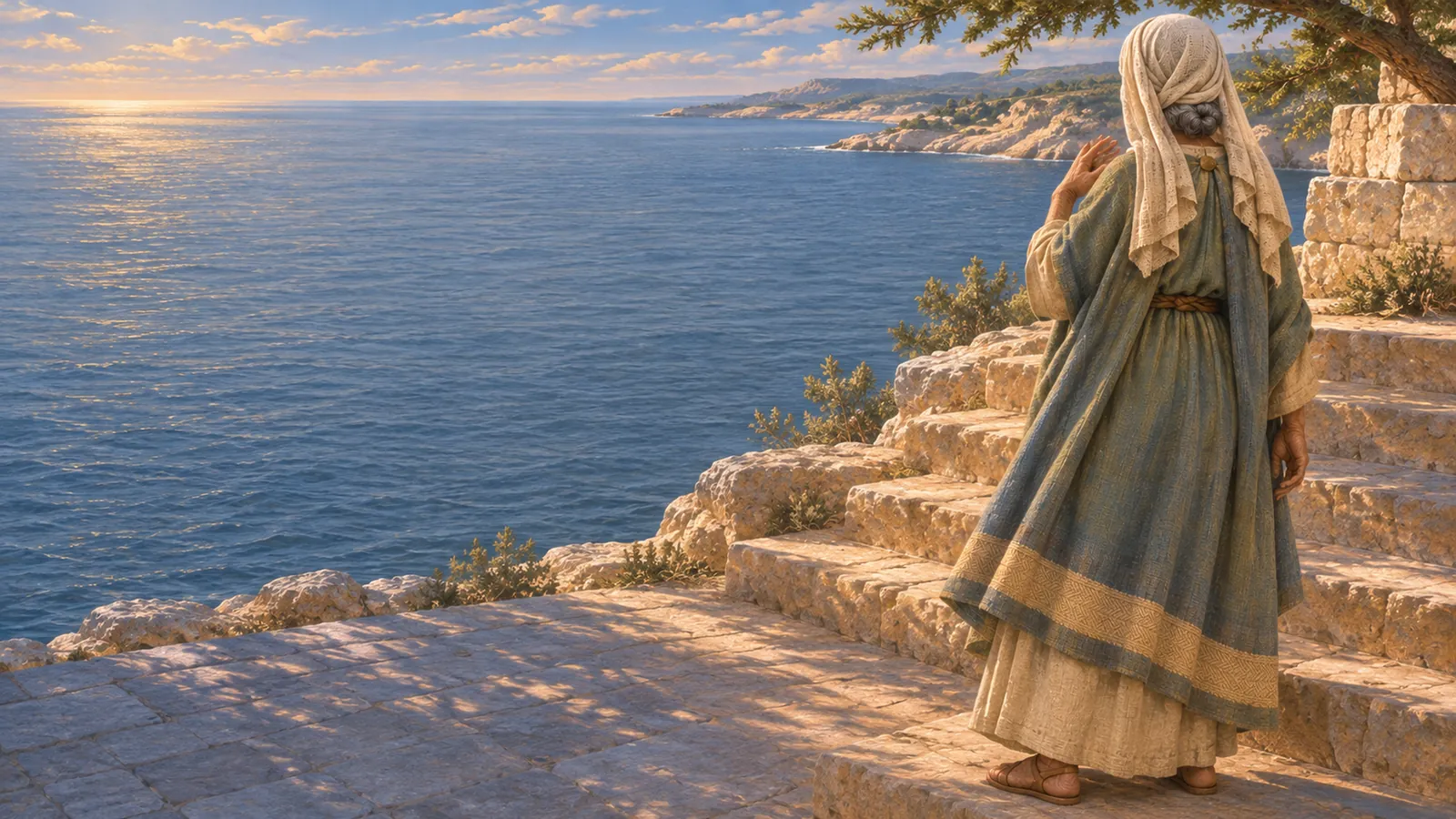
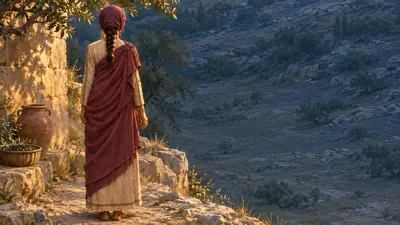
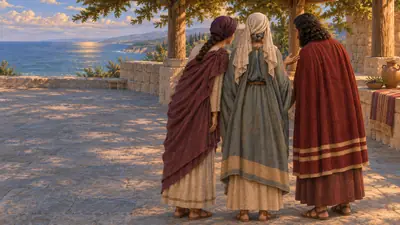
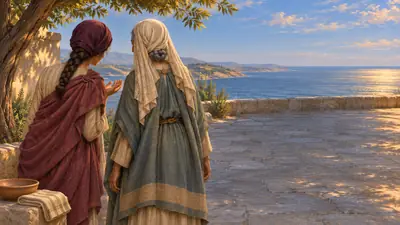
Athirat vê Baal e Anat aproximarem-se. A chegada inquieta-a, e ela teme que tenham vindo contra os seus filhos e parentes.
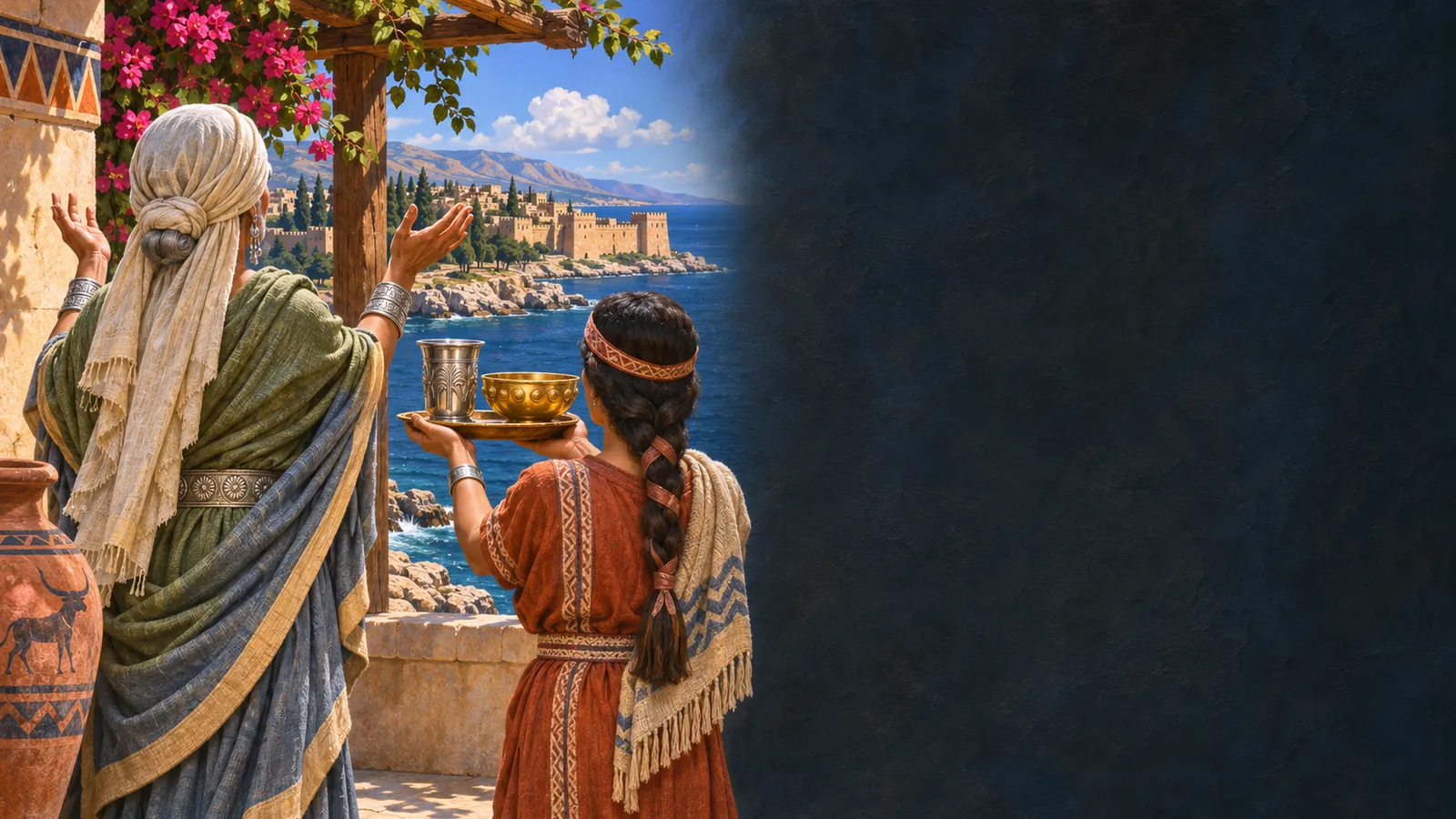
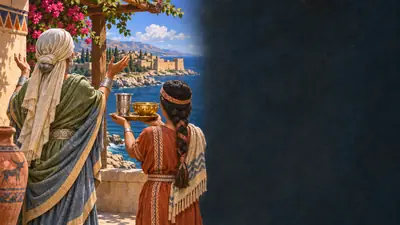
Athirat vê a prata e o brilho do ouro. O seu medo dá lugar ao contentamento quando chama a atenção para o trabalho do artesão.
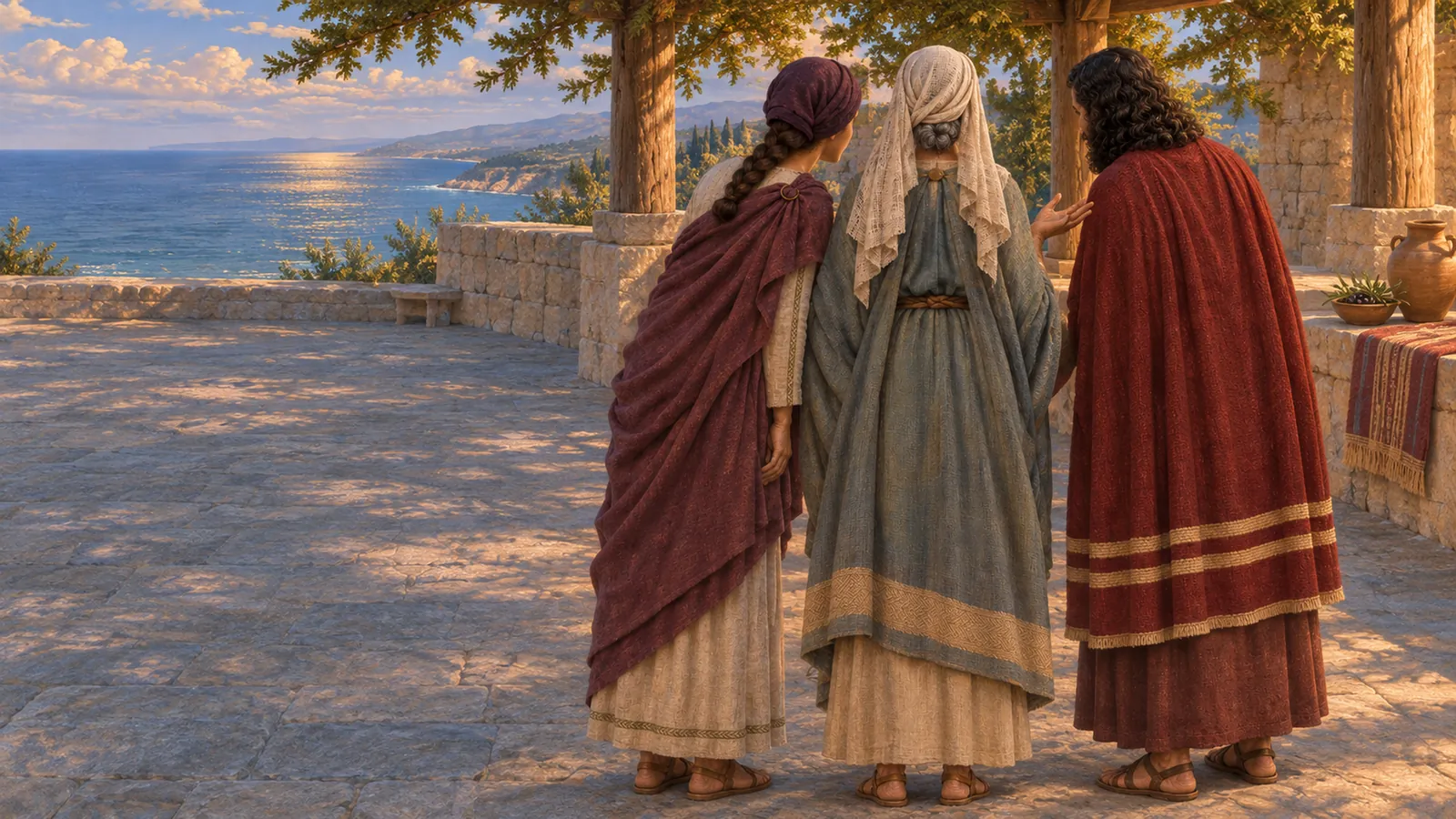
Baal e Anat vêm pedir ajuda a Athirat. Ela pergunta por que vieram procurá-la e diz-lhes que levem o pedido a El.
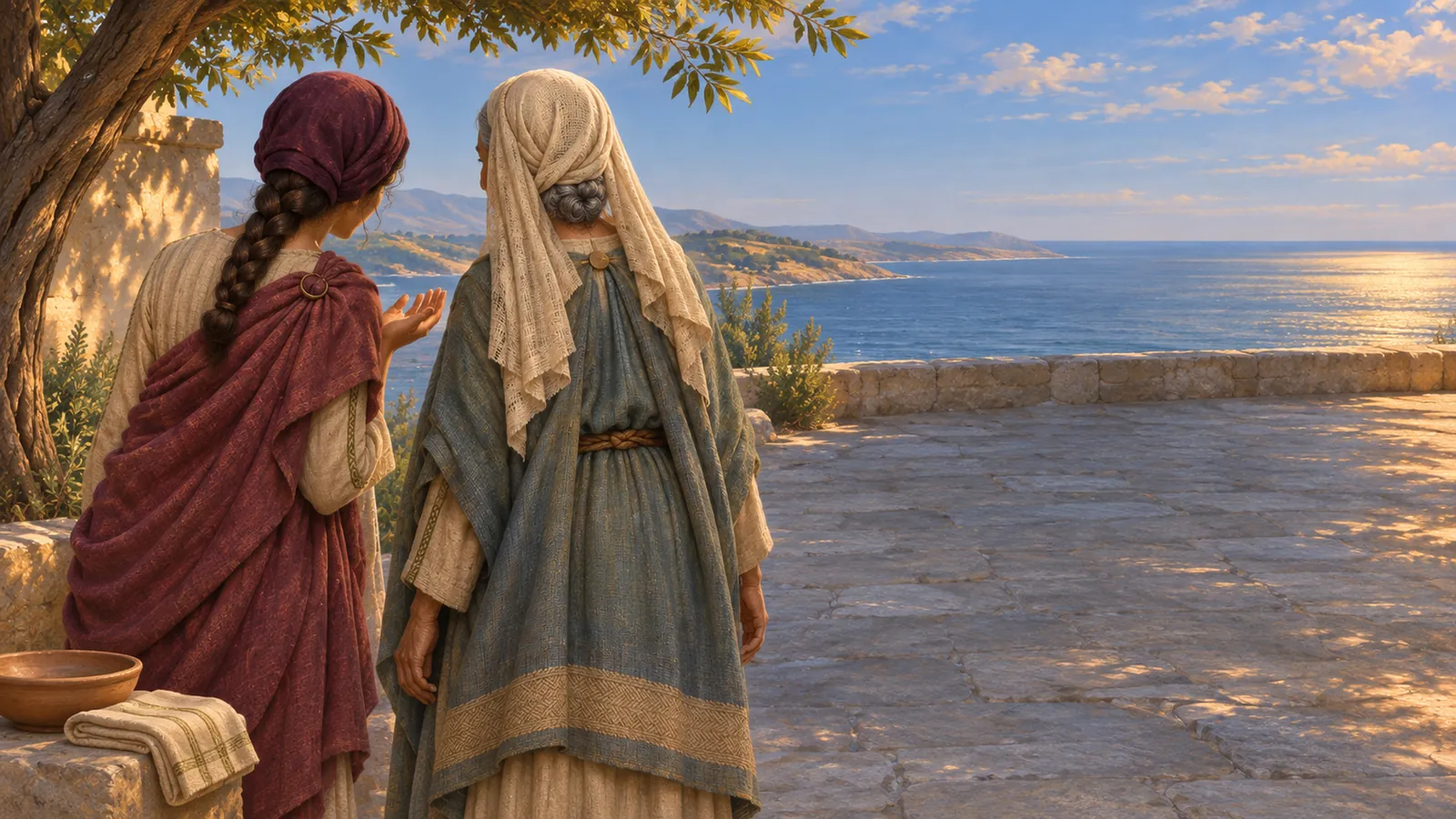
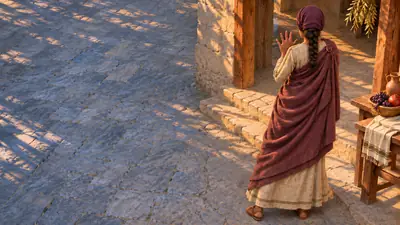
Anat volta ao pedido e fala de levar presentes a Athirat. A cena conservada passa depois à hospitalidade, antes de Athirat ir ter com El.

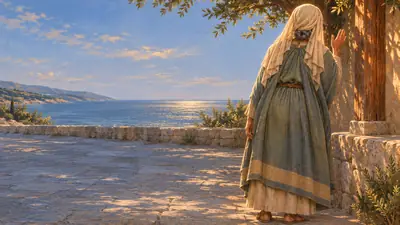
Athirat parte para falar com El. O poema coloca a sua morada nas nascentes dos rios, entre as fontes das profundezas.
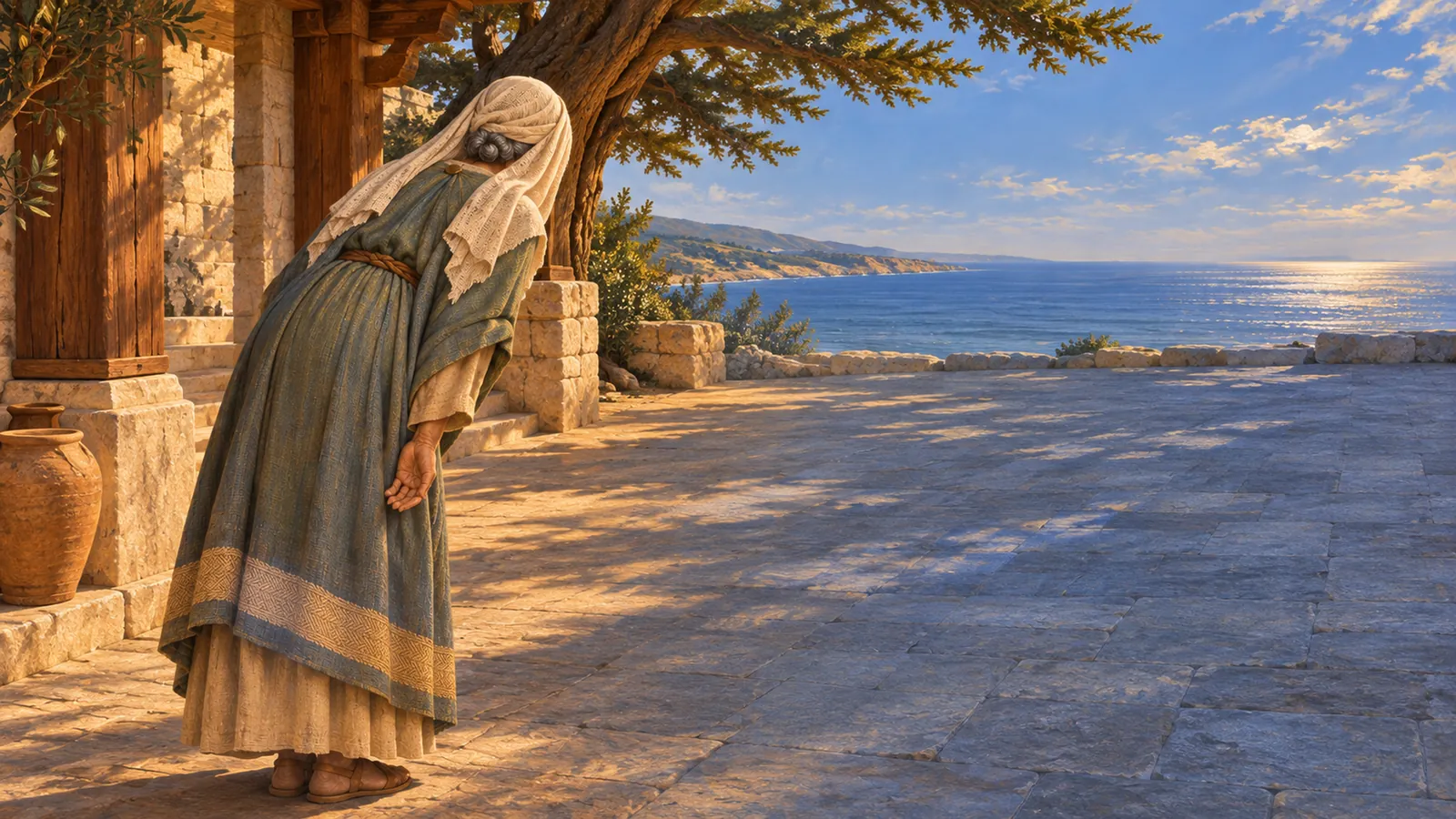
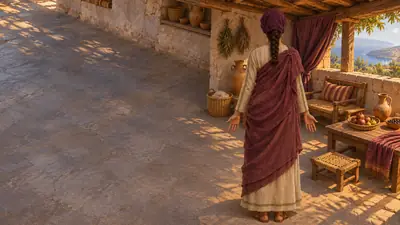
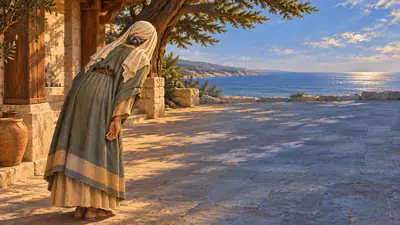
Athirat apresenta-se diante de El, na sua morada. Inclina-se e presta-lhe respeito antes de falar em favor de Baal.
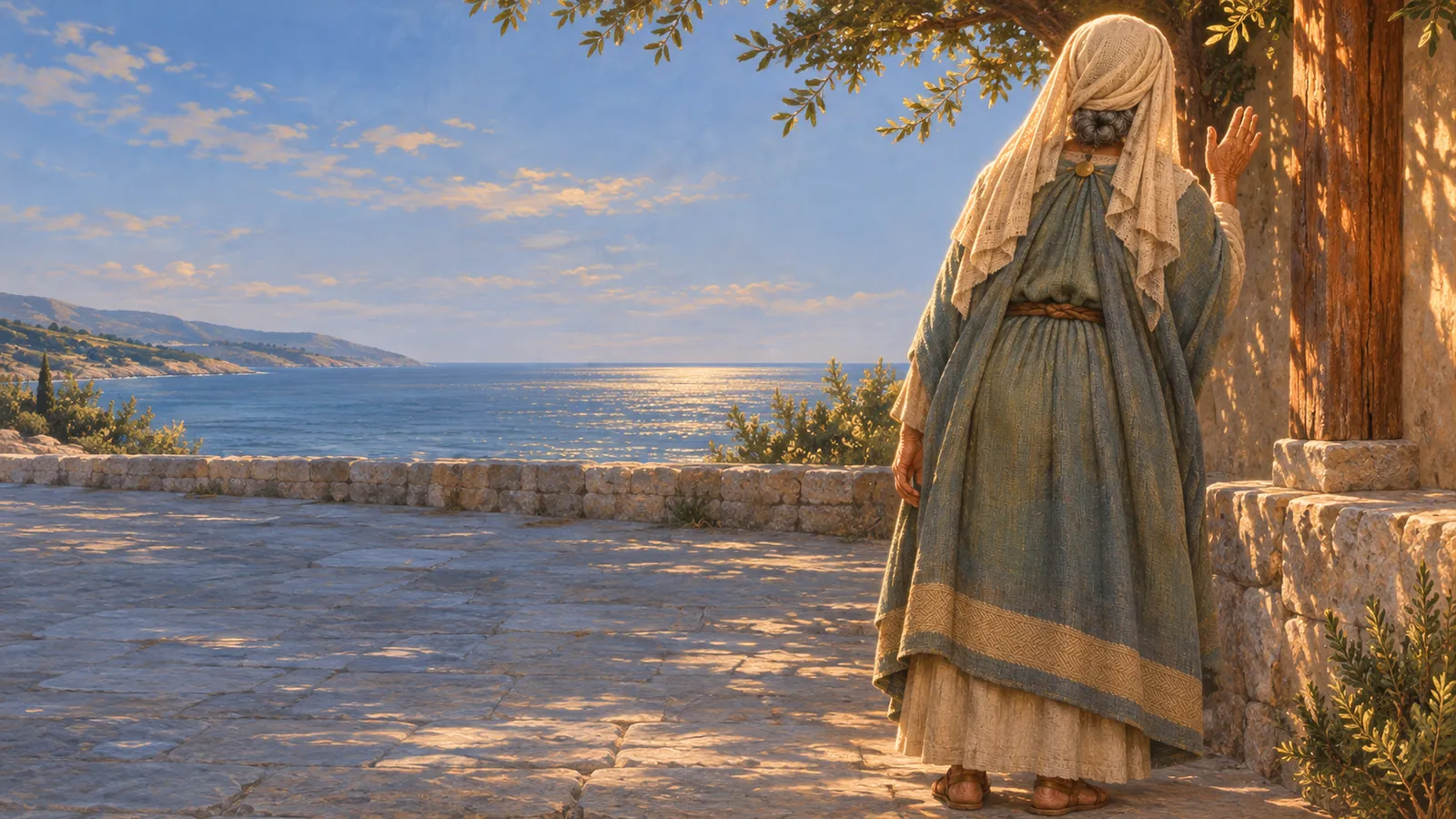
Athirat louva a sabedoria de El e intercede junto dele por Baal. Pede uma morada digna de Baal entre os outros deuses.
A PERMISSÃO
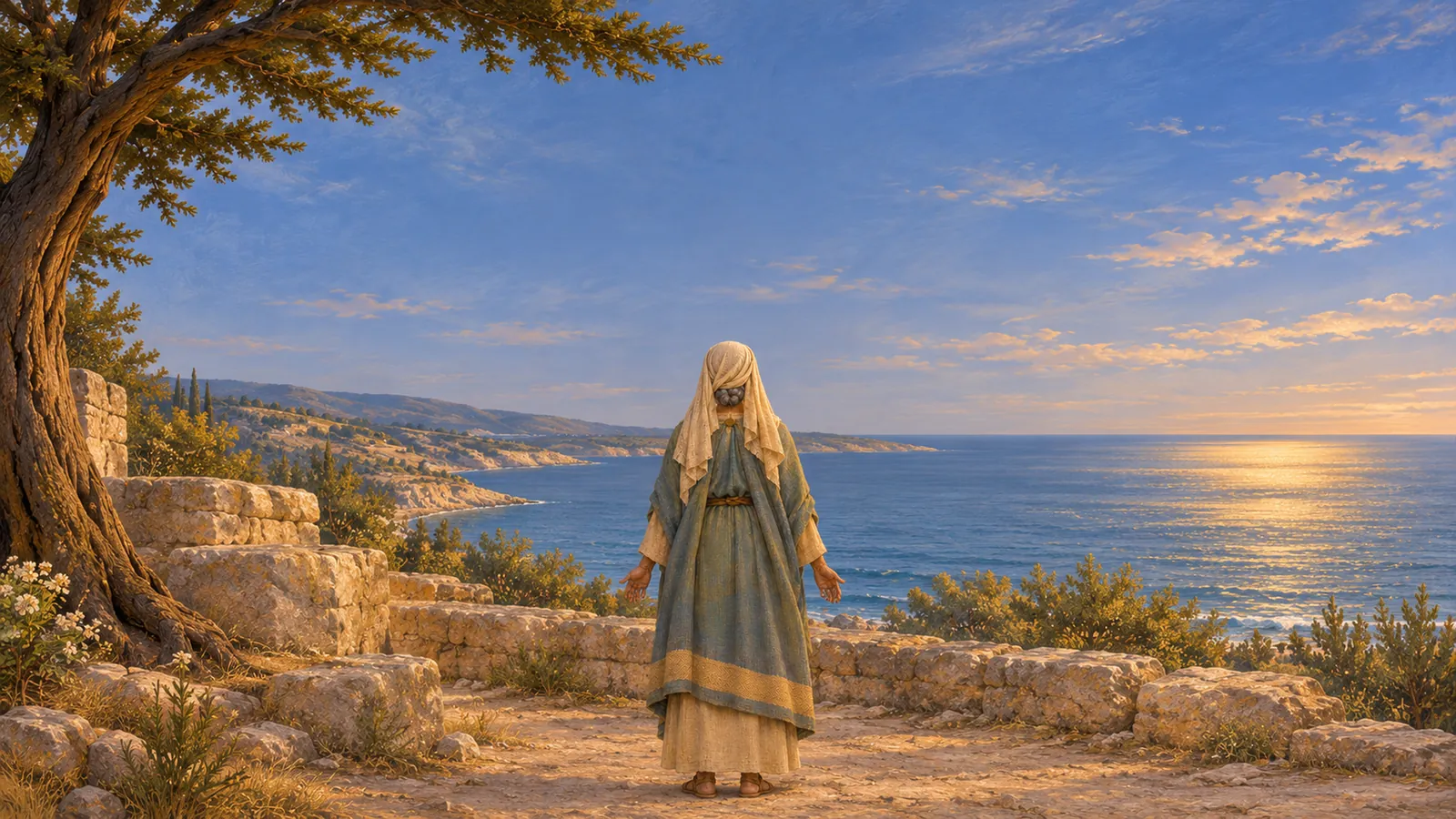
El dá o seu consentimento. Baal pode ter uma casa como os outros deuses e um pátio como os filhos de Athirat.
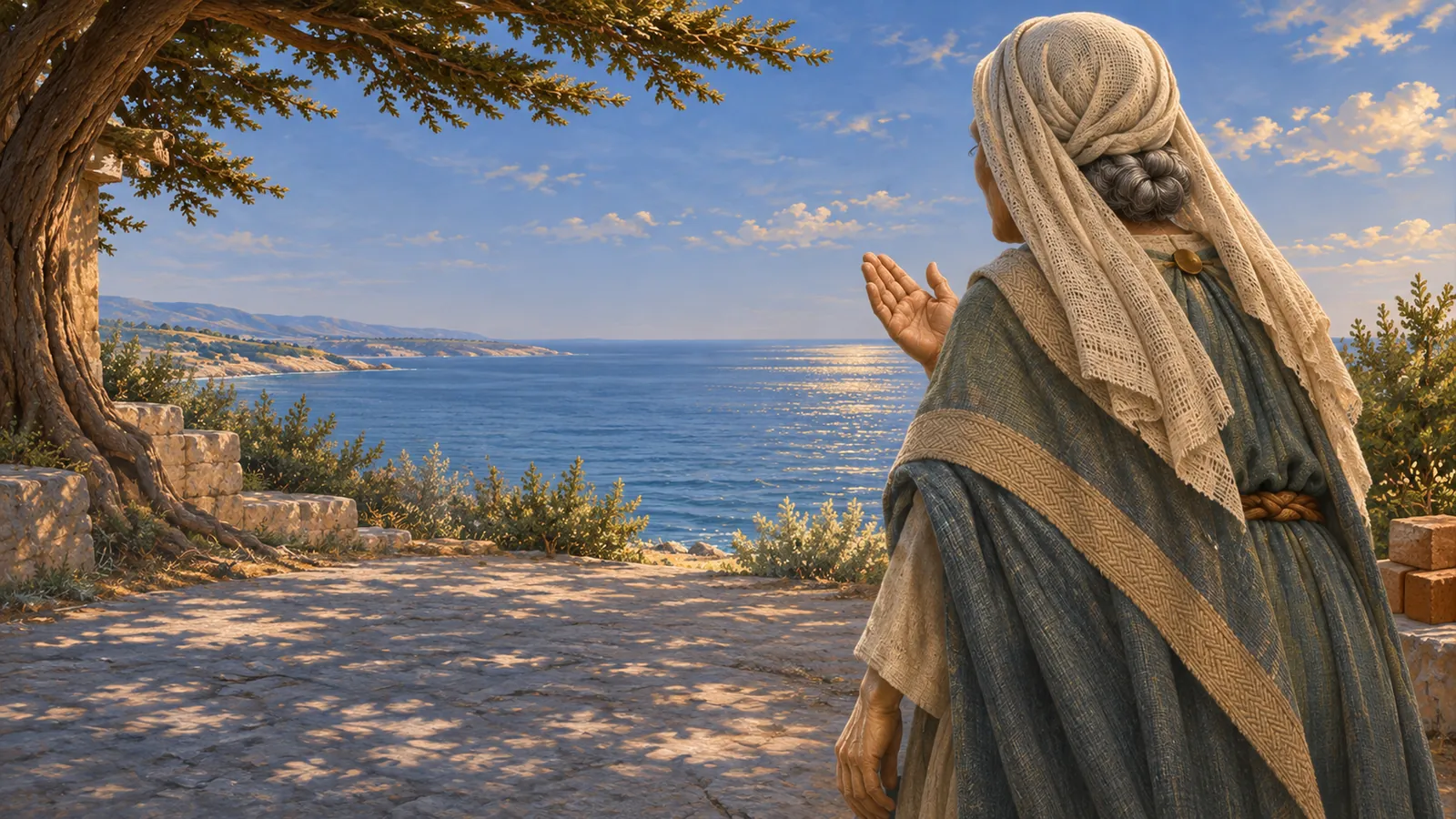
Athirat anuncia a decisão a favor de Baal. O poema fala da casa de tijolo que agora lhe pode ser dada.
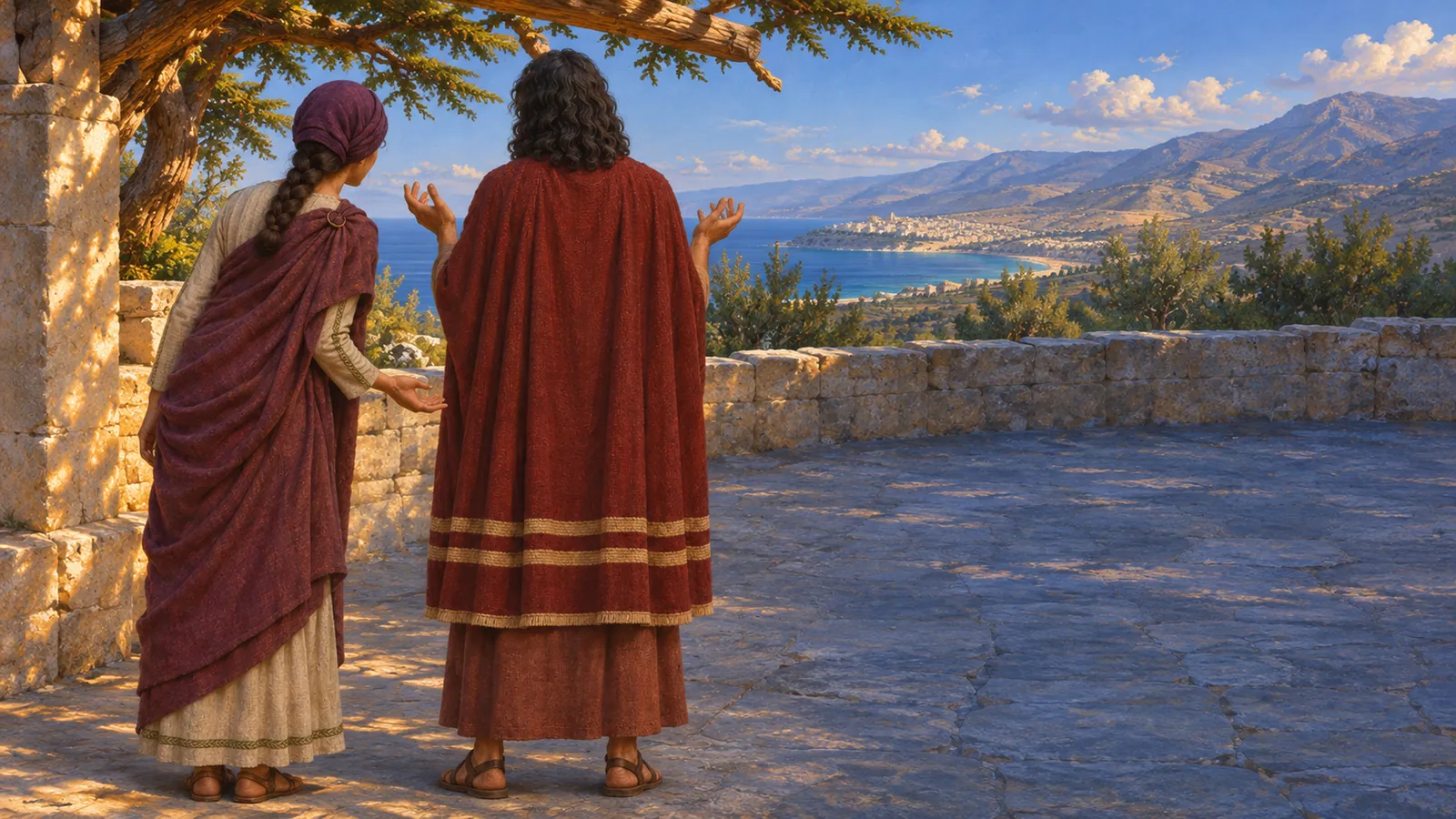
Anat vai ter com Baal para lhe levar a notícia de El. Baal alegra-se por poder construir a casa no Saphon.
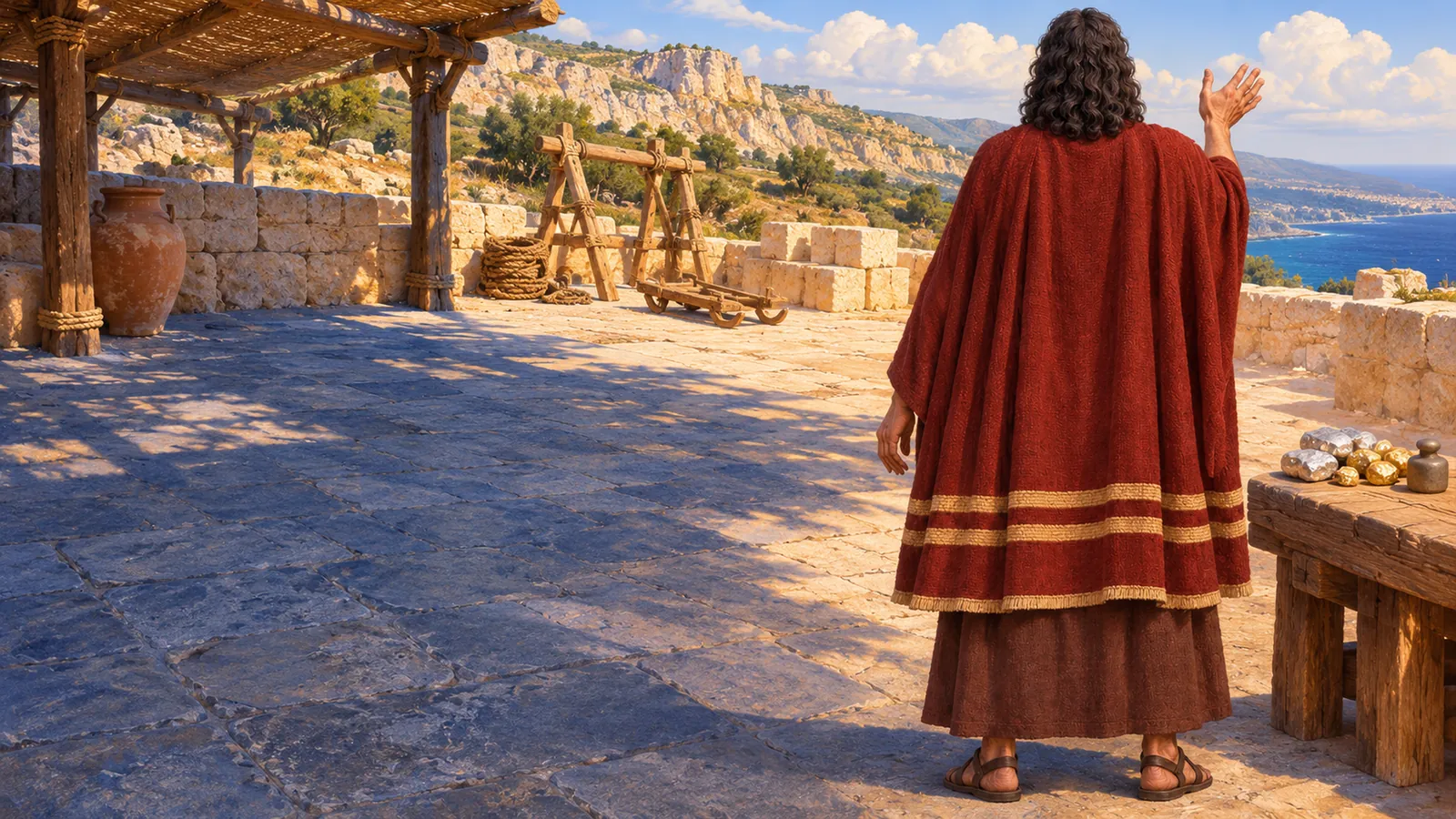
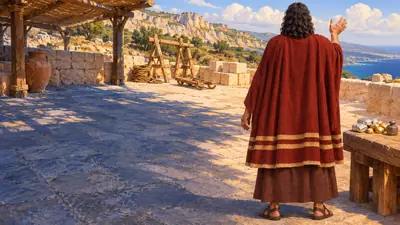
Baal manda chamar mercadores e pede materiais para a casa. O poema menciona prata e ouro entre os materiais que reúne.
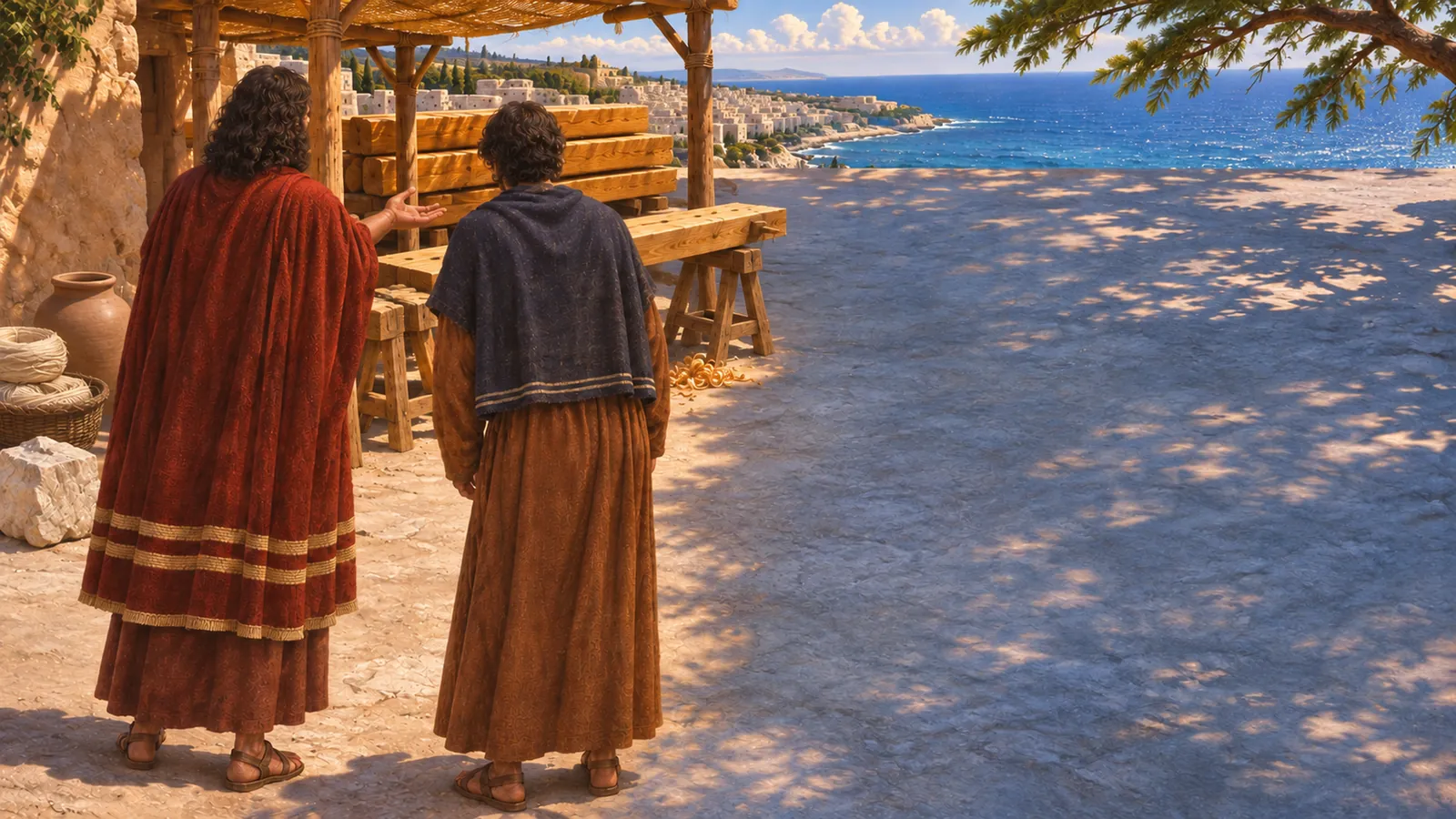
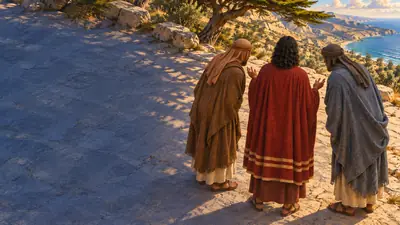
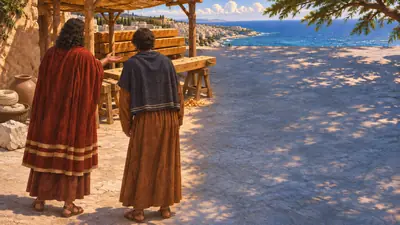
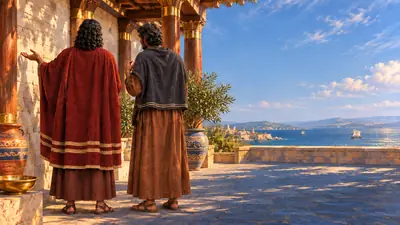
Baal volta-se para Kothar, o artesão. Incita-o a construir a casa e pede que a obra avance sem demora.
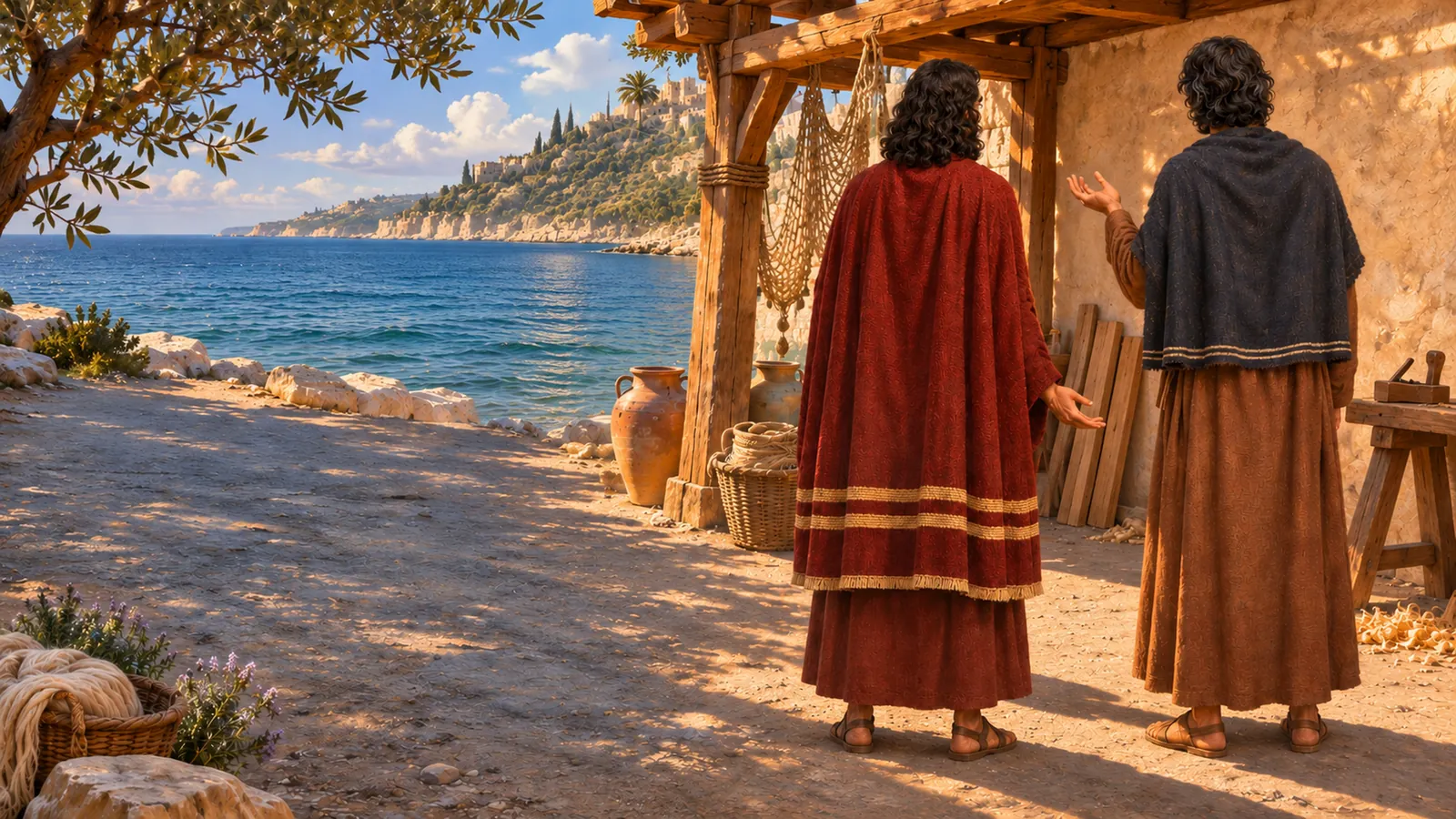
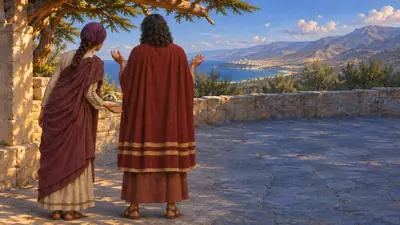
Kothar pergunta se pode fazer uma abertura na casa, uma janela dentro do palácio. Baal diz-lhe que a deixe de fora.
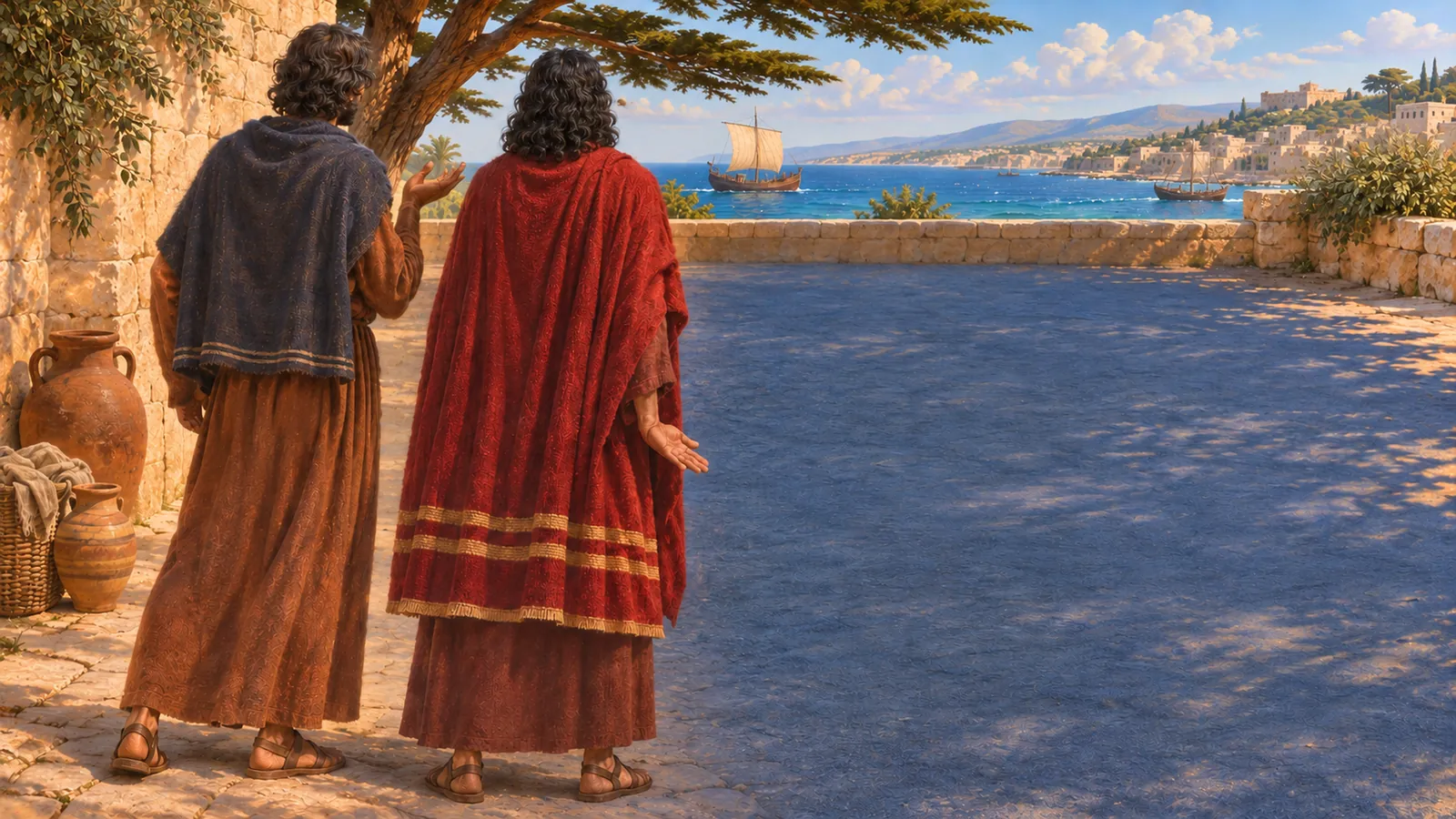
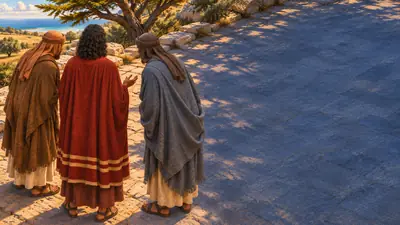
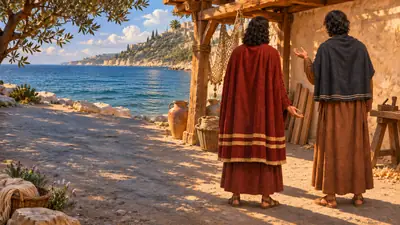
Kothar volta a levantar a questão, e Baal recusa uma segunda vez. As razões só se conservam em parte. Kothar diz que Baal voltará ao seu conselho.
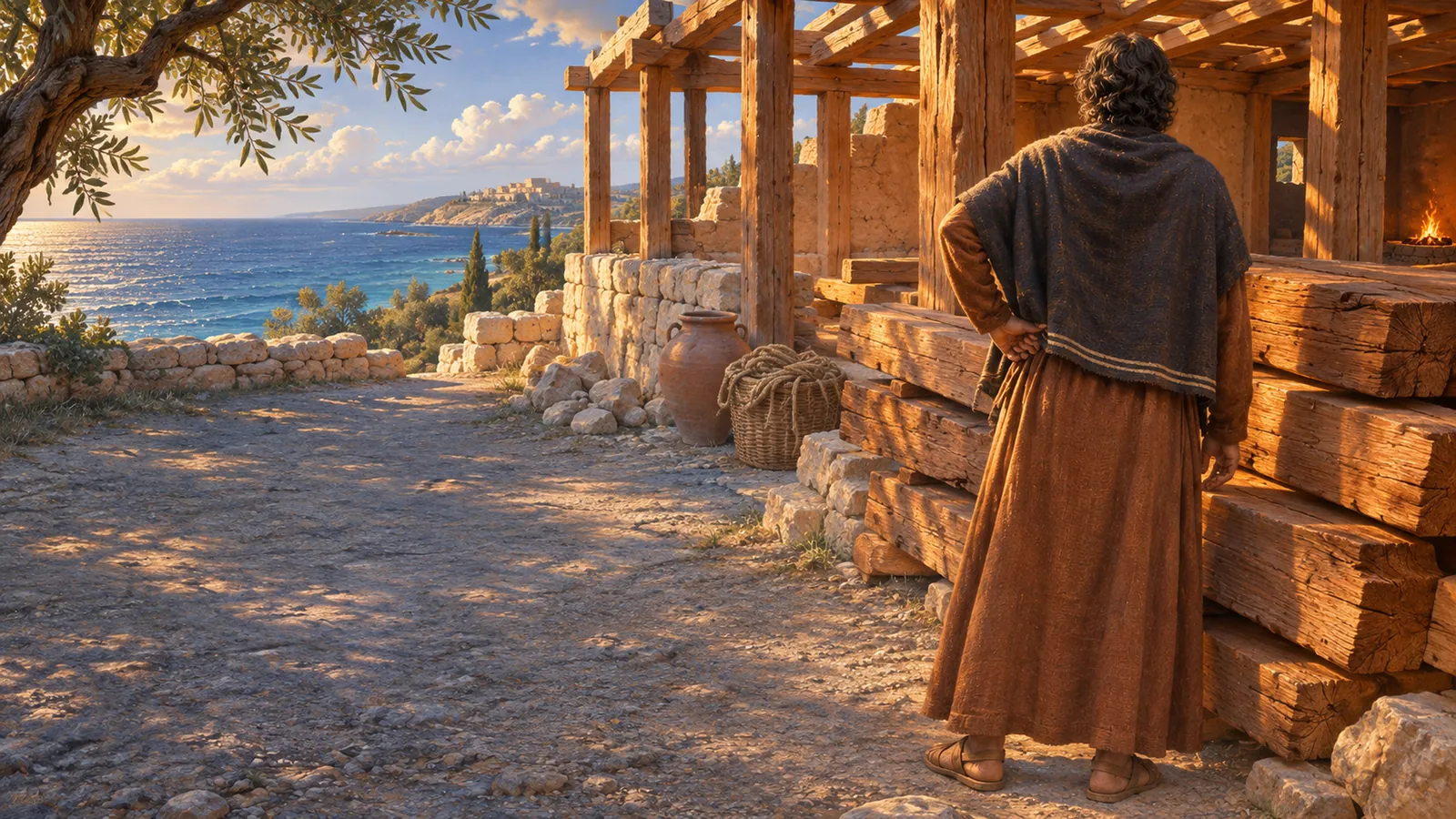
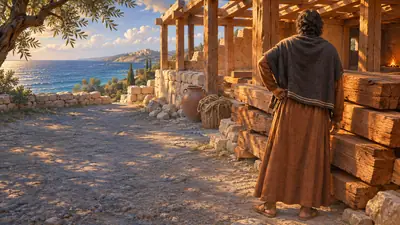
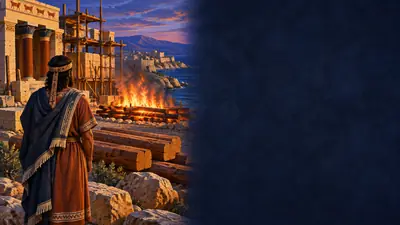
Trazem madeira de cedro para a casa. Depois, o poema diz que se acende um fogo no seu interior, à medida que o relato da construção avança.
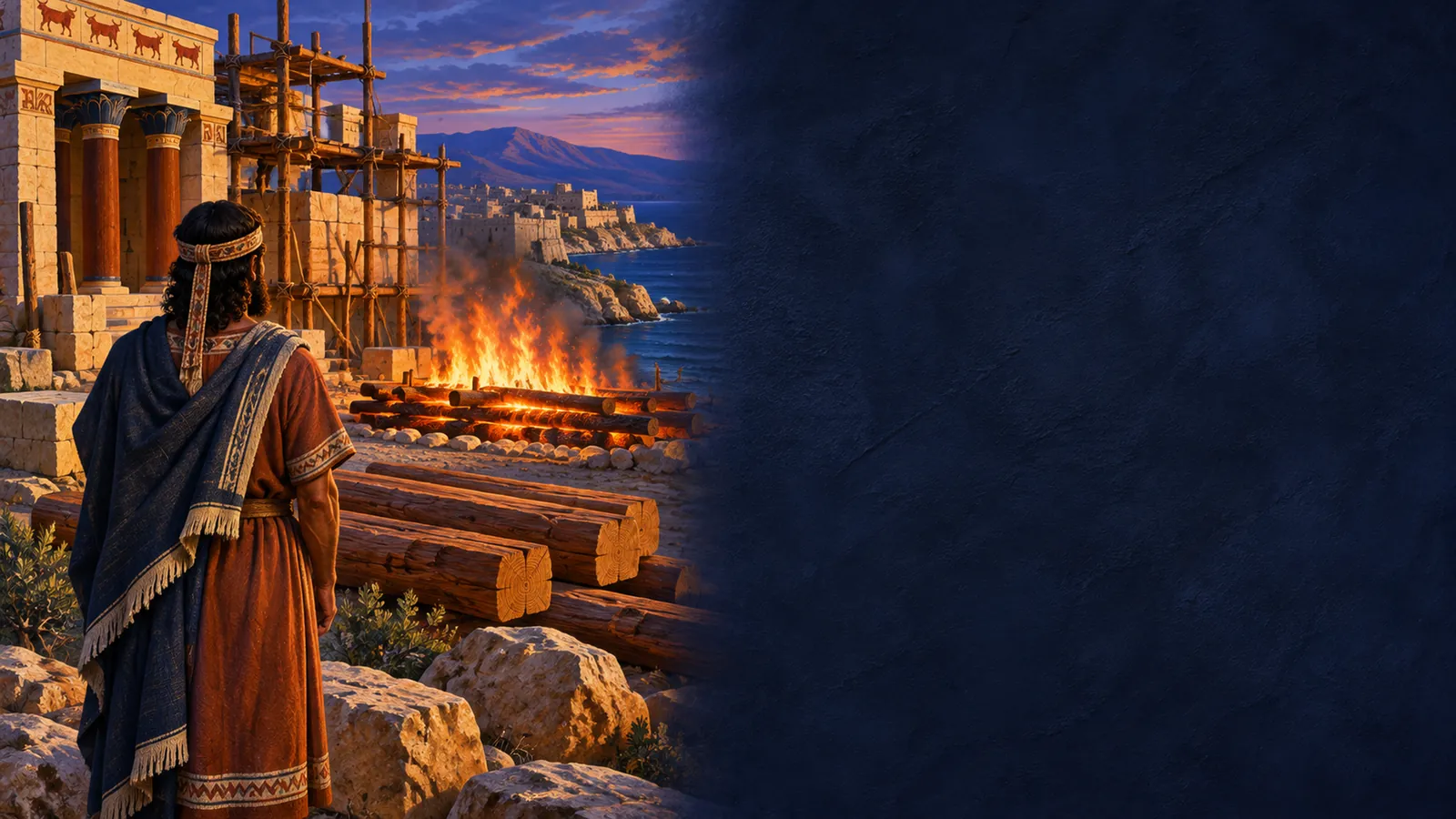
O fogo arde durante o primeiro e o segundo dia, depois durante o terceiro e o quarto. O verso conta da mesma maneira o quinto e o sexto dia.
O SÉTIMO DIA
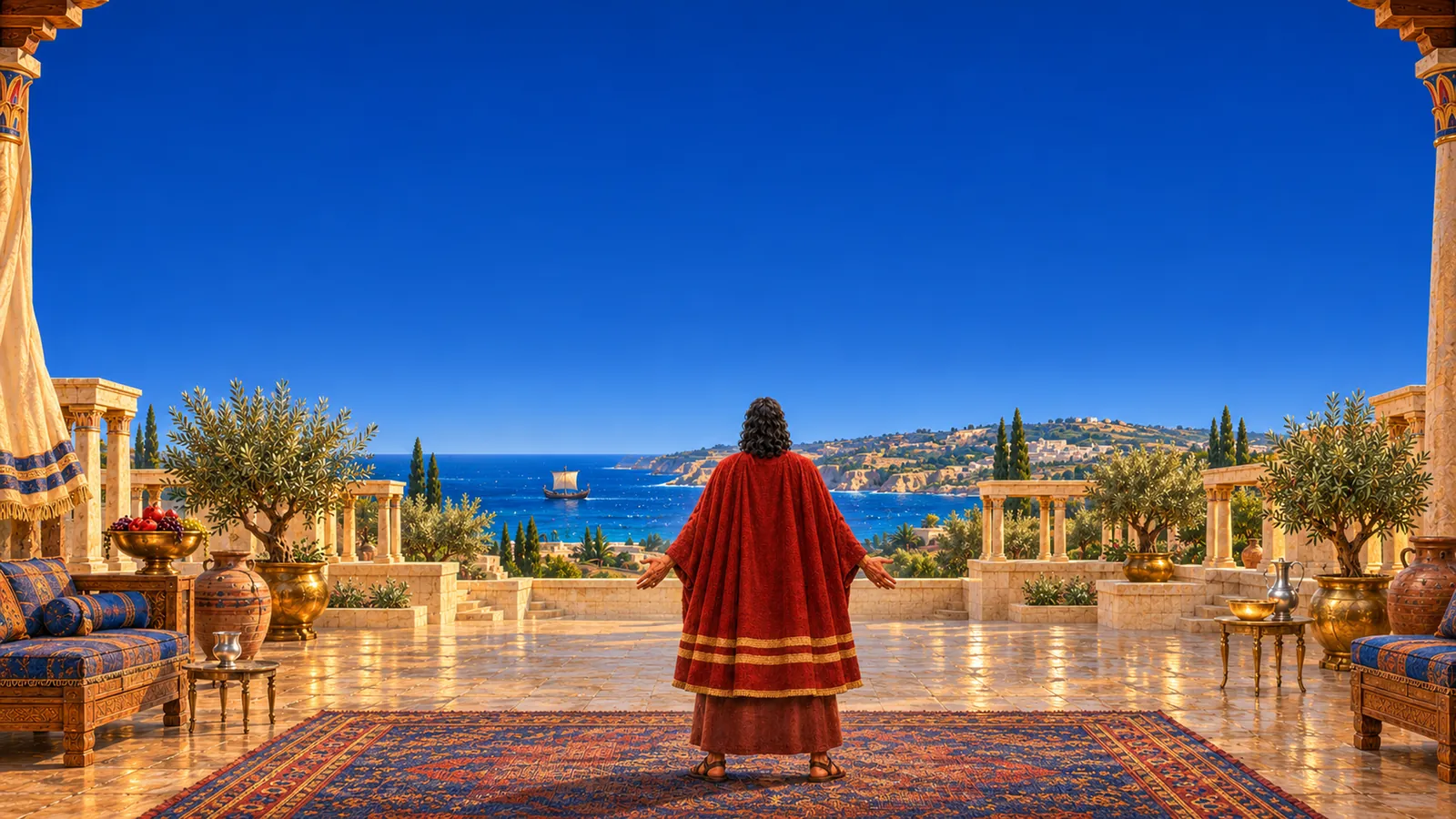
No sétimo dia, o fogo apaga-se. Baal alegra-se e fala da casa de prata e do palácio de ouro.
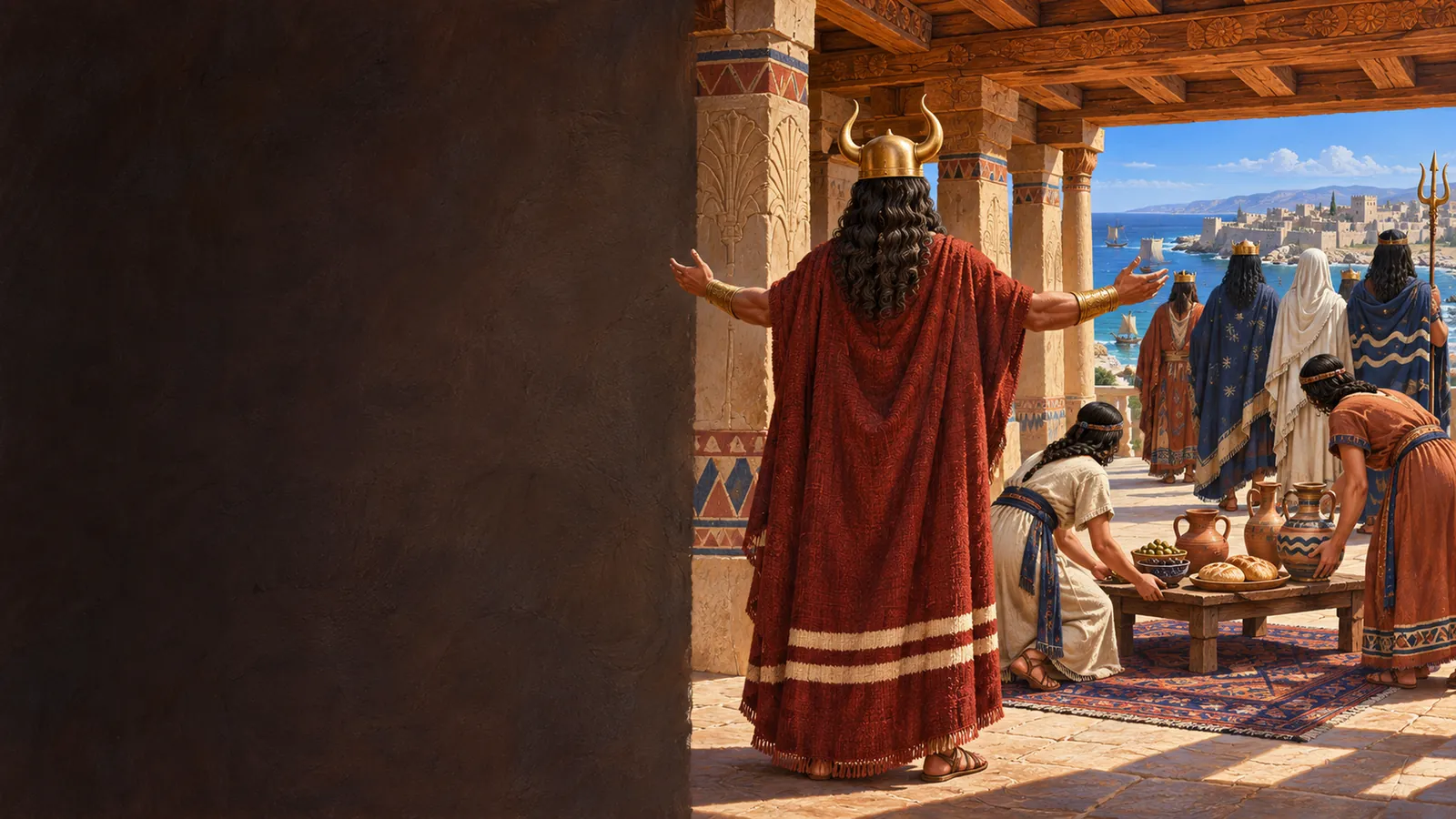
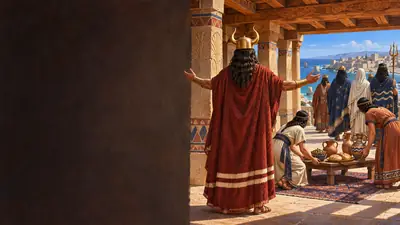
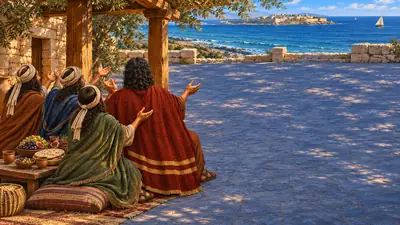
Baal prepara um banquete para celebrar a casa. Chama os irmãos e os parentes para entrarem no palácio.
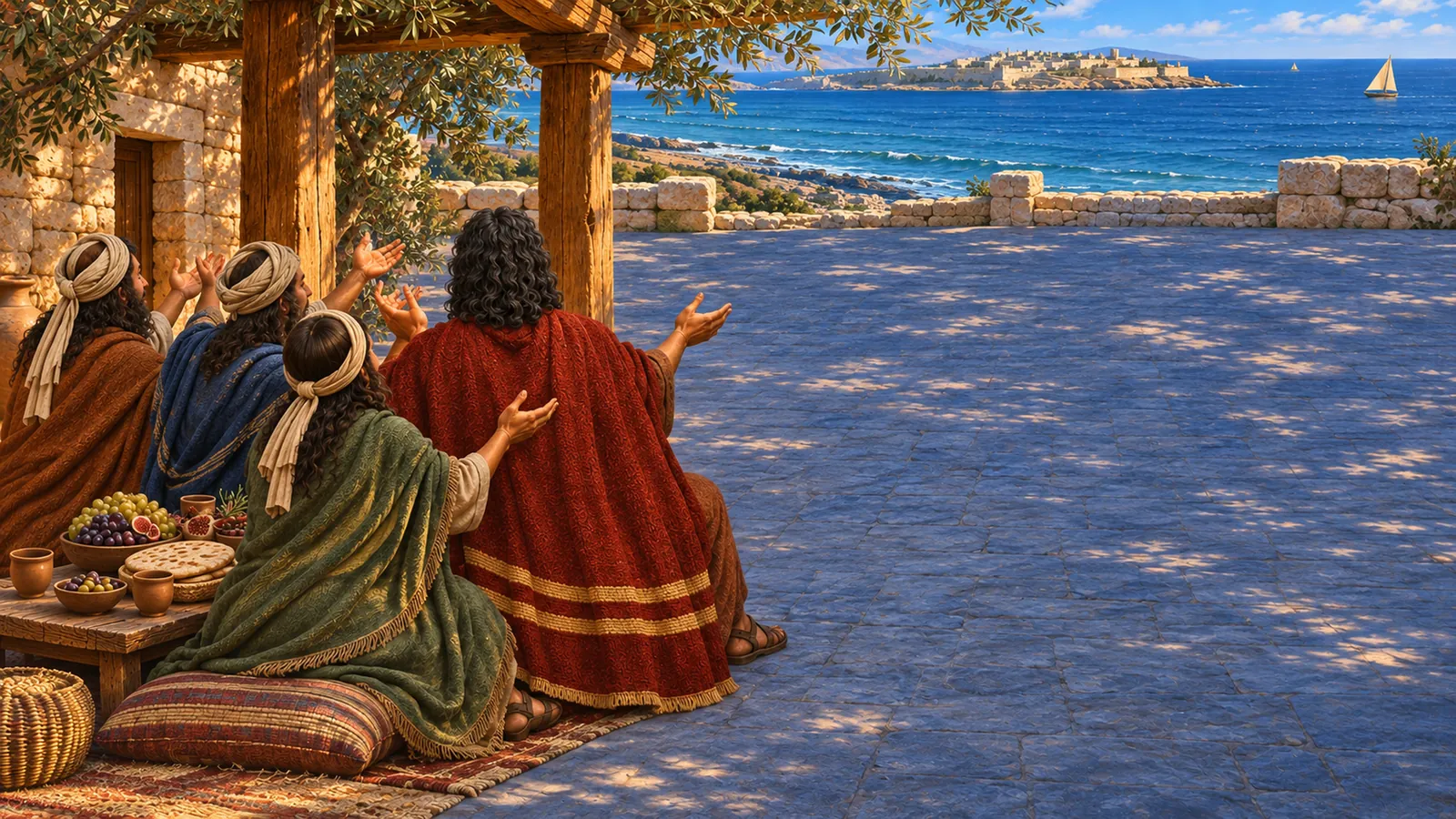
O poema conta setenta filhos de Athirat entre os convidados para o banquete. Deuses e deusas participam na celebração do palácio.

O poema acompanha Baal por cidades e povoações antes de ele voltar à casa. Conta os lugares na linguagem grandiosa do canto.
A JANELA
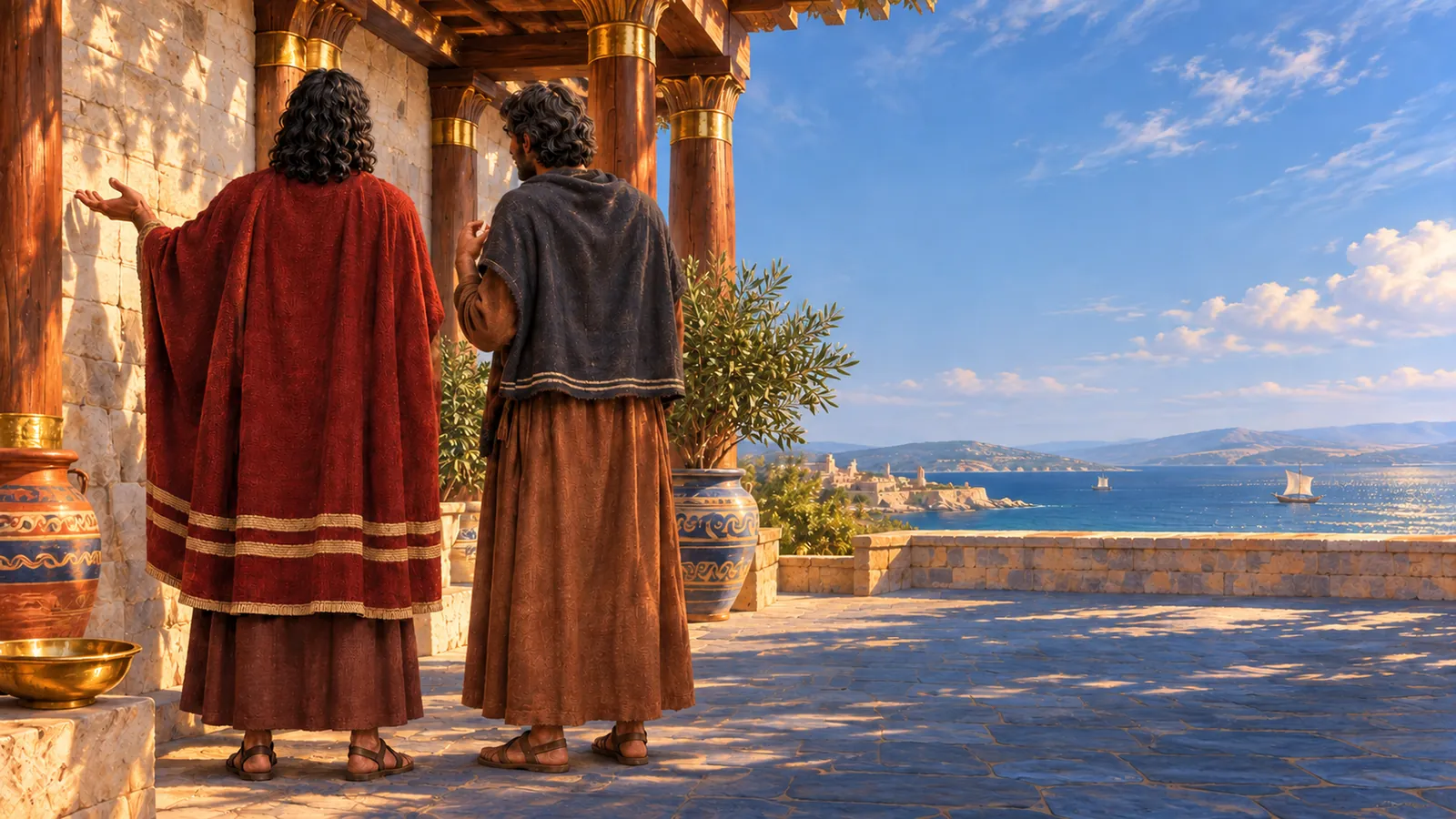
Baal acaba por dizer a Kothar que abra uma janela. Kothar ri e lembra a Baal que lhe dissera que voltaria a esse conselho.
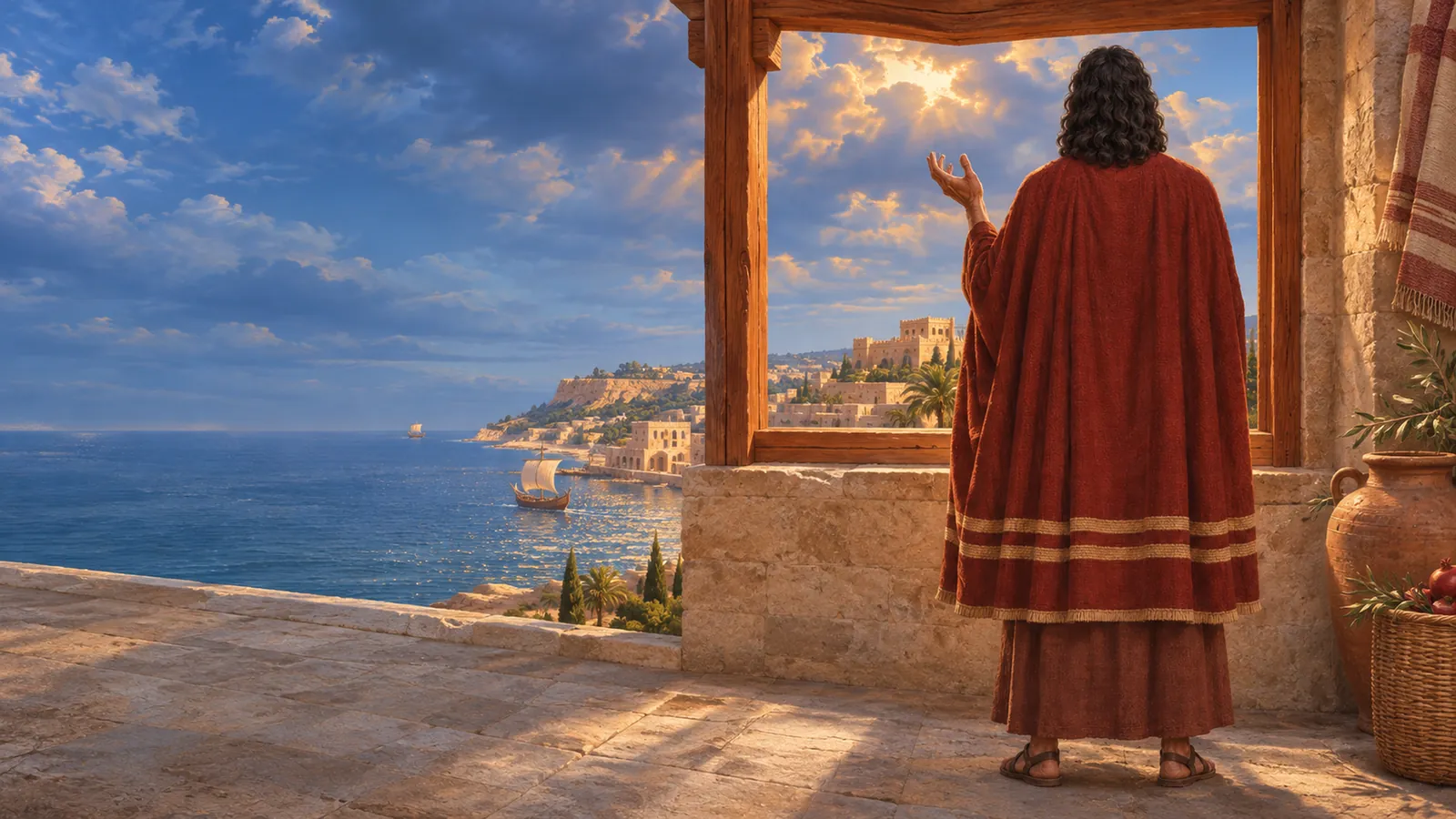
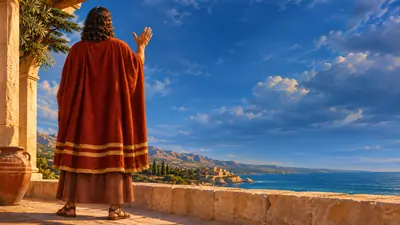
Abre-se uma janela no palácio. O poema liga essa abertura a uma brecha nas nuvens, por onde Baal faz ouvir a sua voz.
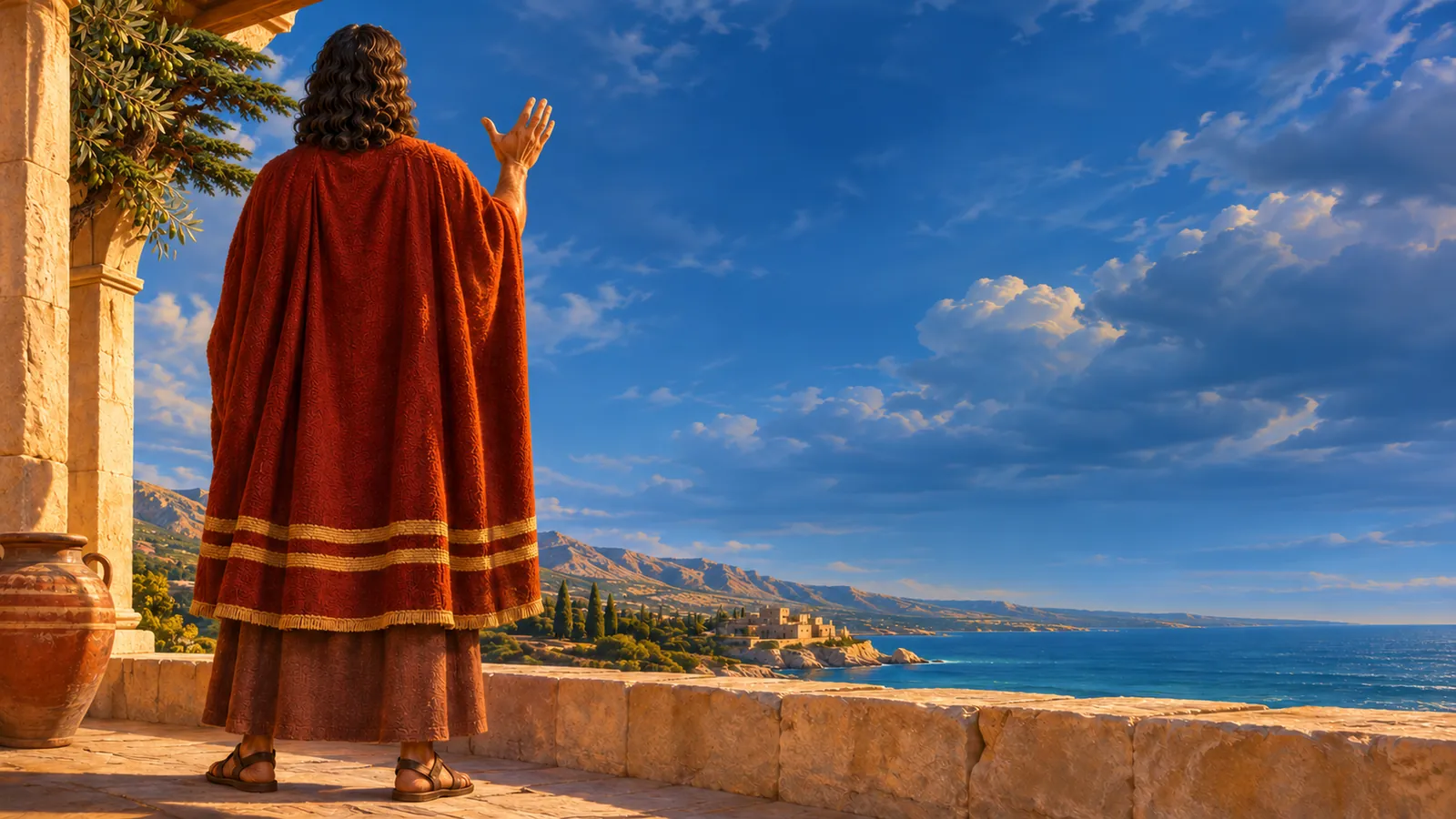
A voz de Baal ressoa. O poema descreve as montanhas a tremer e as alturas da terra a abalar-se com o som.
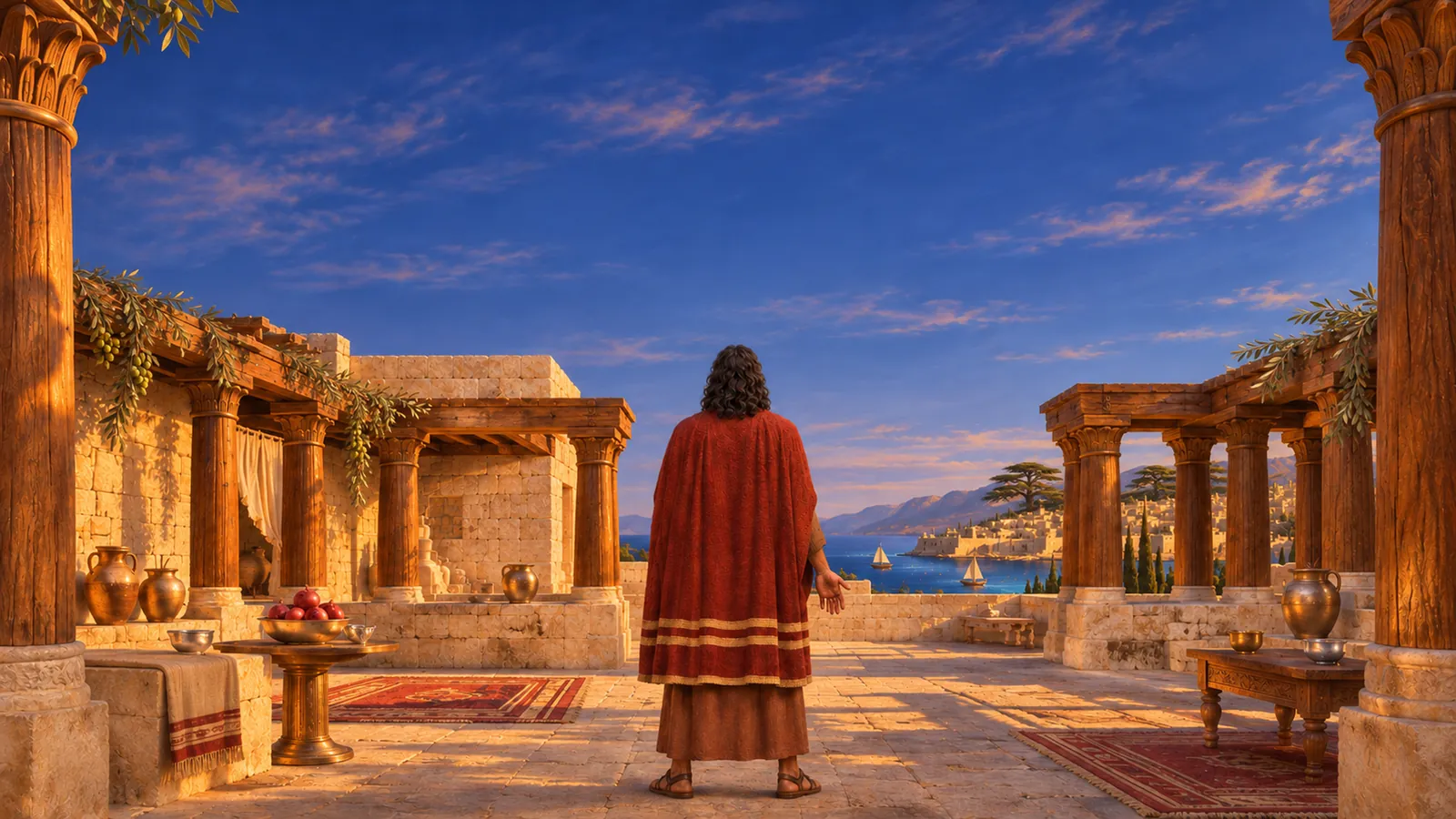
O PALÁCIO
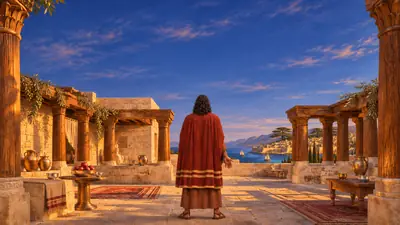
Baal toma o seu lugar na casa. O episódio do palácio termina com Baal ali, depois de a tempestade ter ressoado pela janela.
Fim do capítulo 2
Todas as páginas












Fontes
Page 5. The poem compares severed heads to balls and flying hands to locusts. It describes Anat fastening heads and hands to her body as trophies and wading in blood. 2; Natan-Yulzary, Reading Ugaritic Narrative-Poetry).
Edições consultadas
- Clemens Steinberger, Göttingen working transcription of KTU 1.3
- Göttingen EUPT, tablet concordance and joined fragments
- Mark S. Smith and Wayne T. Pitard, The Ugaritic Baal Cycle, volume II
- Cory Crawford, The question of ekphrasis in ancient Levantine narrative, pp. 296–300
- Jeffery B. Lloyd, The Goddess Anat, pp. 177–190
- Shirly Natan-Yulzary, Lady Athirat of the Sea
- Sang Youl Cho, Lesser Deities, pp. 146–147
- Anthony I. Lipscomb, Levelling a Ballast Preposition as Poetic Strategy in KTU 1.4
- G. del Olmo Lete, El vocabulario de la construcción en Ugarit
- IL Archive, Anat
- IL Archive, Athirat
- IL Archive, The Seven-Day Pattern in Ugaritic Epic
Notas sobre este reconto
Pages 6–7. It then describes her washing warriors’ blood from her hands and fingers before bathing in dew and rain. 2–3; Crawford, pp. 297–298; Smith and Pitard, vol. II).
Page 13. In the account she gives of past victories, Anat names Yamm and River, the dragon, the twisting serpent and the seven-headed Shalyat among her foes. 3; Pitard, pp. 75 onward).
Page 19. Anat threatens to make El’s grey hair run with blood and his beard with gore. The word for blood in the hair line is restored in the edition. 5; Lloyd, pp. 181–187).
Os versos antigos de cada página
- Page 1: KTU 1.3 I 1–4 and preceding loss (Steinberger p. 1; Natan-Yulzary p. 141)
- Page 2: KTU 1.3 I 5–10 (Steinberger p. 1; Natan-Yulzary p. 141)
- Page 3: KTU 1.3 I 11–17 (Steinberger p. 1; Natan-Yulzary p. 141)
- Page 4: KTU 1.3 I 18–22 (Steinberger p. 1)
- Page 5: KTU 1.3 II 3–17 (Steinberger p. 2; IL Archive Anat)
The occasion and the identity of Anat’s opponents are uncertain. - Page 6: KTU 1.3 II 17–30 (Steinberger p. 2; Crawford pp. 297–298; IL Archive Anat)
The relationship between the valley and house passages is uncertain. - Page 7: KTU 1.3 II 31–41 and III 1–3 (Steinberger pp. 2–3; Smith and Pitard chapter divisions)
Parts of the washing passage require restoration. - Page 8: KTU 1.3 III 9–14 (Steinberger p. 3; Deluty p. 70; Pitard, opening discussion)
- Page 9: KTU 1.3 III 15–19 (Steinberger p. 3; Lloyd discussion of III–IV, pp. 178–180)
Some words in the message are restored in the edition. - Page 10: KTU 1.3 III 20–26 (Crawford pp. 299–300, quoting Smith and Pitard; Steinberger p. 3)
- Page 11: KTU 1.3 III 27–31 (Crawford pp. 299–300, quoting Smith and Pitard; Steinberger p. 3)
- Page 12: KTU 1.3 III 32–37 (Deluty pp. 70–71; Steinberger p. 3)
- Page 13: KTU 1.3 III 38–47 (Pitard pp. 75 onward; Steinberger p. 3)
Anat’s list of foes contains disputed names and parallel descriptions. - Page 14: KTU 1.3 IV 10–20 (Lloyd pp. 177–179; Steinberger p. 4)
The repeated message is partly restored from the earlier version. - Page 15: KTU 1.3 IV 21–32 (Lloyd pp. 178–180; Steinberger p. 4)
- Page 16: KTU 1.3 IV 33–42 (Lloyd pp. 179–181; Steinberger p. 4)
- Page 17: KTU 1.3 IV 43–55 (Lloyd pp. 180–181; Steinberger p. 4; Cho on dwelling clauses)
The tablet is damaged here. The house formula is partly restored from its repetitions. - Page 18: KTU 1.3 V 1–18 (Lloyd pp. 180–182; Steinberger p. 5)
The description of the journey is fragmentary. - Page 19: KTU 1.3 V 19–27 (Lloyd pp. 181–187; IL Archive Anat; Steinberger p. 5)
- Page 20: KTU 1.3 V 30–43 and following loss (Lloyd pp. 181–187; IL Archive Anat; Steinberger pp. 5–6)
The end of the first audience is damaged. - Page 21: KTU 1.3 VI 1–7, including joined RS 3.364 (Pardee join as documented in Steinberger p. 6 and Smith and Pitard contents)
The joined fragment RS 3.364 preserves the beginning of this passage. - Page 22: KTU 1.3 VI 18–25 (Steinberger pp. 6–7; Smith and Pitard chapter divisions)
Several place references in the instructions are uncertain. - Page 23: KTU 1.4 I 1–22, chiefly 9–11 and 20–22 (Crawford pp. 296–297; Natan-Yulzary p. 135)
The opening of Tablet IV contains damage. - Page 24: KTU 1.4 I 23–35 (Crawford pp. 296–297 and table)
- Page 25: KTU 1.4 I 36–43 (Crawford p. 297, table)
Several decorative terms have competing readings. - Page 26: KTU 1.4 II 3–11 (Natan-Yulzary pp. 131–141; Crawford p. 297)
The actions in these lines are interpreted differently. - Page 27: KTU 1.4 II 12–26 (Deluty pp. 70–72; Crawford pp. 297–298; IL Archive Athirat)
- Page 28: KTU 1.4 II 28–31 (Crawford p. 298)
- Page 29: KTU 1.4 III 23–32 (Lloyd pp. 188–190; IL Archive Athirat)
- Page 30: KTU 1.4 III 33–44 (Lloyd pp. 188–190)
- Page 31: KTU 1.4 IV 15–22 (Segert selected text; Lipiński on IV 21–22)
- Page 32: KTU 1.4 IV 23–40, chiefly 26 (Noegel, p. 107; Smith and Pitard contents)
- Page 33: KTU 1.4 IV 41–55 (Cho on the house formula; Steinberger n. 17 for IV 41–42 parallel; IL Archive Athirat)
- Page 34: KTU 1.4 IV 59–V 1 (Cho’s direct translation pp. 146–147)
- Page 35: KTU 1.4 V 2–12 (Del Olmo Lete on V 10–11, Smith and Pitard contents)
- Page 36: KTU 1.4 V 20–35 (IL Archive Anat and Athirat; Crawford p. 298)
- Page 37: KTU 1.4 V 35–44 (Lipscomb on V 36–37; Crawford p. 298)
- Page 38: KTU 1.4 V 45–57, chiefly 51–54 (Crawford pp. 298–299; Del Olmo Lete on V 56; Smith and Pitard contents)
- Page 39: KTU 1.4 V 58–65 (Lipscomb pp. 49–51, Smith and Pitard contents)
- Page 40: KTU 1.4 VI 1–15 (Kim pp. 126–128 quoting Smith; Crawford p. 299 n. 54)
Baal’s explanation after his second refusal is damaged. - Page 41: KTU 1.4 VI 16–23 (Crawford p. 299; Lipscomb p. 49)
- Page 42: KTU 1.4 VI 24–31 (Lipscomb p. 54, direct translation; IL Archive seven-day study)
- Page 43: KTU 1.4 VI 32–38 (Lipscomb pp. 54–55; Crawford p. 299; Del Olmo Lete on VI 34–35)
- Page 44: KTU 1.4 VI 39–45 (Lipscomb p. 51 on VI 44–45; Smith and Pitard contents)
- Page 45: KTU 1.4 VI 46–59 (IL Archive Athirat on VI 44–46; Crawford p. 299; Smith and Pitard contents)
- Page 46: KTU 1.4 VII 7–14 (De Gruyter, The Song of the Sea, p. 153; Heiser pp. 203–204 quoting Smith and Pitard)
Some numbers and nearby words are broken. - Page 47: KTU 1.4 VII 14–25 (Kim pp. 127–128 quoting Smith; Lipscomb on VII 17–19)
- Page 48: KTU 1.4 VII 25–30 (Crawford pp. 299–300 quoting Smith and Pitard)
- Page 49: KTU 1.4 VII 31–35 (Crawford p. 299 quoting Smith and Pitard)
Parts of the description are restored. - Page 50: KTU 1.4 VII 42 (Del Olmo Lete p. 109; Noegel p. 106; Smith and Pitard boundary)
The verb in the final line can be understood as dwelling, sitting enthroned or returning.
Ilustrações feitas pelo IL Archive com ferramentas de IA; o texto baseia-se nas fontes antigas (veja as fontes no fim de cada capítulo).