O Ciclo de Baal Capítulo 3
Baal e Mot
Baal envia uma mensagem a Mot. Depois de uma lacuna na tabuinha, mensageiros levam a El a notícia da morte de Baal, e Anat chora-o. O sonho de El dá-lhe esperança. Baal está de volta quando o texto recomeça, e Shapash fala antes de a luta acabar.
FontesVire as páginas com as setas, o teclado ou deslizando o dedo.
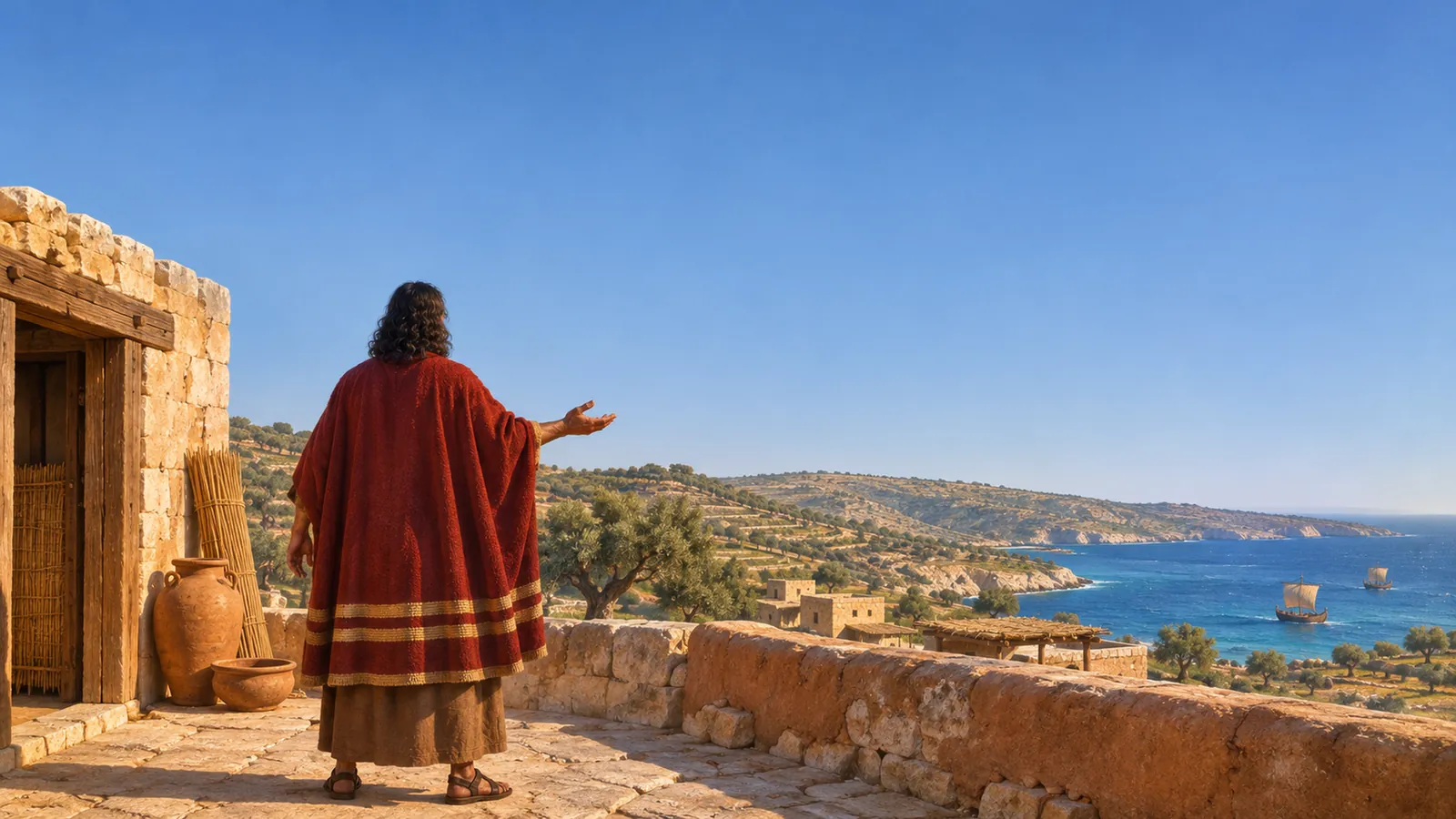
BAAL E MOT
Baal pergunta quem pode exercer o poder no domínio de que agora fala. A pergunta abre a troca que levará as suas palavras a Mot.
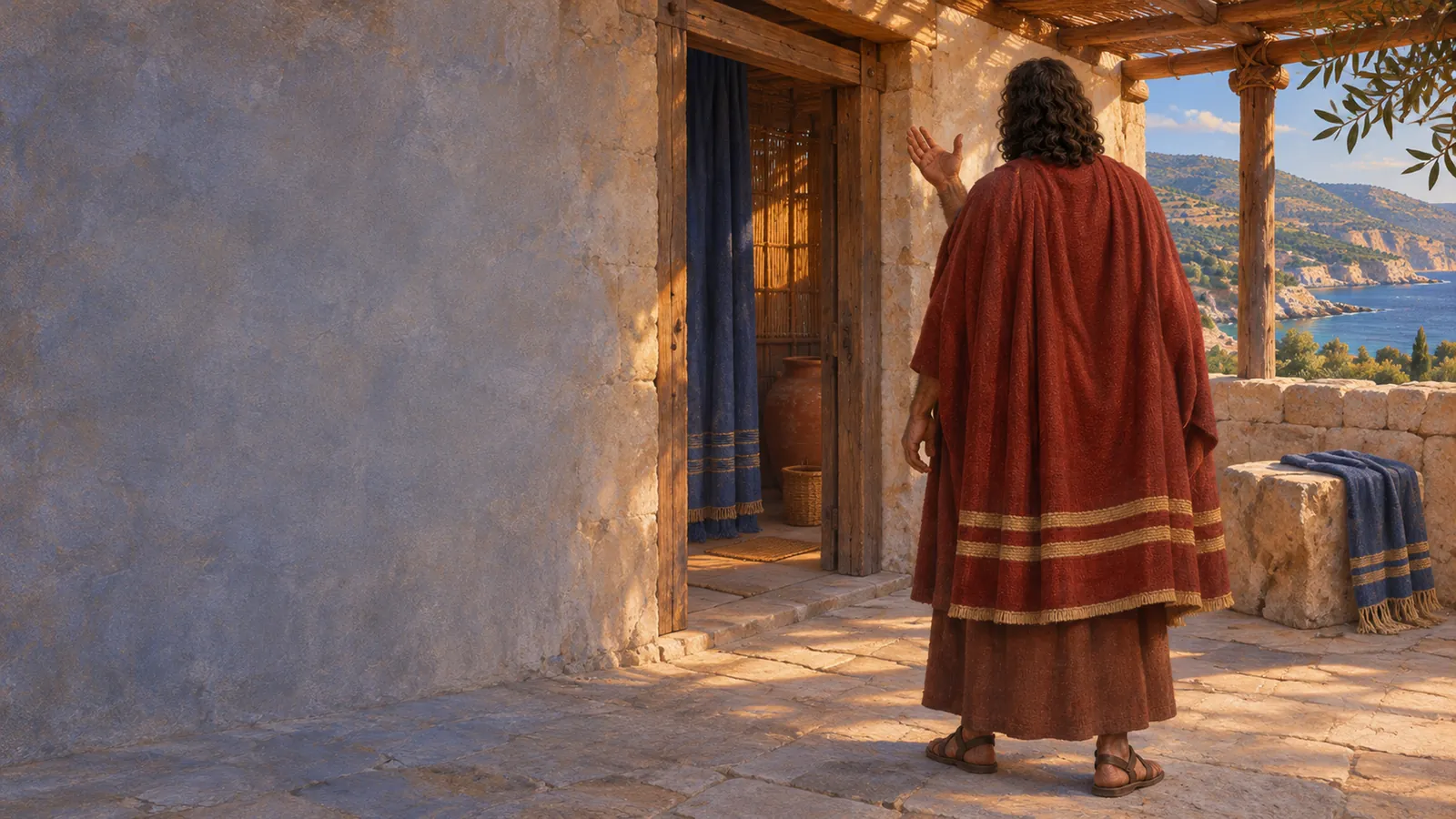
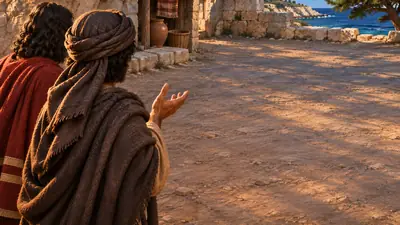
Baal diz que enviará um arauto a Mot. Fala de levar as suas palavras até àquele que as deve ouvir.

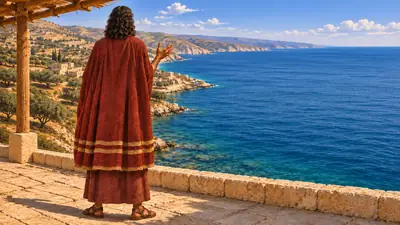
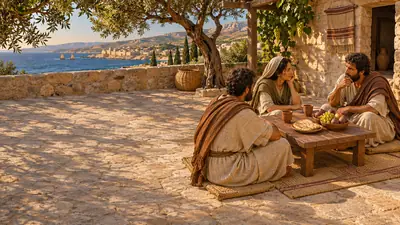
Baal reivindica o domínio entre os deuses. Diz que sustenta deuses e pessoas e sacia os muitos habitantes da terra.
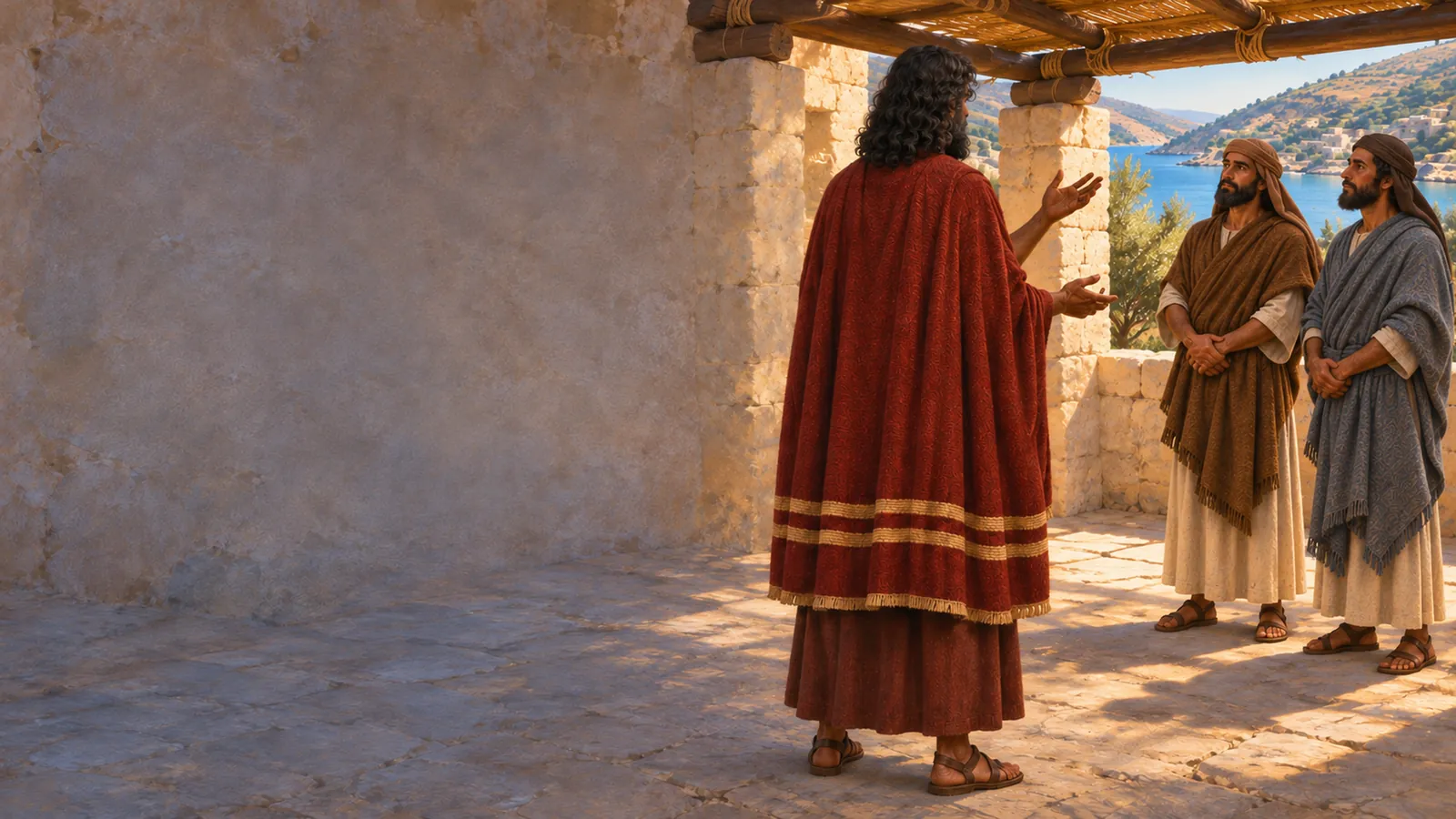
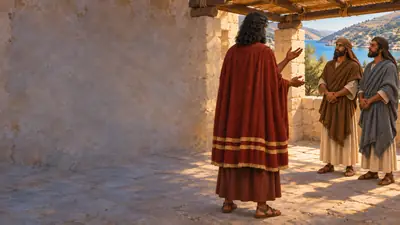
Baal chama os seus mensageiros, Gapn e Ugar, para ouvirem as instruções. Parte das palavras que os descrevem está danificada.

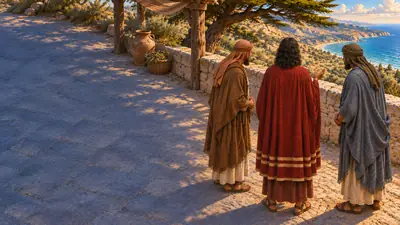
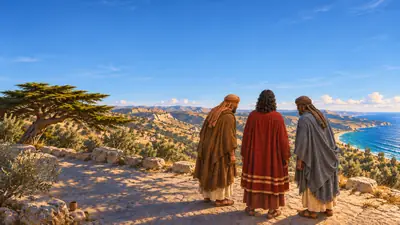
Baal diz aos mensageiros que sigam em direção a duas colinas. O poema coloca-as no limite da terra, no caminho indicado nas suas instruções.
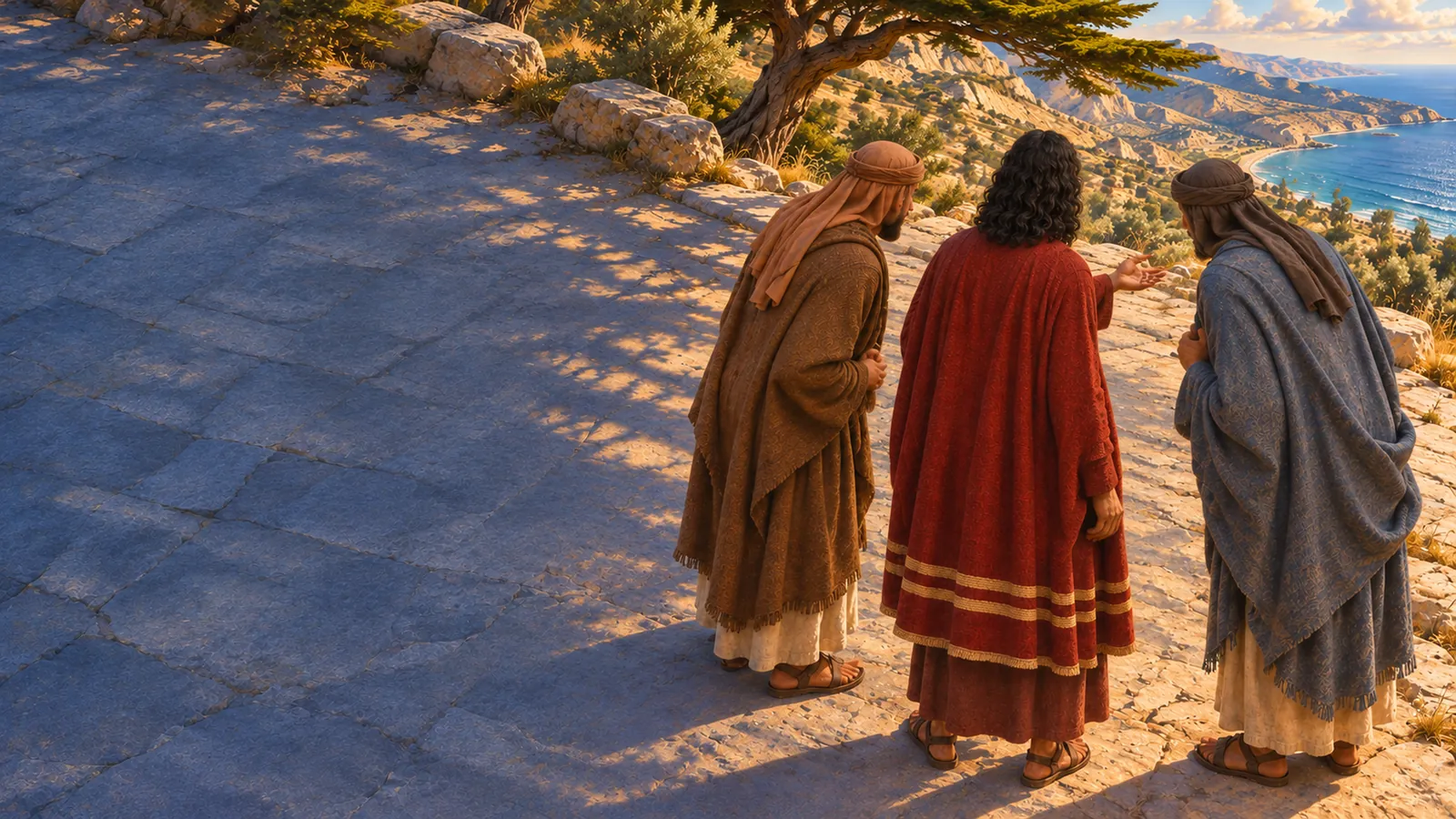
Baal diz-lhes que desçam ao domínio de Mot. Fala da sua povoação e do lugar baixo onde ele se senta.

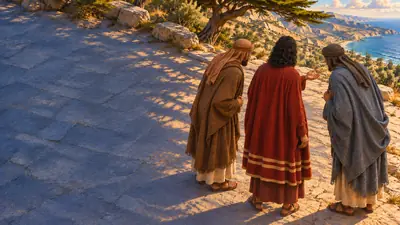
Baal diz aos enviados que tenham cuidado. Avisa-os do perigo de se aproximarem demasiado de Mot.
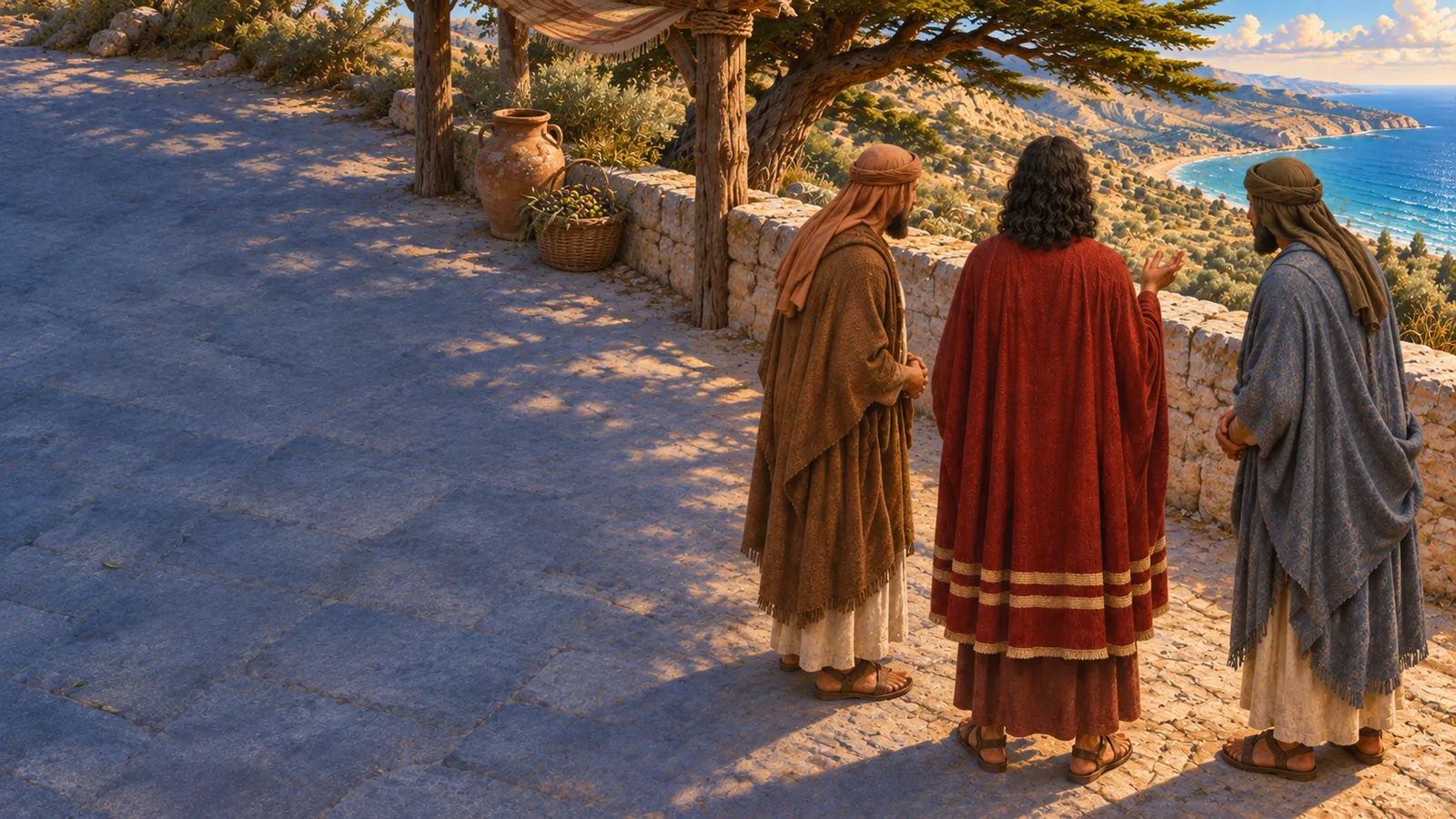
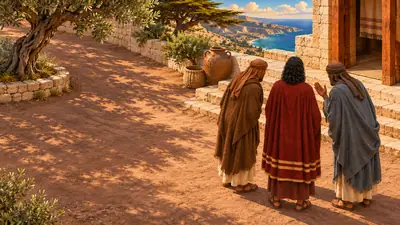
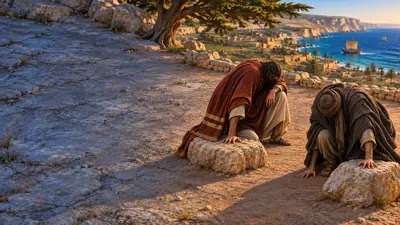
Baal diz-lhes que se inclinem diante de Mot a grande distância. Devem honrá-lo antes de entregar a mensagem.
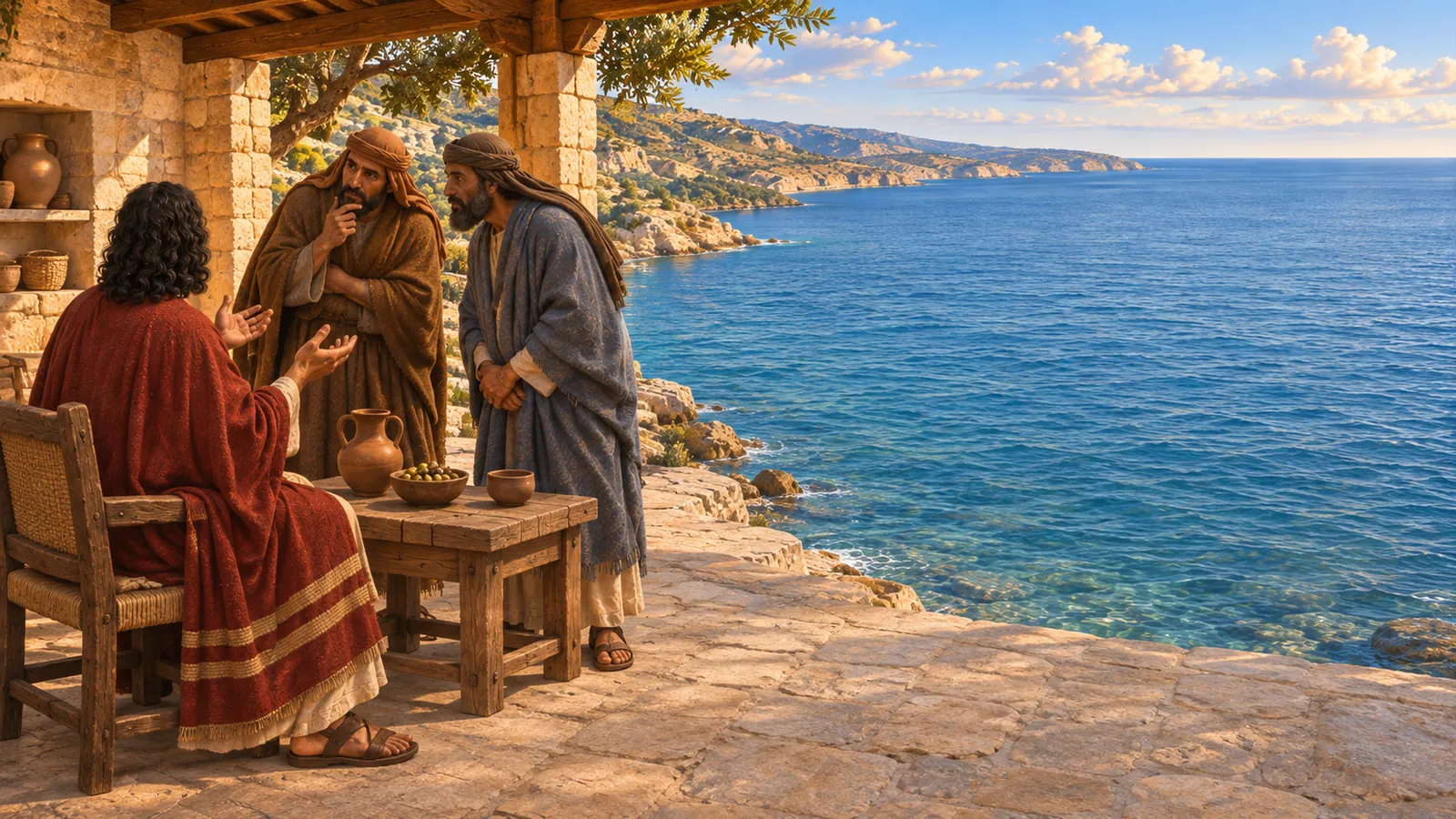
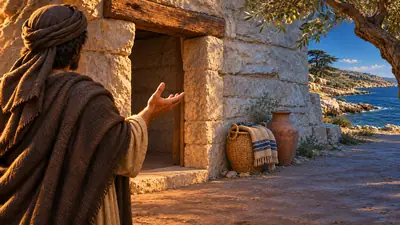
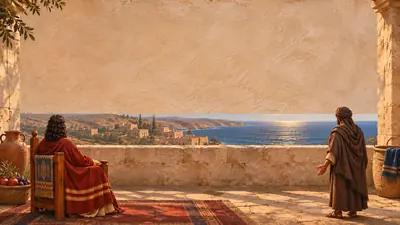
Baal dá aos enviados as palavras que devem pronunciar. No início conservado da mensagem, diz a Mot que construiu a sua casa.
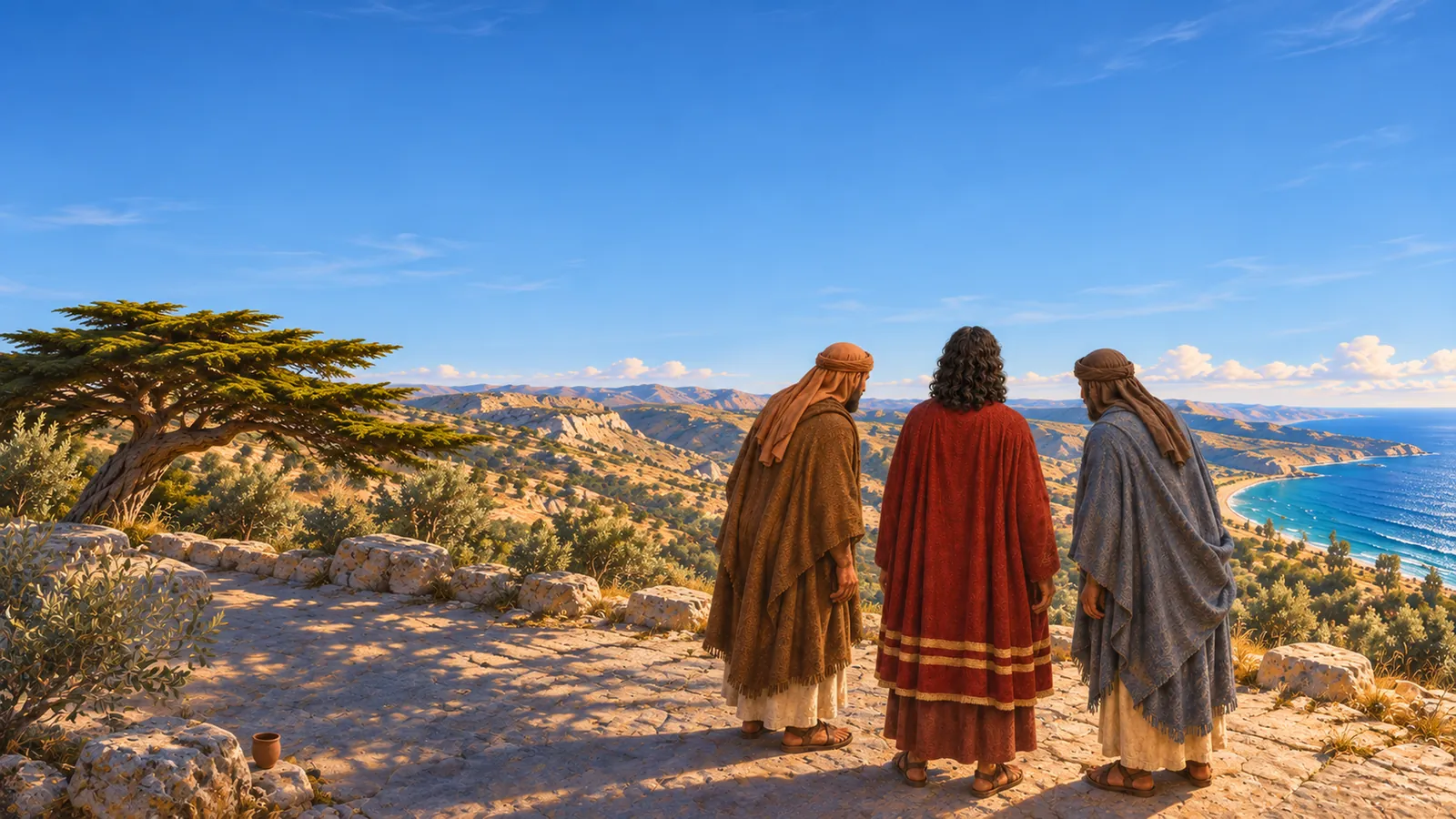
A MENSAGEM PARTIDA
O fim da mensagem de Baal está danificado. As palavras conservadas deixam em aberto se Baal já tinha convidado Mot para um banquete.
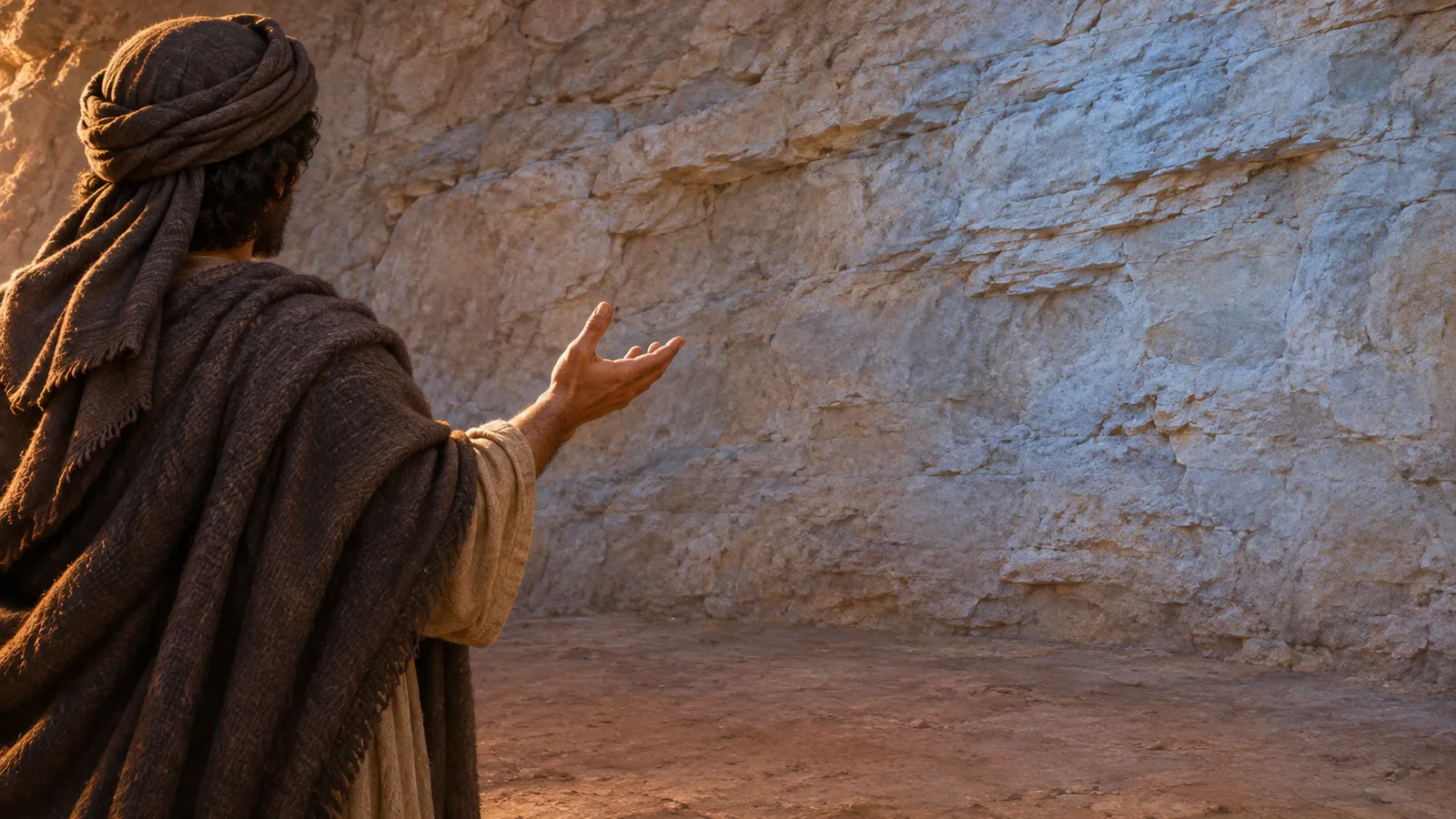
A tabuinha seguinte começa a meio da resposta de Mot. Parte do que ele diz volta a ouvir-se quando os mensageiros regressam a Baal.
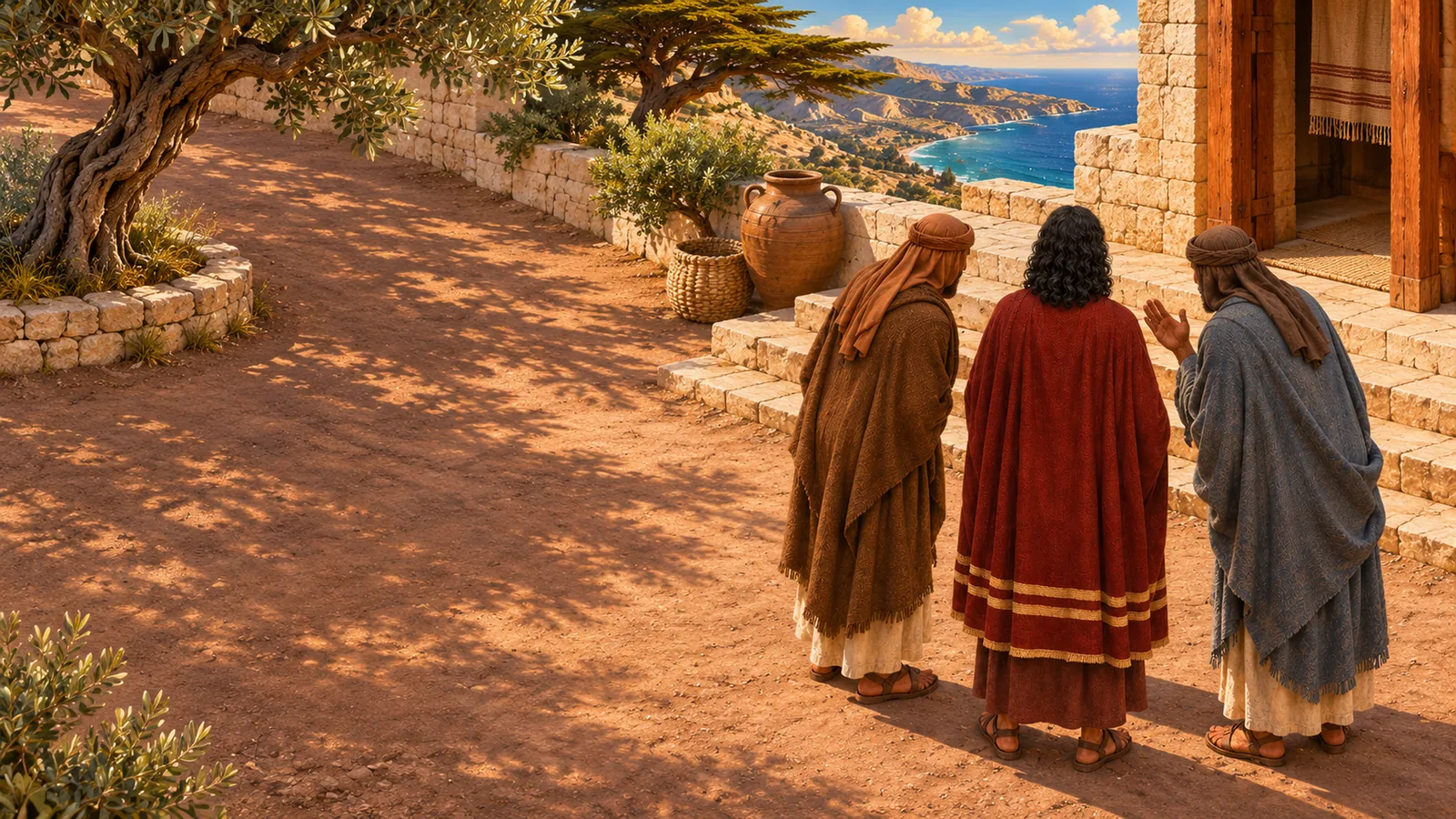
Os mensageiros voltam a Baal e repetem o que Mot disse. As palavras que se seguem são de Mot, levadas pelos enviados.
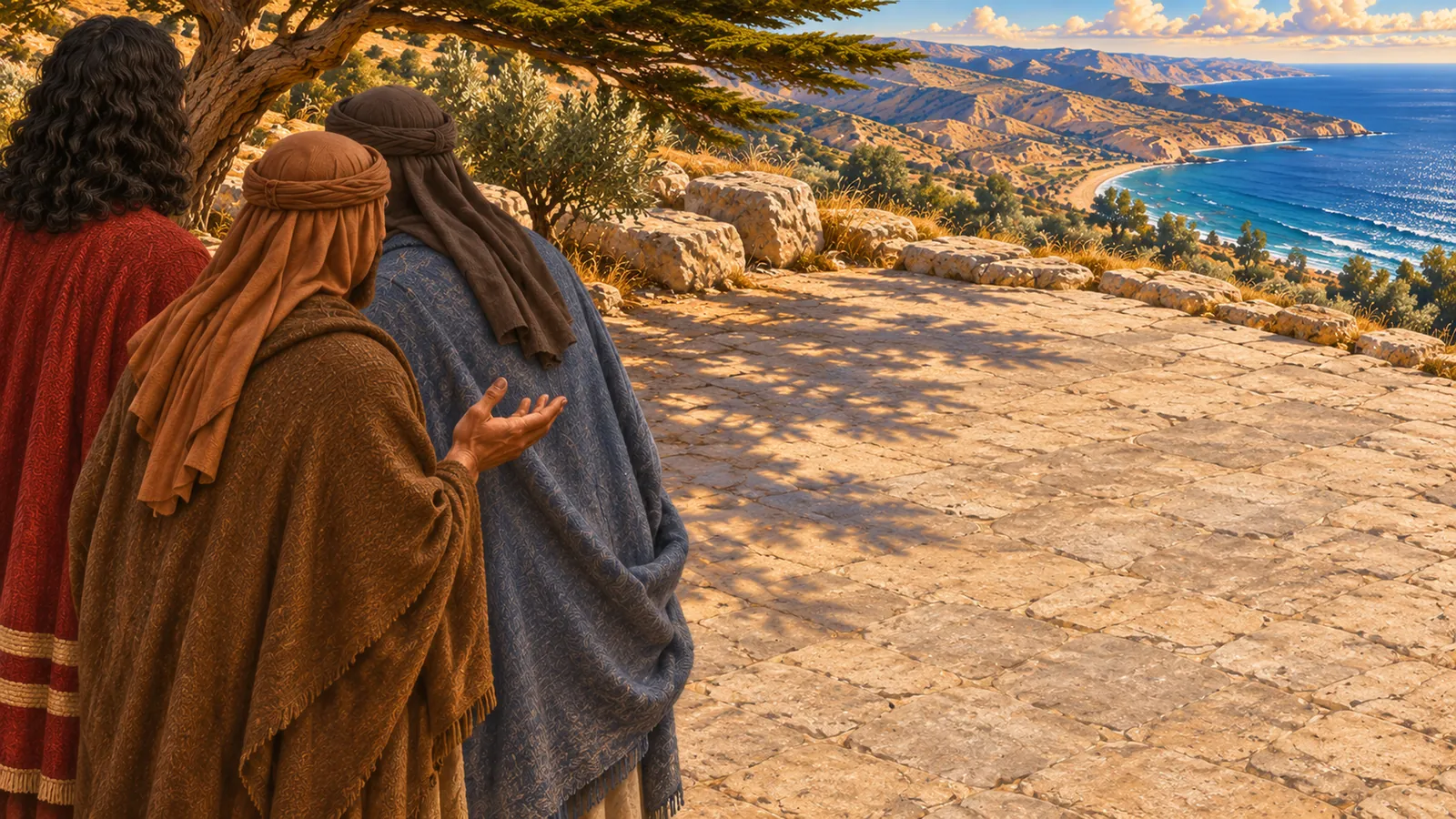
Na resposta que os mensageiros repetem, Mot fala de um apetite imenso. Compara-o à fome e à sede dos animais na natureza selvagem.
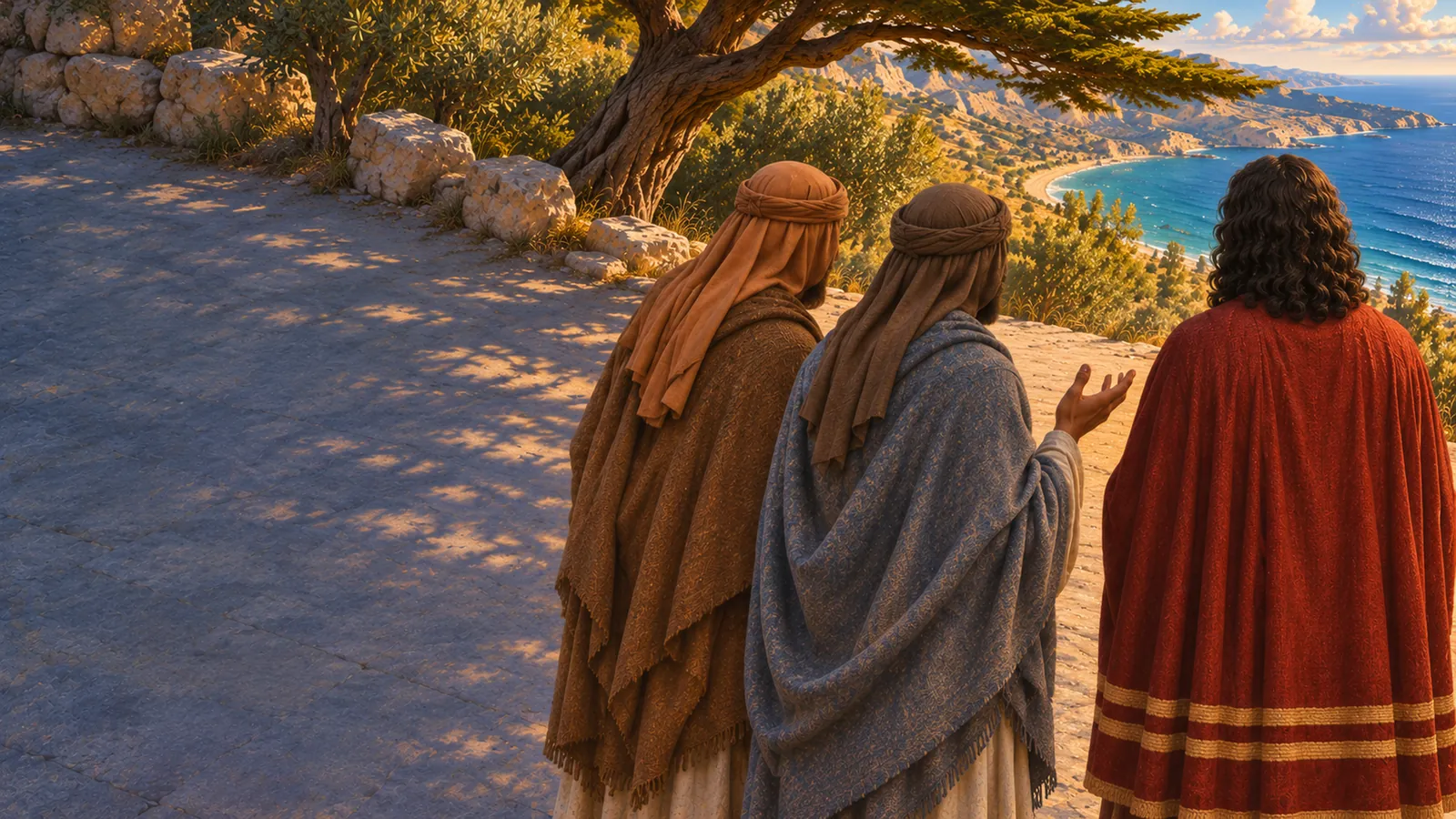
Na mensagem, Mot pede a Baal que o convide para um banquete com os seus parentes. Fala de comida e de vinho.
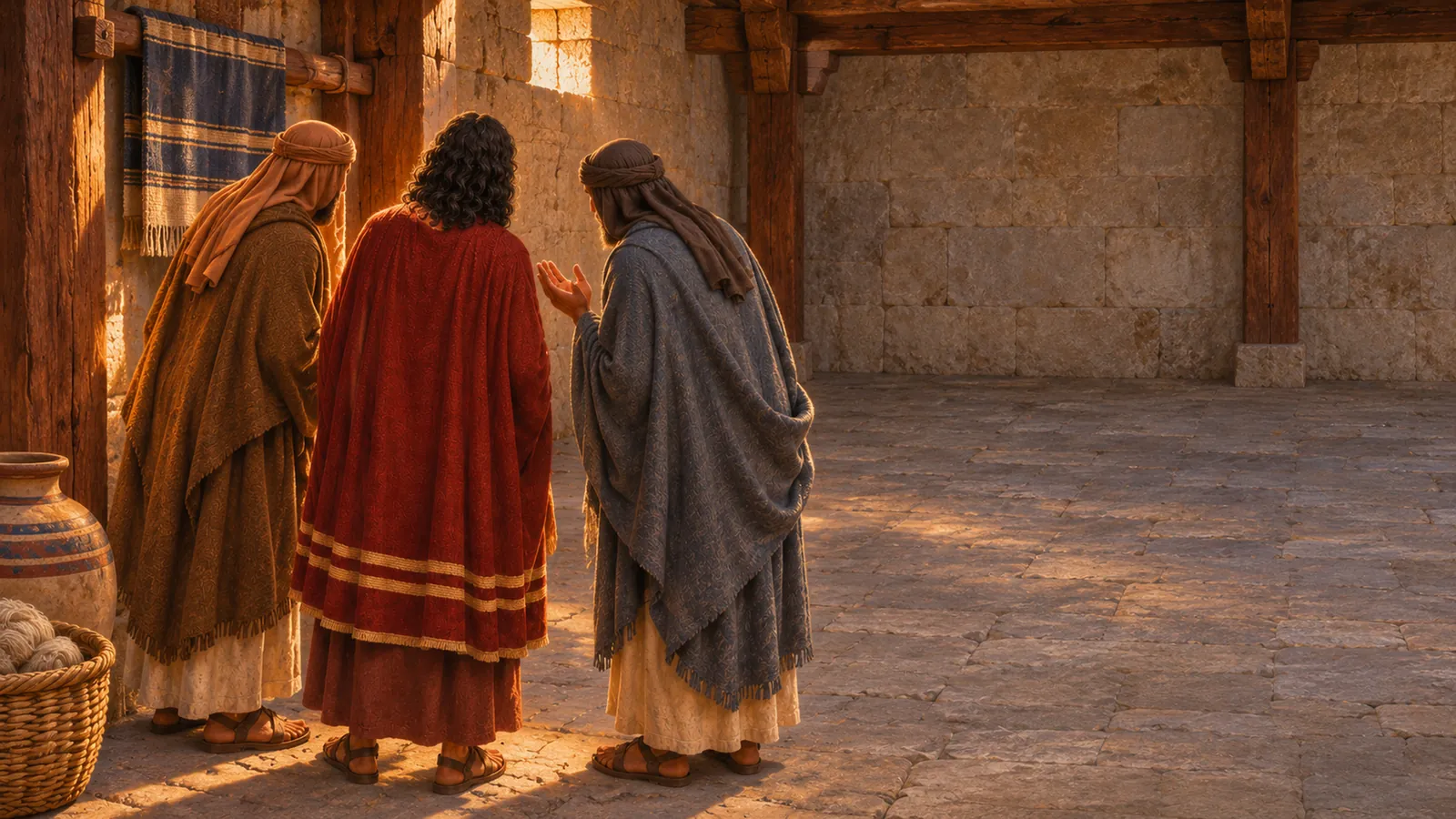
O relato dos mensageiros passa à ameaça de Mot contra Baal. O poema apresenta o perigo nas palavras do próprio Mot antes de contar o medo de Baal.
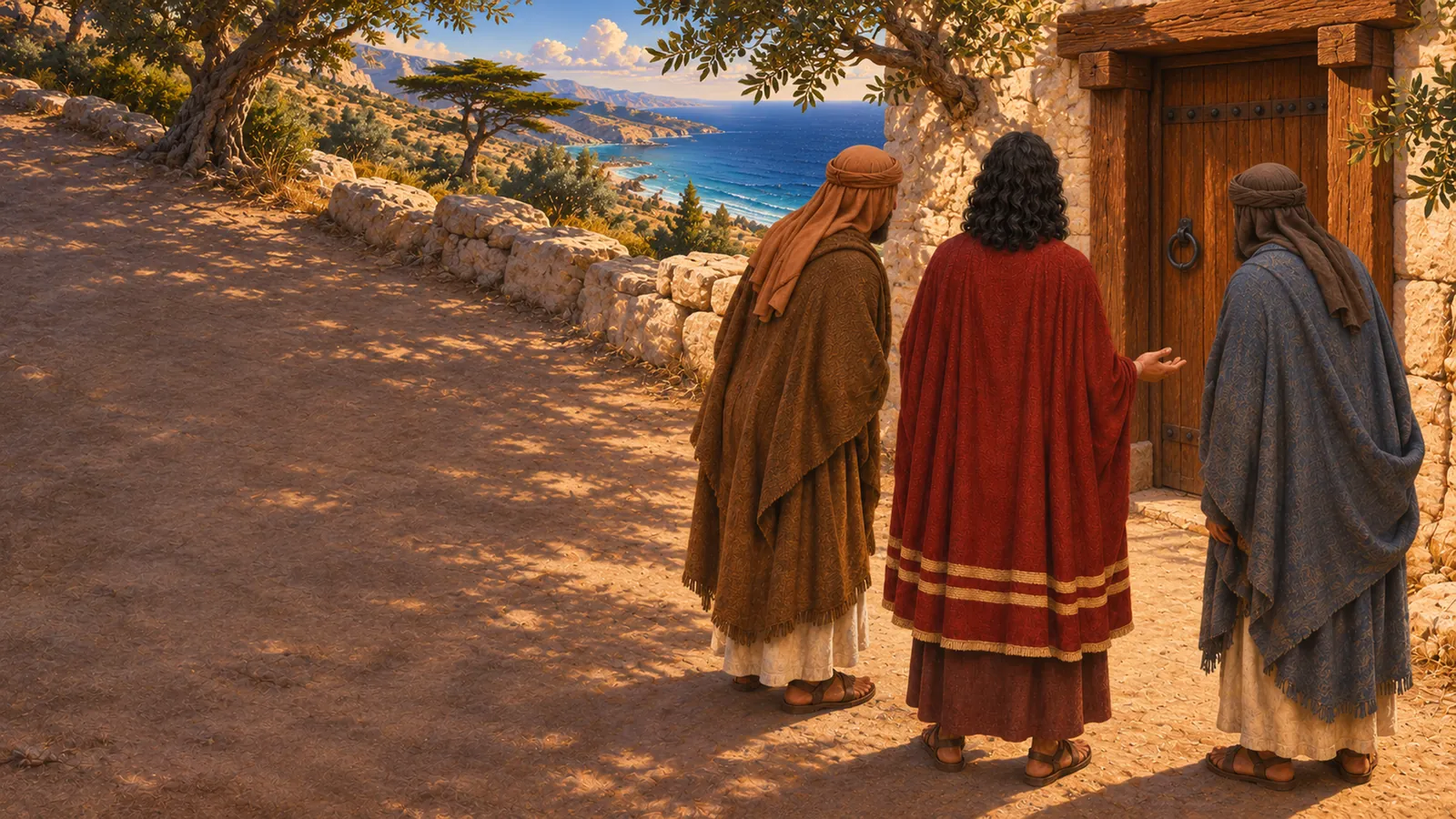
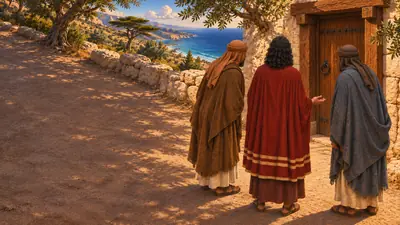
Baal tem medo. Manda os mensageiros de volta a Mot com uma breve resposta, pondo-se ao seu serviço.
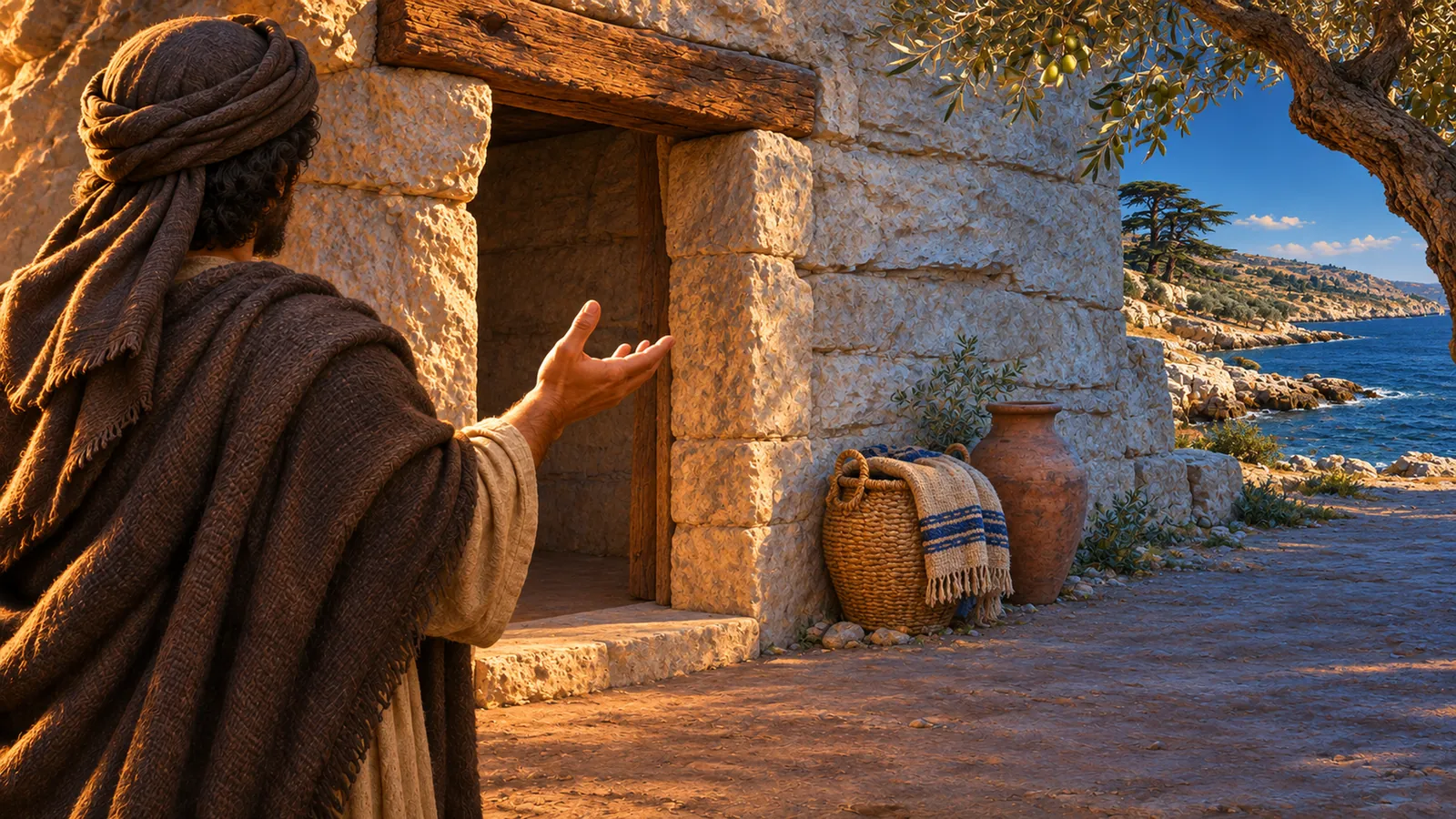
Mot alegra-se ao ouvir a resposta. As suas palavras sobre o banquete podem indicar que o convite já chegou ou que ele espera recebê-lo.
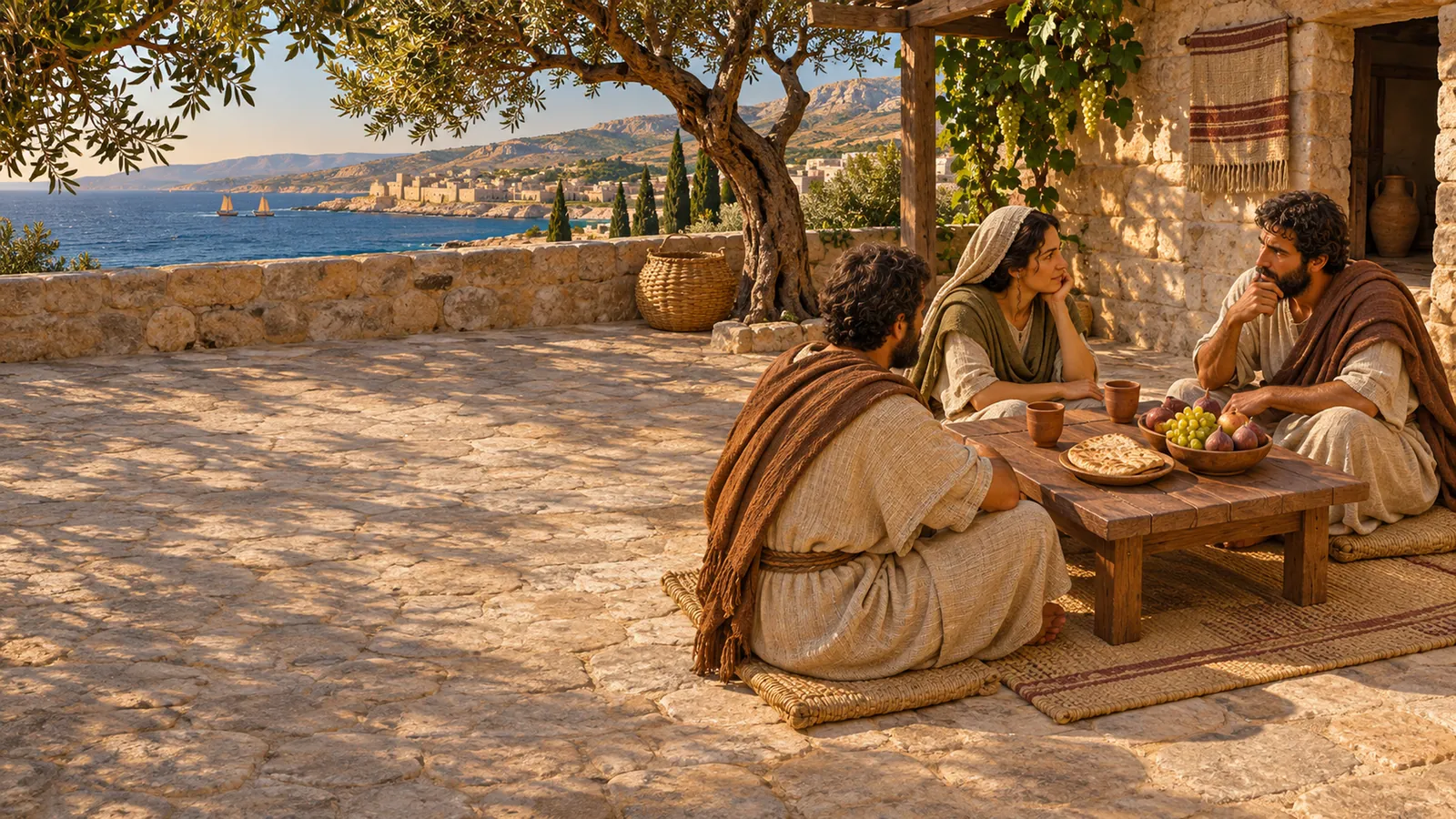
As colunas danificadas que se seguem falam de um banquete. Sobrevive demasiado pouco para contar todo o diálogo ou saber como começou a ocasião.
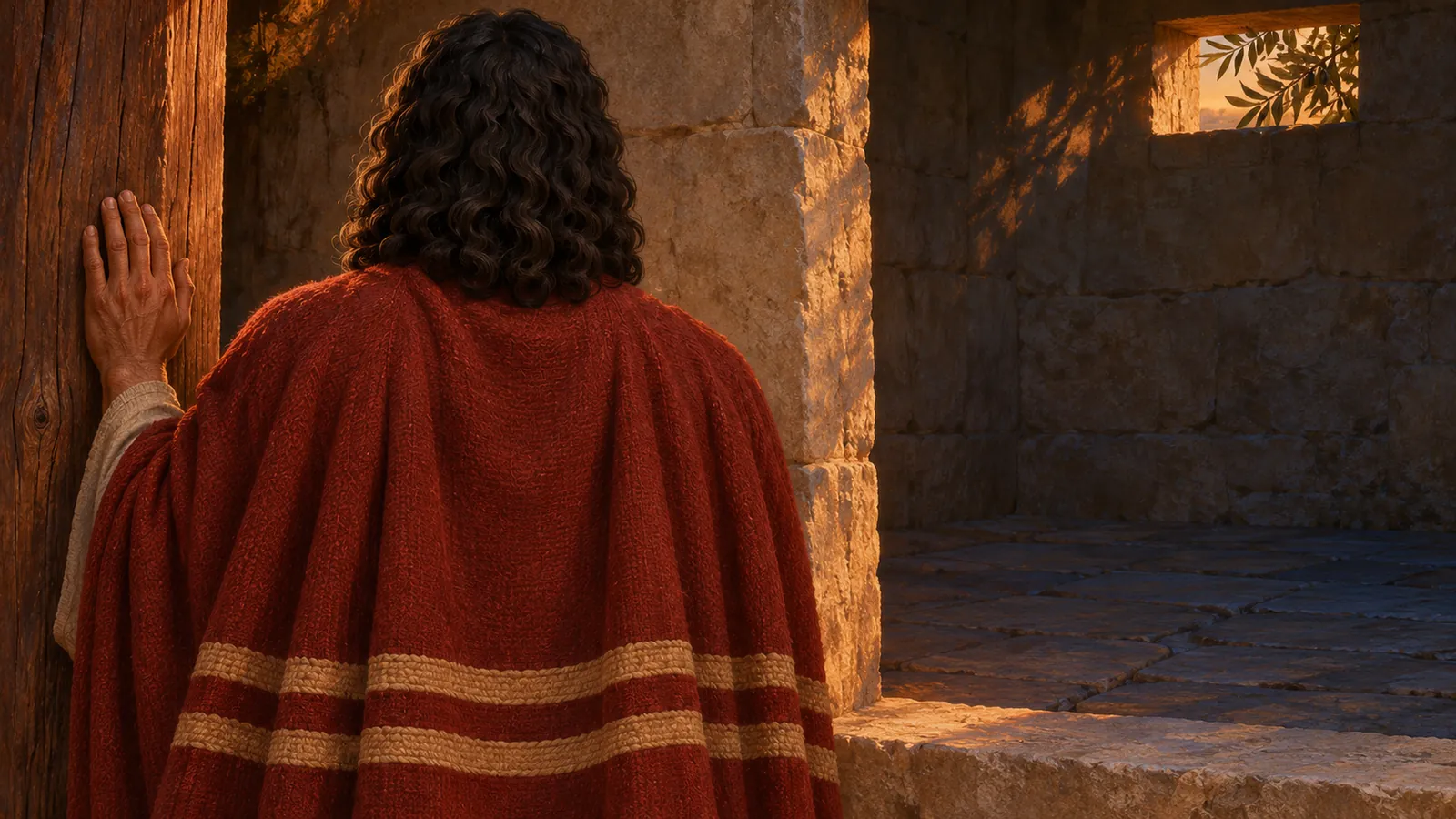
Alguém manda Baal descer ao mundo subterrâneo. Resta o bastante das instruções para ouvir a ordem, embora não se saiba quem fala.
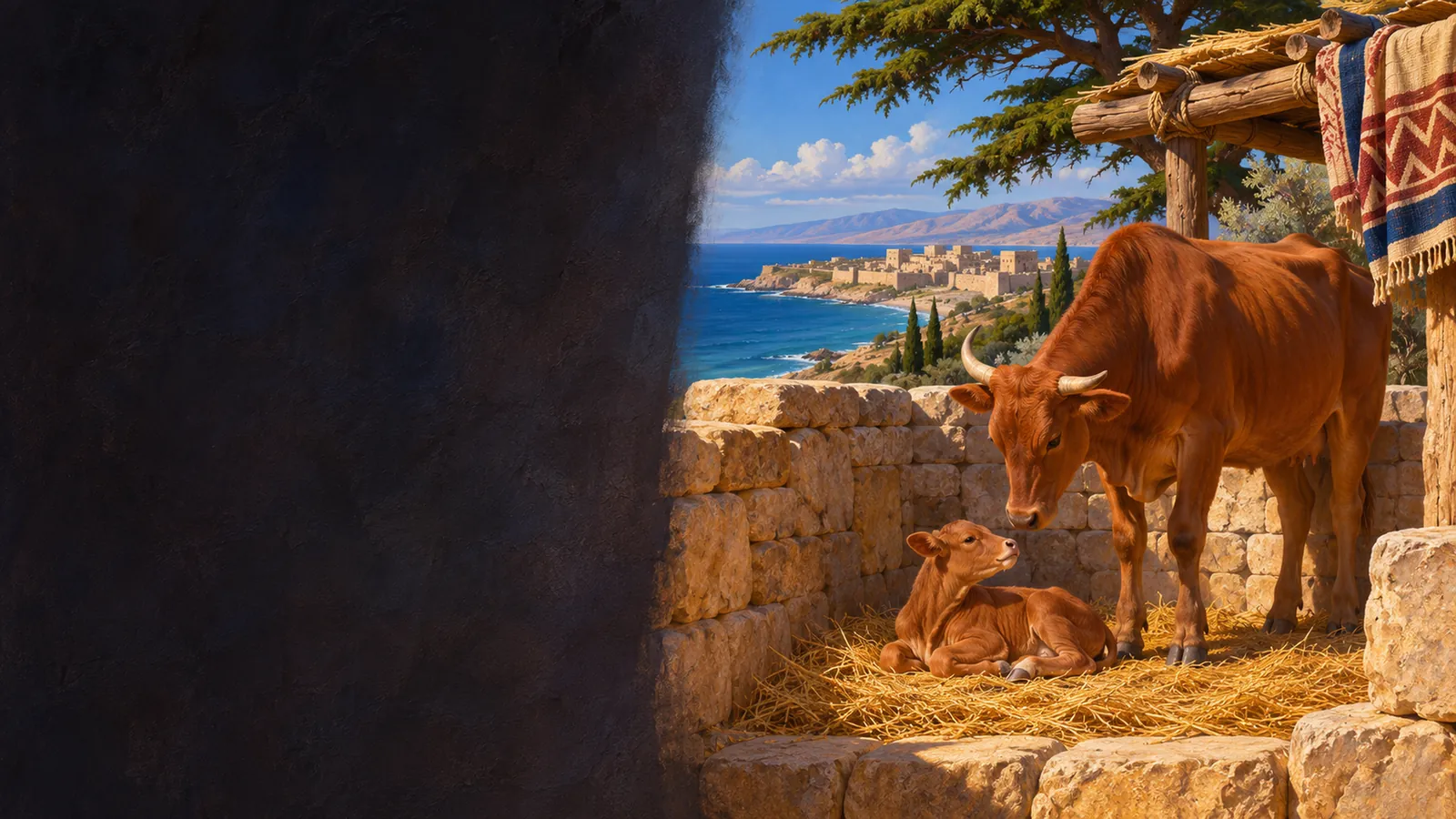
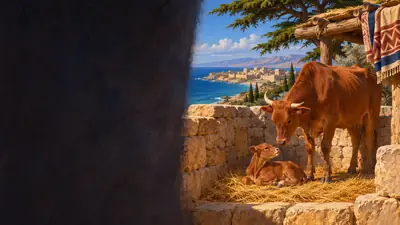
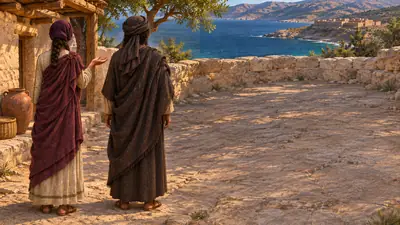
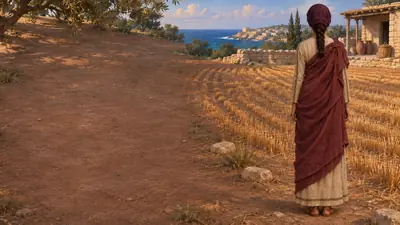
Baal deita-se com uma novilha, que lhe dá um filho. Depois de uma lacuna, vem o relato feito a El.
A NOTÍCIA
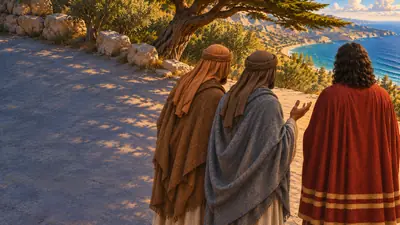
Quando os versos voltam a ser legíveis, há mensageiros a falar com El. Dizem-lhe que encontraram Baal morto.
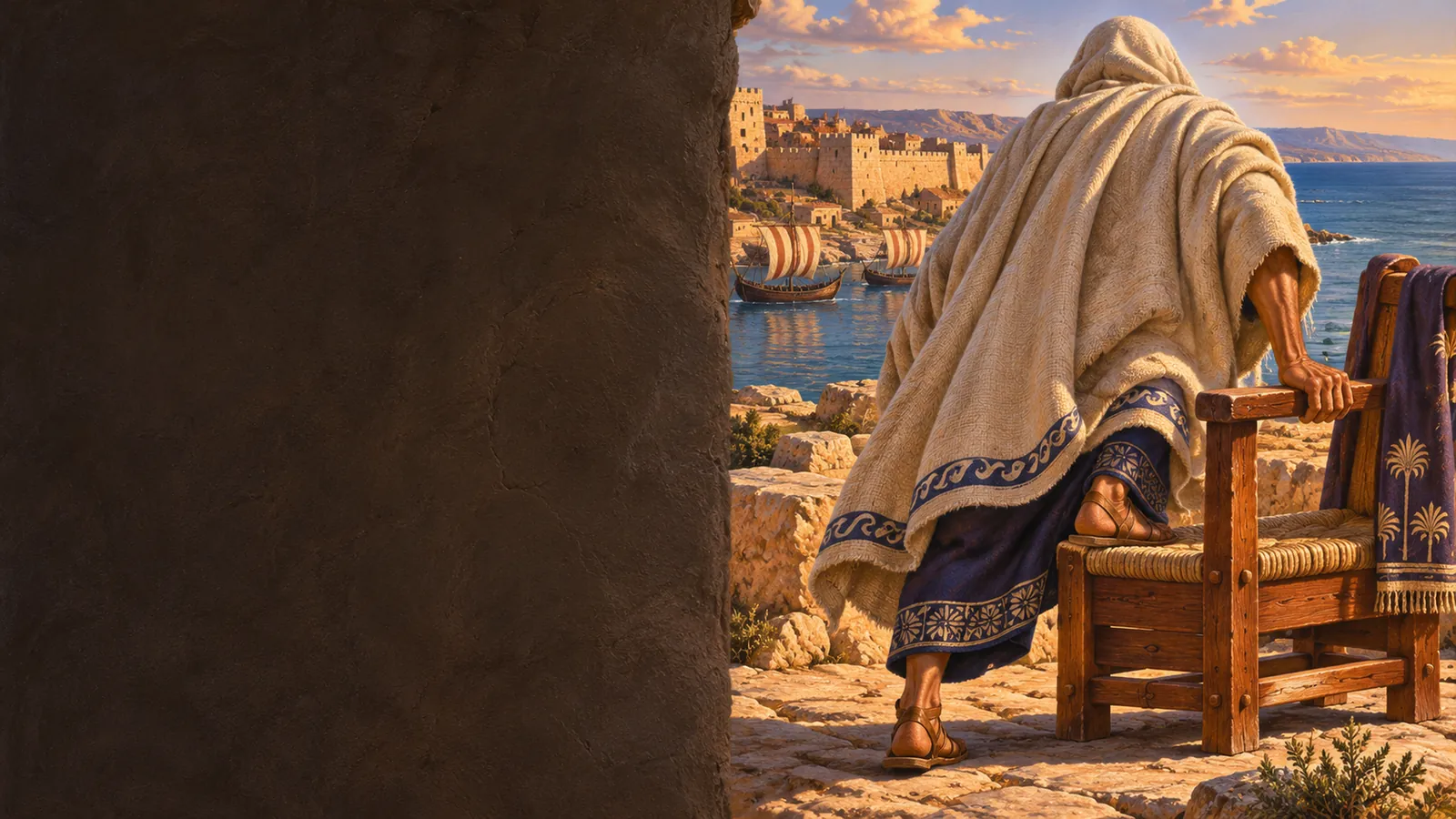
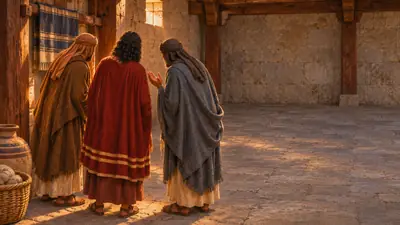
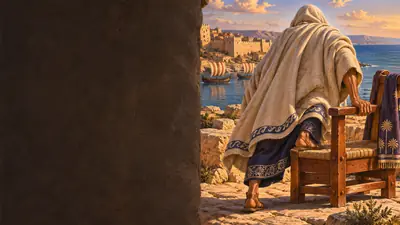
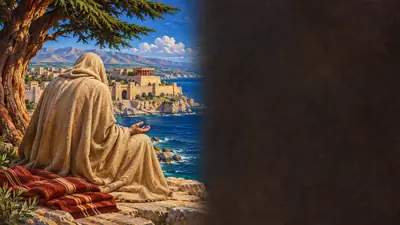
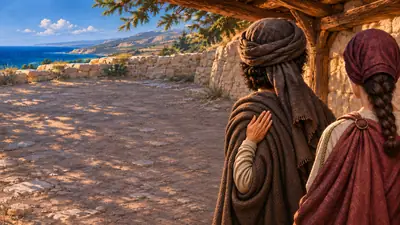
El ouve a notícia e desce do seu assento. No seu luto, senta-se no chão.
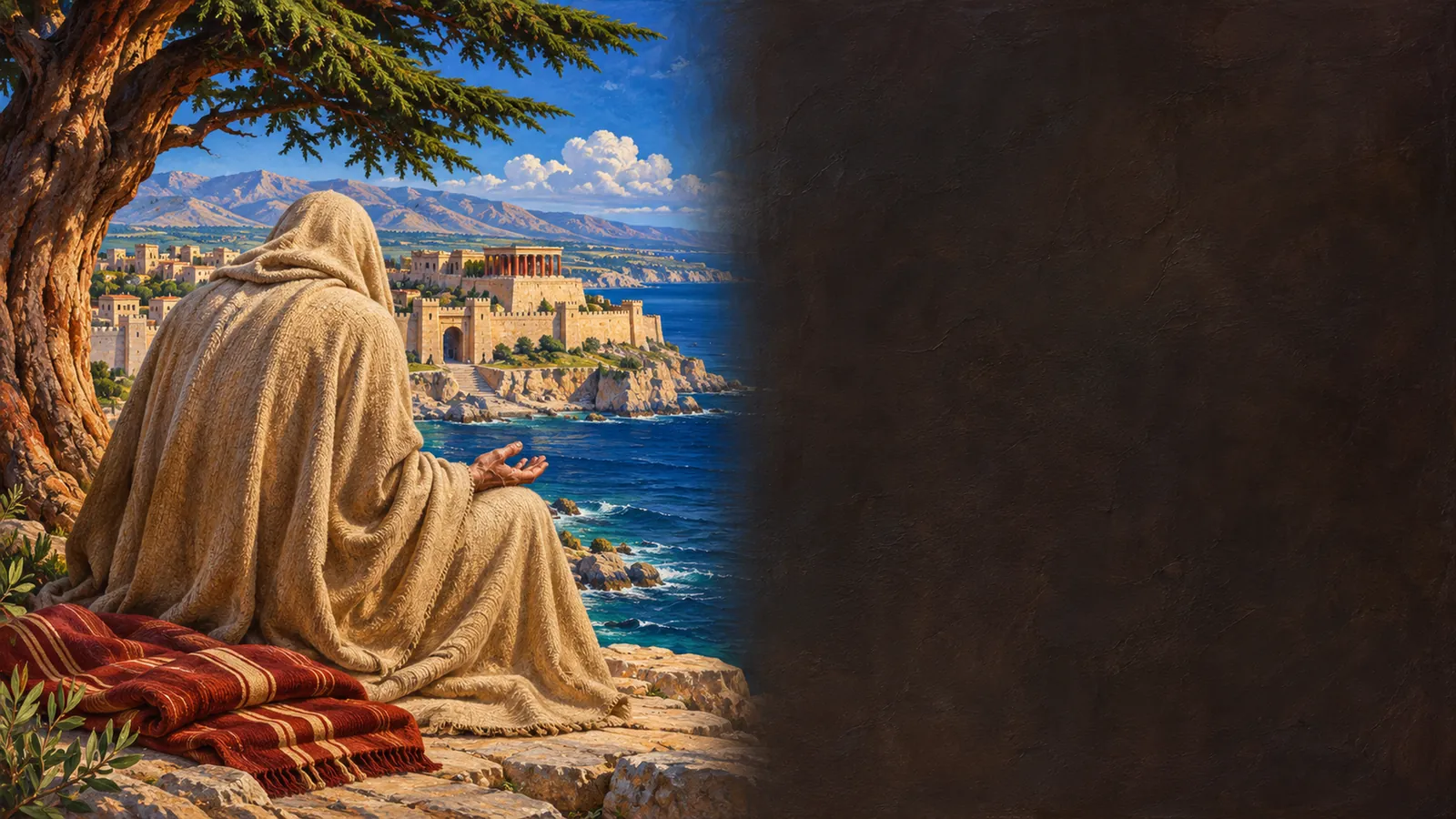
El chora Baal. Fala de o seguir para baixo da terra, e essas palavras fazem parte do seu luto.
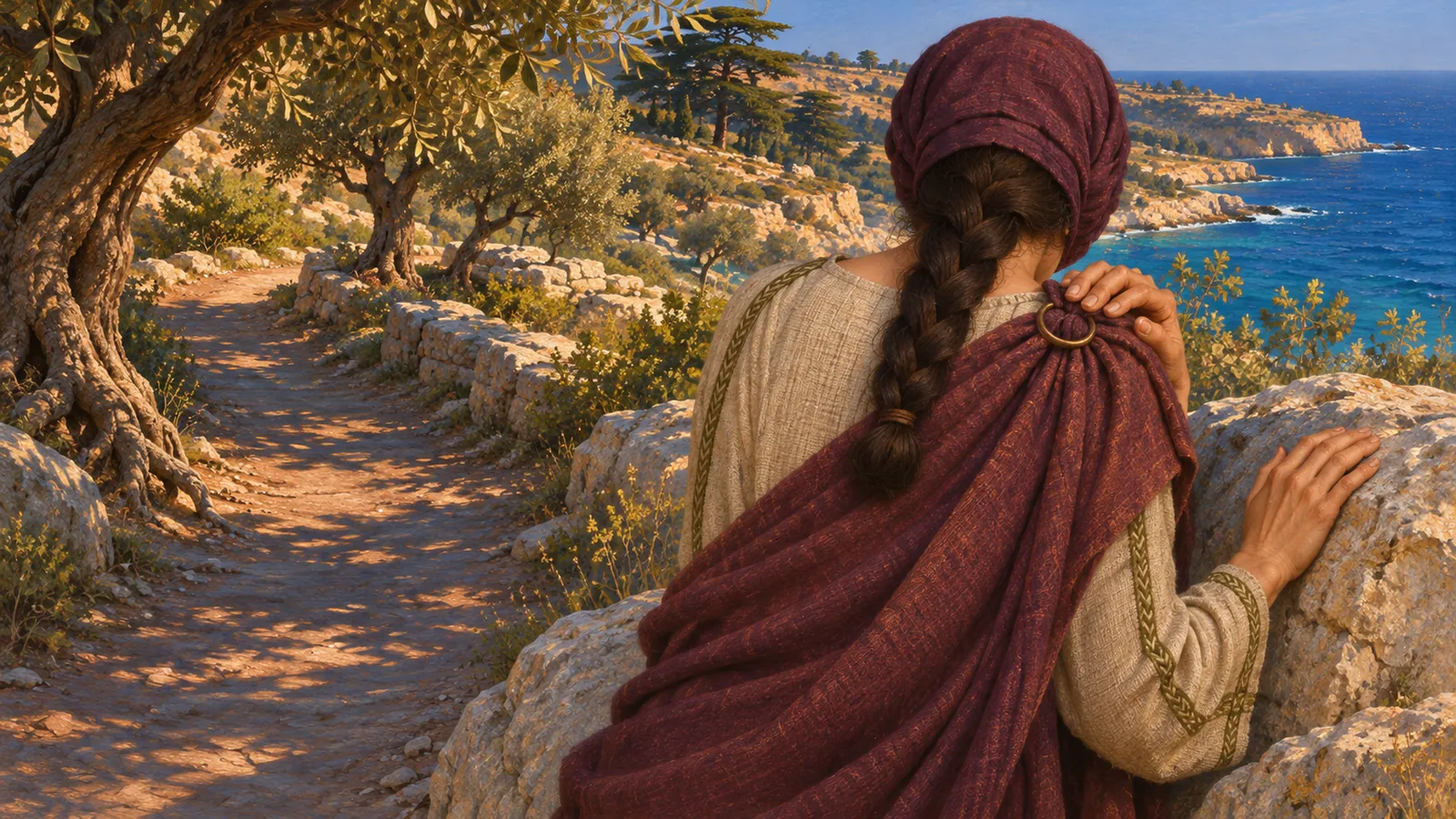
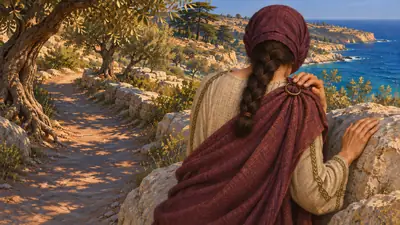
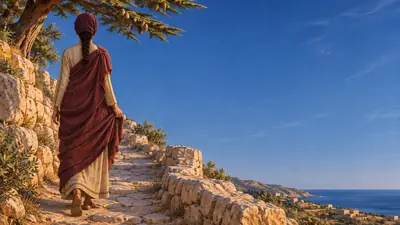
O poema passa para Anat, nas colinas. É ela própria que encontra Baal morto, tal como os mensageiros tinham contado a El.
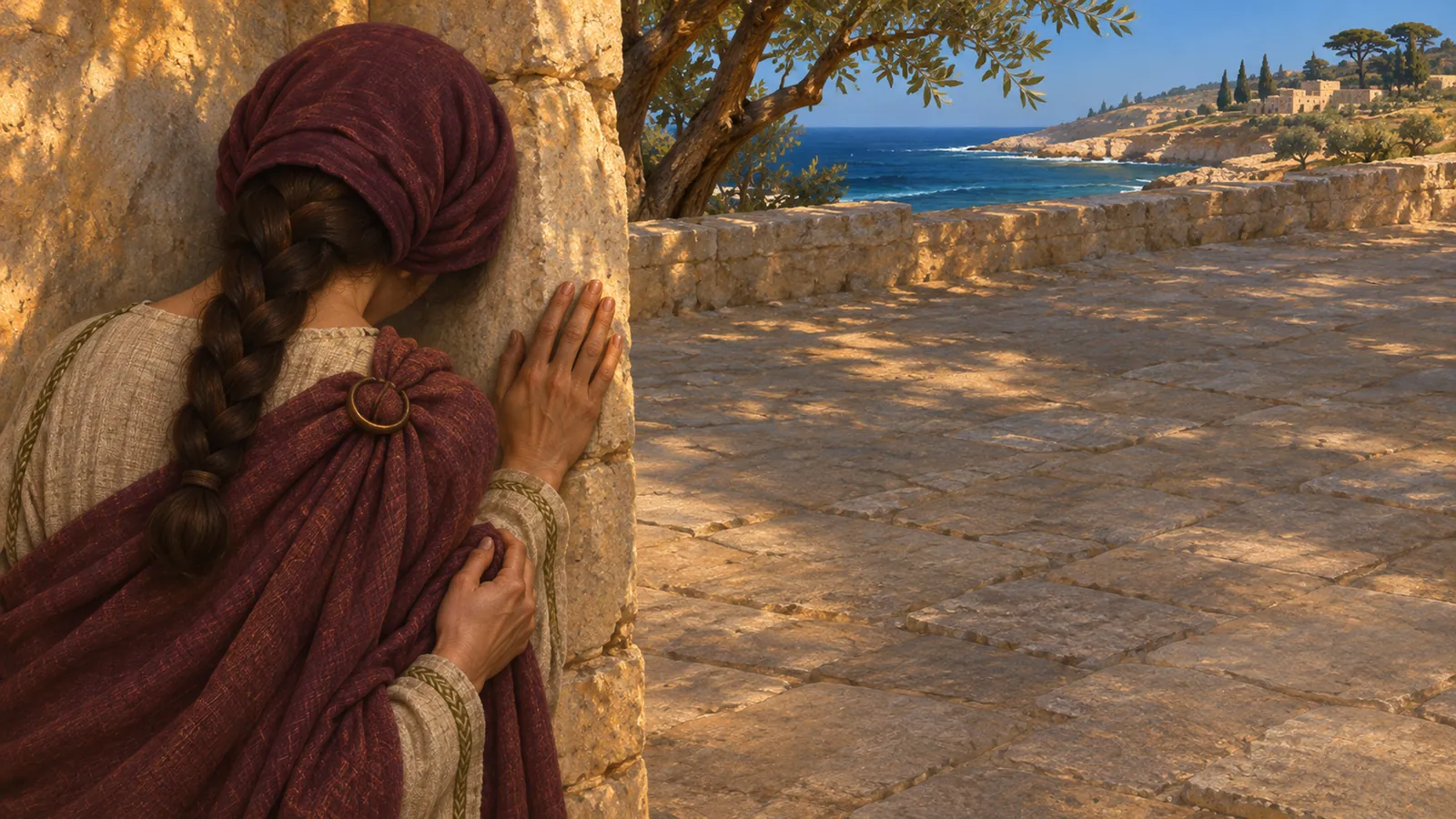
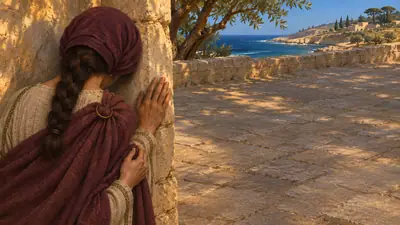
O luto de Anat continua na sexta tabuinha. As suas palavras e a sua dor lembram o luto de El quando ouviu a notícia.
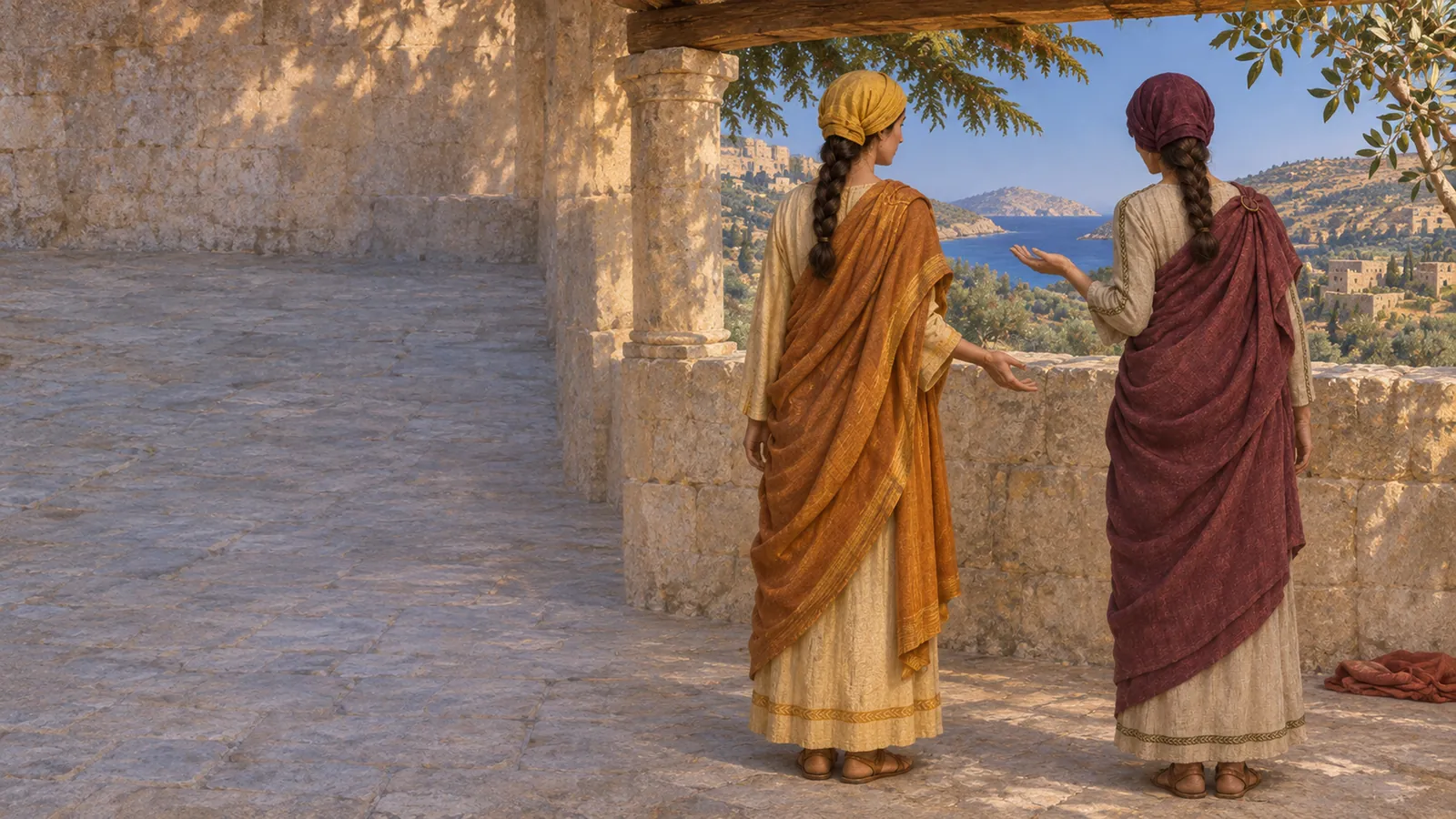
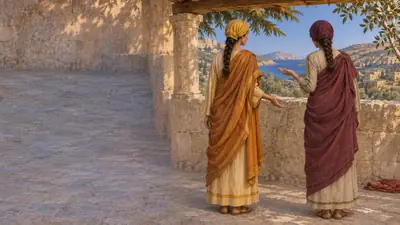
Shapash vai ter com Anat. Anat pede-lhe ajuda para poder levar Baal e sepultá-lo.

Anat leva Baal às alturas do Saphon. Ali chora por ele e dá-lhe sepultura.
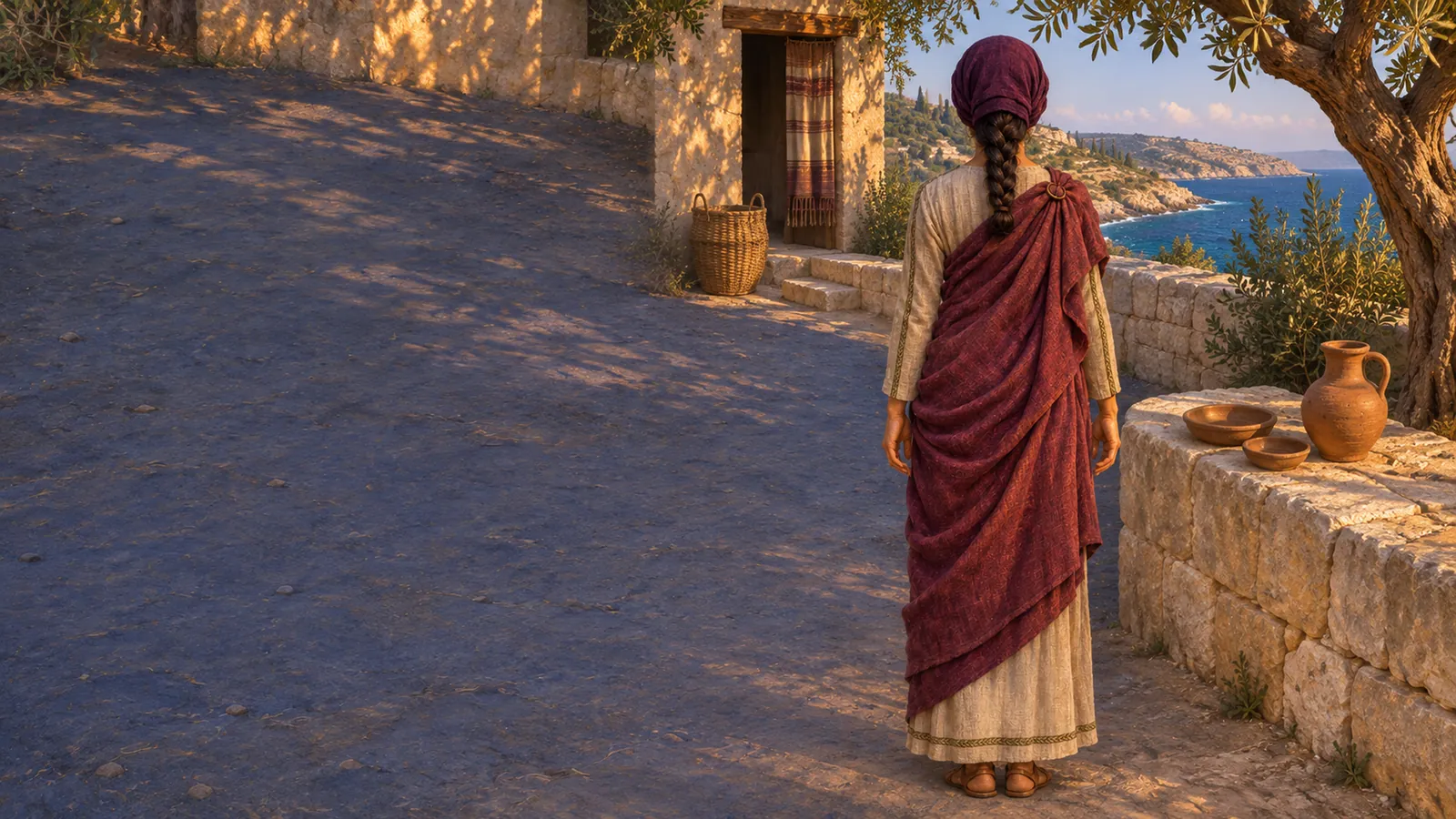
Depois de sepultar Baal, Anat faz oferendas fúnebres. O poema descreve as oferendas grupo a grupo.
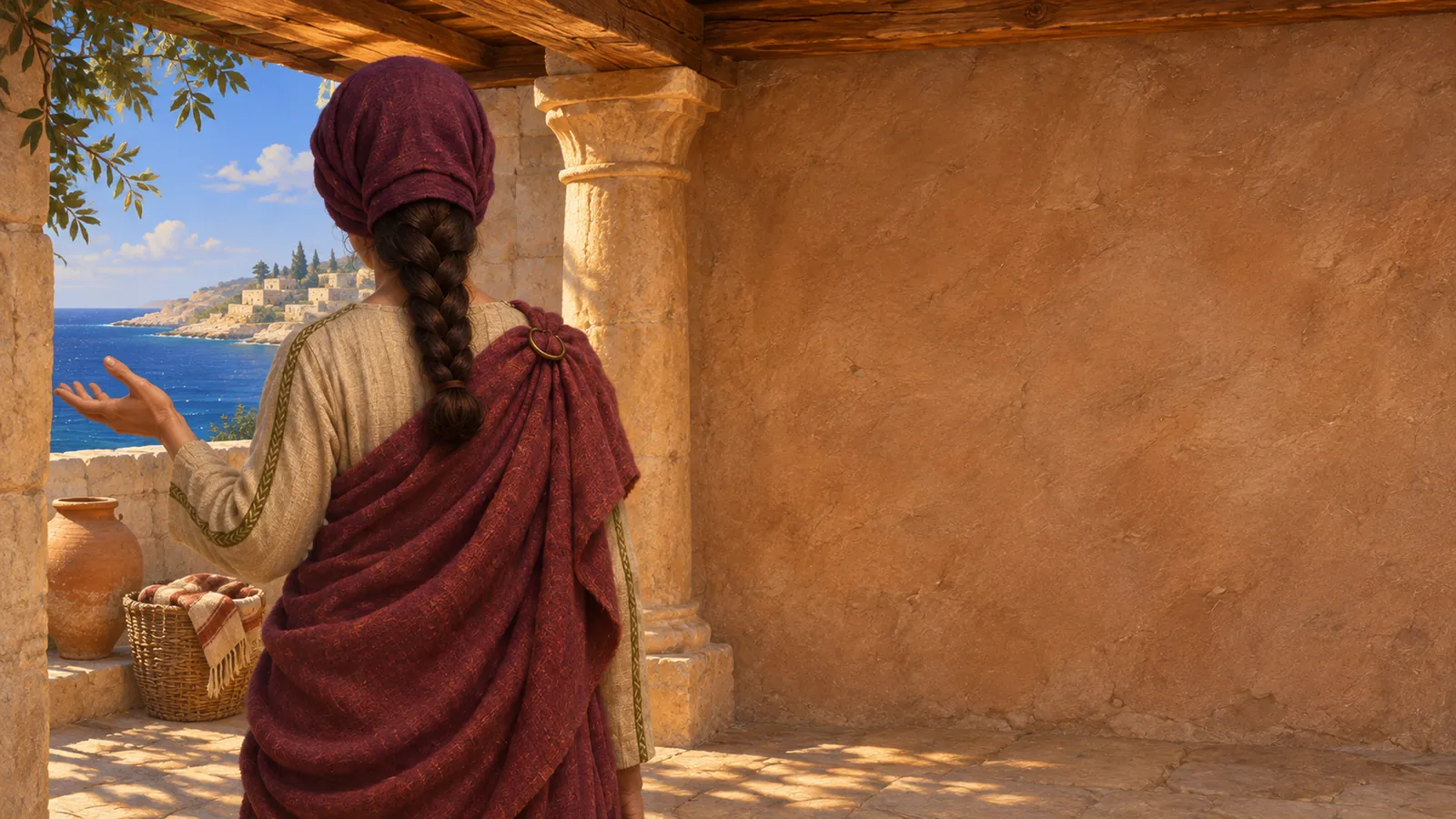
Anat fala com El depois do enterro. Declara que o poderoso Baal morreu e nomeia Athirat e os seus filhos.
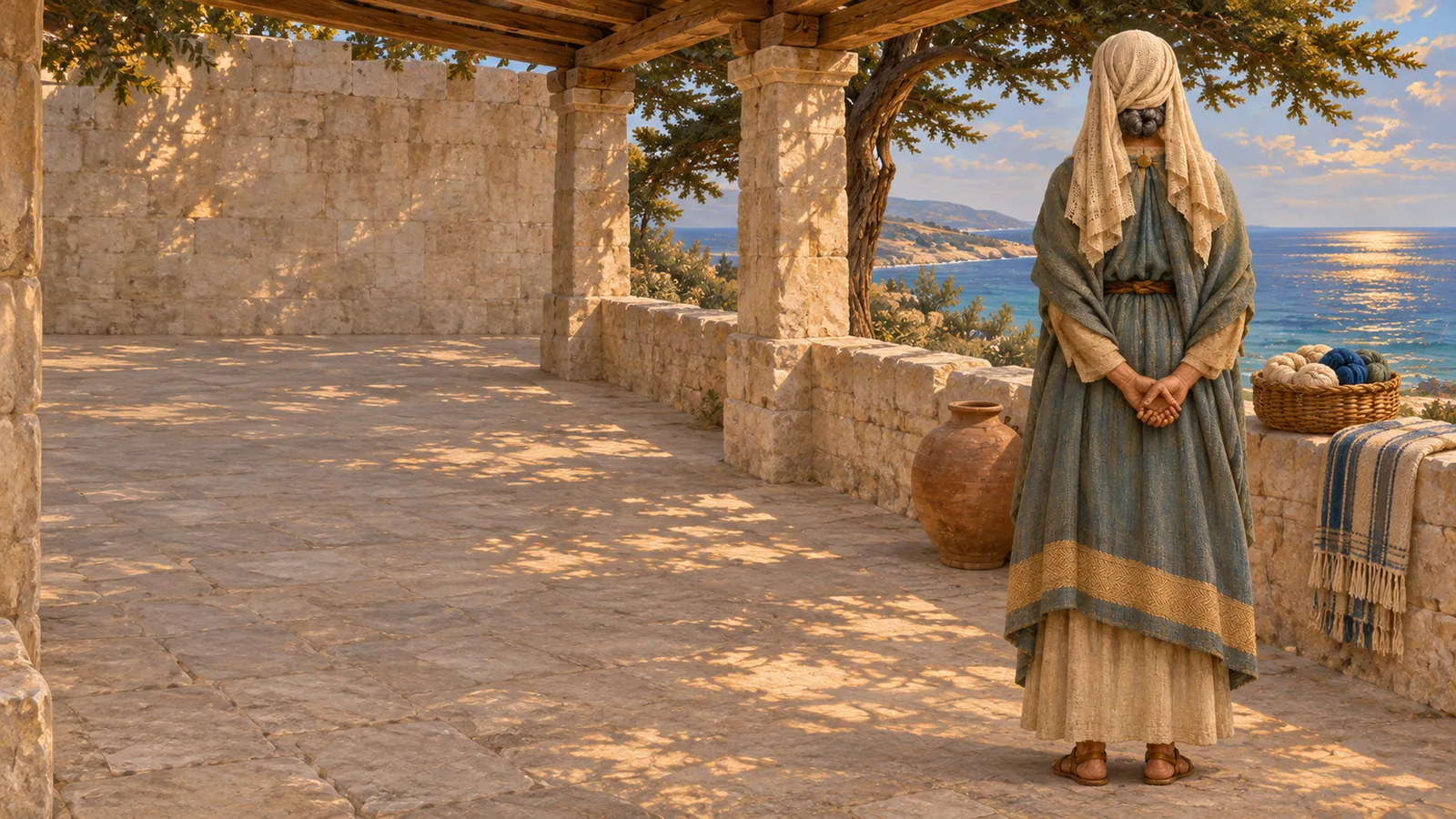
El pede a Athirat que encontre alguém para ocupar o lugar de Baal. A conversa passa da sua morte para quem ficará no seu assento.
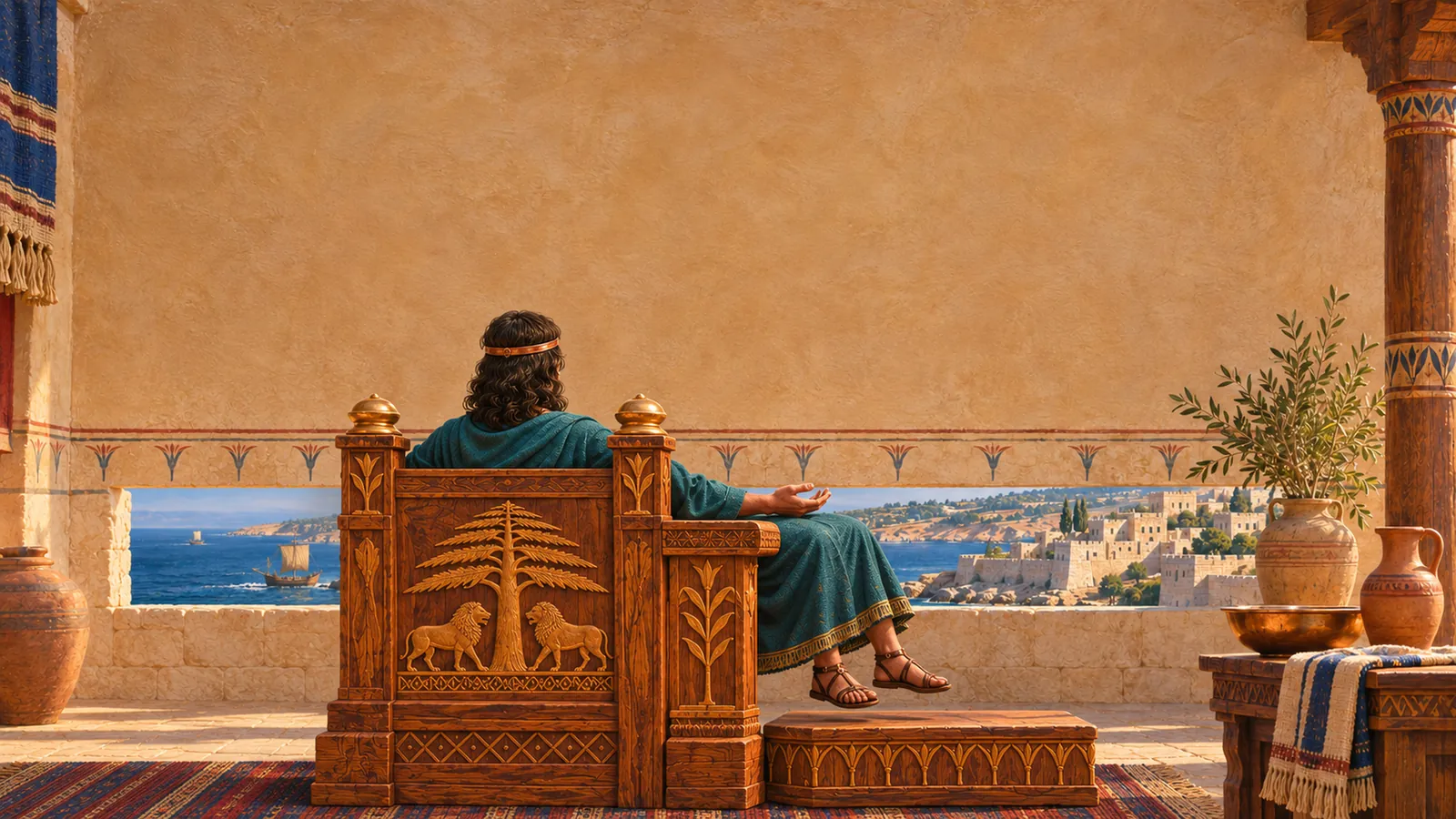
O TRONO
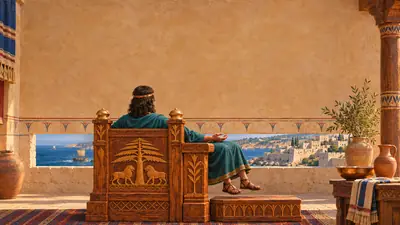
Athtar ocupa o assento de Baal, mas os seus pés não chegam ao apoio. Declara que não pode governar a partir do Saphon e desce do assento.
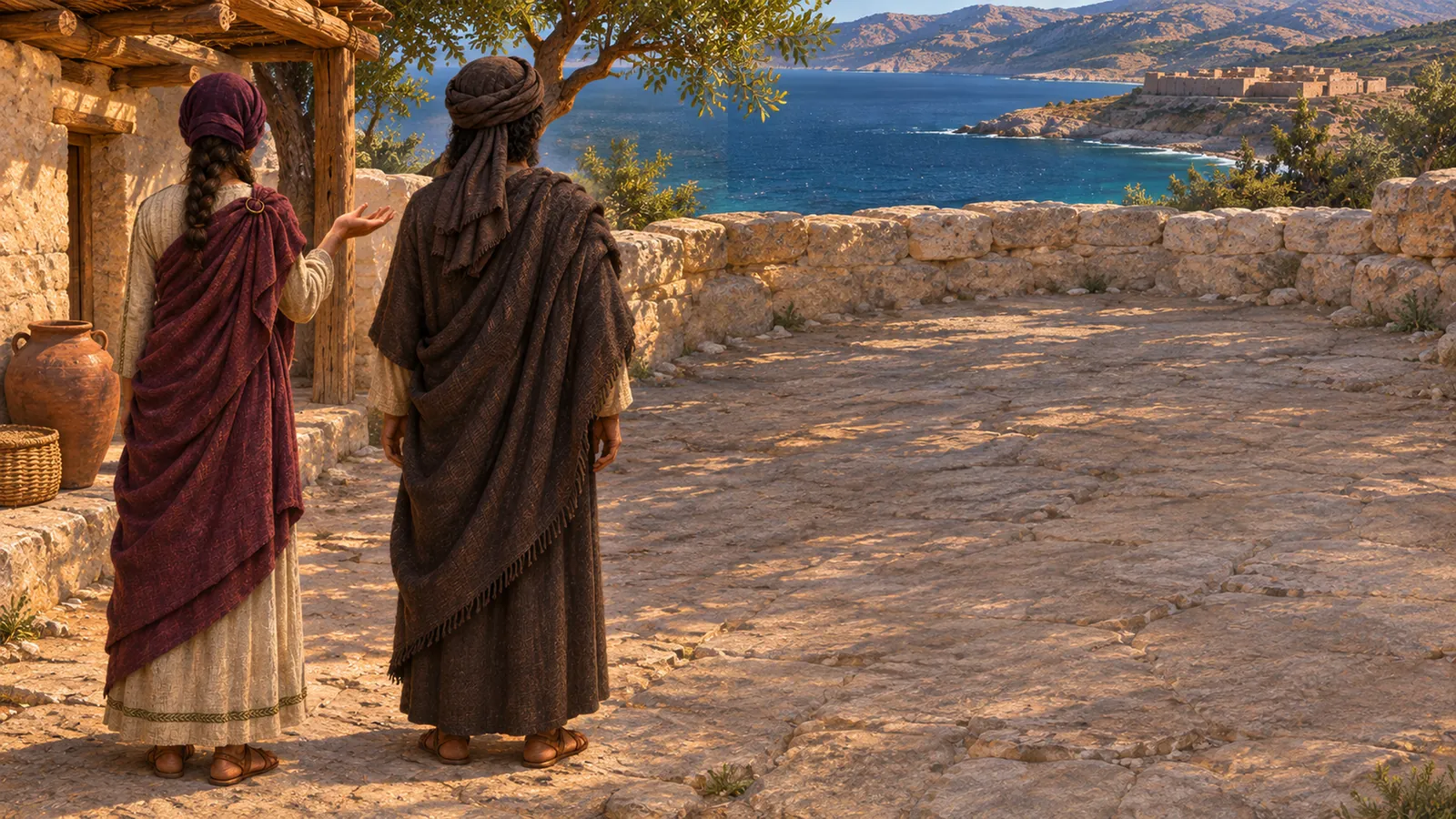
Anat procura Baal. Quando encontra Mot, exige que ele lhe devolva Baal.
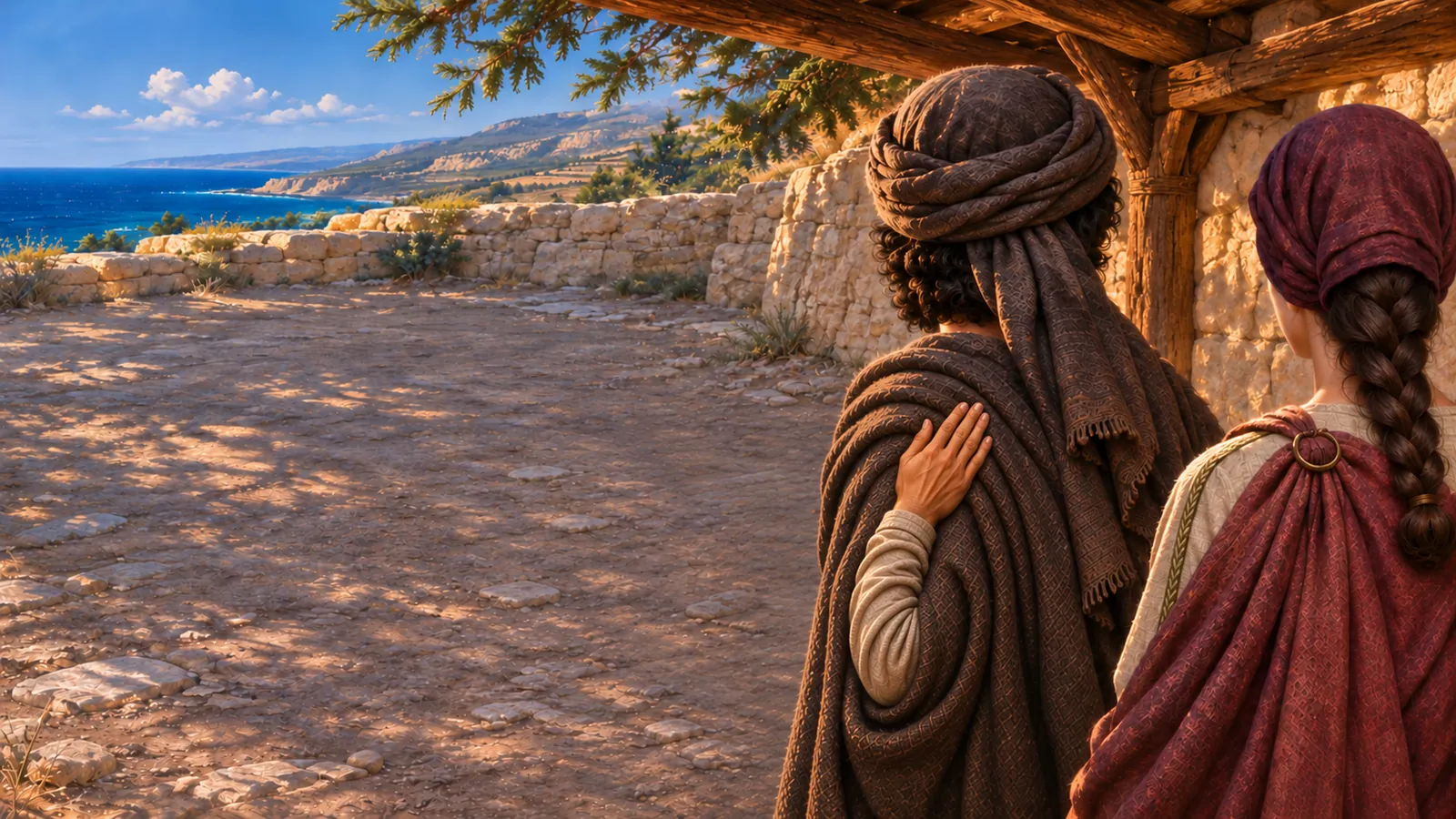
Mot diz a Anat que encontrou Baal em terras selvagens e o esmagou na boca. É assim que relata a morte de Baal.
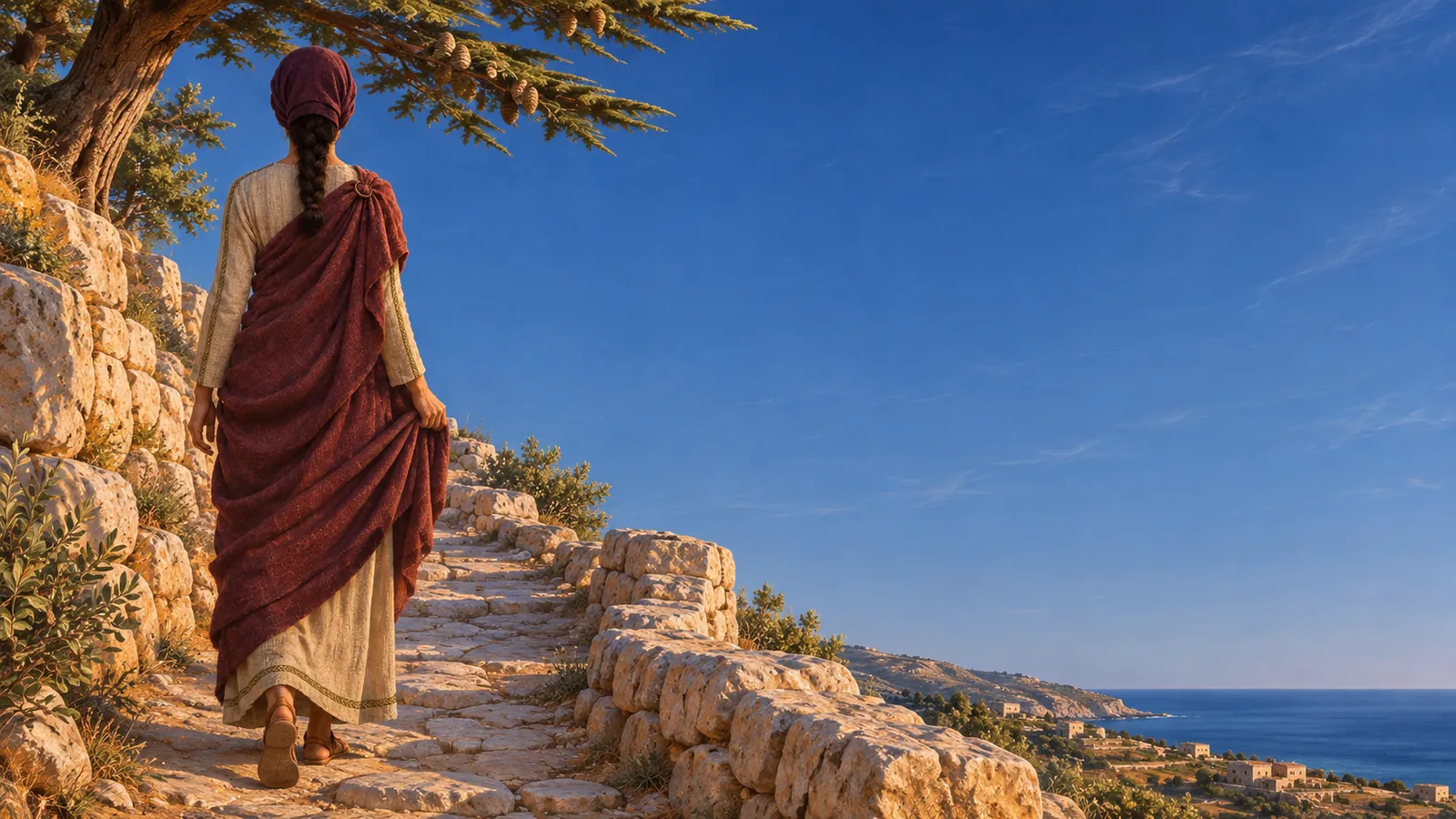
Os dias tornam-se meses, e Anat continua a procurar Baal. O poema compara a sua saudade à de uma mãe animal pela sua cria.
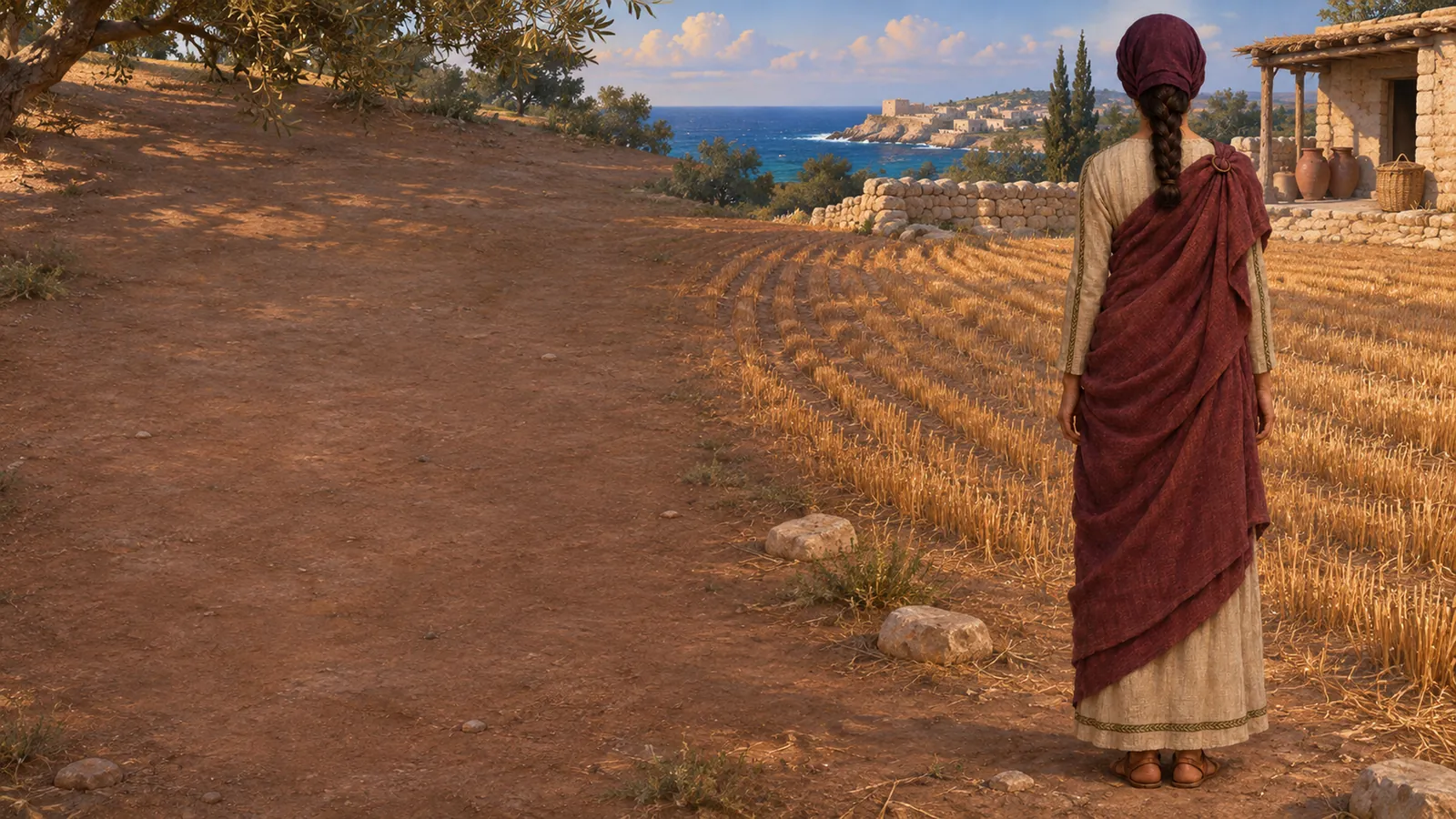
Anat agarra Mot e o mata. O poema descreve como ela o corta, queima e mói com imagens tiradas da colheita.
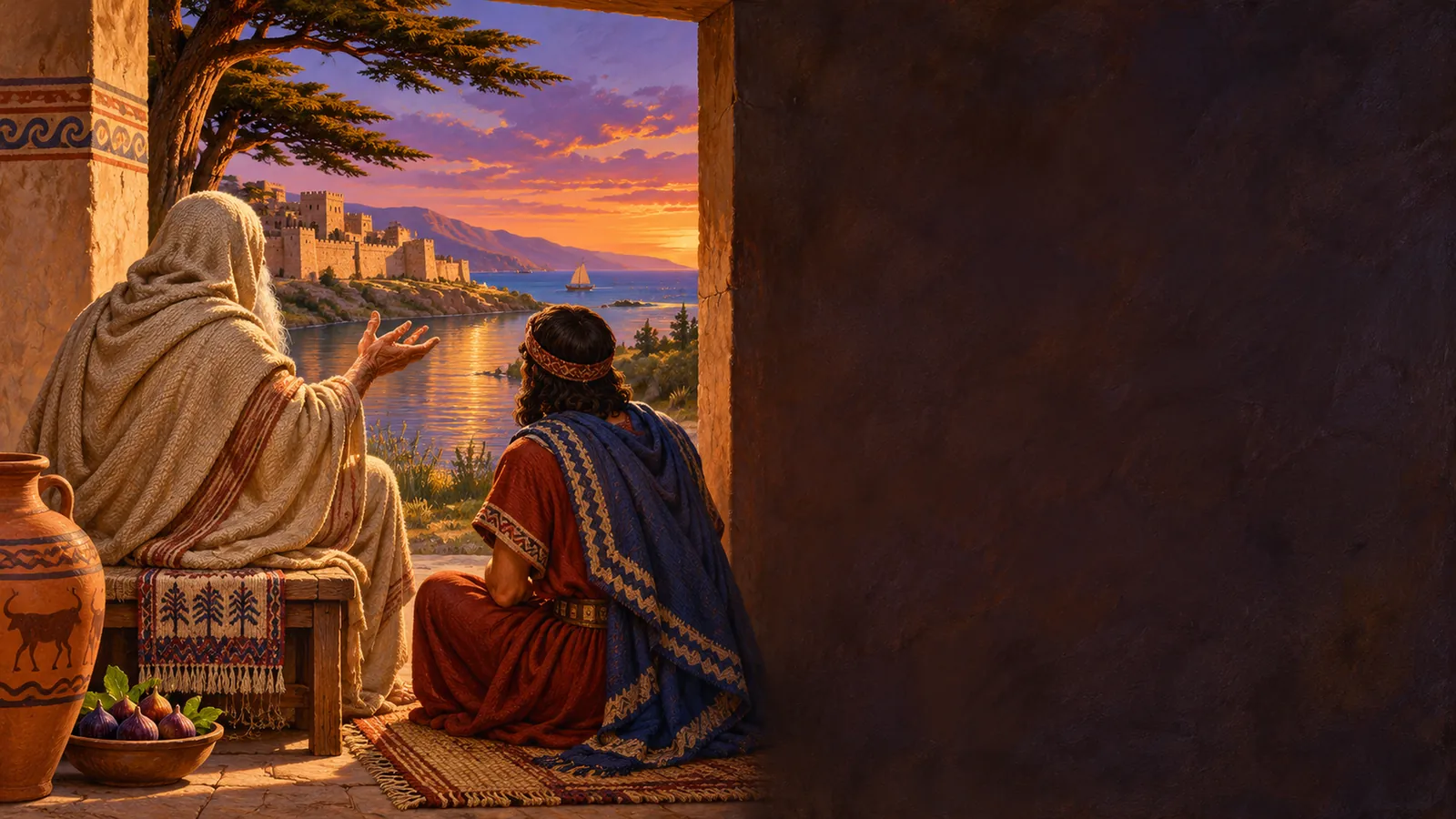
El diz que, se Baal estiver vivo, o saberá por um sonho. Fala de azeite vindo do céu e de mel nos cursos de água.

O SONHO DE EL
El tem o sonho. Nele, chove azeite do céu e corre mel nos cursos de água, os sinais que esperava.
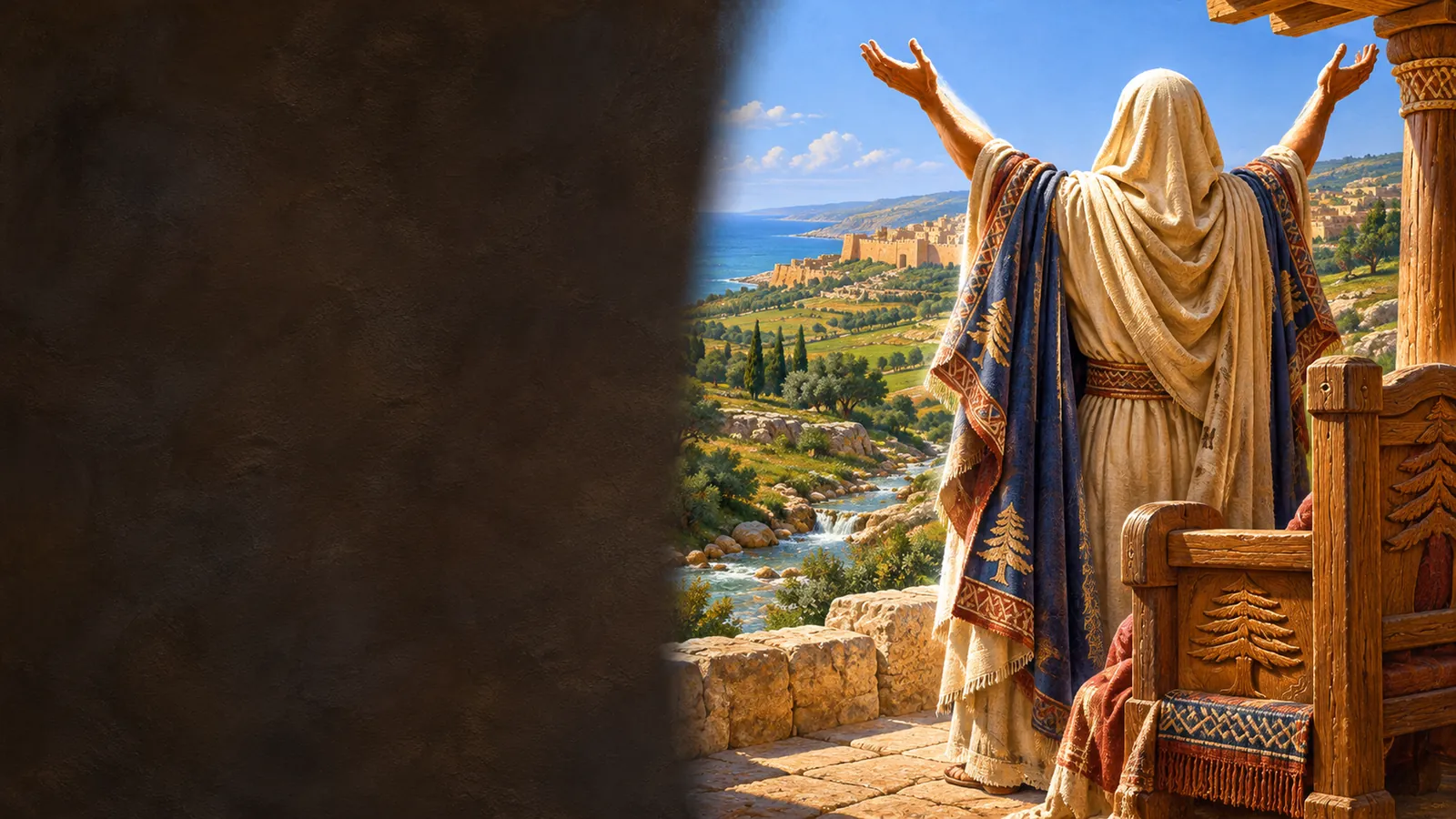
El alegra-se ao ver os sinais. O sonho deixa-o descansar, diz ele, porque o poderoso Baal está vivo.
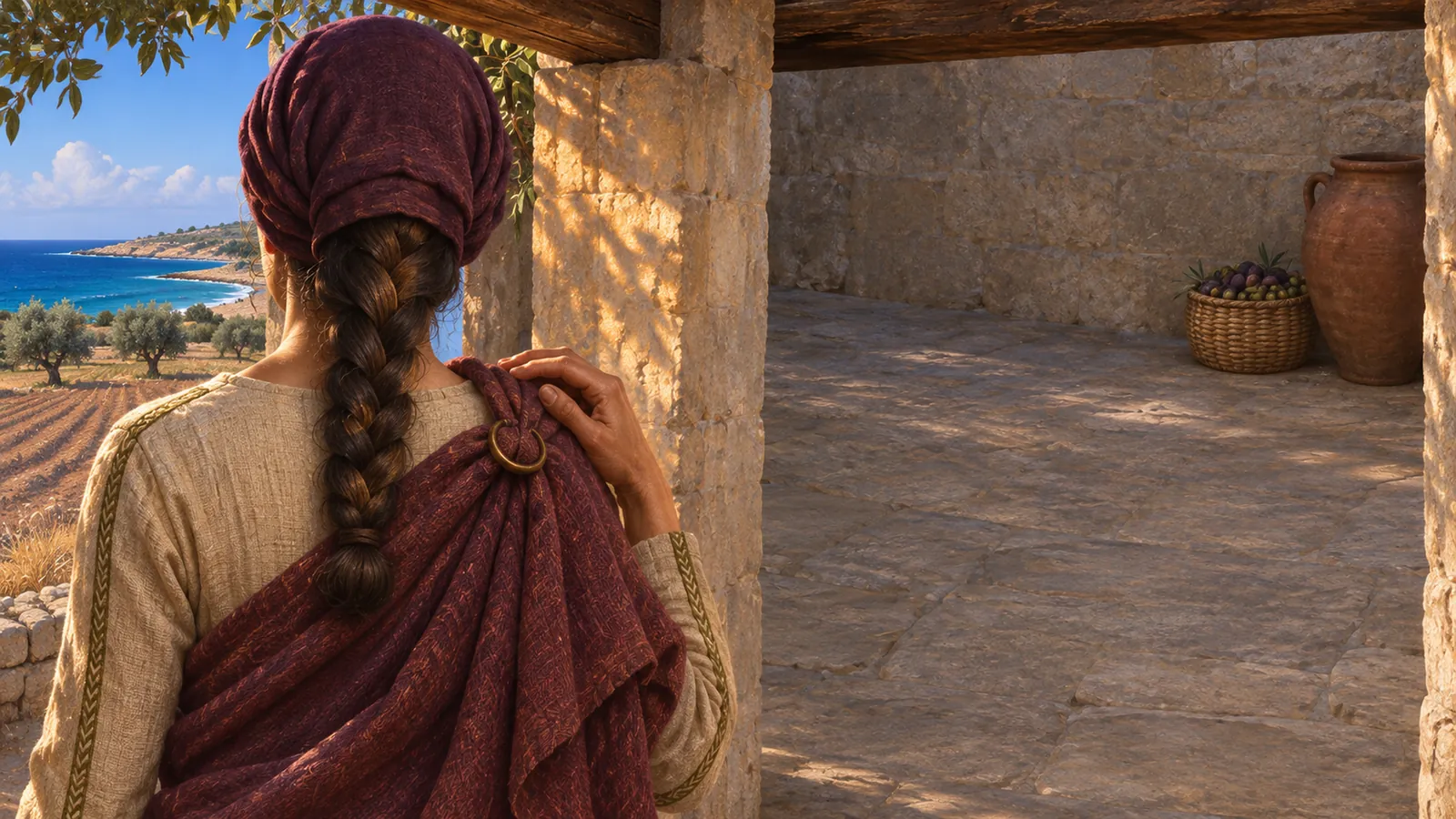
El chama Anat e diz-lhe que fale com Shapash. Fala de sulcos secos e pergunta onde se pode encontrar Baal.
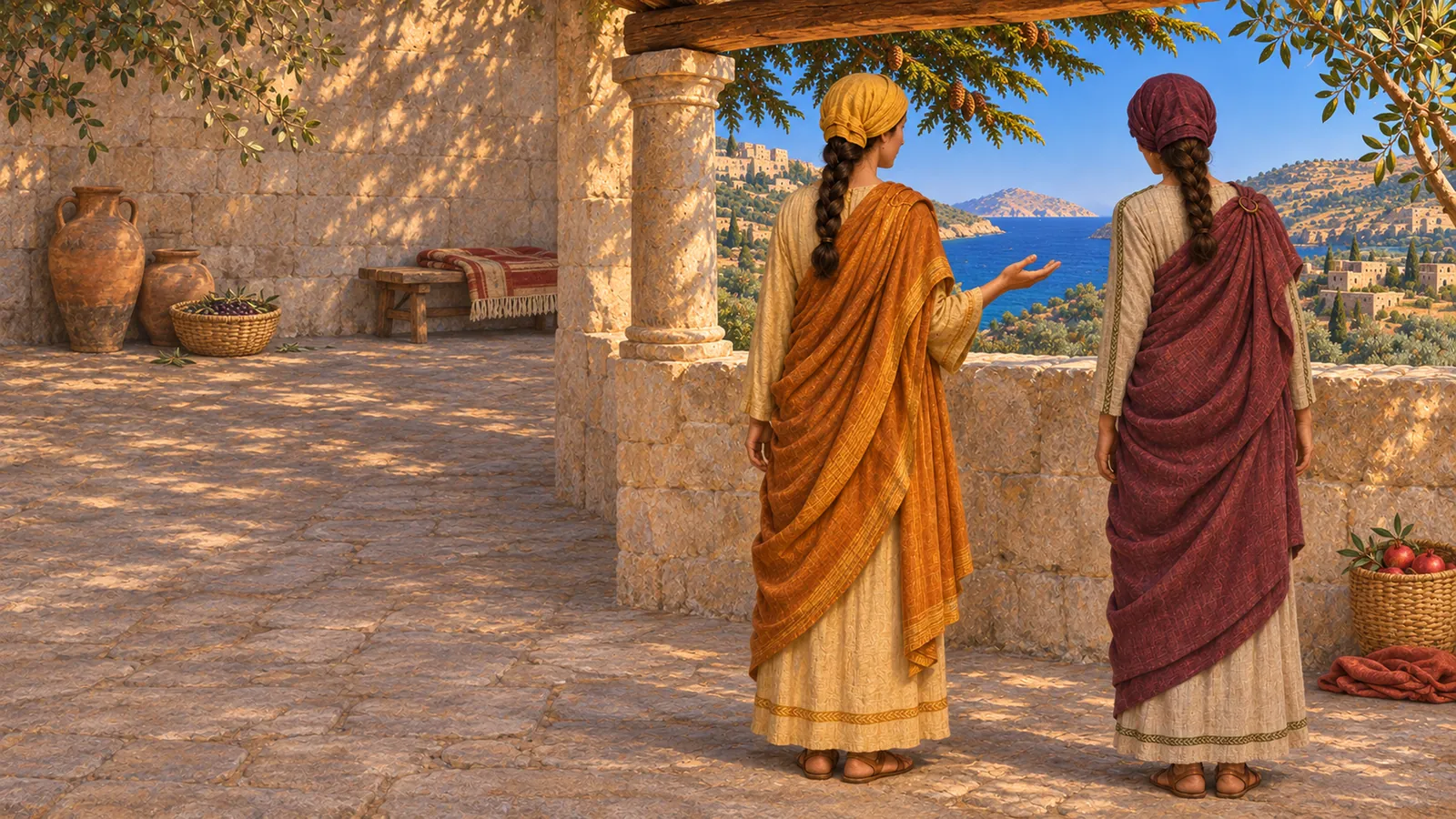
Shapash aceita procurar Baal. O diálogo conservado anuncia a busca antes de o texto voltar a interromper-se.
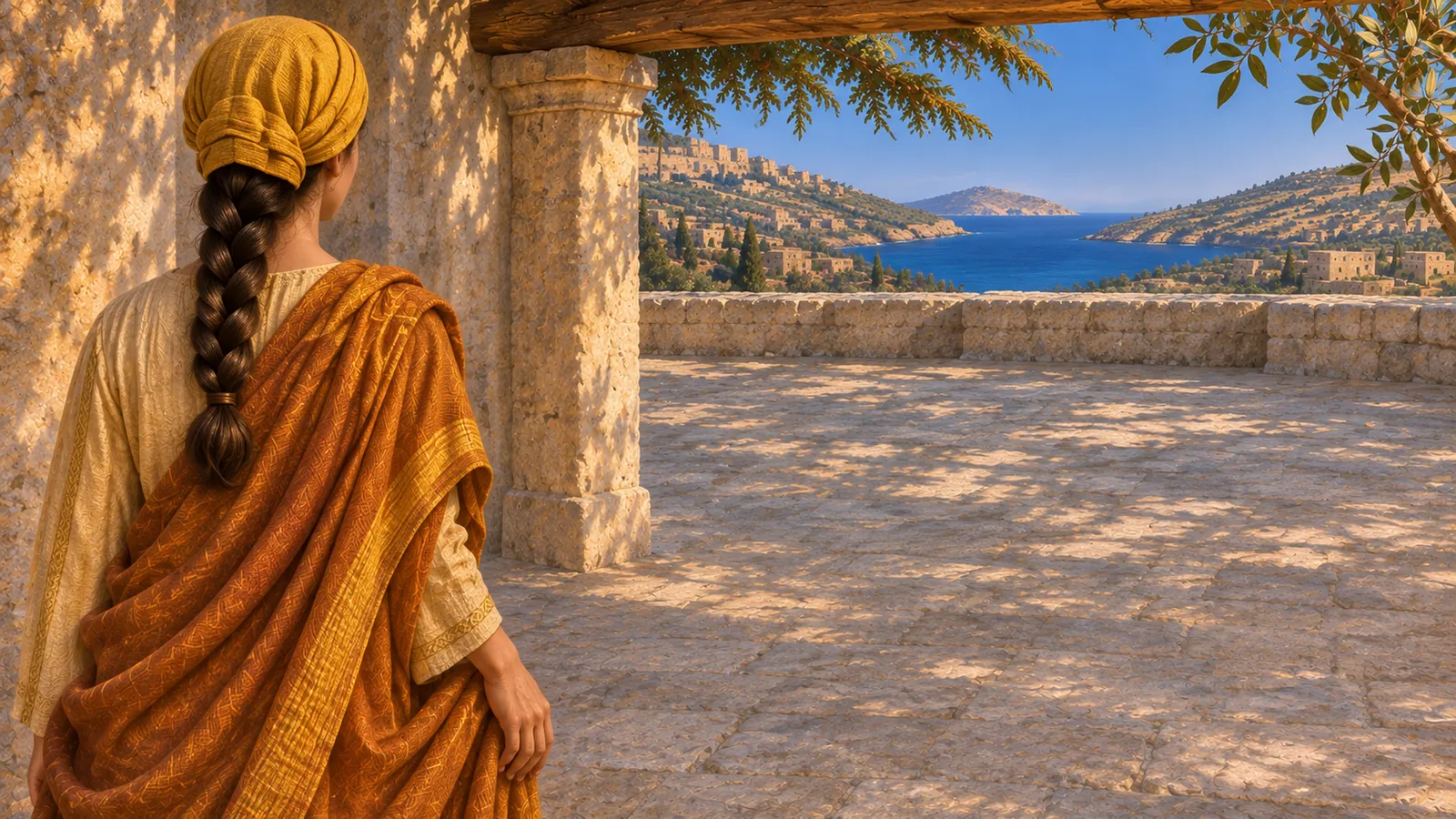
O texto interrompe-se depois de Shapash aceitar procurá-lo. As palavras conservadas deixam em aberto o que aconteceu entre a promessa dela e o regresso de Baal.

BAAL REGRESSA
Quando o poema volta a ser legível, Baal derruba os filhos de Athirat e retoma seu lugar no trono.
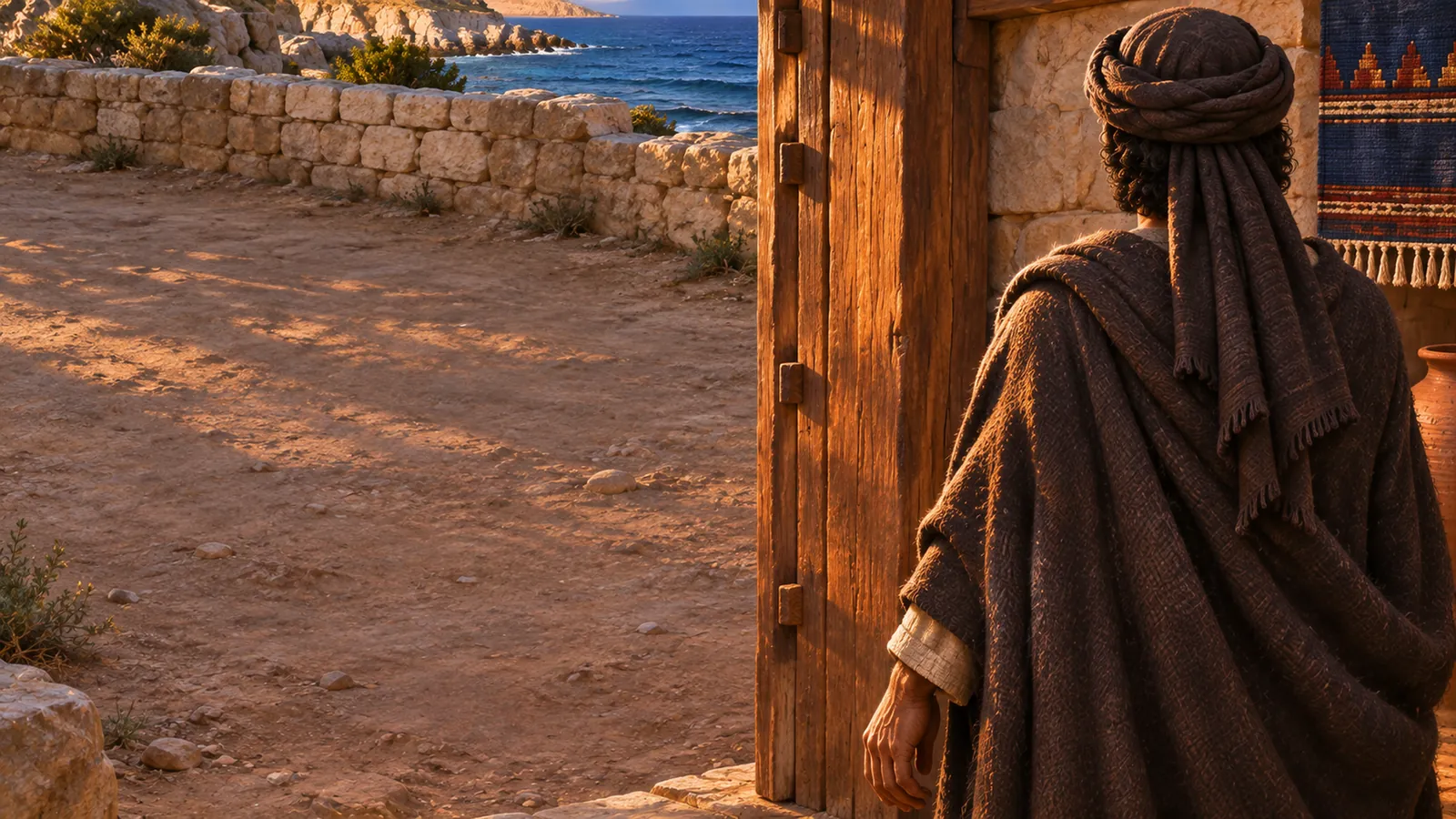
Chega o sétimo ano na contagem do poema. Mot reaparece depois da derrota, e a disputa com Baal recomeça.
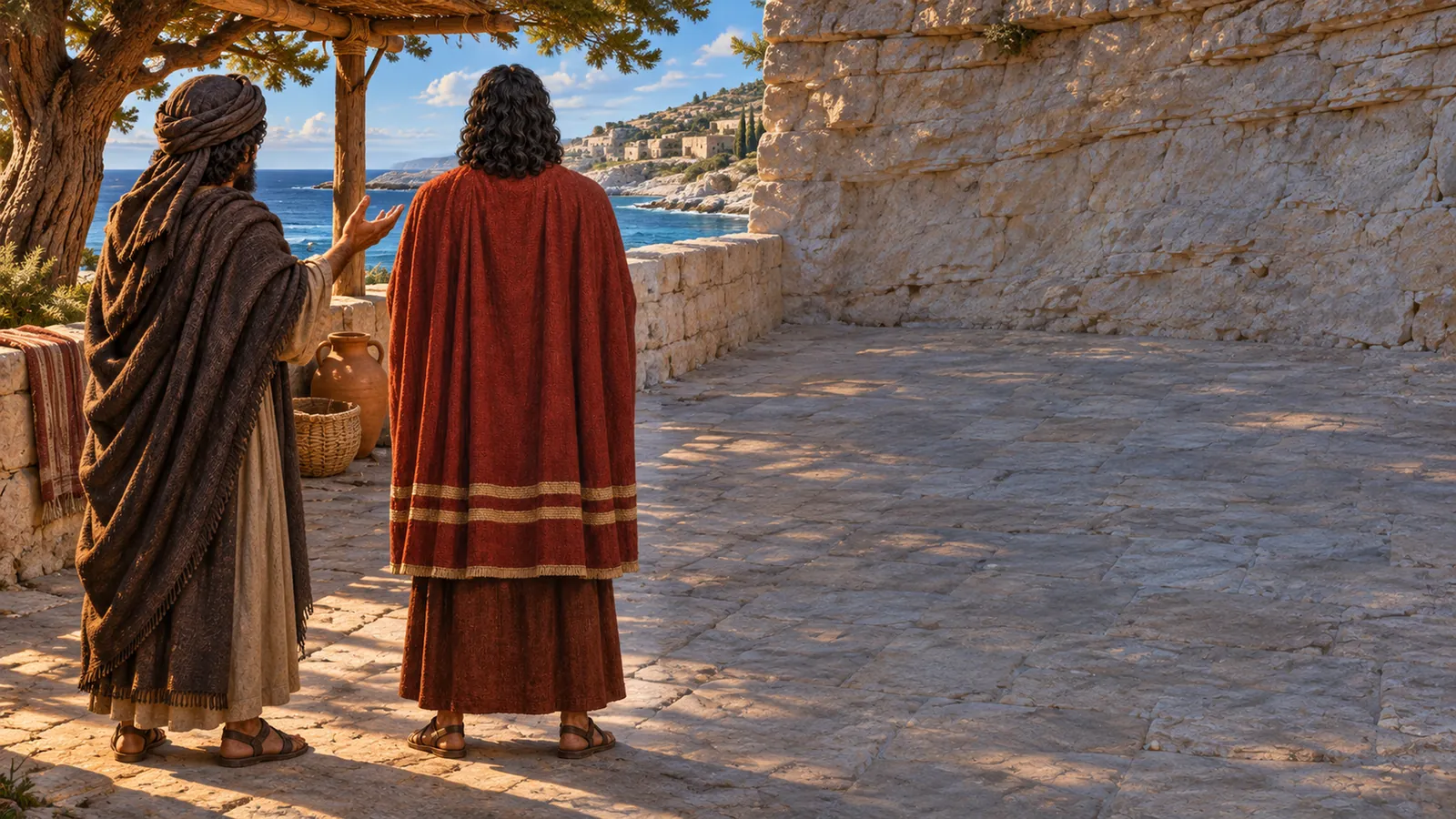
Mot confronta Baal com o que sofreu. Responsabiliza-o e recorda a derrota com algumas das mesmas imagens usadas antes.
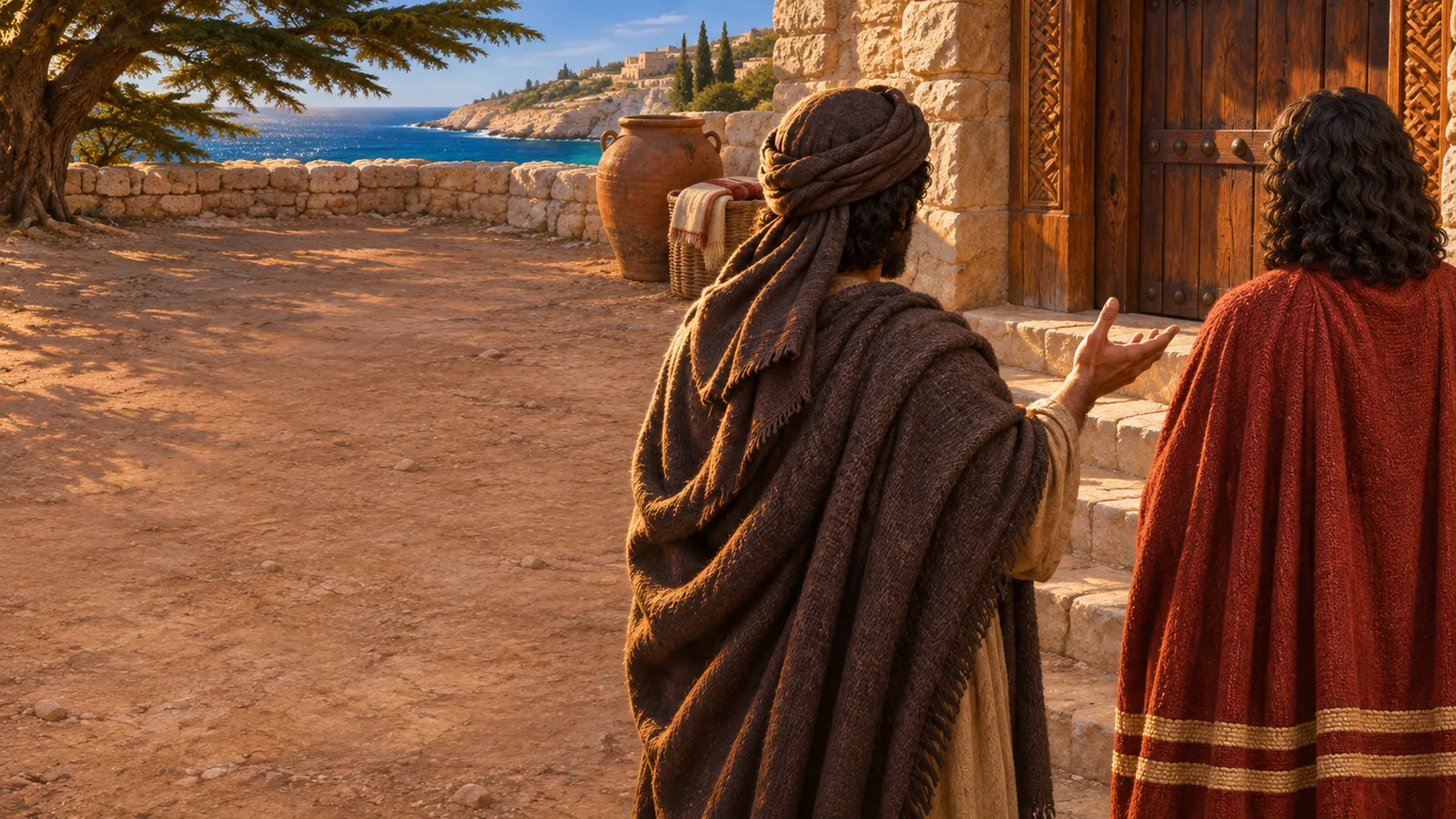
Mot exige um dos irmãos de Baal. Diz que, se Baal recusar, voltará o seu apetite contra a humanidade.
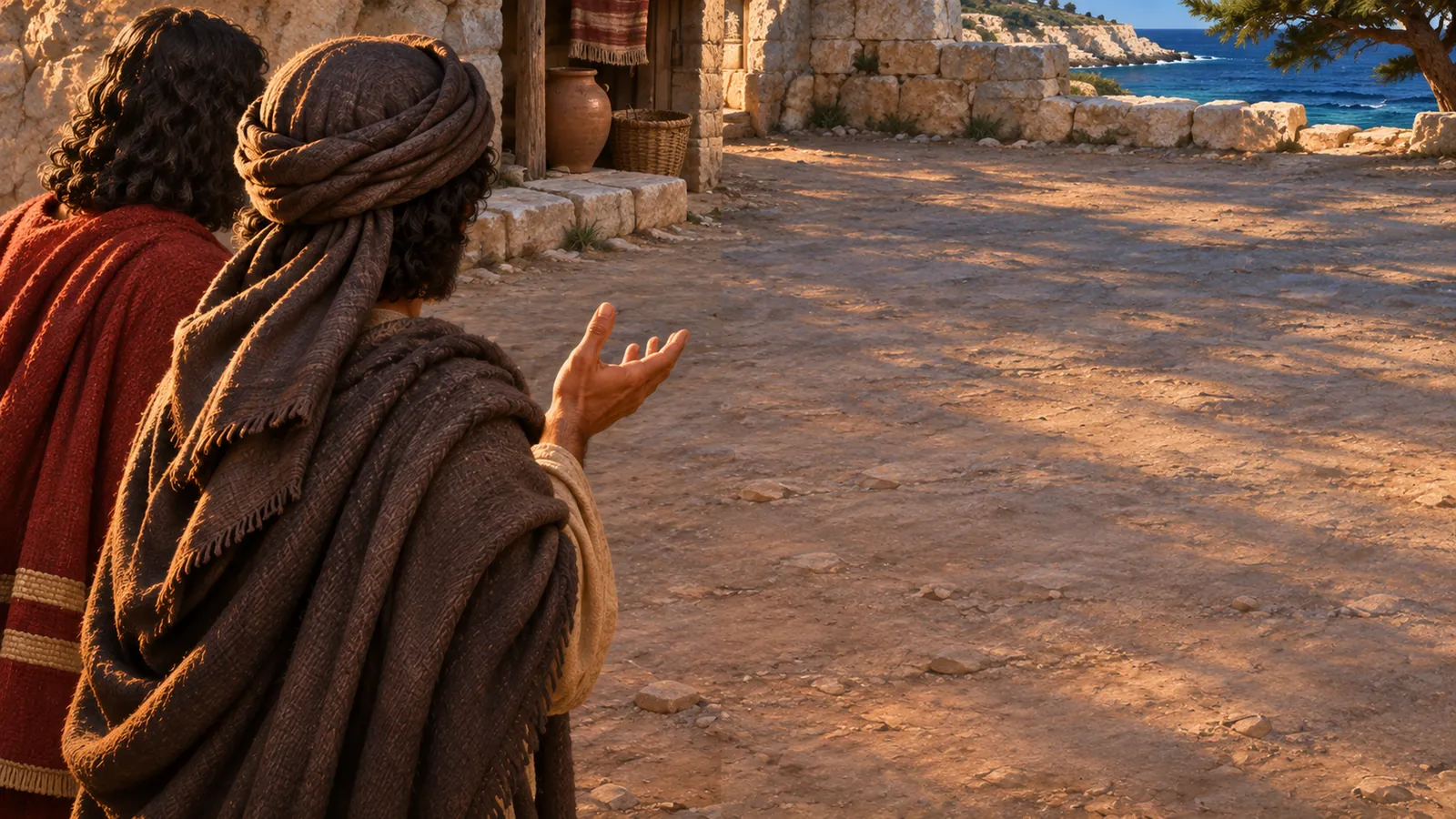
Mot diz que lhe deram seus próprios irmãos para comer e culpa Baal. Uma lacuna separa essa queixa de sua exigência anterior.
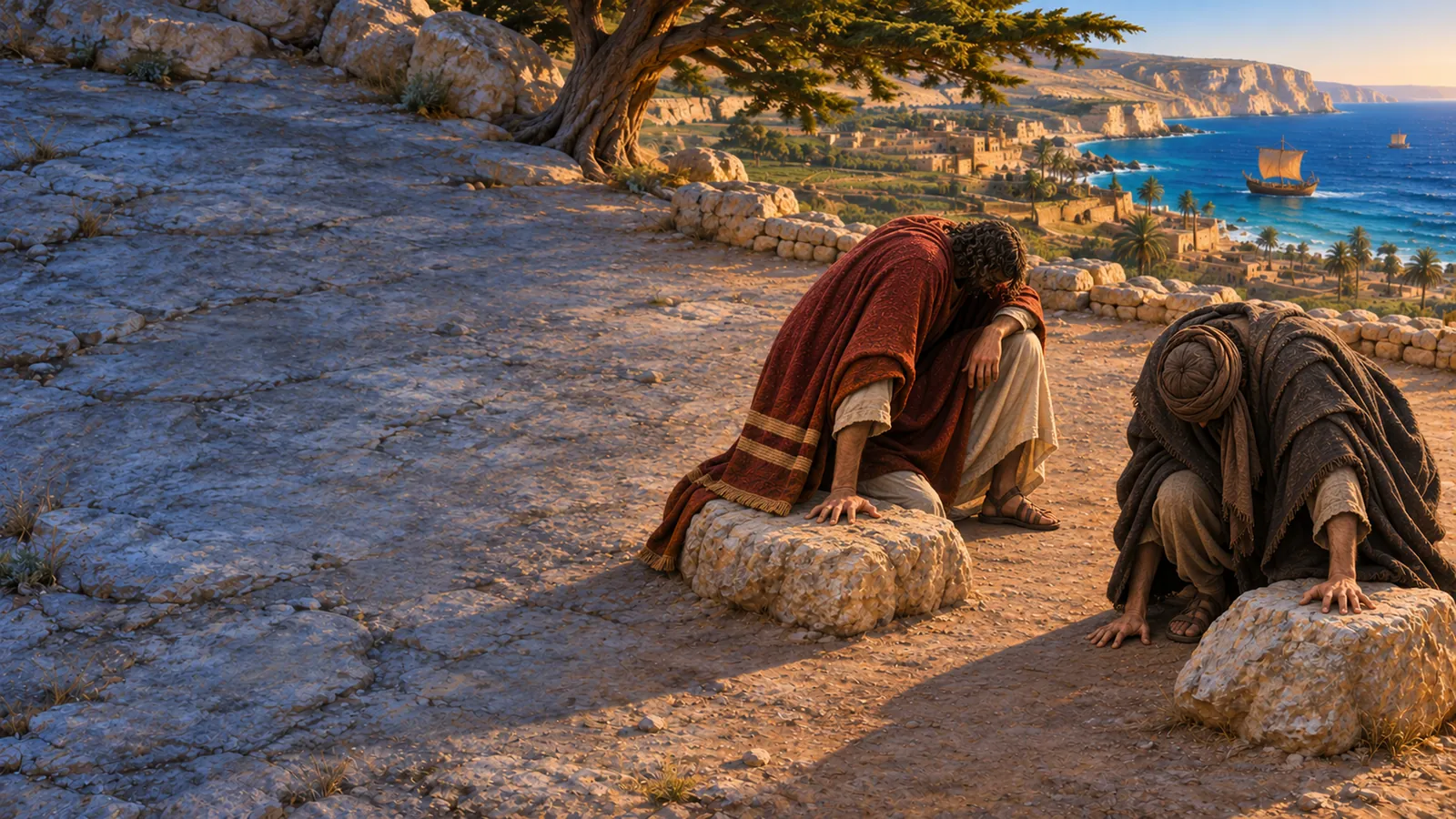
Baal e Mot lutam, e nenhum leva a melhor. O poema dá o mesmo desfecho aos dois. Ambos caem.
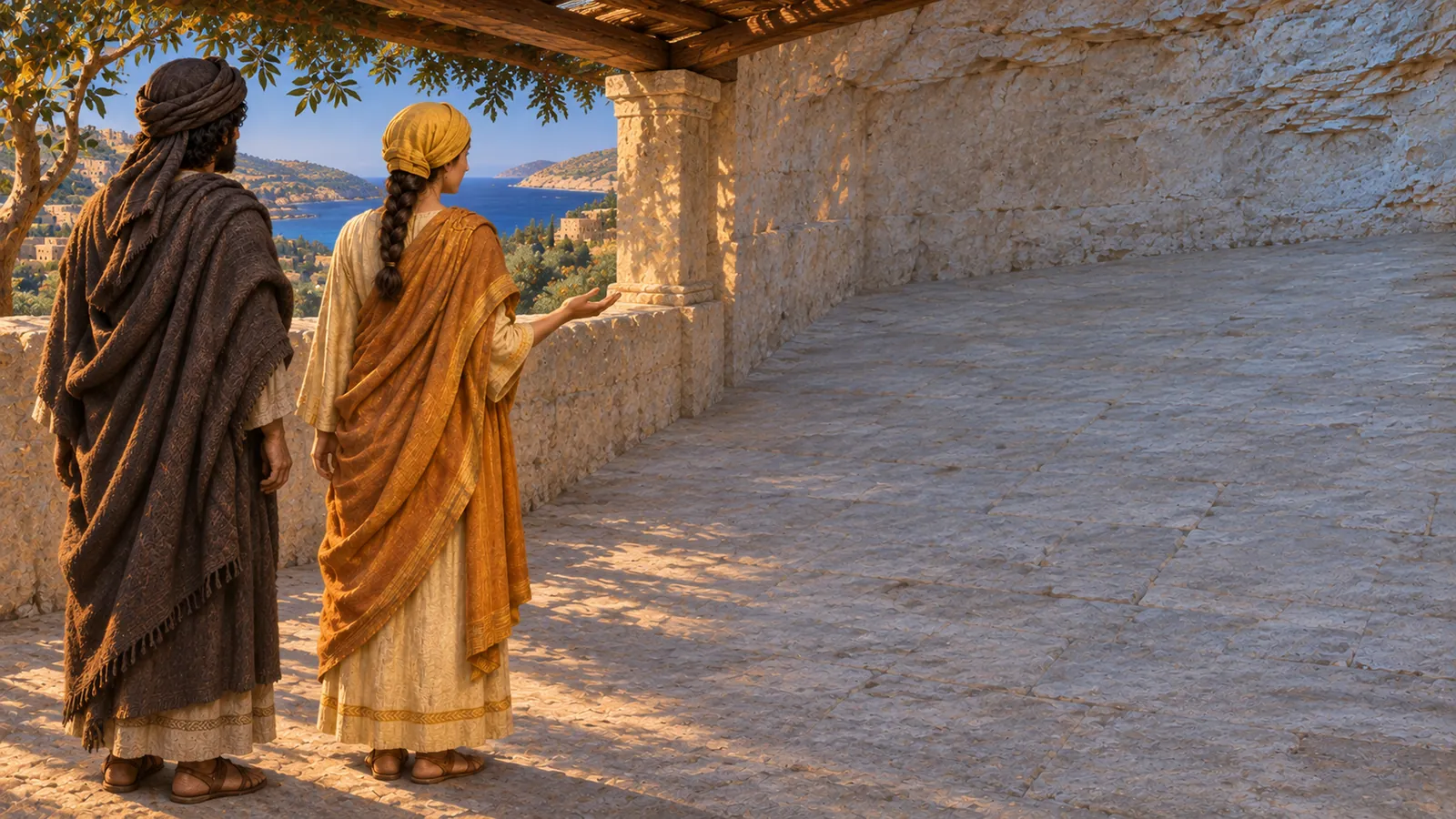
Shapash fala com Mot. Avisa-o de que El pode derrubar o seu trono e tirar-lhe o poder que detém.
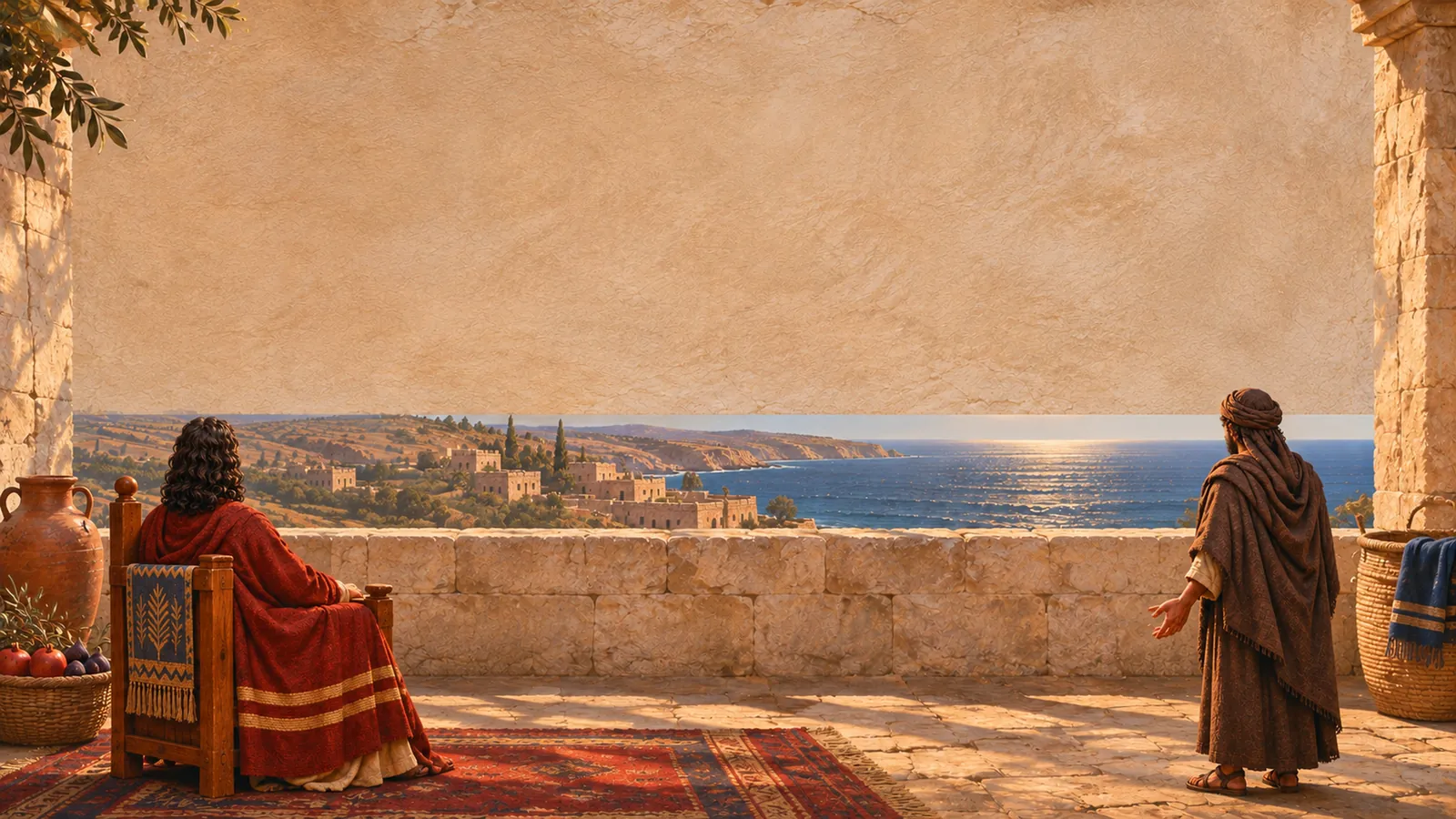
MOT CEDE
Mot tem medo ao ouvir Shapash e cede. Diz que Baal deve voltar a sentar-se no trono do seu reino.
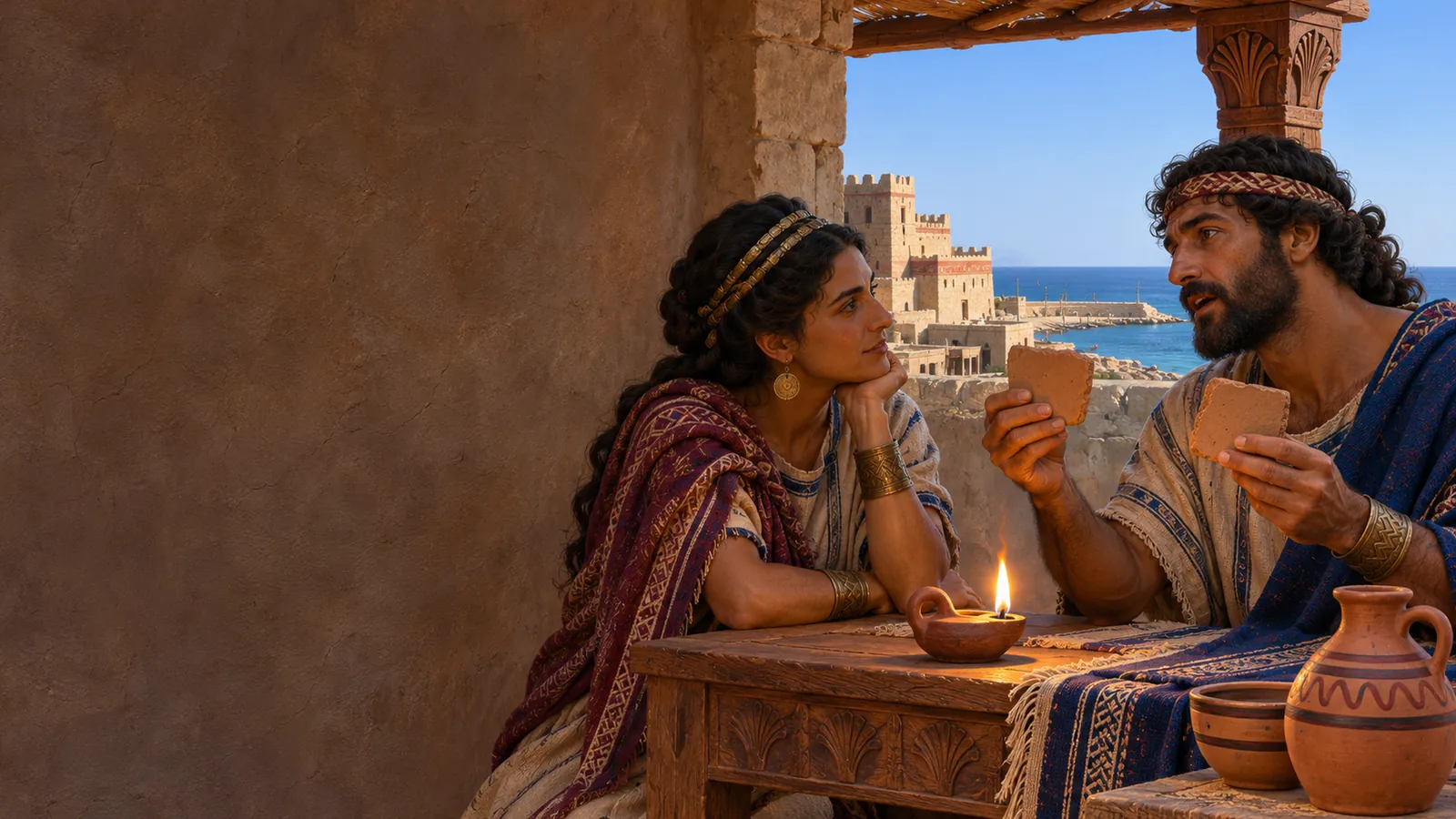
Depois das últimas palavras de Mot, uma passagem danificada leva ao final do poema. Continua incerto a quem se dirigem as primeiras palavras desse final.
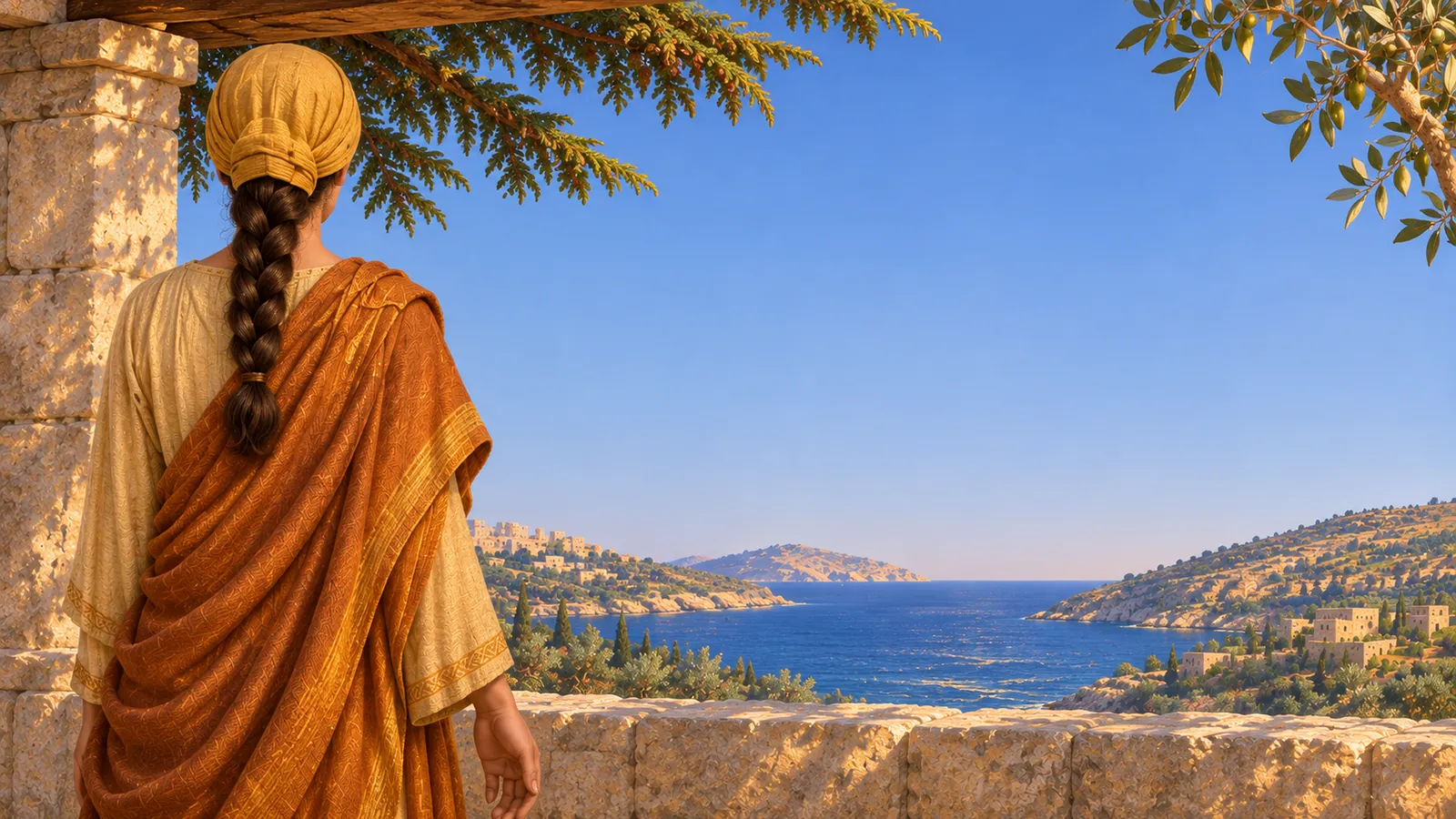
Os versos finais dirigem-se a Shapash. Em palavras de louvor, falam de seres divinos e mortos honrados reunidos à sua volta.
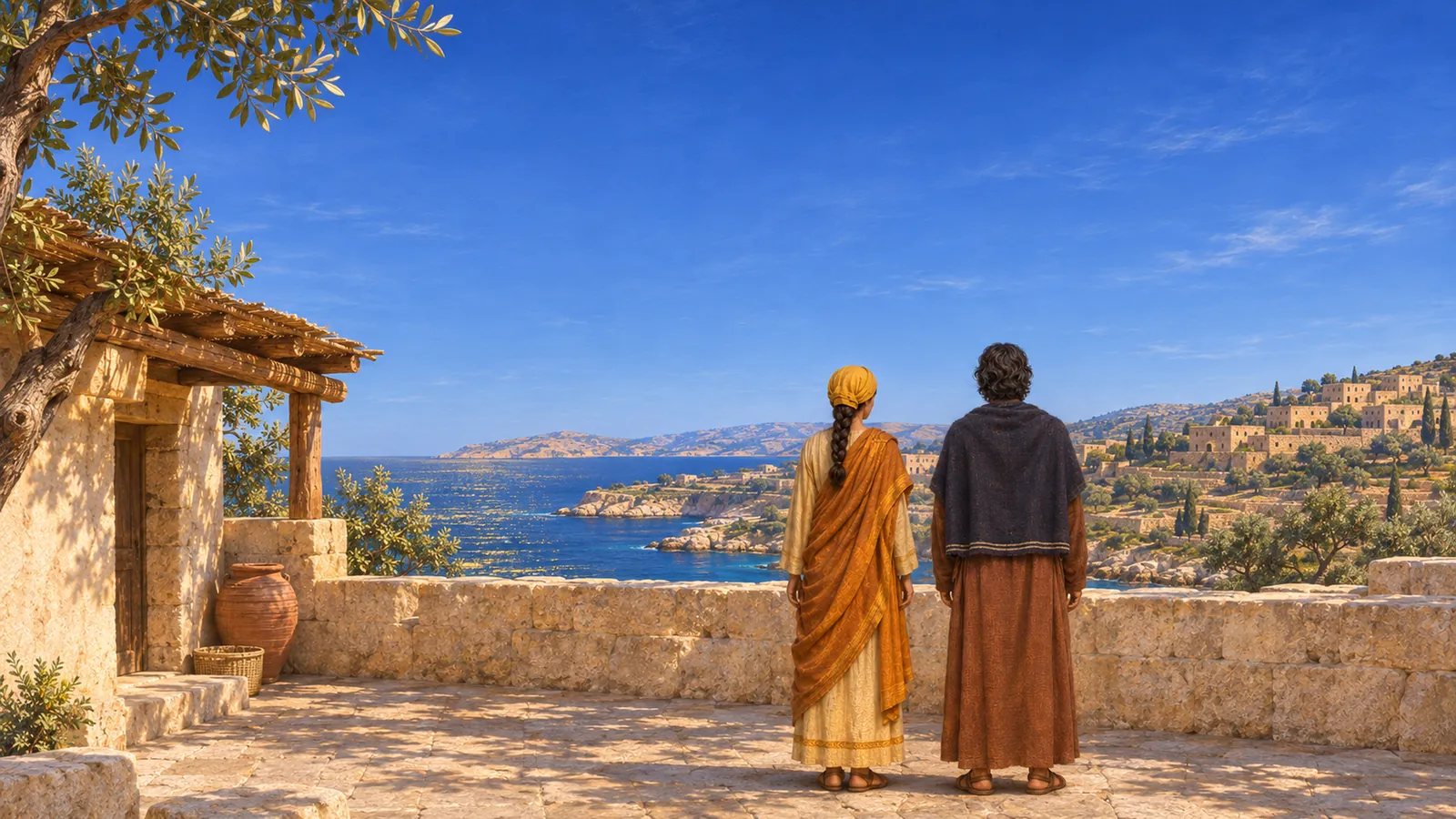
A SHAPASH
Os versos finais nomeiam Kothar como companheiro de Shapash. O poema antigo termina com estas palavras dirigidas a ela, depois de Baal e Mot se calarem.
Fim do capítulo 3
Todas as páginas








Fontes
Page 20. The heifer is in the wild, in the field called šḥlmmt in the text. She bears Baal a son, whom he clothes, before the passage breaks. 2–3, following Smith 1997, p. 148).
Edições consultadas
- Göttingen EUPT, tablet concordance
- Mark S. Smith and Wayne T. Pitard, The Ugaritic Baal Cycle, volume II, pp. 650–711
- Louvre, Tablet V of the Baal Cycle, AO 16641 and AO 16642
- Louvre, Tablet VI of the Baal Cycle, AO 16636
- Tzvi Abusch and David P. Wright, The Meaning and Sense of the Ugaritic Baal–Mot Conflict Narrative
- Koowon Kim, When Even the Gods Do Not Know, pp. 46–49
- Meindert Dijkstra, Ba’lu and His Antagonists, on CTA 6 V 1–6
- Noga Ayali-Darshan, The Death of Mot and His Resurrection, pp. 7–9
- Noga Ayali-Darshan, The Closing Hymn of the Ugaritic Baal Cycle
- IL Archive, Tablet Six of the Baal Cycle
- IL Archive, Athtar
Notas sobre este reconto
Pages 22–23. El pours dust on himself, puts on mourning cloth and cuts his skin with a stone. 3–4; Schniedewind and Hunt, §6.2).
Page 25. Anat cuts herself in mourning in words echoing El’s mourning. 3–4).
Page 28. Anat slaughters animals as funeral offerings for Baal. The passage counts seventy each of wild oxen, cattle, sheep, deer, goats and asses. 3–4; Smith 1997, p. 152).
Page 33. Mot likens taking Baal in his mouth to taking a lamb and compares crushing him in his throat to crushing a kid. 156).
Page 35. The poem says Anat splits, winnows, burns, grinds and sows Mot. In one reading birds eat him. 7–9; Abusch and Wright, pp. 4–5).
Os versos antigos de cada página
- Page 1: KTU 1.4 VII 43–44 (Smith and Pitard, pp. 650–651)
The word for the realm can mean earth or the world below. - Page 2: KTU 1.4 VII 45–49 (Smith and Pitard, pp. 650–651)
- Page 3: KTU 1.4 VII 49–52 (Smith and Pitard, pp. 650–651)
- Page 4: KTU 1.4 VII 52–56 (Smith and Pitard, pp. 650–651, 692–696)
- Page 5: KTU 1.4 VIII 1–6 (Smith and Pitard, pp. 702–704)
- Page 6: KTU 1.4 VIII 7–14 (Smith and Pitard, pp. 702–704)
- Page 7: KTU 1.4 VIII 14–24 (Smith and Pitard, pp. 703–704)
- Page 8: KTU 1.4 VIII 24–29 (Smith and Pitard, pp. 703–704)
- Page 9: KTU 1.4 VIII 29–37 (Smith and Pitard, pp. 703–705)
The references to silver and gold at the end of the passage depend partly on restoration from a parallel. - Page 10: KTU 1.4 VIII 38–49 and following loss (Smith and Pitard, pp. 704–710; Abusch and Wright, pp. 1–2)
Smith and Pitard also identify a possible scribal omission in this part of the tablet. - Page 11: KTU 1.5 I 1–8 (Abusch and Wright, pp. 1–2, discussing Smith and Pardee)
- Page 12: KTU 1.5 I 9–12 (Abusch and Wright, pp. 1–2)
- Page 13: KTU 1.5 I 12–22 (Abusch and Wright, pp. 1–2; parallel discussed by Smith and Pitard on 1.4 VIII)
- Page 14: KTU 1.5 I 22–27 (Abusch and Wright, pp. 1–2; parallel discussed by Smith and Pitard on 1.4 VIII)
- Page 15: KTU 1.5 I 27–35 (Abusch and Wright, pp. 1–2)
- Page 16: KTU 1.5 II 7–19 (Abusch and Wright, pp. 1–2, discussing Smith and Pardee)
Baal’s message of submission is preserved. - Page 17: KTU 1.5 II 20–24 (Abusch and Wright, pp. 1–2, contrasting Smith and Pardee)
The translations differ on the timing of the invitation. - Page 18: KTU 1.5 III–IV, selected fragments (Abusch and Wright, pp. 2–3)
This feast passage survives in fragments. - Page 19: KTU 1.5 V 4–17 (Abusch and Wright, pp. 2–3)
The speaker of the command is uncertain. - Page 20: KTU 1.5 V 17–26 and V–VI break (Abusch and Wright, pp. 2–3, following Smith 1997, p. 148)
- Page 21: KTU 1.5 VI 1–10 (Abusch and Wright, pp. 3–4)
- Page 22: KTU 1.5 VI 11–15 (Abusch and Wright, pp. 3–4)
- Page 23: KTU 1.5 VI 16–25 (Abusch and Wright, pp. 3–4)
The wording can express El’s grief without describing a rescue. - Page 24: KTU 1.5 VI 25–31 (Abusch and Wright, pp. 3–4)
- Page 25: KTU 1.6 I 1–8 (Abusch and Wright, pp. 3–4)
- Page 26: KTU 1.6 I 8–15 (Abusch and Wright, pp. 3–4)
- Page 27: KTU 1.6 I 15–18 (Abusch and Wright, pp. 3–4)
- Page 28: KTU 1.6 I 18–31 (Abusch and Wright, pp. 3–4)
- Page 29: KTU 1.6 I 39–43 (Abusch and Wright, pp. 3–4)
- Page 30: KTU 1.6 I 43–55 (Abusch and Wright, pp. 4–5)
The reading of a possible first candidate in line 48 remains disputed. - Page 31: KTU 1.6 I 56–65 (Abusch and Wright, pp. 4–5; IL Archive, Athtar)
- Page 32: KTU 1.6 II 4–14 (Abusch and Wright, pp. 4–5)
The start of the column is damaged. - Page 33: KTU 1.6 II 15–23 (Abusch and Wright, pp. 3–5)
- Page 34: KTU 1.6 II 24–30 (Ayali-Darshan, pp. 7–8; Abusch and Wright, pp. 4–5)
- Page 35: KTU 1.6 II 30–37 (Ayali-Darshan, pp. 7–9; Abusch and Wright, pp. 4–5)
The final lines of this encounter have competing readings. - Page 36: KTU 1.6 III 1–9 (Kim, pp. 46–47)
- Page 37: KTU 1.6 III 10–13 (Kim, pp. 46–47)
- Page 38: KTU 1.6 III 14–21 (Kim, pp. 47–48)
- Page 39: KTU 1.6 III 22–24 and IV 1–5 (Kim, pp. 47–49)
- Page 40: KTU 1.6 IV 6–24 (Abusch and Wright, pp. 4–5, following Smith)
The end of the column is damaged. - Page 41: KTU 1.6 IV–V break (Abusch and Wright, p. 5)
The surviving text leaves the means of Baal’s return uncertain. - Page 42: KTU 1.6 V 1–6 (Dijkstra; Abusch and Wright, p. 5)
- Page 43: KTU 1.6 V 8–11 (Abusch and Wright, p. 5; Ayali-Darshan, pp. 89–90)
- Page 44: KTU 1.6 V 11–19 (Ayali-Darshan, pp. 8–9; Abusch and Wright, p. 5)
- Page 45: KTU 1.6 V 20–25 (Abusch and Wright, p. 5)
- Page 46: KTU 1.6 V–VI break and VI 9–16 (Abusch and Wright, pp. 5–6)
- Page 47: KTU 1.6 VI 16–22 (Ayali-Darshan, pp. 89–90)
- Page 48: KTU 1.6 VI 23–29 (Ayali-Darshan, pp. 89–91)
- Page 49: KTU 1.6 VI 30–35 (Ayali-Darshan, pp. 90–91)
- Page 50: KTU 1.6 VI 35–45 (Ayali-Darshan, pp. 79–83, 90–92; Abusch and Wright, pp. 5–6)
The addressee of the opening lines of the closing passage is disputed. - Page 51: KTU 1.6 VI 45–49 (Ayali-Darshan, pp. 79–82)
- Page 52: KTU 1.6 VI 49–53 (Ayali-Darshan, pp. 82–83, 91–92)
Several other names and verbs in the closing lines are disputed.
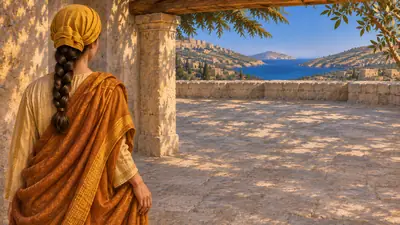
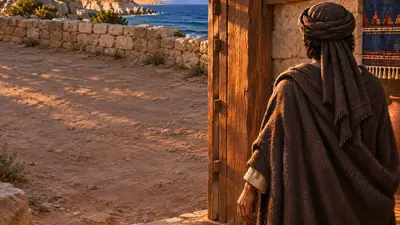
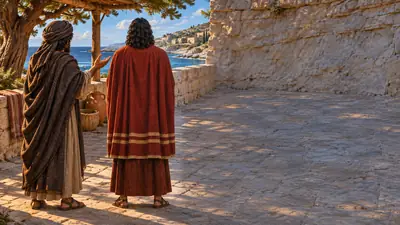
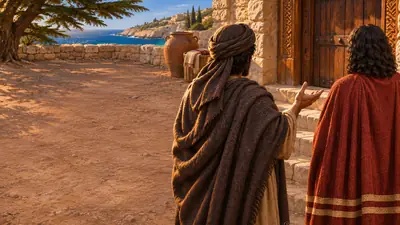
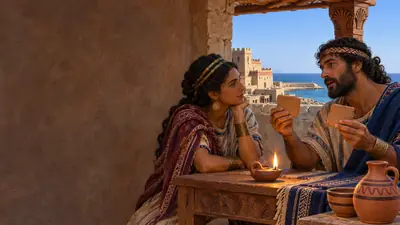
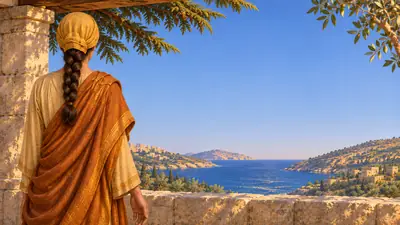
Ilustrações feitas pelo IL Archive com ferramentas de IA; o texto baseia-se nas fontes antigas (veja as fontes no fim de cada capítulo).