O sonho de Dumuzi Capítulo 1
O sonho e a traição
Assustado, Dumuzi pede a Geštinanna que interprete o seu sonho. Ela vê avisos nos juncos, nas árvores e nos objetos do redil. Aqueles que o procuram fazem as mesmas ofertas à irmã e ao amigo. O amigo revela os esconderijos, e eles apanham Dumuzi nas valas de Arali.
FontesVire as páginas com as setas, o teclado ou deslizando o dedo.
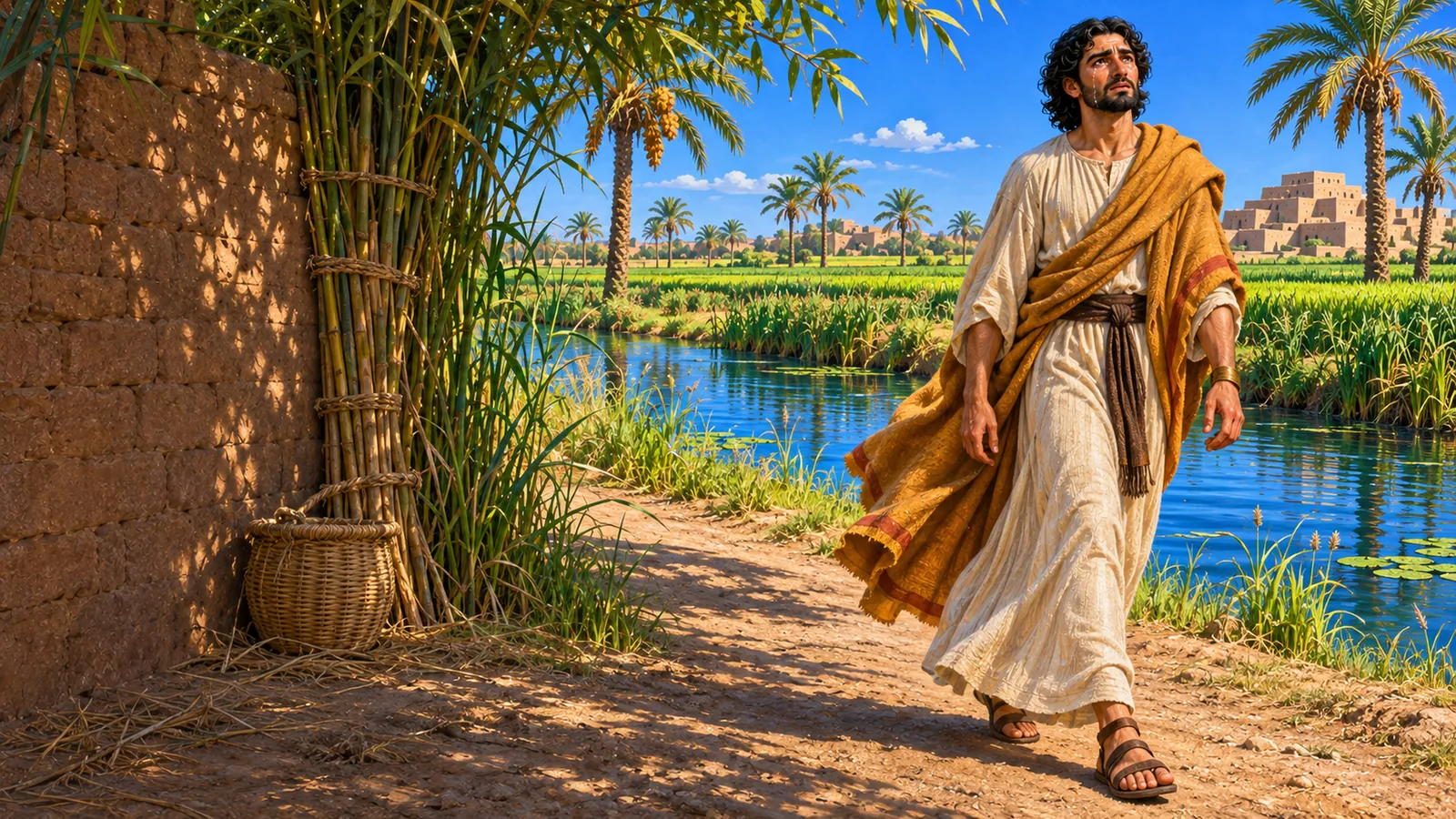
O SONHO DE DUMUZI
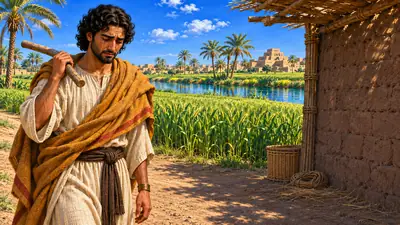
Dumuzi saiu para o campo, com o coração cheio de lágrimas. O poema apresenta-o como um jovem.
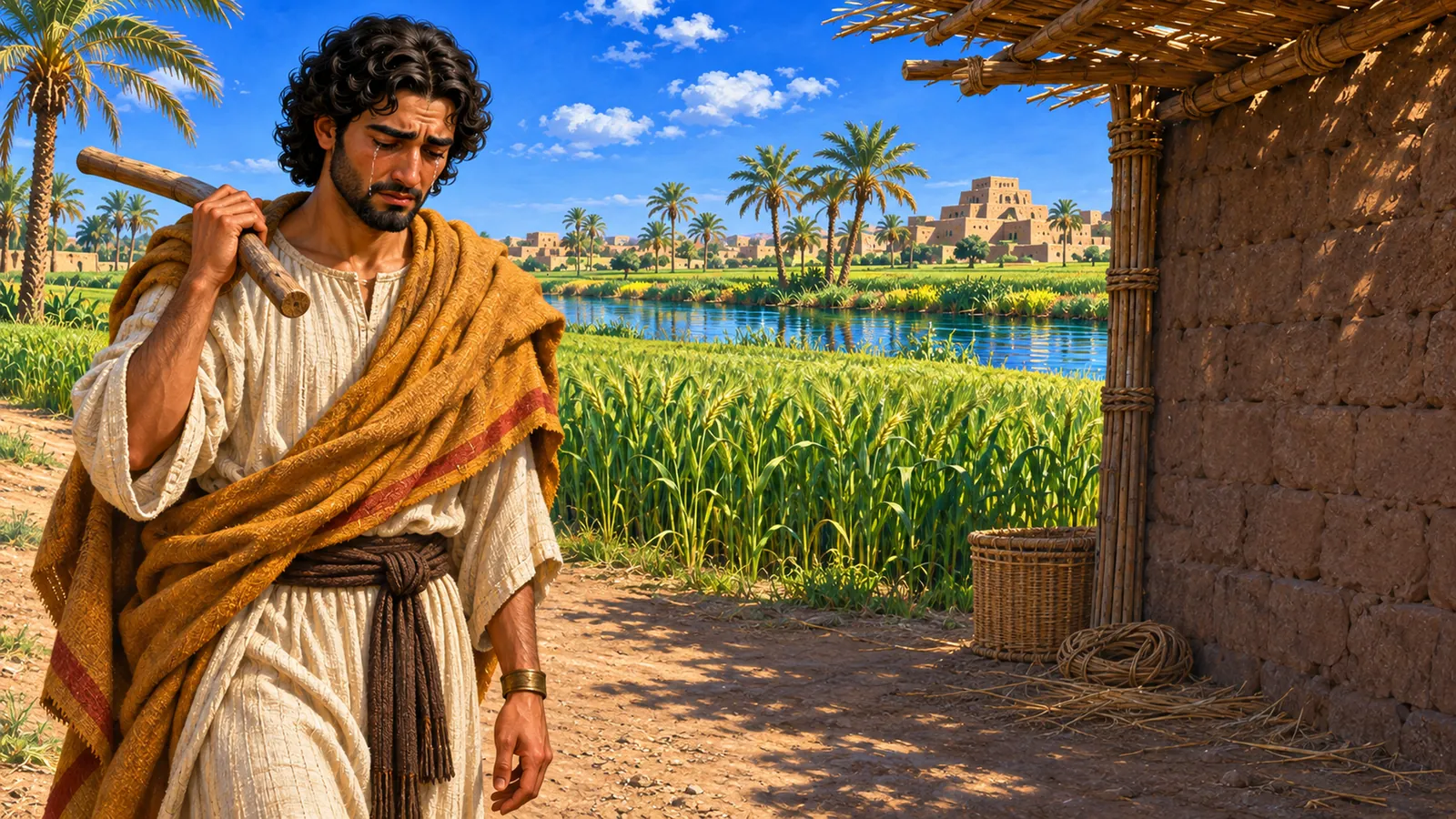
O pastor levava o cajado ao ombro e não parou de soluçar por todo o caminho até ao campo aberto.

«Chora, ó campo, chora!», clamou Dumuzi. Pediu aos pântanos que gritassem, aos caranguejos do rio que se lamentassem e às rãs que erguessem a voz.

«A minha mãe vai chamar por mim, a minha mãe Durtur. Vai chamar por mim por cinco coisas, vai chamar por mim por dez.»

«Ó campo, se a minha mãe não souber o dia em que eu morrer, diz-lhe. Chora por mim como choraria a minha irmã mais nova.»
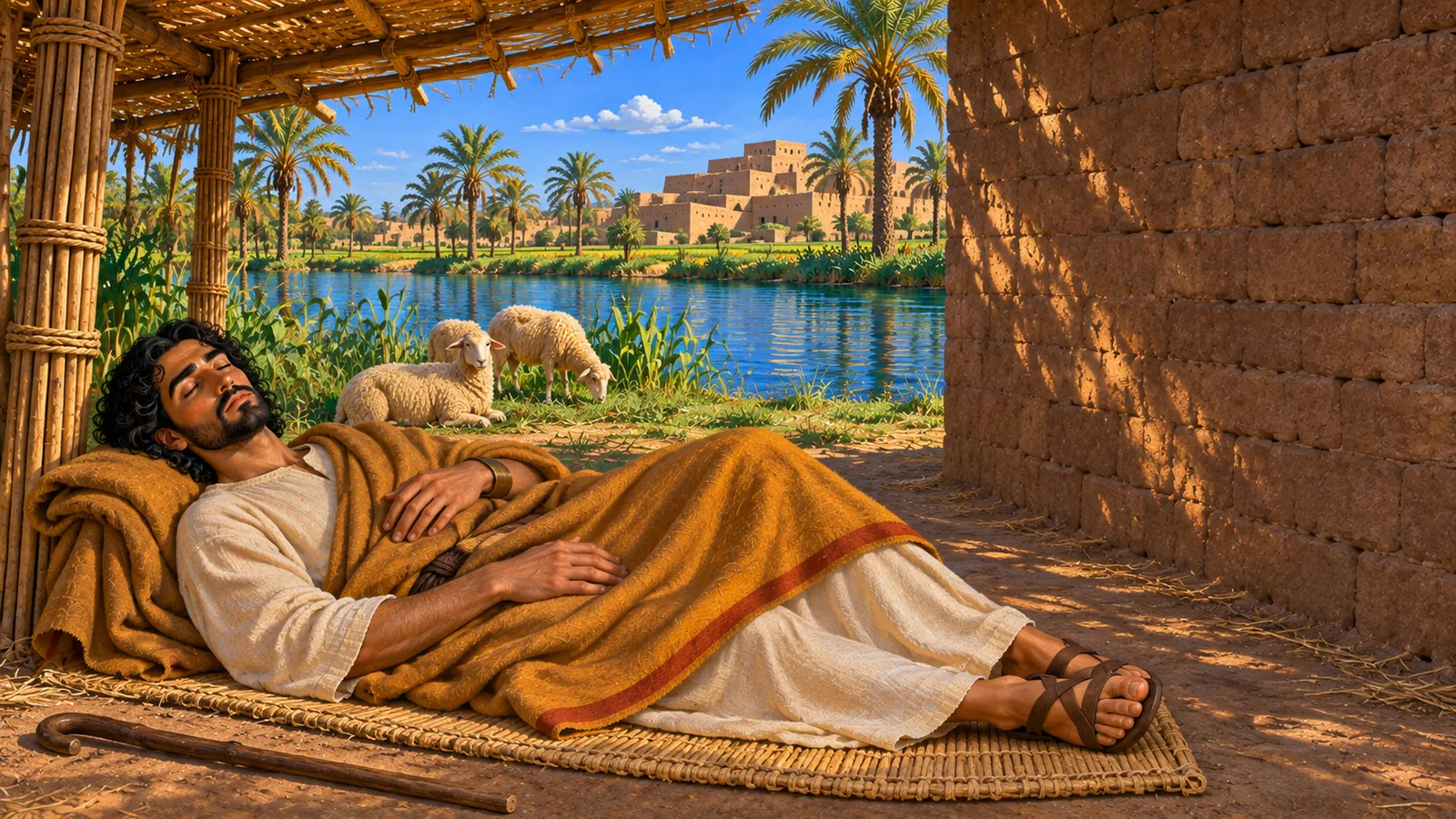
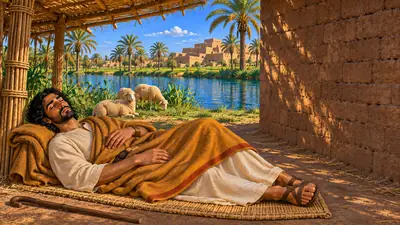
Há muito tempo, o pastor deitou-se para dormir. Enquanto ali estava deitado, começou a sonhar.
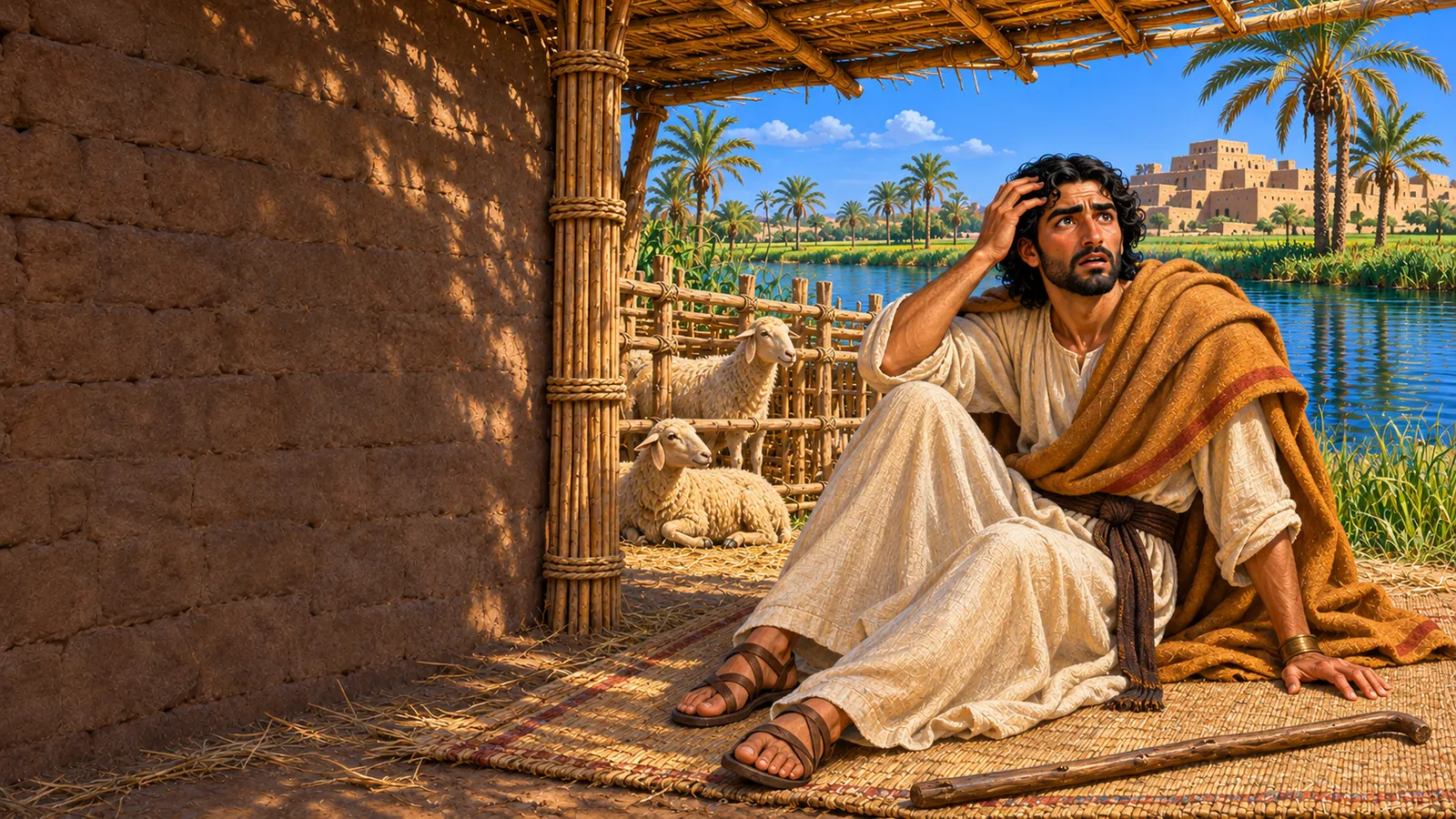
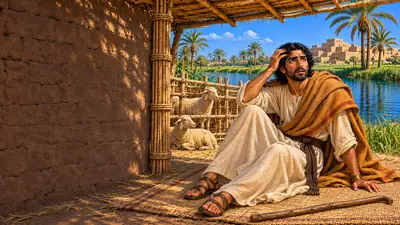
Acordou sobressaltado. Tinha sido um sonho. A tremer, esfregou os olhos, aterrado.
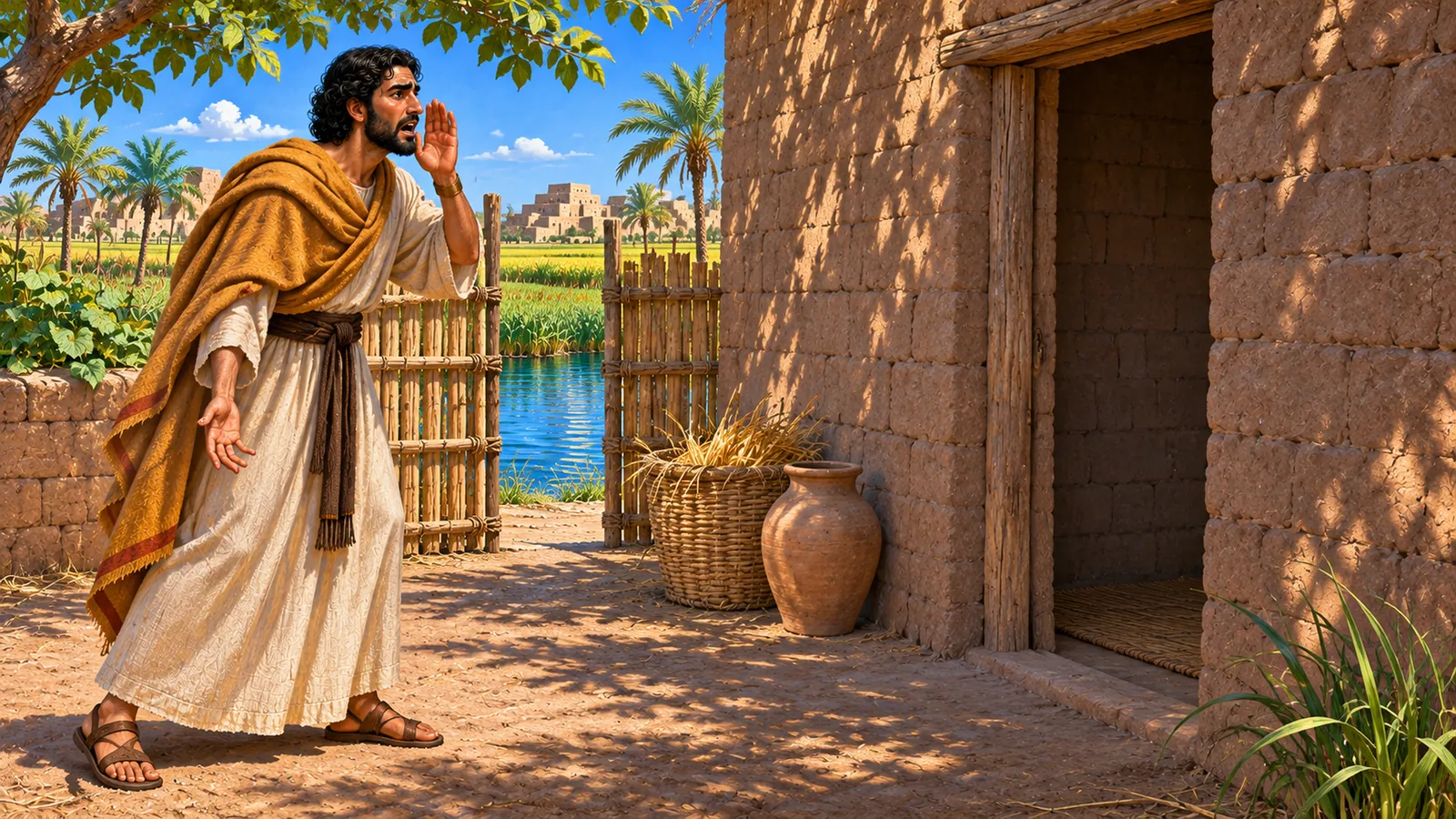
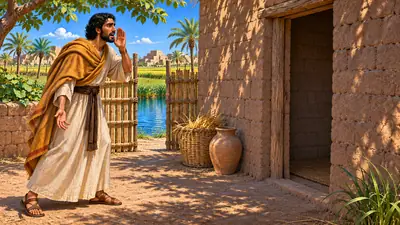
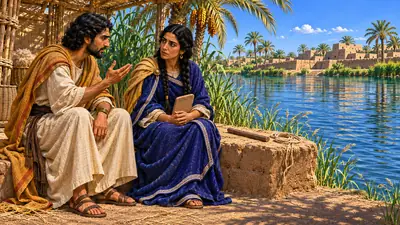
«Tragam a minha irmã! Tragam Geštinanna!», chamou ele. Era uma escriba hábil com as tabuinhas e uma cantora que conhecia bem os seus cantos.
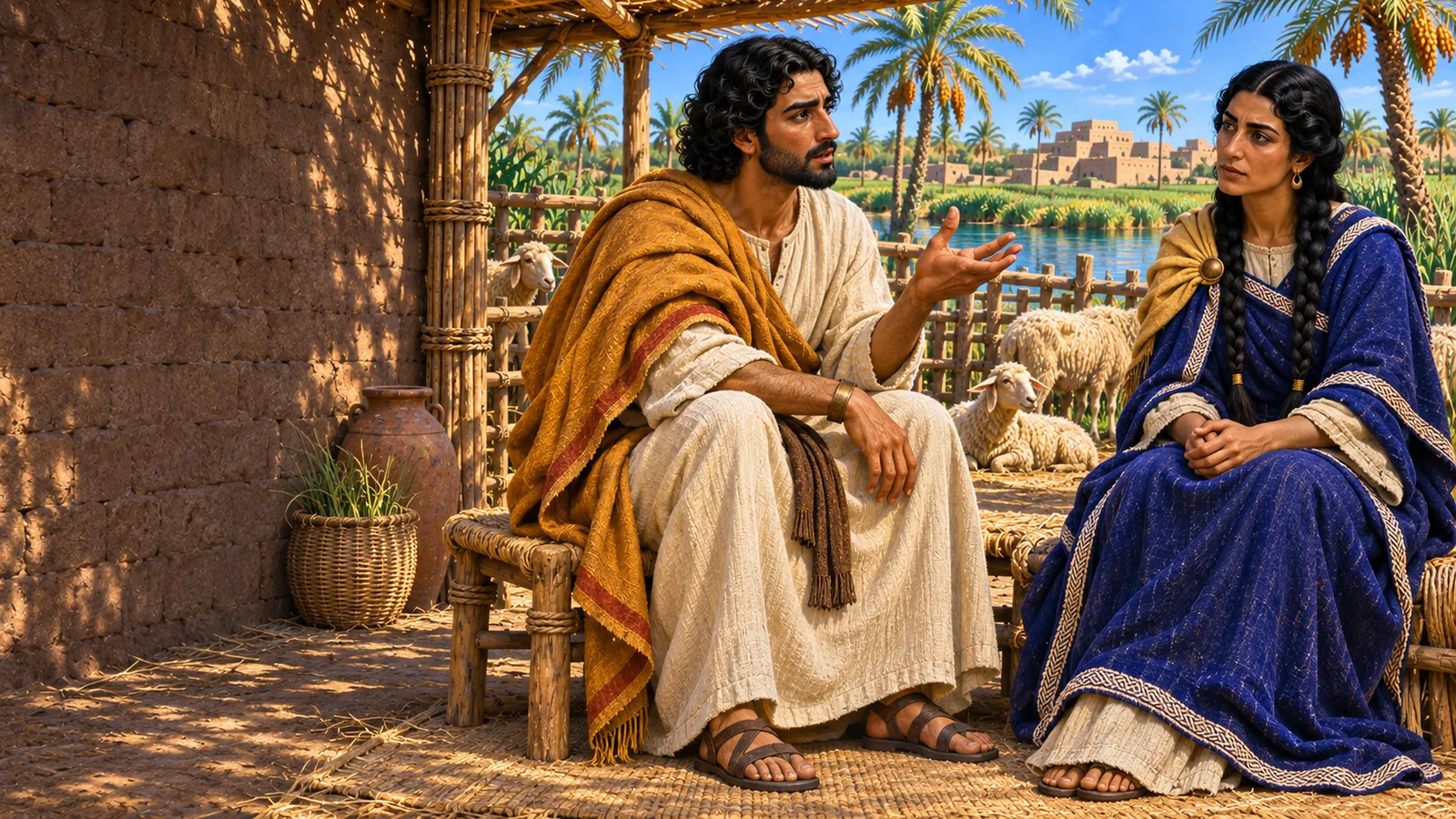
«Tragam a minha sábia irmã, que sabe o que significam os sonhos. Vou contar-lhe o que sonhei.»
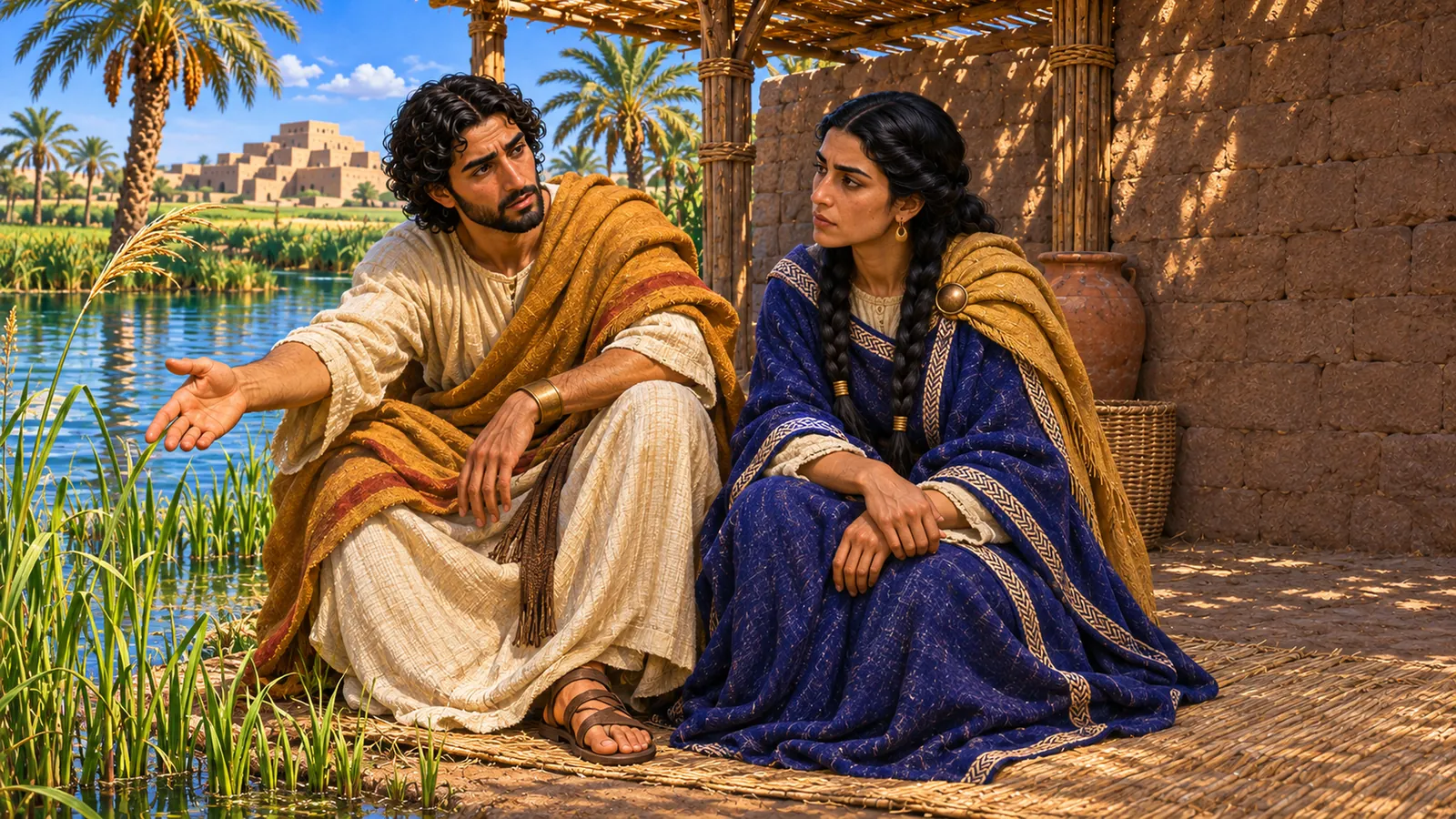
O SONHO
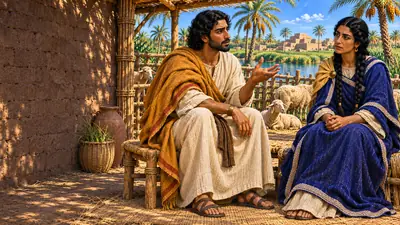
«Um sonho, minha irmã!», disse Dumuzi. «Os juncos brotaram diante de mim e continuaram a crescer. Uma só cana abanava a ponta na minha direção.»
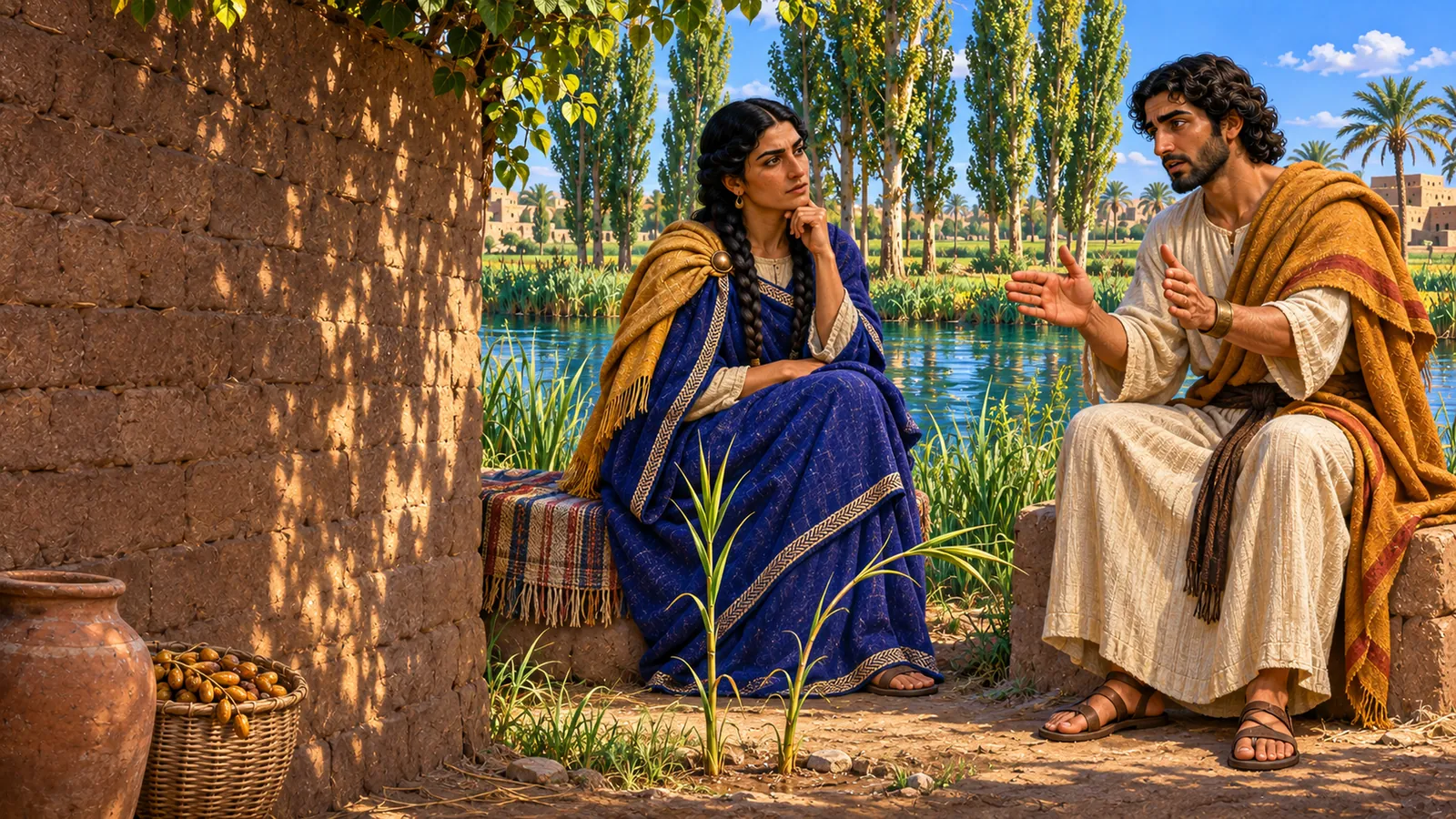
«Das duas canas que cresciam juntas, uma foi afastada de mim. Árvores altas da floresta ergueram-se juntas acima de mim.»
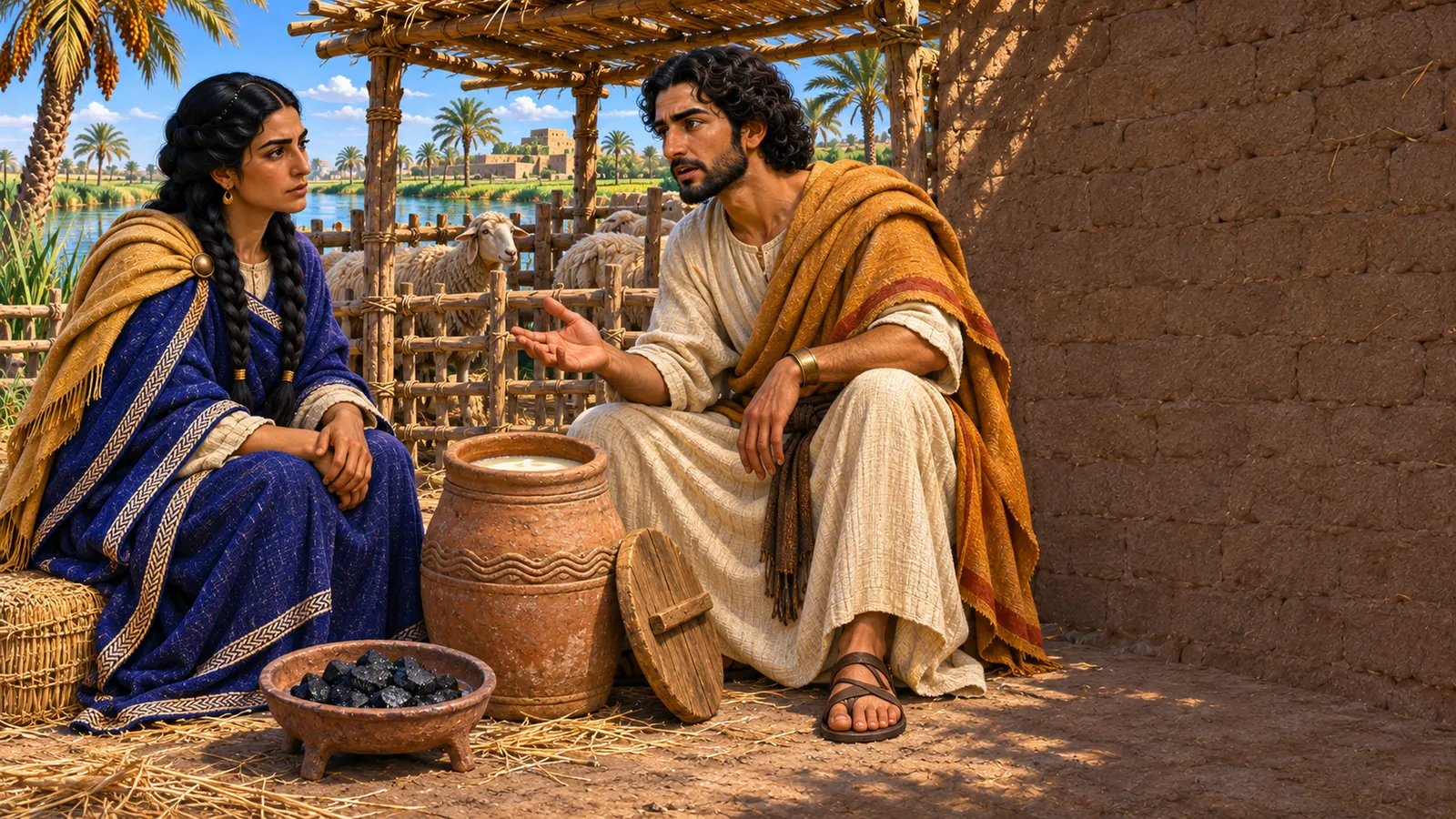
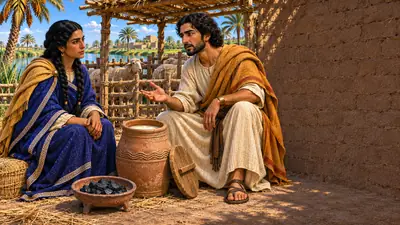
No meu sonho, deitaram água sobre as minhas brasas sagradas e tiraram a tampa da minha batedeira sagrada.
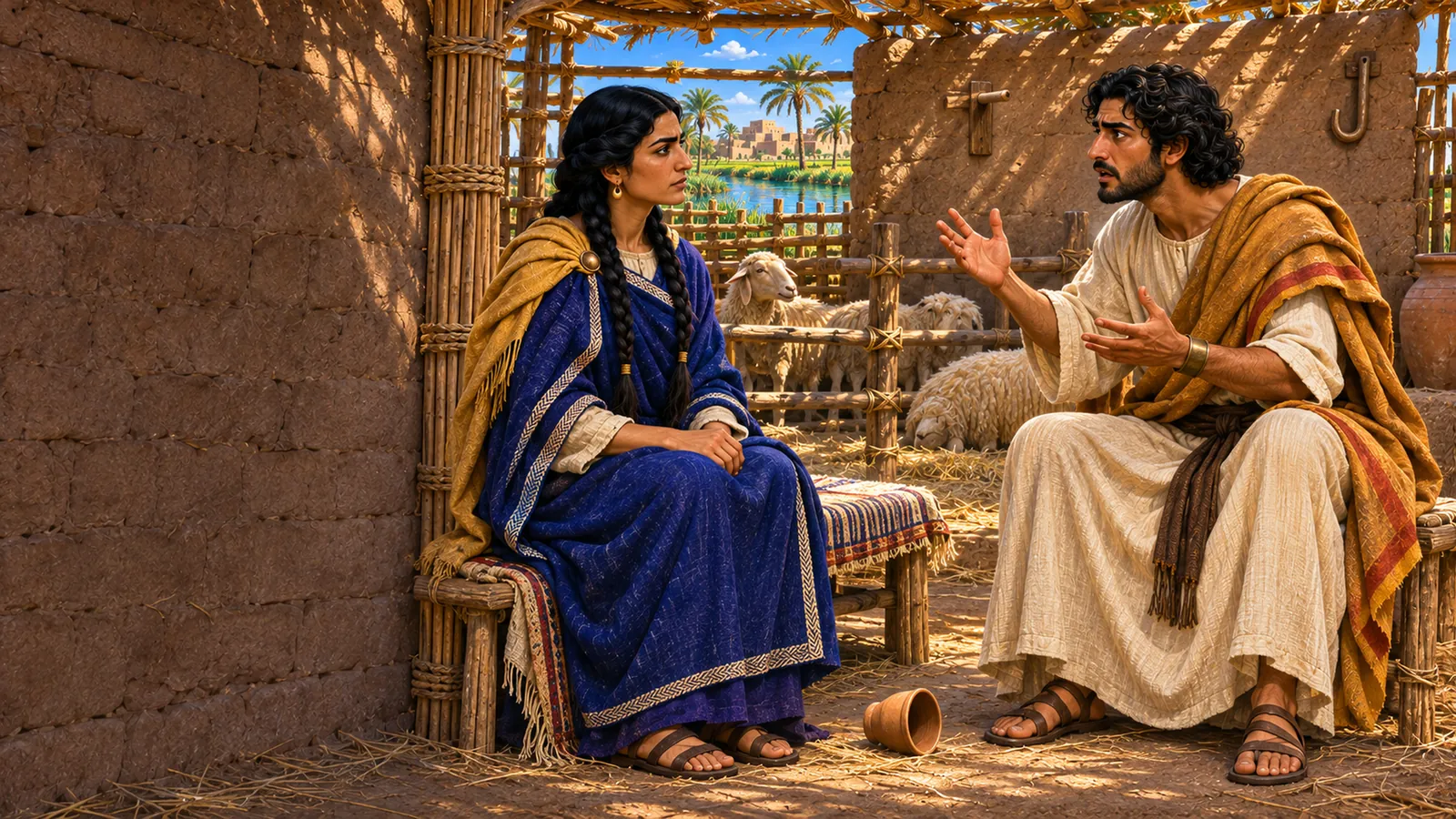
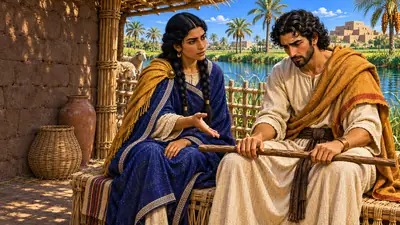
«Arrancaram a minha taça sagrada da cavilha onde estava pendurada. Depois desapareceu o meu cajado de pastor.»
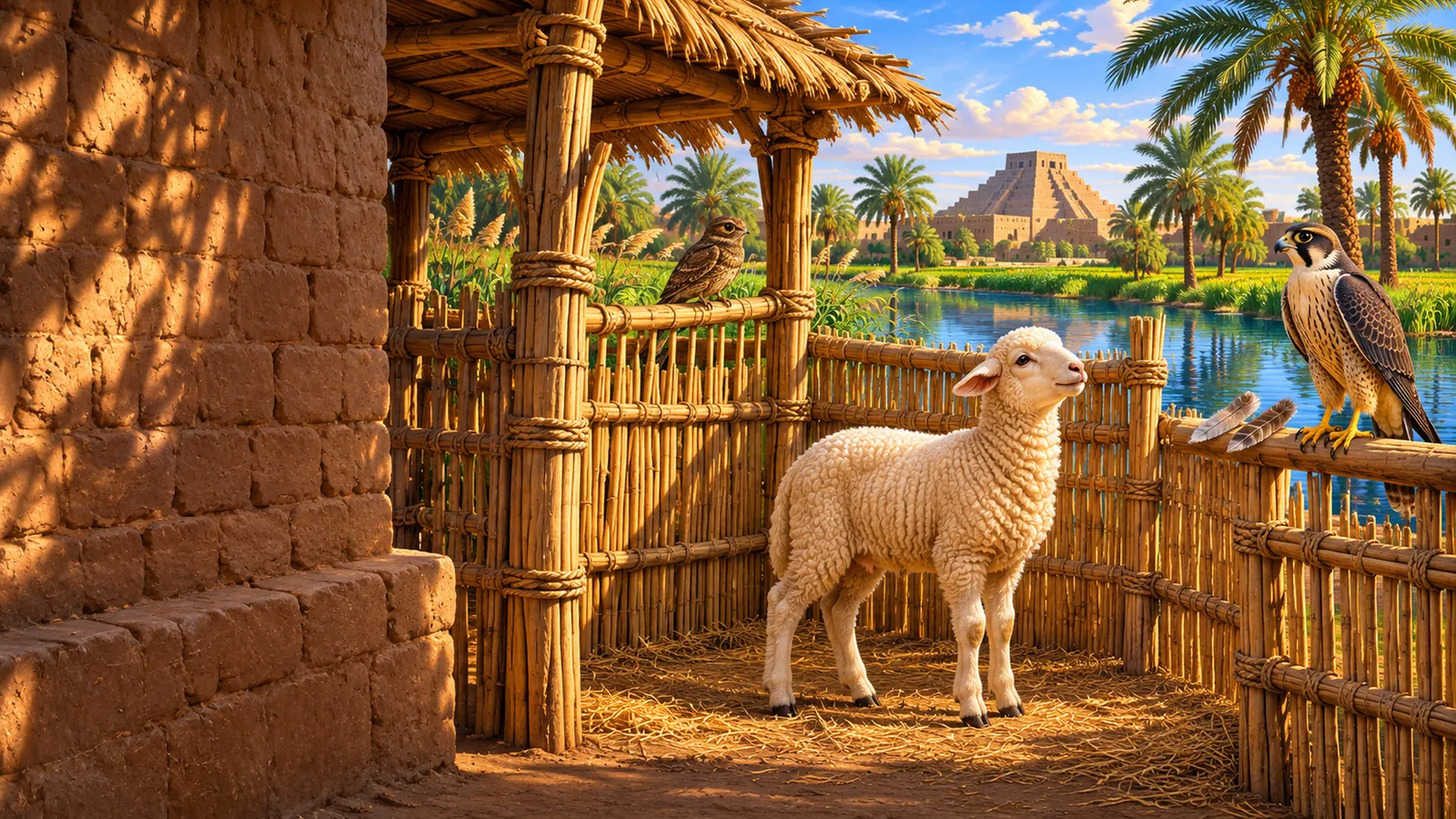
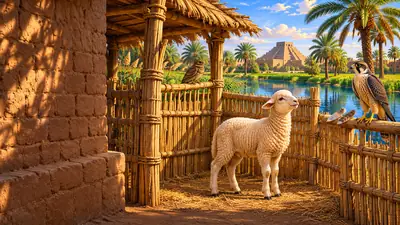
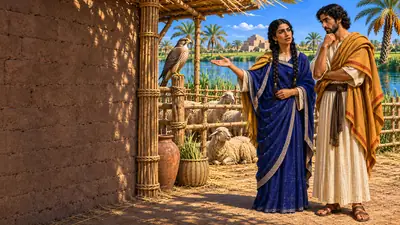
«Uma ave, talvez uma coruja, tirou um cordeiro do redil. Um falcão apanhou um pardal na vedação de canas.»
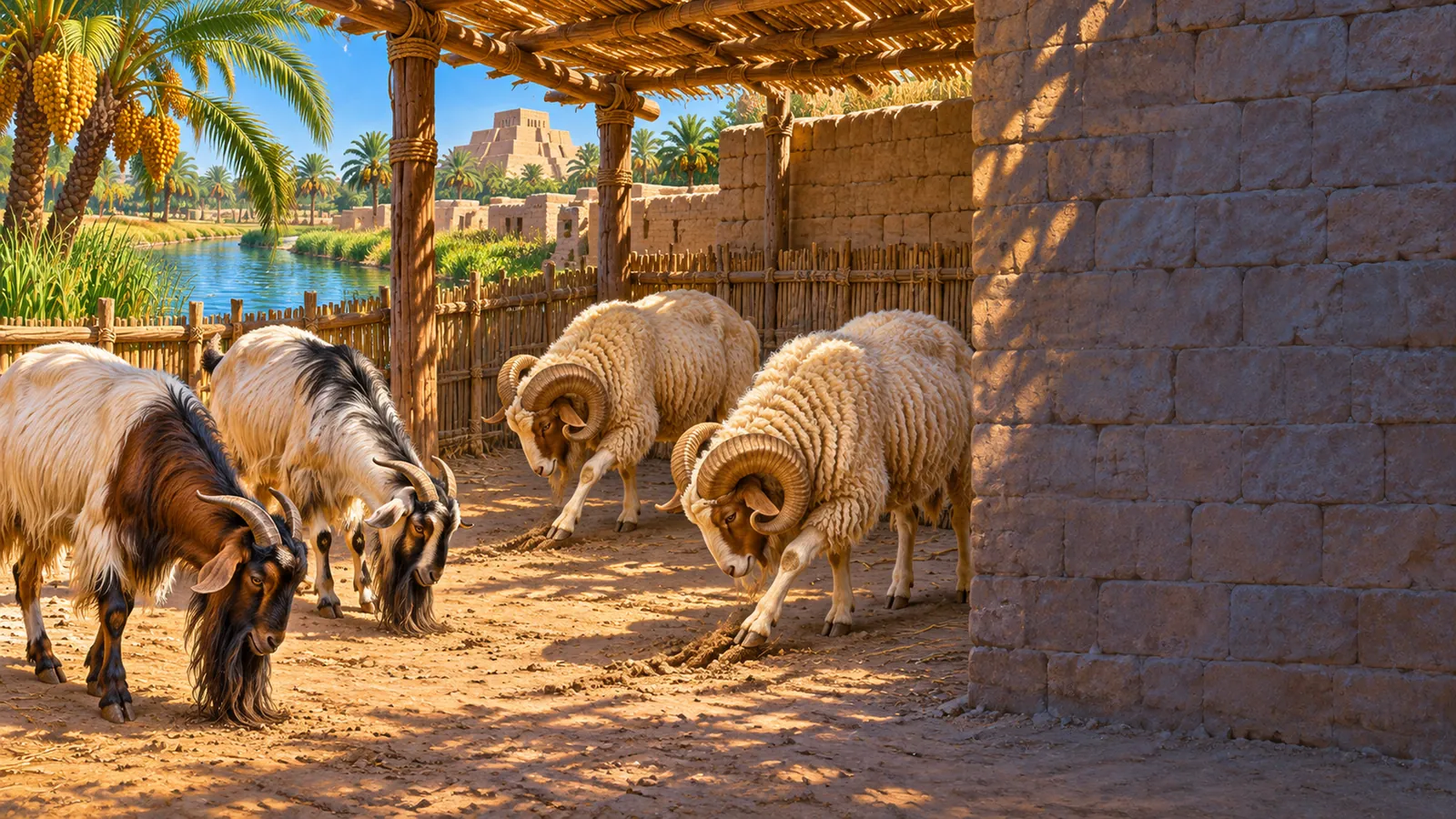
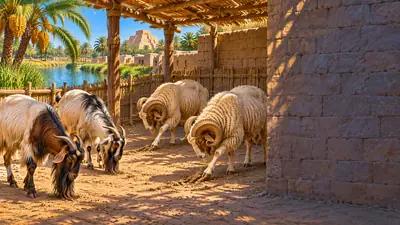
«Os meus bodes arrastavam as barbas escuras no pó. Os meus carneiros raspavam a terra com as patas fortes.»
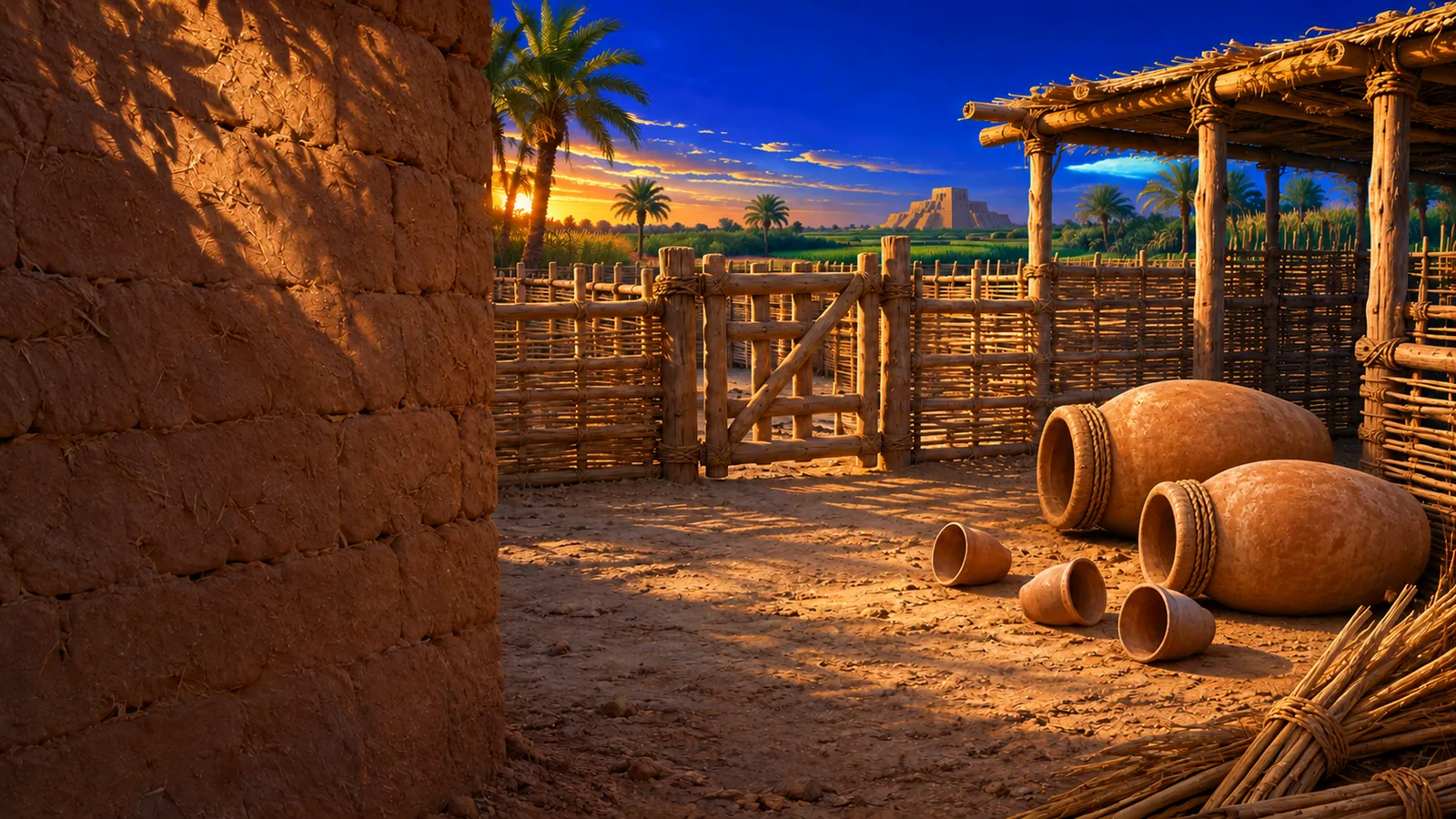
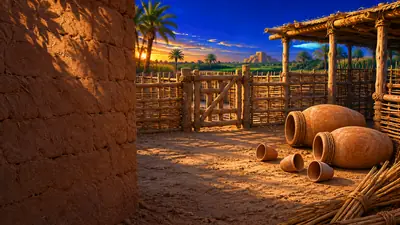
«As batedeiras jaziam de lado. Não se vertia leite. As taças jaziam de lado.» No sonho, Dumuzi estava morto e o redil estava assombrado.
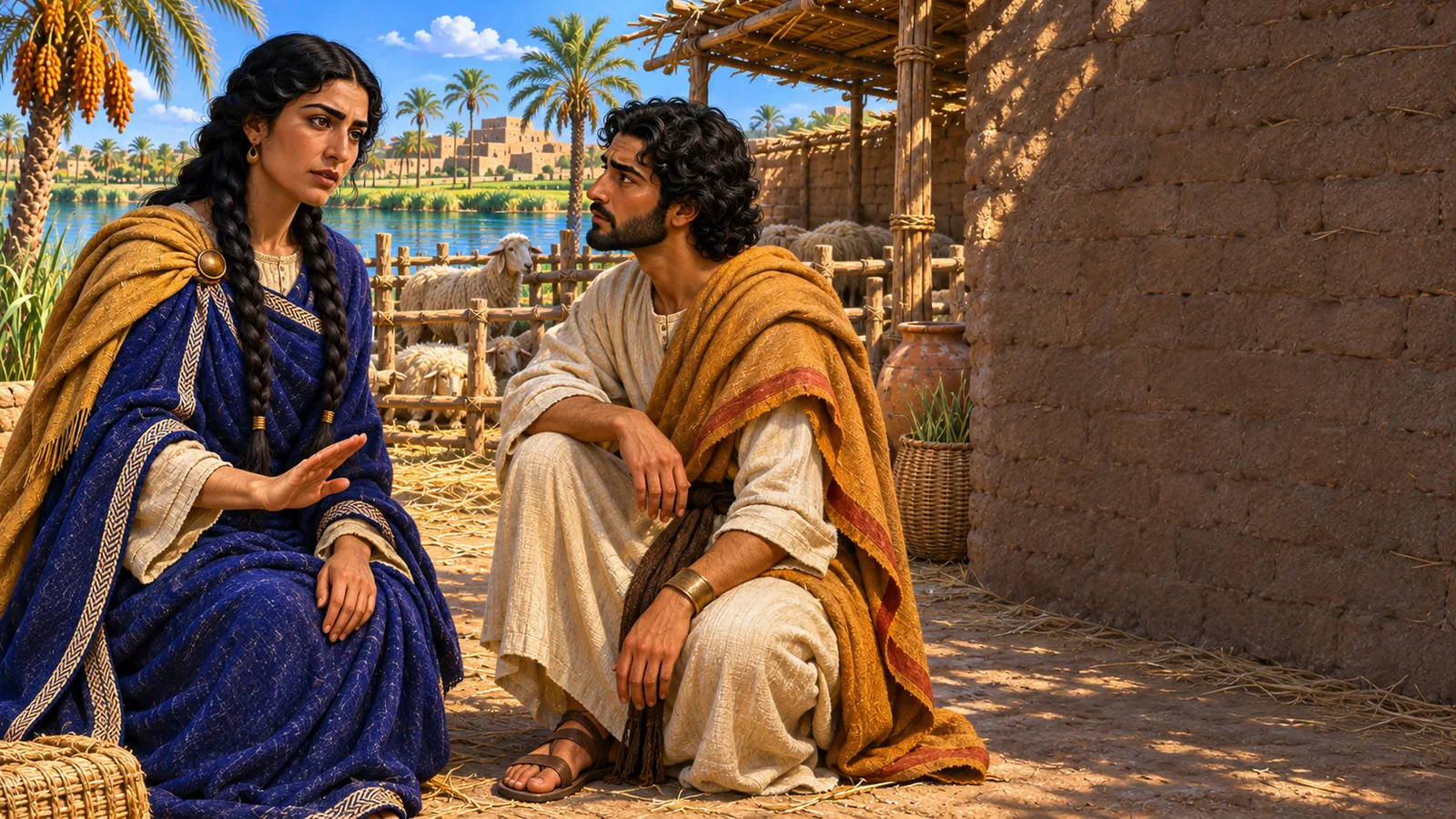
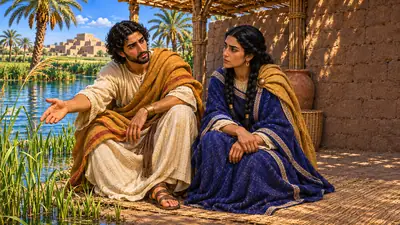
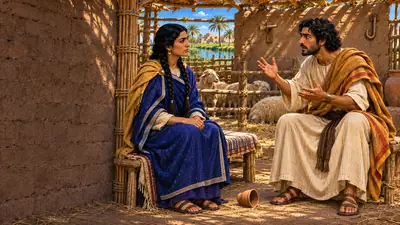
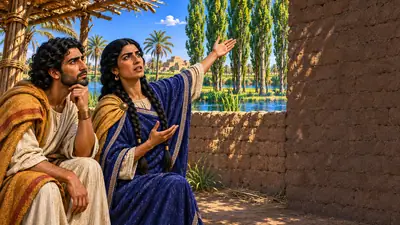
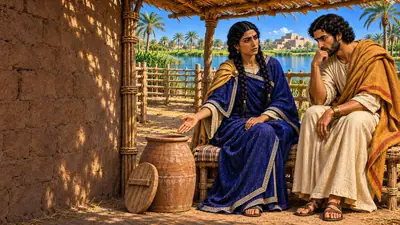
Geštinanna respondeu a Dumuzi: «Meu irmão, o teu sonho não augura nada de bom.» Duas vezes lhe pediu que não lhe contasse mais.
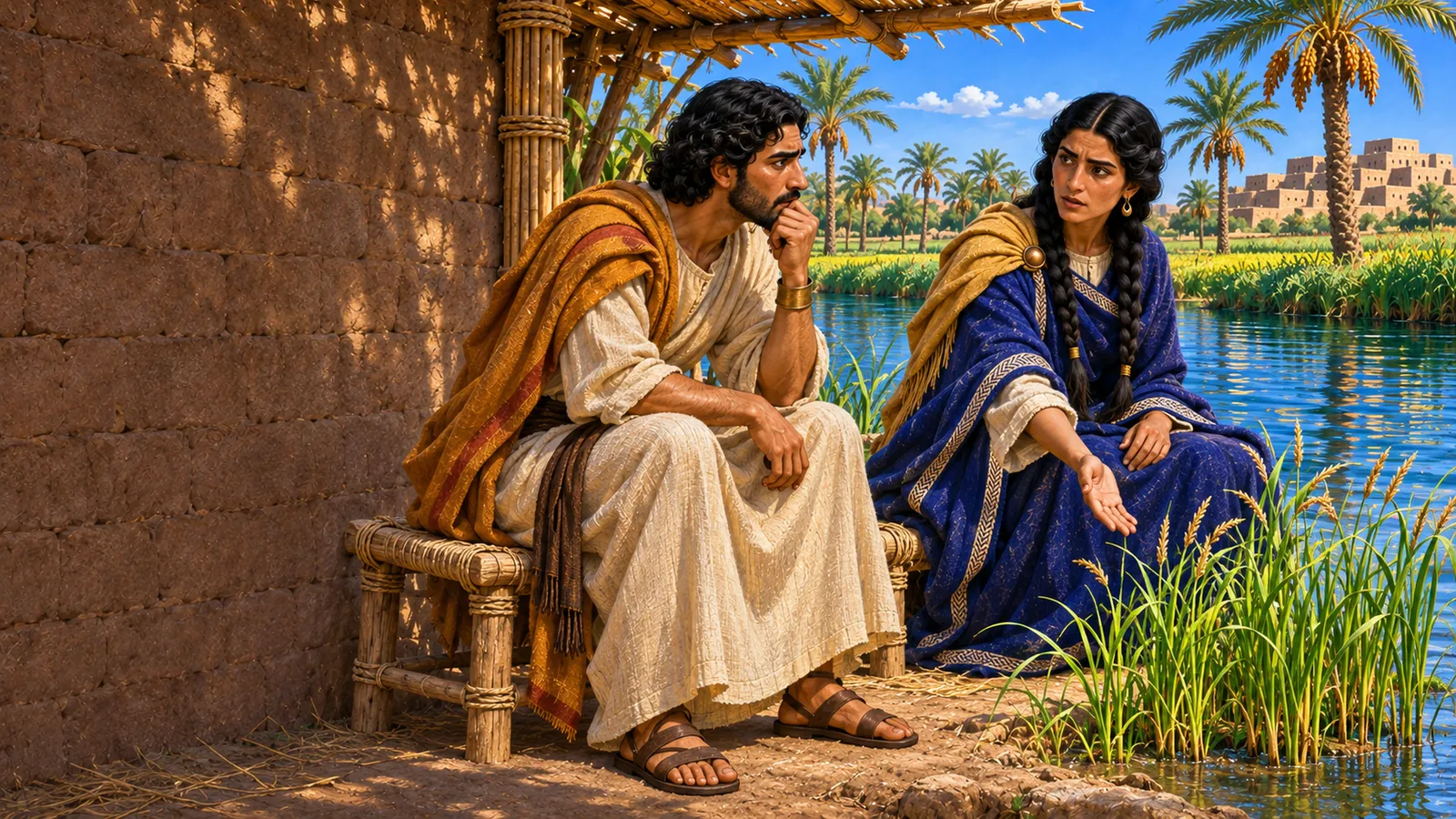
Disse que os juncos que continuavam a crescer no seu sonho representavam salteadores. Sairiam da emboscada para se lançarem contra ele.
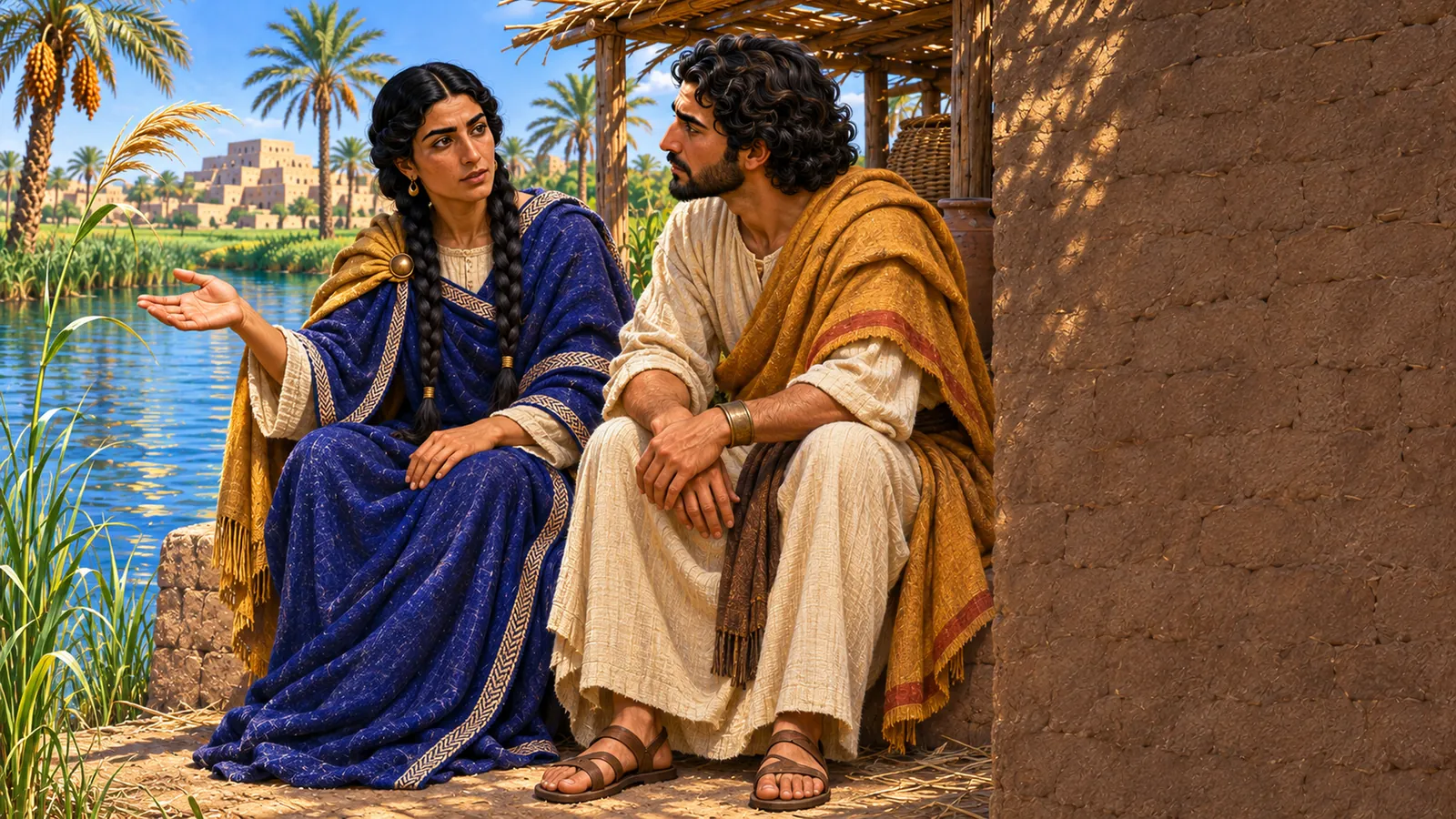
Explicou o significado da cana que abanava a cabeça no sonho. Era a mãe que o tinha dado à luz, a abanar a cabeça por ele.
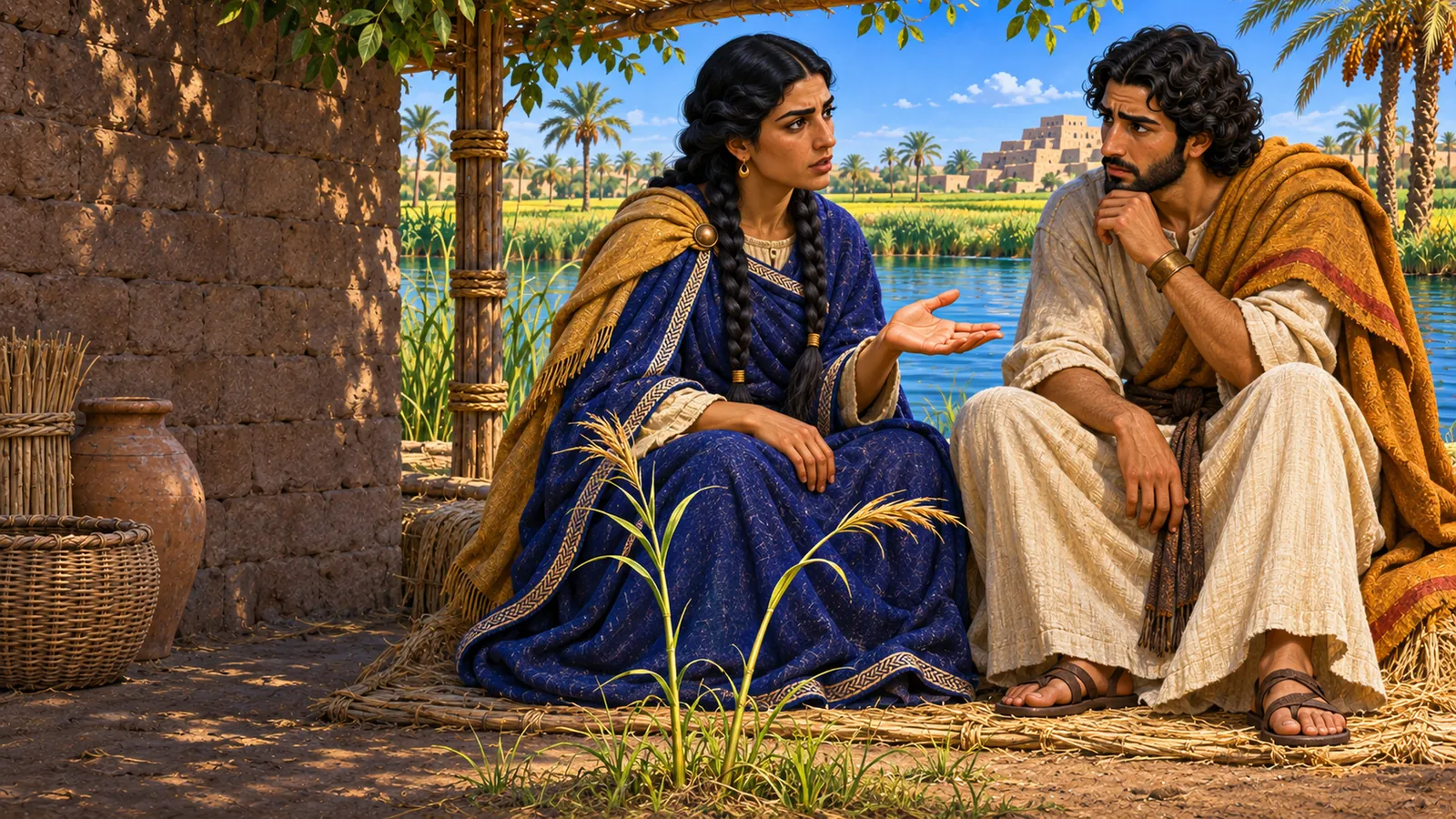
No sonho havia duas canas, e uma fora afastada dele. Geštinanna disse que as canas representavam os dois irmãos. Seriam separados.
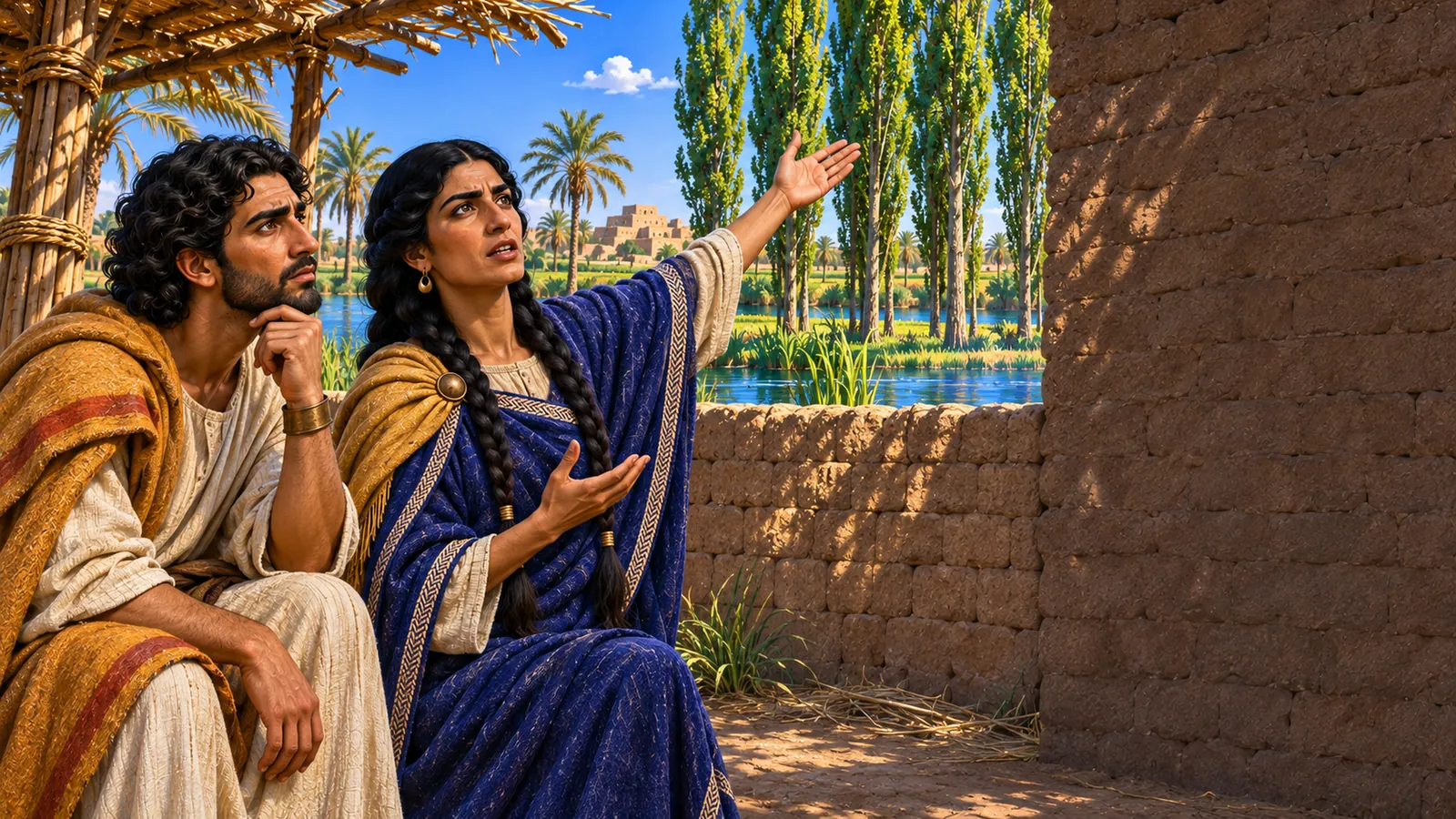
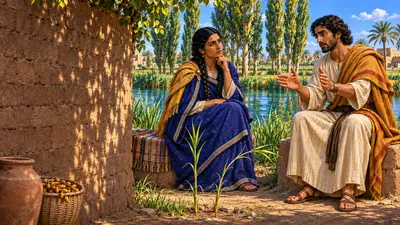
Geštinanna falou então das árvores altas que se tinham erguido à sua volta no sonho. Disse que significavam que homens hostis o apanhariam dentro dos muros.
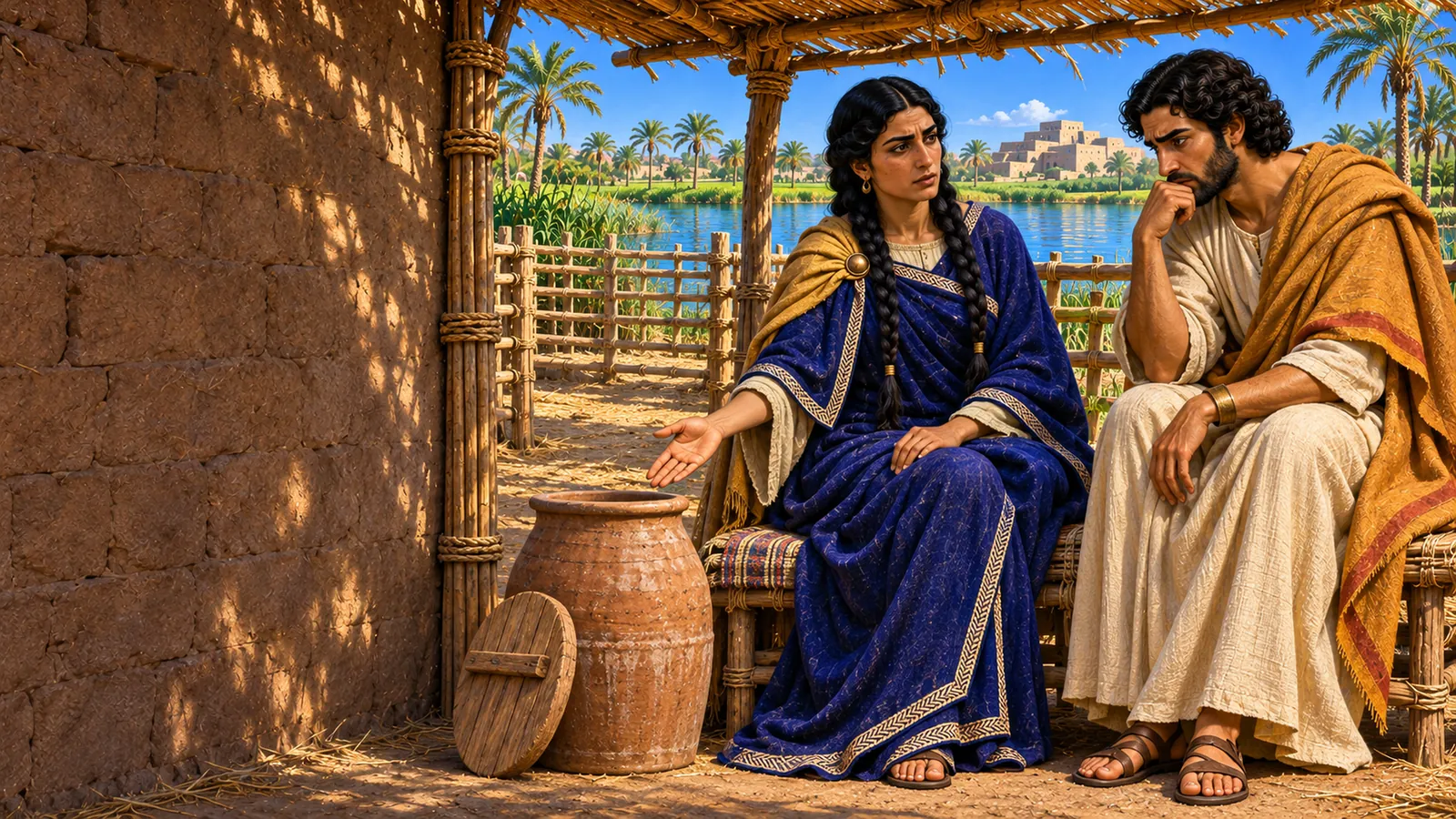
A água derramada sobre as suas brasas significava que o aprisco ficaria em silêncio. A tampa retirada da batedeira de manteiga significava que um dos homens hostis a levaria para dentro nas mãos.
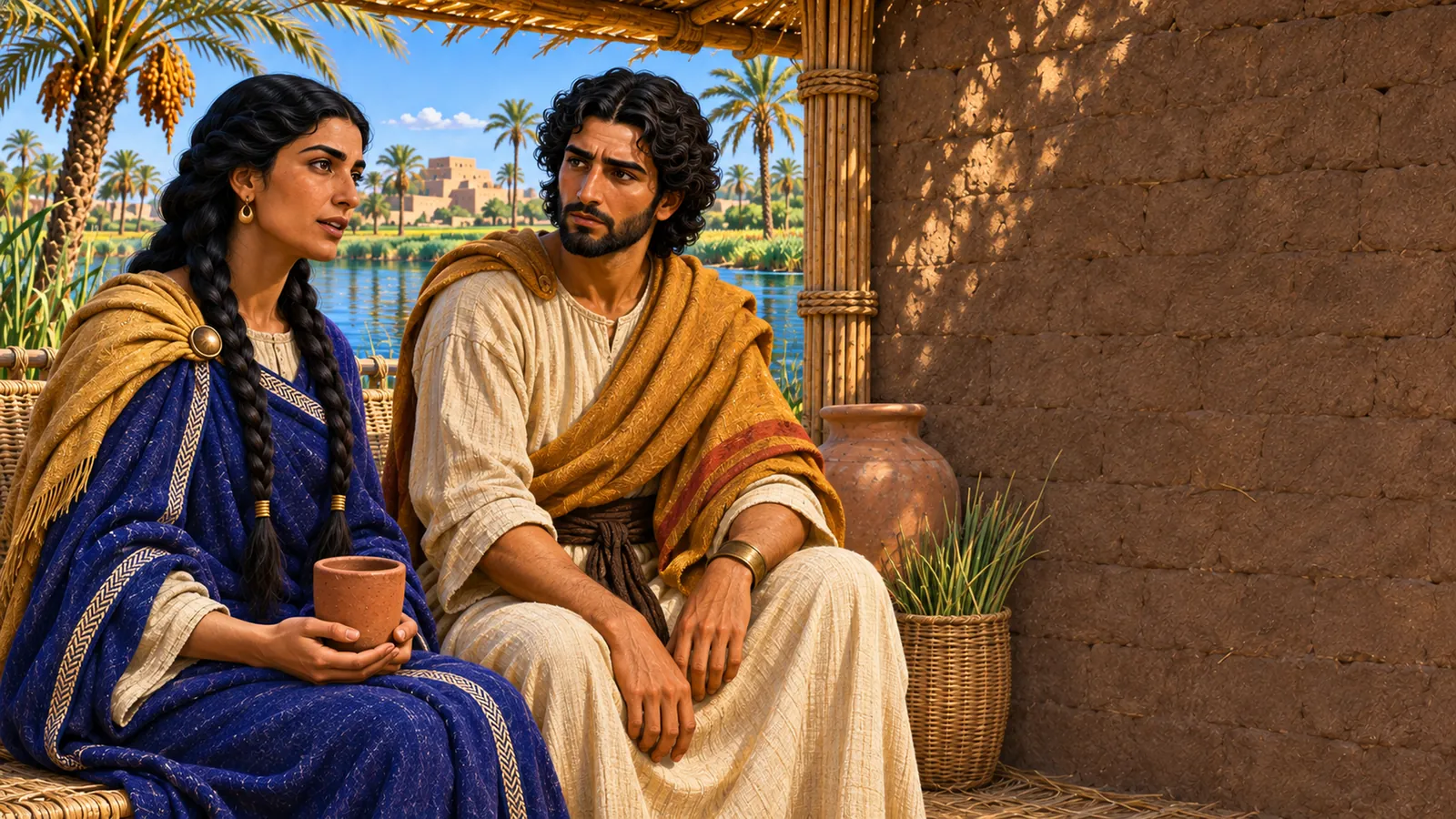
Falou da taça arrancada da cavilha onde pendia no sonho. Geštinanna disse que a taça representava Dumuzi a cair do colo da mãe que o tinha dado à luz.
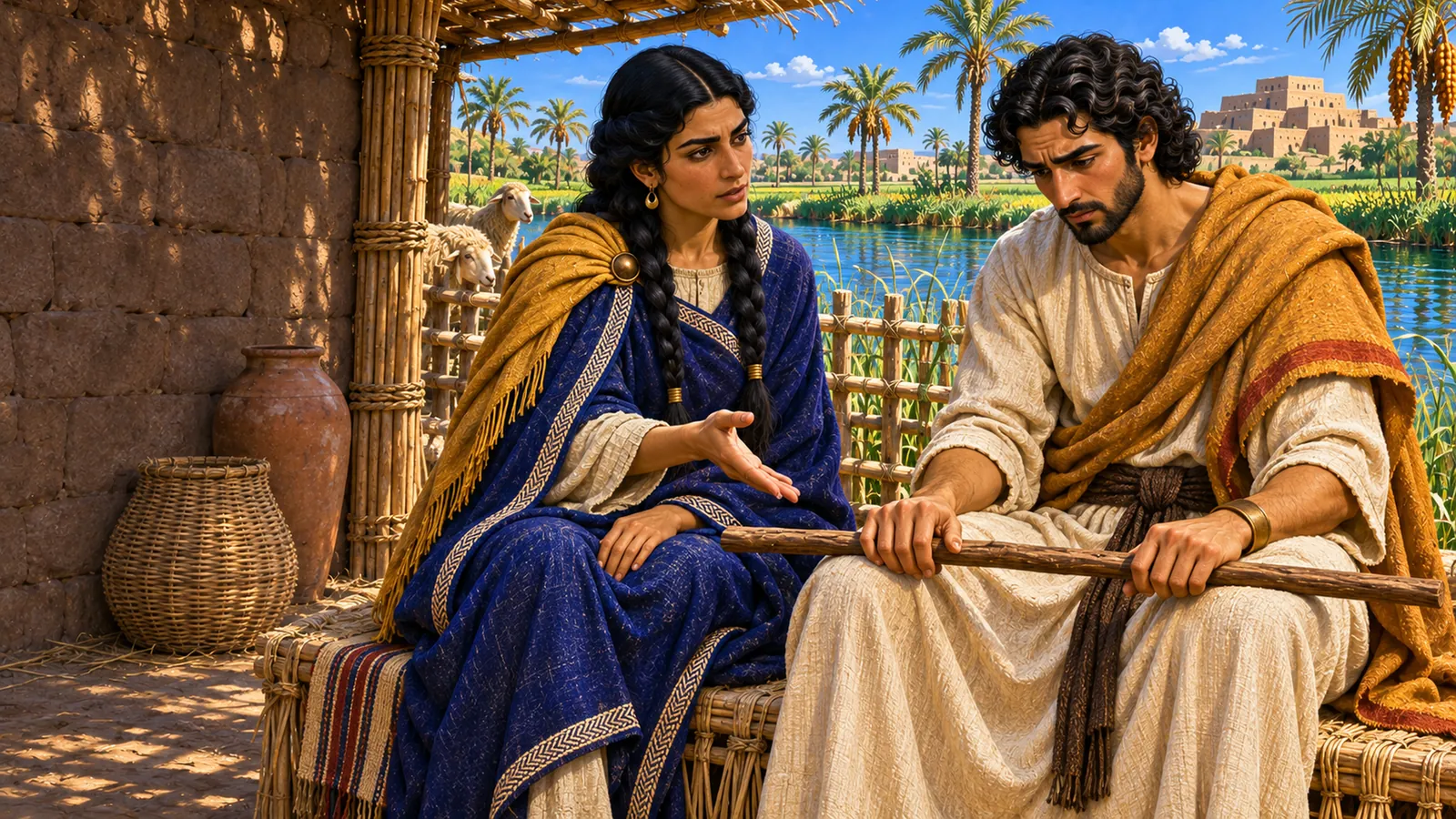
No sonho, o cajado de pastor de Dumuzi tinha desaparecido. Geštinanna disse que isso significava que os demónios lhe pegariam fogo.
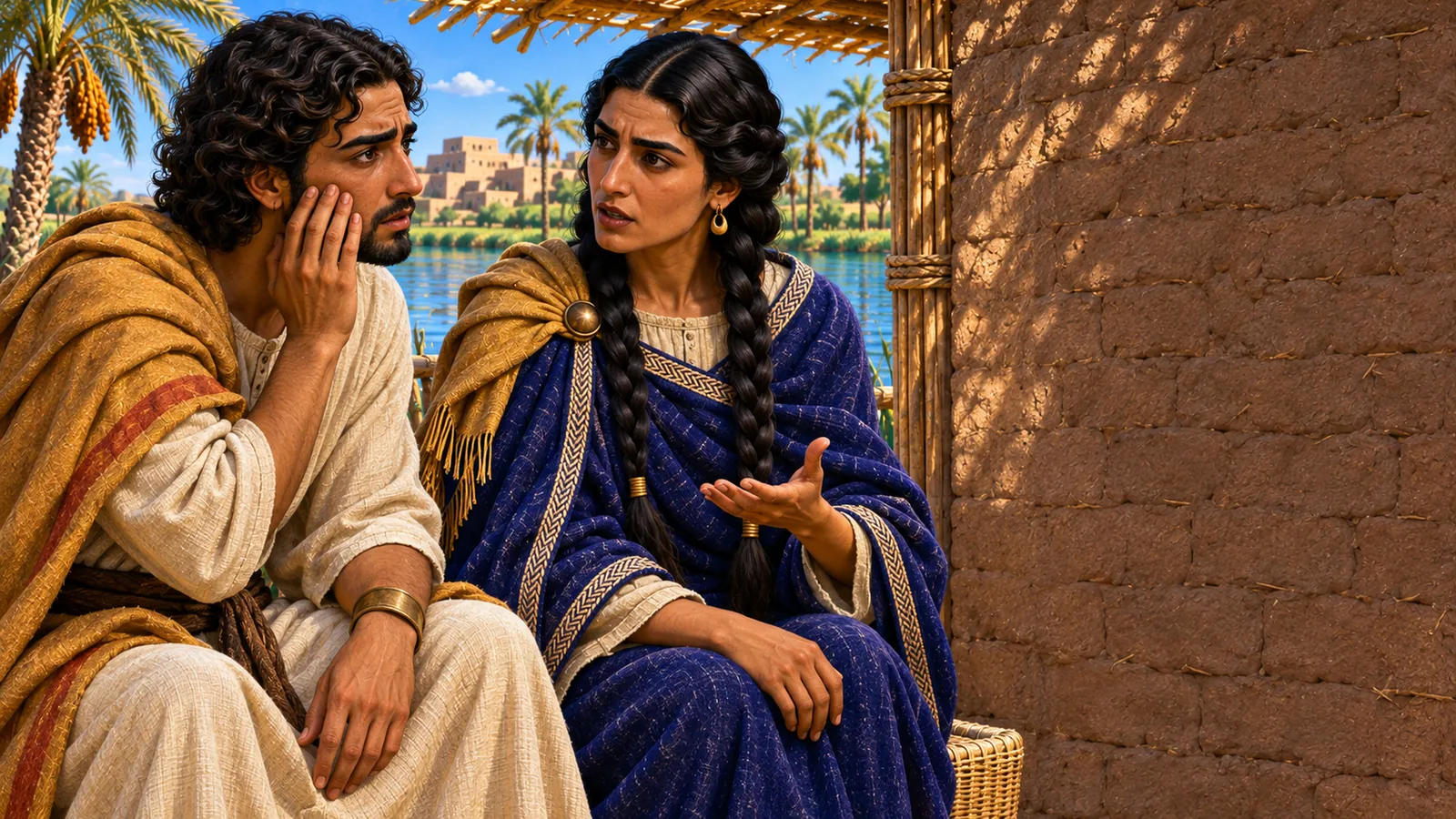
No sonho, uma ave, talvez uma coruja, levara um cordeiro. Geštinanna disse que isso significava que um homem hostil bateria na face de Dumuzi.
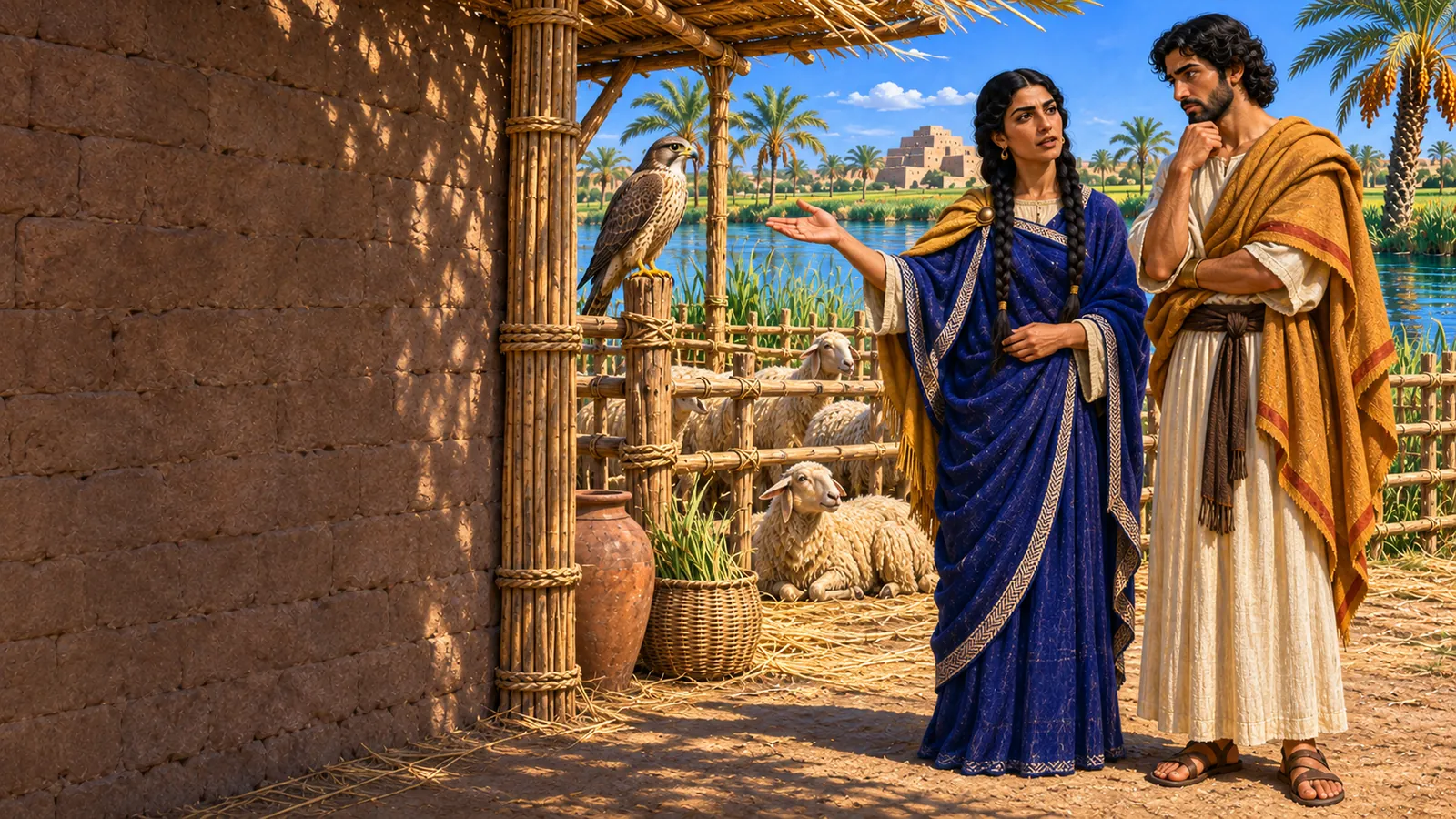
No sonho de Dumuzi, o falcão apanhara um pardal na vedação de canas. Para Geštinanna, essa imagem significava que um grande demónio desceria do aprisco.
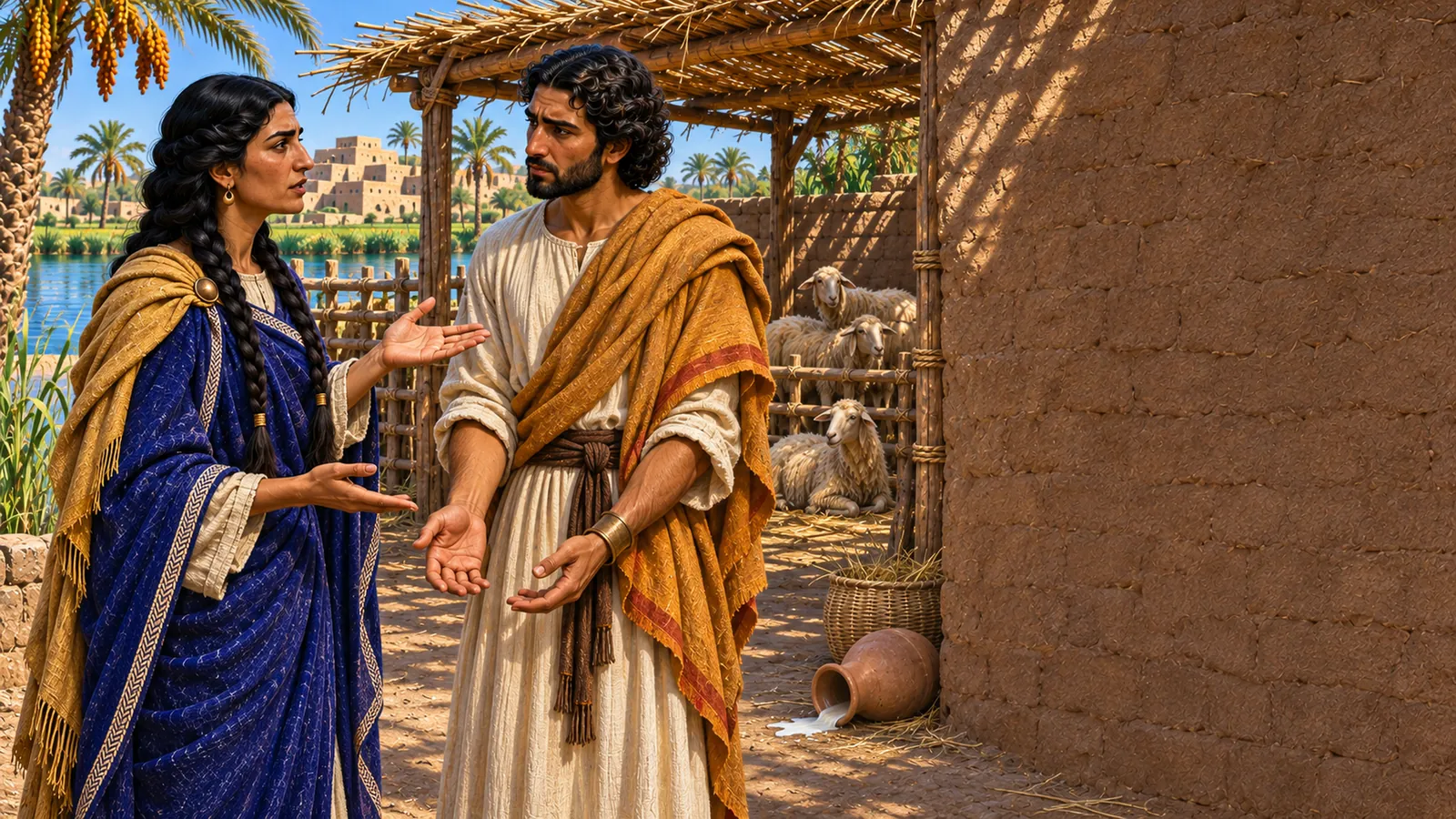
No sonho, as batedeiras de manteiga e as taças estavam deitadas de lado, não se vertia leite, Dumuzi estava morto e o aprisco estava assombrado. Geštinanna disse que essas imagens significavam que lhe atariam as mãos e os braços.
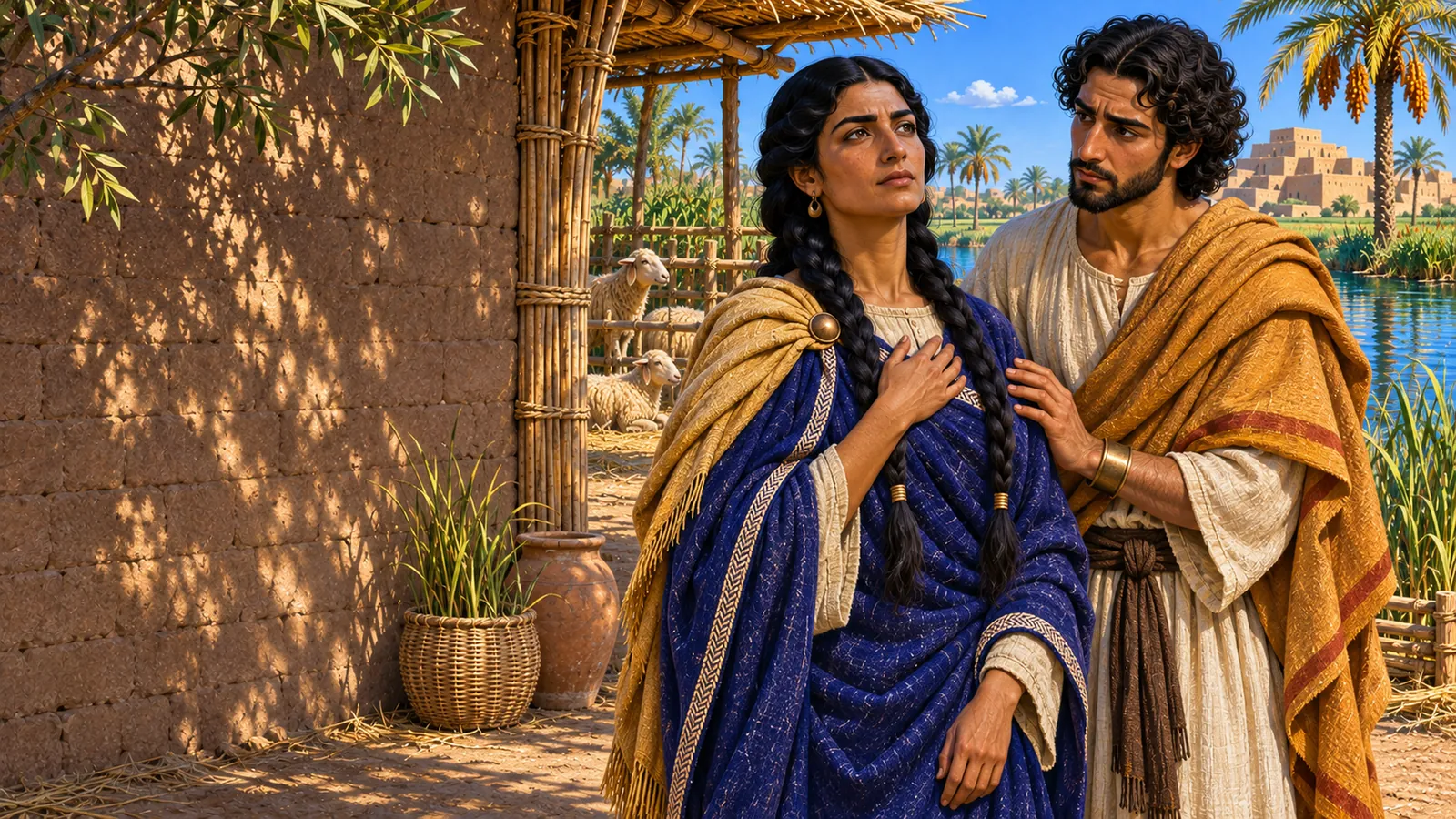
Os bodes que arrastavam as barbas pelo pó significavam que o cabelo dela esvoaçaria de dor como numa tempestade. Os carneiros que raspavam a terra significavam que feriria as faces com as unhas enquanto o chorava.
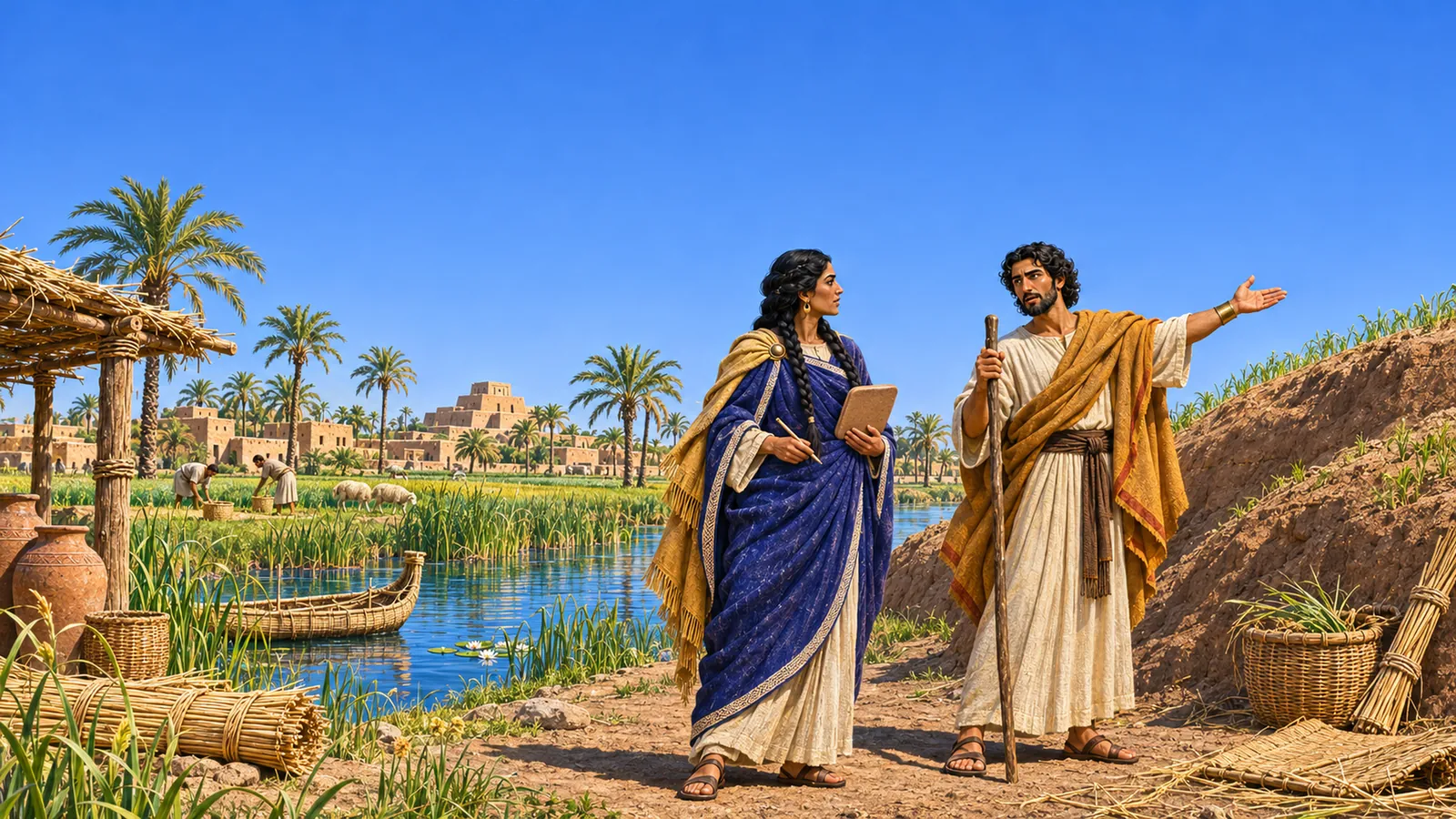
O OUTEIRO
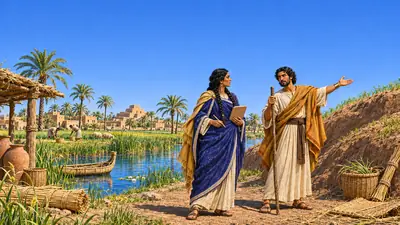
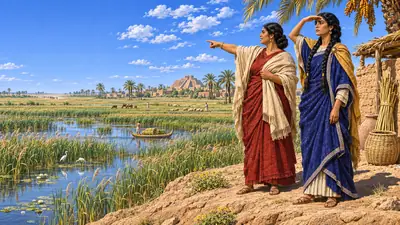
Mal ela acabou de falar, Dumuzi pediu à irmã que subisse ao outeiro e olhasse em redor. Repetiu o pedido e disse-lhe que não subisse como uma pessoa vulgar.
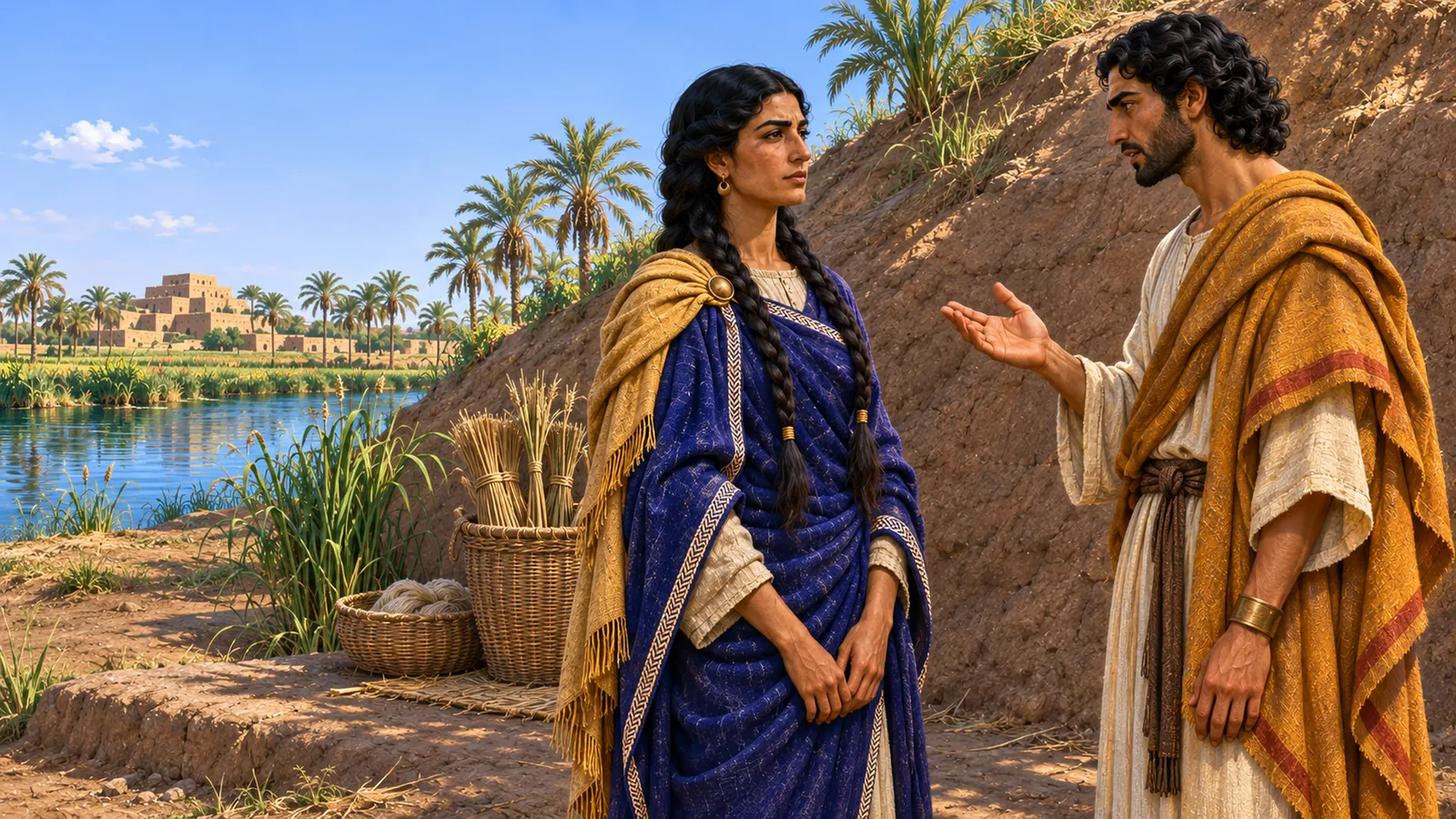
Instou-a a subir em sinal de luto. As suas palavras pediam feridas no coração, no fígado e na virilha, e que as suas roupas fossem rasgadas.
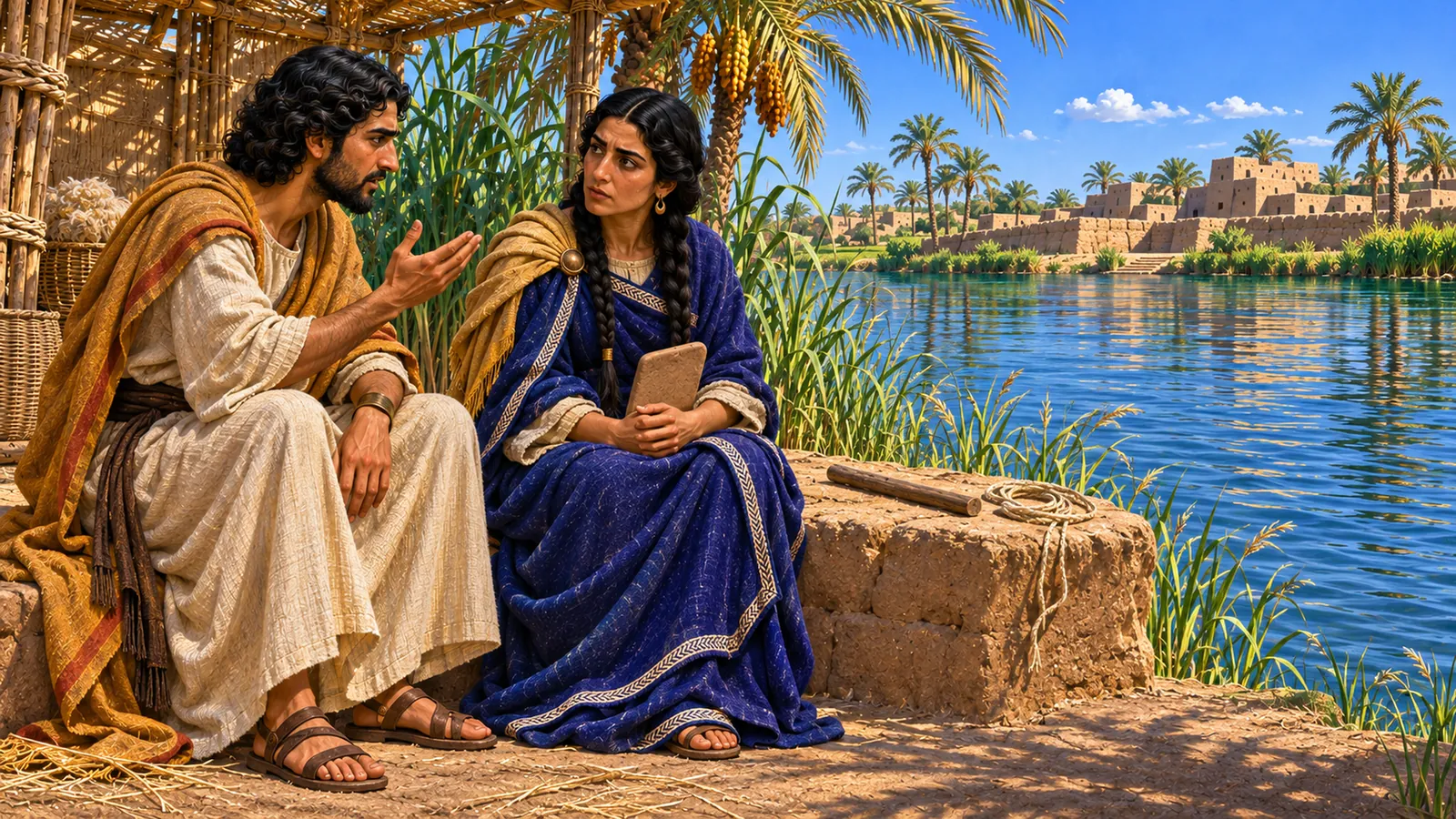
Uma linha danificada do aviso menciona uma barca fluvial. Falou de homens que levavam madeira para prender as mãos e os pescoços e disse que ninguém sabia desfazer a prisão do pescoço.
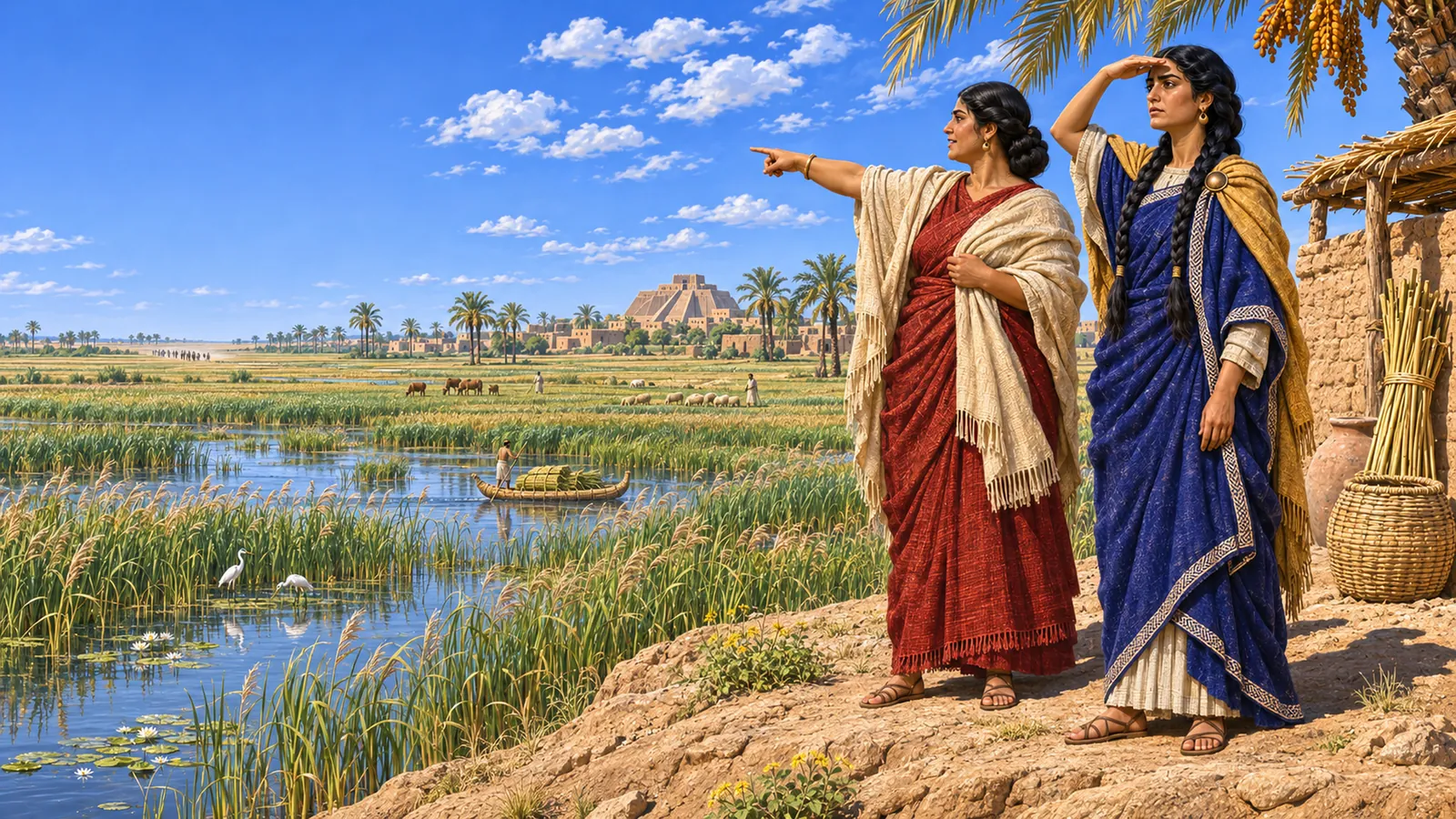
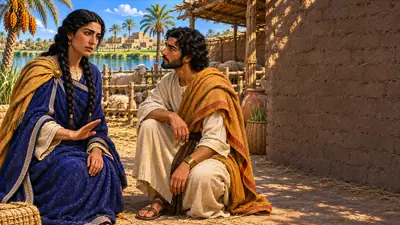
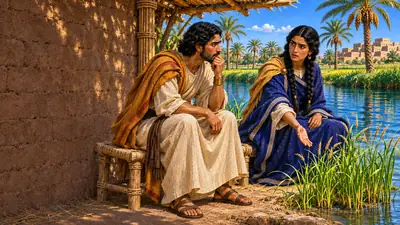
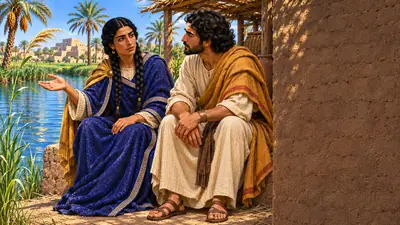
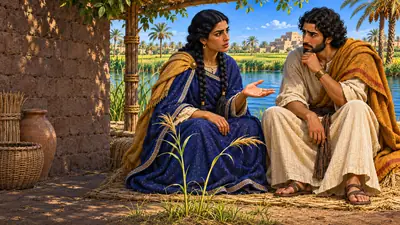
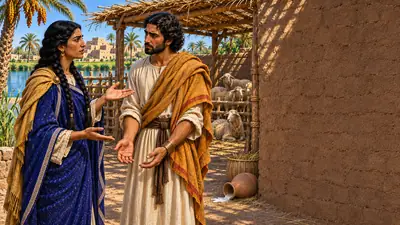
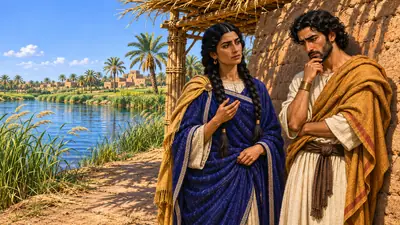
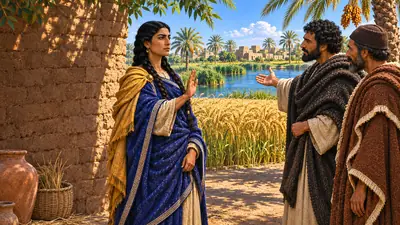
Geštinanna subiu ao outeiro, esticou o pescoço e olhou em redor. A amiga Geštindudu disse-lhe que os homens que prendiam pescoços já vinham à procura de Dumuzi.
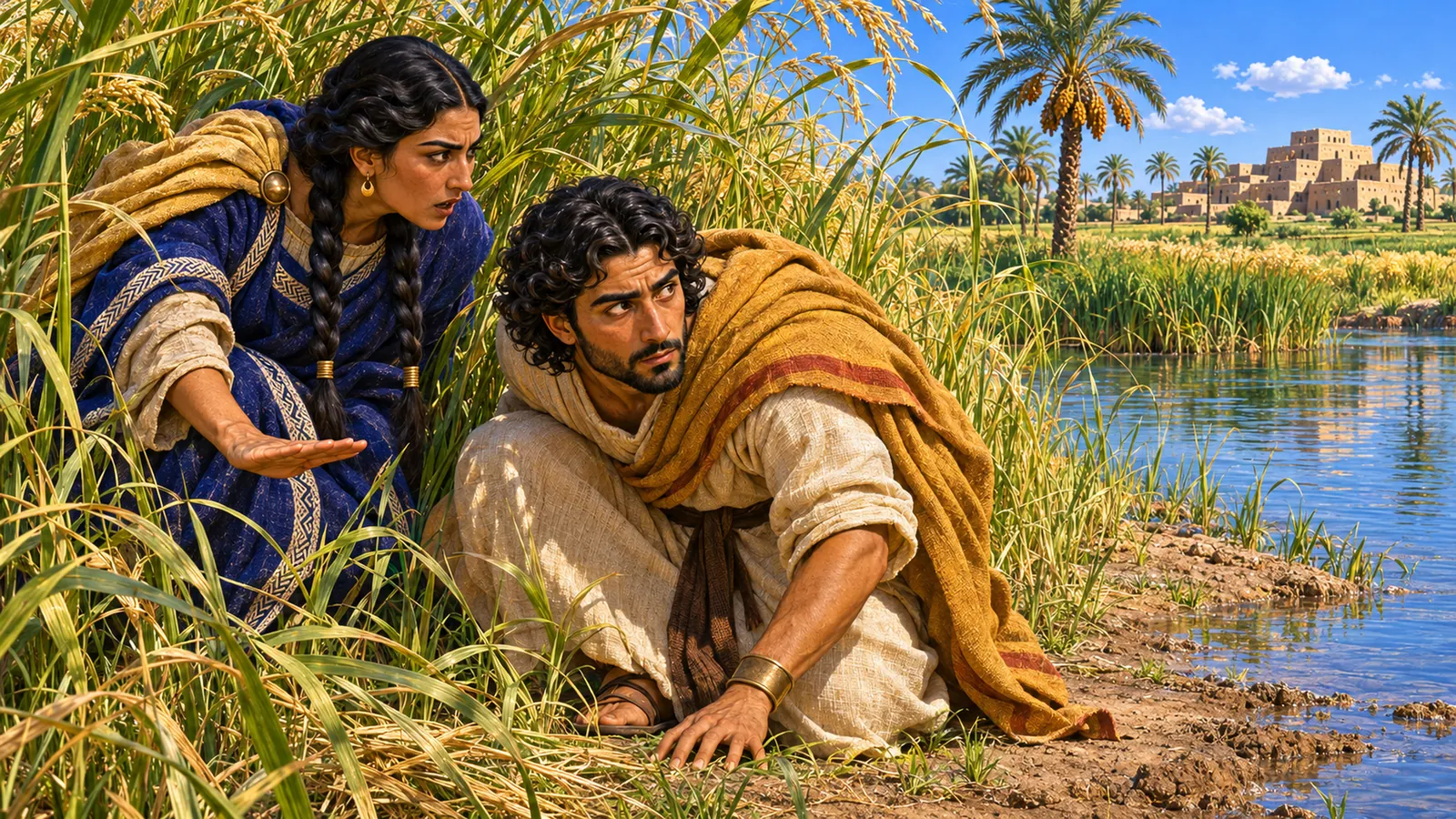
Geštinanna perguntou se os homens vinham e a amiga disse que lhos mostraria. Geštinanna avisou Dumuzi de que os demónios se aproximavam e pediu-lhe duas vezes que baixasse a cabeça entre a erva.
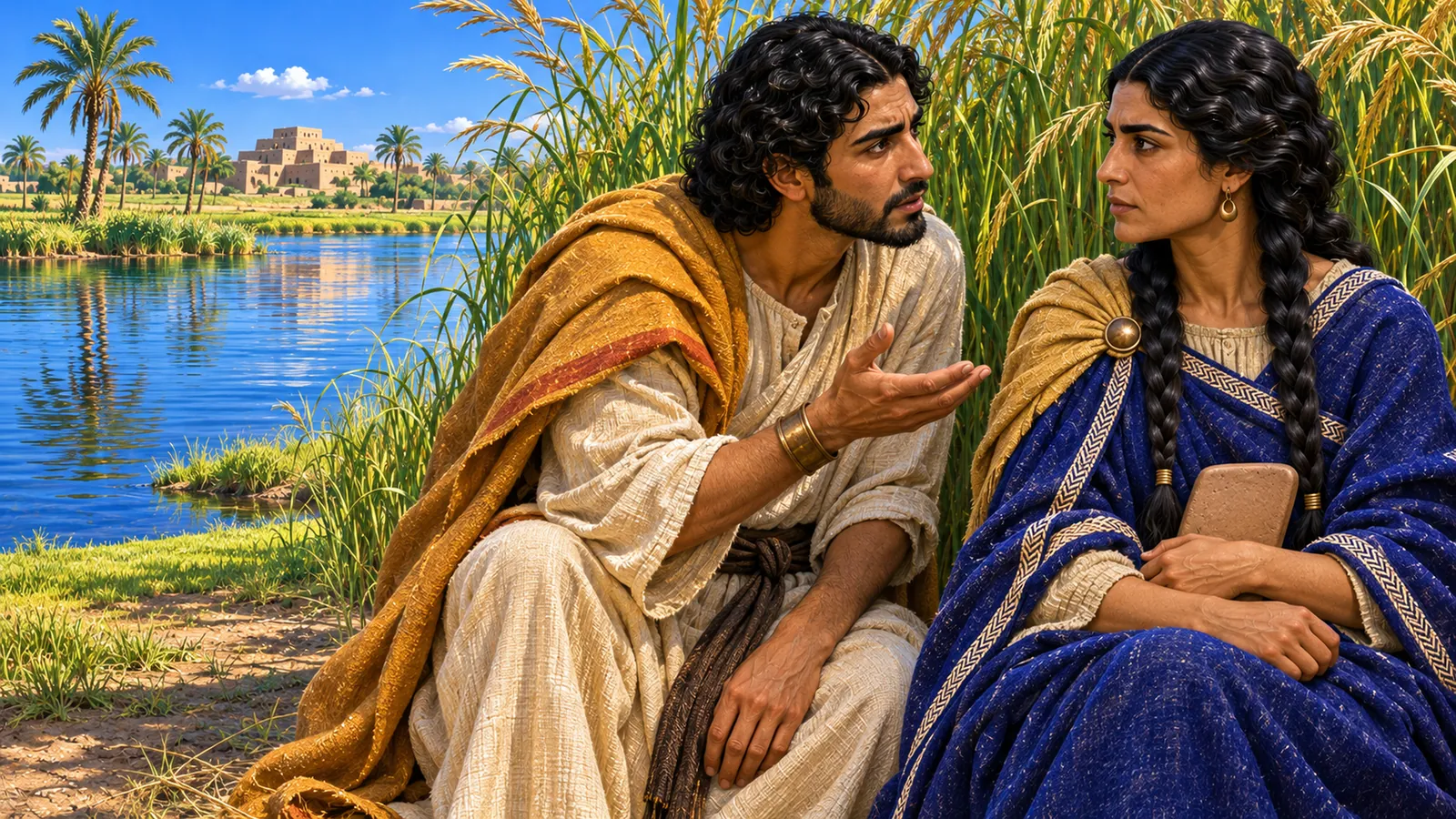
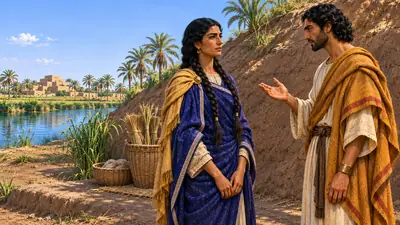
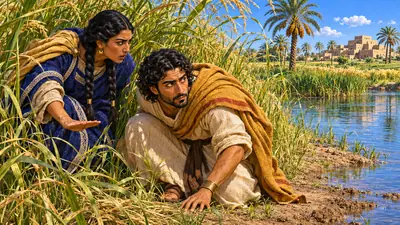
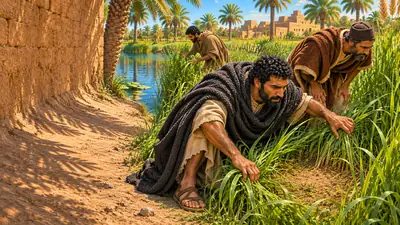
Dumuzi disse que se esconderia na erva baixa, na erva alta e no fundo das valas de Arali. Pediu repetidamente à irmã que não revelasse onde ele estava.
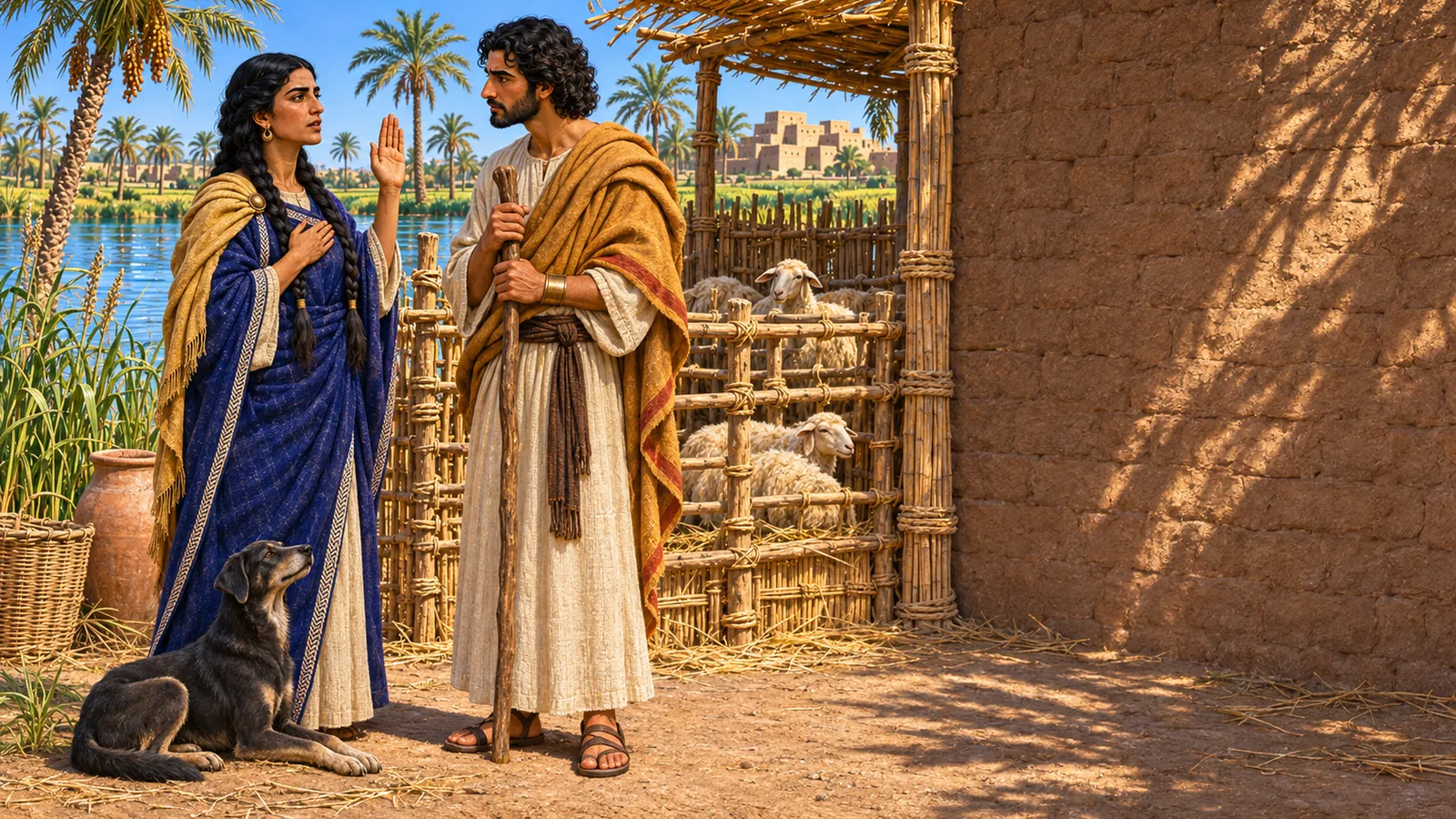
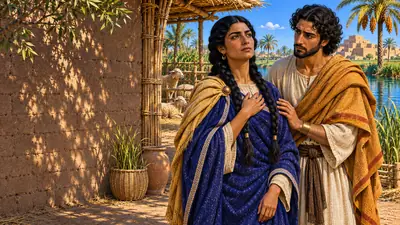
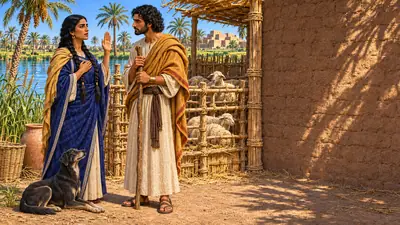
Geštinanna jurou guardar segredo sobre o paradeiro do irmão. Se o revelasse, disse, que o cão negro de pastor dele a devorasse. Ao repetir o juramento, chamou nobre ao cão.
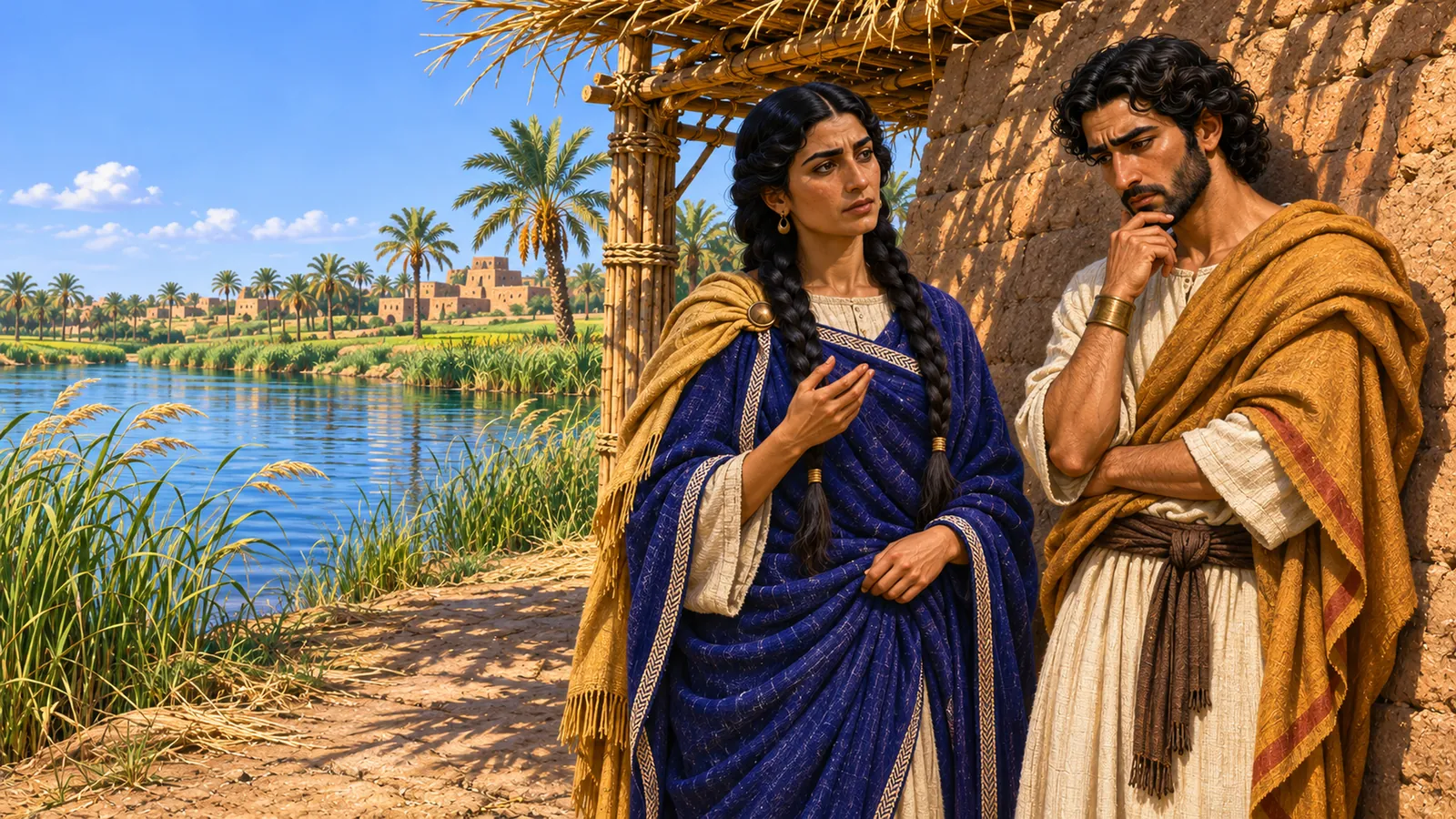
A passagem está danificada. Geštinanna parece pedir a Dumuzi que dê instruções ao amigo. Fala de um companheiro e de uma busca por Dumuzi, mas perdeu-se grande parte do que diz.
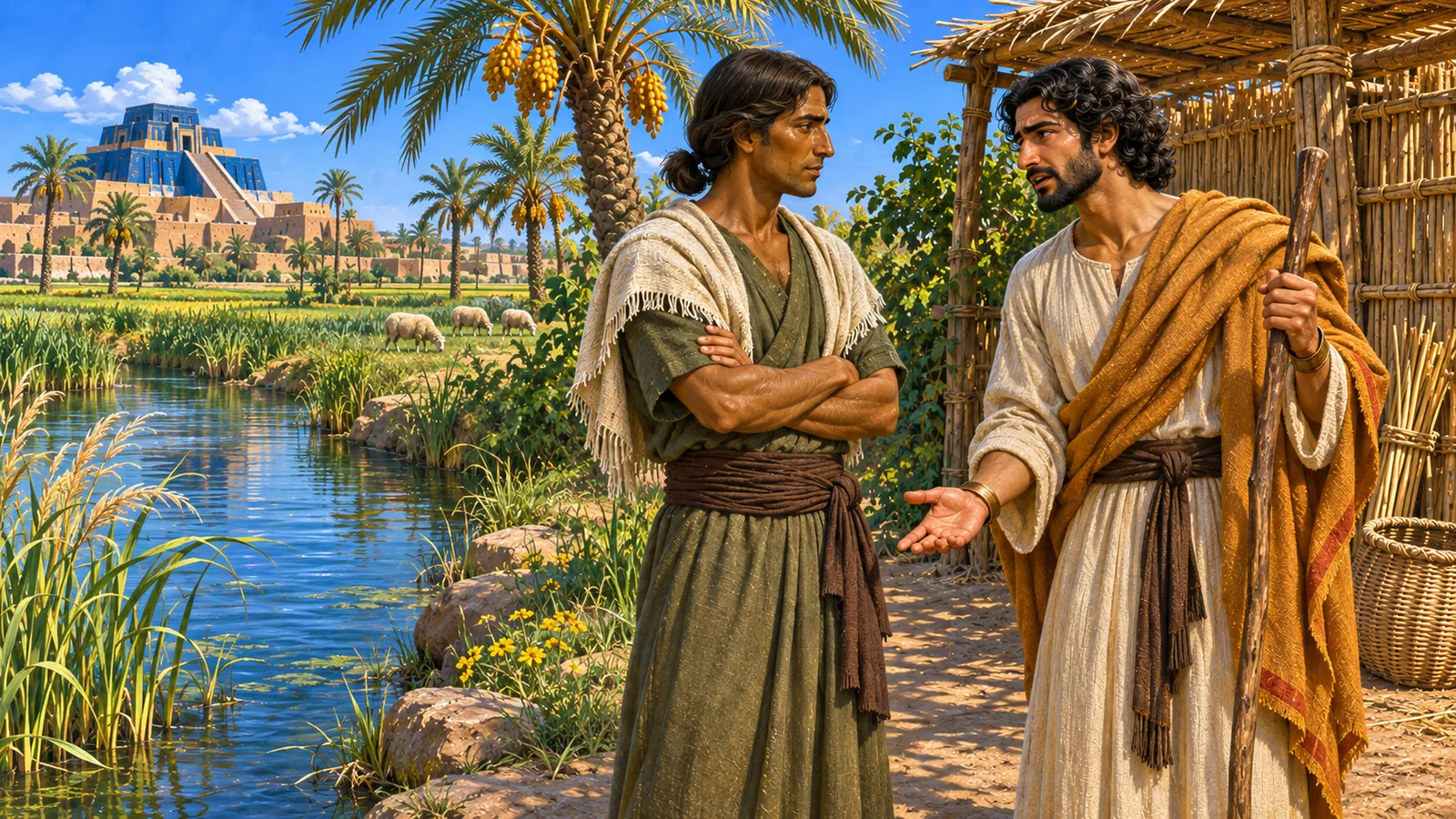
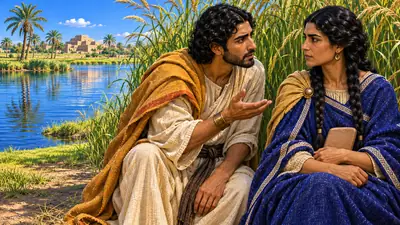
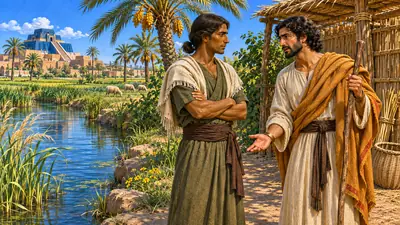
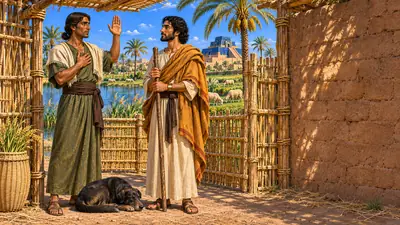
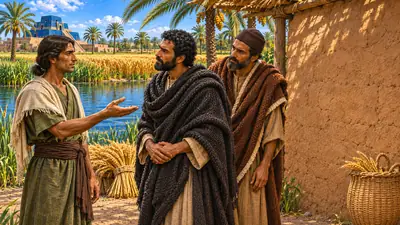
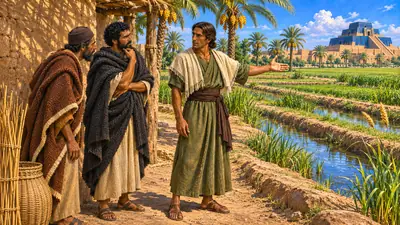
Dumuzi disse ao amigo que se esconderia na erva, na erva baixa, na erva alta e nas valas de Arali. A cada lugar que mencionava, pedia ao amigo que guardasse o segredo.
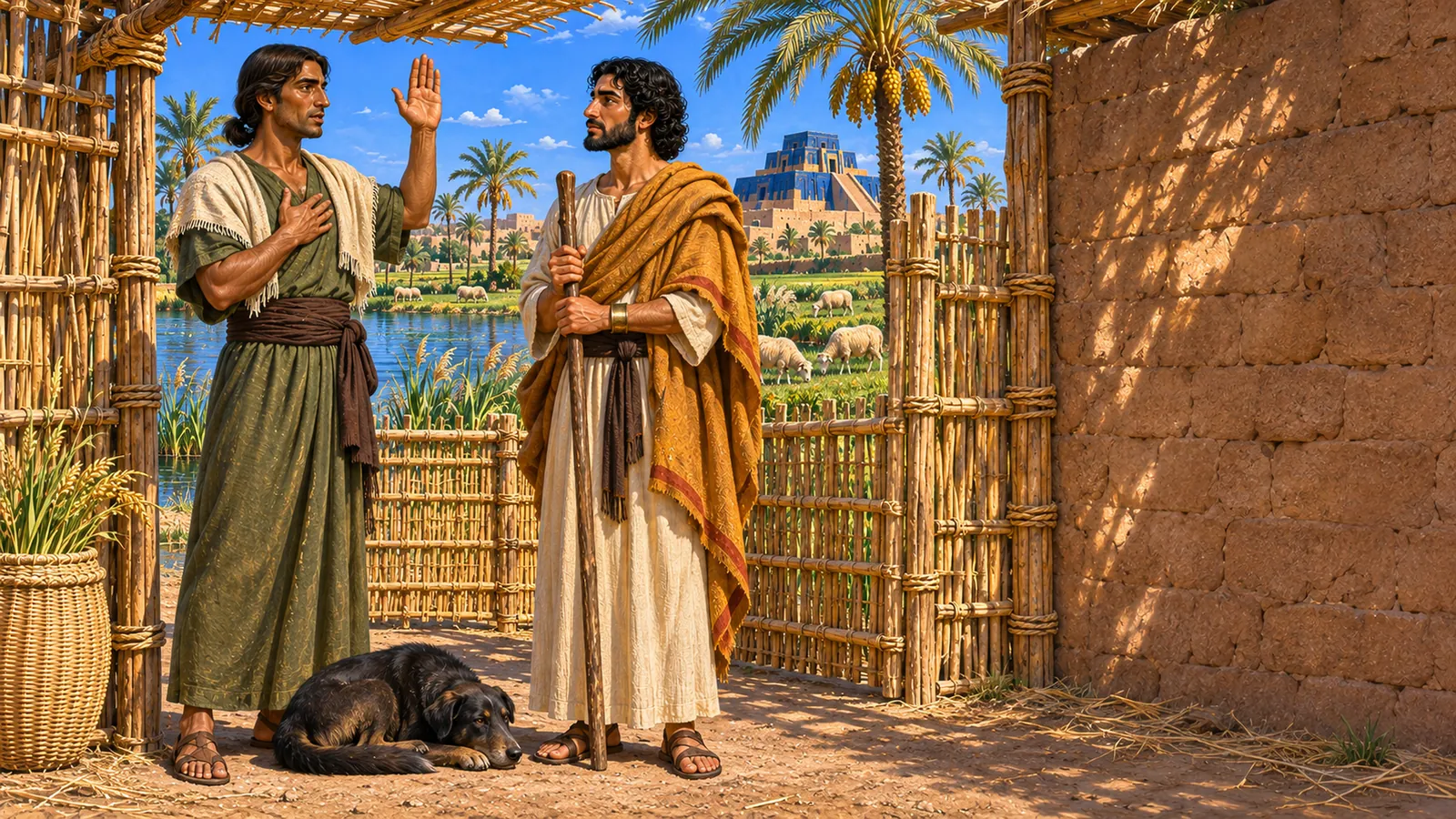
O amigo jurou que, se revelasse o esconderijo, o próprio cão de pastor negro de Dumuzi o deveria devorar.
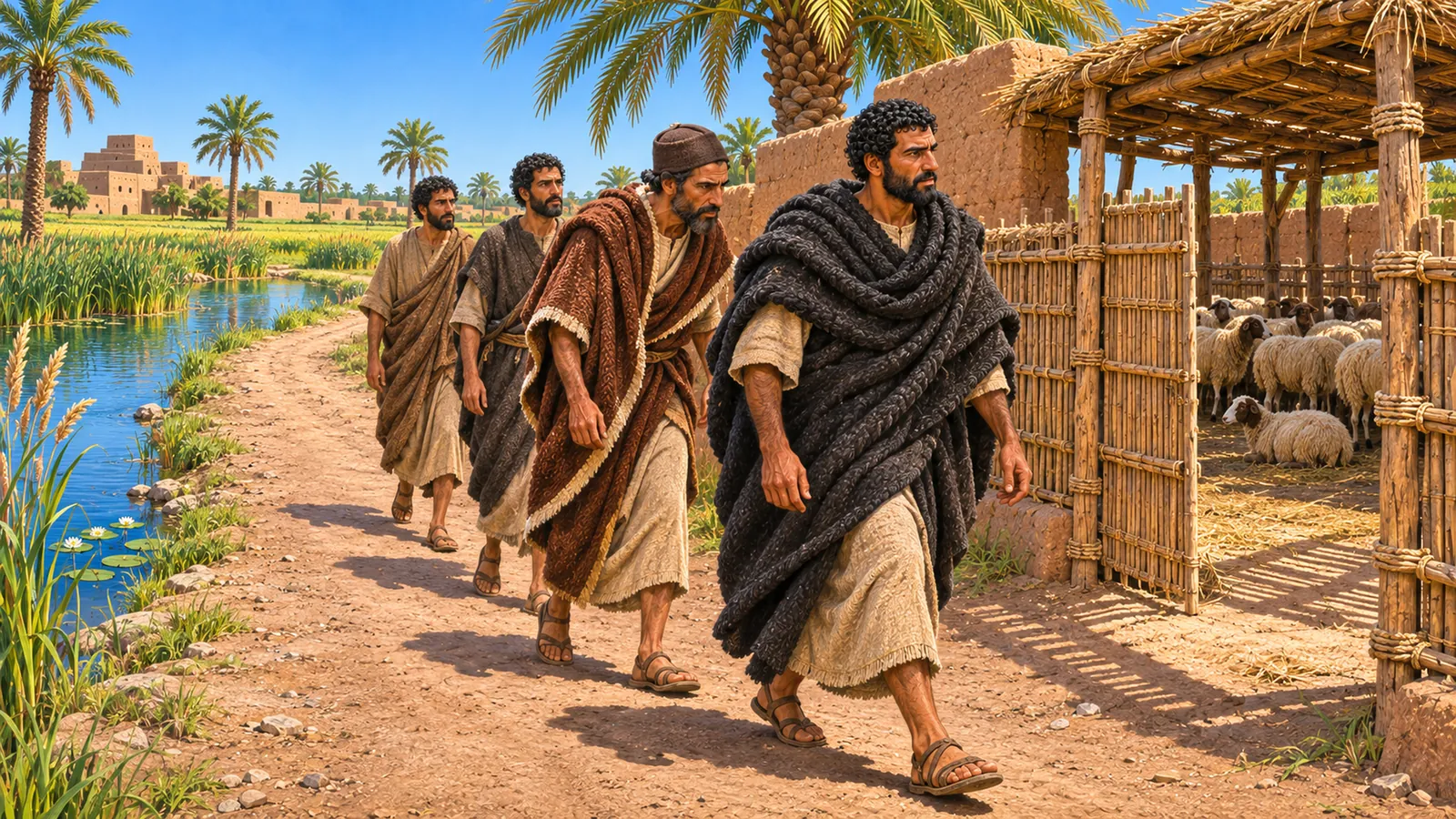
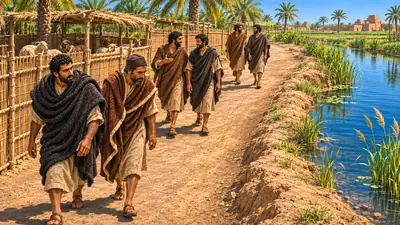
Um grupo estranho veio buscar o rei. O poema diz que não conheciam comida nem bebida. Não aceitavam presentes e não conheciam os abraços das esposas nem os beijos dados às crianças.
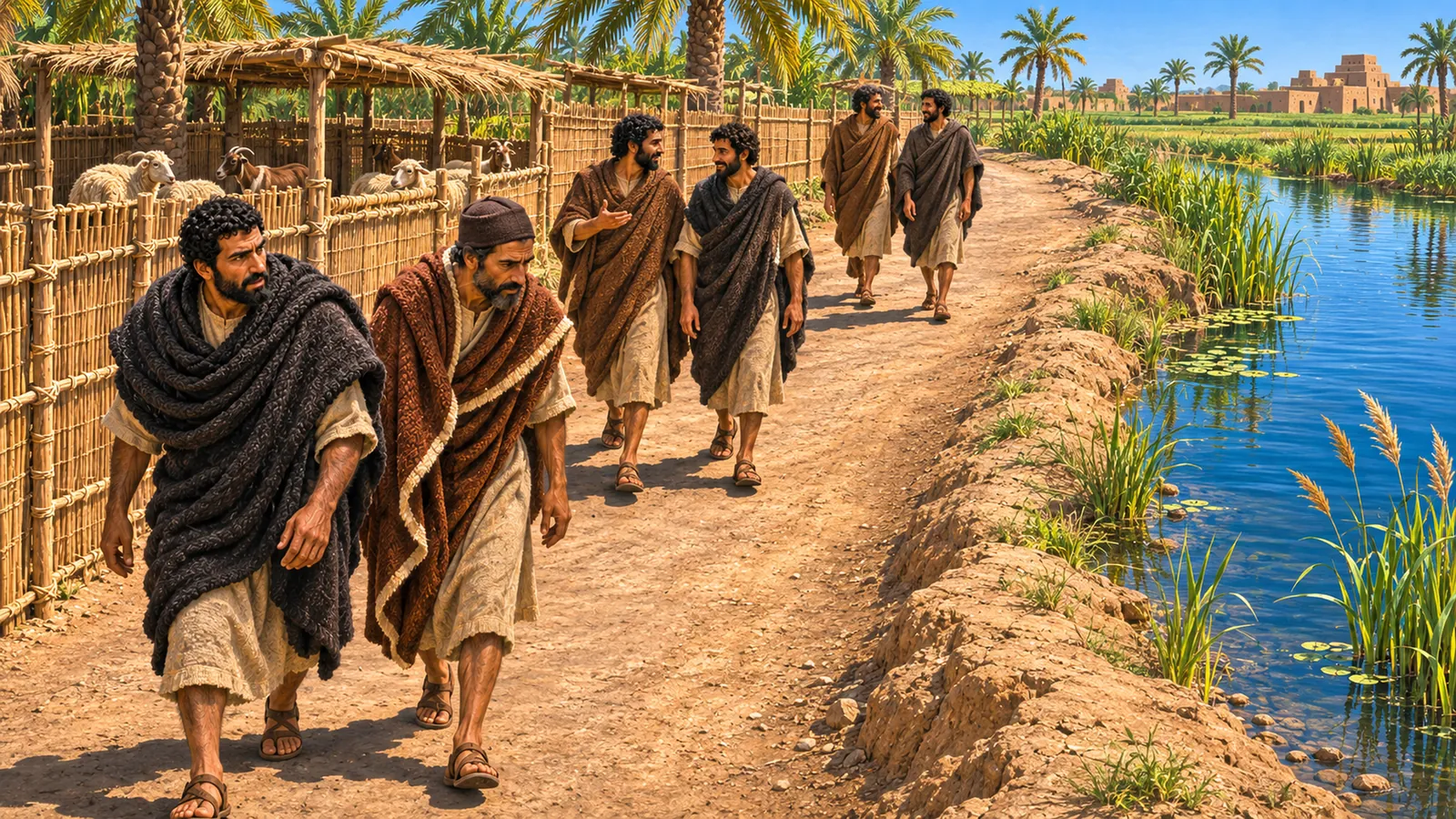
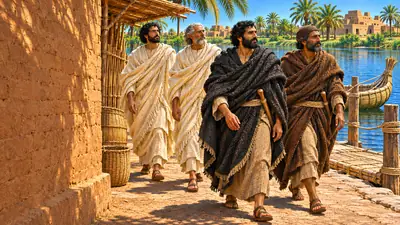
Dois homens de Adab vieram buscar o rei. O poema compara-os a cardos e espinhos. Dois homens de Akšak traziam algo que o texto já não permite identificar, e mais dois vieram de Uruk.
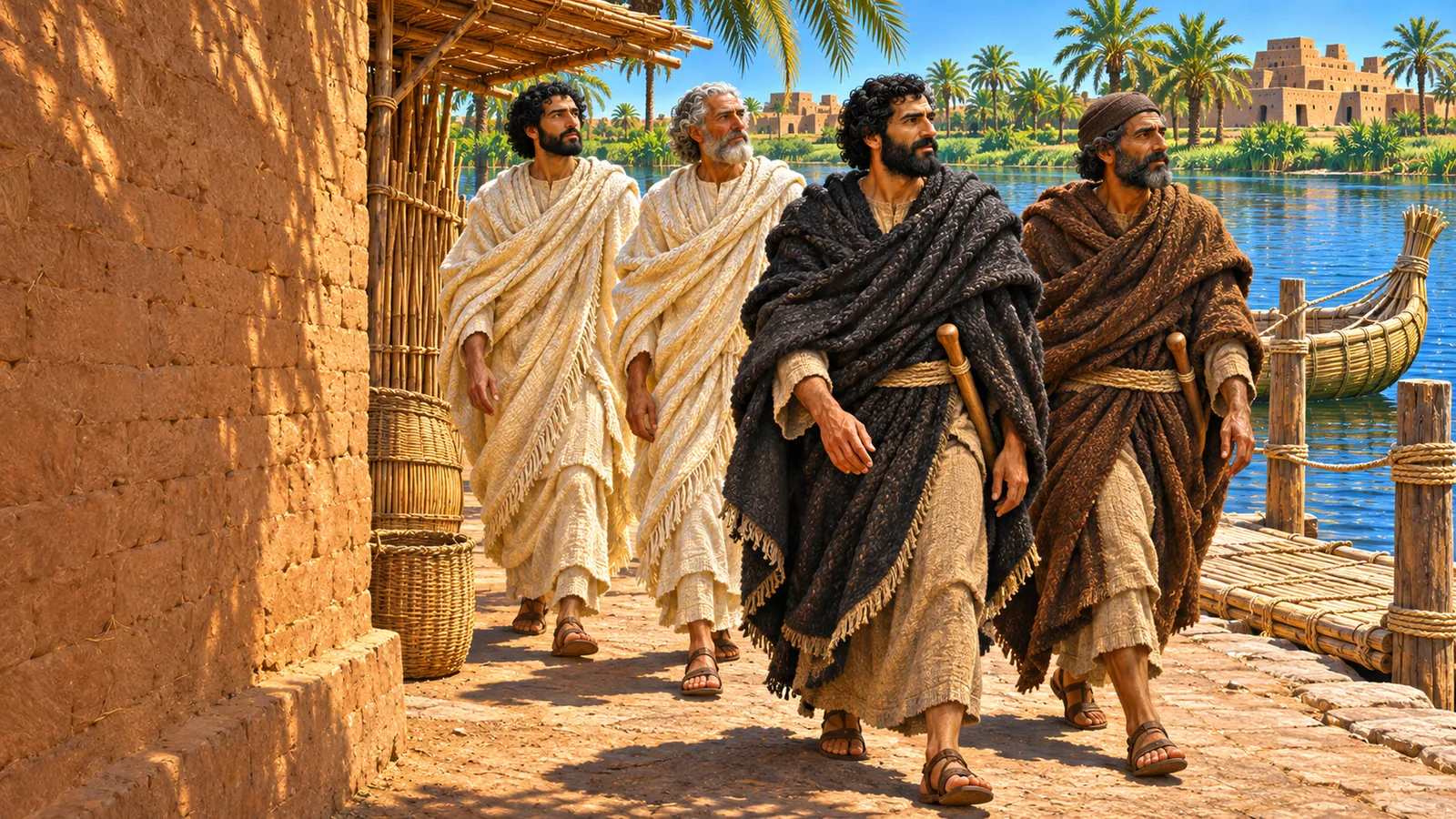
Dois homens de Ur vieram com clavas à cintura. Dois homens de Nippur chegaram com as roupas a brilhar no cais.
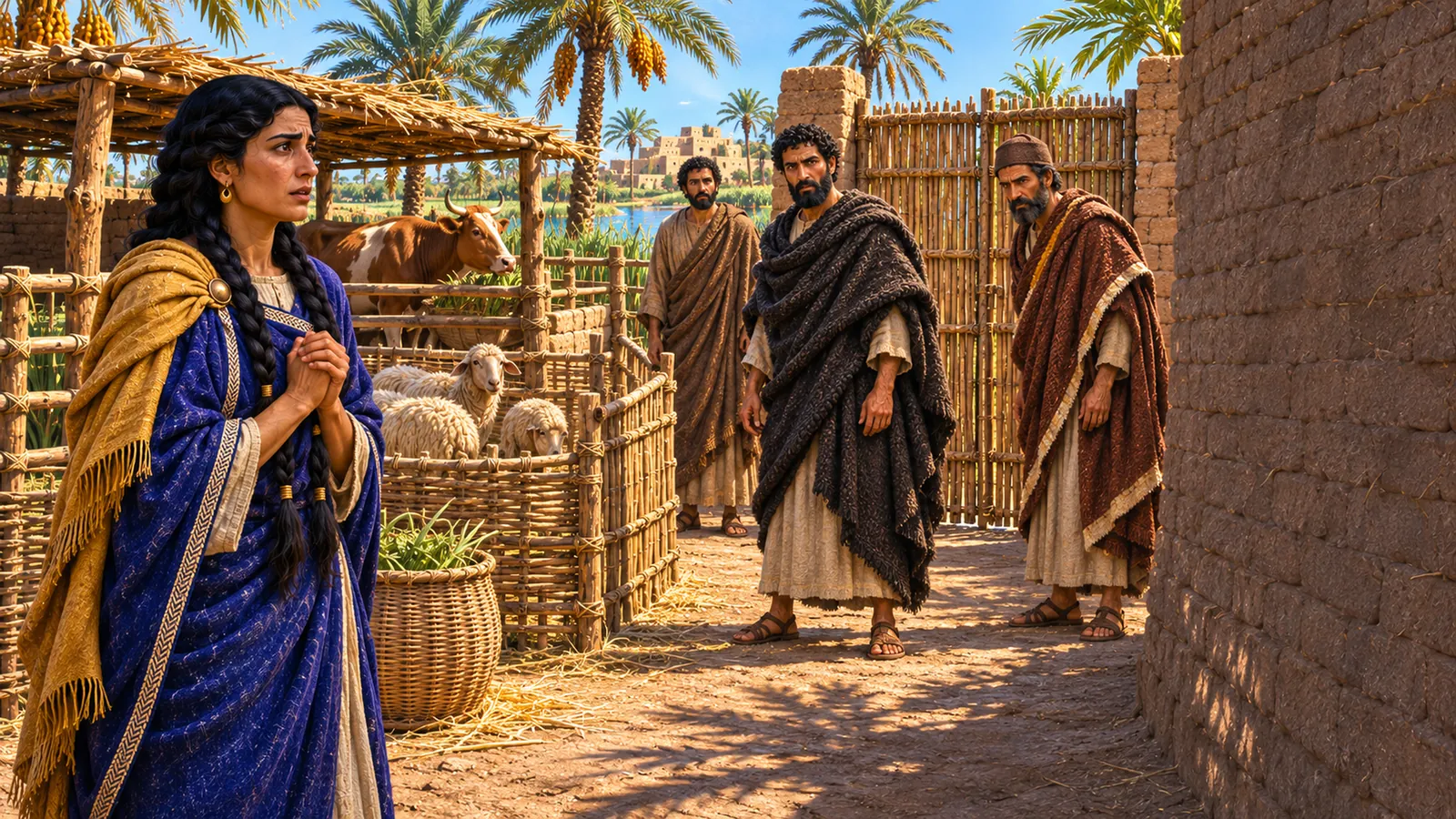
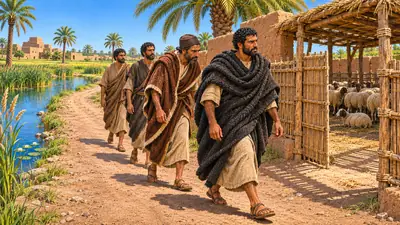
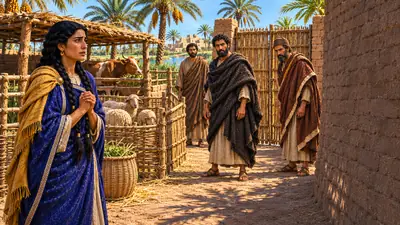
O grupo gritou que um homem corresse atrás de outro. Foram ao redil e ao curral do gado, onde agarraram Geštinanna.
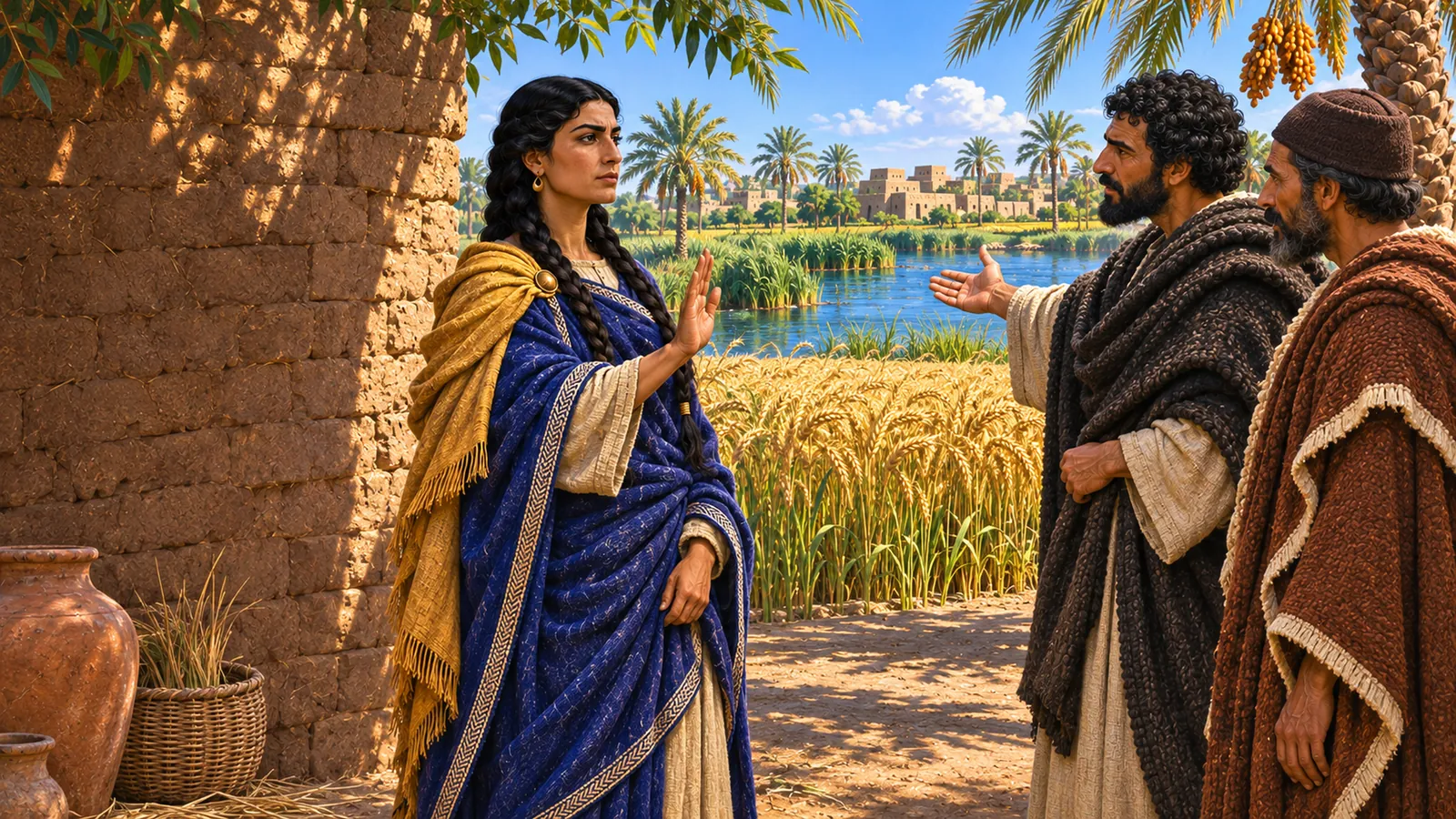
Ofereceram a Geštinanna um rio de água e um campo de cereais. Ela recusou as duas ofertas. O poema descreve uma troca de palavras entre os demónios antes das falas seguintes, mas parte da passagem está danificada.
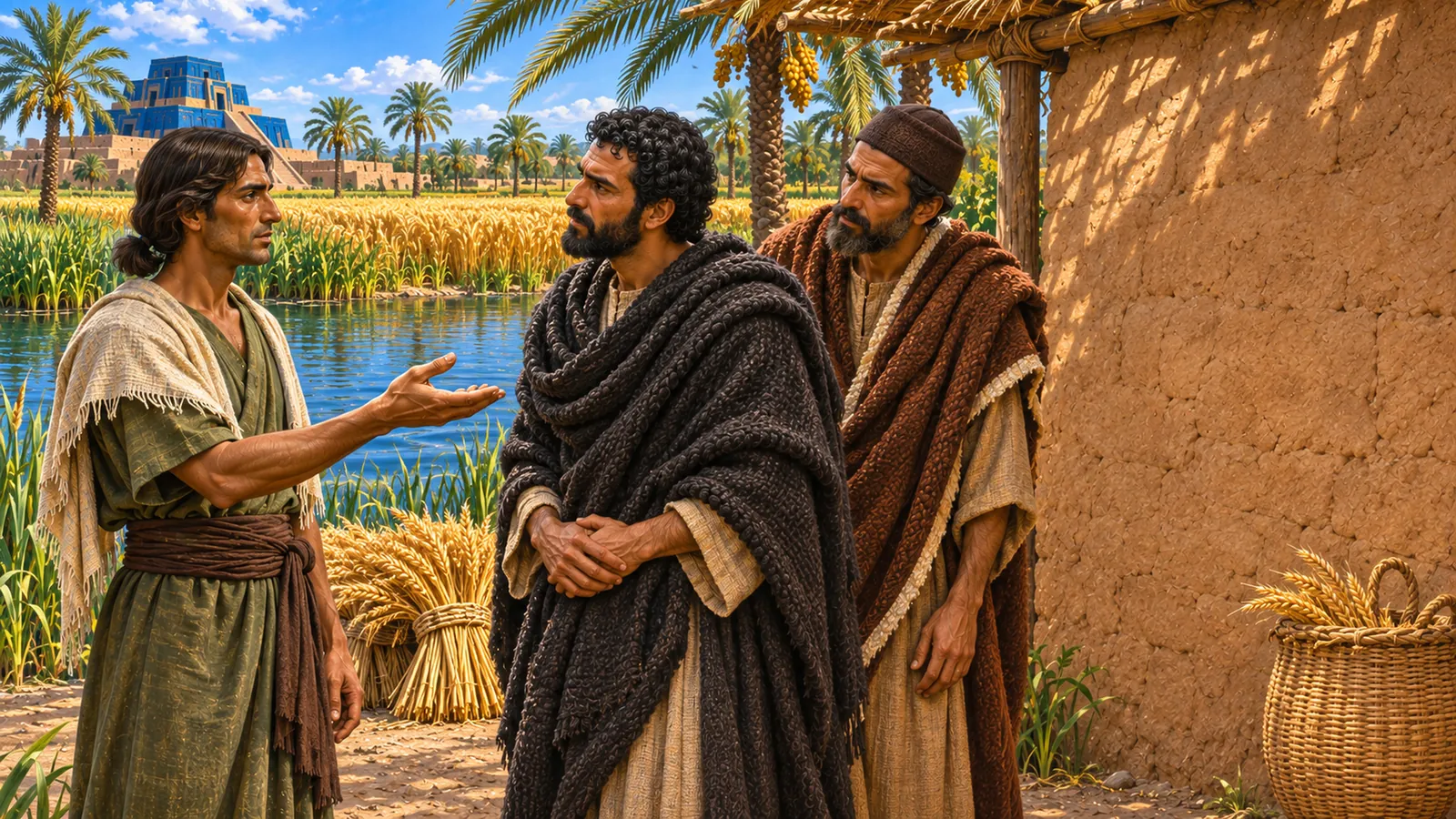
TRAIÇÃO
Perguntaram se alguém alguma vez conhecera uma irmã que revelasse o esconderijo do irmão. Depois foram ter com o amigo de Dumuzi. Quando lhe ofereceram o rio e o campo de cereais, ele aceitou ambos.
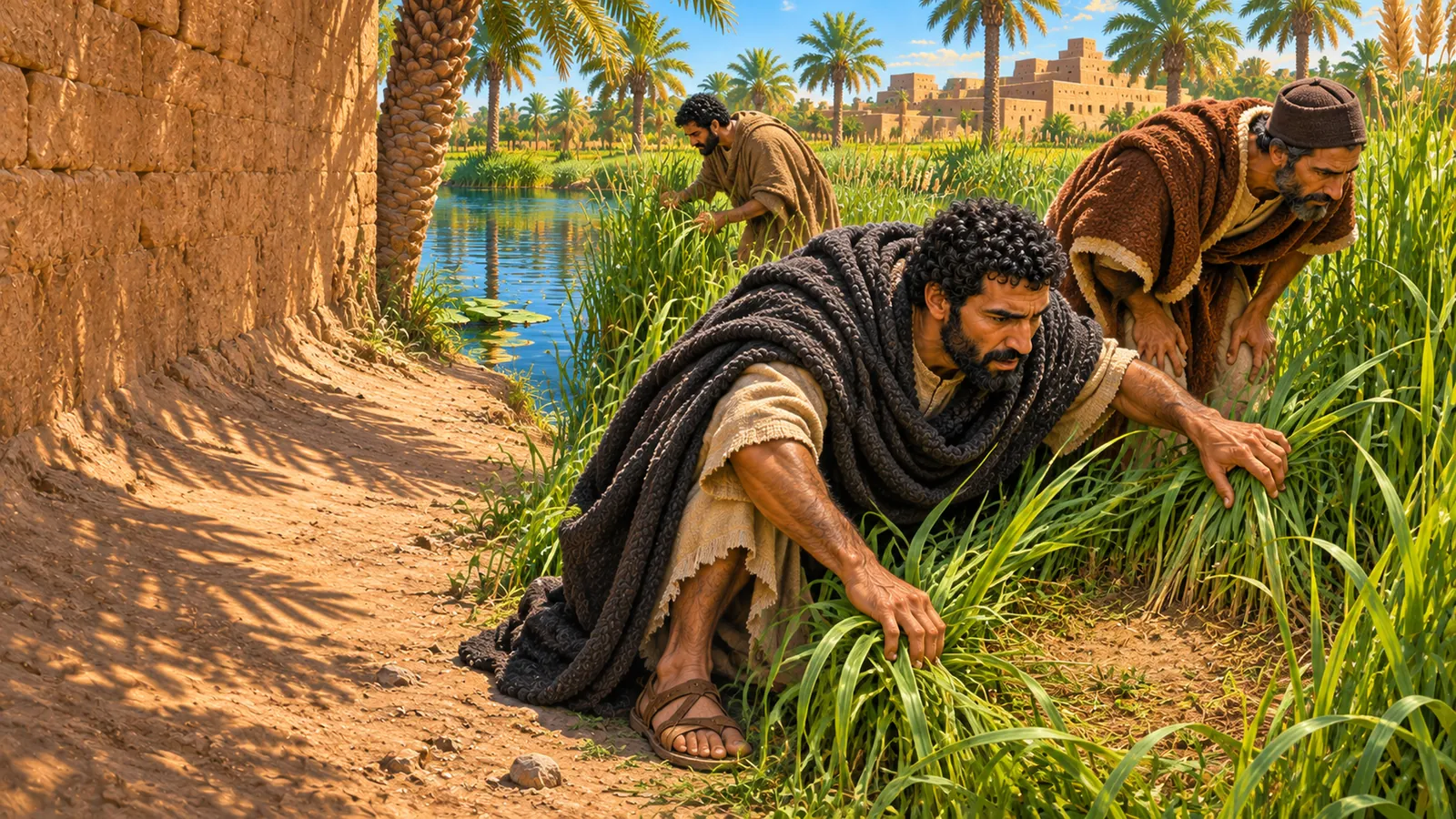
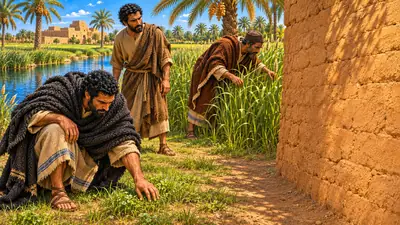
O amigo disse que Dumuzi se escondera na erva, mas afirmou não saber onde ao certo. Procuraram na erva e não o conseguiram encontrar.
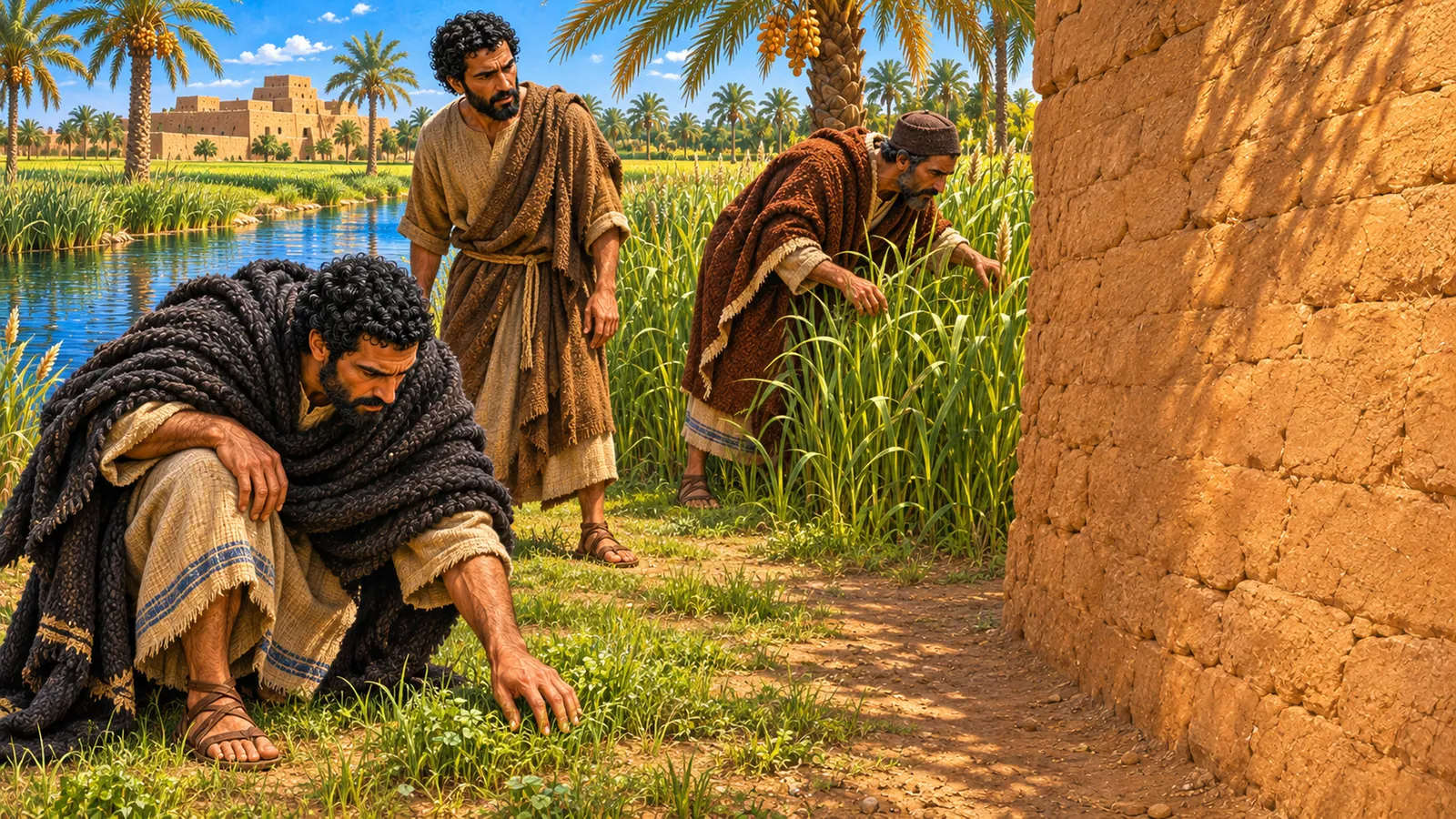
A seguir, falou da erva baixa e depois da erva alta. De cada vez disse que não sabia onde estava Dumuzi ao certo. Procuraram nos dois lugares e não encontraram ninguém.
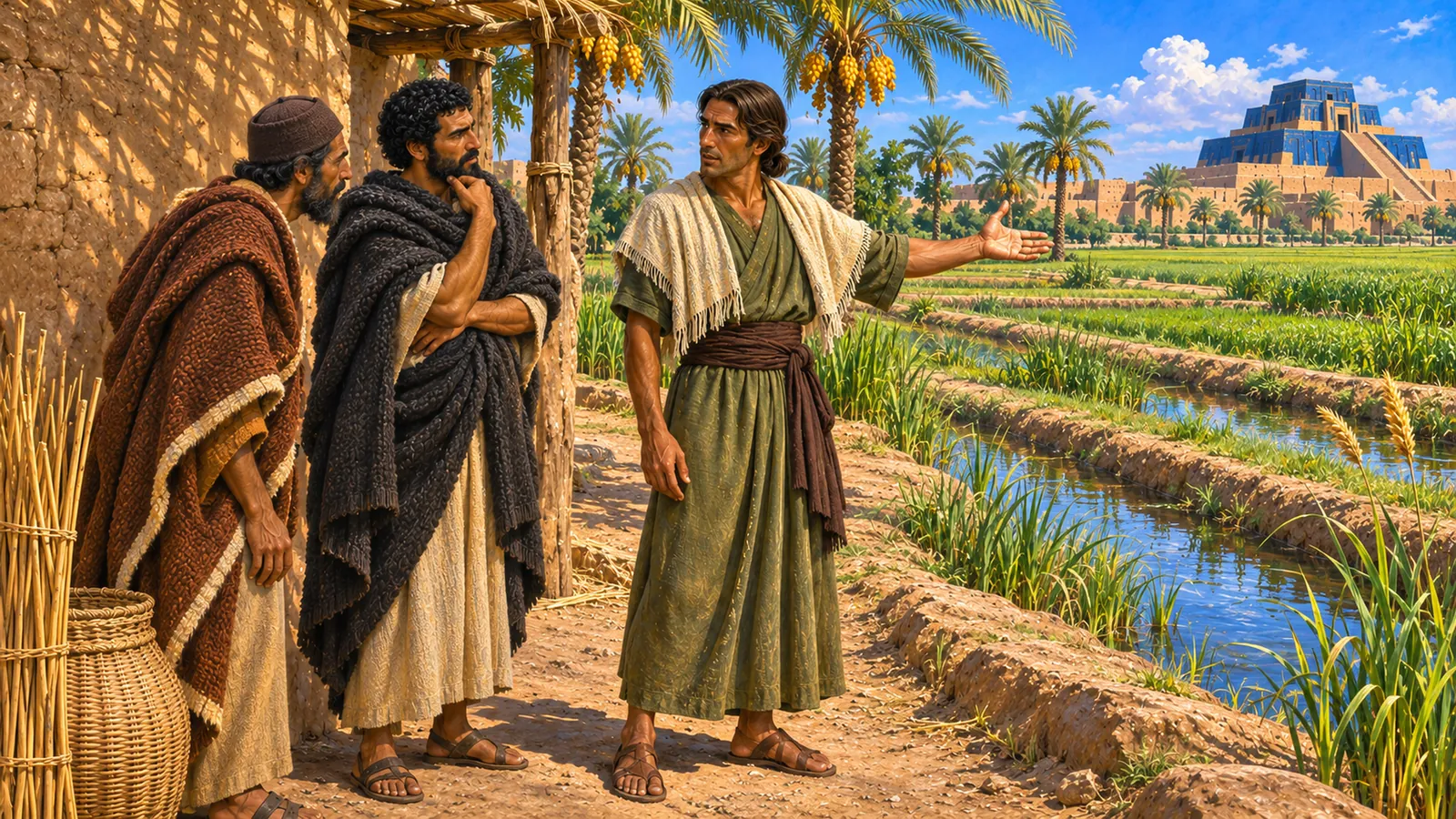
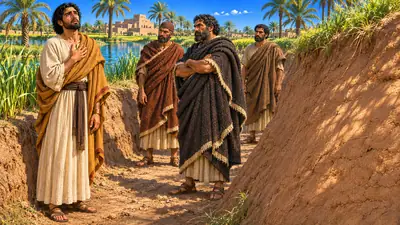
Por fim, o amigo disse que Dumuzi tinha descido às valas de Arali. Uma vez mais afirmou que não sabia onde ele estava ao certo.
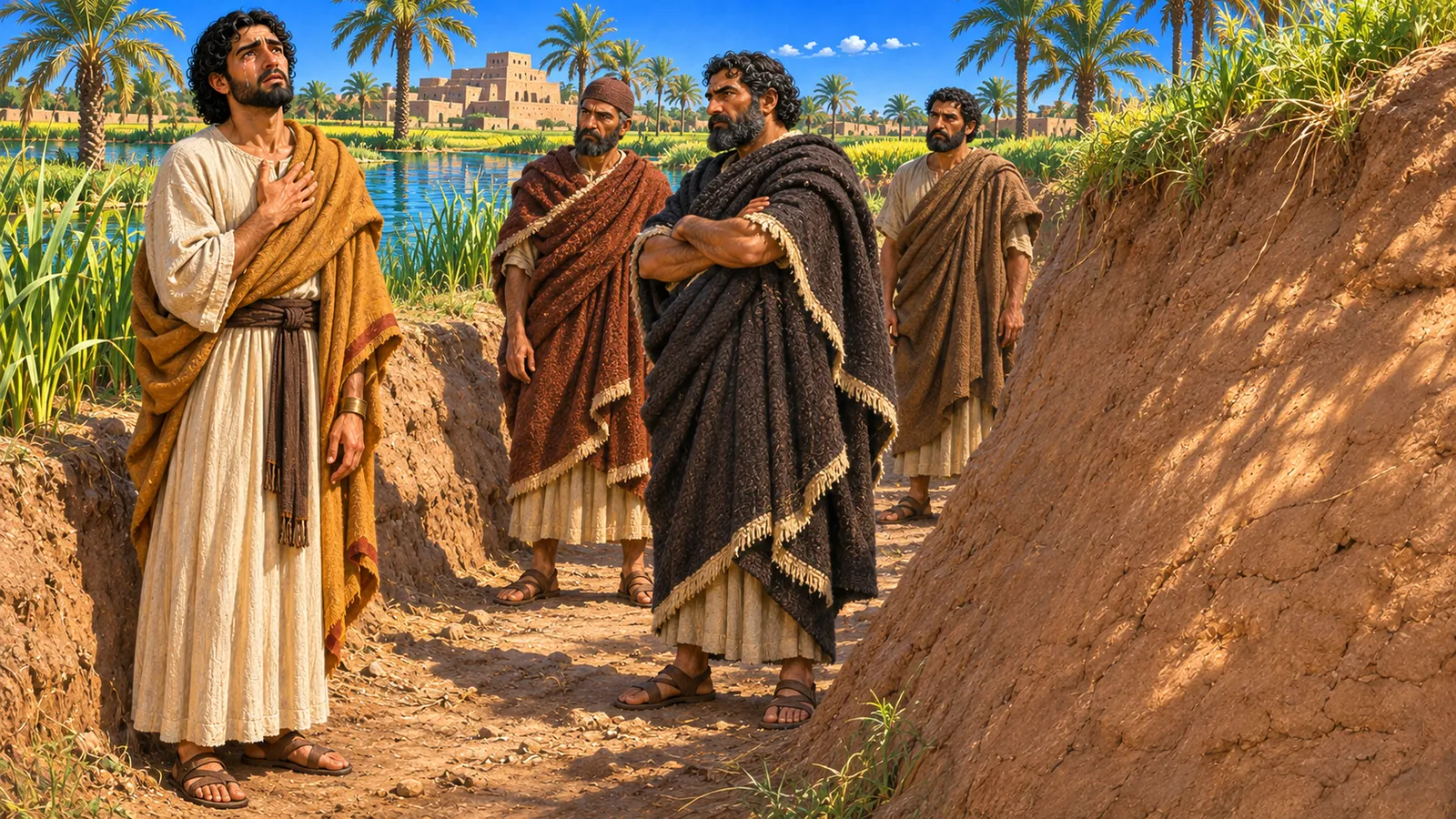
Apanharam Dumuzi nas valas de Arali. Ele chorou e empalideceu. Disse que a irmã lhe salvara a vida na cidade e que o amigo lhe causara a morte.
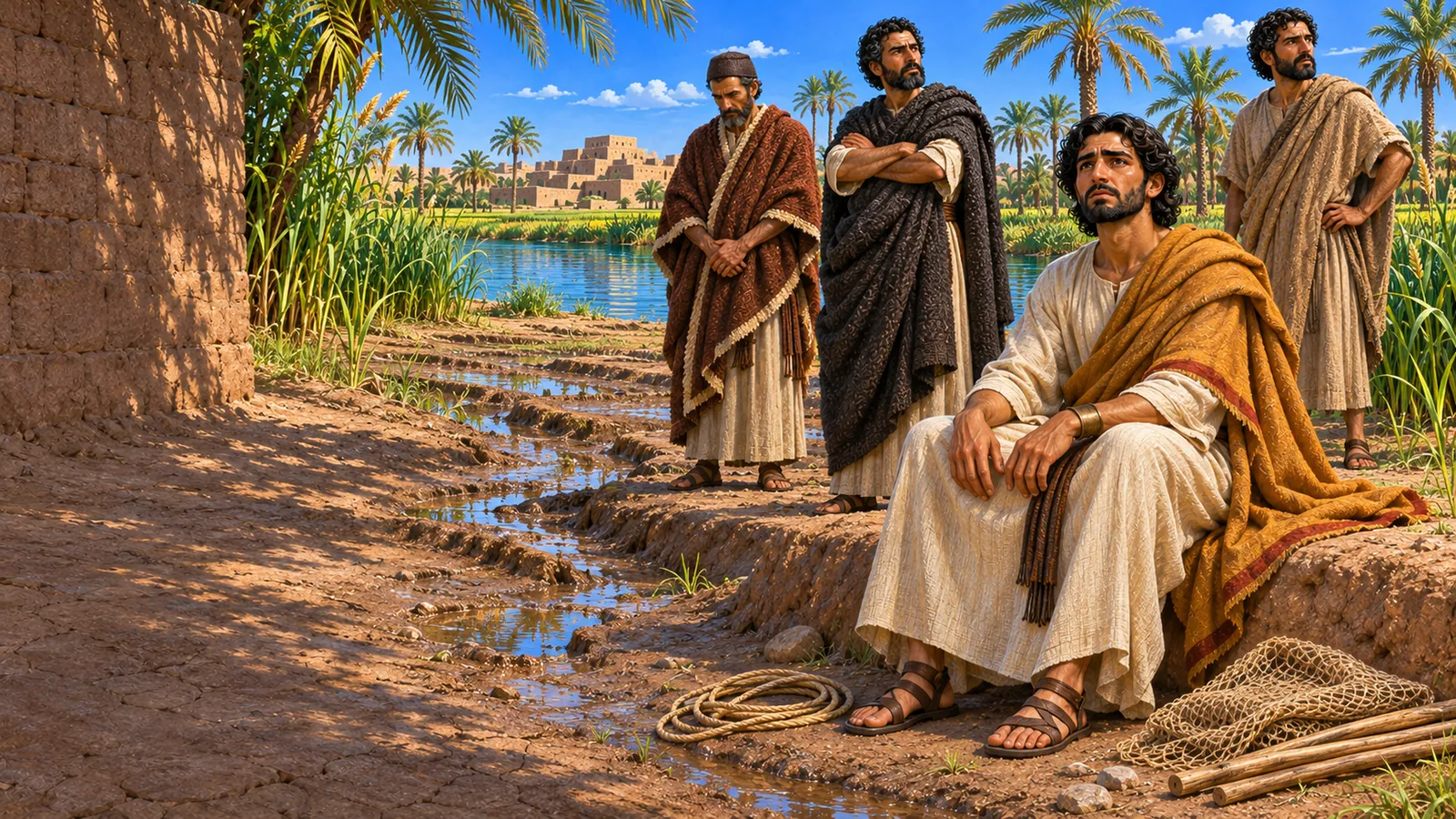
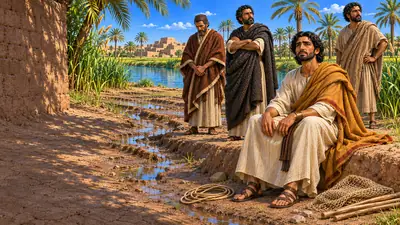
Os homens cercaram Dumuzi e escoaram a água parada. Prepararam cordas, uma rede e paus, e o homem à sua frente atirou-lhe objetos. As palavras sobre o homem que estava atrás dele ficam incompletas.
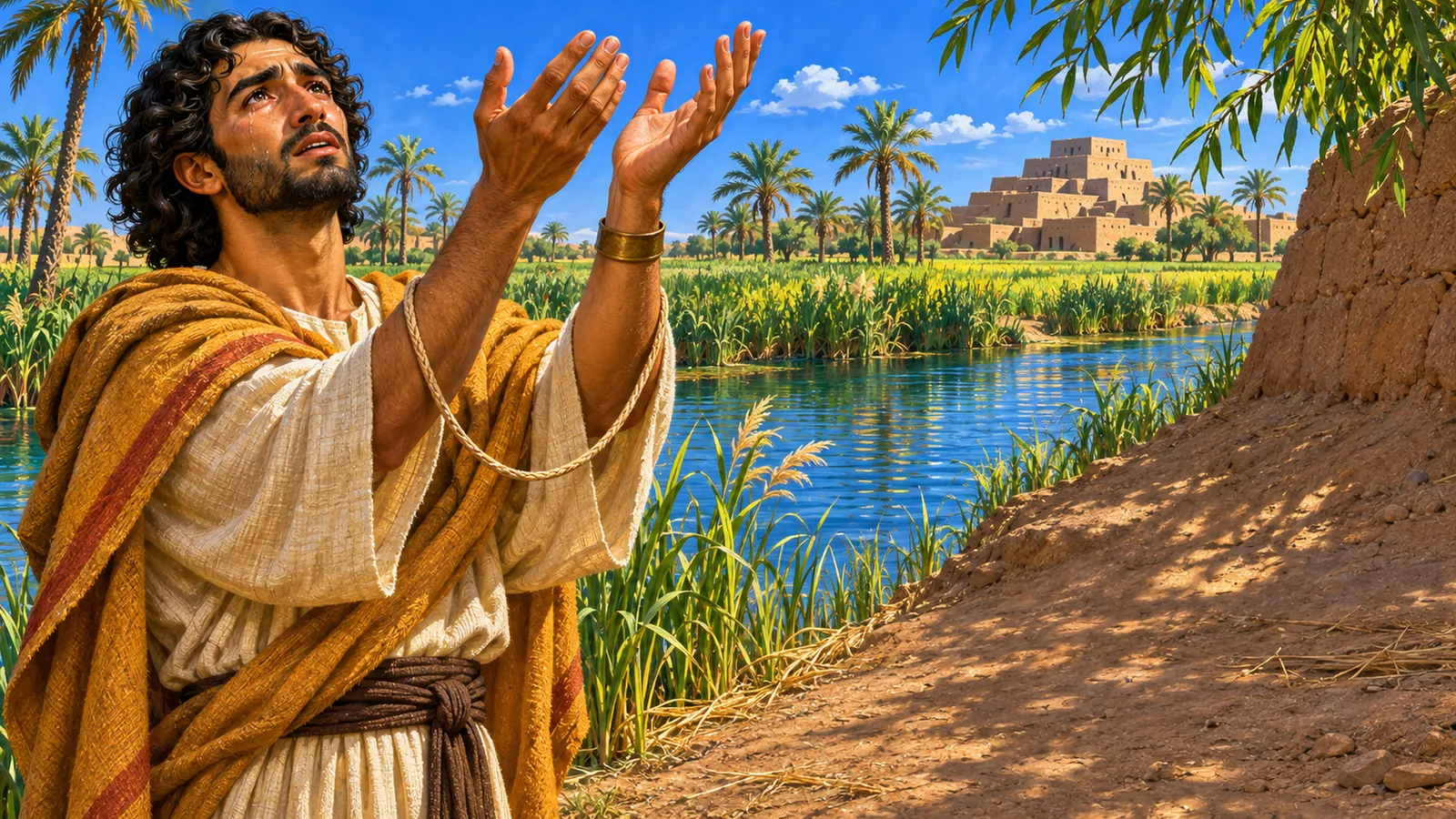
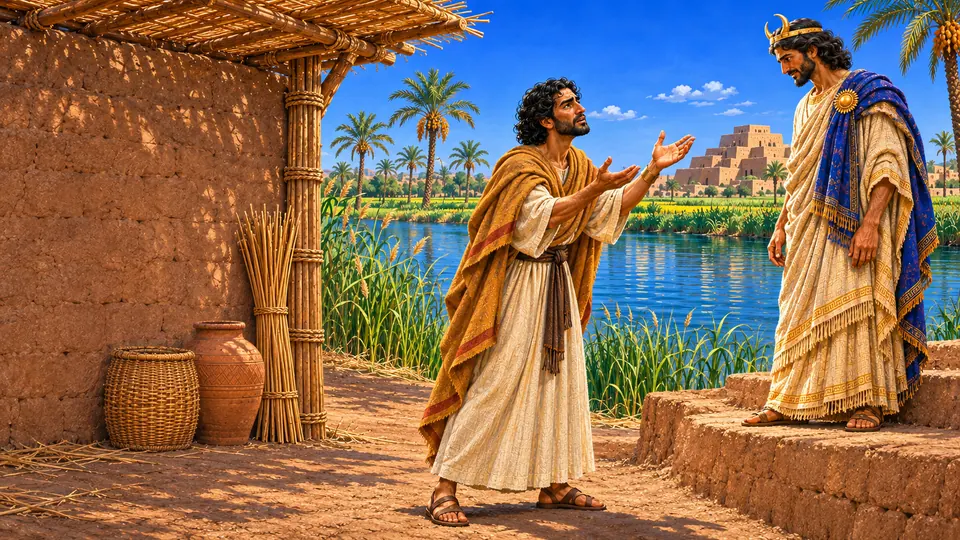
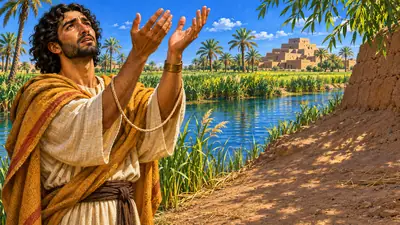
Ataram as mãos e os braços de Dumuzi. Ele ergueu as mãos para o céu para suplicar a Utu.
Fim do capítulo 1
Todas as páginas






Fontes
Each page follows a part of the source group printed next to it. The Oxford translation prints Dumuzid and Jectin-ana for the names rendered here as Dumuzi and Geštinanna. In lines 83–86 it also calls her Ama-jectin-ana. Geštindudu is her companion.
Edições consultadas
Notas sobre este reconto
Pages 1–2 (lines 1–4). The poem repeats the young shepherd’s grief three times. One manuscript specifies a shepherd’s stick. Page 2 uses that reading.
Pages 3–5 (lines 5–14). The translation has a break before its mention of river crabs. The retelling keeps the animals named in the surviving words and condenses the calls to the countryside. Five and ten belong to Dumuzi’s repeated call about his mother Durtur. The poem supplies no list of what she will call about. Dumuzi imagines his death within his speech.
Pages 6–7 (lines 15–18). The repeated opening formula frames the shepherd lying down to dream. Waking, trembling and rubbing his eyes all precede his call for his sister.
Pages 8–9 (lines 19–25). Dumuzi repeatedly calls for Geštinanna and names her skills as a scribe, a singer and a knowledgeable interpreter of dreams. The retelling condenses his repeated calls and titles.
Pages 10–13 (lines 26–39). The dream gives the growth of rushes, the shake of a single reed, the separation of one of a pair, rising trees, water poured over the sacred coals, a removed churn lid, a cup torn from its peg and the disappearance of the shepherd’s staff in that order. One manuscript reads “brazier” where the composite reads “coals.” Page 12 follows the composite.
Page 14 (lines 26–39). The translation queries the bird identified as an owl. The retelling preserves that uncertainty and states both predation events as part of Dumuzi’s dream.
Pages 15–16 (lines 26–39). The goats drag their dark beards in the dust and the rams scrape the earth. The concluding lines of the dream give the overturned churns, the milk left unpoured, the cups on their sides, Dumuzi’s death and the haunted sheepfold. The dream report ends on page 16. The printed Oxford translation proceeds from 26–39 to 41–55, with no line 40 printed.
Pages 17–22 (lines 41–55). Page 17 has the unfavorable verdict and the repeated request to hear no more. Page 18 pairs growing rushes with an ambush, page 19 the single reed with the mother, page 20 two reeds with the siblings’ separation, and page 21 rising trees with the hostile men catching Dumuzi within the walls. Page 22 pairs water over the coals with the sheepfold’s silence and the lifted churn cover with a hostile man carrying it inside. The corresponding earlier dream report (26–39) gives “brazier” in one manuscript in place of “holy coals.” Oxford prints no line 40 between the report and the interpretation.
Pages 23–28 (lines 56–69). Page 24 gives the missing staff and the prediction the demons will burn it. One manuscript reads that they will smash it. Page 25 keeps Oxford’s uncertain owl identification and the prediction of a blow to the cheek. One manuscript gives destruction of the sheep house in place of that blow. Page 26 gives the falcon and sparrow, and the great demon that will come down from the sheep house. One manuscript reads “out” for the direction. Page 27 keeps the overturned vessels, unpoured milk, death and haunting inside the report of the dream, with bound hands and arms as her interpretation. Page 28 gives the goats and rams as signs of her predicted mourning. The source compares her nails to a boxwood needle.
Pages 29–31 (lines 70–82). Pages 29–30 split the repeated invitation to go up the mound from Dumuzi’s instructions in the language of lament. The composite speaks of lacerating heart, liver, clothing and crotch. One manuscript reads “hair” instead of “heart.” Page 31 gives his warning about the binders. Oxford prints gaps around the reference to a river barge and marks identification from the wooden neck restraint uncertain. The ensuing ascent and looking around occur on page 32.
Page 32 (lines 83–86). Geštinanna climbs the mound and looks, and her friend Geštindudu says the men who bind necks are already coming. Their approach is reported in the friend’s speech. The fragment before the repeated “coming for him” remains unfilled.
Page 33 (lines 87–90). Geštinanna asks about the approaching pursuers. Geštindudu says she will point out the binders, and Geštinanna twice warns Dumuzi of the approaching demons and tells him to duck down in the grass.
Page 34 (lines 91–94). Dumuzi names grass, short grass, tall grass and the ditches of Arali, asking repeatedly that his sister keep his whereabouts private. These are his stated intentions at this point.
Page 35 (lines 95–97). Geštinanna’s imprecation names Dumuzi’s black shepherd dog and wishes it would devour her if she revealed his whereabouts. The source calls the dog noble and lordly. The imprecation is the condition of a spoken oath.
Page 36 (lines 98–102). Oxford marks “remembered” and “demons” uncertain and prints gaps around the phrasing about giving the friend instructions, the comparison for the kind of companion she wishes he would never have, and the end of the search passage.
On pages 37–38, Dumuzi names grass, short grass, tall grass and the ditches of Arali, asking his friend to conceal his whereabouts each time. The friend calls down the black shepherd dog upon himself if he reveals the hiding place. This is an oath in the friend’s speech (ETCSL 1.4.3, 103–109).
On pages 39–41, the poem says that the people seeking the king neither drink poured water nor eat sprinkled flour, garlic, fish or leeks. It describes the men of Adab as thistles and thorns and alludes to a proverb about a hand on the table and a tongue in the palace. The object carried on the shoulders of the men of Akšak is lost. Uruk, Ur and Nippur are the usual English forms of Oxford’s Unug, Urim and Nibru, and Akšak is Akcak in the Oxford text. One manuscript calls the clothing of the men from Nippur “clean” where the edition otherwise reads “shining” (110–138).
Page 41 (ETCSL 1.4.3, lines 110–138).
On pages 42–43, the company takes Geštinanna at the sheepfold and cattle pen and offers her a river of water and a field of grain. She refuses both. Parts of the comparisons in the exchange among the demons are lost (110–138).
On pages 44–47, the company turns to the friend, who accepts both offers. He gives the four places in order and each time denies knowing Dumuzi’s whereabouts. The searches in the grass, the short grass and the tall grass all fail. One manuscript adds a repetition in the first disclosure that explicitly names Dumuzi. The capture in the ditches belongs to the following passage (139–150 and 151–155).
On page 48, the captured Dumuzi weeps and pales. His claim that his friend caused his death is his speech at the capture. He contrasts affection owed to a child left in the street by a sister with the treatment of one left there by a friend. Oxford marks “leaves” as uncertain in both clauses (151–155).
On page 49, the men surround Dumuzi, drain the standing water and prepare cord, a net, a reed hawser and sticks. The man in front throws projectiles. The words describing the man behind him are damaged and a measure of one cubit survives without a clear action (156–164).
On page 50, the translation names handcuffs and fetters on Dumuzi’s hands and arms. He raises his hands heavenward to Utu.
Os versos antigos de cada página
- Page 1: ETCSL 1.4.3, lines 1–4
- Page 2: ETCSL 1.4.3, lines 1–4
- Page 3: ETCSL 1.4.3, lines 5–14
The broad left is even silvery gray-green water with no horizontal bank line within the box. - Page 4: ETCSL 1.4.3, lines 5–14
- Page 5: ETCSL 1.4.3, lines 5–14
- Page 6: ETCSL 1.4.3, lines 15–18
- Page 7: ETCSL 1.4.3, lines 15–18
- Page 8: ETCSL 1.4.3, lines 19–25
A palm-sized blank, smooth clay tablet and a short reed stylus lie flat on a low storage shelf at the far lower left, with no signs or marks on the clay. - Page 9: ETCSL 1.4.3, lines 19–25
- Page 10: ETCSL 1.4.3, lines 26–39
- Page 11: ETCSL 1.4.3, lines 26–39
- Page 12: ETCSL 1.4.3, lines 26–39
- Page 13: ETCSL 1.4.3, lines 26–39
- Page 14: ETCSL 1.4.3, lines 26–39
- Page 15: ETCSL 1.4.3, lines 26–39
The whole left is a continuous matte tan field without fence lines or tracks. - Page 16: ETCSL 1.4.3, lines 26–39
- Page 17: ETCSL 1.4.3, lines 41–55
- Page 18: ETCSL 1.4.3, lines 41–55
- Page 19: ETCSL 1.4.3, lines 41–55
- Page 20: ETCSL 1.4.3, lines 41–55
- Page 21: ETCSL 1.4.3, lines 41–55
- Page 22: ETCSL 1.4.3, lines 41–55
- Page 23: ETCSL 1.4.3, lines 56–69
- Page 24: ETCSL 1.4.3, lines 56–69
- Page 25: ETCSL 1.4.3, lines 56–69
- Page 26: ETCSL 1.4.3, lines 56–69
Quiet open sediment-colored air on the left with no fence lines. - Page 27: ETCSL 1.4.3, lines 56–69
- Page 28: ETCSL 1.4.3, lines 56–69
- Page 29: ETCSL 1.4.3, lines 70–82
- Page 30: ETCSL 1.4.3, lines 70–82
- Page 31: ETCSL 1.4.3, lines 70–82
- Page 32: ETCSL 1.4.3, lines 83–86
- Page 33: ETCSL 1.4.3, lines 87–90
- Page 34: ETCSL 1.4.3, lines 91–94
- Page 35: ETCSL 1.4.3, lines 95–97
- Page 36: ETCSL 1.4.3, lines 98–102
The break is natural terrain, with no manuscript, lettering, hidden person, actors or applied marks. - Page 37: ETCSL 1.4.3, lines 103–106
- Page 38: ETCSL 1.4.3, lines 107–109
- Page 39: ETCSL 1.4.3, lines 110–138
- Page 40: ETCSL 1.4.3, lines 110–138
Across the whole right box, the dried water bed recedes as even warm gray earth with no horizon line or vegetation. - Page 41: ETCSL 1.4.3, lines 110–138
- Page 42: ETCSL 1.4.3, lines 110–138
- Page 43: ETCSL 1.4.3, lines 110–138
- Page 44: ETCSL 1.4.3, lines 139–150
- Page 45: ETCSL 1.4.3, lines 139–150
- Page 46: ETCSL 1.4.3, lines 139–150
- Page 47: ETCSL 1.4.3, lines 139–150
- Page 48: ETCSL 1.4.3, lines 151–155
- Page 49: ETCSL 1.4.3, lines 156–164
- Page 50: ETCSL 1.4.3, lines 156–164
Ilustrações feitas pelo IL Archive com ferramentas de IA; o texto baseia-se nas fontes antigas (veja as fontes no fim de cada capítulo).