O sonho de Dumuzi Capítulo 2
O último redil
Dumuzi suplica a Utu, muda de forma e escapa, mas os perseguidores voltam a encontrá-lo, até em casa da velha Belili. Por fim, chega ao redil de Geštinanna. Os perseguidores entram e o poema termina com um cântico para Dumuzi morto.
FontesVire as páginas com as setas, o teclado ou deslizando o dedo.
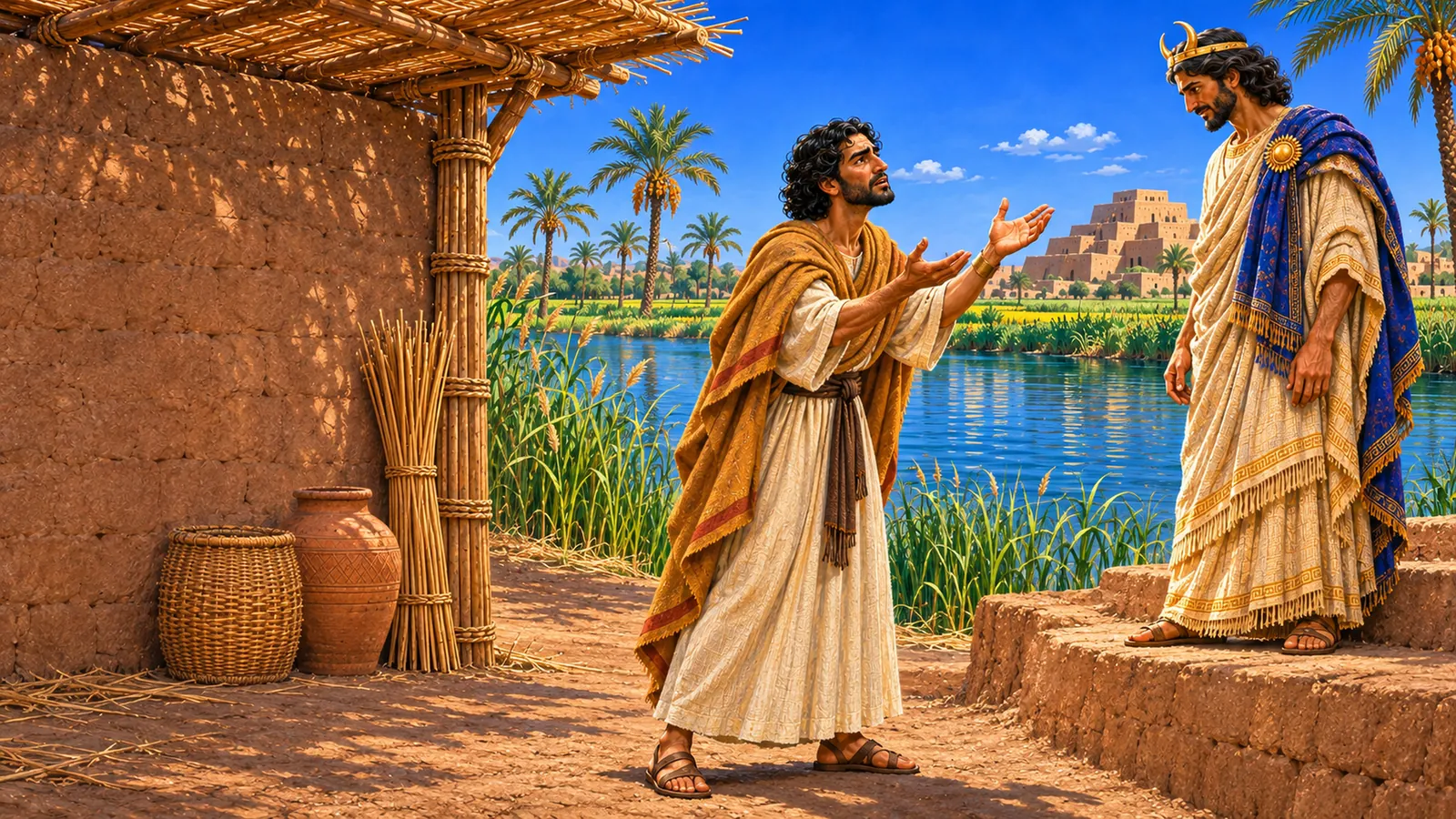
O ÚLTIMO REDIL
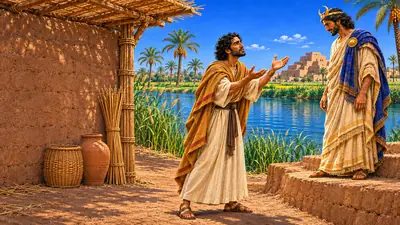
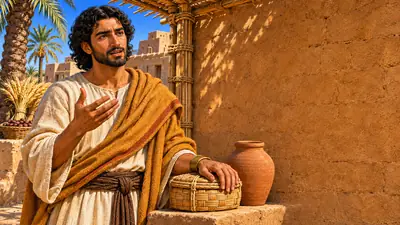
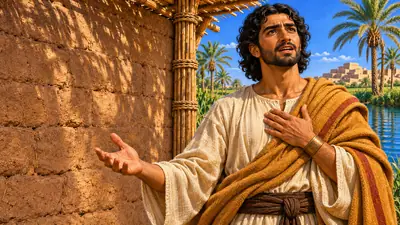
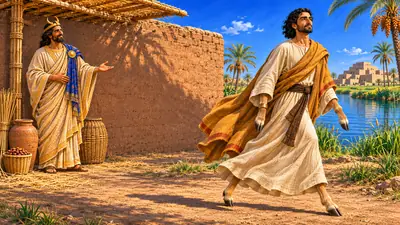
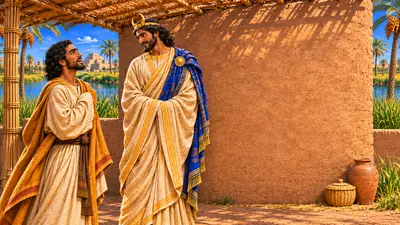
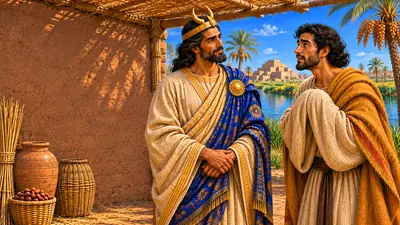
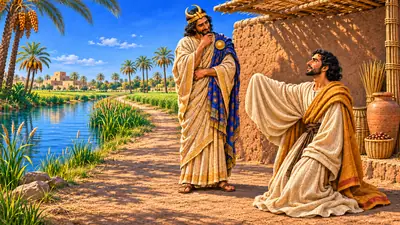
«Utu, és meu cunhado. Sou o marido da tua irmã», clamou Dumuzi na sua aflição.
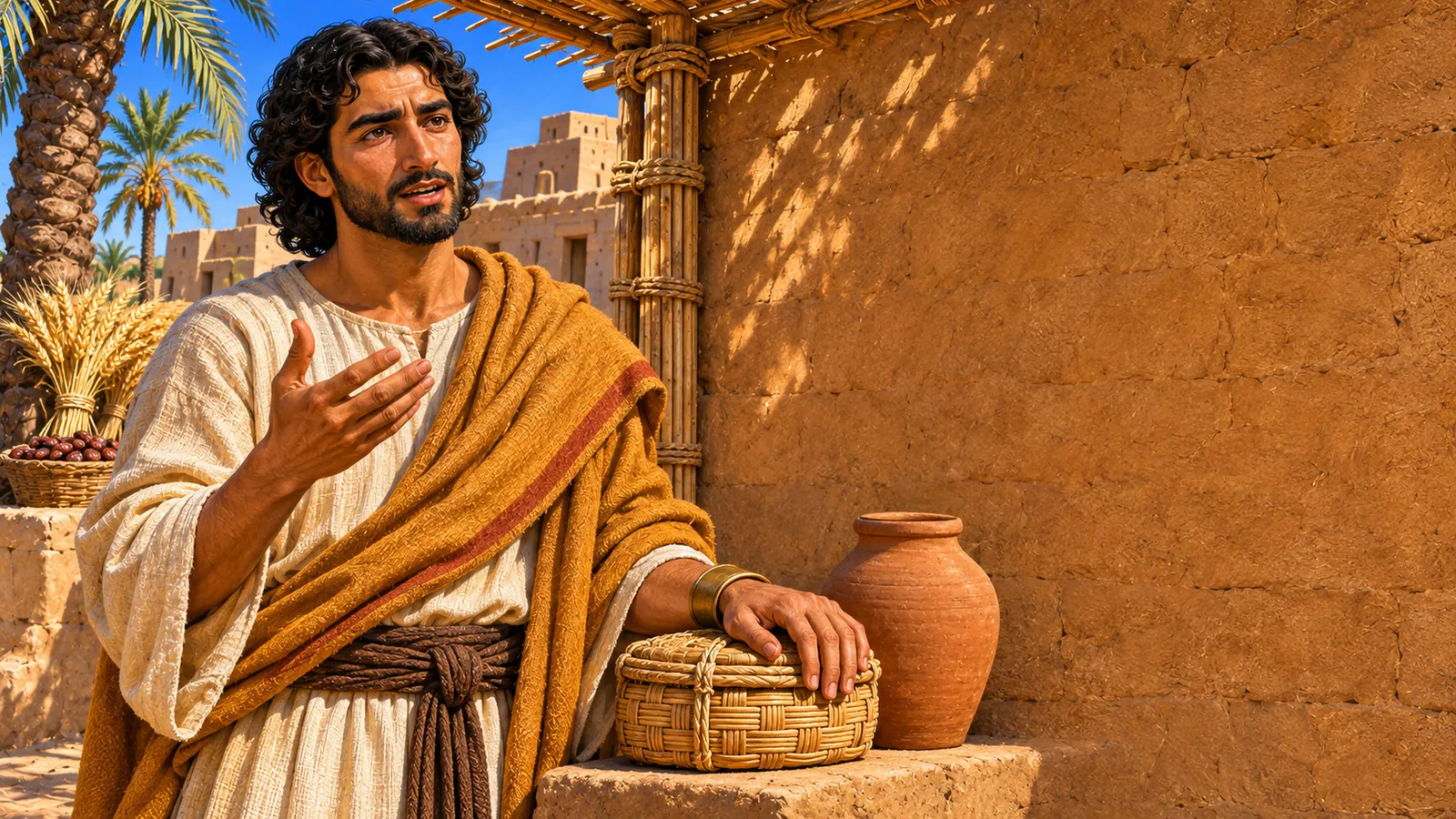
Dumuzi falou da comida que levava a Eanna e das prendas de casamento que tinha levado a Uruk.

Dumuzi disse que era ele quem beijava os lábios sagrados de Inanna e dançava sobre os seus joelhos sagrados.
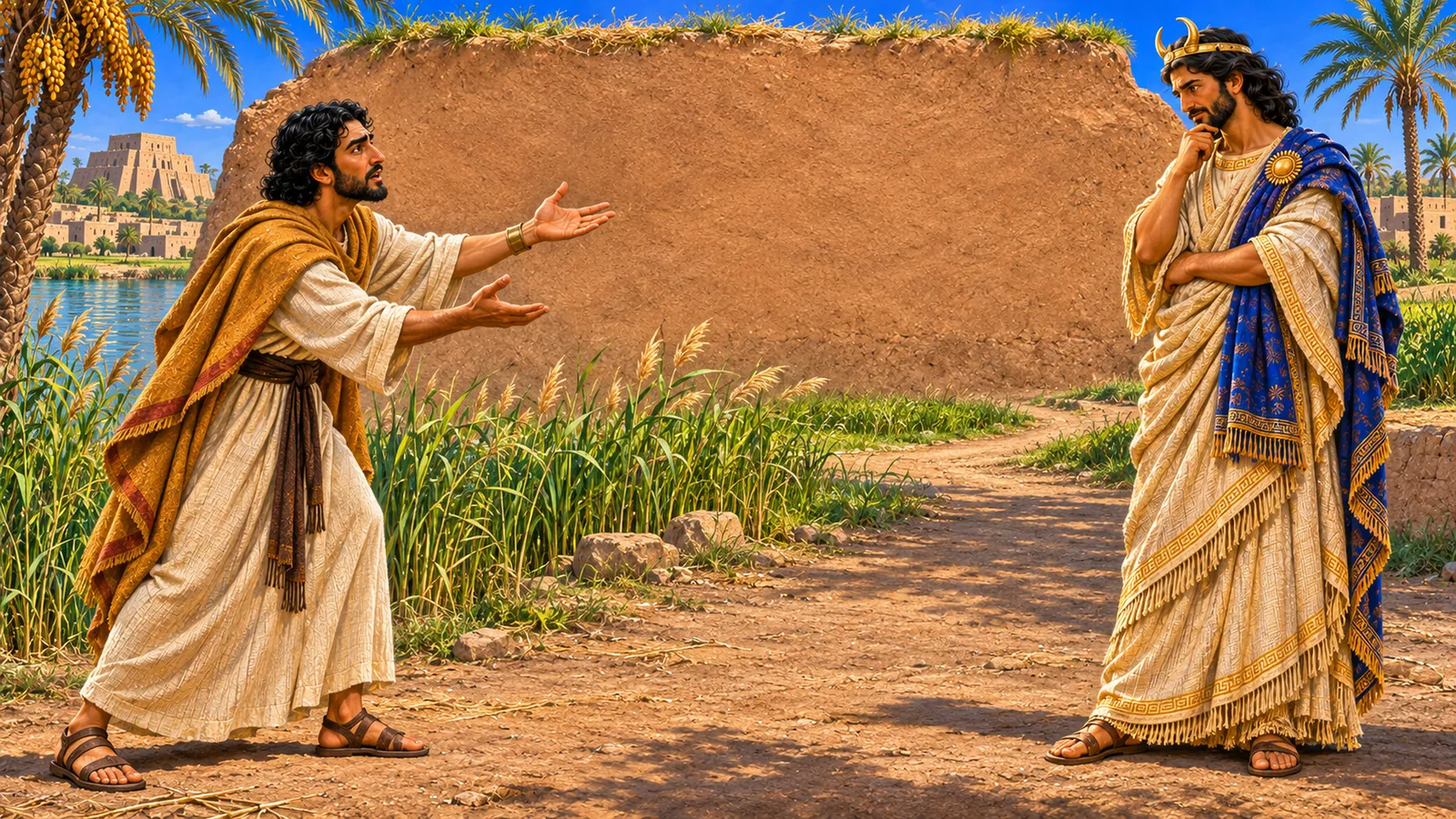
Pediu a Utu que lhe transformasse as mãos e os pés em patas de gazela para escapar aos demónios e chegar vivo a Ku-bireš-dildareš.

Utu acolheu as lágrimas de Dumuzi e mostrou-lhe compaixão, como alguém que se compadece de outra pessoa.
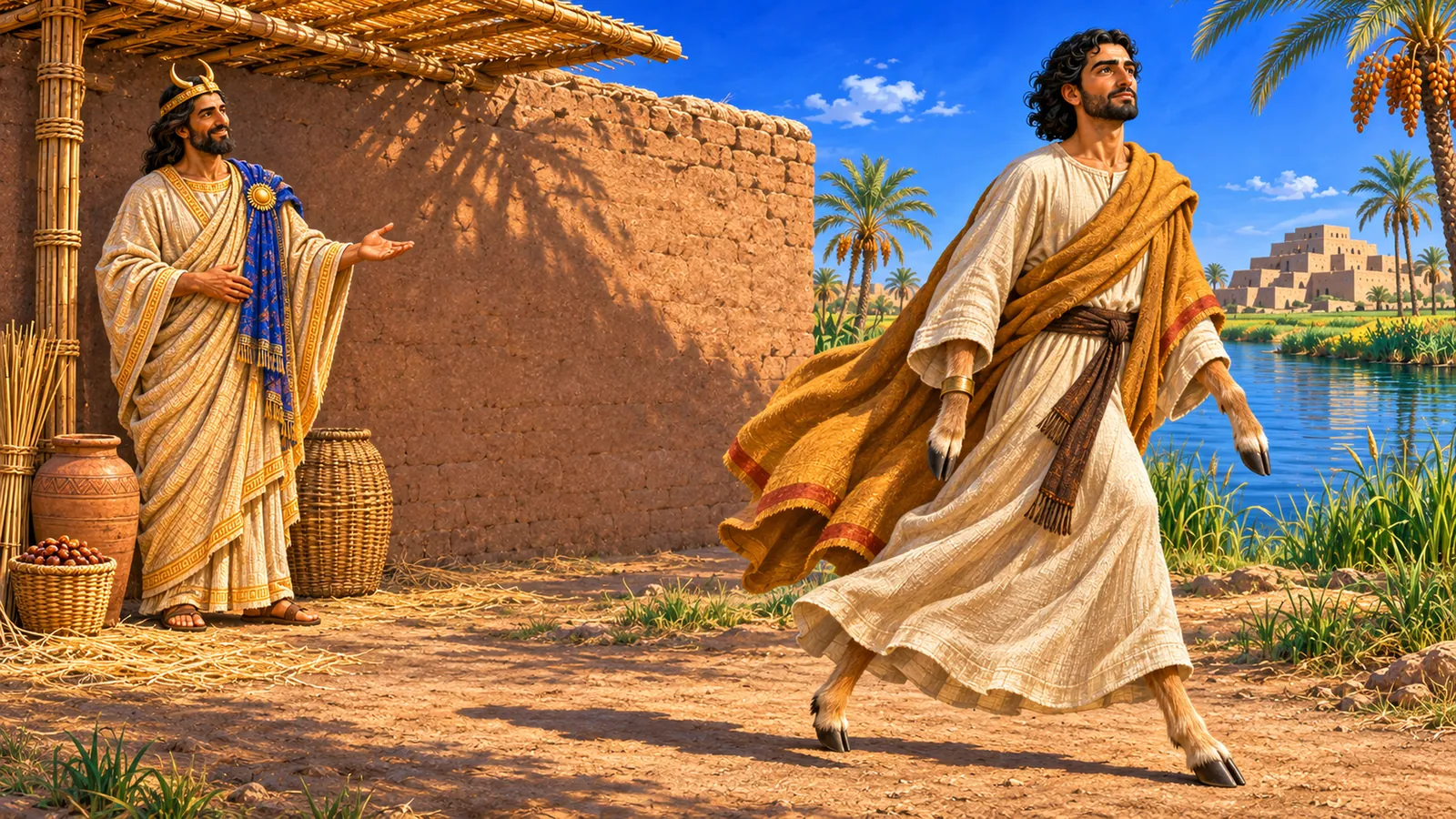
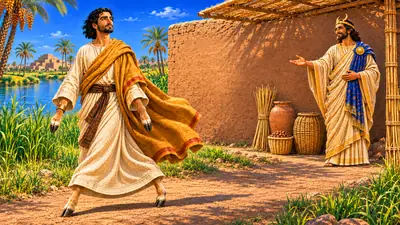
Utu transformou as mãos e os pés de Dumuzi em patas de gazela, e Dumuzi escapou aos demónios.

Dumuzi escapou com vida e chegou a Ku-bireš-dildareš, o lugar que tinha nomeado na sua súplica a Utu.
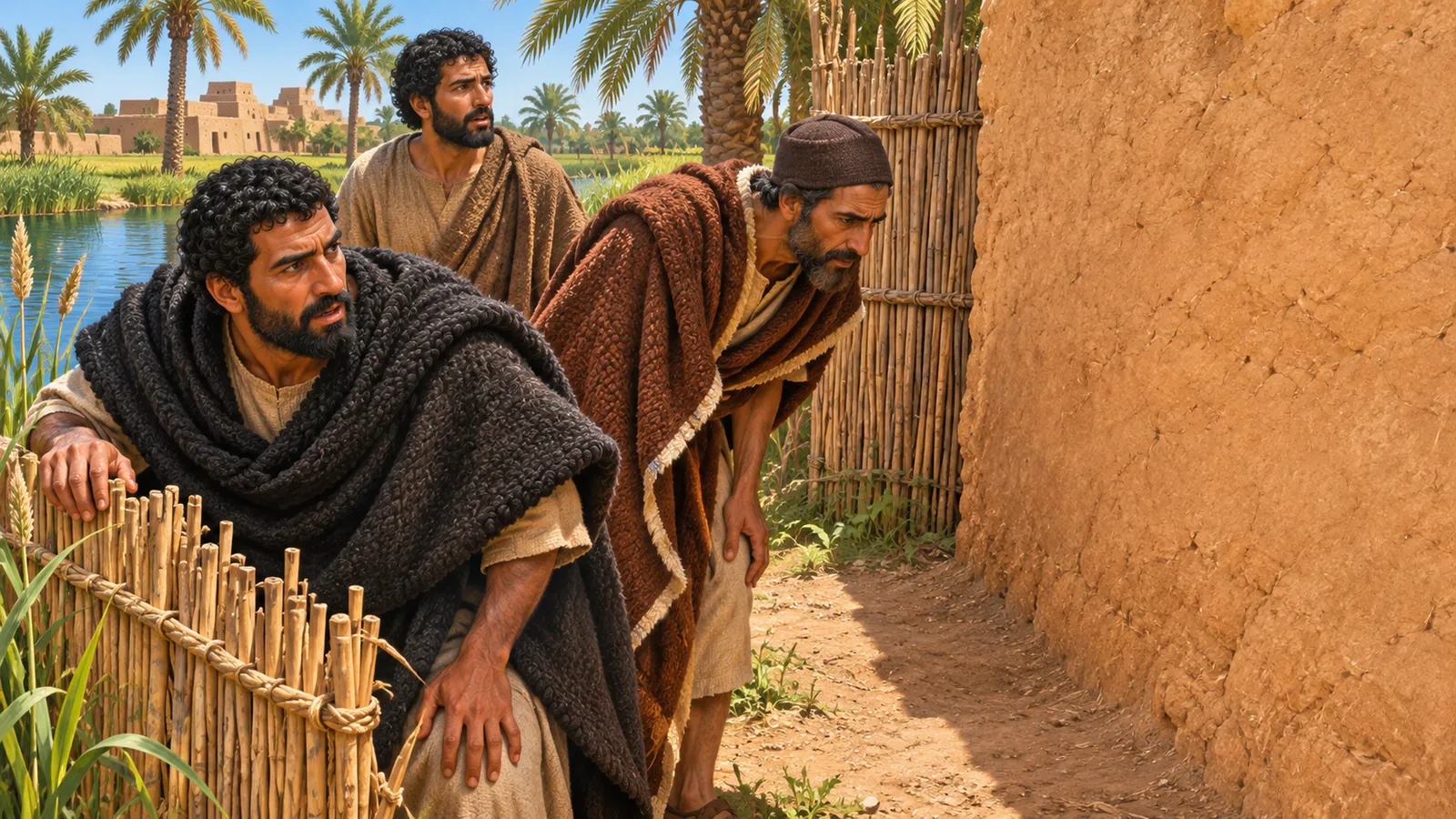
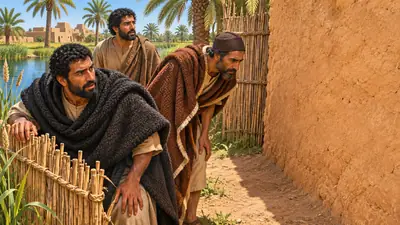
Os demónios procuraram Dumuzi depois da sua fuga, mas, de início, não o conseguiram encontrar.
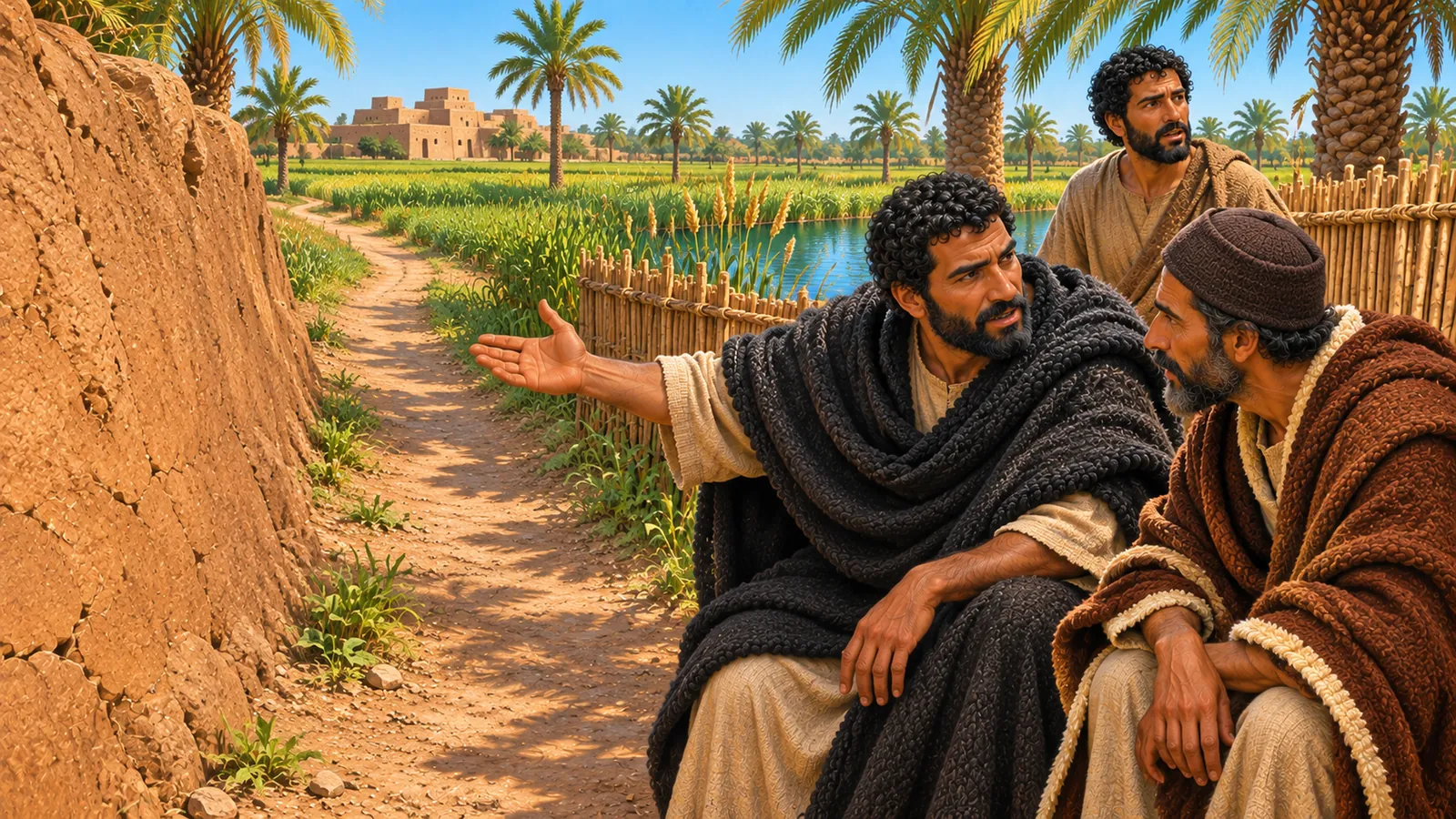
«Vamos a Ku-bireš», disseram os perseguidores depois de a busca ter sido em vão.
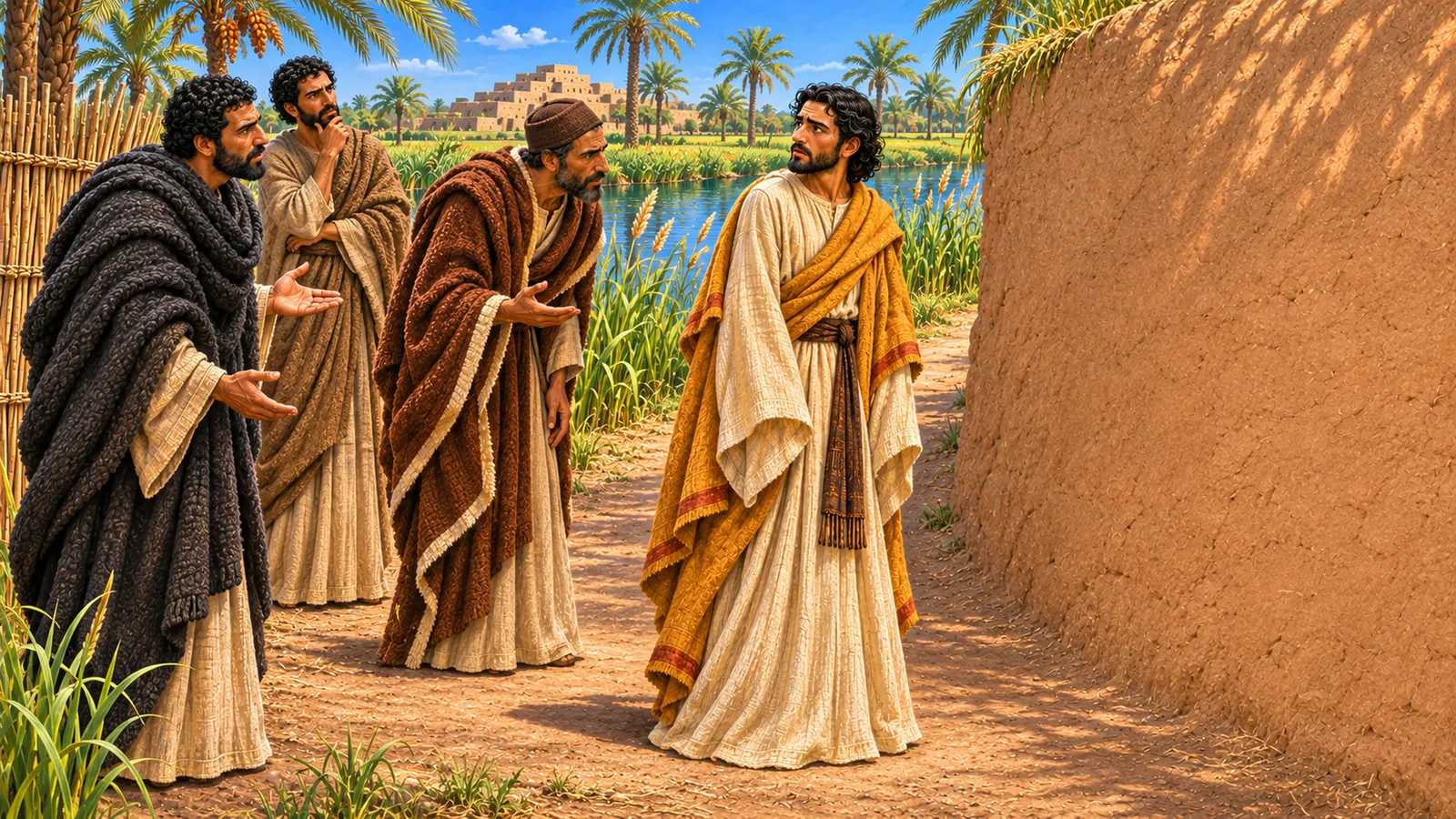
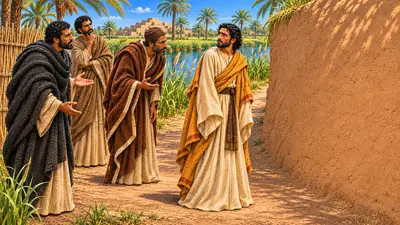
Os demónios foram a Ku-bireš e ali capturaram Dumuzi. A sua primeira fuga chegara ao fim.
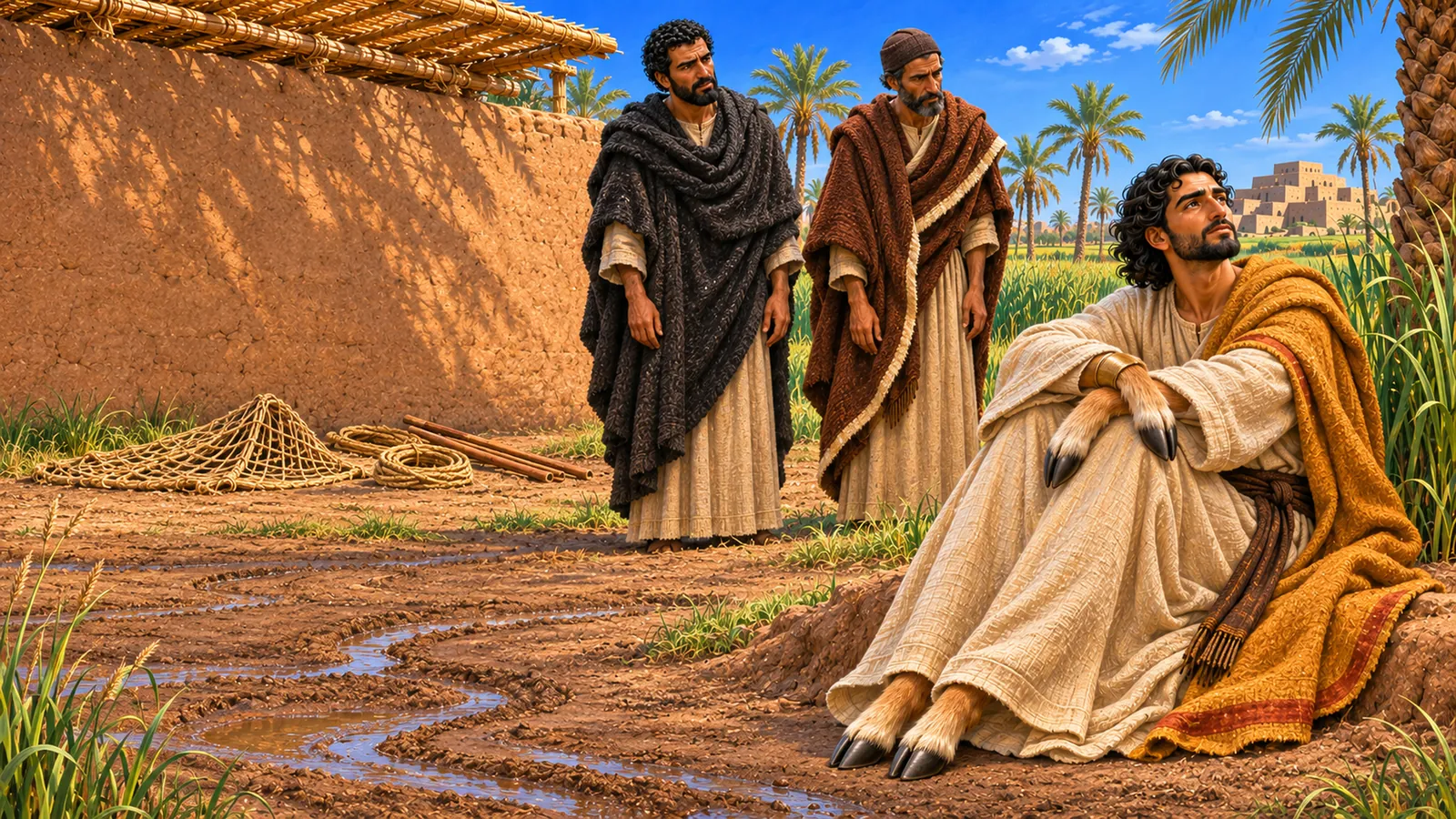
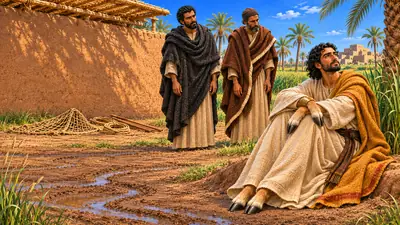
Os homens cercaram Dumuzi e escoaram as águas paradas. Prepararam um cordel, uma rede, uma corda grossa de canas e paus. O homem que estava à frente lançou-lhe objetos, e perderam-se as palavras sobre o homem que estava atrás.

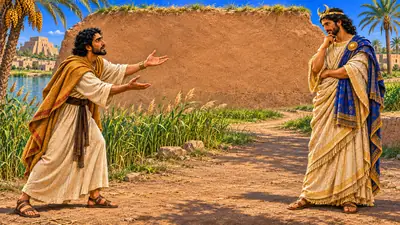
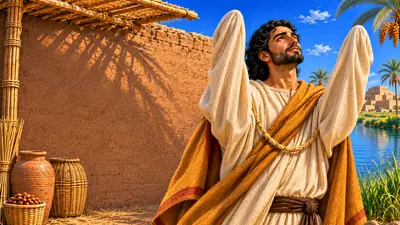
Ataram as mãos e os braços de Dumuzi. O jovem ergueu as mãos para o céu e chamou por Utu.
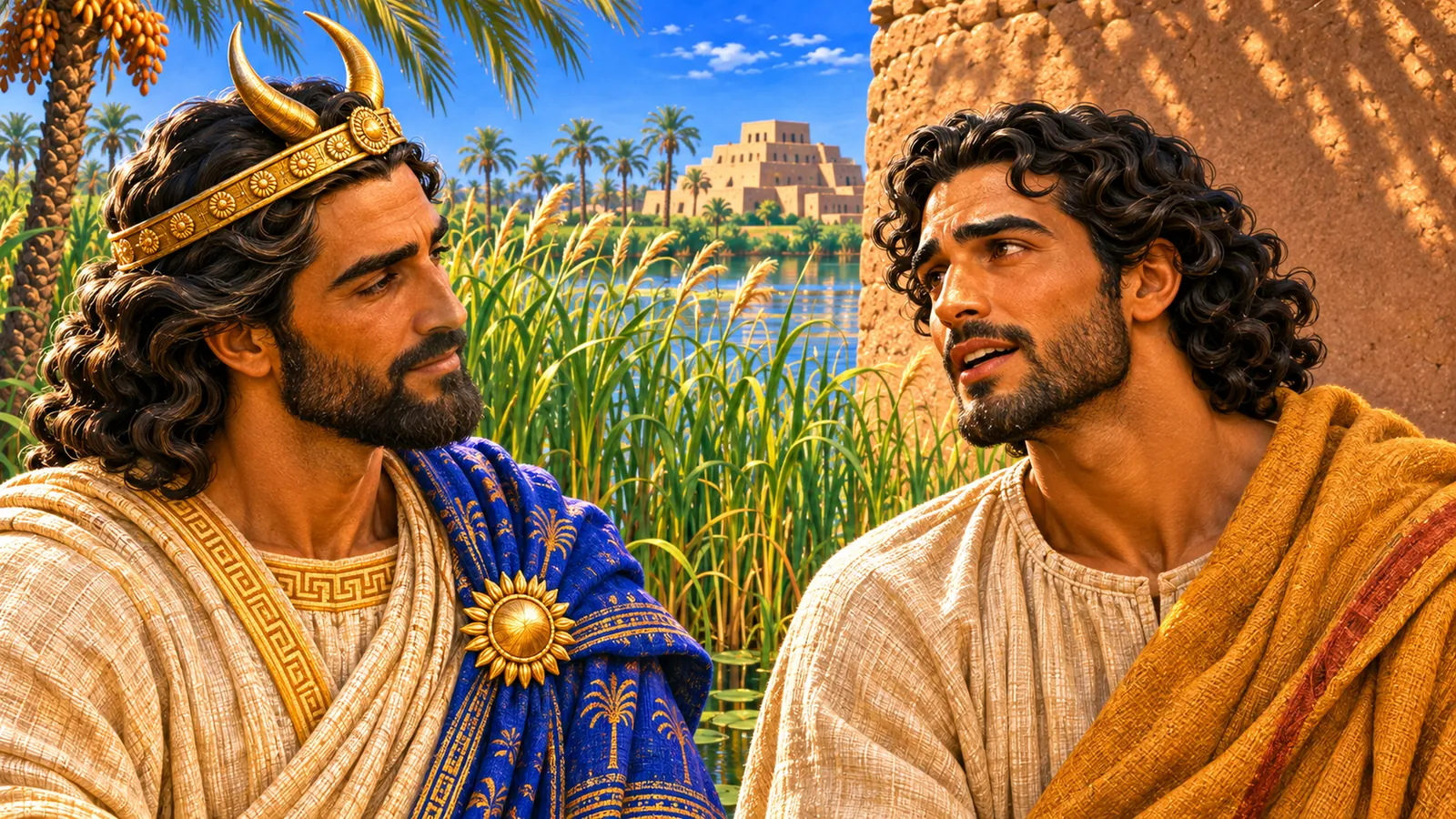
Dumuzi apelou a Utu, seu cunhado. Lembrou-lhe que era casado com a sua irmã Inanna.
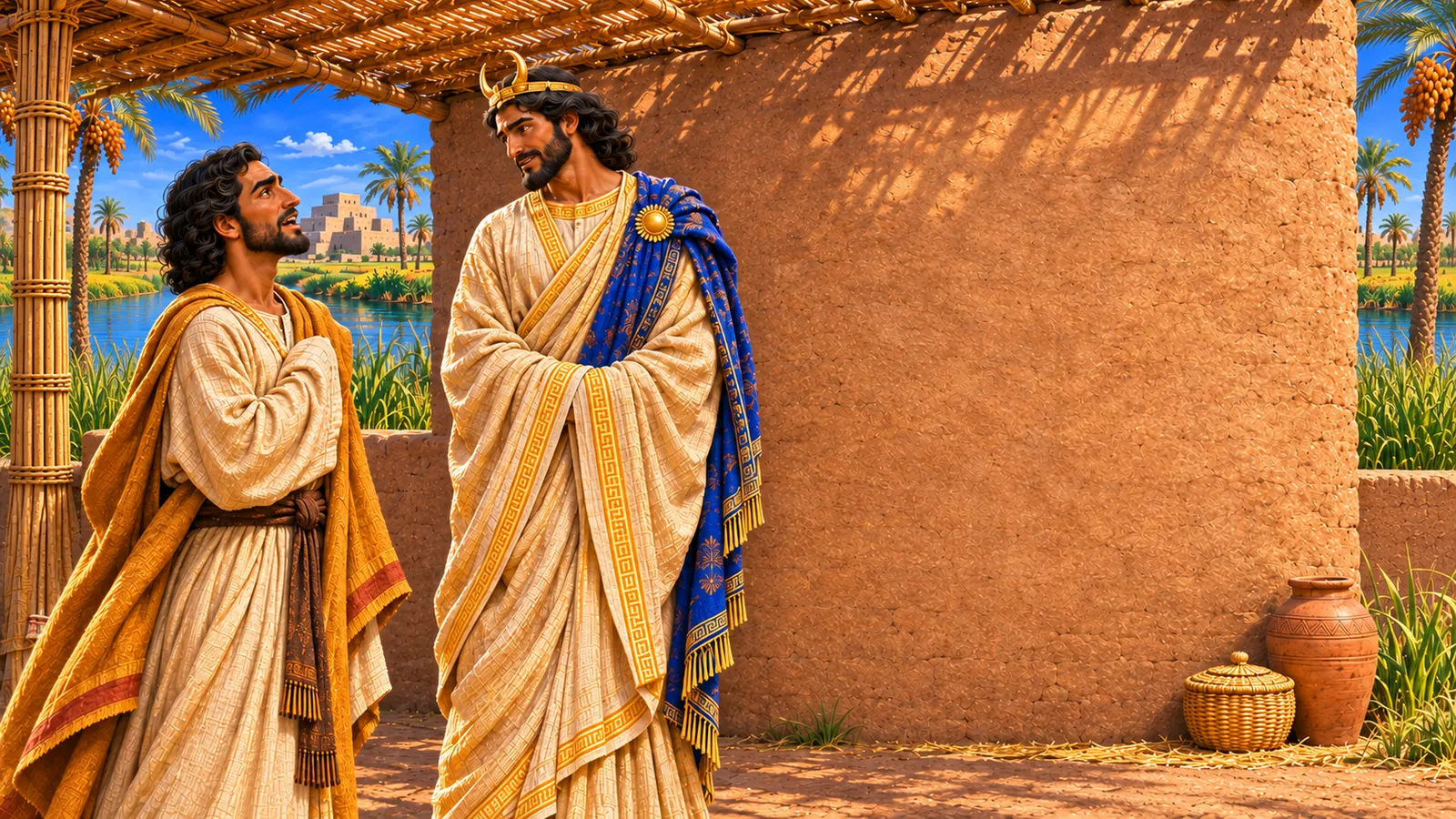
Dumuzi disse que levava comida a Eanna e que tinha levado presentes de casamento para Uruk. Falou de beijar os lábios sagrados de Inanna e de dançar sobre os seus joelhos sagrados.
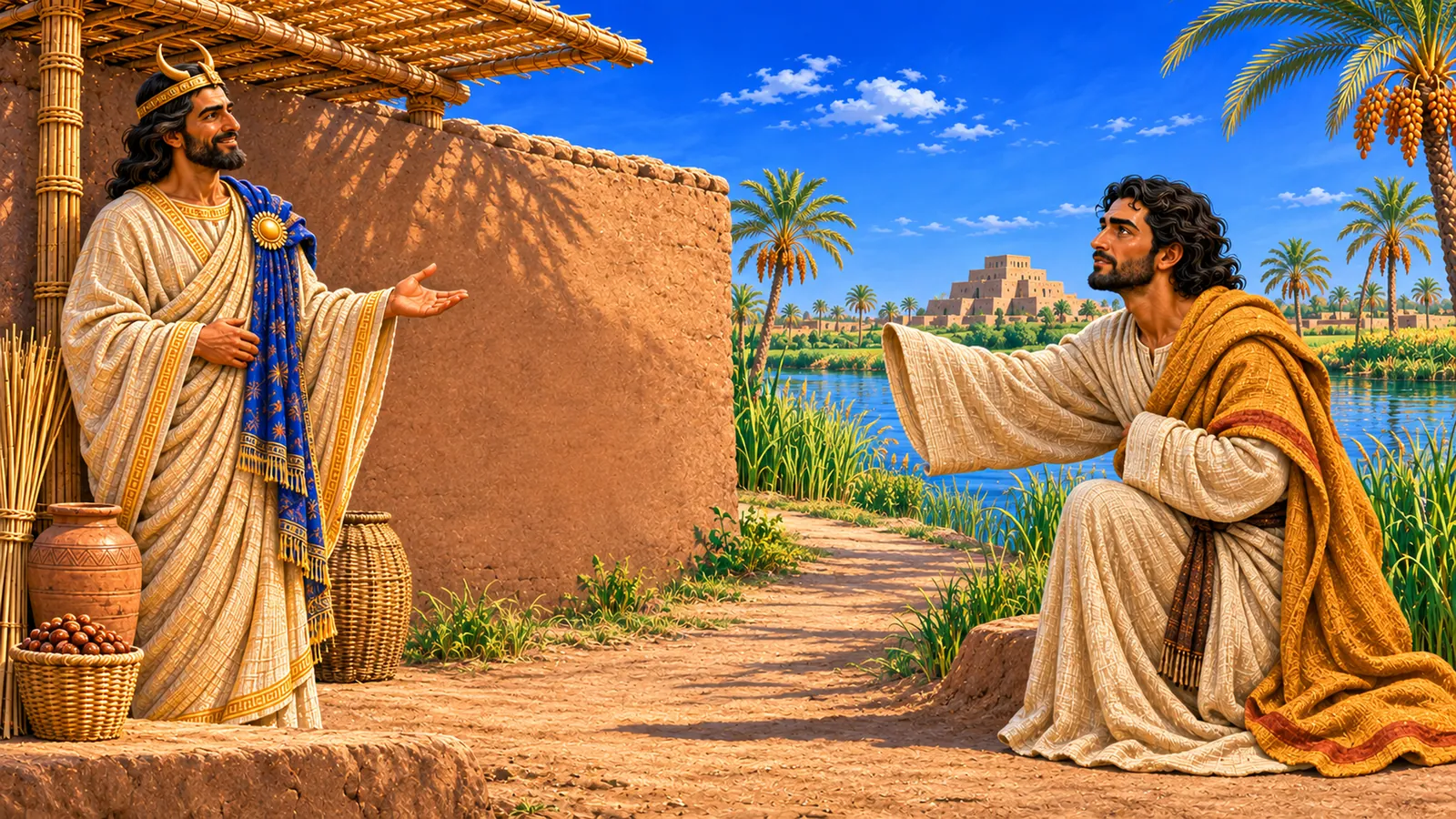
Pediu a Utu que lhe transformasse as mãos e os pés em patas de gazela. Esperava que assim conseguisse escapar até à casa da velha Belili.
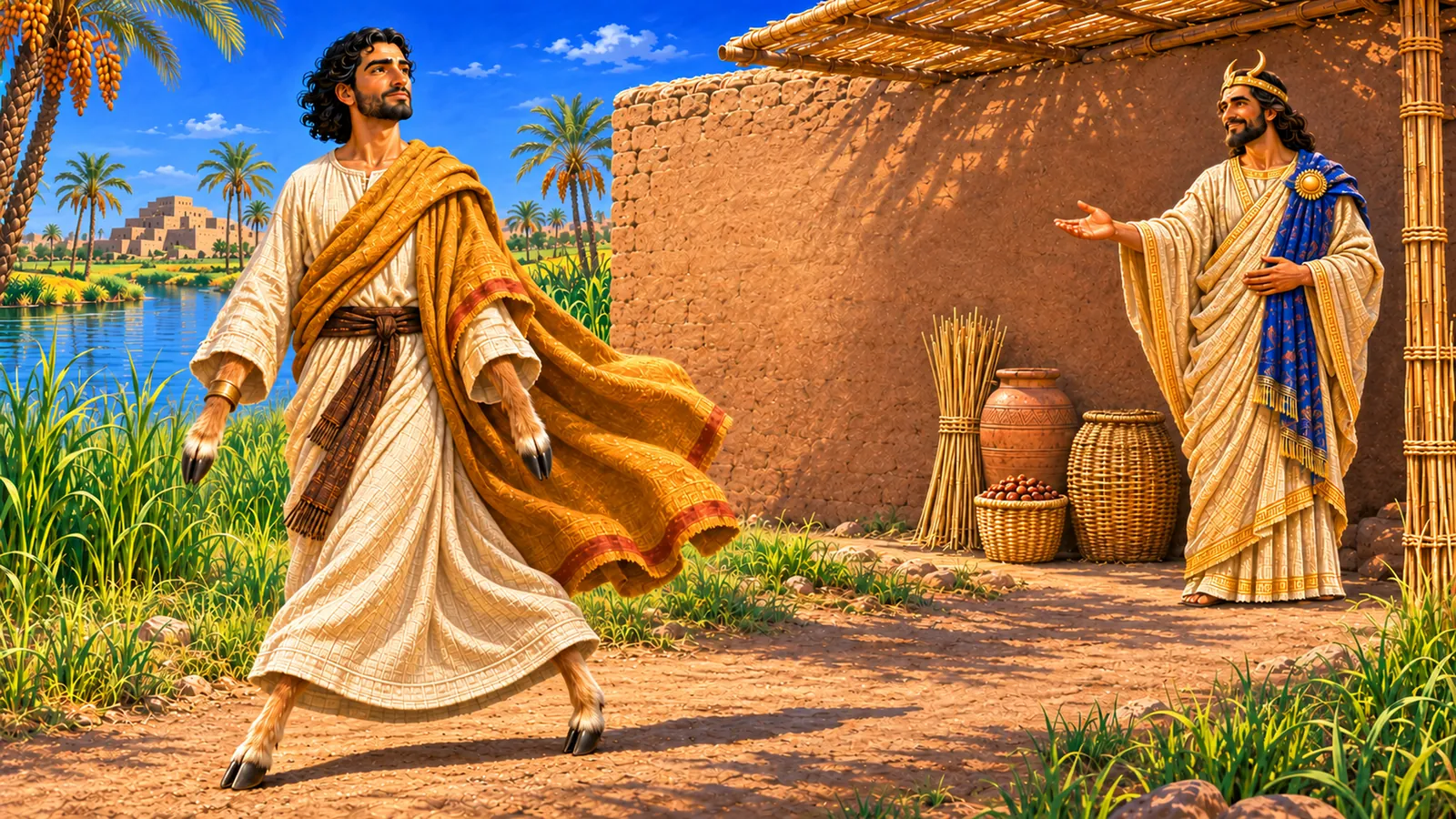
Utu acolheu as lágrimas de Dumuzi. O poema conta que lhe transformou as mãos e os pés em patas de gazela.
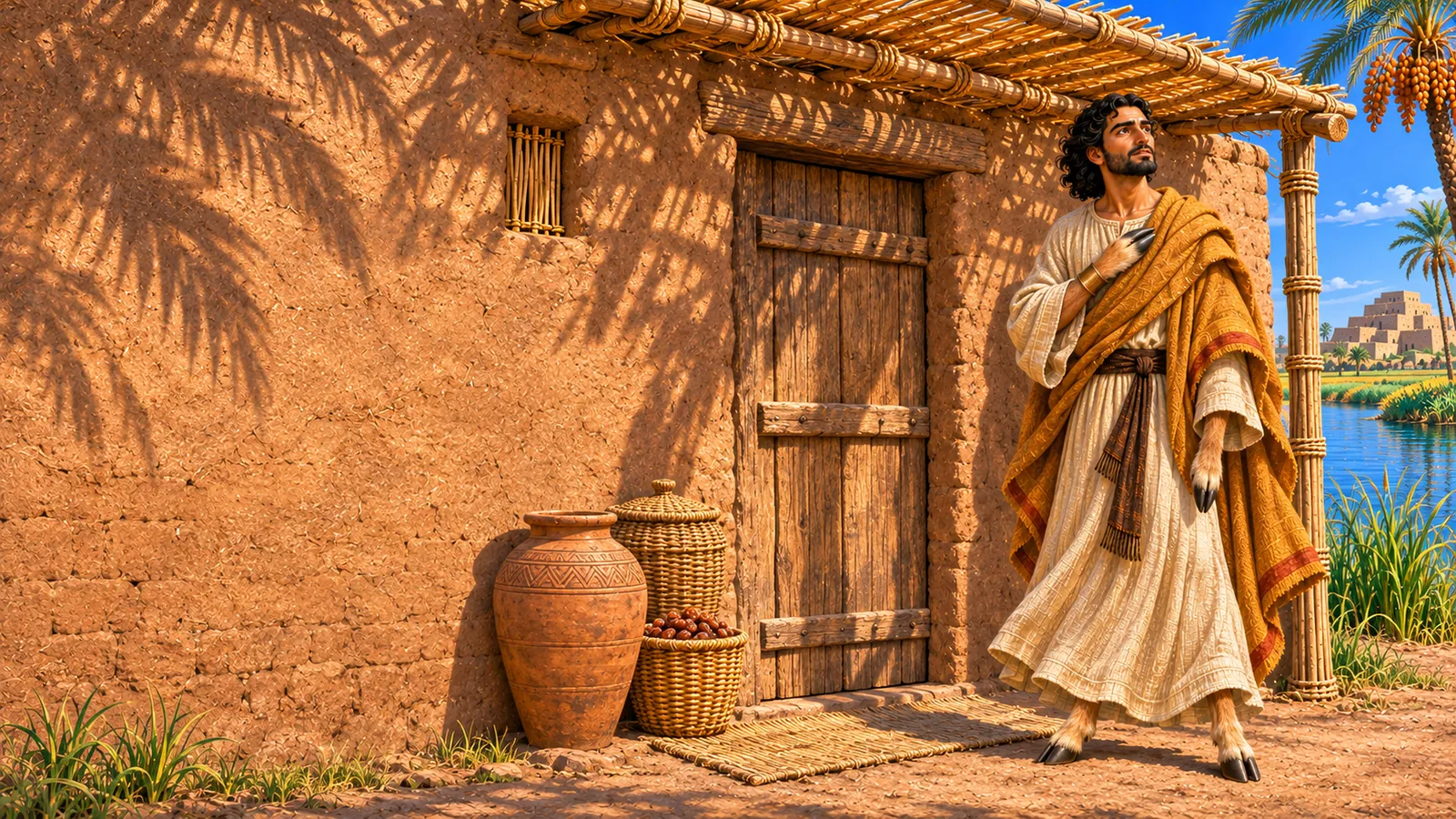
Dumuzi escapou aos demónios e salvou a vida. Chegou à casa da velha Belili.
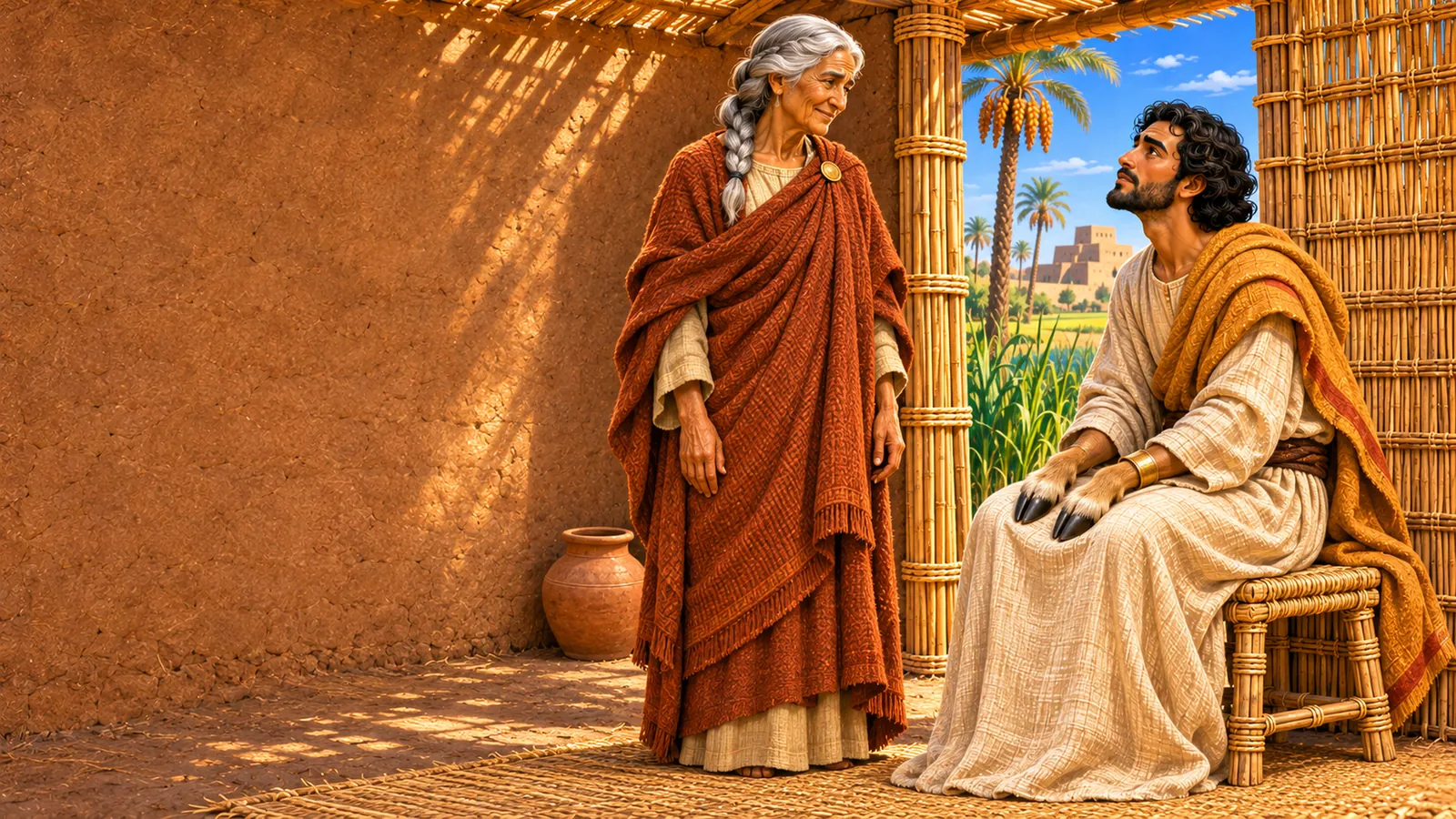
O ABRIGO
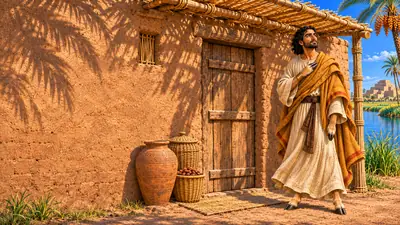
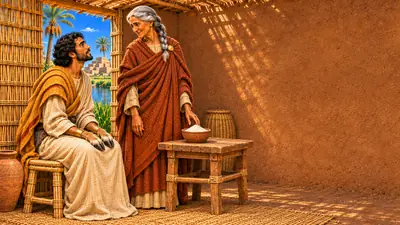
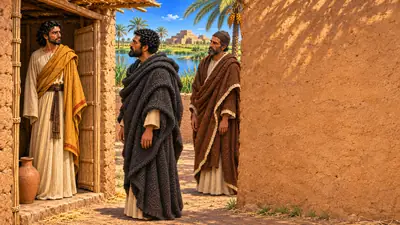
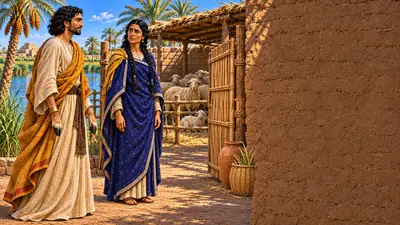
Dumuzi chamou por Belili e disse-lhe que era marido de uma deusa. Pediu-lhe que lhe deitasse um pouco de água para beber.
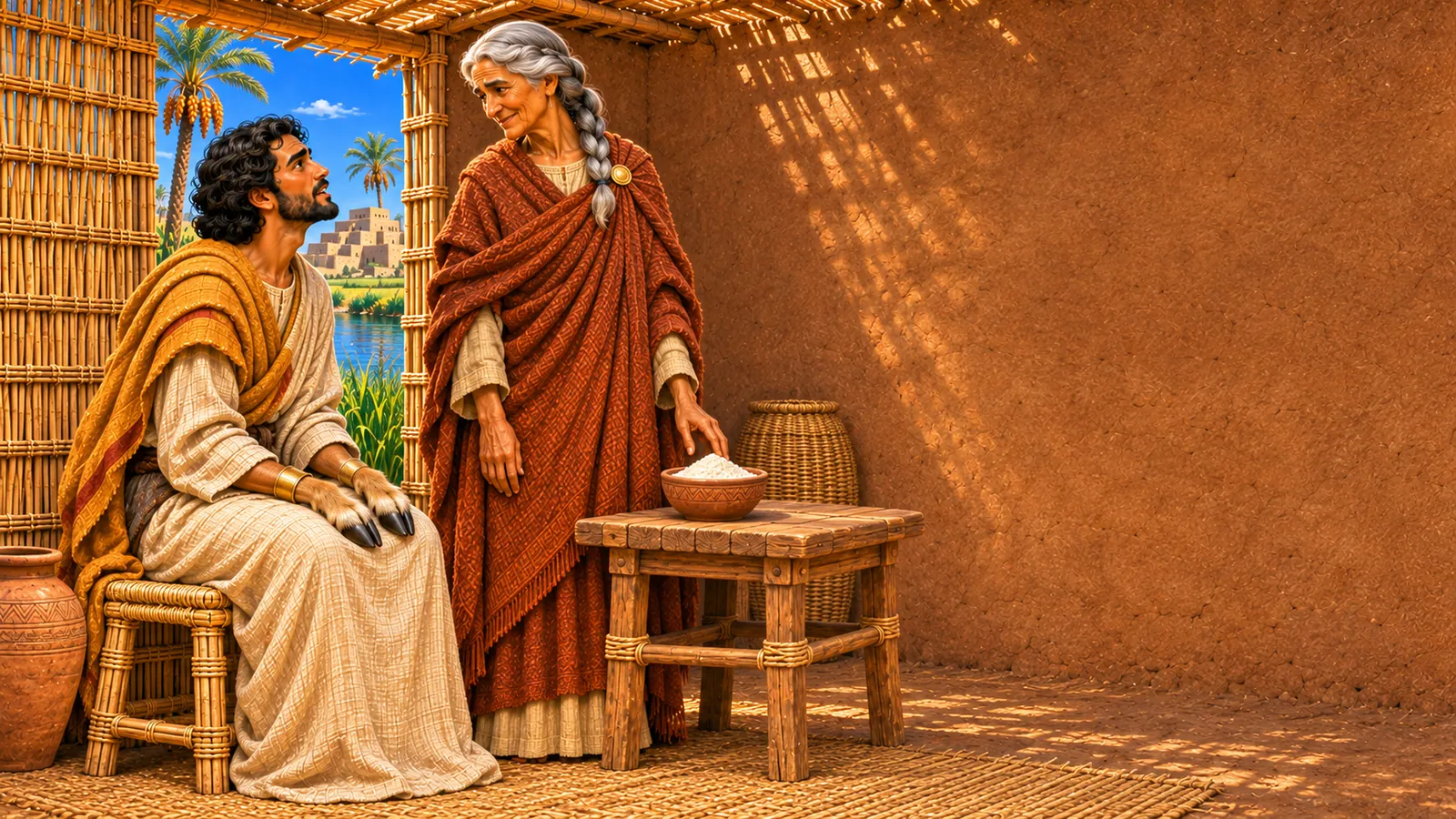
Pediu também farinha. «Espalha um pouco de farinha para mim, por favor», disse, «para eu poder comê-la.»
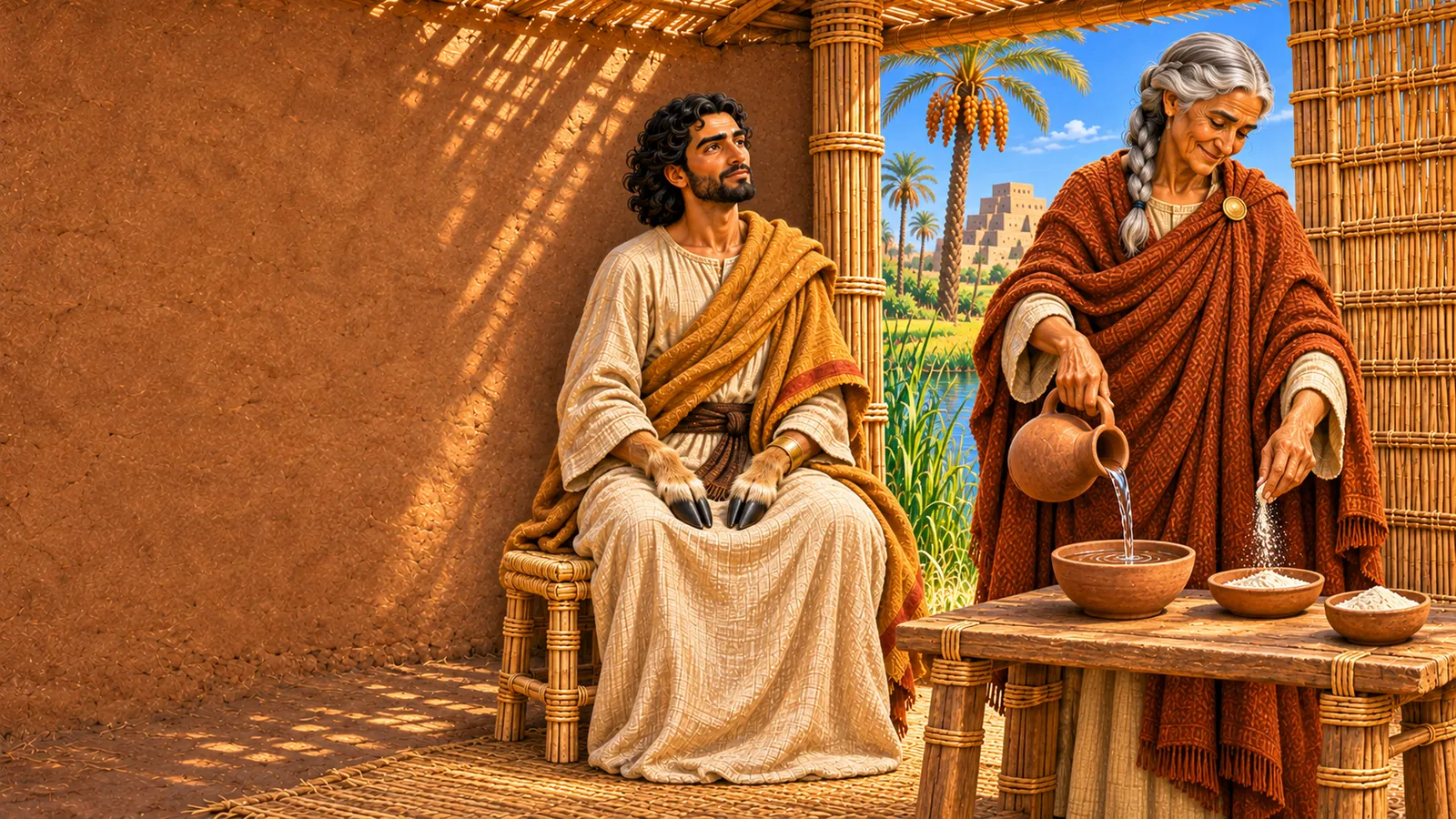
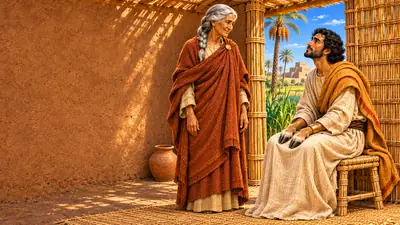
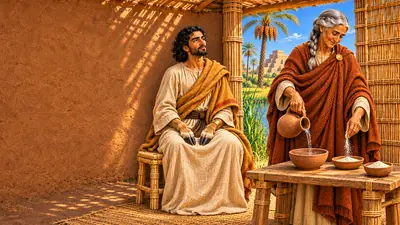
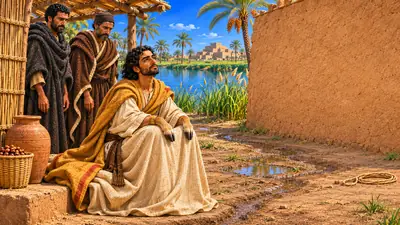
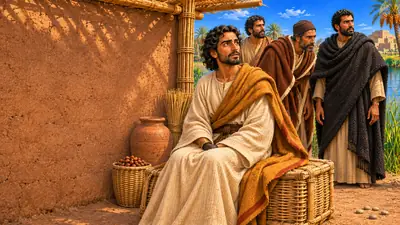
A velha Belili deitou a água e espalhou a farinha. Depois Dumuzi sentou-se dentro da casa dela.
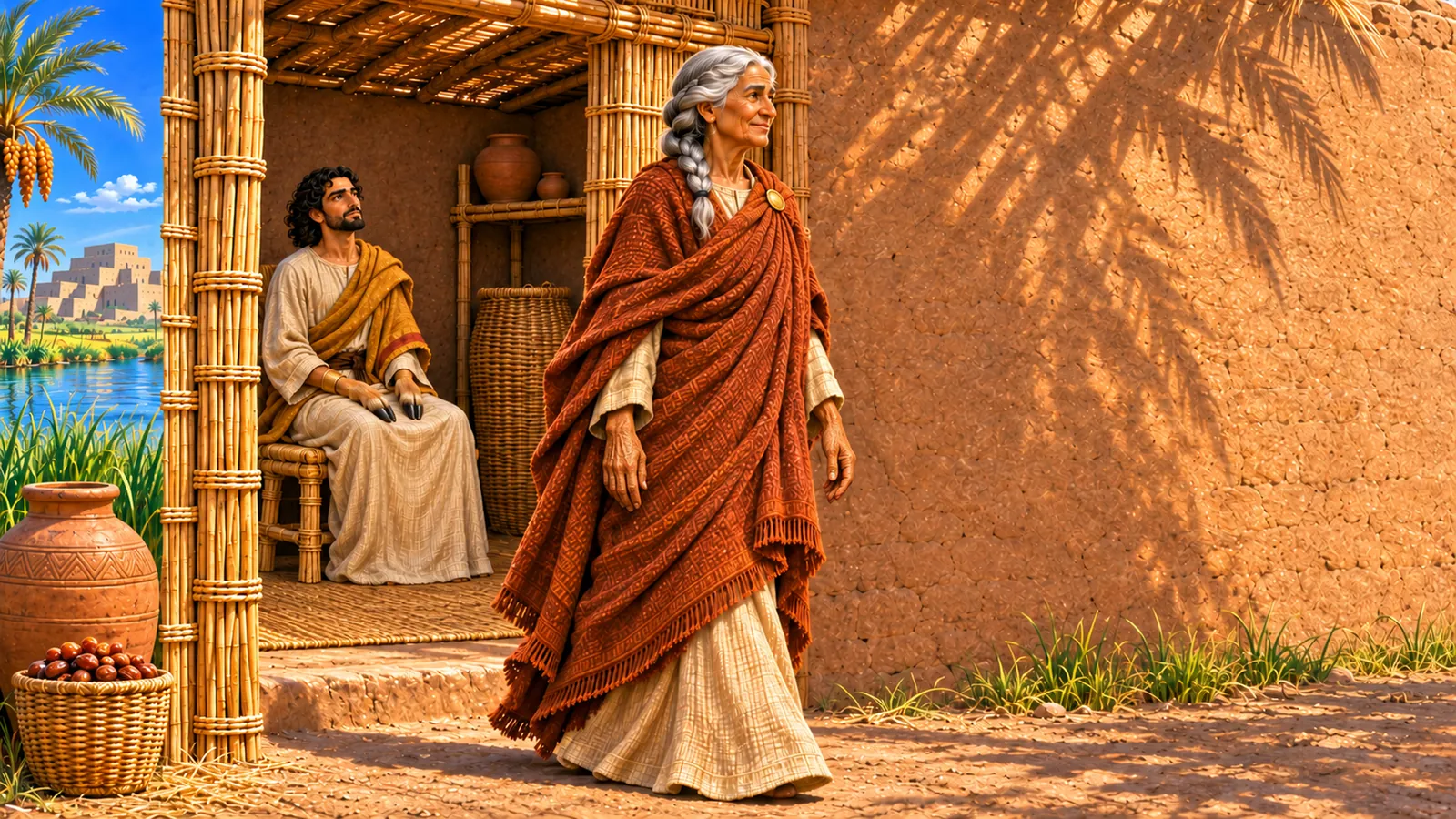
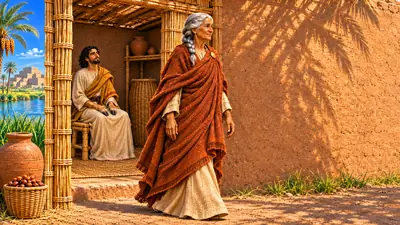
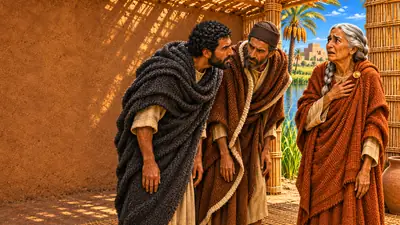
A mulher idosa saiu de casa. Dumuzi tinha-se sentado lá dentro, onde ela lhe tinha dado água e farinha.
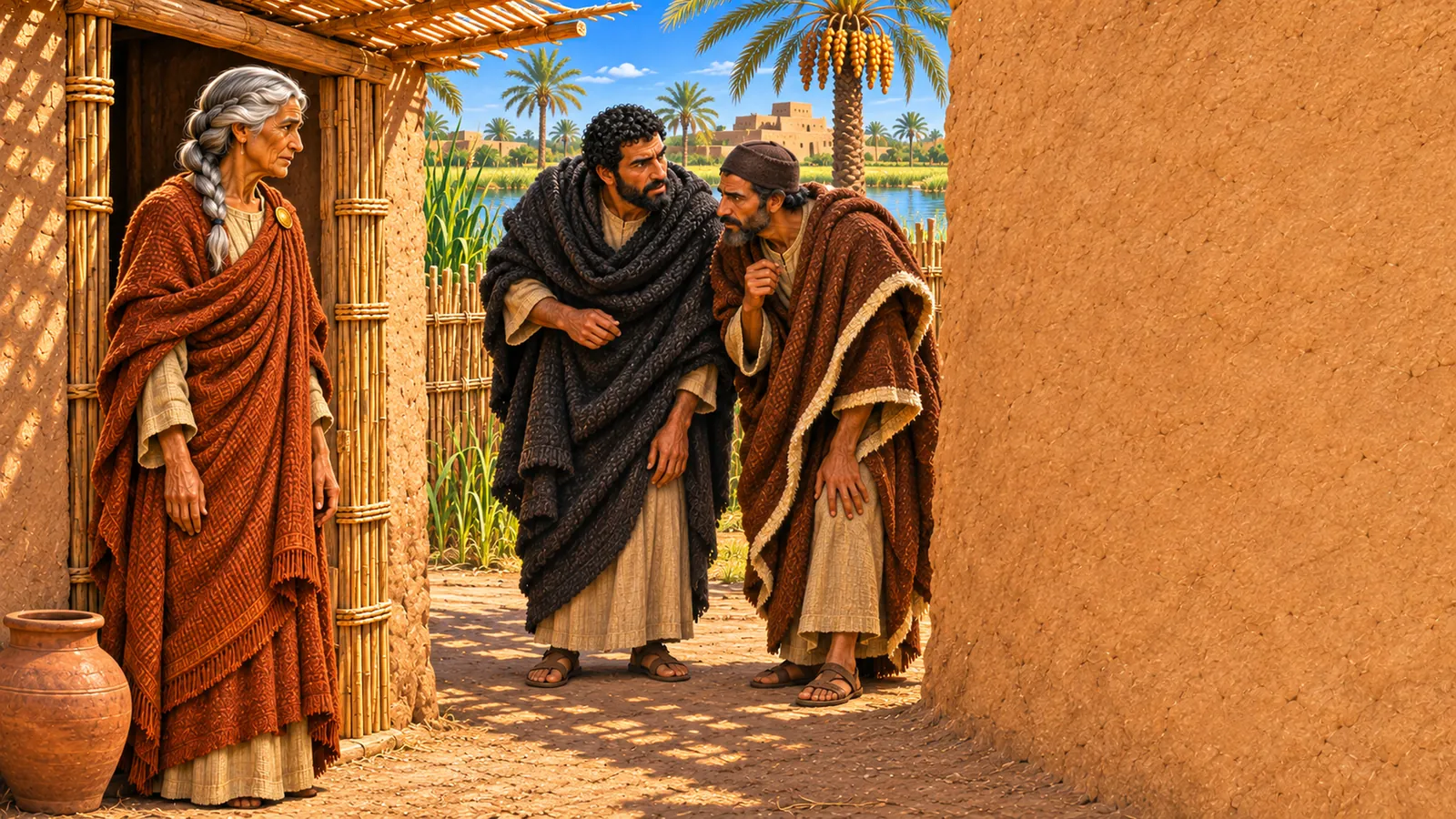
Quando a mulher idosa saiu de casa, os demónios que procuravam Dumuzi viram-na.
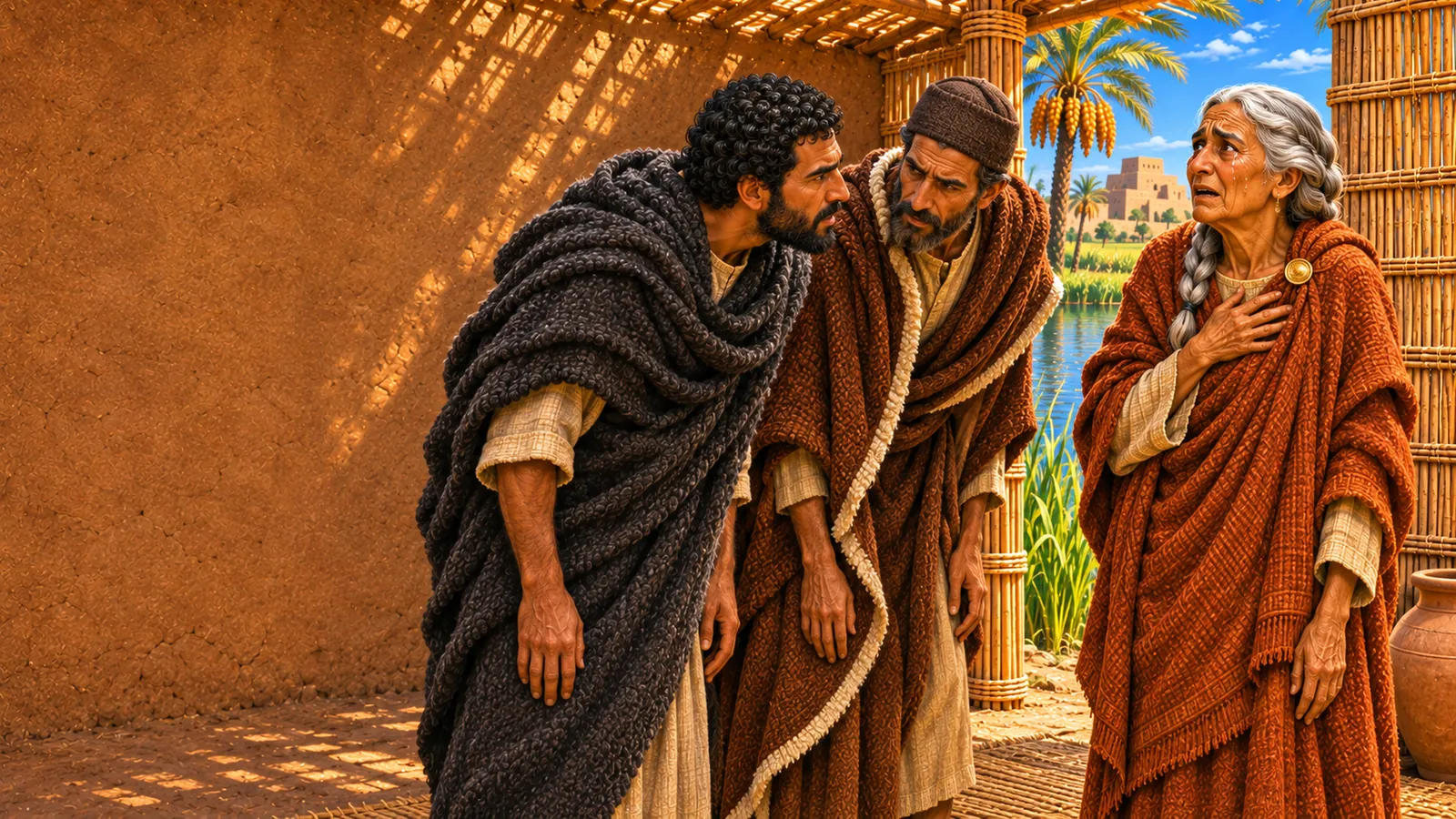
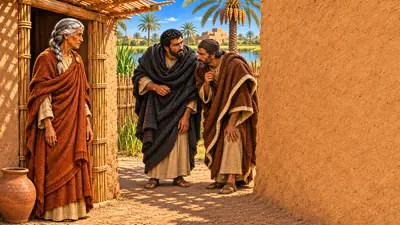
Os perseguidores disseram que a mulher idosa parecia assustada e gritava de medo. Concluíram daí que ela sabia onde estava Dumuzi.
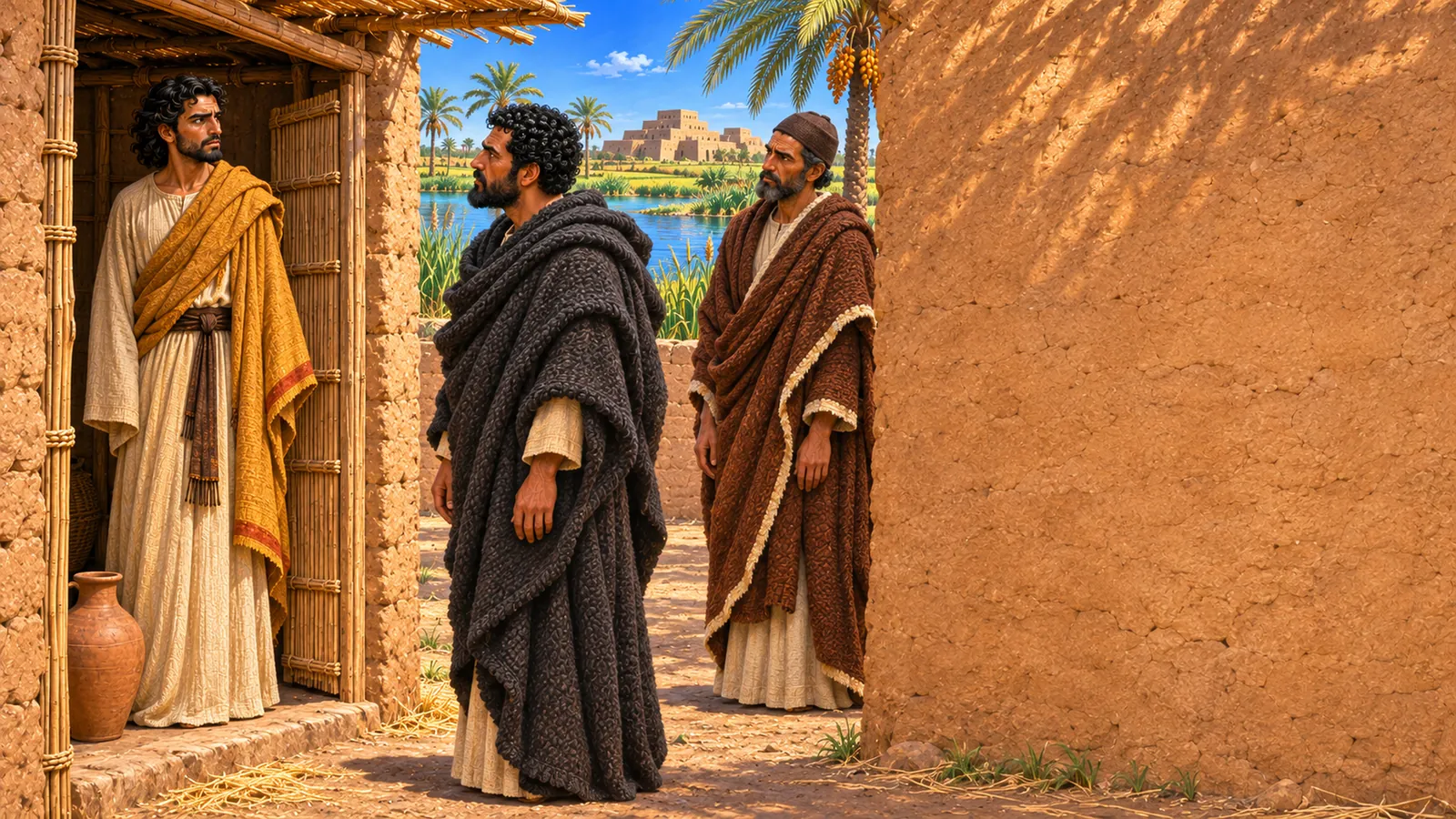
Decidiram ir à casa da velha Belili. Foi lá que apanharam Dumuzi.
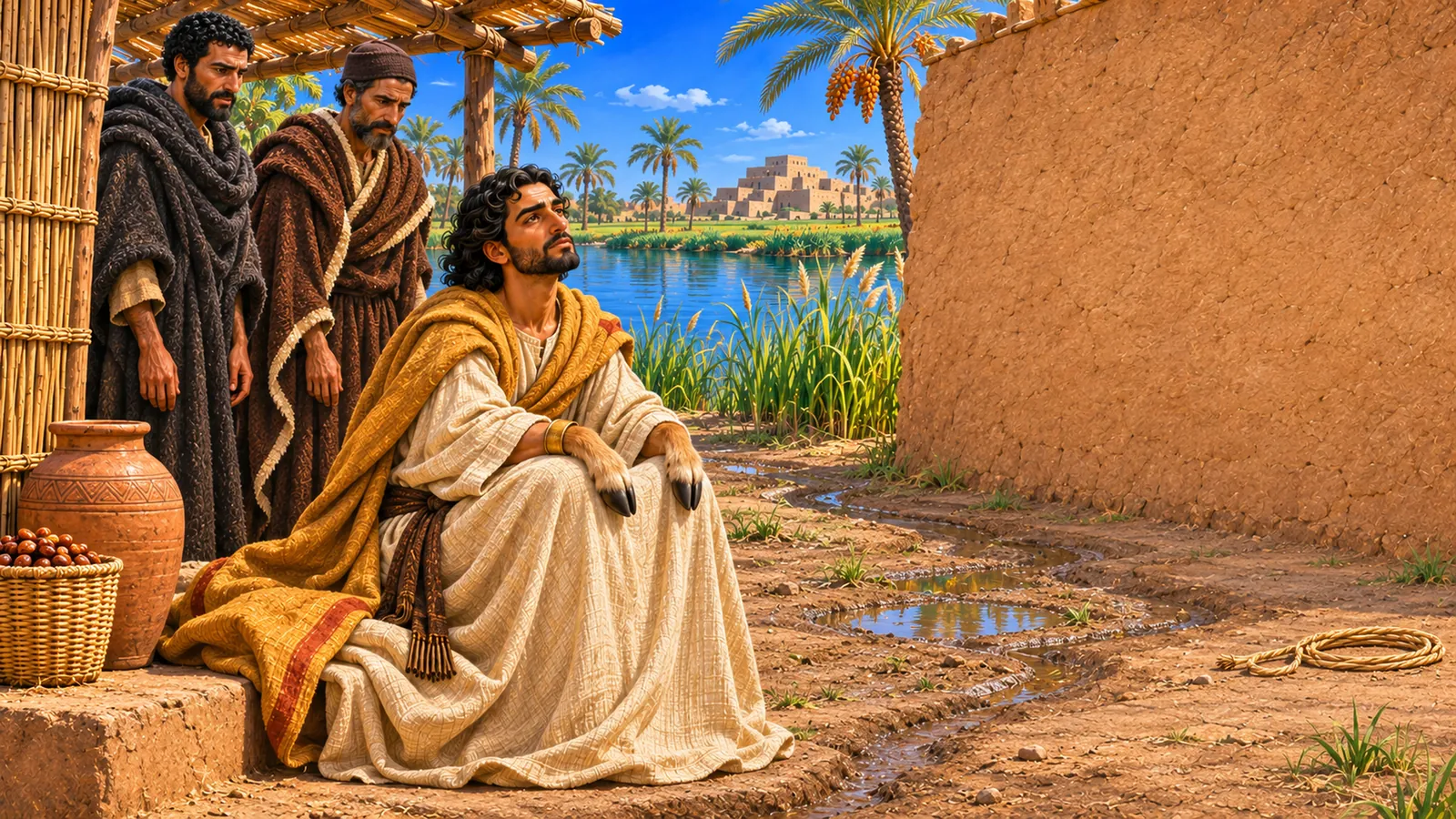
Os homens cercaram Dumuzi e escoaram a água parada, como da última vez que o tinham apanhado.
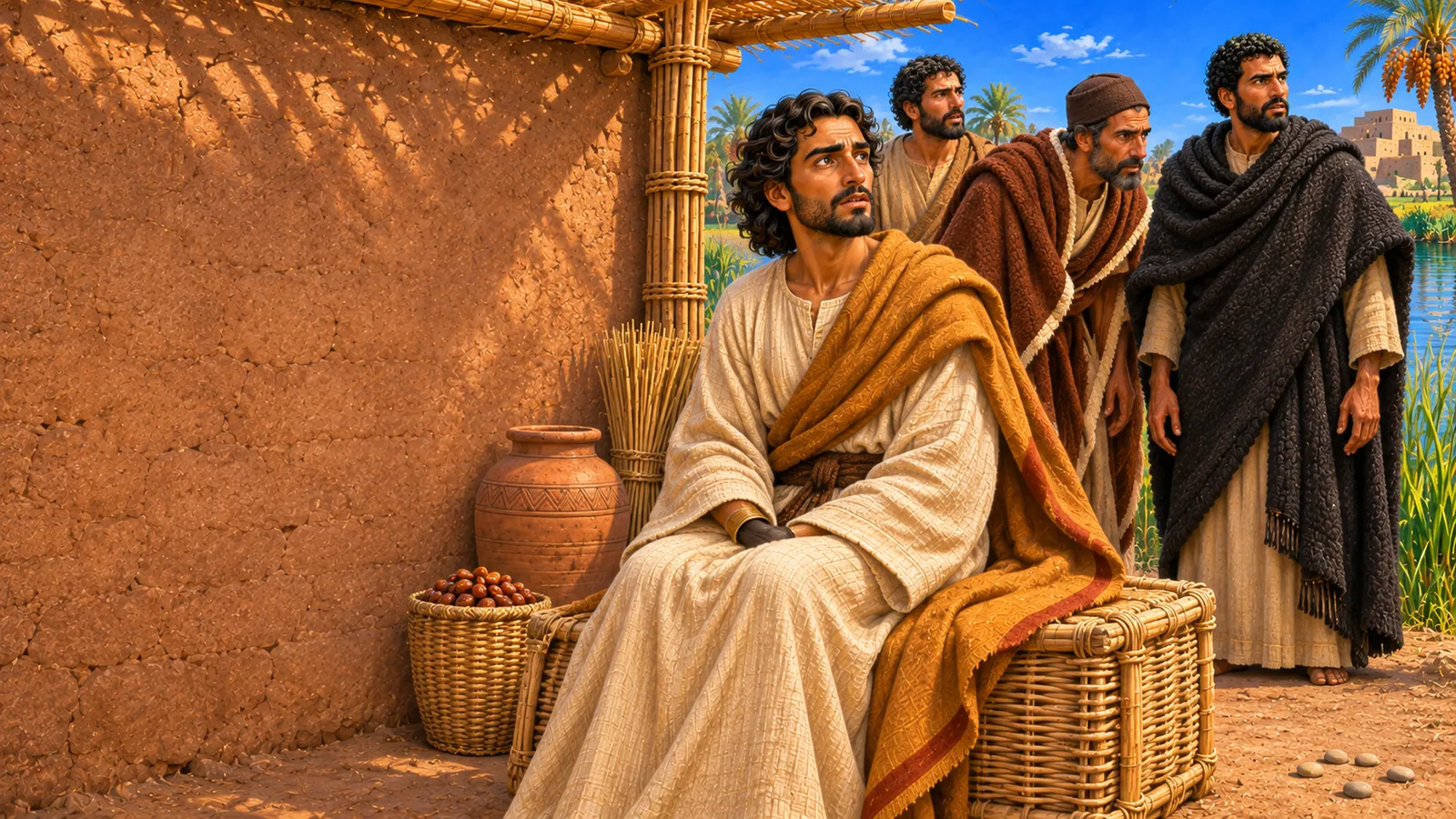
Prepararam cordas, uma rede e paus, e o homem à frente de Dumuzi atirou-lhe objetos. As palavras sobre o homem atrás dele ficam incompletas.

Ataram as mãos e os braços de Dumuzi. Ele ergueu as mãos para o céu para suplicar de novo a Utu.
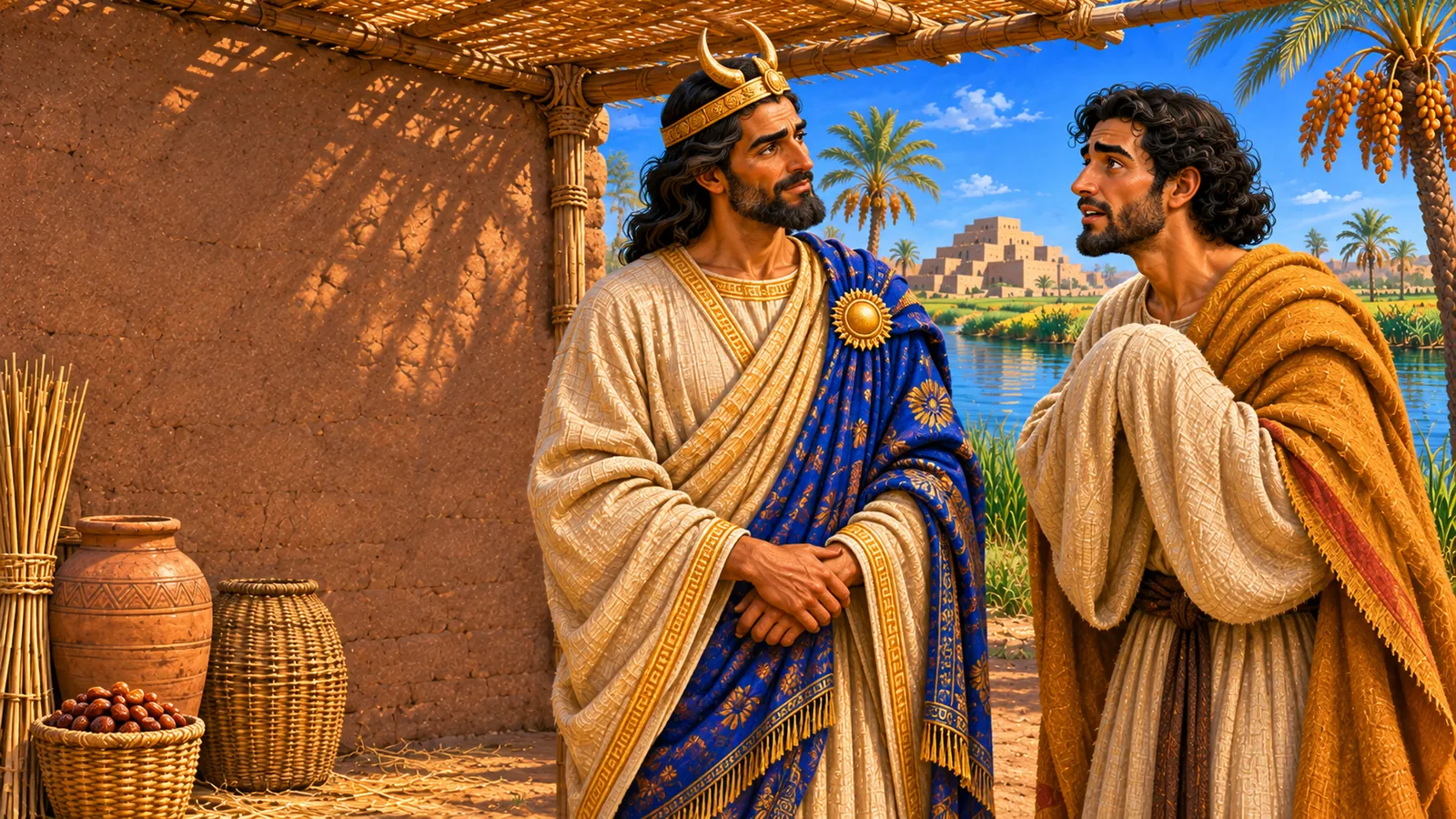
A TERCEIRA SÚPLICA
Dumuzi voltou a dirigir-se a Utu. Lembrou-lhe que eram cunhados e que era marido da sua irmã.

Dumuzi recordou que levava comida a Eanna e que tinha trazido presentes de casamento a Uruk. Falou em beijar os lábios sagrados e dançar nos joelhos sagrados de Inanna.
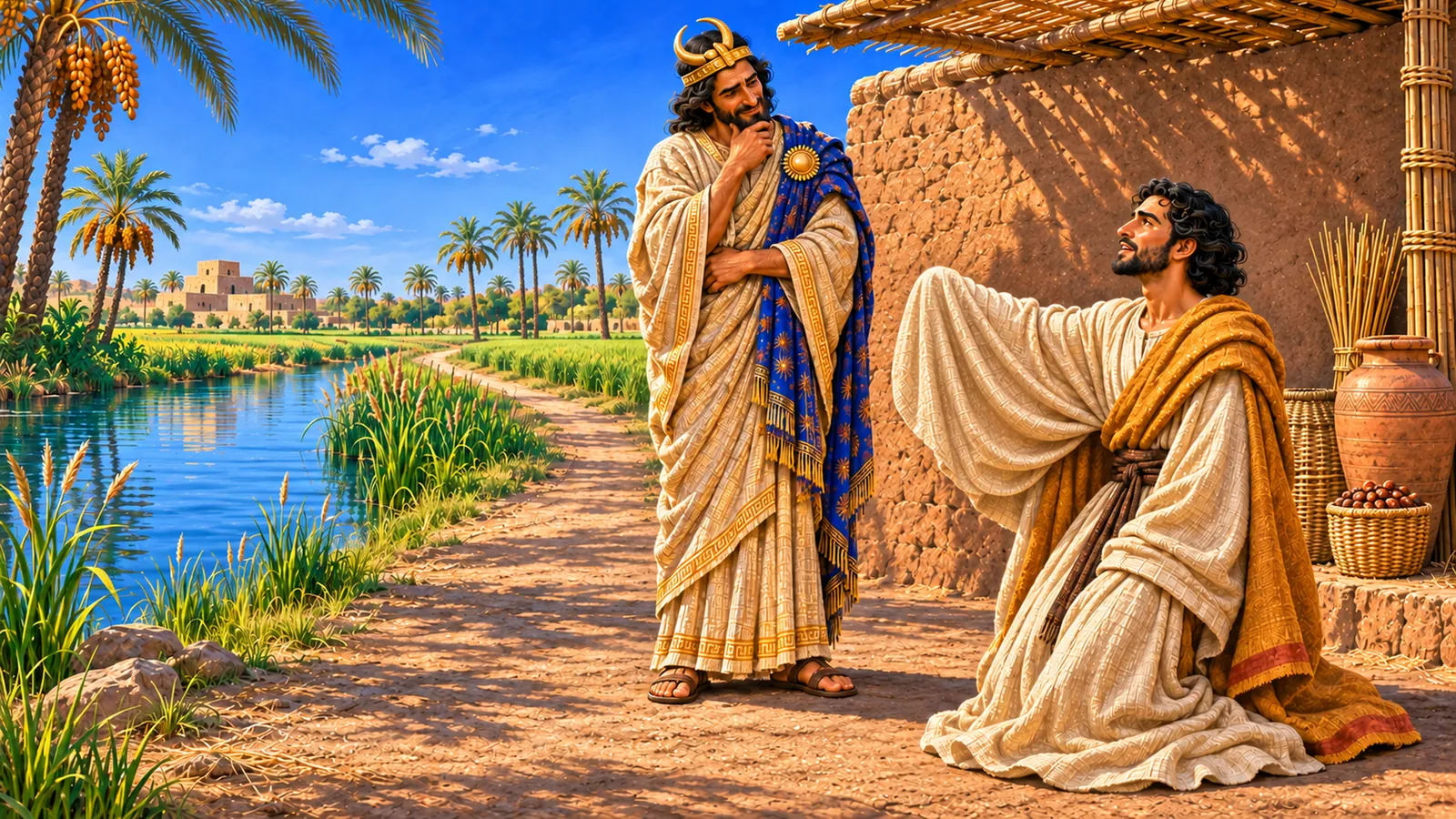
Pediu a Utu que lhe desse mãos e pés de gazela para que pudesse fugir para o redil sagrado da irmã.

FUGA
Utu aceitou de novo as suas lágrimas. Deu a Dumuzi mãos e pés de gazela, e Dumuzi escapou dos demónios.
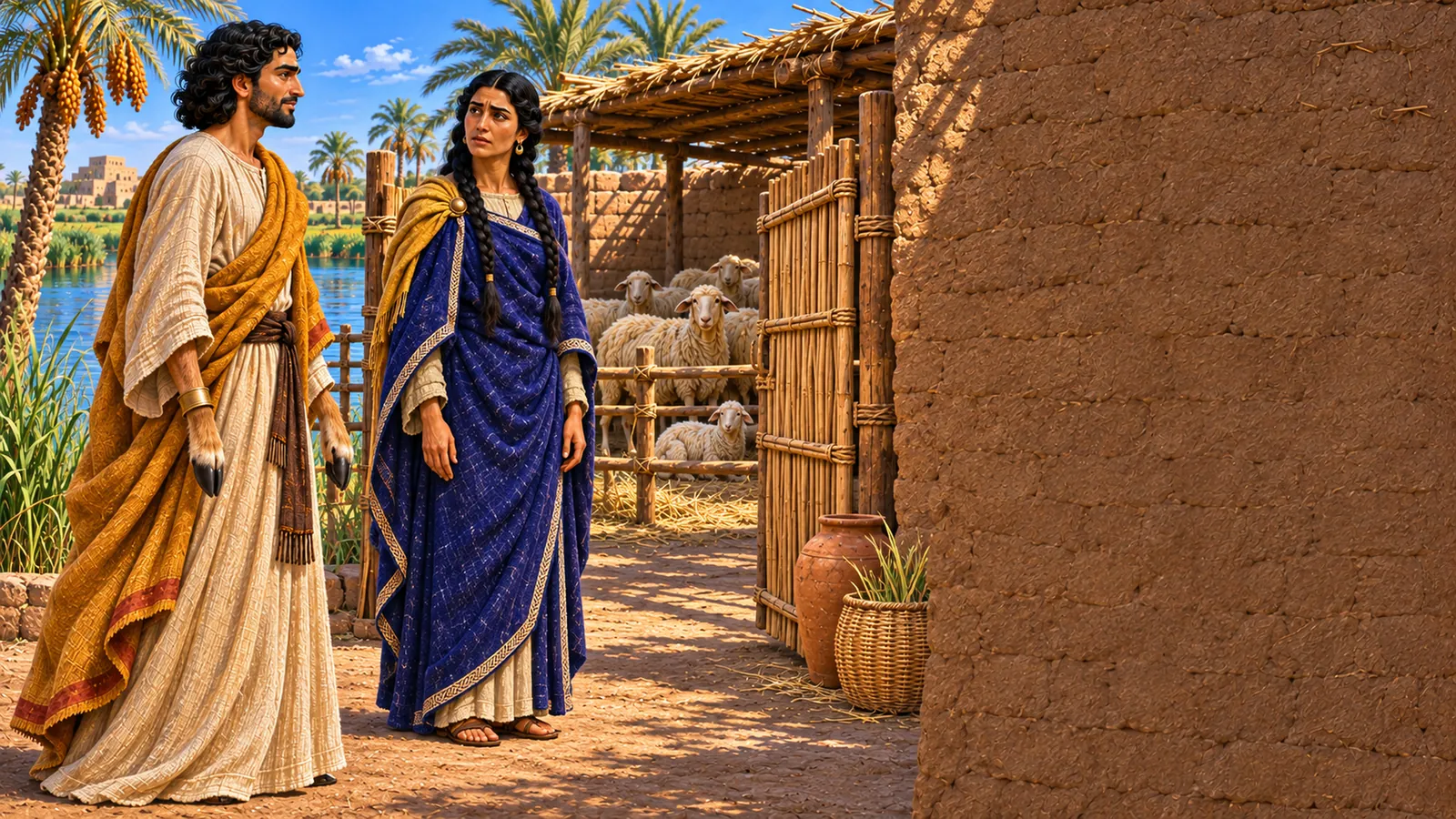
Dumuzi escapou com vida para o redil sagrado. Era o redil da sua irmã, e ele aproximou-se da entrada.
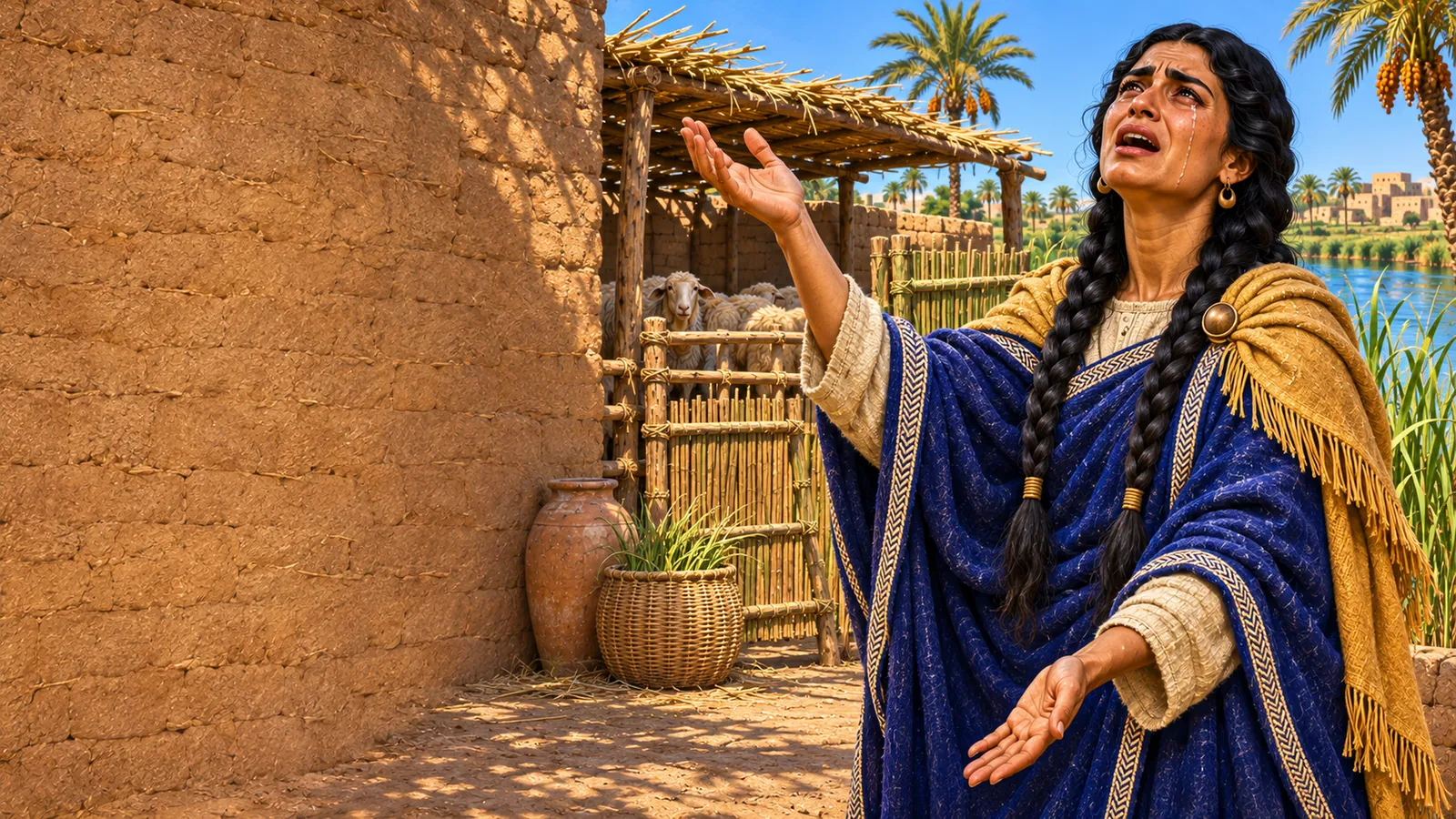
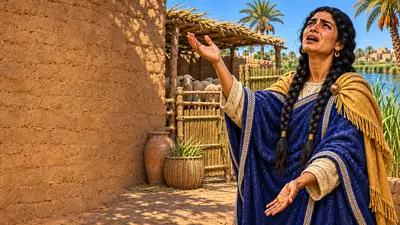
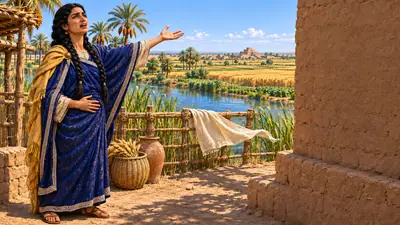
Geštinanna clamou para o céu e para a terra. A sua voz espalhou-se por todo o horizonte, como se pudesse cobrir os campos.
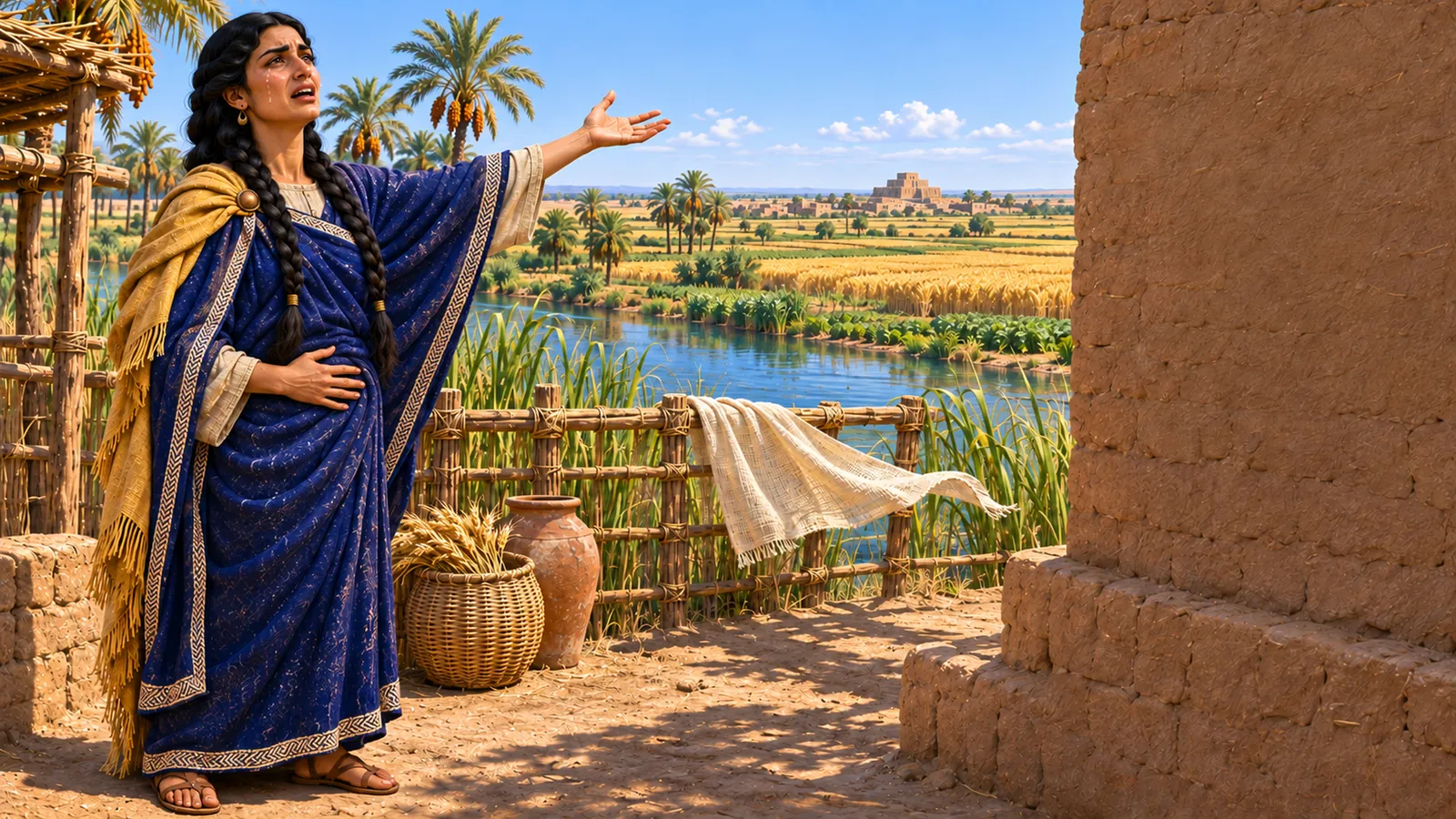
O poema compara os seus clamores a um pano estendido pelo horizonte. Cobriam a terra distante como um pedaço de linho.
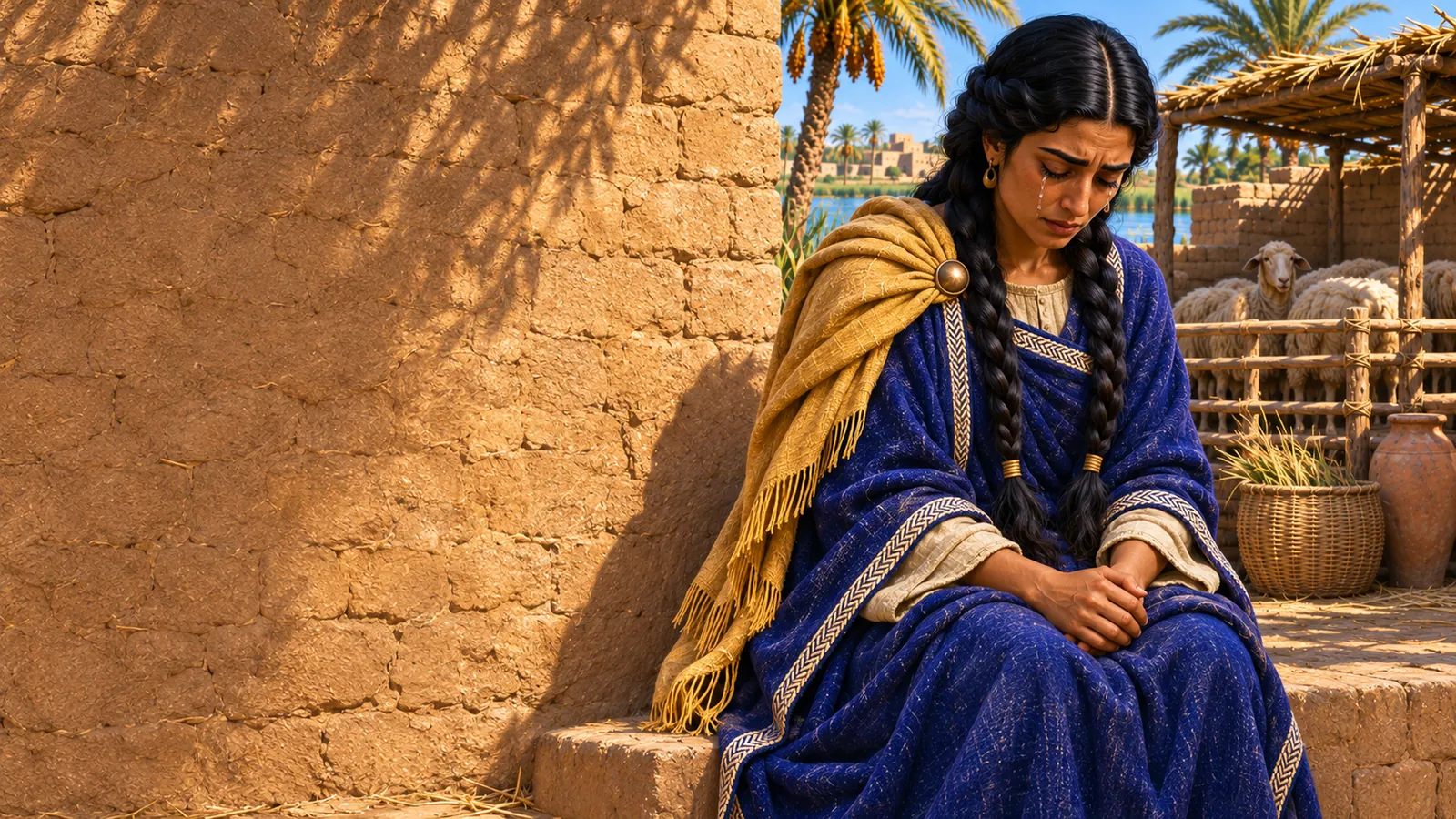
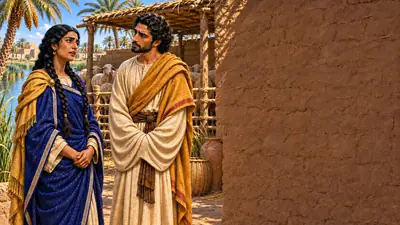
No seu luto, Geštinanna fez mal a si própria. O poema diz que o fez diante de outros e que voltou a ferir-se quando ficou só.
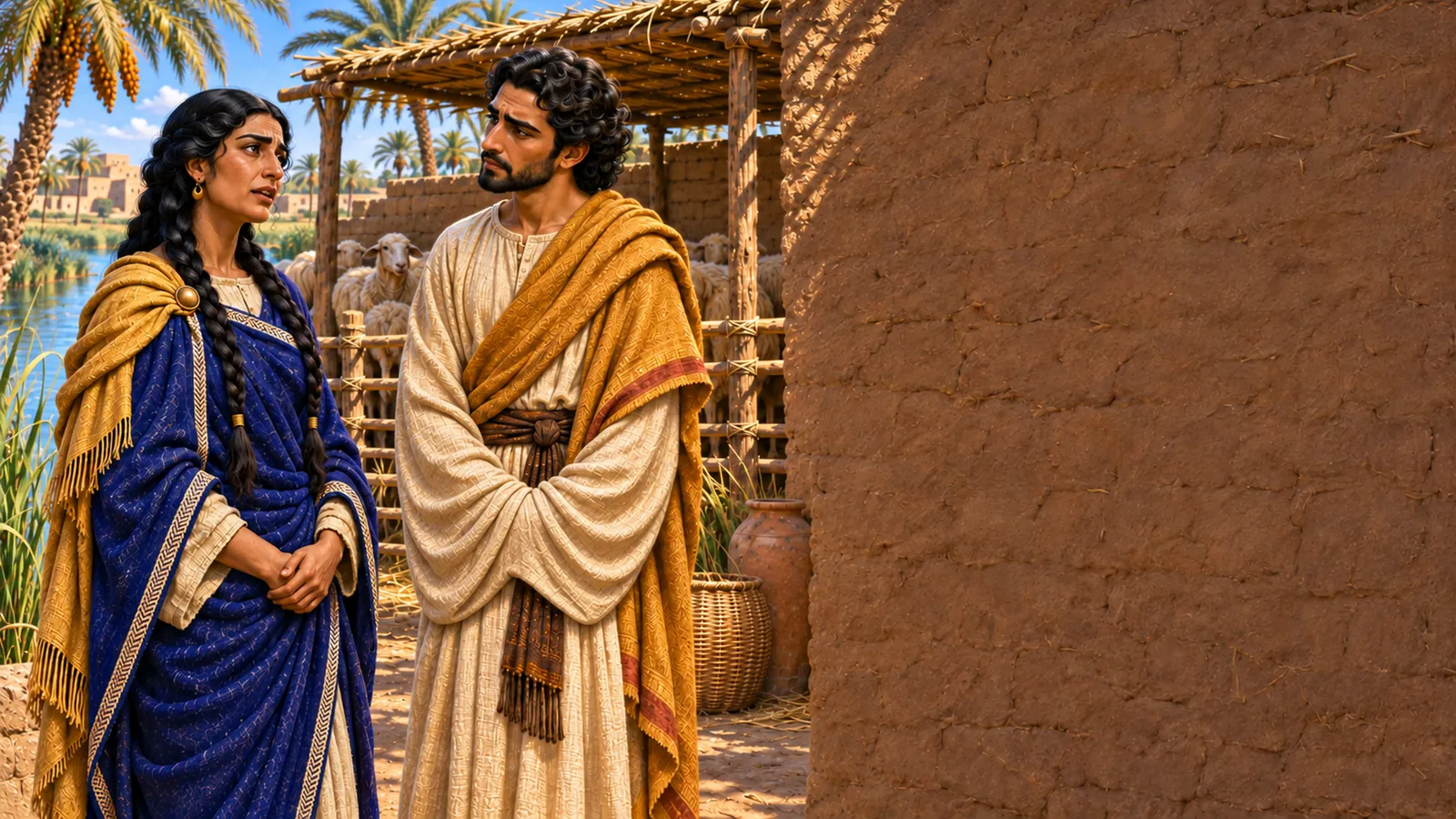
Falou ao irmão em percorrer as ruas. A sua frase interrompe-se aí. Já não fica claro o que pretendia fazer.
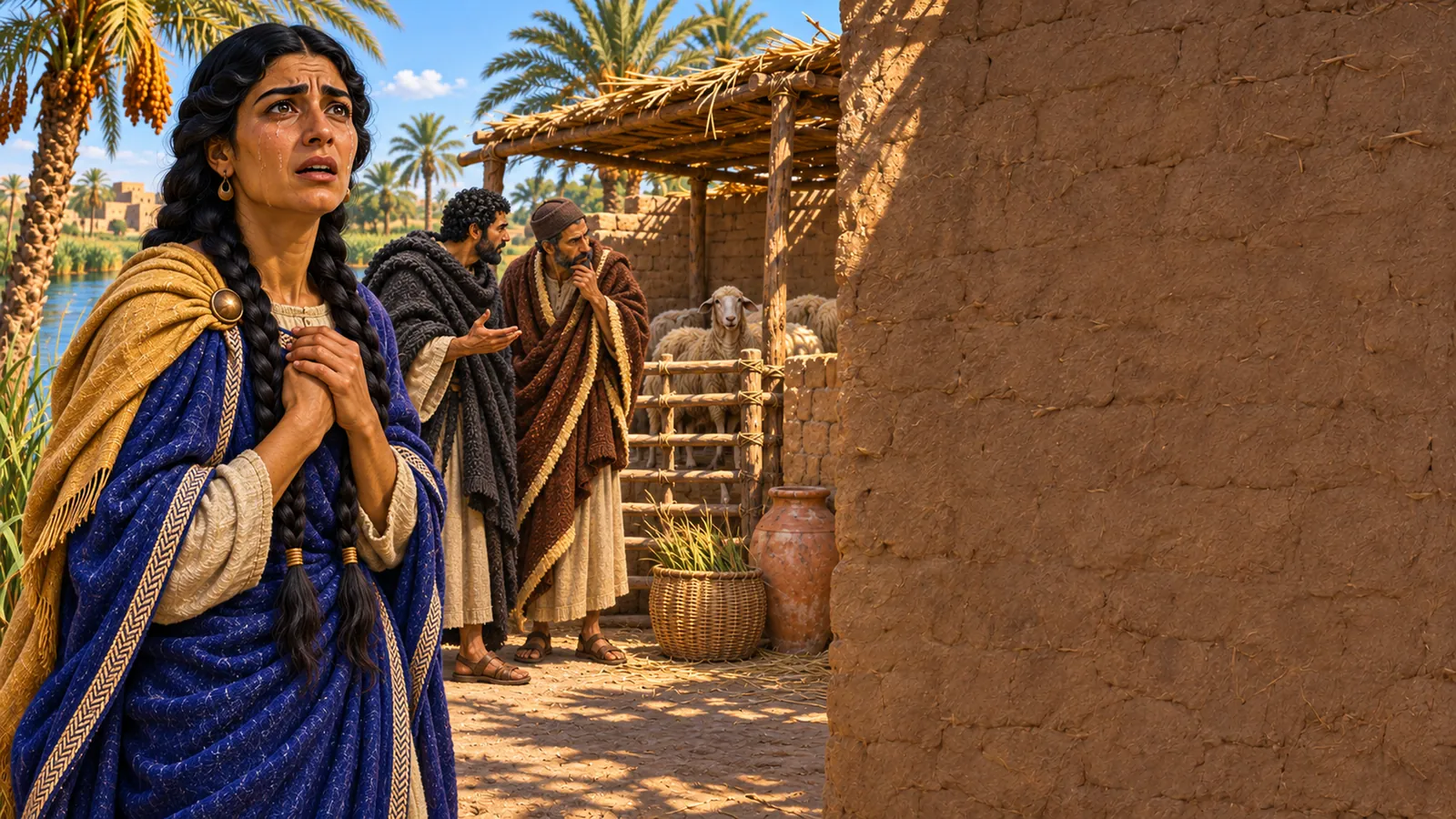
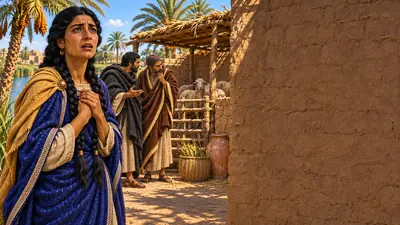
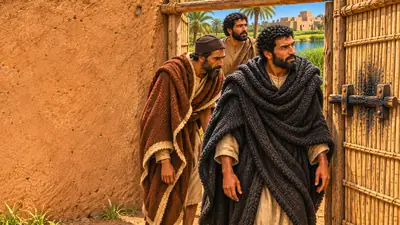
Os demónios ouviram o medo na sua voz e tomaram-no como sinal de que ela sabia onde estava Dumuzi. Voltaram-se para o redil e para o cercado do gado.
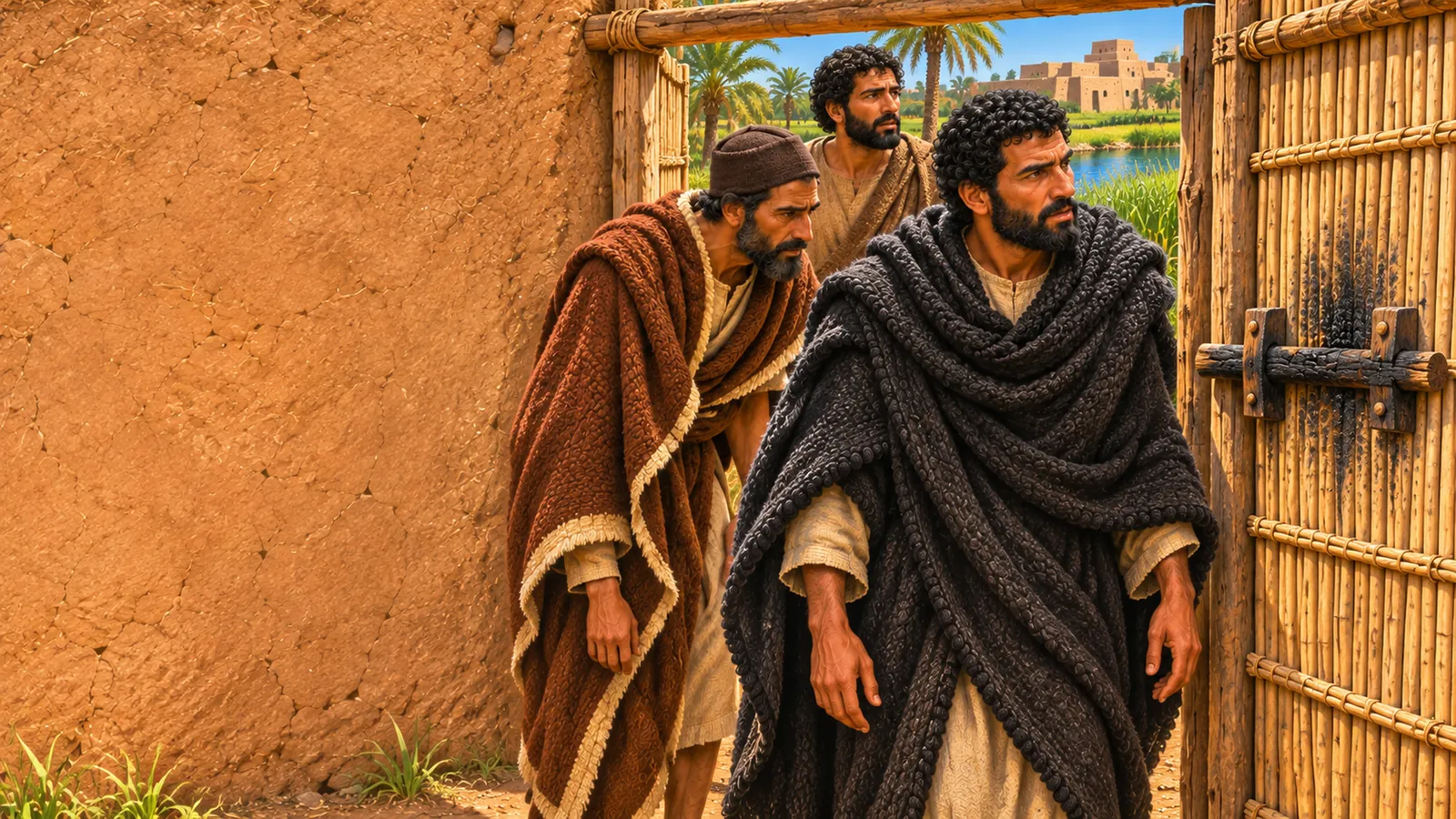
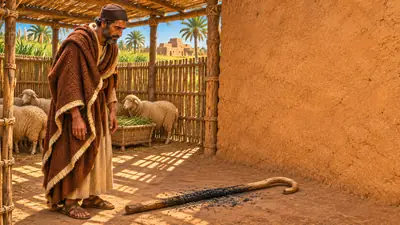
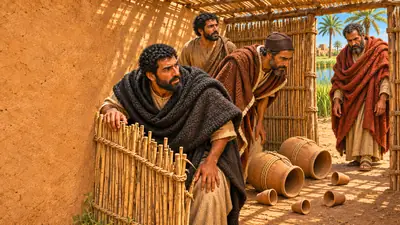
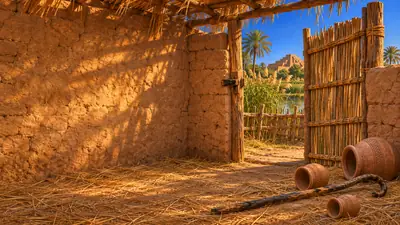
O primeiro demónio entrou no redil e no cercado do gado. Na versão principal, ateou fogo ao ferrolho da porta.
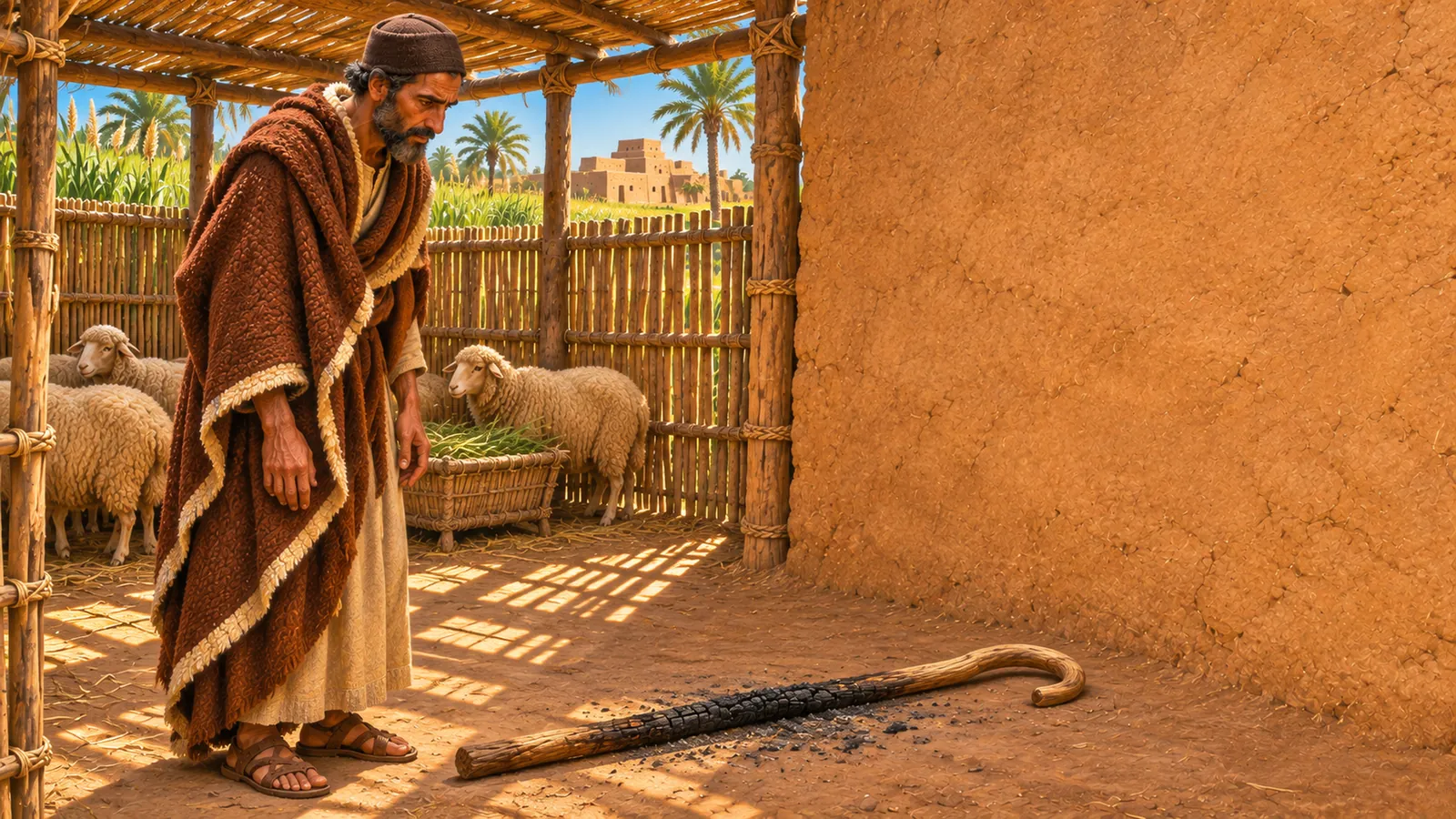
O segundo demónio entrou no redil e no cercado do gado e queimou o cajado do pastor. No sonho de Dumuzi, já desaparecera um cajado.
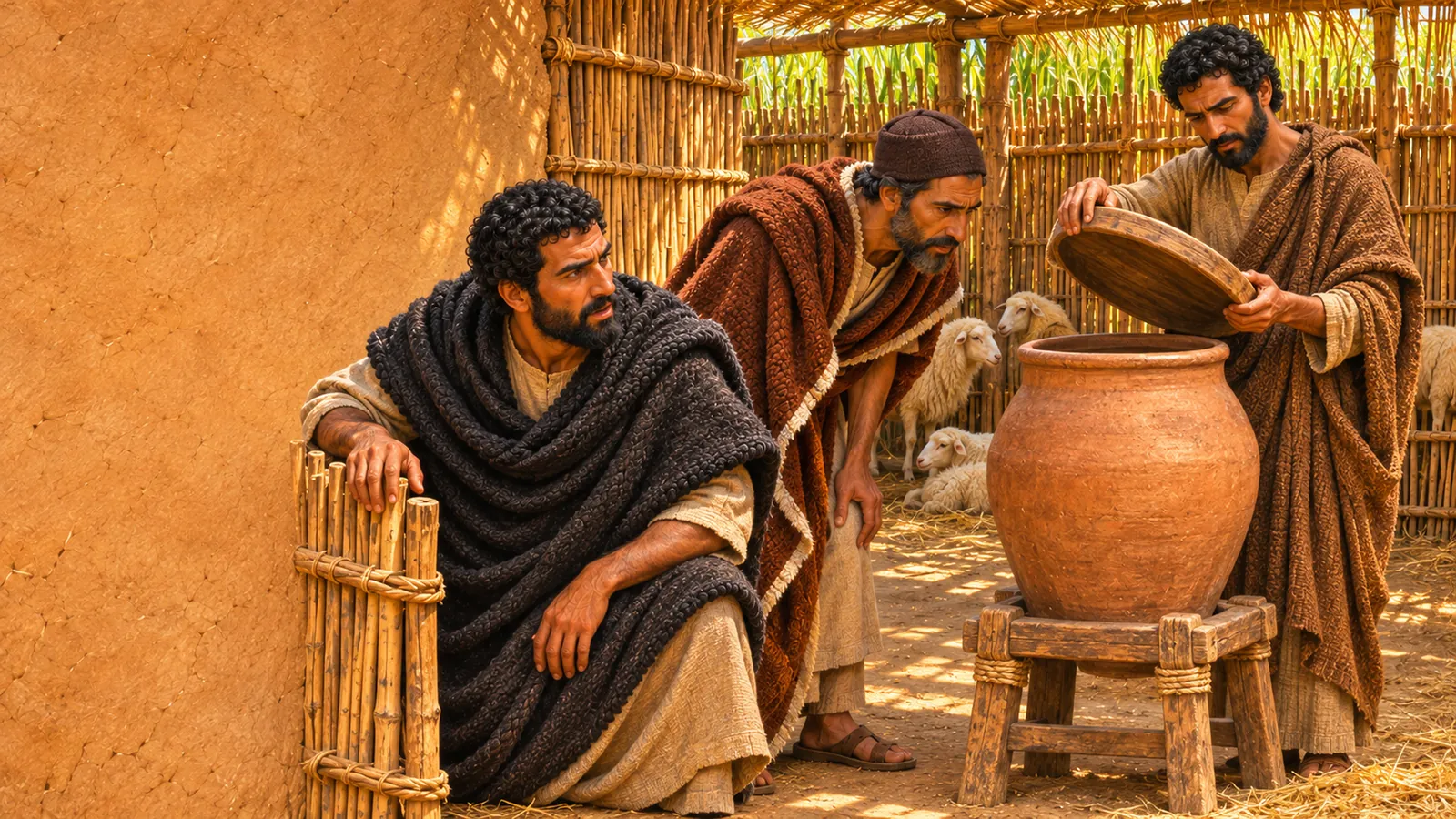
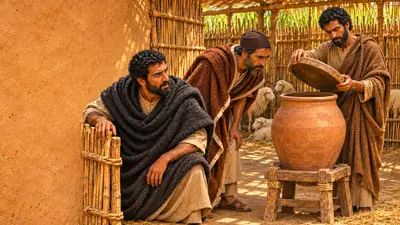
O terceiro demónio entrou no redil e no cercado do gado. Retirou a tampa da batedeira sagrada, tal como Dumuzi tinha visto no sonho.
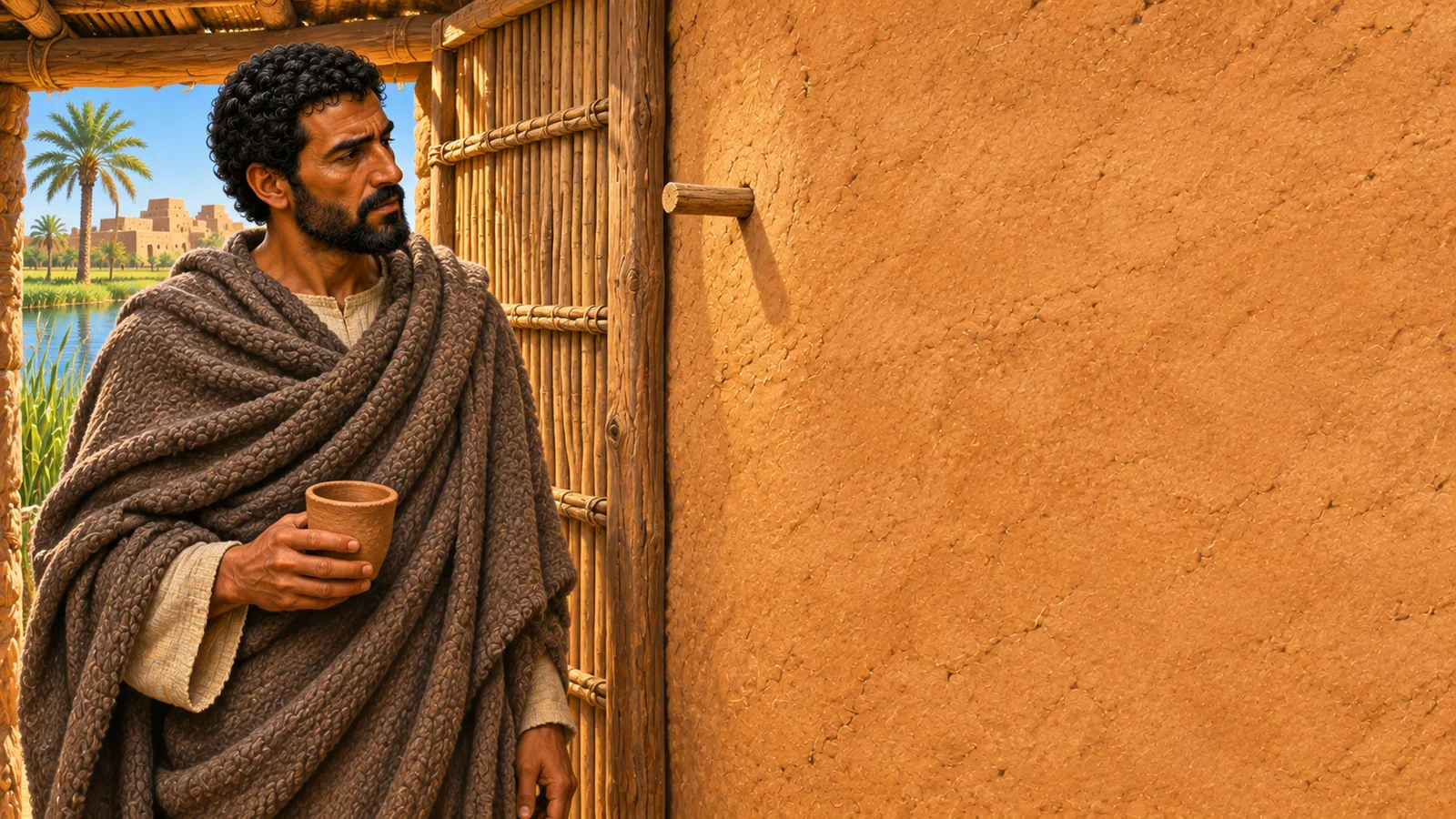
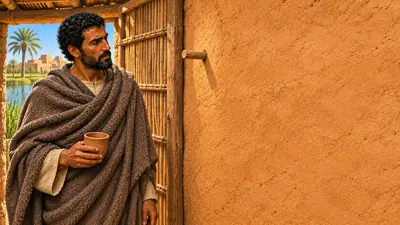
O quarto demónio entrou e arrancou o copo da cavilha de onde pendia. Também o copo caíra no sonho de Dumuzi.
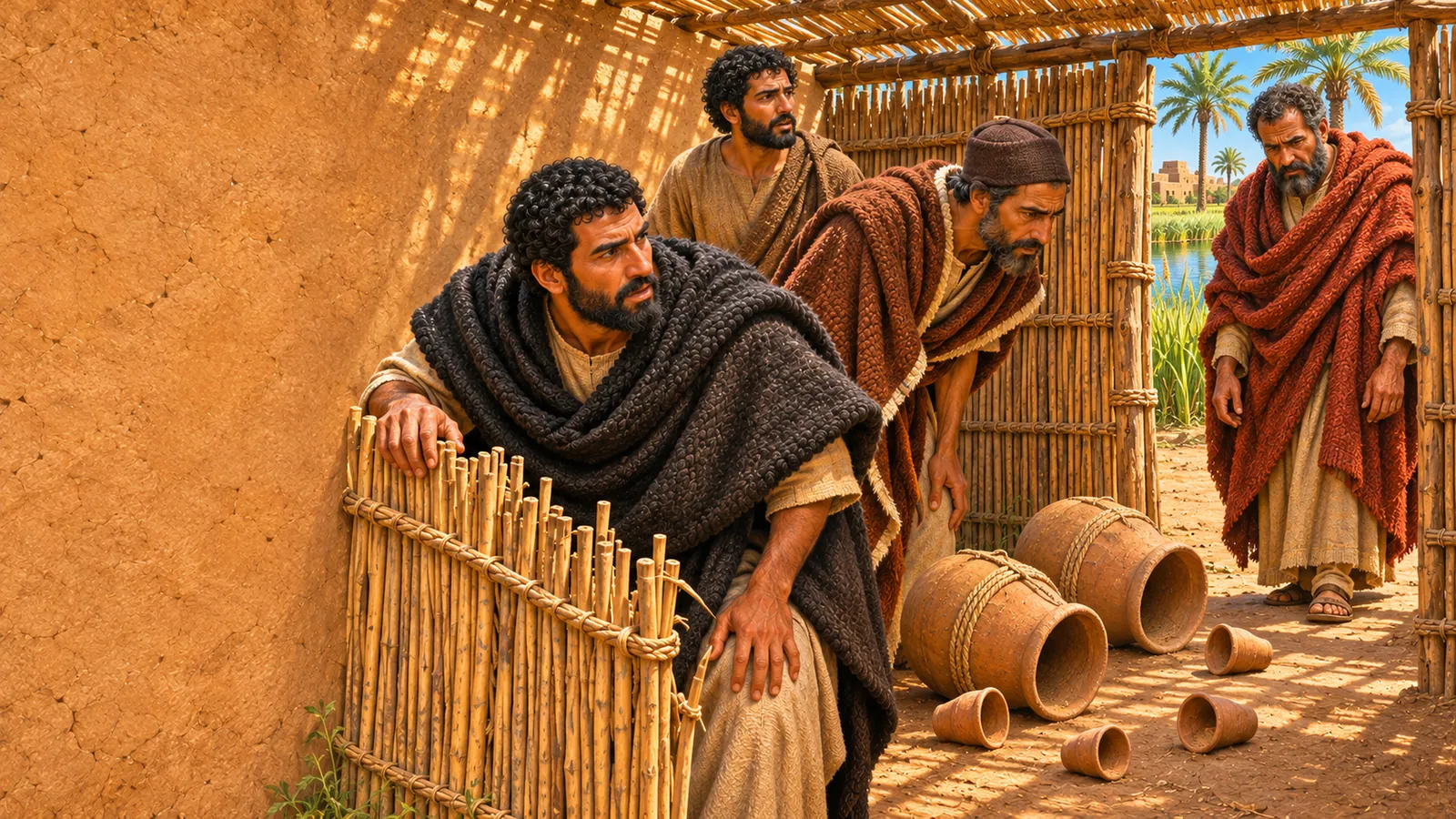
Quando o quinto demónio entrou na versão principal, as batedeiras e os copos jaziam de lado. Ninguém vertia leite no redil.
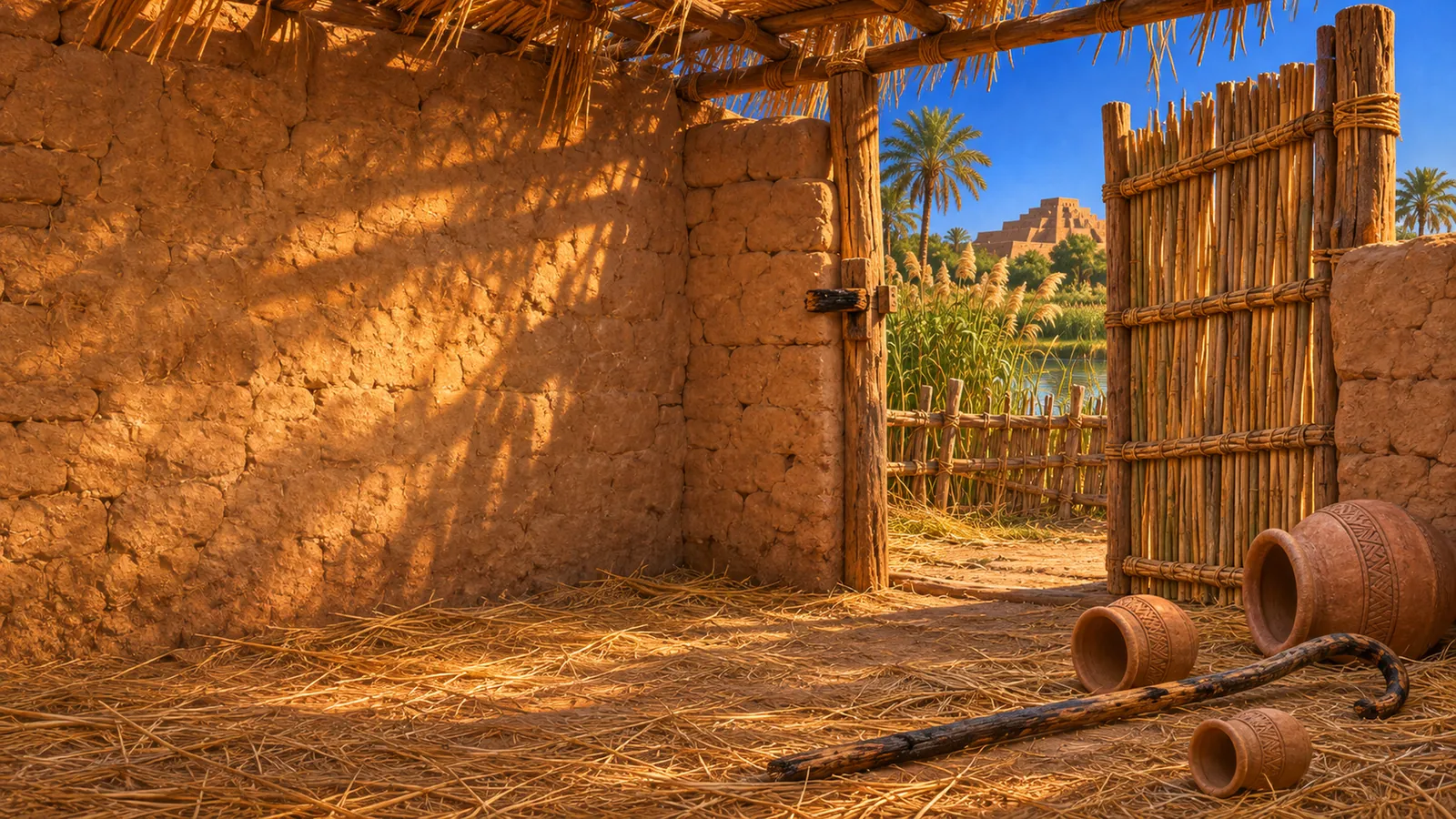
Dumuzi estava morto e o redil ficou assombrado. A última cena do sonho cumprira-se. O poema deixa o lugar sem o seu pastor.

LAMENTO
O último verso chama a este texto um canto kalkal pelo Dumuzi morto. Dá um nome ao lamento que ficou depois de o redil se calar.
Fim do capítulo 2
Todas as páginas










Fontes
Oxford groups the translation into line ranges. Each page follows the beat within its cited group. Eanna, Uruk and Inanna are the names used here for Oxford’s E-ana, Unug and Inana. Ku-bireš and Ku-bireš-dildareš render Oxford’s Ku-birec and Ku-birec-dildarec.
Edições consultadas
Notas sobre este reconto
Pages 1–4, lines 165–173. Dumuzi addresses Utu as his brother-in-law and calls himself the husband of Utu’s sister. He mentions carrying food to Eanna and bringing wedding gifts to Uruk. Page 3 gives his claim that he kisses Inanna’s sacred lips and dances on her sacred knees, the words of his appeal. On page 4 he asks for gazelle hands and feet so he can escape to Ku-bireš-dildareš. These spellings follow the story’s naming conventions. Oxford prints E-ana, Unug, Inana and Ku-birec-dildarec.
Page 5, lines 174–180. Utu accepts Dumuzi’s tears and shows mercy. One manuscript adds that he accepts the tears as a gift.
Pages 6–8, lines 174–180. The translation specifies Dumuzi’s hands and feet in describing the change. He evades the demons and reaches Ku-bireš-dildareš with his life. They look for him without finding him at first.
Pages 9–10, lines 181–191. The pursuers propose going to Ku-bireš. One witness adds a broken comparison involving a net after this suggestion. Oxford prints Ku-birec.
Pages 11–12 (181–191). Adjacent pages preserve the order to go to Ku-bireš and the capture there. The captured Dumuzi is surrounded, the standing water drained and a cord, net, reed hawser and sticks prepared. Oxford describes the man in front throwing projectiles and preserves no action for the man behind. The poem says they bound Dumuzi’s hands and arms and then describes him raising his hands toward Utu. Page 12 retains that sequence. The manuscript addition with the comparison to a net belongs with the earlier order.
Pages 13–15 (192–199). The appeal begins with Dumuzi identifying Utu as his brother-in-law. Dumuzi says he carries food to Eanna and brought wedding gifts to Uruk, and invokes Inanna’s lips and knees. Then he requests the hands and feet of a gazelle so that he can escape to the house of Old Woman Belili. One manuscript reads snake in place of gazelle in both phrases. The narrative request is distinct from its fulfillment.
Pages 16–17 (200–205). Utu accepts Dumuzi’s tears and changes his hands and feet into those of a gazelle in the composite text. One manuscript reads snake as the alternative for both. The composite gives his evasion and escape with his life to Belili’s house.
Pages 18–19 (206–208). Dumuzi identifies himself as a goddess’s husband and makes two requests, first for water to drink and then for flour to eat.
Page 20 (209–212). The first surviving sequence is Belili pouring water, sprinkling flour, and Dumuzi sitting inside. The next pages take up Belili leaving and the demons seeing her. The edition gives no eating or drinking action between the request and Dumuzi’s sitting down.
Pages 21–22 (209–212). After the old woman gives Dumuzi water and flour, he sits inside. She goes outside, and the demons see her.
Pages 23–24 (213–226). The searchers remark on the old woman’s frightened appearance and cries. They infer that she knows Dumuzi’s whereabouts and decide to go to the house of Old Woman Belili, where they catch him. The explanation of her fear comes from them. The translation gives no disclosure by Belili.
Pages 25–27 (213–226). The men drain the standing water around Dumuzi and prepare a cord, a net, a reed hawser and sticks. The man in front throws projectiles at him, and the words about the man behind him break off. The translation names handcuffs and fetters on his hands and arms. He raises his hands heavenward to Utu, and the next numbered passage begins his third appeal.
Pages 28–30 (227–234). Dumuzi calls Utu his brother-in-law and himself the husband of Utu’s sister. He speaks of kissing holy lips and dancing on Inanna’s holy knees. Here the request is for the hands and feet of a gazelle so he can escape to his sister’s holy sheepfold. The snake reading is a variant of the ensuing transformation at 235–244.
Pages 31–32, ETCSL 1.4.3, lines 235–244. Utu hears the appeal, changes Dumuzi’s hands and feet, and he escapes toward his sister’s holy sheepfold. Oxford gives gazelle limbs in the main text and snake limbs in a manuscript variant.
Pages 33–35, lines 235–244. Geštinanna cries toward heaven and earth. Her cries are likened to spread cloth and linen.
Page 35 (ETCSL 1.4.3, lines 235–244).
Pages 36–37, lines 245–255. The opening speech to her brother breaks off after a phrase about going through the streets. The pursuers infer from her fear and cries that she knows where Dumuzi is, then decide to go to the sheepfold and cow-pen. Their inference belongs to their speech.
Pages 38–40, lines 245–255. The first demon sets fire to the bolt in Oxford’s main reading. One manuscript has a shout followed by damaged wording. The second burns the shepherd’s staff and the third removes the churn lid. These are the separate actions in the main sequence.
Pages 41–43, lines 256–260. The fourth tears the cup from its peg in the main reading. At the fifth entry, churns and cups lie on their sides, no milk is poured, Dumuzi is dead and the sheepfold is haunted. One manuscript adds water poured over the brazier at the fourth entry, shifts the cup to the fifth and divides the concluding signs between the sixth and seventh.
Page 44, line 261. Oxford marks the last line as the description of a kalkal song for the dead Dumuzi. This poem ends at that description.
Os versos antigos de cada página
- Page 1: ETCSL 1.4.3, lines 165–173
The ditches suggest the place of the plea rather than a named monument. - Page 2: ETCSL 1.4.3, lines 165–173
- Page 3: ETCSL 1.4.3, lines 165–173
- Page 4: ETCSL 1.4.3, lines 165–173
- Page 5: ETCSL 1.4.3, lines 174–180
- Page 6: ETCSL 1.4.3, lines 174–180
- Page 7: ETCSL 1.4.3, lines 174–180
- Page 8: ETCSL 1.4.3, lines 174–180
- Page 9: ETCSL 1.4.3, lines 181–191
- Page 10: ETCSL 1.4.3, lines 181–191
At extreme lower left an overhanging fragment of bare cracked clay receives a narrow muted warm highlight. - Page 11: ETCSL 1.4.3, lines 181–191
- Page 12: ETCSL 1.4.3, lines 181–191
- Page 13: ETCSL 1.4.3, lines 192–199
- Page 14: ETCSL 1.4.3, lines 192–199
The right falls into broad naturally even gray-olive plaster shade, with no roof edge or right line. - Page 15: ETCSL 1.4.3, lines 192–199
- Page 16: ETCSL 1.4.3, lines 200–205
- Page 17: ETCSL 1.4.3, lines 200–205
Left is continuous natural copper-gray distance with no horizon line or street. - Page 18: ETCSL 1.4.3, lines 206–208
- Page 19: ETCSL 1.4.3, lines 206–208
- Page 20: ETCSL 1.4.3, lines 209–212
- Page 21: ETCSL 1.4.3, lines 209–212
- Page 22: ETCSL 1.4.3, lines 209–212
- Page 23: ETCSL 1.4.3, lines 213–226
- Page 24: ETCSL 1.4.3, lines 213–226
- Page 25: ETCSL 1.4.3, lines 213–226
- Page 26: ETCSL 1.4.3, lines 213–226
- Page 27: ETCSL 1.4.3, lines 213–226
- Page 28: ETCSL 1.4.3, lines 227–234
A narrow ochre earth bank and a low line of reed roots occupy only the lowest third. - Page 29: ETCSL 1.4.3, lines 227–234
- Page 30: ETCSL 1.4.3, lines 227–234
A pastoral track runs across the lower right toward a distant low reed sheepfold, both remaining wholly to the right of the middle line. - Page 31: ETCSL 1.4.3, lines 235–244
- Page 32: ETCSL 1.4.3, lines 235–244
- Page 33: ETCSL 1.4.3, lines 235–244
A broad nearly empty Sumerian plain with a low distant line of river reeds. Overhead natural pale dust and diffuse dusk form a calm continuous lead-blue and faint rose field, with no sharp lower sky edge in the text reserve. - Page 34: ETCSL 1.4.3, lines 235–244
- Page 35: ETCSL 1.4.3, lines 235–244
- Page 36: ETCSL 1.4.3, lines 245–255
- Page 37: ETCSL 1.4.3, lines 245–255
- Page 38: ETCSL 1.4.3, lines 245–255
- Page 39: ETCSL 1.4.3, lines 245–255
- Page 40: ETCSL 1.4.3, lines 245–255
- Page 41: ETCSL 1.4.3, lines 256–260
- Page 42: ETCSL 1.4.3, lines 256–260
- Page 43: ETCSL 1.4.3, lines 256–260
- Page 44: ETCSL 1.4.3, line 261
Ilustrações feitas pelo IL Archive com ferramentas de IA; o texto baseia-se nas fontes antigas (veja as fontes no fim de cada capítulo).